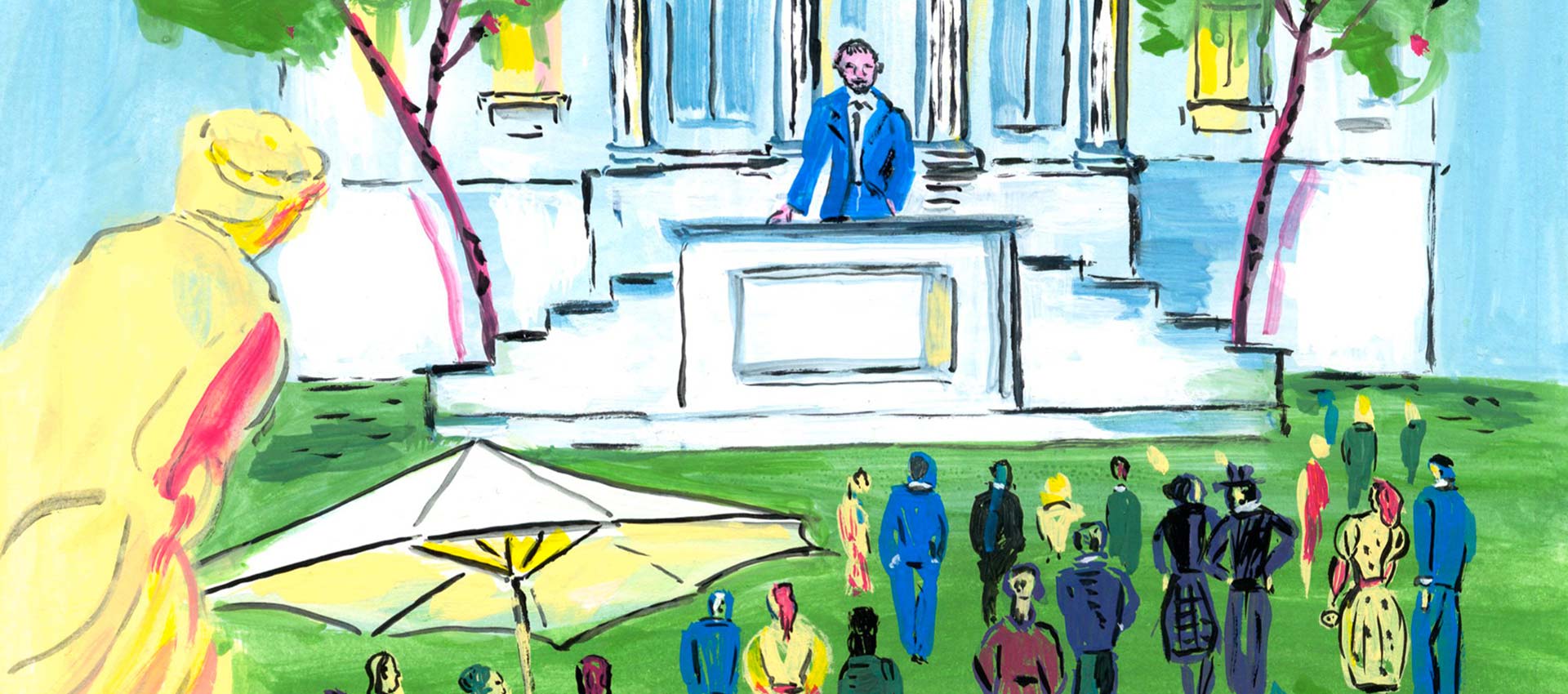
Since 2018, the SPK Annual Report has replaced the time-honoured yearbook. Lean, up-to-date and discursive, it deals with everything that moves the SPK.
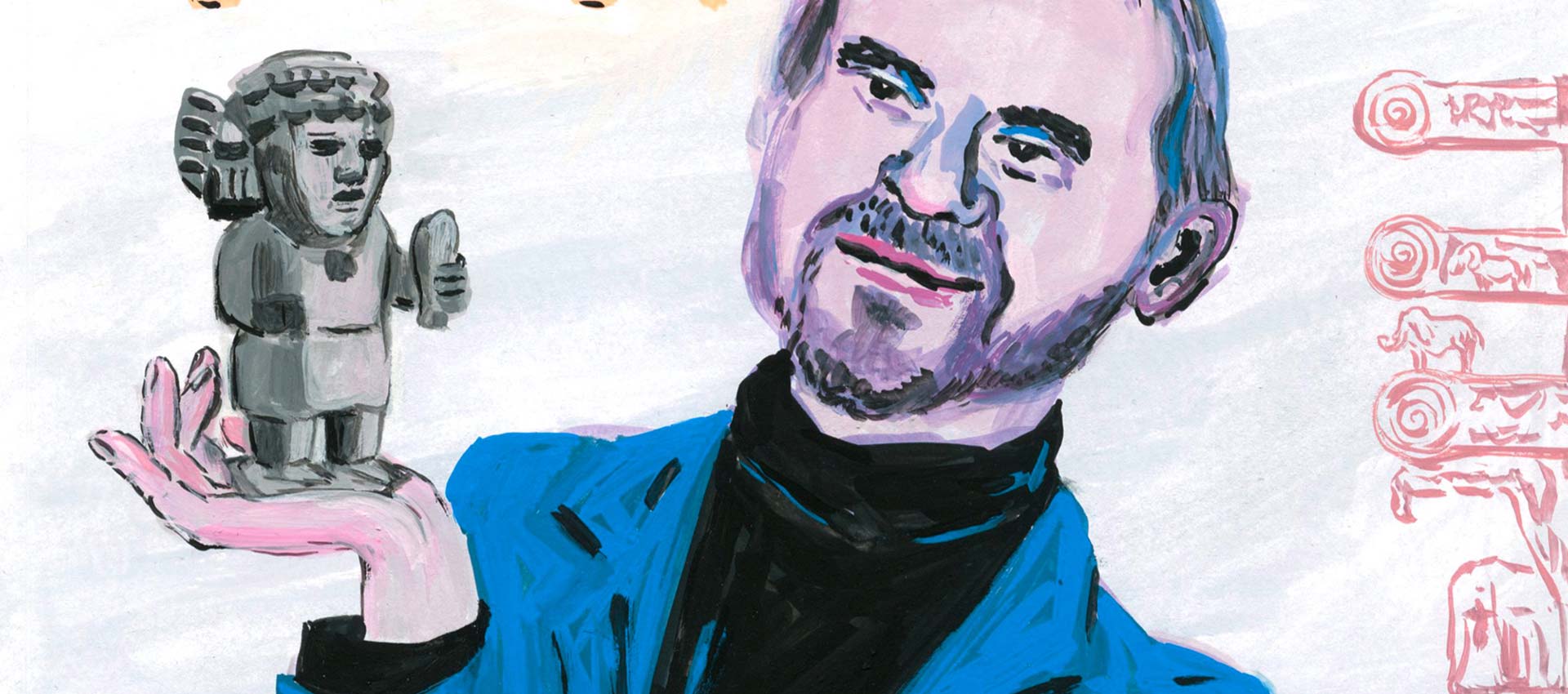
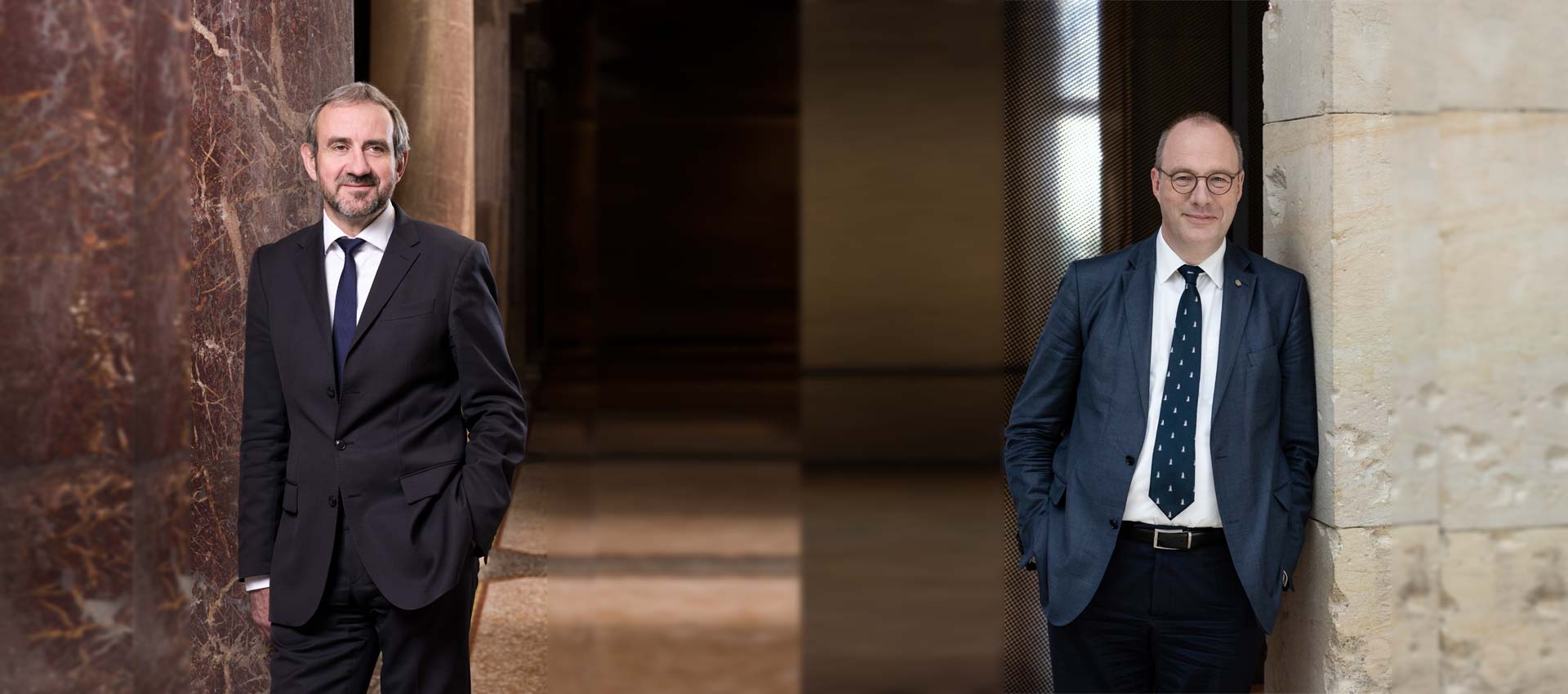
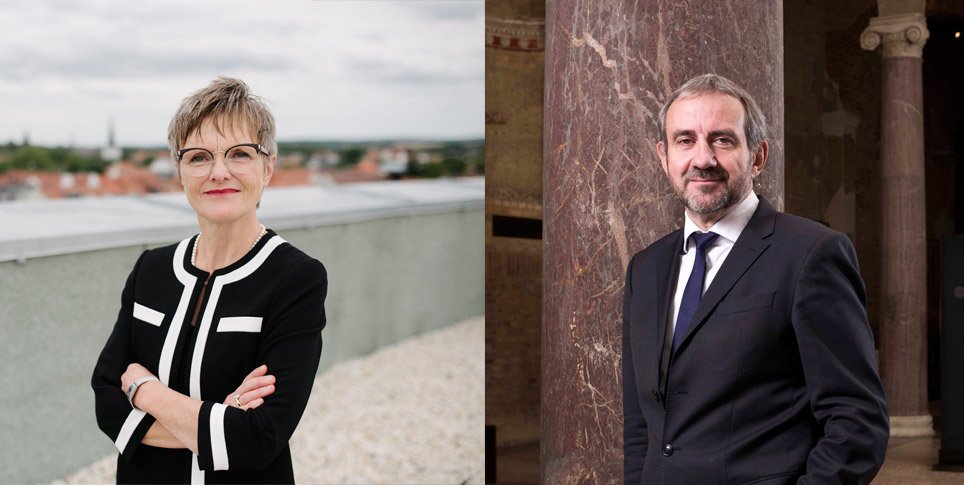
A new president, a new executive committee, a new law, new ideas. The 2025 Annual Report asks, “What’s going on, SPK?”
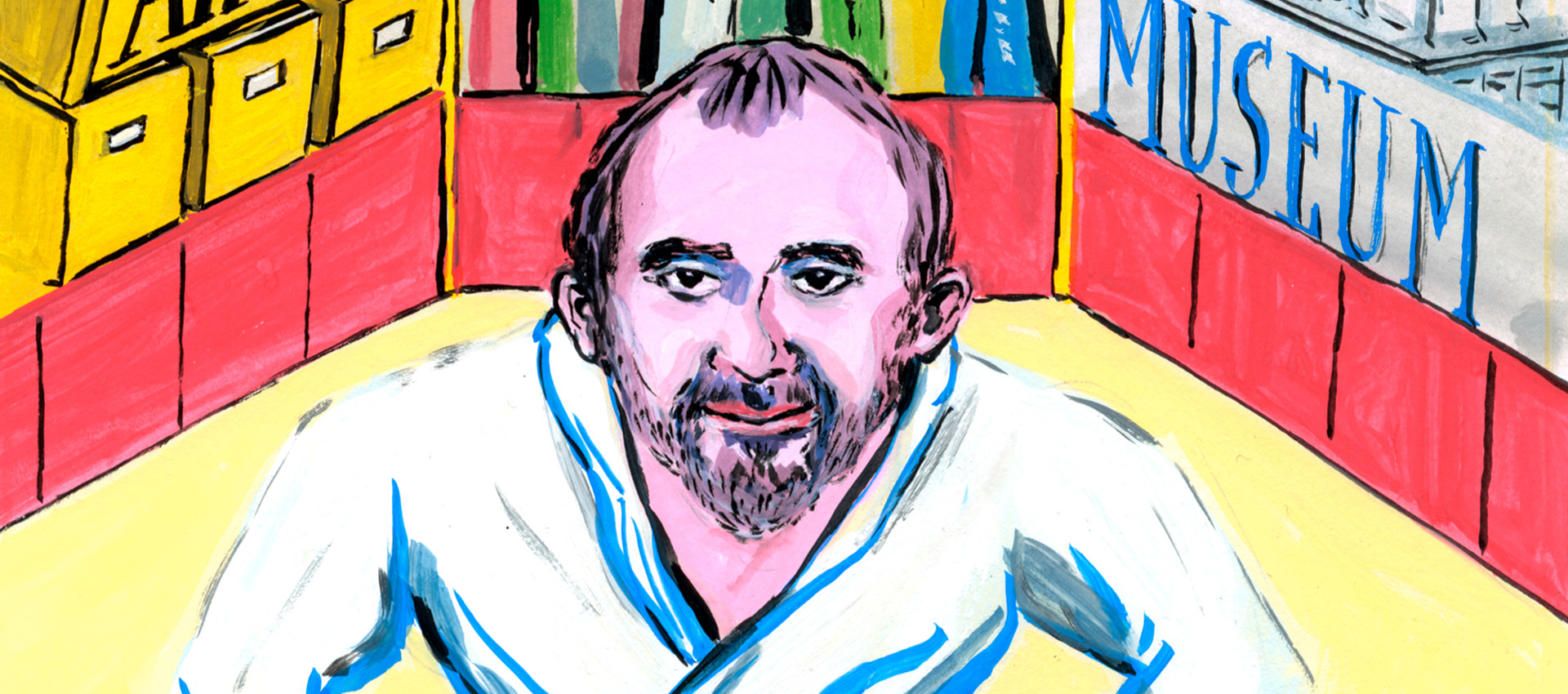
“Mr Parzinger, how did you manage that?” asks the 2024 Annual Report, taking stock of a 17-year presidency to mark the change of leadership at the SPK.
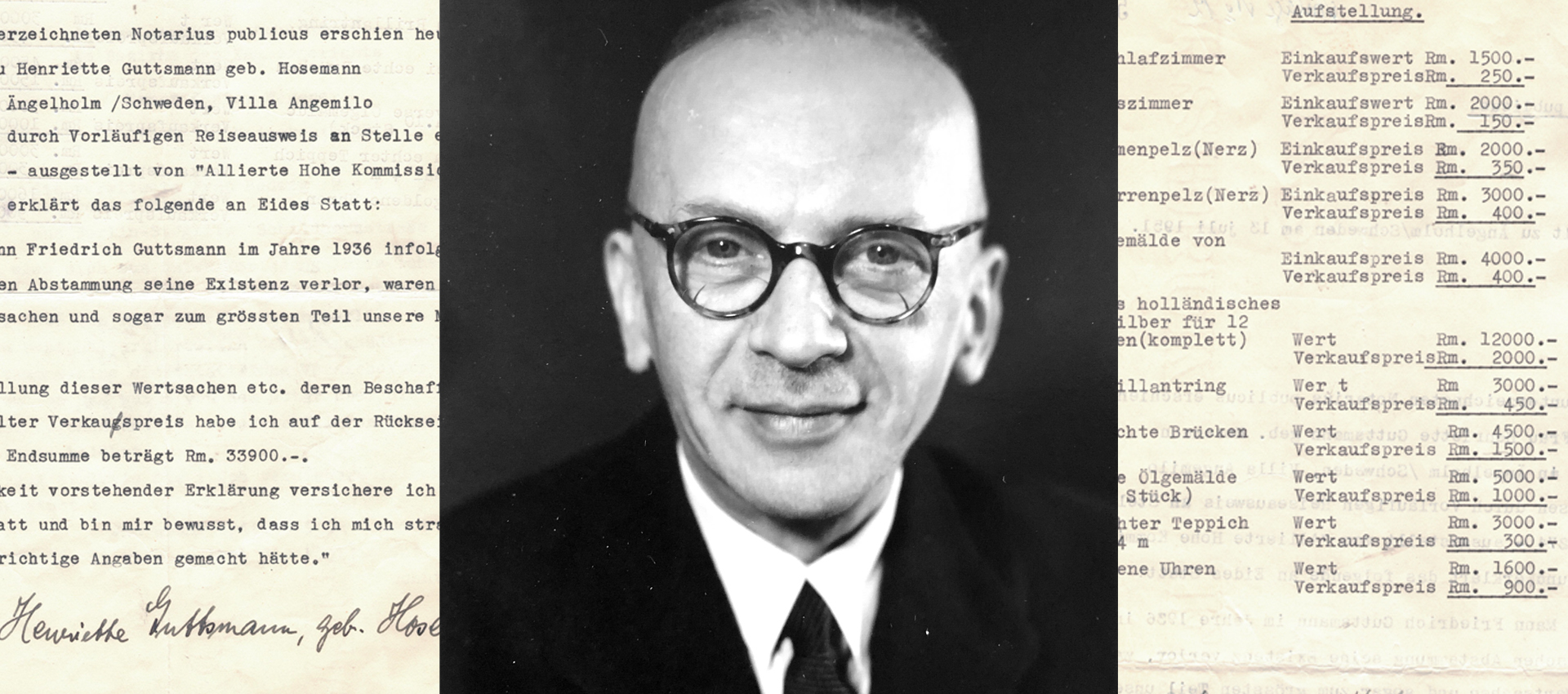
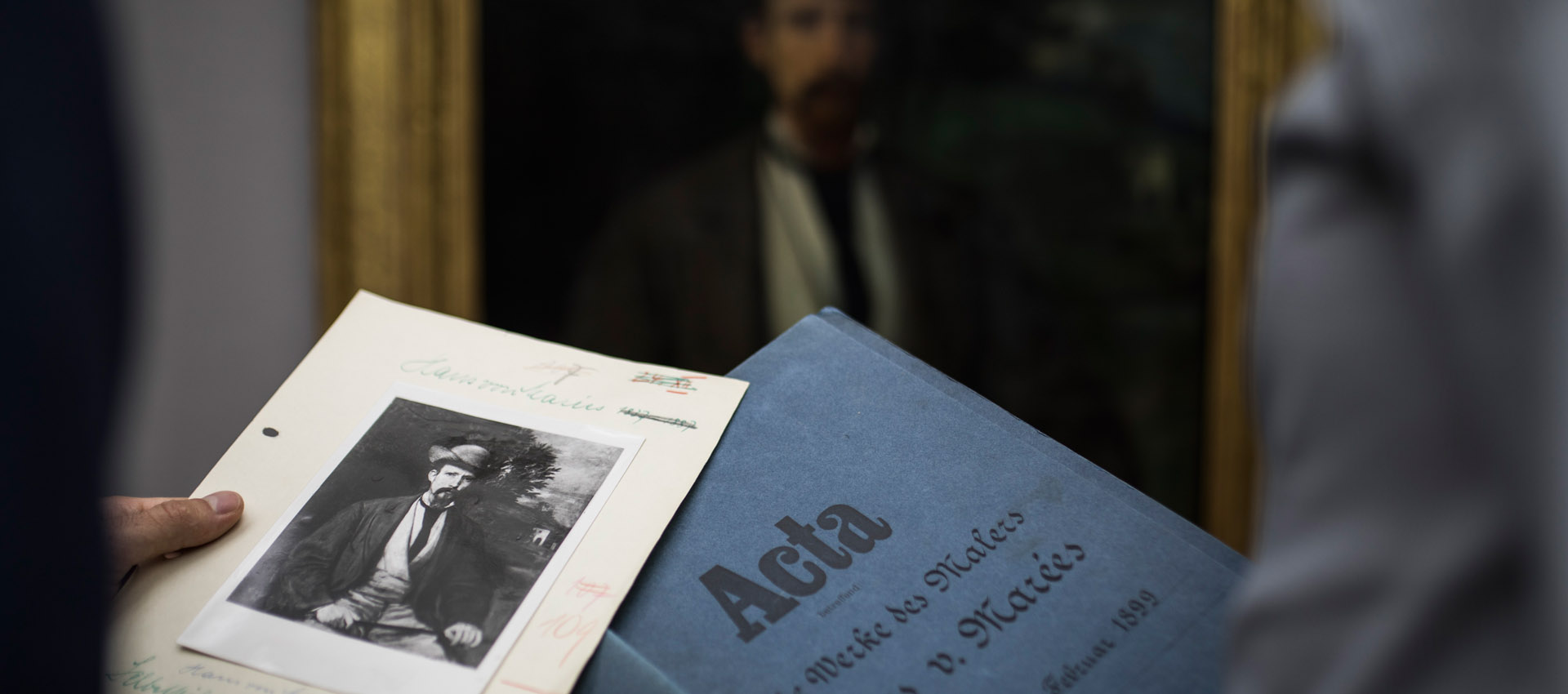
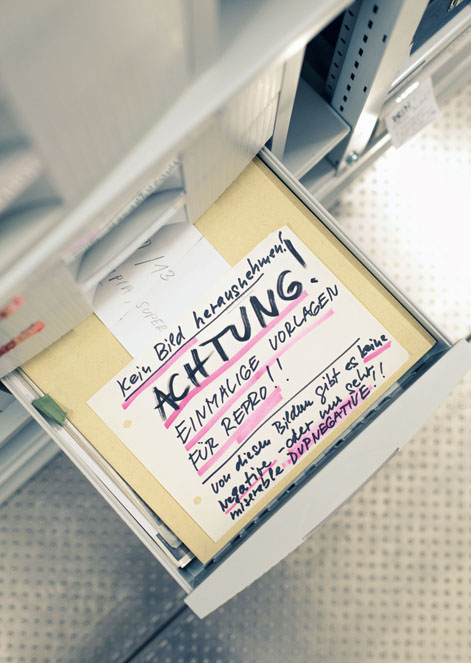
Twenty-five years after the Washington Conference, the 2023 Annual Report, under the guiding question ‘Fair and just?’, provides an insight into the various provenance research projects at the SPK. The focus of the discussion section is on coming to terms with Nazi art looting.
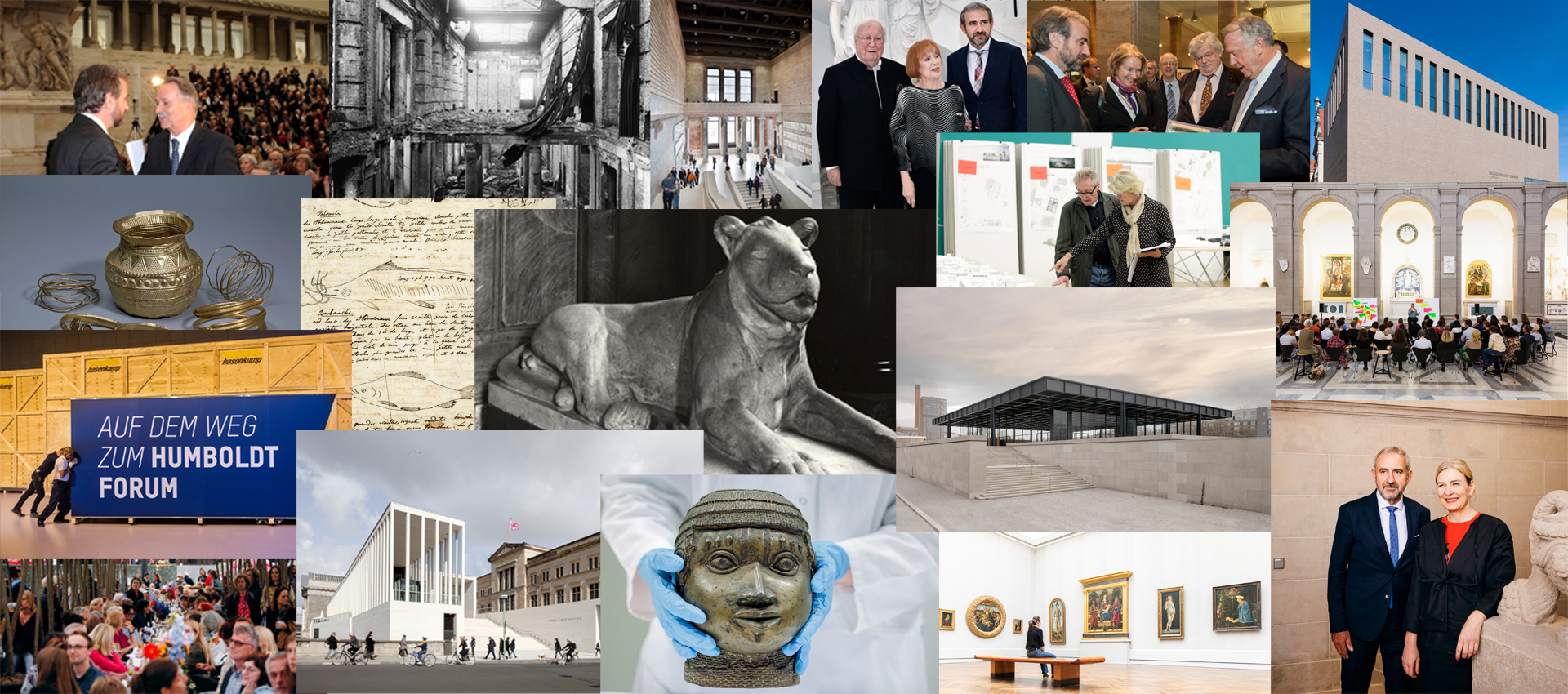
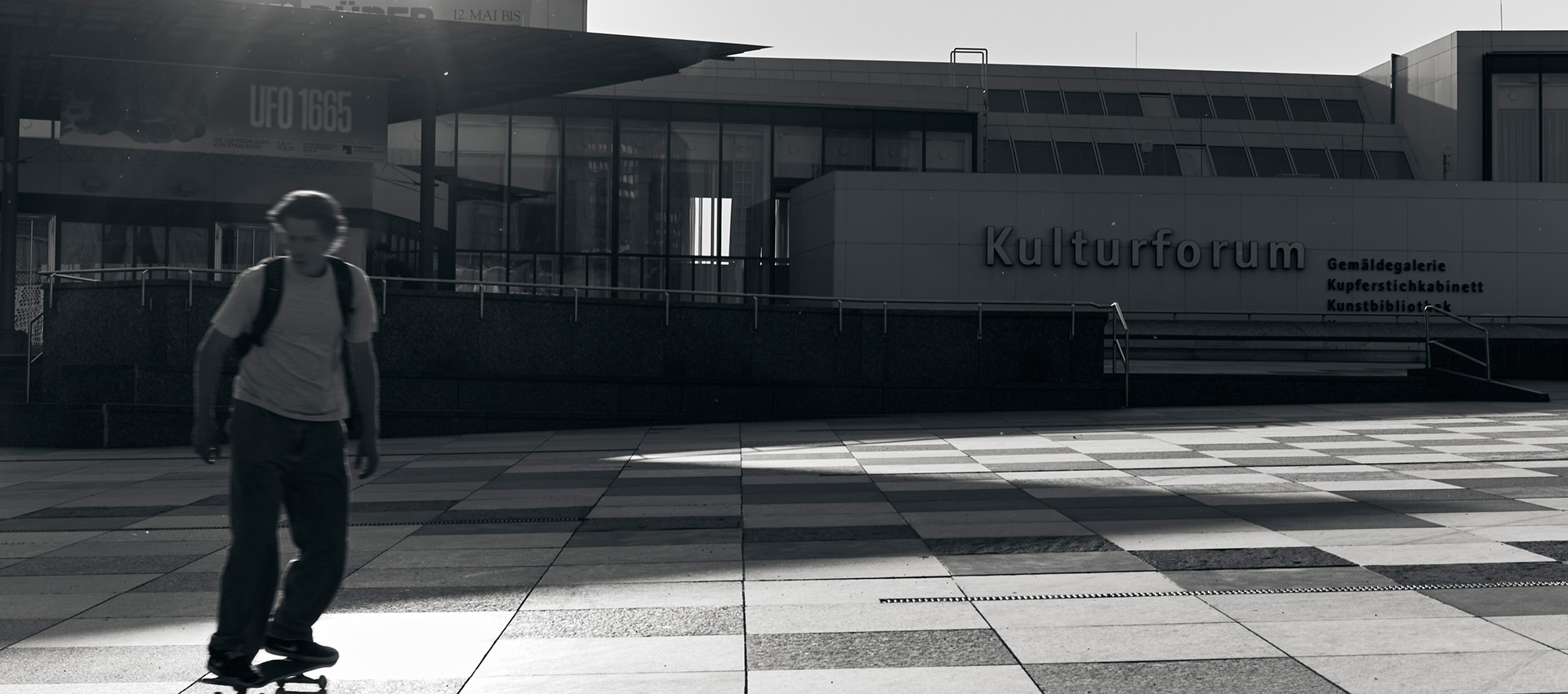
Under the title “Where does the future begin?”, the 2022 Annual Report gives six cultural journalists – who have been following the SPK for years with a critical yet supportive eye – the space to share their external perspectives on the current state of affairs at the three sites: Dahlem, Berlin’s Museum Island and the Kulturforum.
In the SPK’s engine room, change is gathering pace – spurred on by pressing social issues such as sustainability, diversity and gender equality. “How do we build the future?” asks the 2021 Annual Report, which is dedicated to the internal transformation of the Foundation and its staff.
2020 was a particularly challenging year. That is why the 2020 Annual Report, under the heading ‘Do we need another revolution?’, focuses on the theme of the pandemic and change: How do we move forward? What needs to change? What has proved its worth?
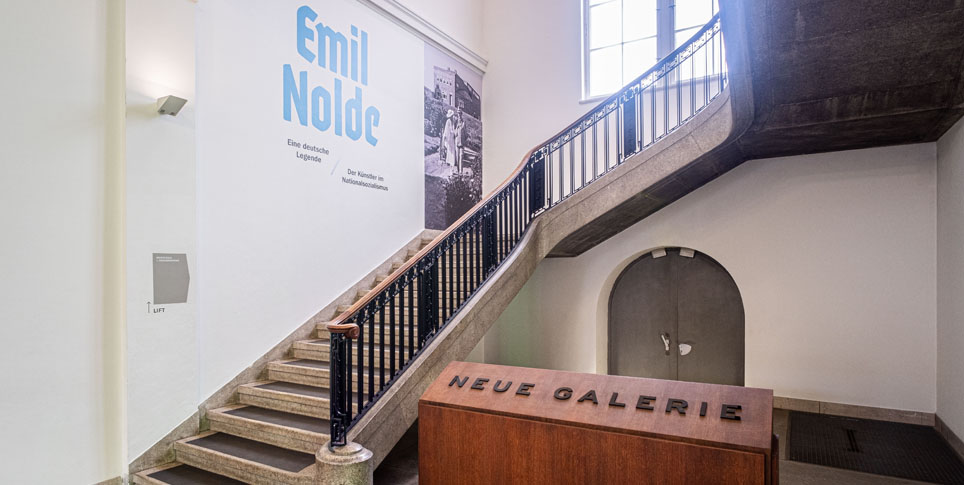
Under the title ‘Art without context?’, the 2019 Annual Report focuses on artists’ lives: taking as its starting point what was arguably the most hotly debated exhibition of the year, ‘Emil Nolde – A German Legend. The Artist under National Socialism’ – it explores the interrelationships between art and context, artist and work, reception and morality, as well as the question of what can be found in an artist’s estate.
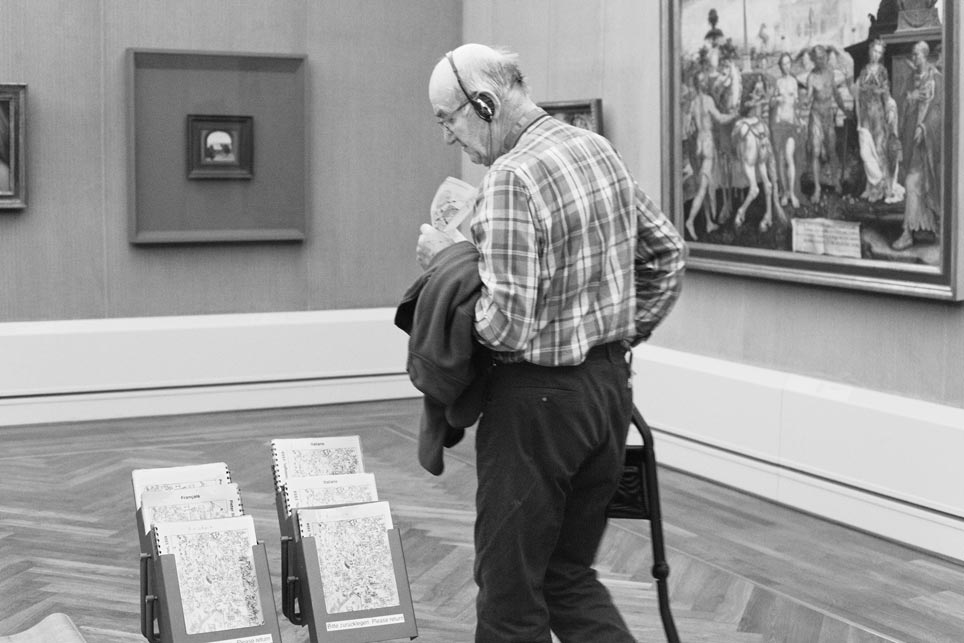
“As You Like It?” asks the 2018 Annual Report, which addresses the topic of visitor-friendliness: What do visitors and users of cultural repositories such as museums and libraries want and need? To what extent must a cultural institution adapt its content to these needs? And what new opportunities has the digital transformation brought?
The handling of non-European collections dominated the summer of 2017. That is why this year’s annual report asks: “Who owns the art?”. The focus is on provenance research into those objects due to be moved to the Humboldt Forum – and on the questions of how this research works and why it takes so long.
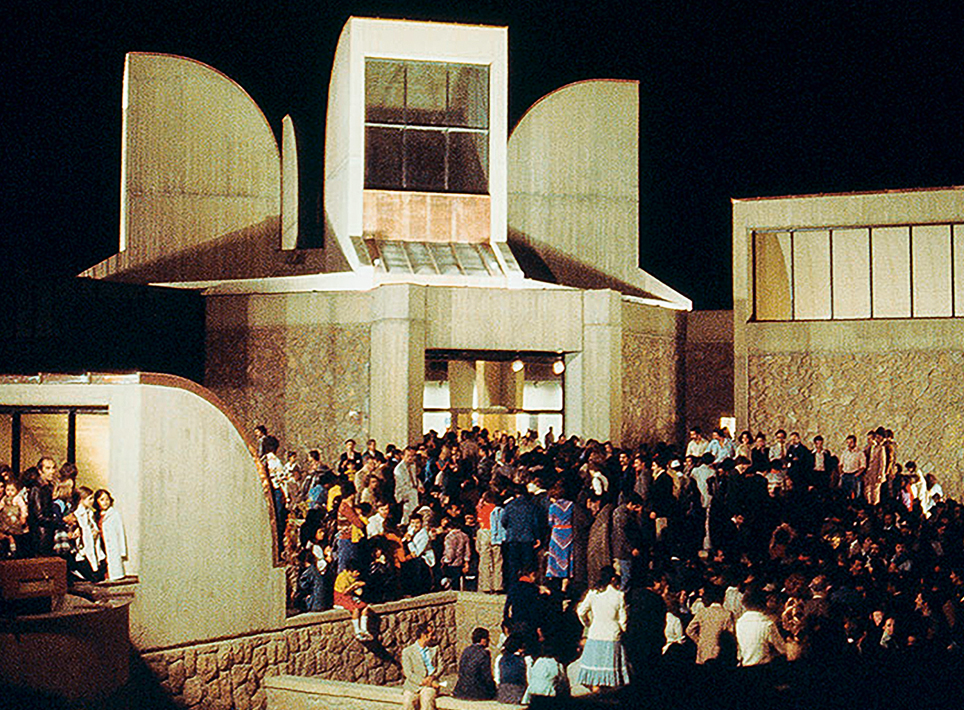
The 2016 Annual Report focuses on cultural exchange and asks, ‘Can art change the world?’. In cultural policy, more is sometimes possible than in politics. The SPK is building bridges with Iran and Russia. The main thing, says Foundation President Parzinger in an interview, is that we know more about one another.
- SPK Annual Report 2025 ‘What’s going on, SPK?’ available for download (PDF, 29 MB)
- SPK Annual Report 2024 “Mr Parzinger, how did you do that?” available for download (PDF, 20 MB)
- SPK Annual Report 2023 “Fair and just?” – download (PDF, 25 MB)
- SPK Annual Report 2022 ‘Where does the future begin?’ – download (PDF, 18 MB)
- SPK Annual Report 2021 “How do we build the future?” – download (PDF, 14.46 MB)
- SPK Annual Report 2020 “Do We Need Another Revolution?” – Download (PDF, 6.38 MB)
- SPK Annual Report 2019 ‘Art without context?’ – download (PDF, 4.70 MB)
- SPK Annual Report 2018 ‘As You Like It?’ – download (PDF, 6.88 MB)
- SPK Annual Report 2017 ‘Who Owns Art?’ – download (PDF, 8.45 MB)
- SPK Annual Report 2016 “Can Art Change the World?” – download (PDF, 9.08 MB)