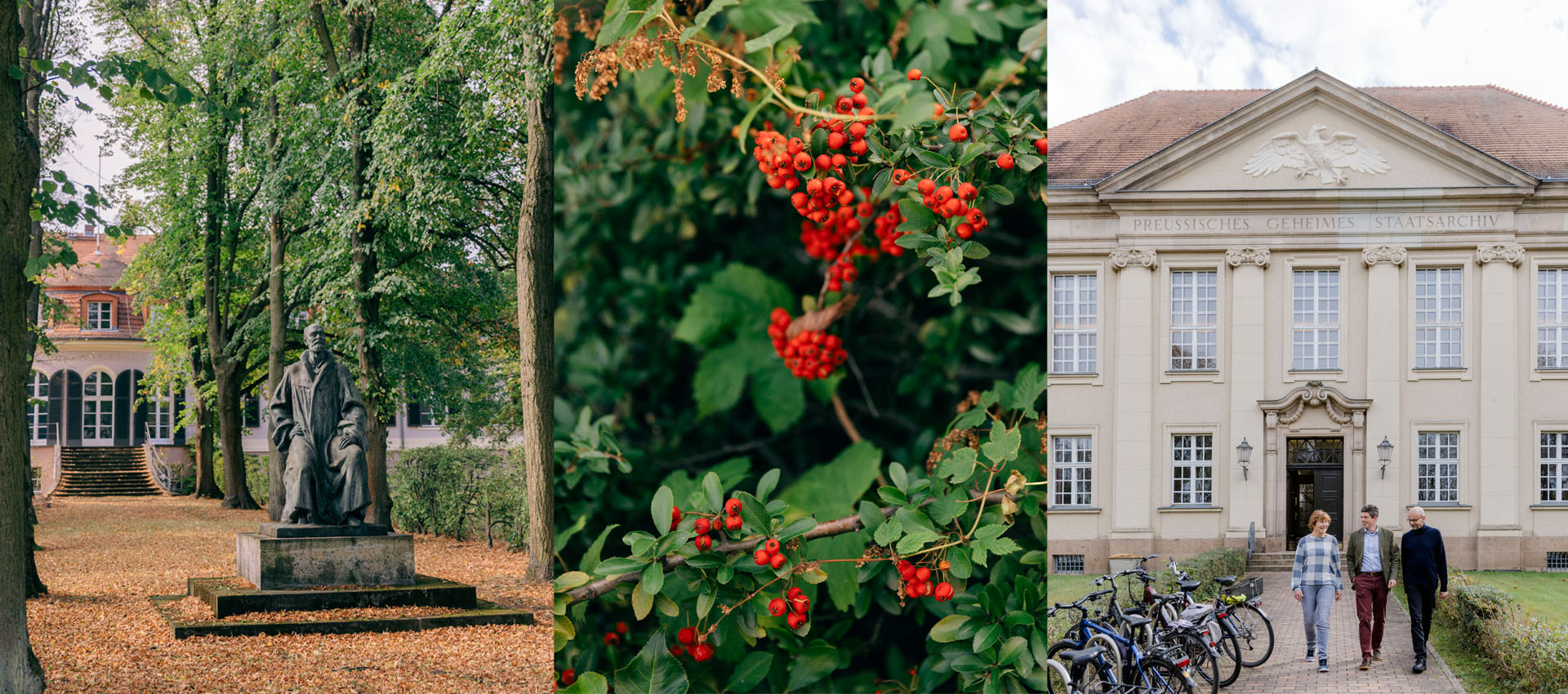
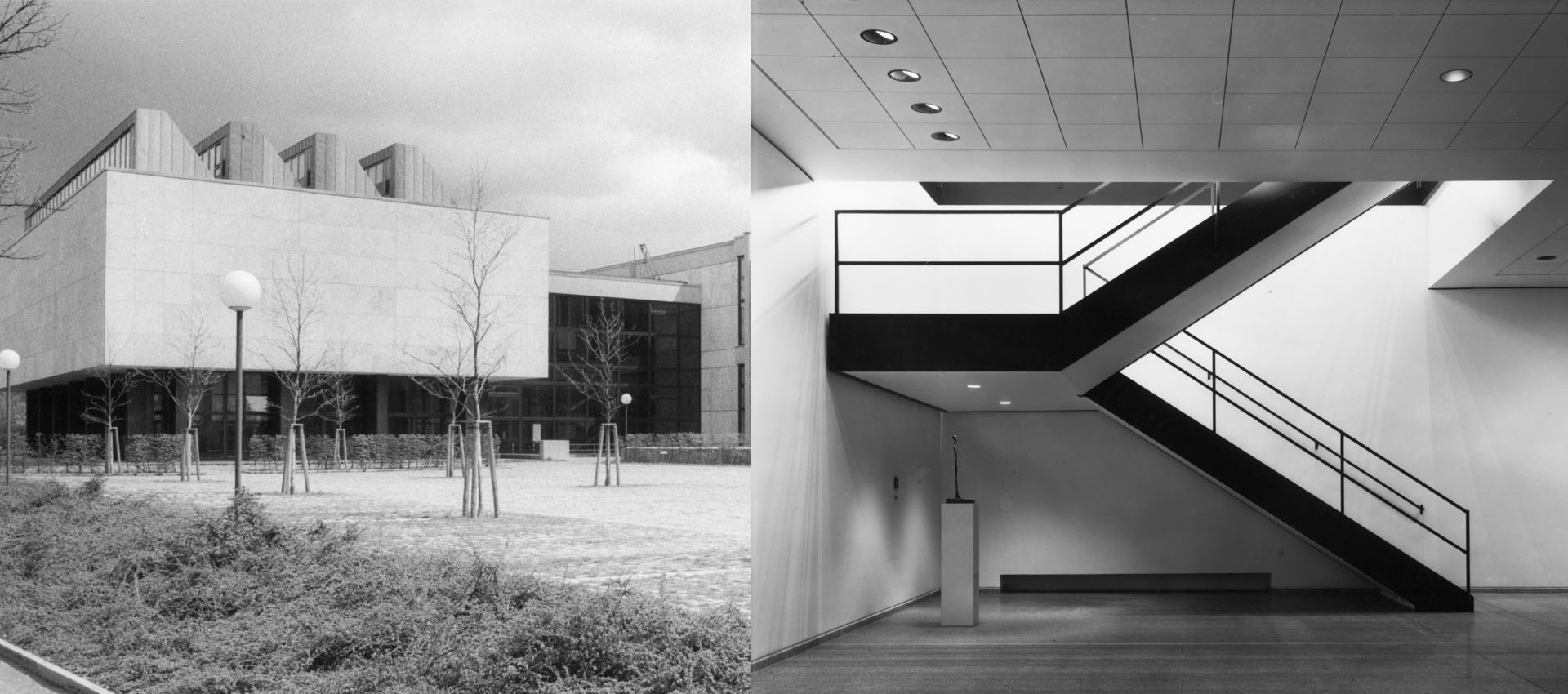
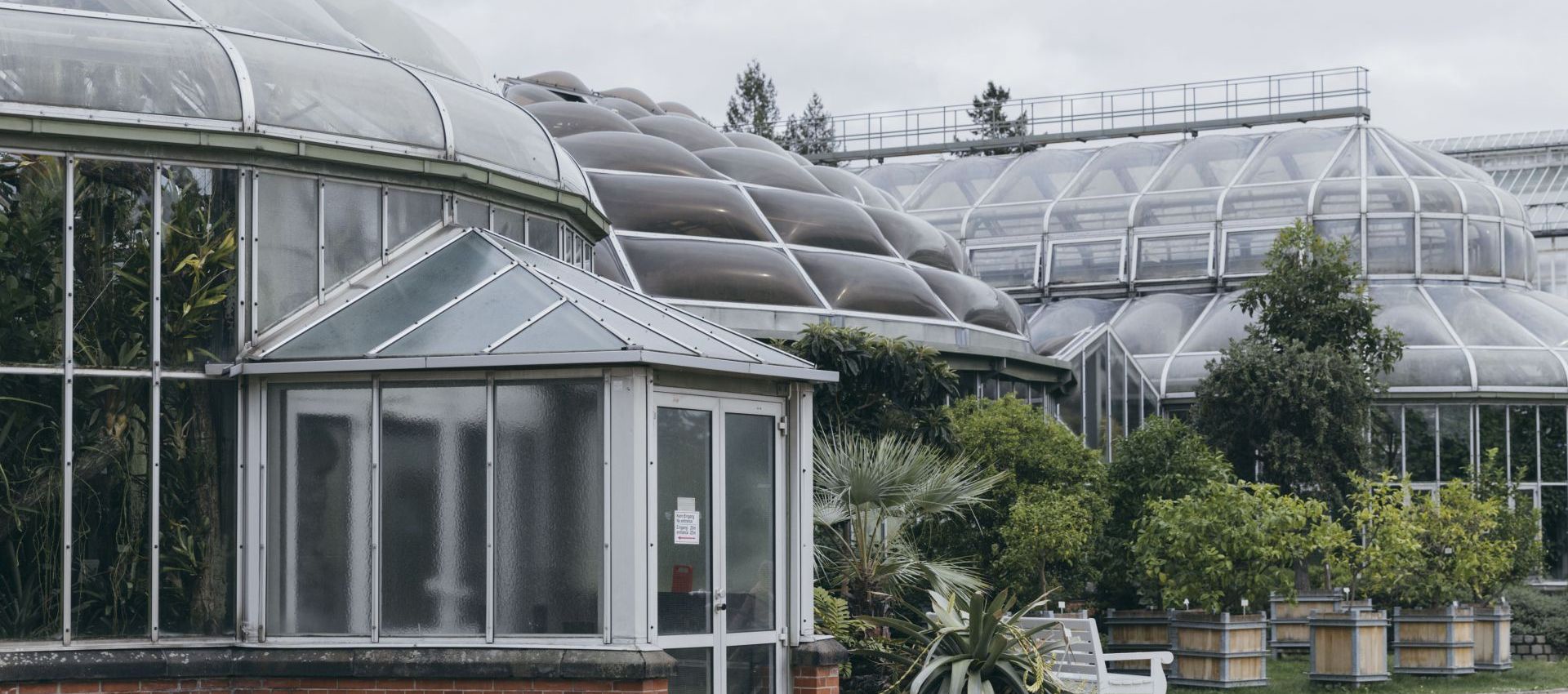
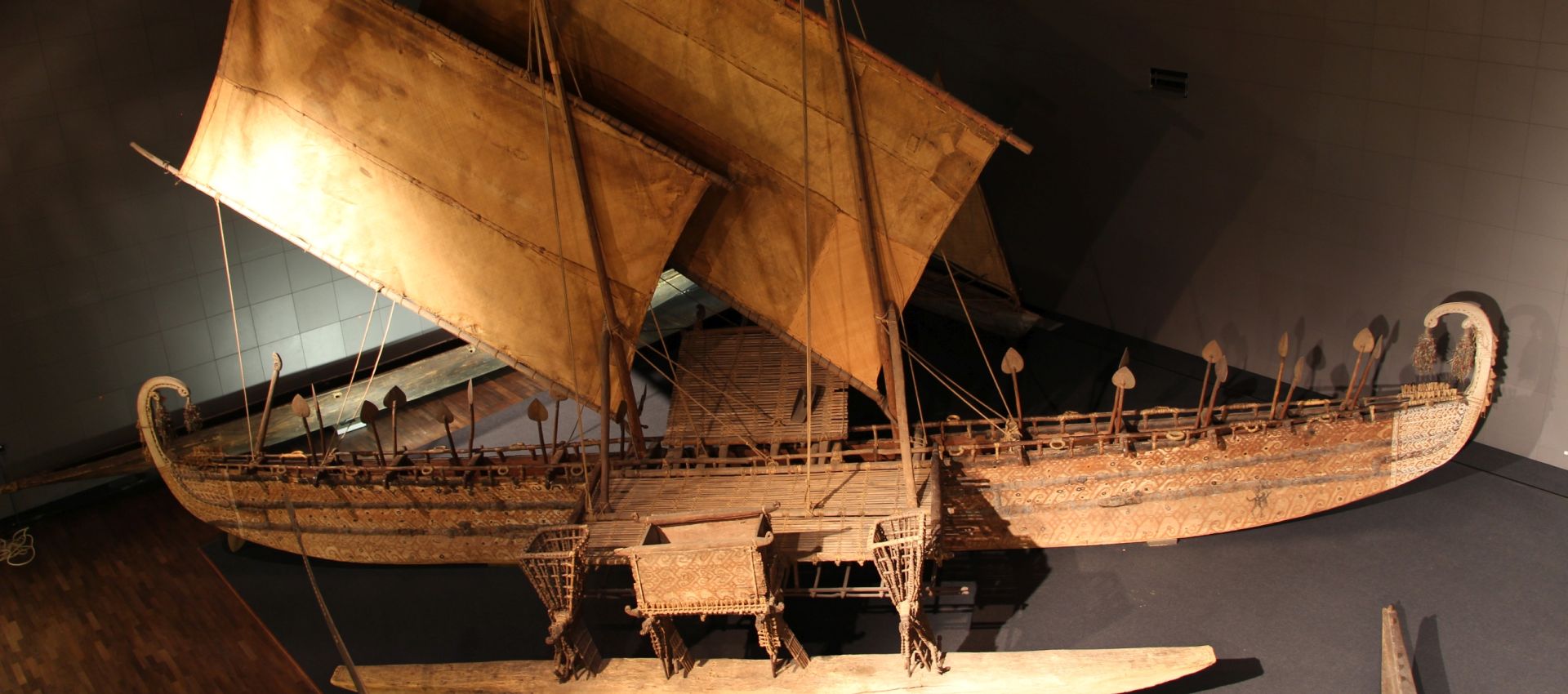
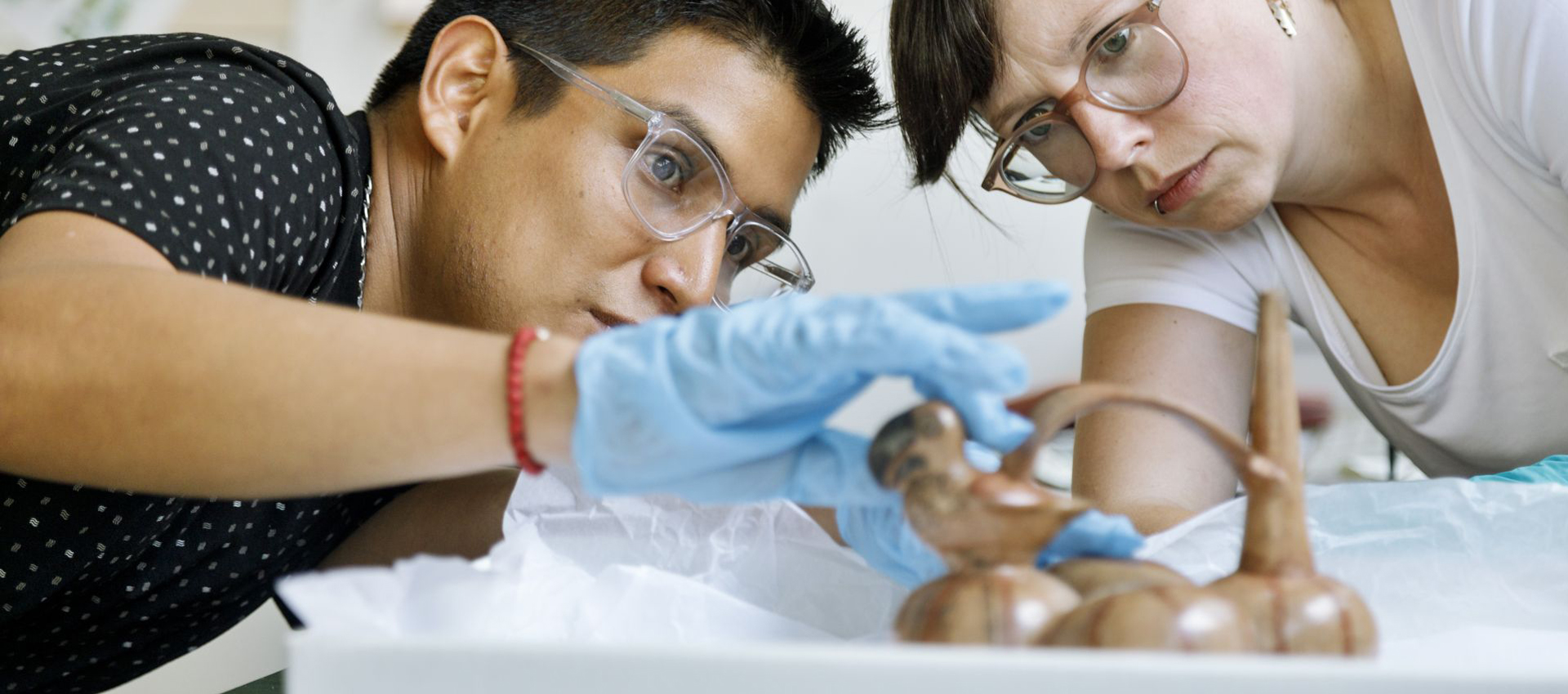
Dahlem has long been a major centre for scientific research and home to many disciplines, including ethnology, art history and archaeology. The Dahlem Research Campus (FC Dahlem) – based in the former Dahlem Museum complex – builds on this tradition, but expands upon it through a novel approach that prioritises interdisciplinary collaboration and public engagement. At the heart of the work lies the tangible and intangible cultural heritage of the Prussian Cultural Heritage Foundation (SPK), which serves as a source for both research and the networking of academia and society. The stakeholders of the Research Campus create a platform on which scientific processes are not only made visible but also further developed through dialogue.
Diversity of institutions
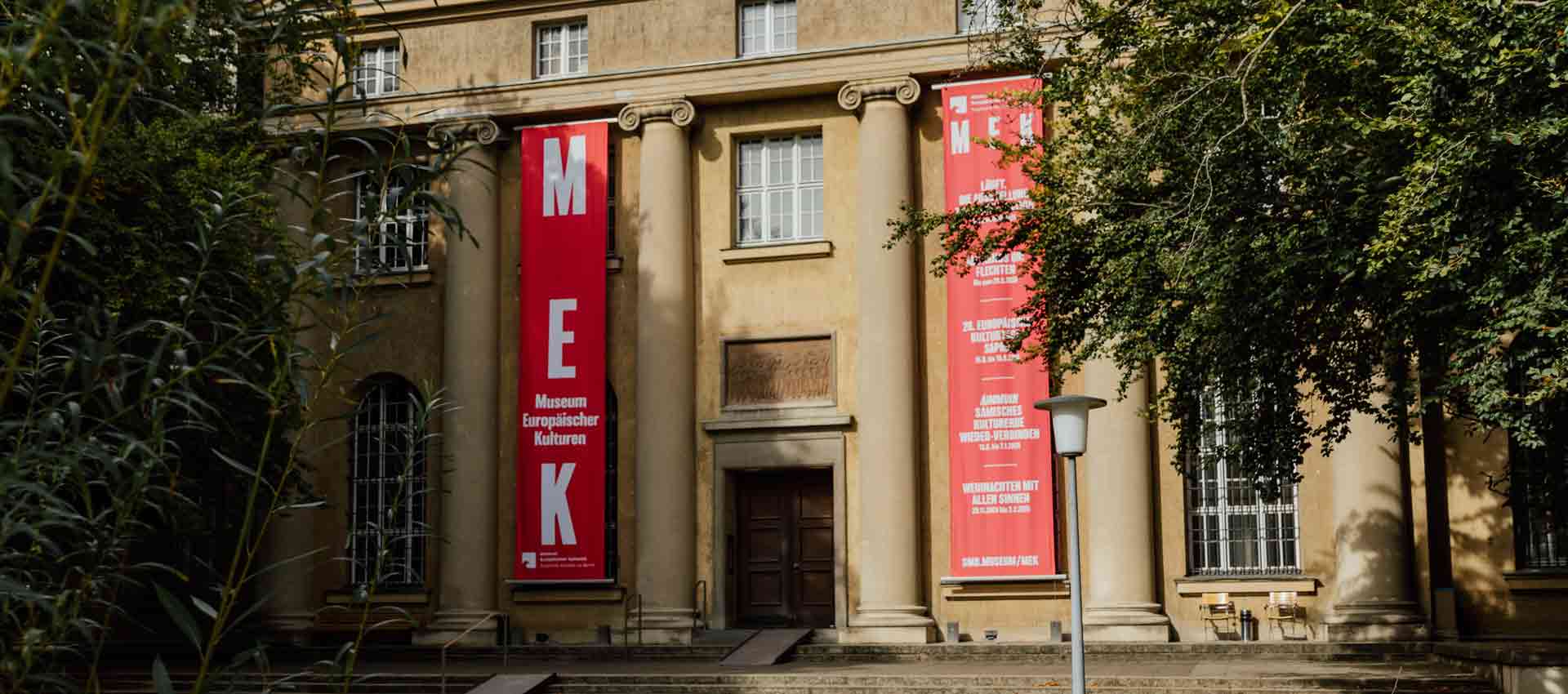
The Dahlem Research Campus now brings together eight institutions of the SPK, whose expertise and perspectives enrich one another. In addition to the Museum of Ethnology, the Museum of Asian Art, the Art Library and the Rathgen Research Laboratory, the Institute for Museum Research, the Ibero-American Institute, the Museum of European Cultures and the Plaster Casting Workshop are also involved. The perspectives of these institutions make it possible to view the collection objects within a comprehensive context and to develop new interdisciplinary approaches.
Transparency and interdisciplinarity
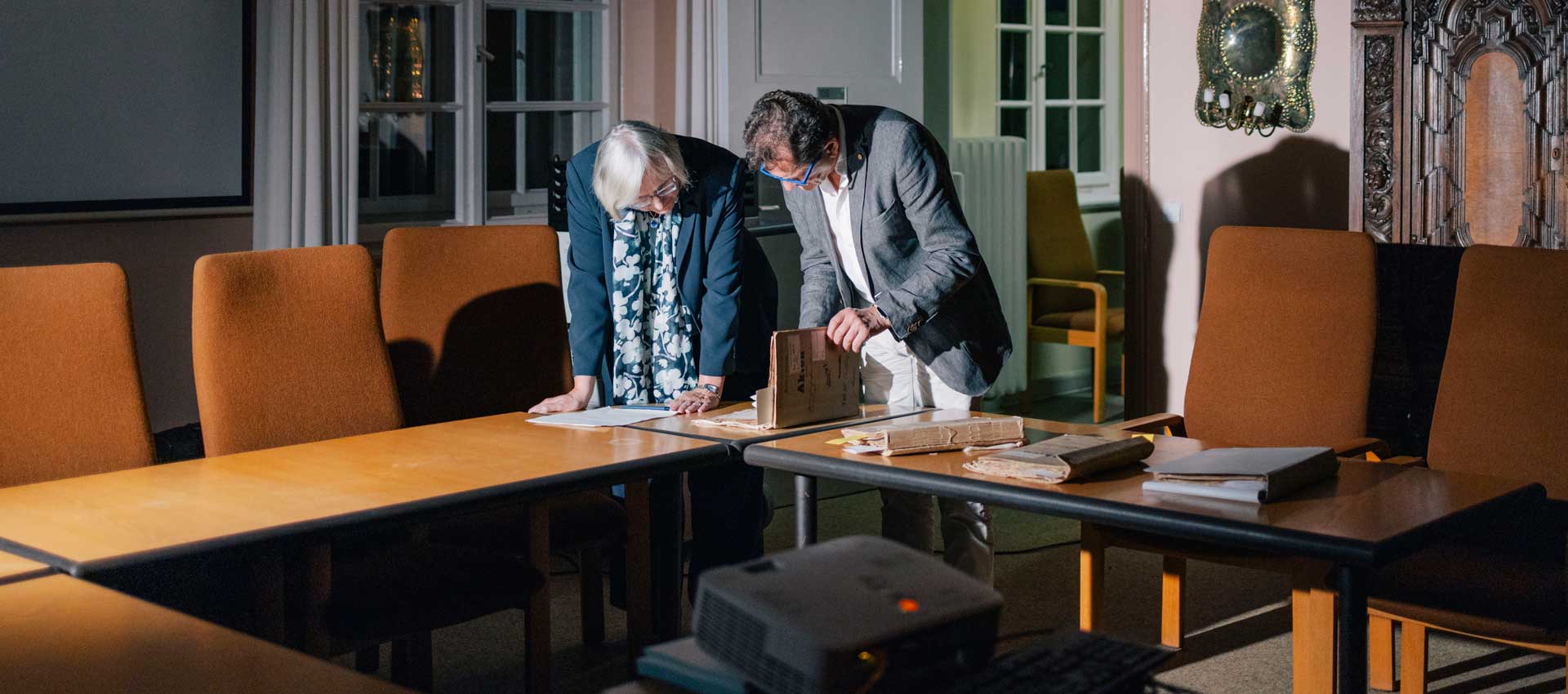
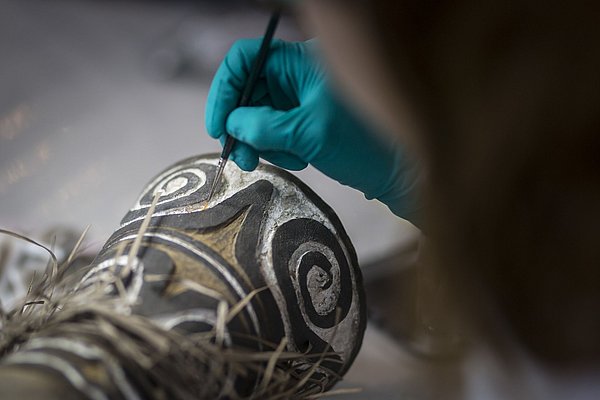
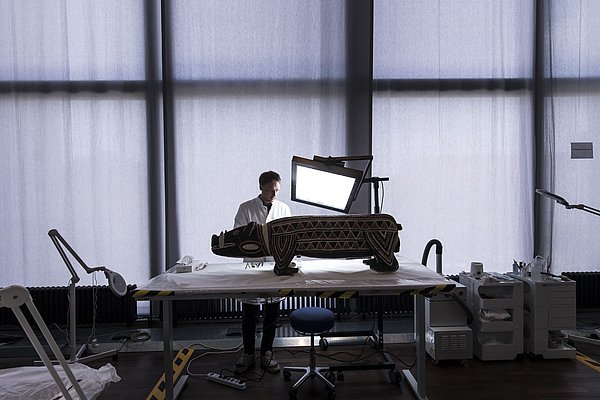
Central to the work of the Research Campus is its openness – in two respects: open to visitors, but also open to contributions, discourse and intensive exchange. Whilst museums usually focus on the end result of scholarly work – for example in the form of exhibitions – and only very rarely on the work with collections, the Research Campus places great importance on the visibility of research processes. For example, the restoration, conservation and digitisation of objects are made transparent. Visitors learn about the considerations and decisions that shape the work. A ‘peek behind the scenes’ of research is made possible to foster a deeper understanding of the steps and challenges behind the scenes. At the same time, the dynamics of research are showcased, inviting active participation.
An interdisciplinary framework
The work of the Research Campus is structured around four key concepts: cultures, research, objects and knowledge. These concepts provide the framework for the interdisciplinary study of tangible and intangible cultural heritage. ‘Cultures’ refers to the diversity of cultural contexts in which the collection objects were created. ‘Research’ stands for the systematic scientific process that enables new insights into these objects and their significance, and is the essence of all collection work. ‘Things’ emphasises the material aspect of the collection objects, whilst ‘knowledge’ represents the product of comprehensive dialogue.
The DenkRaum: Participation and Reflection
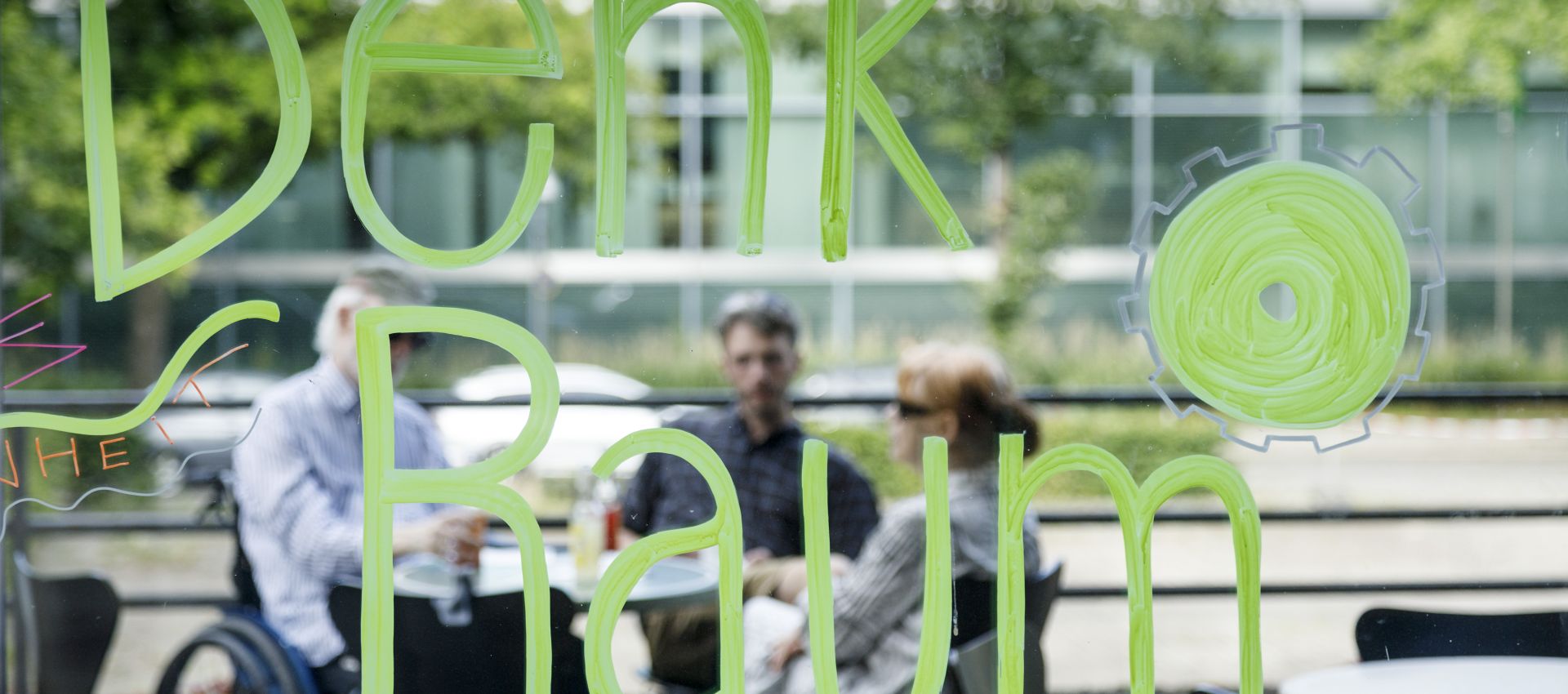
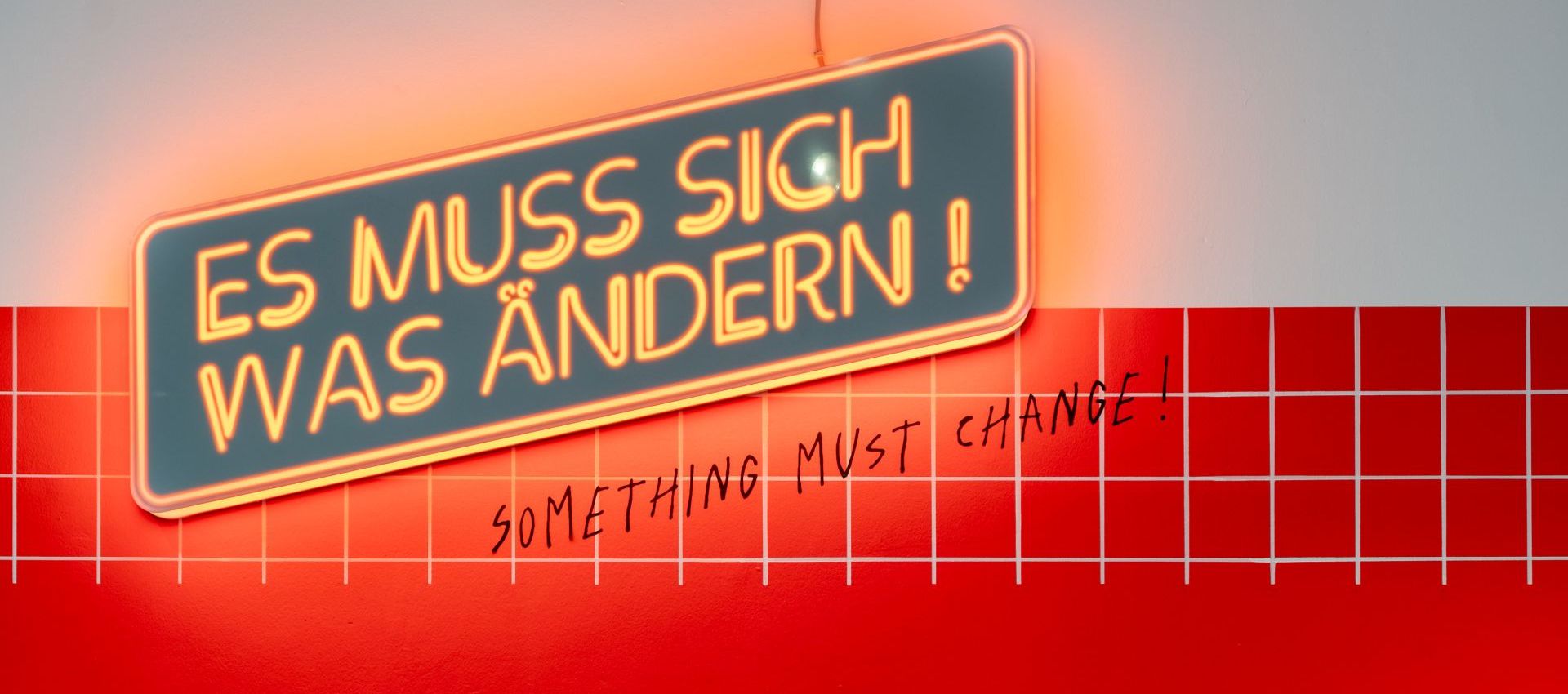
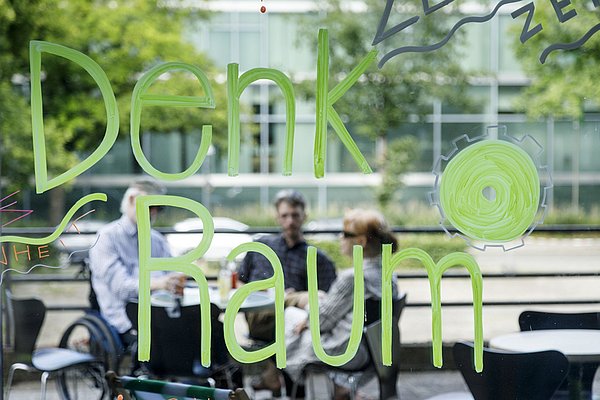
One of the Research Campus’s first projects is the “Time & Temporality” DenkRaum, which opened in September 2024 and is generously supported by the Board of Trustees of the Prussian Cultural Heritage Foundation. Here, curators invite visitors to explore the theme of time from various perspectives within different thematic “hubs”. Multimedia and interactive elements enable visitors to actively contribute to the further development of the hubs and to engage with the topic themselves.
The DenkRaum embodies the vision of the Dahlem Research Campus: not to impart knowledge from above, but to develop it together with society. Participation and exchange are central objectives of this project. The individual hubs are, so to speak, “engagement made tangible” – in this case, with time. New knowledge is generated through continuous reflection and interaction.
The DenkRaum is a symbol of the Research Campus: it is not only a place for exchange between disciplines, but also between science and society. Knowledge grows here through reflection and participation.
To further promote this exchange, the Research Campus regularly offers lectures, workshops and presentations that provide an insight into ongoing research projects. These events are specifically aimed at the interested public.
Conclusion
Through its work, the Dahlem Research Campus creates a unique interface between science and society. It can serve as a model for making collection work visible, bringing research out of the ivory tower and shaping it in a participatory and forward-looking manner.