The ‘German Oxford’: Around a century ago, the Kaiser Wilhelm Institutes oscillated between being a breeding ground for Nobel Prize winners and being used as a political tool.
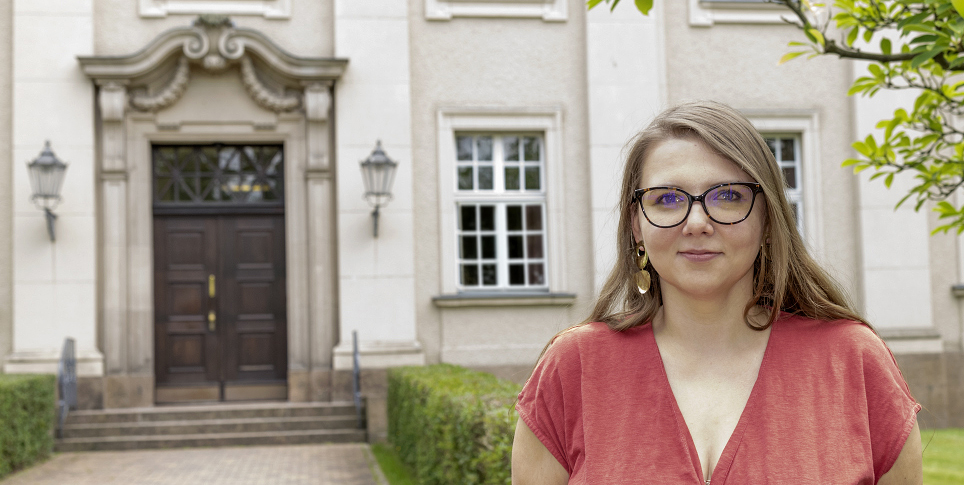
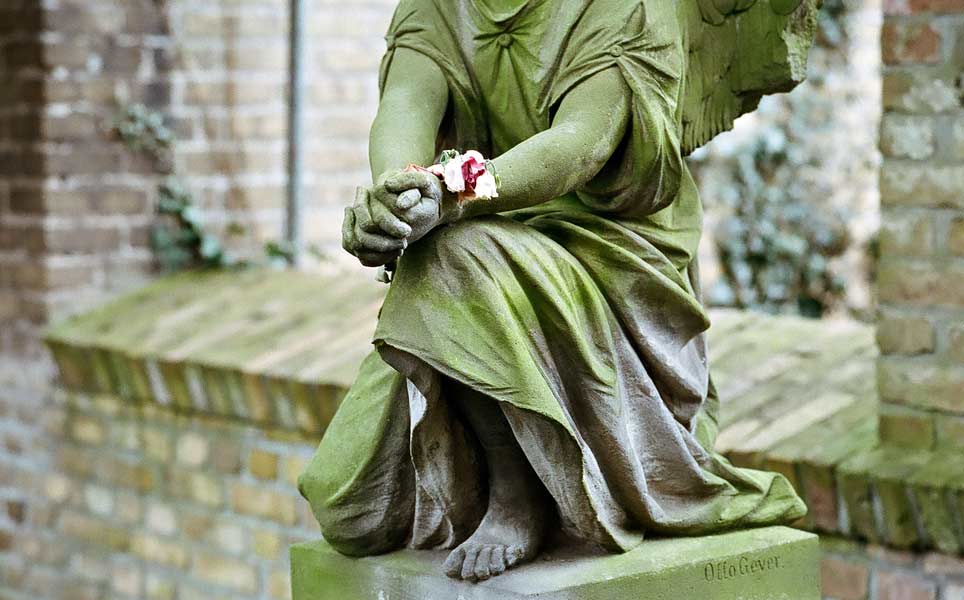
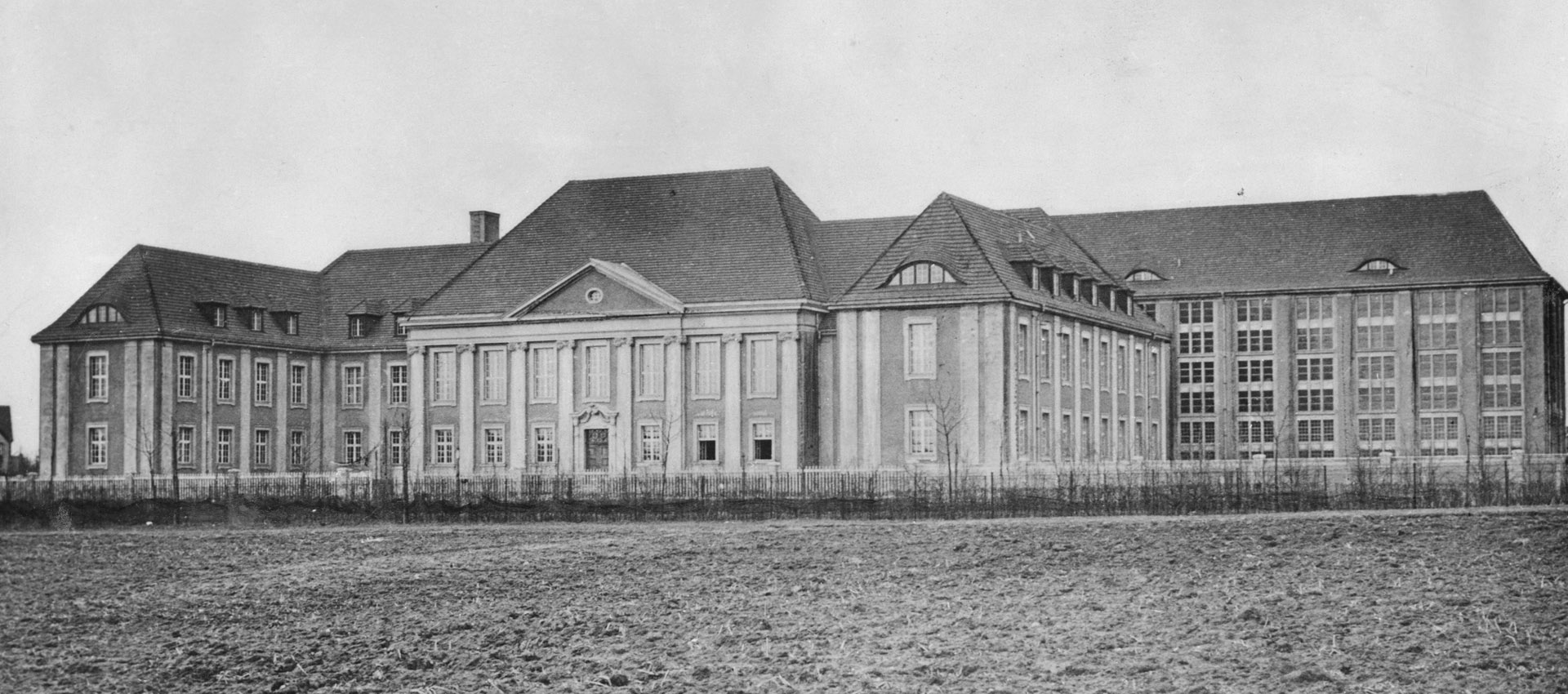
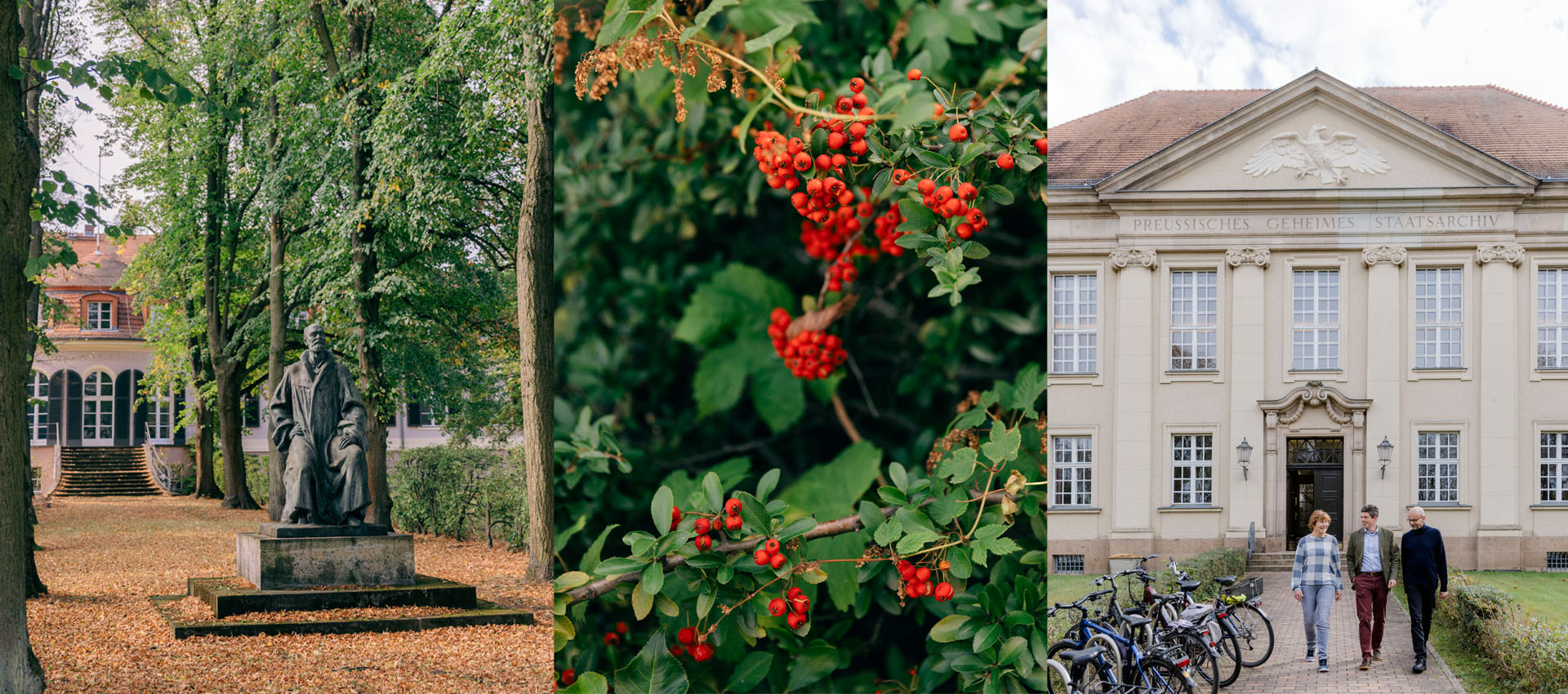
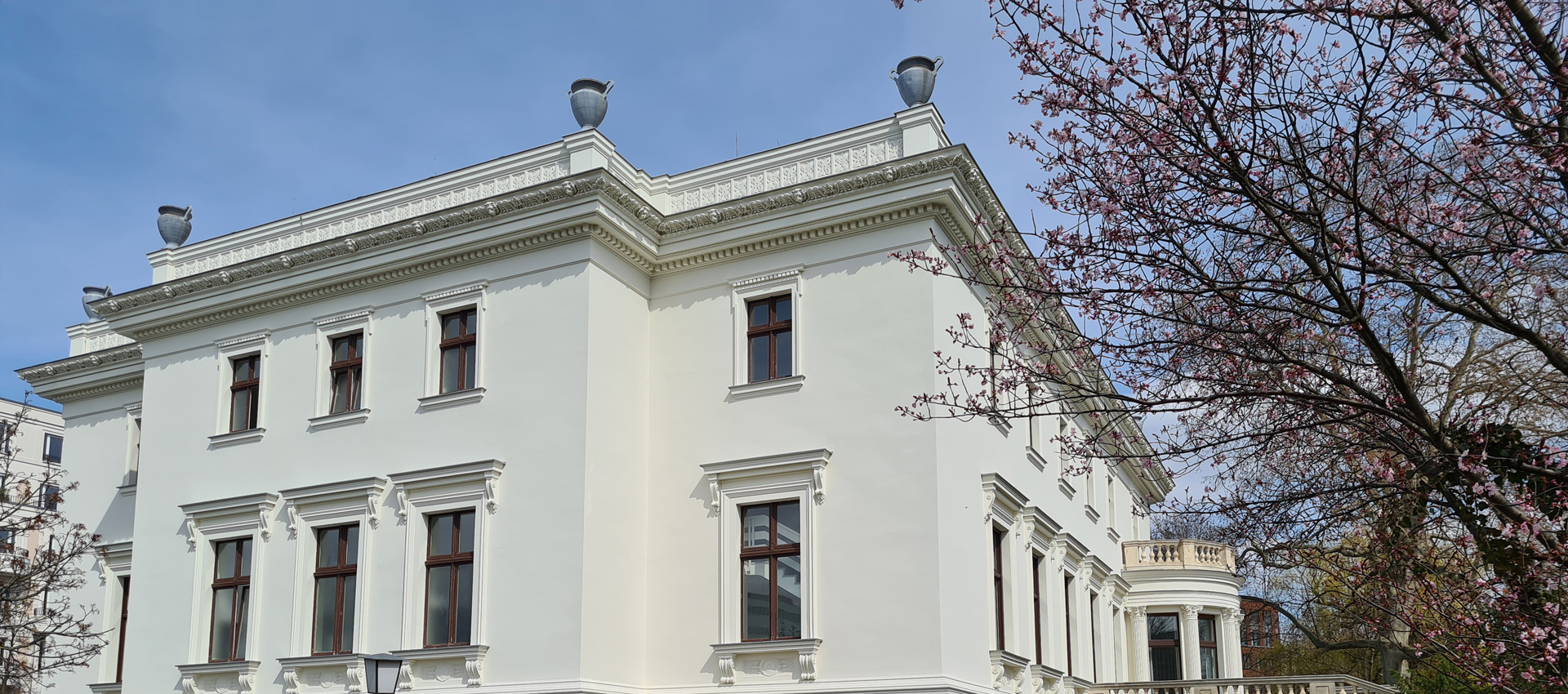
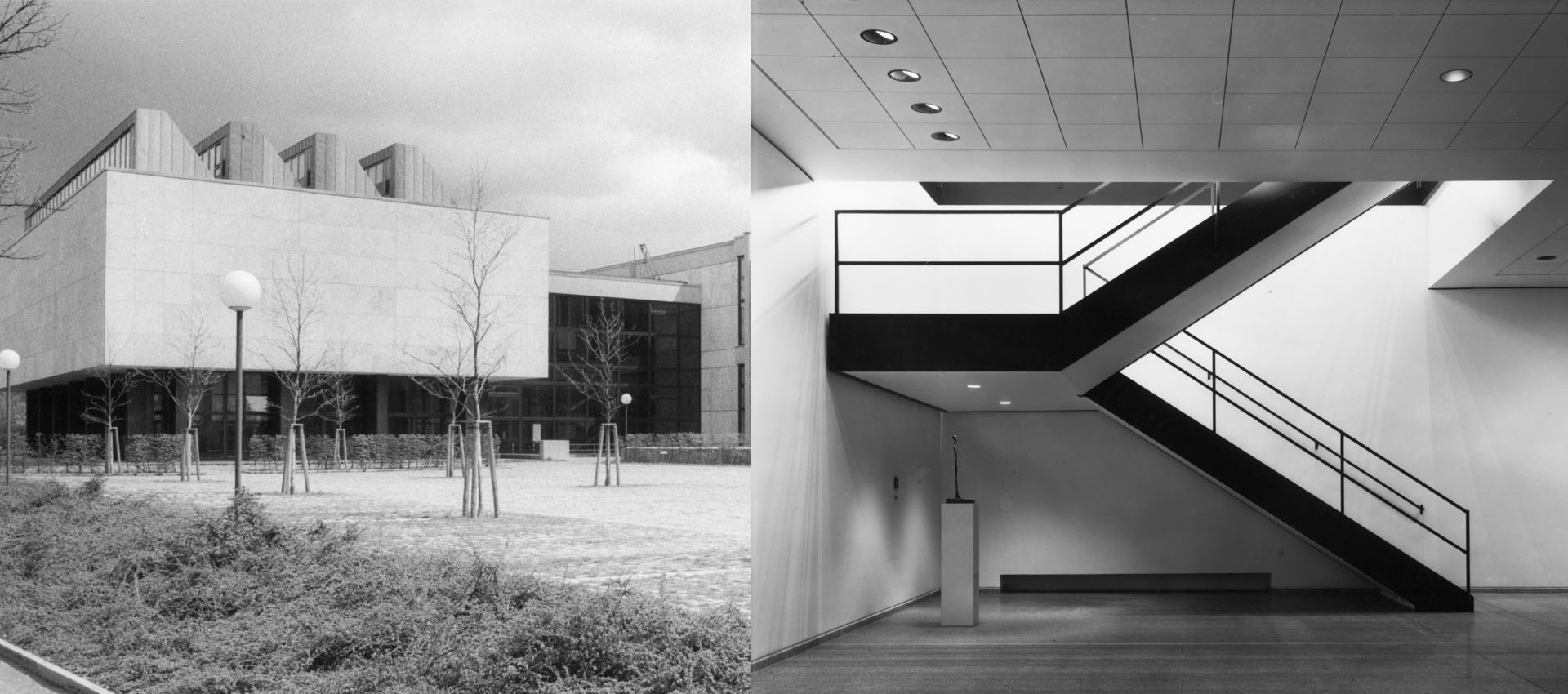
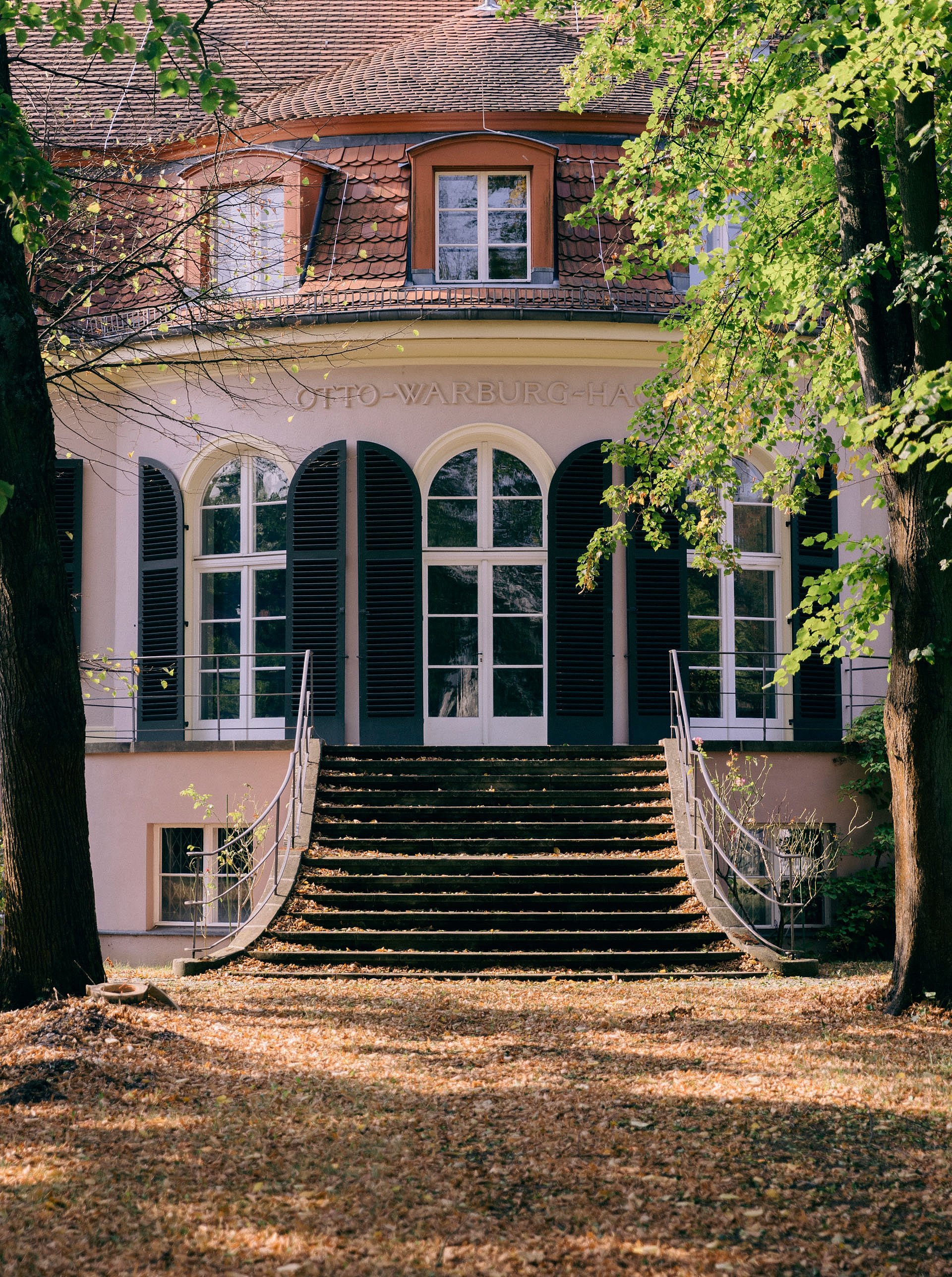
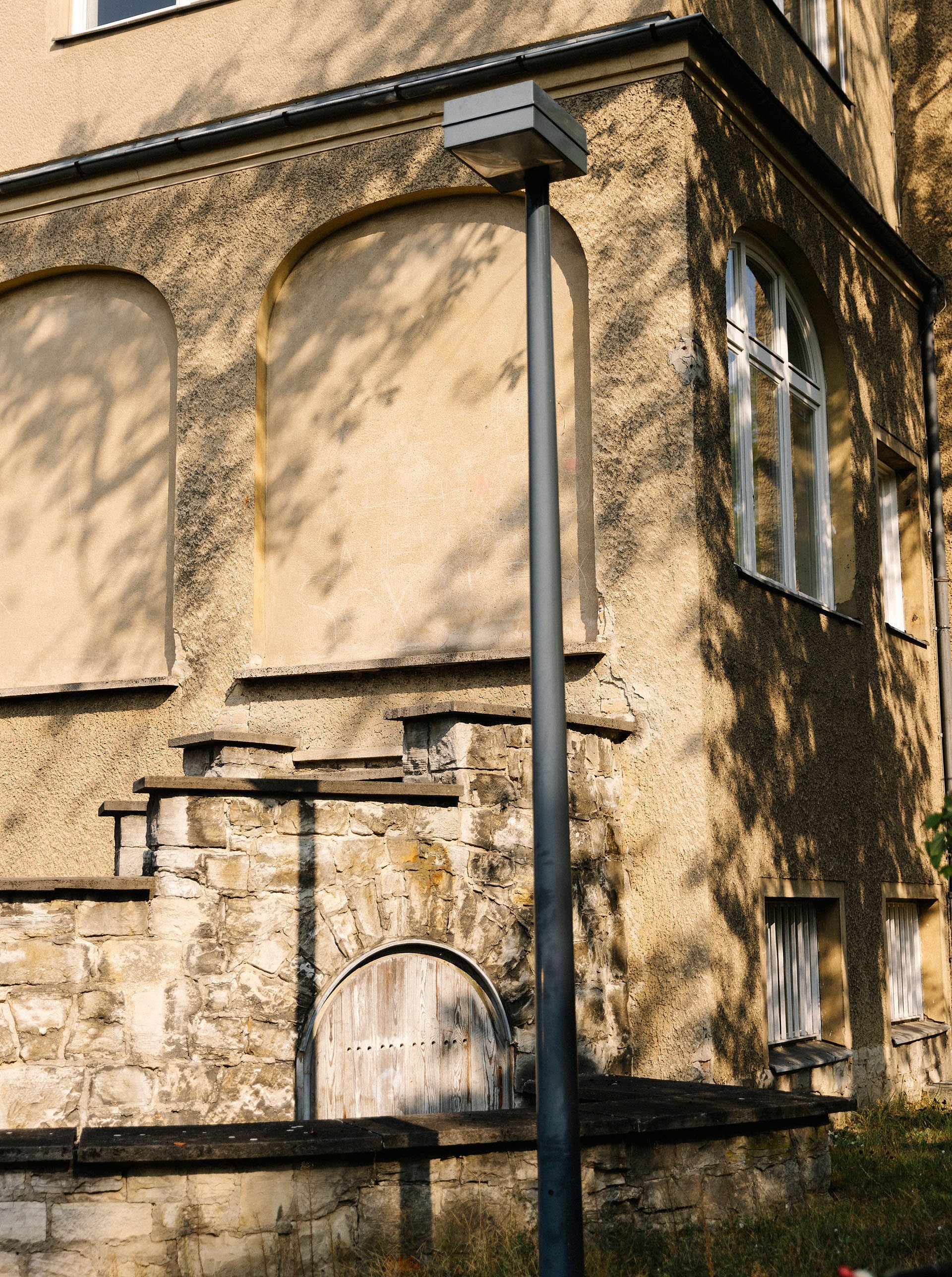
The gate is locked, the paint on the fence is peeling, and through the shimmering leaves of the lime trees, the mansion in the distance seems even more remote. Not a soul is to be seen on the enchanted grounds with the bronze sculpture. No, we are not in the Märkisches Land, but right in the heart of Dahlem on Garystraße, in front of the former Kaiser Wilhelm Institute for Cell Physiology, which opened in 1930.
And perhaps this is the ideal place to begin our stroll through the ‘German Oxford’ on a late summer’s day. For the estate and the figure of its then director, Otto Warburg, exemplify as nowhere else the principle of the research campus on the outskirts of the city (whose buildings are now used by the Max Planck Society and the Free University).
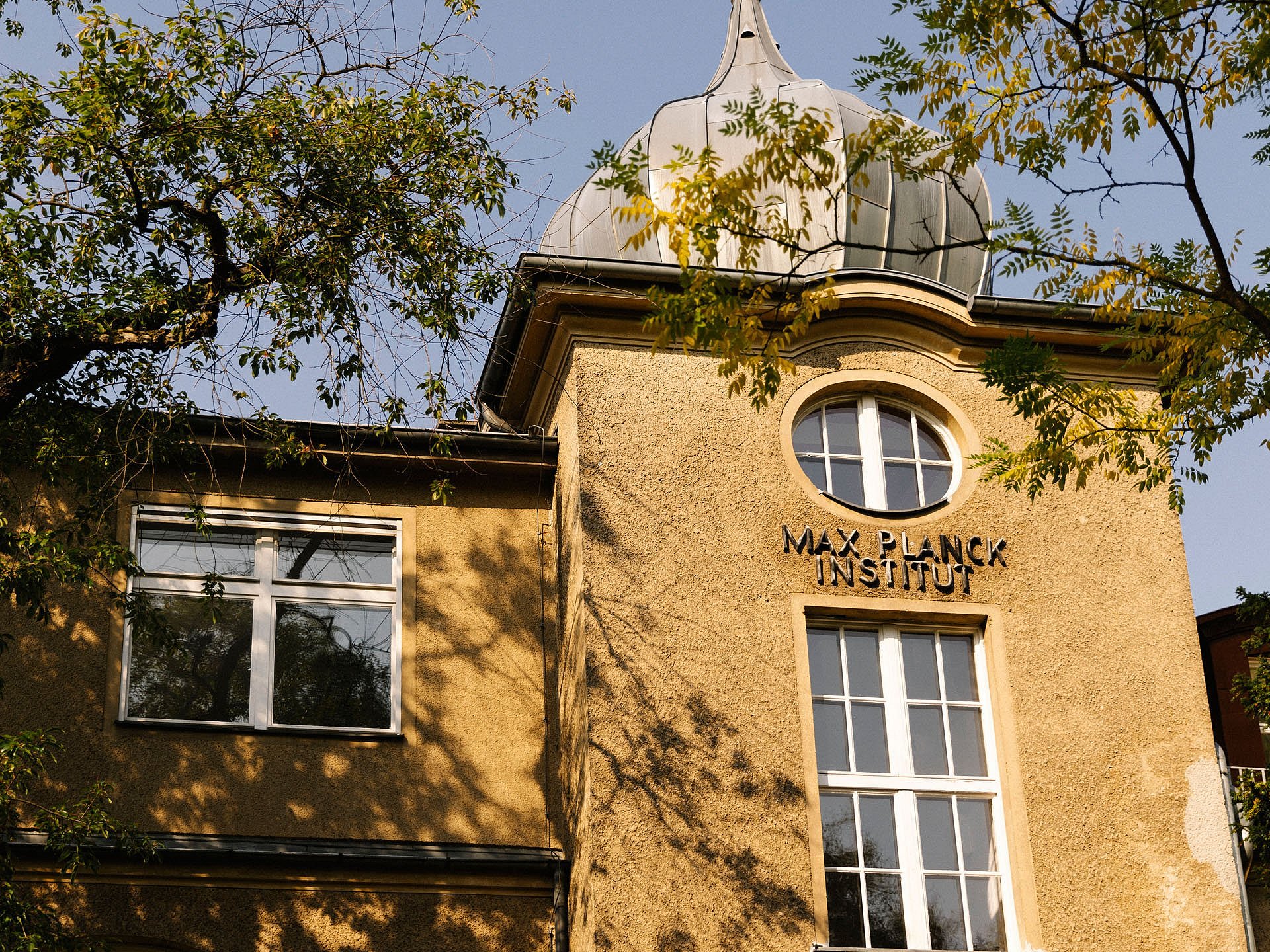

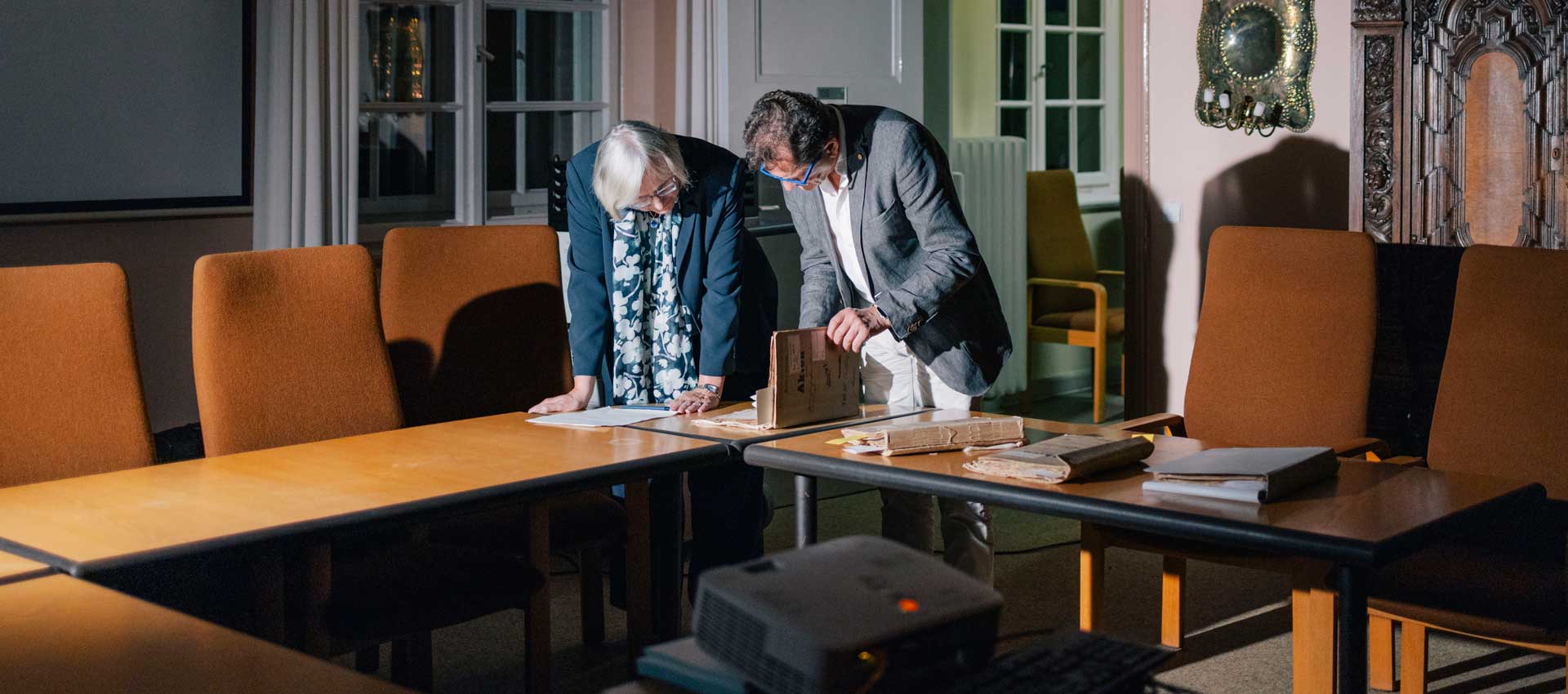
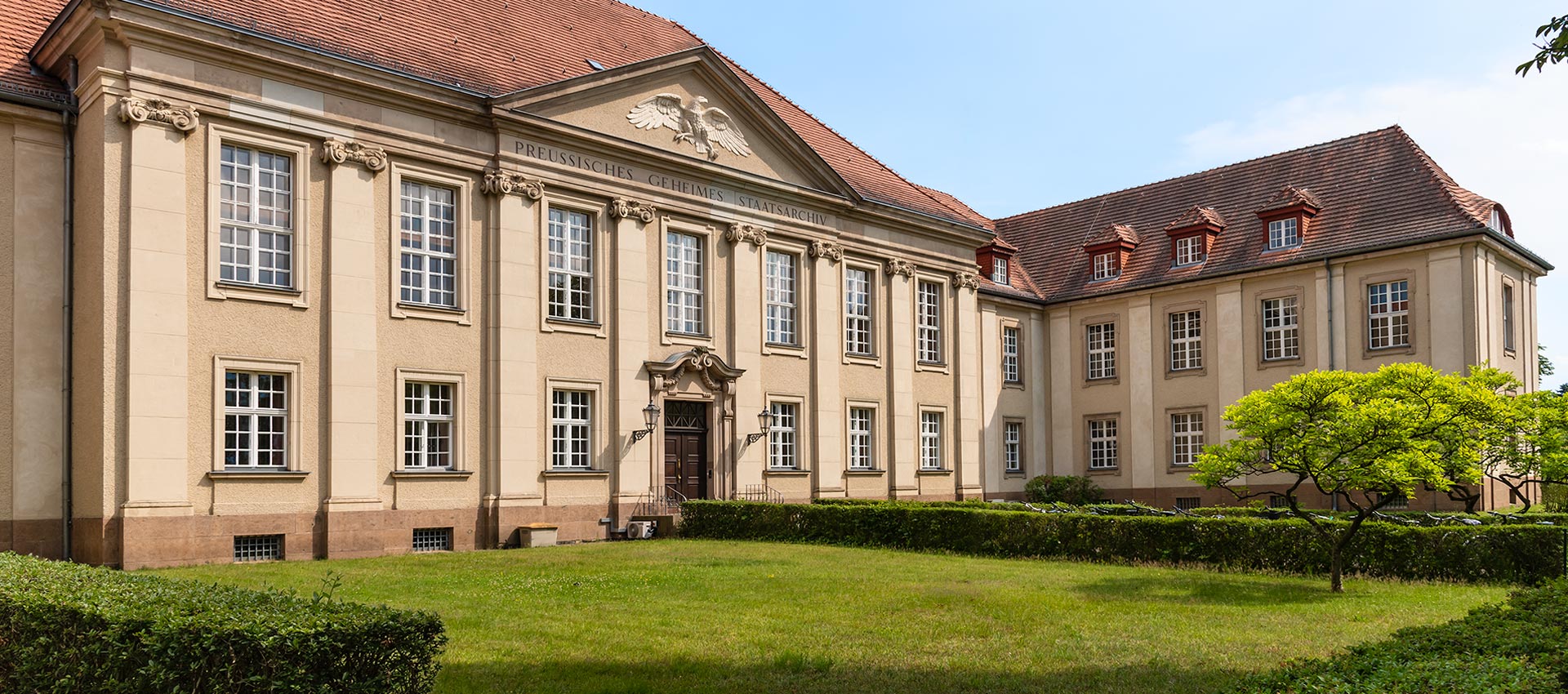
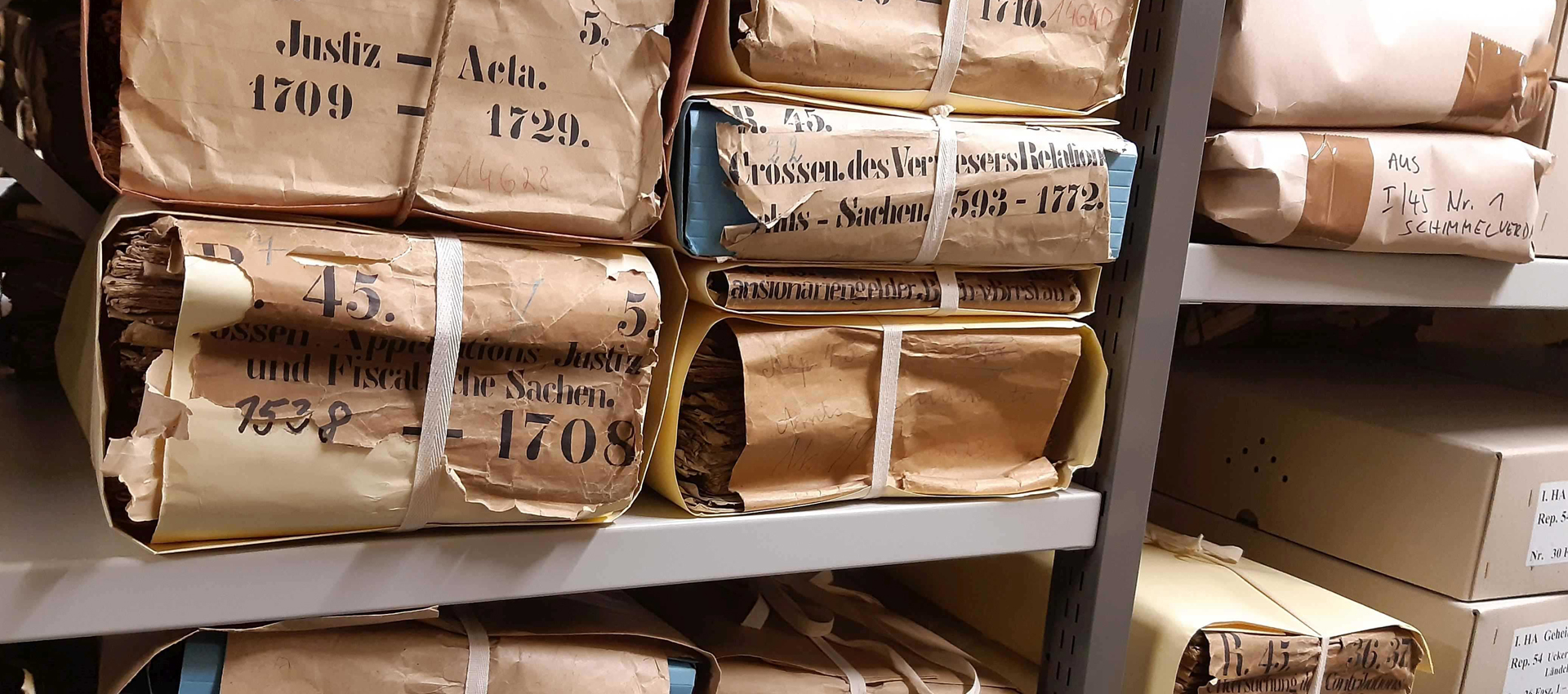
Based on plans drawn up by Adolf von Harnack, then Director of the Royal Library, a total of nine institutes had been established by 1912, in which a certain detachment was, in a sense, a fundamental principle. Much of this can be gleaned from the records of the Secret State Archives. The institutes were formed around exceptional scientists and provided them with idyllic conditions. With no teaching obligations and lavishly funded, the directors were free to choose their own research topics and staff, and could rule as they pleased, much like sun kings.
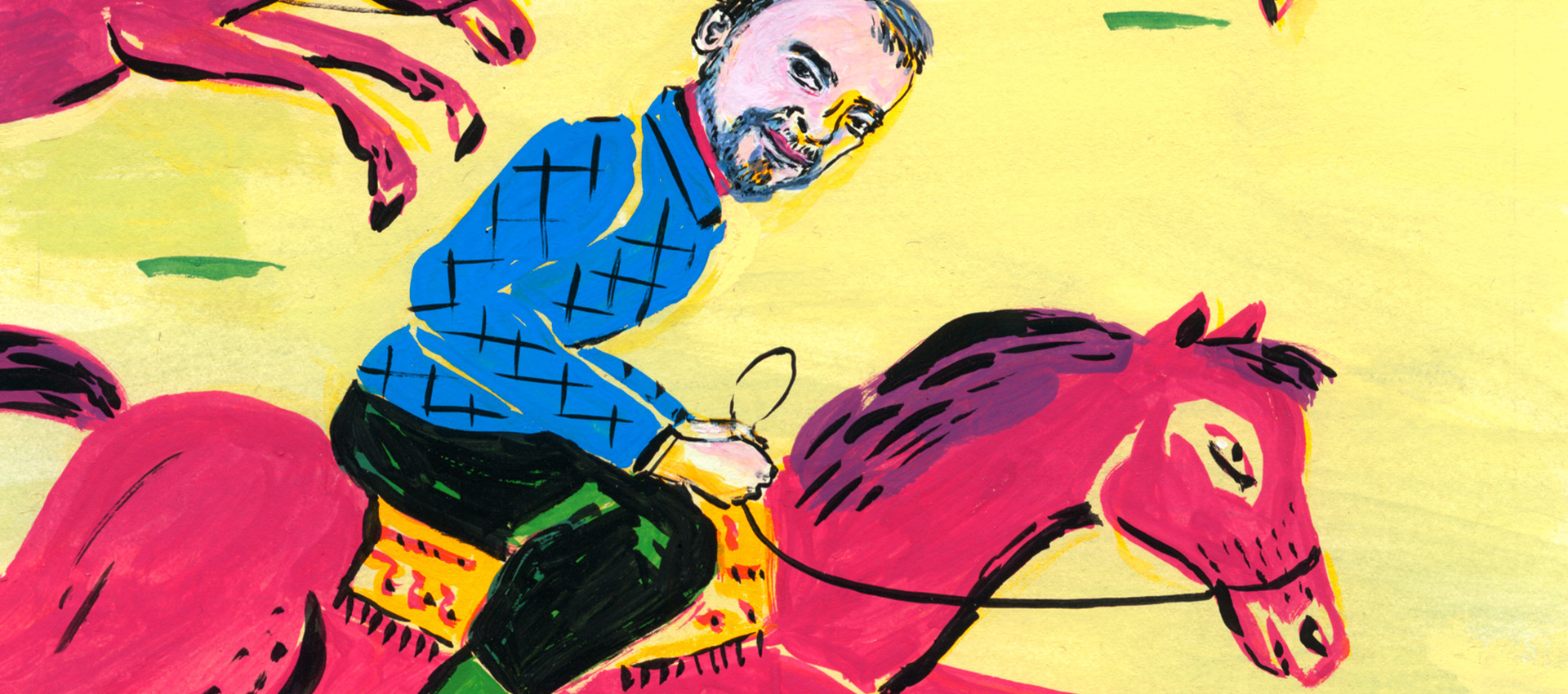
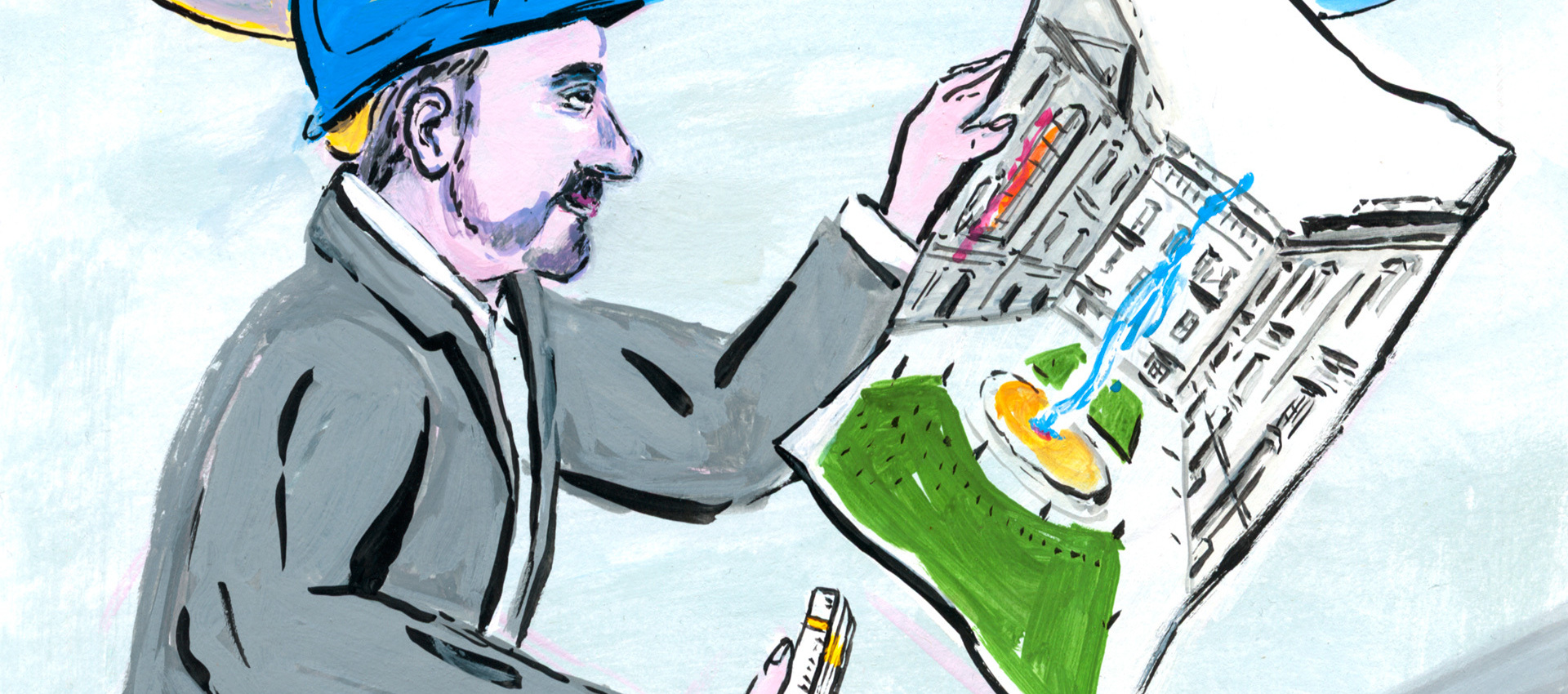
The biochemist Otto Warburg, also known as the ‘Emperor of Dahlem’, was certainly the most glamorous of them all. Warburg had made a name for himself with his research into cancer cells and, when he was given his institute, revelled in his status to the full. He had a statue of the chemist Emil Fischer erected in the garden, even grew his own vegetables, and rode dandyishly through the Grunewald, a white royal poodle in his arms.
Just one year later came the scientific crowning glory. In 1931, he was awarded the Nobel Prize. His successes in cancer research even made him untouchable to the Nazis, although according to their ideology he was considered half-Jewish. It was possibly Hitler himself who, due to his fear of cancer, kept a protective hand over him.

Among the institute directors, Warburg was an exception, not in terms of the Nobel Prize (14 researchers had been honoured), but in terms of freedom. Even though the conditions seemed ideal, the researchers were by no means free from political and economic influence. On the contrary: the idea for such a centre had originally come from the chemical industry, and when von Harnack presented his concept to Kaiser Wilhelm, a compelling argument was that the day-to-day operations would be financed by industry. The Kaiser need only donate a portion of the royal estate (and his name!). The Kaiser agreed enthusiastically, sensing a place in the international research spotlight. He did, however, reserve one condition: as a villa colony was currently being built on the estate, the buildings were not to be taller than two storeys.
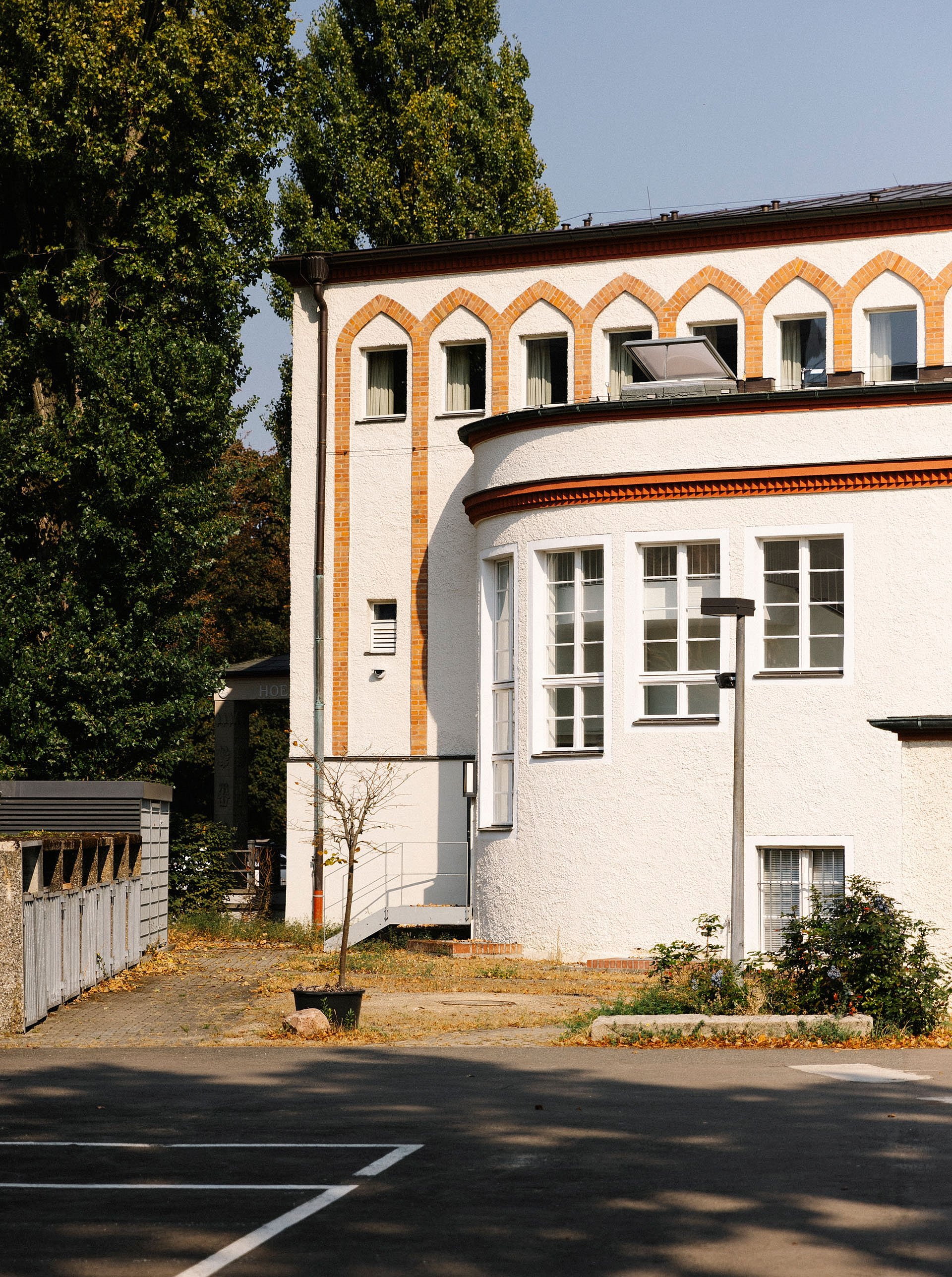
It was no coincidence that the first two institutes, opened in October 1912 on Faradayweg, were dedicated to chemistry. The money came from chemical companies and – as that was not enough – from a banker. The path from the Otto Warburg House to these buildings leads past the Henry Ford Building of the Free University, founded after the war, along winding footpaths lined with flowering laurel. It is the semester break. Apart from a few cyclists, there is hardly anyone about. When we reach the institute, the Art Nouveau-style inscription from back then still greets us above the entrance: ‘Kaiser Wilhelm Institute for Physical Chemistry and Electrochemistry’. The name of the Max Planck institution housed there today, the Fritz Haber Institute, also harks back to the past.
Haber, the founding director, was a fervent patriot and a man unafraid of controversy. As a young chemist, he had developed a process to extract nitrogen from the air, a substance highly sought after by industry (in 1918, he would be awarded the Nobel Prize for this). However, no sooner had he moved to Dahlem than he began developing poison gas for use in the First World War, and in 1915 he even travelled to Flanders to oversee the first German use of poison gas.
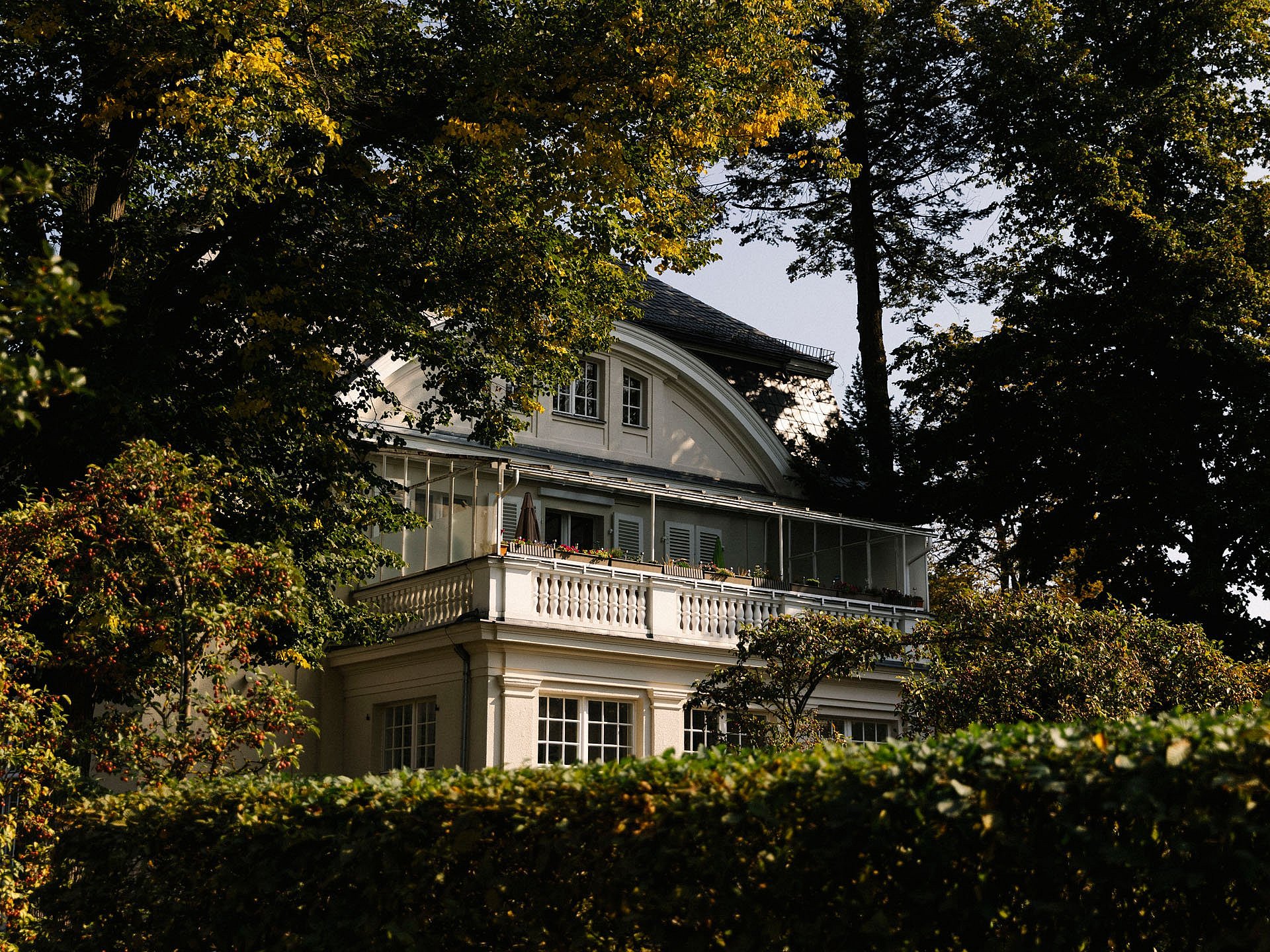
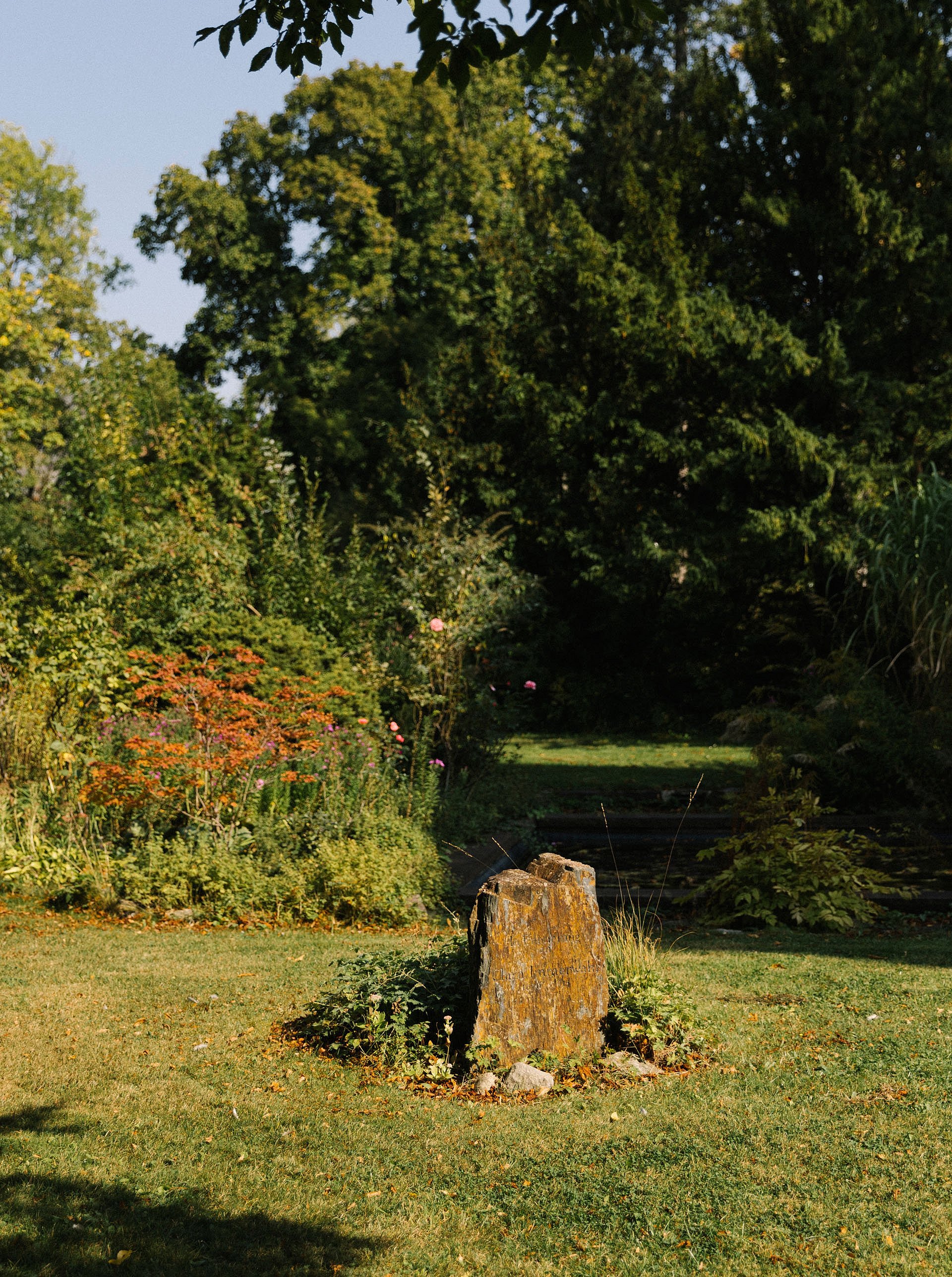
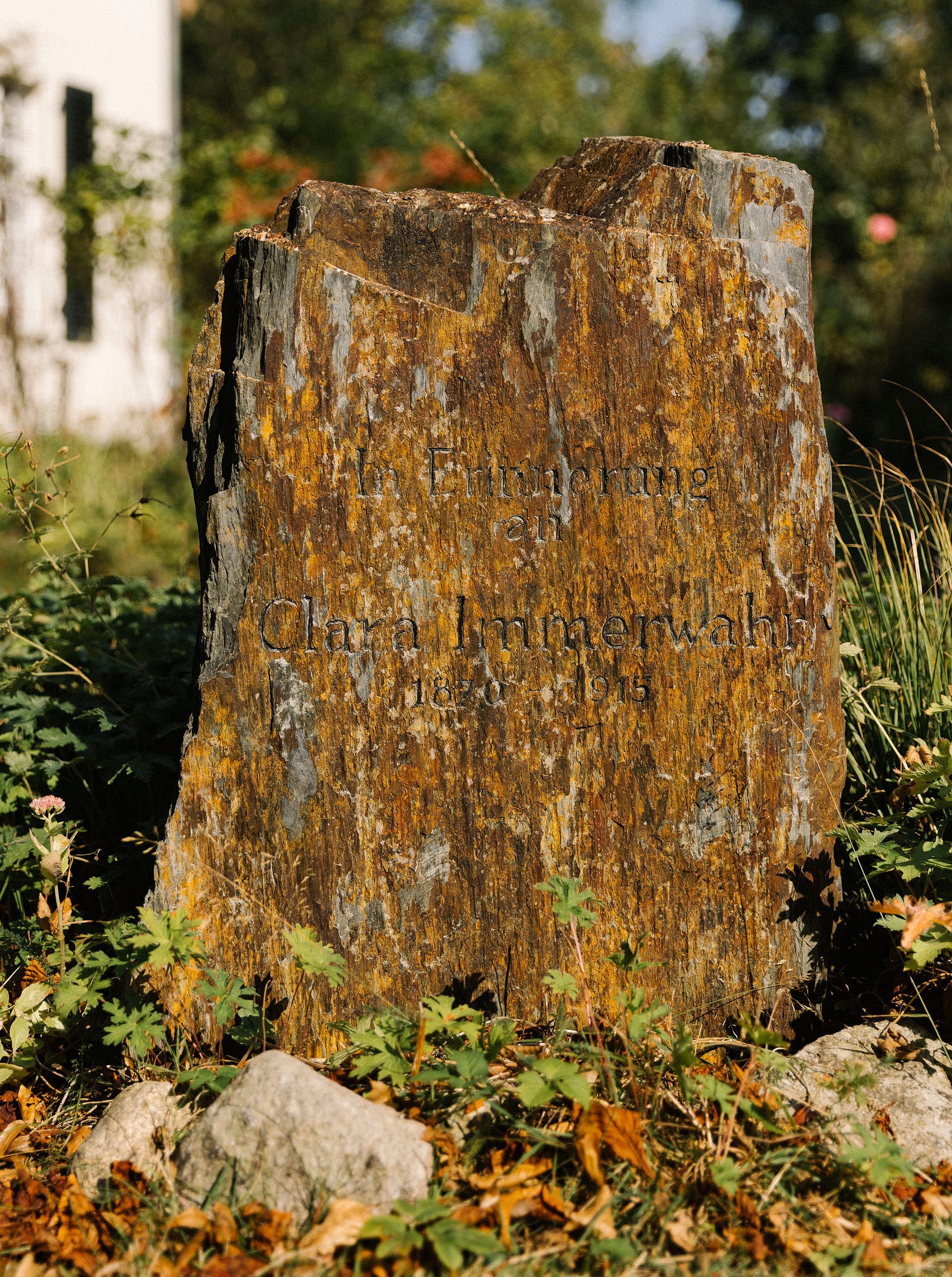
If you walk past the car park with its charging points and through the garden at the back, you will come to the Fritz Haber Villa, which was his official residence at the time. On the morning of 2 May 1915, a tragedy unfolded in this garden – one that was significant not only for the history of science. Haber’s wife, Clara Immerwahr, herself a chemist and one of the first women to obtain a doctorate in her field, shot herself with her husband’s service weapon.
She had married Haber in the hope of conducting research alongside him. In reality, he pursued his career whilst she was forced into the frustrating role of wife and mother. She also despaired at the use of poison gas promoted by Haber, detesting it as a ‘sign of barbarism’. After a night-time argument, she could bear it no longer. Just a few hours after her death, Fritz Haber travelled to the front once more to oversee another poison gas operation.
Lack of equality
The history of the Kaiser Wilhelm Institutes is a history of men, even though a higher percentage of women conducted research in the institutes than, for example, at the universities – an effect of the Harnack principle, under which the director alone decided on appointments.
Whilst Haber condemned his wife to the kitchen, Lise Meitner was even able to take over the headship of the radiophysical department at the KWI for Chemistry in 1918, just a stone’s throw away. She had been conducting research closely with Otto Hahn since 1912, before becoming the first woman to be appointed a scientific member of the Kaiser Wilhelm Society in 1913.
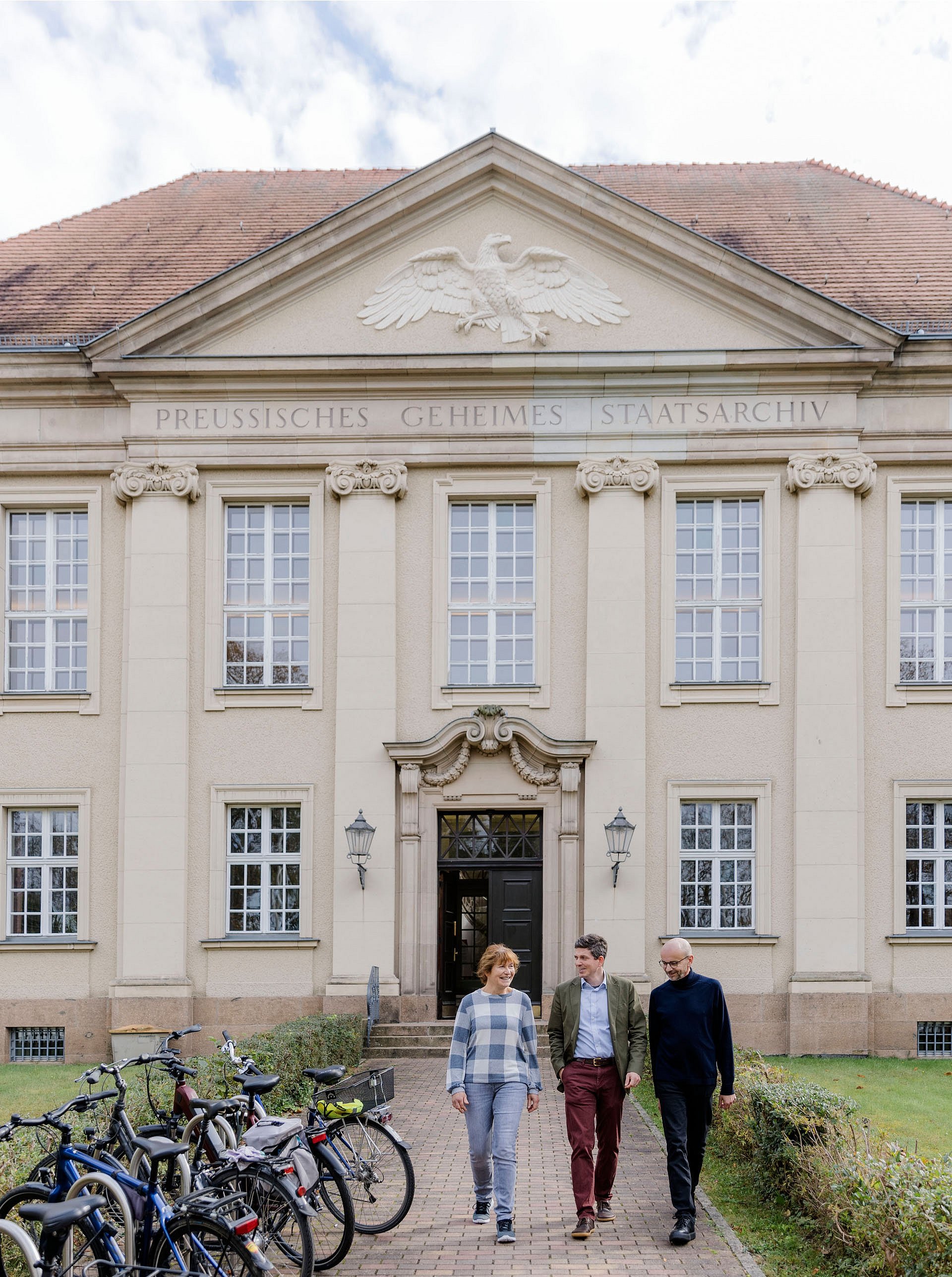

Yet there was certainly no question of equality. Whilst Hahn rose to become director of the institute in 1928, she remained in his shadow and, as a Jew, was forced to leave Germany in 1938. In 1945, he alone was ultimately awarded the Nobel Prize for the work they had carried out together on nuclear fission.
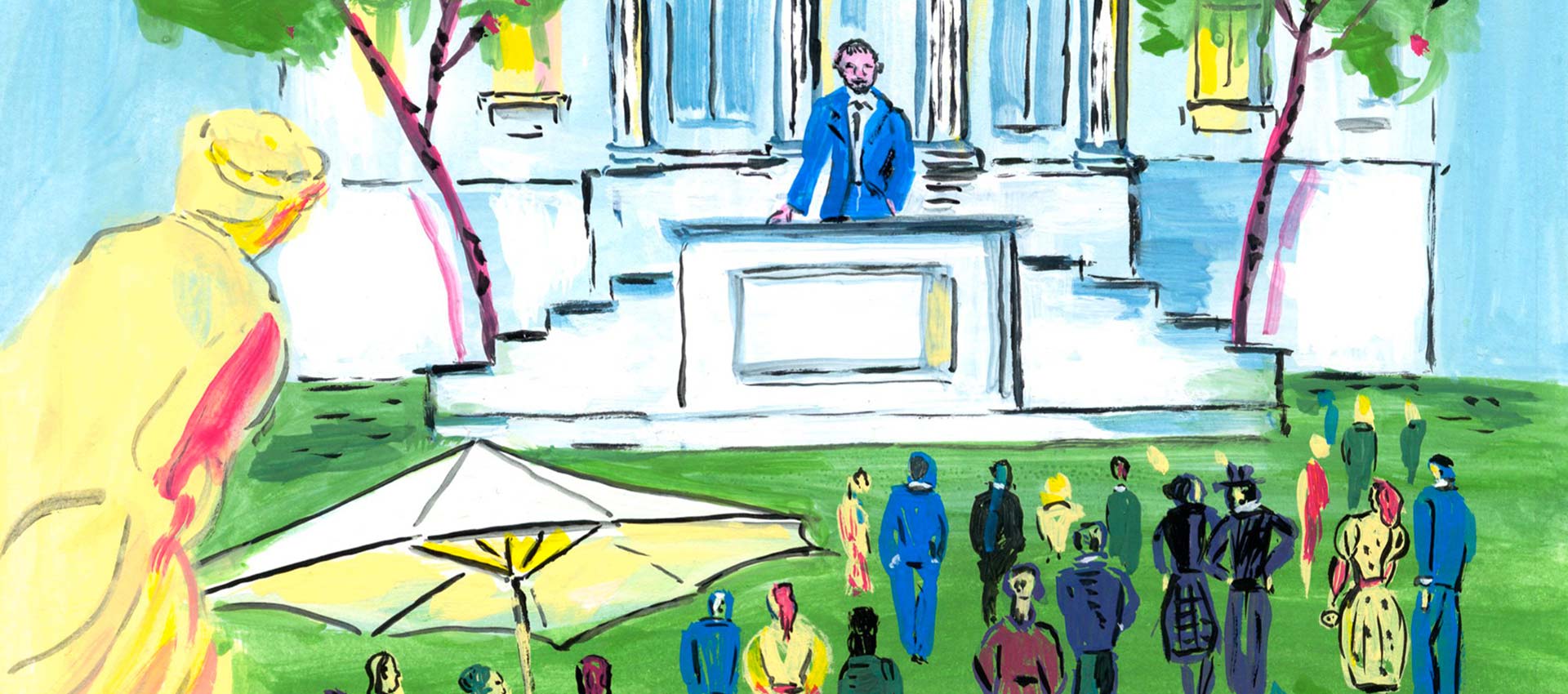
International academic exchange on the one hand – political exploitation on the other: this ambivalence also characterises the guest house, situated on the corner of Ihne- and Harnack-Straße. With the ‘Haus der Freundschaft’, Adolf von Harnack fulfilled a dream in 1929: a clubhouse, a social hub, for both staff and distinguished guests from all over the world. Thanks to a restaurant in the basement, the building even became a meeting place for Berlin’s social scene. One could dine well and attend lectures in the Goethe Hall. On 2 October 1931, it was particularly crowded. A certain Albert Einstein gave a lecture entitled ‘Amusing Facts from Physics’ – for children.
Einstein is certainly the most prominent director of a Kaiser Wilhelm Institute, although he did not reside in a villa but had run the Institute of Physics from his Schöneberg attic flat since 1917. The institute was conceived as a funding body, but Einstein, who had become famous for his General Theory of Relativity in 1915, did not enjoy the administrative work. As early as 1922, he handed over the reins to Max von Laue. He remained closely associated with the Kaiser Wilhelm Society, and when he arrived at the guest house in 1931, Siegfried Kracauer wrote in the ‘Frankfurter Zeitung’: ‘Girls and more girls, many ladies ...’
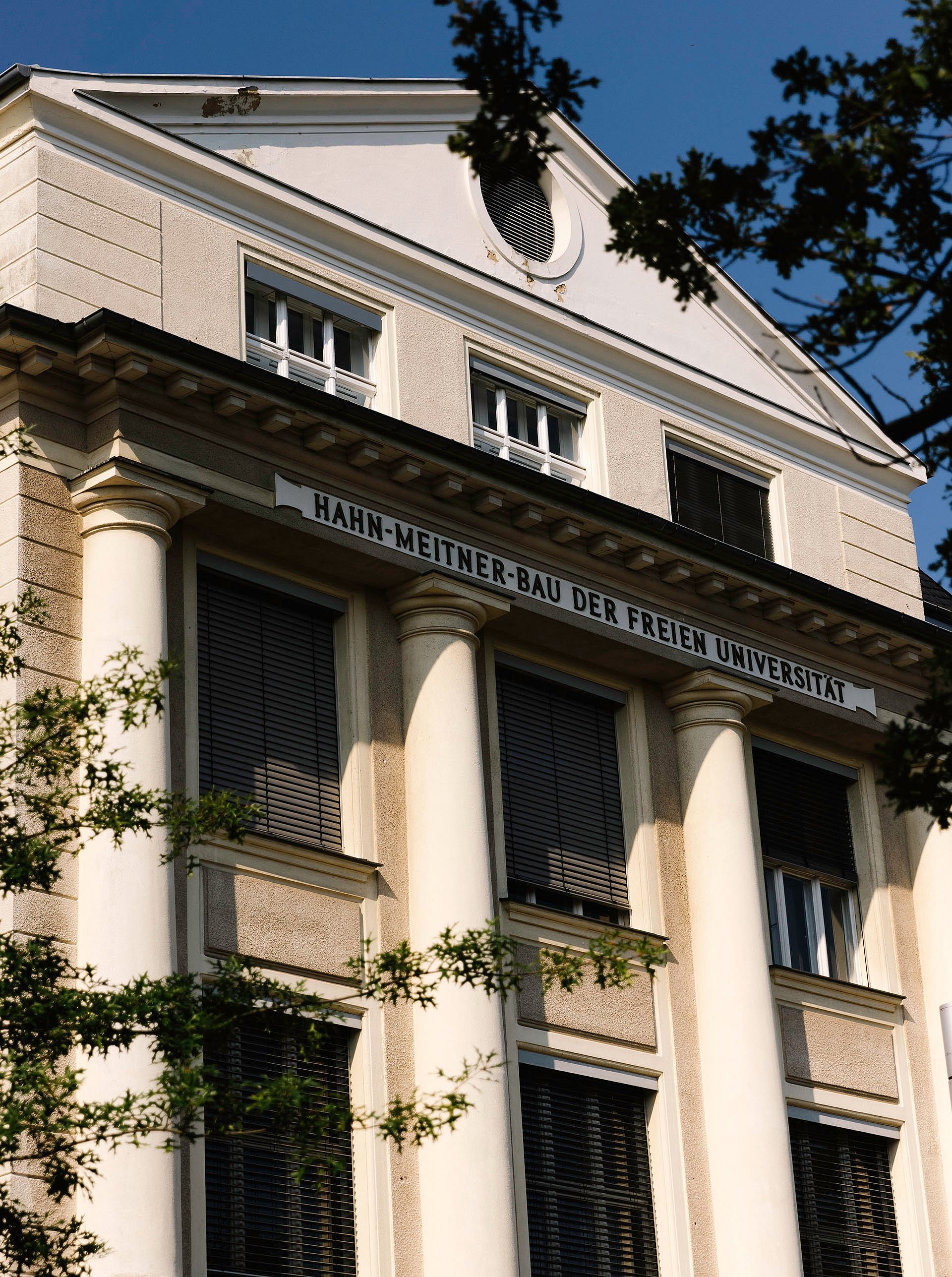

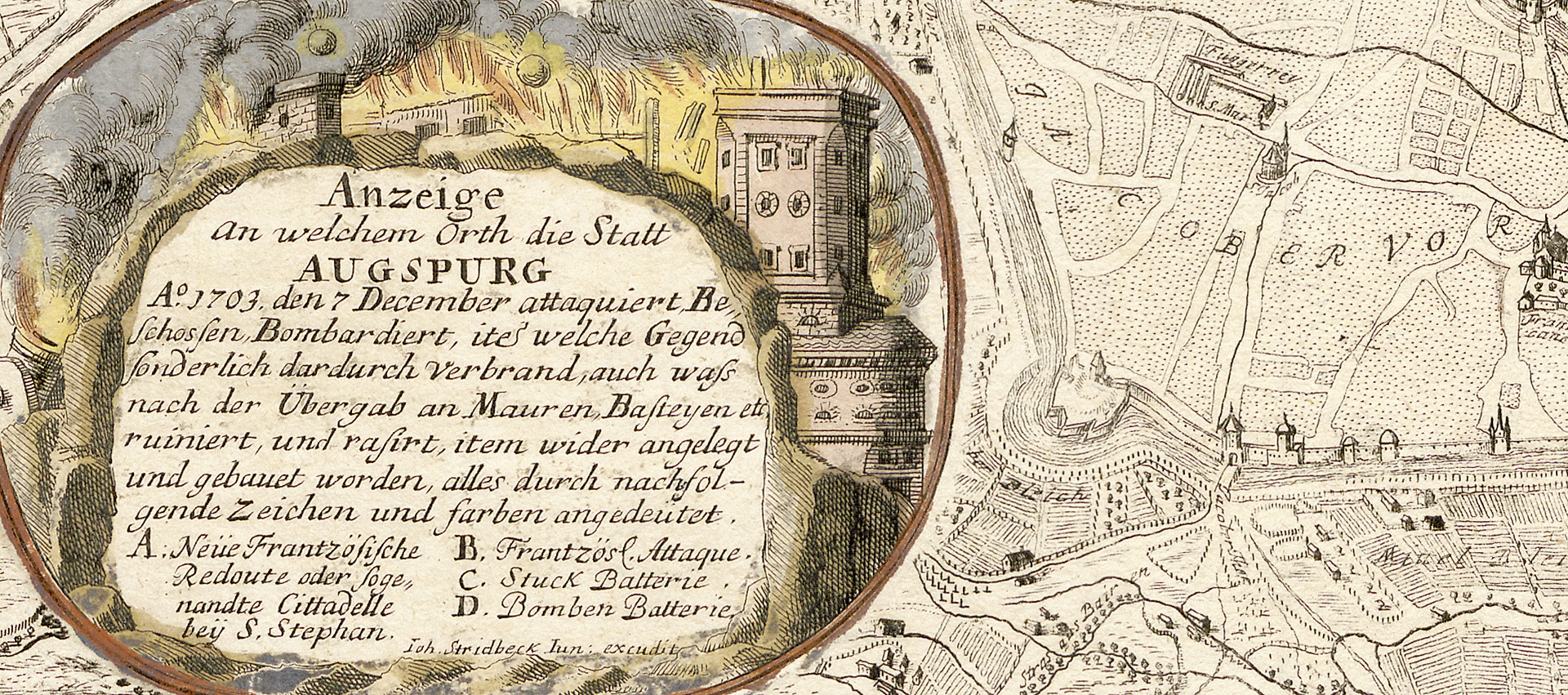
Two years later, that cosmopolitan spirit was a thing of the past. Following Hitler’s appointment as Reich Chancellor, the Jewish staff members of the institutes were dismissed – Fritz Haber resigned as director of the institute in protest, whilst most others kept a low profile. In 1937, the Kaiser Wilhelm Society was ‘brought into line’. Now the neighbouring Institute for Anthropology, Human Genetics and Eugenics held training sessions on Nazi racial policy in the guest house.
The work of this institute, known as KWI-A for short, constitutes the most horrific chapter in the history of the instrumentalisation of science. Otmar von Verschuer and his colleagues provided expert reports that formed the basis for forced sterilisations, for the persecution and murder of Sinti and Roma, and carried out experiments on the bodies of those murdered in concentration camps. For example, Josef Mengele, who carried out human experiments as a concentration camp doctor at Auschwitz, sent eyes to the institute for examination. After the war, neither von Verschuer nor his colleagues were held to account for their actions.
There is no one to be seen in front of this building on Ihnestraße (now the Otto Suhr Institute) either. We step closer and read the plaque commemorating the unpunished crimes and the victims. In their memory, an unknown person has placed a small bouquet of flowers on the ground.