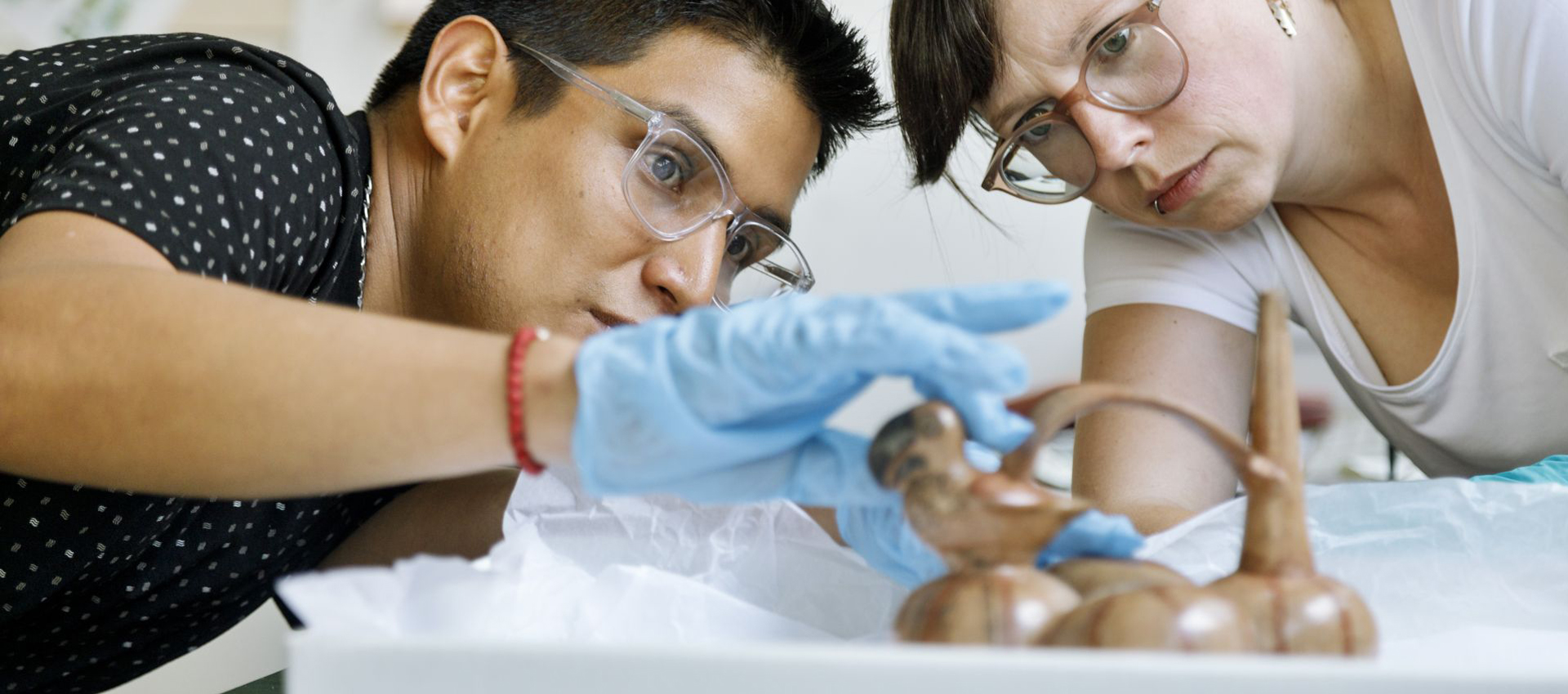
Out of the postcolonial trenches, or moving beyond Eurocentric ideas about education? Johann Michael Möller and Nikolaus Bernau debate the significance of ethnological collections in 2024.
Pro: Out of the postcolonial trenches! (Johann Michael Möller)
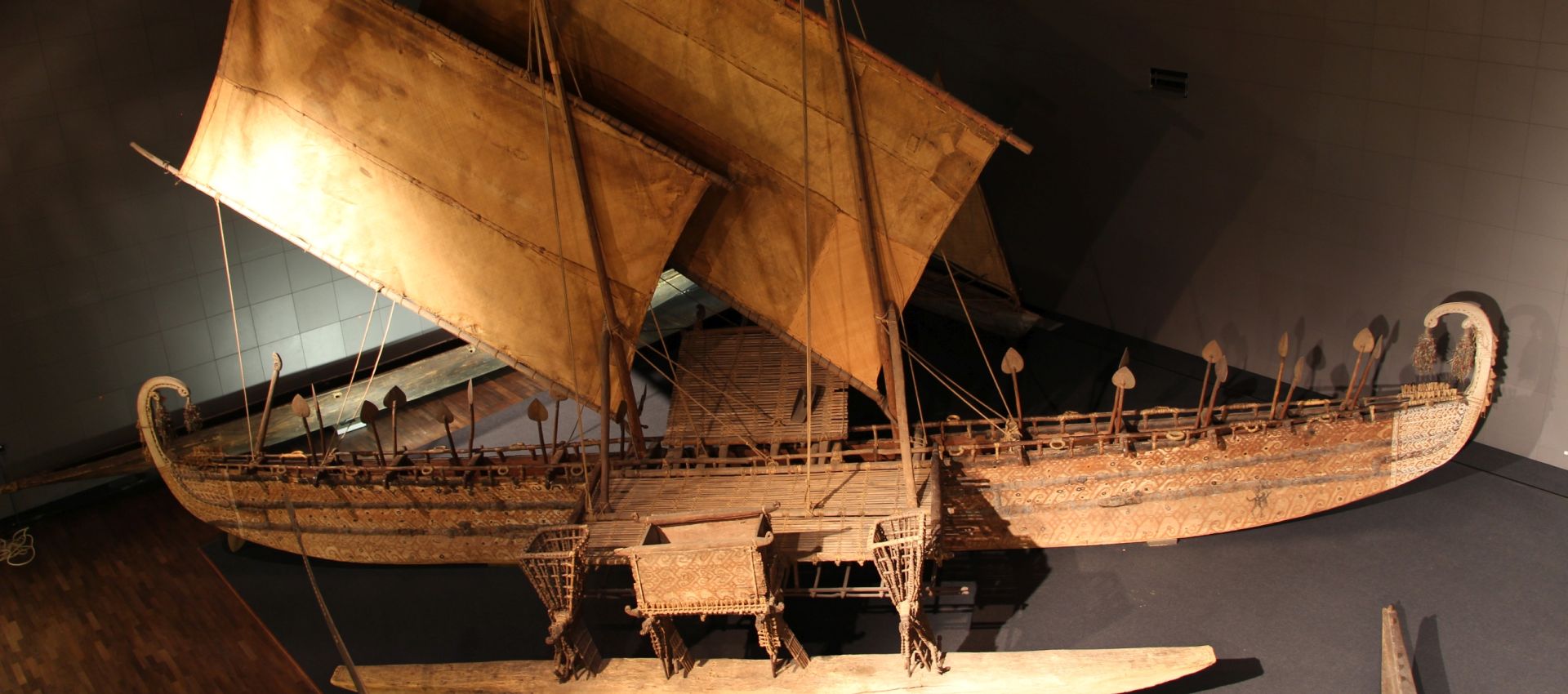
“Demonstrating remorse whilst still showing off” is how *Der Spiegel* described the 2022 opening of the ethnological collection at the Humboldt Forum, which emerged from the Royal Museum of Ethnology founded 150 years ago. This impression has only grown stronger. Who has prevailed here: the regime of the restorers or the desire of those in charge to simply make the objects disappear?
How does such a museum intend to commemorate its great founding history, which once made Berlin the centre of ethnological collections in Germany? One need only open the in-house journal, the Baessler-Archiv, to see the full extent of the misery. This is all the more depressing because ethnological collections and museums are currently receiving a level of attention rarely seen before. But what is being made of it? It is glaringly obvious how inadequate the perpetrator-victim narrative is as a message. Hope for salvation lies in a ‘collaborative museum’; interpretative authority would henceforth be shared with the societies of origin. The tension this can entail is evident in a lavish volume in which the Oba of Benin had the cultural heritage of his monarchy celebrated. Courtly representation takes centre stage in our critical discourse.
Compounding the issue is the notion that objects must have a defined provenance and possess a particular authenticity. But the more intriguing question would surely be whether these objects have not long since lost part of their biography in the course of their migratory history. Yet such aspects are currently largely overlooked. But why should Europe’s history of appropriation disappear entirely behind the sweeping accusation of perpetration? It too has left its mark. The ethnologist Arjun Appadurai speaks of their ‘Middle Passage’.
Ethnologist Karl-Heinz Kohl has recently sought to demonstrate just how much richer the historical network of relationships between indigenous cultures and Europe was, using nine ‘tribes’ that influenced the intellectual history of the West. Awe at the richness of other cultures and their mythological power was the driving force behind Europe’s experience of the world. Our museums emerged from the courtly cabinets of curiosities. Yet ethnological collections have remained places of wonder to this day. They were never merely repositories for colonial spoils. They were, even contrary to the intentions of their founders, simultaneously places for understanding human culture.
And the fact that these institutions serve as repositories of knowledge for the societies of origin, which wish to reclaim their history there, is important for the future. If they did not allow themselves to be constantly intimidated, ethnological museums would have every reason to reinvent themselves. It is time to leave the postcolonial trenches behind.
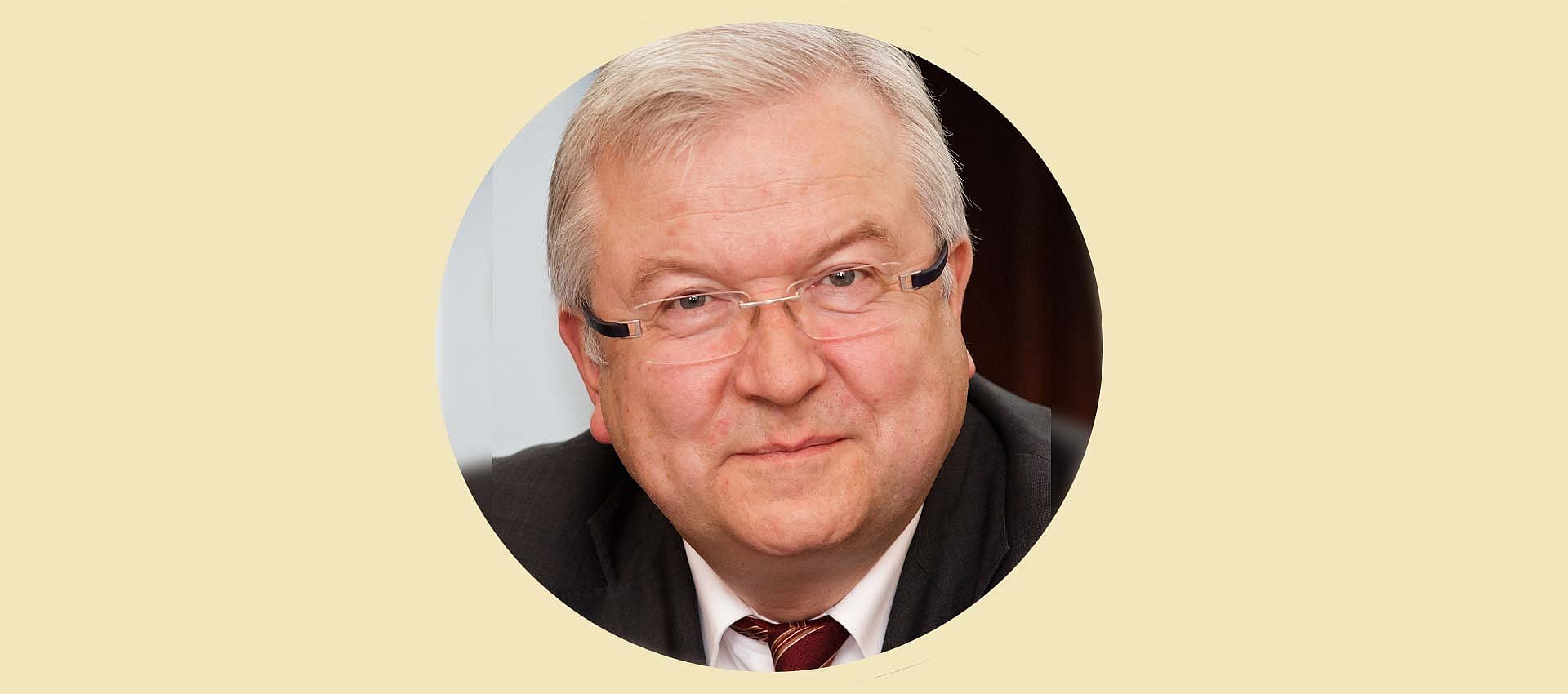
Johann Michael Möller
Johann Michael Möller is an ethnologist and journalist. Until 2006, he was an editor at the daily newspaper *Die Welt*; he then served as director of radio at MDR until 2016.
Photo: Private
Cons: A Eurocentric concept of education! (Nikolaus Bernau)
Public museums are one of Europe’s most successful cultural exports. Since the opening of the British Museum in 1759, they have stood for the idea of self-directed education. Undoubtedly, not all of ‘the museums’ acquisitions were legal, not even by the standards of the time; many were illegitimate, such as the plundering of burial sites. And without the confiscations from monarchs, the nobility, the royalist bourgeoisie, churches and monasteries following the French Revolution, there would be no Louvre and no Munich Pinakothek.
Equally beyond doubt: without the colonial expansion of European states across the globe, Europe’s ‘ethnographic museums’ with their millions of objects would never have come into being. But all these collections did not arise from pure greed, but from an educational ideal – often misguided, Eurocentric and racially charged – that is nonetheless still of interest today: to bring the past – whatever that may be – to life for the present and the future.
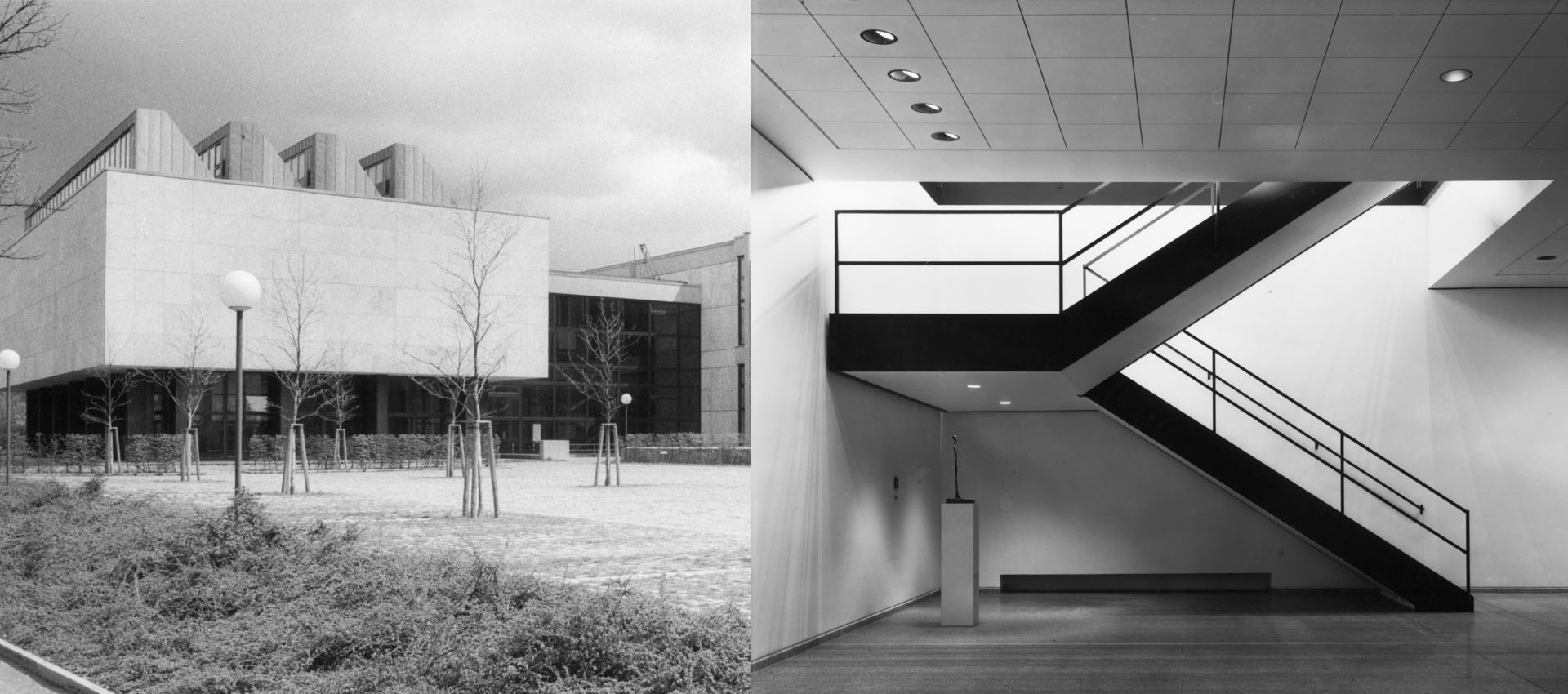
That is why ethnological museums, in particular, should always also be research collections. Yet, as the historian Bénédicte Savoy recently demonstrated, this is practically not the case: around 99 per cent of objects from Cameroon in German museums have been lying untouched in storage for more than 120 years. Worse still: generations of curators, who claimed that only what they deemed the ‘best’ was suitable for the public, carried out a radical cull: of the objects still on display at the Berlin Museum of Ethnology in 1924, 20 per cent remained on view in 1926; today, barely three to four per cent. The storage facilities have been full ever since. In Berlin, this storage site is called the “Dahlem Research Campus”. Yet there is no funding for a programme, and the collections are barely accessible.
Whether it would make sense to dismantle these archives of human potential is open to question; they are expensive and inefficient if visitor numbers are the sole concern. But what is far more important than the ever-recurring debate over a few objects such as the looted treasures from Benin is this: the depots must finally be made accessible. The future of museums lies in serving their users like a library, as a means of self-education. In short: the future lies in the gleaming silver structure of Rotterdam’s Central Depot, situated in the heart of the city, where anyone and everyone can simply view what is held in the collections. And then decide for themselves what we can learn from them. Open up Dahlem!
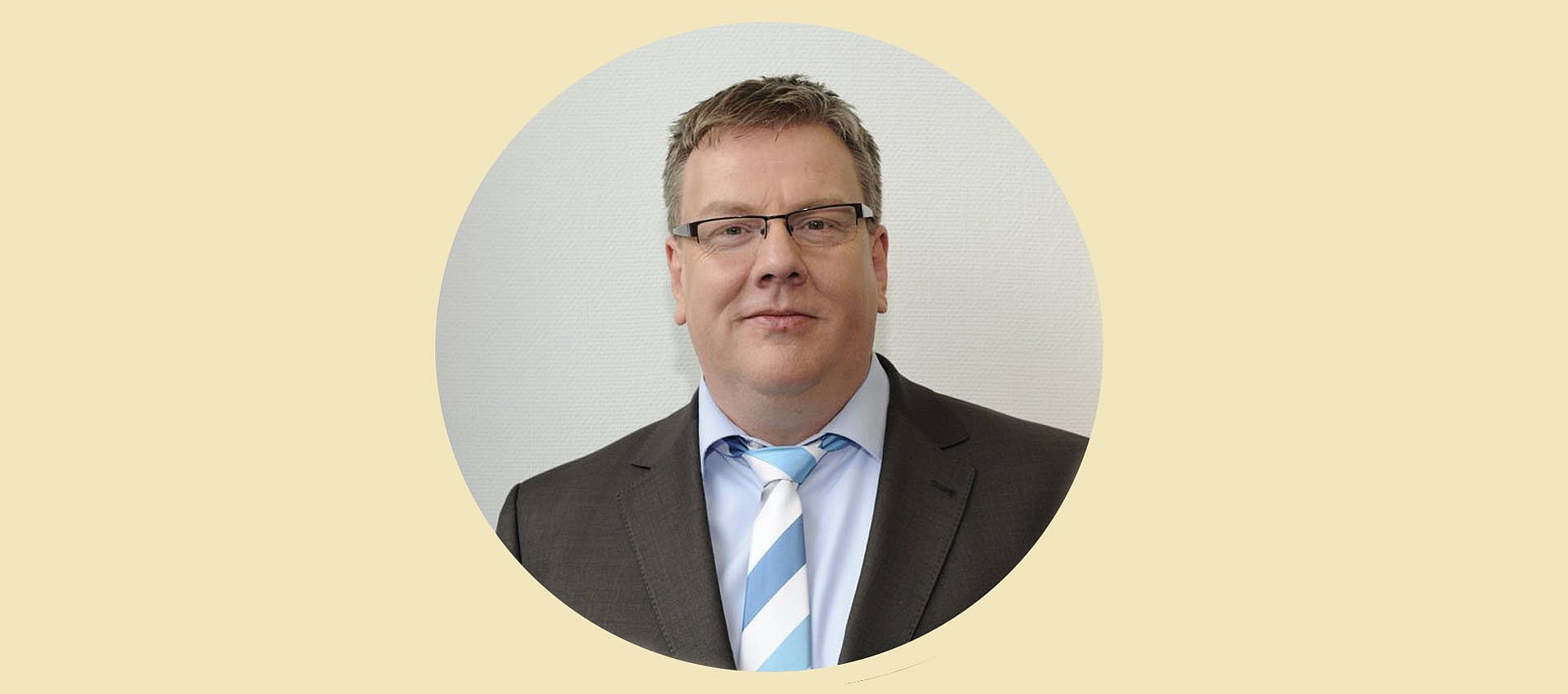
Nikolaus Bernau
Nikolaus Bernau is an art and architecture critic and has worked as an editor for numerous daily and weekly newspapers. He writes on the history of museums in the 19th and 20th centuries.
Photo: Imago Images