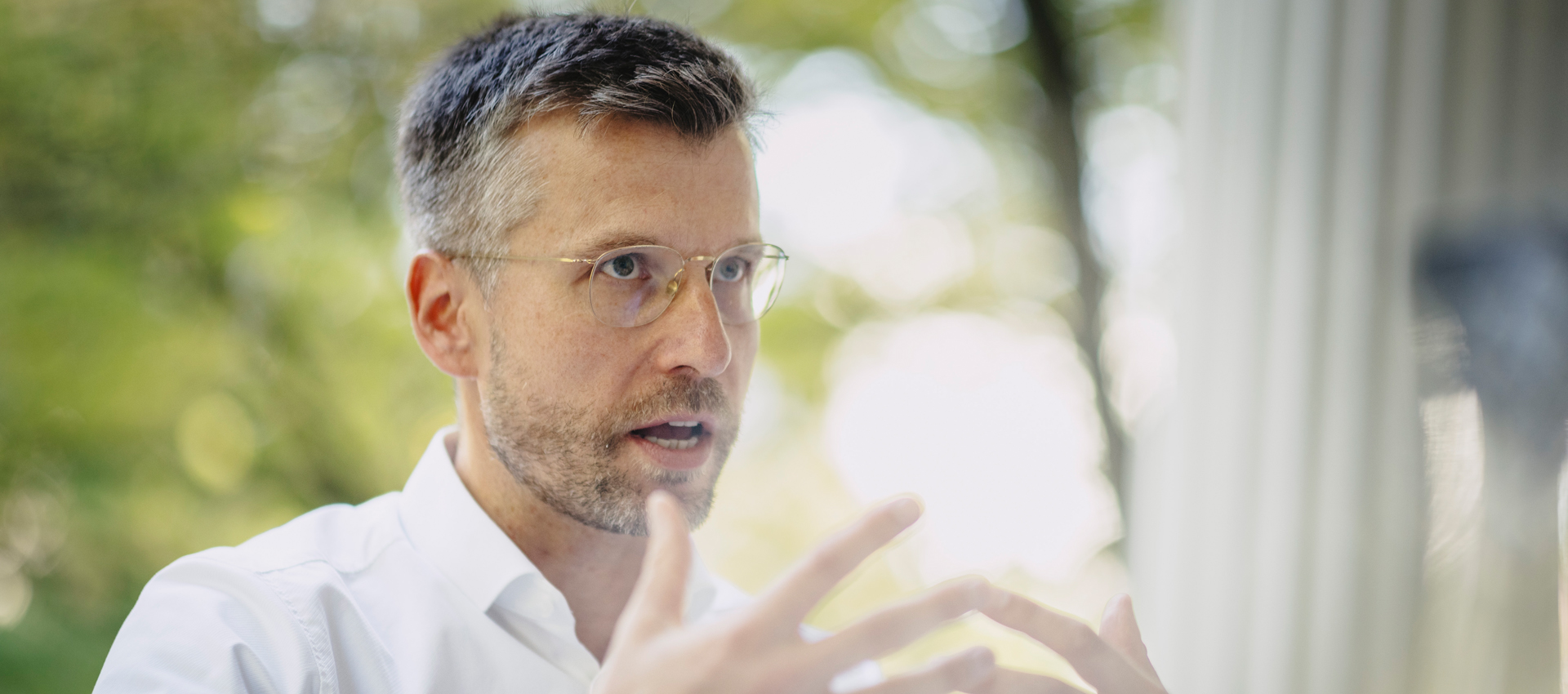
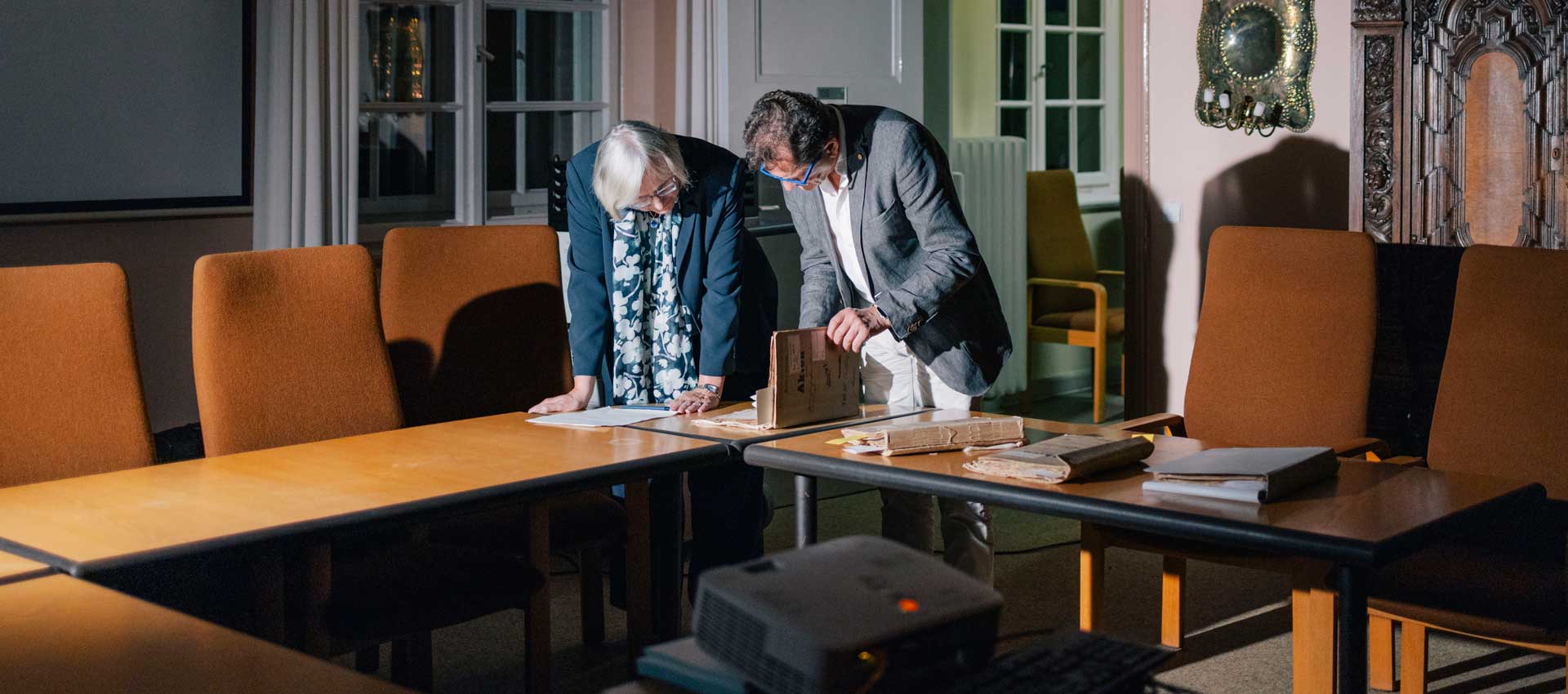
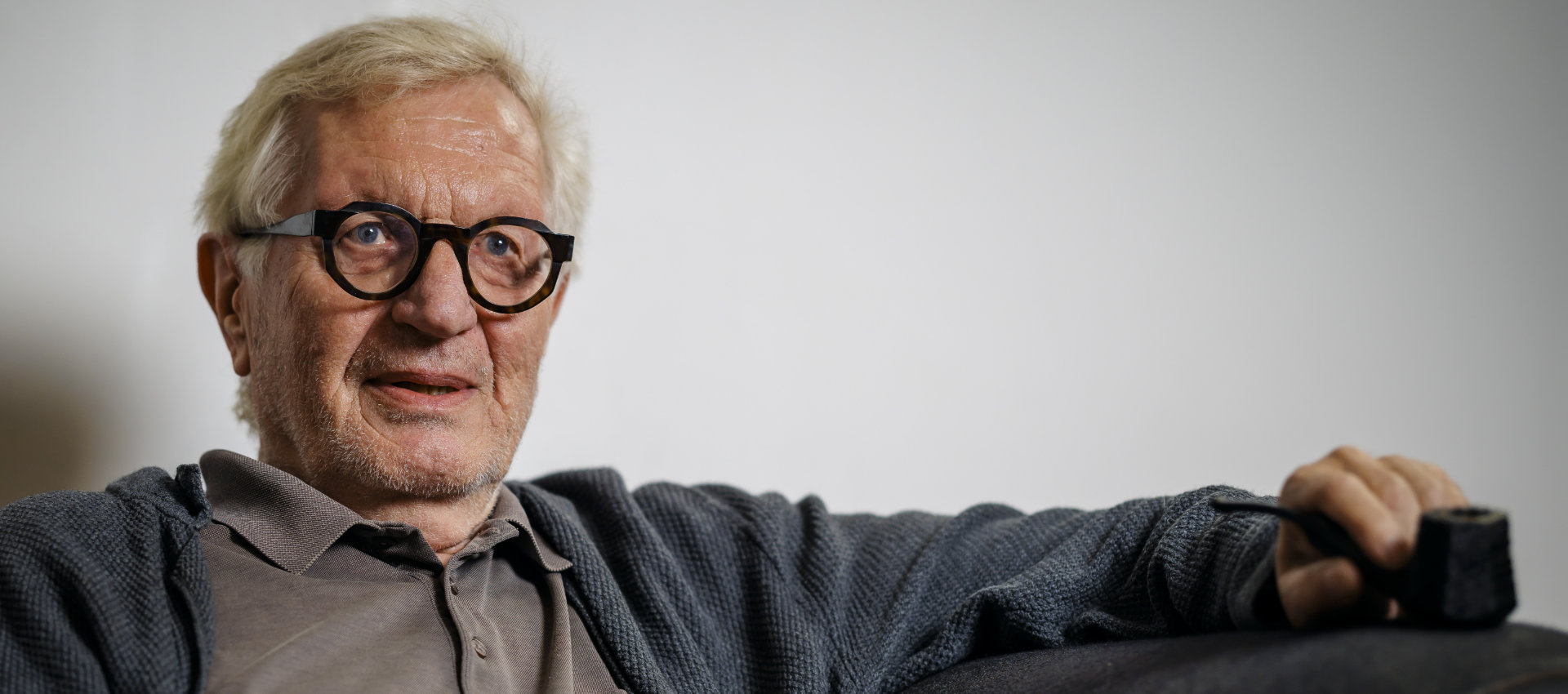
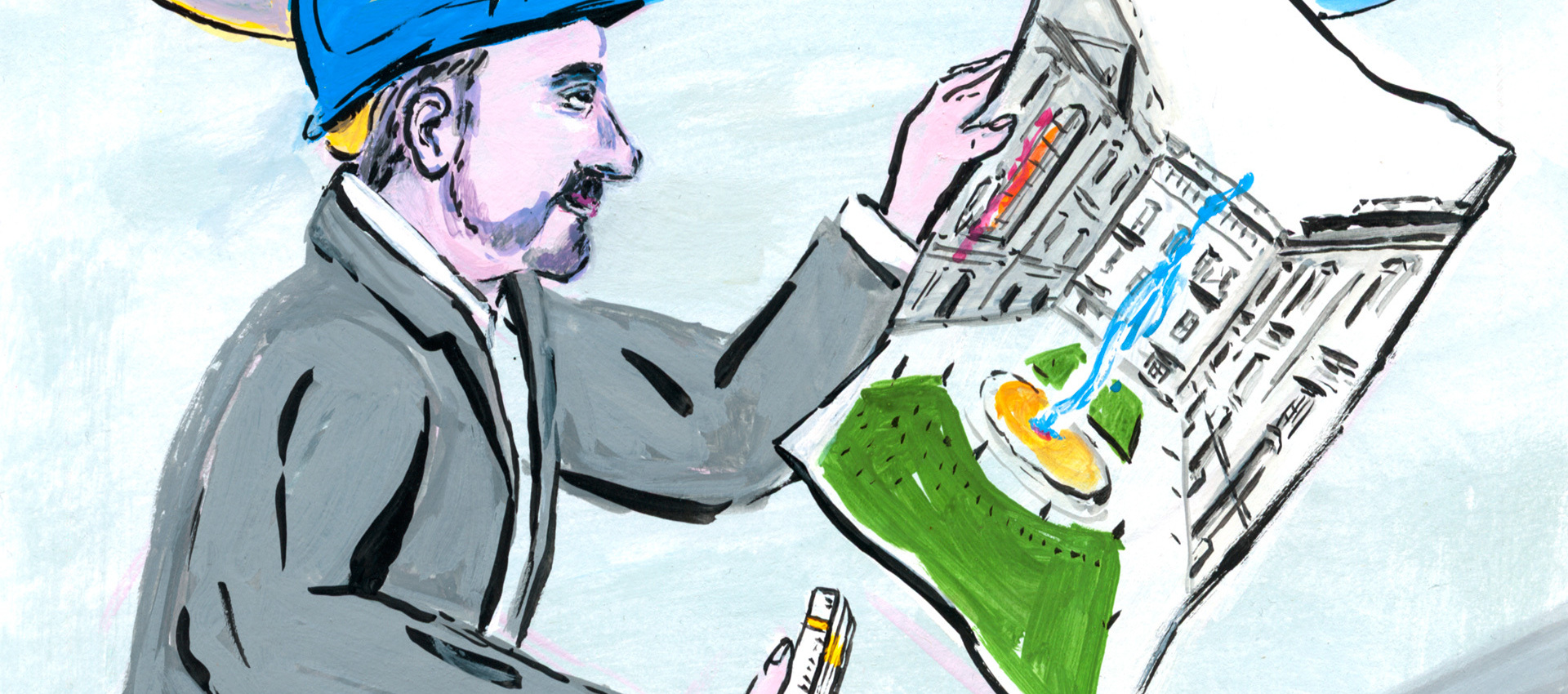
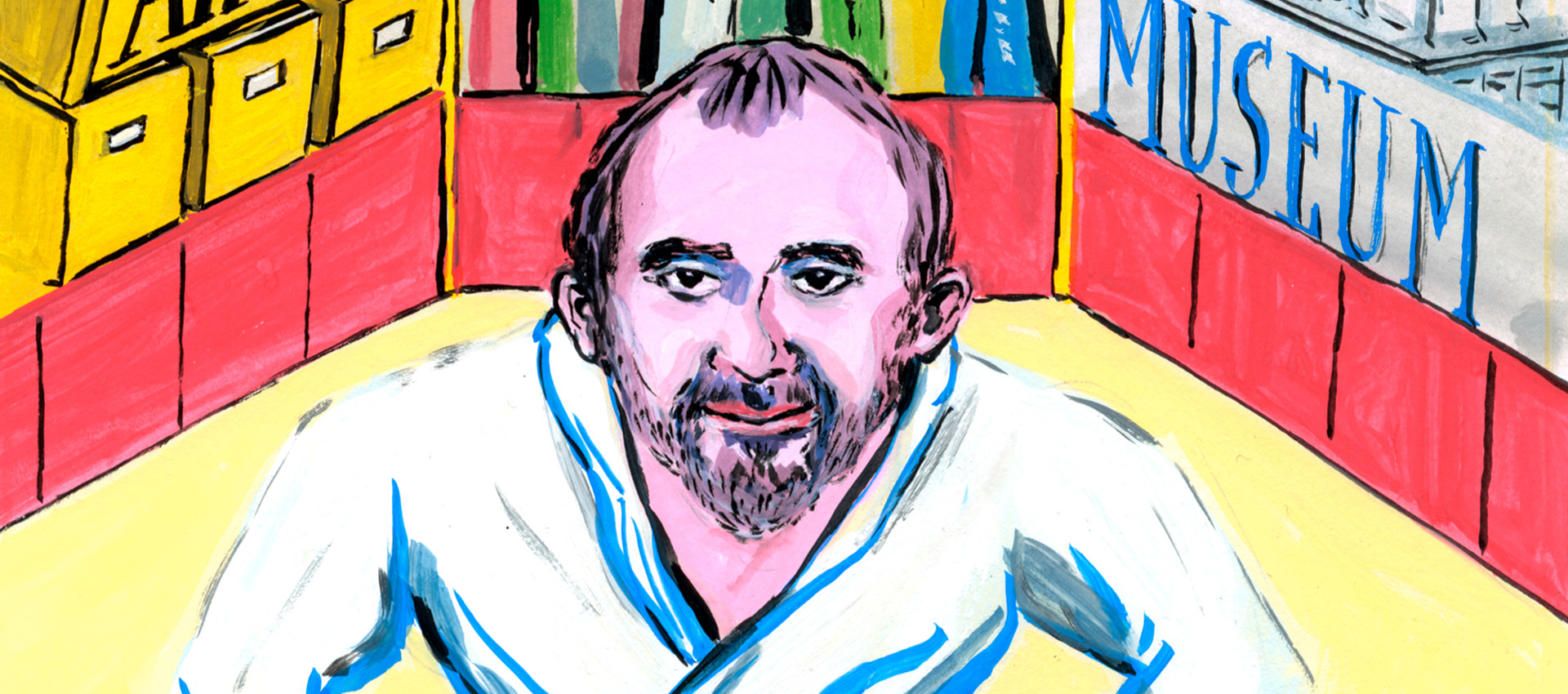
If only someone had looked at these files just once before the coronavirus pandemic: virologist Klaus Stöhr is poring over historical documents on the Spanish flu
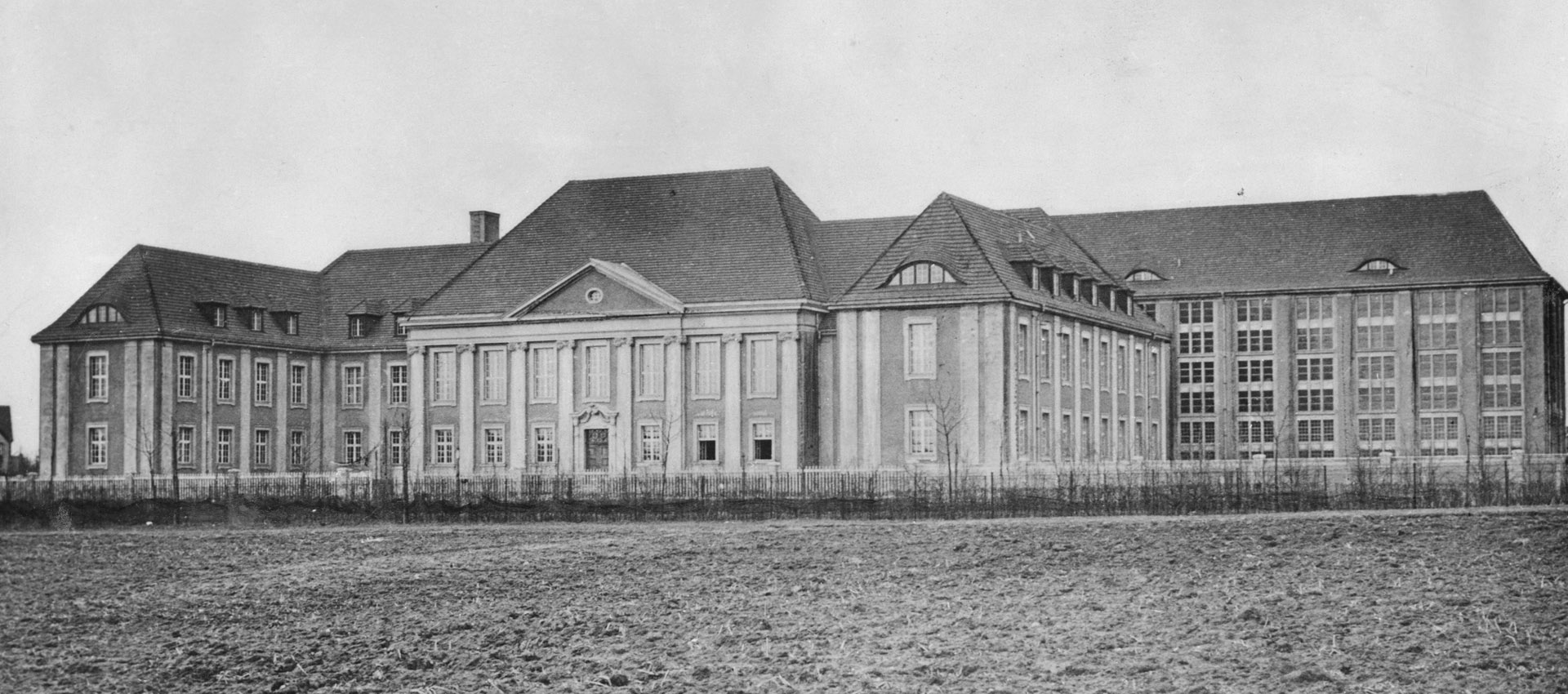
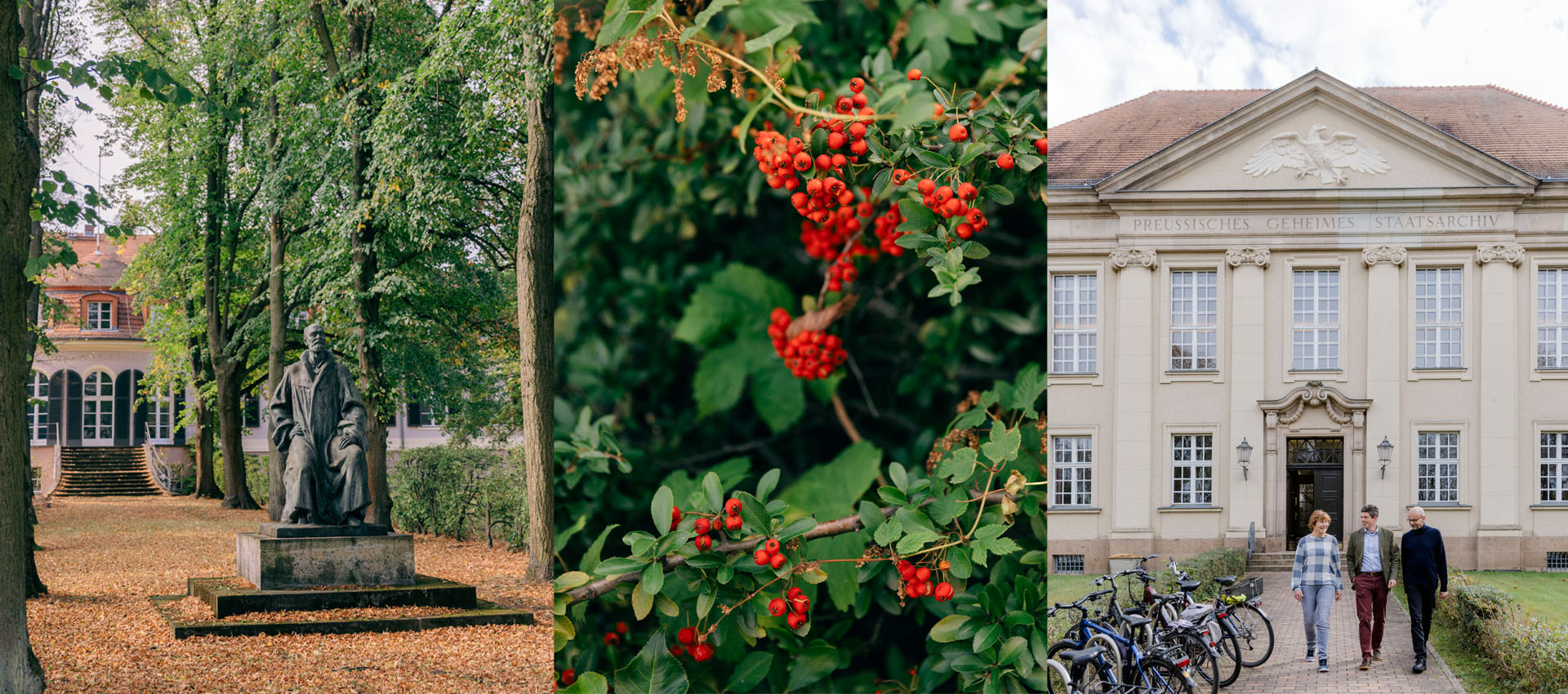
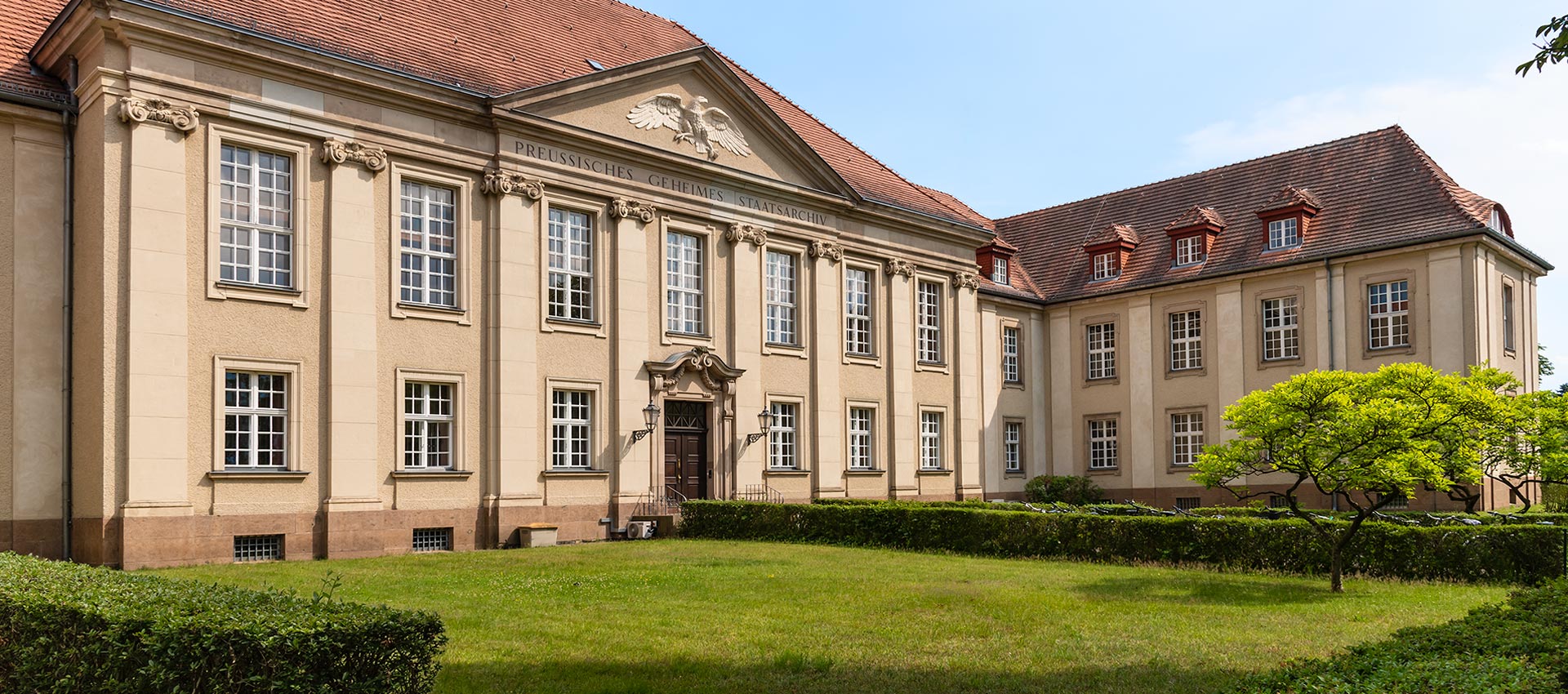
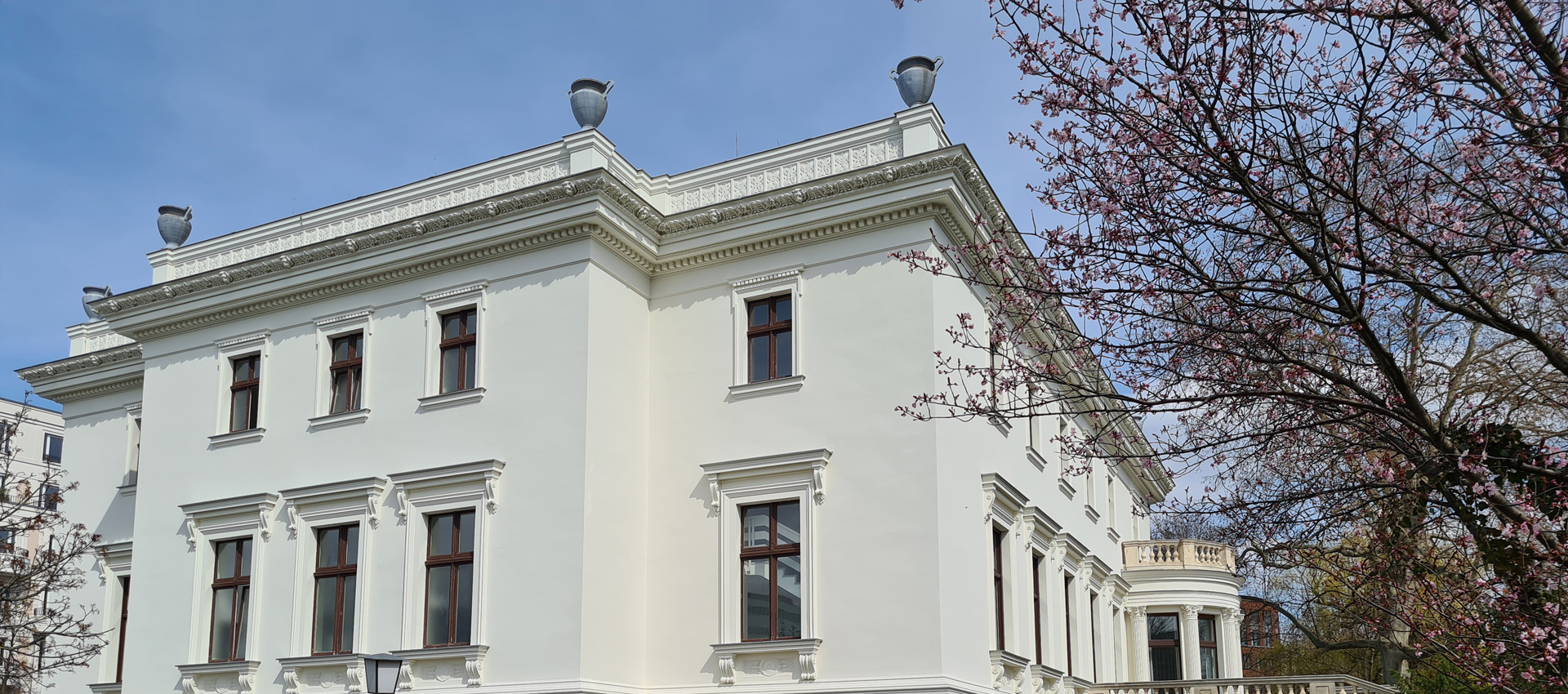
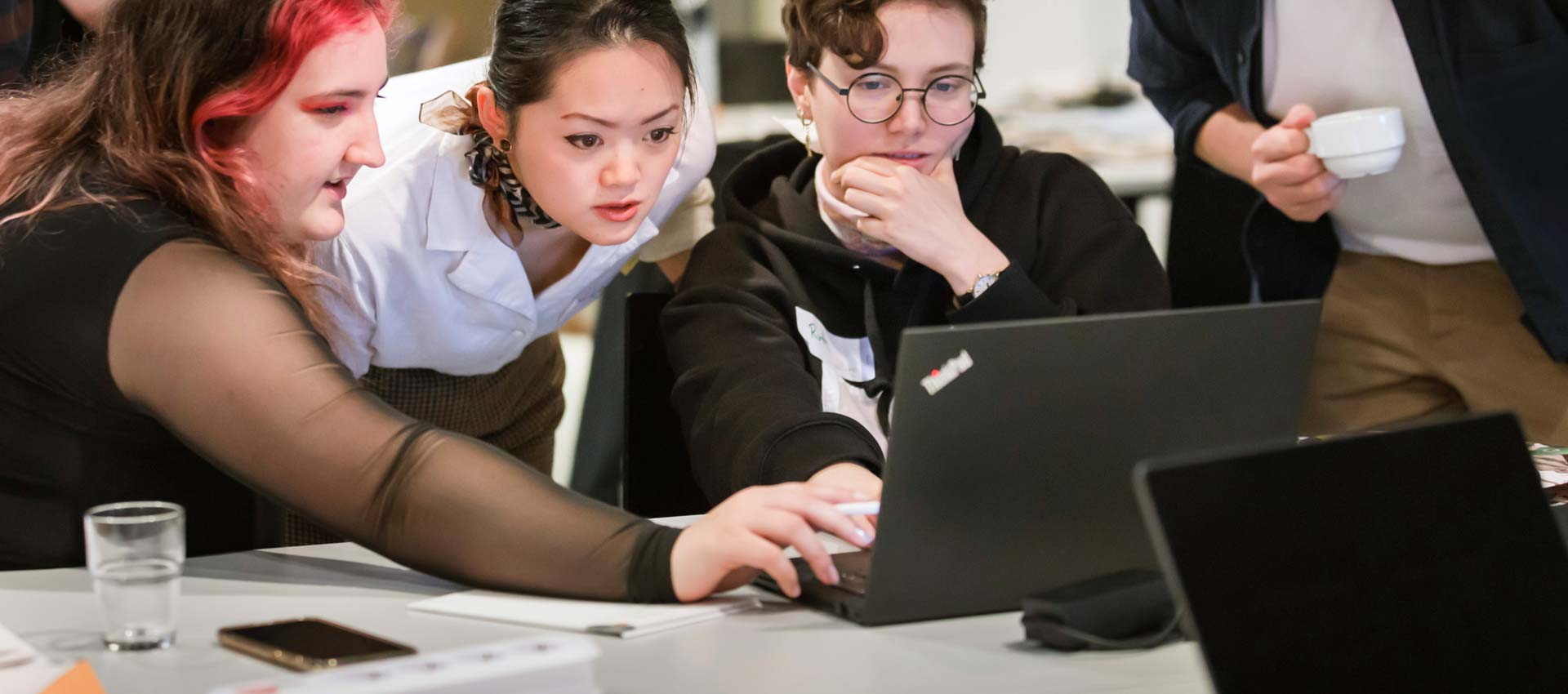
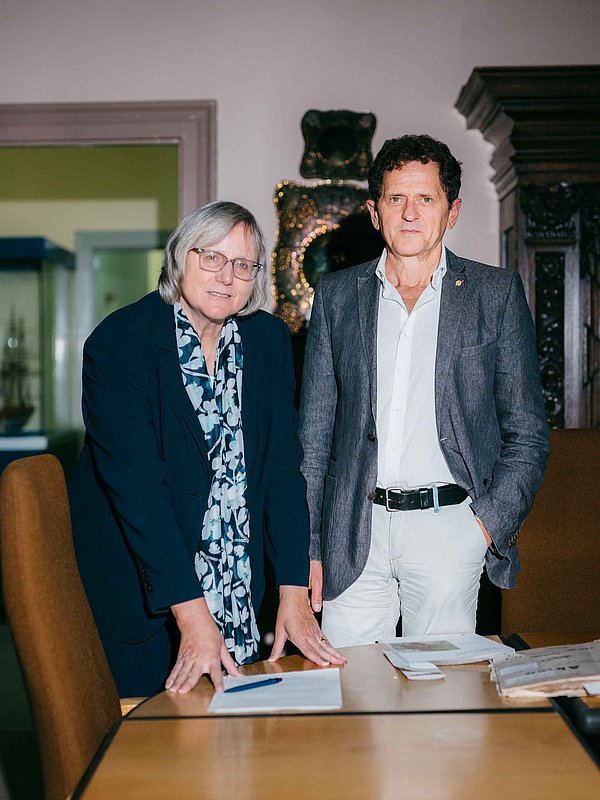
By the time epidemiologist Klaus Stöhr—known in this country primarily from the media as an authoritative expert on the coronavirus pandemic—arrives at the Secret State Archives of the Prussian Cultural Heritage Foundation, it is already dark. At this hour, the misty contours make the huge building look like a mysterious castle. One, however, in which no king has ever lived. The eagle of the Free State of Prussia is perched on its gable.
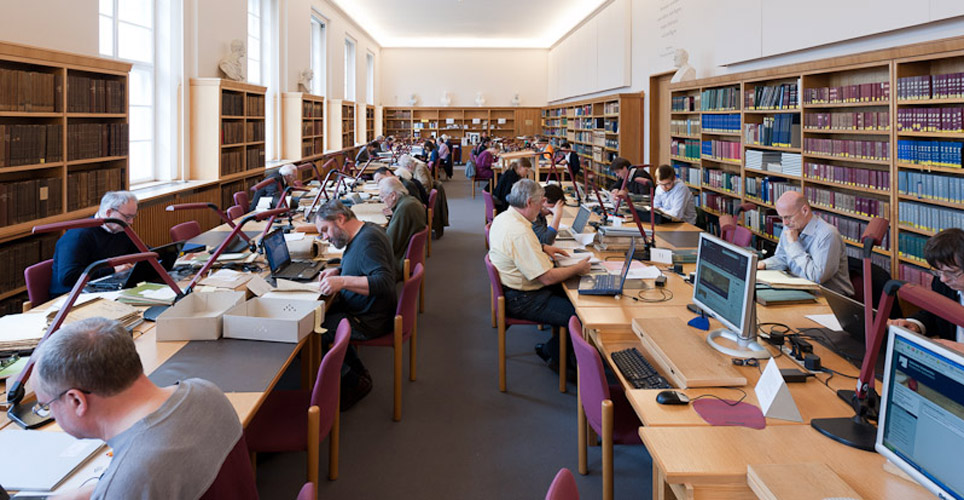
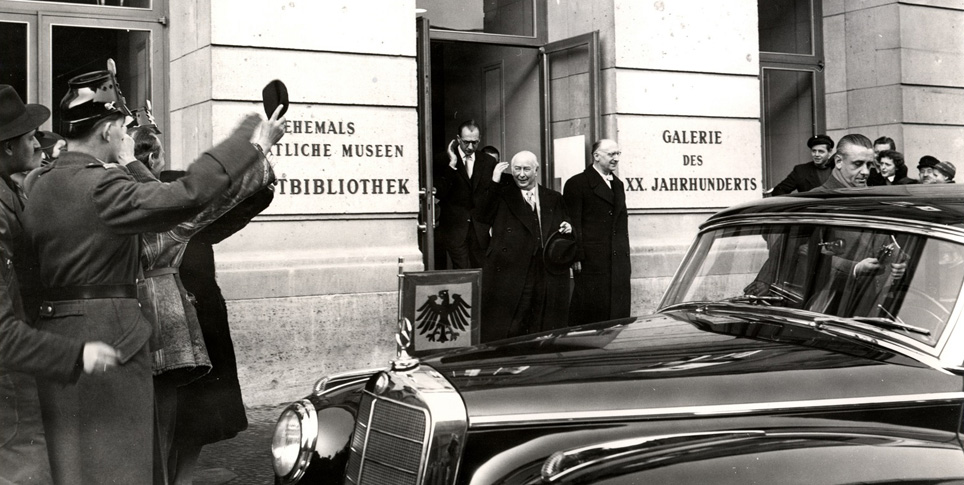
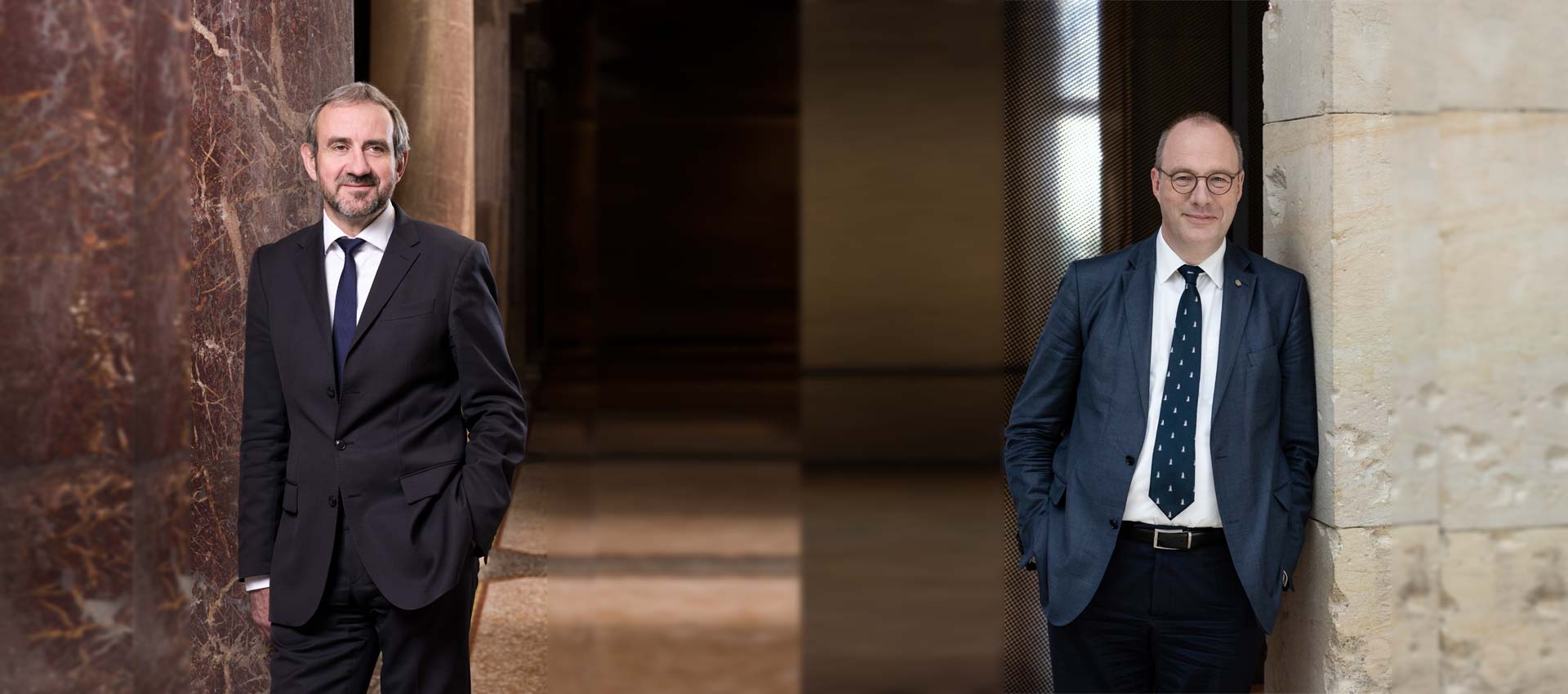
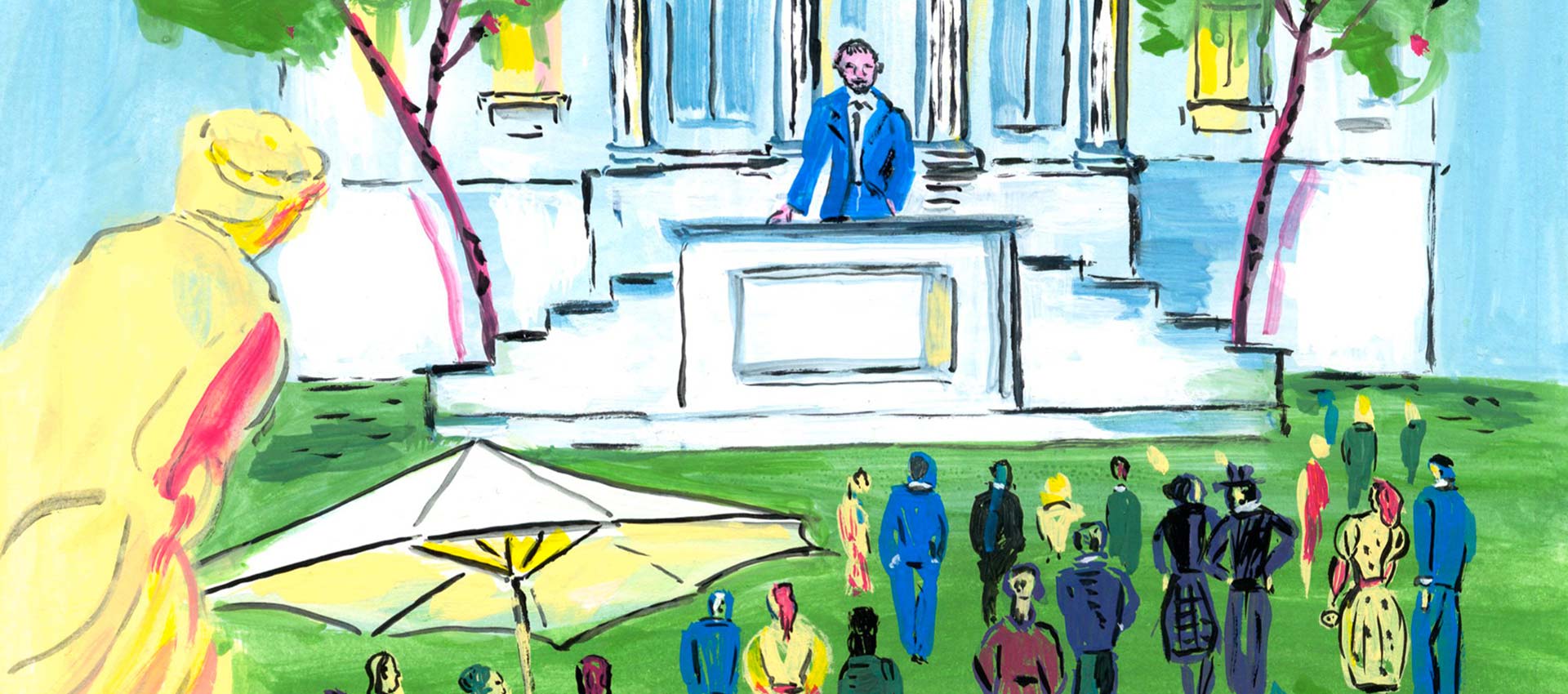
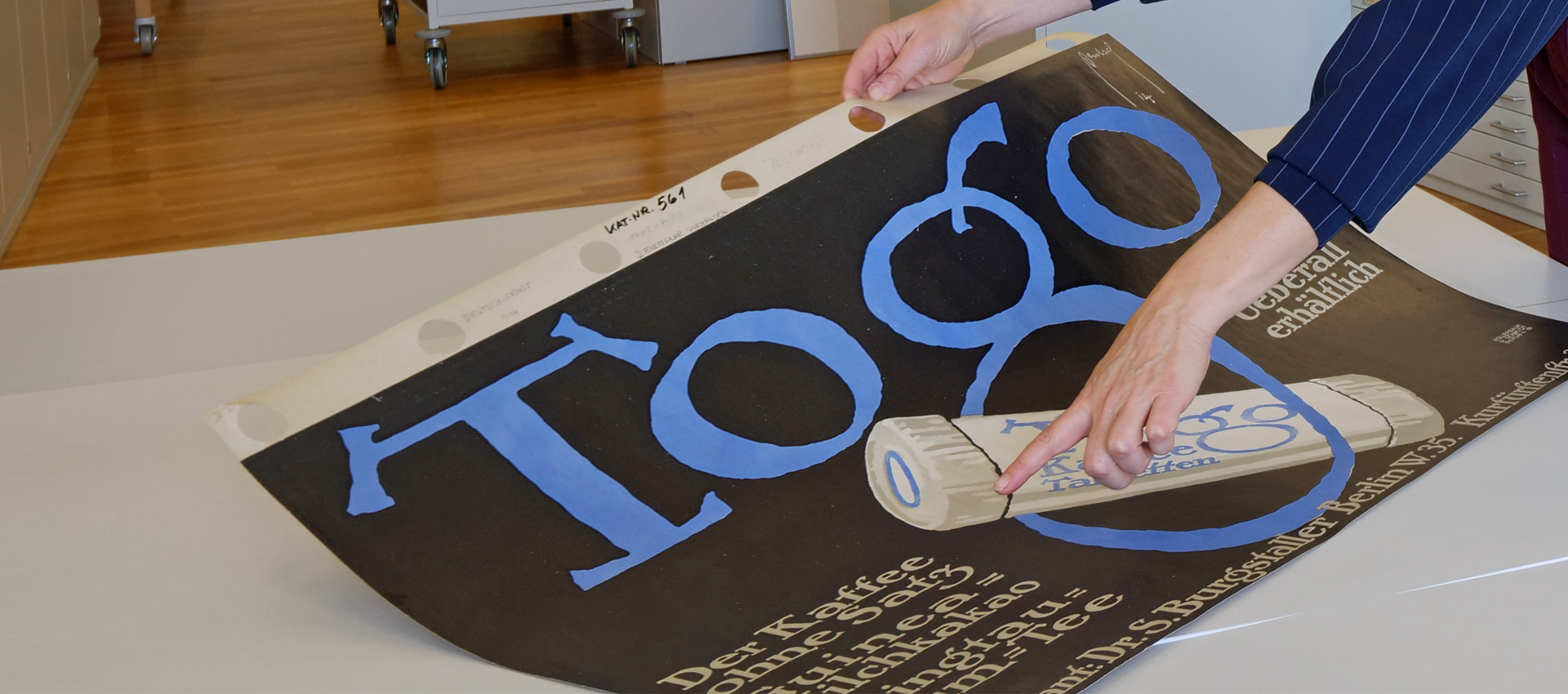
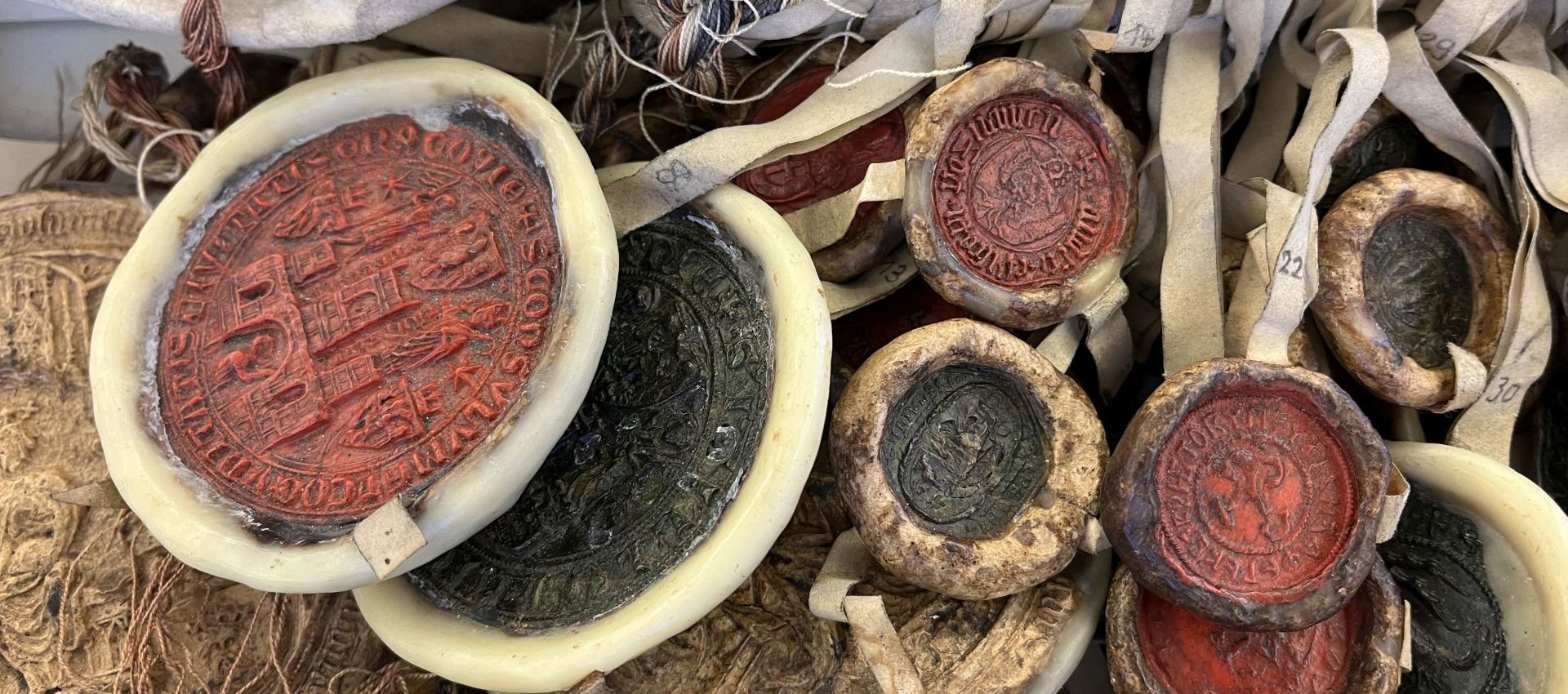
Exactly 100 years ago, the building was officially opened as the ‘Prussian Secret State Archives’ in the presence of the Prussian Prime Minister Otto Braun. Yet since the dissolution of Prussia, it has been a state archive without a state – but one with many treasures. Behind the magnificent entrance building, 35 kilometres of files documenting the eventful history of Brandenburg-Prussia from the 12th to the 20th century are stored in a repository building and an external repository at Berlin’s Westhafen.
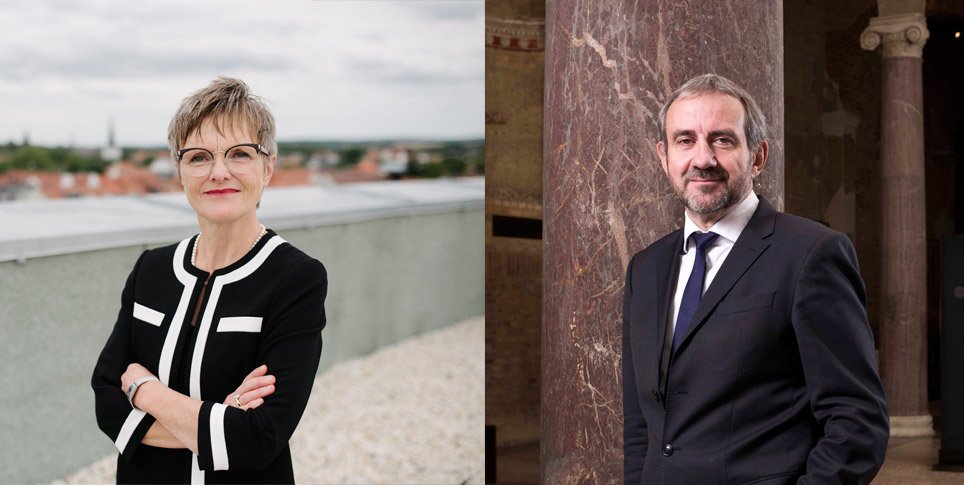
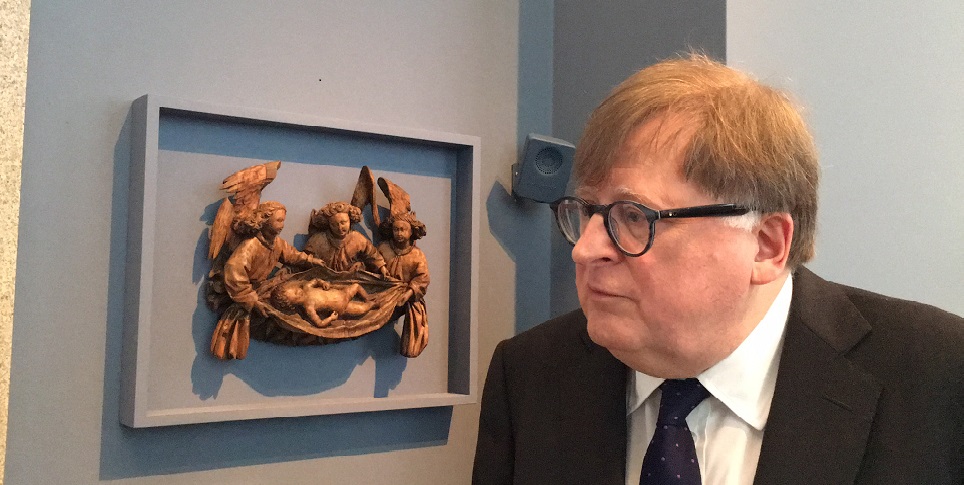
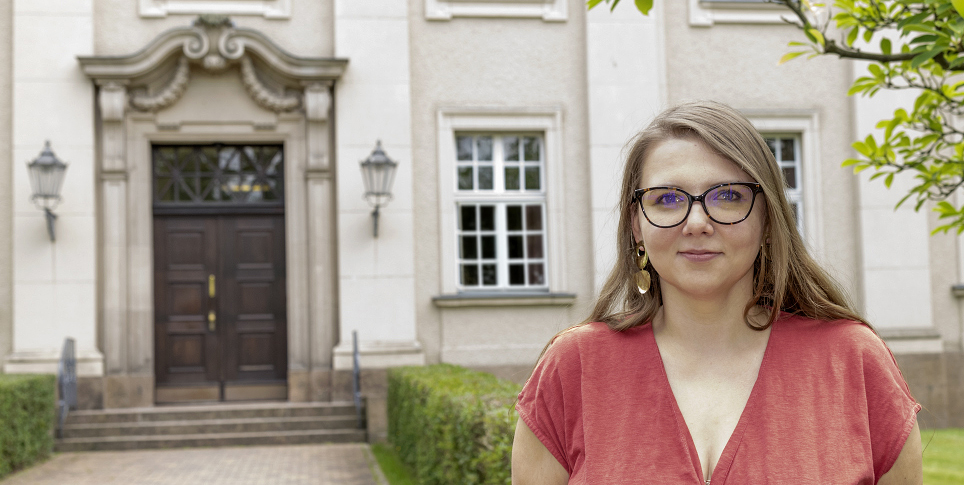
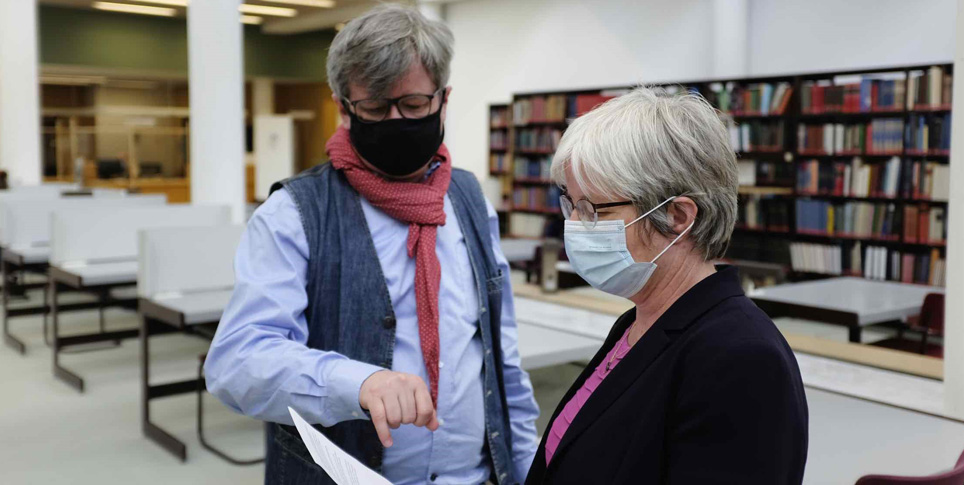
Stöhr walks through the gate and is already being awaited by Ulrike Höroldt, the director of the archive. The ‘secret archive’, which is not really that secret at all but is open to any interested visitor, has piqued Stöhr’s curiosity. He hurries along with the director through the long corridors of the building, which from the inside resembles less a castle than a Prague insurance company and otherwise exudes a austere, somewhat Kafkaesque charm.
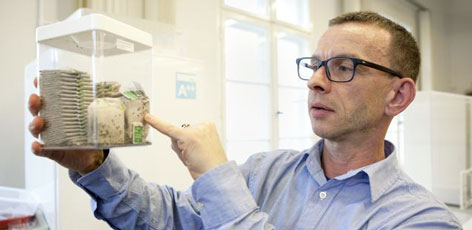
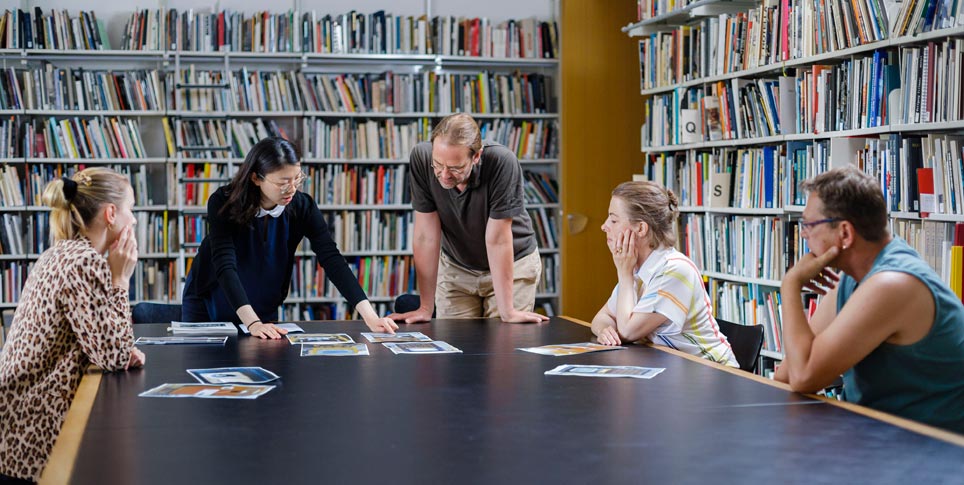
Upon arriving in the large meeting room, several files relating to his area of expertise await Stöhr: influenza, commonly known as the flu. The veterinary surgeon, who holds a PhD, worked for the WHO in various roles for fifteen years, including as head of the Global Influenza Programme.
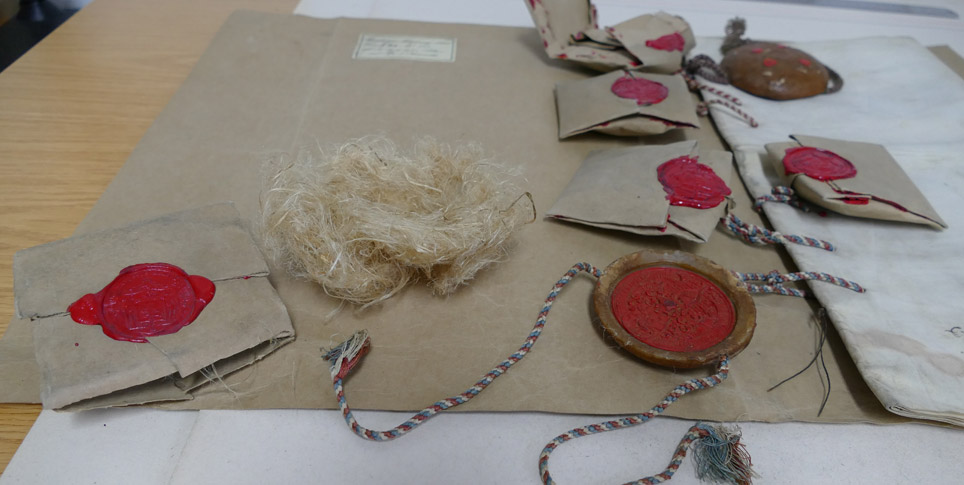
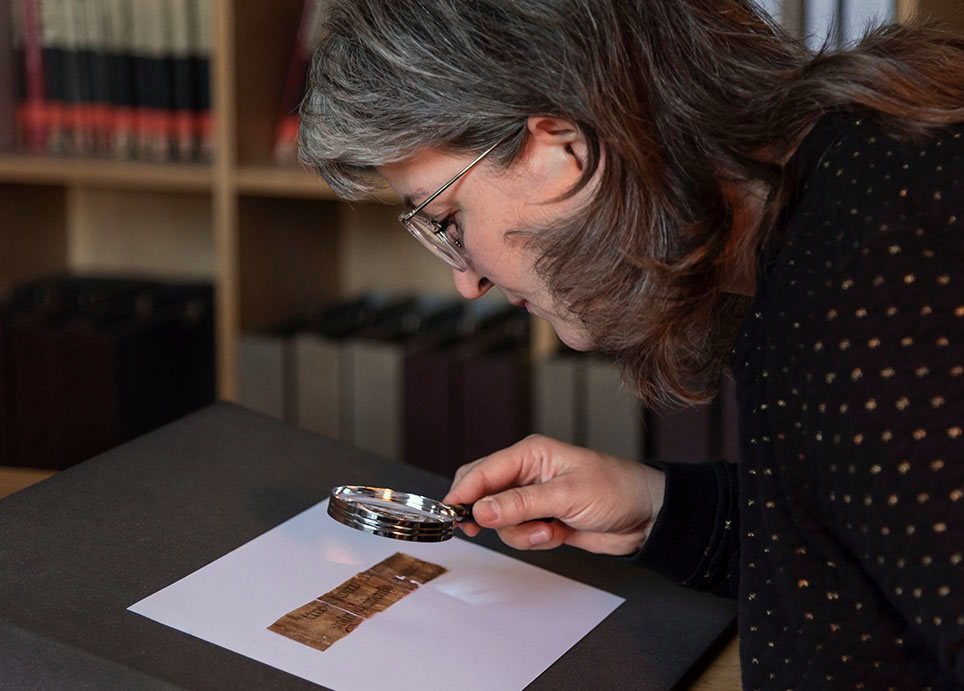
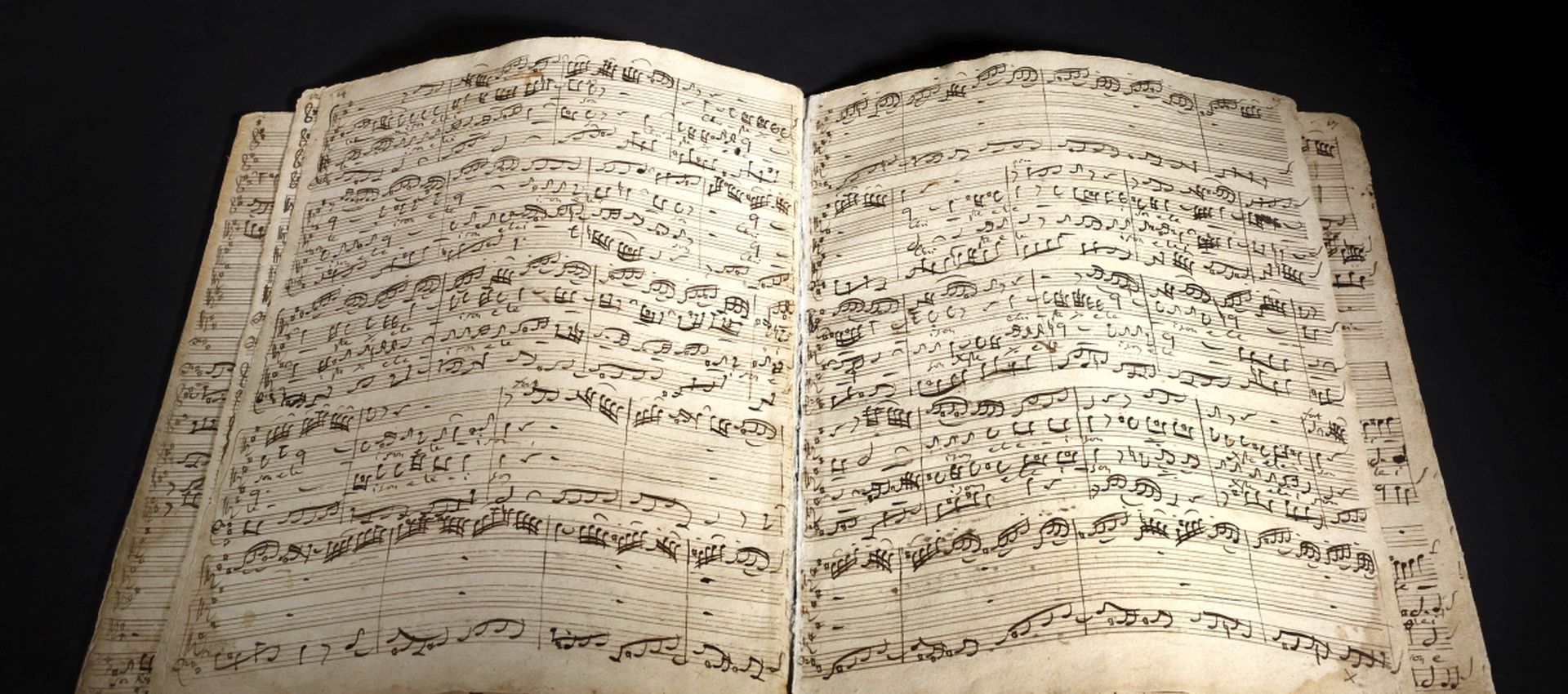
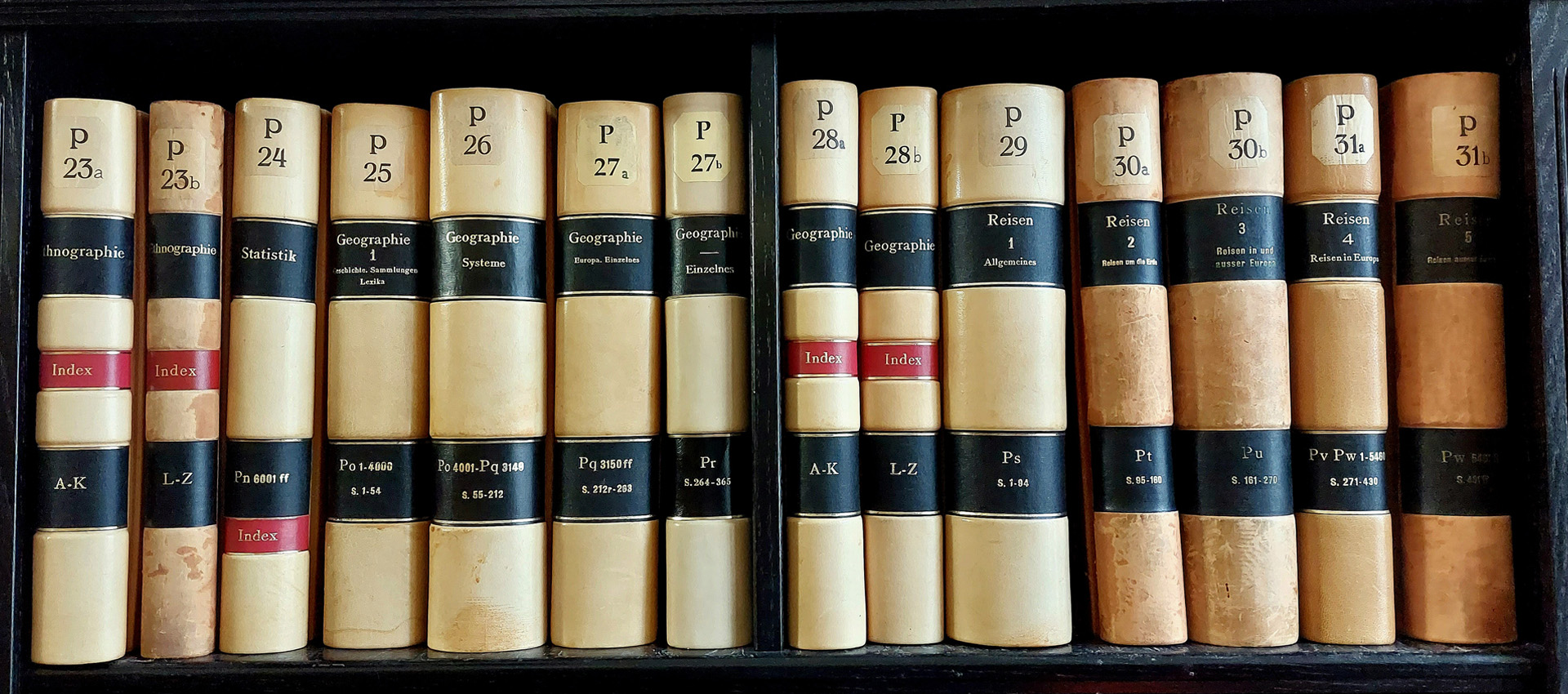
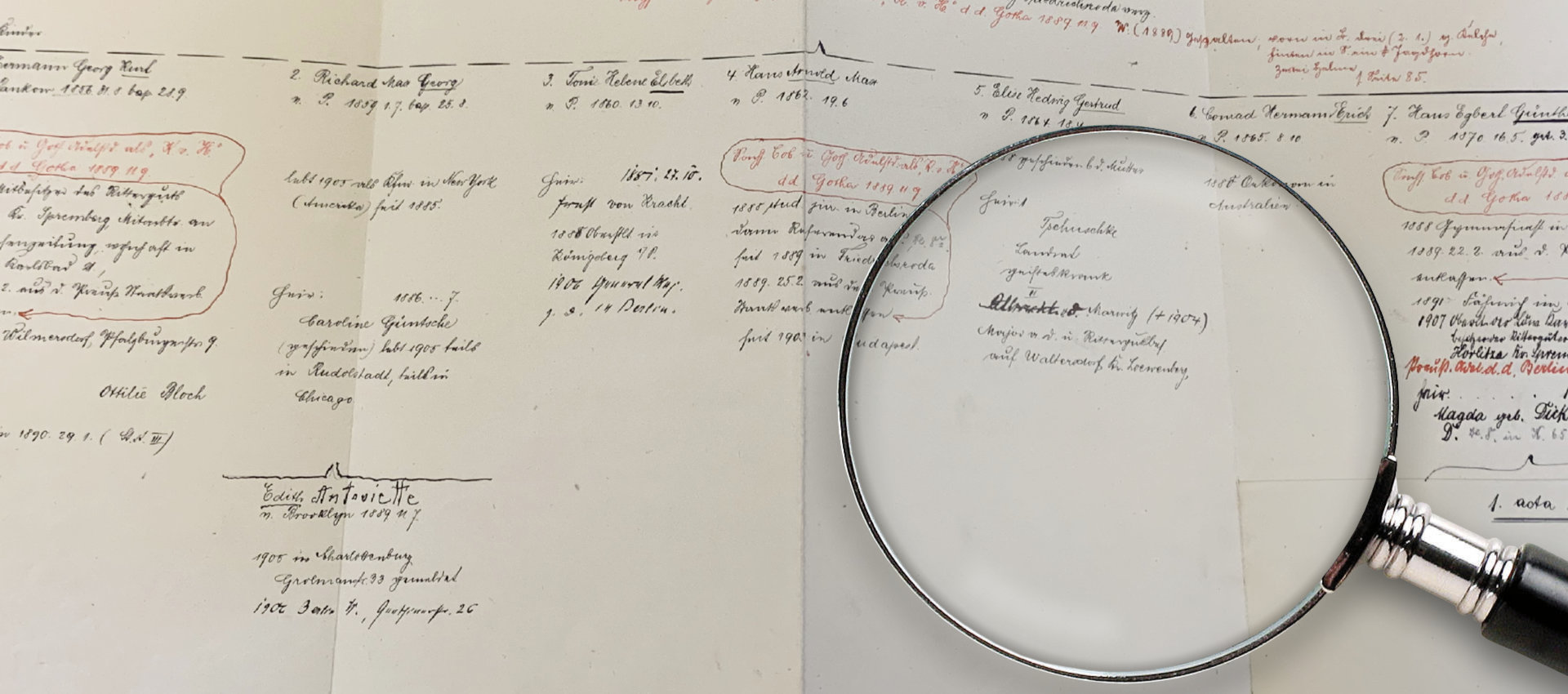
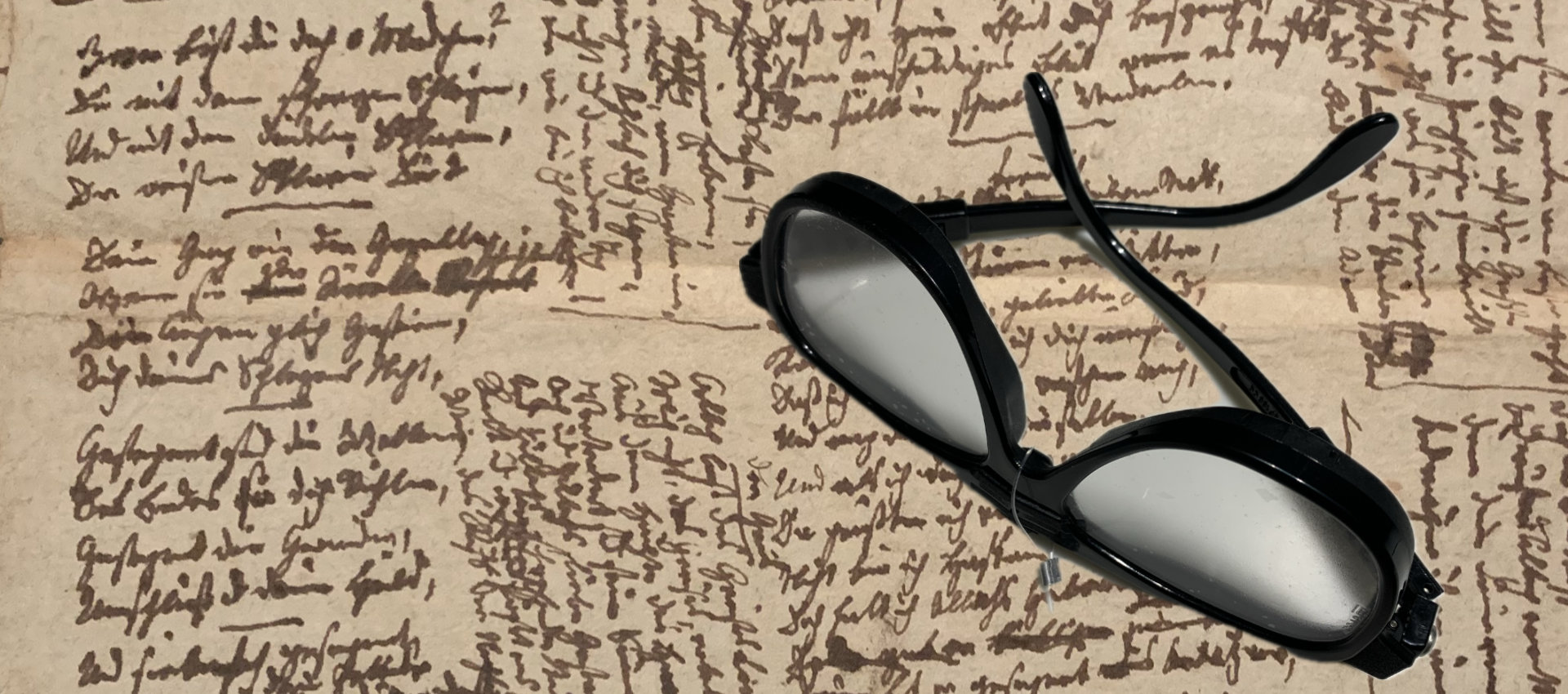
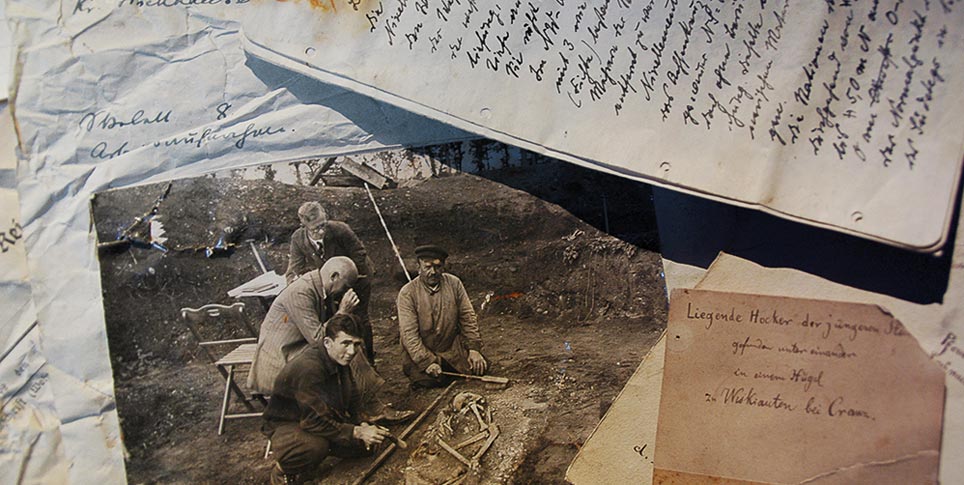
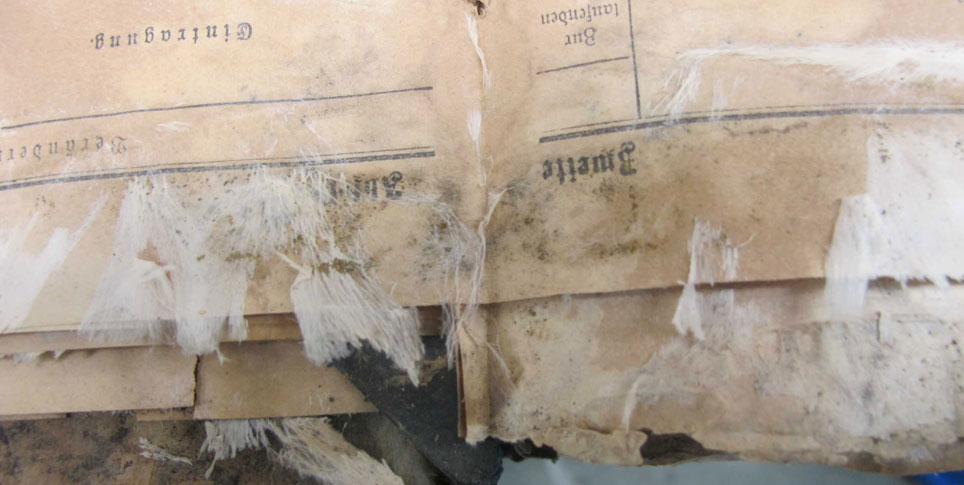
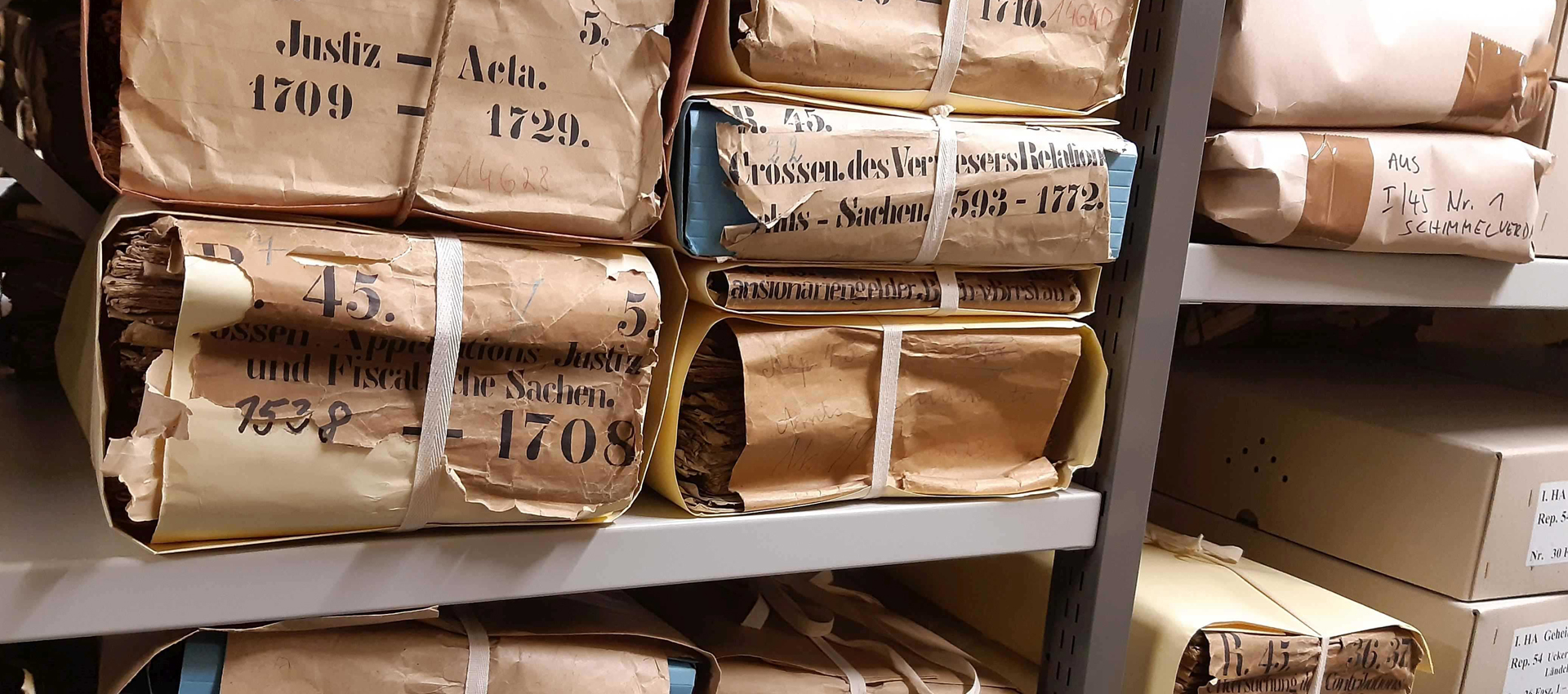
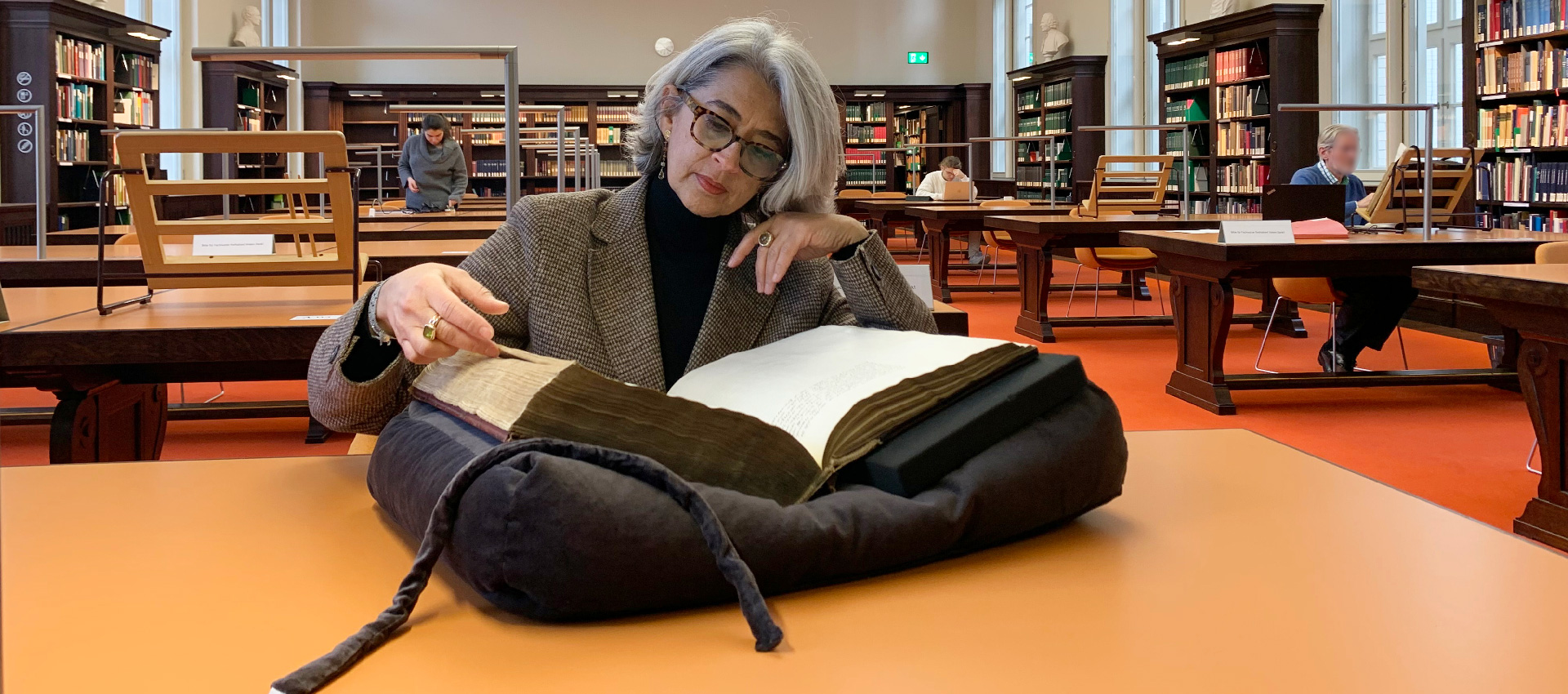
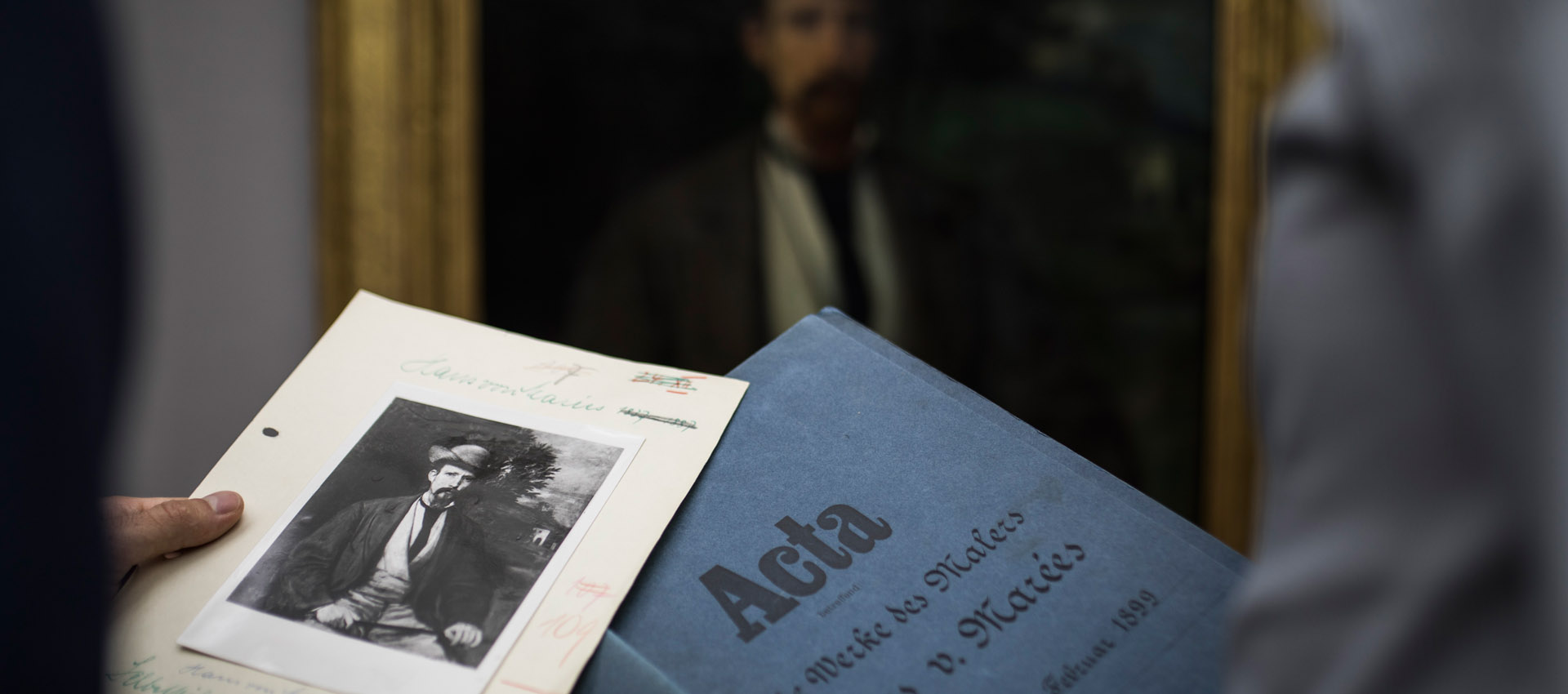
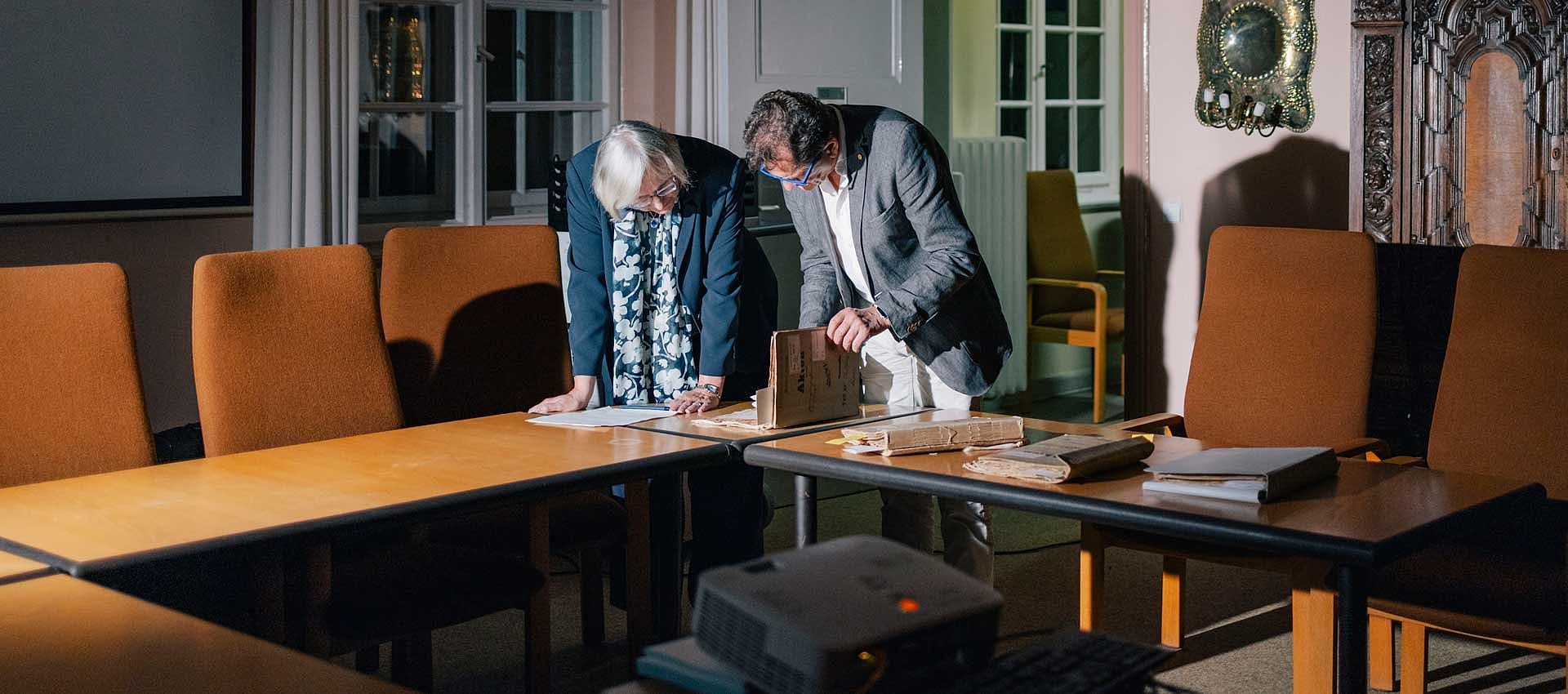
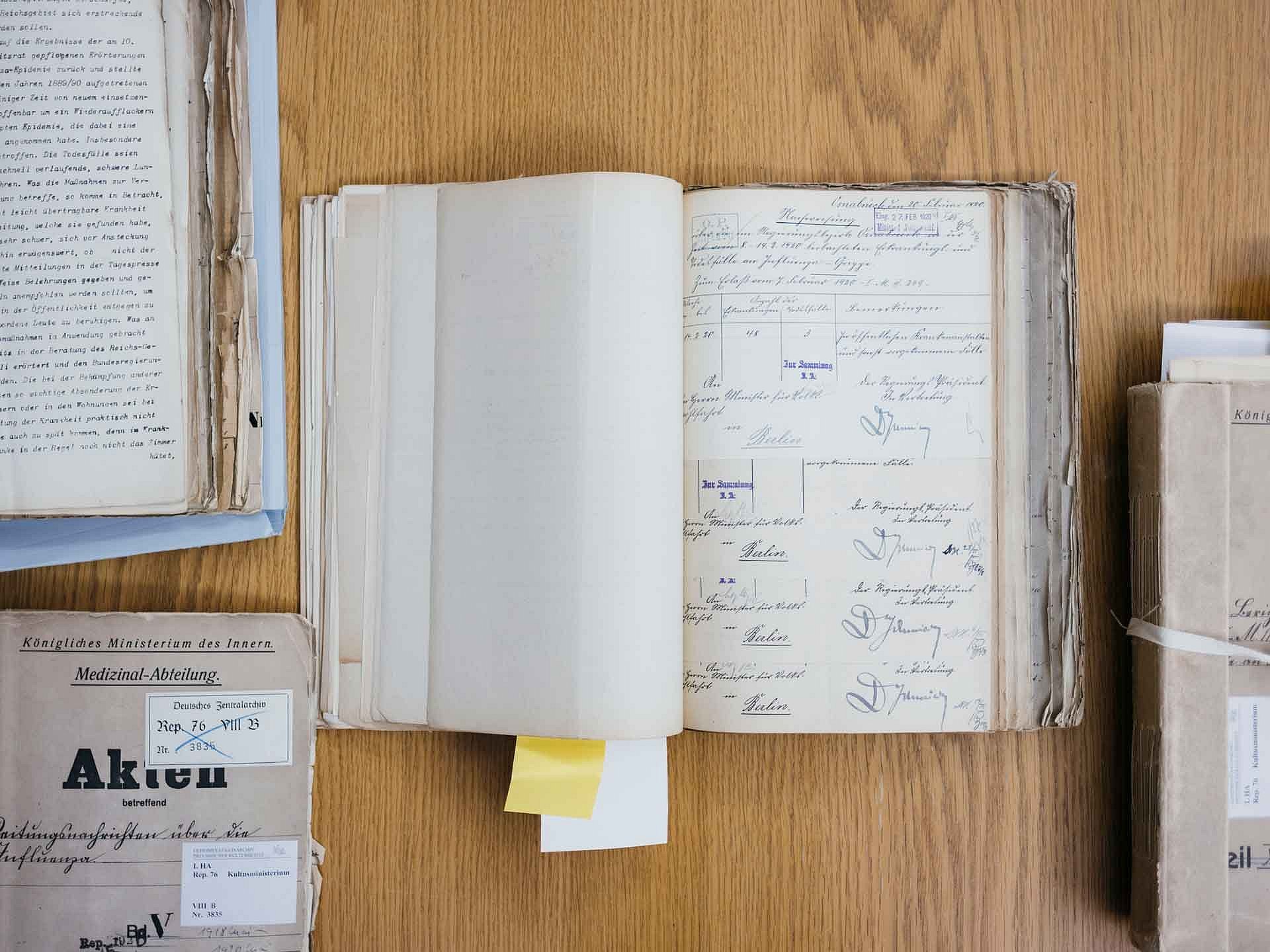
Archive Director Höroldt has provided Stöhr with documents that are over 100 years old. The yellowed papers date from the period of the devastating global flu epidemic between 1918 and 1920. The file covers bear the handwritten note ‘Spanish flu’, as the pandemic caused by the A/H1N1 virus was known at the time, named after its supposed place of origin. The file folders contain documents from the “Medical Department” of the “Royal Ministry of the Interior”, including minutes of meetings, prompting Stöhr to exclaim spontaneously: “This is where the RKI meets!”
Indeed, the recent coronavirus pandemic serves as the reference point from which Stöhr immediately begins to immerse himself in the study of the documents. They discuss the controversy over school closures, the paralysis of public life, the proposed closure of theatres, museums and churches, contact tracing and vaccinations – all keywords that seem all too familiar to us today.
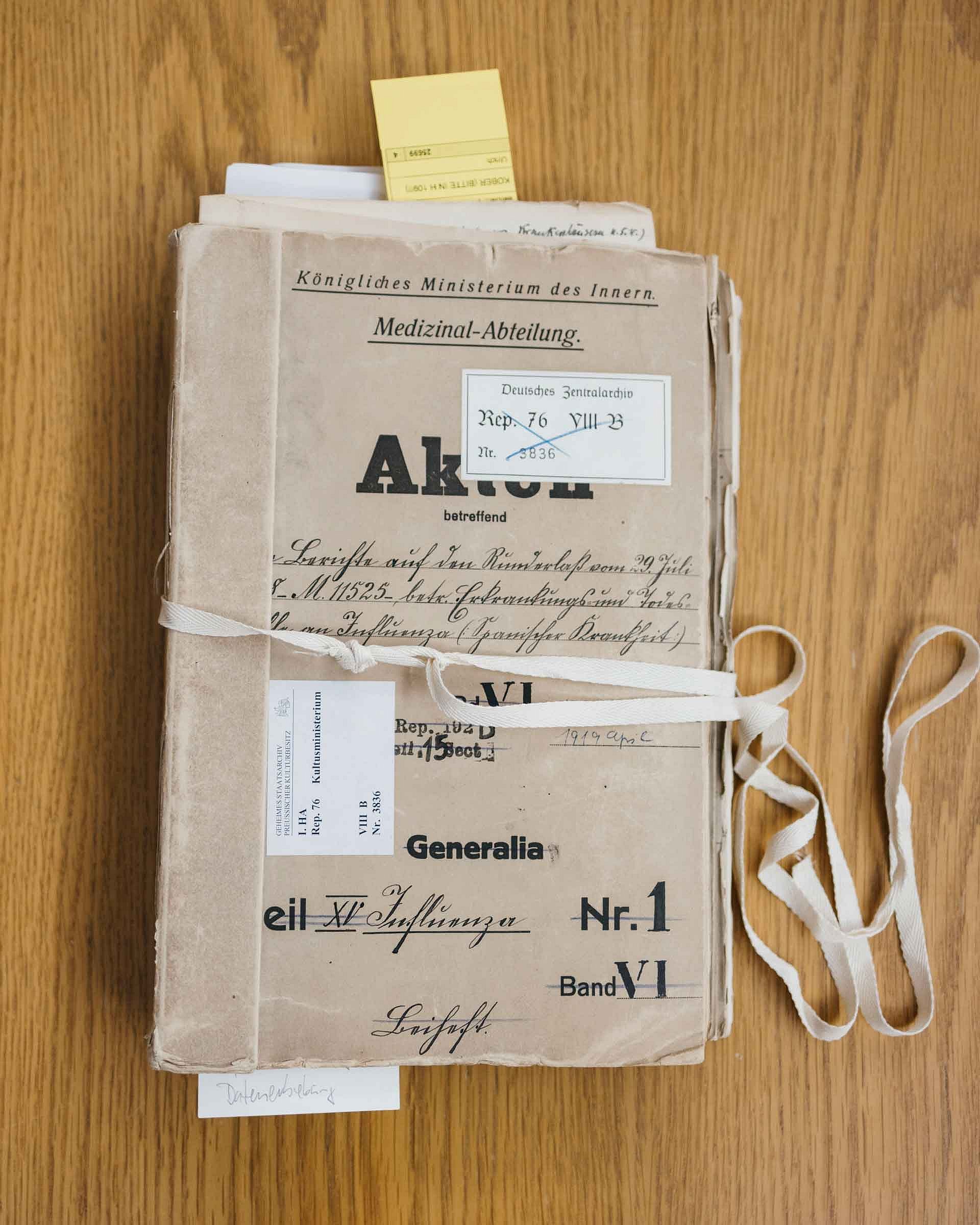
If only someone had looked at those files just once in 2020 and learnt from history.
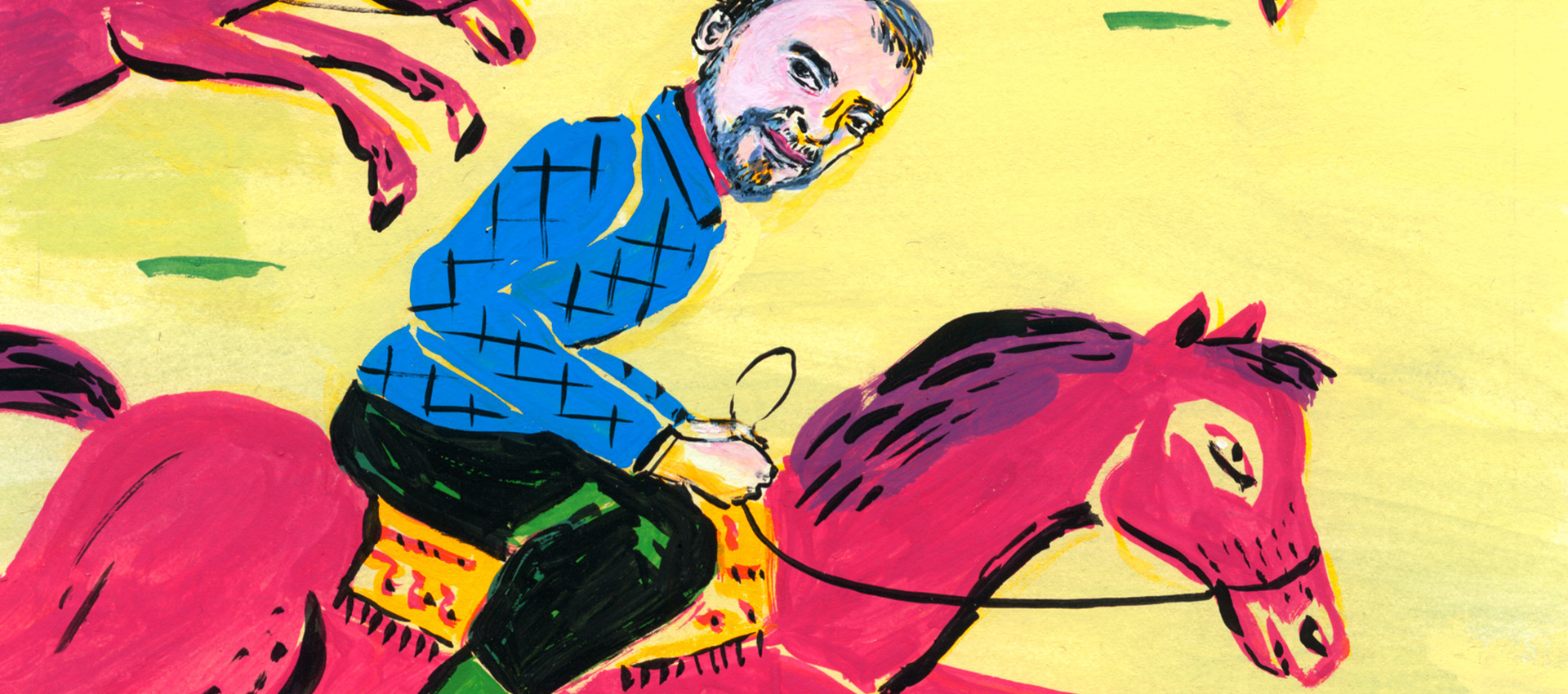
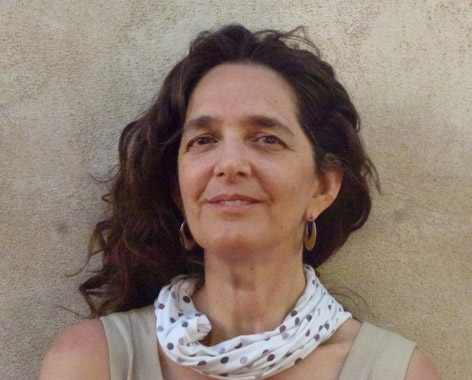
Epidemiologist Klaus Stöhr
Stöhr brings the files to life, and the files bring Stöhr to life. The dates and facts pour out of him. The epidemiologist’s expertise in the history of pandemics is immense. Time and again, he reads passages aloud that remind him of recent history, and puts them into context; he explains where the experts were wrong in their assessments and where they were right.
Stöhr becomes so engrossed that the archive director has to remind him from time to time not to rest his hand on the papers. The virologist reacts with understanding, immediately continues his review of the files with due caution, and wishes: “If only someone had looked at these files just once in 2020 and learnt from history.”
It has grown late. Outside, a downpour is lashing down, and only one room in the otherwise dark building still has a light on. As he takes his leave, Stöhr quickly orders a few digital copies from the files, and the words slip out: “I really ought to make myself at home here.”