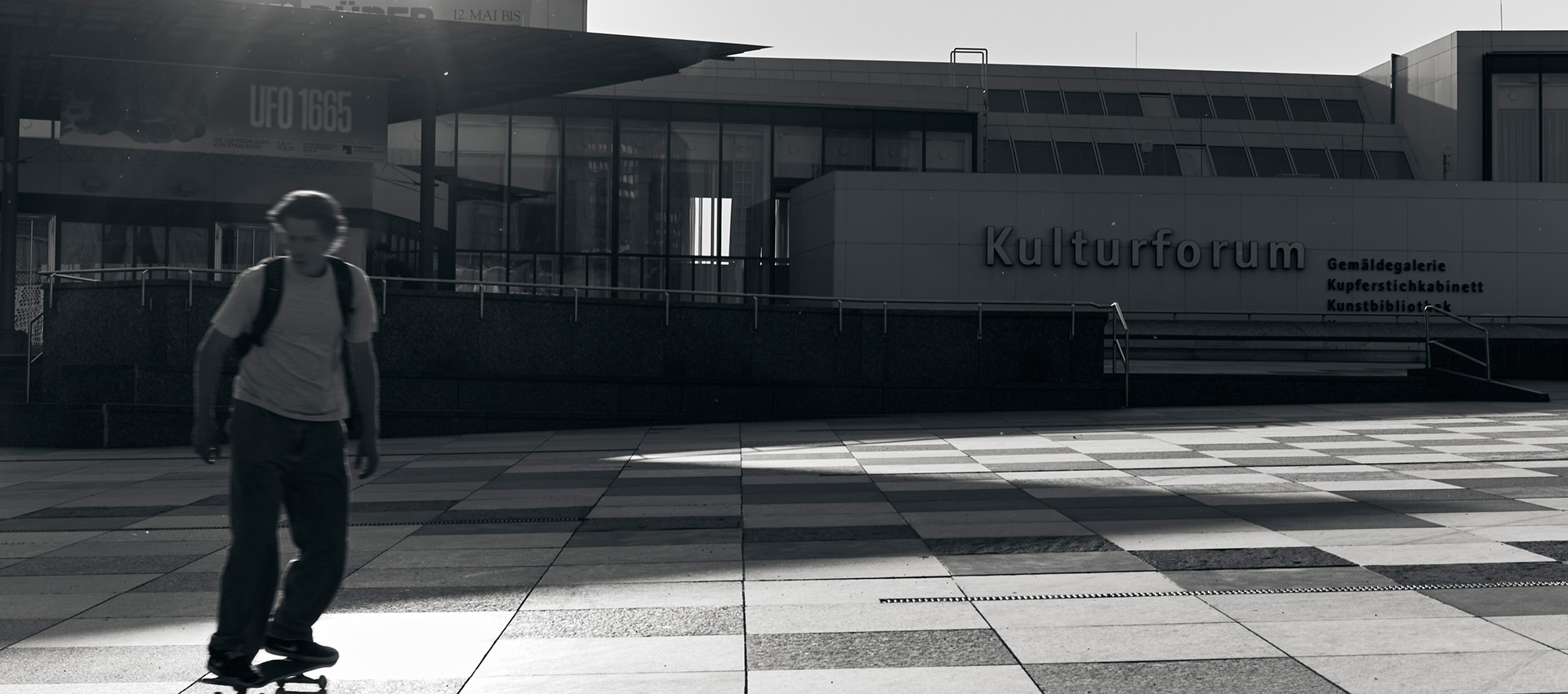
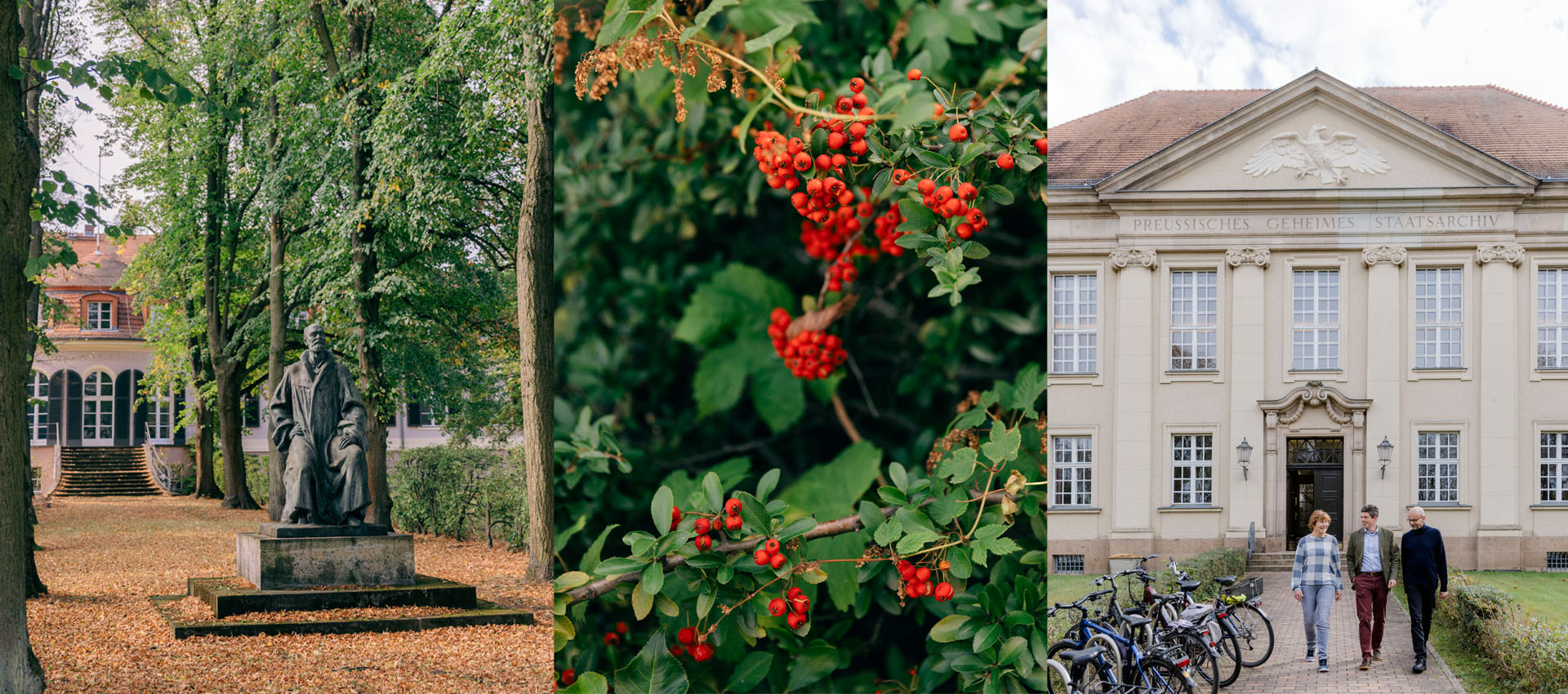
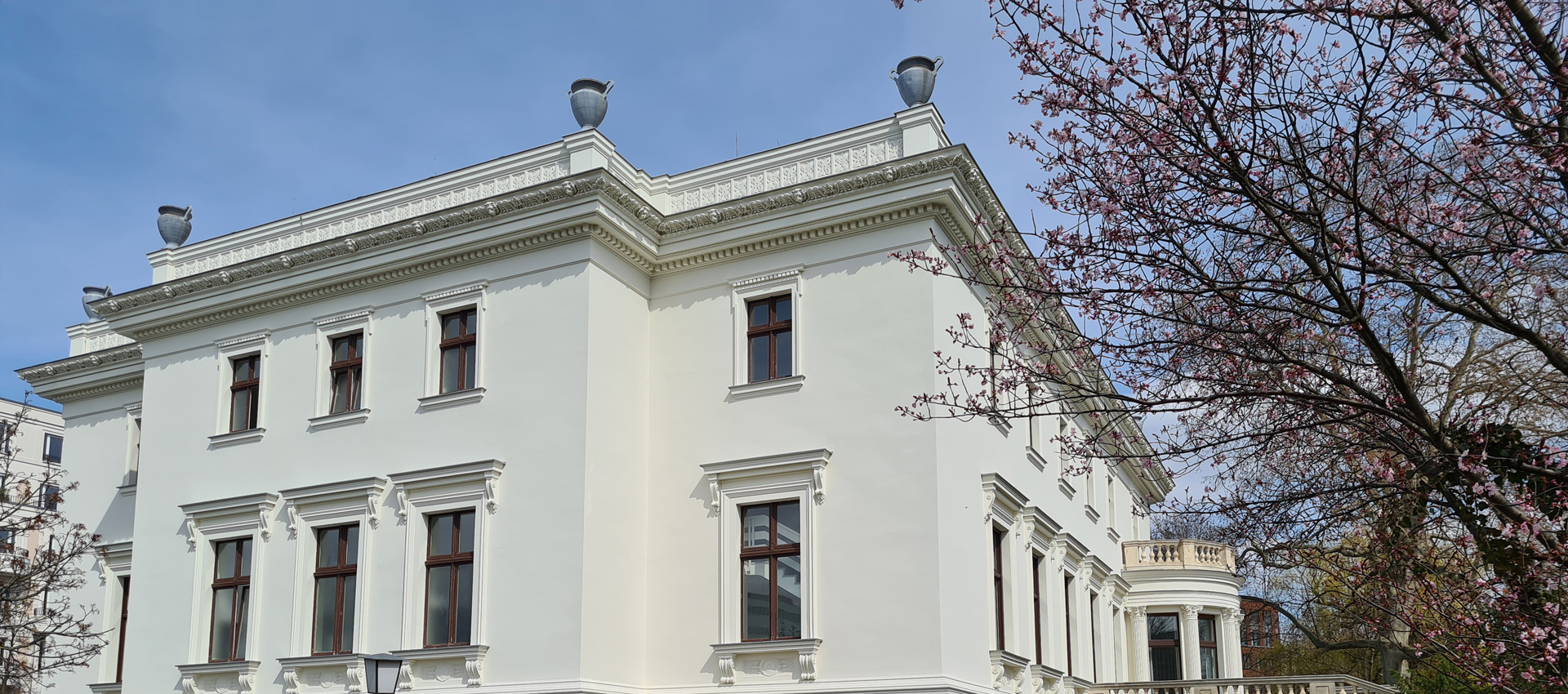
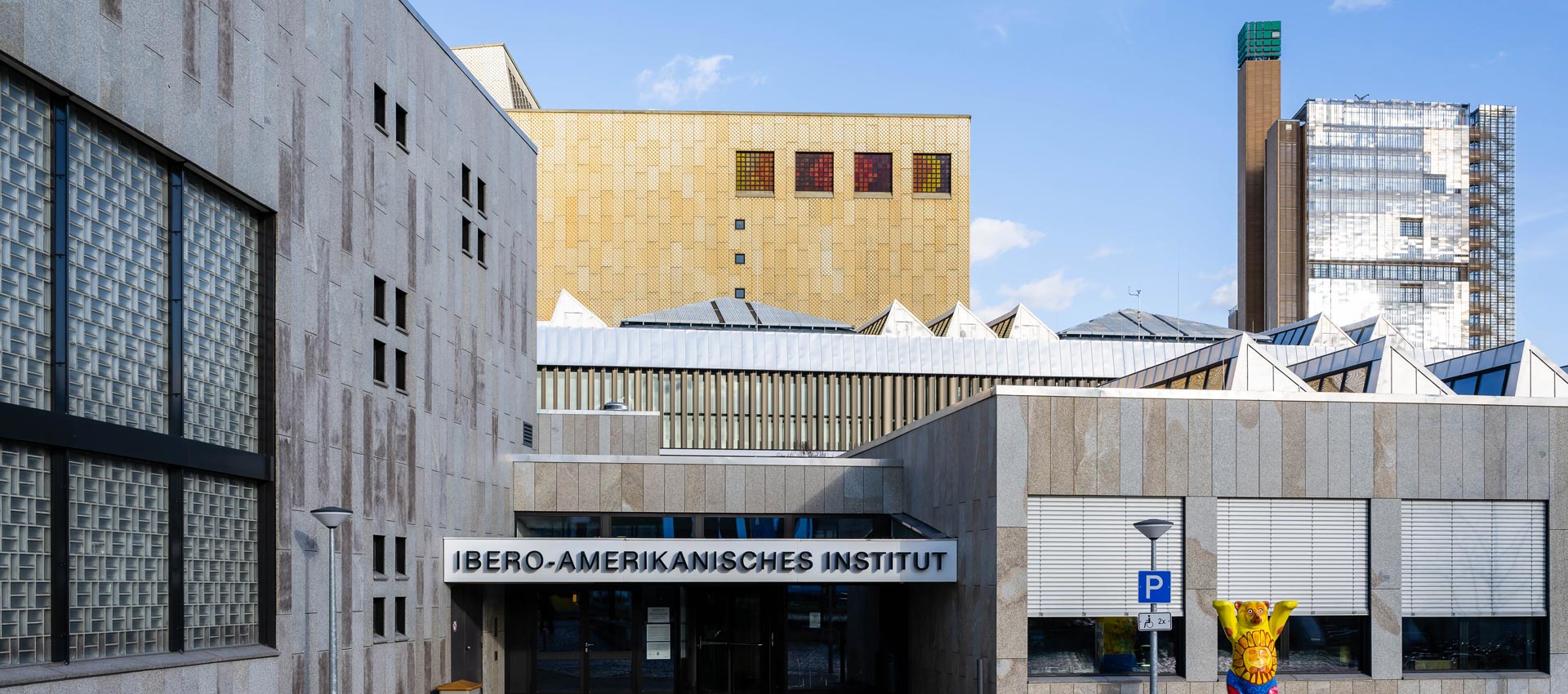
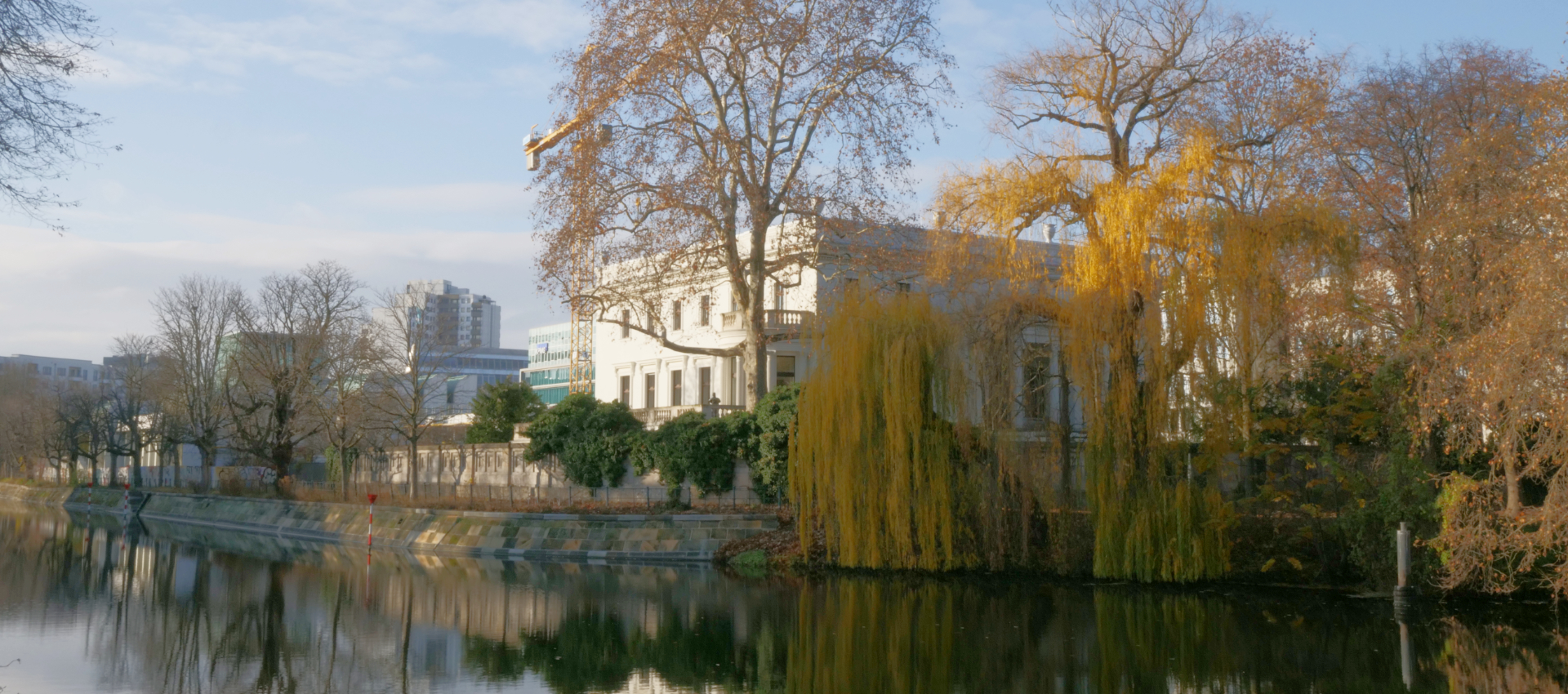
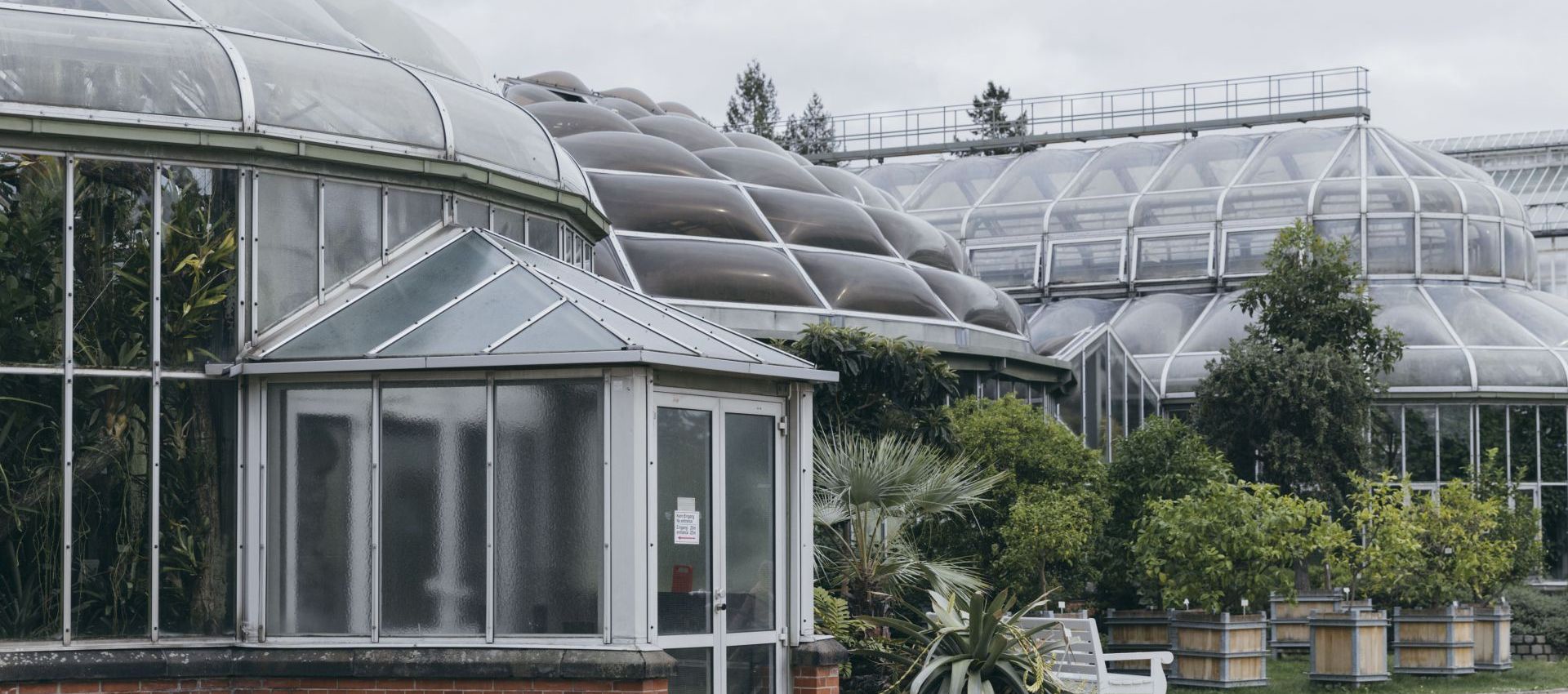
Let’s start with the colours. Around the university buildings in Berlin-Dahlem, it always looks as though it might rain. Not a shower or driving rain, but rather a dignified mist that drifts around the elongated buildings. They all seem somewhat sunken into their sixty- or hundred-year-old foundations – old villas, New Objectivity. Lots of grey, a touch of beige, a dull tree-green.
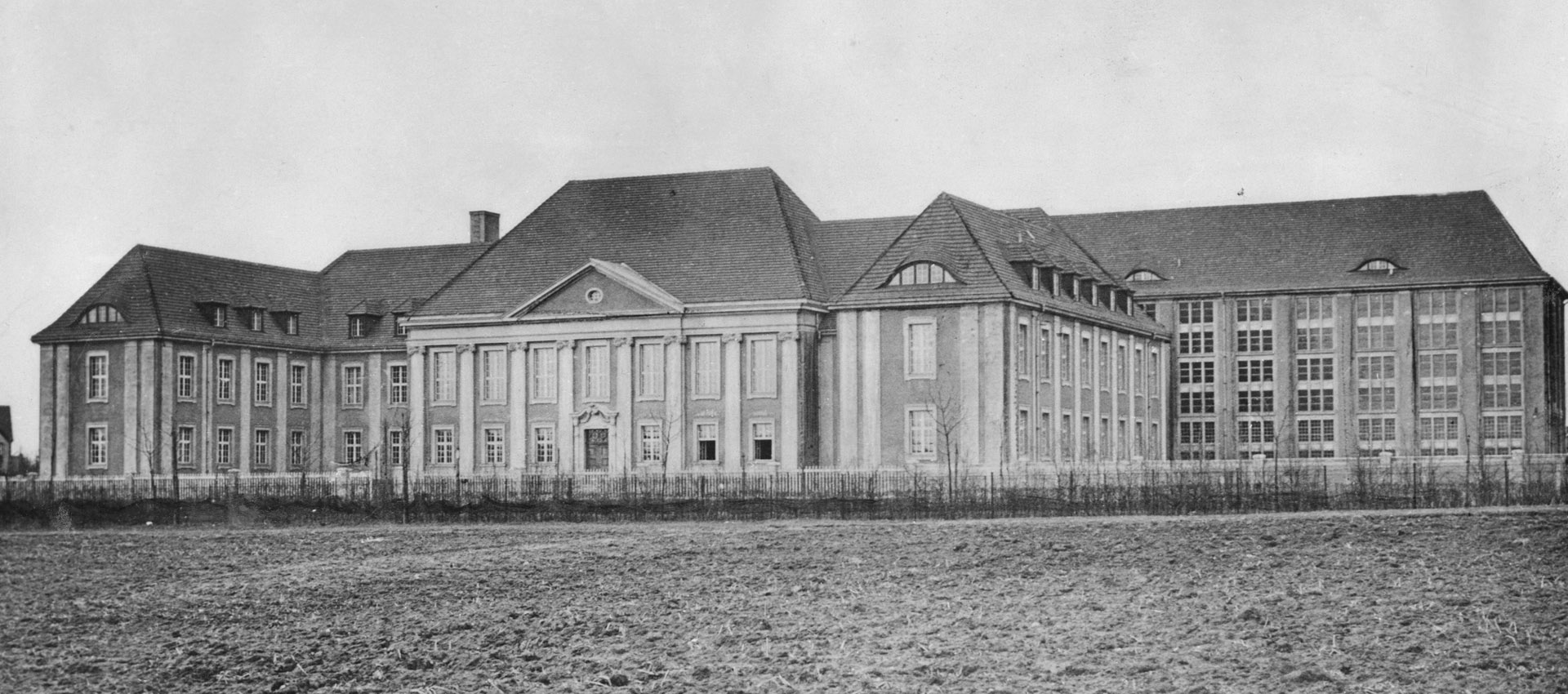
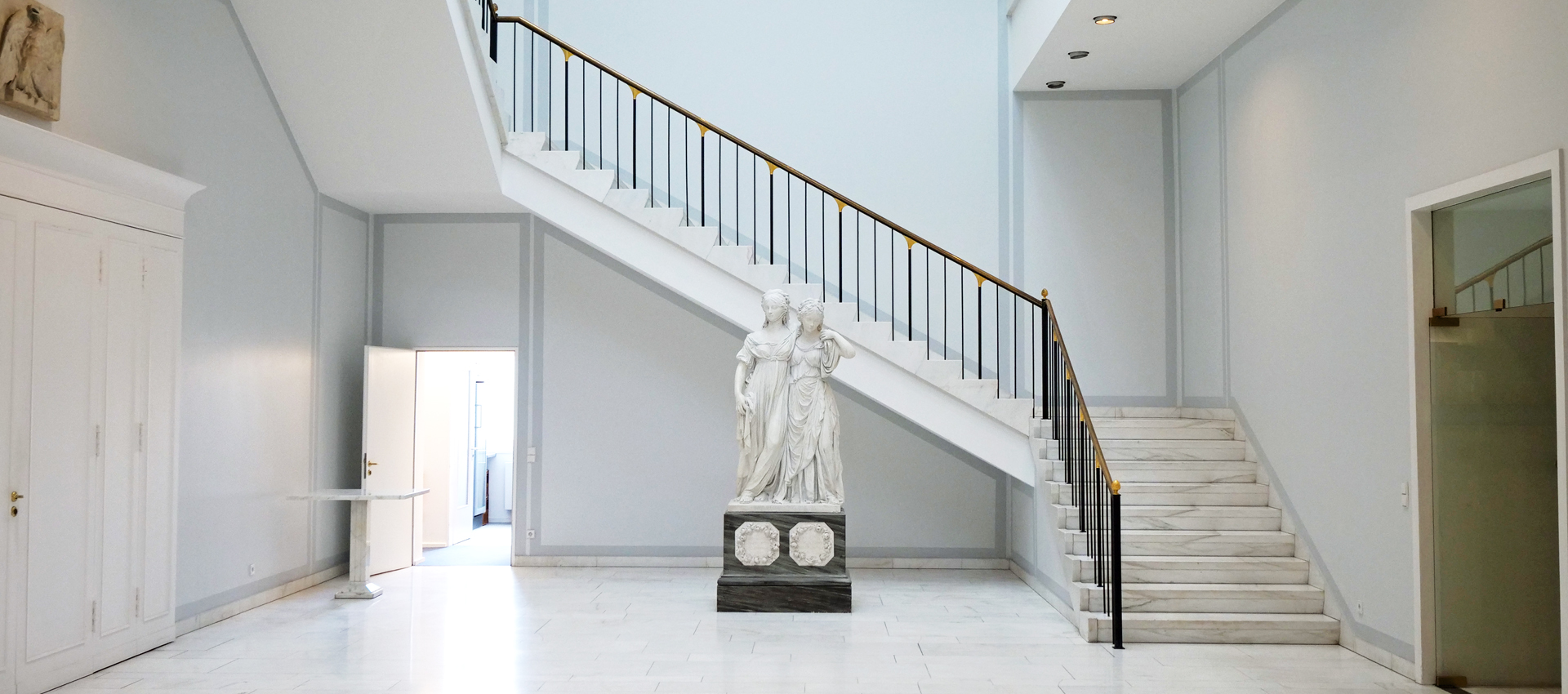
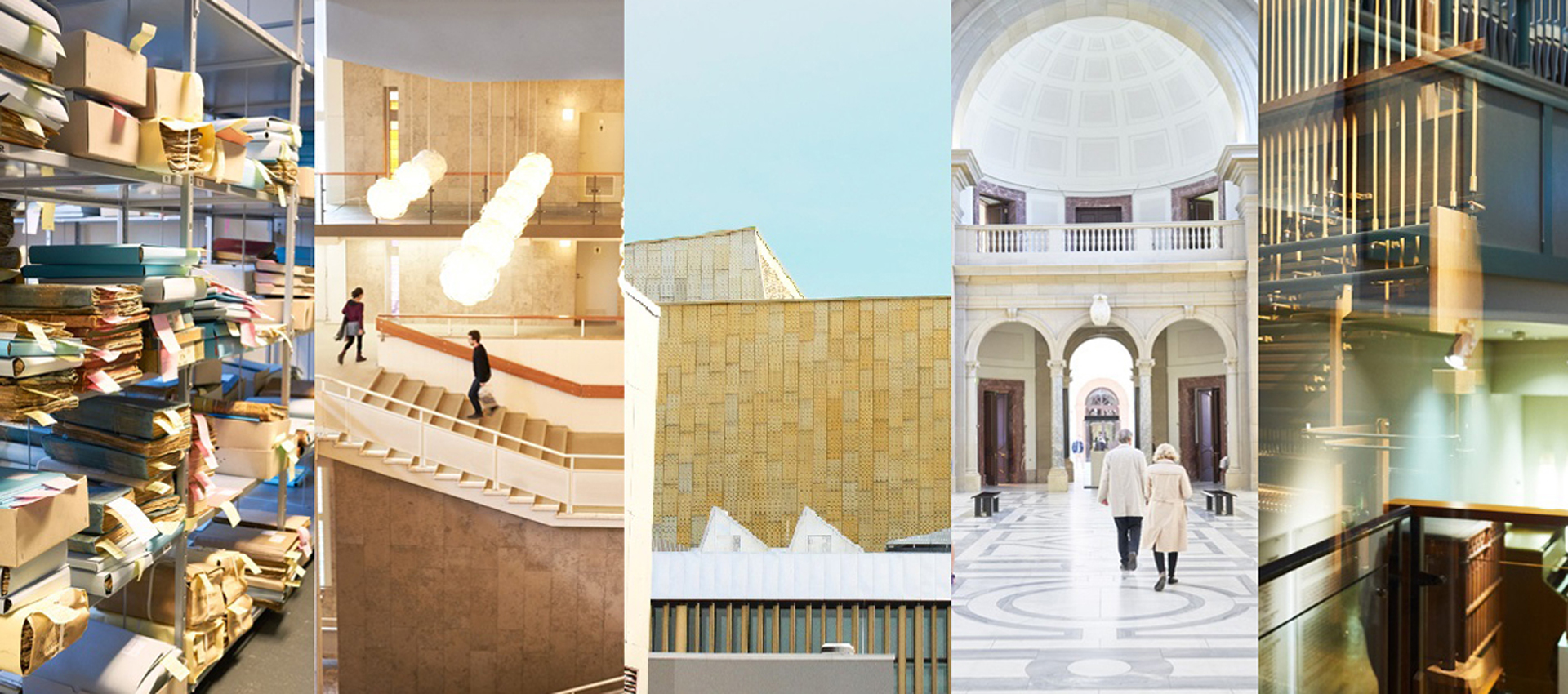
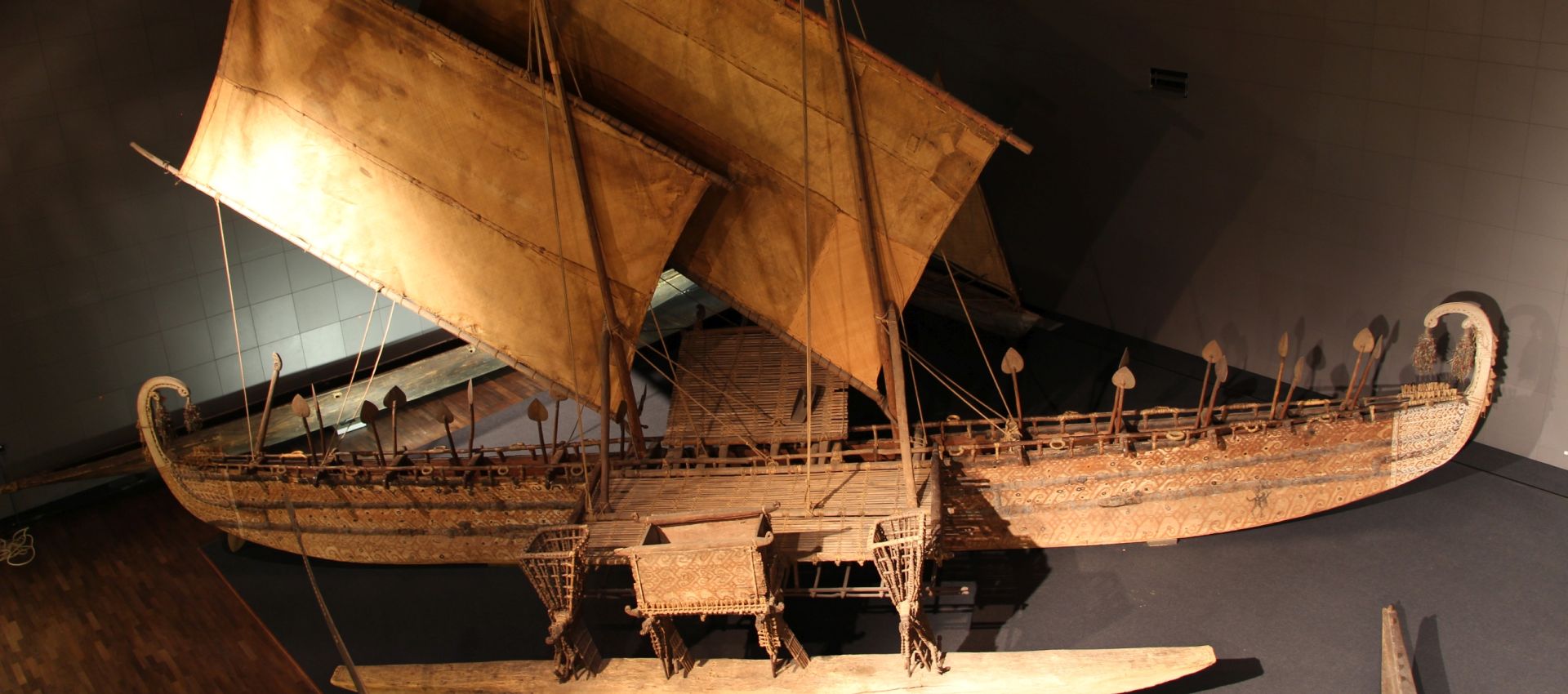
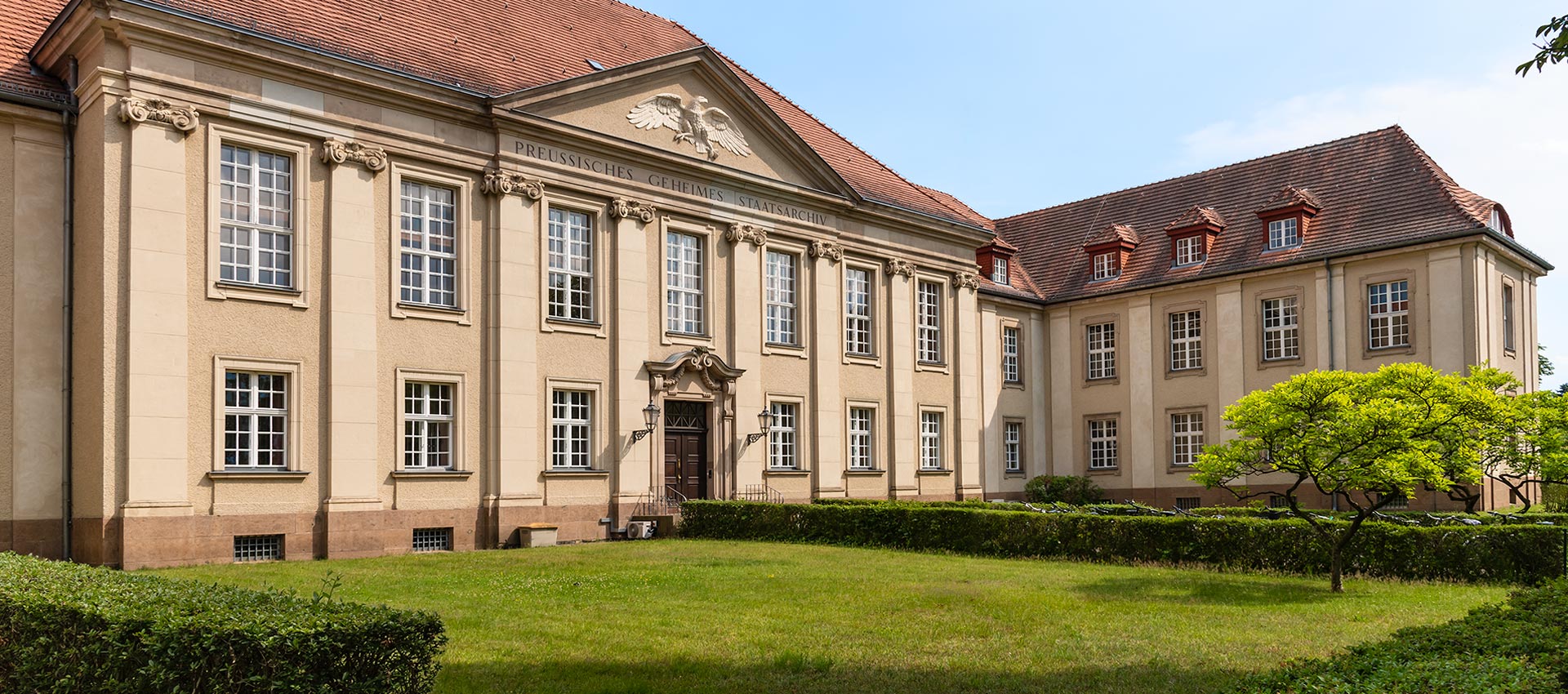
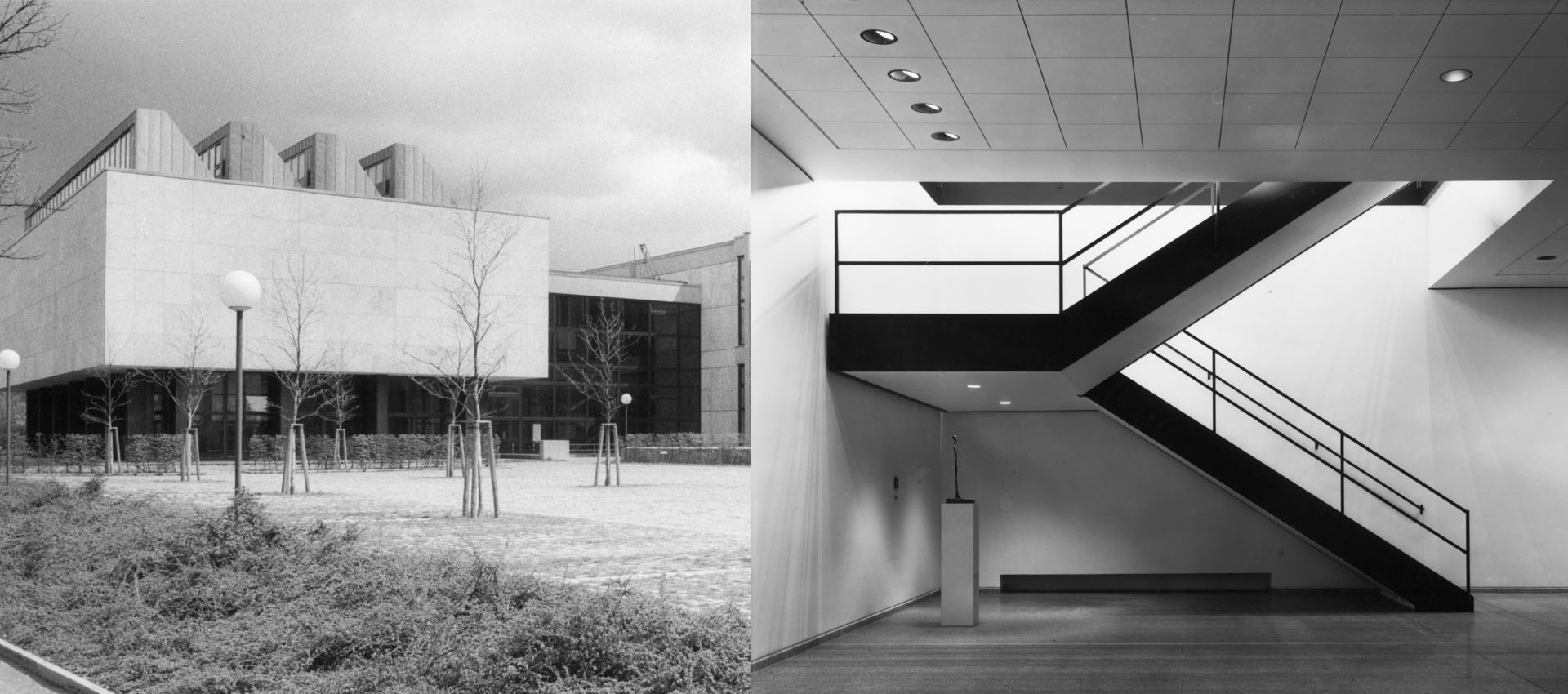
Most of us will remember the Ethnological Museum and the Museum of Asian Art. The grand Bornemann building on Lansstraße, with its floating staircases, had something sublime about it. An empty space in which the exhibits were scattered like planets. At the back, in the 1920s Bruno Paul building, there was also the Museum of European Cultures, but many people didn’t even know that, or thought it somehow belonged to the Ethnological Collection.
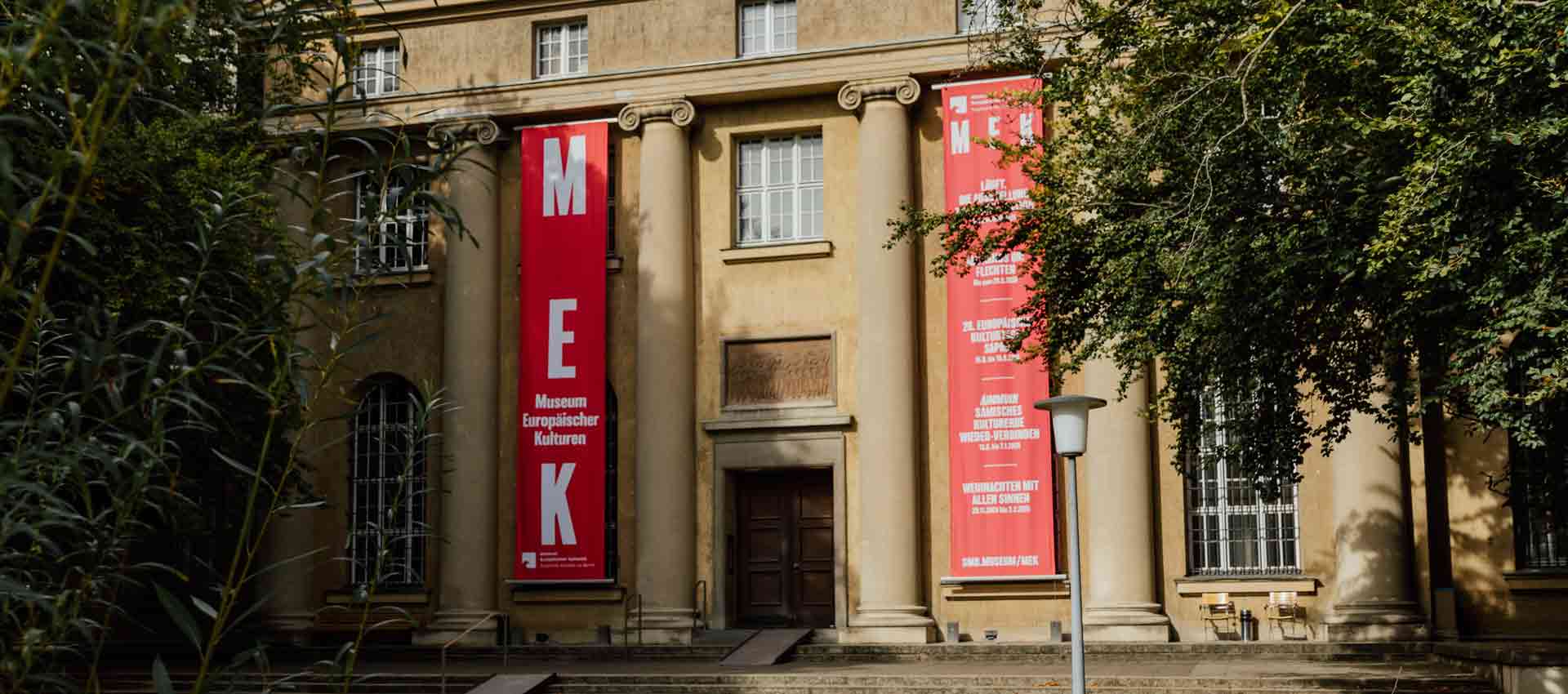
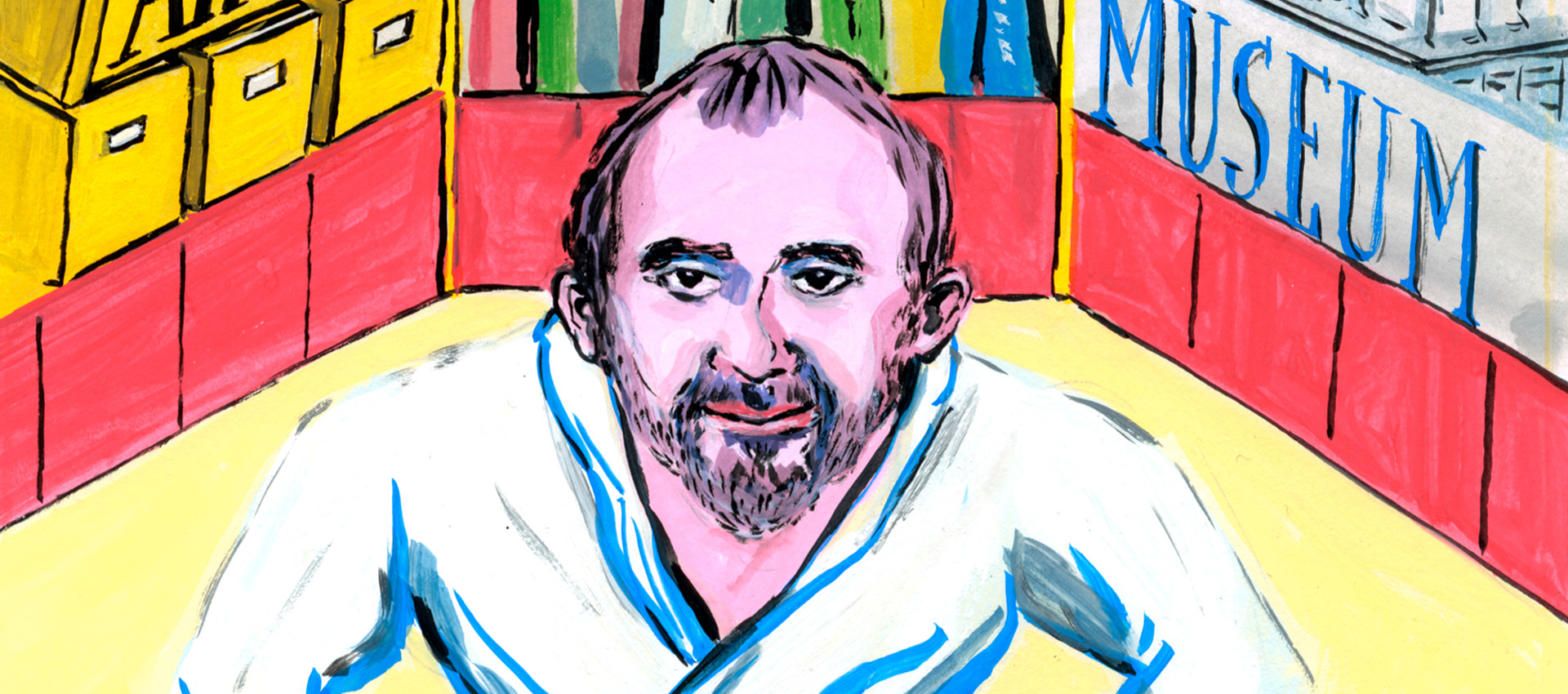
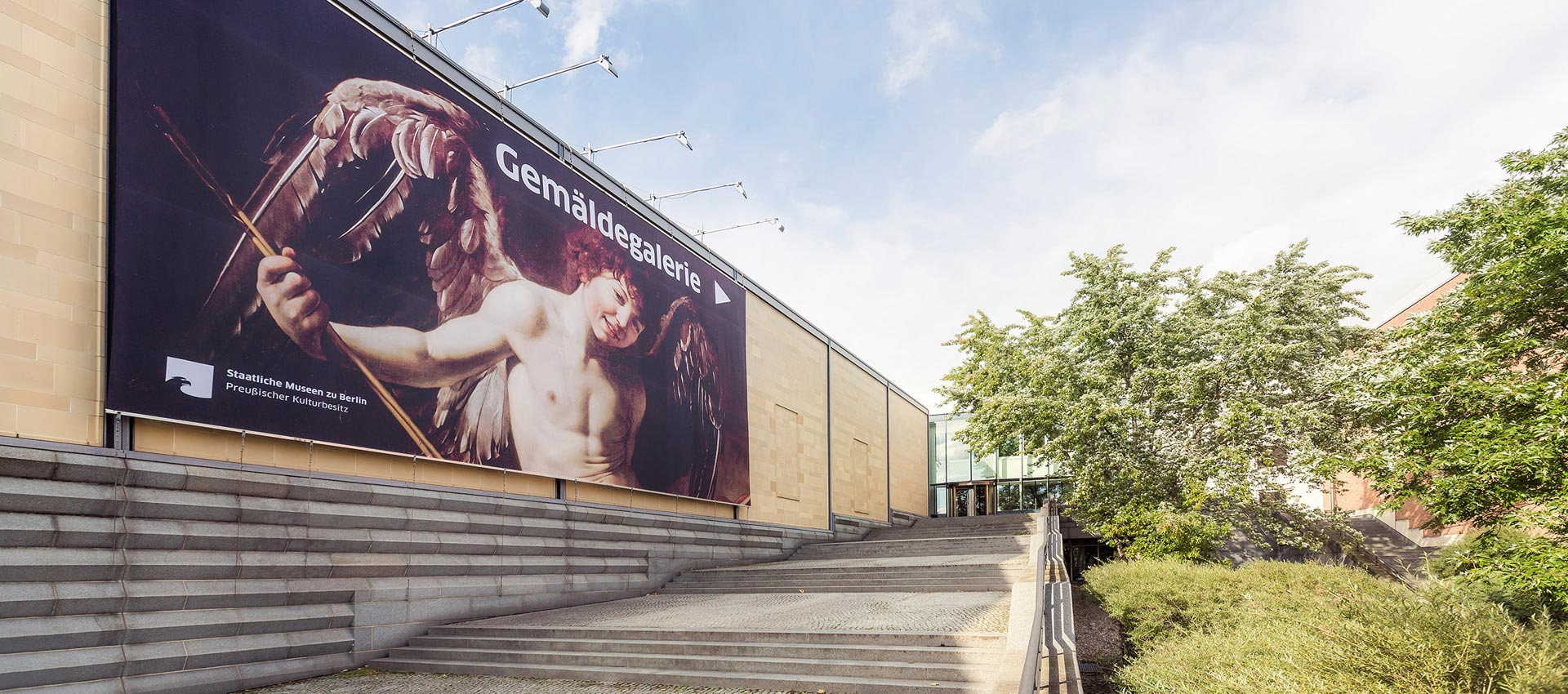
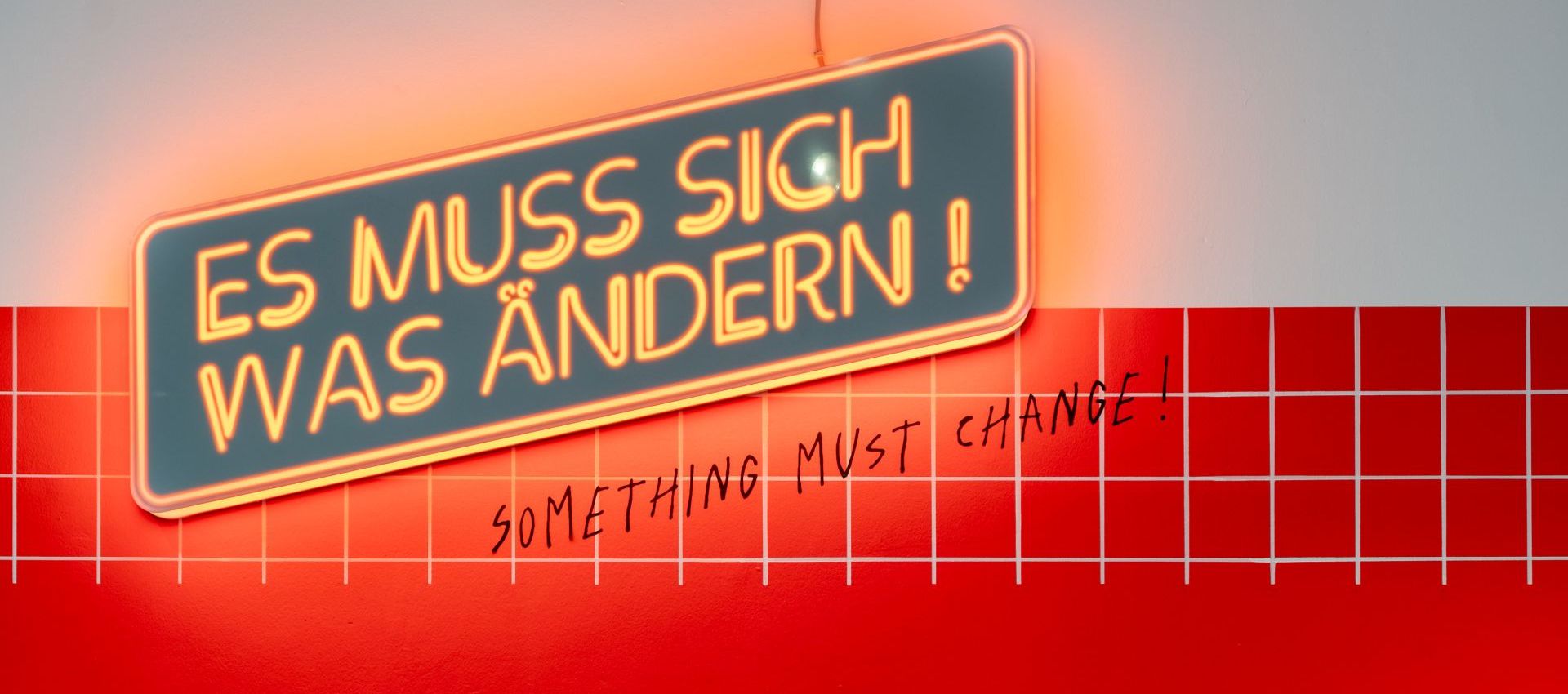
In the meantime, the two front museums have moved their exhibitions to the Humboldt Forum. Sometimes tourists still stand in front of the dark, silent glass façades of the Bornemann Building and wonder where the museums are, in grey-beige Dahlem with its dull-green trees. But then a young, brazen grenadine red catches their eye. At last, they spot the signs pointing the way to the Museum of European Cultures, to the main entrance. Inside the museum, they are proud of the logo, red with three white letters: MEK. Its design is somewhat reminiscent of the MoMA in New York and is just as self-assured.
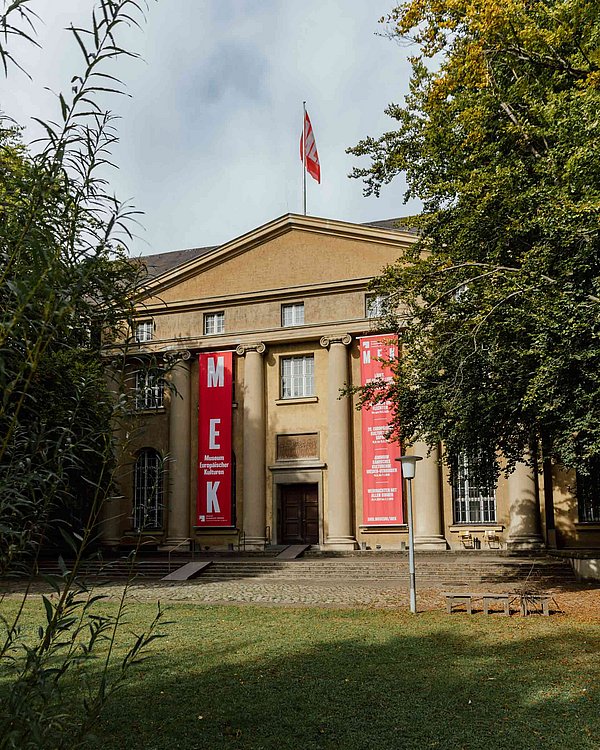
For the past few years, the MEK has been on its own in Dahlem. Back then, they would have liked to have moved to the Humboldt Forum or at least secured a space there, especially as European culture cannot be separated from non-European culture – on the other hand, the MEK now stands on its own and can show what it’s capable of. Besides, Dahlem isn’t any further away than Mitte. It may not attract a casual crowd, but it does draw what is known in museum jargon as ‘high-quality visitors’.
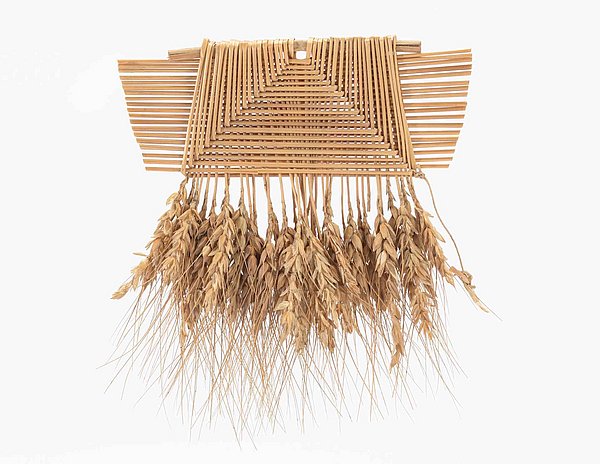
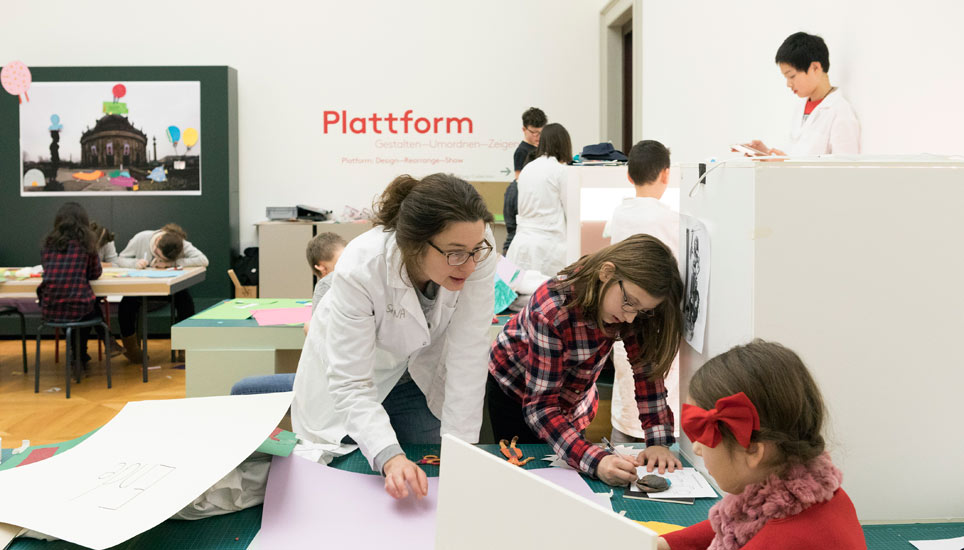
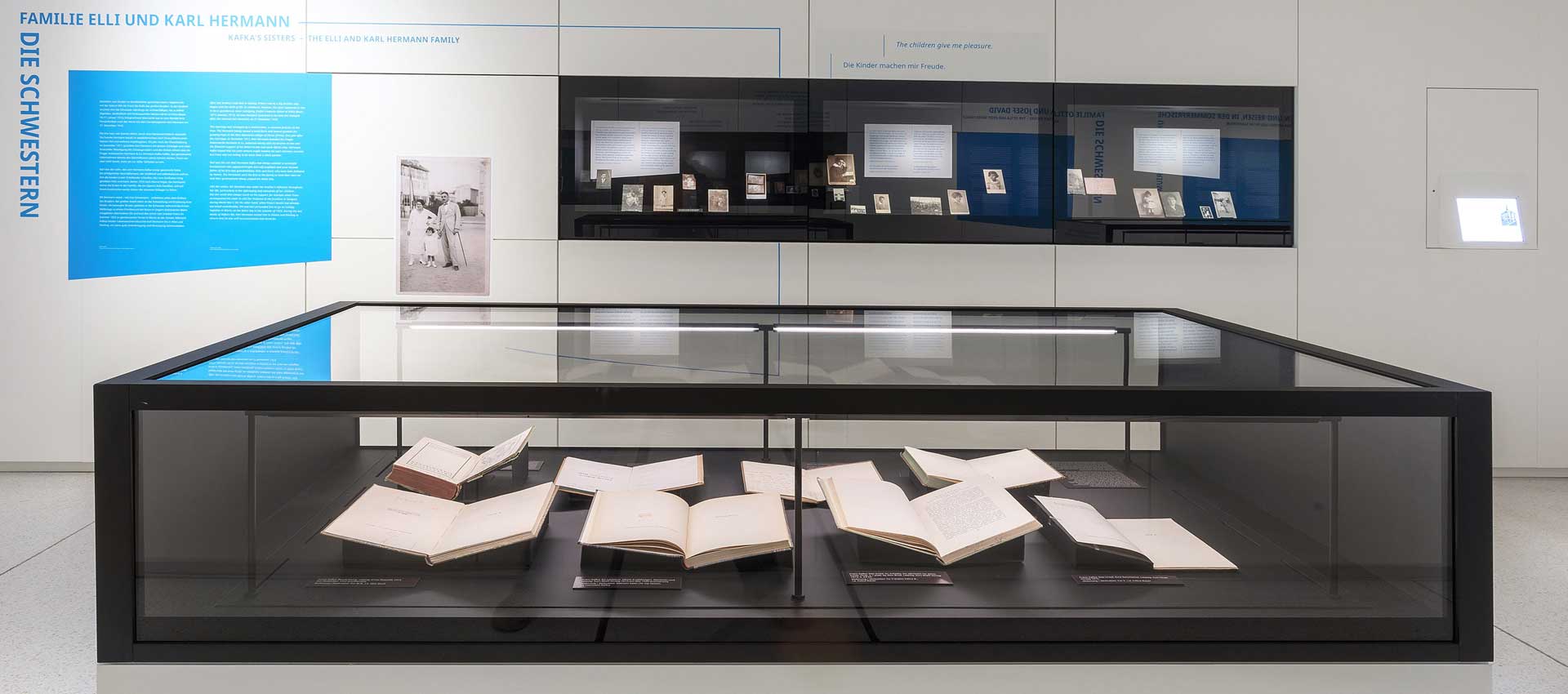
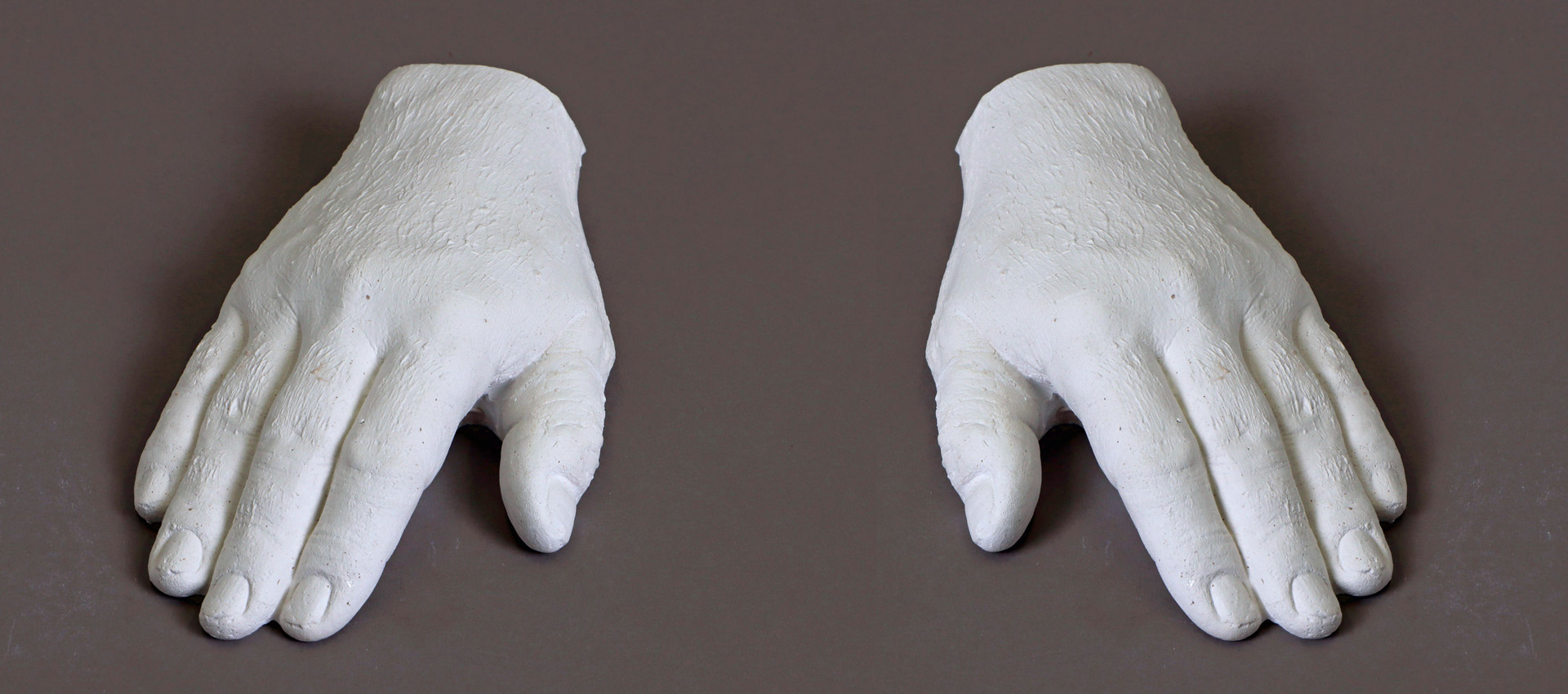
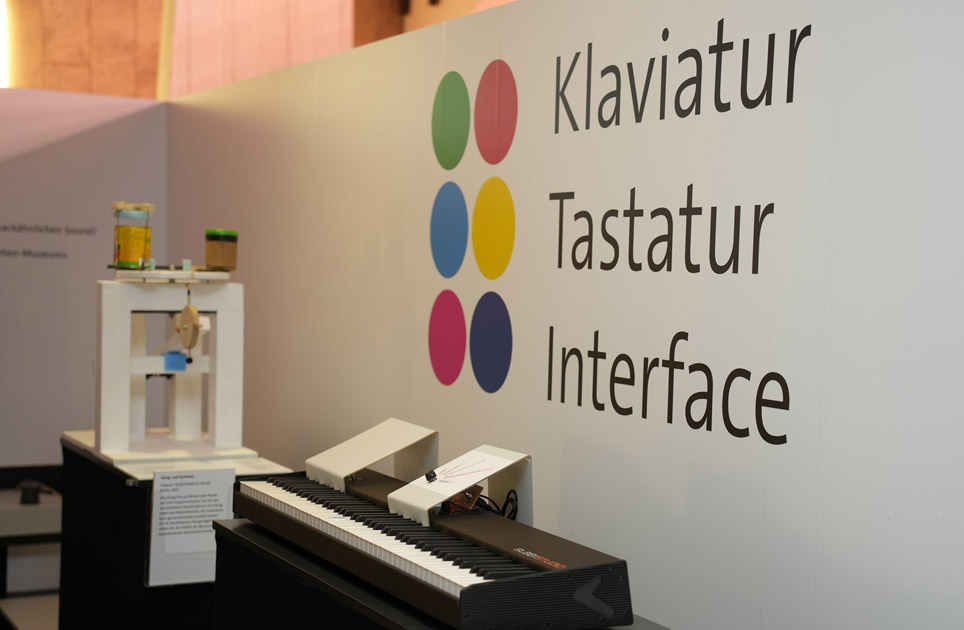
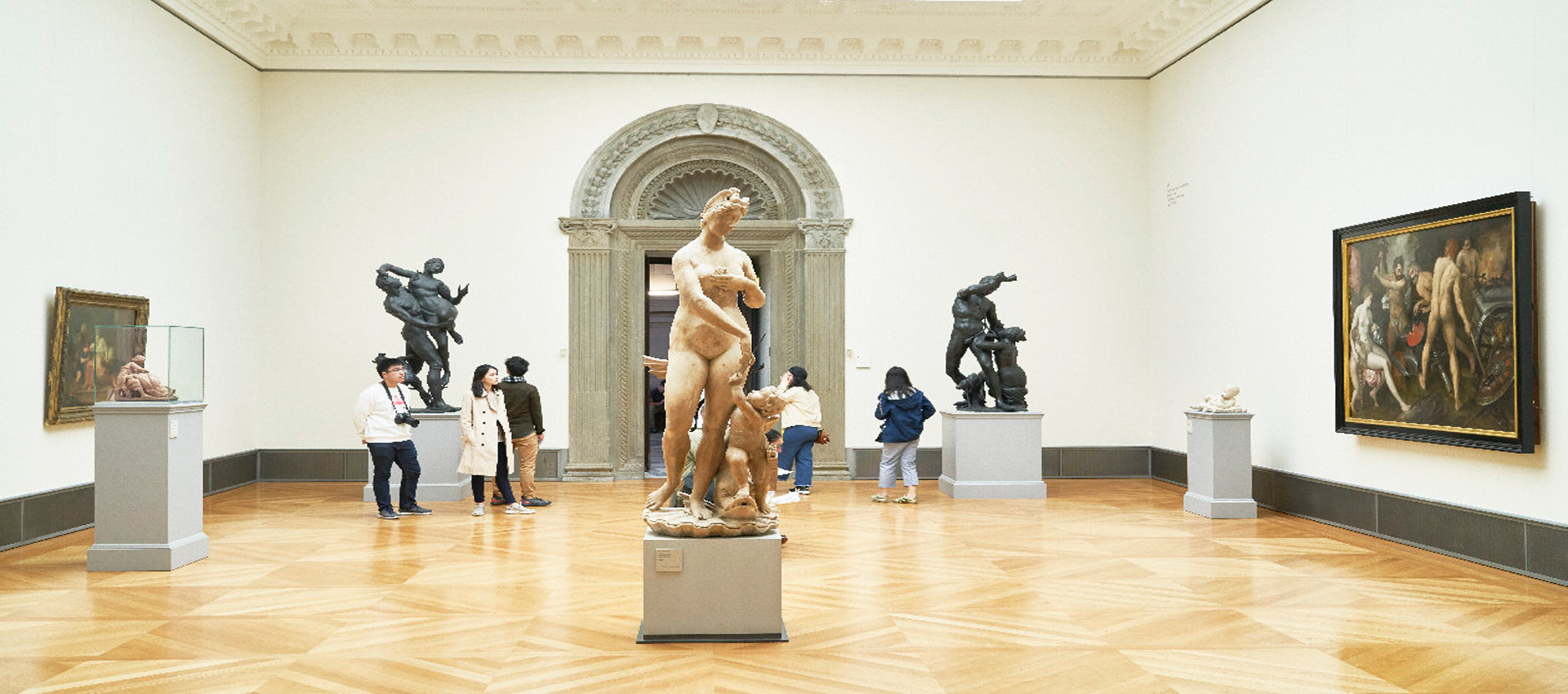
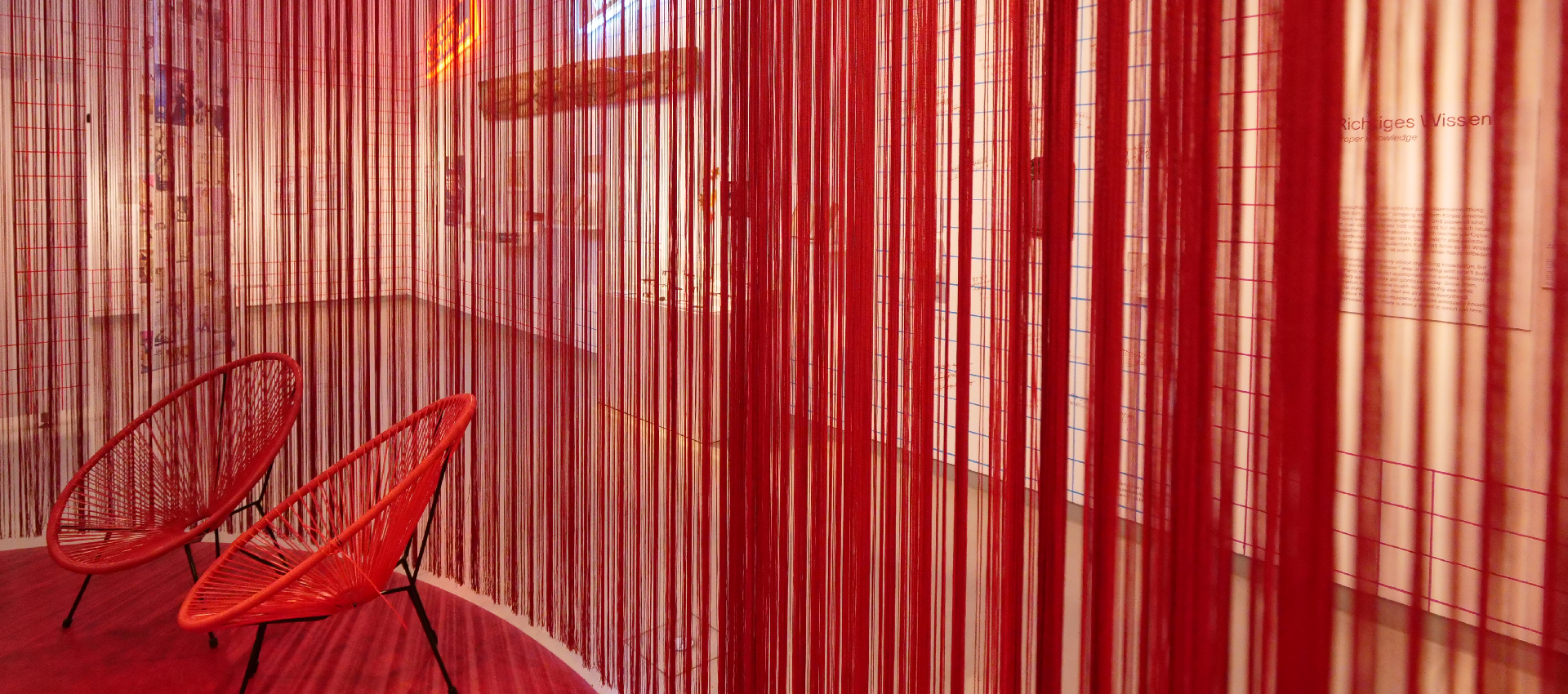
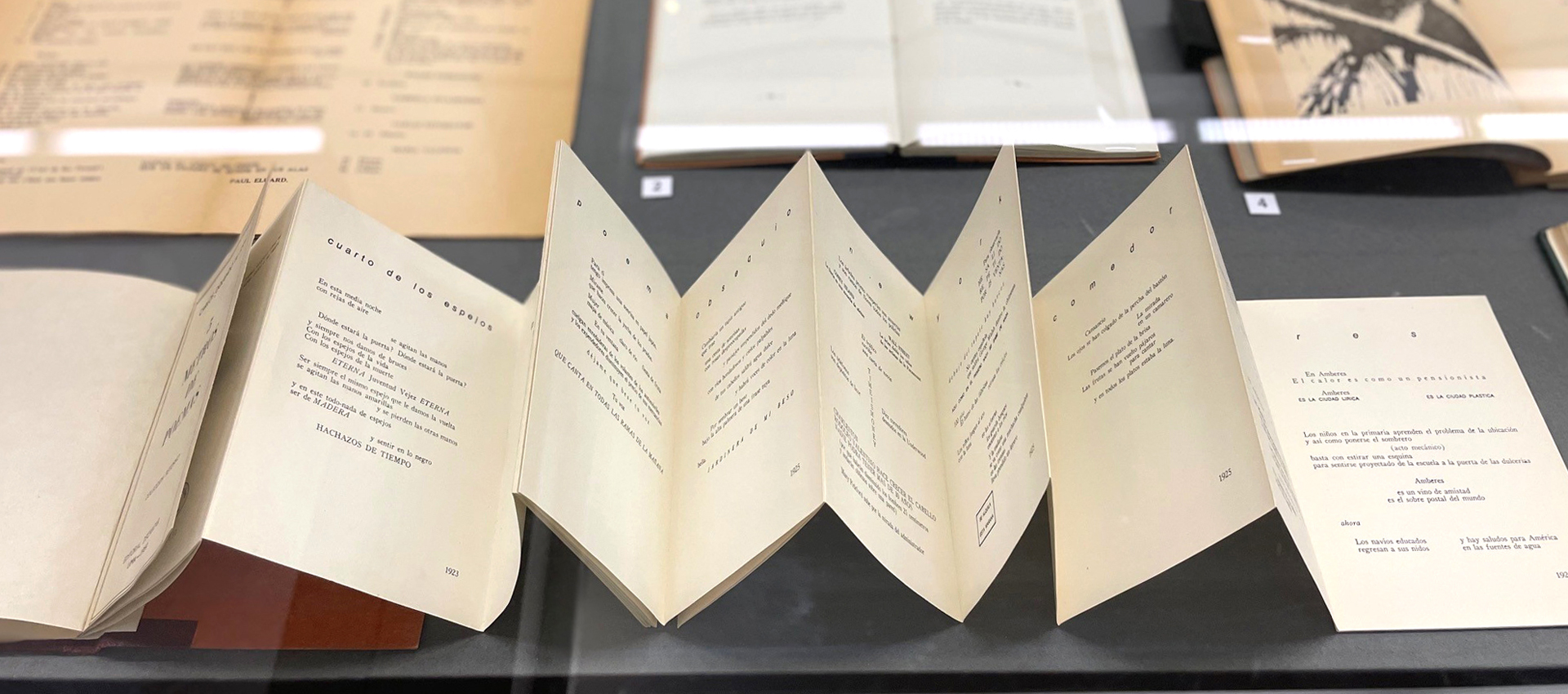
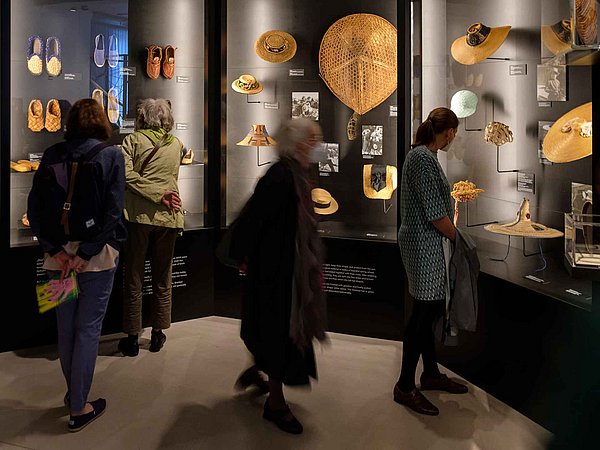
The exhibitions have flair; their design borders on spatial art. Anyone who isn’t in the least bit interested in basketry, for example, should simply visit the newly staged exhibition ‘ALL HANDS ON: Flechten’. Here it becomes clear that this is about a living tradition, an intangible cultural heritage, not a longing for the past.
Liquid Culture
In the past, the MEK was often perceived as folkloric, but its ambitious concept aims for the opposite. The MEK collects, researches and preserves everyday culture in Europe from the 18th century to the present day. ‘Everyday life’ may sound banal to some, evoking images of peasant cupboards rather than Benin bronzes, but we must not forget that the focus on the lived world has long been a central theme in cultural and historical studies – not just since the 1970s, when historians sought to democratise historiography by devoting greater attention to everyday life, minorities and marginalised groups.
Even before 1920, the sociologist Georg Simmel had the idea of describing culture using the allegory of a mountain stream. It flows along, whilst at the same time throwing up stones. In doing so, Simmel addresses the monumental aspect of culture. It can only be grasped as the necessary dualism of the two elements: towering works and fluid life.
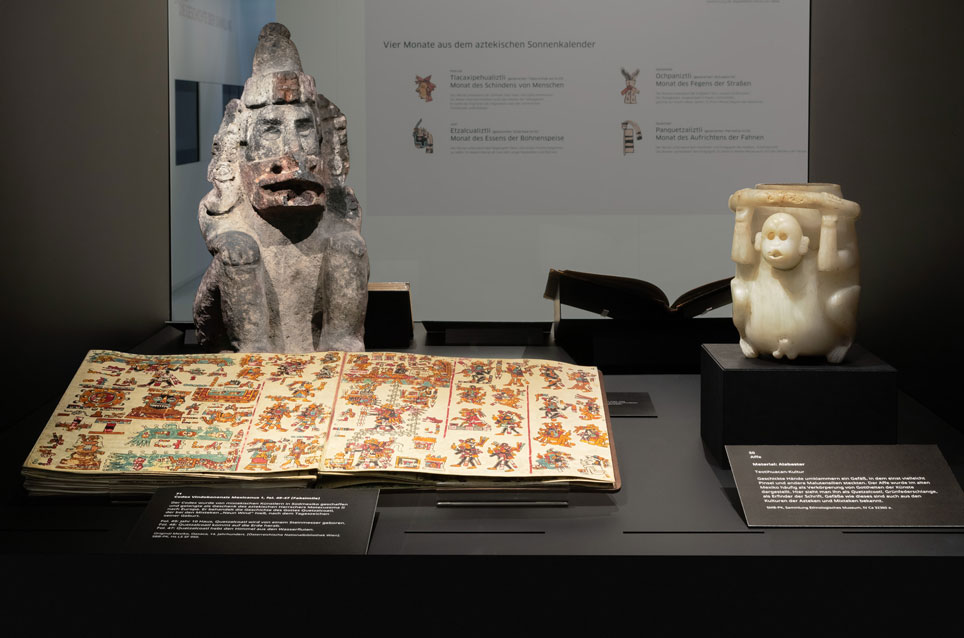
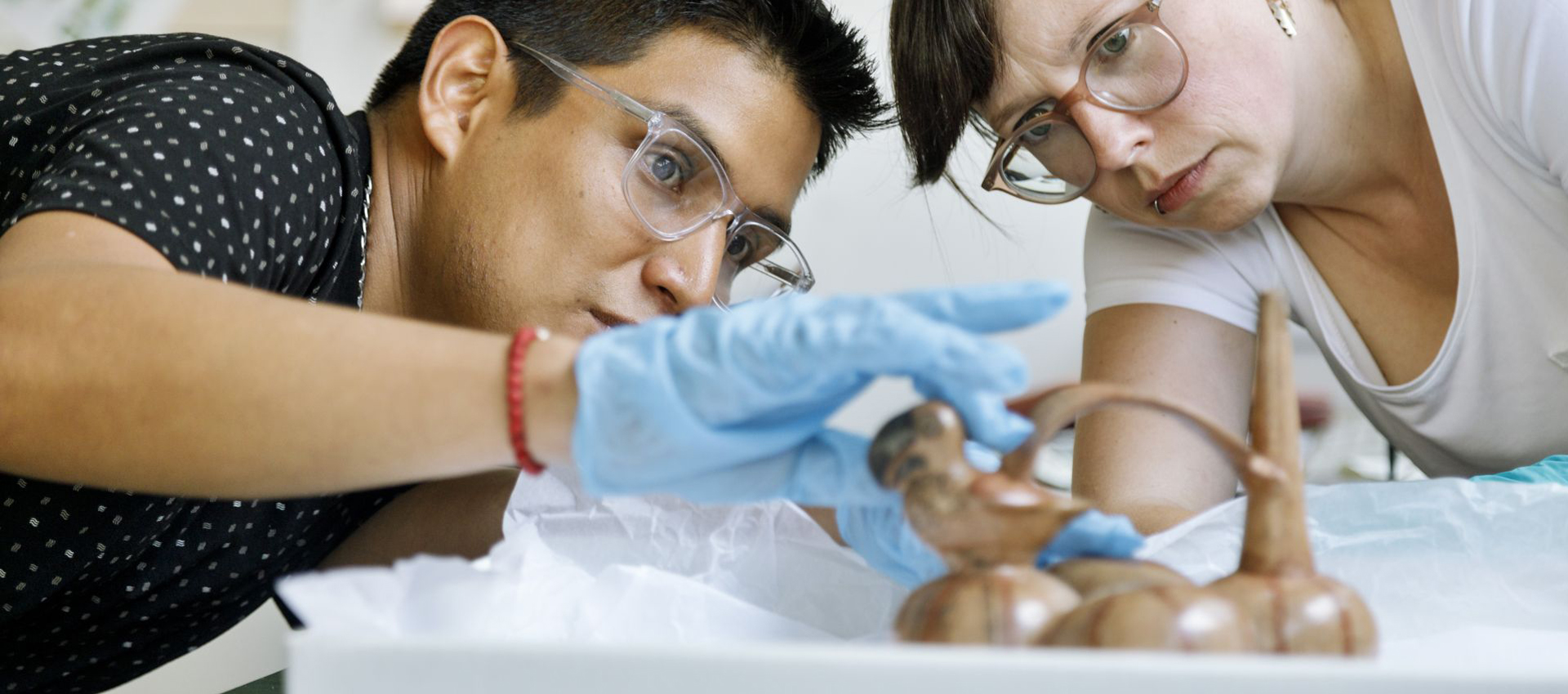
Capturing and making comprehensible this fluid, ever-changing, almost mercurial aspect of culture is the MEK’s great achievement. It does not display static objects, but rather the dynamics between them, in a sophisticated interplay of historical context and contemporary examples. And this is constantly renewed; the archives contain 285,000 objects, the network of international contacts is growing, and new thought leaders come together as part of the annual European Culture Days. They aim to be up to date – and they are. At a time when there are widespread complaints about a narrowing of discourse and a proliferation of outrage, the MEK is always one step ahead politically, without becoming activist.
Everyone is talking about a shift to the right – the MEK is planning a thematic focus on the Franco dictatorship. Everyone is talking about racism – the MEK is researching the largely overlooked racism towards Eastern Europe. Everyone is talking about embodiment – the MEK is staging a lively exhibition on menstruation entitled “Läuft” and asking whether women have really become freer. Visitors can try on historical menstrual underwear, view tampon adverts aimed at men, or explore the long and sometimes bizarre history of sanitary products. The exhibition has been so successful over the past year that it has been extended and is even set to go on tour.
The MEK was always one step ahead politically, without resorting to activism.
Hybrid Culture
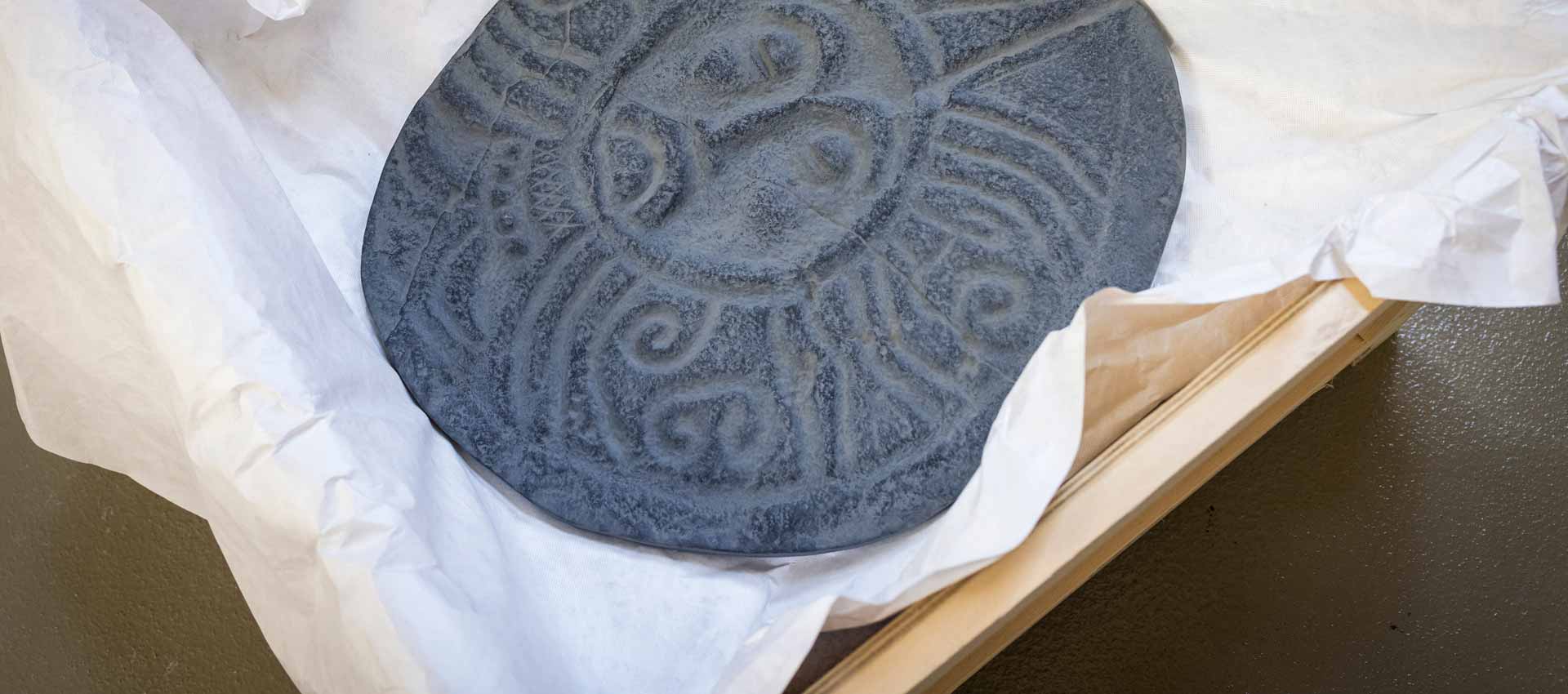
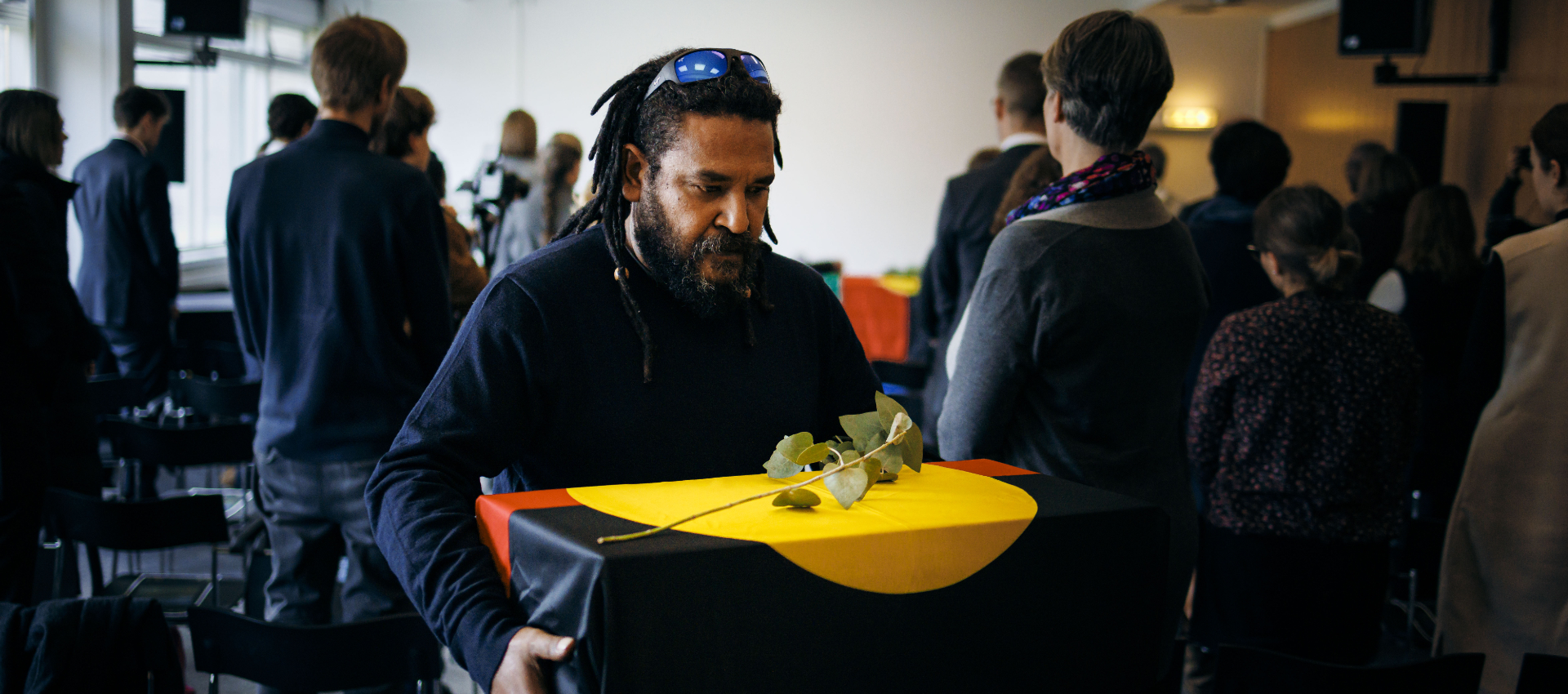
Everyone talks about colonialism – but only the MEK addresses colonialism within Europe, using the Sami as an example. The German Centre for Lost Cultural Property is supporting the project; the accompanying exhibition ‘Áimmuin’, featuring objects that are partly restored and partly new, has become a source of empowerment.
Suddenly, the EU’s Northern Policy was being publicly scrutinised. The Sami still feel their land rights are being disregarded; mining companies and wind farms in Sápmi threaten their way of life; they speak of “green colonisation”.
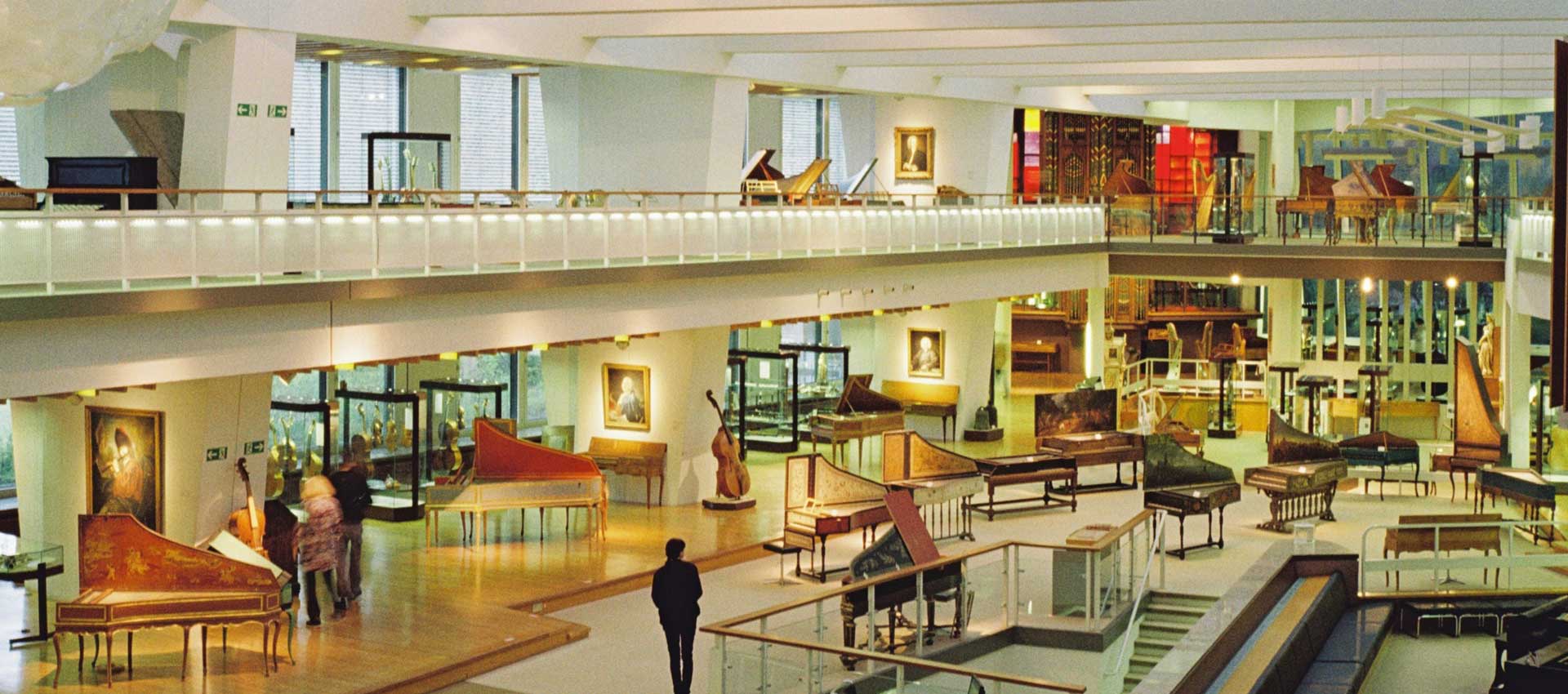
And whilst everyone is up in arms about cultural appropriation and, naturally, opposed to it, the MEK makes it clear that culture is, in fact, built on appropriation. In the permanent exhibition “Cultural Contacts”, visitors can marvel not only at a Venetian gondola or Khedira’s football shirt, but also at the invisible connections between the objects. When cultures come together, an exciting process begins.
It is more than an exchange; it is more a form of synthesis. Suddenly, Venetian glass beads and West African cowrie shells find their way onto a traditional costume from Mordovia. You can picture it as a chemical process: electrons pair up, the structures become more complex, and a new substance emerges. And then another one.
In culture, there are no pure elements, only hybrids that form ever-new hybrids. Culture is fundamentally multicultural; that is its essence, and at the MEK one can observe that objects are far more tolerant than people. Even whilst people are still feeling alienated from one another, fighting or driving each other away, their objects form almost magical connections. This magic—it is indeed a magic of tolerance—captures the MEK time and again.
Perhaps we are now entering a new age, one without objects. And thus without magic. Walter Benjamin would say: without aura. We are, after all, being increasingly absorbed by the digital. Even at the MEK, they are at a loss as to how to continue collecting, for there is no image of the age of the image.
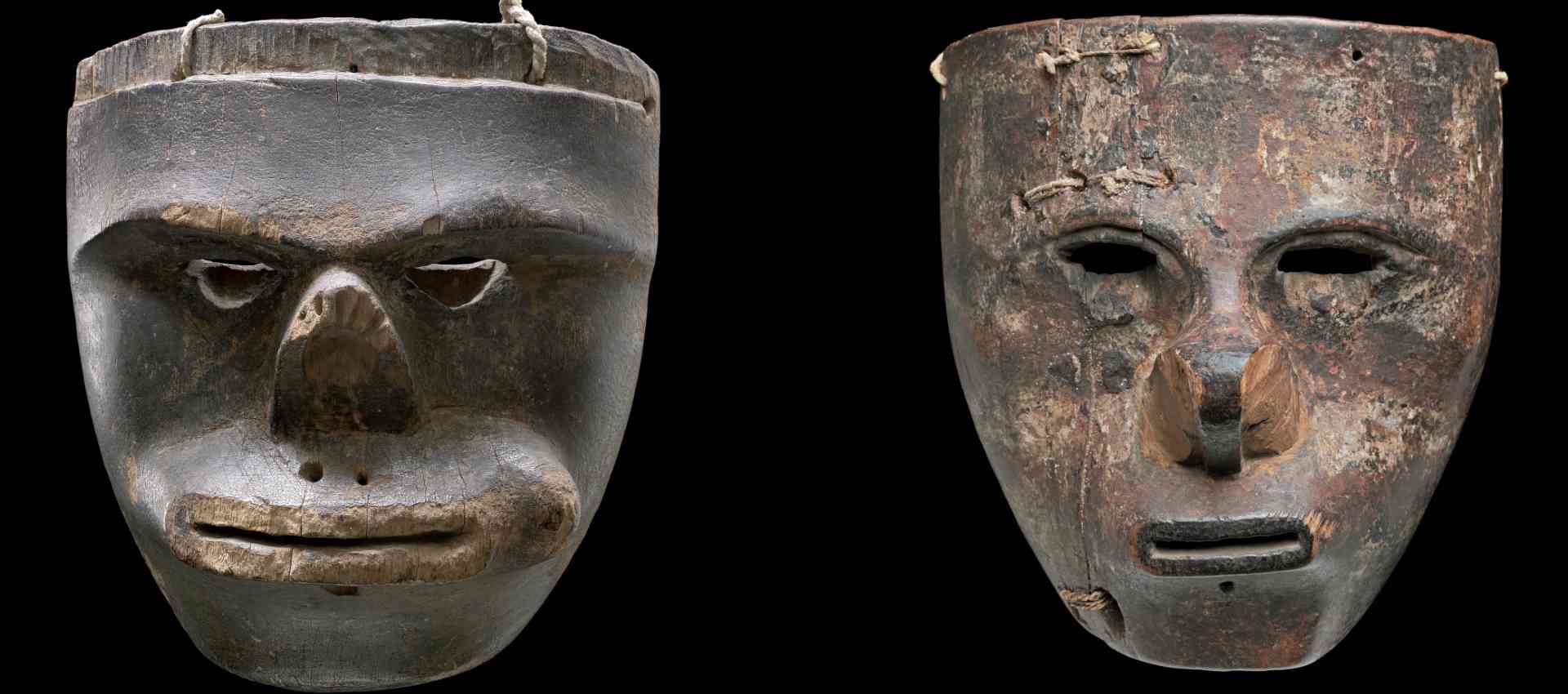
Strictly speaking, there is nothing. When looking at the museum objects, their scraped or splintering surfaces, their dust pressed into a shimmer, one might wonder whether the secret of humanity perhaps lies on the surface, not, as we believed when we were still romantics, in its depths. But in its patina. And how precious are the places that still seek its secret.