Museums have always played a central role in the planning for Dahlem. A cultural forum was to be built here – but much of it remained on the drawing board
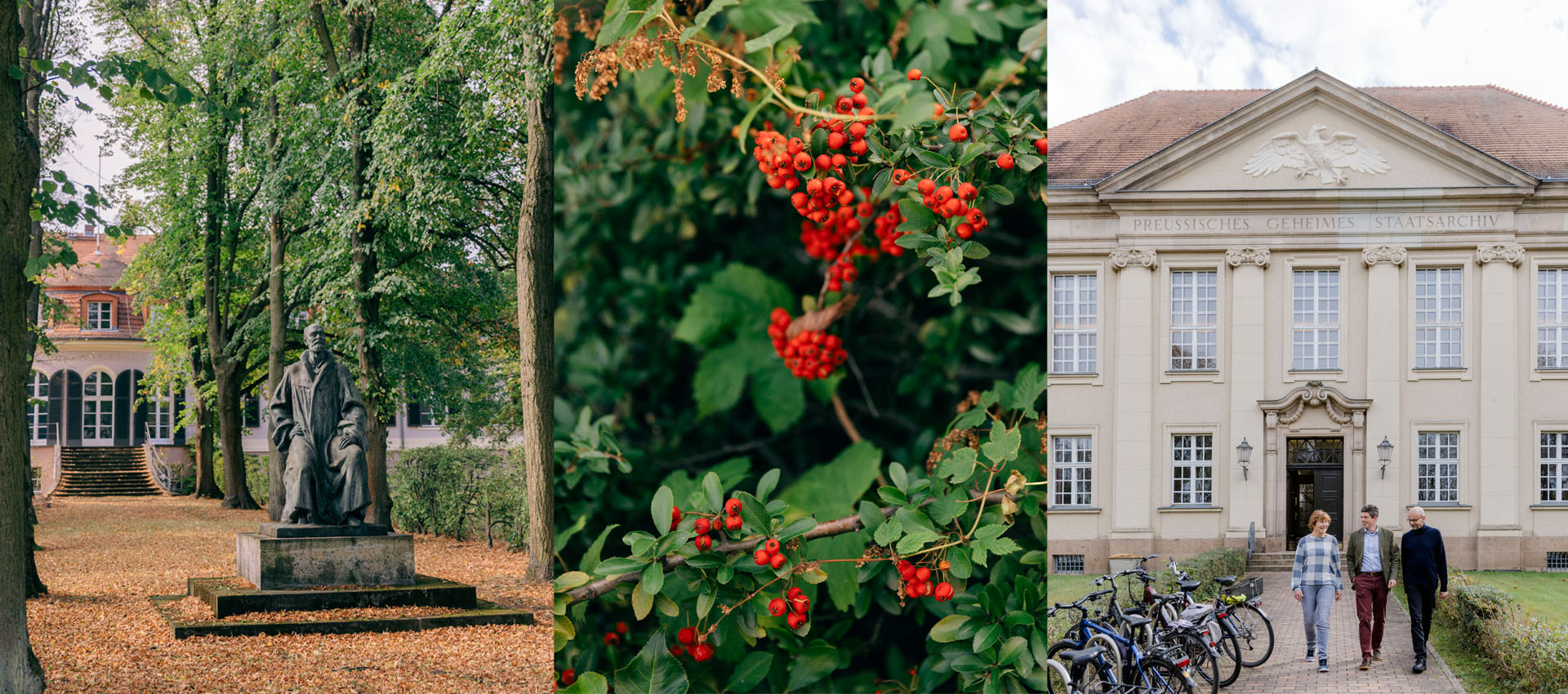
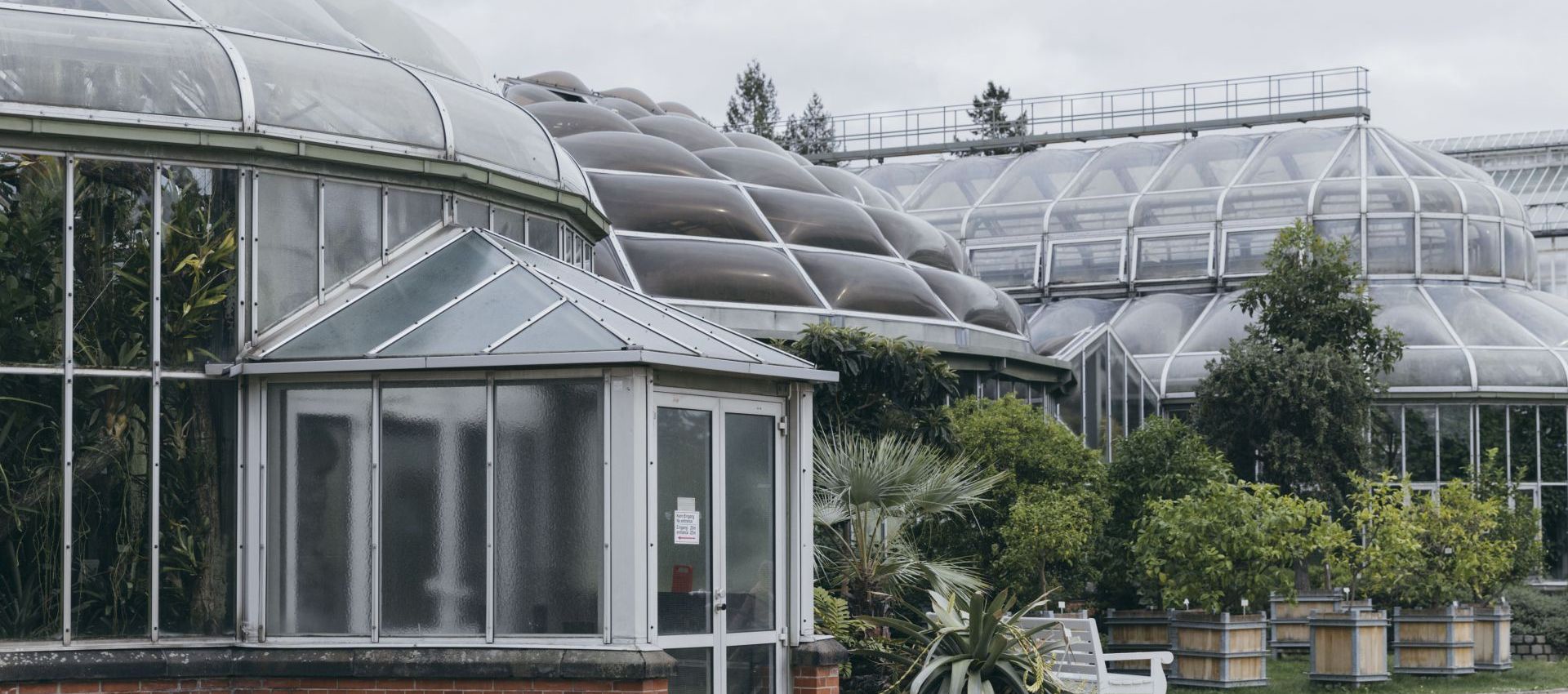
There is currently much discussion about the cultural forum between the New National Gallery and the Philharmonie. Hardly anyone knows that a cultural forum was also planned for Dahlem on two occasions – neither of which came to fruition. Once at the beginning of the 20th century and again some 50 years later. In 1841, as previously described in this magazine, the education minister Friedrich Althoff wanted to develop Dahlem as a centre for education, science and research. In doing so, he followed the example of institutions such as Oxford, Cambridge and Columbia University, which had recently moved from the cramped city centre of New York to the banks of the Hudson River. In 1907, the Botanical Garden was relocated to Dahlem, and new buildings soon followed, into which the Royal Museums were also to be integrated.
Big ideas, little money
Around the turn of the century, their director, Wilhelm von Bode, reorganised the collections according to modern insights and sought a new location for the ethnological collections, whose building on what is now Stresemannstraße was bursting at the seams.
In 1908, he commissioned the architect Bruno Paul to design a new building. Paul developed four monumental, magnificent structures, one each for the collections of Africa, the Americas, Oceania and Asia. They would have been arranged around a large courtyard of honour – the entire complex would have stretched from what is now Lansstraße to Schwendener Straße. A sprawling yet well-organised cultural forum of ethnology. The First World War prevented the construction work from going ahead.
By 1923, only the Asian Museum had been partially completed: a symmetrical three-winged building with projecting pavilions and a central portico. In contrast to the classical exterior, Paul’s plans for the interiors were modern. Upon passing through the portico, visitors would have encountered the 33-metre-wide stone façade of the Umayyad Palace at Mschatta, which can be seen today in the Pergamon Museum. However, this never came to pass. Due to a lack of funds, the museum lacked any interior fittings, so it was used as a storage facility until 1945. After the Second World War, the ideas for a ‘German Oxford’ were revived. The museums in the city centre had been destroyed or were located in the eastern part of the city.
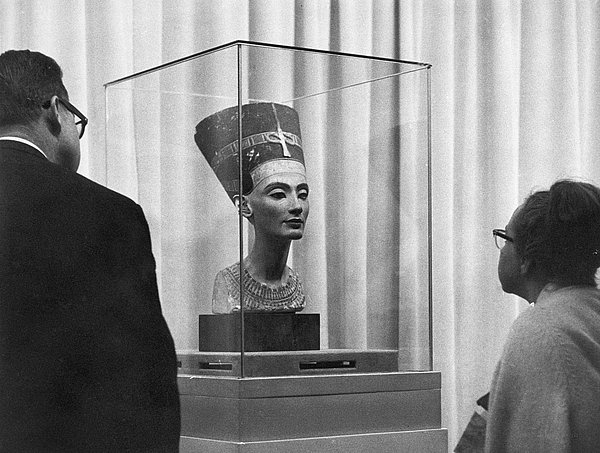
West Berlin needed its own exhibition venues, partly because the Allies had made this a condition for the return of confiscated artworks. The first exhibitions opened in Bruno Paul’s building as early as December 1949, and the Picture Gallery soon followed. Next door, the Free University (FU) was founded; its main building was erected on the very site that Paul had once intended for the courtyard of honour. From 1957 onwards, Bruno Grimmek revised the plans by Paul and Bode; the aim was now to create a ‘Forum Dahlem’ comprising a mix of university and museum buildings.
Grimmek brought in Bauhaus student Wils Ebert. He developed a plan featuring several light-filled glass cubes at the rear of the Paul building. By 1965, only a transverse wing for the Sculpture Gallery had been built. Its director, Peter Metz, had advocated for a transparent extension. The two storeys were fully glazed, which led to climate control issues. Following criticism of the building, Ebert was excluded.
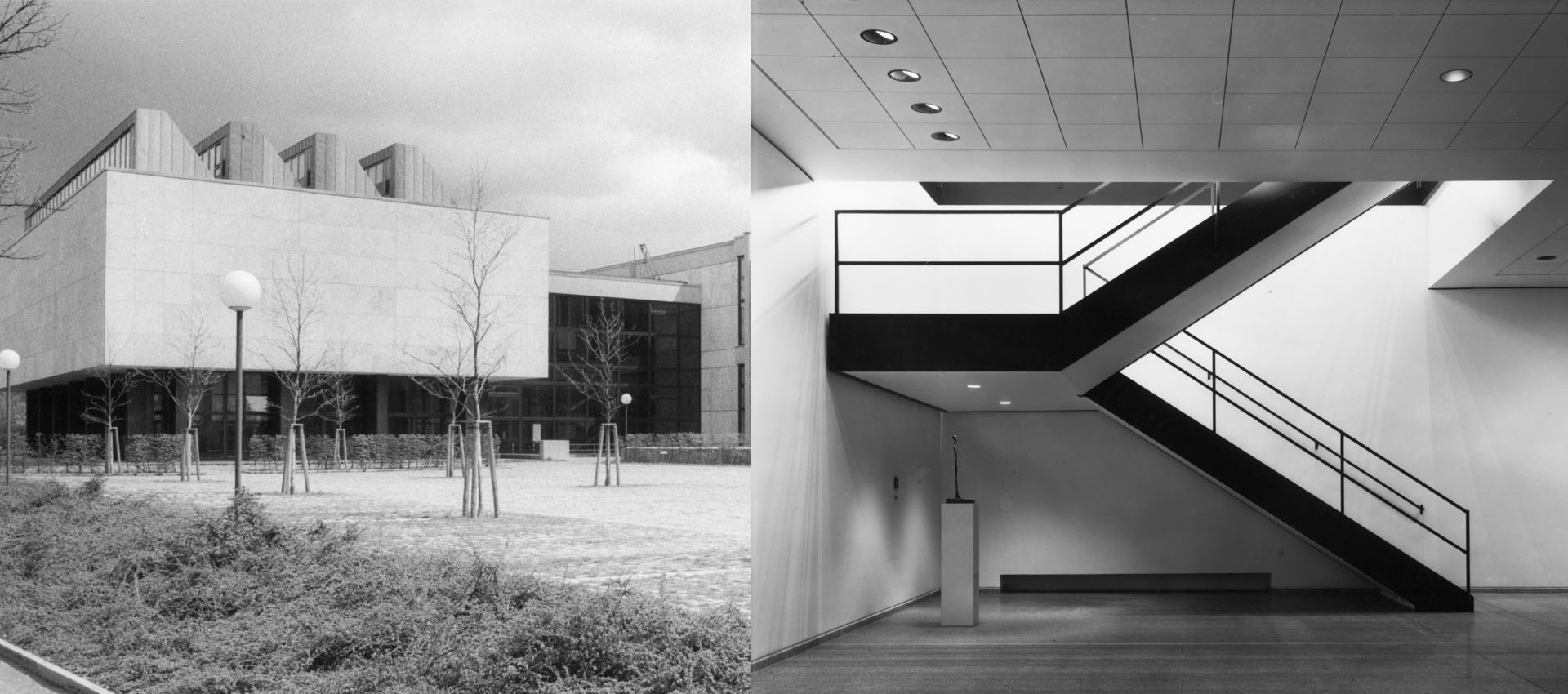
Under the new Director General, Stephan Waetzoldt, Fritz Bornemann took over the planning. He had established himself as the leading architect in West Berlin with the Amerika-Gedenkbibliothek and the Deutsche Oper – even though his name is surprisingly unknown today. Bornemann adopted Ebert’s floor plan.
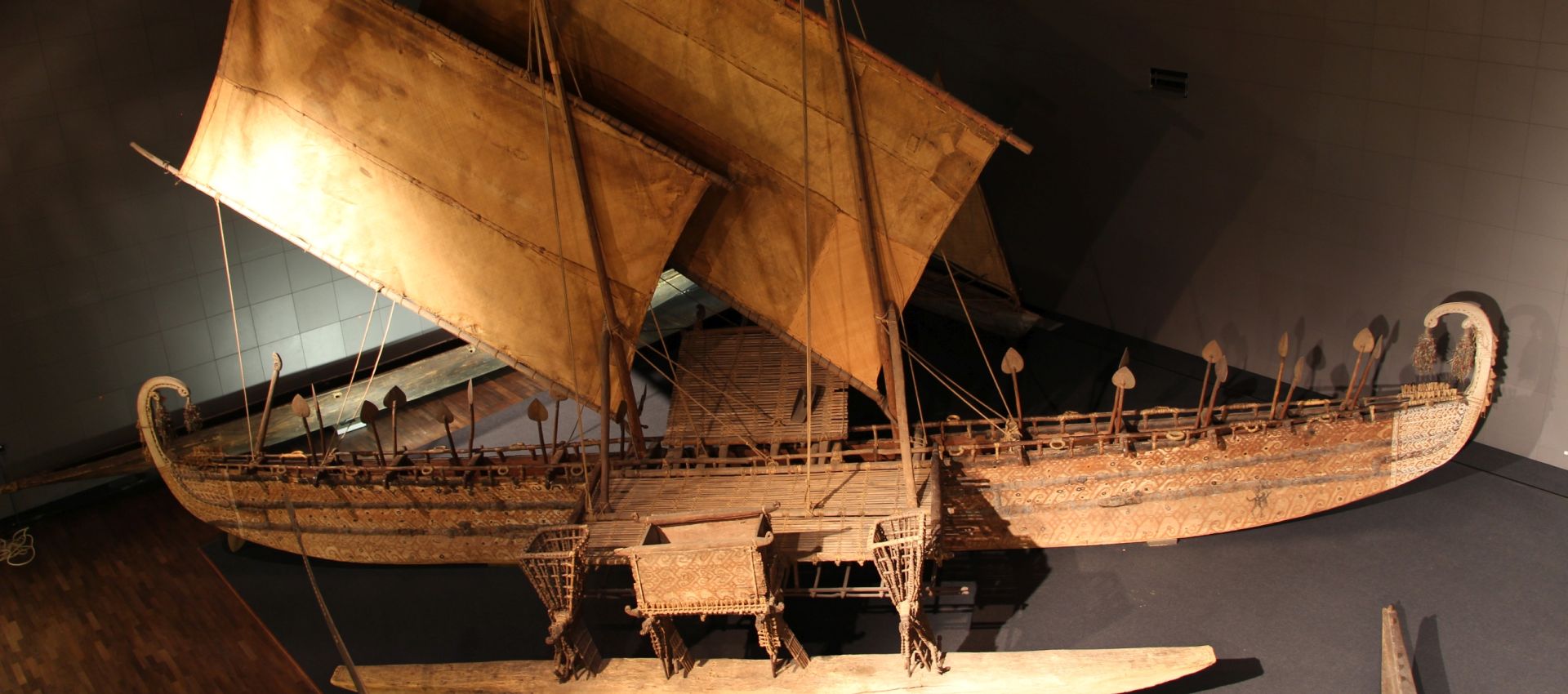
However, he replaced the glass windows with stone slabs, thereby effecting a radical shift from a ‘light museum’ to a ‘dark museum’. In doing so, he was right at the cutting edge of his time. One inspiration was the ‘National Museum of Anthropology’ in Mexico City. There, the objects were brightly lit in large, dark rooms and presented as mystical artefacts. For the Dahlem buildings, Bornemann developed a similar presentation, which caused a sensation at the opening. Particularly impressive was the ‘South Seas’ section, where ships stood two storeys high in a vast dark room, illuminated by beams of spotlights. Externally, however, Bornemann’s largely enclosed buildings remained austere. They spread out like the arms of an octopus, and only the two-storey entrance pavilion juts out far from the ensemble towards Lansstraße. Thus, the very different buildings complement one another.
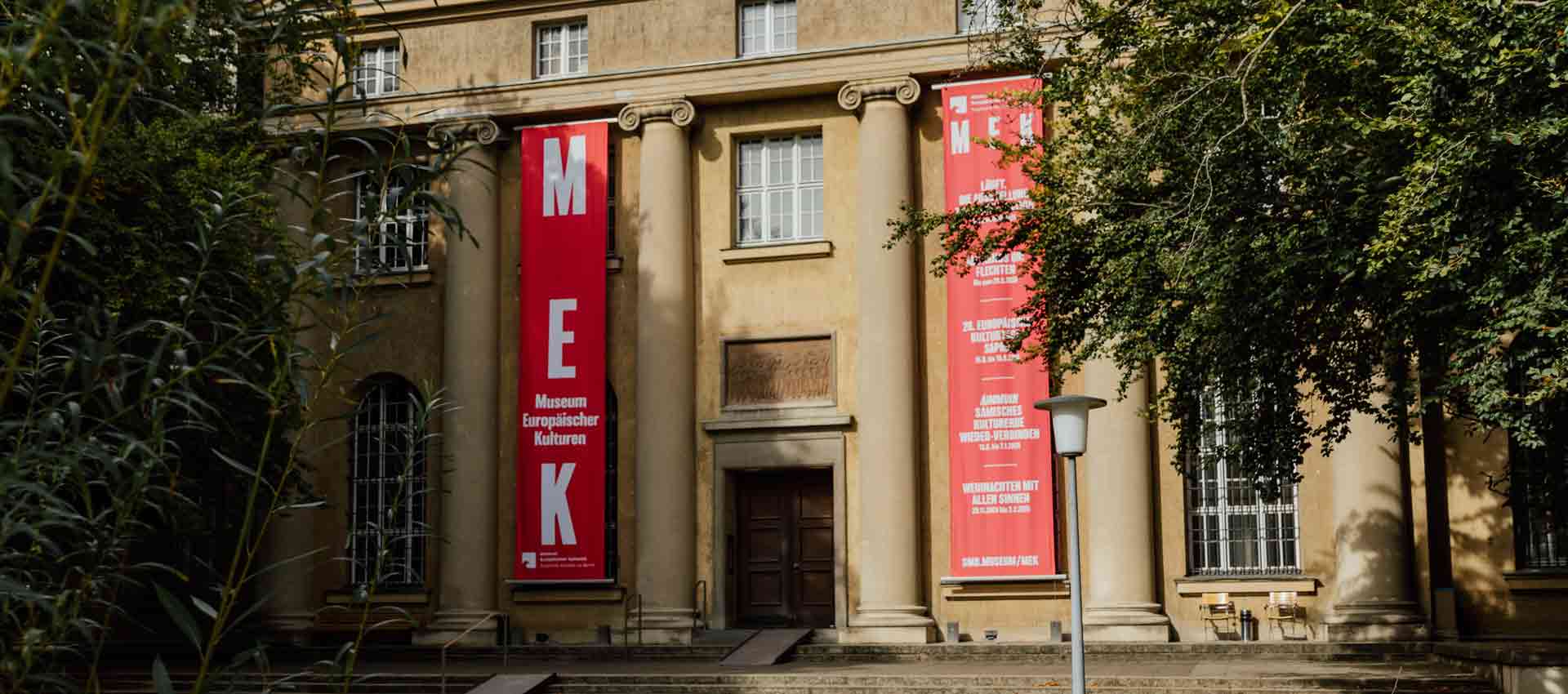
It is still an uplifting sight today to walk around the Dahlem Museum Centre and find a completely different building on all four sides. What will become of it after the museums move? As a warehouse, specialist library and museum workshops, the magnificent complex is underutilised. A new, public use still needs to be devised, and this will require both money and good ideas in equal measure. We must wish the SPK the courage not to do things by halves here, in the spirit of Paul, Bode and Bornemann.