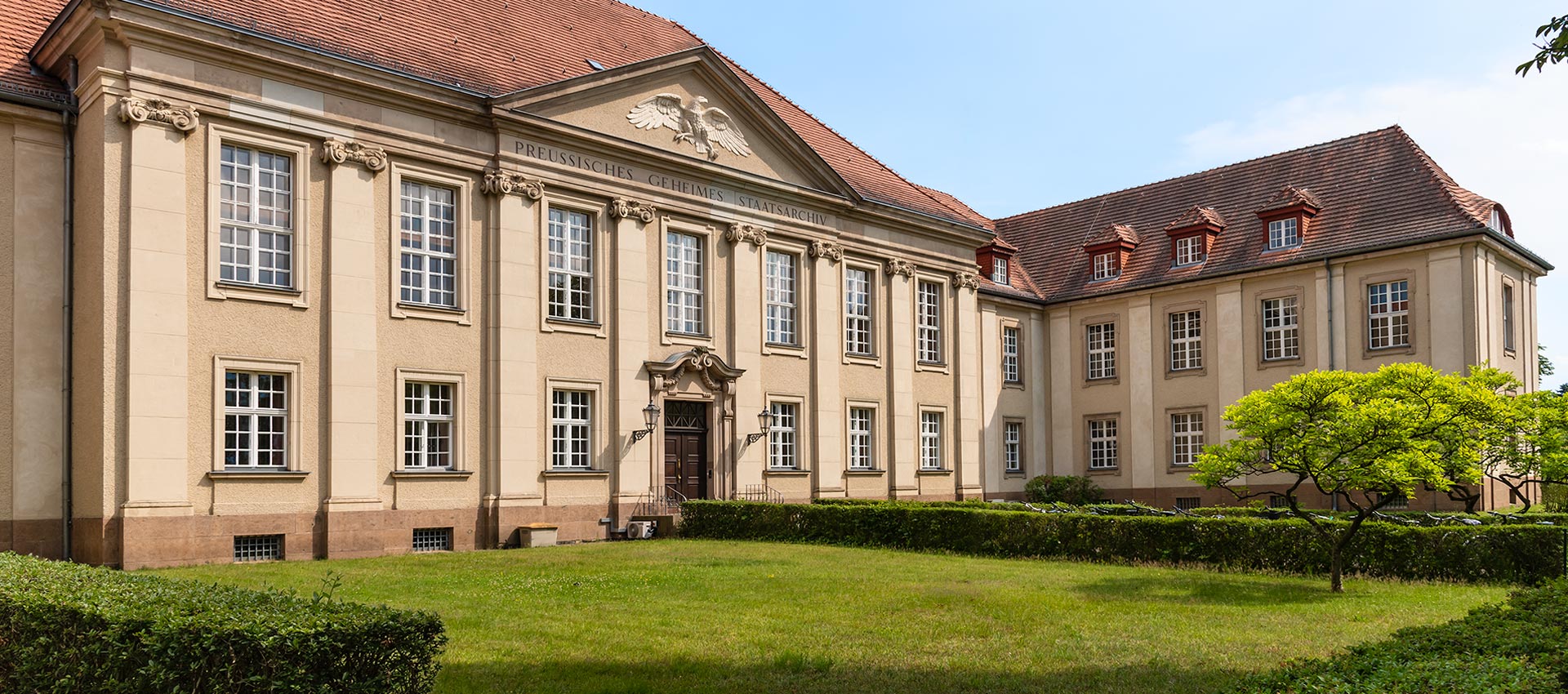
The Secret State Archives of the Prussian Cultural Heritage Foundation hold documents relating to one of the most significant criminal cases of the Weimar Republic: the Ministry of Justice’s files on the murder of Karl Liebknecht and Rosa Luxemburg
Shot at point-blank range
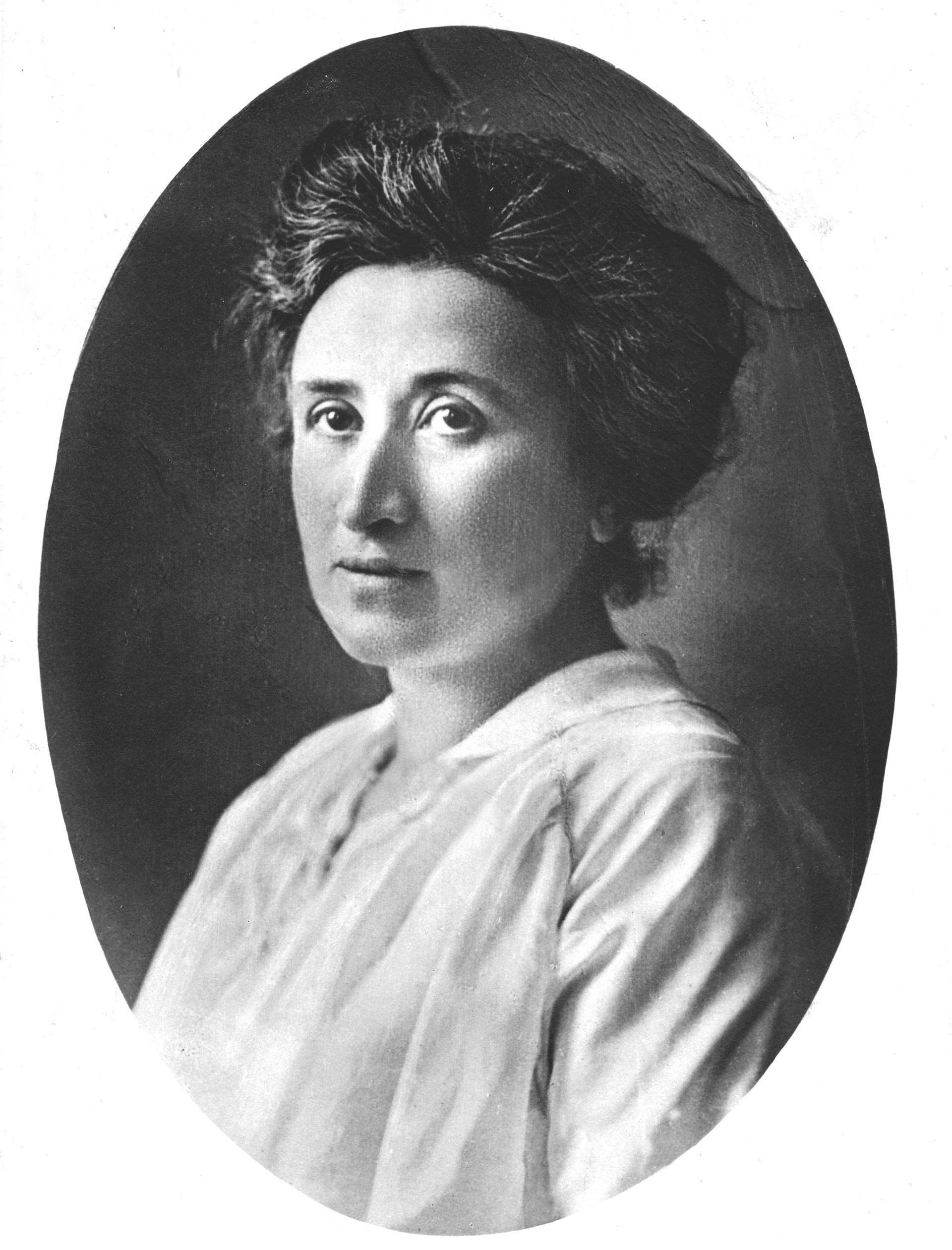
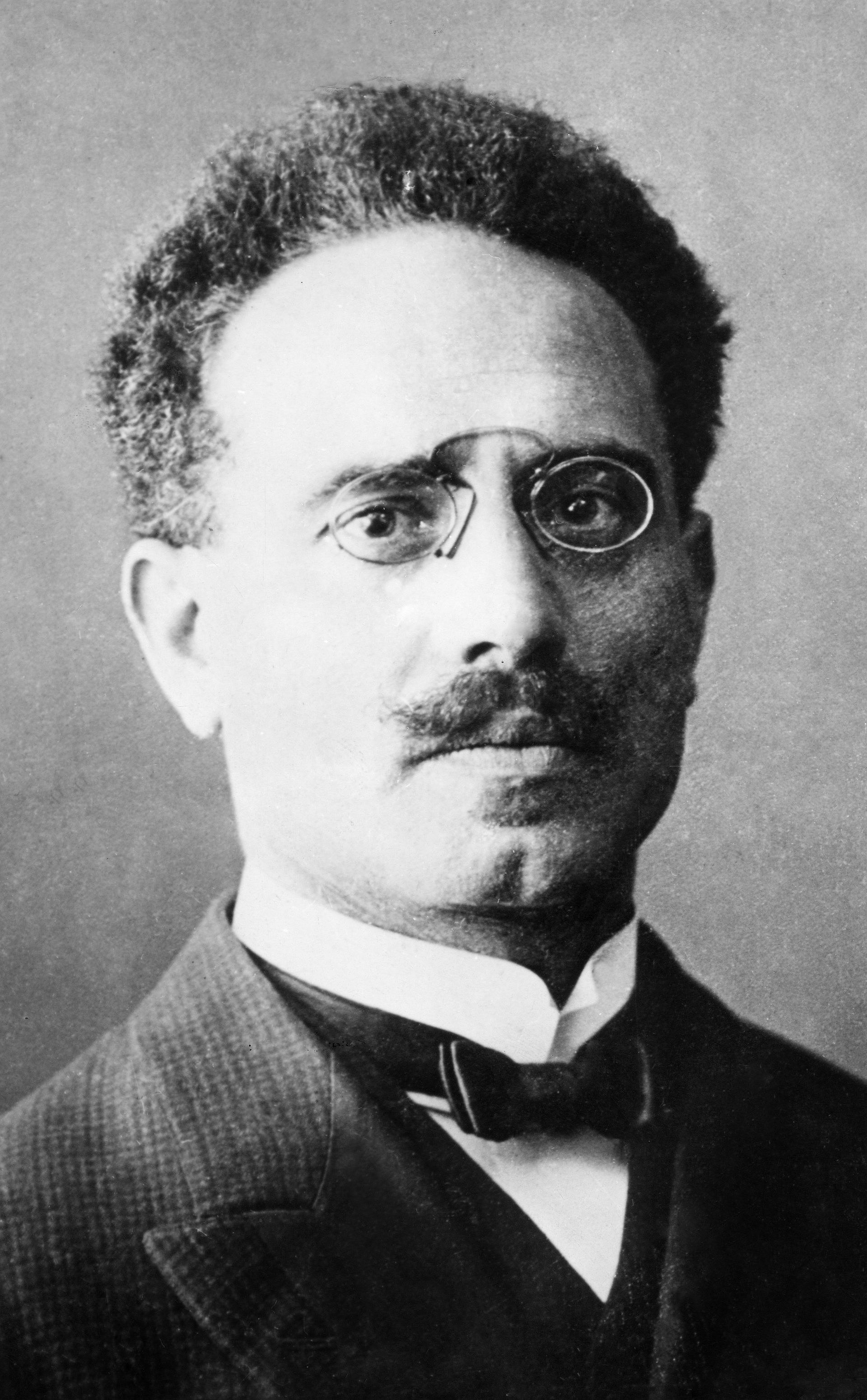
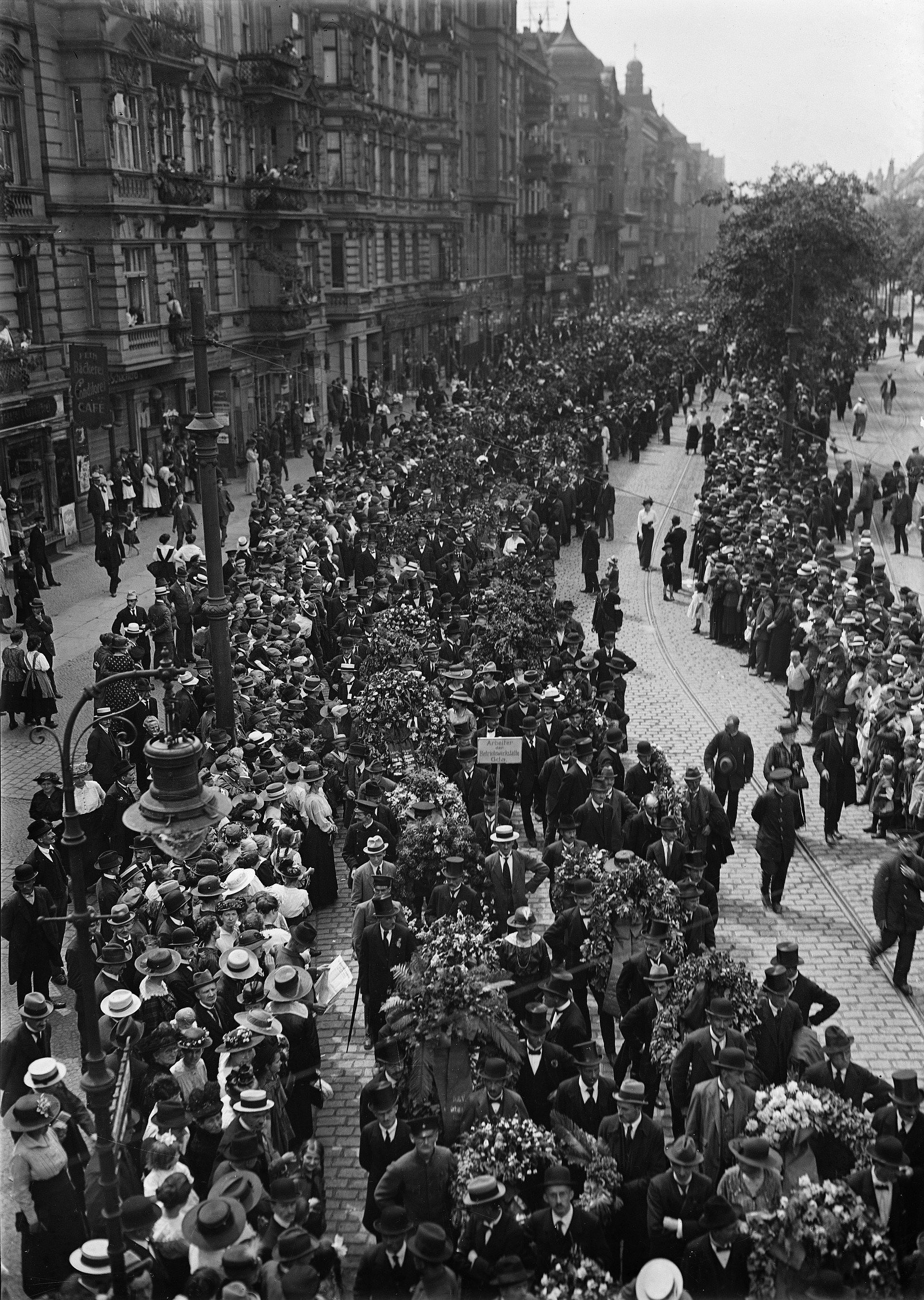
“Oh, hold on! We have not fled, we have not been defeated. And if they throw us into prison, we are here, and we shall remain here!” These were presumably the last words that most supporters of the then fledgling Communist Party of Germany (KPD) heard from their leading comrades Karl Liebknecht and Rosa Luxemburg. Liebknecht, who had proclaimed a “free socialist republic” in Berlin’s Lustgarten during the November Revolution of 1918, had published his defiant rallying cry on 15 January 1919 in the Spartacist newspaper “Die Rote Fahne”, which he and Luxemburg edited.
Just a few hours later, the two had disappeared – for the time being, and as it soon transpired, perhaps forever. Liebknecht, as would later be recorded in the post-mortem reports, was shot “at close range” on the same day at around 11 pm on the banks of the Neuer See in the Tiergarten district; Luxemburg, meanwhile, was struck in the left temple by a shot, also at close range, shortly before midnight: she later died in a car, a good 40 metres from what was then the Hotel Eden on what is now Olof-Palme-Platz.
On trial
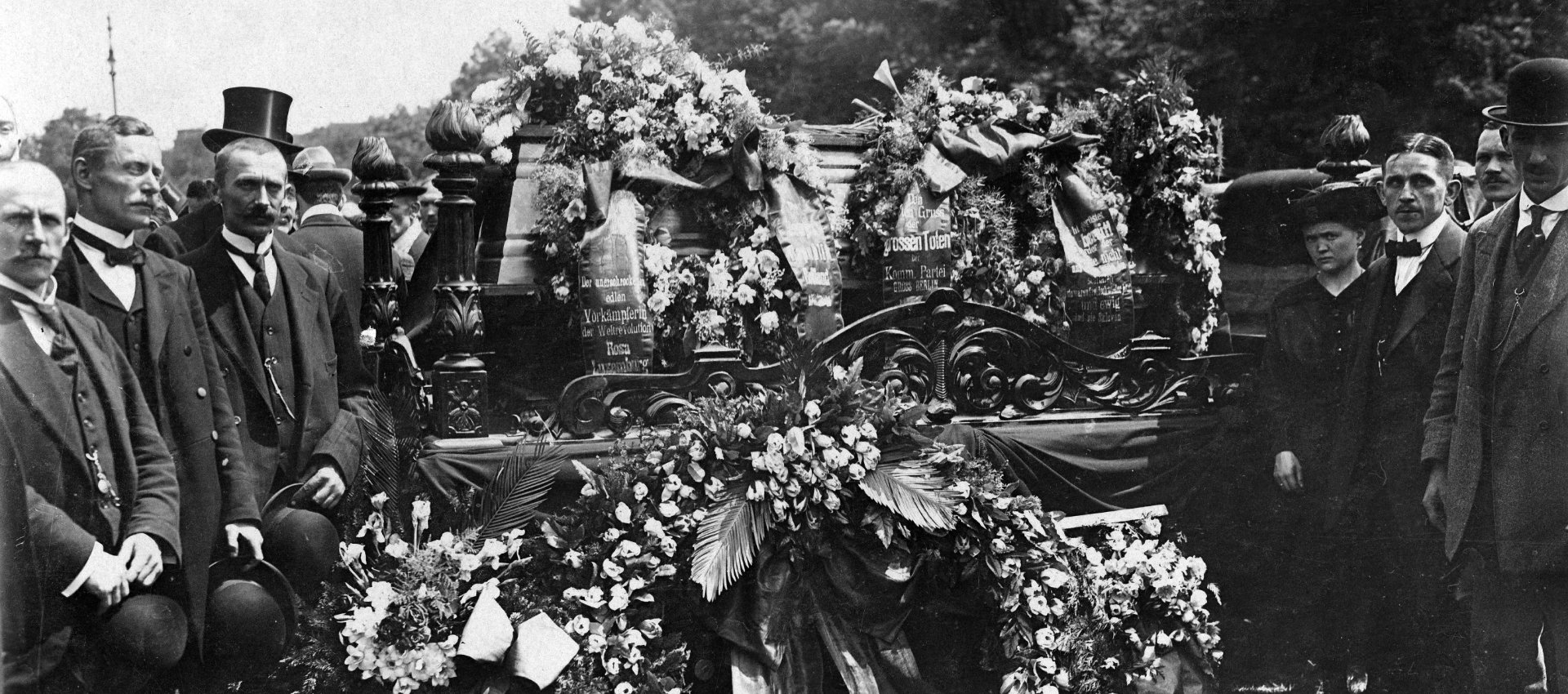
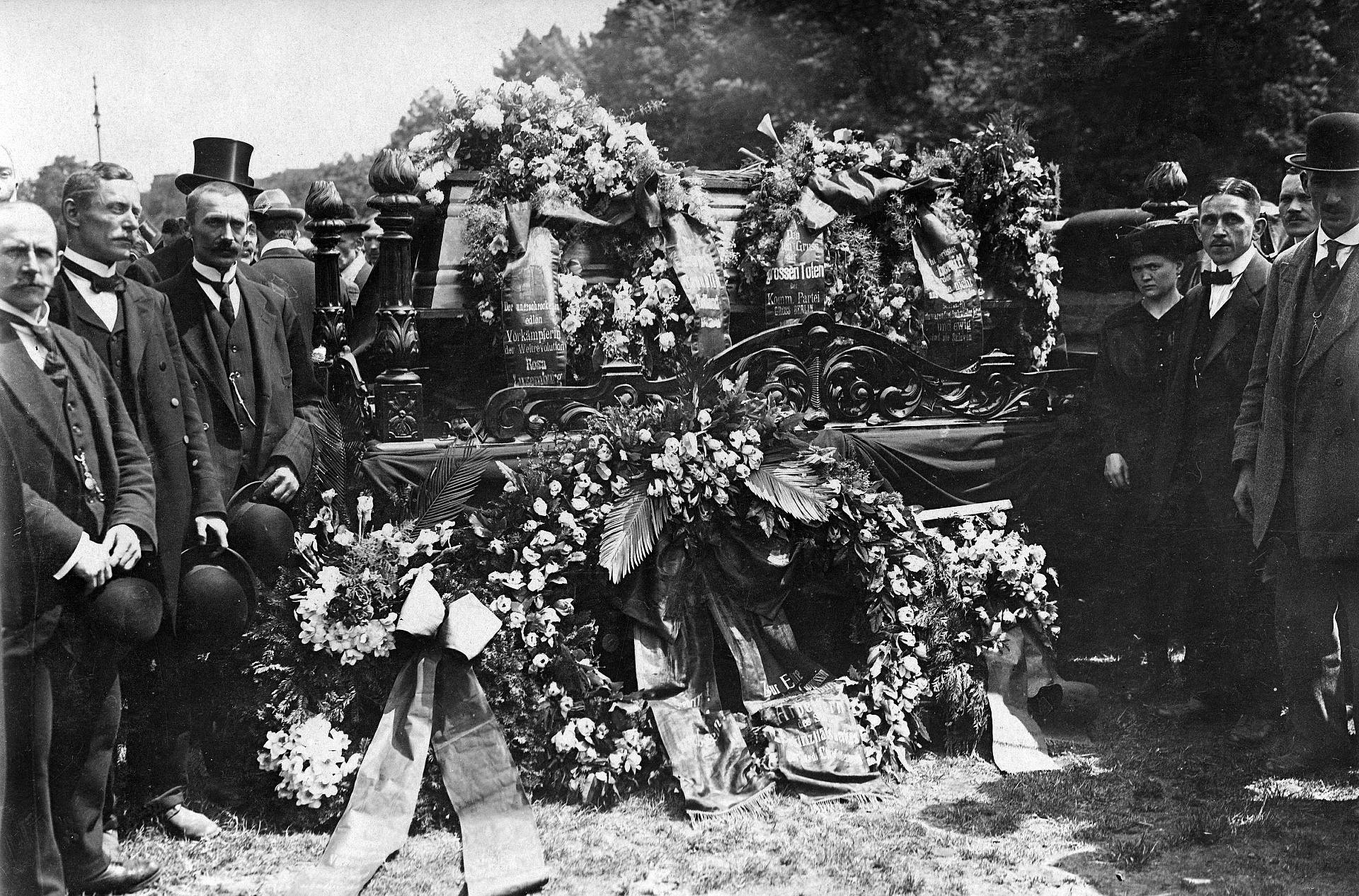
The body of the communist, born Rozalia Luxemburg in Zamosz, Poland, in 1871, remained untraceable for a long time. It was not until four and a half months later, on 31 May 1919, that a lifeless female body was discovered in the Landwehr Canal near Budapester Straße in Berlin-Tiergarten. It soon became clear that this must be the body of the renowned labour leader and qualified economist. A childhood hip condition, which had caused Luxemburg to walk with a limp throughout her life, left little doubt as to the identity of the deceased.
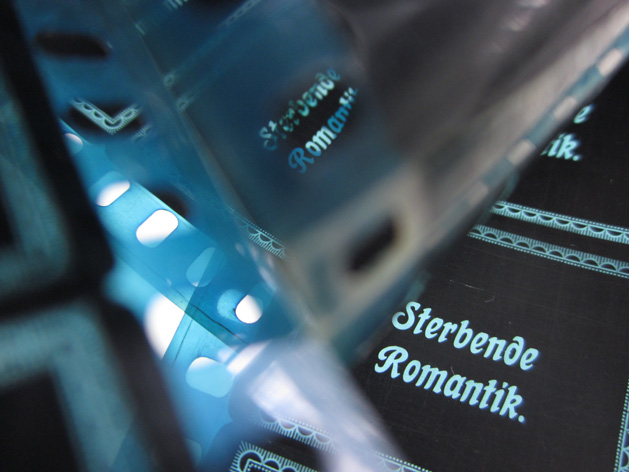
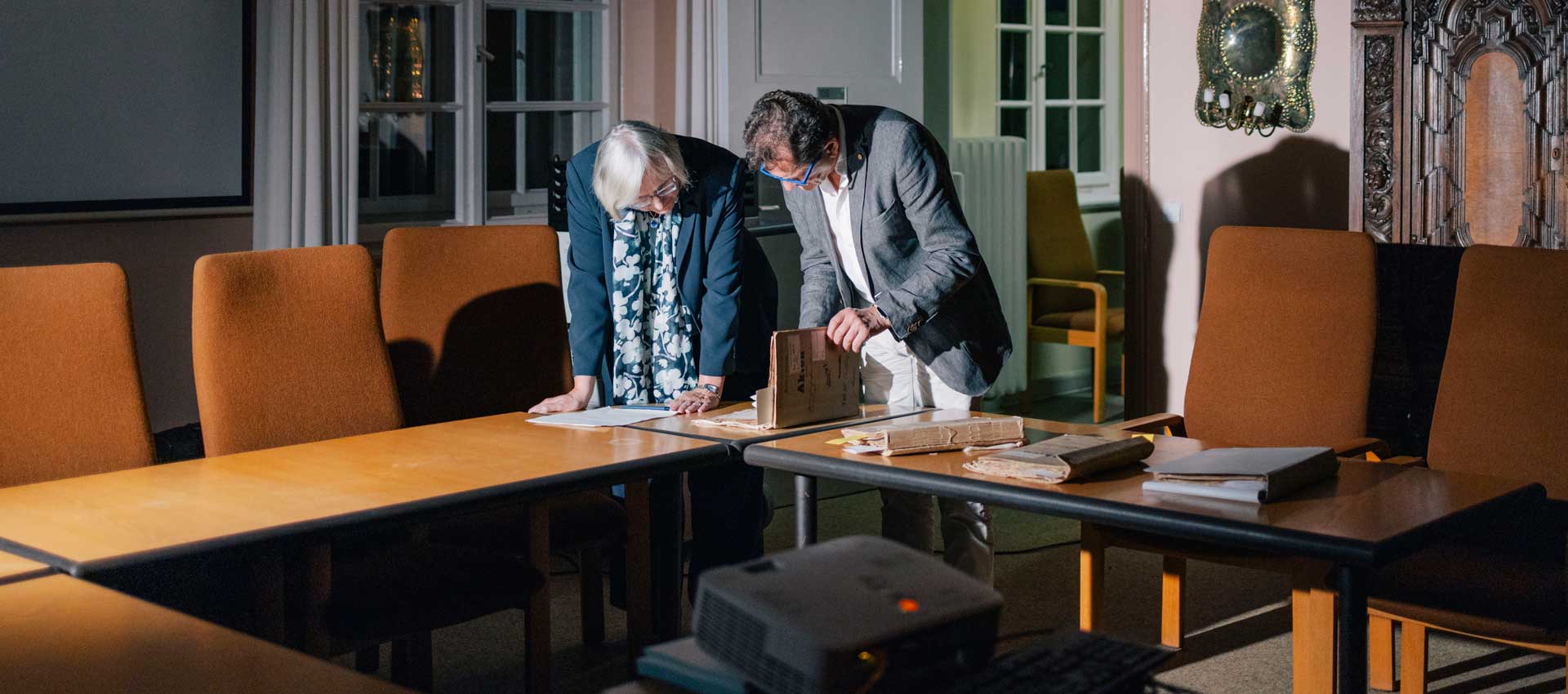
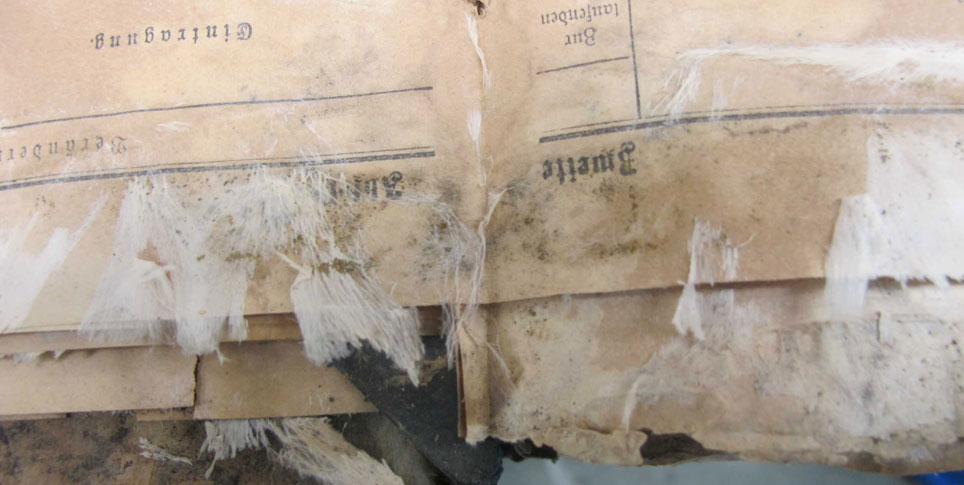
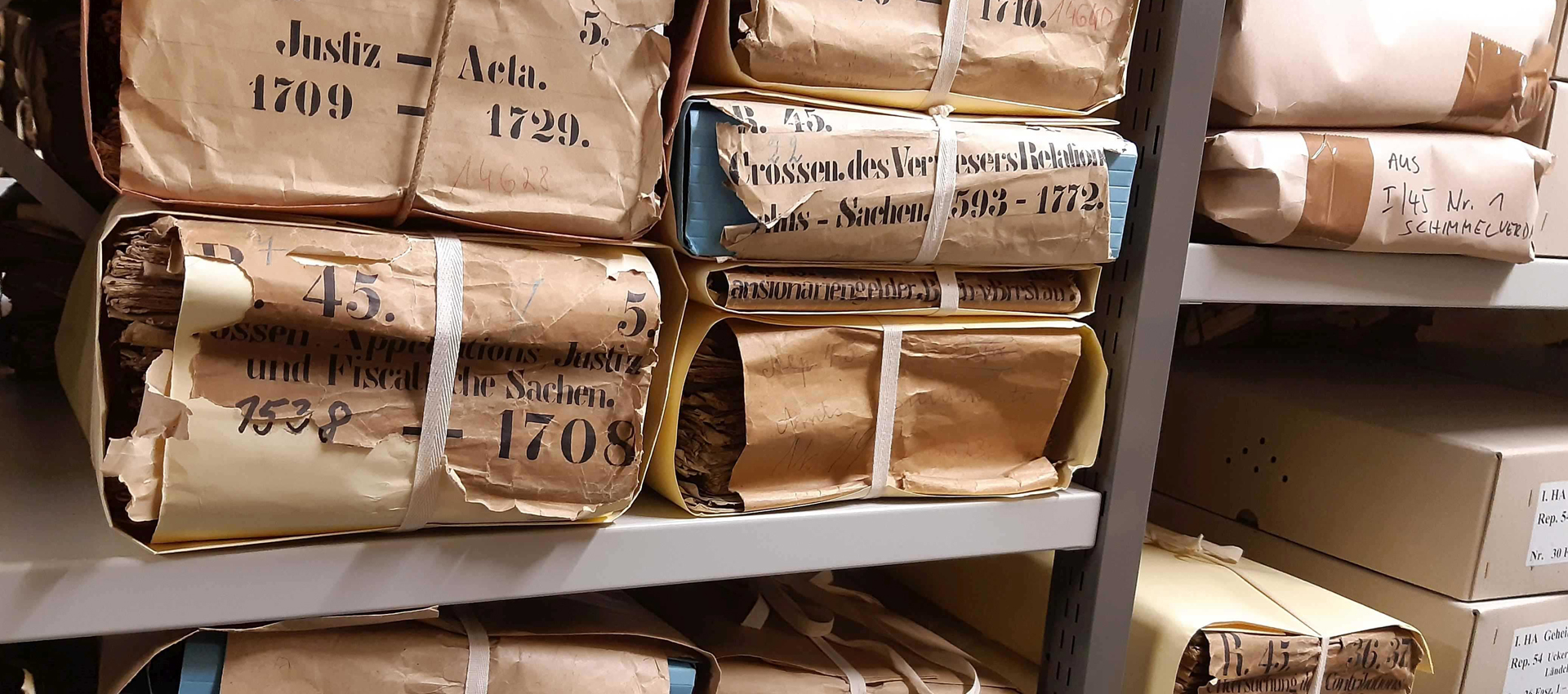
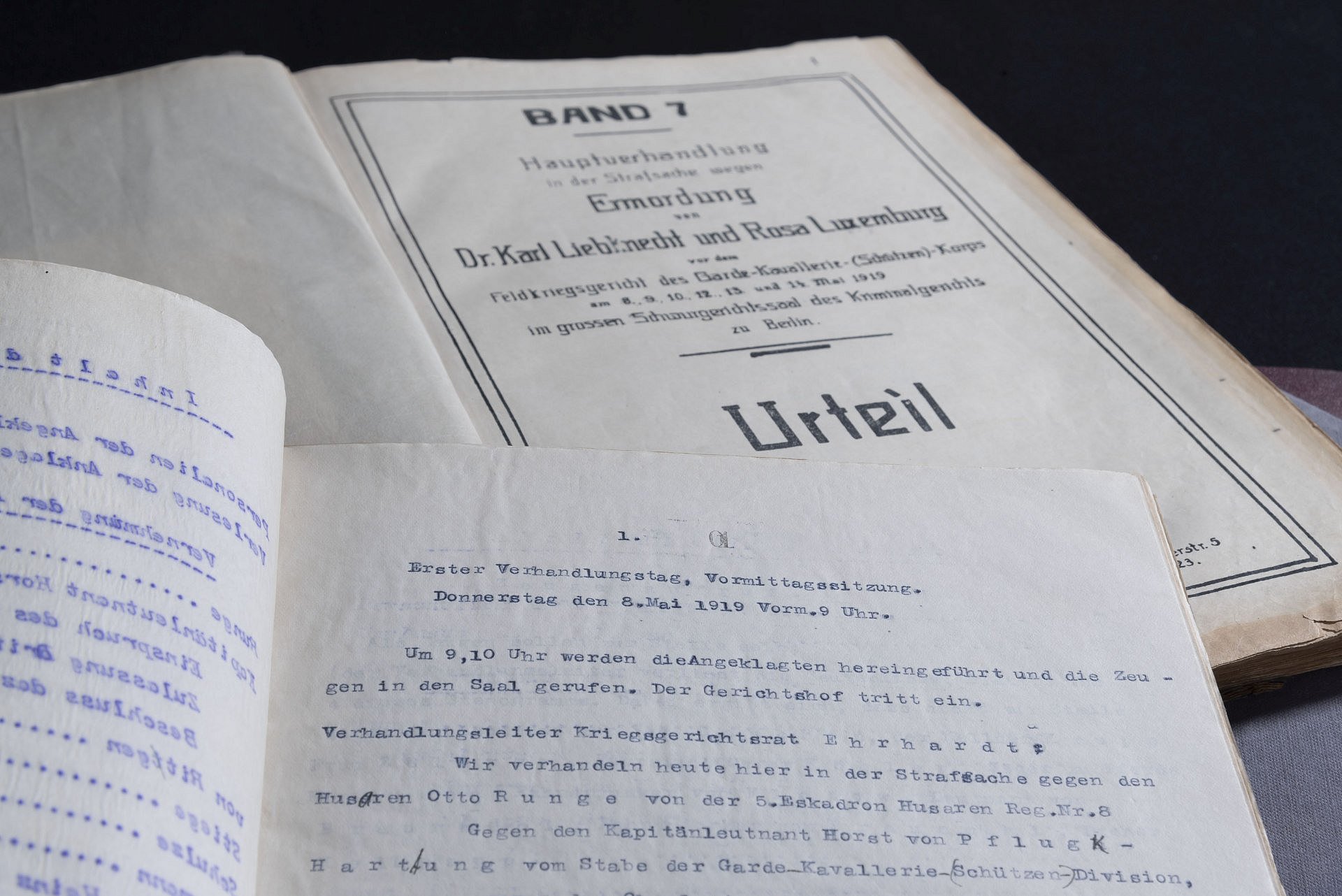
The body in the water, however, had not yet been recovered when the verdict was delivered in the ‘Main Hearing in the Criminal Case of Dr Karl Liebknecht and Rosa Luxemburg’, as can still be read today on the bluish-shimmering file cover in the holdings of the Secret State Archive of Prussian Cultural Heritage in Dahlem. Numerous members of a Freikorps stood accused before the Field Court-Martial of the Guard Cavalry (Rifle) Corps in the large jury courtroom of the Criminal Court. Finally, on the sixth day of the trial, 14 May 1919, the following was pronounced: “The following are sentenced: 1. The accused Hussar Runge, for breach of duty whilst on guard duty in the field, for attempted manslaughter in conjunction with grievous bodily harm involving the misuse of a weapon, committed in two instances, to a total sentence of 2 years’ imprisonment, 2 weeks’ detention, 4 years’ loss of honour and dismissal from the army.”
Runge, then a 34-year-old son of a shipbuilder from Königsberg/Neumark, who had served as a conscript in a field artillery regiment, was deemed by the court to be the principal offender in a trial that remains legendary to this day for its blatant bias. The following were also sentenced: “2. The accused Reserve Lieutenant Liepmann, for usurping authority in conjunction with aiding and abetting, to six weeks’ strict confinement to barracks; 3. The accused retired First Lieutenant Vogel to a total sentence of two years and four months’ imprisonment and dismissal from service.”
You are a man of honour. You have carried out your orders well
Captain Pabst zu Runge, according to the defendant’s statement
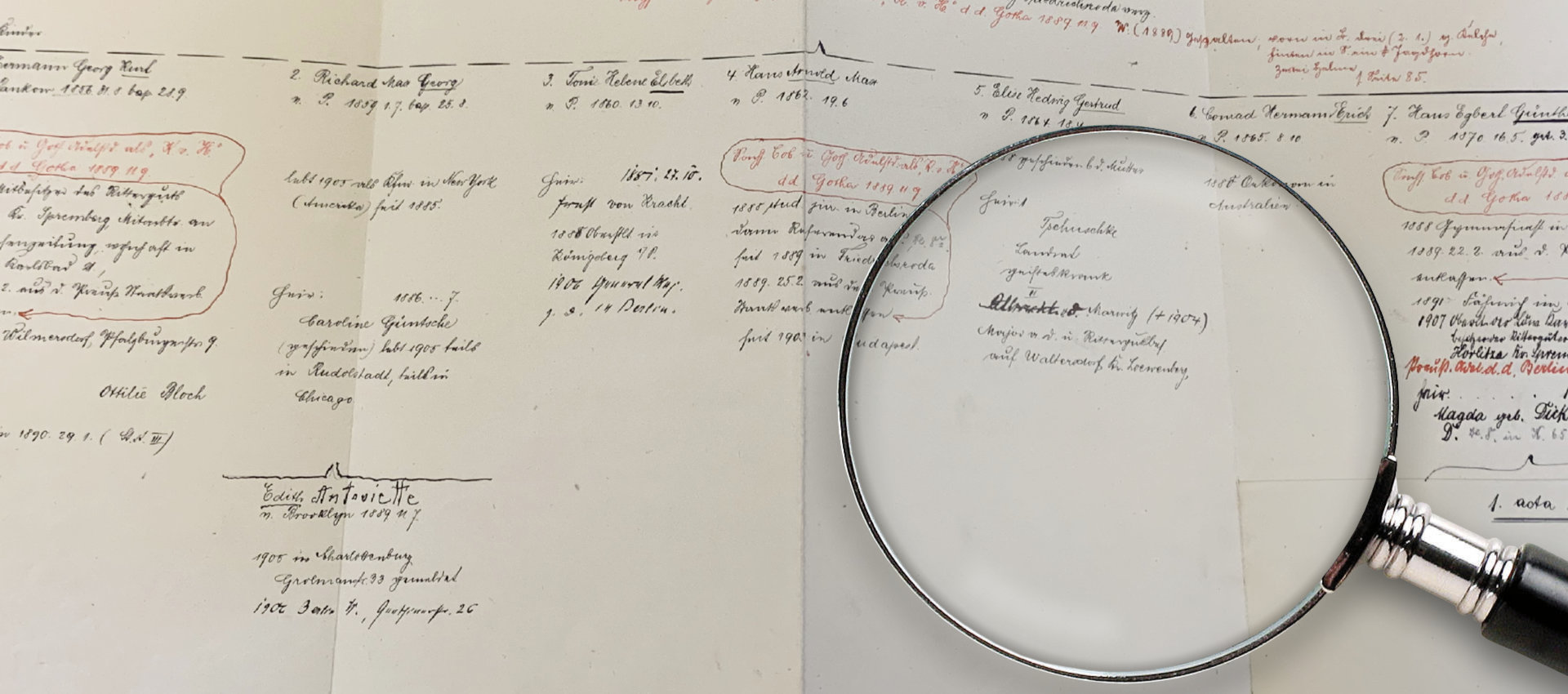
Throughout almost the entire Weimar Republic, the murders of Liebknecht and Luxemburg occupied the judicial authorities. Countless letters, petitions, newspaper clippings and correspondence between the public prosecutor’s office, the Ministry of Defence and the defence lawyers, held in the Secret State Archives of the Prussian Cultural Heritage Foundation, bear witness to what were perhaps the most controversial murder cases of the interwar period.
A lone perpetrator?
In any case, Runge, identified as the main perpetrator – as much already seemed to be emerging in 1921, two years after the scandalous verdict – had at least not committed the crime alone. In January 1921, he stated on record to the Chief Public Prosecutor at Regional Court II that he – described in the trial files as ‘a person with no previous criminal record, of severely impaired mental capacity and prone to irritability’ – had previously been urged to take the blame for the crime. What Runge put on record was quite something: “On 17 May 1919, after the verdict had been handed down against me, Captain Pabst appeared in my cell at Moabit Prison and said to me: ‘You are a man of honour. You carried out the orders well.’”
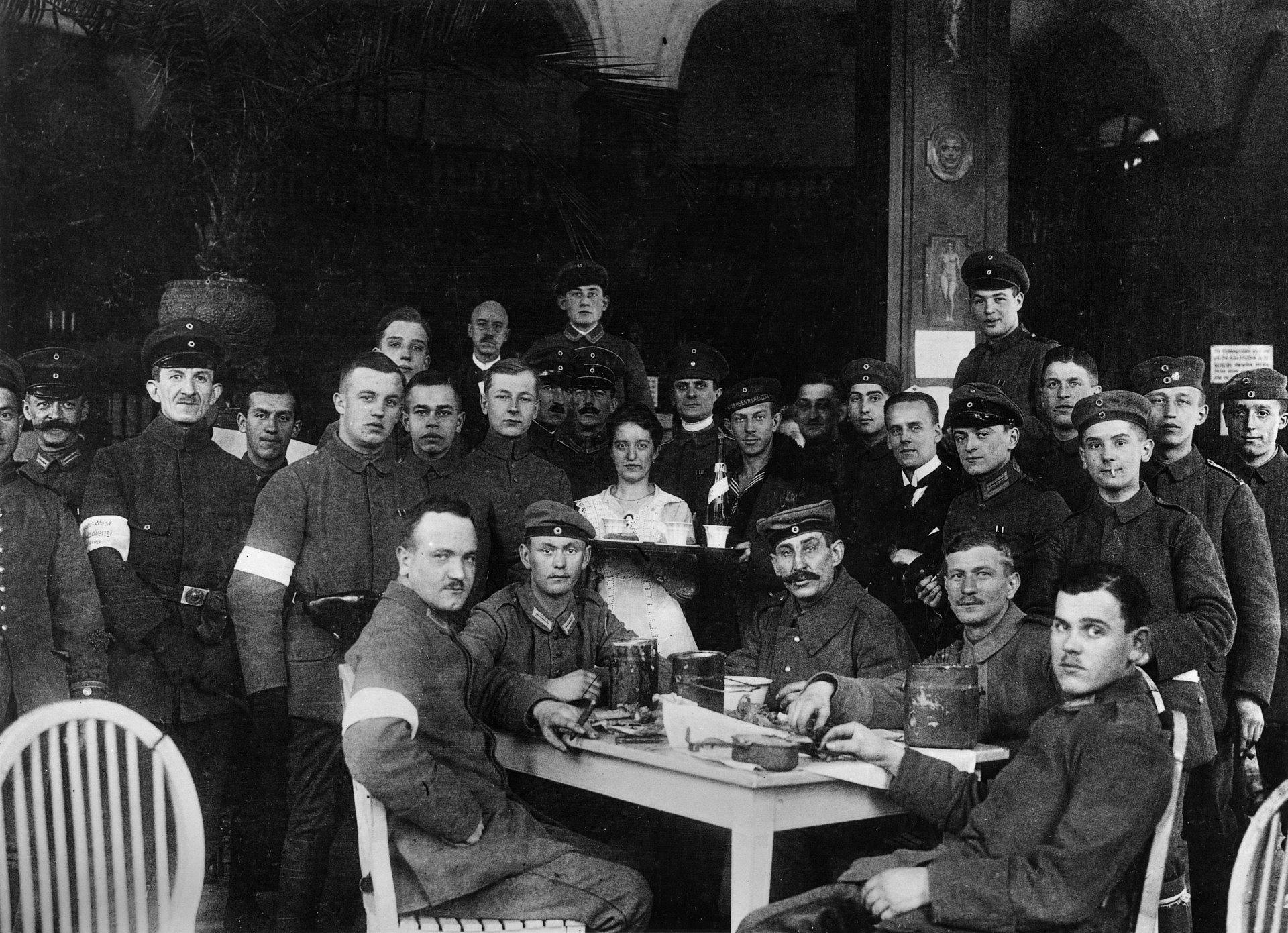
Was Runge right in his accusations? But who, then, would have shot the two labour leaders on that winter’s night in 1919? Lieutenant Rudolf Liepmann, who had also been under suspicion but had not even been a member of the Freikorps involved? Perhaps even the confectioner Hermann Otte? The butcher Walter Schmidt? Or the dental technician Theodor von Fries? More and more people came under suspicion – or even volunteered to confess to the murder of the Spartacists, who were hated by many.
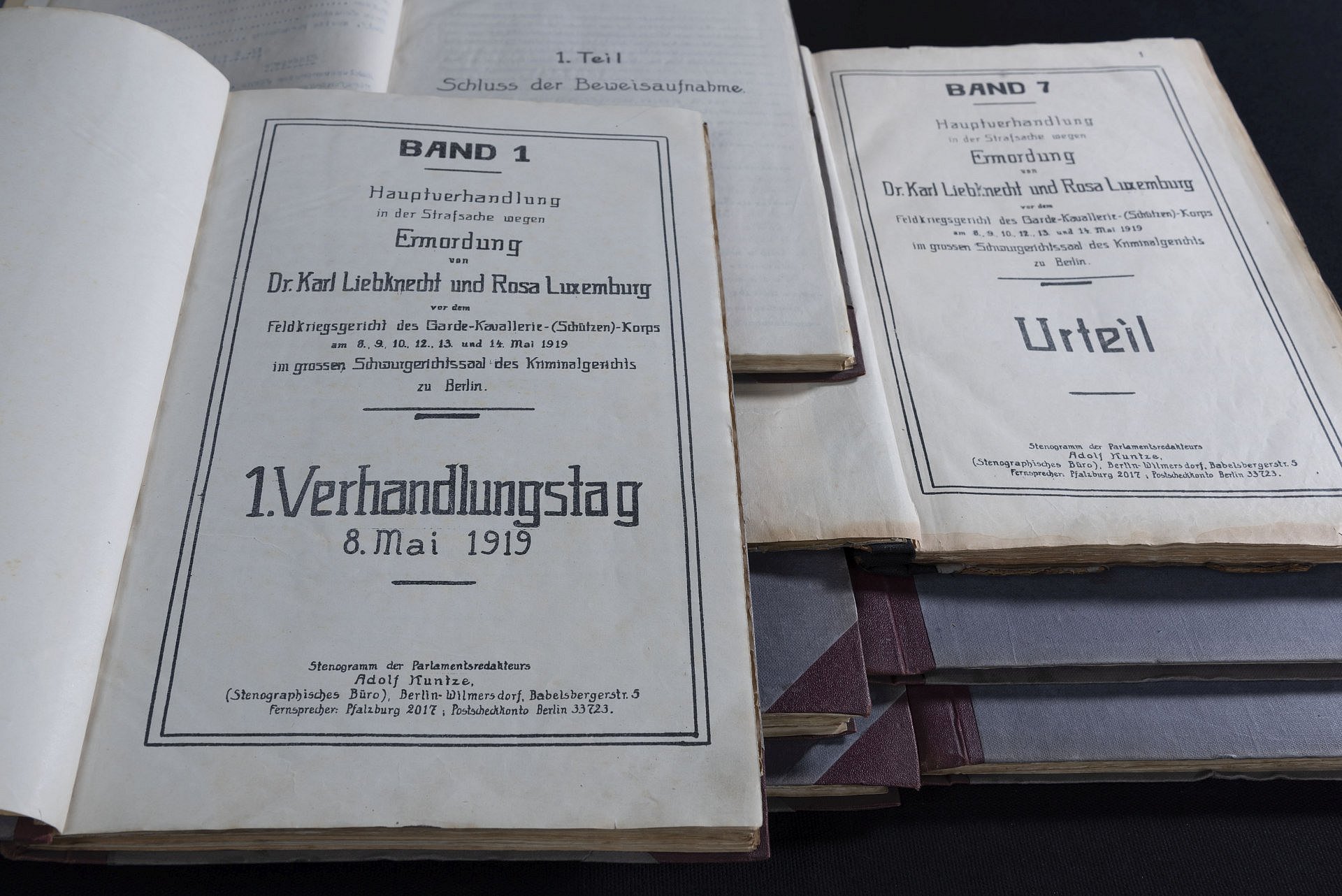
The trials and tribulations of a politicised judiciary
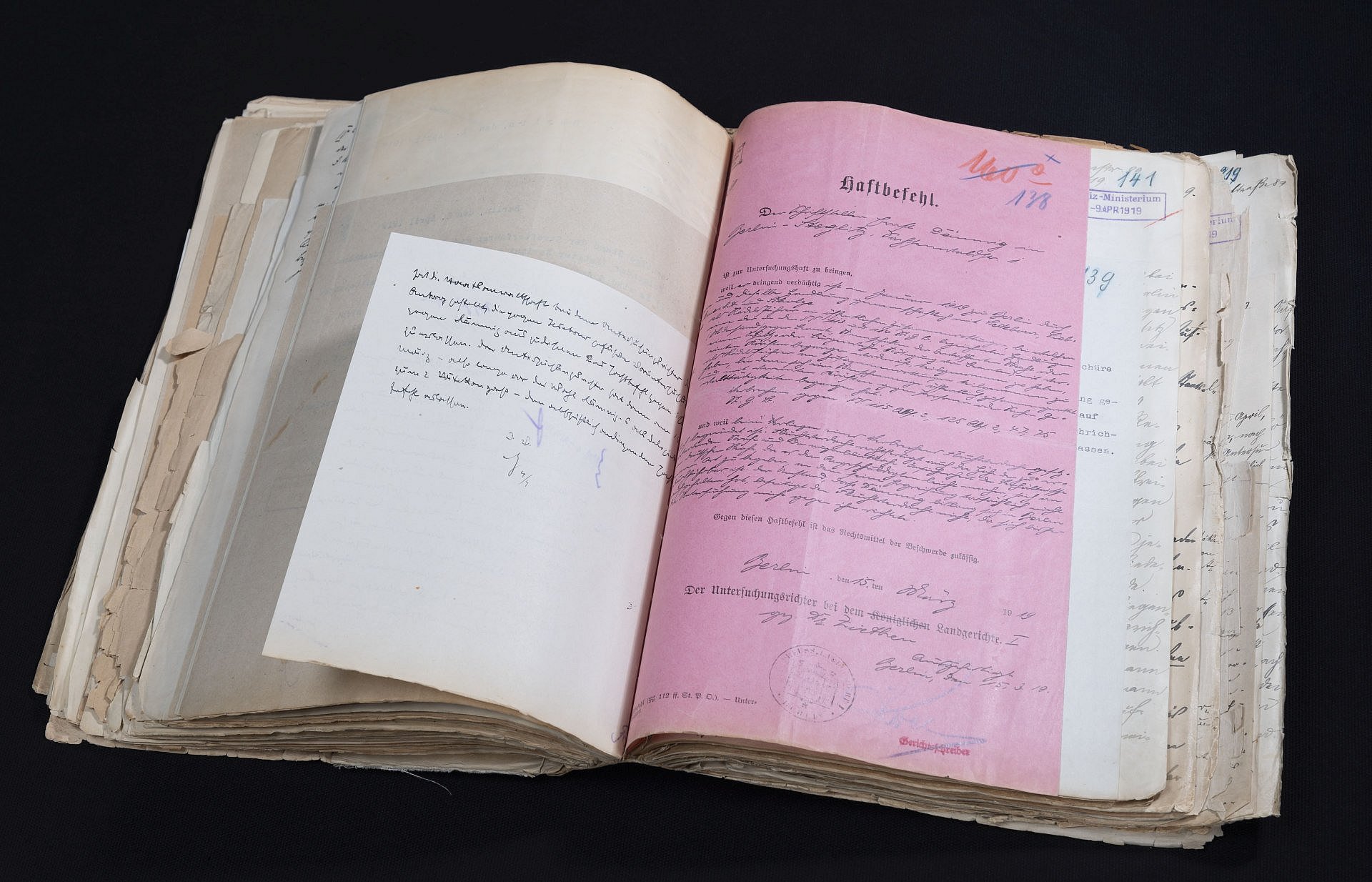
Perhaps, however, Runge had simply lied. After all, the Ministry of Justice’s files state that he had to leave prison in May 1920 because he was unfit to be detained. Diagnosis: ‘a mentally ill person posing a danger to the public’. According to the then Chief Public Prosecutor at the Court of Appeal, ‘appropriate treatment in a mental asylum might bring about his recovery’.
No wonder that, faced with such a preliminary diagnosis, even the investigating public prosecutor gave up in May 1921. There was “no evidence to support Runge’s claim”. He was, quite simply, “mentally abnormal”.
Did they really not know any better? Or did they not want to know? The countless files in the Secret State Archive of the Prussian Cultural Heritage Foundation are pieces of a jigsaw puzzle in a gripping criminal case. And it is still astonishing that the investigators refused to see what is obvious by today’s standards: as in Agatha Christie’s *Murder on the Orient Express*, in a sense everyone was a perpetrator: Runge had initially injured Liebknecht and Luxemburg with blows from a rifle butt; later, at least four members of the corps fired shots at Liebknecht. Luxemburg, in turn, was shot dead by the officer Hermann Souchon, who had appeared as a witness at the 1919 trial but later managed to evade justice by fleeing. Only the files bear witness today to the trail of the crime and to the trials and tribulations of a thoroughly politicised judiciary.