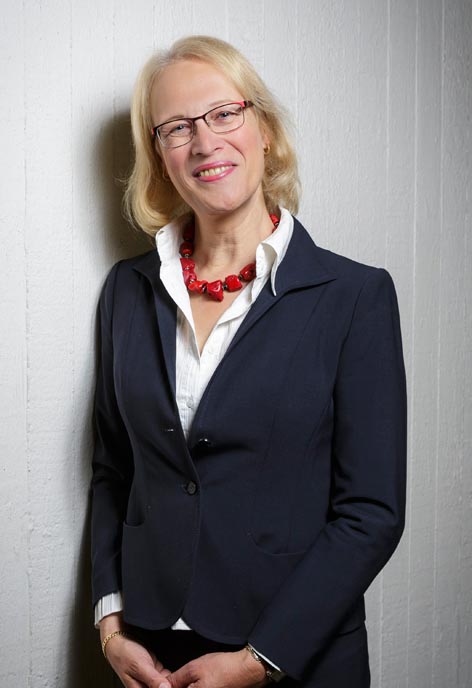
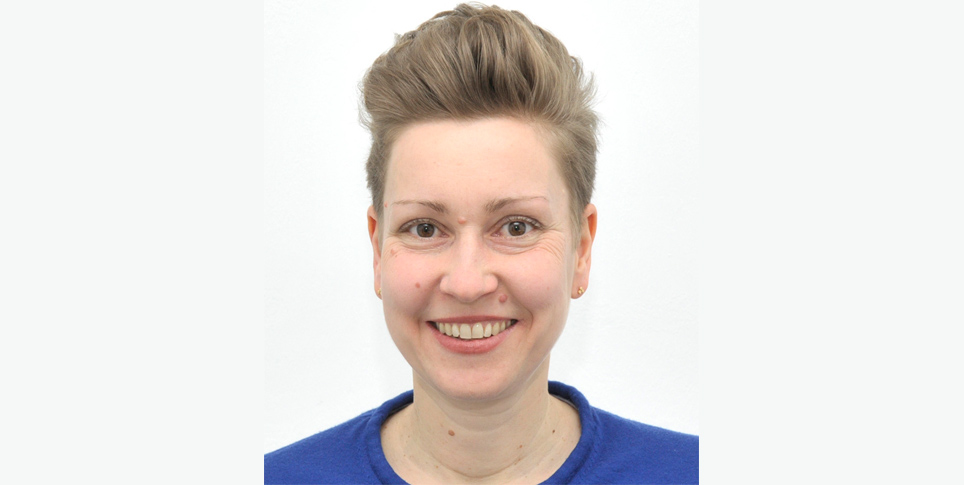
What actually defines the people who work at the SPK? Are there things that shape their daily lives and influence their outlook? We asked the director of the Musical Instrument Museum.
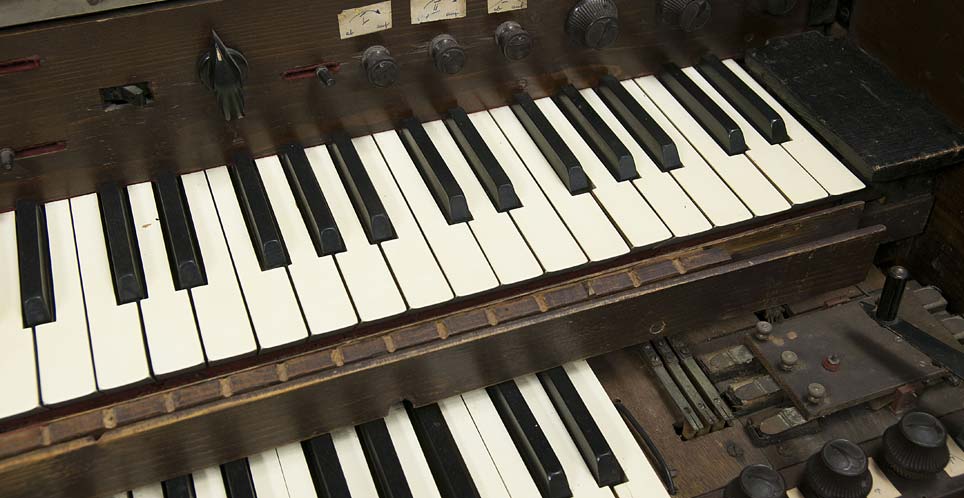
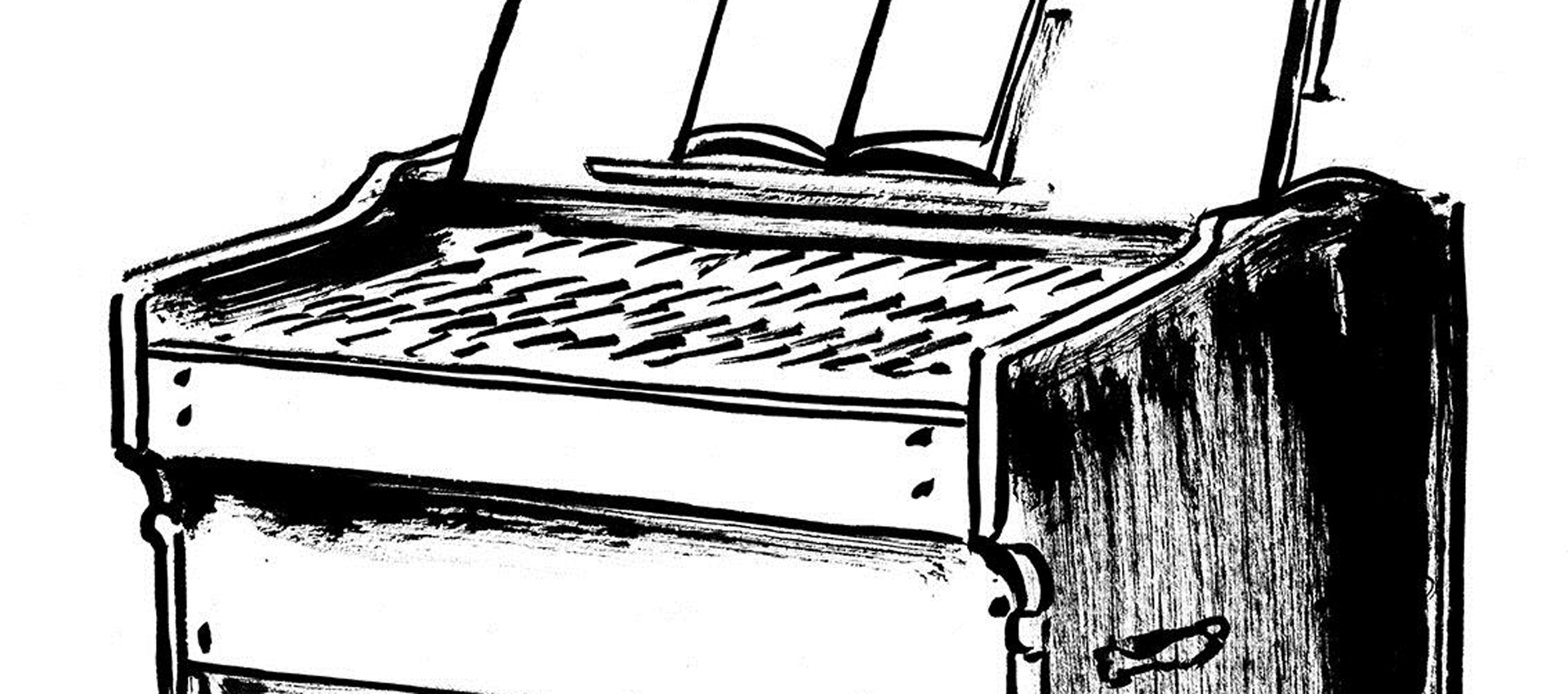
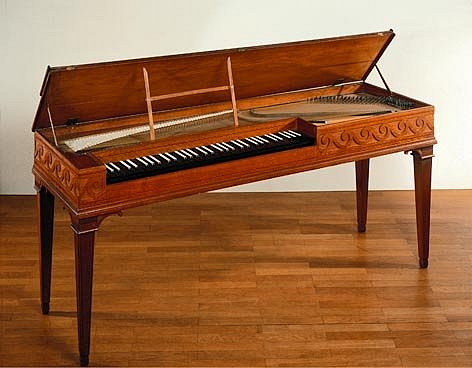
Clavichord
It’s in my office. In the afternoons, I like to play a few bars to relax, and also to the delight of museum visitors. Mainly Bach, but also Haydn, Rameau or Dufly. After that, it’s back to the computer.
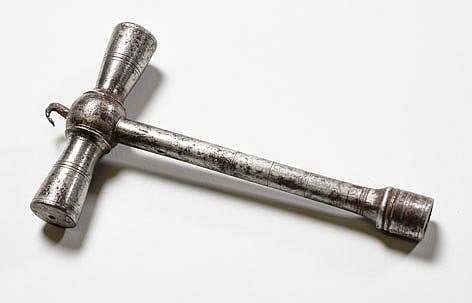
Historic tuning hammer
It dates from the 18th century and is a tool used for tuning fortepianos. It is used to adjust flat-head pegs. It was given to me by my Viennese ‘doctoral supervisor’, Eva Badura-Skoda, when I was awarded my doctorate in 1989 on Bartolomeo Cristofori, the inventor of the fortepiano.
Historic tuning hammer © SPK / photothek.net / Thomas Trutschel
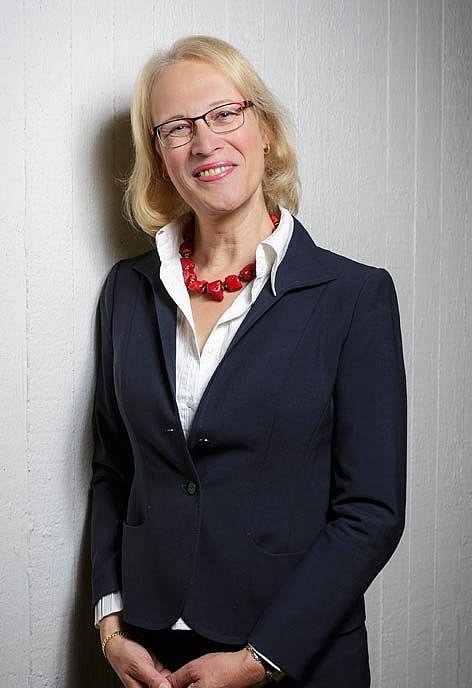
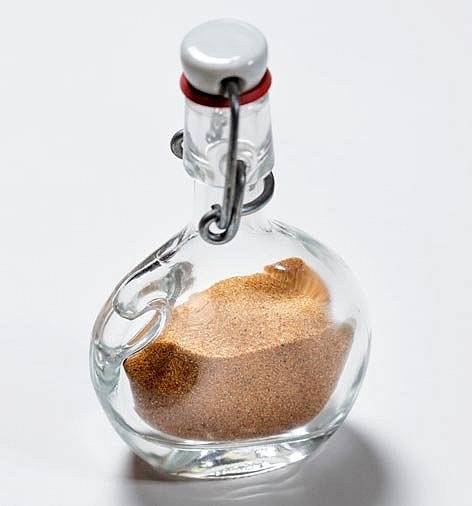
Sand from the Sahara
I am a passionate pilot. The vial comes from flights to Africa, where I was on the border between Morocco and Algeria. At night I slept under the Do 27. The sand is a symbol of transience.
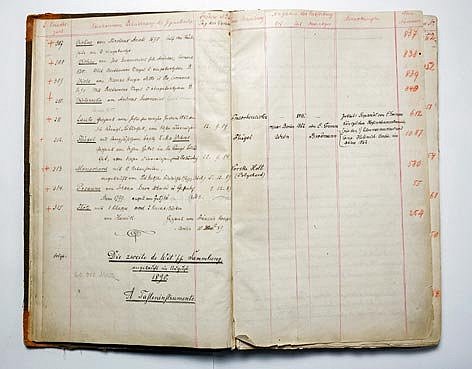
Inventory book
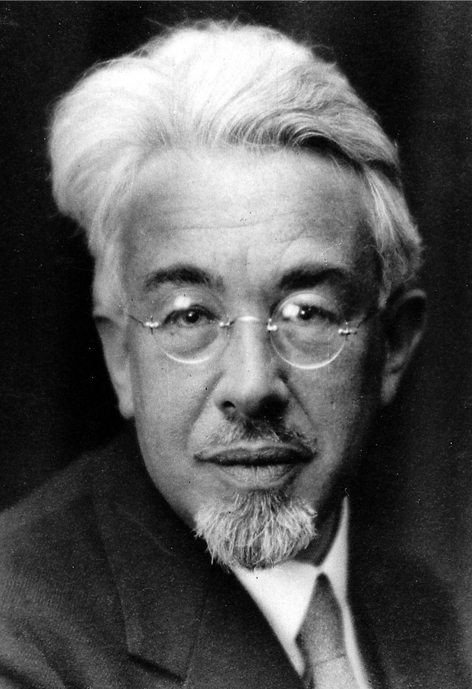
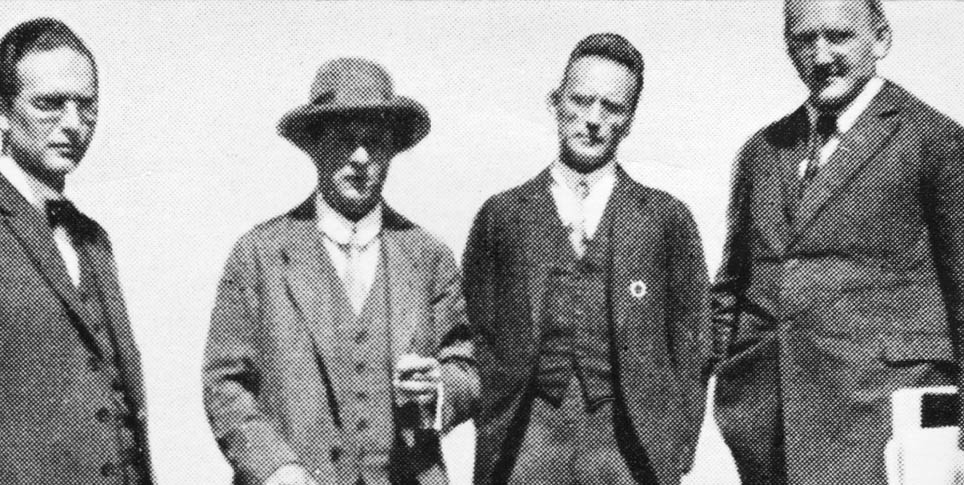
The most important source every day. It was established in 1888 by the founding director, Oskar Fleischer, who recorded the very first acquisition: a 17th-century bound clavichord from the Leipzig collector Paul de Wit.
State Institute for Music Research
The State Institute for Music Research is the largest non-university research centre for musicology in Germany. It is dedicated to the historical and theoretical study of music and its dissemination. To this end, its Museum of Musical Instruments presents the development of European art music from the 16th to the 21st century to a wide audience. Founded as early as 1888, the museum houses over 3,000 historical musical instruments and offers a diverse range of events – from academic symposia and concerts to interactive sound installations.