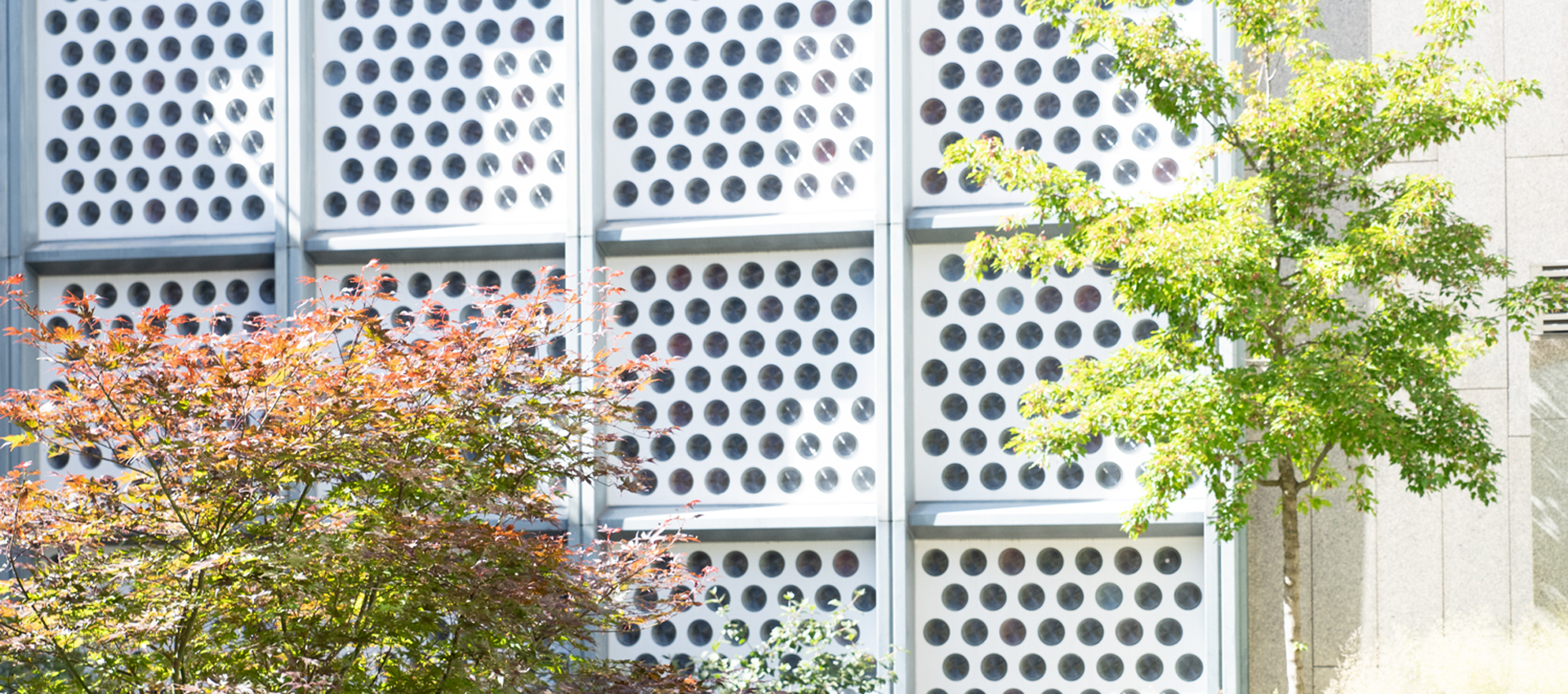
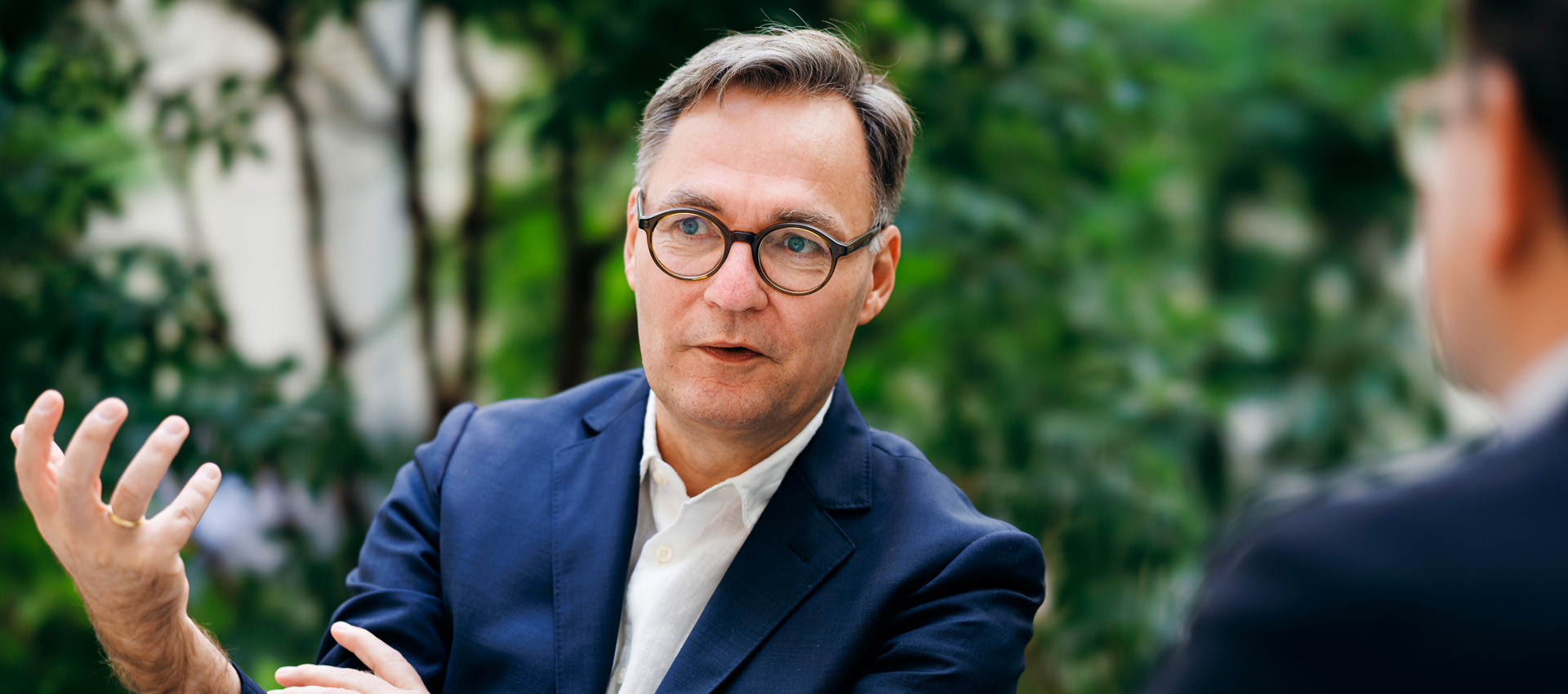
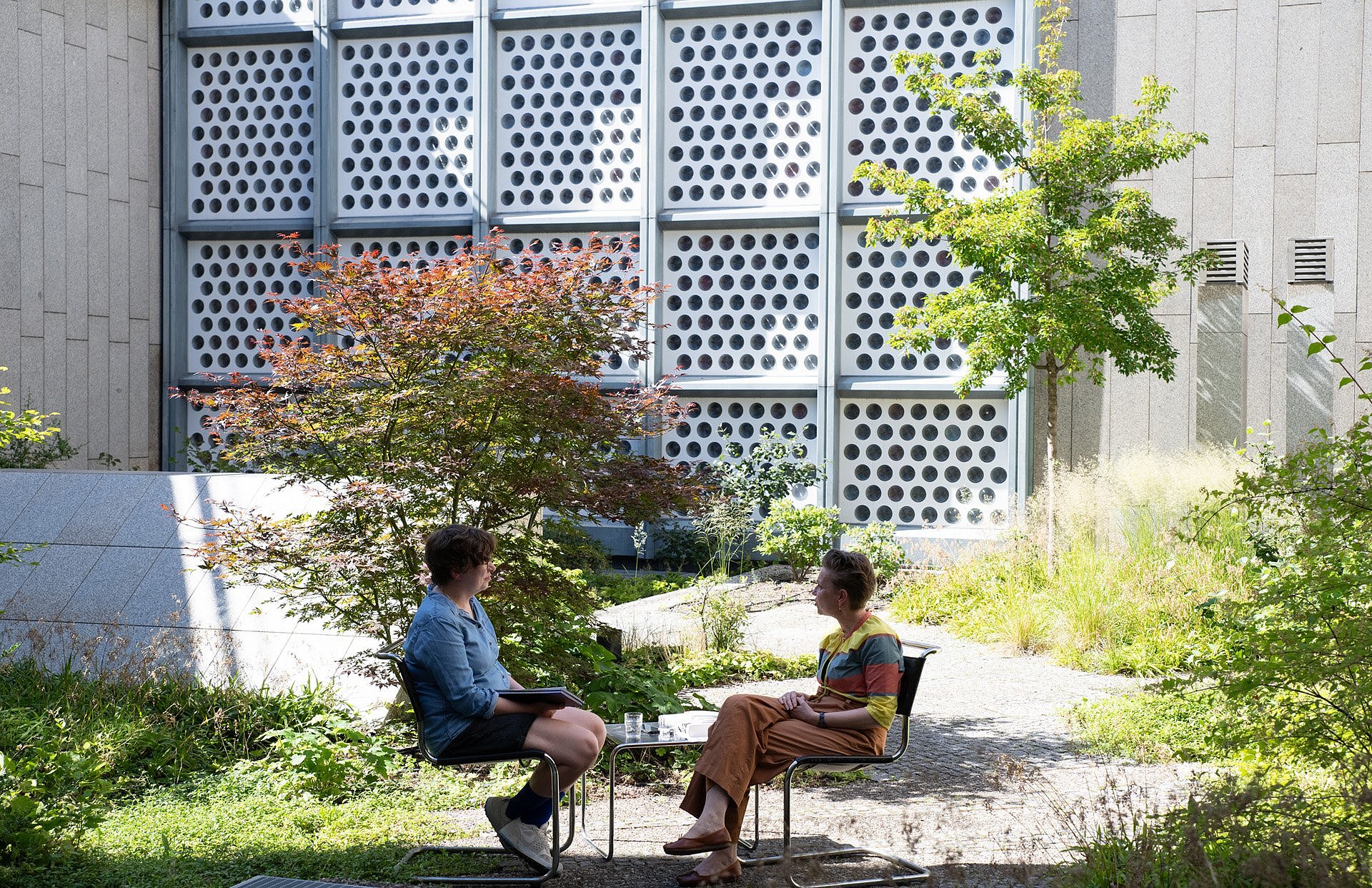
The green courtyard of the State Institute for Music Research is a hidden gem in the heart of the evolving Kulturforum: this is where we meet Director Rebecca Wolf for the second SPK summer interview
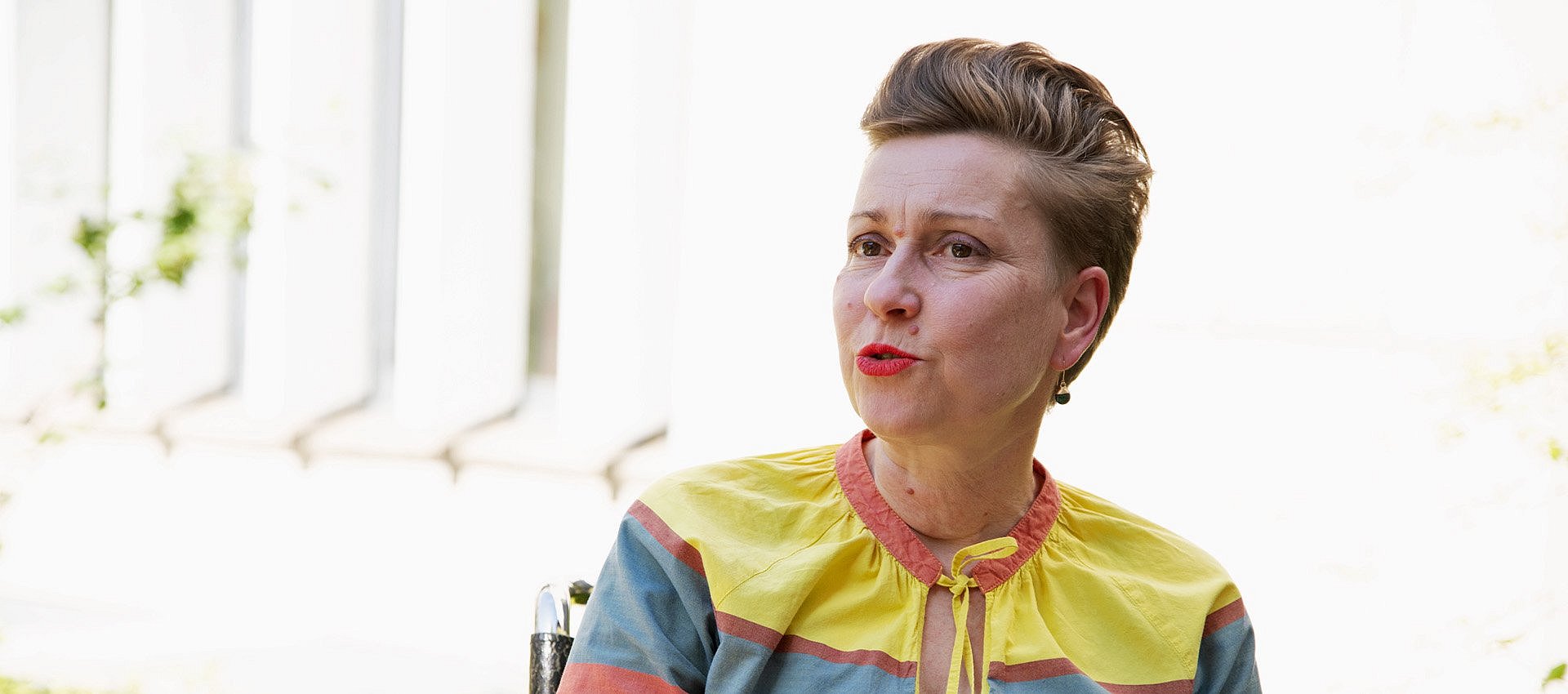
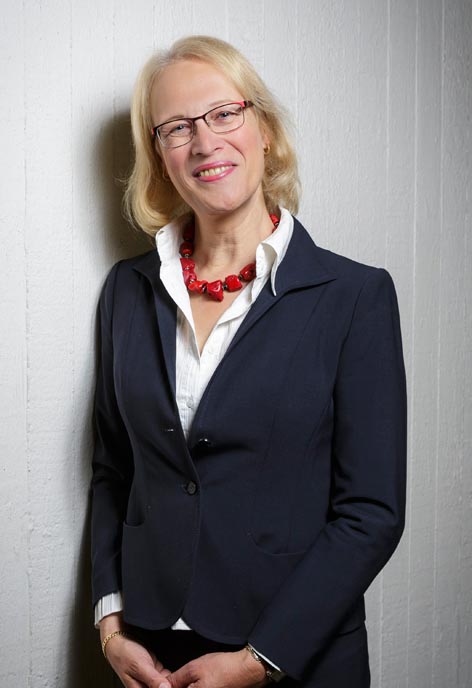
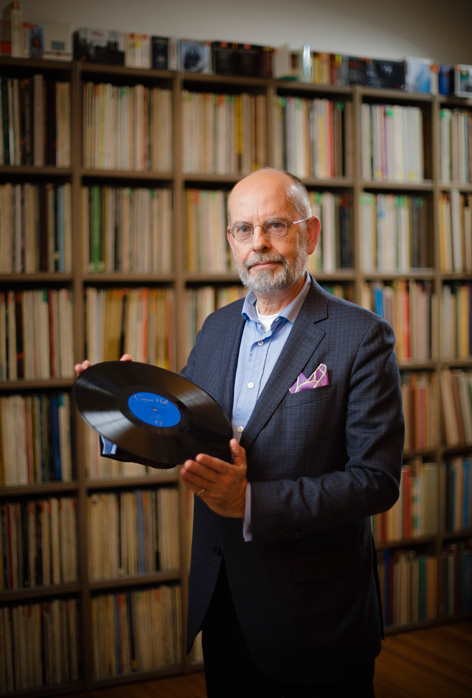
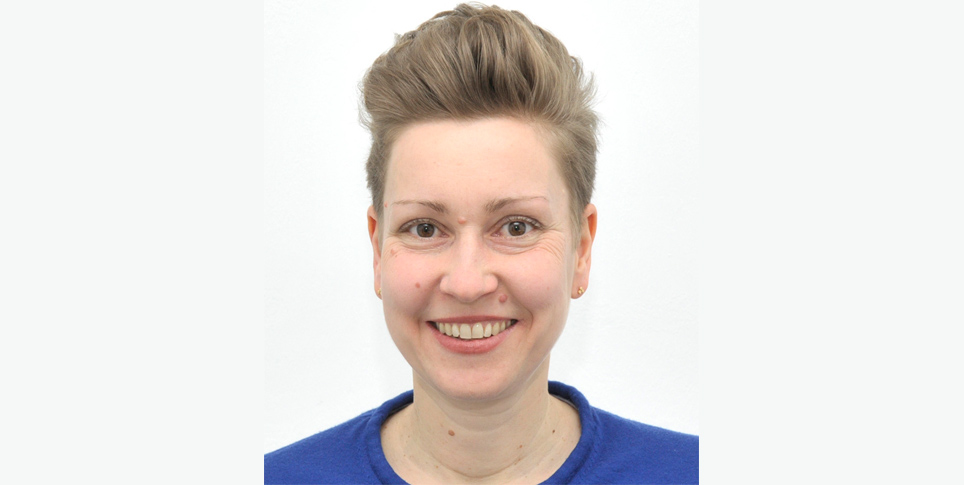
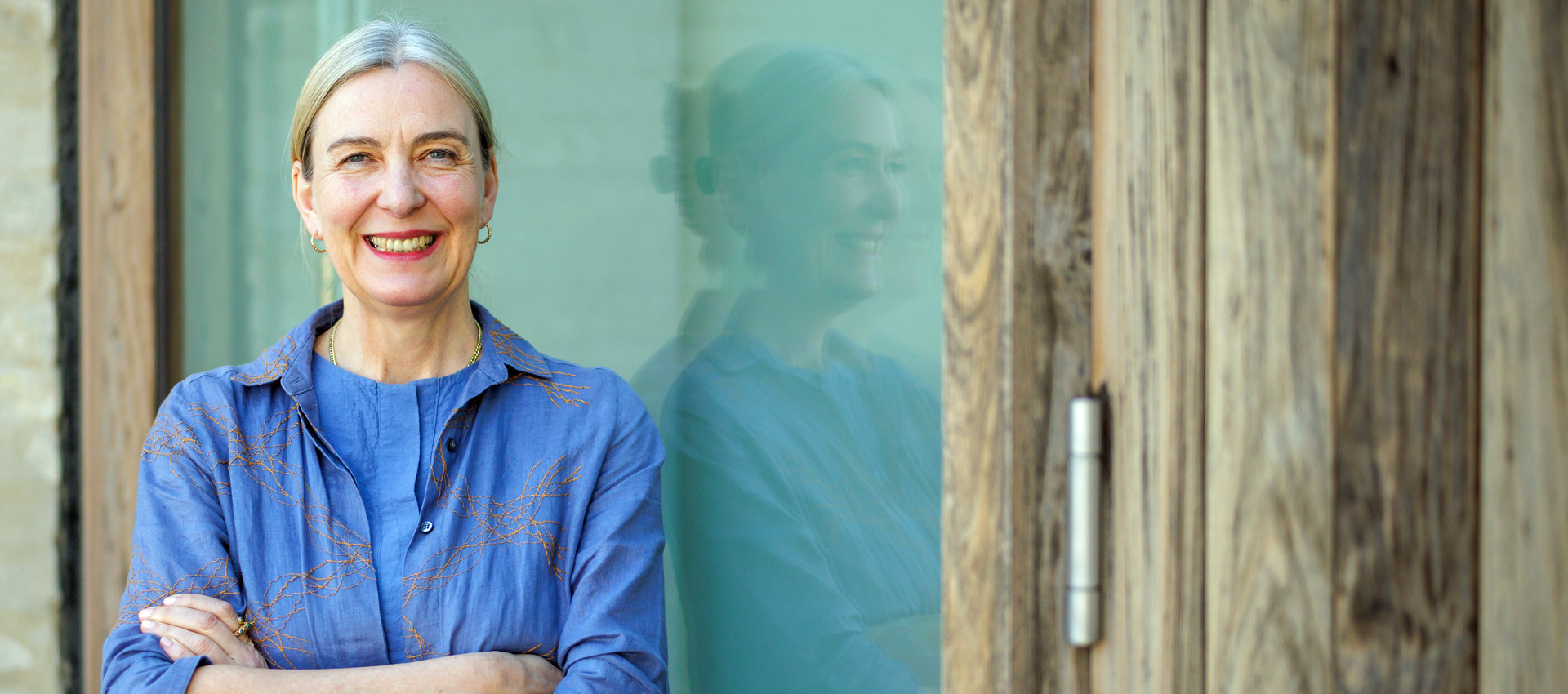
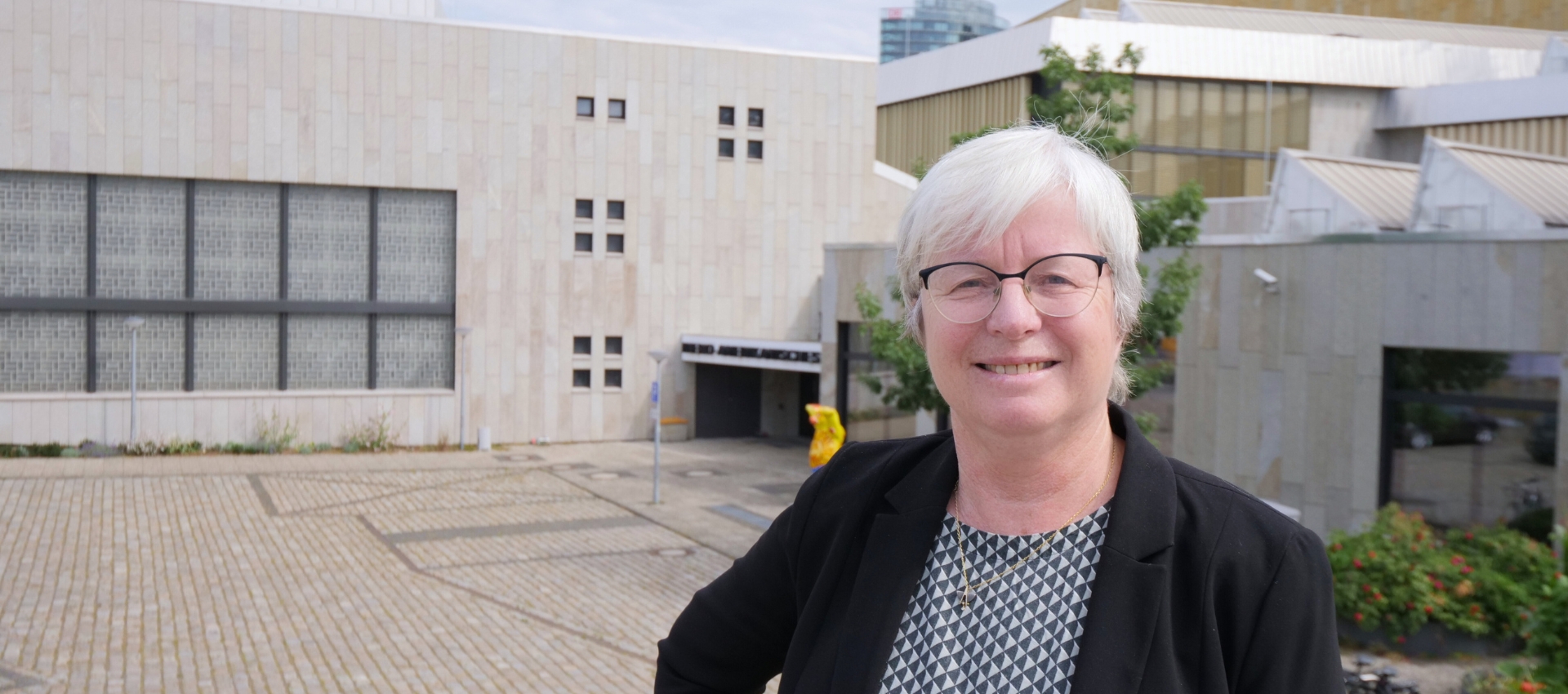
Dr Rebecca Wolf has been Director of the State Institute for Music Research since August 2021. Her research focuses on the relationship between material culture and music, as well as on music in times of war and peace.
Photo: SIM/A.-K. Breitenborn
We meet at the Kulturforum in the summer – next to the Philharmonie and the construction site for berlin modern. The rainbow flag is flying outside your building – without any fuss. What does your museum have to do with Pride?
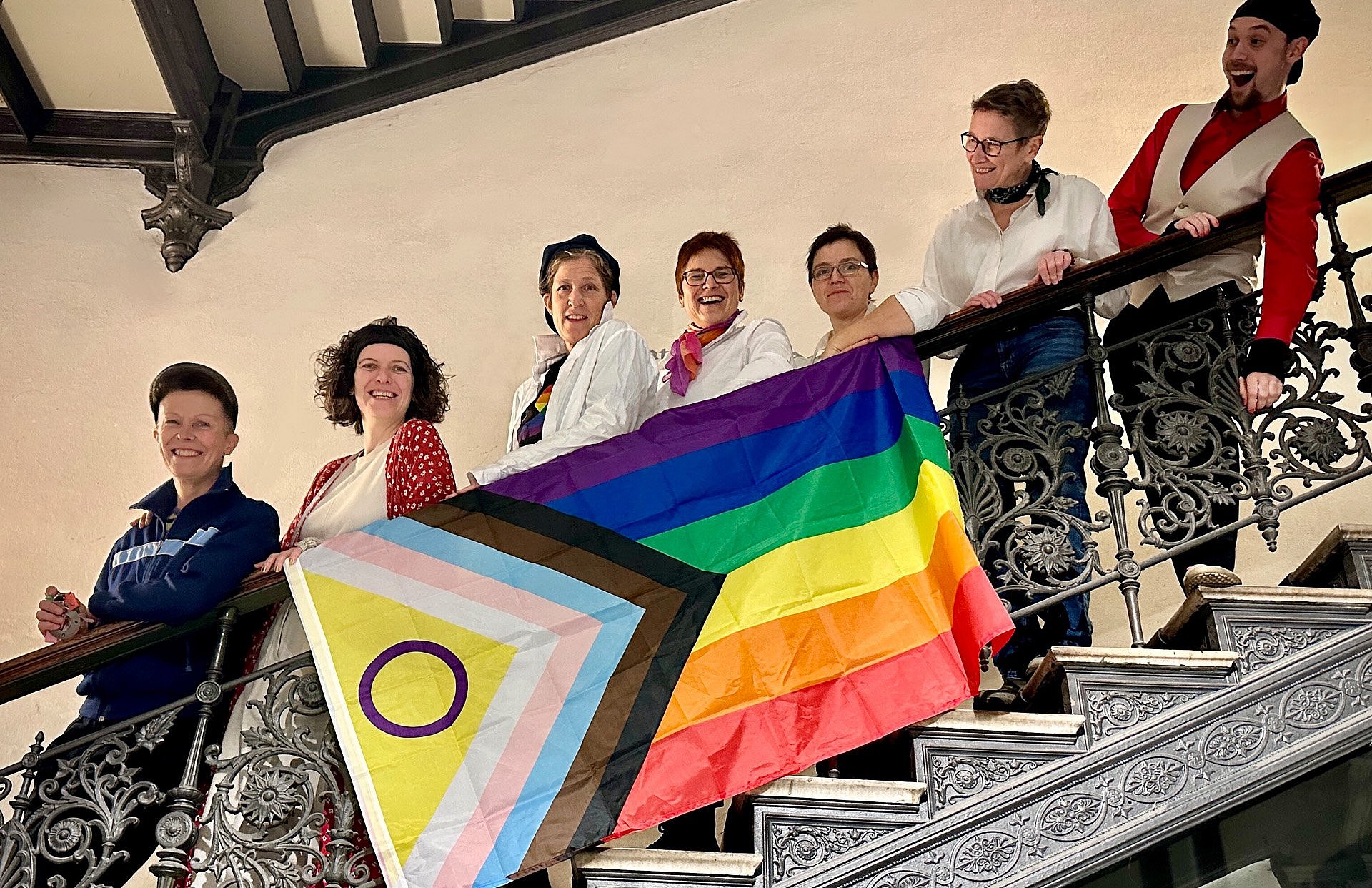
Wolf: The events for Berlin Pride Month were the brainchild of Emanuele Marconi, the director of our musical instrument museum. On two Saturdays, we’re offering free entry to anyone who comes with a rainbow flag. There will also be two free concerts featuring queer bands.
If you look around at the moment, it’s clear that it’s important to fly the flag against anti-LGBTQ sentiment. It’s a statement for diversity, which we consider important and want to make visible. The SPK generally wants to take a stronger stance on social issues and position itself more clearly. And this is our contribution to that.
Speaking of diversity. As part of the reform, we now only hear talk of the SPK comprising 25 institutions. Does the State Institute for Music Research still feature among them? Previously, there were two large and three small institutions. Does this change anything for the SIM and its direction?
Wolf: Thanks to the network, we have every opportunity to collaborate – and we do so in a variety of ways. The SIM certainly won’t be lost within the network – on the contrary, it is becoming clear that our main focus, music, is represented in many institutions. Raising awareness of this common ground and strengthening it is a key task.
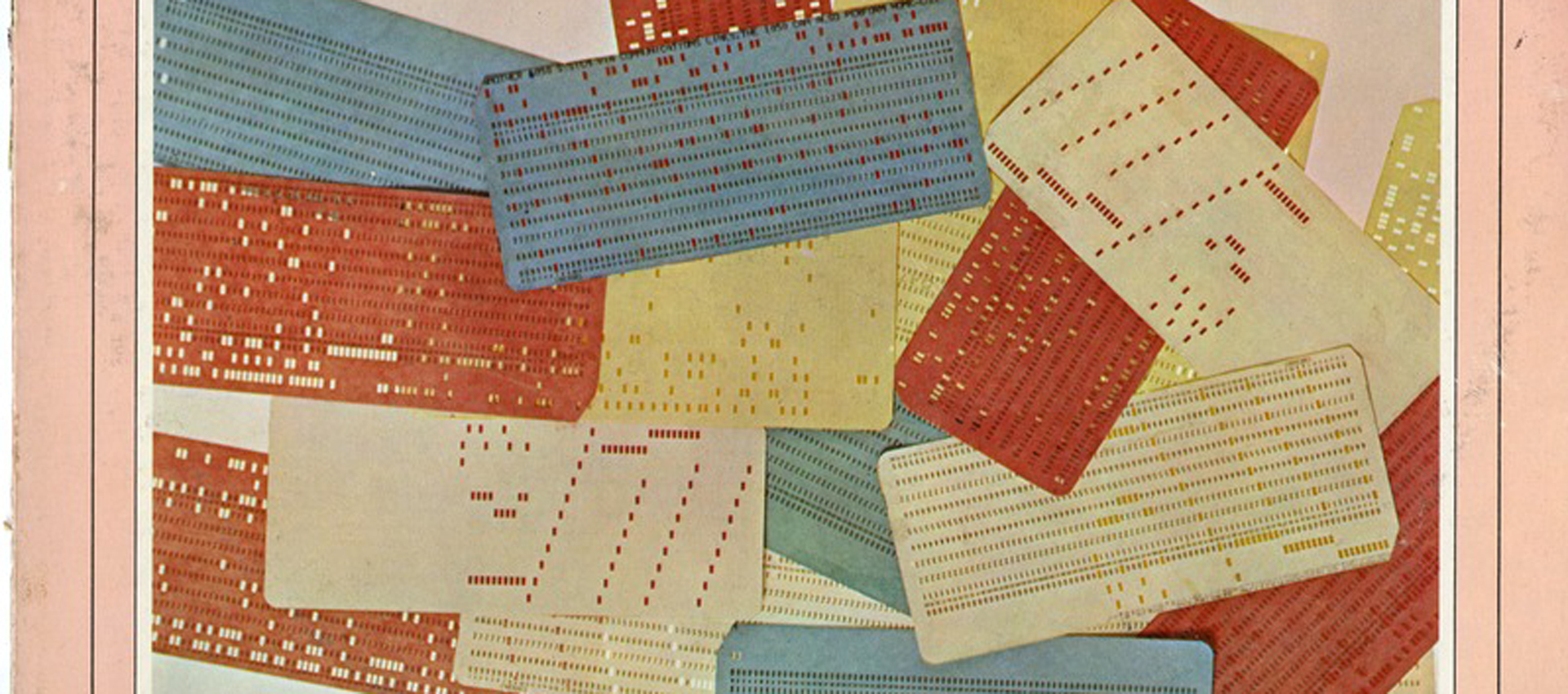
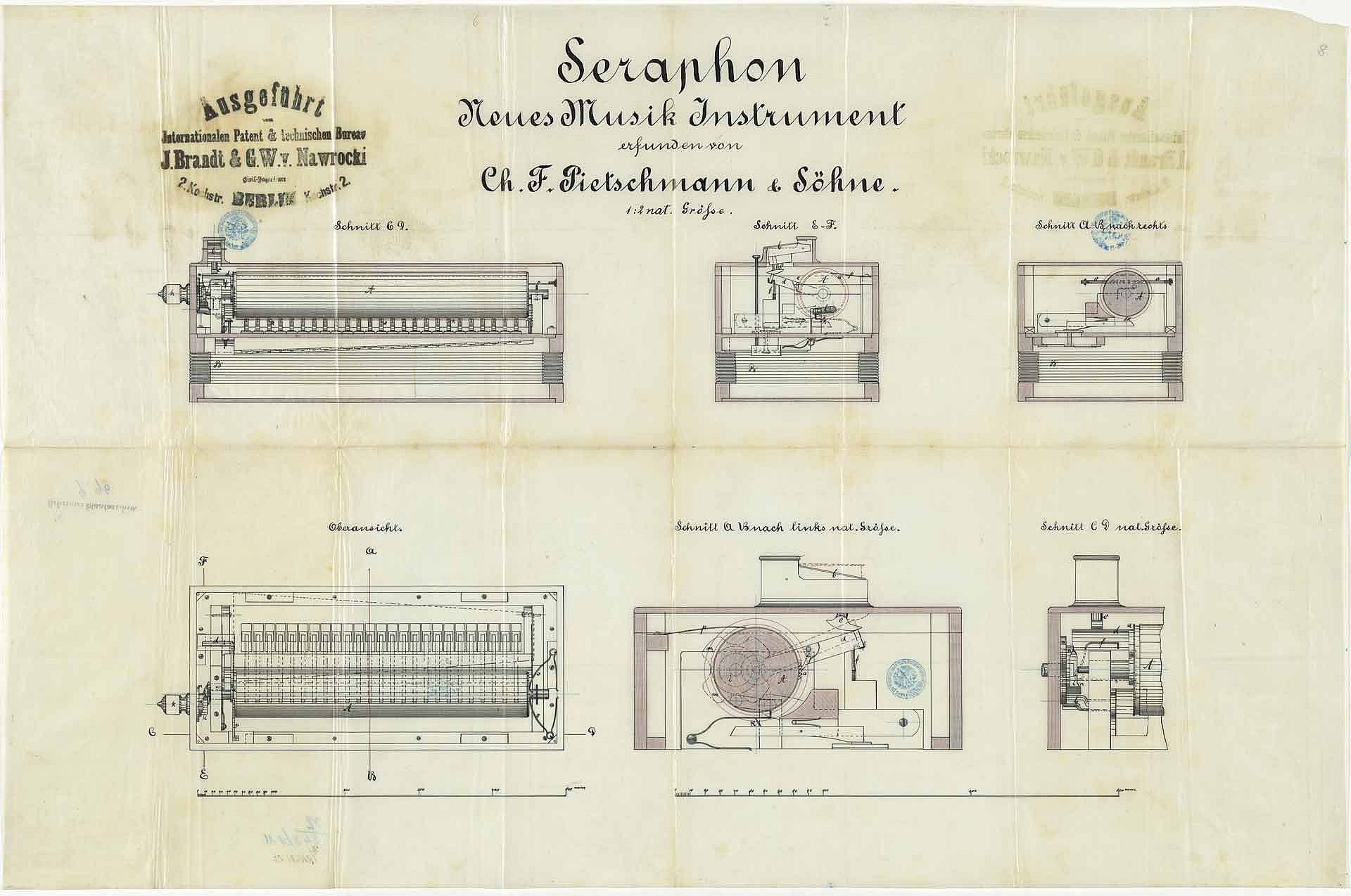
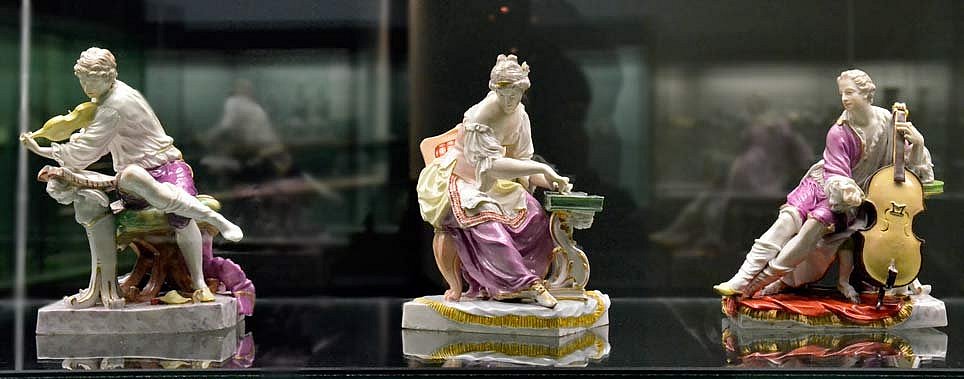
We’re already doing this through various collaborative projects: with the Secret State Archives on ‘Patents – Music – Instruments’, and with the Museum of Decorative Arts there were the wonderful guided tours on ‘Music and Porcelain’.
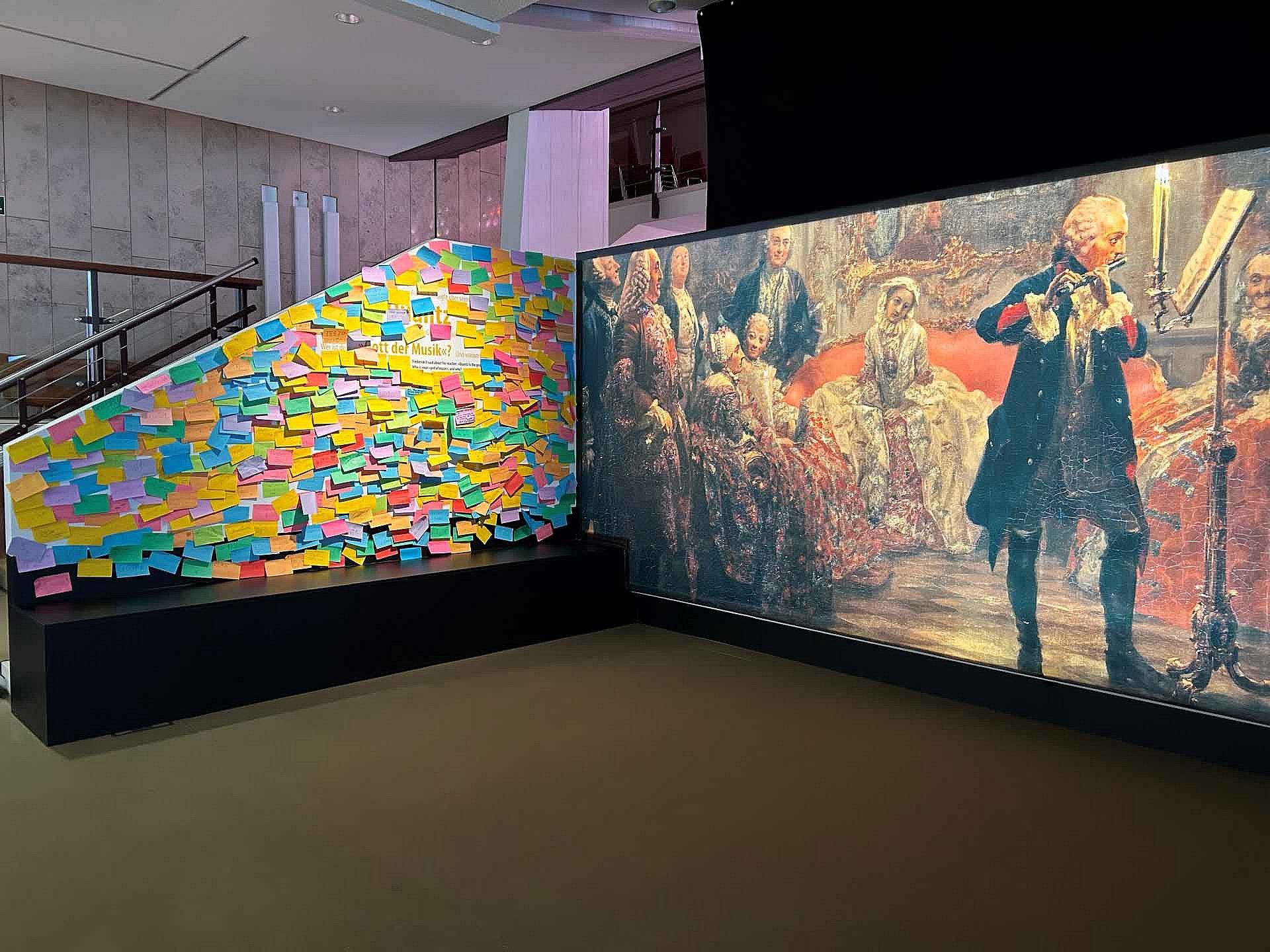
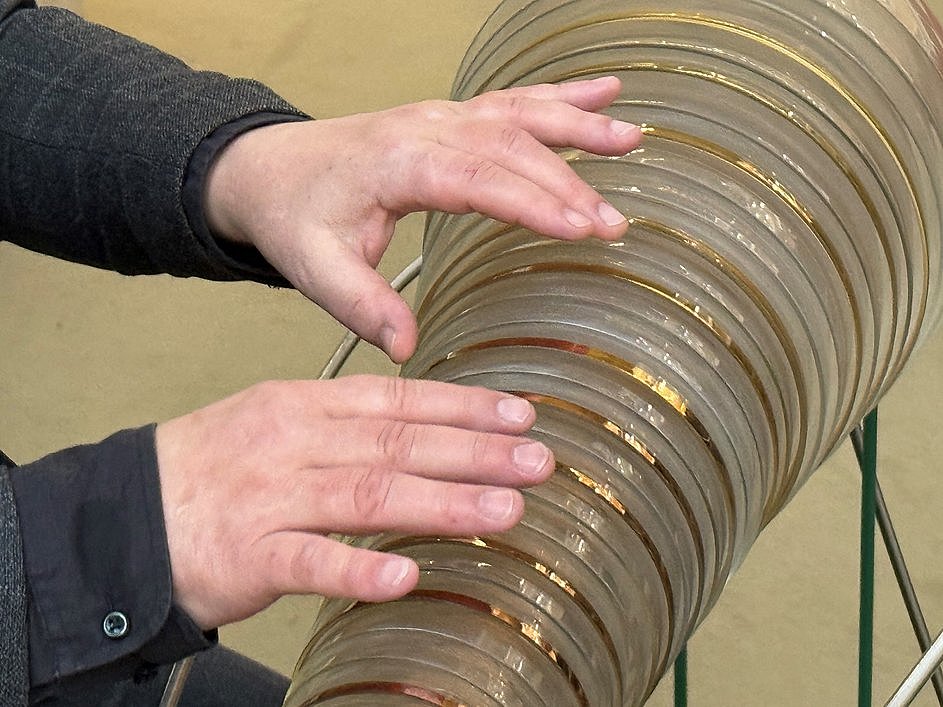
And we are currently working with the Institute for Museum Research on the “sense:ability” project. This explores how we can bring research, scholarship and musical themes closer to as many people as possible, both through the museum and digitally. There is also a fruitful exchange with the Department of Ethnomusicology at the Humboldt Forum.
But does your organisation really benefit from the reform?
Wolf: That’s a trick question (laughs). Yes, why not? We also drew up our own strategy paper in 2023, which naturally overlaps with the overall reform in some respects. Our main focus is on developing projects based on our diverse collections. And secondly, knowledge transfer is something I’d like to strengthen. Naturally, this also involves international networking.
That is, after all, one of the SPK’s seven areas of focus, to which we wish to contribute, as the saying goes. The other area of focus to which we naturally feel a particular affinity is that of research. In our specialist discipline of music research, we are well-connected both across Berlin, throughout Germany and internationally.
In these financially difficult times for cultural institutions, do we need to distinguish ourselves particularly? Or is simply doing good work enough?
Wolf: You should always have a clear profile, or at least reflect on it. We are a research institution with a library, collections, systematic and historical musicology, as well as outreach and a museum. That is a broad field and the expectations placed on us are varied.
We can’t just say we’re going to spend a year doing nothing but research and writing three books. It’s more about maintaining a balance. Just as important as outreach and engaging with young audiences is being a place for researchers working on our artefacts or with our collections.
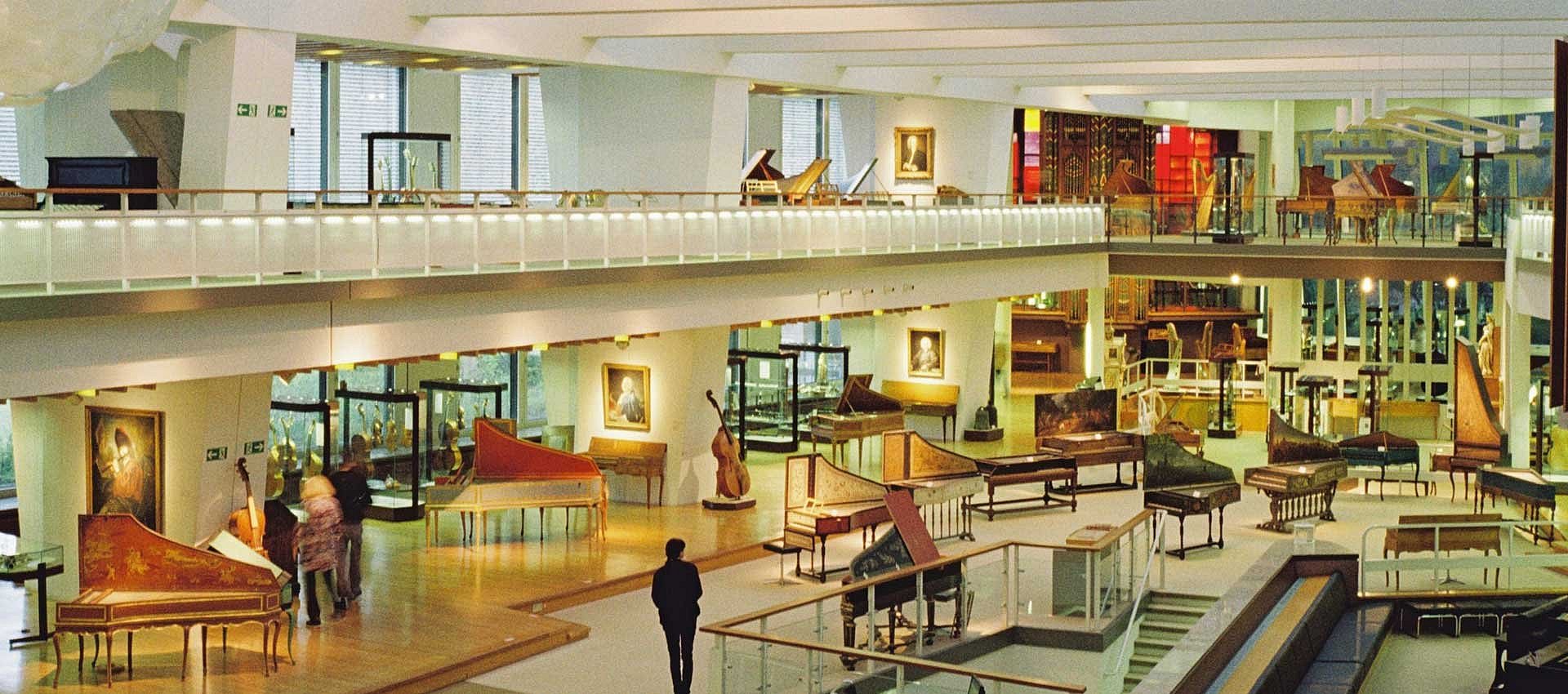
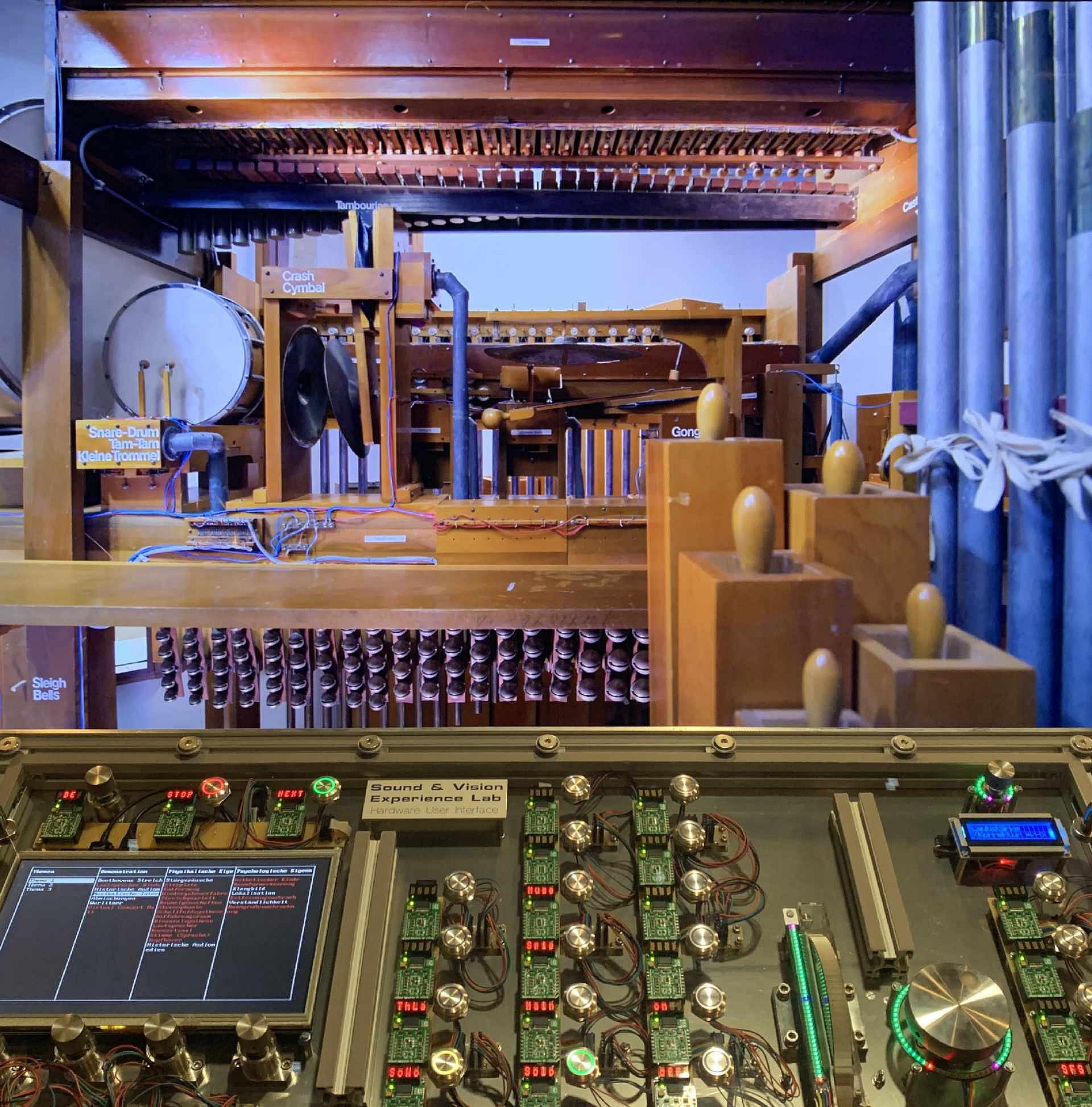
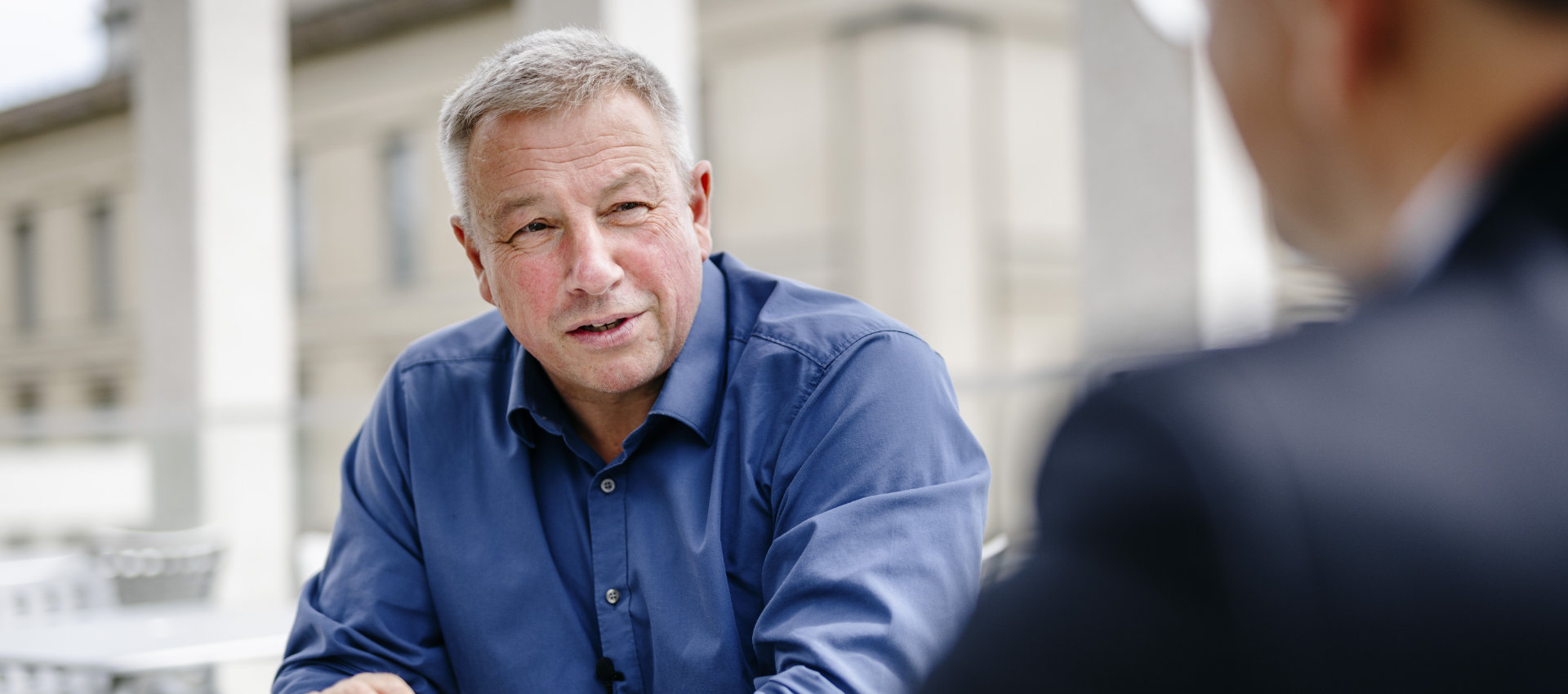
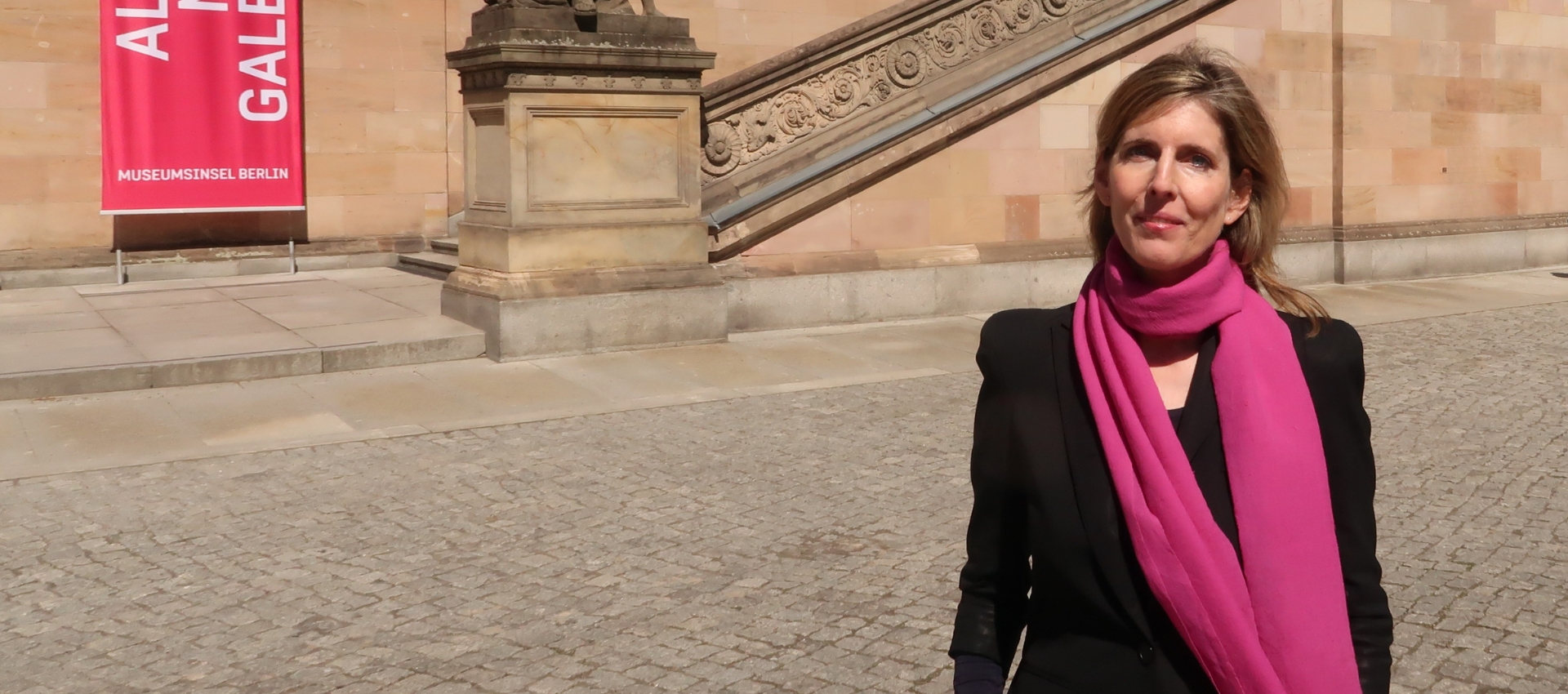
Photo: SPK / Killisch
Museum Island is currently causing quite a stir with its 200th anniversary. The SIM is, after all, part of the Kulturforum – the ‘Museum Island of Modern Art’, so to speak. Are there similar plans there to raise the profile of the site collectively and capitalise on synergies with the other neighbouring institutions?
Wolf: The Kulturforum is, of course, structured differently from Museum Island. Here, diversity is the top priority: there are several research institutes and the Stabi, fine and applied arts from various eras in the museums, St. Matthew’s Church, the International section with the IAI and the Philharmonie, and us with music. On the one hand, this is a strength; on the other, it presents a challenge when it comes to establishing our profile.
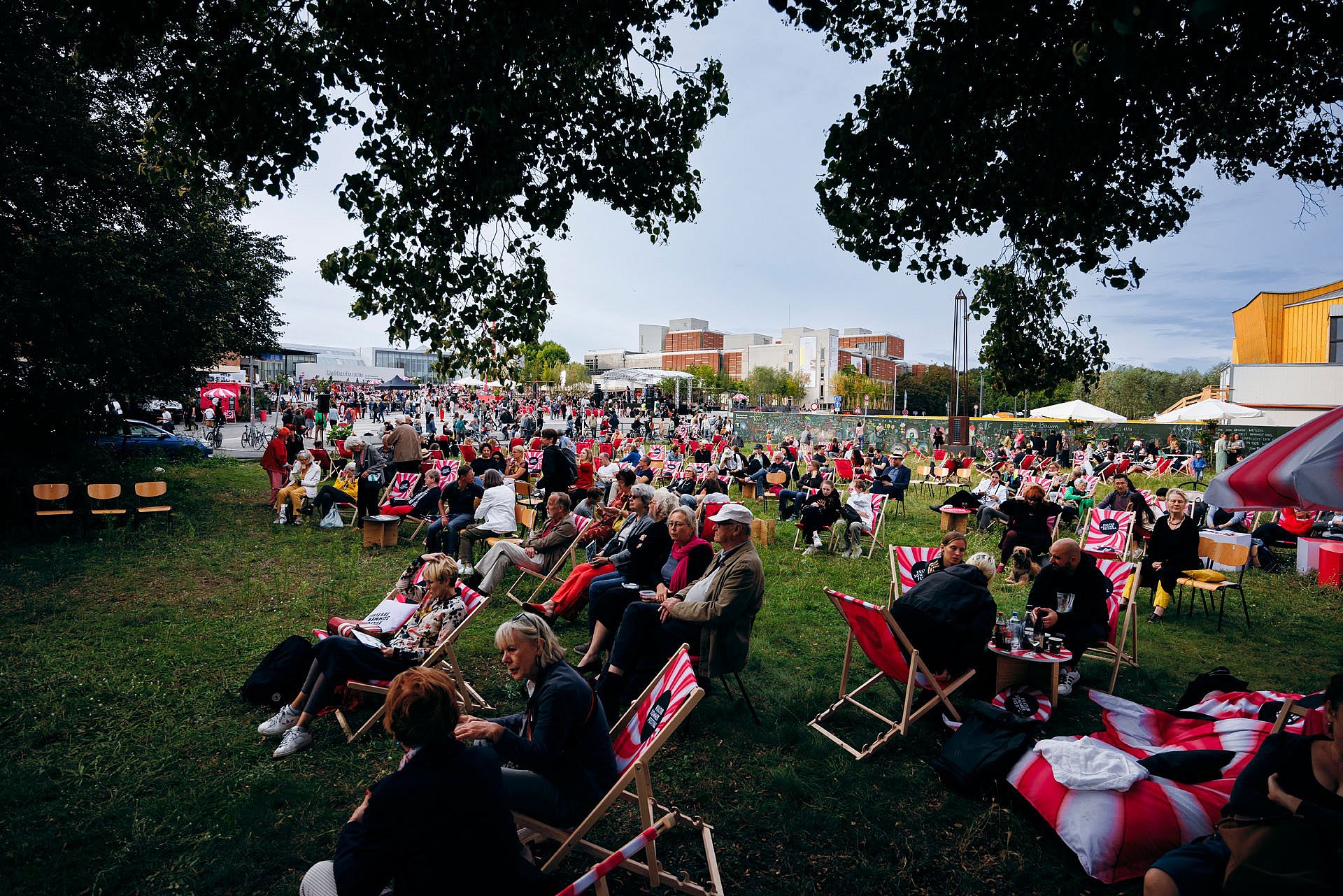
We neighbours have been meeting regularly for some time now to discuss how we can convey our shared potential to the public – with good results: for a few years now, for example, we have been organising the very successful ‘Day in the Green’. This year, incidentally, it will take place on 14 September on the theme of ‘Nature and Paradise’.
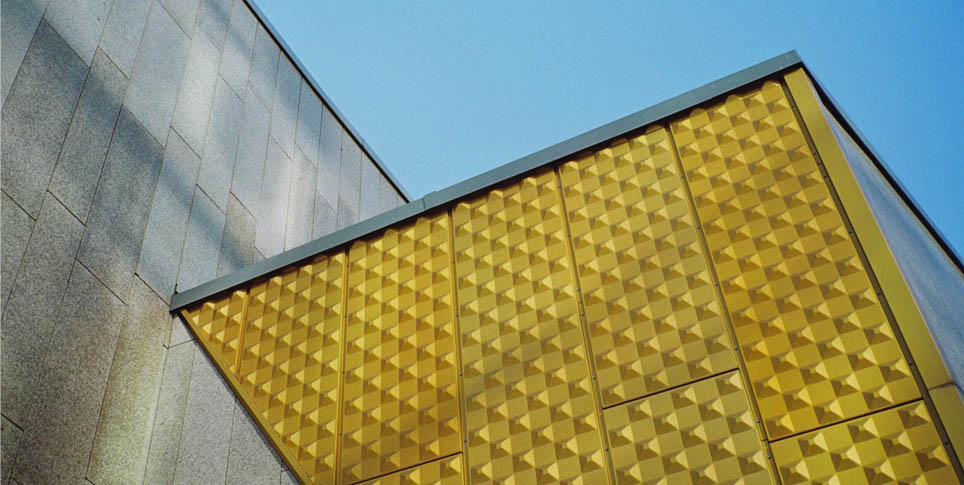
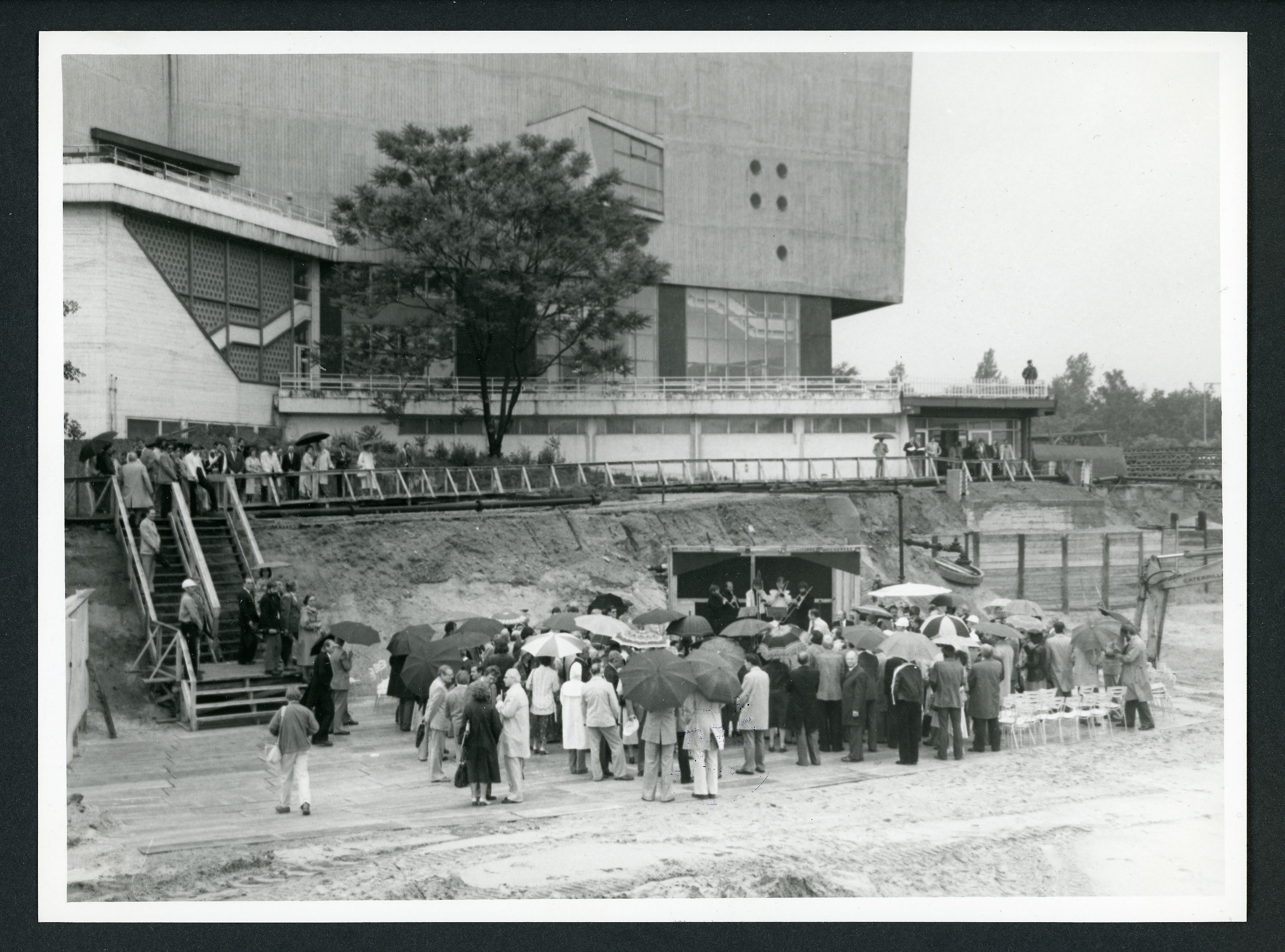
Here in the building, we held a symposium and concert last December to mark ‘40 Years of SIM at the Kulturforum’. This documented the transformation of the Kulturforum even after the fall of the Wall – 40 years ago, the SIM was the last building on the outskirts of West Berlin.
And by 2025 we’ll be very centrally located; it’s just a ten-minute bike ride to the Humboldt Forum. That’s why there’s also a lively exchange with the Department of Music Ethnology at the Ethnological Museum. Both there and here we have collections of music, instruments and recordings; we are music researchers.
That is why, last year, we organised a conference together with Humboldt University and the Berlin University of the Arts on the history of the institute during the division of Berlin. It is very productive and important that we bring our expertise together – this is certainly of interest to the public as well. And in this way, the Kulturforum can once again engage with the Humboldt Forum through music.
Has the new president’s desk been moved to your office as well? And if so, how did the meeting between SIM and Marion Ackermann go?
Wolf: The feedback was very positive and Ms Ackermann took a lot of time. I was delighted by that, because it’s not a given that an art historian would take such a keen interest in musical topics and have already done so much in that field herself.
There are so many ways to bring visual art and music together, for example the bells in the Yoko Ono exhibition at the Neue Nationalgalerie. I think that’s brilliant, because it simply has potential. There are so many SPK institutions involved with music. Bringing that together more clearly is simply worthwhile in every respect.
Marion Ackermann recently said in an interview that cultural education is a matter close to her heart and that she wants to create more opportunities for the city’s diverse community. These are actually areas where a lot is already happening at the SIM, aren’t they?
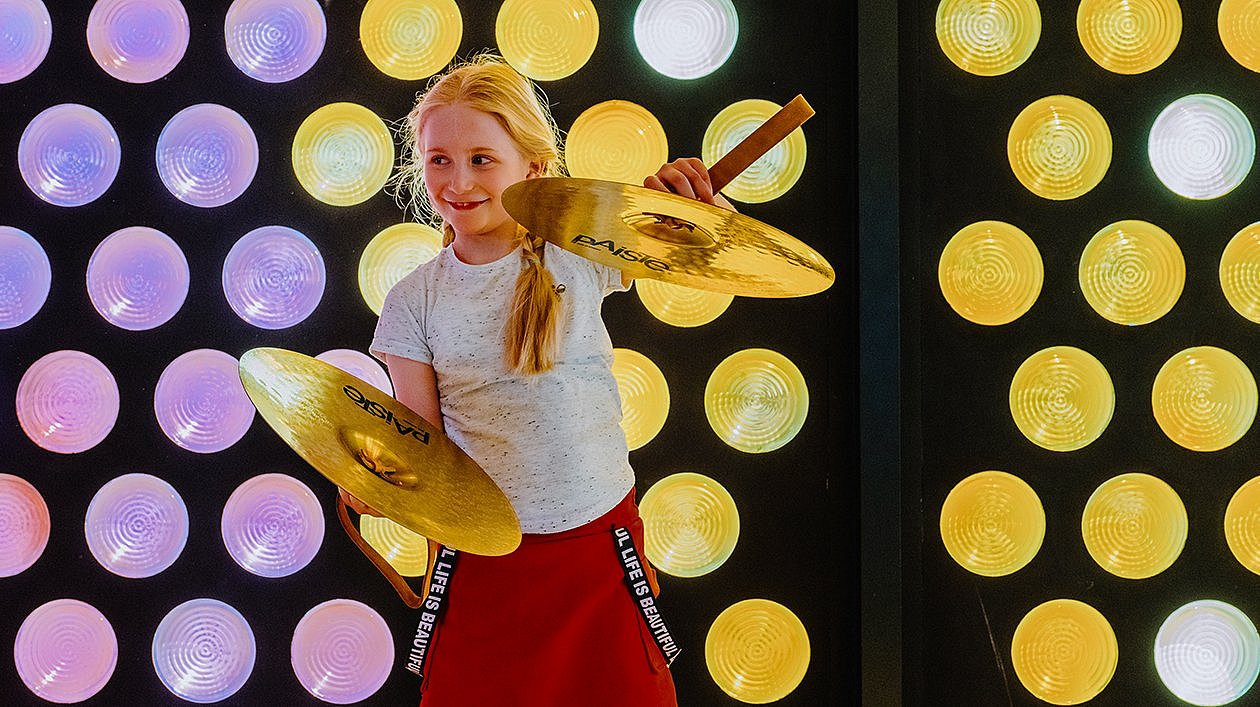
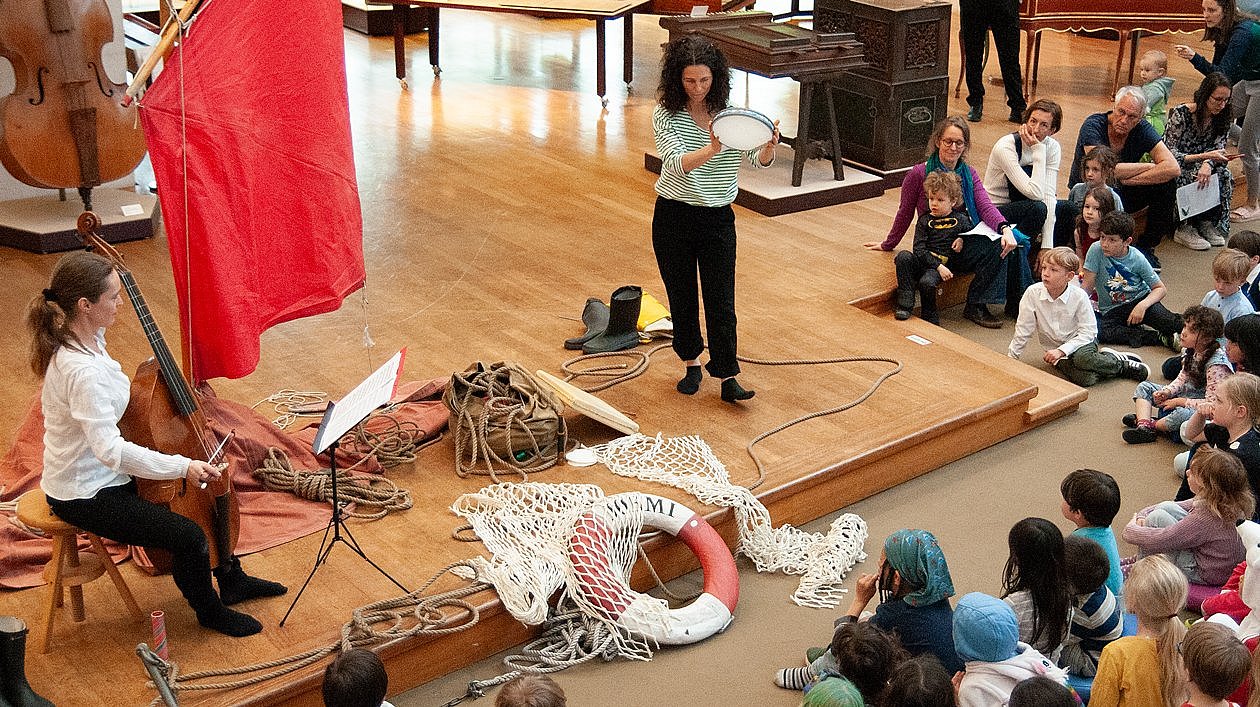
Wolf: Cultural education here in the building is well established. We don’t just have schoolchildren visiting us, but also university seminars that specifically want to tour all the departments. It’s not such a big leap from cultural education to knowledge transfer in the field of music research.
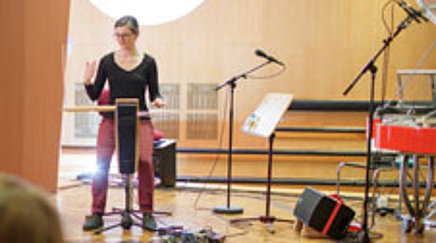
I think it’s important that we also give the academic side of our work the space it deserves. So how do we manage to create spaces for academic exchange here? At the start of the year, we held a wonderful experimental concert together with colleagues from the Audio Communication department at TU Berlin. Afterwards, there were questionnaires which were discussed in detail on the spot. That’s how it should be: people reflecting, engaging in conversation with one another, but also being able to experience a great concert. It’s all about the mix.
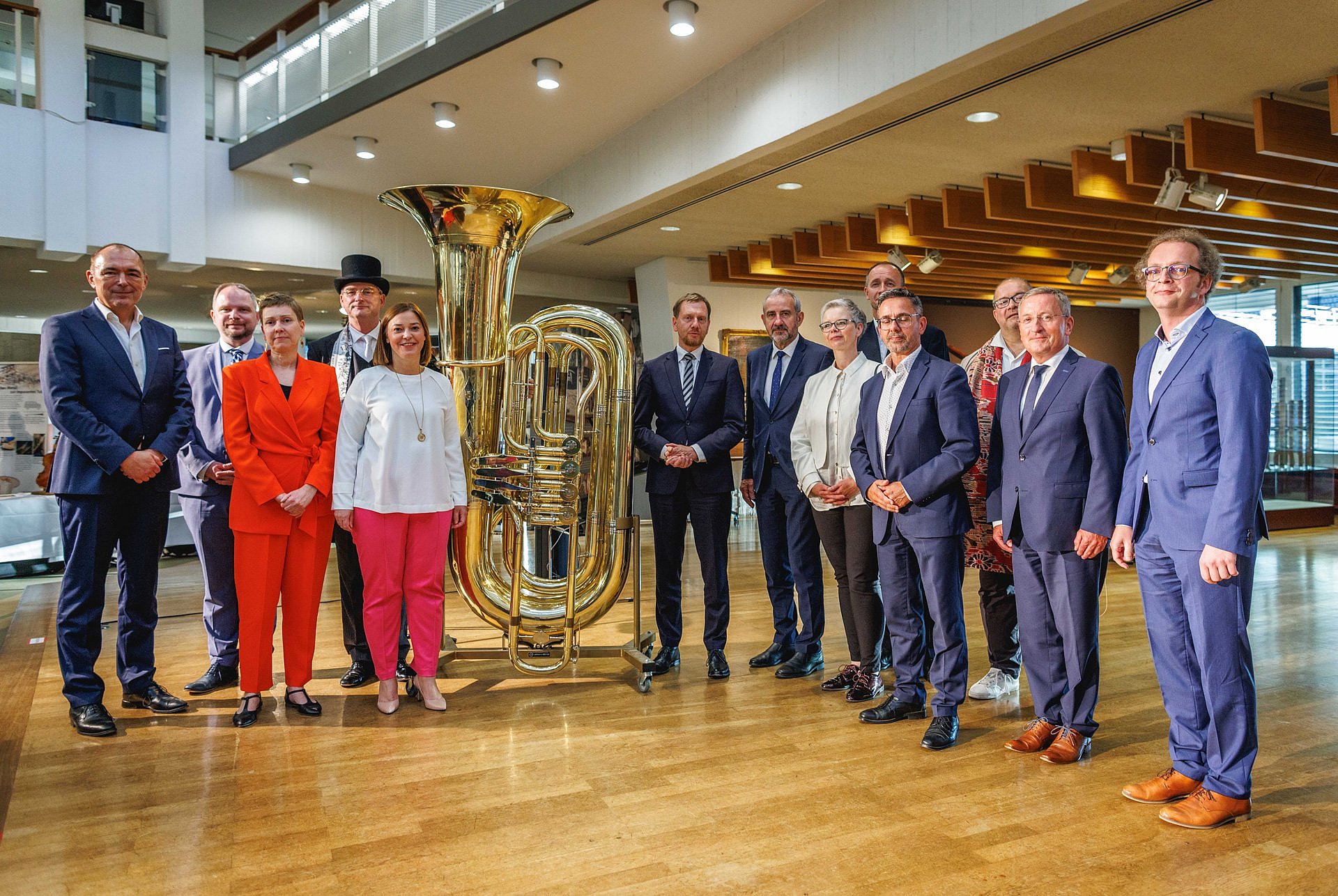
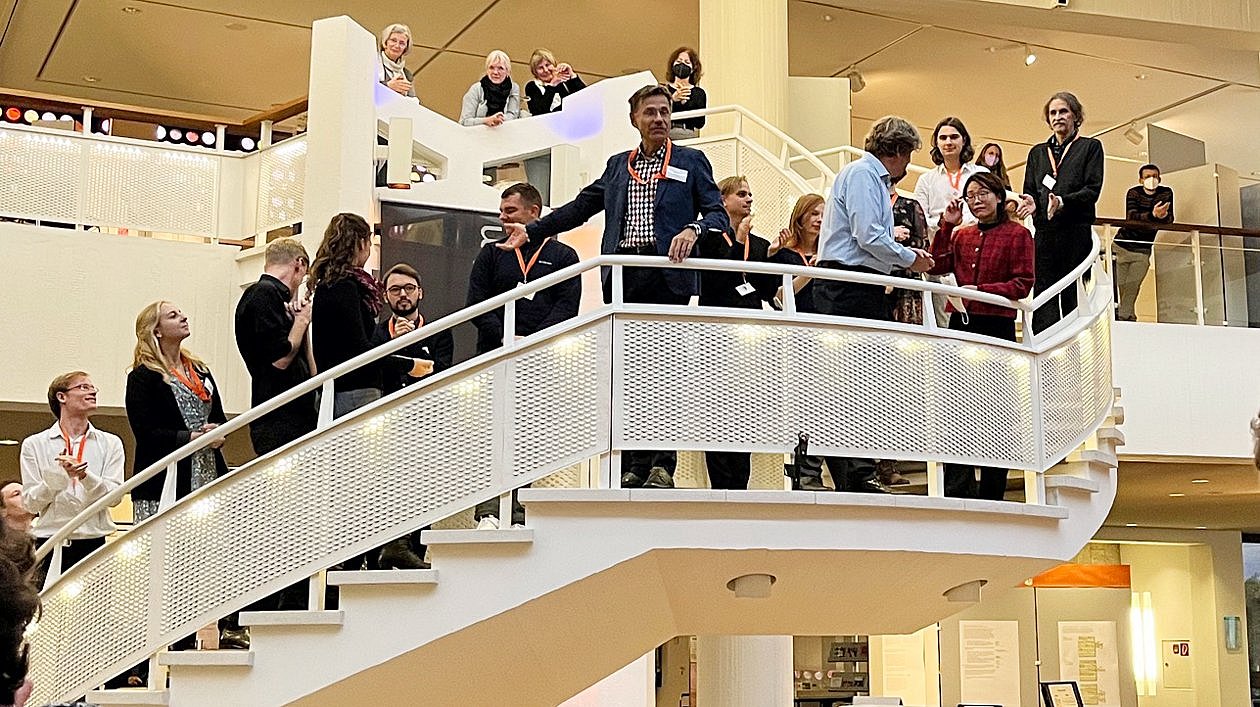
In 2024, we had a wonderful collaboration with Saxony through the Markneukirchen Evening at the SIM. Are there plans for further collaborations with other federal states?
Wolf: The Saxony evening was, of course, a highlight, and since then various interested parties have already approached us. Through the Berlin State Music Council, we are in contact with other state music councils.
We are actively involved in the “Musikalische Stolpersteine” project, in which school classes explore the work of composers and musicians who were persecuted during the Nazi era. Together with RBB, we are producing podcasts that will also be available to listen to here in the museum. The idea, of course, is to make this concept appealing to other state music councils in Germany and thus link up with the federal programme. Furthermore, I sit on the advisory board of the “Youth Ensemble for Early Music”: another project with the potential to grow beyond Berlin.
Further links
- SIM website
- Topic: “The SIM turns 100!”
- “Passion at your fingertips”: magazine article on the Sense:ability project (2024)
- “Brilliant female inventors”: Magazine article on the “Patents and Music” project (2023)
- “Back to concrete, er, to nature”: Magazine article on “A Day in the Green” at the Kulturforum (2022)
- “Where you take music into your own hands”: Magazine article on the Saxon Evening (2024)
- “How to make porcelain sing and musical instruments tell stories”: Magazine article on the “Porcelain and Music” project (2020)