What actually defines the people who work at the Prussian Cultural Heritage Foundation? What shapes their daily lives? We asked a discographer at the State Institute for Music Research
My ears
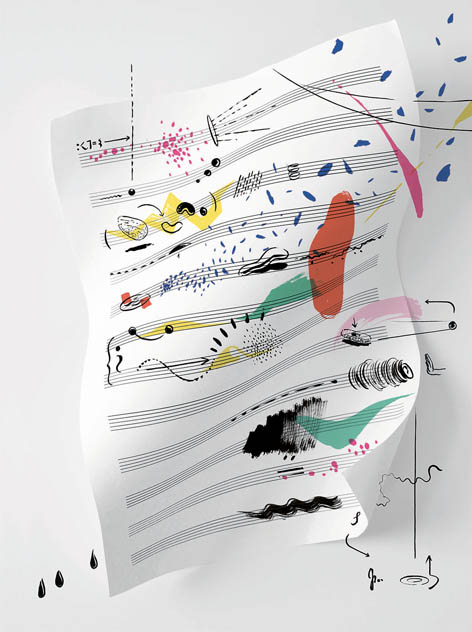
The discologist is interested in classical music in its holistic media transformation: what becomes of a composer’s score in an artist’s interpretation? And how is the record then marketed? In that respect, my ears are the essential link between sound and the brain.
First record
It was a source of frustration, and I was a victim of the speeds. We only had a 78-rpm record player at home, whilst Columbia Records released their records at 33 rpm and RCA at 45 rpm. As a result, I could only play Harry Belafonte’s ‘Banana Boat Song’ far too fast.
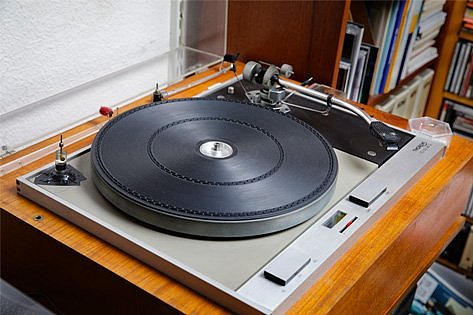
Thorens TD 125 MK II turntable
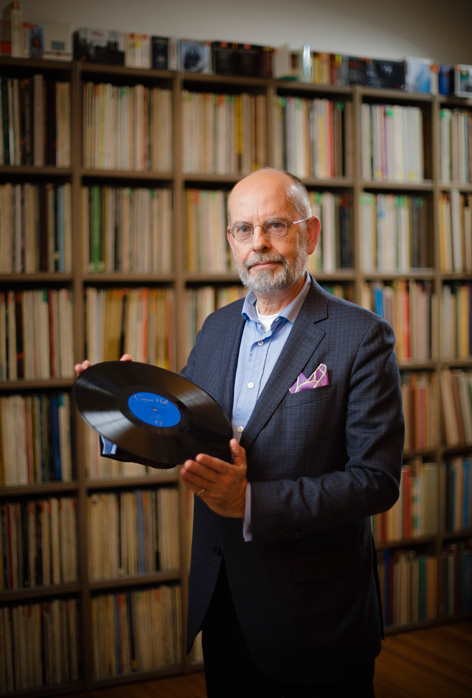
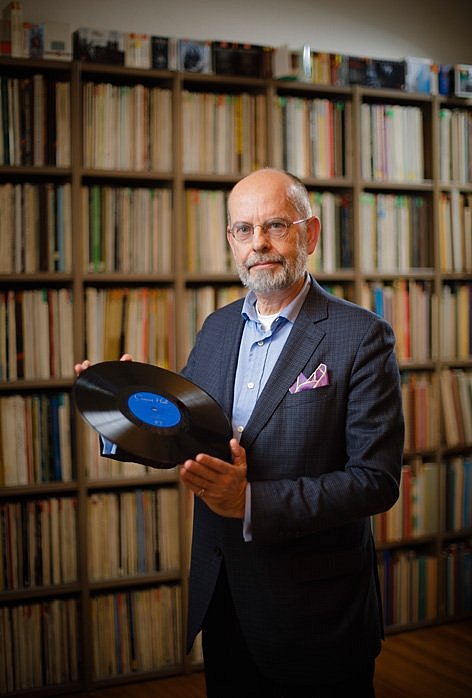
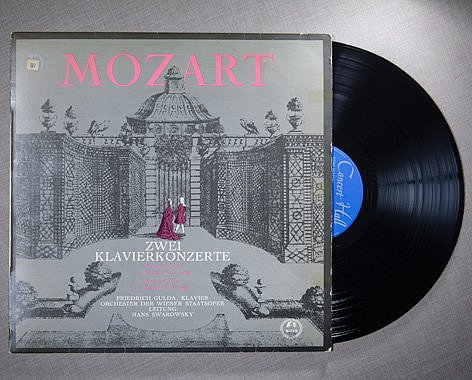
I own around 3,500 records, 4,000 CDs and some 500 shellac records. I bought the turntable second-hand in London in 1976, whilst I was conducting research at the British Institute of Recorded Sound on ‘Mass-communication sound carriers of so-called serious music in the Federal Republic of Germany’. After all, there were no major record archives in Germany.
Thorens TD 125 MK II Turntable © SPK/photothek.net, Thomas Trutschel
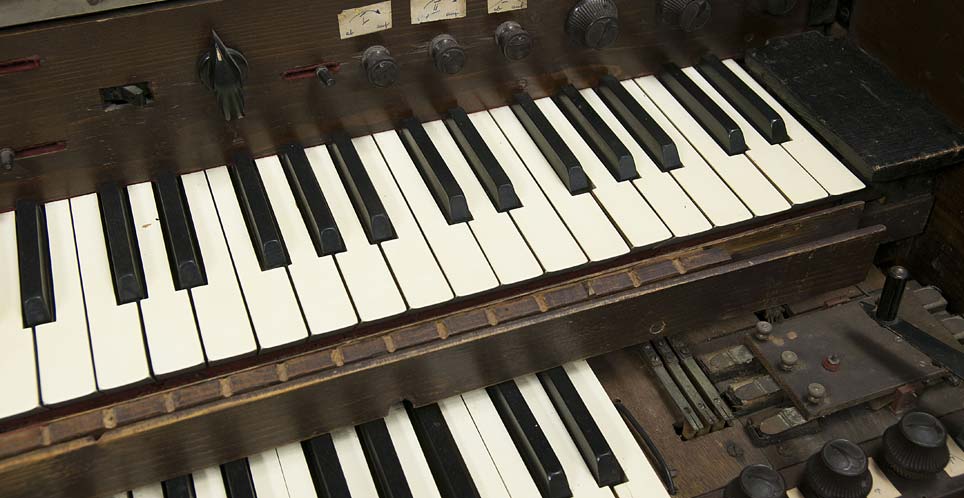
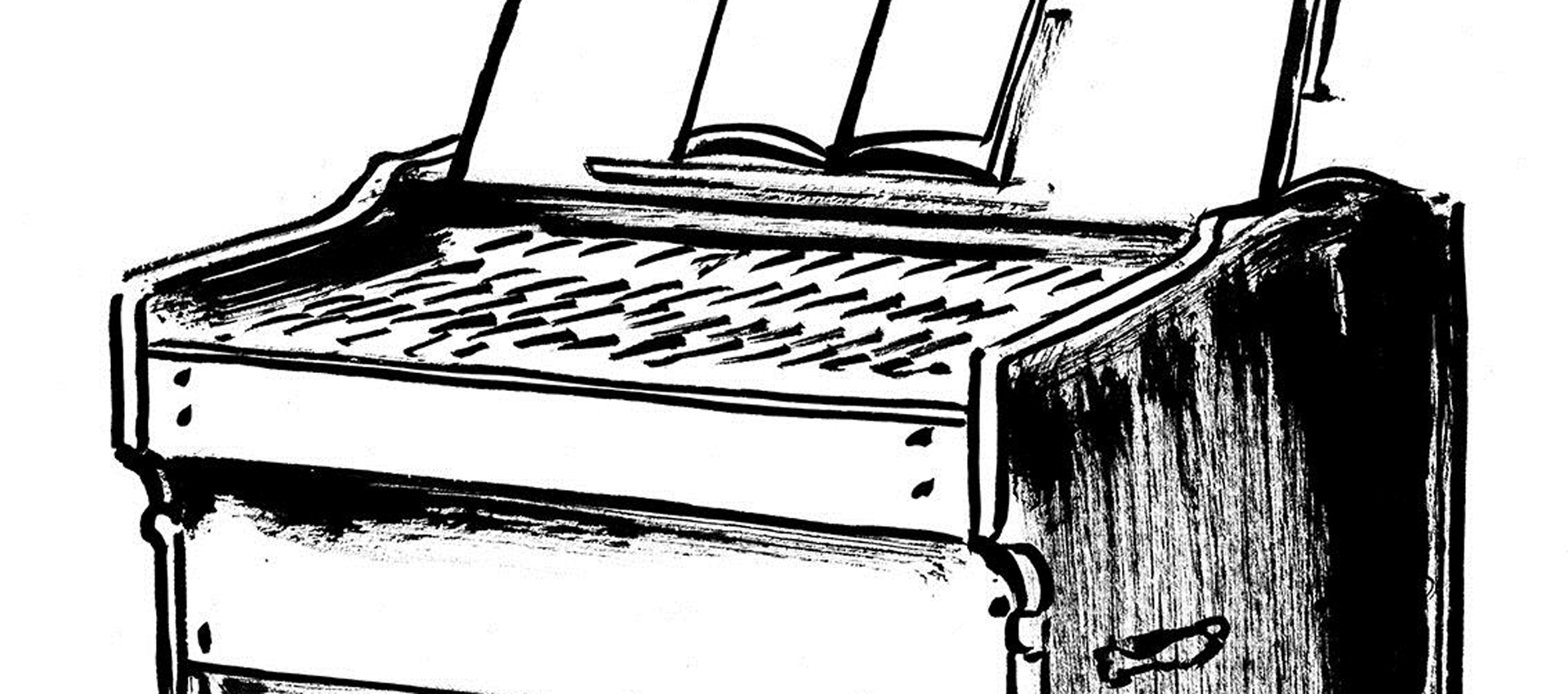
Keyboard
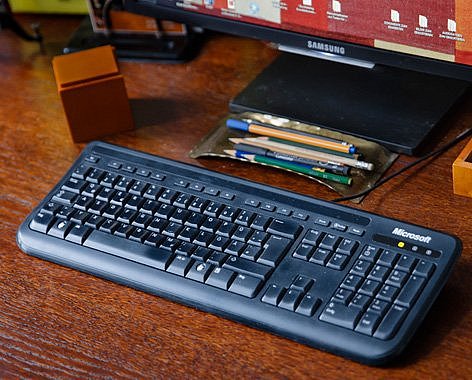
My most important link between perception and the communicative act of writing. I’ve been writing since Year 6. Back then, I reviewed the Karl May Festival in Bad Segeberg for the school newspaper. My criticism: the music was played from a record that crackled.
Record catalogue
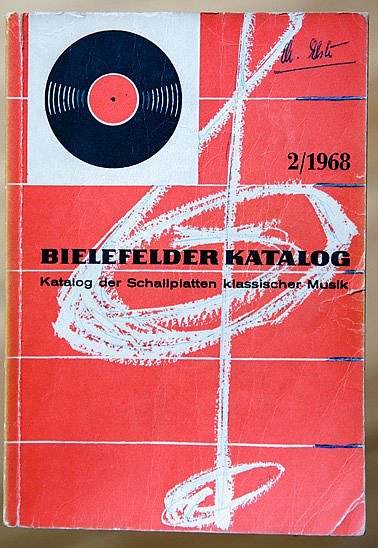
In 1968, I began collecting records of record production. For a historian, these discographies, the precise dating of recordings and the respective context are extremely important. The internet doesn’t record such things, after all.