A self-appointed captain, a Norwegian, an honorary chief of the Sioux. In search of Adrian Jacobsen, a controversial pioneer of ethnography.
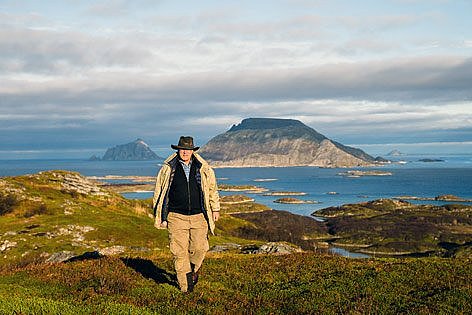
The landscape has always been there. Its history stretches far back before that of the Rønbecks and Jacobsens; and it is also older than that of the King of Helgø. The landscape has outlived them all. Those who drowned in the sea, and those who froze to death in the ice. At twilight it looks like sleeping giants, and by day like the scattered remains of Atlantis. Sigbjørn Rønbeck stands at the bow of a large motorboat and points with his right hand into the vastness of the Arctic Ocean. “Over there,” he says, “is where my mother was born.” Little by little, tiny groups of islands emerge from the dawn. First three, then ten, then dozens. Sometimes they are barely larger than a cluster of cliffs and rocks; sometimes they provide space for small settlements.
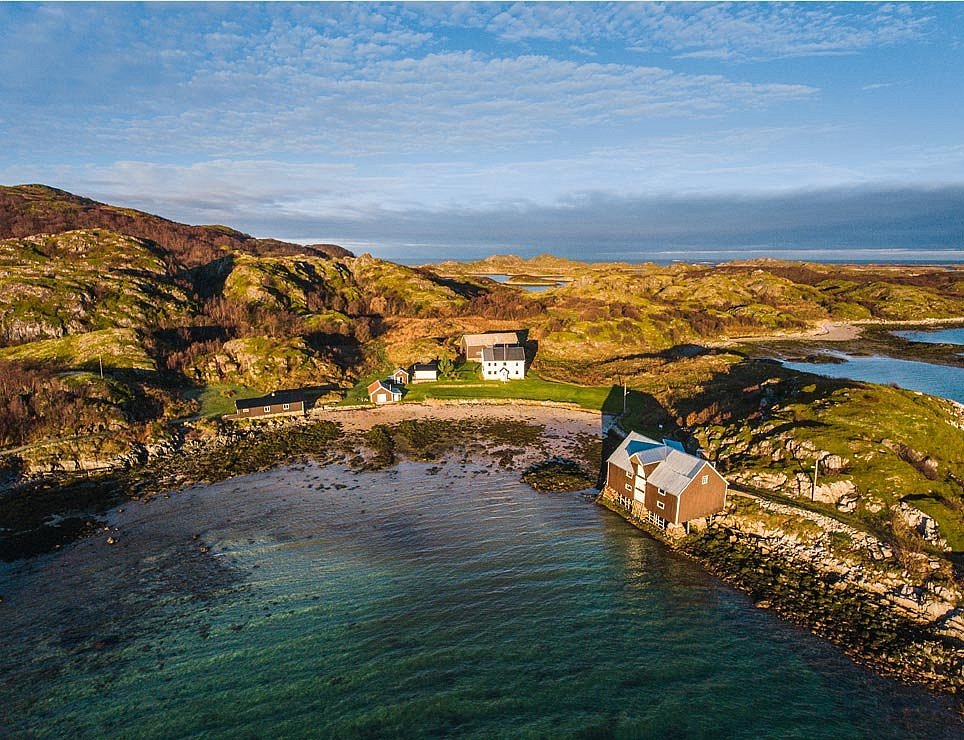
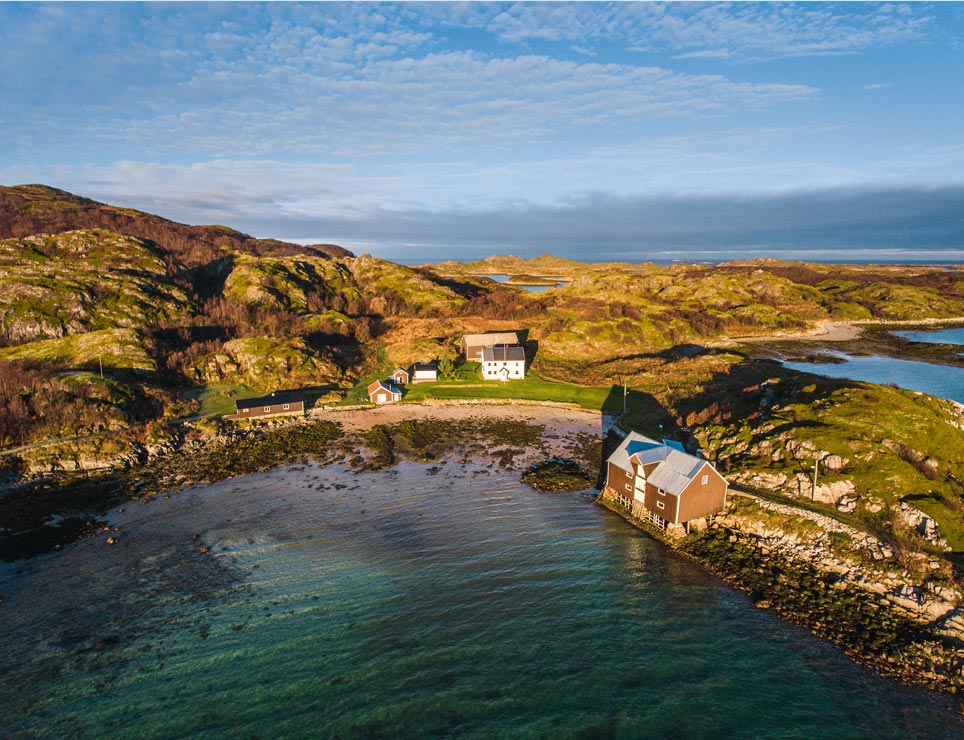
Rønbeck gazes into the distance. It is just a few more kilometres to Risøya, a deserted island a good 50 kilometres north-east of the Norwegian port city of Tromsø. Beyond Risøya, says Rønbeck, there is really nothing else. And a little further on, and you’re in Spitsbergen. Risøya is another word for the end of the world. Rønbeck has developed his own theory about this end: “When Roald Amundsen, the conqueror of the South Pole, lost his life in a plane crash over the Arctic Ocean in 1928, the inhabitants of Risøya were probably the last people to see him alive in the sky.” After Risøya, often only death follows.
The stories about Roald Amundsen have fascinated Rønbeck, now 63, for many years. So too have those of Fridtjof Nansen – the man who won the race to the North Pole. When Rønbeck was still a little boy, he devoured their stories. Stories of Norwegian pioneers and adventurers. At the age of seven, Rønbeck made a discovery: in his mother’s library, he found a children’s book: “The White Frontier. Adventures of an Old Sea Dog Around the Arctic Circle”. The author was a certain Johan Adrian Jacobsen. Rønbeck was hooked. Jacobsen, relatives had told him, was the brother of his own great-grandmother.
That day marked the start of Rønbeck’s journey. From then on, the great adventurers were no longer the stuff of childhood dreams. They were part of his family. Questions began to swirl in the mind of the future sports physician Sigbjørn Rønbeck: Who was Adrian Jacobsen – the man who, in the children’s book, had described how he had travelled as a captain from Greenland to the remotest islands of the South Seas? As Rønbeck grew older, he set out on a quest. He scoured archives and libraries, and he travelled from Canada to the far reaches of the Land of the Morning Sun. What he discovered about the self-styled Captain Johan Adrian Jacobsen raised new questions for him. And they always led back here: to Risøya, the deserted isle at the end of the world.
It was here that Adrian Jacobsen was born on 9 October 1853. “Even in my earliest youth,” he had written of this island, “I became acquainted with the sea, on which I sailed almost daily in our boats amongst the many small islands to hunt and fish.” He and his twelve siblings supported the family by gathering bird’s eggs. They made most of their money from trading in goose down. They sold this to Russian sailors. At the end of the world, everything comes together: the fjords, the islands, the great peoples. “Right up until the Cold War,” recalls Rønbeck, “there was a bakery on the island. The bread was sold to Soviet merchant ships.”
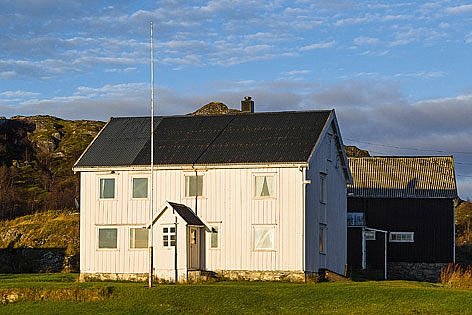
Jacobsens sister, Rønbeck explains as he moors the boat at an old wooden jetty, was married to the King of Helgø. There is a note of reverence in his voice. The King of Helgø. In the mid-19th century, he owned most of the islands in the North Sea. Rønbeck jumps ashore. With his brown leather hat and beige rain jacket, he now looks like a globetrotter himself. Yet Risøya is very familiar to him. Time and again in recent years he has travelled to the island of his ancestors – here, where no sunlight reaches in winter. It is still autumn. Frozen dew lies on the grass. Rønbeck trudges towards an abandoned settlement. It is the only thing that reminds him of the days of the great captain. “I used to,” says Rønbeck, “always believe that Adrian Jacobsen was a hero.
Someone like the brave cowboys and Indians from my children’s books.” He had heard from his mother how Jacobsen had travelled through Alaska by sledge for 180 days. He had circumnavigated the coastline of British Columbia by canoe. Cowboys and Indians – they had been there too.
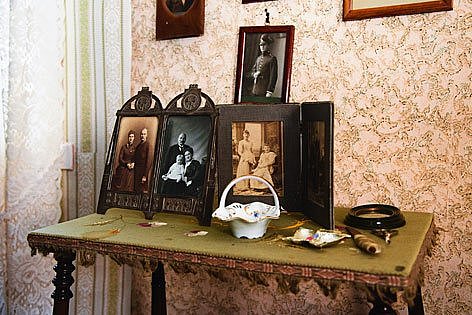
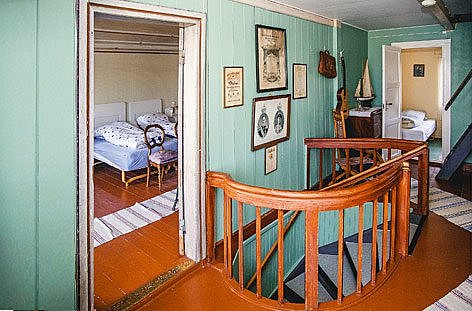
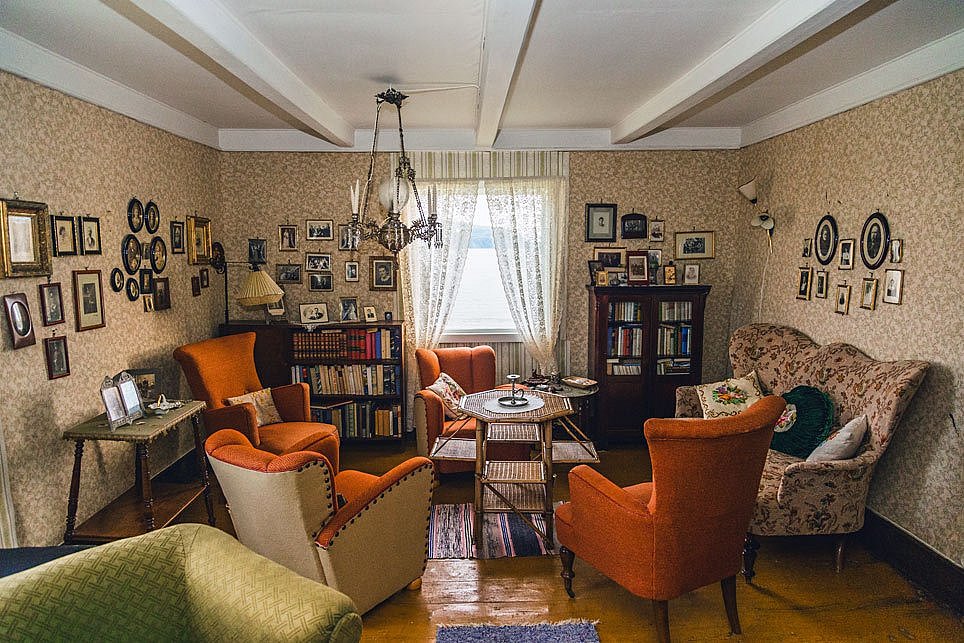
But with the Indians came the shadows in the heroic biography. Rønbeck falls silent. His footsteps creak as he makes his way to the white captain’s house. He opens the door and looks around the deserted flat. Everything still seems to be just as it was at the end of the 19th century. As if Jacobsen were merely off on yet another adventure far out at sea. From a kitchen drawer, Rønbeck rummages out an old set of silver cutlery. An engraving reveals its origin: ‘Carl Hagenbeck’. The Indians’ trail leads right up to the dining table here.
Hagenbeck, Jacobsen and the Indians. It is a tangled story. The Norwegian had met the German zoo director in 1877; back then, when he wanted to try his luck as a sailor in Hamburg. Two years earlier, Hagenbeck had launched a curious experiment: amidst the reindeer and moose, he had put people from foreign cultures on display in his zoo. In so-called ‘human zoos’, he presented Sami people from Norway or Inuit from icy Lapland. A bizarre idea. Today, it is estimated that at
the turn of the 20th century, 5,000 people allowed themselves to be exhibited in similar spectacles. Jacobsen was hired as a recruiter by the animal dealer, who was a good ten years his senior. For Carl Hagenbeck, he brought Inuit from Greenland to Germany, Inuit from Labrador, and later Sioux for a Wild West show.
The Native Americans must have been so fascinated by the eccentric Norwegian that they appointed him their honorary chief. Yet during a recruitment tour in 1880, a fateful incident occurred: eight Inuit, recruited by Jacobsen from Lapland, died of smallpox. Even today, the tragic incident raises questions for his descendants.
“The death of the Inuit must have plunged Jacobsen into a crisis.” Rønbeck struggles to find the words. A sensitive subject. He leaves the house to climb a large hill in the hinterland. From there, one has a better view. “It’s an ethical dilemma,” he blurts out at some point. “Was Jacobsen ‘a good man’, or must one condemn his expeditions?” Over the coming months, Rønbeck plans to make a film about his relative. Working title: “Captain Adrian”. He has already sifted through countless documents and manuscripts. It is all very complex; after all, he does not want to judge his ancestor by today’s ethical standards. Standards, Rønbeck quickly adds, that cast people for reality TV shows set in jungles and shipping containers.
The mysteries do not end with the fateful events of 1880: after the Inuit had been buried, Jacobsen set about selling off their possessions. And in this way, he once again came into contact with a figure who had shaped the spirit of those years: Adolf Bastian, founding director of the Berlin Museum of Ethnology and a prominent advocate of evolutionism – that fateful ideology which posited that the European ‘civilised peoples’ were more highly developed than the indigenous peoples. As development progressed, people like Bastian were convinced, the indigenous peoples were doomed. It was with this Adolf Bastian that Jacobsen’s life was to take a turn.
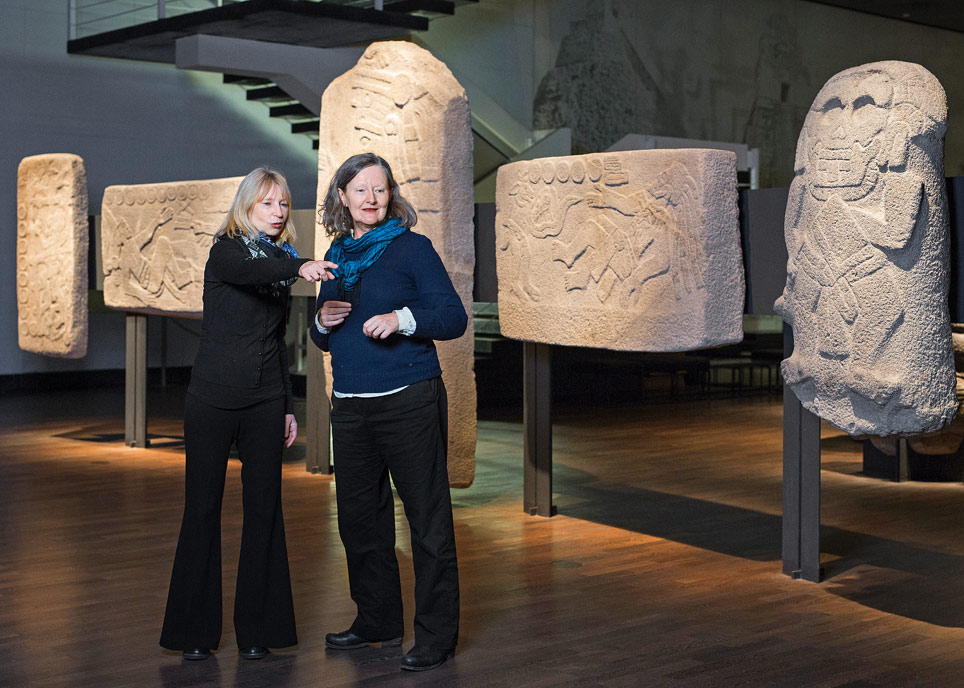
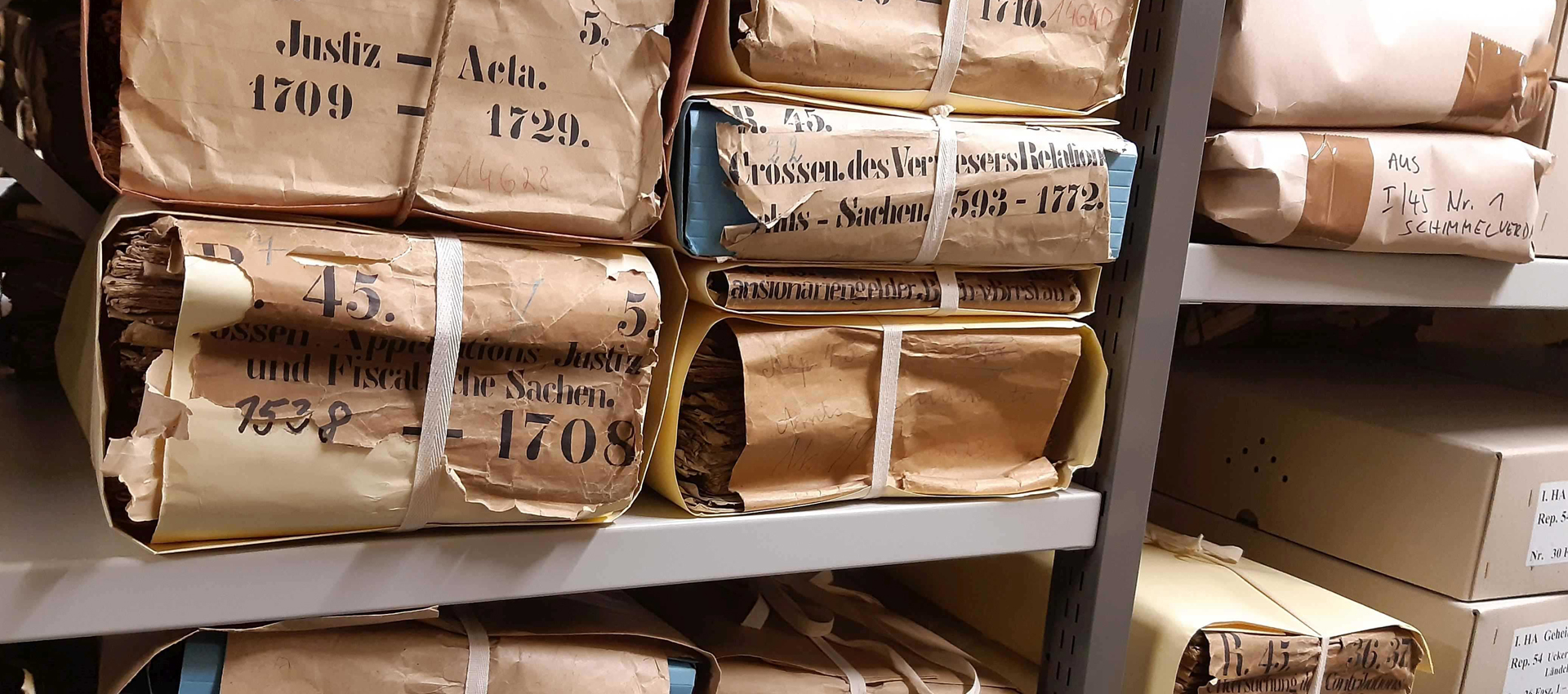
“On Wednesday 27 July 1881,” he noted, “I was commissioned by Director Bastian in Berlin to undertake a journey of several years to the north-west coast of North America on behalf of the Royal Museum’s ethnological collections, for the purpose of collecting and acquiring ethnographic objects.” He came into contact with the Yupik and Denaina peoples, studying indigenous dances, rituals and theatrical performances. And he purchased everyday and ritual objects – from fishhooks to bear dance costumes. When Jacobsen returned to Berlin two years later, he had collected some 7,000 objects. To this day, they form the foundation of the North American collection at the Ethnological Museum in Berlin. He had bought most of the objects from the indigenous peoples; some, however, he brazenly stole from graves and sacred sites.
All questions lead here: to Risøya, the deserted island at the end of the world
Rønbeck sits down on a frozen tree root and quotes from the preface to Jacobsen’s travelogue: “Ever louder and more powerful is the warning cry raised by ethnology in the face of the fact that the waves of our modern culture are flooding and destroying everything that still remains on earth of the primitive peoples of nature.” Was it European arrogance that drove Jacobsen? On Risøya, where the captain returned to die in 1943, time seems to have stood still. The small wooden houses and the moss-covered hills have endured in a blind spot of modernity. The Jacobsens’ story lies forgotten in the sea. Rønbeck wants to recover it. Otherwise, only the landscape would remain. It has outlived everything here.