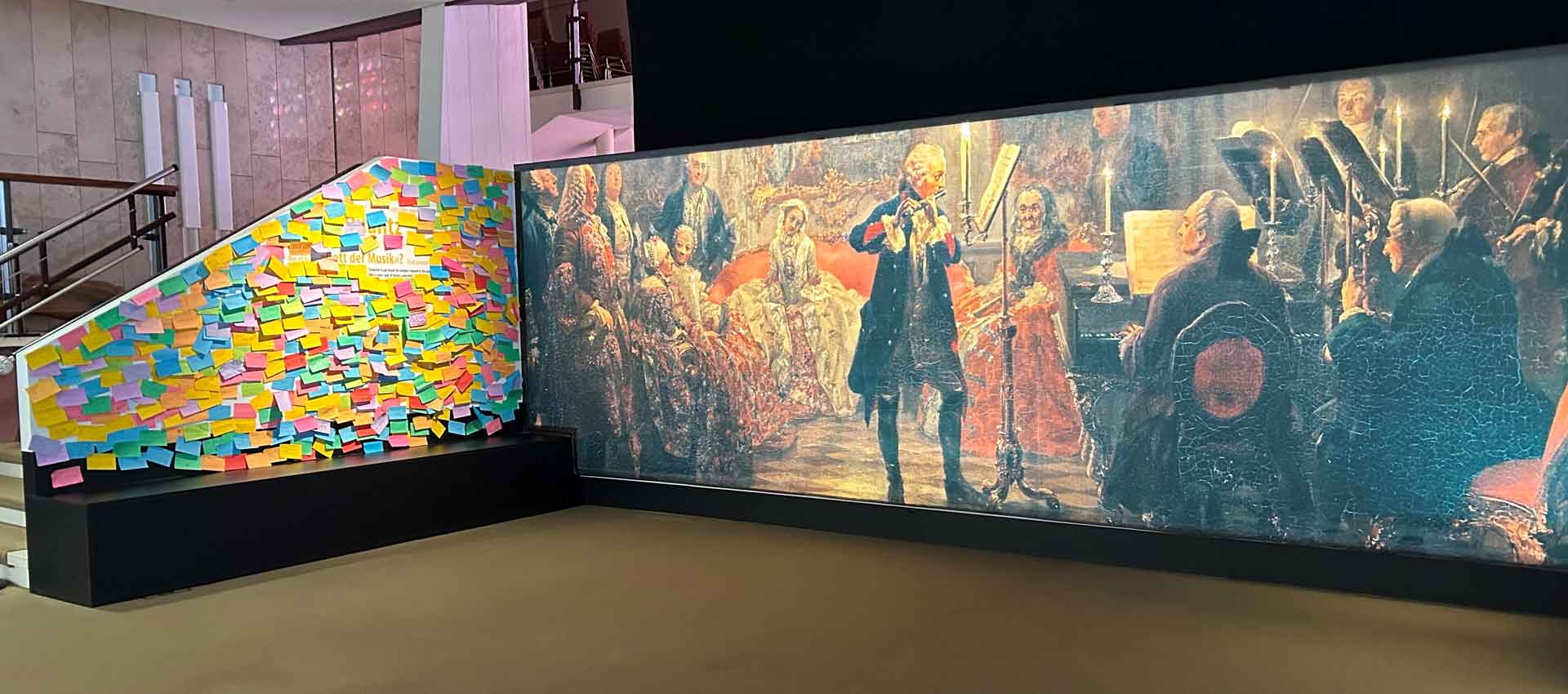
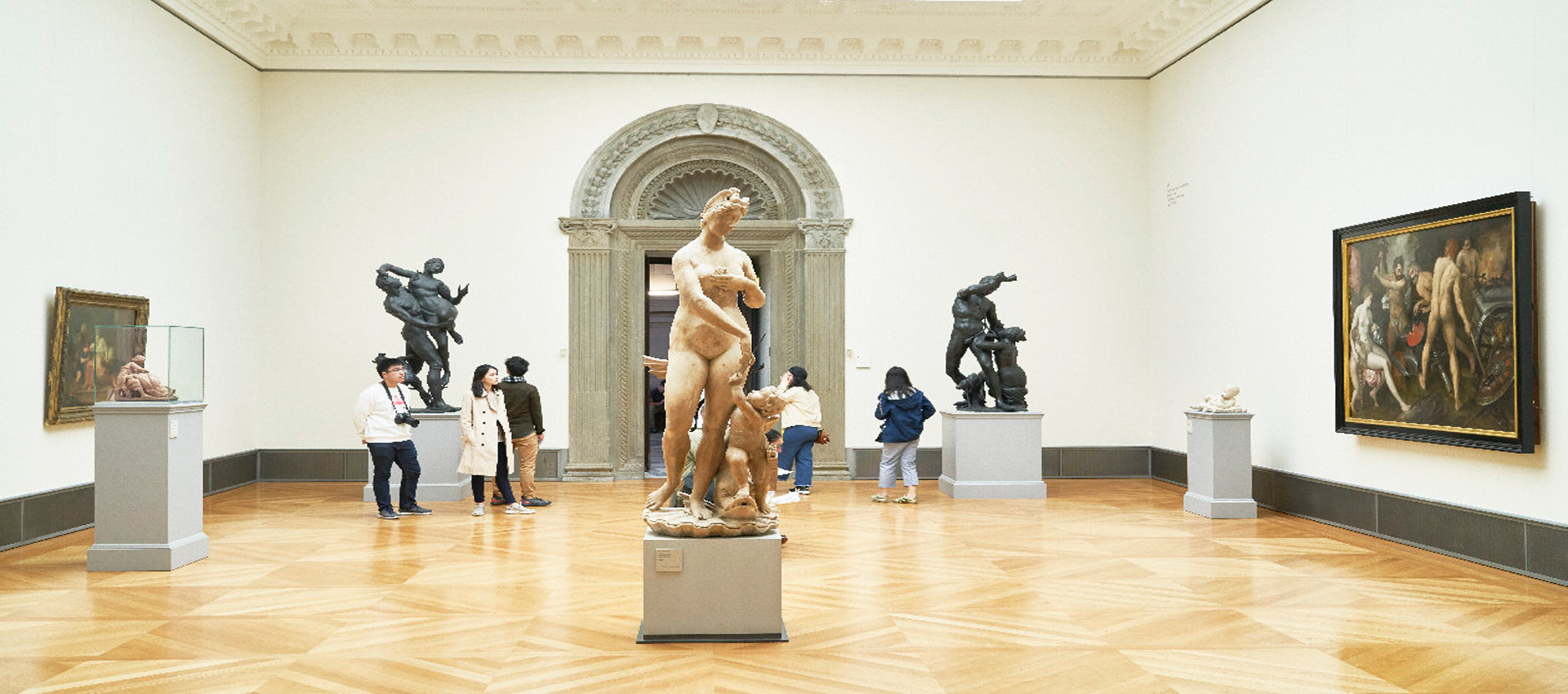
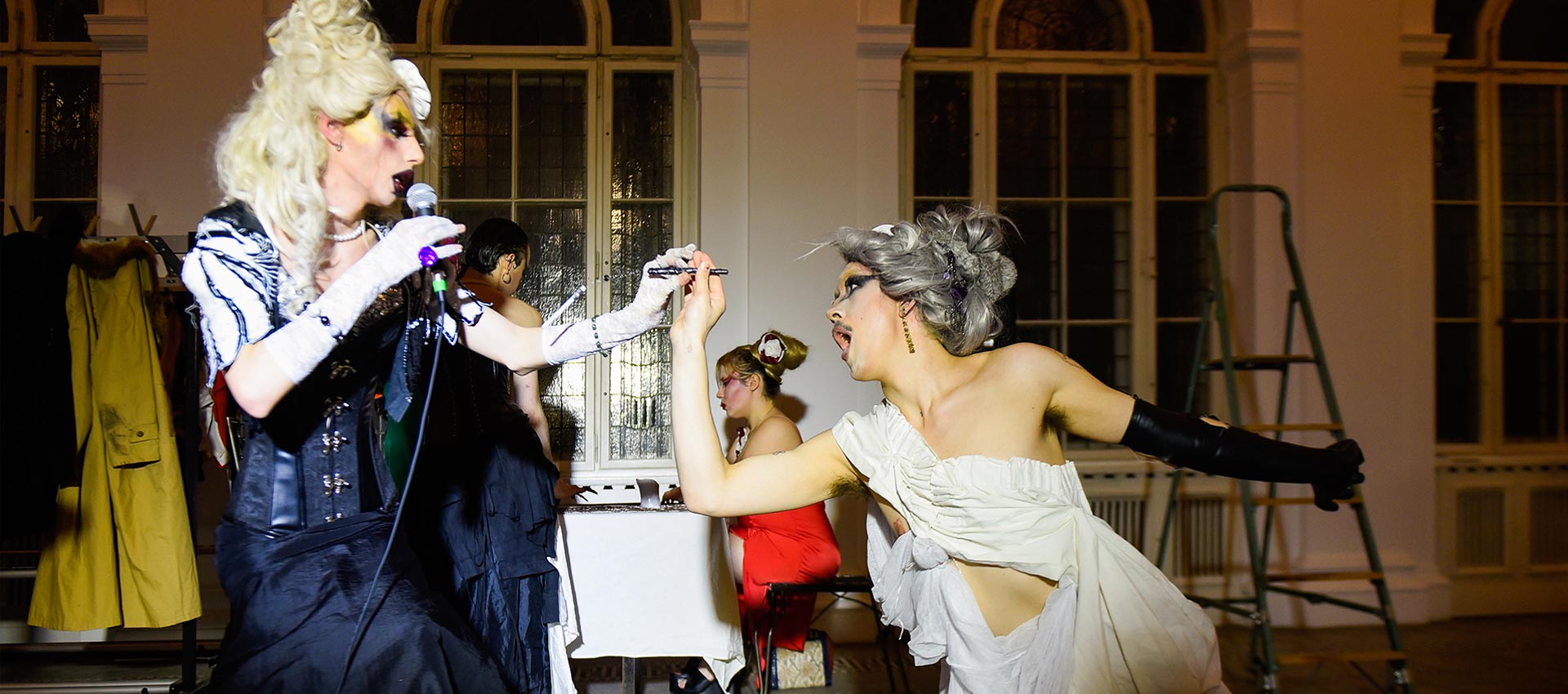
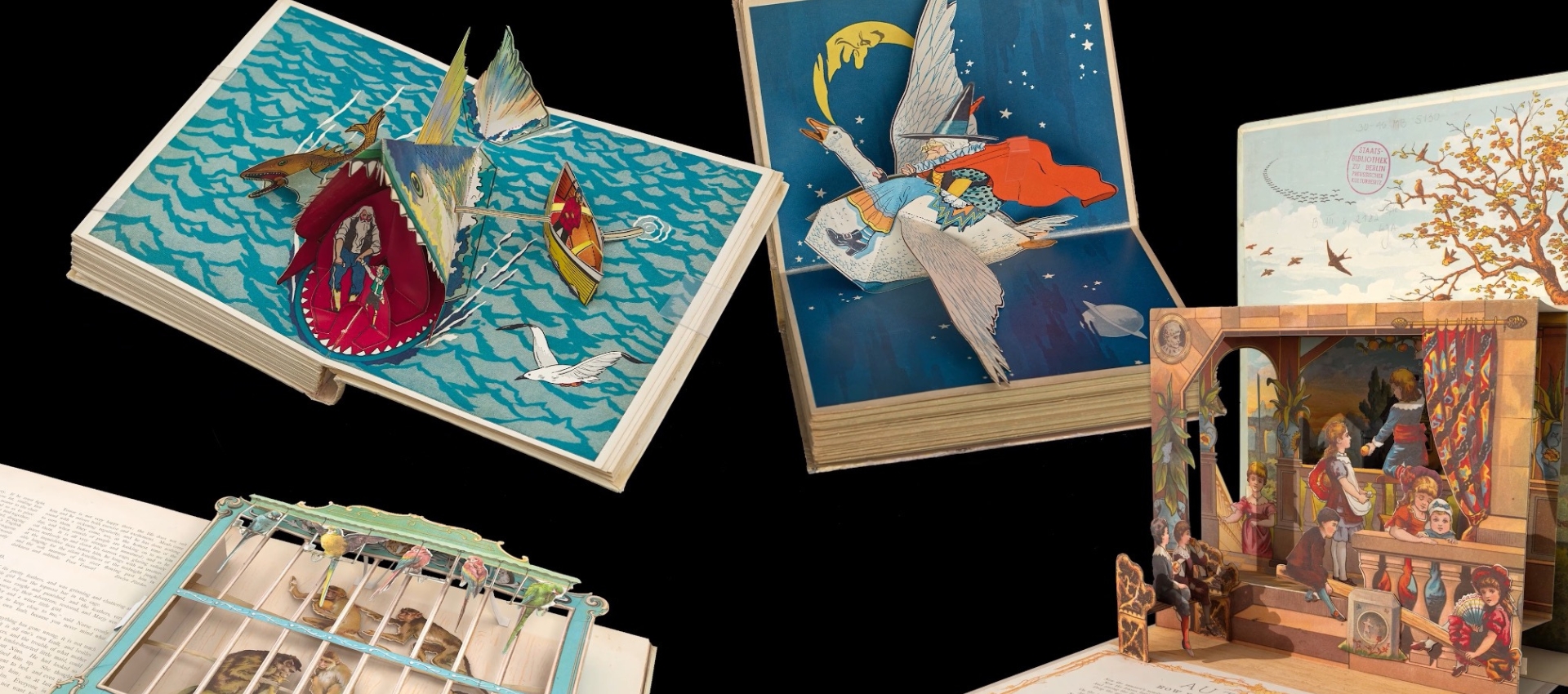
At the ‘Droste Digital’ exhibition at Stabi Kulturwerk, visitors are likely to get closer to Annette von Droste-Hülshoff (1797–1848) than ever before. Alongside original manuscripts, interactive stations and a pair of unusual glasses, it is above all five artistic contributions that help visitors rediscover the famous poet’s work from a 21st-century perspective.
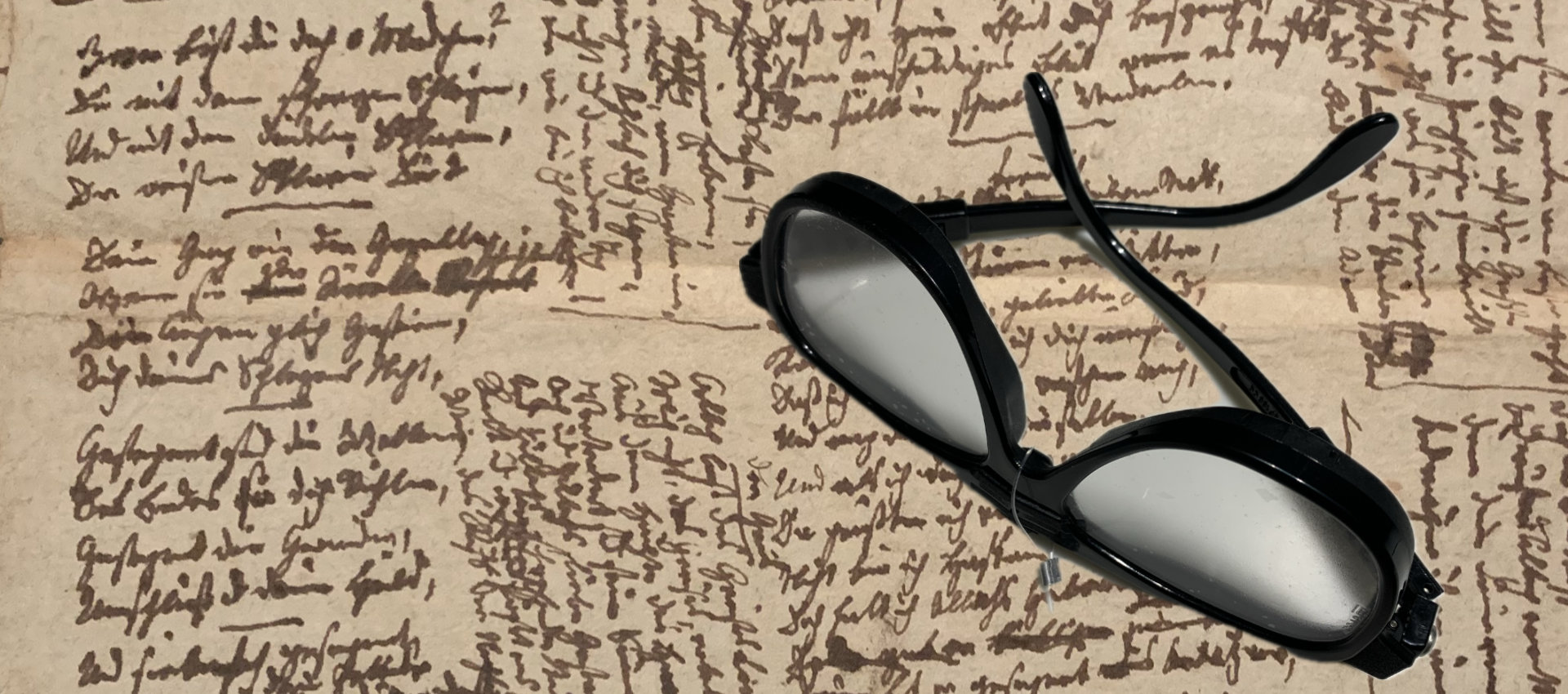
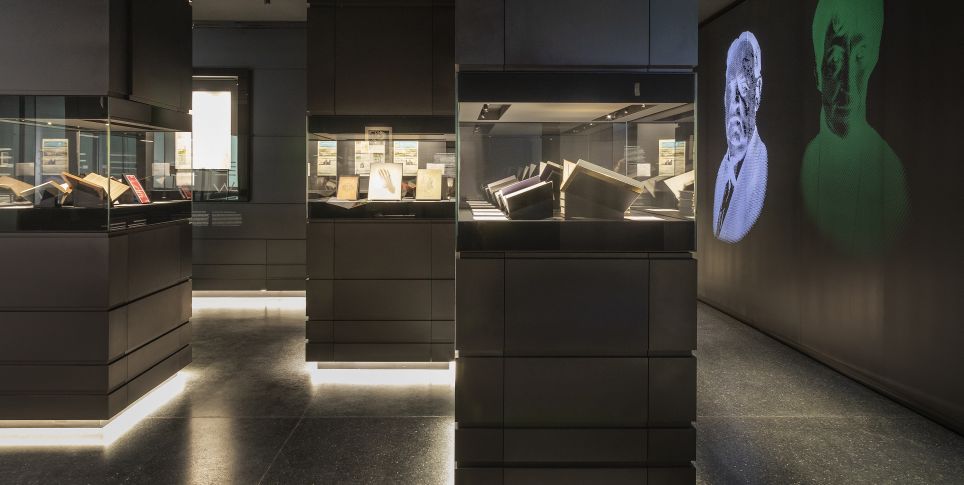
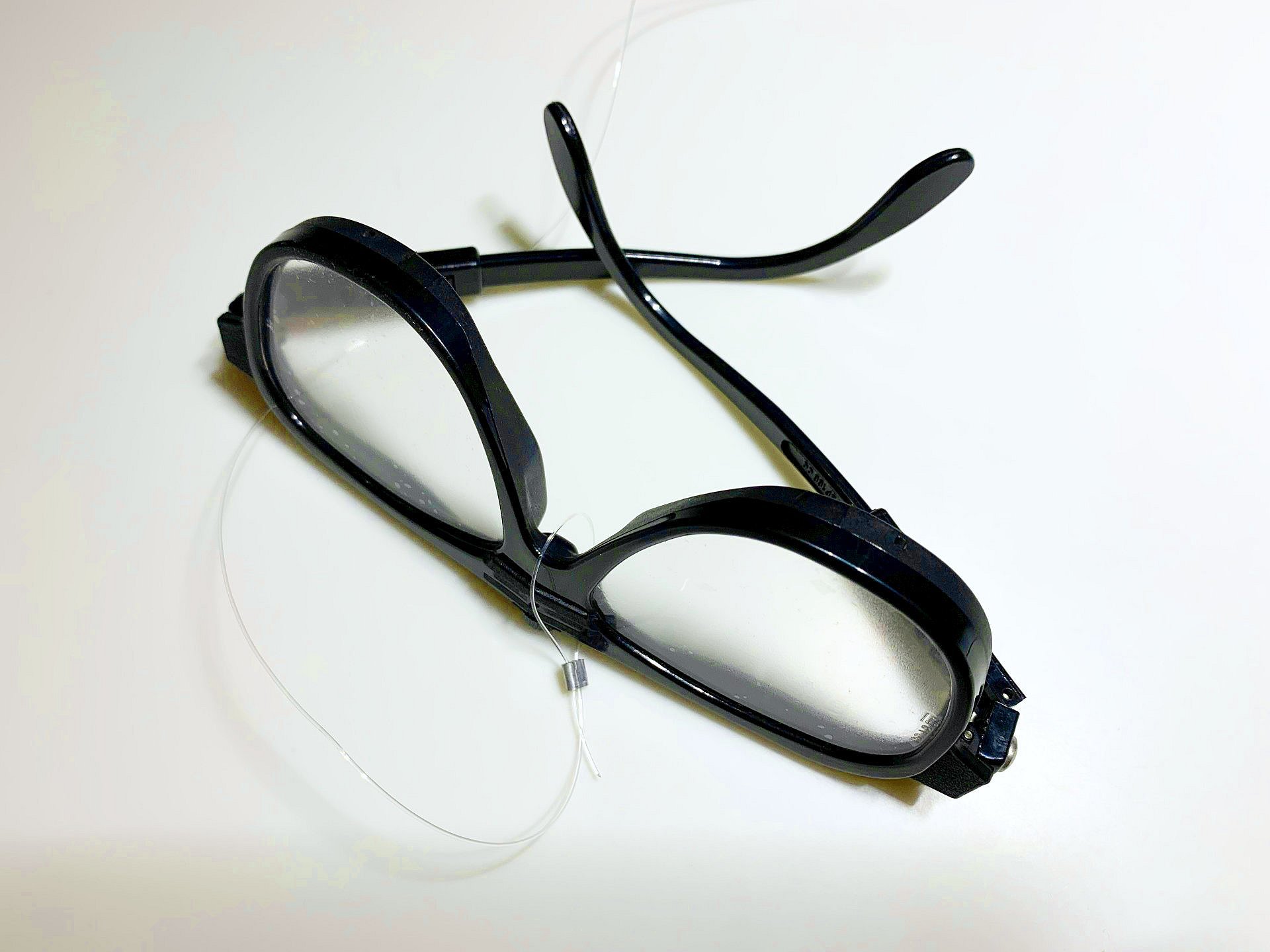
Right in the first room of the exhibition at Stabi Kulturwerk, an unexpected detail catches the eye: a pair of glasses in one of the display cases. When you put them on, the surroundings blur before your eyes. Exhibition curator Oliver Pawlak calls this unusual visual aid “poor-vision glasses”, which illustrate just how severely the writer Anette von Droste-Hülshoff’s perception was limited from birth by her extreme myopia. It is an unfamiliar experience, particularly for people without serious visual impairments. Reading with the glasses becomes a real challenge: the letters only come into view when you are bent over a text by a few centimetres.
For the symbolic price of 1 DM
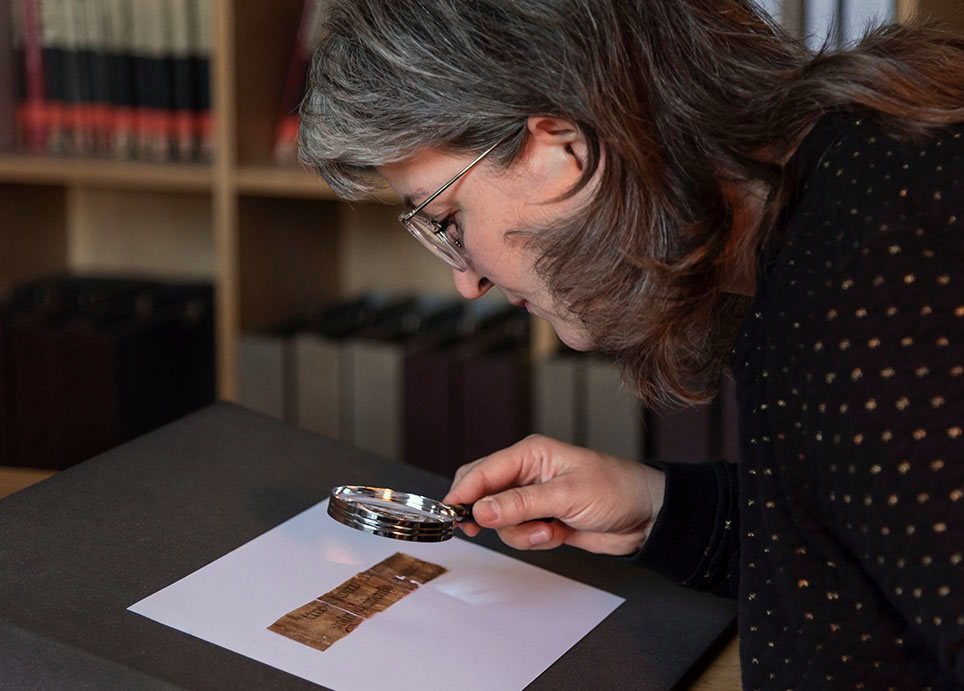
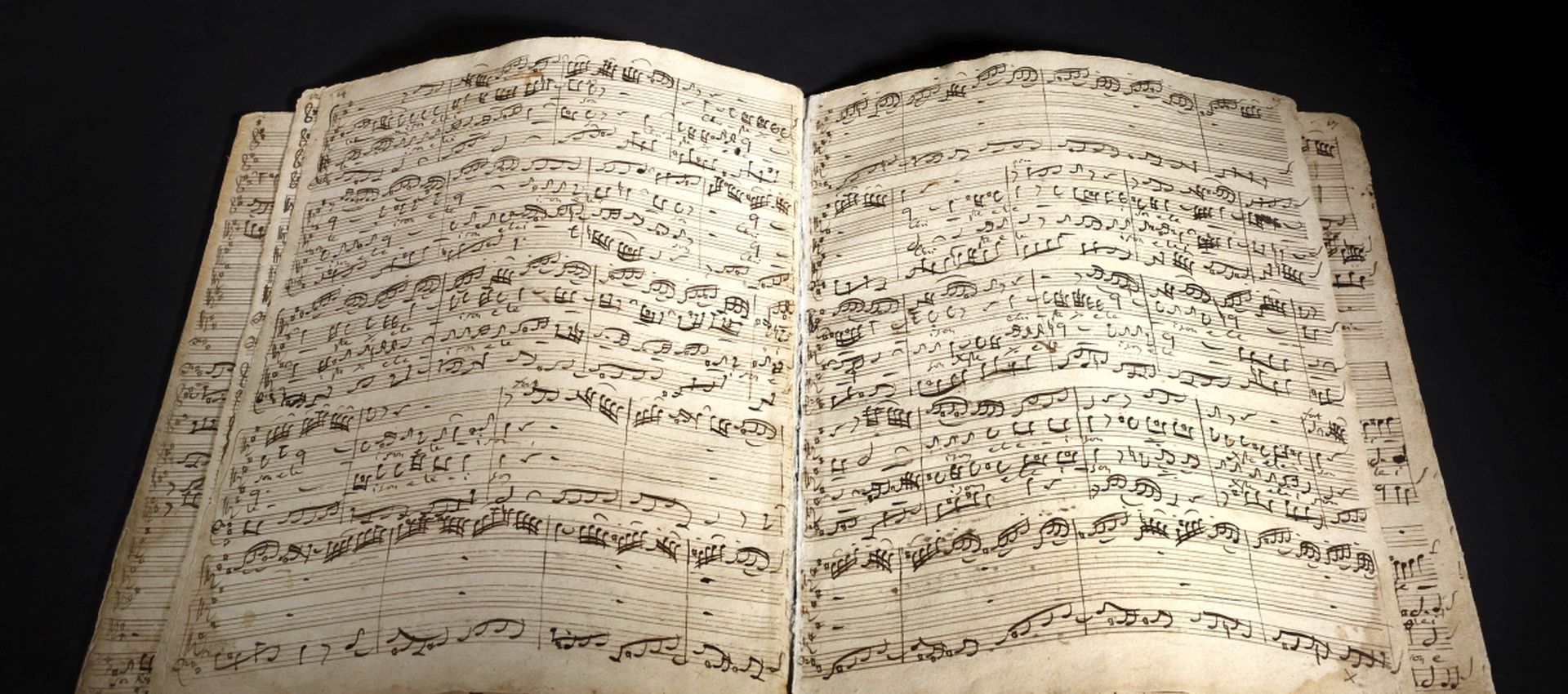
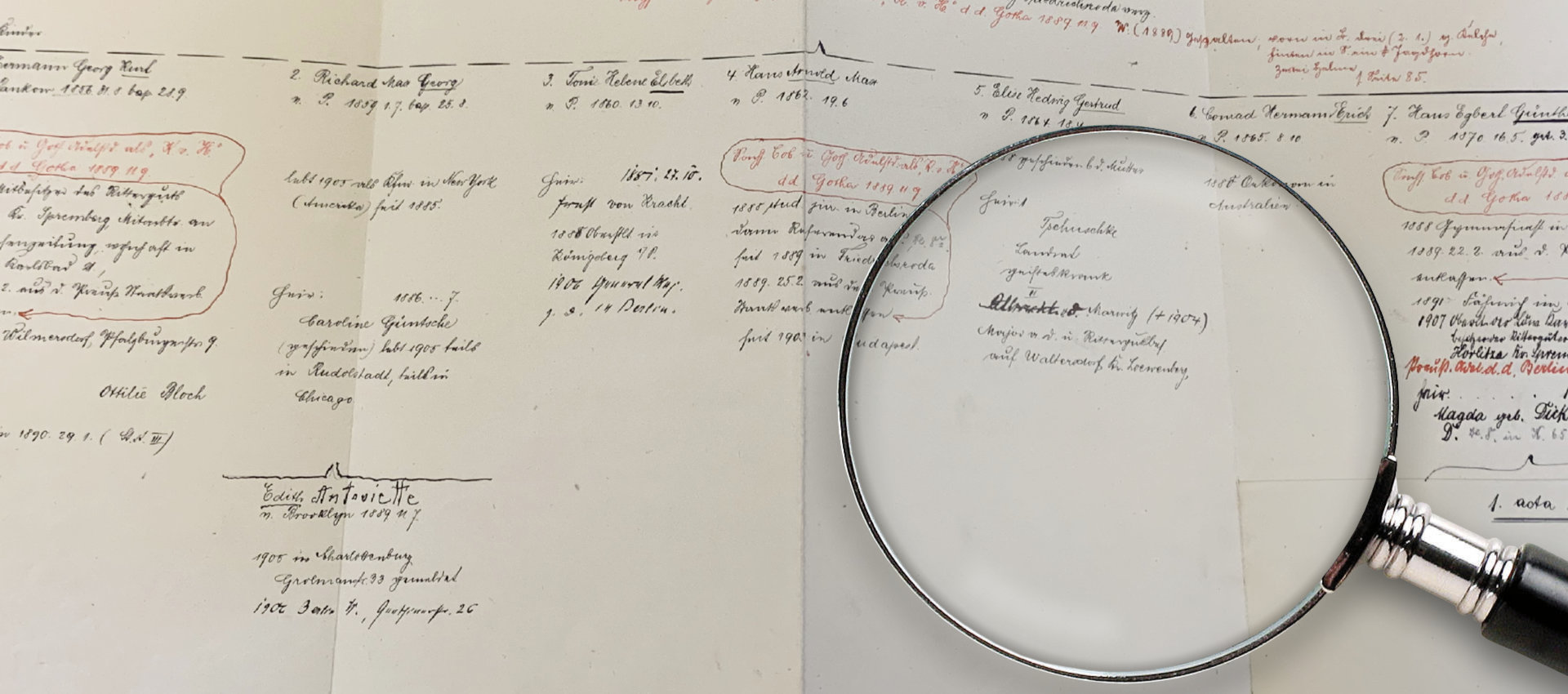
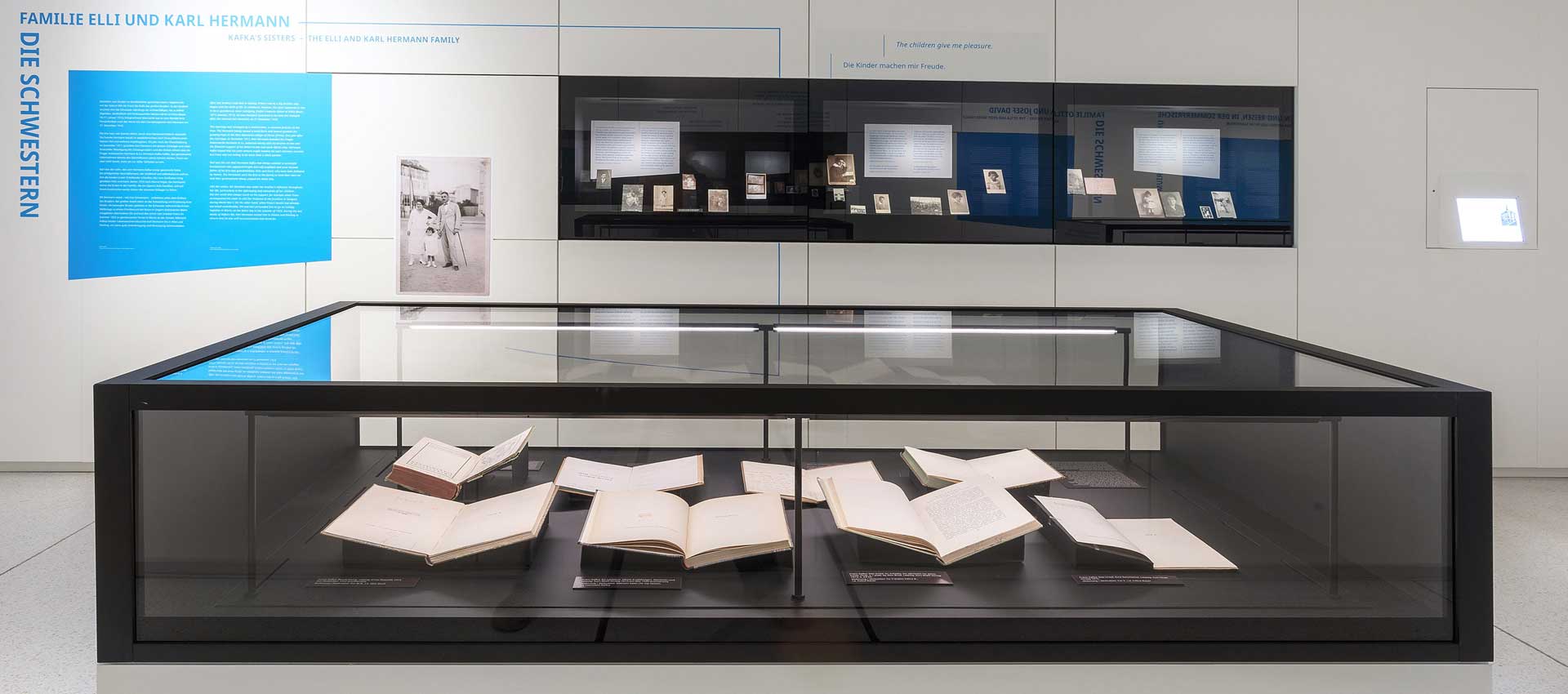
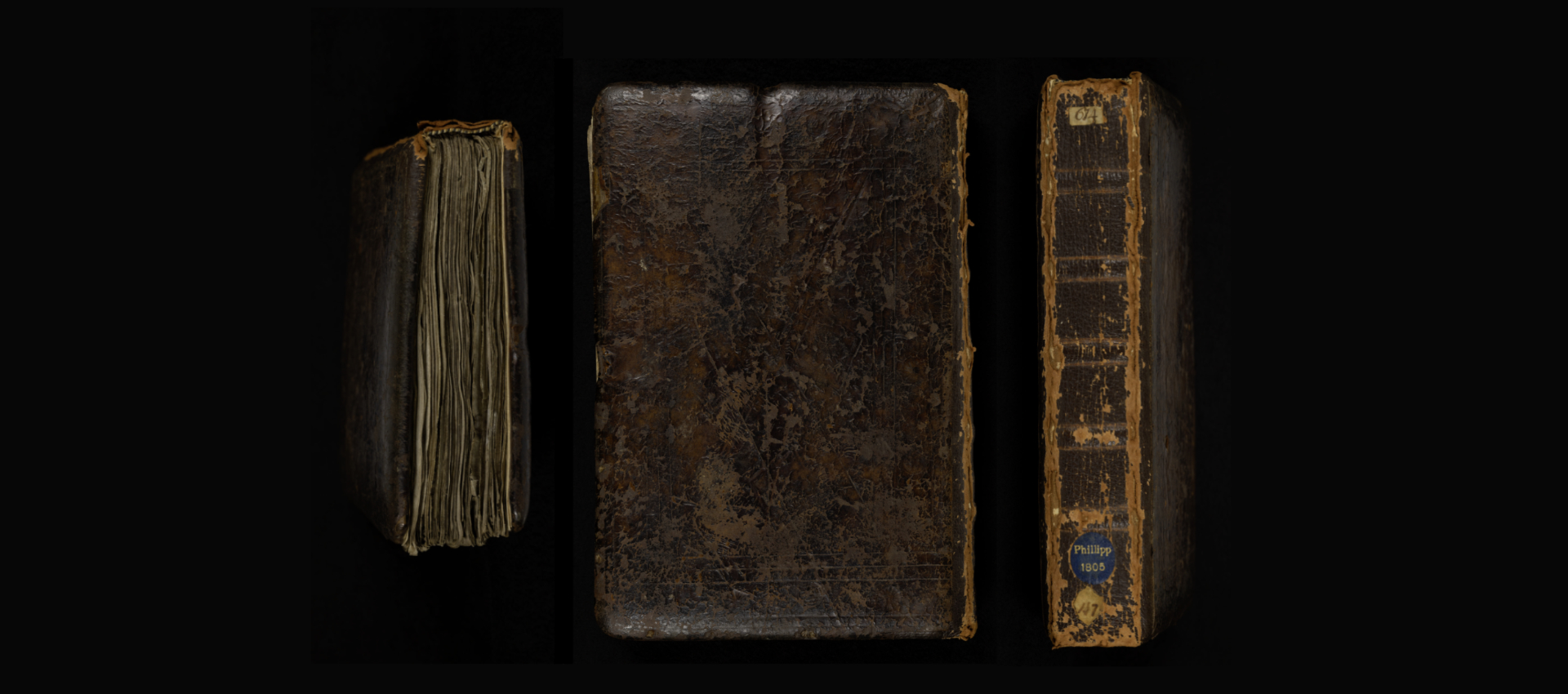
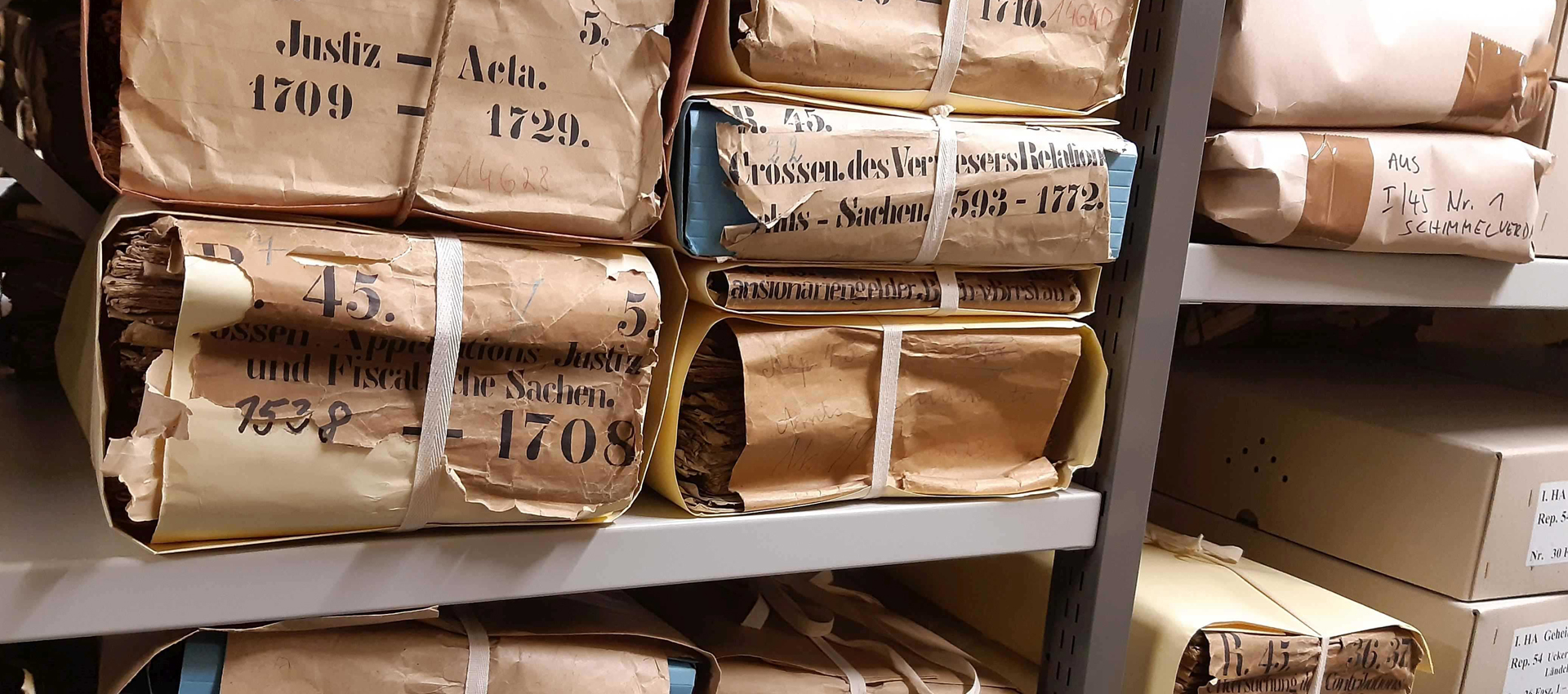
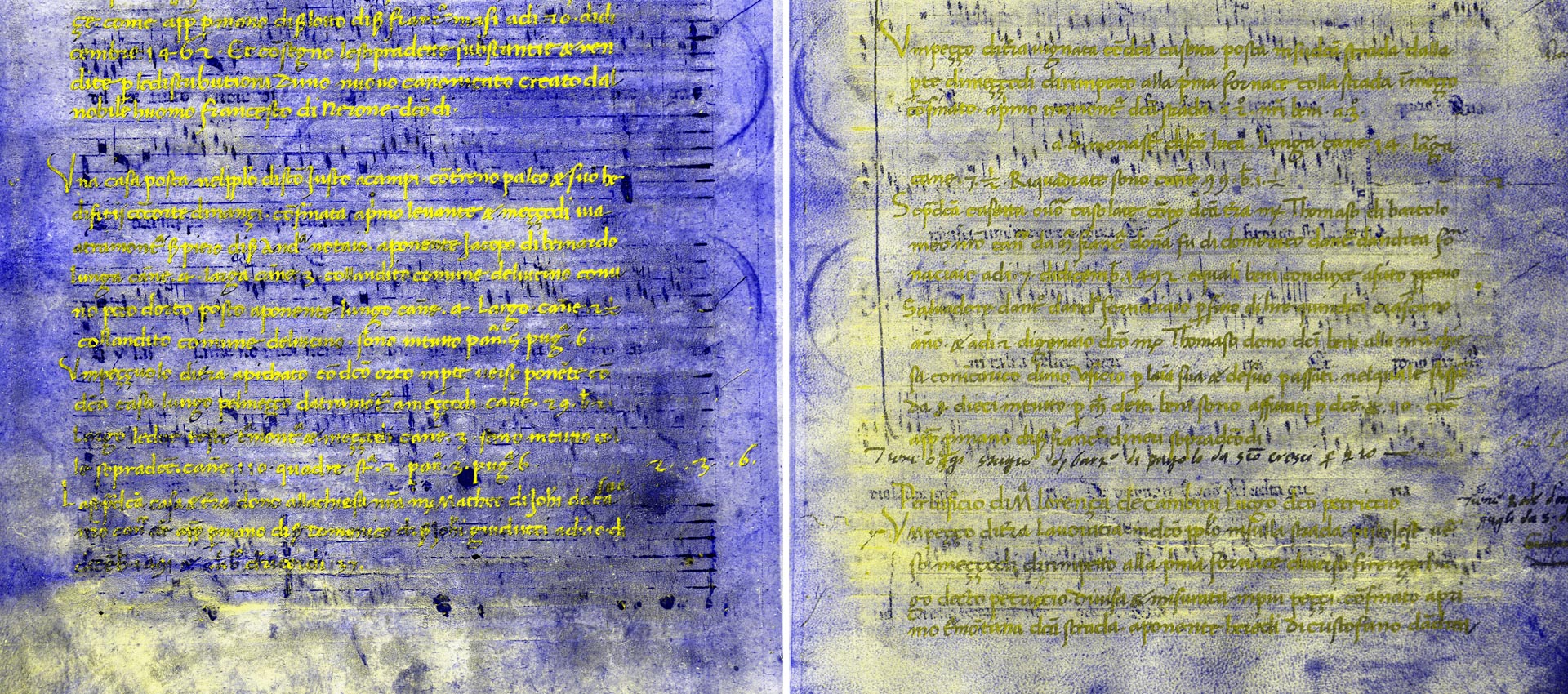
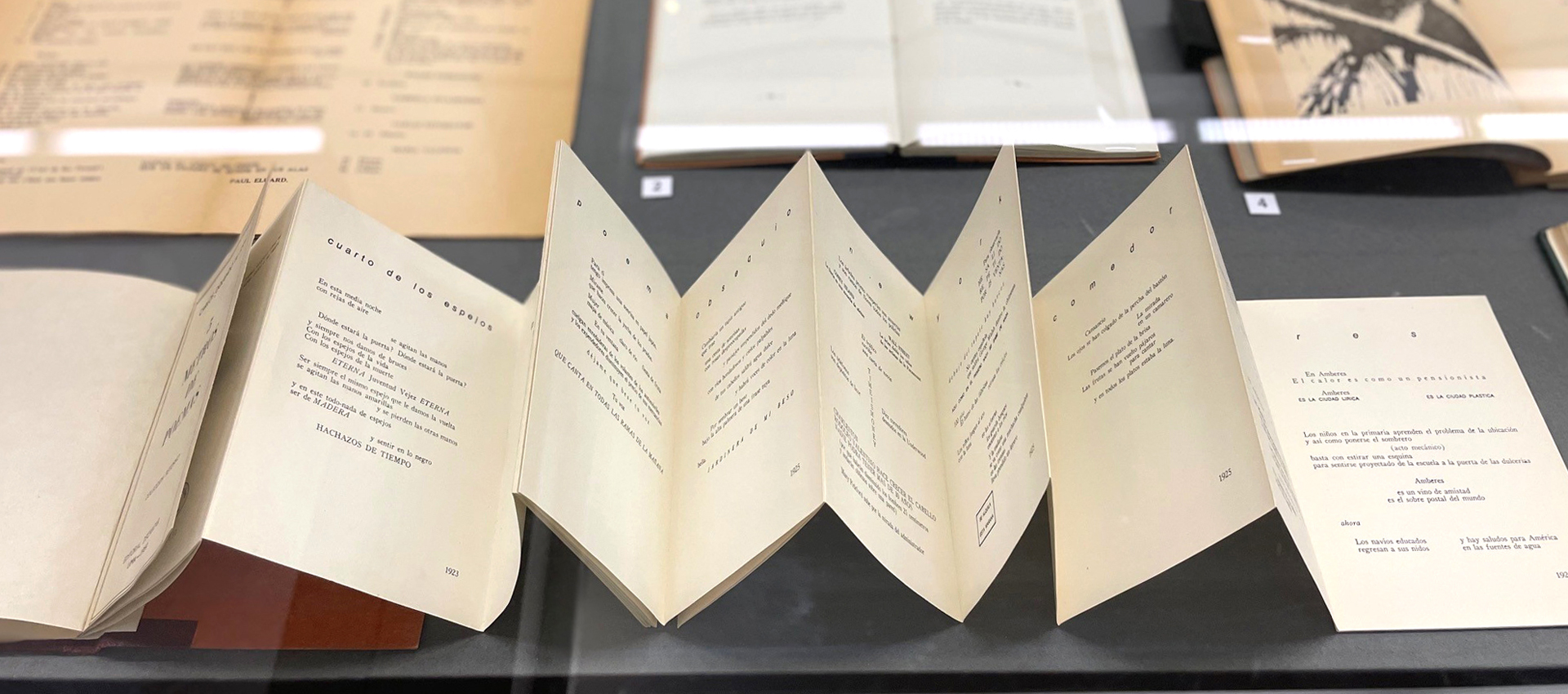
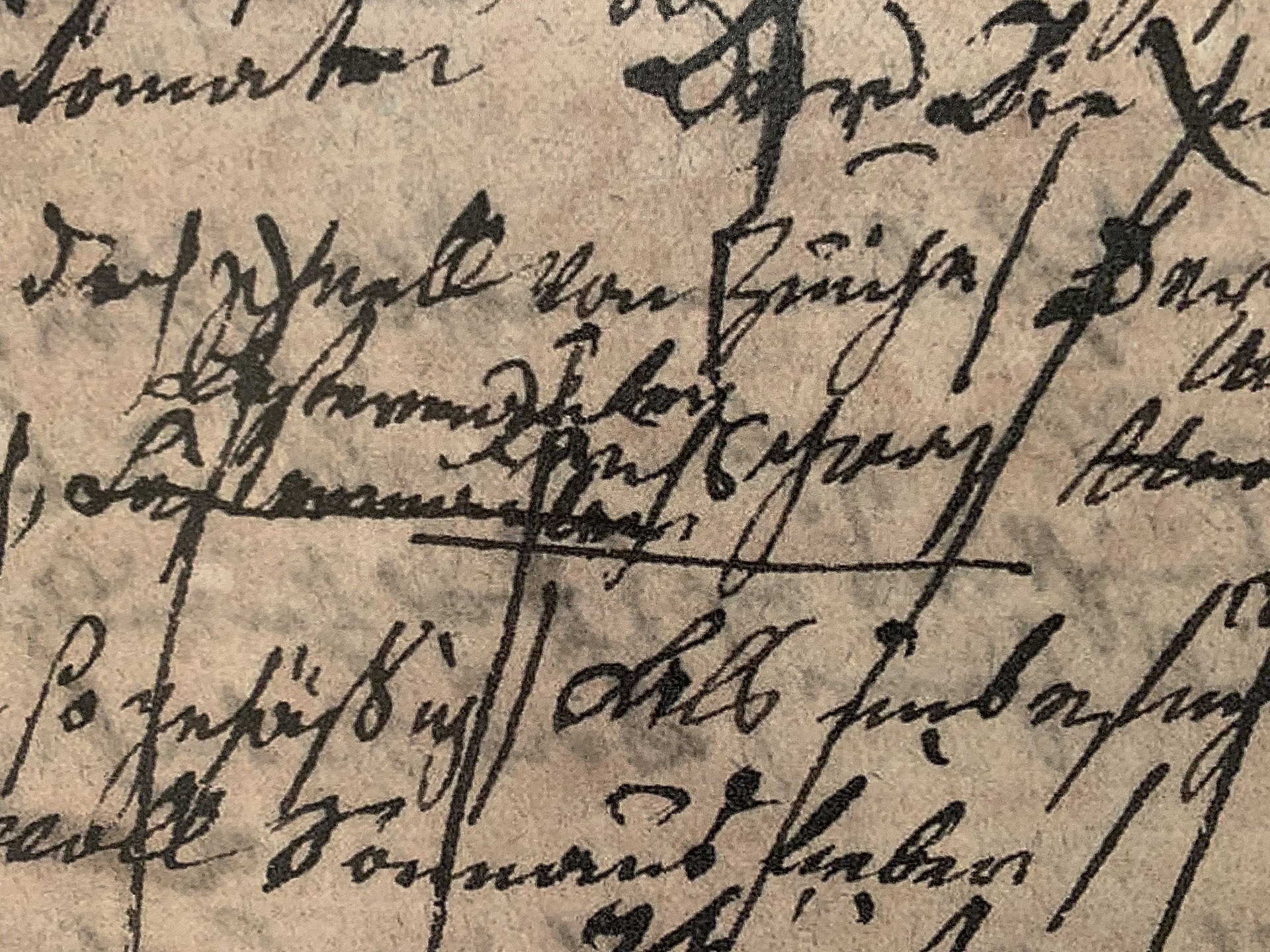
This little self-experiment also partly explains why the writer’s manuscript pages look the way they do: born in 1797 at Hülshoff Castle into a Westphalian noble family, the writer crammed sentence upon sentence into a densely packed, interlaced layout. Barely legible to today’s visitors, yet fascinating nonetheless, are the manuscripts held by the Berlin State Library. Transferred to the Prussian Cultural Heritage Foundation in 1967 for the symbolic price of 1 DM, the approximately 1,500 pages of text are kept on permanent loan at the Westphalian Literary Archive.
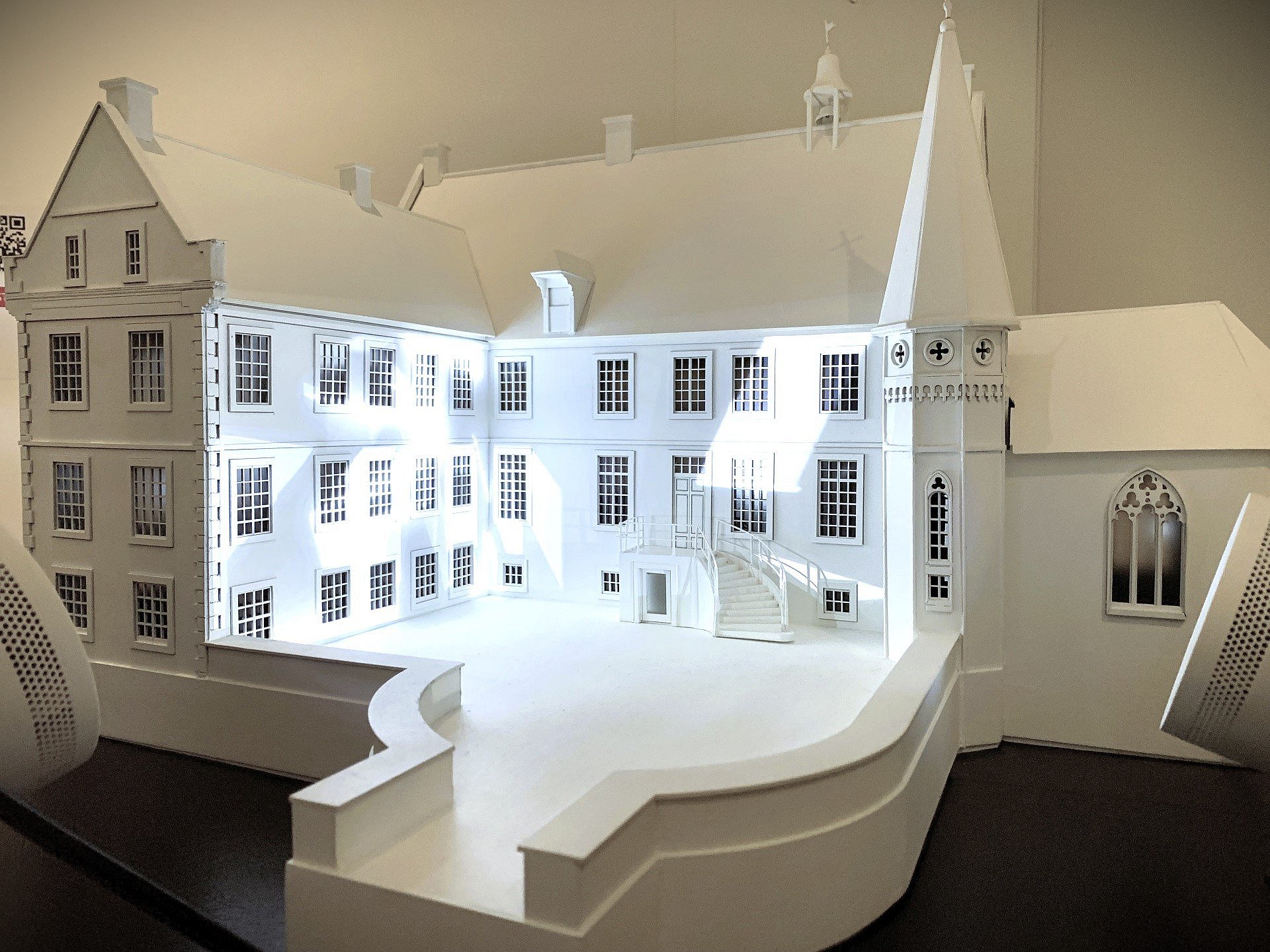
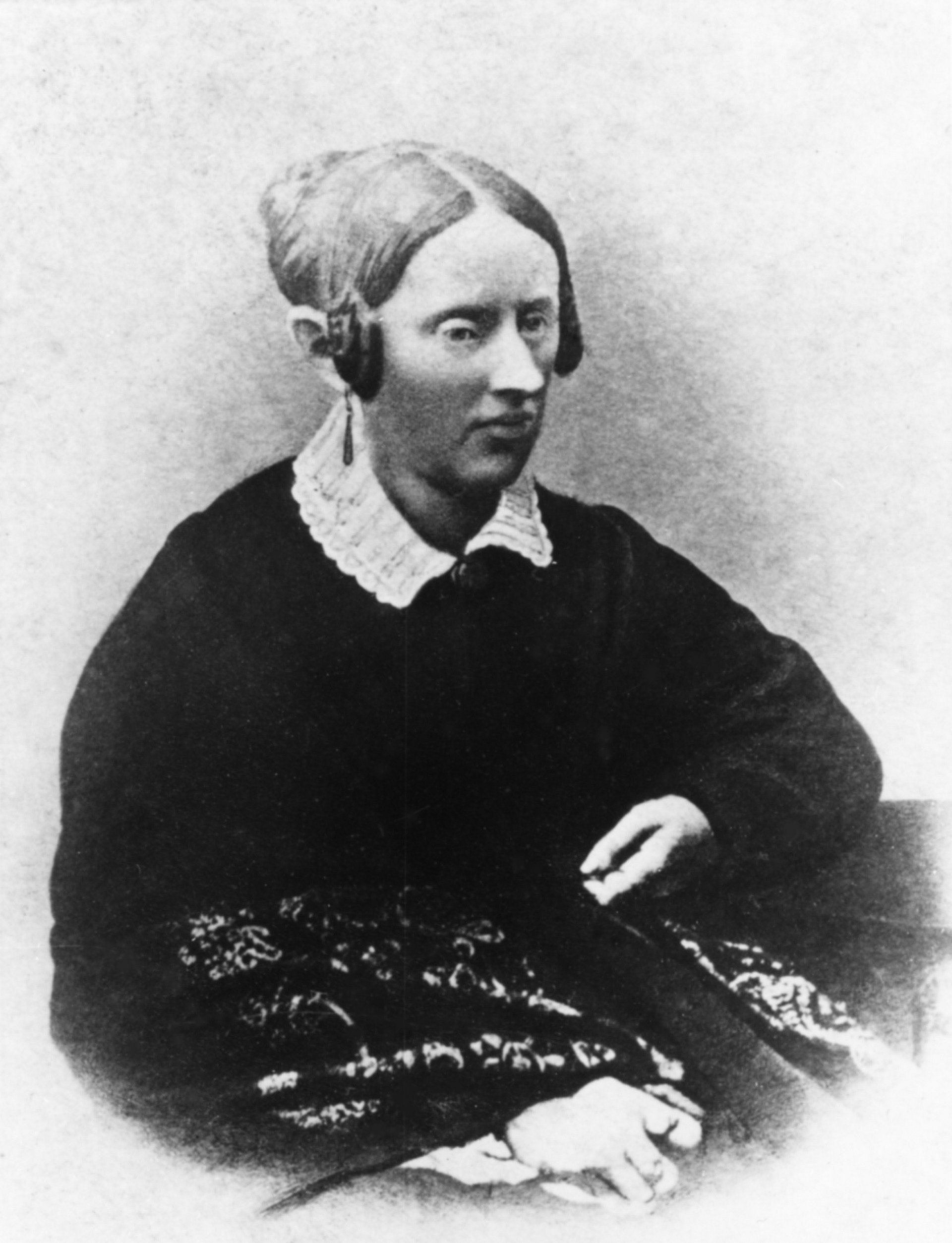
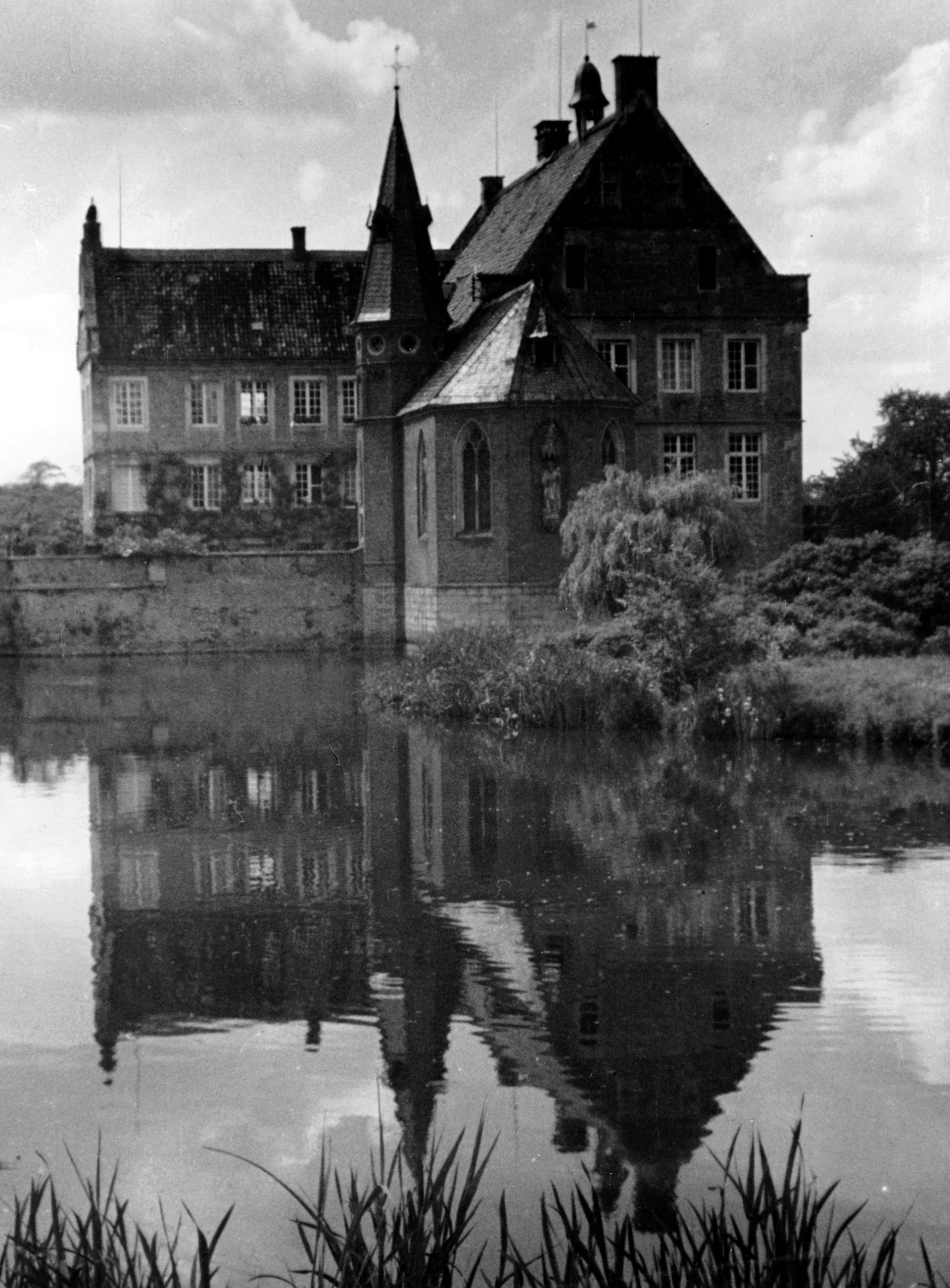
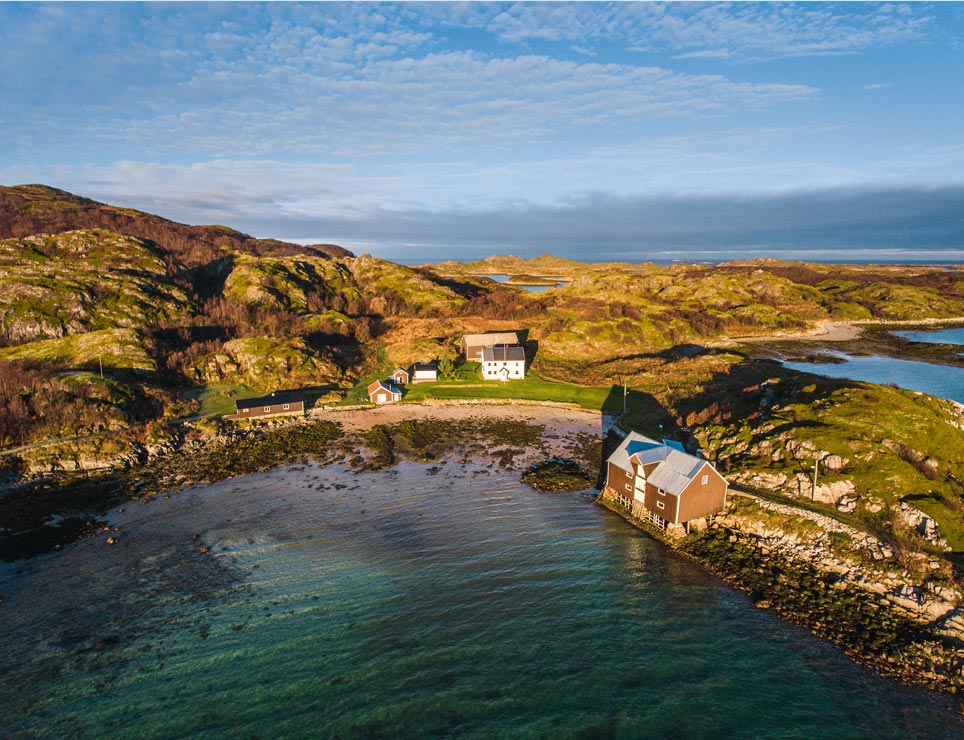
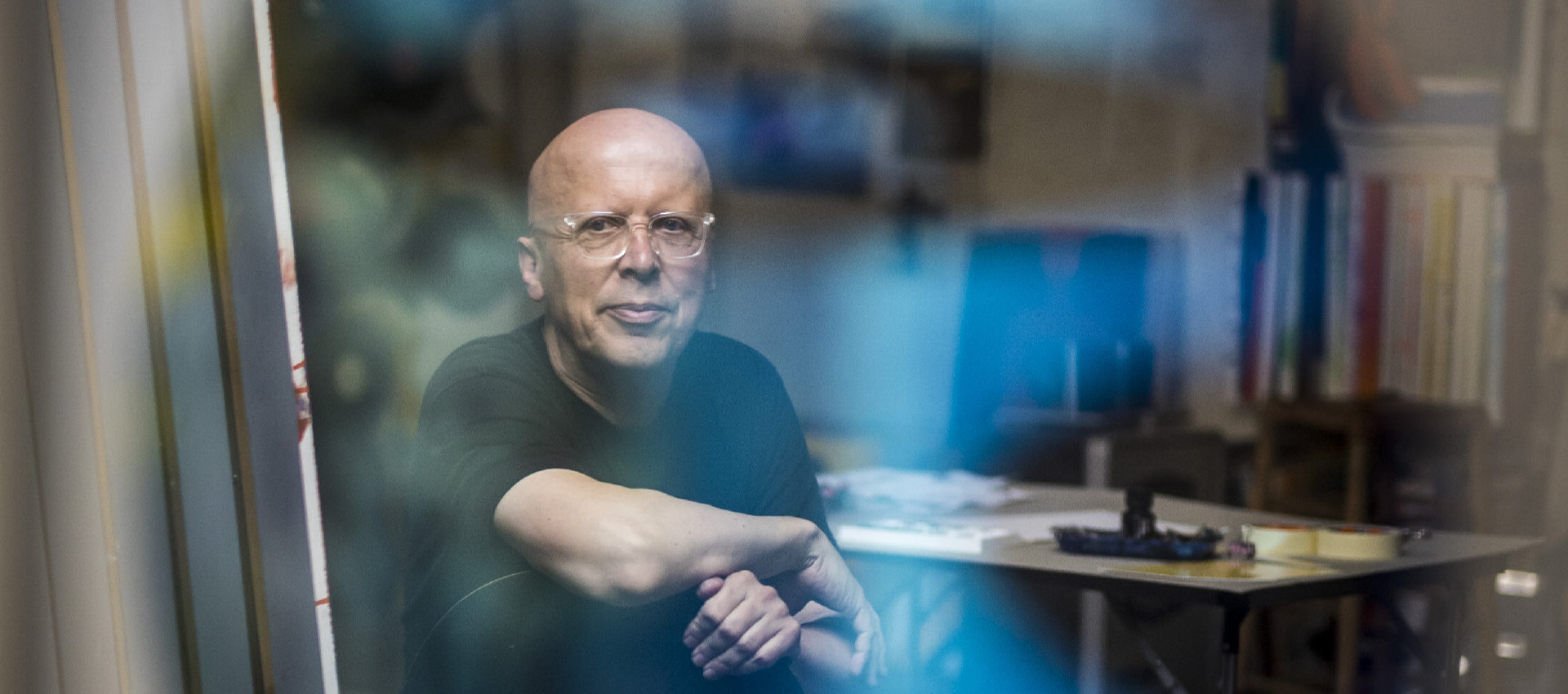
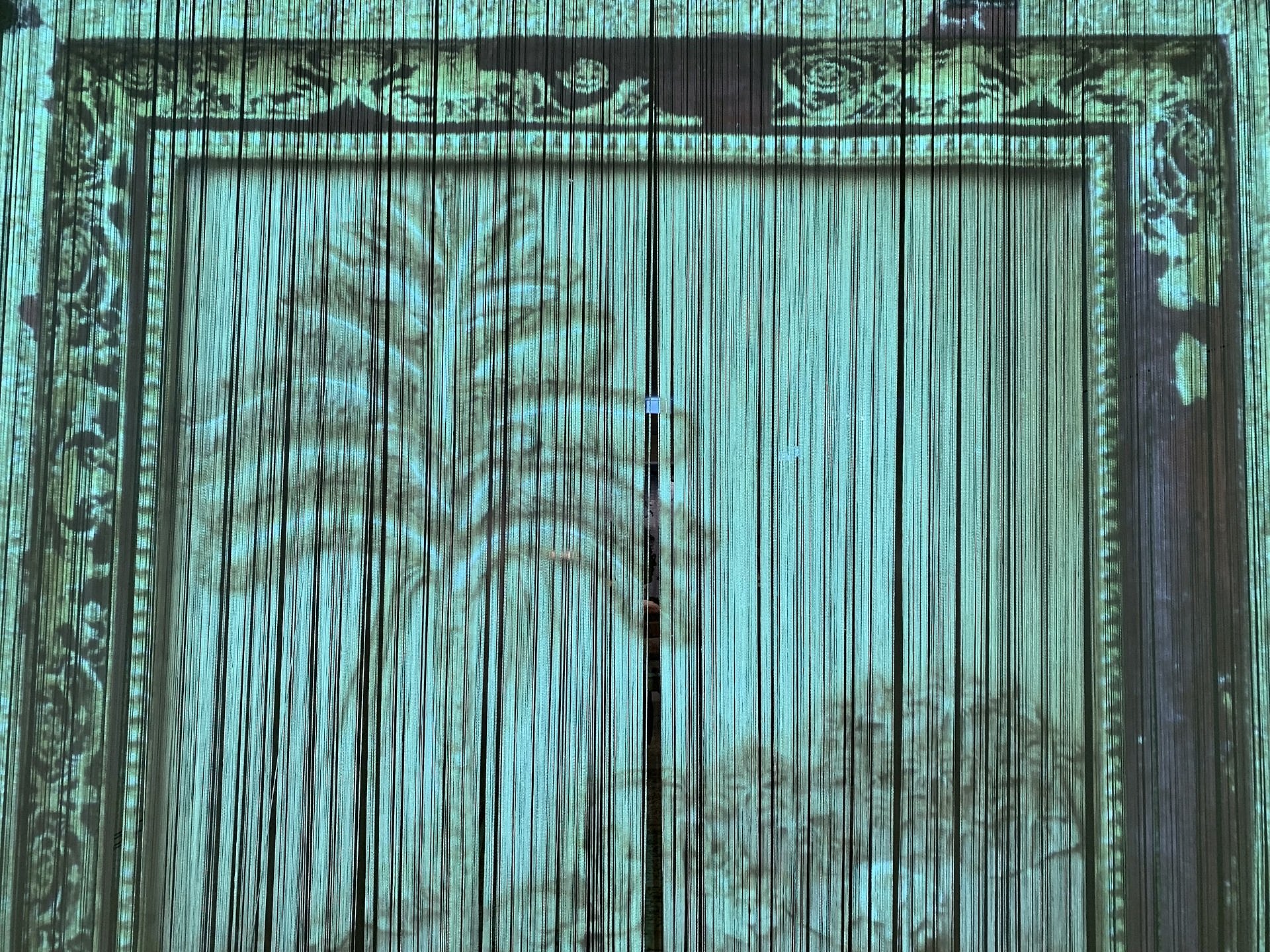
Now some of the most important original manuscripts are on display in Berlin, waiting to be explored – both academically and artistically. No fewer than five art installations comment on and complement the writer’s manuscript pages, beginning in the first room with the work of Berlin-based video artist Roman Hagenbrock. In 2022, he illuminated the façade of Hülshoff Castle with a video work based on the working manuscript of Droste’s work ‘Die Unbesungenen’. As a castle is, by its very nature, difficult to squeeze into an exhibition space, visitors can experience the projection on a true-to-scale model. Young (and older) children may be reminded of their Playmobil Ghost Castle – the flickering light of the projection does have something ghostly about it. Fitting, then, as for Droste-Hülshoff, ghostly apparitions were not only part of her literary work but also part of her everyday life. “Her limited field of vision probably encouraged supernatural experiences,” says Jörg Albrecht, director of the Droste Foundation, and is toying with the idea of focusing on this aspect in a future exhibition.
“A collection of hermetic signs”
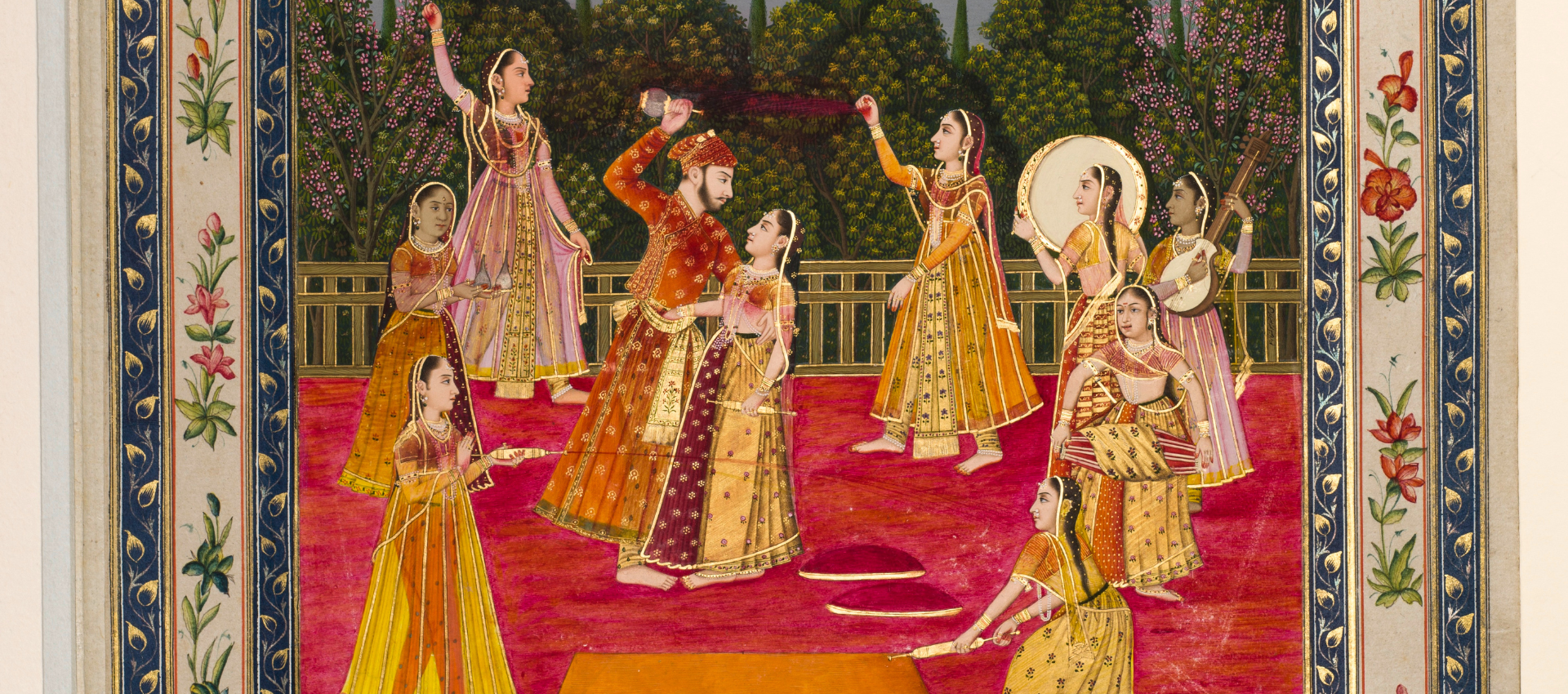
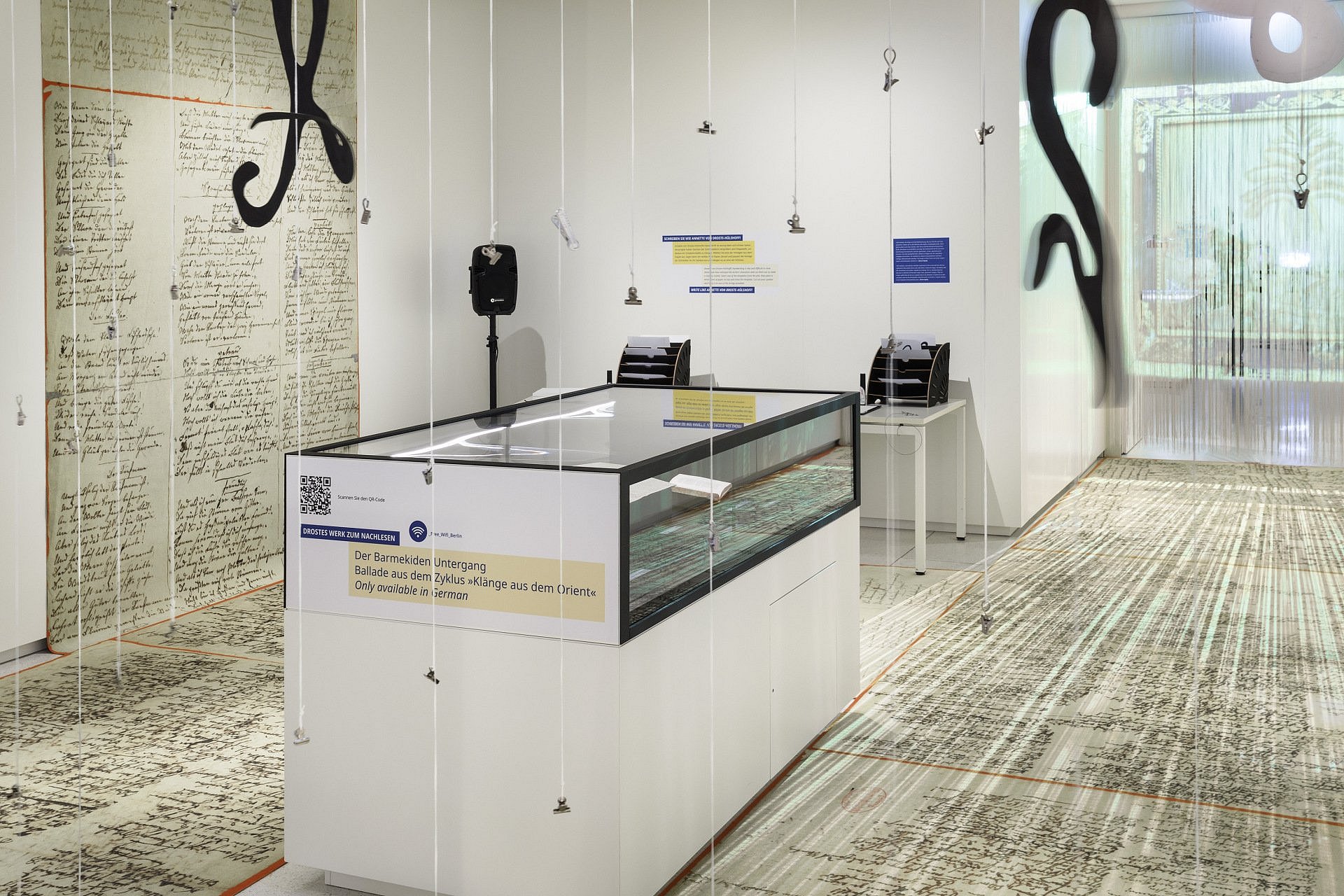
In the second exhibition room, the artist collective Anna Kpok draws inspiration from Droste-Hülshoff’s cycle of poems “Sounds from the Orient”, which are situated within the 19th-century discourse on the Orient. The writer was a fascinated reader of the story collection “One Thousand and One Nights”. Anna Kpok critically engages with Droste’s Orientalism, which contains elements of exoticisation, whilst simultaneously inviting visitors at an interactive station to “trace” the unreadable handwriting that exerts a magical fascination on the two artists: “Her handwriting has become for us a collection of hermetic signs, lines, geometric forms [and] magic spells.”
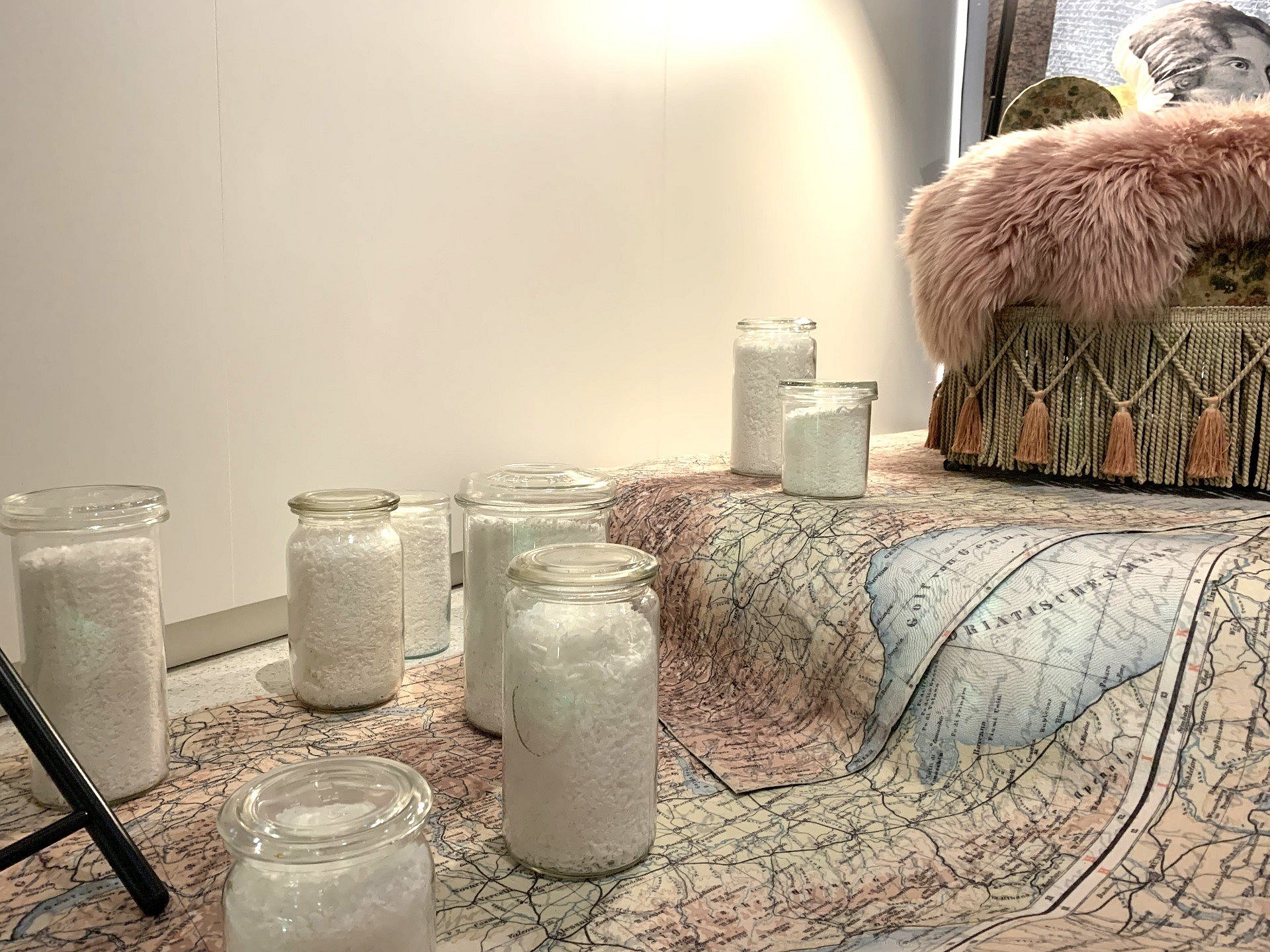
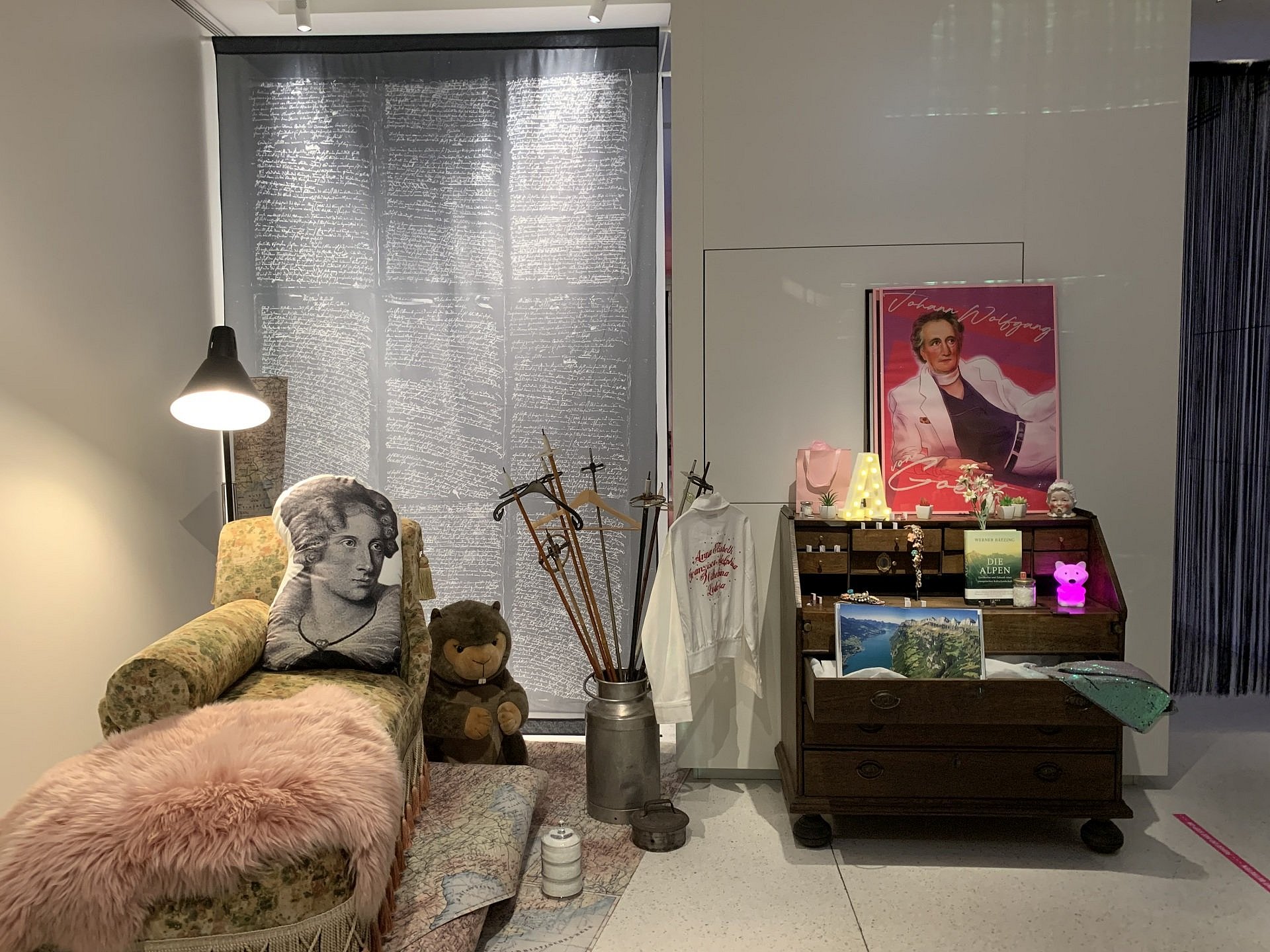
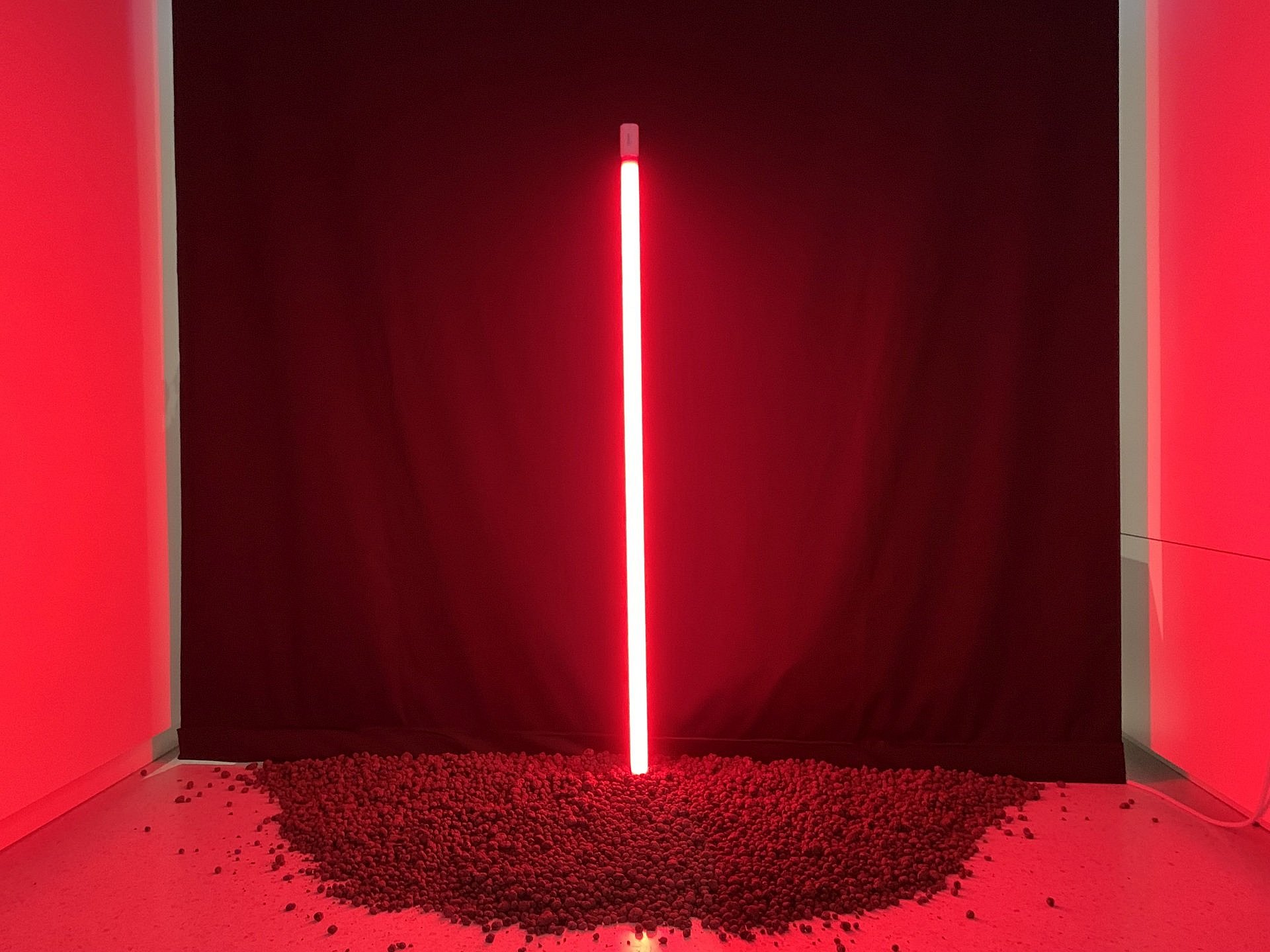
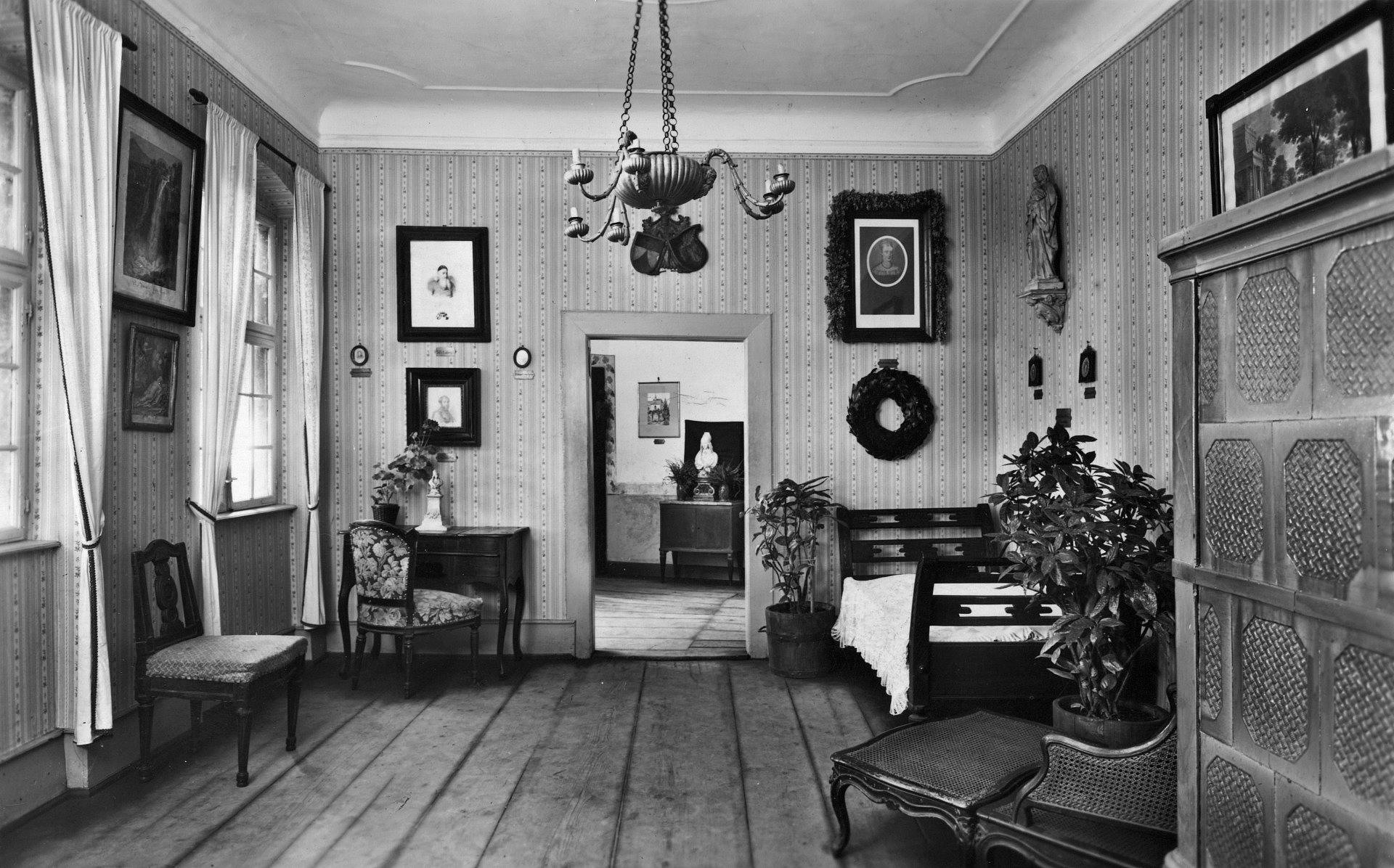
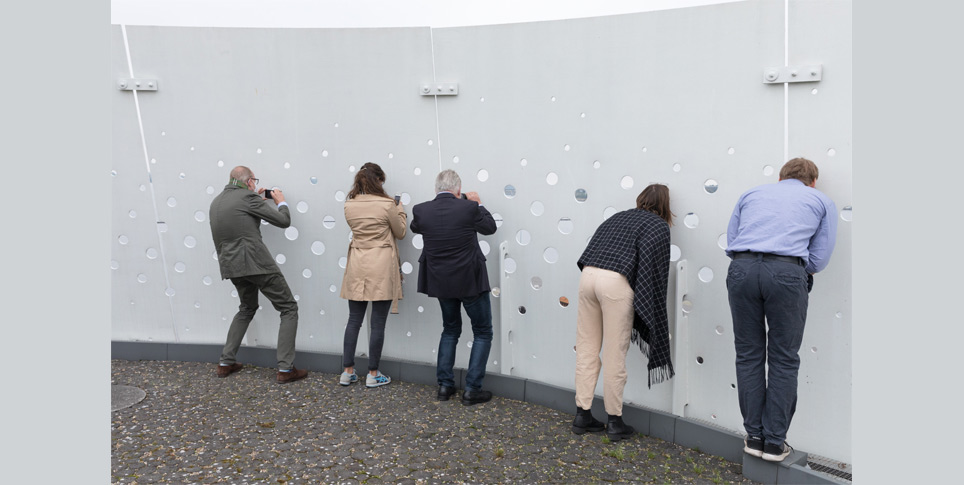
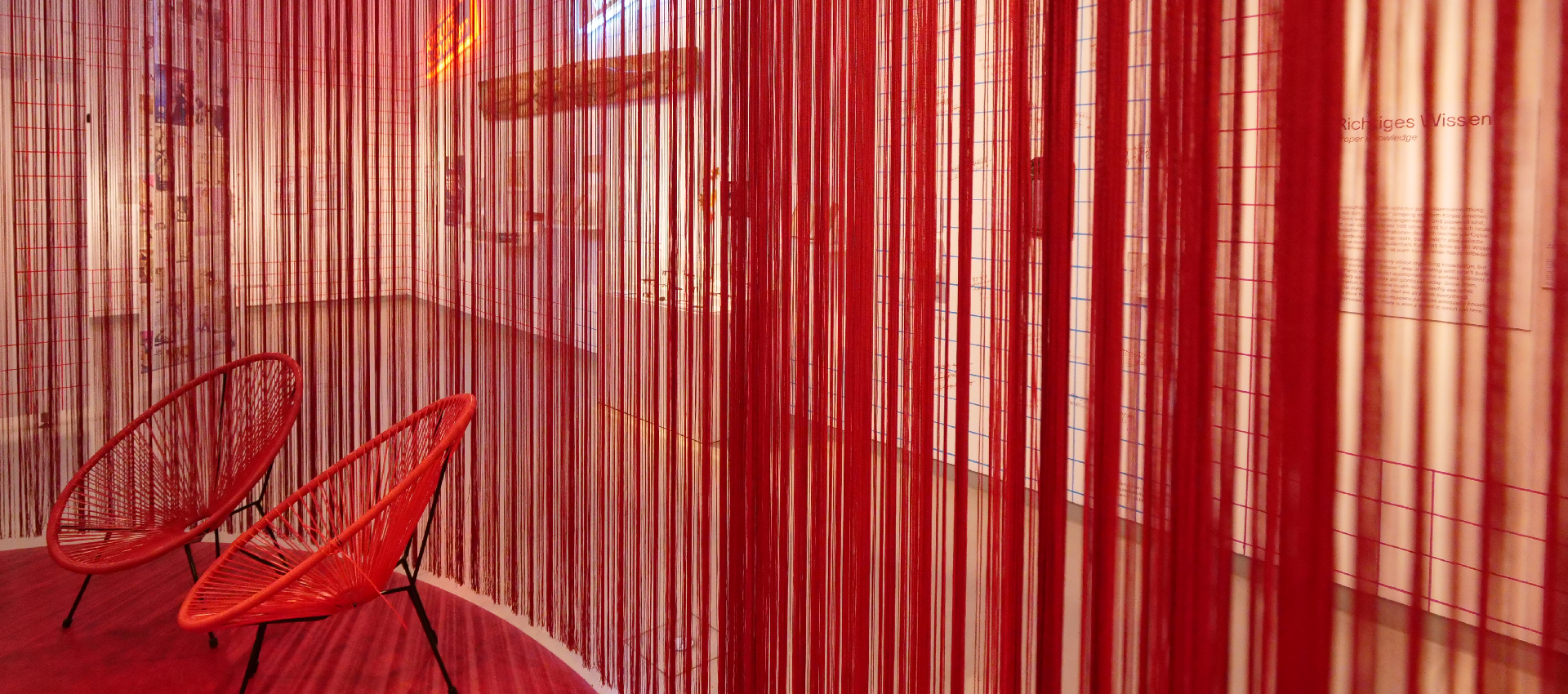
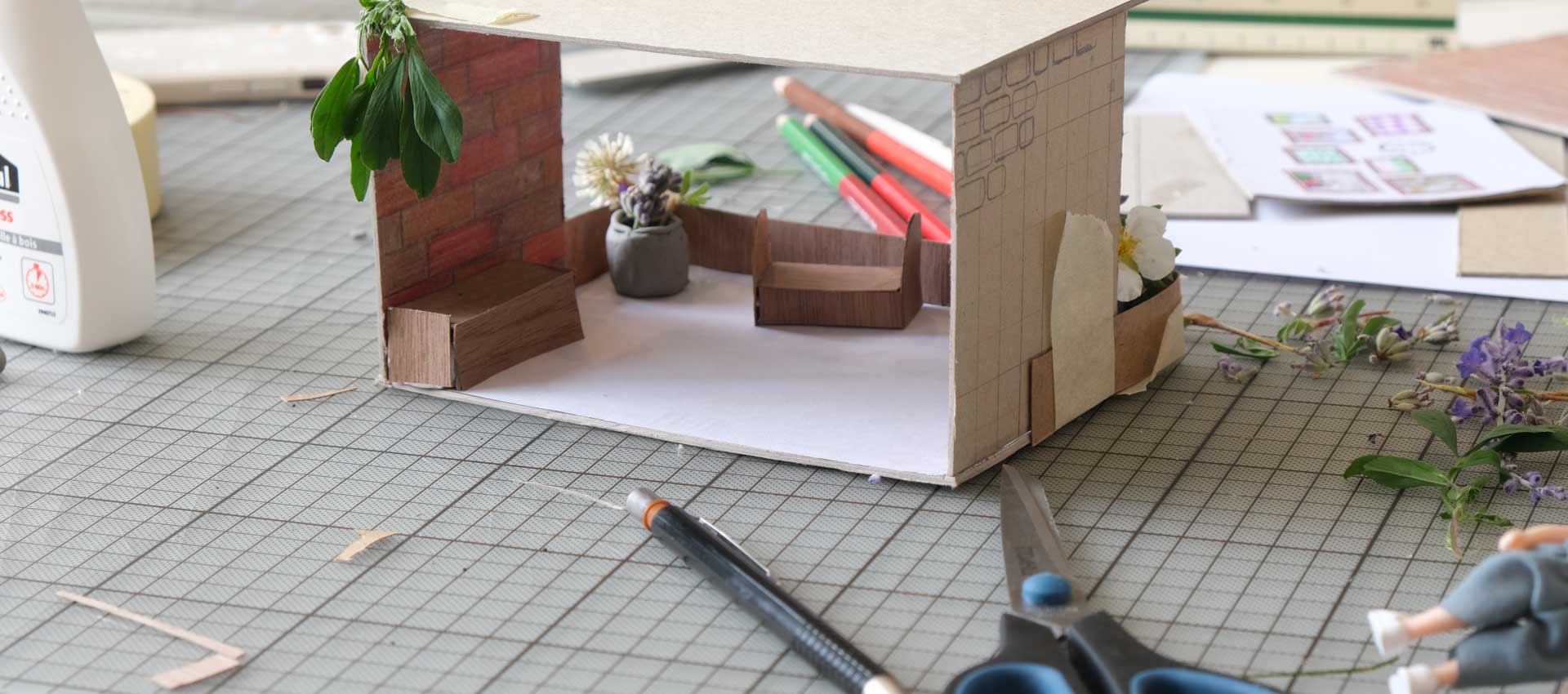
The poet and performer Nora Gomringer has reimagined Droste’s childhood and teenage bedroom as a blend of Droste-Hülshoff memorabilia and elements from her own youth in the 1980s. On display are the original chaise longue from Hülshoff Castle, an 80s-style Goethe fan poster and artificial snow packed in preserving jars – a reference to Droste’s unfinished tragedy ‘Bertha oder die Alpen’. Natural elements are also of central importance in the installation by the design studio Hyphen-Labs – though in this case, through their absence. A futuristic-looking hall of mirrors, alongside the working manuscript and fair copies of the poetry cycle “Die Elemente” (The Elements), in which humanity and nature seem to merge, directs the gaze towards the visitors as the sole representatives of nature in the space.
A writer 200 years ago vs. today
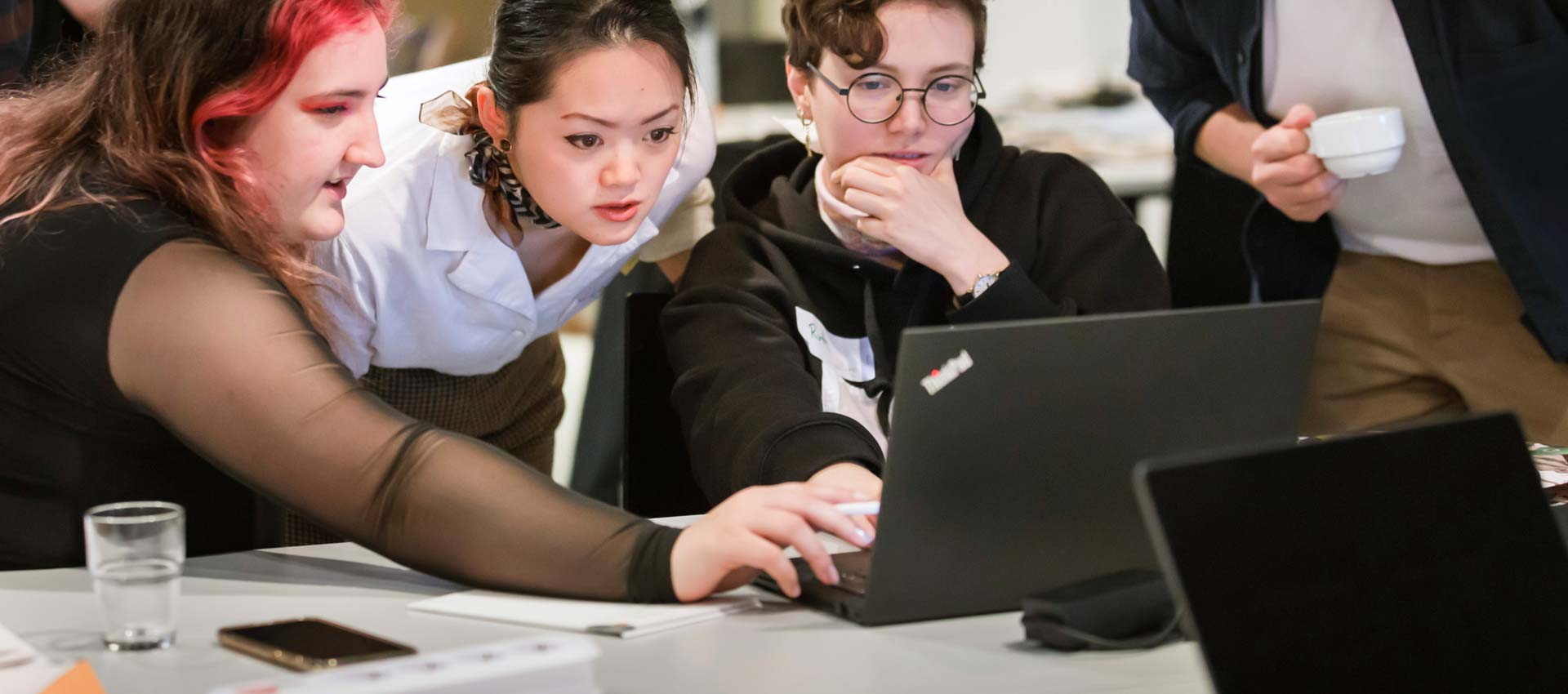
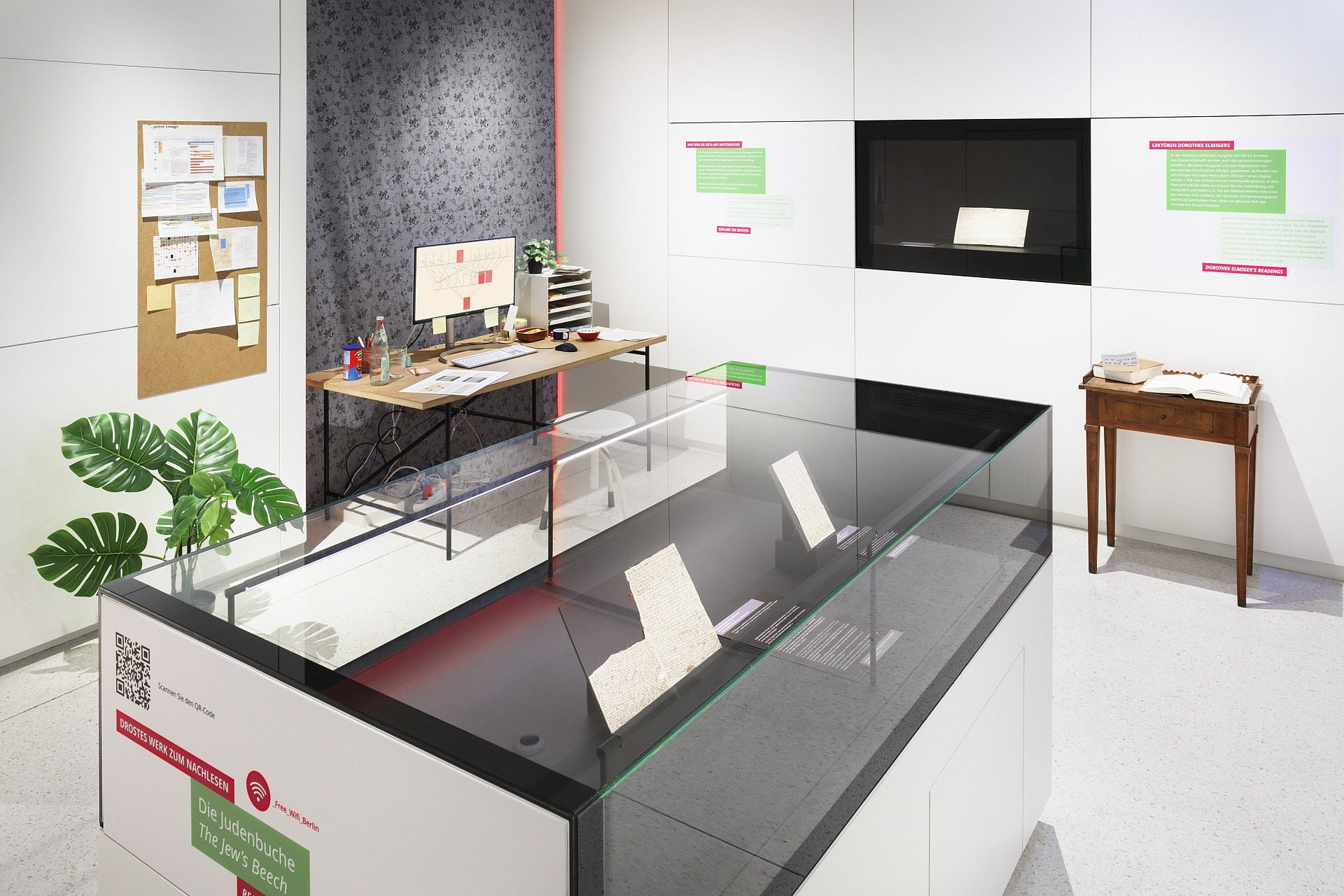
The final section of the exhibition remains creative and interactive: in her installation, the writer Dorothee Elmiger explores the working processes of her professional peers. Did a writer 200 years ago work in the same way as a writer today? Droste did not yet own a computer. However, the research and compilation of motifs during the writing process are broadly similar to the work of her contemporary colleagues. How a modern-day Droste might proceed can be re-enacted using the collection of motifs for Droste’s arguably most famous work, ‘Die Judenbuche’ (1842). Visitors can sit down at a desk, explore the digitised motifs on the computer and link their transcriptions to passages from the work.
Annette von Droste-Hülshoff and her mysterious handwriting, this “collection of hermetic signs”, naturally remain enigmas even after a visit to the Stabi Kulturwerk. But insights into her writing process, her living conditions and the way she perceived the world open up creative avenues for imagining the life and work of this literary legend – thanks in part to the “Schlechtsichtbrille”.