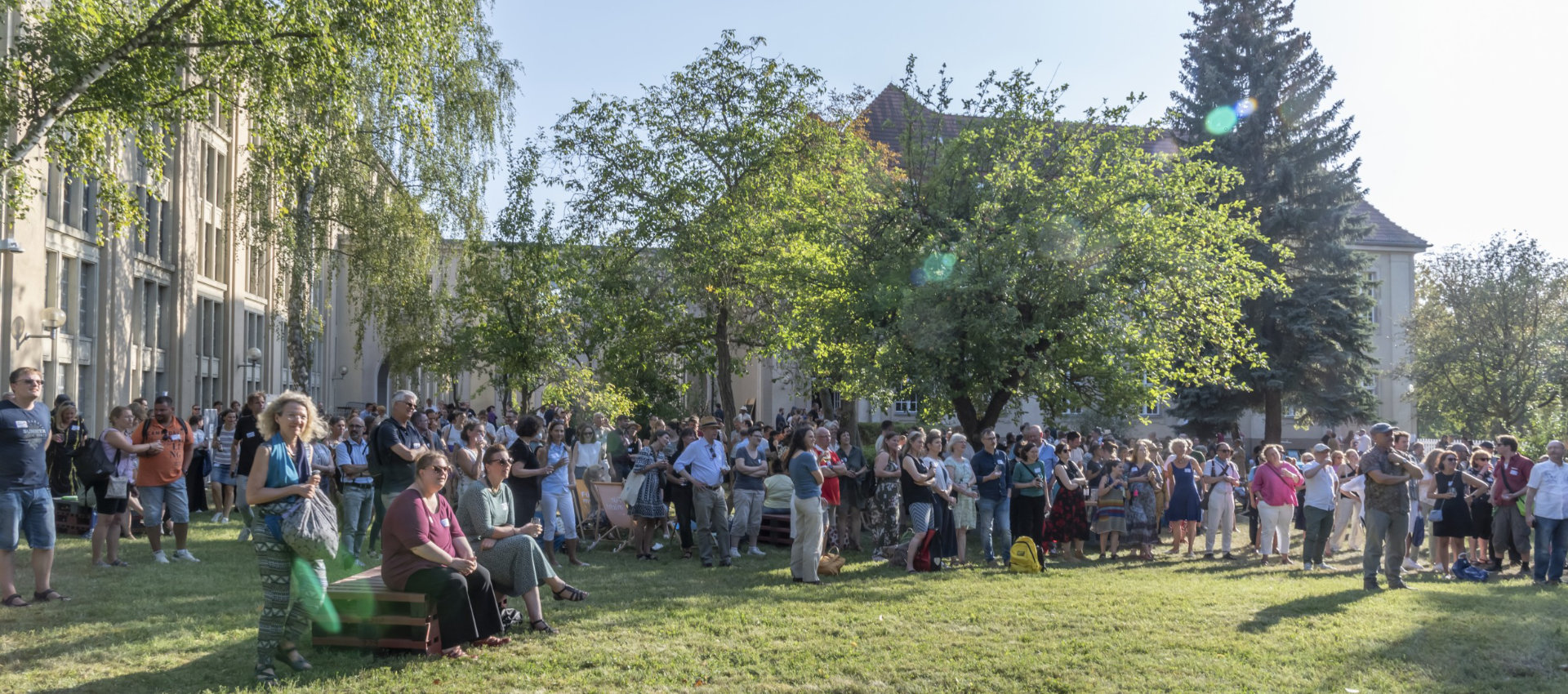
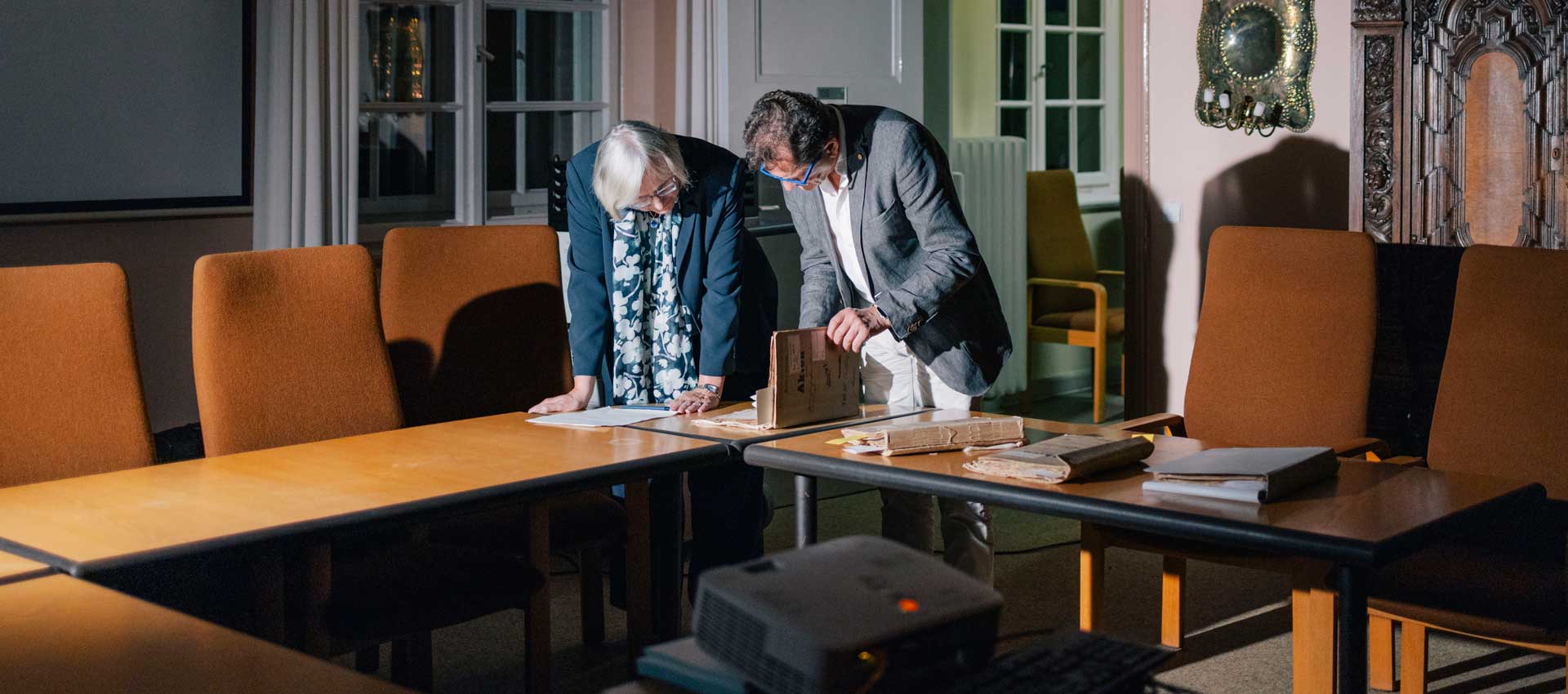
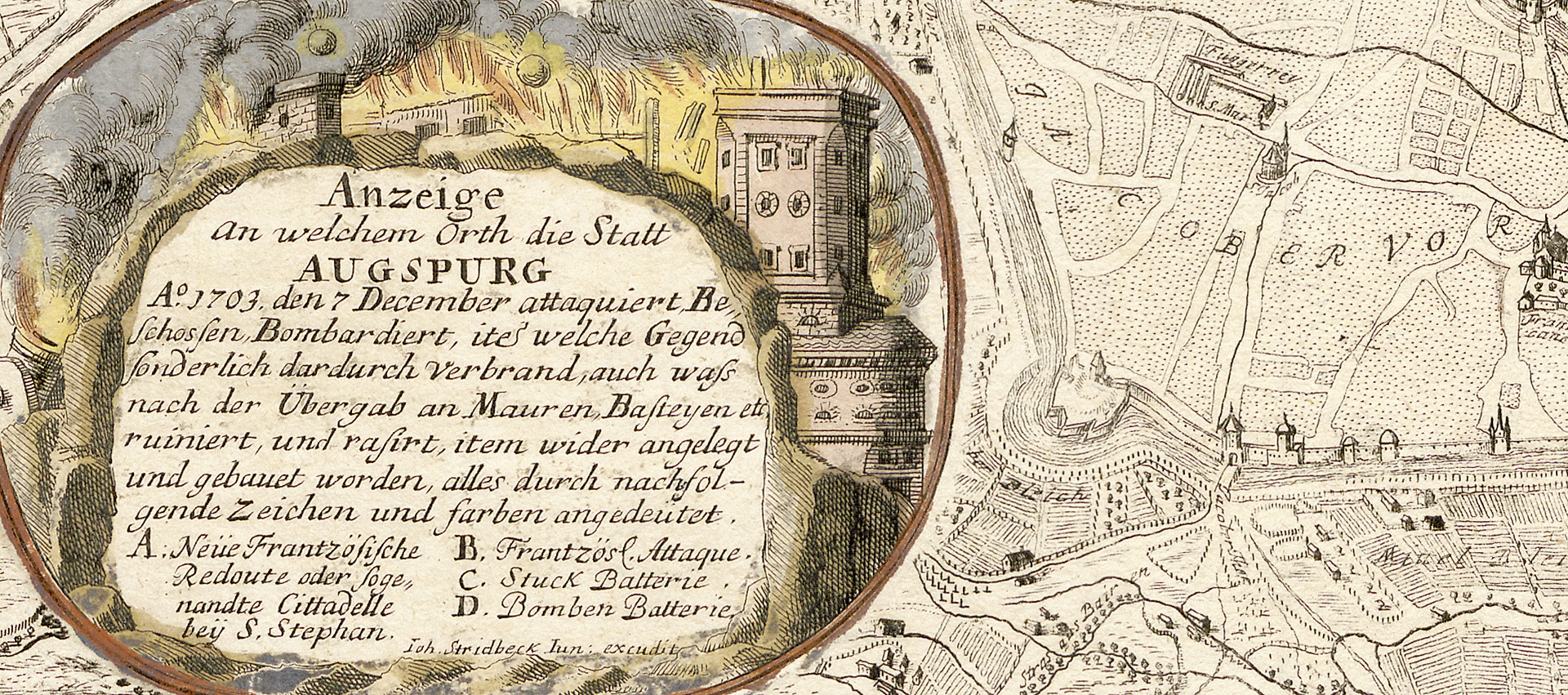
200 students from the Friedrich Meinecke Institute learnt how to work with archival materials during an ‘Archives Day’ at the GStA PK
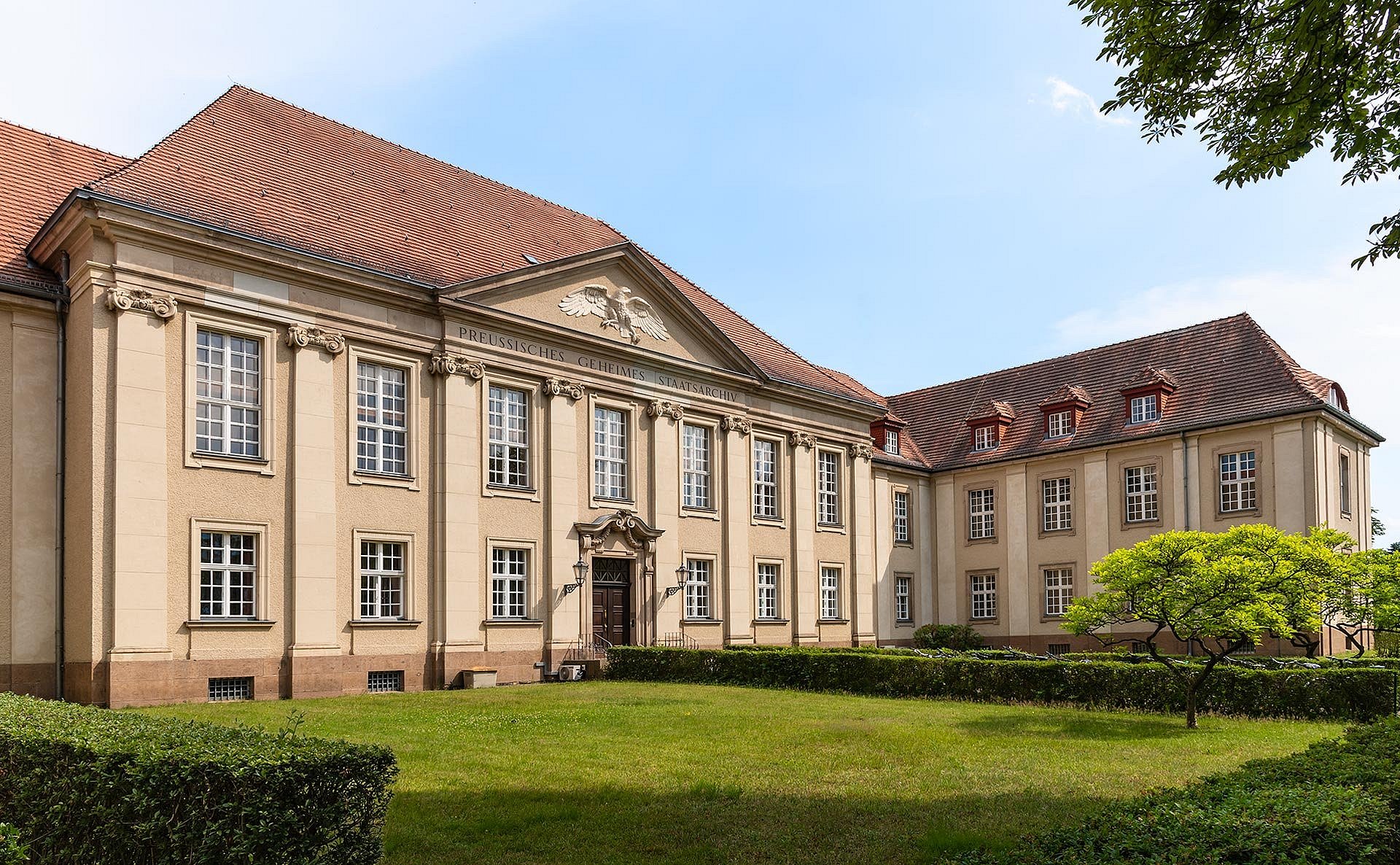
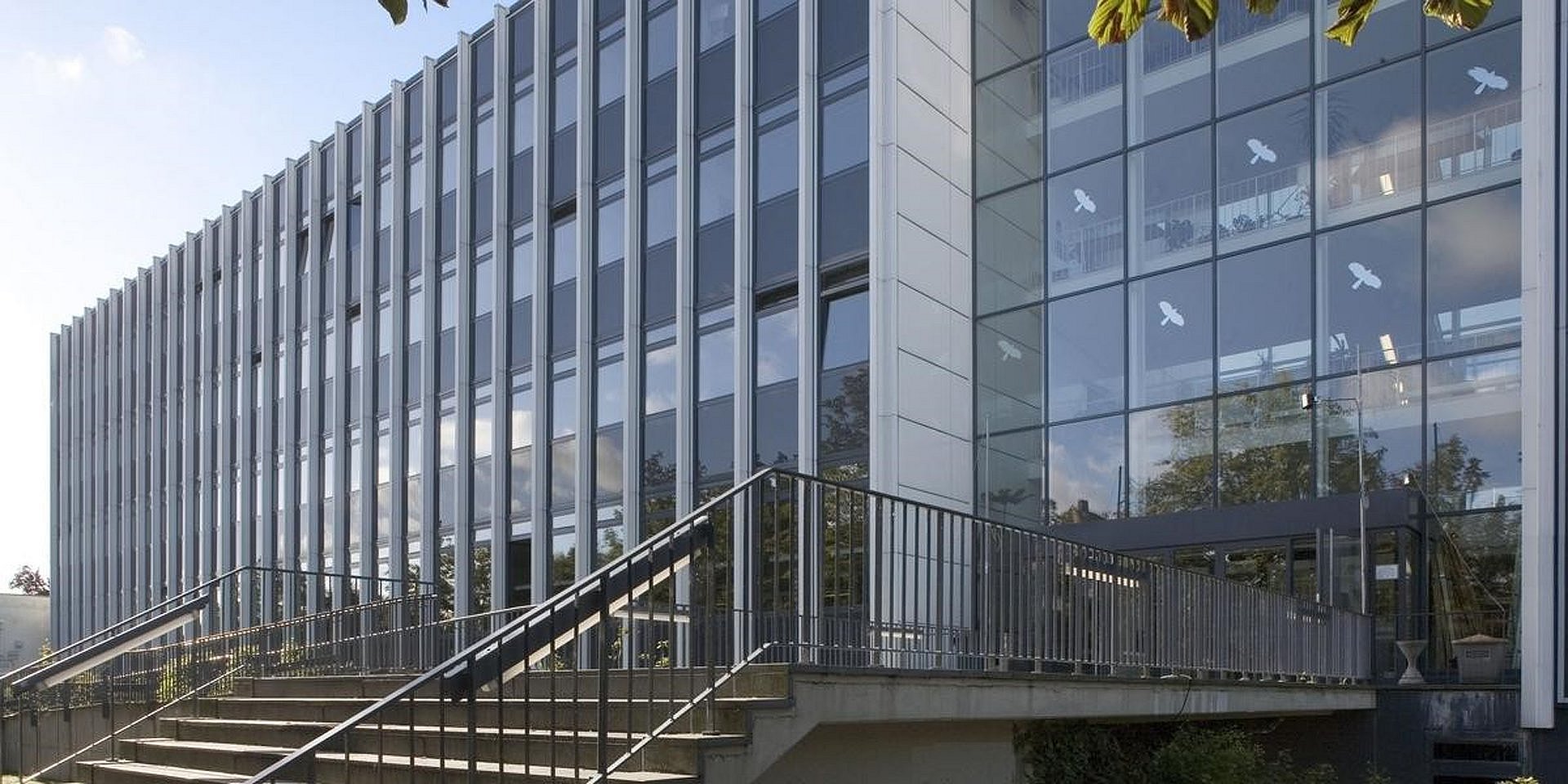
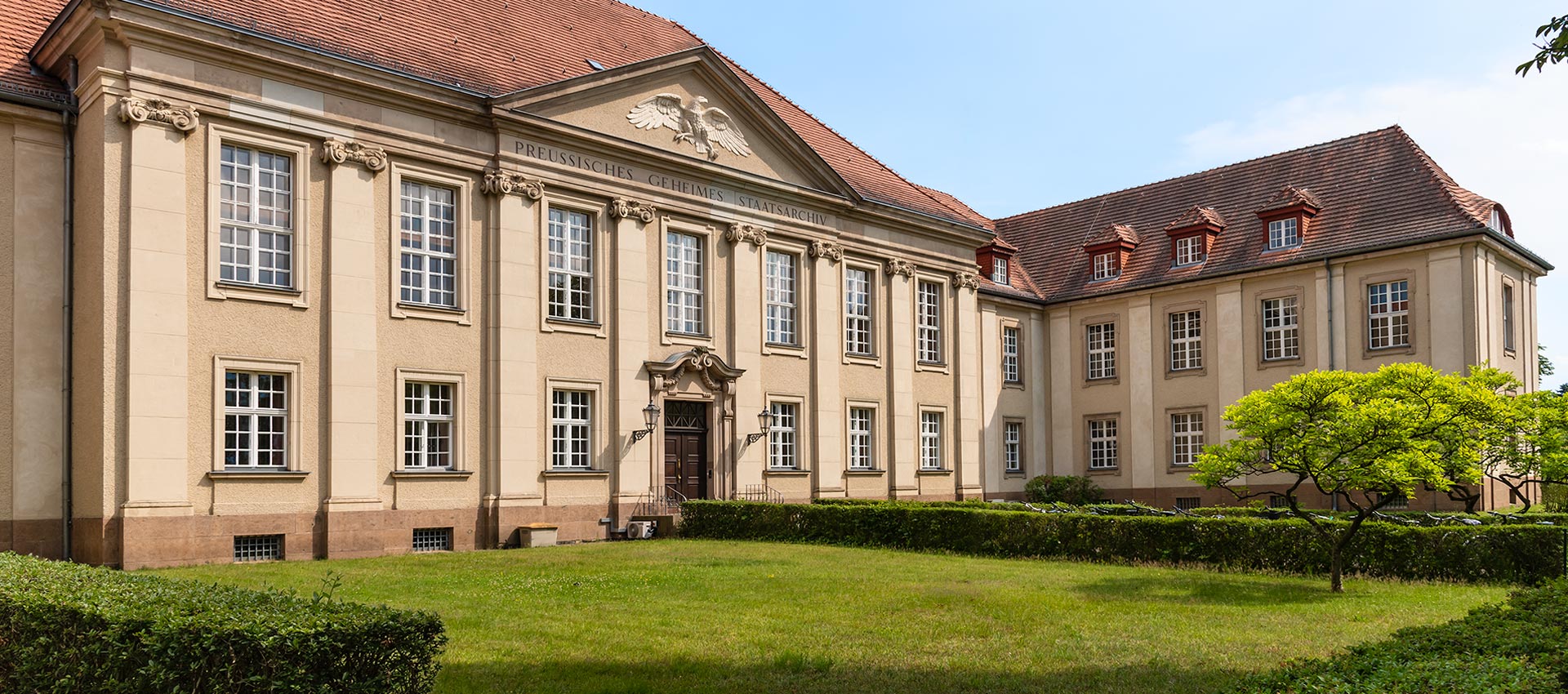
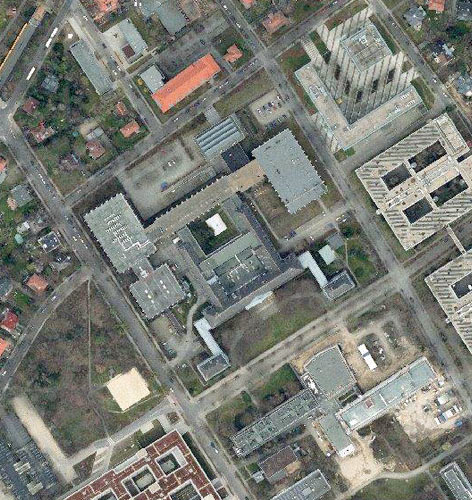
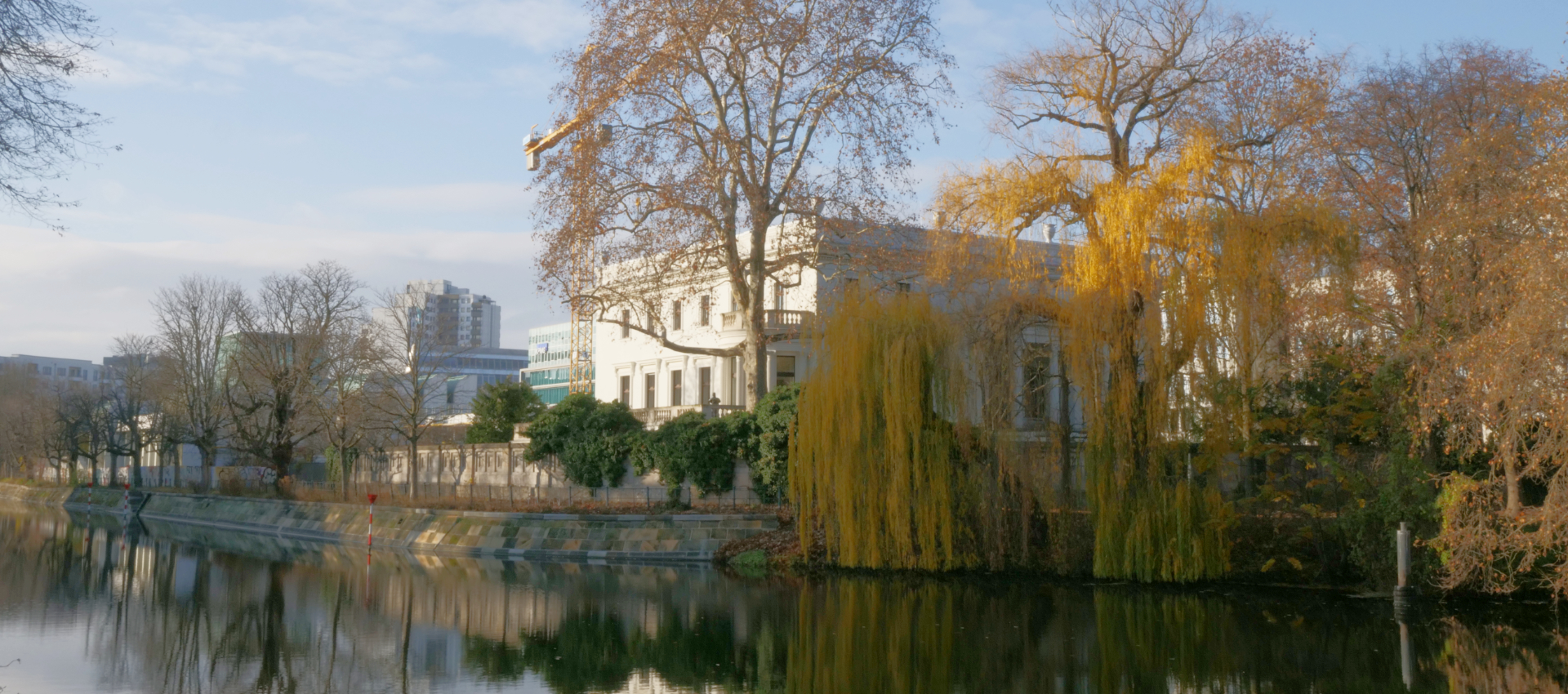
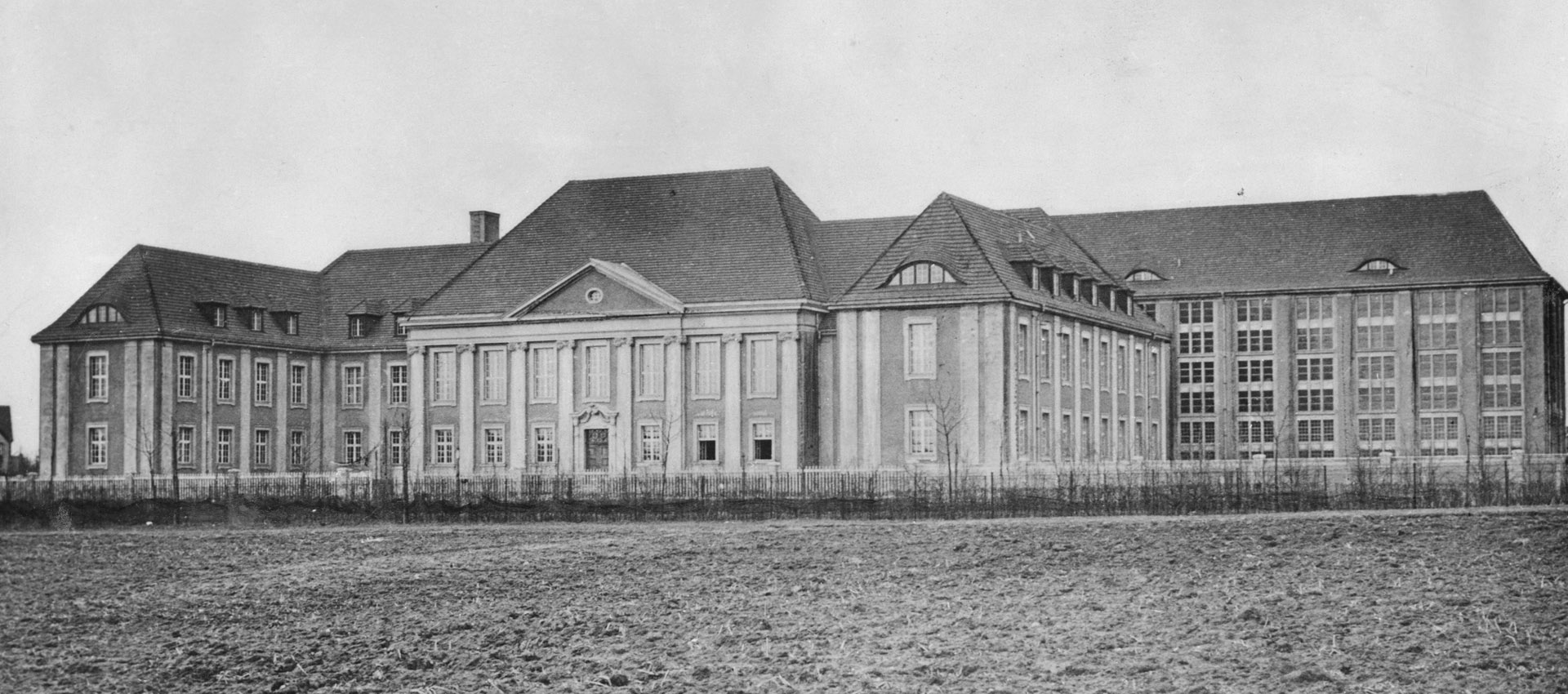
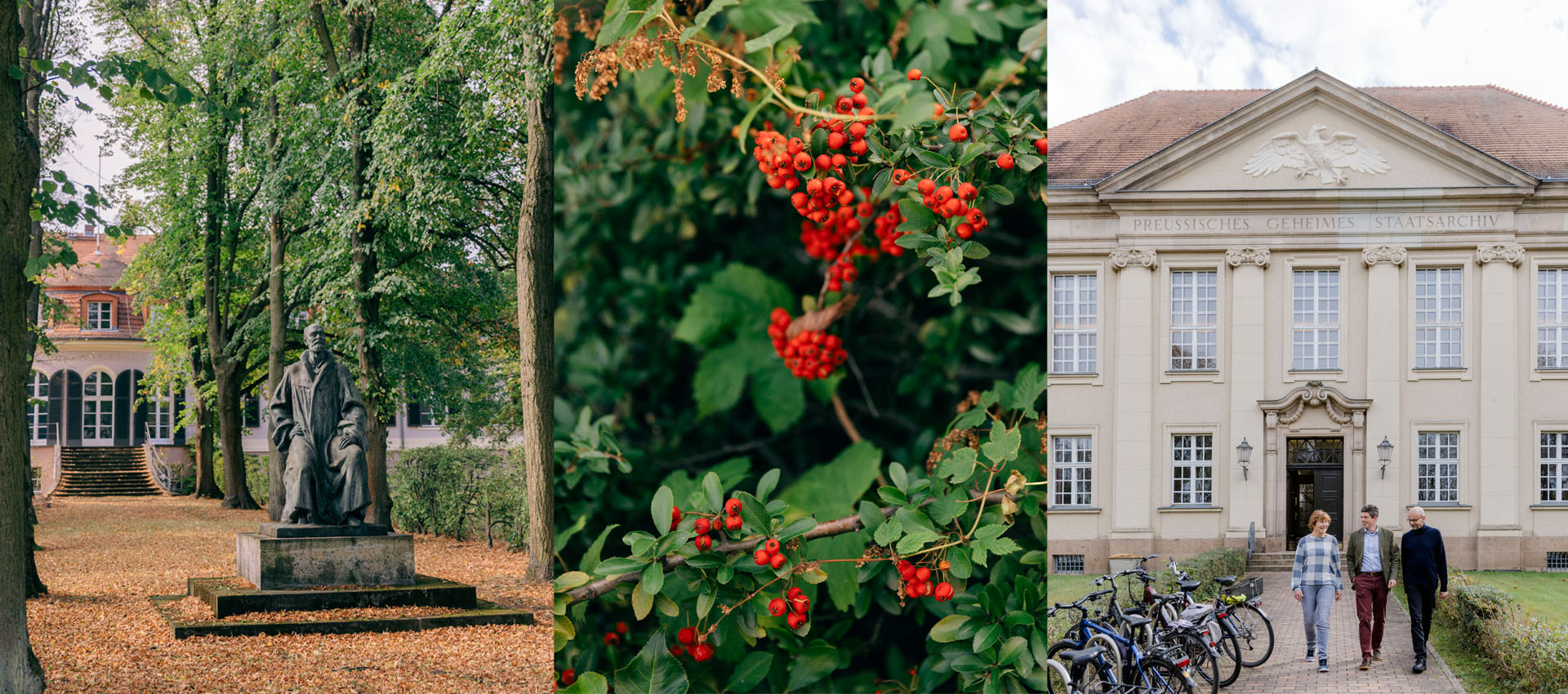
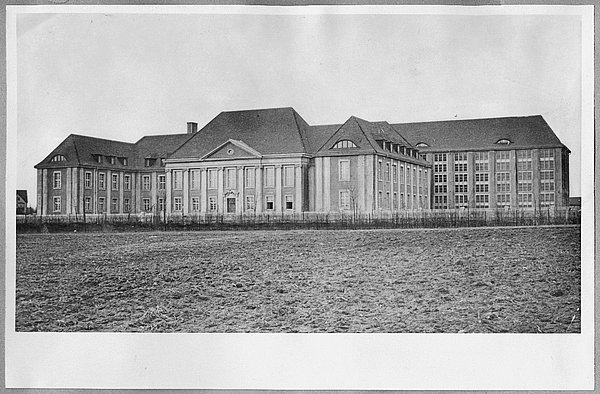
When the Prussian State Archives opened its doors in Dahlem 100 years ago, on 26 March 1924 to be precise, it was not merely a matter of improved working conditions in the new purpose-built archive building: The move from Klosterstraße in the heart of Berlin to the south-western outskirts of the city was seen as a further building block in the development of the planned new academic hub of Dahlem into a ‘German Oxford’, with close links between the planned university, other research institutes and, indeed, the Prussian Central Archives.
How much time, patience and attention will I need to invest, and what insights will I gain from it?
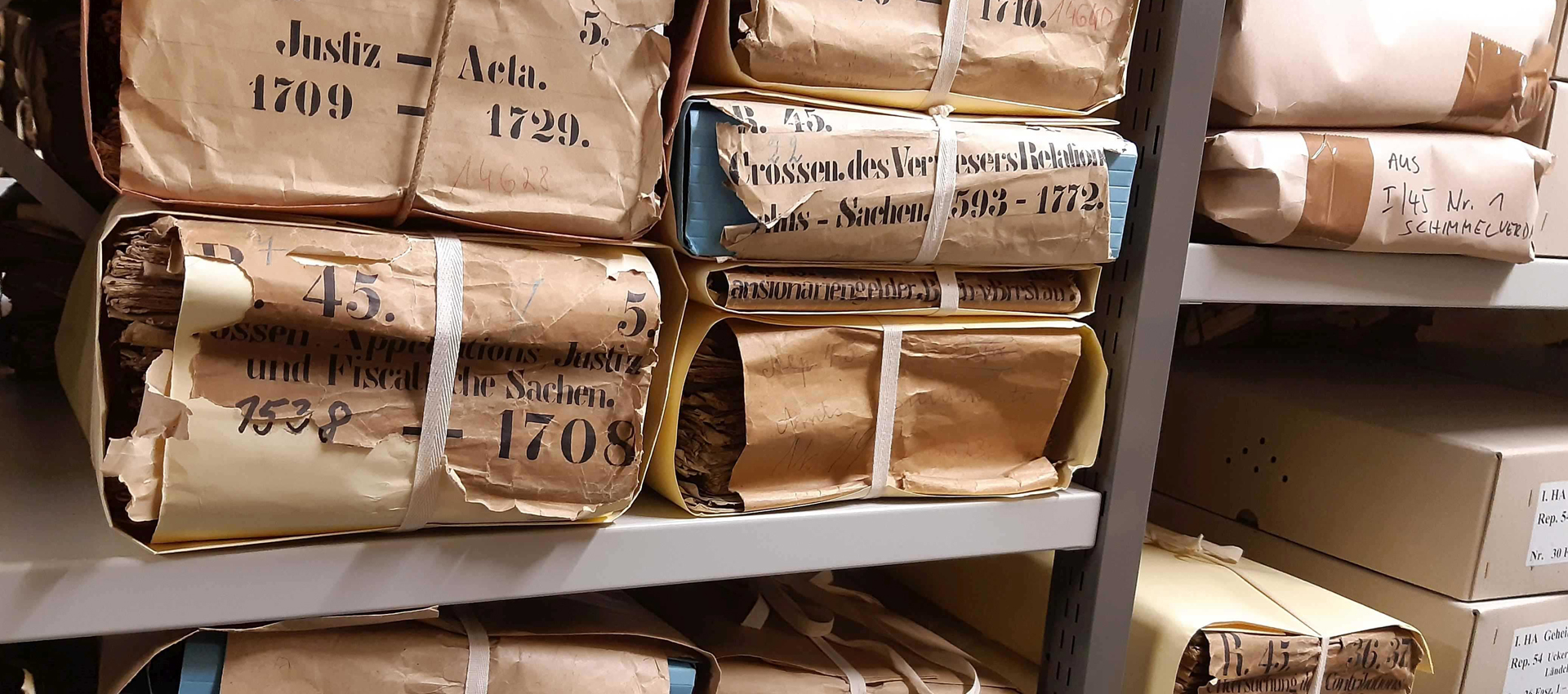
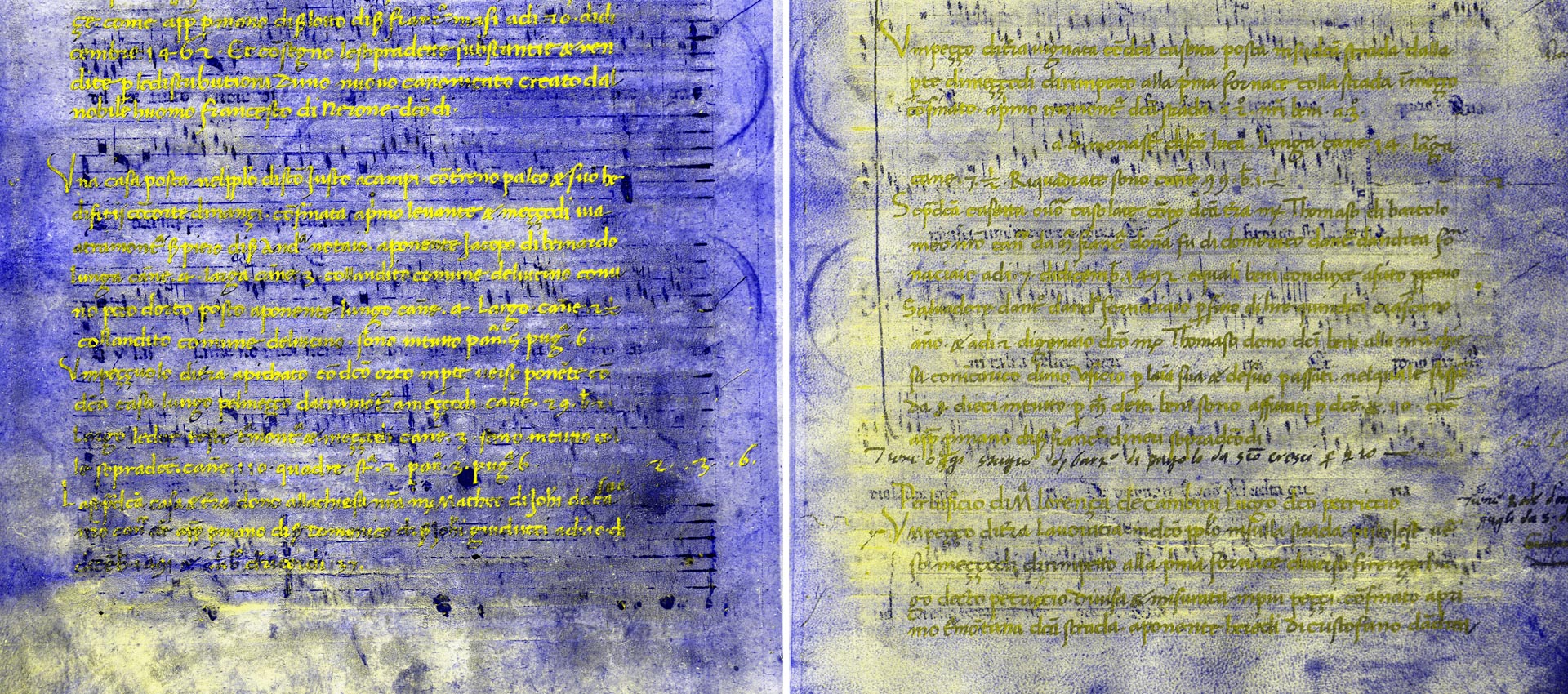
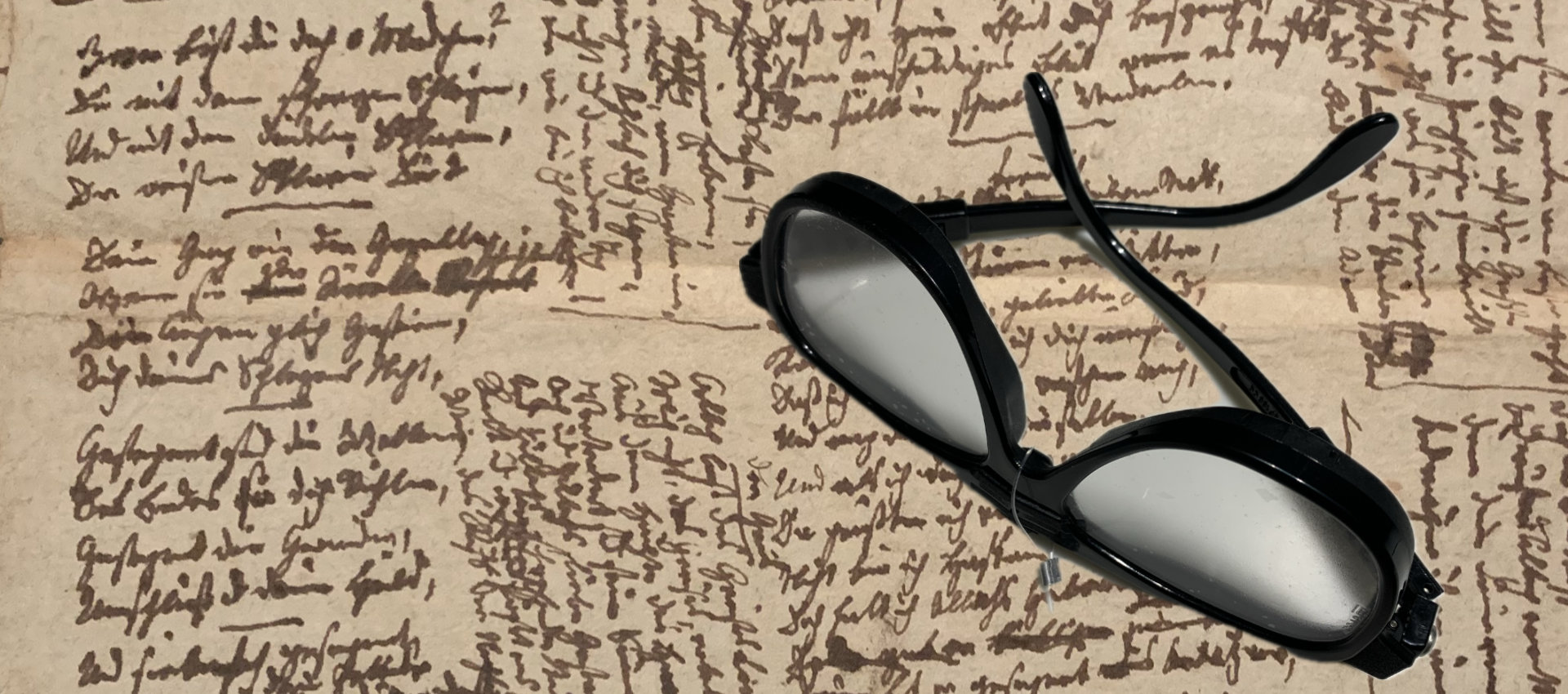
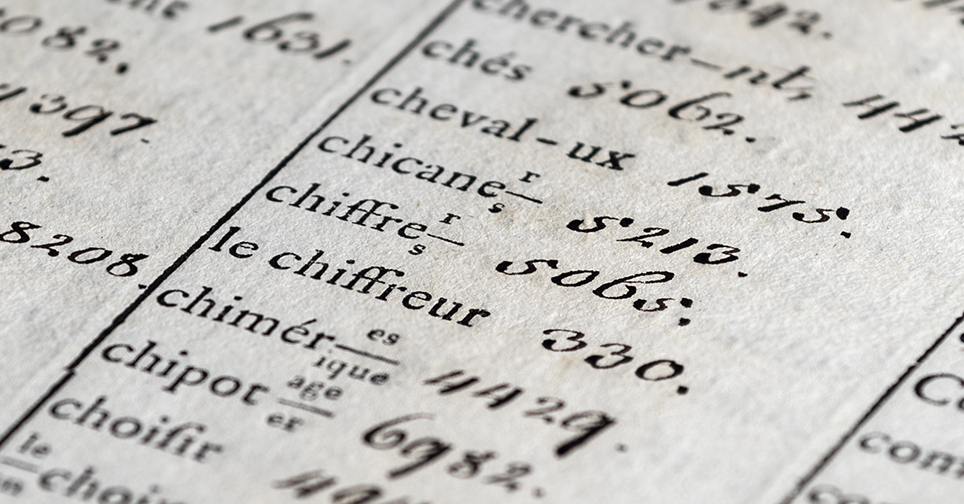
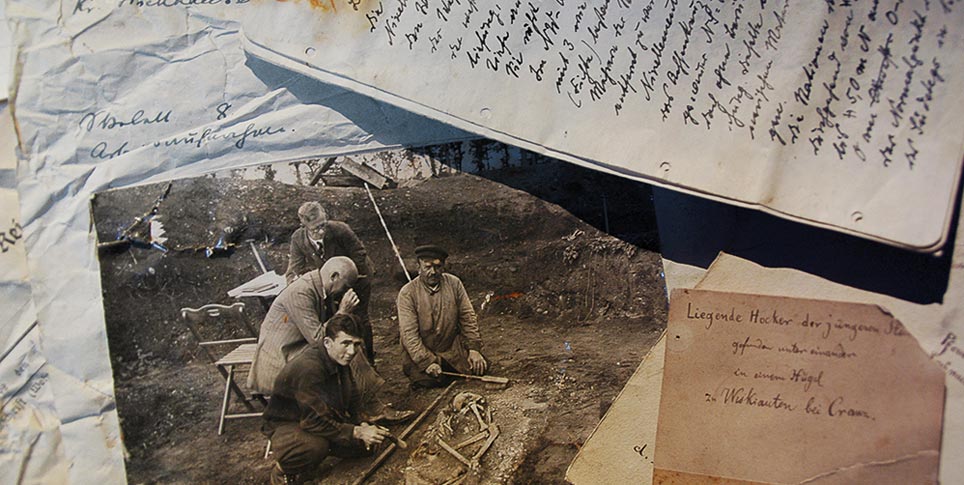
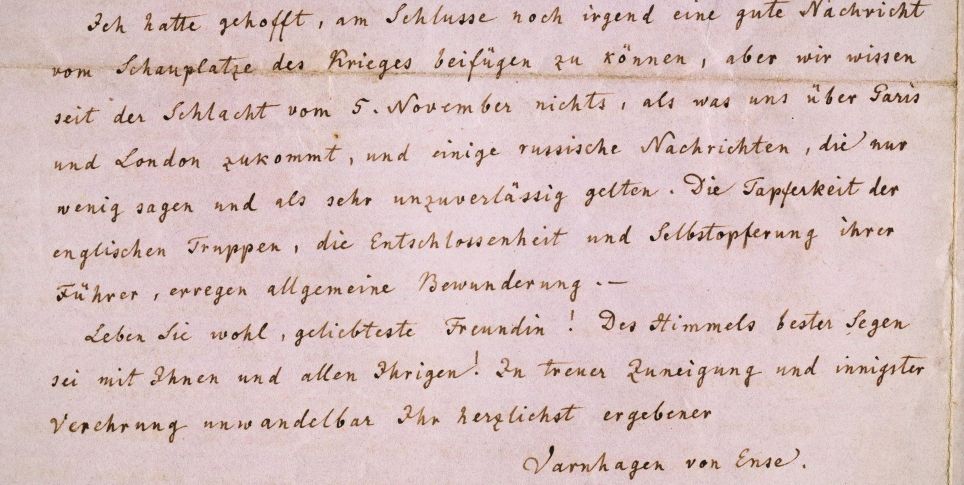
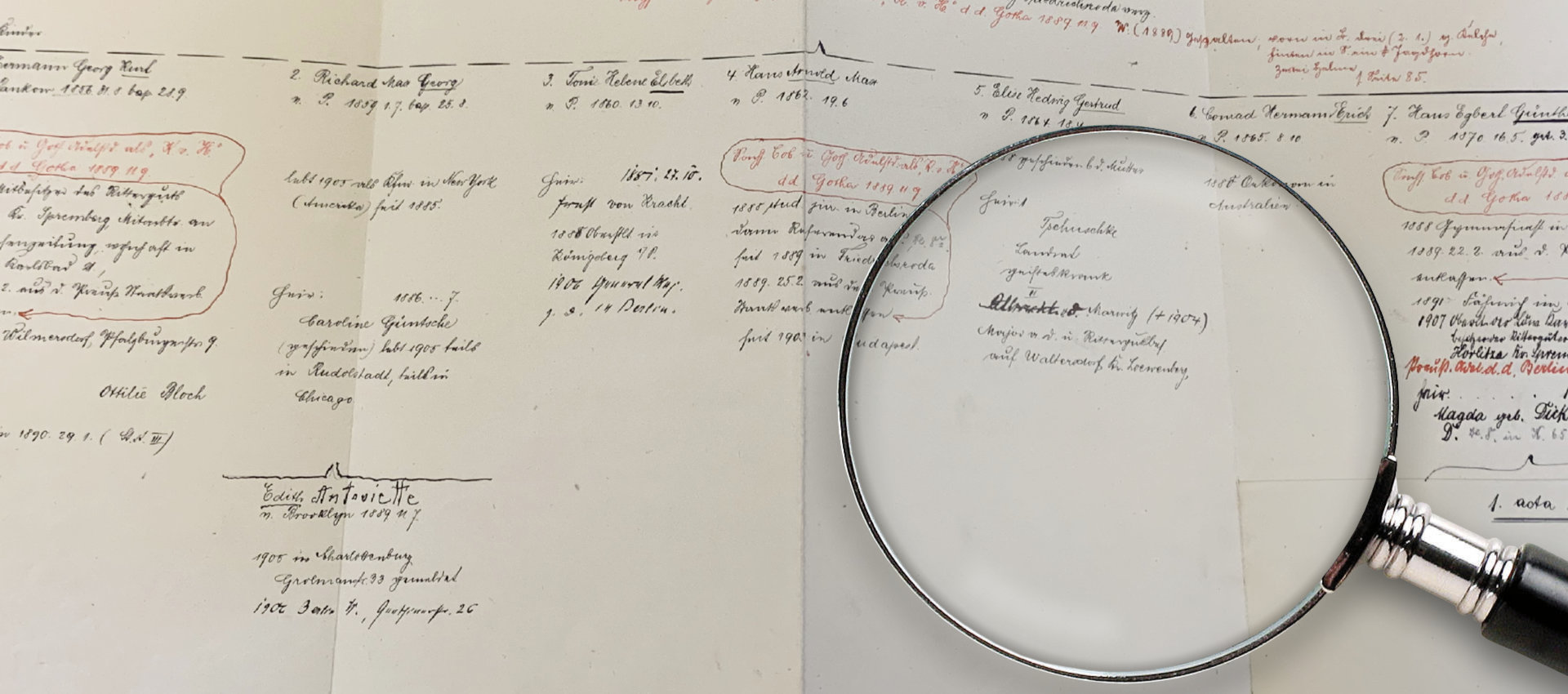
Today, a contrasting trend can be observed not only at the Secret State Archives of the Prussian Cultural Heritage Foundation (GStA PK), but also in state archives across the country, alongside the noted decline in student usage figures. This development is often attributed to the standardisation of the European higher education system in the late 1990s, known as the ‘Bologna Process’, and the resulting shortening of degree programmes: students often lack the time to work with archival sources. The traditional so-called auxiliary historical sciences, such as document studies and, in particular, palaeography – that is, the deciphering of older forms of writing – have scarcely any place left in the curriculum. Thus, the difficulty in reading documents written in German script – often in handwriting until the early 20th century – with their typeface no longer familiar to us today presents a significant hurdle in dealing with archival materials.
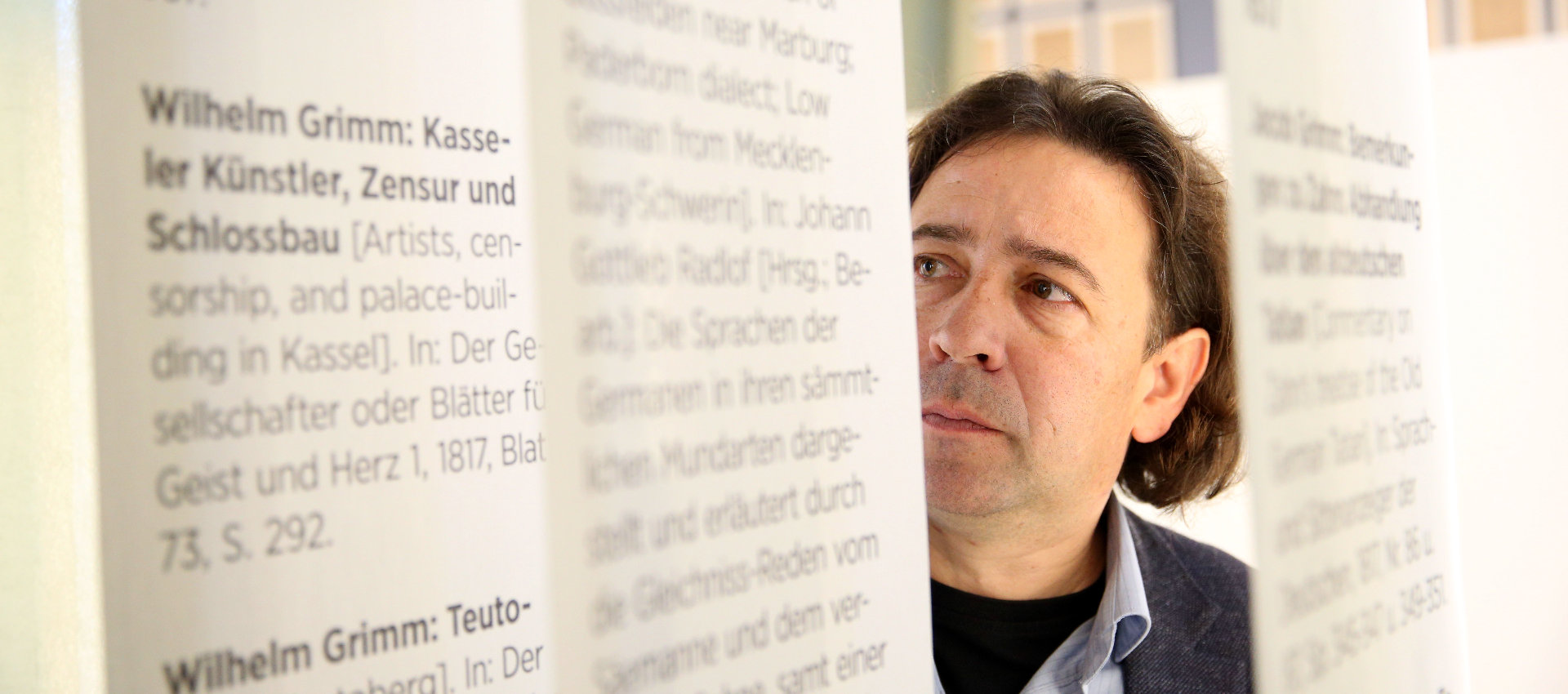
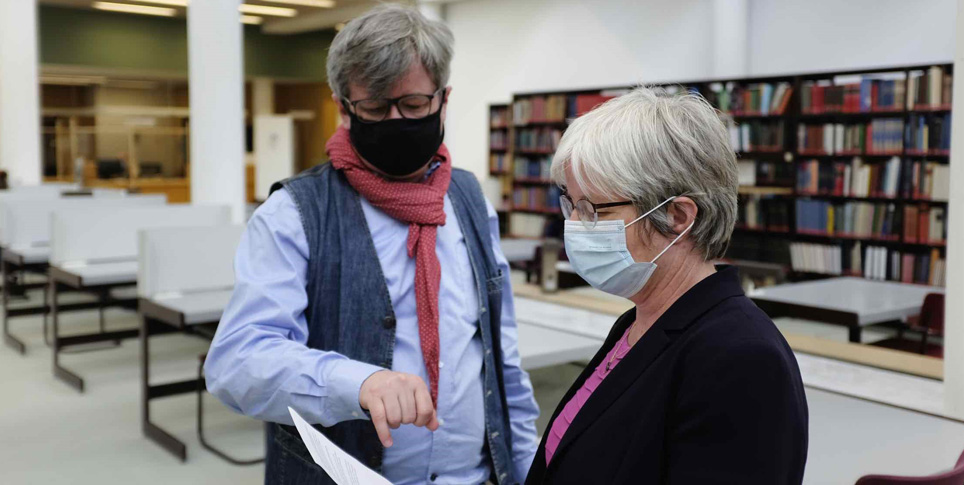
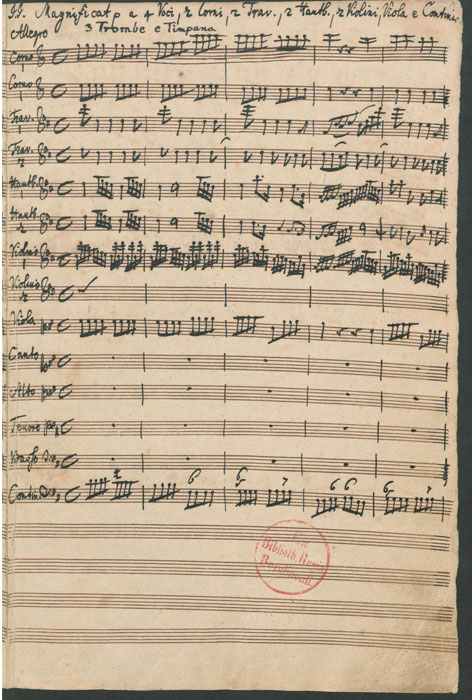
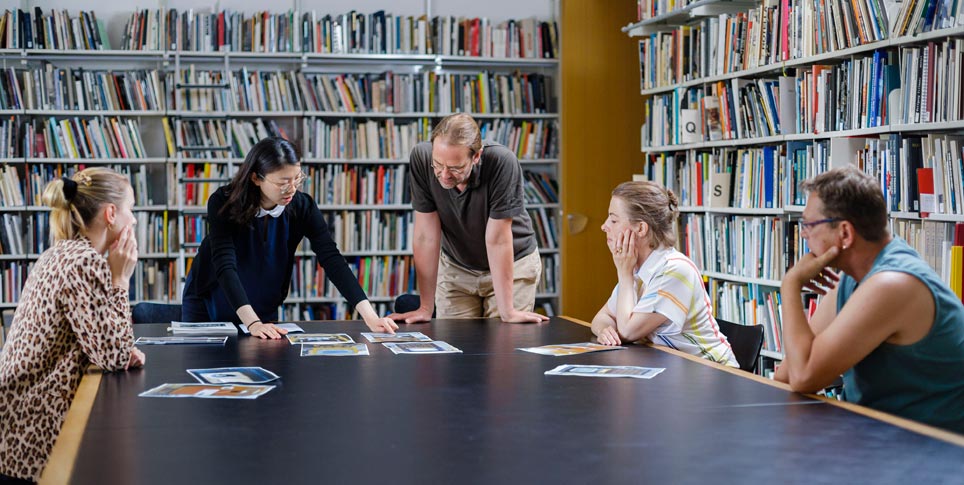
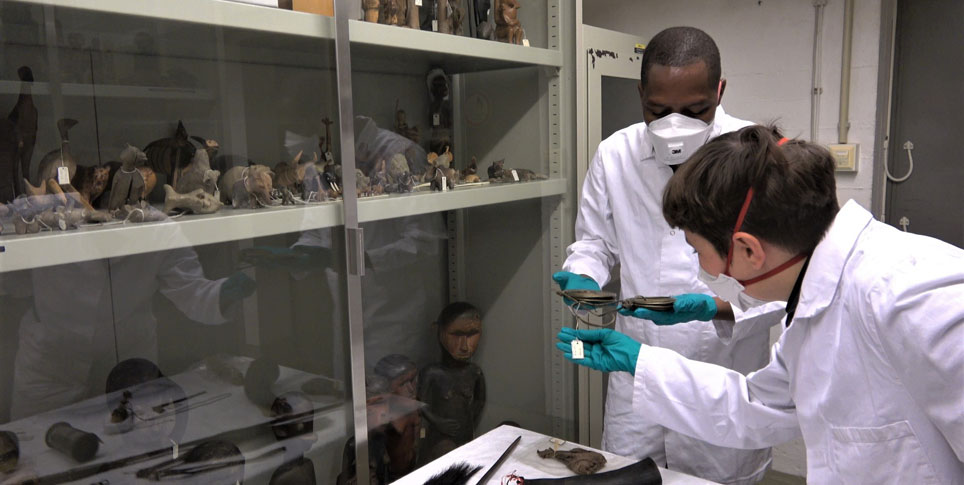
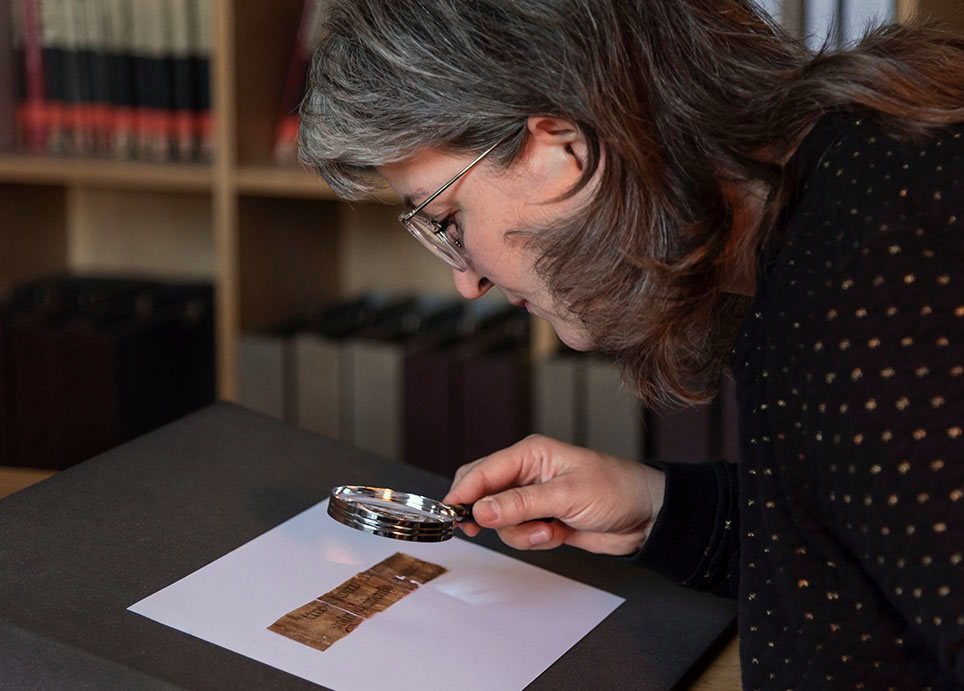
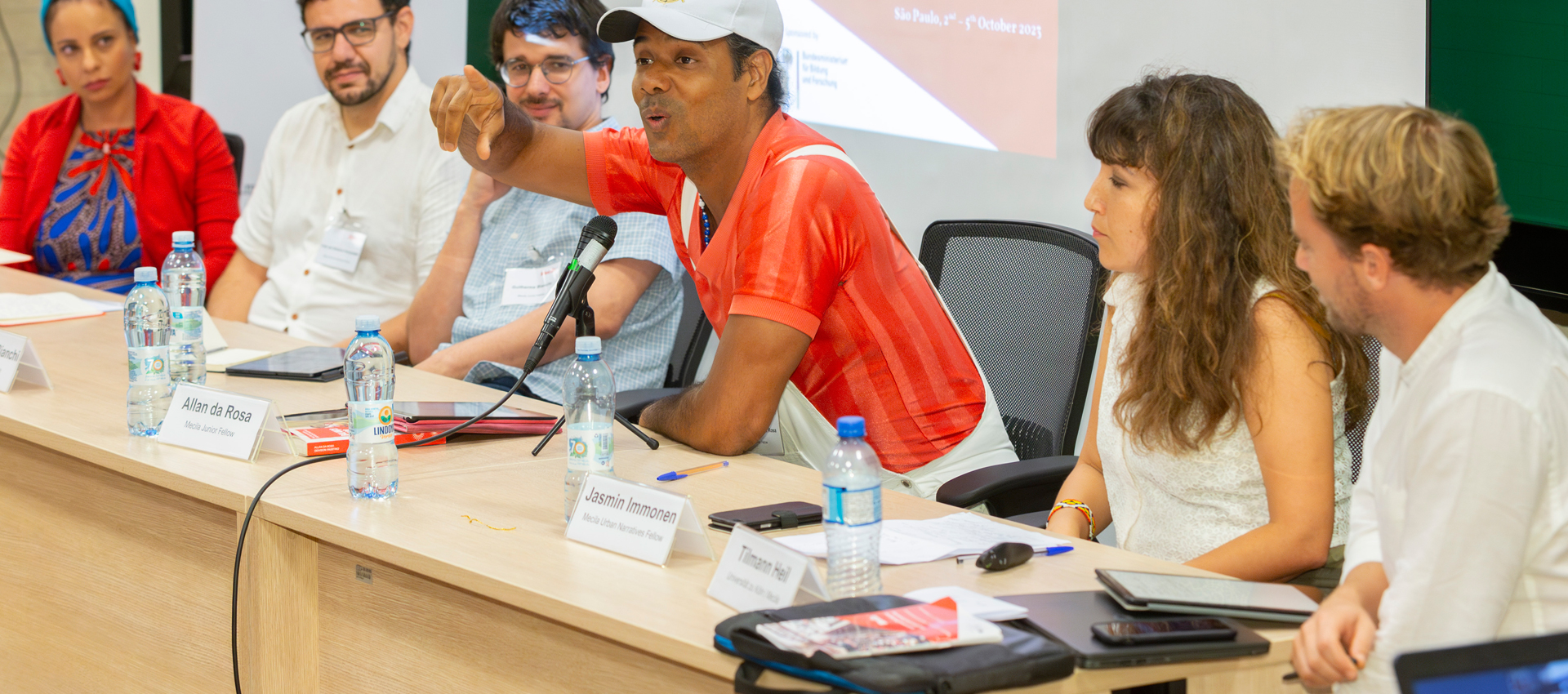
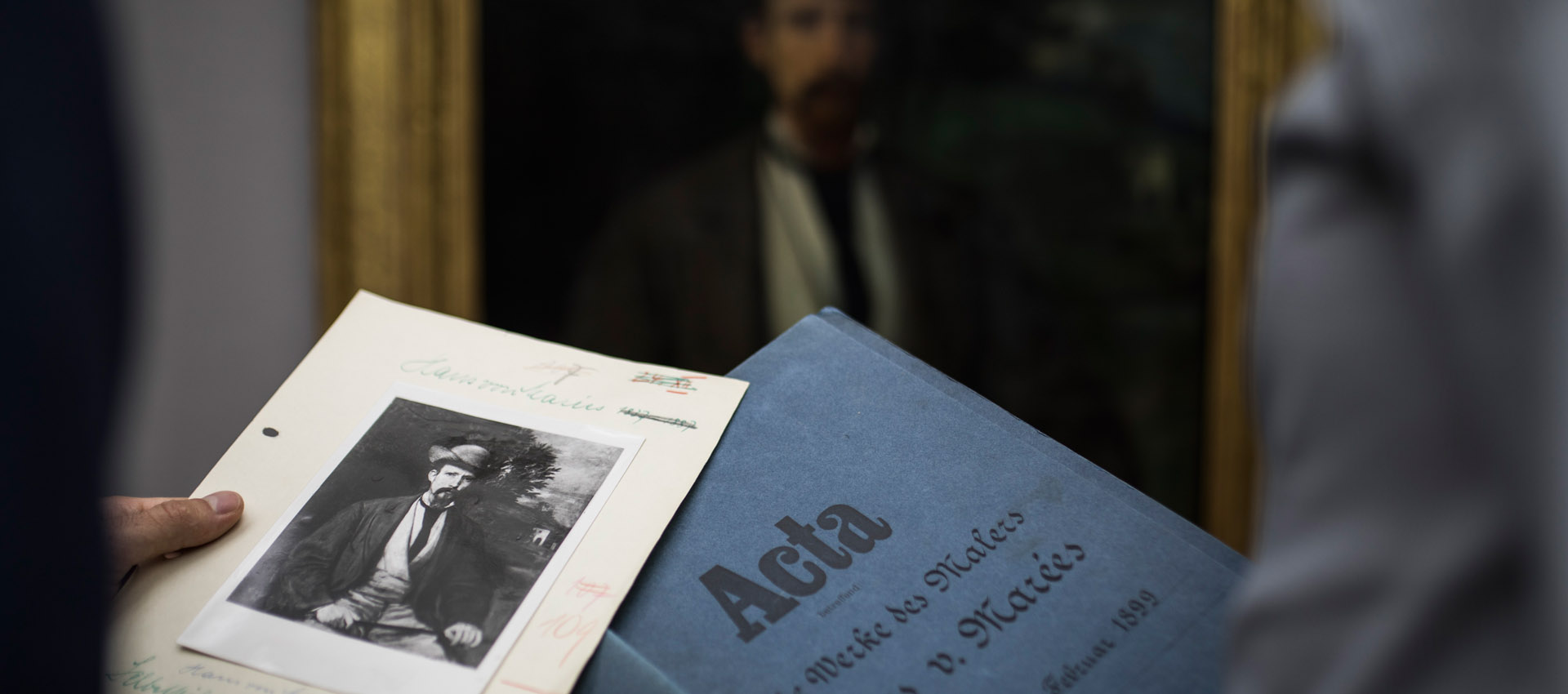
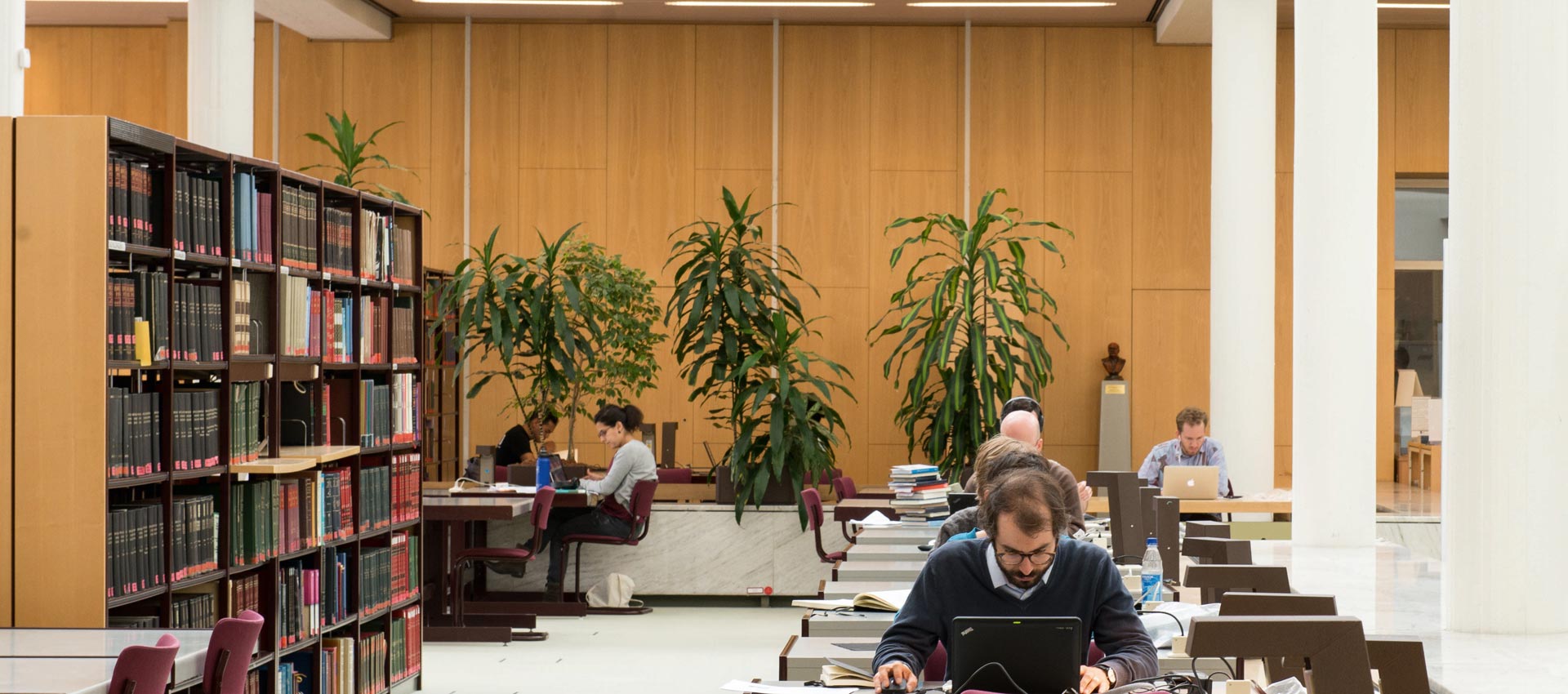
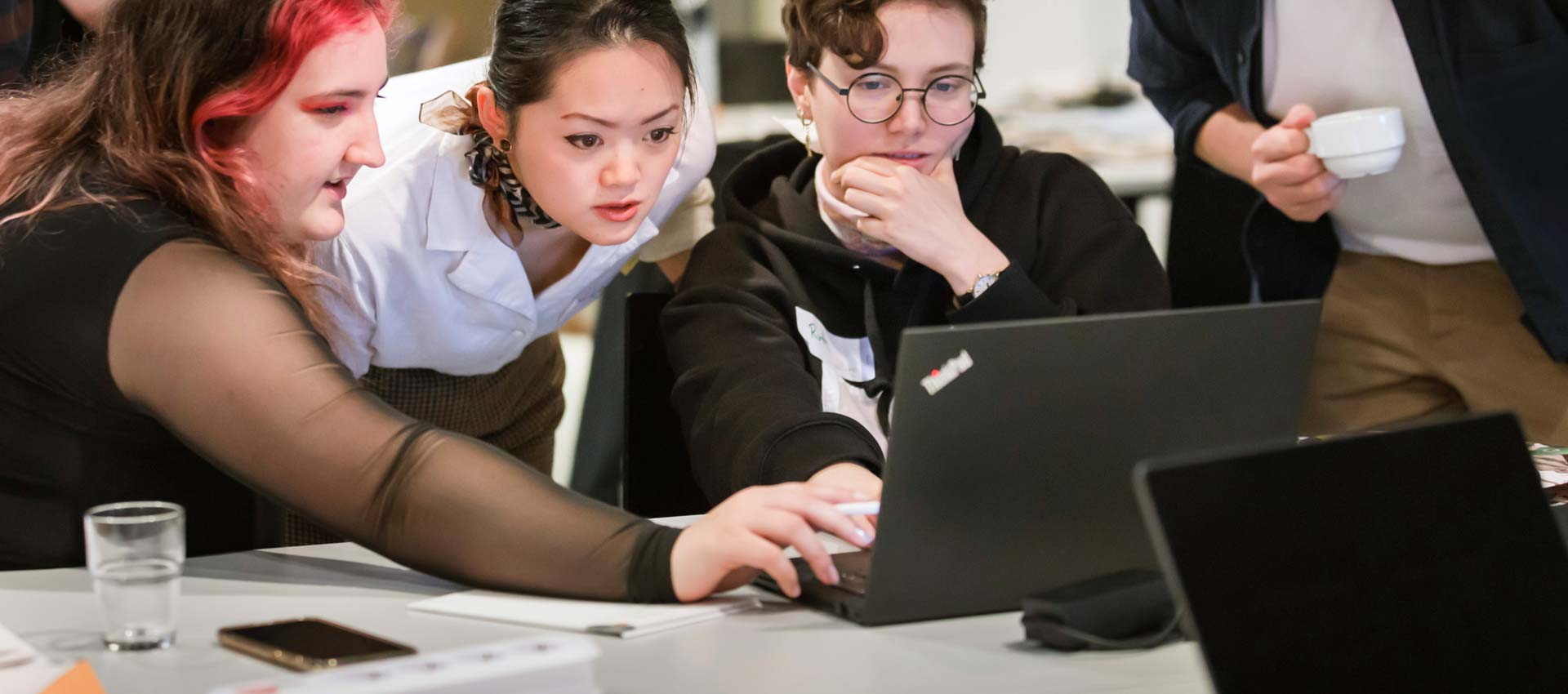
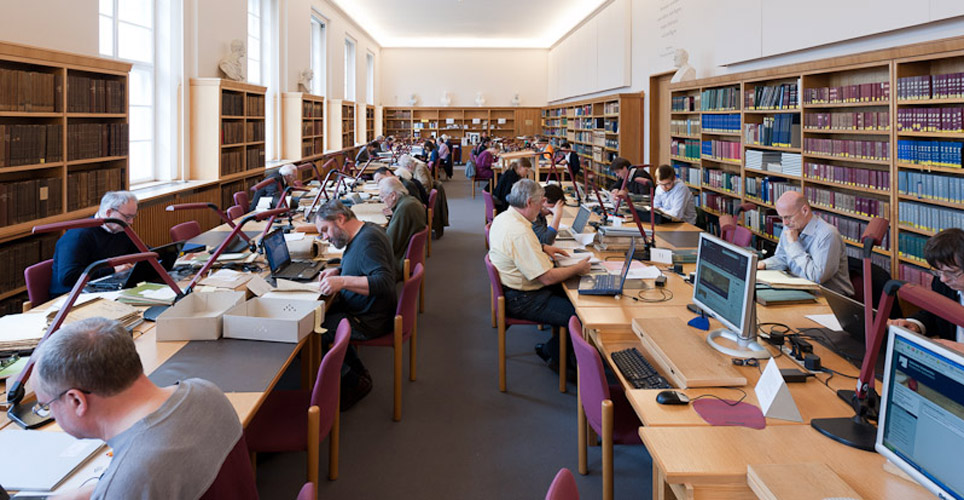
It is therefore hardly surprising that students wonder whether the effort involved in visiting an archive is worthwhile. This was the starting point for an event organised by the GStA PK in collaboration with the Friedrich Meinecke Institute, a department within the Faculty of History and Cultural Studies at Freie Universität Berlin, on 22 November 2023: in the archive’s event rooms, archivists offered three 90-minute thematic modules in which participants could practise handling and working with archival materials. In addition to the content, the event also addressed the question of the costs and benefits of working with archival materials: how much time, patience, attention, etc. do I need to invest, and what insights will I gain in return?
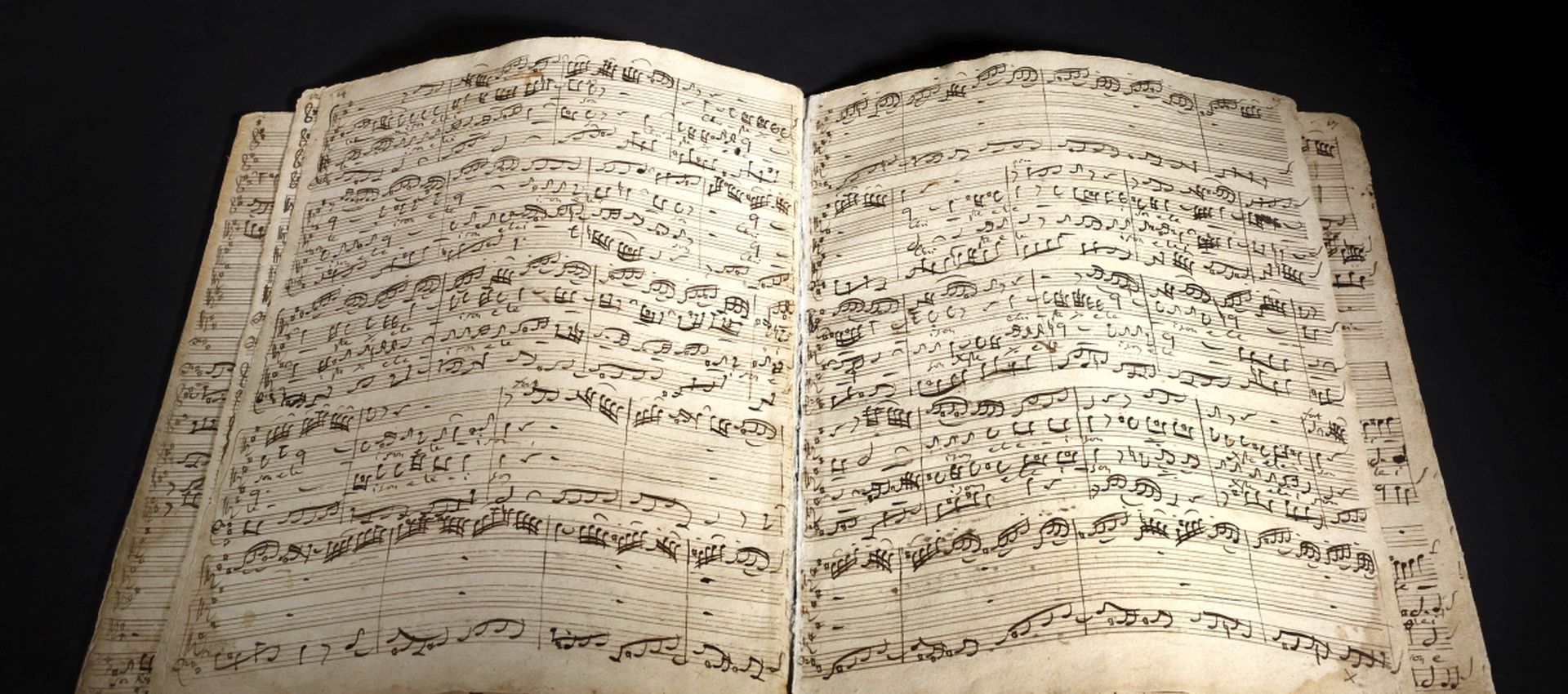
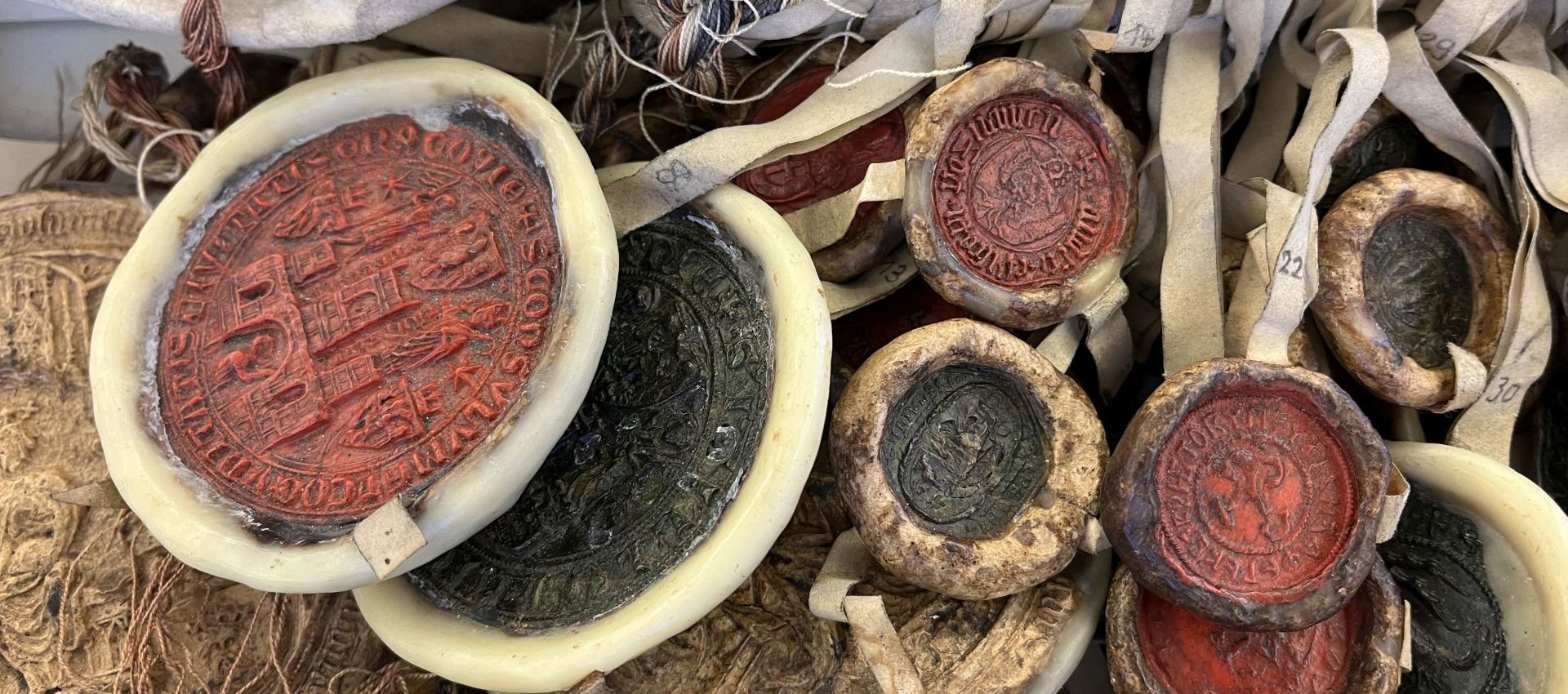
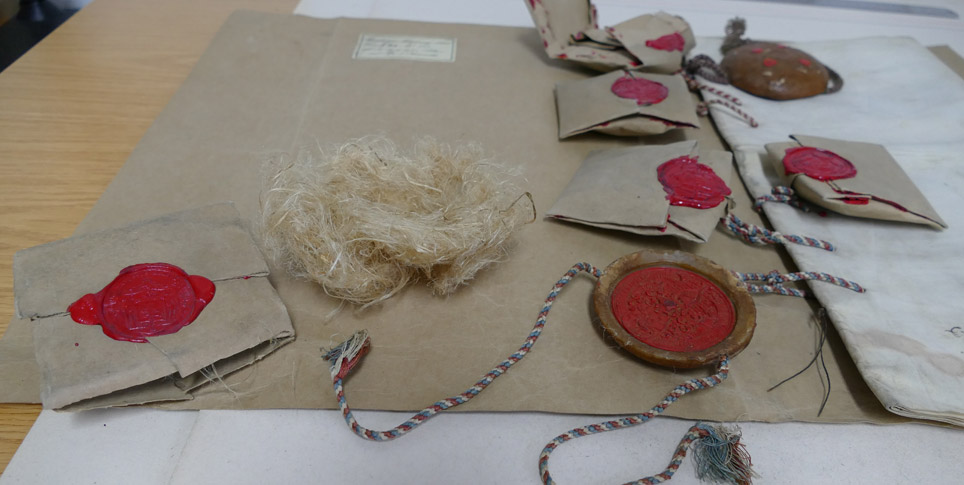
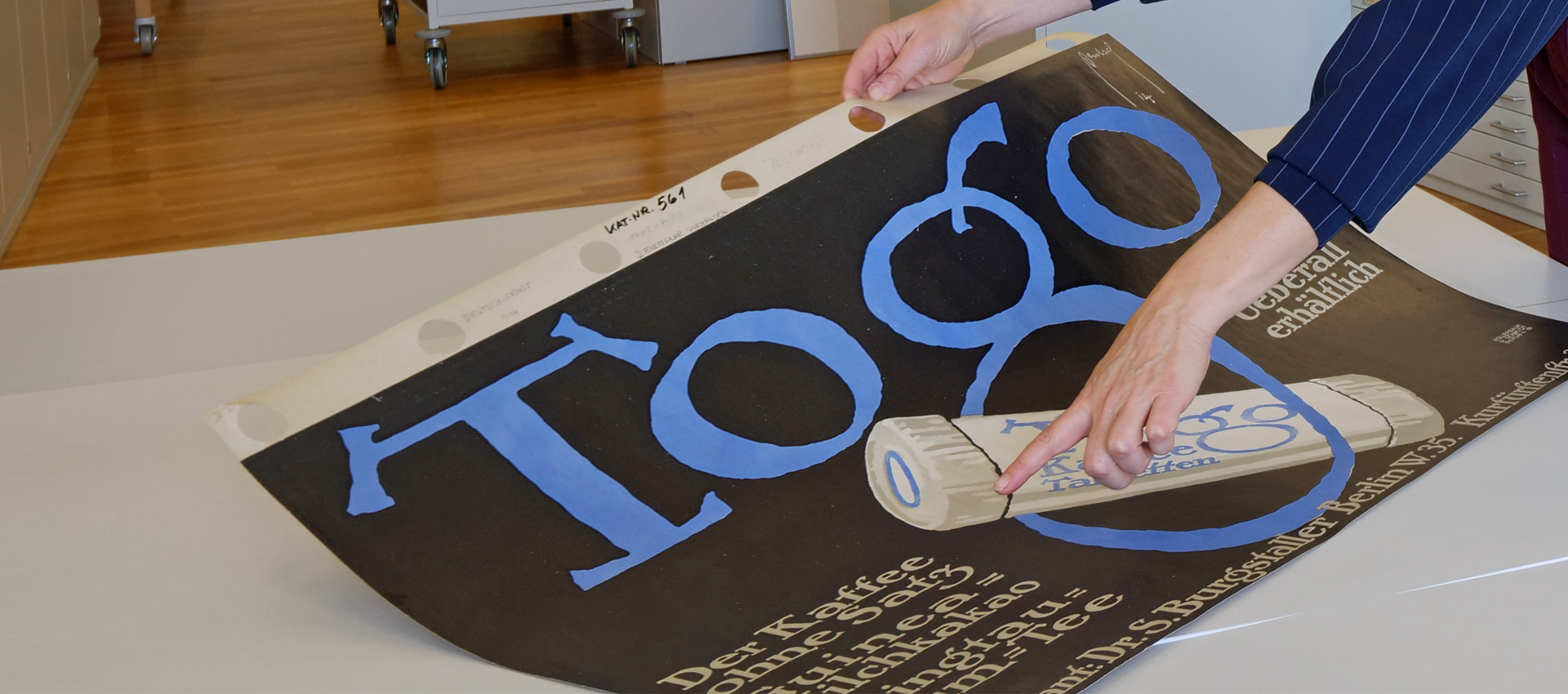
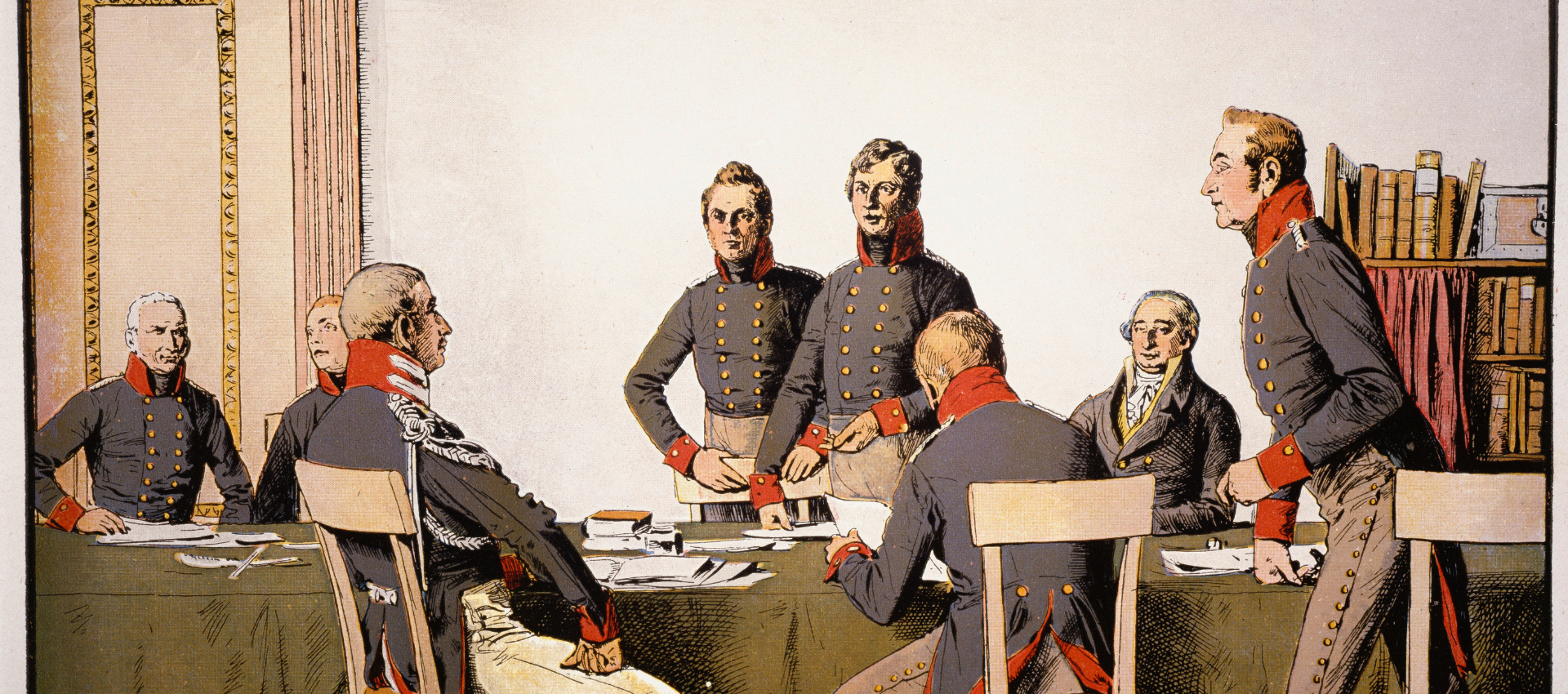
Thematically, the modules covered a wide spectrum. For instance, the ‘Knights and Clerks’ module focused on the Teutonic Order as one of the global players of the Middle Ages and the Early Modern Period: the documents and official registers discussed in the session originated from its chancellery. The emphasis was less on deciphering the script and more on classifying and evaluating the source based on its external characteristics and the question of who created it, when, and with what intention.
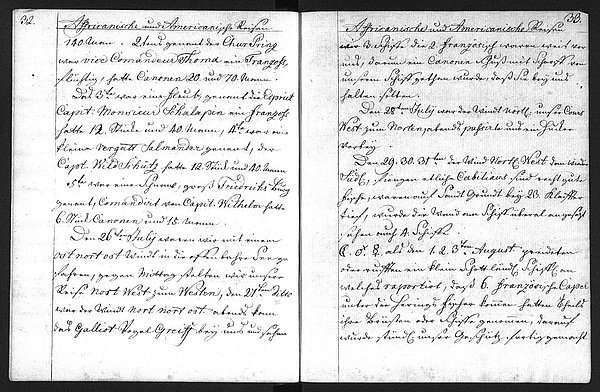
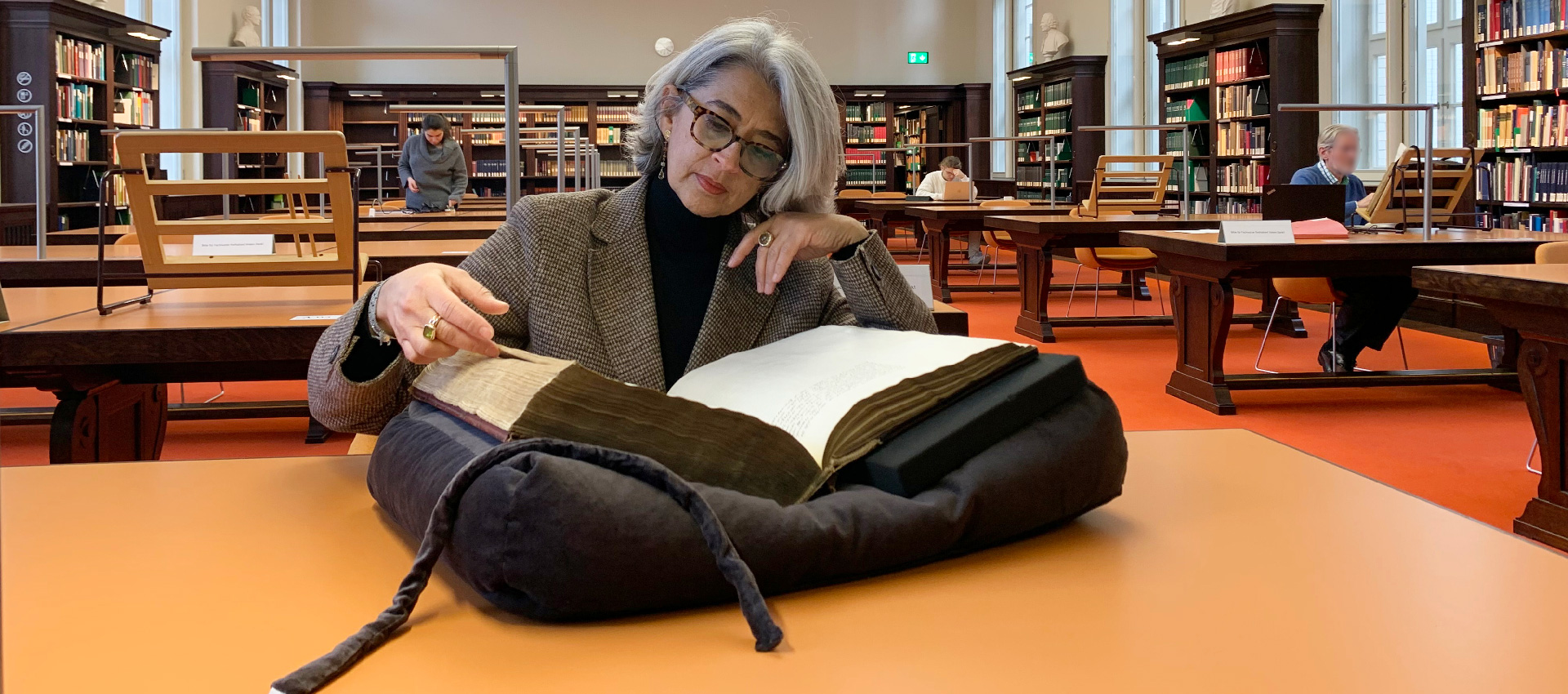
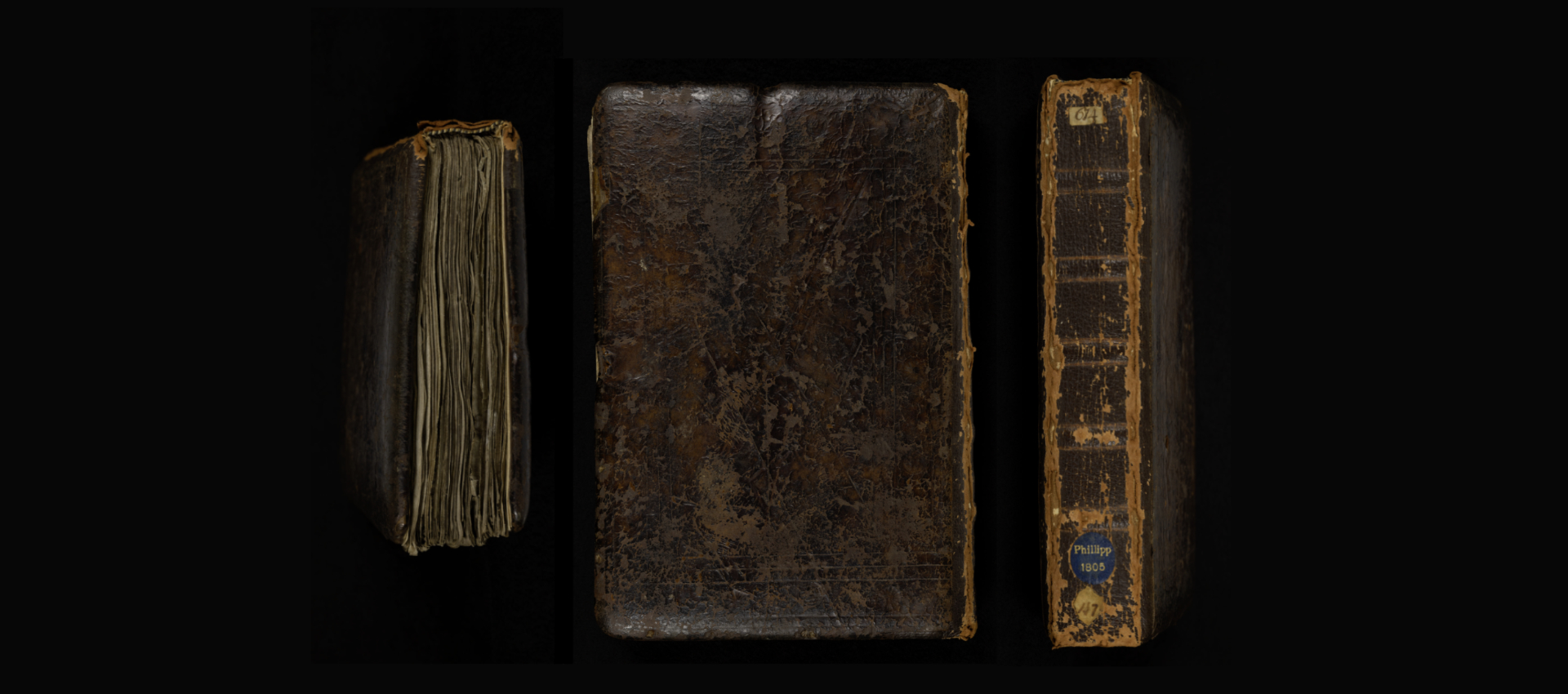
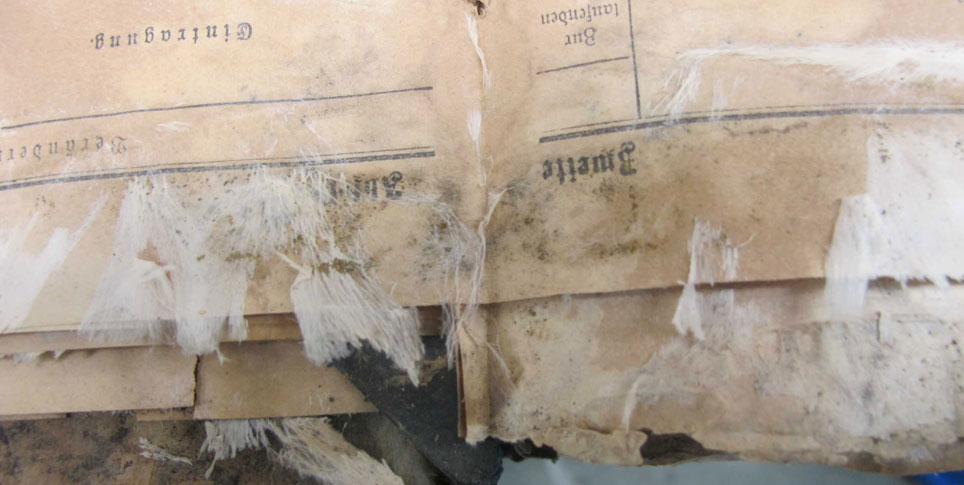
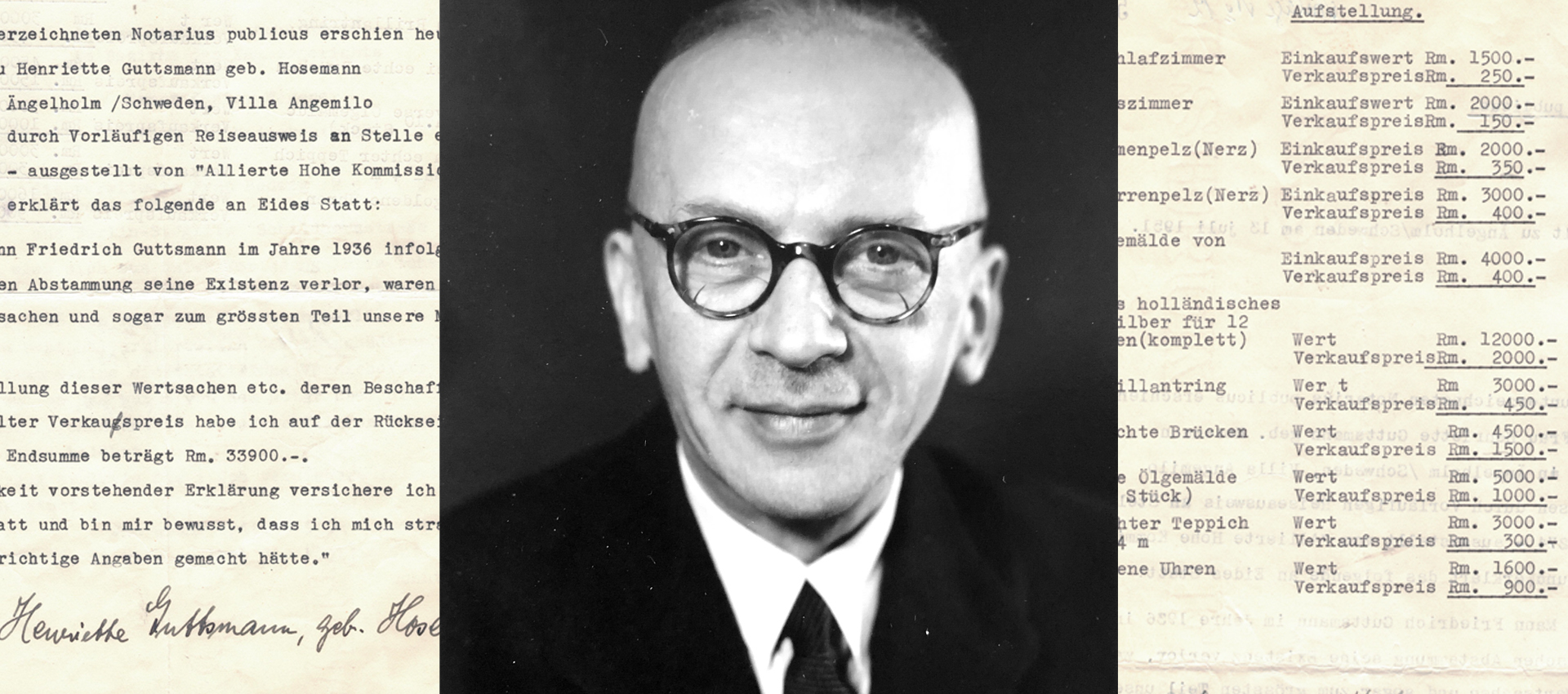
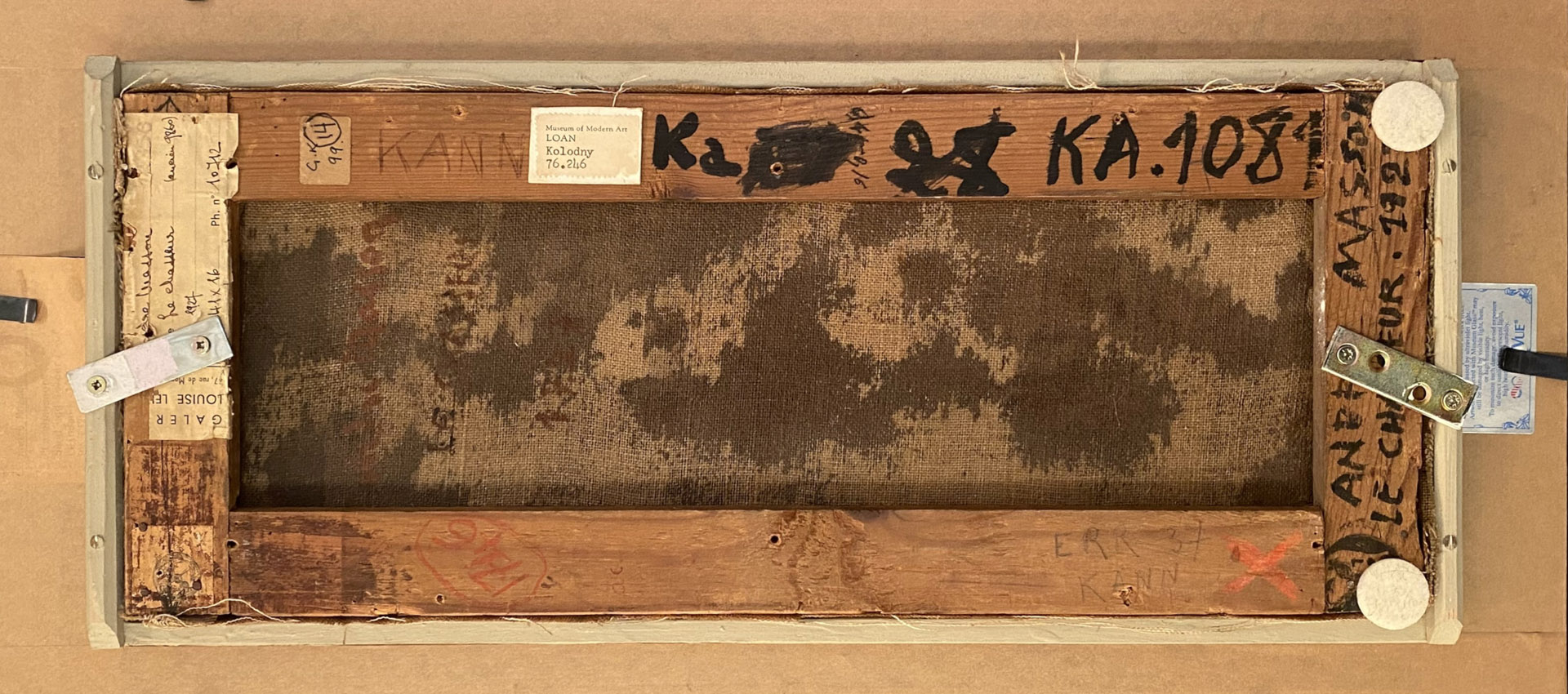
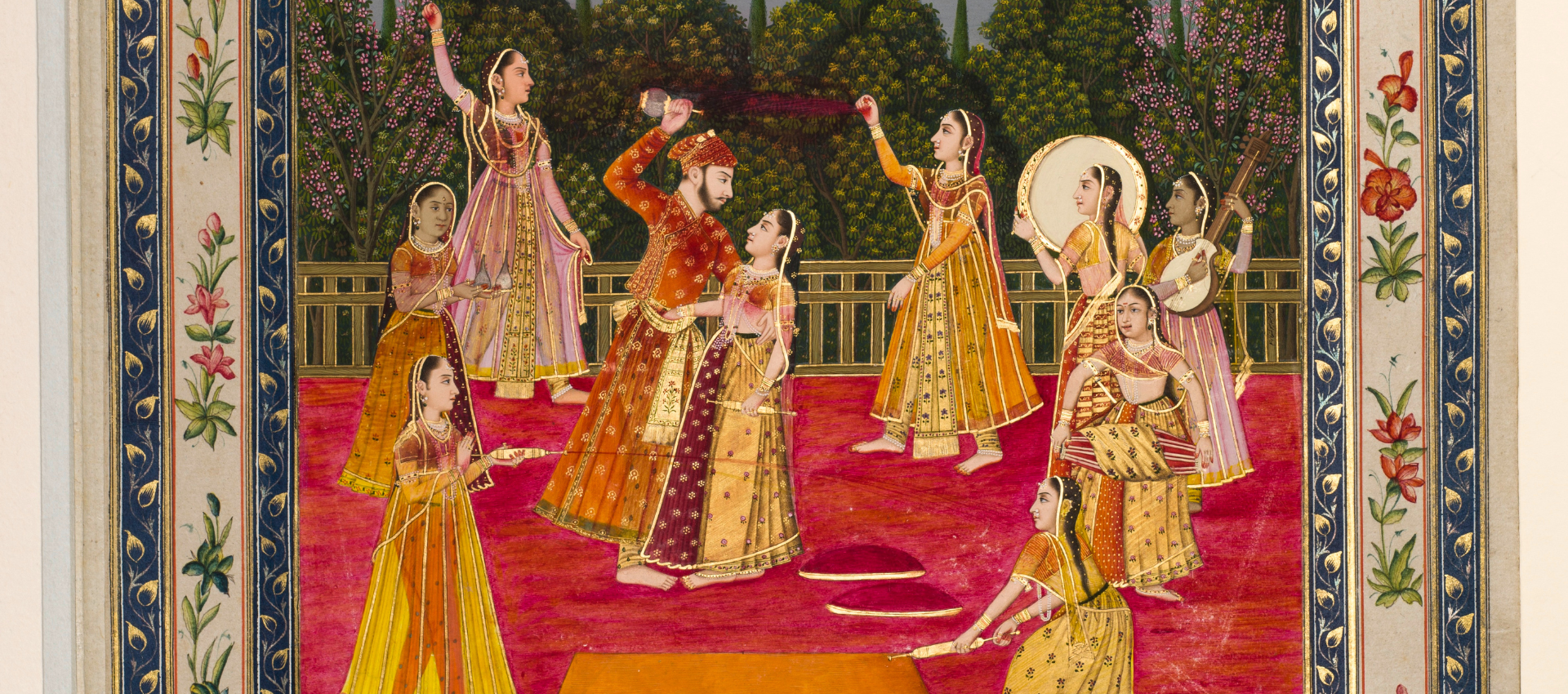
The theme ‘Home and Foreign Lands’ drew on archival materials from the 17th to the 20th century relating to colonialism, migration, flight and displacement. The sources were also examined in terms of their physical form: what distinguishes a book from a file folder, and how do these differences affect the content? The participants worked with existing transcriptions and explored various techniques for reading the handwriting.
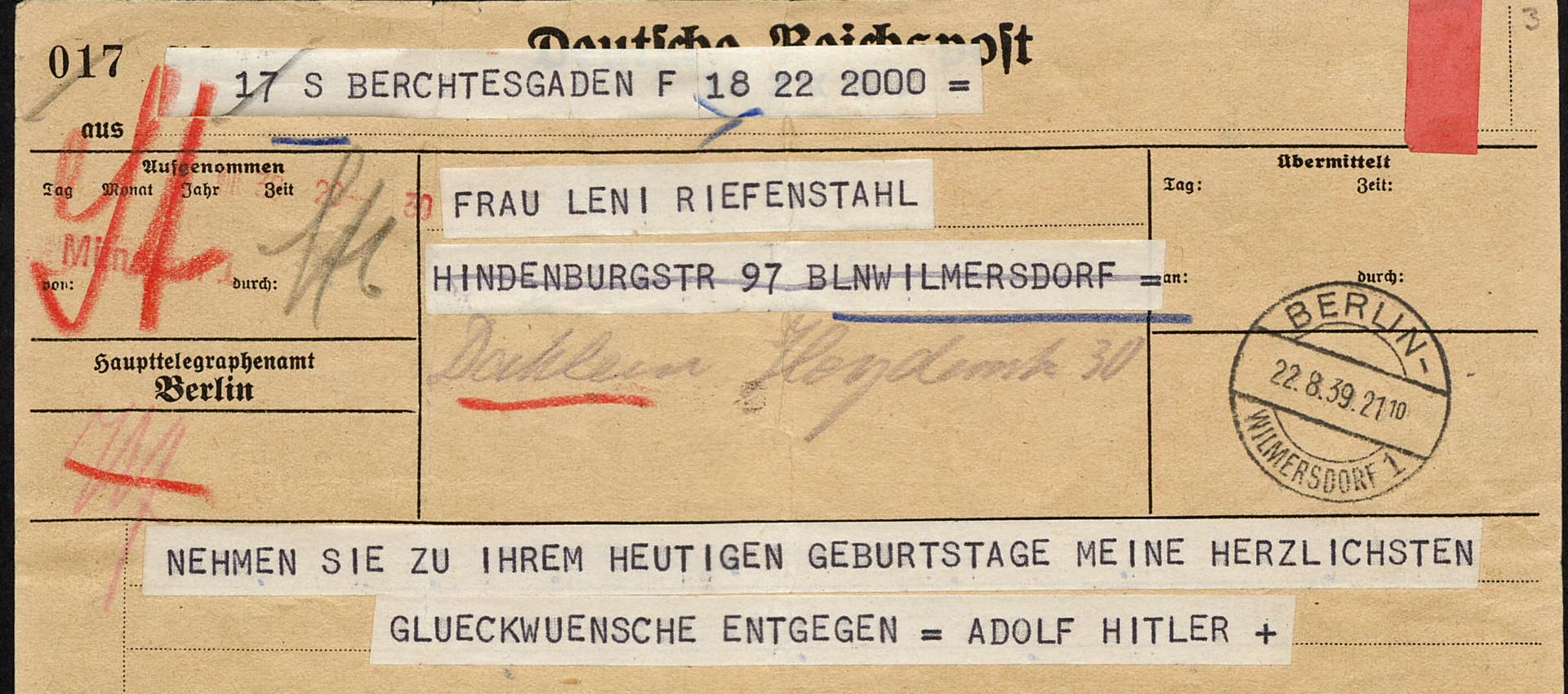
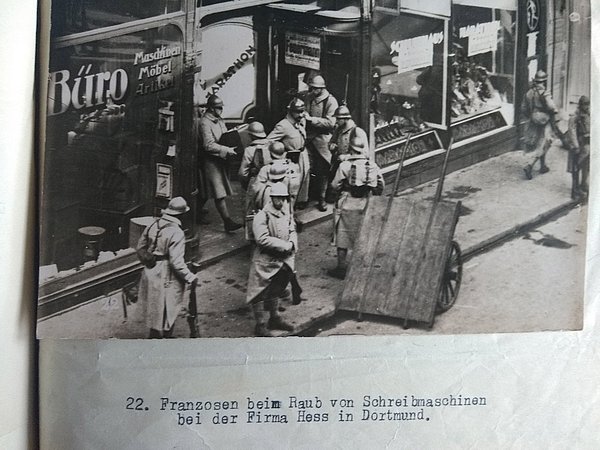
‘A Hundred Years of the “Ruhr Struggle” – The Occupation of the Ruhr Region in 1923’: this was the theme of the third module. Due to insufficient reparations payments, France and Belgium occupied the Ruhr region in January 1923, one of the German Empire’s most economically powerful regions. How are the occupation and its consequences (strikes, repressive measures, assassinations, attacks, etc.) reflected in archival sources? How can these archival materials be analysed?
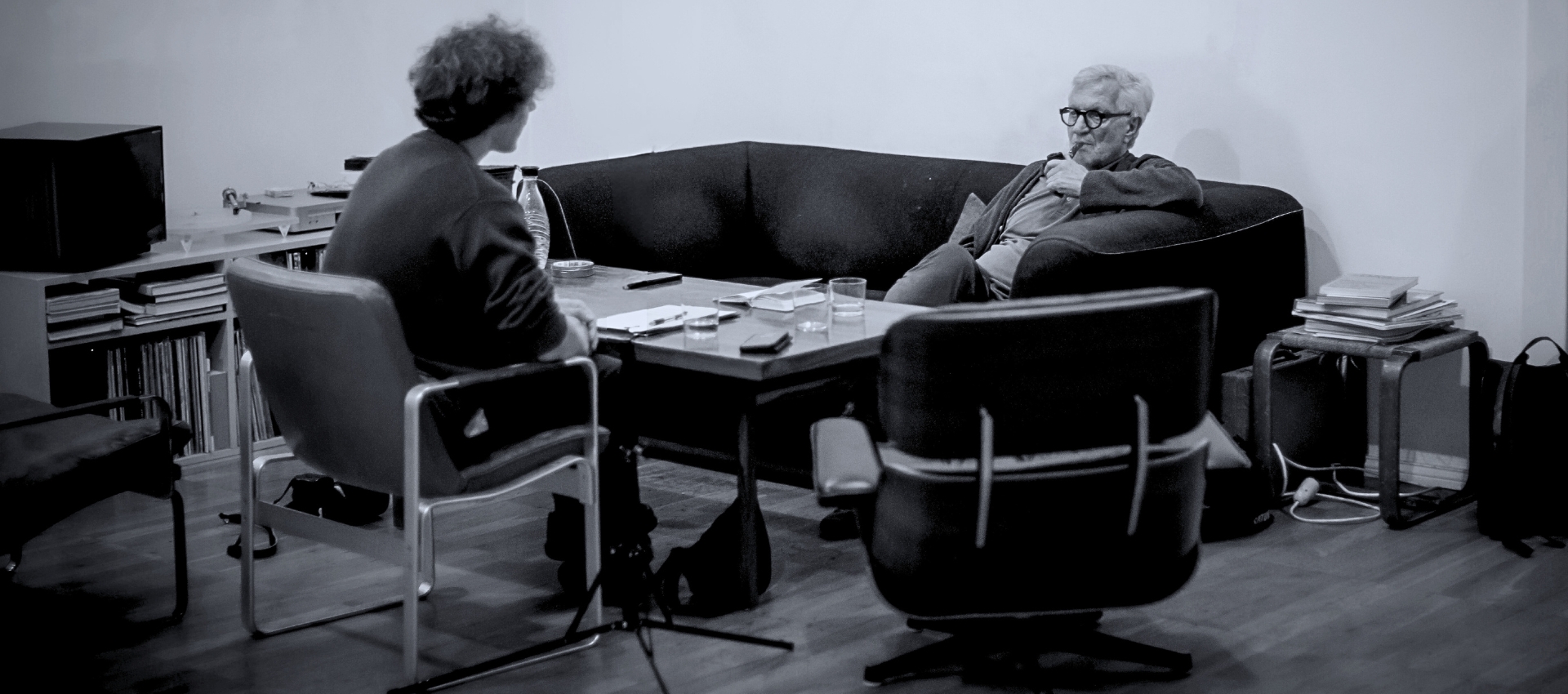
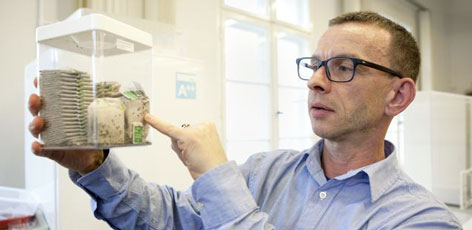
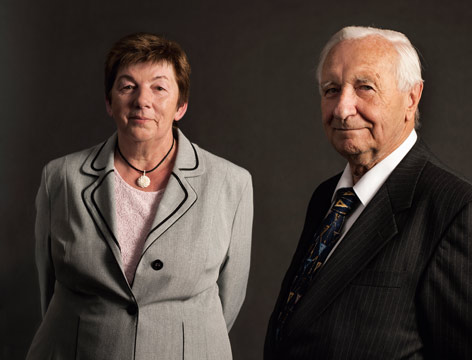
In a further module, students were also introduced to the role of an archivist. Drawing on the work of the archives, archivists answered students’ questions about the various training programmes, as well as their personal motivations for choosing this career path.
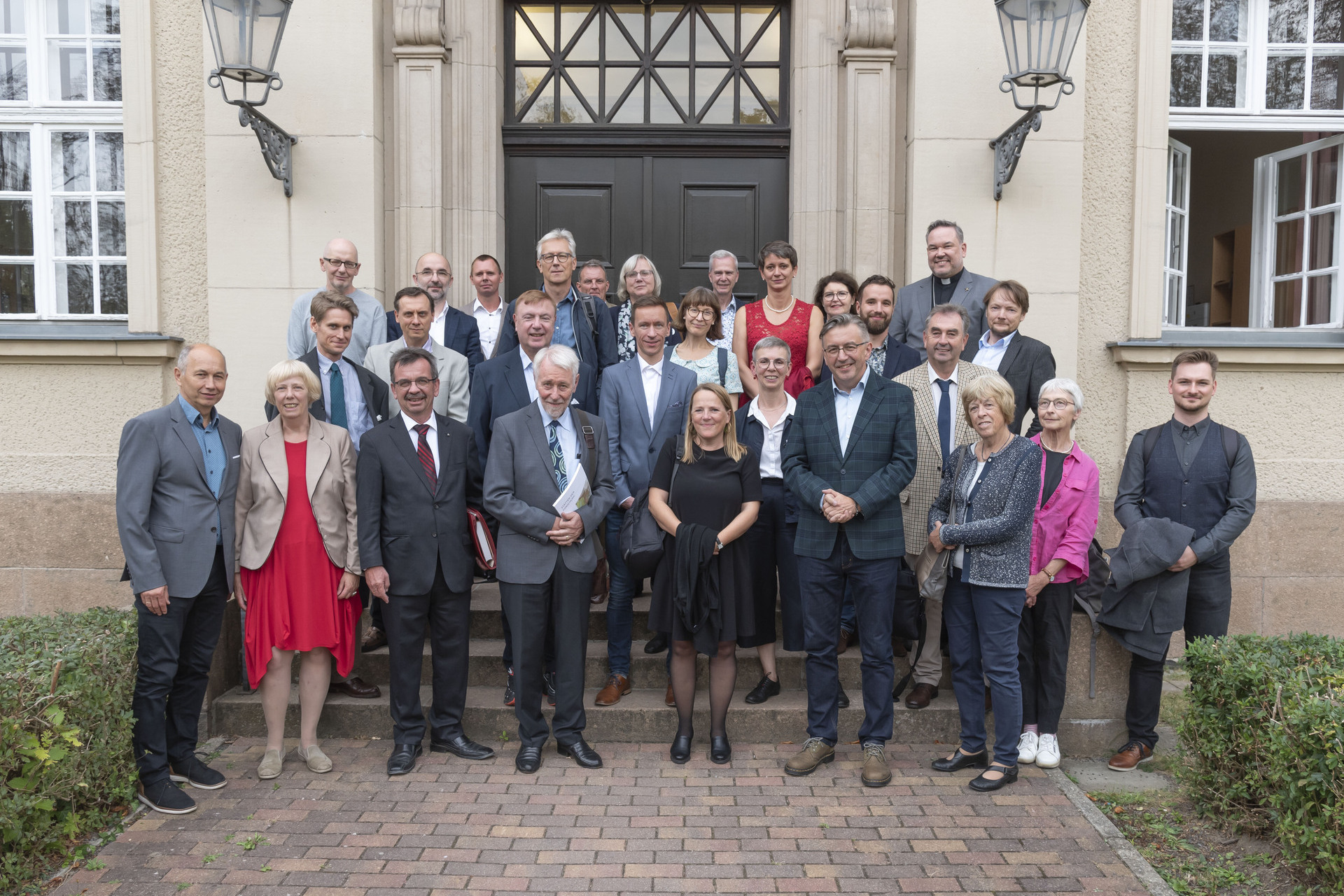
Although originally intended as a trial run between the archive and the university, the sessions were very well received right from the first run: seven lecturers and a total of two hundred students took part. The feedback from both the university and the archive has been very positive: the students were fascinated by working with historical documents, whilst the archive recognised the students’ keen interest in such formats. The GStA PK and FMI are currently considering continuing this collaboration; enquiries have also been received from other Berlin universities. This gives new impetus to the idea of closer cooperation between the archive and the university, fittingly coinciding with this year’s anniversary of the GStA PK.