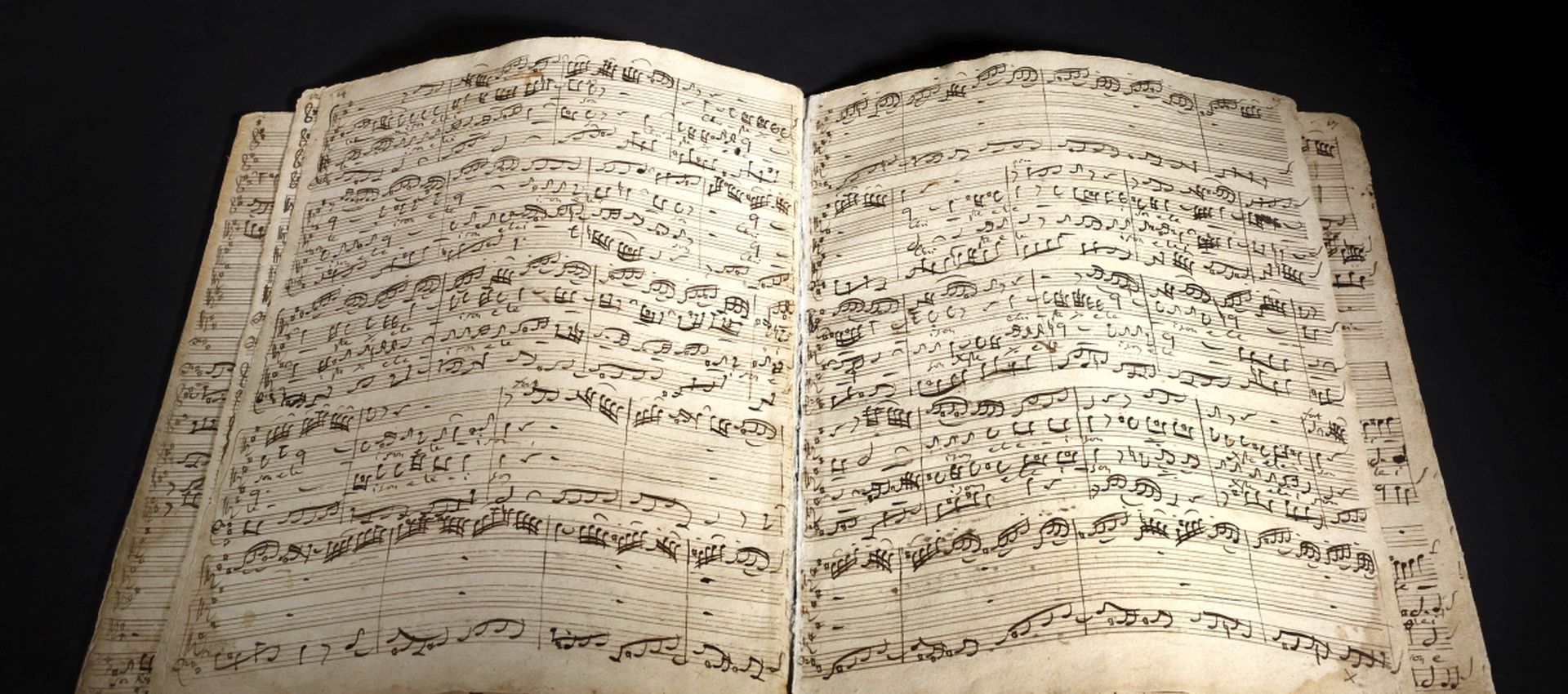
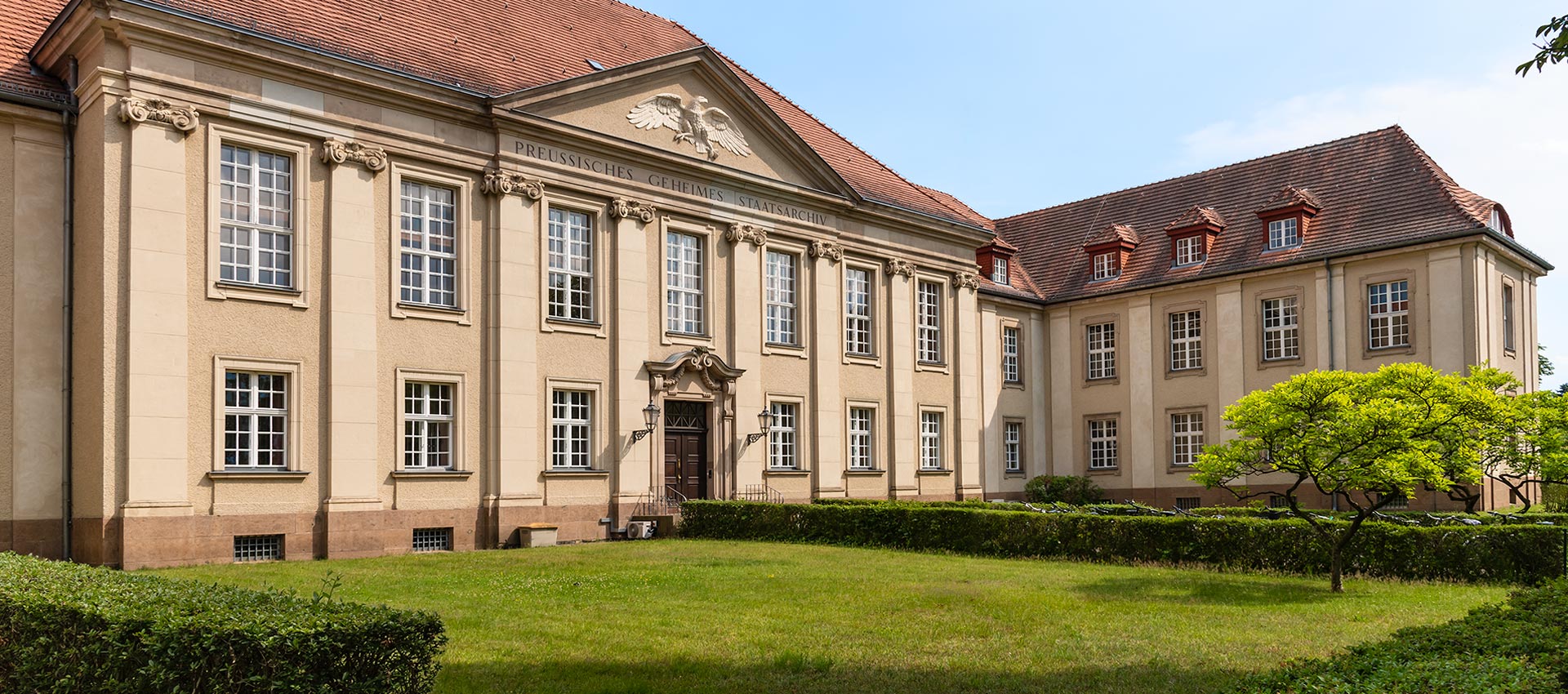
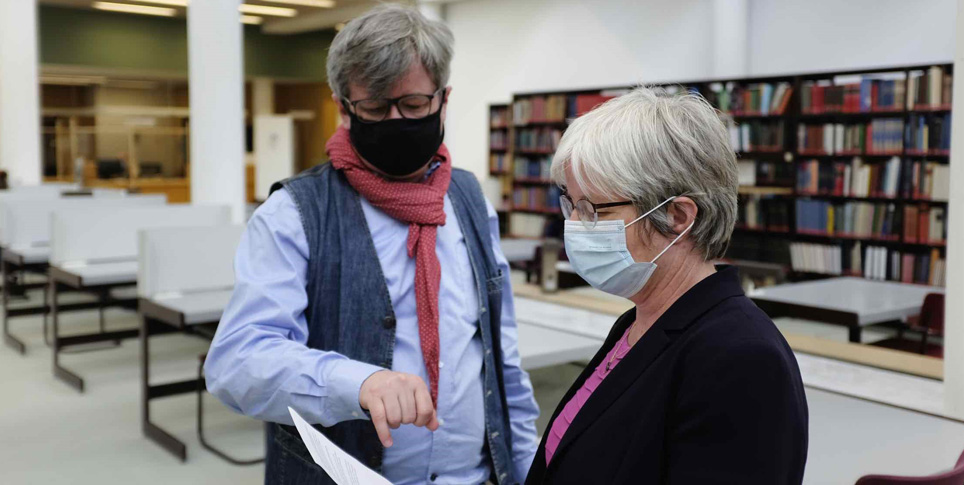
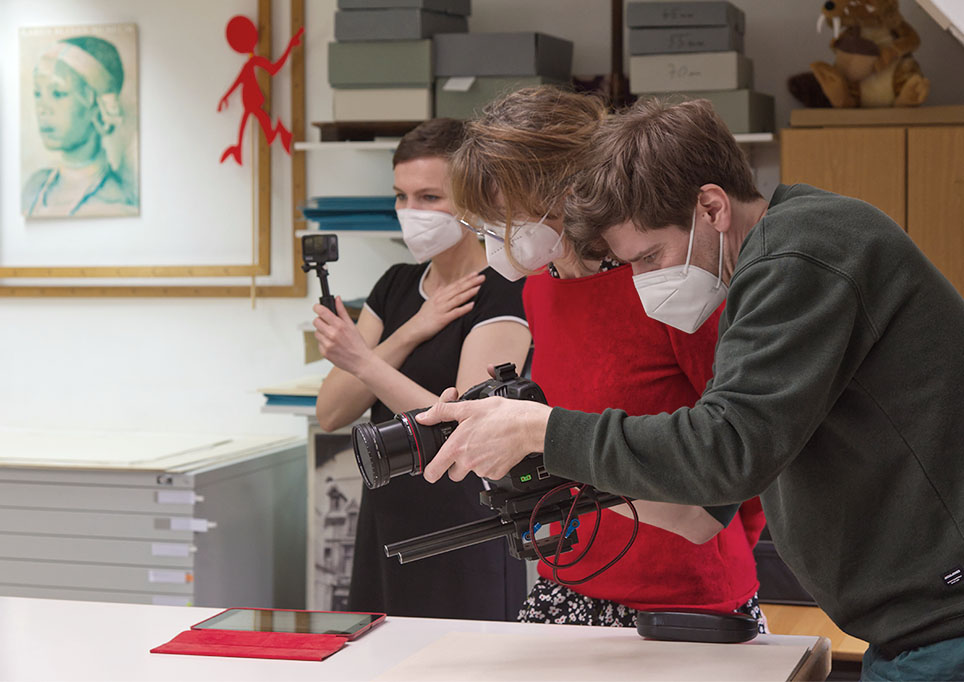
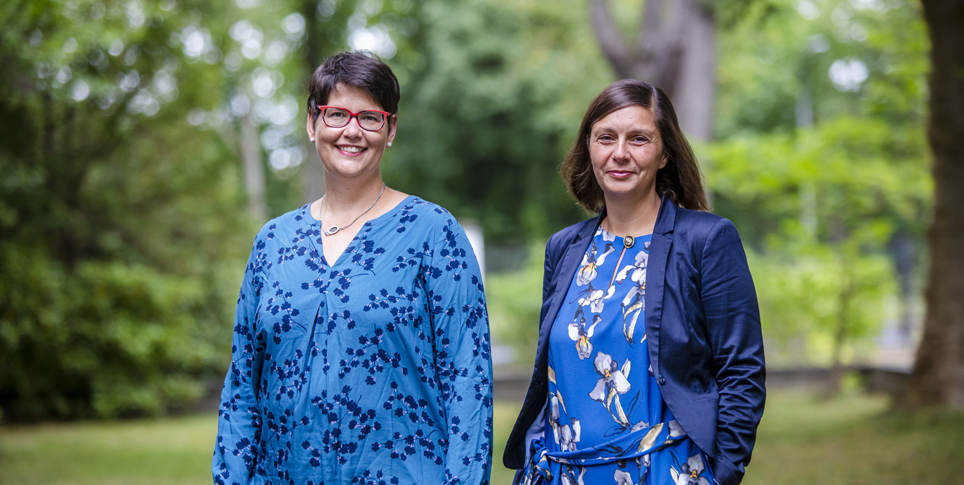
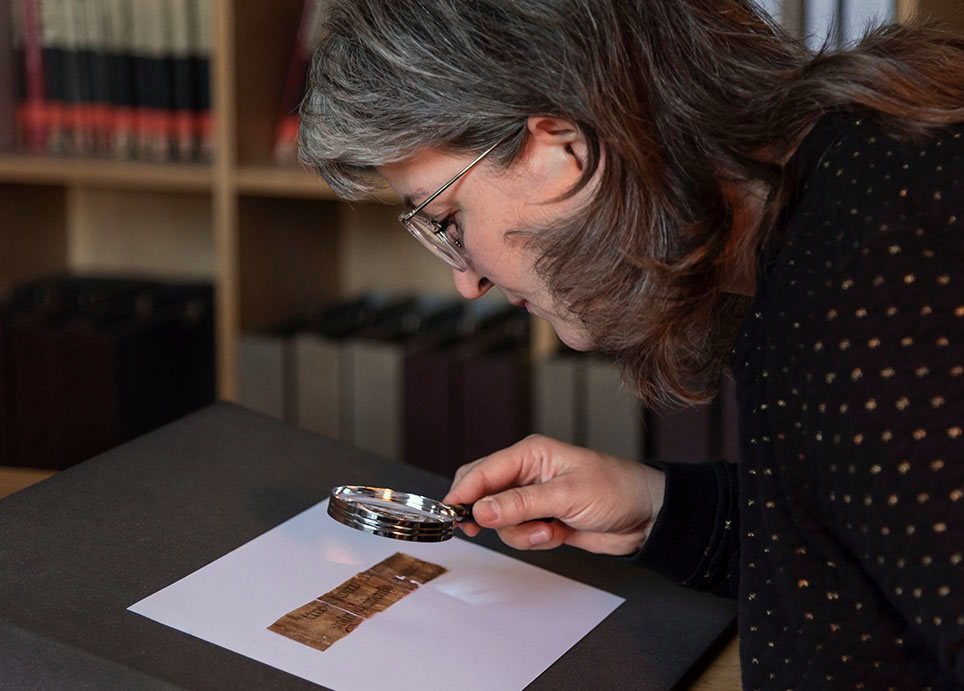
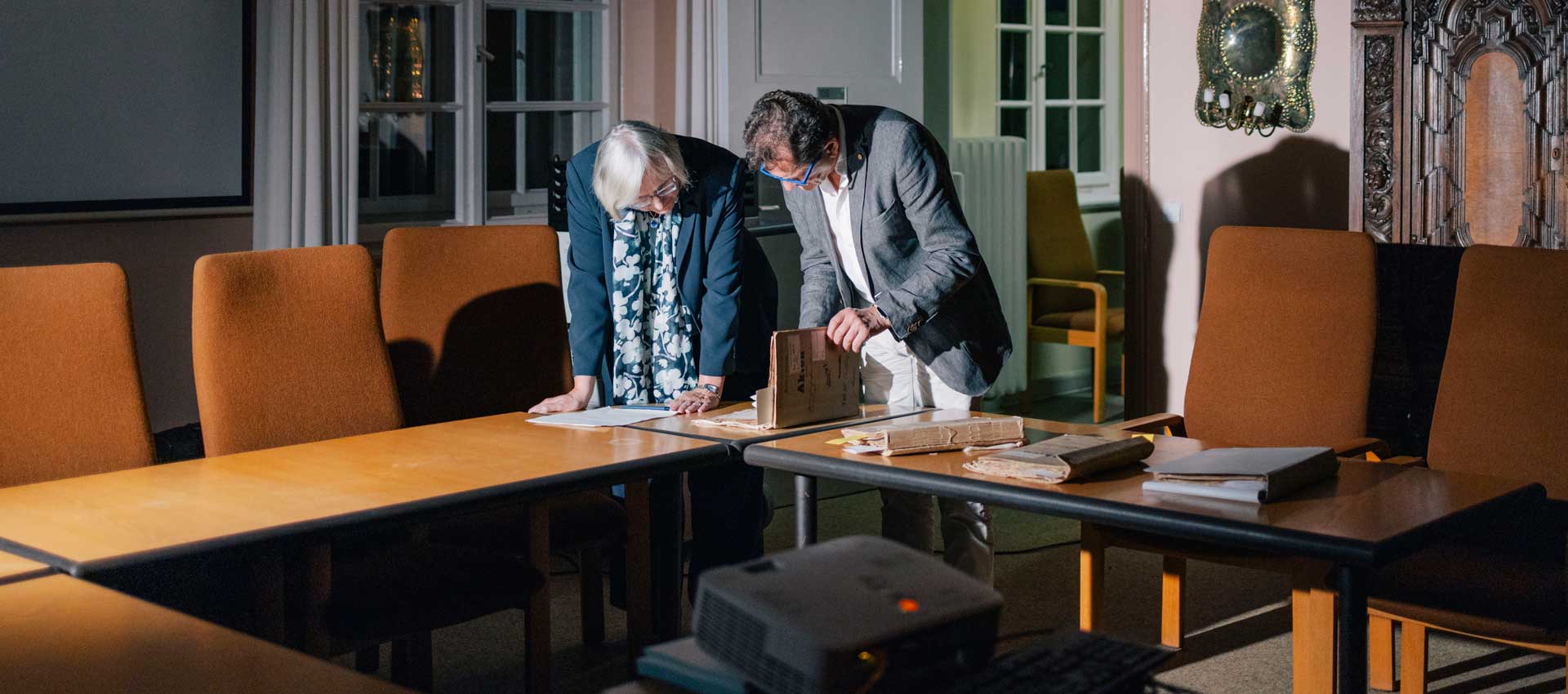
At the State Archives, Ingrid Kohl, Head of the Conservation Department, and project coordinator Elisabeth Heigl are currently working on the conservation of important documents relating to the history of Brandenburg-Prussia. Here, the researchers explain which documents are involved and what the cleaning process entails.
One of the most important historical records of Brandenburg-Prussia is currently being preserved from the ravages of time at the Secret State Archives of the Prussian Cultural Heritage Foundation (GStA). The archives of the Privy Council contain numerous records and valuable information on the conflict-ridden unification and territorial consolidation of Brandenburg-Prussia in the 17th and 18th centuries. The documents are now being treated using a dry-cleaning process and prepared for digitisation. But why are these records so significant for the history of the region?
In the first half of the 17th century, Europe was shaken by two conflicts: the Polish-Swedish War (1600–1629) and the Thirty Years’ War (1618–1648). These wars affected not only the Margraviate of Brandenburg, but also the neighbouring powers of the Holy Roman Empire and the Kingdom of Poland-Lithuania. Whilst we today can clearly distinguish between these conflicts, to contemporaries they must have appeared as a single sequence of crises threatening their very existence – with unforeseeable consequences for the survival of Brandenburg-Prussia. Diplomatic negotiations within the Empire, but also with Poland-Lithuania, served during this period the overarching aim of preserving the Electoral Brandenburg’s territorial holdings ‘between Kleve and Königsberg’.
As the supreme decision-making body, the Privy Council played a key role in shaping Brandenburg-Prussia’s foreign policy, particularly the Electorate’s territorial expansionist ambitions. This led to conflicts over claims to ownership and border demarcations with neighbouring territories, but also in the mediatisation – that is, the formal incorporation – of formerly ecclesiastical rulers and their territories. The latter included, notably, the dominions of Beeskow and Storkow, which remained under the authority of the Bishops of Lebus until well into the 16th century; but above all the Brandenburg Bailiwick of the Order of St John, whose jurisdiction also encompassed lands in Pomerania, Saxony and the Wendland. As for similar conflicts with other secular imperial territories, relations with the Electoral Palatinate were particularly volatile, as the Electoral Palatinate and Electoral Brandenburg competed as ‘possessing imperial estates’ for the inheritance of the last Duke of Jülich-Kleve-Berg. In the run-up to the Thirty Years’ War, this inheritance gave rise to a succession dispute of pan-European dimensions.
The historical significance of these events makes the records of the Privy Council one of the most important central archives of the Electorate of Brandenburg from the 17th and 18th centuries. As the sources have still not been fully catalogued and are therefore not yet comprehensively available for use, their cataloguing – that is, their archival description and entry into the database – is currently being systematically advanced.
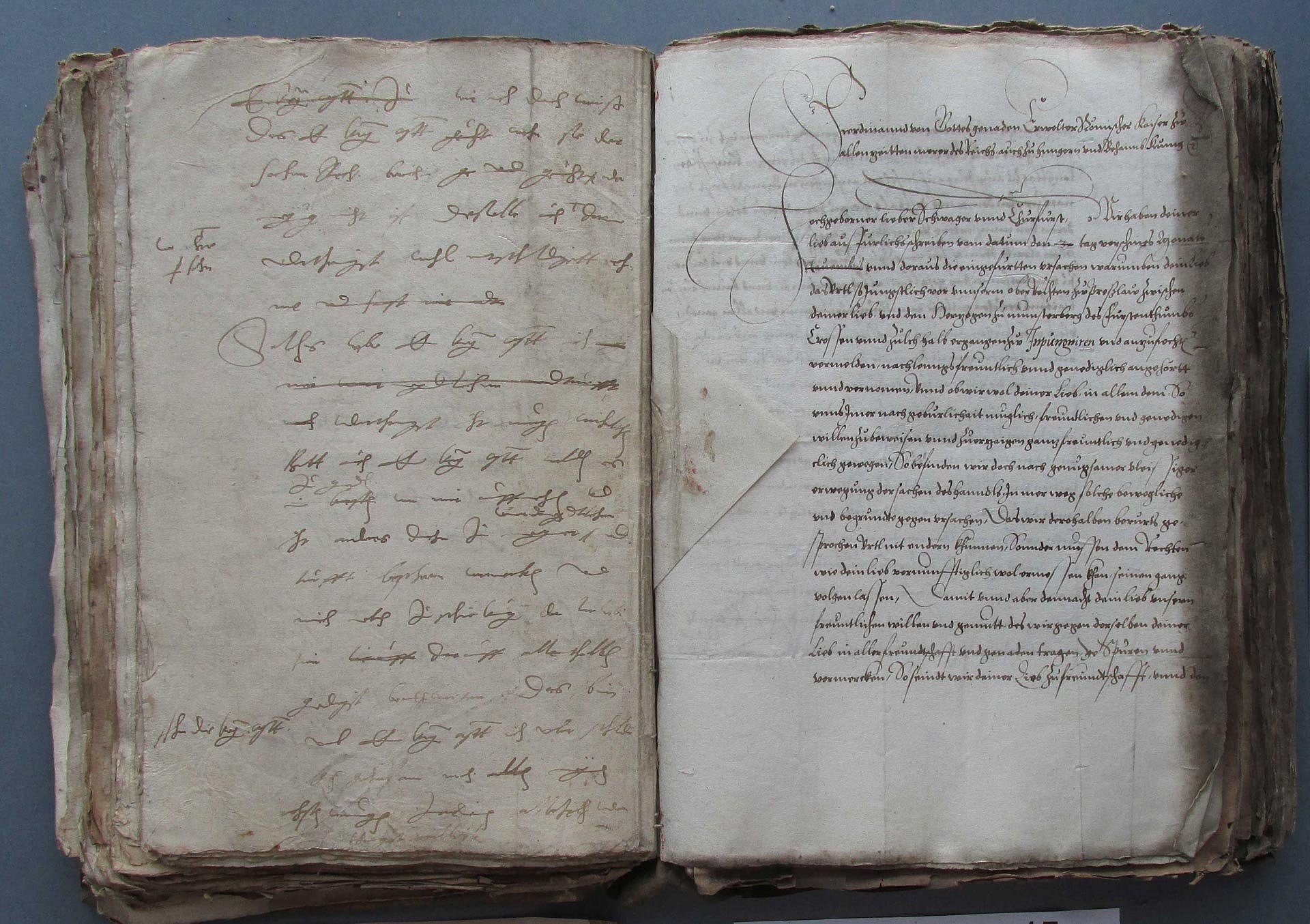
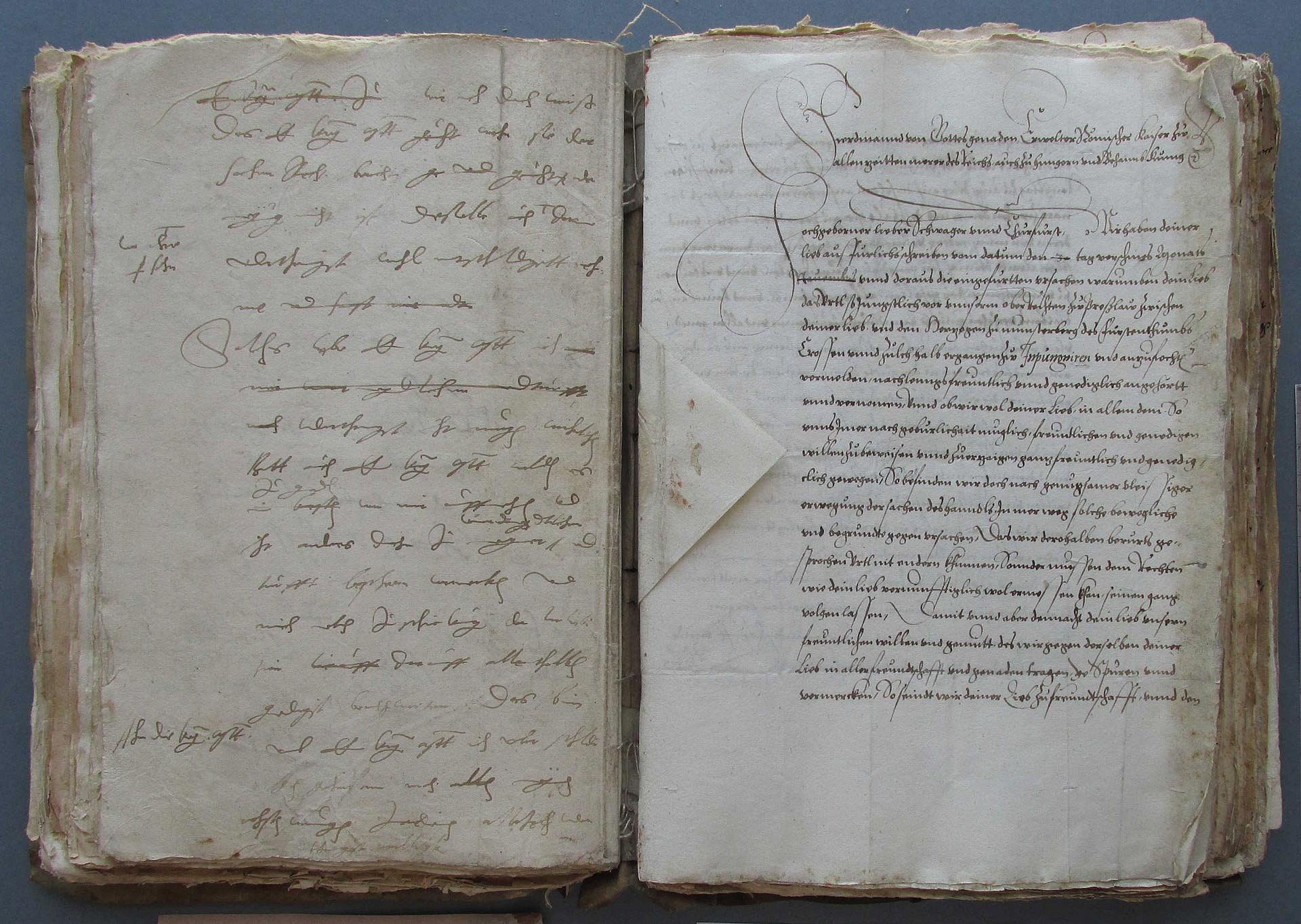
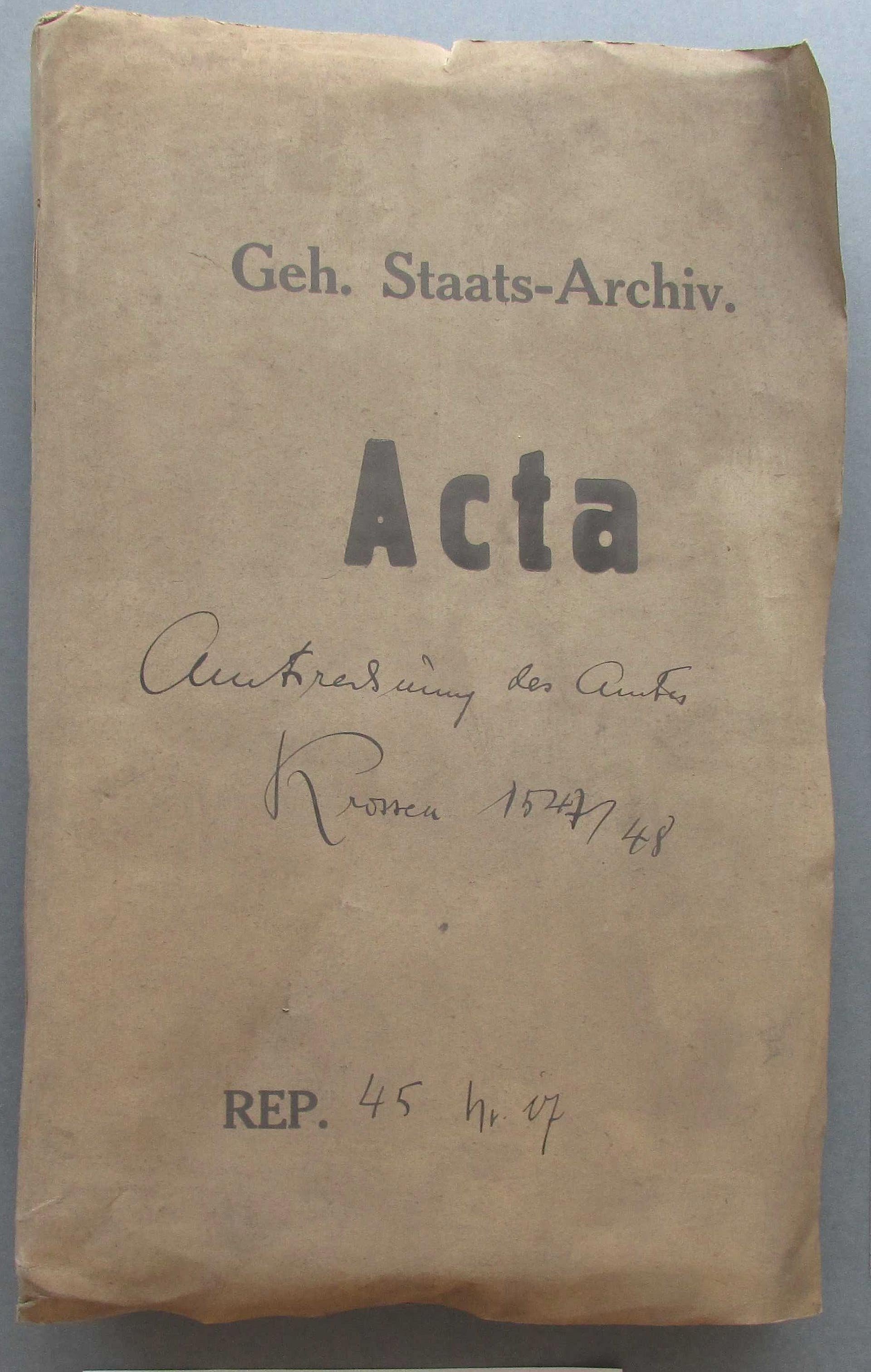
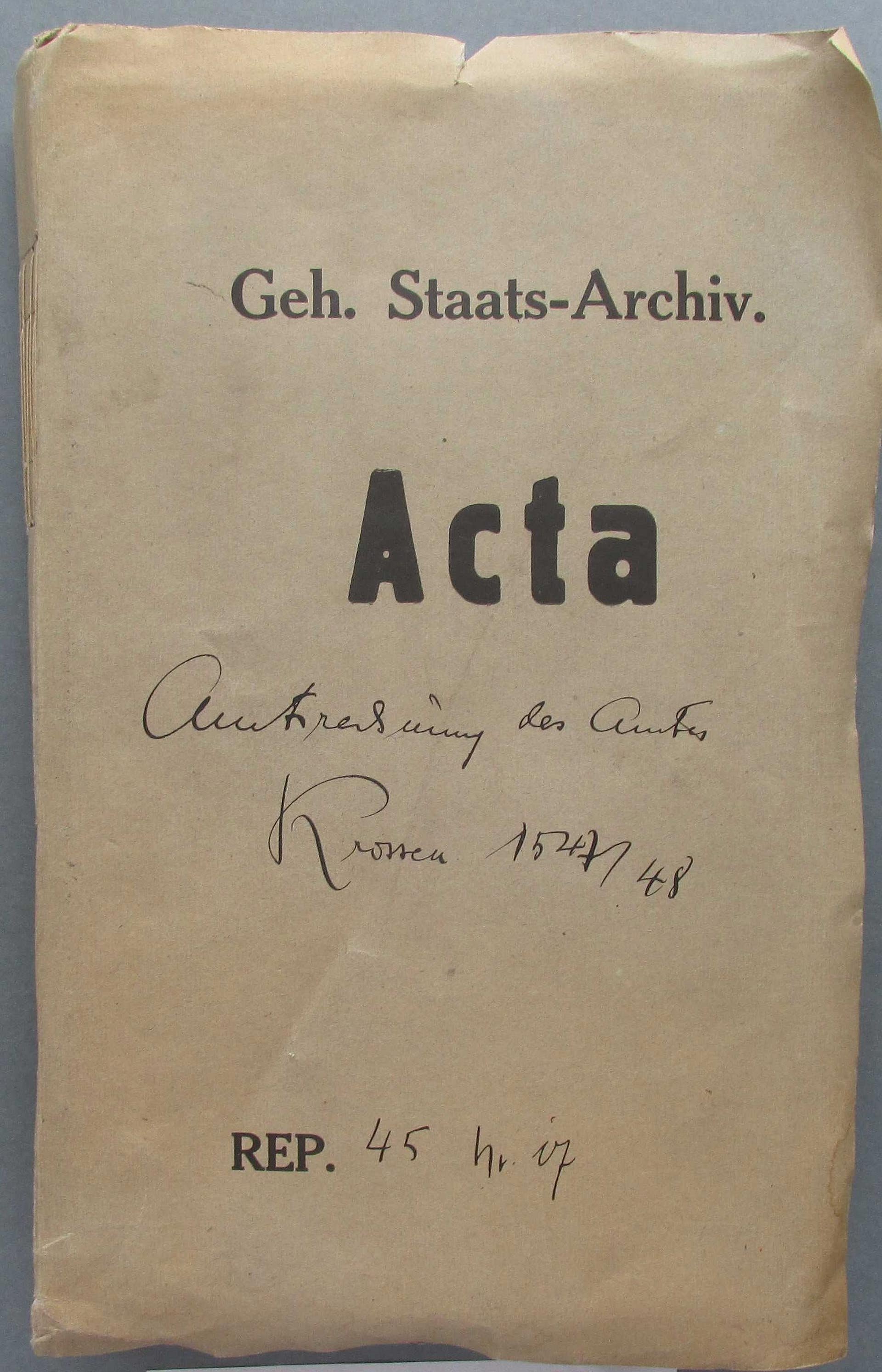
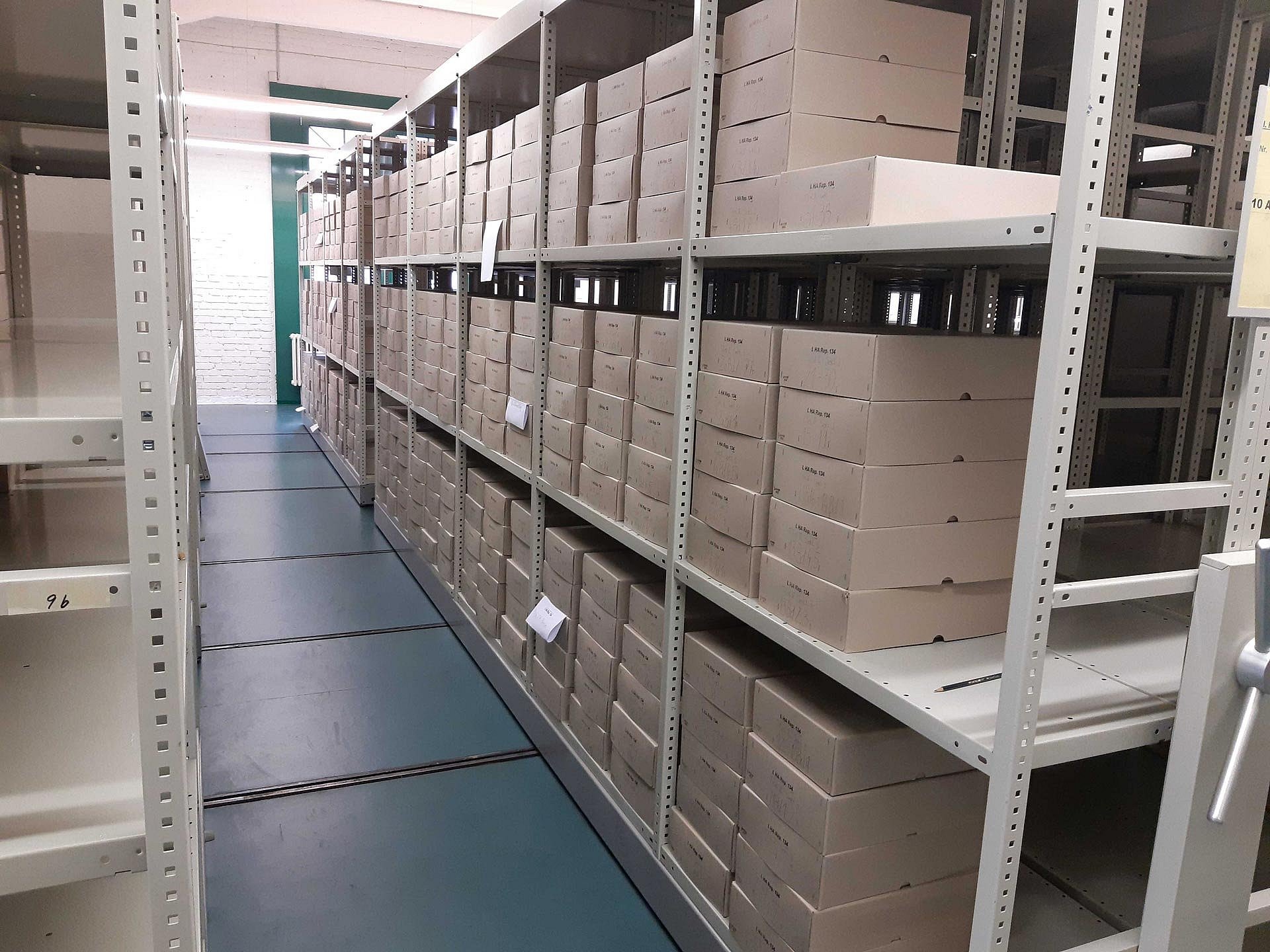
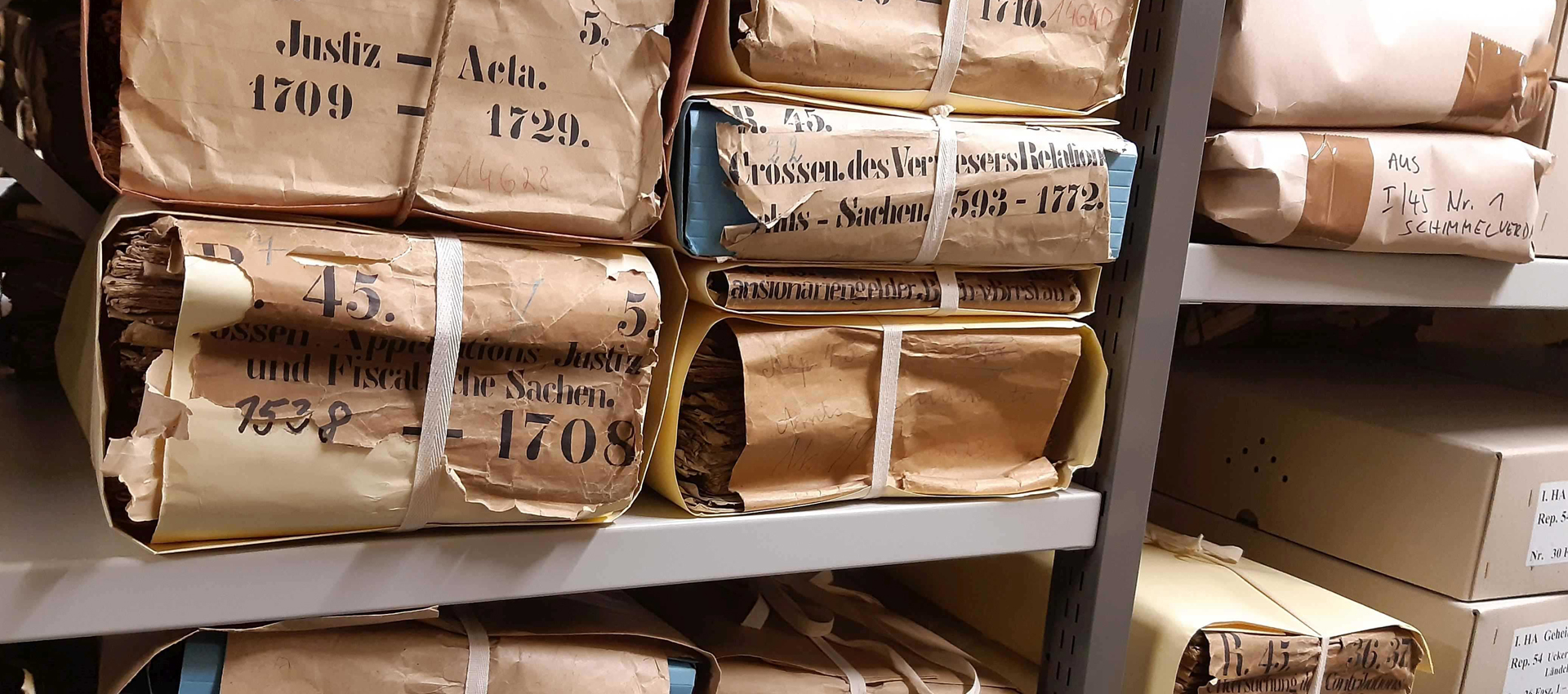
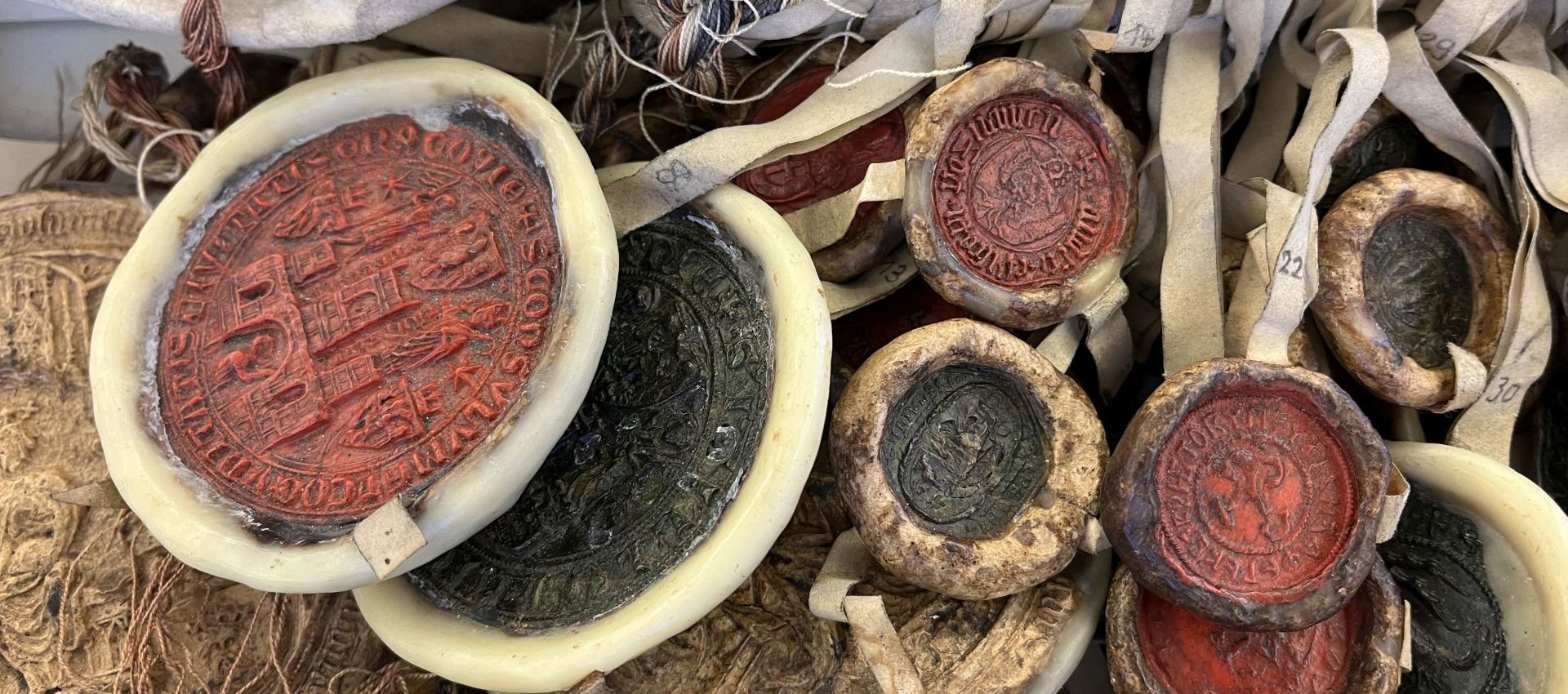
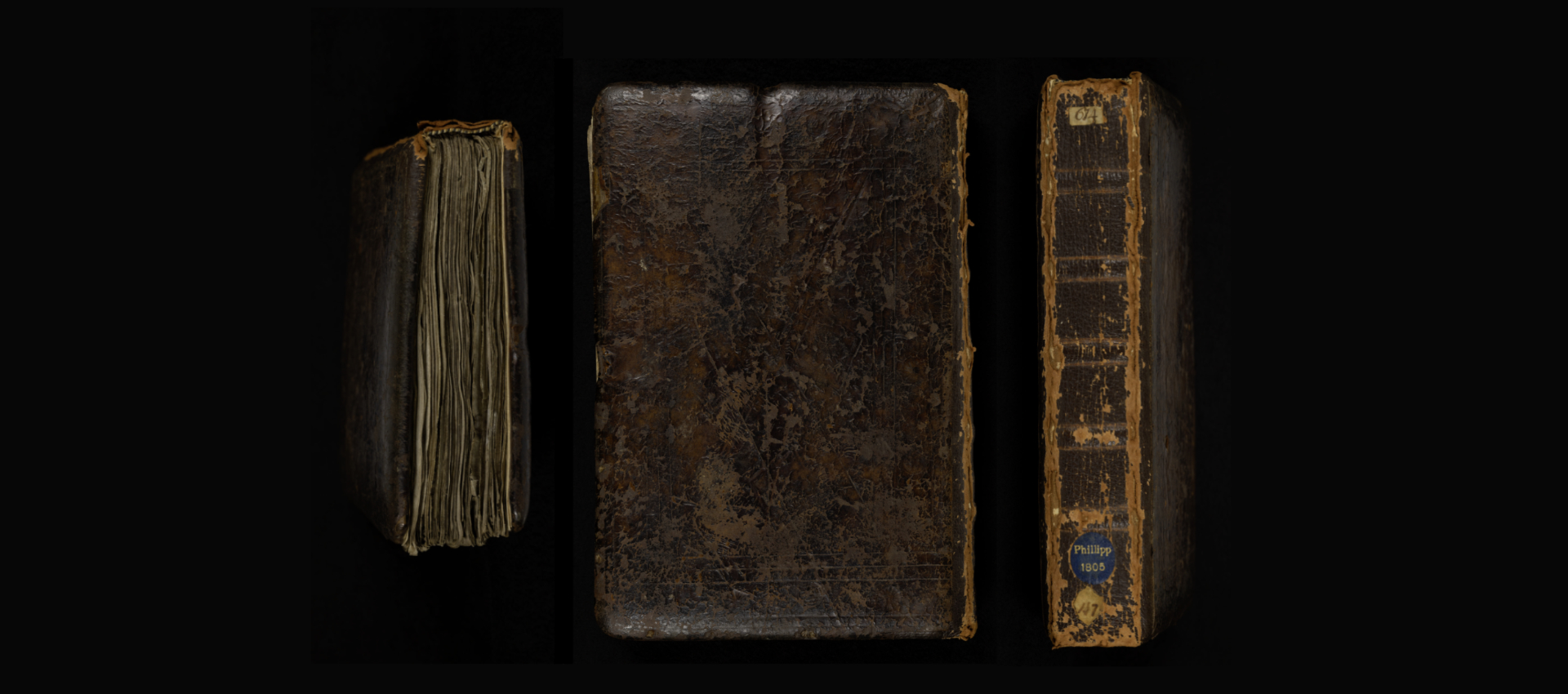
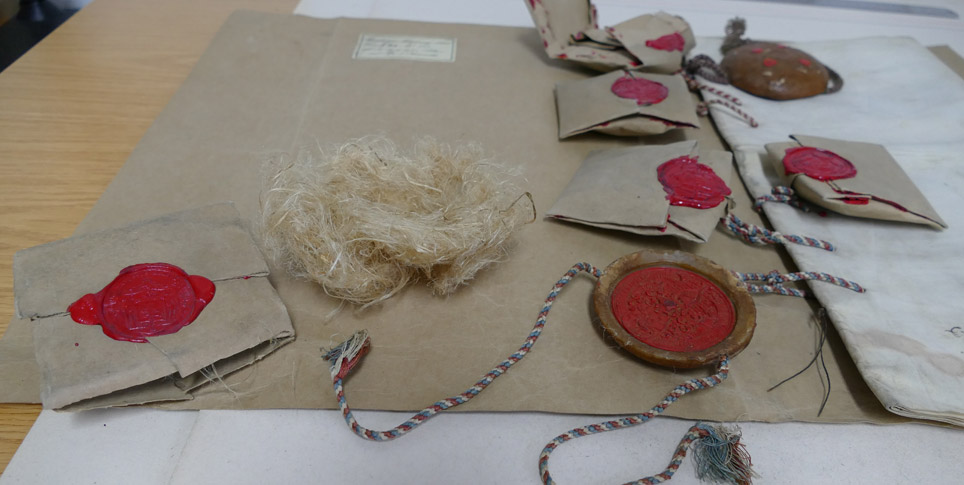
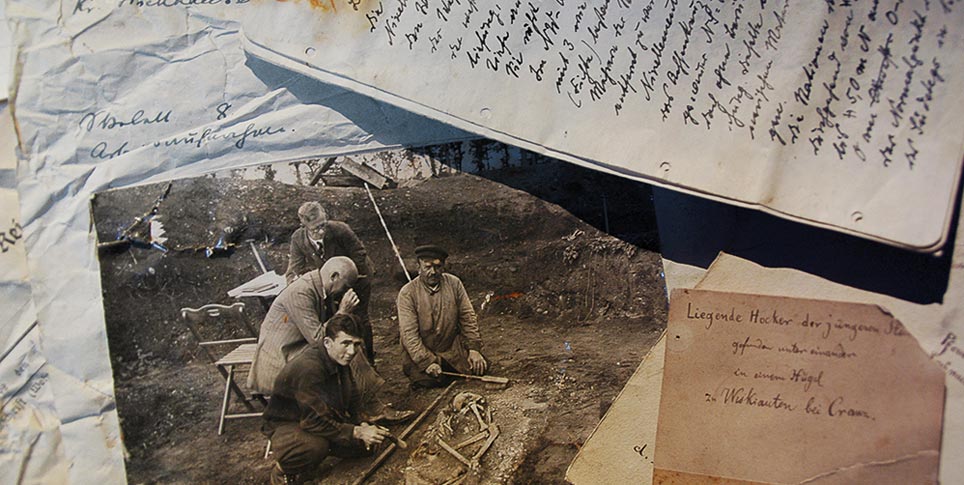
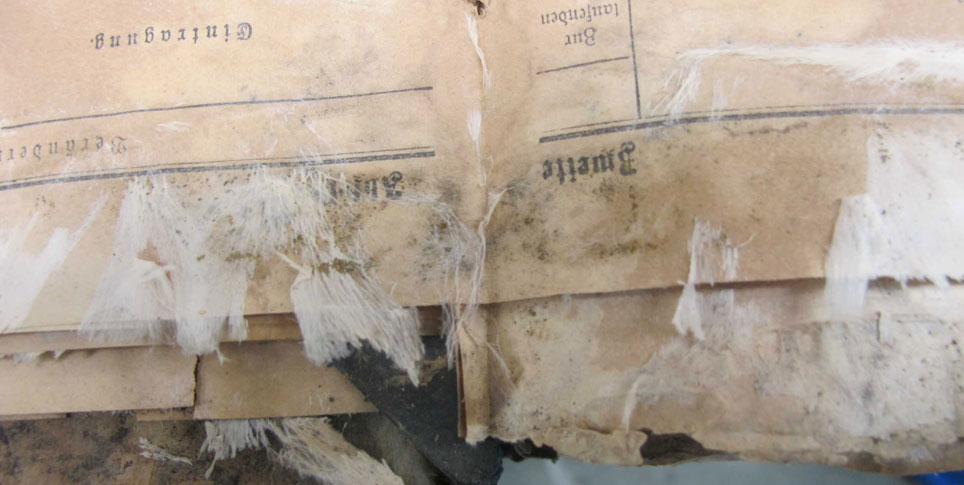
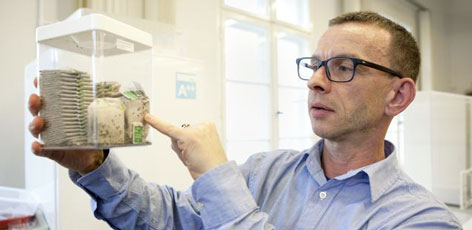
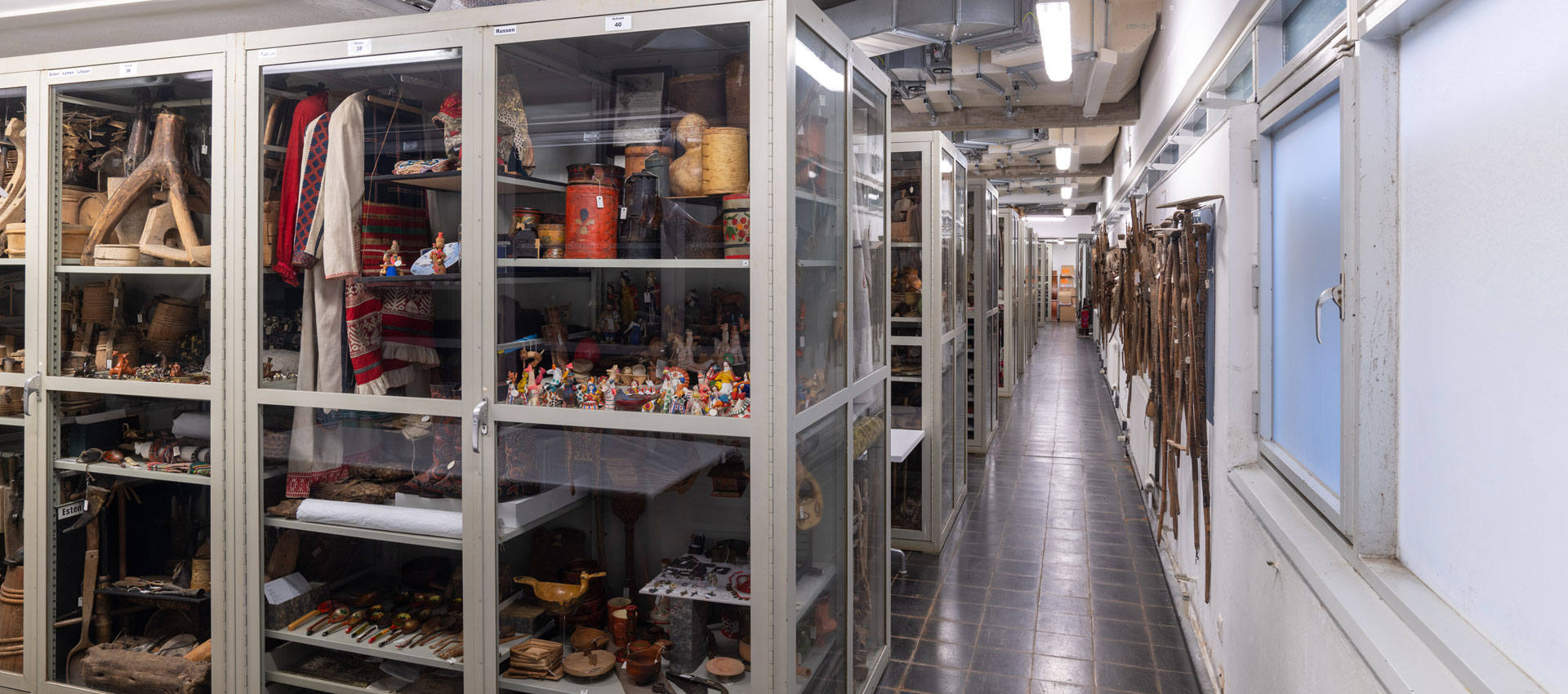
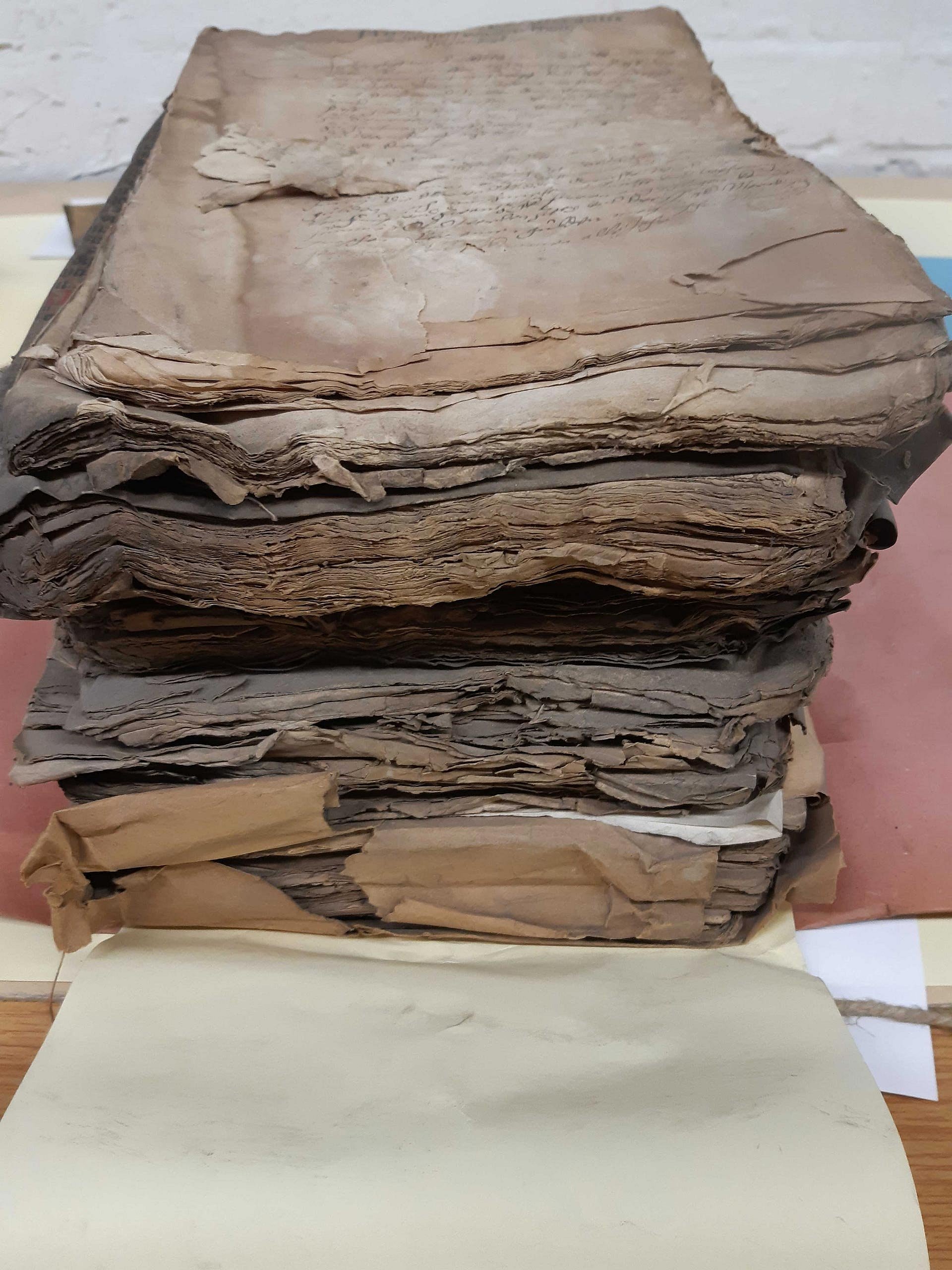
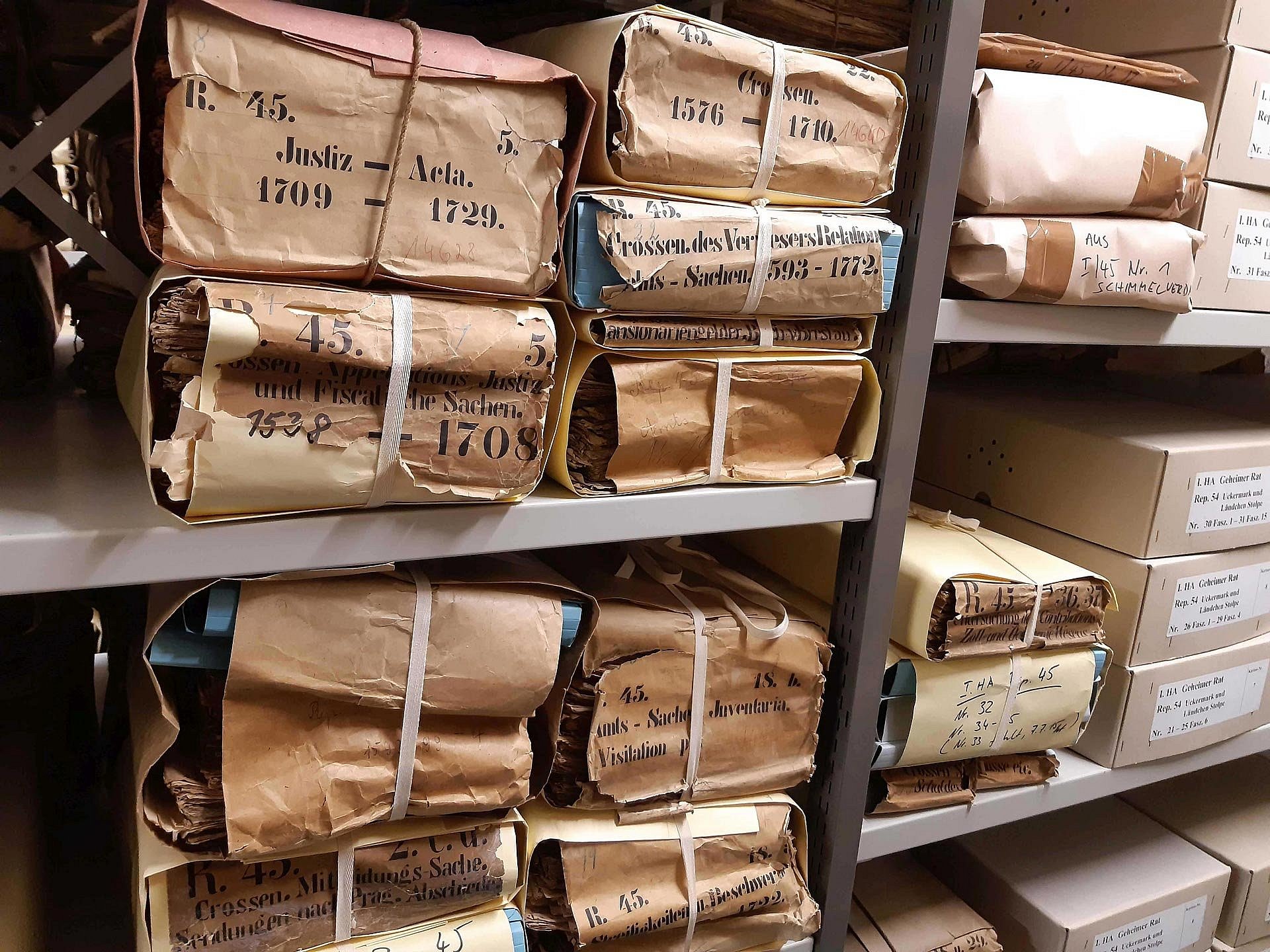
Before they can be catalogued, however, numerous sub-collections of the Secret Council must first undergo conservation treatment, as they are so soiled and, in some cases, infested with mould that archival processing or even digitisation is not possible (see Fig. 1). For centuries, the files have simply been stored on shelves packed into so-called ‘apron bags’ and are thus exposed to dust and light (see Fig. 2).
The historical significance of these events makes the records of the Privy Council one of the most important collections of documents from the Electoral Brandenburg of the 17th and 18th centuries.
Thanks to special funding from the Federal Government Commissioner for Culture and the Media (BKM), channelled through the Coordination Office for the Preservation of the Written Cultural Heritage (KEK), a total of 120 linear metres of files from the ‘Geheimer Rat’ collection were cleaned and professionally packaged for archiving between 2021 and 2023.
At the GStA PK, the conservators prepared for the upcoming cleaning by classifying the condition of the files into three categories of damage:
Damage category and definition of the damage and cleaning requirements
- Damage category 1: Minimal soiling, only isolated areas or a maximum of 25% of the file soiled, paper intact, minimal cleaning required – external cleaning and cleaning as required
- Damage category 2: Moderate soiling, max. 50% of the file soiled, paper with tears and minor defects and slightly degraded, moderate cleaning required – external cleaning and cleaning as required
- Damage category 3: Very heavy soiling, over 50% of the file heavily soiled, paper already severely damaged/degraded, very high cleaning requirements – page-by-page fine cleaning
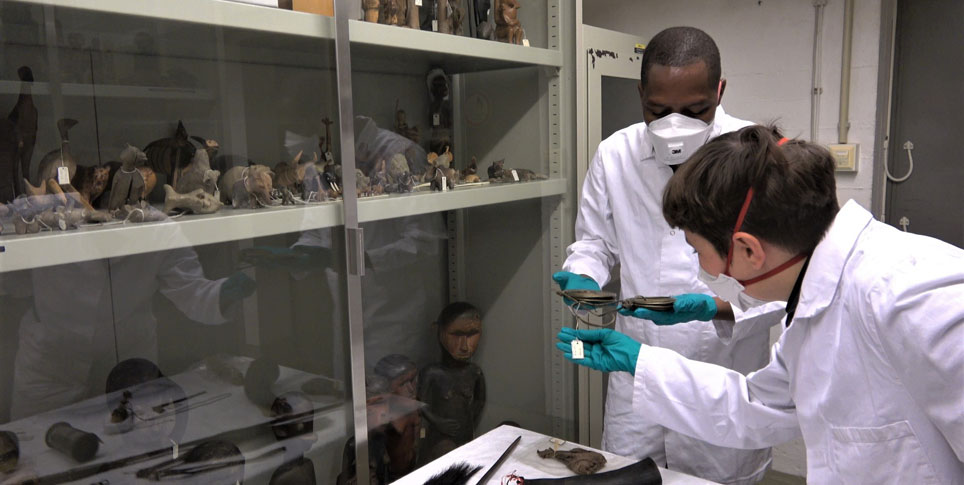
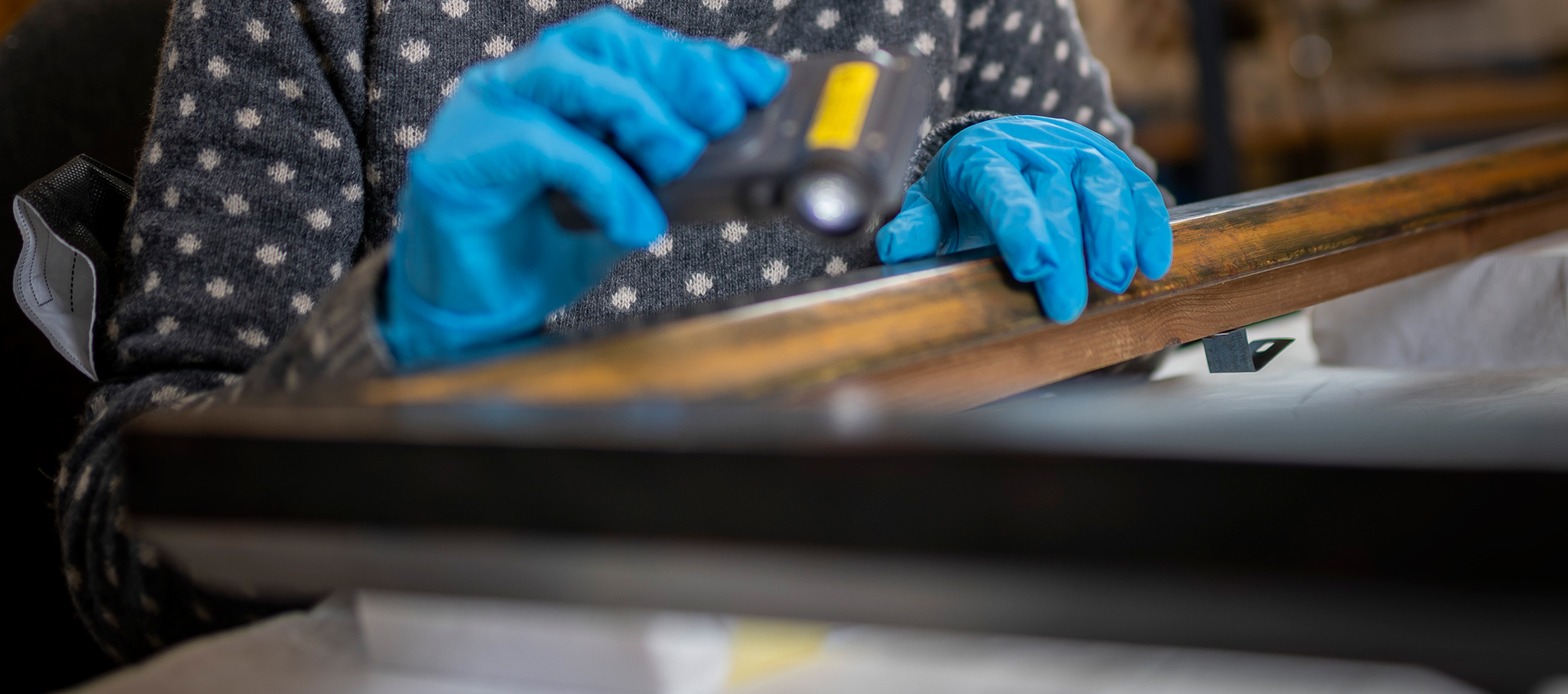
At a specialist service provider, the documents were then mechanically dry-cleaned – in accordance with the relevant categories – using safety vacuum cleaners and latex sponges. The cleaning process significantly reduced visible soiling and brought microbiological contamination down to a level that poses no health risk (see Figs. 3 to 6). The service providers then packed the cleaned files into legal folders and archive boxes that comply with ISO standard 16245 A. This means that they are chemically stable over the long term and thus provide optimal protection for the archival materials against dust, light, climatic fluctuations and environmental influences (see Figs. 7 and 8).
In the first project (2022), it was precisely the smaller sub-collections of the Privy Council that were consolidated, in which the aforementioned efforts at territorial consolidation by Brandenburg-Prussia in the 17th century converge. In the subsequent project (2023), three medium-sized collections of the Privy Council were consolidated, documenting Brandenburg-Prussia’s foreign policy during the Polish-Swedish War and the Thirty Years’ War – as well as beyond.
These collections can now be catalogued, ensuring they are made available to interested users for consultation and analysis in a timely manner.
Cleaned-up holdings
2022
I. HA GR, Rep. 29 Border with Lüneburg (5 linear metres)
I. HA GR, Rep. 29 A New border matters (11 linear metres)
I. HA GR, Rep. 31 Order of St John at Sonnenburg (7 linear metres)
I. HA GR, Rep. 38 Relations with Brunswick-Wolfenbüttel (7 linear metres)
I. HA GR, Rep. 40 Relations with the Electoral Palatinate (14 linear metres)
I. HA GR, Rep. 43 The dominions of Beeskow and Storkow (7 linear metres)
2023
I. HA GR, Rep. 1 Relations with the Emperor (23 linear metres)
I. HA GR, Rep. 9 Poland – Relations with Poland (34 linear metres)
I. HA GR, Rep. 24 War affairs (16 linear metres)