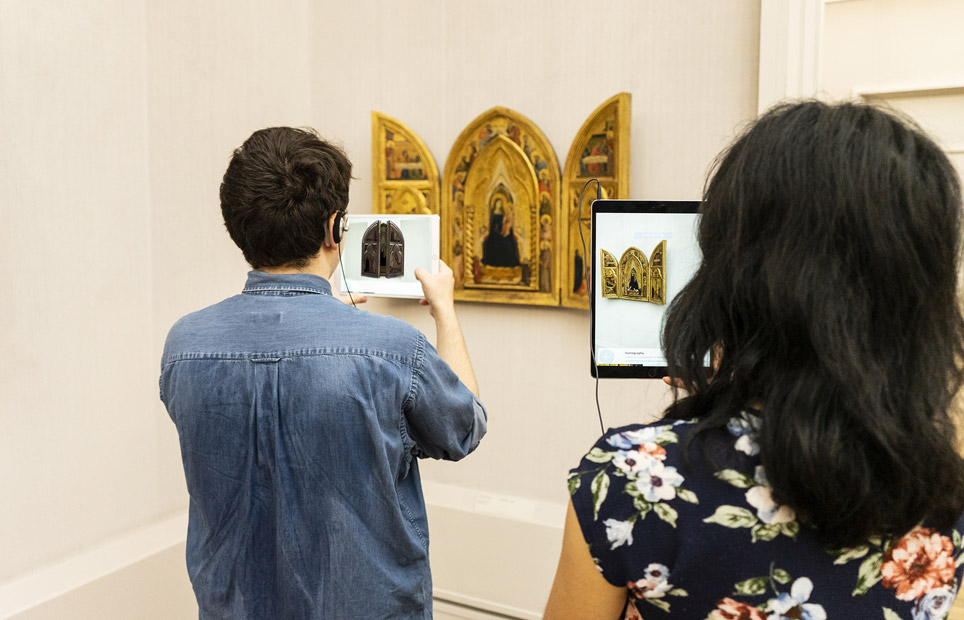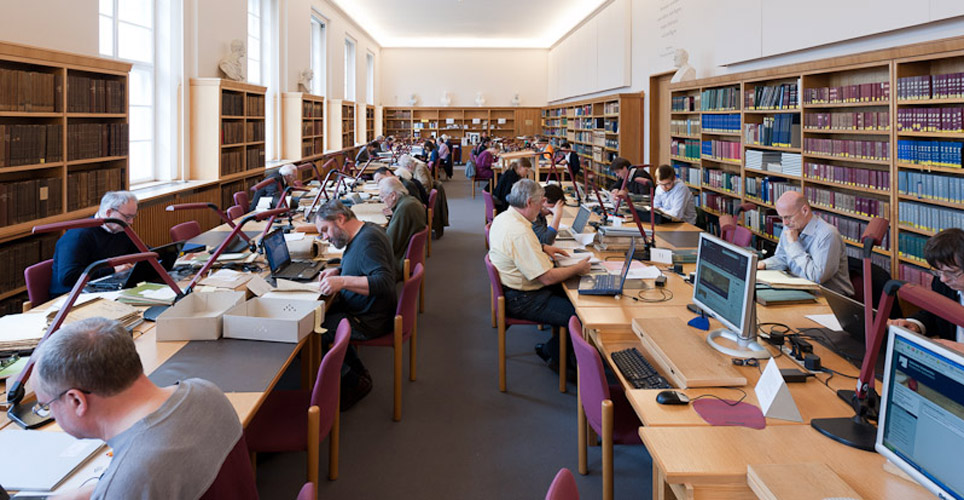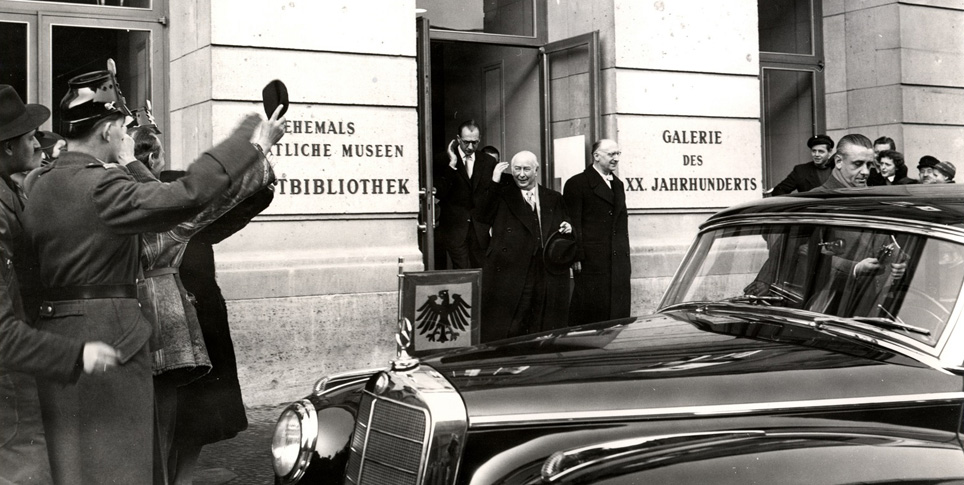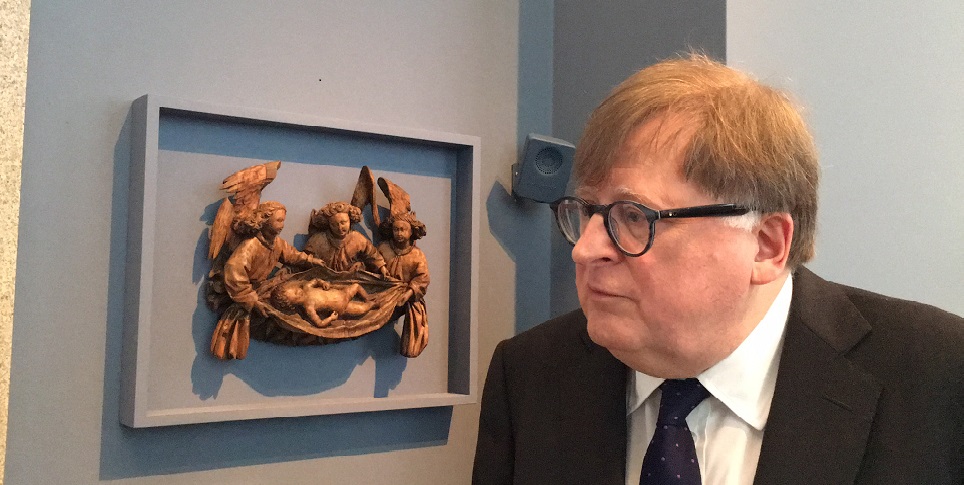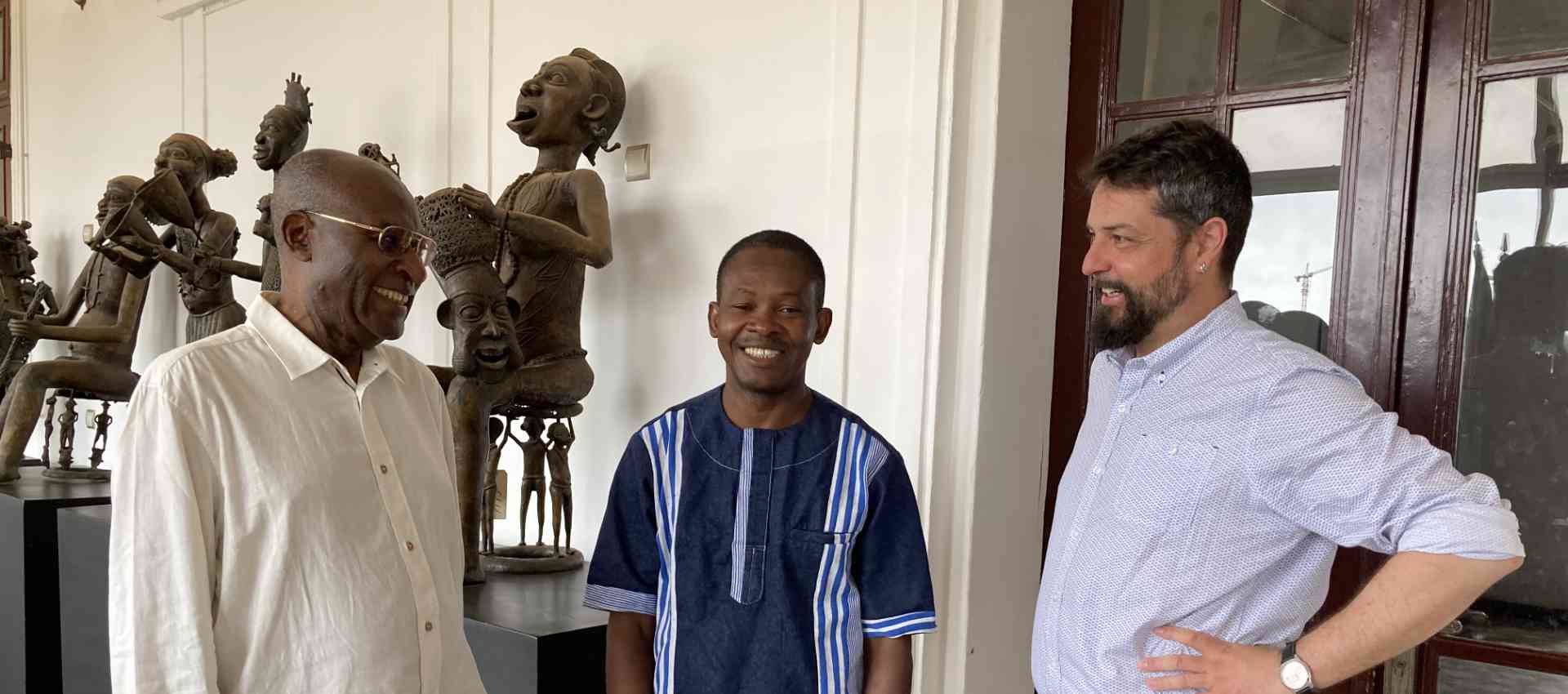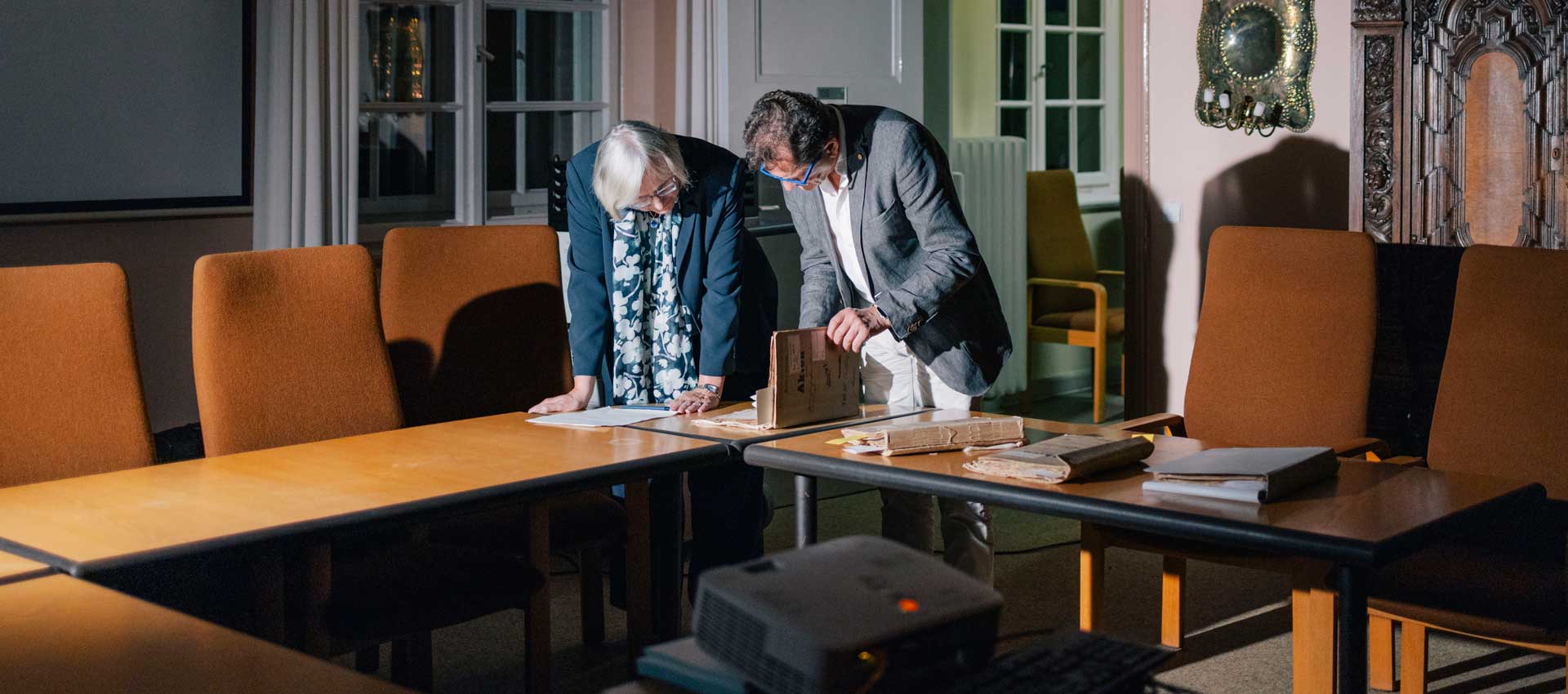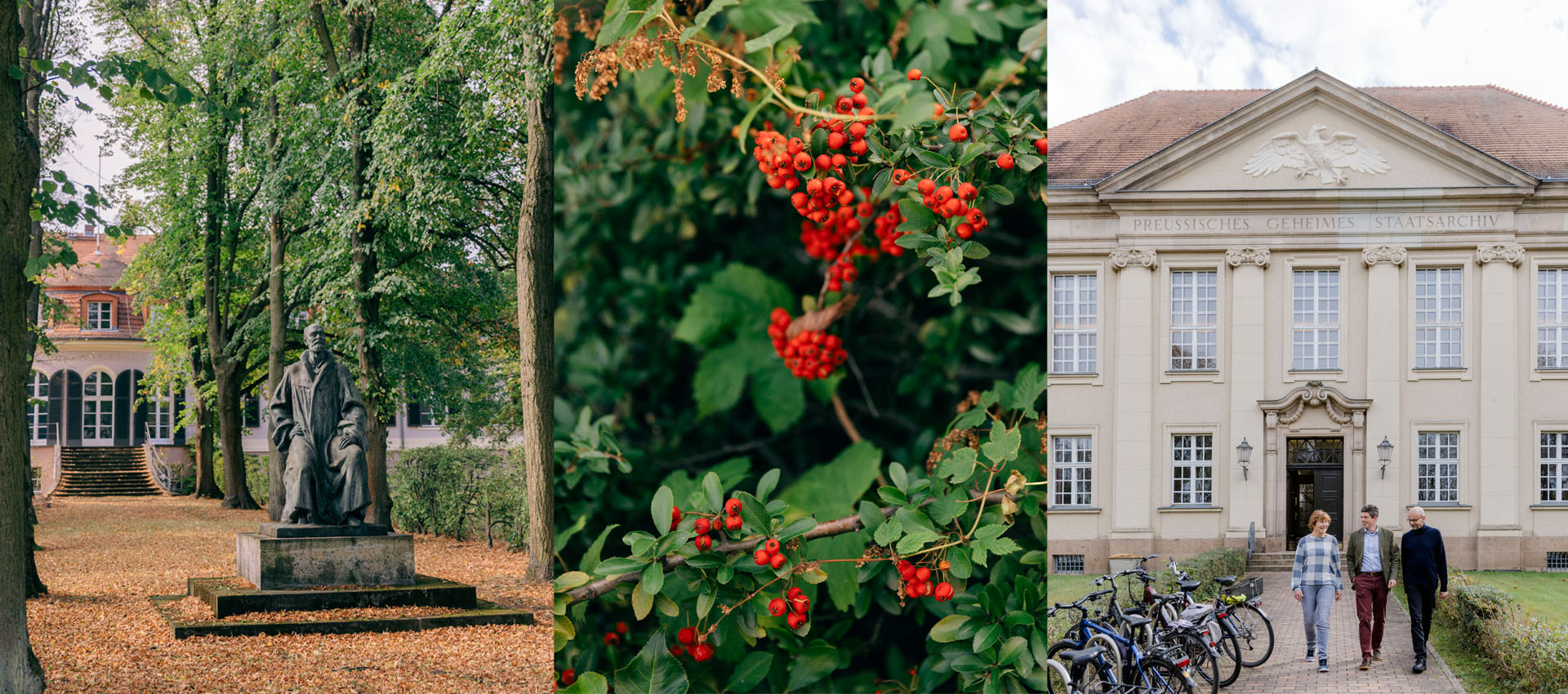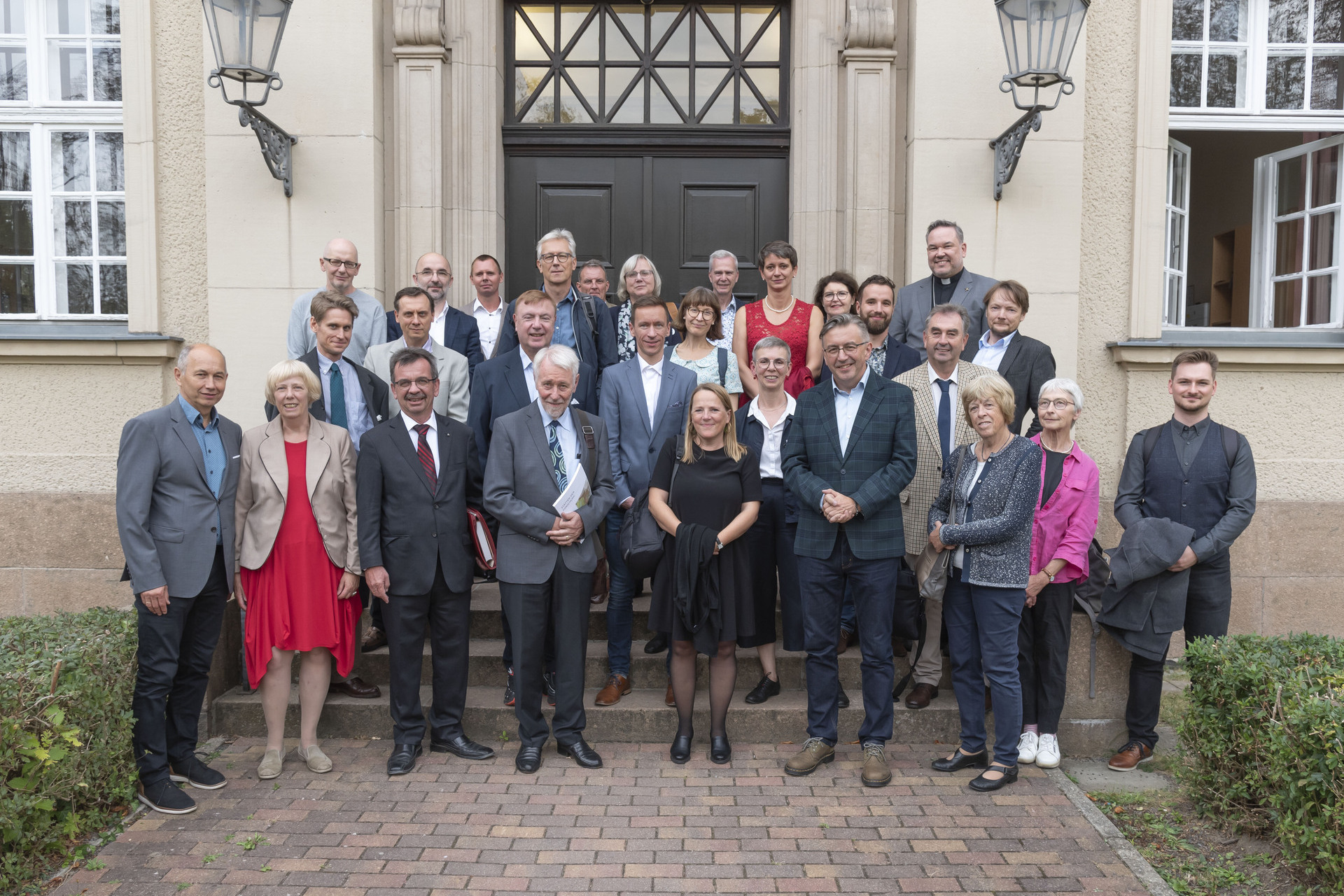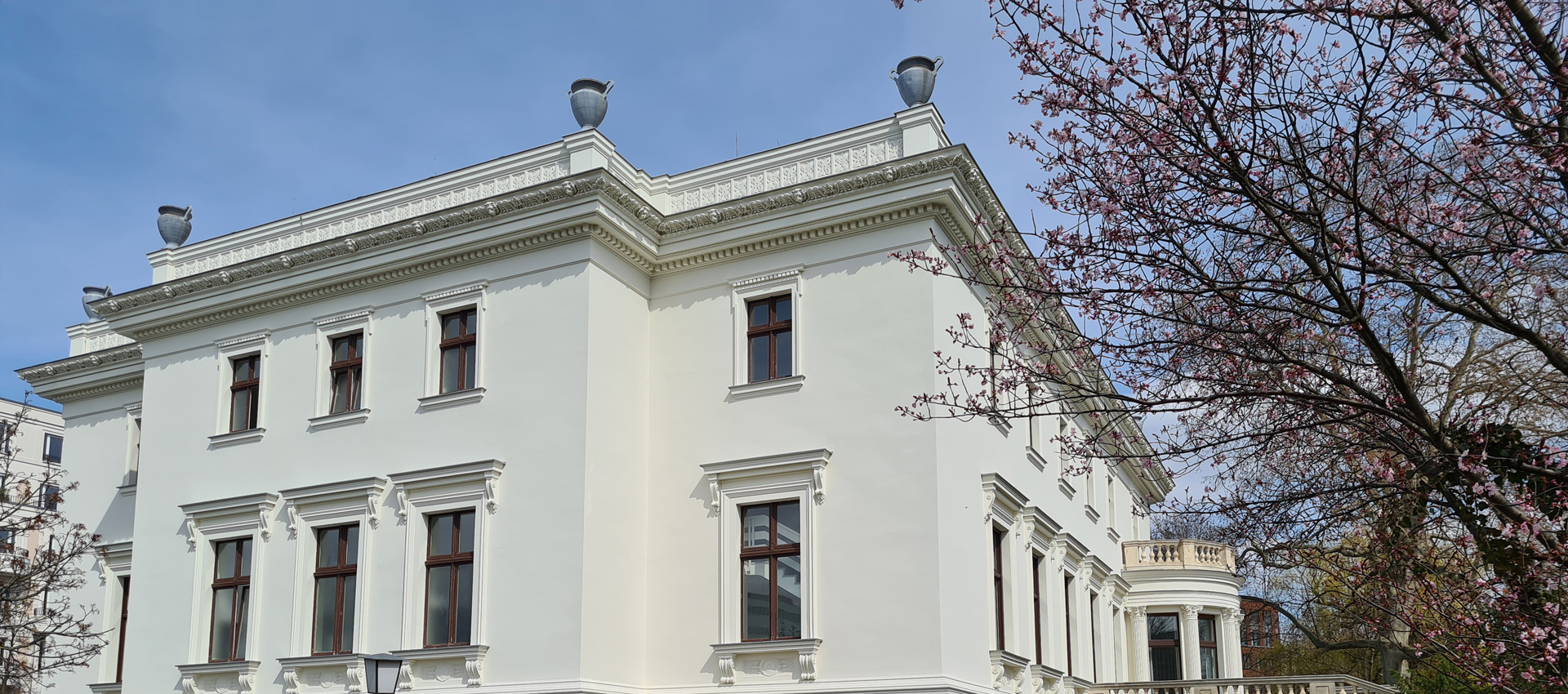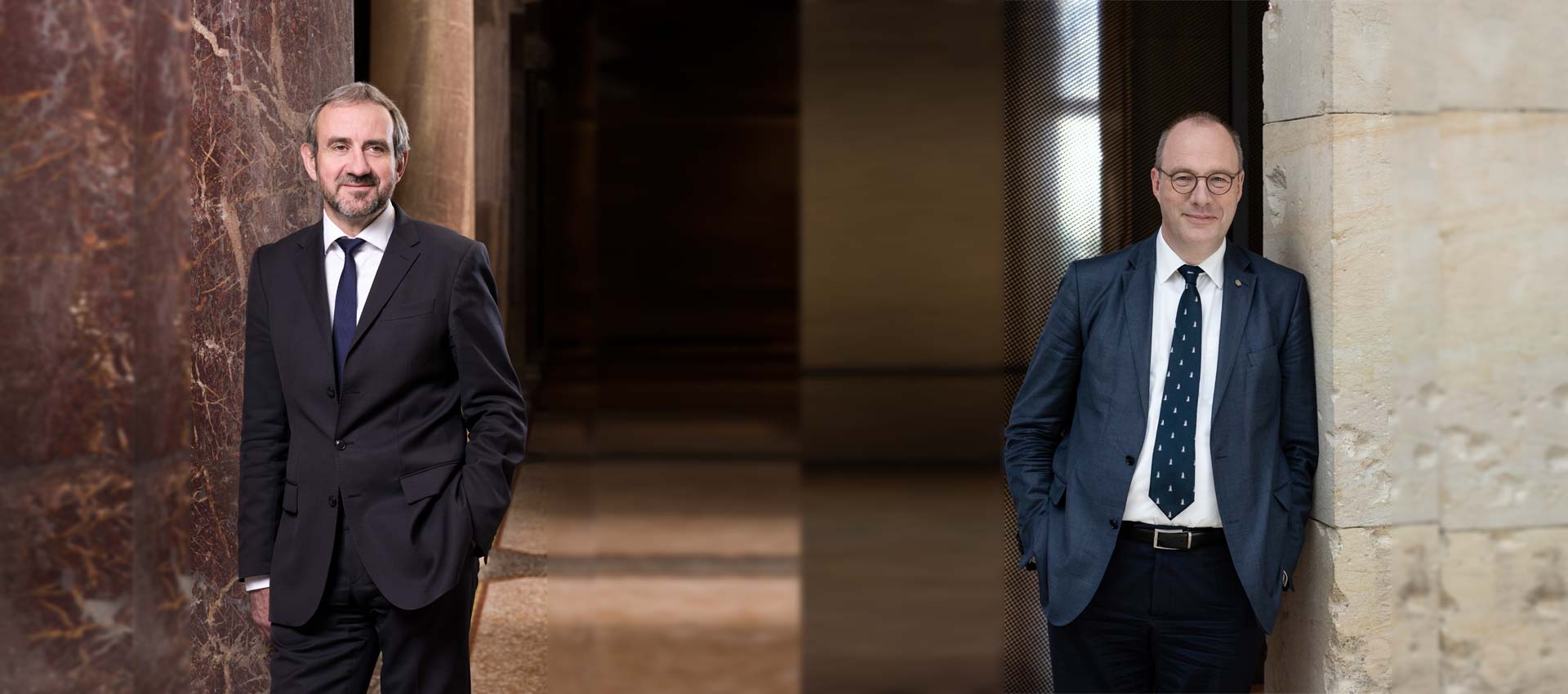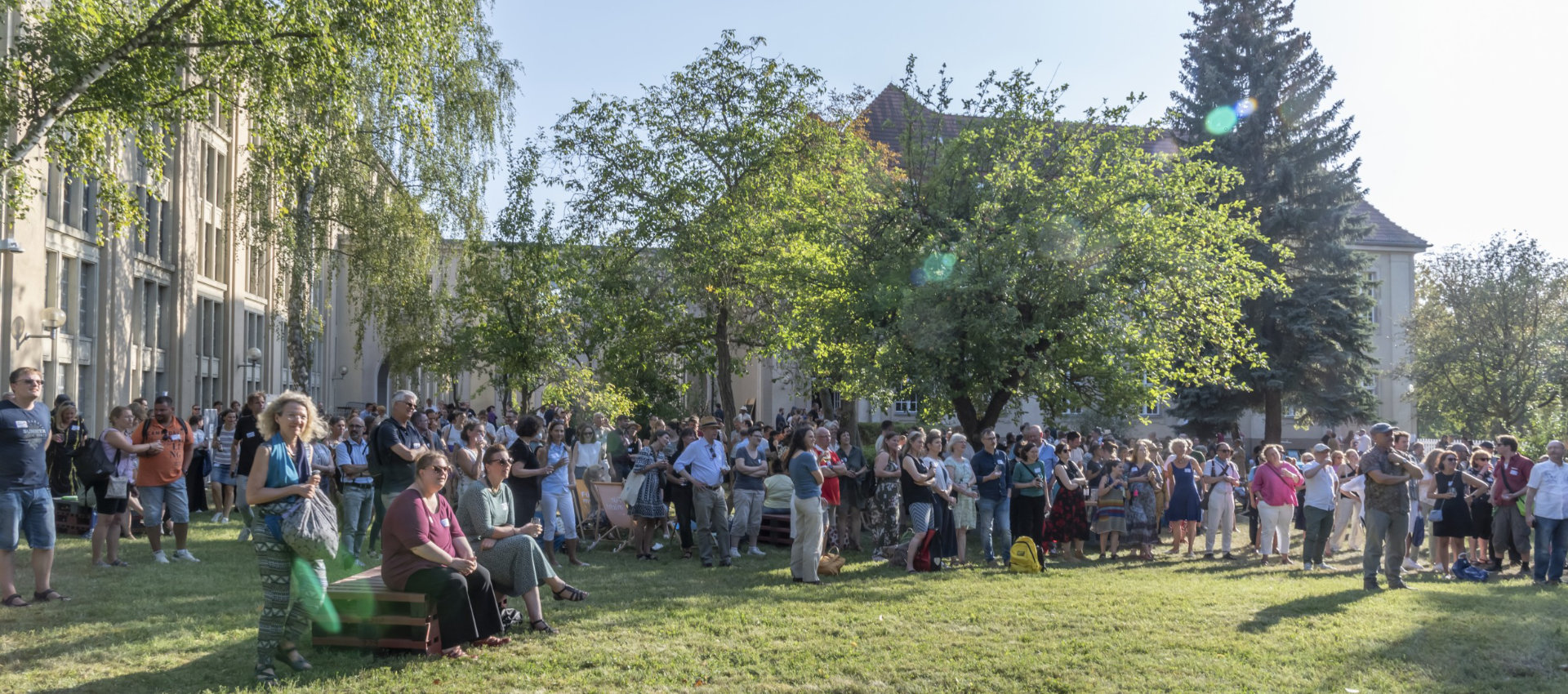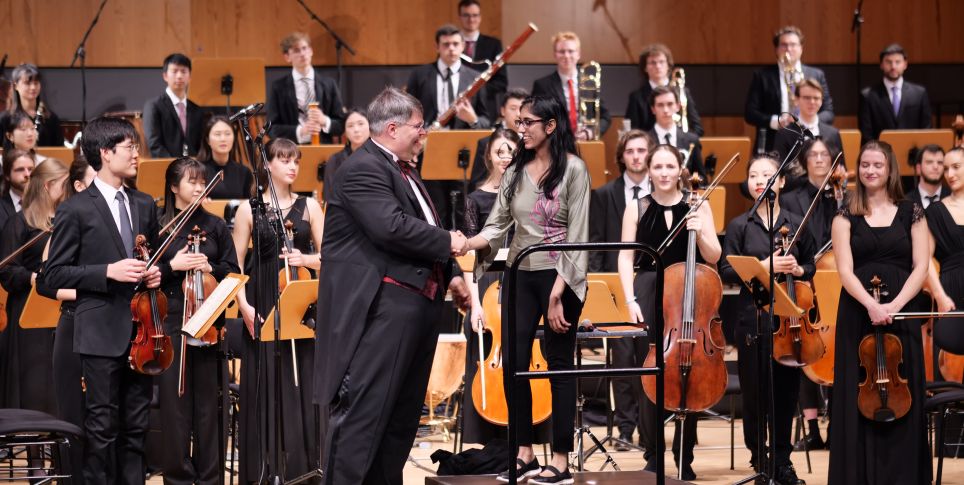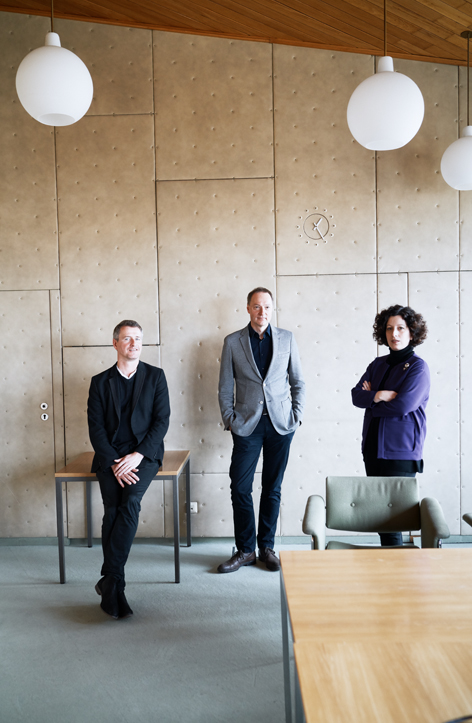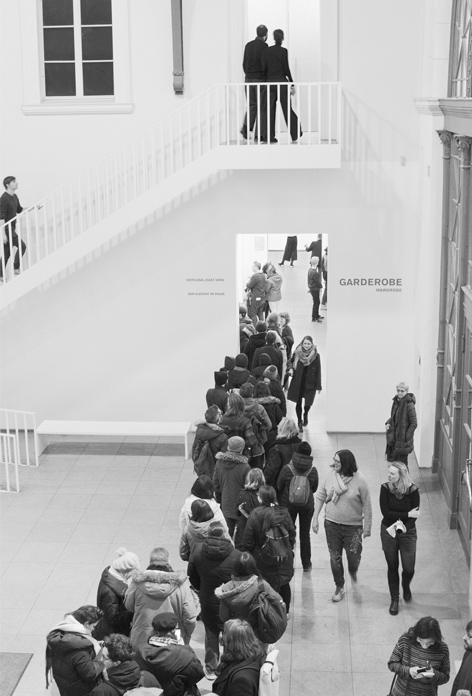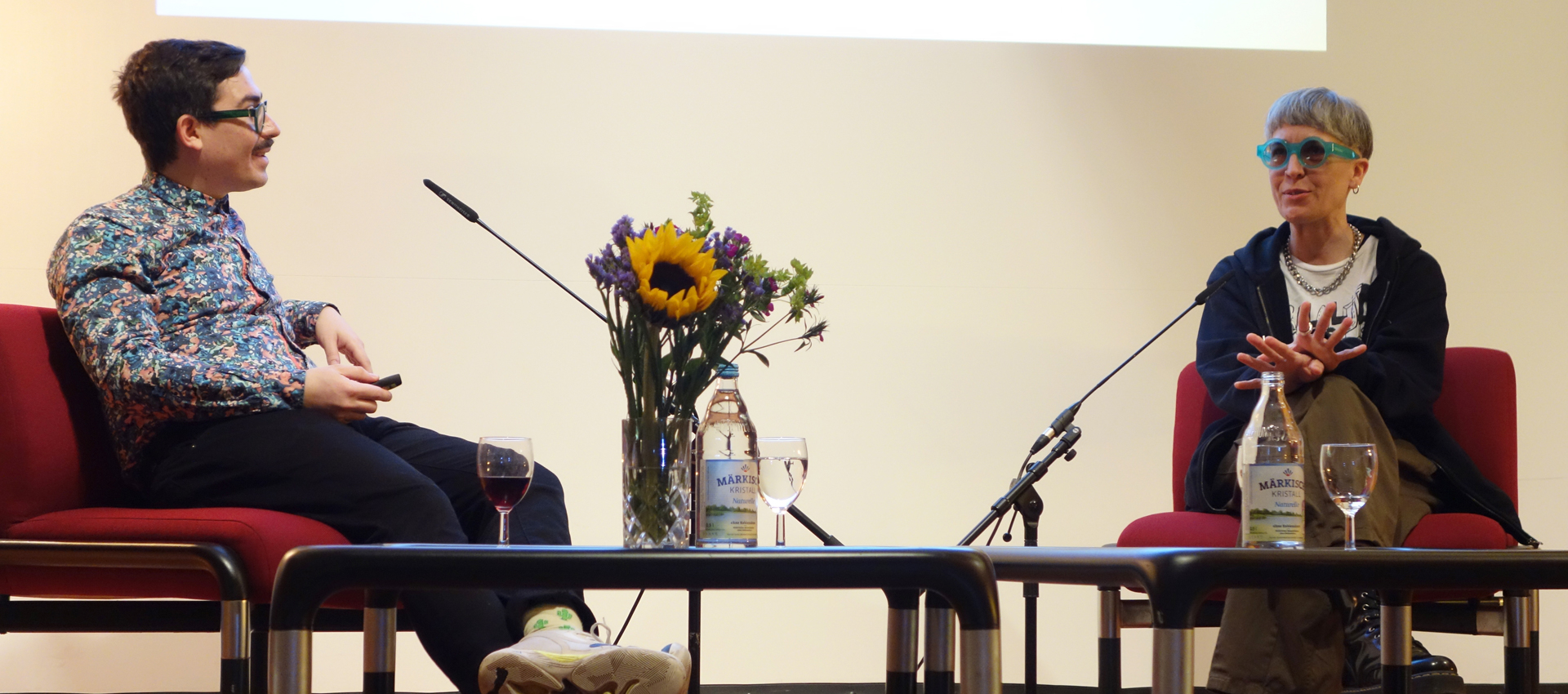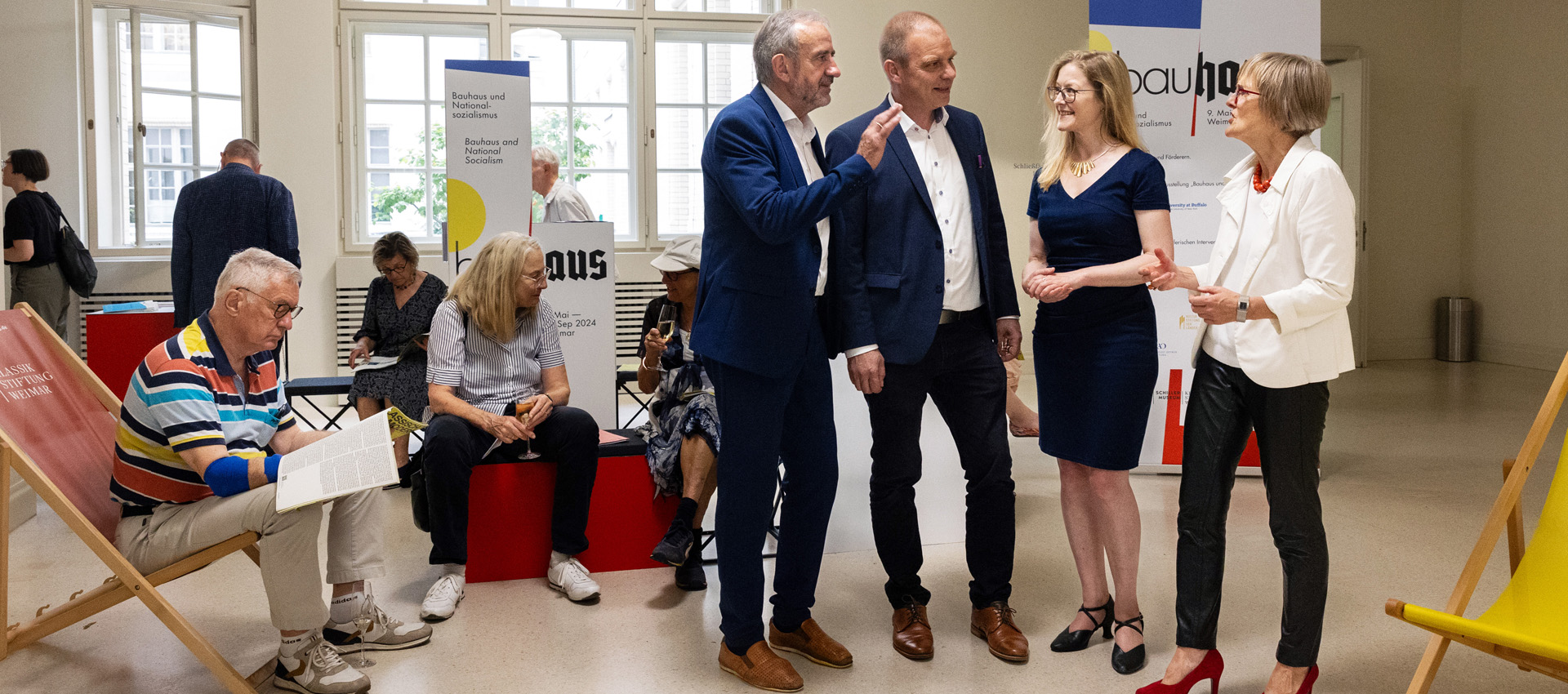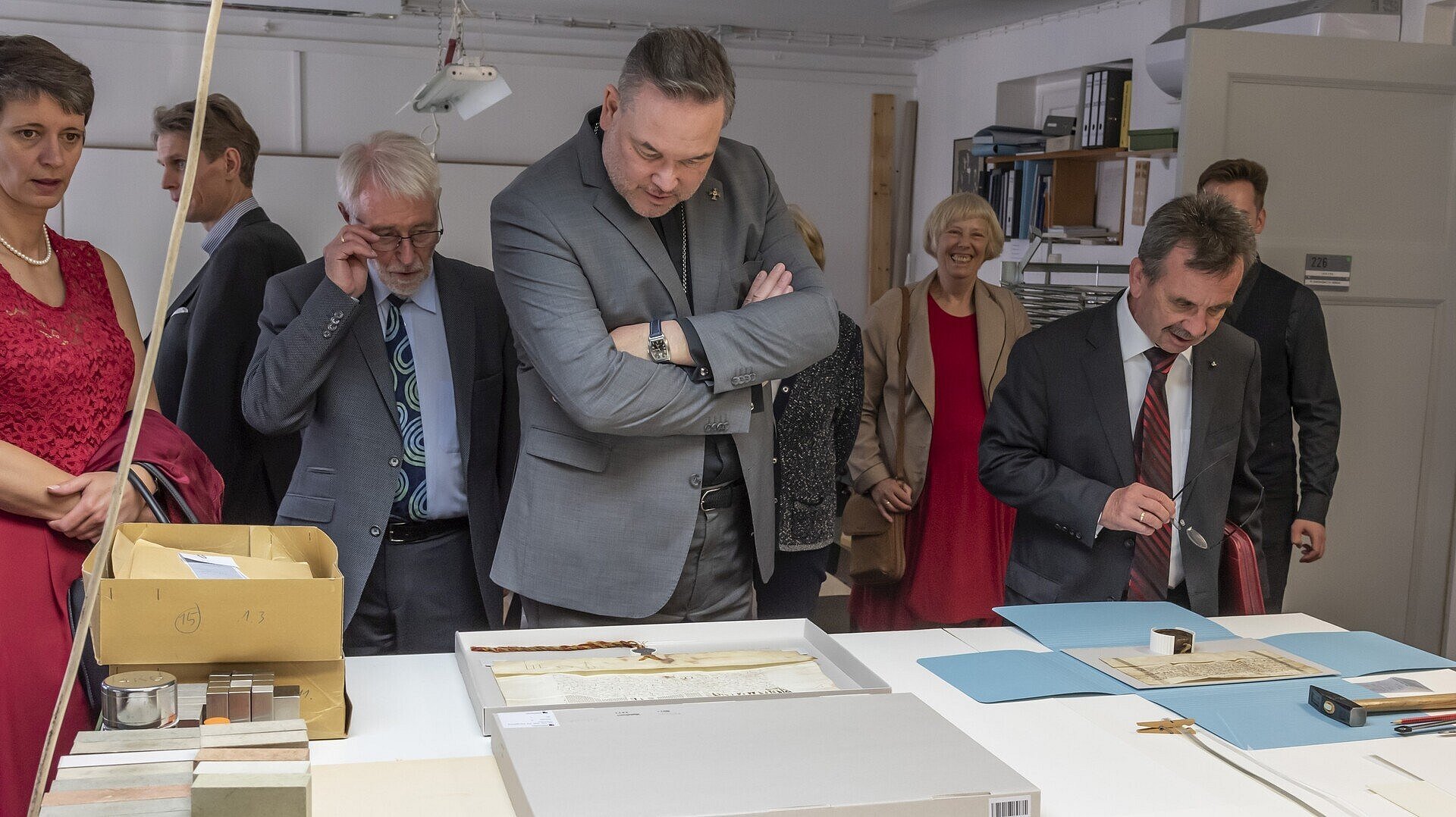
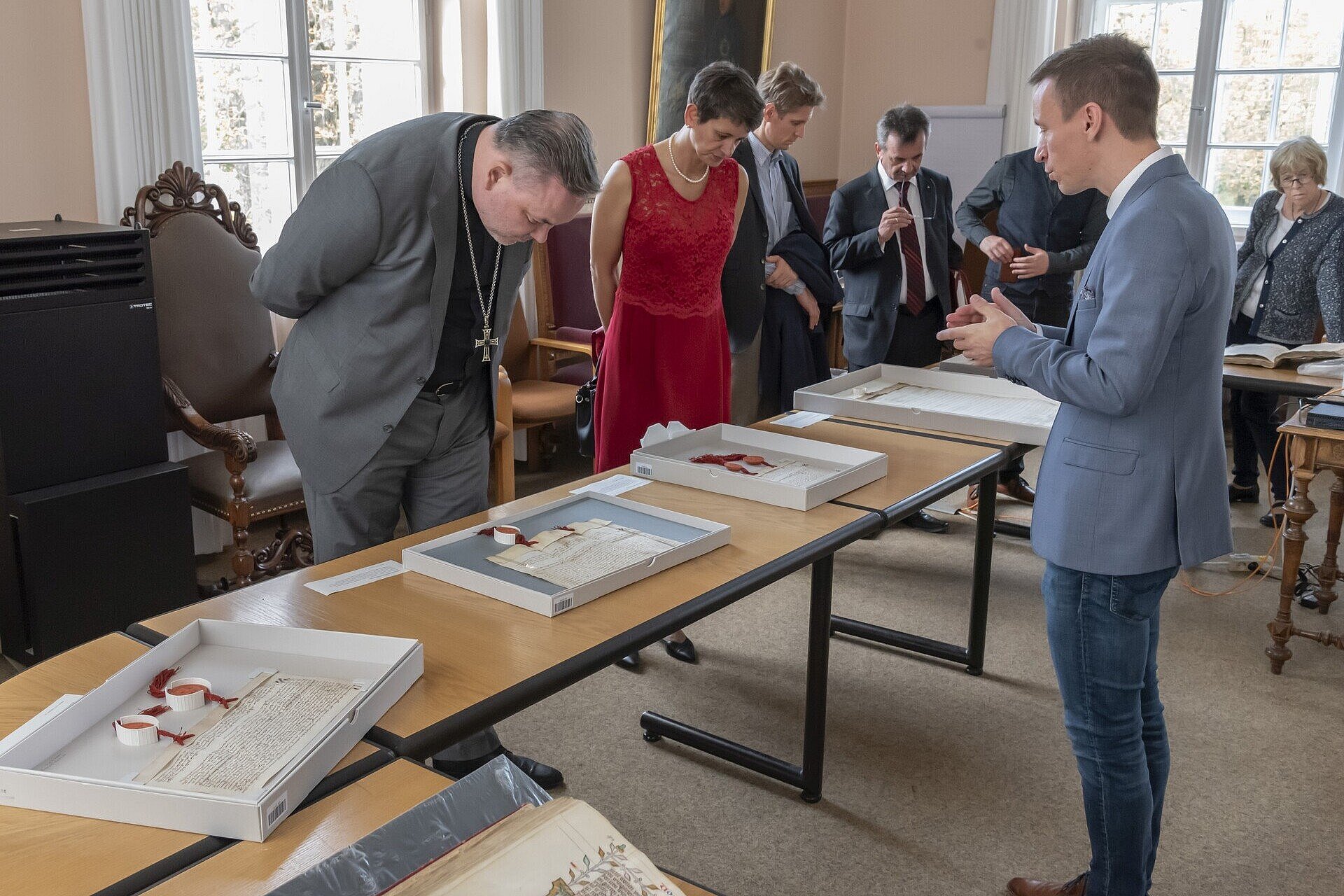
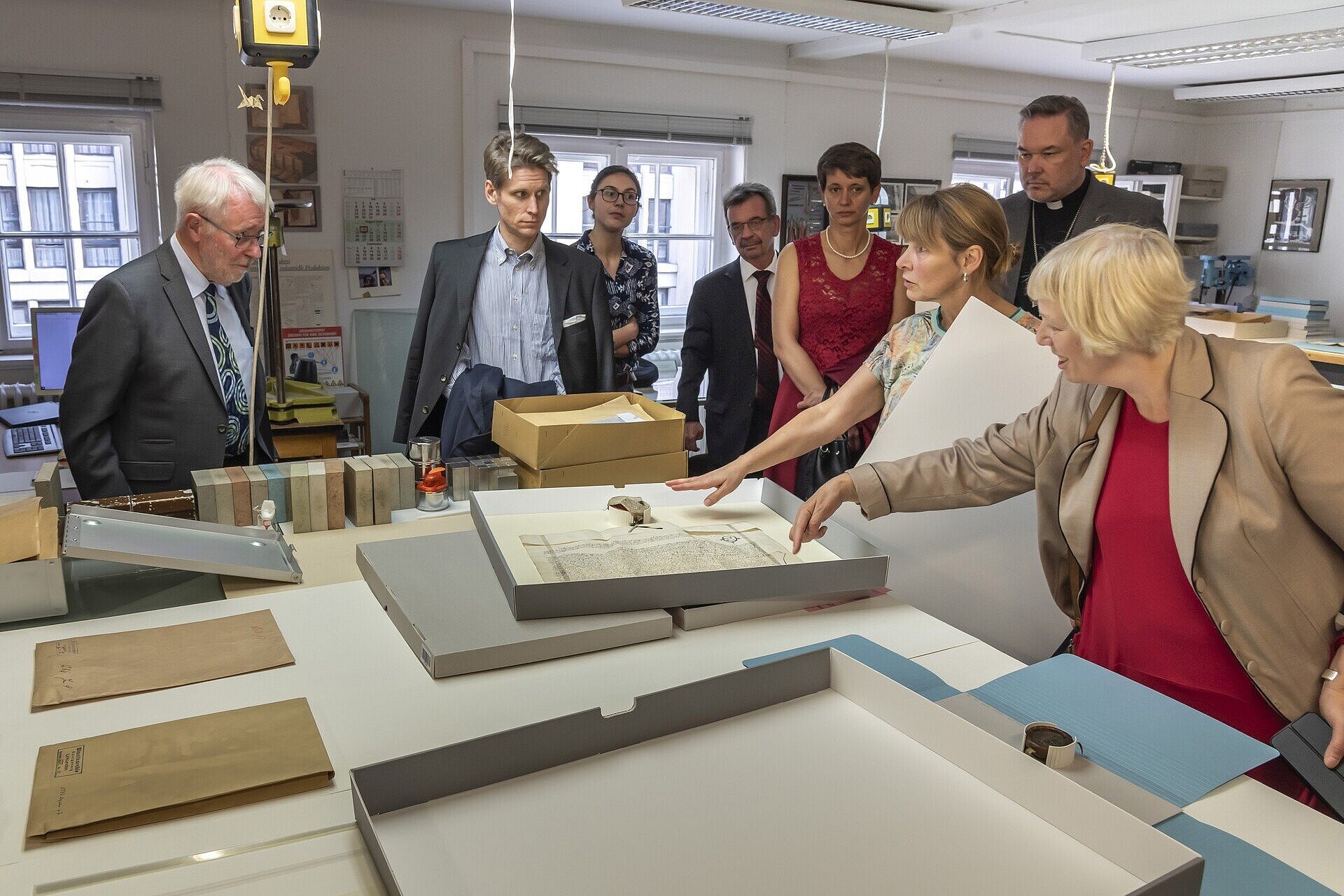
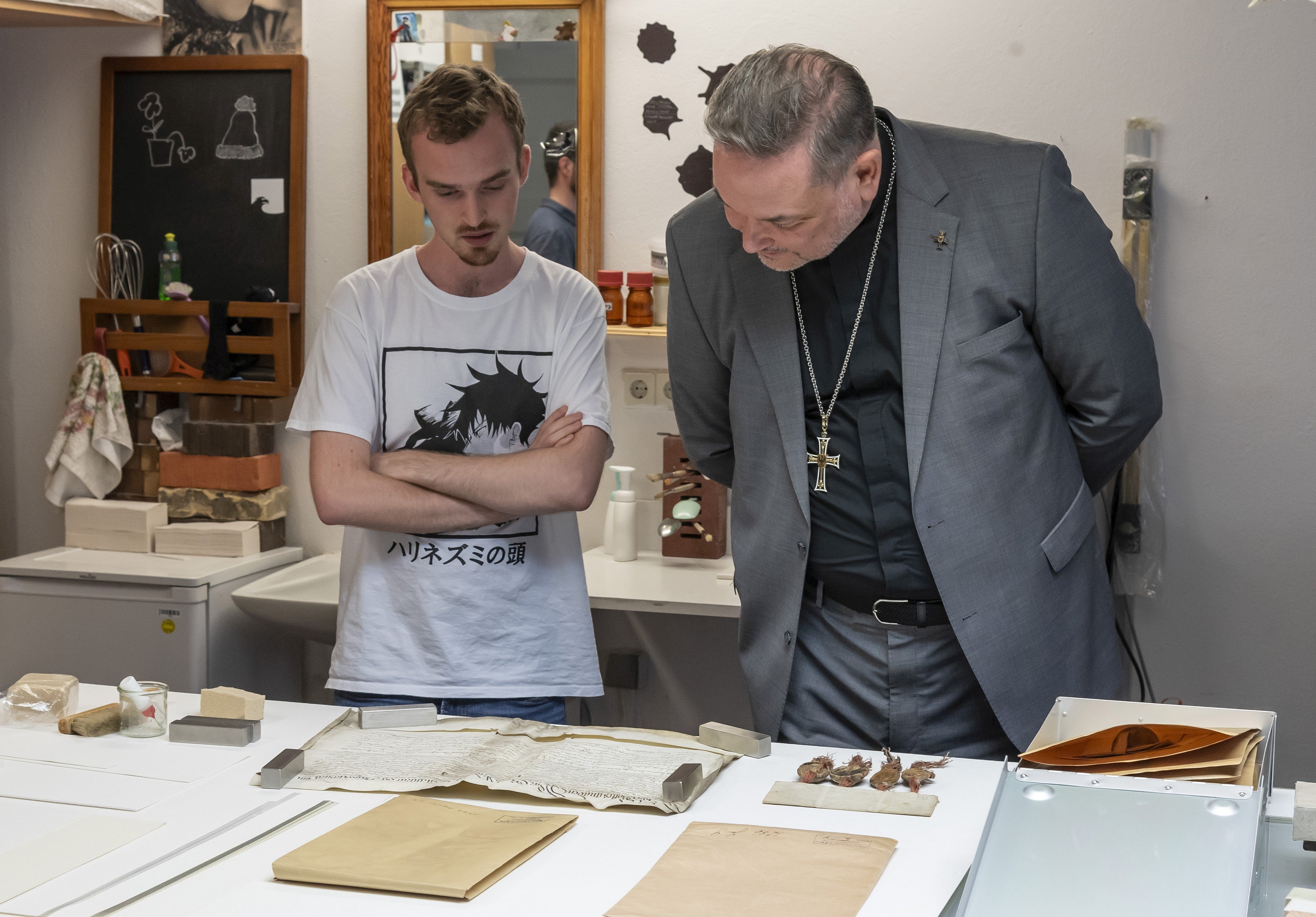
Every two years, historians from the “International Historical Commission for the Study of the Teutonic Order” gather for an international conference. From 19 to 21 September 2024, it was held for the first time at the Secret State Archives of the Prussian Cultural Heritage Foundation (GStA). Also in attendance was His Eminence Frank Bayard, the 66th Grand Master of the Teutonic Order.
The conference focused on the complex and multifaceted archival situation regarding the holdings of the Teutonic Order. The timeframe spanned from the 13th century to the present day, whilst the geographical scope extended from the Holy Land through Prussia to selected bailiwicks in Central Europe and on to the Deutschmeisterarchiv in Mergentheim.
Mr Götz, you and your team at the GStA are responsible for the archives of the Teutonic Order. What exactly does your role involve?
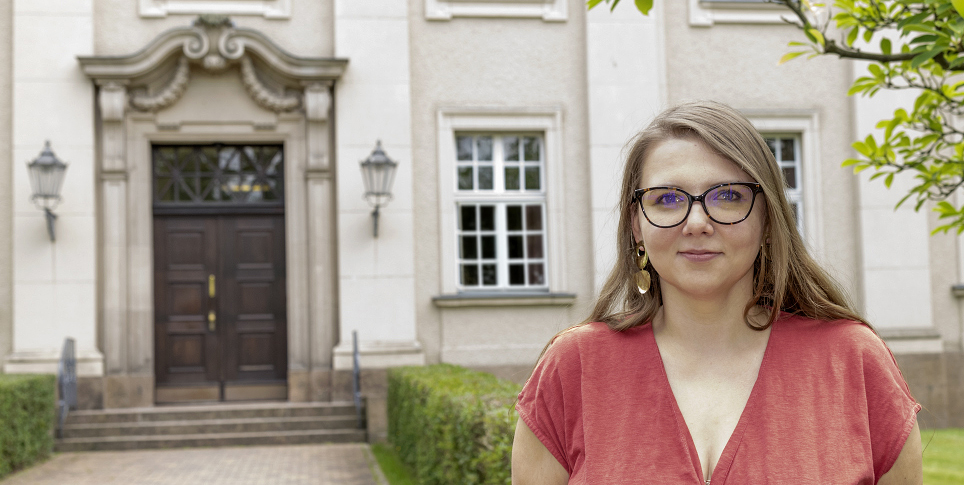
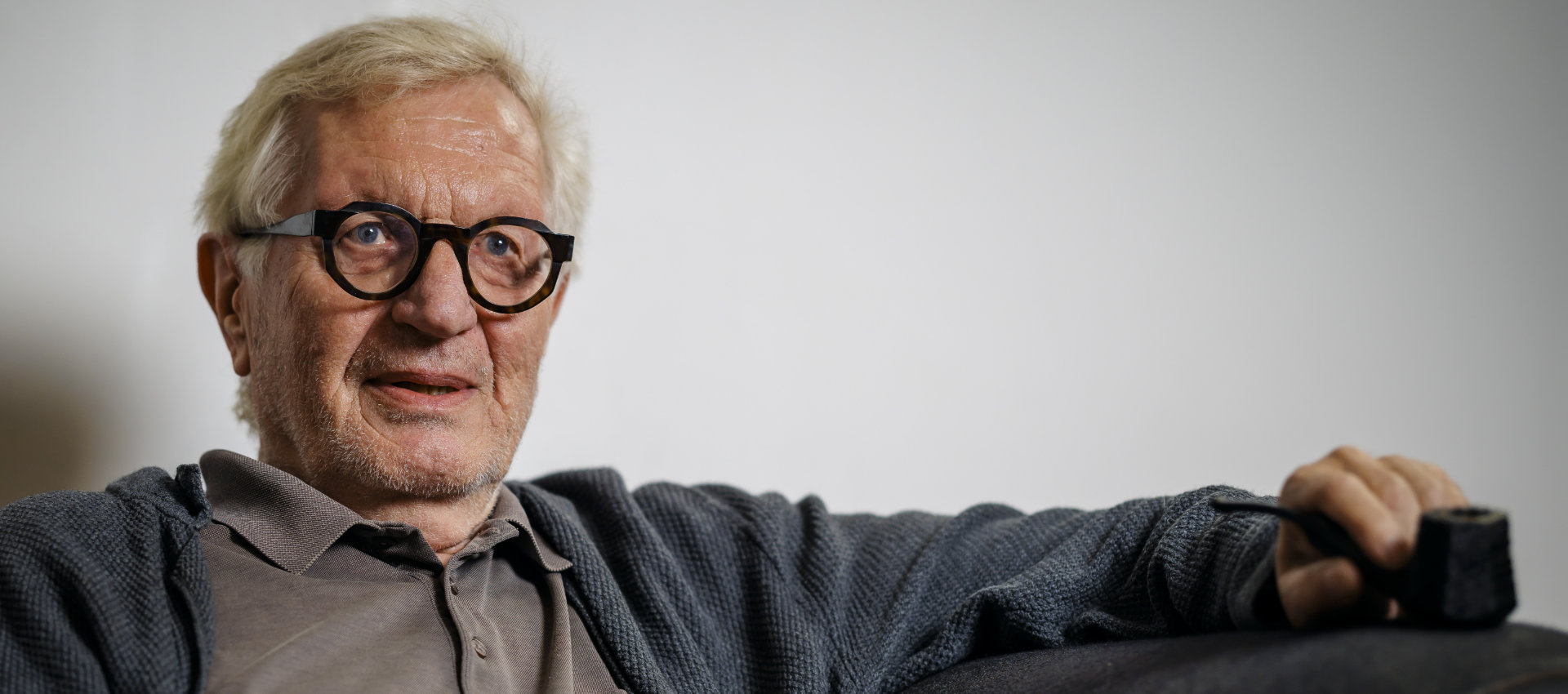
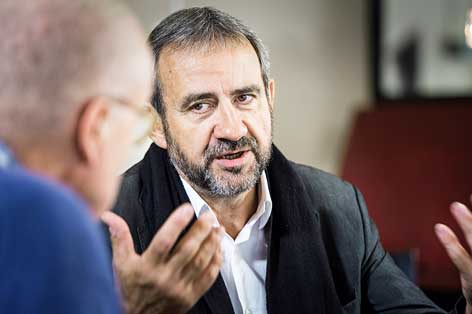
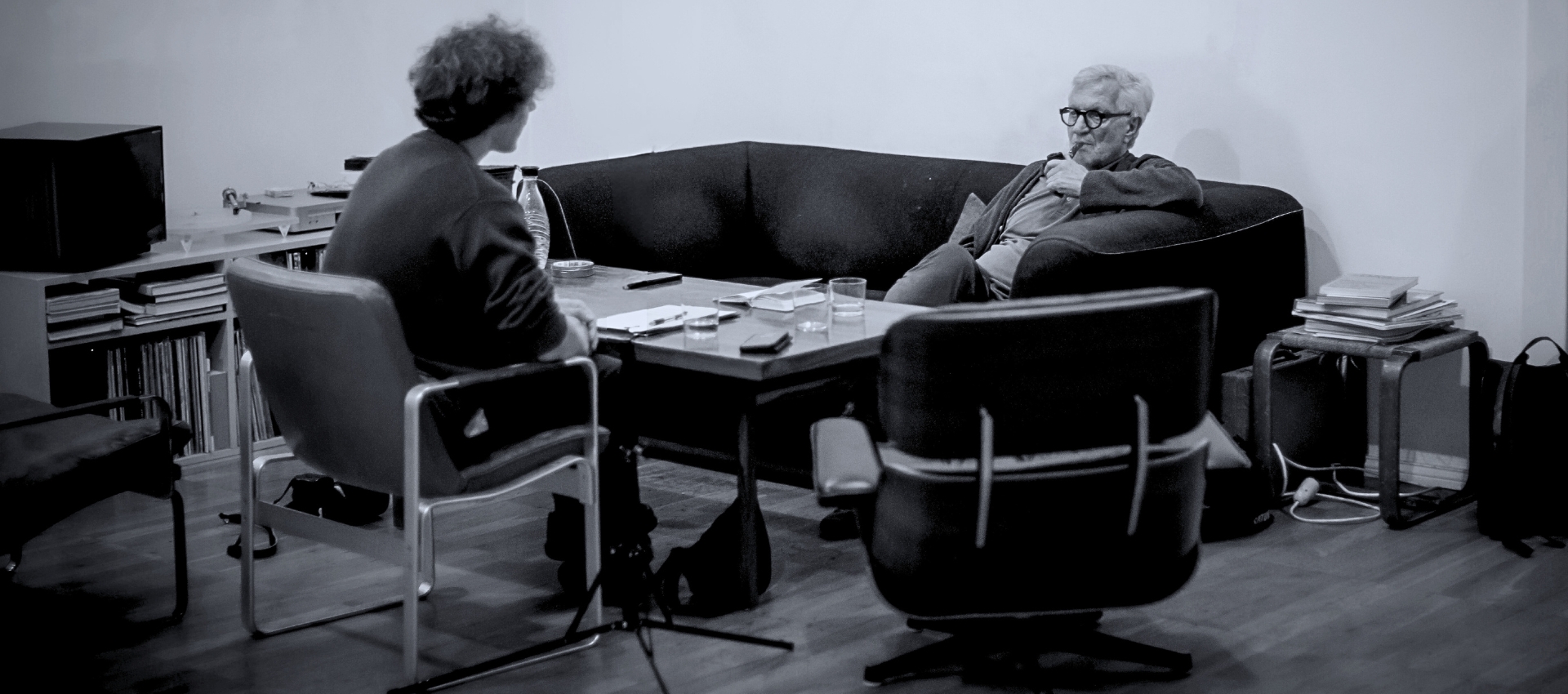
Johannes Götz: Our core task is to catalogue and describe the contents of our collections so that we can make them available to users online. If anyone has any questions, we help them find the documents they are looking for. Beyond that, however, we also want to raise awareness of our collections. We want to spark interest and encourage visitors to explore our collections for themselves.
Why was the State Archive chosen as the venue for this conference?
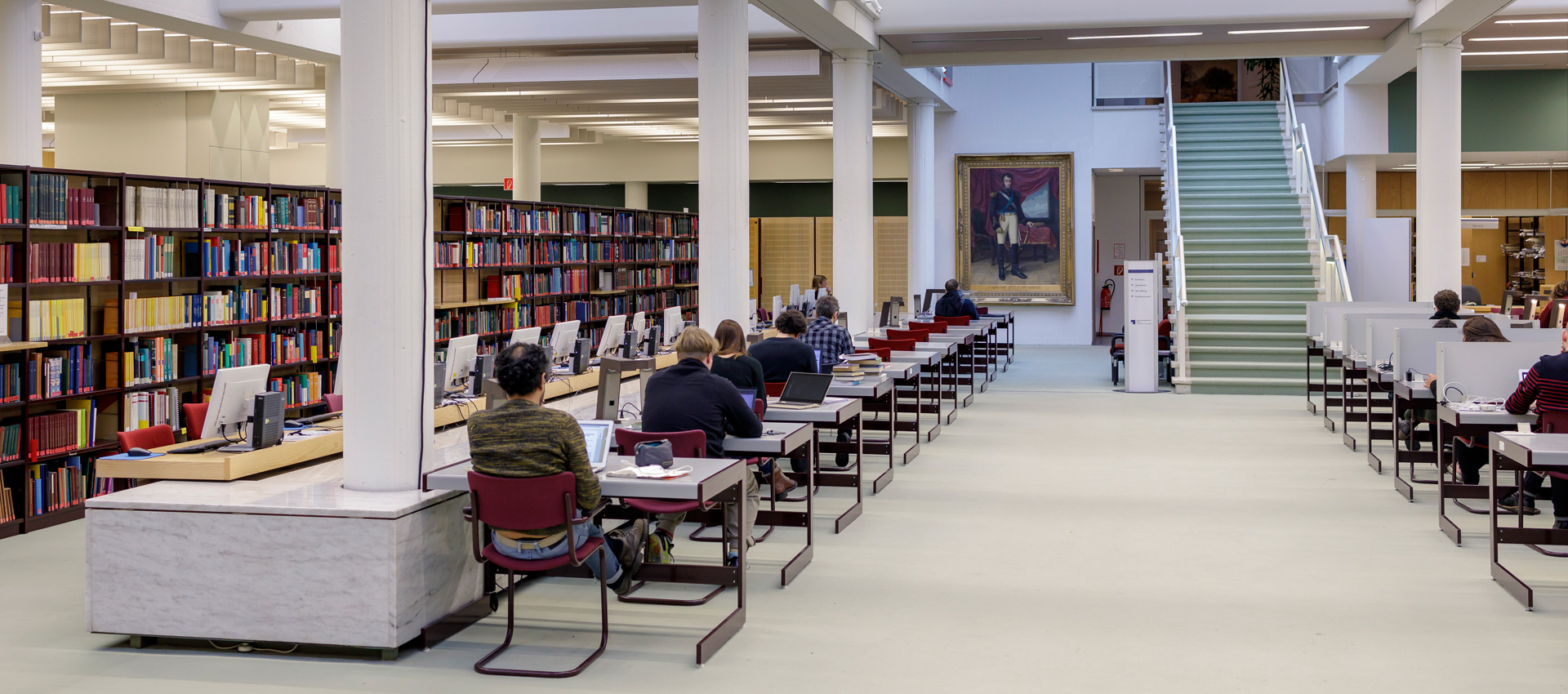
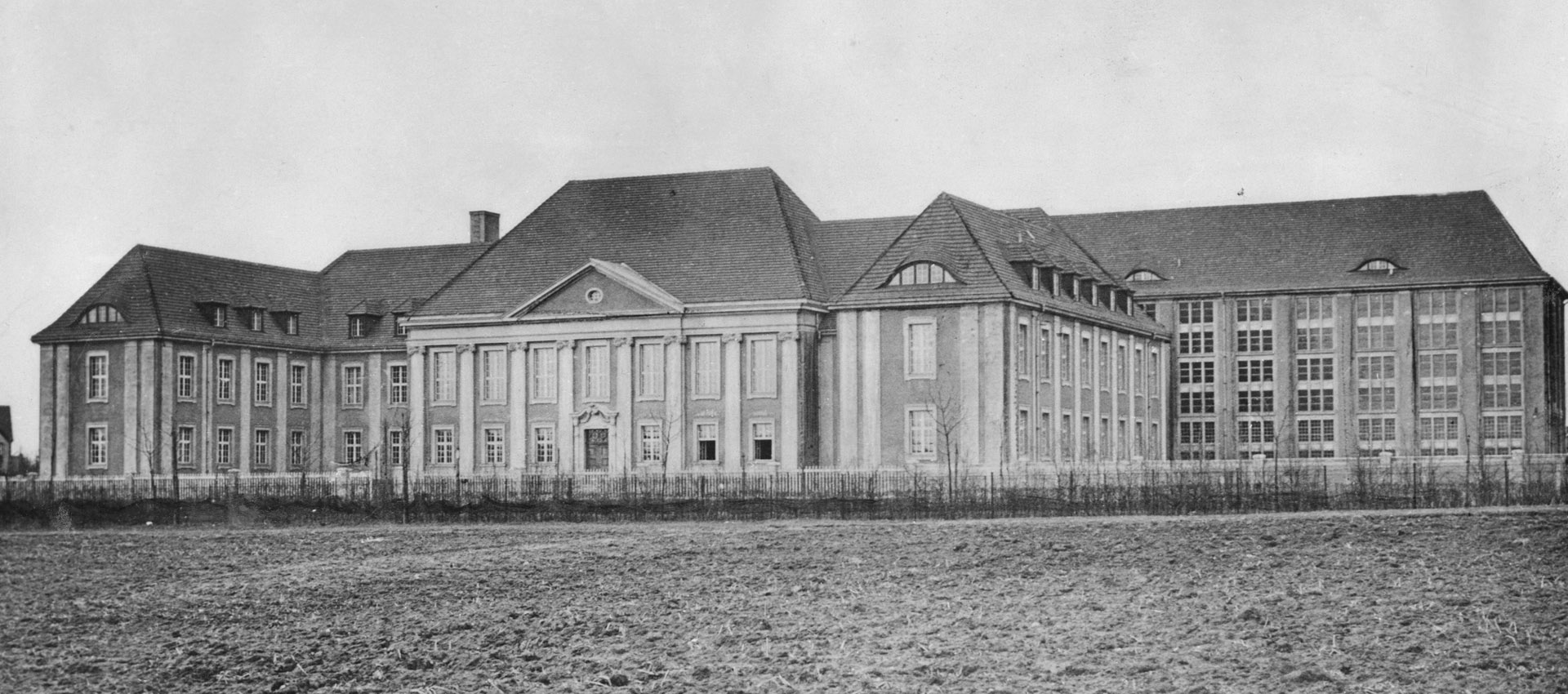
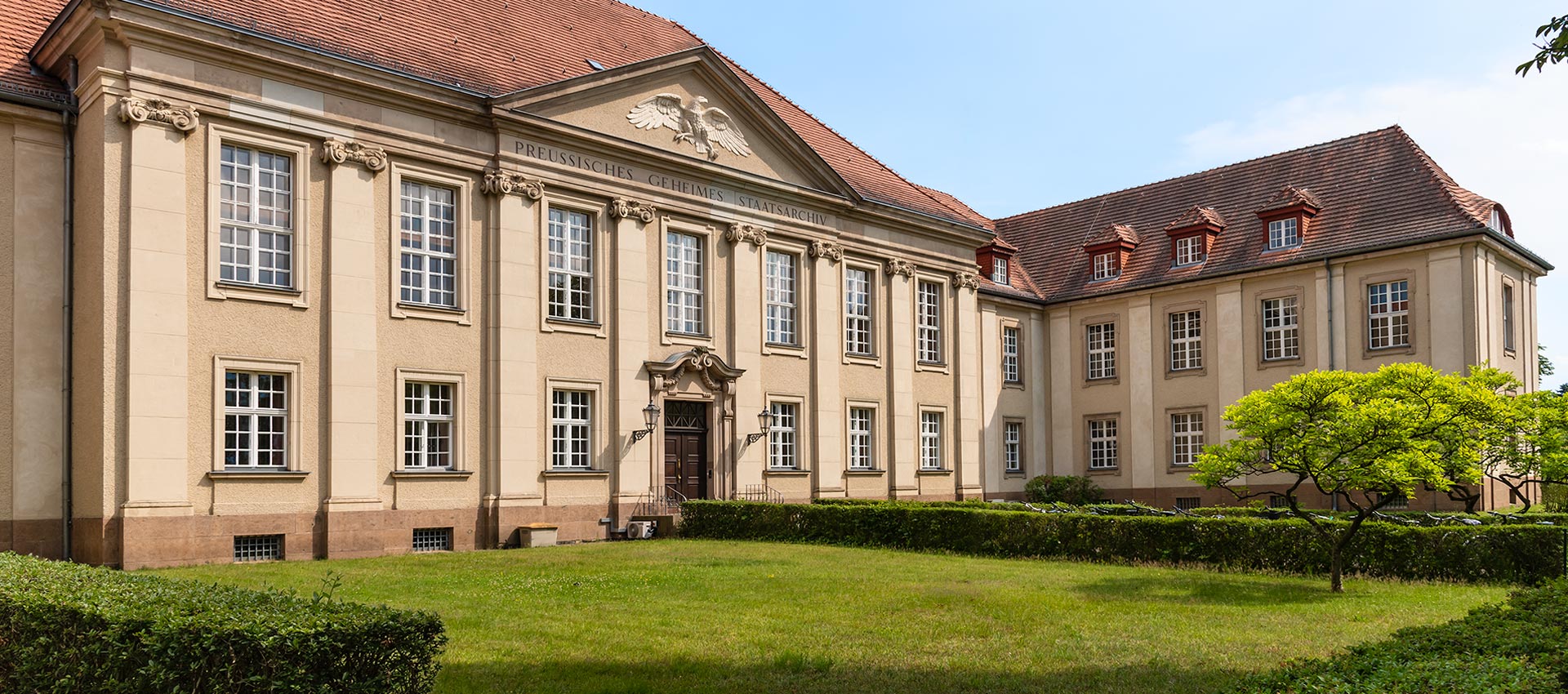
Johannes Götz: The Secret State Archives of the Prussian Cultural Heritage Foundation holds one of the most significant collections of the Teutonic Order. It originates from the former State Archives of Königsberg and, as a result of the Second World War, found its way to the GStA in Berlin via various detours.
The Teutonic Knights, the Knights Templar and the Knights Hospitaller were the three religious military orders that helped shape the Middle Ages. They combined religious and military elements. However, the Knights of the Teutonic Order and the Knights Hospitaller were not militarised at the time of their foundation, but only became so over time. How did the Teutonic Order come into being?
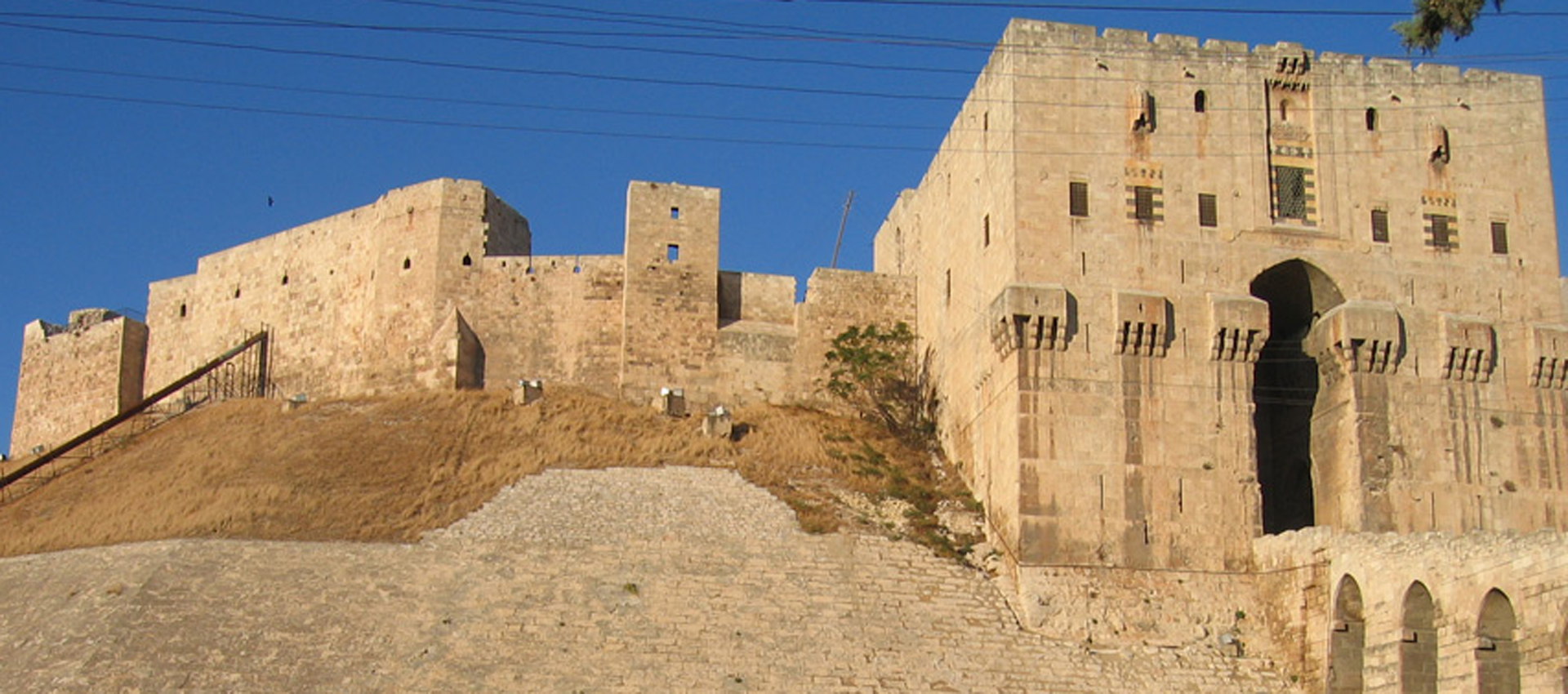
Johannes Götz: The history of the Teutonic Order begins with merchants from Lübeck and Bremen setting up a field hospital in 1190 outside Acre,one of the most important centres of the Crusader states, during the Third Crusade. Originally, the brothers devoted themselves to caring for sick pilgrims and wounded crusaders; later, they also saw their role as protecting pilgrims from violent attacks, even going so far as to fight the enemies of their faith.
The Polish prince Konrad of Masovia wanted to Christianise the Prussians, and Emperor Frederick II had promised the Pope a crusade; the solution came in the form of the Teutonic Order. What happened in the Baltic region?
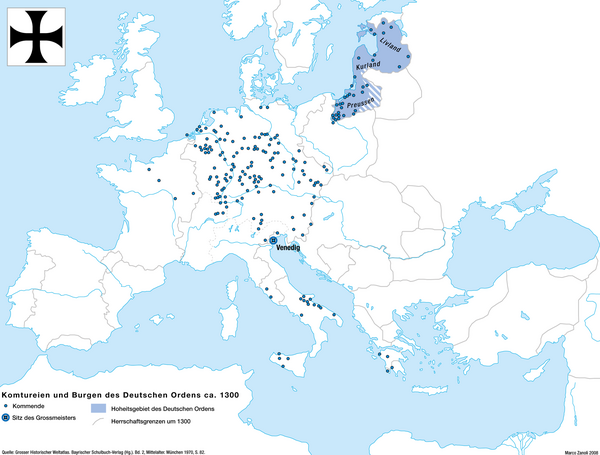
Johannes Götz: Even before the loss of Christian strongholds in the Holy Land, the Teutonic Order had taken on new tasks in Europe. Summoned by the Polish prince and supported by the Emperor, the knights marched into the territory of the Baltic Prussians, from whom, incidentally, the name Prussia is derived. The entire Order was under the leadership of the Grand Master, who resided at Marienburg (now in Poland) from 1309 onwards. In Prussia, he established a territorial rule, cultivated the land, founded towns and created attractive conditions for settlers. The Order became a significant political player in this region and its activities contributed to shaping the political, economic and cultural landscape in these parts of Europe, leaving a legacy that continues to have an impact into the modern era.
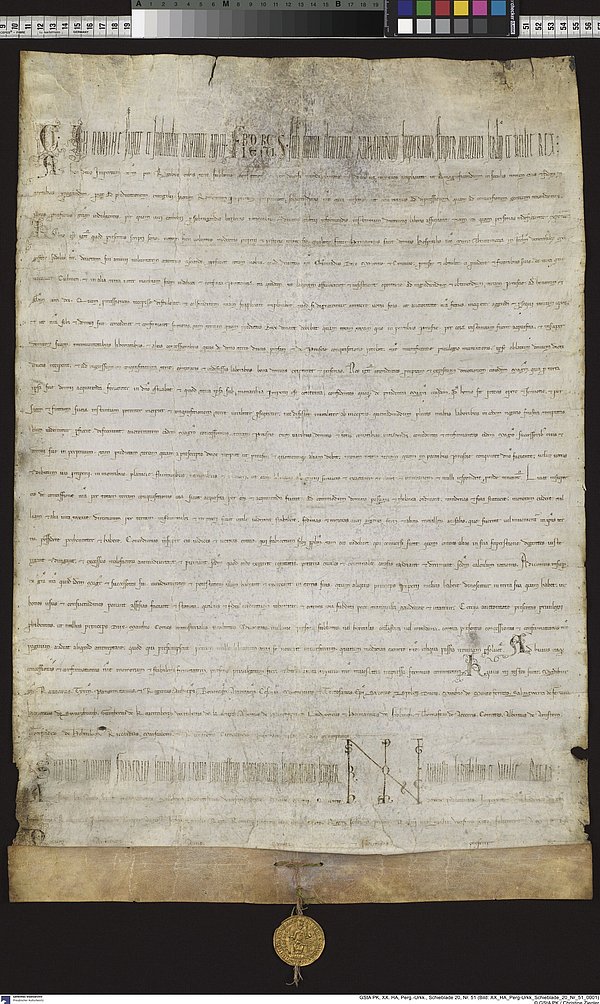
The Teutonic Knights came, conquered and stayed. What happened after the conquest?
Johannes Götz: The expansion of the Teutonic Order led to conflicts with, amongst others, the Kingdom of Poland and the Grand Duchy of Lithuania.And so, around 1410, the Battle of Tannenberg took place, in which the knights of the Order suffered a heavy military defeat at the hands of Poland and Lithuania. This battle became a central point of reference for national identity and the interpretation of history in both Poland and Germany. It contributed to the emergence of nationalist myths that remained influential right up to the Nazi era and have placed a lasting strain on German-Polish relations. Initially, however, it merely accelerated the Order’s decline, which was already underway. Grand Master Albrecht of Brandenburg-Ansbach, of the House of Hohenzollern, had embraced the teachings of Martin Luther and, on his advice, secularised the Teutonic Order’s territory of Prussia in 1525. He relinquished his office as Grand Master, transformed Prussia into a secular duchy, swore fealty to the Polish King Sigismund I, and was in return enfeoffed with the hereditary title of Duke.
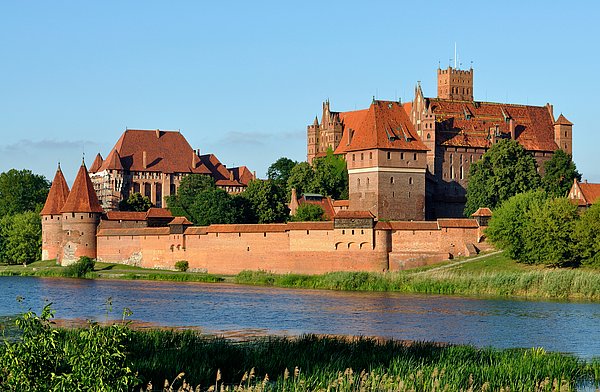
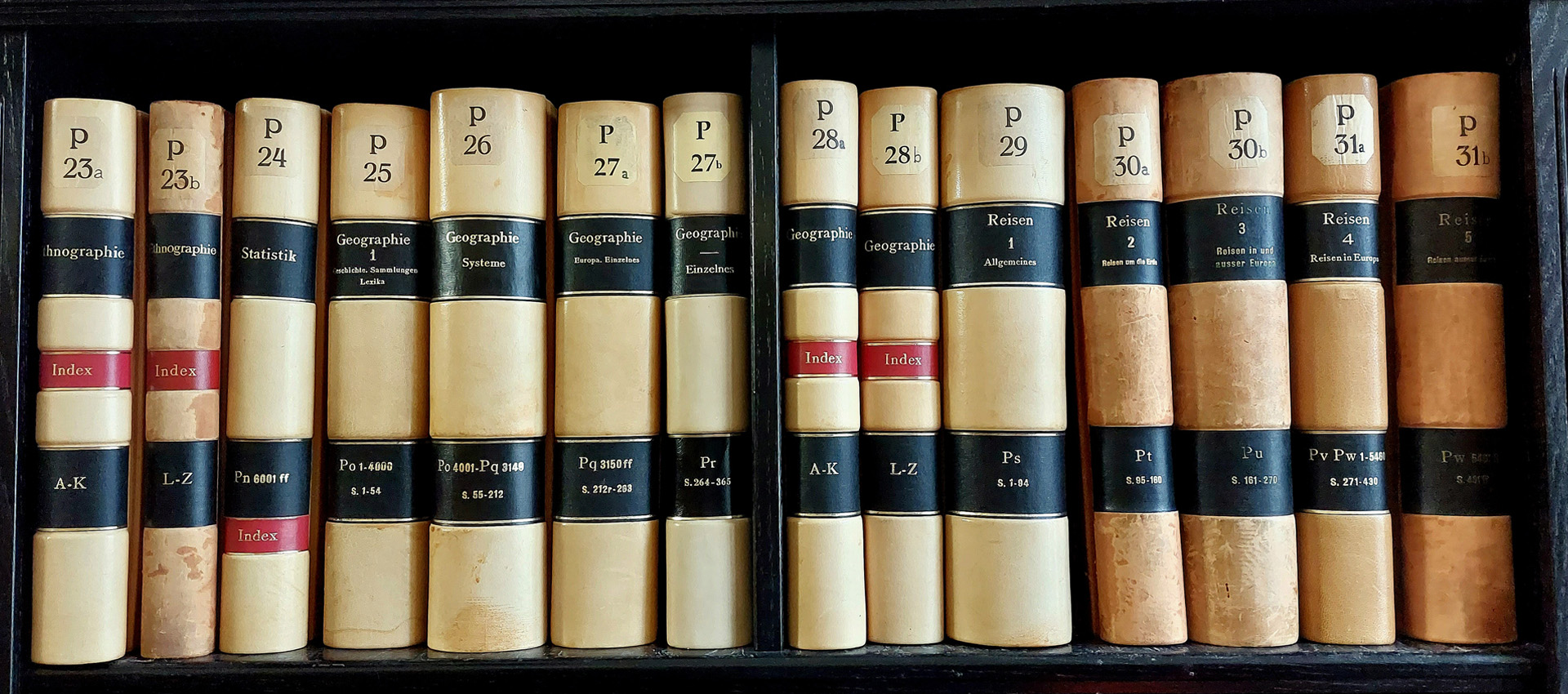
The GStA holds what are arguably the most significant records relating to the Teutonic Order from the Middle Ages, including deeds, contracts, invoices and letters. What exactly can be found in the archives there?
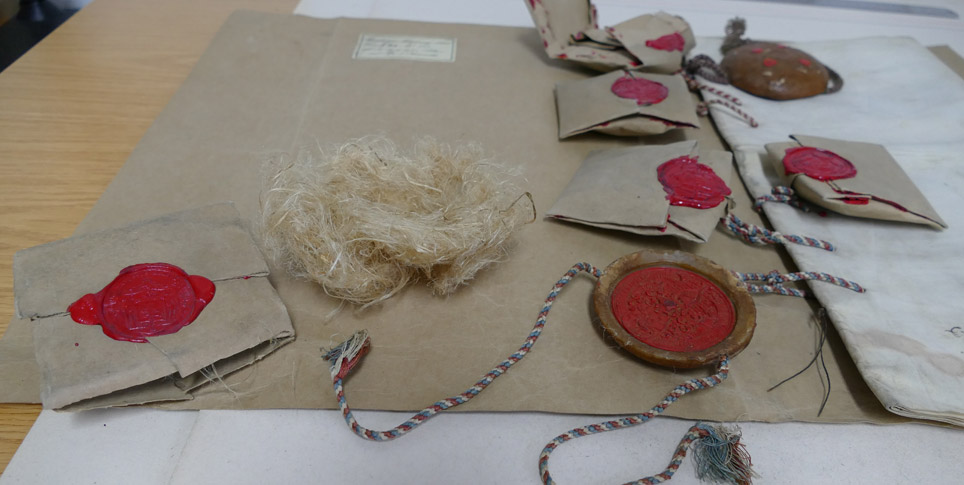
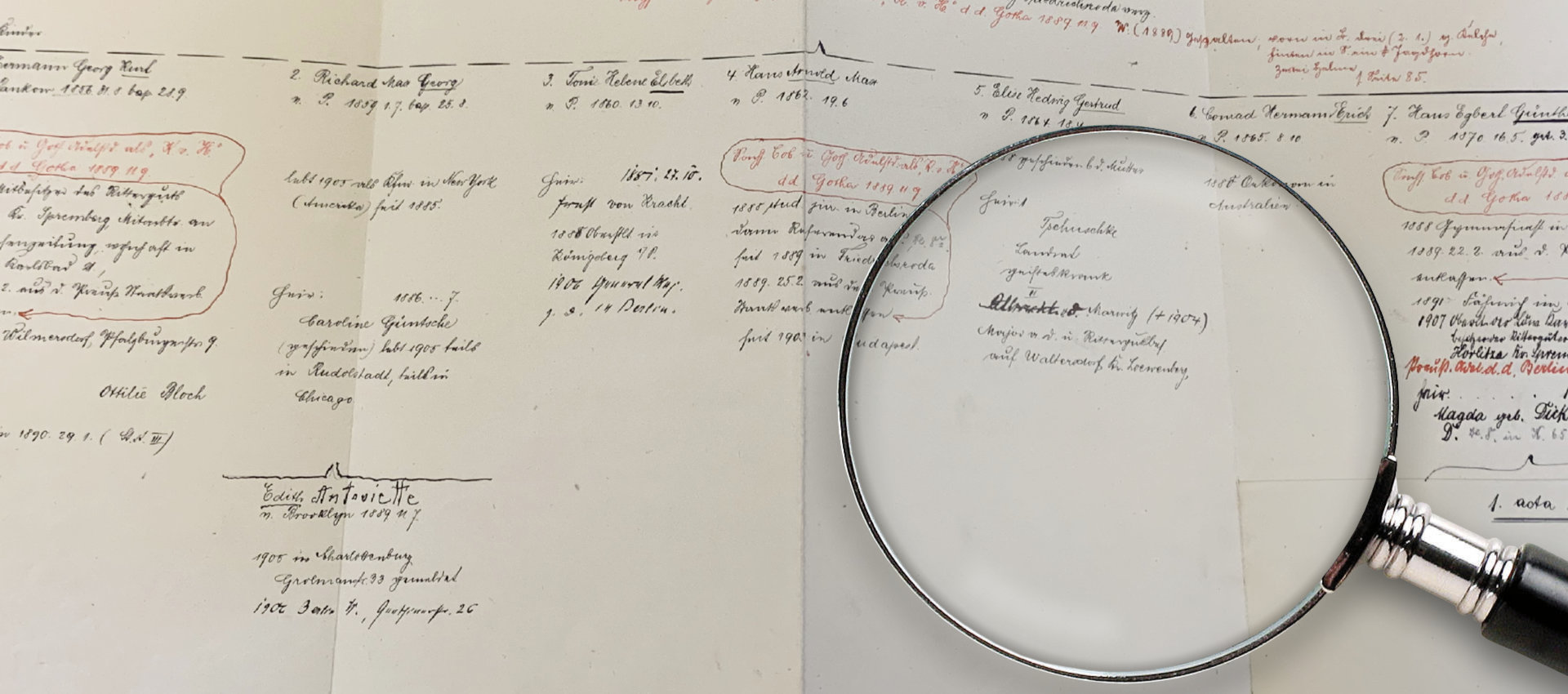
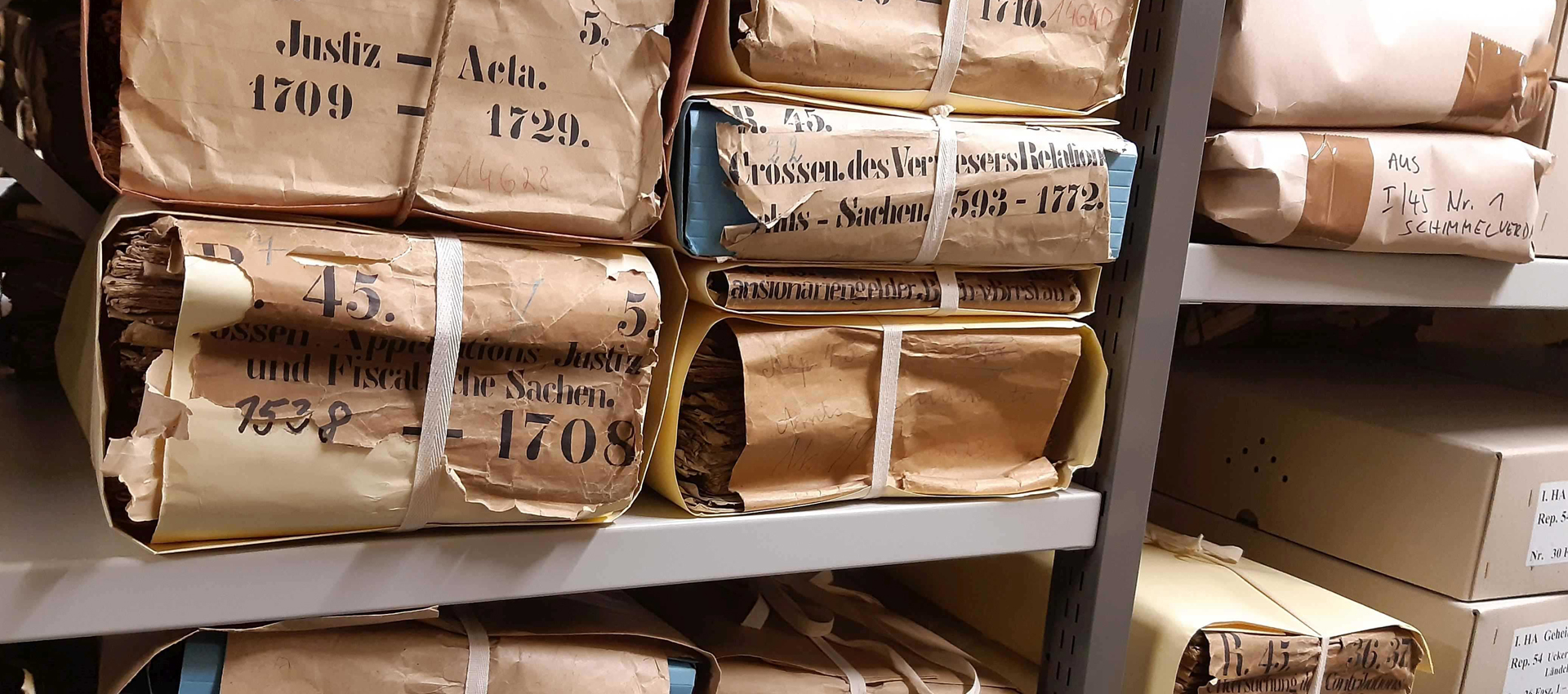
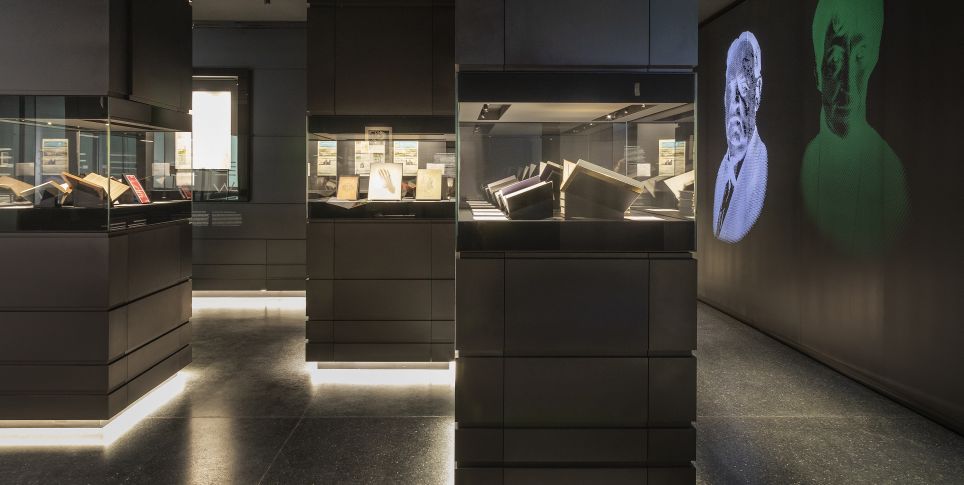
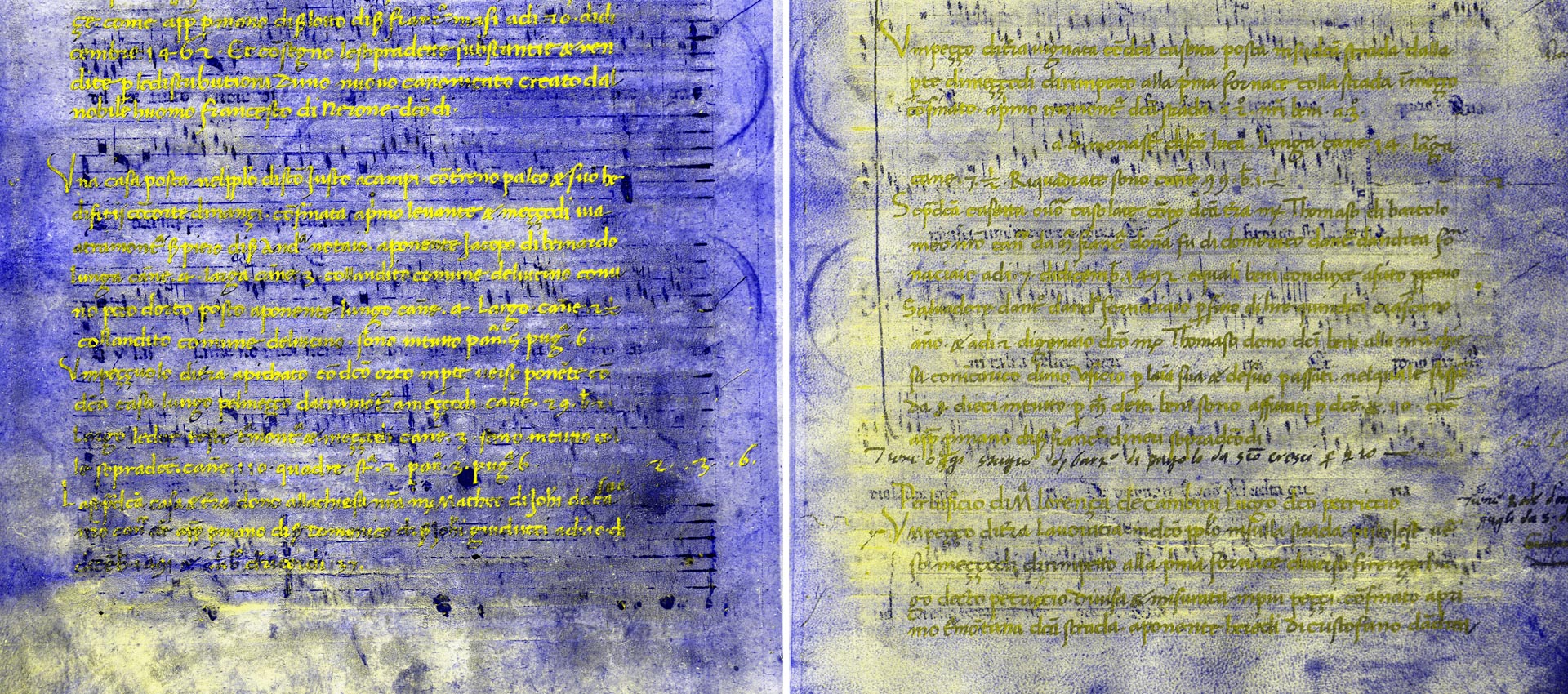
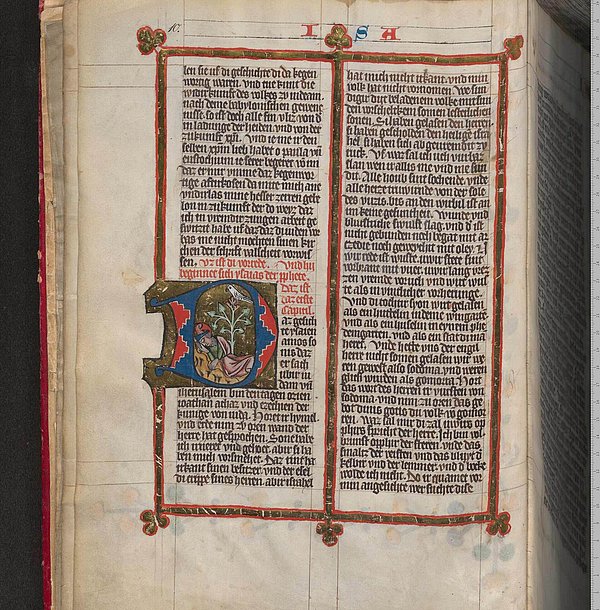
Johannes Götz: There are documents there dealing, for example, with truces with neighbouring rulers, towns or nobles, the granting of land to nobles, and rights to fish or fell timber. The documents are truly beautiful to look at, with a seal attached to them. Invoices and inventories from the Order’s settlements provide information on what income was generated or expenditure incurred, from whom the money and payments in kind came, or to whom they went. And then there are a relatively large number of letters, which is unusual for the late Middle Ages. For example, from the letters of the King of Poland to the Grand Master, we learn what the latter was occupied with and which issues concerned him. The Grand Master’s chancellery also maintained an outgoing register, from which one can ascertain what was sent out. Furthermore, there are copies of the Grand Master’s letters and documents bound into books. All these sources held in the State Archives make it possible to research virtually every aspect of Prussian history.
Can anyone interested visit the GStA to view the documents of the Teutonic Order?
Johannes Götz: Yes, of course. We invite everyone to come here and view the original documents. Anyone can come, whether they’re a researcher or not – absolutely anyone. And even if you can’t read the script, it’s still lovely to have a look at these manuscripts. That’s the wonderful thing about the archive – that tactile experience that comes with it, and the thought, ‘Wow, who held all this in their hands?’ Everyone should experience that at least once.
Do you have a favourite item yourself, something that particularly fascinates you?
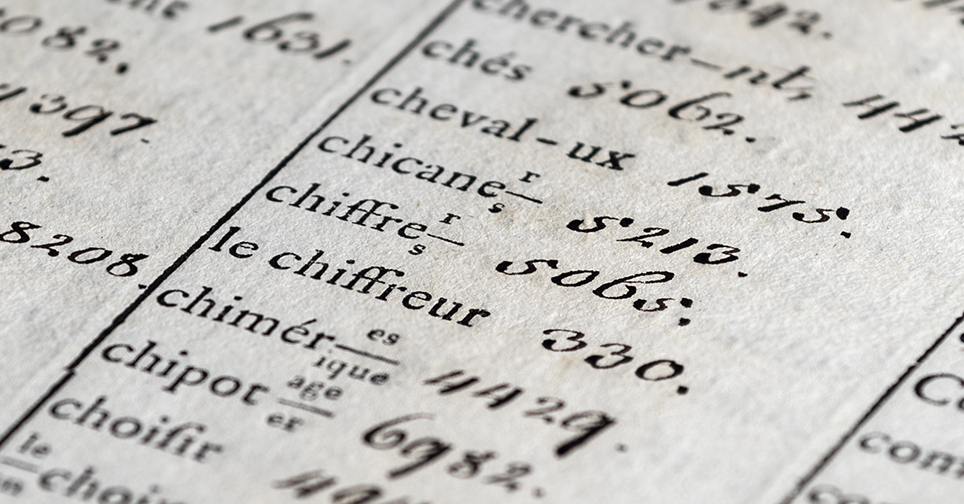
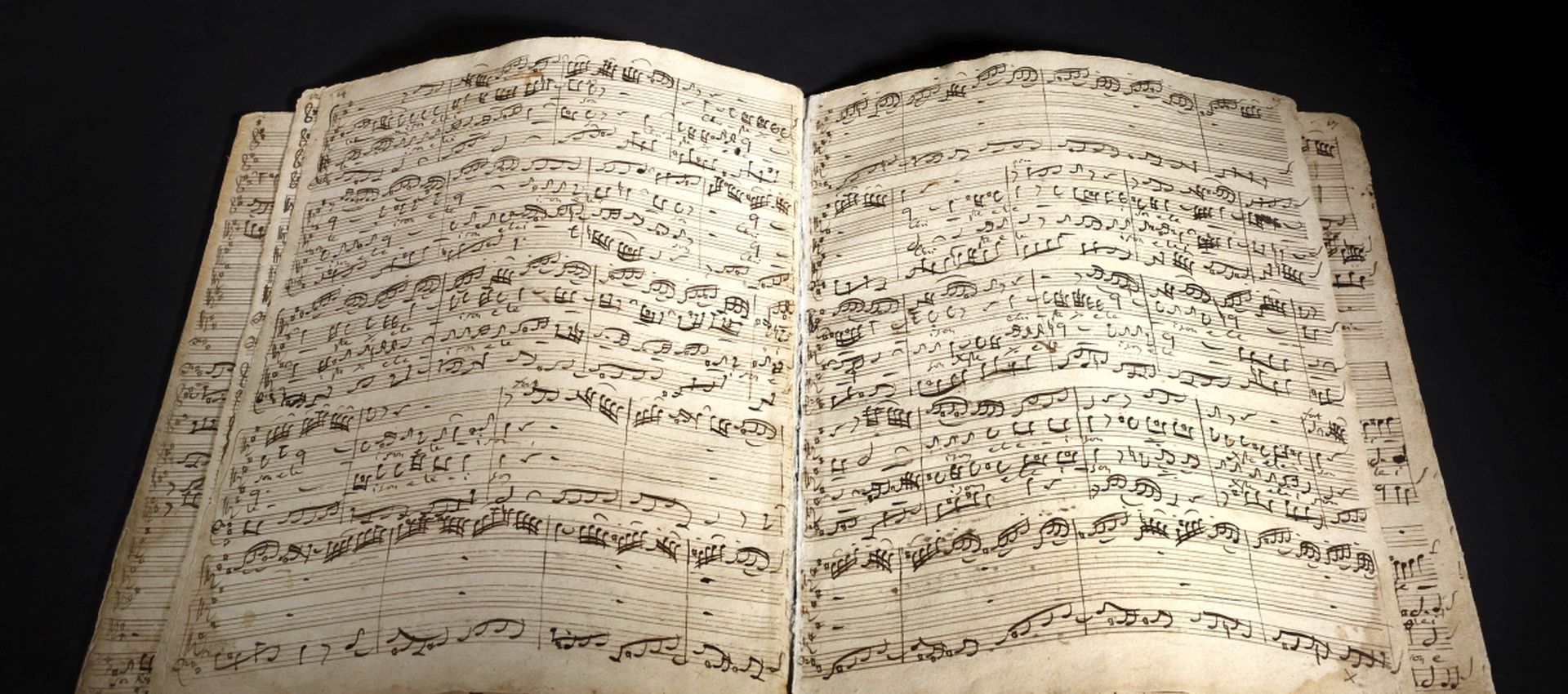
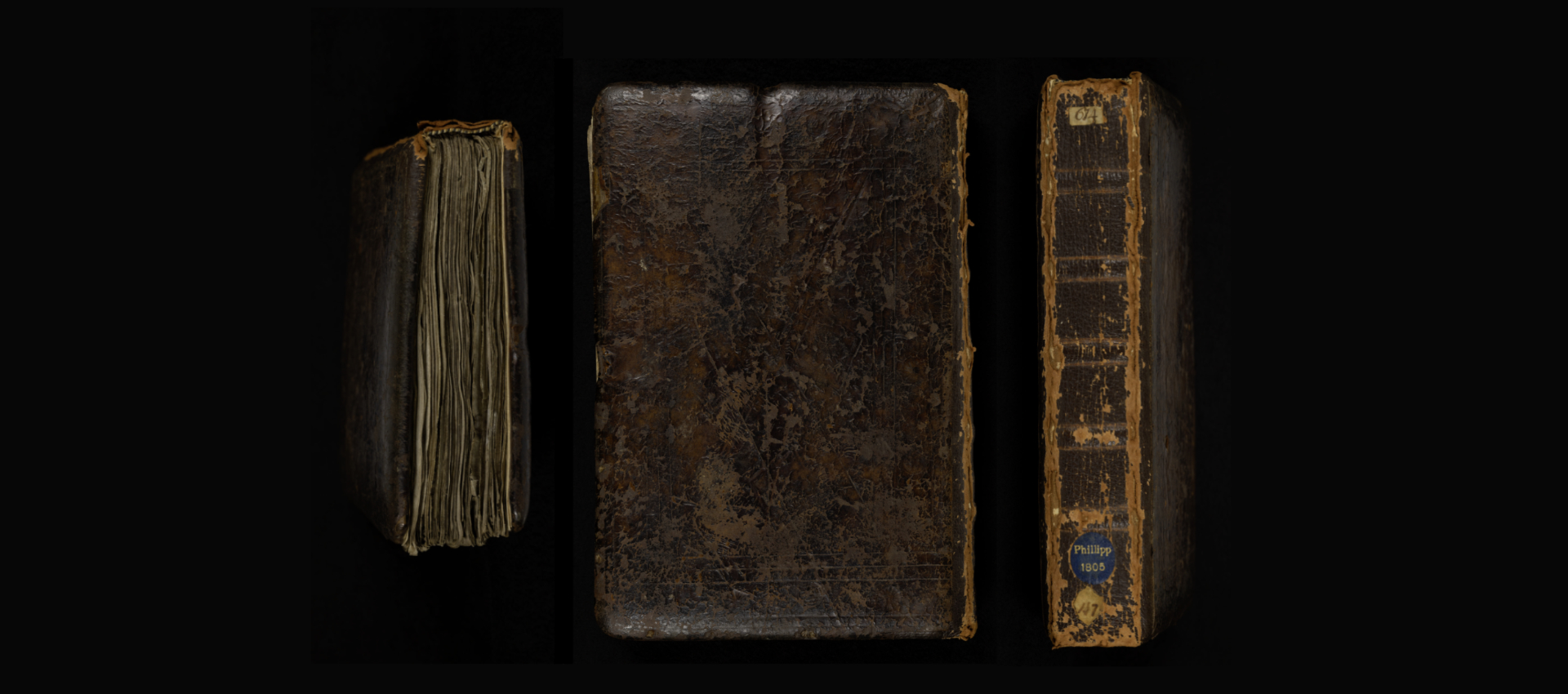
Johannes Götz: As an archivist, I naturally have my favourite items that I think are absolutely brilliant. One would be a 15th-century manuscript of statutes, essentially a legal text for the community. It reveals how the community was structured and what rules applied. I find it particularly fascinating, both visually and in terms of content.
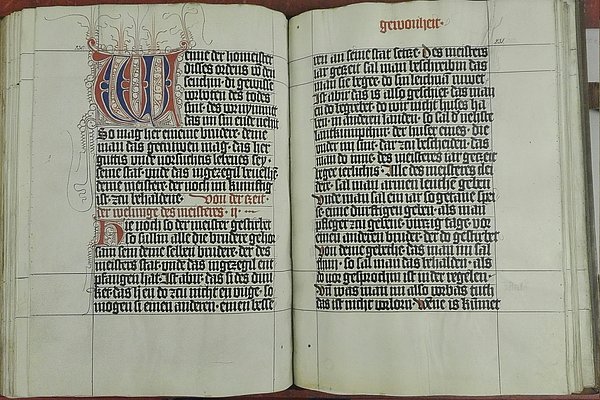
© GStA PK, XX. HA, OF, No. 60
What did you personally take away from the conference?
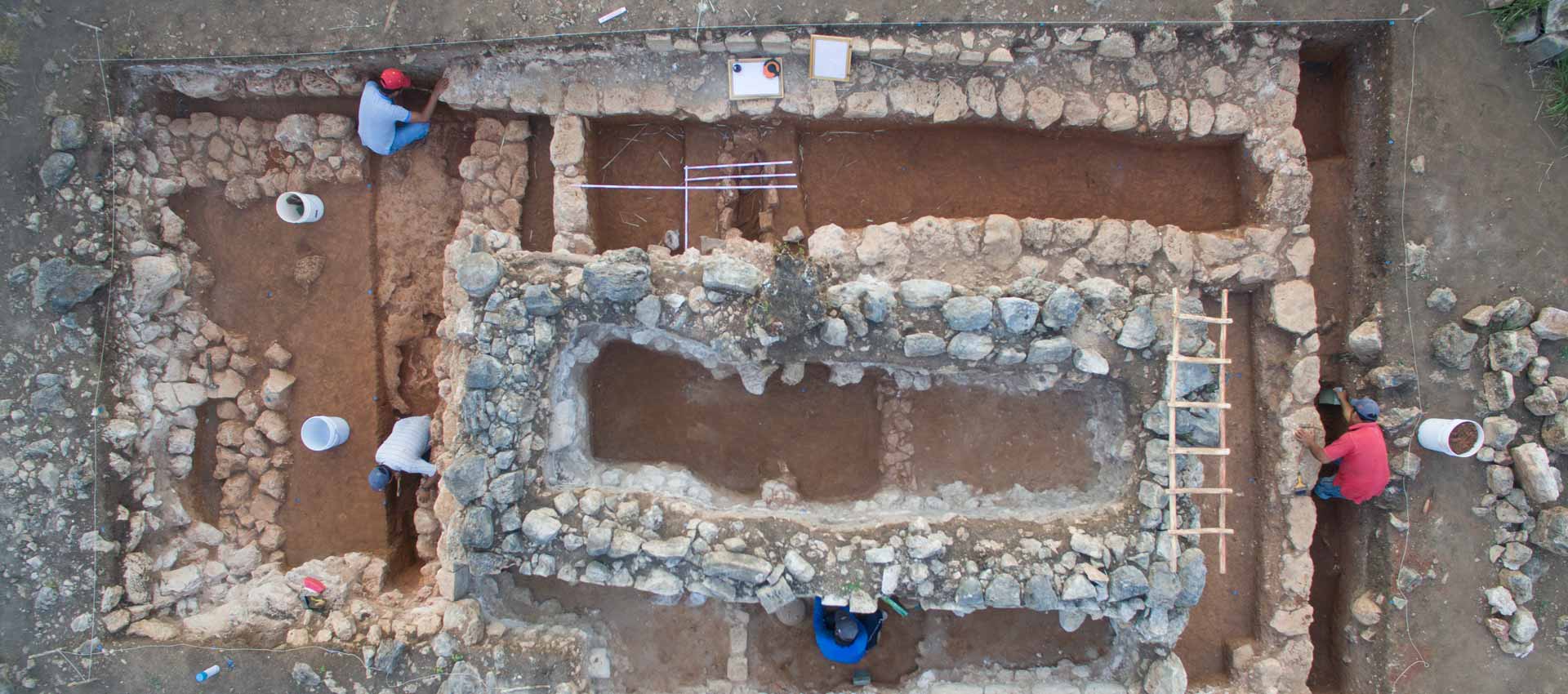
Johannes Götz: Theconference once again made it very clear to me that international exchange is indispensable, because everyone was able to share something that might be of interest to someone else. The Teutonic Order was an association of individuals who maintained relationships with one another, and so it is entirely possible that in a remote area where the Teutonic Order was active, something noteworthy might come to light that sheds light on a broader context.