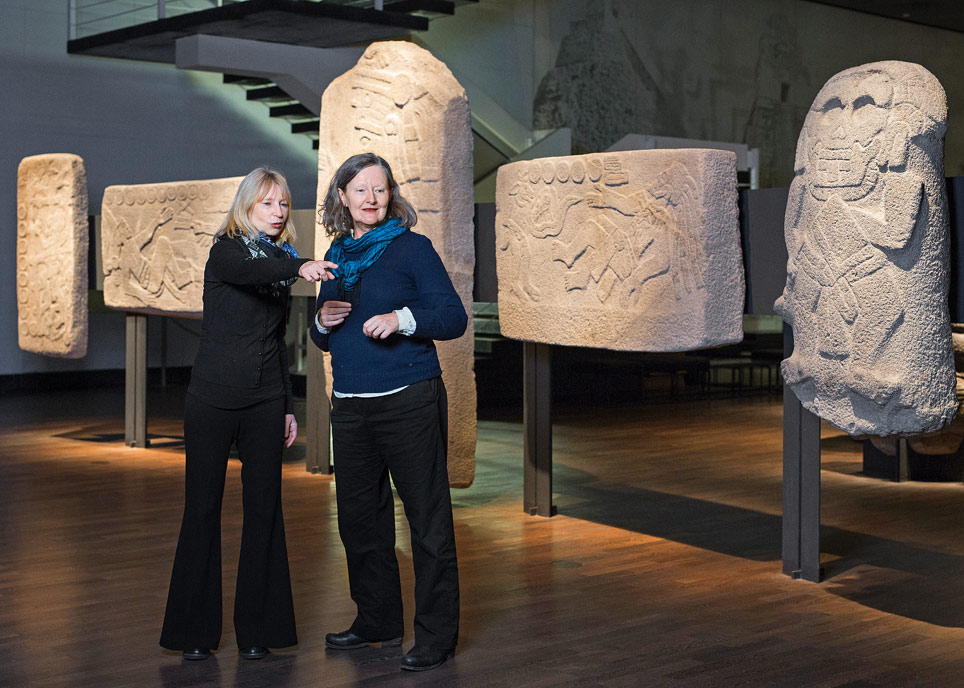
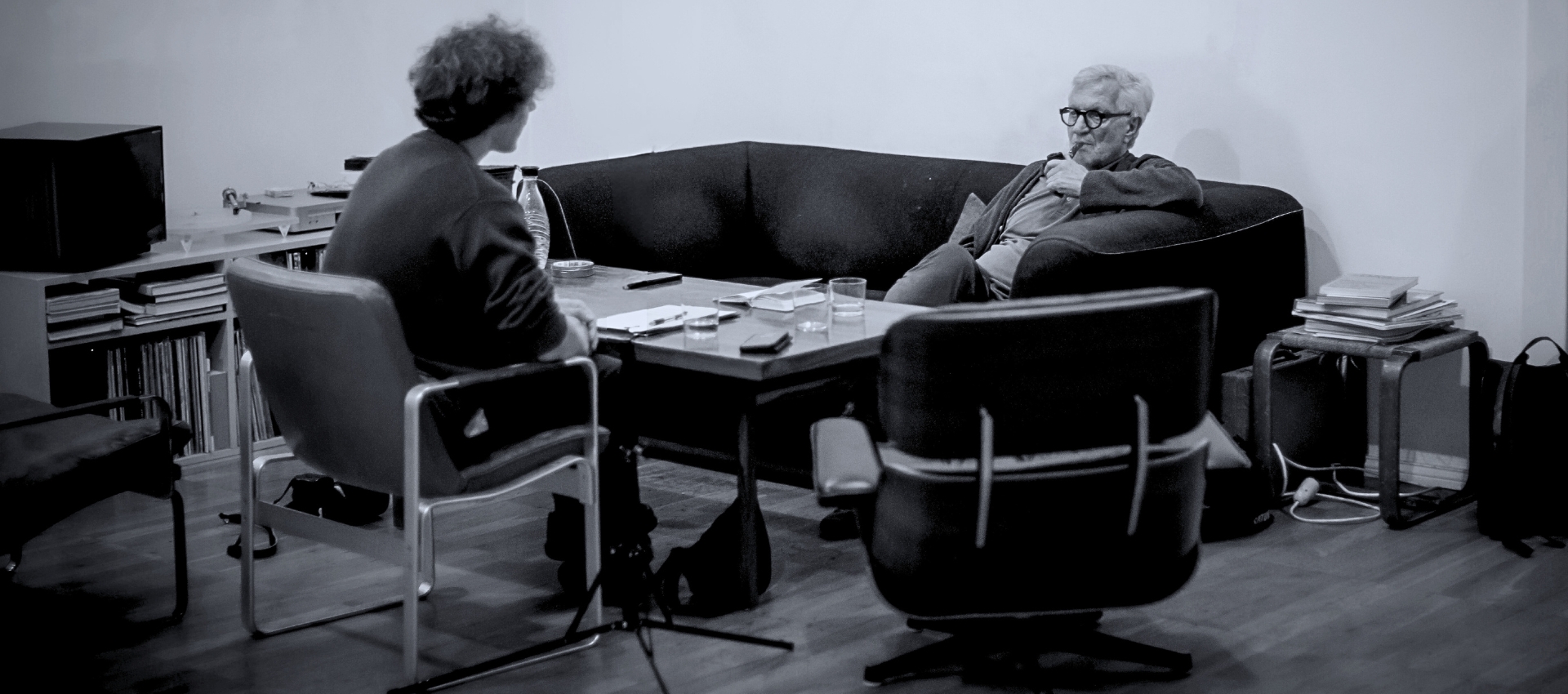
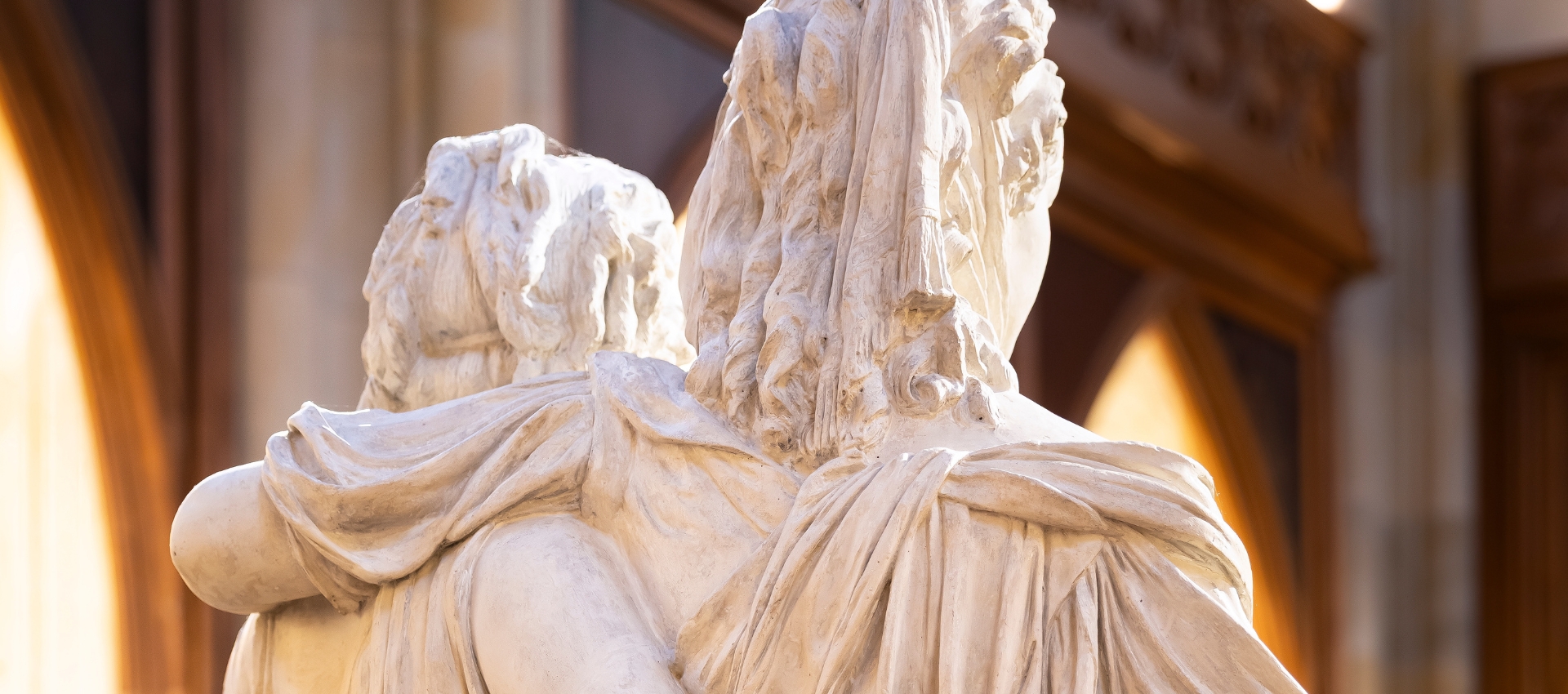
The Museum of European Cultures remains in south-west Berlin and is embarking on a new chapter. Director Elisabeth Tietmeyer met with writer Sophie Dannenberg for a tour.
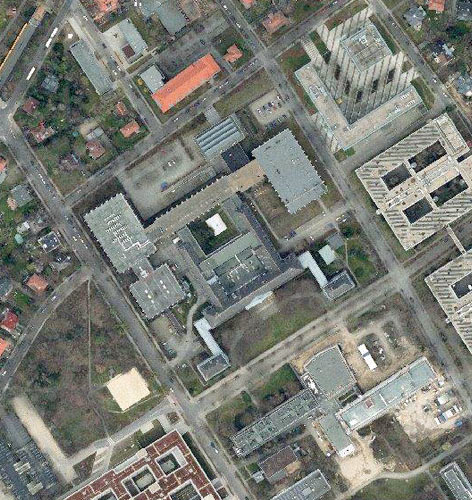
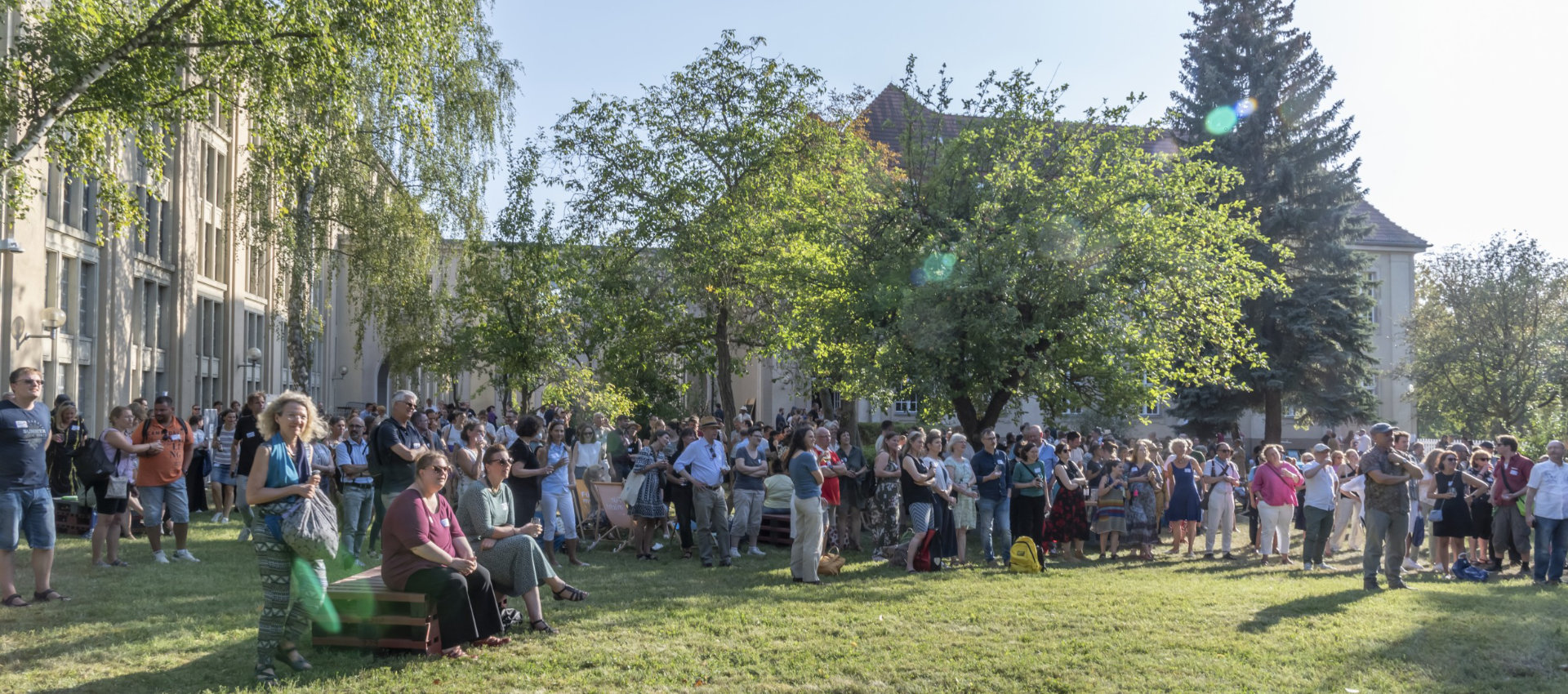
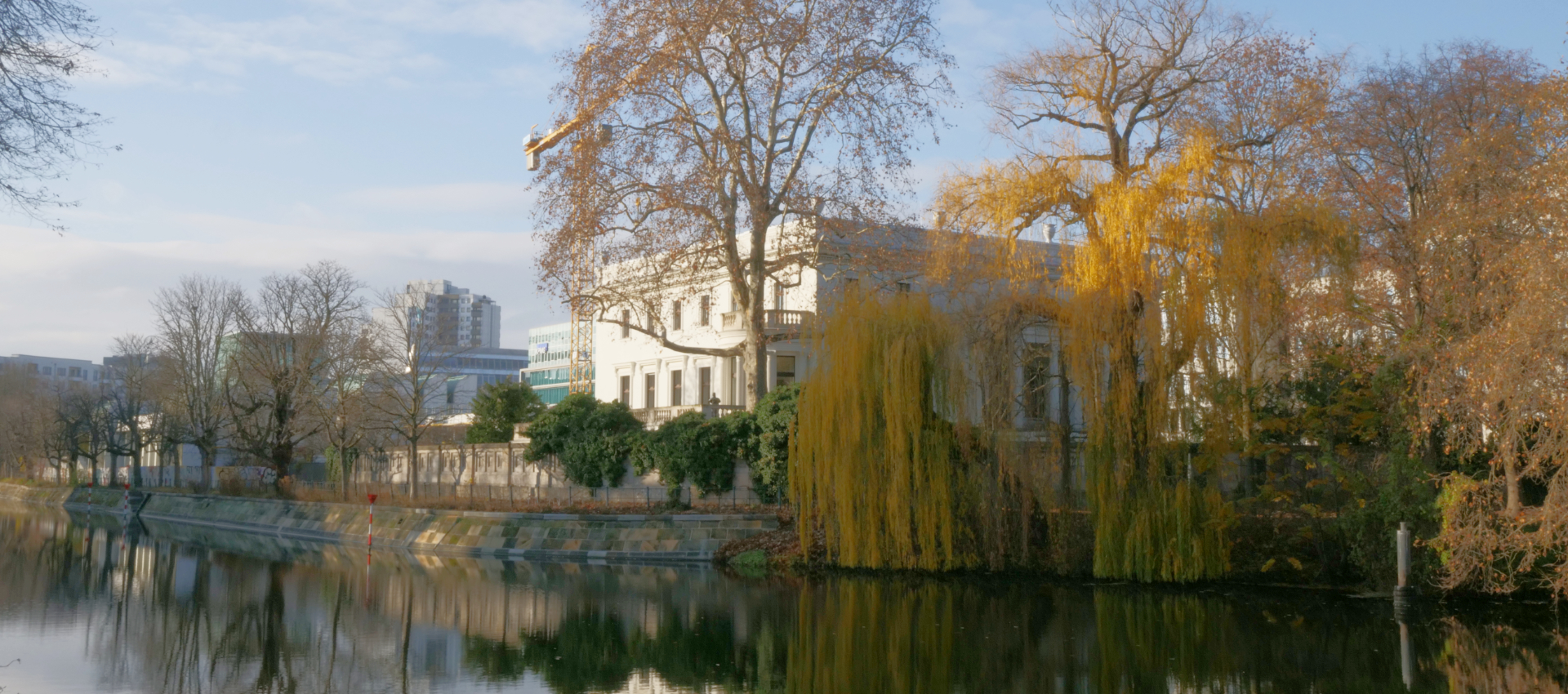
Dahlem is a place where modernity has settled down. Perhaps it is because the gardens are so old and the students so young, or because the voices in the long, narrow streets are louder than the cars. The concrete of the university buildings has long since been overshadowed by the years, and the trees frame everything serenely. The surreal charm of this green district is evident everywhere. Anyone heading for the underground has to walk through a thatched-roof house; in the Botanical Garden, there’s a tame fox that steals packed lunches. And in the museum complex between Arnimallee and Lansstraße, the architecture of the 1920s blends with that of the 1960s – gateways through time, with moss-covered stones in between.
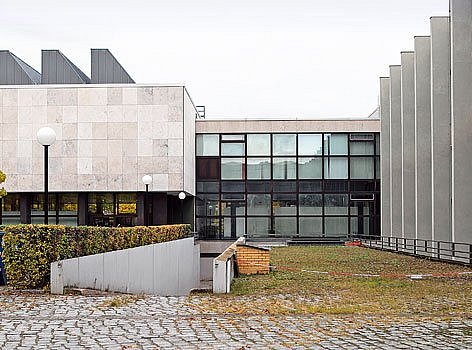
From Lansstraße, you enter the Ethnological Museum and the Museum of Asian Art through heavy revolving doors. They are housed in the newer Bornemann building. Visitors are still wandering through the large halls. The museum shop is open. But some exhibits have already been packed away, and the waitress from the ‘eßkultur’ café gazes wistfully out through the huge glass façade as she starts up the coffee machine with a hiss. ‘I won’t have this view for much longer,’ she murmurs.
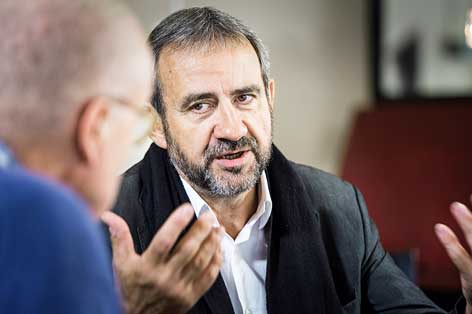
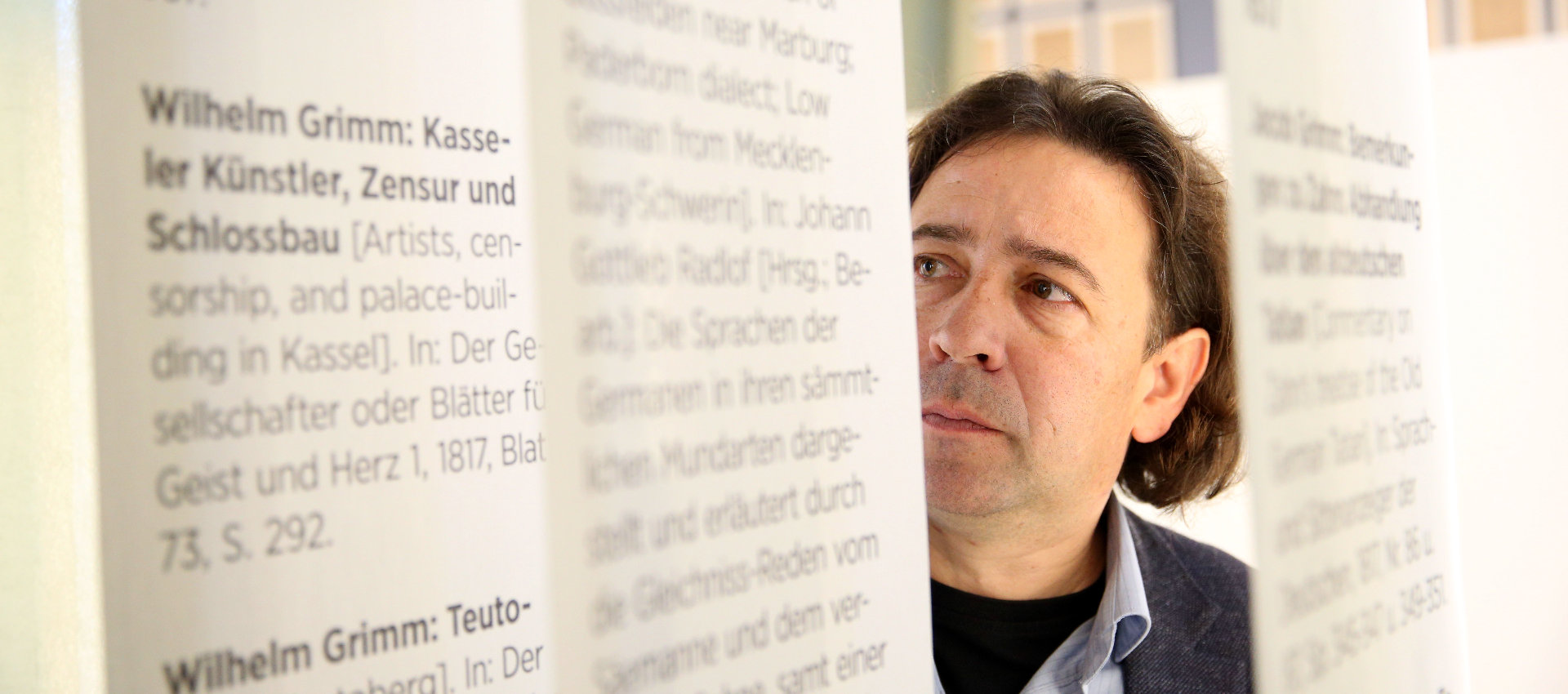
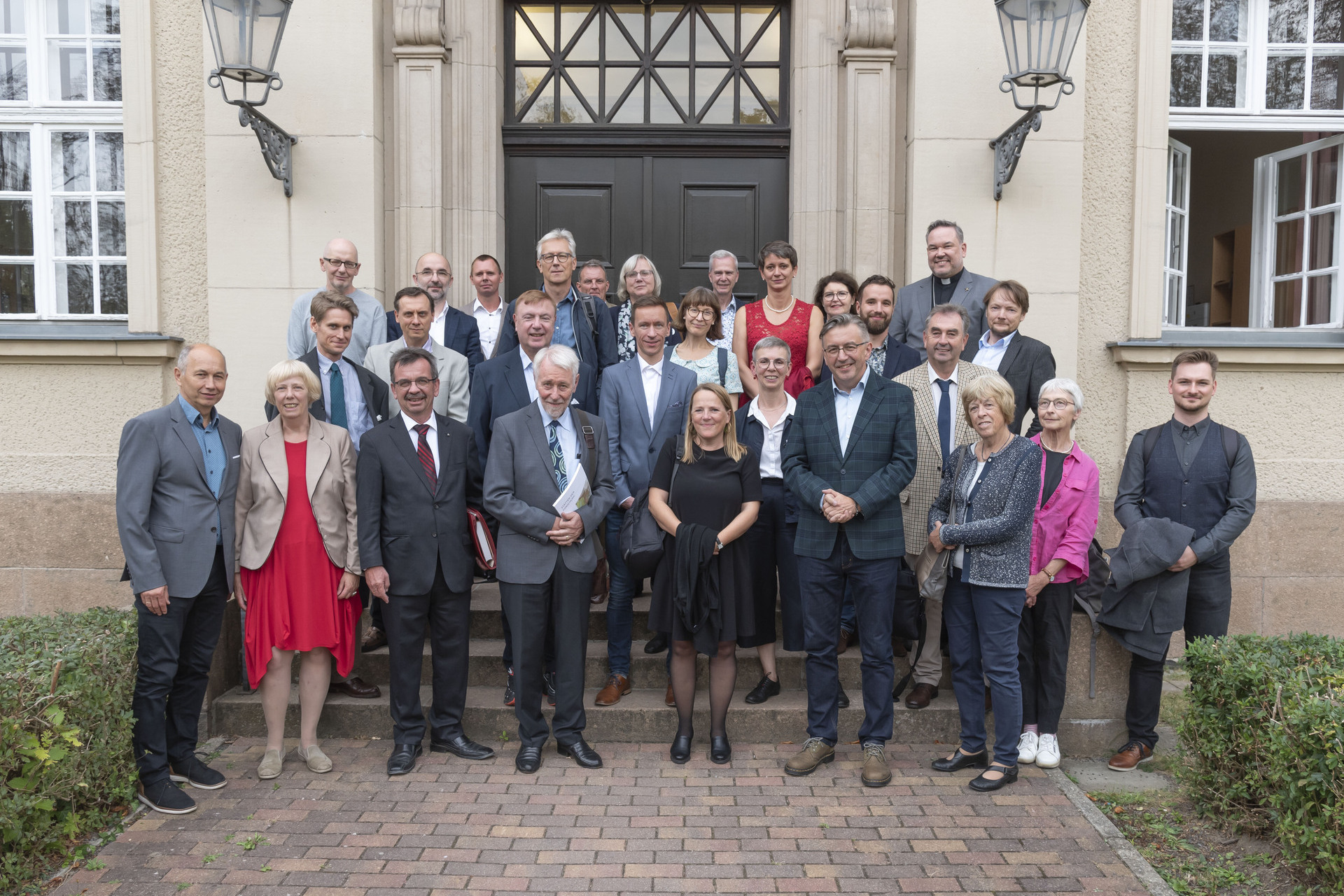
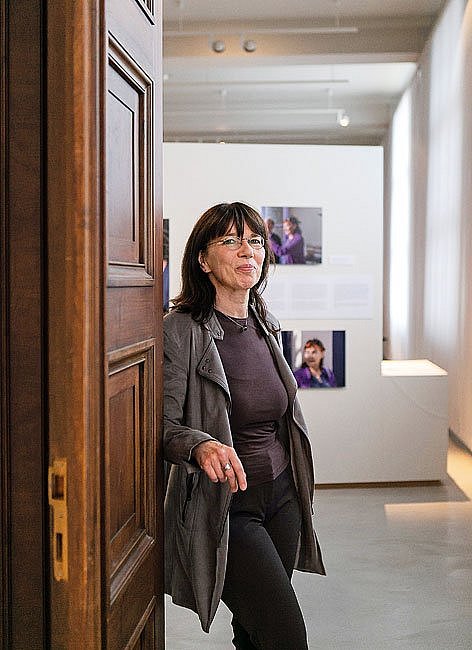
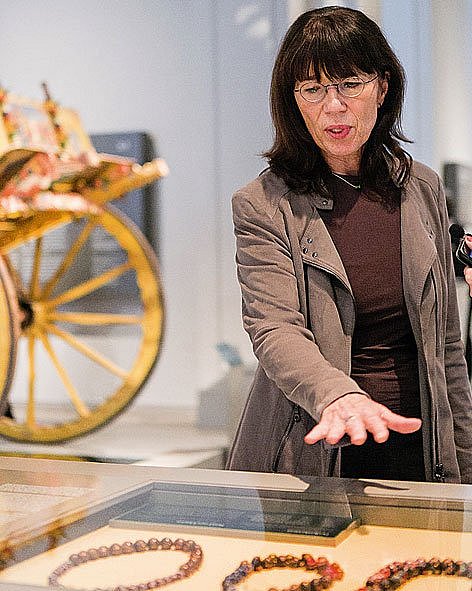
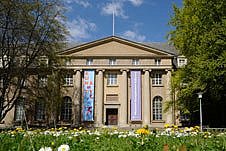
In return, she’ll get a spot in the garden of the old main building, at the Arnimallee entrance. There, together with “eßkultur”, the “Kaffeehaus Europa” is taking shape. There’s a real sense of excitement in the Bruno Paul Building, which houses the Museum of European Cultures – precisely because the museum is the only collection of the Berlin State Museums to remain in Dahlem. The museum director, Professor Elisabeth Tietmeyer, with her dark pageboy haircut and bubbling charisma, is already looking forward to it: “For us, this is a challenge, because until now many visitors have only perceived us as a department of the Ethnological Museum. But that is not the case. We are an independent museum with a long, eventful history. Now that the museum is the only one remaining at this location, this is naturally a unique selling point. I find that appealing, and we want to make the most of it!”
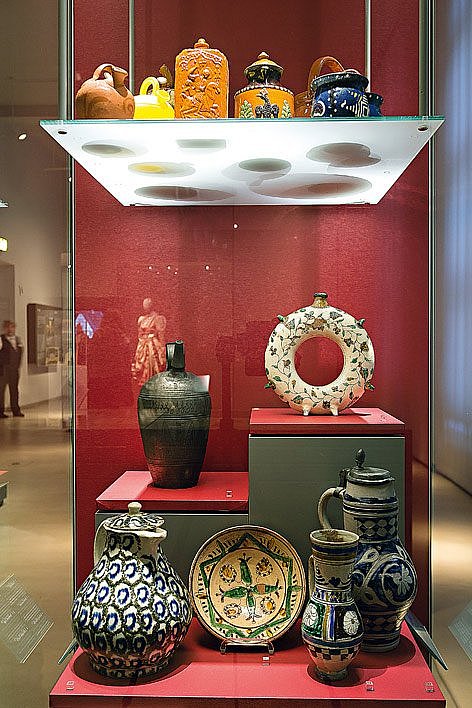
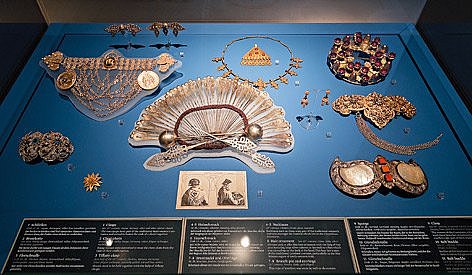
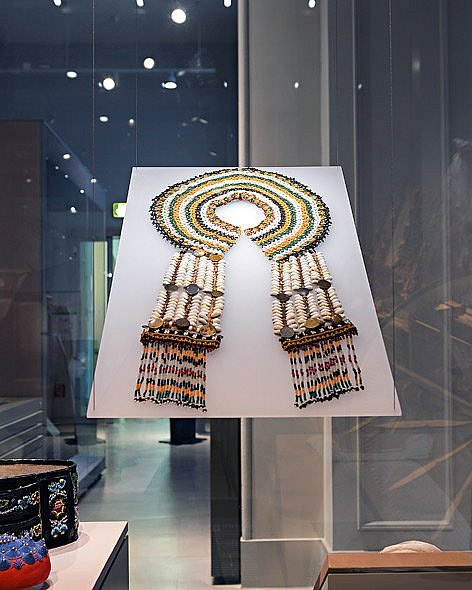
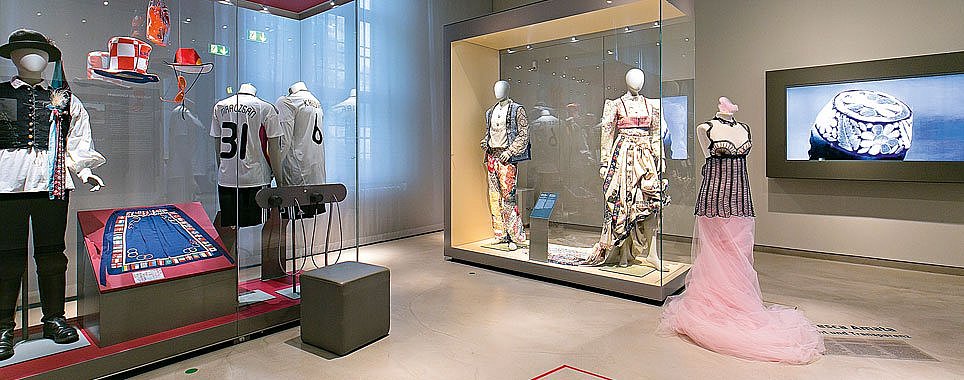
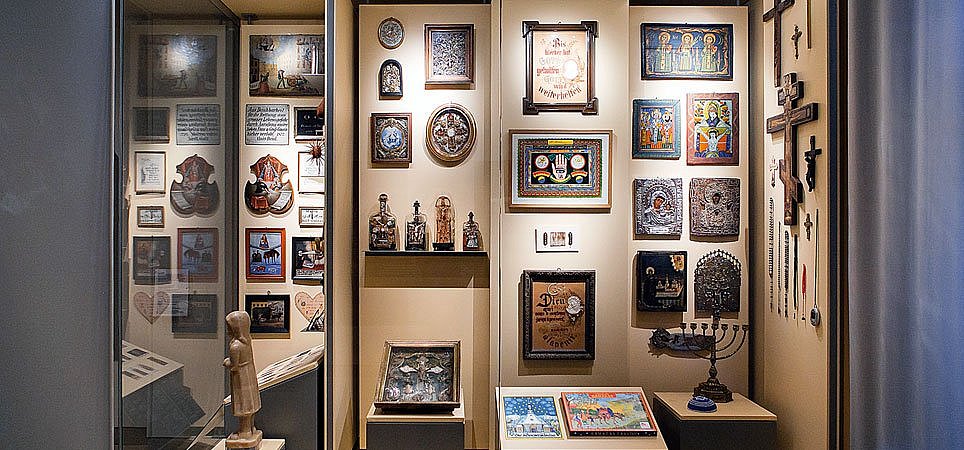
What makes her museum special is its cultural-theoretical approach. In the high, grey-painted rooms, it is not the peoples of Europe that are presented, but rather what emerges when peoples encounter one another – through trade, travel, migration or even through wars. “Cultural contacts” is the institution’s defining professional keyword, and the results of these contacts are evident in everyday objects, for example when Venetian glass beads and West African cowrie shells come together on a traditional skirt from Mordovia. Visitors realise that cultural objects are often cultural collages.
When the ethnologist Tietmeyer goes travelling, she instinctively looks out for such cultural objects. The black wooden mask she discovered at a woodcarver’s in Sardinia now hangs in a display case alongside other masks from different countries and eras, demonstrating that simple objects can be the vocabulary of a language that everyone considers their own, yet which is in fact universal.
Elisabeth Tietmeyer lived among the Gikuyu in Kenya and researched female marriage. To this day, she is constantly on the move. She cannot even say exactly how many countries she has been to. Off the top of her head, she can name: Kenya, Egypt, Morocco, South Africa, Vietnam, China, Russia and Ukraine.
“I’ve always been curious,” she says in her quick, alert voice. “If I’m no longer curious, I’m dead. I find everything interesting that I can discover for myself, in history as well as in the present, in culture as well as in nature. I’ve always wanted to get to know people and places that are different from me and my surroundings or my homeland. I don’t necessarily have to travel far for that. The ‘other’ can be right on my doorstep.”
I’ve always been curious. If I’m no longer curious, I’m dead.
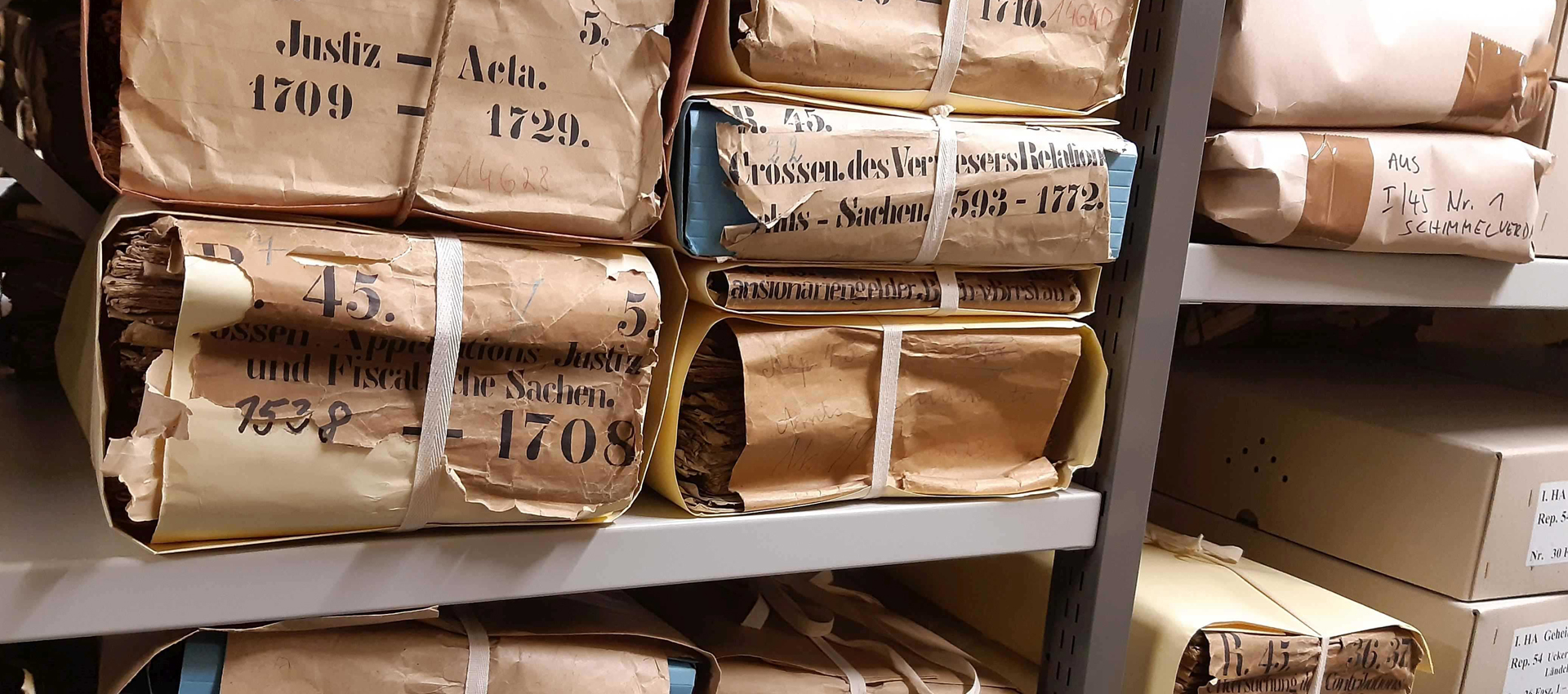
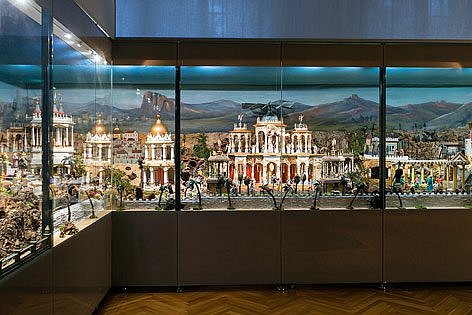
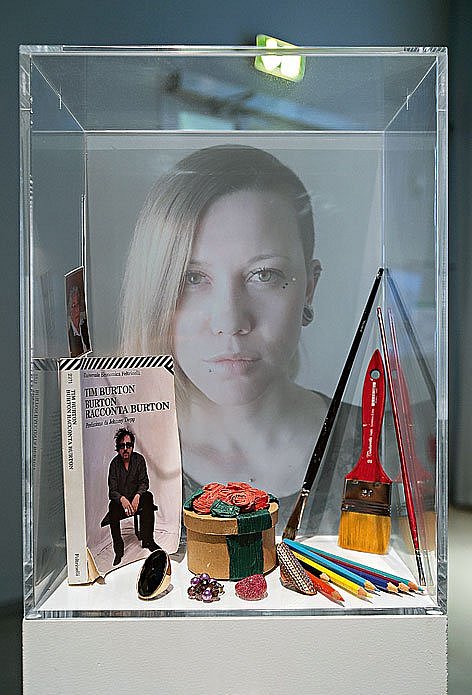
This approach is in line with the methodology of the MEK, as the staff call their museum. They are interested in specific individual stories, their work is focused on the present, and they have an extensive network across Europe. They combine social issues with themes relating to everyday culture and collect everyday objects from the 18th century to the present day. Just as important as the exhibits are their biographies – ‘object biographies’, as they are known in museum jargon.
The black gondola from Venice, dating from 1910, a centrepiece of the collection of which Tietmeyer is particularly proud, has a charming history. A Venetian merchant gave it as a gift in the 1970s to a Berlin colleague, who actually used it to cross the Halensee and eventually handed it over to the museum.
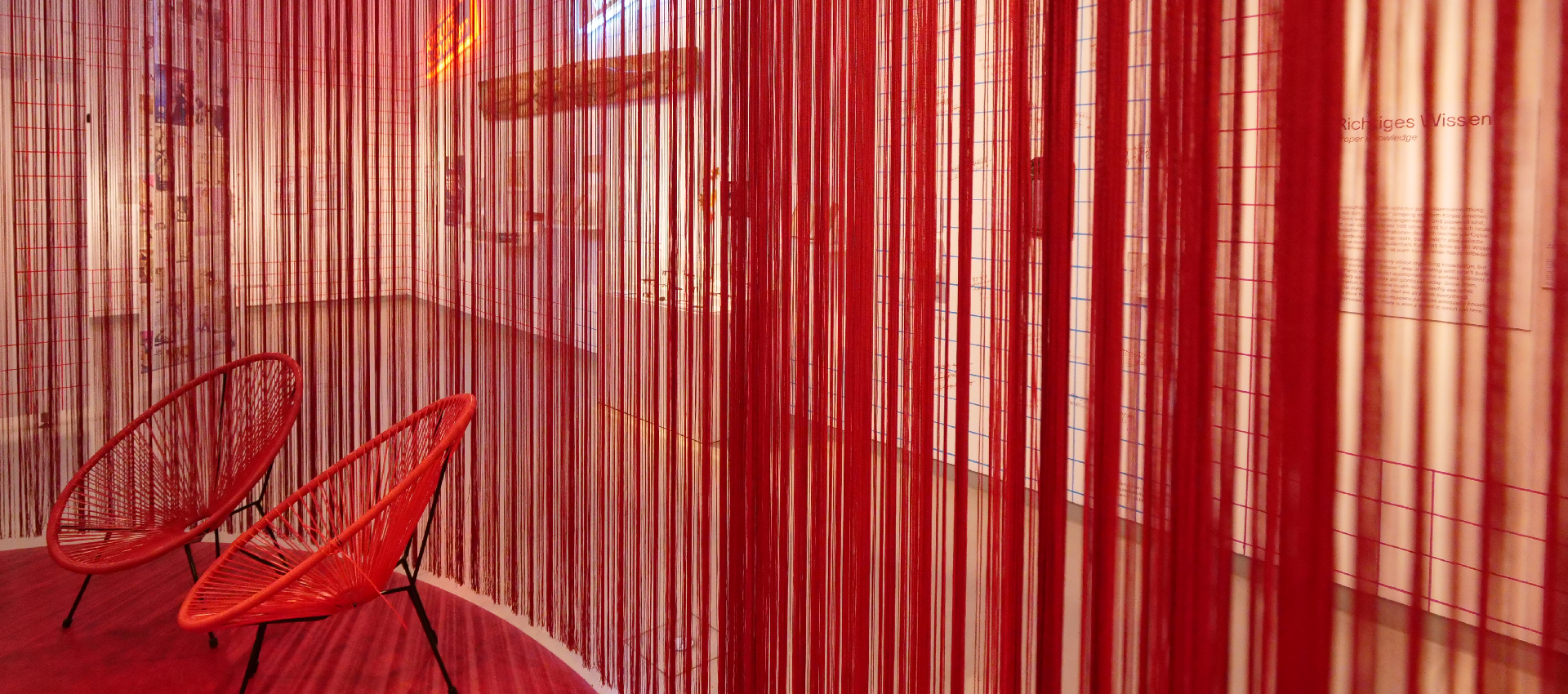
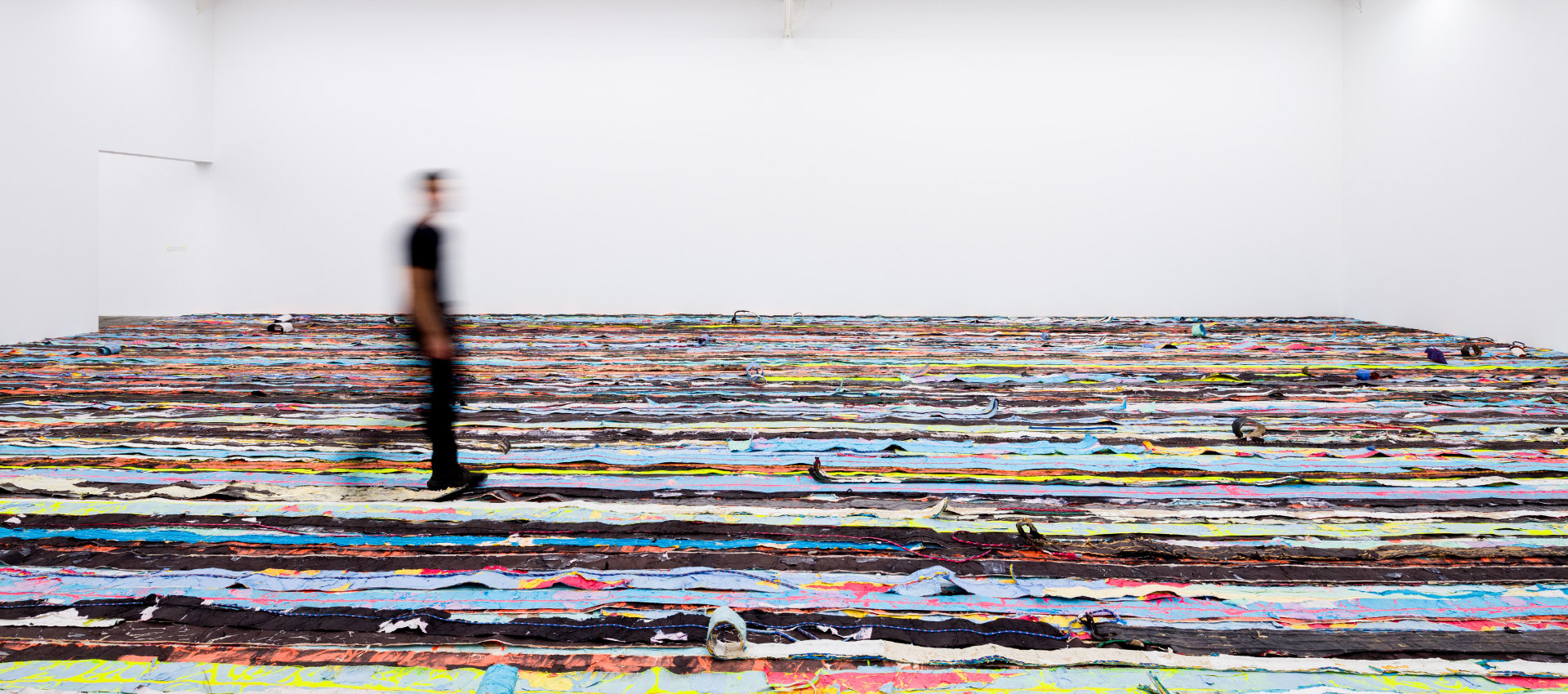
The exhibition on refugees, “daHEIM: Insights into lives”, probably makes the strongest connection to the present day. The artist Barbara Caveng has brought shoes, items of clothing and life jackets from Idomeni, and the migrants themselves have painted their stories on the walls and transformed bed frames from emergency shelters into sculptures.
“But we’re not just showing the fates of those who have fled,” explains Tietmeyer, “we’re also comparing them with historical biographies. In doing so, we want to show that flight didn’t just fall from the sky. Migration has existed since the dawn of humanity. Viewed over this long period, humans have, after all, been on the move more than they’ve been settled.”
I don't particularly like thinking back to those blood-soaked strips of mutton fat.
Having spent a long time abroad herself, Elisabeth Tietmeyer says she has gained a different perspective on herself and her culture – a more humble one. She realised whilst in Africa that Europe is not the centre of the world. You only truly realise how you feel about Europe once you’ve lived elsewhere. Nothing bad ever happened to her whilst she was there, apart from shigellosis. Nor does she particularly like to think back on the strips of mutton fat dipped in blood that were once served to her. But because she finds everything that is different fascinating, she also finds everything that changes fascinating.
There are already a few ideas for the museum. For some time now, the MEK has been working closely with the two other museums in Dahlem: the Domäne Dahlem and the Botanical Museum. Plans include an annual festival for Berliners and visitors to Berlin, events in the various venues on a shared theme, and a joint ticketing system.
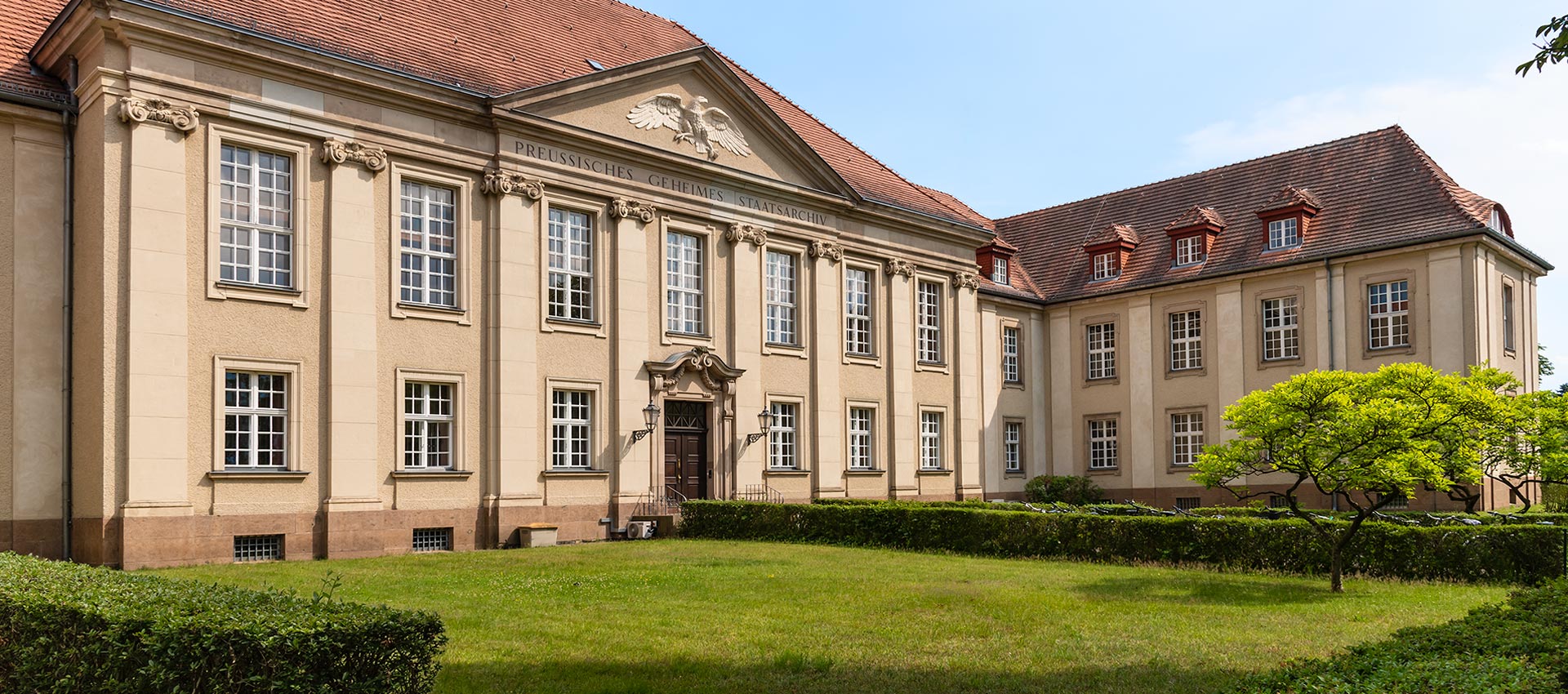
In addition, the “3 from Dahlem” will be networking closely with museums and exhibition venues in Steglitz and Zehlendorf. At its main building in Dahlem, the MEK aims to develop projects to be shown at various locations across the city. This includes the Humboldt Forum, where an exhibition – a so-called ‘window’ – featuring objects from the MEK will be created. And perhaps this will attract even more visitors to leafy Dahlem, to the old Bruno Paul building with its yellowed plaster and dreamy beech garden.
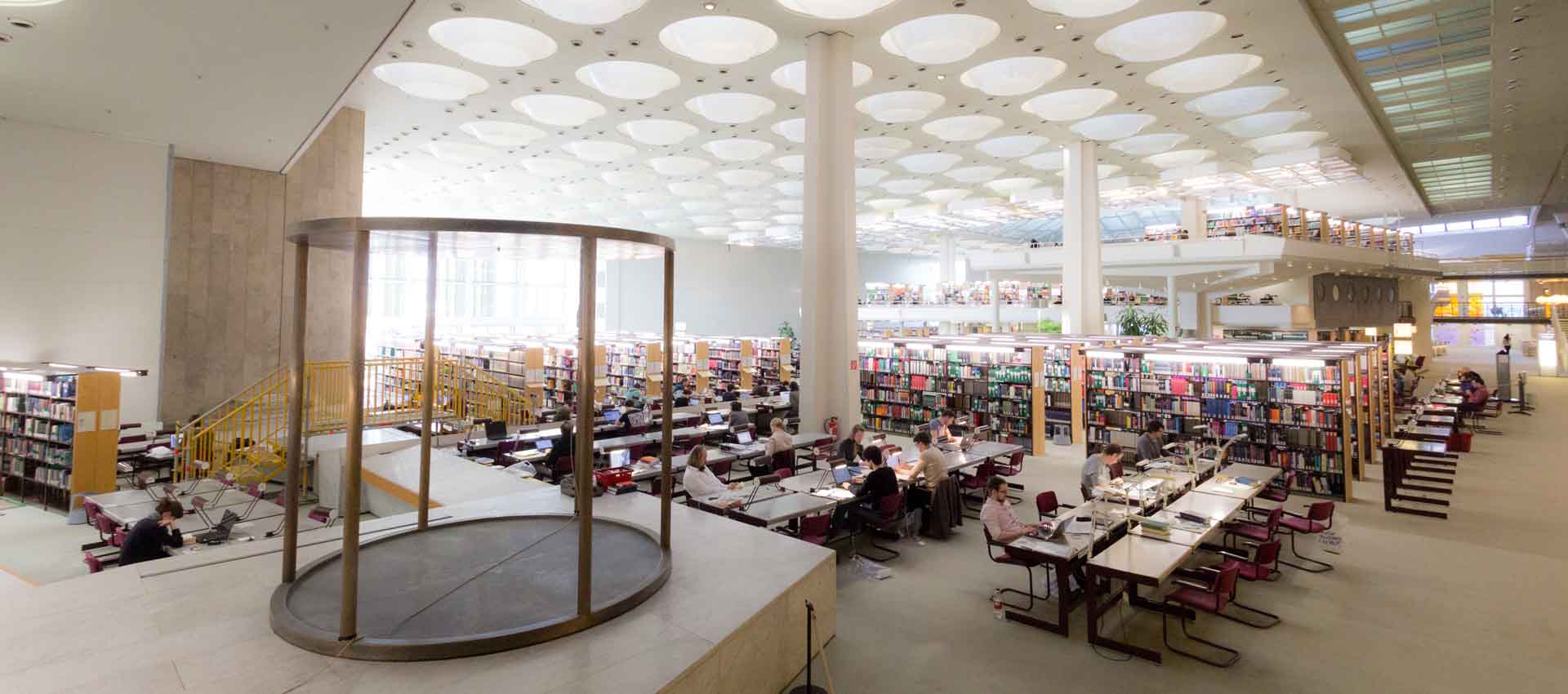
Outside, beyond the wrought-iron fence, students hurry along the street: from the library to their seminar, from the lecture to the canteen. The old unity of culture and science reinvents itself daily in Dahlem.
MEK / Museum of European Cultures
The Museum of European Cultures, part of the Berlin State Museums, collects, researches, preserves, presents and communicates everyday culture and ways of life in Europe from the 18th century to the present day – from a cultural anthropological and comparative perspective. Founded
in 1873 as the Museum of Ethnology, the MEK has existed in its current form since 1999. In that year, the European collection of the Museum of Ethnology was merged with the holdings of the former Museum of [German] Folklore.