Not much is known about the Benedictine monk Ranulf Higden (c. 1280–1364) from Chester. Yet he was one of the most famous English scholars of the late Middle Ages and the author of an extensive world chronicle. Now, two researchers at the Berlin State Library – Prussian Cultural Heritage have made a spectacular discovery: a handbook on Latin grammar by Higden that had been thought lost. Here they recount how this sensational find came about.
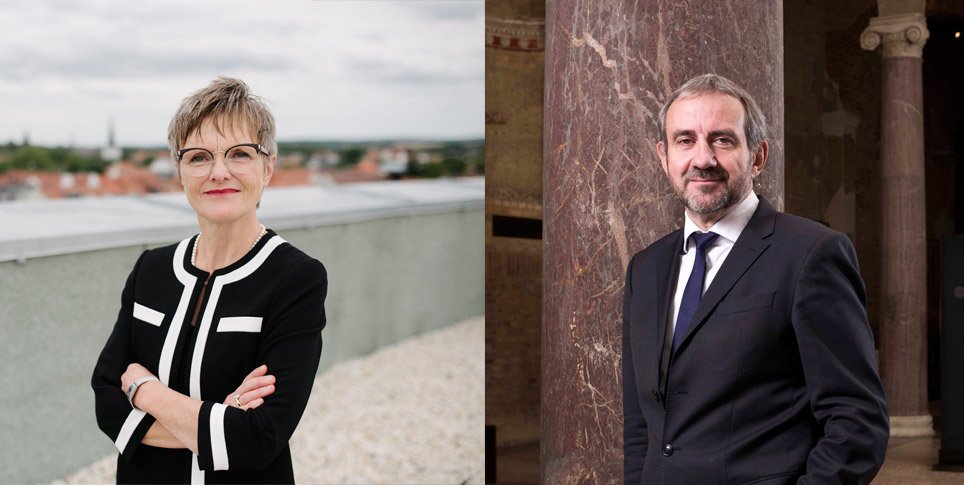
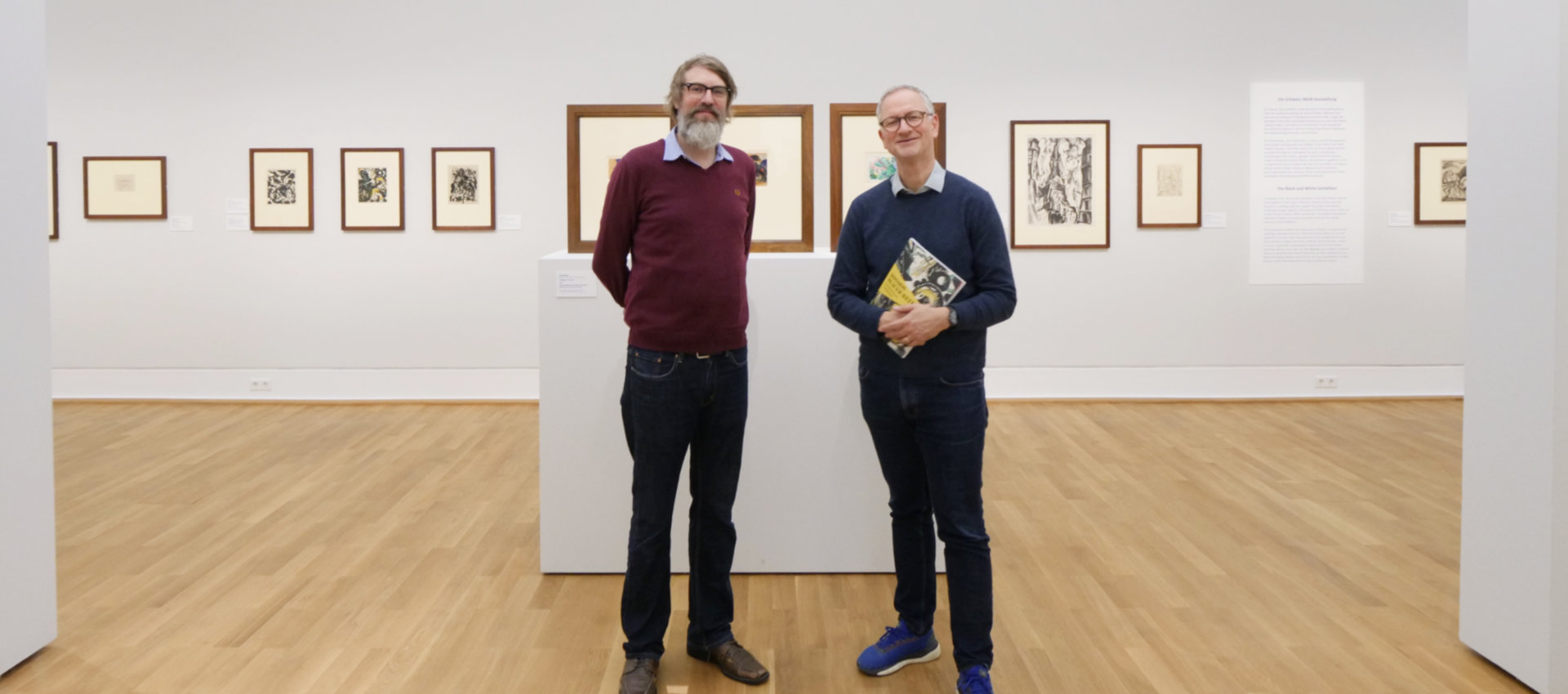
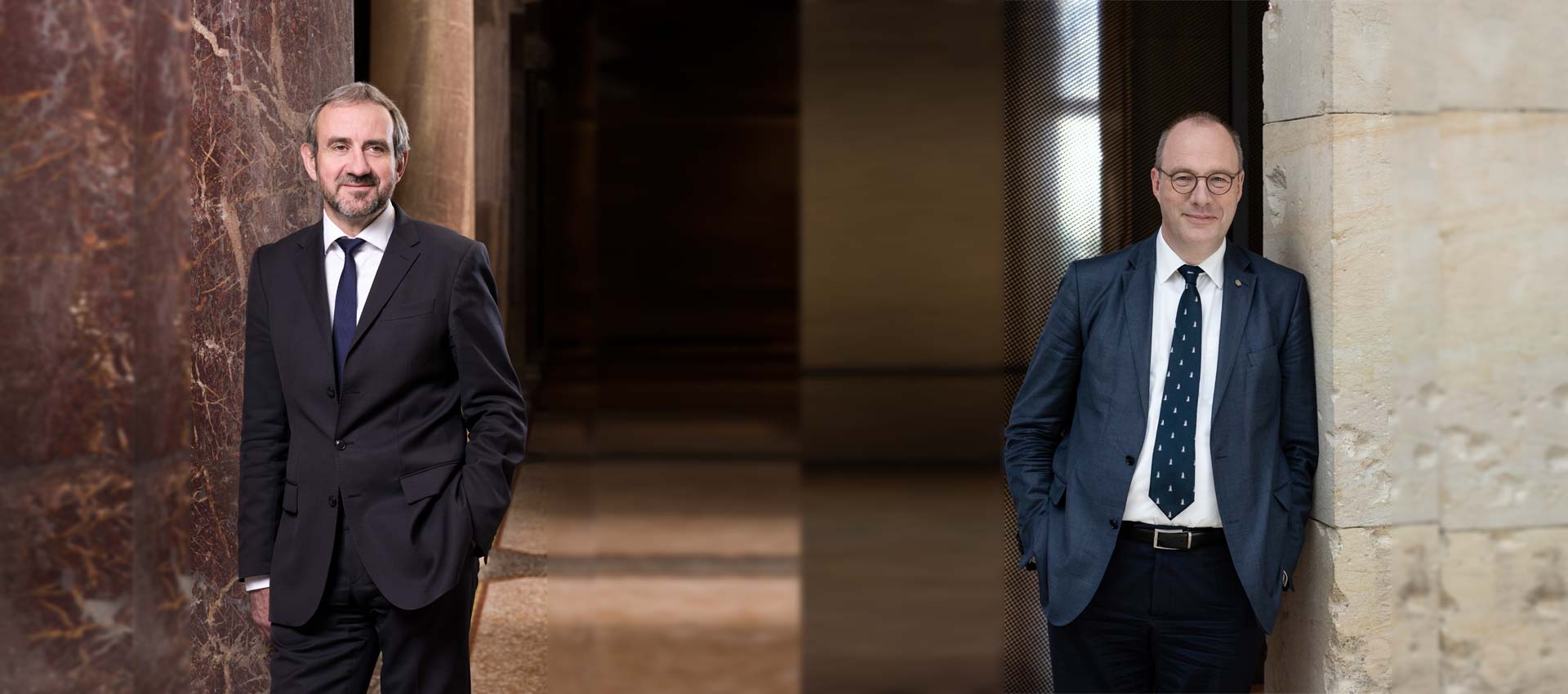
Bertram Lesser is a research assistant in the Department of Manuscripts and Historical Prints at the Berlin State Library – Prussian Cultural Heritage Foundation. There, he is responsible for the cataloguing, digitisation and structural data recording of manuscripts, as well as for assisting users in the reading room and during seminar events.
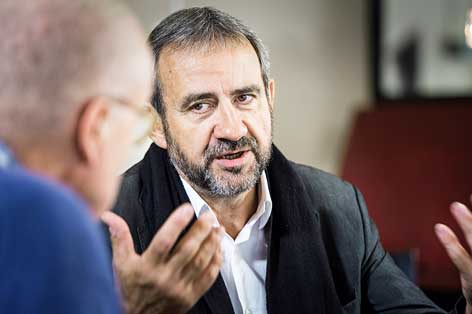
Dirk Schultze is a research assistant at the Department of English Philology at the University of Göttingen. He teaches medieval English literature and language with a focus on manuscript traditions – alongside the late Middle Ages and translations, this is also Schultze’s main area of research.
Who was Ranulf Higden?
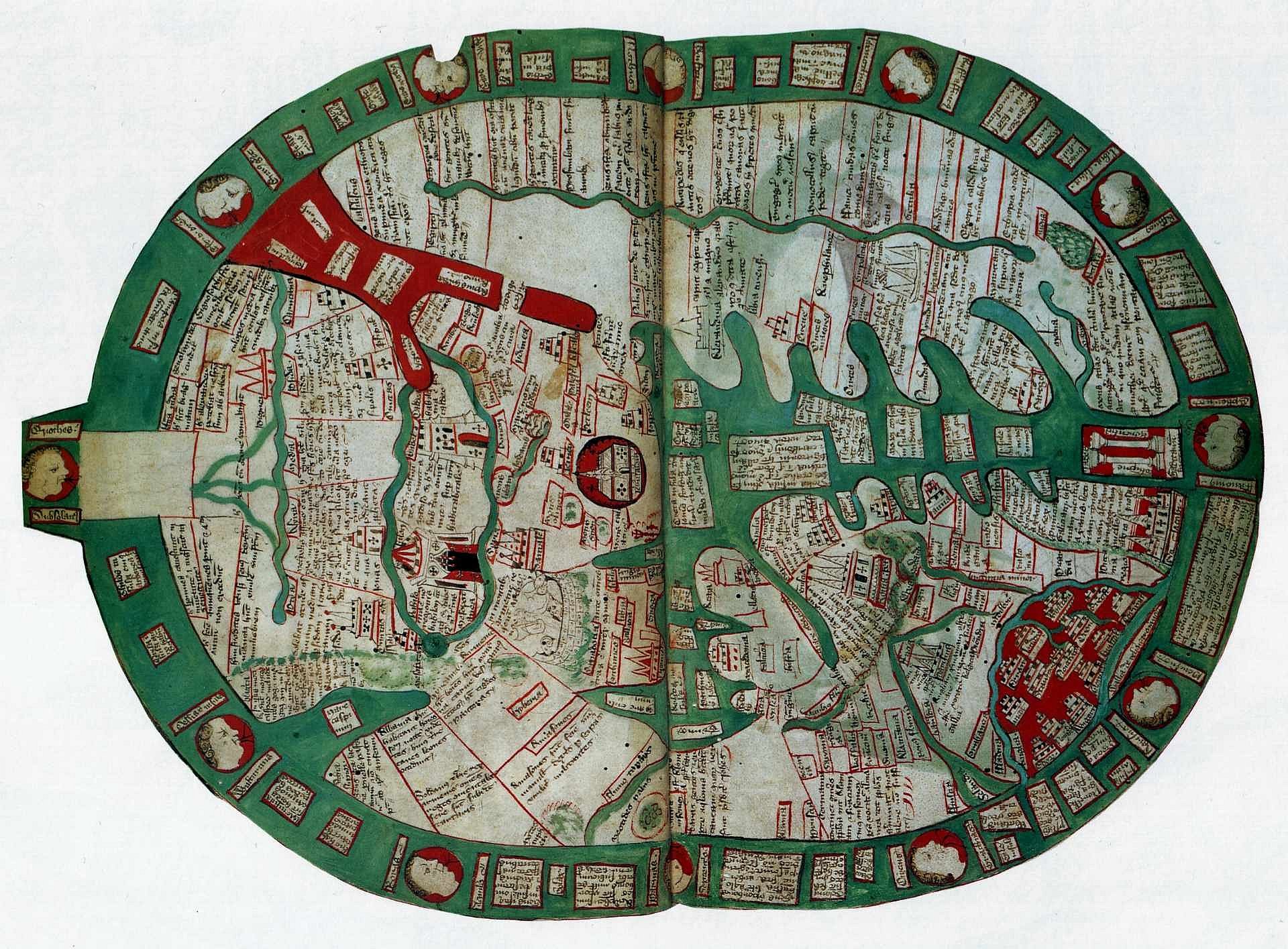
Dirk Schultze: Ranulf Higden was an English Benedictine monk who, alongside an obscure Latin grammar and a treatise on the calendar, authored one of the most popular and widely circulated historical works of the late Middle Ages: the so-called Polychronicon, a universal chronicle. It was so popular that even King Edward III summoned Higden to his court at the time, presumably to have this chronicle explained to him. English scholars like myself are mostly familiar with Higden because his Polychronicon contains notes on the English language in the Middle Ages, some of which were supplemented by contemporary authors. In a frequently quoted passage, for example, it states that in England, if one wished to be taken seriously, one spoke French rather than English, though English had recently begun to be used in schools.
Bertram Lesser: Unfortunately, very little of his work has survived. What does exist would today be termed scholarly texts. In these, he deals mainly with the seven liberal arts. These include, amongst other things, the study of the calendar, chronology and grammar. In academic research, the focus is primarily on his great popular historical work, the Polychronicon, whilst everything else receives less attention. Many of Higden’s texts are extremely rare and exist in only one or two manuscripts.

How did it come about that you started conducting joint research with Higden?
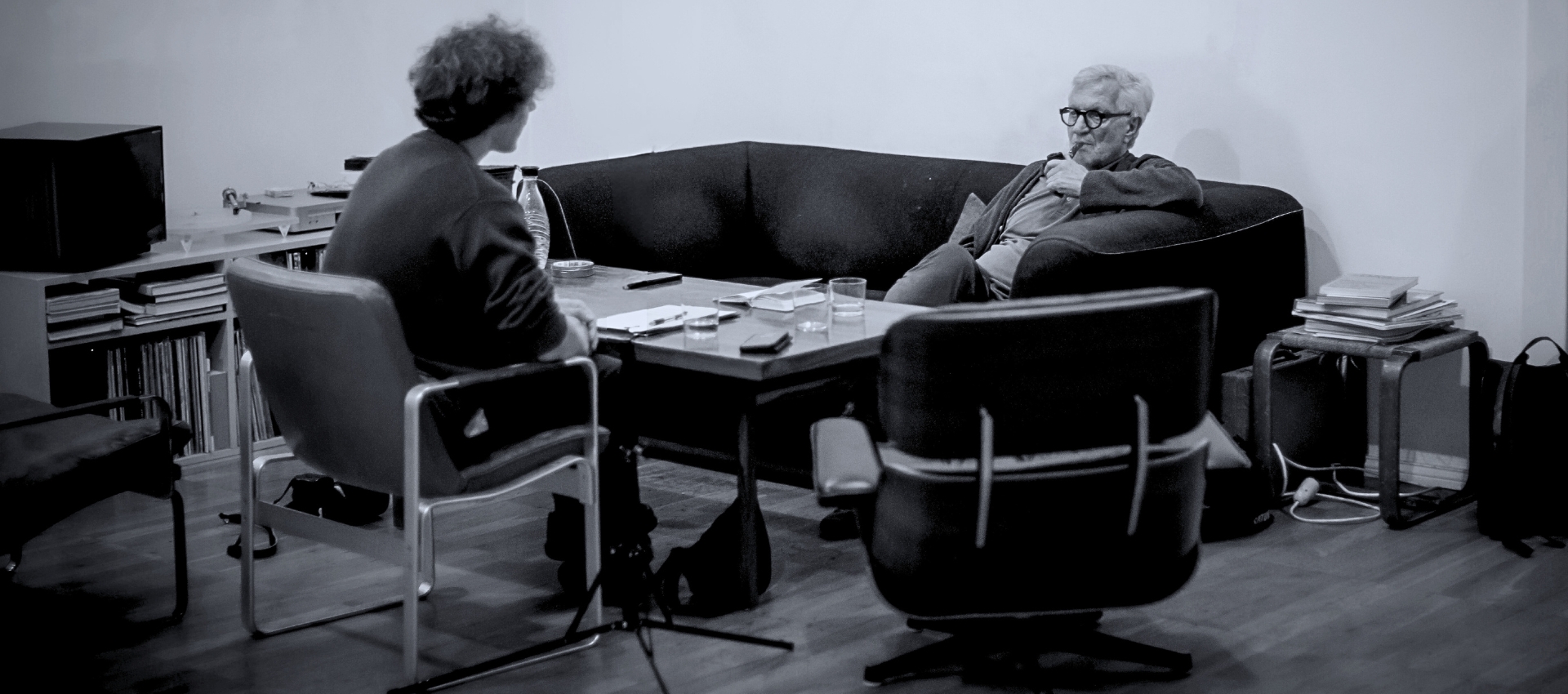
Schultze: As part of a project focusing on the cataloguing of English manuscripts from the territory of what is now the Federal Republic of Germany, I travelled to Cambridge to give a lecture. Afterwards, Professor Richard Beadle approached me and mentioned a rumour that there might be a fragment of *The Prick of Conscience*, avery widely circulated Middle English text, in Berlin. I was determined to investigate this.
I carried out some research to check which codices (pl. of codex,medieval collection of manuscript books, ed.) the State Library held and which of these might be relevant to me. Eventually, I came across a volume in which this ‘rumoured text’ had been present as a fragment until 1937. It was removed by that year at the latest and now has its own call number. That’s when I decided to travel to Berlin to take a look at the original. That was also the point at which I contacted Mr Lesser, whom I already knew from a previous exchange.
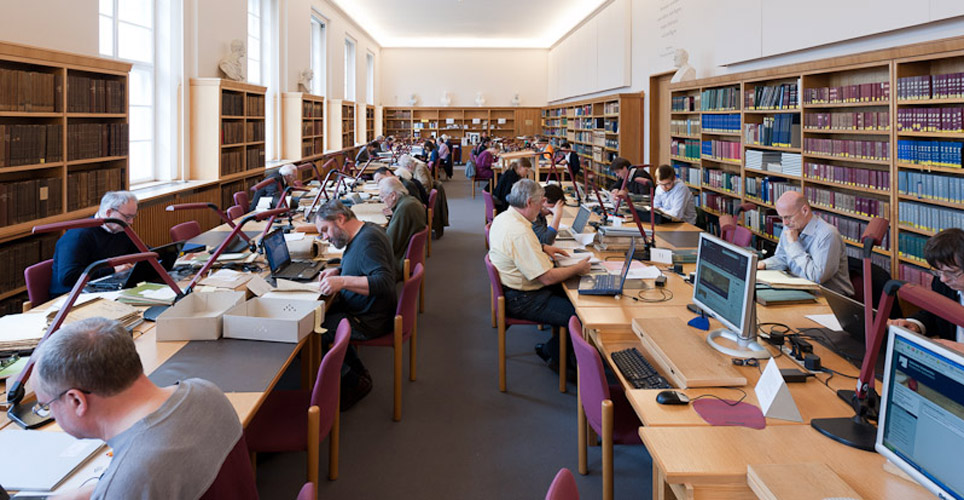
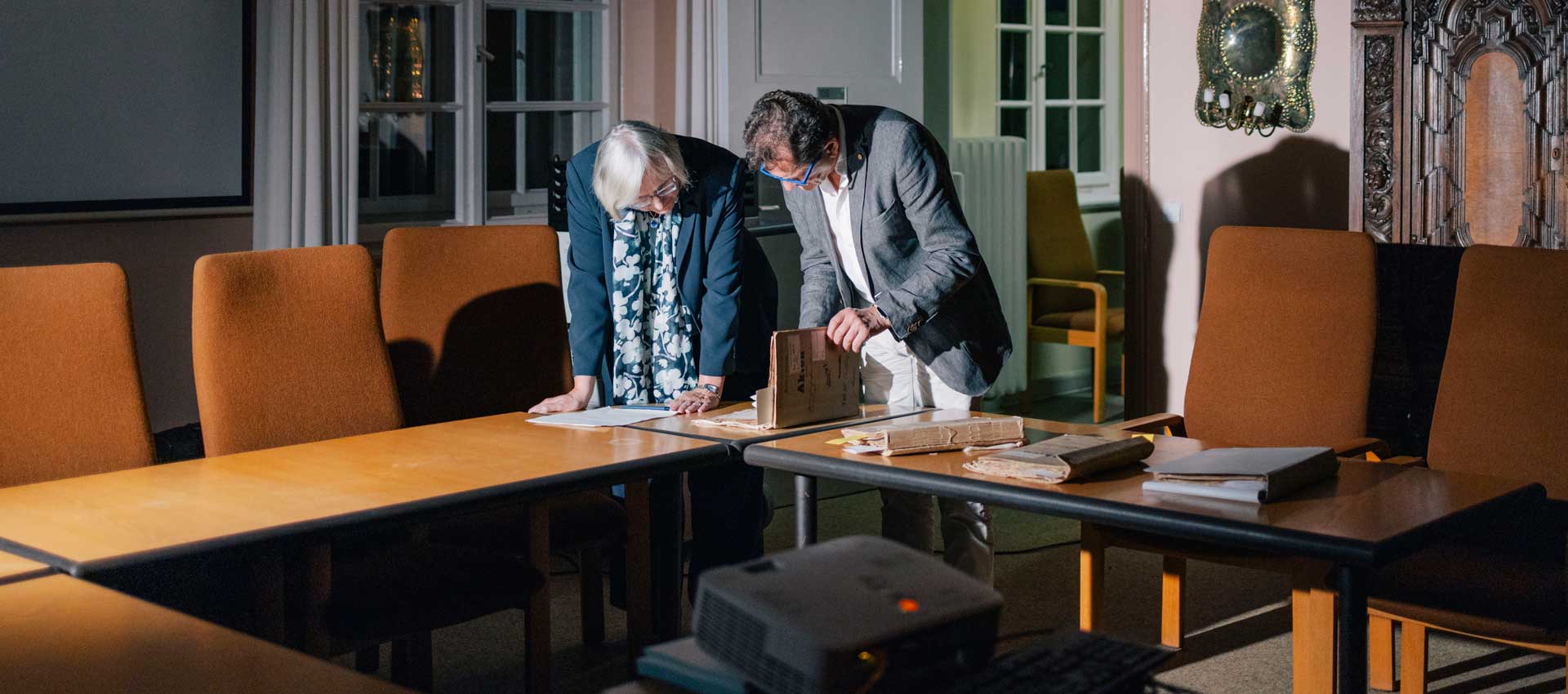
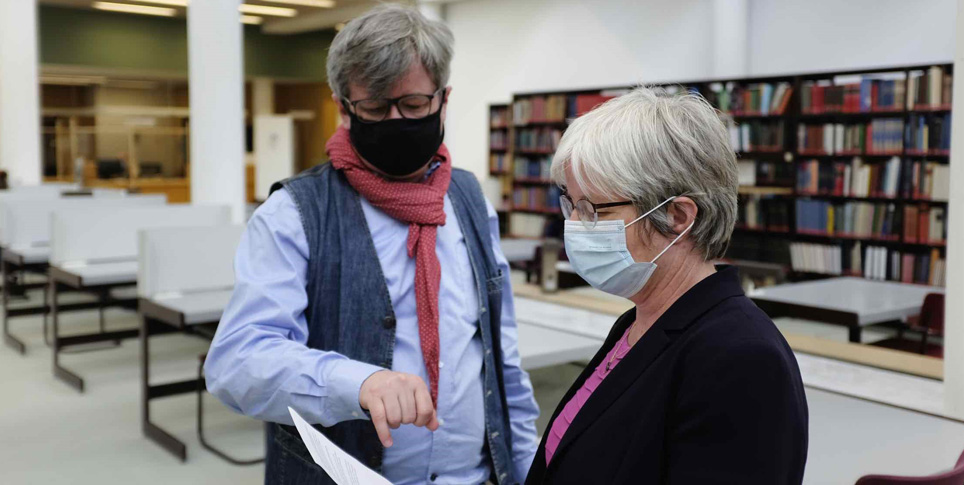
Lesser: I received an enquiry from Mr Schultze asking whether he could view this and a few other manuscripts at our library. I first took a closer look at the codices and established that they had already been digitised but were not yet available in the State Library’s digital collections. The digitisation process takes place in two stages: first, the original is scanned or photographed page by page in our digitisation centre. Then structural data and metadata must be added to help users navigate the material. That is my job.
How on earth did an English manuscript from the late Middle Ages end up in Berlin?
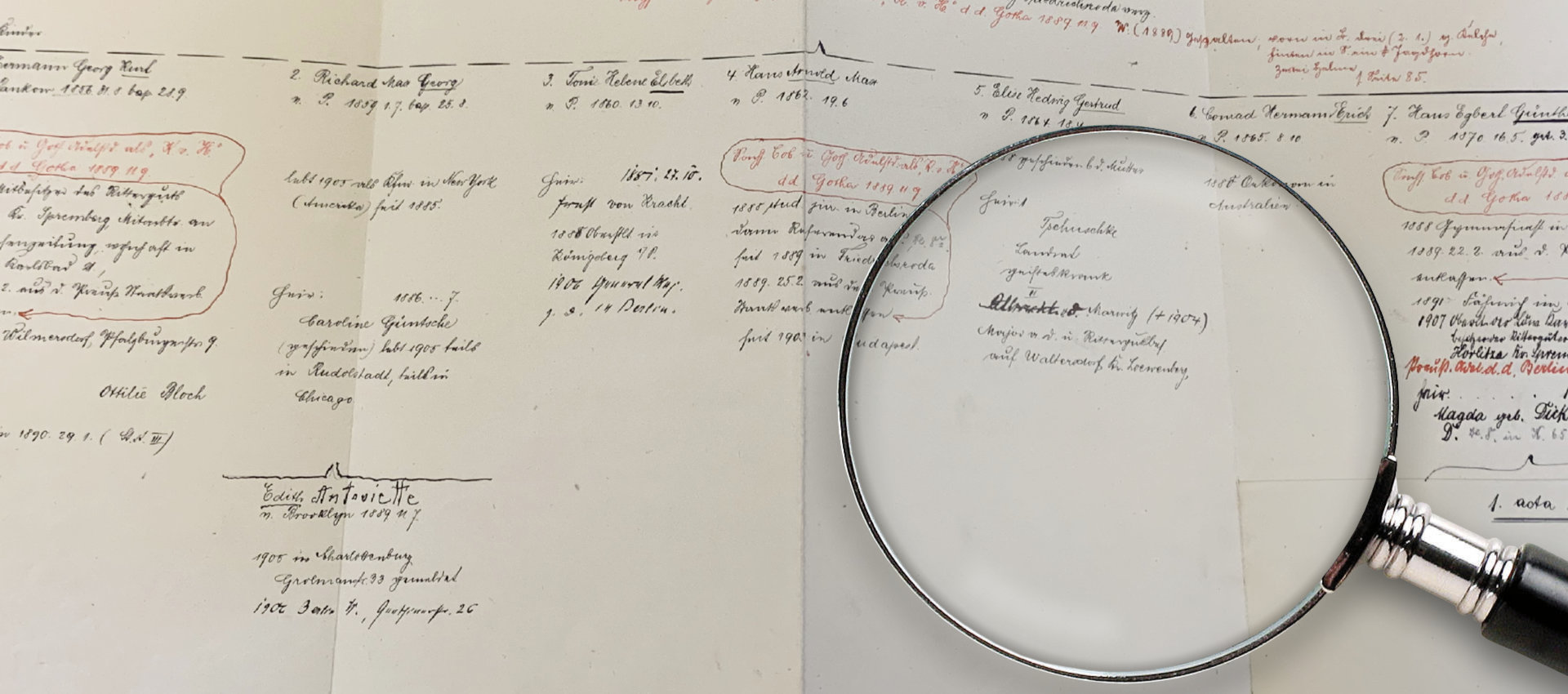
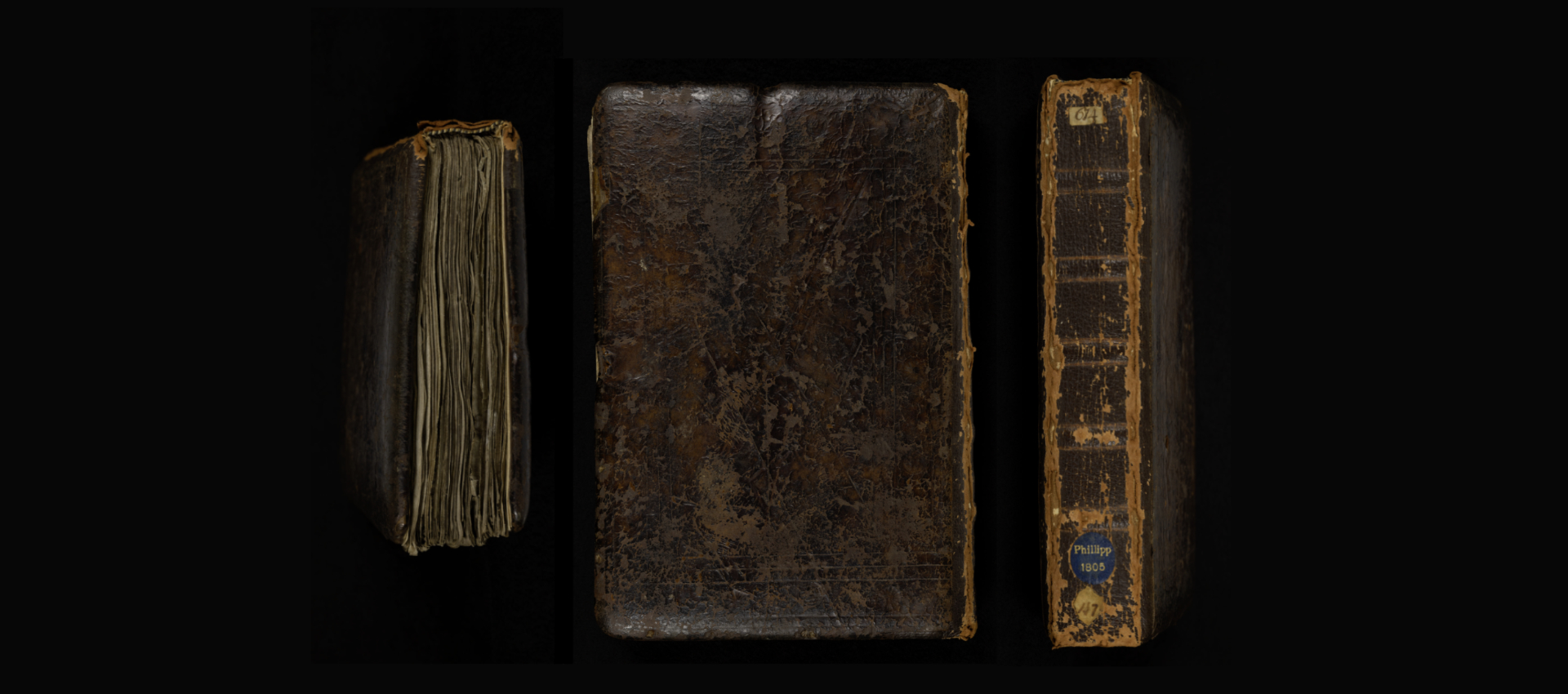
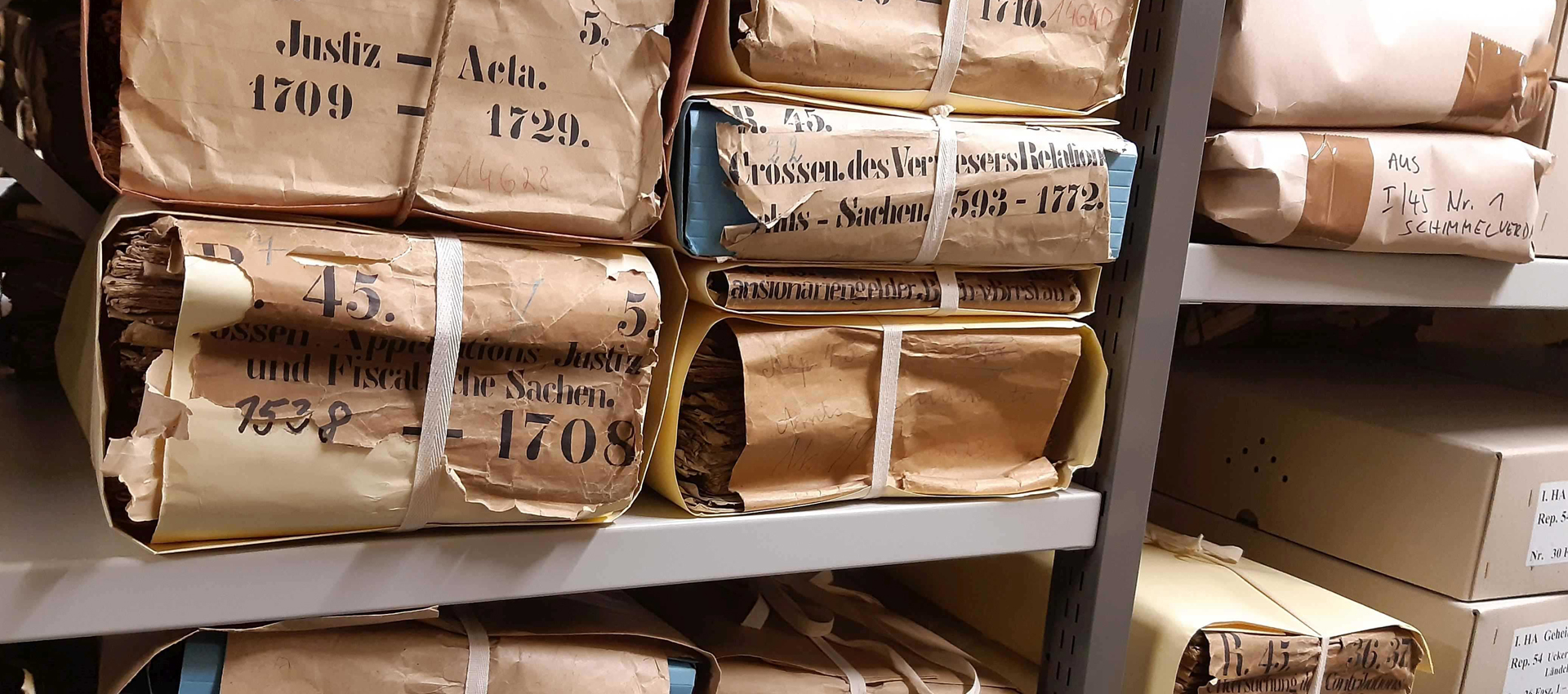
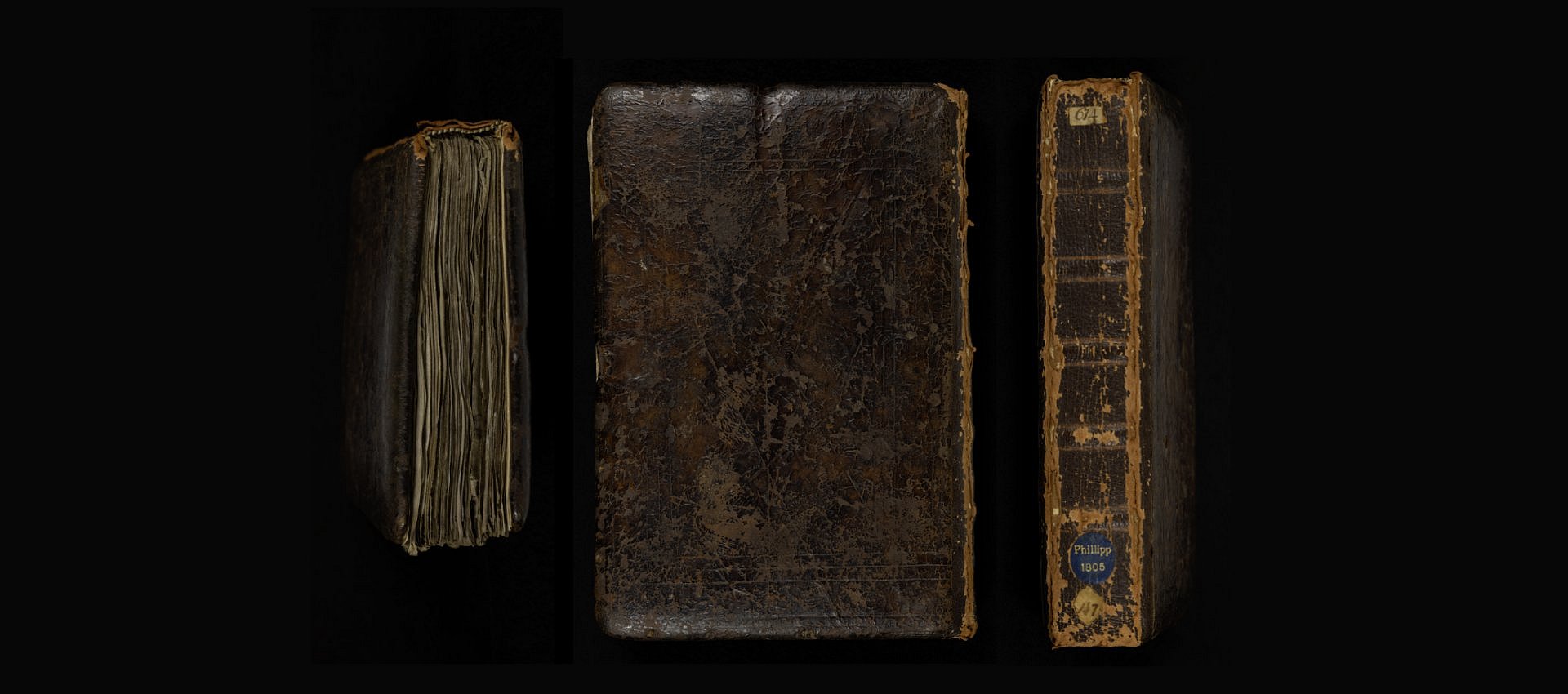
Lesser: It was part of the vast manuscript collection of Sir Thomas Phillipps, who lived in the 19th century and was one of the most famous manuscript collectors in history. At the time of his death, he owned around 60,000 manuscripts. His grandson then sold or auctioned them off gradually, mostly through Sotheby’s auction house. And the State Library purchased part of this collection, a total of 711 manuscripts, in 1889. They still bear his name in the call number today, which is why our manuscript from England is now designated ‘Ms. Phill. 1805’. It was catalogued as early as 1893 by Valentin Rose (1829–1916), then head of the Manuscripts Department, as ‘Medieval Grammar and Calendar Studies’. All the texts contained in the manuscript are written in Latin.
Did anything strike you when you examined the manuscript more closely?
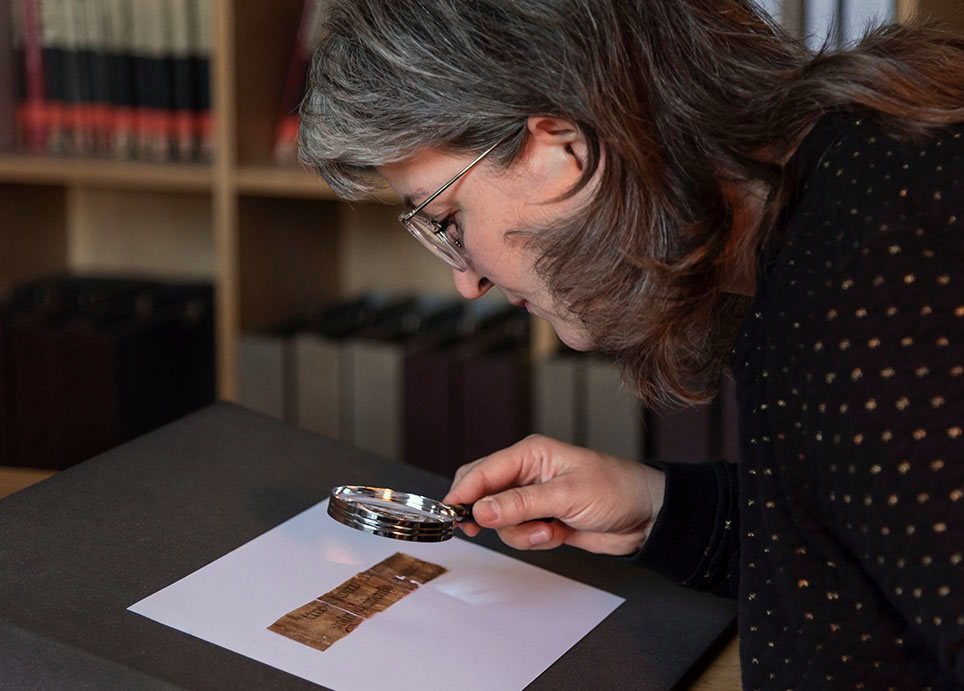
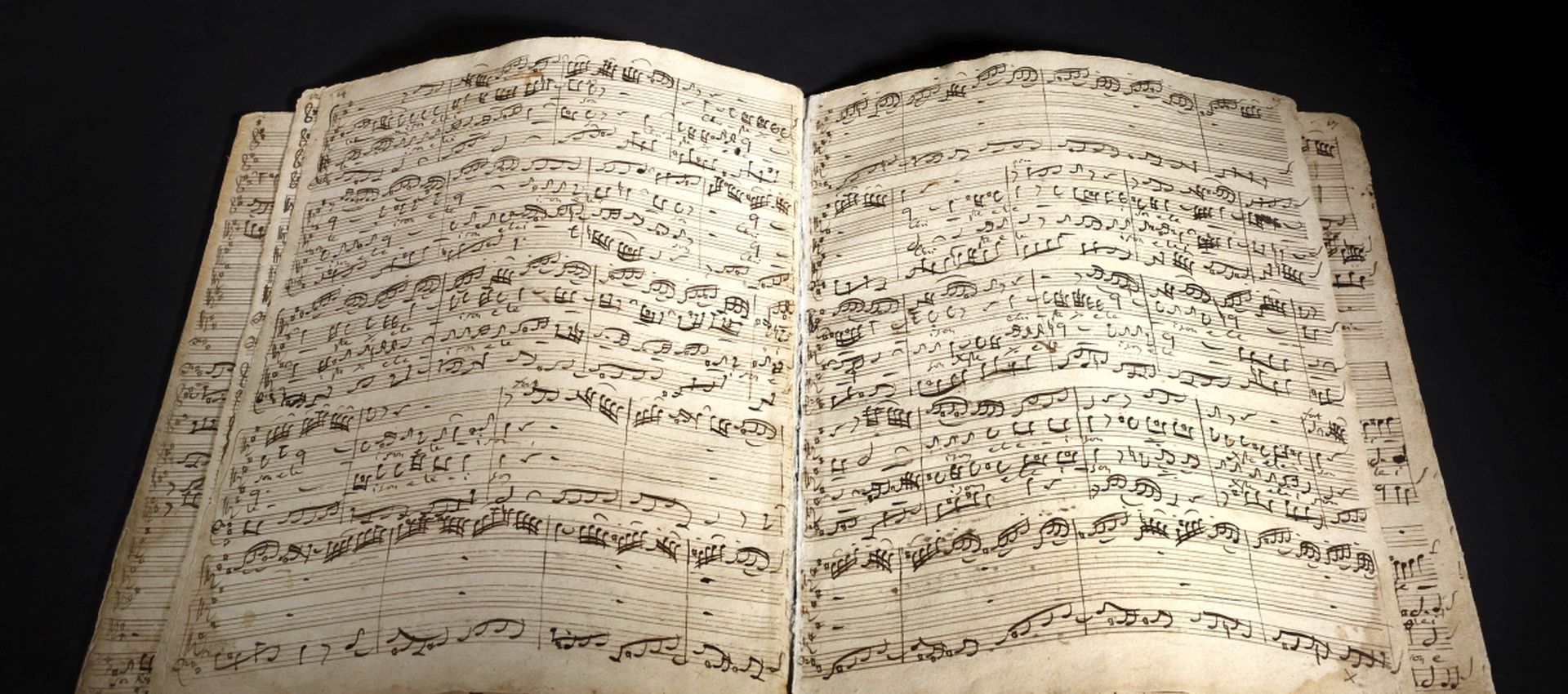
Lesser: When entering the structural and metadata, I initially used the catalogue entry as a guide whilst simultaneously verifying it. In this particular case, Valentin Rose faced a difficult problem, as the text has no proper beginning because several pages at the start of the manuscript have been lost. It begins in the middle of the 14th chapter. So I tried to find out more about this grammar using databases, the manuscript portal and Google. At first, I had no success. However, I had better luck in the colophon and found a crucial clue: there, the title of the work was indeed given as *Petagogicum fratris R. super Donatum*. This wording seemed so unusual that I thought there must be something to be found out about it.
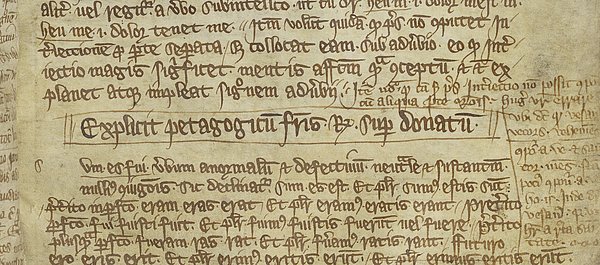
I made a discovery in a digitised Oxford catalogue: the manuscript described therein contains a list of works written by Ranulf Higden during his lifetime. These do indeed include a *Petagogicum artis grammaticae*, which is, however, considered lost – no manuscript is known to exist! Furthermore, the list included Ranulf Higden’s treatise on the calendar, the opening lines of which match those of the treatise in Ms. Phill. 1805. Naturally, I began to put two and two together, but I was keen to seek a specialist’s opinion and thought to myself: “I’ll simply ask the expert who commissioned the manuscript.” I was very excited because, up until then, I could hardly believe that I had before me a long-lost text by a medieval author.
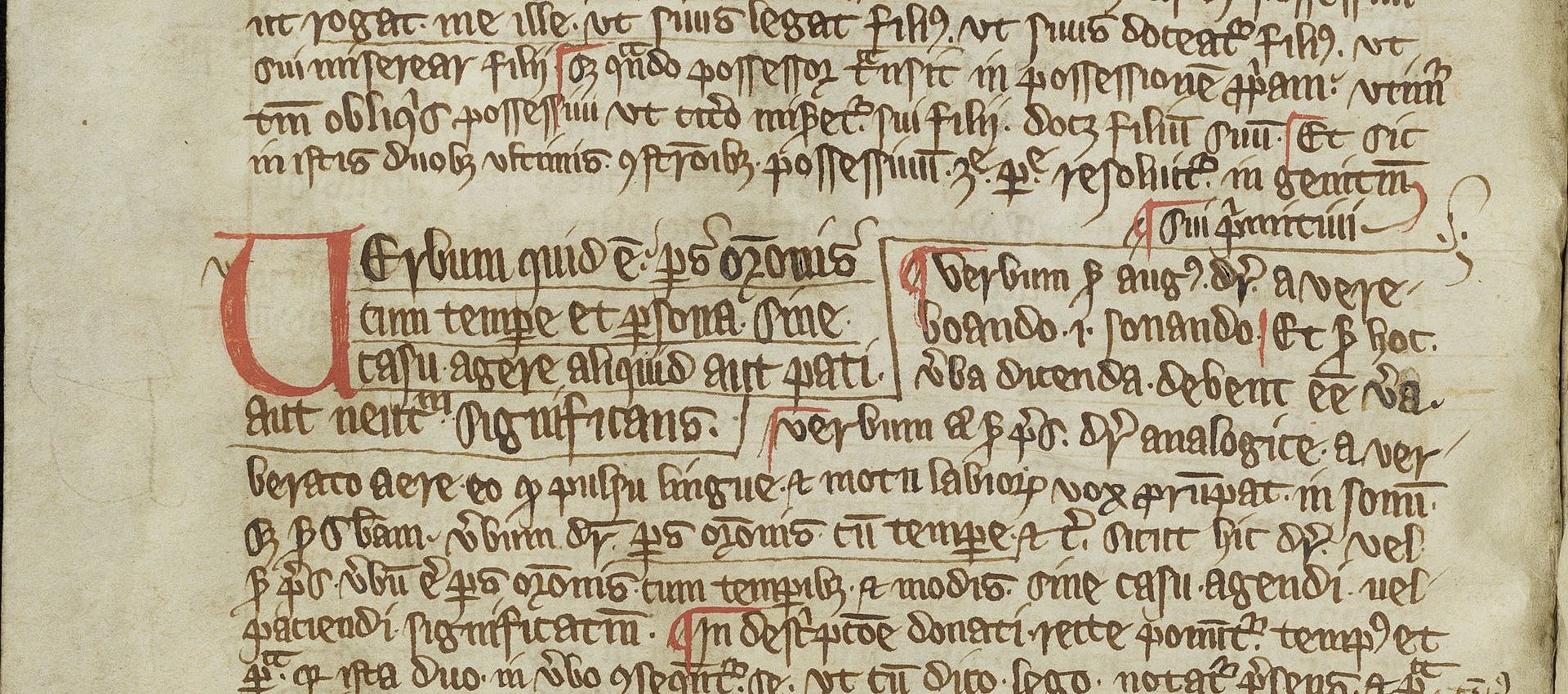
Schultze: That excitement naturally rubbed off on me straight away. Mr Lesser very quickly made the digital copy available to me. The volume came from Chester, from St Werburgh’s Abbey. That is Higden’s home abbey – another clue. In the 1340s, Higden had also developed the habit of embellishing his texts with acrostics. These are the highlighted initial letters of the chapters, which together form an author’s name or the title of the work. They were artfully inscribed by a rubricator, whose task was to enter these large red letters into a manuscript. In this case, although the beginning of the volume was missing, I was still able to decipher the last letters of the word for ‘brother’, [fra]tris, as well as Ranulphi Cestrensis, that is, Ranulf of Chester, and Petagogicum. It was a real eureka moment!
So the text was actually written by Higden himself, would you say?
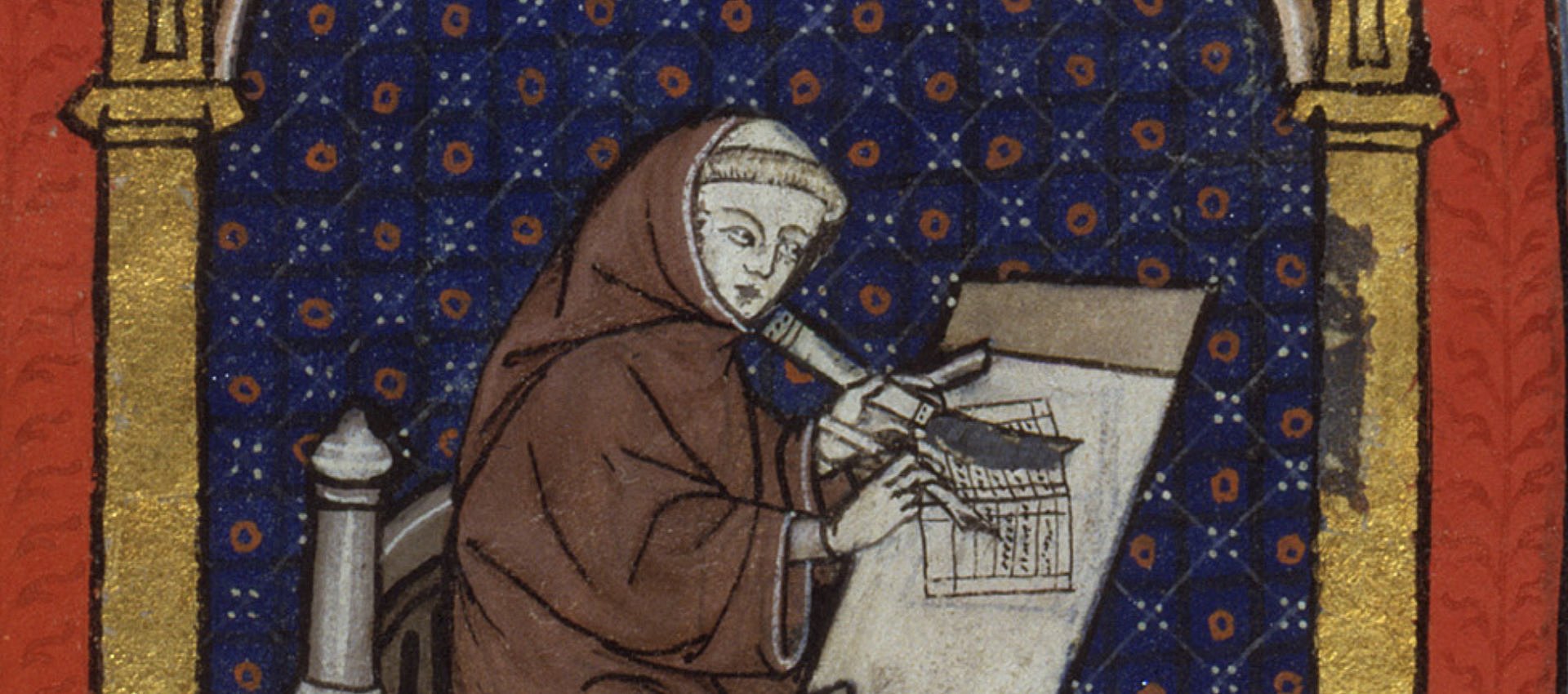
Schultze: Not quite. The Berlin manuscript here does bear a striking resemblance to the manuscript in the Huntington Library in California, which is considered to be the only manuscript definitively attributed to Higden himself. I then shared my observation with two British colleagues. They concluded that whilst the similarity is striking, the scribe is probably not Higden himself, but someone from the same school of writing. Higden was perhaps the one who, as a librarian and teacher, looked over the scribes’ shoulders, so to speak, and instructed them to write in a particular house style.
What can be said about the content of the grammar?
Lesser: The text is relatively extensive. It comprises 120 folios, approximately 240 pages. A modern edition would probably amount to 300 to 400 printed pages in Latin. It is a traditional grammatical text for school or university use, structured in two parts. The first part deals with various parts of speech and fundamentals that still form part of grammar today. The second part is a commentary on the grammar of Donatus. He was a late antique Roman grammarian whose work was part of the school curriculum throughout the Middle Ages. A more detailed examination of the text would be a research project in its own right.
At the start, I had to take great care to ensure that the reporting didn’t take on a Dan Brown-esque tone.
Dirk Schultze
How do you intend to get the academic community on board with this?
Lesser: We are currently preparing a joint publication describing the manuscript. It will be published in England and in English, simply because most of our colleagues there would otherwise not read it in German.
Schultze: Unfortunately, the number of colleagues in the UK who still speak German is very small and is certainly not increasing. In recent years, entire German studies departments have been abolished at many universities in the UK. That is why it is important to make local research accessible to the global research community, which is predominantly English-speaking.
What was the most surprising finding for you from the discovery?
Schultze: It was certainly very entertaining to see how the text made the rounds. At the start, I had to take great care to ensure the reporting didn’t take on a Dan Brown-esque tone. (laughs) But seriously, this project has made it clear to me once again just how essential it is for all of us to consult the old reference works. For me, the most astonishing thing about our discovery is actually that it didn’t happen much earlier. This makes it all the more important – and I remind my students of this time and again – to do the bibliographical legwork right back to the very beginnings, however tedious and dreary that may be in the majority of cases. For there are indeed still handwritten treasures in Germany of which there are, at best, only rumours. If one follows these up, one may – as in our case – make quite unexpected, sensational discoveries.
Exploring the manuscript
Get involved and discover Ranulf Hidgen’s *Petagogicum*!
Click here for the digital version.