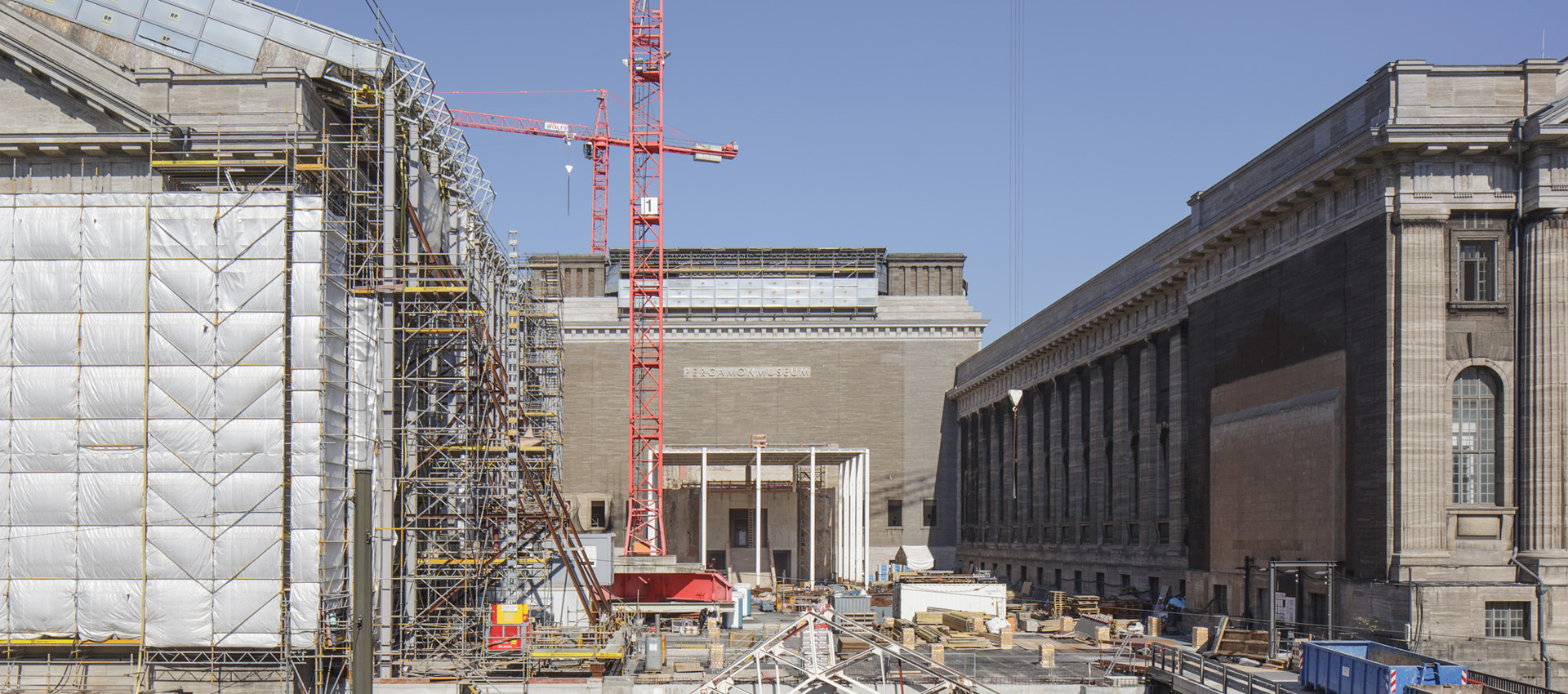
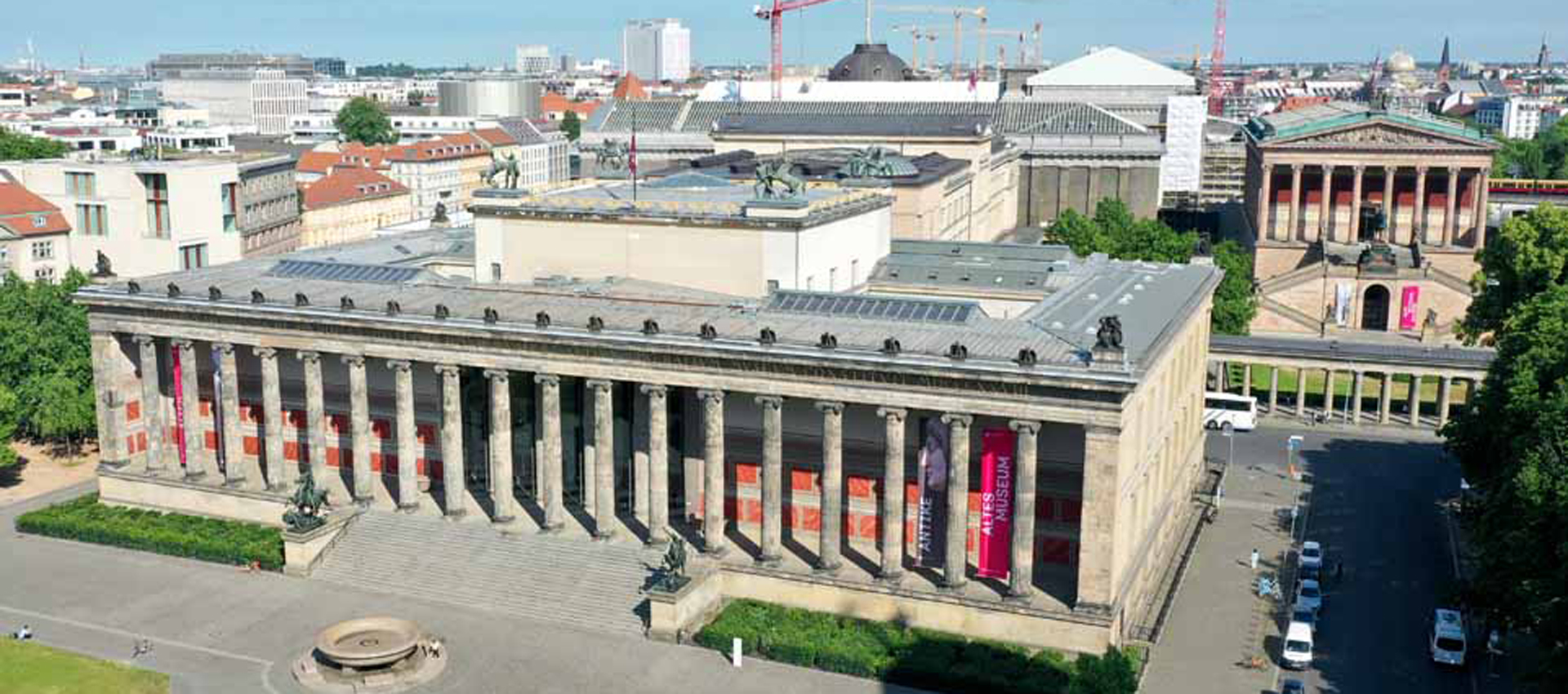
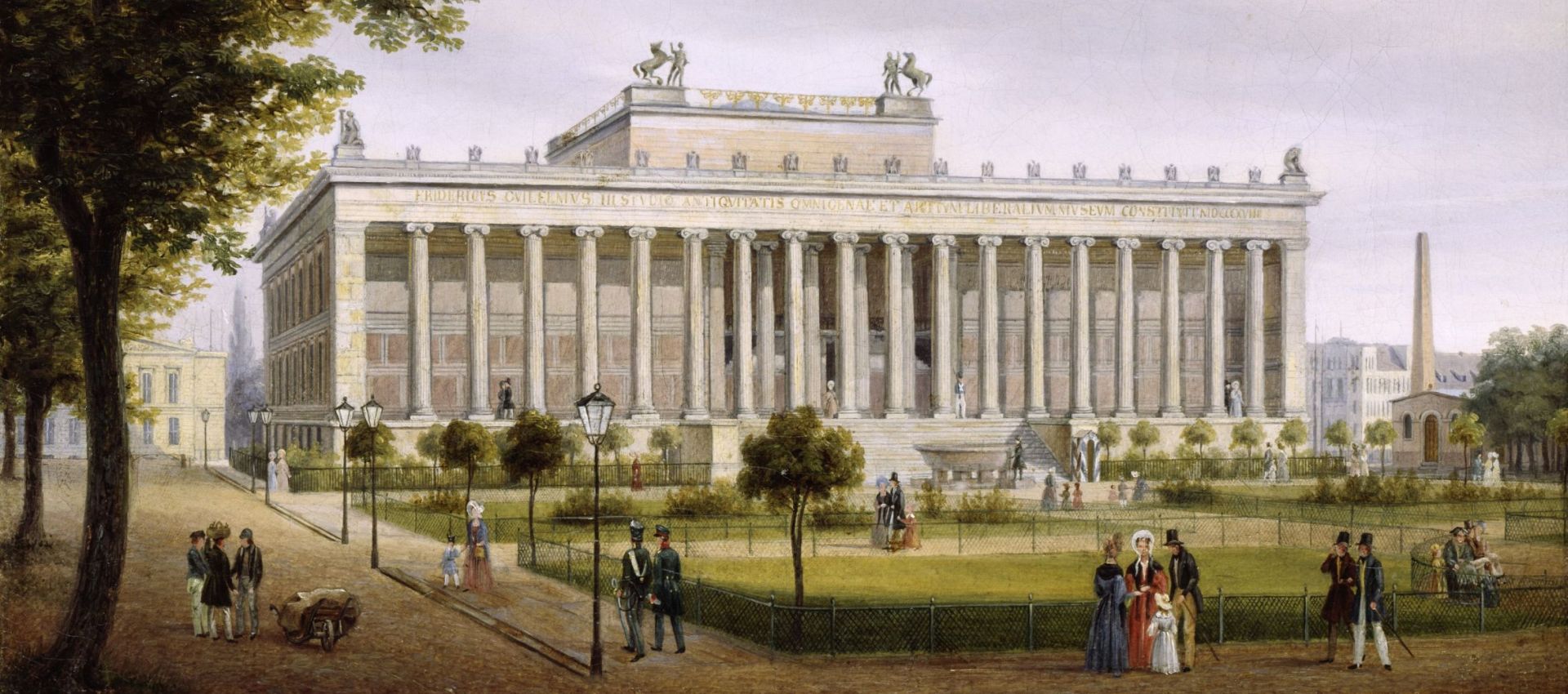
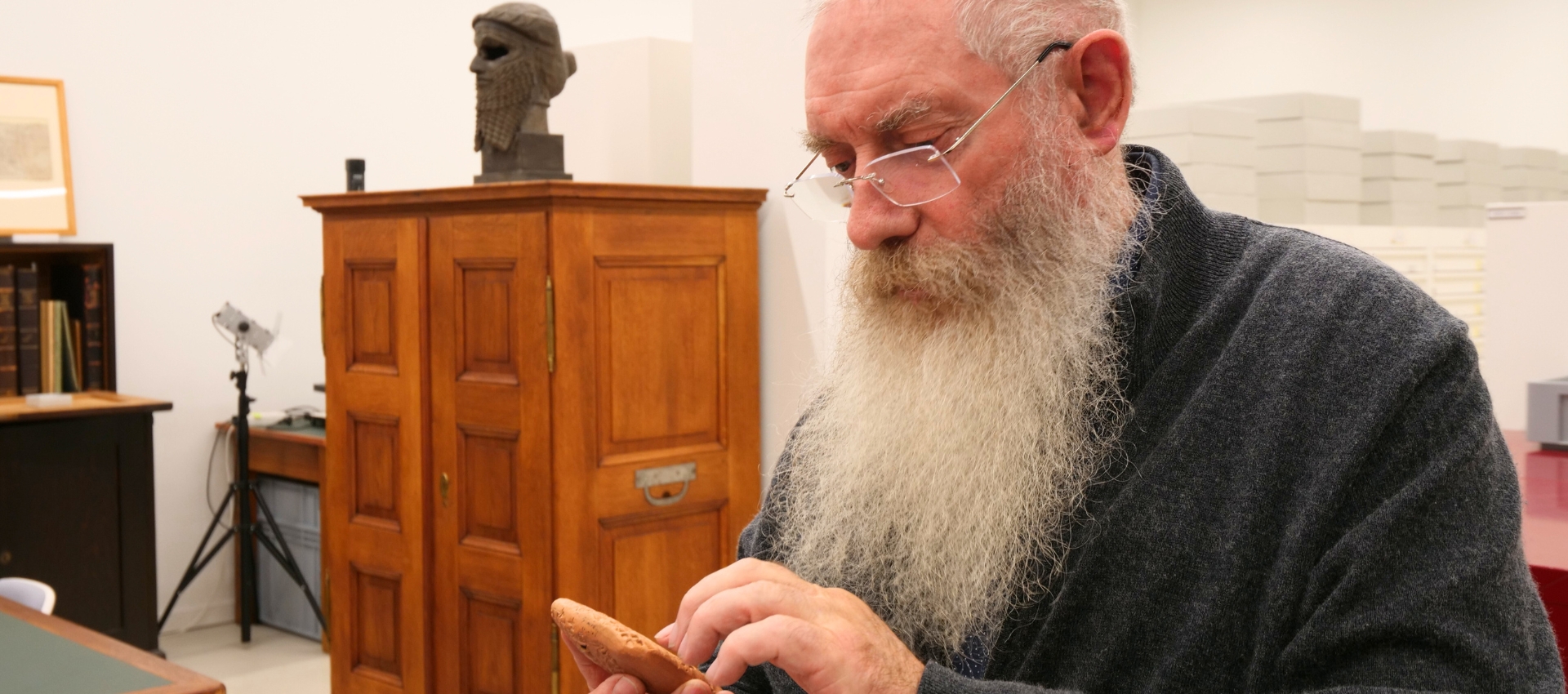
Three collections are being cleared out of the south wing of the Pergamon Museum. The museum has been closed since October 2023, and major refurbishment work is due to begin at the end of the year. This means that much of the collection – though not all of it – must be removed, packed up and prepared for transport.
Weighing tonnes and bulky: removal only possible by crane
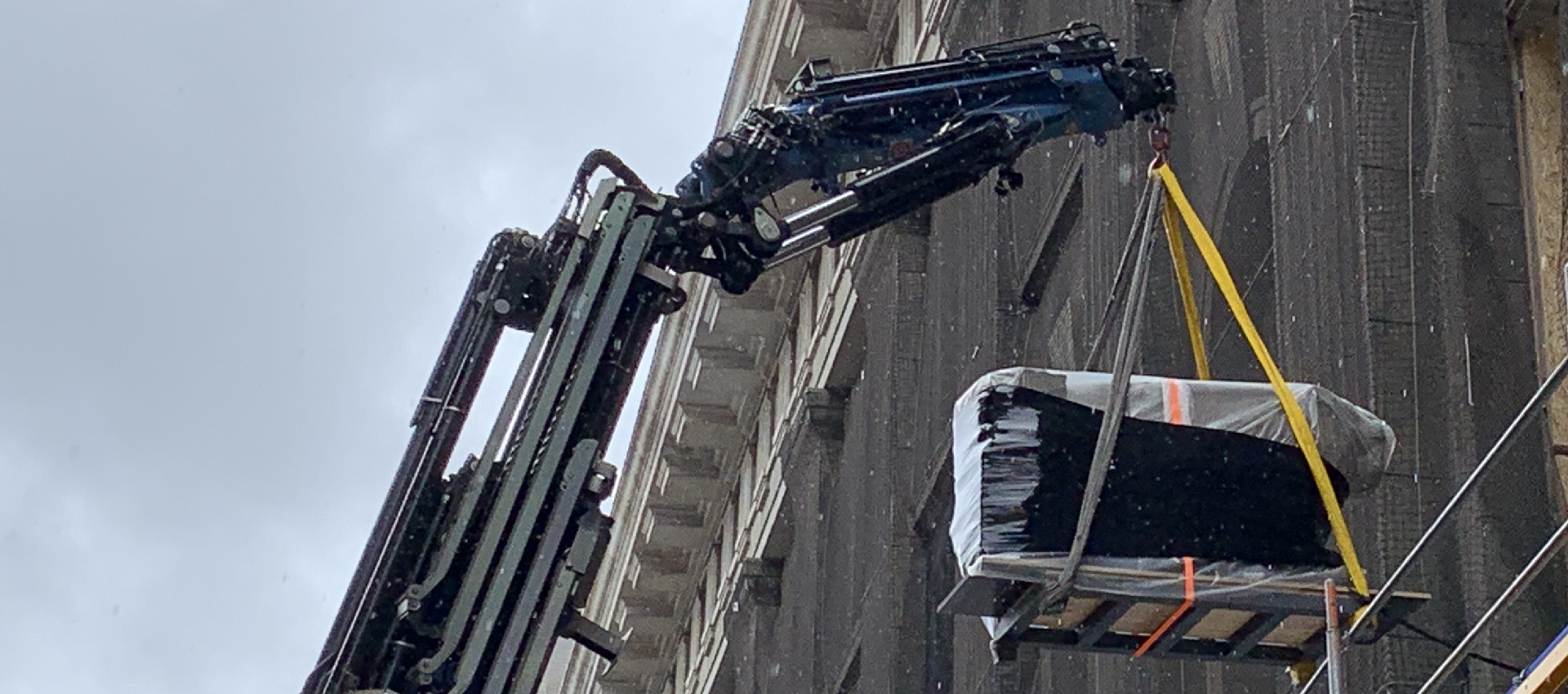
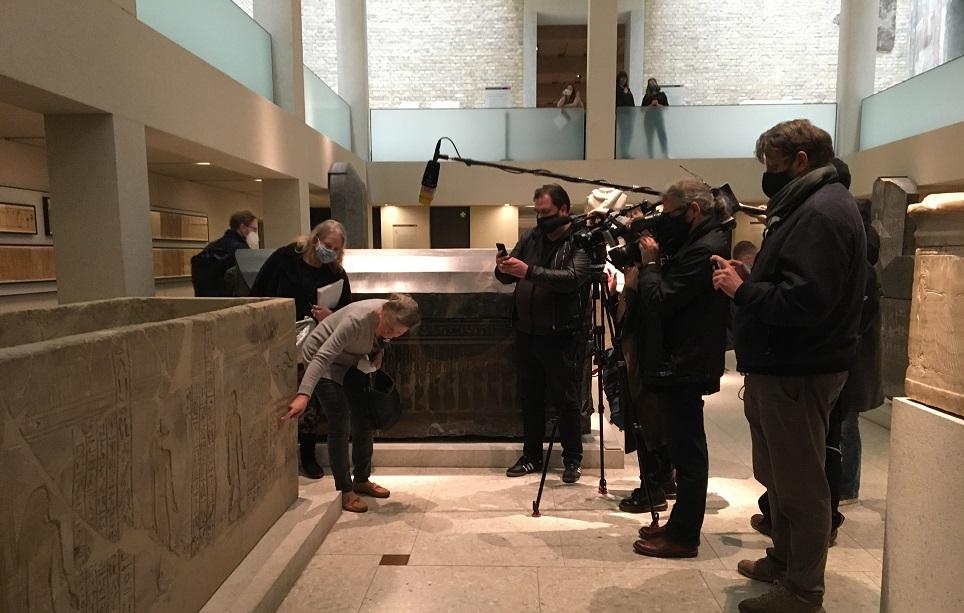
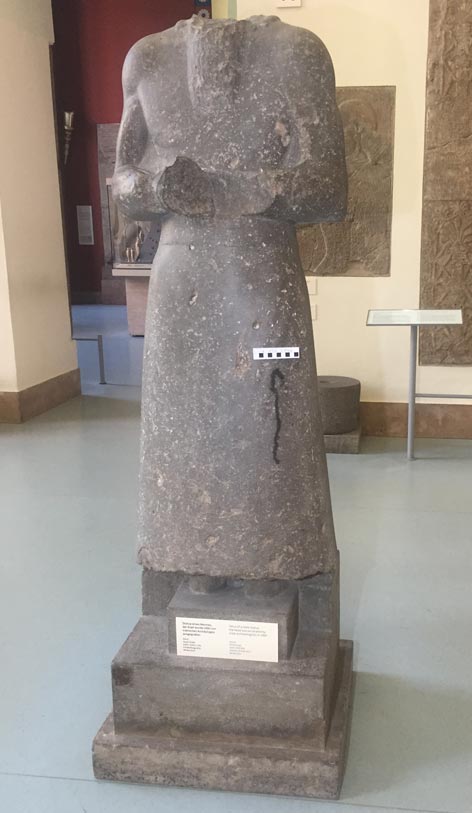
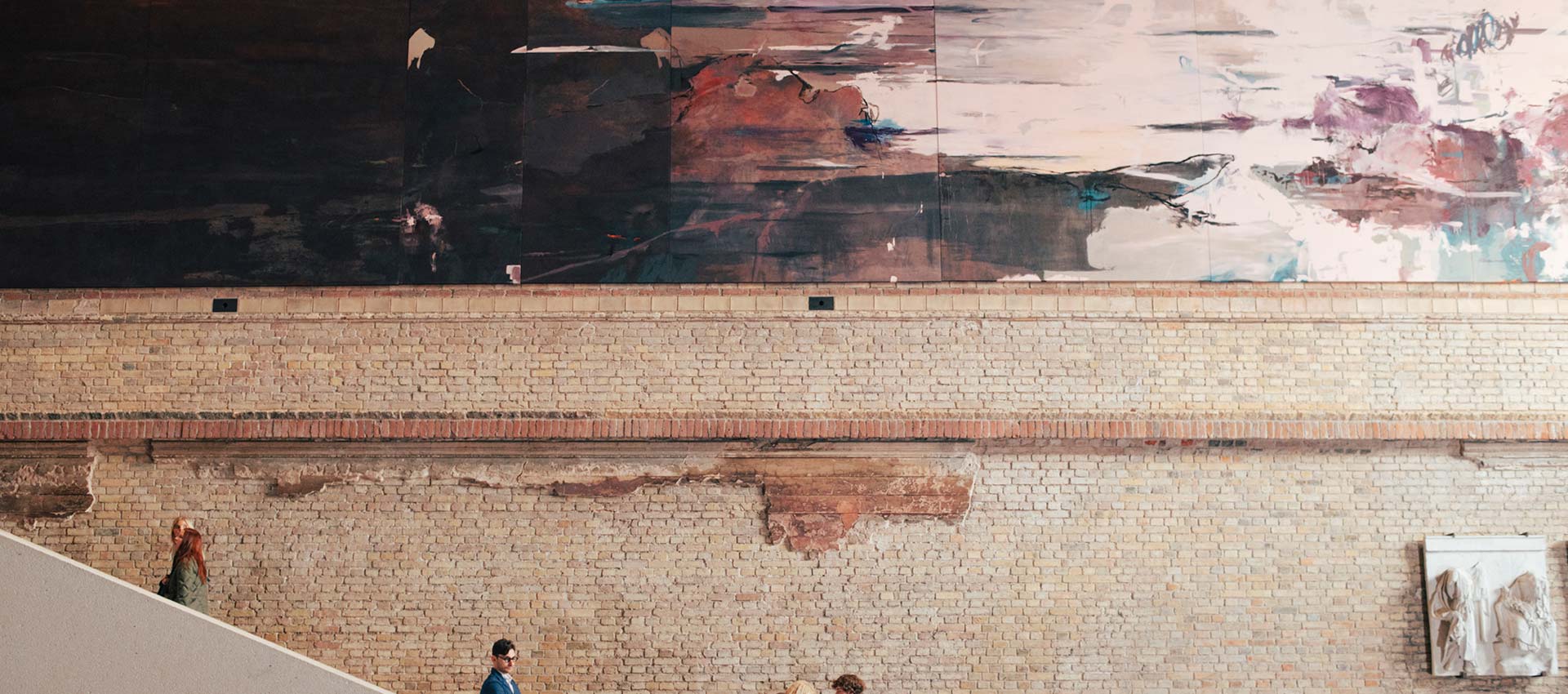
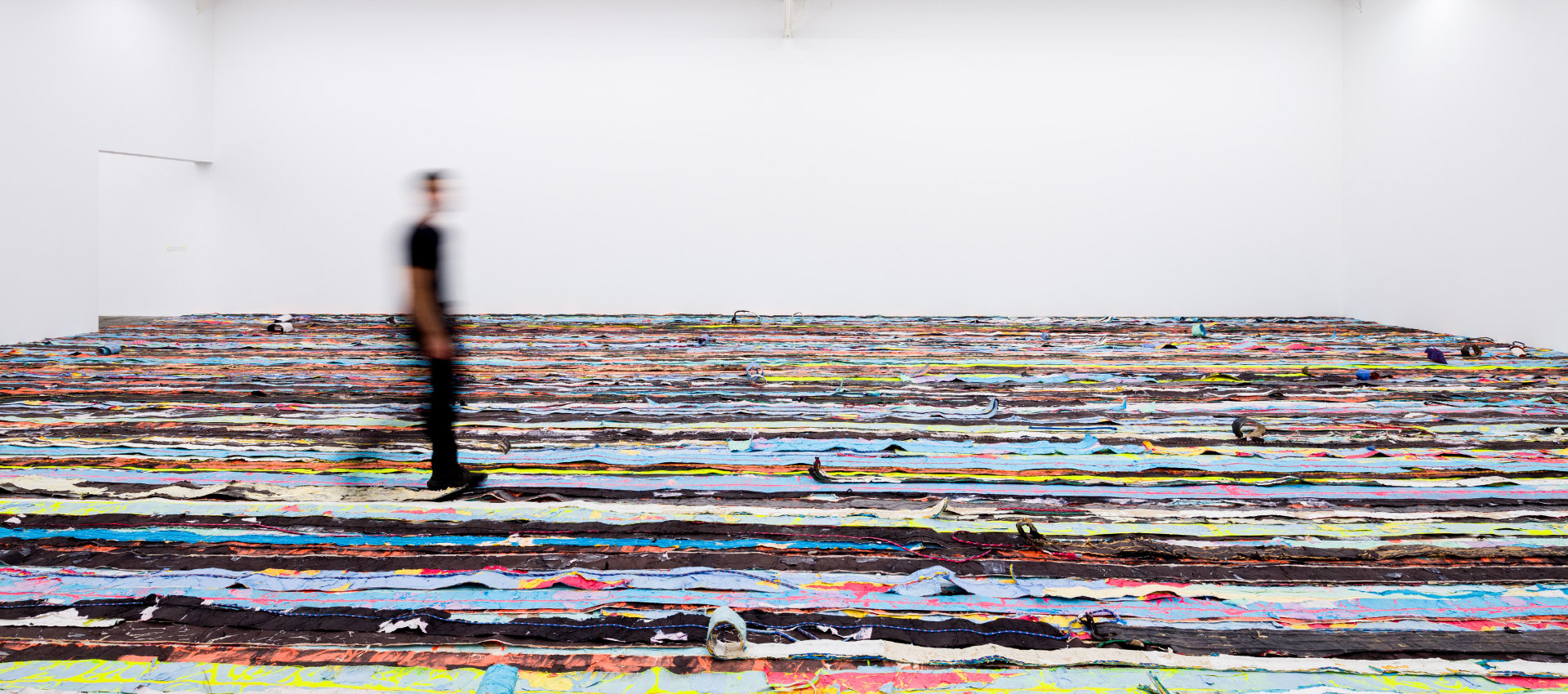
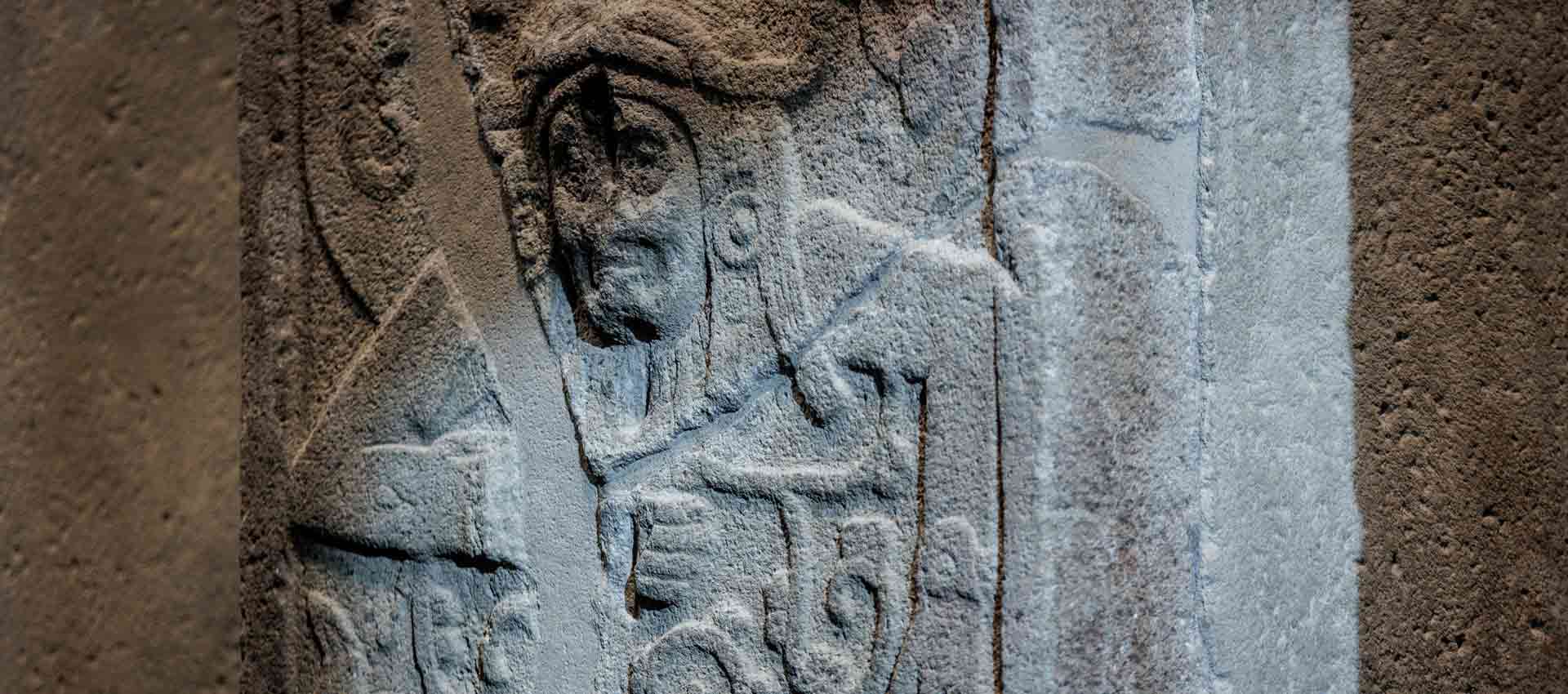
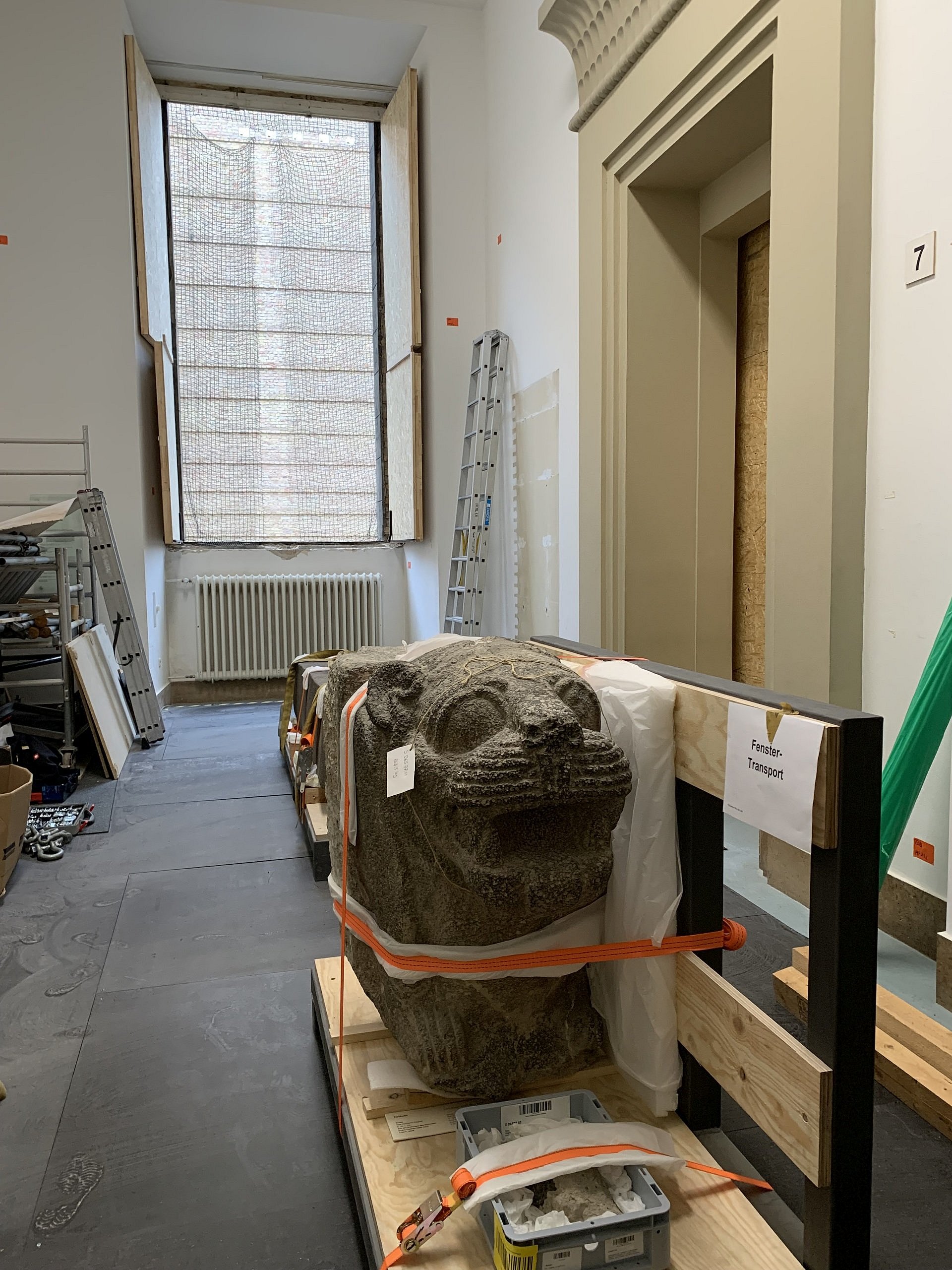
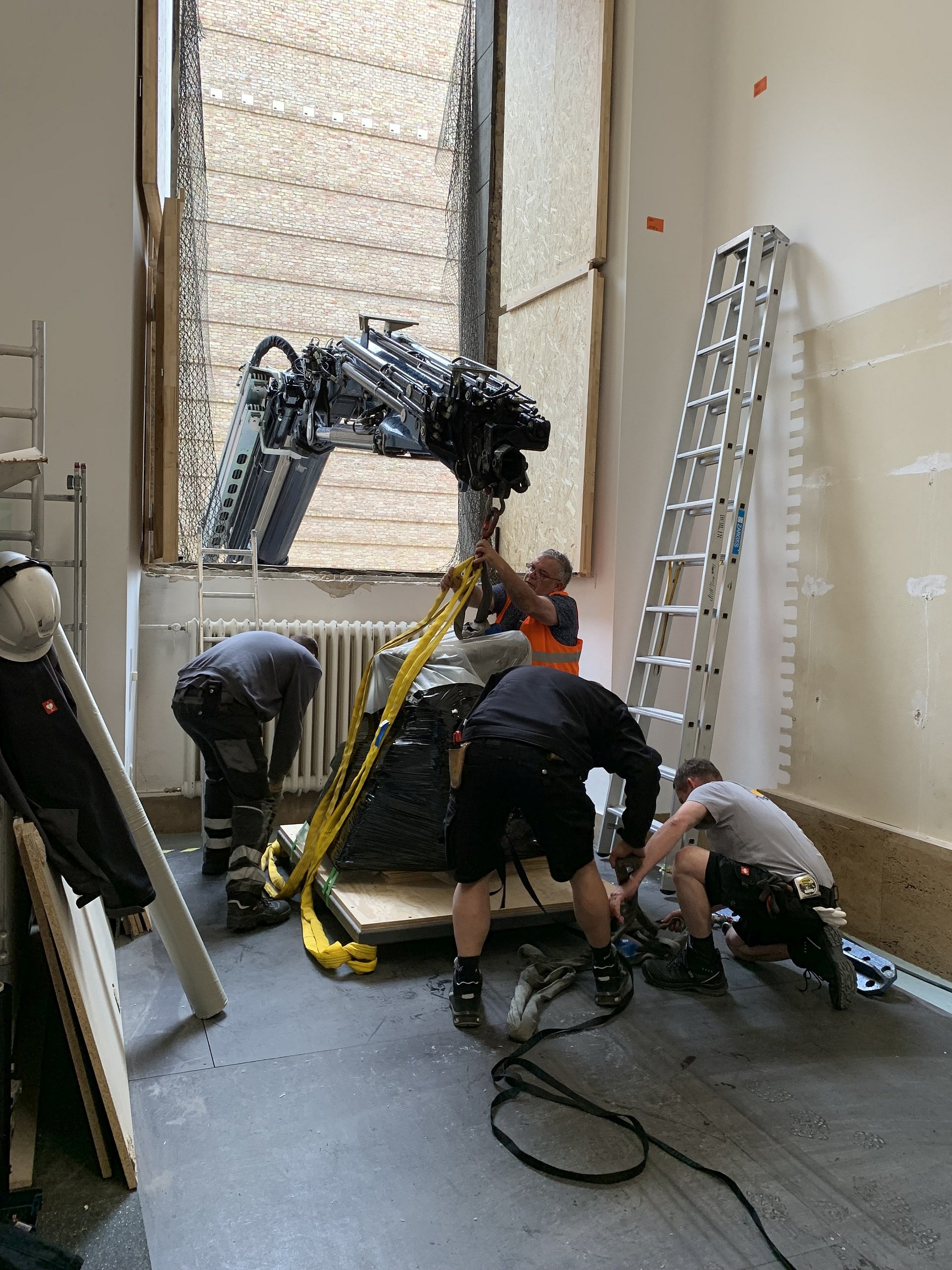
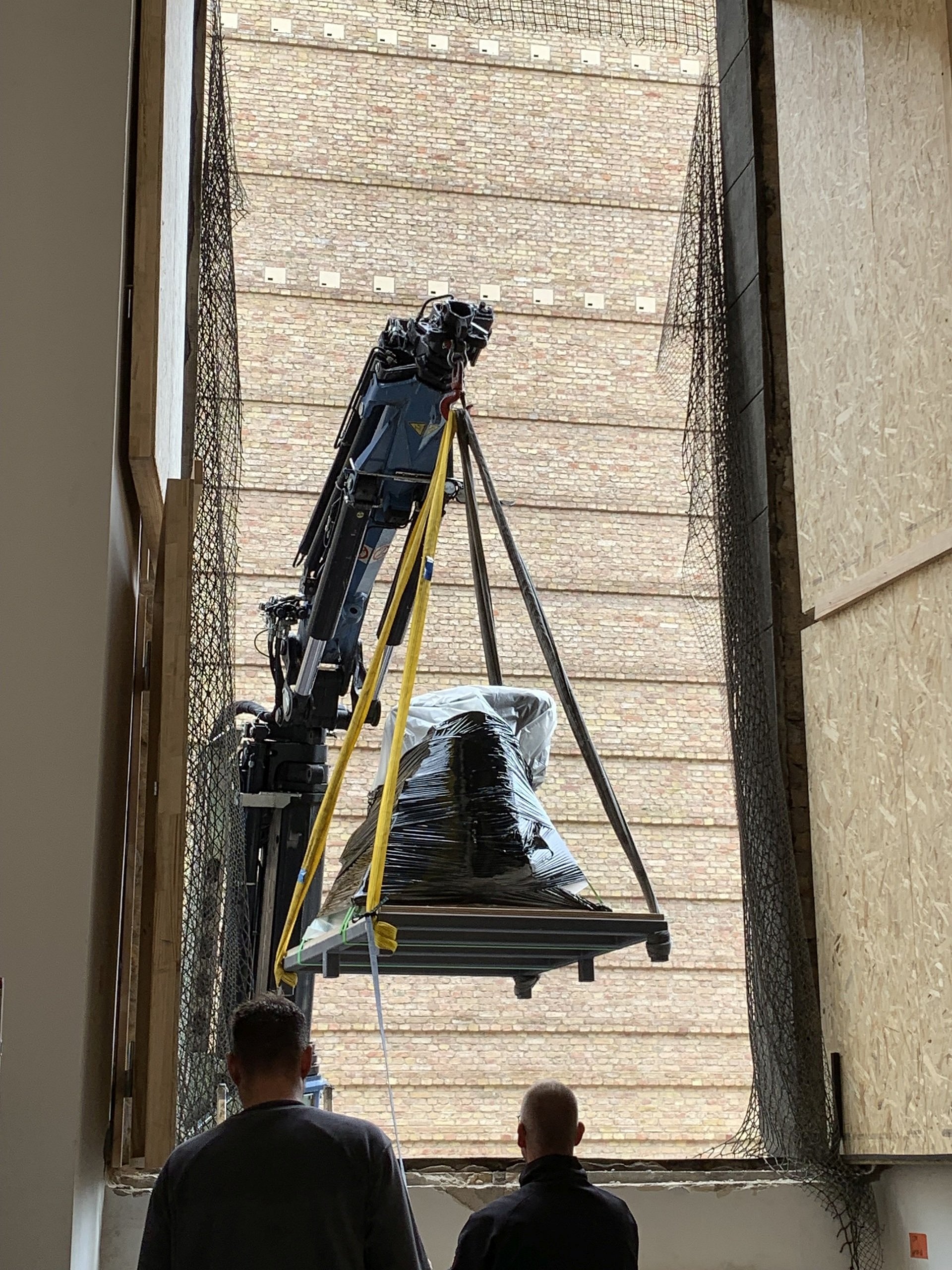
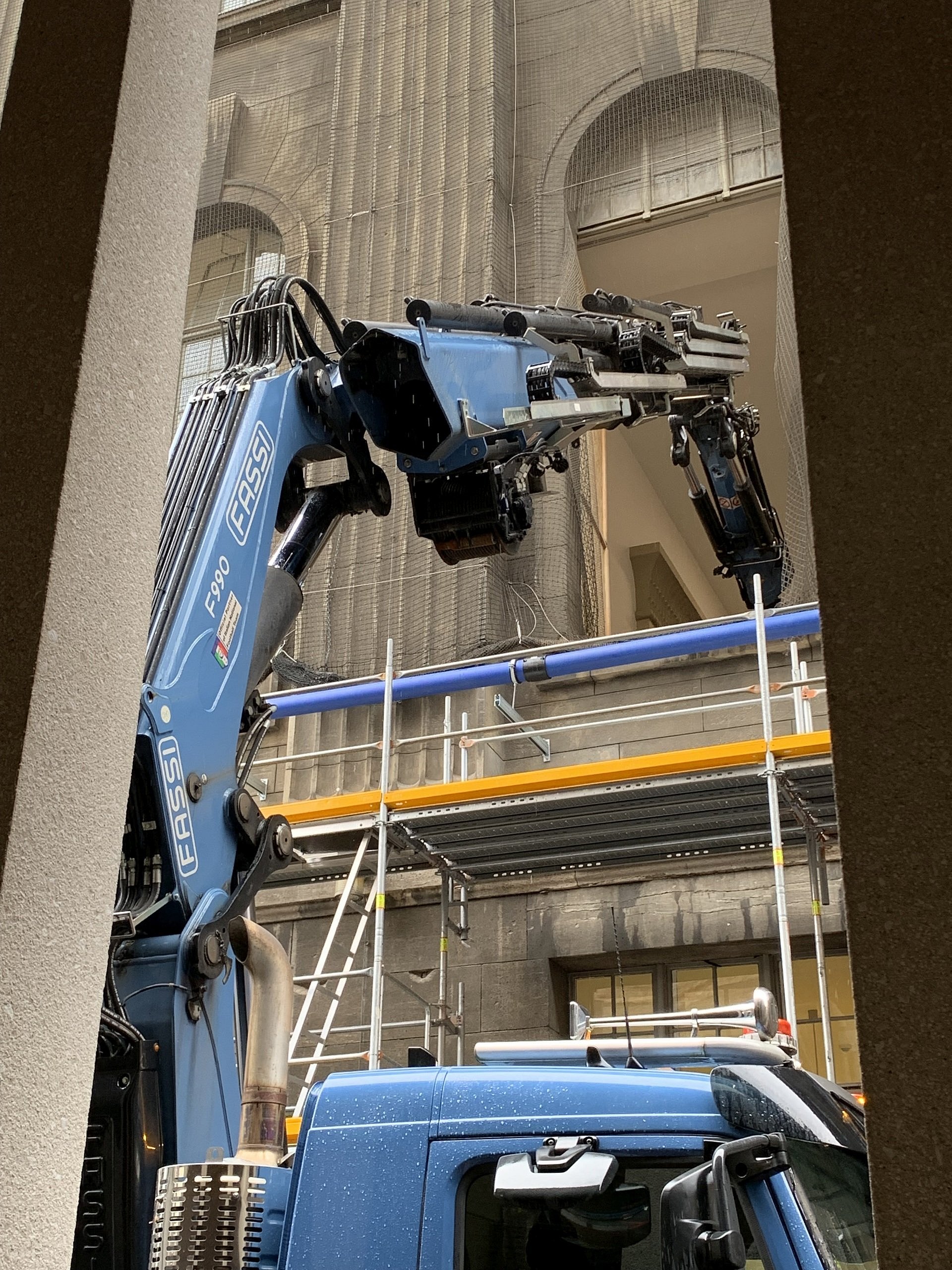
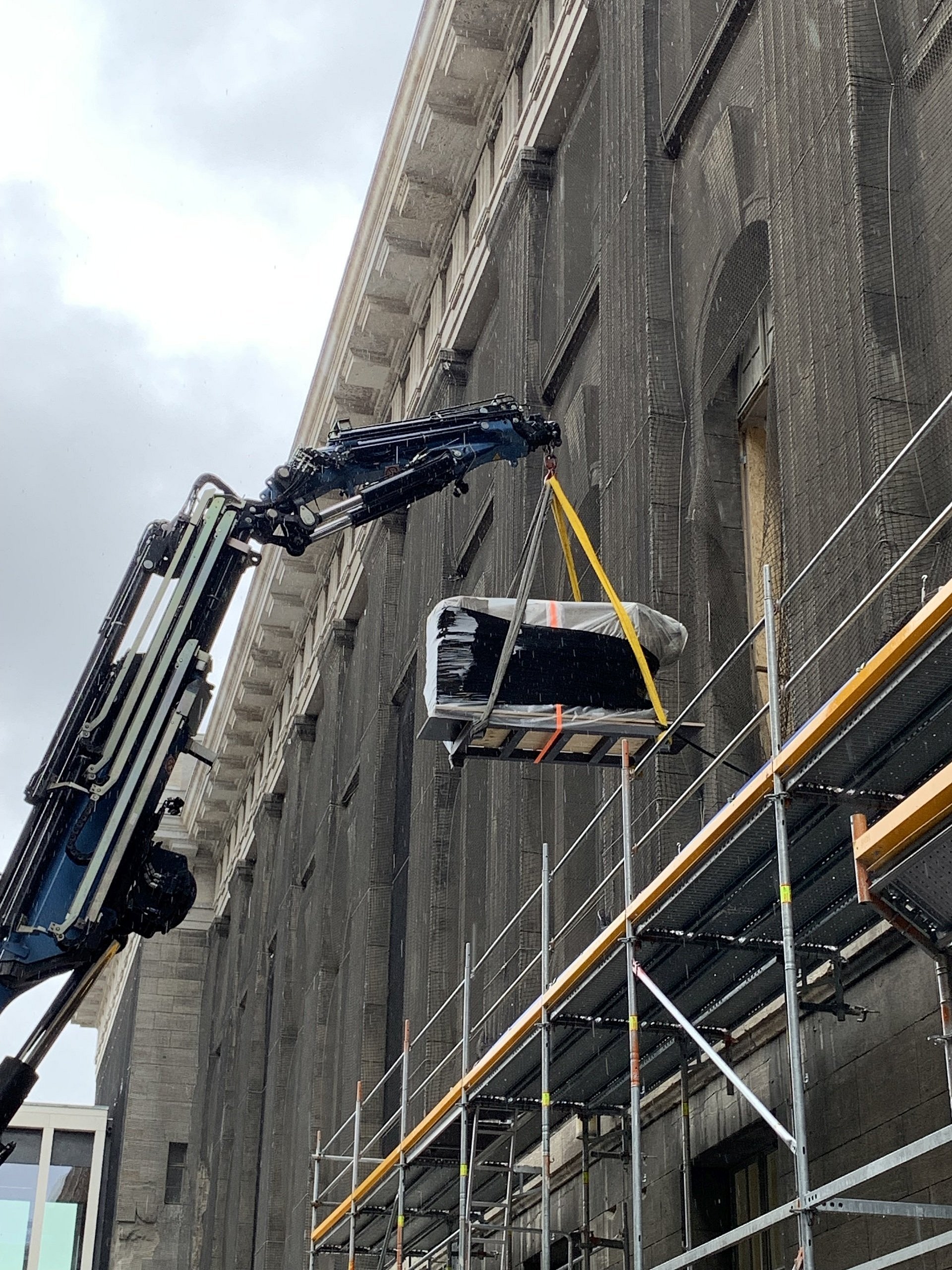
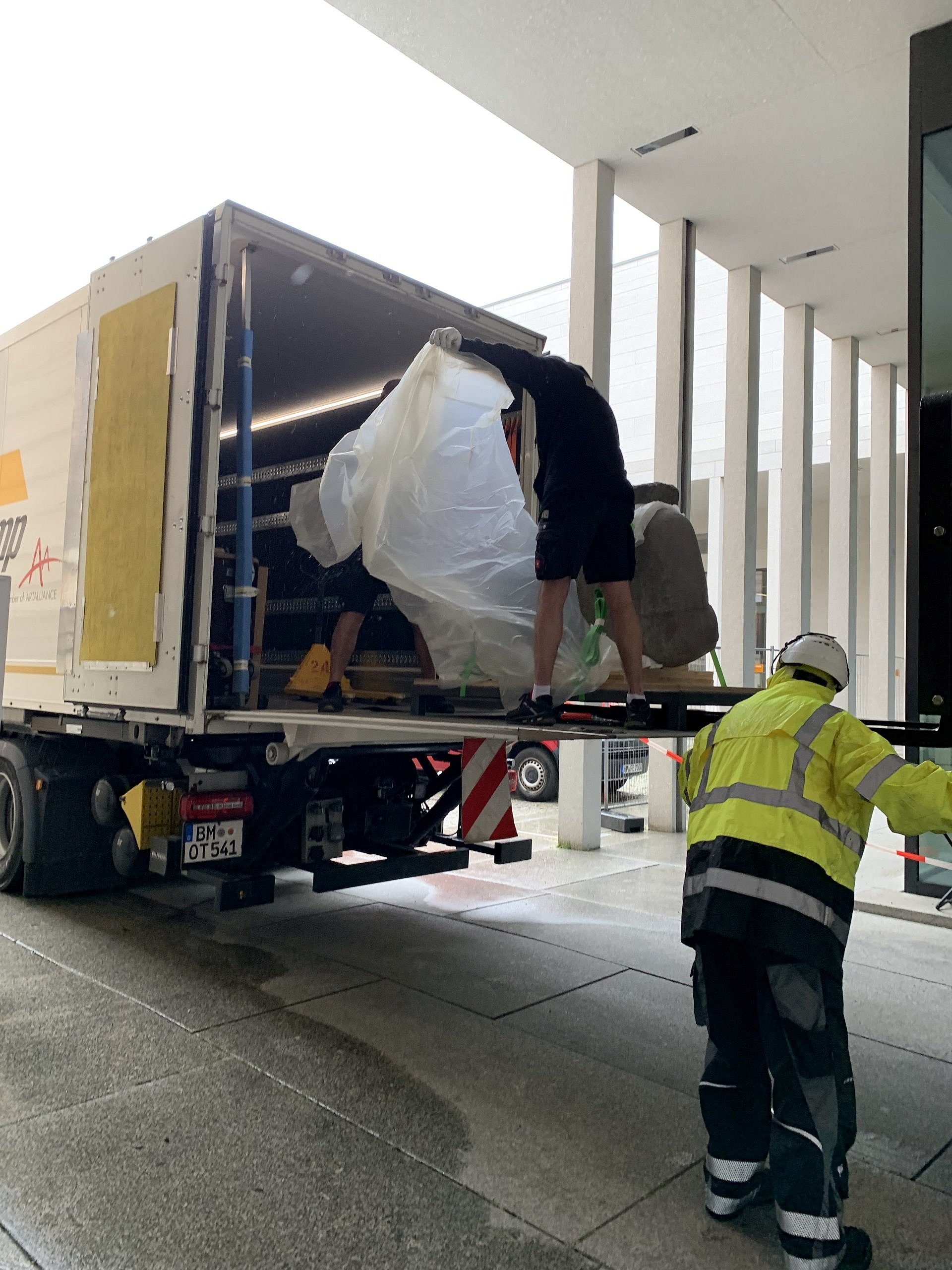
A milestone: the large stone objects from the Museum of the Ancient Near East are being ‘craned out’, as the saying goes. For three days, lions, stelae and even deities float from a window on the first floor onto a lorry parked at the Neues Museum. Despite careful planning, one thing remains unpredictable: the weather! The operation therefore begins on a rainy Tuesday morning. Stone conservator Stefan Geismeier decides: we’ll start with the basalt objects. They weigh tonnes or are bulky, which is why many exhibits cannot be transported by lift, such as the head of the weather god Hadad, which formerly stood in the Head Hall and greeted visitors coming from the direction of the James Simon Gallery. Shortly before the museum closed, it was still part of an installation by the artist Liam Gillick. Now the statue of the Aramaic god has been dismantled into its original individual parts. As a whole, it weighs around four tonnes. Its head has been weighed, labelled with a barcode for its new location, and now awaits the transport days in the Processionsstraße alongside numerous other objects that have also been dismantled.
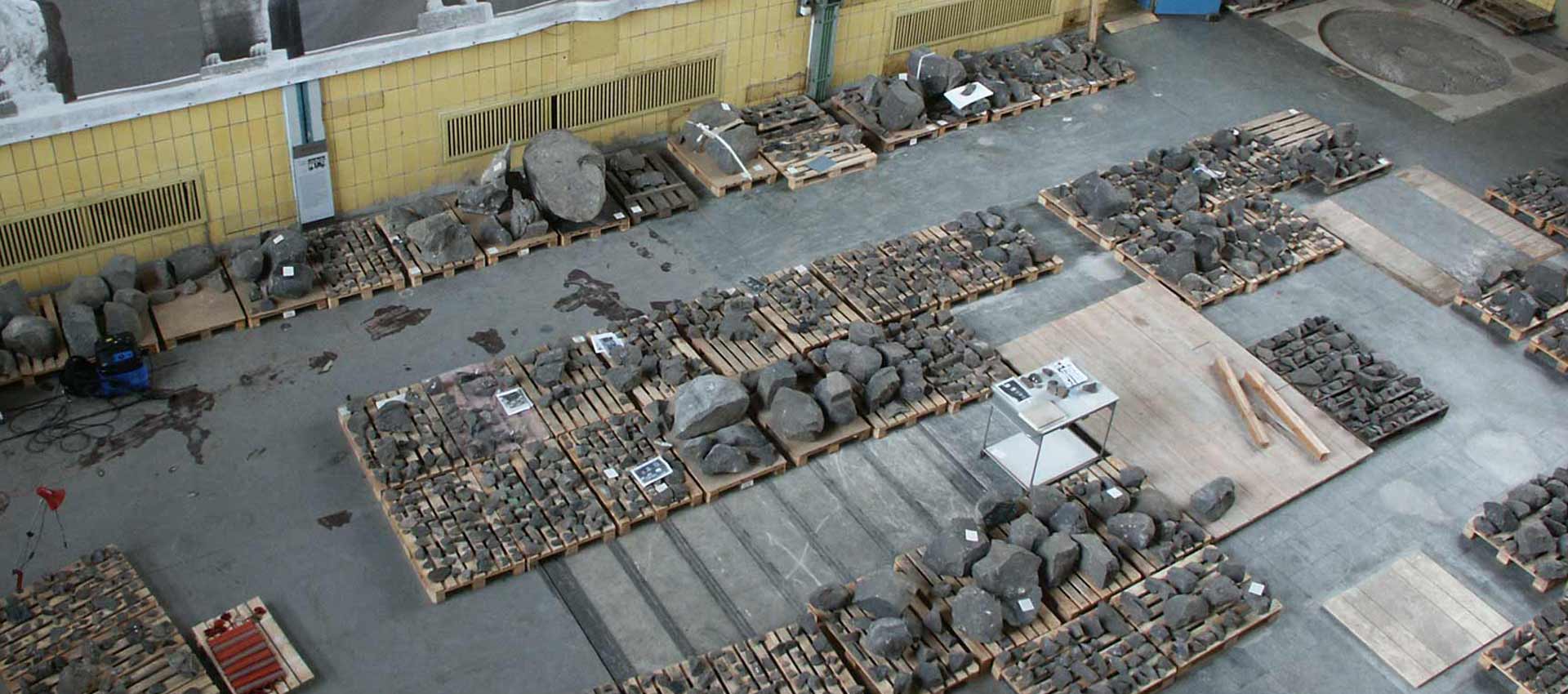
There, neatly lined up and each object on a pallet, are also the Assyrian reliefs, lion heads, lion legs and even two sphinxes. The objects, which were formerly fixed in place, have been carefully removed from the wall. All that remains in their place is bare masonry. The sphinxes, in particular, are briefly reunited in a unique way: whereas in the permanent exhibition they stood parallel to one another facing west, they now have the opportunity, for a brief moment, to look deep into each other’s eyes.
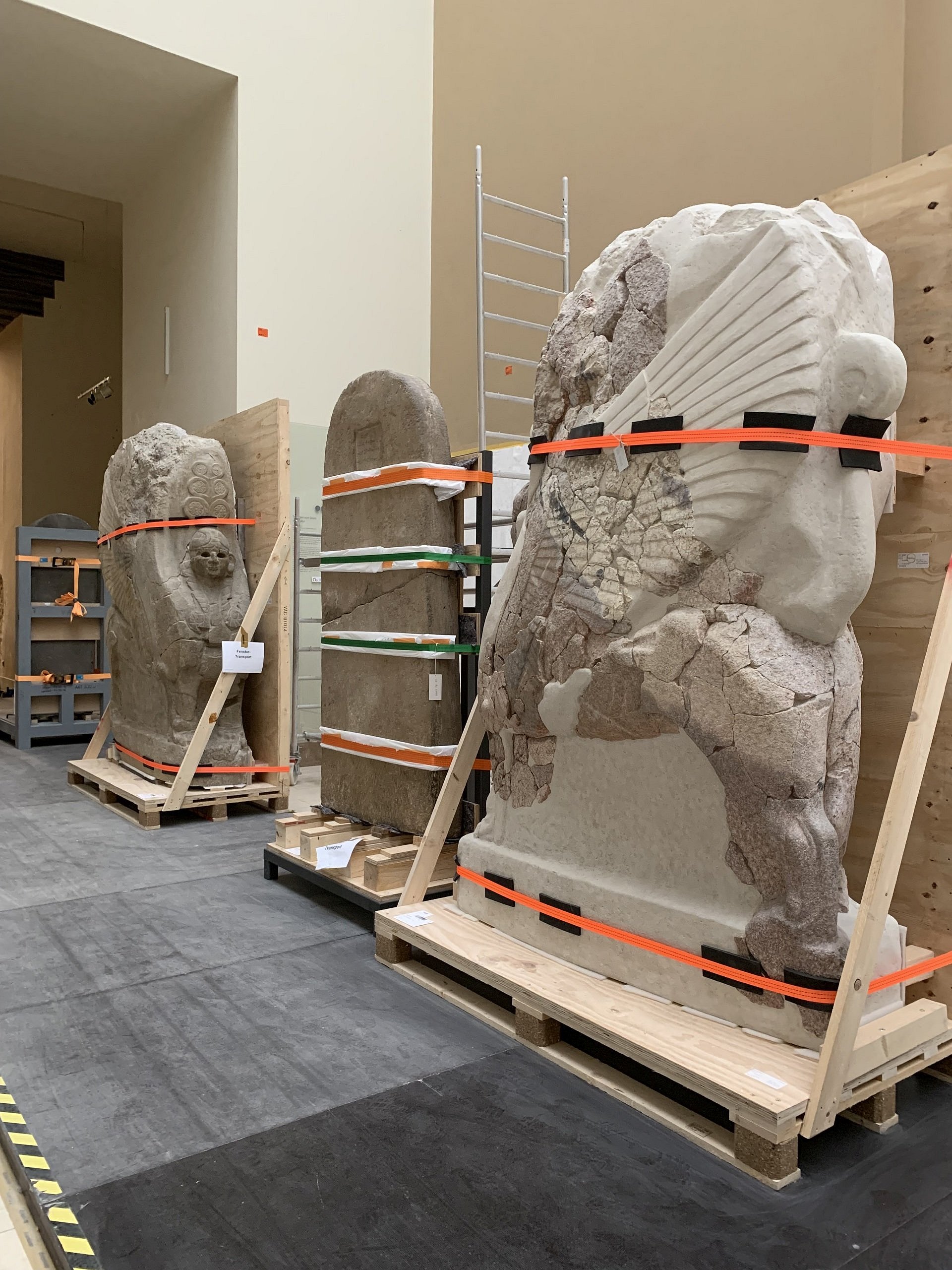
Despite the rain: the procession route is emptying
The weather god named Hadad has now moved right to the front. A stele and a lion statue float past him through the window. Like all the other objects, he too is now being covered with a waterproof sheet. The cape suits him well. With practised ease, the transport company’s staff hook the pallet with its slings onto the crane – and the object is gone in an instant. Having landed gently, the next member of staff takes over: the god’s head is lifted onto the loading area of the lorry using a forklift truck. The sheet is quickly removed, then two more men move it to the correct spot using a hand pallet truck. After just under two hours, the first lorry is full, and the Procession Street is noticeably emptier. The rain has not delayed the work.
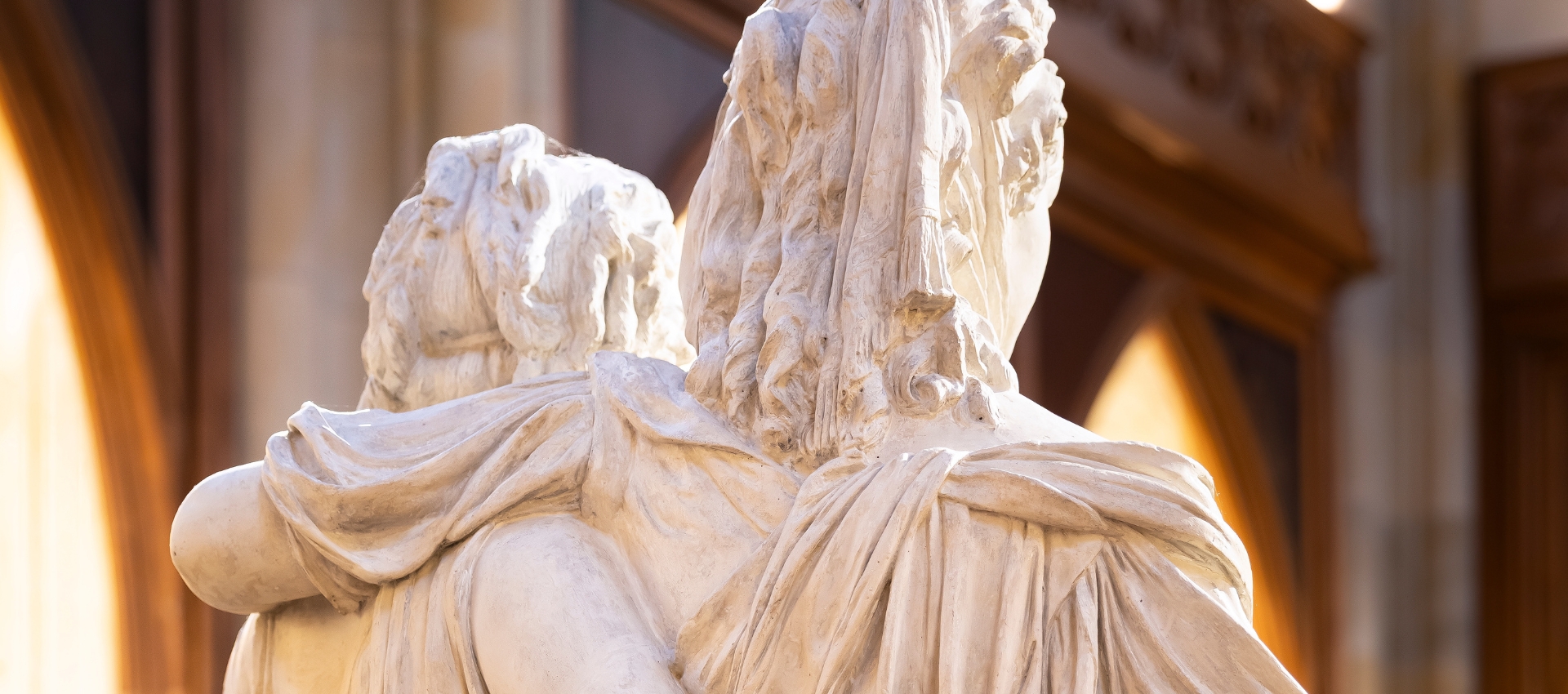
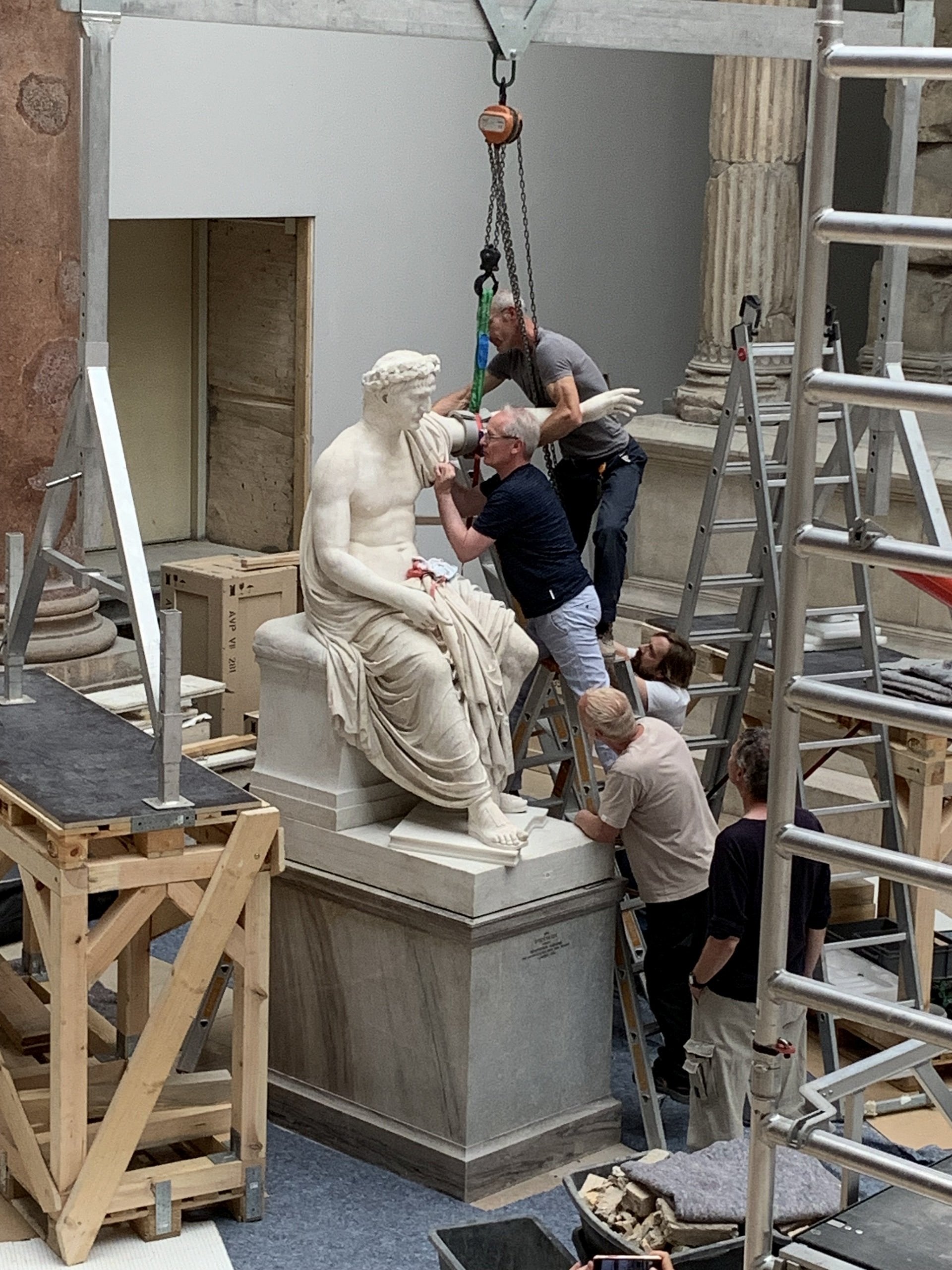
Next door in the Miletus Hall, work is also in full swing. The central Orpheus mosaic has long since been removed, and two statues have been lifted down from the Market Gate. The two ancient marble objects are being temporarily stored in front of the still-uncovered Ishtar Gate until they are taken away. The arm of the prominently placed Trajan has been temporarily ‘amputated’. He too will soon be moving – though not to a storage facility, like the majority of the objects, but to the foyer of the Archaeological Centre.
A temporary farewell, but soon to be seen again
As many objects as possible are to remain visible to visitors in a variety of ways. A number of ancient statues from Pergamon and the famous Telephus frieze from the Pergamon Altar have already been on display in the Pergamon Panorama for several years. The Museum of the Ancient Near East also plans to display selected exhibits here in the temporary building opposite the Bode Museum. In three years’ time, half of the Pergamon Museum will be accessible again: in the central building, the Altar Hall will then shine in new splendour, whilst in the north wing the Museum of Islamic Art awaits visitors, displaying almost 1,000 objects across two floors instead of the previous 400. The Museum of the Ancient Near East will also have a permanent display space here before returning to the south wing.
Further links
- News: "Construction work: Pergamon Museum on schedule" (24 May 2024)
- Cult image of Hadad, the god of weather
- Pergamon Museum
- Blog post "Everything new: closure and refurbishment of the Pergamon Museum"
- Blog post "Heavyweights and lighting design – clearing out the Pergamon Museum"
- "Research QUESTIONS: Opening doors and hearts – The Aleppo Room"