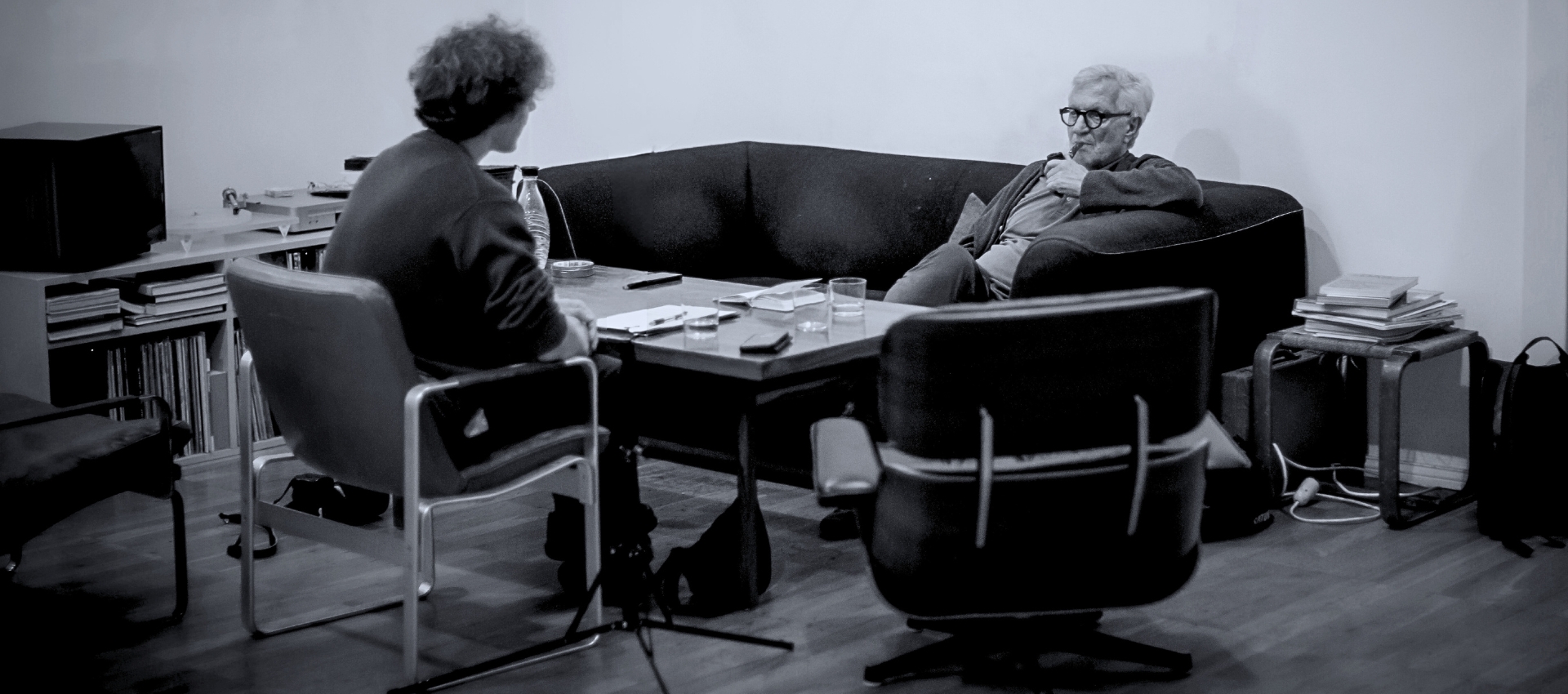
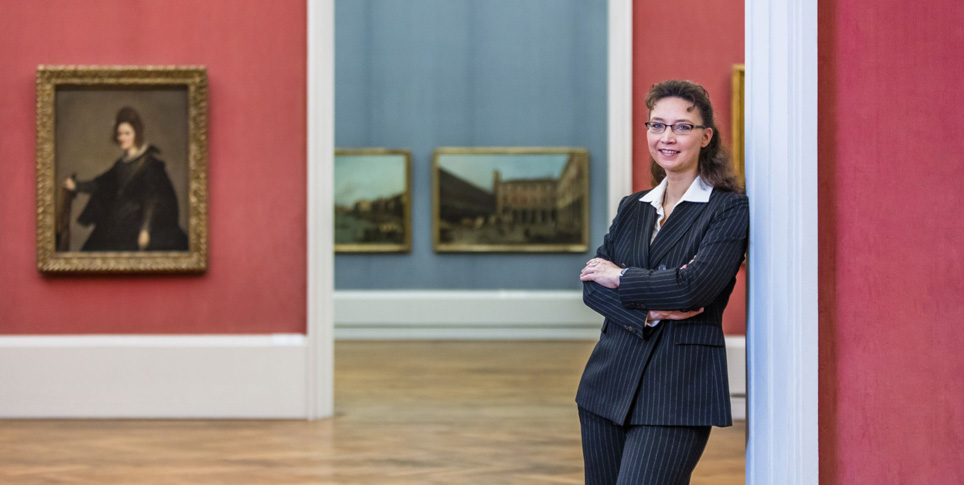
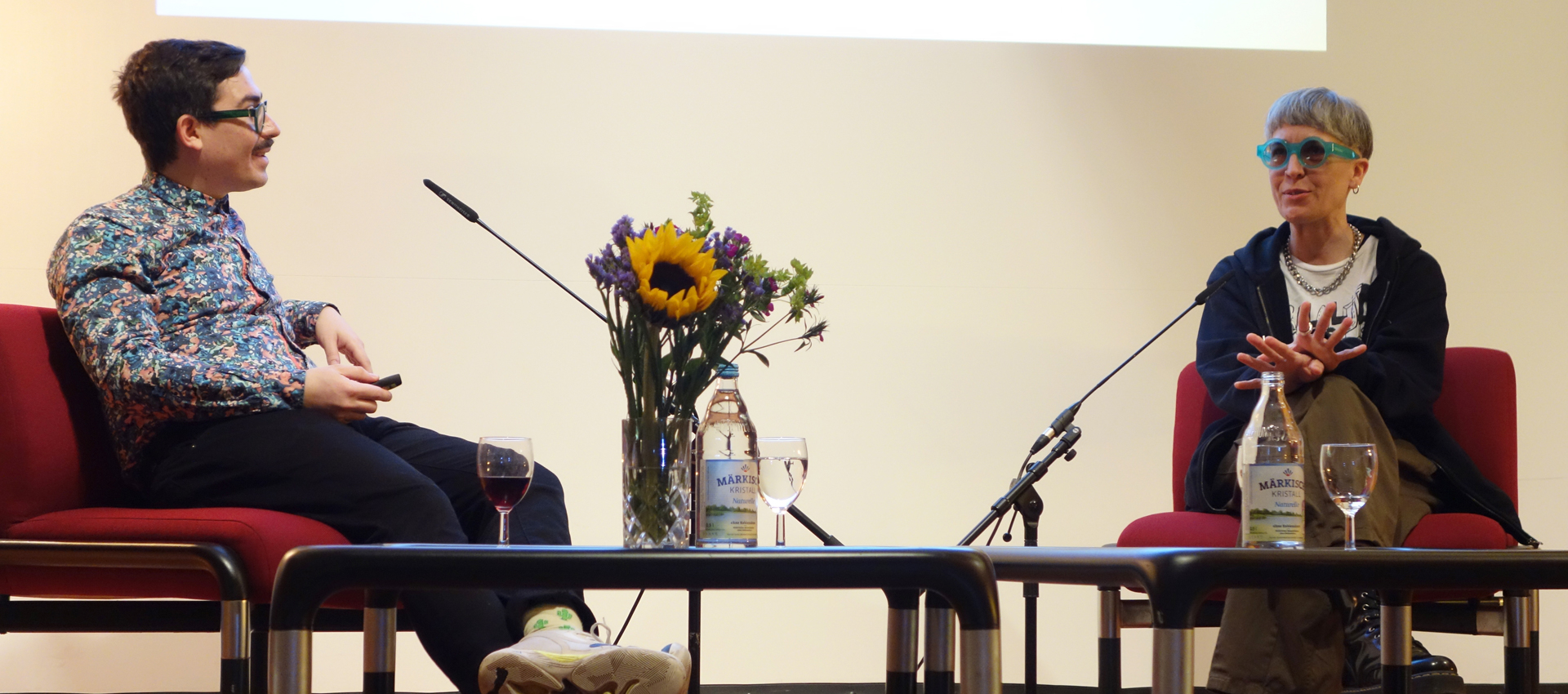
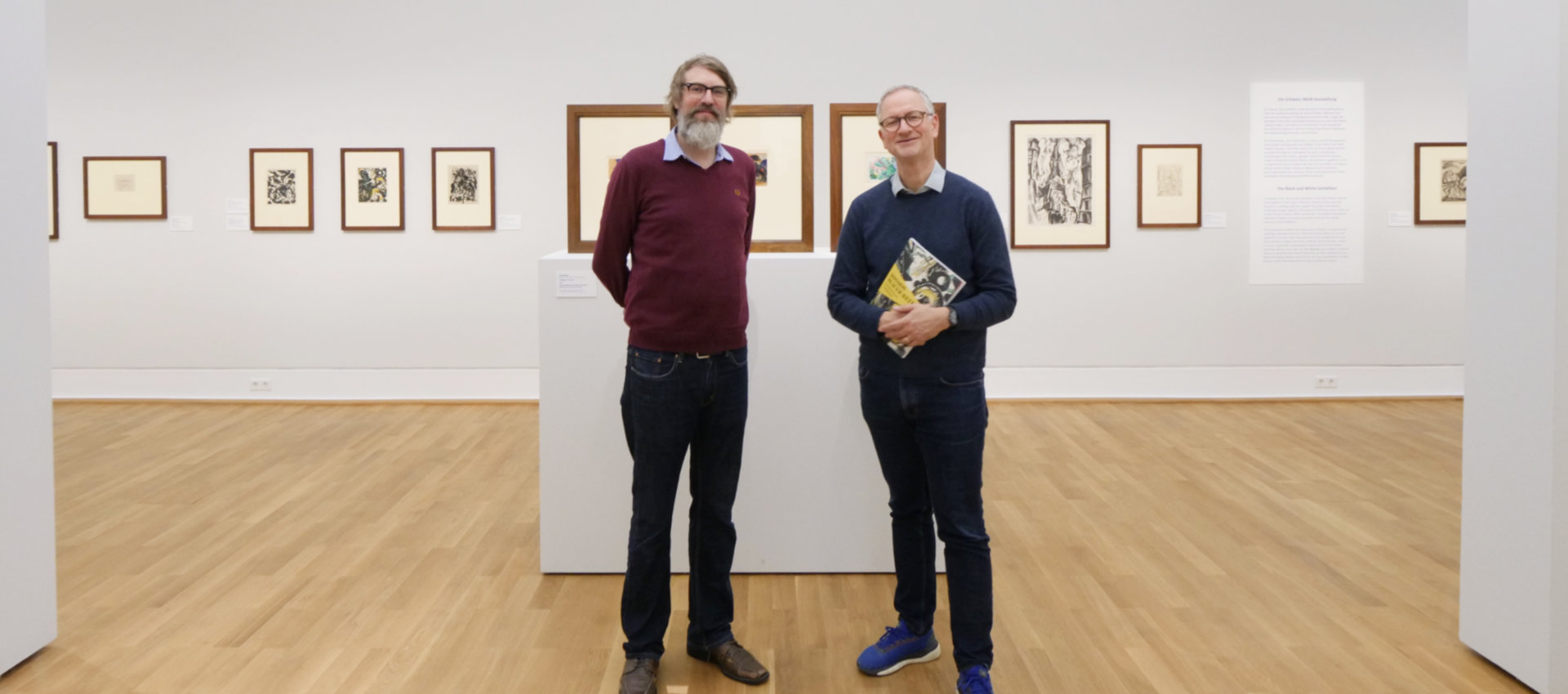
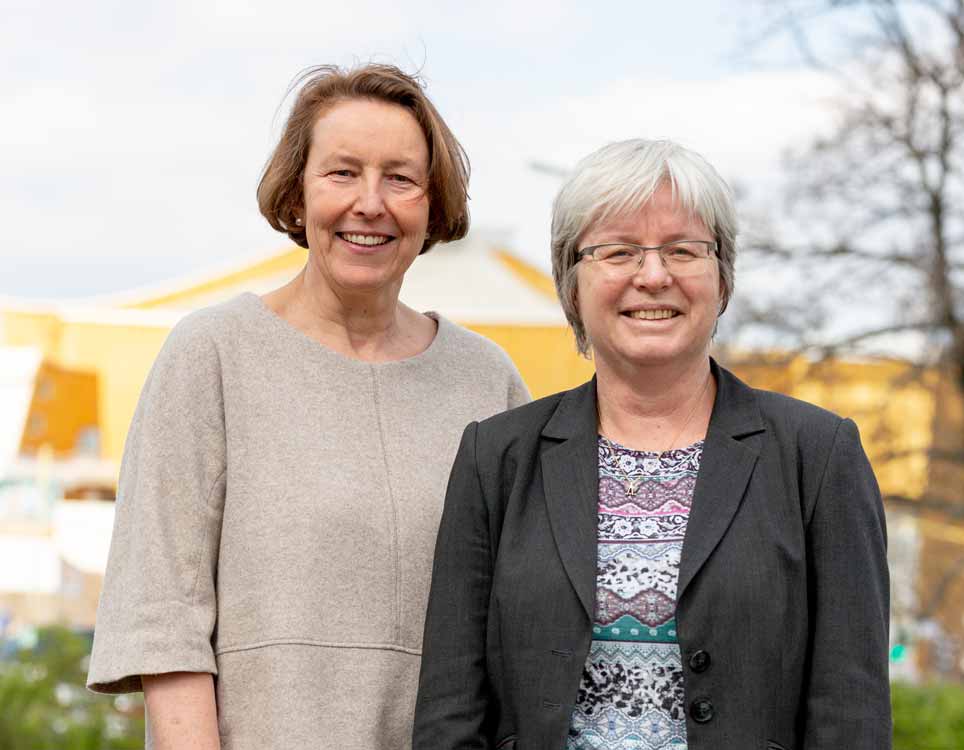
An exhibition title as reduced and yet as expressive as the works of the pioneer of modern sculpture: Brancusi. For the first time in over 50 years in Germany, the Neue Nationalgalerie is dedicating an exhibition to the sculptor. Curator Maike Steinkamp and curatorial assistant Nikola Richolt talk to us about why the studio is also being exhibited and what actually makes a bird a bird.
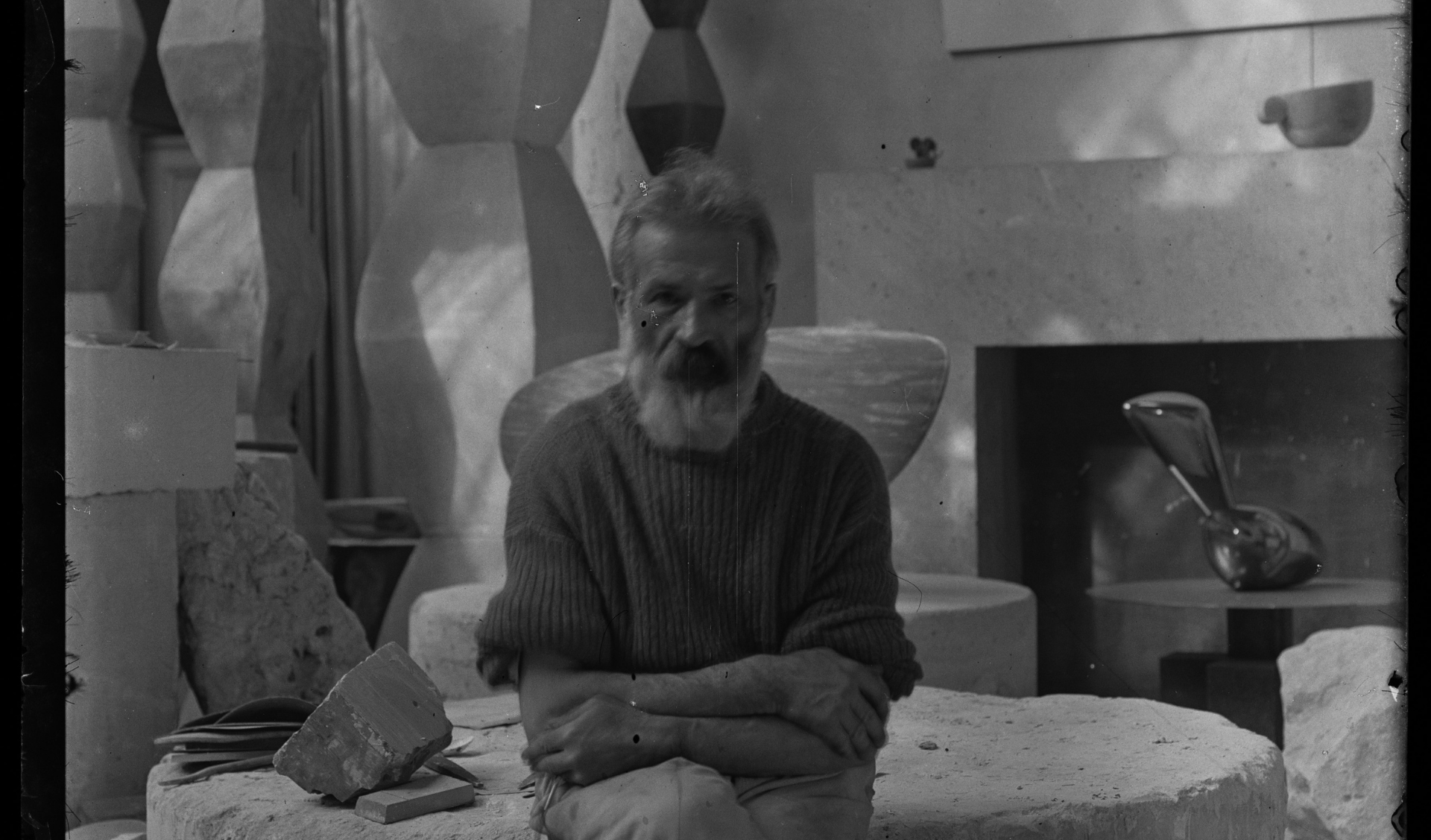
Brancusi (1876-1957) is one of the most important sculptors of the 20th century. After traditional academic beginnings in Romania, he found his own style in Paris from 1907. His organic sculptures, reduced to the essentials, made him a pioneer of sculptural abstraction in the early 20th century.
Constantin Brancusi, Self-portrait in the studio, around 1934, Photo: Centre Pompidou, MNAM-CCI/Dist. GrandPalaisRmn, © Succession Brancusi - All rights reserved / VG Bild-Kunst, Bonn 2026
Brancusi is considered one of the founders of modern sculpture. Where do you personally see his greatest artistic innovation?
Steinkamp: Brancusi managed to concentrate his sculptures on the essentials like no one before him: Although these sculptures are very reduced in their formal language, they remain intense in their statement.
Why do you think that this essentialisation, this abstraction, was so important to him in the course of his life?
Steinkamp: It was probably not a conscious decision. Brancusi was concerned with the material, the surface and the form. Above all, it was about showing: How must a form be or how reduced must it be in order to express exactly what I want to express? It was a constant process of trial and error on his part. Brancusi worked in series, sometimes taking up a motif again and again over years and decades - while his first objects were still relatively figurative, he subsequently reduced his forms further and further in order to emphasise the essence, the essentials.
Richolt: After arriving in Paris, Brancusi began to work with Rodin. At that time, his works still corresponded to the classical sculptural style of the time. After a short time, he began to distance himself from this very narrative style. For him, it was more about the question of essence: What makes a bird a bird? What makes a head a head? And is it really the visual features or not rather characteristic or stylistic traits?
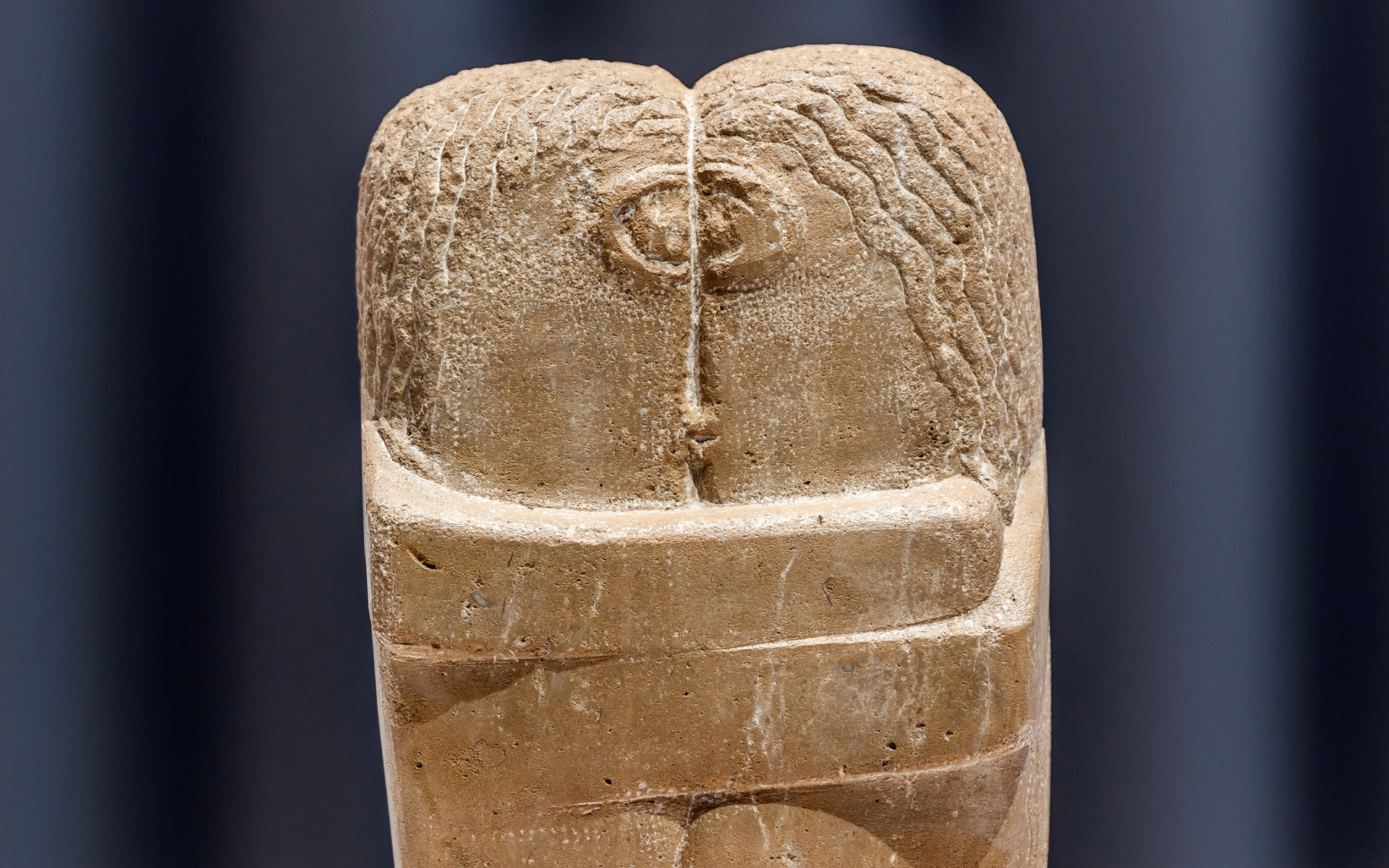
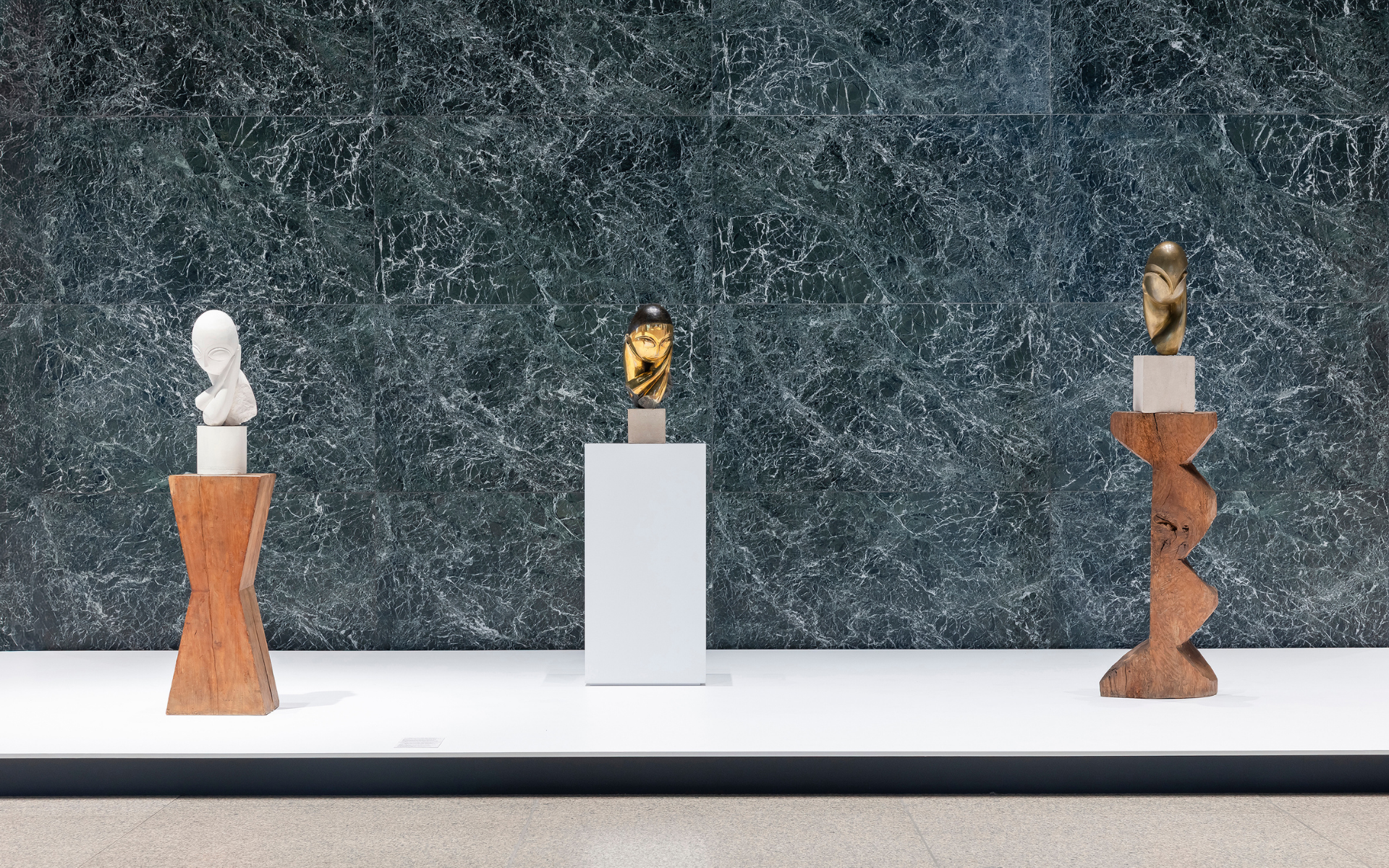
What actually makes a bird a bird?
Steinkamp: Brancusi was interested in reduction: how little can I use to express exactly what I want to express? In the sculpture of the bird, it wasn't the wings or the feathers that interested him, but the movement: the ascent, the flying into the sky. He tried to convey this movement with the use of light and the deliberate staging of his sculptures in space.
You also just mentioned Rodin. Why is it that everyone knows Rodin, but almost nobody knows Brancusi?
Richolt: Brancusi was in contact with many contemporaries that everyone outside of art history knows and shared many things. But he can't be attributed to any group of artists, that's what makes him special. With his sculptures and his oeuvre, Brancusi was something of a loner, while at that time in Paris there were the Surrealists, the Dadaists and many other groups alongside him. He was a cosmos of his own in the centre of Paris.
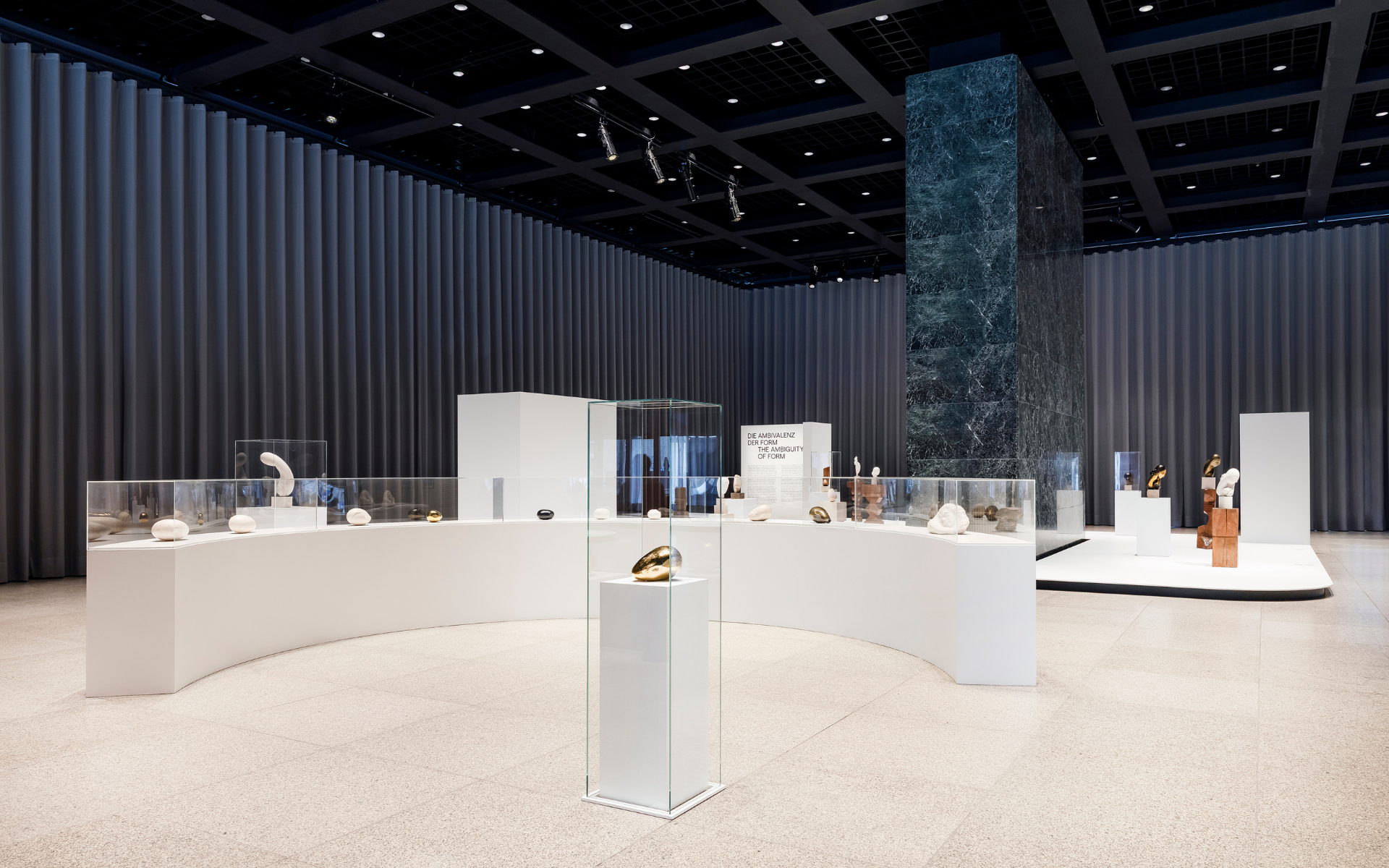
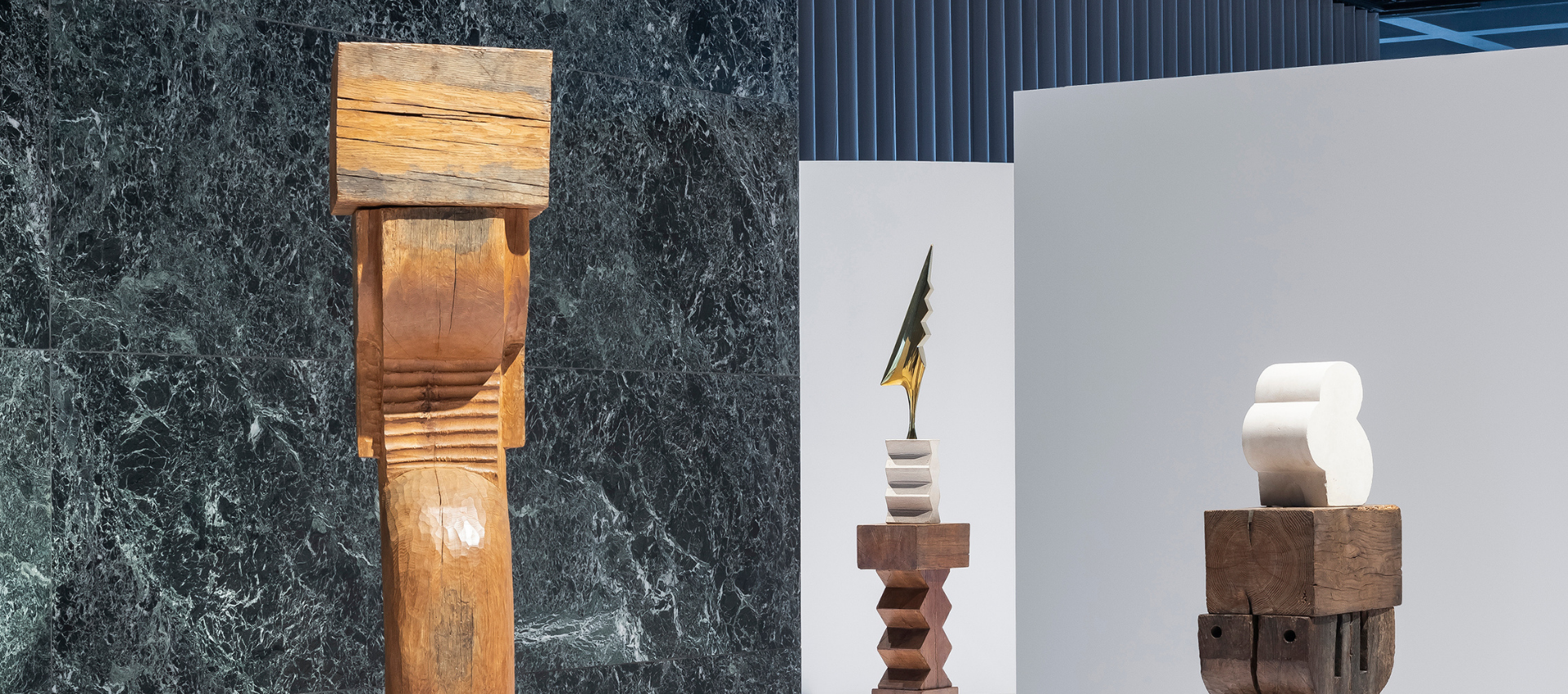
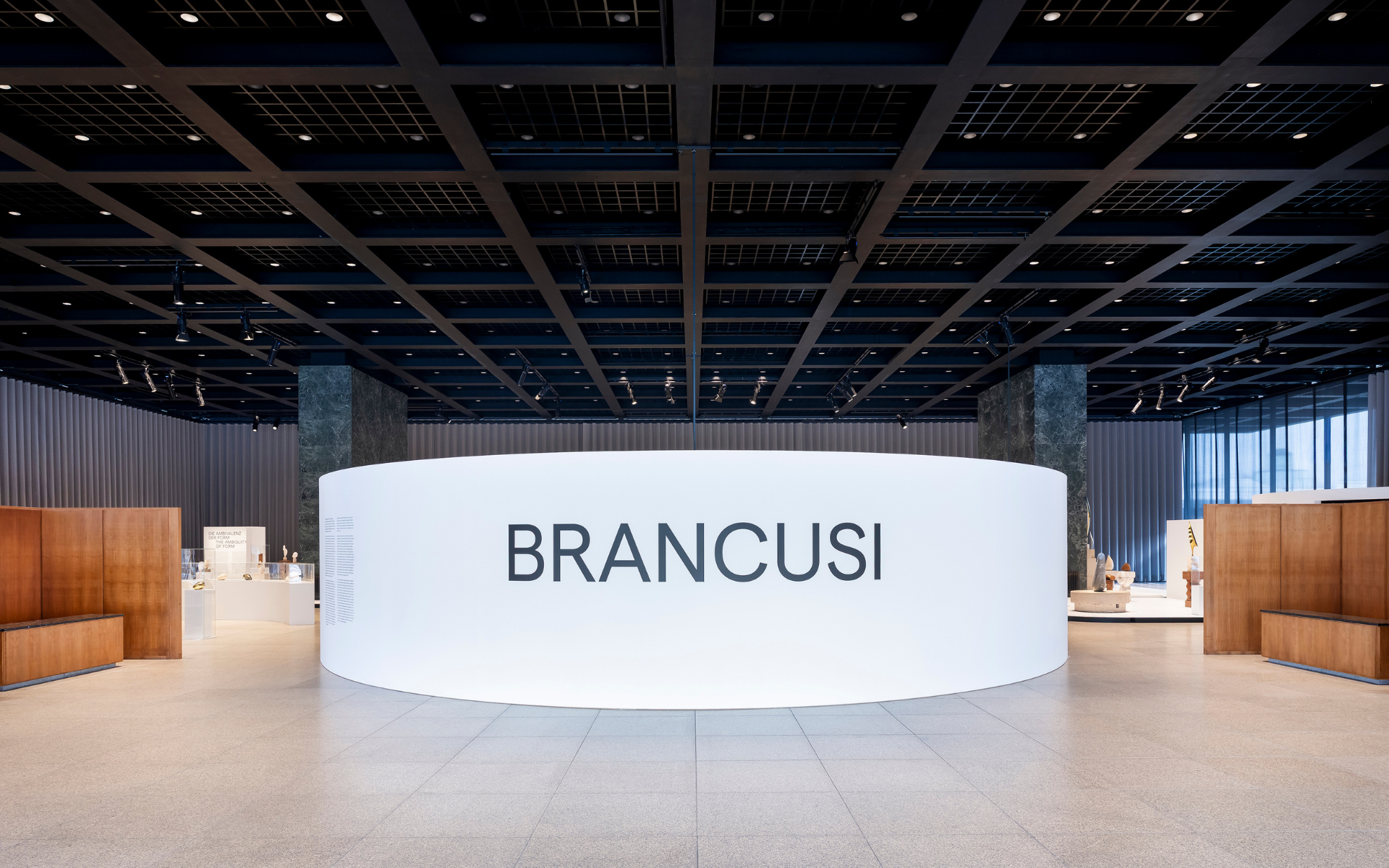
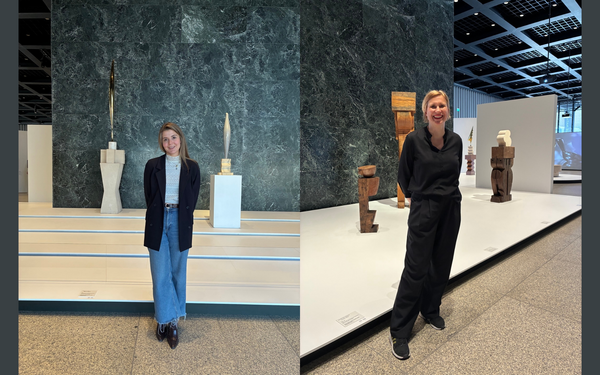
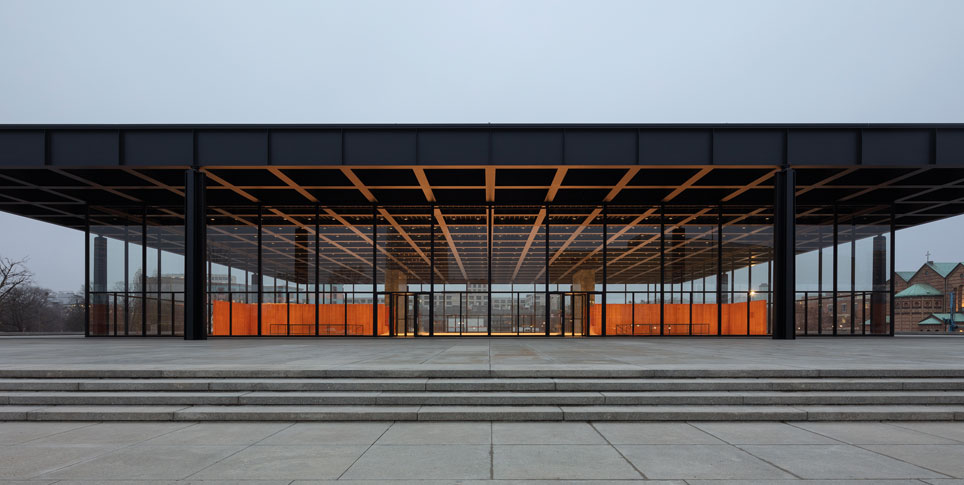
The exhibition is a collaboration between the Neue Nationalgalerie in Berlin and the Centre Pompidou in Paris. With more than 150 works, it is the first comprehensive exhibition of the exceptional artist's work in Germany for over 50 years.
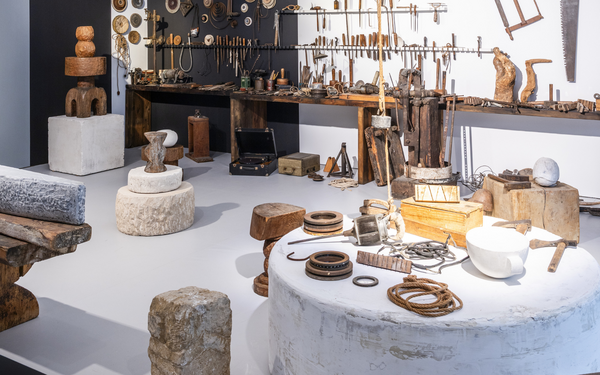
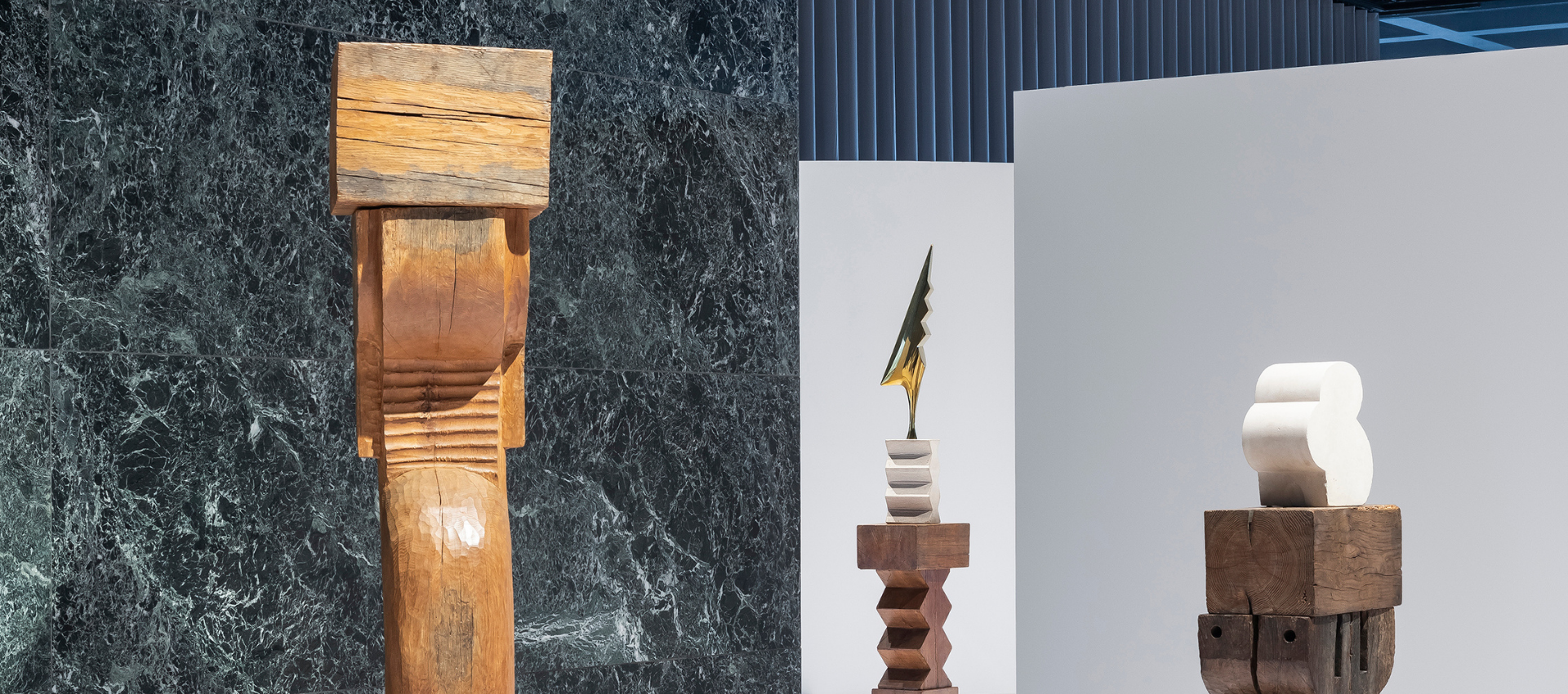
Photo: Neue Nationalgalerie – Stiftung Preußischer Kulturbesitz / David von Becker © Succession Brancusi - All rights reserved / VG Bild-Kunst, Bonn 2026
Is it different to curate an exhibition of sculptures than "flatware", i.e. canvases or paintings?
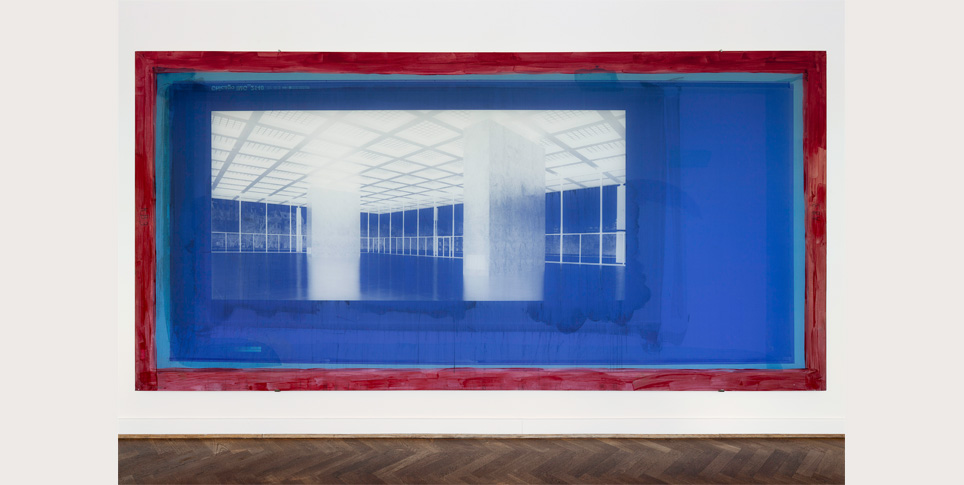
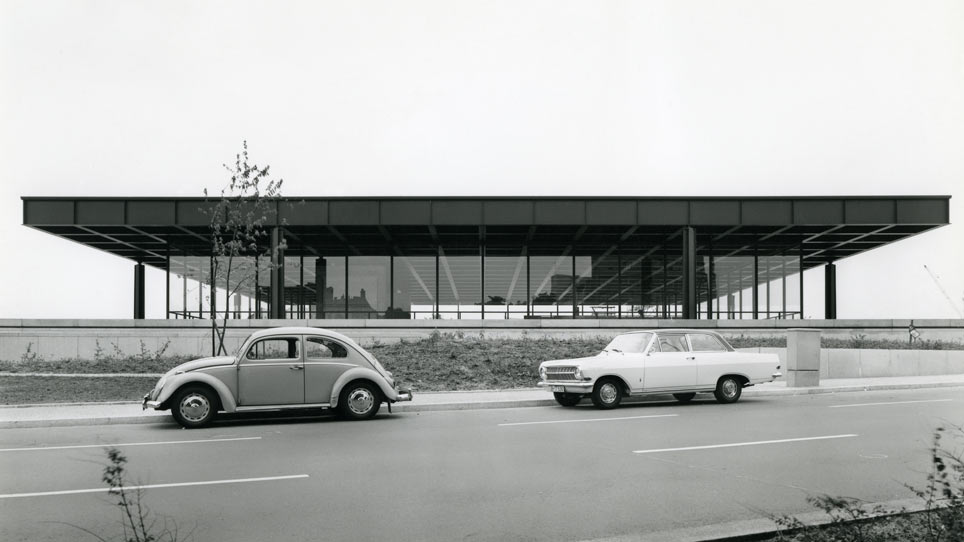
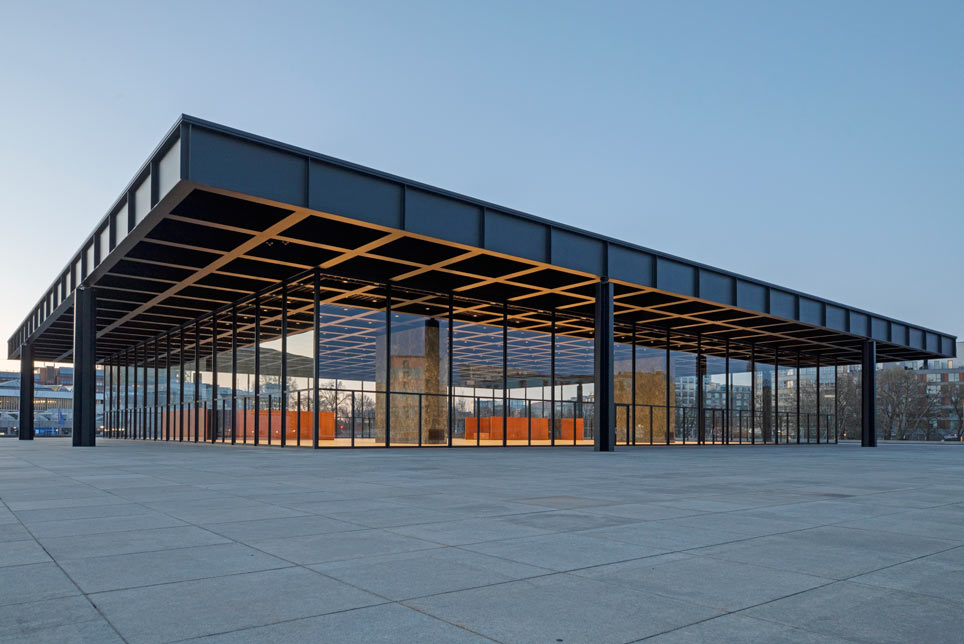
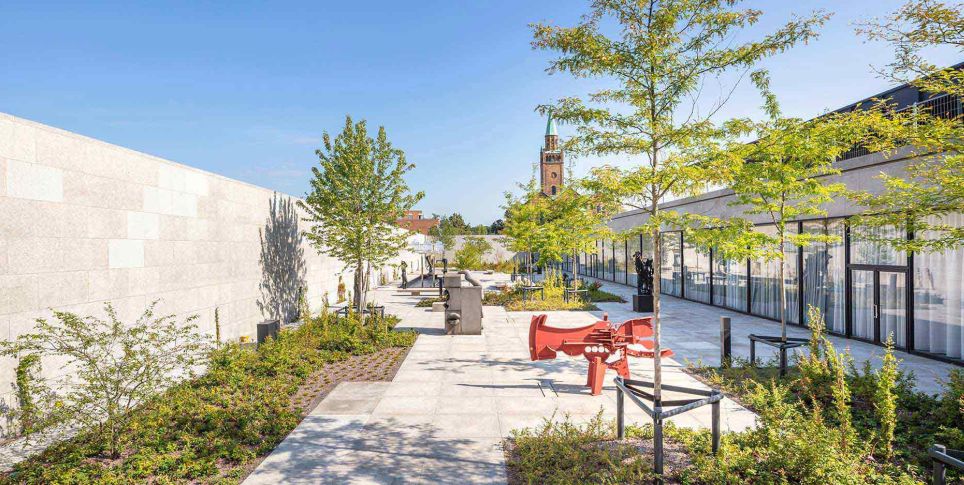
Richolt: Of course it is different whether you curate paintings or sculptures. But this sculpture exhibition was particularly challenging, especially because of the open Mies architecture, in which the sculptures correspond with each other from all angles of the exhibition hall. With Brancusi, it is essential to experience the works in a circular tour - we were able to show the omnidirectionality here. At the same time, we had to check carefully from every angle whether the objects were positioned correctly and communicating with each other. That was demanding, but also a very nice challenge, because the works can really "breathe" here and are particularly visible.
A particular highlight of the exhibition is the partial reconstruction of his Paris studio. Why is this studio so central to understanding his work?
Steinkamp: For Brancusi, his studio was not only a place to work, but also a place to live and exhibit. He became increasingly sceptical of institutions and public spaces because his works were not presented there the way he wanted them to be. In the studio, he had everything under control. He was able to show his sculptures the way he thought was perfect. Brancusi controlled very precisely how, what and where he showed something. He was best able to do this in his studio. He also invited dealers and collectors there, who bought directly from him. It was also a place where he received friends and invited dancers and composers. His studio was the centre of his life.
Richolt: You can also see exactly which materials and tools he used to create these sublime and light works. It is also clear that all the works were handmade and carved directly from stone or metal - something that was unusual for the time. In this way, not only the working process becomes visible in the studio, but also how consistently Brancusi realised his vision directly in the material.
The exhibition can be seen at the Neue Nationalgalerie until 9 August 2026.