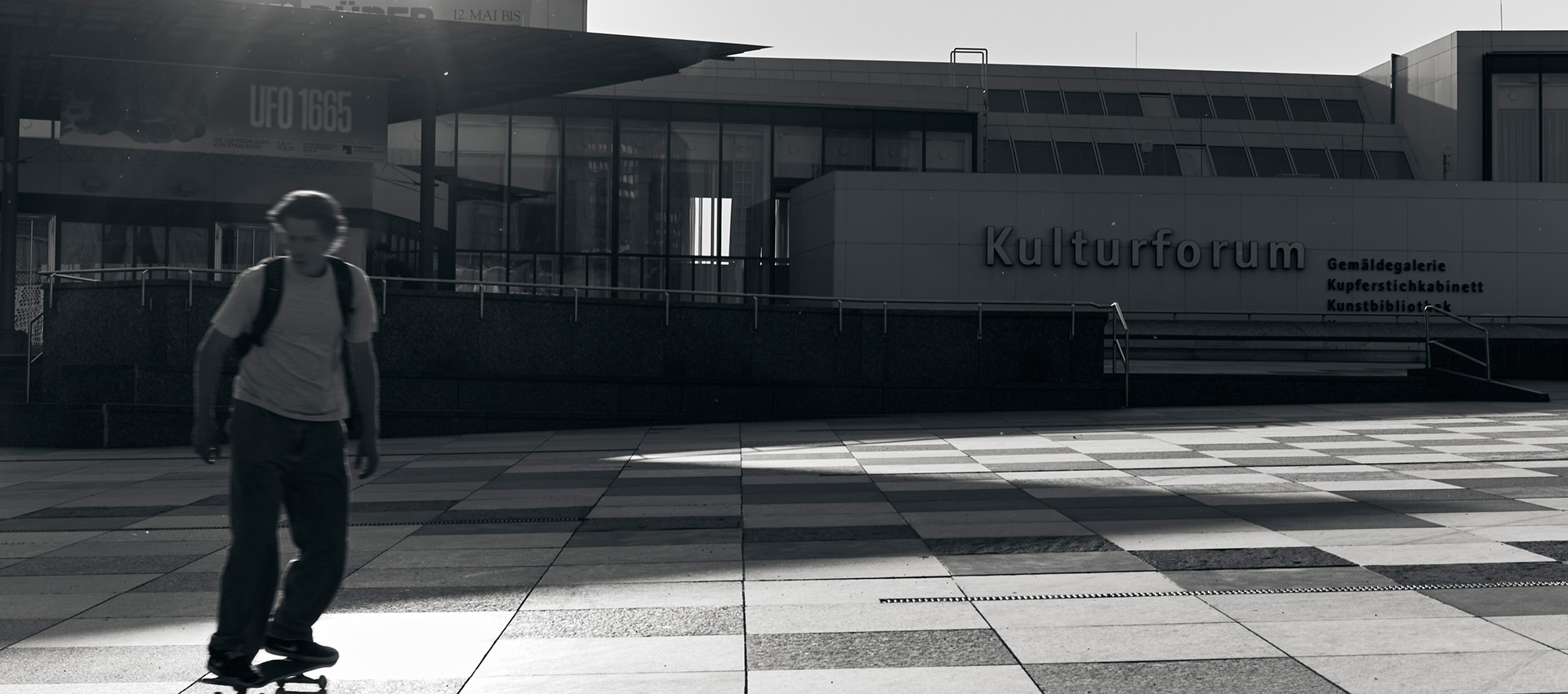
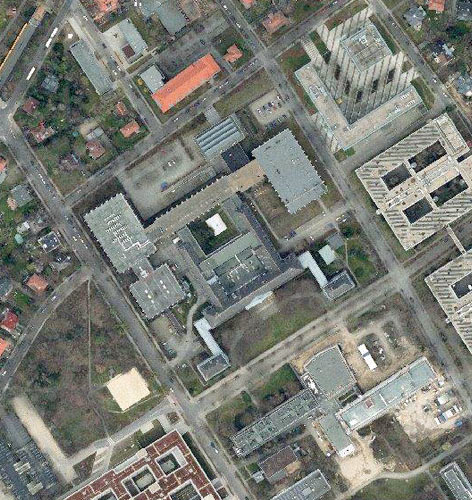
Following a 16-month renovation, the Rieckhallen at the Hamburger Bahnhof – Nationalgalerie der Gegenwart are finally open to the public again on a permanent basis. Thanks to their acquisition by the State of Berlin, they were saved from demolition in 2022. Now the Rieckhallen are back: covering 3,000 square metres, they offer plenty of space for large-scale installations, special exhibitions and new educational formats.
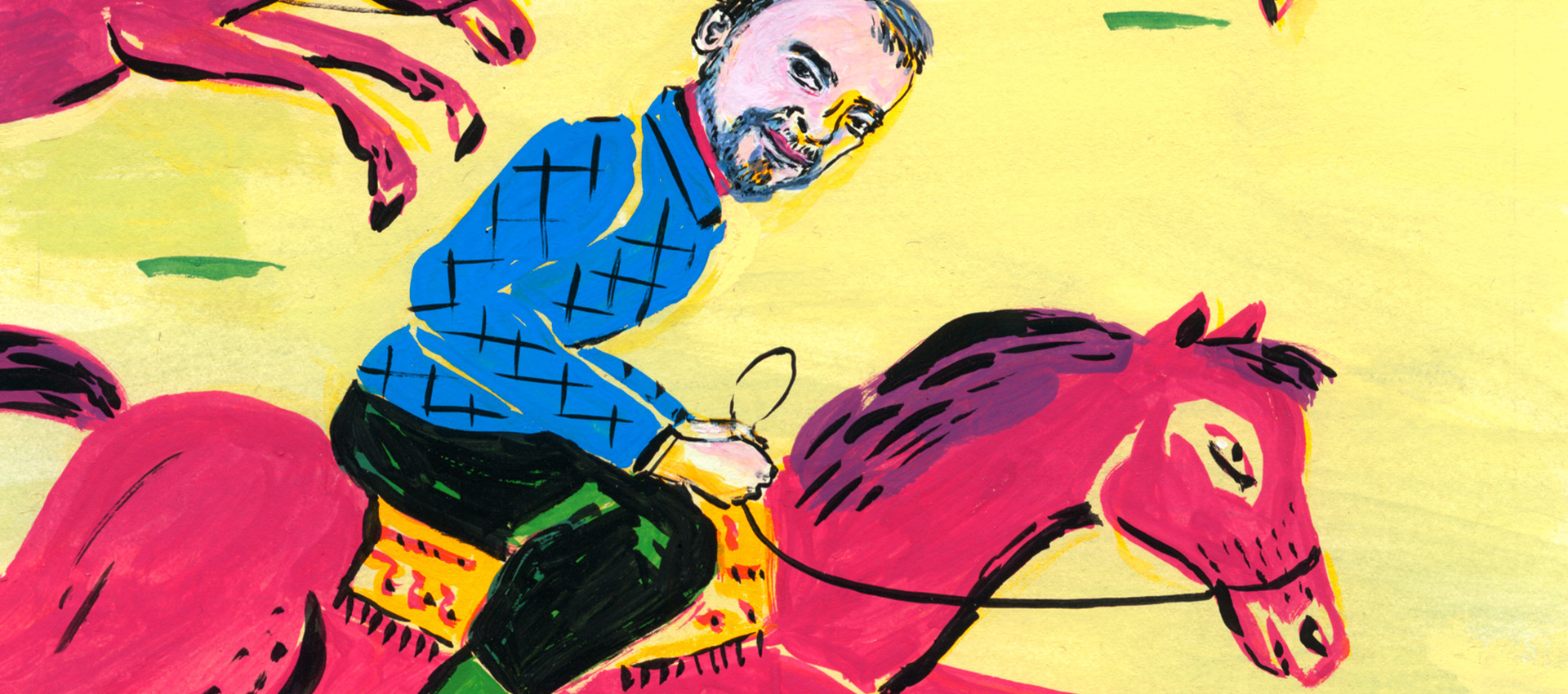
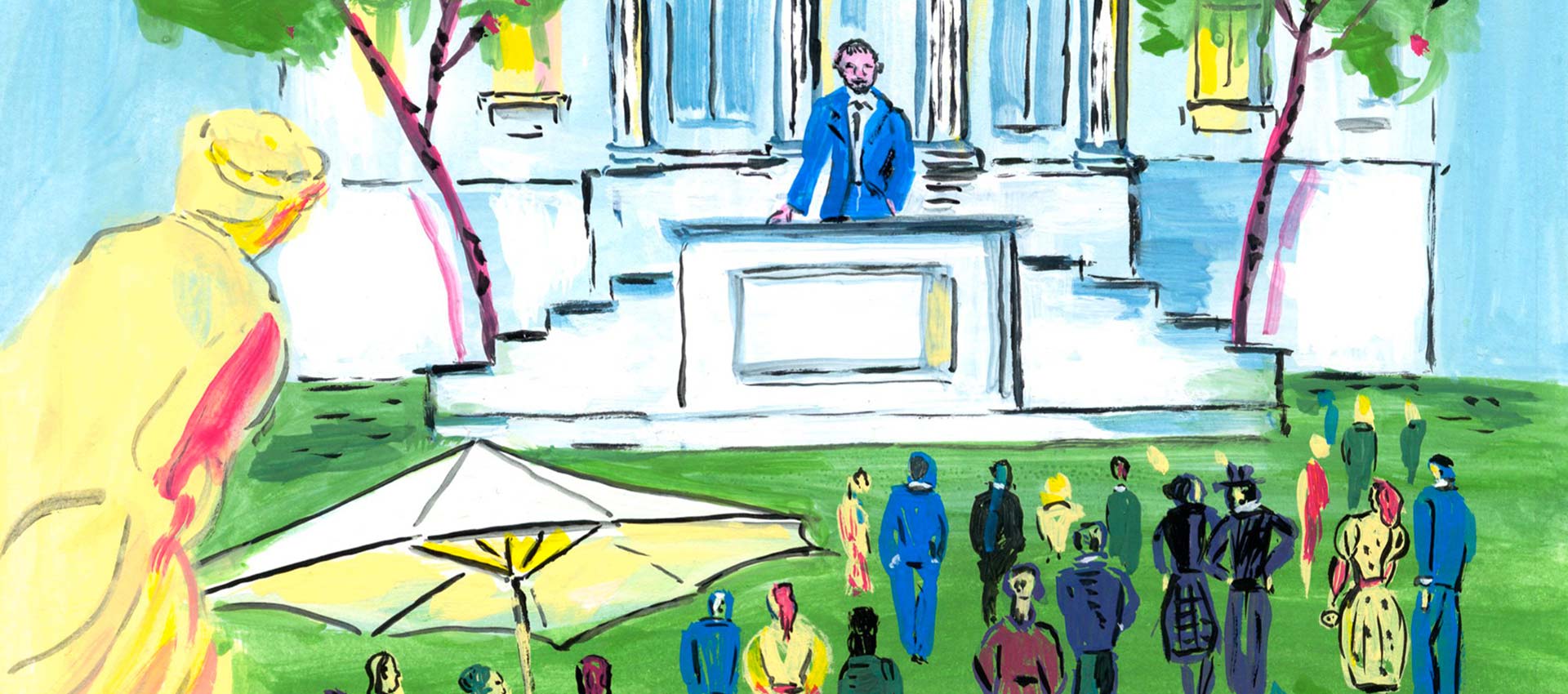
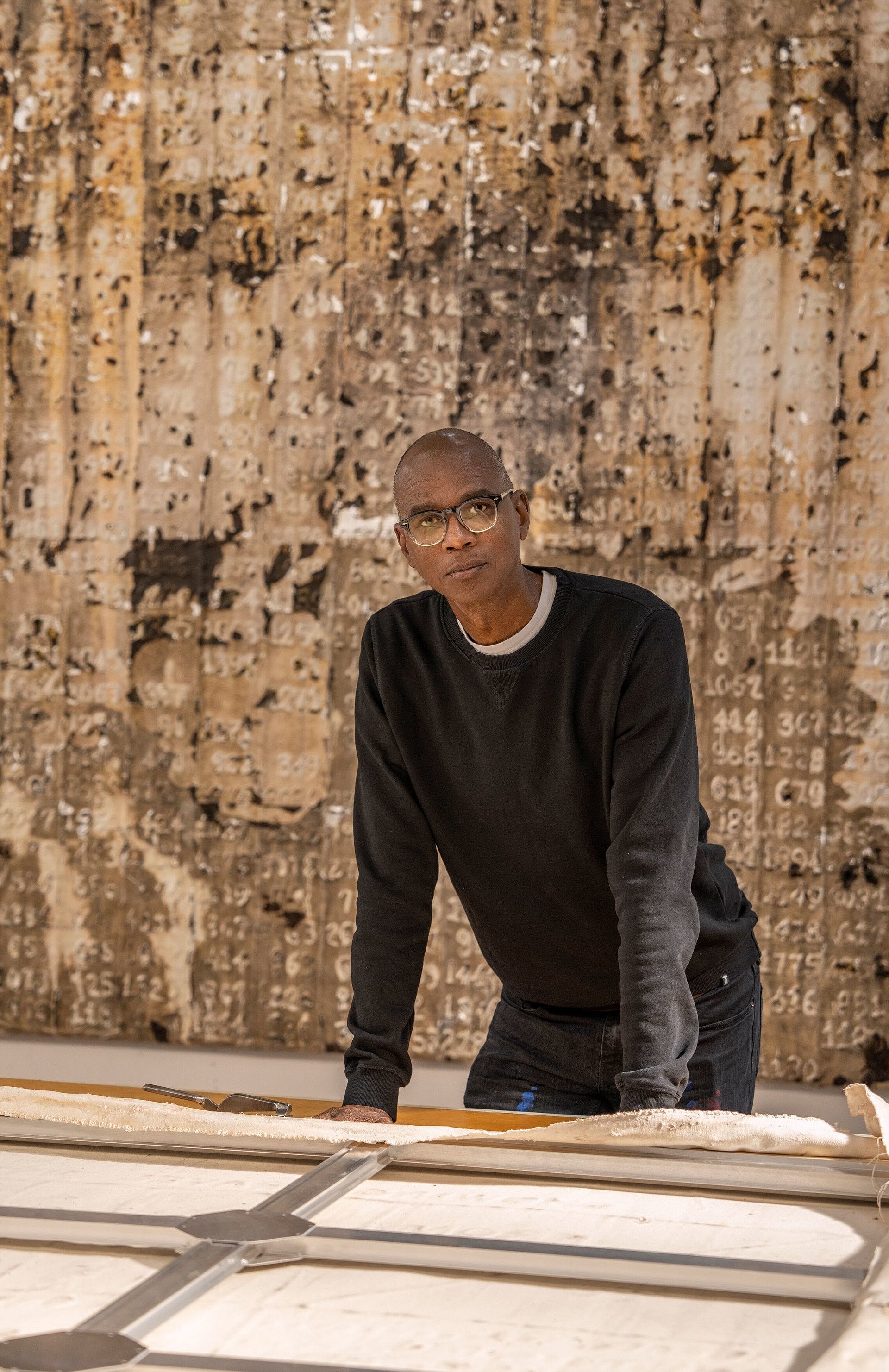
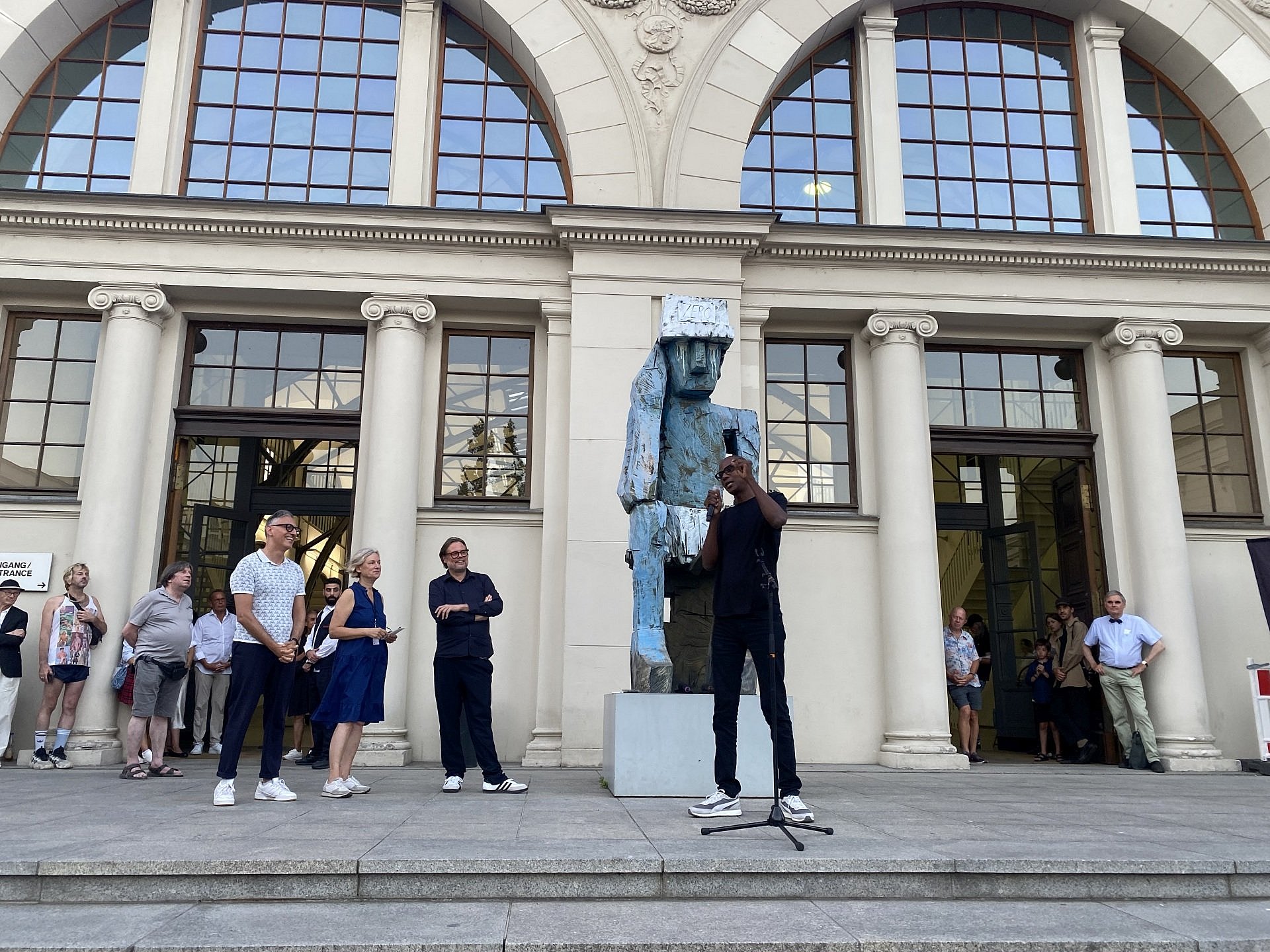
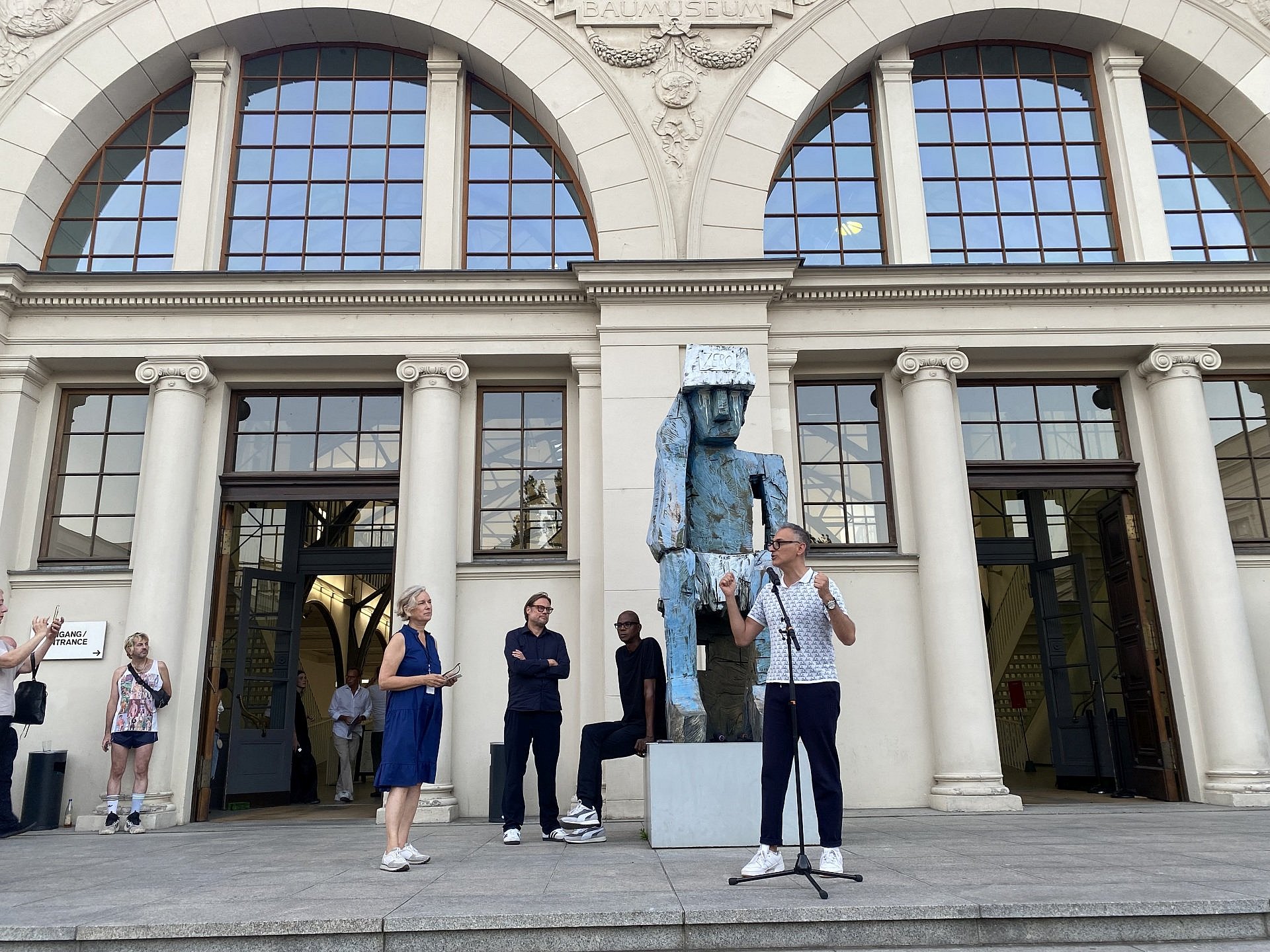
When Mark Bradford steps up to the microphone at the opening of his first institutional solo exhibition at the Rieckhallen, he grows serious for a moment: “Someone asked me recently what I would do if the world were to take an increasingly negative turn. My answer was simple: I’ll carry on doing what I do, and above all, I’ll keep walking (‘I’m going to keep walking’).” In doing so, he is not only referring to the title of his exhibition, ‘Keep Walking’, but also touching on an issue with which art institutions are currently increasingly confronted: how to deal with a world increasingly dominated by tensions and discord – stand still and wait motionlessly for change, or keep moving and actively help shape society? In the newly opened Rieckhallen, the Hamburger Bahnhof has clearly opted for the latter.
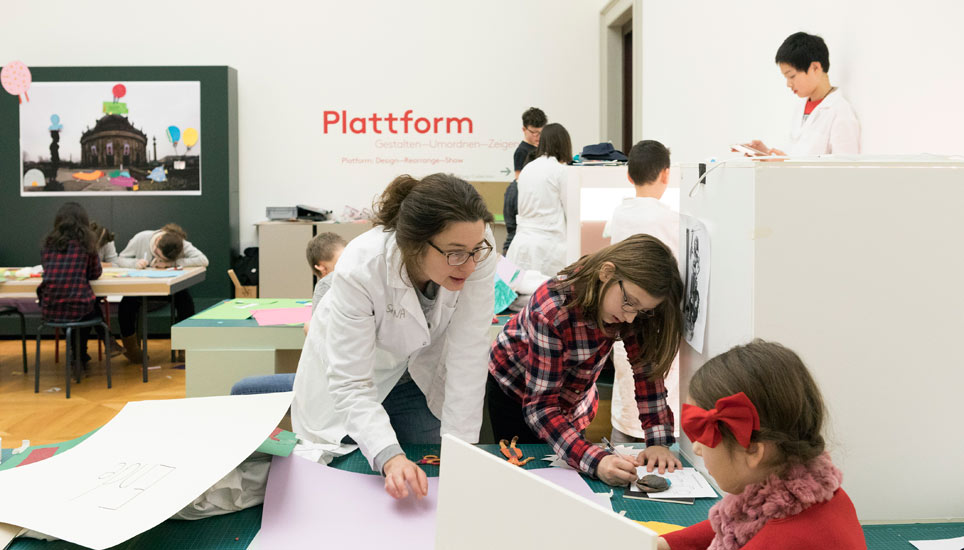
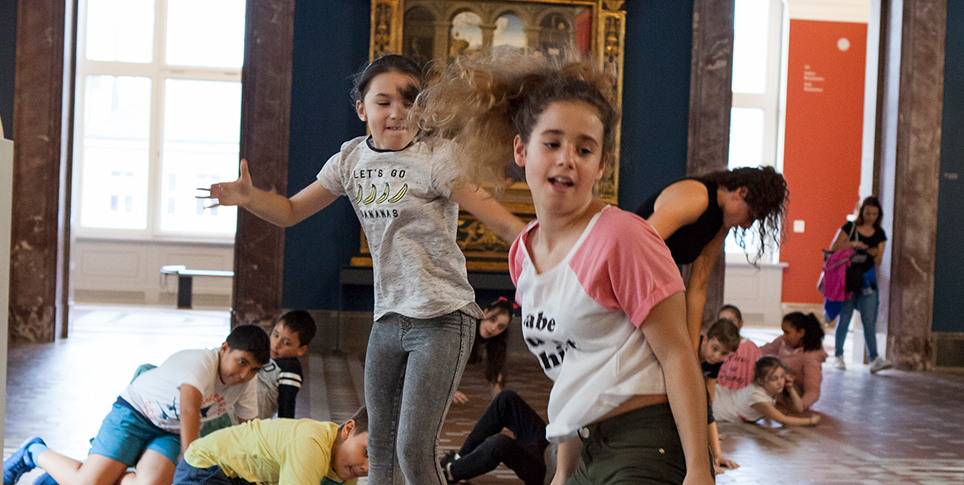
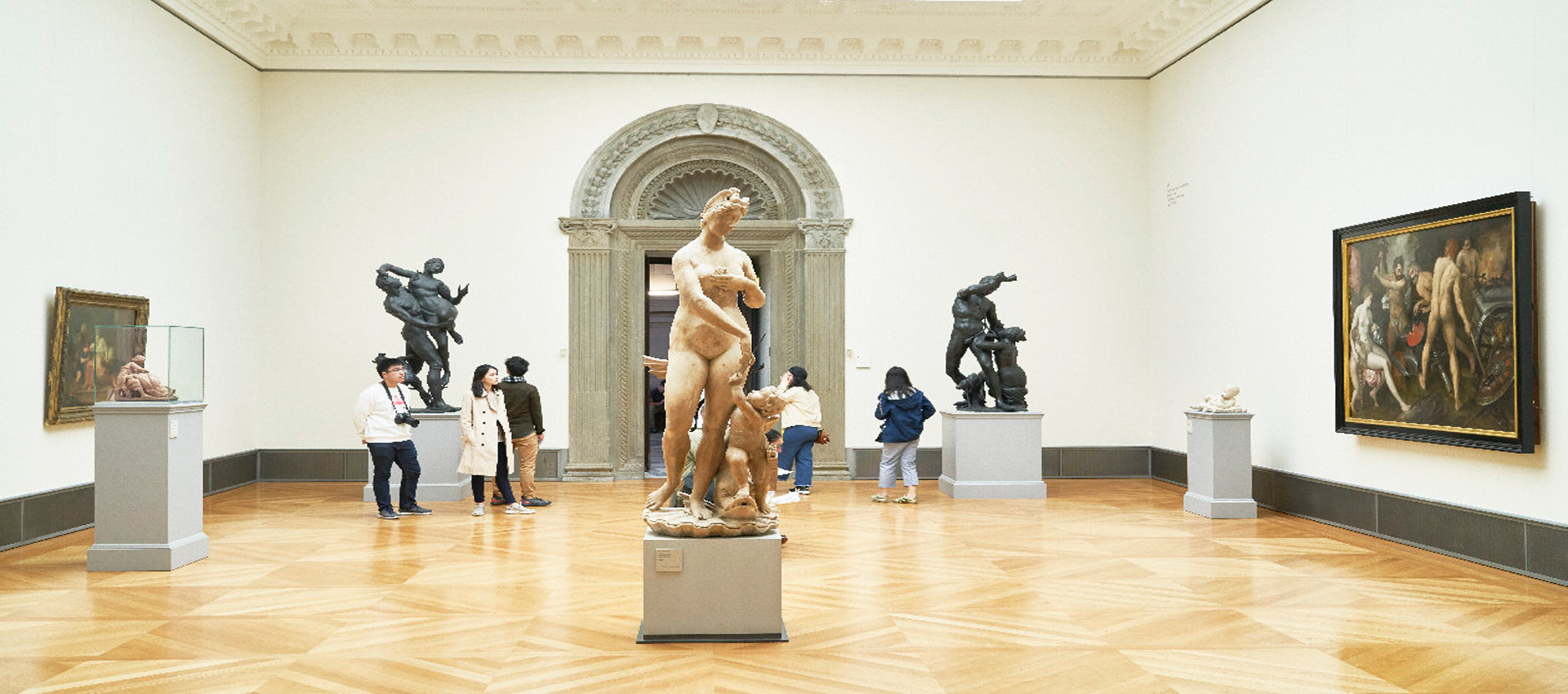
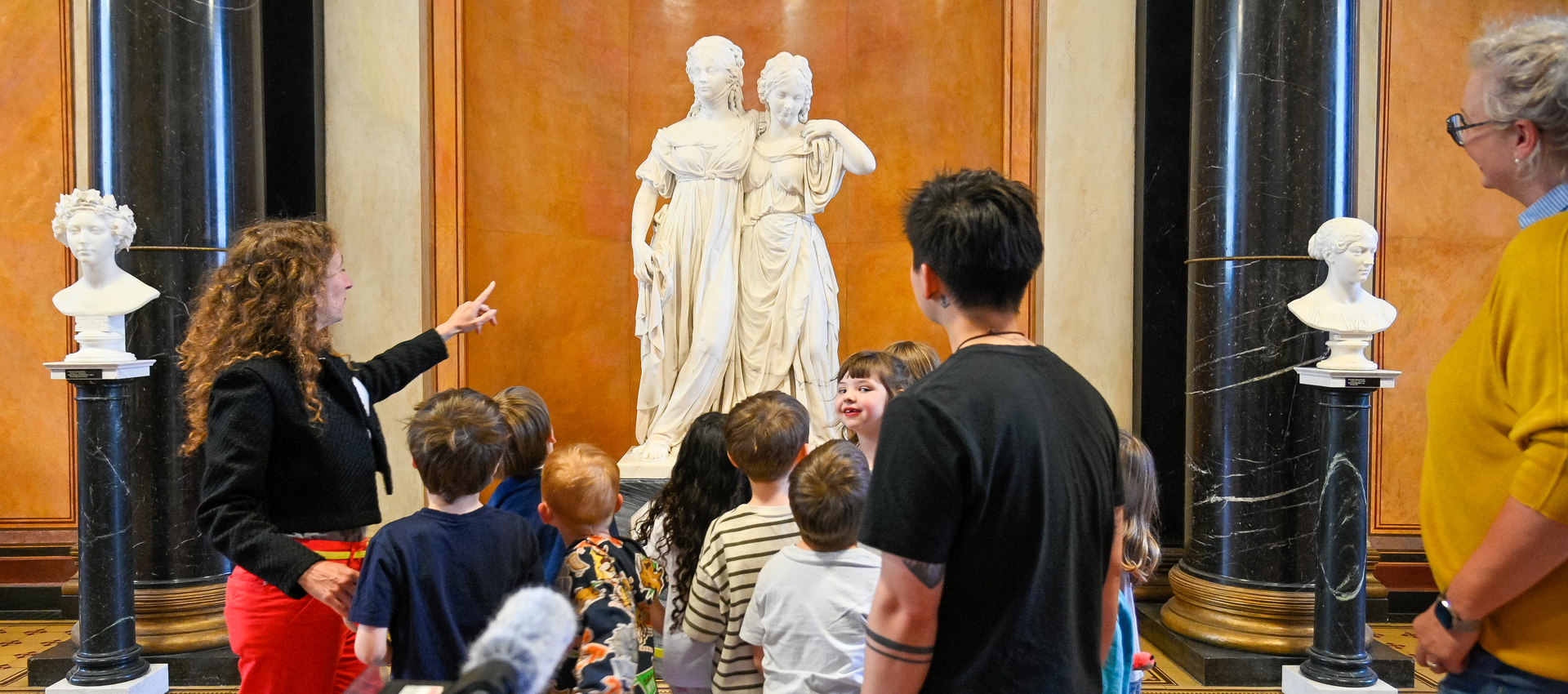
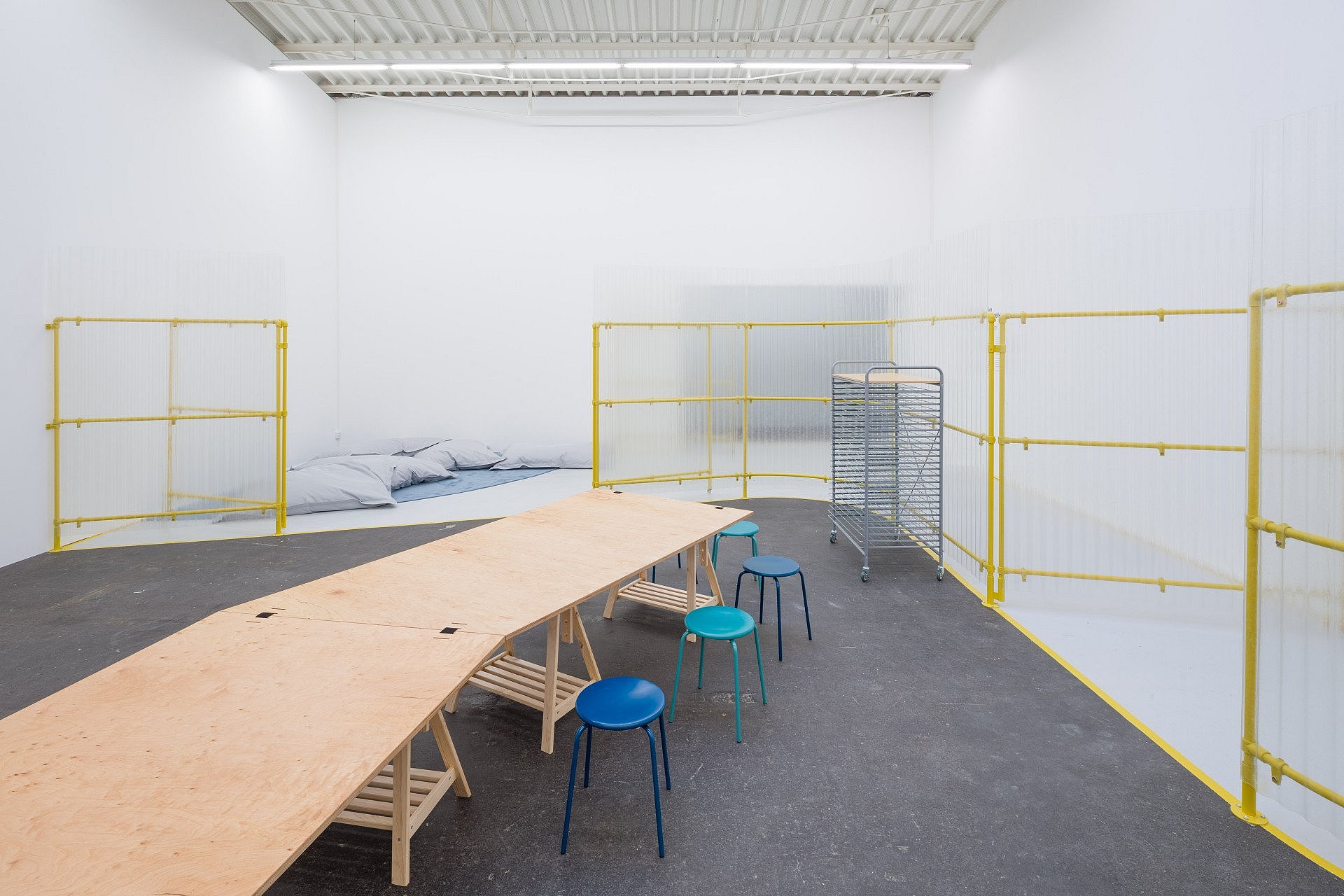
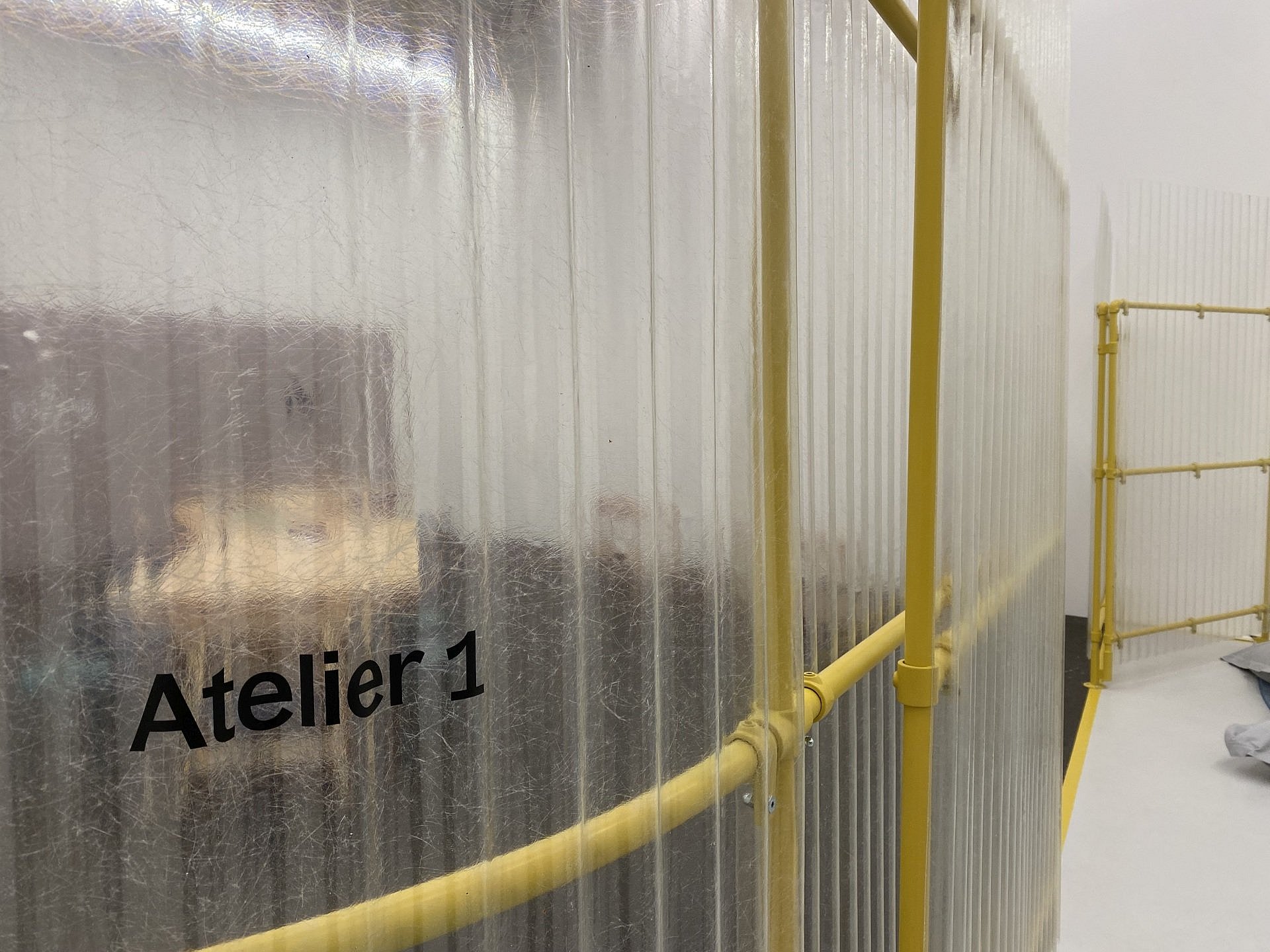
An innovative three-part layout breaks up the elongated architecture of the former goods station halls. The front section, covering around 1,300 square metres, offers ample space for changing special exhibitions. Mark Bradford’s show marks the opening. The rear wing of the building also allows for the presentation of large-scale works from the collection. An educational area connects the two exhibition sections. Deliberately positioned right in the middle, the so-called ‘Rieckhallenatelier’ is aimed in particular at large groups such as school classes, who can engage with the art interactively here. The open structure of the atelier reflects the vision of the museum as a democratic institution that actively engages with society.
A hub for meetings, farewells and reunions
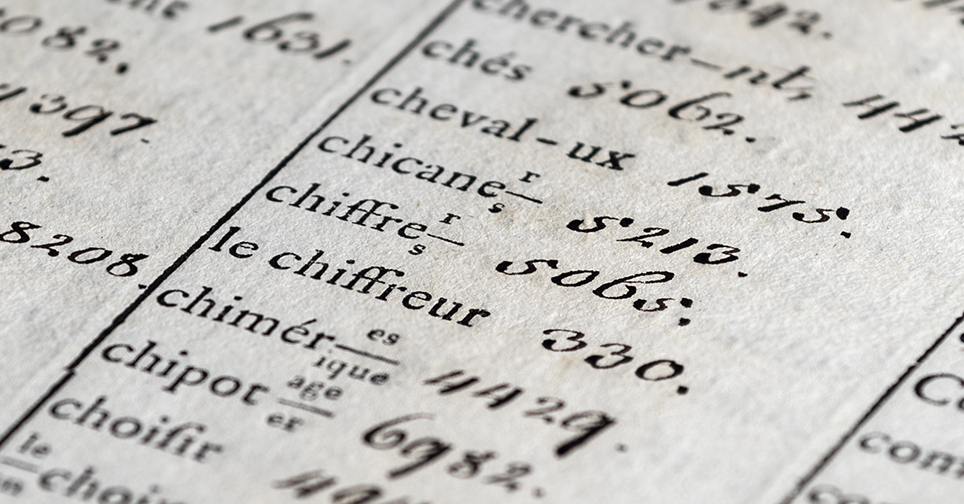
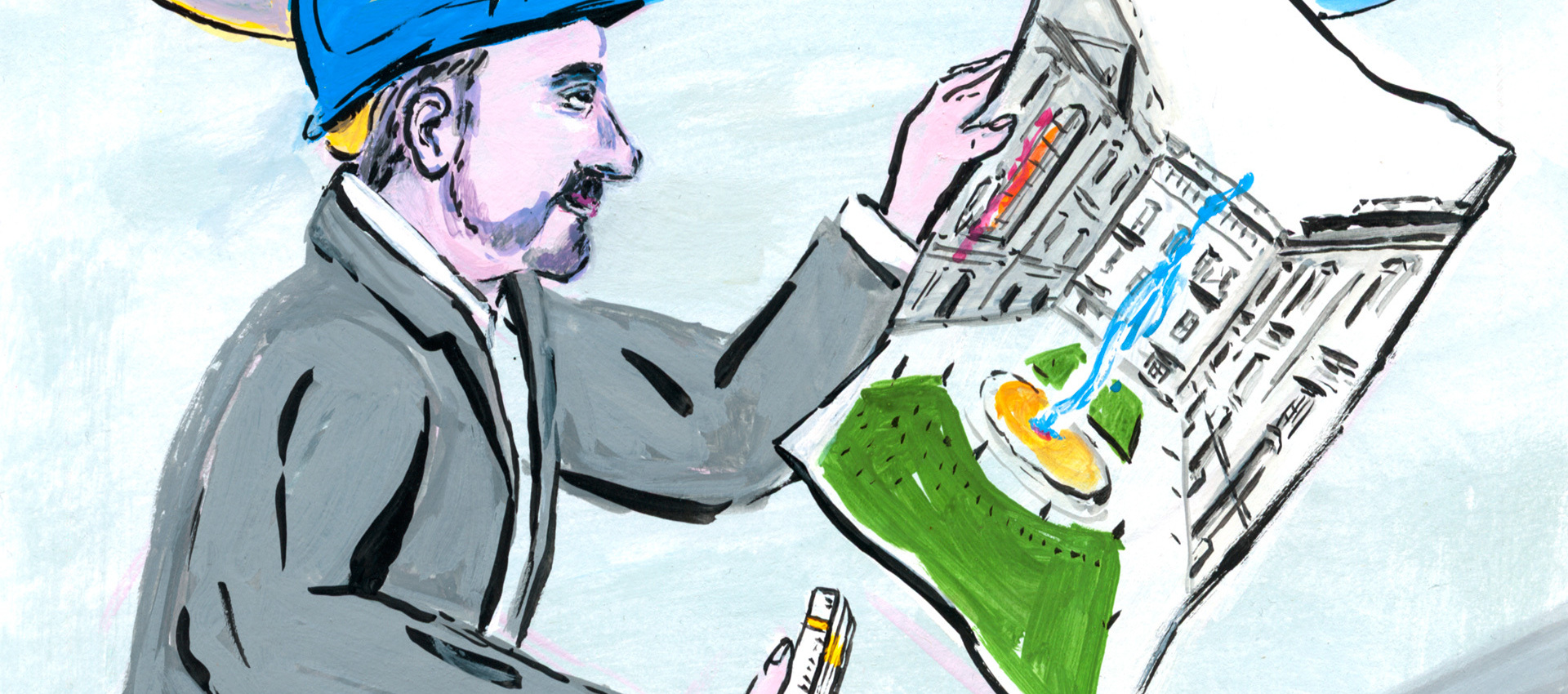
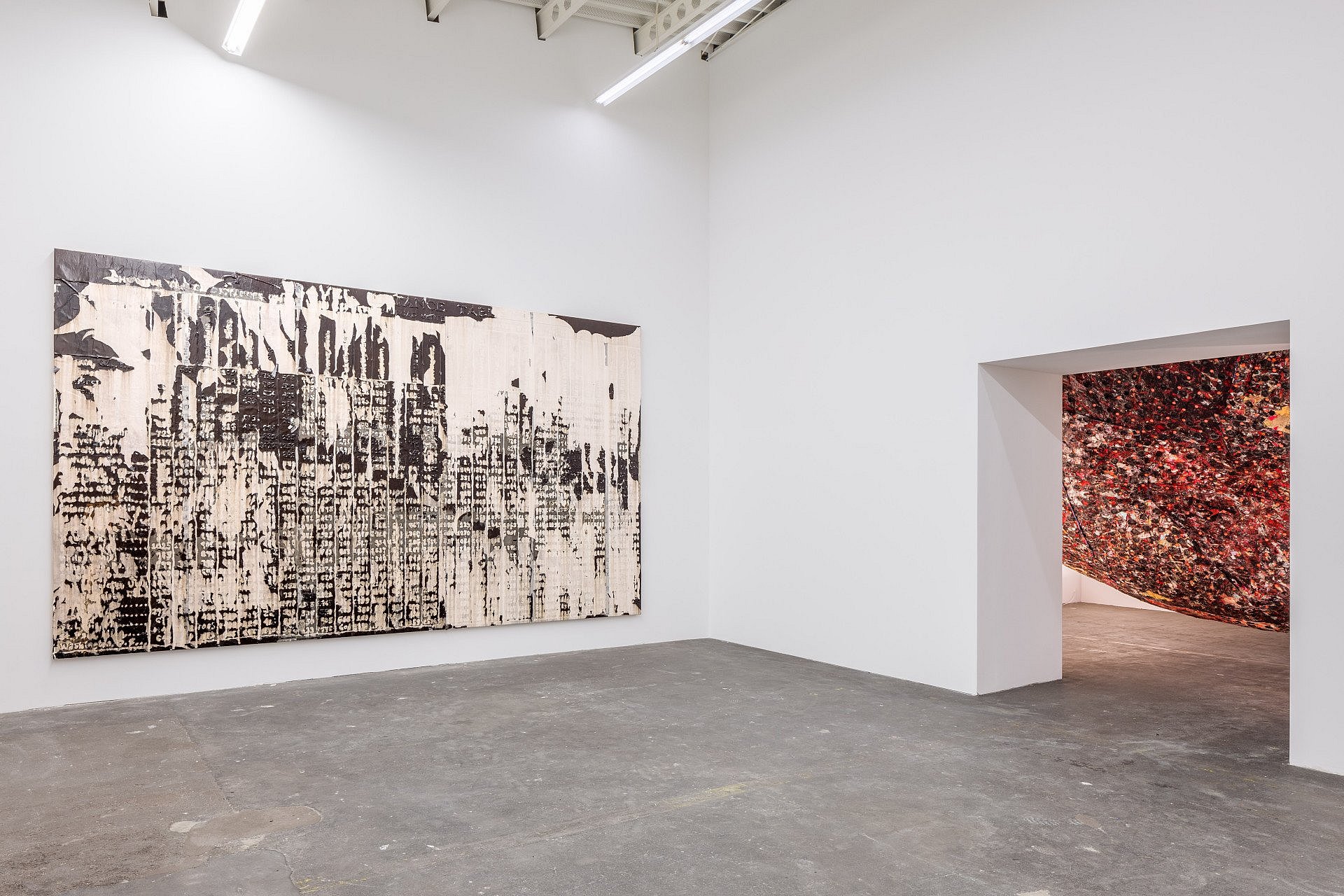
The architecture and the exhibited works seem to correspond time and again. Right in the first room of the exhibition “Keep Walking”, artist Mark Bradford embarks on a journey into the past with two large-scale works reminiscent of old train timetables. Here, he reflects on the era of the Great Migration in the early 20th century, when Black people migrated from the southern United States to the north to escape racism and persecution. “Back then, the train was the means of transport for liberation,” explains Sam Bardaouil, co-director of the Hamburger Bahnhof, in his opening speech, “and the station a highly emotional place.”
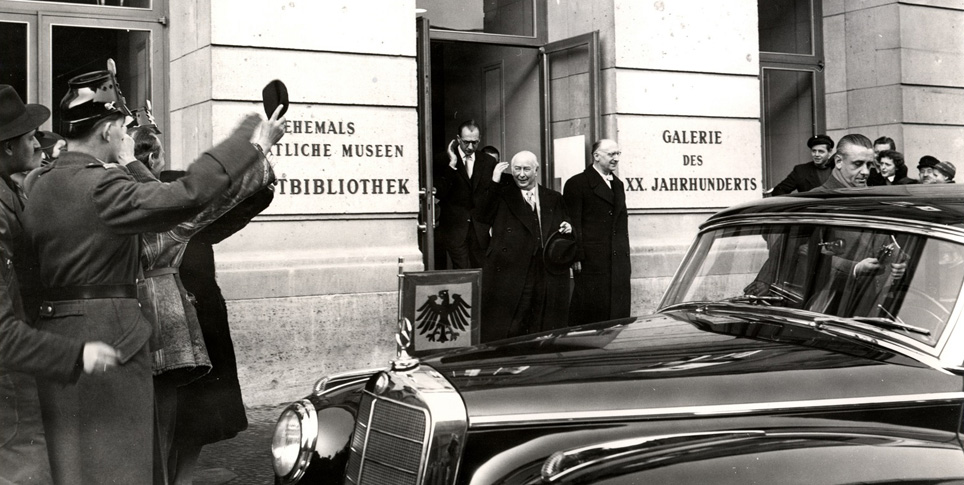
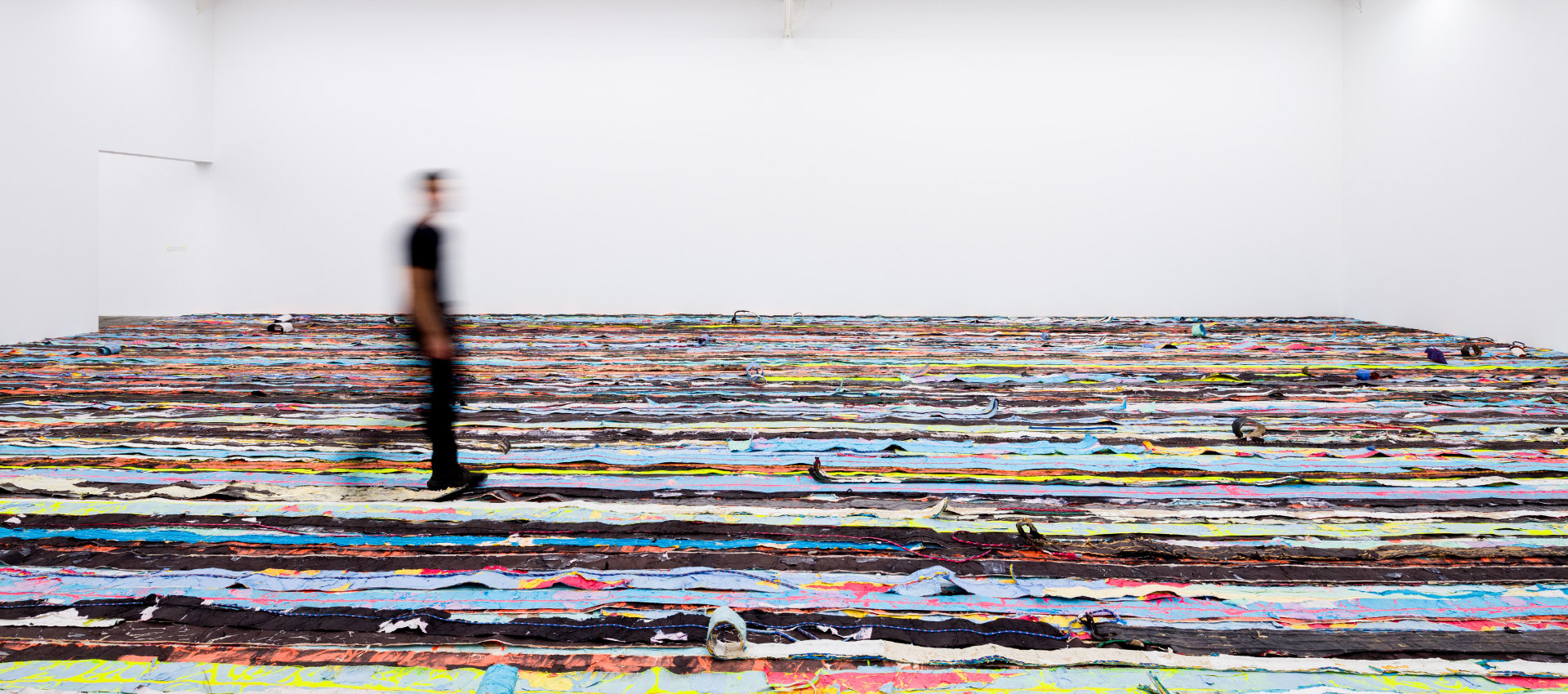
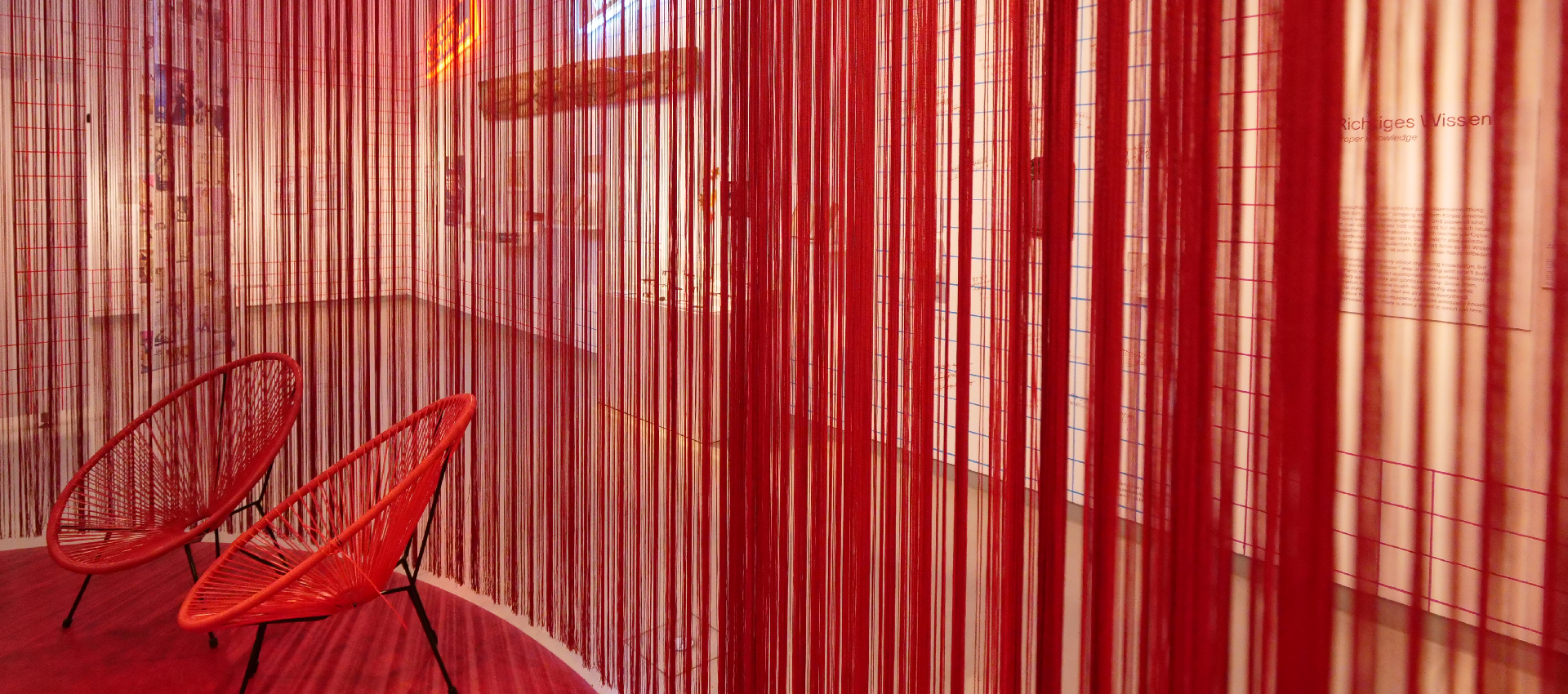
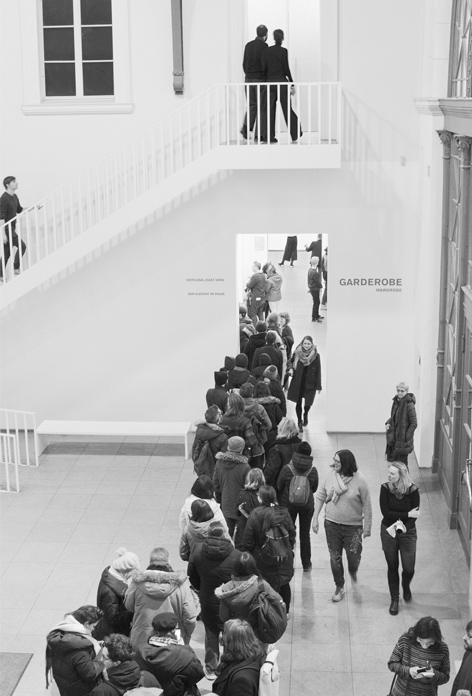
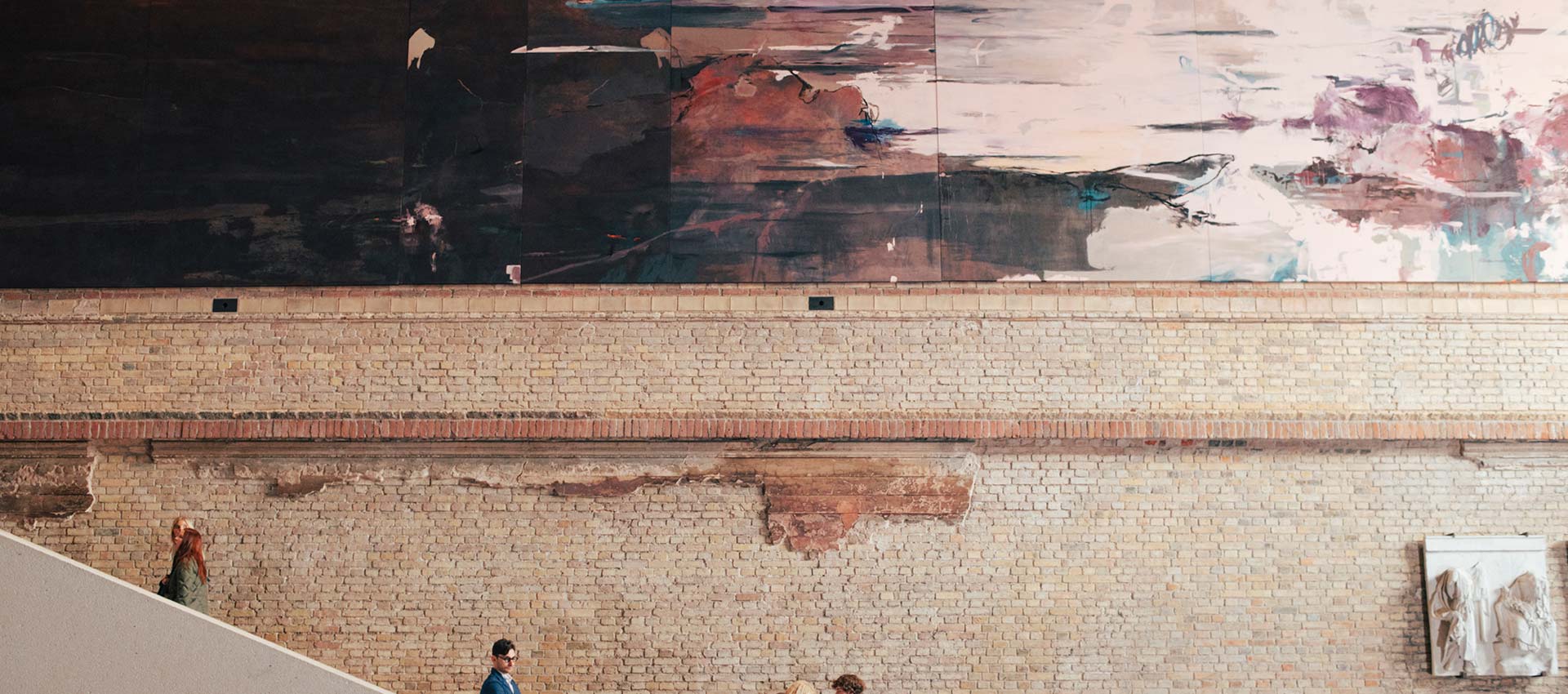
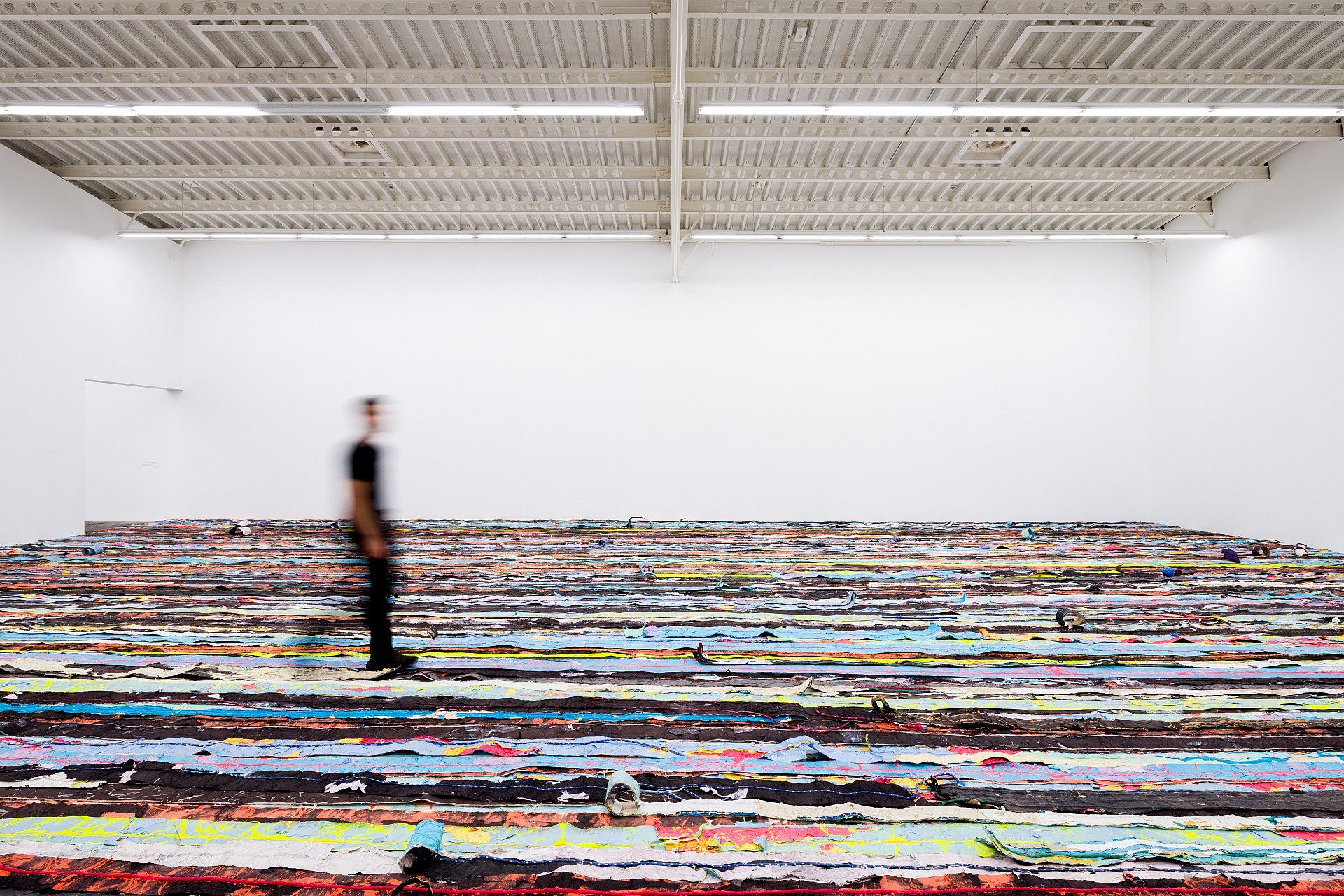
Today’s museum, with “Bahnhof” in its name, was once a hub for encounters, farewells and reunions. Bardaouil also refers, however, to the horrific role played by trains during the Second World War: they were trains to death for European Jews, the main means of transport for deportations to the Nazi extermination camps. This must not be forgotten today either, in a world where people are repeatedly faced with involuntary flight and even death. Right now, Bardaouil emphasises, it is all the more important to keep moving and to engage with the major social debates. He concludes his speech with the appeal “Keep on walking forward!” The visitors streaming into the Rieckhallen take him at his word: In Mark Bradford’s work “Float”, they walk across long strips of posters, flyers and strings, thus becoming part of the artwork. Yet crossing the roughly 20-metre-long hall is not so easy. The floor is uneven; one feels wobbly and uncertain as one moves forward. “Keep walking”, despite all the adversities that life brings – that is a true challenge.
A moment of gratitude and opportunity
The rescue of the Rieckhallen is not only a victory for art, but also a symbol of the potential that political and cultural actors can achieve through joint efforts. Just a few years ago, the Hamburger Bahnhof faced the threat of losing this significant exhibition complex. Yet the purchase of the building by the State of Berlin in November 2022 preserved an important public space in the increasingly densely built-up heart of Berlin.
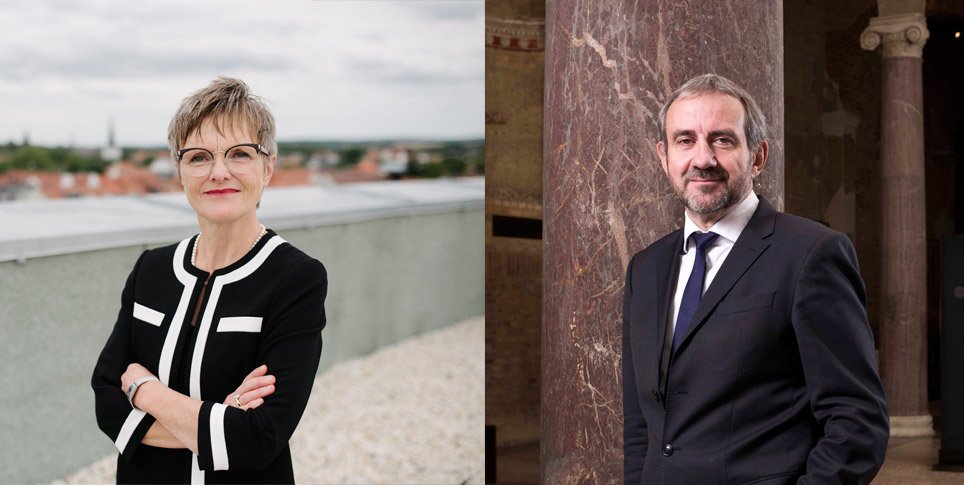
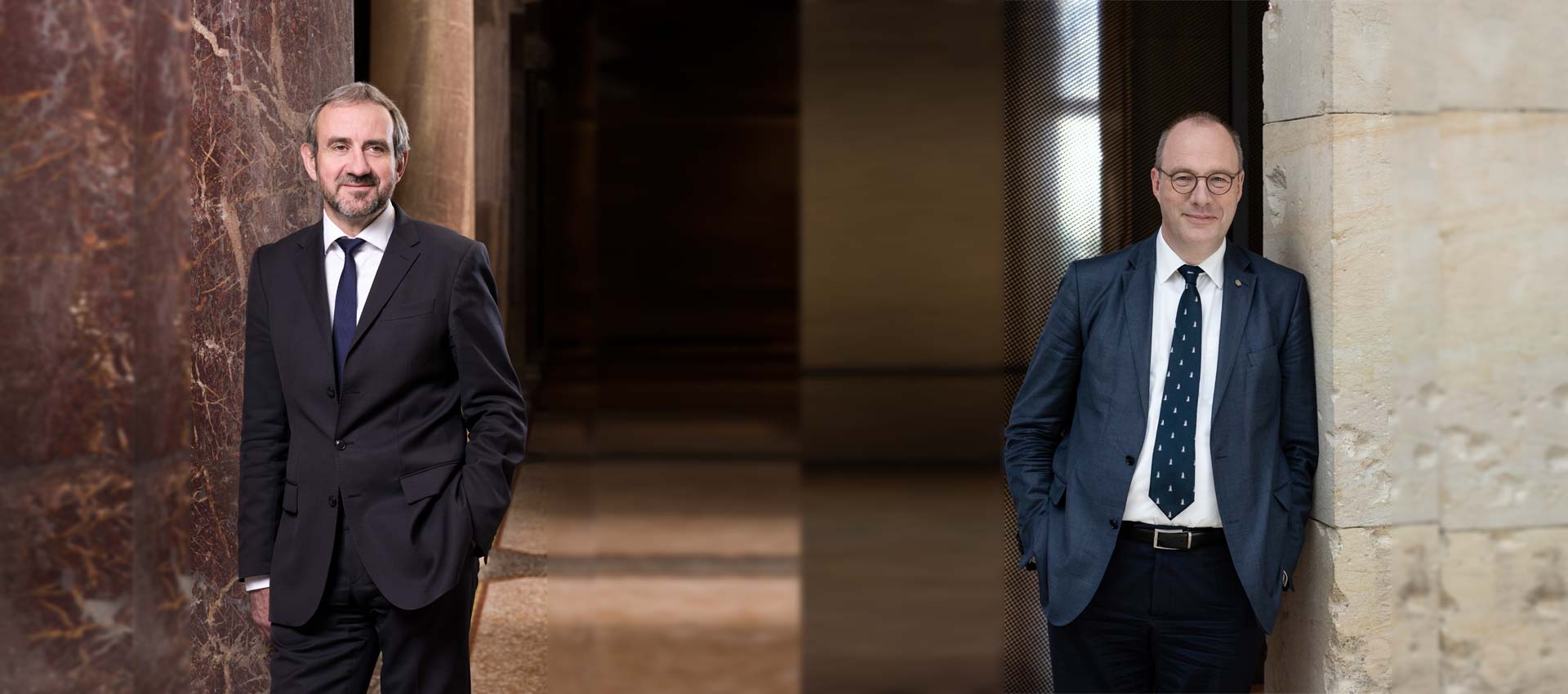
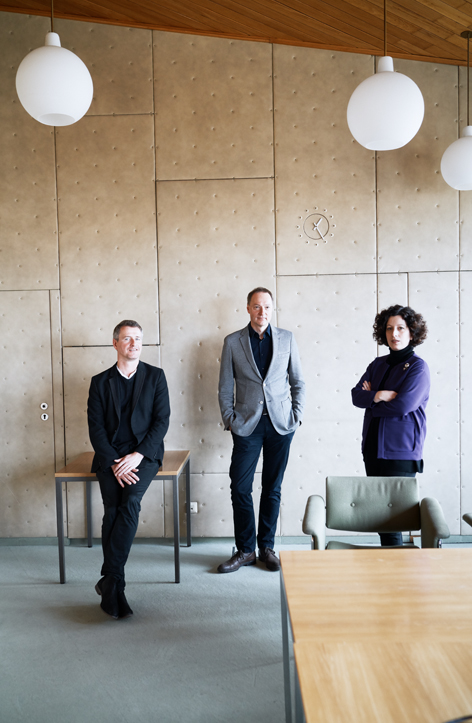
For the directorial duo Sam Bardaouil and Till Fellrath, the rescue of the Rieckhallen is thus not only a moment of gratitude, but also an opportunity to reimagine it. In the current collection presentation ‘Museum in Motion. A Collection for the 21st Century’, the museum’s new focus becomes particularly clear. Large-scale, expansive works reflect both social and institutional changes.
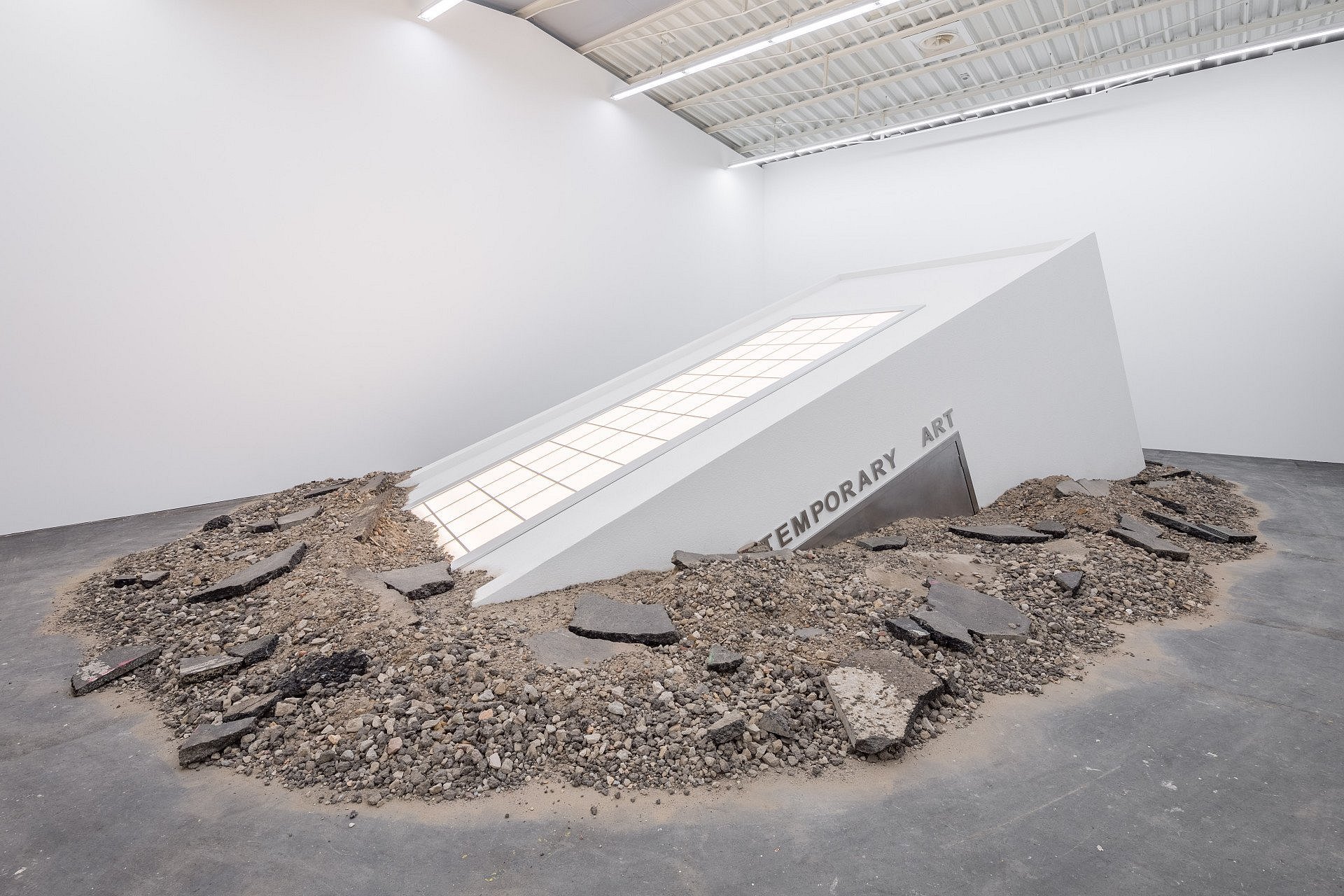
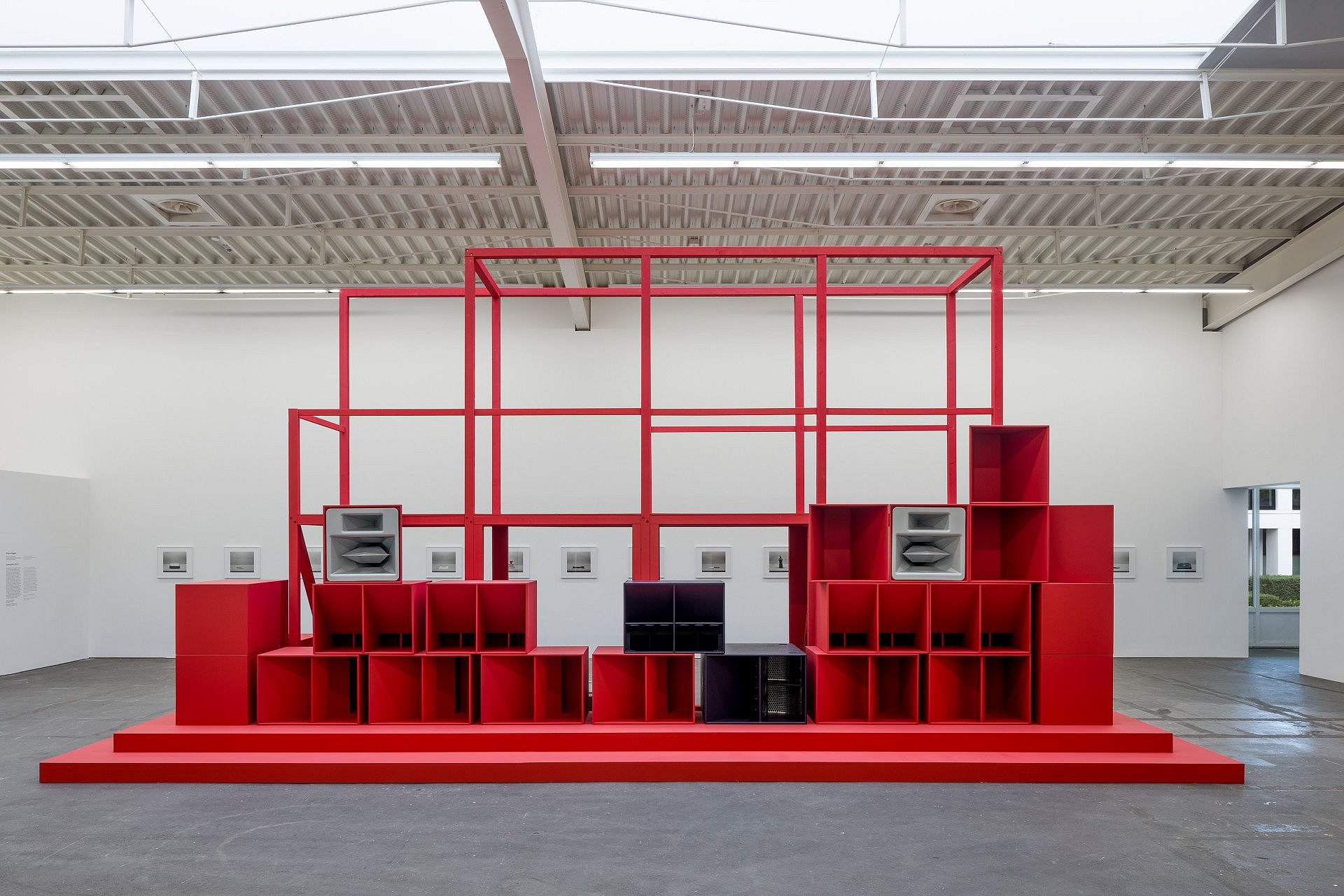
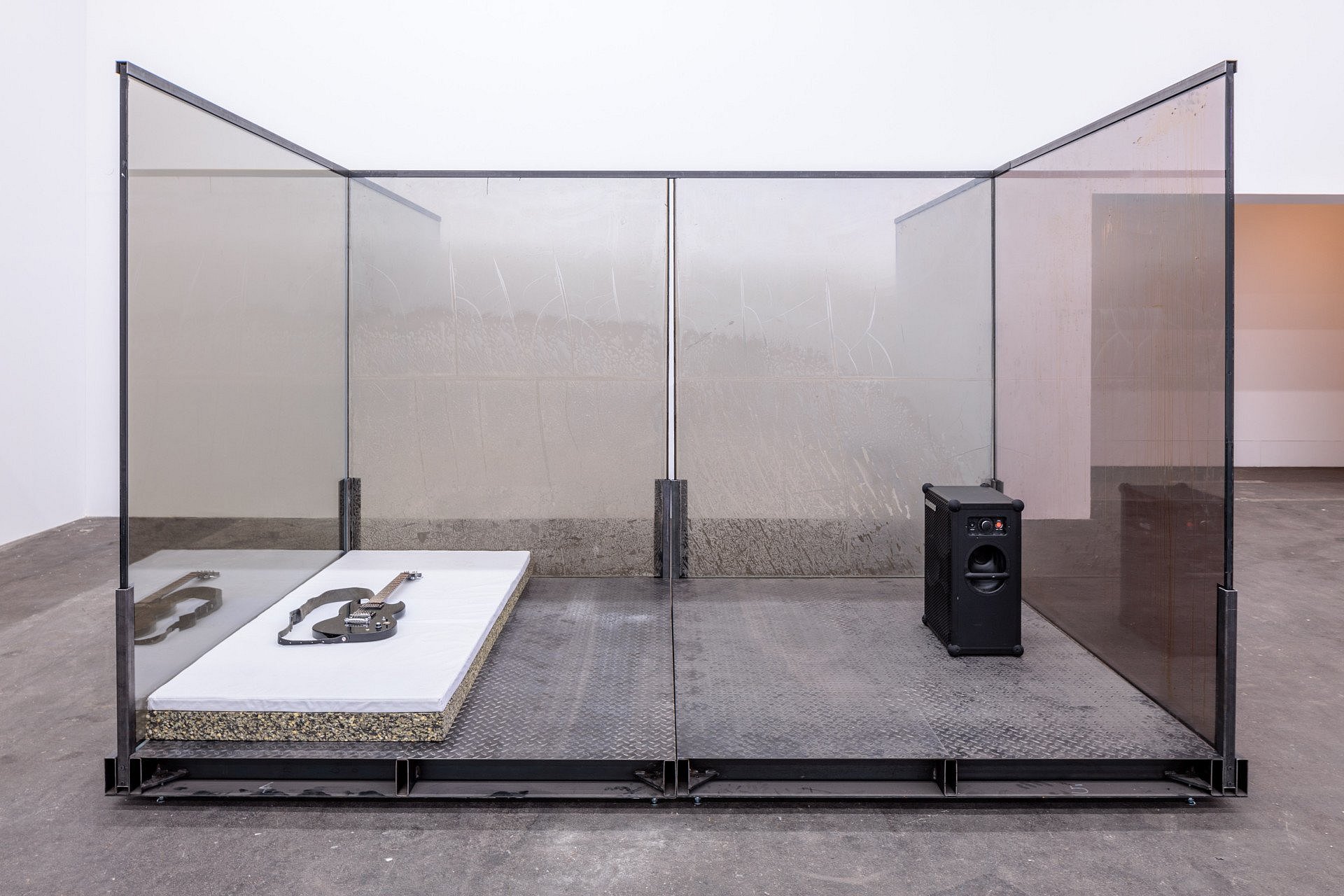
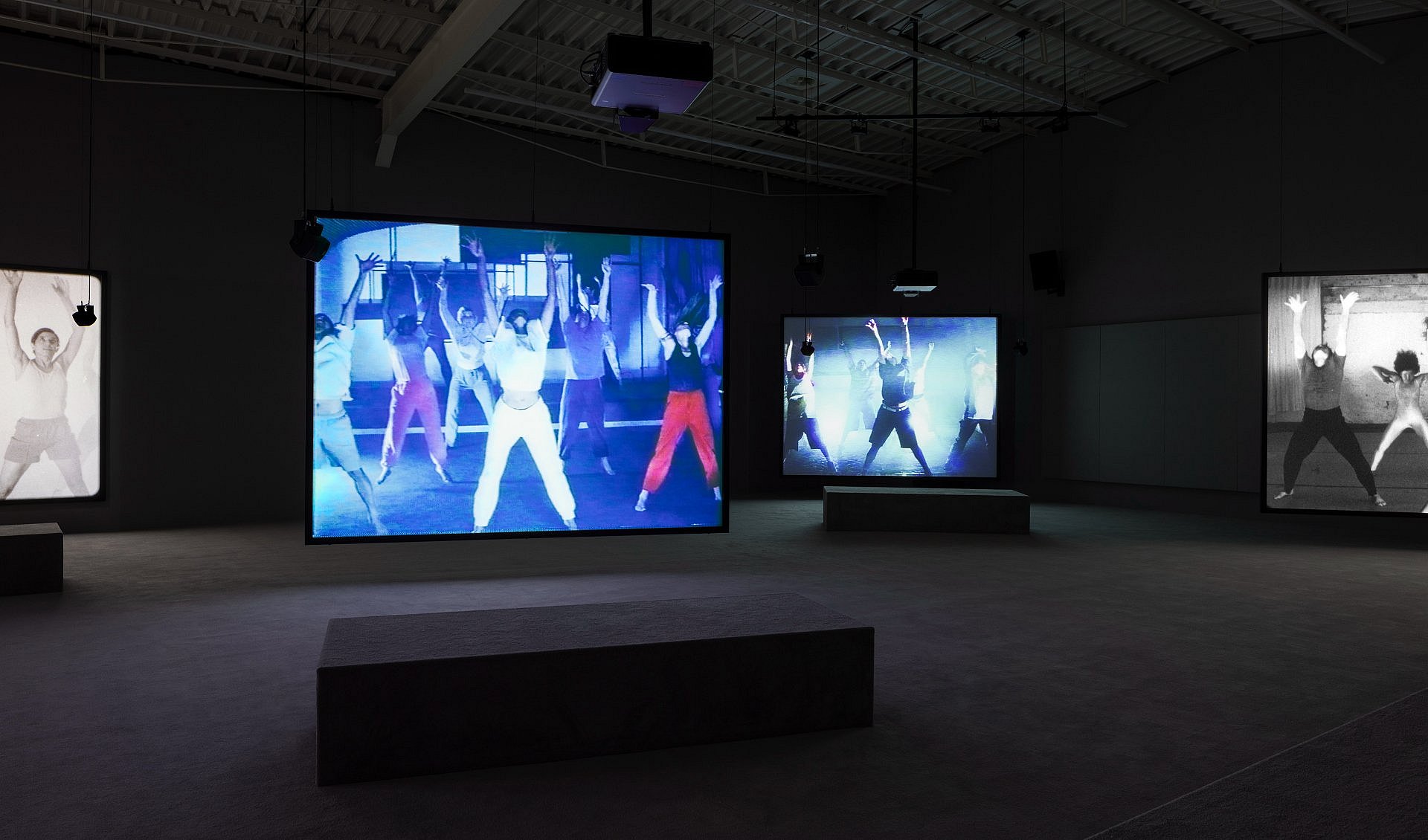
One particularly striking work is the recently acquired sculpture by the artist duo Elmgreen & Dragset, which appears to rise up from the floor of the Rieckhallen. It features the words ‘Contemporary Art’ – though the ‘Con’ is partially obscured, leaving only ‘Temporary Art’ visible. This subtle shift plays on the transience and mutability of art and museums, as experienced by the Rieckhallen themselves. It was an emotional rollercoaster ride, which can perhaps also be relived in Jeremy Shaw’s video installation “Phase Shifting Index”. The videos condense movement, restlessness and transformation into a rhythmic dance that builds towards a climax. The euphoria and ecstasy of the dancers in Shaw’s videos do not leave exhibition visitors unmoved either. For many, the joy and relief at the Rieckhallen’s rescue is plain to see.
The reopening of the Rieckhallen marks the beginning of a new chapter for the Hamburger Bahnhof. After years of uncertainty, the team there can now operate with greater confidence and continue to shape the venue as a vibrant hub for contemporary art – with a social mission. The Rieckhallen stand not only for continuity, but also for constant change and renewal – a sign of hope for the art world and for Berlin. The Hamburger Bahnhof proves once again that it is a flexible institution capable of responding to the challenges and fast pace of our times.