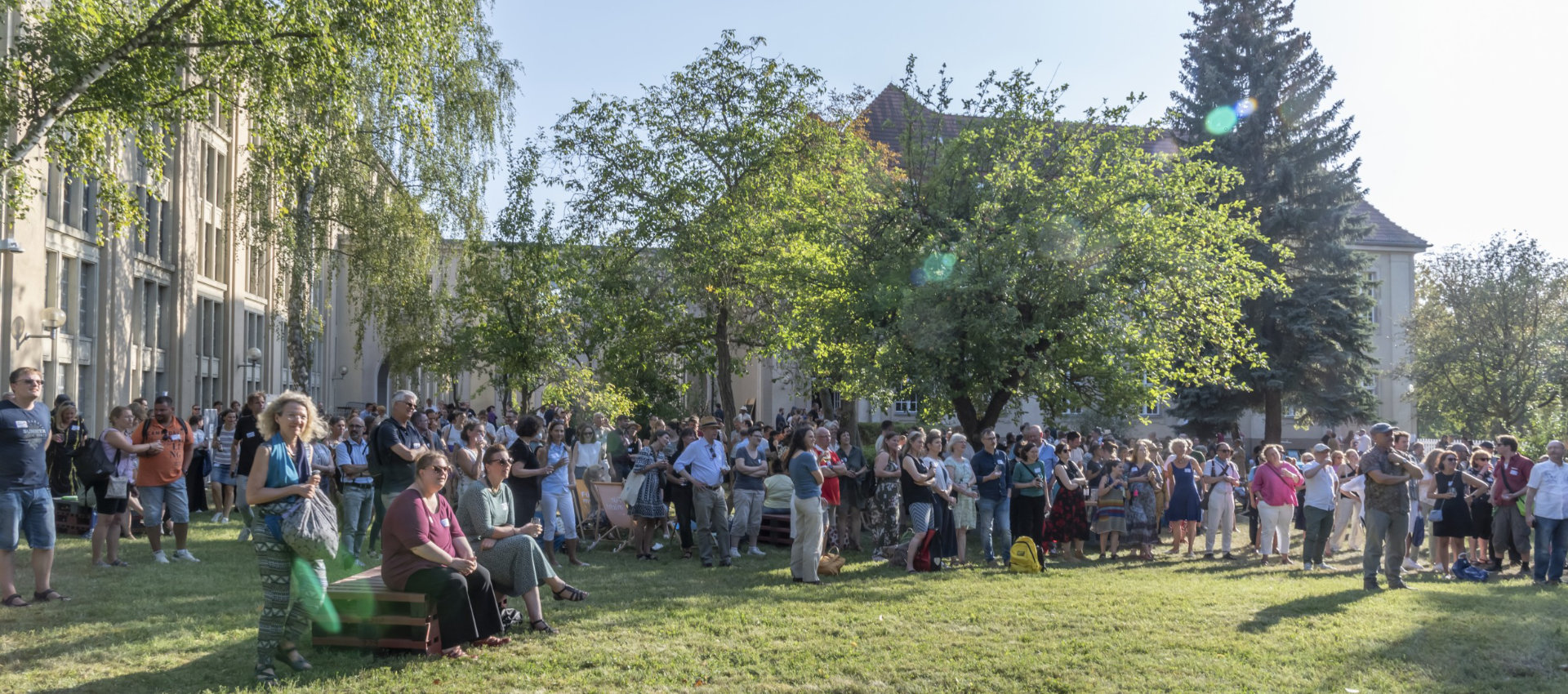
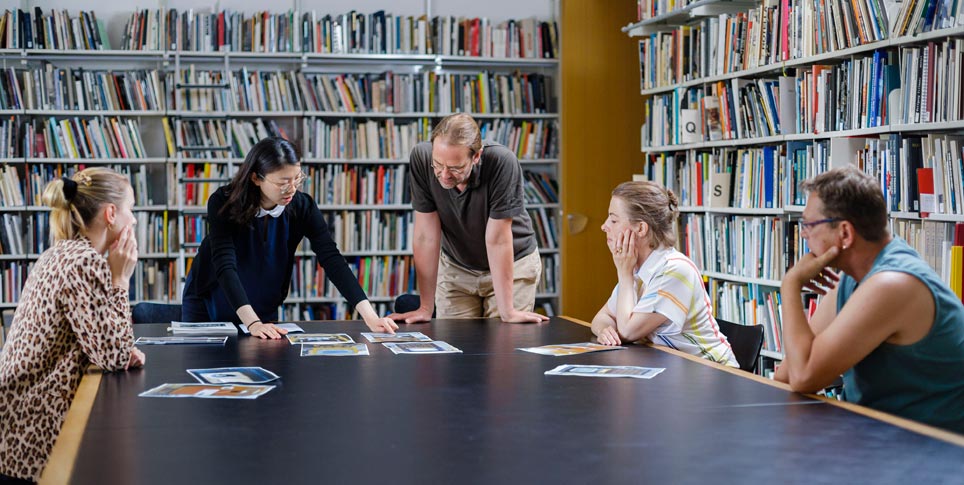
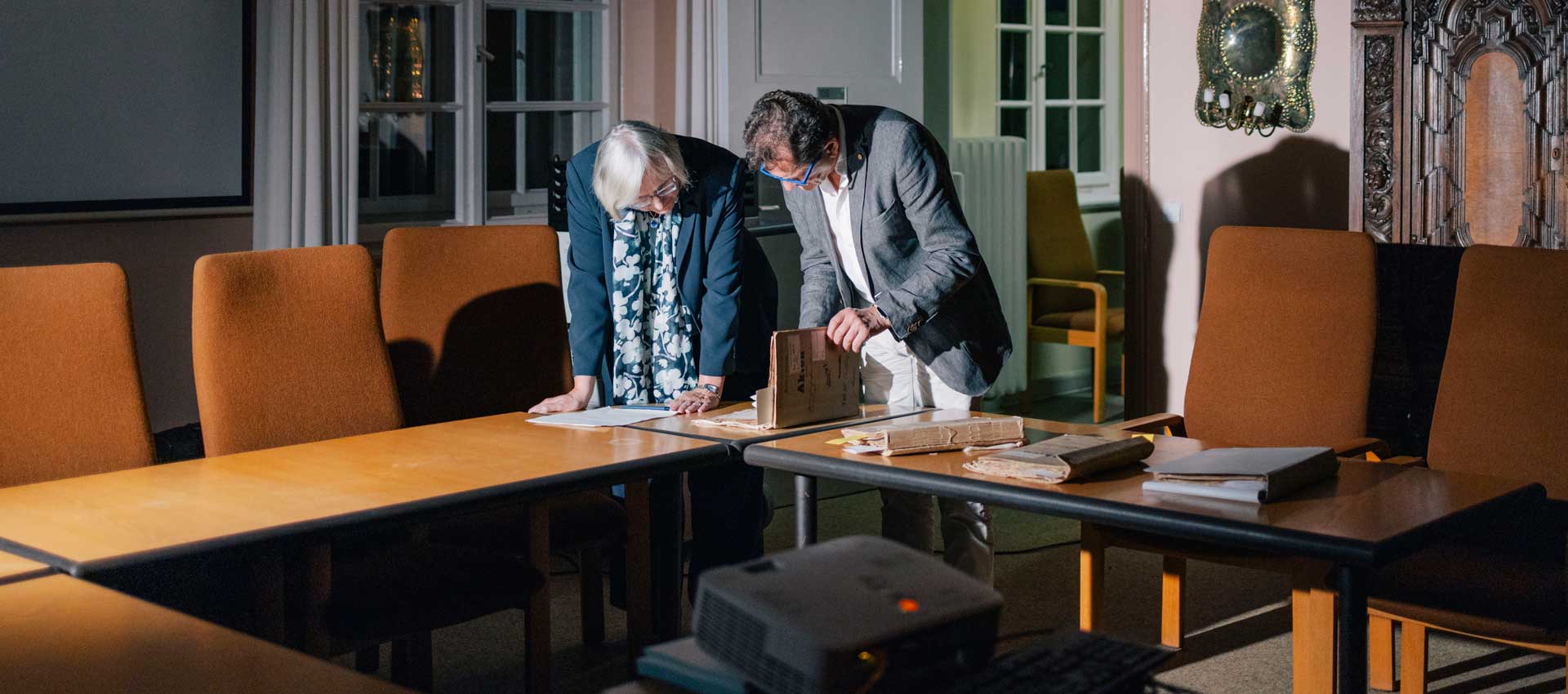
Martyr, mother of the nation, working mum? Queen Louise of Prussia was already a projection screen for ideals and desires during her lifetime and remains so to this day. On 10 March 2026, the Prussian queen turned 250 years old - and the Secret State Archives of Prussian Cultural Heritage celebrated with an evening event that took a look at Luise's life, her surroundings and her memory - using original archive documents, exhibits and short academic presentations.
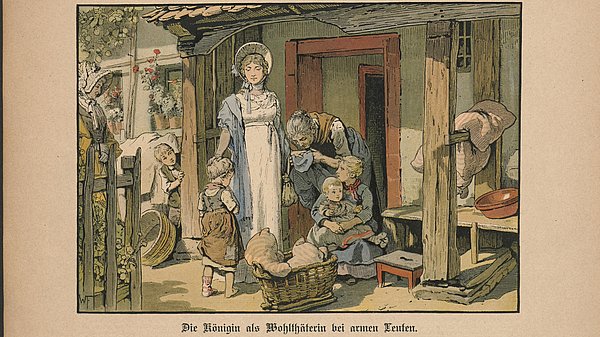
The year of Louise's birth, 1776, was a time of upheaval, between revolution and restitution. She and her husband Frederick William III were initially regarded as a royal couple who were close to the people and stood for reforms without the guillotine. In the spirit of Rousseau, contemporaries emphasised Louise's beauty, motherliness and virtue.
At the time of the wars of liberation against France, she was stylised as a patriot and declared a martyr after her early death in 1810. In the course of the 19th century, especially during the German Empire, she was at the centre of a state cult: Luise was regarded as the "mother of the nation" and embodied national unity and German identity. During the Weimar Republic, her memory was appropriated by right-wing conservative circles. Under the National Socialists, it increasingly faded into the background and was almost forgotten after 1945. Today, Luise sometimes serves as a touristy, folkloristic brand - to the point of being glamorised as an influencer avant la lettre and working mom.
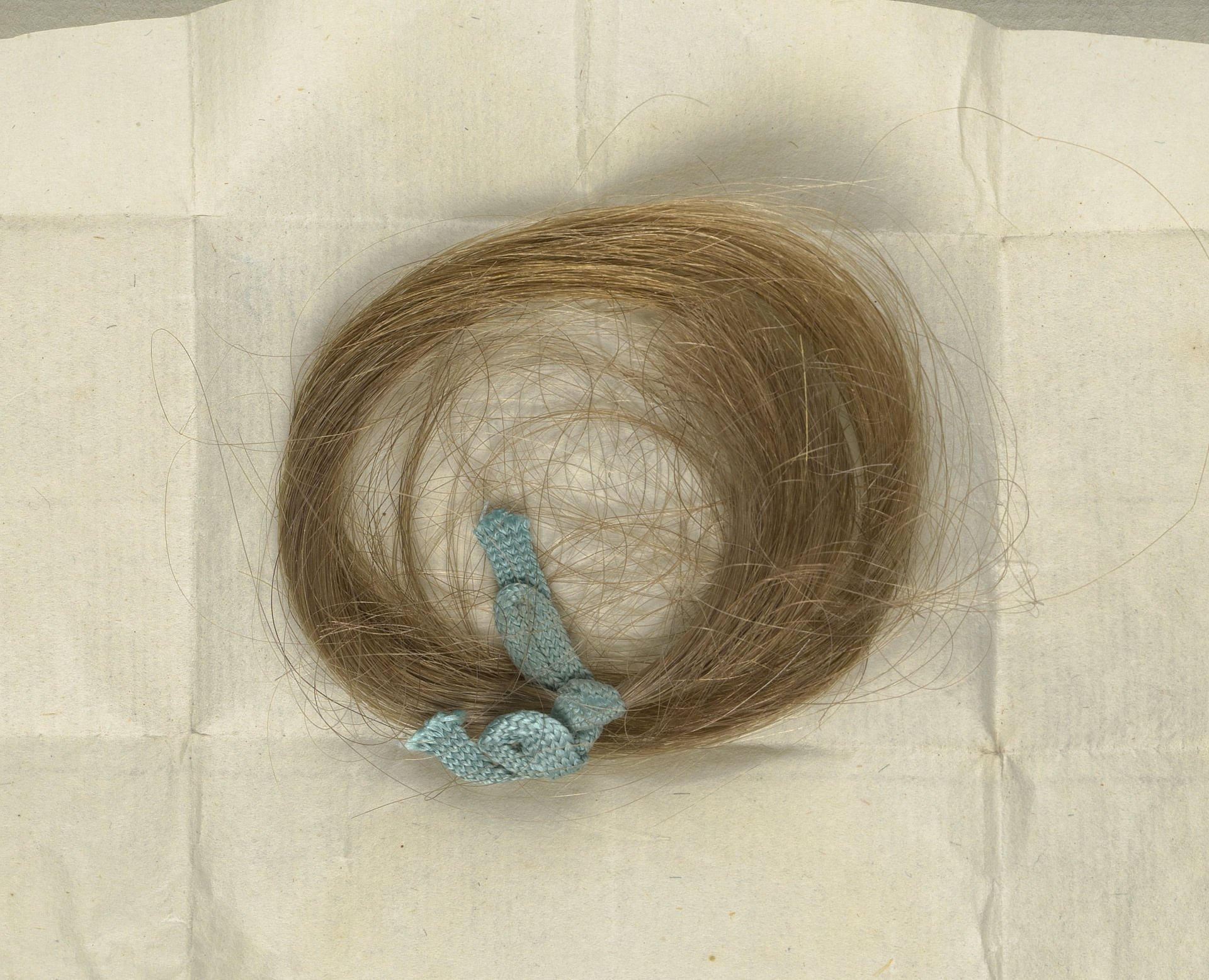
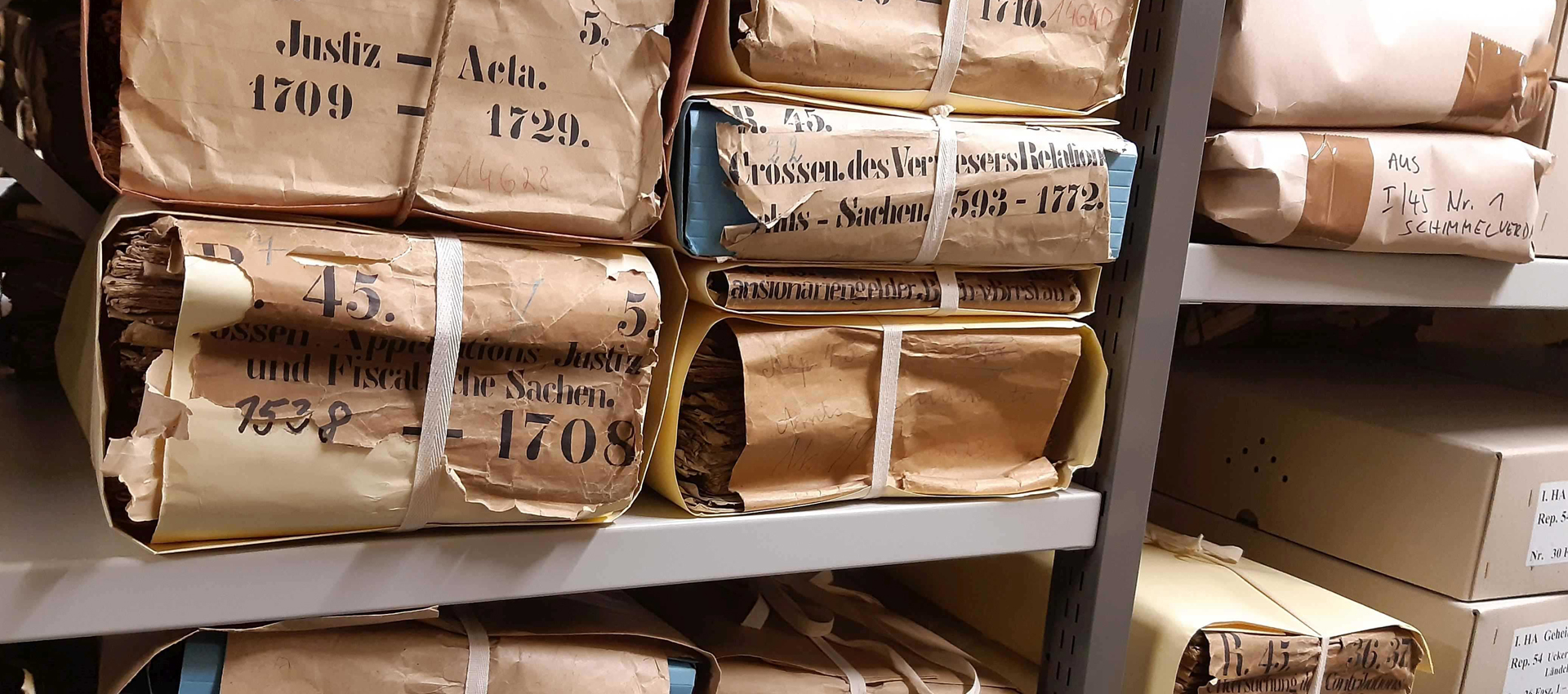
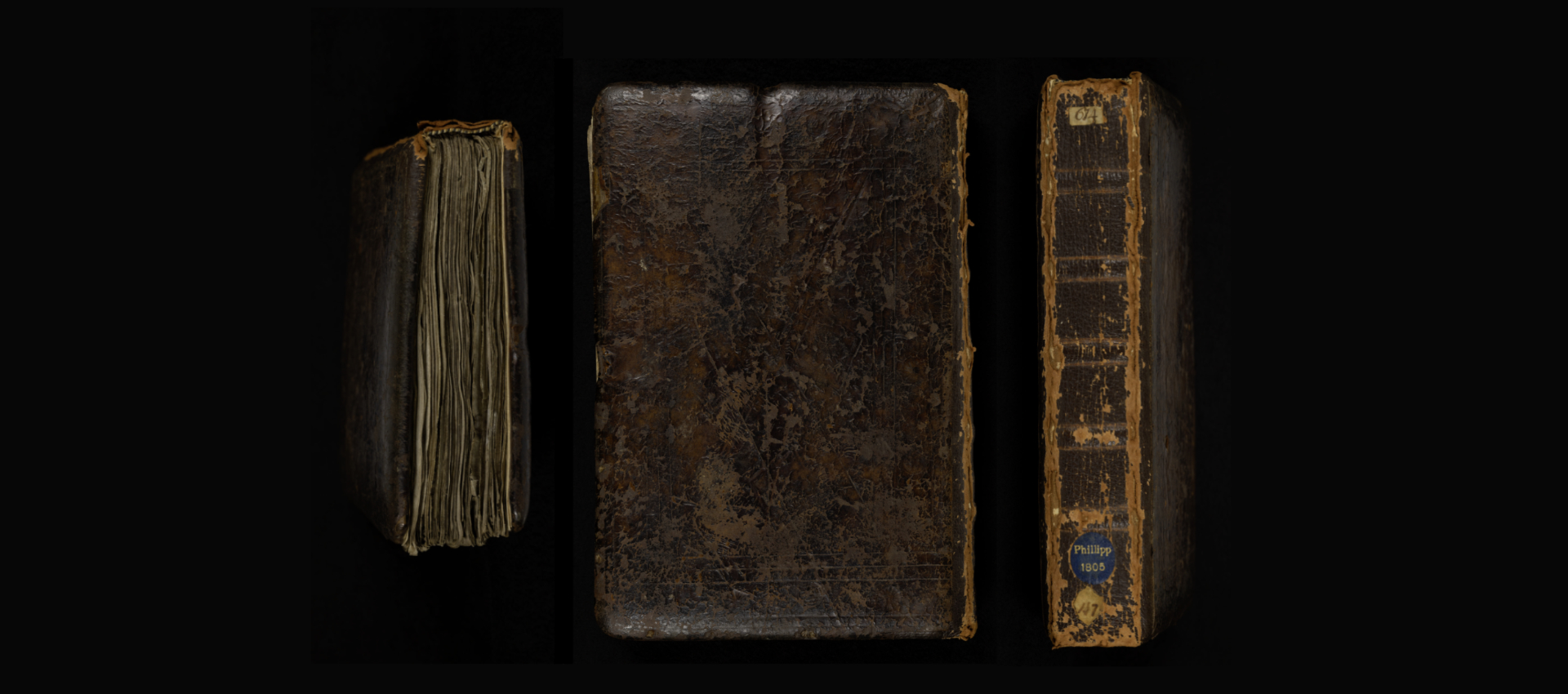
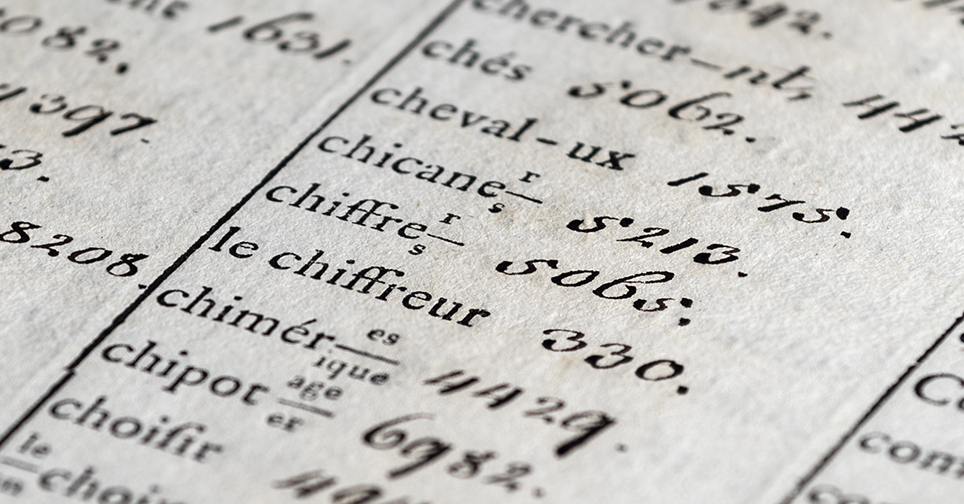
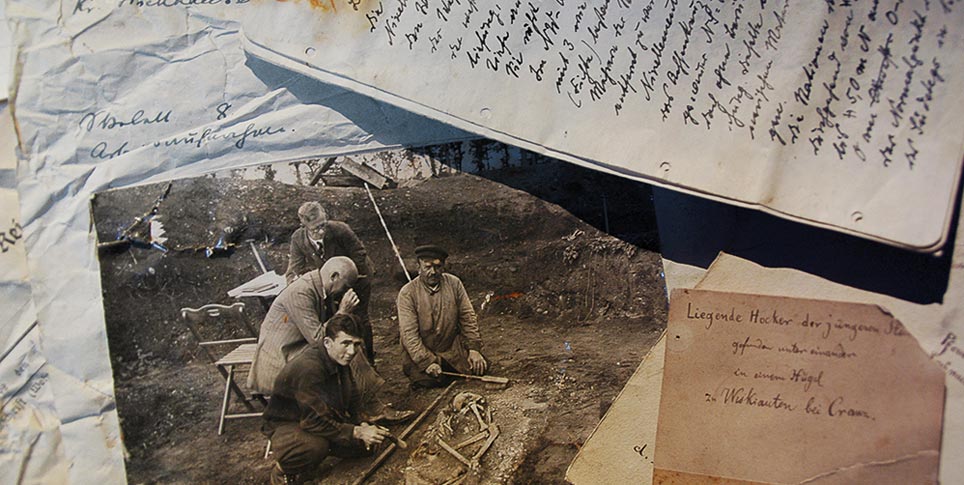
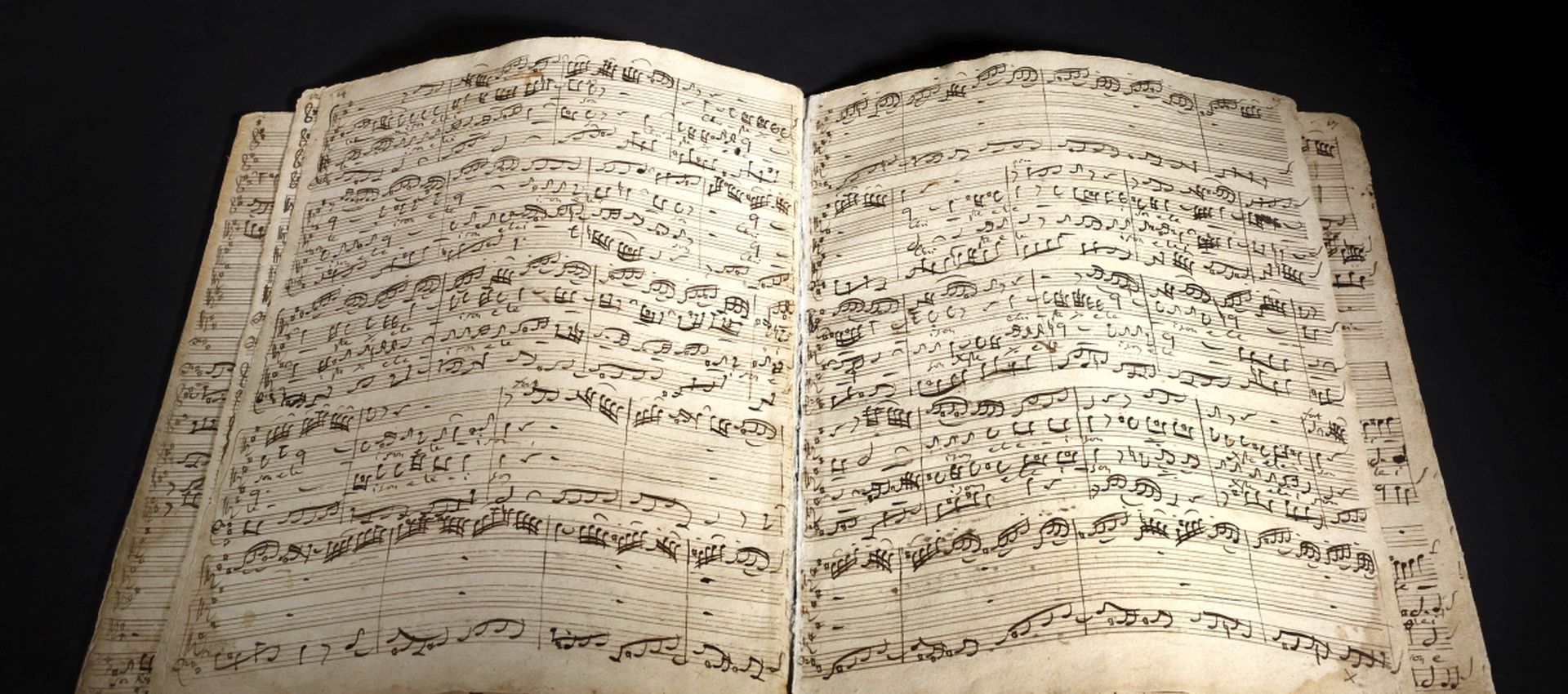
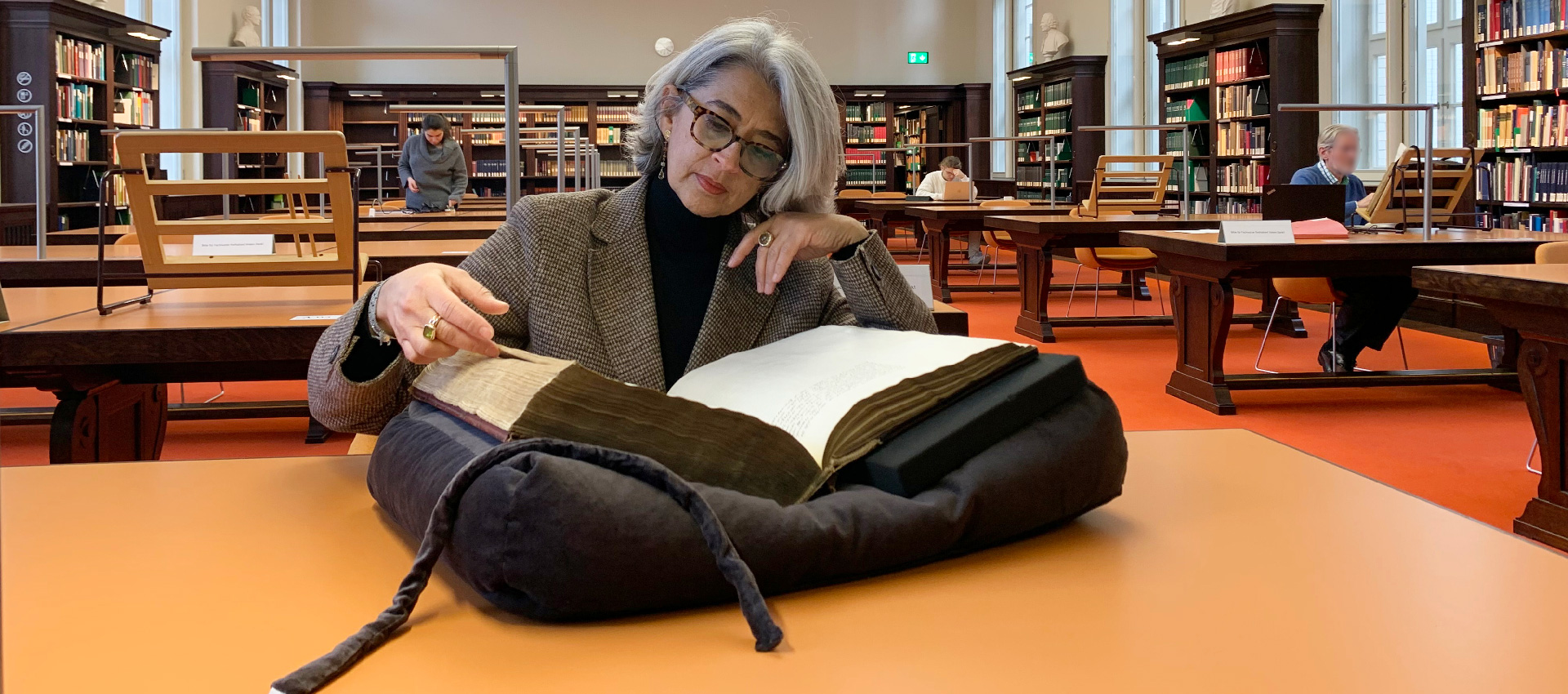
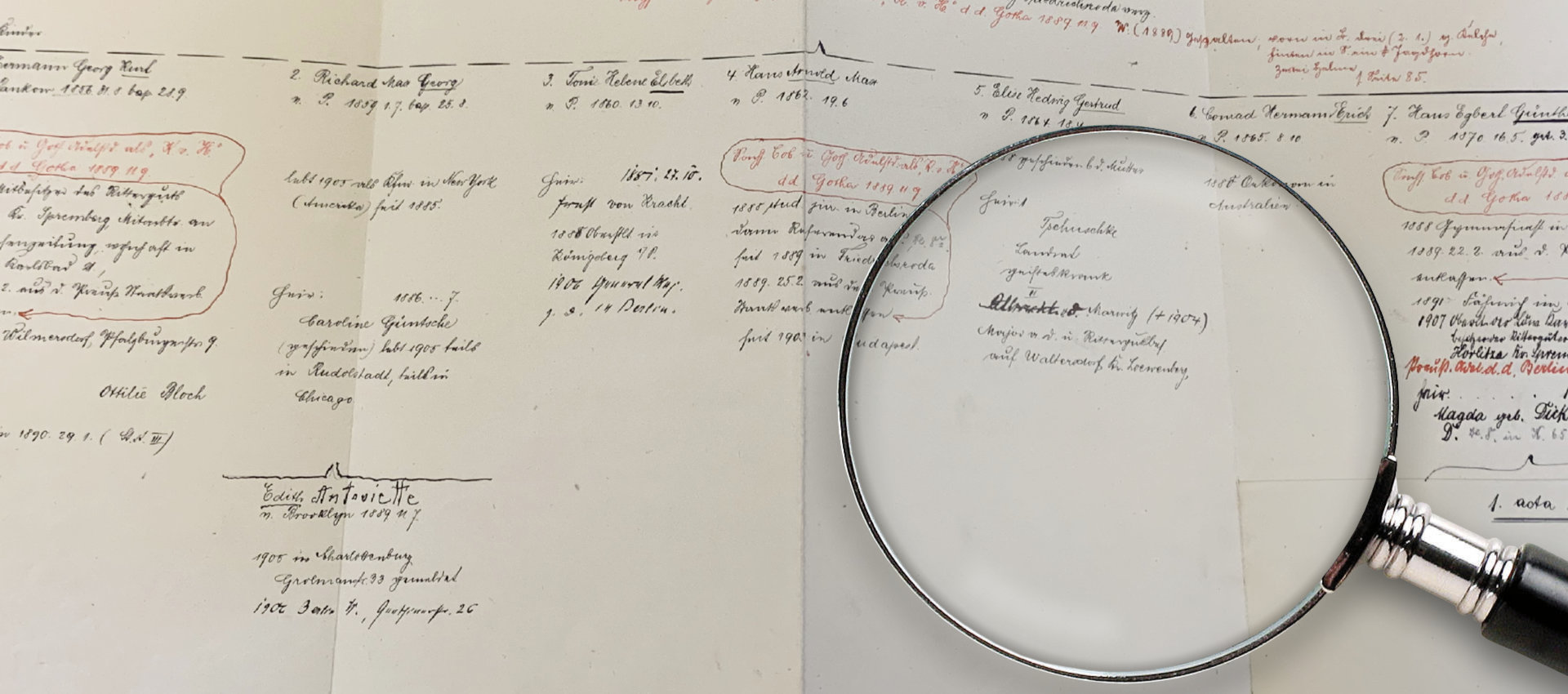
So much for the facts, but how do you approach such a historical figure as the "memory of Prussia" in the context of an event? For us as an archive, the answer was obvious: we see ourselves not only as a place of research. We also preserve countless personal records, letters, administrative documents, maps and contemporary books.
It therefore quickly became clear to us: firstly, we would incorporate the specialist expertise of academics. And secondly, we would place the tradition itself at the centre in order to shed light on Luise's life and the history of its reception.
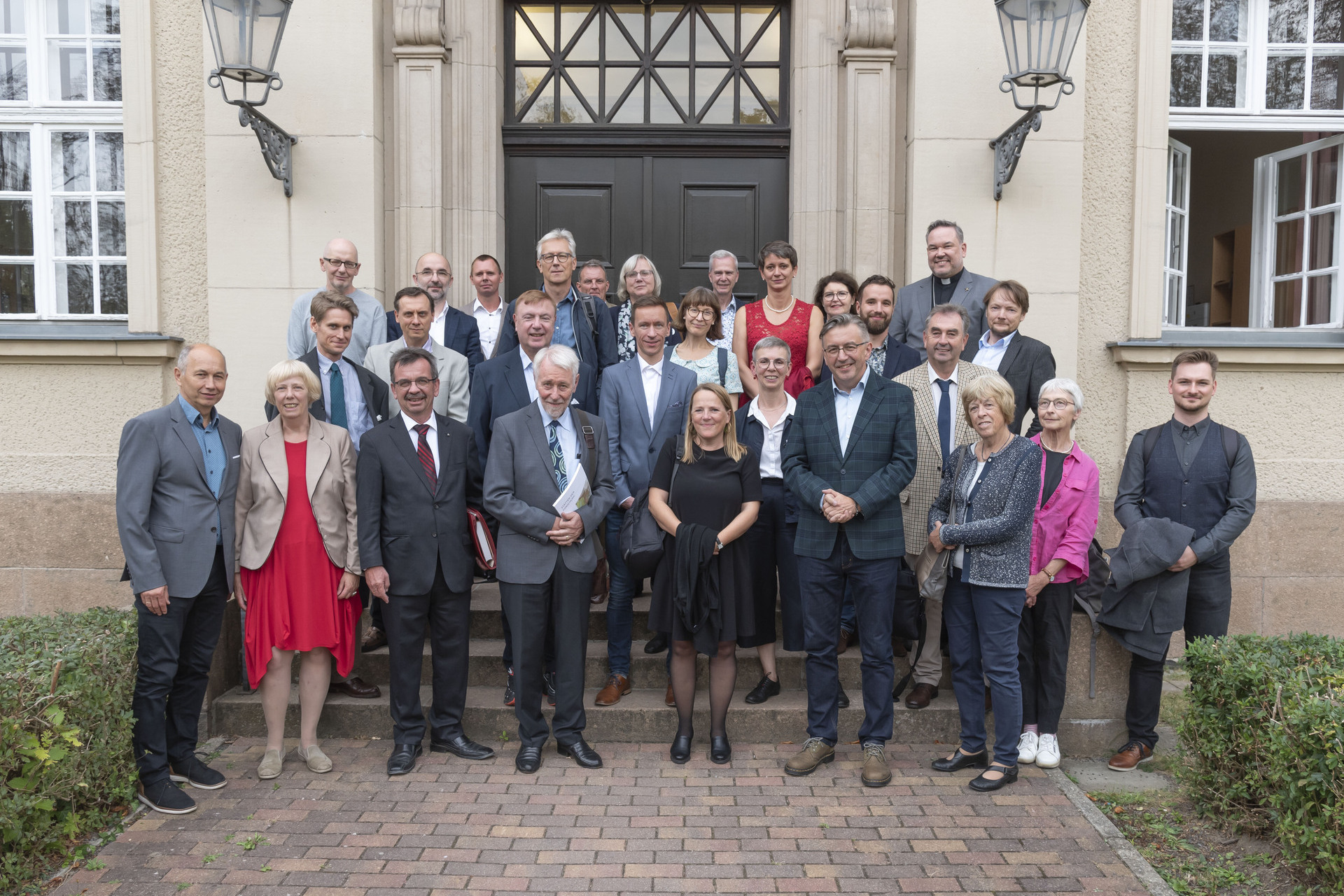
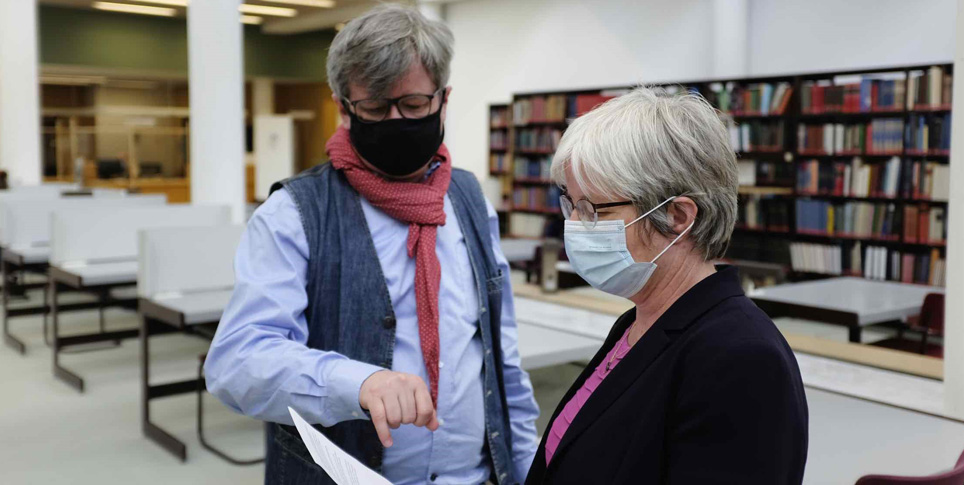
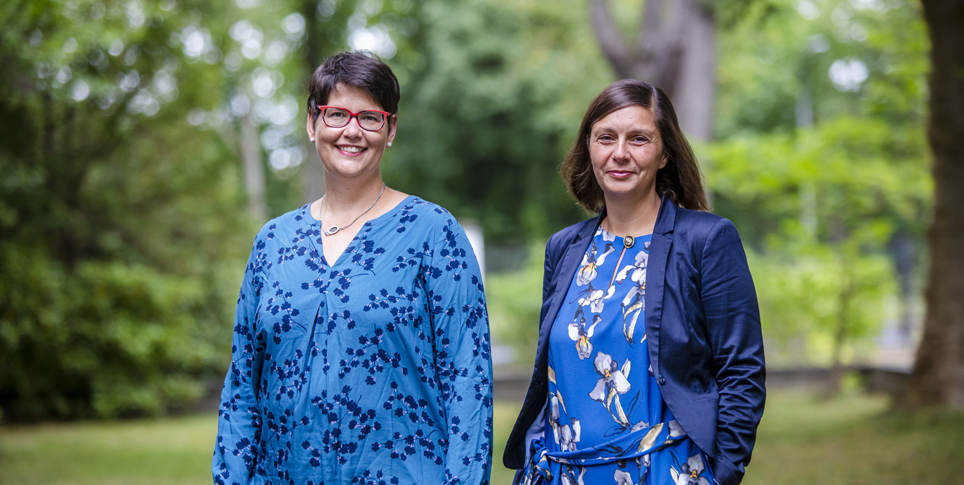
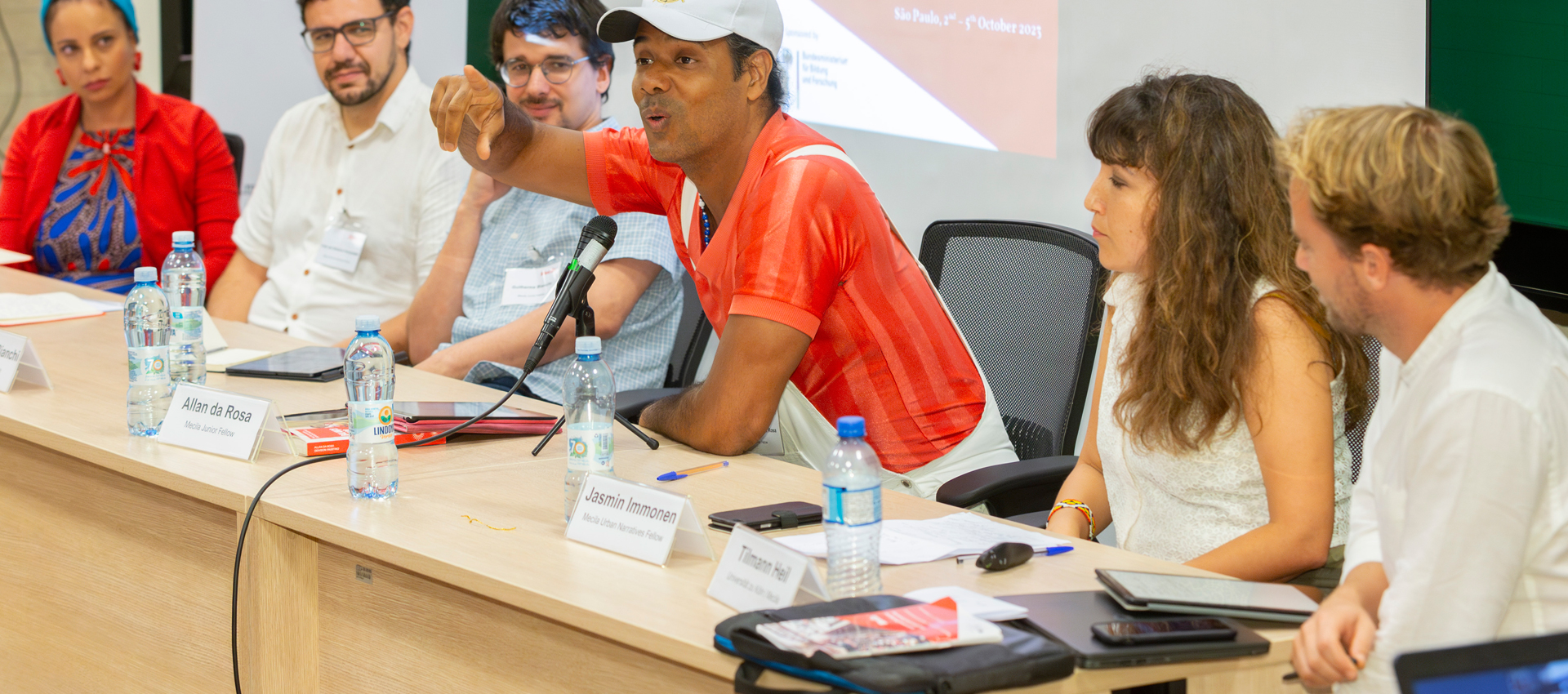
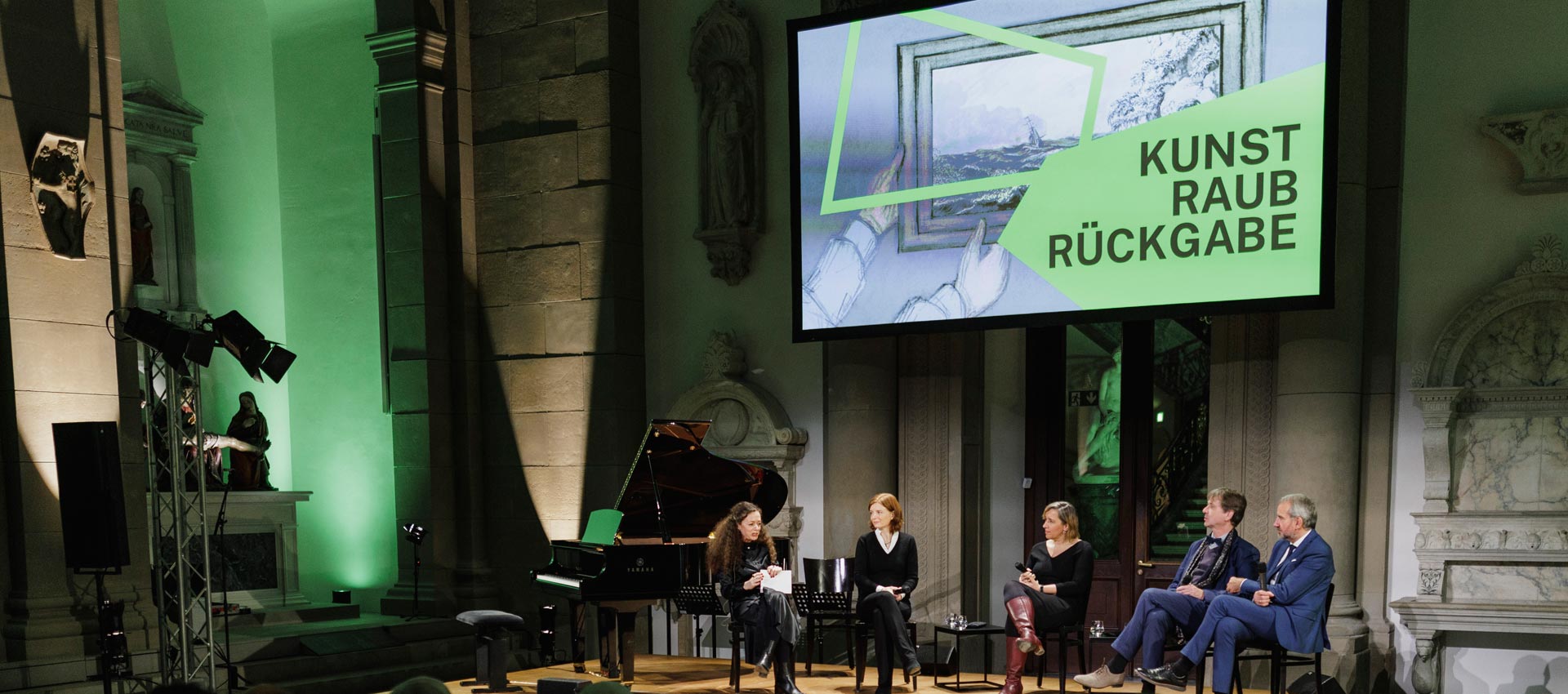
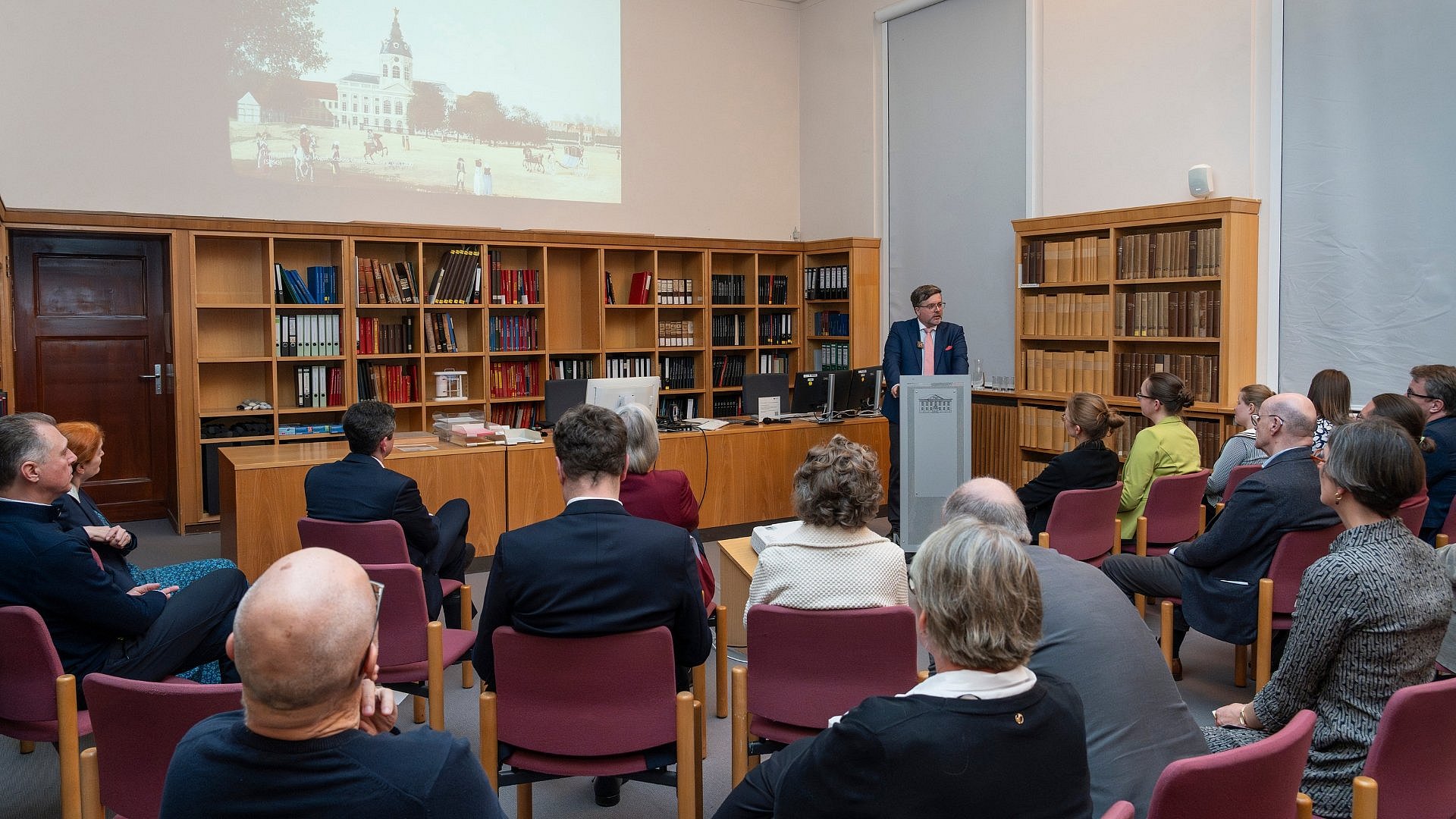
The evening's short presentations contributed to the scientific examination of the historical figure of Louise. They placed Luise's life and the eventful history of her memory in their respective historical contexts. The four historians Ulrike Marlow, Anja Bittner, Annelie Große and Susanne Bauer - all members of staff at the Berlin-Brandenburg Academy of Sciences and Humanities - are using our materials to research the practices of the monarchy in the 19th century as part of the Academy's project "Adaptation strategies of the late Central European monarchy using the Prussian example 1786 to 1918". In their lectures, they focused on Louise's relationship to the office of queen, her staff, her financial leeway and the ways in which she was remembered and instrumentalised.
We were also particularly pleased that these four lectures were supplemented by a fifth: Stefan Schimmel, an employee of the General Administration of the former reigning Prussian royal house, focussed in his lecture on the private commemorative cult of King Frederick William III. Some of the objects he showed at the Louisen Evening were made accessible to the public for the first time.
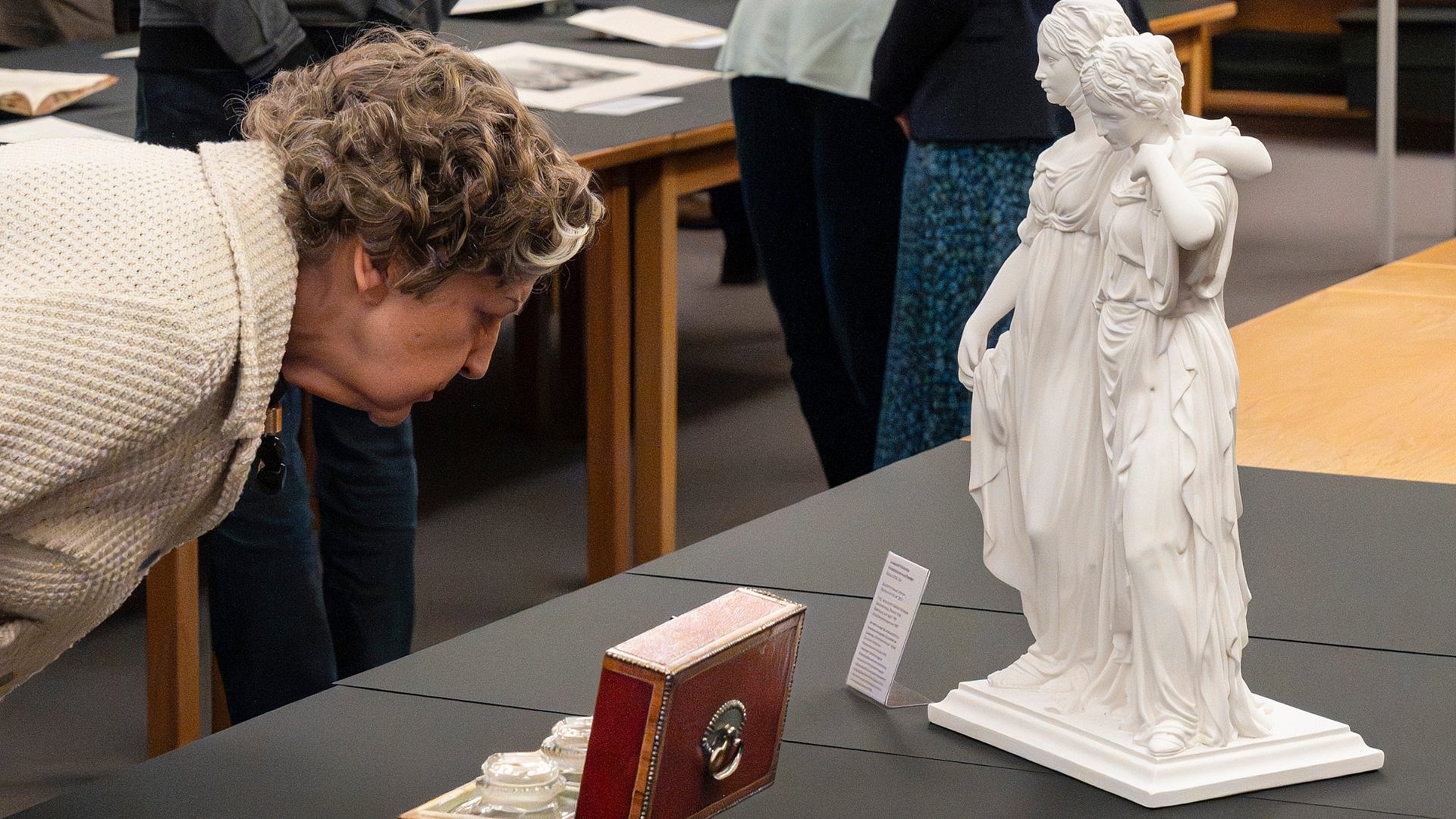
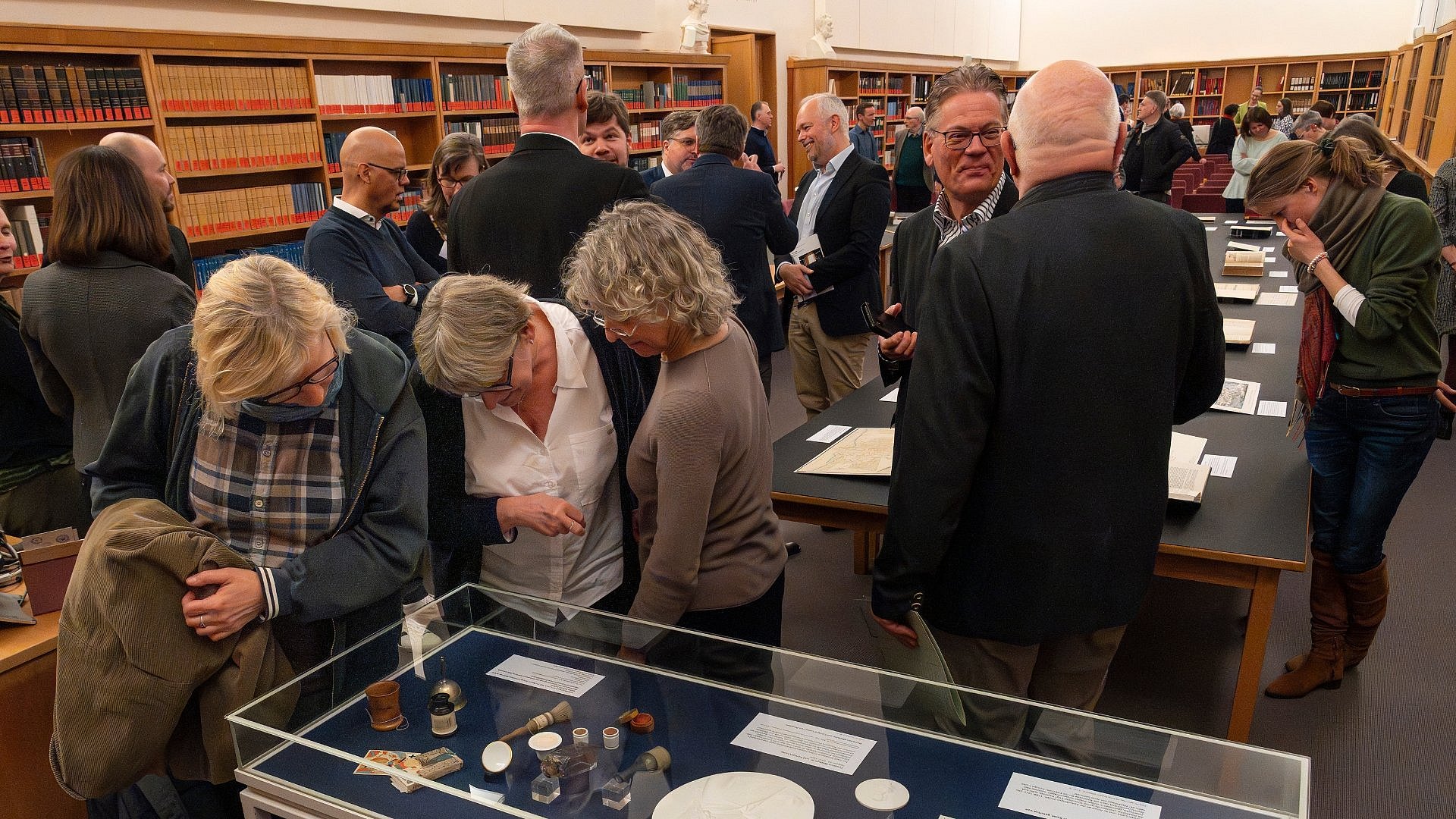
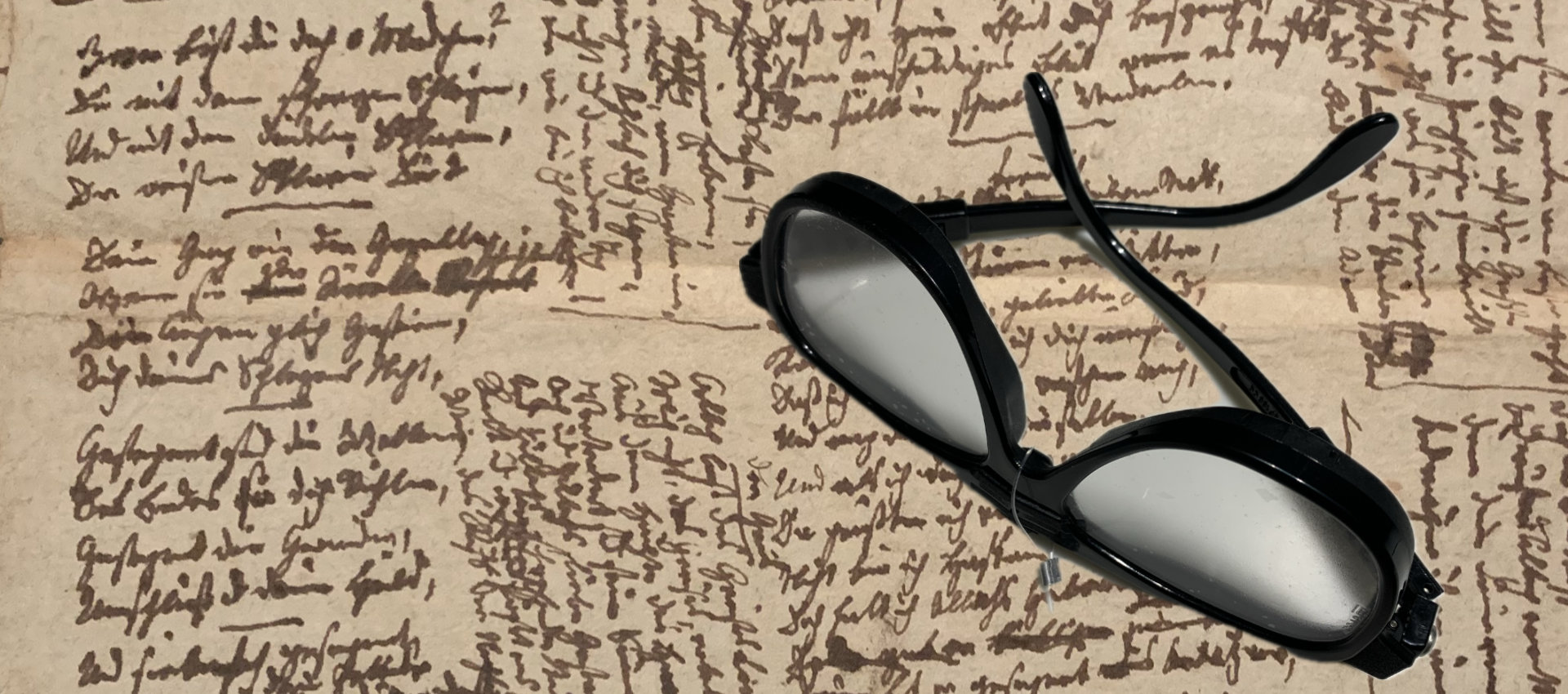
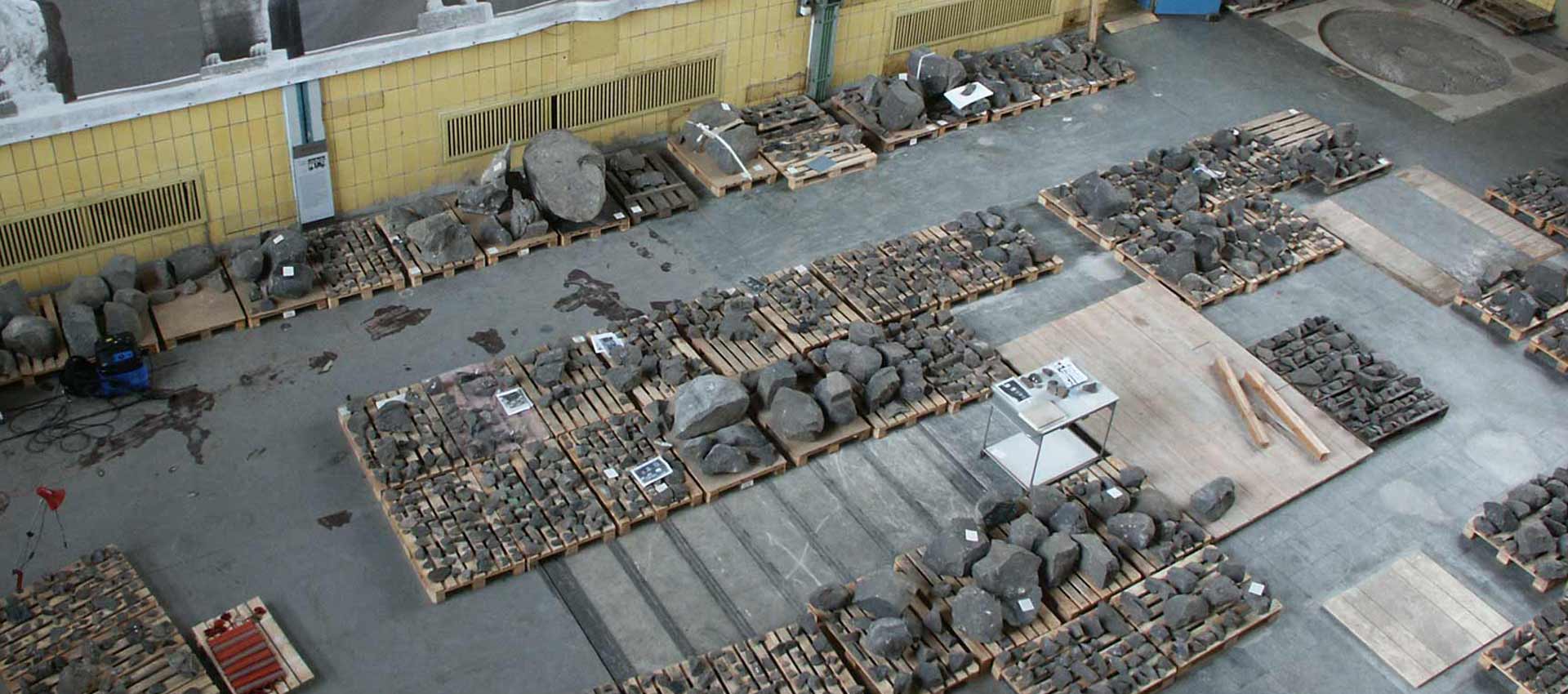
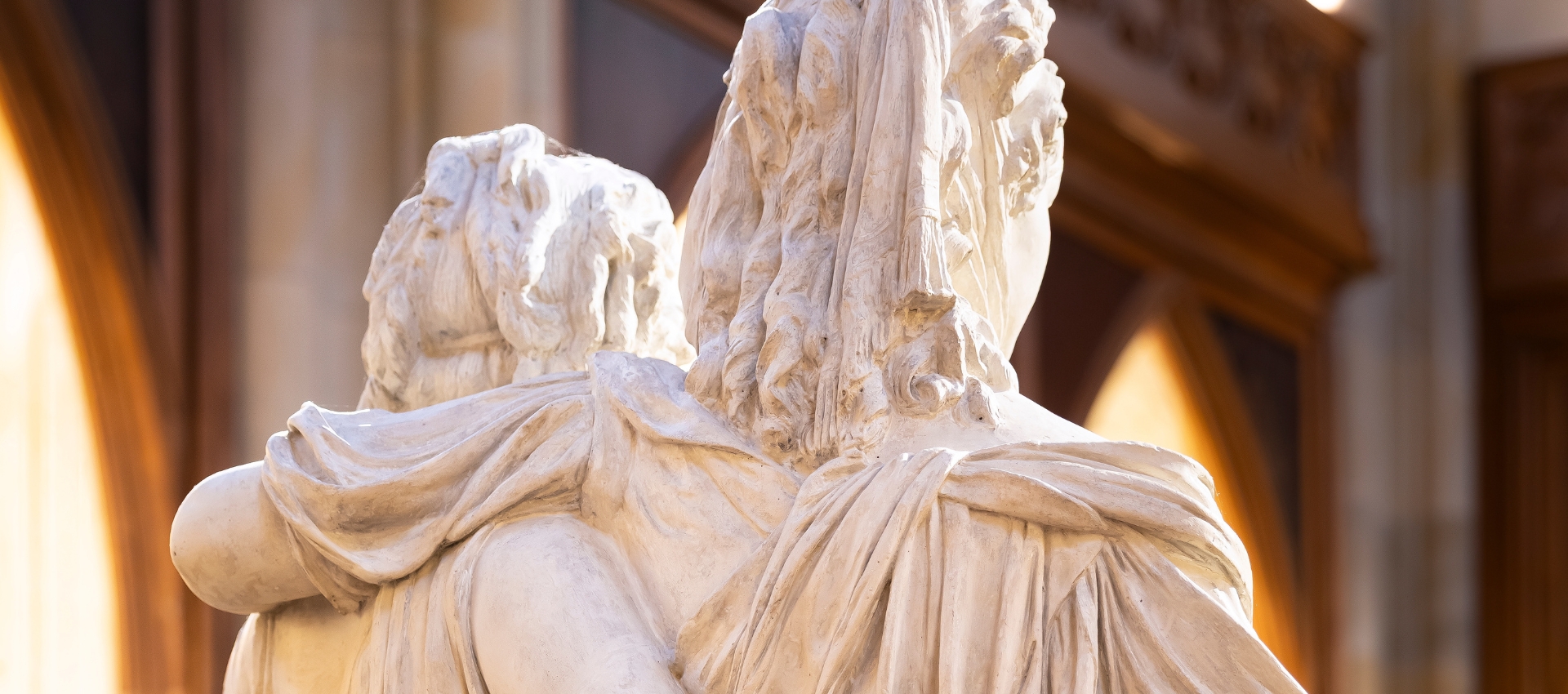
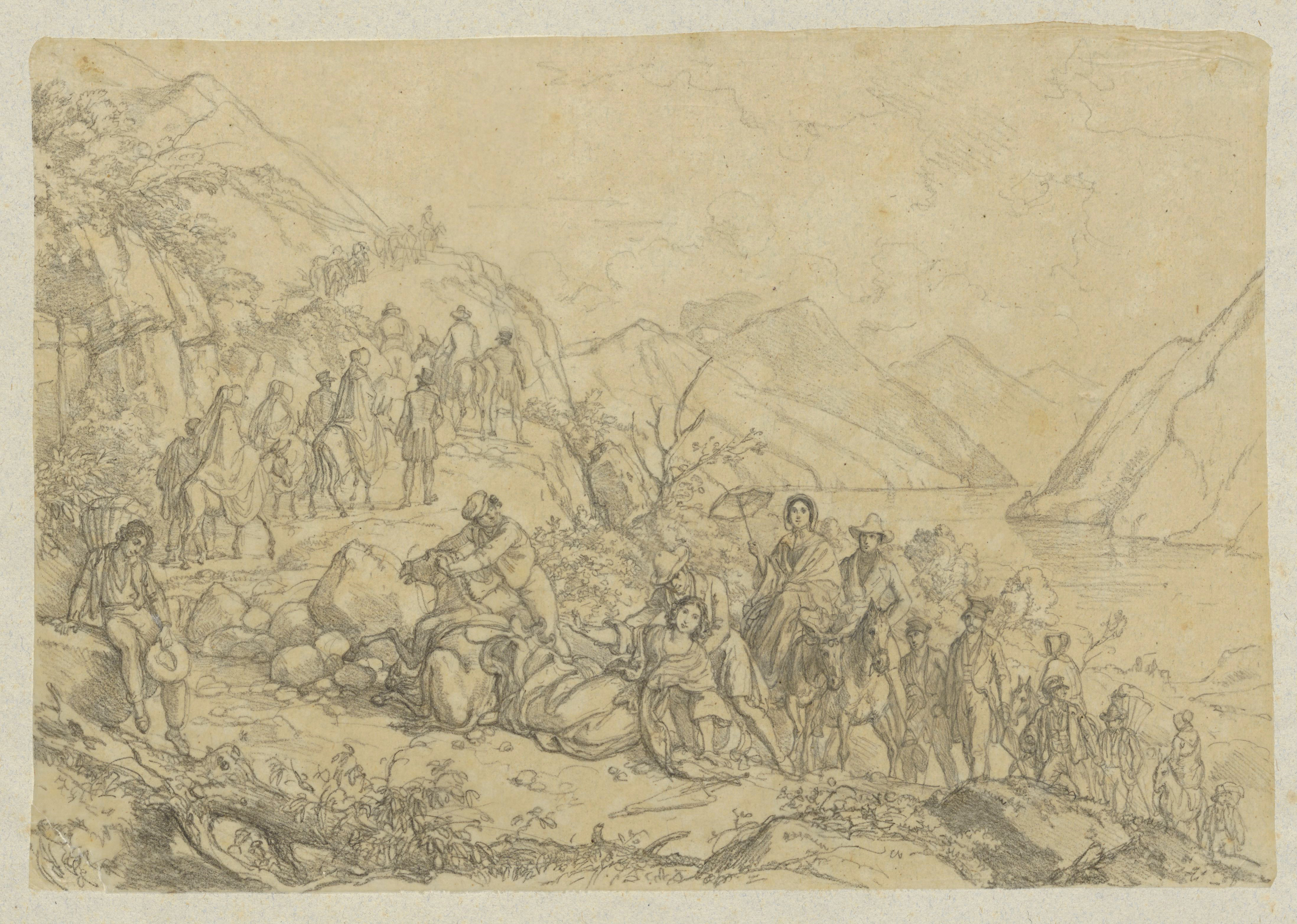
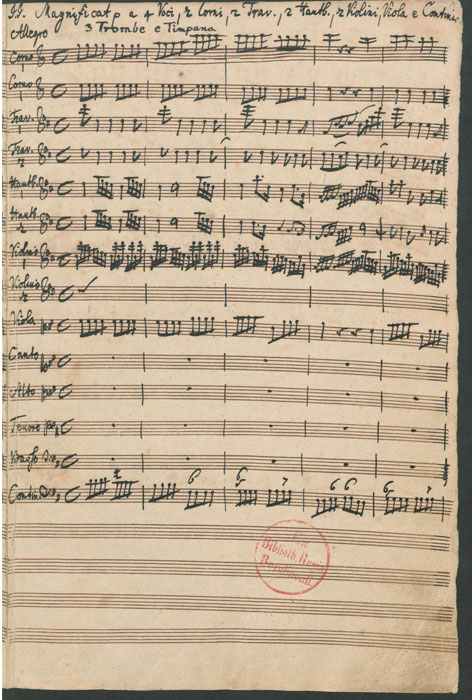
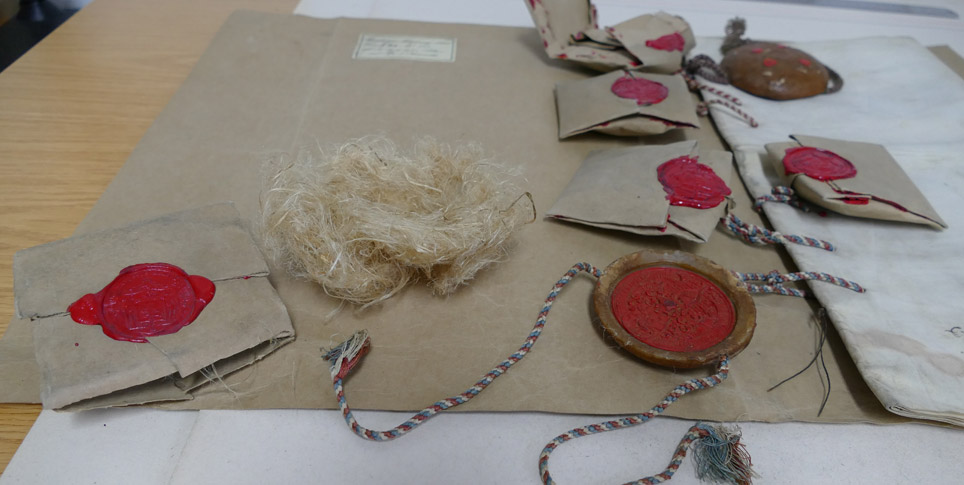
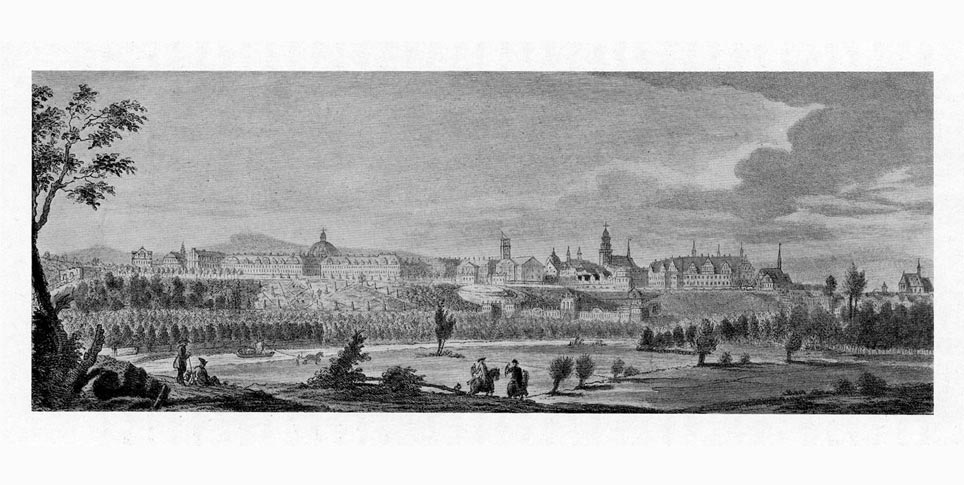
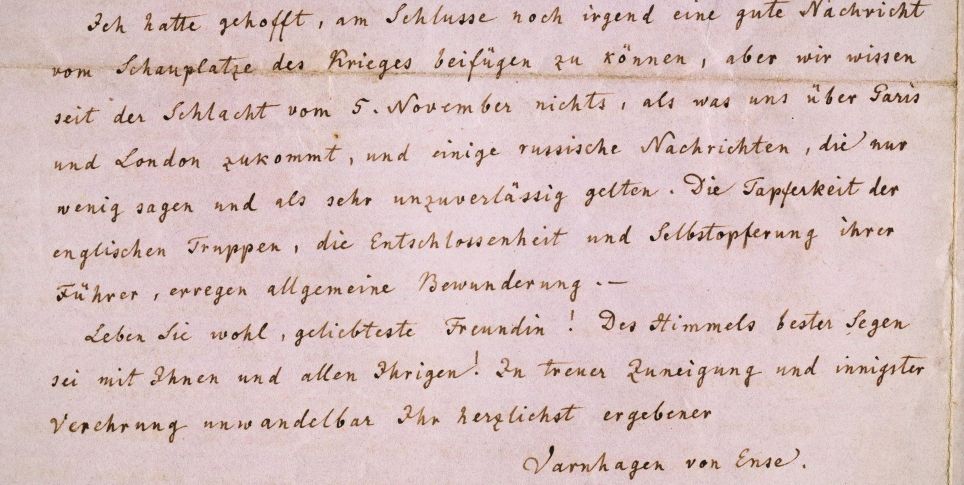
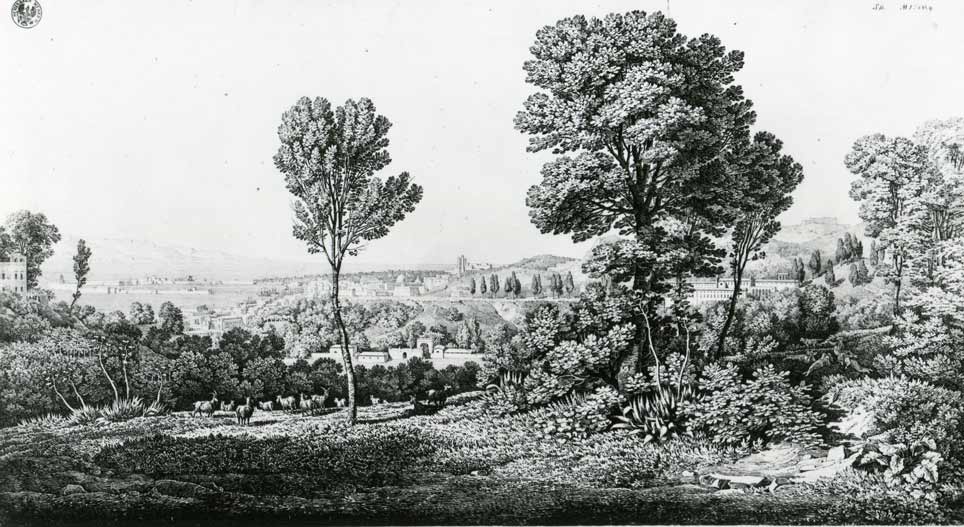
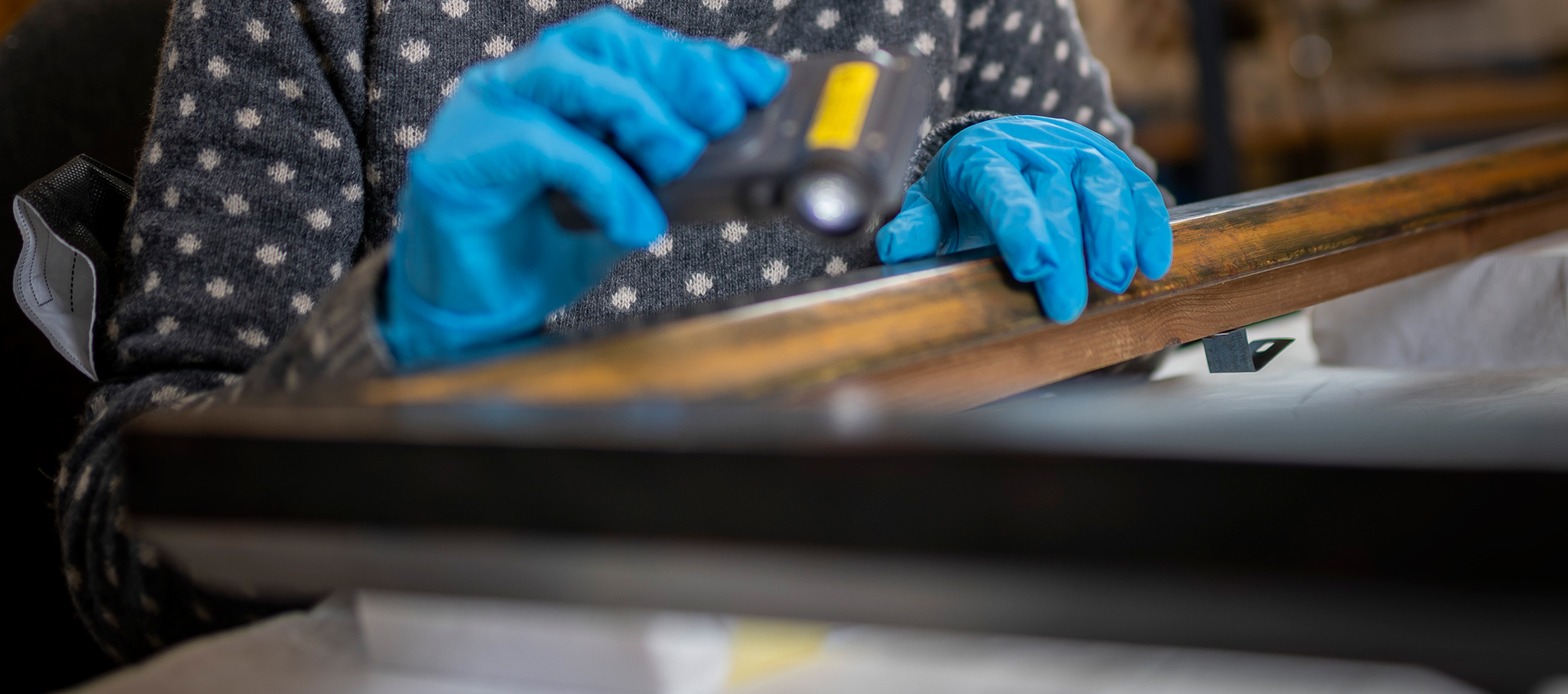
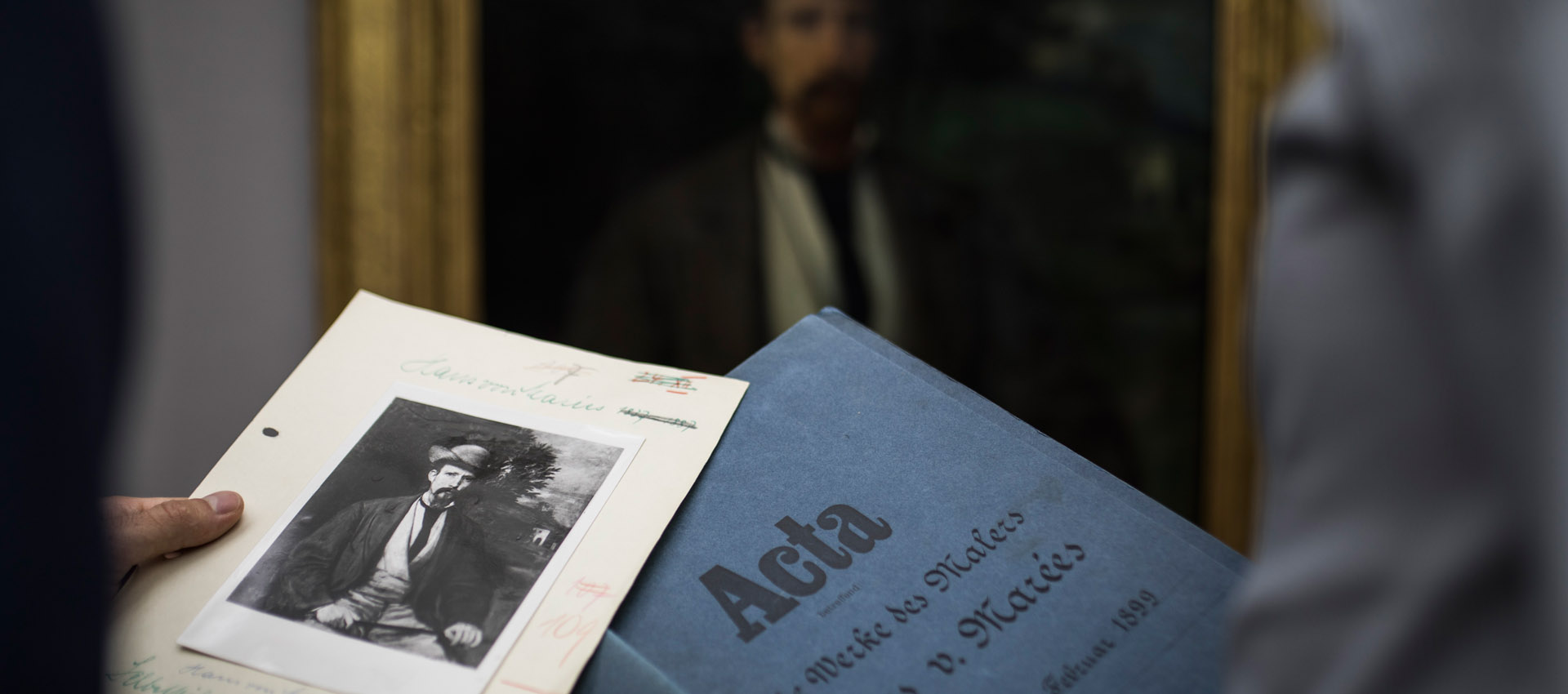
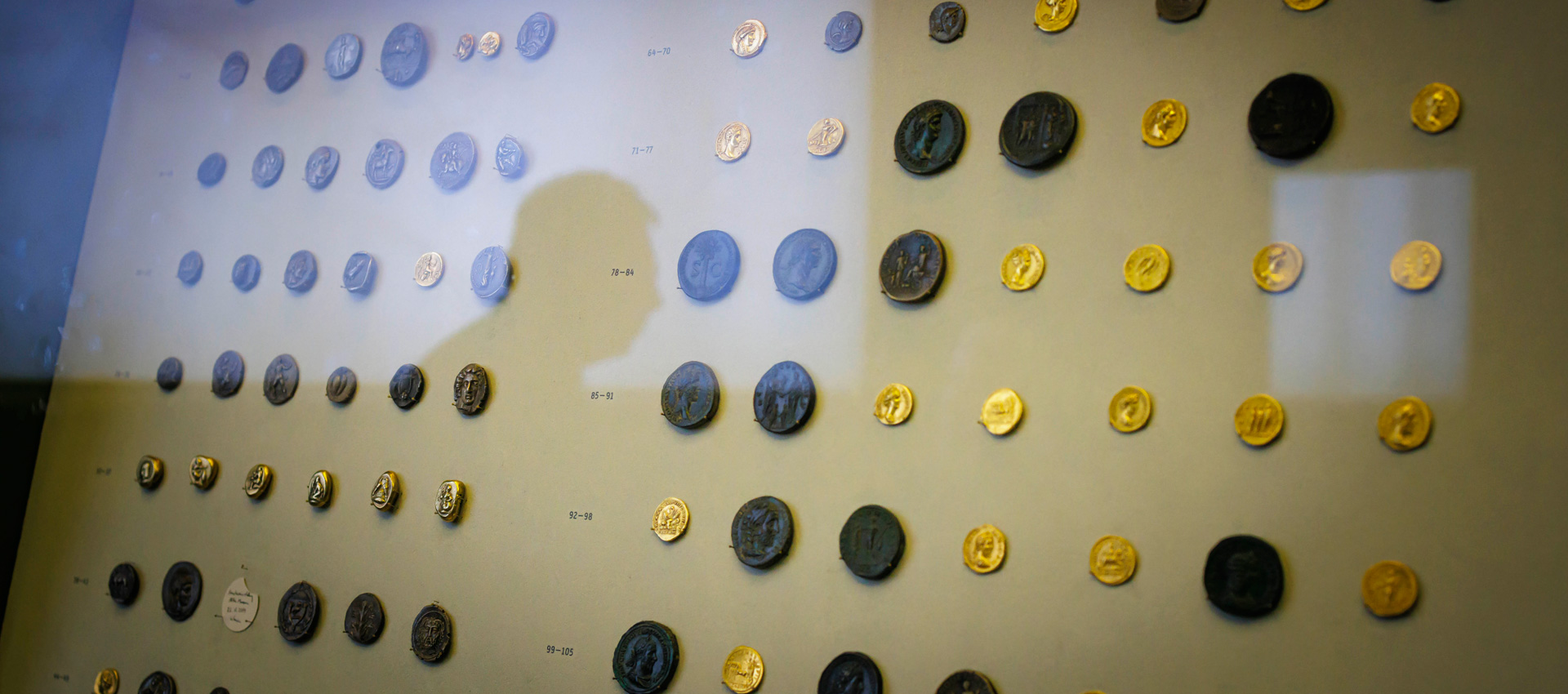
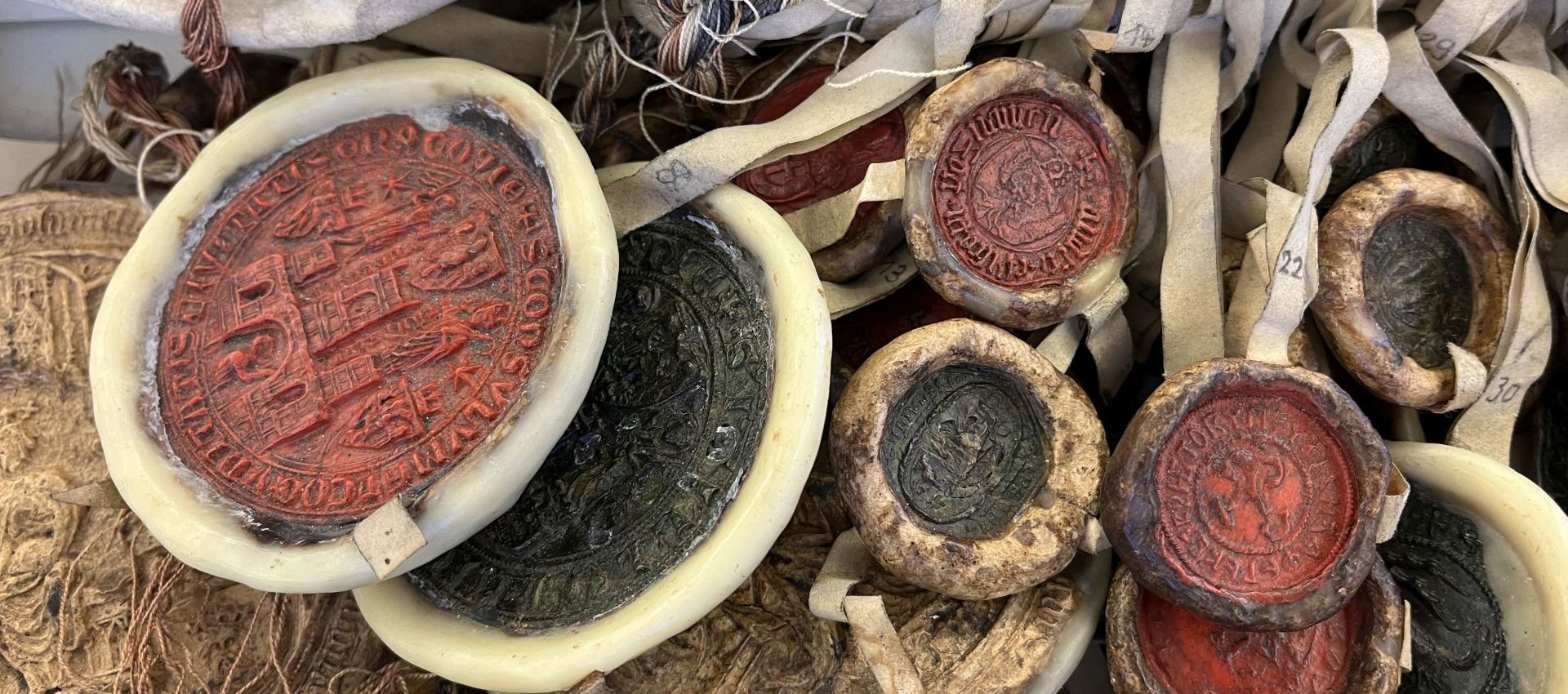
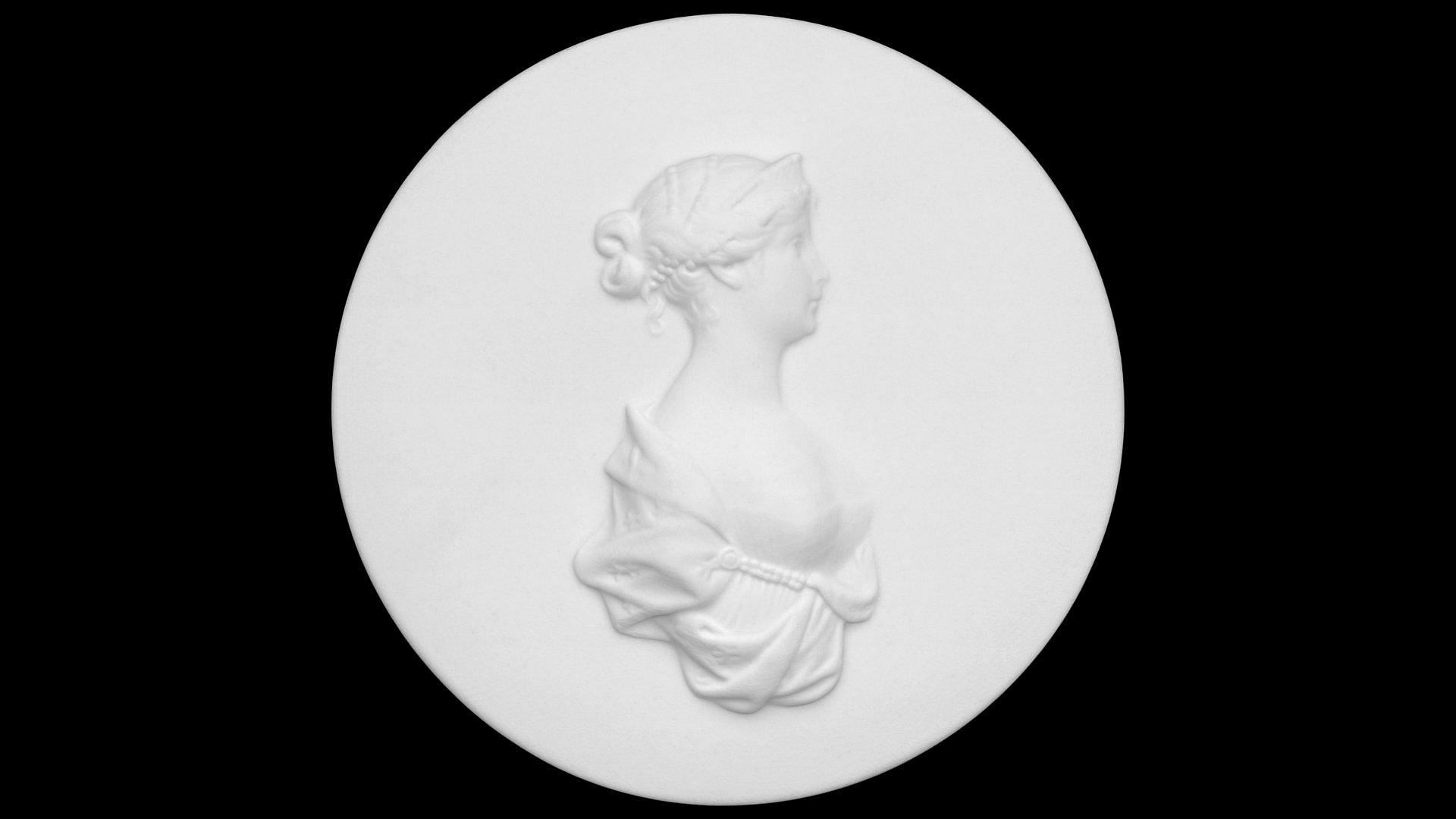
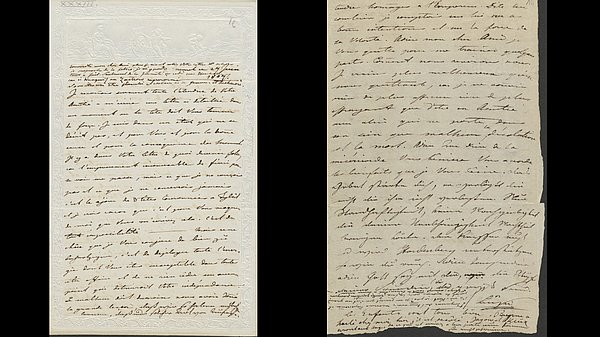
The sources themselves were always at the centre of all this: personal letters and notes, account books, contemporary maps, prints and books, medallions and memorabilia - including exhibits from the plaster moulding workshop. They all provided an insight into Louise's life and provided information about her historical impact: as a wife, mother, political player and figure of identification in a time of profound upheaval.
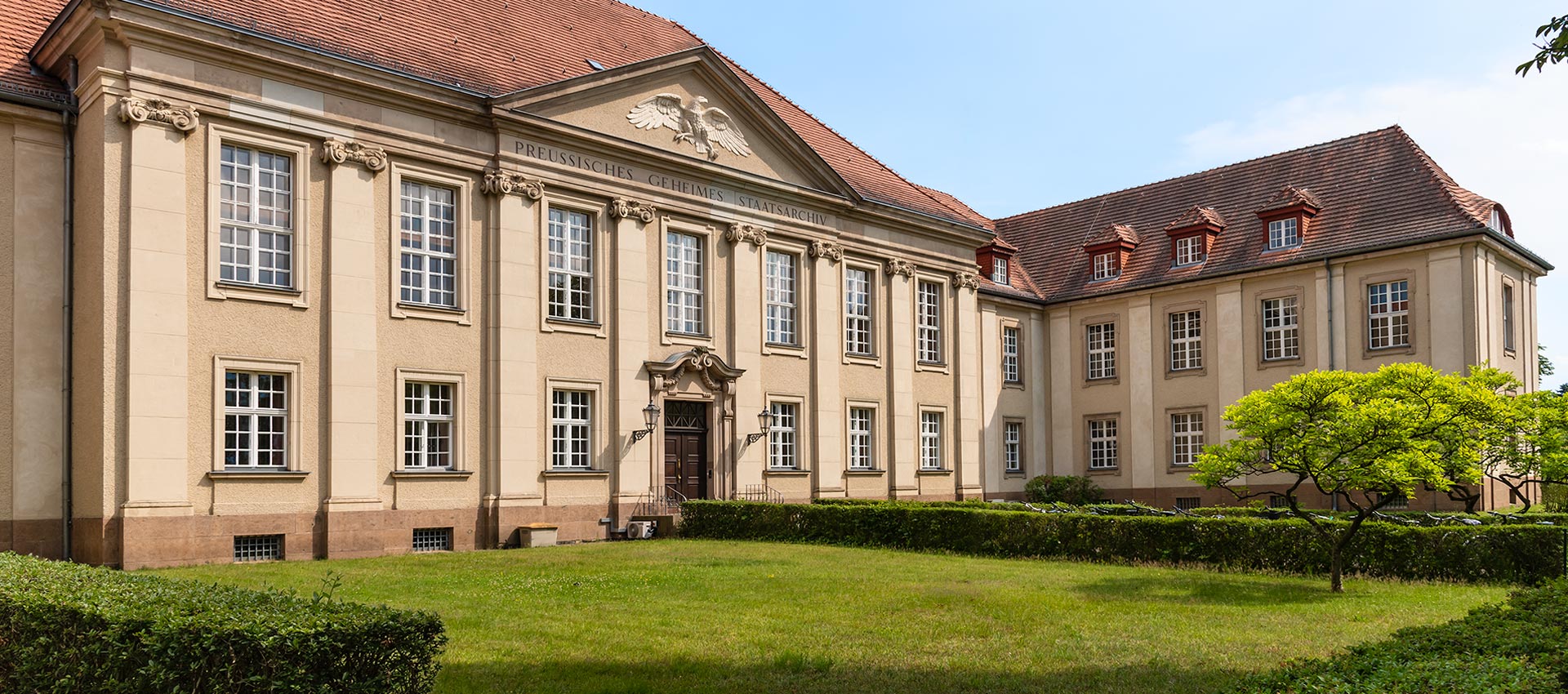
The Geheimes Staatsarchiv makes this historical tradition accessible, opens up the possibility of a critical examination of it and thus creates the basis for a reflective approach to historical narratives and popular myths.