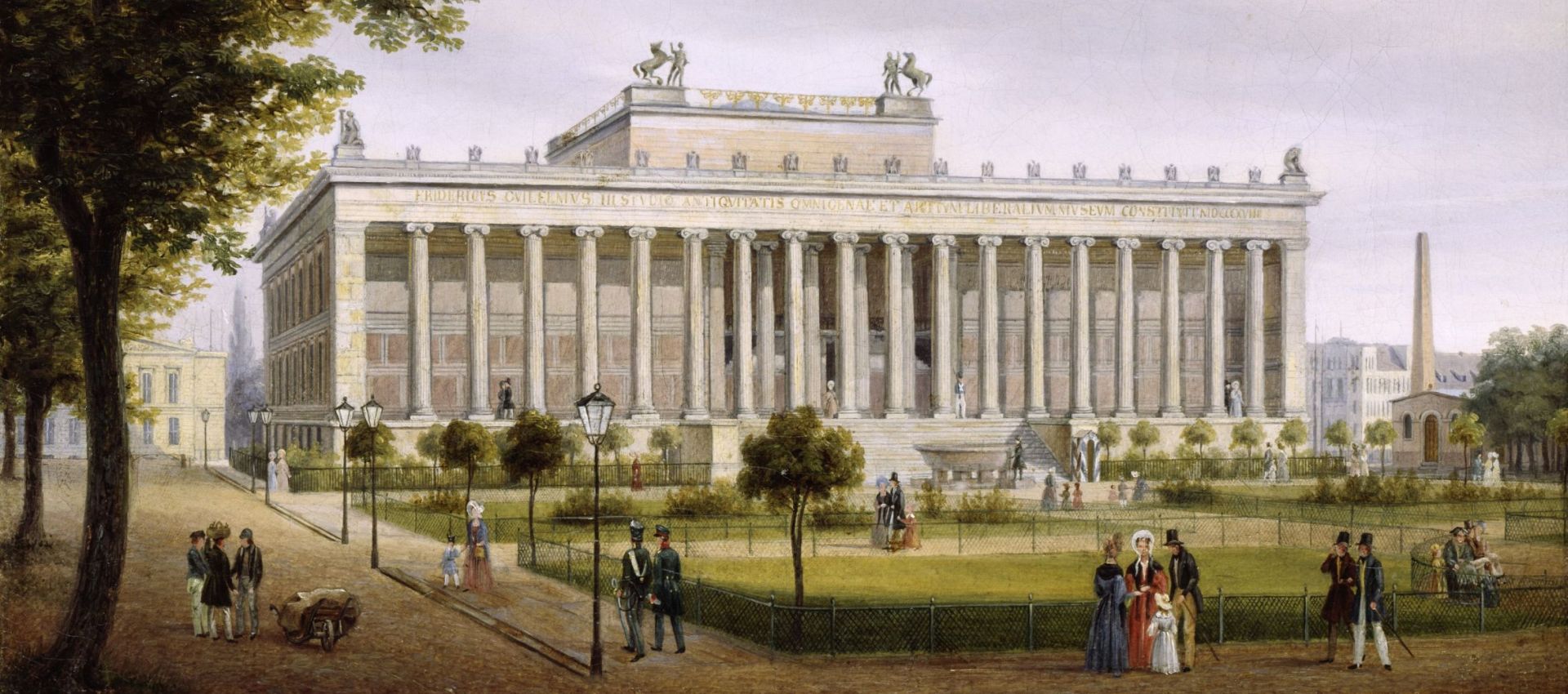
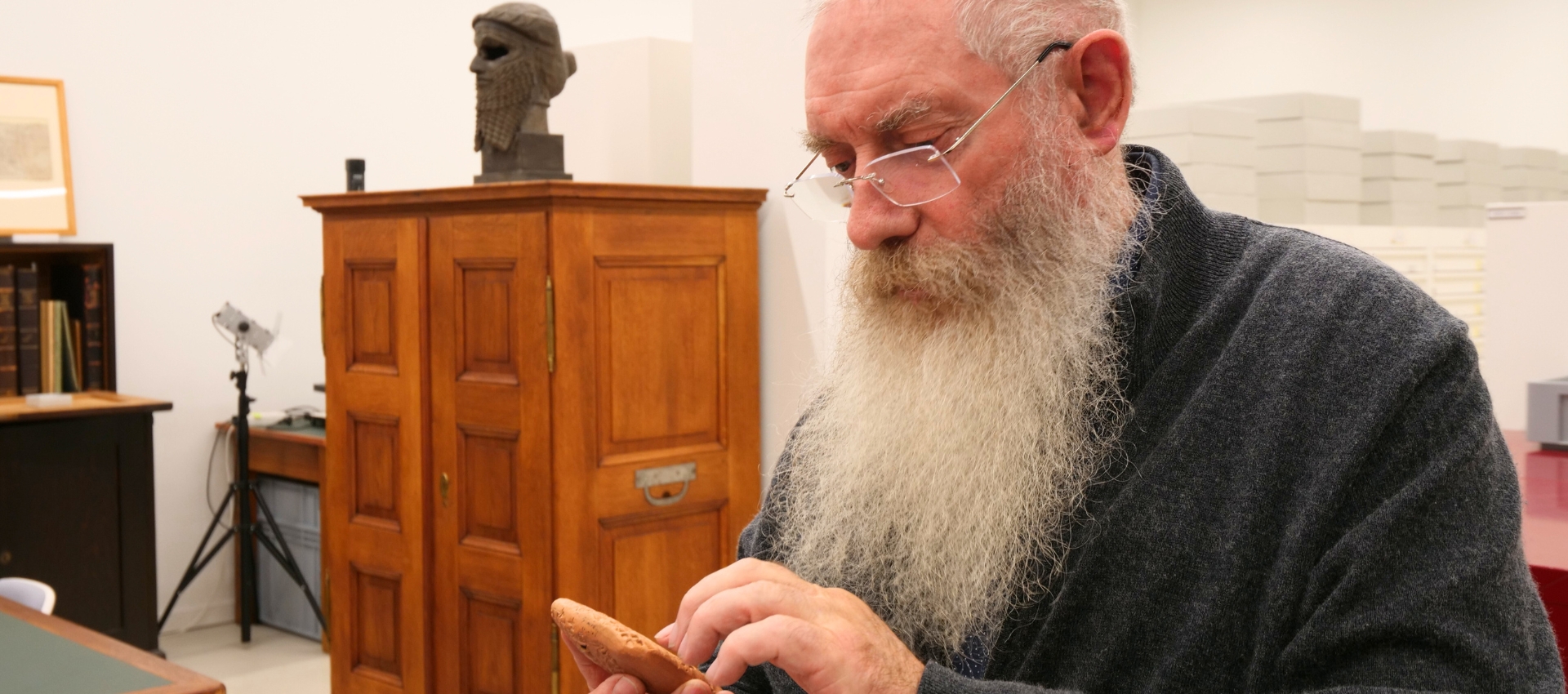
From the end of April 2024, the special exhibition “Elephantine: Island of the Millennia” by the Egyptian Museum and Papyrus Collection – State Museums of Berlin will be on display on Berlin’s Museum Island. In this interview, the exhibition’s curator, Verena Lepper, explains what Elephantine is, the significance the island still holds today, and what visitors to the exhibition can look forward to.
What is Elephantine?
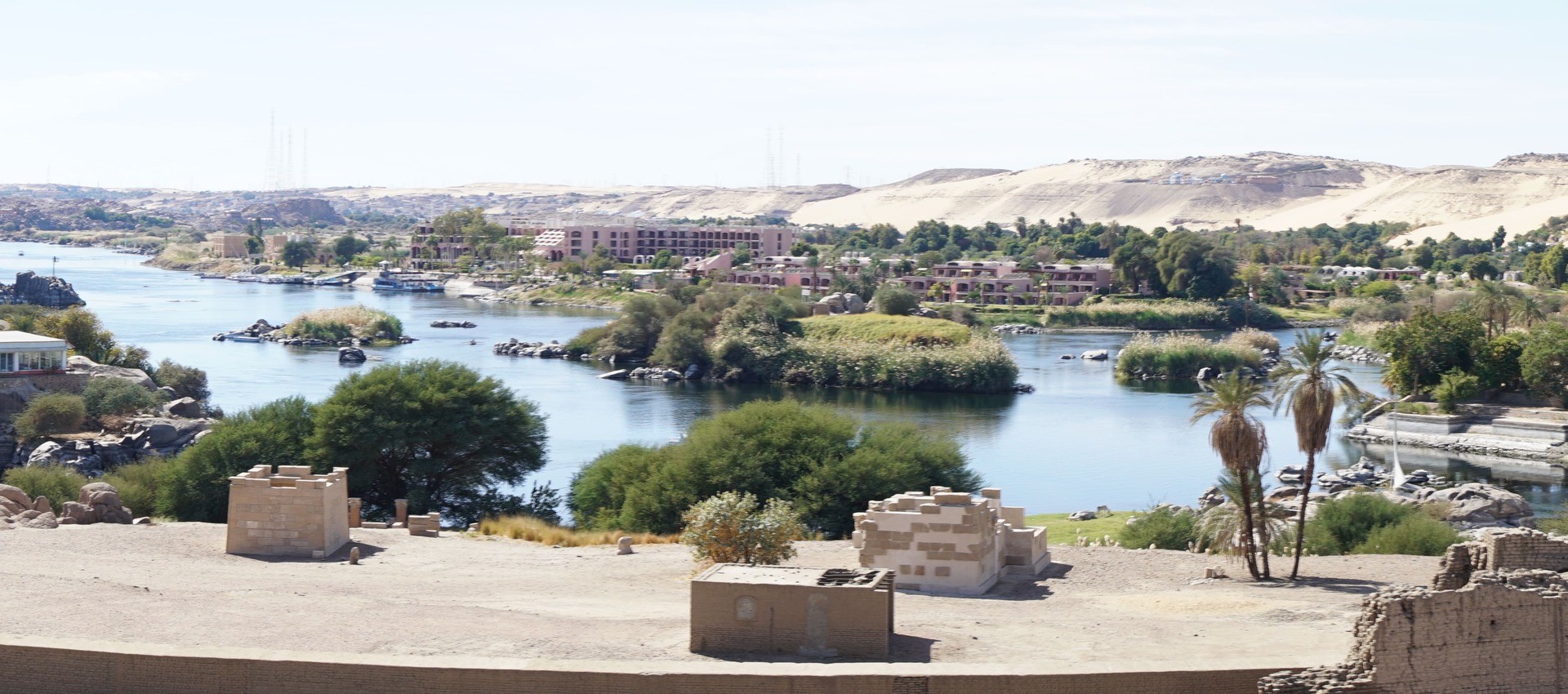
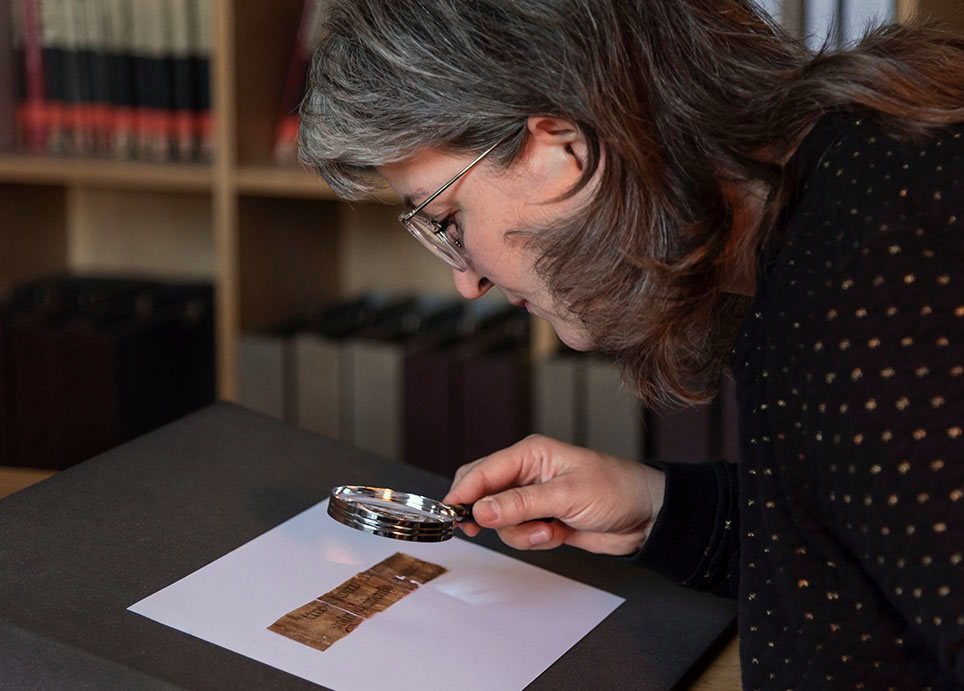
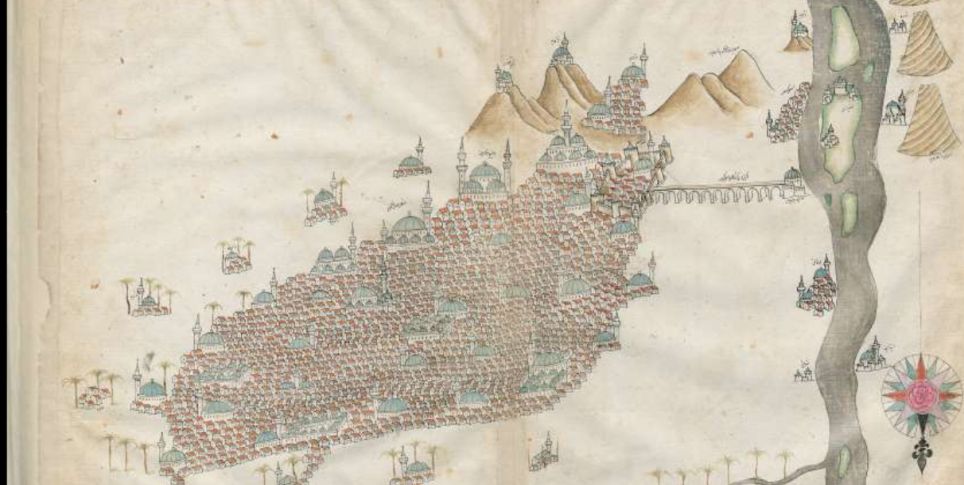
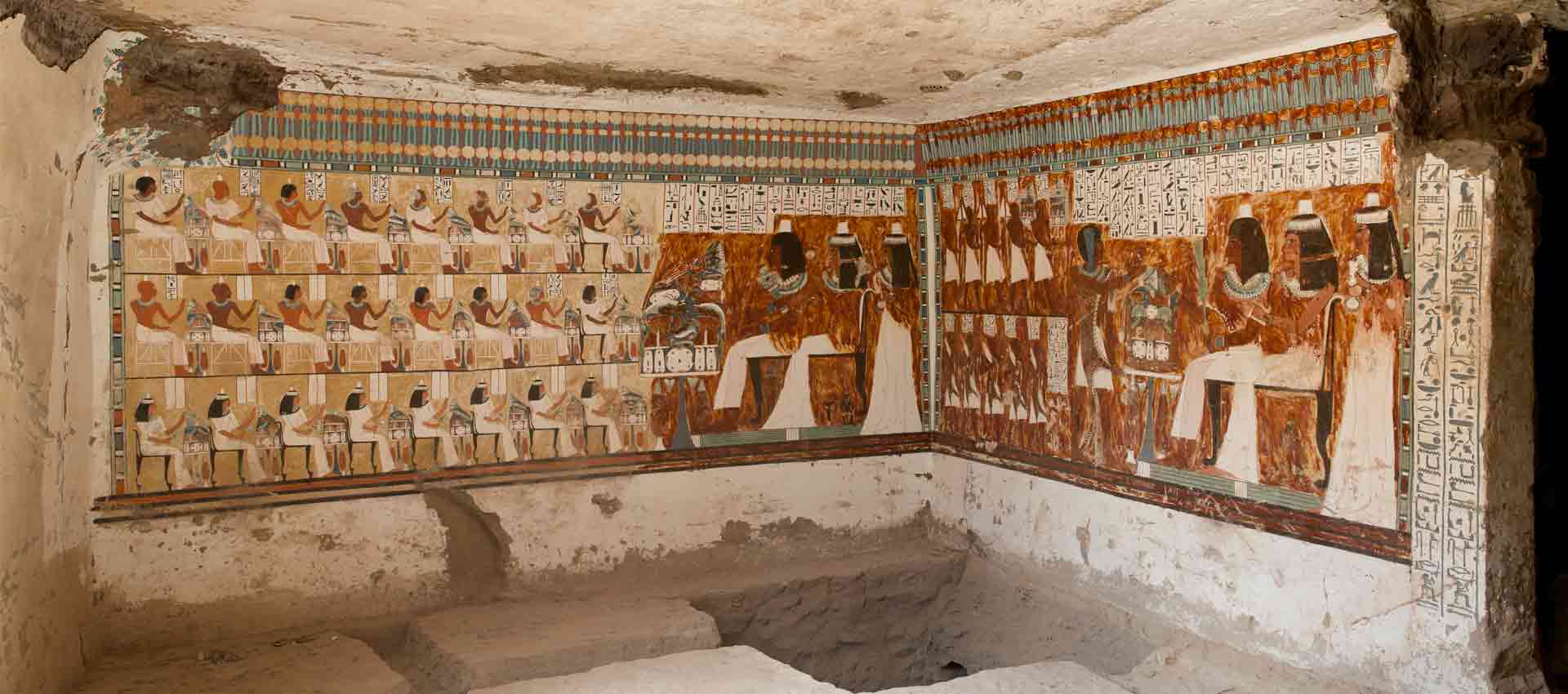
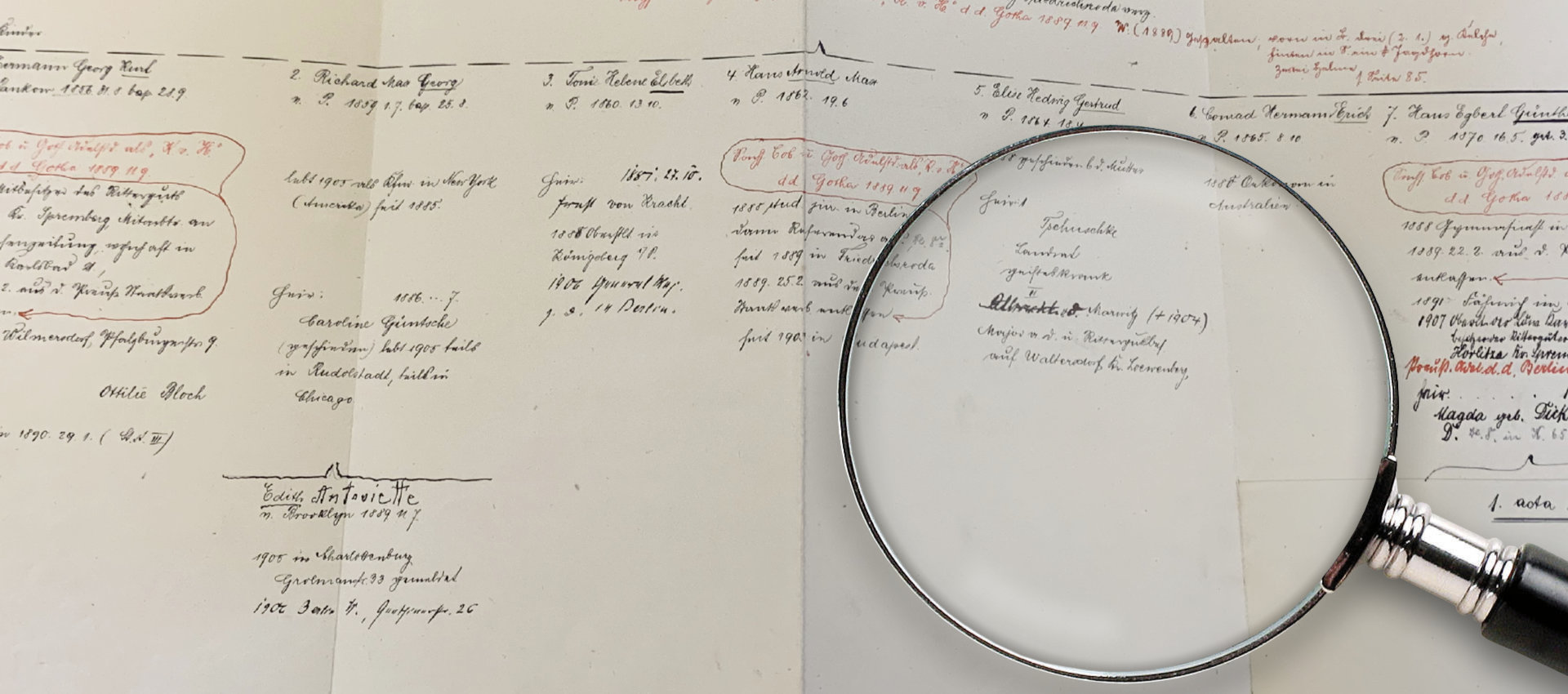
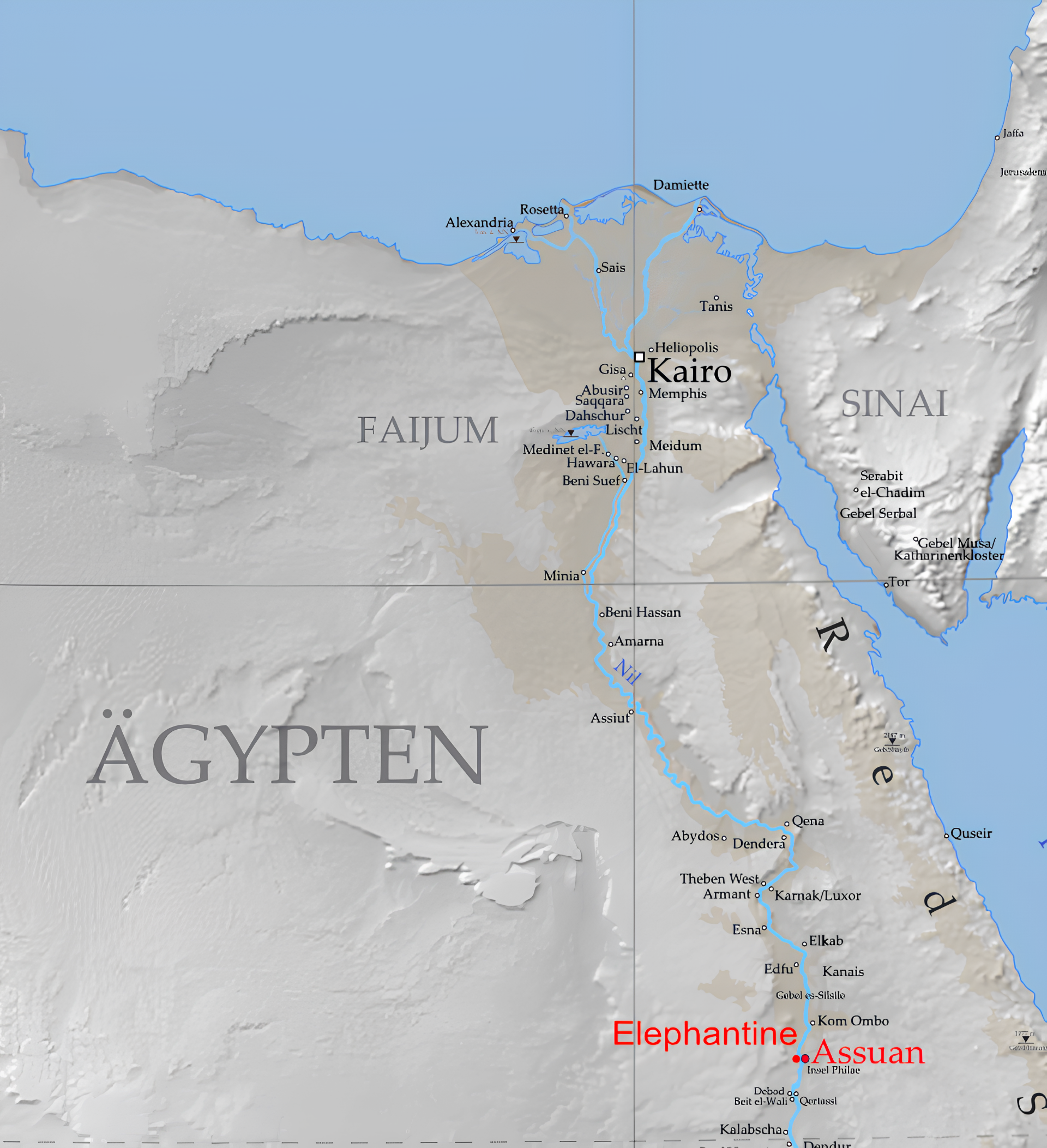
Verena Lepper: Elephantine is a small island in the Nile, just two kilometres long, situated on Egypt’s southern border – yet an extraordinary amount has happened there. It was a border post, a trading outpost on the frontier with ancient Nubia, home to a uniquely diverse, multilingual, multicultural and multi-religious population. Unique in the whole world, this place offers the opportunity to virtually ‘relive’ cultural history spanning a period of 4,000 years through written sources – a real sensation. Viewed through a magnifying glass, we can now experience this small island in all its grandeur.
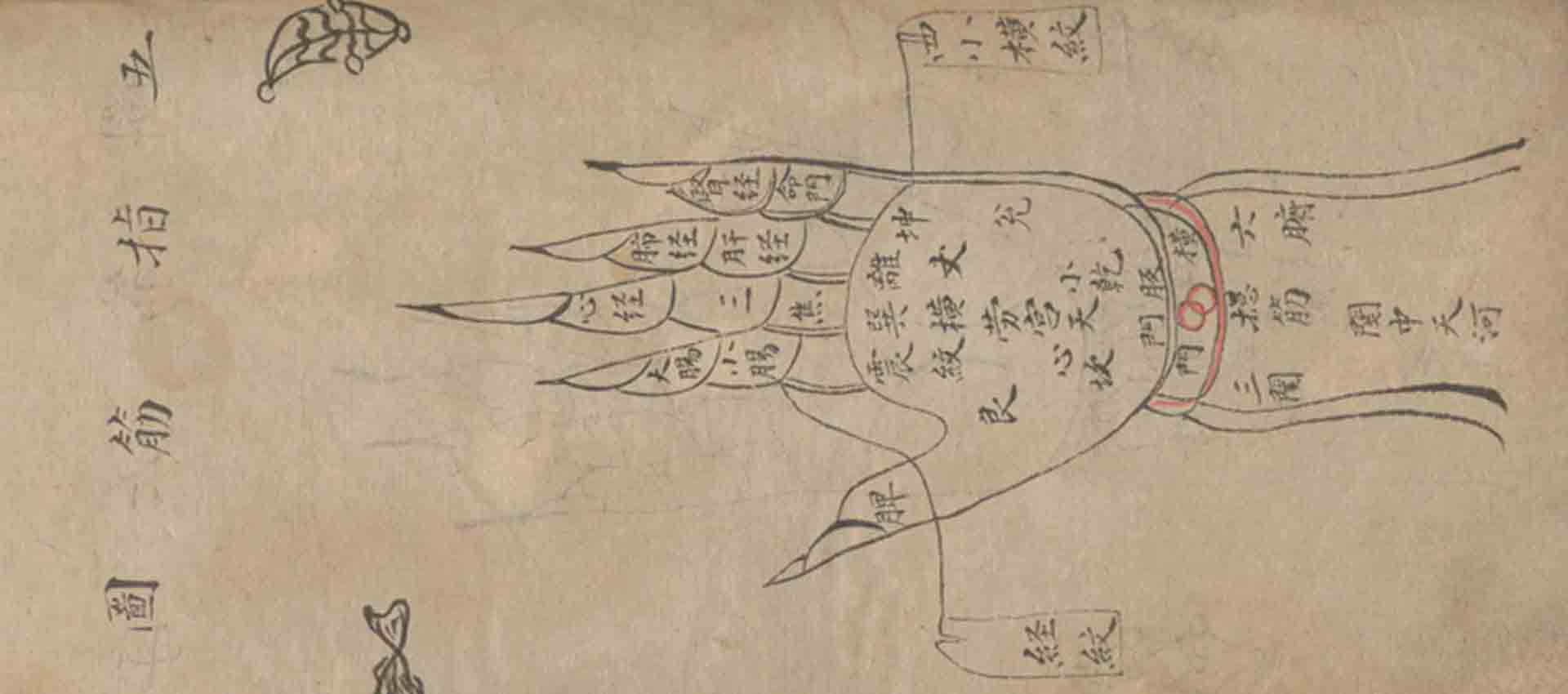
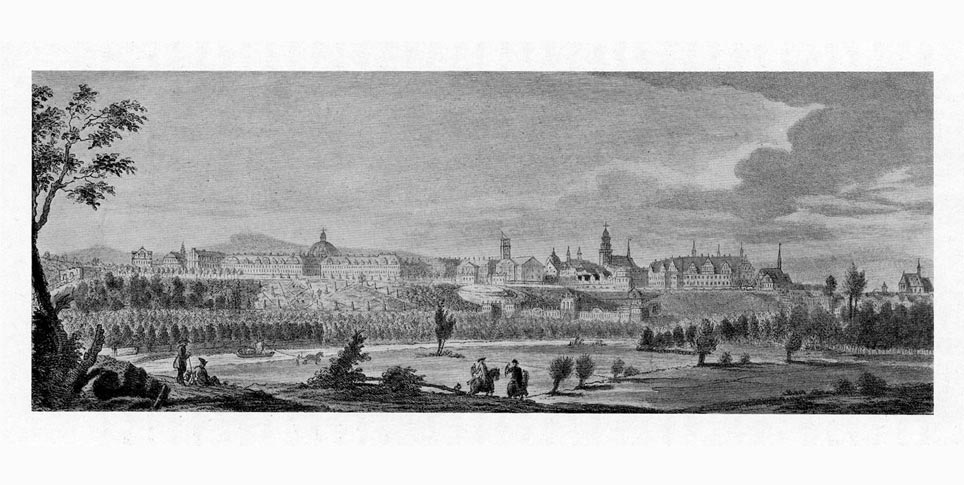
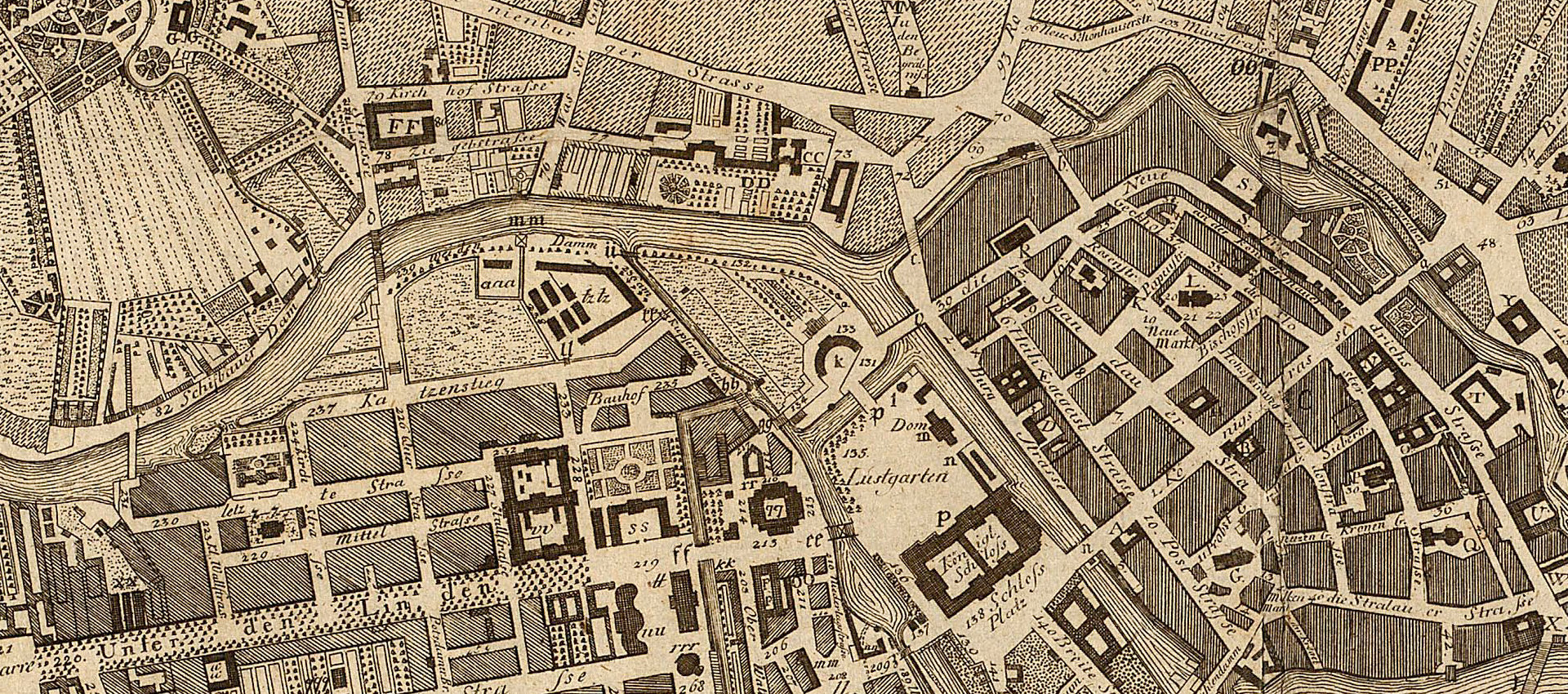
Photo: Map of Egypt, Aswan © Staatliche Museen zu Berlin, Egyptian Museum and Papyrus Collection
What sources provide evidence of its cultural history?
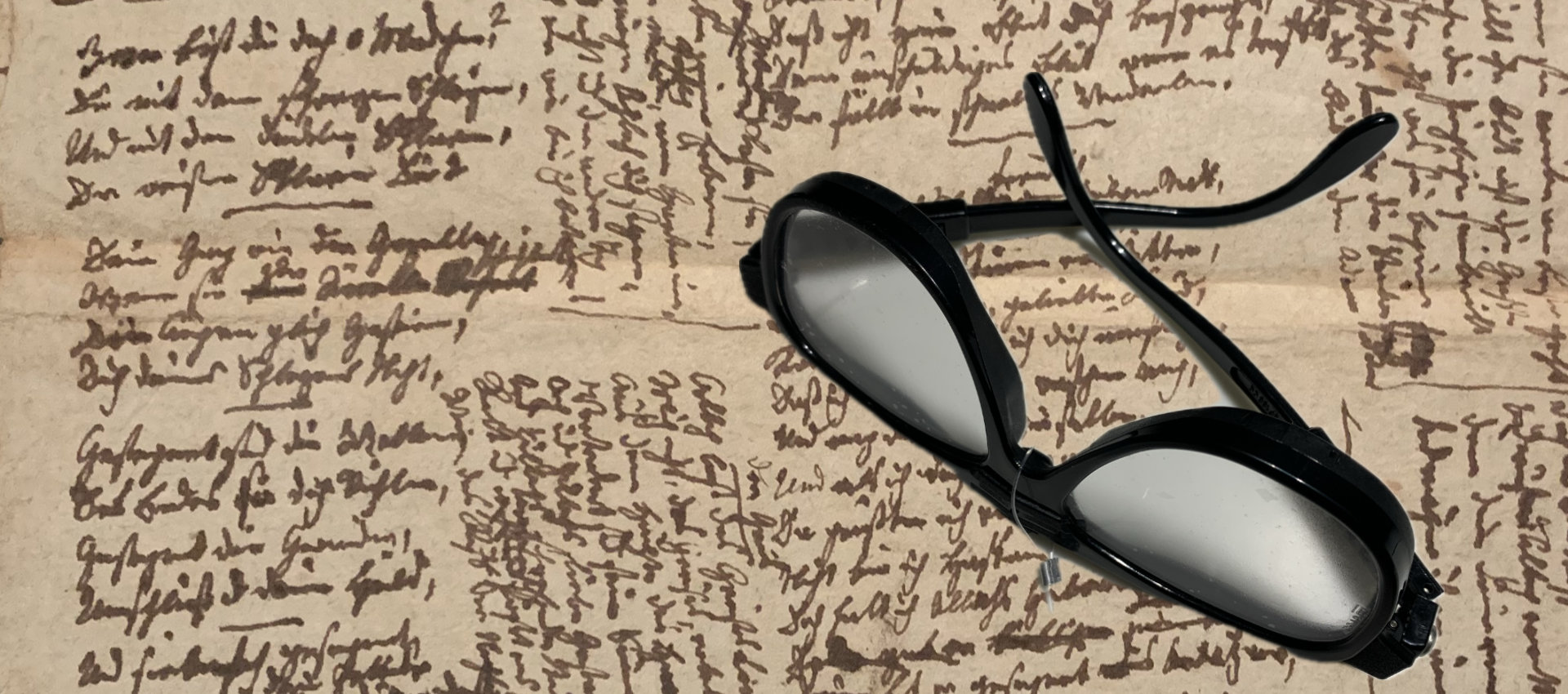
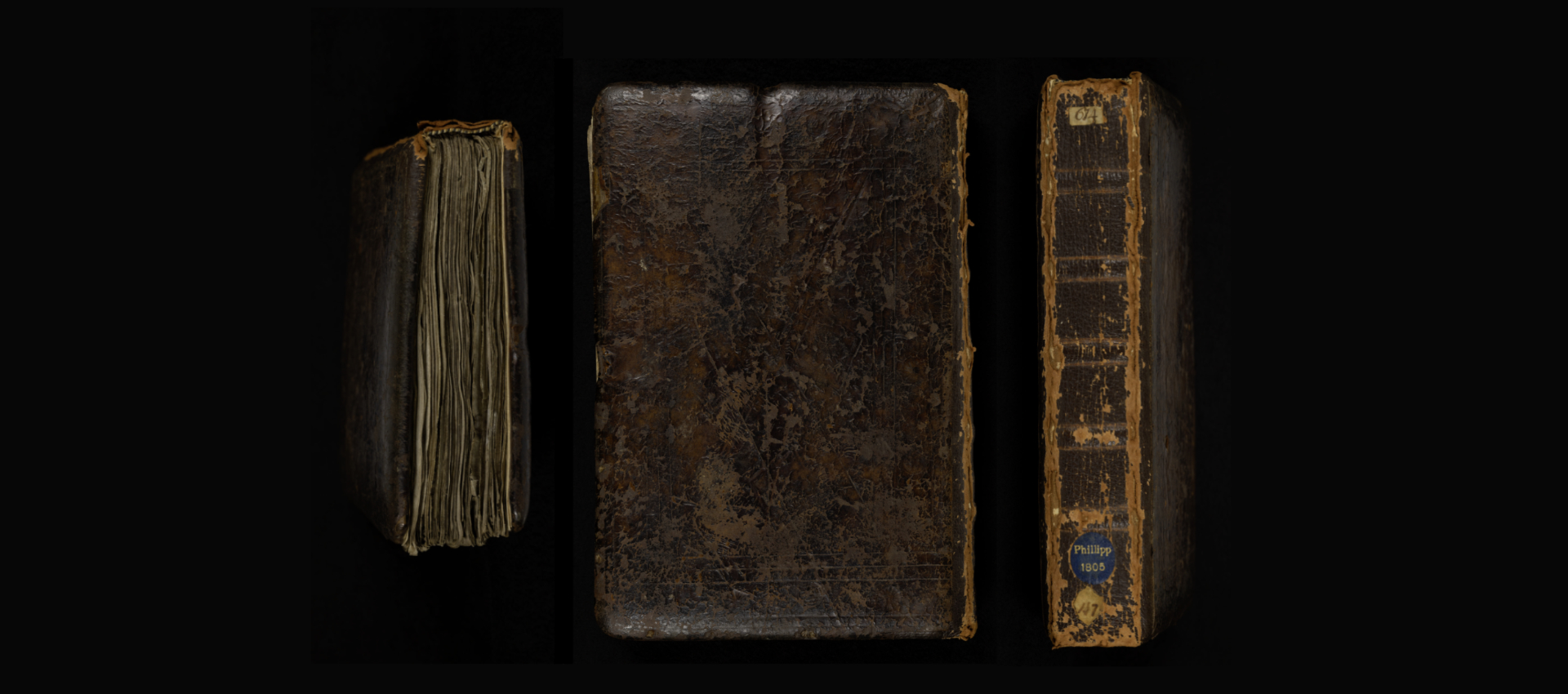
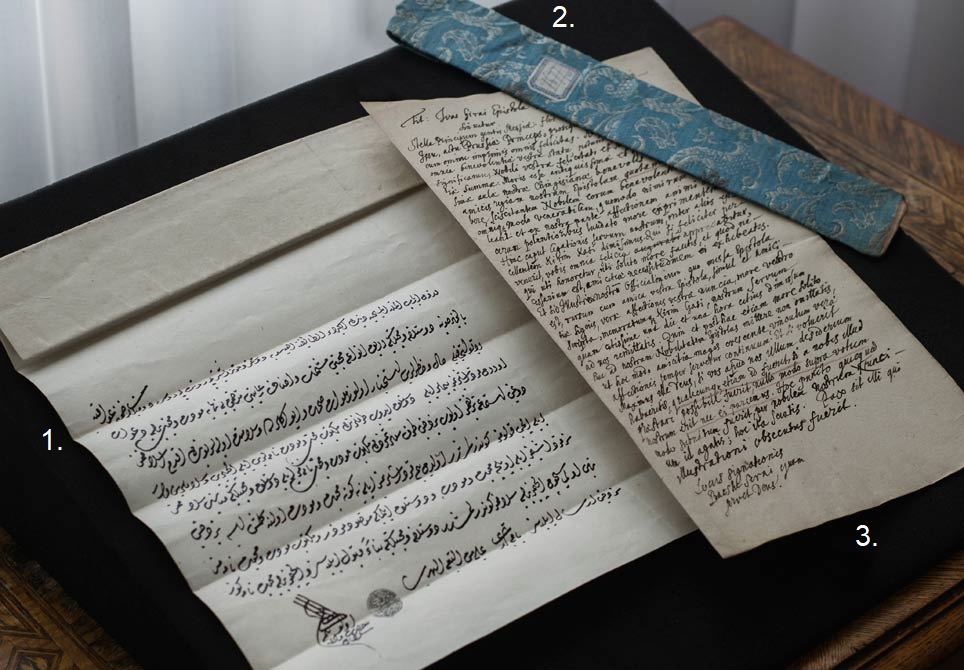
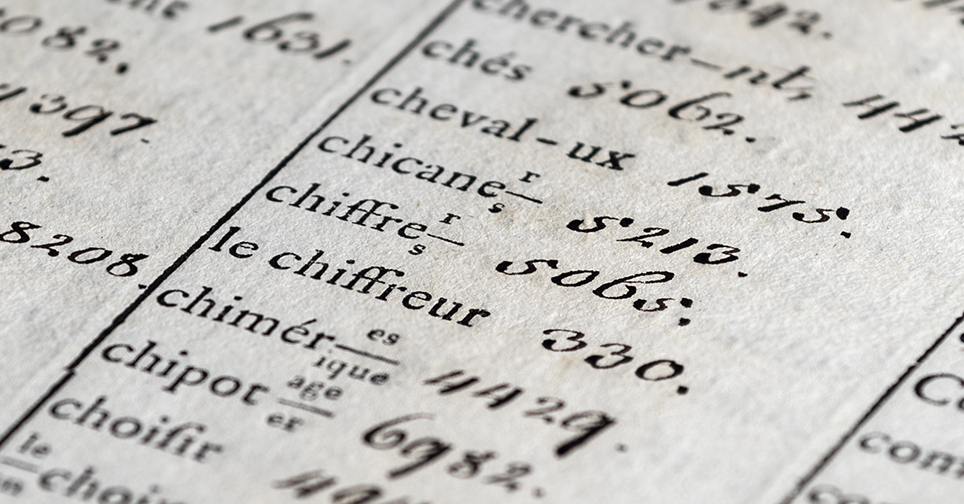
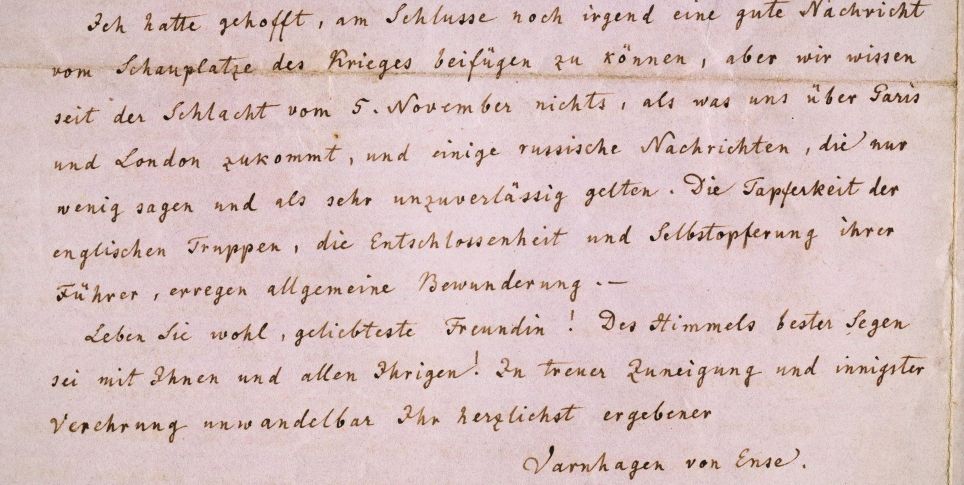
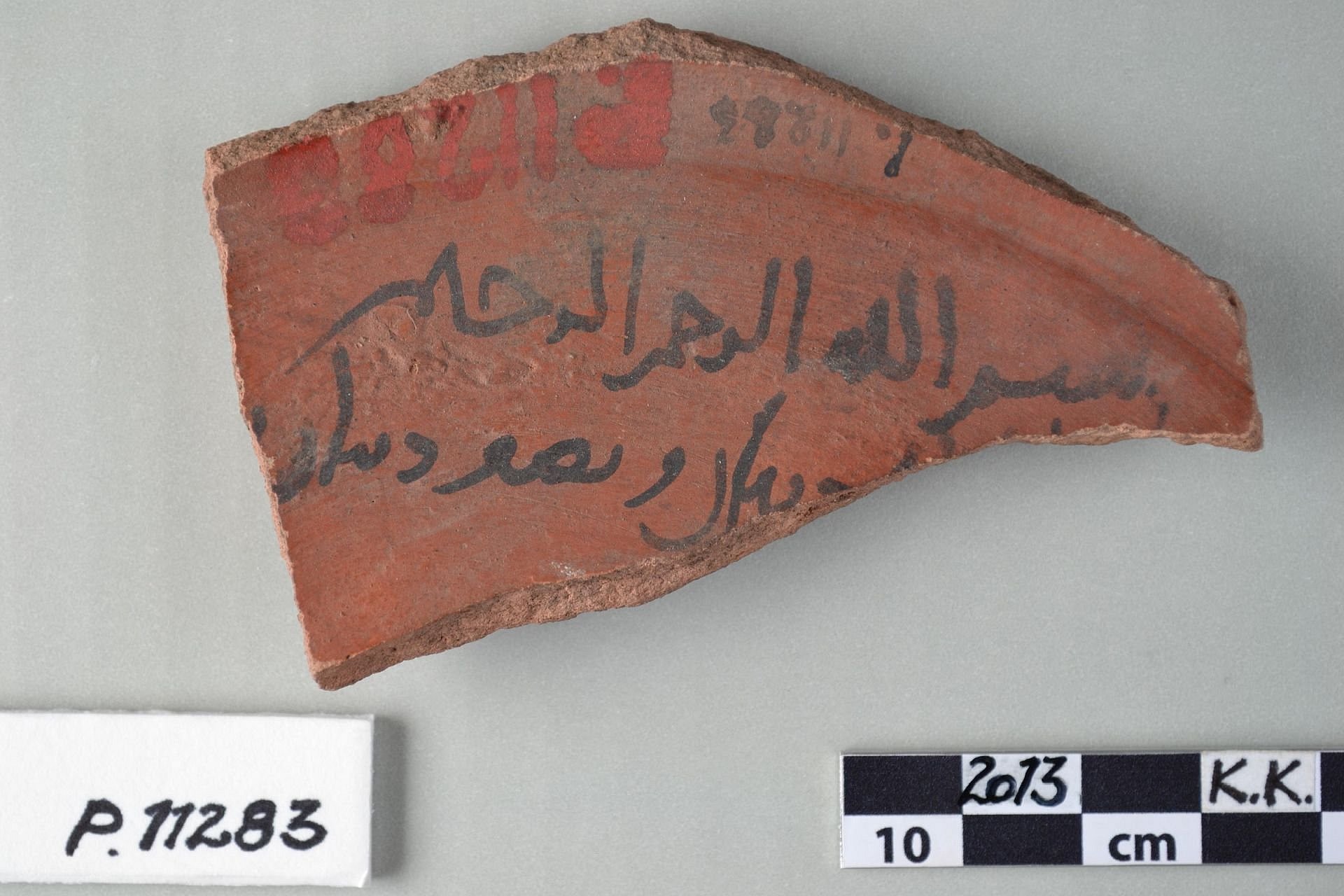
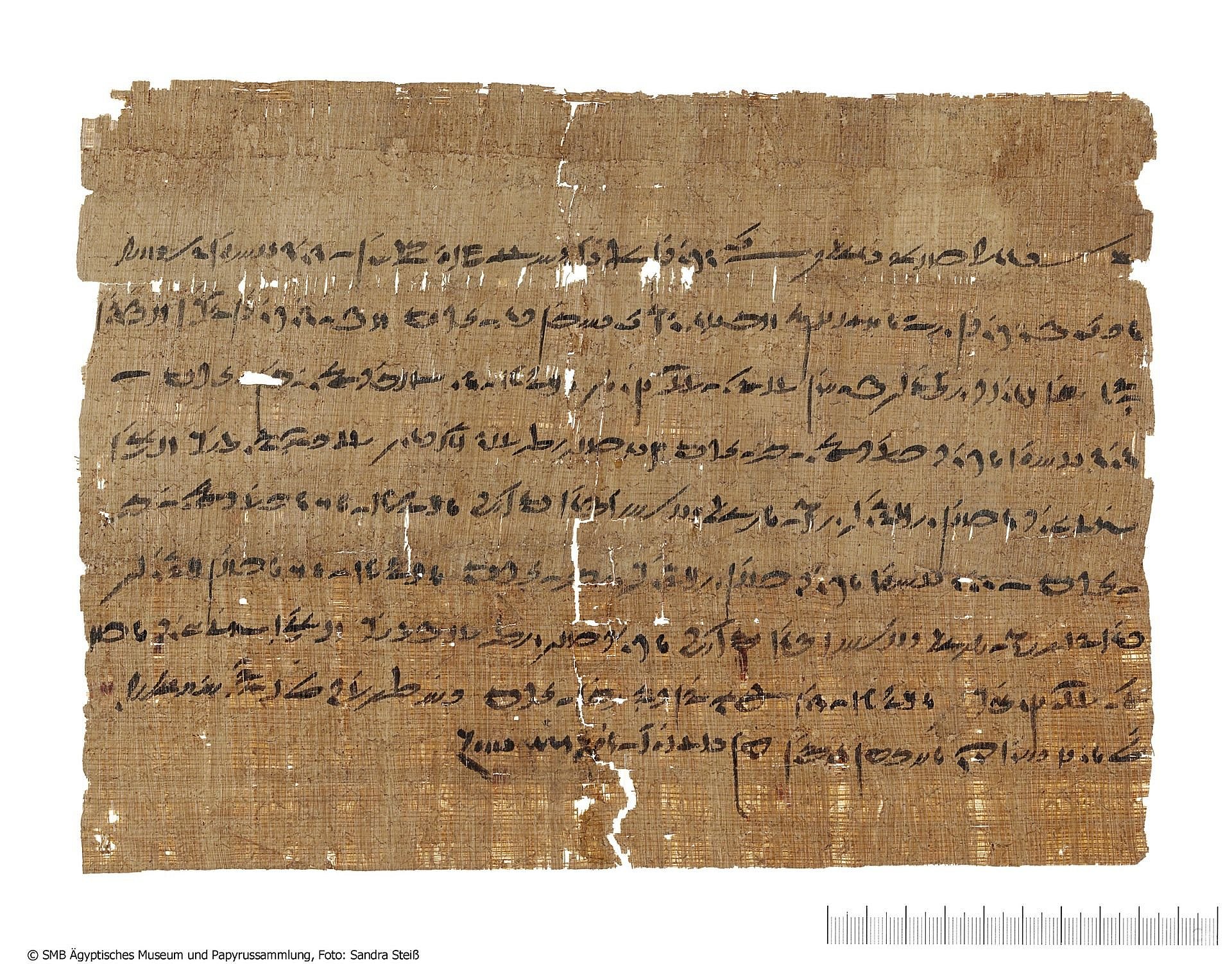
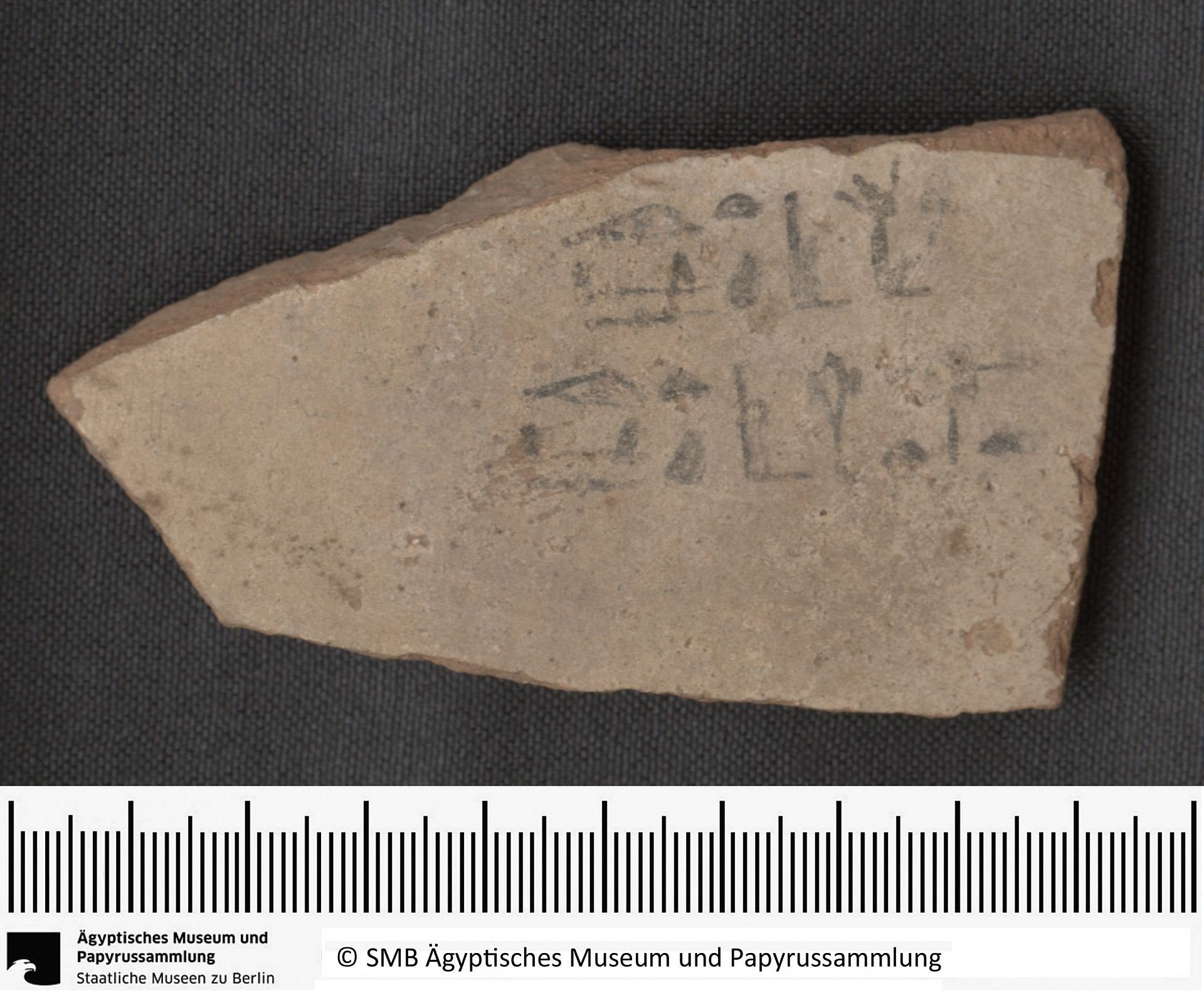
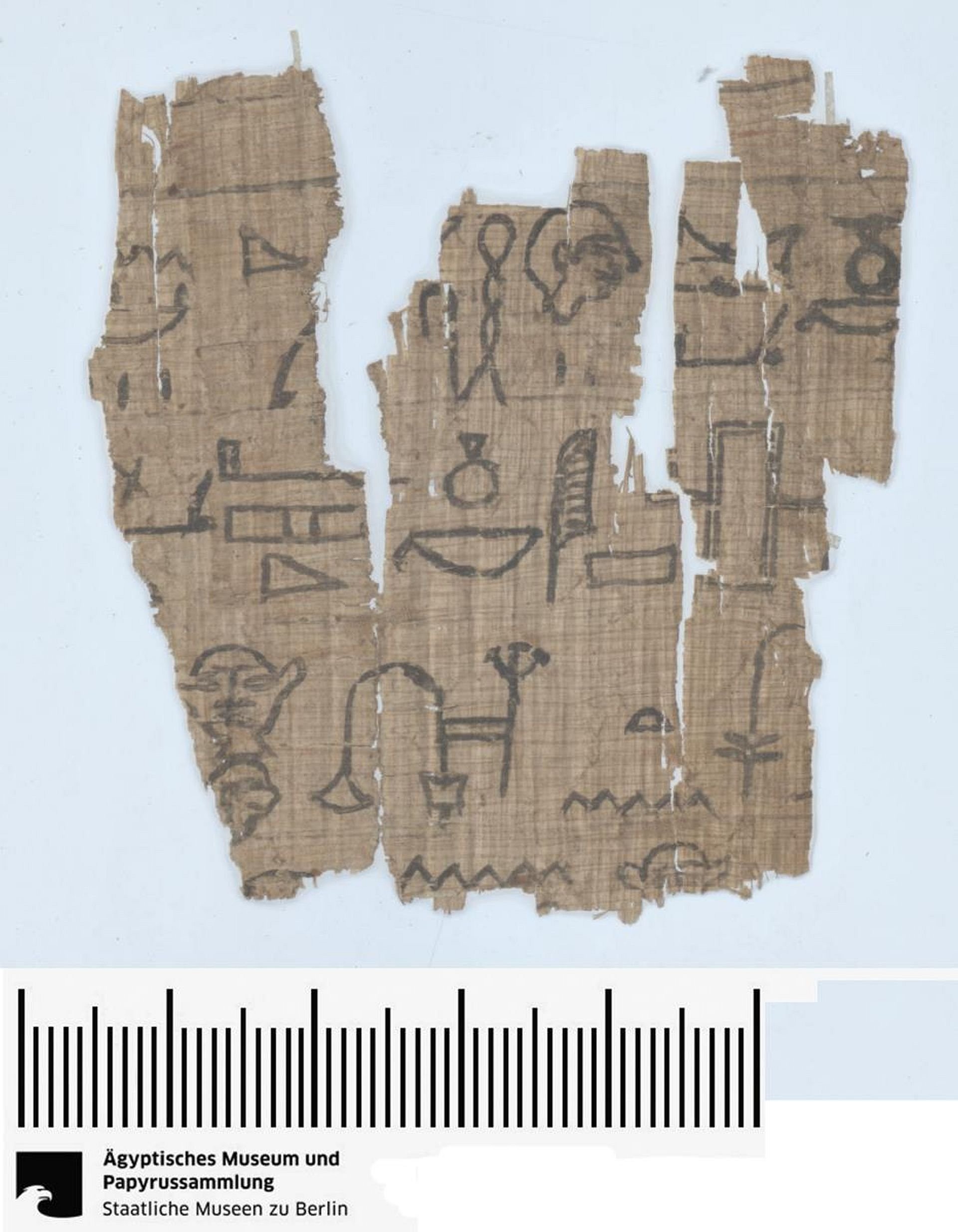
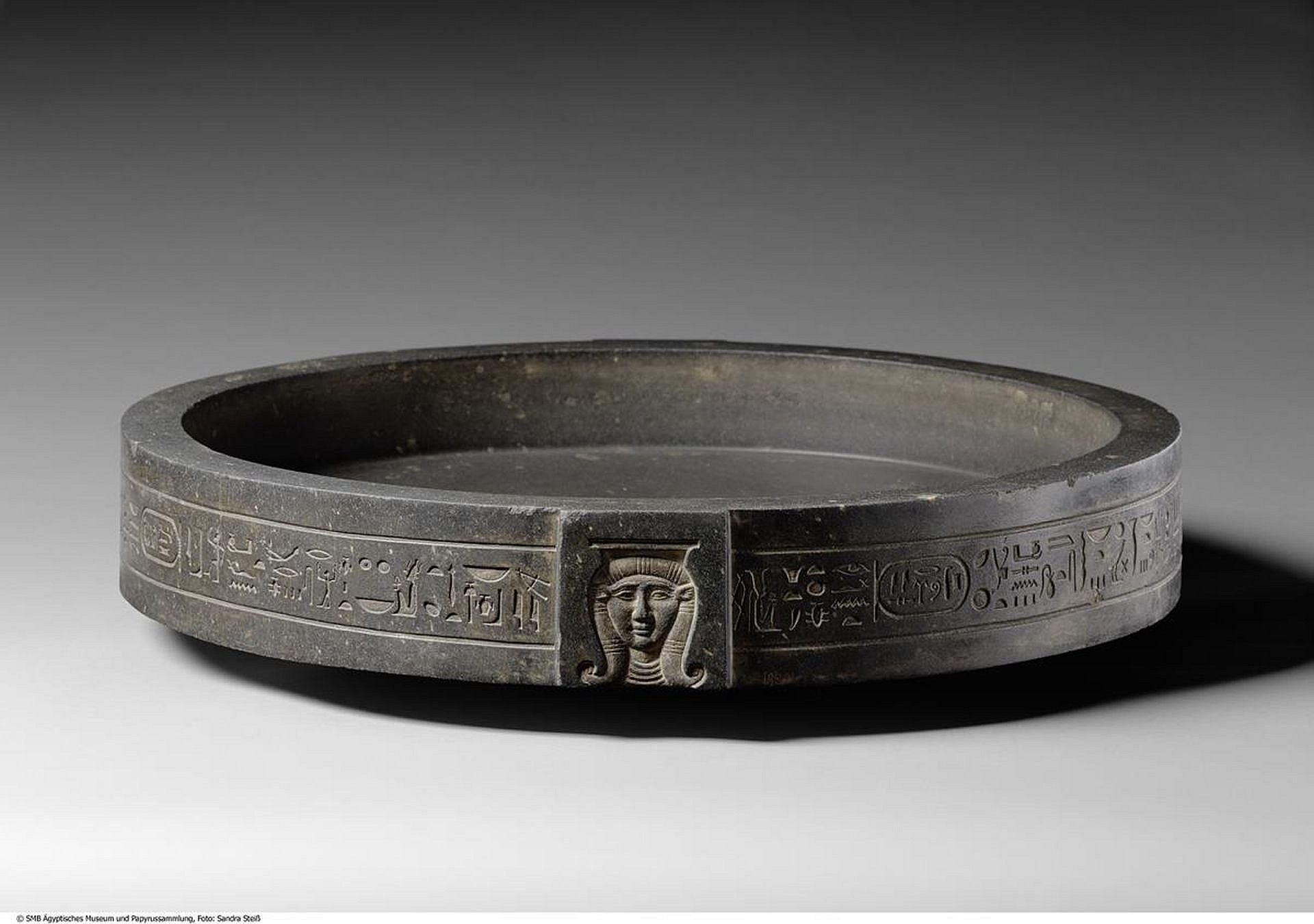
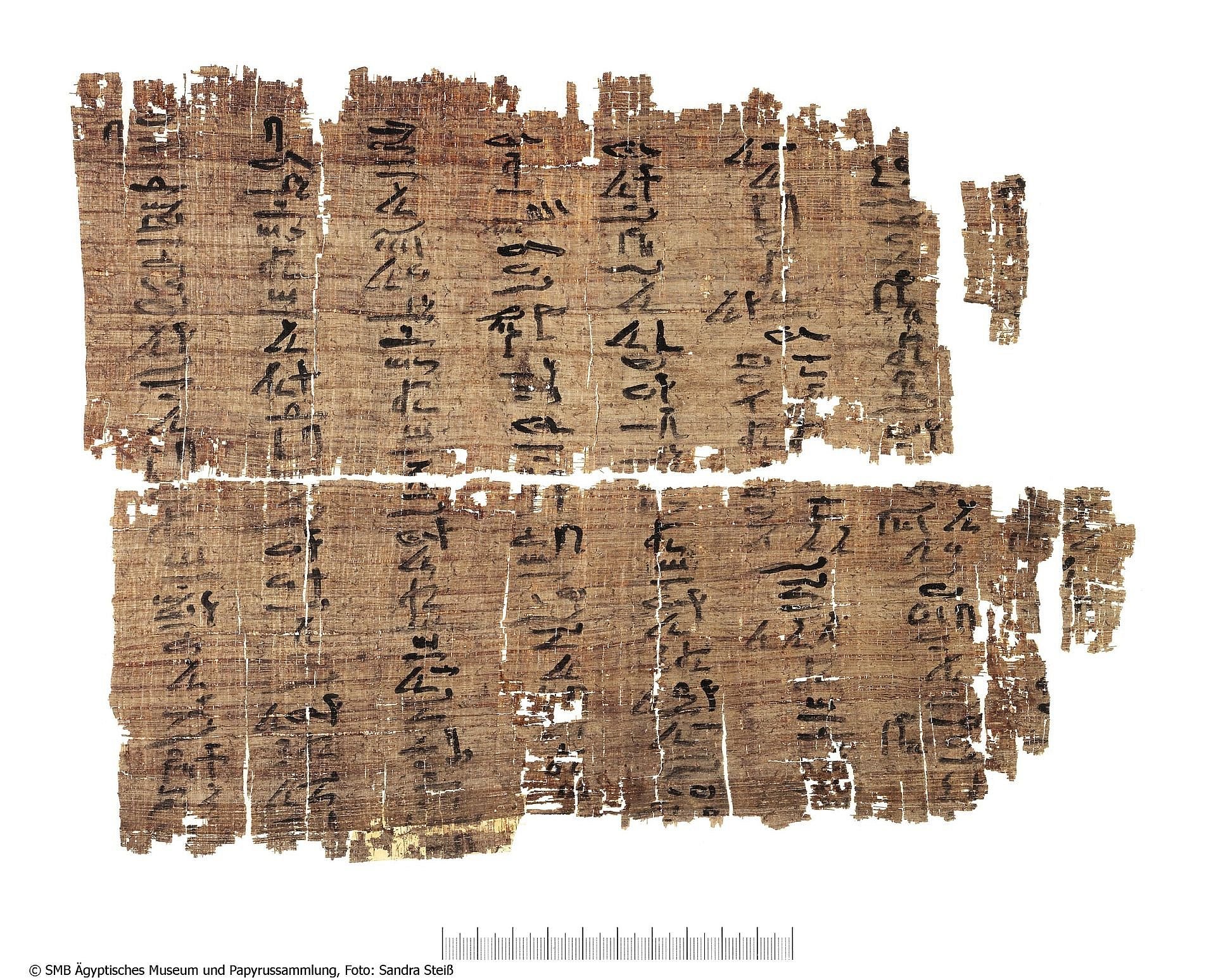
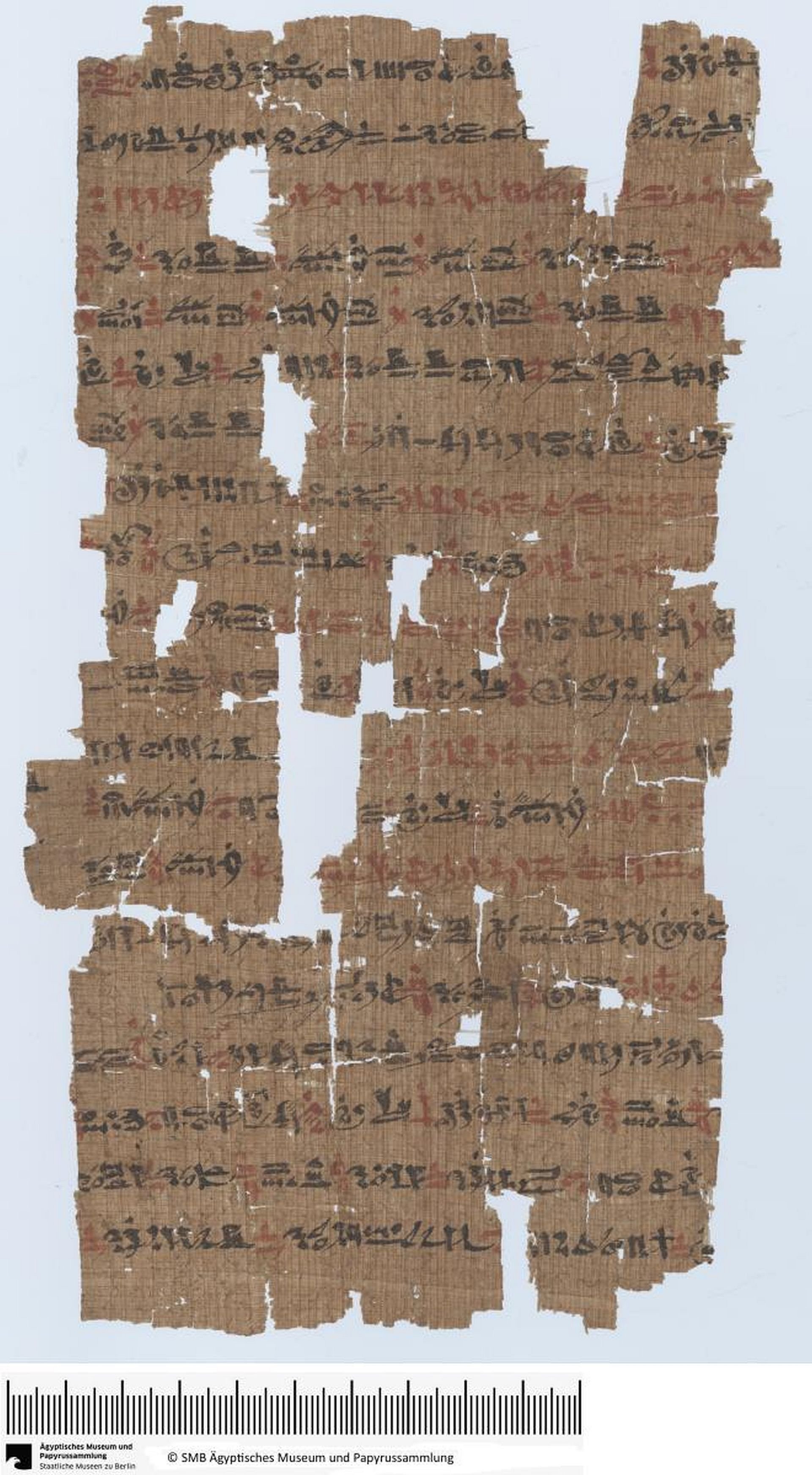
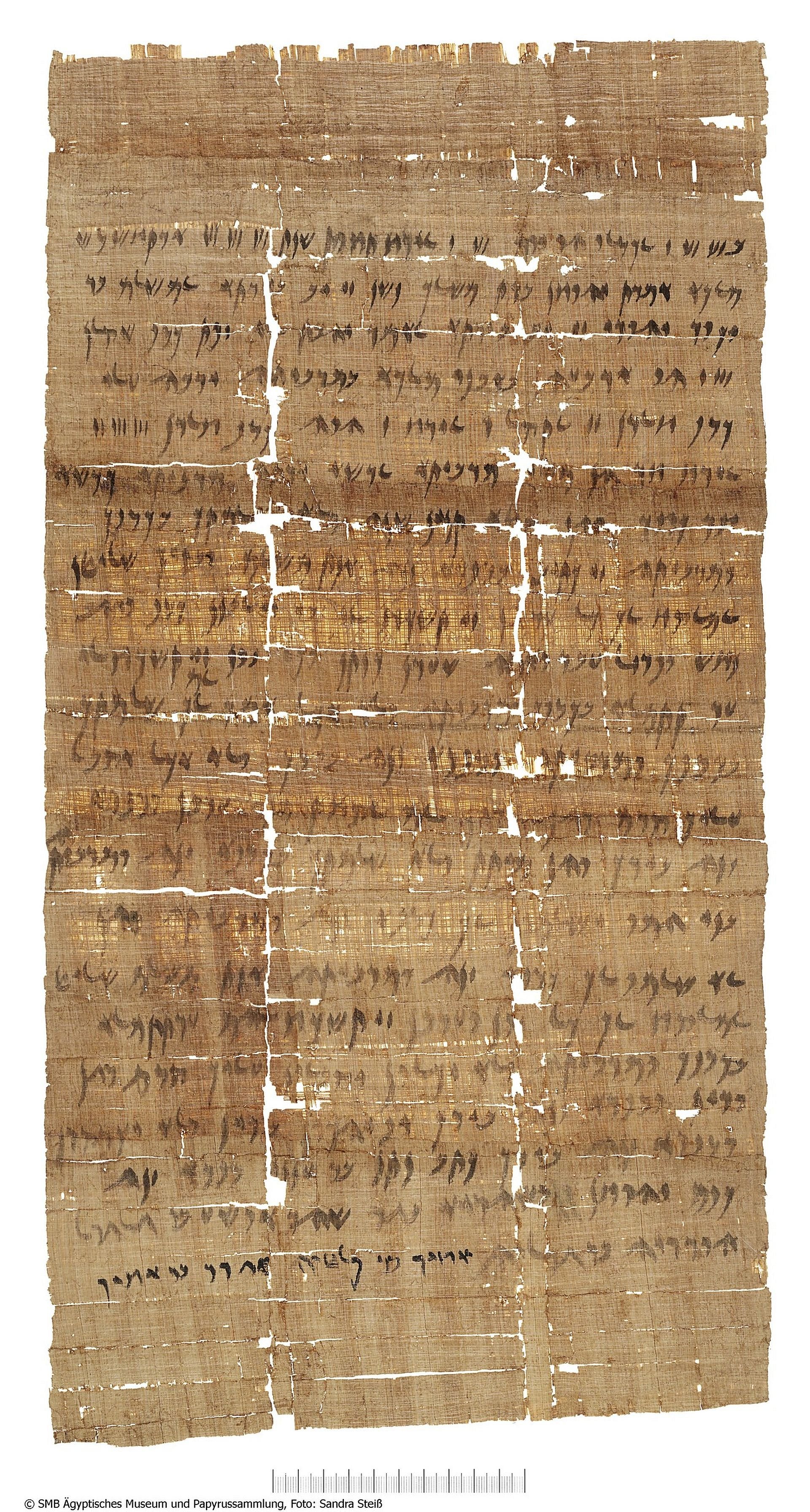
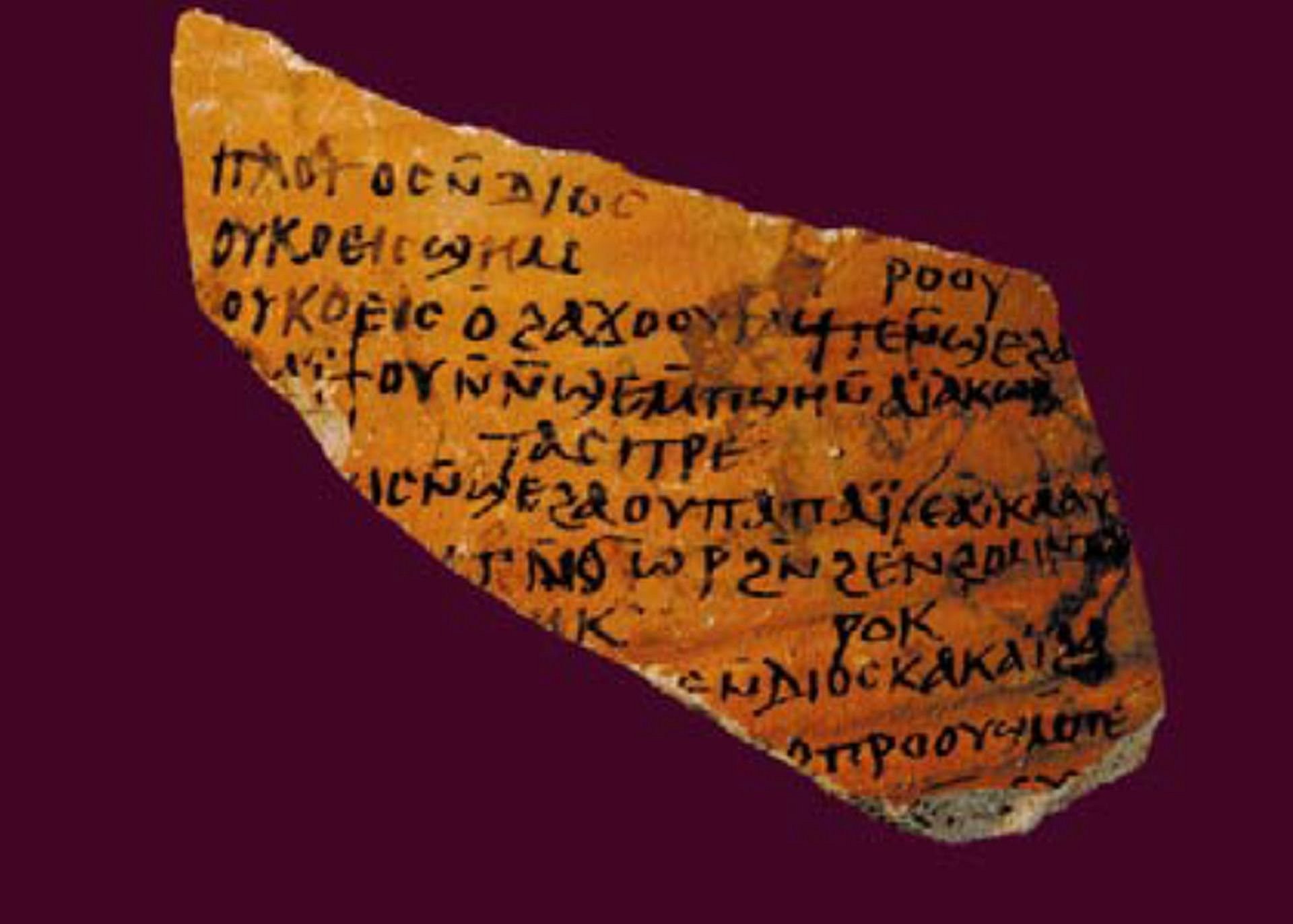
Verena Lepper: It is documented by thousands of texts on papyri or pottery shards originating from the island, written in ten different languages and scripts (including hieroglyphs, Aramaic, Coptic and Arabic). These artefacts are currently held in 60 collections across 24 countries and were deciphered, translated and digitally catalogued in Berlin as part of a major European research project (ERC). Of these, 10,748 objects are now available online and accessible to the public via a database.
How many ancient languages do you speak?
Verena Lepper: None at all! In fact, I can read all ten of these languages and scripts, but I don’t speak them! In our major research project, I had a fantastic international team of colleagues and experts specialising in the various languages. But yes, I did have the opportunity to learn Latin, Greek and Hebrew at school. Afterwards, I had the opportunity to study the languages of Egypt and those of the wider Egyptian region. For, as we can see from the example of Elephantine, Egypt should not and cannot be viewed in isolation.
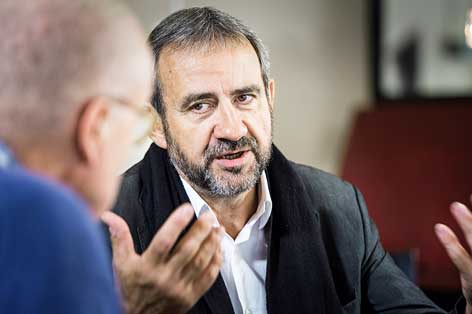
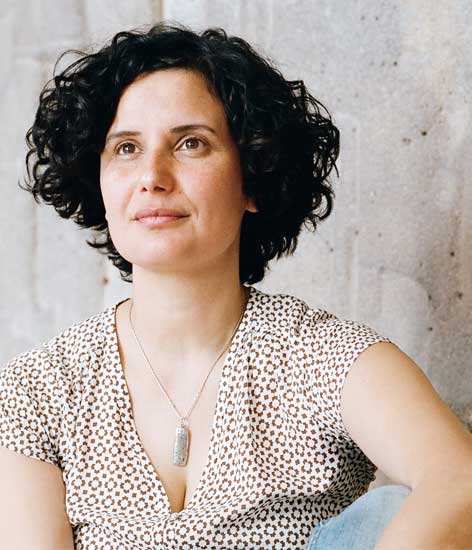
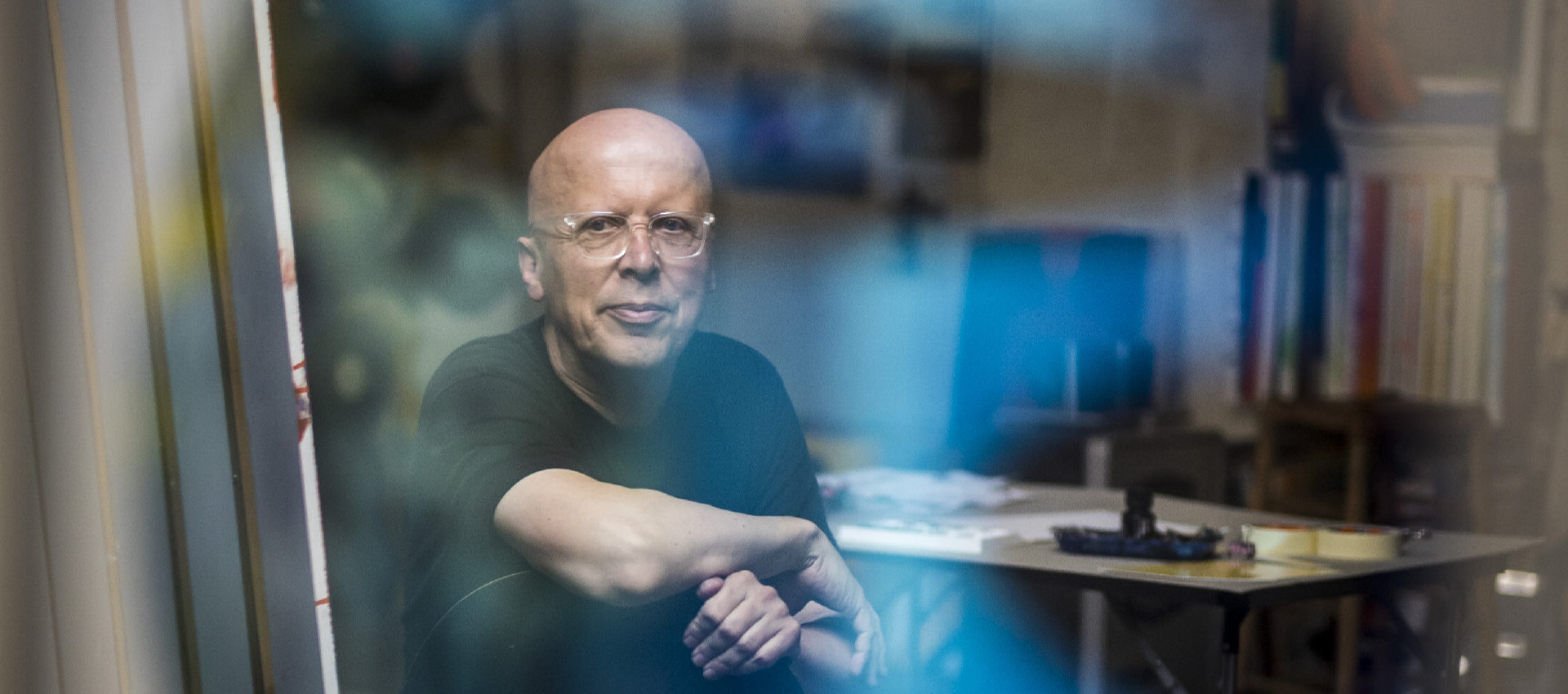
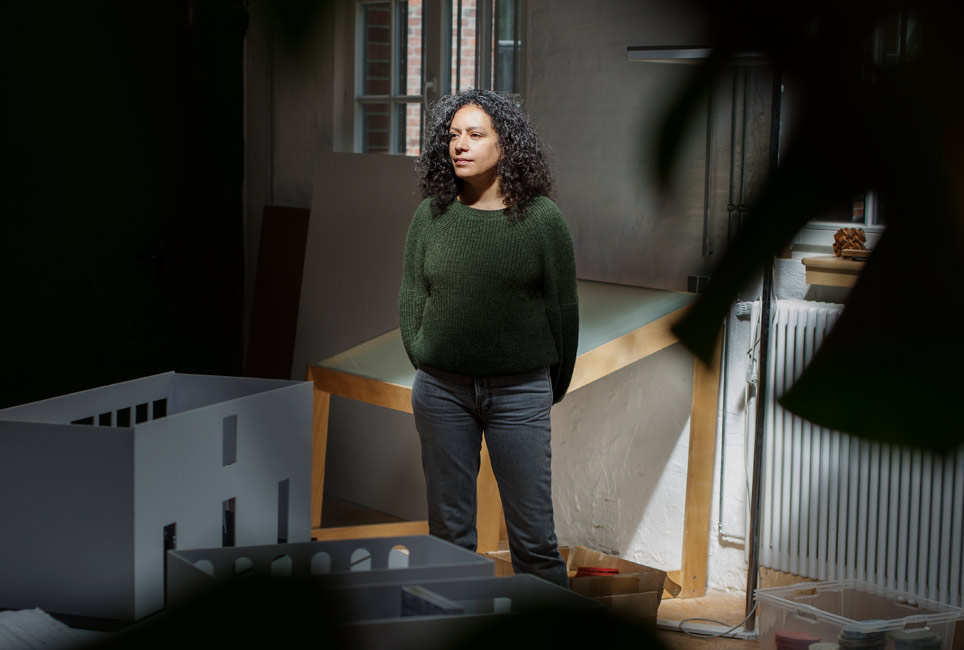
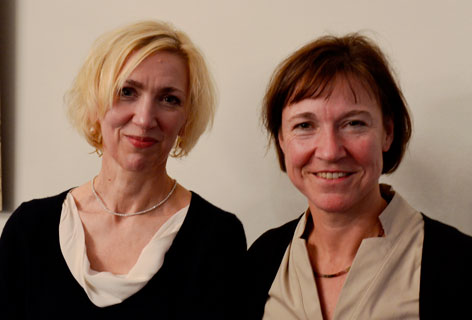
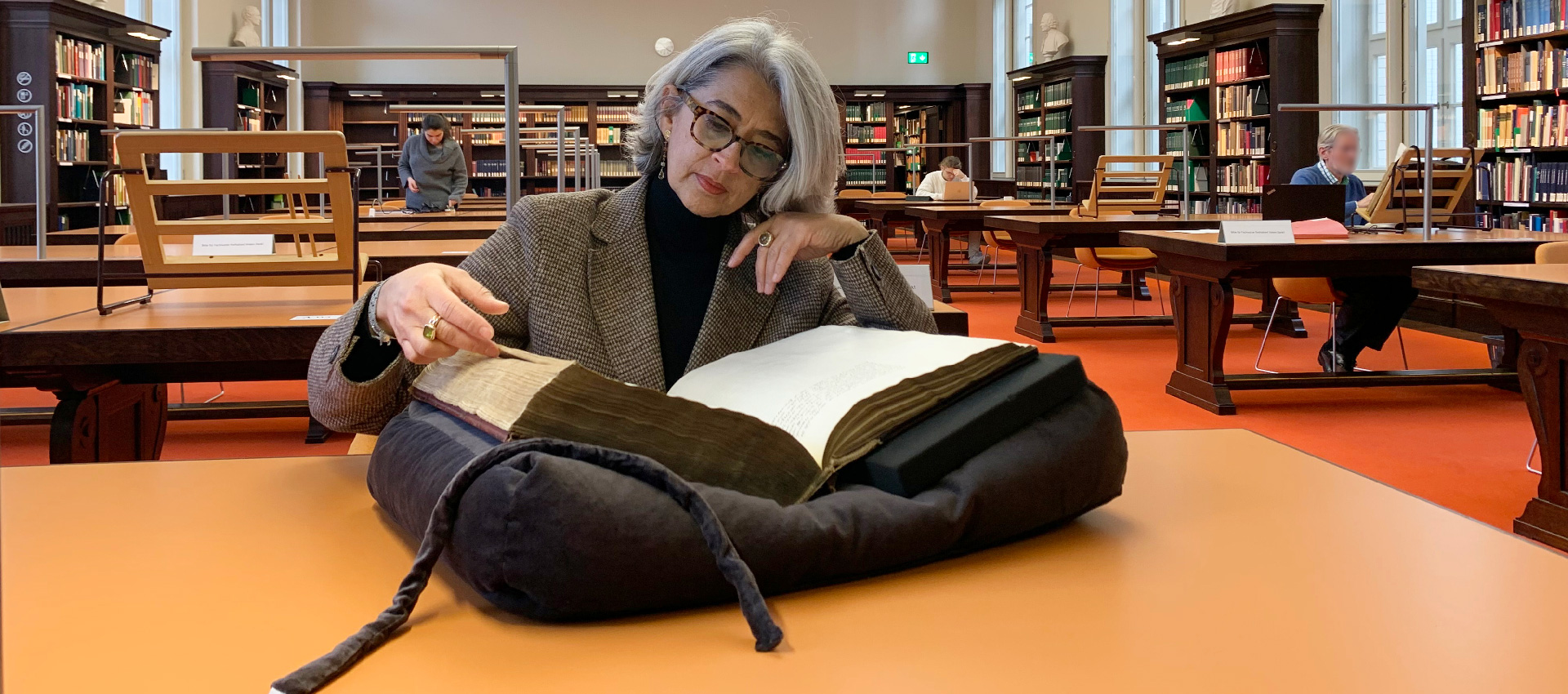
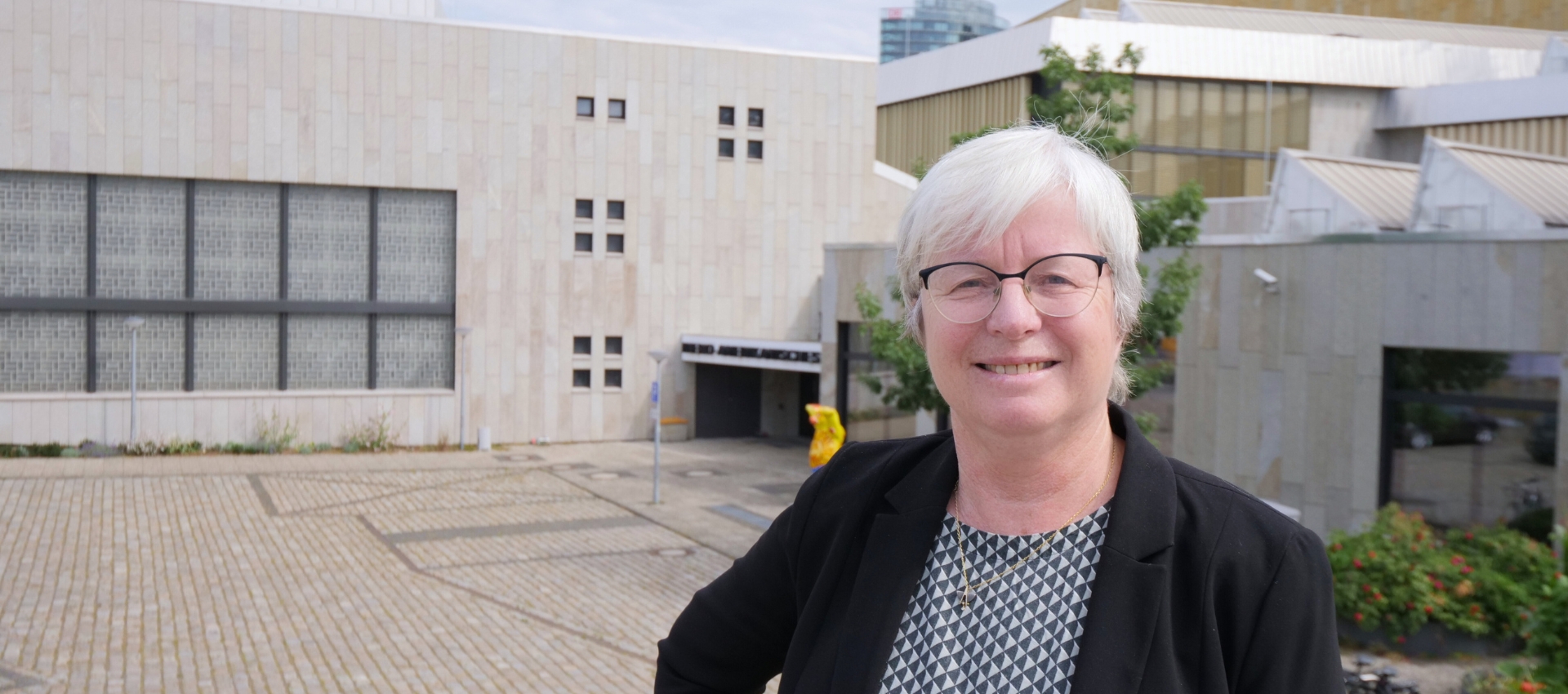
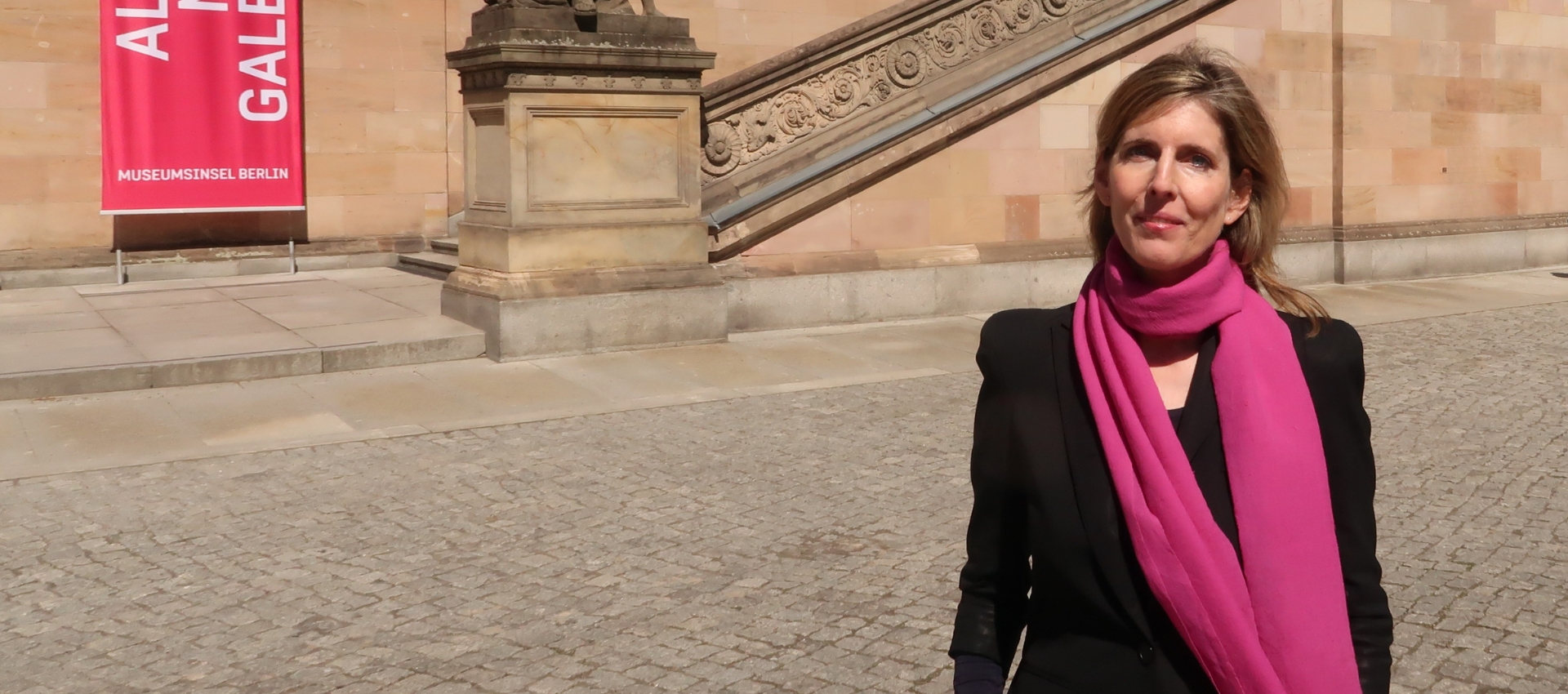
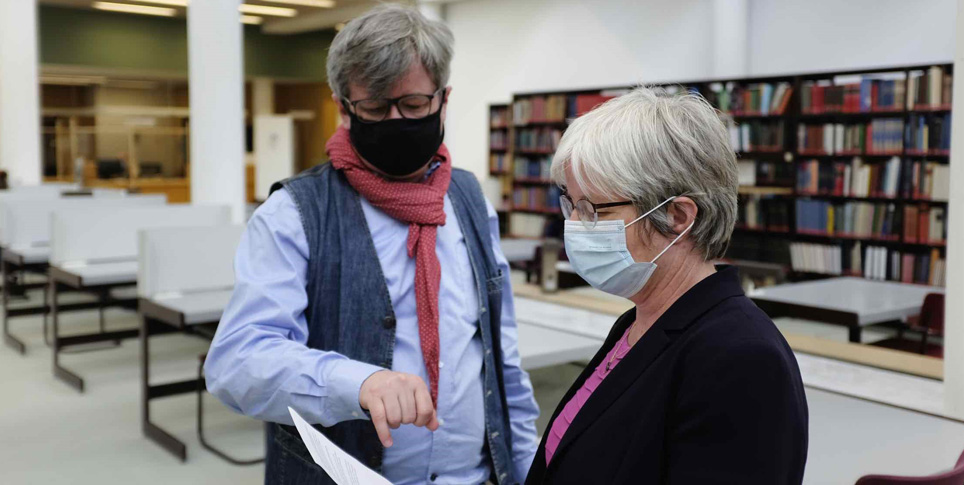
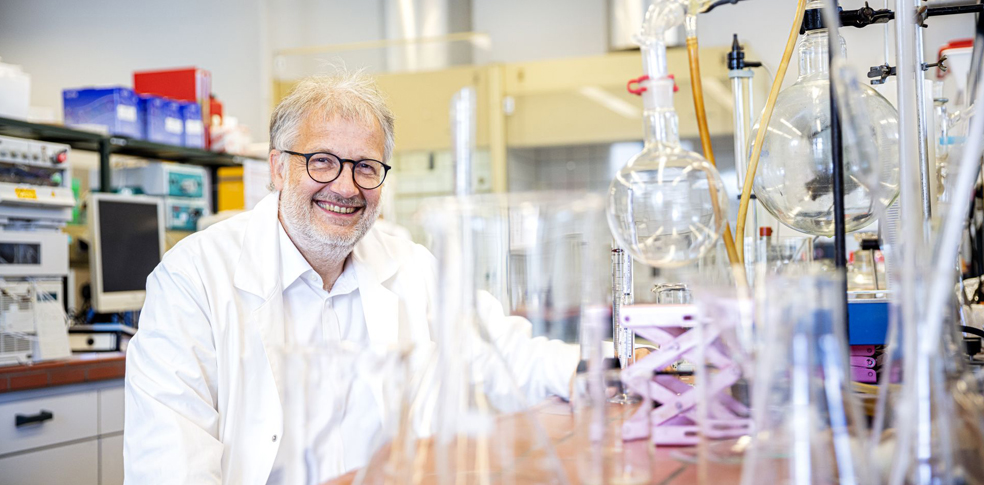
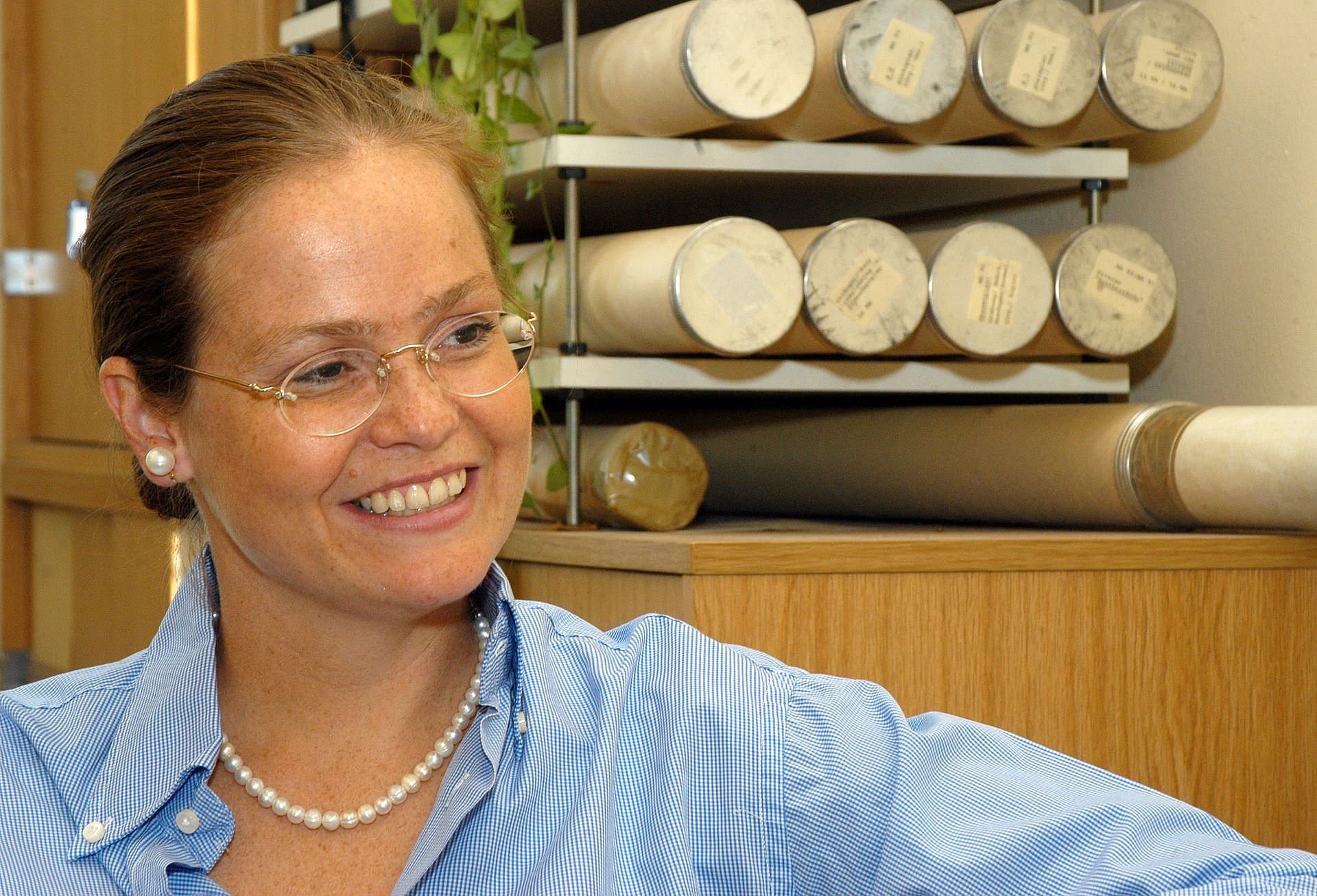
Photo: Verena Lepper
Were you able to tell from the texts whether one religion or culture had influenced another?
Verena Lepper: Different cultures came into contact, influenced one another and thus formed a new, unique culture. The openness of that era may well exceed our modern imagination. What makes it special is the multicultural dynamic. For the project, I coined the term ‘glocalisation’ – a new concept in Egyptology that addresses the connection between the global and the local. Locally, one looks at a small island, far away, about 1,000 kilometres south of Cairo, whilst on the other hand it is an incredible global hub.
What does Elephantine have to say to us – even today?
Verena Lepper: The texts cover a wide range of topics that are still relevant today. There is much we can learn from them. The main themes are diversity, family, religion, trade, law and medicine. We would like to present these thematic areas in the exhibition as well.
To illustrate the relevance for today, I’ll take medicine as an example. The texts contain prescriptions for back pain, for the ears, eyes, nose and even gynaecological issues. The vocabulary used in these texts is extremely interesting. It represents lost knowledge from a highly developed culture. What is described there was unknown until the 20th century AD. It was not until the 1970s, for example, that this knowledge was integrated into our gynaecological expertise. Reading it makes one feel humbled when one realises the knowledge that people of that bygone era already possessed.
Do you have a favourite exhibit?
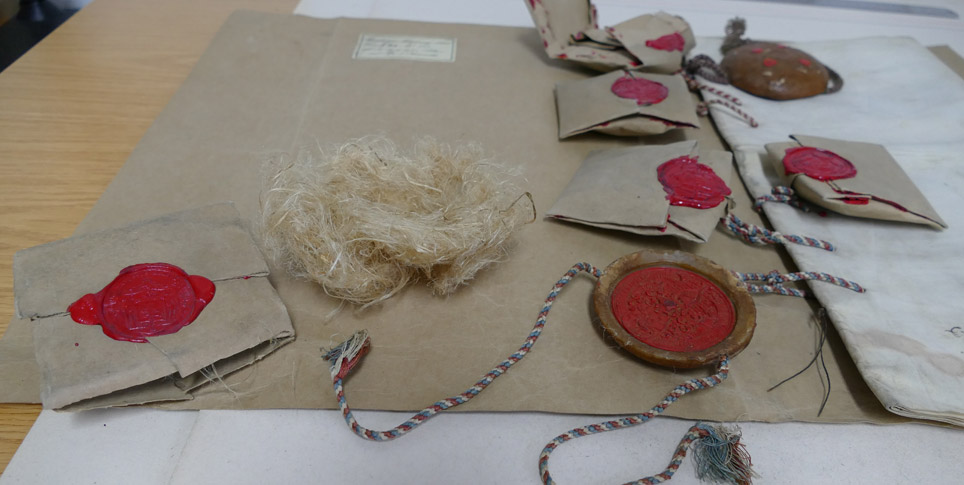
Verena Lepper: Yes, it is a small package that was folded up very tightly and then unravelled. You can still see the tiny little holes at the bottom of the amulet. In just a few lines, it is wonderful to read that this amulet served to protect a newborn baby. The newborn wore it around their neck. It is one of my favourite objects because it shows how personal piety functioned in Ancient Egypt, and particularly on Elephantine.
What do you hope to achieve with the exhibition?
Verena Lepper: With the help of this world-first comprehensive presentation, we aim to make Elephantine accessible not only to the academic world but, in particular, to the general public. The exhibition will showcase outstanding Berlin artefacts alongside selected international masterpieces. The diverse content of the texts will be contextualised through archaeological finds and interpreted from a contemporary perspective. We want to bring Elephantine to life on Berlin’s Museum Island.
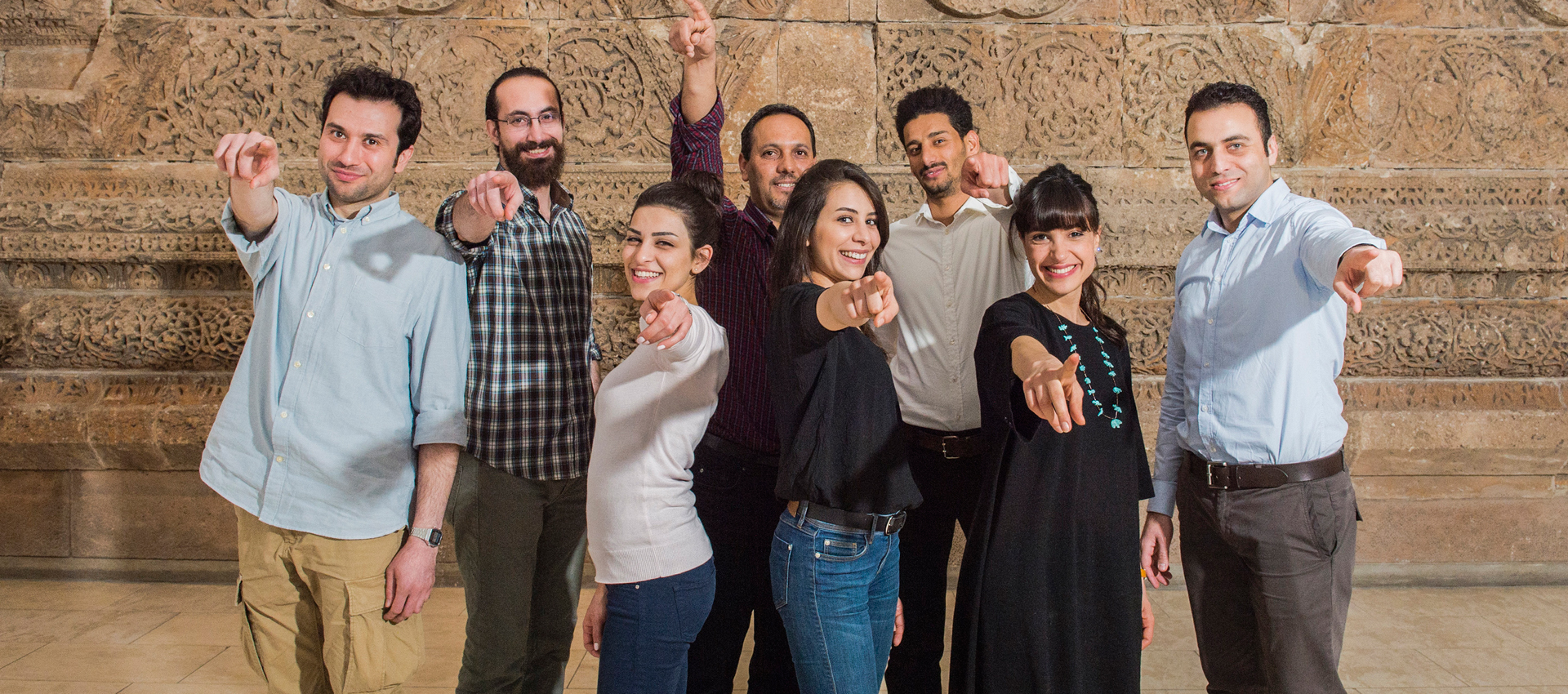
In doing so, we also aim to engage in dialogue with visitors on the exhibition’s themes. Here, we are building on our cooperation with the Arab-German Young Academy of Sciences and Humanities (AGYA), which is marking its 10th anniversary with this exhibition and celebrating a decade of successful Arab-German research cooperation and science diplomacy. Together with outstanding scholars from Germany and 22 Arab states, we are working through interdisciplinary research to develop solutions to global social challenges. In the exhibition, we aim to engage visitors in a participatory manner and ask them about these highly topical issues. In this respect, Elephantine is a unique model from the past, in the present and for the future.
How many exhibits will be on display and where will the loans come from?
Verena Lepper: Of course, we cannot display 10,000 objects. The aim is to showcase outstanding Berlin artefacts alongside selected international masterpieces. We have a total of a dozen lenders, including the Brooklyn Museum and the Louvre, which are also acting as exhibition partners. We are displaying more than 200 Berlin artefacts alone.
How did the collection come to Berlin?
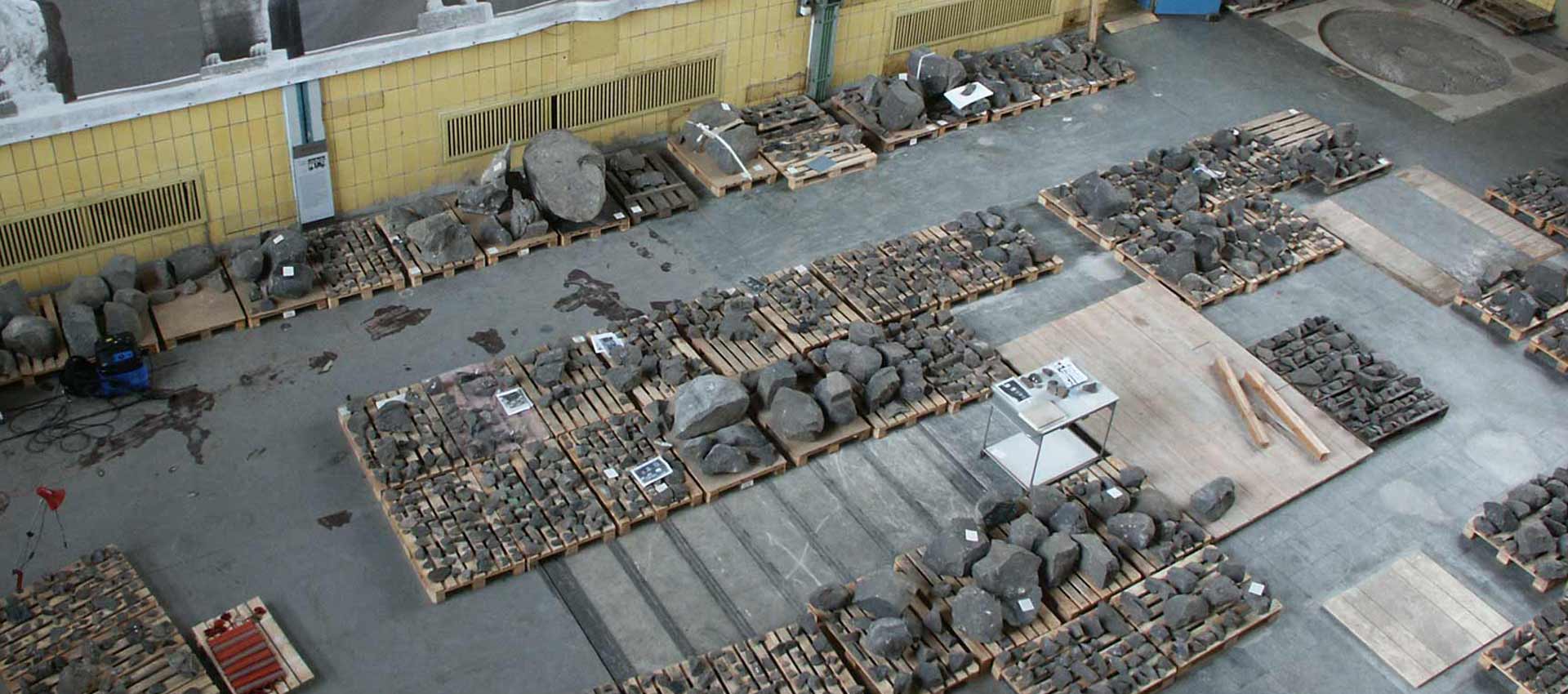
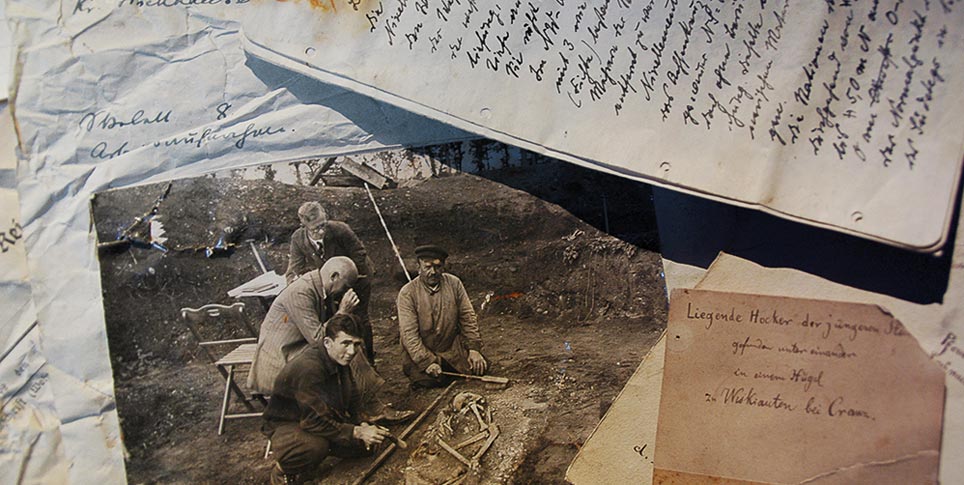
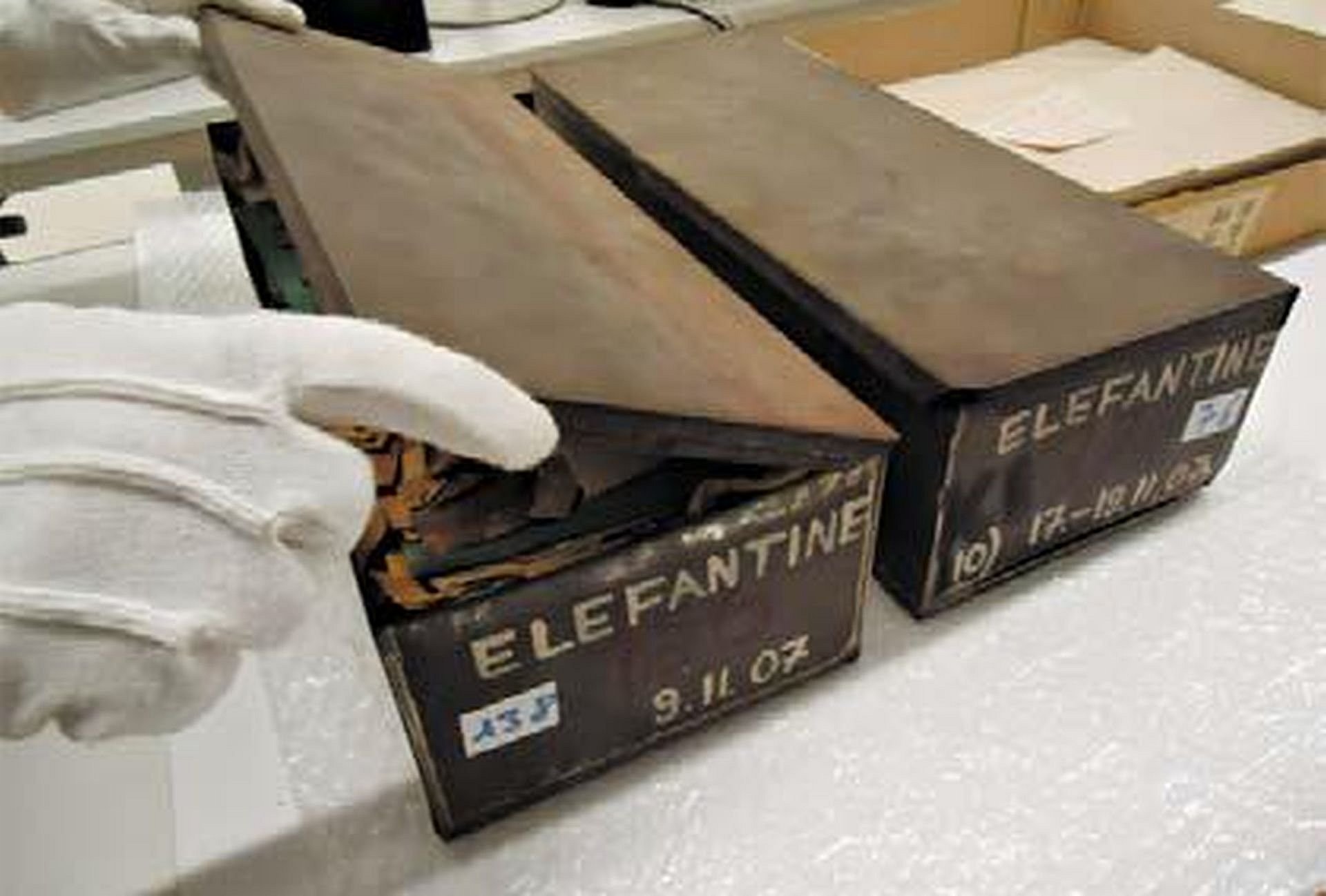
Verena Lepper: At the beginning of the 20th century, a targeted papyrus excavation was carried out on behalf of what were then the Royal Museums of Berlin. As part of the division of finds, the Elephantine Papyri came to Berlin. Due to Berlin’s history, they were then distributed across numerous crates and boxes in the East and West Berlin papyrus collections until 2013. Following the reunification of the collection at the Archaeological Centre, ‘research within the museum’ could finally begin. As a second-semester student, for instance, I read the first Elephantine papyri and they have captivated me ever since.
What can visitors to the exhibition expect?
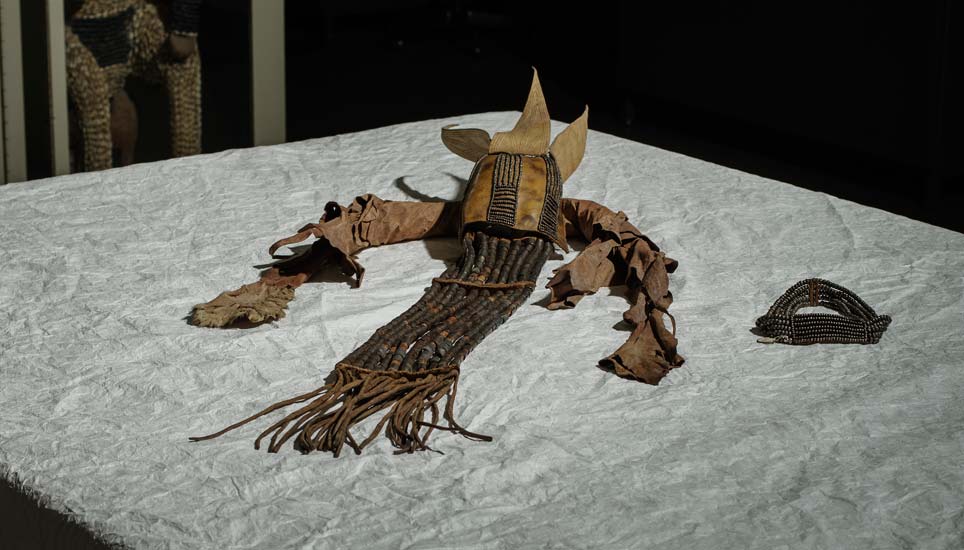
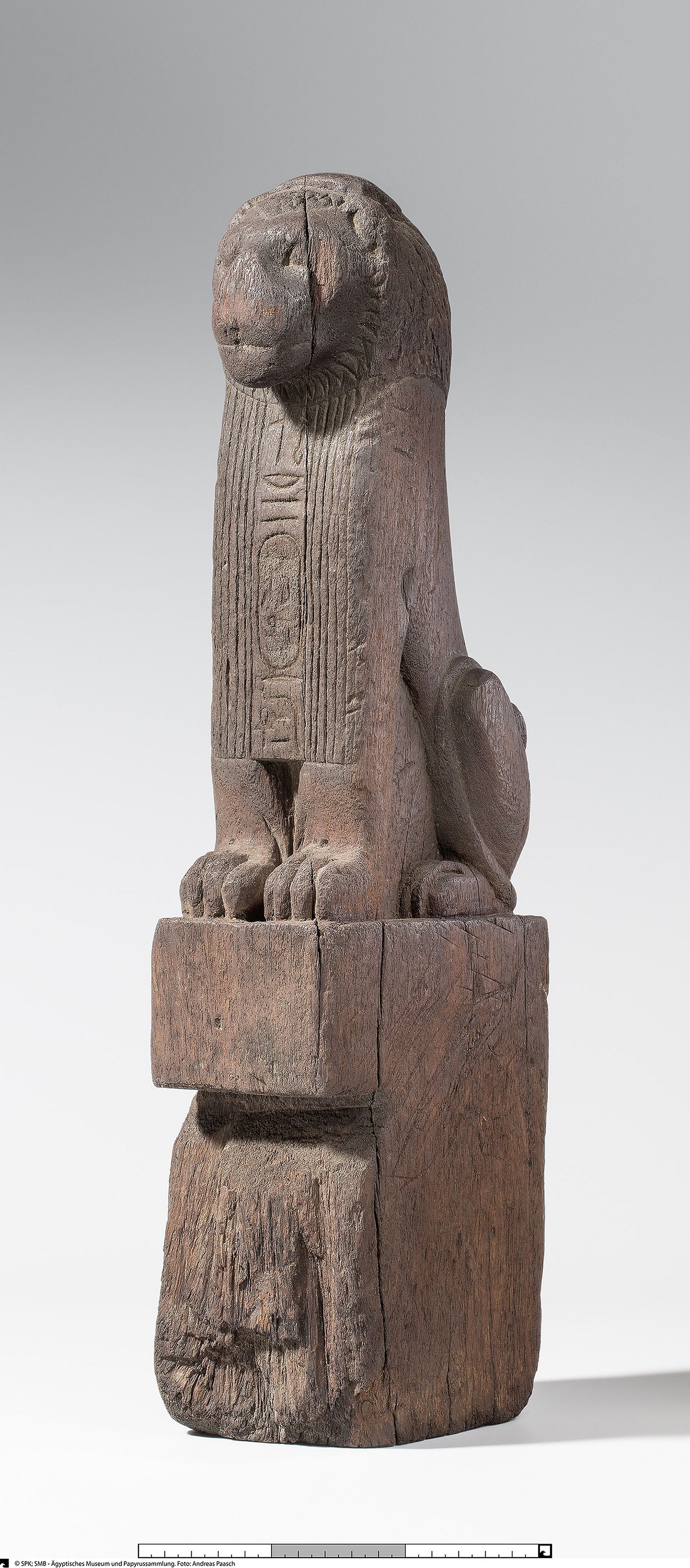
Verena Lepper: It’s not at all easy to make dry papyri ‘sexy’, if I may put it that way, and to put this content into context, we will draw not only on archaeological finds but also on contemporary interpretations. We want to appeal to our visitors’ senses. They will hear, see, smell and touch Elephantine. We’ve managed to bring in young Egyptian musicians and DJs who are composing sounds for us, allowing visitors to experience Elephantine in a completely different way. On the theme of trade, we are planning to present a spice market. There, the spices mentioned in the texts will be made visible and tangible. A European scent artist will interpret the various themes and stations of Elephantine through artistic scent compositions. We also plan to integrate the various materials used on Elephantine, such as papyrus, parchment and leather, into tactile stations.
Where will the exhibition be on display?
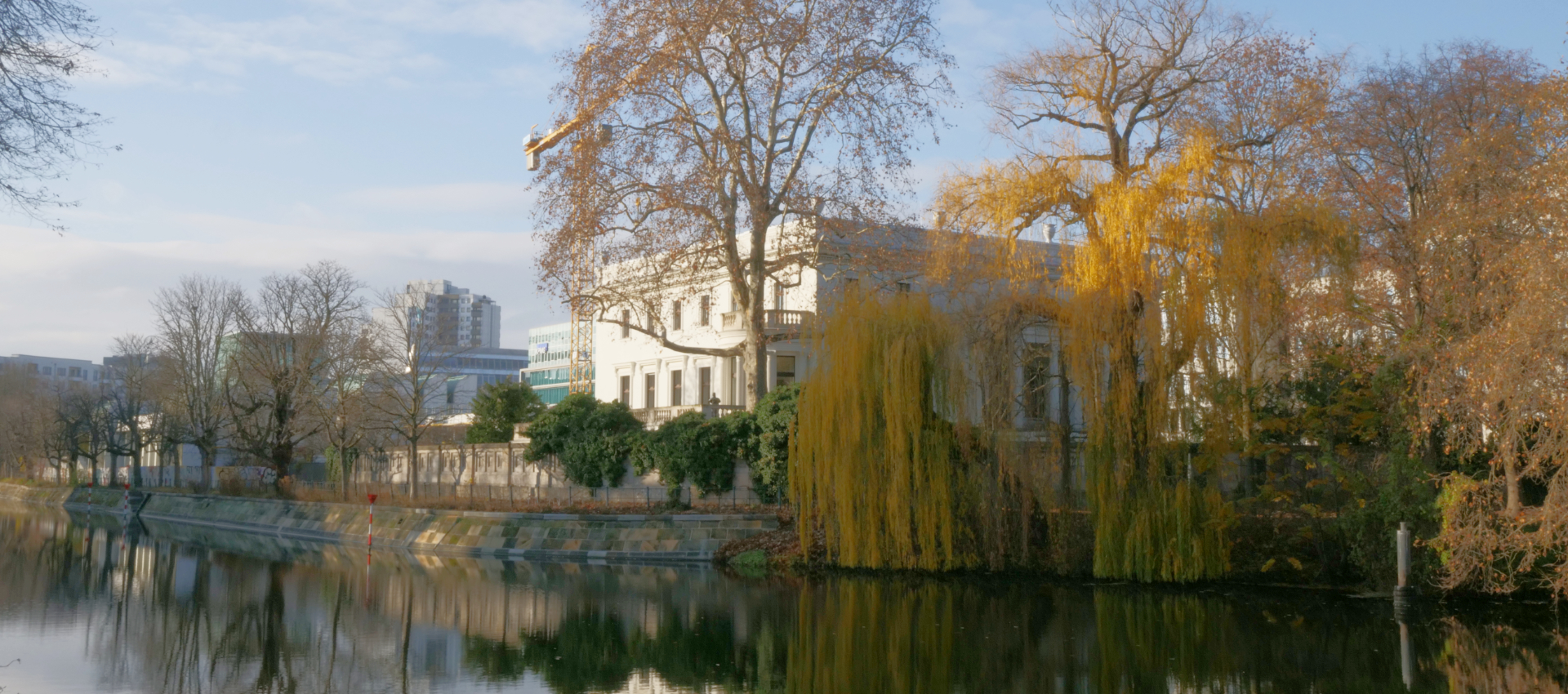
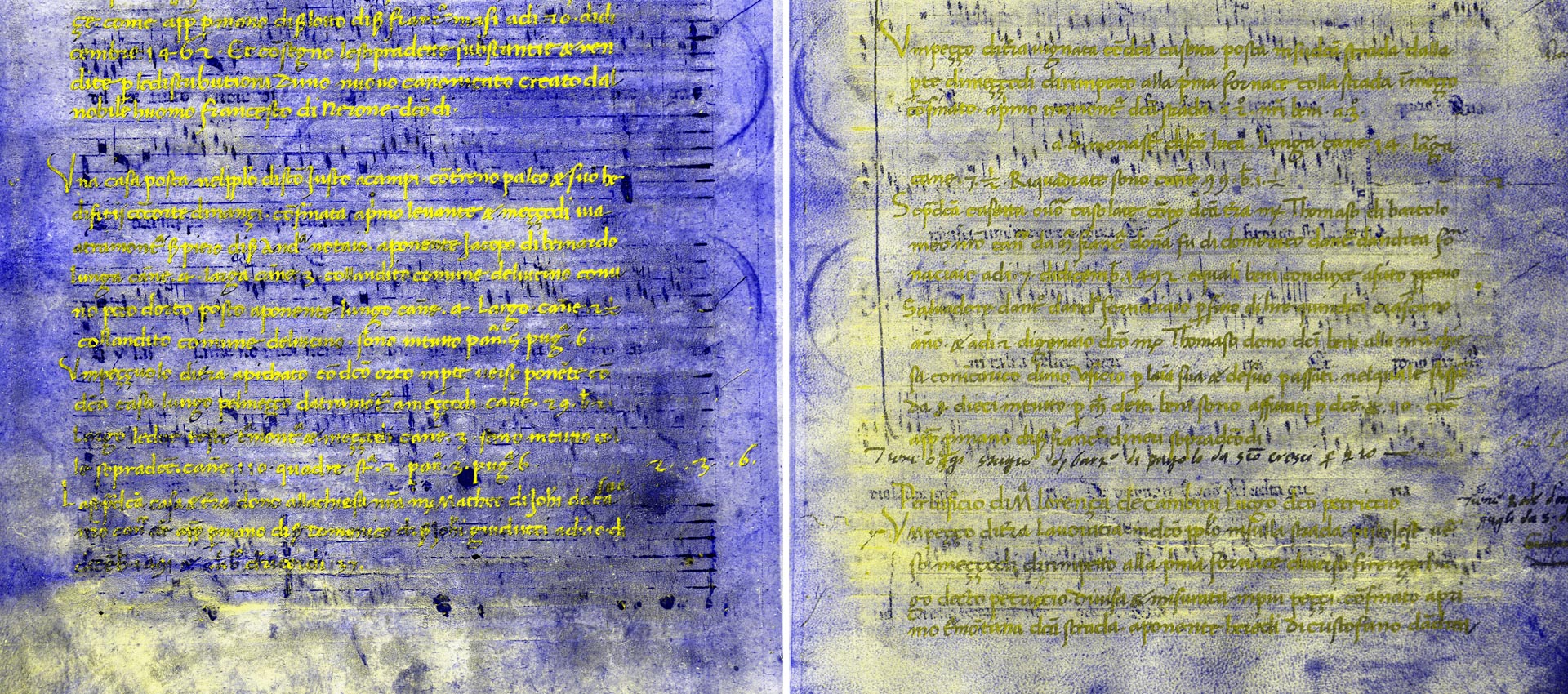
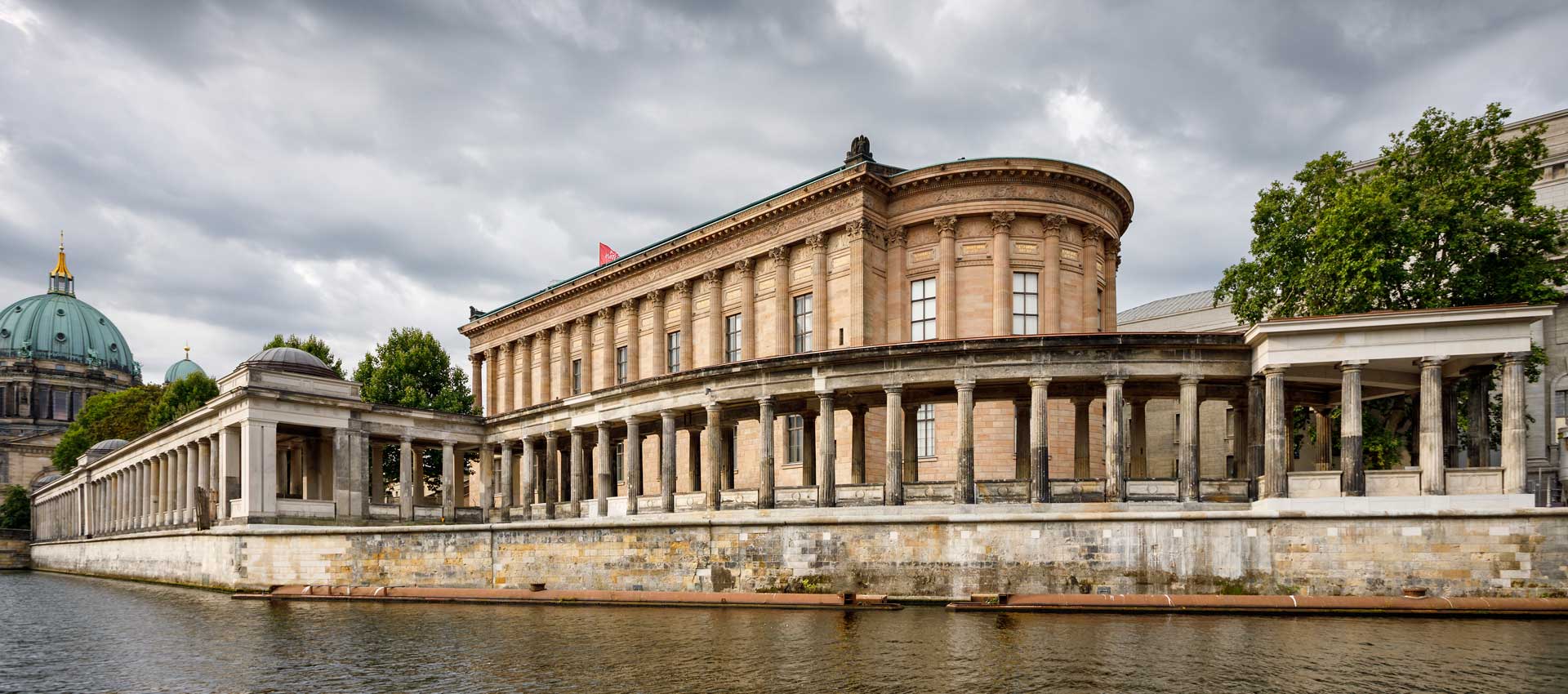
Verena Lepper: The exhibition will be shown at two interconnected venues. The first is the James Simon Gallery with its wonderful large special exhibition hall. I can reveal that even in the foyer, a fantastic display will be presented, the details of which are currently being finalised. The objects will be presented scenographically in thematic sections and linked by a large timeline. Furthermore, the exhibition will be shown in several rooms of the Neues Museum on Berlin’s Museum Island. In the Greek Courtyard, visitors can expect a large model of the island, whilst the Elephantine research project will be presented in the next room, where visitors can look directly over the researchers’ shoulders to see how the international papyrus puzzle works – and, of course, get involved! For the first time in the history of papyrus research, papyri and papyrus bundles can be made legible virtually through a collaboration with physicists and mathematicians. A sensational research breakthrough.
Do you intend to appeal to visitors with a migrant or refugee background?
Verena Lepper: Absolutely; all label and exhibition texts, as well as the entire exhibition, are being designed in Arabic, English and German. In other words, we want to appeal to as many visitors as possible, particularly Arabic speakers.
The exhibition will be held in cooperation with the Arab-German Young Academy of Sciences and Humanities (AGYA) from late April 2024 to late October 2024 and is funded by the Federal Ministry of Education and Research (BMBF), the State of Berlin and the Capital Cultural Fund.
The exhibition project is co-curated with the Egyptian Ministry of Antiquities (SCA) and developed in consultation with students at Humboldt University of Berlin, where a dedicated research institute for Elephantine studies, amongst other areas, has been established in collaboration with the SMB: the Institute for Ancient Oriental and Hellenistic Religious History.