Why the Ethnological Museum and the Museum of Asian Art remain loyal to their old location even after moving to Berlin-Mitte.
Dahlem began with a vision: parts of the university, scientific institutes, museums and other educational institutions were to be established here; indeed, there was talk of a ‘Prussian Oxford’ in south-west Berlin. Buildings were also designed for some collections that now belong to the Prussian Cultural Heritage Foundation. Wilhelm von Bode, Director-General of the Berlin Museums, dreamed of a grand museum complex that would showcase the art and culture of the four continents – Asia, Africa, America and Oceania – side by side on an equal footing in four new buildings; what an extraordinarily forward-looking project even at the beginning of the 20th century!
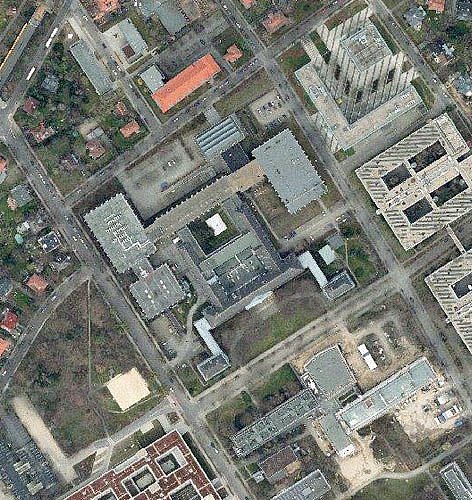
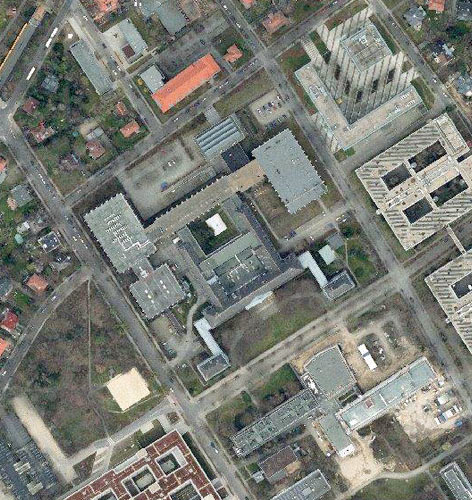
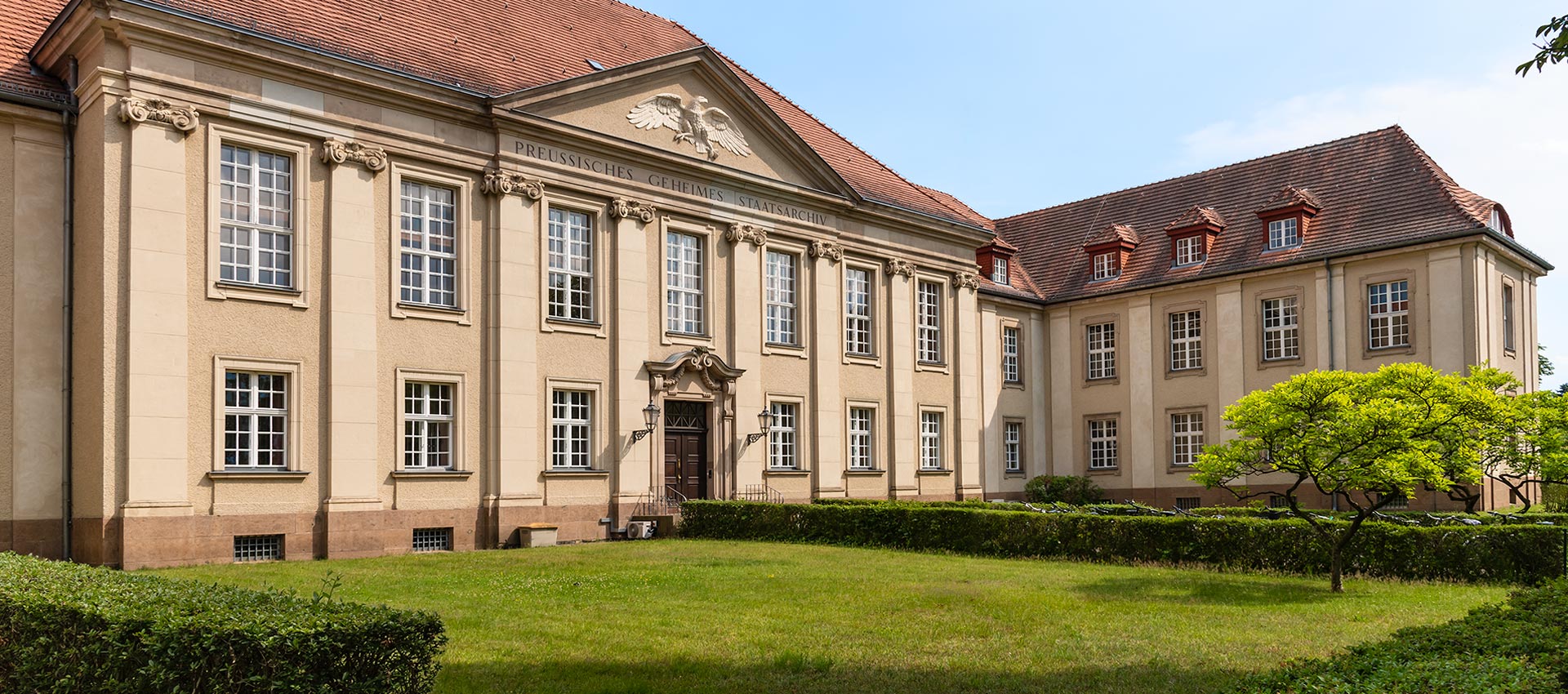
By 1921, however, only one building designed by Bruno Paul had been completed. A large archive building was also constructed in Dahlem at that time to house the former Prussian Secret State Archives. The Second World War and the dissolution of Prussia initially put an end to plans for a centre of scholarship in south-west Berlin. It was not until the period of the city’s division and the founding of the Free University in 1948 that these ideas were taken up again.
Today, the Dahlem Museum Complex is ideally situated at the heart of relevant institutes of the Free University and not far from the FU University Library, the German Archaeological Institute and the Max Planck Institute for the History of Science. Capitalising on this potential, we aim to further develop our Dahlem site into a new research campus over the coming years. Following the relocation of the exhibition spaces of the Museum of Ethnology and the Museum of Asian Art to the reconstructed Berlin Palace, entirely new opportunities are opening up here.
Although the Humboldt Forum can accommodate more exhibits than previously possible in Dahlem, and these will also change regularly thanks to the modular design of the exhibitions, even at the new site only a fraction of the vast collections can be displayed at any one time; the Ethnological Museum alone comprises around half a million objects.
From the outset, therefore, plans were made for two locations. However, the latest planning change at the Humboldt Forum regarding the library spaces previously envisaged there in part of the first floor, and the moratorium on the further development of the Foundation’s central repository in Friedrichshagen, now offer entirely new possibilities. As it is inconceivable to separate the academic staff from the research infrastructure comprising the library and study collections, a joint accommodation solution must be found. For this purpose, the established Dahlem site appears far better suited than Friedrichshagen.
Dahlem remains the ‘home base’ where the museums and their partners carry out their fundamental research.
At the Humboldt Forum, in addition to smaller workshop and storage areas, the two museums primarily maintain their exhibition spaces, where their collections are displayed, research findings are communicated, and important educational work is carried out. Dahlem remains the ‘home base’, where the museums and their partners carry out their fundamental academic work, collaborate and conduct research with representatives of the societies of origin, and develop new concepts for the presentation and exhibition modules at the Humboldt Forum.
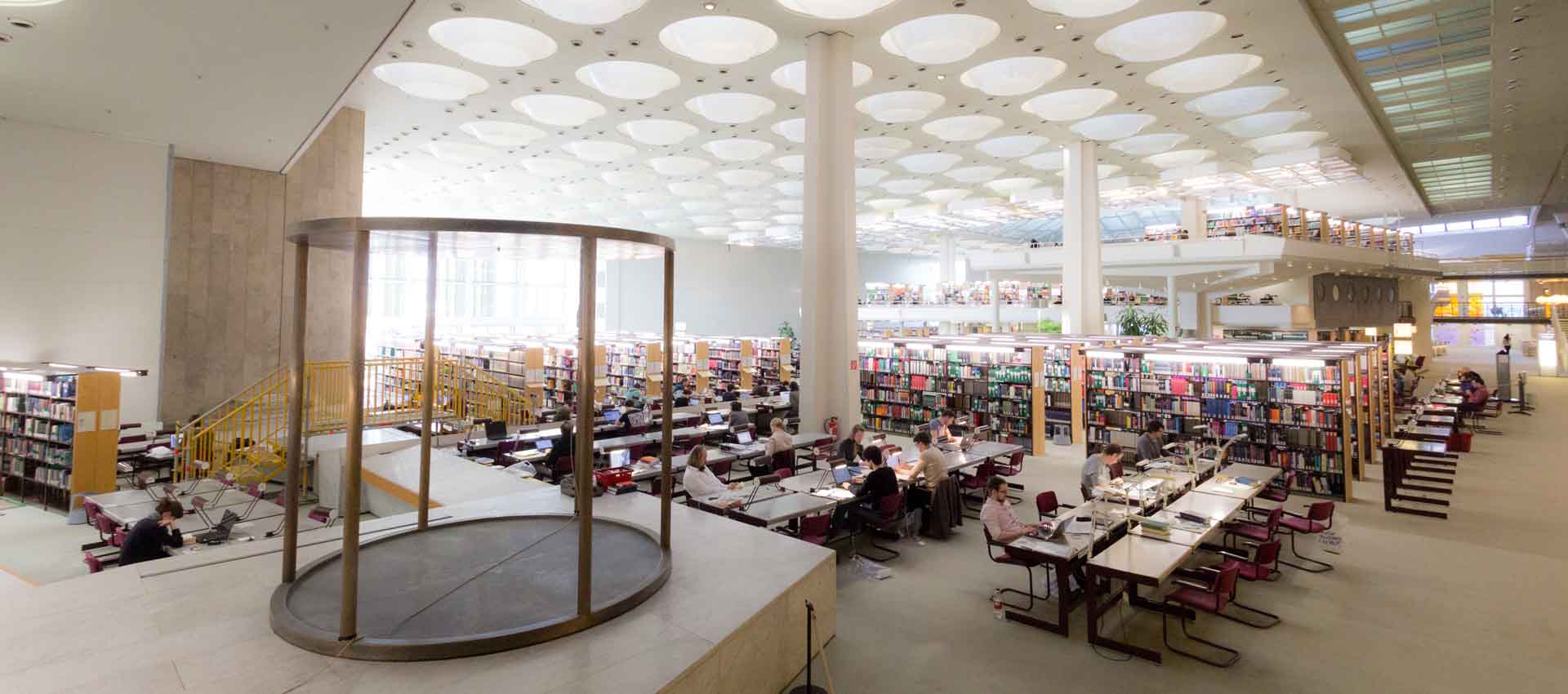
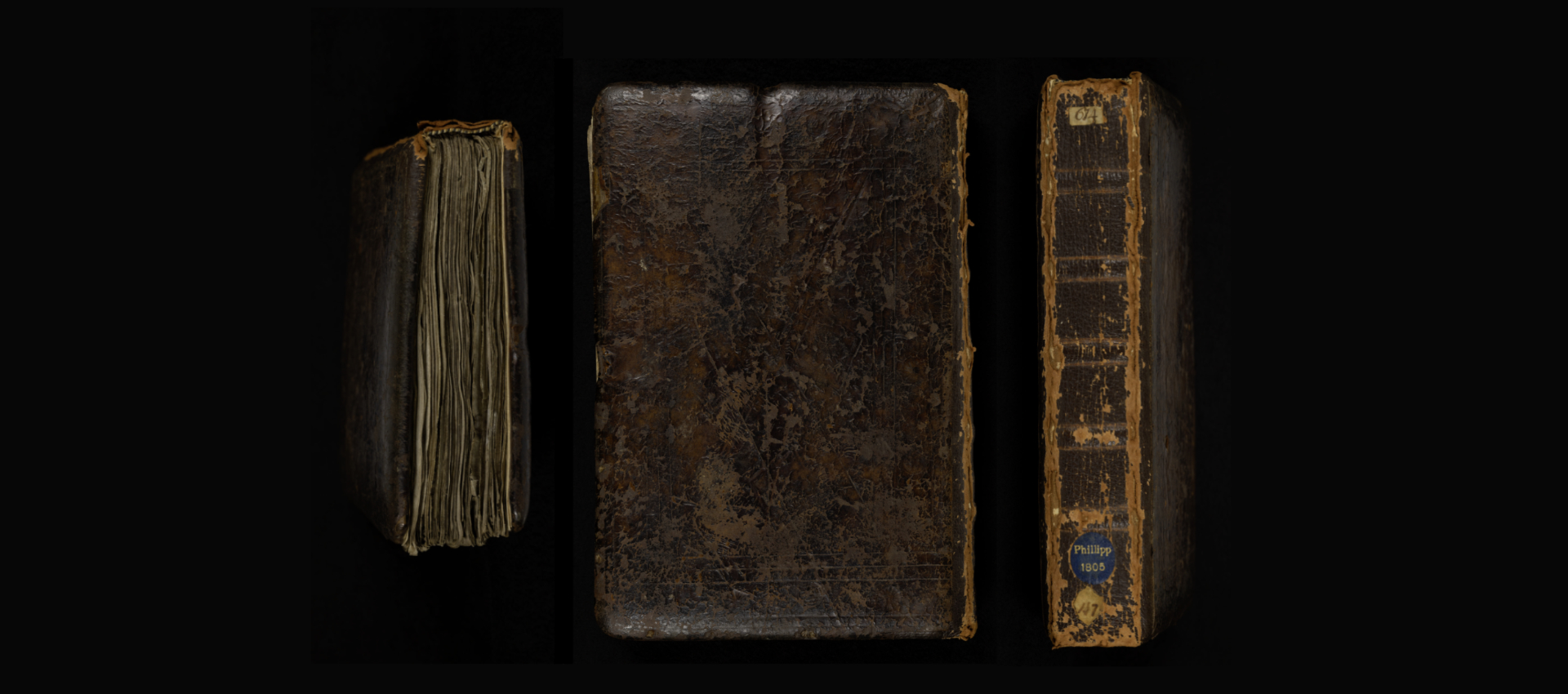
The wide-ranging resources of the Museum of Ethnology, the Museum of Asian Art and the Museum of European Cultures – which is in any case set to remain in Dahlem in the medium term – will thus not only be retained at this location, but will in fact be significantly strengthened through a variety of optimisations. The book collections of the three institutions, to be brought together in the museum complex, would be united in a specialised library of world art and cultures currently comprising 230,000 volumes, which is unrivalled in the research landscape, supplemented by unique archival materials from all three museums.
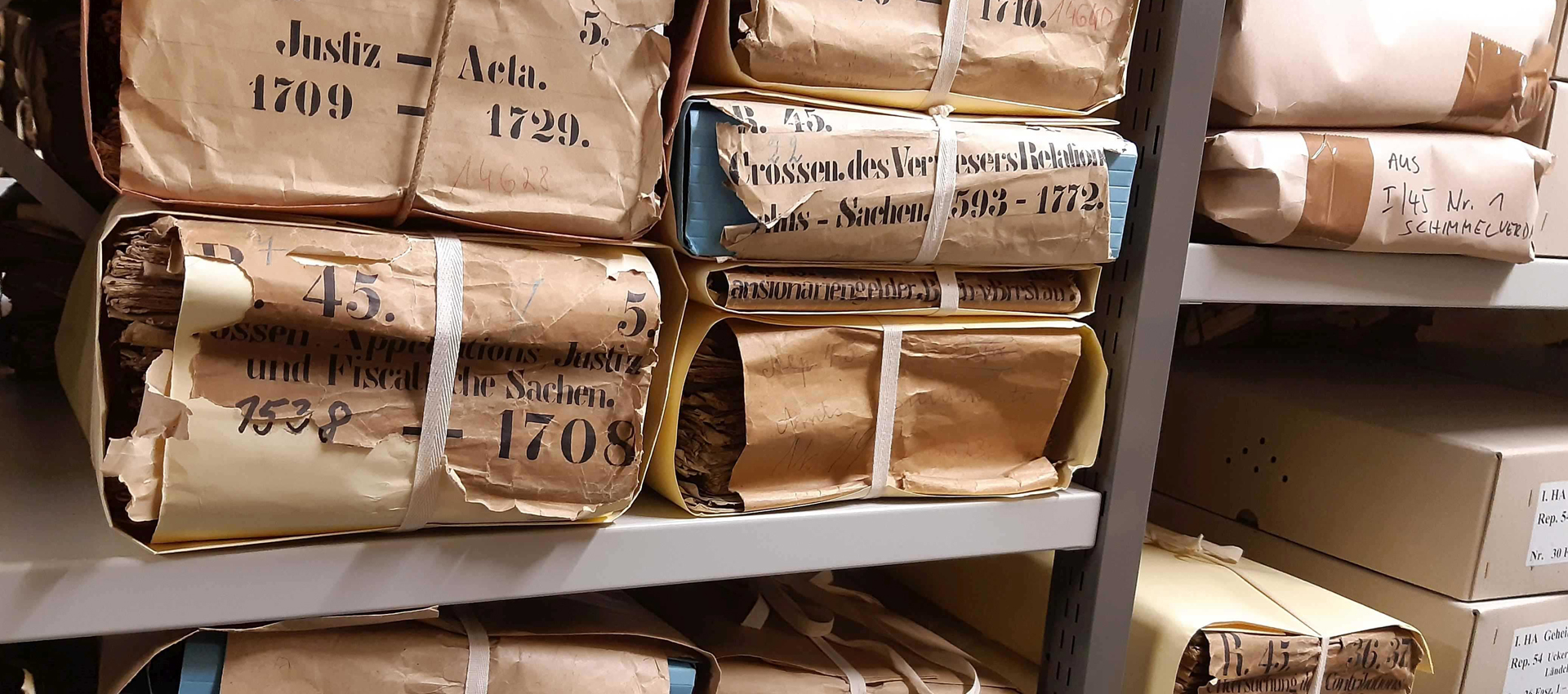
Such a consolidation of research resources within the Dahlem museum complex would have the enormous advantage of enabling further sensible and cost-saving structural measures to be implemented at the same time. For instance, the management, library, restoration workshops and storage facilities of the Museum of European Cultures are not currently housed within the Dahlem museum complex itself, but in premises belonging to the Secret State Archive of the Prussian Cultural Heritage Foundation. Consequently, the latter is forced to store a large proportion of its sensitive archival materials in rented storage facilities in Westhafen, which must be transported back and forth between the two sites at considerable expense.
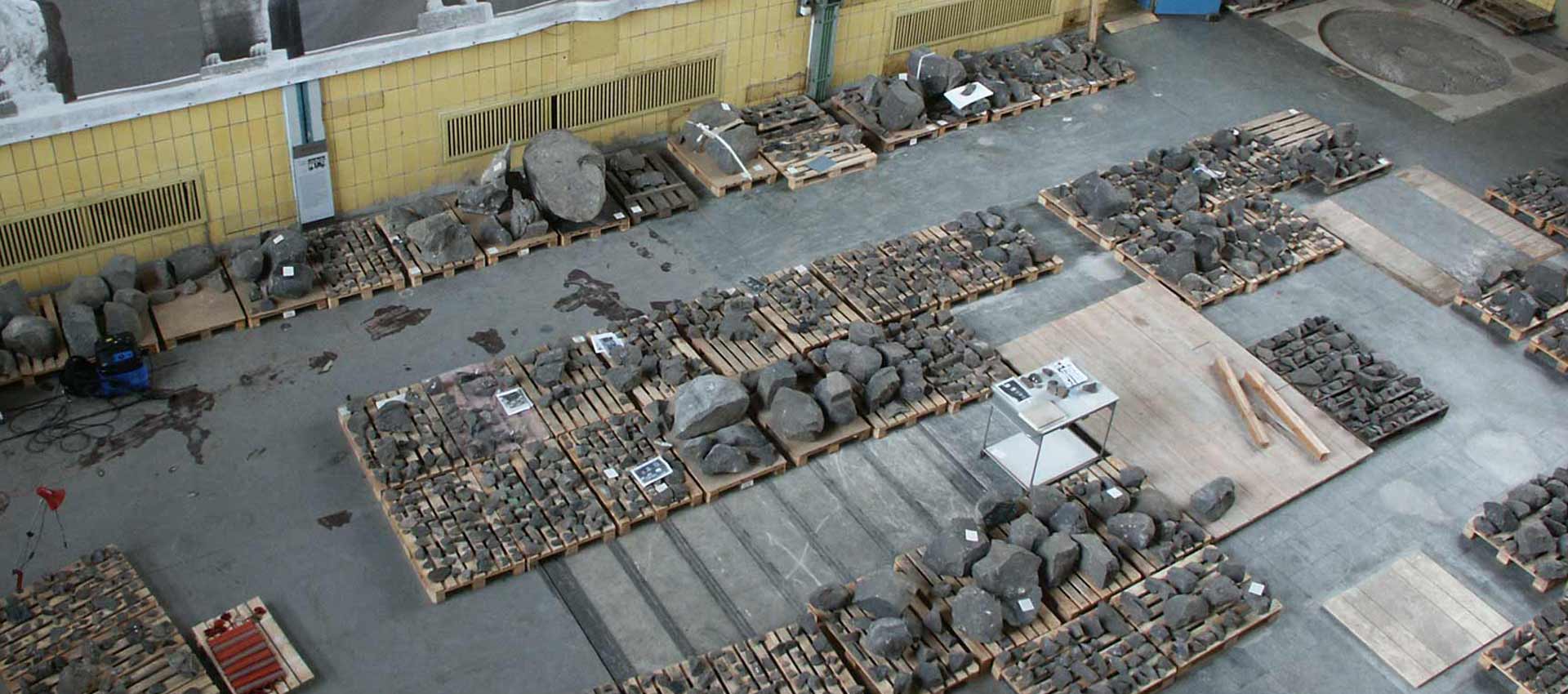
By seizing the opportunity to redevelop the Dahlem site, all the institutions would benefit from a reallocation of space. The Museum of European Cultures would move, along with its administration, library, workshops and collection, into the spaces vacated by the exhibition areas of the Ethnological Museum and the Museum of Asian Art, which are relocating to the Humboldt Forum; and the Secret State Archive of the Prussian Cultural Heritage Foundation could use the storage wing, which would then become available again, for its own archive materials currently housed in Westhafen. Further spaces not required for the optimisation of the three institutions’ museum operations could be offered to third parties who would complement the profile of the ‘Dahlem Research Campus’. For example, the collection of casts of ancient sculptures from the Free University of Berlin, currently housed in Charlottenburg, would be a meaningful addition and enrichment.
By seizing the opportunity to redevelop the Dahlem site, all the buildings would benefit from a reorganisation of the site layout.
Under these conditions, the Dahlem site could become a vibrant hub for research and knowledge transfer, creating a key centre for the humanities alongside the neighbouring renowned institutions – an ideal solution for the district and a major asset for Berlin as a centre of science. The fellowship programmes and laboratories based at the Humboldt Forum would be supported and strengthened by Dahlem’s existing infrastructure and convenient transport links. External researchers, postgraduates and members of the communities of origin would find access here to collection holdings and research infrastructure, just as the existing networks with Freie Universität could continue to be utilised and expanded in a meaningful way for the museums.
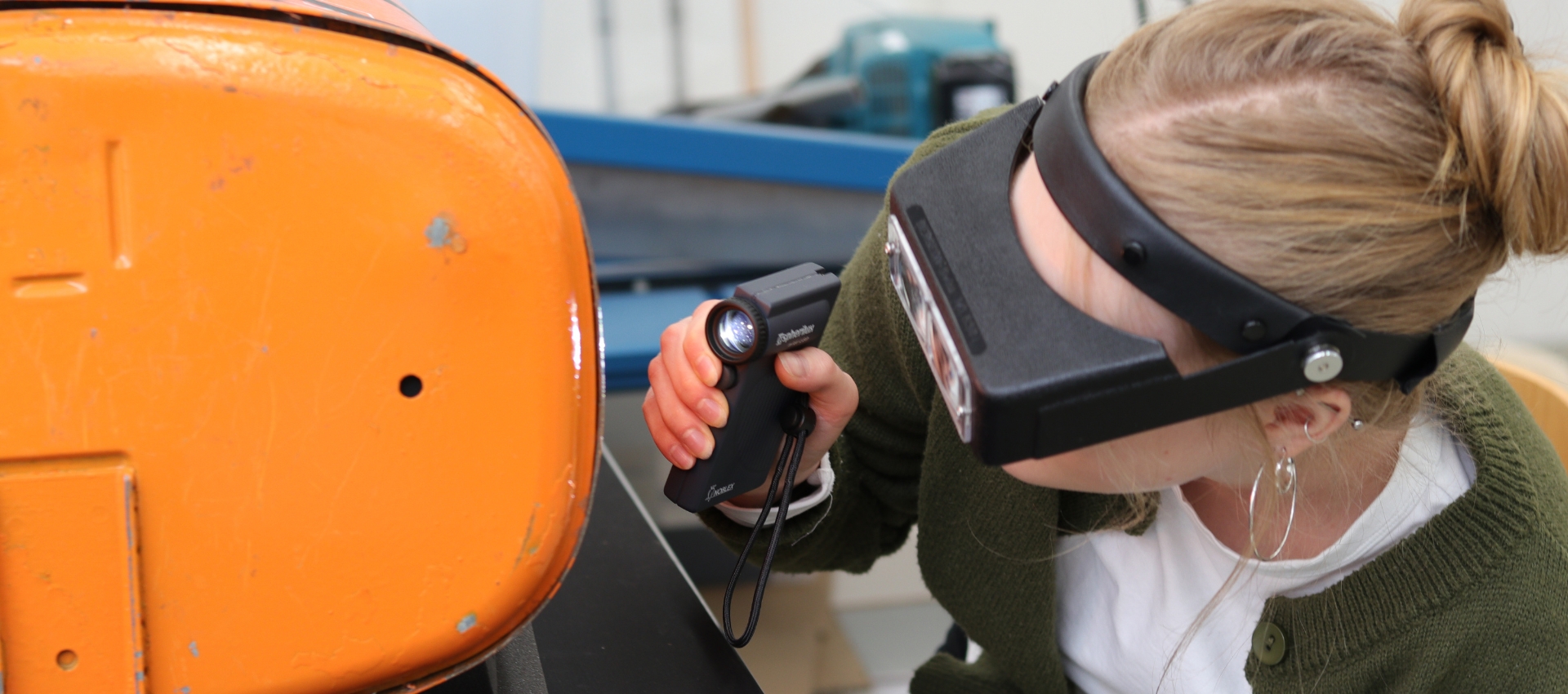
The ‘Dahlem Research Campus’ would – continuing its museum tradition – serve in particular as a showcase for science, communicating exciting research findings to the public: conceivable options include smaller studio exhibitions, guided tours of the study collections, or behind-the-scenes glimpses where visitors can look over the shoulders of conservators at work. We would like to use this early summer to discuss plans and ideas for the continued use of the site together with the institutions, politicians and the people of Steglitz-Zehlendorf. And the most important message: yes, the Dahlem museum complex has a future that fits perfectly with the traditional strengths of south-west Berlin.
The article on the development of the Dahlem site first appeared in the Tagesspiegel on 17 March 2017.