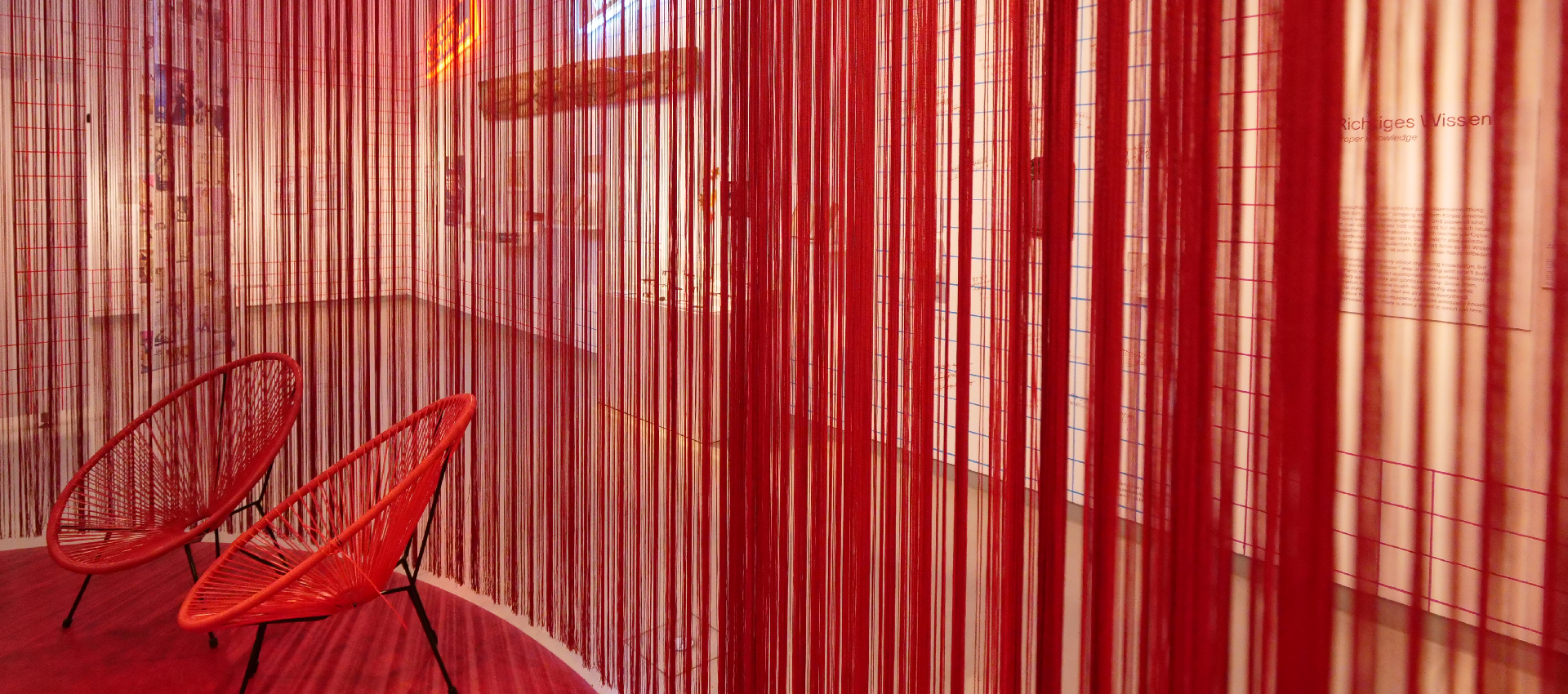
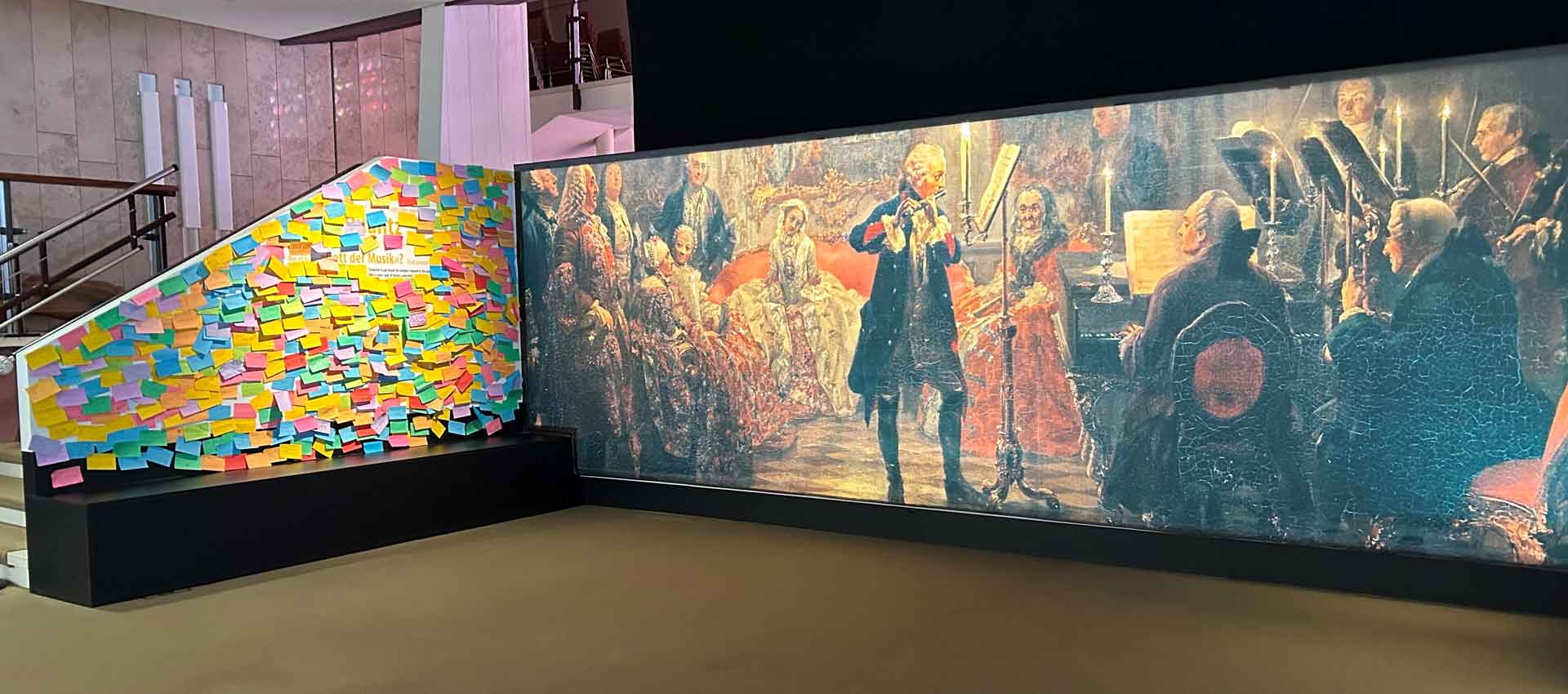
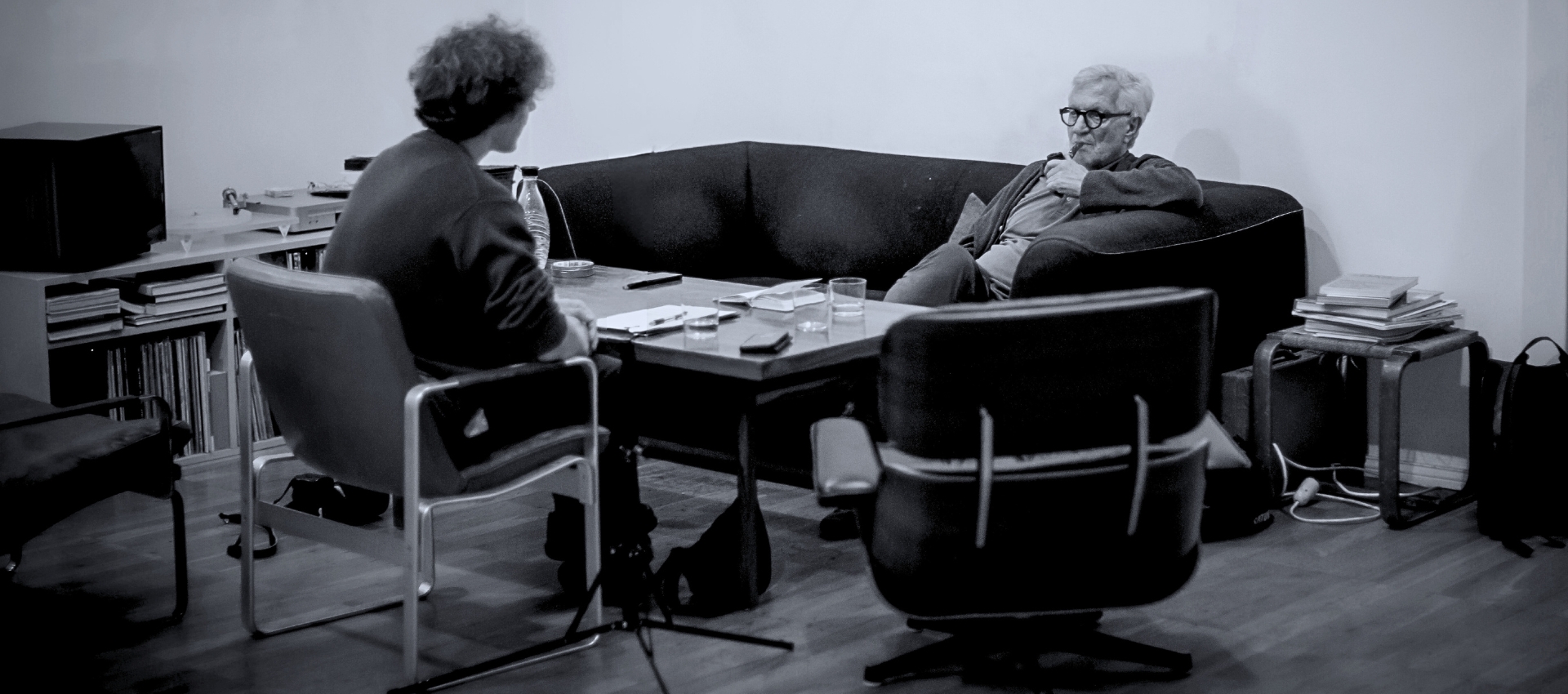
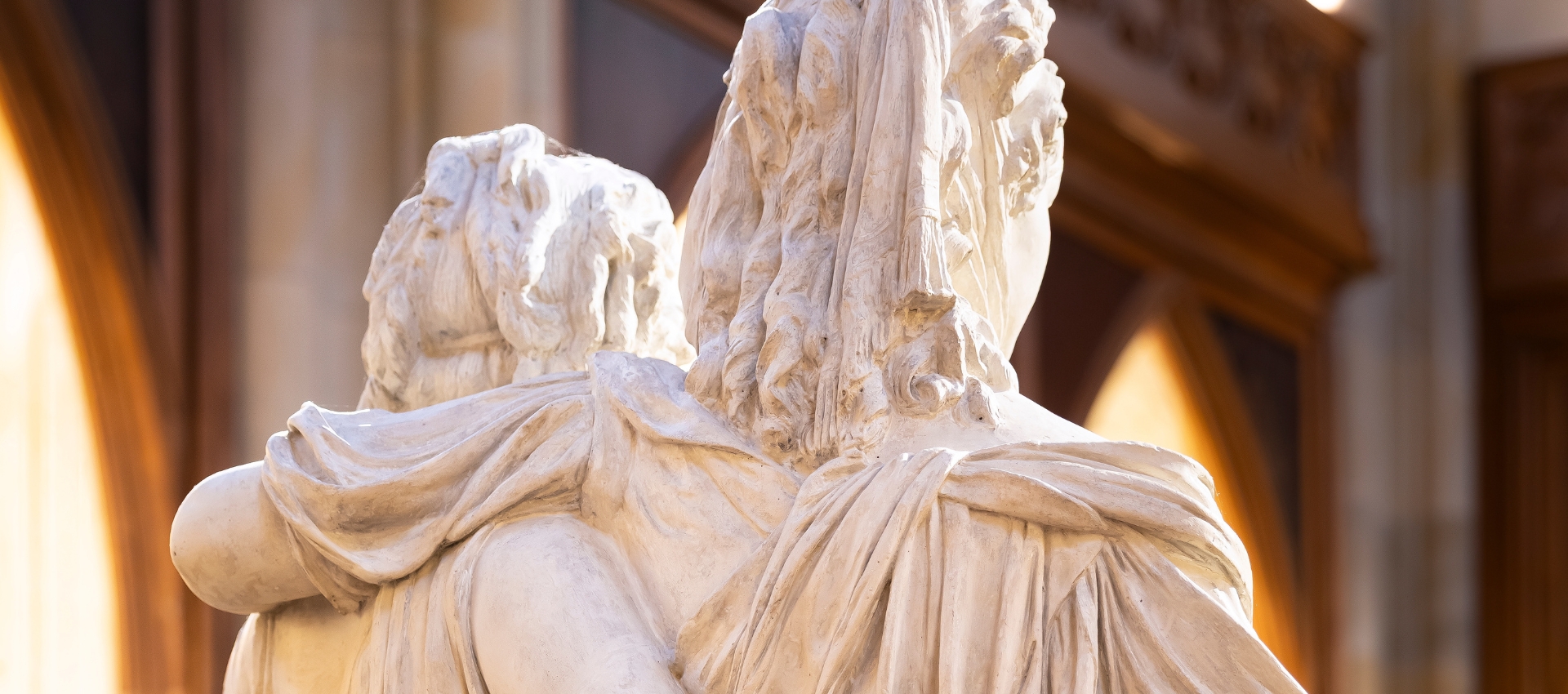
The eighth European Day of Restoration will take place on 19 October 2025. The SPK’s facilities will also be opening their doors this Sunday to showcase the vital work of those who work behind the scenes to preserve our most precious cultural heritage. It’s time to find out more about their work – with a visit to the Hamburger Bahnhof.
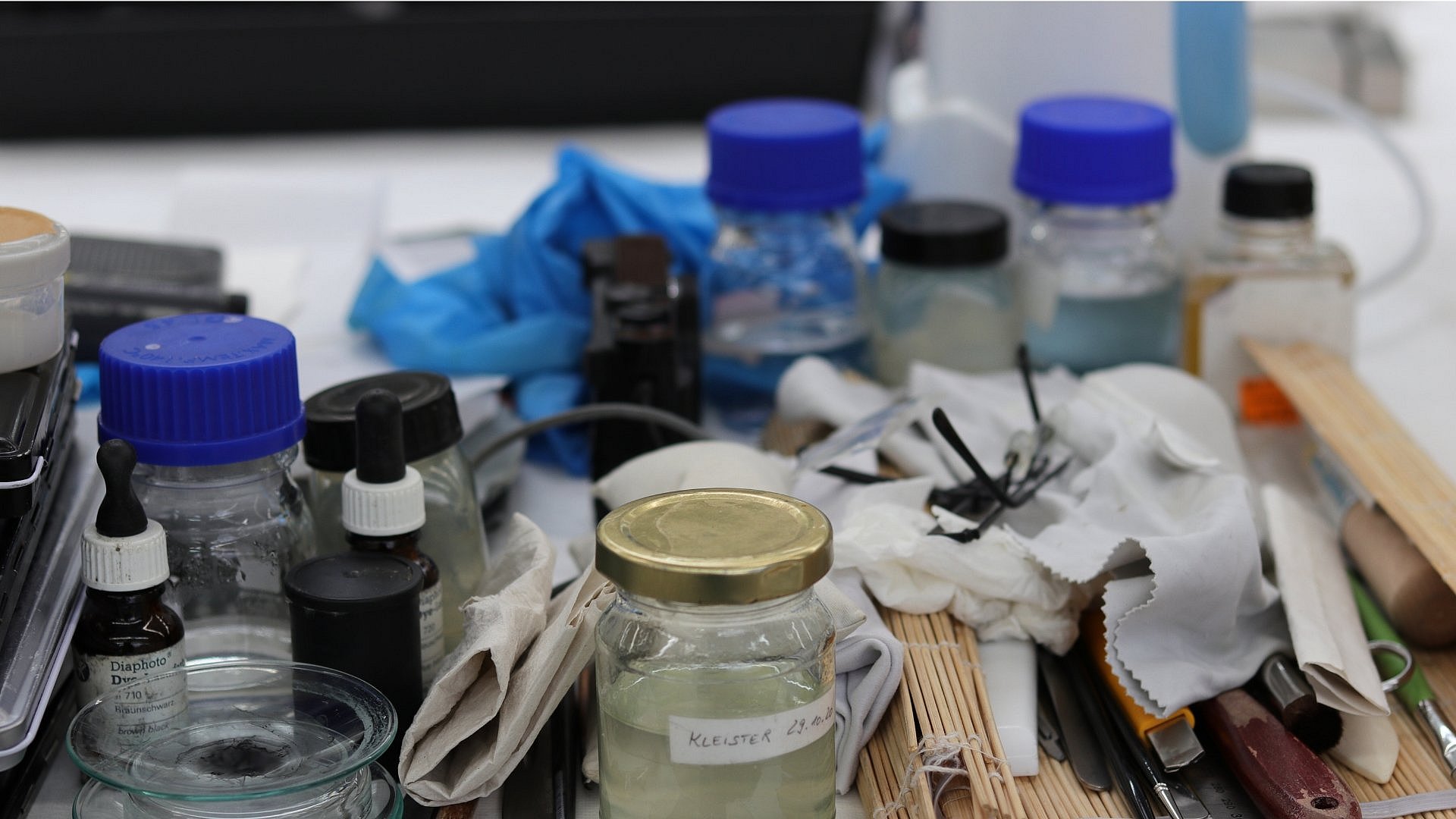
The eighth European Restoration Day at the SPK
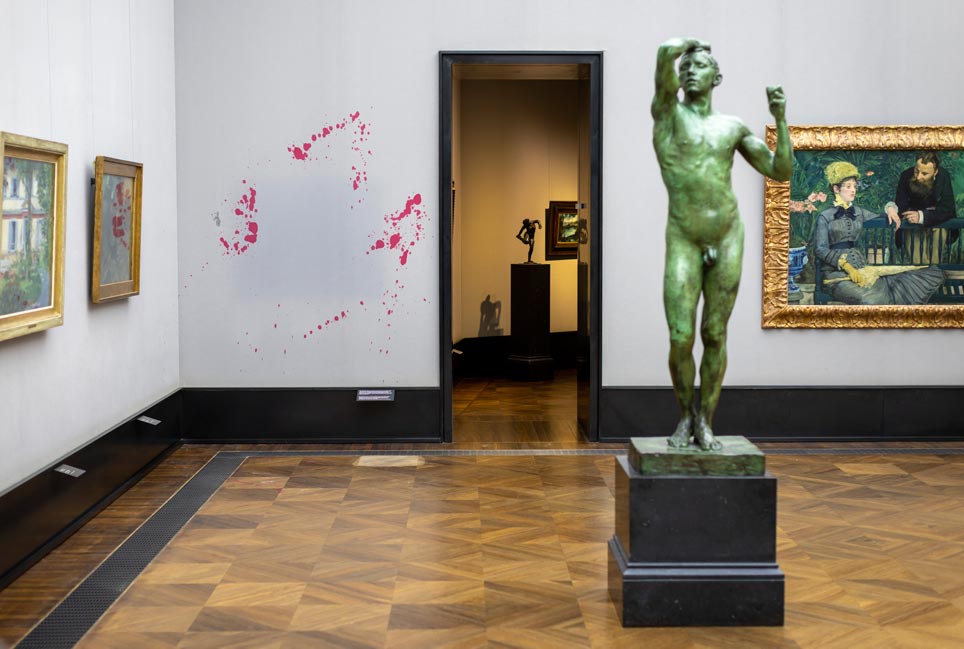
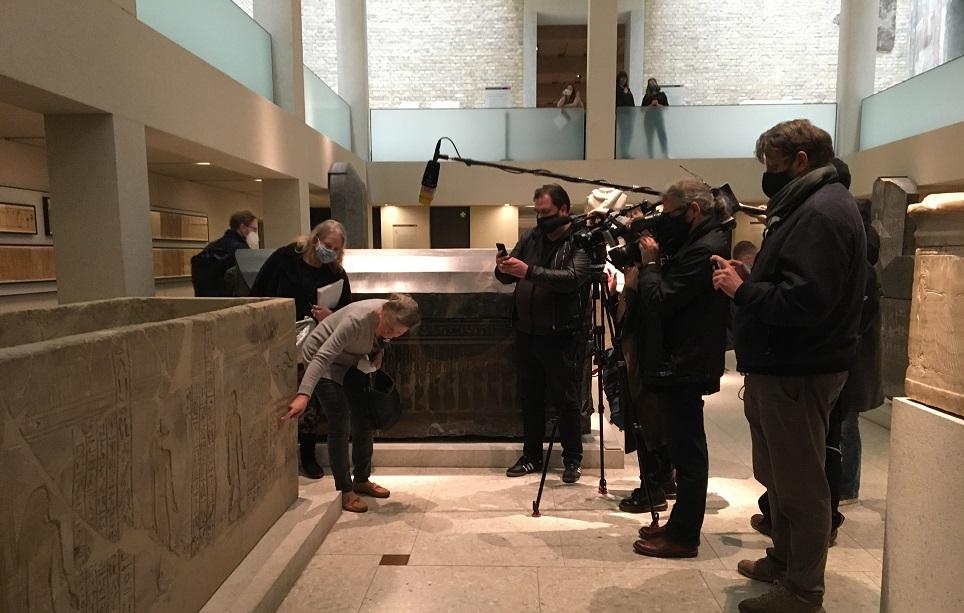
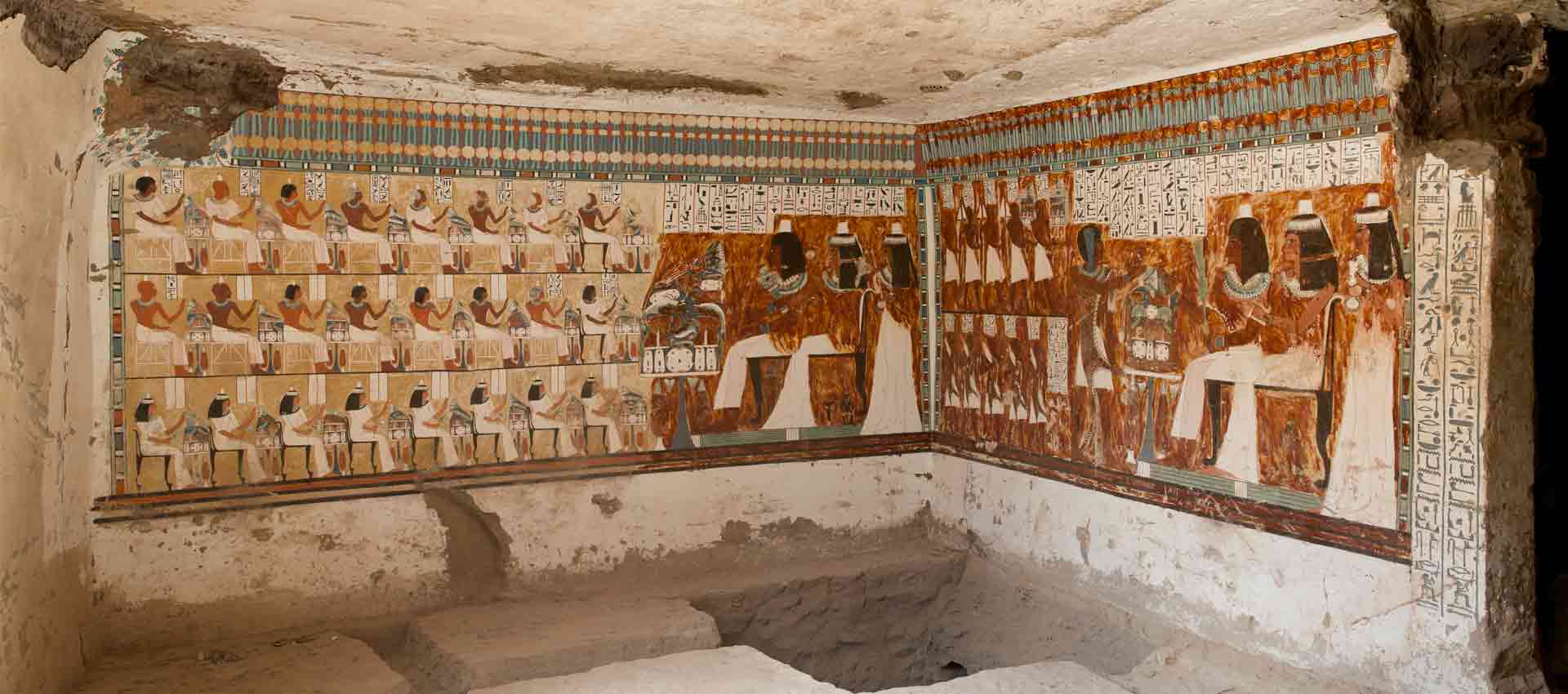
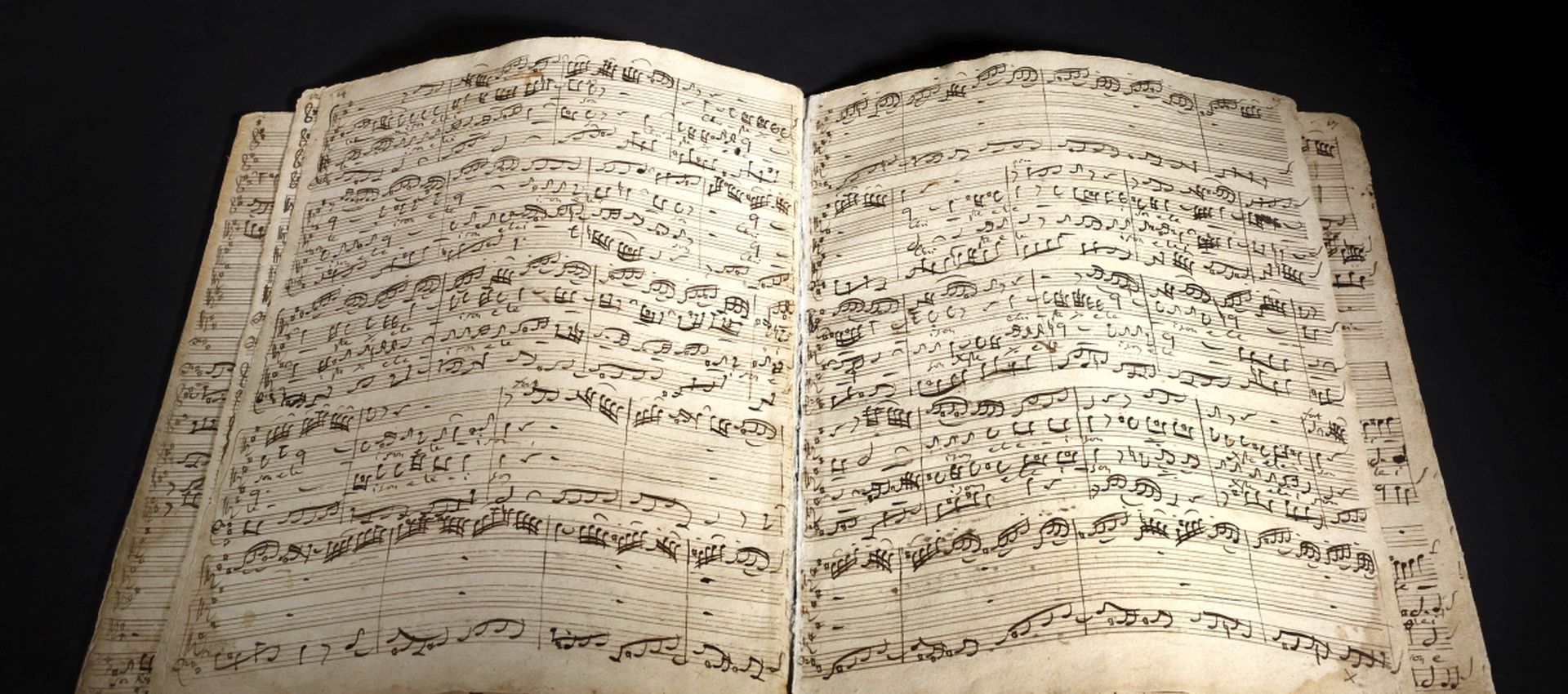
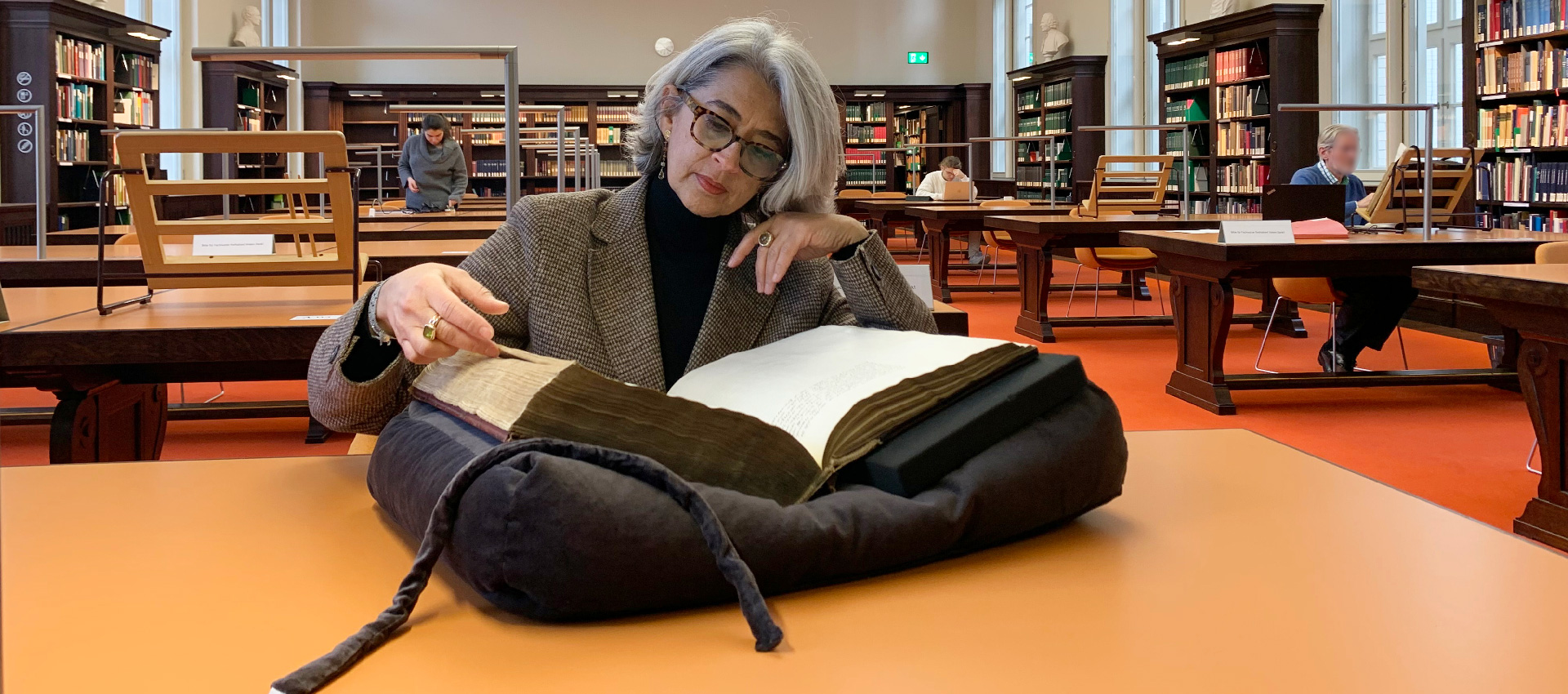
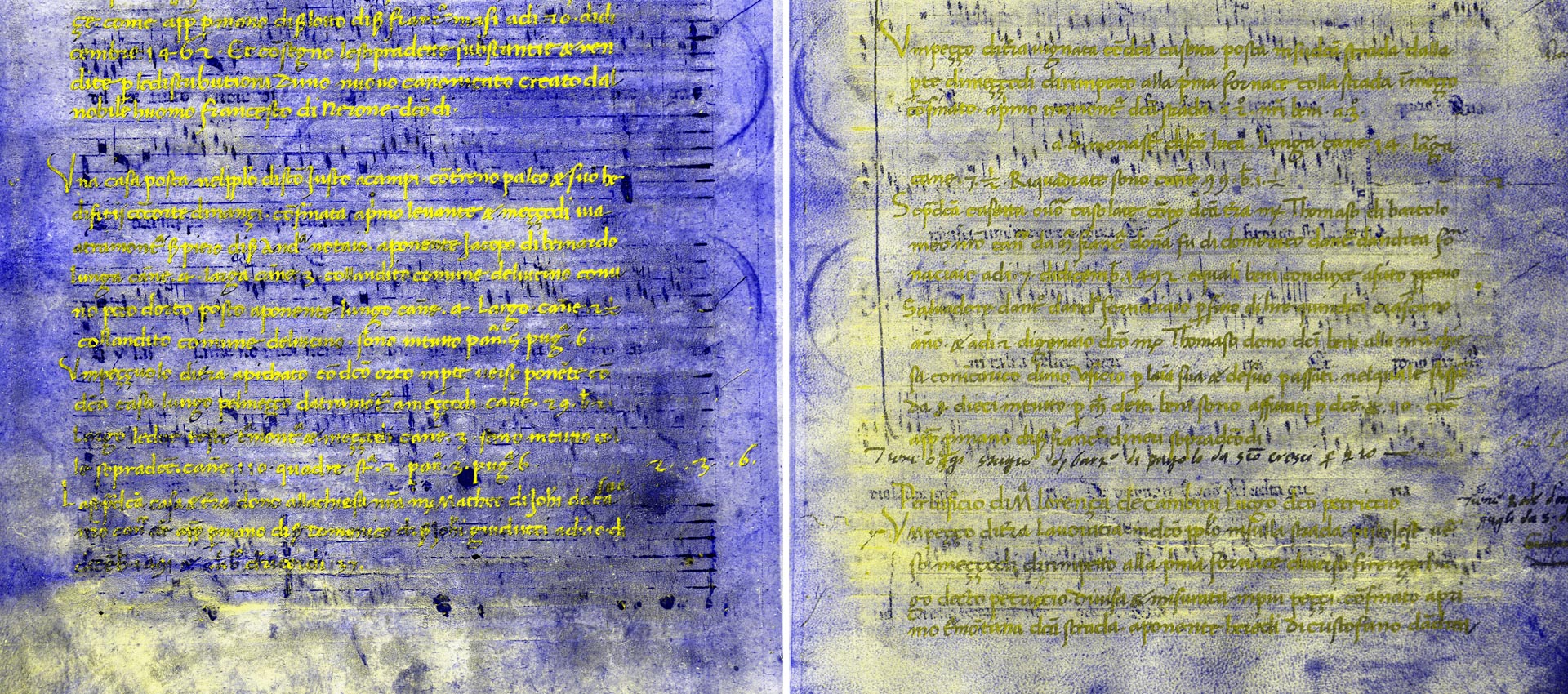
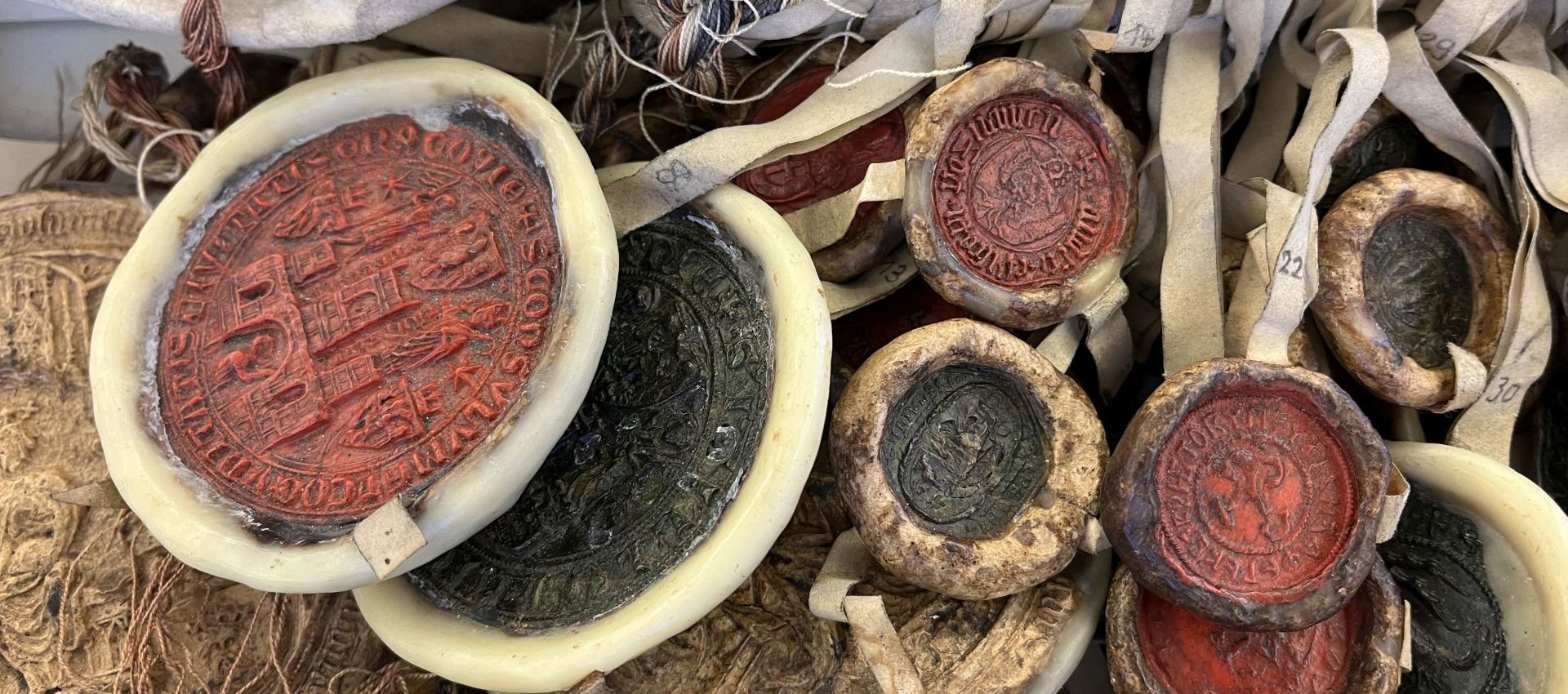
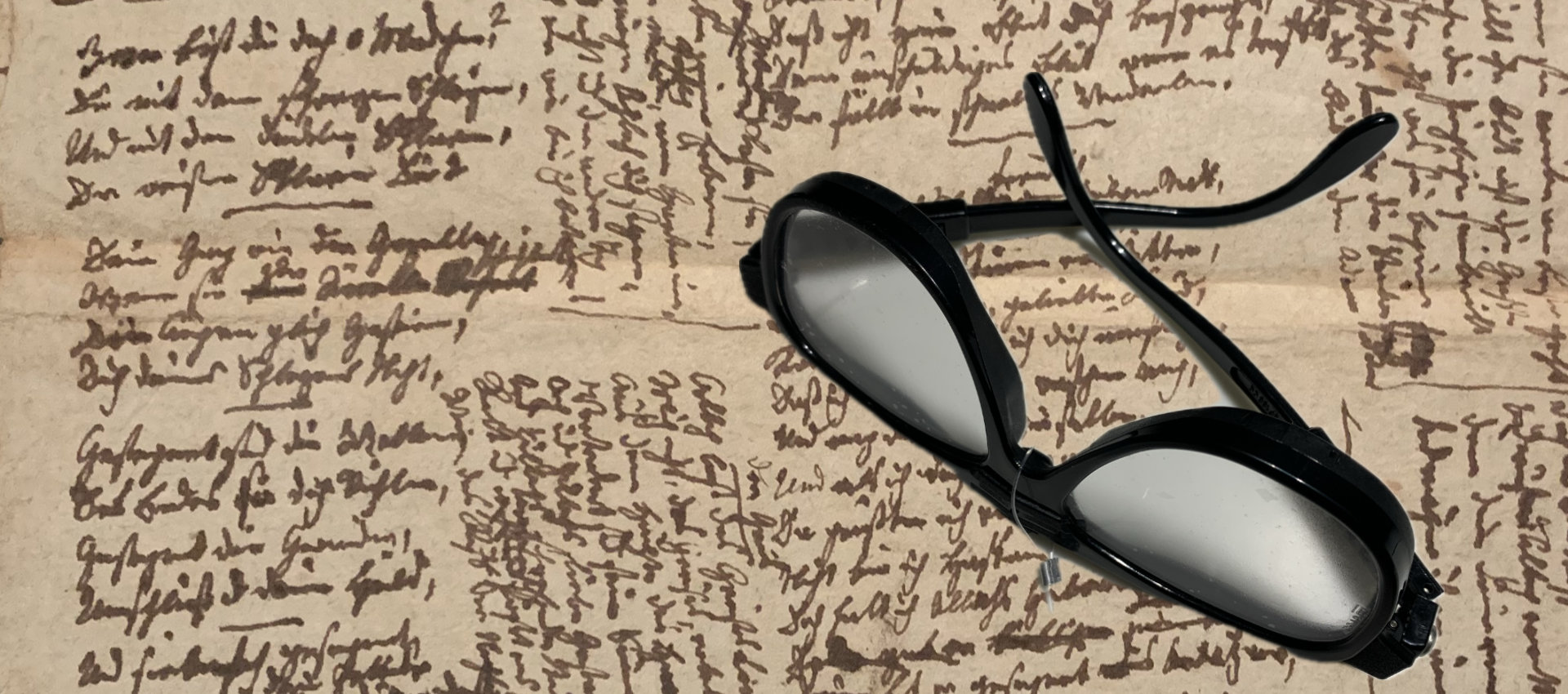
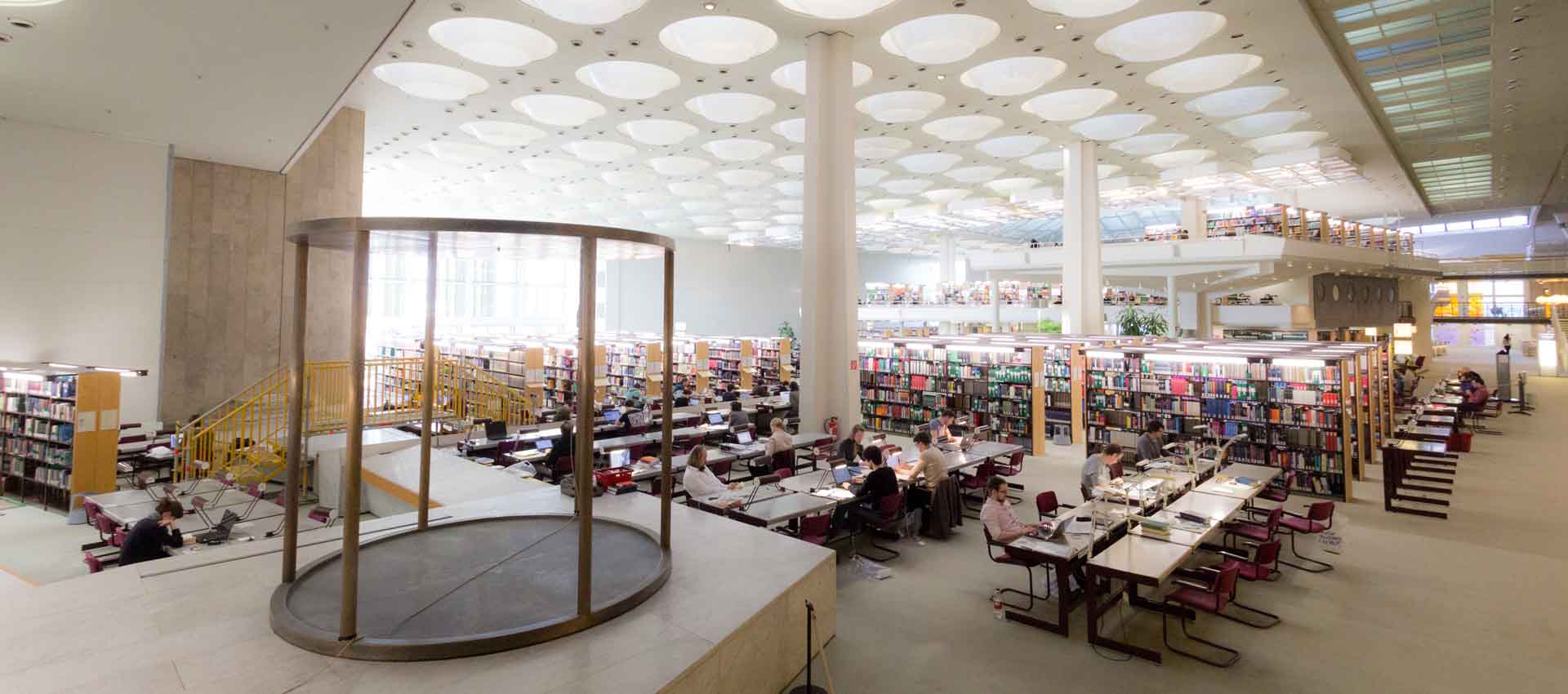
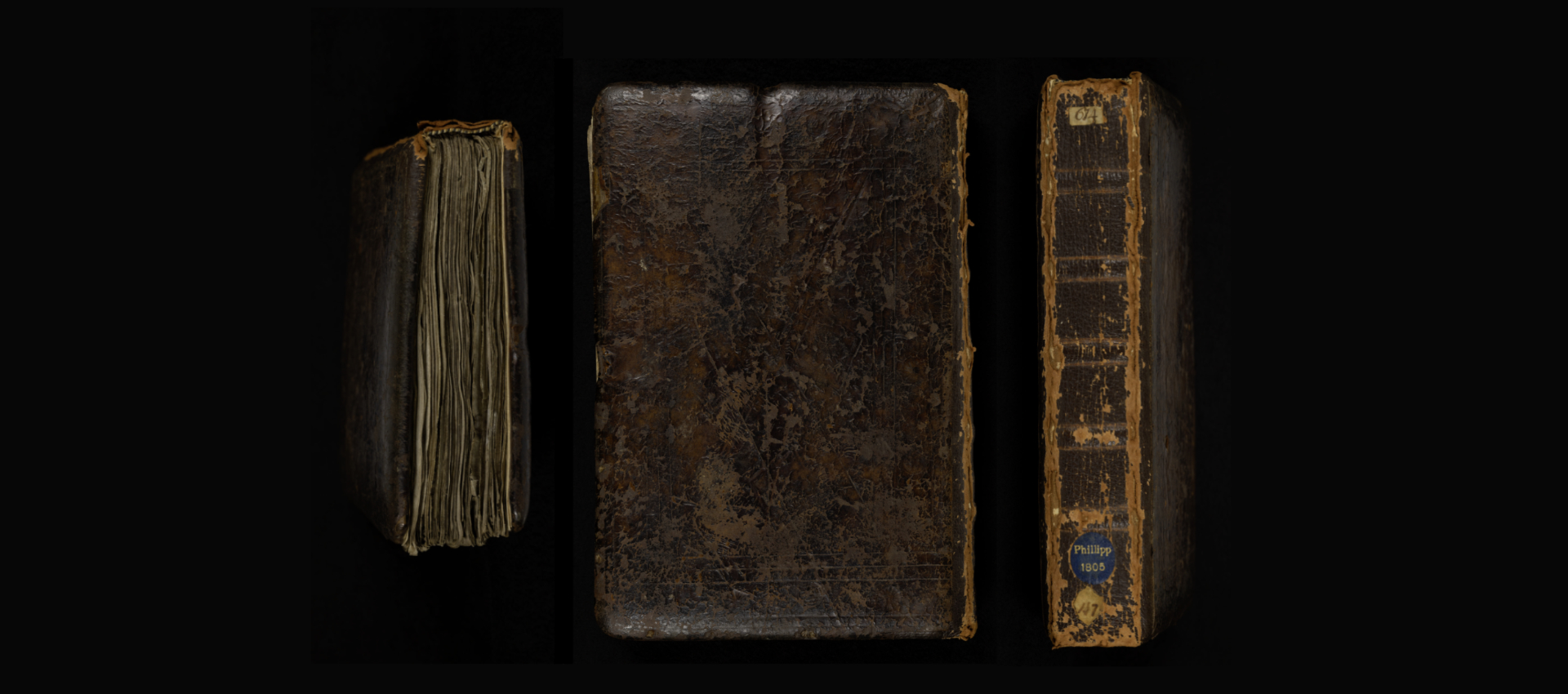
In the restoration workshops of the Gemäldegalerie, the Kupferstichkabinett, the Kunstbibliothek, the Hamburger Bahnhof and the Humboldt Forum, visitors will be able to take a look behind the scenes of museum work alongside experts on Restoration Day (19 October 2025). The Musical Instrument Museum and the State Library are also offering guided tours of their workshops, covering topics such as the preservation of instruments for future generations or manuscripts on unusual materials such as palm leaves or birch bark.
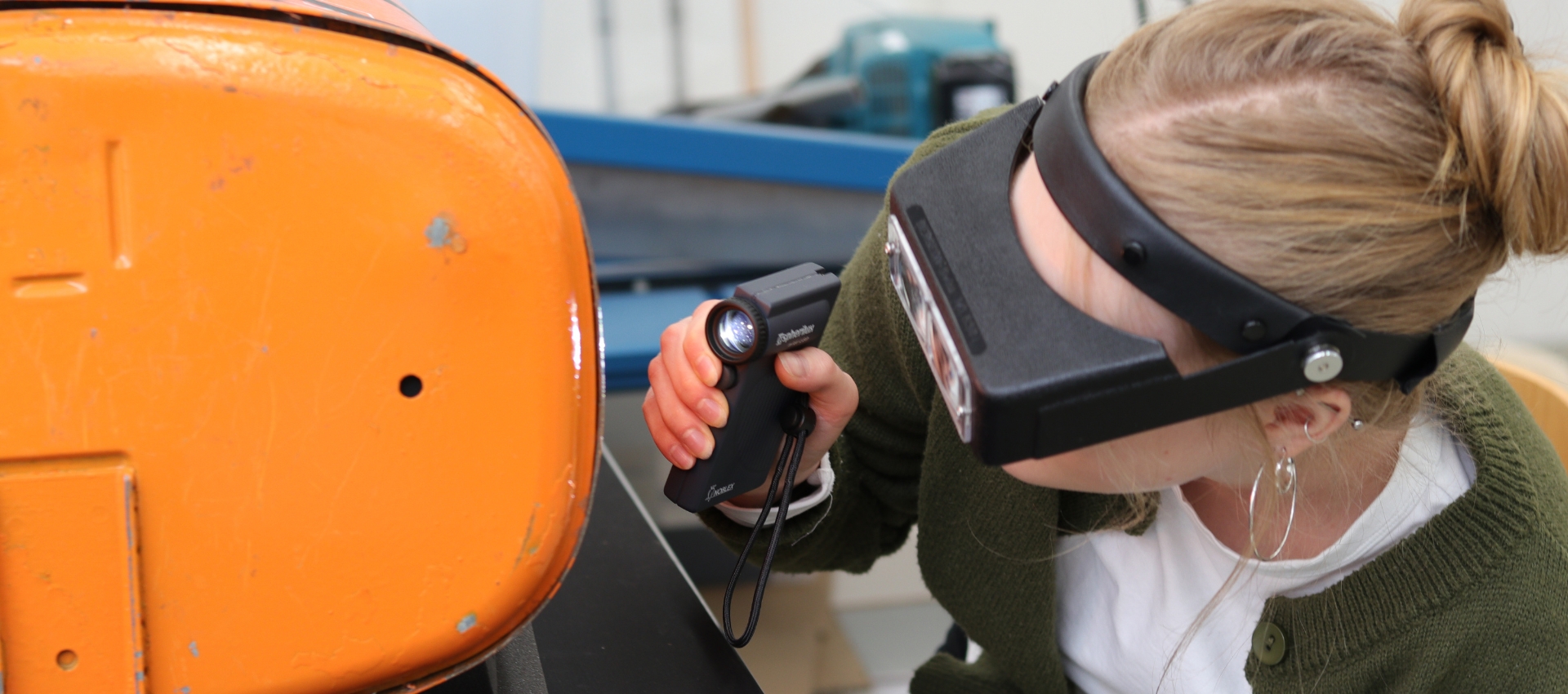
Photo: SPK / Killisch
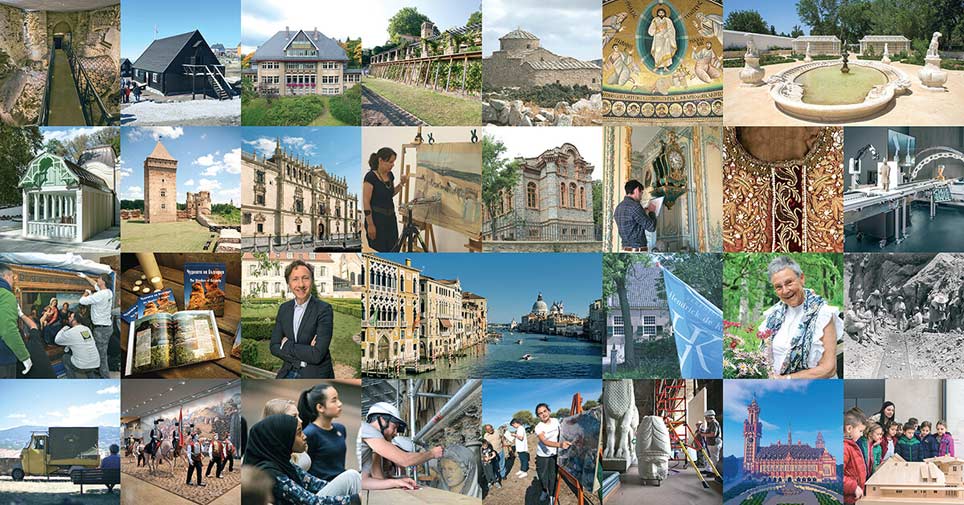
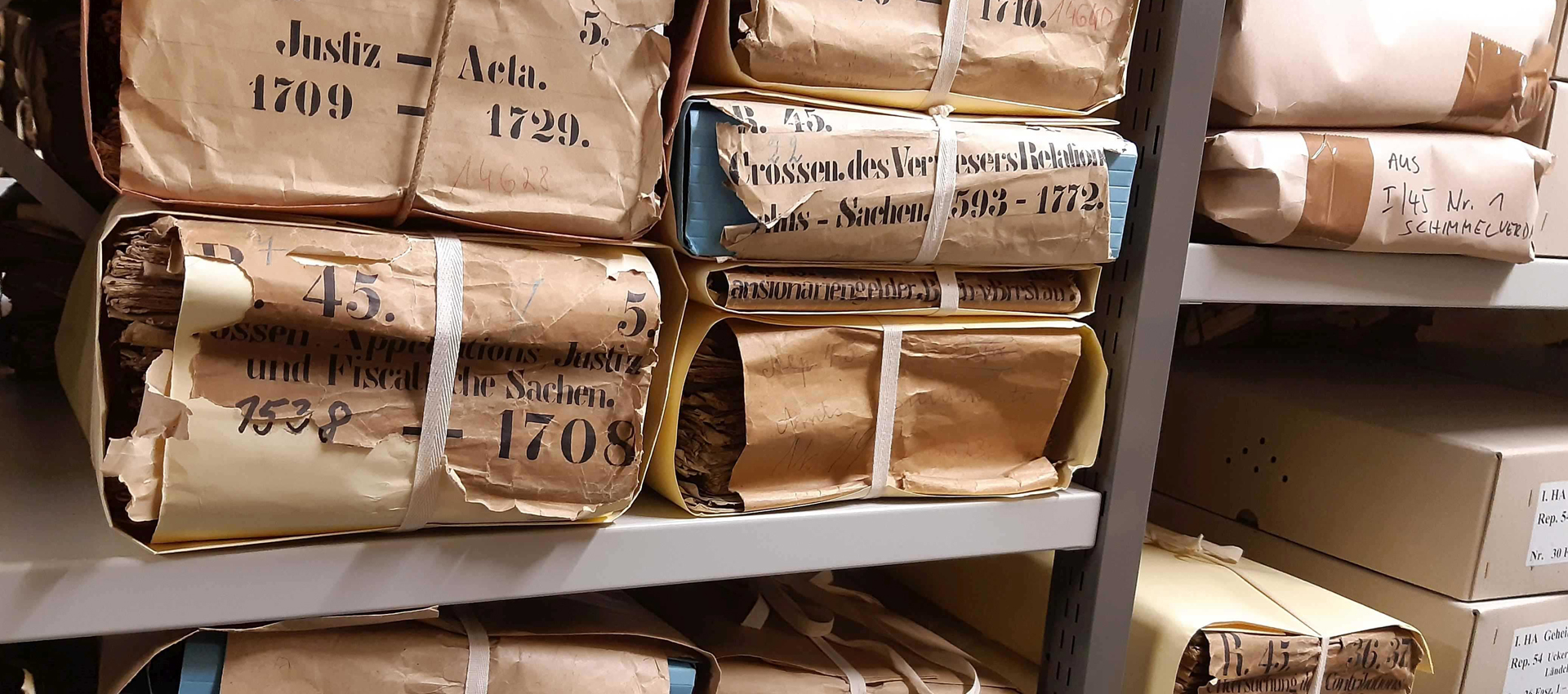
Around 130 conservators work in the SPK’s museums and institutes – from the Picture Gallery to the Berlin State Library. Given that the Foundation holds over five million museum objects, eleven million books and manuscripts, 3,500 musical instruments and 35 linear kilometres of files, it is hardly surprising that the number of staff in this specialist field is so high.
With expertise and passion, the SPK’s conservators ensure that the Foundation’s museums, libraries and archives can properly preserve and present to the public the cultural assets entrusted to them. SPK President Marion Ackermann recently described conservation as a “key area of expertise for the Foundation, without which museum institutions could scarcely survive.” And yet, museum visitors are largely unaware of this vital work in their day-to-day visits.
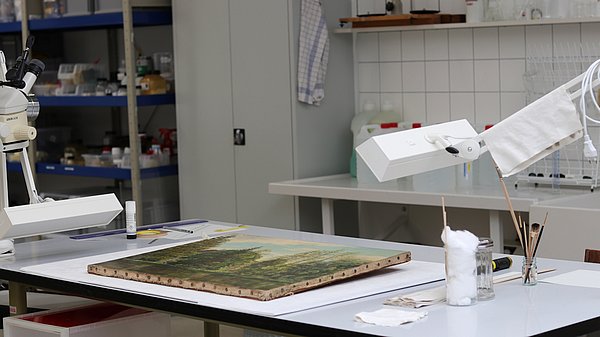
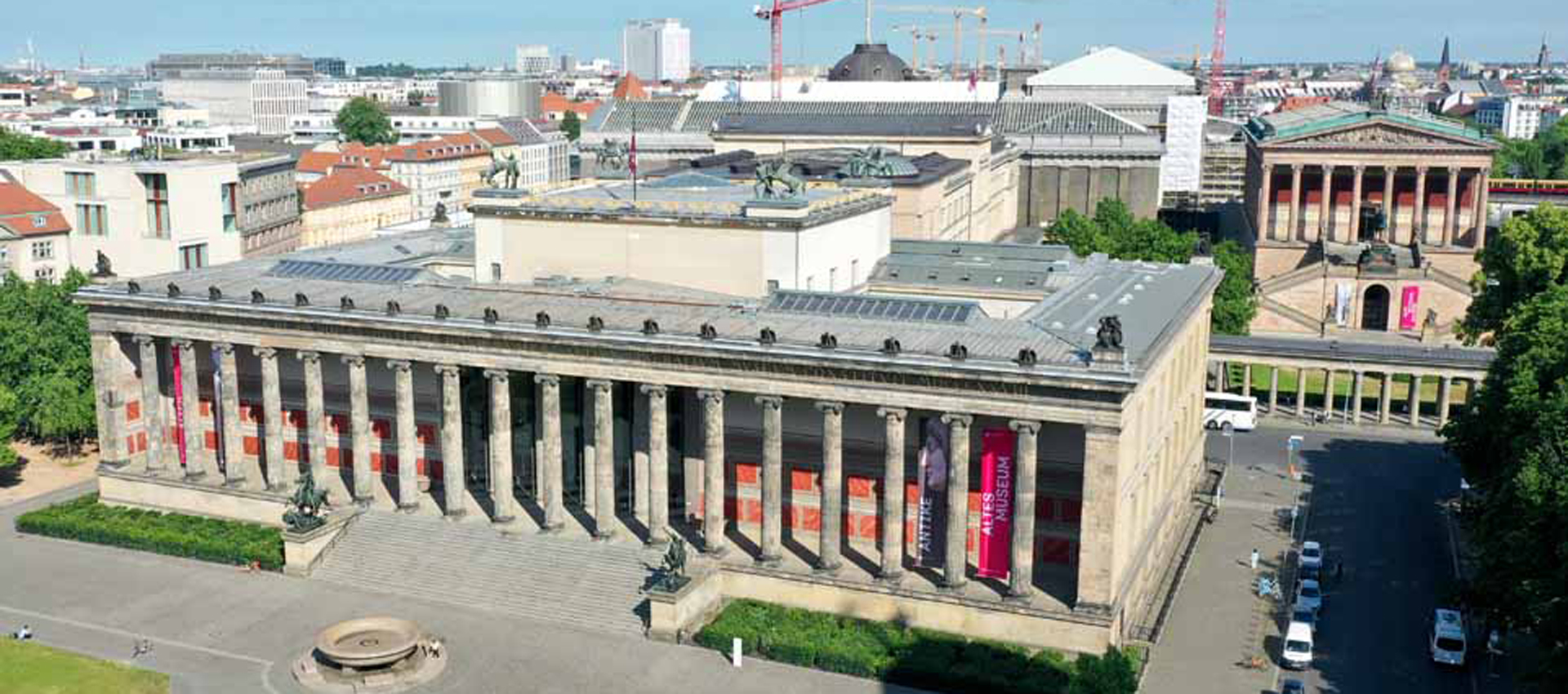
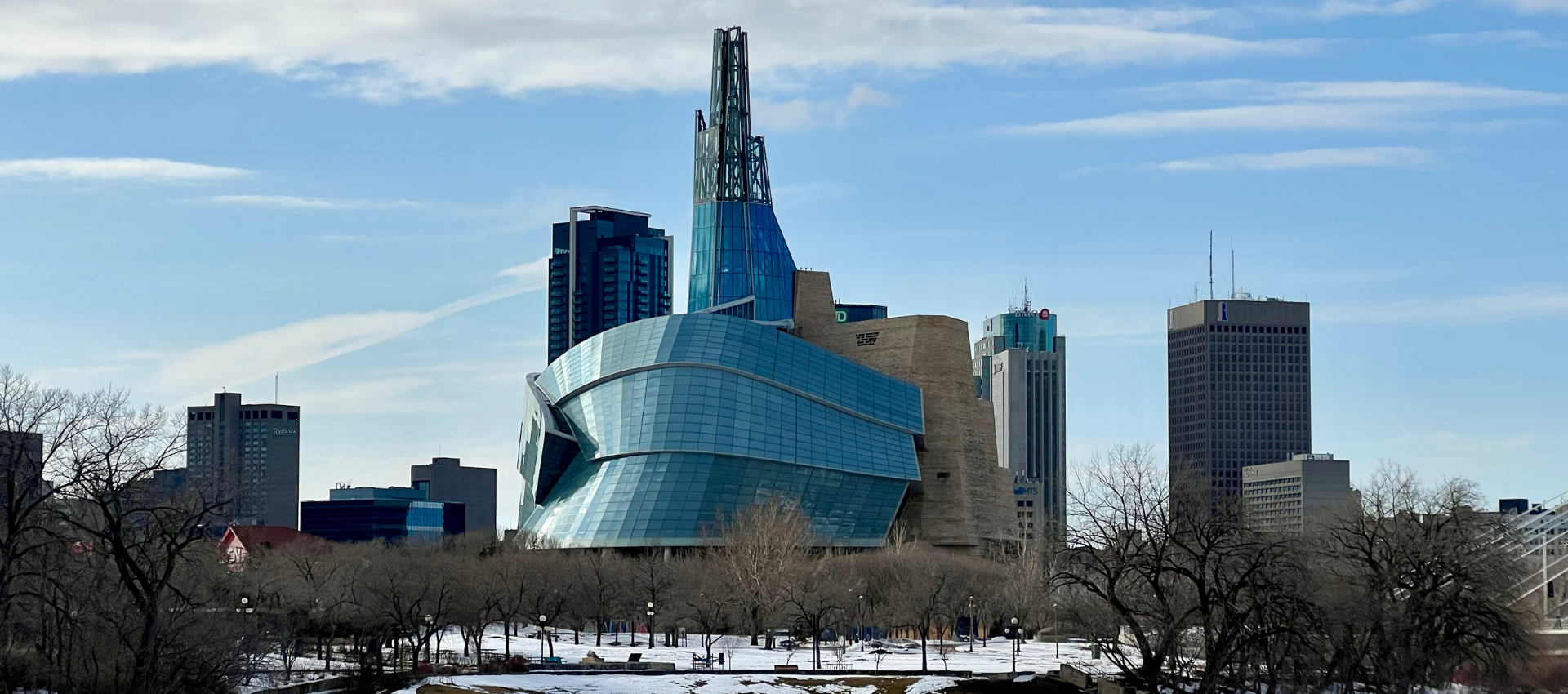
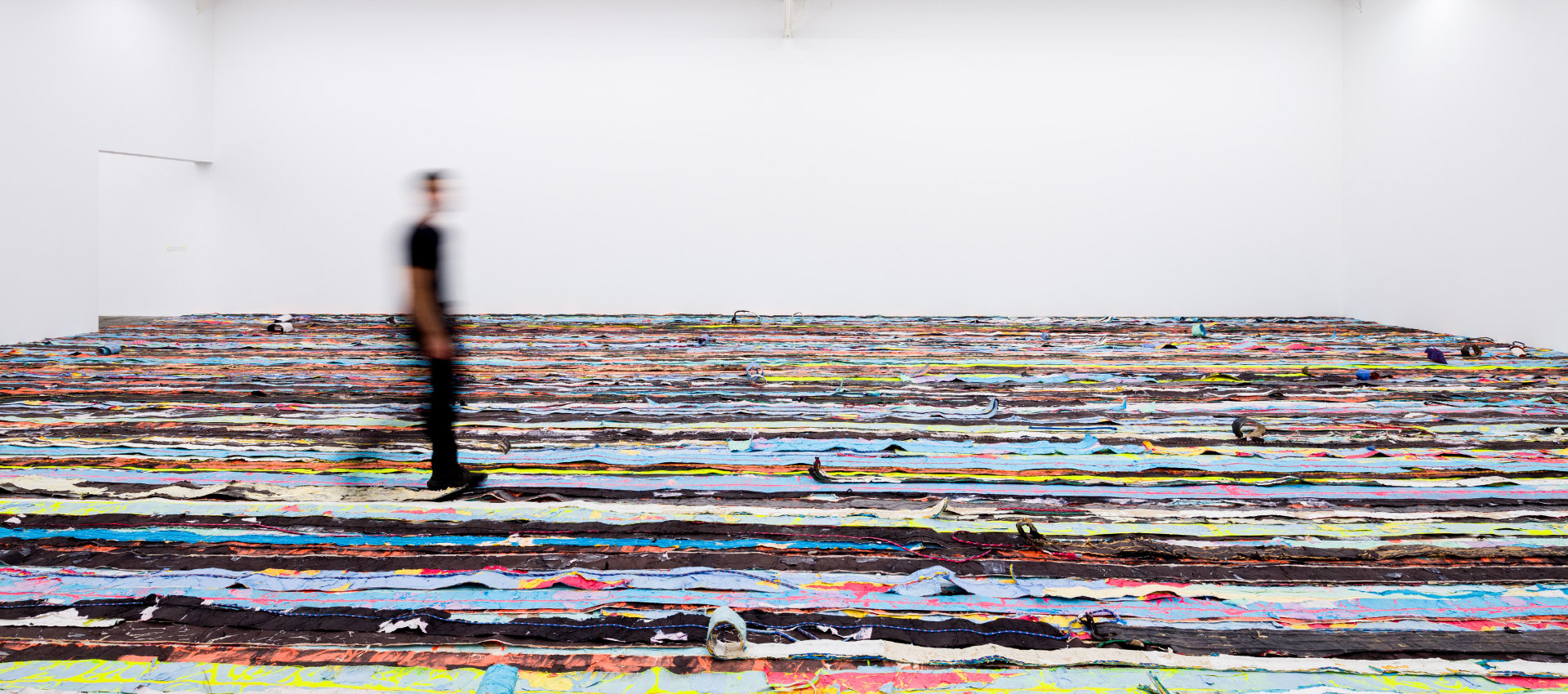
National Gallery of Contemporary Art. Photo: SPK / Killisch
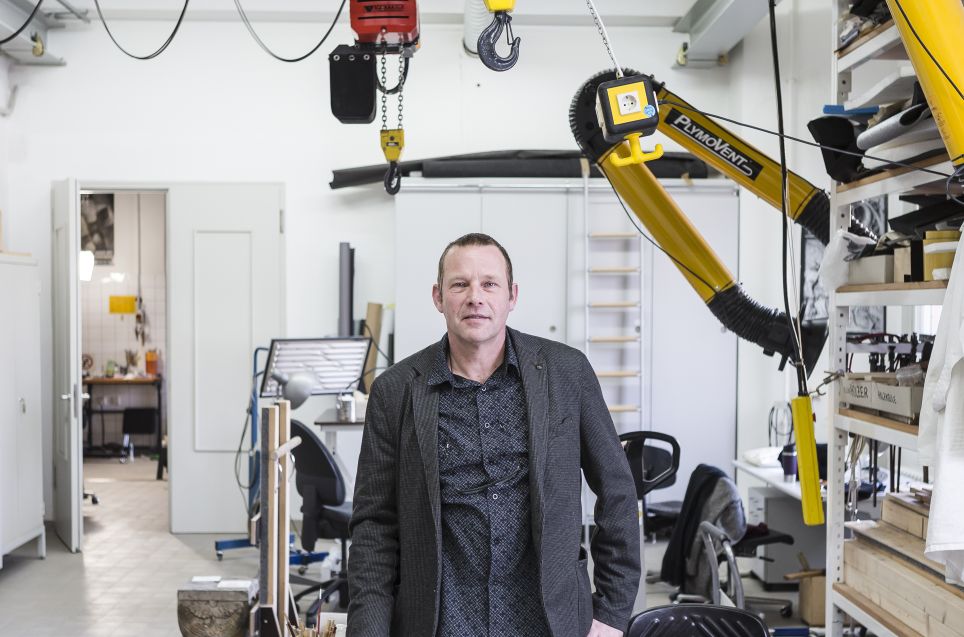
Restoration Day aims to change this. Every year, conservators across Europe showcase their profession. The Hamburger Bahnhof – National Gallery of Contemporary Art is also actively striving to make the work of its conservation team more visible in the museum’s day-to-day operations. As part of the ‘Zeig doch mal!’ event series, visitors were invited to look over the shoulders of the Hamburger Bahnhof’s conservators and ask them questions. On Restoration Day itself, the museum’s conservators also open the doors to their studios. Their work is diverse, as the Hamburger Bahnhof preserves and exhibits a broad spectrum of multimedia art. This necessitates specialisation within the conservation team and ensures that a wide range of expert knowledge has been gathered within the museum.
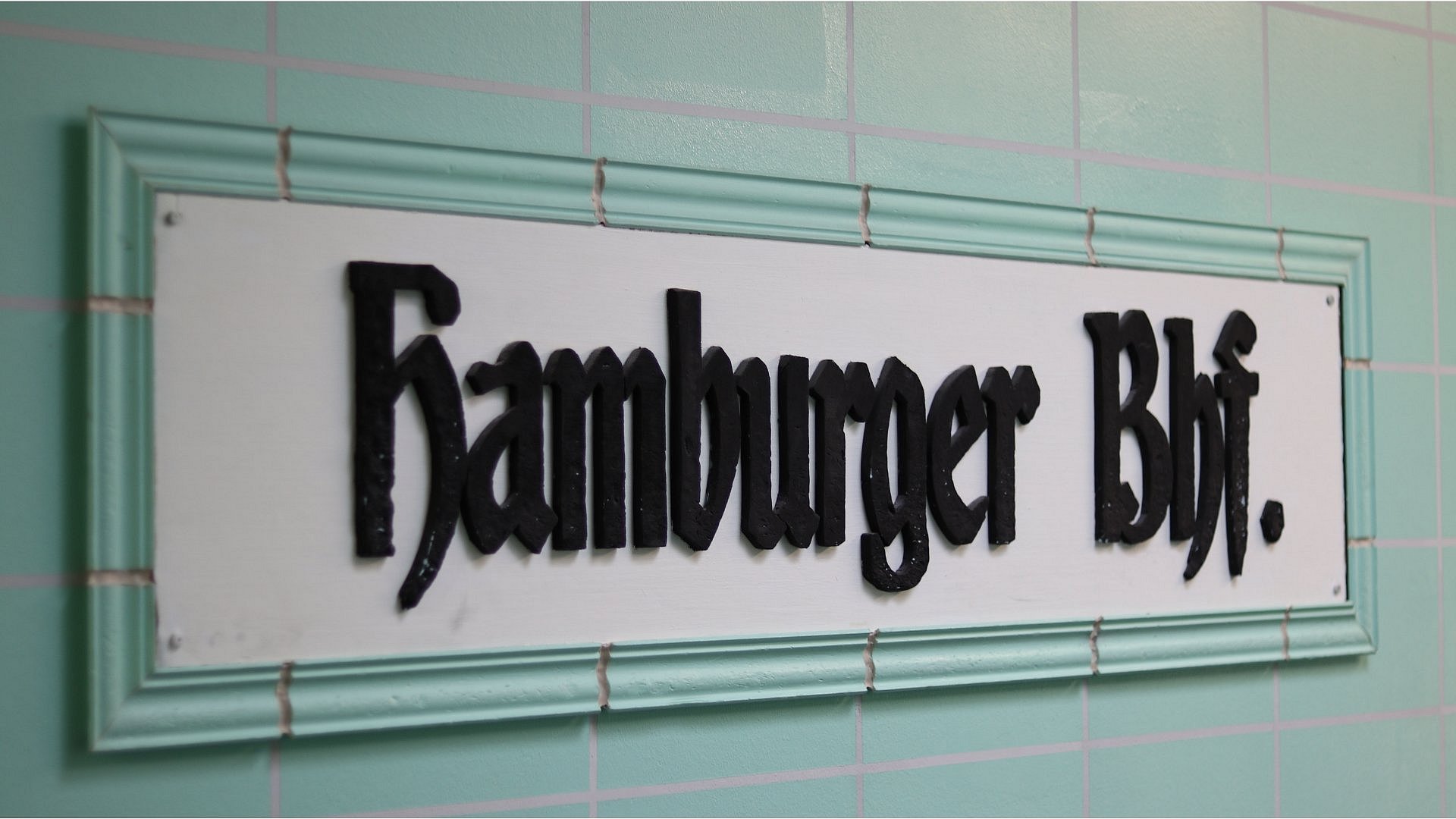
The Hamburger Bahnhof – National Gallery of Contemporary Art
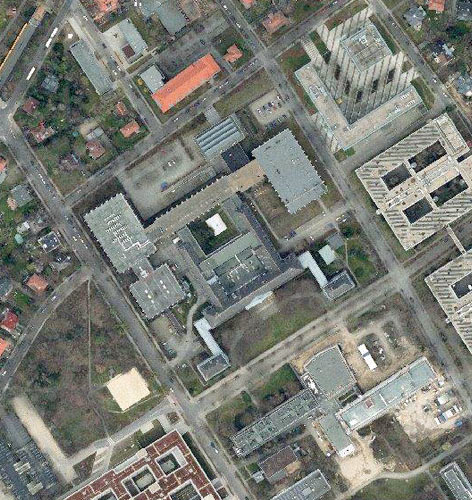
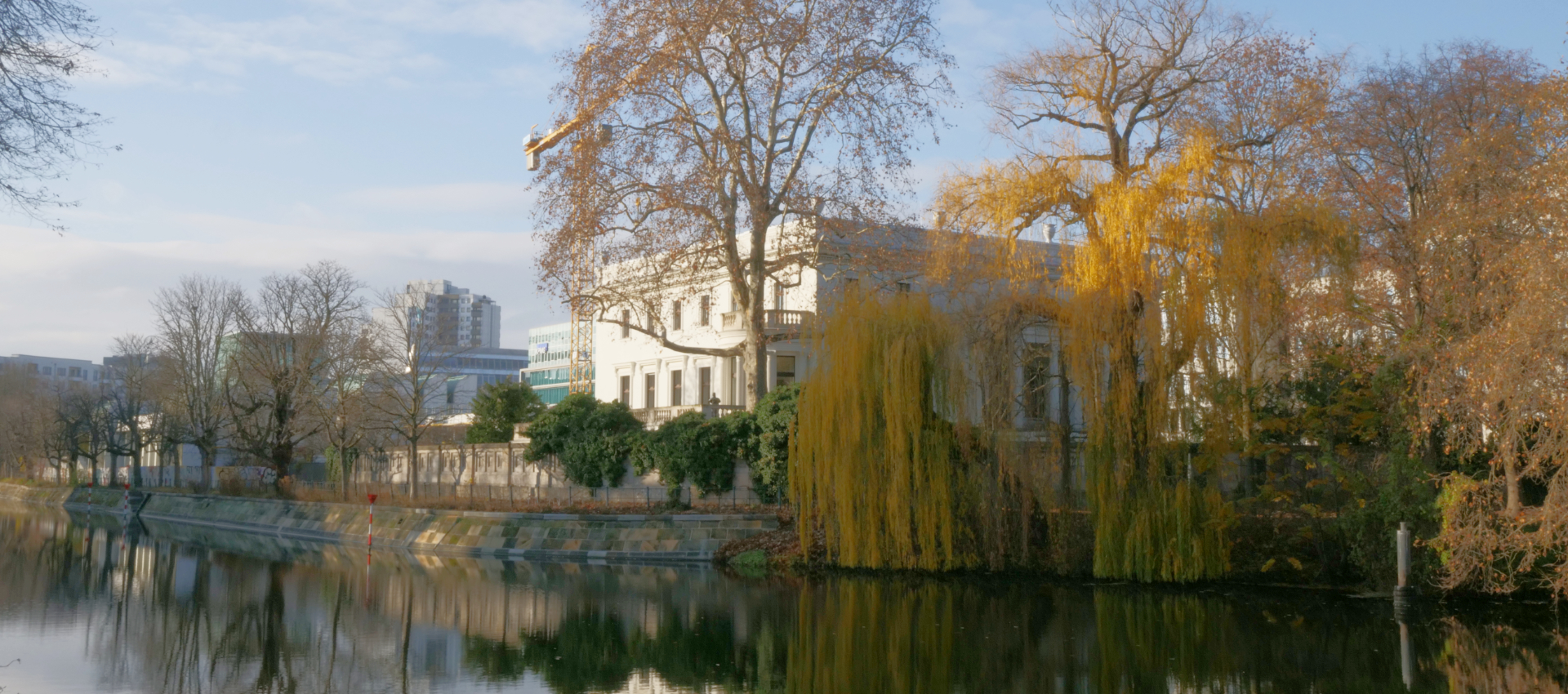
The Hamburger Bahnhof was one of Berlin’s major terminus stations in the 19th century – a place of arrival, departure and transition. To this day, this history shapes the museum of contemporary art in the heart of Berlin. The building reflects key moments in German history: from industrialisation through the destruction of the Second World War, division and the Wall, to the reunified capital. In 2026, the Hamburger Bahnhof will celebrate its 30th anniversary with a varied programme of events.
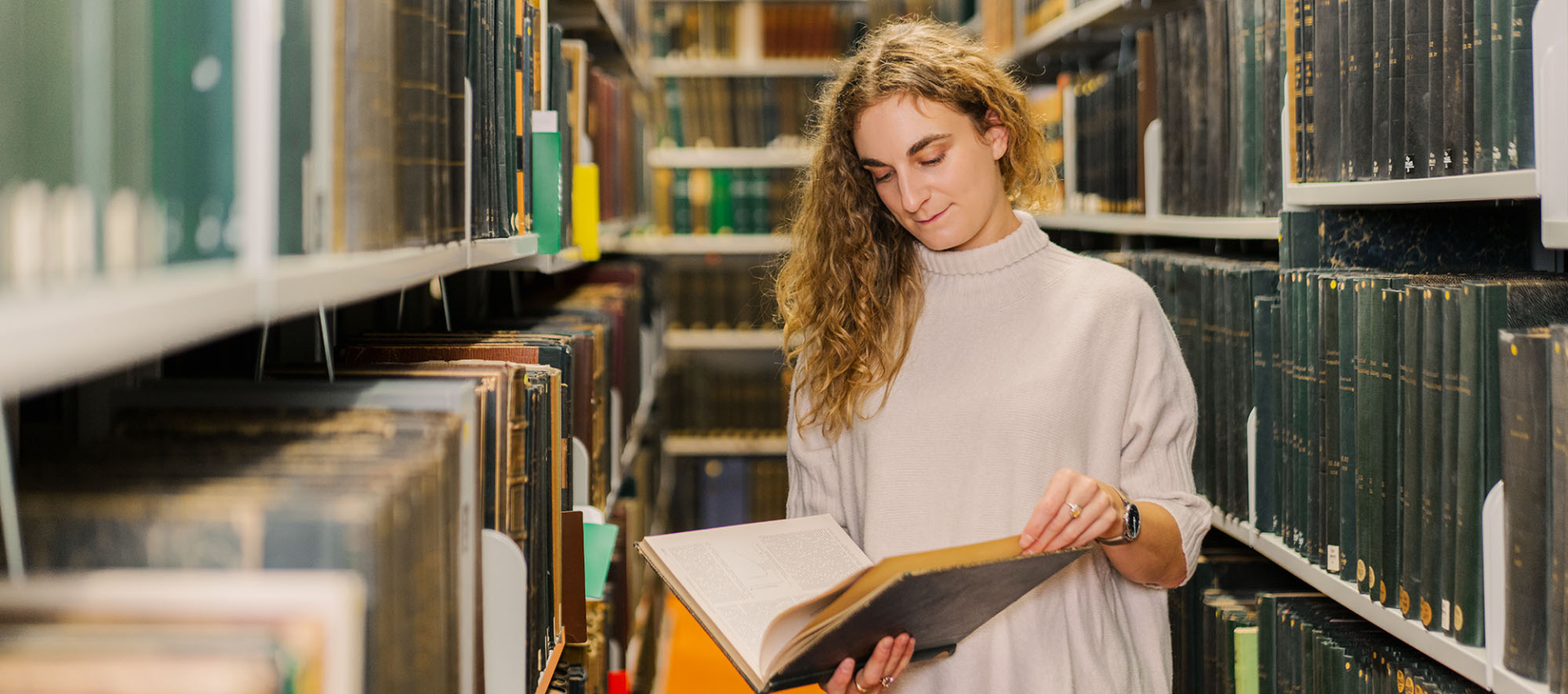
Photo: SPK / Killisch
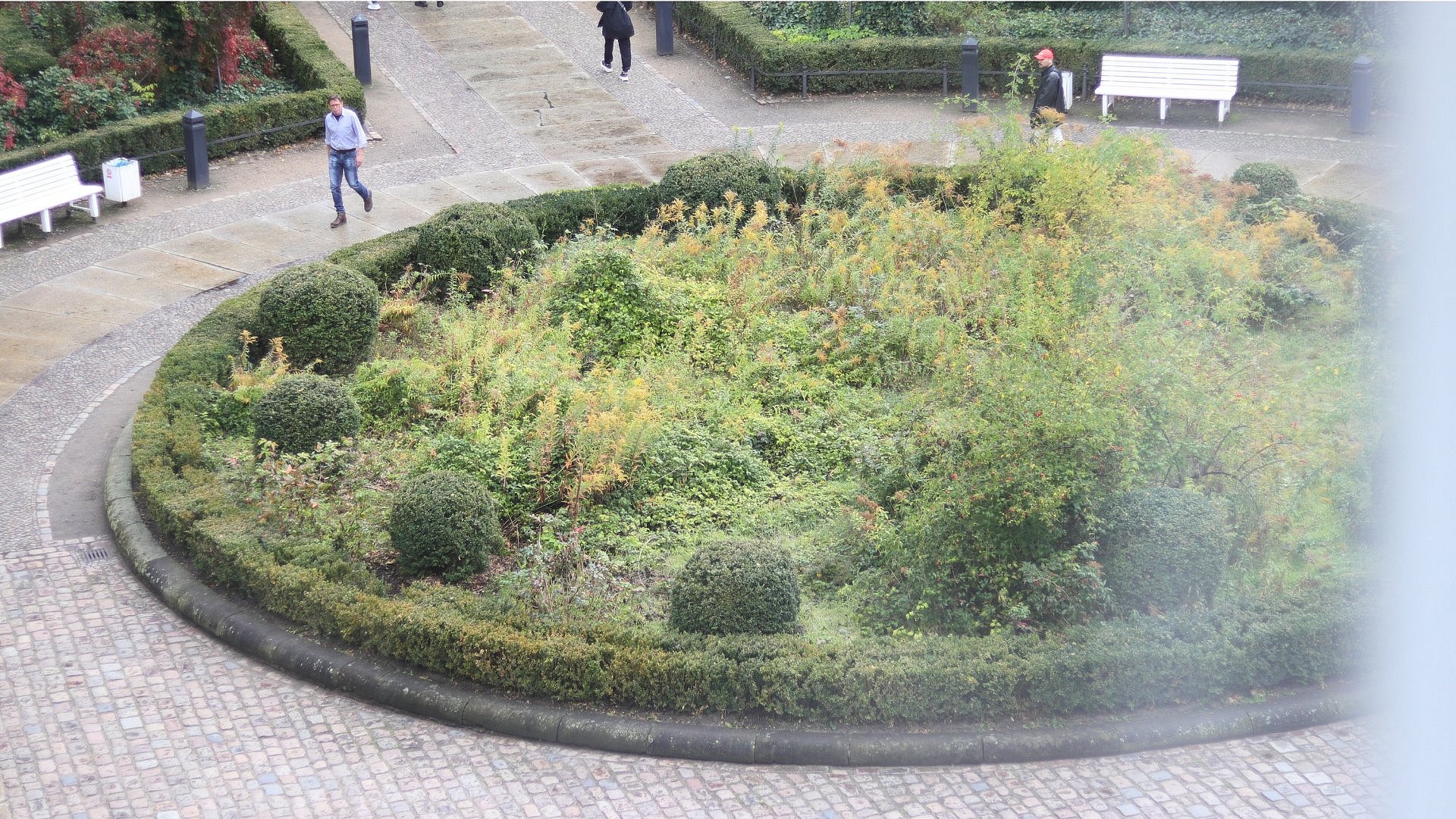
Even before entering the museum building itself, the restorers’ work begins: the Hamburger Bahnhof is home to a multitude of site-specific artworks in and around the museum building. There is, for example, John Knight’s “The Right to be Lazy” – a grass-covered rotunda in front of the building. The artwork contrasts wild, freely unfolding nature with flora controlled by humans. Ensuring strict adherence to the artistic specifications is the responsibility of the restoration team. “This requires a fair amount of planning and consultation with our grounds staff,” emphasises Andrea Sartorius, one of two conservators looking after the Nationalgalerie’s collection. “The box trees, the hedges and the border – all of that is maintained. The rest is left to develop freely.”
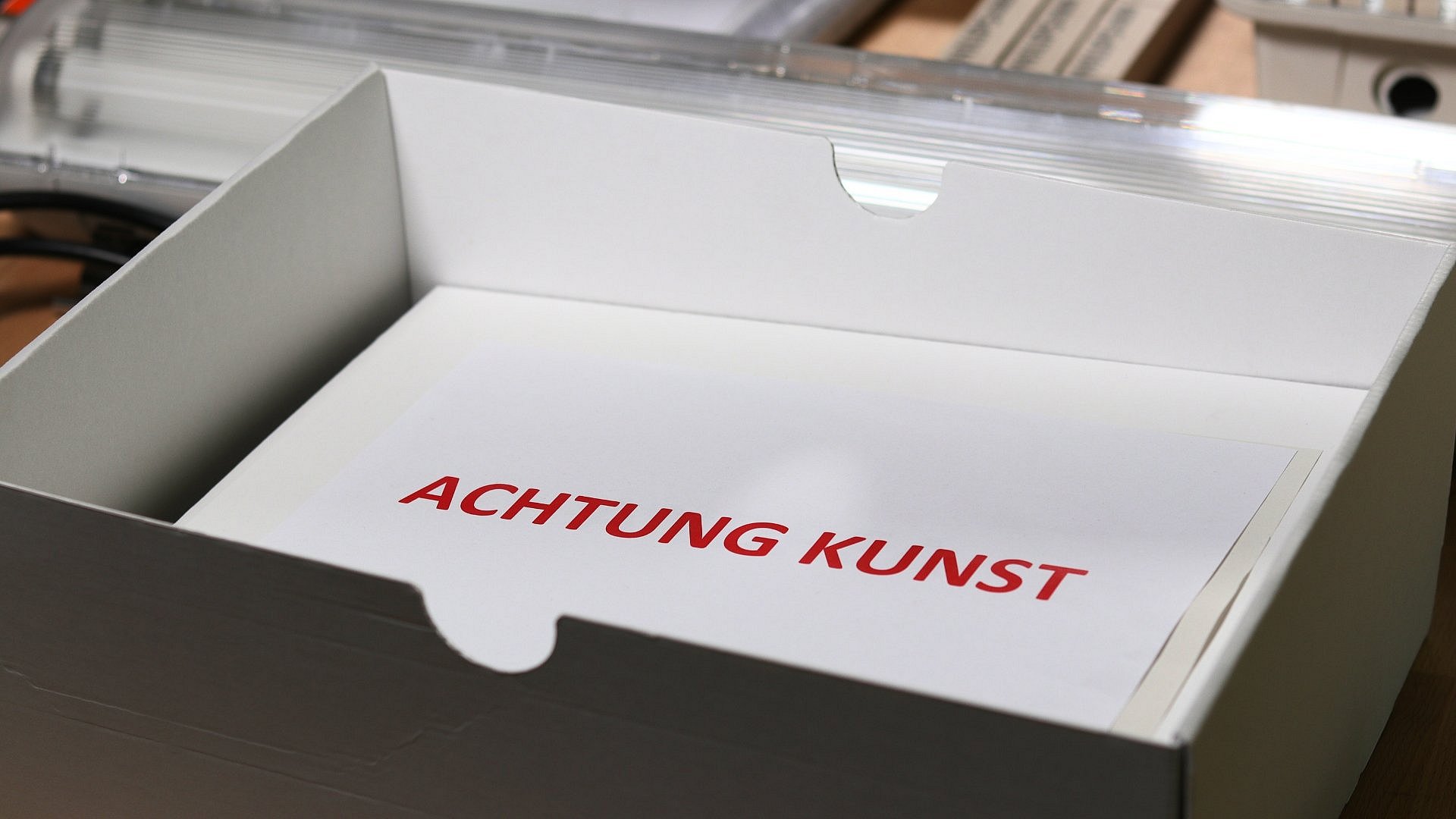
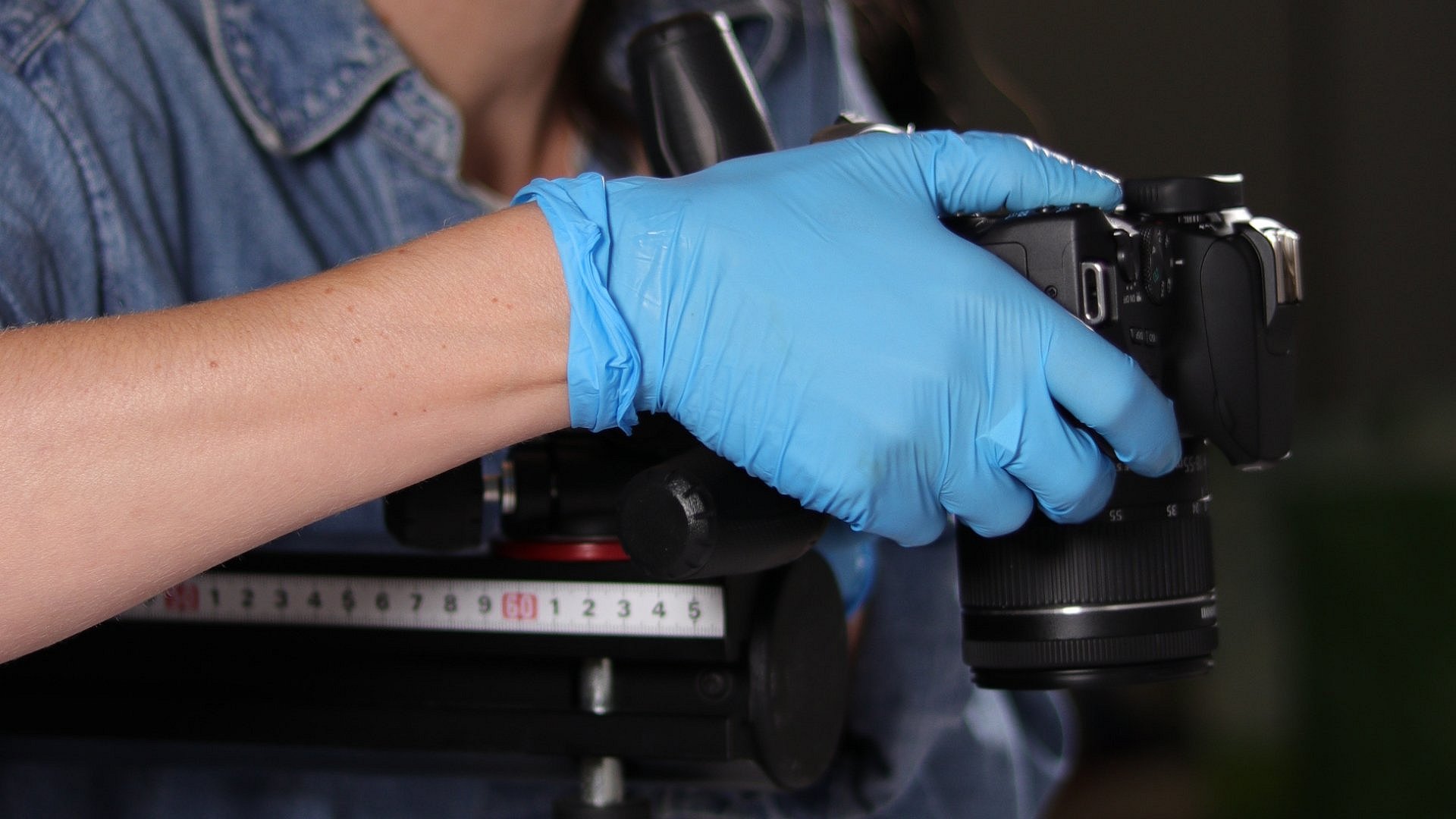
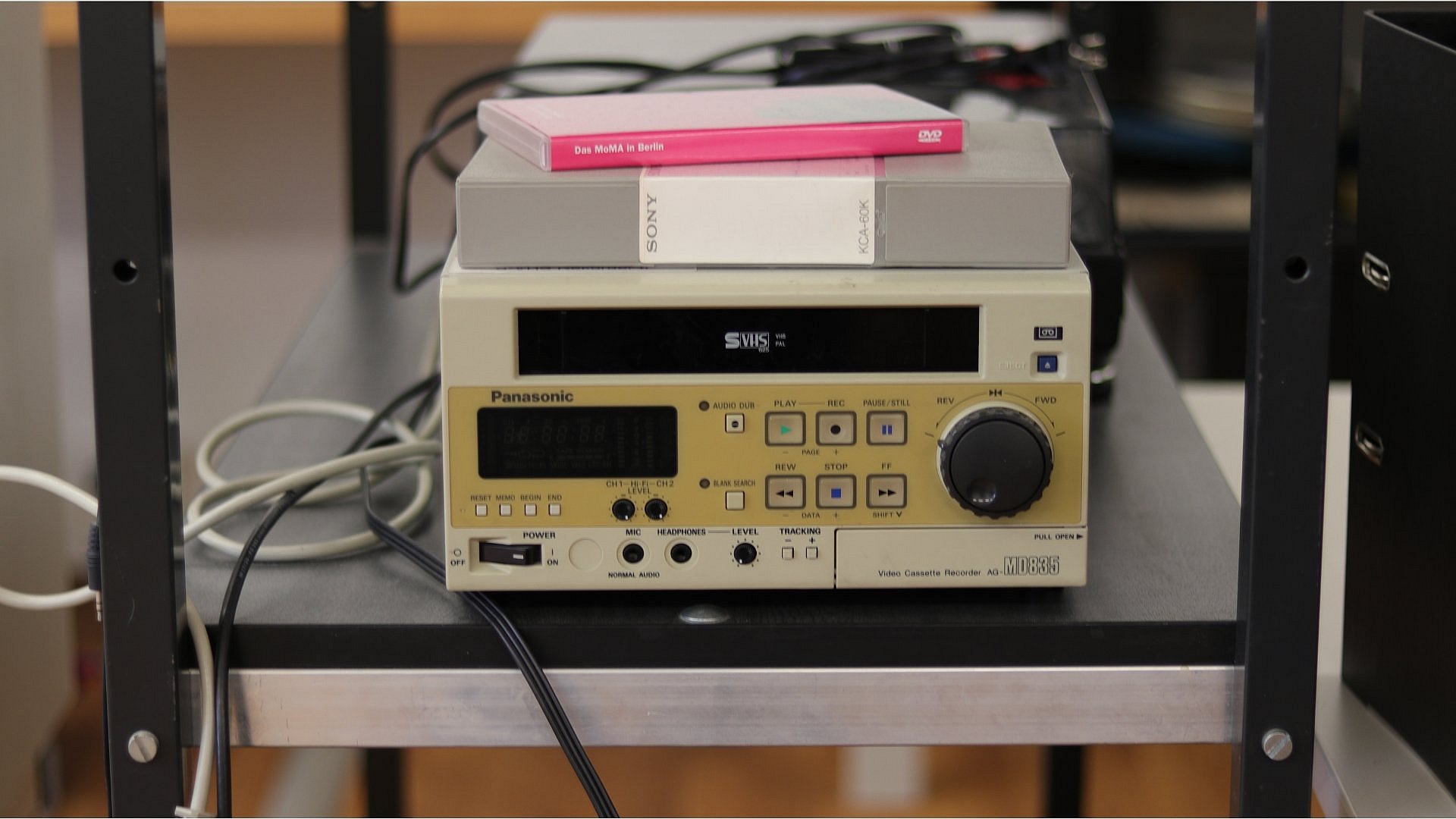
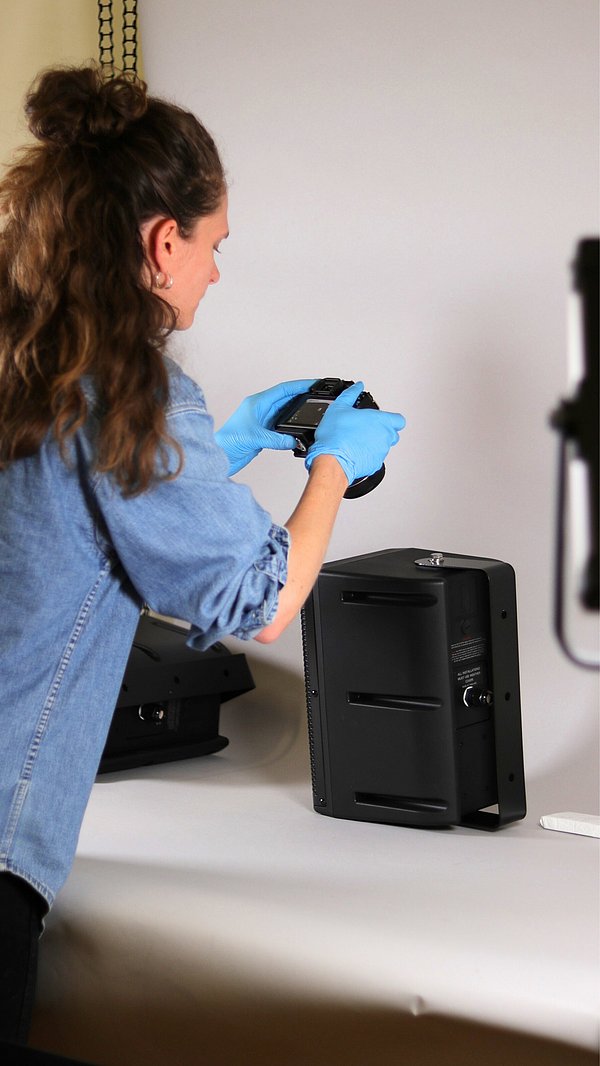
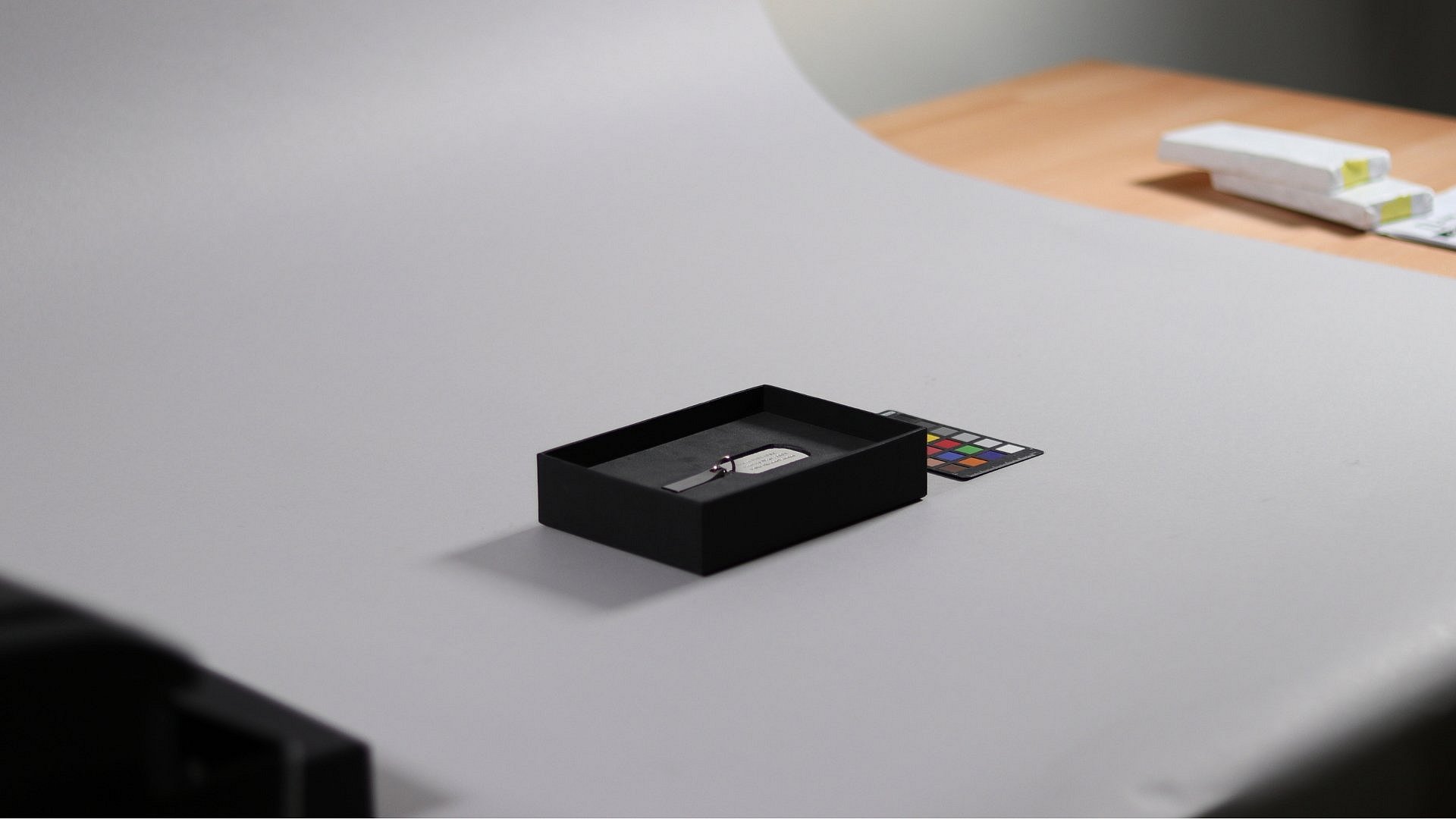
The remit of Sartorius’ colleague Elisa Carl, who oversees the media art section at the Hamburger Bahnhof, is equally diverse. She is currently working on a new acquisition by Susan Philipsz, whose commissioned work “East by West” has been on display since June as a sound installation in the museum’s Ehrenhof as part of the Unendliche Ausstellung. She is photographically documenting the components supplied by the artist – a stick and a loudspeaker – which, like the sound files themselves, form part of the work. Media art is the newest discipline in conservation, requiring particular expertise and specialisation. During her master’s degree, Carl studied modern materials and media before specialising in media art.
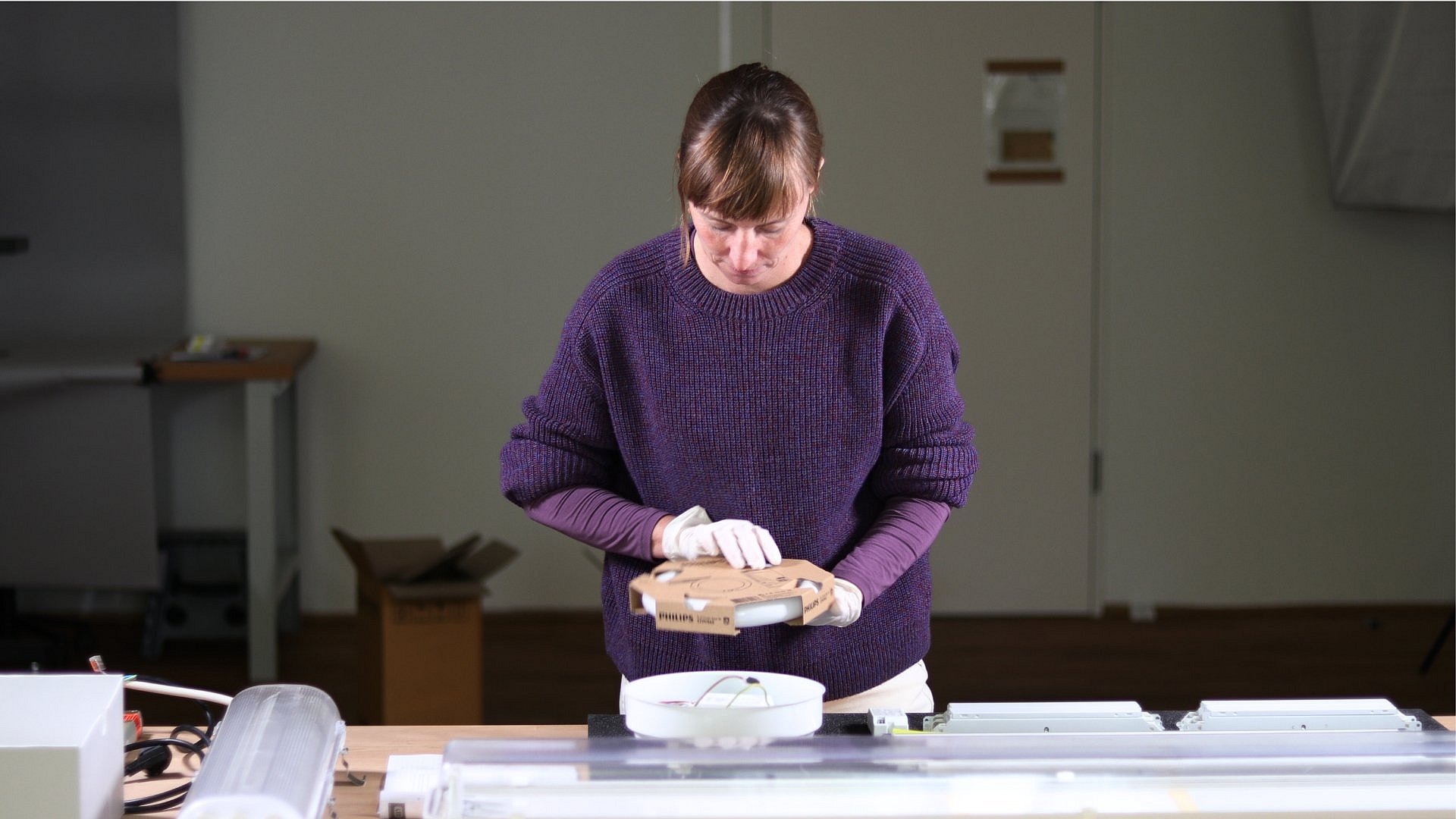
Works of art from this field are examined by the conservators in the same way as paintings, sculptures or drawings. “All works that are subject to conservation requirements and are unique must be assessed by us and their condition meticulously documented,” explains Sartorius. “Incidentally, this also applies to works that contain replaceable components.” This is because there are art objects where components need to be replaced time and again over the years, such as Dan Flavin’s “Stairway Piece” in the museum’s eastern stairwell – a light sculpture where light sources need to be swapped out from time to time. Sartorius is currently assessing a replacement fluorescent tube for the work.
The restoration team has already precisely defined the characteristics a replacement must possess in order to function adequately. Andrea Sartorius has a lovely metaphor for this: “It is often compared to a musical score. There are elements that are binding, like the notes. But there is also scope for interpretation.” This scope for interpretation must be precisely defined. To this end, the restorers work closely with the museum’s curators to gain a better understanding of the works and avoid errors of interpretation.
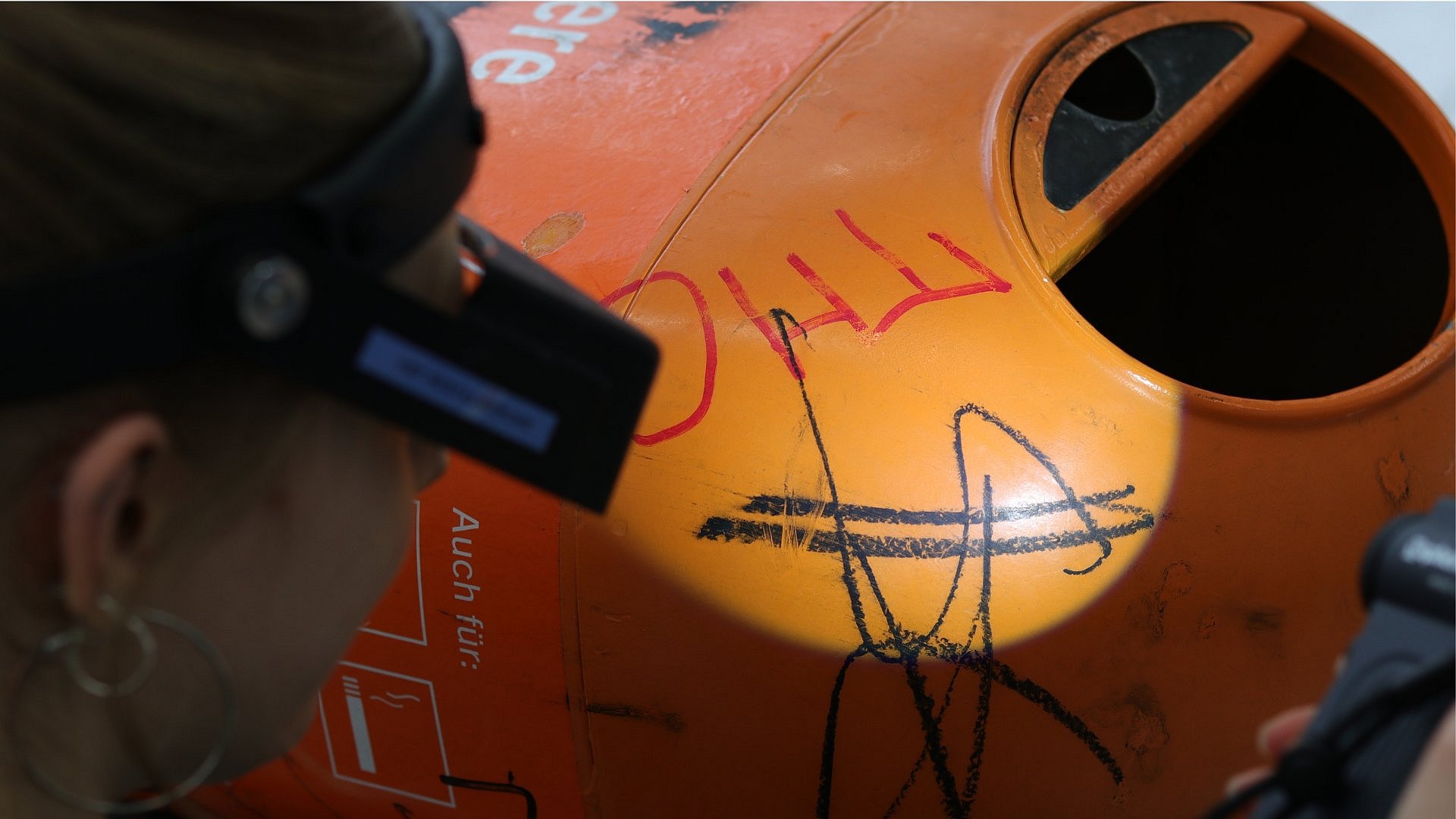

Interest in this profession remains high: in the restoration workshop, we also meet Paulina Köberle, who is gaining an insight into the role through a pre-study placement and is currently assessing damage to a work by Klara Lidén. This is another reason why European Restoration Day is important: to introduce young people to this field of work, which is as complex as it is exciting.