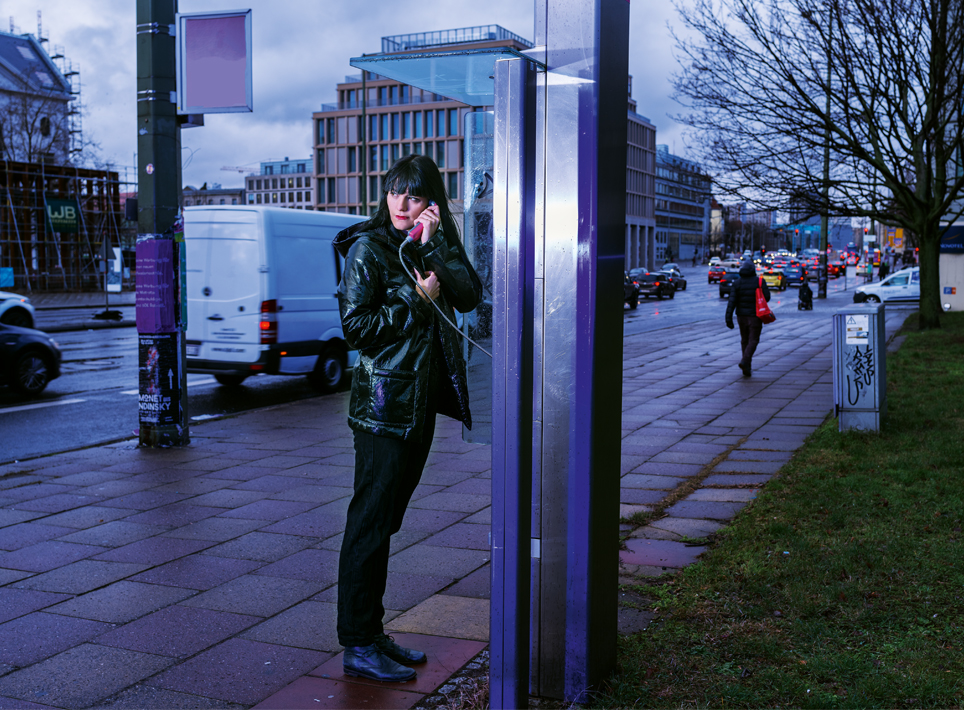
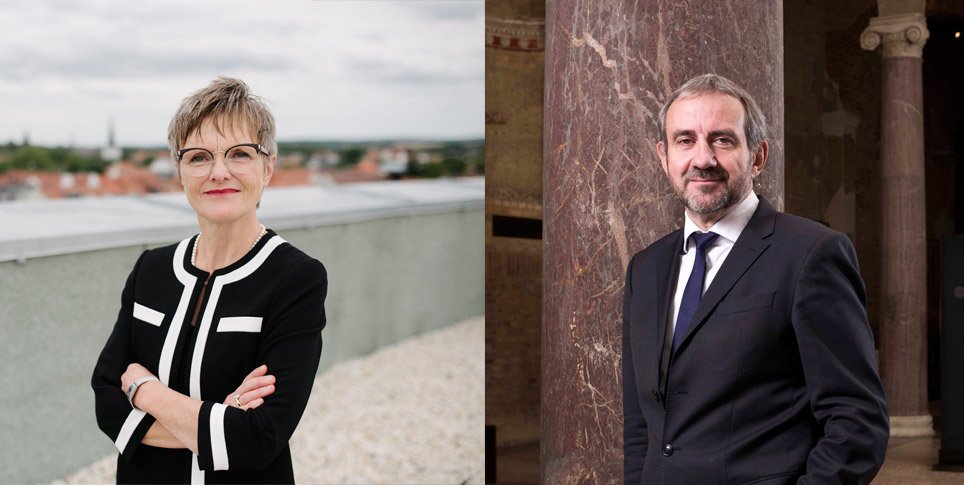
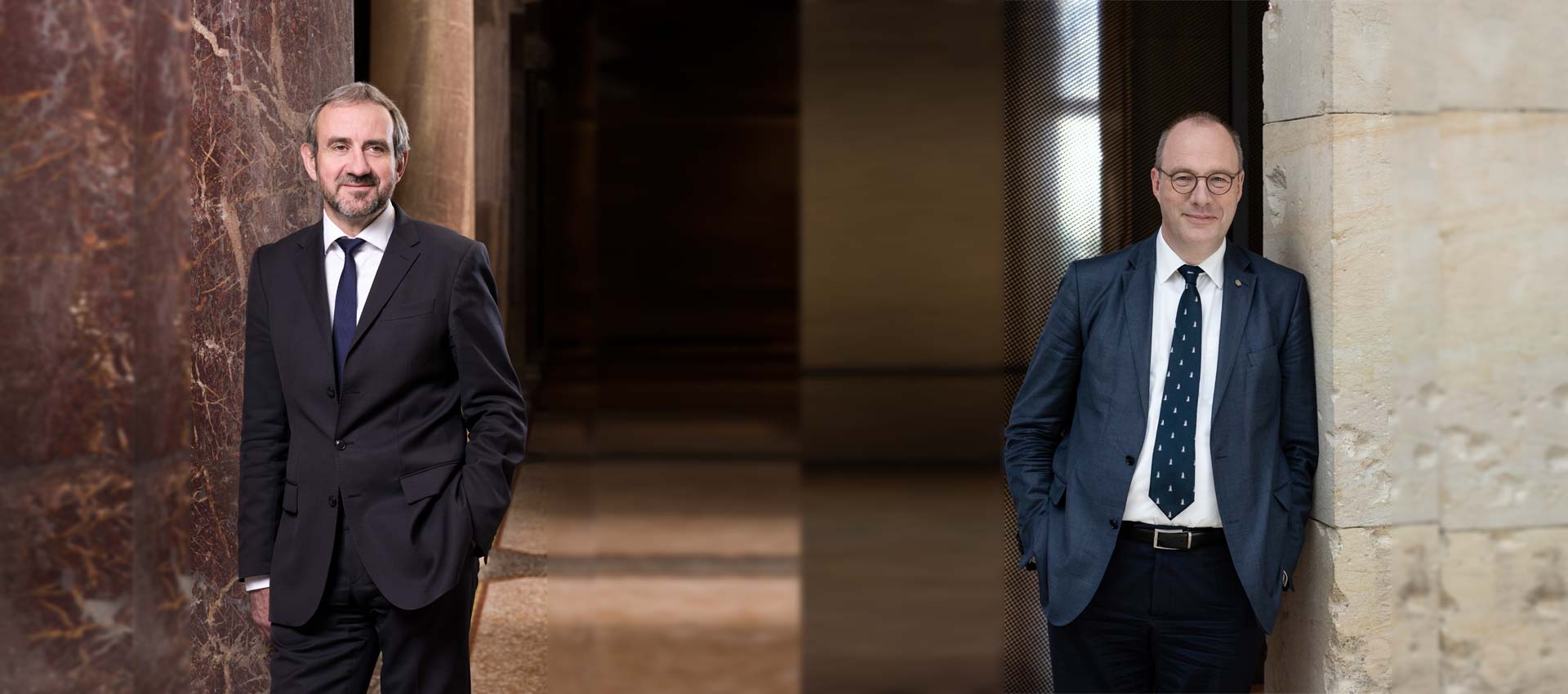
Cultural exchange, when it does take place, is driven by people. The photographer Maziar Moradi portrays Iranians living in Berlin, as well as key figures in the planned Tehran exhibition. During his photo shoots, he asked just one question: What impact can and should cultural exchange have?
I believe it is wrong to use art as a means to an end, to politicise it one-sidedly, to censor it consciously or unconsciously, or to view it as a diplomatic tool. Particularly in exchanges with Iran, there are certainly many stumbling blocks here when it comes to international cultural policy. Who do you cooperate with? Is it even possible to work with state-run art institutions in Iran, which, after all, operate on the principle of censorship? When are diplomacy and compromise appropriate, and when do they become toxic? Do I utilise or question my own position in all of this? As an individual, I am fortunately freer in this regard than, say, an institution: it is important to me to work independently and critically. If that isn’t possible, I simply don’t do it.
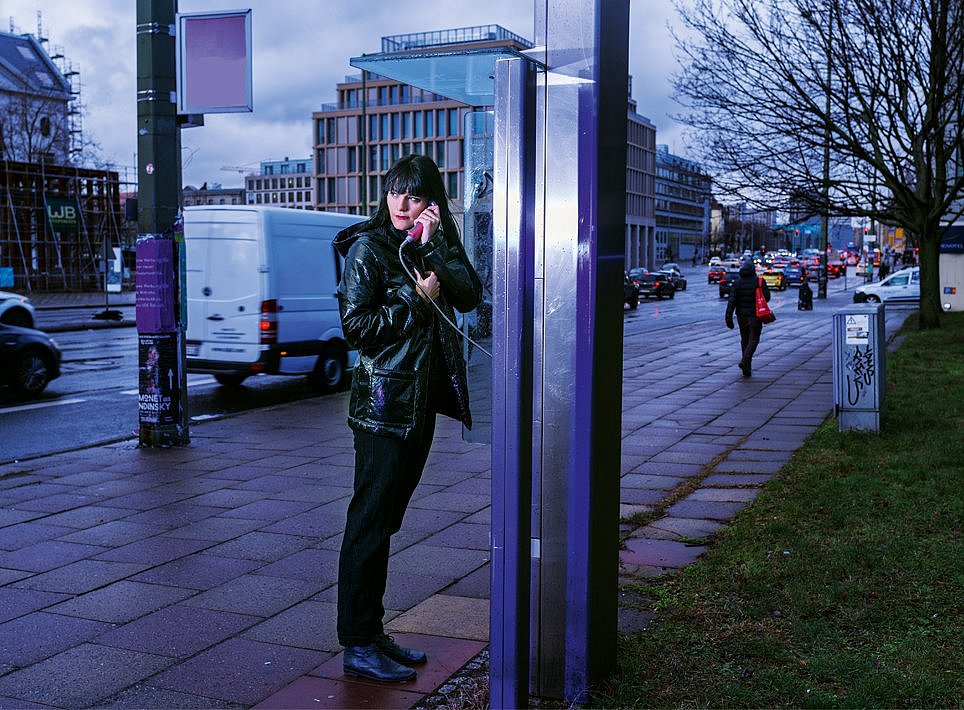
Anahita Razmi, an artist based in Berlin, discussed the planned exhibition with Azin Feizabadi and other artists at an event organised as part of the Goethe-Institut’s “Iranian Modernism” programme.
Anahita Razmi © SPK/ Maziar Moradi
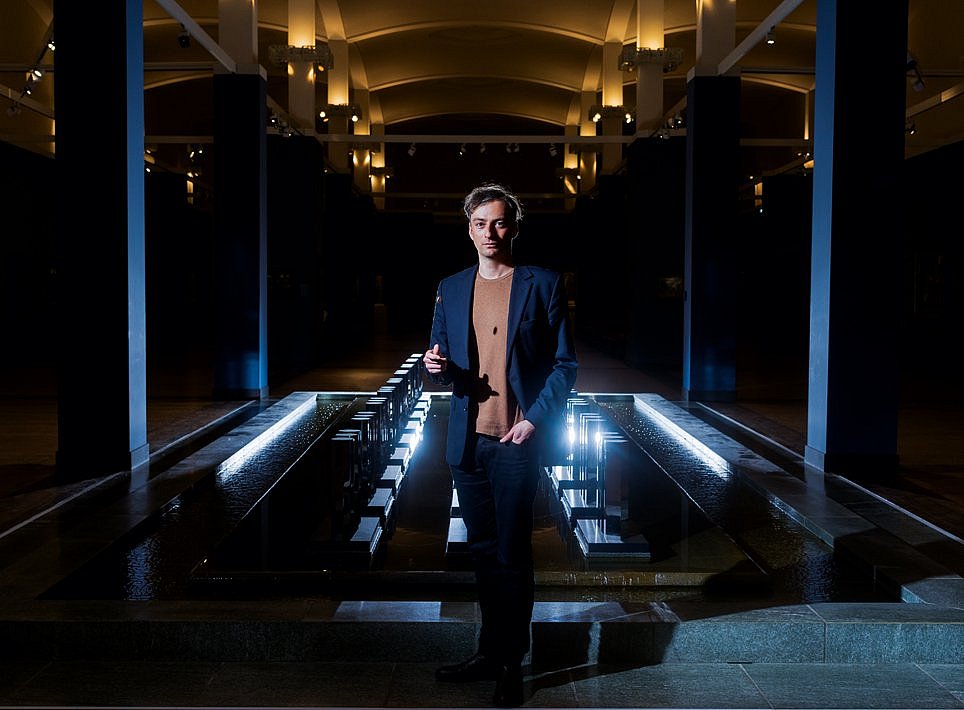
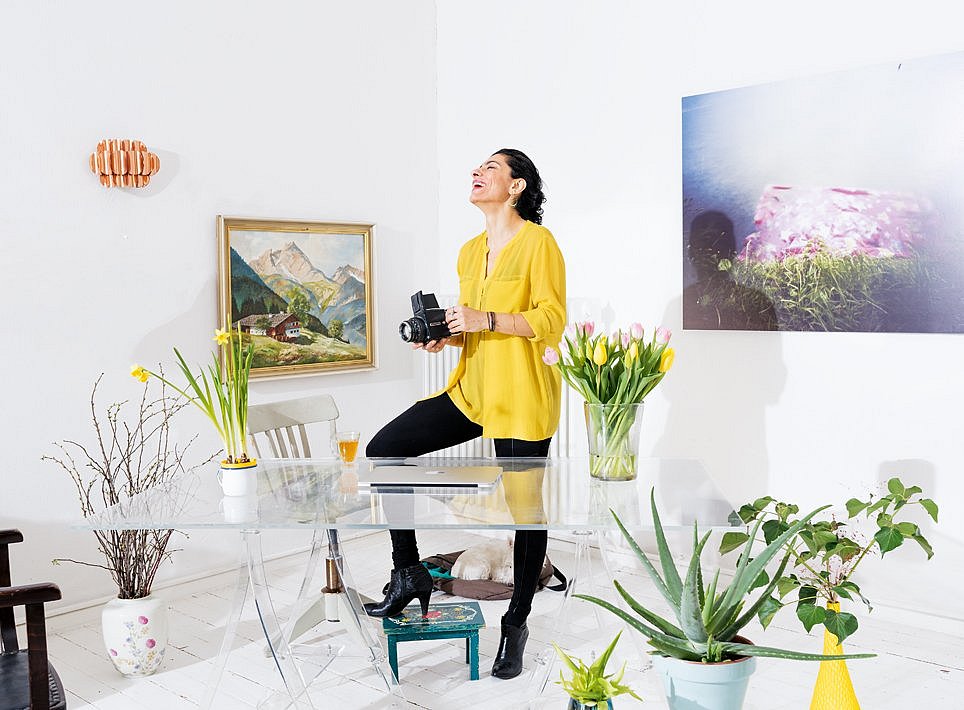
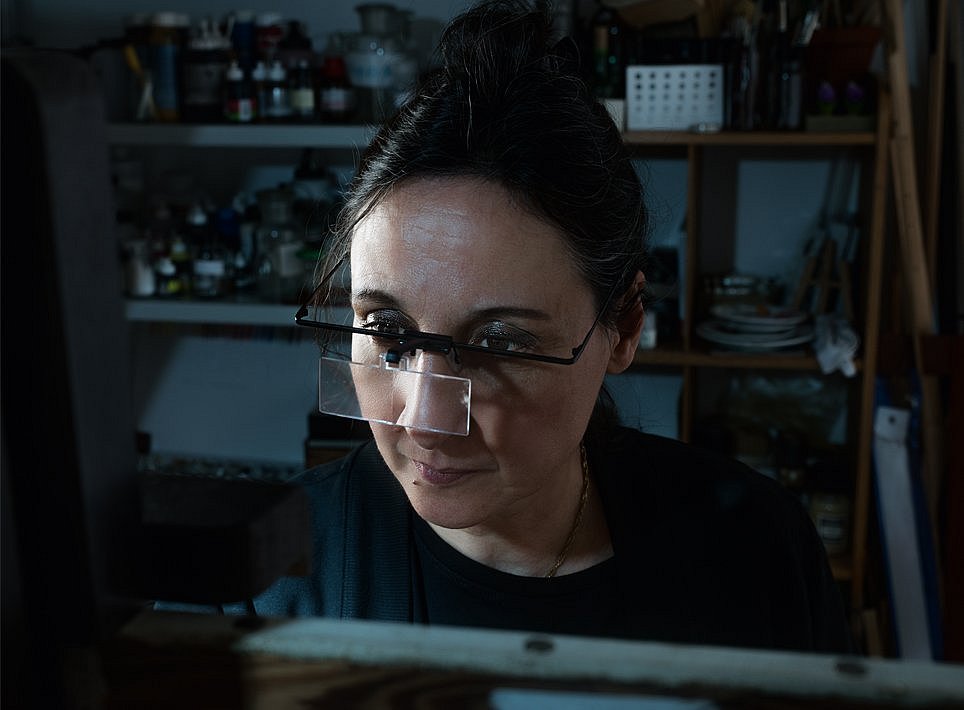
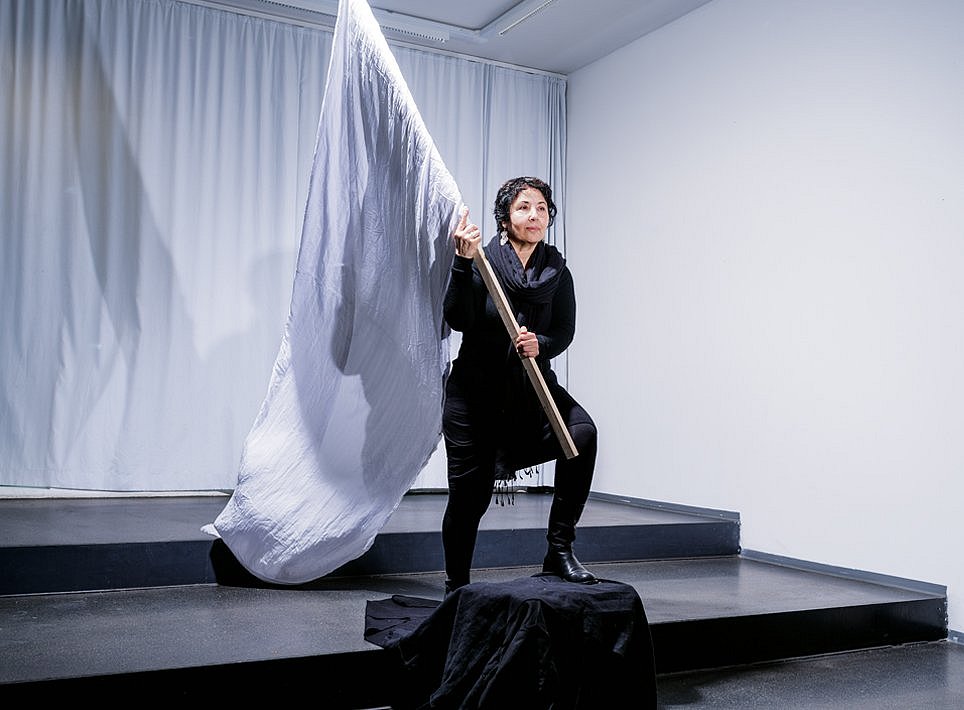
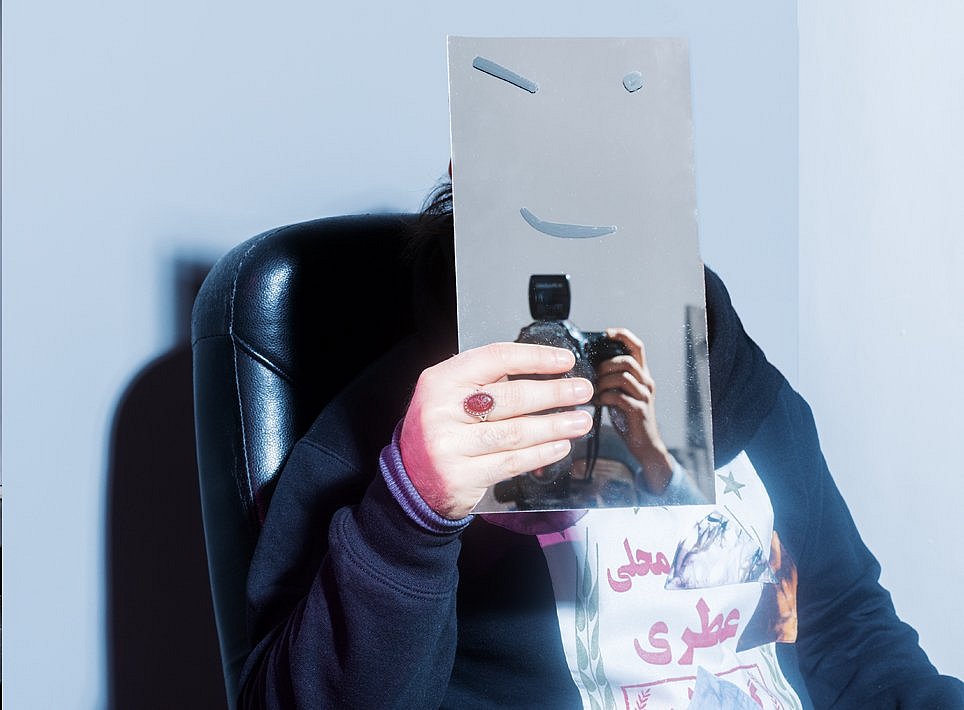
A bridge is always built from both sides. Through my work on this exhibition project, I have met many people in both Iran and Europe, and I am delighted to now be able to act as a small bridge myself, bringing the right people together.
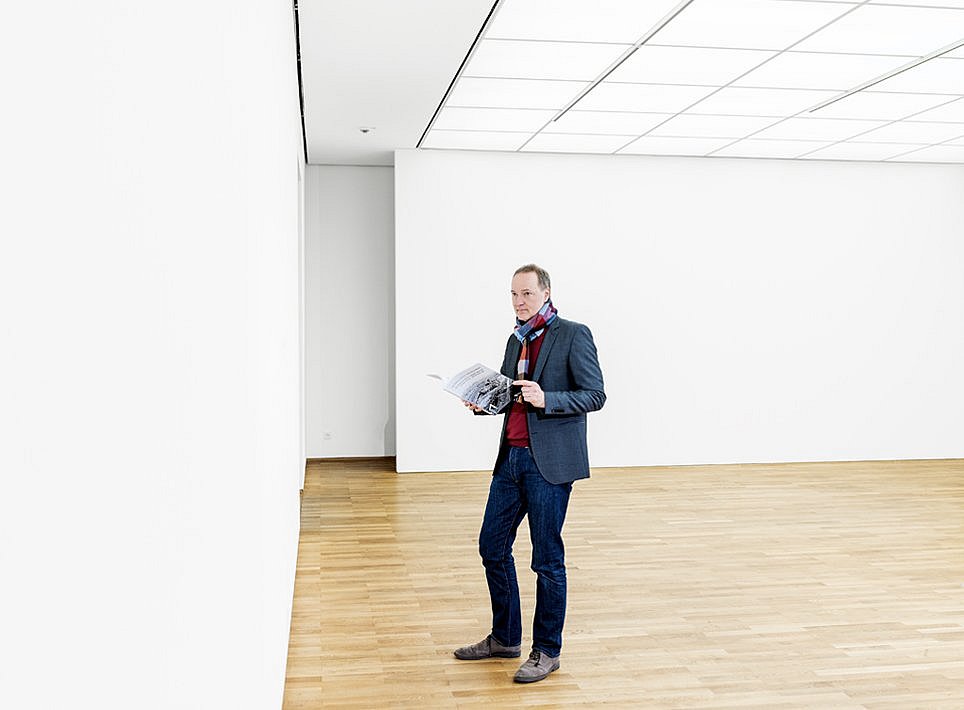
Gabriel Montua, co-curator of the exhibition “The Tehran Collection. The Tehran Museum of Contemporary Art in Berlin”
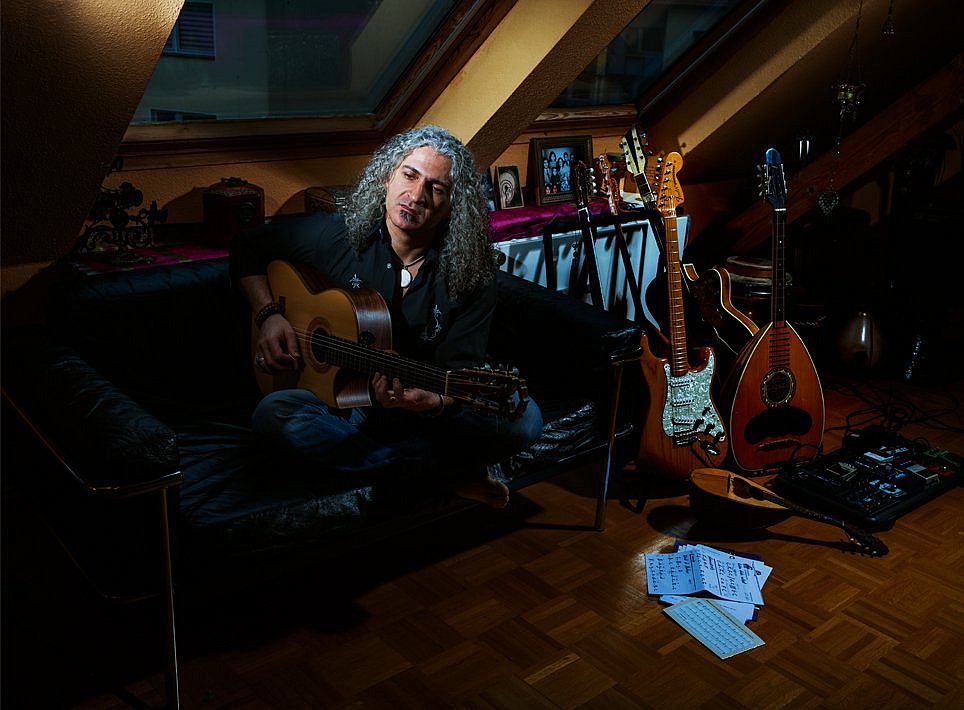
For me, both in music and in photography, it’s about the timeless. About what we cannot put into words. What touches our hearts and gives us strength. I was first asked about ten years ago if I could photograph an ensemble. Thanks to Facebook, it developed naturally, so that over time it has become my profession, which I really enjoy and love. Most musicians express themselves fully through music and are otherwise rather reserved. For me, it’s about being myself during the time I spend with the musicians and engaging with them one hundred per cent. I want to understand them, not judge them. They notice this within ten minutes at the latest. They start to relax and open up. It is on this basis that I then begin to work. We communicate openly and without prejudice, without words.
Neda Navaee, pianist and portrait photographer of classical musicians, spent her childhood in Iran, France and the USA
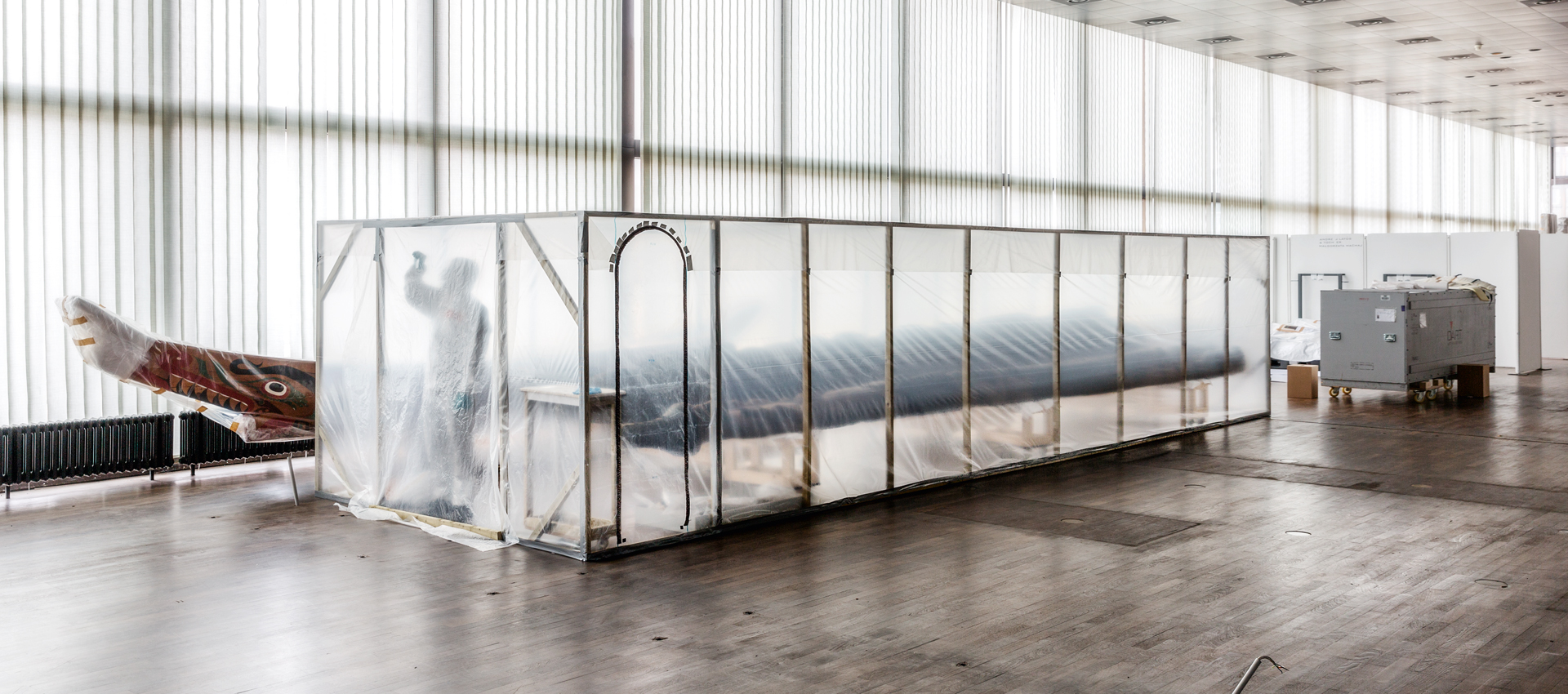
In October 2017, together with a freelance colleague, Anke Klusmeier, I carried out conservation and restoration work on three works from the TMoCA collection: Pablo Picasso, ‘Le Peintre et son Modèle’, 1927; Max Ernst, “Histoire Naturelle”, 1923; and Franz Kline, “Untitled”, 1955. The preparatory work required for transport was technically very demanding and took place within a very tight timeframe and under very makeshift conditions in the TMoCA’s storage rooms. Nevertheless, I can say that it was great fun. In particular, working with the TMoCA staff on site was a wonderful experience – flexible, productive and often quite amusing. We parted on very warm terms. It is a great pity that the exhibition did not take place and that we cannot return the hospitality shown to us.
Hana Streicher, conservator at the Neue Nationalgalerie
I am a co-founder of the Etehade Melli Zanan (Union of Iranian Women), which was established shortly after the revolution in Iran. We drew attention to the ongoing disenfranchisement of women and organised protests against the Islamic dress code. We were beaten up and arrested by mobs and the morality police. In the summer of 1981, our organisation was banned. The activists, mainly academics, artists, writers, students, teachers and women who campaigned for women’s and human rights, were arrested or, like me, had to flee abroad. Women continue to protest against the compulsory veil. Their angry, bloodied faces suggest that they have been attacked by the morality police for ‘un-Islamic dress’. Even today, the husband decides whether his wife is allowed to study or work, or whether she may travel abroad or not. However, following massive protests, a page was added to marriage contracts: when the husband signs it, he irrevocably authorises his wife to make all these decisions herself.
Dr Nasrin Bassiri, author, journalist and women’s representative at the Weißensee Academy of Art Berlin
I perform concerts worldwide with my music group Sedaa. Art is an excellent bridge for connecting with people, particularly those from other cultures. It is very important not to insist on one’s own customs. It involves opening up and engaging with other things. Only in this way can new experiences arise.
Omid Bahadori, musician, who left Iran at the age of twelve and found his way into music through a musicians’ shared flat in Hanover
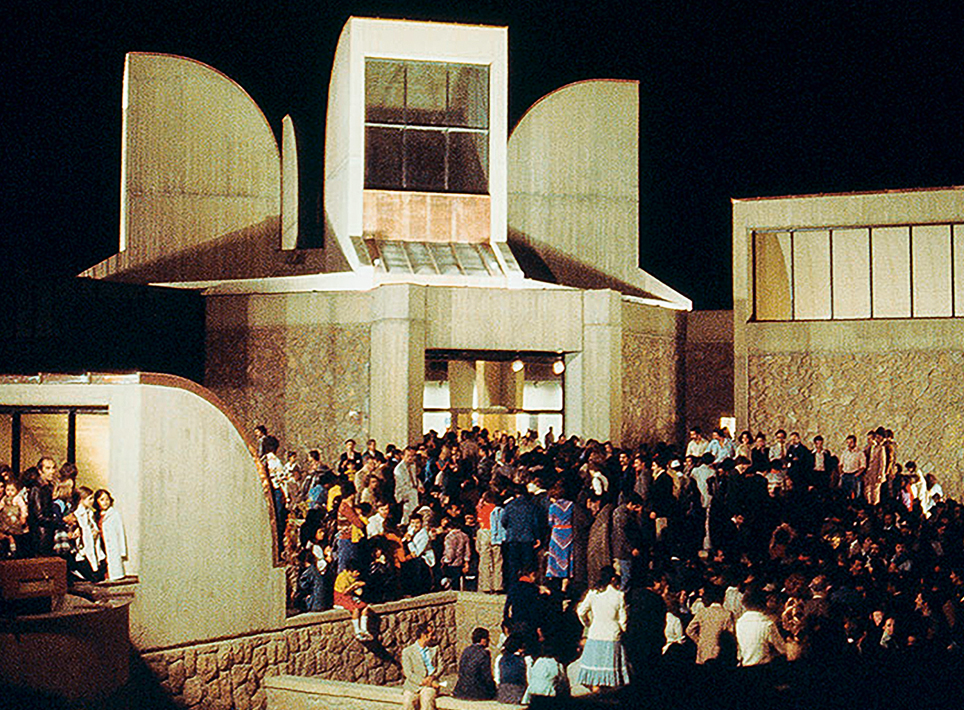
I was welcomed with open arms at the TMoCA right from the start. Despite the many visitors who had come before me, the museum staff were still curious about our perspective and our views. I myself was thrilled by the unfiltered juxtaposition of Western art and Iranian modernism. The exchange, the many conversations and trips have transformed the TMoCA on the ground. Today, people are proud of the collection’s uniqueness. They dared to exhibit the selection we had planned for Berlin and Rome in Tehran under the hopeful title ‘Berlin-Rome-Travellers’. And recently, two light boxes have been installed in the museum’s entrance. One displays a detail of a work by the Iranian artist Jafar Rouhbakhsh. The other light box shows a detail by Jackson Pollock. Both are – at the very least – small signs of a new self-confidence.
Joachim Jäger, Director of the Neue Nationalgalerie, curator of the exhibition “The Tehran Collection. The Tehran Museum of Contemporary Art in Berlin”
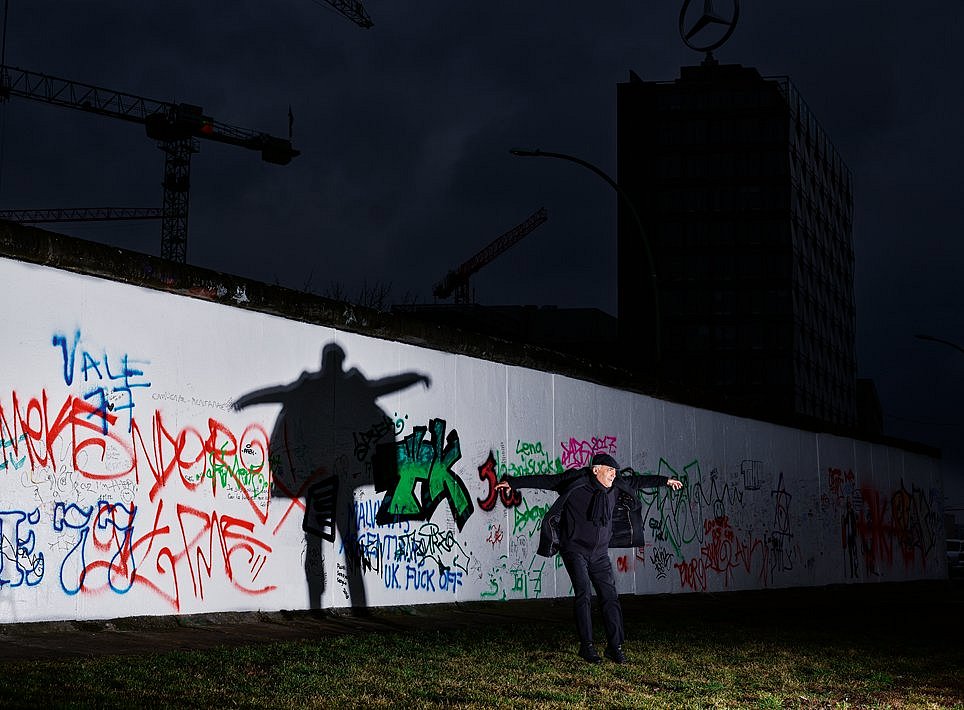
In 1980, I decided to leave Iran for Germany. I lived near Checkpoint Charlie for eight years. For us, Berlin was a ghettoised place of immobility. German culture became a part of me. On the evening of 9 November 1989, I observed people’s emotions and asked myself: why are there different kinds of freedom? I saved the East Side Gallery to remind people of freedom every day. My next project will be the demarcation line in Korea.
Kani Alavi, artist and president of the East Side Gallery Berlin
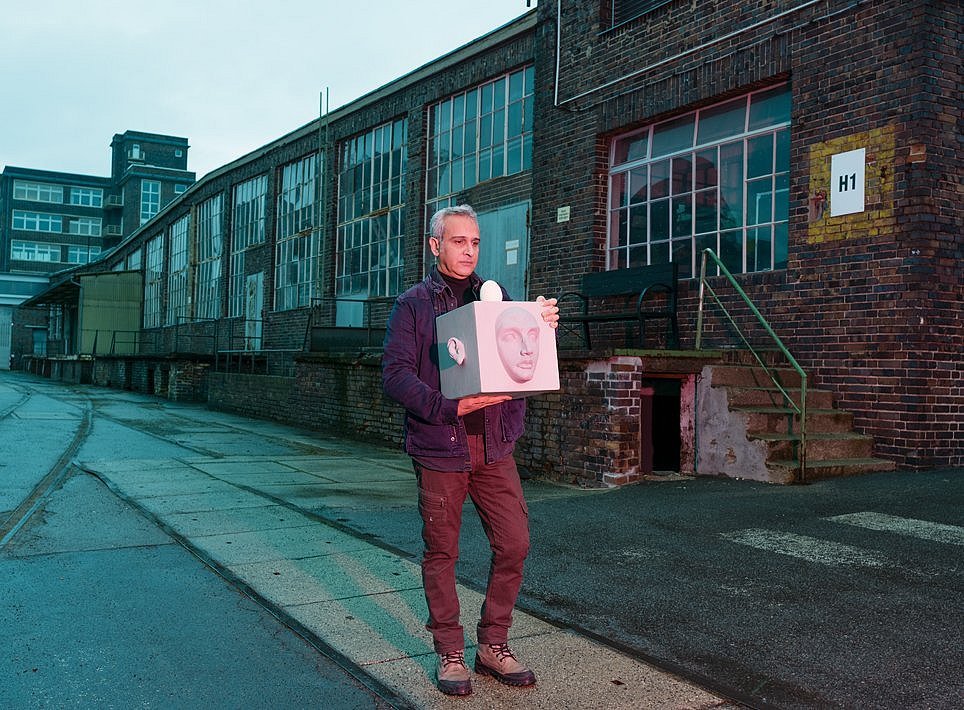
We cannot find a culture in the world that has been derived from another culture. I try to incorporate other cultures and arts into my work. The greatest mistake an artist can make is to restrict art to a particular culture or to elevate their own above others
Ahmad Barakizadeh, artist, in front of his studio in Berlin-Marienfelde, creates a weekly cartoon on the situation in Iran for the online newspaper Kayhan
Azin Feizabadi, filmmaker and visual artist, first studied in Berlin and then spent two years studying film in New York; since then, he has exhibited at venues including the Maxim Gorki Theatre’s Herbstsalon in Berlin