This is unprecedented: cultural institutions have been grappling with the consequences of the pandemic, whilst at the same time having to address questions of their very survival. SPK President Hermann Parzinger invited Ulrike Lorenz, President of the Klassik Stiftung Weimar, for a conversation. She looks ahead to a changed cultural landscape.
How did you experience this crisis year of 2020? What has it meant for your institution?
Lorenz: Differently than planned. There is the bitter experience of closed venues, but also the positive experience that our funding bodies stand by us. And at the same time, we are confronted with a possible relativisation of the cultural sector’s significance. When we talk about the future, that also means examining ourselves: Are we still on the right track?
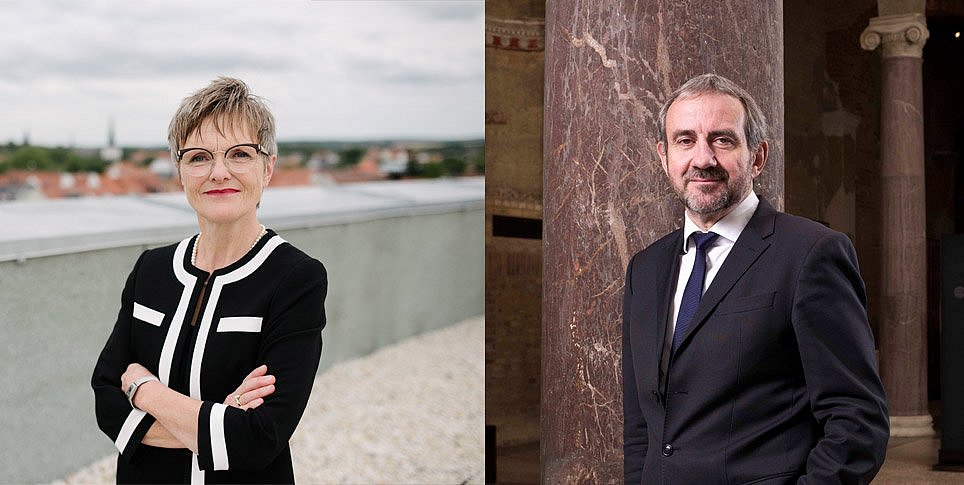
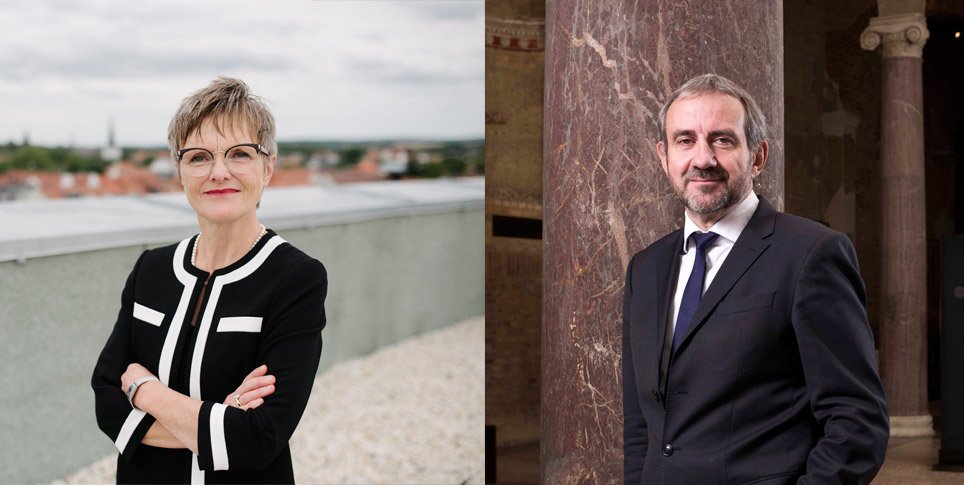
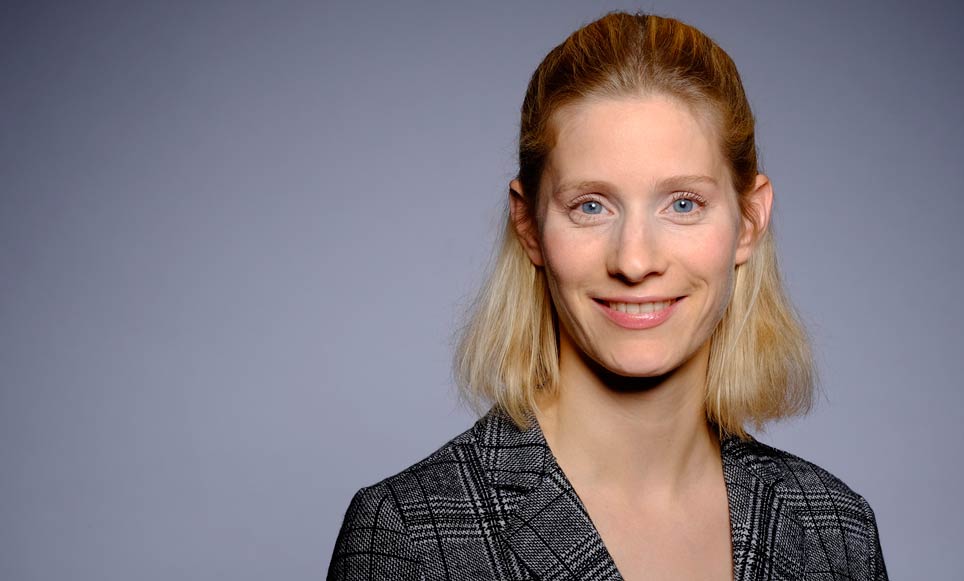
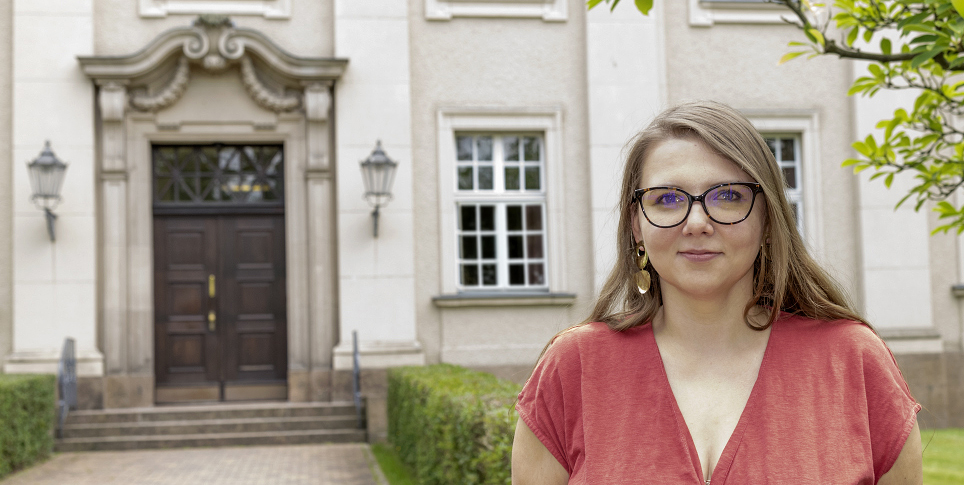
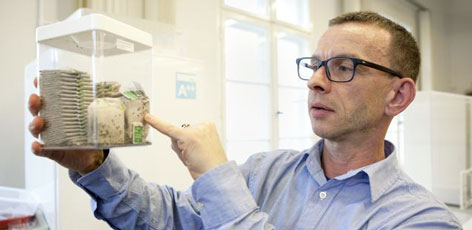
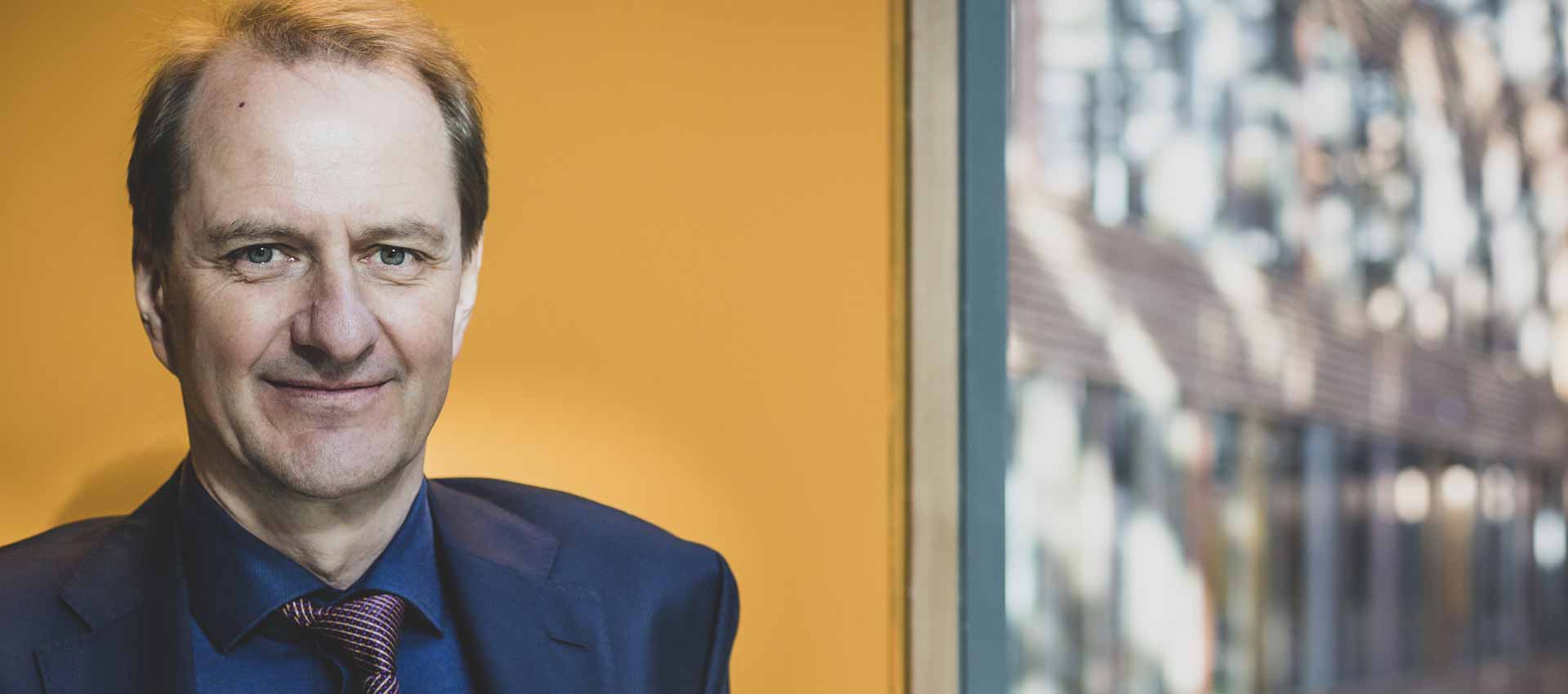
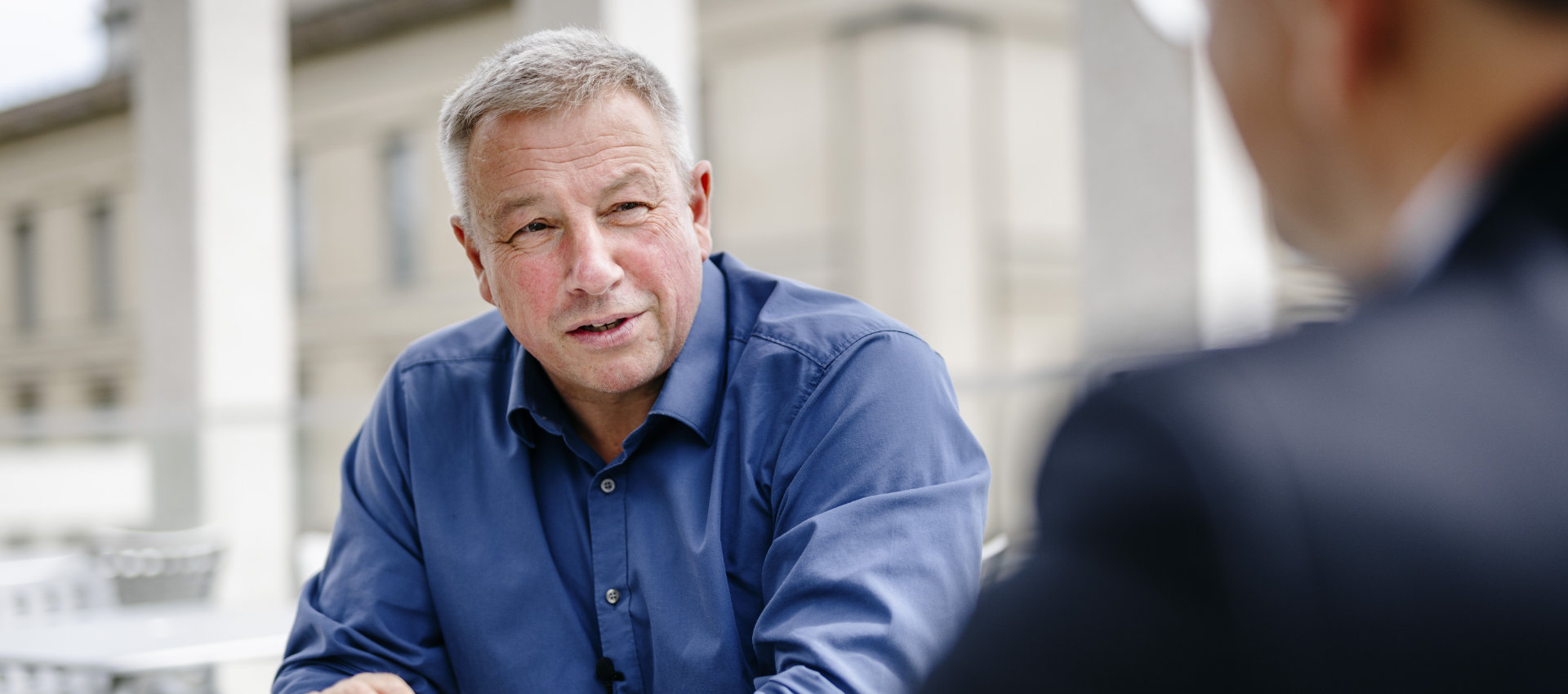
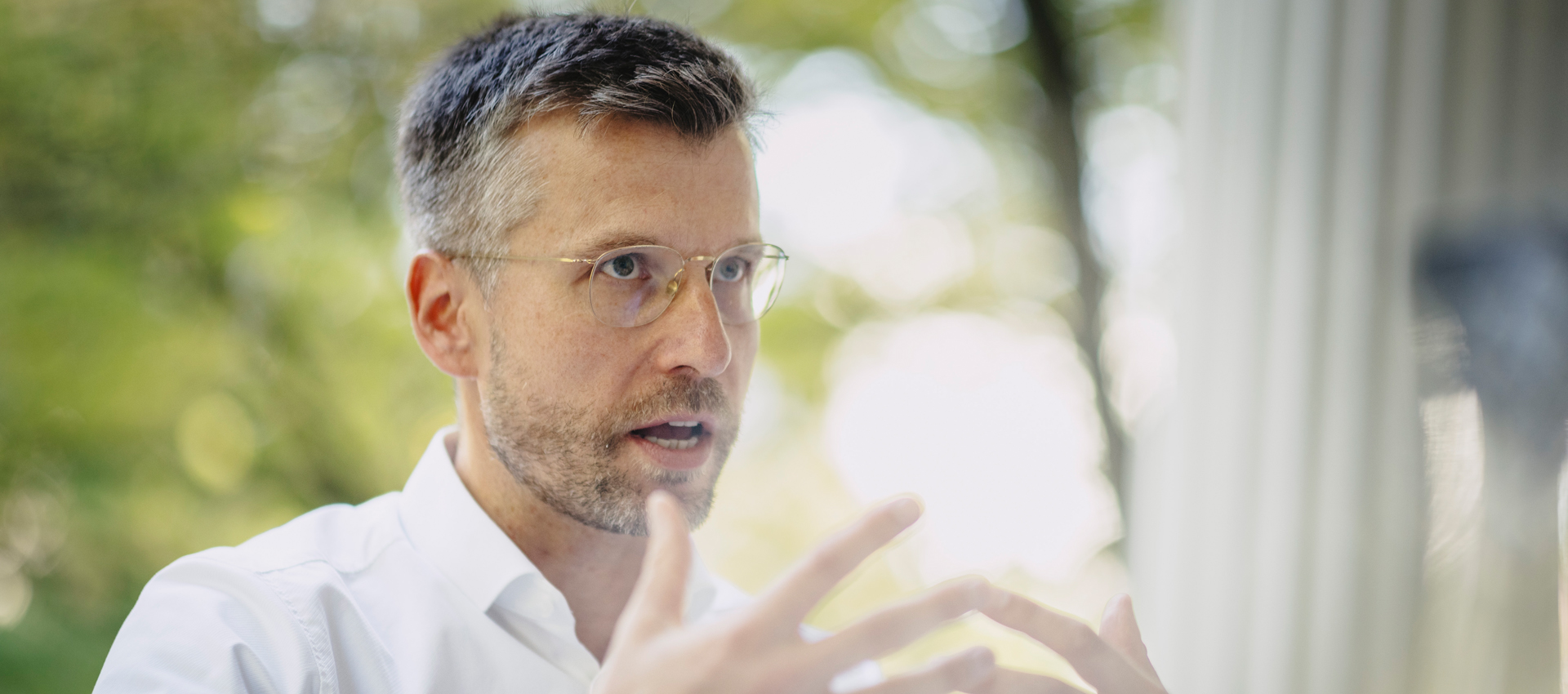
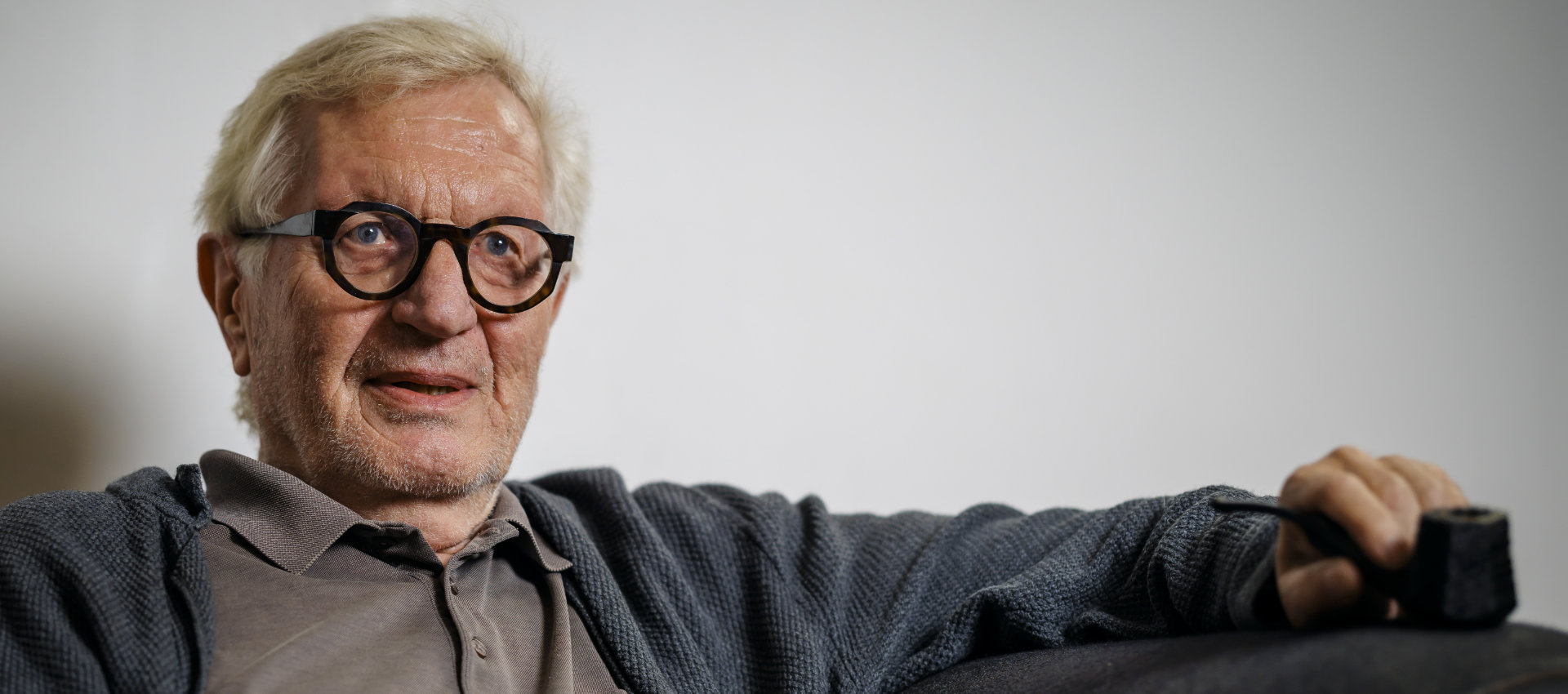
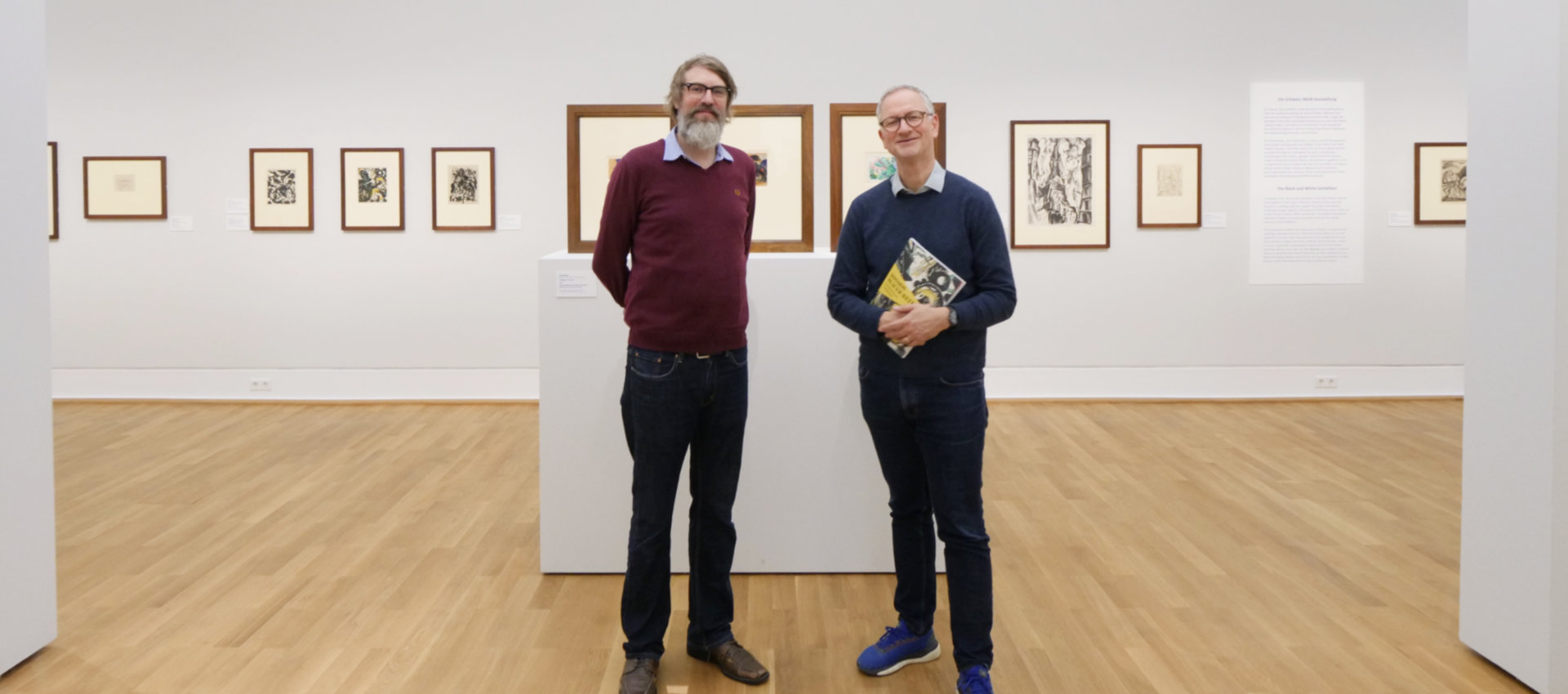
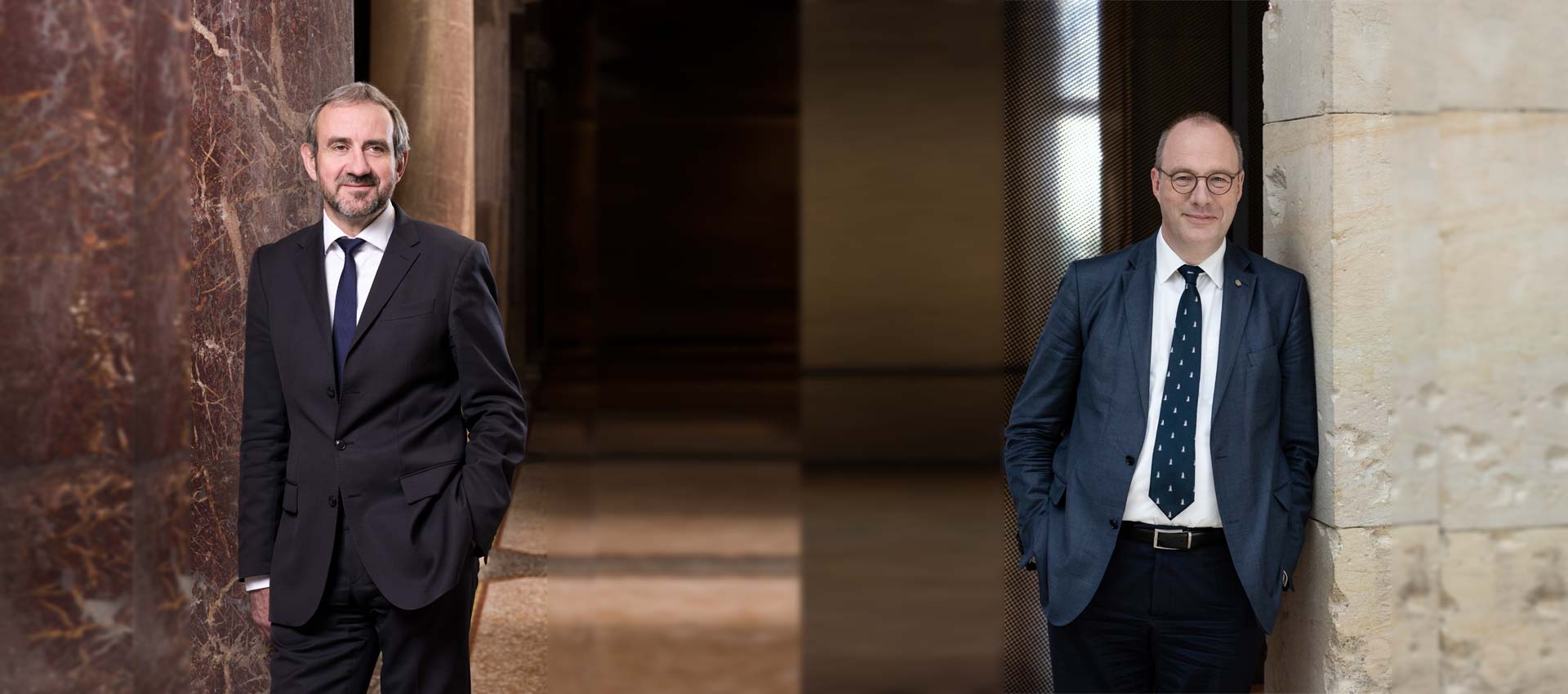
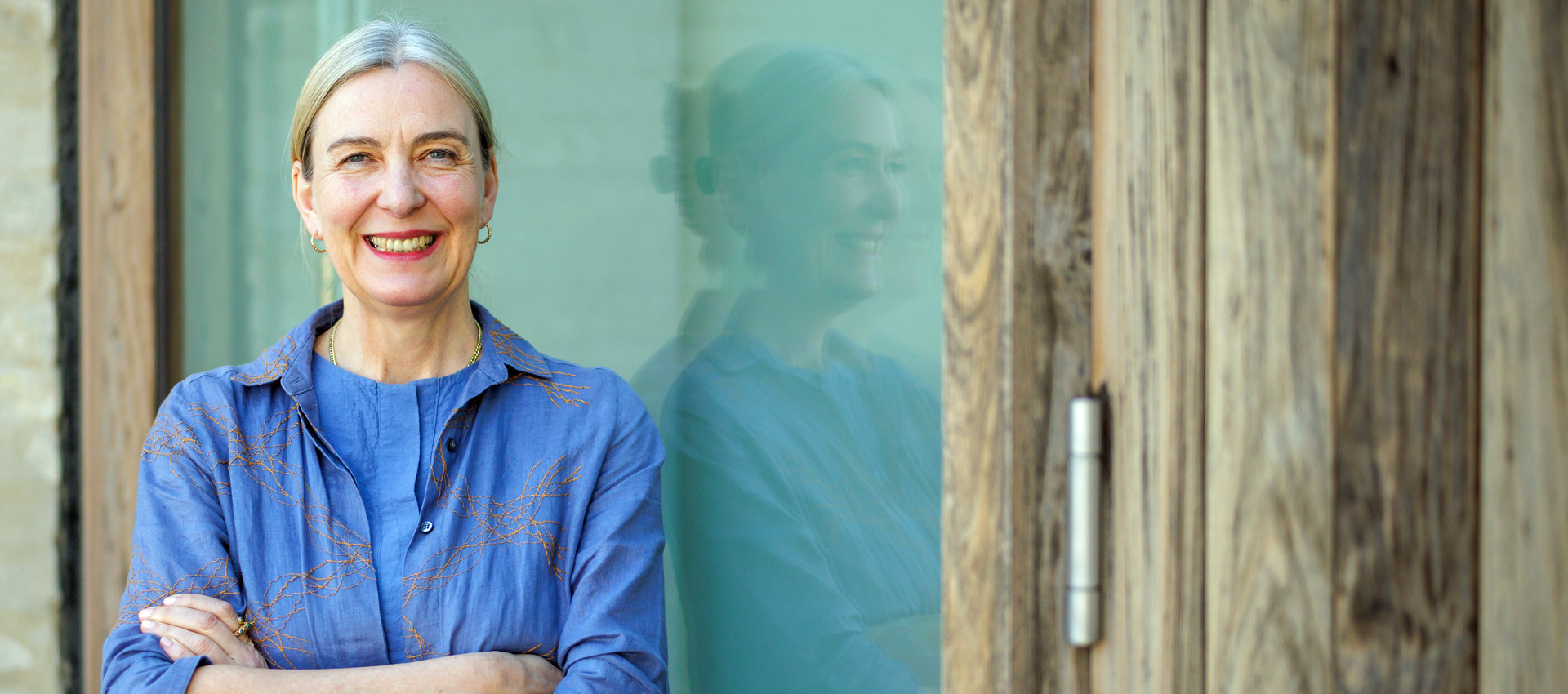
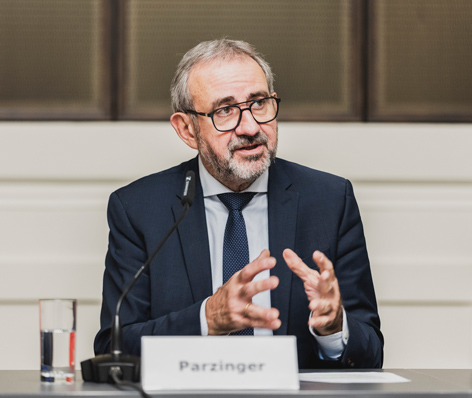
Ulrike Lorenz, President of the Weimar Classic Foundation, photo: Candy Welz, © Weimar Classic Foundation / Hermann Parzinger, President of the Prussian Cultural Heritage Foundation. © SPK / Herlinde Kölbl
By ‘loss of significance’, do you mean that cultural institutions were treated no differently from water parks and nail salons during the lockdowns?
Lorenz: That irritated us all. It was a lapse in judgement that was later rectified. In the second phase, politicians reacted much more attentively and cautiously. From a societal perspective, the question arises as to how we deal with global crises in general. Are we prudent, reflective and level-headed enough to live with the virus without immediately shutting down entire clusters?
Parzinger: When the crisis year began, I happened to be reading about the Spanish Flu. What did it mean for the world back then? A population already emaciated by the end of the First World War experienced a global pandemic said to have claimed between 50 and 100 million lives. The realisation that we are now suddenly facing a new pandemic, which we can only contain because we have entirely different means at our disposal than back then, was a frightening one. The question now is: what happens next with this pandemic? What about vaccination? Are we facing such pandemics more frequently?
We have a great deal to offer people as a place of balance, comfort and reassurance.
We’re living with this uncertainty. Of course, we’ve learnt to open and close our doors. What remains frustrating is that, in good times, we’re highly praised as an educational institution, but in a crisis we’re regarded as a dispensable leisure provider. I’m glad that politicians are now also recognising that museums can operate in a way that’s appropriate for the pandemic and manage visitor numbers relatively well. Incidentally, during the first reopening between the two lockdowns, we saw just how keen people were to visit museums again. That was quite reassuring. We have a great deal to offer people as a place of balance, comfort and reassurance. That is a very important function that museums should resume as soon as possible.
Did the pandemic have any positive aspects? We were, after all, forced to react relatively quickly, to reach visitors with alternative offerings, particularly digital ones. Did things really progress well in that regard?
Lorenz: I can rightly say that this has been the case for the Klassik Stiftung. We were already in the process of consolidating separate digitalisation initiatives. Now our aim is to virtually restore the broader historical context across collections and institutions, to create synergies and to open up breathtaking horizons for our audience. This has received an enormous boost as a result of the crisis.
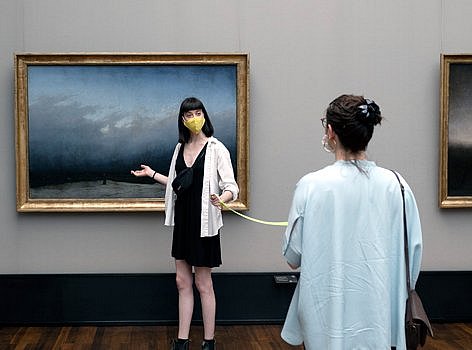
Parzinger: Like all major cultural institutions, we too have ramped up virtual tours and digital offerings in the museums and libraries. I was surprised by the inventiveness. Curators have recorded virtual tours using their smartphones. We’ve noticed that this has been incredibly well received because it’s so lively. Now there are guided tours over the phone. Staff members walk through the museum and try to vividly describe what others cannot see. It doesn’t have to be 100% perfect, but the empathy towards the collections is palpable, and people appreciate that. The solidarity was also remarkable. At the start of the first lockdown, conservators donated face masks and protective suits to the Association of Statutory Health Insurance Physicians because there was a shortage of protective equipment. Others at the SPK organised groups to sew face masks. I saw that as a very important sign of standing together.
Lorenz: A key task for the future will remain crisis-proof educational work. Here, new, digital, interactive formats are conceivable, including hybrid models: a scout shows his class – perhaps in France or America – what he is currently experiencing in Goethe’s house – live and with the possibility for his classmates to participate. We’re currently working on a research project with the Bauhaus University – still a secret.
Parzinger: The museum4punkt0 project, which brings together museums from various sectors across Germany and has just been extended by the Federal Ministry of Culture, is also about digital outreach programmes. Perhaps we need to consider hybrid formats there too. Among the positive experiences during the pandemic, however, is the financial support provided by our funding bodies to cover the loss of revenue. And one more thing: we are, after all, public-law institutions, in a sense public authorities, and are regarded as cumbersome and inflexible. There is certainly some truth in that. But when I hear that the major museums in the US had to lay off large numbers of their staff during the pandemic, our ‘old European’ system doesn’t fare too badly at all; it is more crisis-proof. I say this partly because the glamour of the Anglo-American museum world is praised at every opportunity. Everything has its price, and every system has its strengths and weaknesses.
Mr Parzinger, for you this was actually a year of double crisis – on the one hand the pandemic, on the other the report by the Science Council in the summer, which caused quite a stir. Not only because of the statement that the Foundation was dysfunctional and should be dissolved, but also because it concerned the constitution and the disentanglement of federal and state structures. How did you deal with that? Can the SPK be reformed?
Parzinger: Of course, it was a shock at first. Not least because the report was leaked to the media even before the official announcement: 2,000 staff members suddenly read in the news ticker that their employer was to be dissolved. That was, of course, very unpleasant. Nevertheless, I also see the report as an opportunity. The Science Council, and this is the paradox, did not actually criticise the SPK that harshly. The work is praised; the SPK is said to have achieved great things in reunifying the collections and renovating the historic buildings. If, apart from the State Museums, all other institutions are essentially receiving top marks, the umbrella organisation cannot be that dysfunctional. Just as in the business world, large companies have to restructure from time to time. The reform process that has now got underway gives me hope. And it is coming from us ourselves. In the Strategy Commission, issues are finally being addressed that should have been tackled long ago. The directors of the State Museums, the heads of department at the State Library – everyone is getting organised and addressing the issues that need to be changed. My predecessor’s predecessor, Werner Knopp, once said: ‘Only what changes remains.’ We want more autonomy for the institutions. They already have professional autonomy, but they should also be given greater financial autonomy.
Internally, we are engaged in a very productive discussion about which tasks should be taken on by an umbrella body, and what a modern governance structure should look like within the institutions and across the entire SPK. We naturally also hope that our funding bodies take seriously the findings of the Science Council regarding the SPK’s under-resourcing in terms of staff and finances. Particularly in the areas of digitisation and provenance research, much of the work relies solely on third-party funding. However, we need to establish these initiatives on a more sustainable footing. In short: of course the SPK can be reformed. Working across disciplines is, after all, the future. It would be quite a step backwards to segregate the disciplines again as in the 19th century. Our General Advisory Board has also made this very clear.
Ms Lorenz, the Weimar Classical Foundation has now completed its evaluation. You always say that change is part of everyday life. In your opinion, what value does a network of archives, libraries and museums hold in today’s world? And what prospects do these networks have for the future – networks which, on the one hand, are always described as cumbersome behemoths and, on the other, as networks with untold possibilities?
Lorenz: The opportunity, but also the burden, lies in the complexity. If we want to make ourselves fit for the future, we must prove that networks are more than the sum of their parts. We are, after all, both umbrella organisations where the sub-brands are stronger than the umbrella brand. This is an area of tension that must be dealt with productively.
We must understand complexity as a raw material for information, intelligence and innovation. I firmly believe that it is appropriate for our times to pool cultural and intellectual resources – the latter embodied by our teams – and to focus them on social impact. We have an advantage in this regard in Weimar. You can just about manage to align around 400 staff members towards a common goal. The 19th century dismantled that connection. Today, the systems of archive, library and museum operate according to their own distinct logic, which perpetuates itself and can also run aground. In their personal responsibility for long-term development prospects, the presidents must question these self-contained logics. It is unacceptable for every institution to think only in its own direction. In this way, the strong network of cultural-historical and intellectual-historical roots in Weimar, to which we so readily refer, loses its vitality. Yes, we must look after the bigger picture, just like entrepreneurs. That is a tough process, no question. But it is not about tomorrow; it is about what will remain in a hundred years’ time. There are questions that must be answered across our networks: Why do we exist at all? What is the point of it all? Is it worth the effort? This quickly gives rise to a sense of unease, which fosters creative thinking. We need that too if we want to deliver more than is expected of us.
Parzinger: The question of added value must be informed by the needs of the institutions. Ultimately, it is the cultural, scientific and socio-political aspects of our work where we can present a stronger united front and achieve more. As examples, I would cite fundamental approaches to dealing with collections from colonial contexts or future-oriented topics such as sustainability or artificial intelligence. We can achieve more together in these areas.
We need to view complexity as a raw material for information, intelligence and innovation.
How is the success of a cultural institution actually measured? Politicians want rising visitor numbers, academics want to be at the forefront of research, whilst others focus on the click-through rates of digital offerings. What are your criteria?
Lorenz: It depends on the right balance. We are large, complex knowledge organisations. Success, first and foremost, lies in the normative influence we can exert. Of course, this isn’t possible without visitors, without click-through rates, without reputation, without recognition. It must also be clear that politicians, for example, can turn to us when they have questions about the state of society. As cultural institutions, we construct meaning and can reflect on today’s existential questions from a deep historical perspective. That, at least, is what I strive for. It might sound a bit too melodramatic now, but we simply have to think big because we are big.
Parzinger: I would also view the measurement of success on two levels: in terms of visitor numbers, because if people aren’t coming, you’re doing something wrong. But also in terms of the external funding ratio: can staff members succeed with interesting proposals and compelling research questions? That underlines the relevance of our research. After all, we’re at the intersection of science and research, as well as art and culture. For me, the greatest success would be if people realised that institutions like ours have answers to many questions. That we can stimulate thought and also offer new perspectives on today’s problems.
The greatest success would be if people realised that organisations like ours have answers to many questions.
Lorenz: We are equally responsible for both distance and difference. Society needs both for self-reflection and to be able to develop at all. We preserve all these treasures – the valuable manuscripts, books and works of art – solely so that they can be re-examined at some point in the future. These sources are irreplaceable in their originality and materiality. When examined from different perspectives, they reveal ever-changing answers. In its sheer inexhaustibility, this is something so wonderful, so magnificent. From this springs pride. And impact. We have a mission!
The crisis year of 2020 was also the year in which the term ‘cancel culture’ was coined, sparking a debate over whether cultural institutions are truly being silenced or not. You, Mr Parzinger, had invited people to an event at Berlin’s Urania to discuss this. You were there, Ms Lorenz. Does this ‘cancel culture’ really exist, and if so, what impact does it have on cultural institutions?
Lorenz: We are all, to a greater or lesser extent, astounded by the direction in which society – and with it our liberal parliamentary democracy – is moving, and by the threats it faces. The whole situation is leading to a fatal fragmentation that has a major impact on our work. It is becoming increasingly difficult to invoke a cultural consensus or to establish a consensus based on shared values that offers guidance. I don’t have any definitive answers to this. It is a real challenge. What we can do, however, is to provide safe spaces for the controversial discourses of the present day. To offer our institutions as third places where things can be tried out, where one can occasionally go a bit over the top without the whole of society immediately erupting into revolution.
Parzinger: Our society has become somewhat less tolerant and less respectful. Holding and tolerating differing positions seems to be getting harder; there is less tolerance for other viewpoints. We notice this too when dealing with certain collections. Take the colonial context, for instance. We must try to maintain the capacity for discourse within our spaces. By that I do not mean that we should merely pander to the zeitgeist; it must be broader in scope. We live in a more polarised world. When monuments are being toppled in the United States or the UK, that surely calls for a discussion. How do we confront our history? How do we intend to deal with difficult issues? It also takes time to work through our shared history together with our partners from countries of origin and communities of origin, and to develop solutions. But for some, this is always too slow, too little, too late.
But that will probably also be very difficult for cultural institutions. You were just talking about a fragmented society, Ms Lorenz, and also about the groups that have felt oppressed and marginalised for too long and are now increasingly pushing to the fore, seeking to secure their rights and ensure their perspectives are represented. How can we maintain consensus within museums?
Lorenz: You certainly can’t achieve consensus on every issue. But we can gain credibility by clearly marking our own position in these ‘power struggles’. Museums are always themselves both actors and accomplices in this history of marginalisation, displacement and devaluation of groups and cultures. We must acknowledge this whilst simultaneously making clear what our position is today. This will be controversial and must first be negotiated within the museum teams themselves. But we do, after all, act as institutions of memory with a good balance of historical authority and flexibility. We know full well that history is change. Society changes, and we change with it. This makes curatorial practice political and porous. We must demand this self-understanding from the experts in our teams. Of course, the answers aren’t lying on the street. And a loss of control can be exhausting. A different approach must also be found in university education. There must no longer be this distinction between the job profiles of education and collection management; rather: the curator is the communicator of their own subject. Who else, then?
Parzinger: That is a very important point. On the one hand, we have the curators, who are the academics. And then we have the educators, who are museologists, classified quite differently. We must move away from the notion that education is regarded as less significant and less important than the research of an object.
Ms Lorenz, you said that revolutions occur in the museum sector every 50 years. The First World War, 1968, and now. And you suggested that we should leave our ivory towers, take our hands out of our pockets and expand our toolkit. How exactly is that supposed to work? What exactly needs to happen?
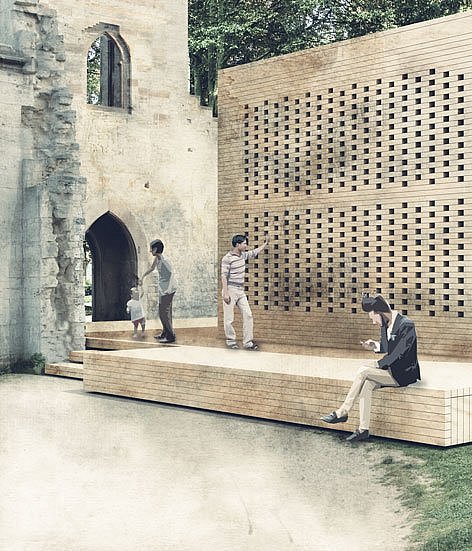
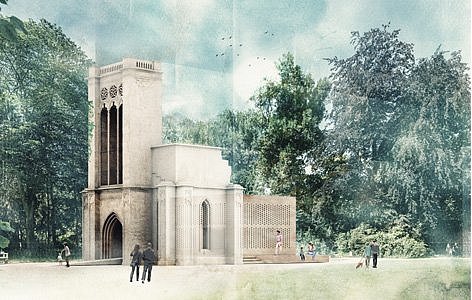
Lorenz: We need the next museum revolution! The greatest challenge of the 21st century is ecological social change. I am currently preparing for our theme year ‘New Nature’. For the first time, the focus is on the historic parks. This involves a fundamental opening up. We are building a ‘floating’ experimental structure using biomaterials from the parks’ maintenance cycle. The Green Laboratory in the park on the Ilm is an educational platform, a ‘maker space’ and a meeting place to hang out. In short: the Klassik Stiftung in the open air – out of the ivory tower, into society. We are surprised by the excessive use; people are destroying these parks. But no one tells them why they were originally created. I believe a change of perspective is needed in museums. That applies, at least, to the Klassik Stiftung.
We need the next museum revolution!
We must question this self-absorbed gaze into the past. Weimar is not merely cultural history; Weimar is the construction of culture. What is culture, German culture, anyway? A narrative, a phantasm? In any case, it has always been – whether in the time of Goethe, the Bauhaus, the Reformation, or today – a grand experiment, one that has often failed. We therefore wish to take society and the outside world, with all their existential questions, seriously and make them the starting point for a re-evaluation of our work in mediation and preservation.
I know that cultural institutions are also targets of aggression. It may well be that, in the background, there is a lingering perception that museums have, for the greater part of their existence, been the advocates of those in power and of an upper class. We must therefore work carefully and consistently to change this image. We are, of course, here for everyone, but we are not doing enough to achieve this. For many, simply stepping into our foyers is an act of self-encouragement. Thresholds still play a major role. It requires all our creativity to open up this monolithic image of museums that still persists, and to say: ‘People, it’s all more complex than that, and you can use us too.’
Parzinger: Participation doesn’t just mean that we have collections from all over the world and involve the societies of origin, but that citizens really want to get involved. That is something we are planning at the Dahlem Research Campus. It is a key priority for us to develop formats there that enable active participation. Participation in research, making research visible, explaining how research works. Citizen science is a very important task that goes far beyond education and outreach. We are constantly experiencing so many fundamental changes; we will probably only realise in hindsight, in a few years’ time, what was revolutionary about our era. Certainly, the ‘digital turn’, if I may call it that, will have been the defining feature of our time.
I also believe that even after the 1968 revolt, museums were not questioned to the same extent as they are today, particularly regarding collections from colonial contexts. Museums today must already face a great many vehemently voiced critical questions: what about the engagement with German history, from Nazi-looted art right through to colonialism? Yet there are also opportunities here, because this makes museums more relevant to the debates in society. I am curious to see how this discourse will be viewed and assessed in retrospect in a few years or decades, and how far-reaching its impact will have been.
Citizen science is a vital endeavour that goes far beyond education and outreach.
Ms Lorenz, what are your hopes for the SPK? Mr Parzinger, what are your hopes for the Klassik Stiftung?
Lorenz: I hope that the SPK will deal productively with the current, extremely challenging situation and soon regain control of its own affairs. And that plenty of creative ideas for overcoming this organisational crisis can be developed together and then put into practice.
Parzinger: I hope that the initiatives you have set in motion continue to develop successfully. The Klassik Stiftung is, after all, always compared to the SPK; it is the second-largest cross-disciplinary cultural foundation in Germany, and I would wish for your changes to be so successful that we will always look to Weimar with pleasure. Perhaps one day we will say: to learn from Weimar is to learn how to succeed. You are a kind of laboratory situation for us, and I am happy to take a leaf out of your book.