Almost 80 years after the end of the Second World War, the systematic looting of cultural property by the Nazis – particularly from Jewish owners – has still not been fully addressed. Twenty-five years ago, at a conference in Washington, the foundations were laid for this immense task, which has had a profound impact on the international art world. Since then, many museums, libraries and archives have been working intensively on the issue.
There is now extensive experience in provenance research and restitution. For a quarter of a century, the aim has been to find ‘just and fair solutions’ with the descendants of the victims. In recent years, the Prussian Cultural Heritage Foundation has restituted over 350 works of art and around 2,300 books. Yet with every new case, new perspectives emerge, the work becomes more complicated, and different questions arise. Furthermore, and particularly now, it is becoming increasingly important to tell the stories behind the artworks and books in order to convey the crimes of the Nazis to a younger generation. Reason enough to take a look at the practice of provenance research and restitution.
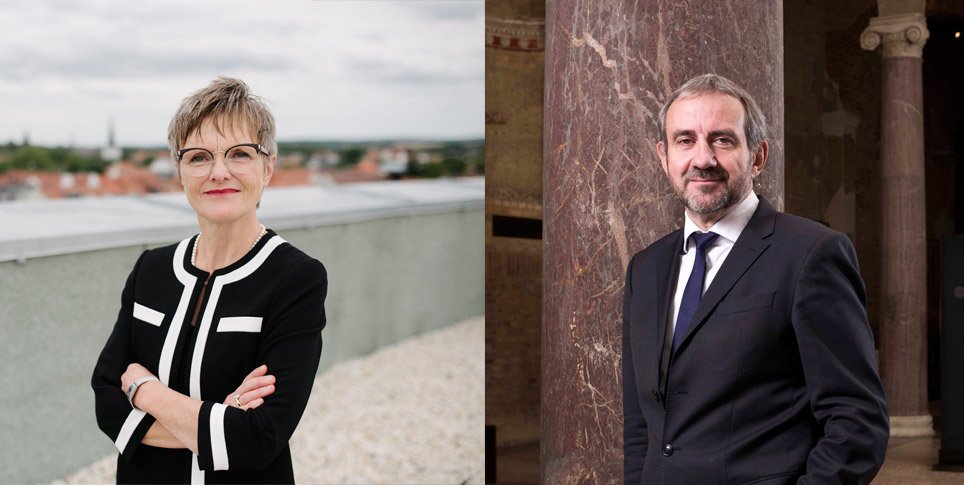
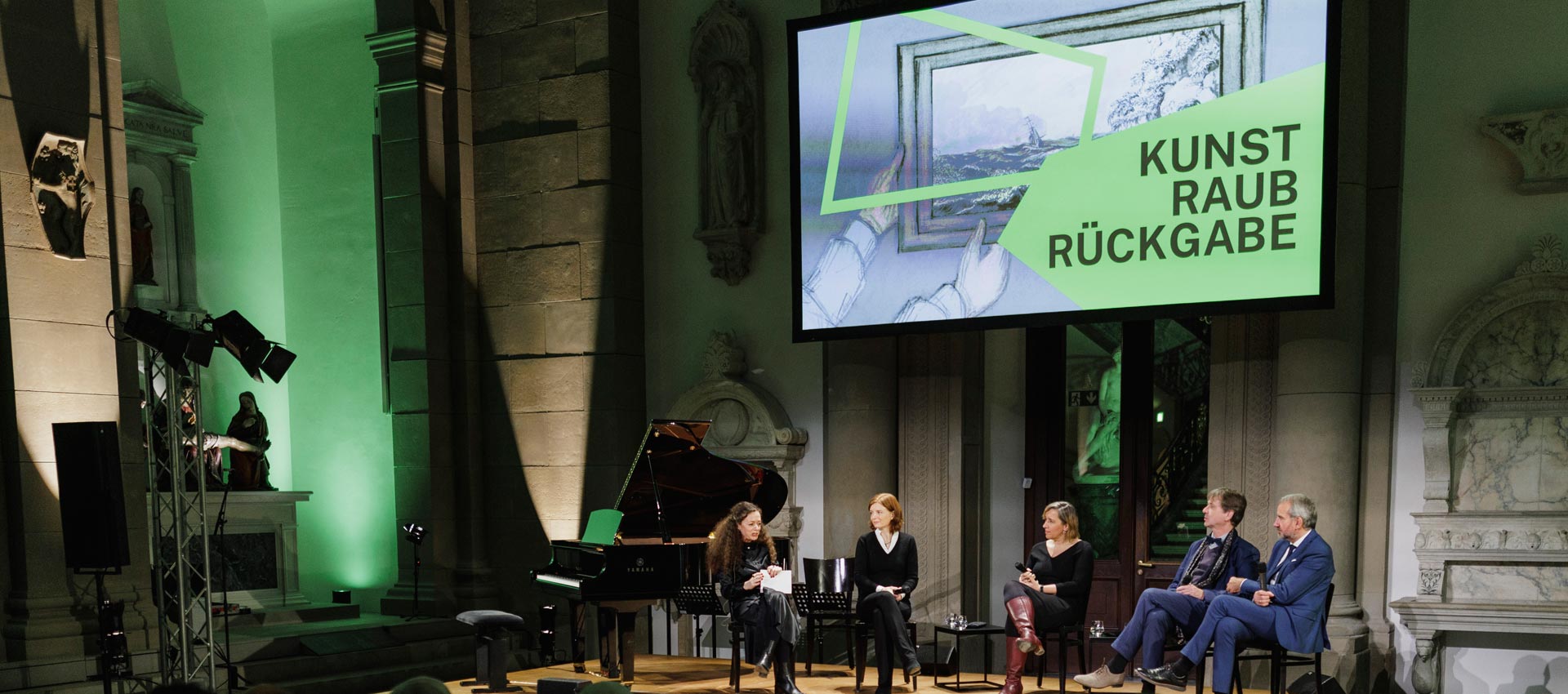
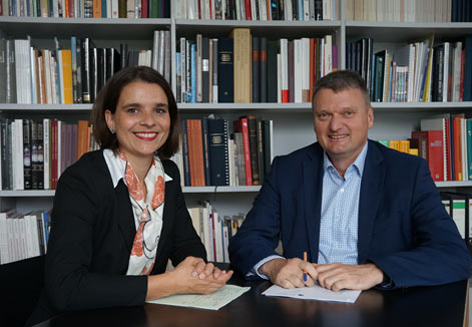
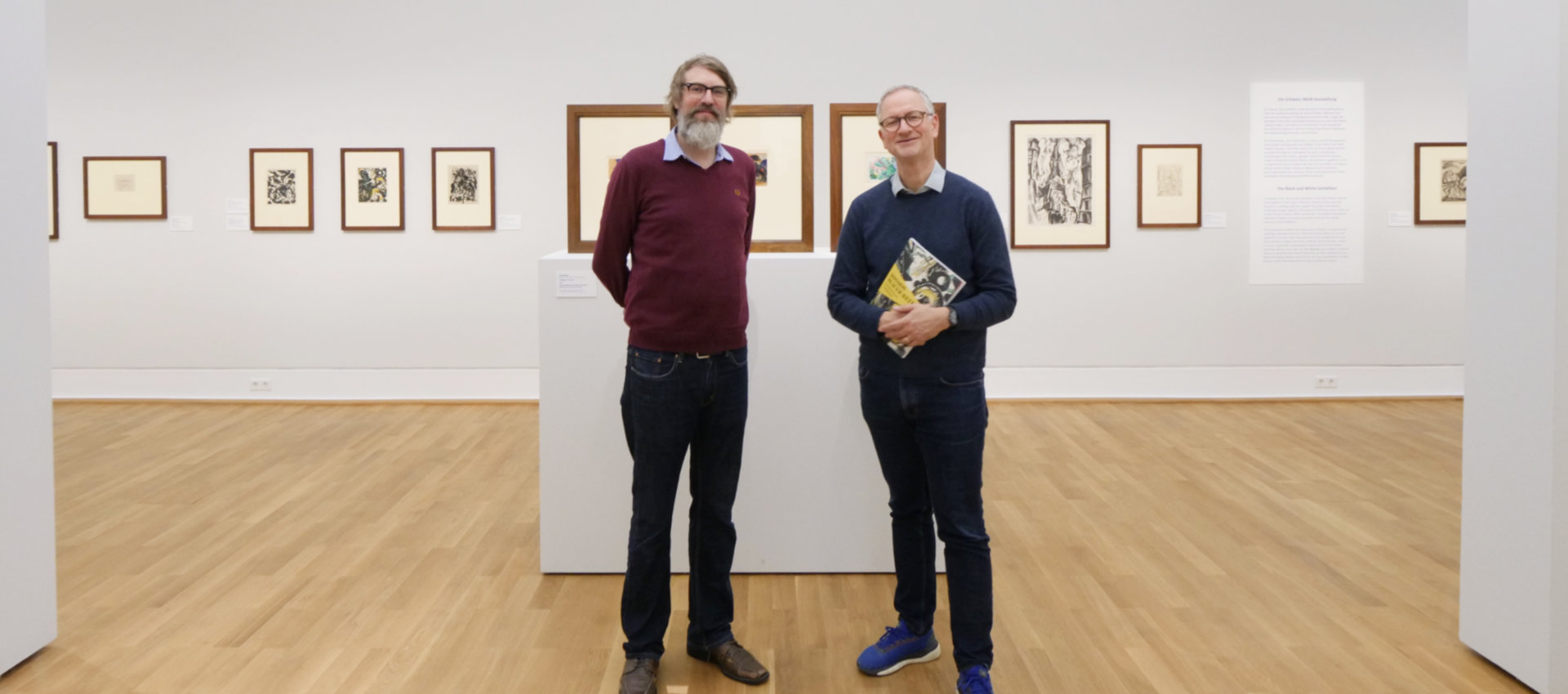
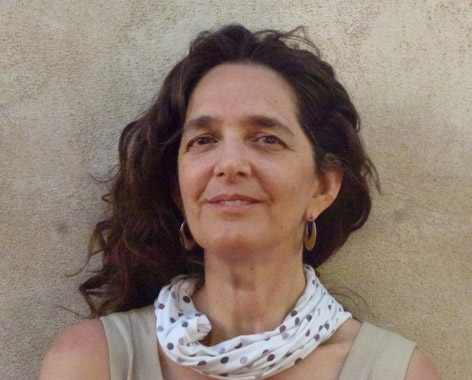
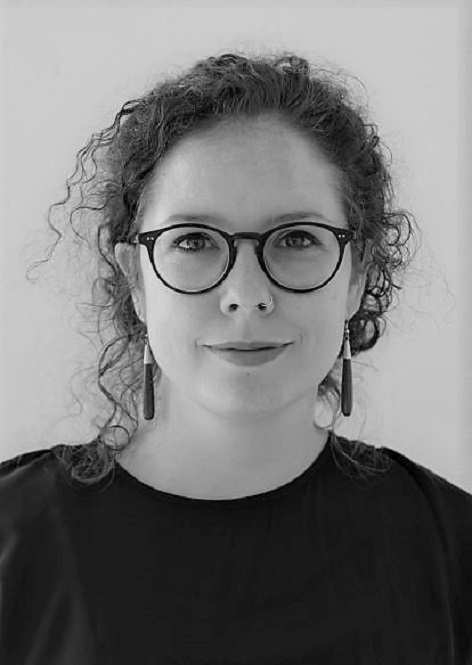
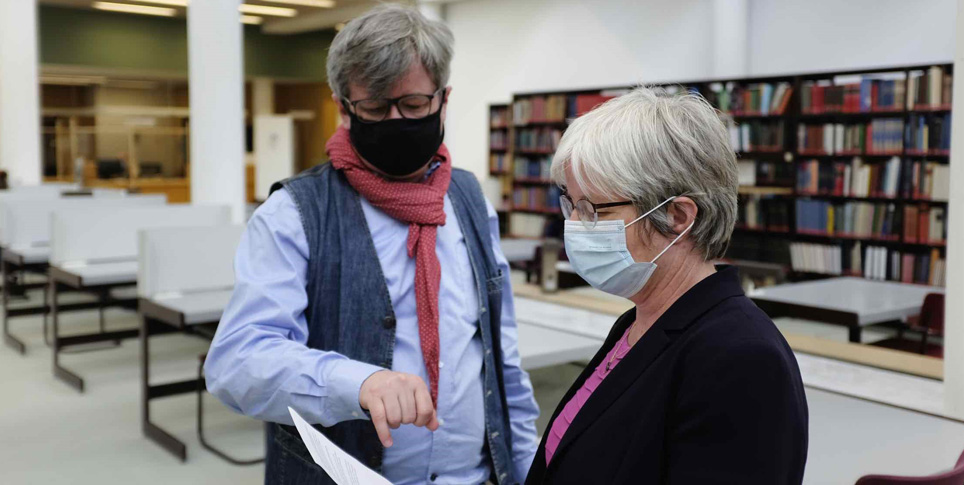
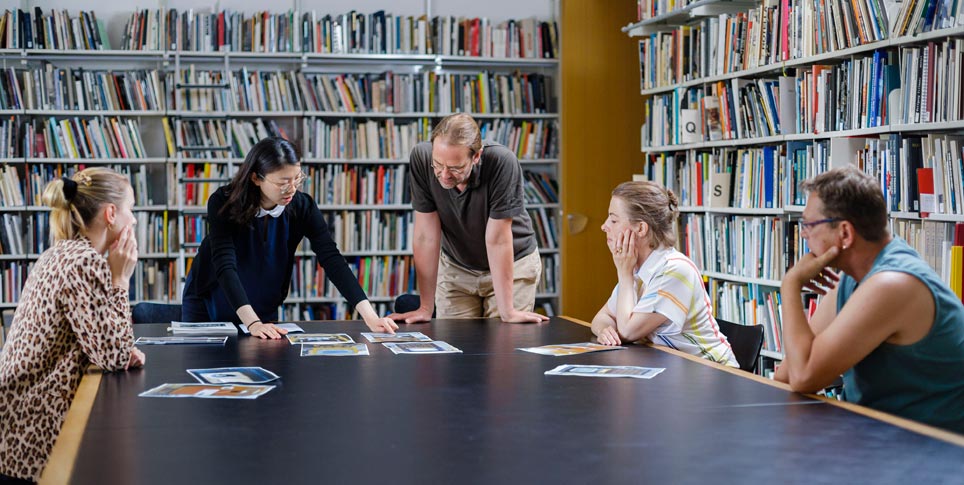
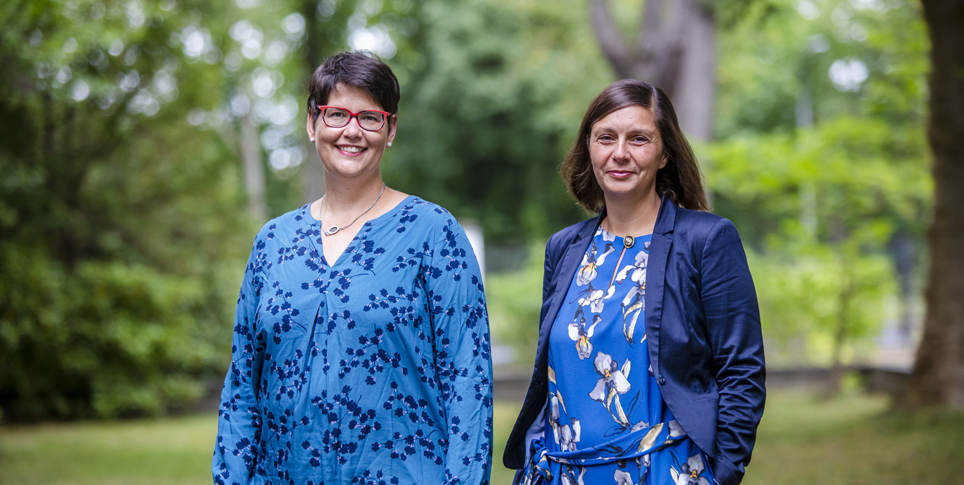
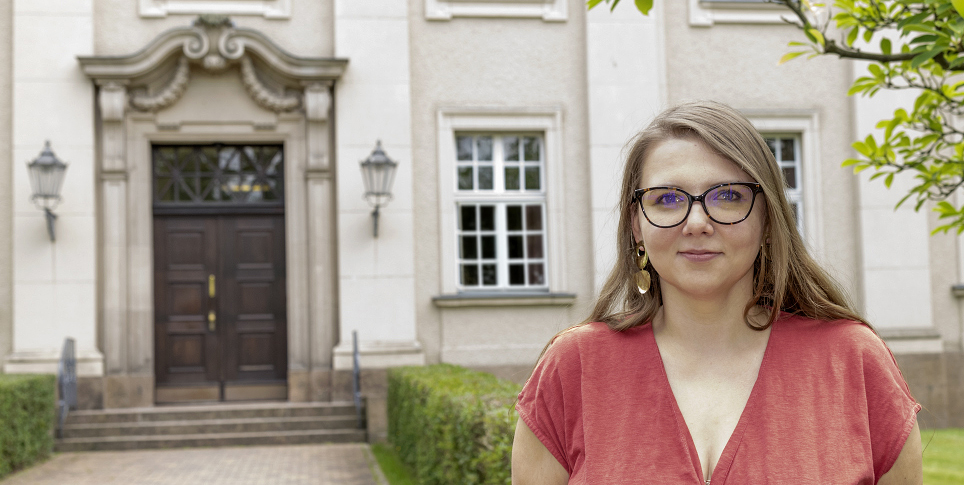
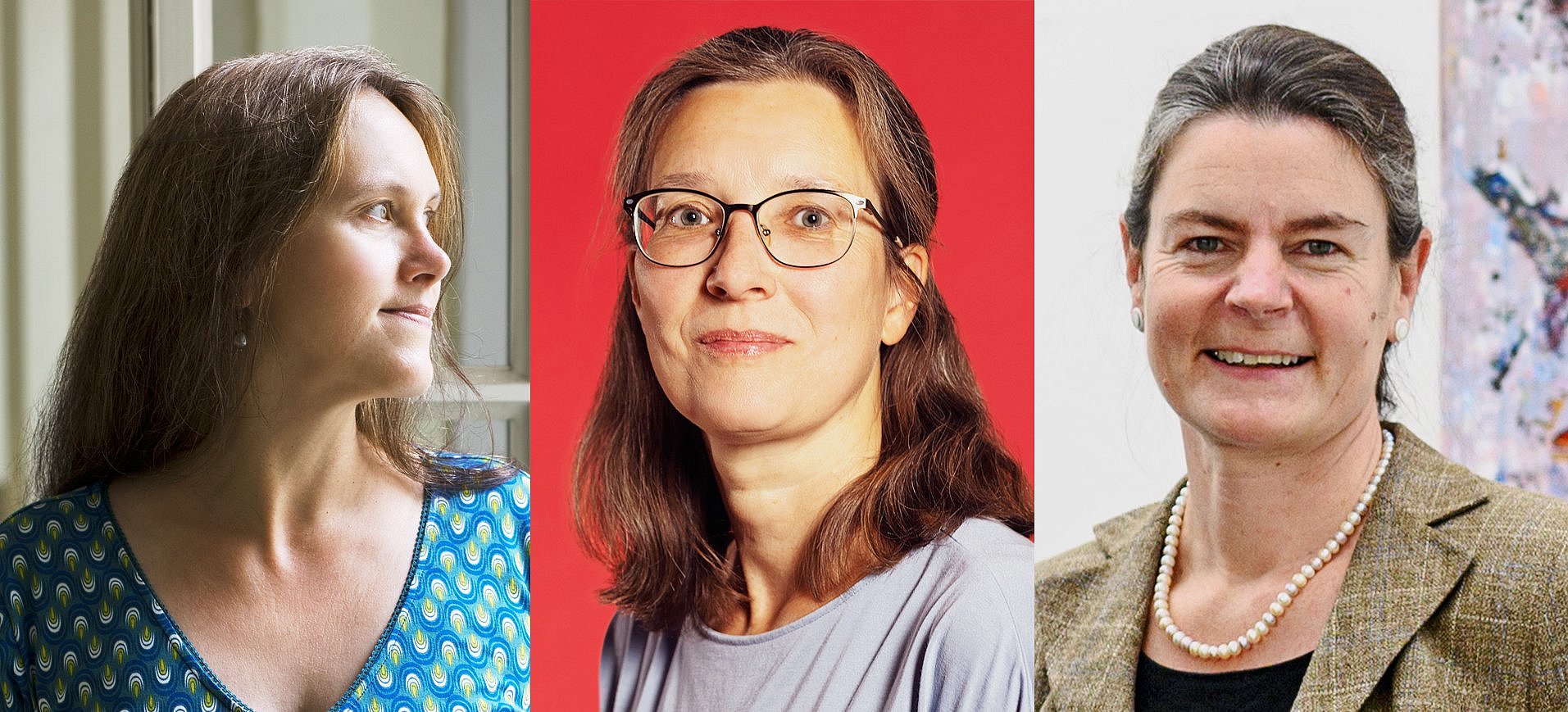
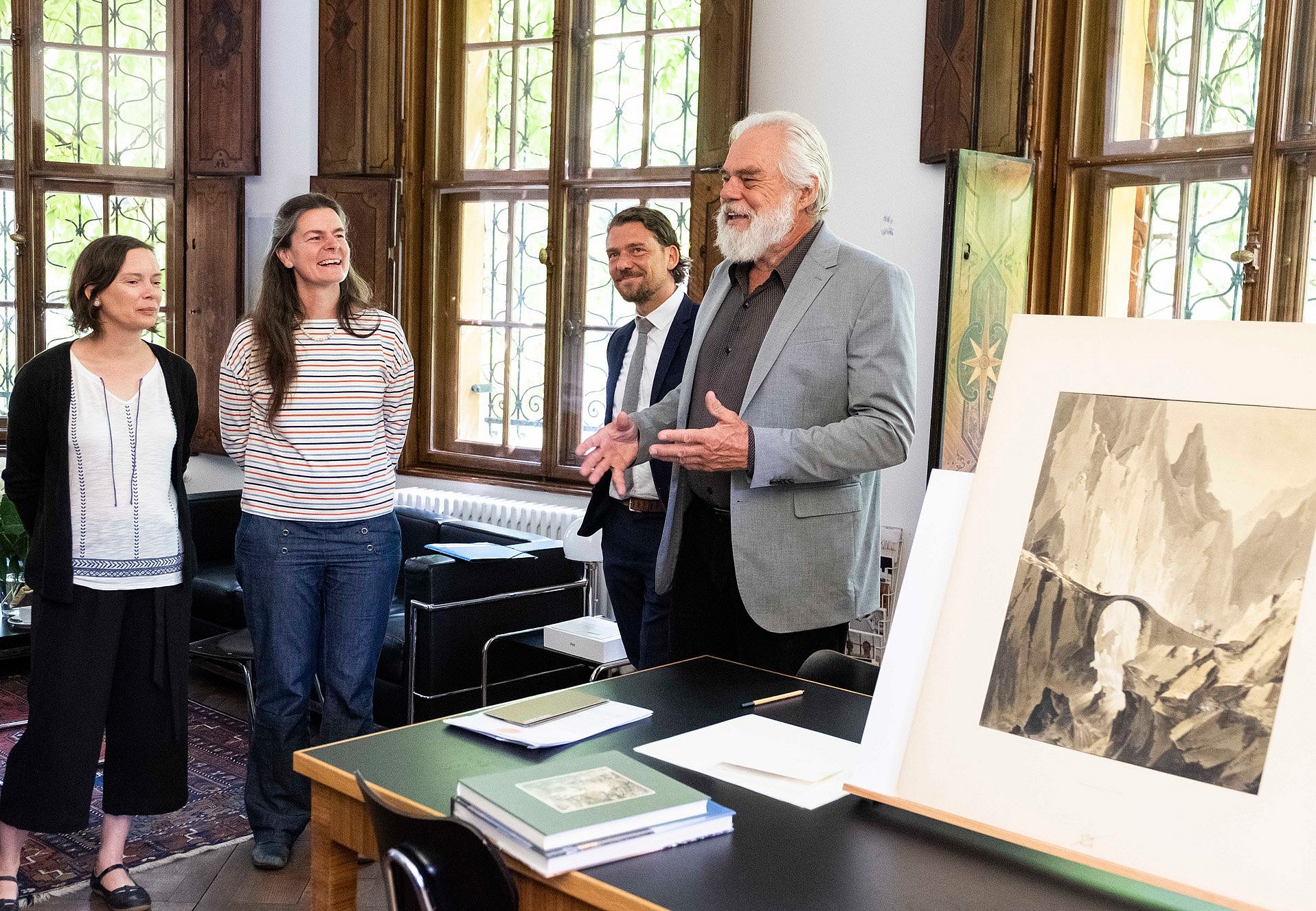
For the 2023 Annual Report, we invited Carola Thielecke, Head of the Legal Department of the SPK; Petra Winter, Director of the Central Archives and Head of Provenance Research at the Staatliche Museen zu Berlin; and Michaela Scheibe, Deputy Head of the Department of Manuscripts and Historical Prints at the State Library, to a discussion.
Are you satisfied after a quarter of a century of the Washington Conference?
Winter: Yes and no. On the one hand, it is remarkable what has been achieved in the SPK over the years. There are so many different cases, and no single solution for everything – I think that, given the volume we have managed to handle, we have nothing to be ashamed of. On the other hand, however, it is still not enough, because our collections are huge and the research is far from complete.
What are the biggest obstacles?
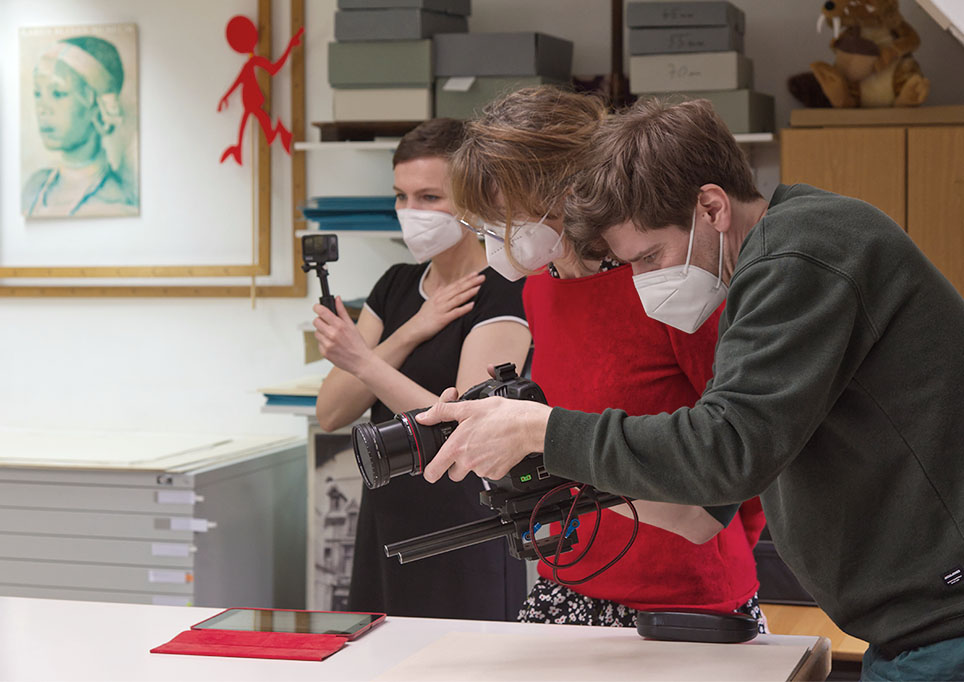
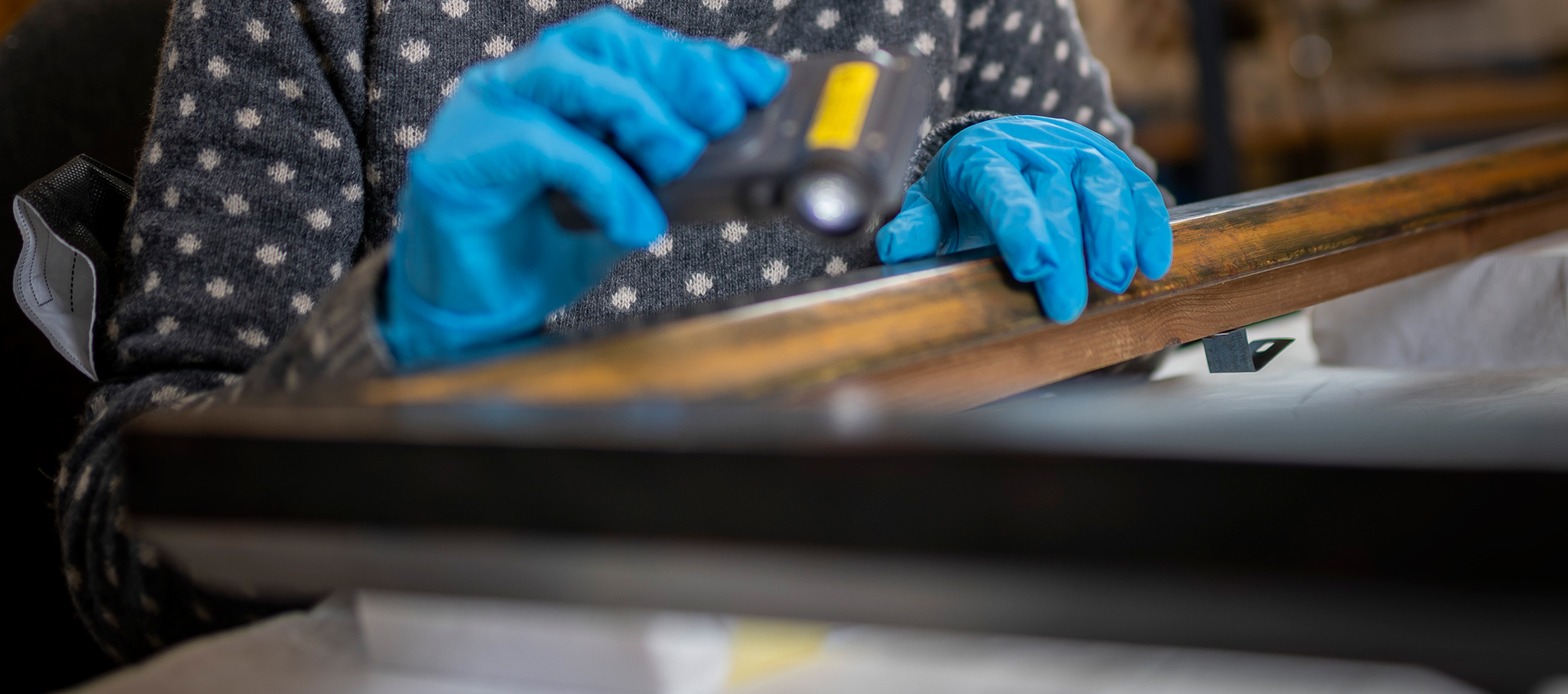
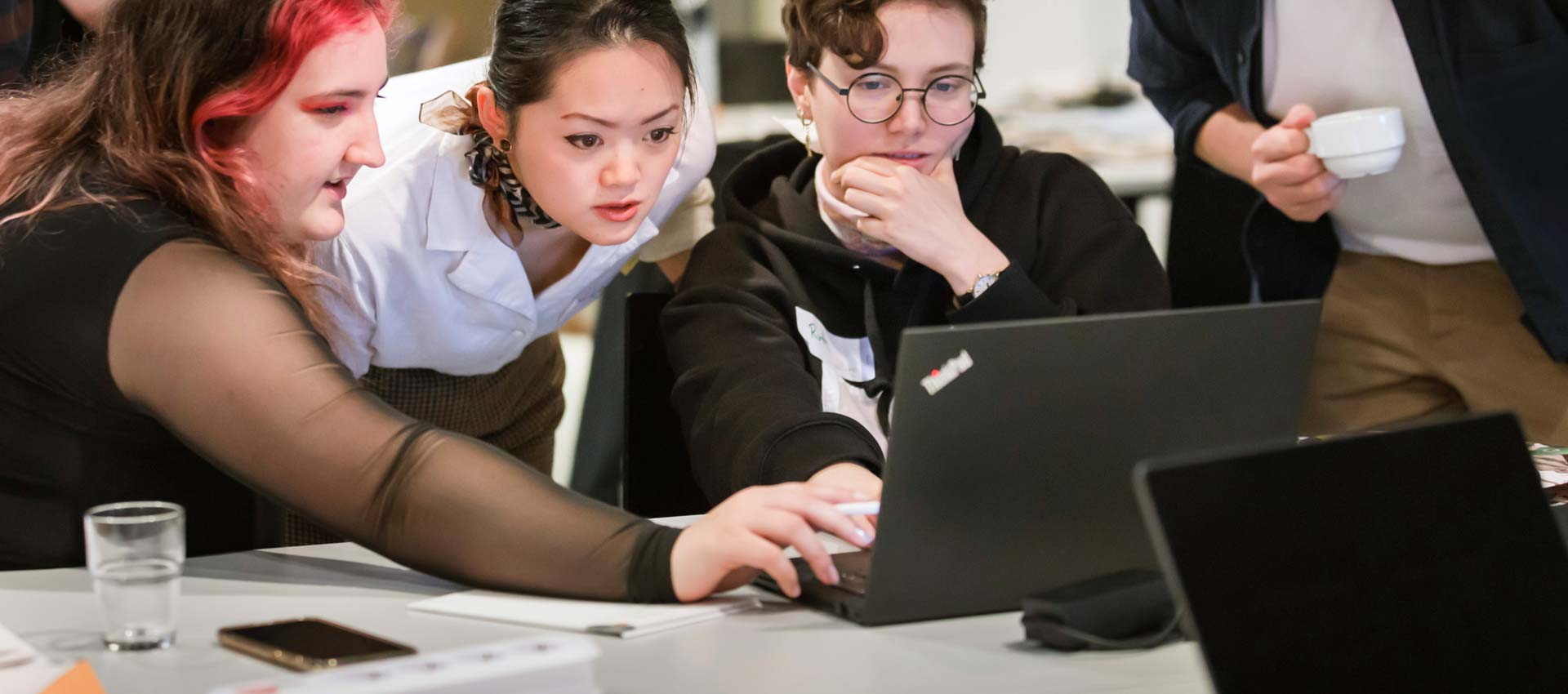
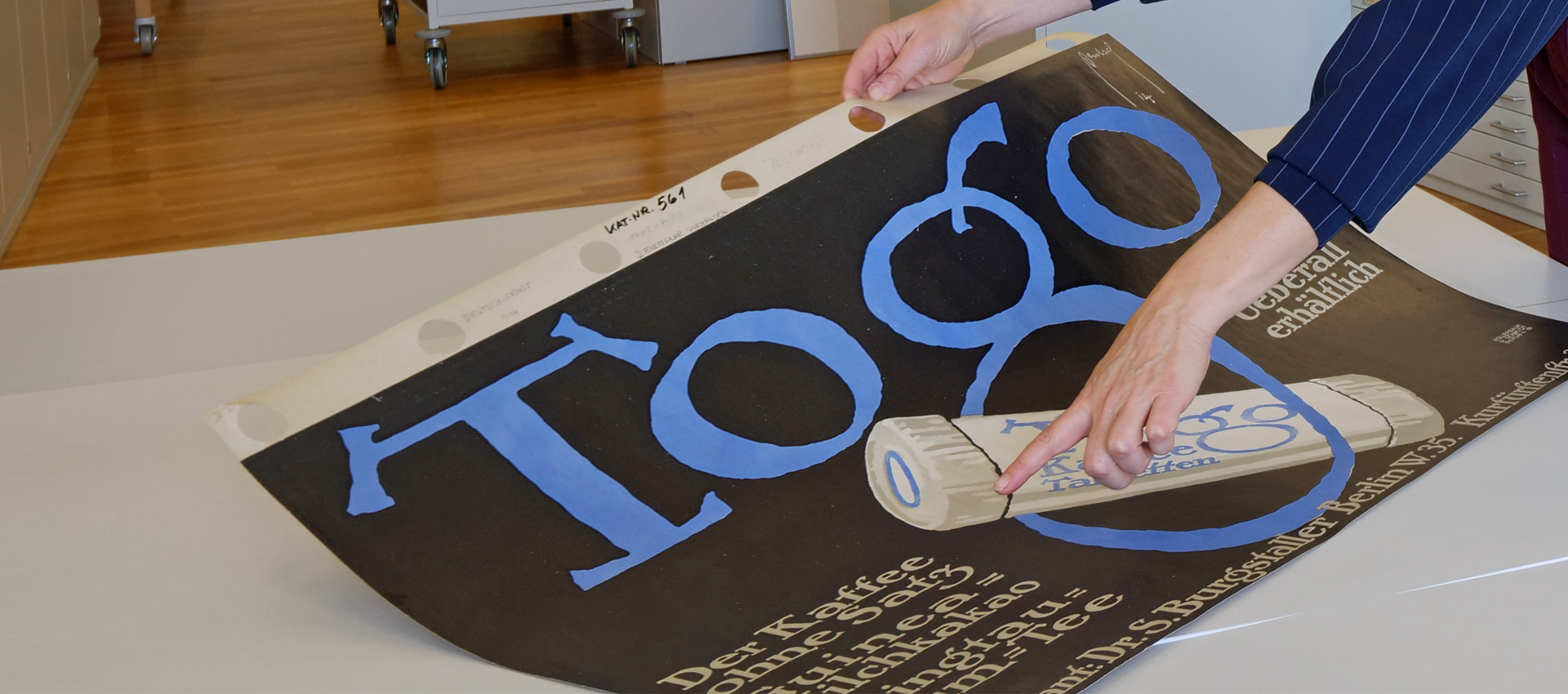
Winter: We provenance researchers don’t work alone, but rely on support from archivists, museologists, storage managers, conservators and sometimes even hanging teams who have to take large-format works off the wall. That involves many, sometimes very complex, steps.
Thielecke: The Legal Department could also do with more staff. Mainly because restitution cases have become far more complicated than is often perceived from the outside. Even the research for a single case can be difficult, for example when access to the archives is denied. And even if a restitution case is straightforward and it is clear who the heirs are, a work cannot be returned in five minutes. Often, the heirs first need to get their affairs in order, require legal support and frequently also need access to their own, sometimes completely fragmented, family history. That is why it can sometimes take several years before such a restitution agreement is actually finalised. All of this is incredibly labour-intensive, which is why our capacity is usually insufficient to handle three other cases in parallel.
Even if it is clear who the heirs are, a work cannot be returned in five minutes.
Carola Thielecke
You just mentioned that cases have become more complicated these days. Whereas years ago it was mainly about so-called ‘confiscation cases’, nowadays it’s mostly difficult sales that land on your desk. How has your work changed?
Winter: It has certainly become much more complicated. At the beginning, we mainly dealt with individual cases, mostly concerning works confiscated by the Nazis, which were brought to our attention by lawyers or representatives of heirs, or which we had noticed ourselves. However, we now research our holdings very systematically from various perspectives. The ‘simple’ cases have already been dealt with. What remains now is the vast ‘rest’.
We now need to investigate items in the inventory listed as ‘acquired from art dealer X’ or from ‘unknown person Y’. This involves a much less clear-cut type of loss. Take the Dresdner Bank complex. This involves 4,400 works of art that the bank received as collateral from various Jewish owners. As part of the restructuring process of the insolvent bank, the Prussian state purchased the works in 1935 and passed them on to Berlin’s museums. The question now arises as to whether these works of art must be restituted today – and to do so, we must examine the sometimes highly complex background of the individual loan transactions.
Furthermore, we are not content simply to upload research results to Lost Art (www.lostart.de) and consider the matter closed. We are concerned with finding solutions for the objects, the books or the artworks, and that is why we do invest time in searching for the rightful owners. This means things take longer, and we are sometimes criticised for it. But it is still the better way.
And when will you be finished with it?
Thielecke: It makes no sense to make projections. Even if I believe I have researched a case, there can always be new aspects to uncover. A case may seem harmless today, yet tomorrow it turns out to be highly complex. Alongside the cases for which a solution has been found, there are also the famous ‘yellow’ ones. Ten years ago we might not have been able to say anything about these, but now we can.
At the same time, our perspective on the assessment of cases can also change. Take the collection of Prof. Dr Curt Glaser, who was director of the Art Library and an art collector, but lost his post in 1933 due to his Jewish heritage and emigrated. It was only at the very end that it became clear to us that we were dealing with a restitution case. Even in cases where all the facts have already been gathered, discussions may still be reopened. It is simply a process that requires ongoing attention.
Ms Scheibe, how has the work on the library side developed?
Scheibe: We have been engaged in provenance research for over 20 years. However, this is not just about contexts of injustice, but about the provenance of the books as a whole. Over the past two decades, we have provided provenance data for almost 200,000 titles. That is a major achievement. The State Library has restituted 2,300 books; in total, we have identified over 7,000 titles as Nazi-looted property.
Often, we only know that these works were expropriated or confiscated by the Nazis. But we do not know the previous owners. If the clues in the books do not provide enough information, we cannot find the rightful owners. Research simply needs to develop further in this area. Increasingly, other libraries and institutions have findings that help us make progress. It is important to have a good network of researchers and data.
Is that a lot or a little?
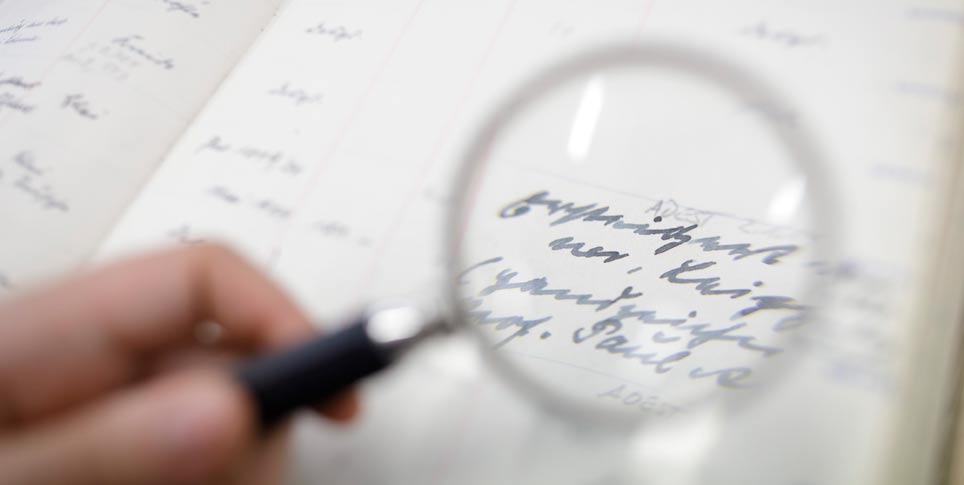
Scheibe: We are talking about three million printed works produced up to 1945. That is the State Library’s historical collection dating up to 1945 – excluding special collections such as bequests, autographs, manuscripts, maps and music. I cannot give any timeframe at all as to when we will have finished this. We are, of course, looking specifically at the accession journals and inventory books to trace acquisitions from 1933 onwards.
From this, we can conclude that we have significantly more acquisitions of Nazi-looted material after the end of the war than before. This is, of course, linked to war losses that were compensated for. All too often, this was done using looted books that were ‘ownerless’ after 1945!
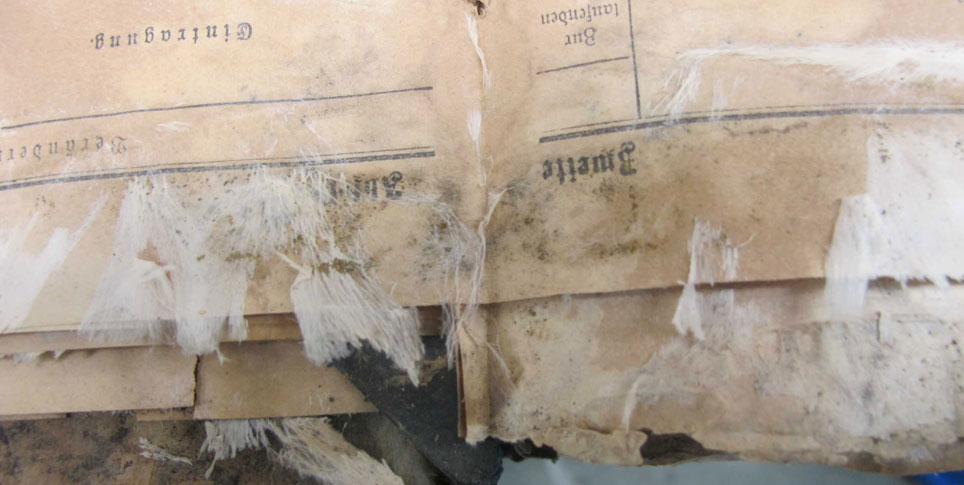
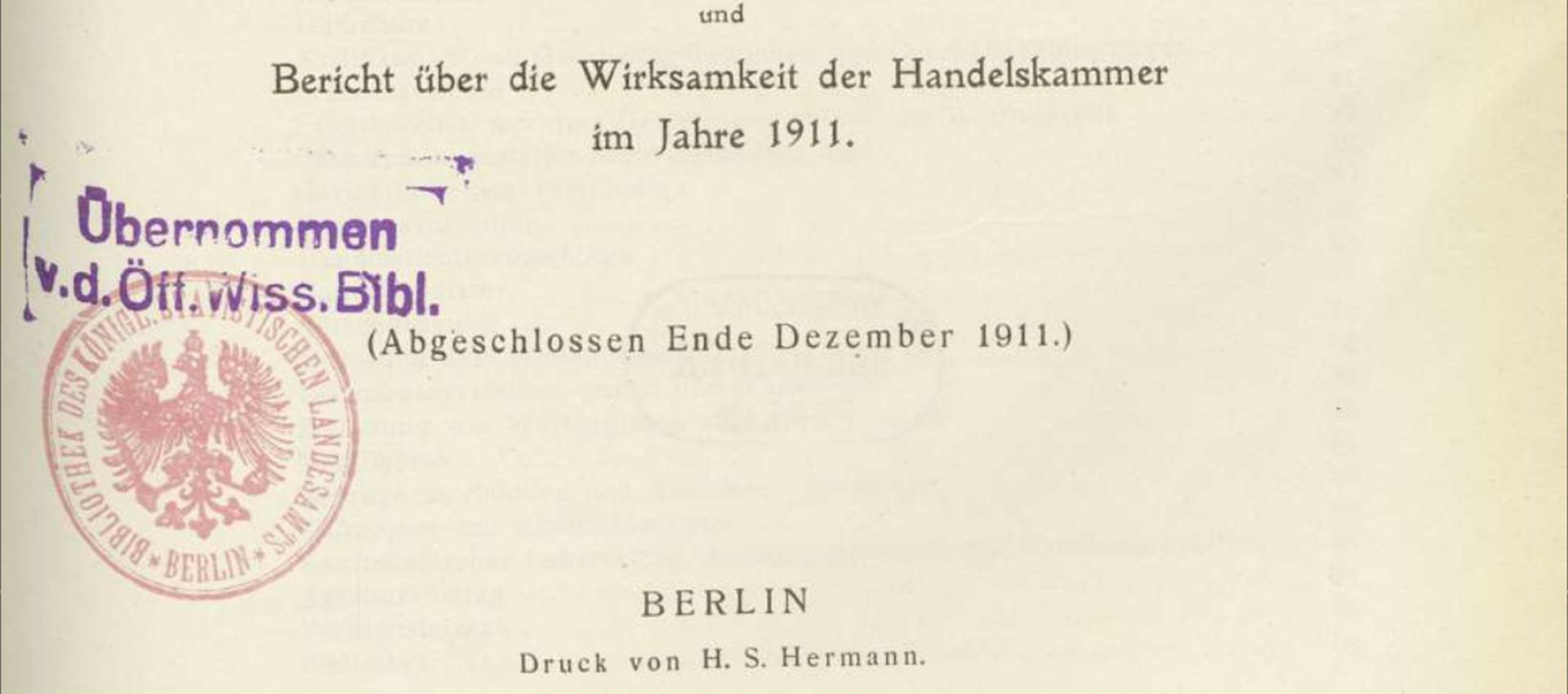
At the same time, our sources lose some of their clarity after 1945 – instead of a specific supplier, they often simply state ‘old stock’, and then we have to start opening every book and searching for clues within them.
Over the past two decades, we have added provenance details to almost 200,000 items.
Michaela Scheibe
Provenance research now deals with various historical periods: we’re investigating Nazi-looted art, we have to address injustices committed under the GDR, and we also need to keep the colonial context in mind. How is that manageable? Is there a hierarchy? Or do these areas run in parallel?
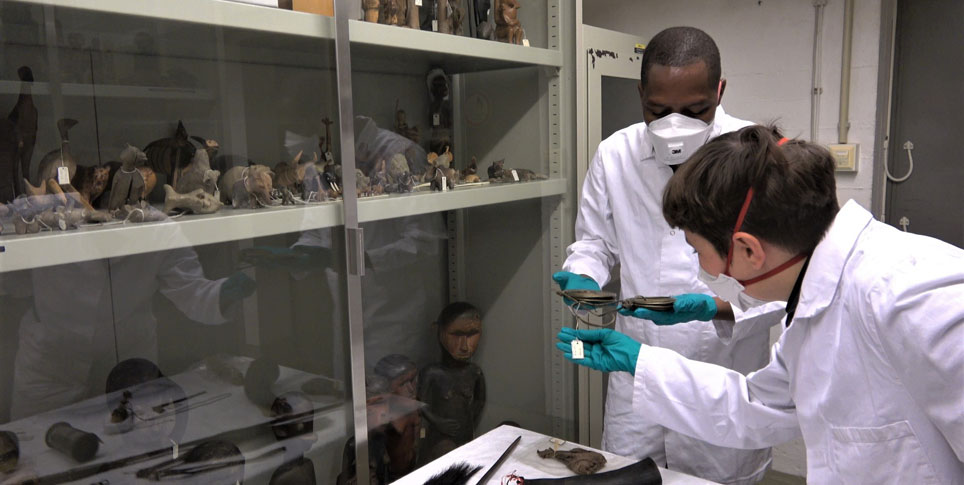
Winter: We are now in the fortunate position where it is no longer down to a single person to manage everything, but rather a team of seven permanent researchers can carry out research at the Central Archive. The colonial contexts in particular are truly specialised, and a basic understanding of ethnology is more essential here than a degree in art history.
There is overlap in methodology and we engage in intensive dialogue – with learning benefits and synergies on all sides. This is truly a distinctive feature of the SPK; other museums do not have this. So if it becomes clear at the Ethnological Museum that an item has a Nazi context, then someone with more experience in the Nazi field can investigate it. There are even cases where all three of the historical layers you mentioned converge in a single object. Those are truly the team’s finest moments.
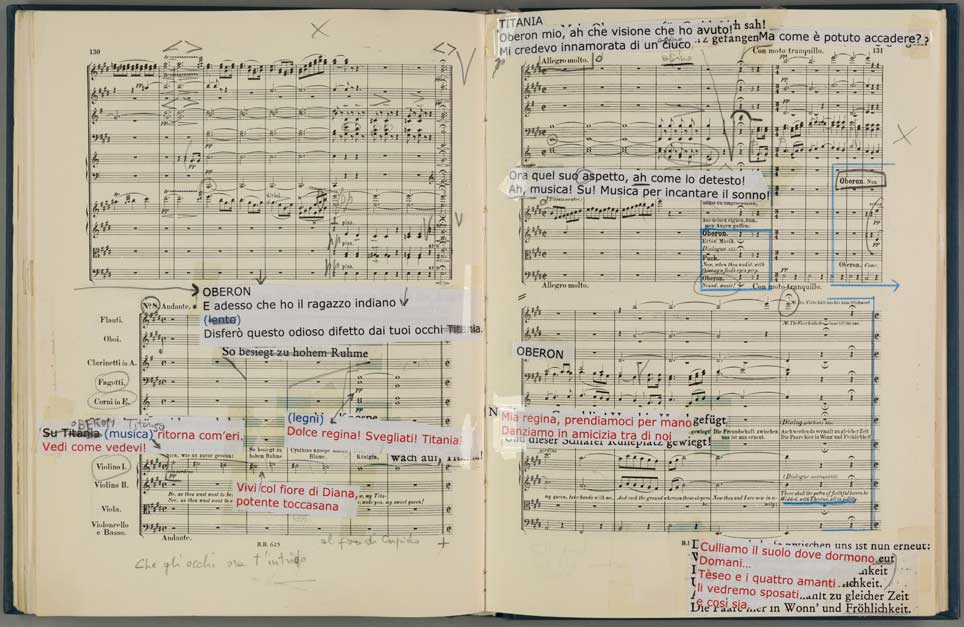
Scheibe: A context of injustice is not always immediately apparent. With the over 200,000 works mentioned that have provenance data, the fundamental aim is to reconstruct the history of the item. In hindsight, particularly in colonial contexts, it may turn out that this or that provenance is highly relevant and interesting. You start to take a closer look again.
Fortunately, the model we have developed for provenance recording in libraries is suitable for all contexts and can be expanded at any time. We face challenges when it comes to dealing with colonial literature. How, for example, should works created by or for the colonial authorities be presented?
The IN_CONTEXT project is attempting to provide answers to these questions.
Scheibe:IN_CONTEXT aims to digitise precisely this literature and has now made a selection. And the question then becomes: how do I contextualise this? In November 2023, we held our first truly cross-disciplinary workshop on colonial contexts in libraries. This is now emerging as a highly complex issue, and we are in the process of building a network to address it.
Ms Winter, communicating the findings of provenance research is a matter close to your heart. Why is that?
Winter: On the one hand, because we clearly perceive this need on the part of the public. Education officers in the museums report that visitors are absolutely curious about everything that happens beyond the painting on the wall. They now want to know more than just: What do I see in the picture and what did the artist mean by it?
On the other hand, we naturally also see in our work a responsibility for the stories behind the objects. These stories must be told. We want to make it clear to our audience that museums are not buildings full of looted art. At the same time, we are obliged to show how the collections came into being, what was acquired legally and what was not.
We are engaging with this discussion, which is, after all, also a debate about our predecessors. I am glad that we are now clearly naming what was wrong. For decades, this seemed to be a taboo, because the glorious former directors were, of course, saints. That is unimaginable for us today, but it was not so long ago.
Does this also change the way we view a work? Can you still visit a museum today without a care in the world, or do you find yourself always wanting to see the other side of the story?
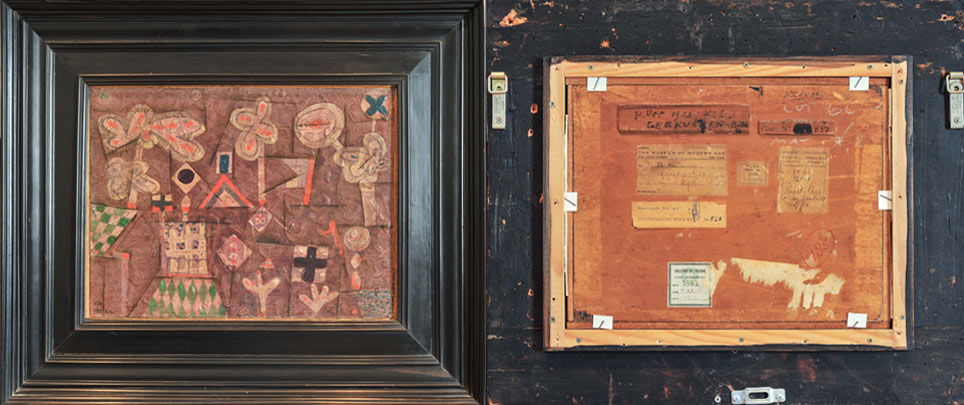
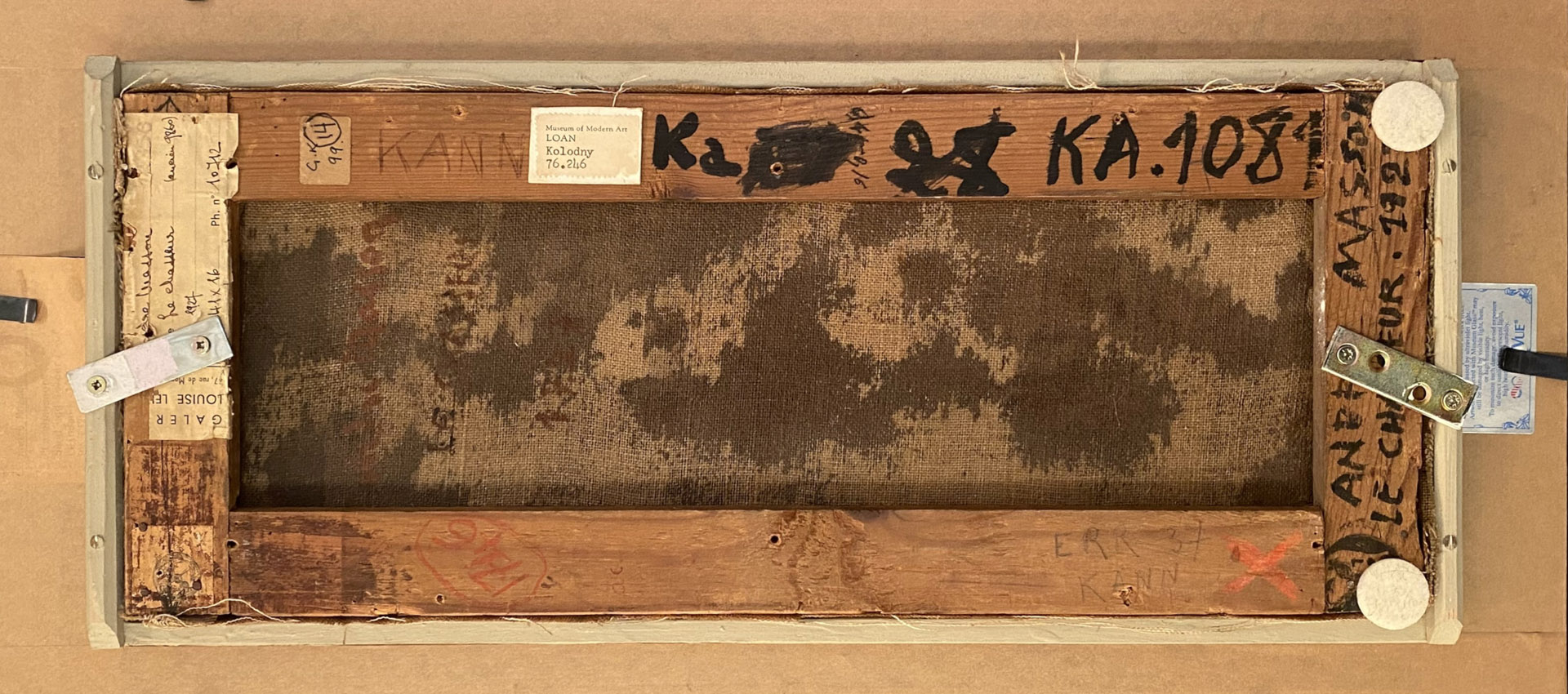
Winter: I always look at the object label first: is the provenance really complete? Only then do I look at the painting or the sculpture. It’s an occupational hazard. I don’t just want to be told what I can see anyway; I’m actually more interested in the history of a work. If you could always see the backs of the paintings, that would of course be incredibly fascinating. Perhaps we’ll get display cases like that one day.
I’m glad that we’re now openly acknowledging what was wrong. For decades, this seemed to be a taboo subject, because the glorious directors who came before us were, of course, saints.
Petra Winter
Your work focuses on securing justice for the descendants of the victims. Would you say that, in most cases, this has been successful? Can we speak of a spirit of goodwill between the parties?
Thielecke: Our experiences have generally been positive. This is particularly true when we have made it clear that the other side’s needs are taken seriously and that we treat the descendants with respect. Of course, there are also cases where this has not been successful. In the early years, lawyers often represented relatively well-known collectors. These individuals had already dealt extensively with their losses, so the cases were much more thoroughly processed.
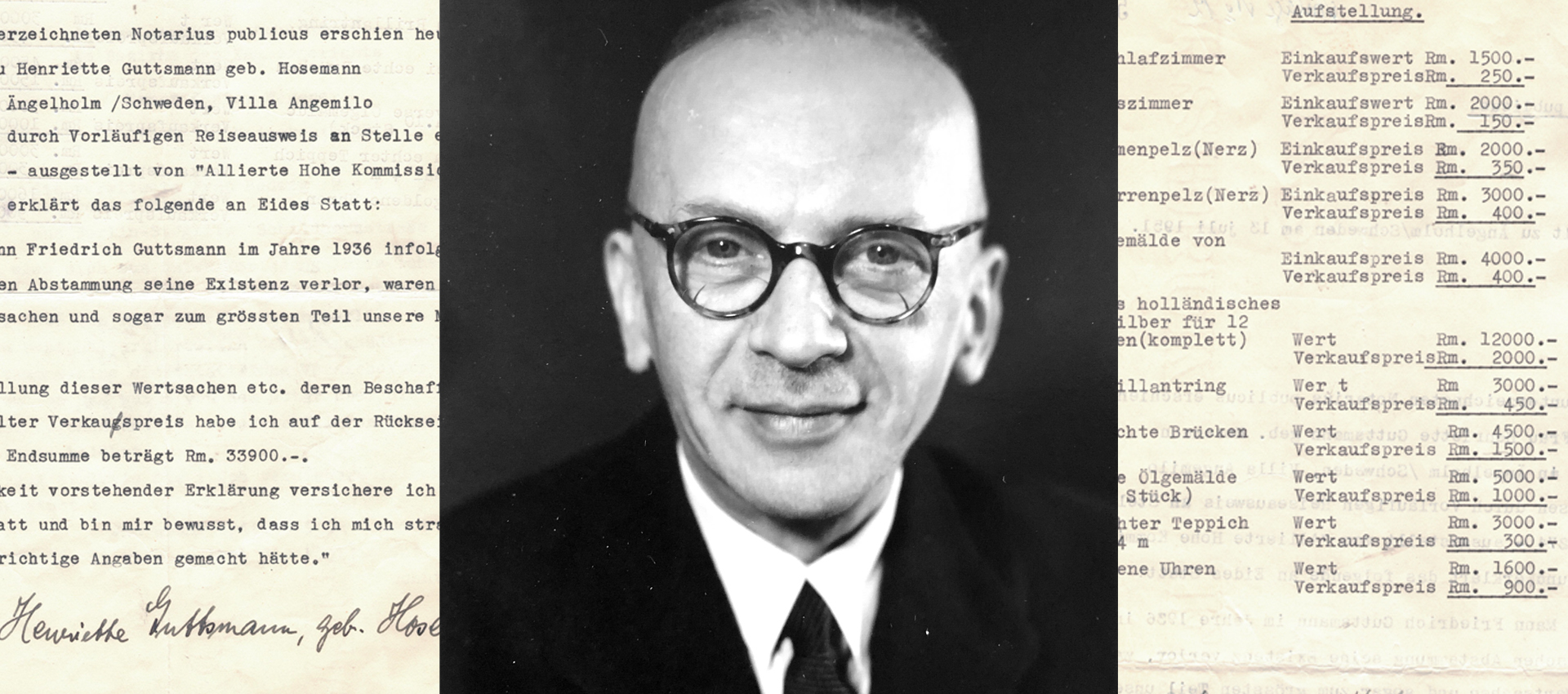
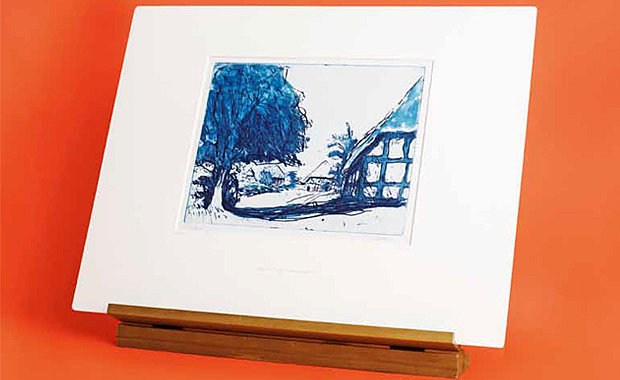
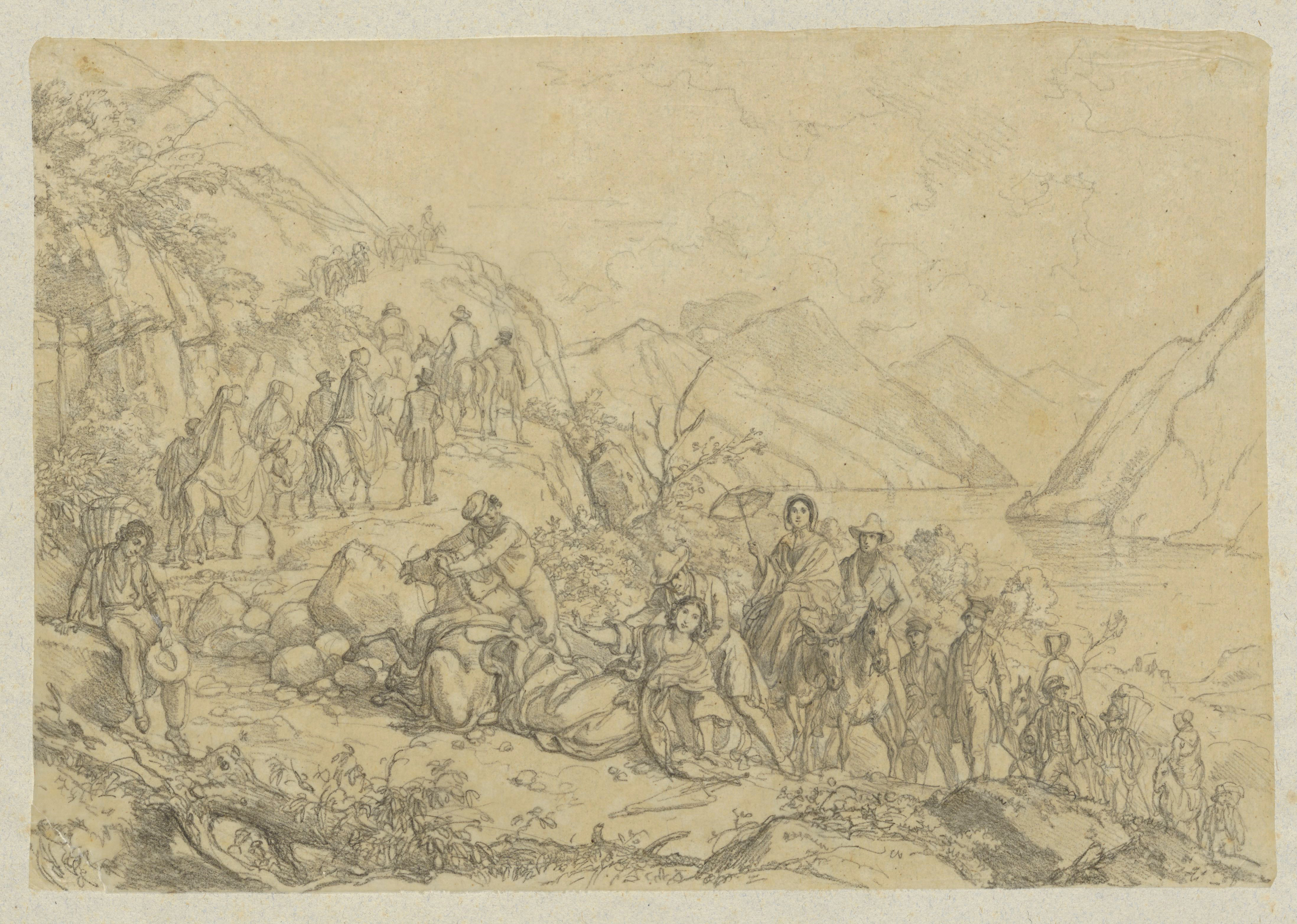
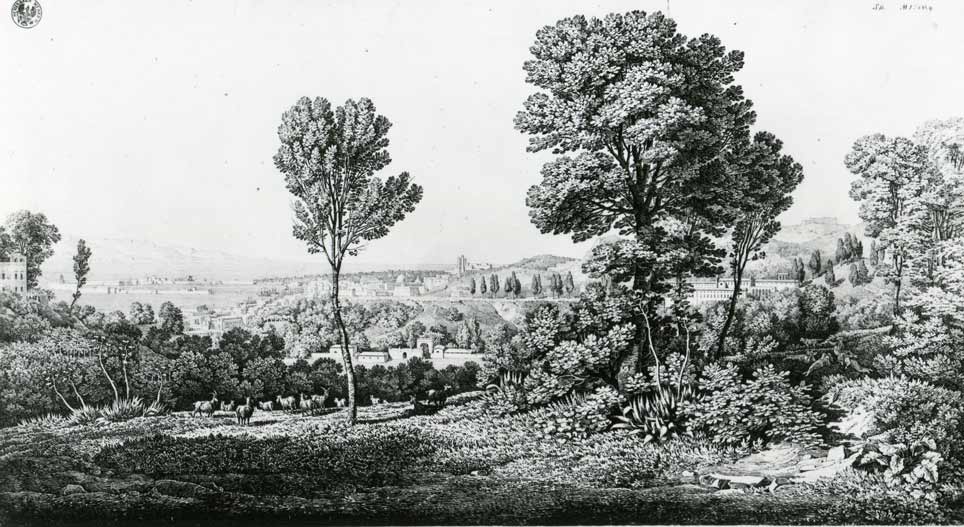
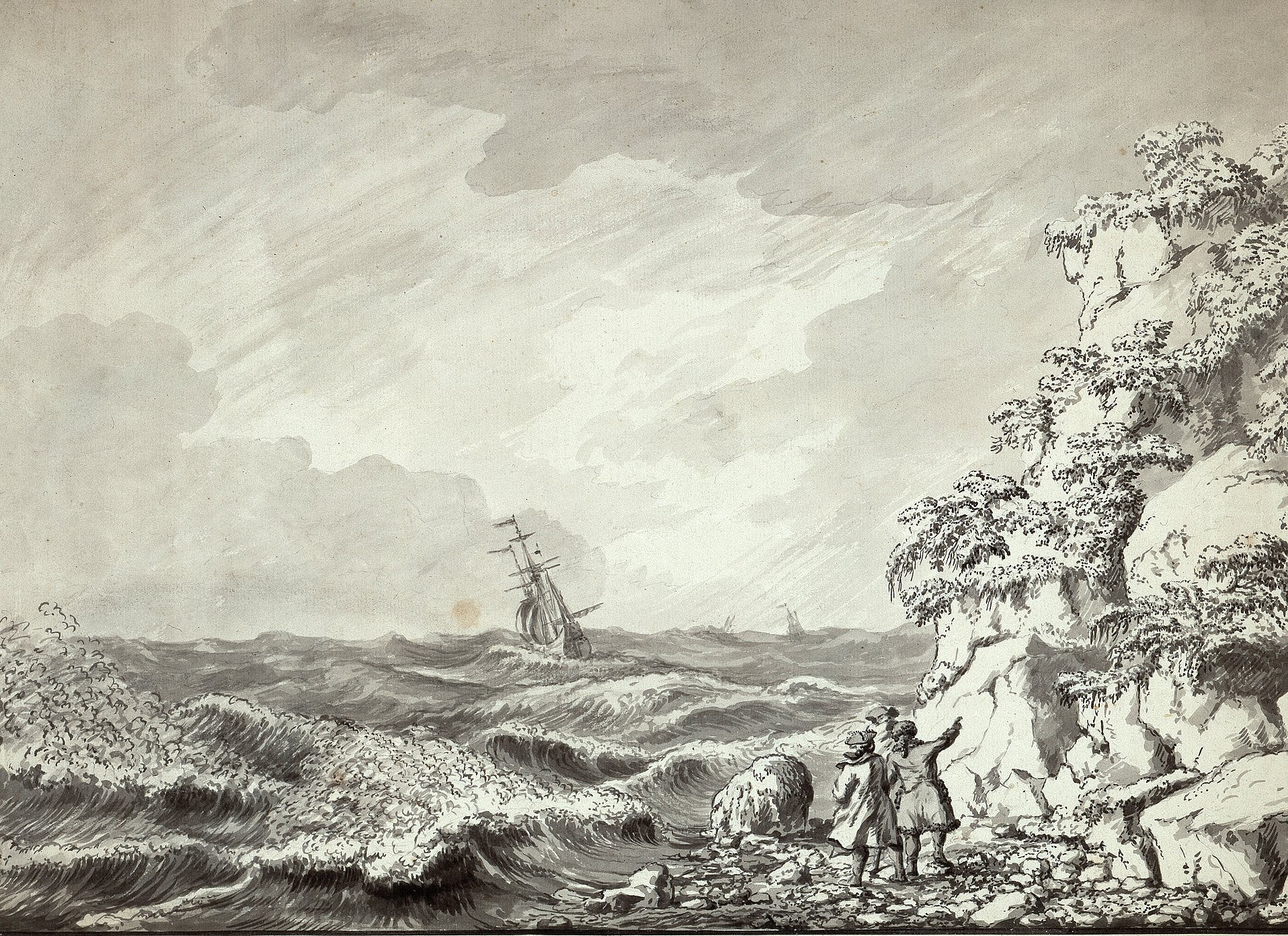
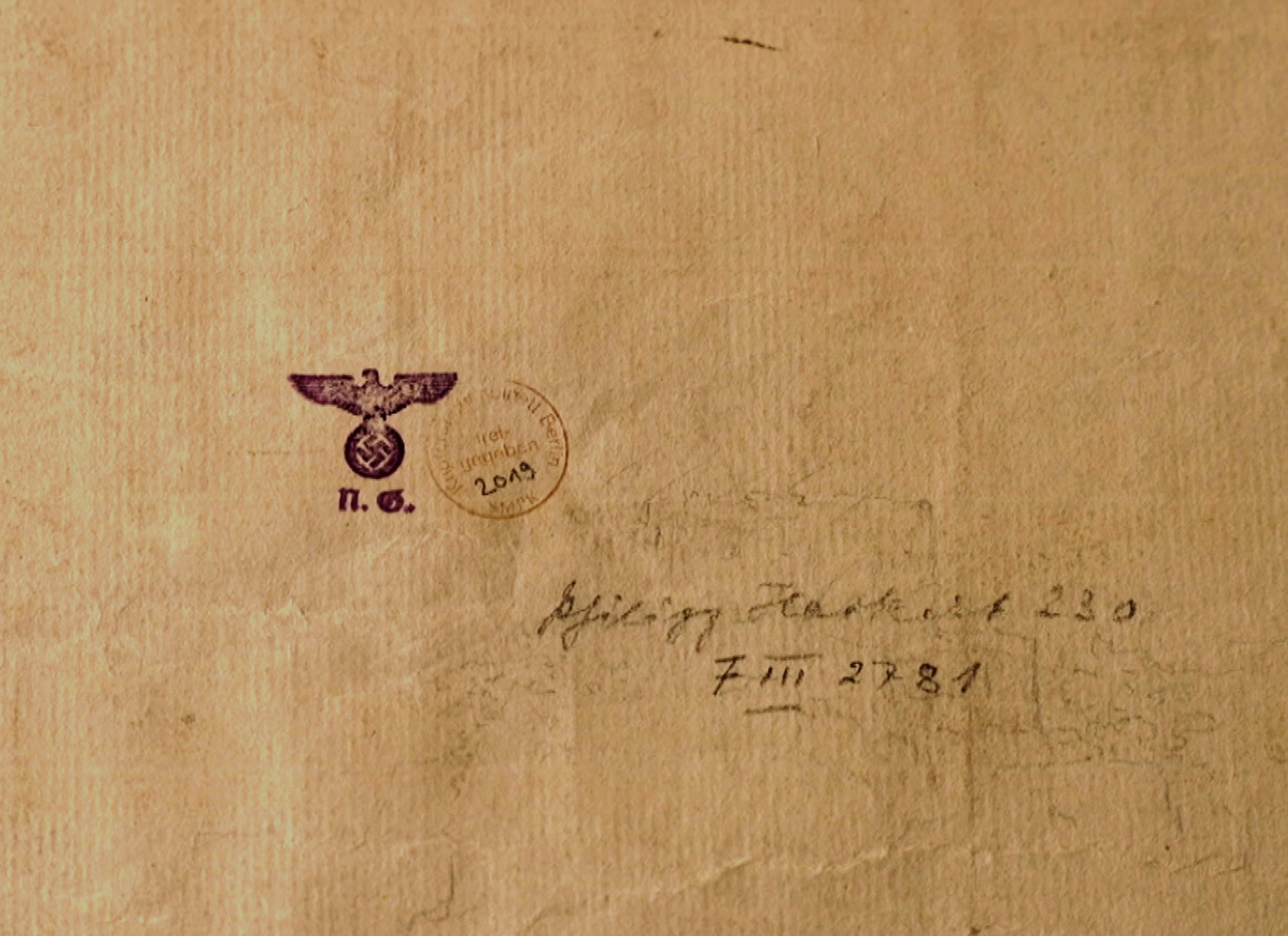
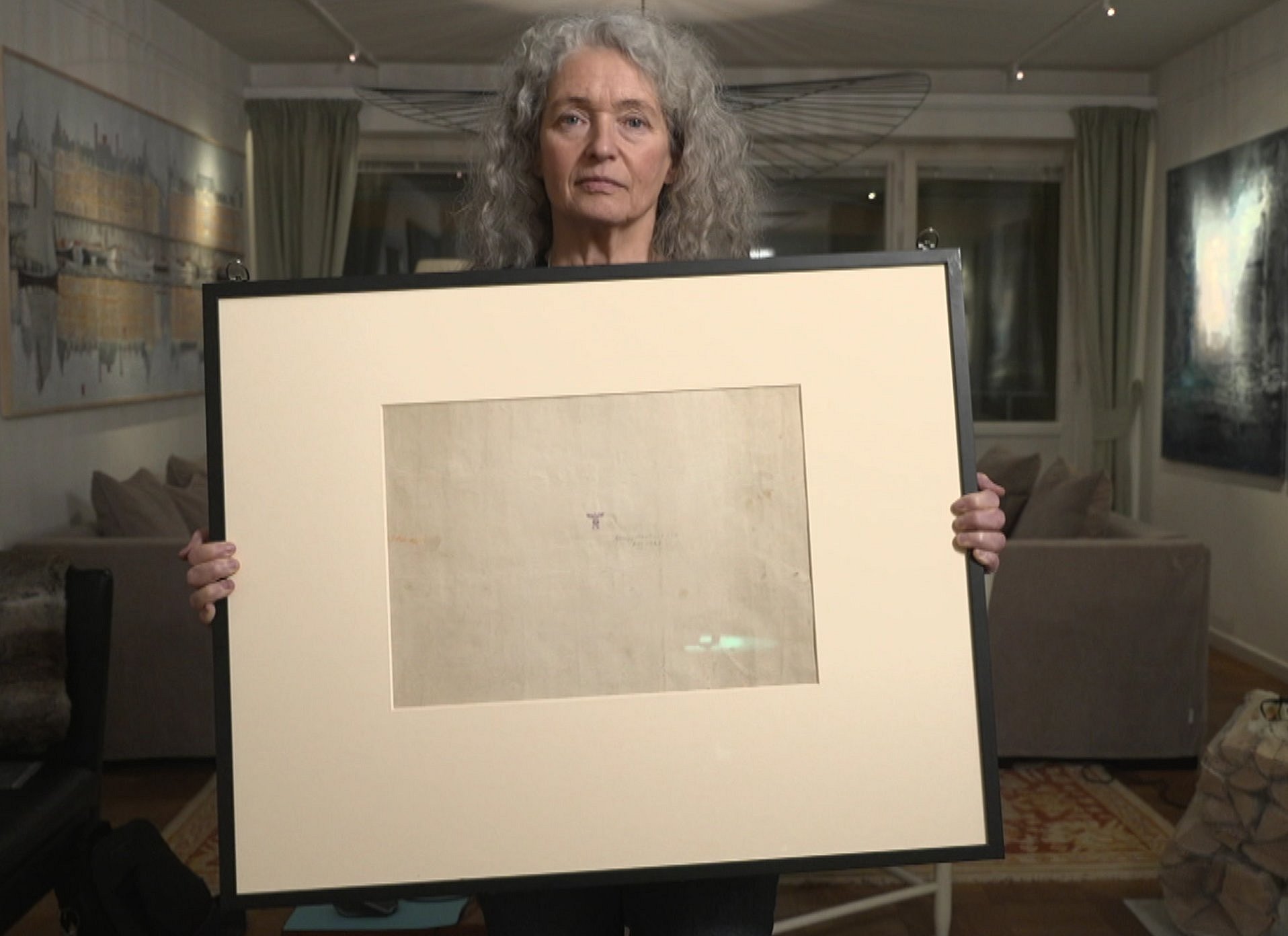
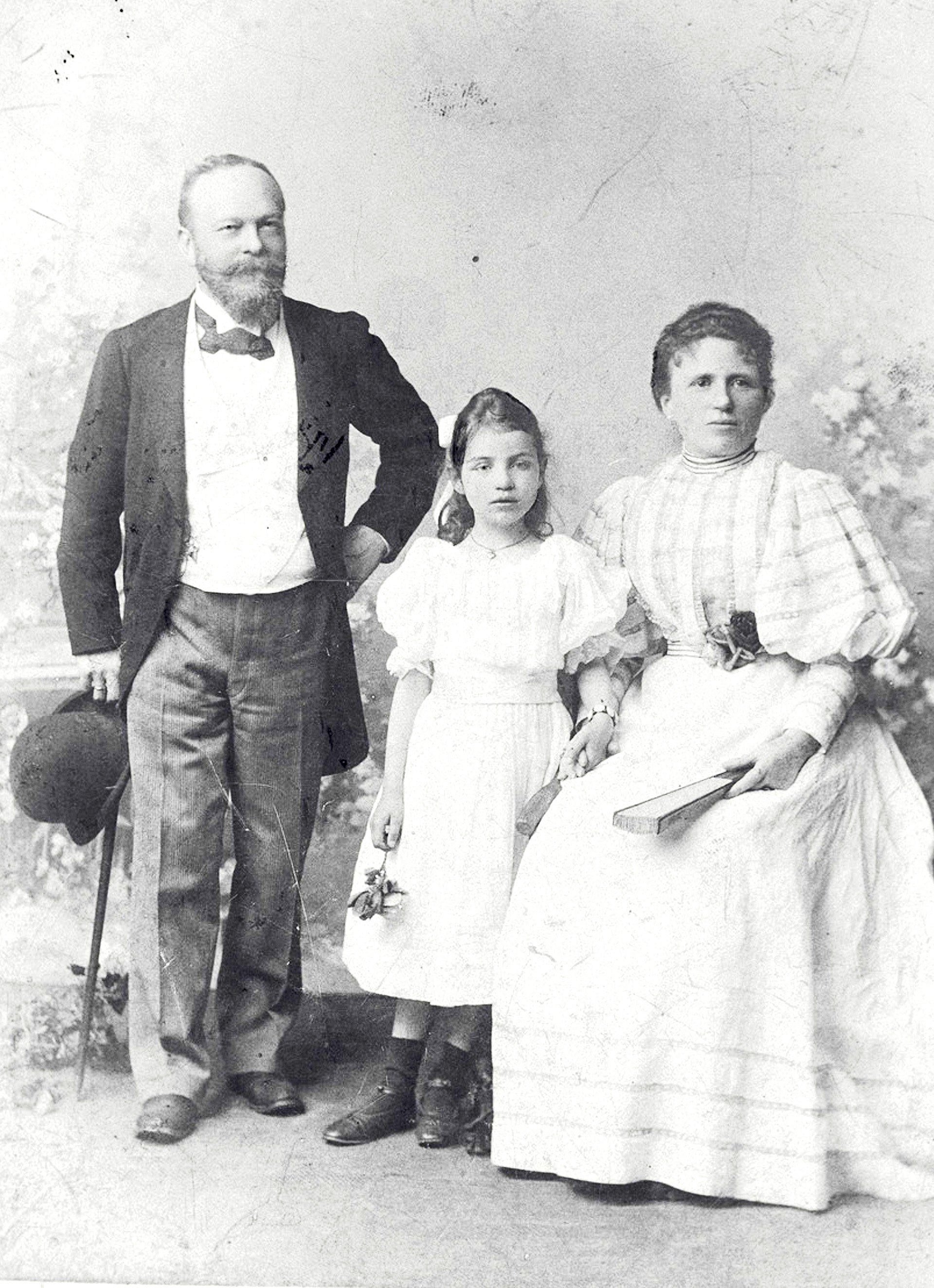
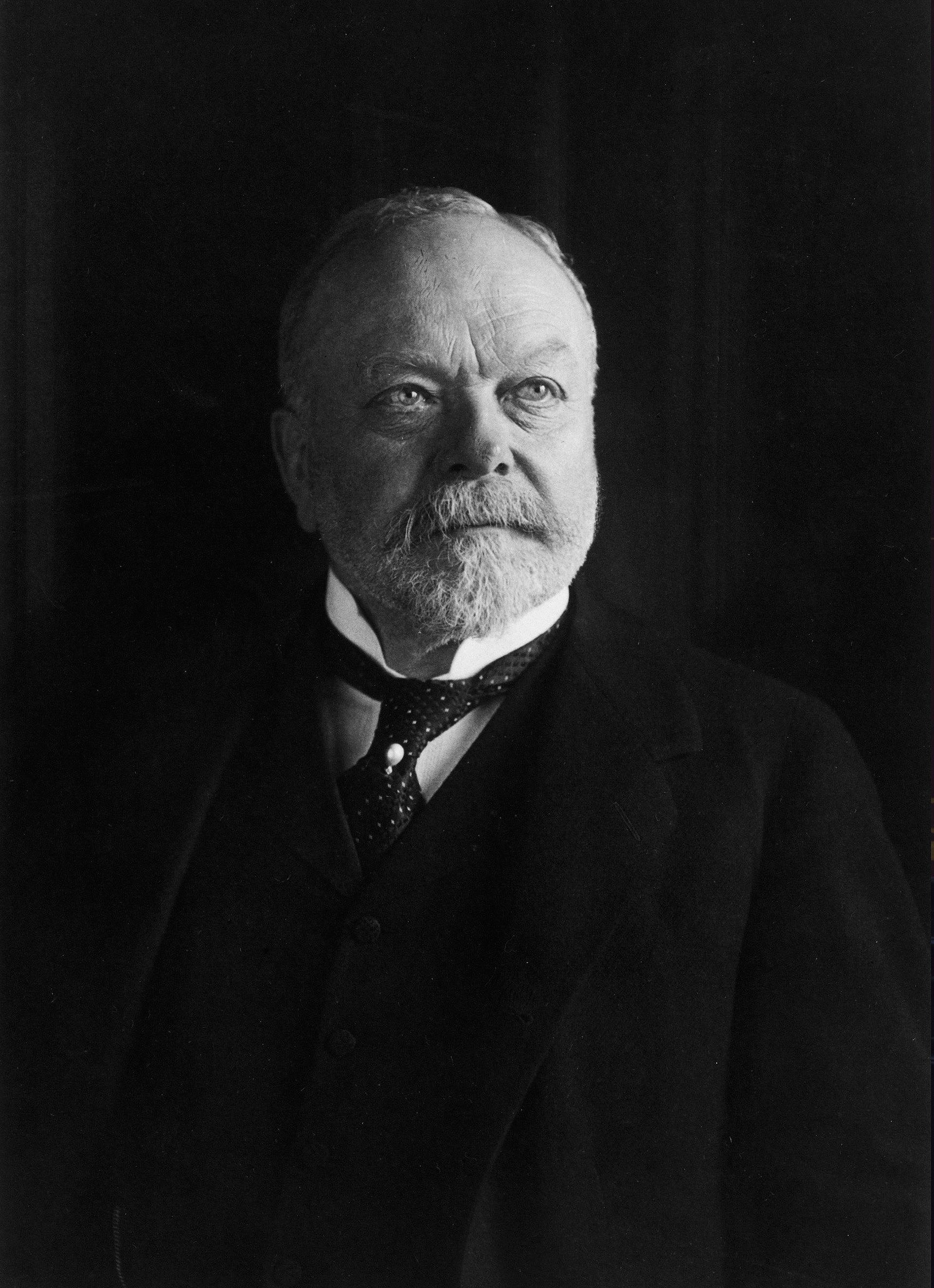
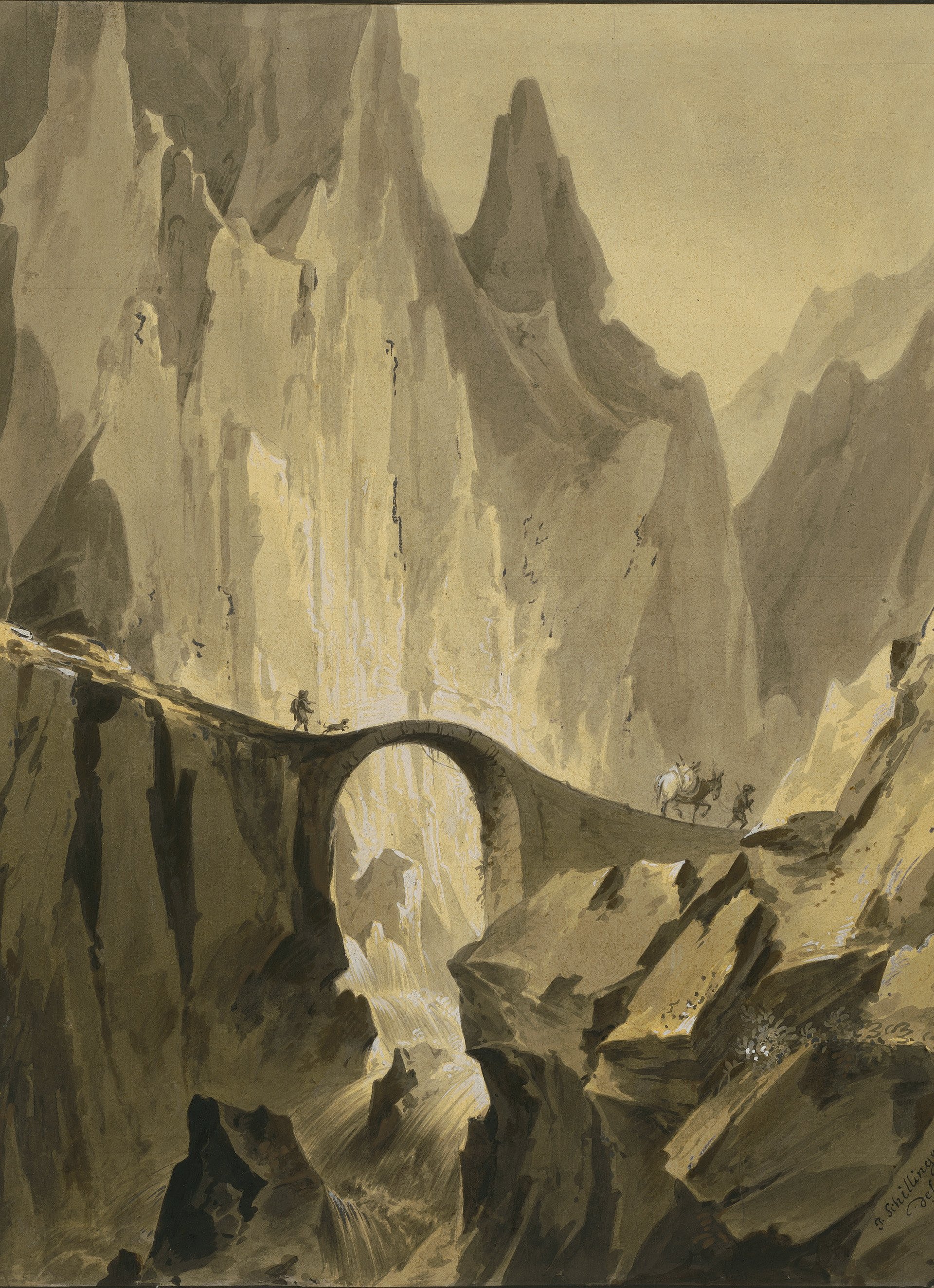
Today, we often deal with communities of heirs who do not know one another at all. Their life stories and experiences are very different, as are their perspectives on them. How can there be a quick solution in such cases? However, we also have restitution cases that warm the heart. I am thinking here of the case of the Jewish Berlin merchant Friedrich Guttsmann, who was forced to sell works of art under pressure but was still able to emigrate. In this instance, we not only restituted the drawing ‘Auf Hiddensee’ by Jakob Philipp Hackert, but a wonderful connection developed with his descendants in Sweden.
You simply cannot pick and choose the cases; instead, you have to find a good way of dealing with them all, even where there are conflicts on the other side. Sometimes it is very pleasant and very amicable, sometimes very challenging.
We must try to give the descendants enough time to sort things out. If one branch of the family ended up in Argentina and the other in South Africa, and they have had no contact with one another for over 70 years, one cannot expect them to immediately agree on what their ‘fair and just solution’ should look like.
Has it actually always been easy to convince museum directors or curators that they must part with items acquired unlawfully?
Thielecke: There has been a shift in this regard. In the early days, museum colleagues certainly asked critical questions about restitution. Nowadays, there is also a new generation of museum professionals who have been socialised quite differently and are also more open-minded.
Of course, there have sometimes been colleagues who were very attached to one work or another, or who didn’t necessarily want to go along with our assessment. At the same time, one can certainly assess a case differently today than back then. So I don’t want to claim that we always had the right perspective on things.
Winter: All sides have simply become much more professional. At the start, the legal side was always miles ahead of the curatorial one. I know colleagues who said: ‘Do we really have to deal with provenance now? We thought it was all public property’.
There was a complete lack of awareness that the beautiful objects in the museum, which needed to be cared for, might have been taken from someone under duress. That actually had to develop first, both on the former East and West sides.
Were you aware of the extent of the injustice when you began your work?
Scheibe: No. What has been stolen and confiscated here is beyond belief. Many collections have been destroyed. Whatever we have found is always only a fraction of what once existed.
A collection that someone has built up with great love and knowledge is, in its entirety, more than the sum of its parts. And we are, after all, only ever discovering very few parts. We know of famous libraries containing thousands, tens of thousands, hundreds of thousands of books. They all followed a systematic approach and were built up with expert knowledge. And now we might sometimes find ten or five books. Sometimes even just a single copy. That is why exchanging information with colleagues who might find further parts of the collection is very important.
But even if we conduct successful research and link our findings effectively, we can no longer reunite these collections; they have been destroyed.
Winter: It’s actually exactly the same for art collections. We know of renowned art collections through catalogues, and only a fraction of them can be identified through years of research. I’m thinking of the collections of the great Berlin publisher Rudolf Mosse or the art dealer Paul Cassirer. There are masterpieces in there that ought to be easy to research, and yet they remain missing.
What the Nazi dictatorship destroyed here is truly monstrous. Over the years of working on this, I have come to the equally devastating realisation that the plundering of Jewish people was so comprehensive. It was not just about property and art, but ultimately about everything these people owned.
These people were to be completely wiped out, both physically and from memory. Through my work, I have once again become aware of the fact that the Holocaust was planned down to the smallest detail and carried out.
What would you like to see for your work in the coming years?
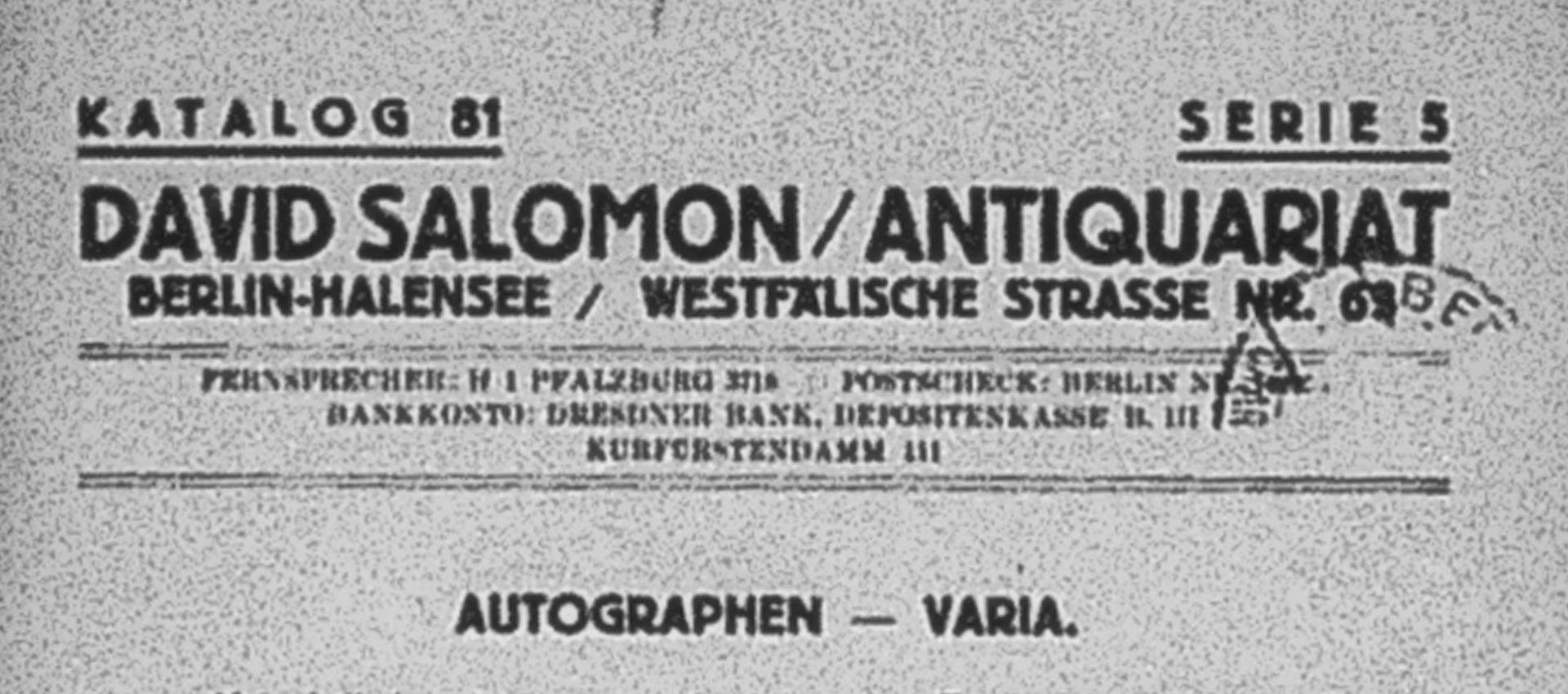
Scheibe: At the State Library, we only have one permanent post for provenance research, so I would like to see another post created so that we can systematically address colonial contexts in libraries. And I would like us to engage more effectively with antiquarian booksellers, without mutual recriminations. The archives of second-hand bookshops and auction houses are an important source for research and must therefore not be allowed to disappear. We are currently facing this problem with our project on the GDR’s Central Antiquarian Bookshop, where, despite our best efforts, we are unable to access the archive.
Winter: We need more staff in non-academic roles to properly process the collections, both in the archives and in the museums. Databases must be maintained and the findings communicated more widely to the public. Provenance research requires sustained political support, not just lip service.
Thielecke: I find the erratic way in which the public approaches the subject difficult. Time and again, people are quick to ask: why haven’t you done this or that yet? Yet they fail to realise that we are trying to clarify the many, many cases as quickly as possible – and within the timeframes mentioned. The work can only be efficient if it is freed from this pressure.
This agitation also tends to play into the hands of those who would rather see a clean break here. I would therefore like to see a little more composure, without slowing down the processes. But art, looting and restitution cannot be discussed solely in the context of daily headlines. Symbolic politics helps neither the victims nor us.
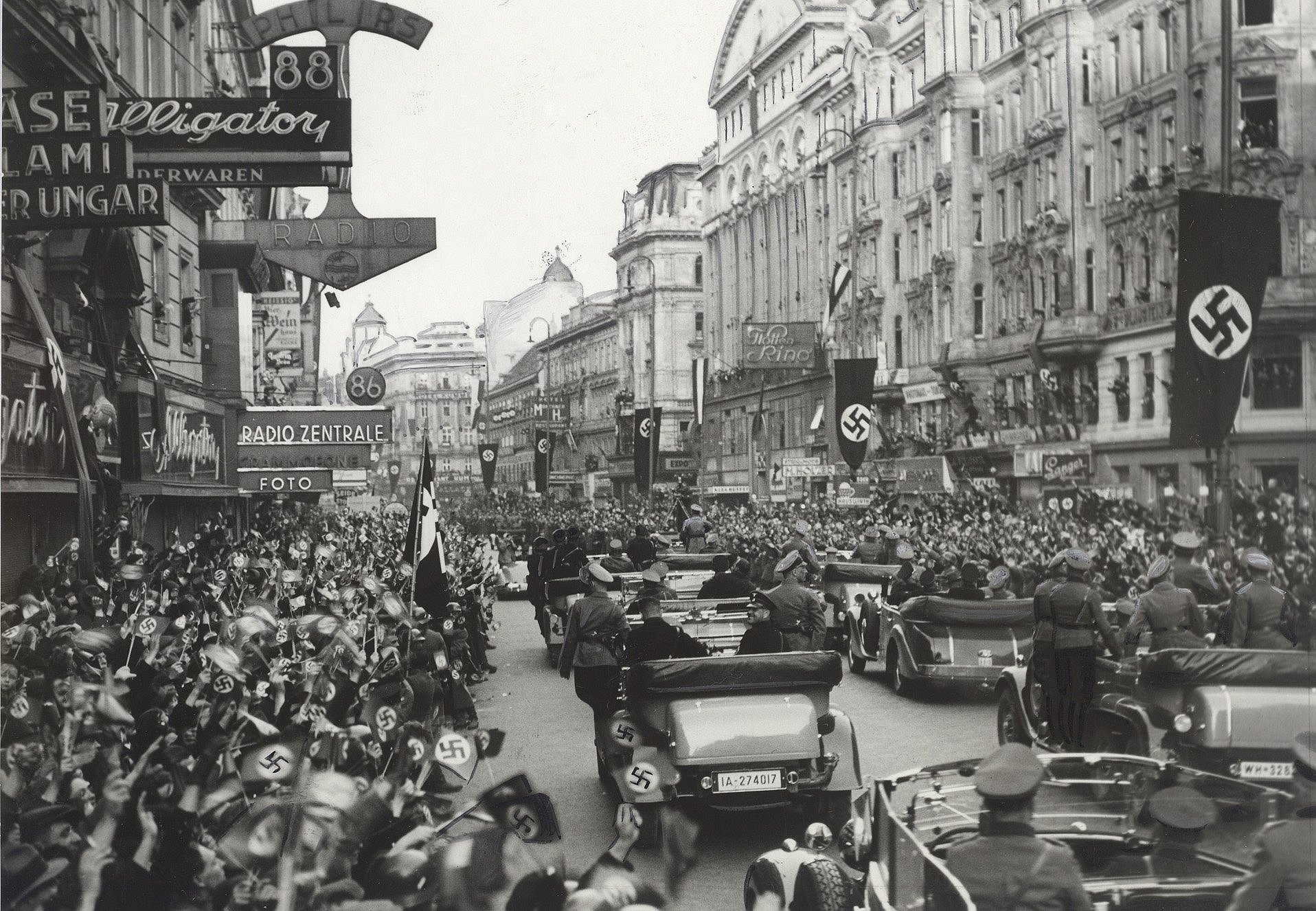
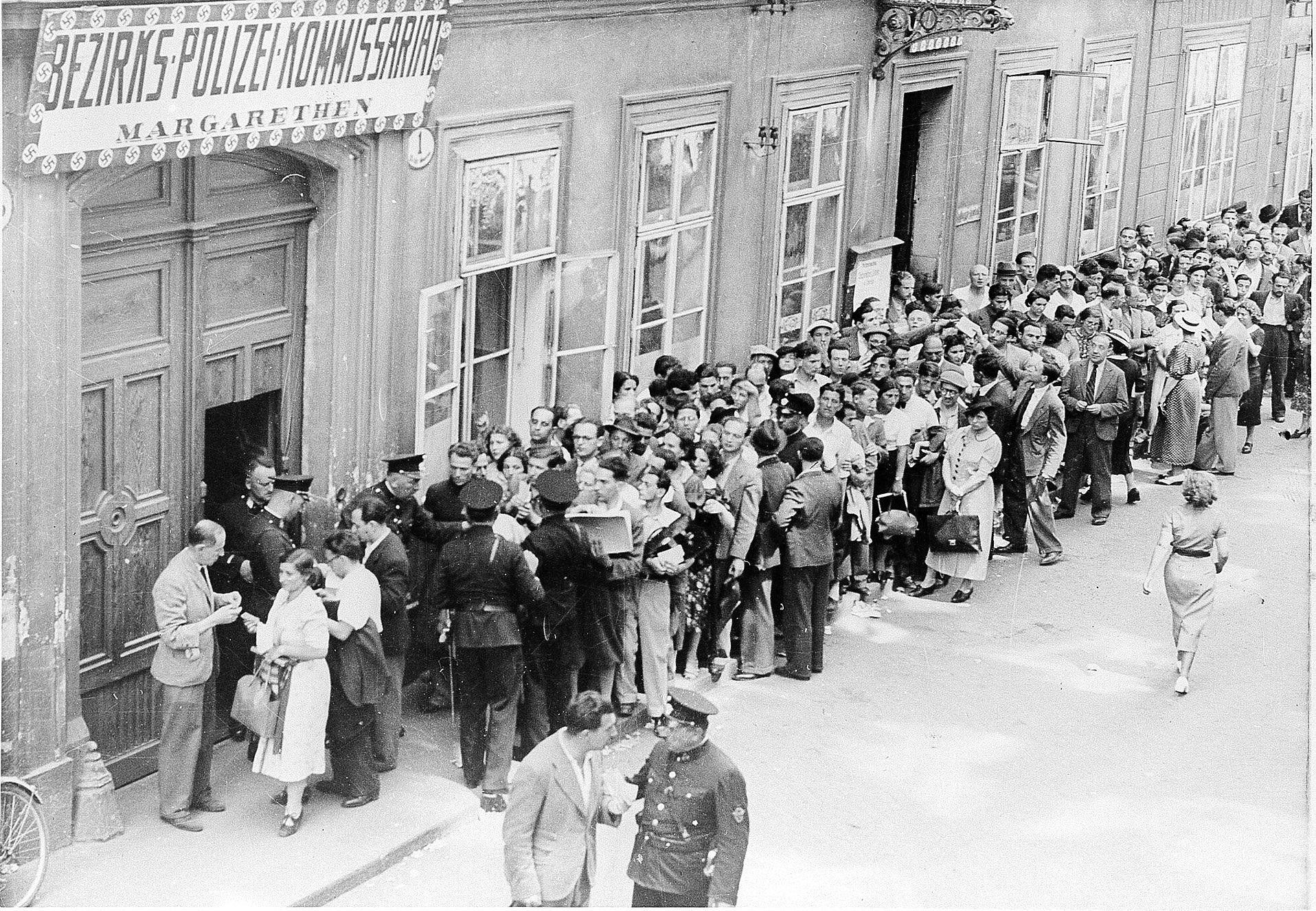
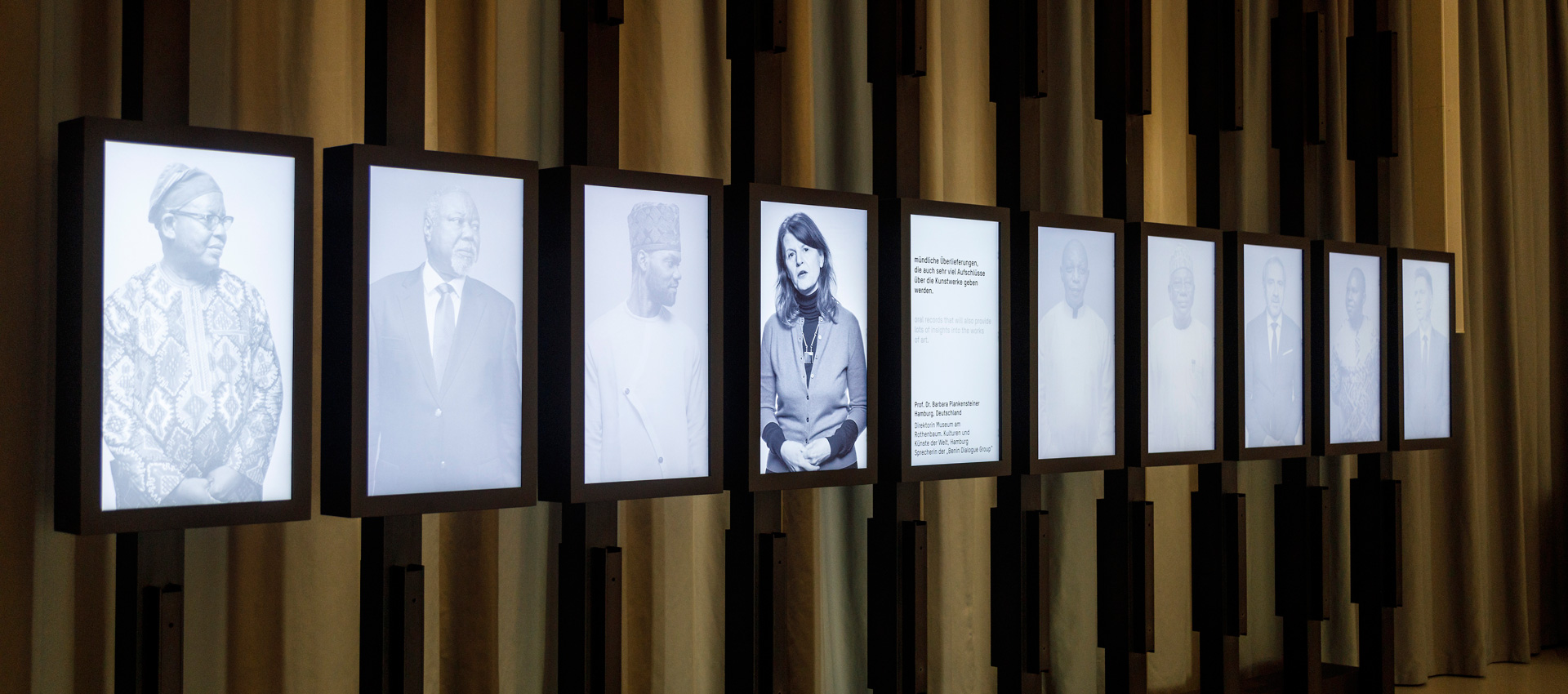
Art, Looting and Restitution – Forgotten Life Stories
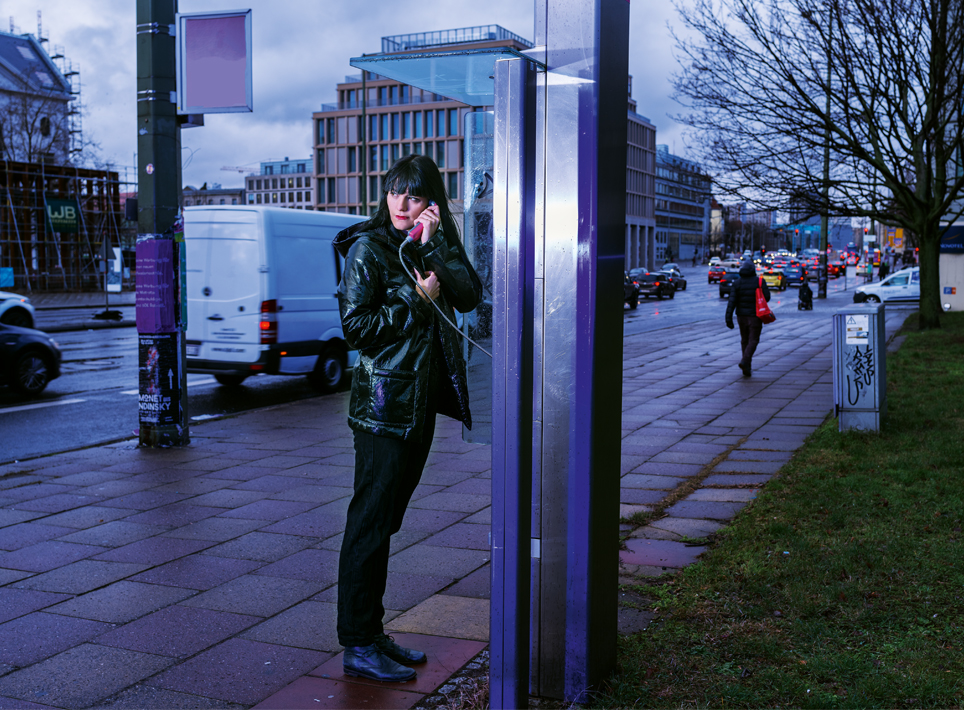
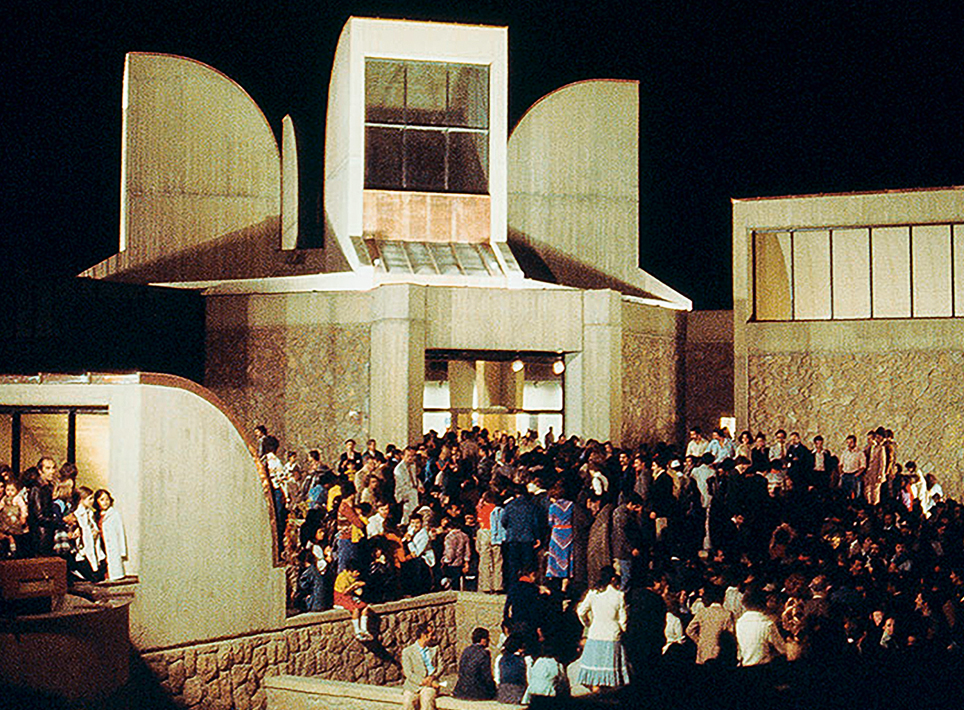
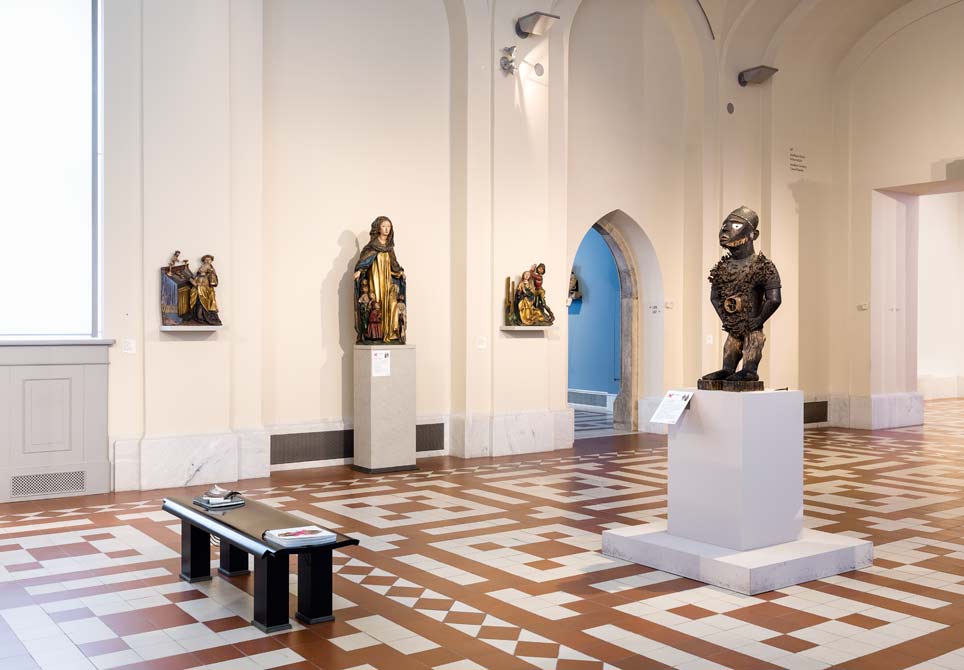
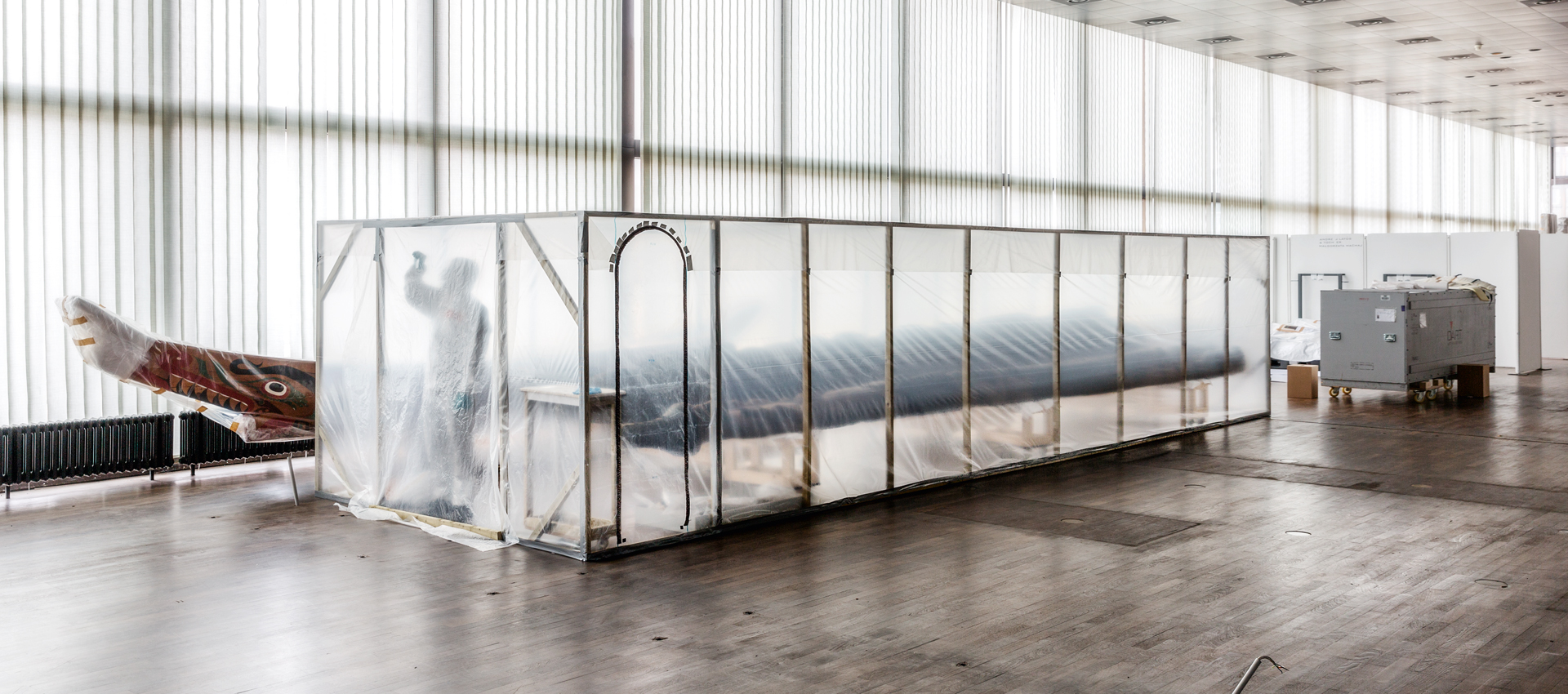
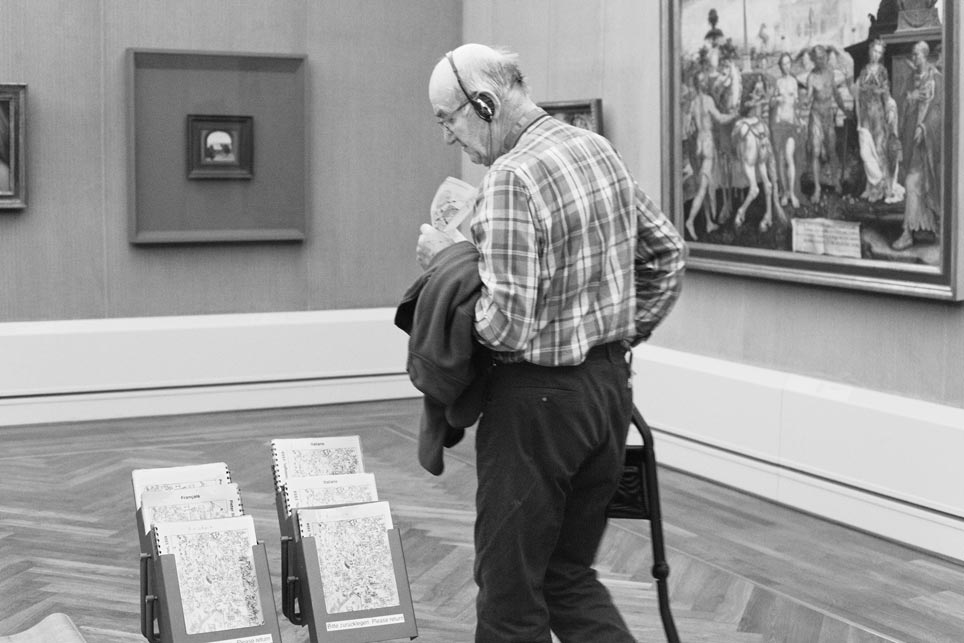
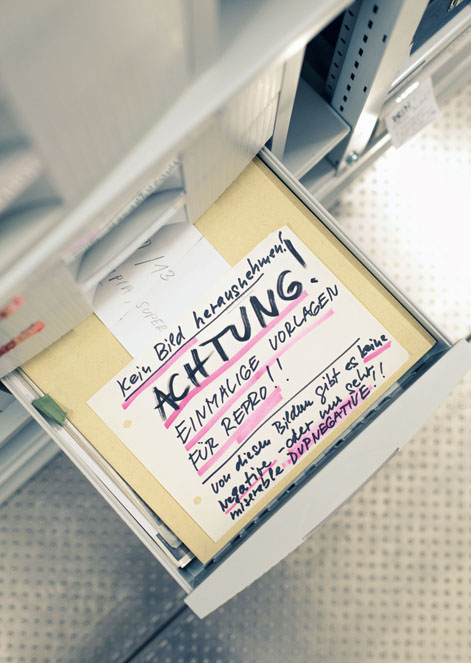
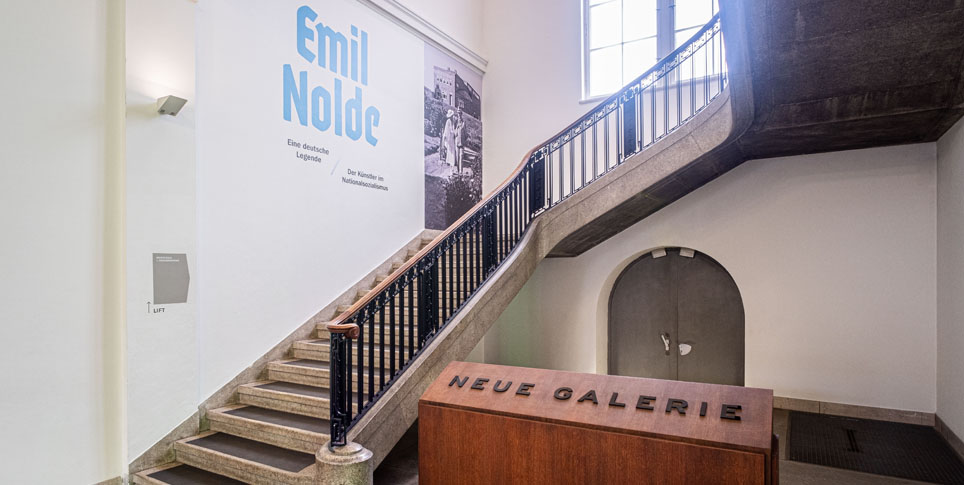
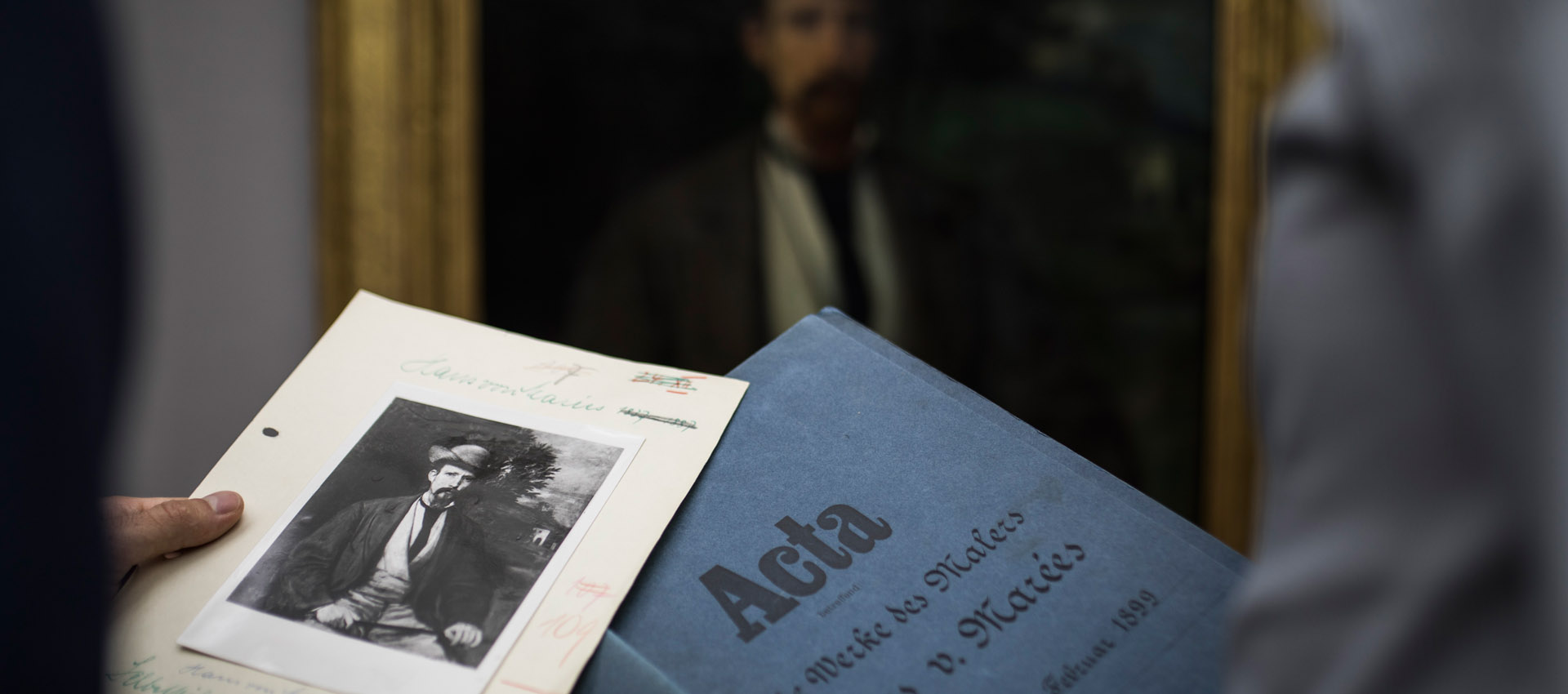
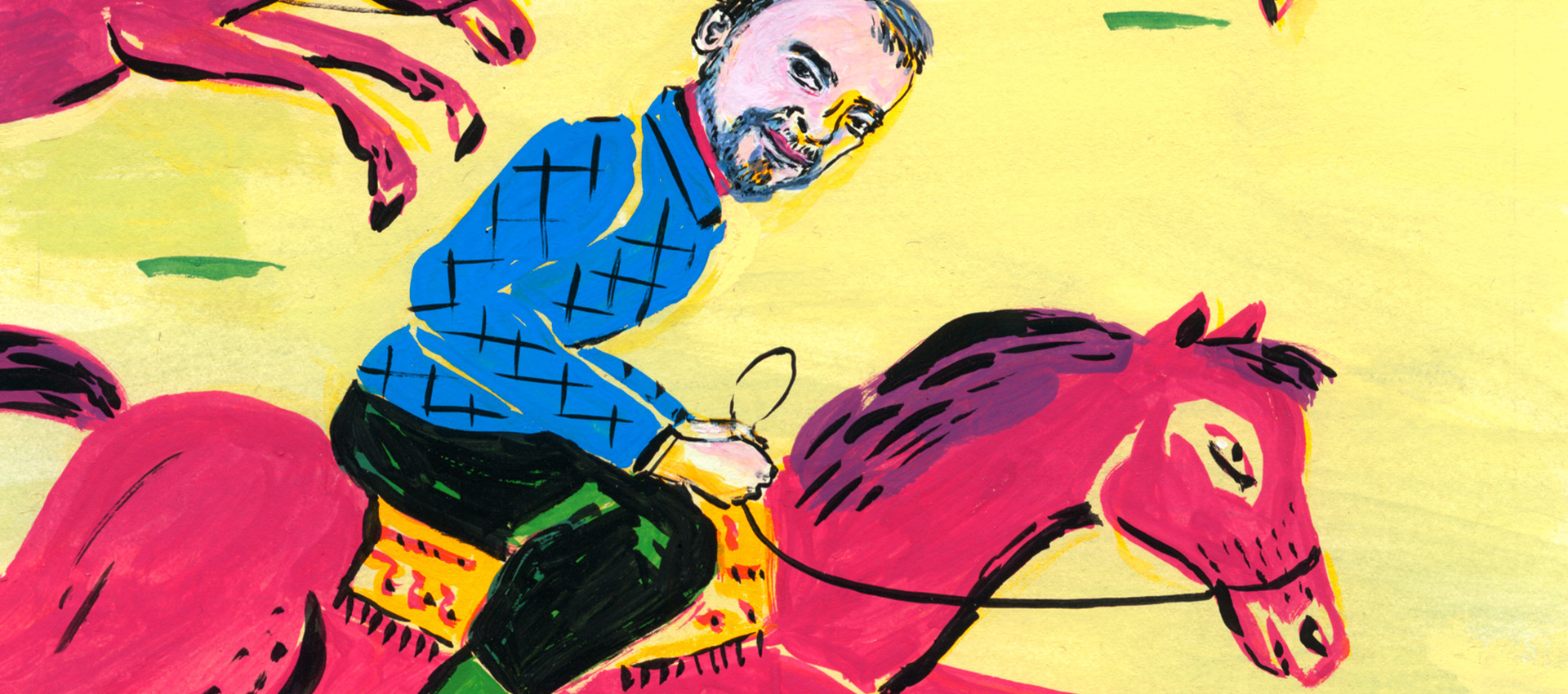
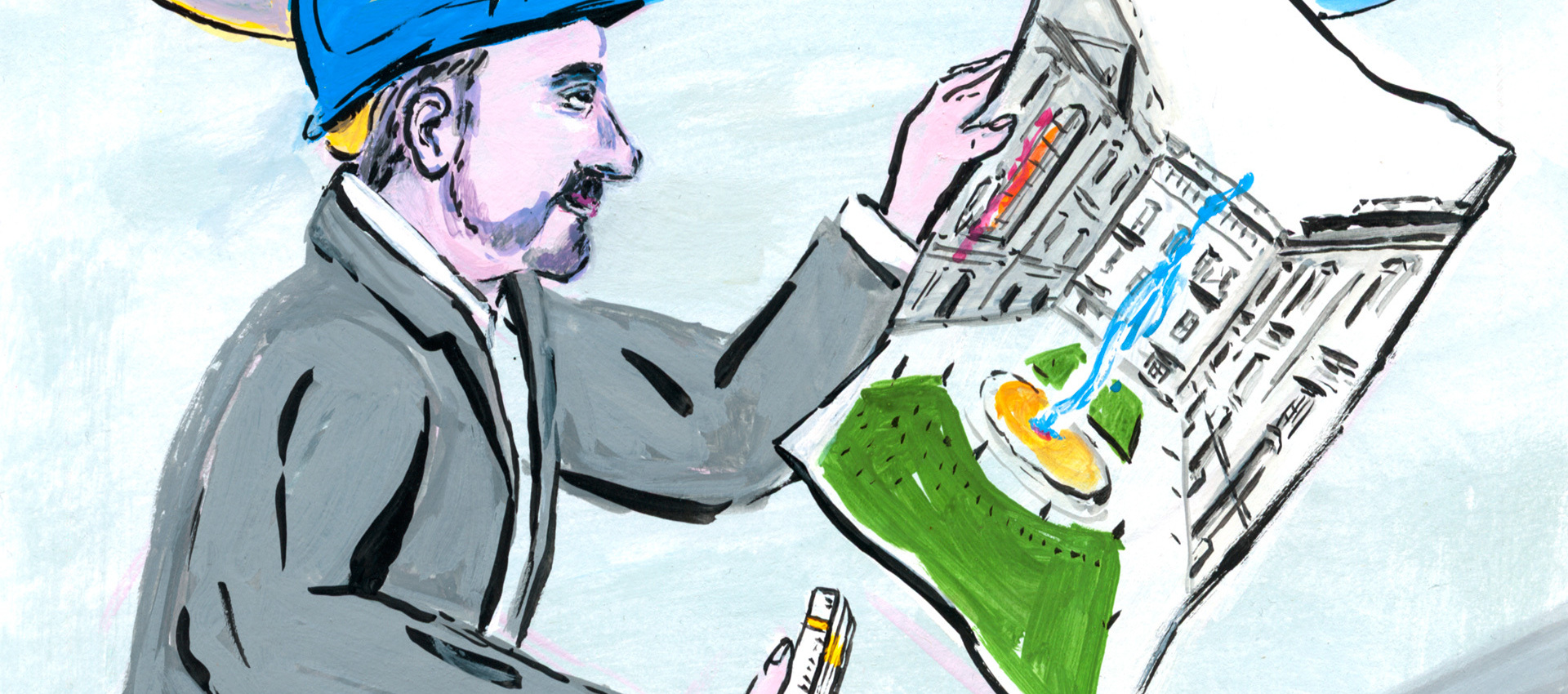
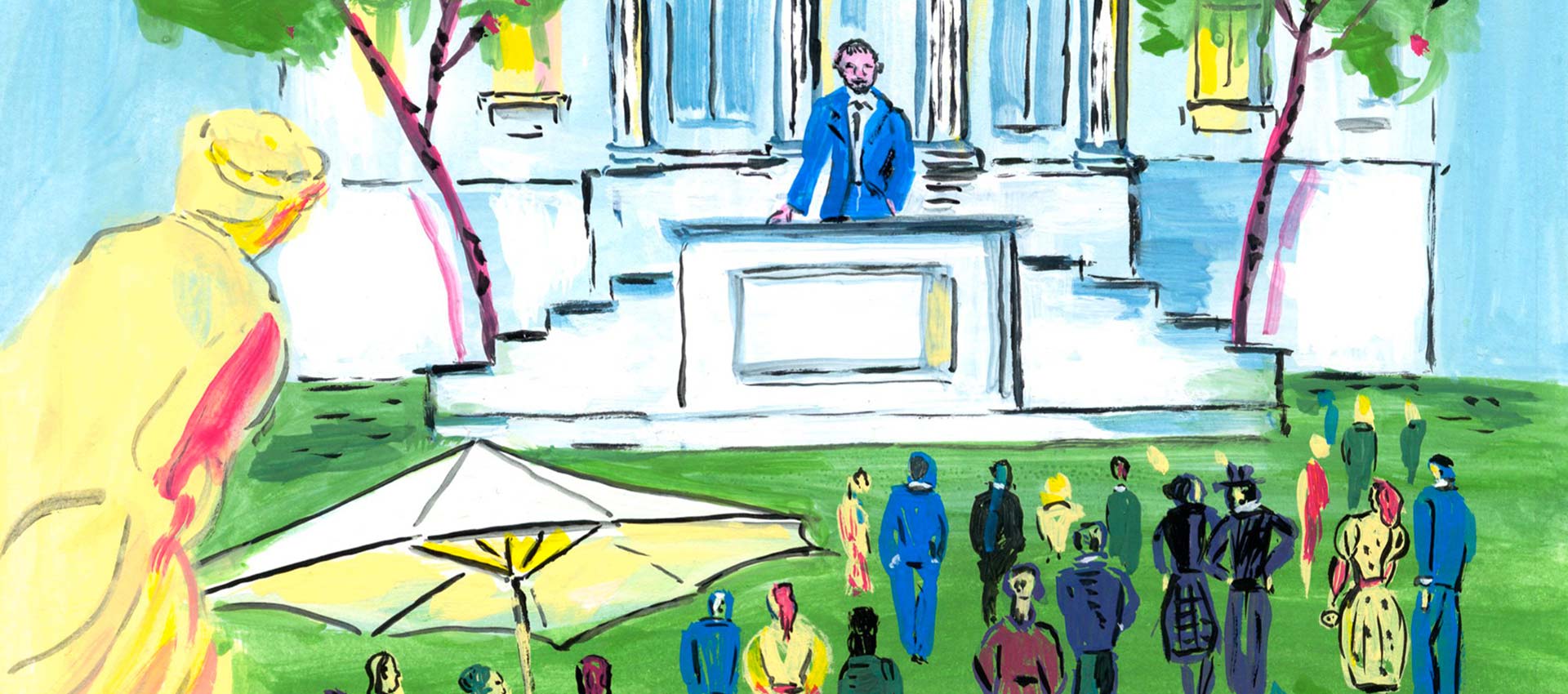
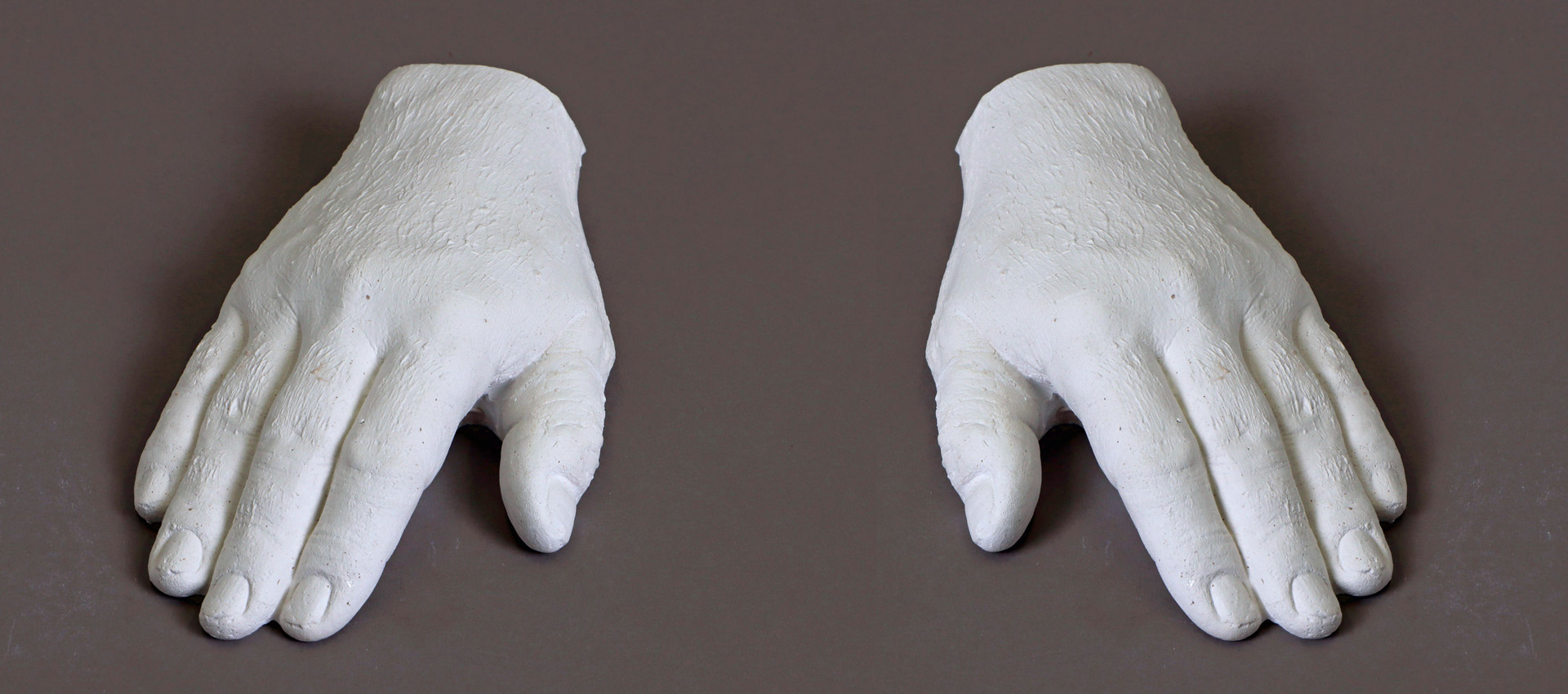
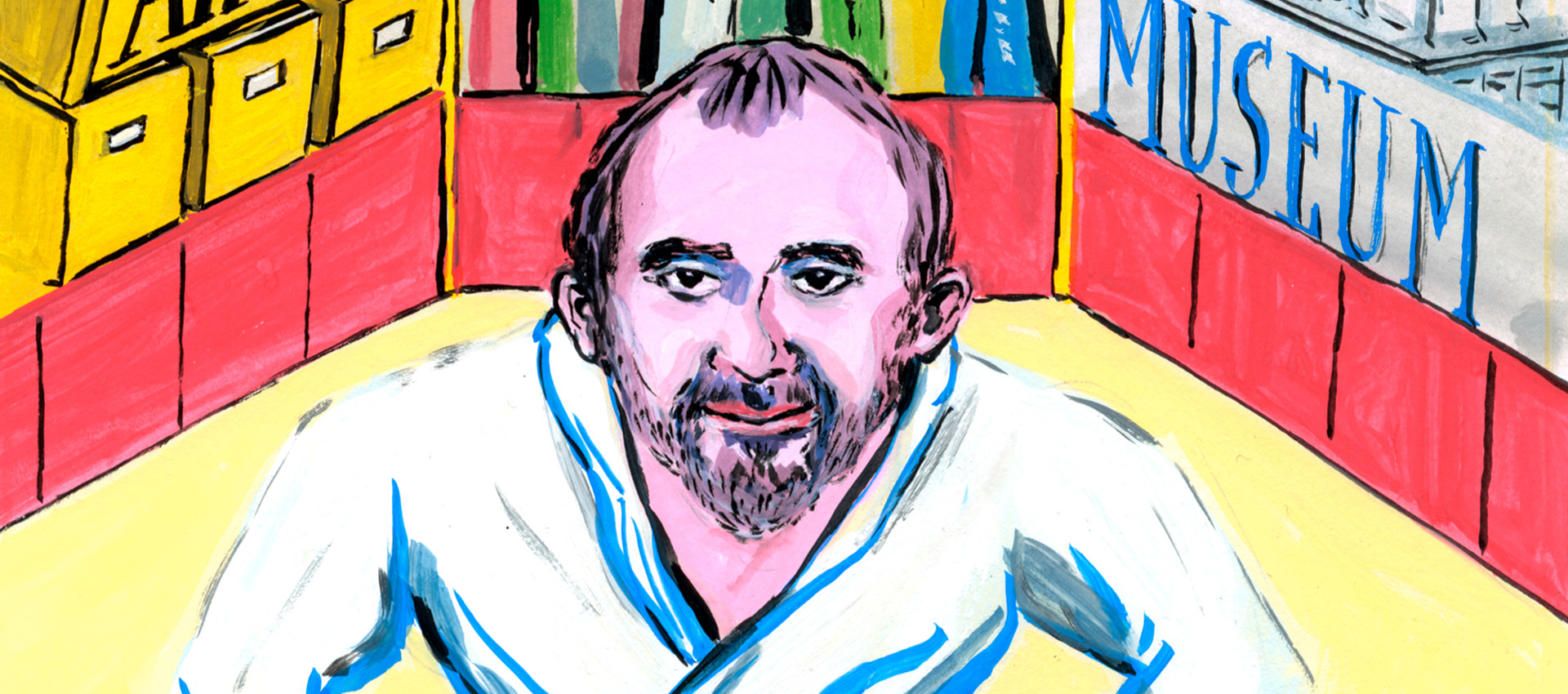
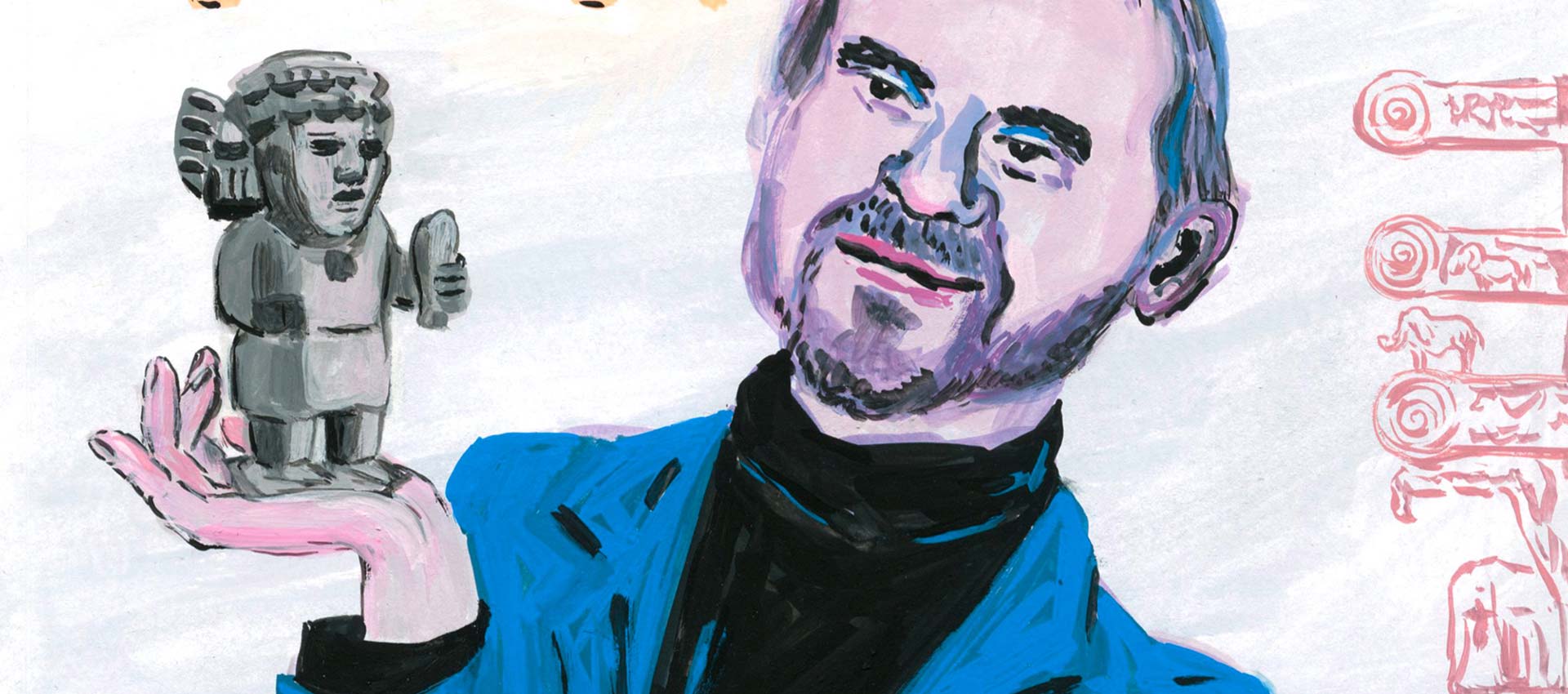
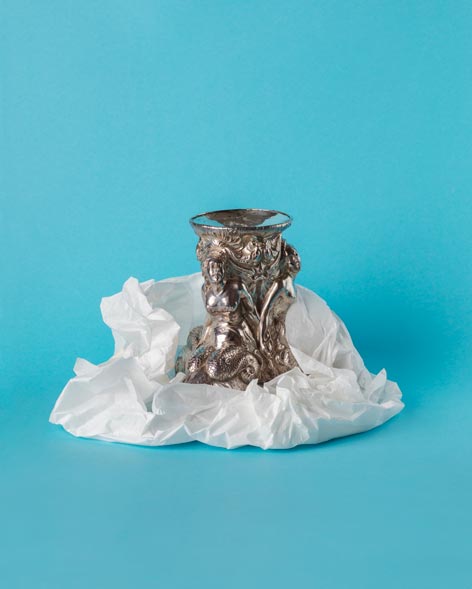
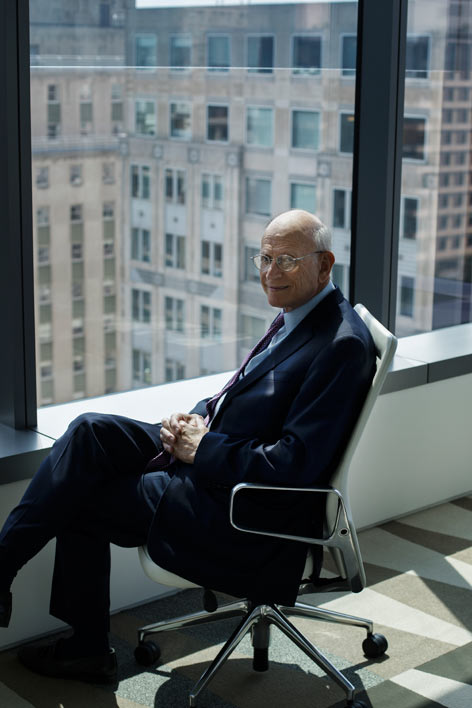
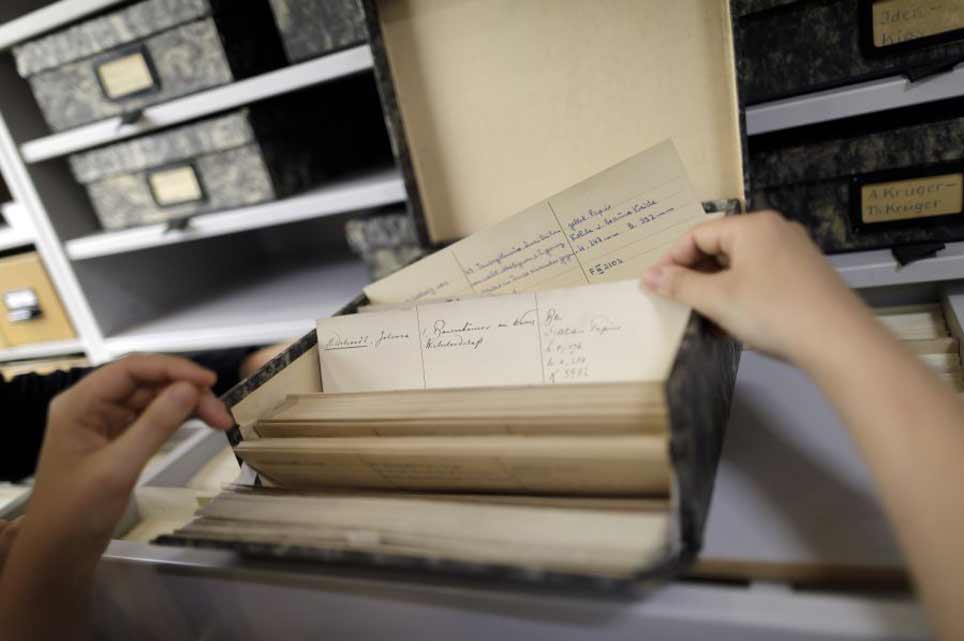
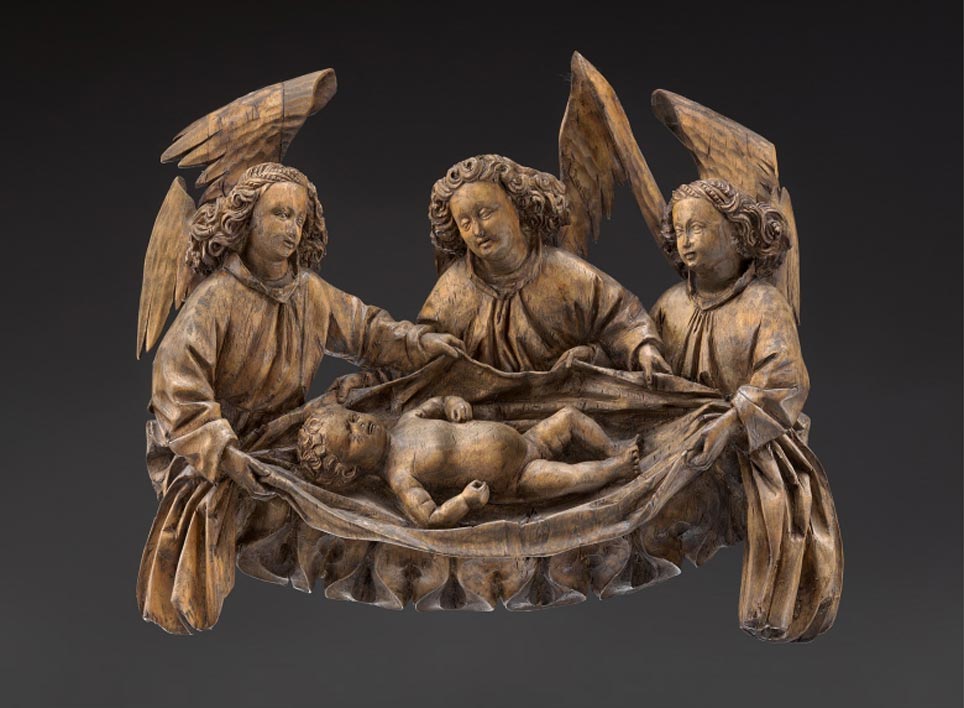
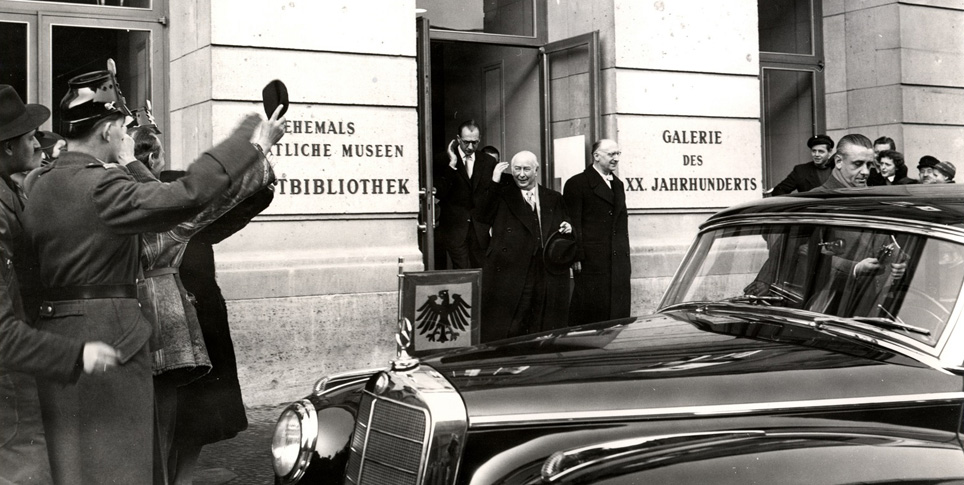
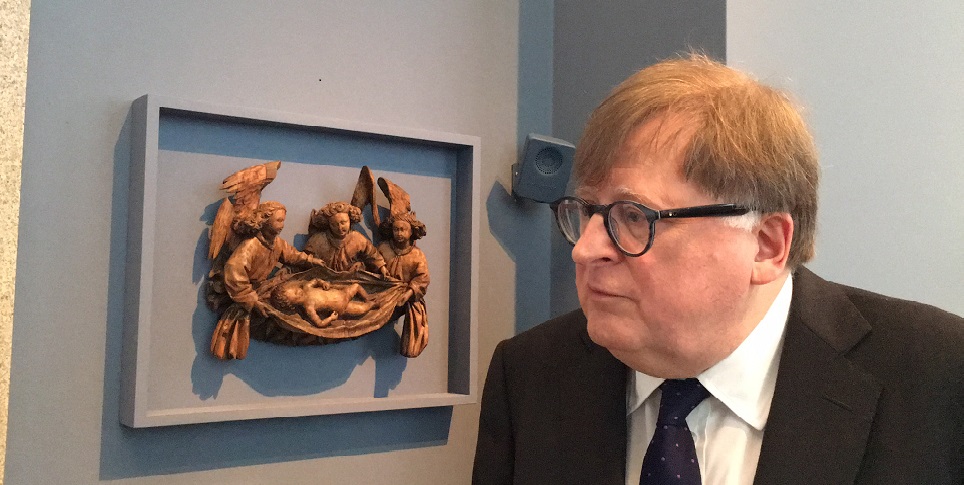
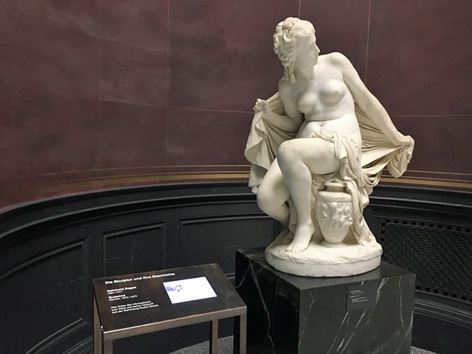
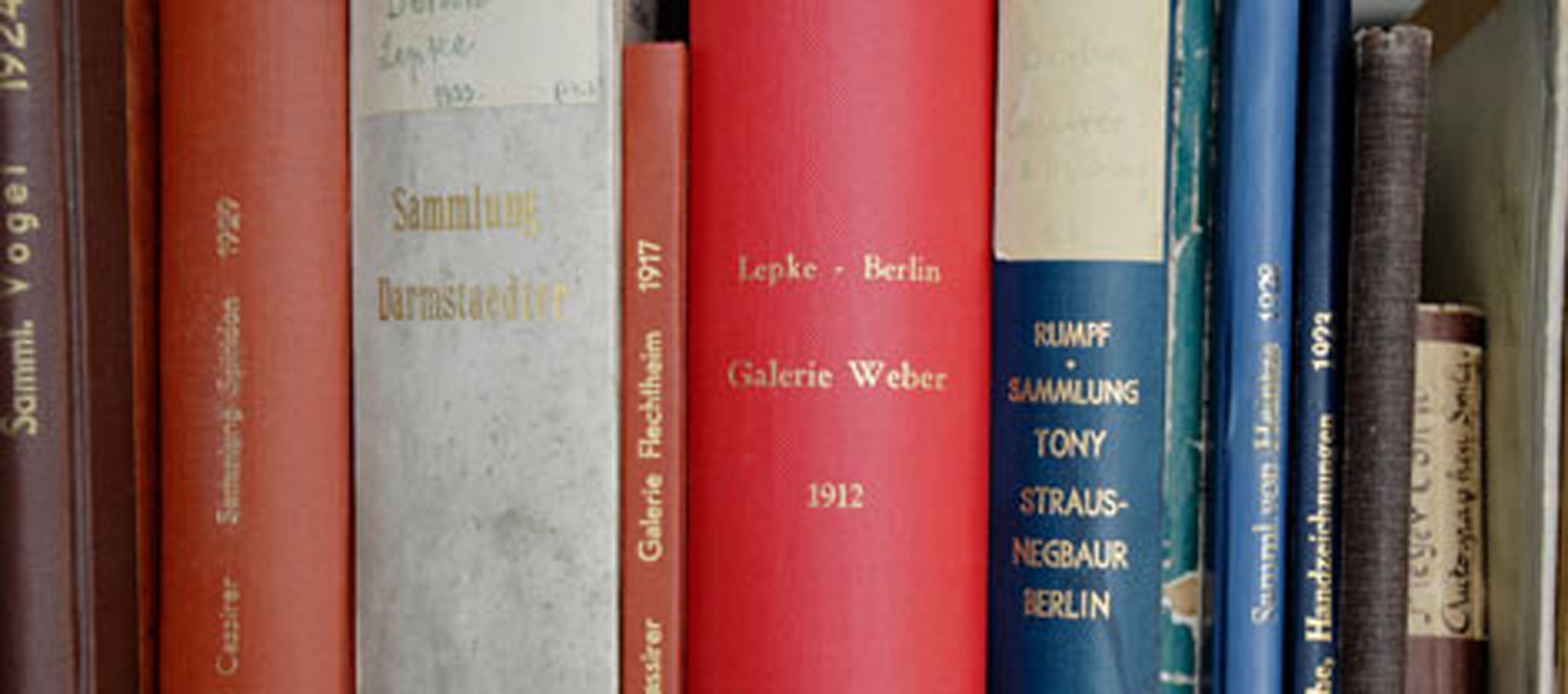
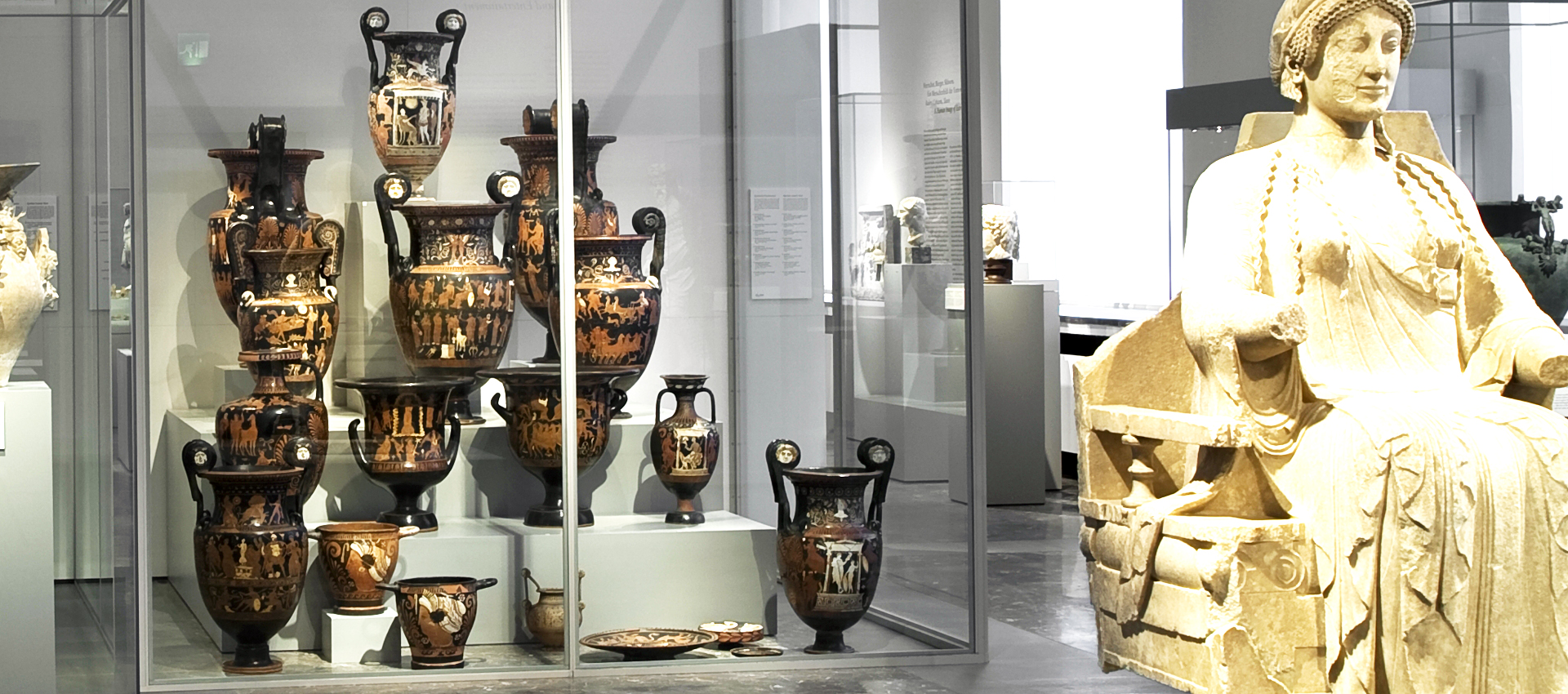
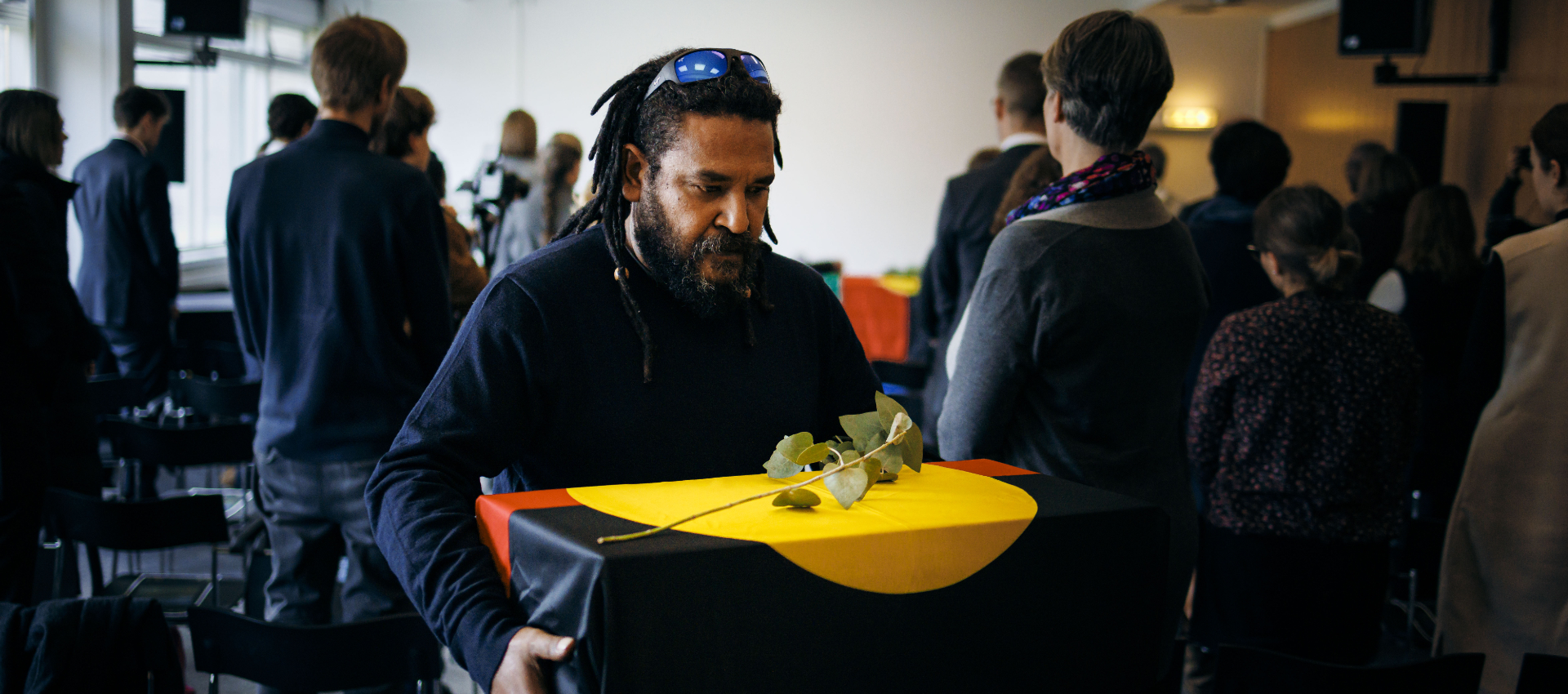
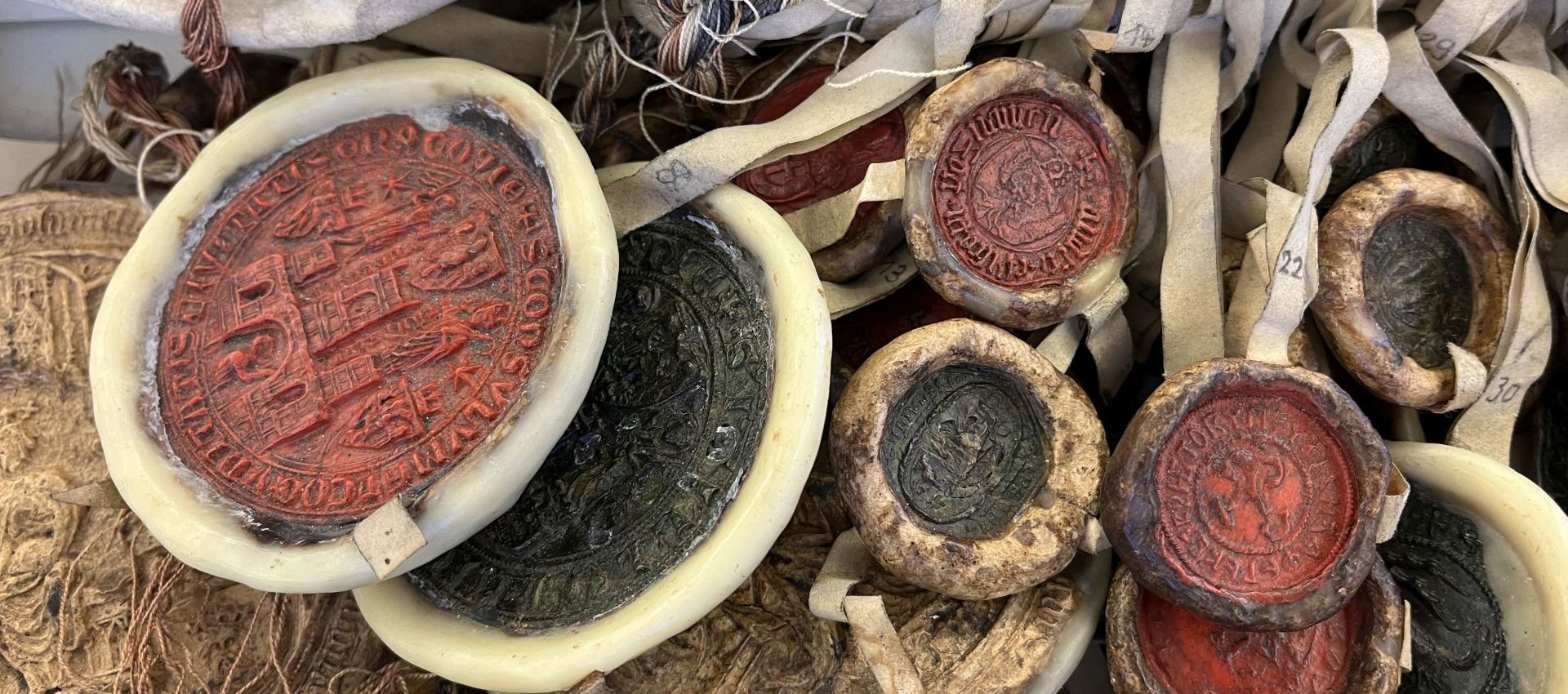
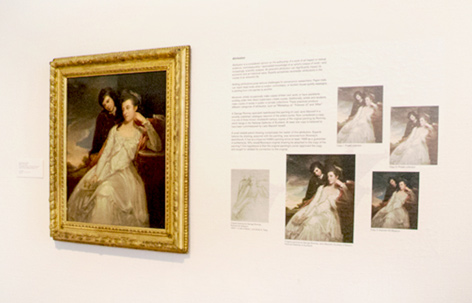
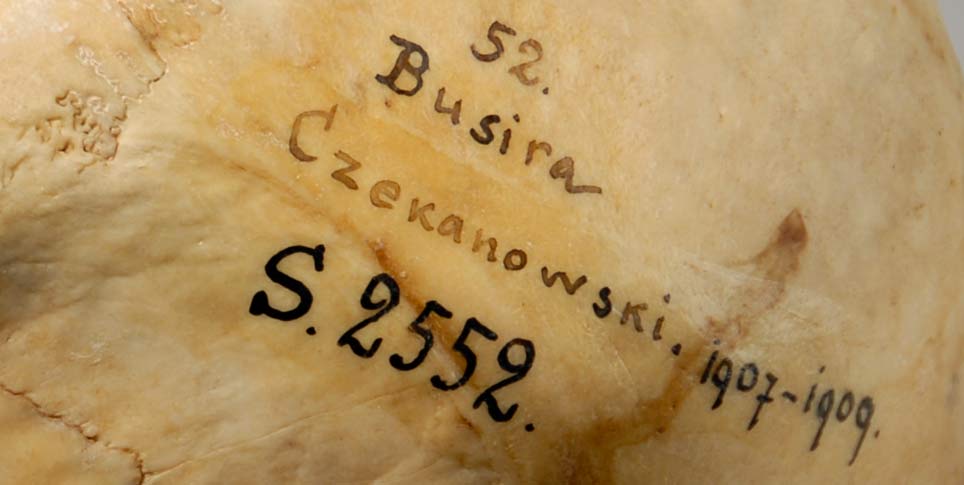
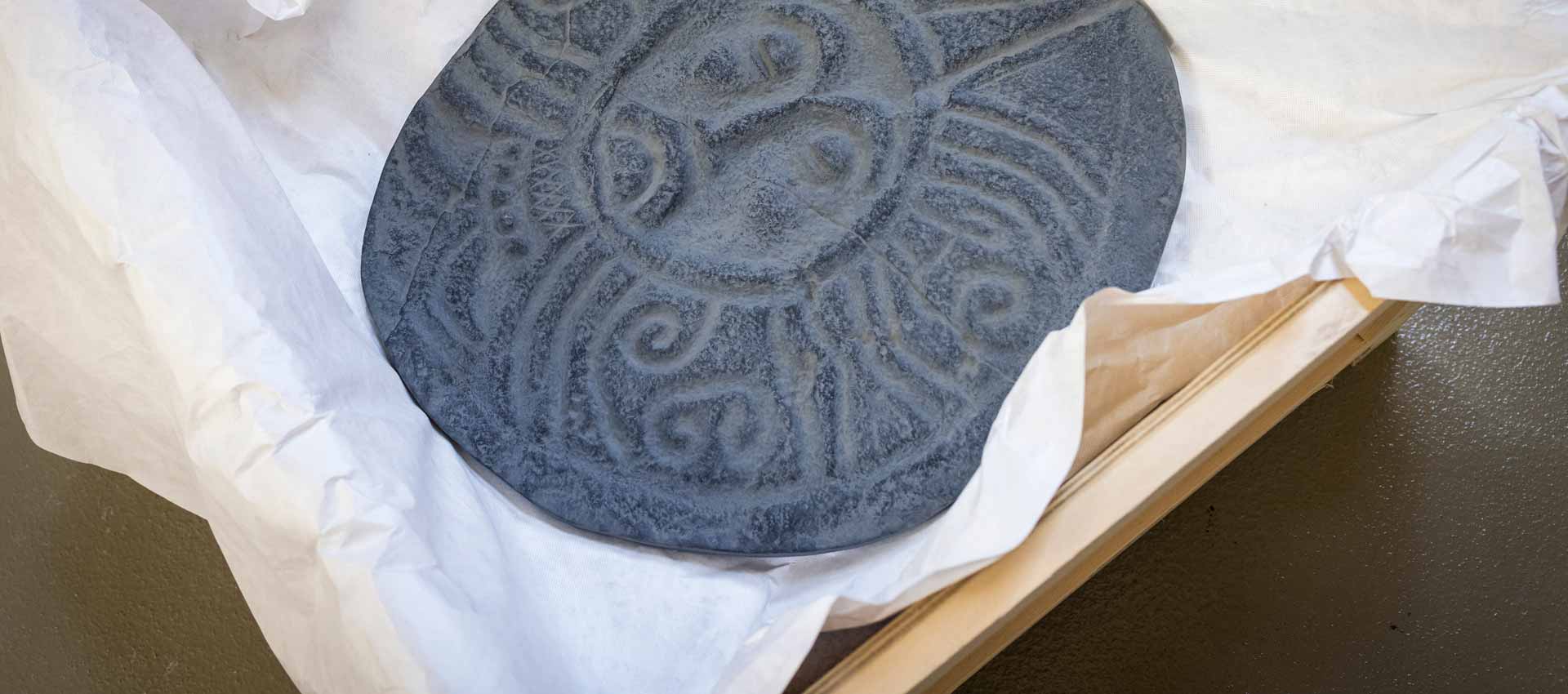
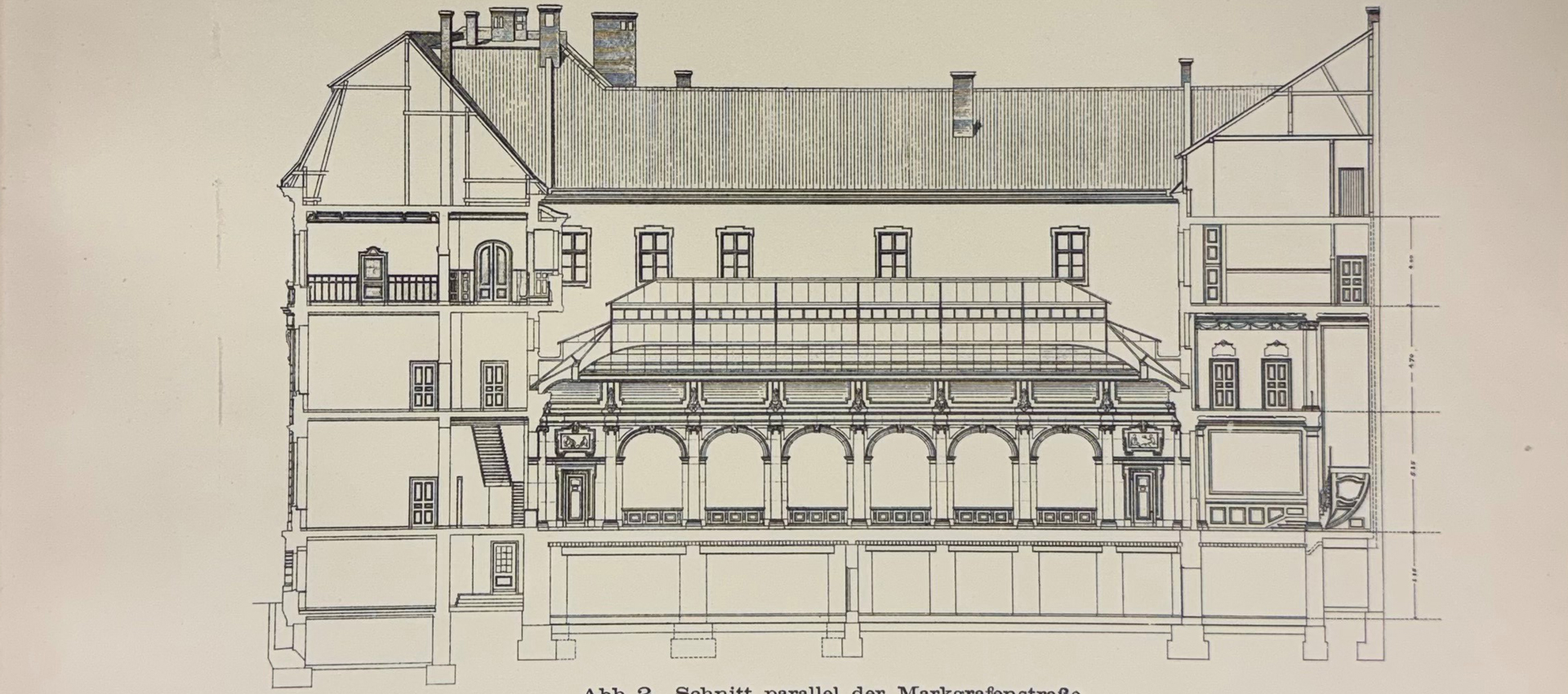
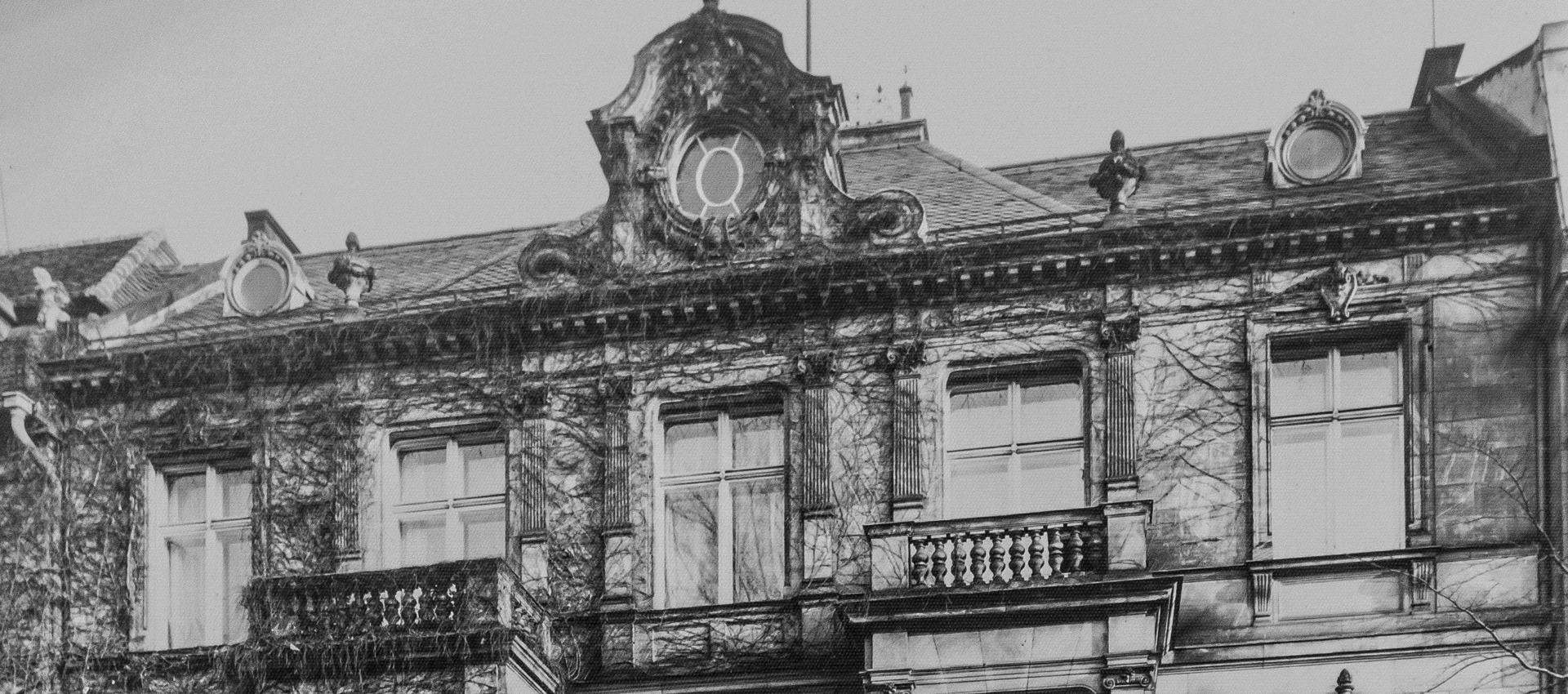
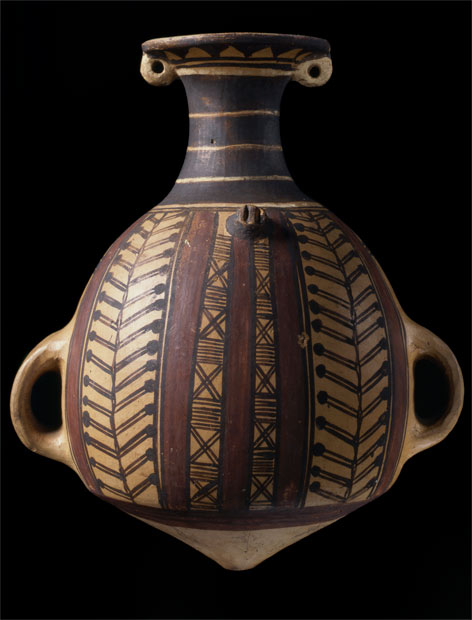
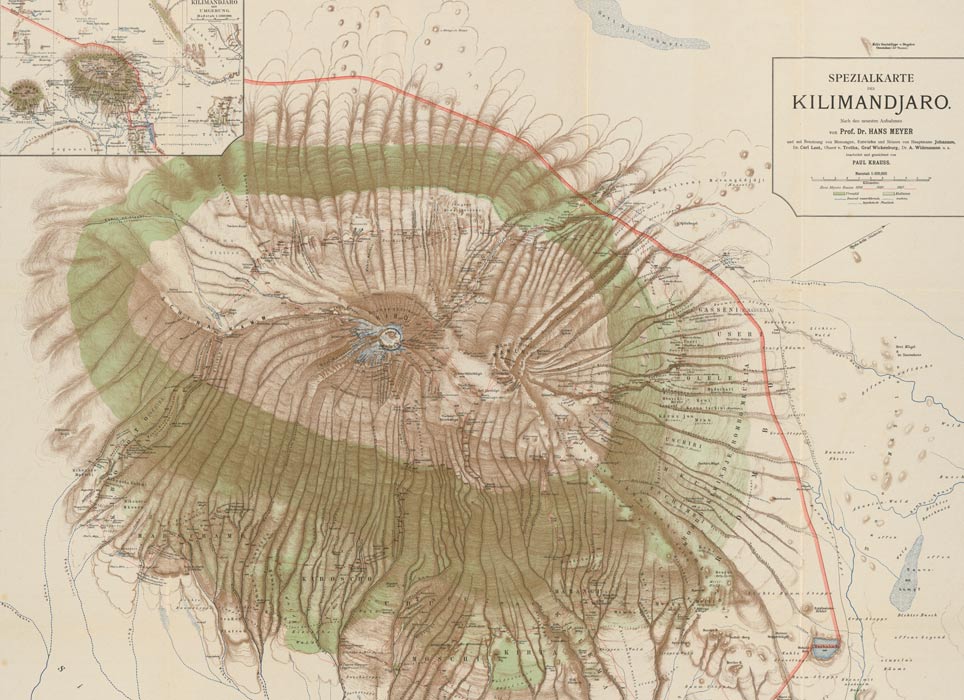
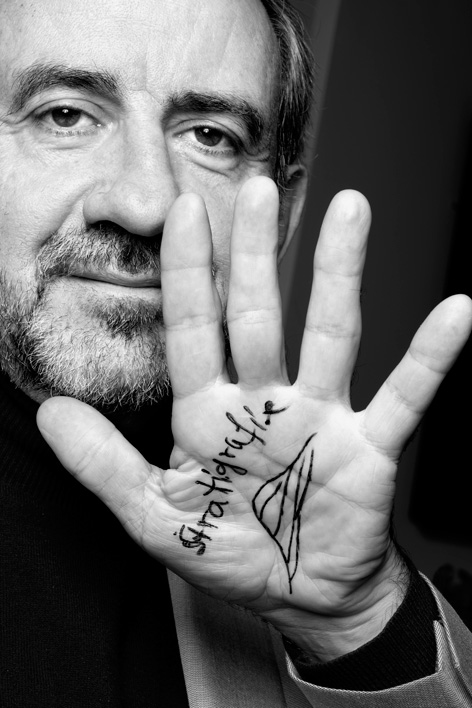
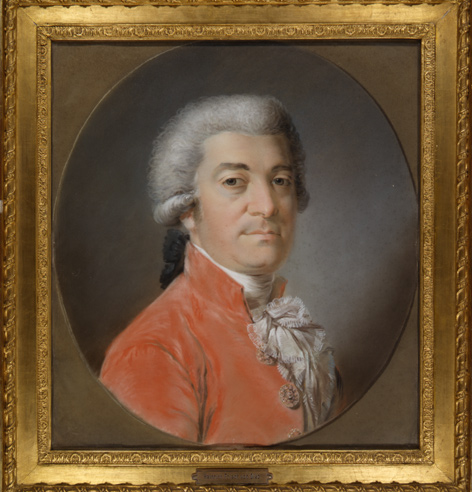
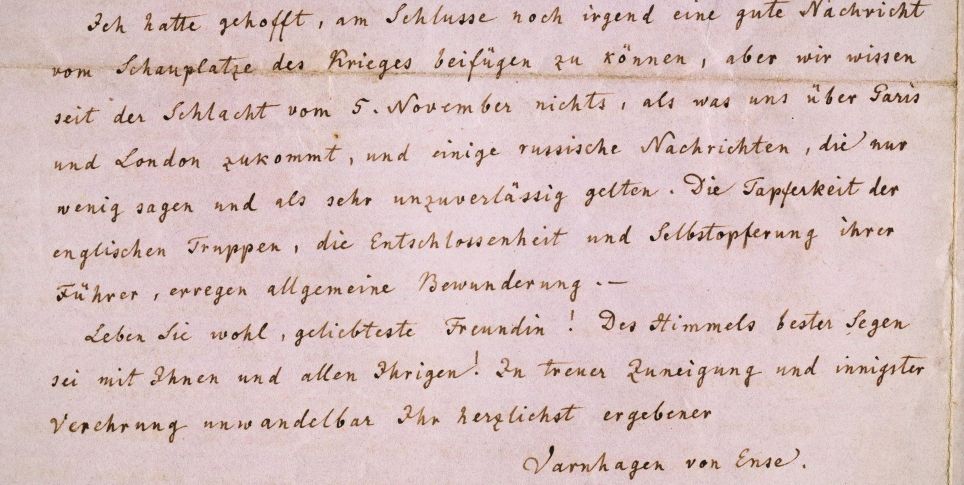
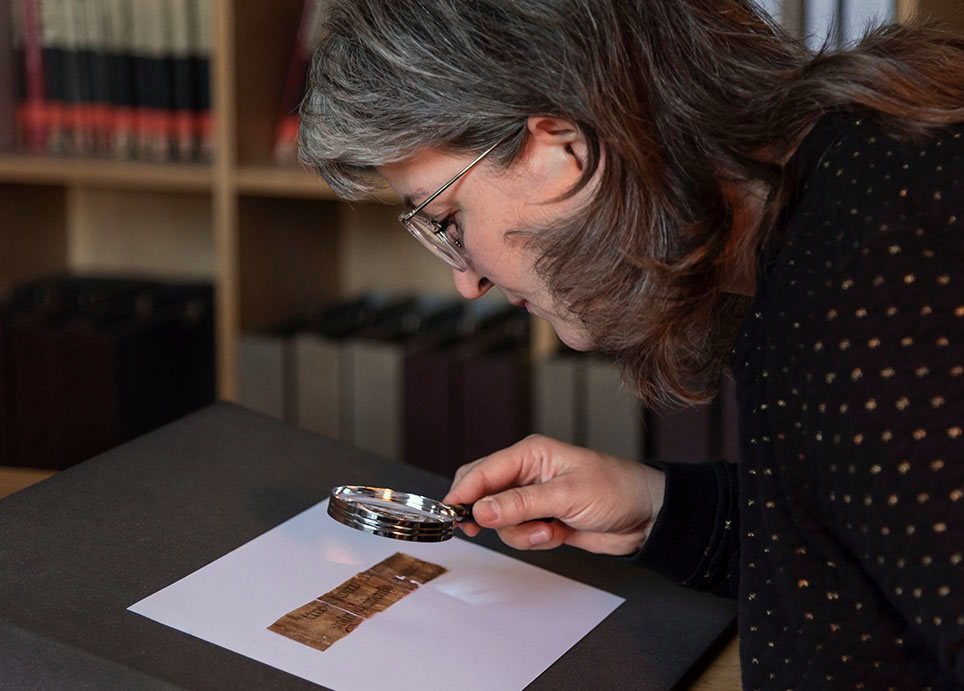
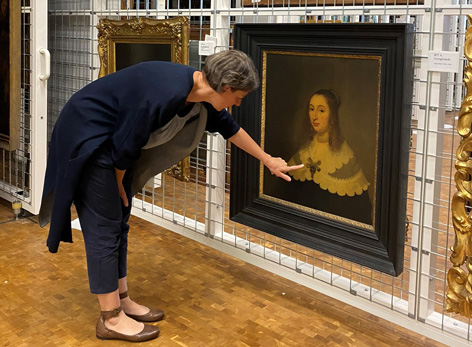
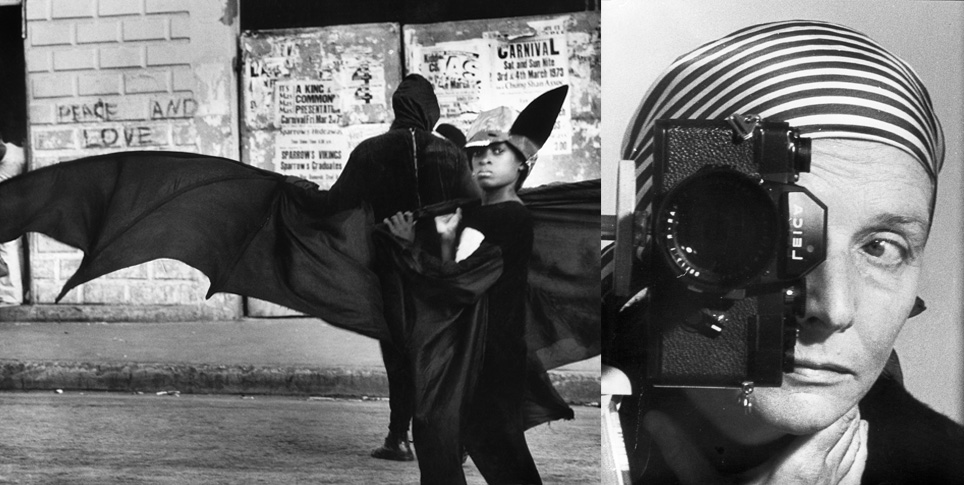
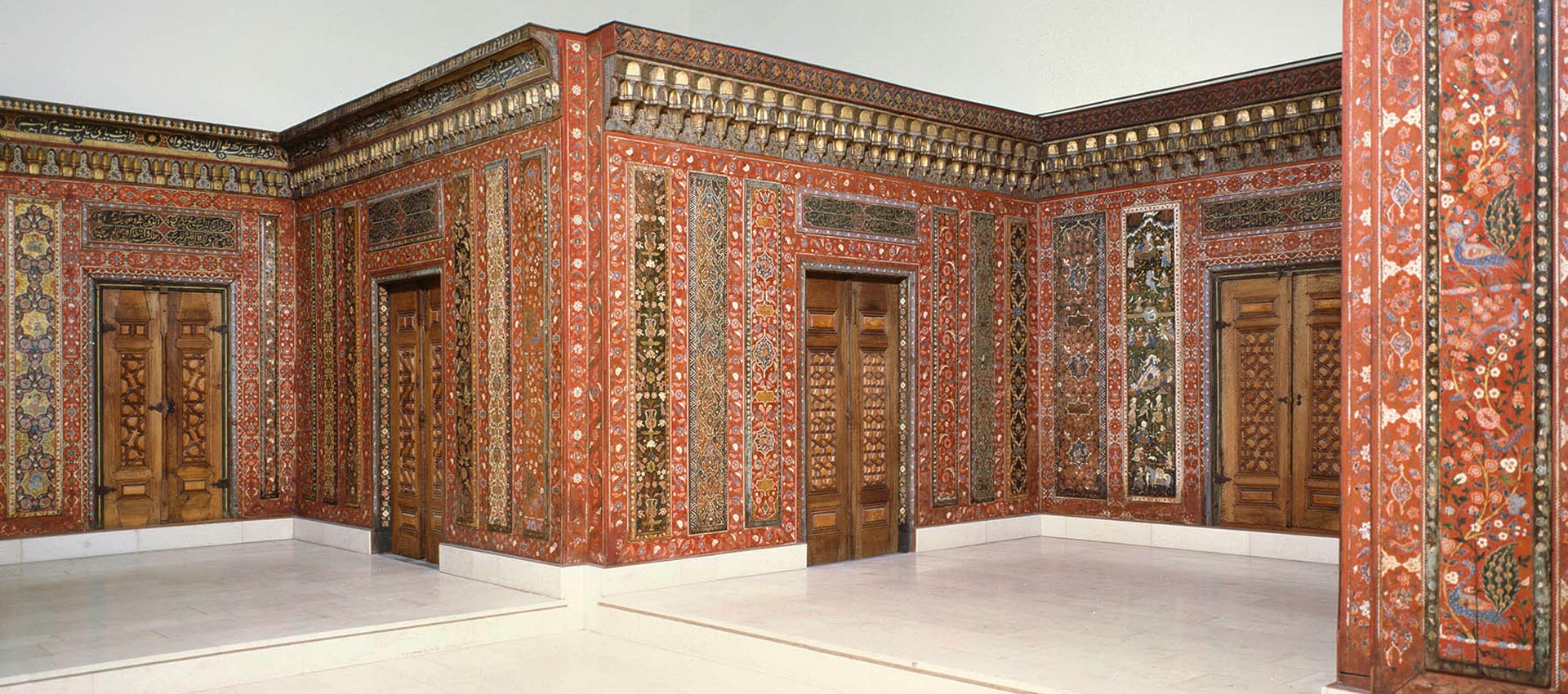
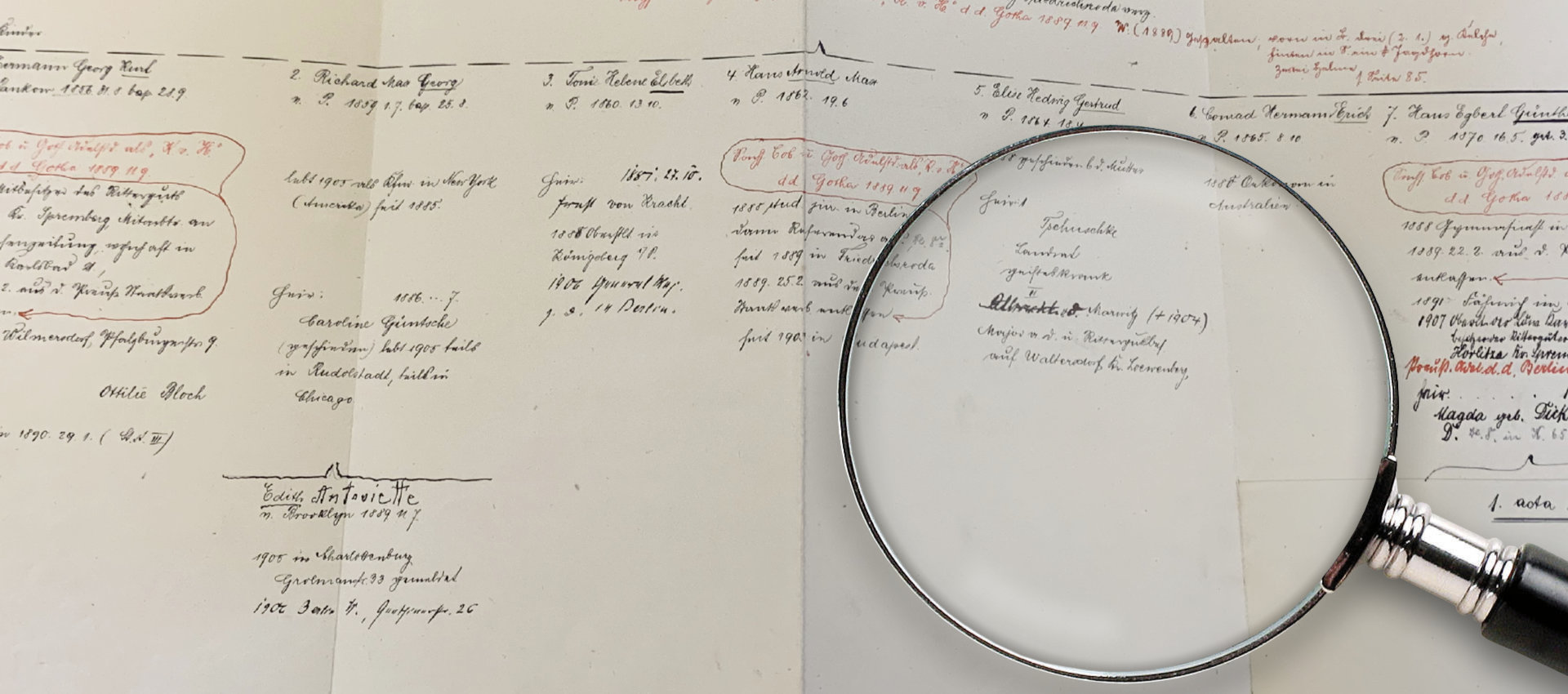
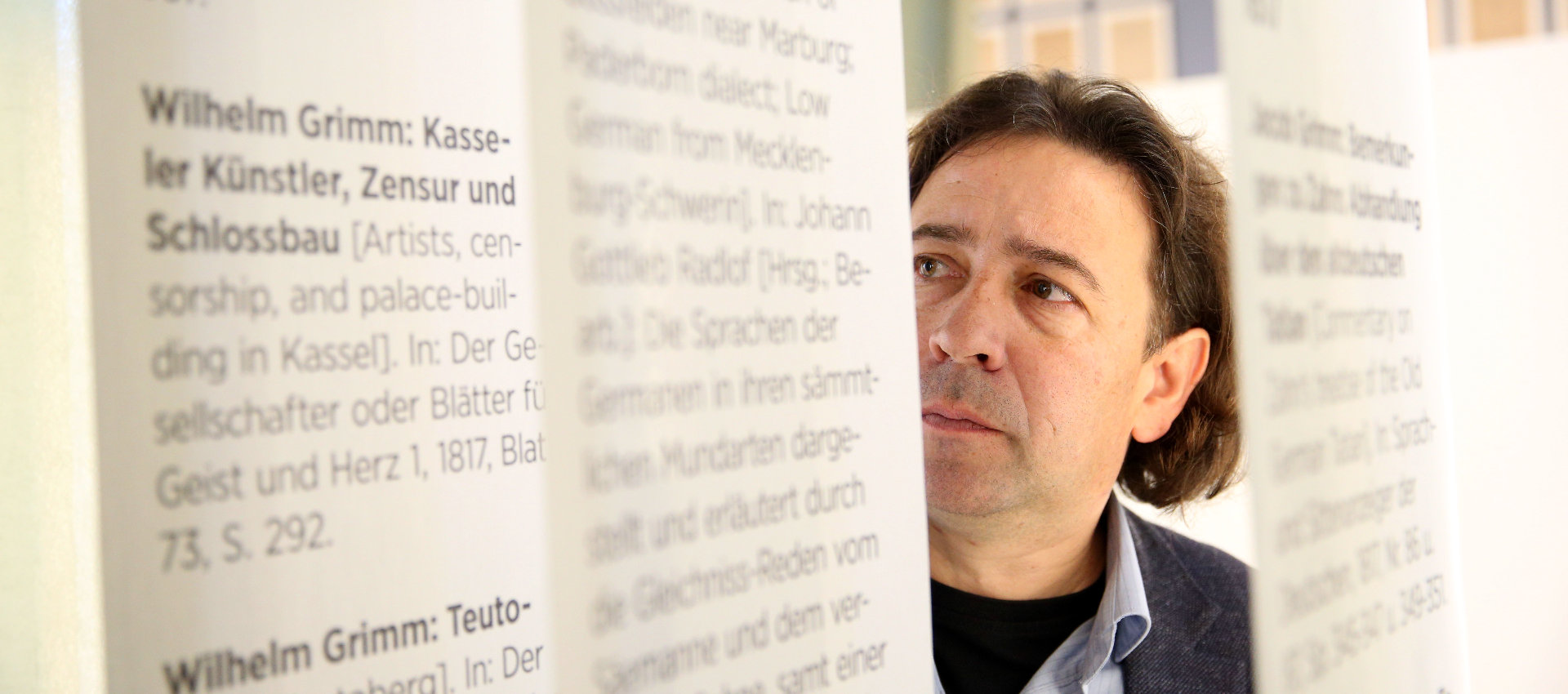
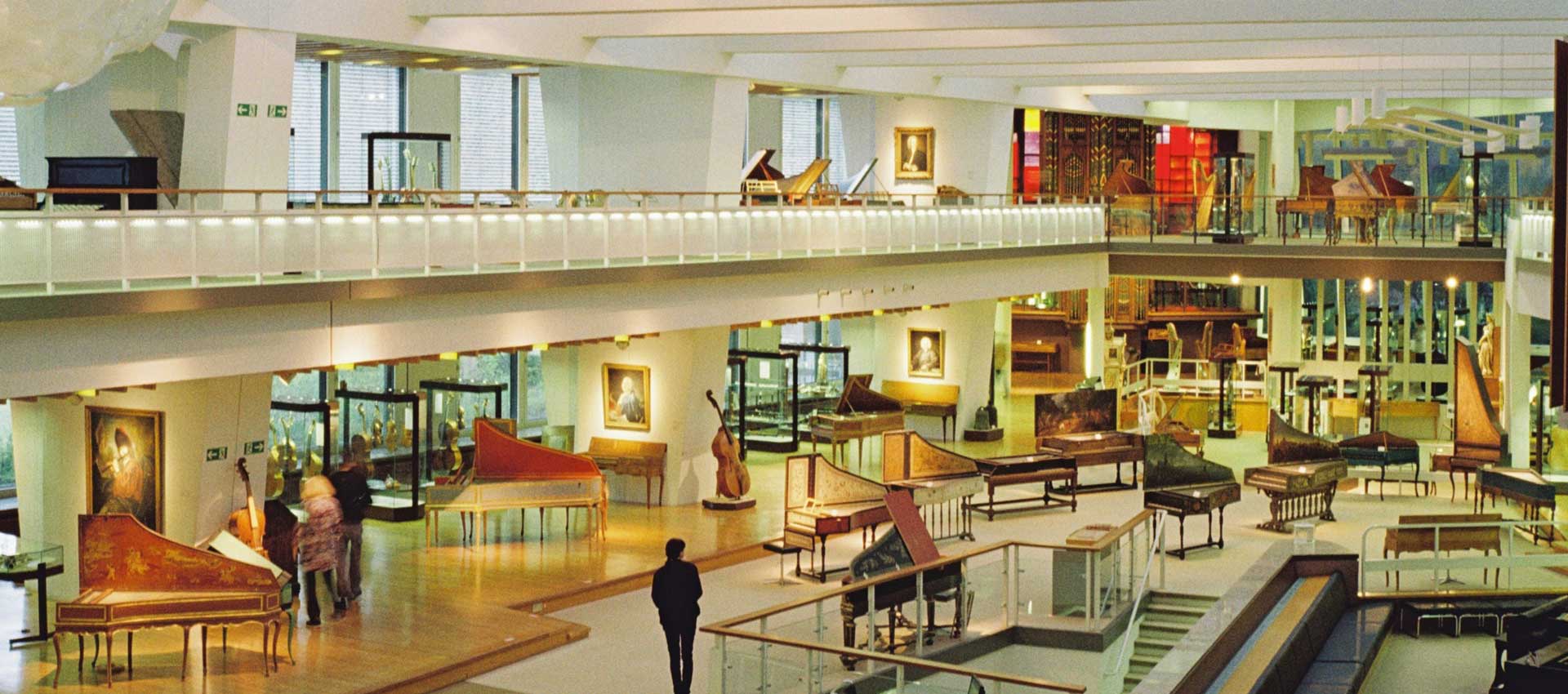
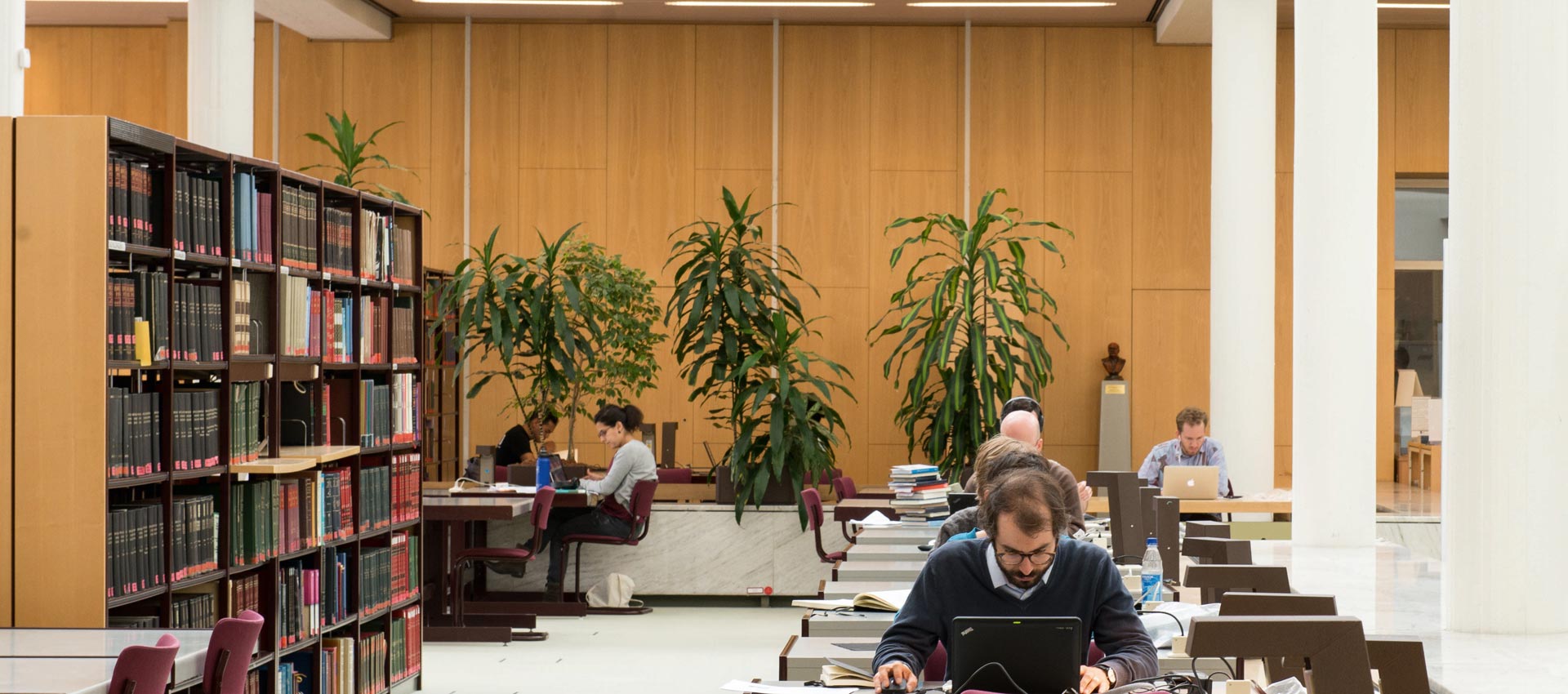
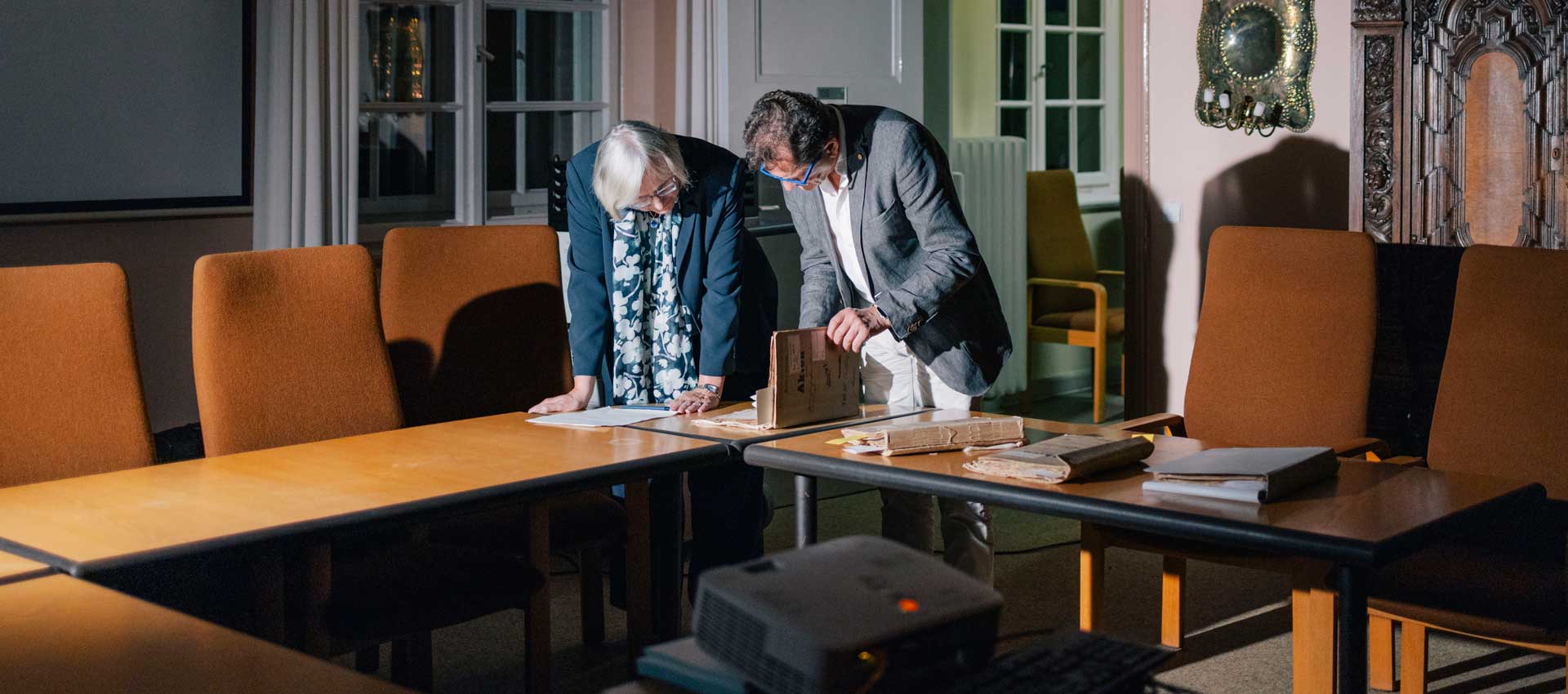
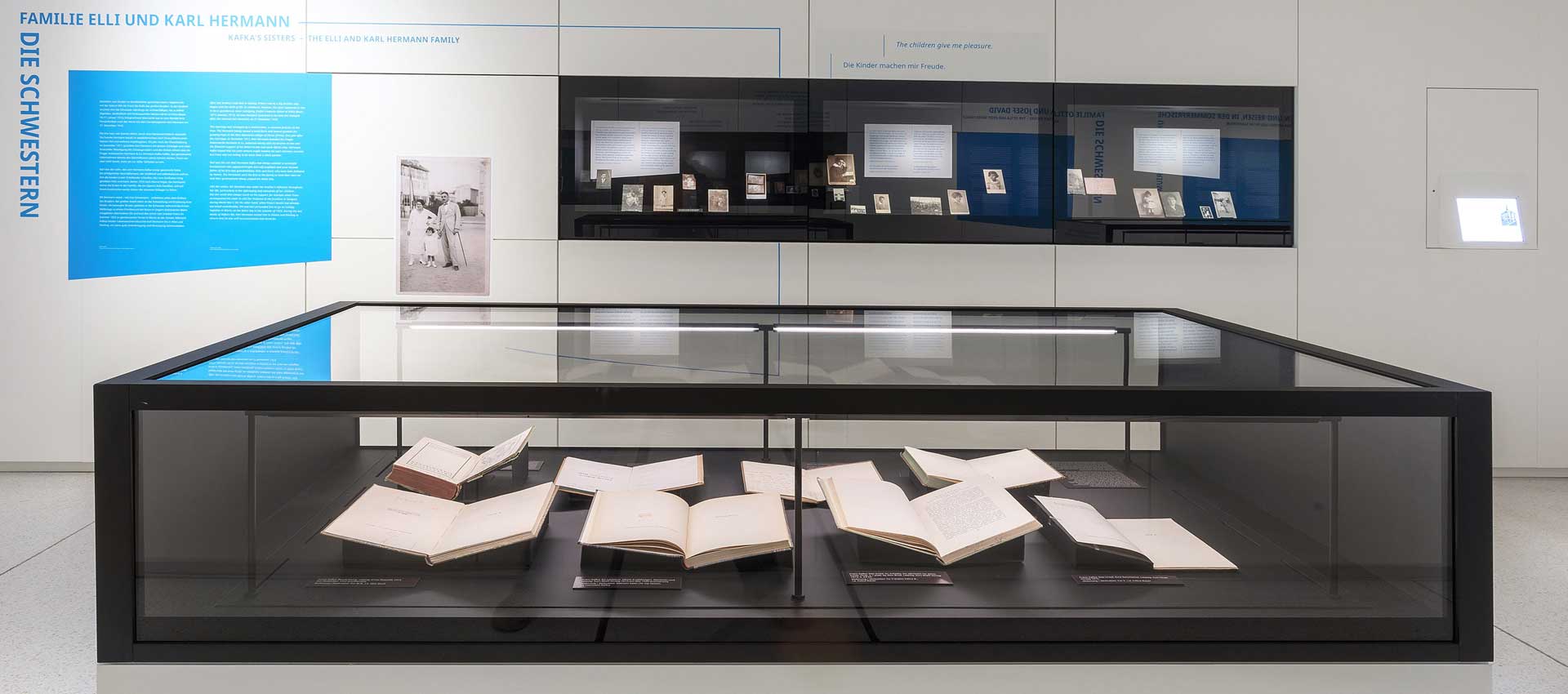
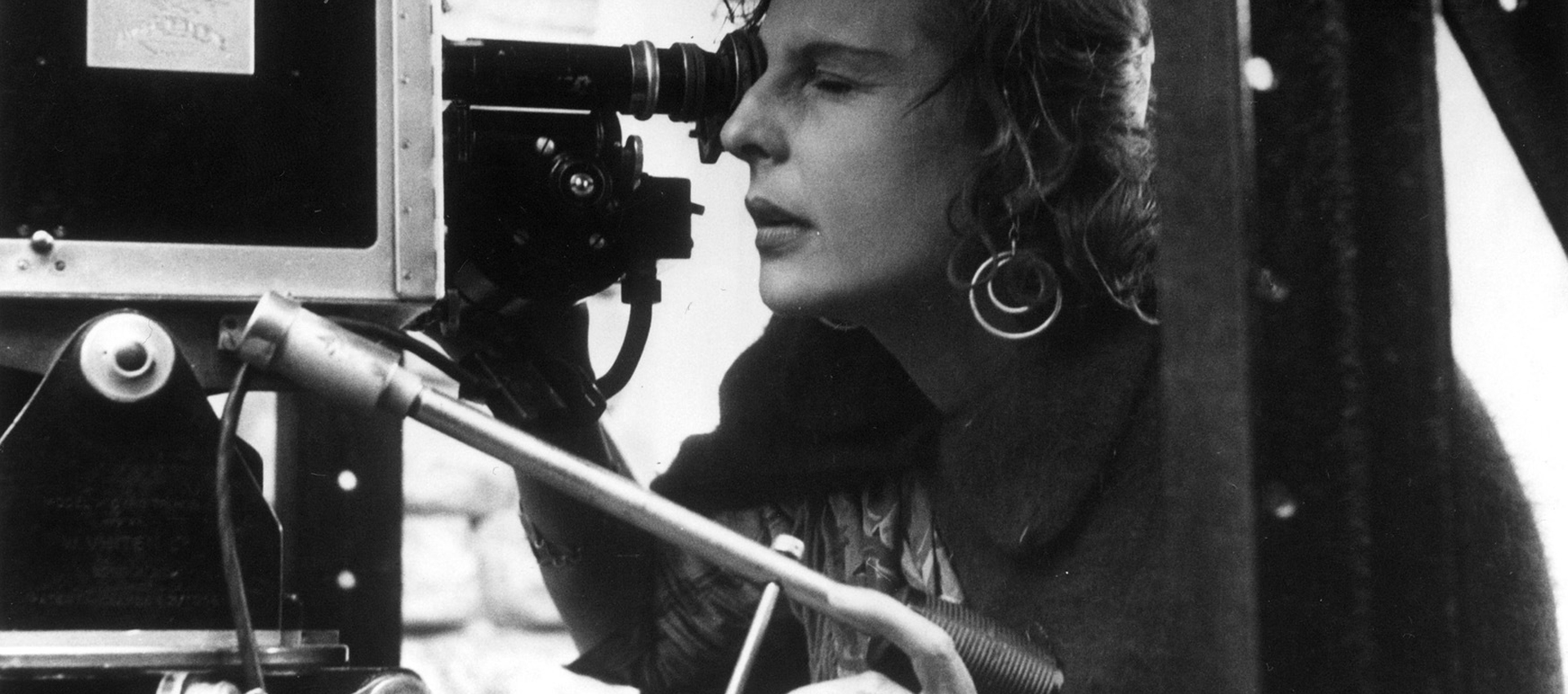
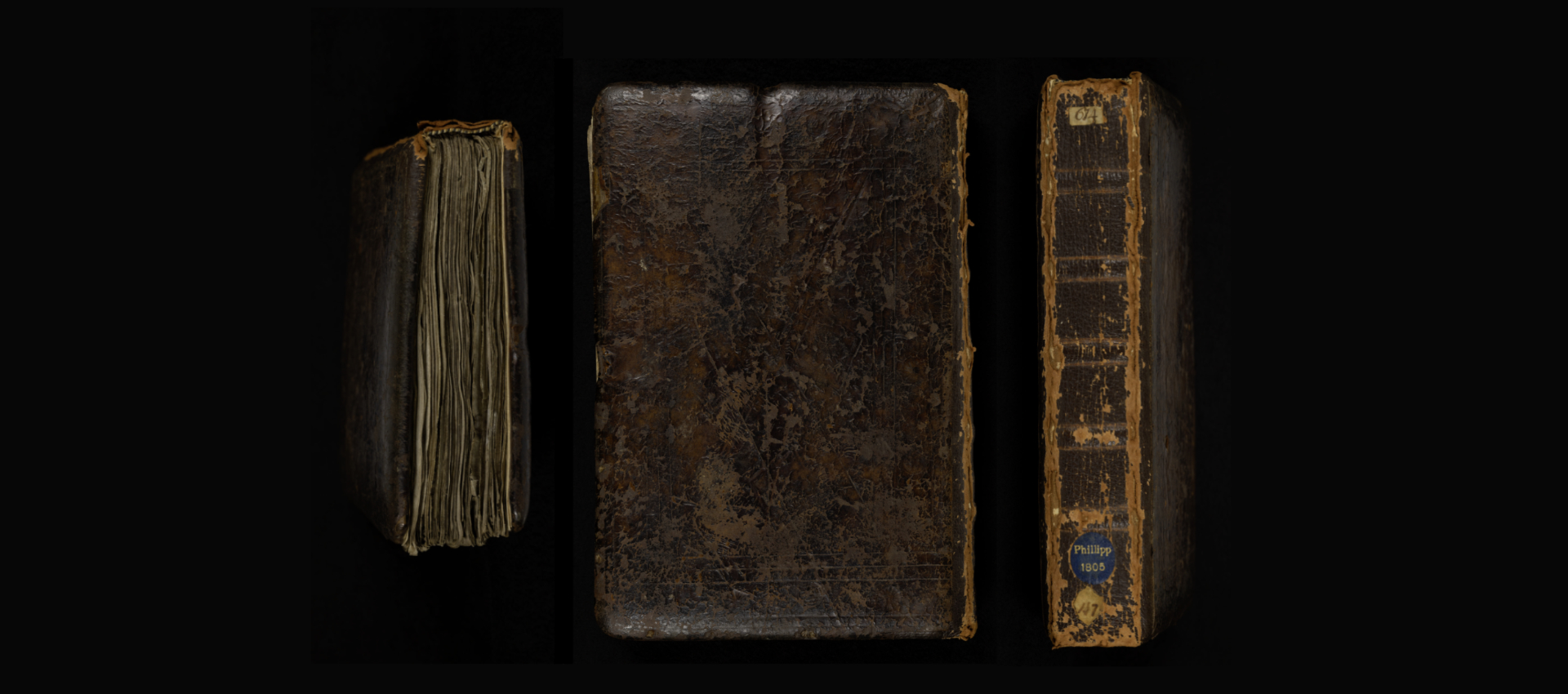
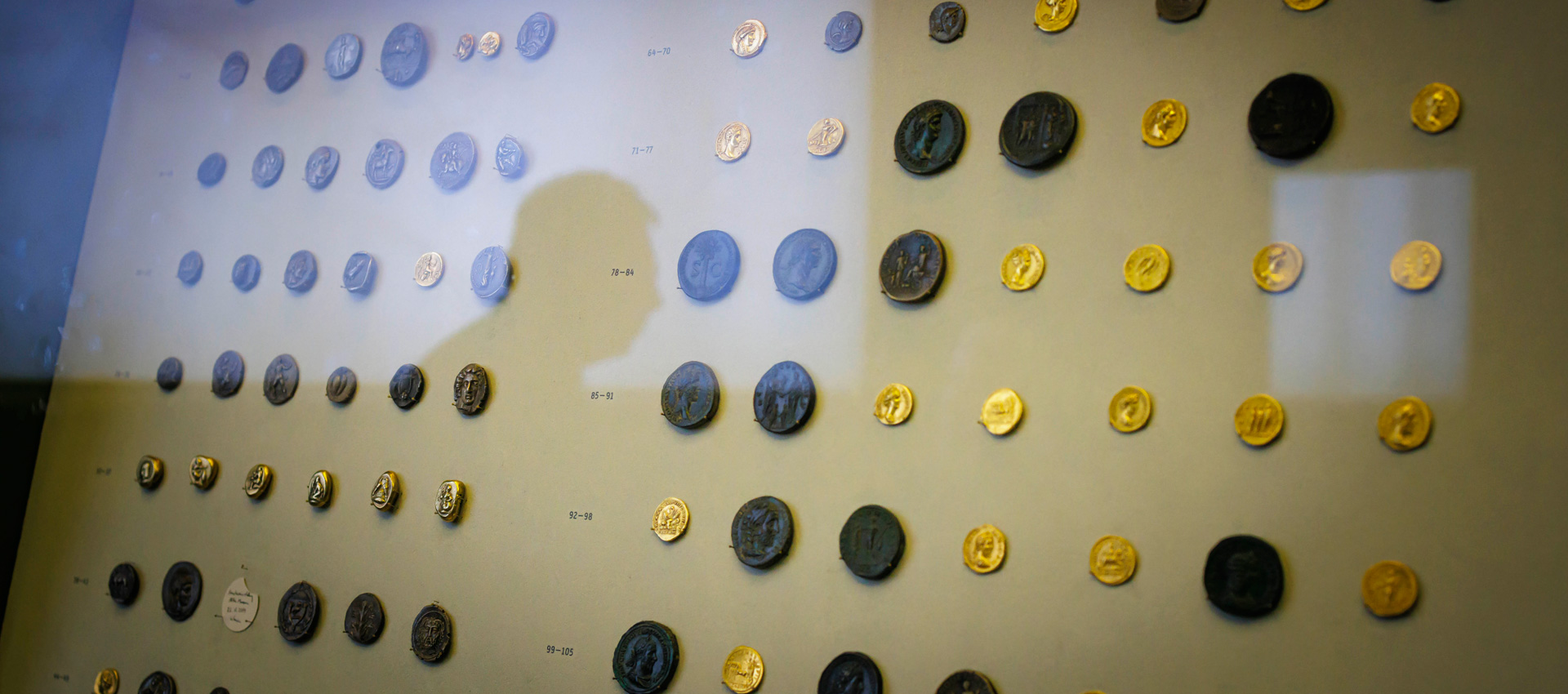
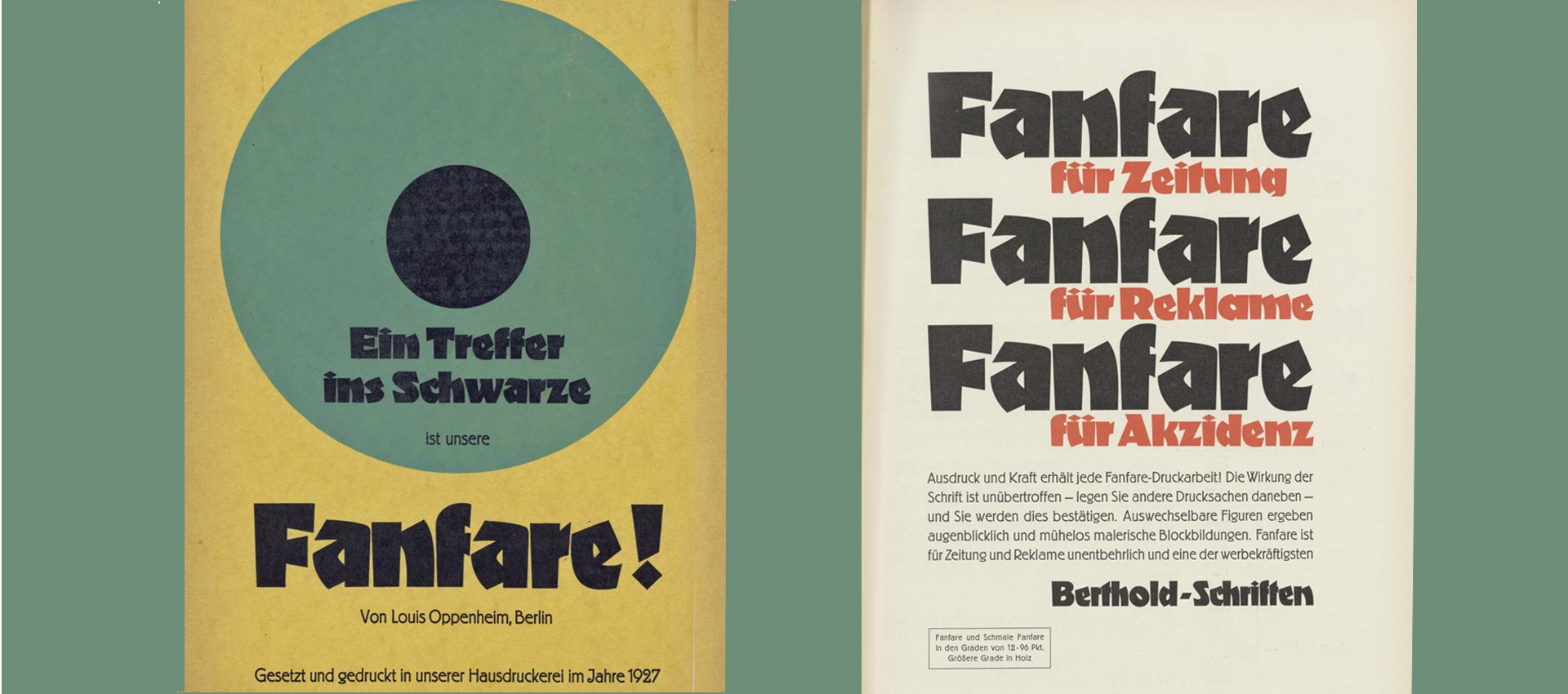
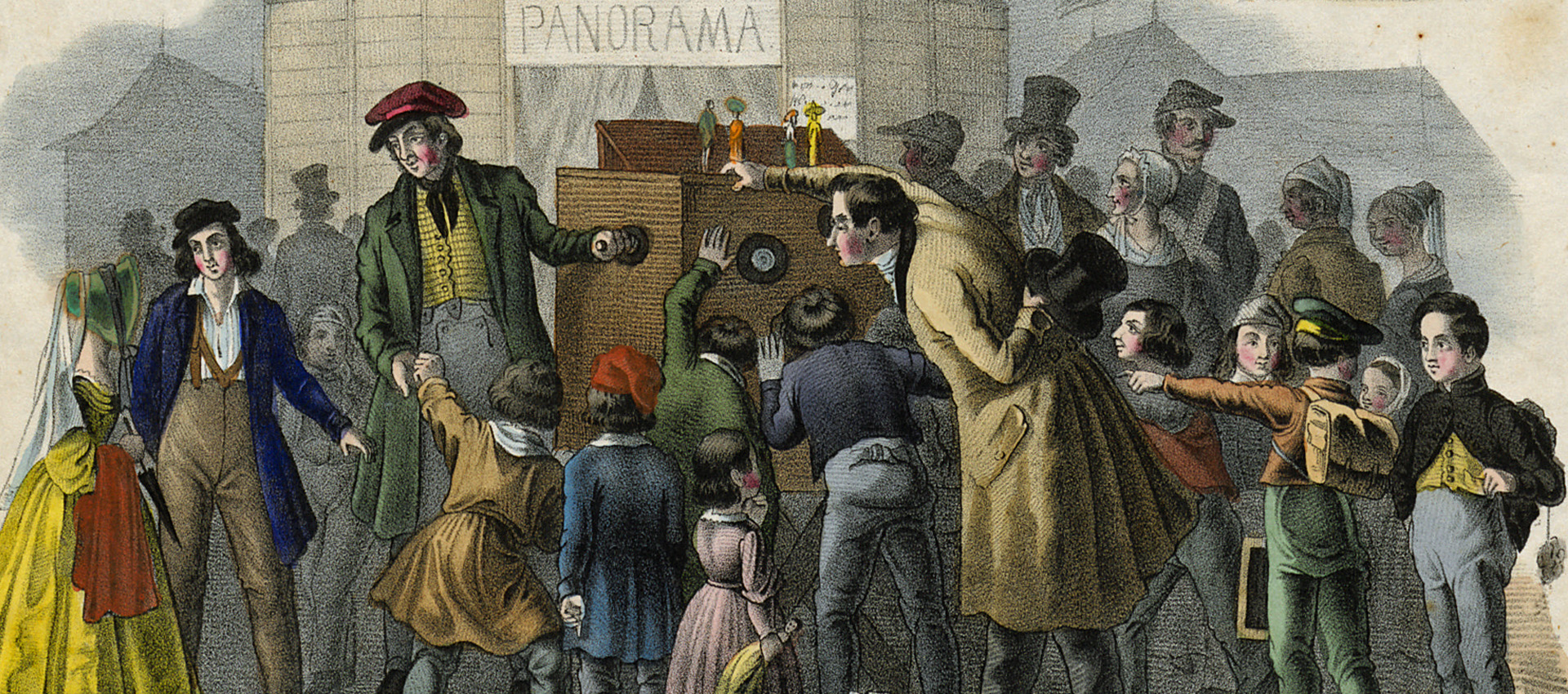
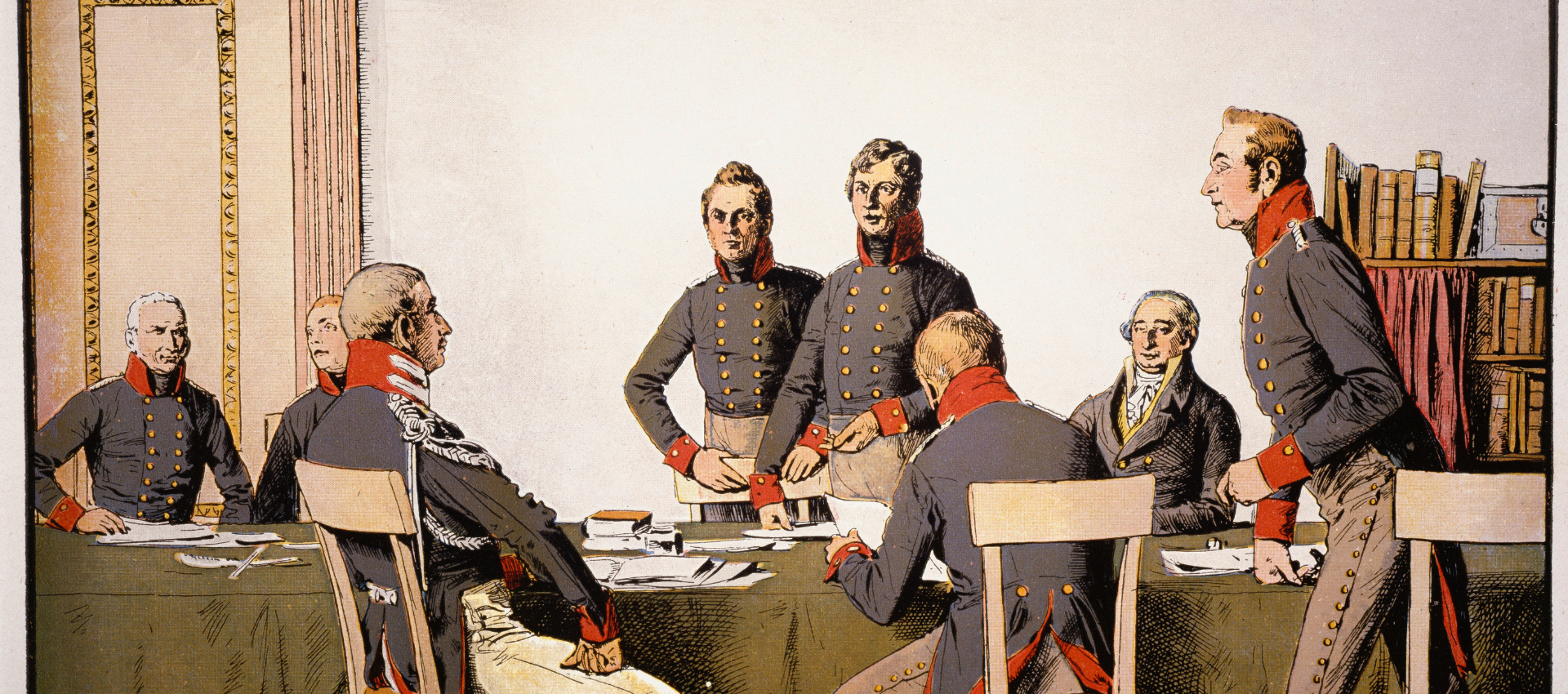
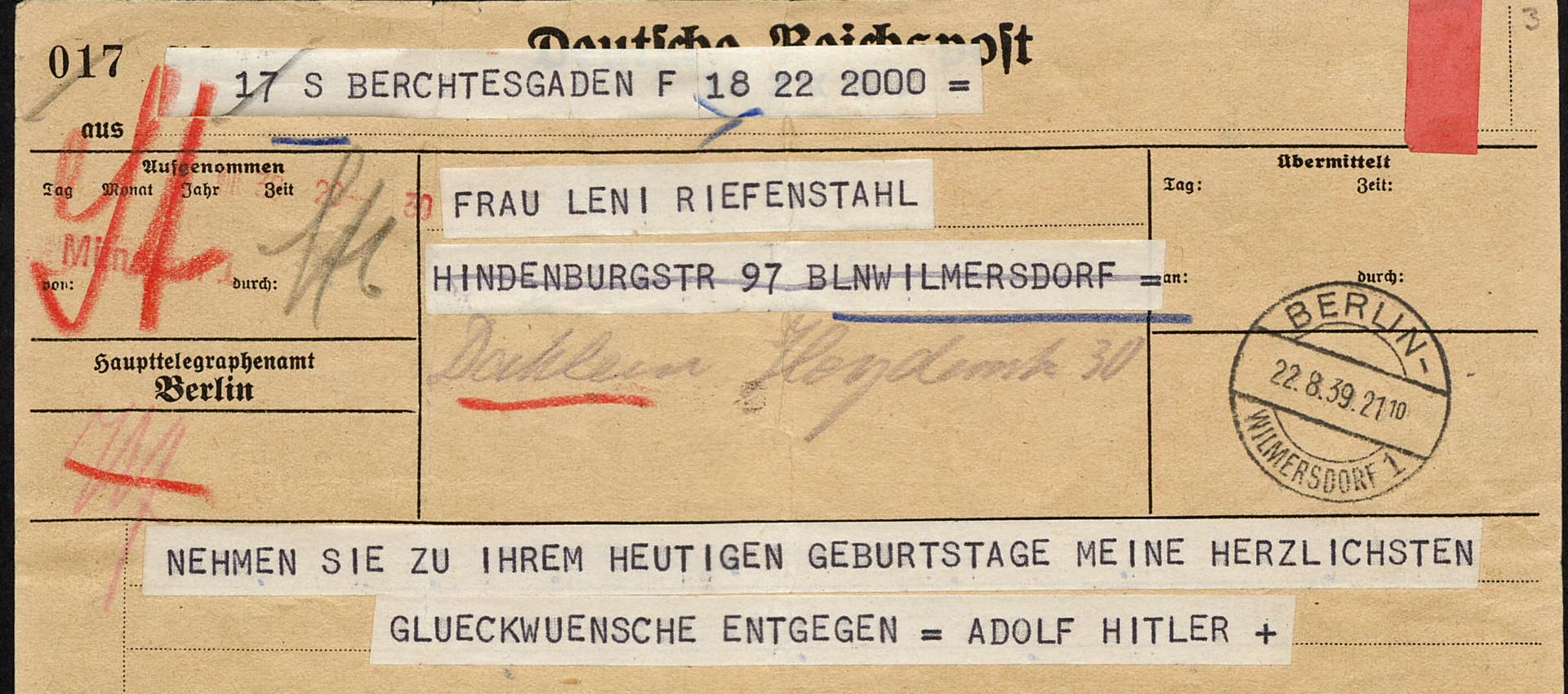
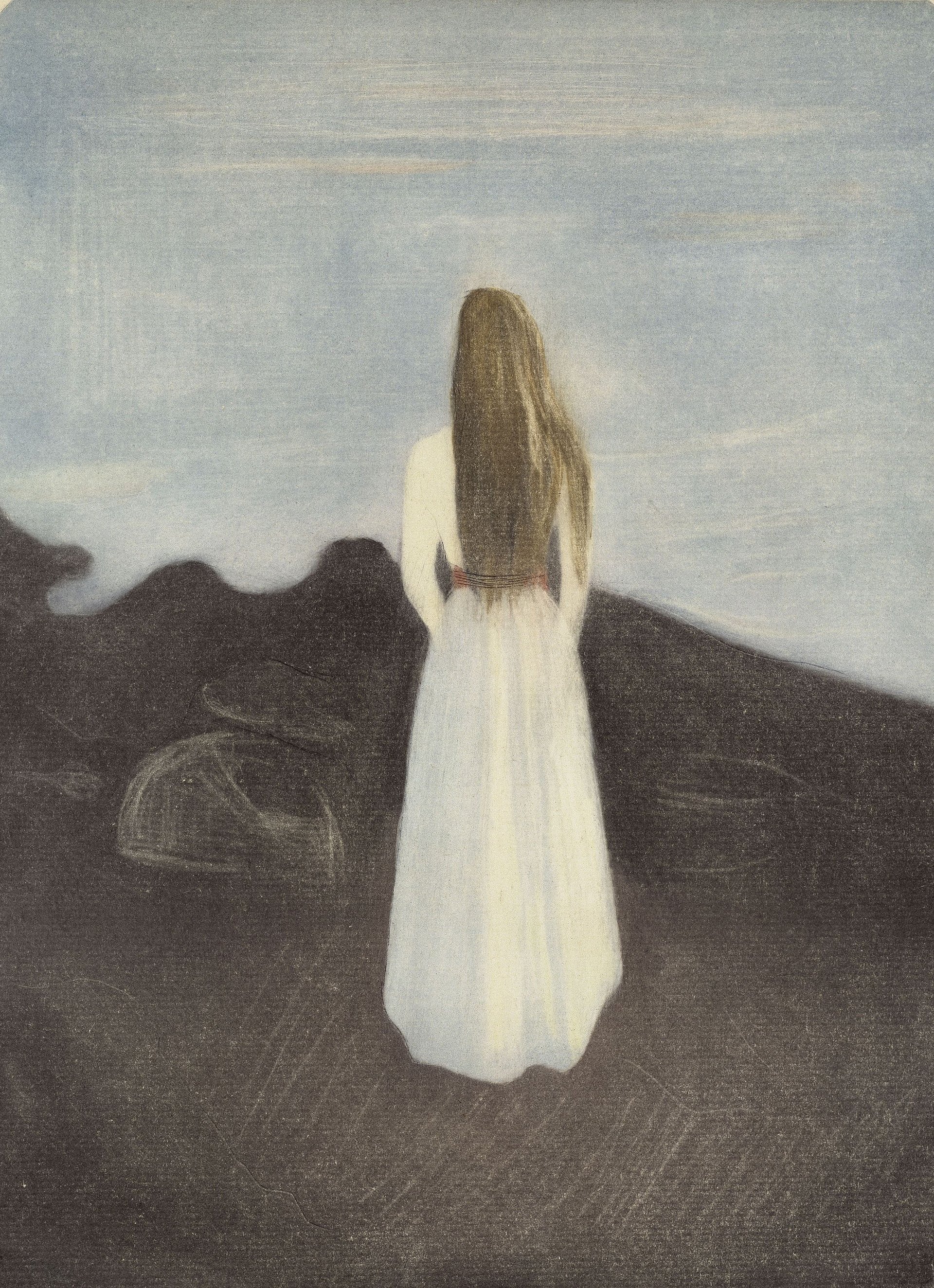
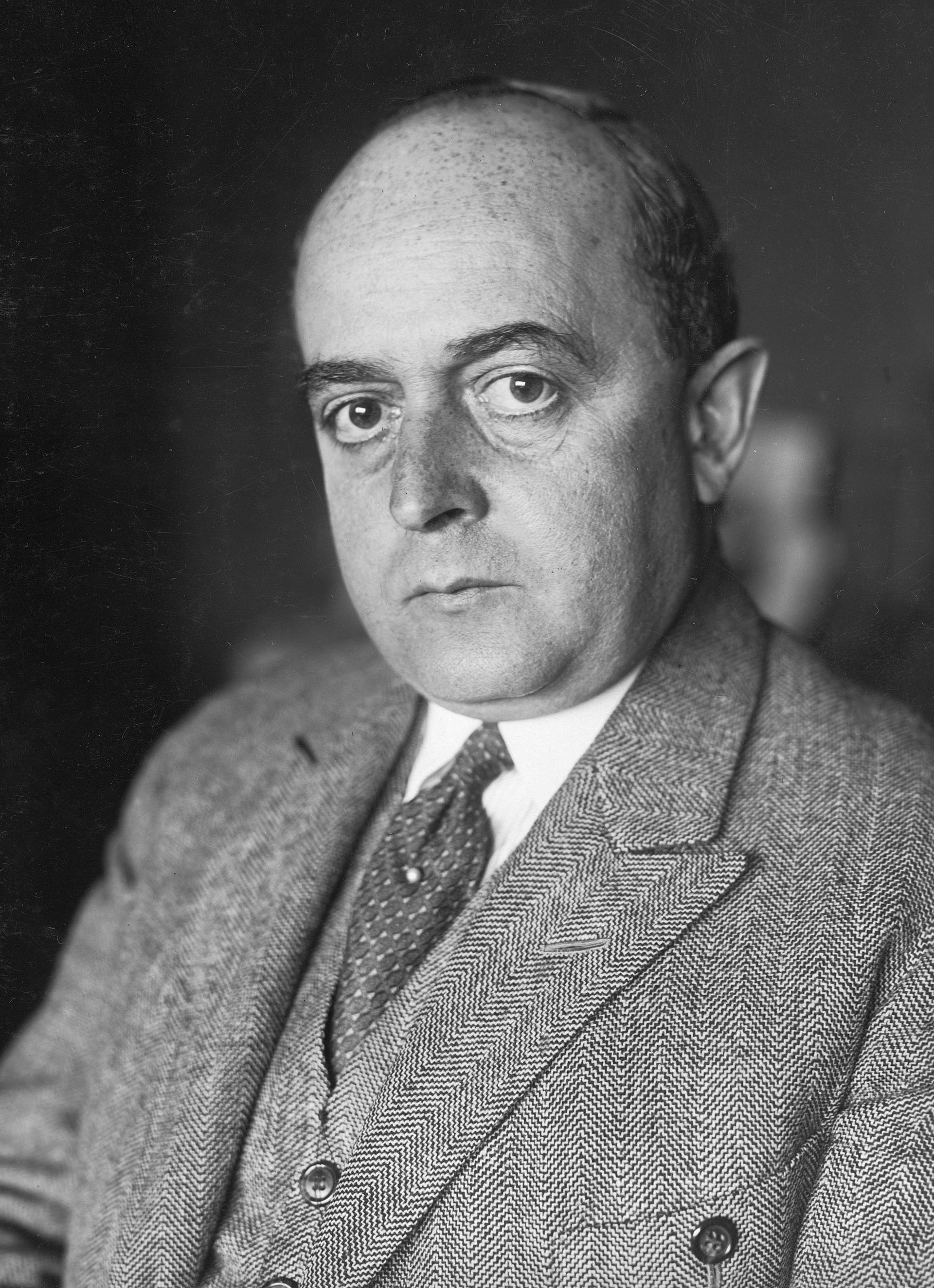
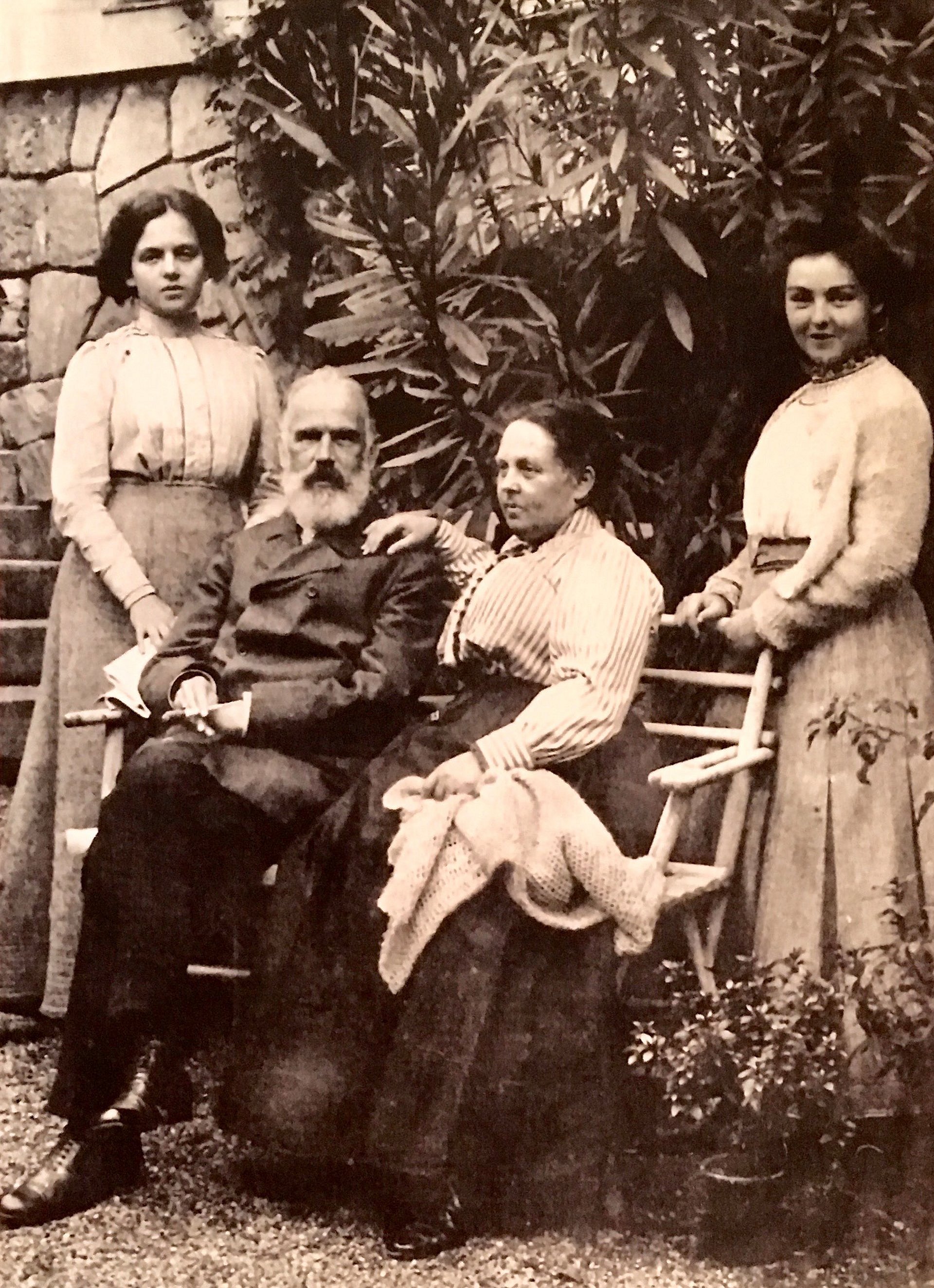
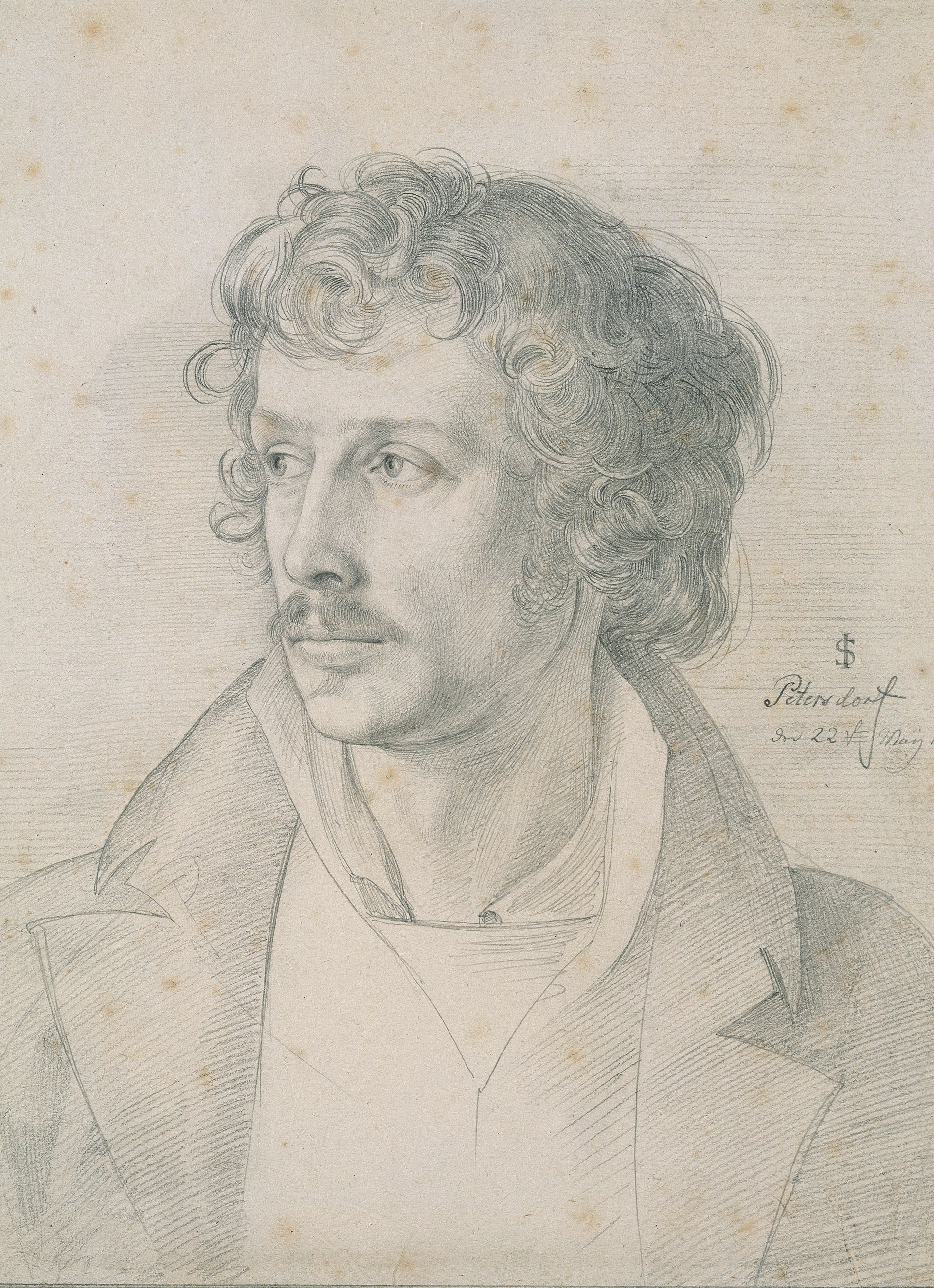
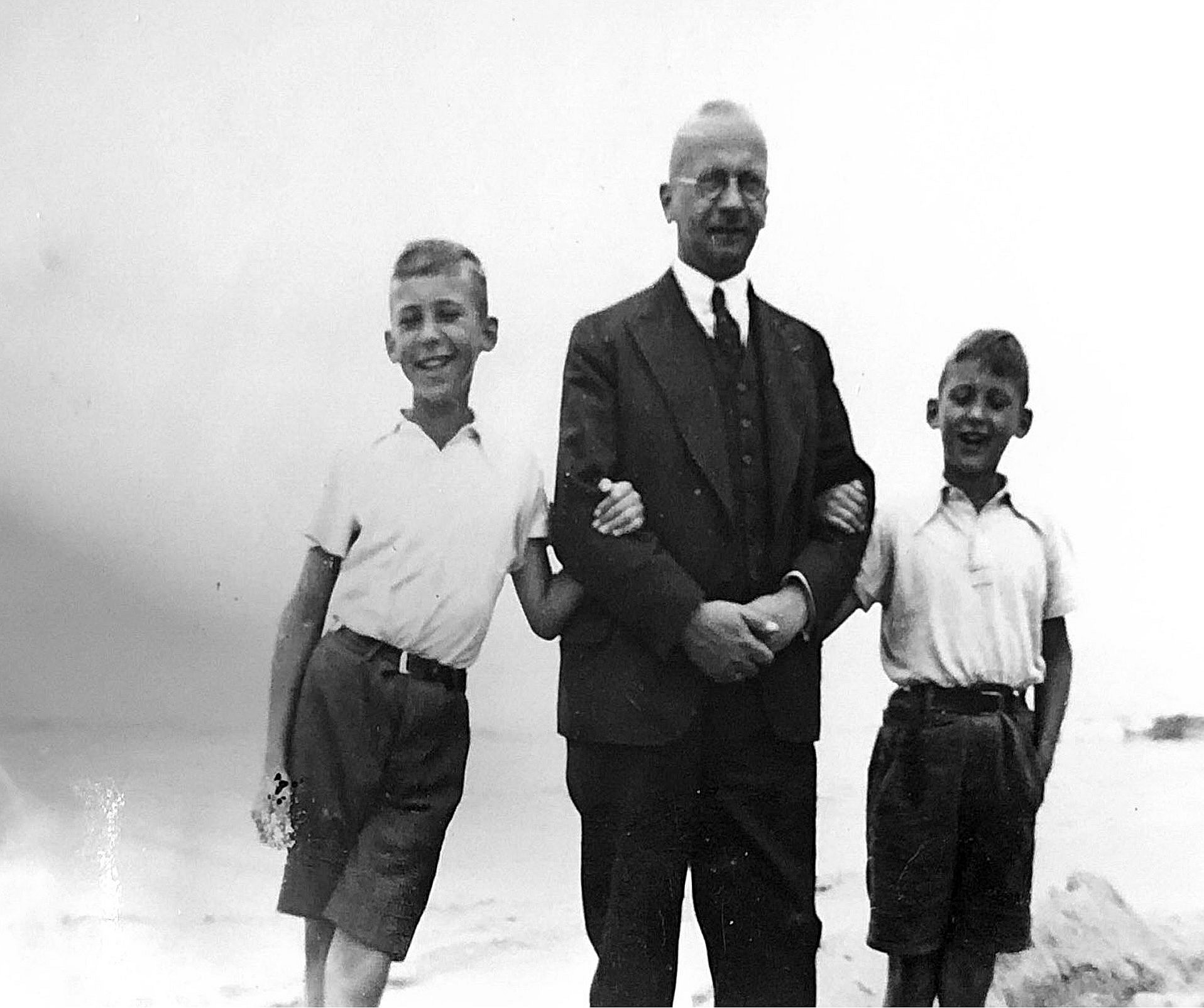
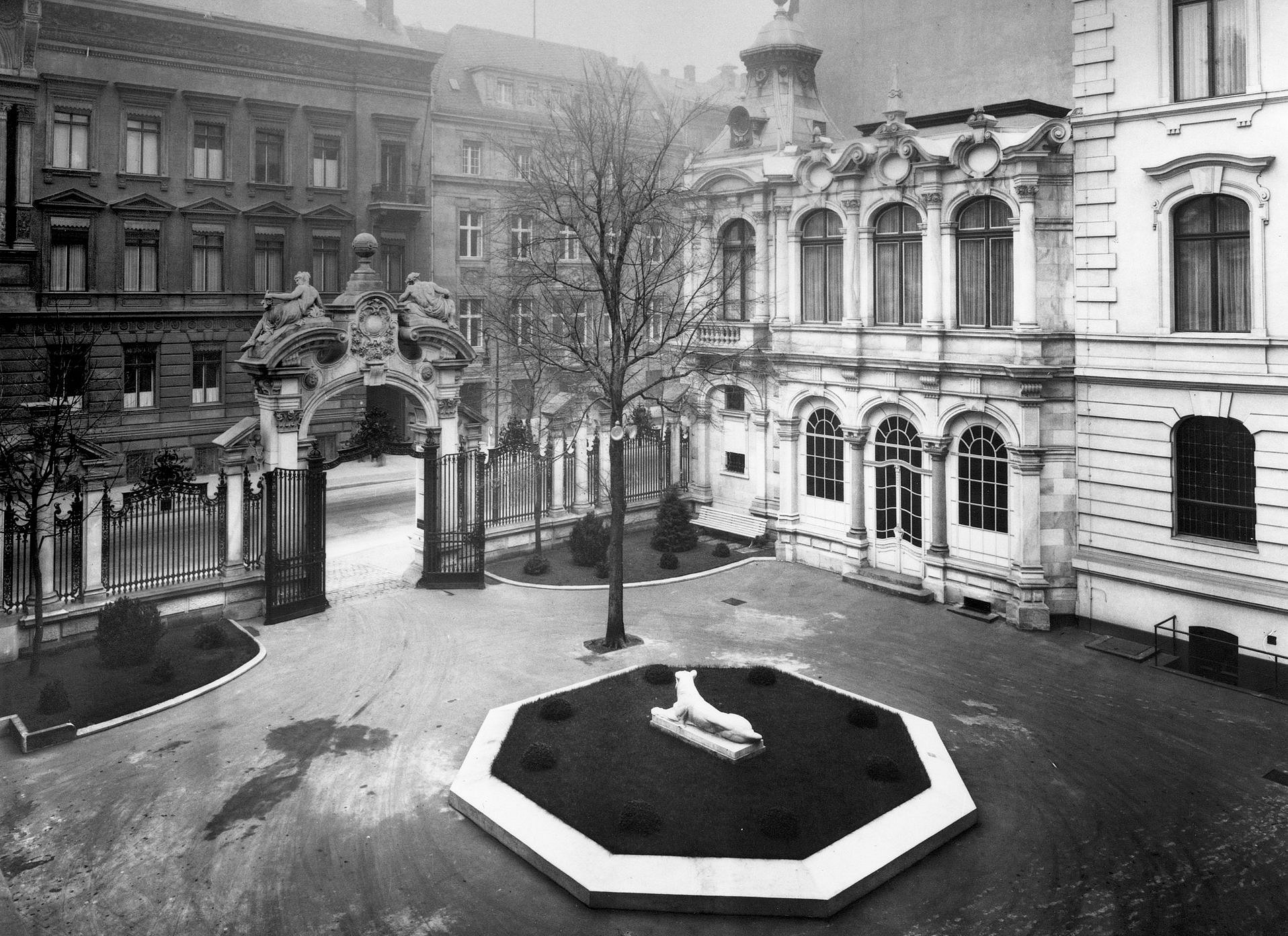
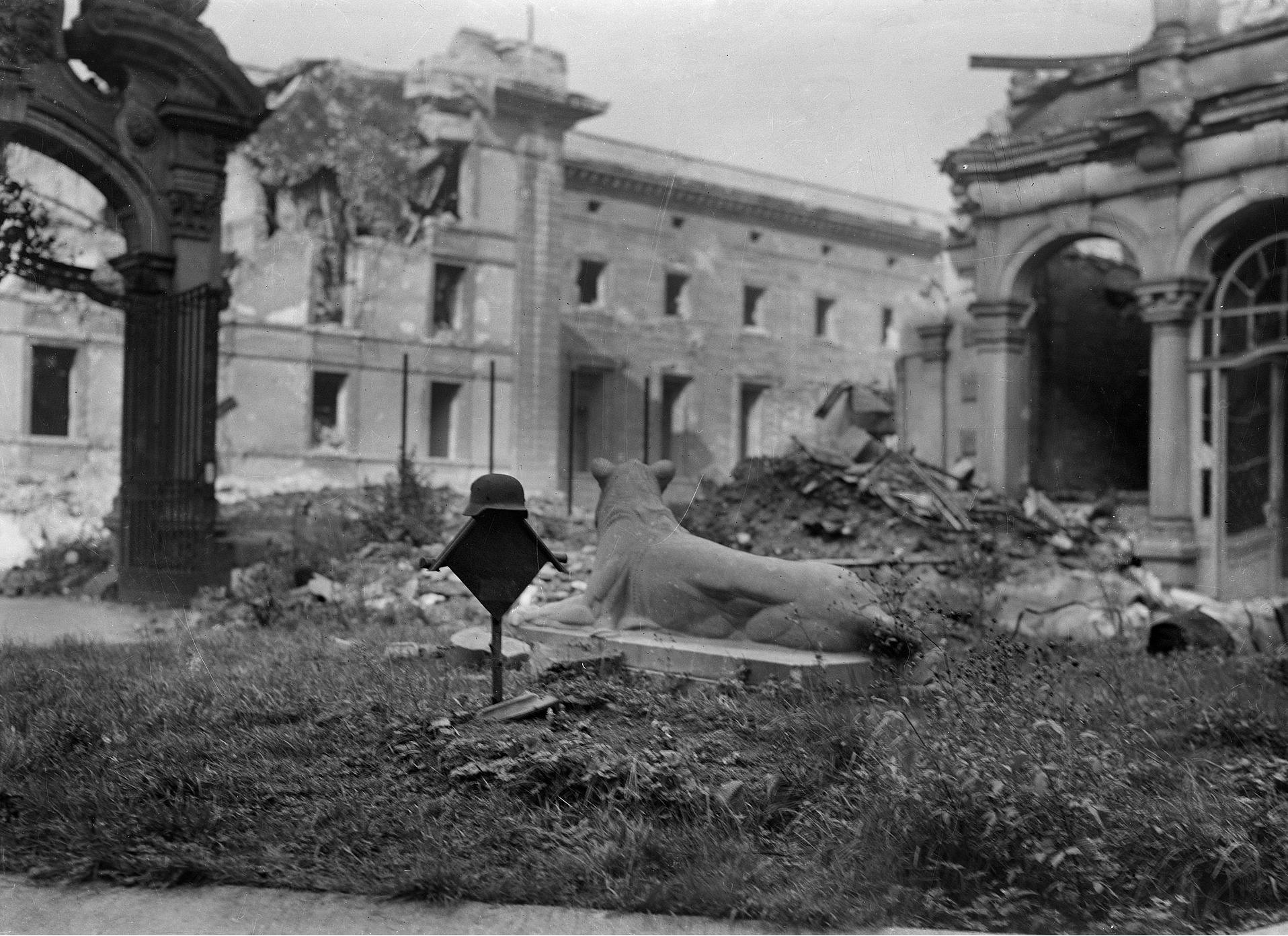
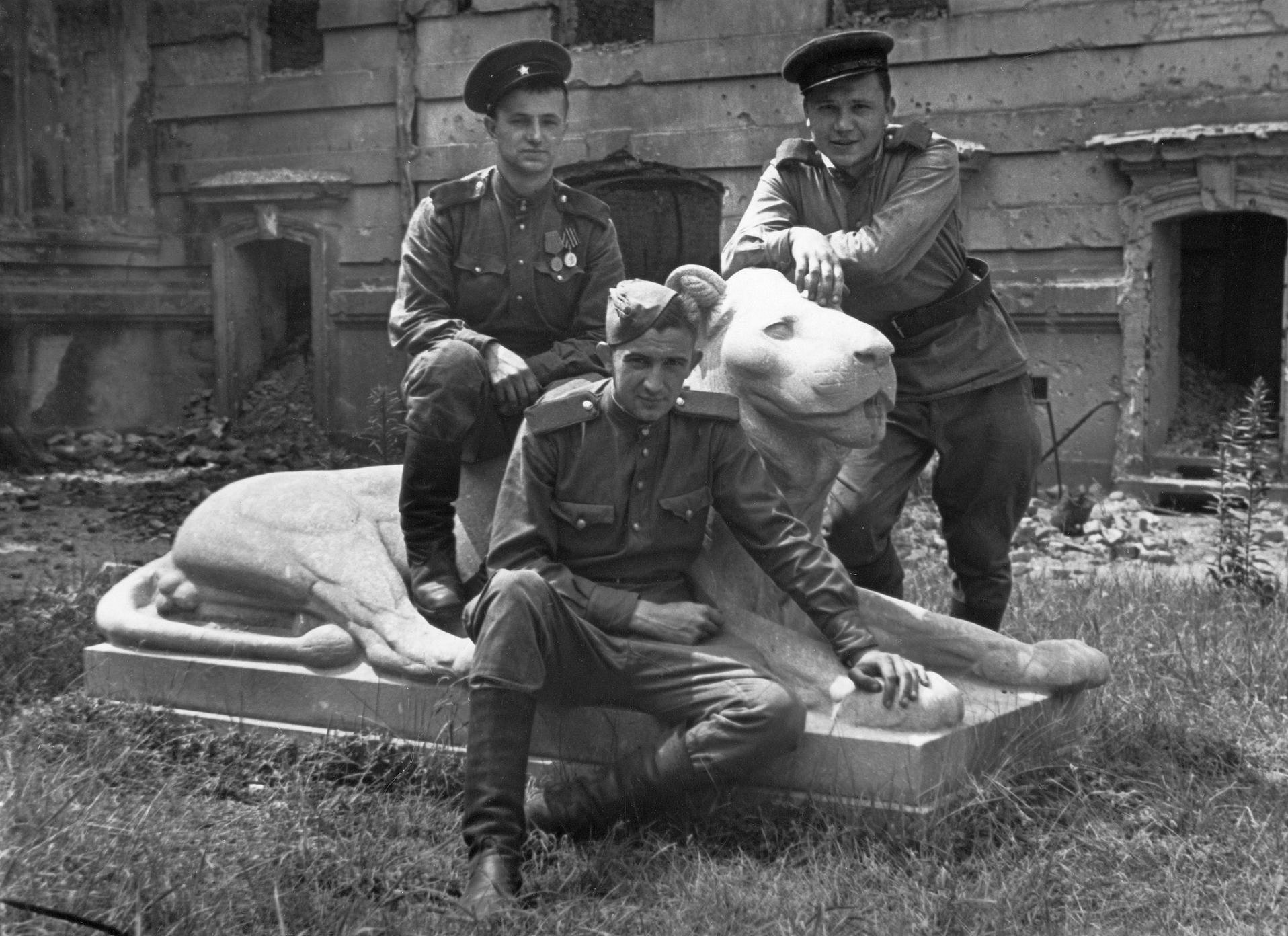
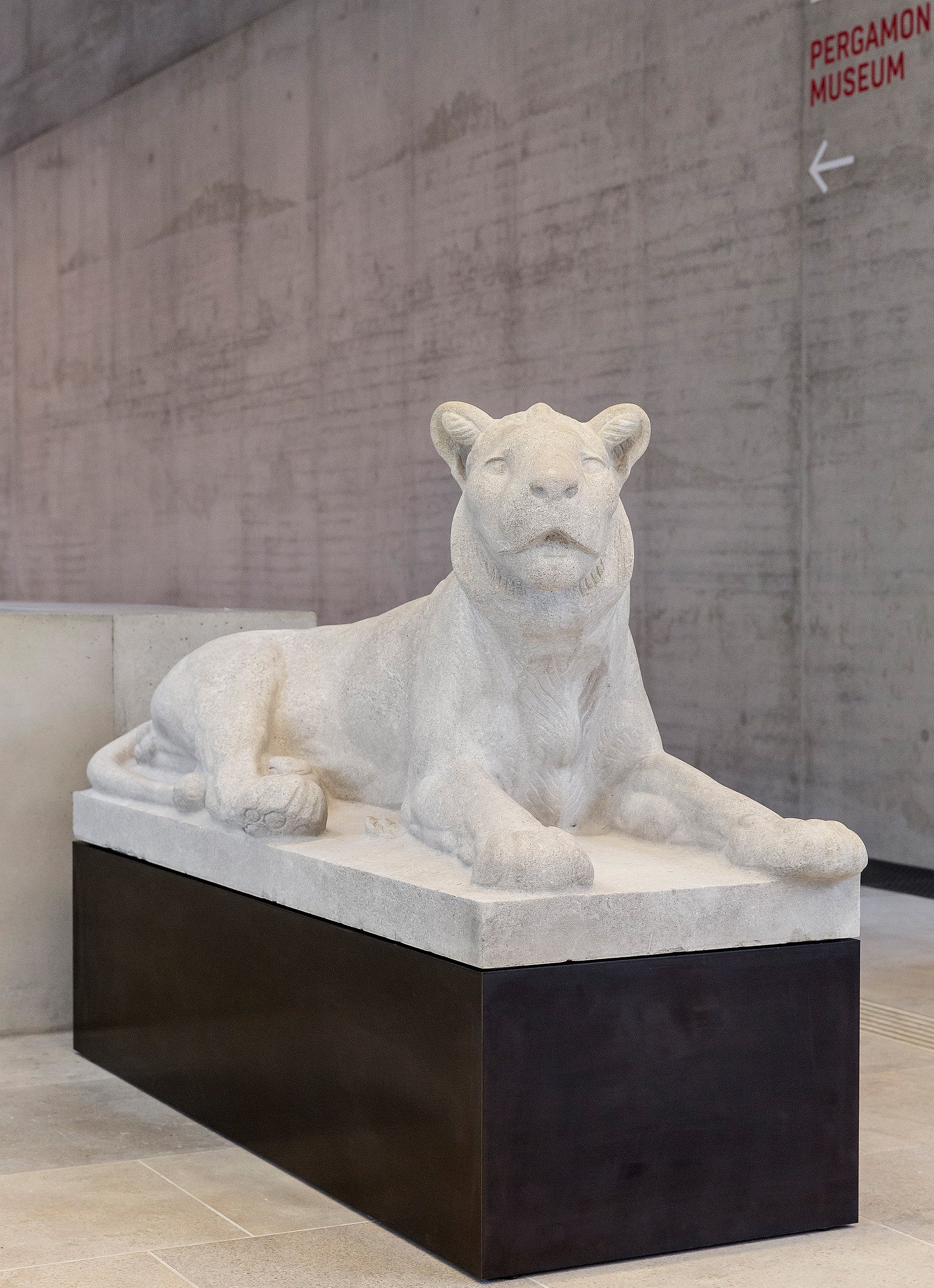
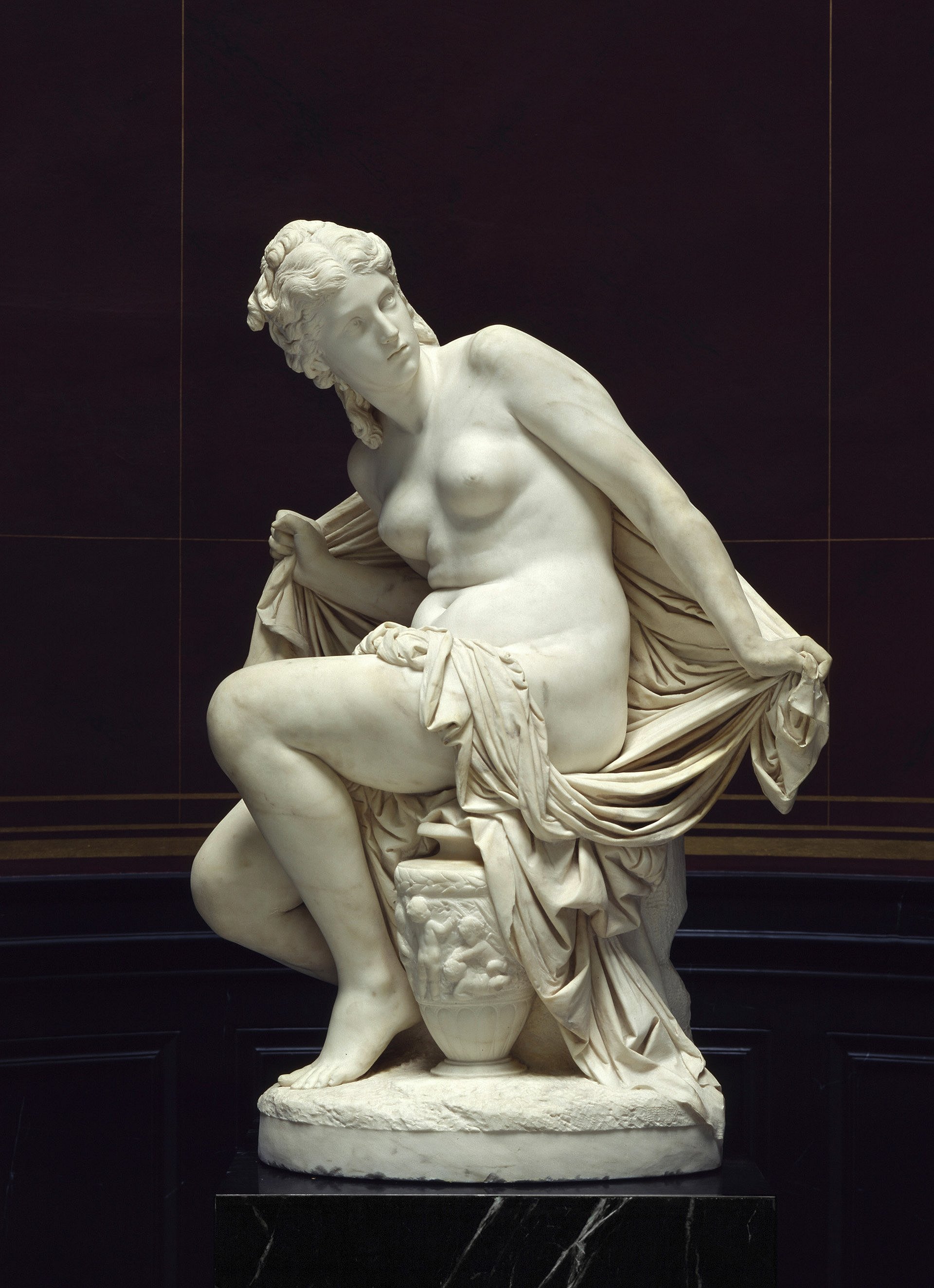
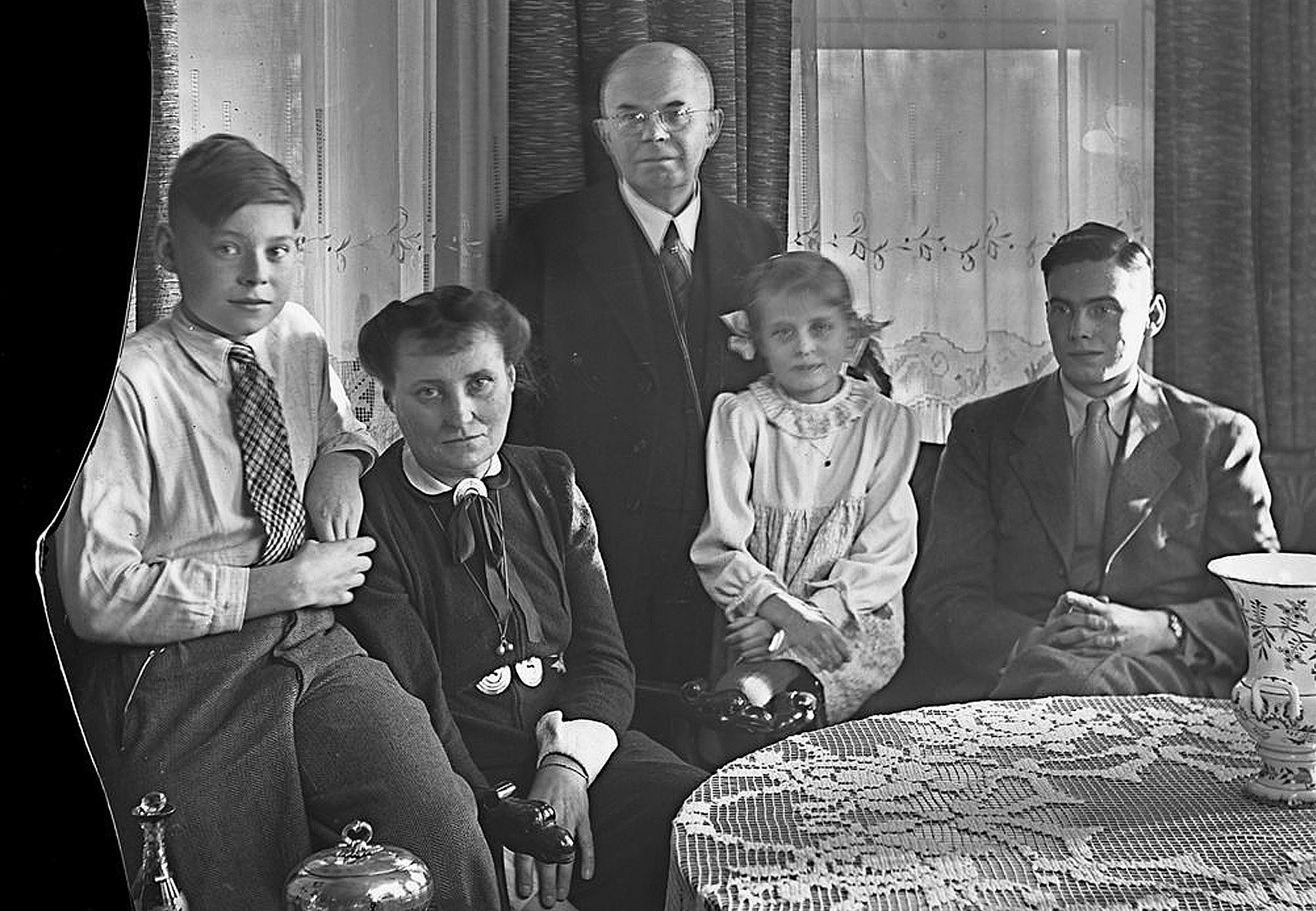
The images in this article are taken from the remembrance project ‘Art, Looting and Restitution – Forgotten Life Stories’ by the Prussian Cultural Heritage Foundation and the Bavarian State Painting Collections. It tells the stories of Jewish people who once played a decisive role in shaping cultural life in Germany, but were subsequently ostracised, disenfranchised, persecuted, robbed and murdered by the Nazis. In collaboration with BR and rbb, these life stories are being presented in a media library of remembrance.