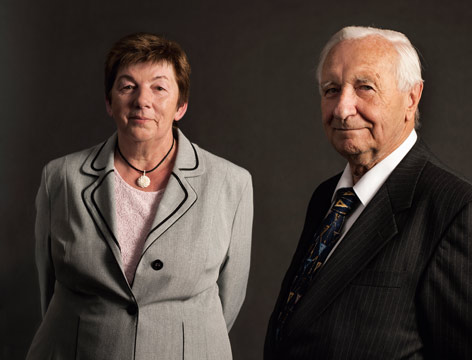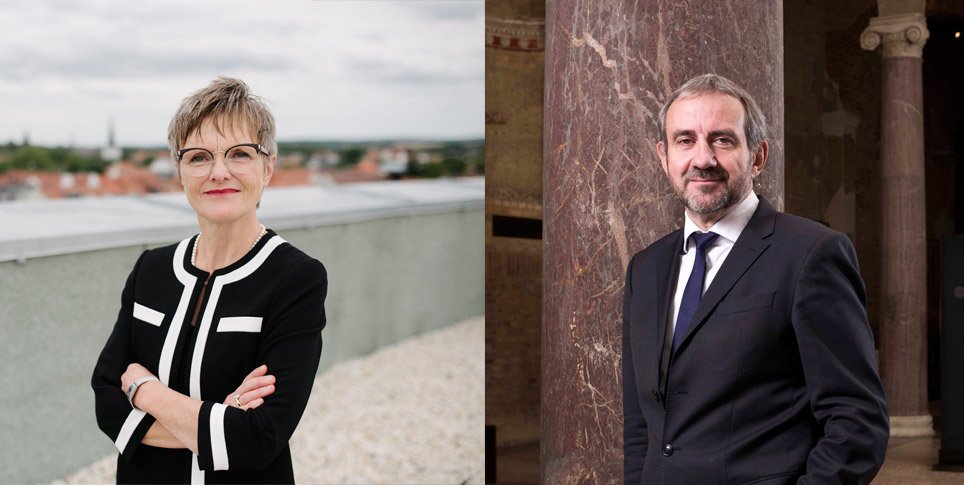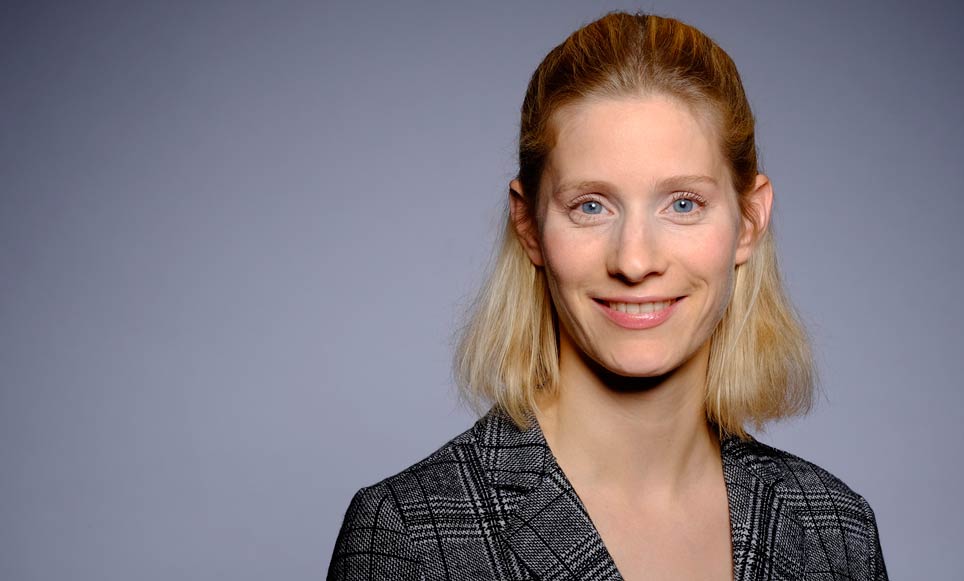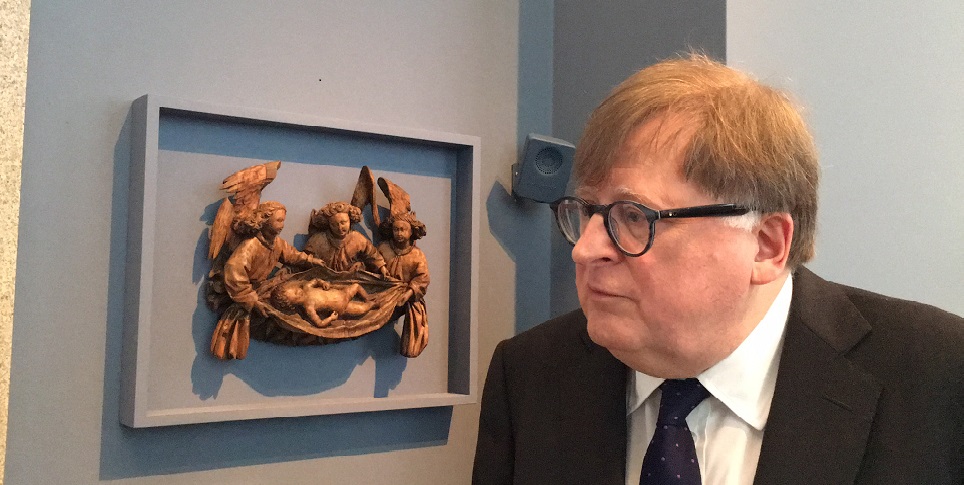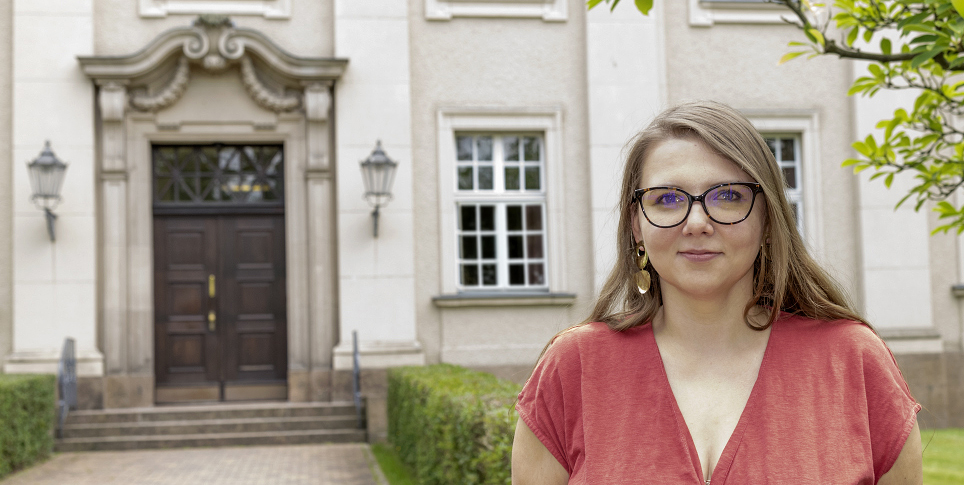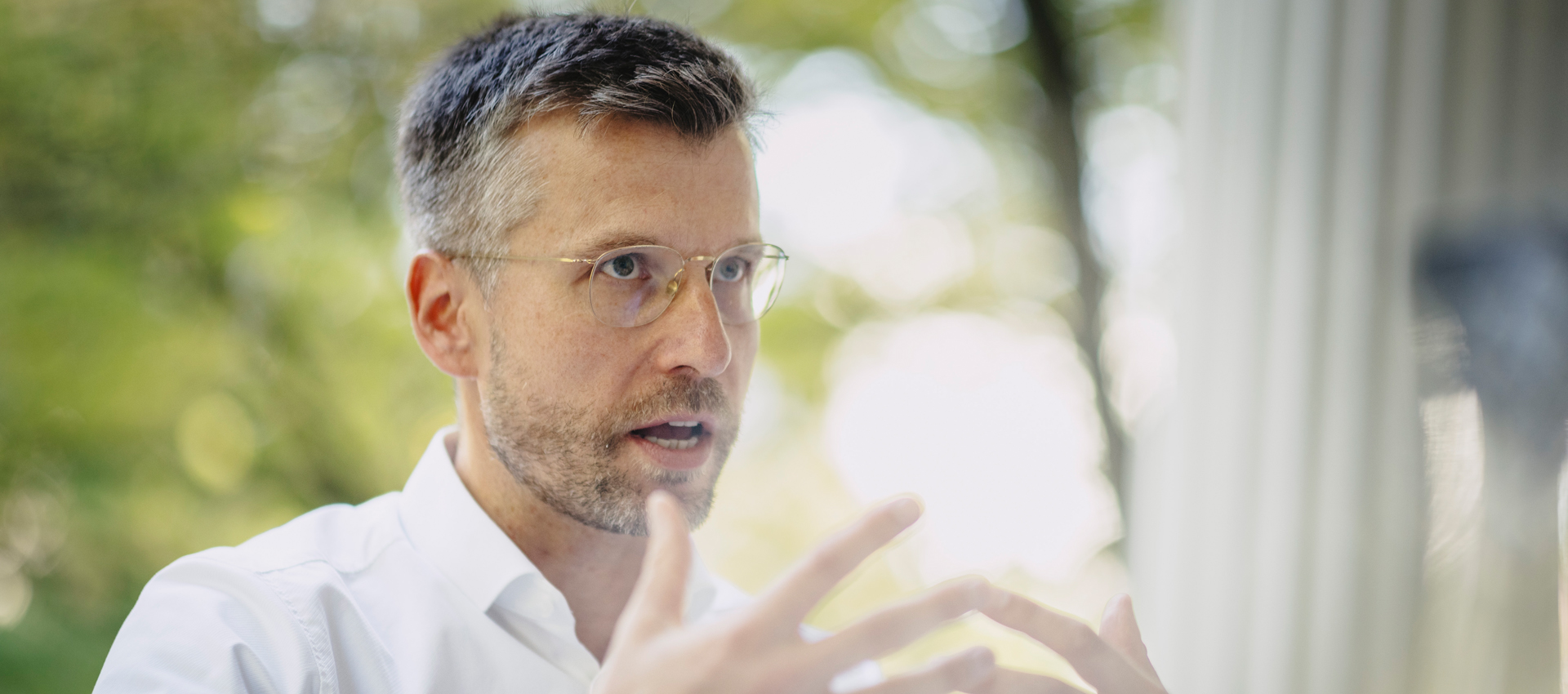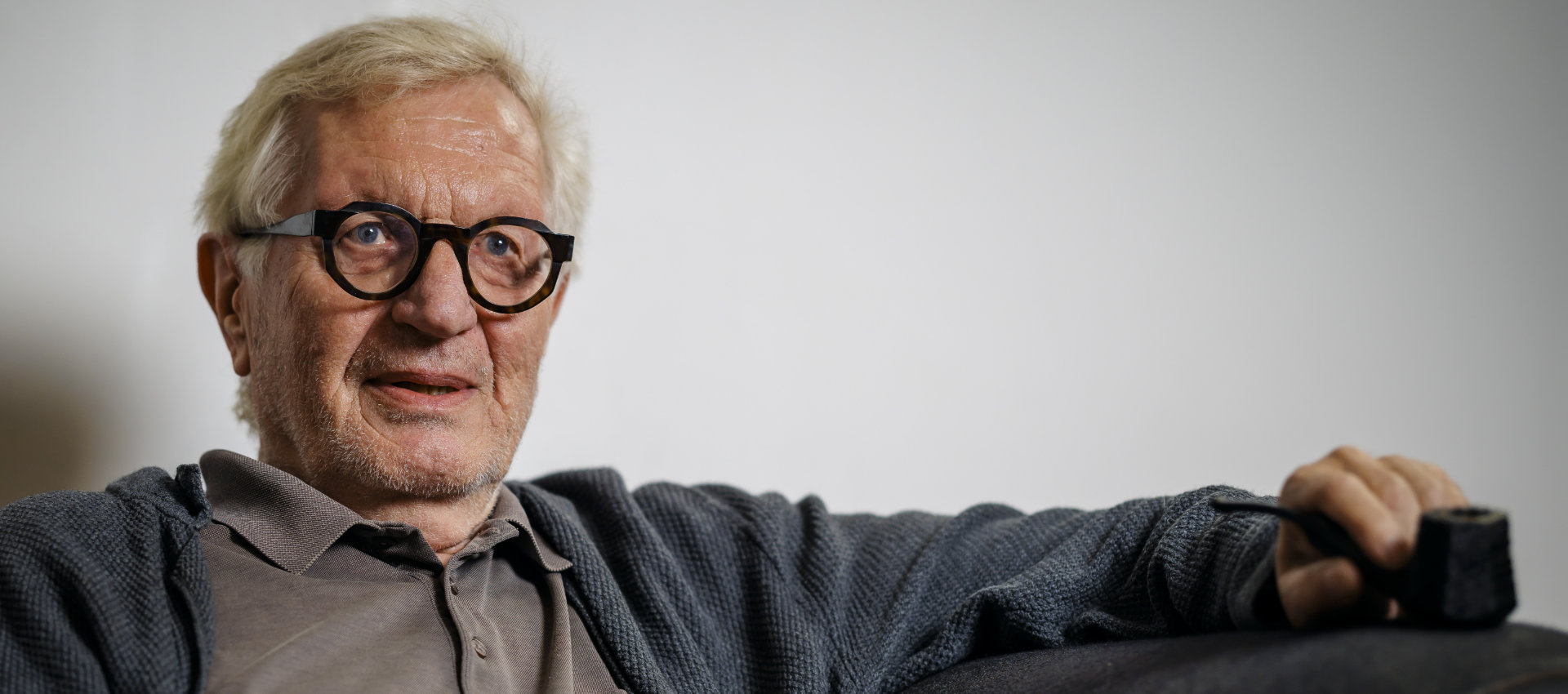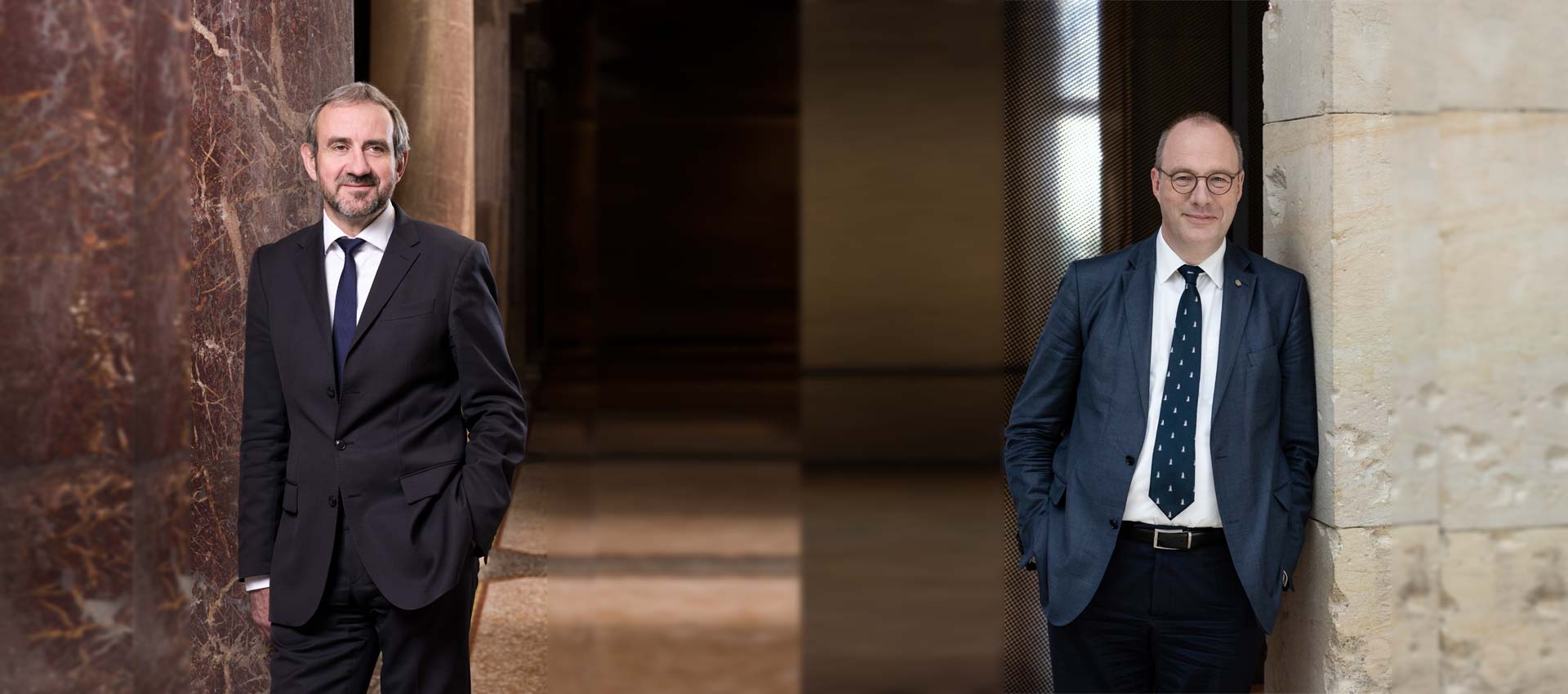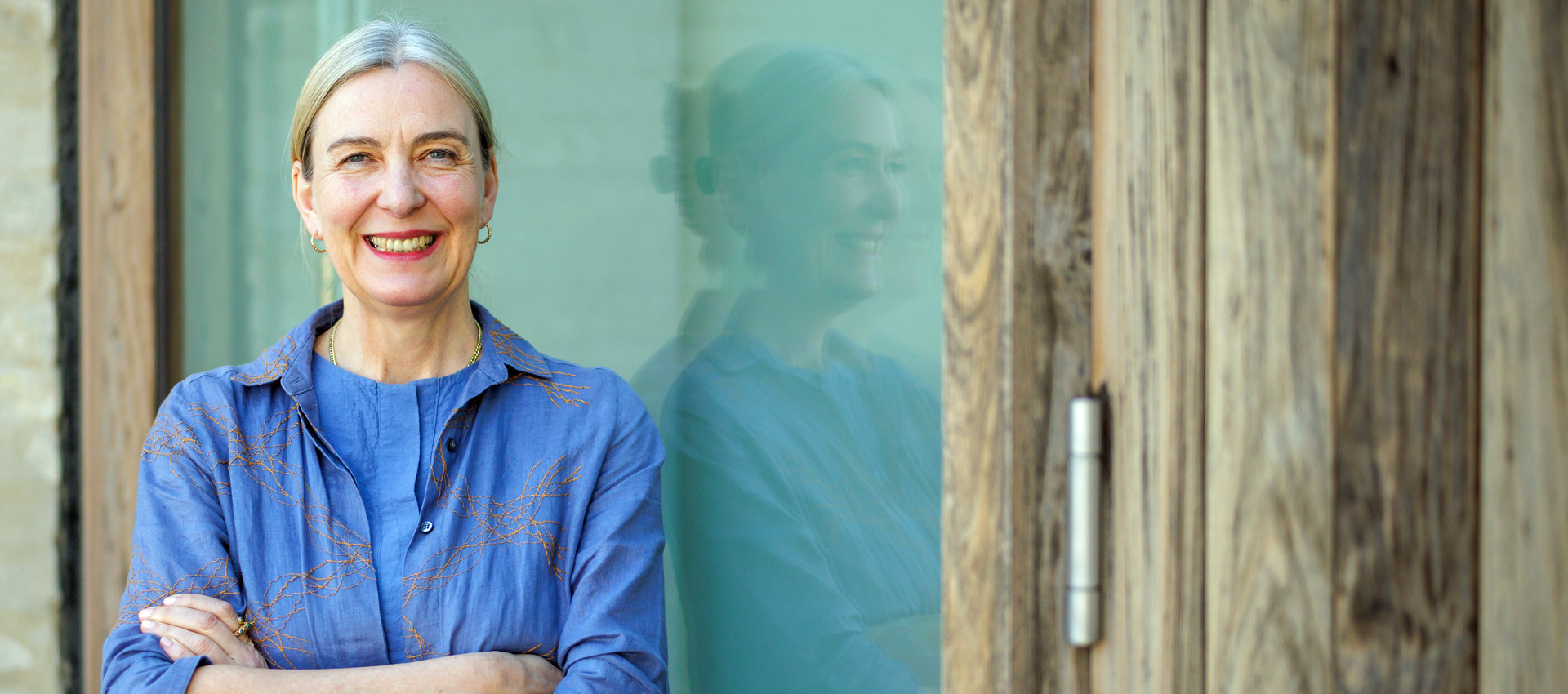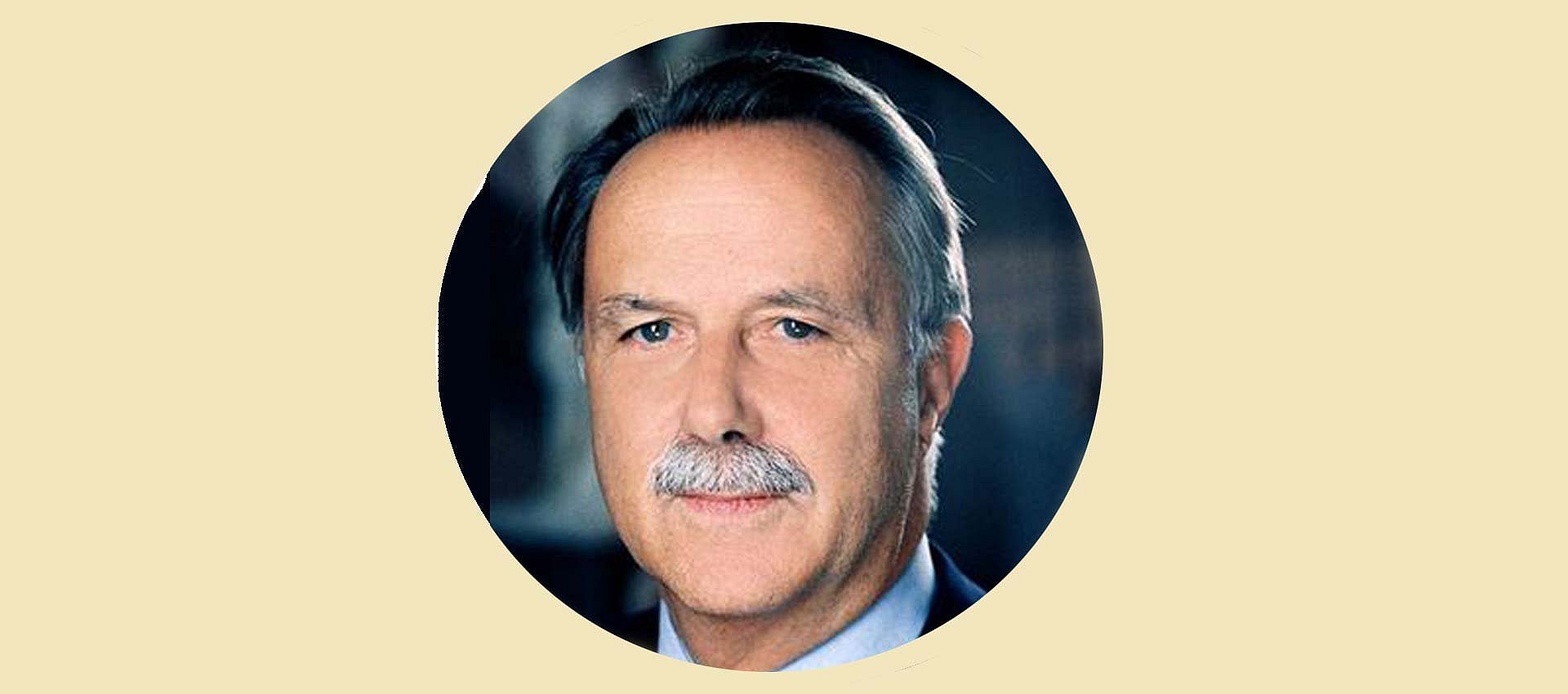
Klaus-Dieter Lehmann, born in 1940, is a cultural manager and librarian. Following his tenure as Director General of the German National Library, he served as President of the Prussian Cultural Heritage Foundation from 1998 to 2008 and subsequently as President of the Goethe-Institut until 2020.
© SPK / Urban Ruths
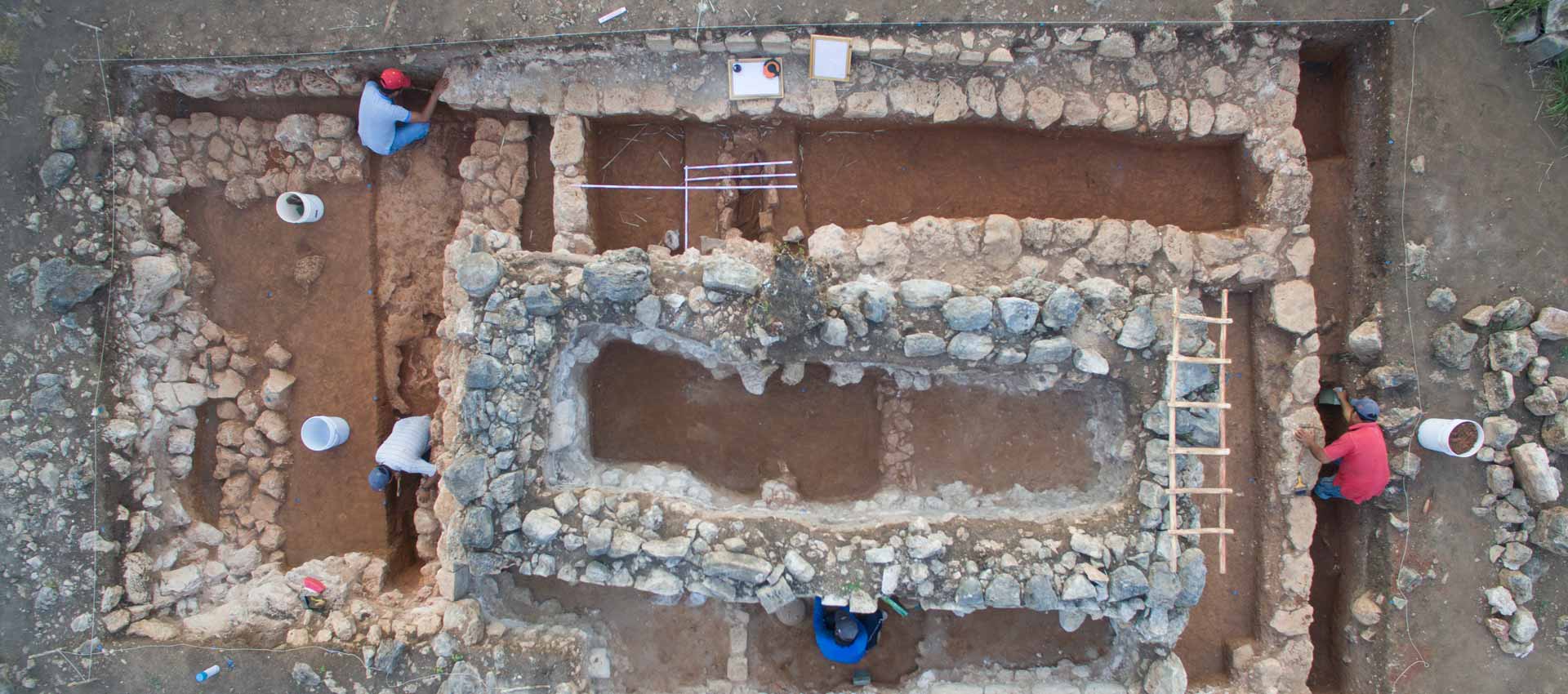
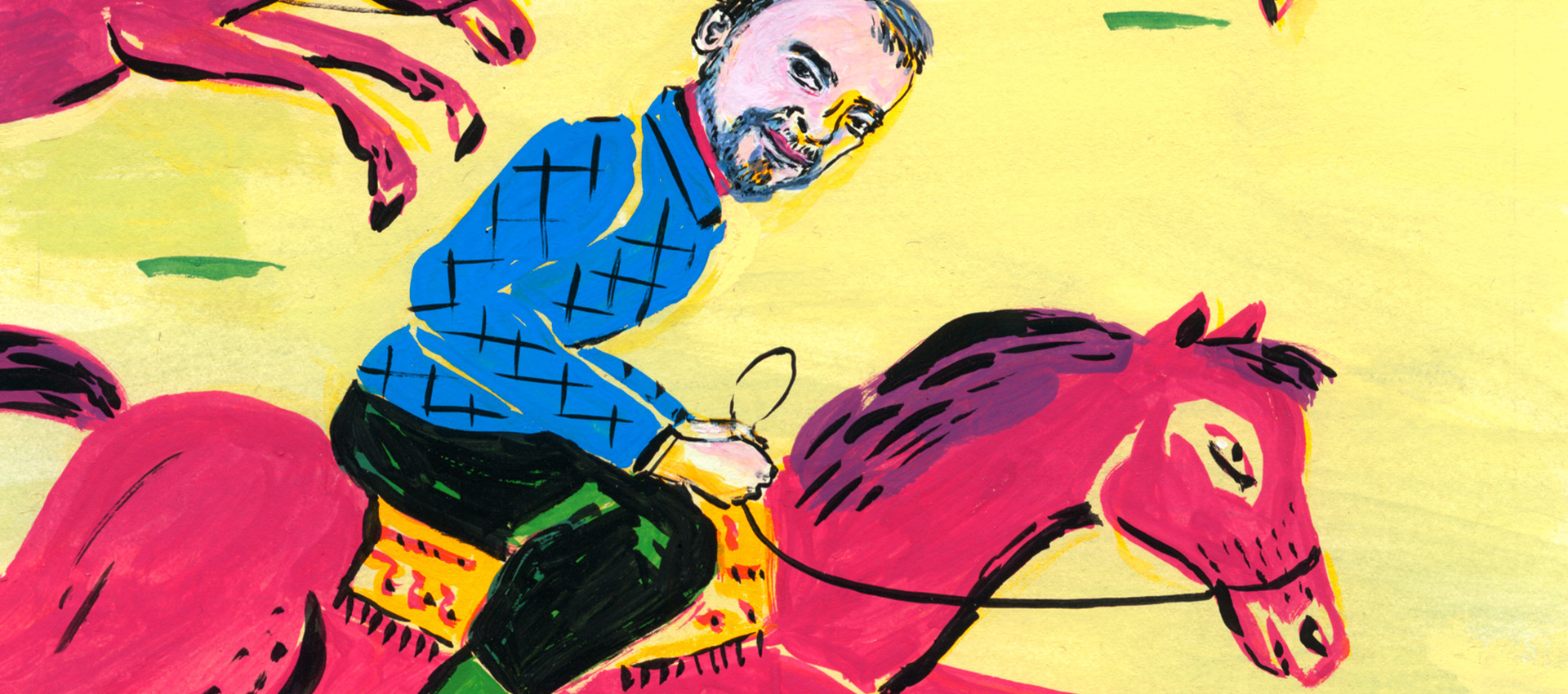
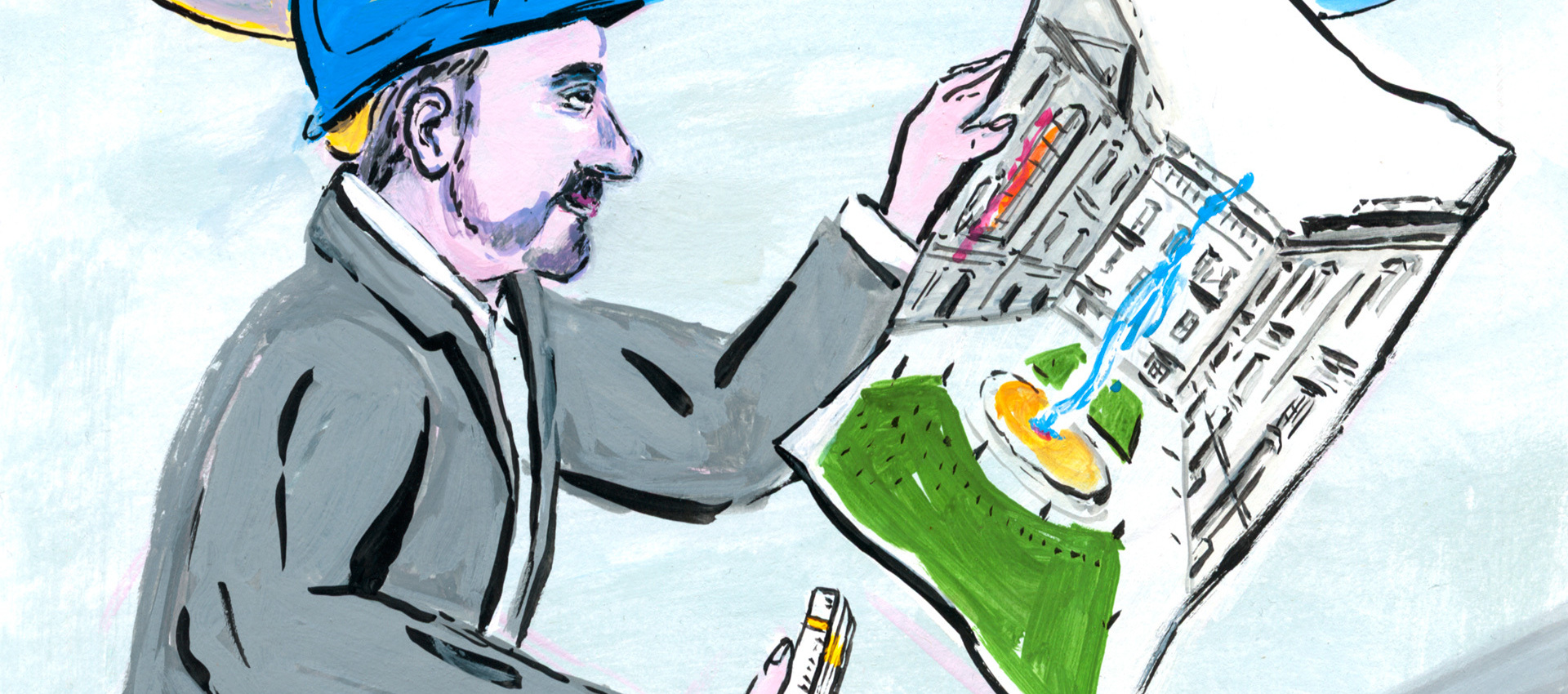
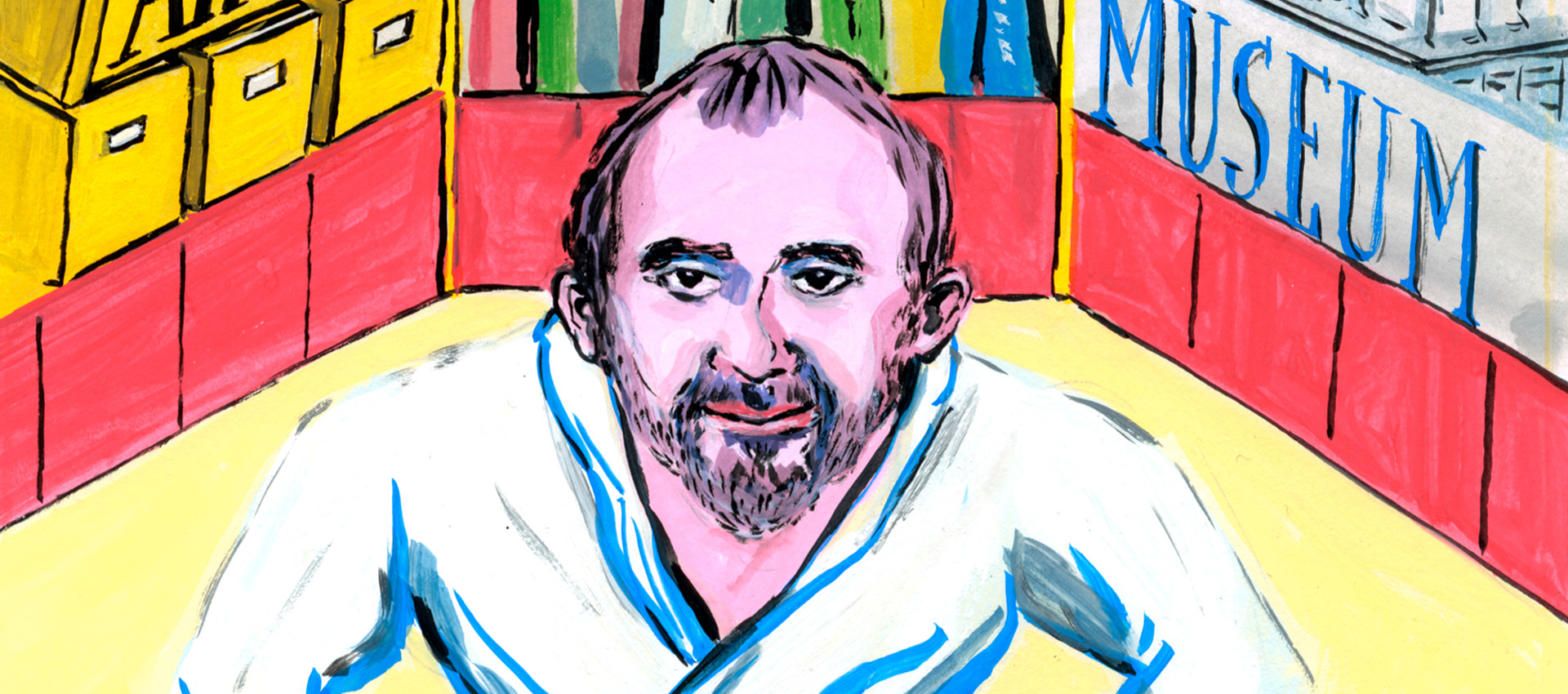
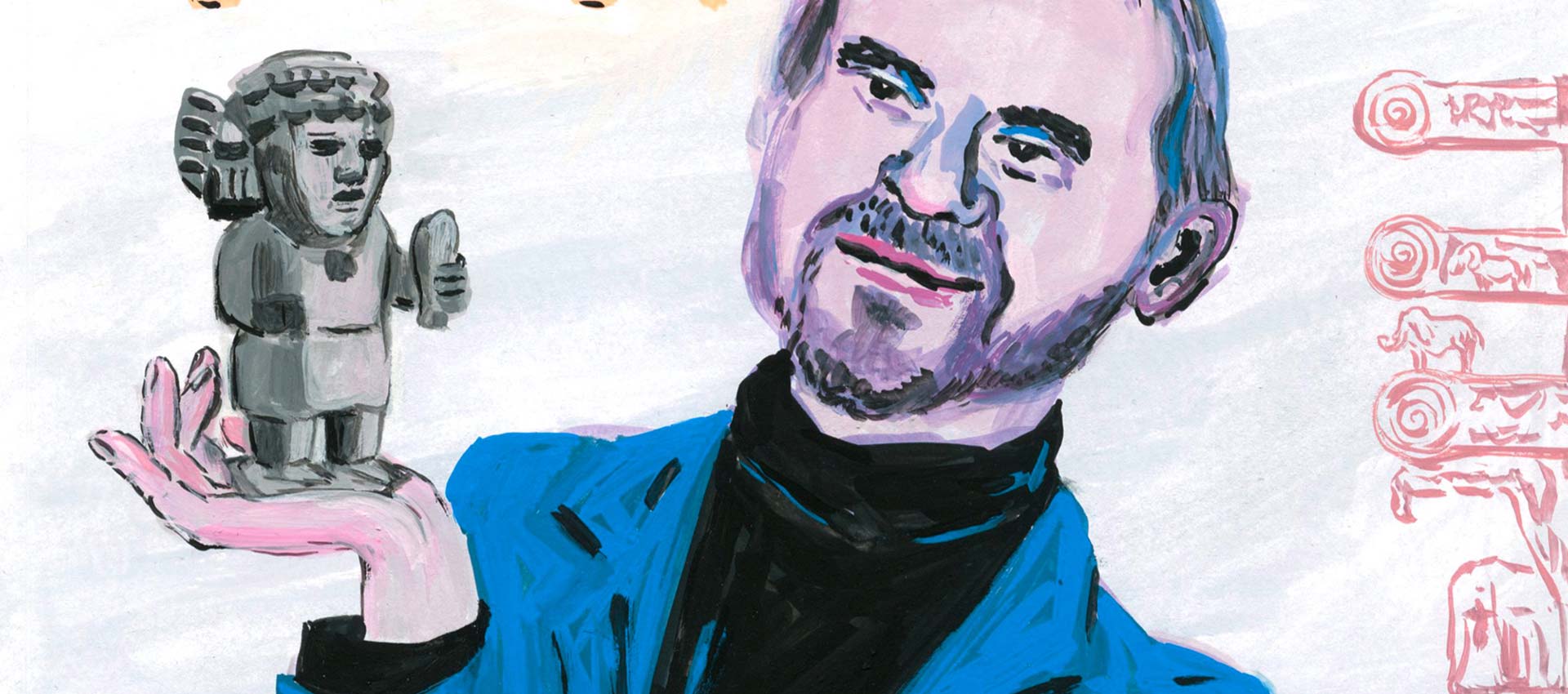
In 2008, a Bavarian ascended the imaginary Prussian throne as president of the Prussian Cultural Heritage Foundation. Not in his archaeologist’s uniform—with an open shirt front and a spade—but smartly dressed in fine cloth, with a laptop in his briefcase.
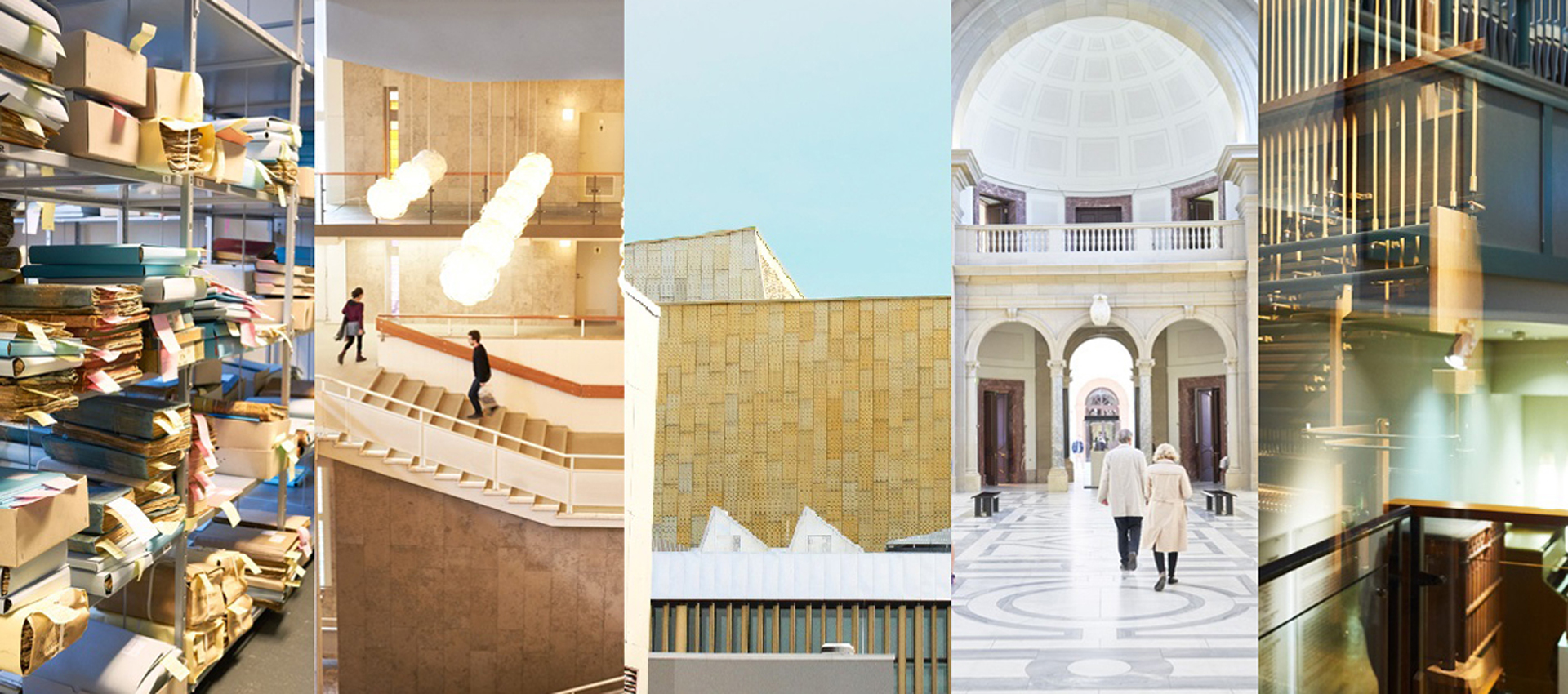
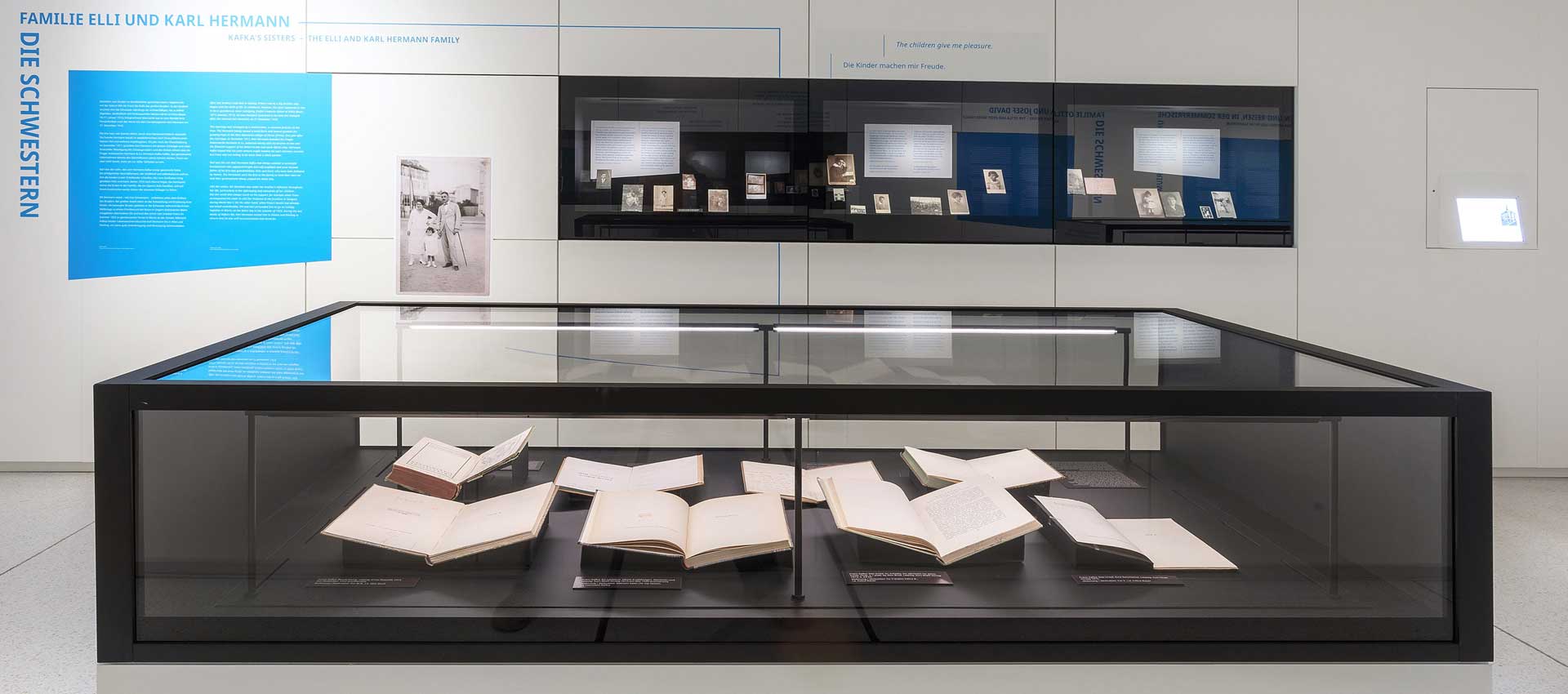
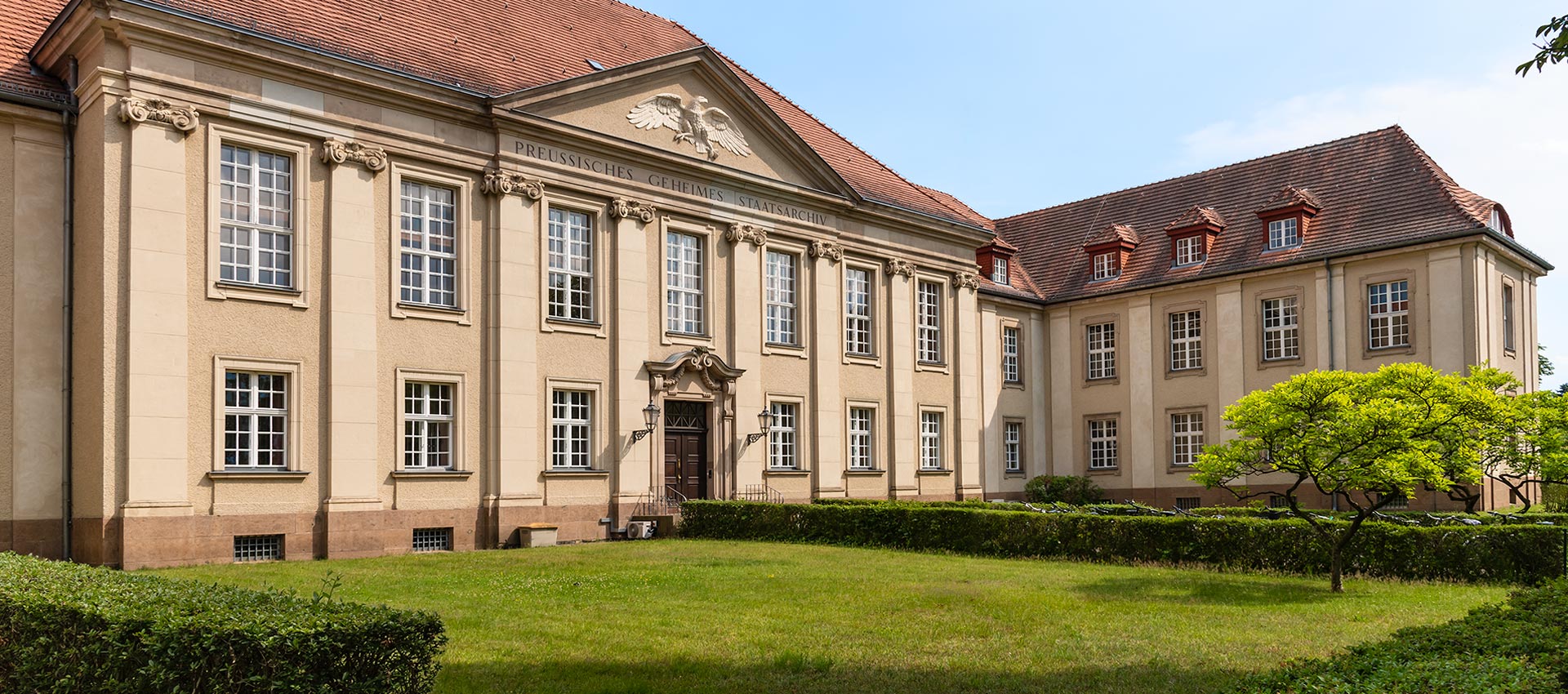
Hermann Parzinger, the man who came from the steppes and had been styled as the grandson of Heinrich Schliemann, decided to settle down. He took charge of an organisation comprising 16 national museums, the State Library, the Secret State Archives, the Ibero-American Institute and other research institutions, and was tasked with creating a modern image of Germany through art and culture.
Hermann Parzinger first set off from Munich in 1992 to work for the Roman-Germanic Commission in Frankfurt. But once he had crossed the Main, there was no stopping him.
By 1995, we find him in Berlin. There, as founding director, he successfully headed the Eurasia Department of the German Archaeological Institute (DAI); in 2003, he took over as director of the entire institution. Although he now had to focus primarily on his skills in cultural and scientific policy, he continued his own academic work even as President of the DAI.
Hermann Parzinger took up the post of Foundation President as a highly distinguished scholar: a Leibniz Prize winner, honoured with numerous honorary doctorates and memberships of academies, fluent in ten foreign languages, and well-versed in the world. For him, it was a commitment to a national responsibility and, at the same time, the conviction that the textual and visual culture of the Prussian collections should be related to one another and brought together in a
meaningful context.
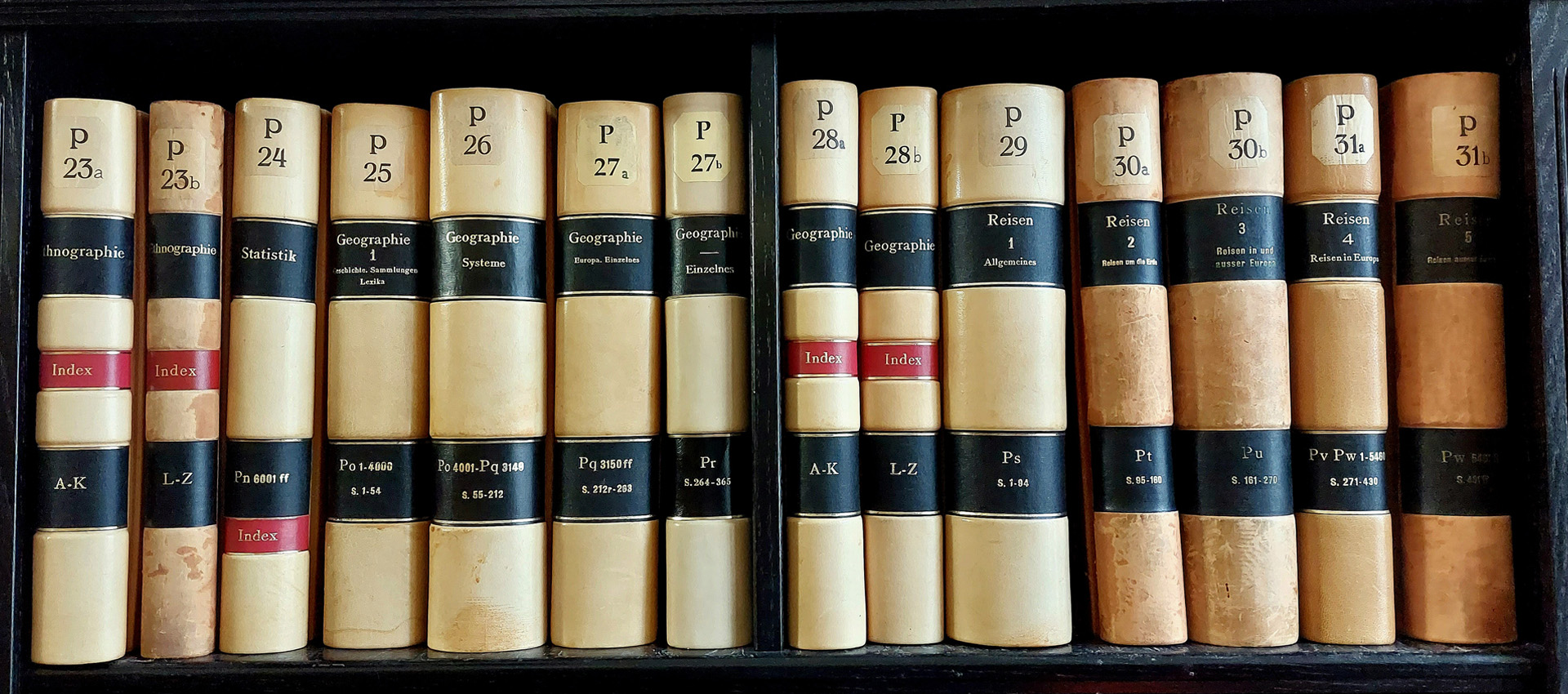
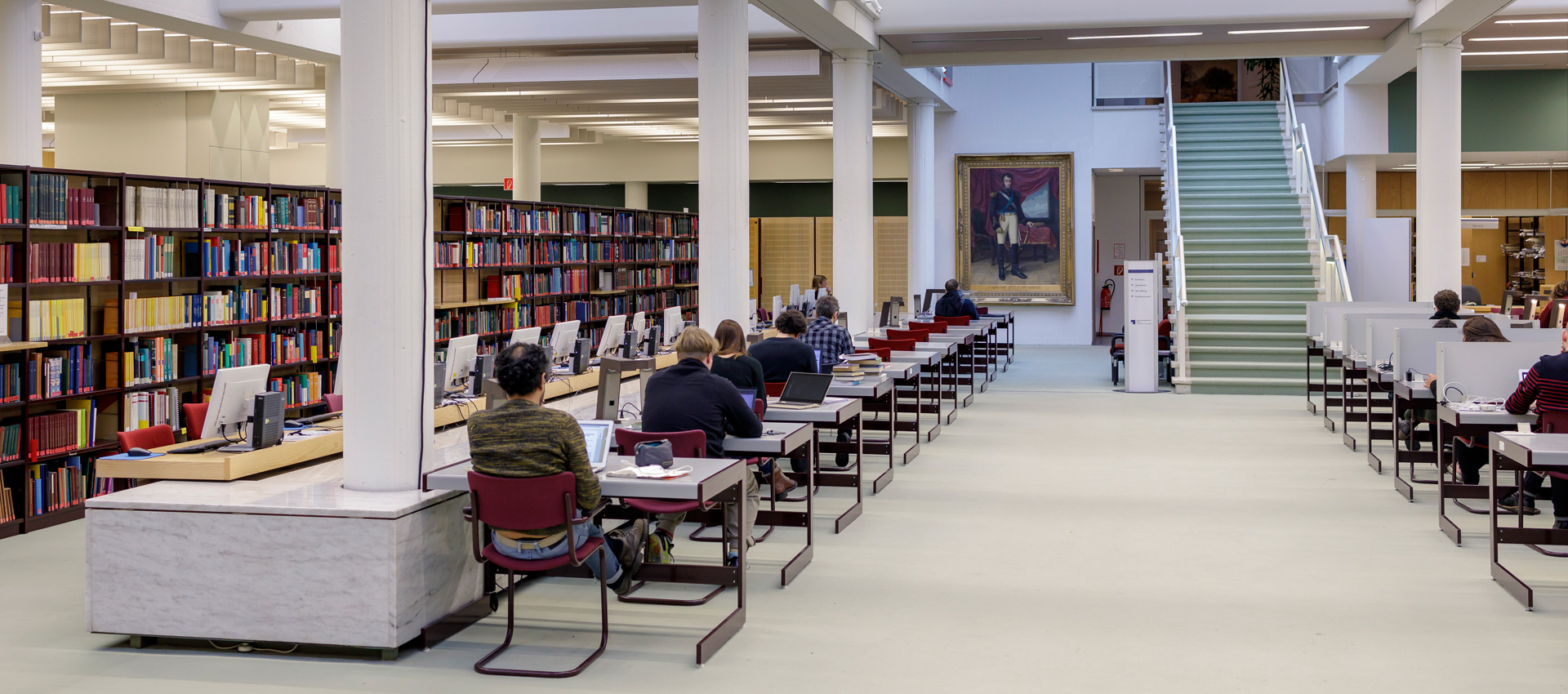
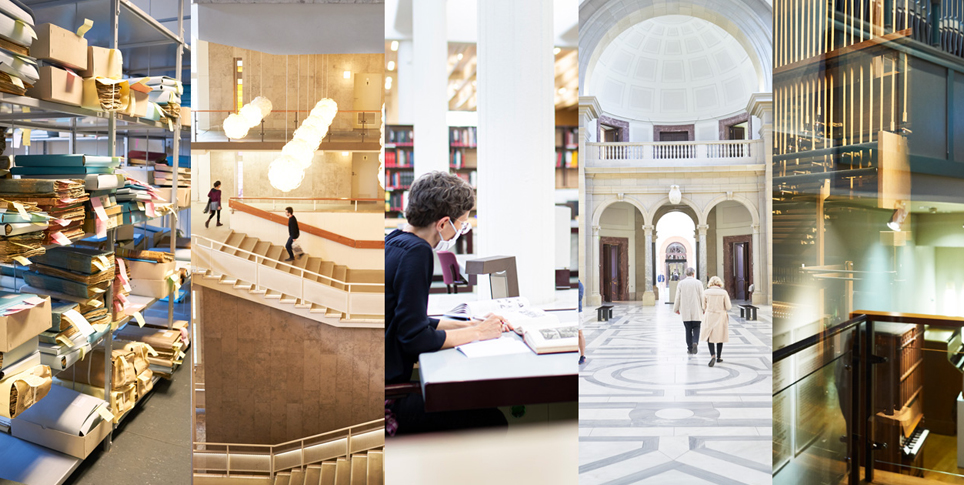
He saw the interplay of the three sectors – museums, libraries and archives – under one roof as a great opportunity for the future, particularly for the institution’s development as a non-university research centre. To this end, a way had to be found that required the federal and state governments to assume responsibility in terms of both structural and financial obligations.
He saw the collaboration between the three sectors – museums, libraries and archives – under one roof as a great opportunity for the future
Lehmann on Parzinger
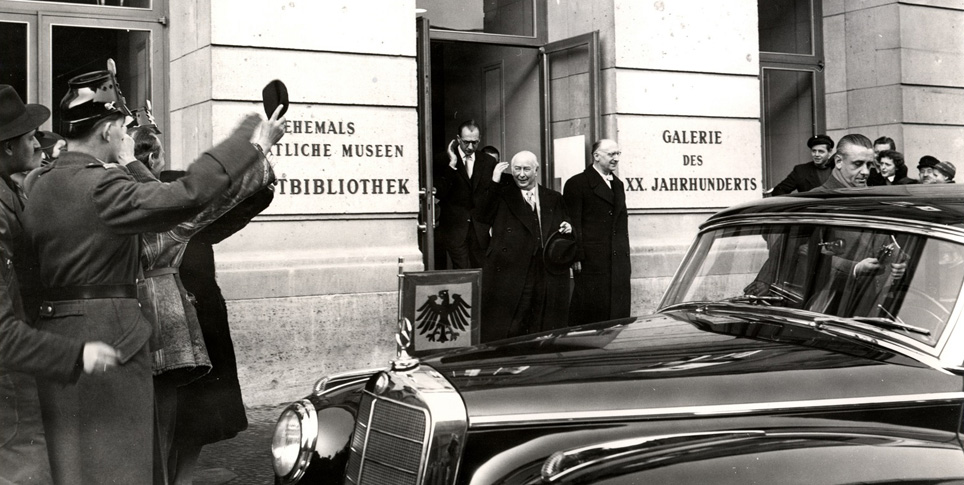
The Prussian Cultural Heritage Foundation was established in 1957 with its headquarters in West Berlin to safeguard the scattered cultural collections of the former state of Prussia. The collections in the eastern part of Berlin remained under the jurisdiction of the GDR central government. It was not until reunification that the divided collections could be brought together. Following an intensive phase of negotiations, the Federal Government and all 16 Länder agreed on joint sponsorship.
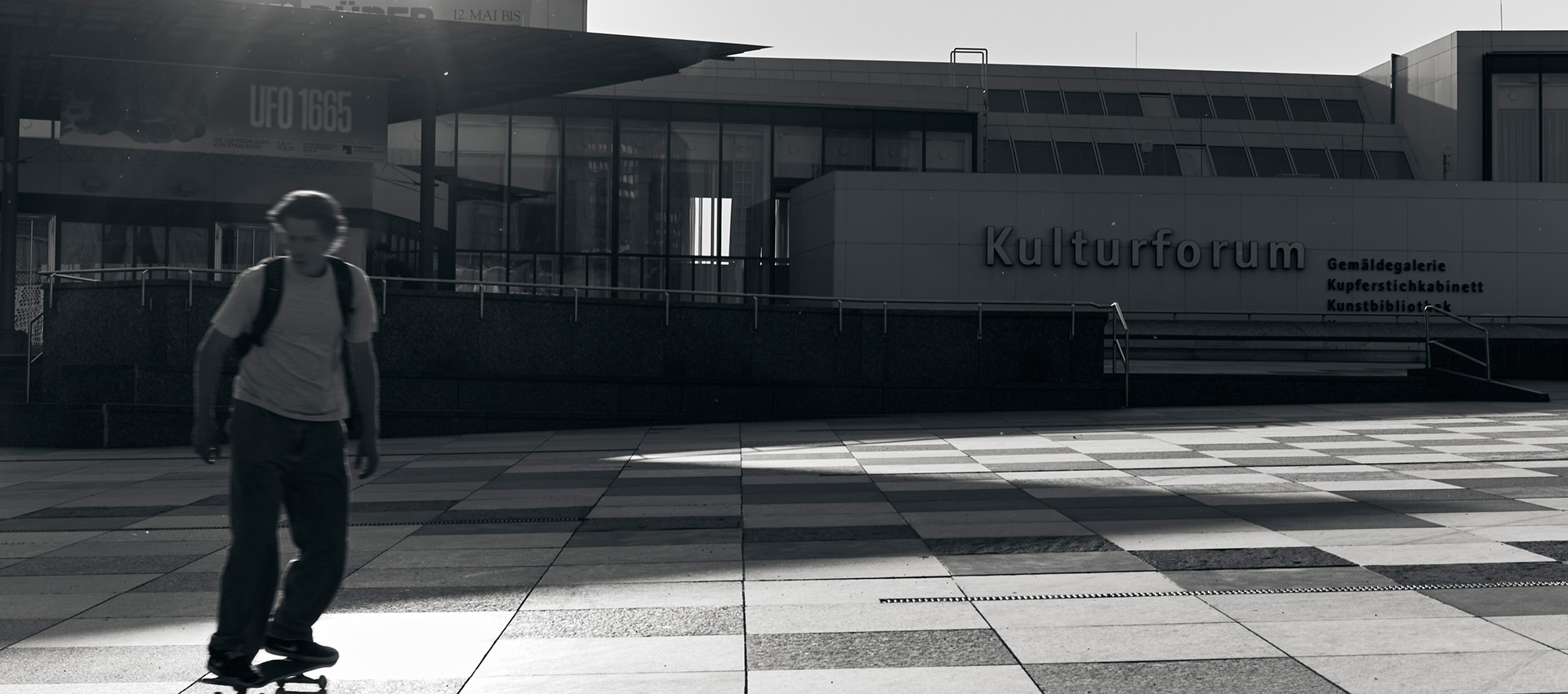
It was decided that Museum Island would house the archaeological collections and Western cultures up to 1900, that the Kulturforum would be expanded to accommodate modern art, and that the State Library would be housed in the two buildings on Unter den Linden and Potsdamer Straße.
The chronic underfunding of the Prussian Cultural Heritage Foundation, which had been a cause for concern for years and became even more acute after reunification, was a major obstacle to realising the vast potential of the collections, successfully presenting these unique art treasures to the public, and strengthening international visibility through sustainable partnerships. The task was to free the giant from its shackles.
Despite all efforts, public funds remained tight, and so the financial boost that would have been necessary to remedy the limited operational capacity failed to materialise.
In 2020, the Science Council took up the issue and adopted structural recommendations for the Prussian Cultural Heritage Foundation. The body spoke of the ‘dysfunctionality of the administration’ within the foundation and saw the dismantling of its structures as the remedy for ensuring its future development. Chronic underfunding was also a massive shortcoming in the Science Council’s view.
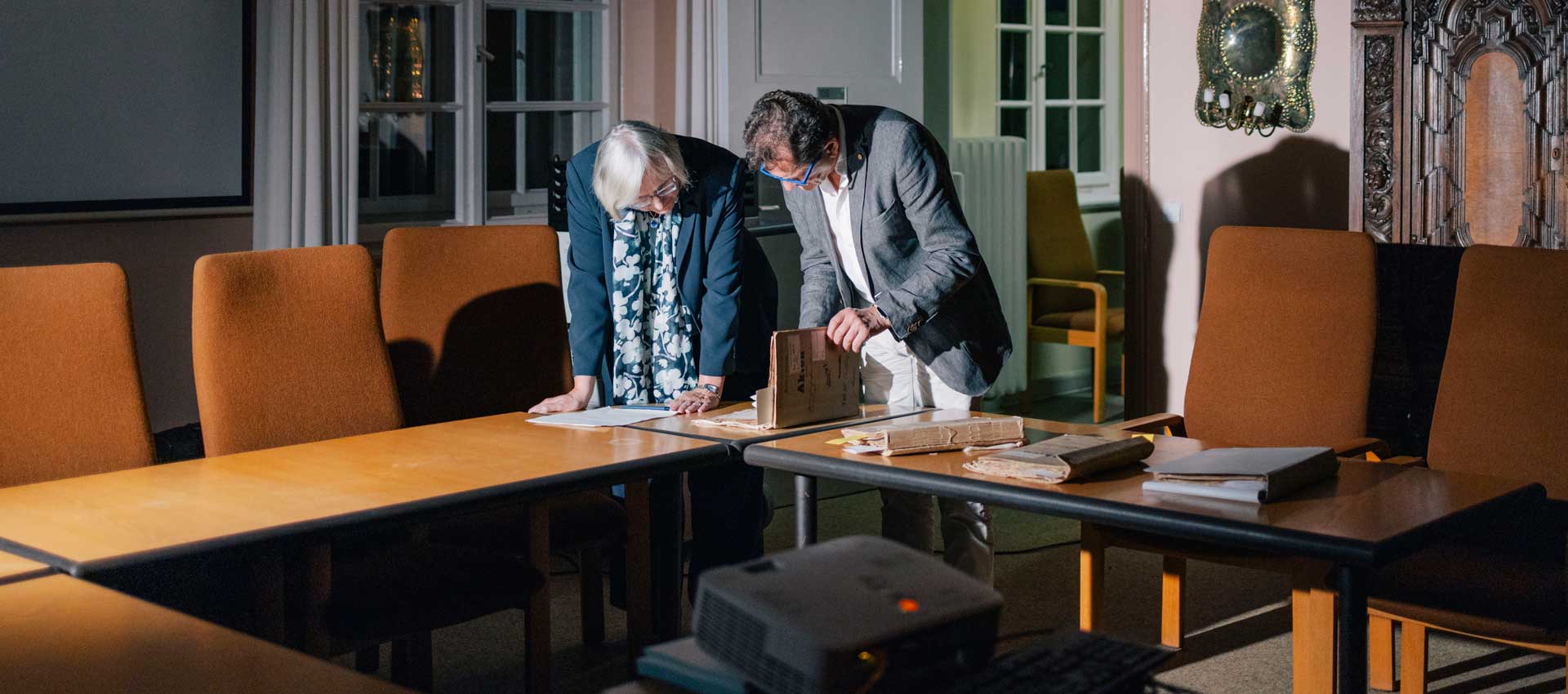
For Hermann Parzinger, the idea of splitting up the foundation was completely unacceptable. He pointed to the astonishing foresight of the founders in 1957, which he considered to remain fully valid: ‘The collections built up over generations in archives, libraries and museums complement one another and form a comprehensive cultural and intellectual-historical picture. A fragmentation of this organic connection must be avoided at all costs.” Culture in this sense requires knowledge, requires education, requires history and tradition. “The future needs its origins,” as the philosopher Odo Marquard once put it.
Through his intensive lobbying, his compelling arguments and his tactical skill, Hermann Parzinger was able not only to convince the federal and state governments, but also to secure a clear position on cohesion within the foundation itself. This was a difficult phase in which centrifugal forces would otherwise have destroyed the overall sense of responsibility.
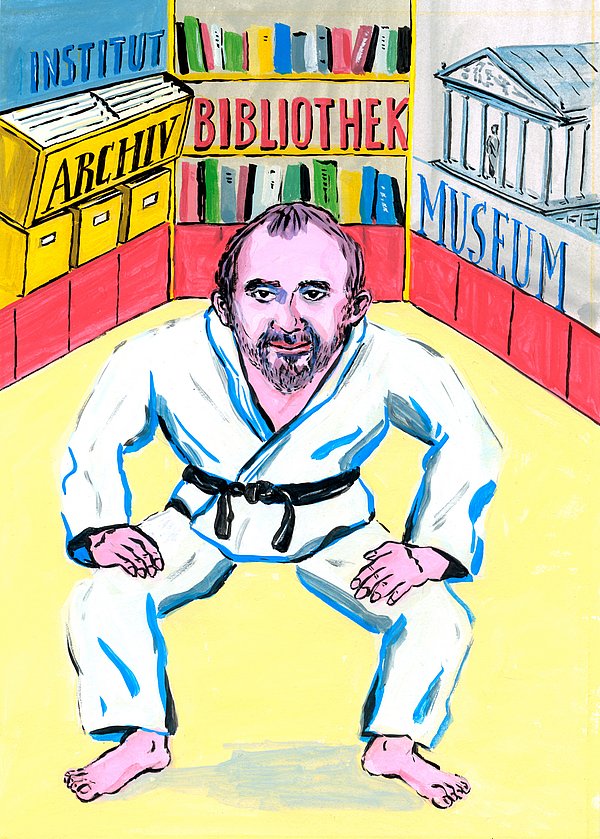
With his impressive resilience, he held the foundation together during the crisis. As a black belt judoka, he has evidently learnt to adapt to his opponent, to keep him occupied, to bide his time and to act at the decisive moment. Judo translates as ‘winning by yielding’. This does not mean giving up, but waiting for the opportunity. It requires self-confidence and a willingness to adapt to others.
This autonomy and independence are what set him apart. His commitment to culture and science was shaped by the awareness that not everything can be subject to the laws of the market and utility, that there must be alternative worlds that foster creativity, imagination and knowledge. It was important to him to facilitate an encounter with all the cultures of the world and to open up perspectives for cultural comparison.
With his impressive resilience, he kept the foundation together during the crisis
Lehmann on Parzinger
And that’s not all! It has also sparked a desire to take the process of renewal into our own hands. The reform process has begun. It is intended to give the individual institutions greater autonomy, to facilitate cross-institutional links, and to enable them to formulate a joint strategy.
The realisation has taken hold that, whilst dissolving the association would create good individual museums and institutes, the overall potential to be perceived as an international player would be lost. With advancing digitalisation, which establishes links between the various cultural sectors, a wide range of new insights and synergy effects can be achieved.
The Prussian Cultural Heritage Foundation has taken the first steps towards transforming a cultural bureaucracy into a cultural enterprise: greater autonomy for museums, faster decision-making capacity for institutions, more targeted marketing measures and, overall, flatter hierarchies. It is a laborious process, the completion of which is targeted for the year 2030. The Foundation will likely remain in a state of permanent reform.
But a reform process will only be truly successful when funding is secured through a significant increase in resources and when the current Federal Budgetary Regulations, with their overly detailed accounting system, are replaced by a global budget that replaces rigid frameworks with the flexibility for modern financial management through self-responsibility.
However impressive the building budget may be, there are hardly any funds available for acquisitions, exhibitions, research and building maintenance. It is now the task of politicians – the responsibility of the federal and state governments – to ensure adequate resources.
A first step has been taken with the new funding agreement.
The foundation is likely to remain in a state of ongoing reform
Klaus-Dieter Lehmann