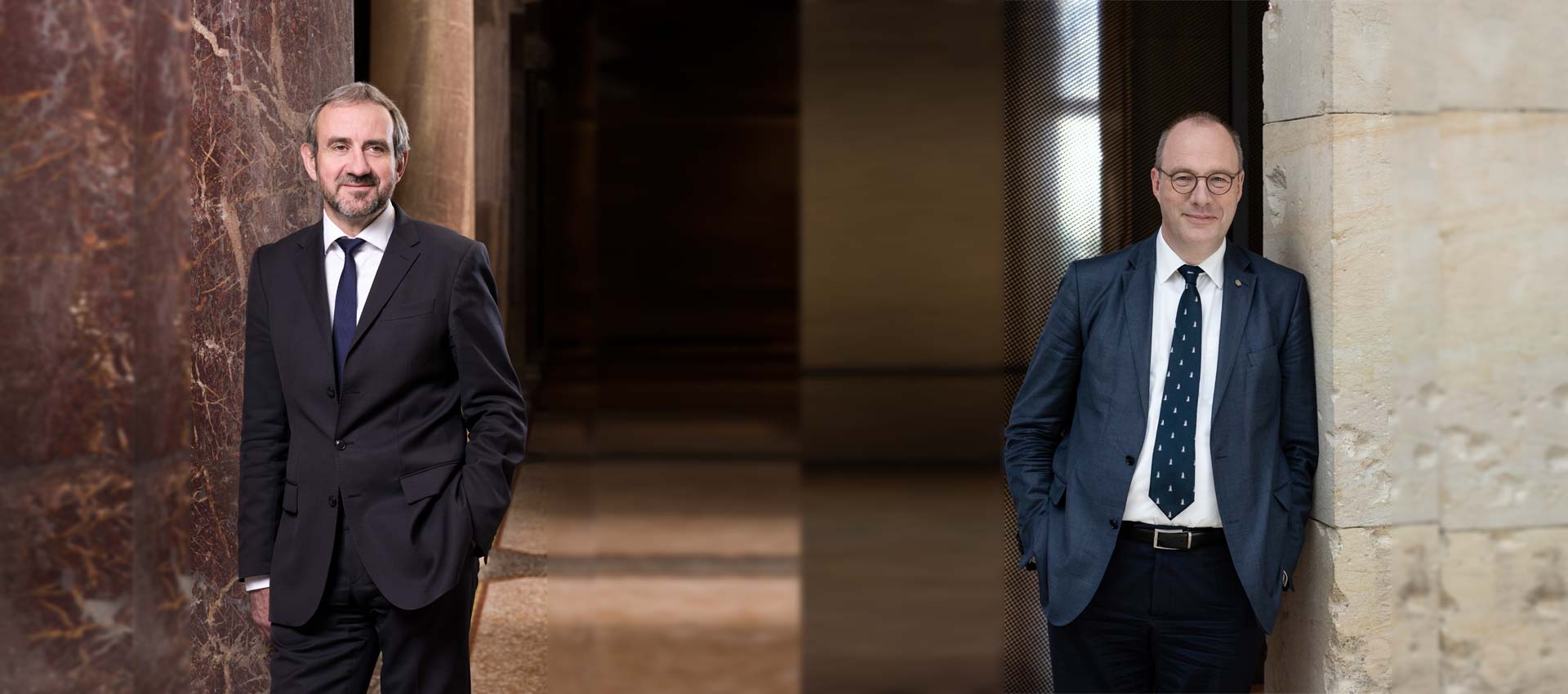
Two scientists meet for a coffee on Ludwigstraße in Munich and set up a cluster: the President of the Berlin-Brandenburg Academy of Sciences and Humanities writes about meetings that never failed to have an impact
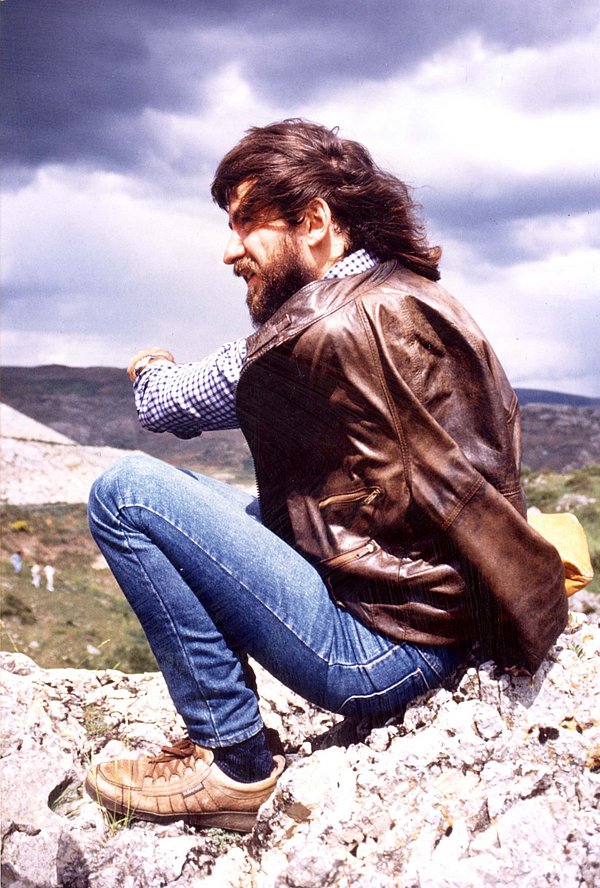
As far as I can see, there is no one – neither among those who head major scientific or cultural institutions, nor among the country’s leading scientists – who replies to incoming emails as promptly as Hermann Parzinger.
Others take hours or days. Some only reply at all if you remind them or press them. And yet others never respond. Parzinger usually replies within a few minutes, at the latest after a couple of hours, and actually always on the same day. He replies concisely and precisely. But also in a way that is tailored to the person he is replying to. Once he has replied, one is usually left with just the short sentence: ‘That’s how I see it too’.
Because, really, everything has been said. And so this prompt response saves others time too. It might help them to reply just as quickly. It might.
He is characterised by empathy, precision, speed and reliability.
Christoph Markschies on Hermann Parzinger
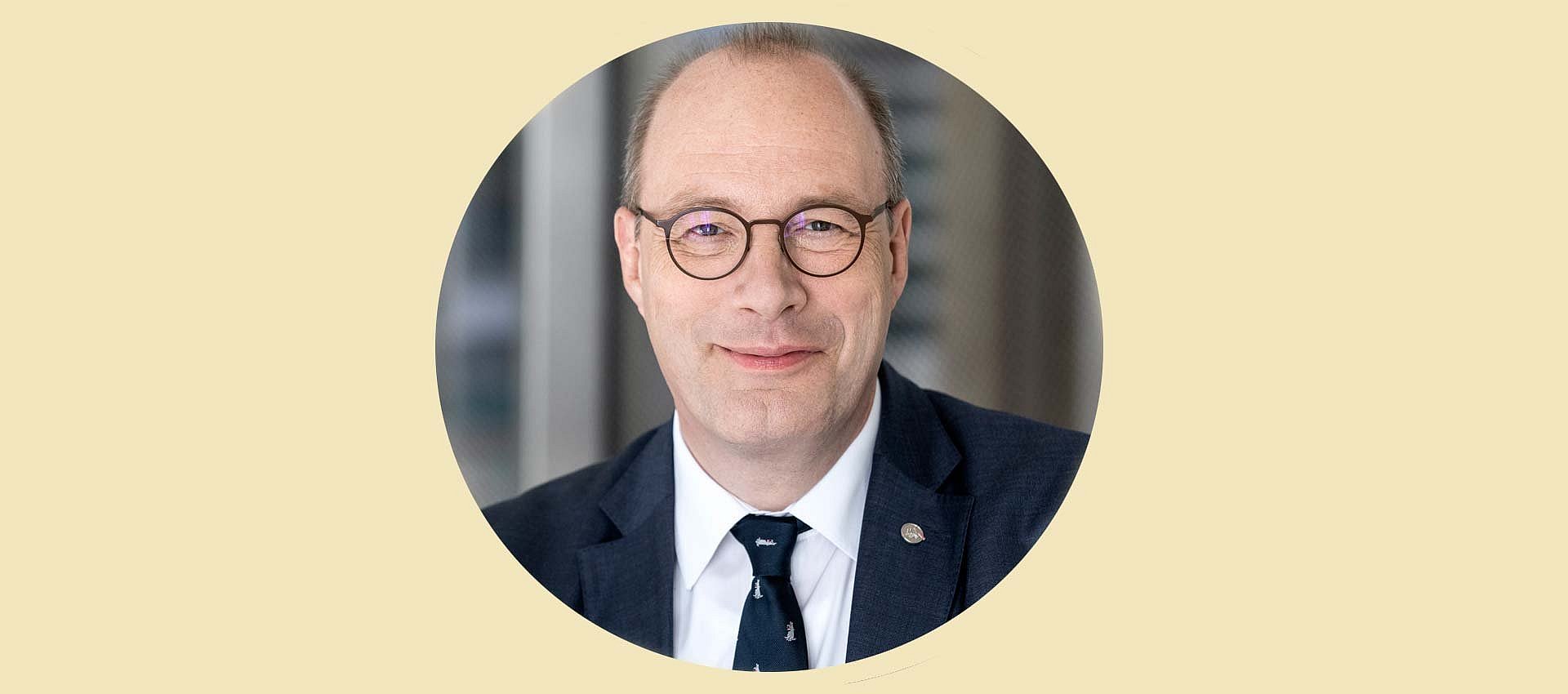
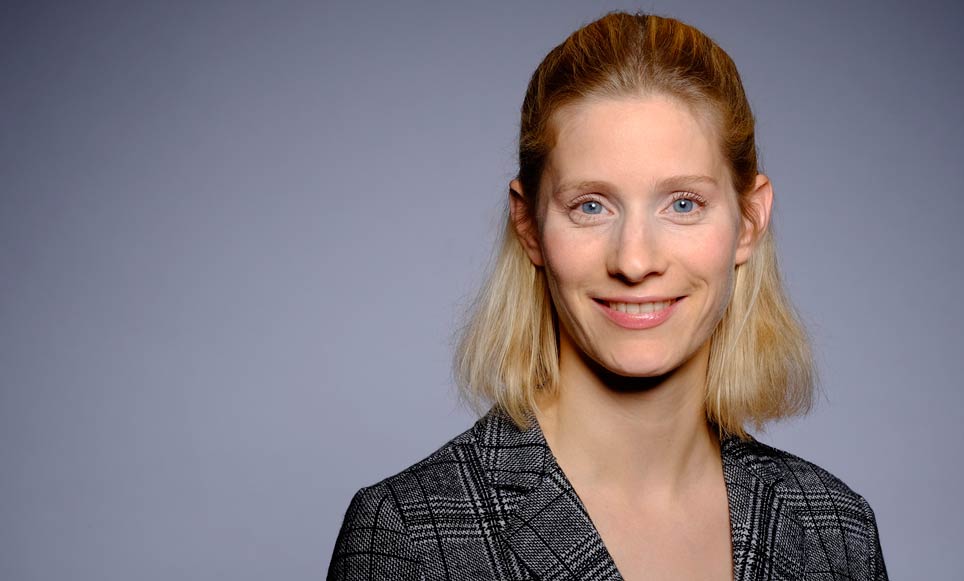
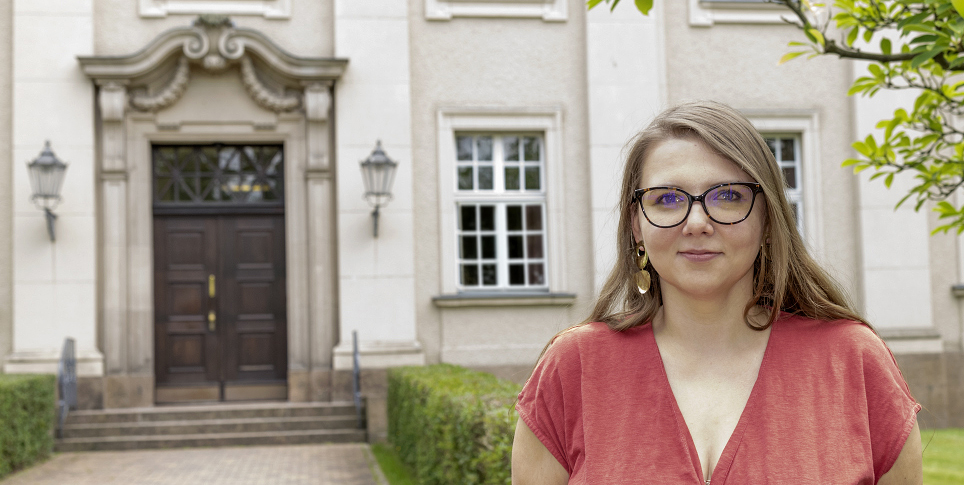
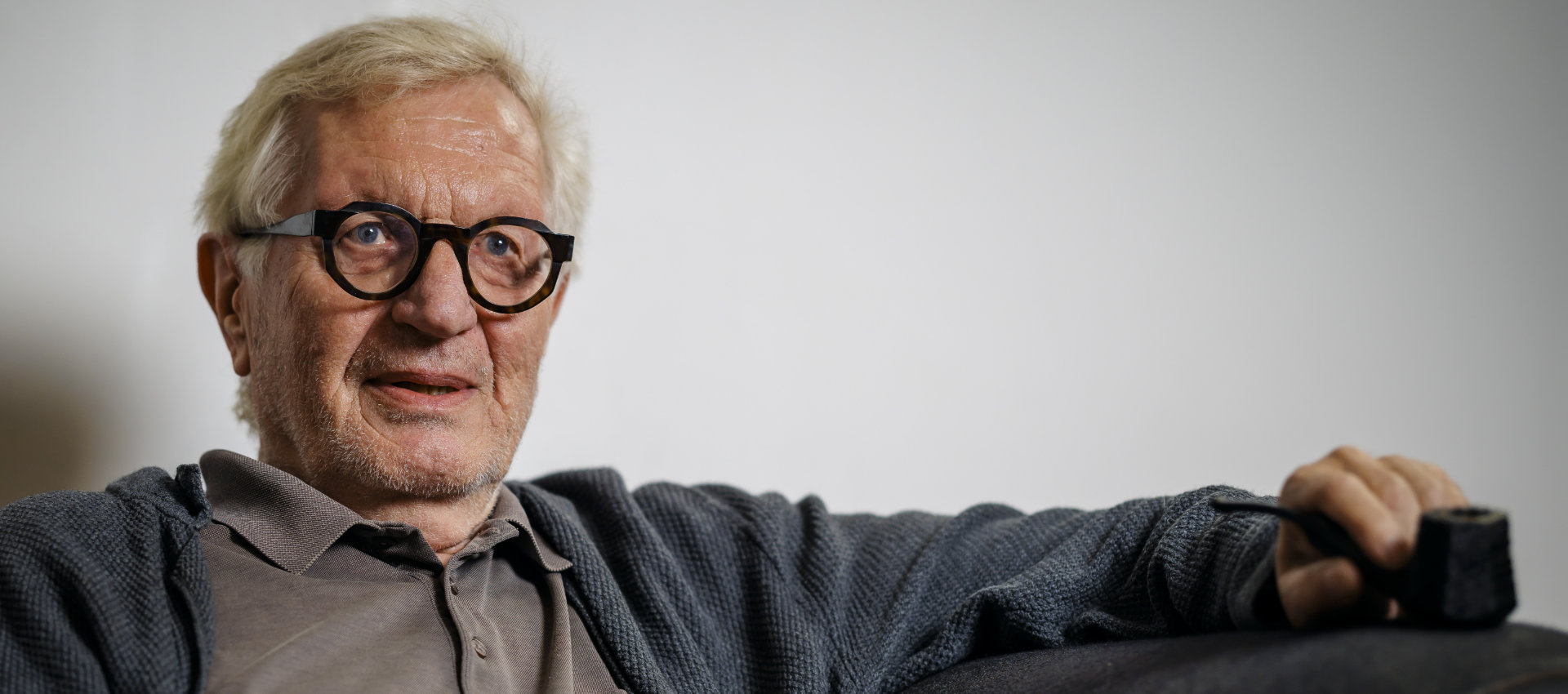
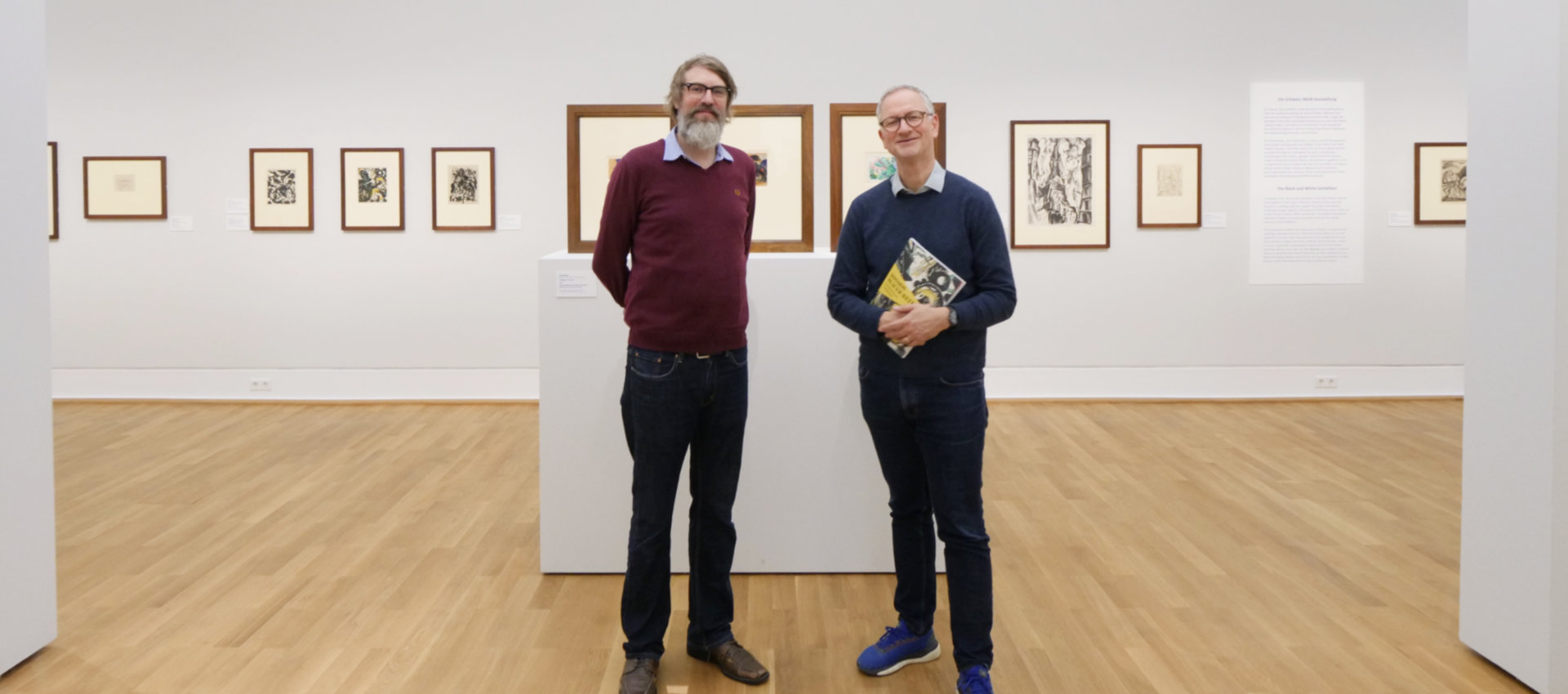
Christoph Markschies was born in Berlin in 1962. He studied Protestant theology, classical philology and philosophy in Marburg, Jerusalem, Munich and Tübingen, obtaining his doctorate in 1991 and his habilitation in 1994. From 2006 to 2010, he was President of Humboldt University of Berlin; since 2020, he has been President of the Berlin-Brandenburg Academy of Sciences and Humanities.
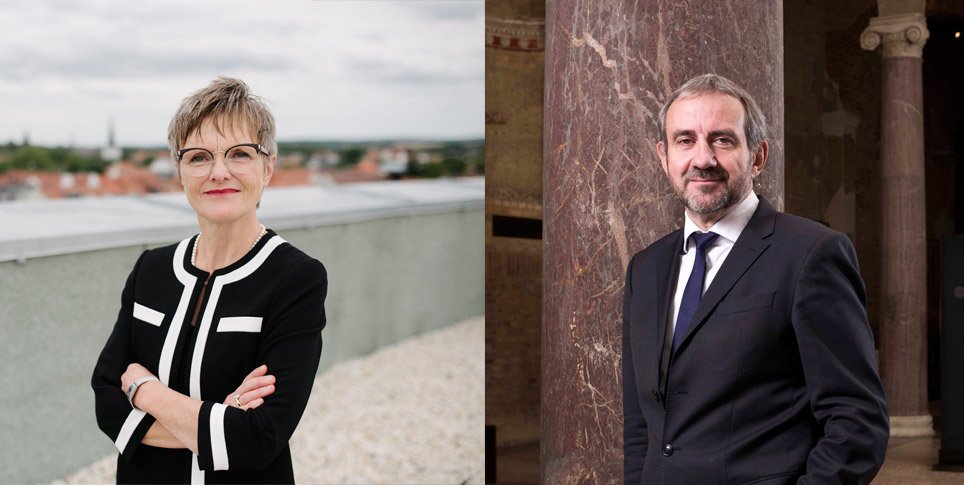
Photo: Pablo Castagnola
Why am I beginning my contribution with a detail that might seem so trivial? I am beginning this way because the detail is not trivial. It illustrates, by way of example, what has distinguished Hermann Parzinger in all the work I have done with him: empathy, precision, speed and reliability.
And all of this with an unusual intensity. Even our very first meeting was characterised by these four qualities. We met in 2006 at the annual meeting of the member institutions of the German Research Foundation in Munich. Parzinger suggested we go for a coffee on Ludwigstraße and, without beating about the bush, got straight to the point: the two Berlin universities in Dahlem and Unter den Linden needed to join forces to set up a classical studies cluster for the next Excellence Initiative competition.
We hadn’t met before, but it was clear that after just a few moments of conversation during the sessions and in the foyer, Herman Parzinger knew he had found a kindred spirit for his cause. As I recall, the coffee break didn’t last terribly long; it took place during a short break in the proceedings, but the move to Ludwigstraße was one of the prerequisites for the success of the meeting, the next steps agreed upon there, and thus perhaps also for the joint classical studies cluster.
Once again, one might regard a meeting in a Munich café on Ludwigstraße as a rather trivial detail, but for a former student of Ludwig Maximilian University (Prehistory and Early History, Provincial Roman Archaeology and Medieval History) and a native of Munich, Ludwigstraße is, of course, anything but trivial.
Back then, in order to cross this street in an institutional sense and borrow a book from the Bavarian State Library as a university student, one still had to prove that the desired book was not available in the university library – at the beginning of the 1980s, we were not yet in the age of digital catalogues that can be conveniently consulted from one’s desk at home. Theoretically, Hermann Parzinger and I could have met on such walks in the early 1980s, as we were both studying in Munich at the time. But I was even less interested in archaeology back then, and classical philology, philosophy and theology probably didn’t interest my future colleague and friend in the slightest at the time.
Following that fateful coffee break on Ludwig-Cecilia-Straße, I have had the opportunity to get to know Hermann Parzinger in many different places and in a wide variety of contexts, and to witness many further examples of his empathy, precision, efficiency and reliability.
Above all, however, I was impressed by the way he combines scholarship and culture – or rather, the management of scholarship – first as President of the German Archaeological Institute until spring 2008, and thereafter throughout his years as President of the Prussian Cultural Heritage Foundation.
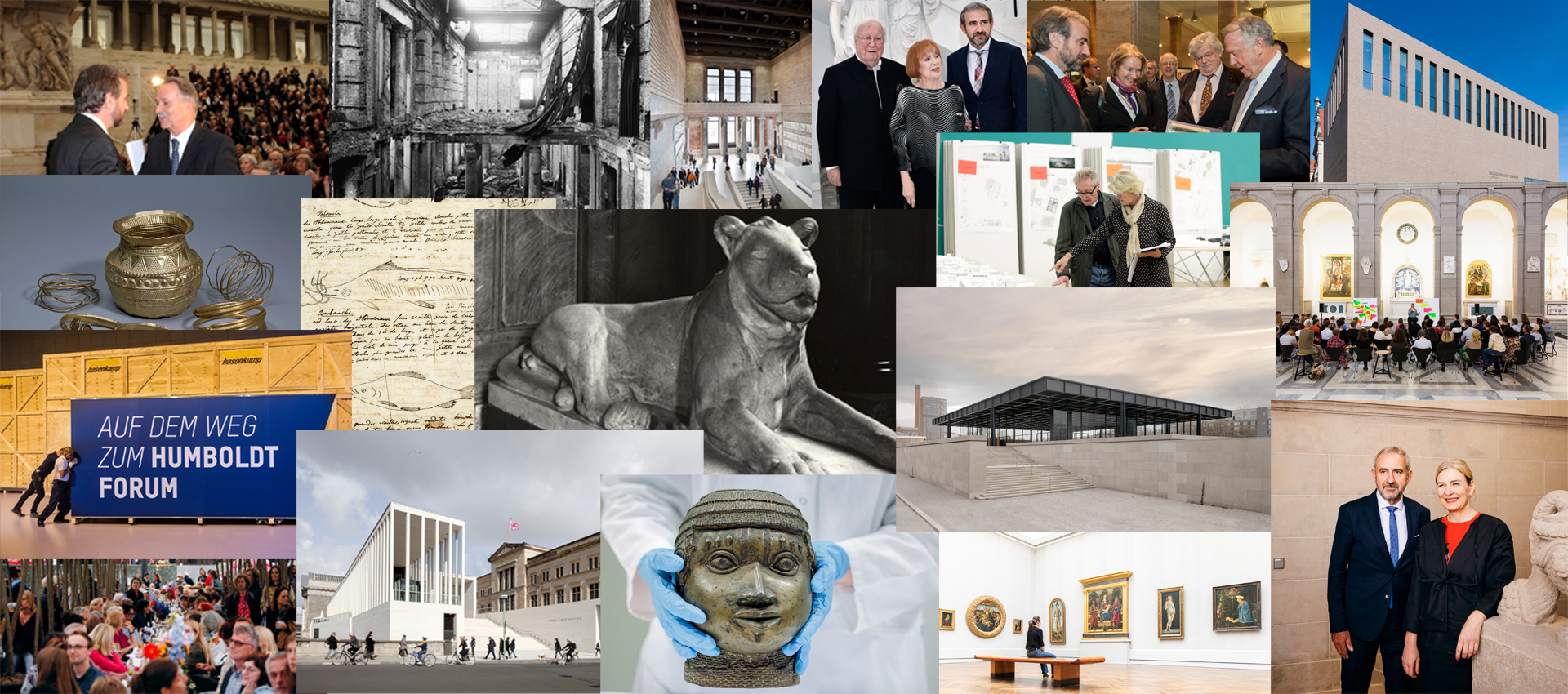
I know what I’m talking about: from 2008, we shared responsibility for the emerging Humboldt Forum for just over two years and then, following my departure from the post of President of Humboldt University, from 2011 onwards for five years together with the Assyriologist Eva CancikKirschbaum, initially for the Berliner Antike For five years, we sat together on the academic advisory board of the Fritz Thyssen Foundation, deciding on the funding of projects in the humanities and social sciences.
Over the course of these many years, I have repeatedly marvelled at how much time Hermann Parzinger was able to devote to his scholarship, despite demanding administrative duties involving much travel and even more meetings and sessions.
One could, of course, once again point to empathy, precision, pace and reliability – which are naturally the best prerequisites for working in two professions simultaneously – but one must start from a more fundamental point here. For such a combination of scholarship and academic or cultural management has become rare.
Of course, there is still the administrator who, in the brief interval between stepping down as chair of the Science Council and taking up the presidency of the German Research Foundation, quickly writes once more at an Institute for Advanced Studies on self-representations in pre-modern literature.
But the vast majority of administrators set their academic pursuits aside, and not only when they come from the natural sciences and consider a return to the laboratory after several years spent elsewhere to be pointless.
People from the humanities, too, generally look back wistfully on their former pursuits and find it hard to make a fresh start; exceptions (such as the unforgettable former rector of the University of Konstanz, who, after his term in office, read Fontane to the delight of half the university and published a voluminous volume on the subject) prove the rule.
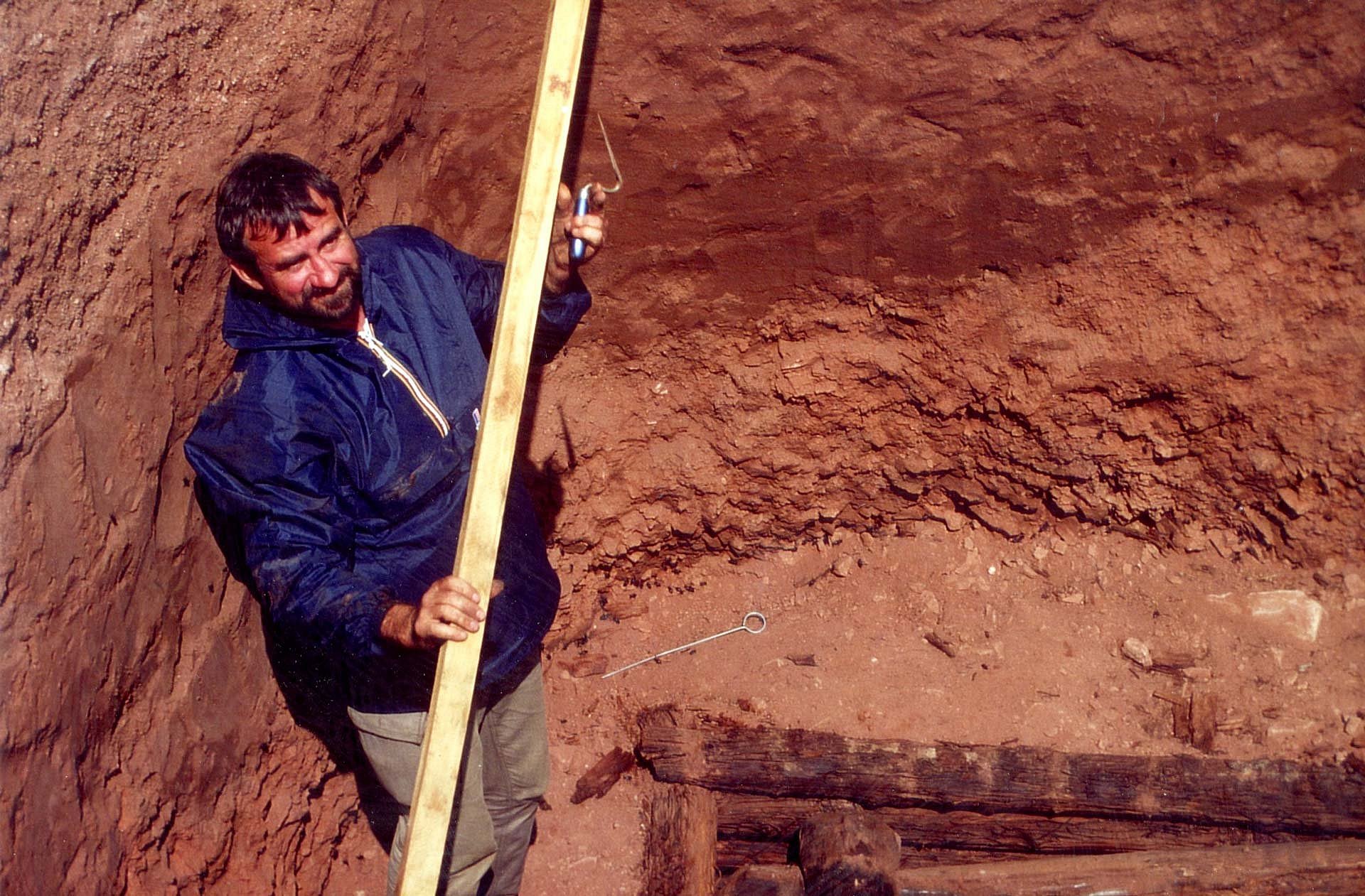
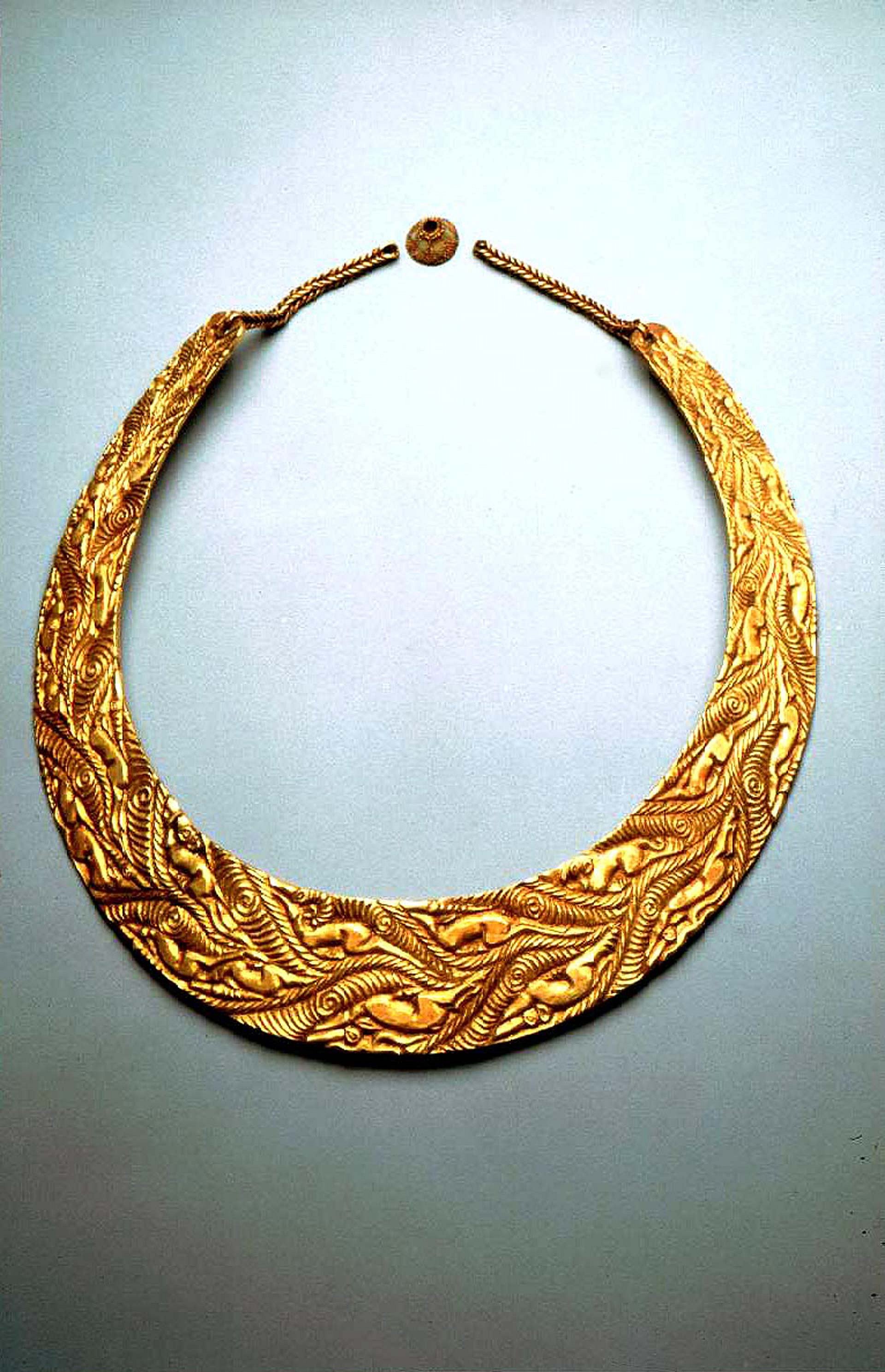
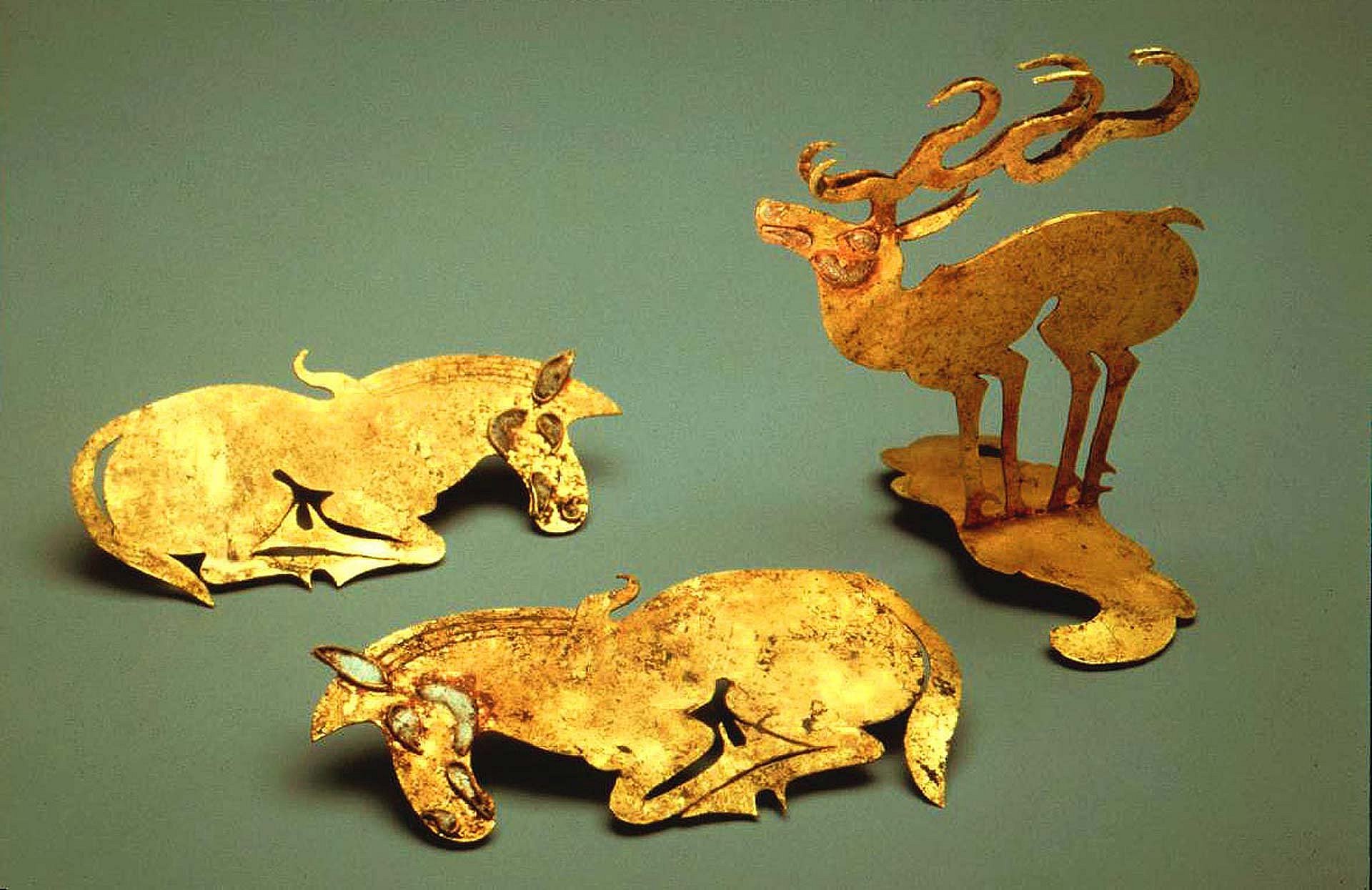
In Hermann Parzinger’s case, there is the added factor that he does not belong to that section of his discipline which is only capable of theorising about excavation finds and considers itself too good for a spade and a sleeping bag. It is also quite characteristic of him that he always starts with the excavations and their findings – I can still vividly recall the presentation of his finds from Aržan in Siberia at the 2007 exhibition ‘In the Sign of the Golden Griffin: Royal Tombs of the Scythians’ at Berlin’s Martin-Gropius-Bau.
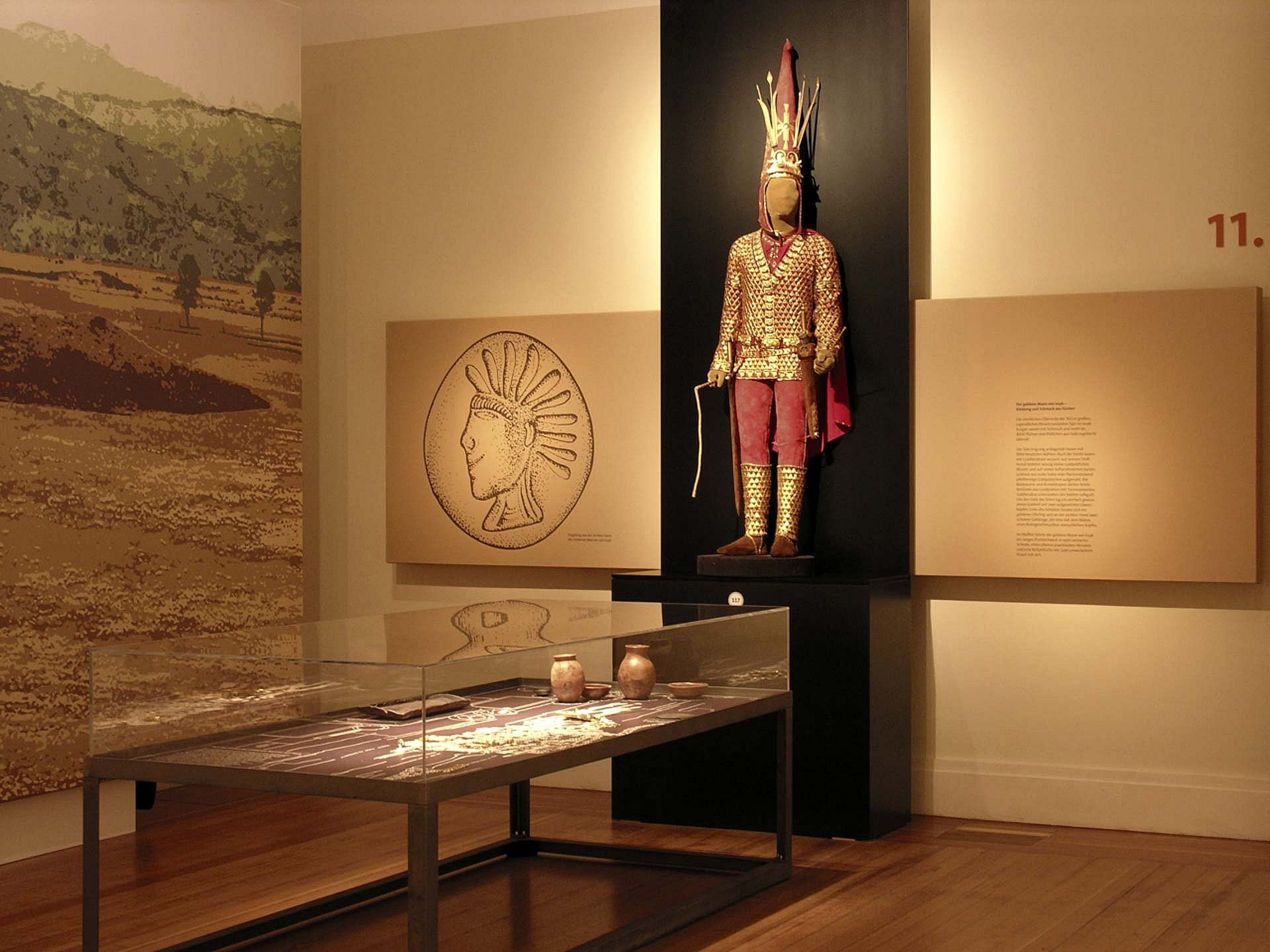
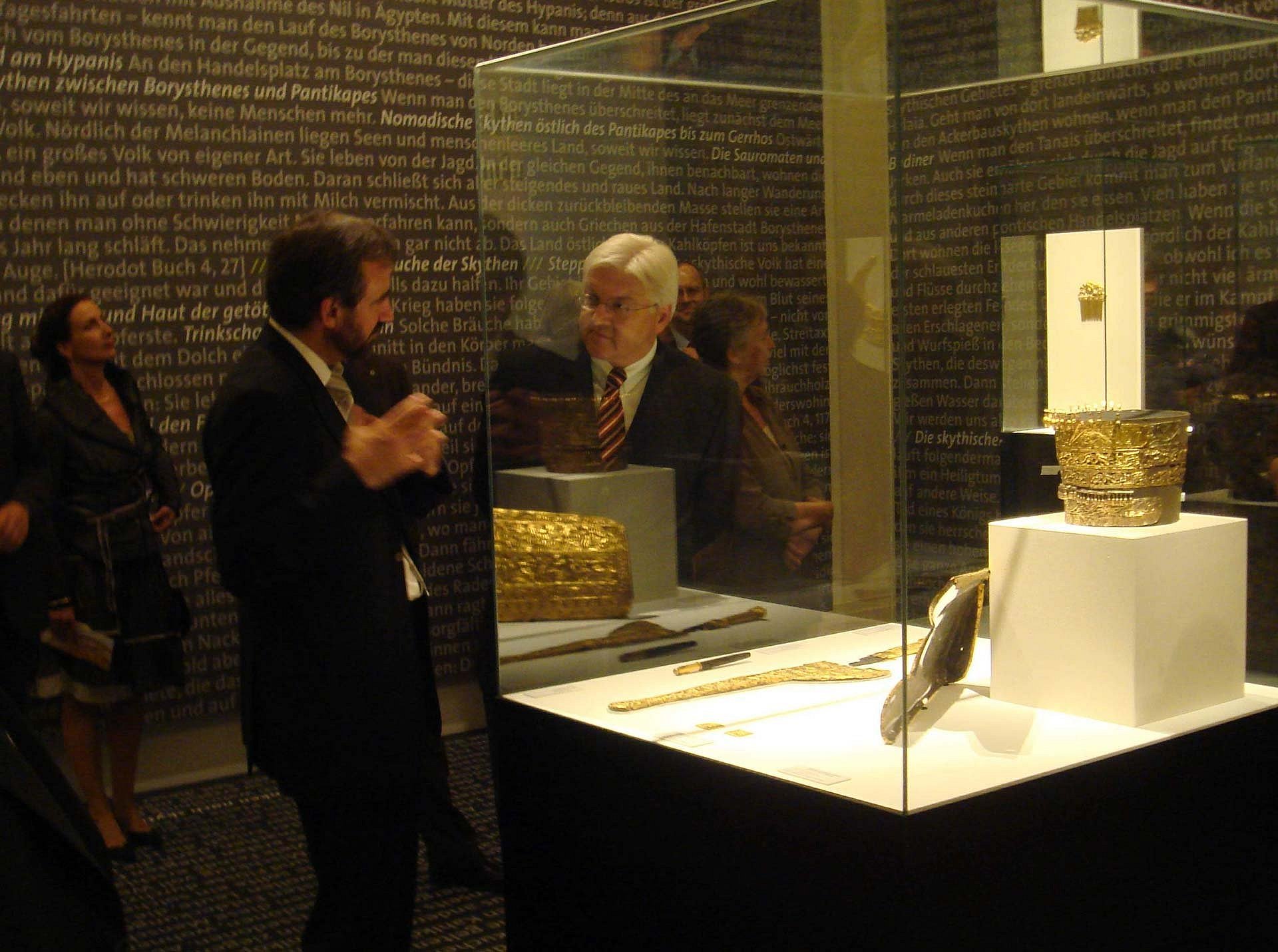
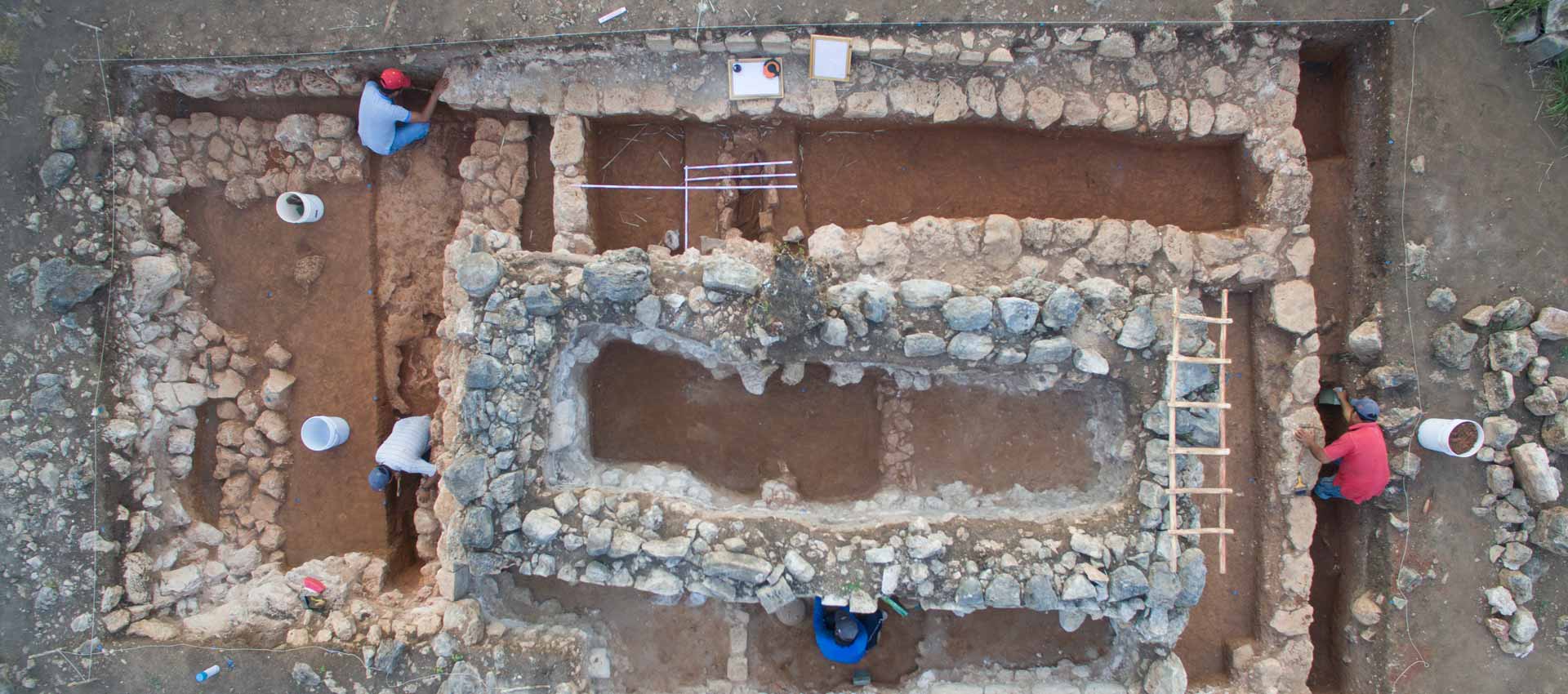
Until 2018, he was leading a project on large burial mounds from the Scythian period in the steppes of the North Caucasus. To be more precise, I should say that, over many, many years, he managed to combine the three roles of prehistoric excavator, scholarly author and dedicated manager in a way that virtually no one else in this country has been able to do.
There are the vividly written, richly detailed major monographs on the history of humanity before the invention of writing, or on the destruction of cultures from the Ancient Near East to the present day, but also his simultaneous commitment to a major reform of a foundation that, at least from the outside, was not always very transparent.
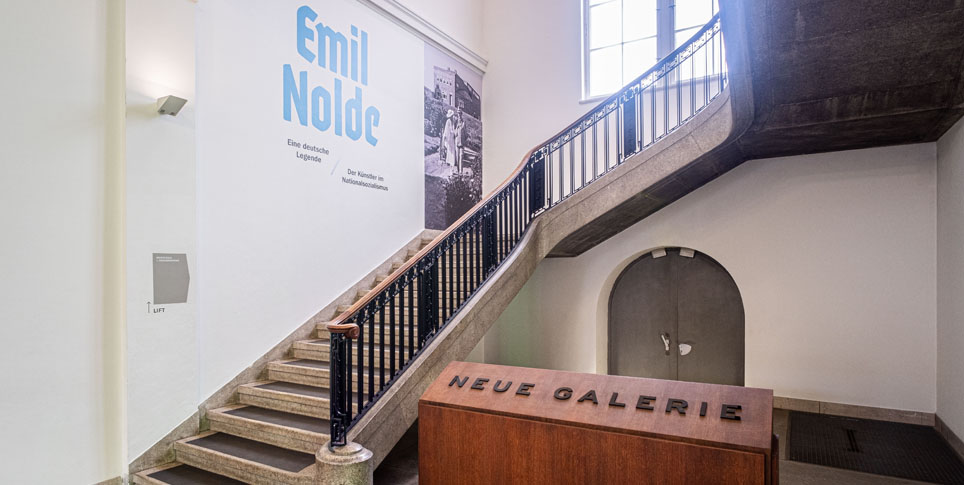
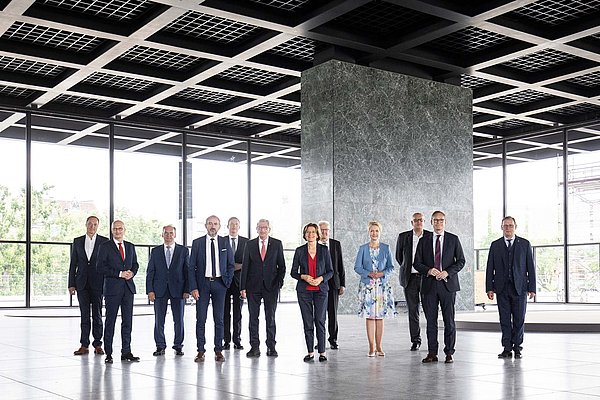
Guided tours for state premiers through the newly reopened National Gallery, but also another fascinating essay for the Journal of the History of Ideas. Perhaps writing at night and in the morning is needed for recuperation when one must fight for funding and contend with bureaucratic attacks and the adversities of daily life – but fundamentally, Hermann Parzinger demonstrates that successful cultural and academic management is scarcely possible without scholarship, and conversely, outstanding scholarship certainly cannot do without managerial qualities.
Yet the same person operates in all these spheres: if I am not mistaken, he is deeply repelled by loud, extreme positions, not only in science policy and scientific or cultural administration, but also within academia itself (‘I cannot stand arrogance’): Whilst he is interested in overarching questions of history, such as the so-called Axial Age and possible continuities across cultural spheres, he only likes global comparisons if they are rich in detail and carried out without excessive theoretical jargon. Sobriety and pragmatism characterise him, despite all his enthusiasm for the cause and the tasks at hand.
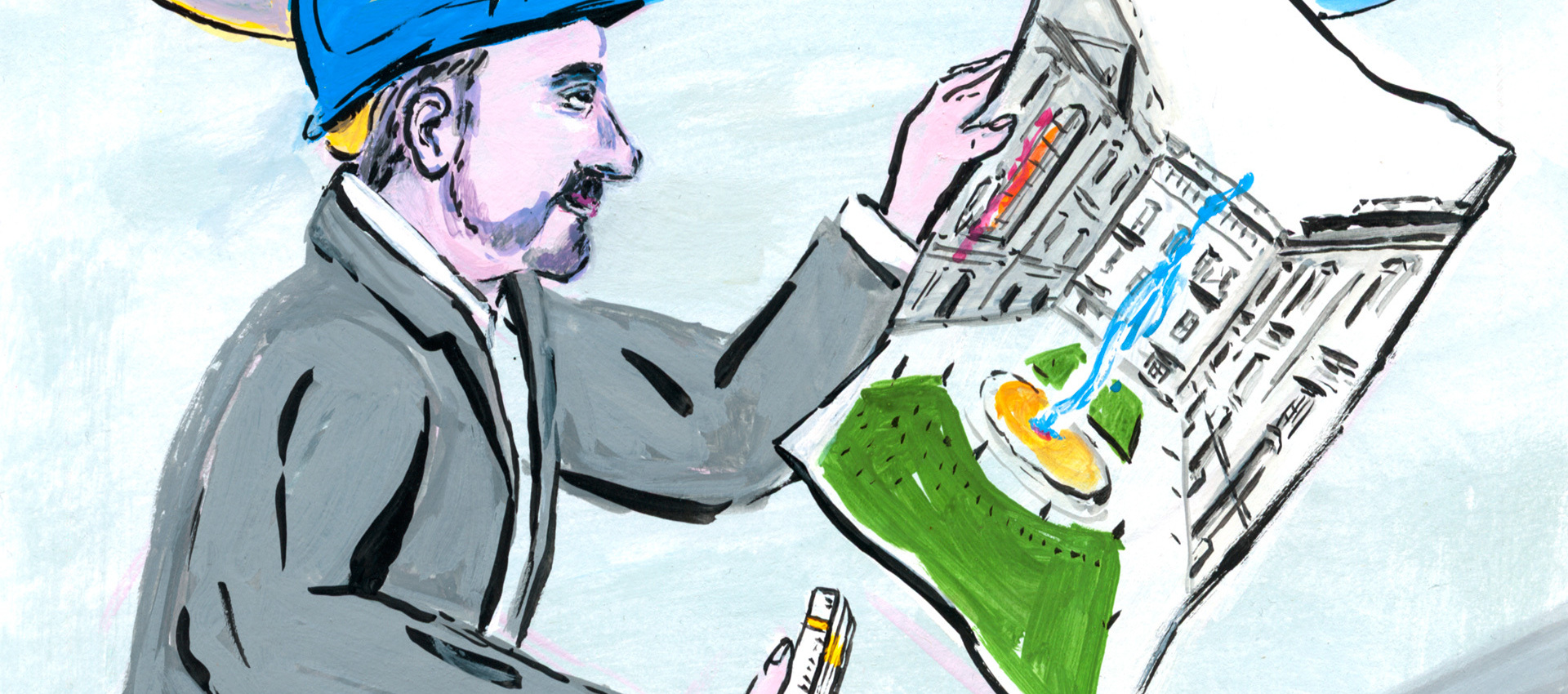
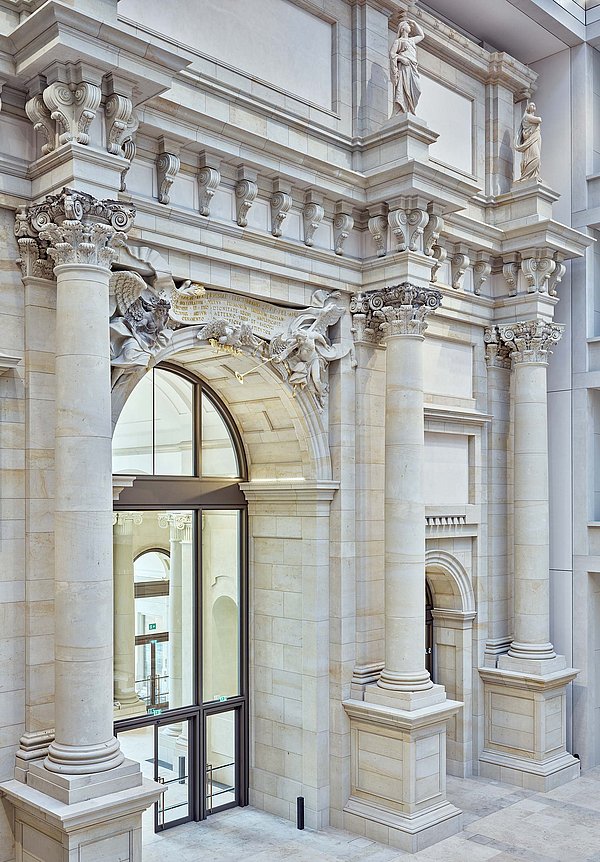
One last seemingly minor detail to conclude: the scene takes place many years ago, sometime after 2008 and before 2010. It is a construction meeting for the Humboldt Forum, held in a temporary office building on Fischerinsel; an award-winning design needs to be adapted to the requirements of museums and a major cultural institution. All those involved, users and construction experts alike, are gathered around the plans and a model. In the middle of the courtyard behind Portal III (where the dome, so controversial in its details, was later to be rebuilt) there are still two structures intended to serve as exhibition halls, but which completely obstruct the view of the Eosander Courtyard. There is a general sense of bewilderment at the deplorable quality of detail in the Italian architect’s design—which was unanimously awarded a prize by the jury and approved for implementation, despite its great aesthetic strengths.
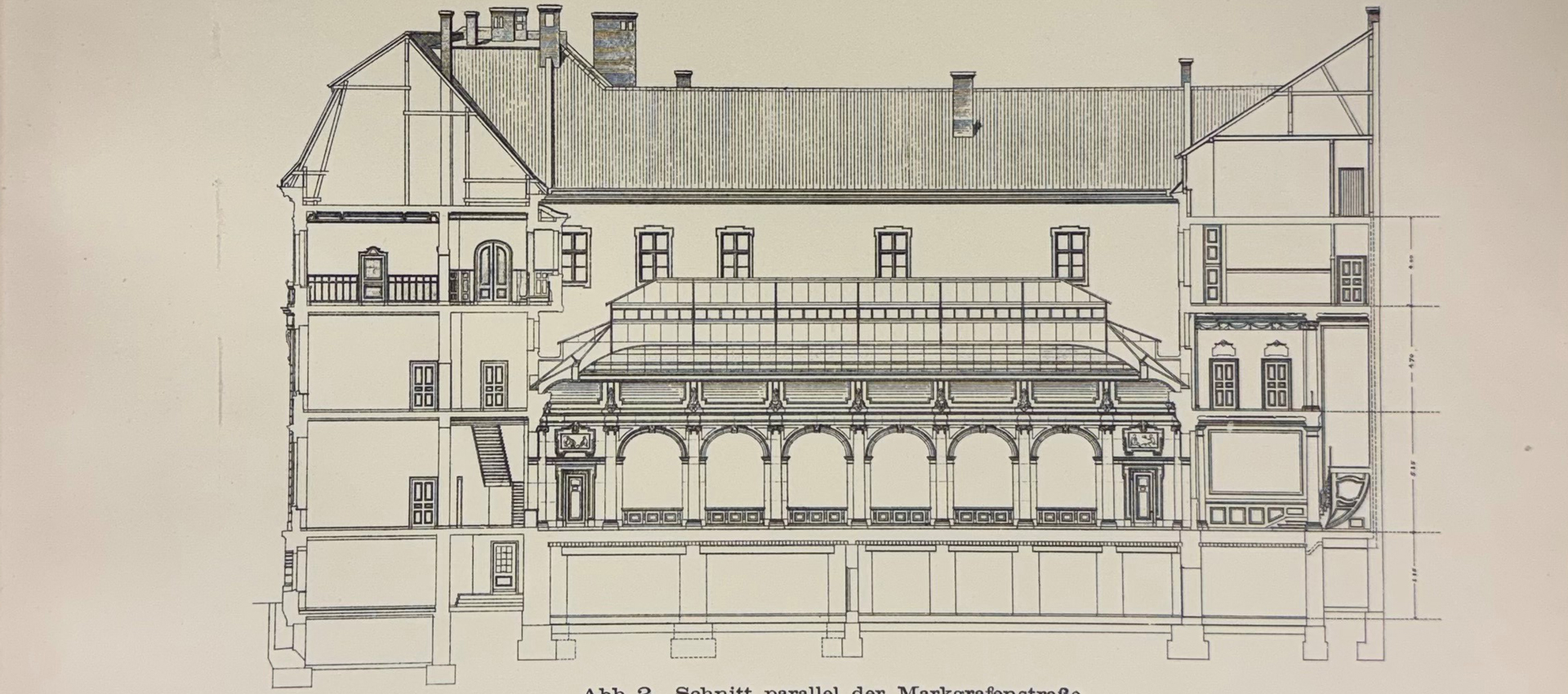
With a bold stroke, Hermann Parzinger shifts the two intrusive structures into the side wings on Breite Straße and at the Lustgarten – thereby creating the large, covered courtyard of the entrance hall, which was ultimately built in this way and is so impressively framed by the rear of the Eosander Portal and the galleries. A bold stroke, well thought out, precisely executed and with far-reaching consequences. I sometimes think of this scene when I enter the Humboldt Forum and look into the hall from which the building unfolds.
To get a clear picture of how Hermann Parzinger has changed since 2008, I had to look through the photos online whilst writing this, because as far as I’m concerned, nothing—absolutely nothing—has changed in the energy with which he tackles problems, the pace at which he tries to solve them, his calm sense of humour, or his physical presence.
It has been a very long time since I myself, as a schoolboy, practised the sport that he continues to practise so successfully to this day, and I shall not reveal here what colour belt I managed to achieve. But based on the knowledge buried in my memories of childhood days, I suspect just how much the most diverse qualities of the scientist and president are supported, sharpened and kept alive by this sport. Just like gardening at home in the Bavarian Forest. For that reason alone, there is really no need to worry about the years to come at all.
For endurance and patience are, above all, part of the package.
A thousand thanks
and a thousand best wishes!