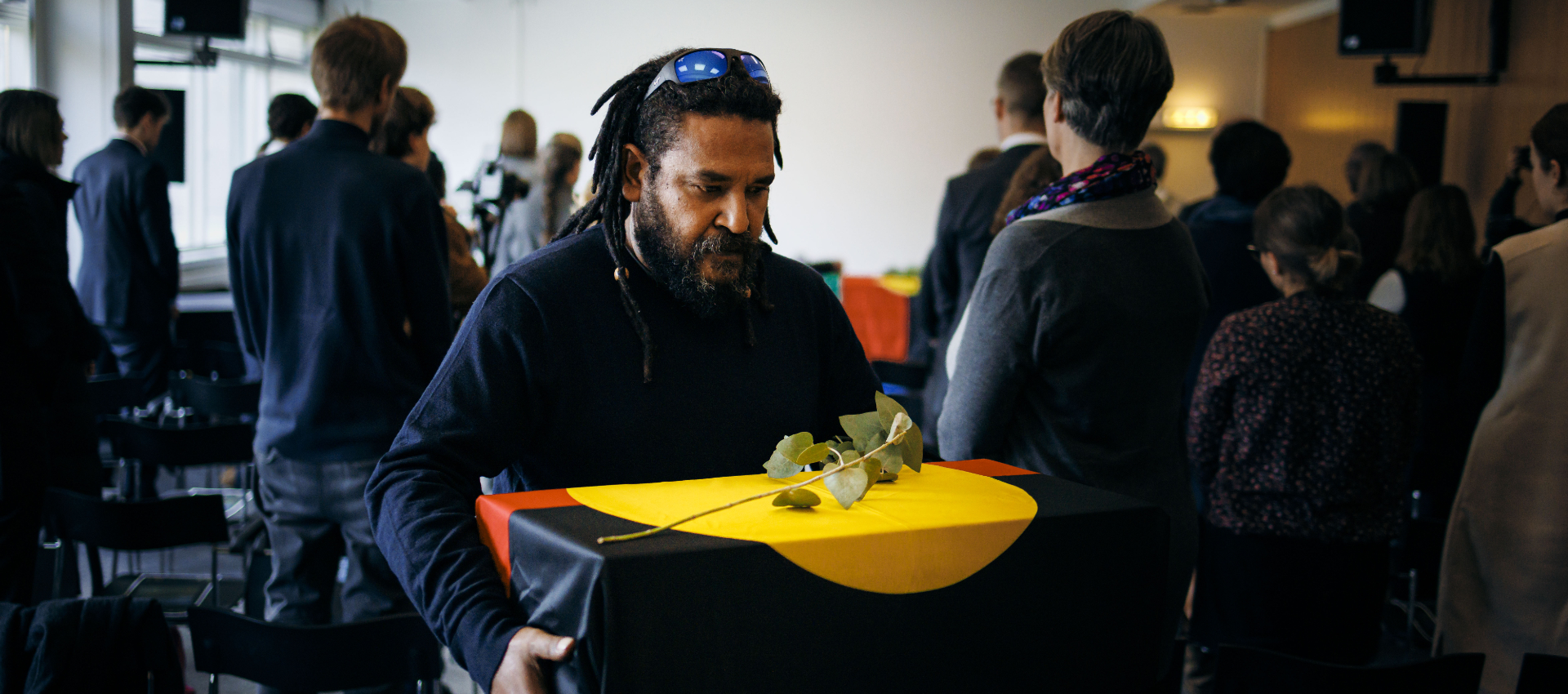
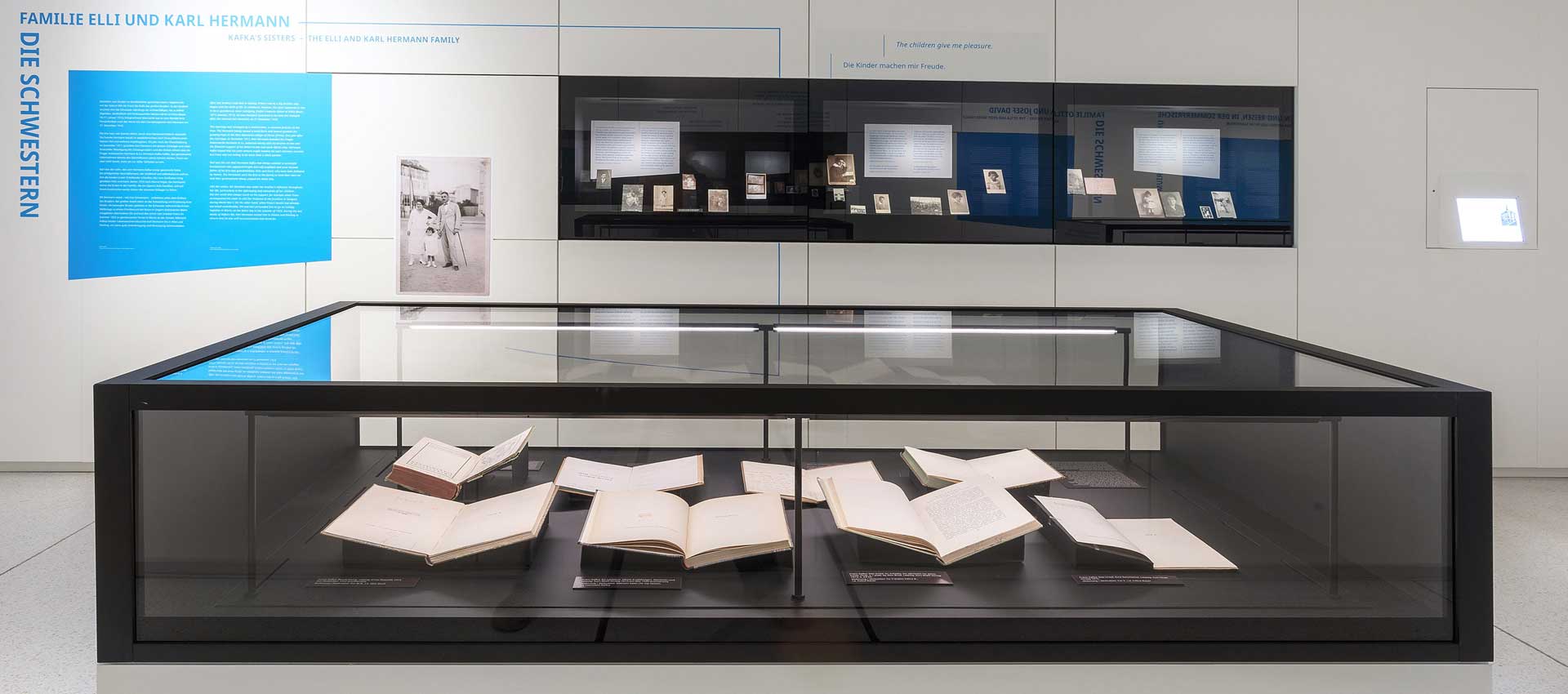
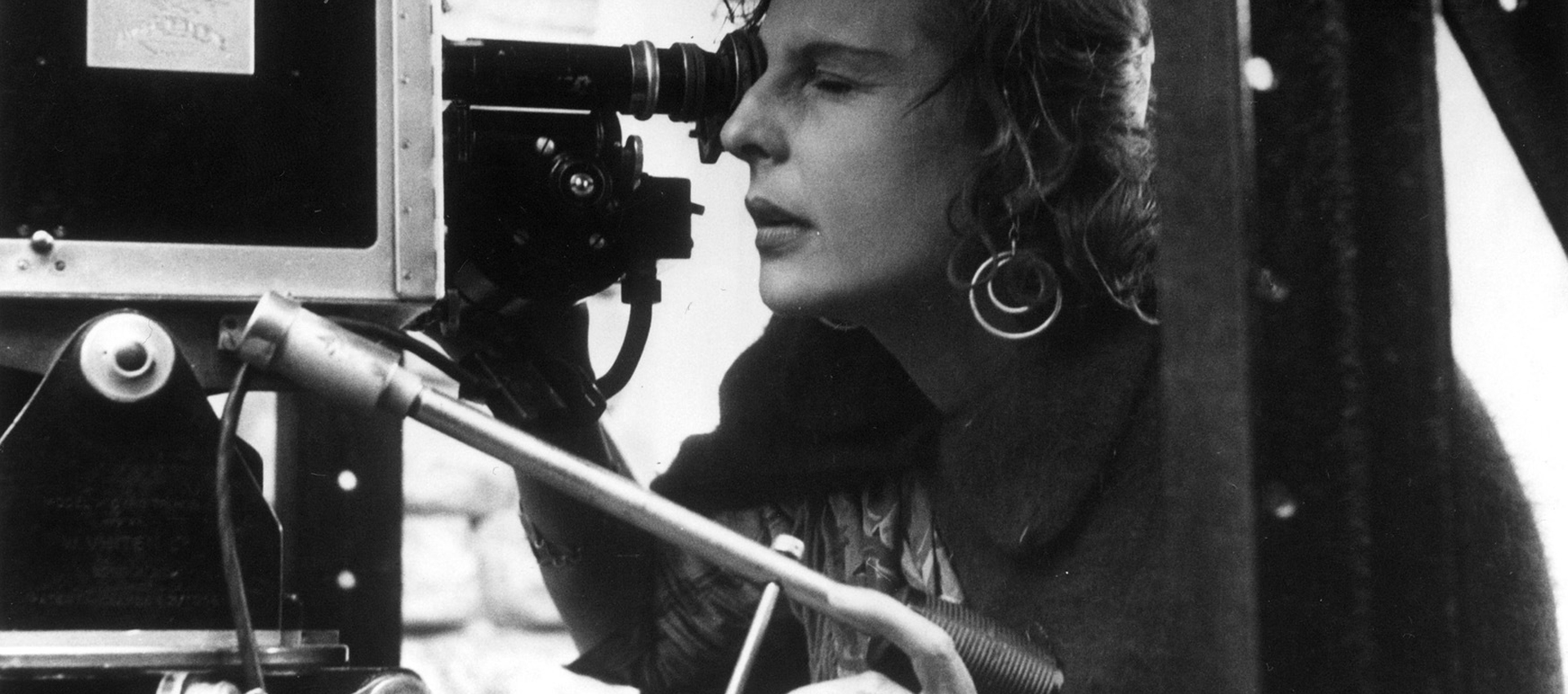
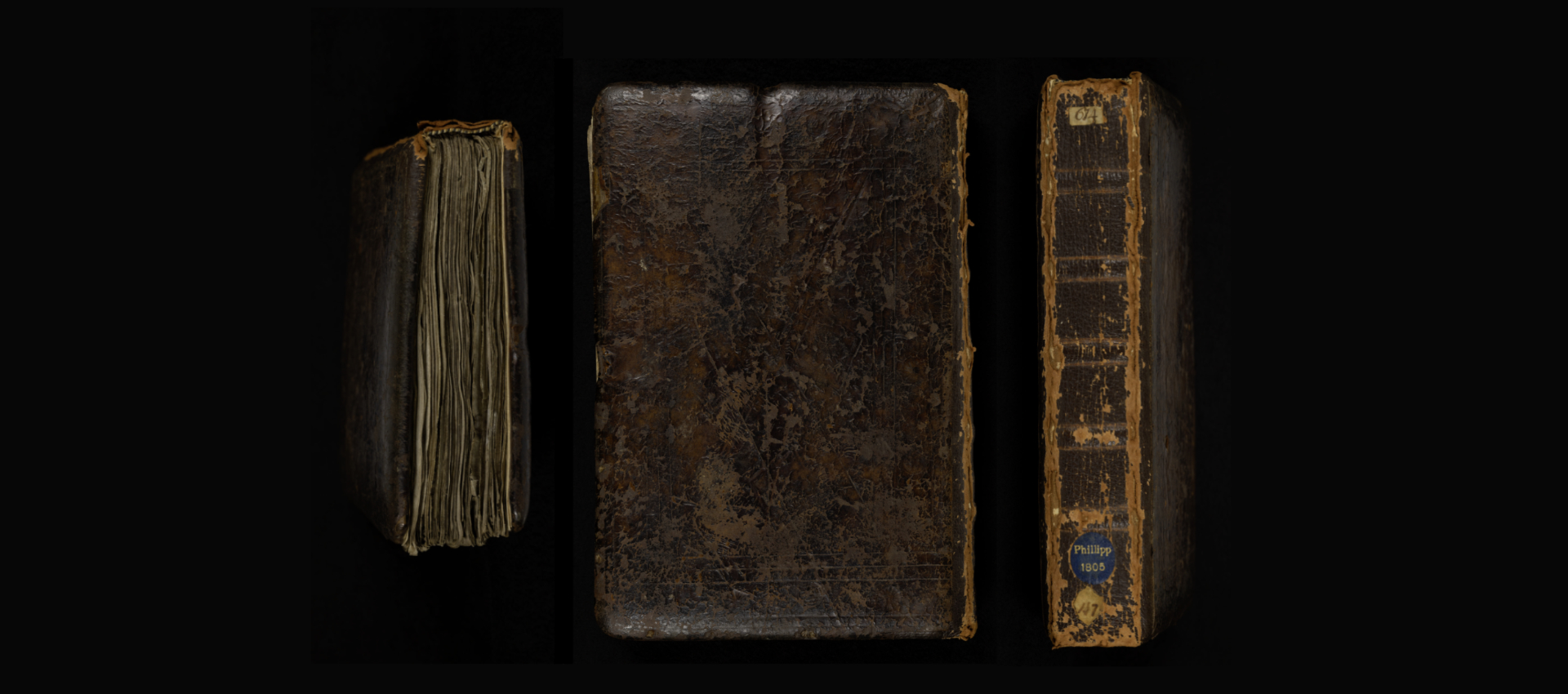
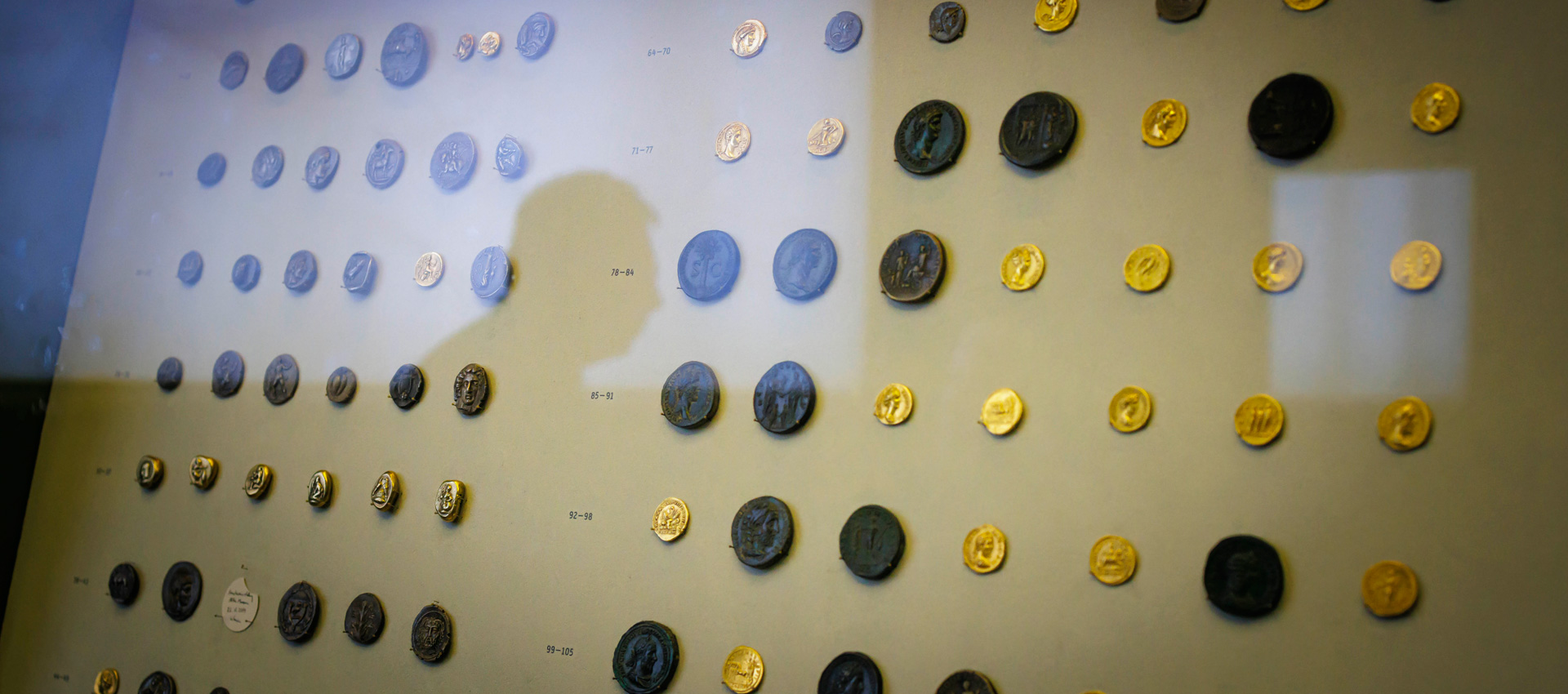
The project ‘Art, Looting and Restitution – Forgotten Life Stories’ commemorates Jewish people who once greatly enriched the culture of this country and then fell victim to Nazi terror.
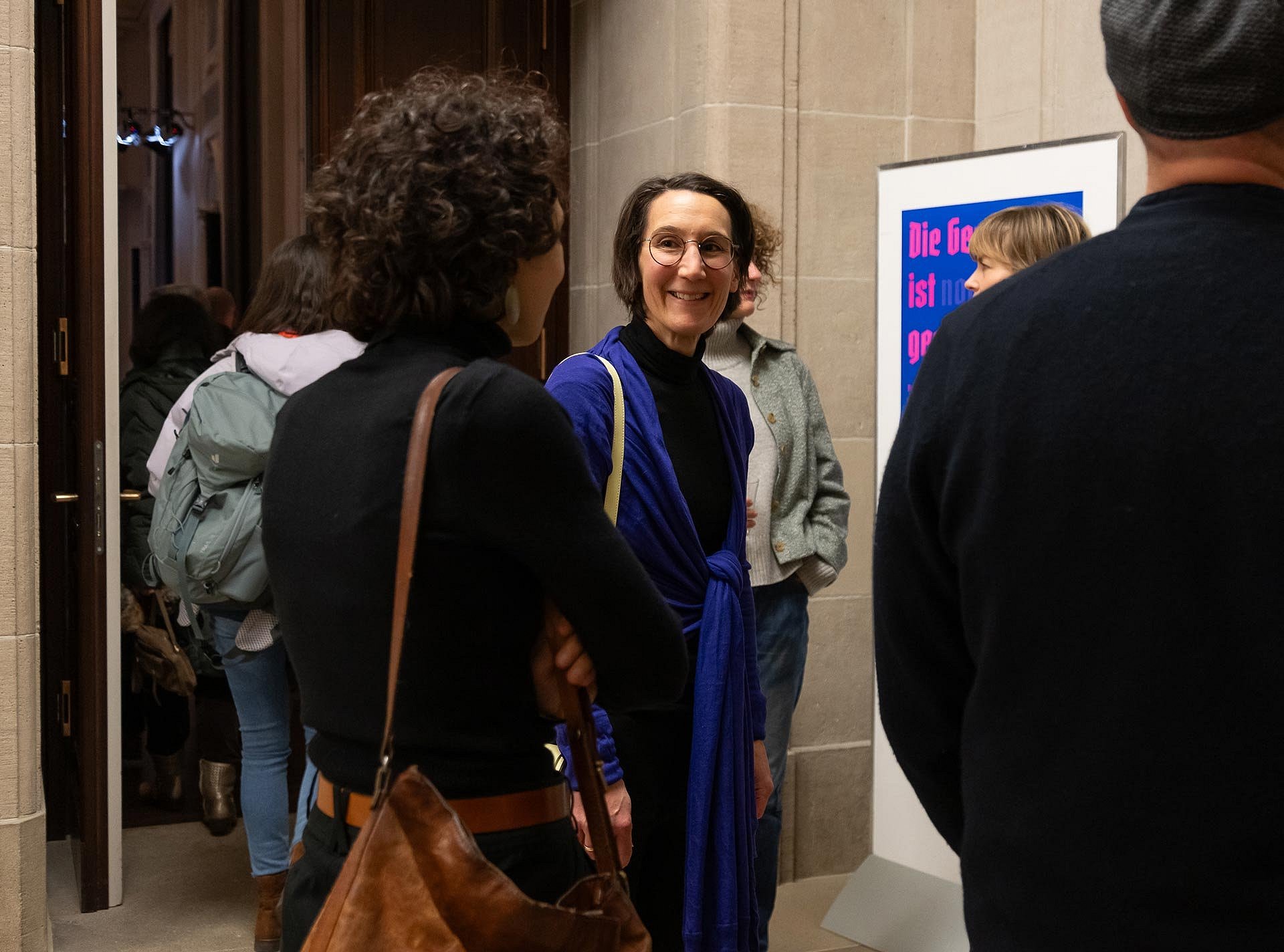
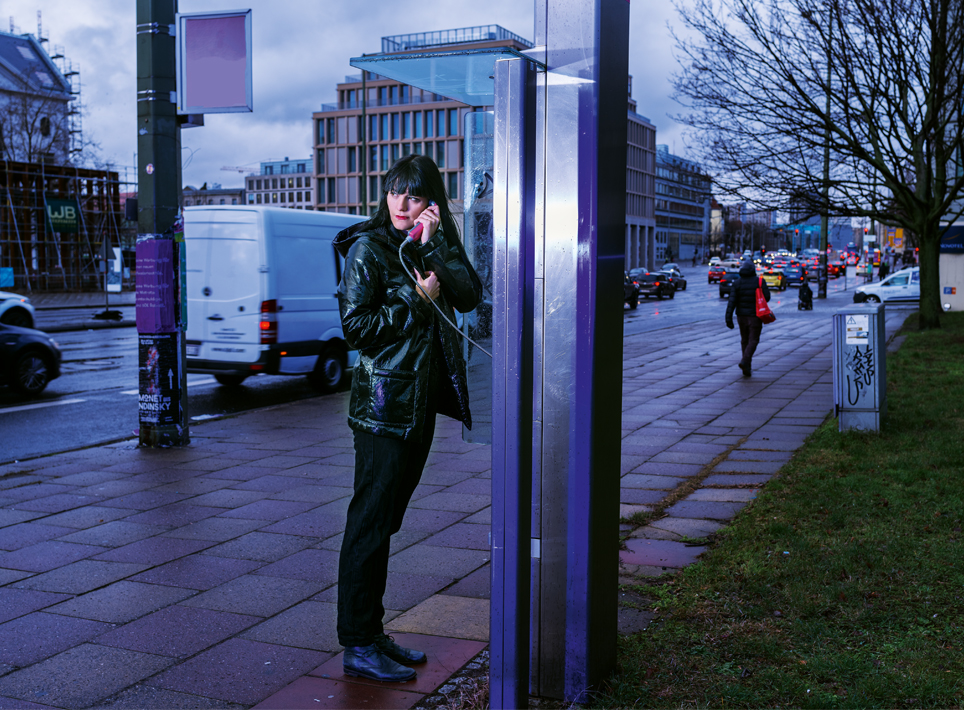
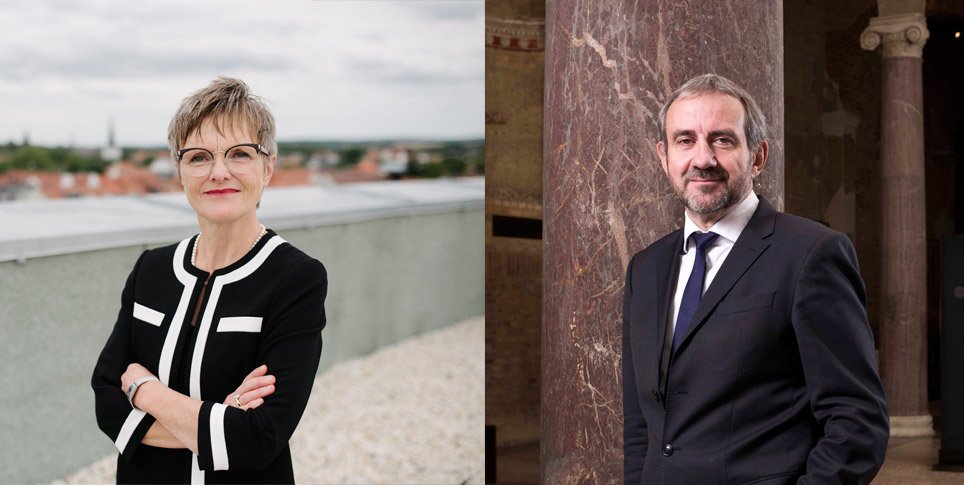
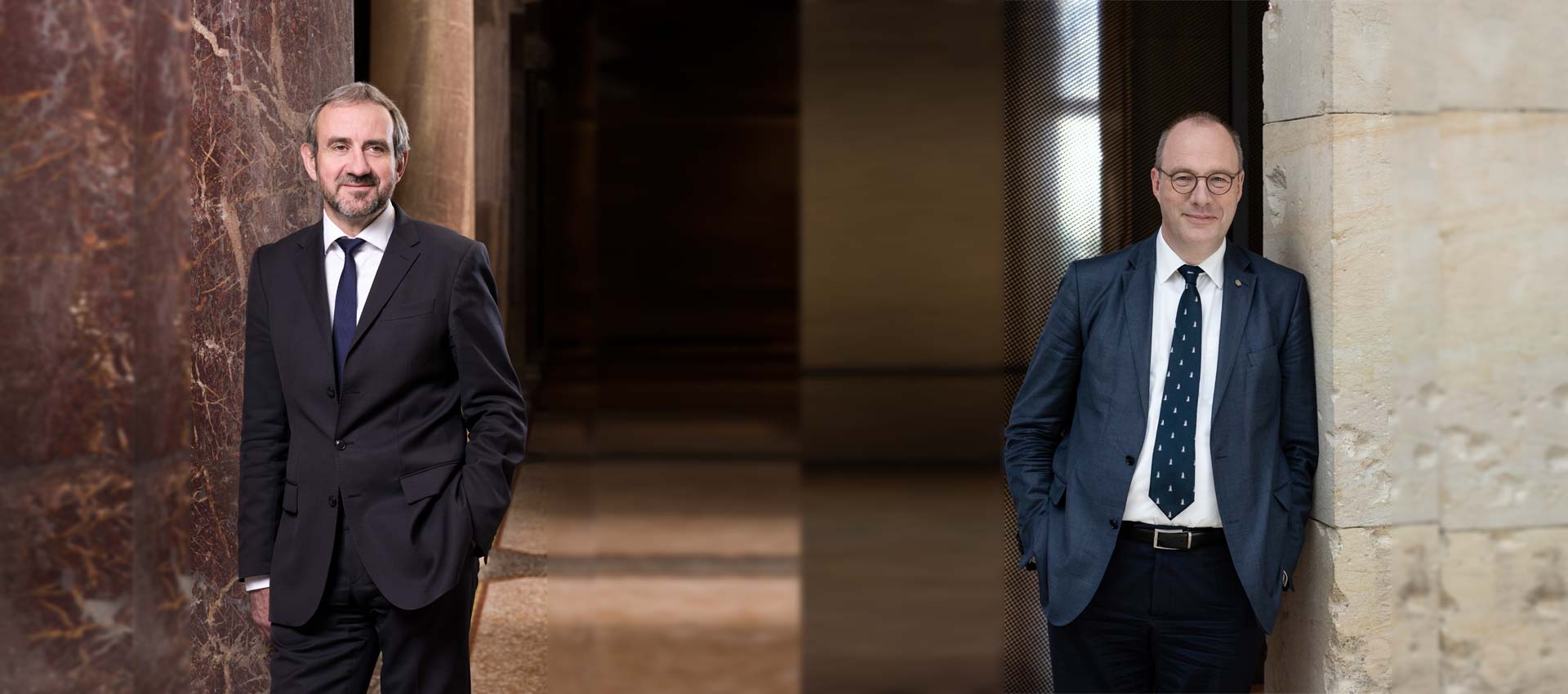
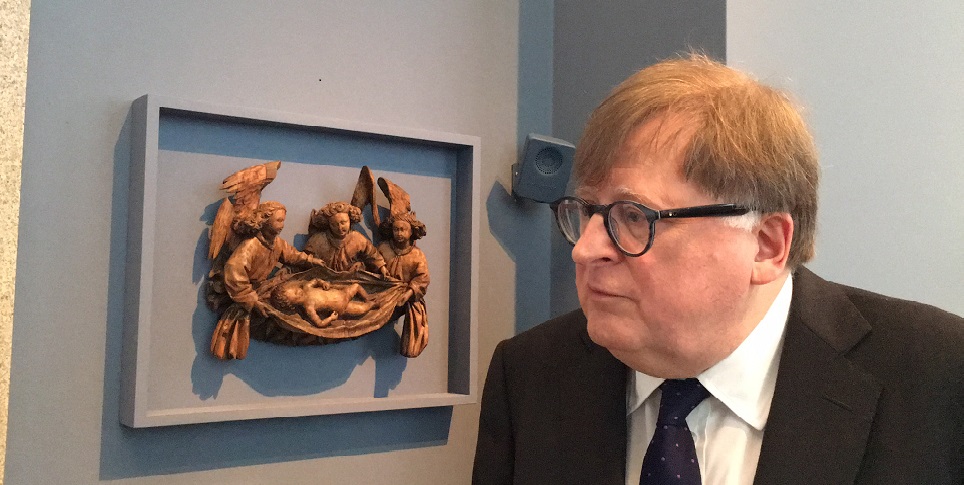
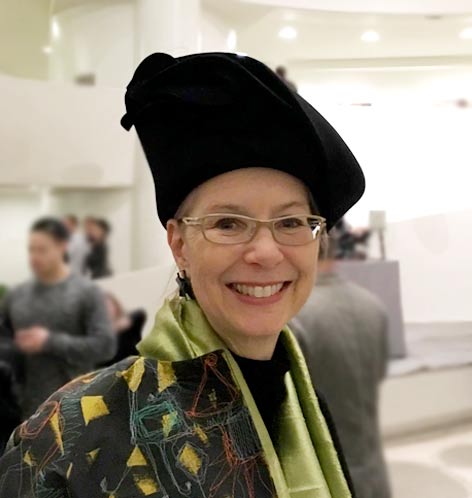
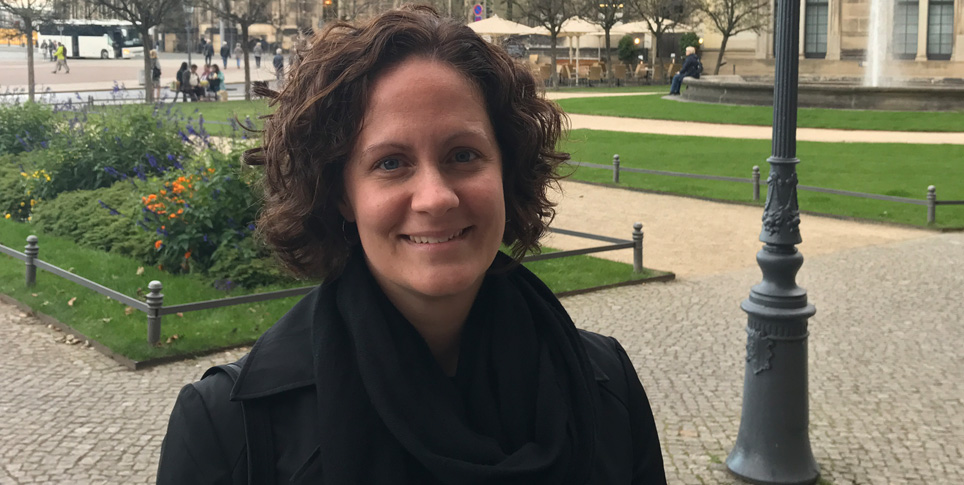
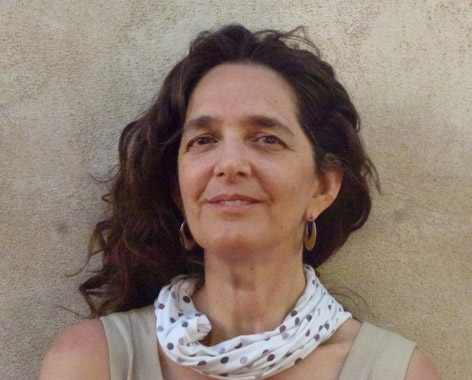
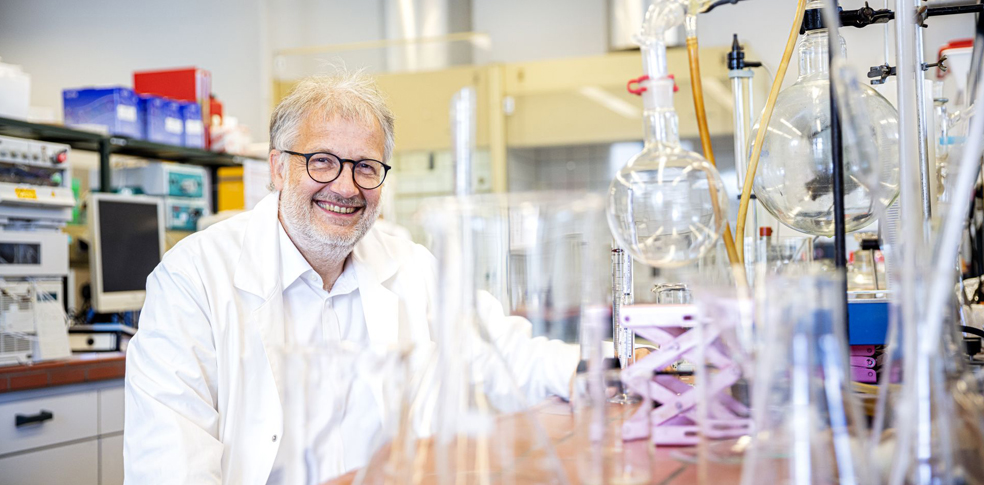
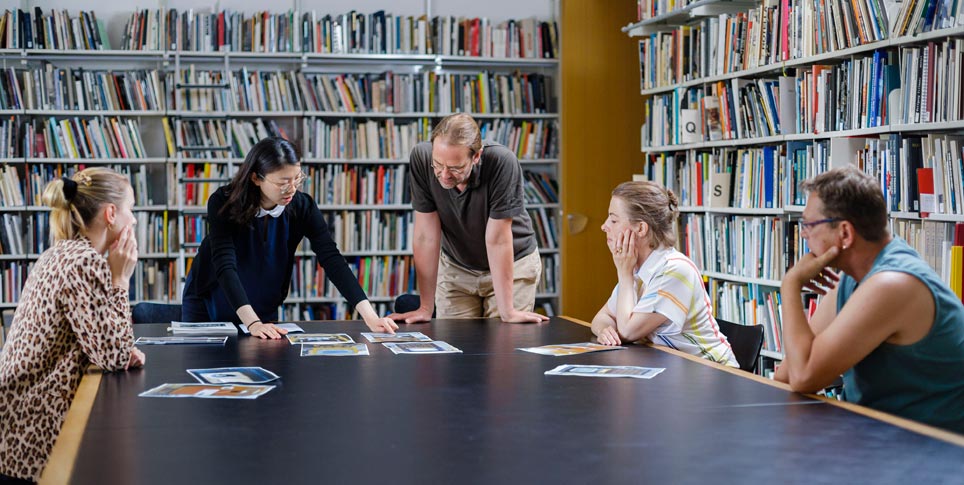
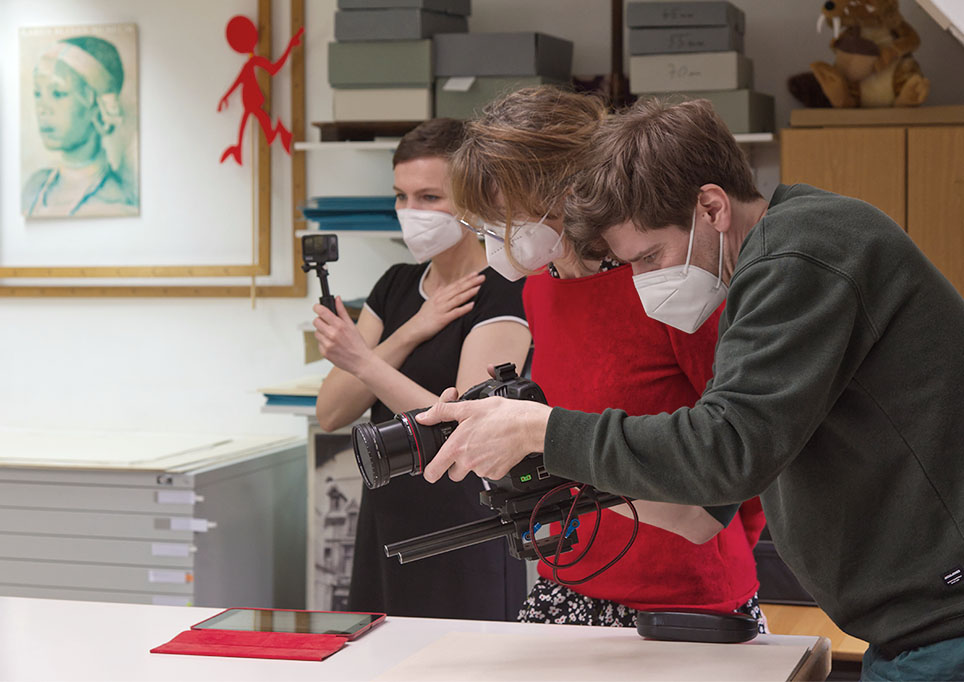
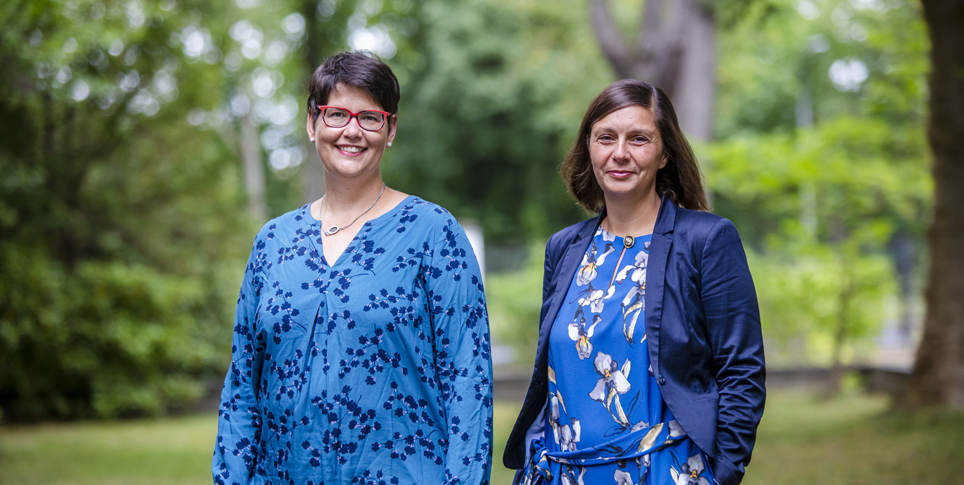
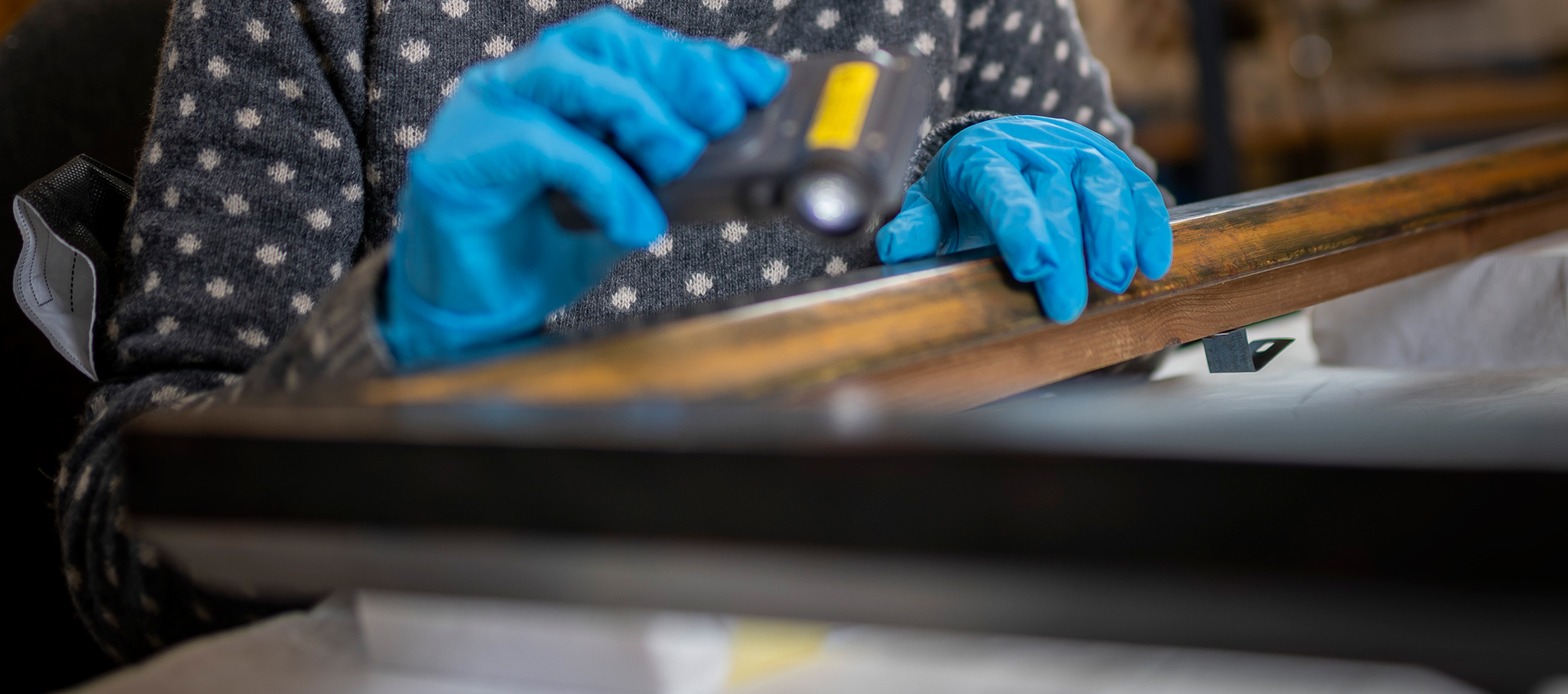
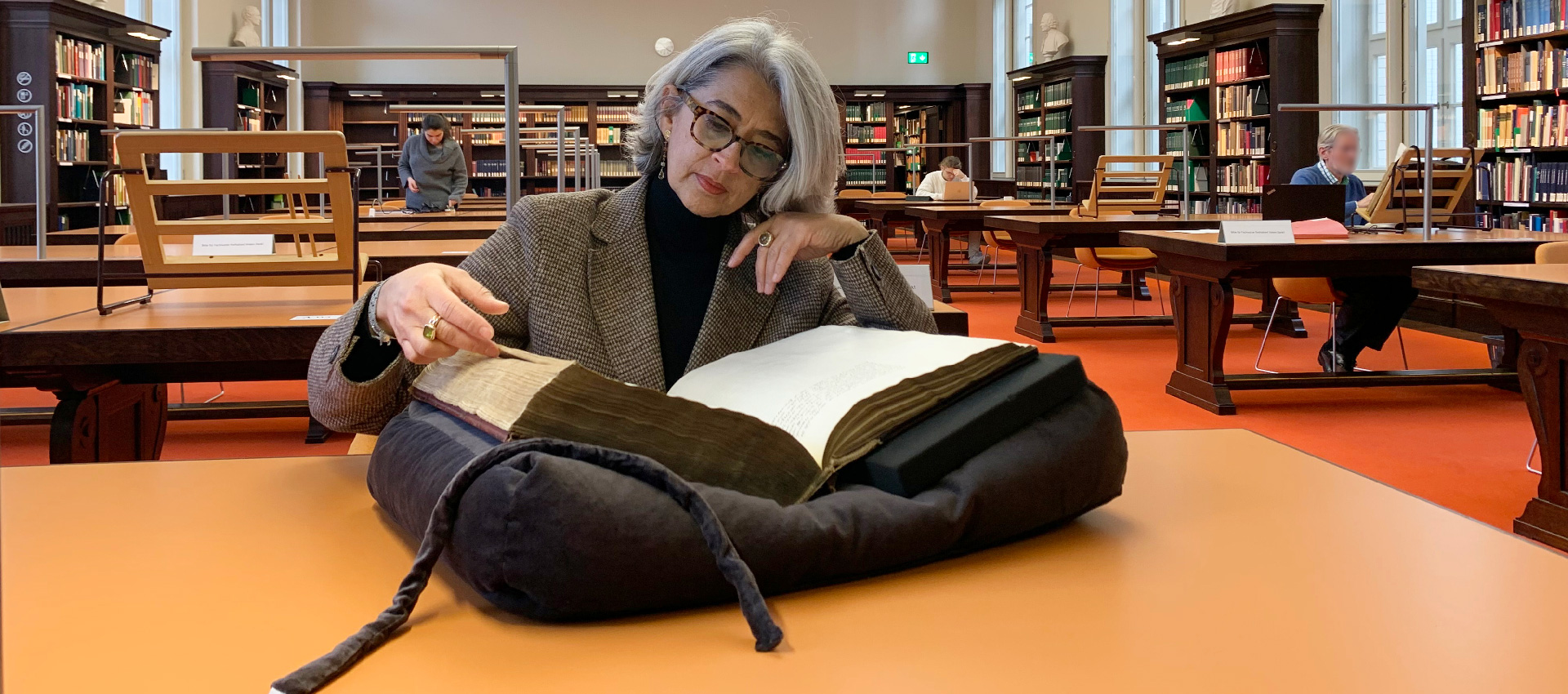
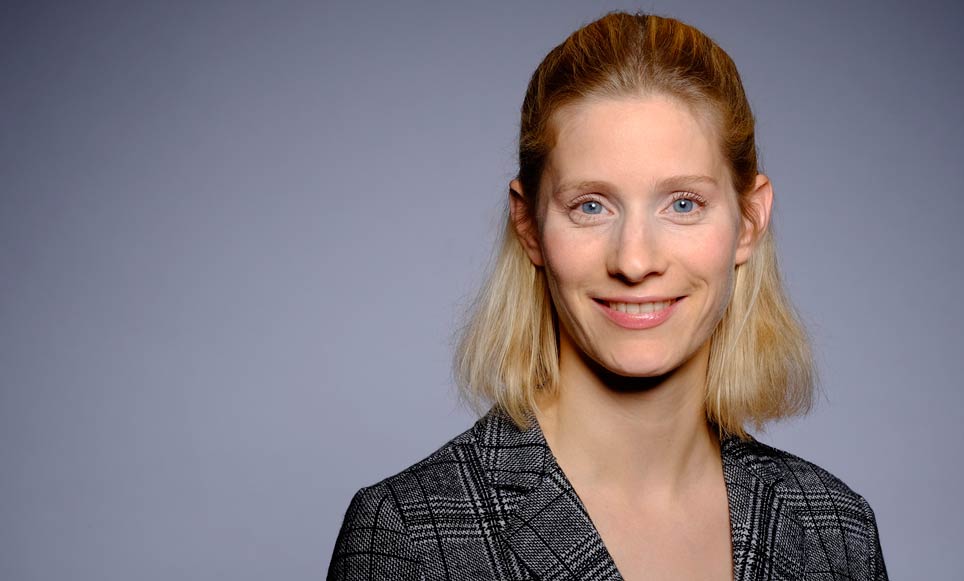
Art historian Anke Lünsmann is the project coordinator for the collaborative project “Art, Looting and Restitution – Forgotten Life Stories (KRR)” run by the Prussian Cultural Heritage Foundation and the Bavarian State Painting Collections.
Duration: 2022–2024
Project funding: Federal Government Commissioner for Culture and the Media
Partners: Bayerischer Rundfunk, Rundfunk Berlin-Brandenburg
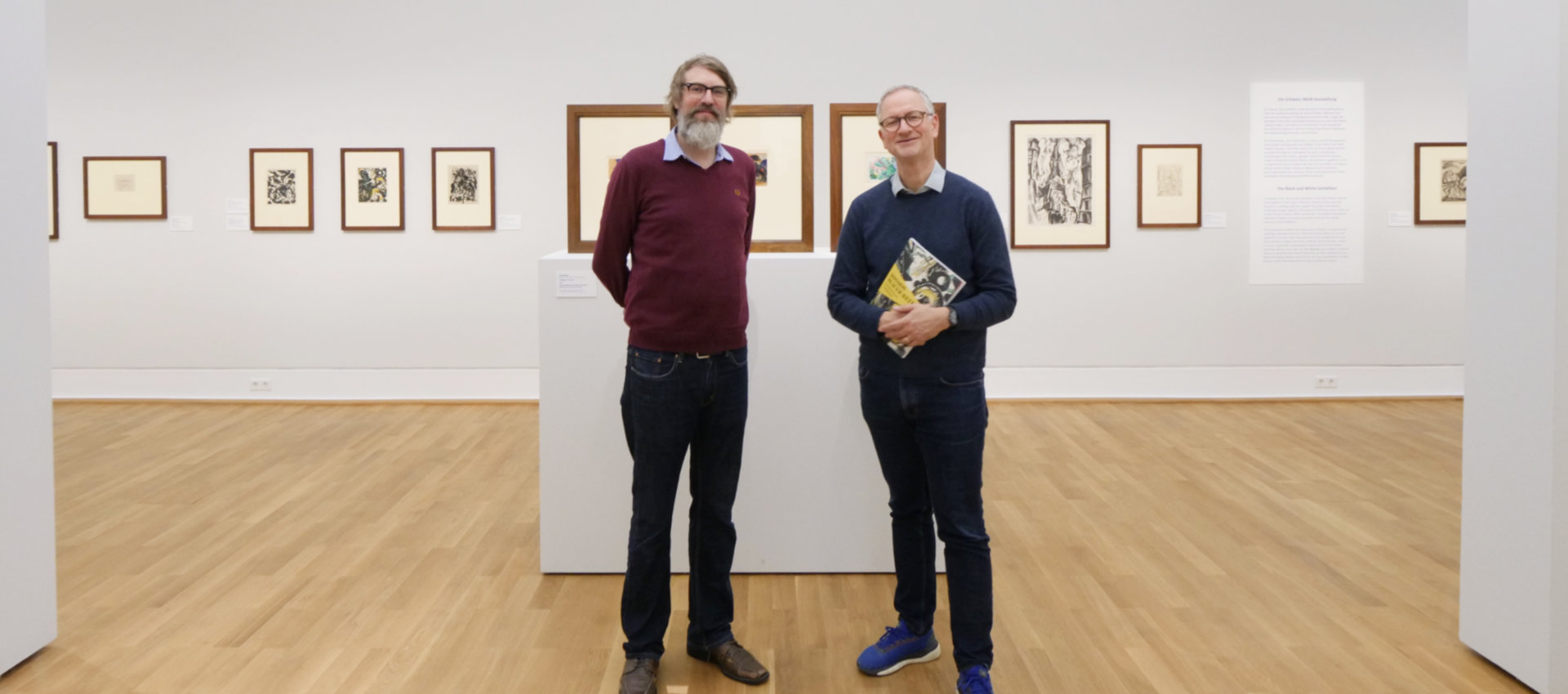
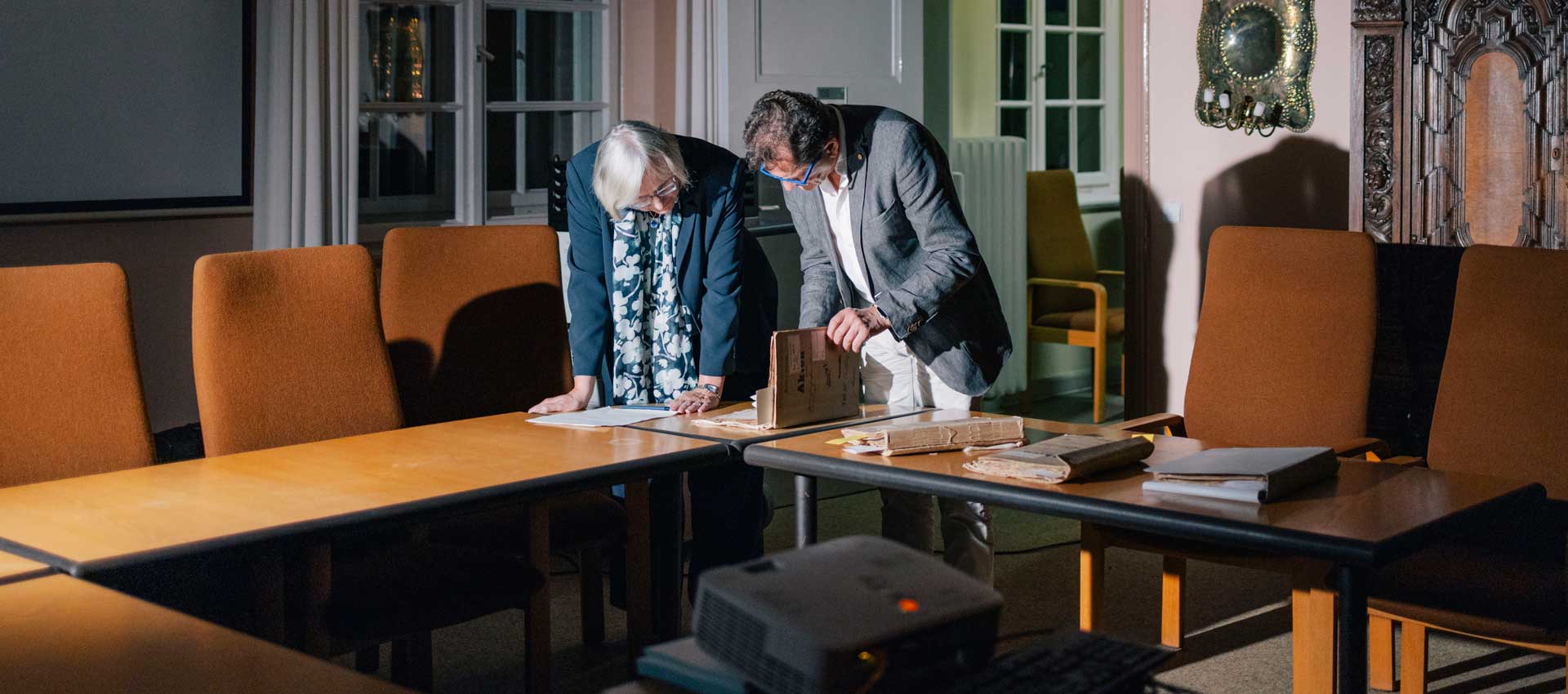
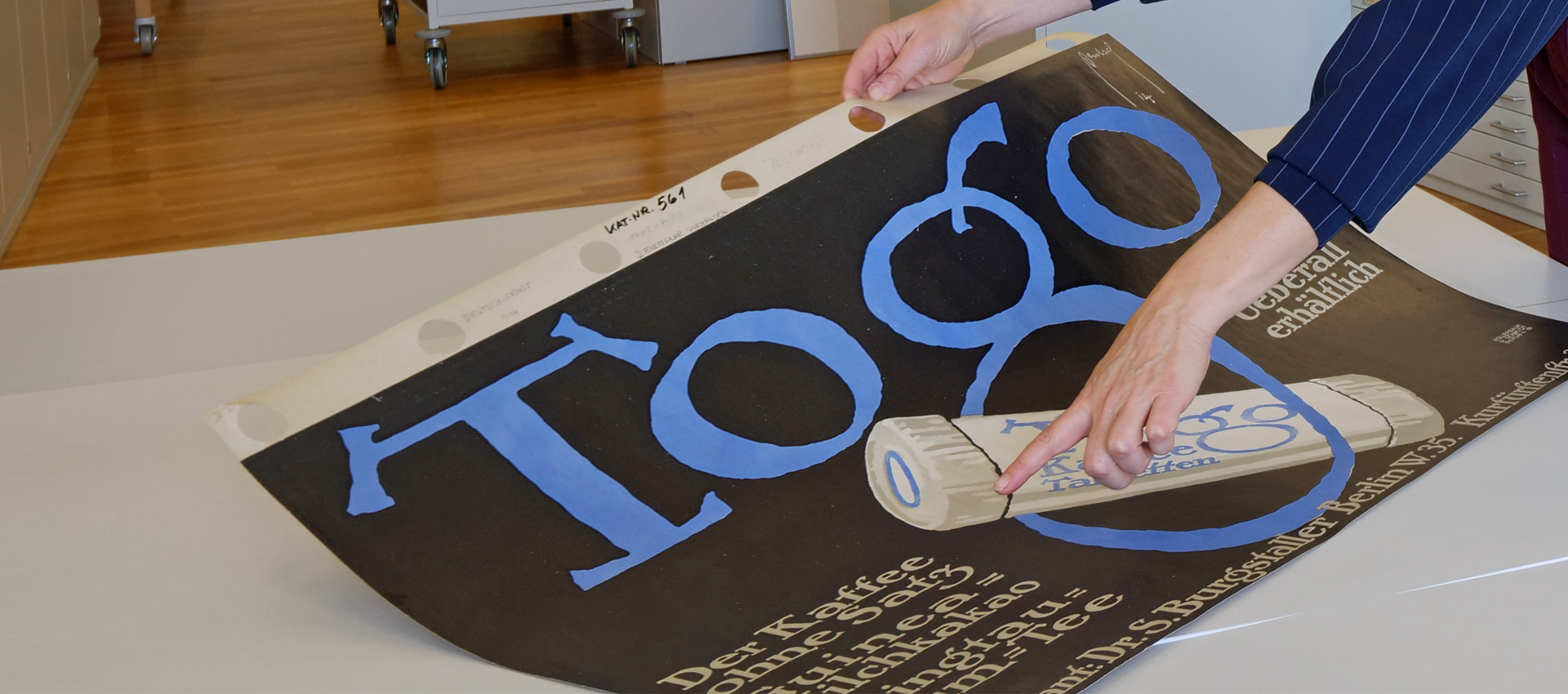
Photo: SBB-PK / Anka Bardeleben-Zennström
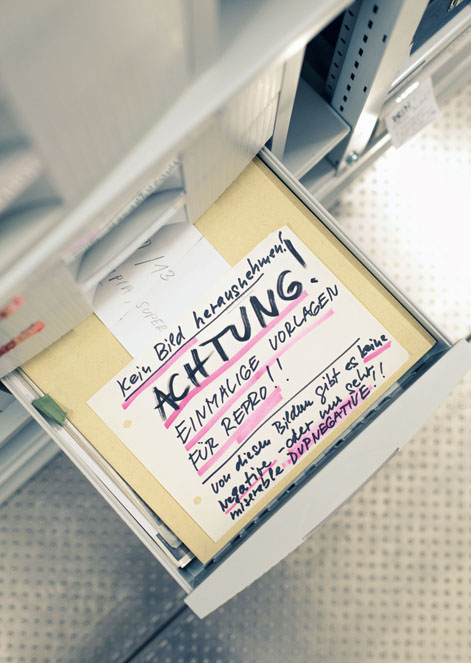
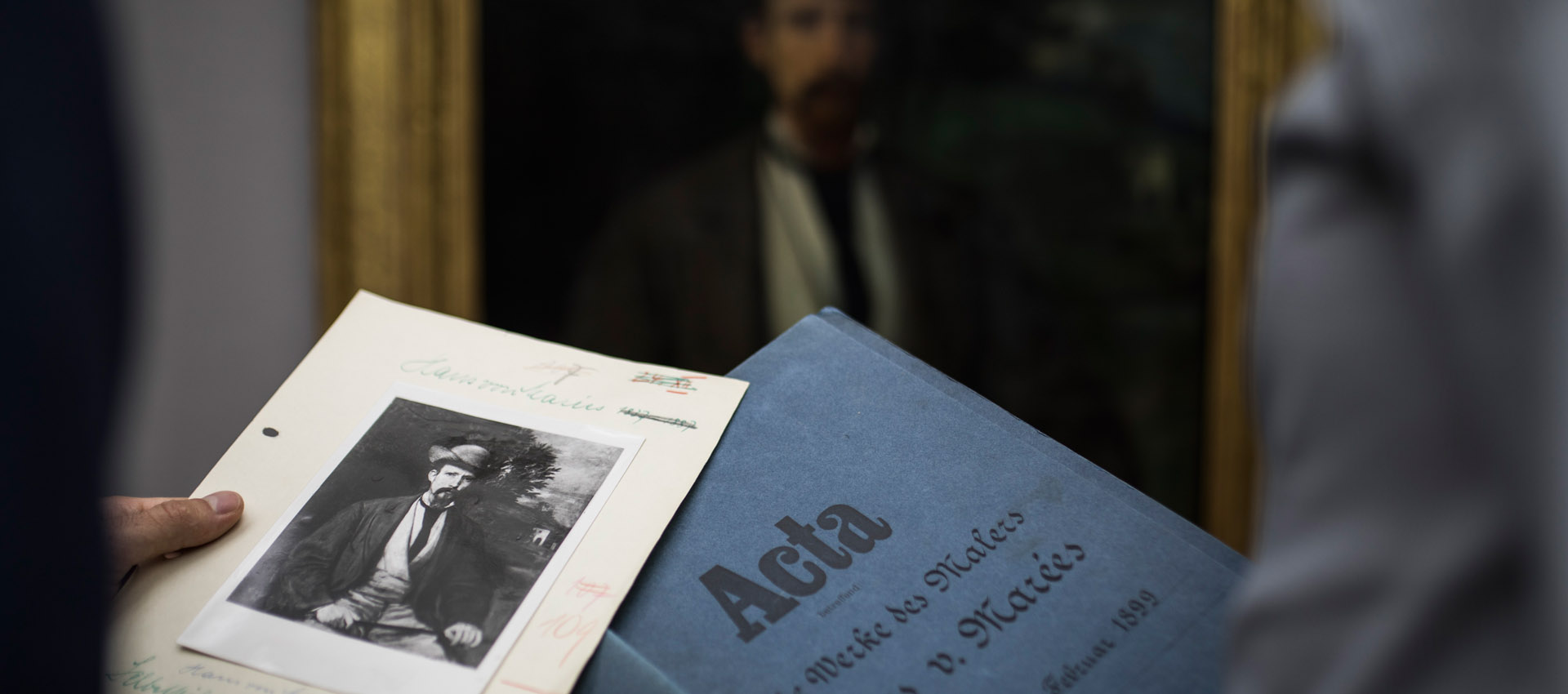
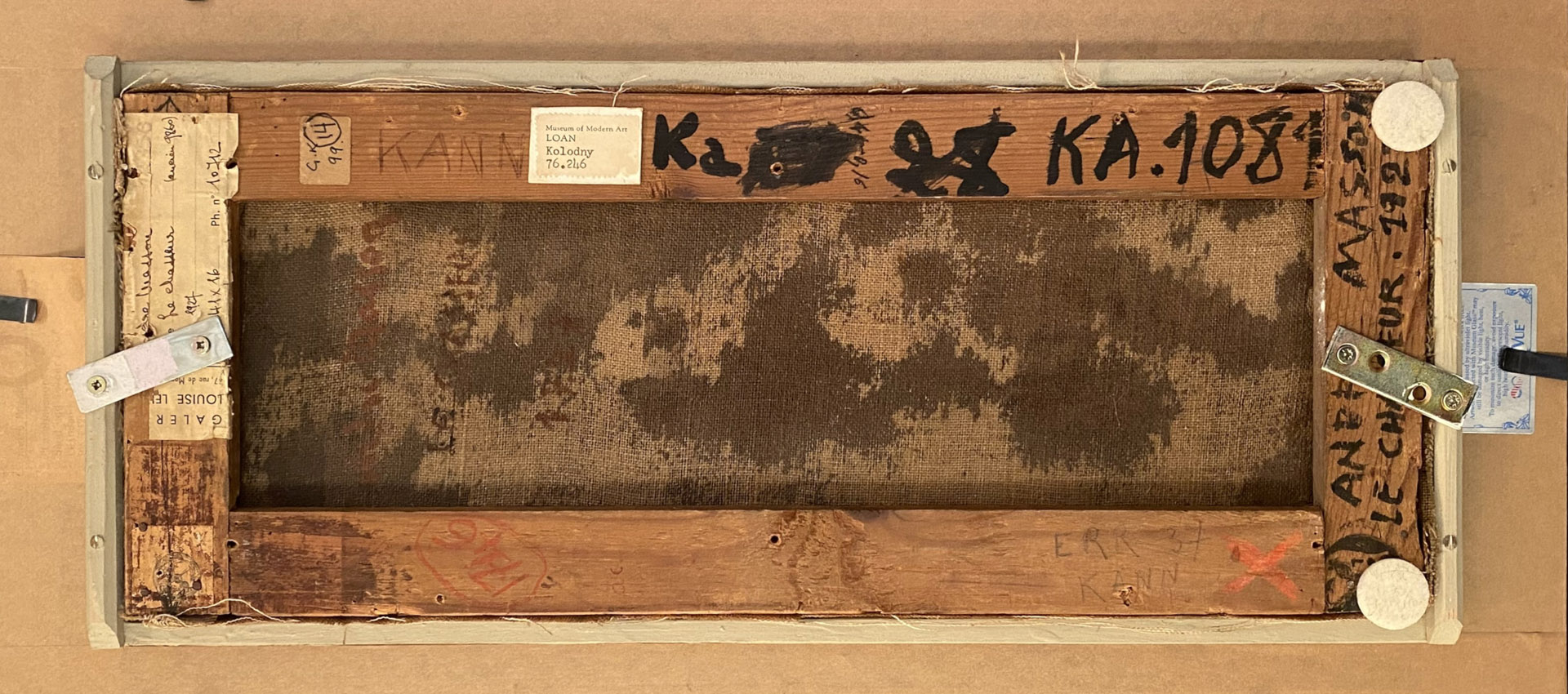
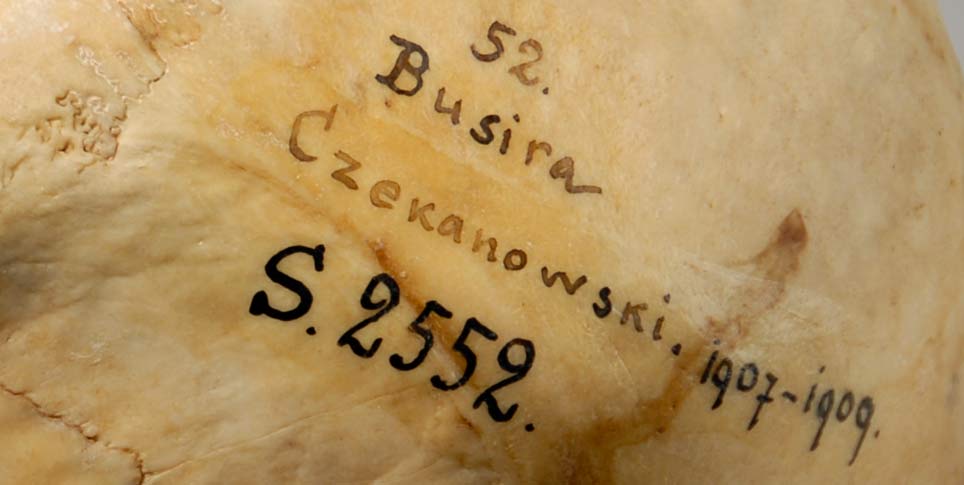
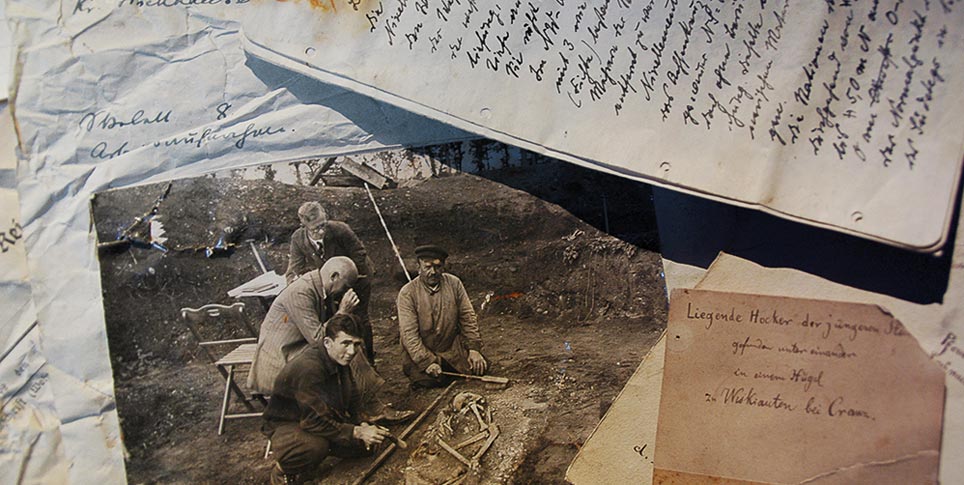
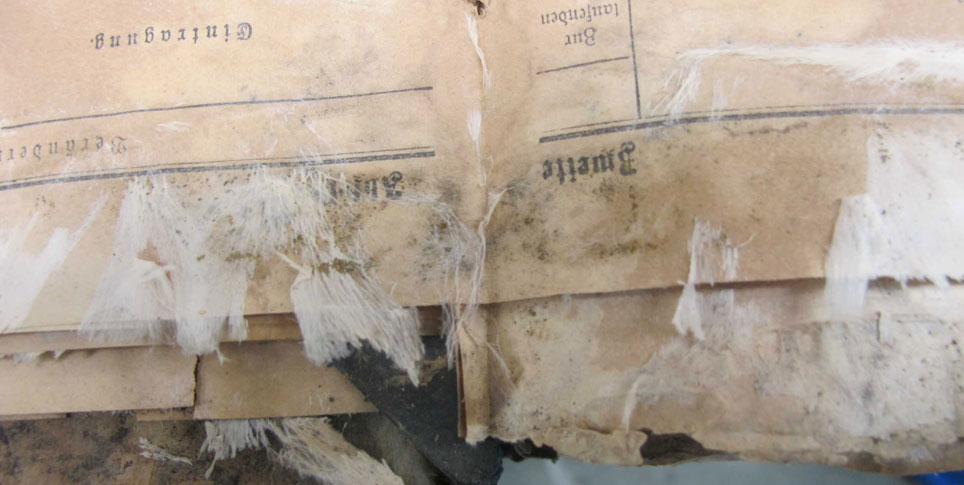
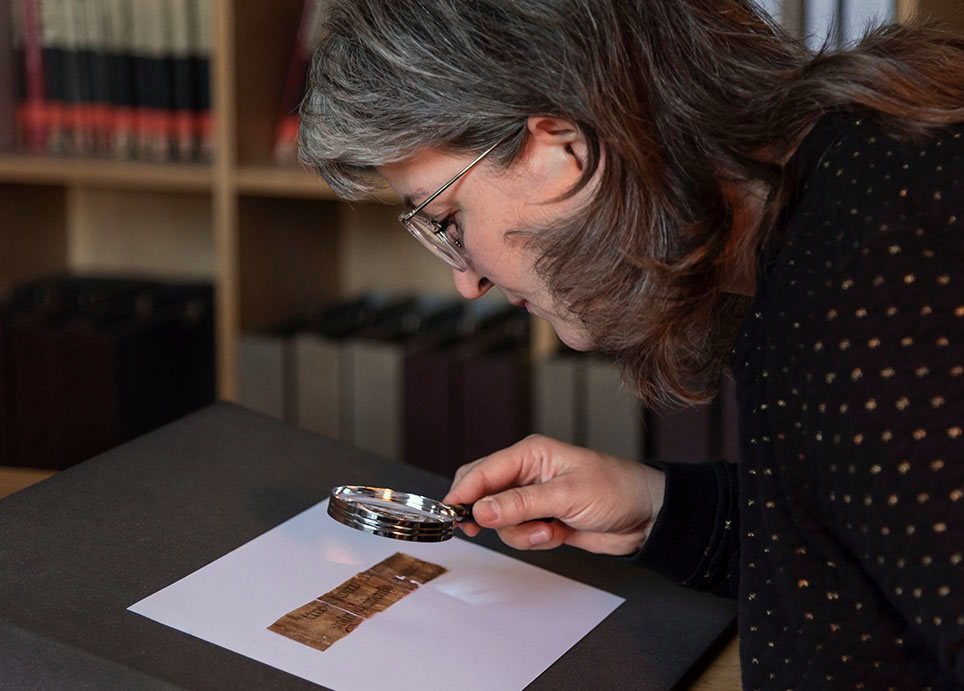
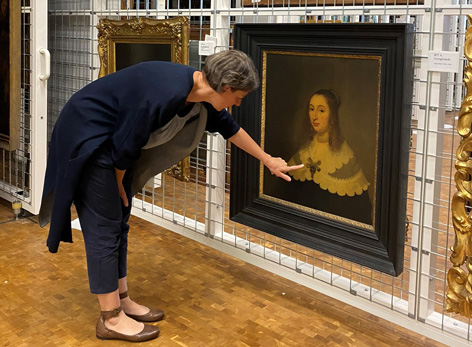
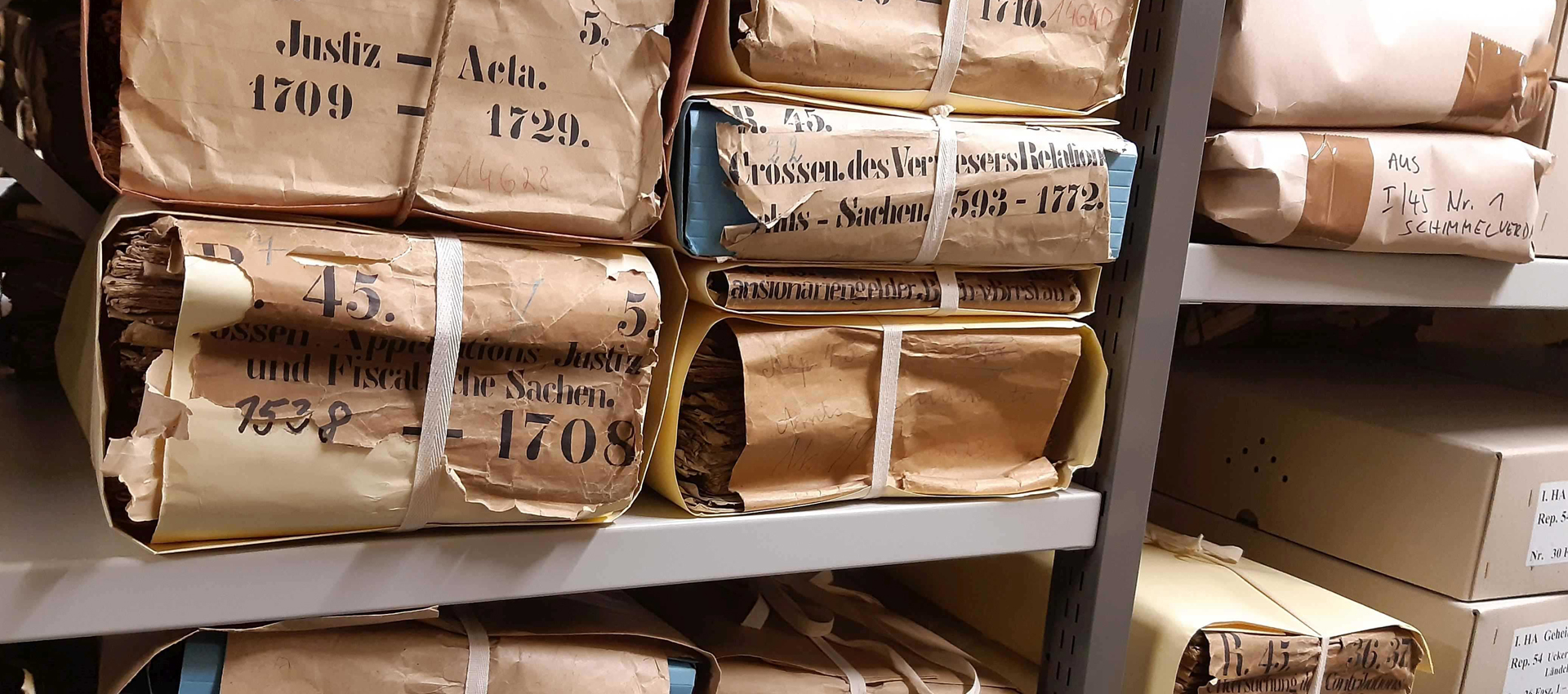
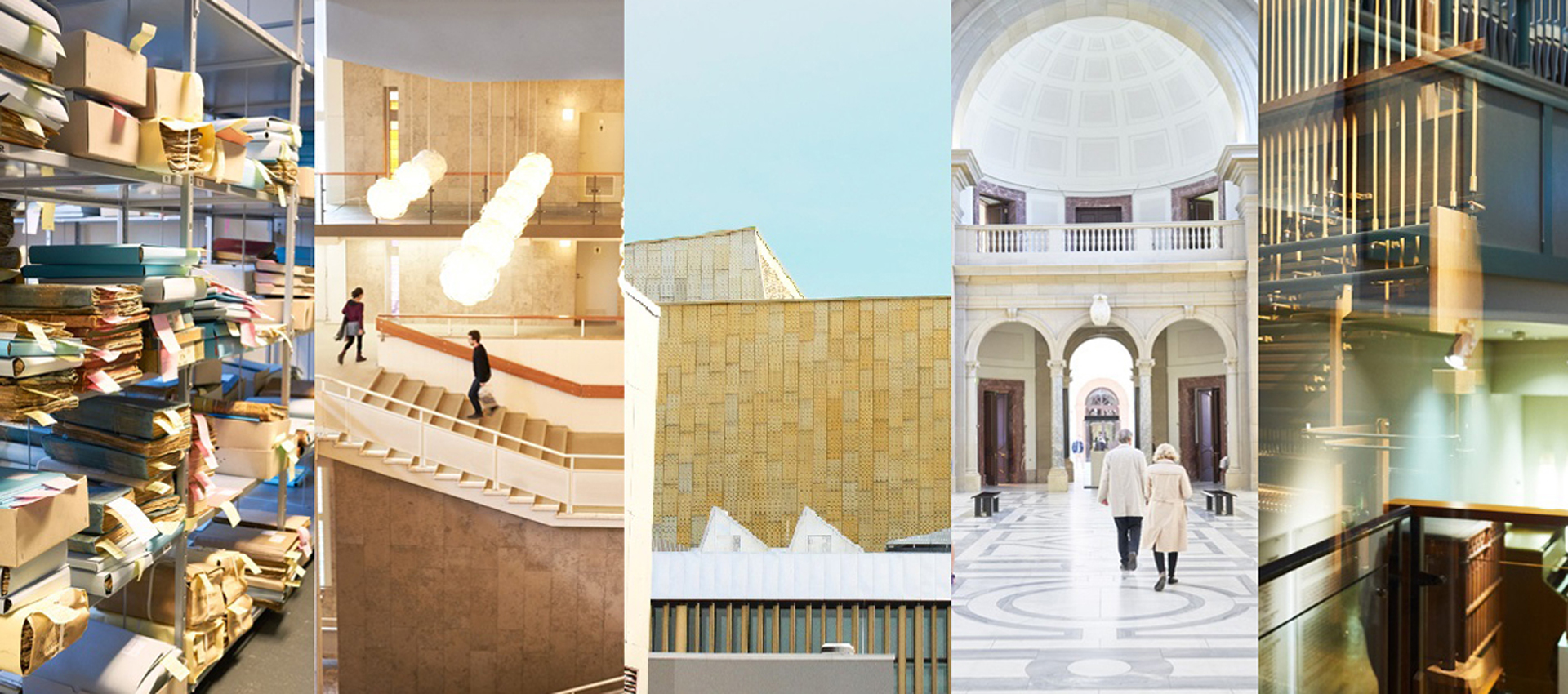
Looking through or reading old files can evoke a wide range of emotions. It can be oppressive, leave one at a loss, and often enough, leave one stunned. And it can also give rise to a sense of human connection. In their search for cultural artefacts and the winding paths they have taken, provenance researchers frequently uncover sources in which people and their life stories also come to light.
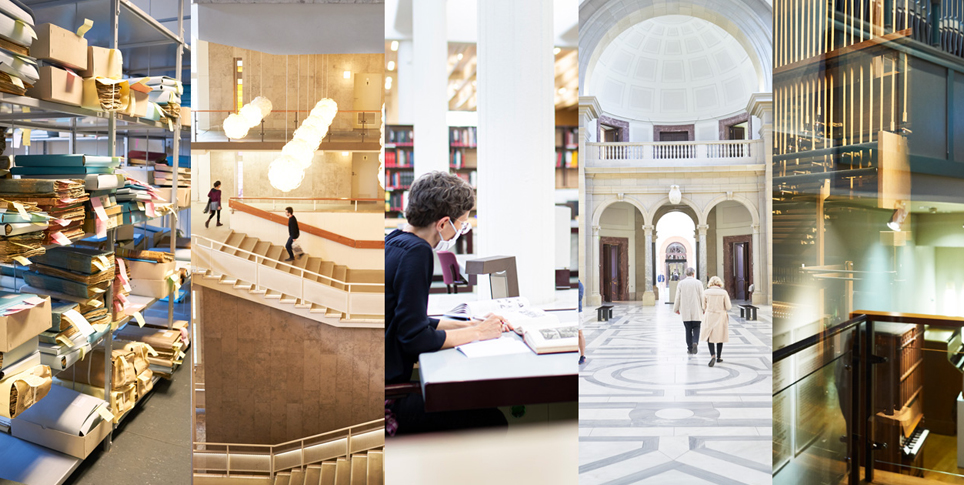
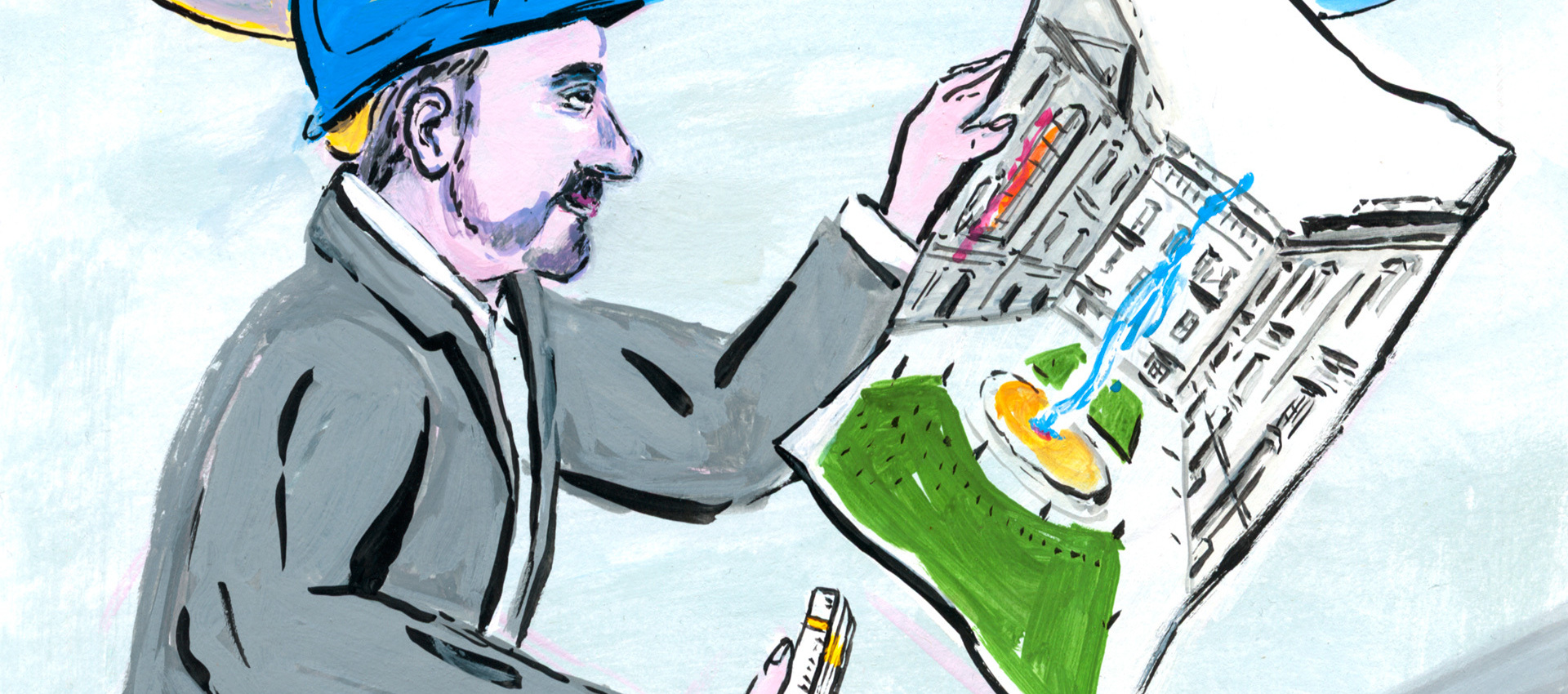
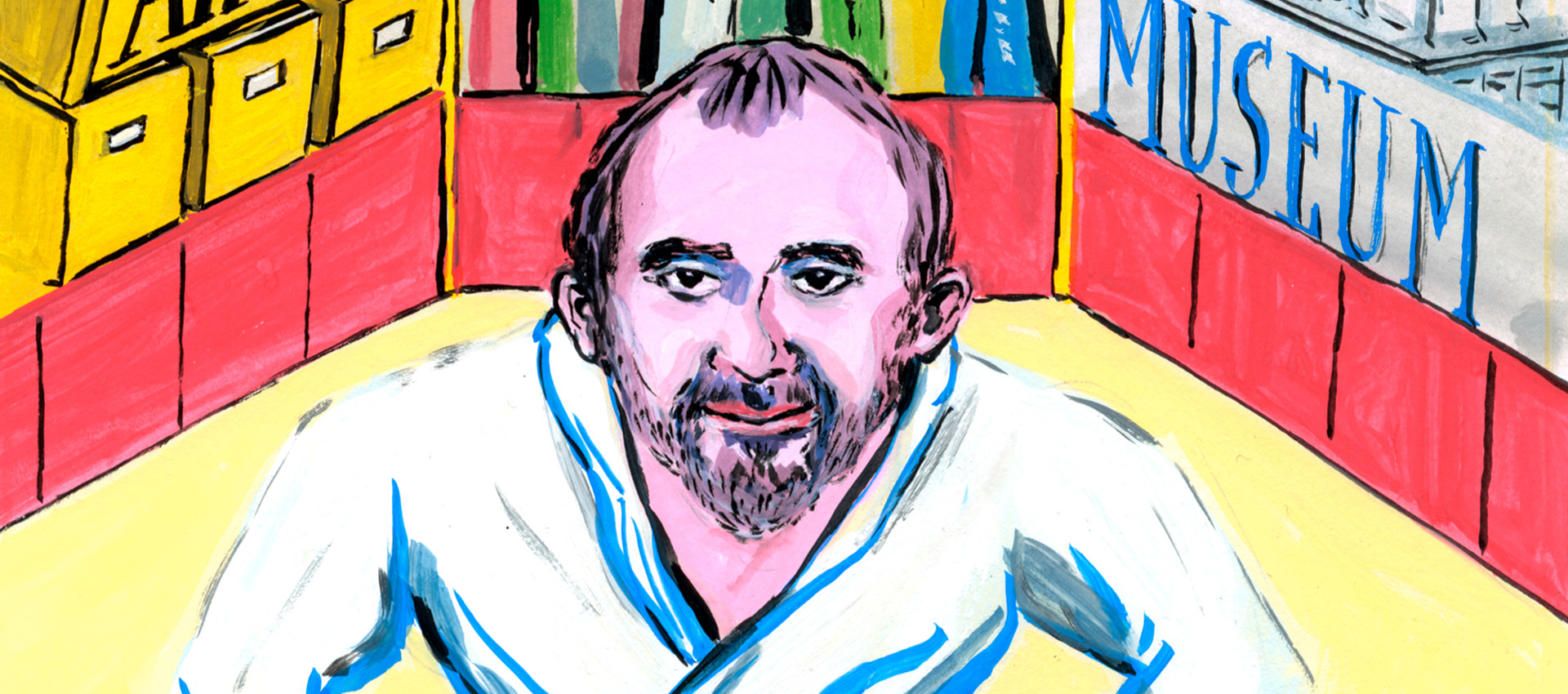
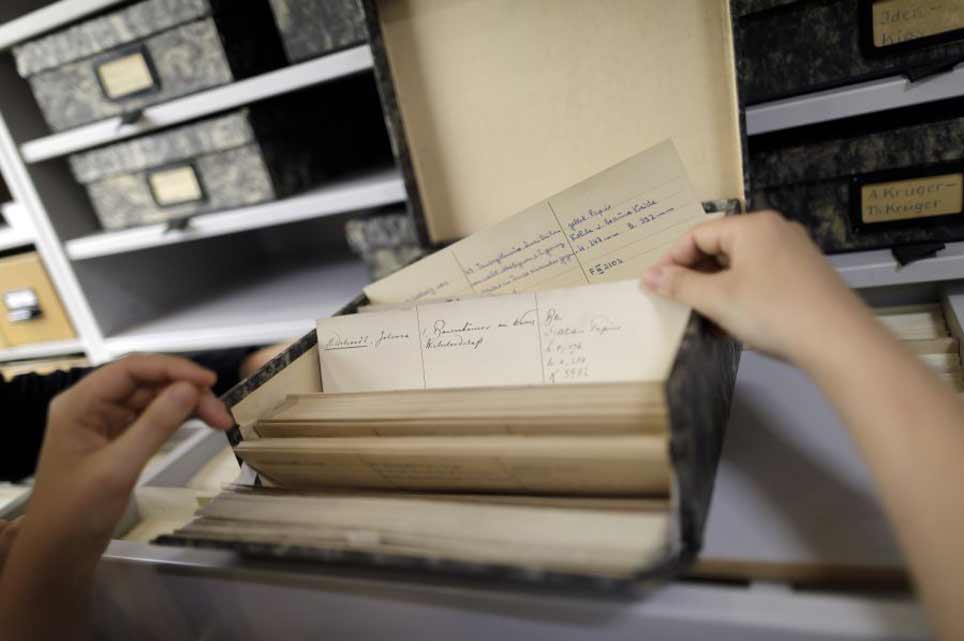
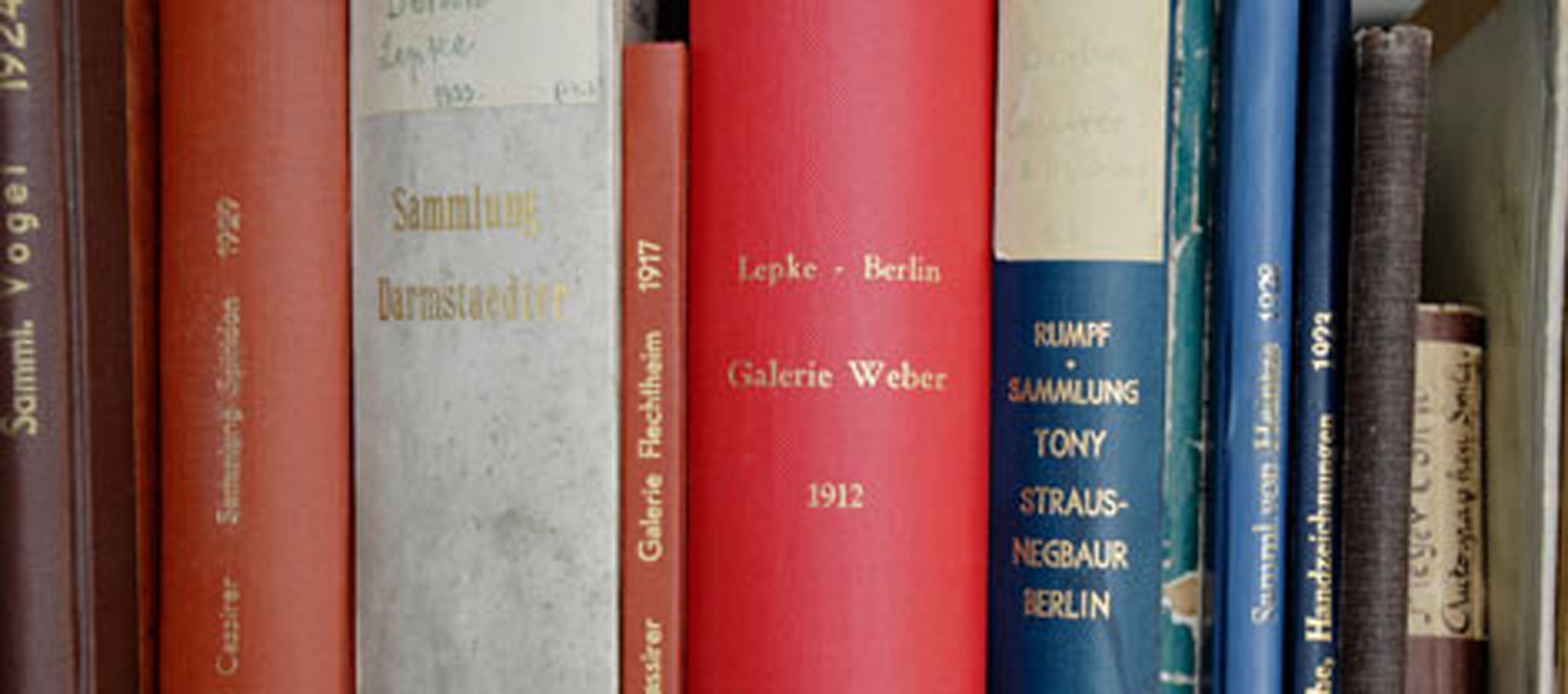
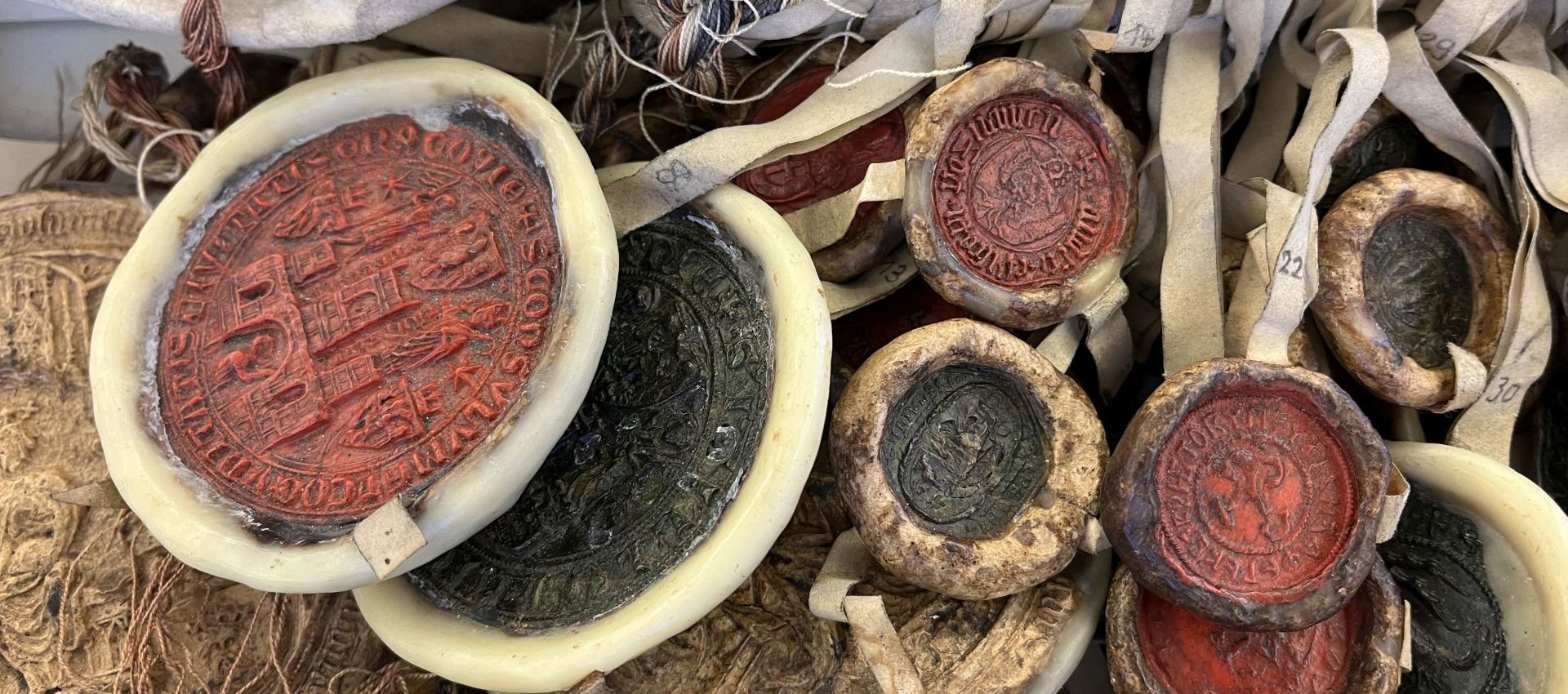
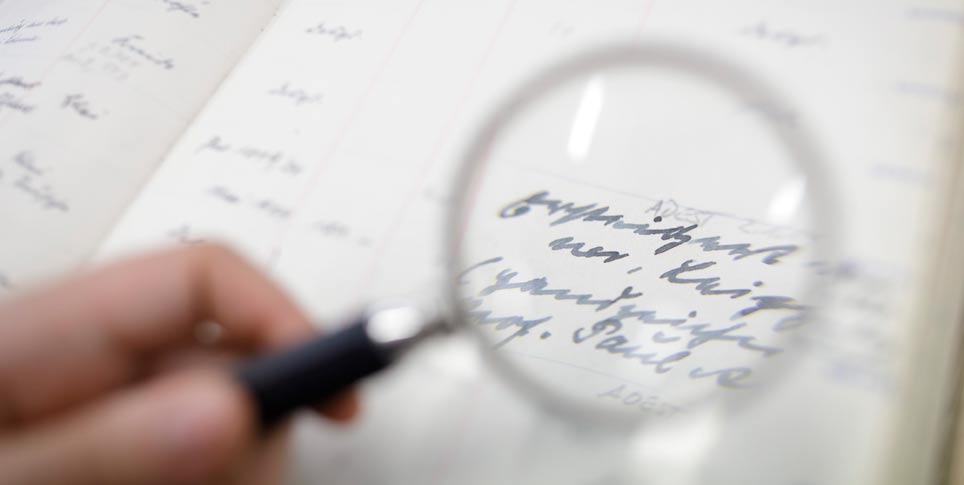
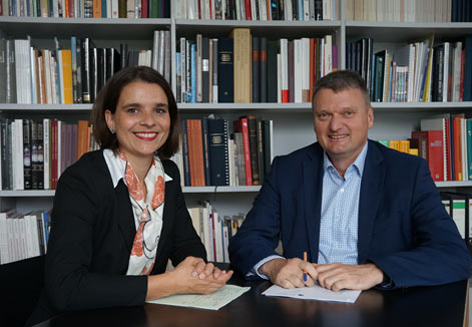
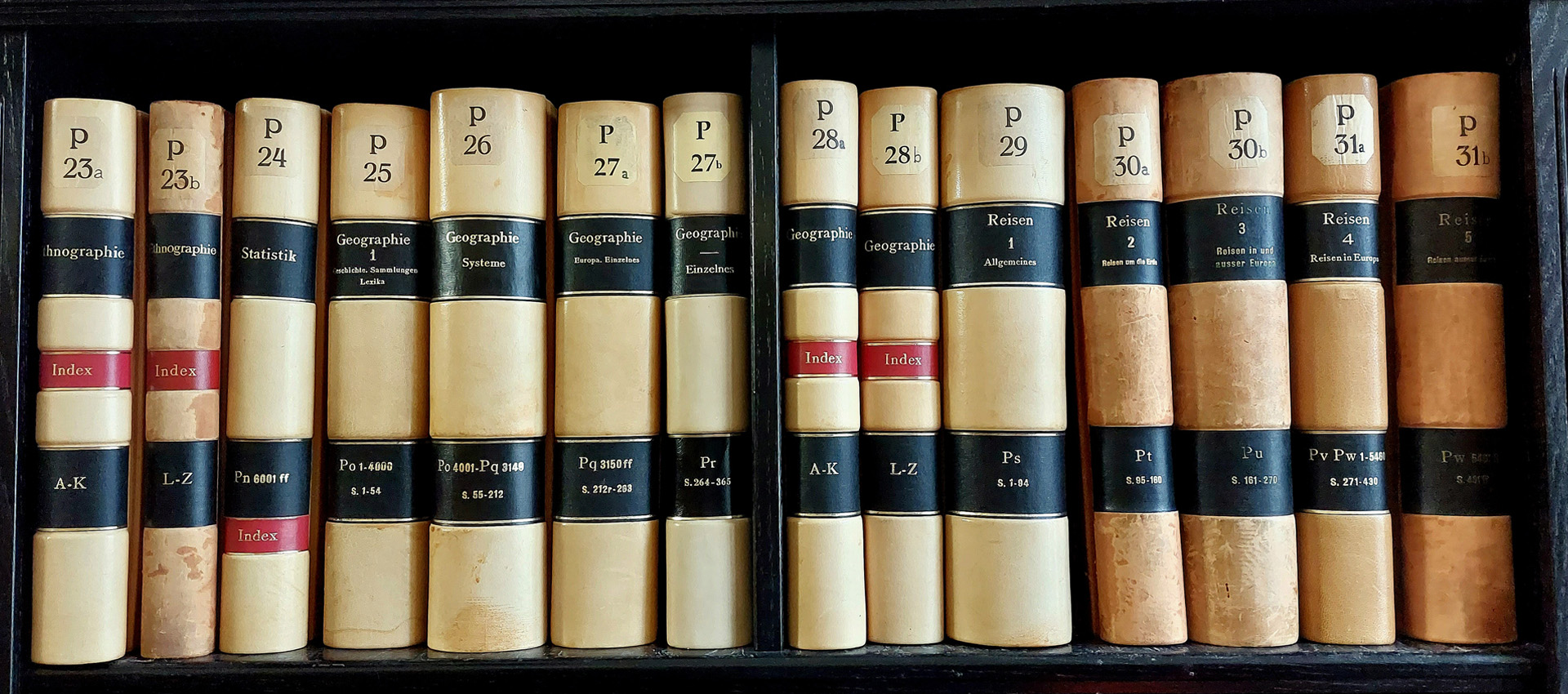
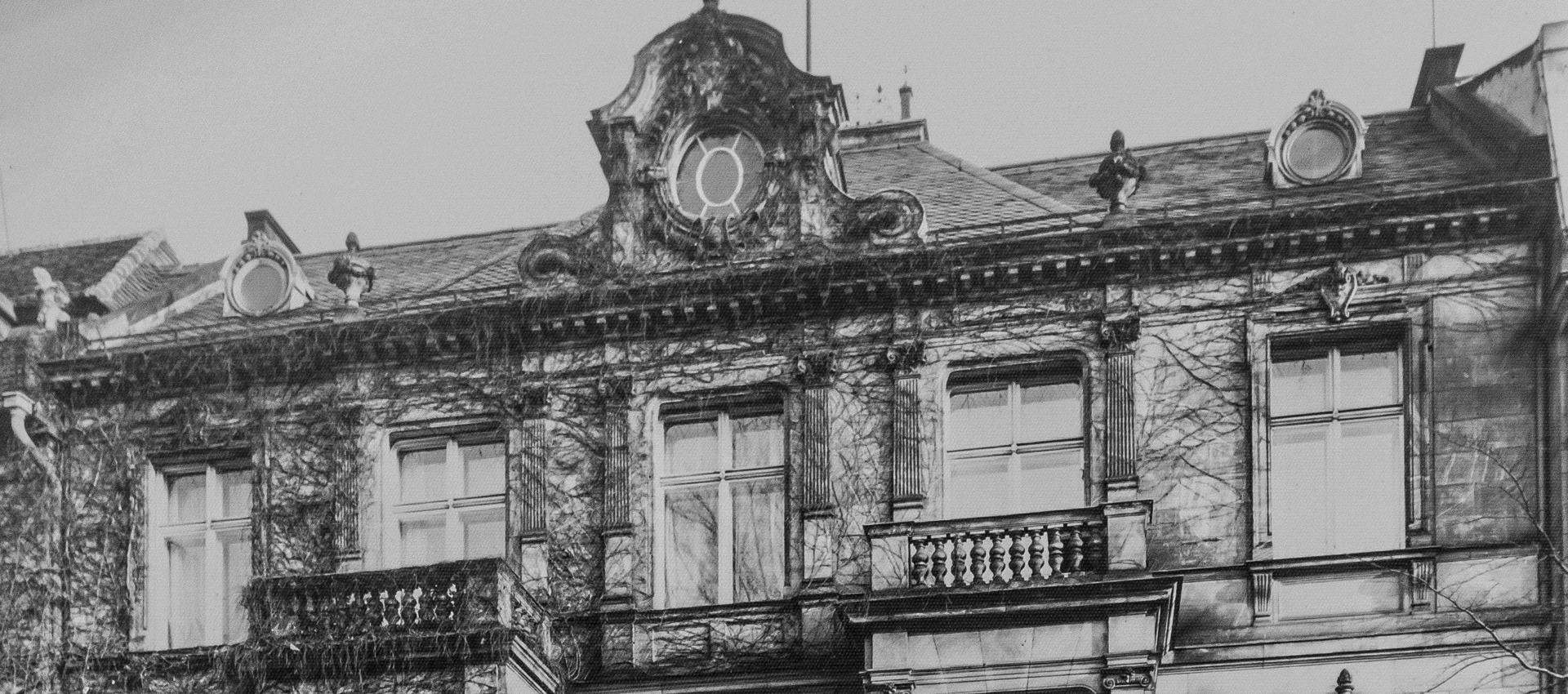
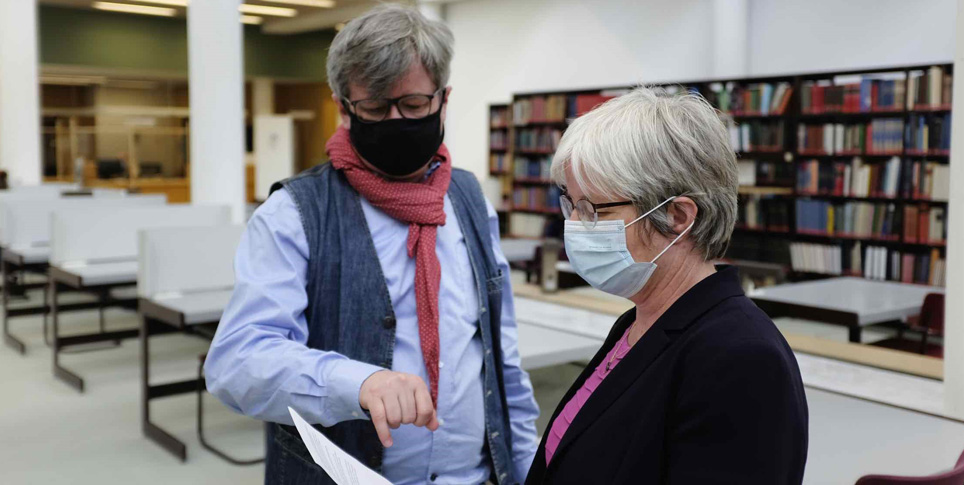
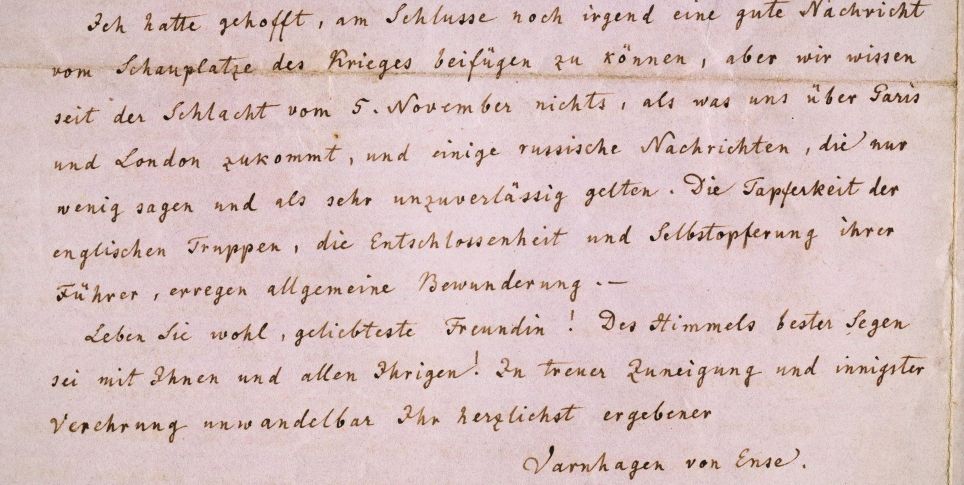
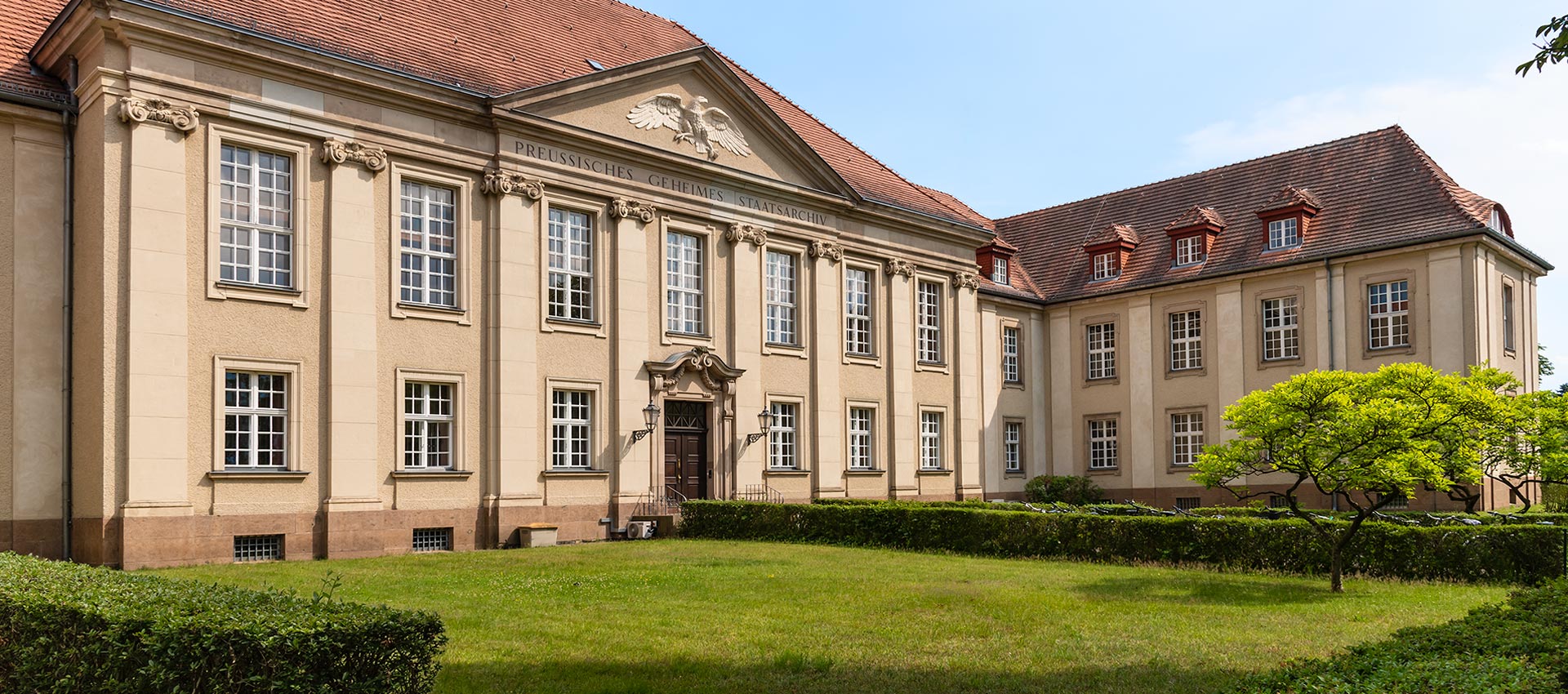
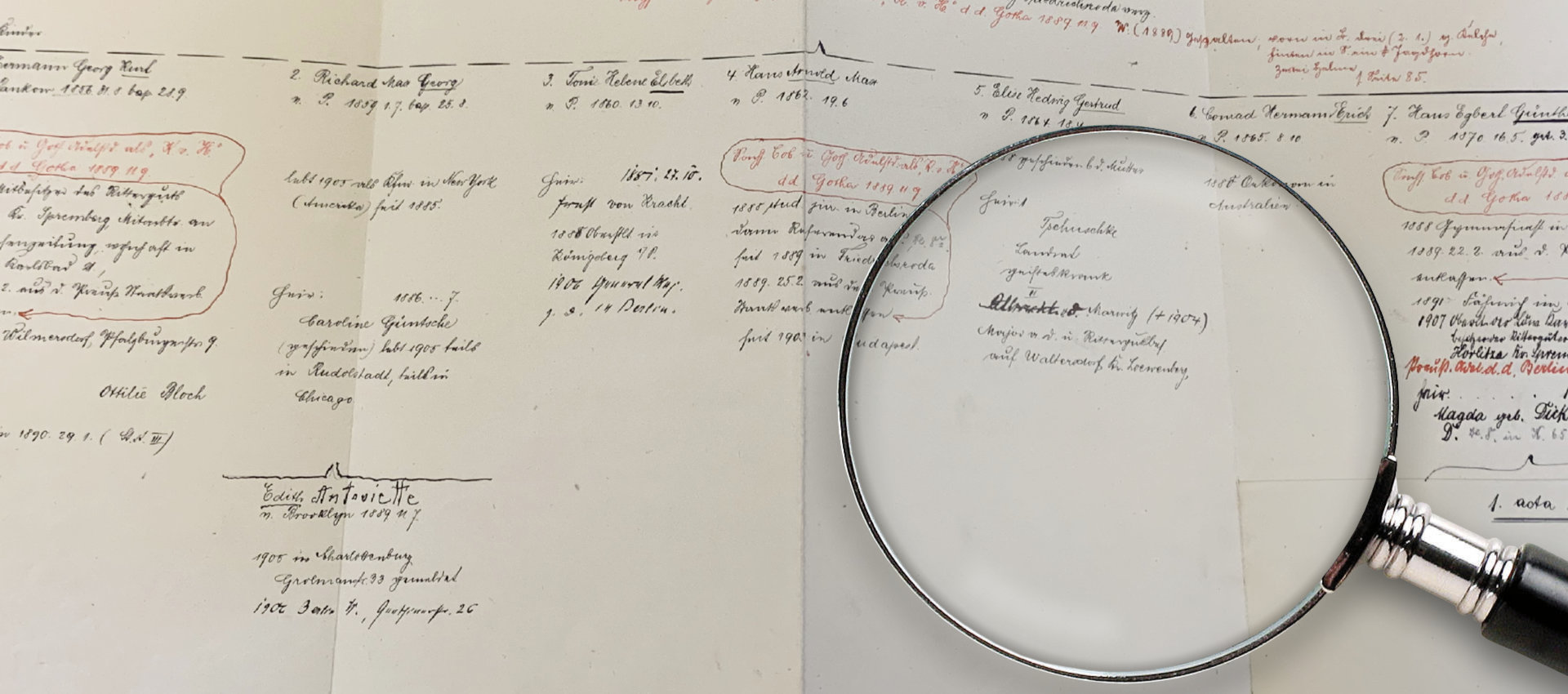
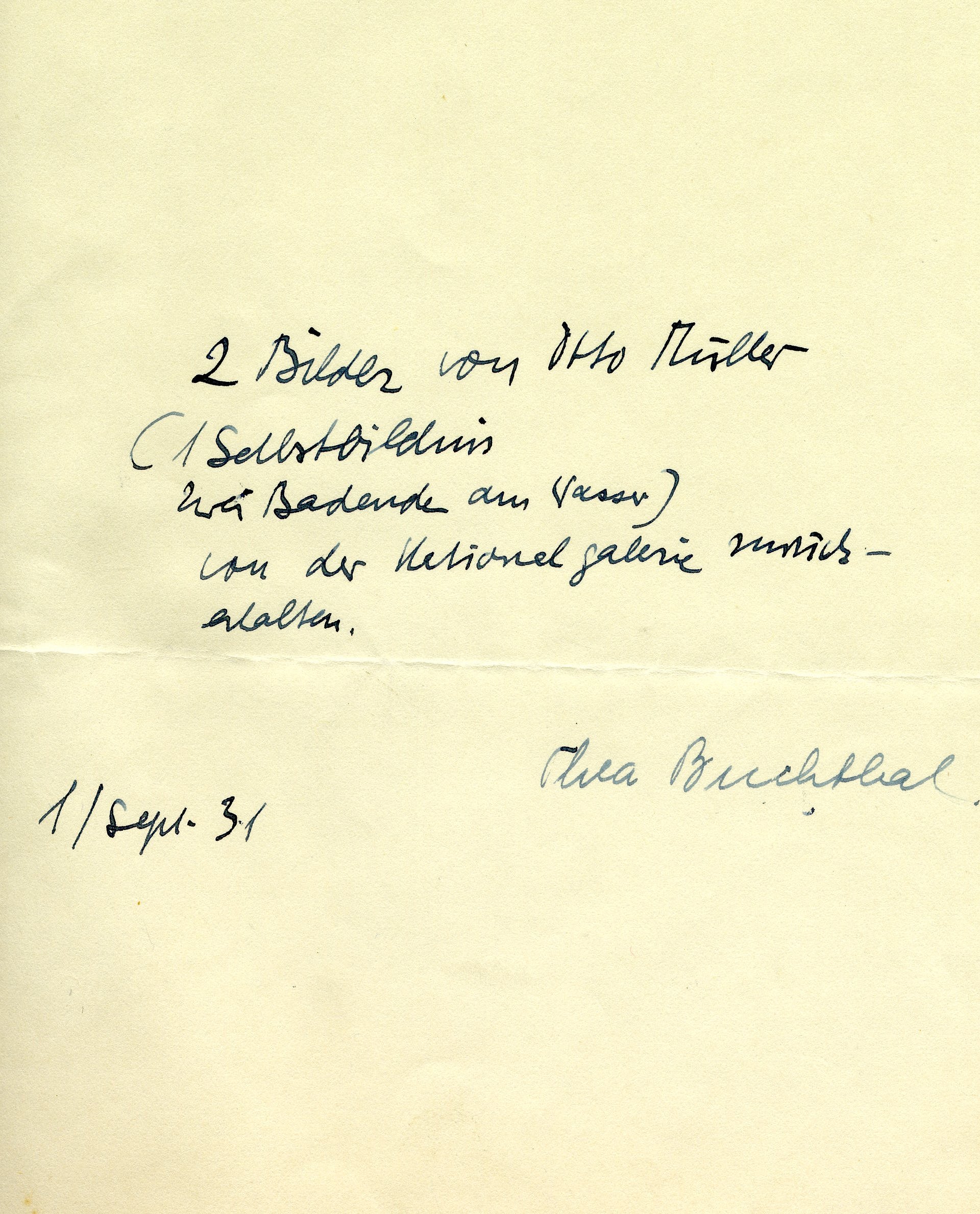
Eugen Buchthal, for example. Together with his wife Therese (Thea), he assembled an exquisite collection of modern art and brought the avant-garde to Berlin’s Westend district. After the Nazis came to power, the Jewish family faced discrimination and emigrated to London in 1938. Before leaving, they were forced to part with parts of their art collection. No photographs of Eugen and Thea Buchthal remain. But when Director Petra Winter shows documents bearing the Buchthals’ handwritten signatures in the Central Archives of the Berlin State Museums, the couple suddenly seem very close indeed.
In the project “Art, Looting and Restitution – Forgotten Life Stories”, funded by the Federal Office of Culture (BKM), we tell the stories of people who owned or systematically collected paintings, sculptures, drawings or books. We look at the life stories behind the works and files of those who promoted art and society, yet were marginalised, persecuted, disenfranchised, dispossessed and even murdered as Jews under National Socialism. To this end, the Prussian Cultural Heritage Foundation and the Bavarian State Painting Collections have joined forces with Rundfunk Berlin-Brandenburg and Bayerischer Rundfunk to establish a “Media Library of Remembrance”.
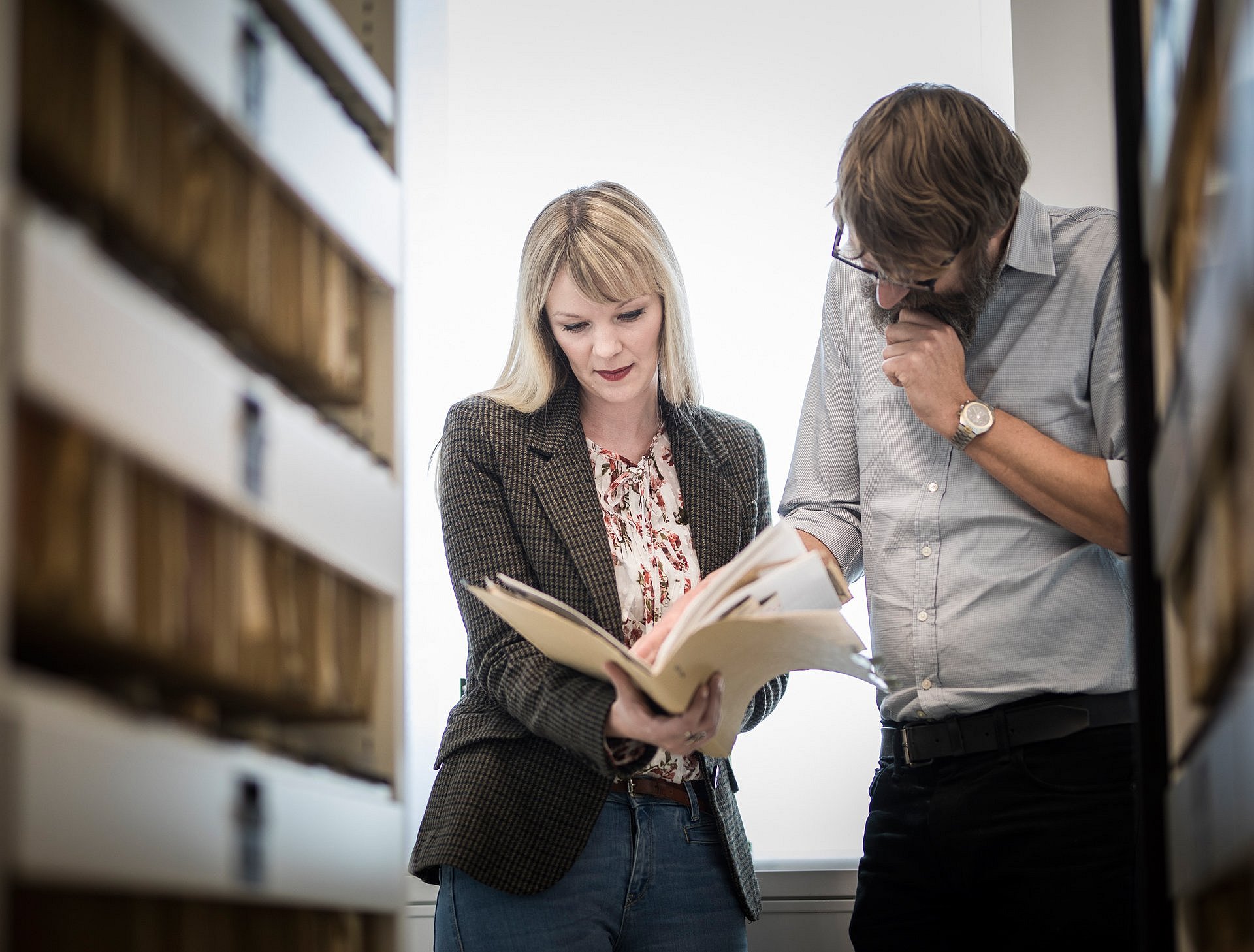
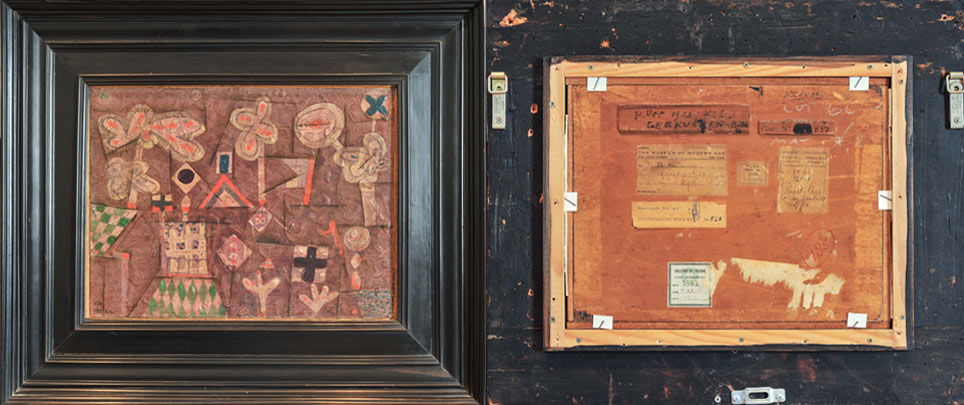
Cultural institutions around the world have been researching the provenance and circumstances of the loss of objects resulting from Nazi art looting for many years, and have restituted numerous works of art and books over the past 25 years. Art, Looting and Restitution builds on existing research material and contacts, some of which have been established over many years. Within the SPK, it is a cross-institutional project: the Central Archive of the State Museums and the Head Office, together with the Legal Department and the Media, Communication and Events Department, play a key role and have been involved from the outset, whilst the Berlin State Library also contributes with its provenance research and restitution cases.
The cooperation partners rbb and BR film each story in compelling short documentaries featuring the descendants, provenance researchers and other experts. In addition to the source material provided by the cultural institutions, the broadcasters have their own research resources and editorial processes.
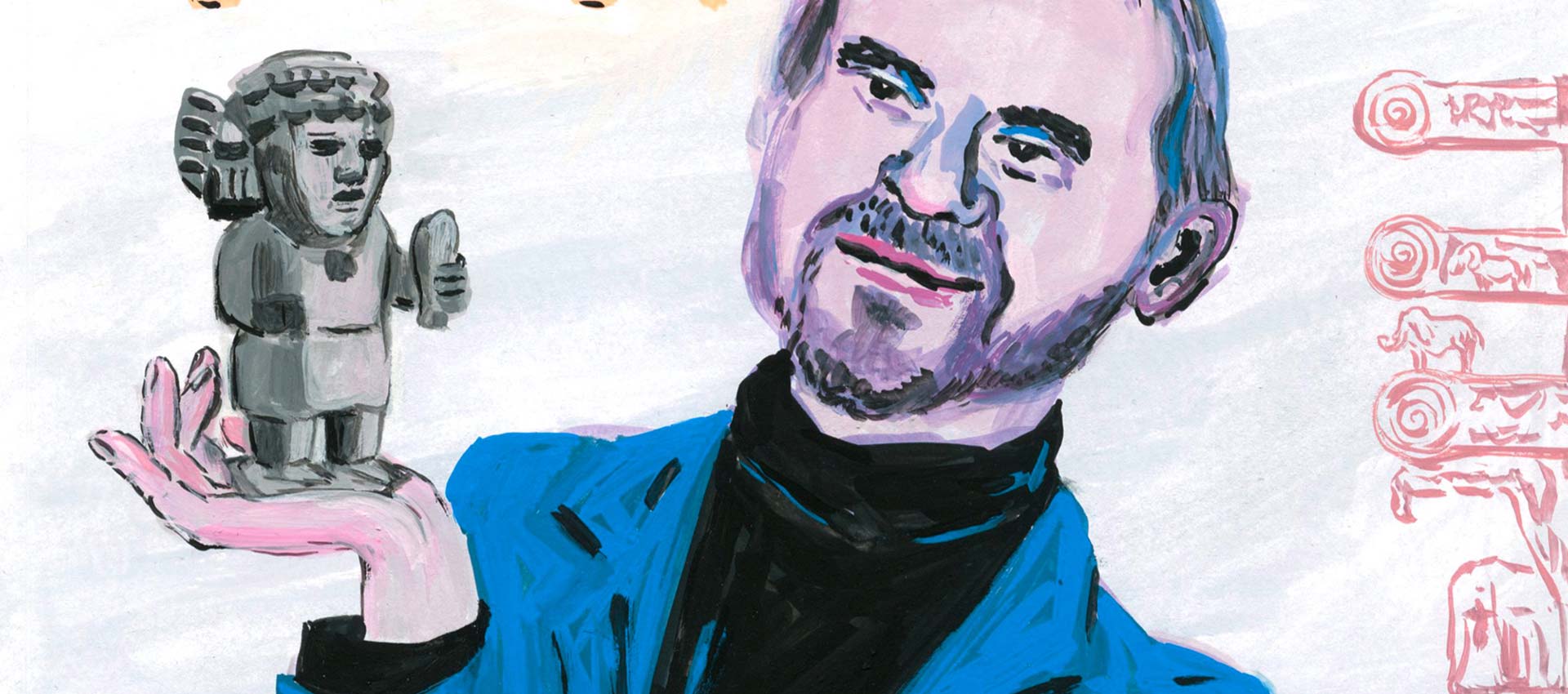
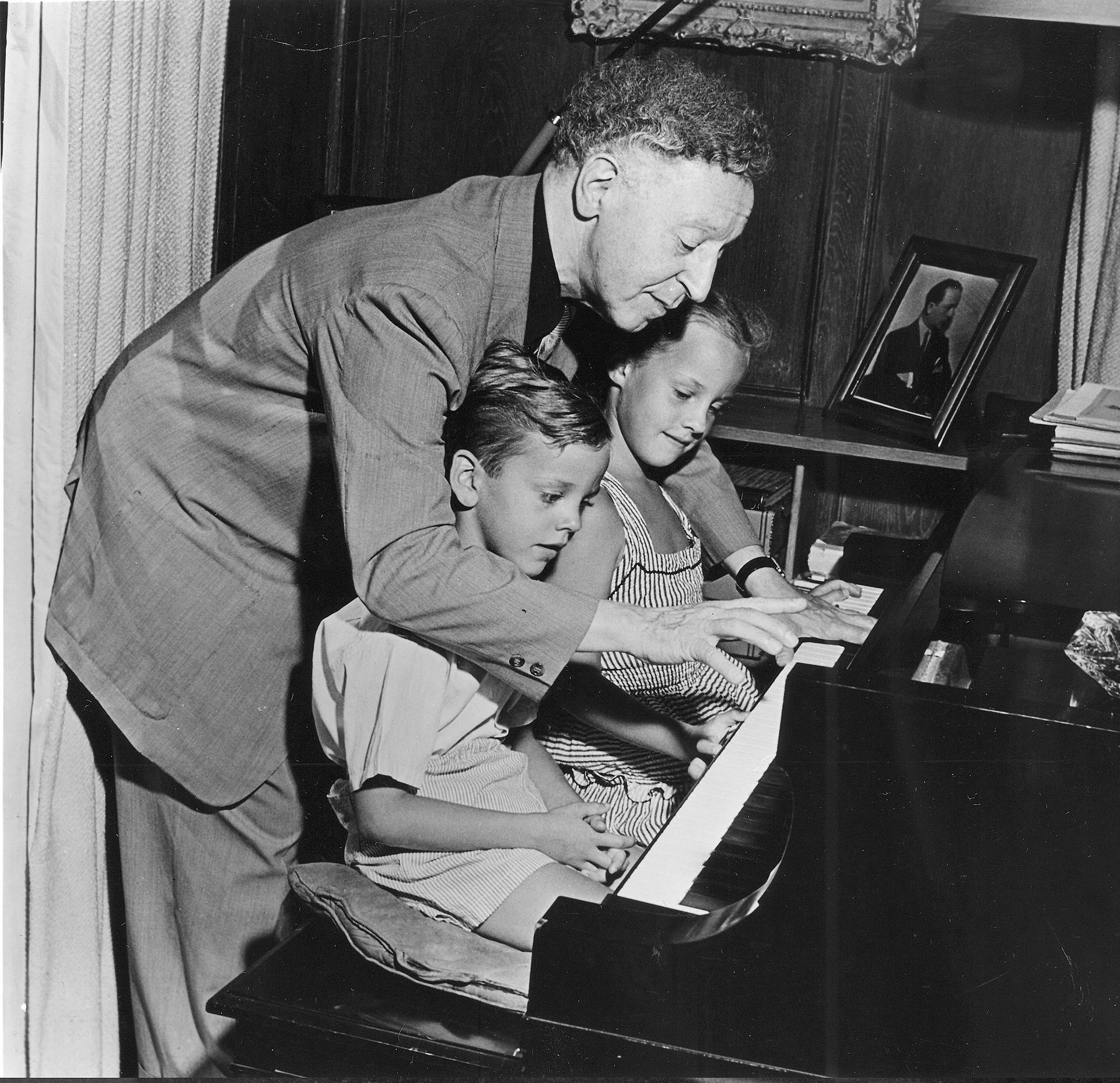
The story of Artur Rubinstein, for example, shows just how wonderfully these elements can complement one another: the starting point was the return of books and sheet music, which had found their way into the Berlin State Library after the war, to the pianist’s children. As part of the project, rbb writer Steffen Prell interviewed Eva Rubinstein, the pianist’s daughter, and provenance researcher Regine Dehnel. He also unearthed historical film footage in which the artist described books as his passion. A stroke of luck!
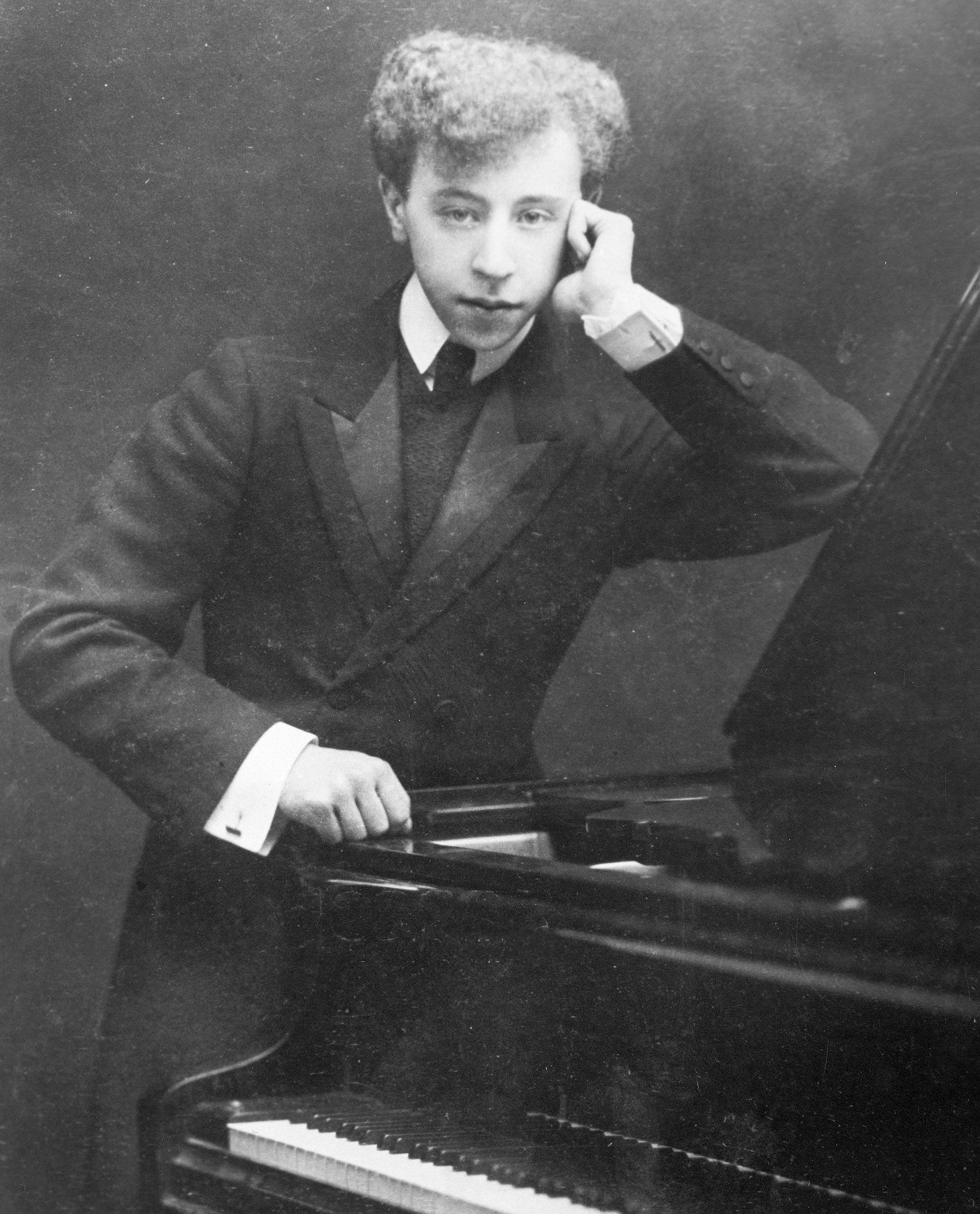
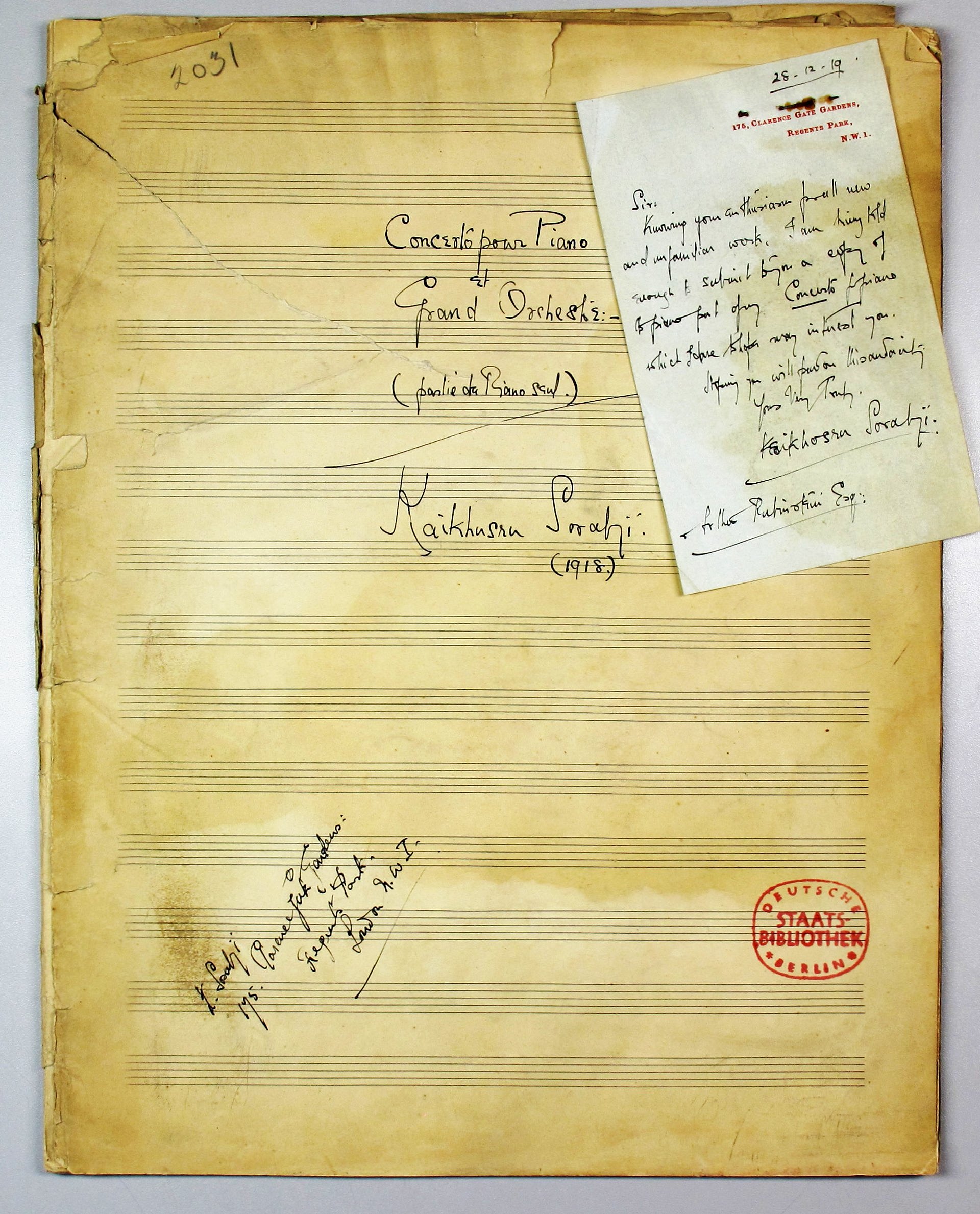
Contact and collaboration with the descendants also bring together different perspectives. It is always moving when the heirs open up their family archives to us and, through photographs and mementos, offer insights into the family life of ‘our protagonists’. People whom we had previously come to know through files and research reports suddenly come to life.
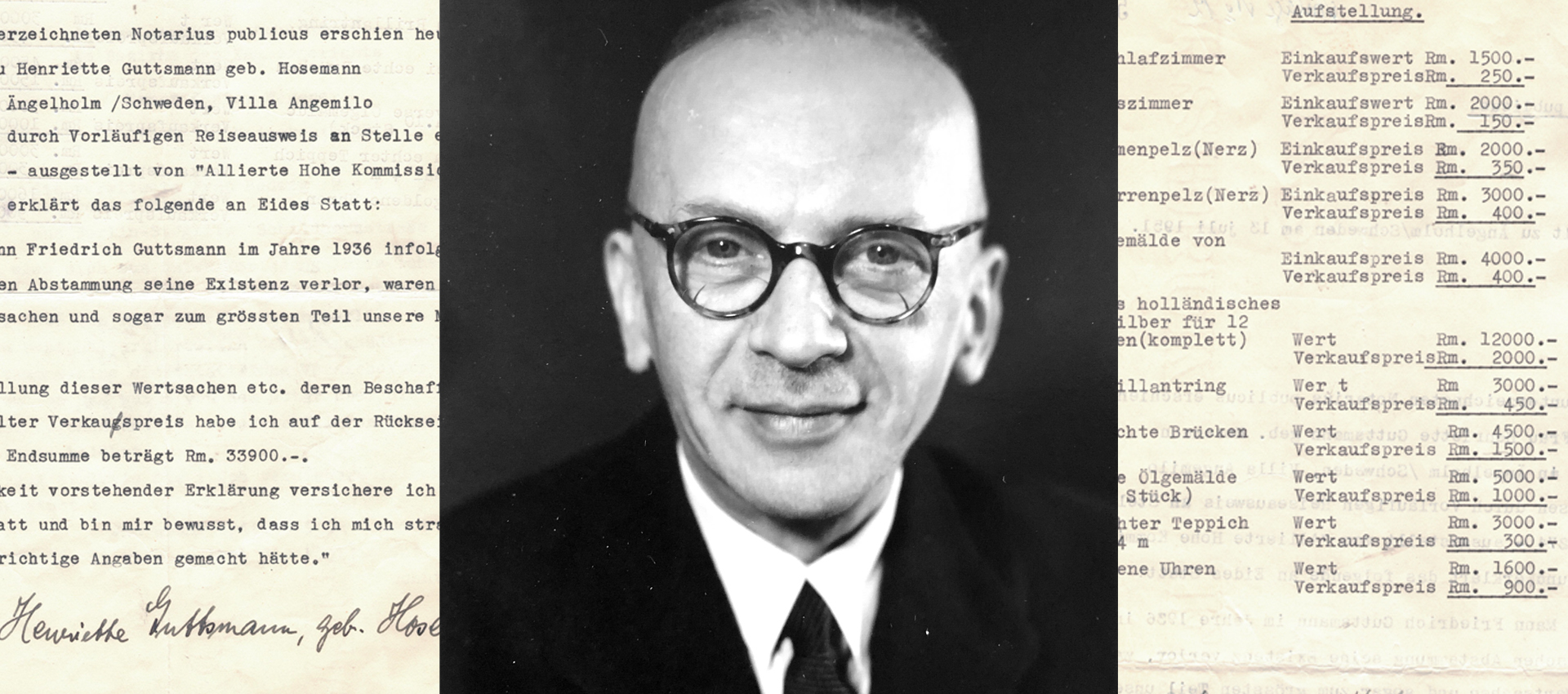
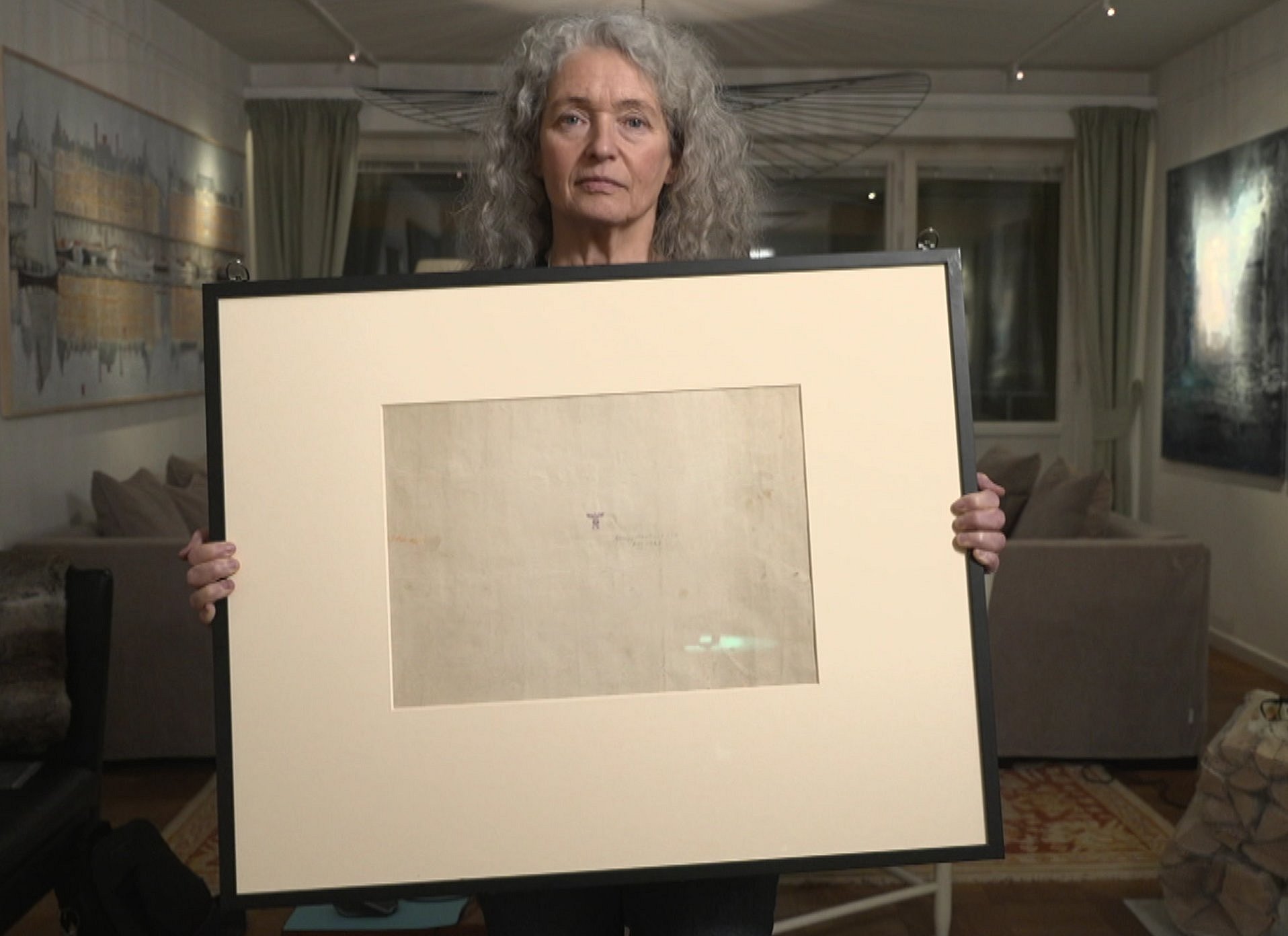
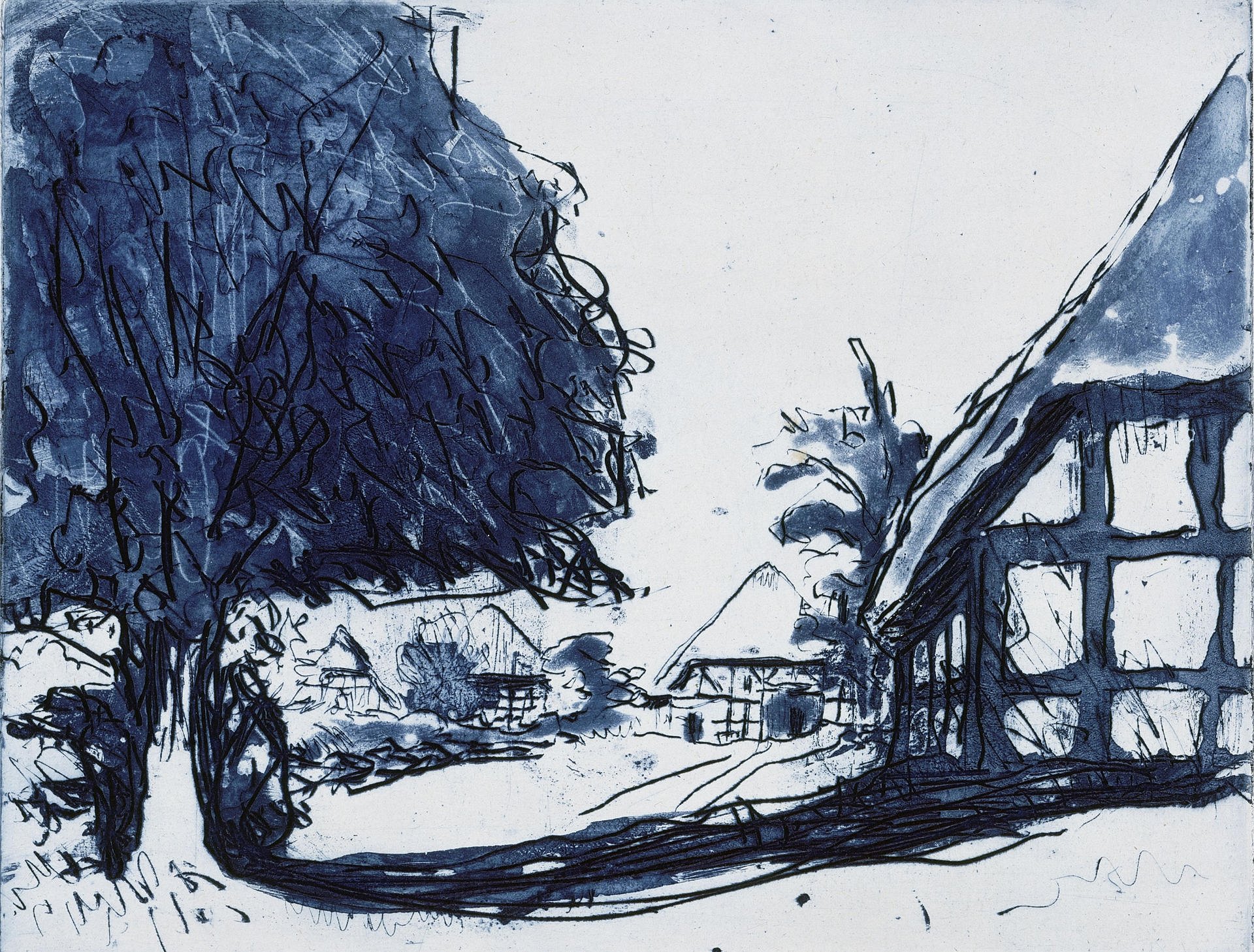
Conversely, provenance research can sometimes give families back a piece of their history. Lotta Mörner, the granddaughter of Friedrich Guttsmann, only rediscovered the dark chapter of her family history through the return of a drawing from the Berlin Kupferstichkabinett and has since set out on her own search for clues. Not only her grandfather Friedrich, but also her father Wolfgang fell victim to the Nazi regime as a young man.
In a post-war compensation claim, he described the persecution he had endured. The harrowing account had since lain as a file item in a Berlin government office and was unknown to the family living in Sweden – until we uncovered the story as part of the project. Reading part of her family history in her late father’s own words must have been a very emotional moment for Lotta Mörner.
This is where the ‘Art, Looting and Restitution’ remembrance project offers a unique opportunity. Amidst the constant demands of day-to-day work, provenance research and restitution proceedings are, by their very nature, purpose-driven and primarily legal processes. The aim is to clarify the provenance of art and cultural assets and to reach just and fair solutions with the heirs. Within the project, we can go one step further on this broad basis and engage in remembrance work together with the families: bringing together various sources and materials and weaving them into narratives. Presenting the stories through multimedia and sharing them with a wider public. Communicating history for an open, tolerant society. And, to put it plainly, we also see the project as a clear stand against the resurgence of anti-Semitism.
“Art, Looting and Restitution” runs from 2022 to 2024. The project website went live in 2023 and will be populated with 30 life stories by the end of 2024. These can only serve as examples of countless fates of persecution. All provenance researchers are familiar with the moving stories behind the art and cultural assets confiscated as a result of persecution; every institution engaged in provenance research could contribute further stories.
Such an expansion of the Memory Media Library would highlight the immense scale of Nazi art looting and bring us closer once again to people who were meant to be annihilated and forgotten.
Incidentally, during the making of the rbb film, some family photographs of the Buchthals were unexpectedly discovered. The artist Käthe Wilczynski, who was supported by the Buchthals and lived for a time in their villa in Berlin’s Westend, captured their family life in sketches drawn with quick strokes and accompanied by humorous captions. The London-based grandson, Ian Stuart, brought the small-format leporello, the artist’s Christmas greetings from 1931, to the film shoot.
Thus, each of the stories told has its own unique features, which are brought to light through the unprecedented collaboration between cultural institutions, broadcasters and descendants.
Further links
- Website: Art, Looting, Restitution
- Magazine article: Fair and just? 25 years after the Washington Conference
- Magazine articles on the topic of “Returned”
- Magazine article: Bringing destinies to life – an interview with Petra Winter and Andrea Bambi
- Information about the project
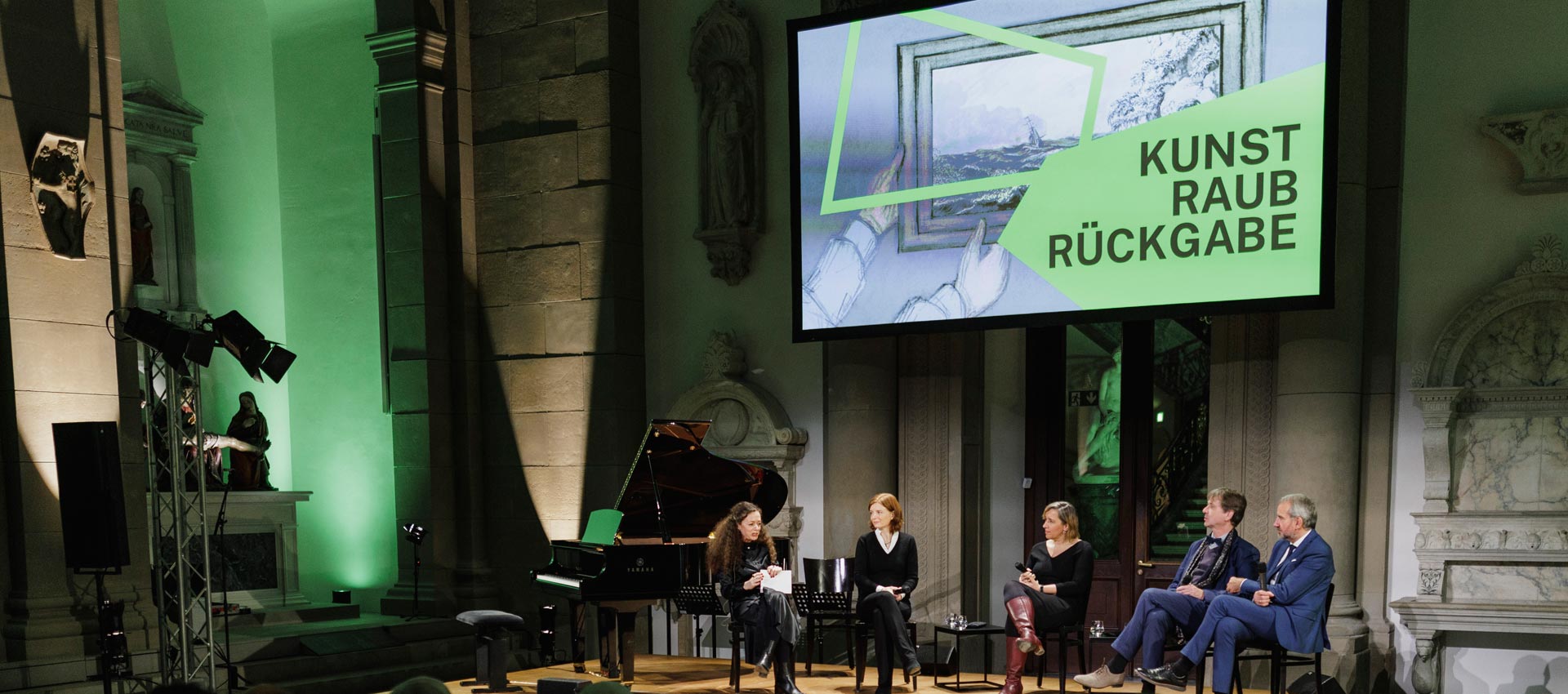
- Recording of the launch event, February 2023
- Photo gallery: 25 years of the Washington Principles, December 2023