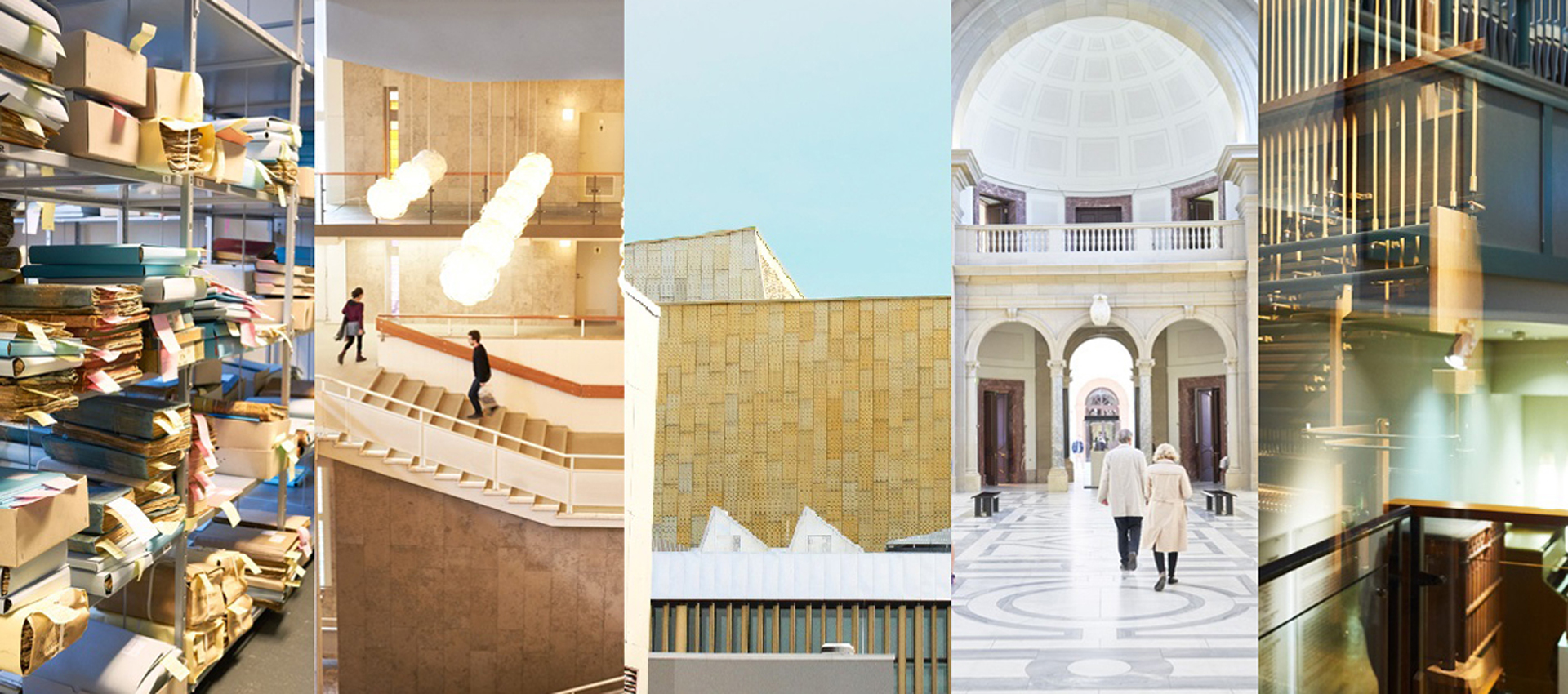
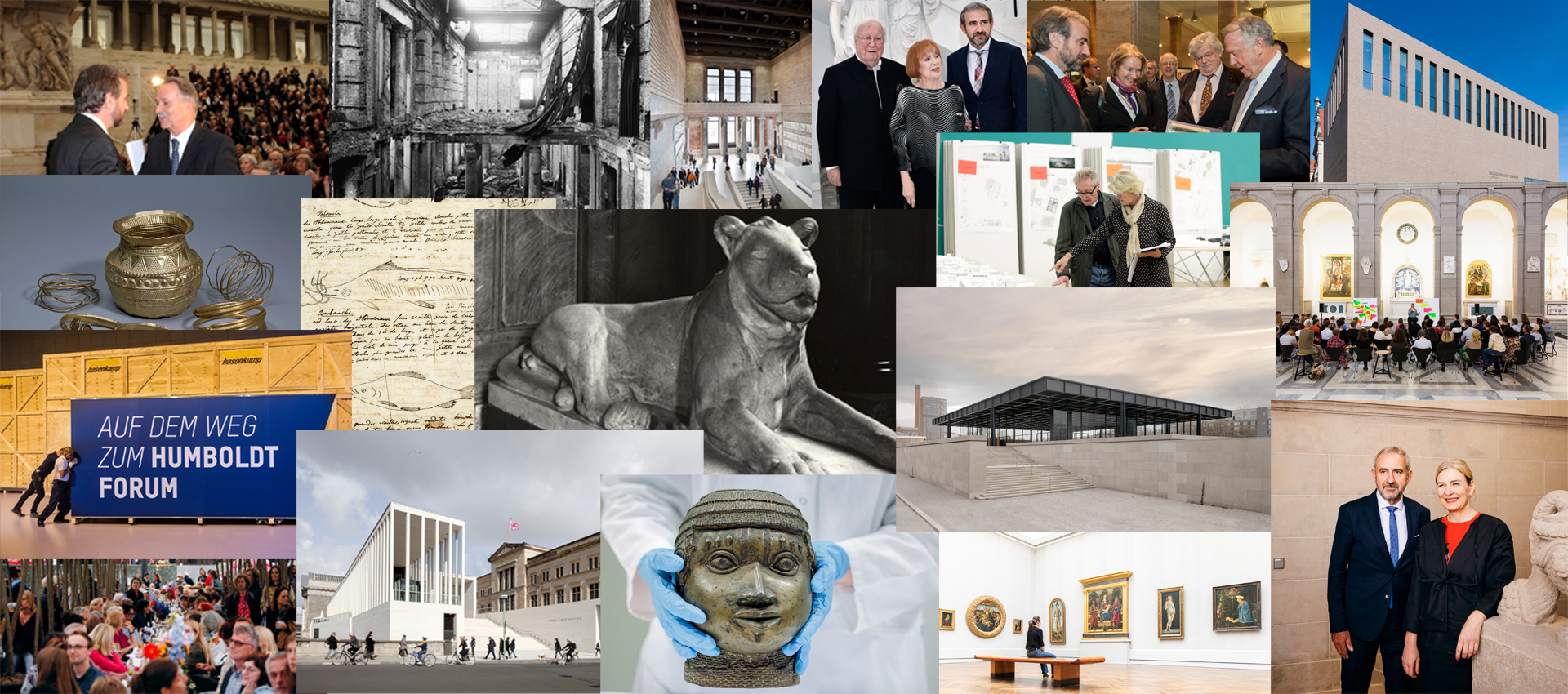
The Prussian Cultural Heritage Foundation is in the throes of reform. Autonomy for the institutions, a strong network, and local responsibility. These are the buzzwords that keep cropping up in documents, steering committees and areas of action. But isn’t there more to it than that? Minister of State for Culture Claudia Roth sees it this way: “This fundamental reform is intended to bring the SPK’s many treasures into even sharper relief and make the various institutions significantly more attractive to a broad and international audience.” But what is already shining at the Museum Island, Kulturforum and Dahlem sites, and how attractive are the offerings to an audience of millions? For the 2022
Annual Report, we invited cultural correspondents to spend a day exploring places of longing and favourite institutions, as well as the worlds of archives, libraries and collections. We gave them few guidelines; we did not want courtly reporting, but rather insights and inspiration. Everyone was to be free to form their own judgement. The accompanying images are by Stefanie Manns, who explored all three sites through her lens.
Art Gallery
The Light of the World
By Irene Bazinger
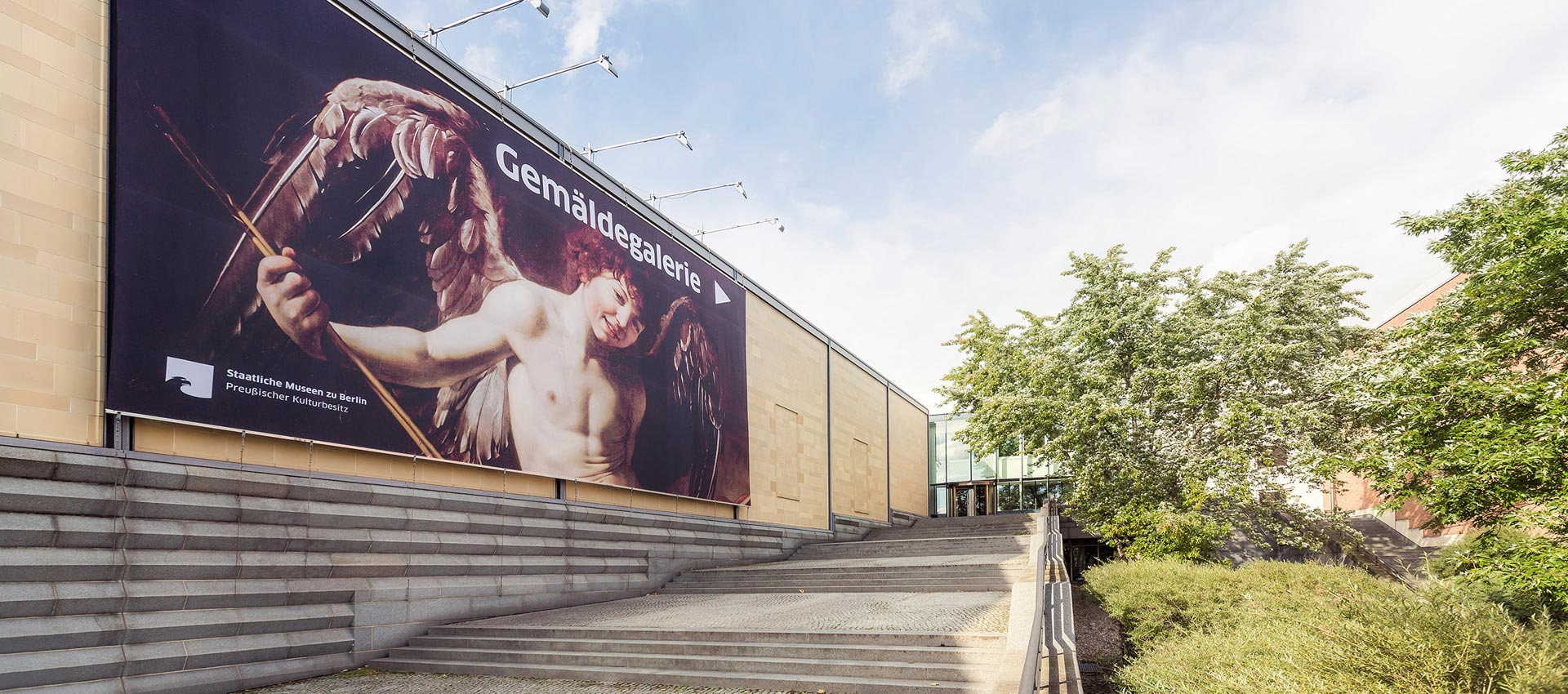
Just look at the way he gazes and grins, this little rascal, captured by the painter Caravaggio in his painting Cupid Triumphant (1602/03)! A rascal, a mischief-maker, a Beelzebub of lust! In the face of his erotic charisma, the insignia of worldly power – musical instruments, a laurel wreath, pieces of armour – seem uninteresting; they lie scattered on the floor.
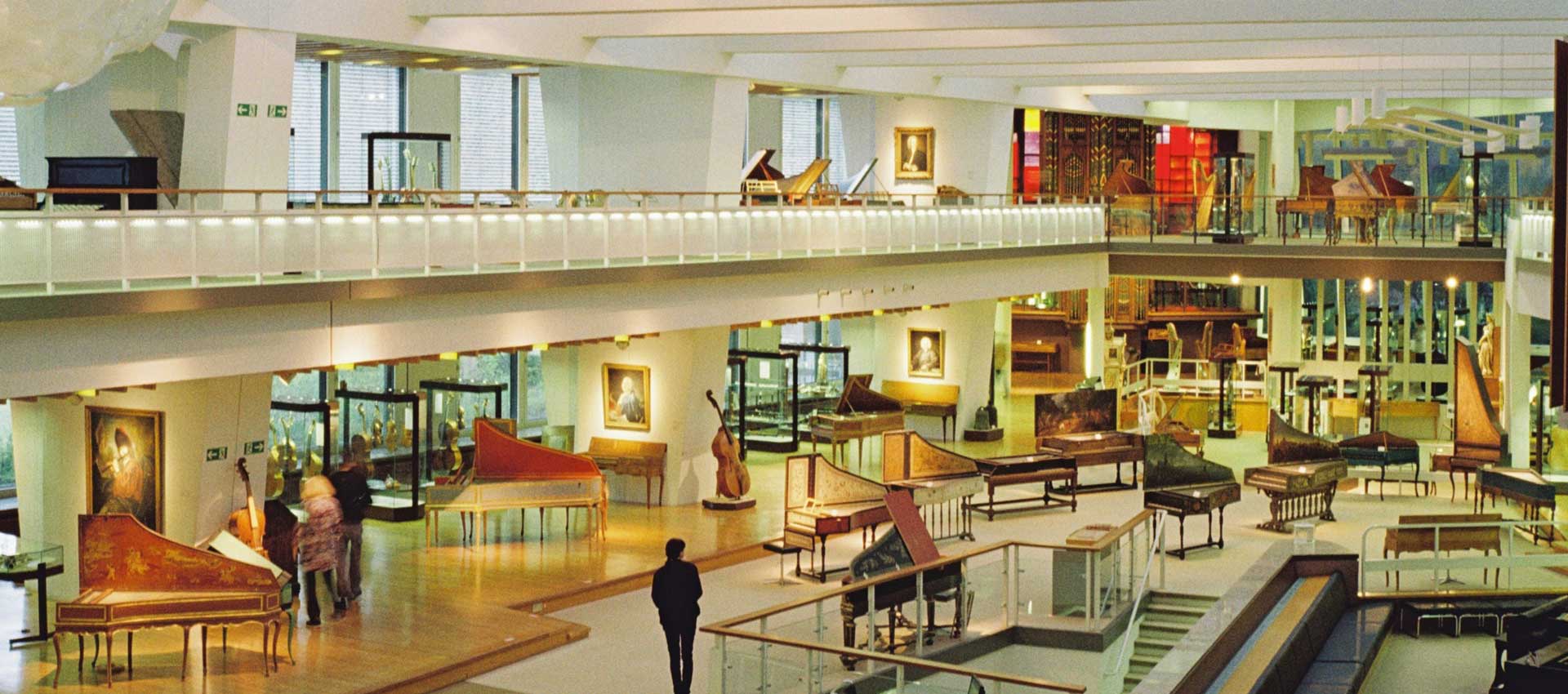
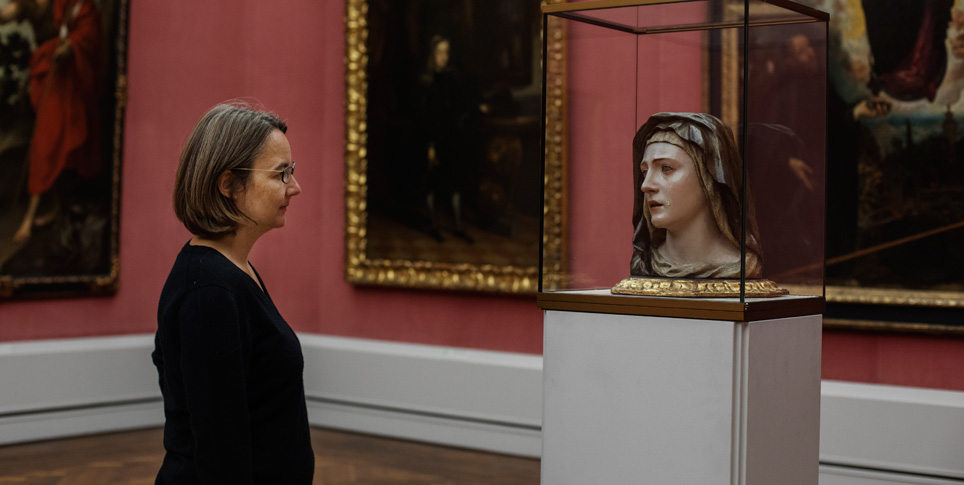
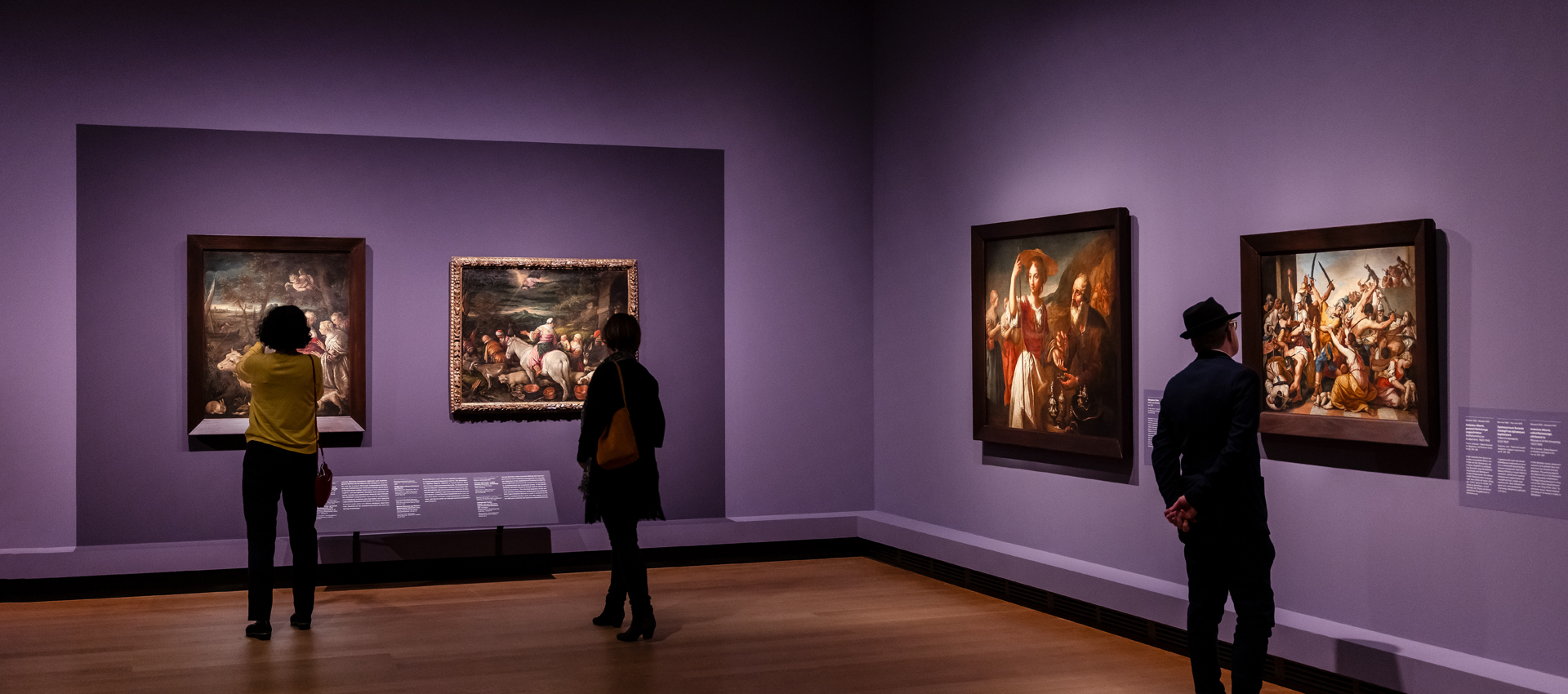
We are familiar with this depiction of cleverly staged desire, whether from art galleries, books or postcards. But what do we see when we look – beyond individual interpretation? That depends not only on whether we are well-rested or sleepy, whether we have the right glasses with us or not, whether the people beside us are relaxed or nervous – it also depends on how a work of art is presented to us. Simply hanging a picture on a nail and shining a spotlight on it has never been enough. With research into the human eye and modes of perception, and with advances in lighting technology, a great deal has changed in this very area of exhibition design. You can see how a museum showcases its treasures in the best possible light at the Gemäldegalerie at the Kulturforum.
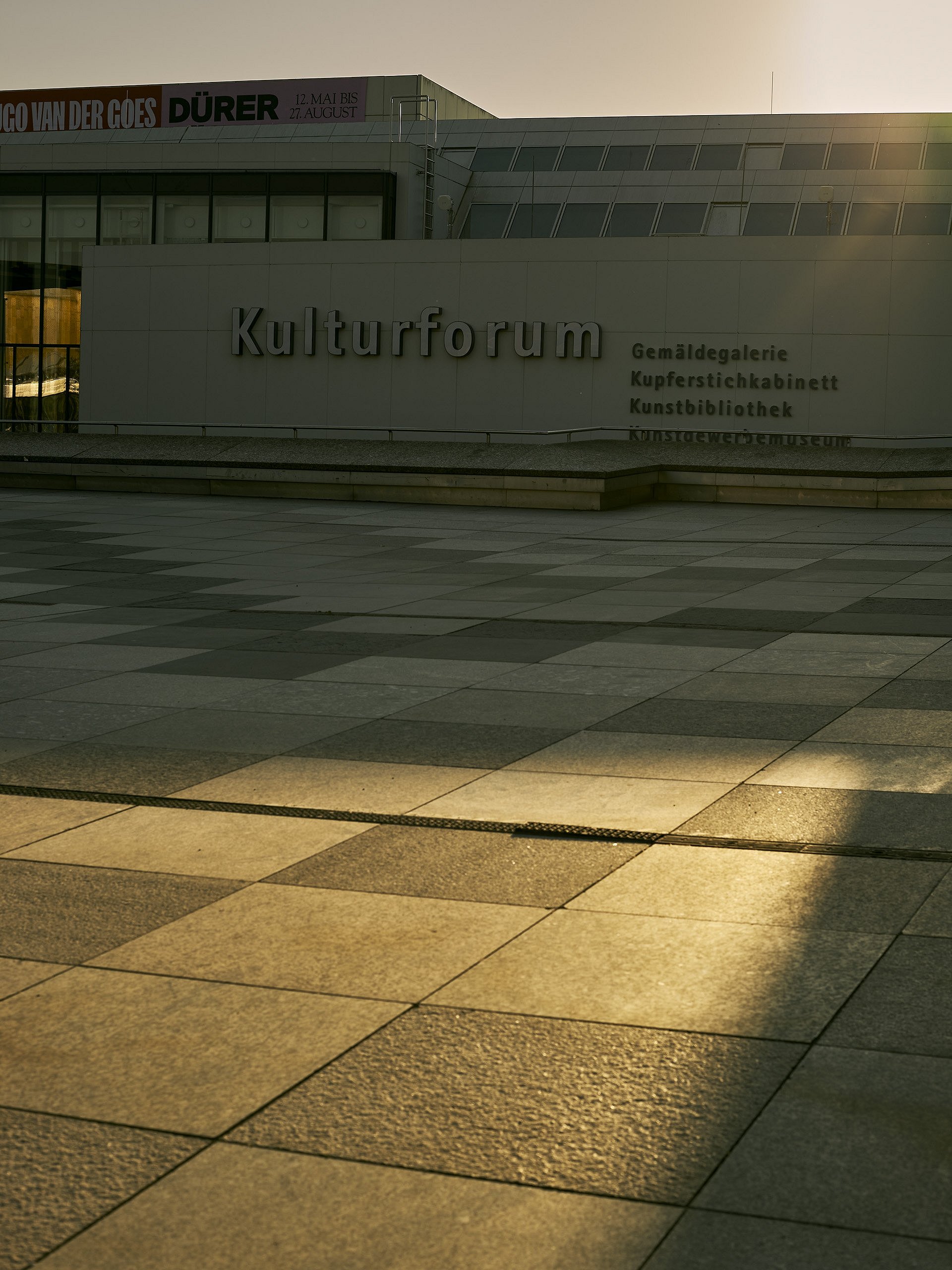
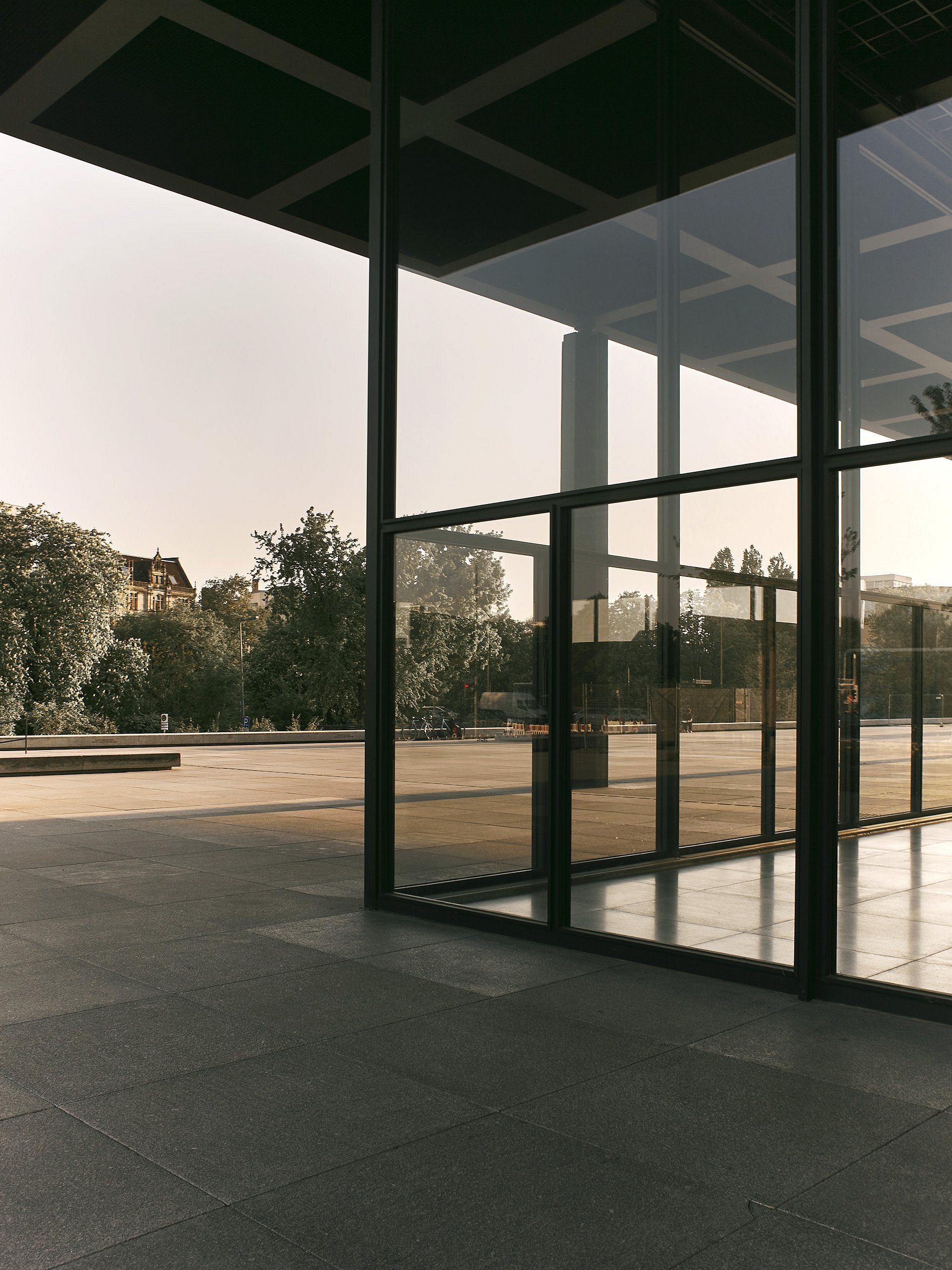
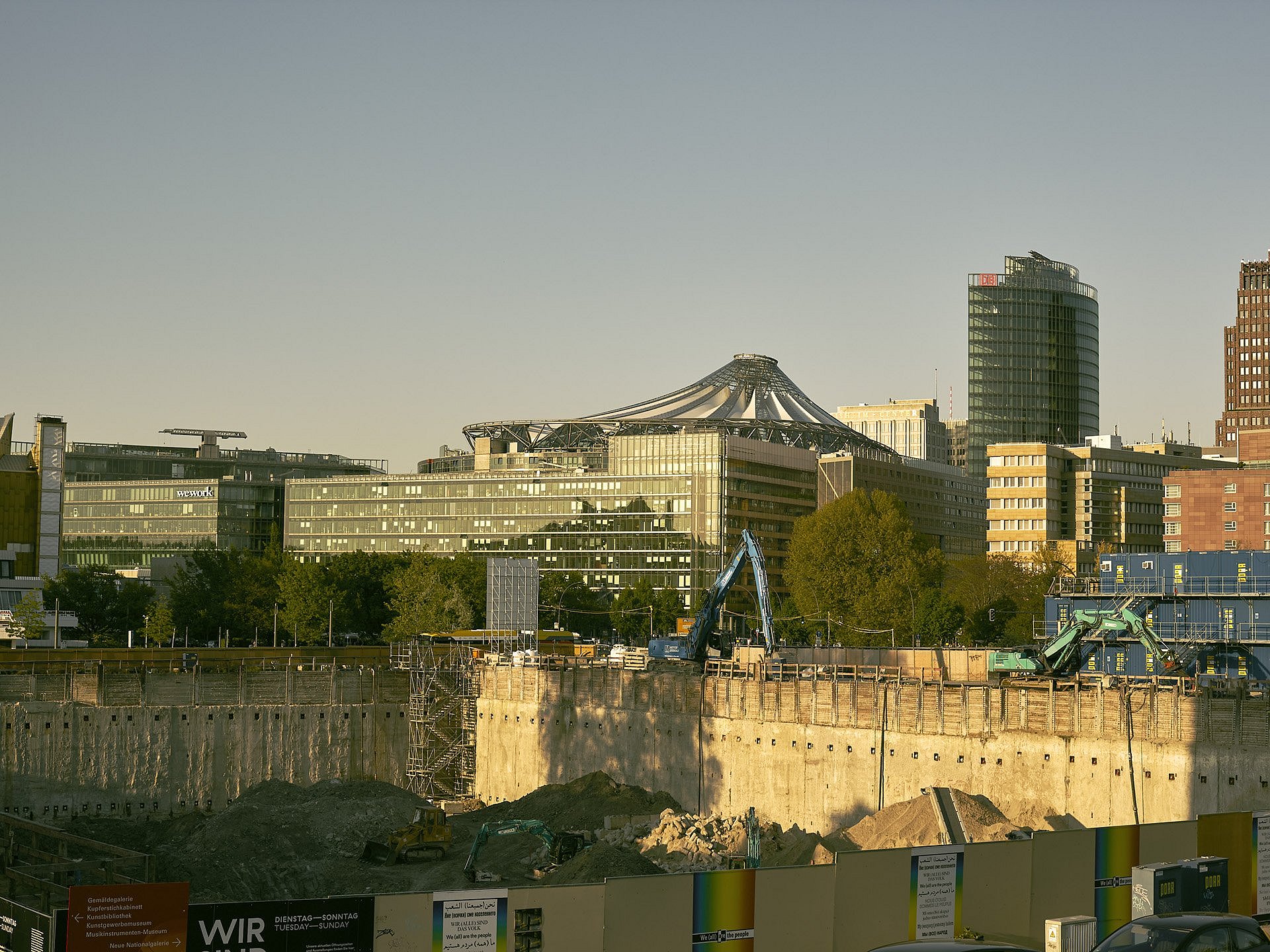
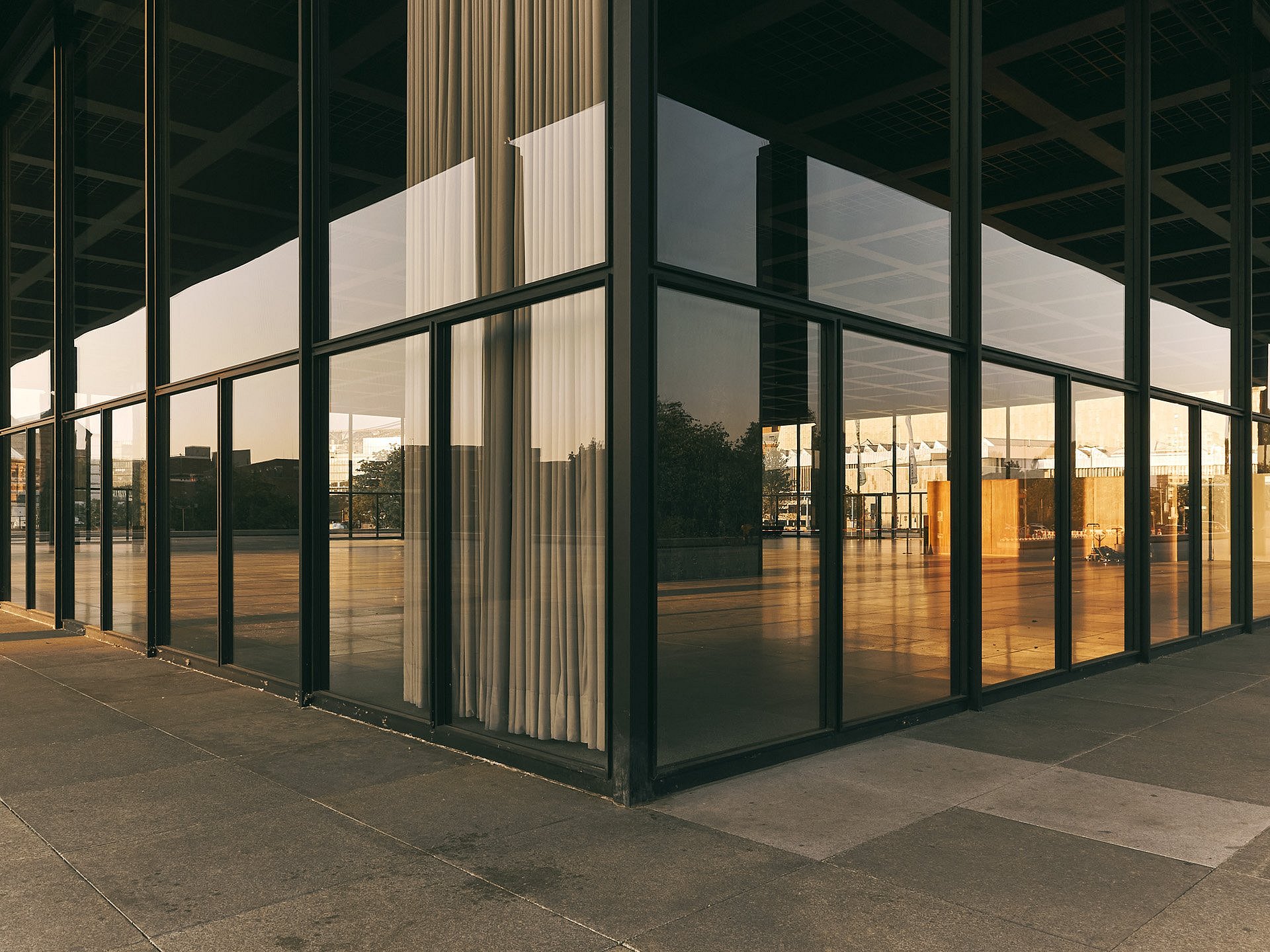
As early as 2017, Michael Eissenhauer, then Director General of the Berlin State Museums, proposed a new lighting system for this building. It took some time to find a satisfactory solution for this major project, as day-to-day operations were to be disrupted only minimally. After all, 7,000 square metres of floor space, as well as the lighting ceilings, needed to be upgraded to the latest technical standards. Of the several companies that tackled this challenging project, only one remained in the running. Dagmar
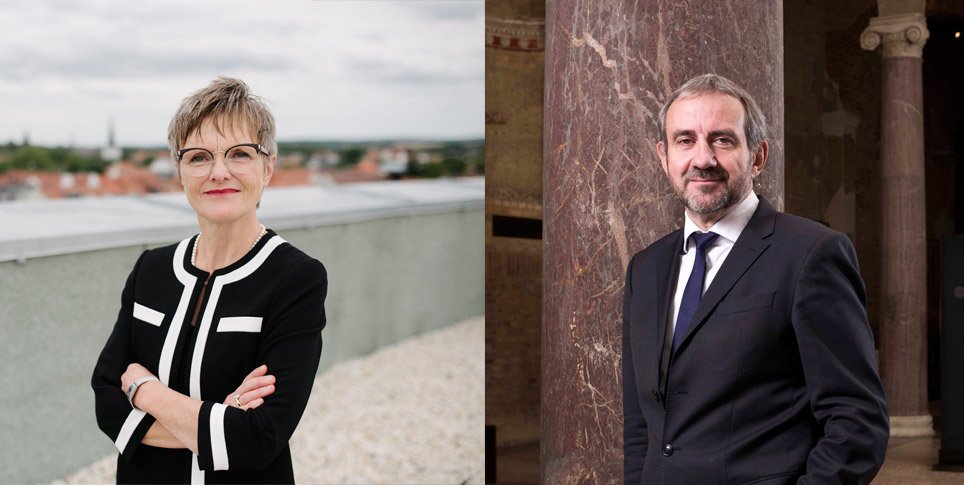
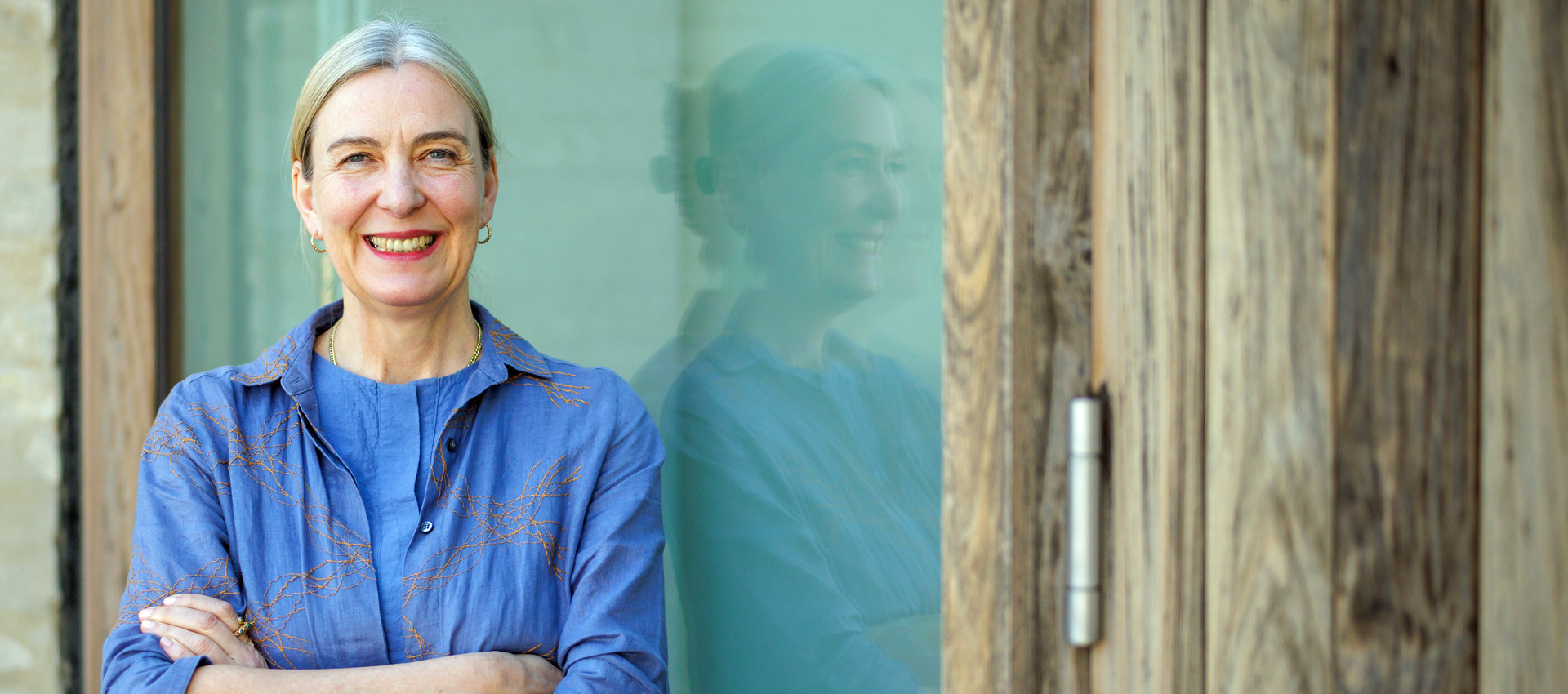
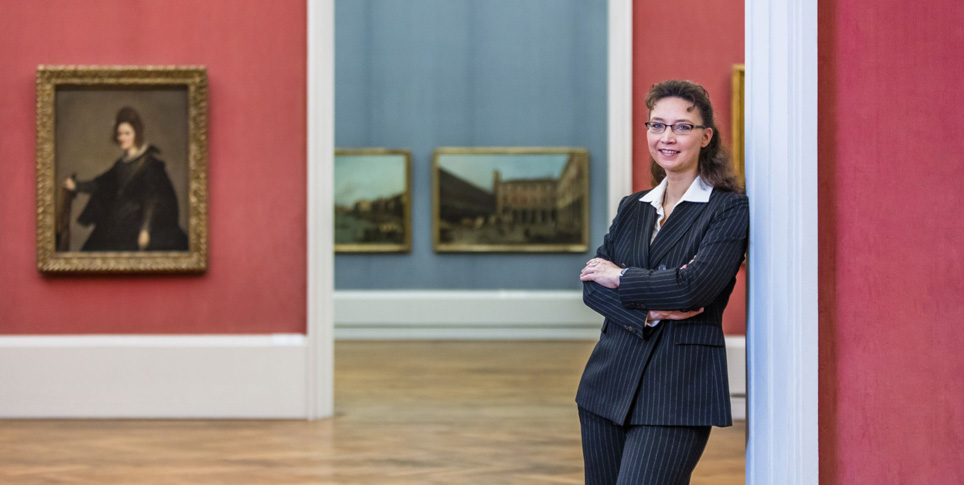
Hirschfelder is now the Director of the Gemäldegalerie. She took up her post in November 2021, just as the first phase of construction had begun. She is very pleased with the upgrade to the lighting technology, as the demands for presenting one of the world’s most significant collections of Old Masters have grown enormously over time: “It starts with conservation criteria and also concerns aesthetic and ecological requirements,” she explains. The works must be protected and displayed at the same time; they should be brought into the public eye without suffering any damage. That is the balancing act that needs to be mastered here.
The long-cherished ideal of the ‘daylight museum’ is scarcely upheld these days, as natural light is subject to significant fluctuations, can only be controlled or regulated at considerable expense, and therefore presents conservation challenges.
In this respect, one of the challenges of the redesign was to reduce the amount of daylight in the rooms or limit it to a specified level, a certain lux value. To this end, special films have been and continue to be applied to the skylights, which both reduce the amount of light entering and provide thermal insulation. They ensure a continuous minimum level of brightness, which visually lightens the ceiling area. The existing building fabric was thus carefully modified in accordance with modern criteria.
Visitors shouldn’t talk about the lighting, but about the paintings.
Olaf Adam, lighting designer
Something similar has been happening inside the building, where the new lighting has been under installation since October 2021. Lighting designer Olaf Adam, who is responsible for the complex design and its implementation, says of his task: “My team and I were tasked with preserving the minimalist aesthetic of the picture gallery as originally designed by the architectural firm Hilmer & Sattler and Albrecht. Changes to the existing building structure were ruled out.”
How can this work? Olaf Adam modestly defines this construction project under his direction as supportive: “Visitors should not be talking about the lighting, but about the paintings.” To this end, he is striving to create the best possible conditions. So the fluorescent tubes previously in use were replaced with LED lights, which are now state of the art. They are energy-efficient, long-lasting, infinitely dimmable – and provide a neutral, even light.
They were installed invisibly on the cornices of the vaulted sections, the base of the curved areas between wall and ceiling. They shine upwards and bathe the space below in a pleasant, indirect glow. Power rails were fitted to the ceilings. The spotlights installed there highlight the paintings – not dramatically, as with a spotlight at night, but almost imperceptibly, yet very effectively.
“We couldn’t have predicted that the lighting of the vaults would turn out so perfectly,” says Olaf Adam with satisfaction, and Dagmar Hirschfelder is delighted: “The previous lighting gave the impression that the paintings were sinking into the wall, because the ceiling and floor were brighter than the walls. That’s different now. In the new light, the works begin to glow and can reveal their depth. You can also make out the contours and details better in the darker areas; everything becomes more three-dimensional. It’s fantastic that we can now offer the public this new visual experience.”
In the new light, the works begin to glow and reveal their depth
Dagmar Hirschfelder, Director of the Picture Gallery
Seeing and being seen: such a technological leap forward is, of course, not something that comes easily; the lights in the cornices, for example, were custom-made for the picture gallery. Each one is individually aligned and adjusted by hand to showcase the masterpieces by Rembrandt or van Eyck, Vermeer or Botticelli, Titian or Dürer in such a way that viewers get the best possible viewing experience. “For example, care must be
taken to ensure there are no excessive shadows on the frames,” emphasises Dagmar Hirschfelder: “That is a science in itself.” The possibilities offered by flexible and straightforward light regulation now make it possible to display particularly sensitive exhibits such as prints on paper and to meet the requirements of lenders – if 50 lux is required, this can be adjusted at the touch of a button.
This innovative lighting concept is an investment in the future that also has an impact in terms of sustainability, climate neutrality and energy policy. By darkening the skylights and reducing the amount of daylight entering the building, the thermal load is reduced, which benefits both people and the artworks and reduces the workload on the air conditioning system.
In contrast to the permanent exhibition, different accents are set in the foyer, explains Hirschfelder: “Here, at the heart of the Gemäldegalerie, the special exhibitions take place. They are deliberately staged differently and have a different aesthetic appeal. That is our conceptual approach, and it is what visitors also expect from us.”
In this way, the Gemäldegalerie responds to the current state of knowledge regarding our visual perception and to conservation aspects for which a heightened sensitivity has developed: it moves with the times to ensure the works are safely preserved for posterity. Everything is due to be ready in the autumn, when the new lighting system will be inaugurated to mark the 25th anniversary of the Gemäldegalerie at the Kulturforum. Let’s look forward to it with Caravaggio’s Cupid: there will be plenty to see!
Museum of Decorative Arts
In the corridors
By Jackie Asadolahzadeh
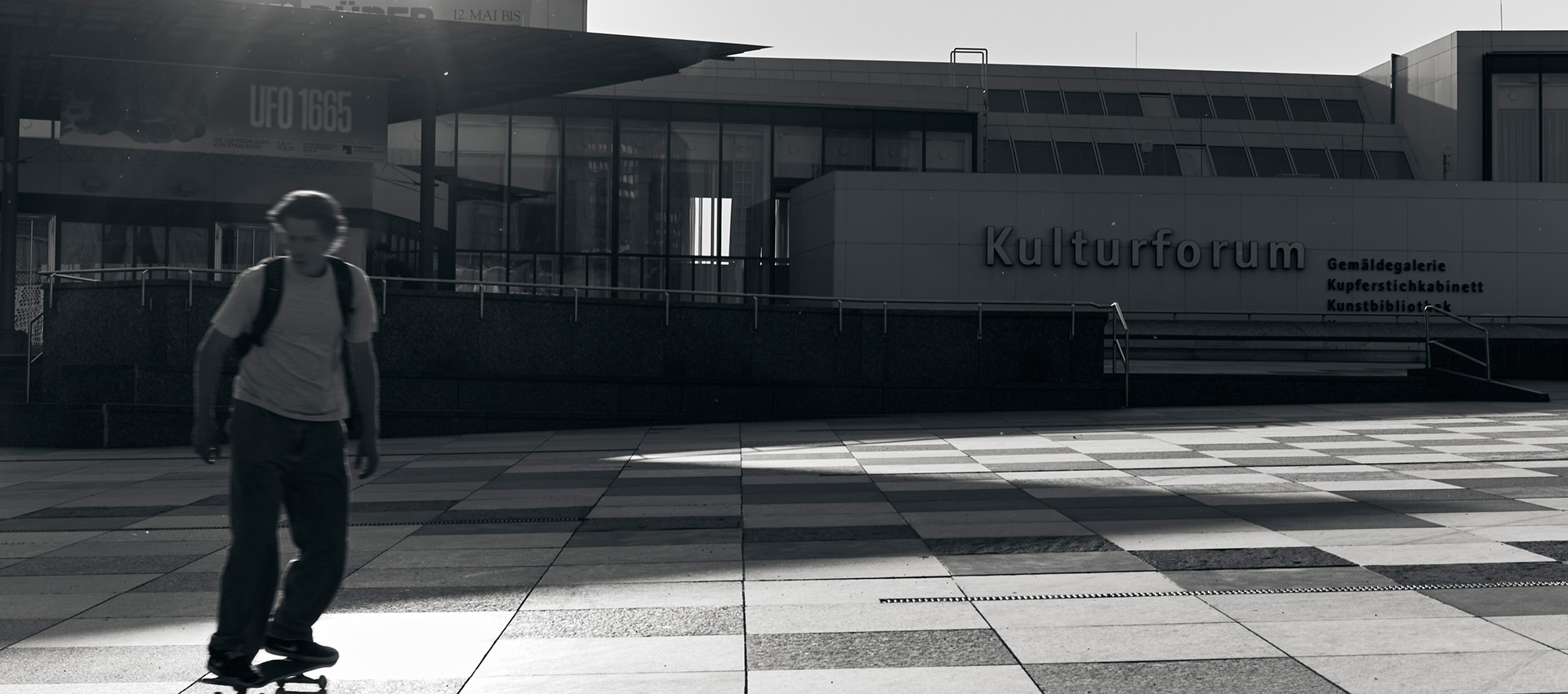
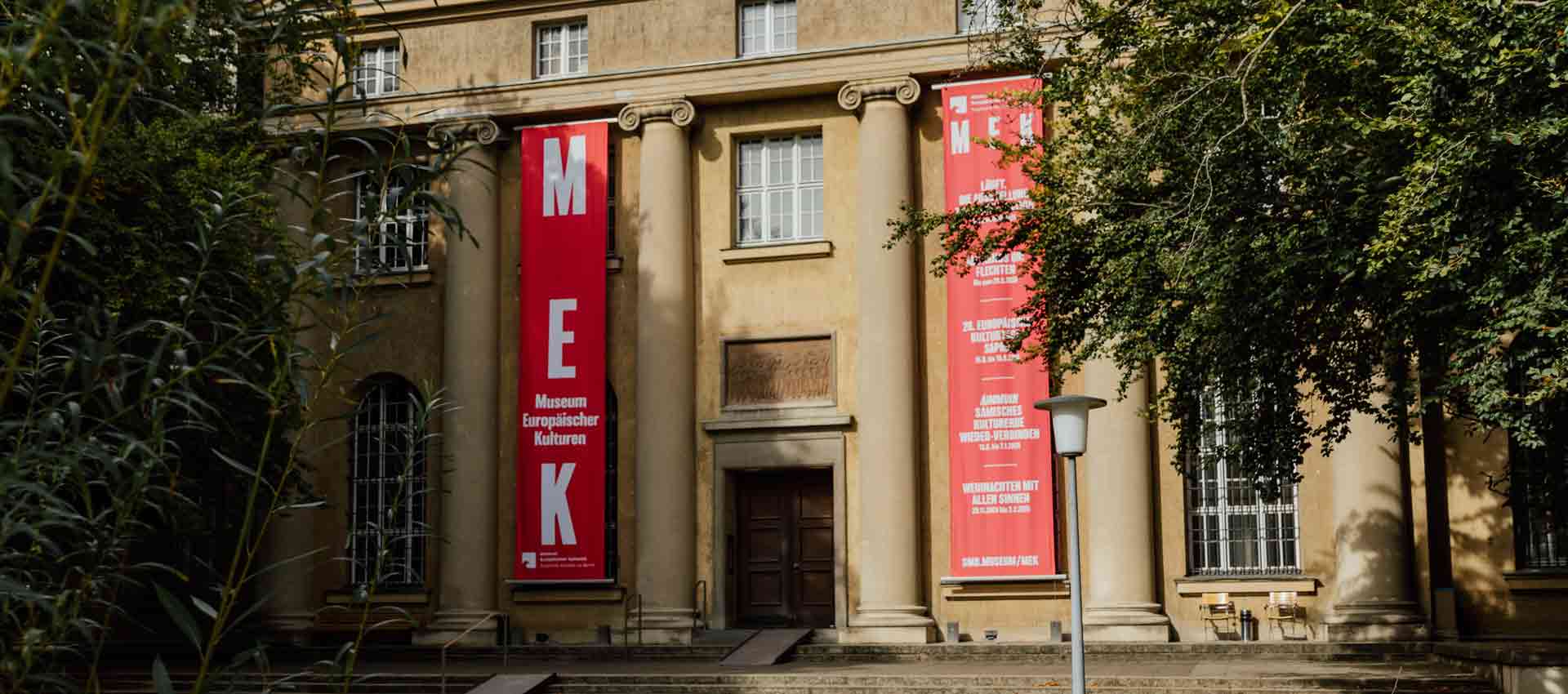
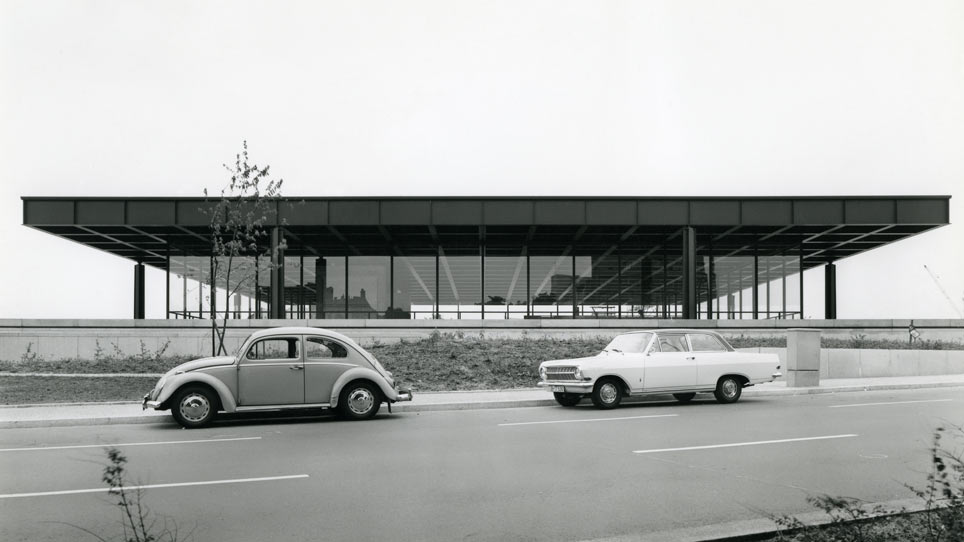
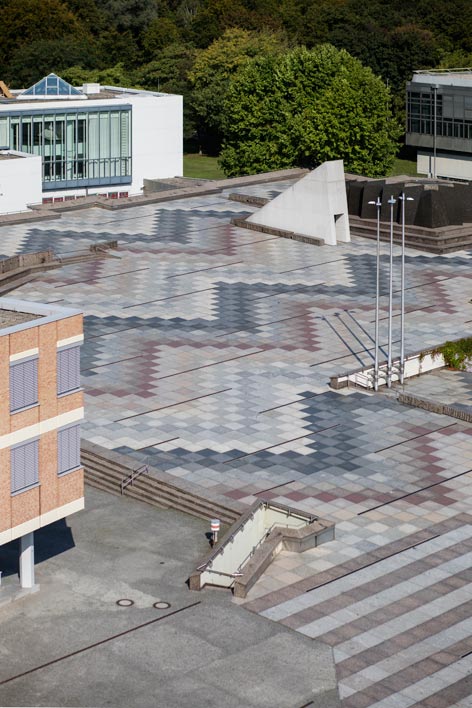
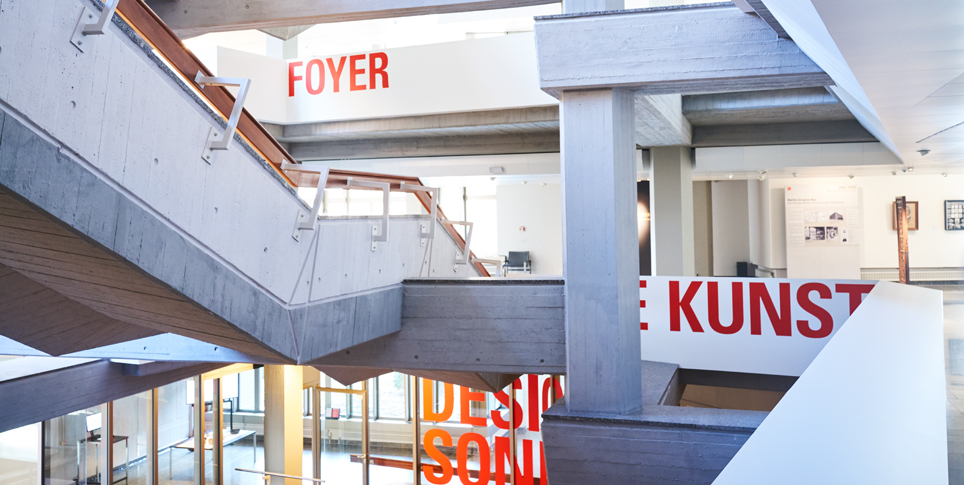
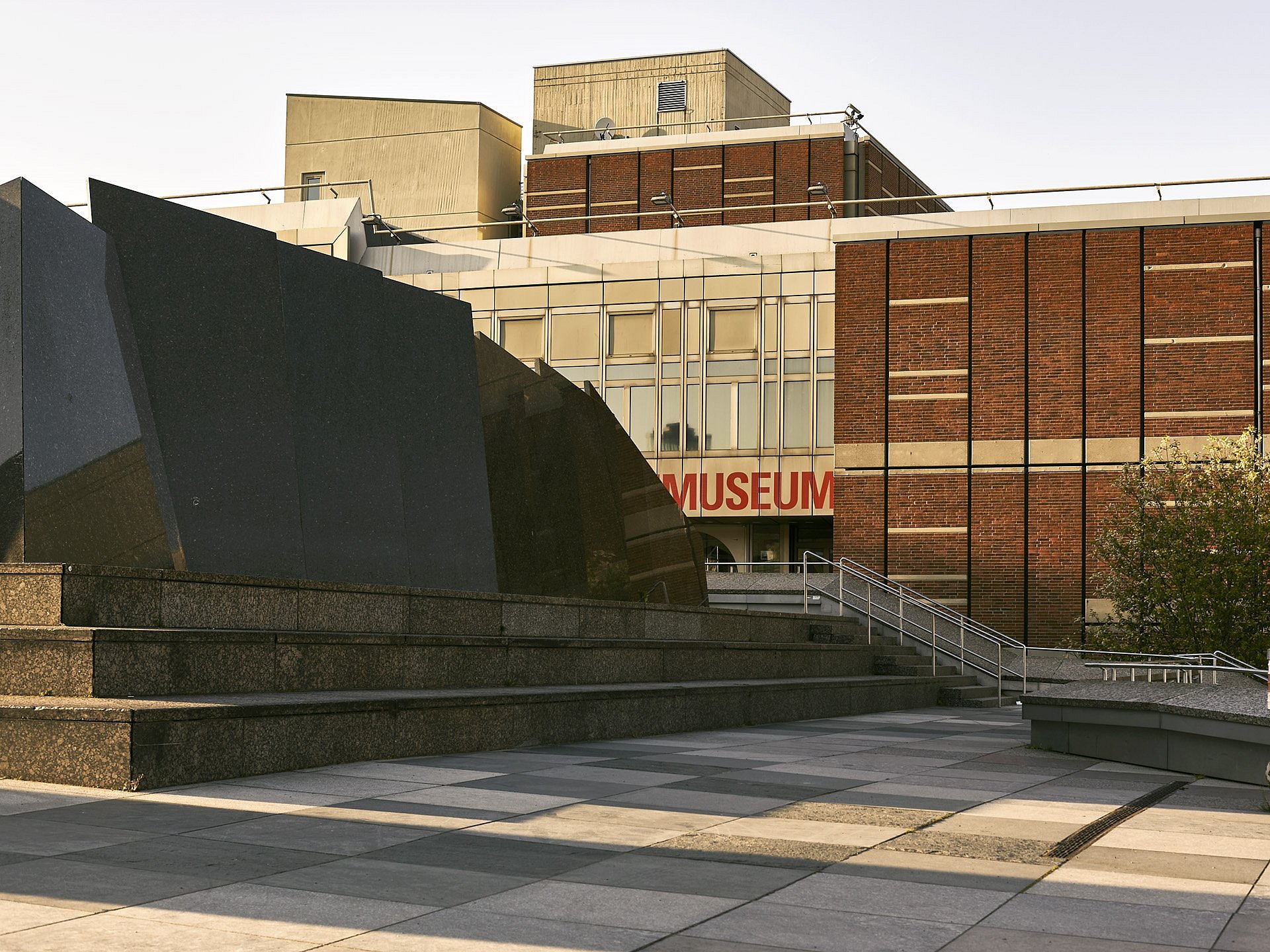
Walking across the square at the Kulturforum, I almost missed the country’s oldest museum. The large, red block letters above the entrance to the Museum of Decorative Arts saved me. They were added to Rolf Gutbrod’s brutalist reinforced concrete building during the 2014 refurbishment – just like the newly designed display cases in the Fashion Gallery, which in 2003 acquired one of the world’s most significant historical private collections from Martin Kamer and Wolfgang Ruf, including exhibits by Cristobal Balenciaga, Elsa Schiaparelli and Christian Dior.
I hurry up the steps to the foyer and approach the ticket desk. It’s my first visit and it begins with a sense of déjà vu. “You can’t come in here like that!” says the staff member, friendly but firm. Her gaze is fixed on my tripod. Photography is prohibited in the museum. “But I’m registered! I’m on the list!” the words bubble out, much like those I might have uttered during my time as a nightlife reporter, standing undercover outside the door of an early 1990s techno club.
After a brief phone call, I’m allowed through. I stow my coat and bag in one of the cloakroom lockers and, following the red letters, set off on my journey through fashion history. The walls to the left and right of the corridors are black; your gaze is drawn automatically to the light of the large, indirectly illuminated display cases. The darkness of the passageways is alluring; you want to venture ever further into this world, which, with its contrast, is so typical of Berlin: amidst cold concrete, the safety of the darkness reveals something dazzling in all shapes and forms. Much like in the authentic nightclubs in underground buildings, you never know what awaits you when the next beam of light falls or at the end of a corridor.
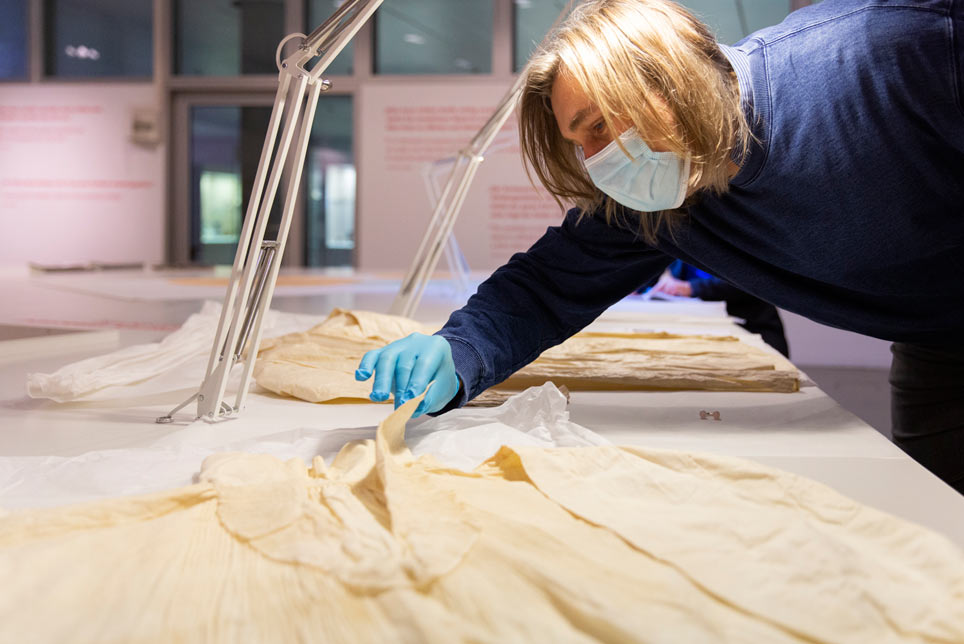
In my case, it is the cheerful Katrin Lindemann, who has been the curator of fashion, textiles and jewellery at the museum since 2020 and who begins the tour with me, showcasing historical costumes from the 18th century. We have arranged to explore strategies for presenting the exhibited objects. Ms Lindemann finds what she is looking for straight away. Beneath a robe à la Française made of precious silk fabric – an 18th-century court ball gown with a Rococo-style, wide-swinging hip skirt – a skirt of surprisingly plain fabric was worn under the manteau, the over-dress featuring intricately detailed embroidery, multiple layers of ruffles and glittering metallic threads.
In the visible area below the lacing plate – a component of the laced bodice that shaped the décolletage so generously in that era – only a single panel of precious fabric was used. The opulence ends where the eye can no longer reach. Whether the reason for this was an attempt to save costs or to provide greater comfort for the wearer is a matter of speculation. The overarching priorities, however, can be summed up with a quote from Vivienne Westwood: ‘All fashion is about the fact that sooner or later you’re naked’.
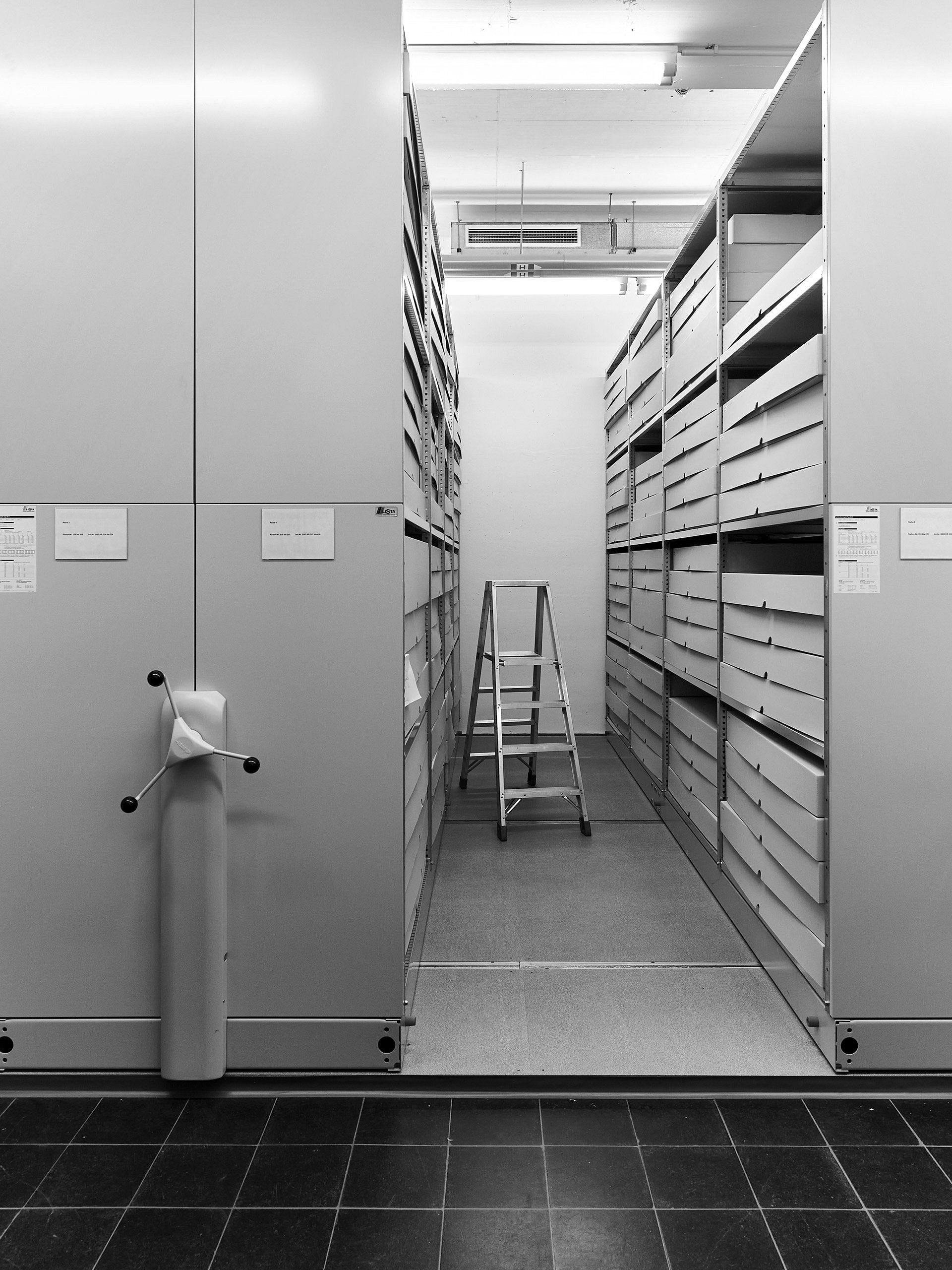
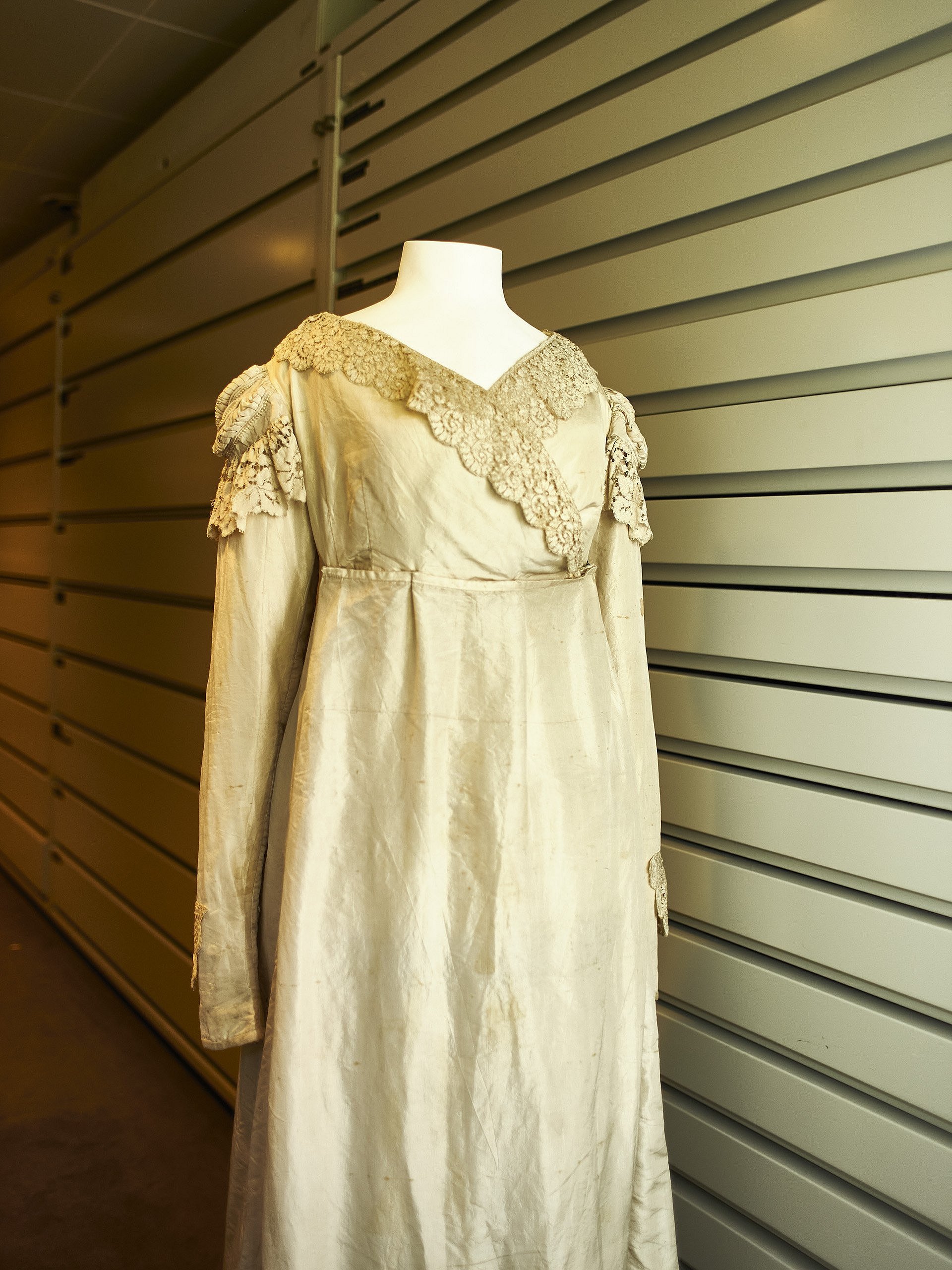
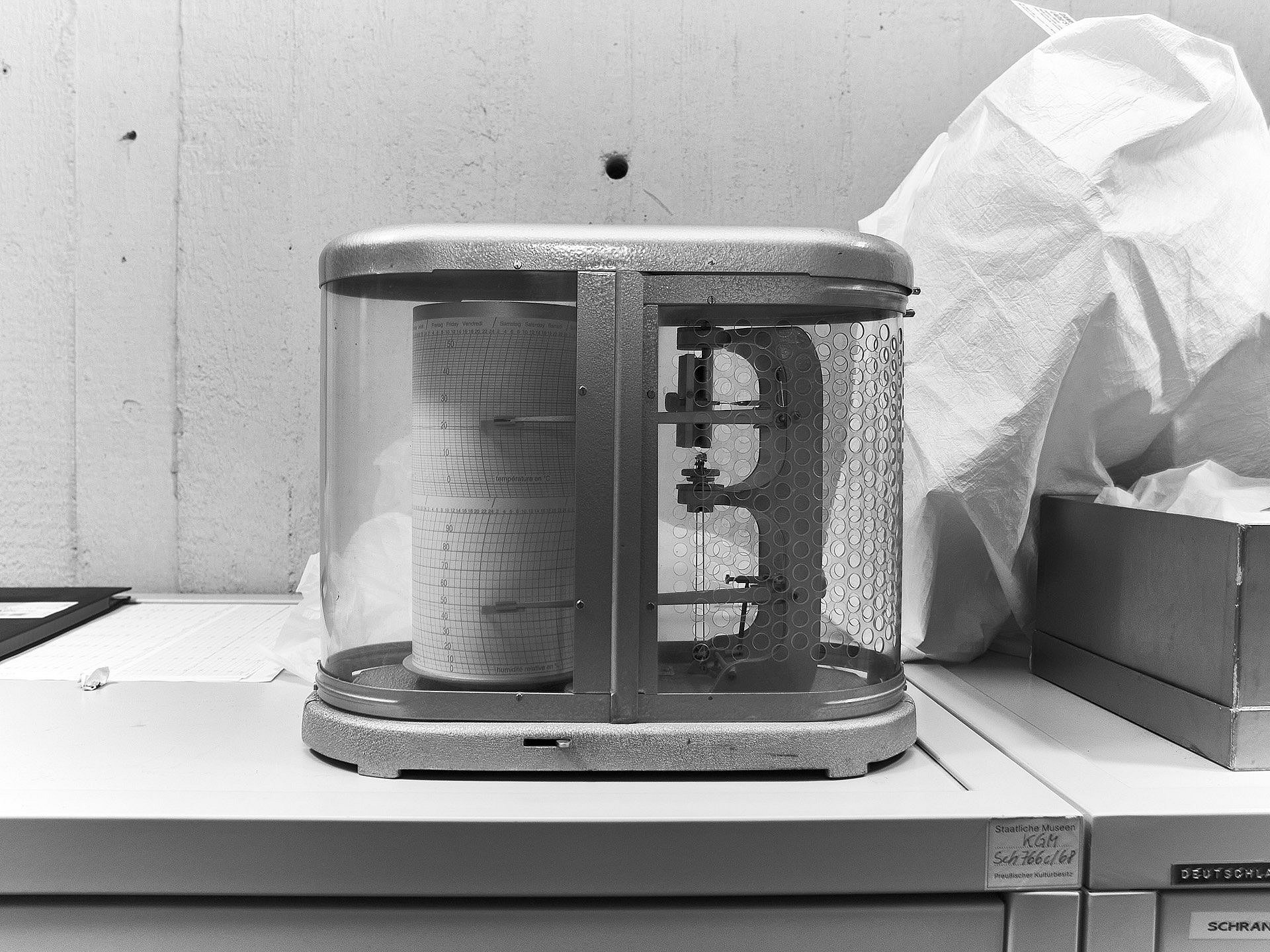
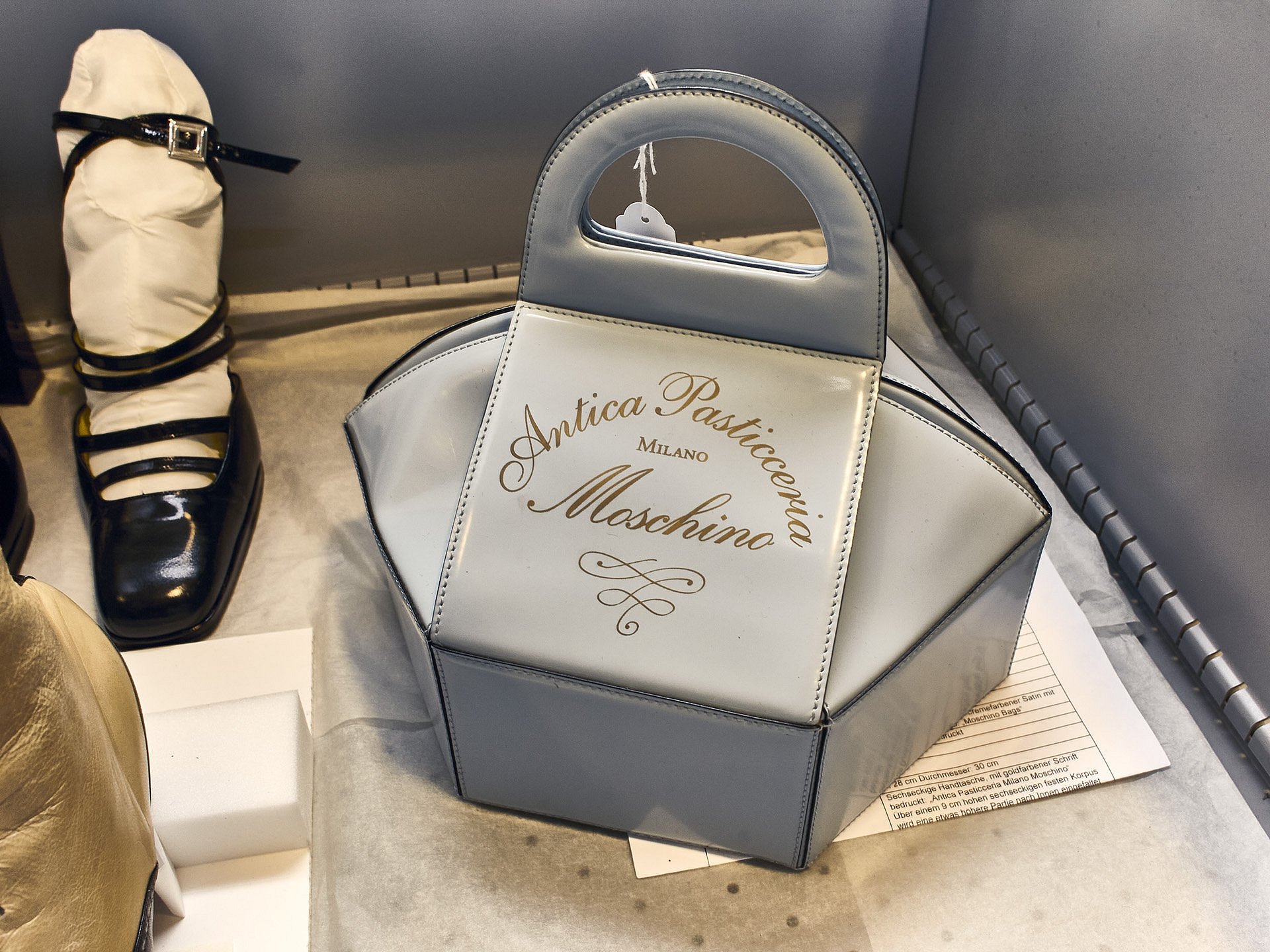
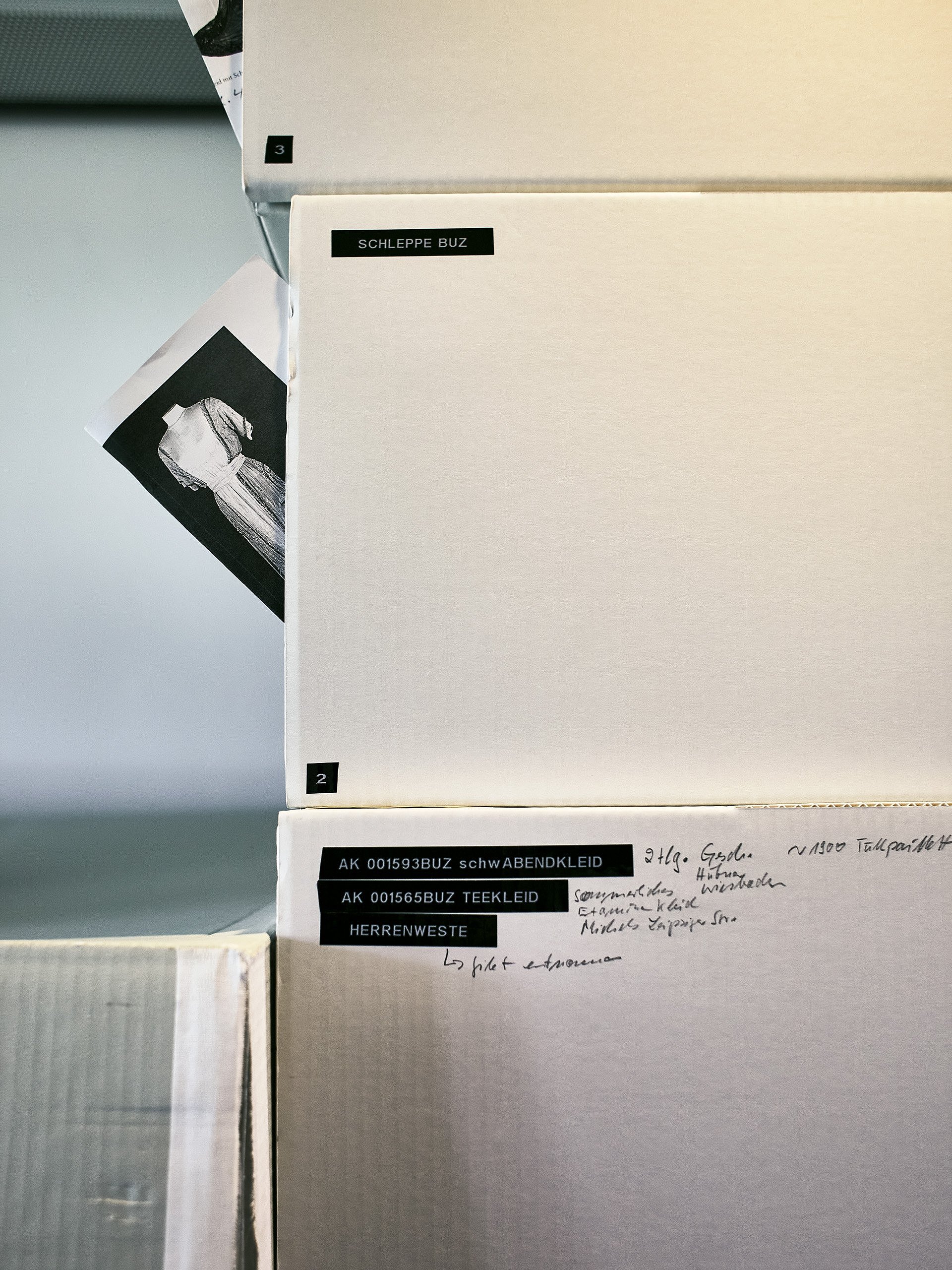
The cabinet-specific lighting was not installed for the sake of my own personal 90s club flashback, but rather to preserve the historical textiles. Protected from dust and temperature fluctuations within the display cases, the light-sensitive materials are illuminated only indirectly at a constant 50 lux. In addition, exhibits are stored in acid-free, light-proof boxes in the museum’s archive. The painstaking, and at times highly passionate, work of the team of conservators is documented in a film shown in a separate room of the exhibition.
As you stroll through the exhibition, it becomes apparent that the costumes are comprehensible even without extensive historical knowledge. Clearly discernible are turning points following wars, social upheavals, and technical or industrial revolutions, which were always accompanied by a radically altered fashion aesthetic, such as after the French Revolution in 1789. The corset, until then an indispensable part of the female wardrobe, disappeared for a brief and fast-moving era – what a breath of fresh air that must have been for society! Looser cuts, such as the flared chemise dress (1795–1800) made of fine-threaded cotton and tied under the bust, made their appearance.
The cotton muslin, presumably manufactured in India for the European market, increasingly replaced silk at that time. Not even Napoleon could halt its triumphant advance, as Katrin Lindemann reports. To prevent the decline of the silk weaving industry in Lyon, France, he even temporarily banned the wearing of cotton at the French court – with limited success. His own wife, Joséphine de Beauharnais, was determined to wear dresses made from the fashionable material.
The exhibits from the 1940s bring the war to life. At a time when only a few couture houses remained in operation and designers such as Elsa Schiaparelli were forced to flee Paris, the bright colours also disappeared. The mood of the times was reflected in austere and understated collections with military influences: suits and coats with straight shoulders, belts and stiff collars – clothing that gives pause for thought in the face of a turning point in European history.
In stark contrast to this is the display case showcasing haute couture from the 1960s. You can literally feel the energy that must have inspired the designers, whose collections were, for the first time, no longer inspired by an elite but by young people on the streets. Clothing in a riot of colour, including fashion-revolutionary pieces such as Giovanna Ferragamo’s first pair of women’s trousers in evening wear, are on display here.
Modern revolutionary pieces, such as Giovanna Ferragamo’s first pair of women’s trousers for evening wear, are on display here.
As Ms Lindemann points out, all the objects on display can always be attributed to a privileged class. Textiles, such as those worn by ordinary farmers in past centuries, are not to be found in the museum. The reason: among the wider population, clothes were worn until they could no longer be mended, literally falling off the wearer’s body. Well-preserved exhibits are therefore considered rarities. The consequences of a poverty among the vast majority of the population that is scarcely imaginable today extend into the documentation of fashion history. They remain invisible.
How jewellery trends functioned in times of war can be seen in the necklaces and rings on display from the year 1836. When Princess Marianne of Prussia called for donations of gold jewellery to boost the war chest, many ladies of high society heeded the call. In return, they received iron jewellery, which became must-have items for patriotic women. ‘I gave gold for iron’ was the slogan of the time.
Time and again, the aids used to accentuate femininity catch the eye: the round or oval crinolines of the 18th century – initially made of heavy horsehair, later of spring steel bands to emphasise the waist and hips – or the bustle, the ‘Cul de Paris’, protruding almost horizontally above the buttocks, on the formal house dress in dark velvet by Charles Frederick Worth from 1882, which exaggerated the buttocks almost to the point of the grotesque.
Yet the presentation on minimalist mannequins leaves ample room for one’s own thoughts and conclusions, including a comparison with the here and now. Fashion-aesthetic embellishments are no longer applied externally, as once with the tournure, but are now carried out on the body itself, directly beneath the skin. Body modifications, such as the ‘butt lift’—one of the riskiest cosmetic procedures for enlarging the buttocks—are booming. Procedures for a perfected bust, which have been carried out with varying degrees of volume depending on trends over the last few decades, render décolletage-shaping corsets superfluous.
The world of haute couture is now accessible to the masses. Anyone who wishes can have their personalised avatar dressed by Balenciaga or Prada in the virtual designer shop for around 200 euros. The upheavals of our time are characterised by contradictory trends, with sections of society leading a fashionable double life. The idealised version of one’s self is staged on TikTok and Instagram in clothing from global ultra-fast fashion conglomerates, whilst offline, in the face of the pandemic, raw material and environmental crises, the weariness of one’s own existence grows, and a perceived ‘sweatpants status’ becomes chronic.
Yet this fashionable performance seems more permeable than ever, ready to be unmasked as human in a society increasingly marked by depression, where psychotherapy has become the norm. Where will this path lead us? I
would love to continue chatting with Katrin Lindemann and museum visitors, sitting in the green courtyard in the evening sun. But the potential heart of the building must remain closed for structural reasons. So we make our way back to the entrance for one last photo in front of the museum’s large, red block letters.