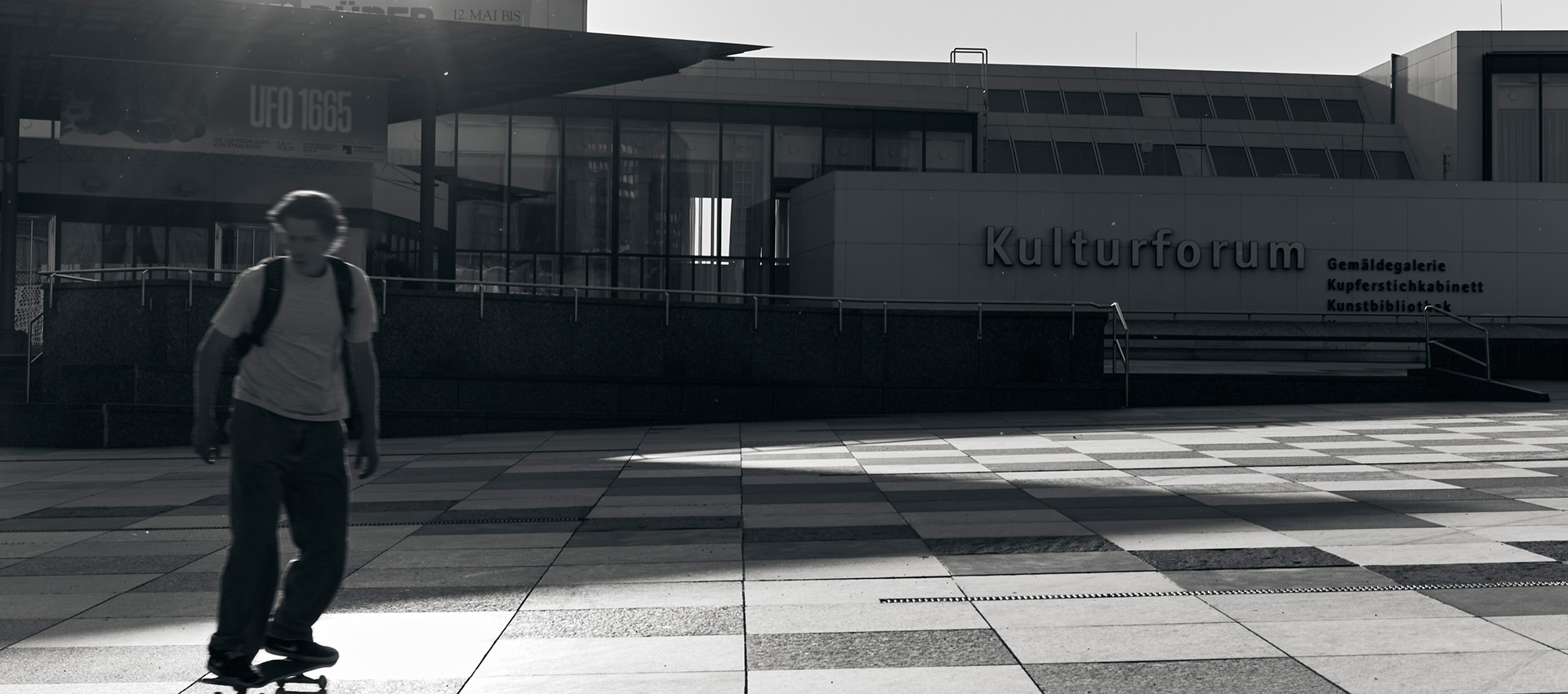
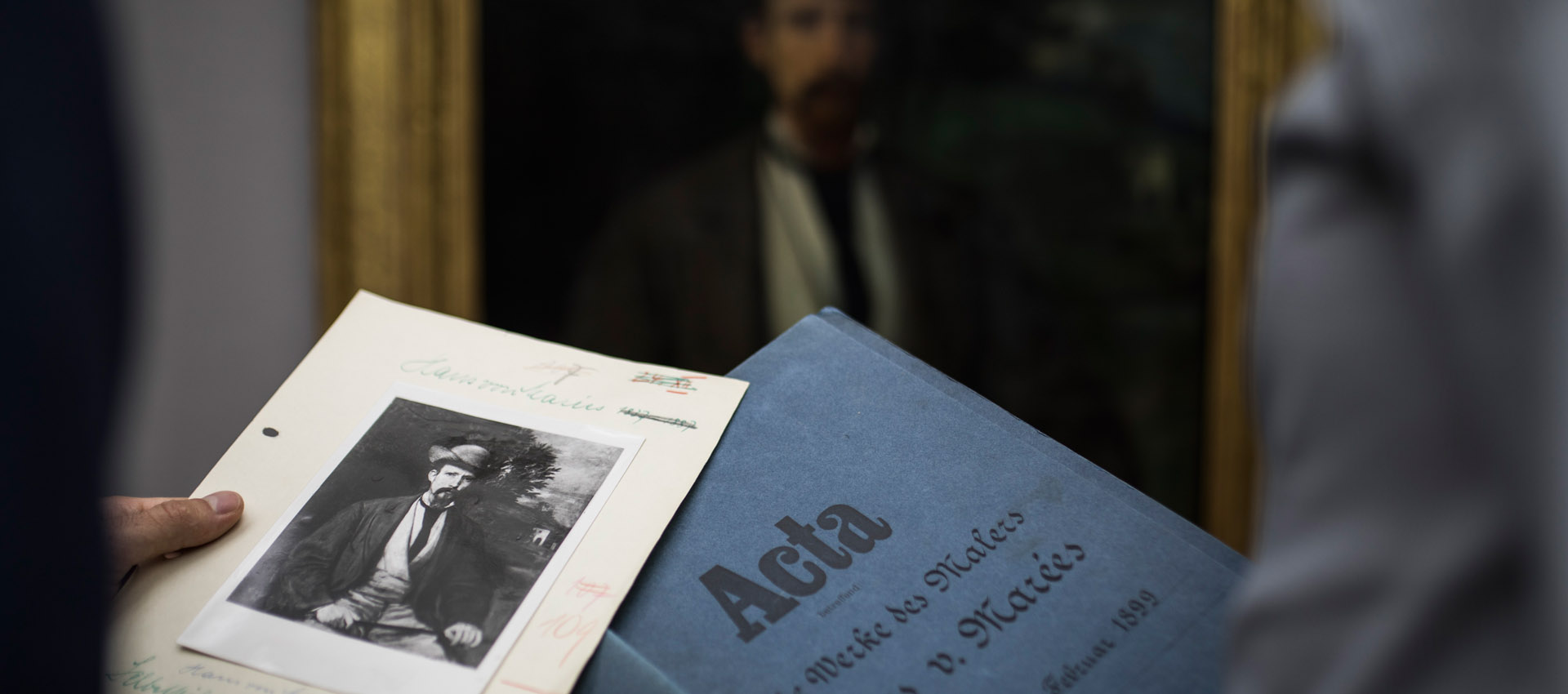
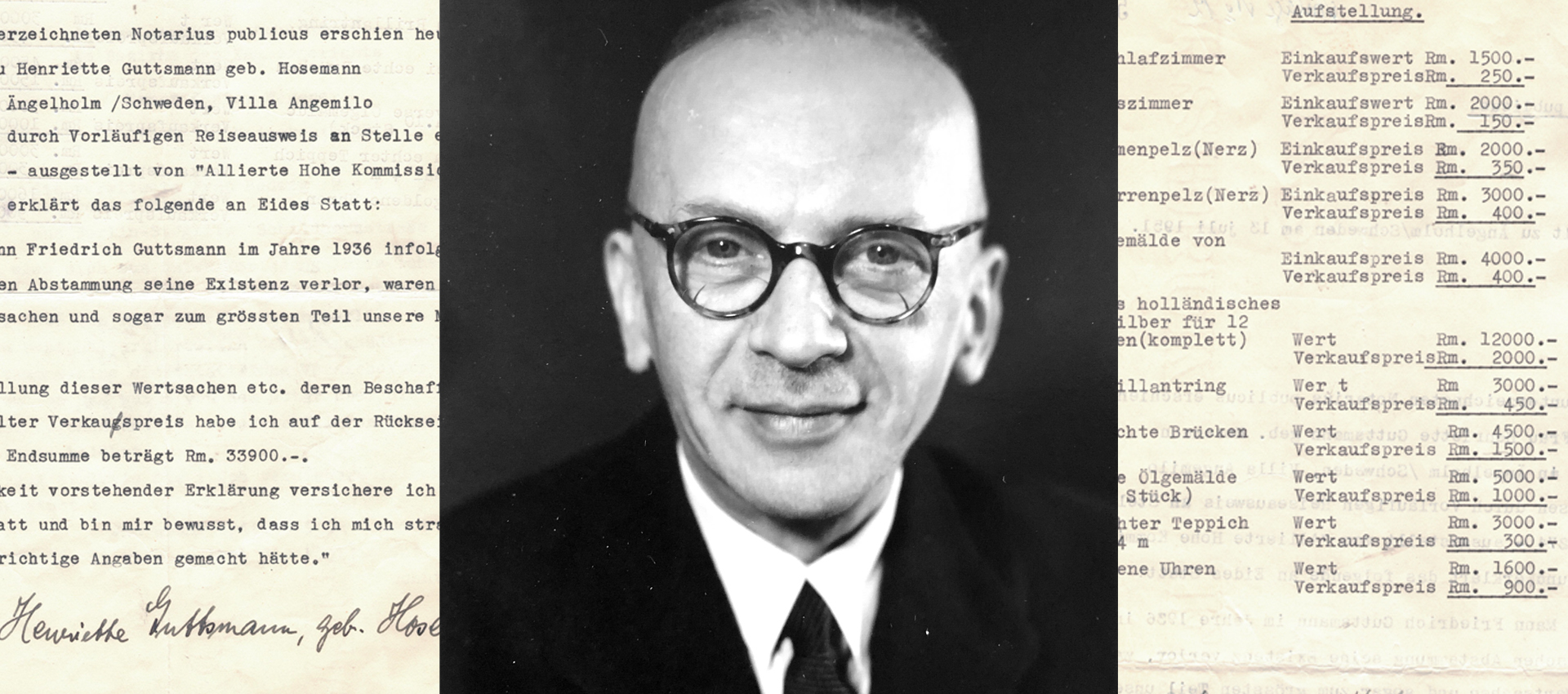
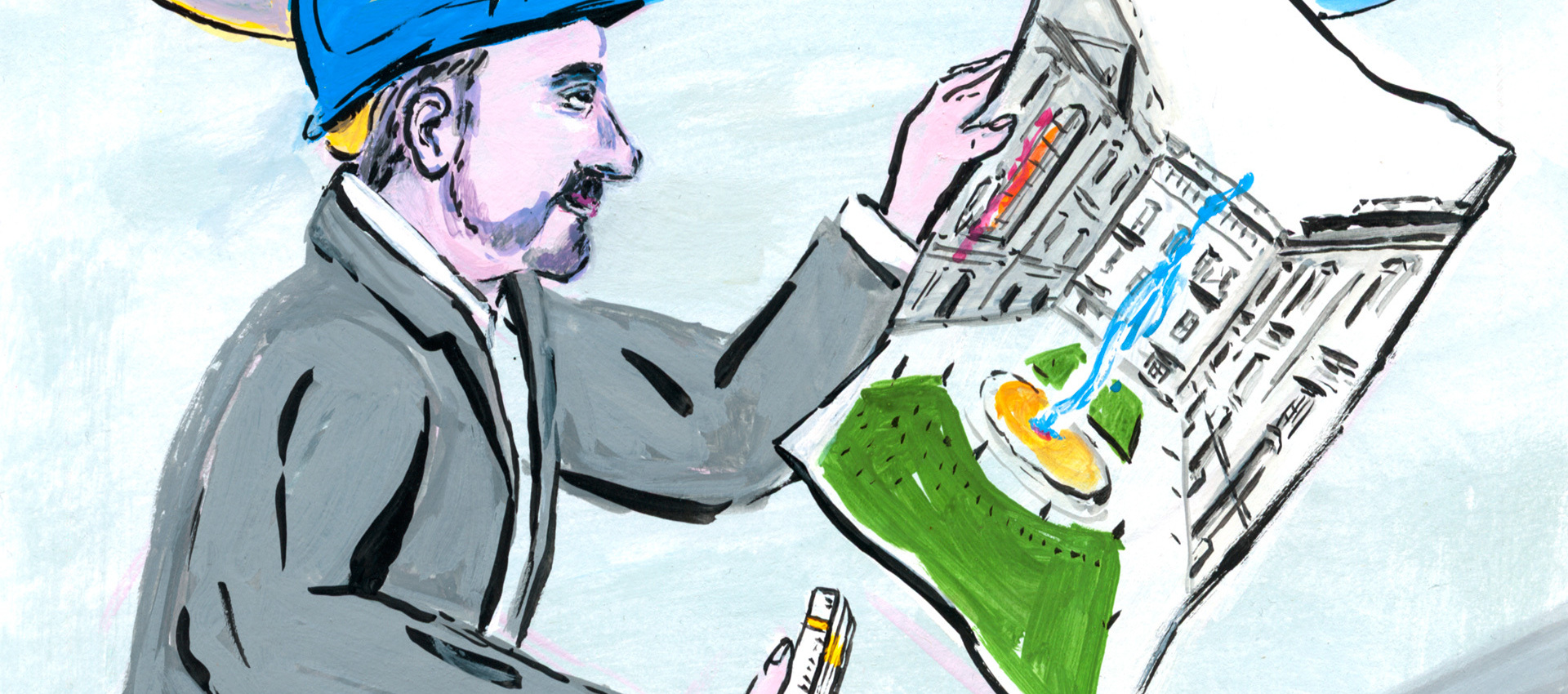
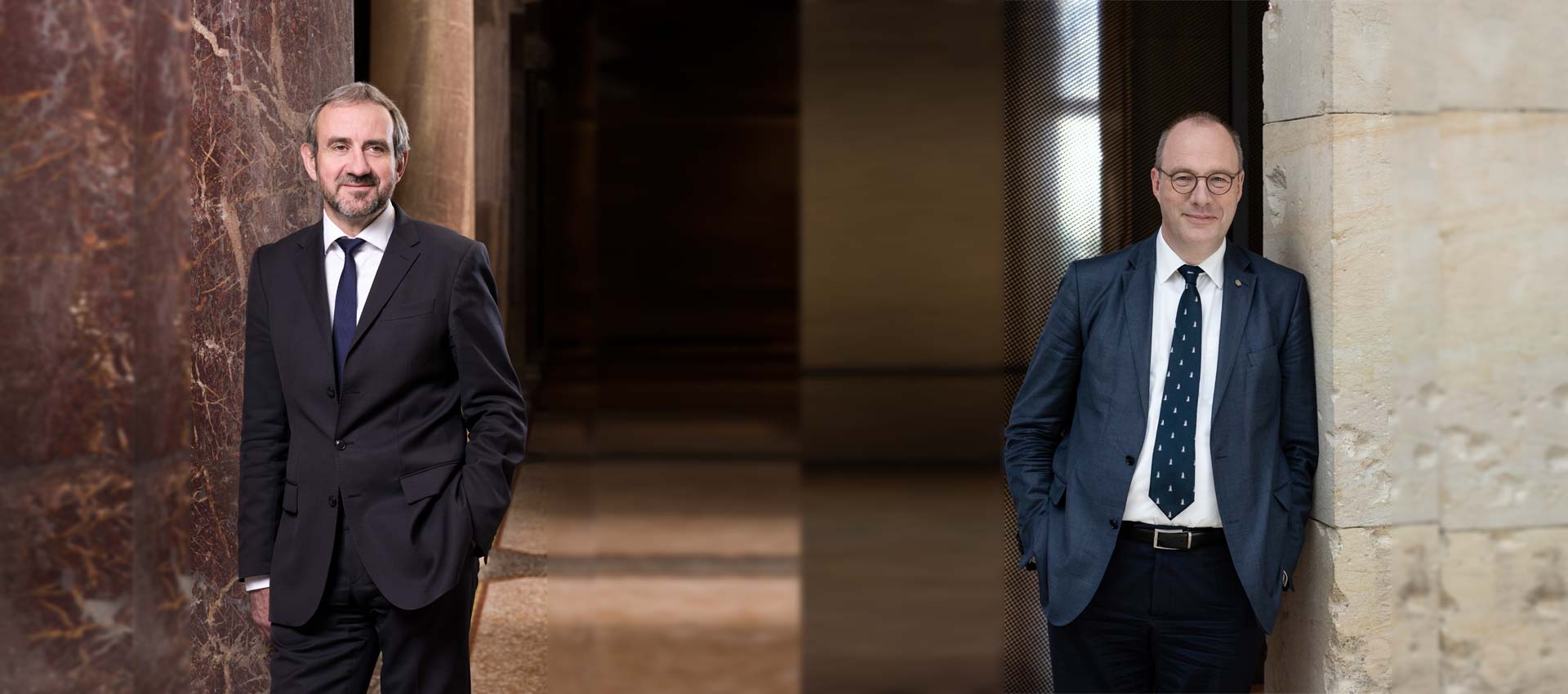
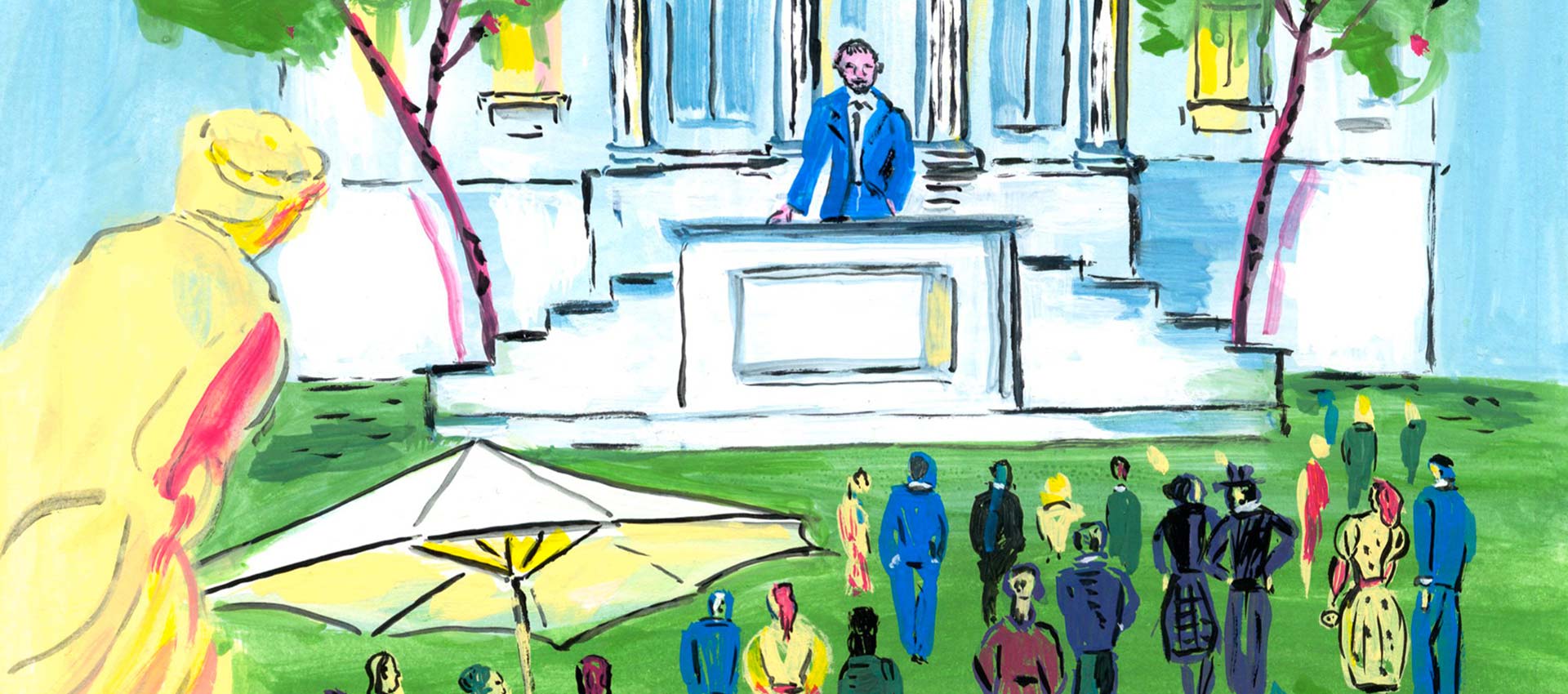
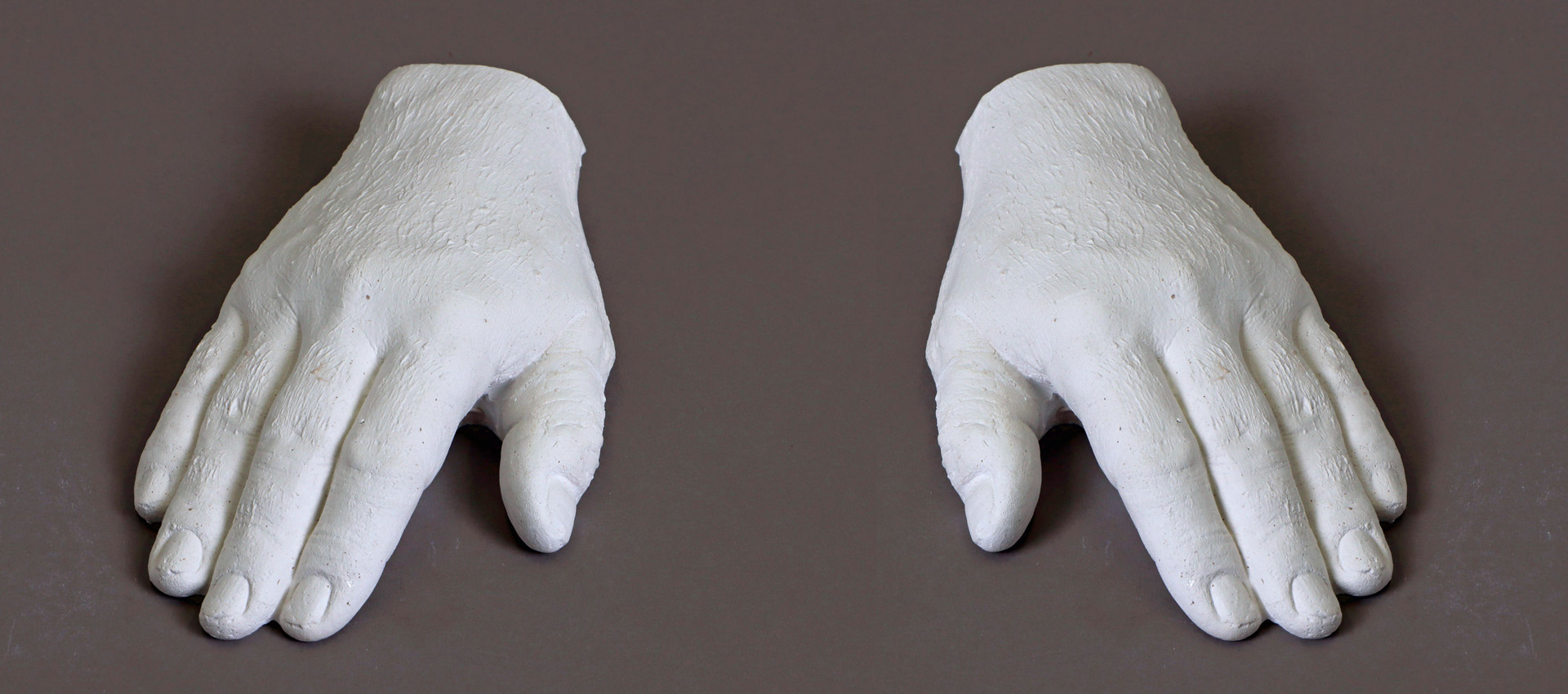
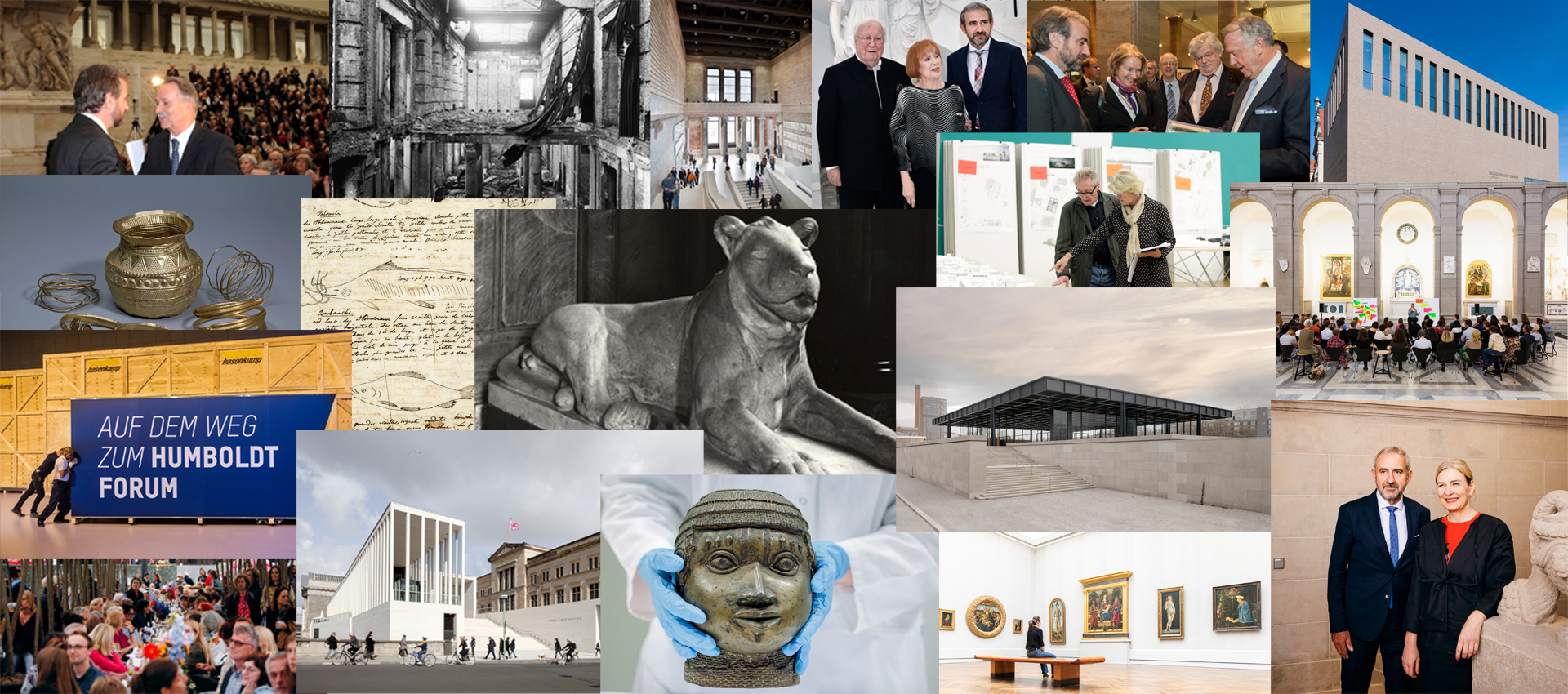
The Prussian Cultural Heritage Foundation is in the throes of reform. Autonomy for the institutions, a strong network, and local responsibility. These are the buzzwords that keep cropping up in documents, steering committees and areas of action. But isn’t there more to it than that? Minister of State for Culture Claudia Roth sees it this way: “This fundamental reform is intended to bring the SPK’s many treasures into even sharper relief and make the various institutions significantly more attractive to a broad and international audience.” But what is already shining at the Museum Island, Kulturforum and Dahlem sites, and how attractive are the offerings to an audience of millions? For the 2022
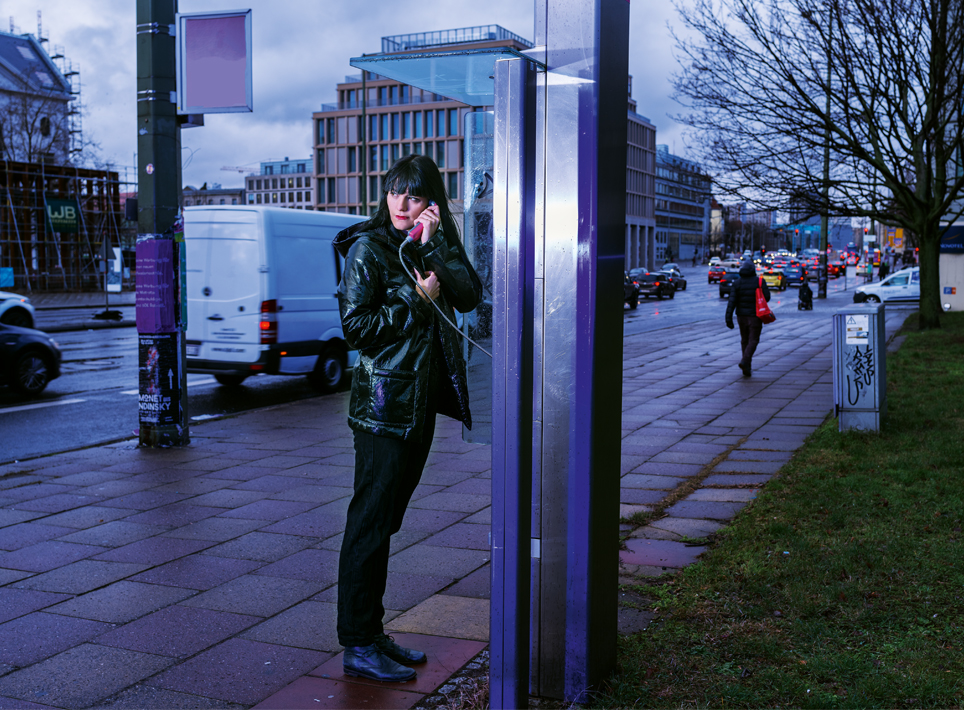
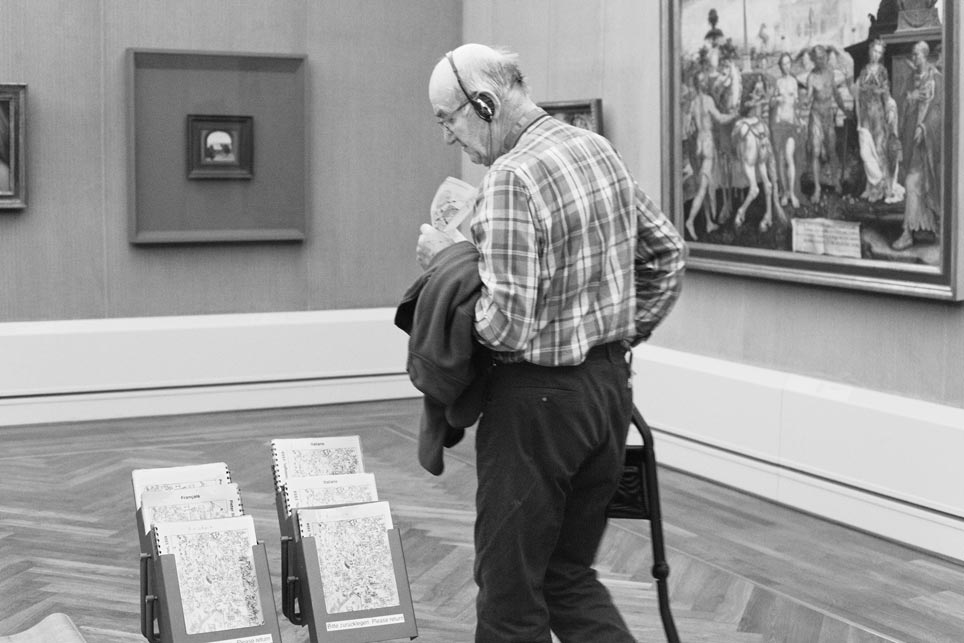
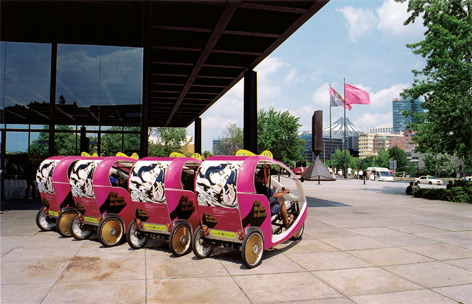
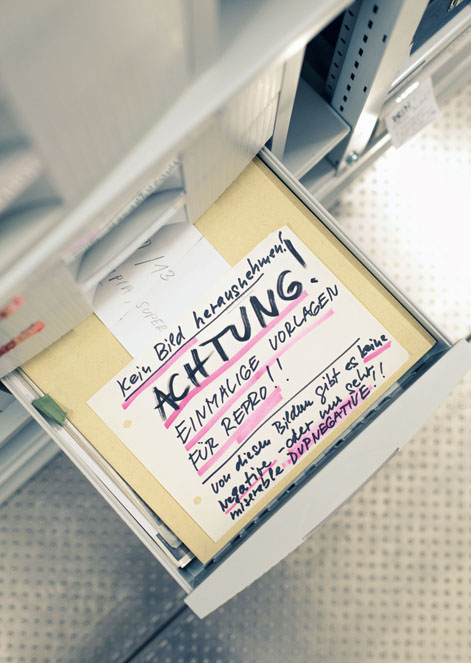
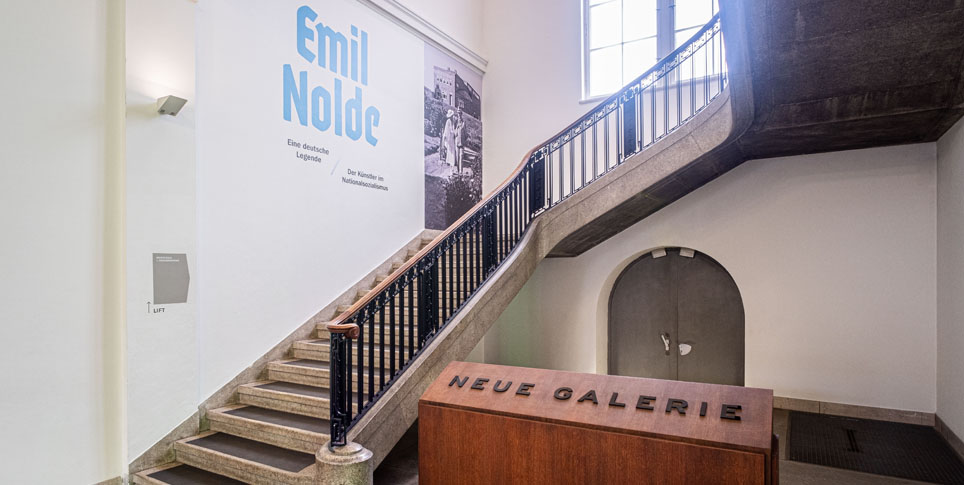
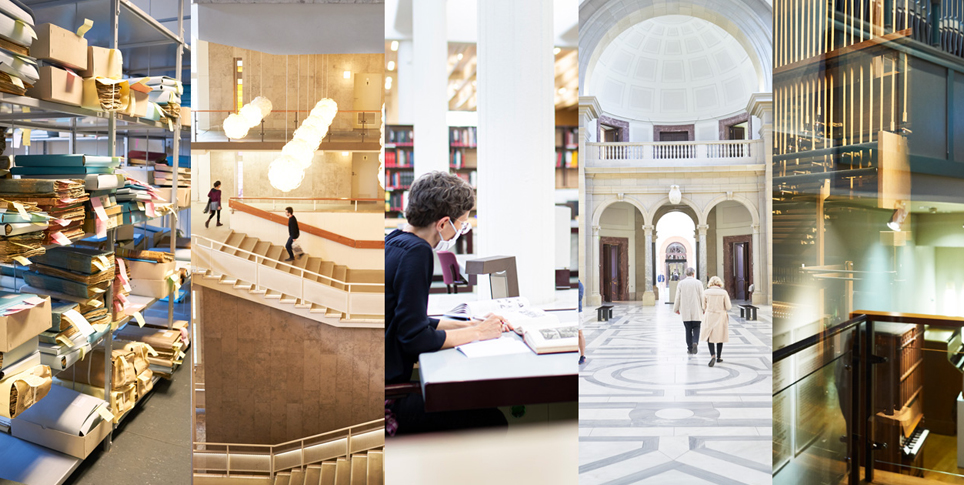
Annual Report, we invited cultural correspondents to spend a day exploring places of longing and favourite institutions, as well as the worlds of archives, libraries and collections. We gave them few guidelines; we did not want courtly reporting, but rather insights and inspiration. Everyone was to be free to form their own judgement. The accompanying images are by Stefanie Manns, who explored all three sites through her lens.
State Library on Unter den Linden:
The Old and the New
By Nikolaus Bernau
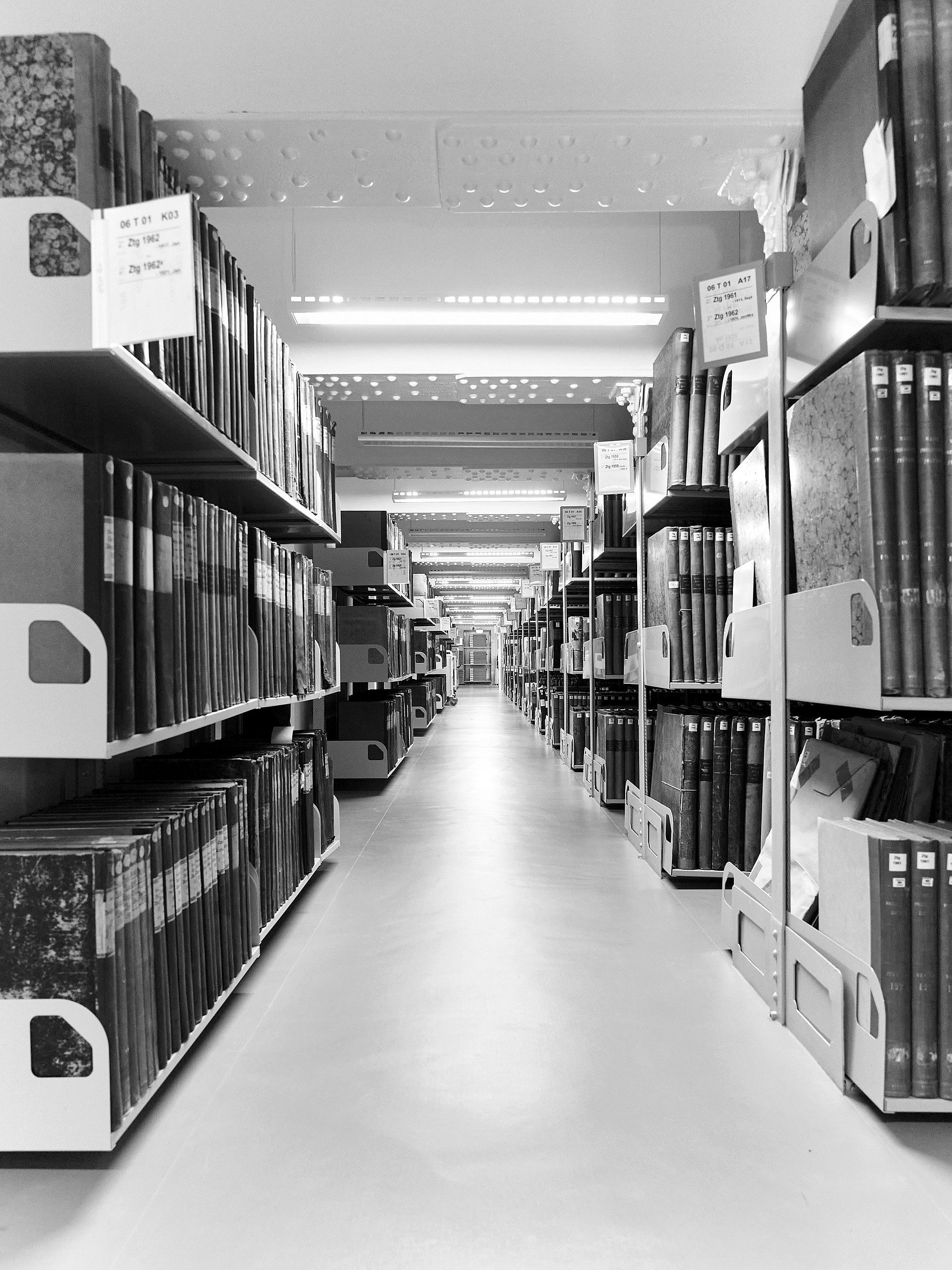
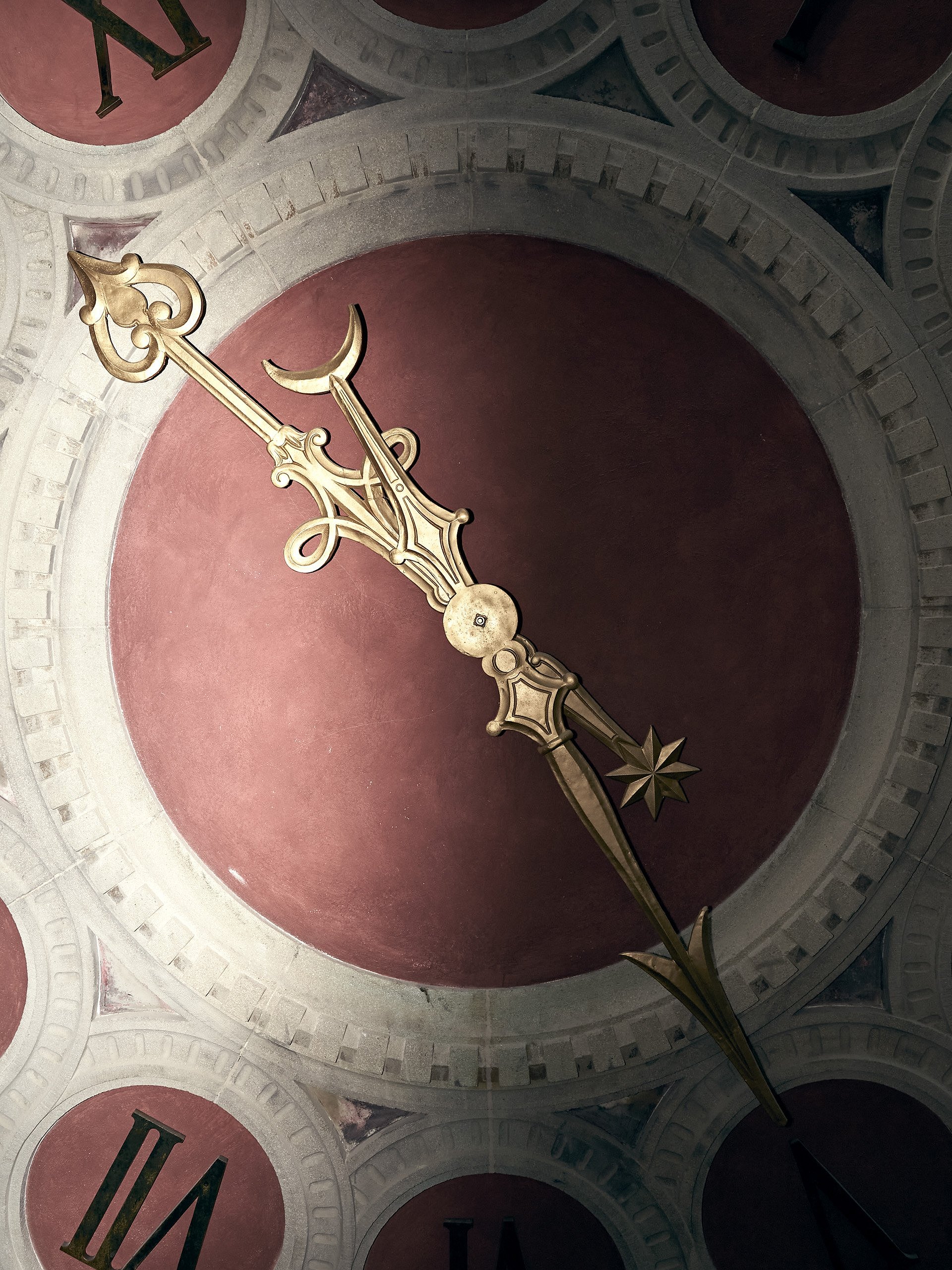
The study of Adolf von Harnack, the outstanding Director-General of what was then the Royal Library of Prussia and is now the State Library of the Prussian Cultural Heritage Foundation, is a manifestation of power and a claim to autonomy – with its soaring ceilings and opulent décor, which has regained its former lustre in recent years. Characteristically, when it opened in 1913, the windows did not face the palace from which the library had gradually outgrown since the 17th century, but rather the Brandenburg Gate, which since the beginning of the German Empire in 1871 had increasingly become a bourgeois German national monument. Anyone comparing this hall with the office that Wilhelm von Bode – a figure of similar power in the museum history of the imperial era – had the same architect fit out for him in 1904 in a back corner of what is now the Bode Museum can still sense Harnack’s ego today.
But it was also in this room, from 1933 onwards, that the discrimination and exclusion from knowledge and research of Jews, Social Democrats, Communists, homosexuals, critical Christians and other unwelcome persecuted groups was planned and approved. It was here that the plundering of ‘Jewish’ libraries was organised, the Germans’ bibliographic raid across Central and Eastern Europe. It was here that, after 1945, the decision was taken to subject the now ‘German National Library’ to the SED’s claim to absolute power, organising the raid on the libraries of the expropriated and the refugees – a raid that has been far too little debated to this day. Not an easy legacy, then, for Harnack’s successor and successor’s successor, Achim Bonte, who was appointed in 2021 from Dresden as the new Director General of the Berlin State Library.

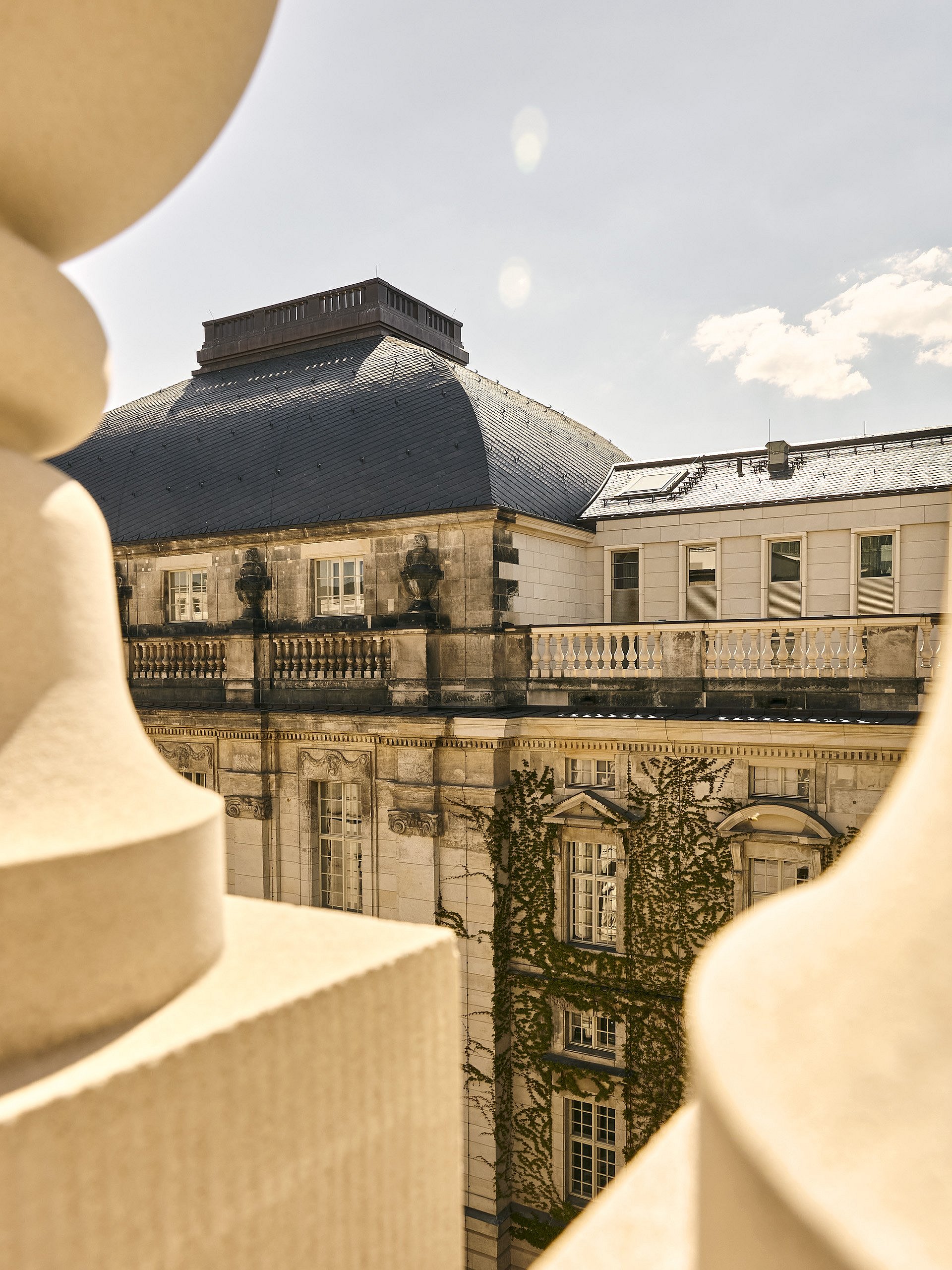
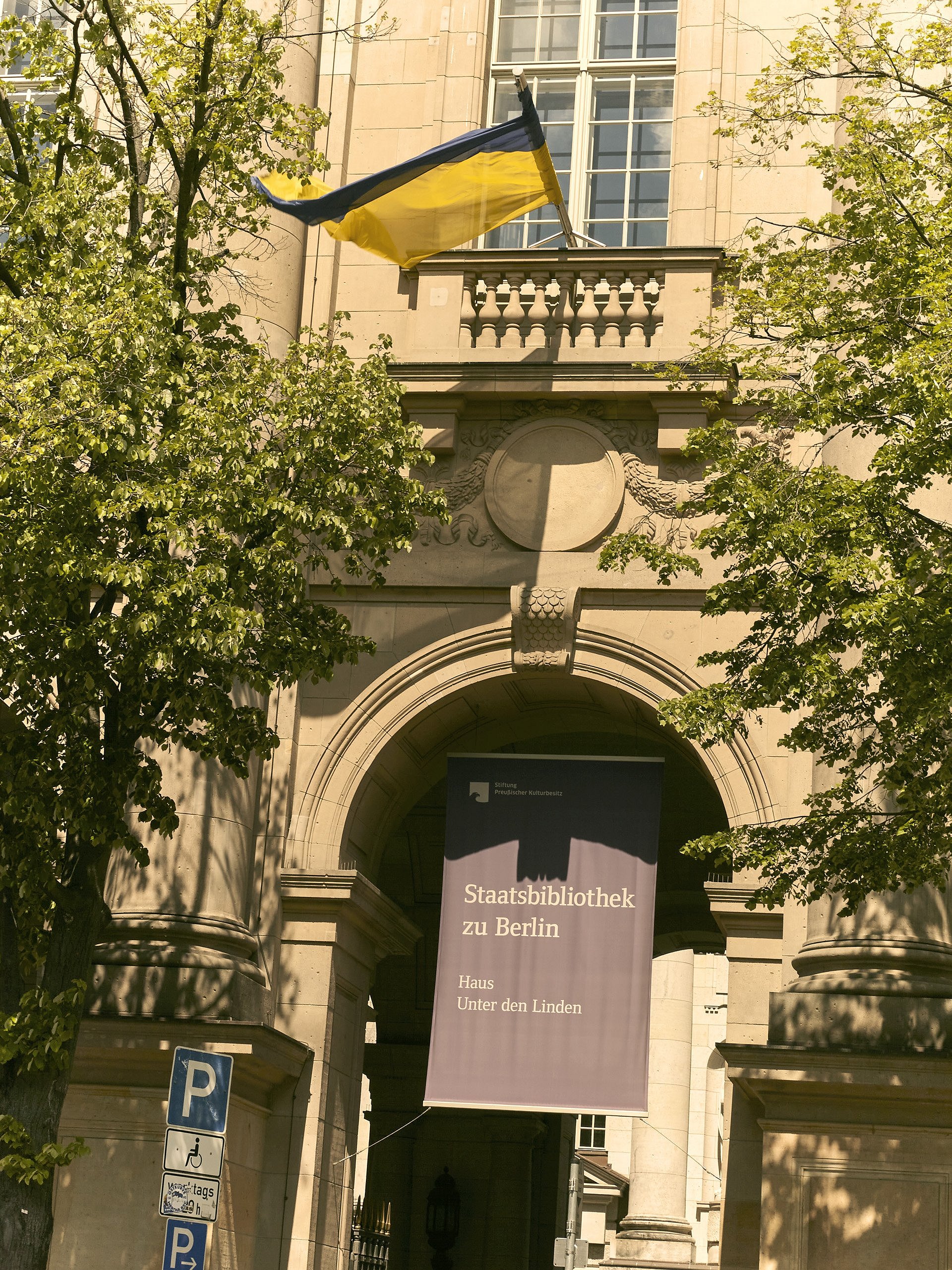
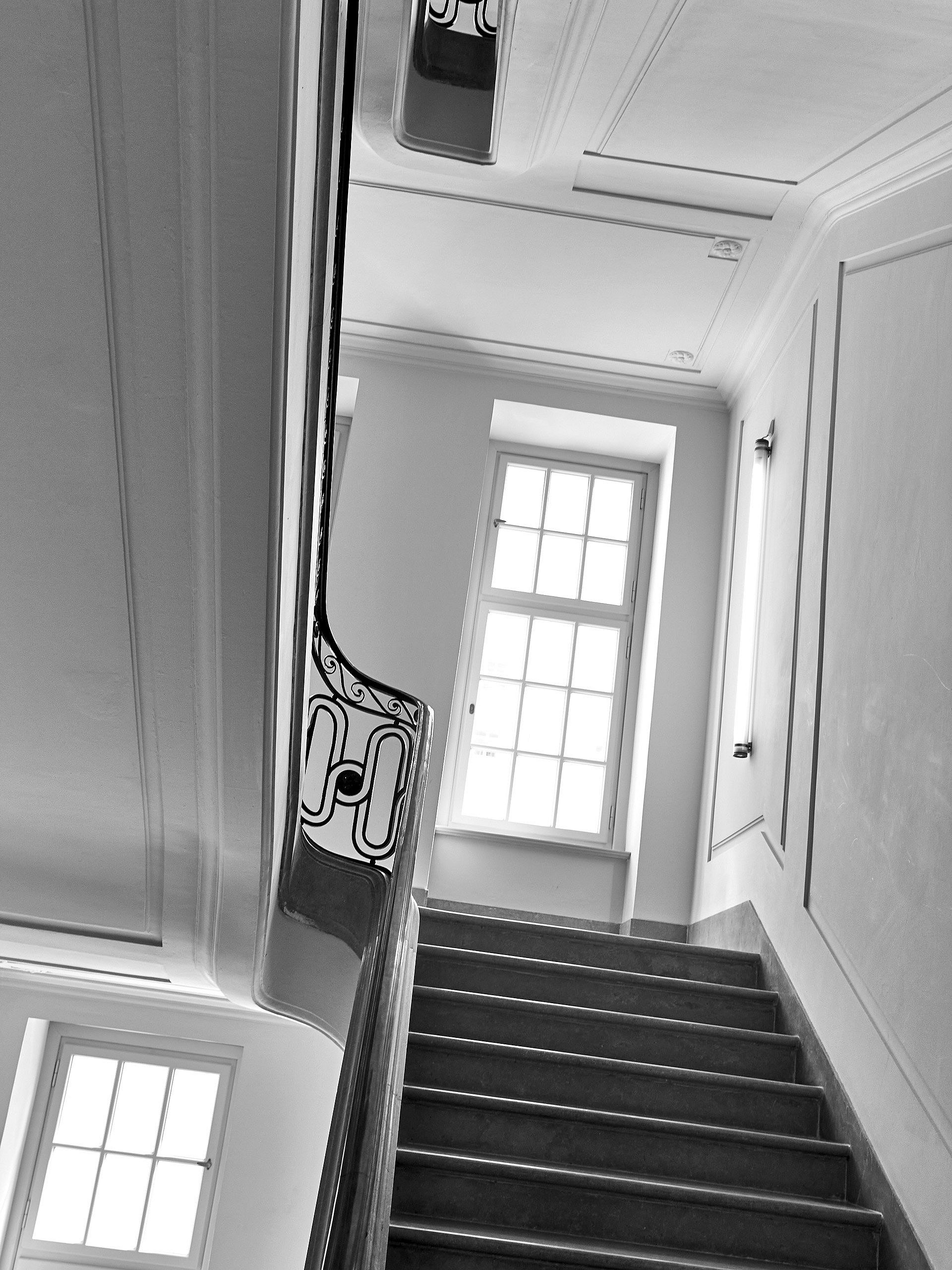
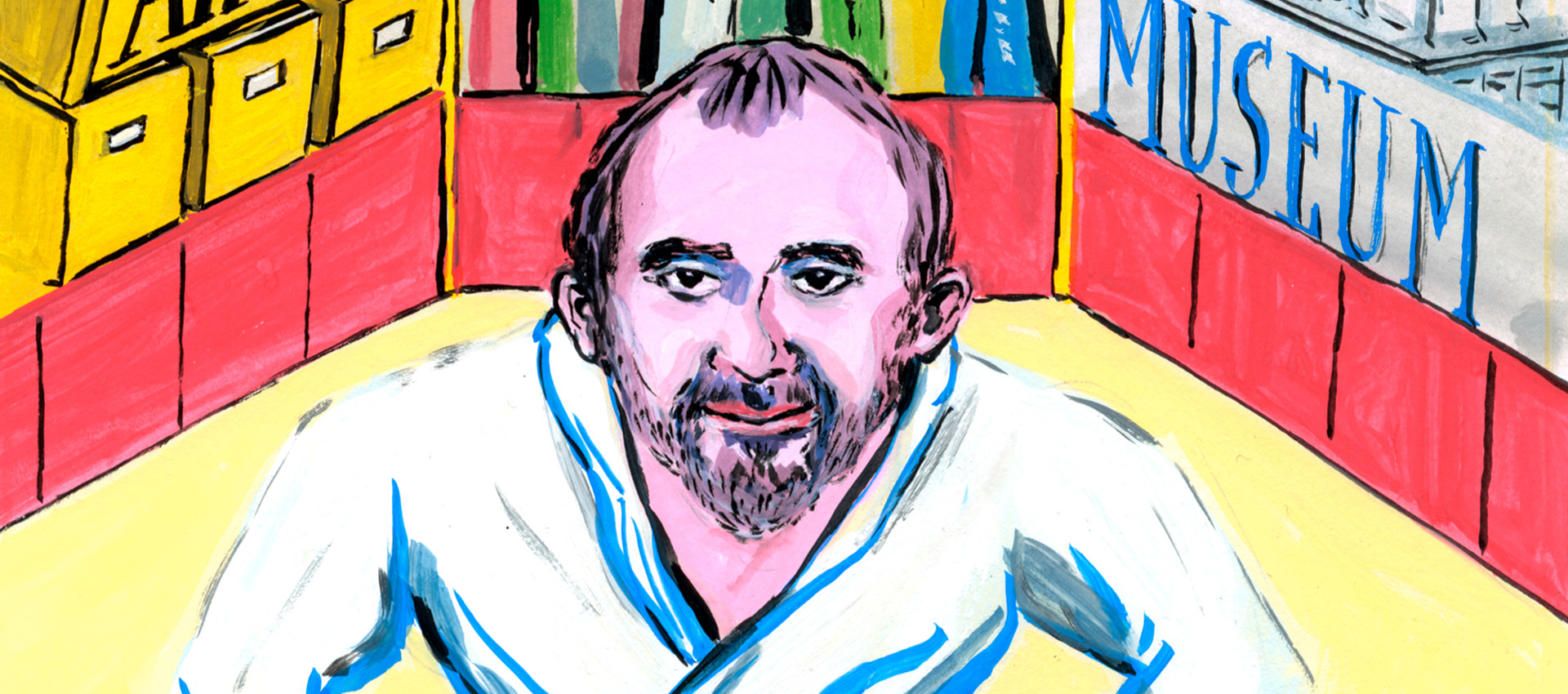
A man who, in interviews, writings and conversations, consistently presents himself as a modern, dynamic, team-oriented manager is committed above all to the future of libraries. And, in his view – and not only his – this future will lie in particular in the organisation and dissemination of digitally captured and prepared information and media. Bonte has an excellent network, as evidenced by his numerous committee memberships. And as is not at all uncommon in library circles, he has pursued his career in a thoroughly strategic manner, as his publications show: as early as 1997, he was focusing on the “Economic Development of Electronic Publications” – at a time when the debate was still primarily centred on the cultural and educational value of digitisation.
Bonte also has little time for the Prussian cult that is quite widespread in “the Stabi”, as becomes clear after just a few minutes of conversation. That is actually why he wanted to meet in the second large building of the State Library at the Kulturforum. Hans Scharoun’s world-famous monument to a democratic, permeable, almost anti-hierarchical and anti-imperial culture of knowledge. Yet perhaps Harnack’s study was actually the better place, signalling just how strongly the idealised memory of Prussia – the memory of the State Library’s ‘heyday’ during the German Empire and the Weimar Republic – continues to resonate to this day, right down to the smallest details: The seemingly matter-of-fact designation ‘Building 1’ for the building on Unter den Linden and ‘Building 2’ for the one at the Kulturforum actually signals a distinctly defining internal hierarchy. It persistently prevails over the terms “Old” and “New State Library”, which are far more widely used among users, over the addresses “Unter den Linden” and “Potsdamer Straße” or “Kulturforum”, or – and this is truly gratifying – over the uncritical, architect-worshipping naming of the buildings after the architects Ihne and Scharoun.
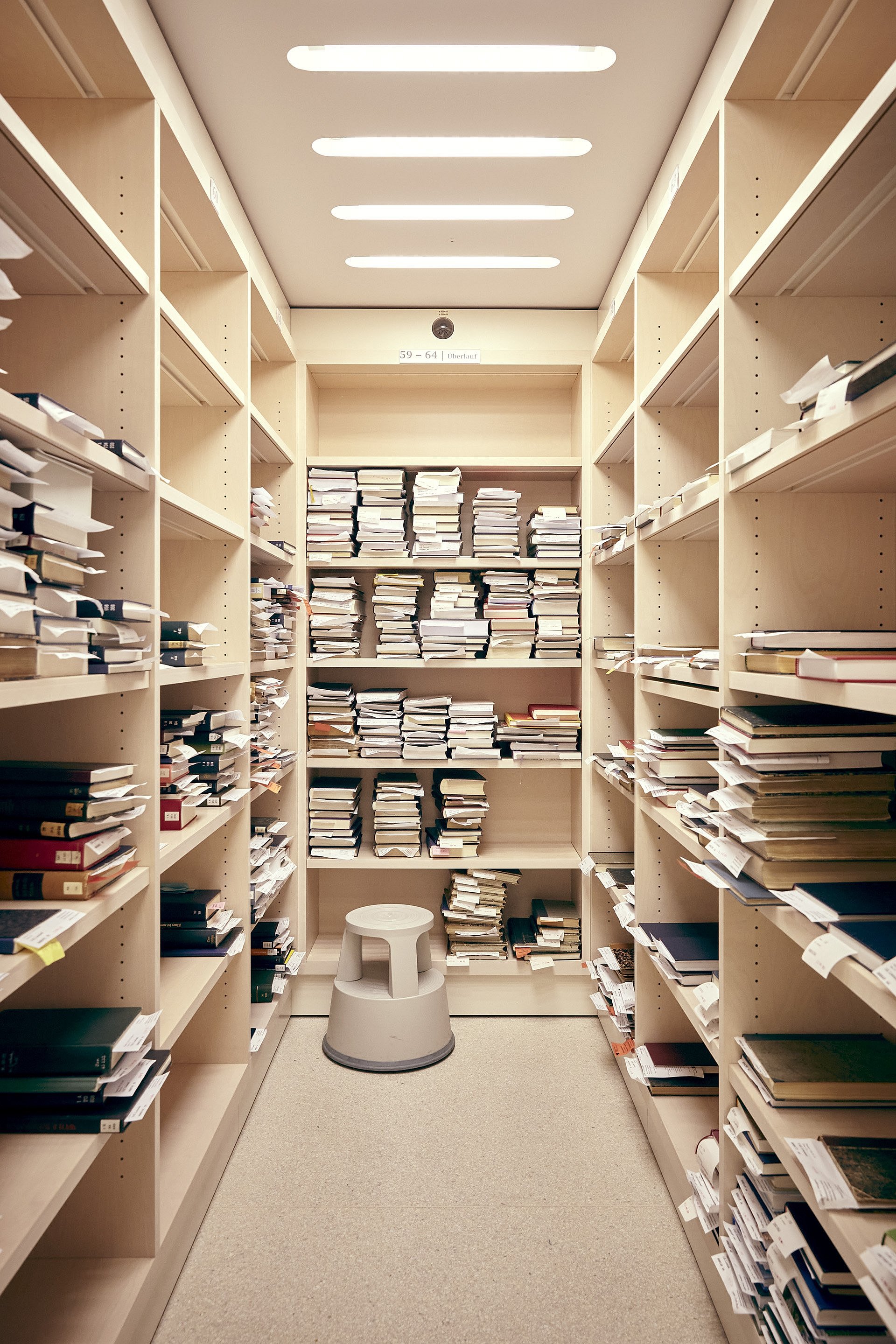
The renovation and radical refurbishment of the Old State Library – let us tentatively call it that here – has, since the 1990s, essentially been driven by the idea of restoring the ‘Prussian State Library’ of the imperial era and the Weimar Republic – and with it the glory of that golden age of German academic and library history. That is why it was decided at the time: the Old State Library should, essentially, house along a timeline those collections that were acquired or created during the Prussian era; it was to become a centre for elite research. The New State Library, by contrast, was intended for all subsequent collections and was to serve broad-based academic research. Here 250 reading places, there over 1,000; here a central main reading room and the Rara reading room dedicated to rare books, there the vast reading hall with its specialist sections.
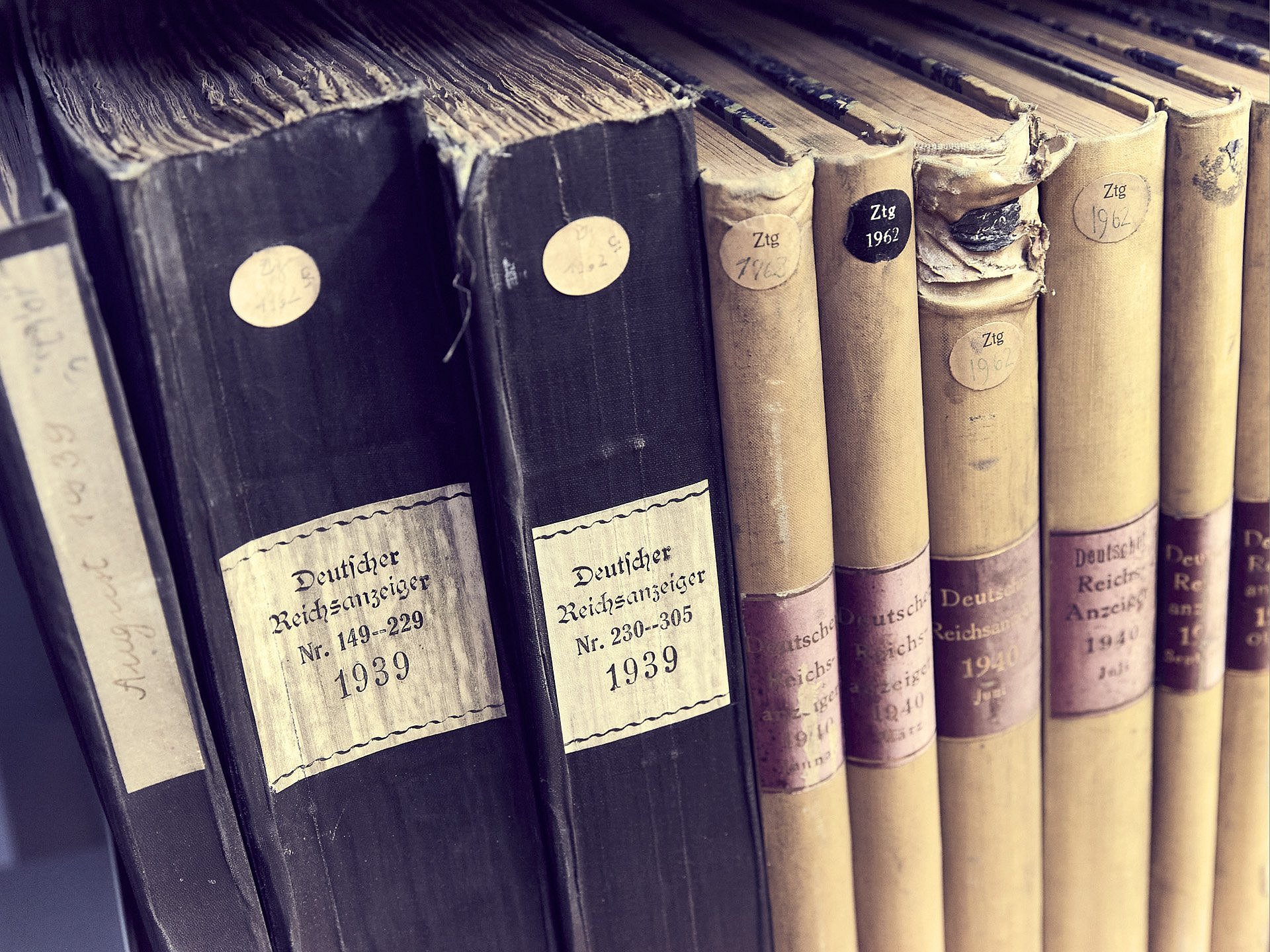
Those were the years when the triumph of digital media and the rapid digitisation of printed matter, books, journals and newspapers could at best be anticipated. The book’s status as the sole permanent repository of information was still unquestioned; the standing of a library, or a library building, within the landscape of knowledge was determined by which and how many books it housed, and how and by whom they were curated. It is a social status that remains strong, even though the original concept for the internal structure of ‘the Stabi’ has long since softened: the collections themselves and the spatial possibilities of the two buildings have constantly forced a shift in the timeline, and even some departments were integrated into Building 1 in a manner that was virtually contrary to the system.
In fact, museums and the National Library could also synchronise their inventory systems; researchers would be delighted.
Above all, however, it was not just the Library Museum that was established here according to a conceptual framework long since overtaken by the times, but also the central digitisation facility – thereby reaffirming, for a new era, the old claim to supremacy of ‘Building 1’. Bonte, on the other hand, envisages the future State Library as a whole as a home for researchers, largely free of hierarchies. His formative life and professional experience is: The internet and digitisation have not brought fewer, but significantly more people into libraries. Here they seek what no computer can offer: personal connection, direct exchange and the diversity, the interdisciplinary nature, the thinking that transcends all conceivable disciplinary boundaries. In other words, the exact opposite of what the Old State Library was built for in 1913 and renovated and expanded for after 1990. It, too, is now a hive of constant comings and goings; the reading spaces are fully booked, just like in any library. So, in the Old State Library, too, new spaces must continually be made available for users, and the reading rooms – which were originally so carefully designed to be functionally separate – must be reimagined in an interdisciplinary way. Bonte speaks of academic workshops, of groups for whom the library must create a space for debate, of dynamism, of the huge, rigidly aligned work desks of the old era – and the casual lounge-style furnishings of the new era.
In recent announcements regarding the reform of the Prussian Cultural Heritage Foundation, the State Library is not even mentioned anymore; it is merely noted that its representative, Achim Bonte, is to be part of the SPK’s new joint executive board. Since the Science Council’s 2020 report, it has been regarded as exemplary in its organisation, a model case of an efficient, sustainable and results-oriented institution requiring reform only in minor details. Bonte’s view seems more self-critical, perhaps partly because, like large sections of the interested public, he wonders: Was the Science Council’s praise for ‘the Stabi’ not primarily a criticism of the then management of the State Museums, rather than the result of a truly critical assessment? Admittedly, the State Library has certainly demonstrated that a centralised administration does not hinder the efficiency of the departments.
This is likely another reason why there is no longer any call for greater autonomy for the State Library’s departments – whereas the departments of the State Museums are now losing their own permanent central office, the General Directorate, in the name of autonomy that will hopefully boost efficiency. So whilst the State Library remains a separate entity within the Prussian Cultural Heritage Foundation, the museums are being dismantled into a highly fragmented sub-group comprising various ‘clusters’. Whilst the State Library has been able to defend the unity it has cultivated since 1810 – specifically on the grounds that this allows for a flexible response to the demands of the modern age – the administrative structure of the museums, which has also stood the test of time for more than 150 years, is being dismantled on the grounds that it is no longer fit for purpose. Yet its General Directorate, established in 1824, successfully organised the rise of the then Royal Museums to international renown, their reconstruction after 1945 in West and East Berlin, and reunification after 1990, and has demonstrated remarkable flexibility throughout history.
... it’s not just the State Museums that are planning breathtakingly long renovation periods!
So what is the difference between the State Library and the State Museums? Bonte politely sidesteps the question, pointing to the library’s role as an organiser of information and knowledge, to its wider user base, and to the more technical nature of library work. Yet museums have traditionally been, and remain, institutions for education and the dissemination of knowledge; they attract an audience of millions, and anyone examining the systematic collections of, say, the Ethnological Museum, the archaeological museums, the Museum of Decorative Arts or even the Picture Gallery will find the comparison with library methodology not so far-fetched. In fact, museums and the State Library could coordinate their collection management systems far beyond the realm of library catalogues; researchers would be delighted.
This raises the question: does the State Library, with its claim to be able to operate autonomously as a single institution and not be broken down into ‘clusters’, benefit not least from the fact that it is sailing in the slipstream of the debates surrounding the alleged inflexibility of museums? This will become clear during the renovation plans for the New State Library at the Kulturforum. Here too, Bonte is the heir to a concept developed since the 1990s within the building and library administrations, for which his predecessor, Barbara Schneider-Kempf, initiated the potentially decisive architectural competition three years ago. It was won by the Hamburg-based firm gmp with a design to divide the vast foyer of the colossal building into two parts: one part is to continue to serve as the main entrance to the reading rooms, the other as a public passageway between Potsdamer Platz and the Kulturforum.
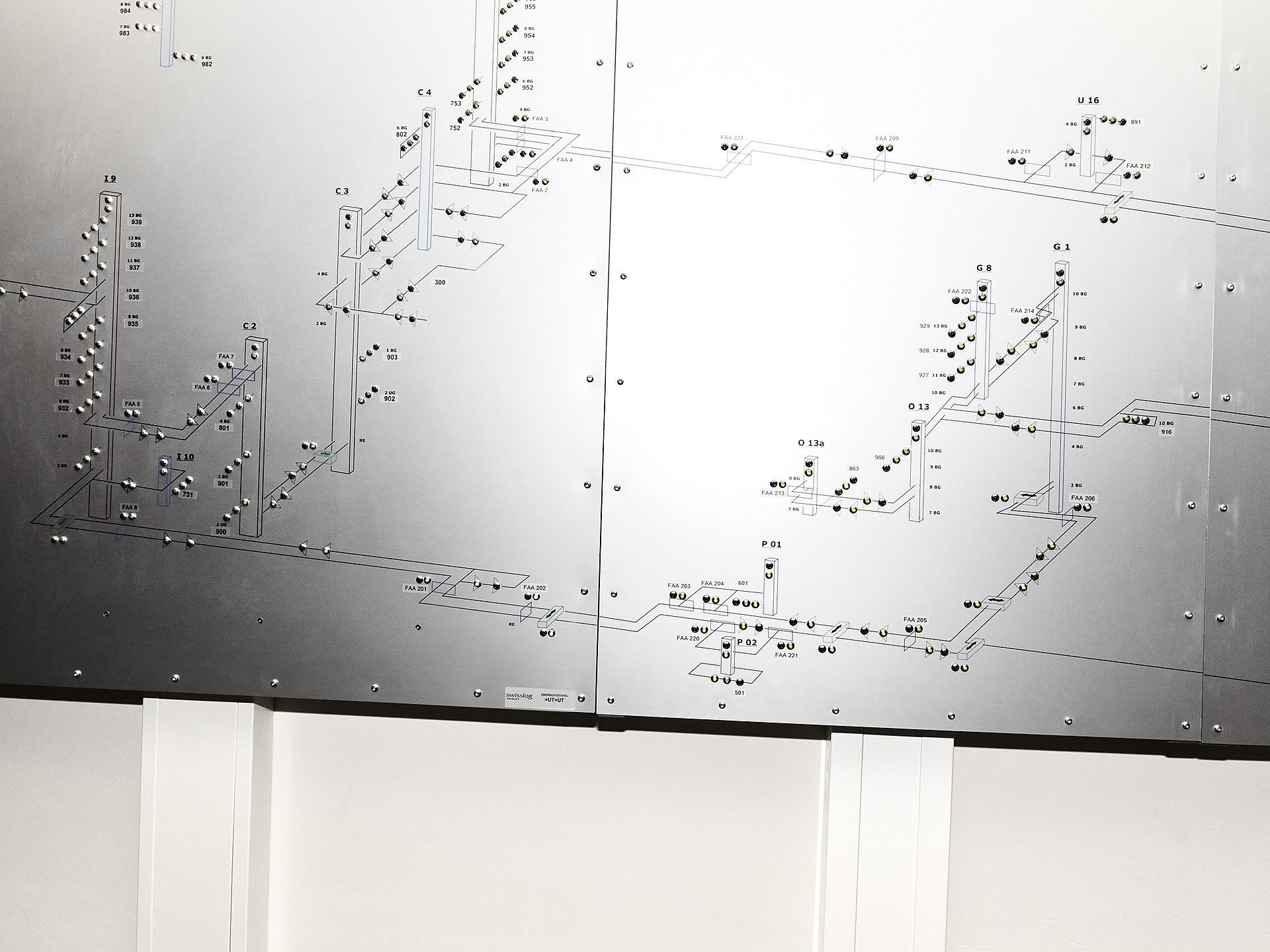
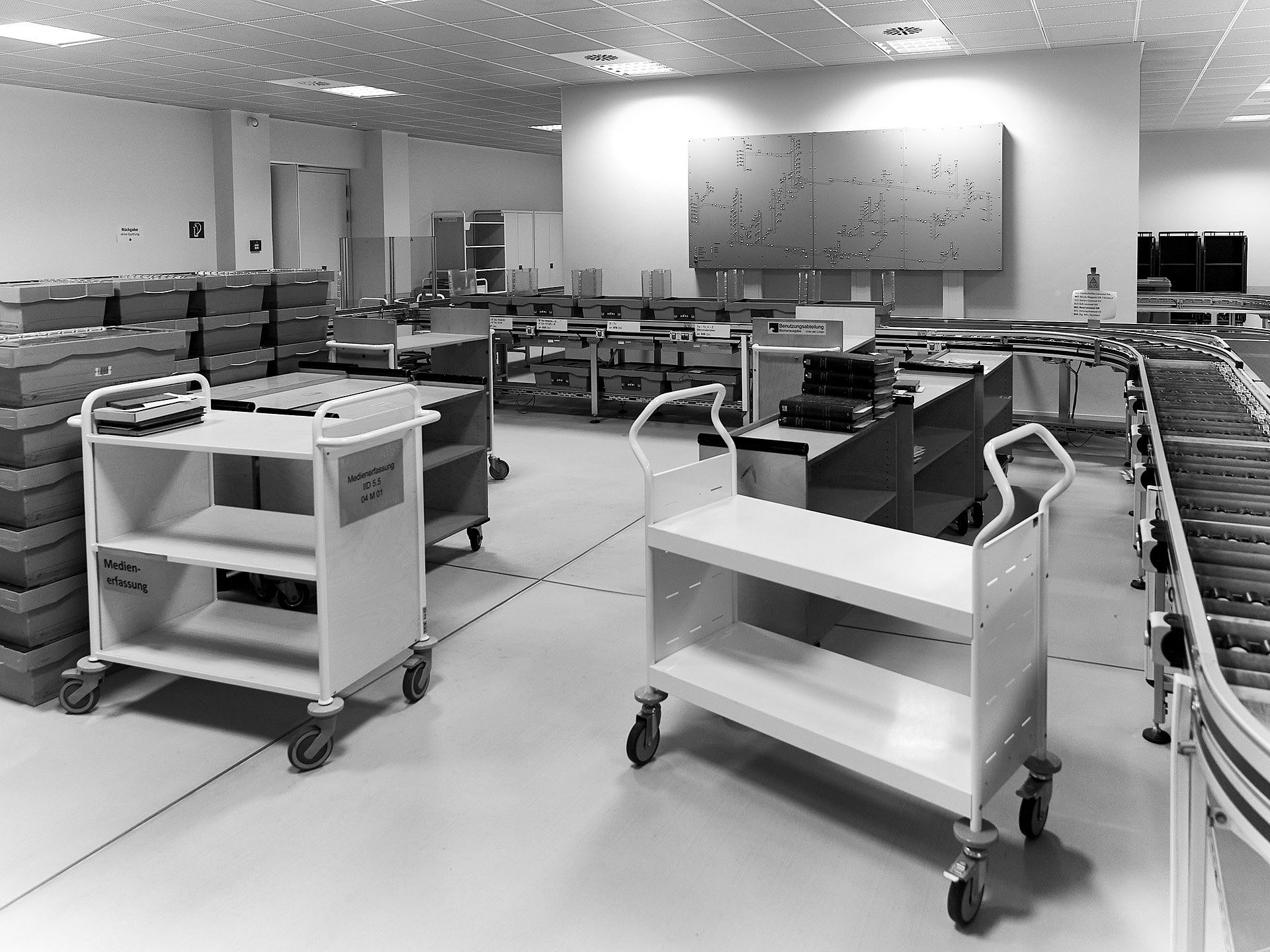
Nevertheless, there are significant reservations: the building is listed as a historic monument, the heirs holding the copyright of the artists who created this space in the 1970s are likely to voice their concerns, and not least the library technicians have questions – after all, the functional backbone of the Stabi, the book transport system, runs directly across this passageway. Above all, however: does the Stabi not need precisely this space to be able to offer more workspaces for users? After all, in the 1990s the Berlin Senate sacrificed the only sensible expansion space available to the State Library to the construction of a musical theatre that was fashionable at the time but has long since gone bankrupt. One of the many urban planning and education policy blunders of those years, comparable to the construction of the Gemäldegalerie in a corner of the Kulturforum, the constant postponement of the renovation of the Märkisches Museum, the museums in Dahlem, and the new building for the Berlin Central and State Library.
Bonte must now, in all his fiercely defended autonomy, find a way out of the impending crisis: in the New State Library, all workstations will be lost for years to come – it is not only the State Museums within the Prussian Cultural Heritage Foundation that are planning breathtakingly long renovation periods! They are to be replaced by Berlin’s other libraries and a flexible lending and distribution system. But these buildings, too, are chronically overcrowded. This raises the question of whether the department stores that are now standing empty could be rented? Surprisingly, the history of the State Library in the digital age first and foremost requires an answer to a thoroughly analogue question.
Bode Museum
May I have this dance?
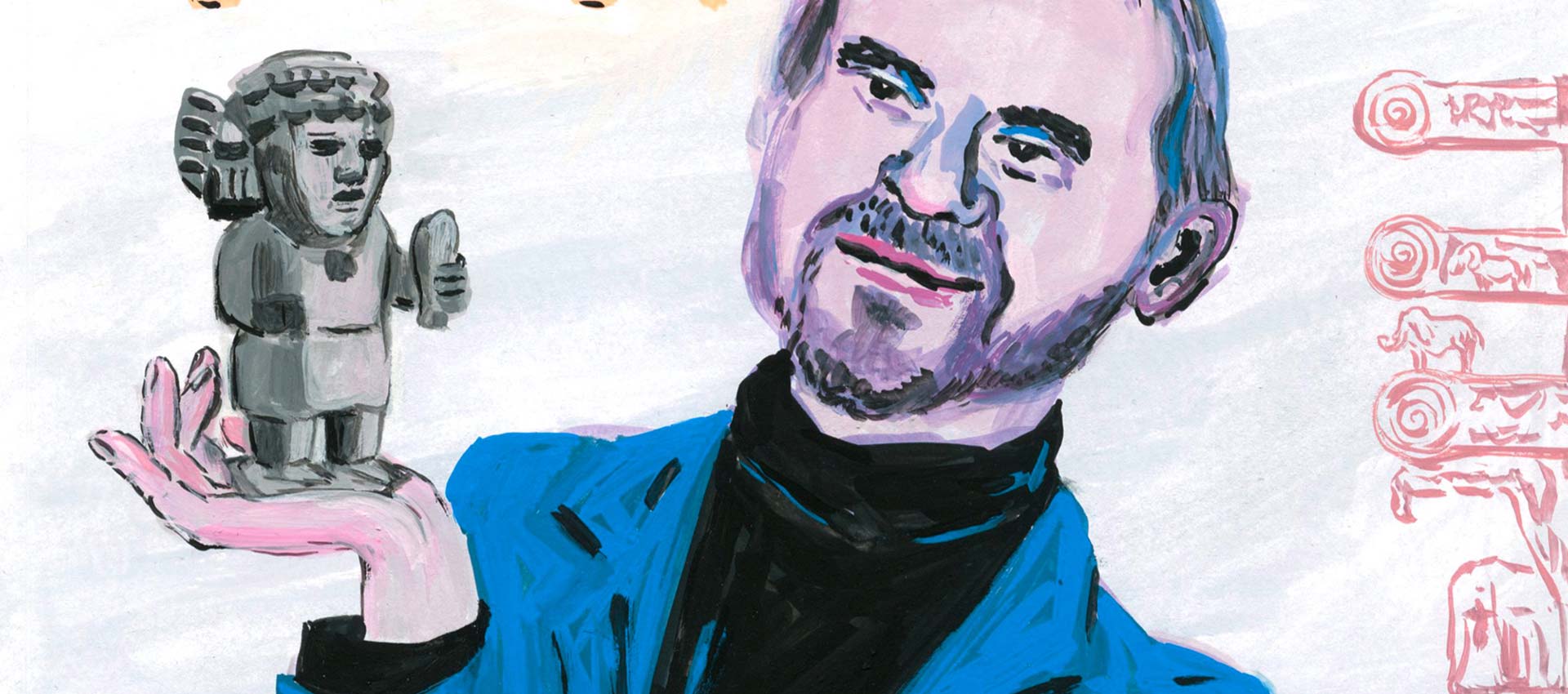
By Rüdiger Schaper
If Museum Island were not an island but a ship, then the Bode Museum would be the bow. The nautical comparison is not so far-fetched; after all, the Berlin State Museums are undoubtedly a giant tanker. And does not every museum resemble Noah’s Ark, preserving material values and world knowledge in more or less exemplary objects?
The somewhat bulky structure of the former Kaiser Friedrich Museum has an air that is both forbidding and inviting. Once you’ve crossed the threshold, you find yourself on a journey that reveals much about German history, religion and art history in general. It is striking how Prussia’s military glory is celebrated here. And how it becomes clear that none of this would be possible without the borrowed splendour of the Italian Renaissance, which, incidentally, was itself a politically turbulent era riven by wars. Leonardo da Vinci also designed new weapon systems and fortresses.
The basilica in the Bode Museum is one of the city’s most beautiful museum spaces, so airy and light. And so empty, too. This museum invites you to dream. If I could be a curator myself for just once – I would put on an exhibition featuring all the dancers and Madonnas who are waiting here in their various spots to be called upon. In any case, however, I would place Canova’s Dancer, a 19th-century sculpture, at the centre of the basilica, as a greeting to all visitors. So that they might lose themselves most beautifully in this labyrinthine building and fall in love with it.
It happened to me years ago with the Sienese Madonna of the Annunciation, a life-size figure in walnut dating from 1420. And this love endures. Her slender form, the orange robe, the surprised, scrutinising gaze, the open eyes … yes, the angel is missing, the one who brings the incredible news. She stands alone, and the gravity of the situation is played down by the suggestion that this is the ‘EasyJet Madonna’, due to her colouring. Well, for her sake I’d certainly fly somewhere, and to her homeland in any case.
The Bode Museum is a place that evokes a longing for Italy. Saint Dorothea of Florence, dating from 1500, smiles so warmly from a niche in the basilica. Yet this museum also reveals the full harshness and inhumanity of Christian imagery: a headless saint, contorted figures of suffering, female martyrs. Room 141 is worth a closer look, with its Romanesque sculptures. There stands an angel from the Holy Sepulchre, a Cologne work dating from around 1170, and he does not look particularly happy. What is he looking at, what does he know that we do not? She hangs in the corner, yet she dominates this room: the Madonna Sedes Sapentiae, Seat of Divine Wisdom, a monastic work from Arezzo dating from around 1200. A hundred years later, the poet Francesco Petrarca was born here, but this Madonna speaks a darker language. Her gaze is like a spell, her elongated face still betraying a Byzantine influence. One feels almost hypnotised before this sculpture. The Spanish Mater Dolorosa, over four hundred years younger, with her painted tears, or the cheerfully music-making Baroque angels elsewhere – they seem to belong to a different religion.
In the Bode Museum there are a few more favourite pieces that I like to visit, for example the small God the Father on the globe, a Bavarian work from around 1760, one of the younger pieces in the museum. He reminds me of the hard-working Sisyphus and his boulder, which is his fate. And Alexander von Humboldt also comes to mind, the monument in front of Humboldt University on Unter den Linden, where the explorer also sits with a globe. However, the Prussian world traveller appears far larger in relation to the globe than that old man made of clay, who struggles to hold on to the blue balloon.
We have already mentioned the dancers, the figures in motion. These include the bronze Hecate, the Greek goddess of change and transition, from northern Italy, circa 1500. She strides out cheerfully; her head has three faces – representing the different stages of life. The Austrian Mary from around 1720, carved from lime wood, also has a very elegant bearing; life-sized, she is actually too beautiful, too smartly dressed for her biblical role. Once again, one sees how much Christianity draws on antiquity, where the figures and their stories originate. A glance at the Byzantine art section of the Bode Museum is enough to see this. Byzantium as a splendid link between ancient Greece and Rome, right through to the Romanesque and Renaissance periods.
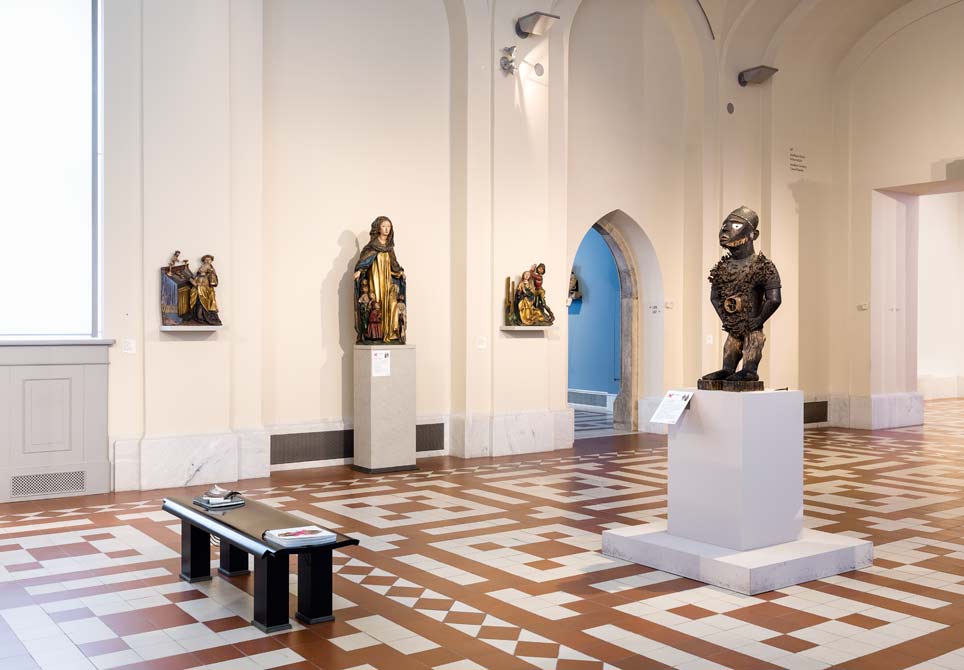
...you can see where an artist like Günther Uecker found his inspiration...
That, then, is the European perspective. It can be shifted, to great effect: ‘Incomparable. Art from Africa at the Bode Museum’ was the title of an exhibition in 2017. Works from the non-European collections of the State Museums were brought to Museum Island. In the cultural sector, there is often talk of ‘dialogue’ and ‘discourse’. This, however, was a confrontation, a juxtaposition: a so-called ‘power figure’ from the Congo with a nailed upper body (one can see where an artist like Günther Uecker found his inspiration) and a South German Madonna of the Mantle had a great deal to say to one another. This applied to many of the objects brought together here.
Then there was that angel from the Holy Sepulchre again, which found itself next to a Luba stool from the Congo featuring ancestral figures. And a bronze from Benin with a severed head of John the Baptist carved from Belgian oak. Hidden within this pairing lay the entire terrible history of colonialism. Why are these encounters between European works and African, Asian and Oceanic art not organised on a regular basis? The State Museums should open up in this regard. The benefit is not only political, but also of aesthetic quality. This can happen at the Humboldt Forum, but just as easily at the Bode Museum. For it was the aim here from the outset to integrate painting and sculpture. So different hemispheres can also be brought together, alternately and temporarily. This creates movement and also leads back to the idea of making the basilica dance.
Certainly, there are curatorial objections and bureaucratic hurdles. Yet the self-image of the State Museums is gradually changing, as can be seen in the basement of the Bode Museum. There, as the exhibition title suggests, ‘plain speaking’ takes place: the museum’s history is recounted, and it is not concealed that museum director Wilhelm von Bode was prone to anti-Semitic outbursts. What is interesting here is that the Kaiser-Friedrich-Museum, inaugurated in 1904, was renamed the Bode Museum in the GDR in 1956. This also raises the question of a new name.
But this concerns the entire Prussian Cultural Heritage Foundation and not just the museum at the tip of Museum Island on the River Spree, which presents itself at the entrance as an armoured cruiser, whilst inside it is at times also a lovely barge.