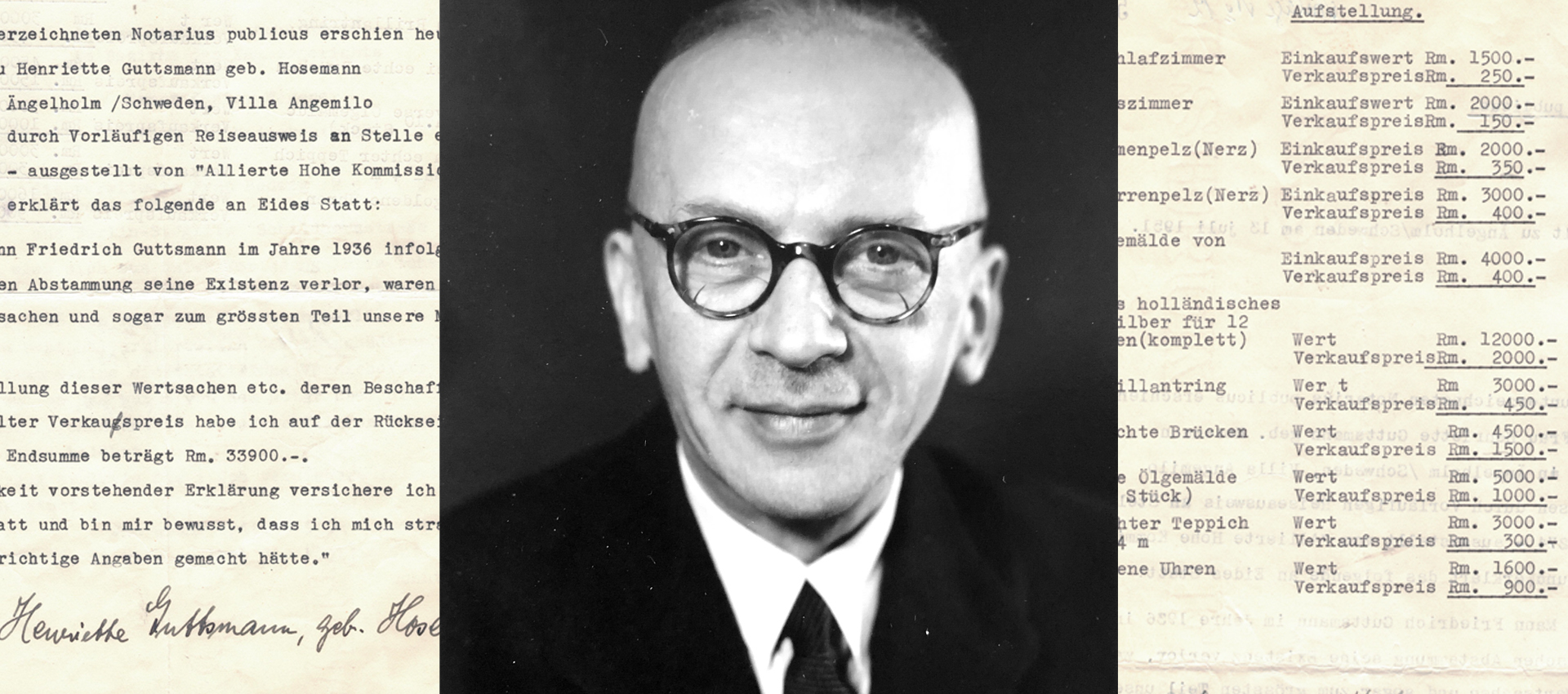
Hermann Parzinger leaves behind an “SPK of 25”. For him, reform has meant not only changing structures, but also fostering a new sense of community. There is no longer any distinction between large and small; diversity is what binds us together. And, of course, behind every institution there is always a brilliant mind. Some have written down their anecdotes about P.
Miguel Helfrich: A Tangible Era
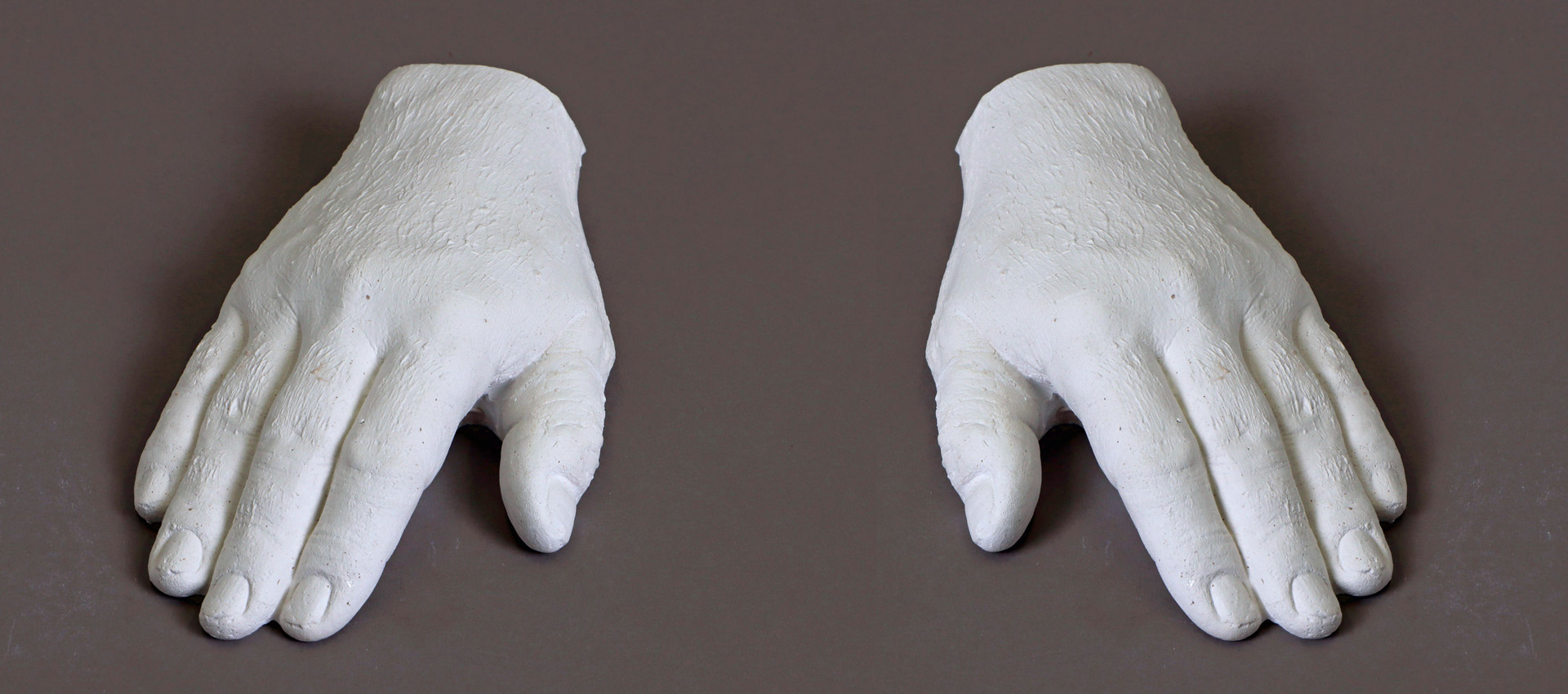
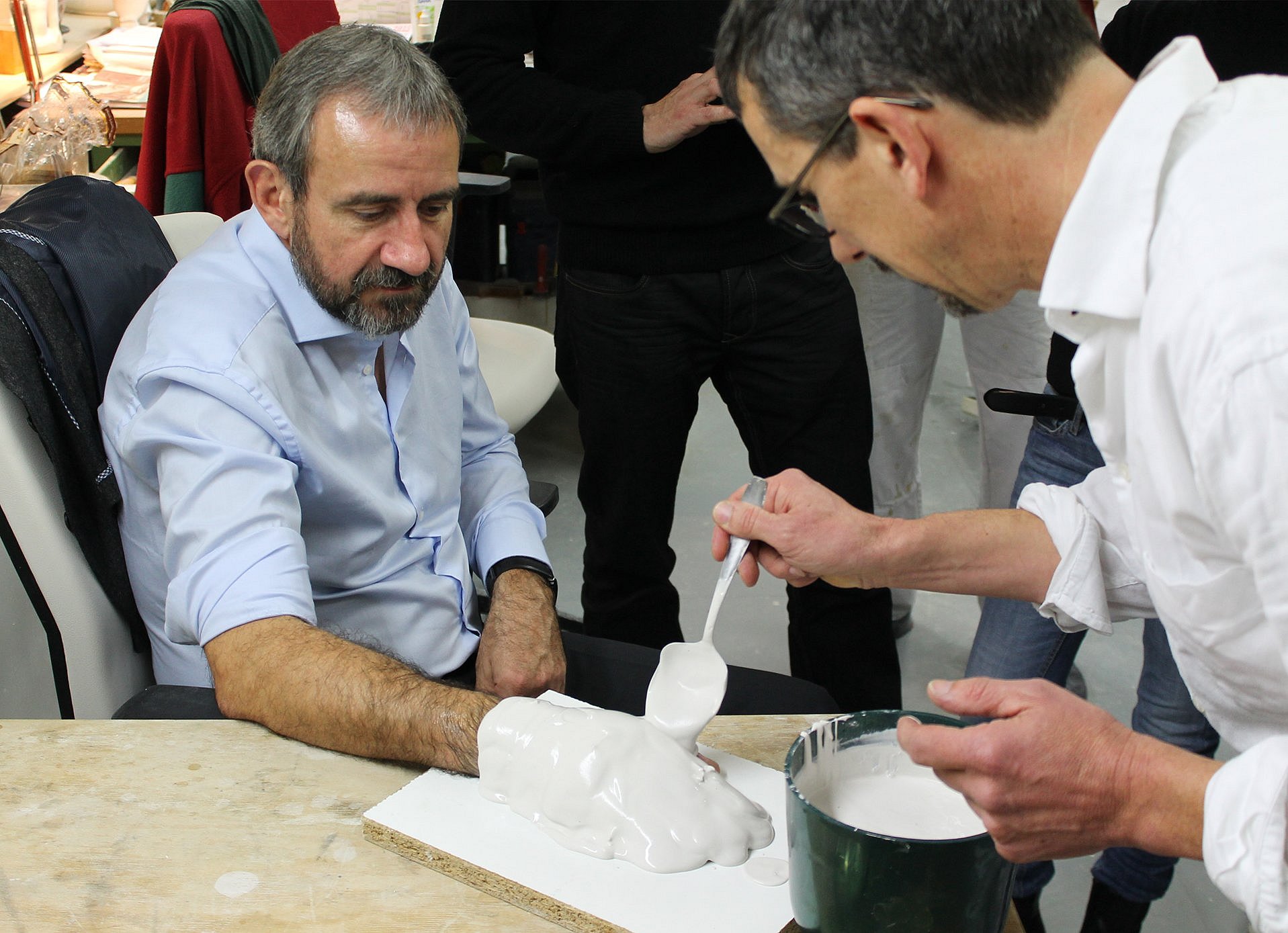
The 2014 Christmas party gave colleagues at the head office the opportunity to experience the work of the plaster casting workshop at first hand. The highlight of the evening: Hermann Parzinger had a cast taken of his right hand in front of everyone and immortalised it in a plaster cast. “The many fine hairs on his hand and arm made this task a particular challenge,” recalls plaster artist Thomas Schelper with a smile. Indeed, this event demonstrates the President’s literal connection to the museums’ oldest institution – and more than that, it symbolises his appreciation for traditional craftsmanship and the collection of historical moulds and models, which has always held a special place within the SPK network.
Plaster body casts have a long tradition. The plaster casting workshop of the Berlin State Museums preserves a remarkable collection of such casts, including Johann Wolfgang von Goethe’s right hand and Franz Liszt’s hand playing the piano. With the hand cast of Hermann Parzinger, this collection has now been expanded to include a further tangible historical artefact – a tangible symbol of his presidency and a concrete testament to an era.
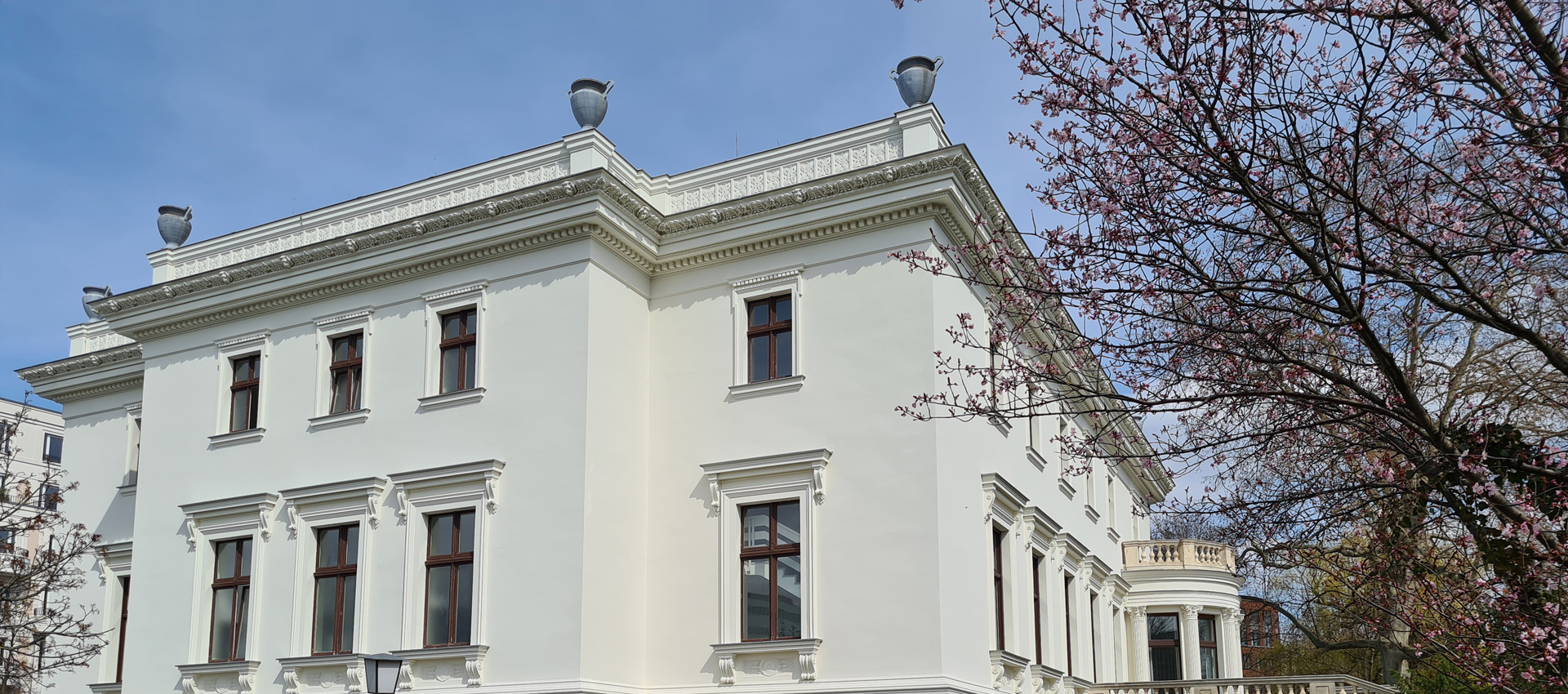
As an archaeologist, Hermann Parzinger is well acquainted with the medium of plaster casts. And at the Villa von der Heydt, too, he is constantly surrounded
by numerous casts. Ever since Johann Joachim Winckelmann, at the very latest, casts of ancient sculptures have found their way into collections and academies, where they continue to play a central role to this day. During the excavation campaigns of the 19th century, casts were made as a means of documentation and knowledge transfer – an impressive example of this is the Olympia collection at the plaster casting workshop.
Plaster casts open up access to the past and offer insights into the future. Today, the plaster cast workshop brings together tradition and innovation, craftsmanship and research, tangible and intangible cultural heritage. For Hermann Parzinger, this was always self-evident.
Miguel Helfrich has been head of the Plaster Casting Workshop at the Berlin State Museums since 2010
Barbara Helwing: “Unbelievable…!”
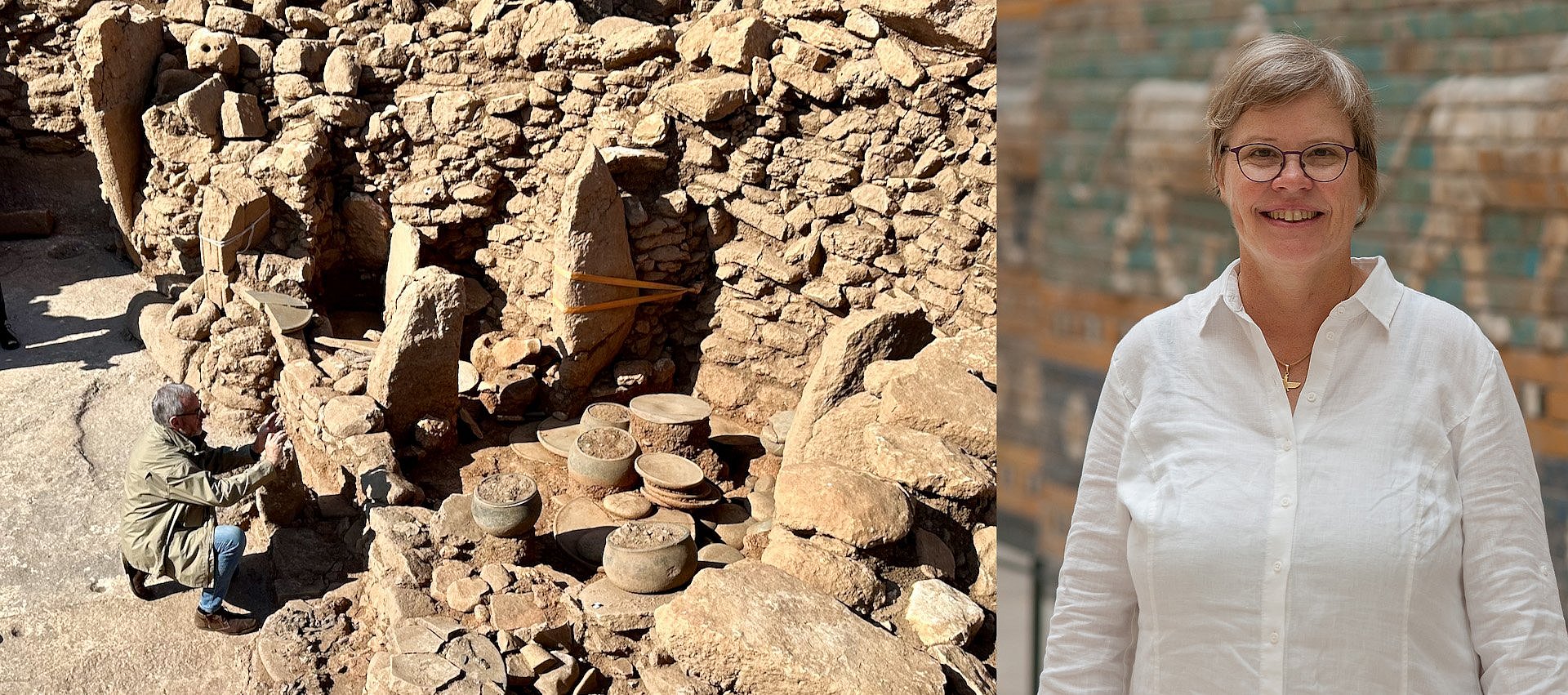
“Amazing…!” – A favourite expression of Hermann Parzinger’s, always used when something truly impresses him. I last heard this exclamation at the World Neolithic Congress in November 2024 in Urfa, Turkey. Spectacular new discoveries of monumental buildings from the dawn of settled life had sparked pure enthusiasm in him. The creative explosion had left him in awe.
But the exclamation “Amazing…!” was also heard on many other occasions. The opening of the elegant James Simon Gallery in September 2019 was met with an admiring “Amazing…!”. And for the incredible challenges of the Pergamon Museum construction site with its unstable ground, nothing less than an astonished “Amazing…!” is really appropriate.
‘Madness’ epitomises Hermann Parzinger’s ability to be genuinely enthusiastic and then to commit himself unreservedly to the realisation of projects. He applies this ability across a wide range of fields, from specialised archaeological research projects to large-scale construction ventures.
All these projects are also excellent opportunities to expand one’s own knowledge of the world, to enter new realms and to reveal previously unseen connections, and in the end, this sometimes even results in a new book. We look forward to more books!
Barbara Helwing has been the Director of the Museum of the Ancient Near East since 2019
Achim Bonte: Never let down
Dear Mr Parzinger,
It has remained a mystery to me right to the end how you manage to work so hard as president of the foundation virtually day and night, whilst also keeping up with sport and pursuing your academic interests. For my own way of life, this has always served as a bit of a reminder …
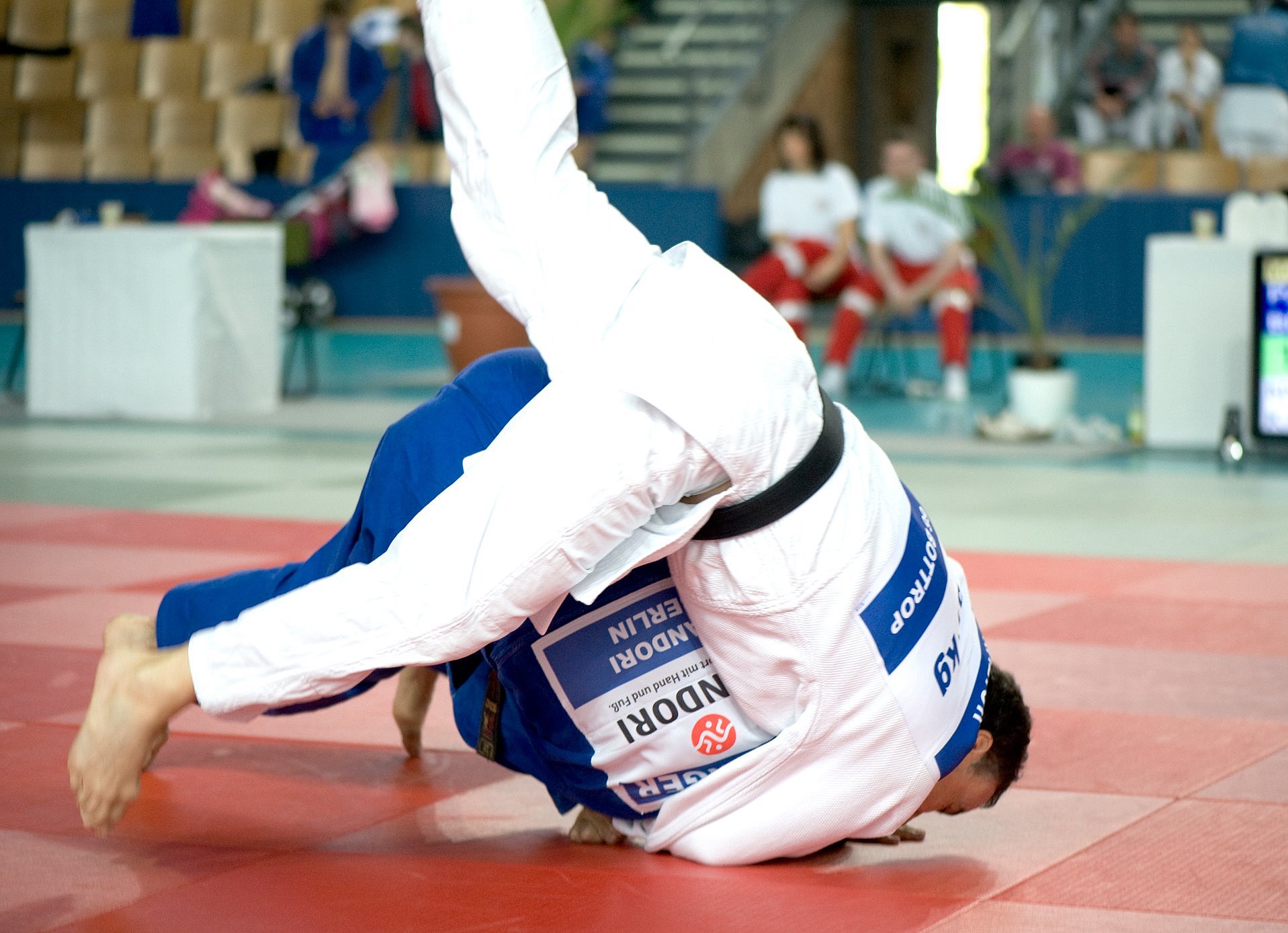
You had evidently already earned your black belt some time ago. I am grateful that, during the three and a half years of our collaboration, you never let me down, but rather supported me to the best of your ability. Your prompt replies to emails are legendary and have already been described in this annual report; your willingness to devote yourself to the concerns of the State Library, despite a tight schedule and a packed calendar of events, was tireless. Only those who have stood by your side in Germany’s largest cultural institution can truly appreciate the time, energy and tolerance for frustration that your role demands.
Looking back over the last three years alone, our institution owes you, for example, the generous start-up funding for the Colonial Heritage Project, the expansion of the scholarship programme, and your determined commitment to the fundamental refurbishment of the Potsdamer Straße site. Calls to reduce bureaucracy and to strengthen a willingness to take risks and a can-do spirit within the Foundation found a staunch advocate in you.
For the next chapter in your rich life, I wish you good health and a zest for life – and many more stimulating encounters with culture and science.
Yours, Achim Bonte
Achim Bonte has been Director General of the Berlin State Library since 2021
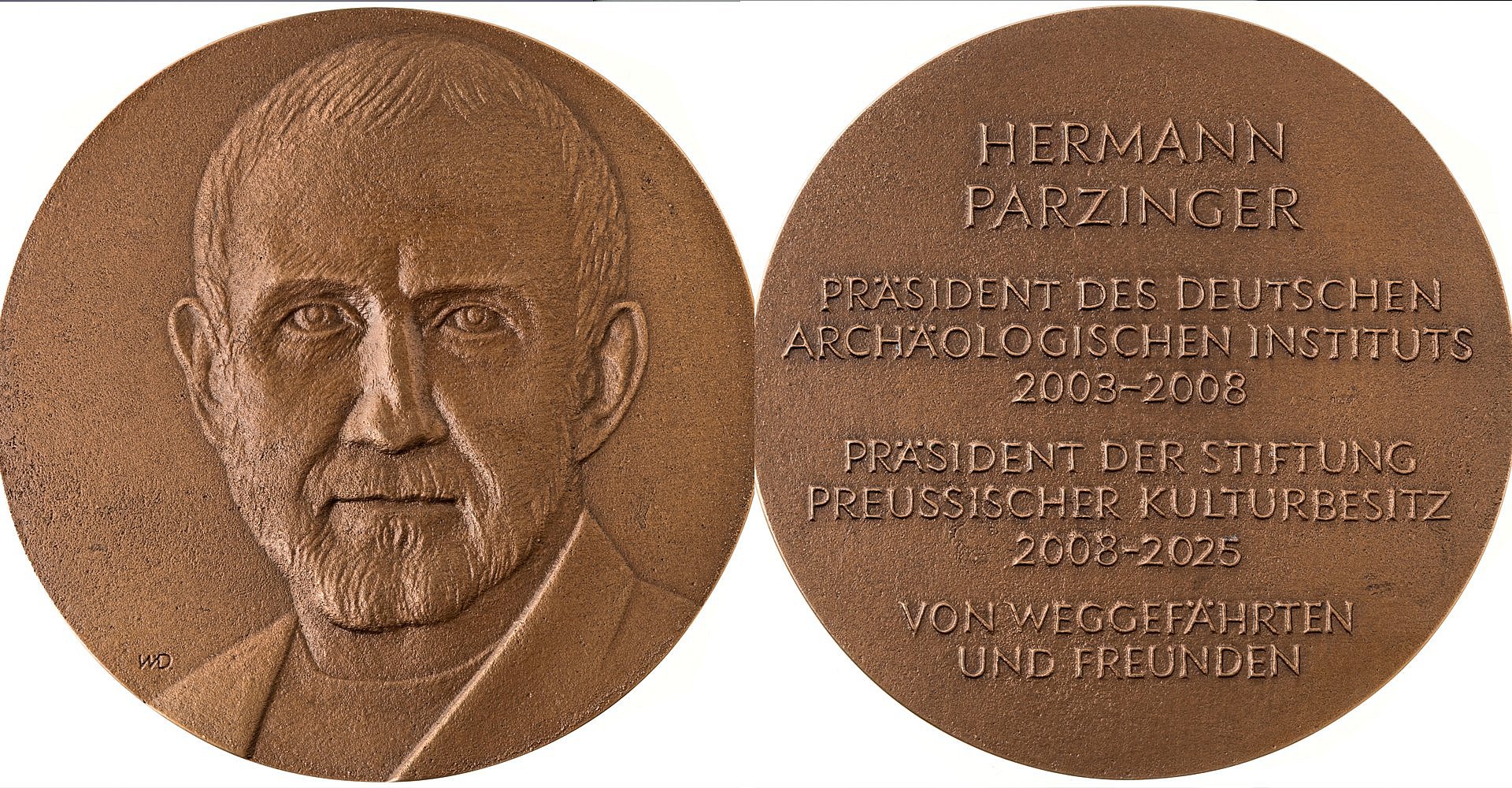
Bernhard Weisser: Medal Contenders
The portrait medal is an invention of antiquity. It evolved from coinage, which initially depicted rulers such as the Persian Great Kings, their satraps or Macedonian kings. In the middle of the Roman Republic, mint masters began to celebrate the achievements of their families and ancestors on coins as well. Portraits of living individuals first appeared in the mobile military mints of generals such as Sulla and Caesar.
The rediscovery of the individual during the Renaissance led to a renewed flourishing of the portrait medal, which came to be seen as a token of friendship and a memento, and now also became popular amongst the bourgeoisie. In Elective Affinities, Johann Wolfgang von Goethe, himself a medal collector, describes how medals could accompany cultured conversations and discussions. The excesses of dictatorships, with their cult of personality, and a deep mistrust of the glorification of individuals also brought the portrait medal into disrepute.
Despite various negative examples, however, the Numismatic Cabinet values the art of the medal: we do care which coins and medals from our present day will serve as testimonies for future generations. And so, as a parting gift upon stepping down from his professional role as President of the SPK, a medal is now to be created for Hermann Parzinger. Colleagues and friends have come together to realise this medal project.
The ‘P Medal’ was designed by the Berlin-based sculptor and medallist Marianne Dietz, whose body of work gives hope that this medal will prove to be a lasting memento for future generations.
Bernhard Weisser has been Director of the Numismatic Cabinet since 2015
Ulrike Höroldt: A reunion brings triple the joy
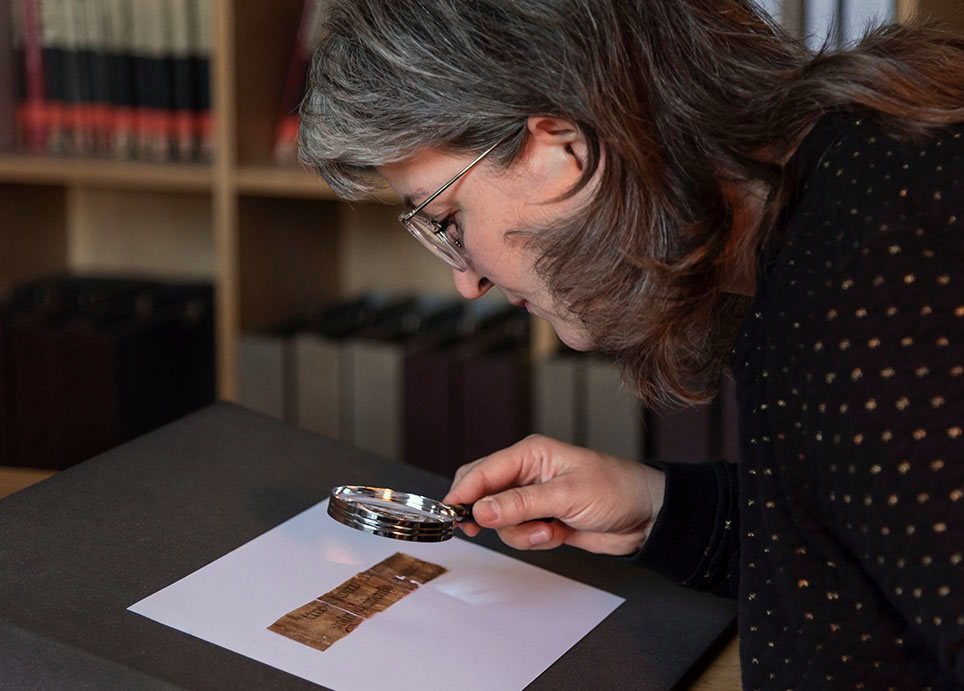
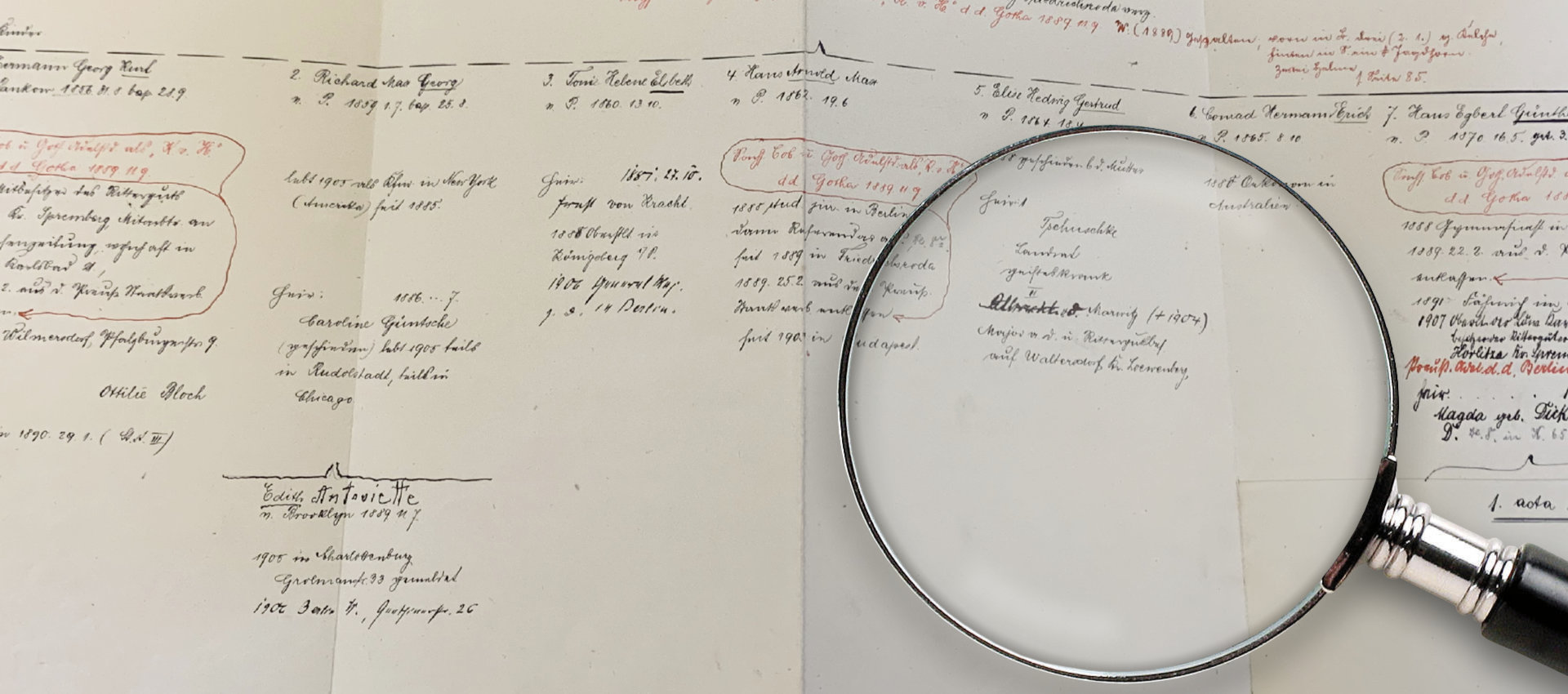
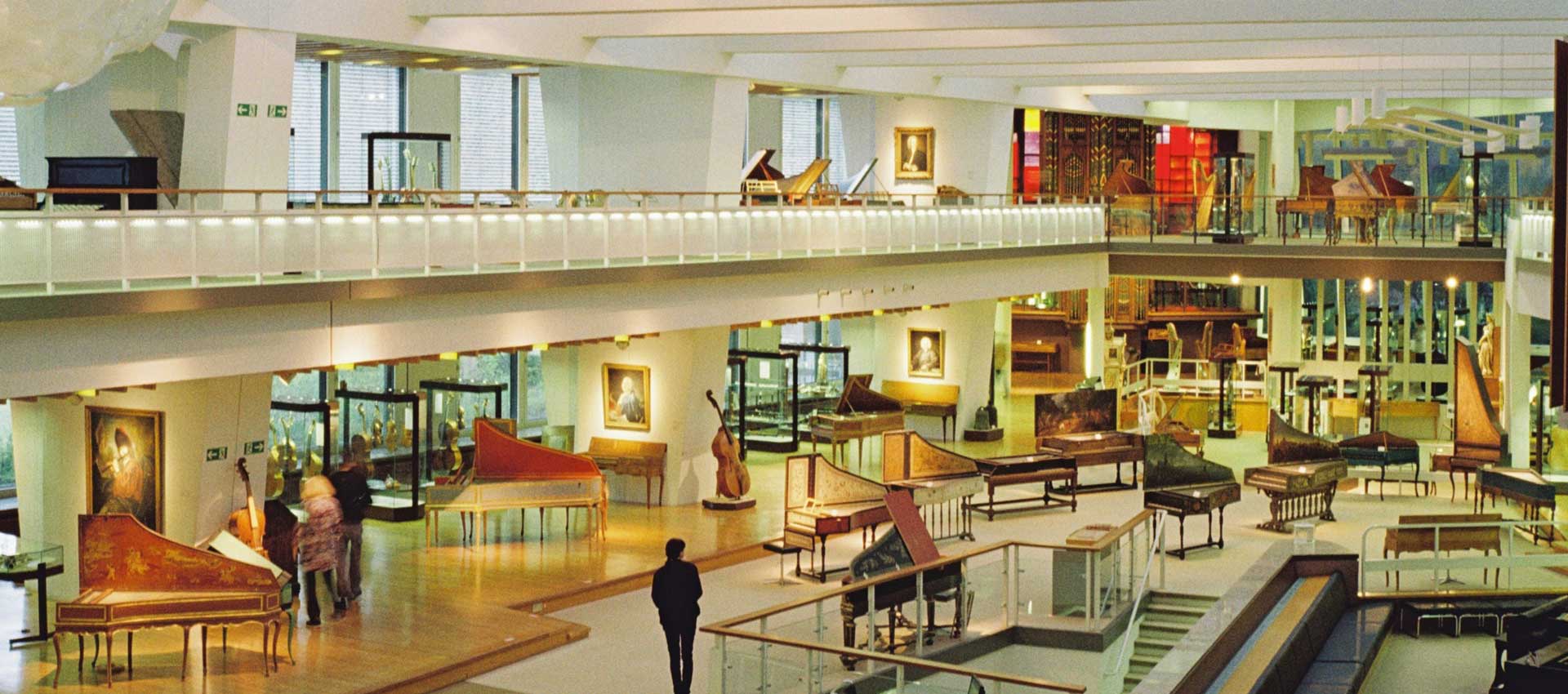
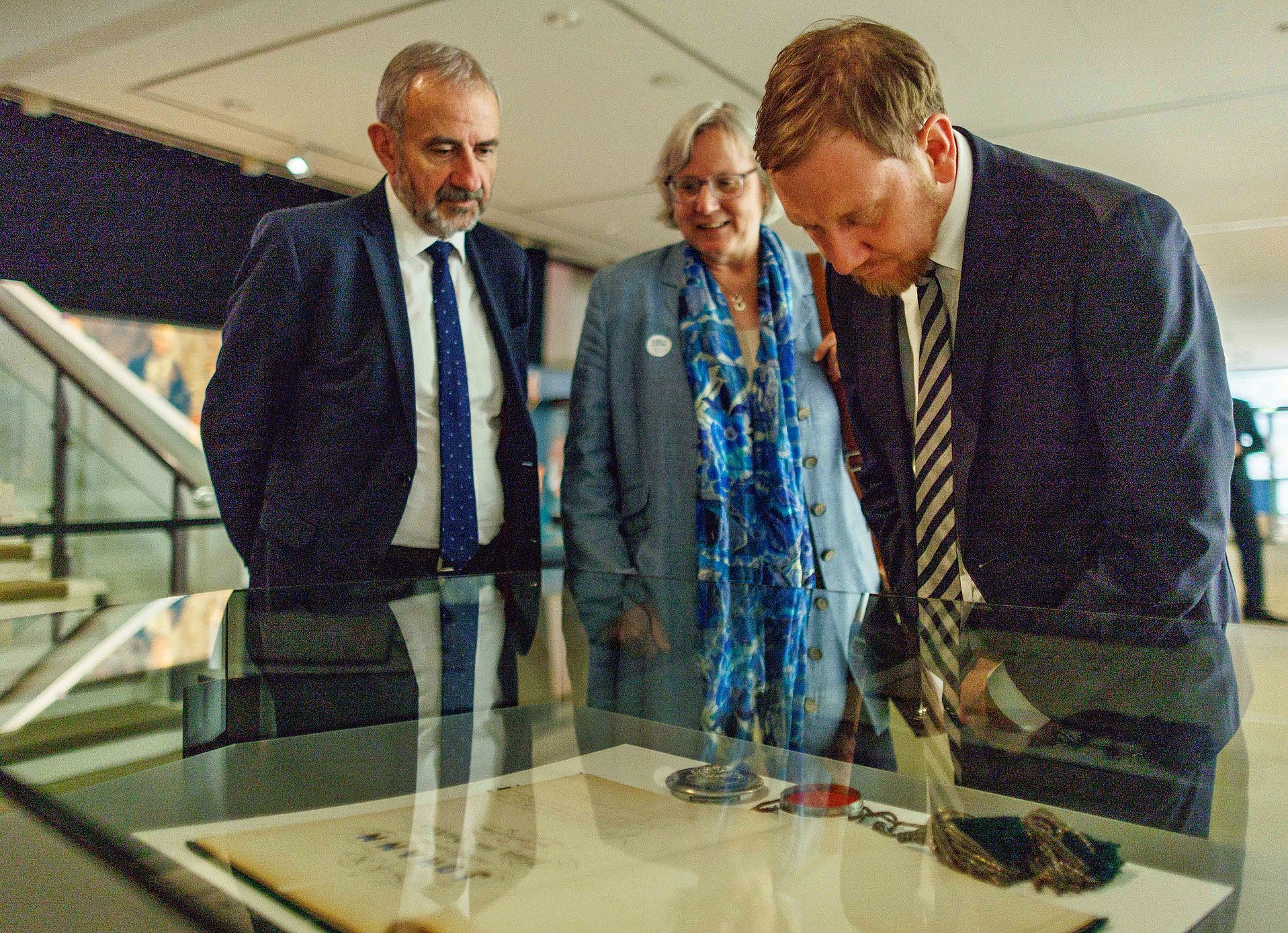
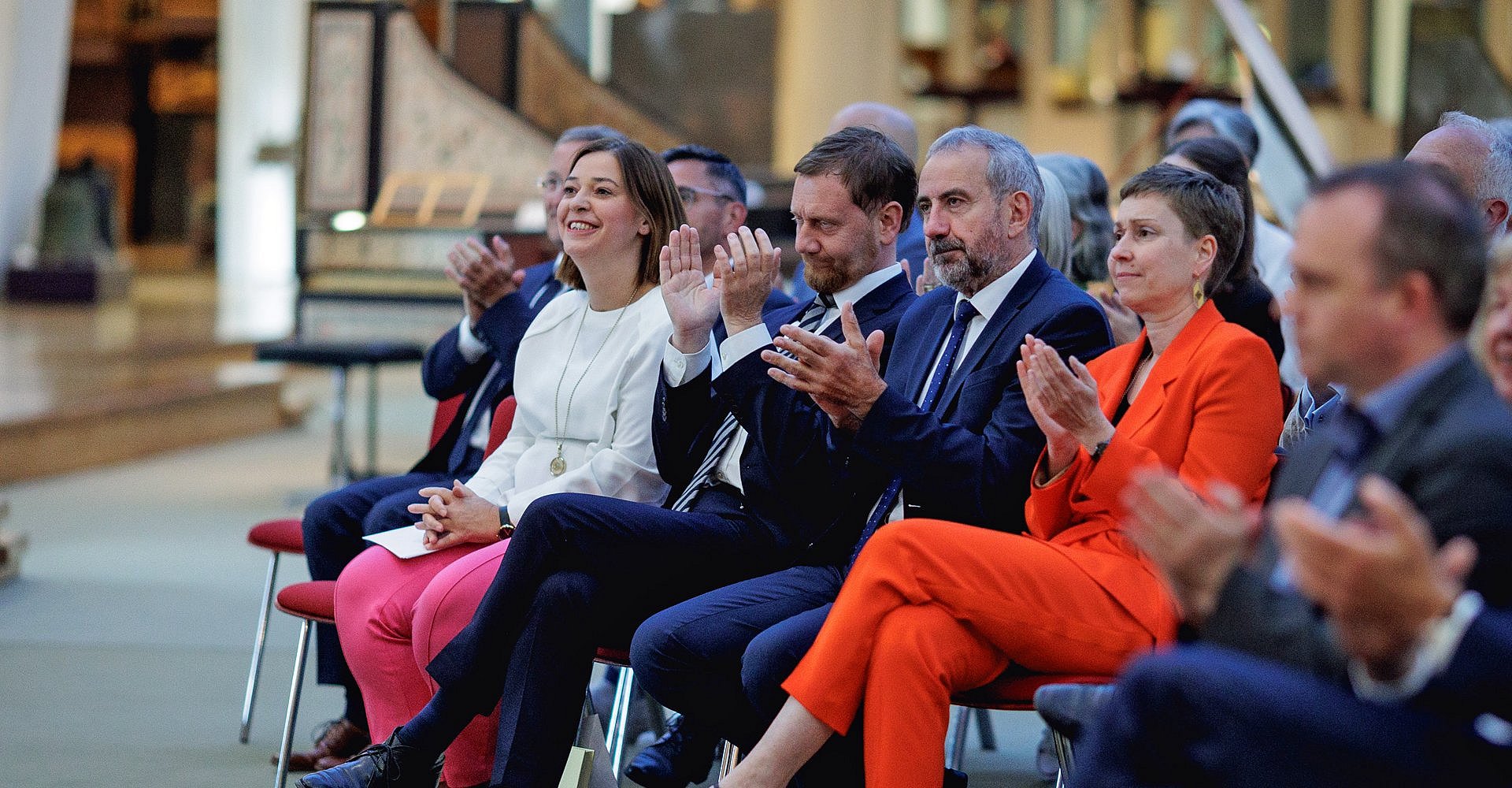
In early 2024, the 1866 State Treaty between Prussia and Saxony returned to the State Archives after an eventful odyssey that had taken it as far as the United States. In June of the same year, an event at the Berlin Museum of Musical Instruments focusing on the Vogtland music town of Markneukirchen provided an opportunity to present the returned treaty to Saxony’s Prime Minister, Michael Kretschmer. Mr Parzinger also seized the opportunity to ask a specific question: ‘Is there a similar treaty with Bavaria? If so, I would be delighted if you could present it at my farewell ceremony.’
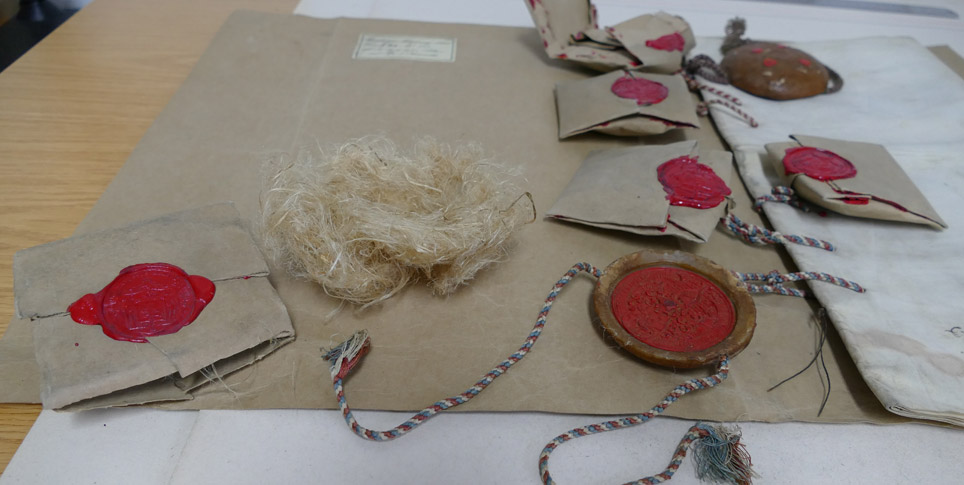
The Saxon-Prussian Peace Treaty of 21 October 1866 in question is rather magnificently executed: a six-page document bound in velvet, with a seal in a silver capsule suspended from silver-green cords. The external presentation reflects the great significance of this fundamental peace treaty at the end of the Prussian-Austrian War, which ended with Austria’s defeat and represented an important step towards the founding of the German Empire under Prussian leadership. Prussia annexed several territories of the German Confederation, whilst concluding separate peace agreements with others. Not only with King John of Saxony, but also with King Ludwig II of Bavaria.
The GStA PK is therefore pleased to comply with the President’s request to present the copy of the Bavarian-Prussian State Treaty held in the ‘Ministry of Foreign Affairs’ collection on the occasion of its adoption.
Ulrike Höroldt has been Director of the Secret State Archives of the Prussian Cultural Heritage Foundation since 2017
Klaus Biesenbach: Back to the beginning
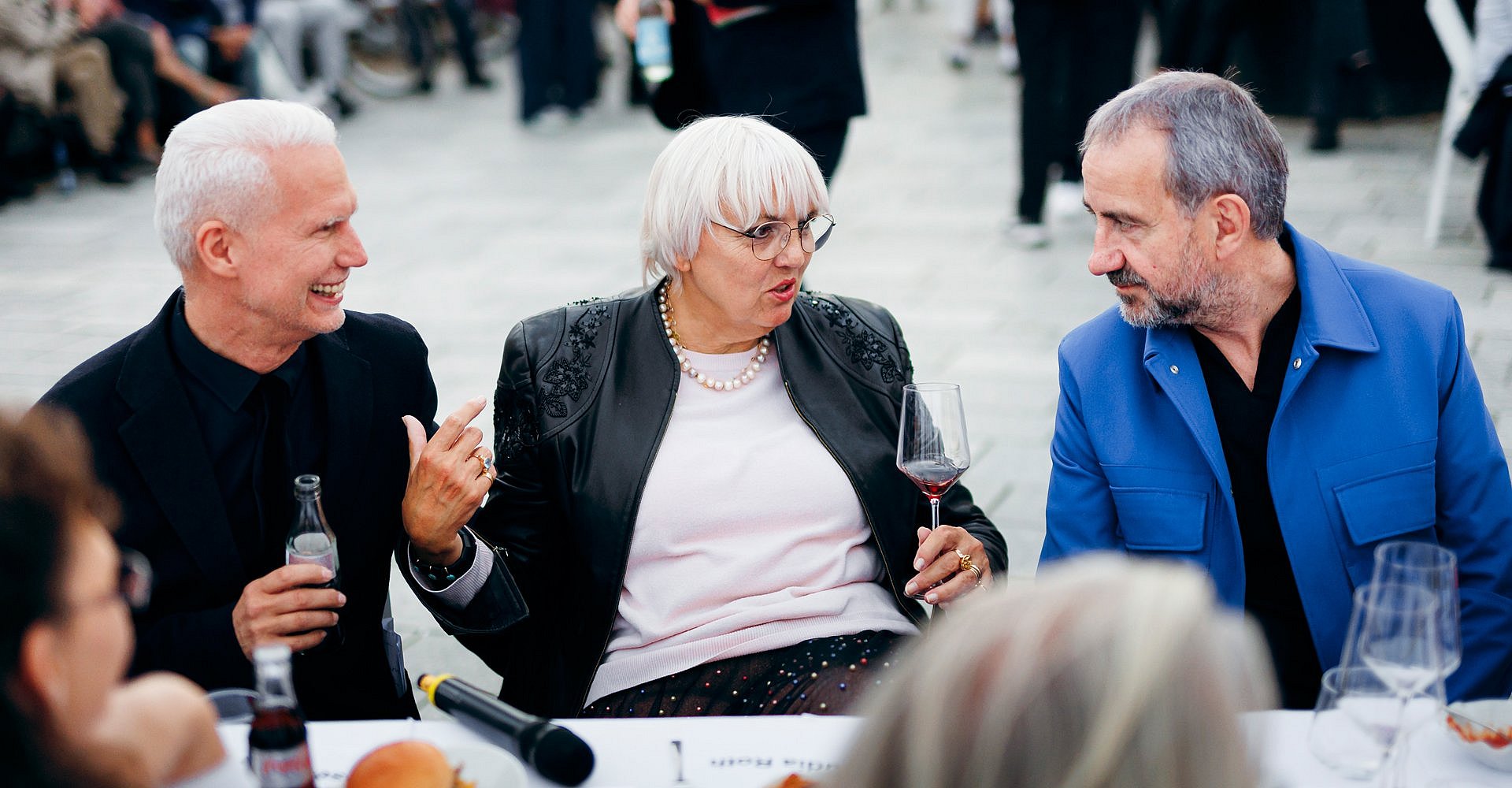
When Hermann Parzinger learnt in 2007 that he was to become President of the SPK, he contacted me and invited me to lunch. We met in the summer of 2007 at the Italian restaurant opposite MoMA, and he spoke of the immense possibilities offered by the SPK, the magnificent art and museum scene in Berlin, and the potential for the Nationalgalerie with its various buildings spanning different centuries. I had just received my Green Card in New York, was already planning the major Marina Abramović exhibition, and had renovated a small flat with my own hands.
For me, everything was starting afresh in New York, and for Hermann Parzinger, everything was starting afresh in Berlin. We met again in the autumn, and he explained to me once more the immense possibilities the Nationalgalerie in Berlin held. But it wasn’t the right time. We stayed in touch over the years, visited each other, and followed each other’s work.
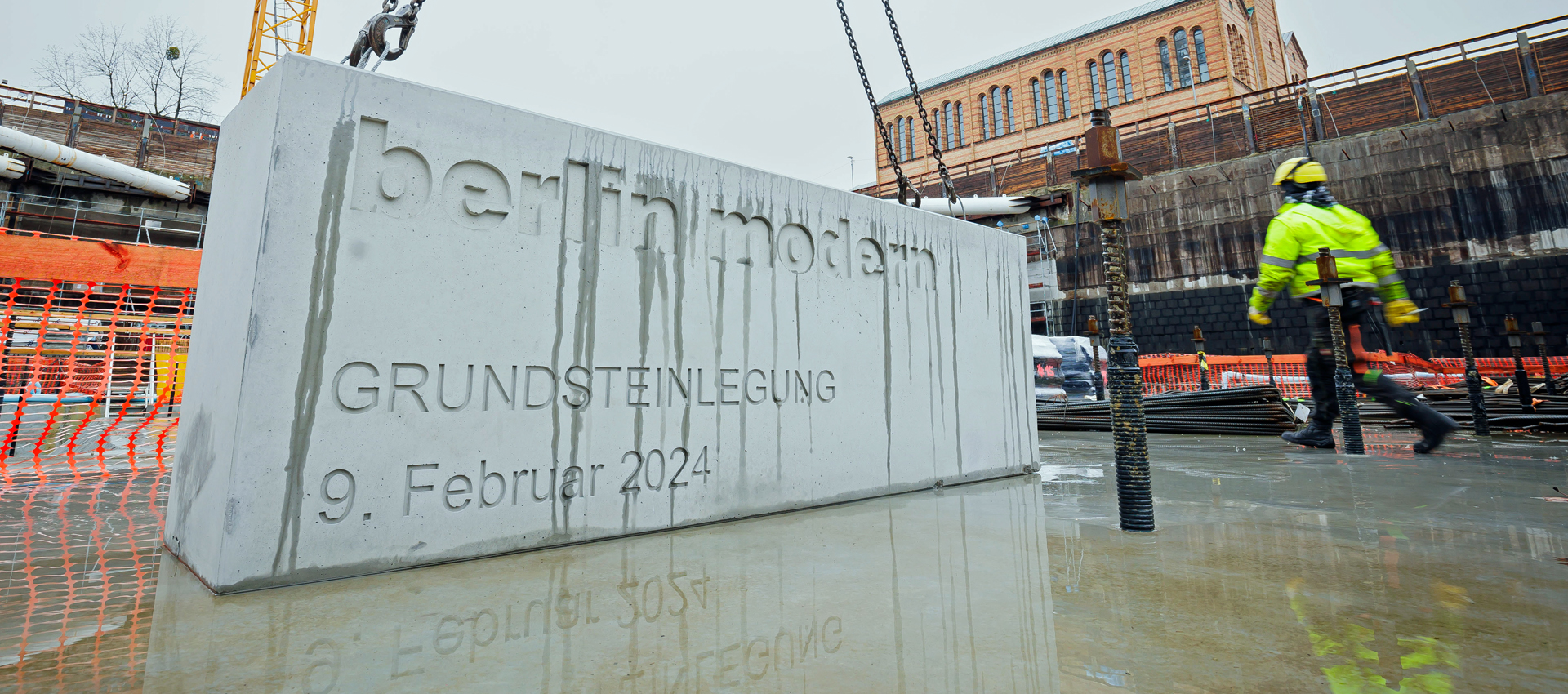
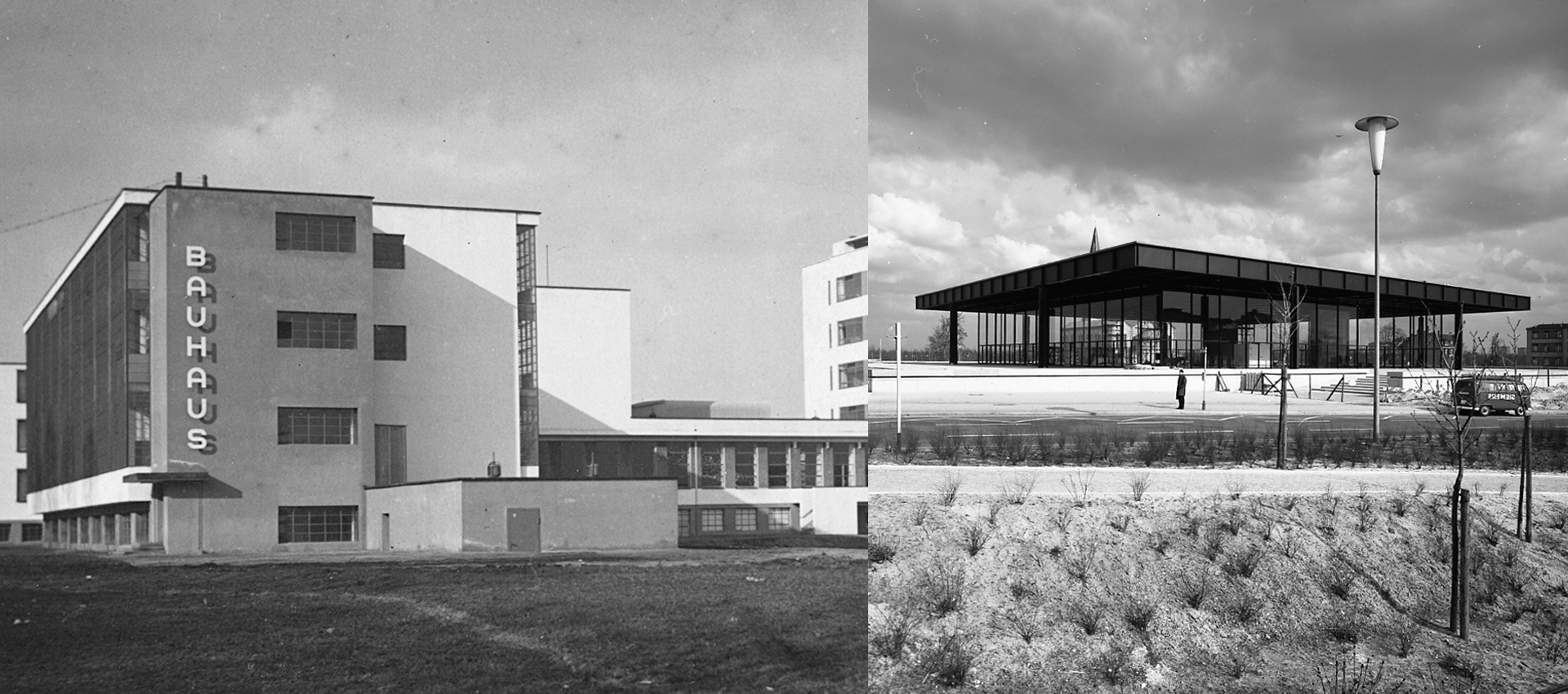
In 2021, during the pandemic, whilst we were still in lockdown and quarantine in Los Angeles, he told me that the Nationalgalerie was once again at a turning point, and this time would be split into three separate directorates. And that the Neue Nationalgalerie wanted to build a sort of Centre Pompidou, a sort of Tate, a MoMA right next to the Neue Nationalgalerie, and whether that wouldn’t be an exciting challenge for me.
Receiving this offer again 16 years later felt like a circle of life coming full circle. I had never forgiven myself for not having seriously considered it in 2007 and shared it with my closest friends. When Hermann Parzinger and Monika Grütters rang more or less at the same time, there was only one answer, namely ‘yes’, and for me it was clear that I would return to Berlin.
But Berlin is now a different city, and Germany a different country. A country full of challenges and hurdles. It is not a return, but rather getting to know a country in transition all over again. Over the last three years, I have experienced Hermann Parzinger every day not only as a long-standing friend, but also as my direct boss, and I am very grateful to him for the immense fairness with which he approaches matters, combined with a presidential demeanour – which, of course, is also his professional right – whilst remaining fully informed and committed to the right goals.
17 years at the SPK: Hermann Parzinger has truly changed the lives of so many people – I am just one example among many – and he has led the SPK into a completely different era through the reform. He has achieved so much and fundamentally transformed the Foundation for the future, leaving it in a strong position.I would like to thank him warmly, both personally and professionally, and I am grateful that he is an influence, a mentor and a friend in my life.
Klaus Biesenbach has been Director of the Neue Nationalgalerie since 2022
Antje Scherner: The Big Book
My first few months at the Foundation felt a bit like a trip abroad. You can decipher the letters of the other language, but the meaning of what you’ve read remains a mystery. The ‘SBM’ at the ‘SMB’, ‘ÄMP’, ISL or KuFo. The ‘P’ and ‘VP’ – not to be confused with ‘PD’, which isn’t a department of the ‘P’. He? She? It? BKM – the boss is a woman, after all! And finally, the giants BITE, MACH, GoMUS, SMART and RIA – like new gods on the digital Olympus – protective or punitive, depending on how devotedly one worships them.
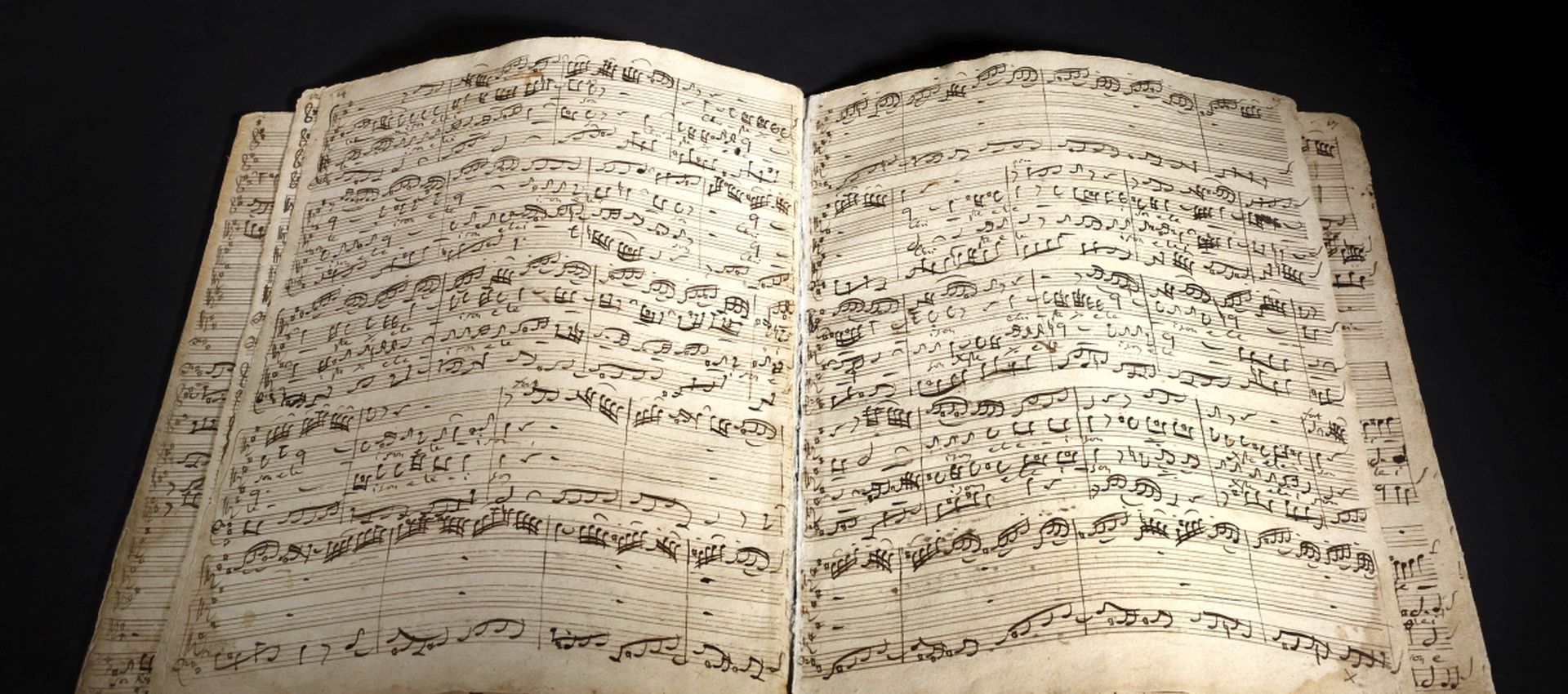
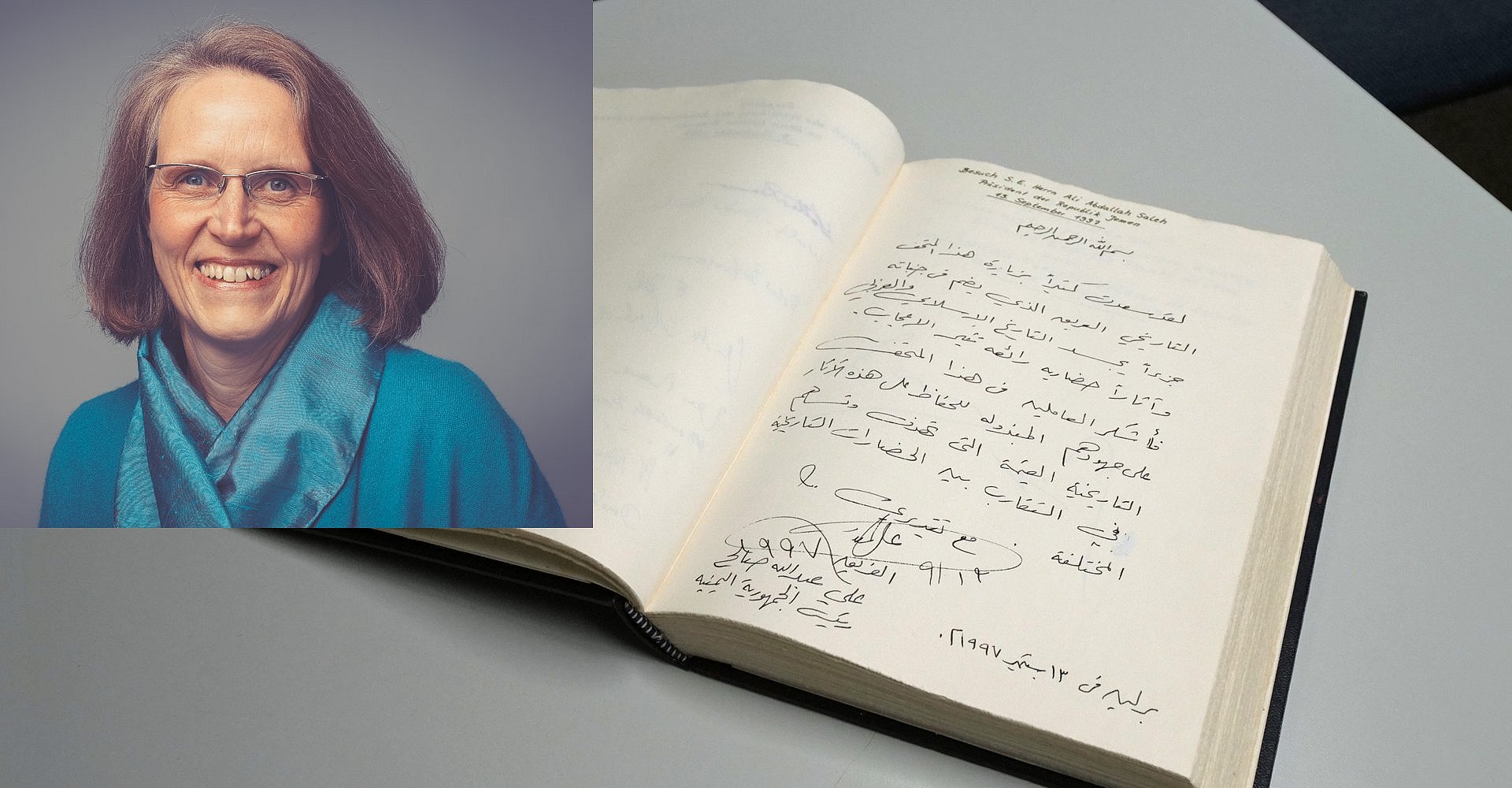
With these impressions in mind, I encountered the ‘Big Book’ for the first time – I’ll just call it that. It is the President’s responsibility to keep the Big Book.
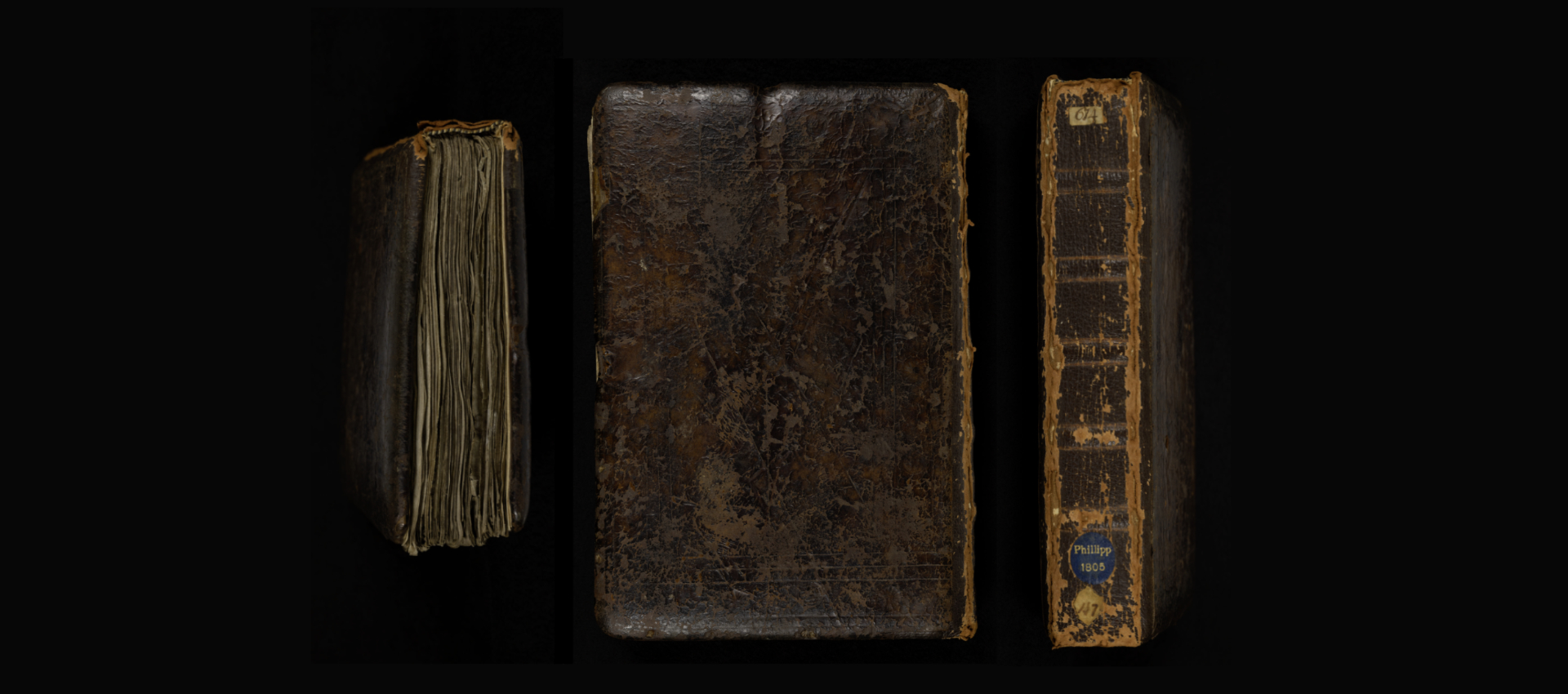
A heavy folio volume with a substantial cover and thick, yellowish pages. I remember a unique, lavish emptiness that the open double-page spread radiated on the conference table. On the left-hand page, the verso, the ceremonial occasion to which one had been invited, pasted in or written – I can’t remember which.
On the right-hand page, a large blank page, nothing but a single signature – mine. I was allowed to write in the Great Book twice. And I imagined who else might be immortalised on these lavish right-hand pages, or be permitted to sign them in the future. What image of us, of the Foundation, would remain if only the Great Book were to be handed down?
If, in five hundred years’ time, a scholar were to carefully turn the pages – still heavy, but badly yellowed and brittle – to read the faded signatures, pitted by ink corrosion? The outcome of this thought experiment gave me satisfaction. For what remains are not procurement requests, to-do lists or travel authorisations. What the Great Book of the Future passes on is US.
Antje Scherner has been Director of the Museum of Byzantine Art and Sculpture Collection since 2024
Matthias Wemhoff: The ship sails on, the year draws to a close
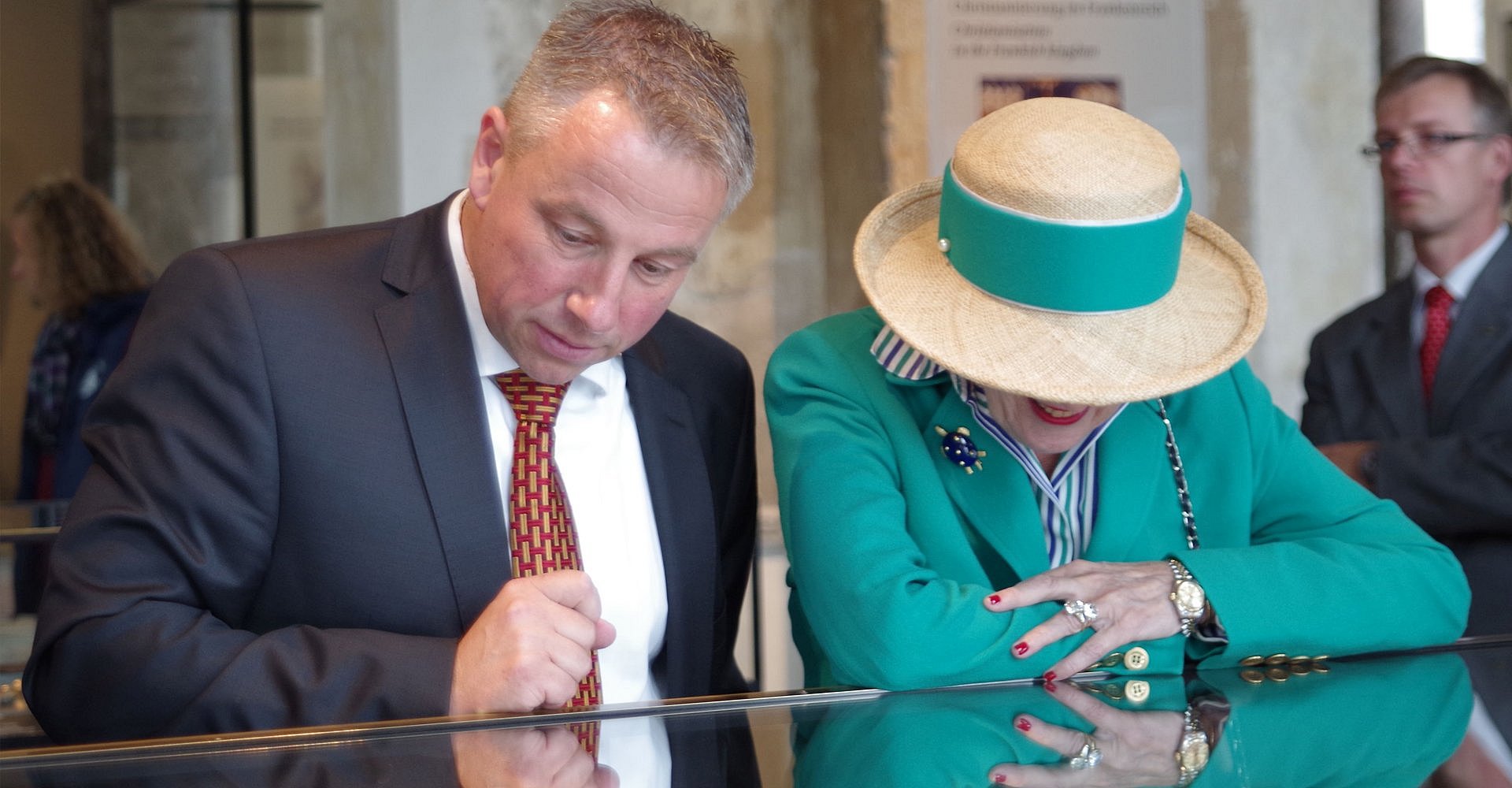
Archaeology fascinates everyone – whether child or adult, rich or poor, president or queen. As president, Hermann Parzinger welcomed many
heads of state to exhibitions, but the opening of the Viking exhibition will remain particularly close to his heart. For Queen Margrethe II of Denmark, this exhibition was a matter close to her heart, and not just because of her family connection to Harald Bluetooth. A qualified archaeologist, she is a true expert, and not just on the Viking Age.
For the opening of the Viking exhibition on 9 September 2014, the partners of the Danish National Museum and the Viking Ship Museum in Roskilde spared no effort: Not only did the largest excavated Viking ship, the Roskilde 6, drop anchor at the Gropius Bau – a replica Viking ship, the Seehengst von Glendalough, sailed down the Spree. Sixty Danes rowed the ship right through the heart of Berlin – what a spectacle!
Finally, the Queen received Federal President Gauck on her ship before heading to the Martin-Gropius-Bau for the opening. In the photo, the Queen, wearing a blazer matching the exhibition’s colour scheme, looks on with delight at one of the particularly rich treasure finds: the neck ring from Lake Tissø in north-west Zealand. One can imagine that it was no easy task to ensure the opening at the House of Representatives across the street began even remotely on time.
But the actual archaeology session took place the following morning. The Queen and the President could scarcely tear themselves away from the objects on the third floor of the Neues Museum; the technical discussions in front of the stone tools, ceramics and bronzes lasted well into the afternoon. What a fortunate country it is to have an archaeologist as its Queen.
Matthias Wemhoff has been Director of the Museum of Prehistory and Early History since 2008
Rebecca Wolf: Musikwinkel Kulturforum
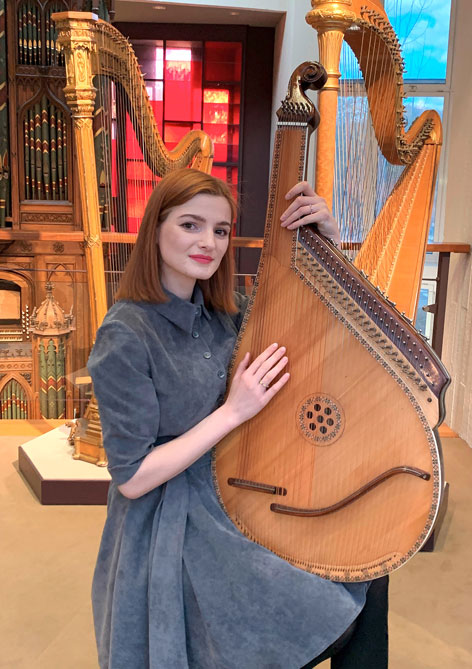
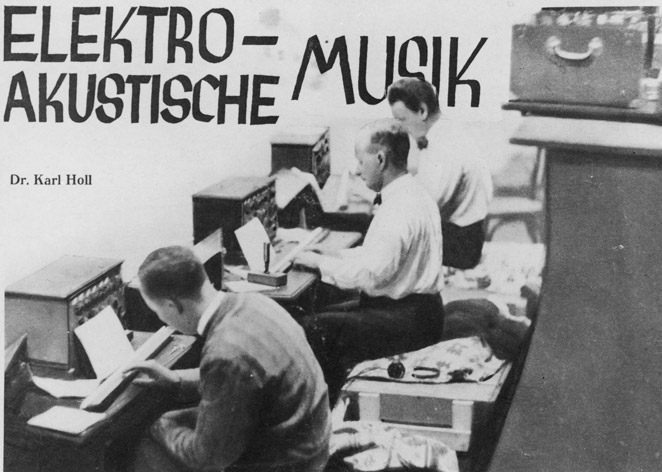
I have now been at the SPK for three and a half years, and when I started, the thought of Hermann Parzinger’s retirement was a long way off. Looking back, these have been whirlwind years; time seems to have condensed. Under his leadership, much has been achieved in the field of music at the SPK. We at the State Institute for Music Research in particular owe him a great deal and are keen to build on the opportunities for networking to strengthen music research and education; for example, through joint symposia and musical lectures with the Ibero-American Institute or a BKM-funded research project with the Secret State Archive of the Prussian Cultural Heritage Foundation.
During the recent years of reform, the President’s support has been instrumental – the future of the State Institute for Music Research
has been secured. This enables a strategically clear positioning and outlook, for which we can rely on the backing of the Scientific Advisory Board. In this regard, we are particularly grateful for Hermann Parzinger’s thematic openness, curiosity and integration of our work into the SPK’s overall programme.
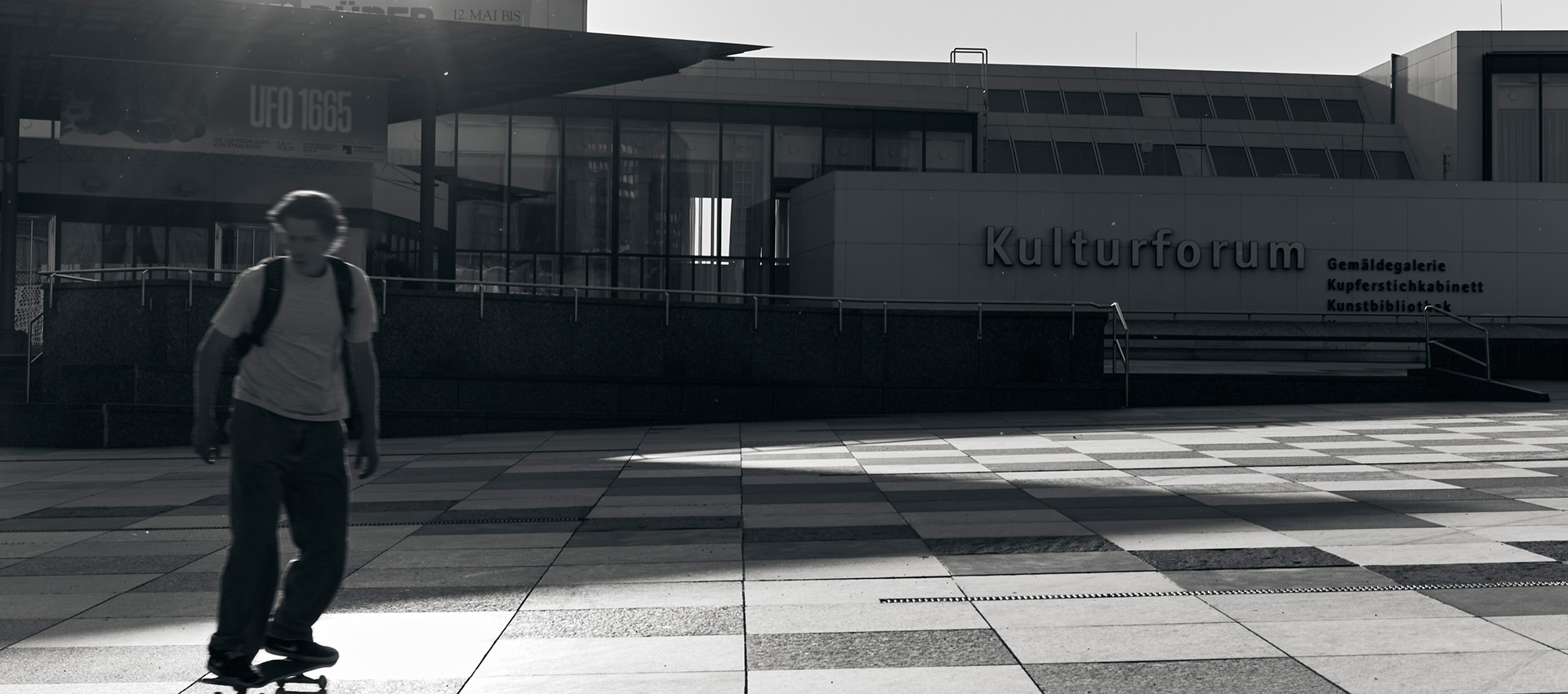
Highlights such as the presentation of the German Musical Instrument Award and the Evening of Instrument Making in the Vogtland Music Corner remain in our memories. On his initiative, we are currently also working on music in the fields of sustainability, archaeology and knowledge dissemination at
the Kulturforum and through international collaboration.
With our heartfelt thanks and best wishes for the future!
Rebecca Wolf has been Director of the State Institute for Music Research since 2021
Ingolf Kern: No Pasarán!
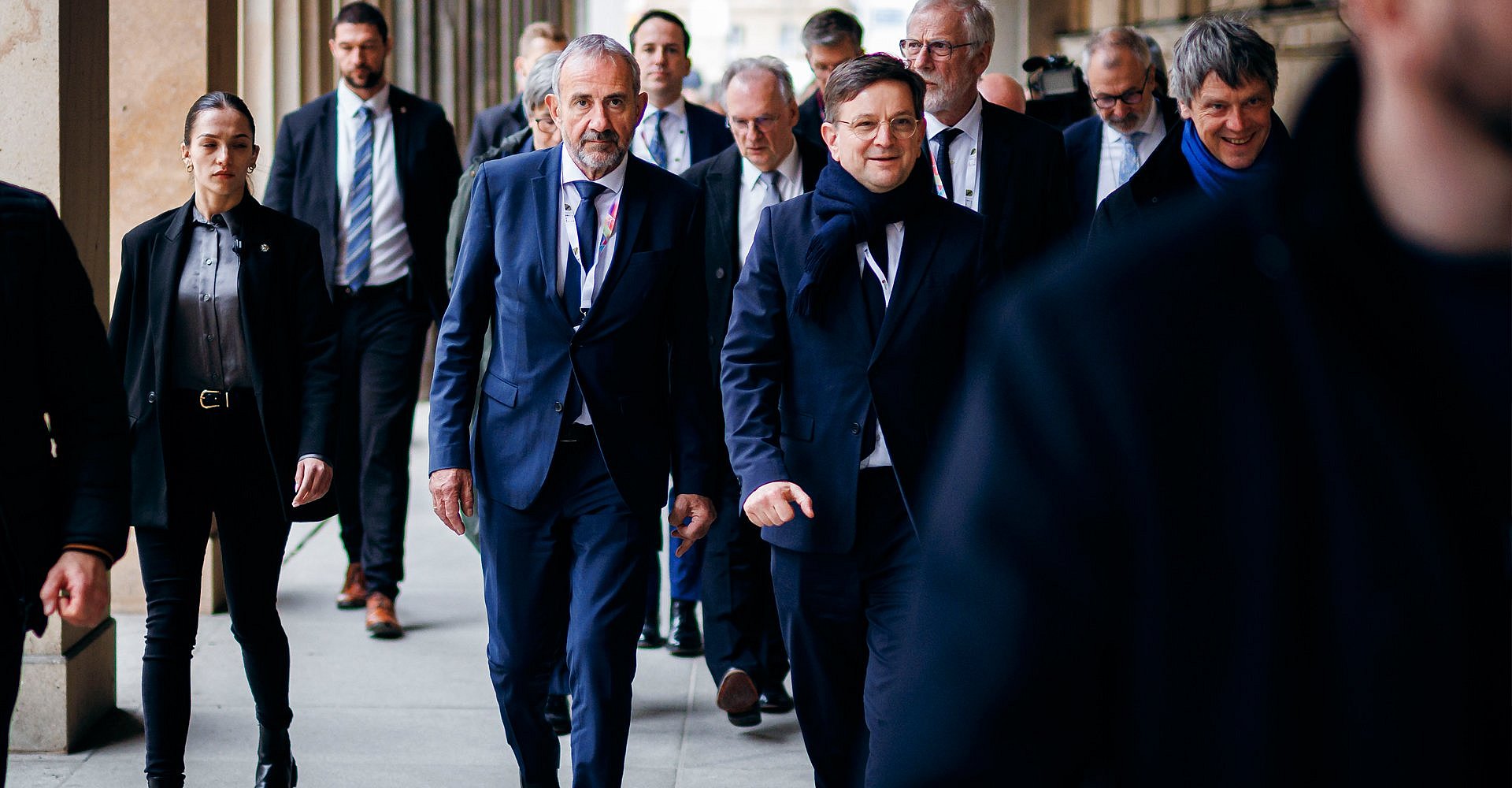
I was riding my Gazelle through the Tiergarten when P rang: “Where are you? Please come to my office straight away!” I locked up my bike, took the stairs two at a time and sat down at the oval marble table, completely sweaty. The President was sitting at the head of the table, as always. In front of him was an envelope, which was open. “Well,” said Hermann Parzinger, “sitting before you is the last president of the SPK.” Excuse me? The Science Council’s couriers had delivered the “recommendations” to him, and they did not bode well for the foundation network.
The dissolution of the SPK was on the cards; the newspapers later spoke, in a brutal escalation, of “smashing”. Of course he seemed dejected that day, but there was also something else in his gaze: That cannot have been the last word! No Pasarán! The way he then turned the public
debate around, won over cultural policymakers at federal and state level, managed to hold together what simply belonged together, restructured this foundation without winding it up, and above all succeeded in convincing the institutions of this new network – that was simply masterful.
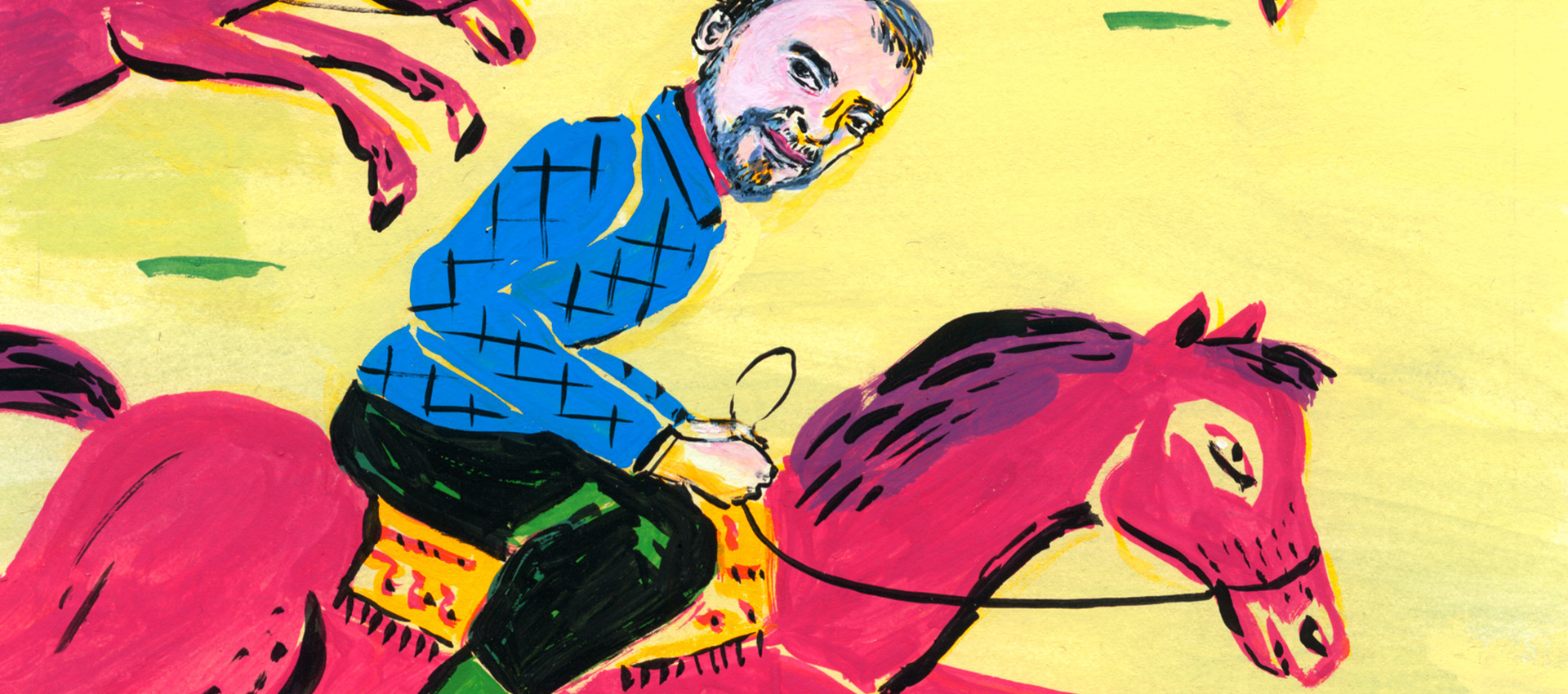
Perhaps the qualities of a judoka stood him in good stead here: adapt to your opponent, keep him occupied and bring him down at the decisive moment.
Ingolf Kern has been Director of the Department of Media, Communication and Events since 2014
Dagmar Hirschfelder: Heard, Spoken
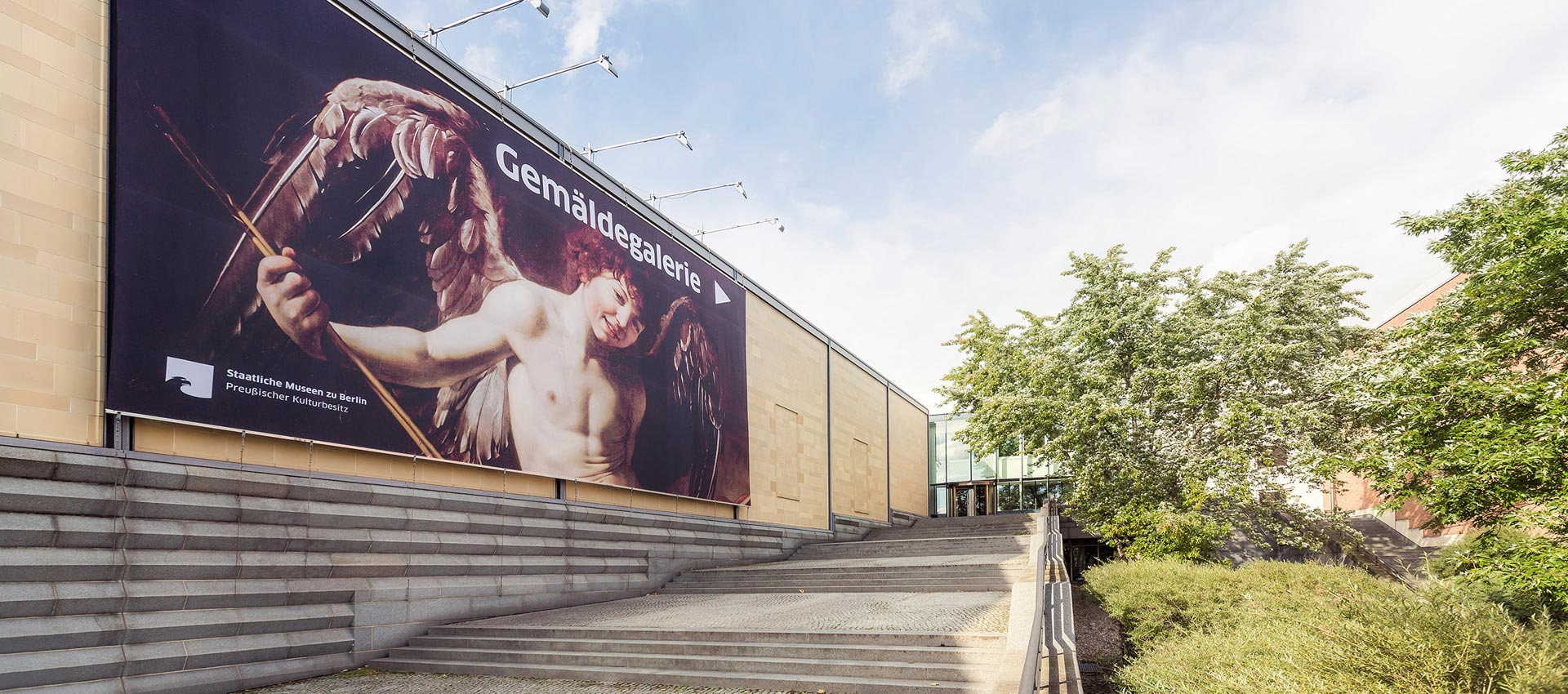
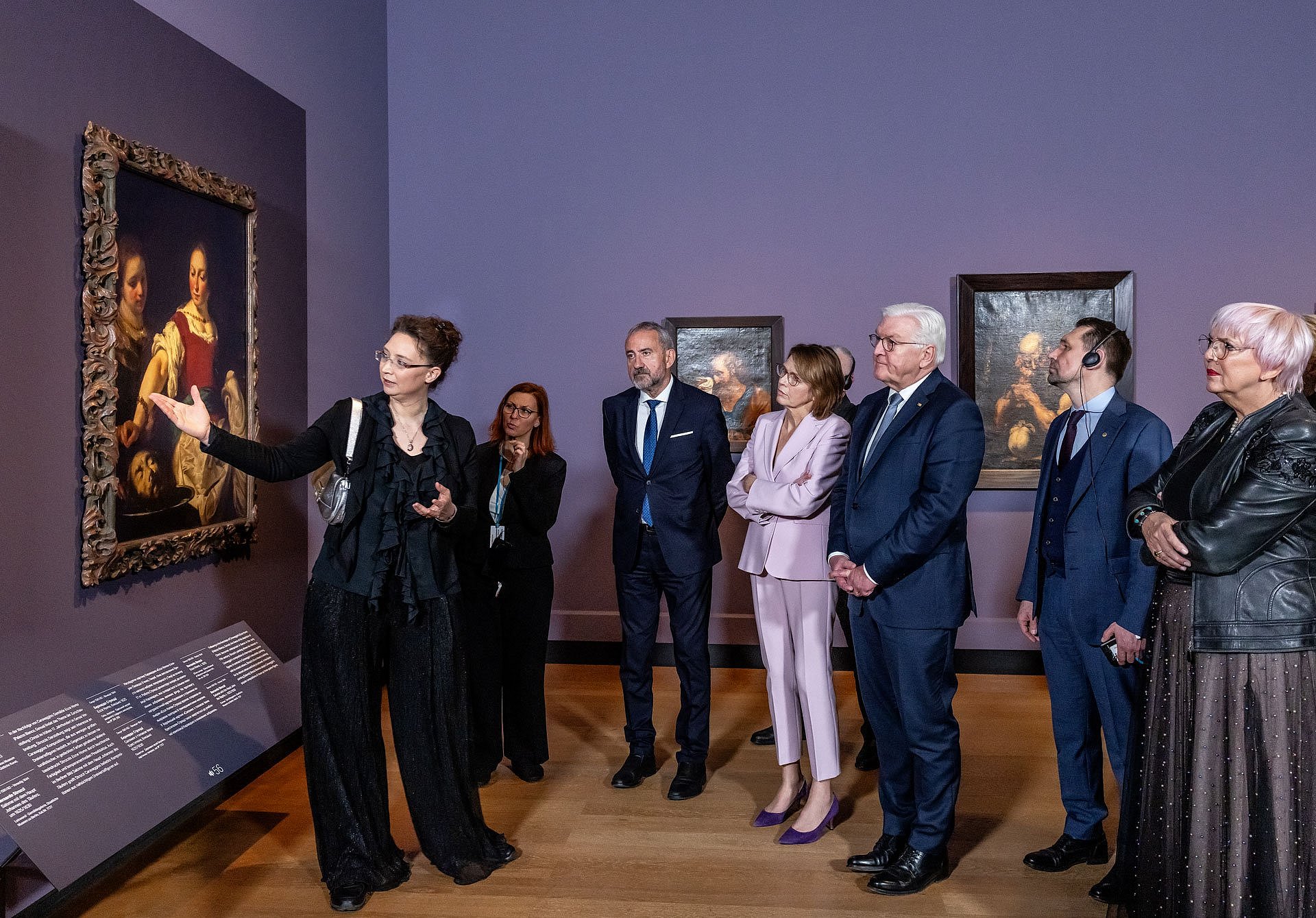
Ever since I started working at the Gemäldegalerie, I have walked through the upcoming exhibition with Hermann Parzinger before every major opening. Whether it was Donatello, Hugo van der Goes, Frans Hals or From Odessa to Berlin: the President brilliantly incorporated the exhibition’s content and what he had heard into his welcome speech every single time – and he did so without using a single scrap of paper. The ability to quickly absorb and process information whilst maintaining an overview is essential when leading a colossus such as the SPK. So too is the ability to recognise the academic, cultural-political and public relevance of themes and projects.
Together with the team at the Gemäldegalerie, I would like to extend my heartfelt thanks to Hermann Parzinger for his decisive support in
setting the course for important flagship projects during my tenure. This applies to the major Frans Hals retrospective as well as to the
collaborative project with the Odesa Museum of Western and Eastern Art. Without his courageous, decisive and swift action, neither would have been possible. The lively, joy-filled faces of Frans Hals delighted 150,000 visitors. The Odessa exhibition enabled highlights of the Odessa painting collection to be displayed in Berlin, thereby preserving Ukrainian cultural heritage and, with it, Ukrainian identity. With great foresight, Hermann Parzinger also championed the future renovation of the Gemäldegalerie and the redesign of the permanent exhibition. We wish to build on this and thank him for always supporting the Gemäldegalerie as a facilitator and patron.
Dagmar Hirschfelder has been Director of the Gemäldegalerie since 2021
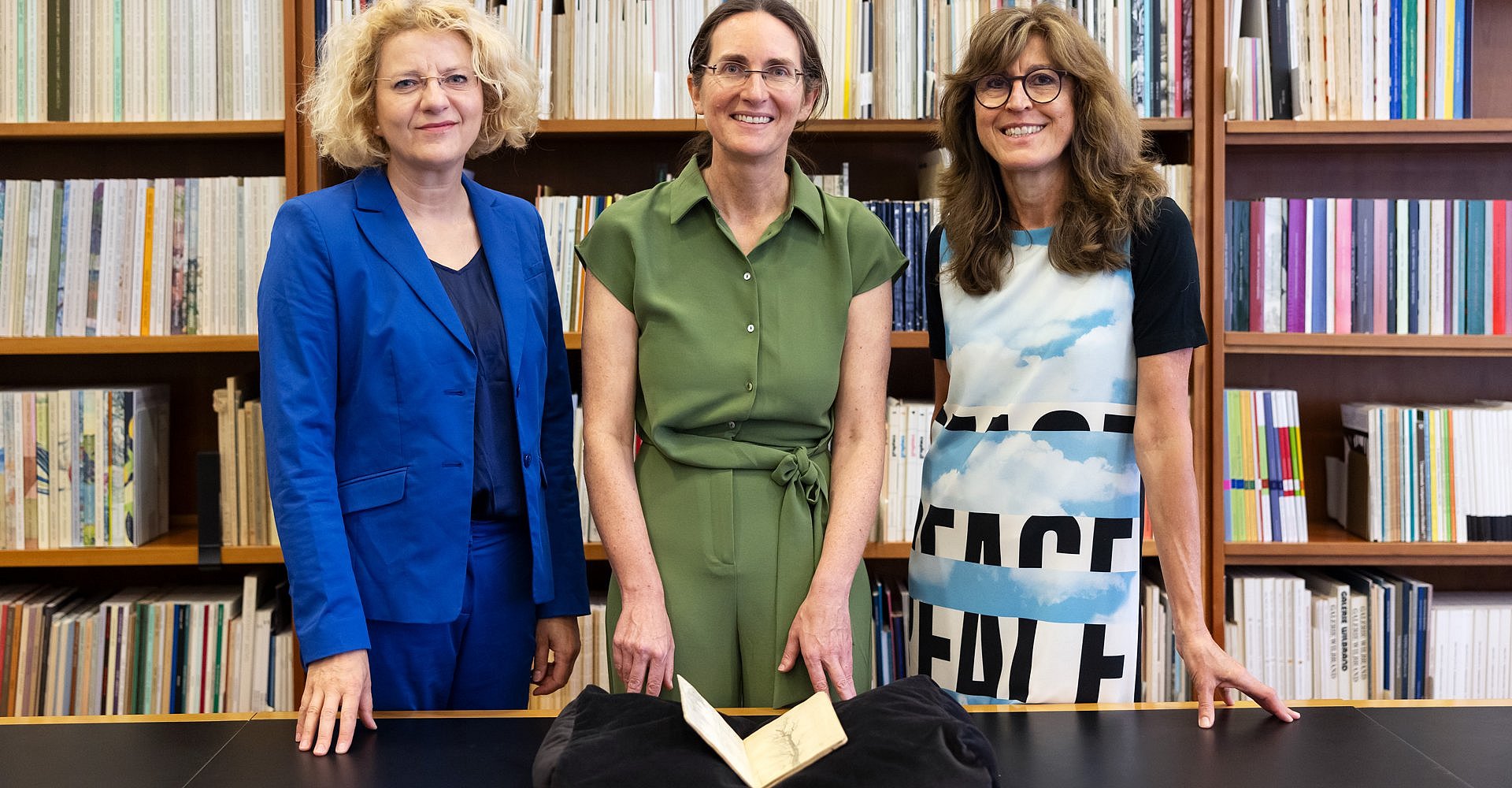
Dagmar Korbacher: He who dares wins – for example, Caspar David Friedrich’s sketchbook
To dare the impossible and trust in the immense unifying power of culture: this is what I learnt from Herrmann Parzinger. At his instigation, the
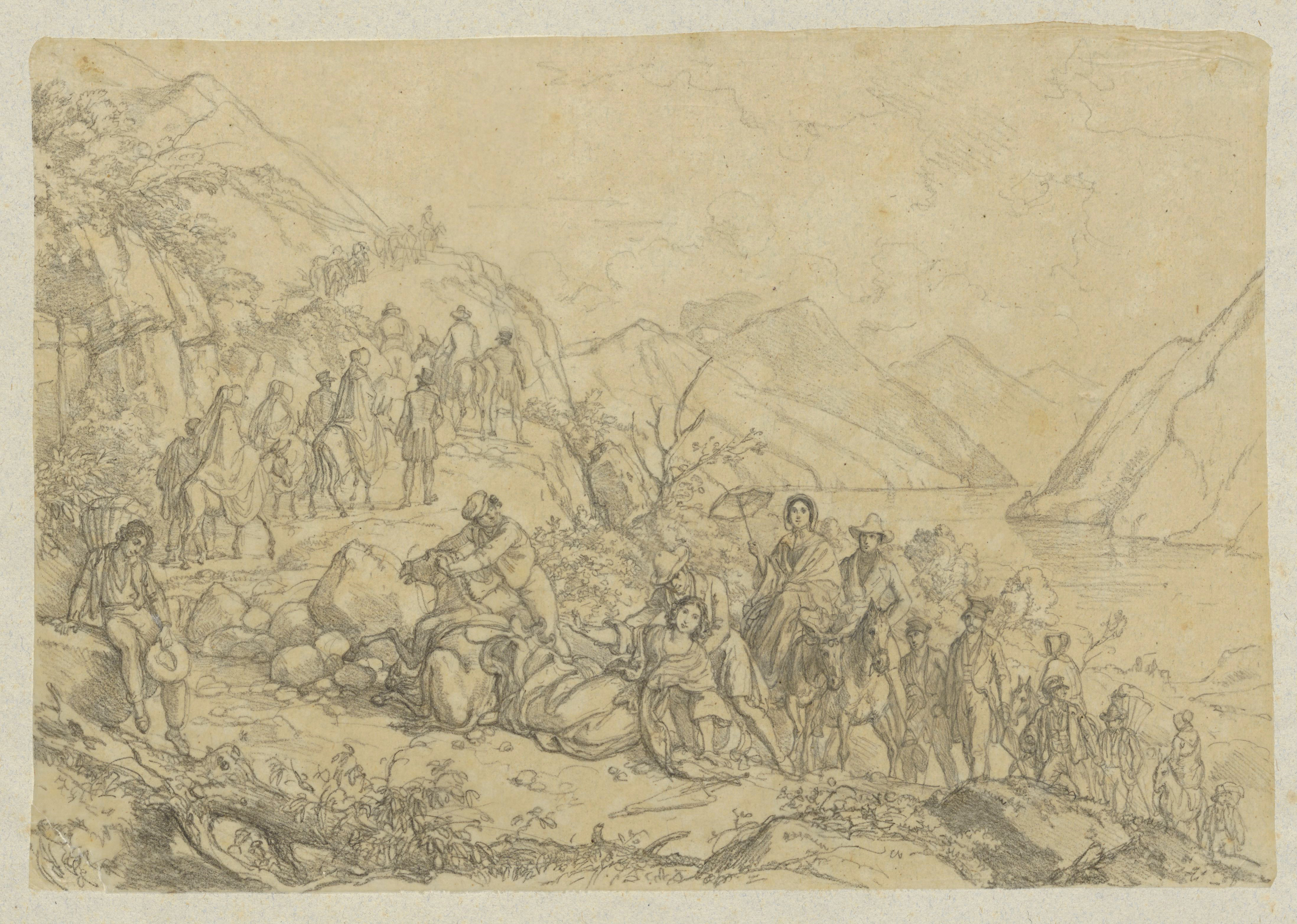
Kupferstichkabinett dared to even consider acquiring Caspar David Friedrich’s (1774–1840) ‘Karlsruhe Sketchbook’ – the artist’s last sketchbook to have remained in private hands until now. We dared to think big with regard to this small and relatively unassuming, yet highly significant work, and, in collaboration with colleagues in Dresden and Weimar, to establish a new, forward-looking ownership model for the public sector.
Encouraged by the President, his conviction and his commitment, we drafted numerous applications and proposals and coordinated endlessly with our partners and funders (including the Ernst von Siemens Art Foundation and the Cultural Foundation of the German States), as well as with our budget officers and legal advisors. After a nail-biting wait of over eight months, we finally succeeded in jointly purchasing Friedrich’s “Karlsruhe Sketchbook” in July 2024.
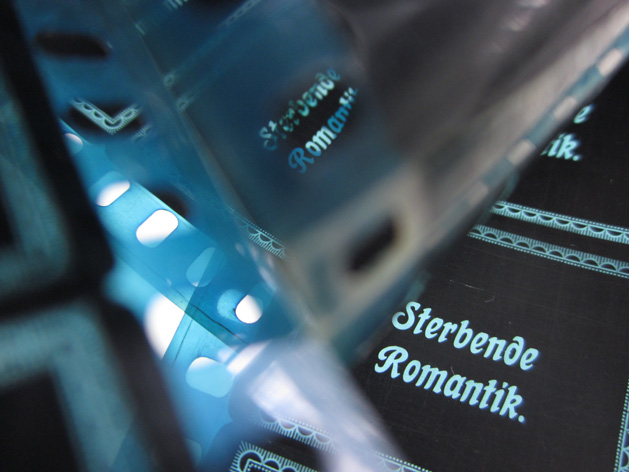
The little book, whose landscape and nature studies contain numerous references to the painter’s major works—which are regarded as key works of German Romanticism—is a central unifying element for the participating cultural institutions. The joint acquisition by Berlin, Dresden and Weimar is a flagship project of German cultural federalism that would not have been possible without Hermann Parzinger.
Dagmar Korbacher has been Director of the Kupferstichkabinett since 2018
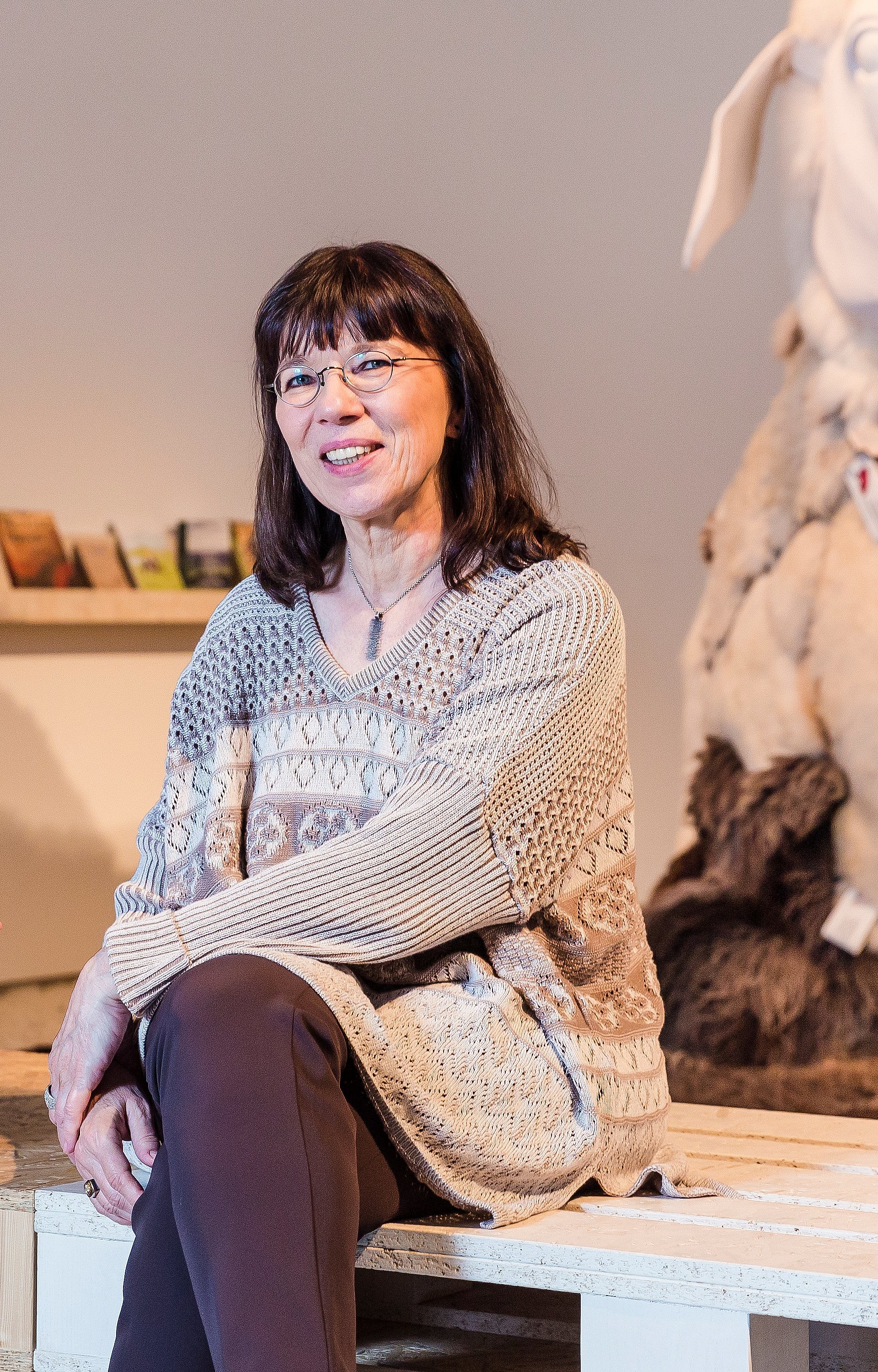
Elisabeth Tietmeyer: Unbureaucratic
Extraordinary events call for swift, unbureaucratic action. The Museum of European Cultures (MEK) is known for this approach; through its work on everyday culture, it seeks, amongst other things, to respond directly to current social and political events in Europe. This was the case in February 2022: Russia invaded Ukraine. The ensuing war, which continues to this day, has cost countless lives, devastated much of the country and forced more than ten million people to flee.
We at the MEK felt the need to respond to this violation of international law in whatever way we could. We had been familiar with the Ukrainian-born photographic artist Mila Teshaieva for some time due to a previous collaboration. We knew that she had travelled to her hometown of Kyiv shortly after the war began to document the terror in images and writing. So we developed the idea of exhibiting her photographs alongside the corresponding diary entries in a timely manner.
However, we lacked the financial resources. This is where President Parzinger stepped in, providing swift and efficient support for the MEK’s initiative: he brought the Board of Trustees of the Prussian Cultural Heritage Foundation on board to finance the project. Within a short time, the exhibition entitled ‘Splinters of Life. A Ukrainian Diary’ (24 June 2022 – 15 January 2023) was able to open on this sad occasion. This would not have been possible without Hermann Parzinger’s commitment. Extraordinary events simply require swift, unbureaucratic action – regardless of the level involved.
Elisabeth Tietmeyer has been Director of the Museum of European Cultures (MEK) since 2013
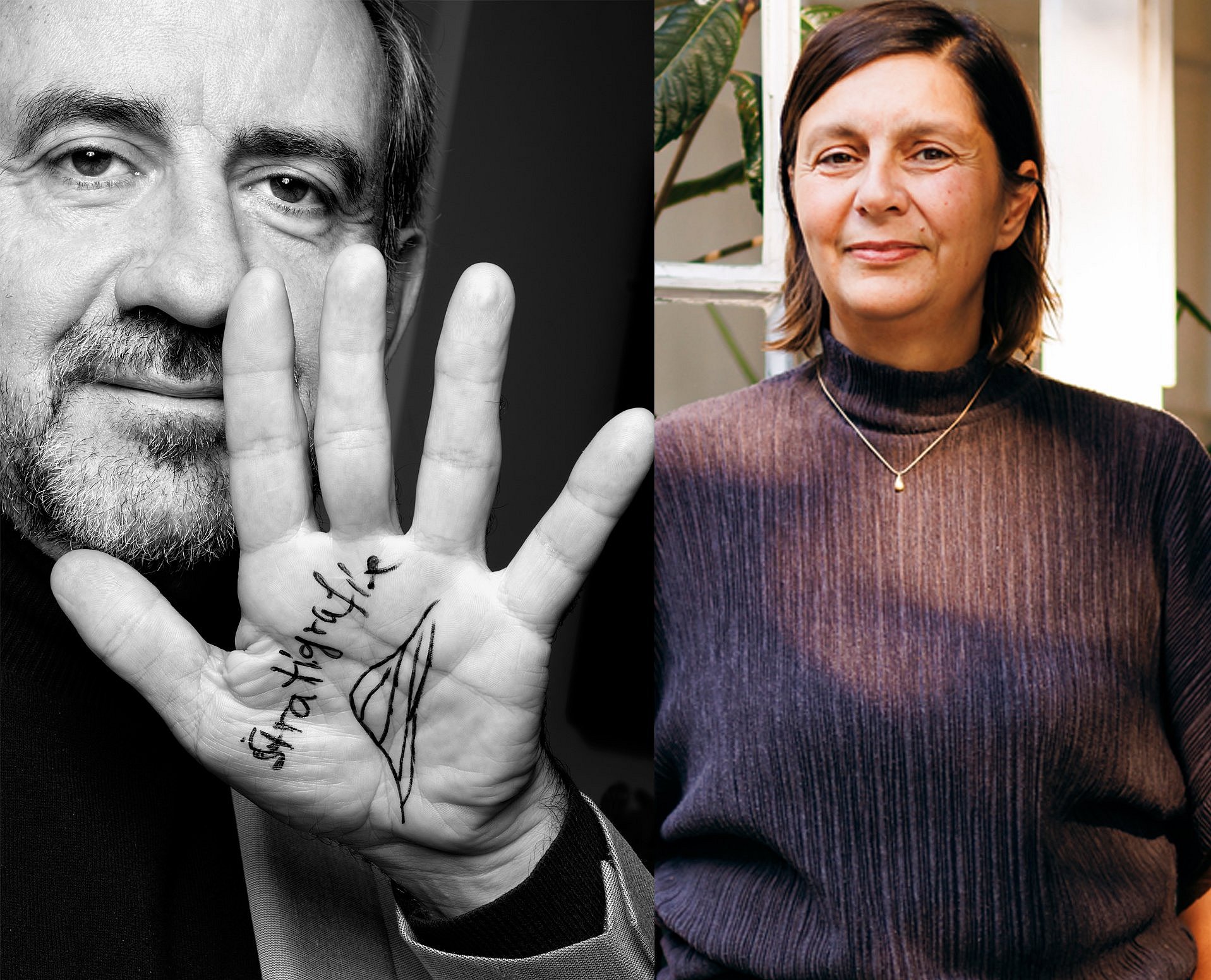
Patricia Rahemipour: The mentor with the Post-its
My professional life has in fact been closely linked to the work of Hermann Parzinger for 20 years. When I arrived in Berlin in 2004, I initially worked for the German Archaeological Institute (DAI) and supervised several projects in which the then DAI President Hermann Parzinger was also involved. It was precisely this period of collaboration that had a profound influence on me: I had a boss who began his work every morning with a collection of Post-it notes scattered across his desk. Each one had a task written on it. By the evening, they were gone. His mantra: all tasks must be completed with equal importance, without postponing the unpleasant ones from one day to the next.
I also learnt that my boss at the time left the office every day at 3.30 pm to be home when his daughter came home from school. In the evening, he was back in the office. Knowing that my boss, despite his high-profile position, took this time without any ifs or buts, impressed me and had a profound influence on me as a working mother.
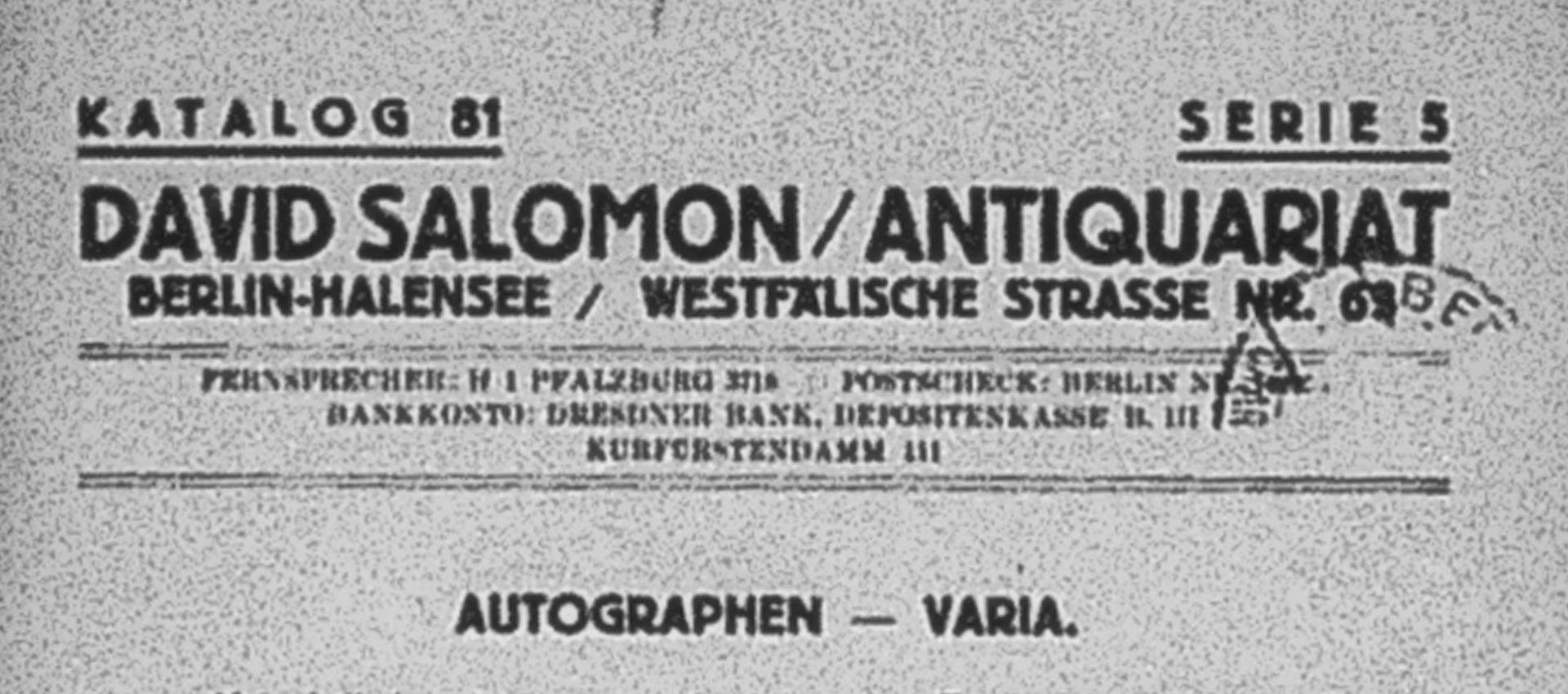
The fact that he certainly viewed his role with a sense of humour was evident from his reaction to our farewell gift at the DAI: amongst other small tokens, his closest colleagues had had a set of autograph cards produced for Germany’s most famous archaeologist. The signing session at his farewell party was great fun and has remained in my memory to this day.
Following his move to the SPK, we had somewhat fewer points of contact for a few years, but we never lost touch entirely. This was also because I was writing my doctoral thesis at the time, a project that, as a ‘working-class child’, I only felt capable of undertaking thanks to the trust Hermann Parzinger placed in me.
We have now been working for the same employer again for five years, and since I became a member of the interim board, we have also been working very closely together once more. Hermann Parzinger was and remains an important point of contact and role model for me in professional matters. I ask him for advice when it comes to fundamental decisions for the IfM. Not because he demands it, but because I know that one can speak to him openly and with confidence. Hermann Parzinger’s experience, his contacts and his ability to think in a networked way have always impressed me and continue to do so to this day. I am certain that we will remain in close contact in the future as well.
Patricia Rahemipour has been Director of the Institute for Museum Research since 2019
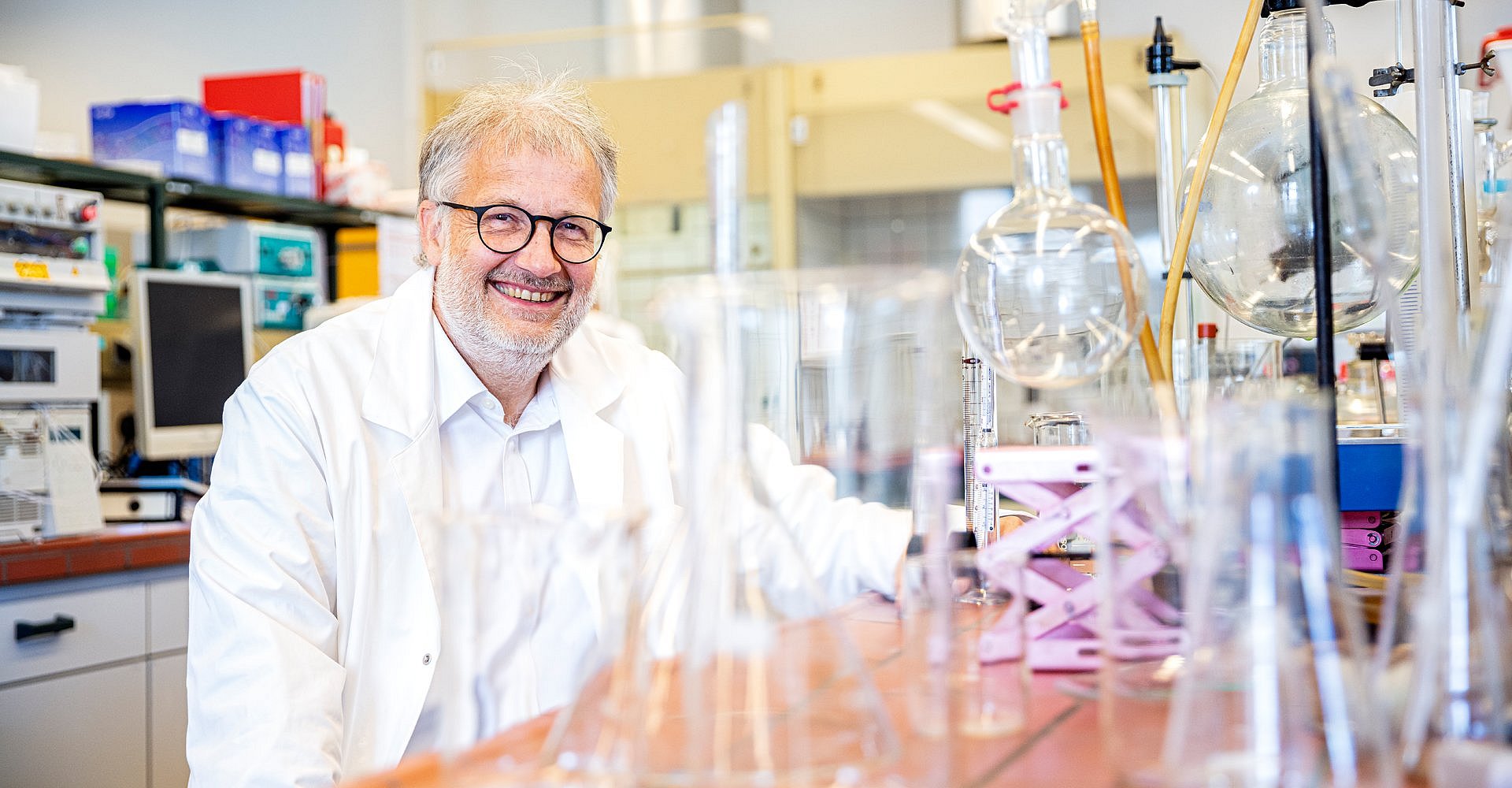
Stefan Simon: On the banks of the Amper
Hermann Parzinger and I share our roots, not only in Bavaria, not only in Upper Bavaria, but in the beautiful district of Fürstenfeldbruck: he in Germering, I in Olching.
A district in which, incidentally, as few people know, the RF scientists Klaus Slusallek and my predecessor in office, Joseph Riederer, also called home. But before any hasty conclusions are drawn here: the fact that we have all ended up in Berlin at the SPK is by no means down to a mafia-infested Amper beach, but rather, as a Bavarian Minister of Culture once put it when asked about the chances of an increase in the Free State’s financial contributions to the SPK: ‘We Bavarians, we simply pay with talent’.
Hermann Parzinger’s talents are manifold and impossible to overlook. And now, as we approach the SPK’s 25th anniversary, I wish to briefly highlight just three of them
1. Hard Core Science
Our two disciplines, prehistory and early history, and heritage science, could not be more different. Language and culture are a whole other matter. Nevertheless. I have always seen HP as a hard-core scientist. Even back when he was still working at the DAI and we were conducting scientific investigations on Scythian artefacts for him in distant Siberia. Interested in detail. An attentive observer. Whether together in Tbilisi, New York, London or Moscow, one could always rely on the quality of his expert assessment. Regardless of whether one agreed with it.
2. Communication
Many of us will have had the same experience. For an opening speech or a radio interview – which he always gladly undertook – HP would usually ask me for a few lines. He would take them and translate them in his own way. From the founding of the Cultural Heritage Research Alliance in 2008 to the RF’s international conferences in 2024. Listening to him, one immediately got the impression that he had devoted his entire life to nothing but this very subject. An outstanding talent for translation.
3. Empathy
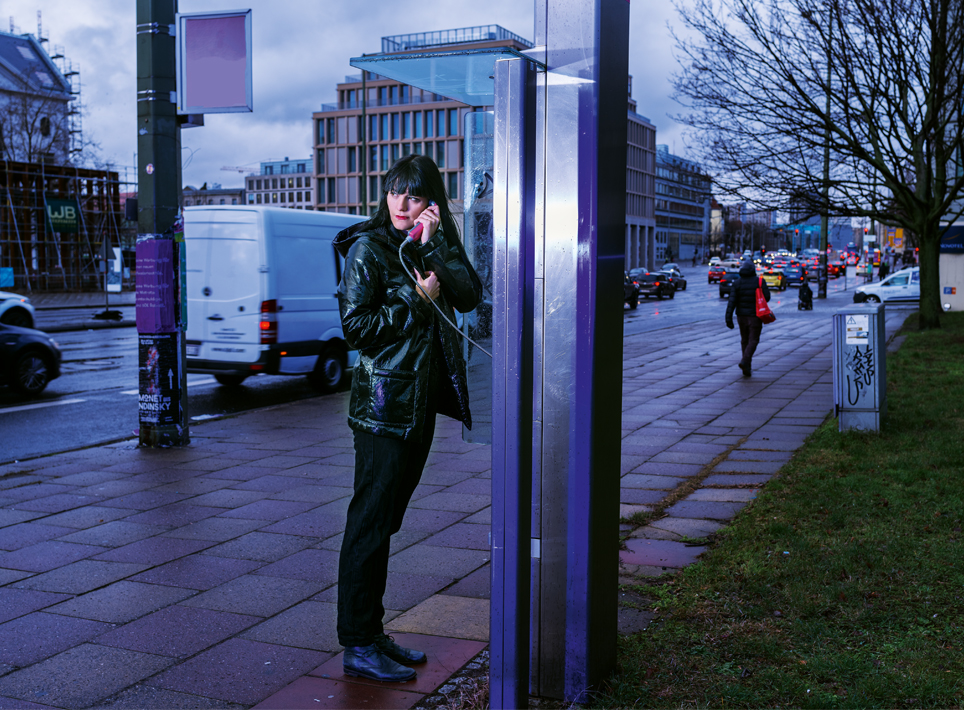
Interestingly, it is the difficult moments that will remain most vivid in my memory as the ones that brought us together. Our first Culture in Crisis conference, which I organised in London with Martin Roth at the V&A in April 2015. Our debate on responsibility in the face of climate change the morning after the disaster in the Ahr Valley in July 2021. Or the OBMIN conference on culture in Ukraine in May 2024 at the James Simon Gallery. When HP’s voice failed him at the end, out of respect and empathy for the many museum professionals from Ukraine in the room, his audience reacted swiftly and filled the silence with loud and prolonged applause. What a fine, fitting gesture.
Stefan Simon has been Director of the Rathgen Research Laboratory (RF) since 2005
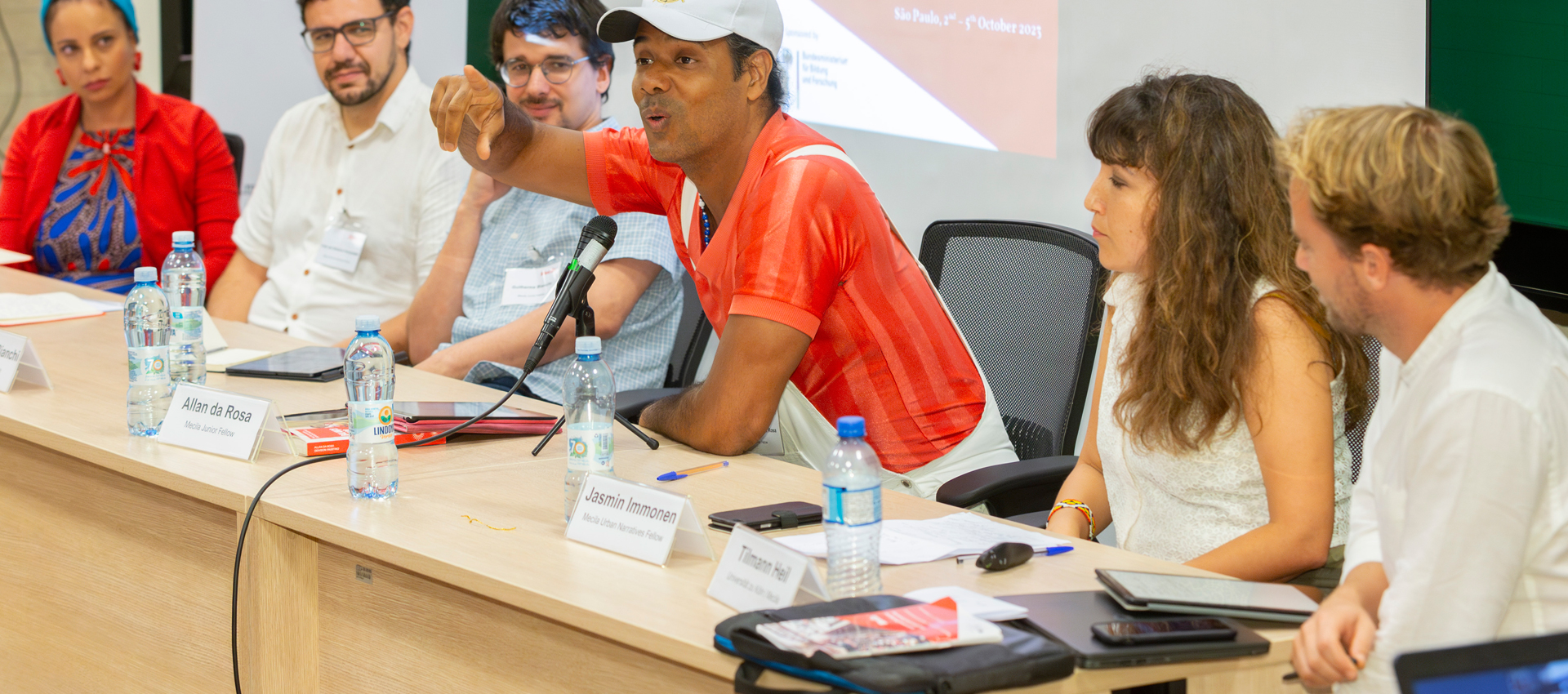
Barbara Göbel: A Change of Perspective
A shift in perspective is a key feature of the IAI’s profile. It shapes its day-to-day work, makes the Institute an internationally recognised hub for scientific and cultural exchange between Europe and Latin America and the Caribbean, and influences its strategic future direction. A change of perspective generates new knowledge, enables the linking of different cultural experiences, makes cooperation more equitable and thus more stable, and underscores the importance of transregional interconnections for addressing societal challenges.
Hermann Parzinger has always recognised and
supported this special contribution made by the Ibero-American Institute to the Prussian Cultural Heritage Foundation. Having himself been shaped by many shifts in perspective throughout his professional life, he has repeatedly emphasised that the IAI embodies in an innovative way what defines the SPK as a whole: the interlinking of scholarship, culture, and research and knowledge infrastructures.
Respect for the perspectives of others has also shaped our long-standing, trusting collaboration. We have not always seen eye to eye; we have often fought hard to achieve the best outcome for the IAI and the SPK network, yet knowing that we share a common vision for the future of the IAI and the SPK and wish to further develop their international role. We share a passion for scholarship and, for personal reasons too, value multilingualism and internationalism. A change of perspective forms the common ground for our dialogue, which we hope will continue in the future. ¡Muchas gracias, Hermann Parzinger!
Barbara Göbel, Director of the Ibero-American Institute since 2005 and member of the Interim Executive Board of the Prussian Cultural Heritage Foundation
Moritz Wullen: Quantum Leap
During Hermann Parzinger’s tenure, the Art Library has developed into a cross-site infrastructure with a broad interdisciplinary
scope. One notable development is the reopening of the Kaisersaal at the Museum of Photography in 2009 as an exhibition platform for the major themes and figures of photography past and present – this museum venue at Bahnhof Zoo is now one of the most popular sites within the Staatliche Museen zu Berlin. Equally important was the opening of the Archaeological Library on Museum Island in 2012. For the provision of literature to support archaeological research within the SMB, this library branch truly represented a quantum leap!
Added to this was the interdisciplinary and cross-institutional dialogue initiated by Hermann Parzinger, which has created new
synergies within the Prussian Cultural Heritage Foundation. The Art Library, with its site-wide library system and its museum collections covering the cross-cutting themes of architecture, books and media, fashion, photography and graphic design, has benefited immensely from this ‘interdisciplinary turn’ – not only on an academic level, but also on a human level: Encounters between staff from a wide variety of institutions, who previously knew each other only from the Foundation’s telephone directory, have become part of everyday life over the past decade and a half.
In other words: the collegiality and camaraderie practised here have not been ‘left behind’ by digital networking, but have been able to flourish freely and with a forward-looking spirit. All in all, therefore, a wonderful, inspiring development that gives us courage for a future that will be no less lacking in challenges than in opportunities.
Moritz Wullen has been director of the Art Library since 2007