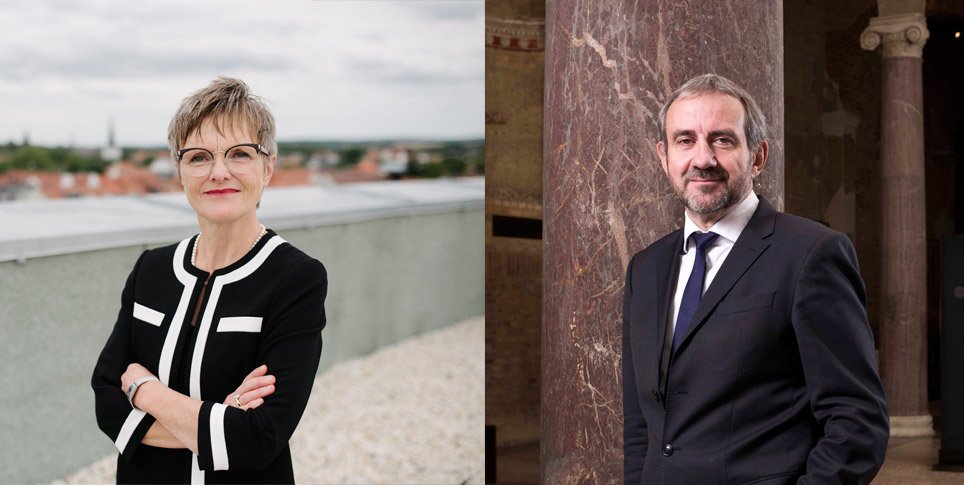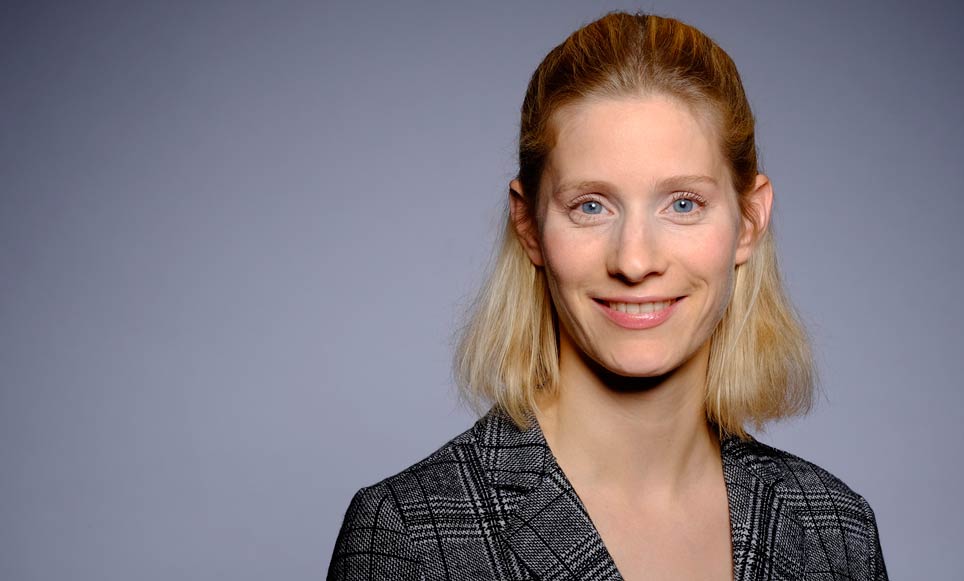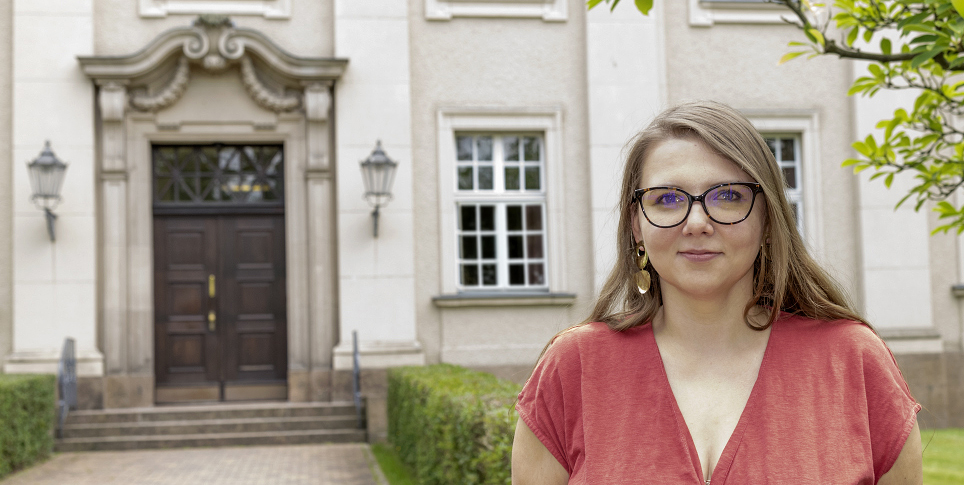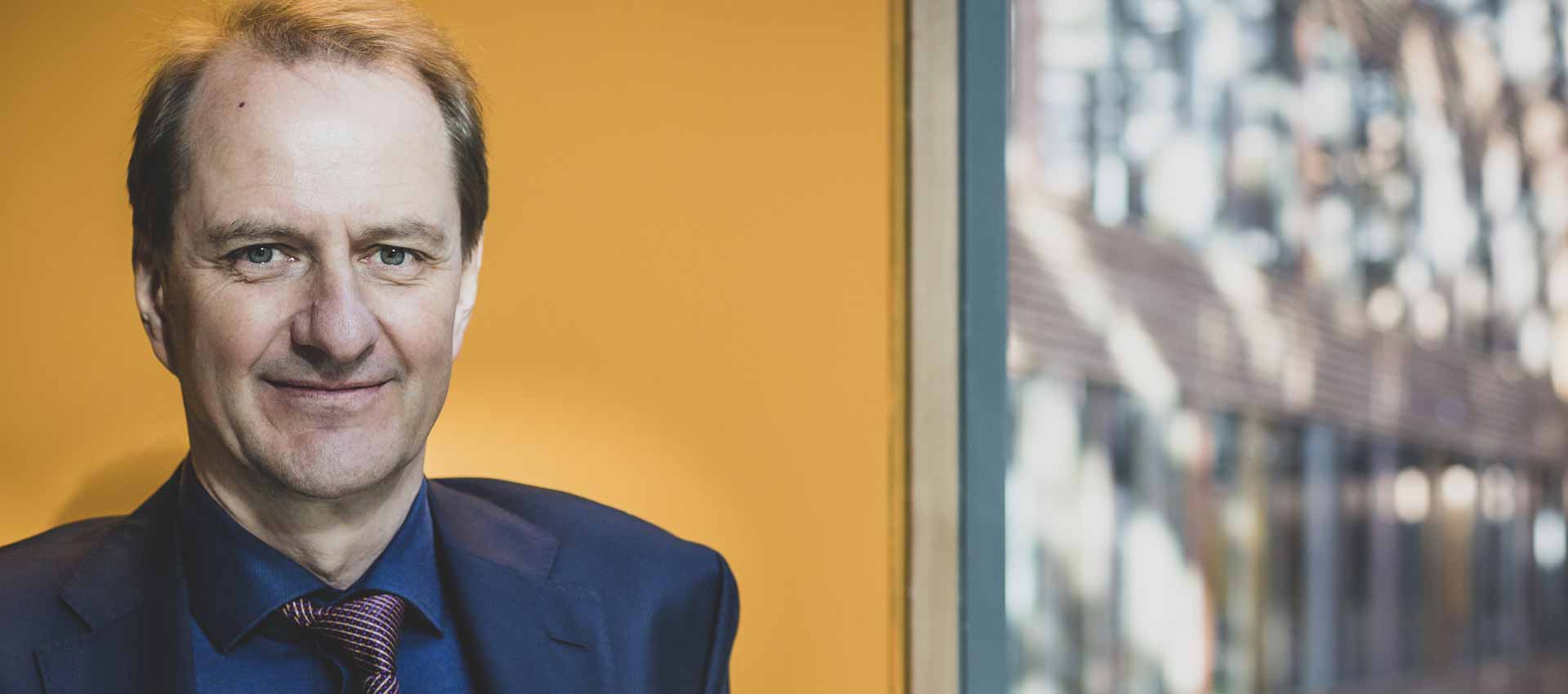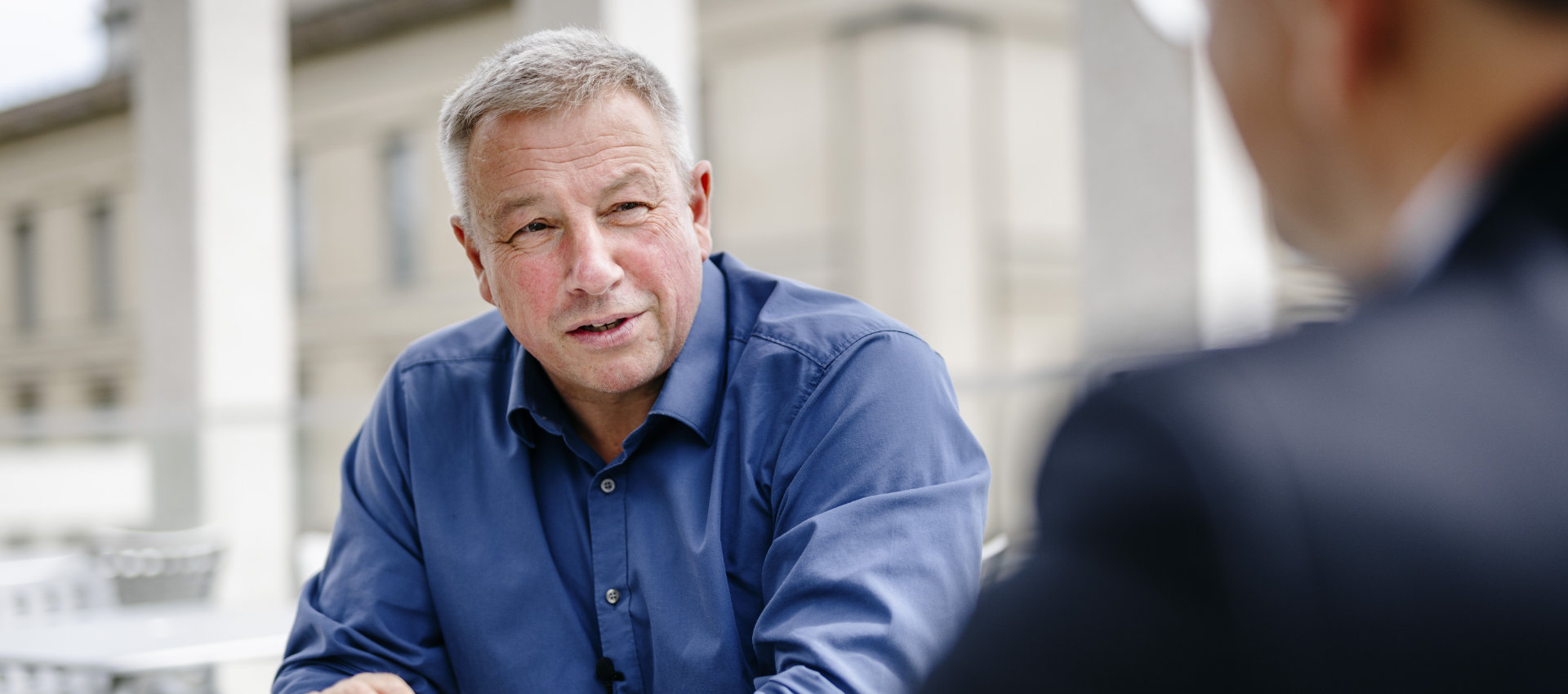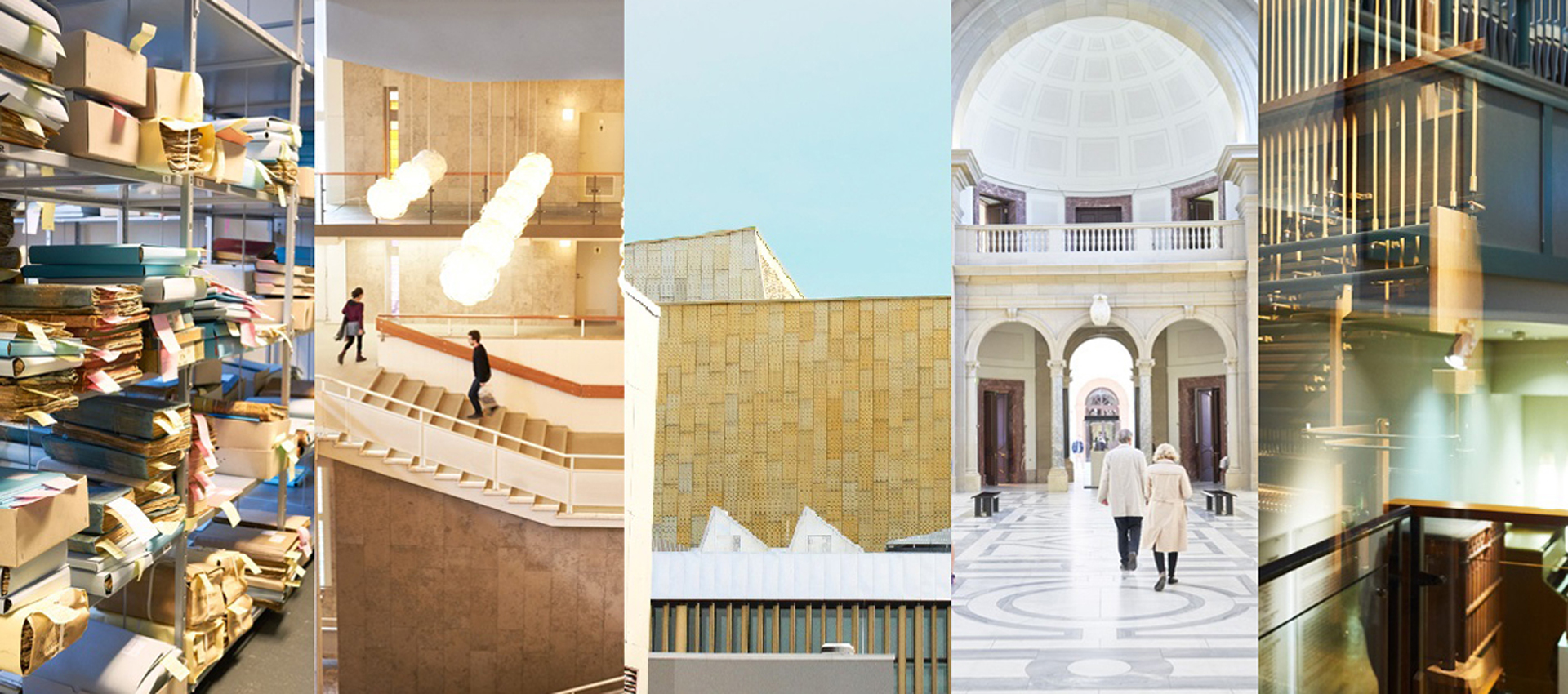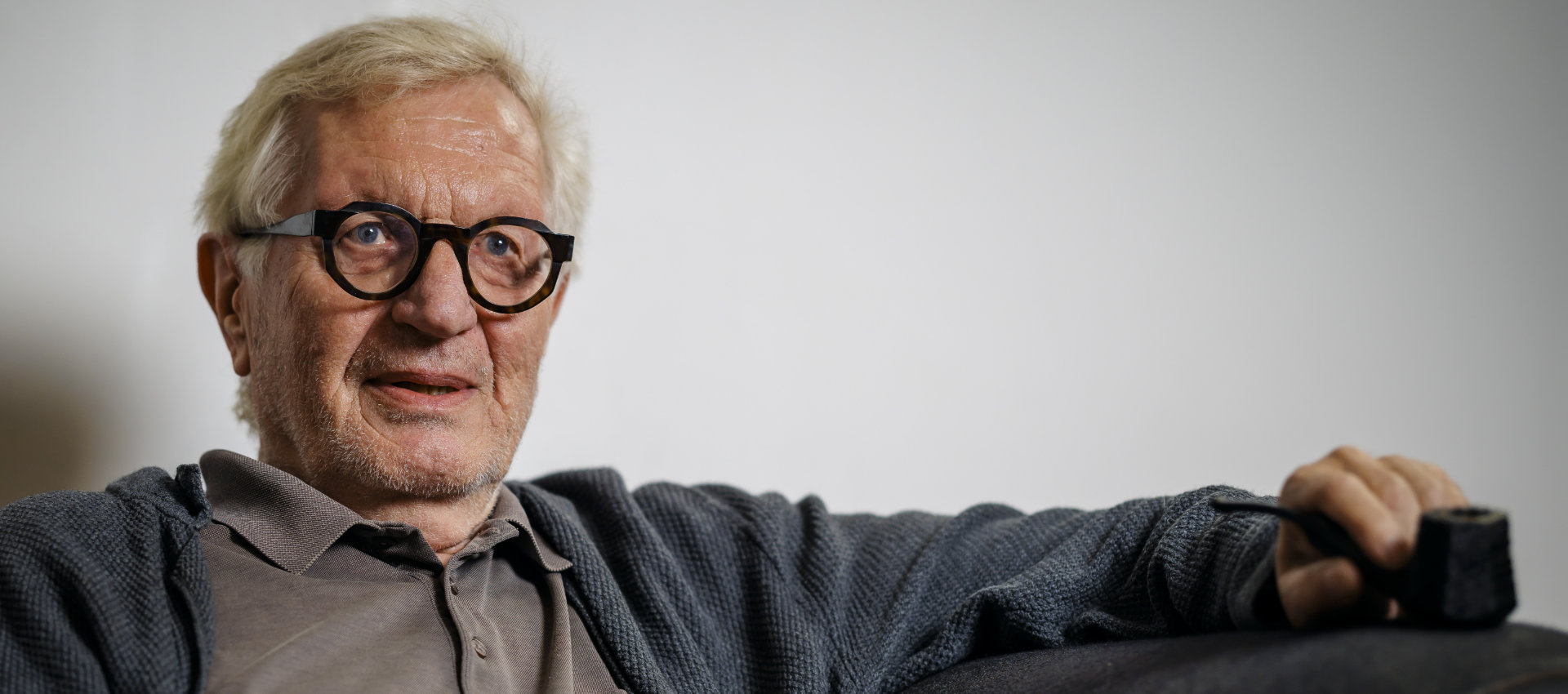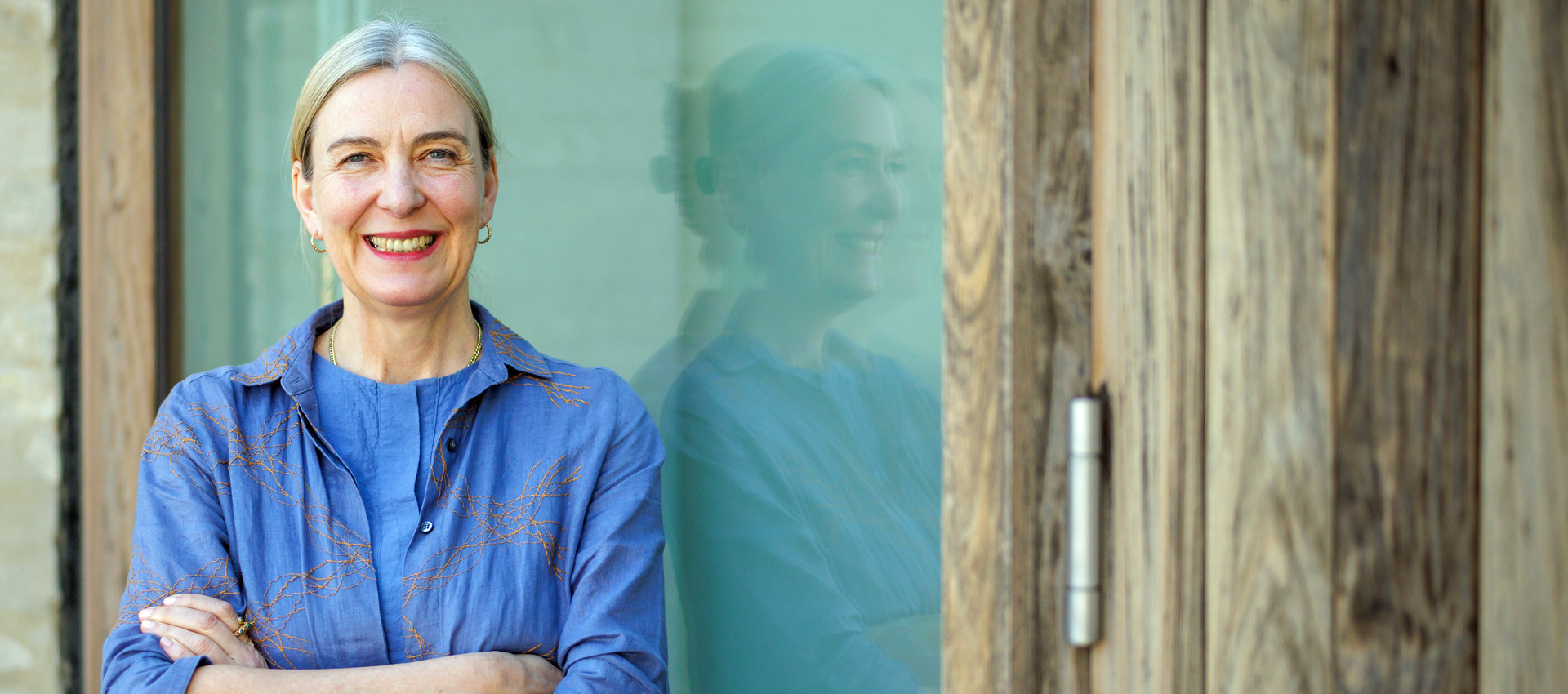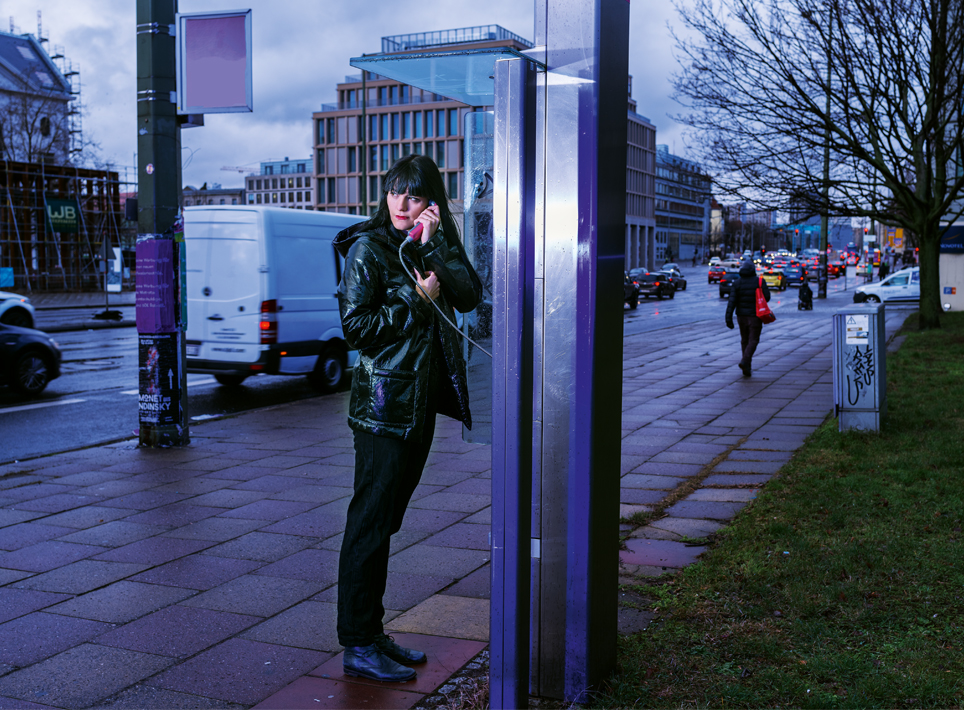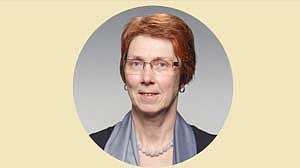
Dorothea Kathmann worked as a lawyer at the SPK from 1990 to 2021 and headed the President’s Office at Villa von der Heydt.
Photo: SPK / S. Steiß
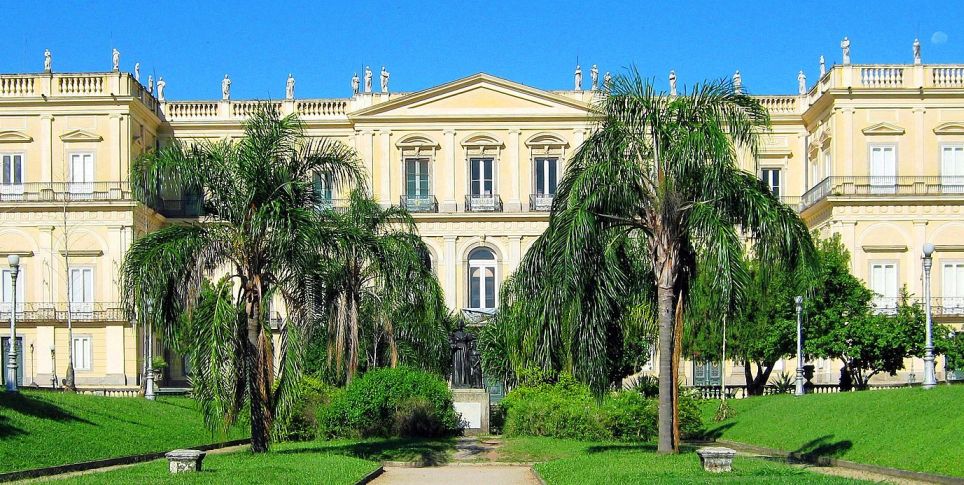
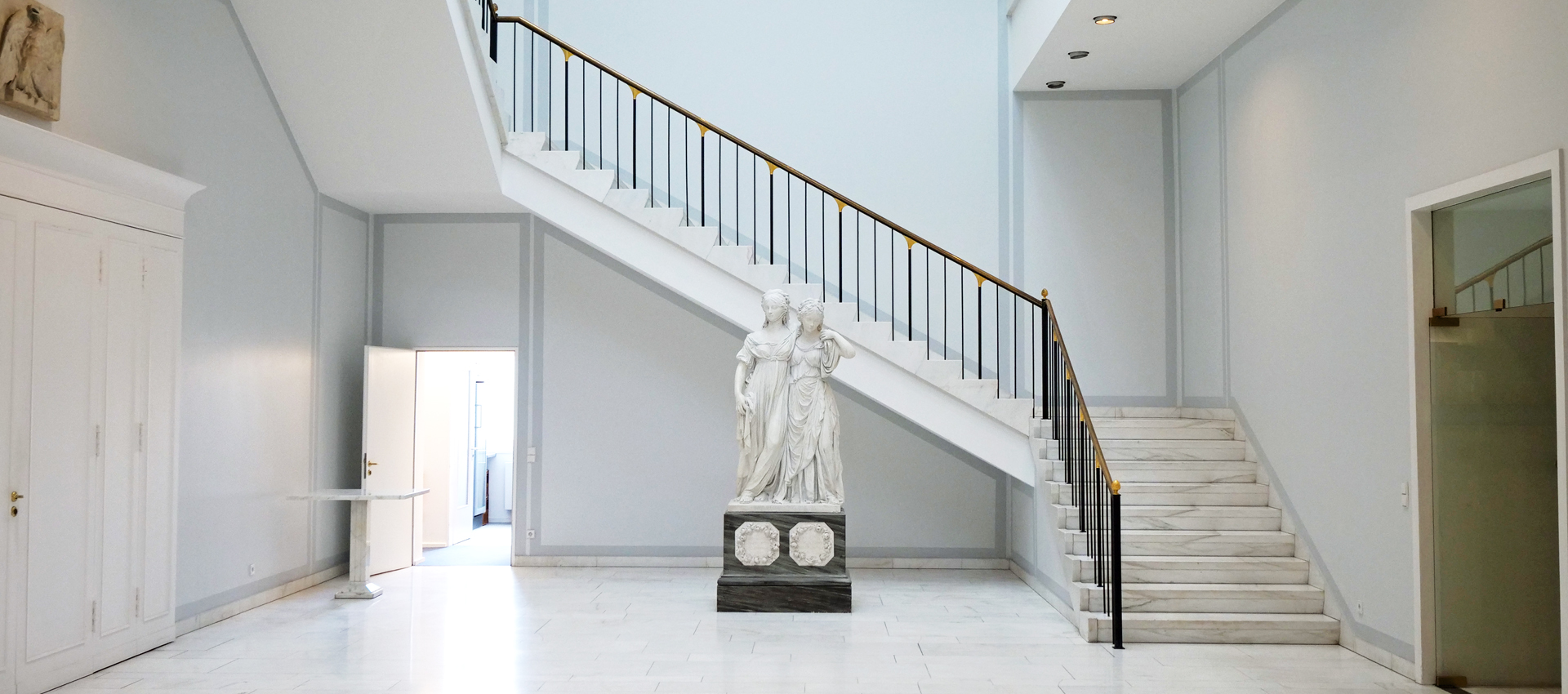
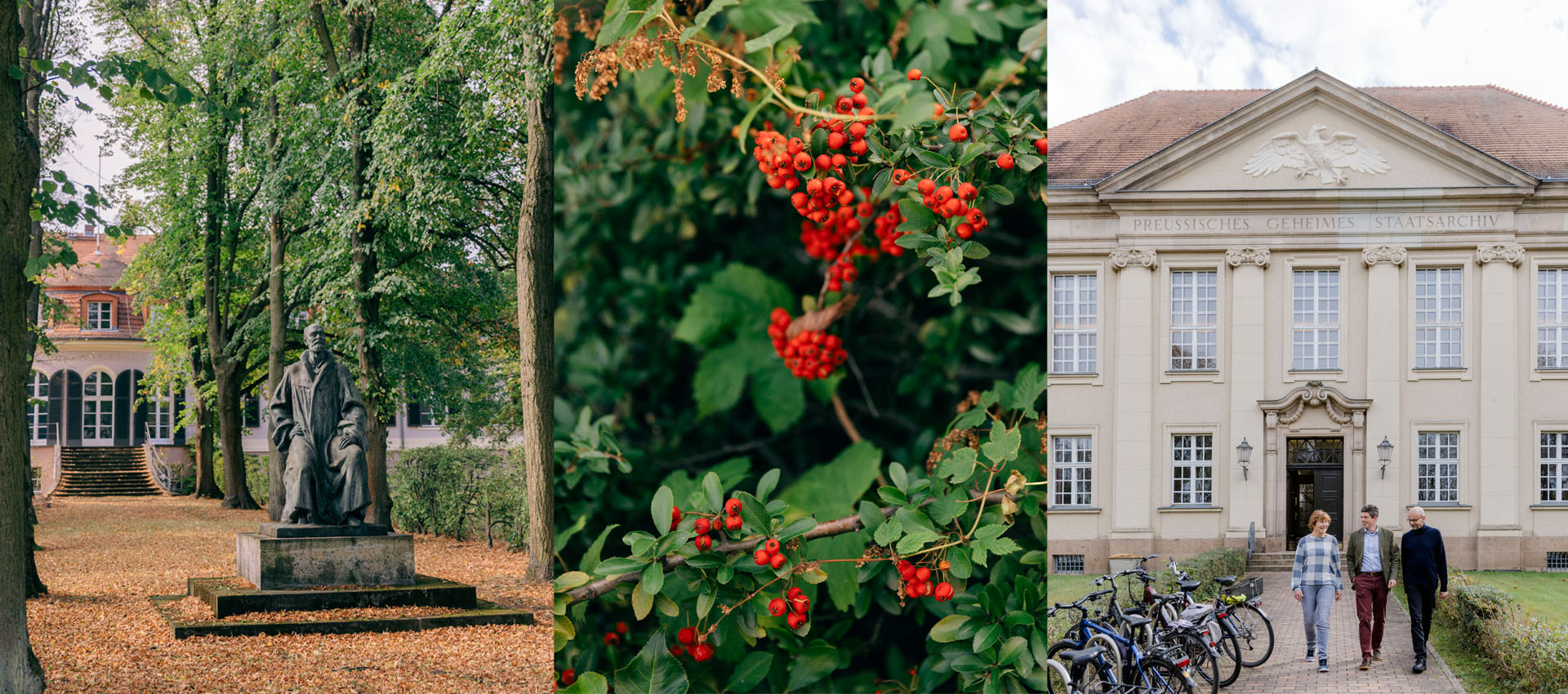
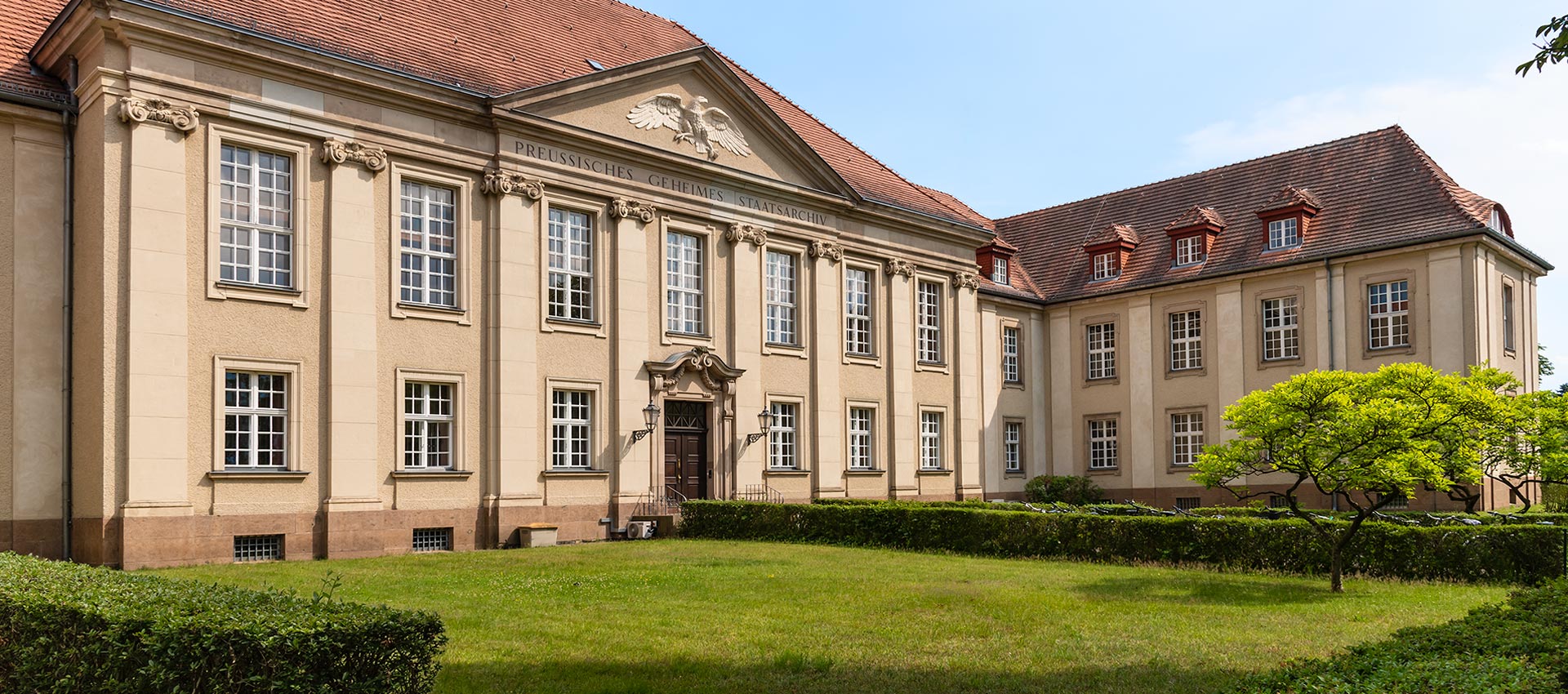
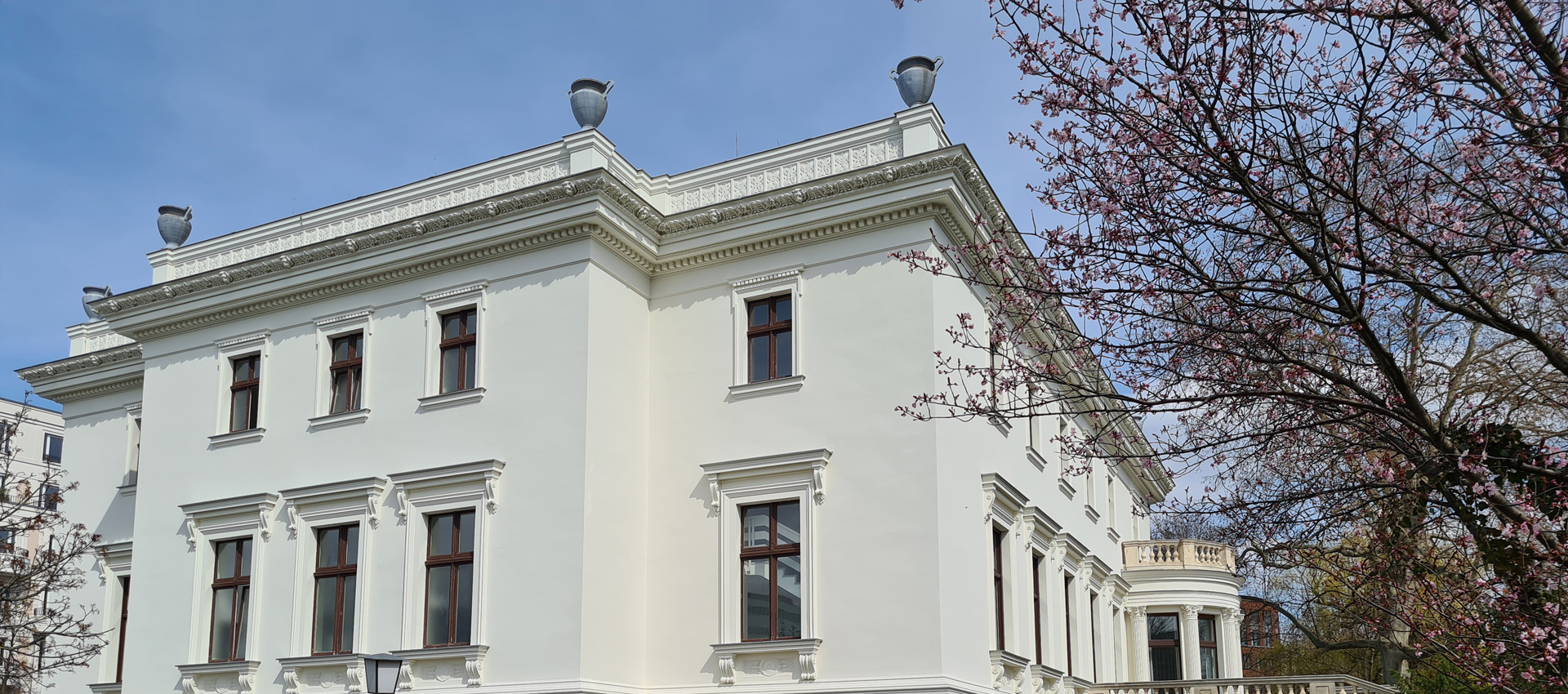
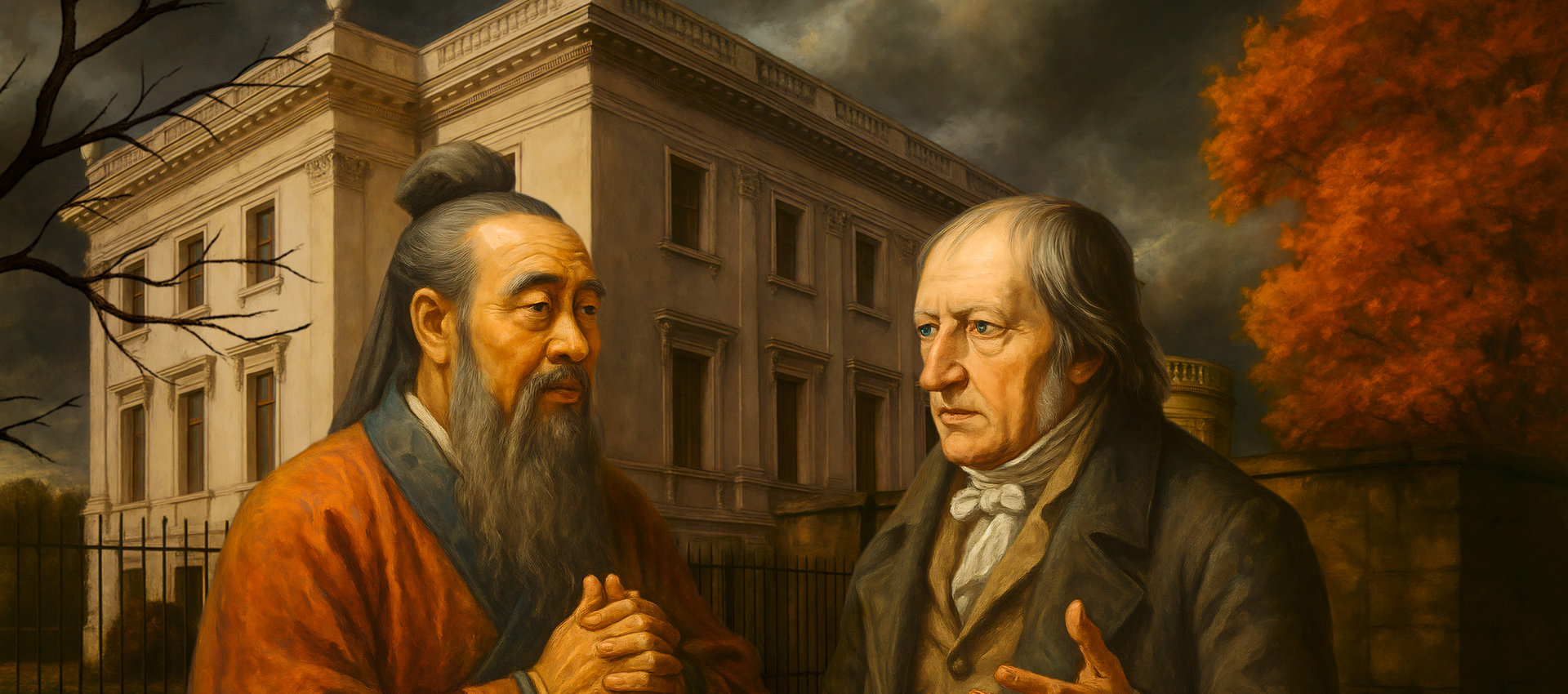
In March, the von der Heydt Villa in Berlin’s Tiergarten is not usually yet resplendent in its full white splendour – yet this stately home is, in truth, always impressive, both from the outside and the inside. Hermann Parzinger also noted this quite frankly when he took up the presidency in March 2008 and moved into what is arguably Berlin’s most beautiful official residence.
Did he have any inkling at the outset of how many hours he would spend within those classical walls? How many difficult and far-reaching decisions would need to be made for the vast SPK universe? How many guests from home and abroad would he receive there – dignitaries and experts, politicians, artists, but above all, almost daily, his staff in large numbers? How many crises would he have to navigate there? How personal his connection to this villa might become?
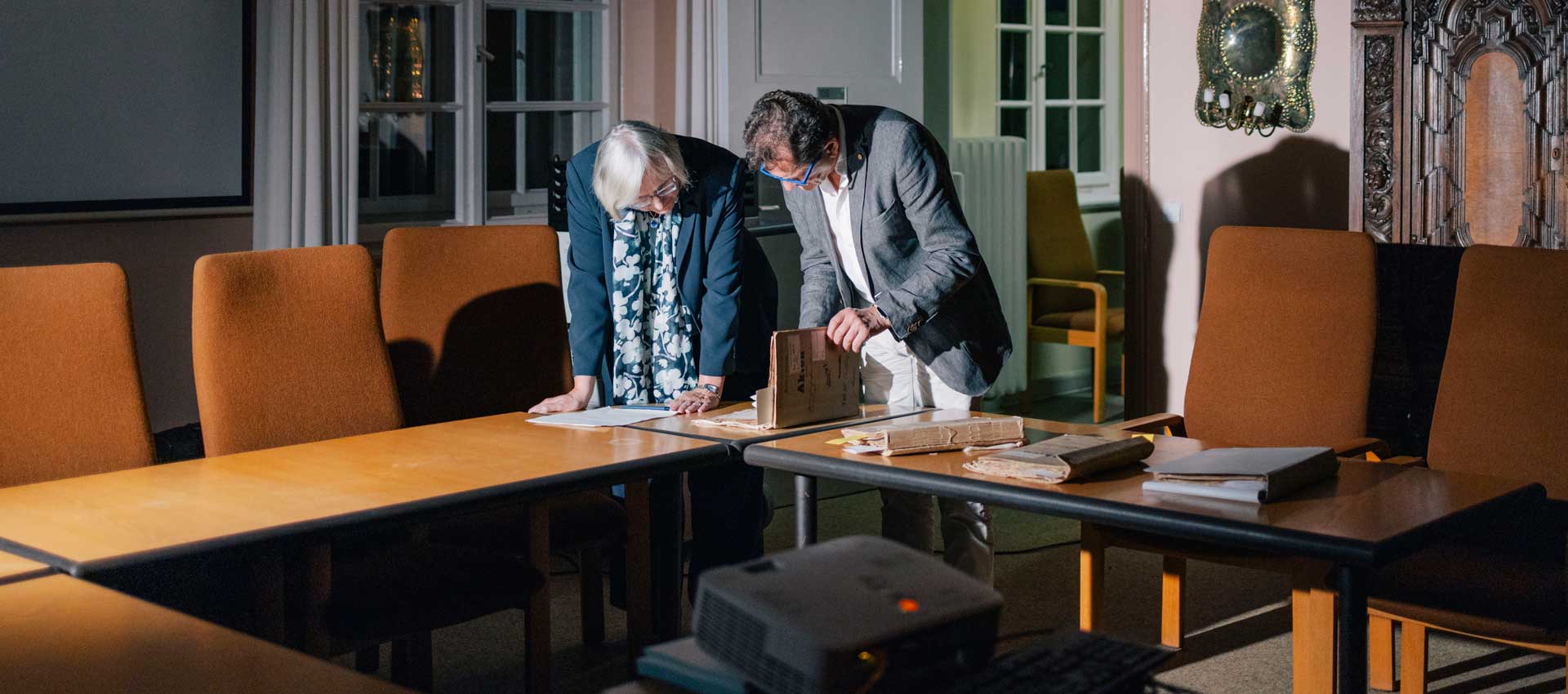
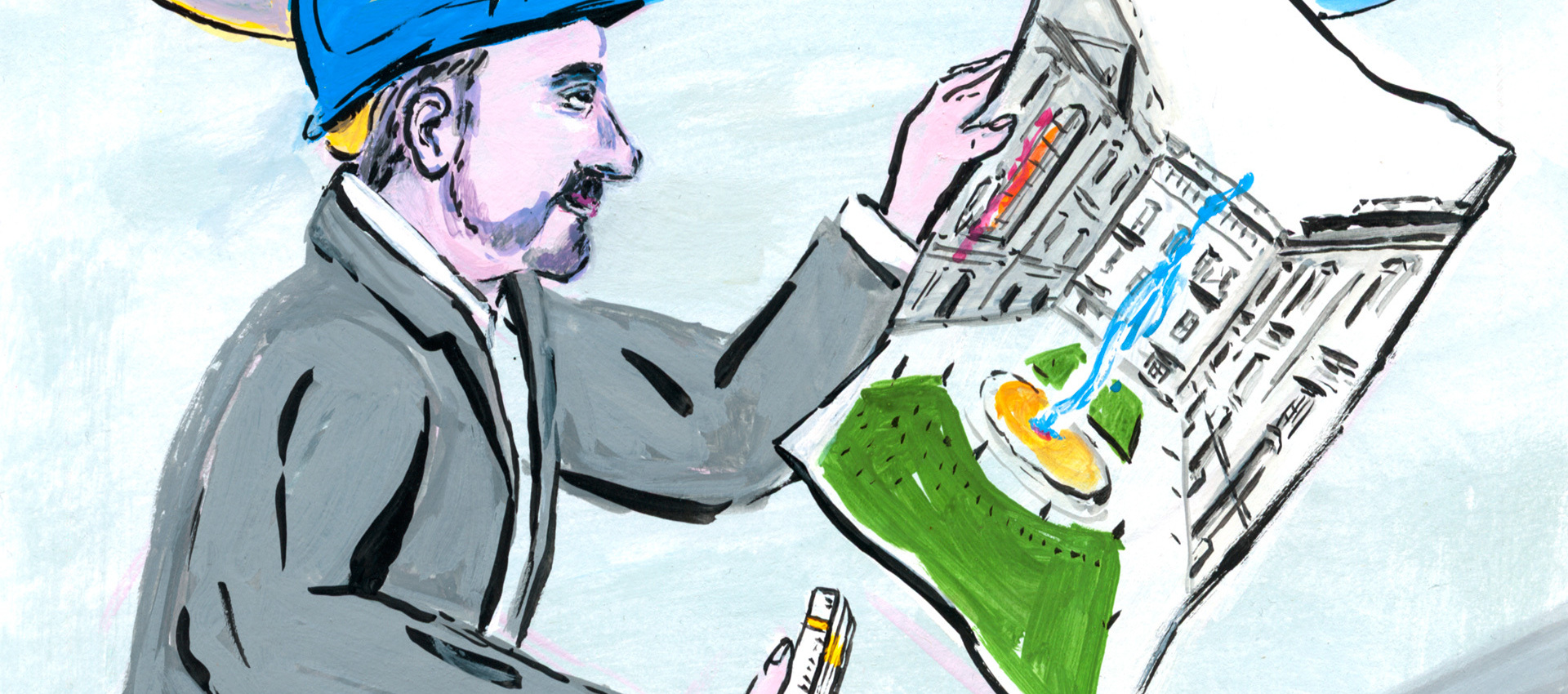
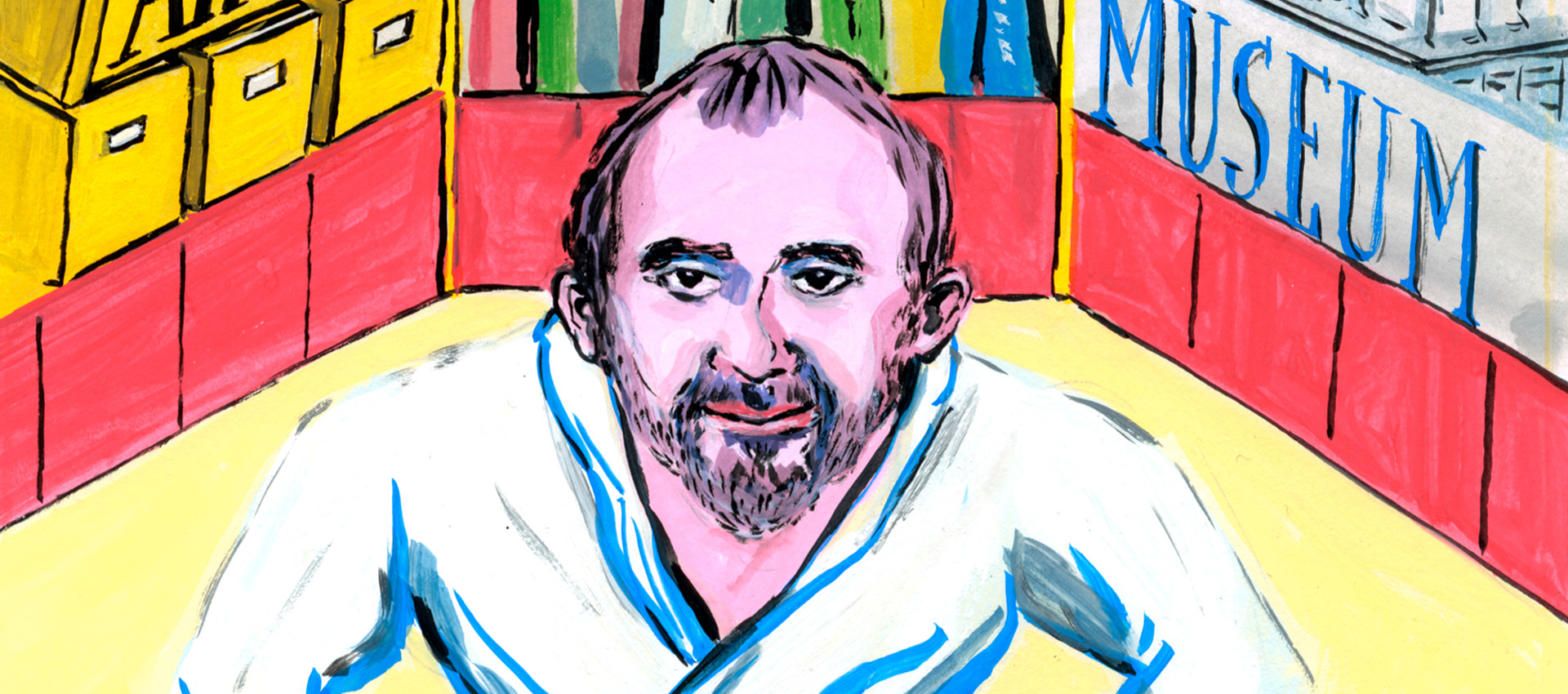
From the very start, Hermann Parzinger was a man of action with great vigour, his own style and a very particular sense of order. A Prussian Bavarian. A fan of order, the likes of whom had probably never sat at this president’s desk before. Not a single sheet of paper too many lay upon it, and if there was, everything was clearly labelled. What had been dealt with was immediately filed away in neatly organised folders and could always be found when needed.
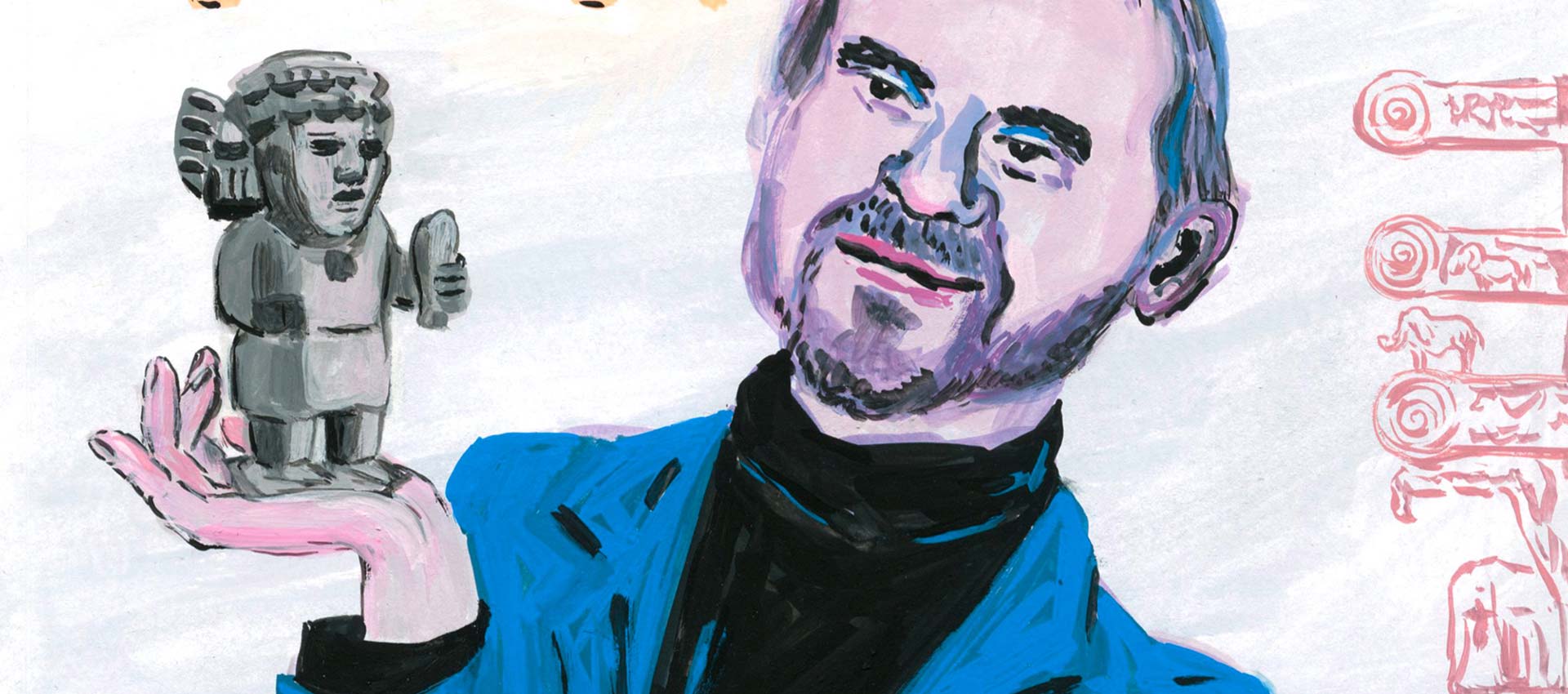
Even the introduction of electronic files did nothing to change this. Hermann Parzinger is a man of paper (though, of course, he is also tech-savvy and a mobile phone addict); he is a bookworm who has written extensive works on archaeological worlds himself – almost as a form of relaxation whilst on holiday. But he also devoted himself passionately to overarching issues such as the protection of cultural property, which became increasingly important internationally during his presidency.
He wanted to shake things up and make clear what culture means for the identity of threatened countries. In the context of his diverse responsibilities as President of the Prussian Cultural Heritage Foundation, which encompasses museums, libraries and archives, it was the overarching and consistently unifying themes that drove him – themes he wished not only to explore for himself, but also to discuss and advance together with others. The history of humanity was always his guiding thread.
The history of humanity has always been his guiding thread
Dorothea Kathmann on Hermann Parzinger
Incidentally, there were many changes at the von der Heydt Villa after Hermann Parzinger moved in – the décor, which had been heavily Prussian in character with battle scenes, sculptures and old maps, was modernised, but not ‘smoothed out’. The décor in the spacious entrance hall now followed the principles of openness, stylistic confidence and transparency – flooded with light and adorned with fine art. Here, one was now happy to wait a few minutes for an appointment with Hermann Parzinger.
For Hermann Parzinger, representing Prussia in the name of the institution was also a very clear commitment. The origins of the collections were to remain ever-present, even though Parzinger’s vision was thoroughly modern: interdisciplinary scholarship, networking with national and international partner institutions, and establishing the SPK as a major non-university research institution.
This fell on fertile ground among the committed young staff in the institutions, though some felt threatened in their ivory towers. Taking all staff members with him on the journey towards the SPK’s future was a priority for Hermann Parzinger, though, of course, aspiration and reality did not always go hand in hand.
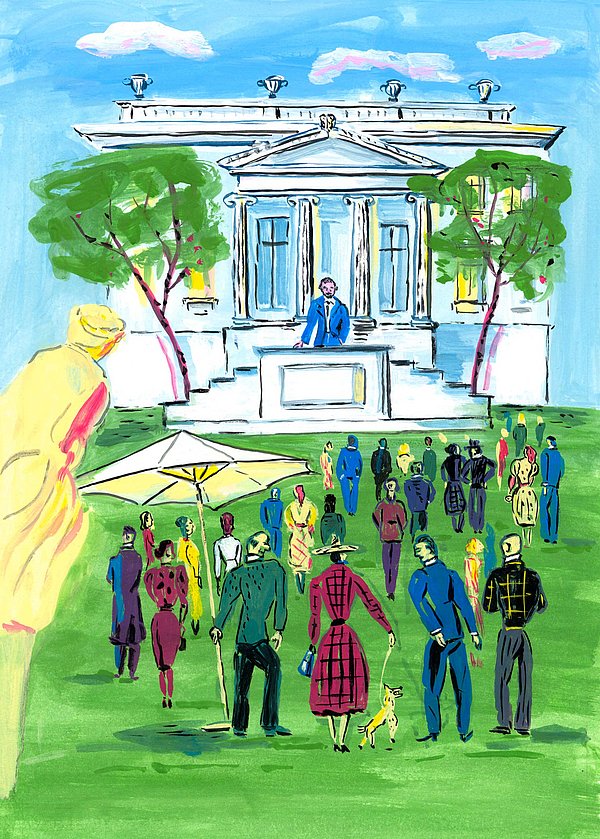
From 2008 onwards, there were several brilliant innovations, such as the President’s garden reception – which became a classic after just a few years – and the Notturno concert series with the German Symphony Orchestra – formats developed at Villa von der Heydt with Hermann Parzinger. The garden reception was both used and appreciated as a networking opportunity for experts, politicians and business leaders alike, and the number of people wishing to be invited grew year on year.
But the annual staff barbecues on the spacious terrace outside the windows of the President’s office also enjoyed increasing popularity – Villa von der Heydt became a place of exchange. The President came across as approachable.
Have you ever eaten camel eyes?
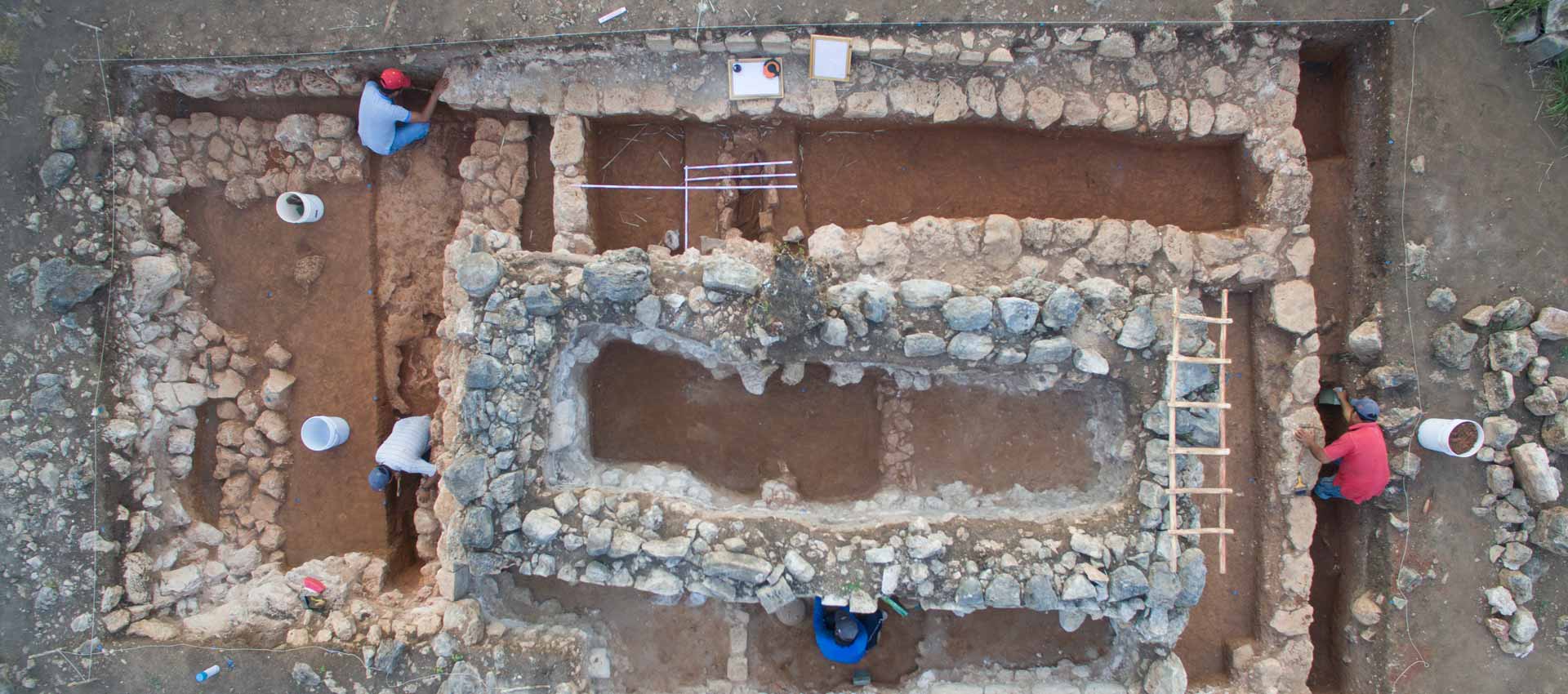
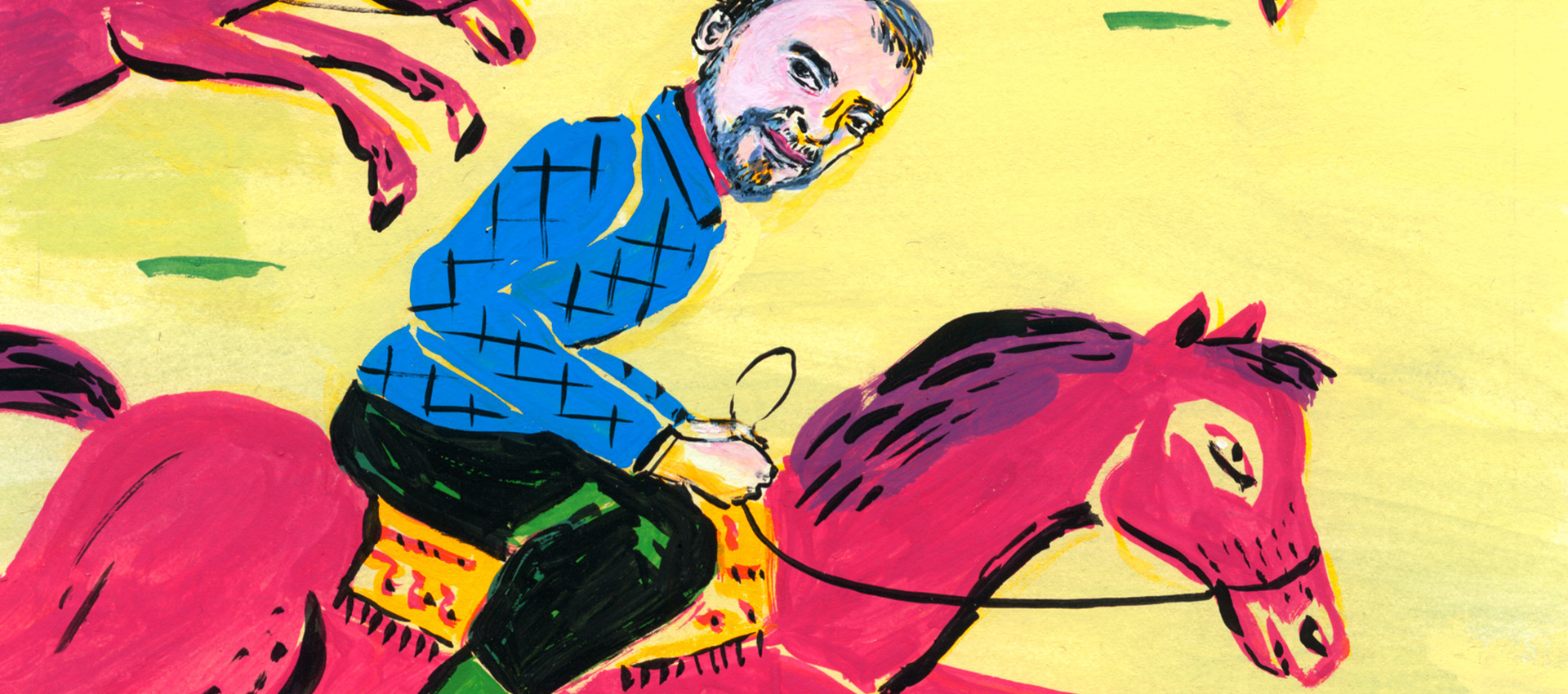
The many stories Hermann Parzinger shared from his excavation trips also contributed to this. In a light-hearted and humorous manner, he recounted, for example, what it is like to be served camel eyes – considered a great delicacy by local excavation partners – and not be able to refuse them. In moments like these, he was very much at one with his large SPK team, and more of a human being than a president.
In day-to-day life, the villa was a place where people were challenged and supported – it was less of a pleasant venue for official functions and more of a genuine workplace. A workplace that was genuinely appreciated by most staff, however, a place where everything was close at hand, where you might unexpectedly bump into Hermann Parzinger, and where a quick hello or even a longer “how are you” was always in order.
Hermann Parzinger was certainly no ‘figurehead’, but rather a hard worker. Whatever he did, he did at a rapid pace; emails often came back within minutes, enquiries were dealt with almost round the clock – whether it was Christmas, during holidays or on his birthday. He was always online. Emails beginning with ‘by the way’ soon became infamous. Here he wanted answers, and he wanted them immediately! Just as quickly, his replies became legendary, ending with a “basta”. In this way, the boss made it clear that this was exactly how he wanted the matter decided or dealt with.
This was perhaps not always easy for the staff, but Hermann Parzinger always bore full responsibility and stood by his word and behind his team. All this took place in the villa. A place where small and large working groups gathered, where discussions took place, where arguments flared up, where struggles ensued, not least and very often concerning the future of the Prussian Cultural Heritage Foundation.
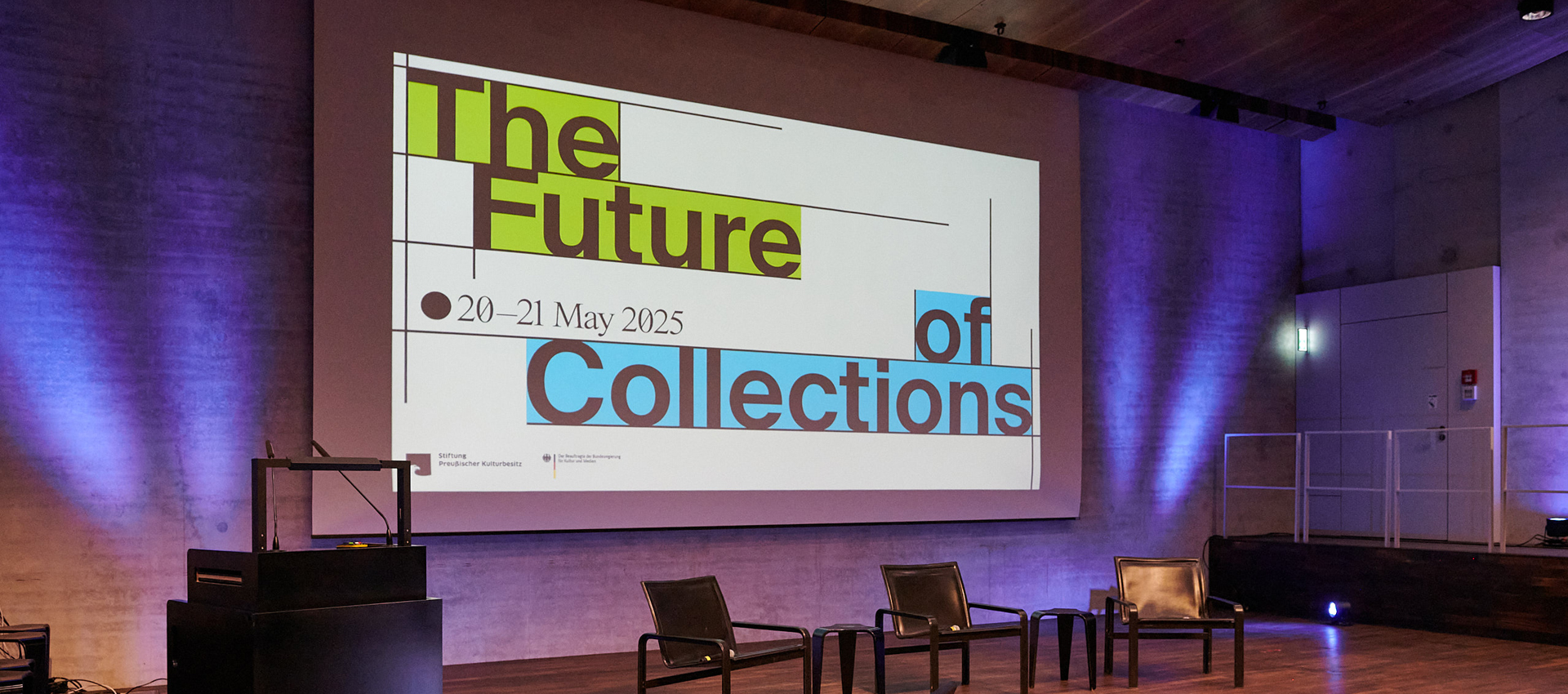
It was here that the Scientific Council met in 2019/20, as did the Foundation Council on numerous occasions under the chairmanship of various Ministers of State for Culture, together with representatives of the federal government and all the federal states; it was here that SPK history was made, right up to the very end of Hermann Parzinger’s long tenure, which will come to an end in May 2025 after more than 16 years.