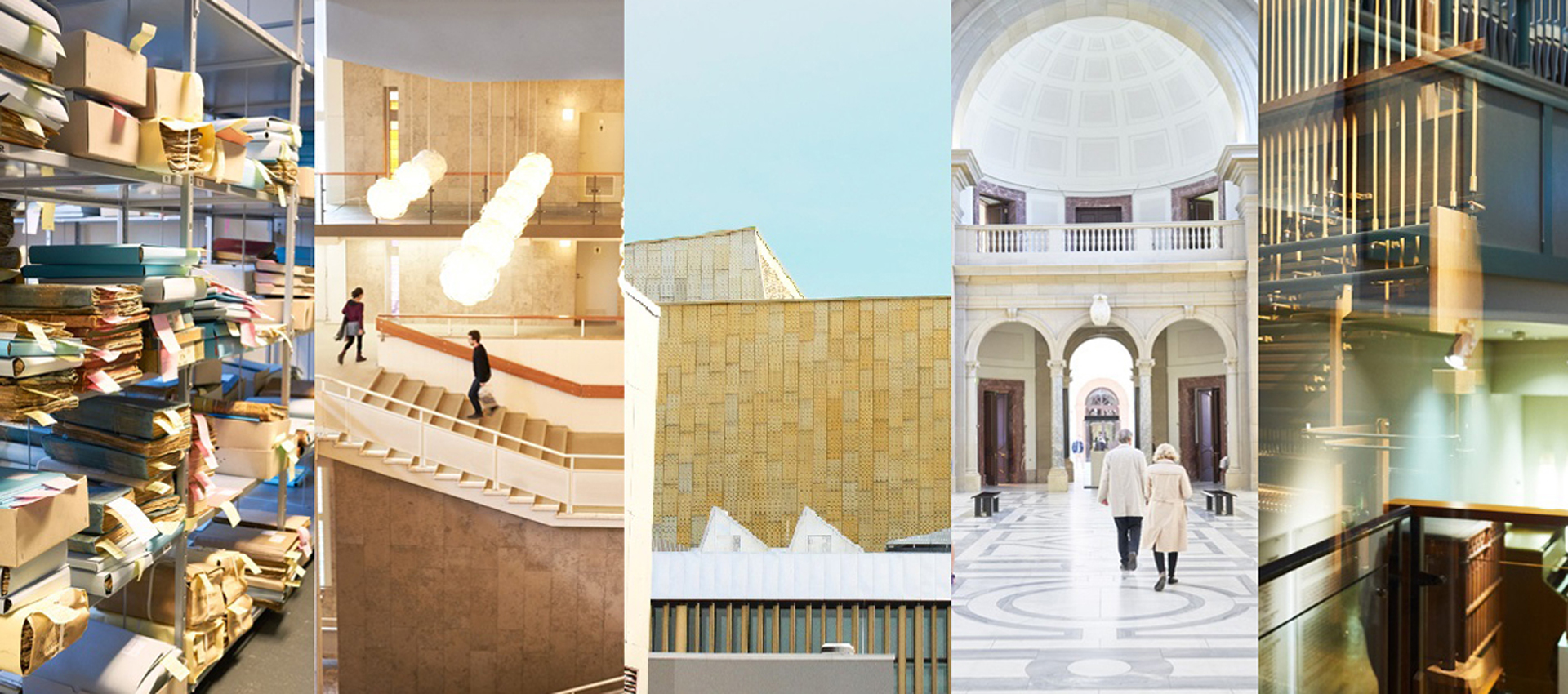
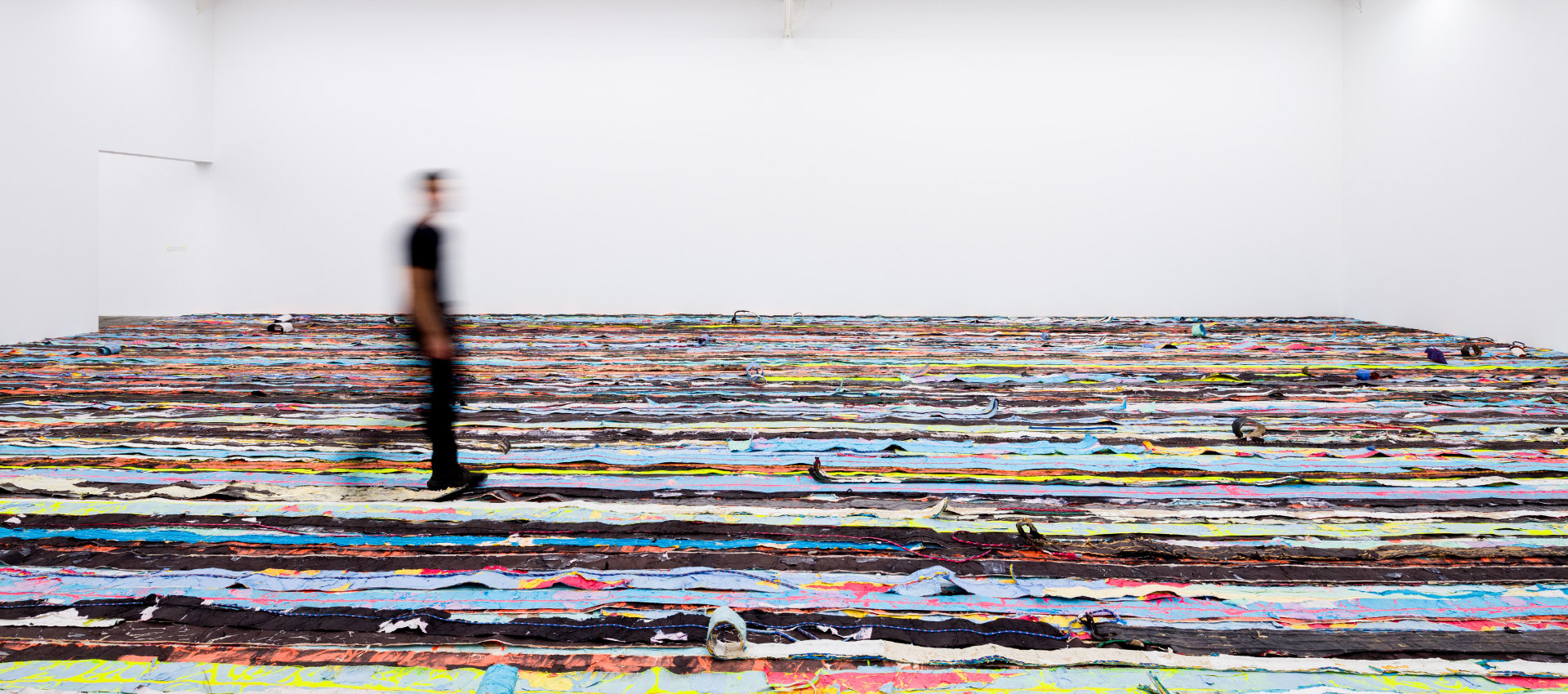
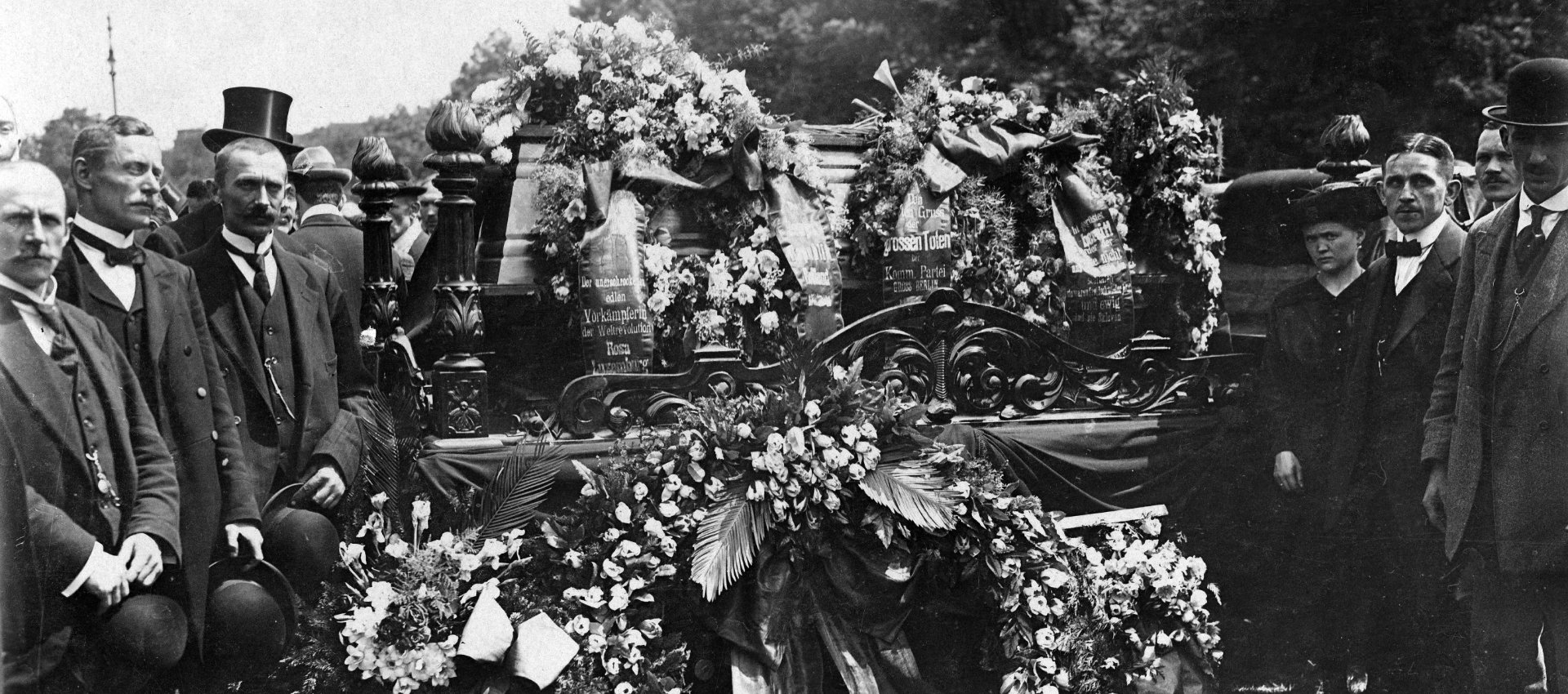
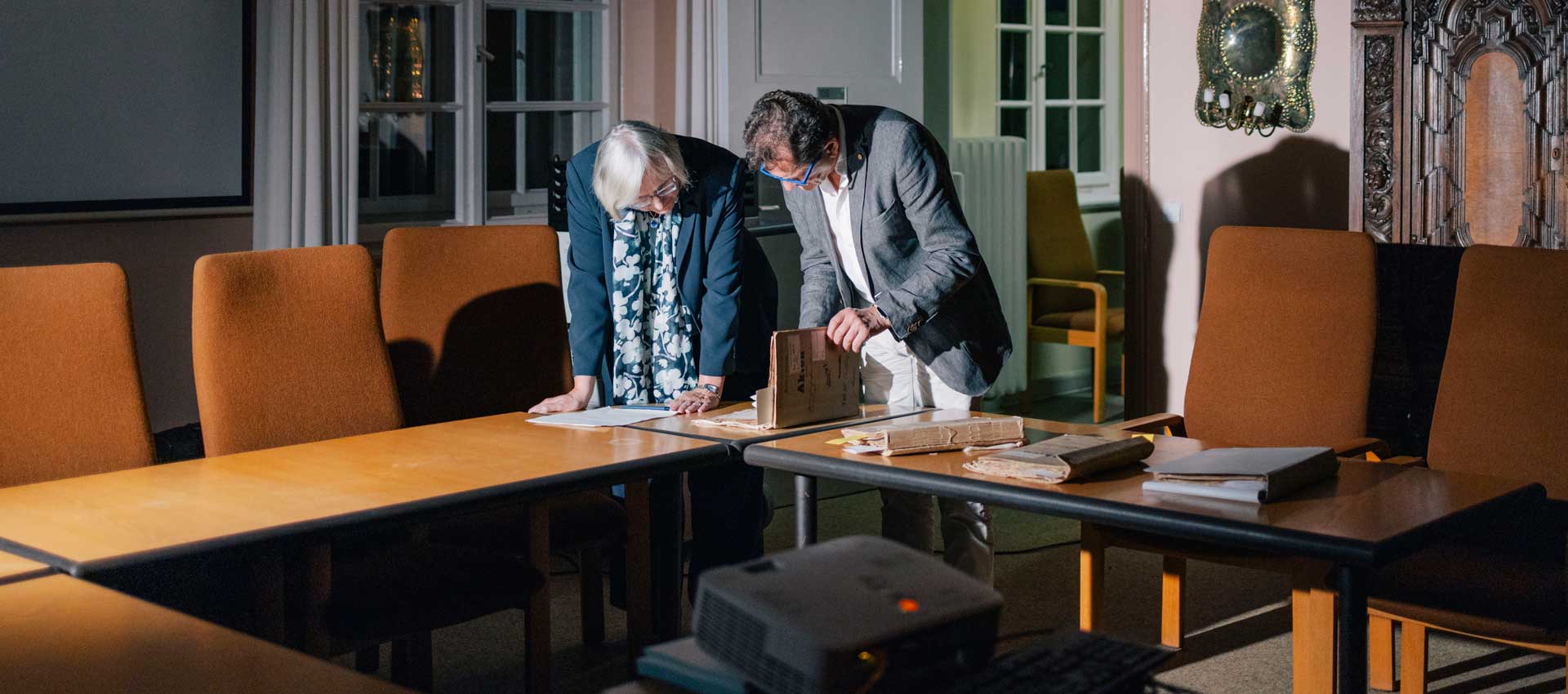
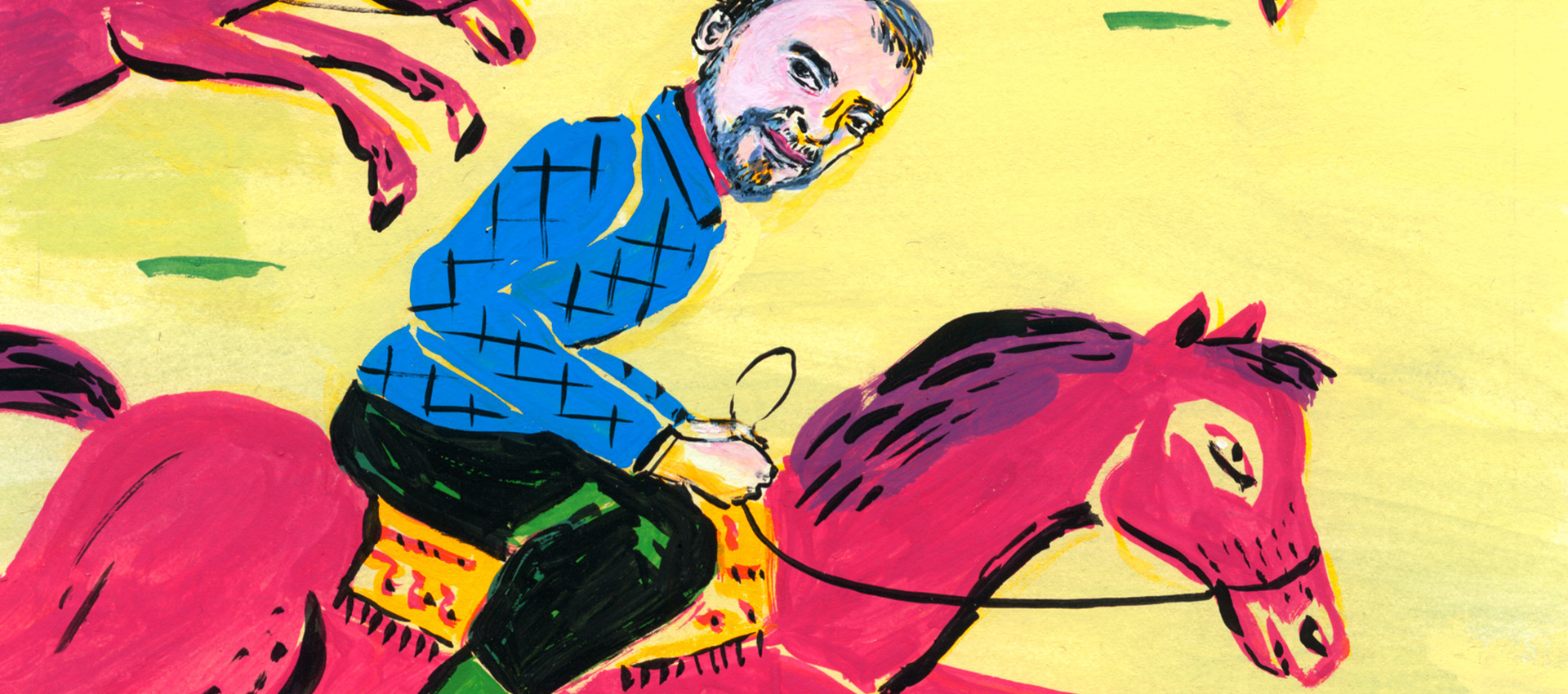
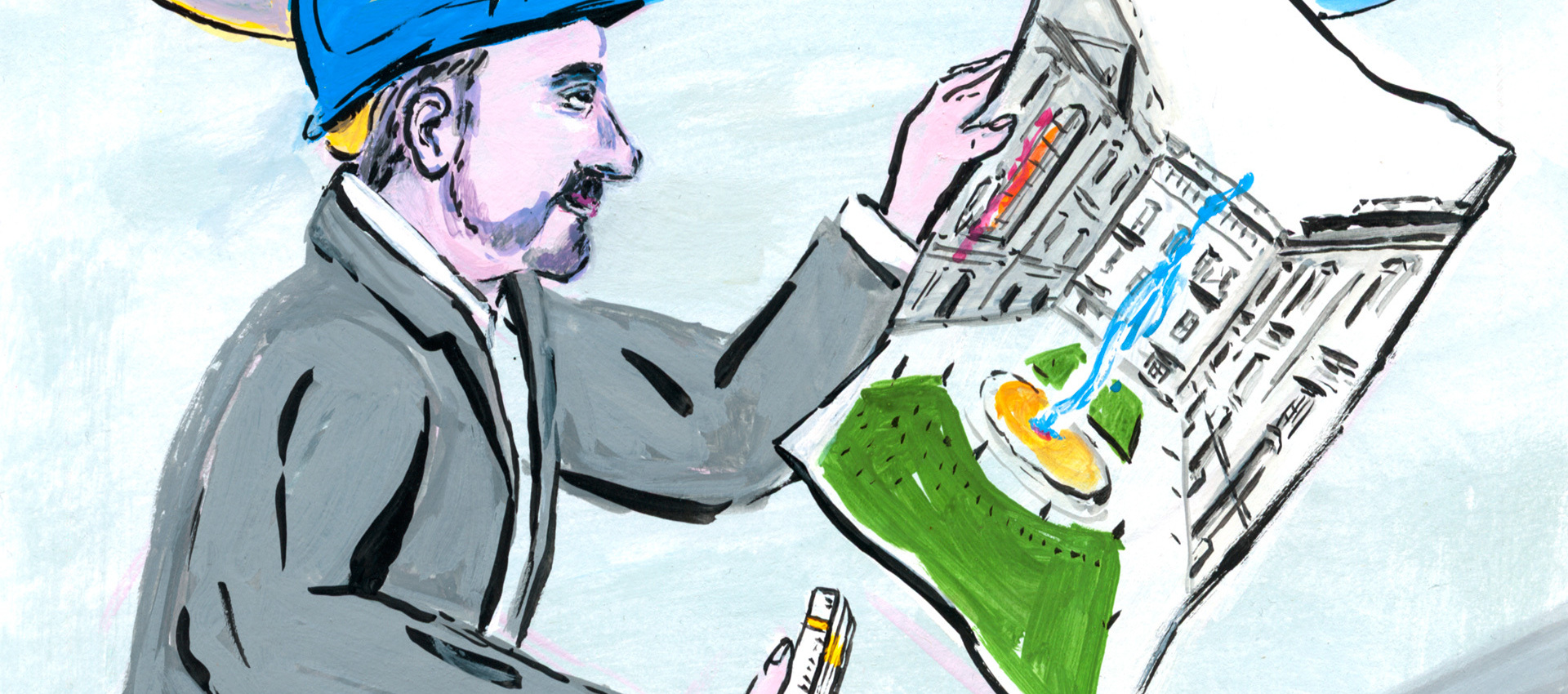
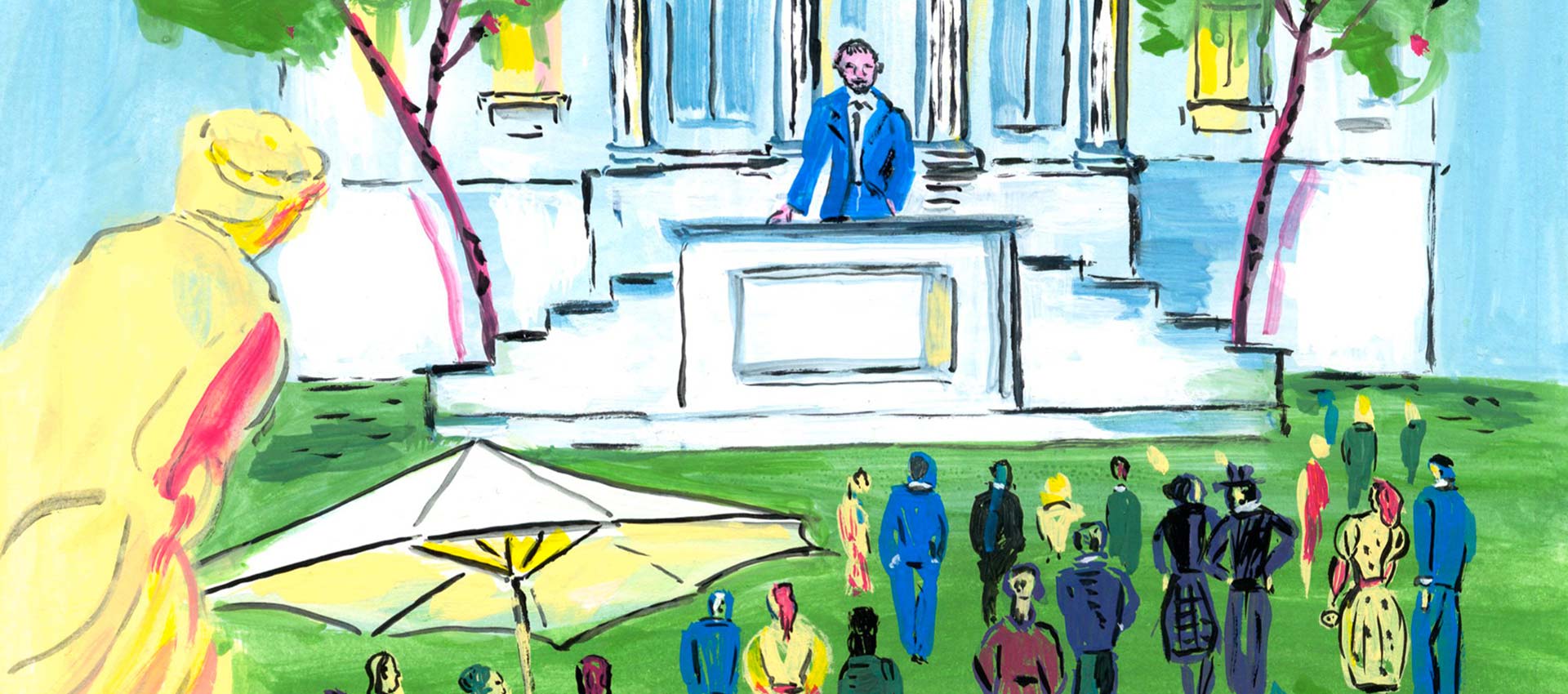
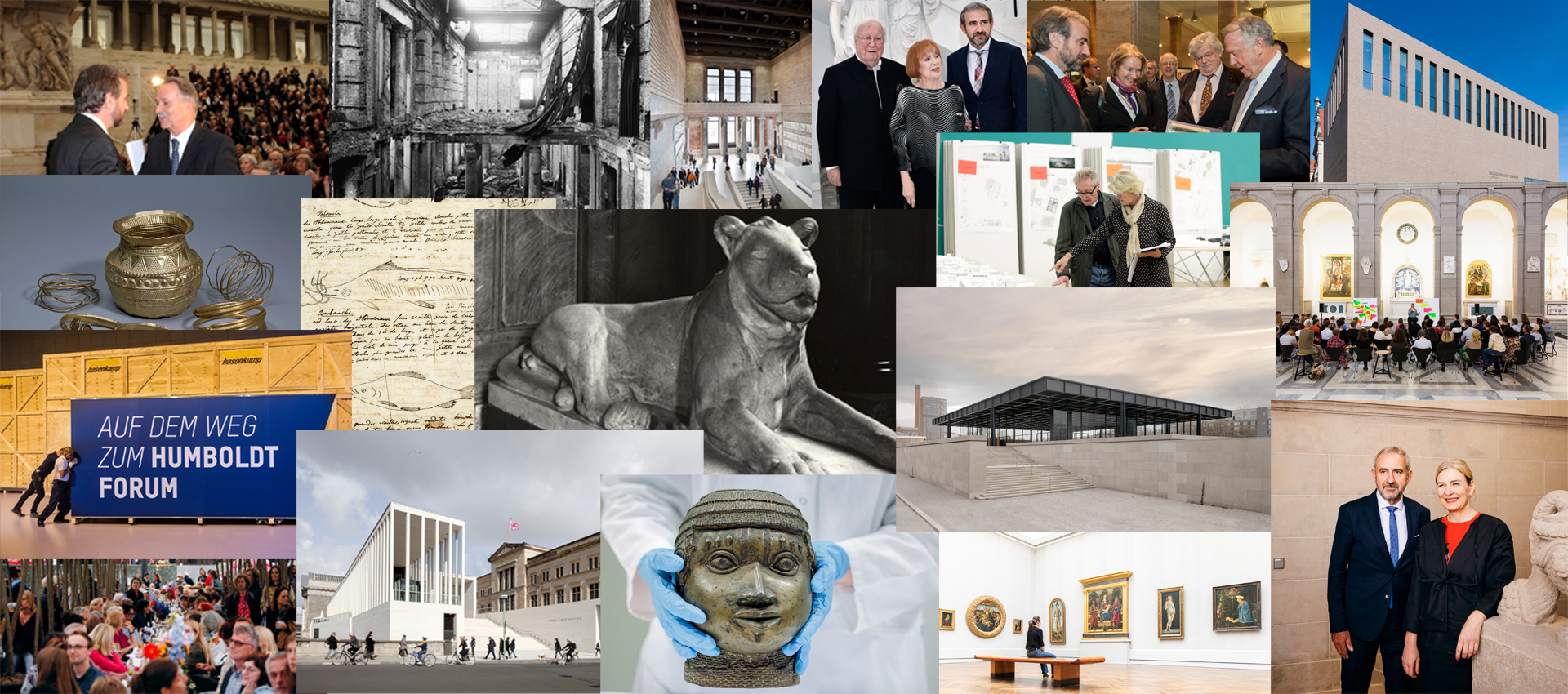
A fleeting diary of a presidency marked by a series of milestones. But how did those milestones come to be there? The stories lie behind the images and in a daily routine for which one had to be prepared. One way or another.
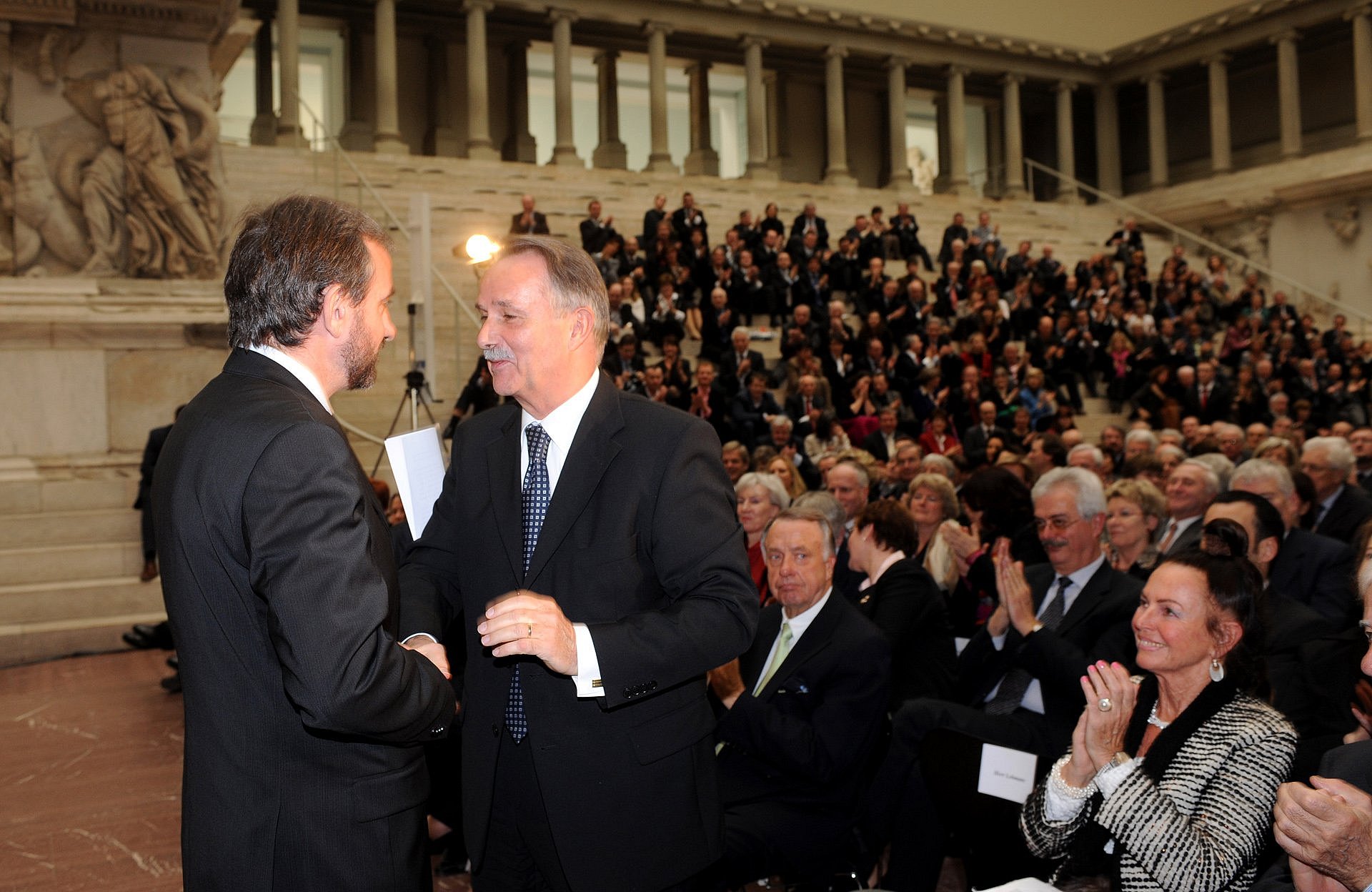
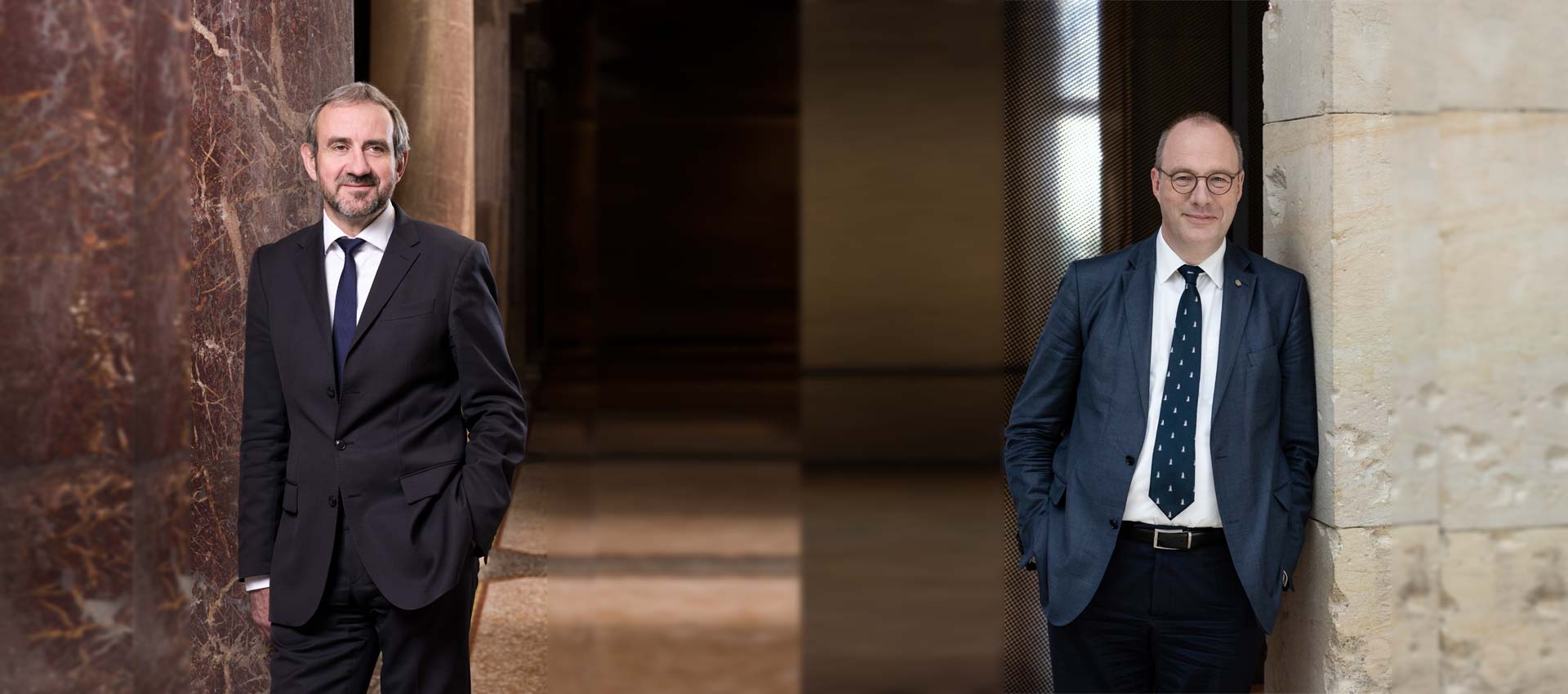
2008: Lehmann leaves, Parzinger takes over
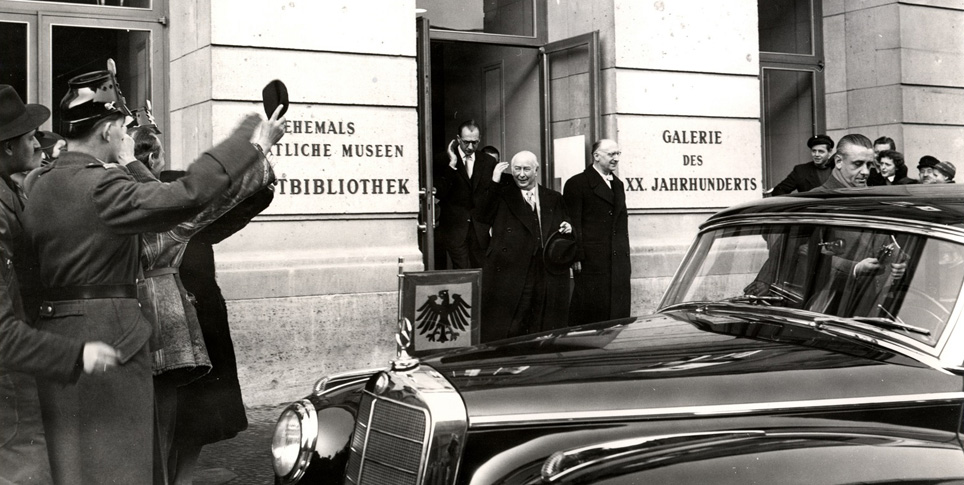
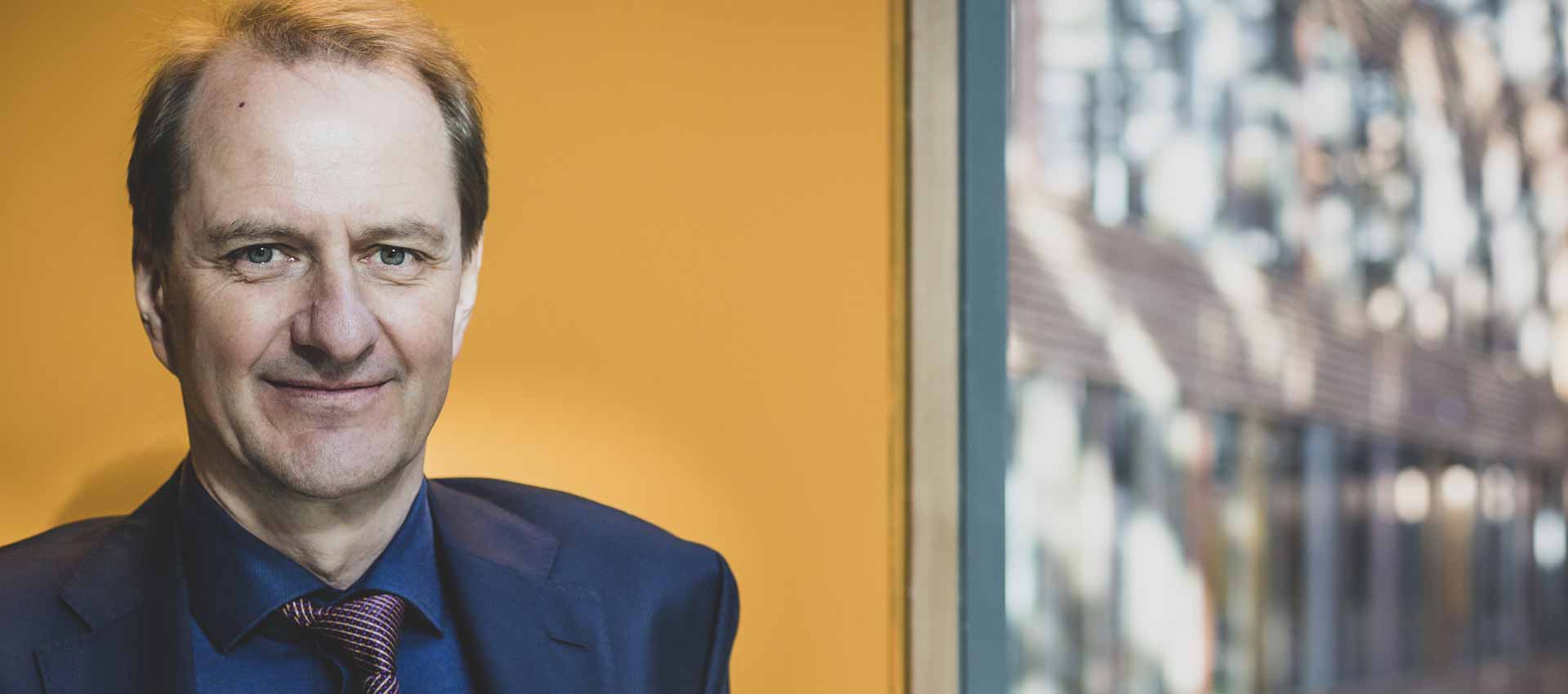
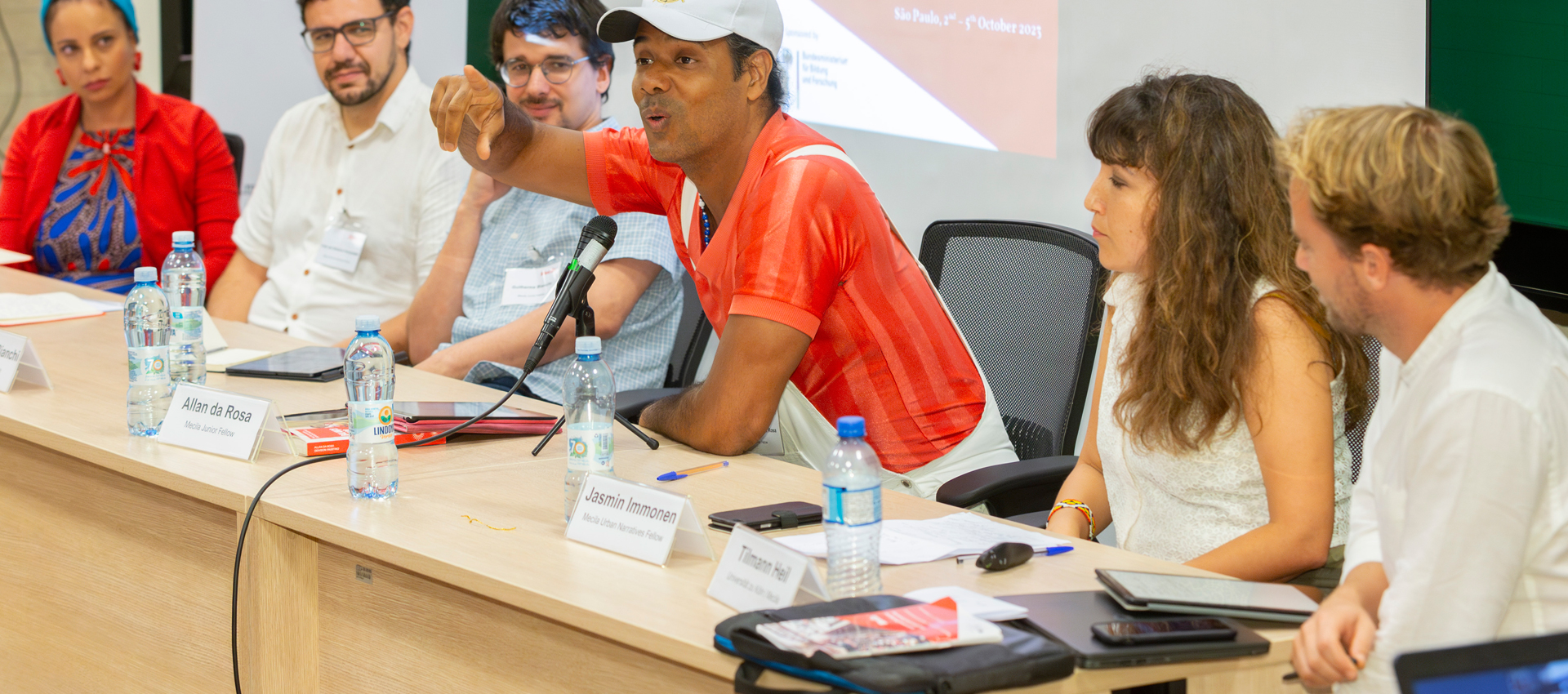
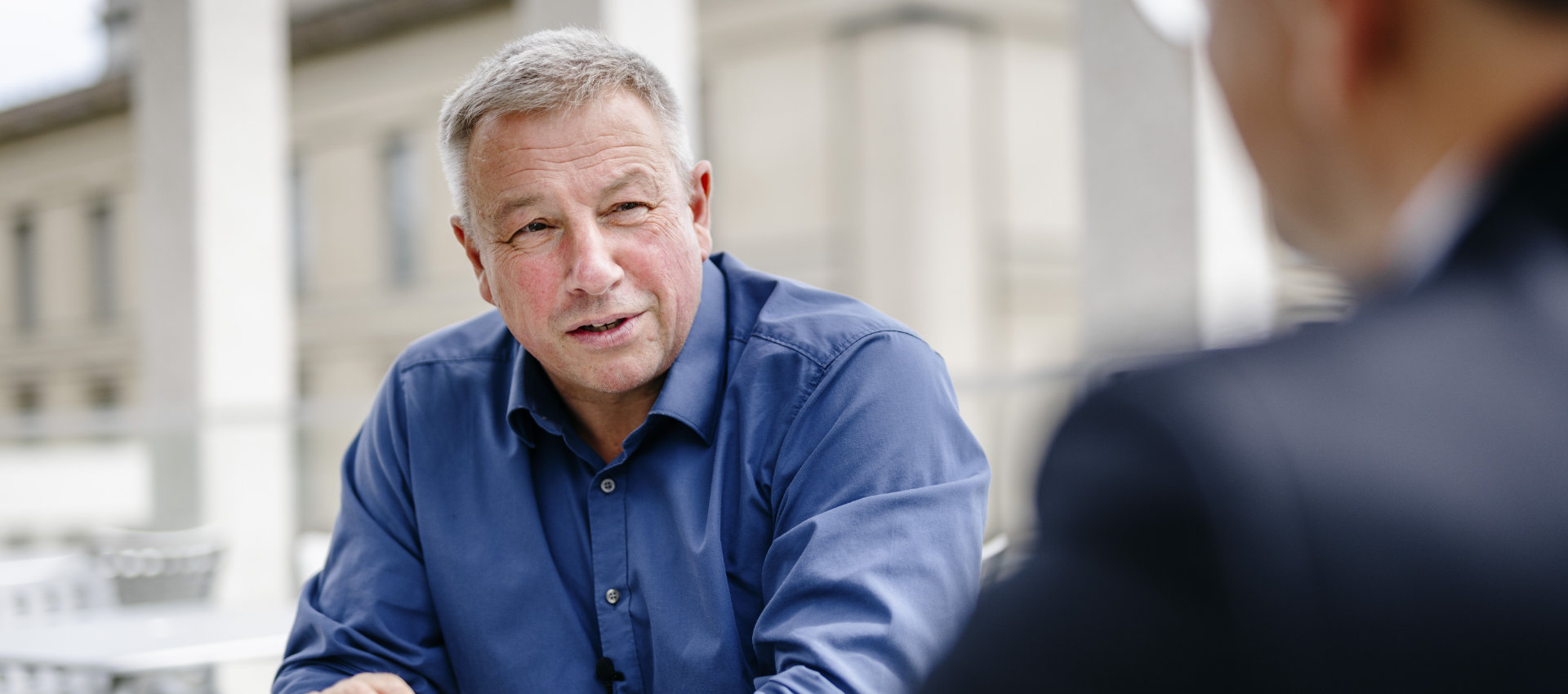
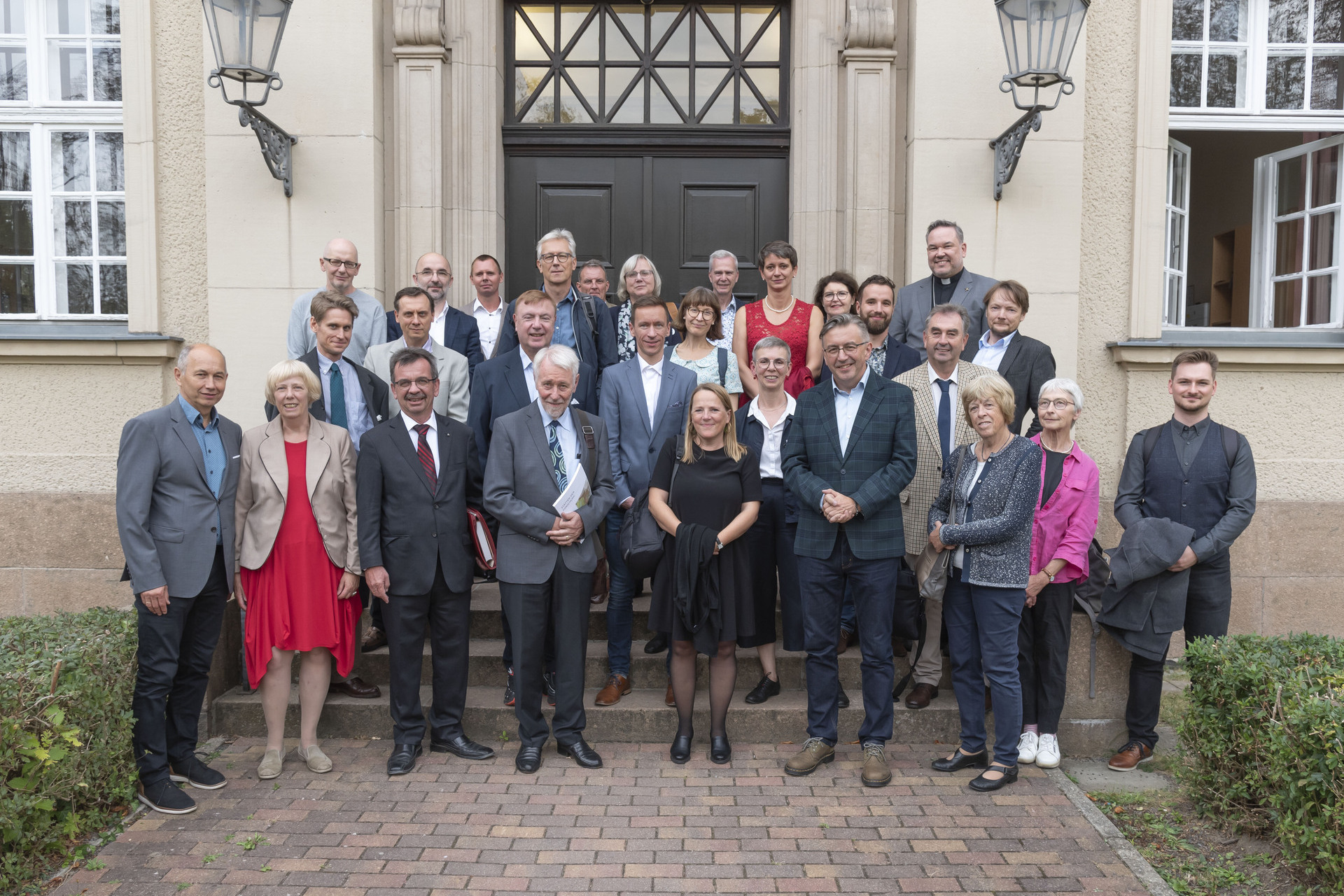
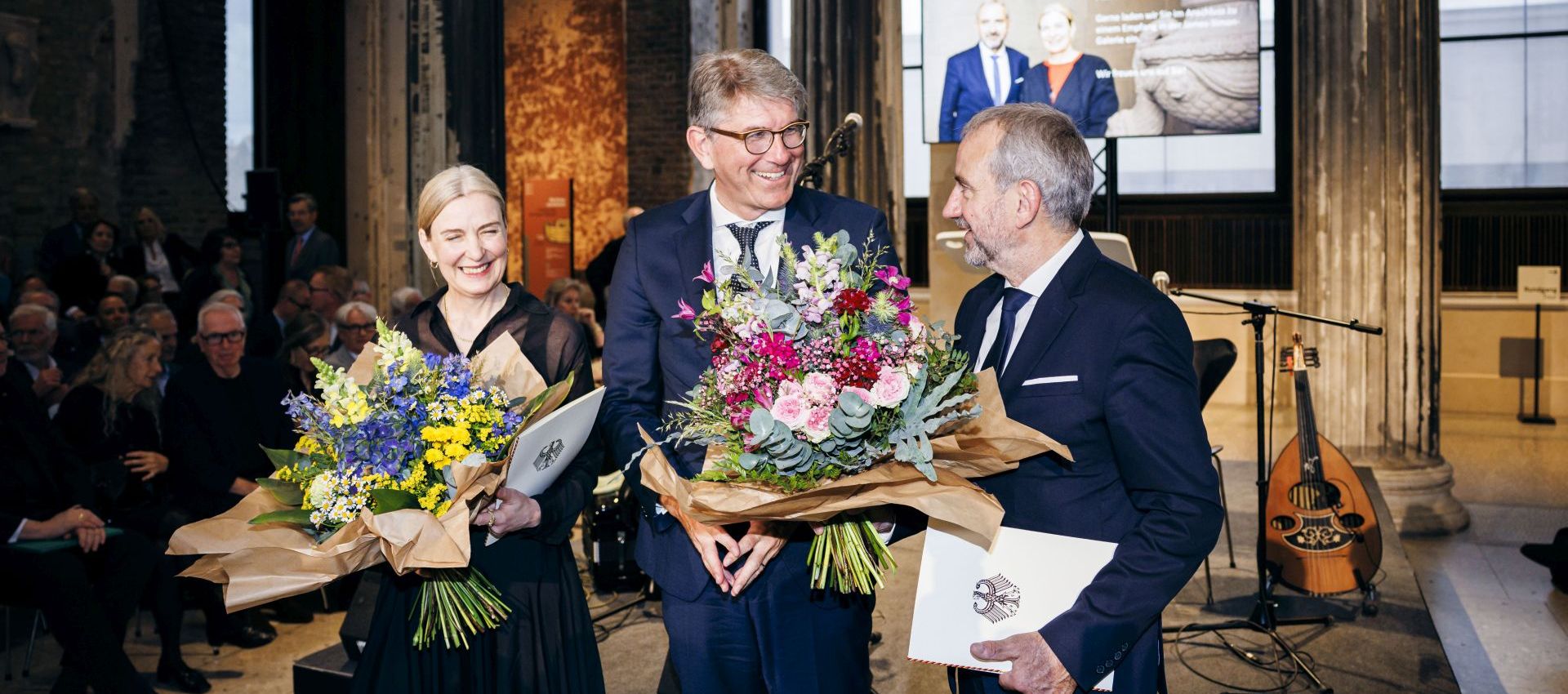
On 29 February, the former President of the SPK, Klaus-Dieter Lehmann, will be bid farewell at the foot of the Pergamon Altar, and his successor, Hermann Parzinger, will be inaugurated. In his speech, Minister of State for Culture Bernd Neumann promises the new president that major tasks await him: the Humboldt Forum, the Museum Island masterplan, and the comprehensive renovation of the State Library
Unter den Linden … But Parzinger, he says, possesses the necessary competence, stamina and vision.
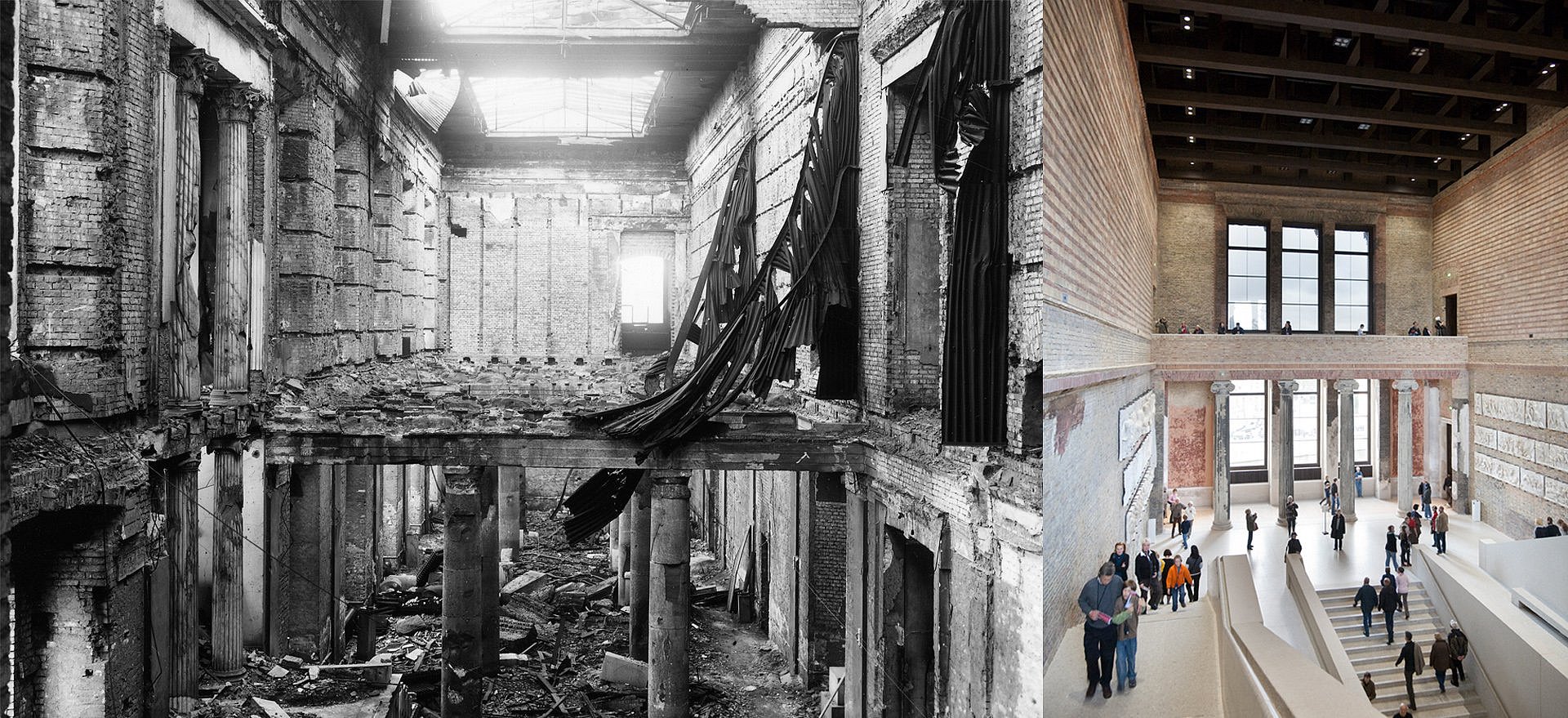
2009: The Neues Museum opens
After a good ten years of planning and restoration, the Neues Museum will reopen on 5 March. David Chipperfield has restored the Stüler building without obscuring the traces of the past. This means that, in Parzinger’s first year in office, all five museums on Museum Island are open again for the first time in 70 years. Photos: Central Archive/Pierre Adenis
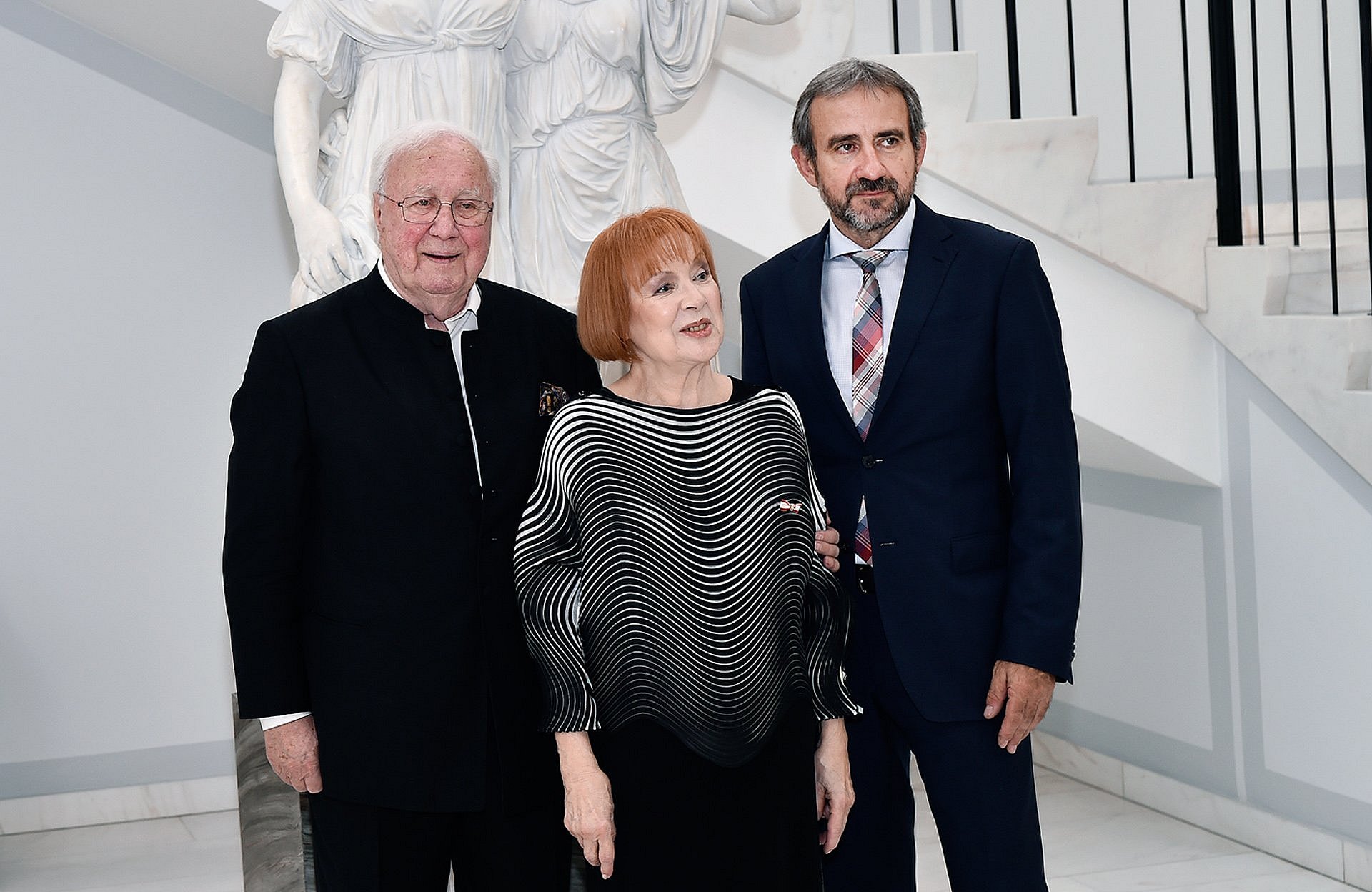
2010: Ulla and Heiner Pietzsch donate their collection
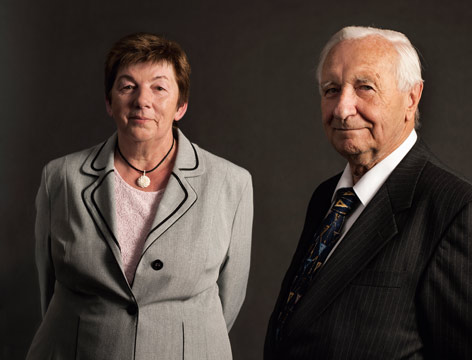
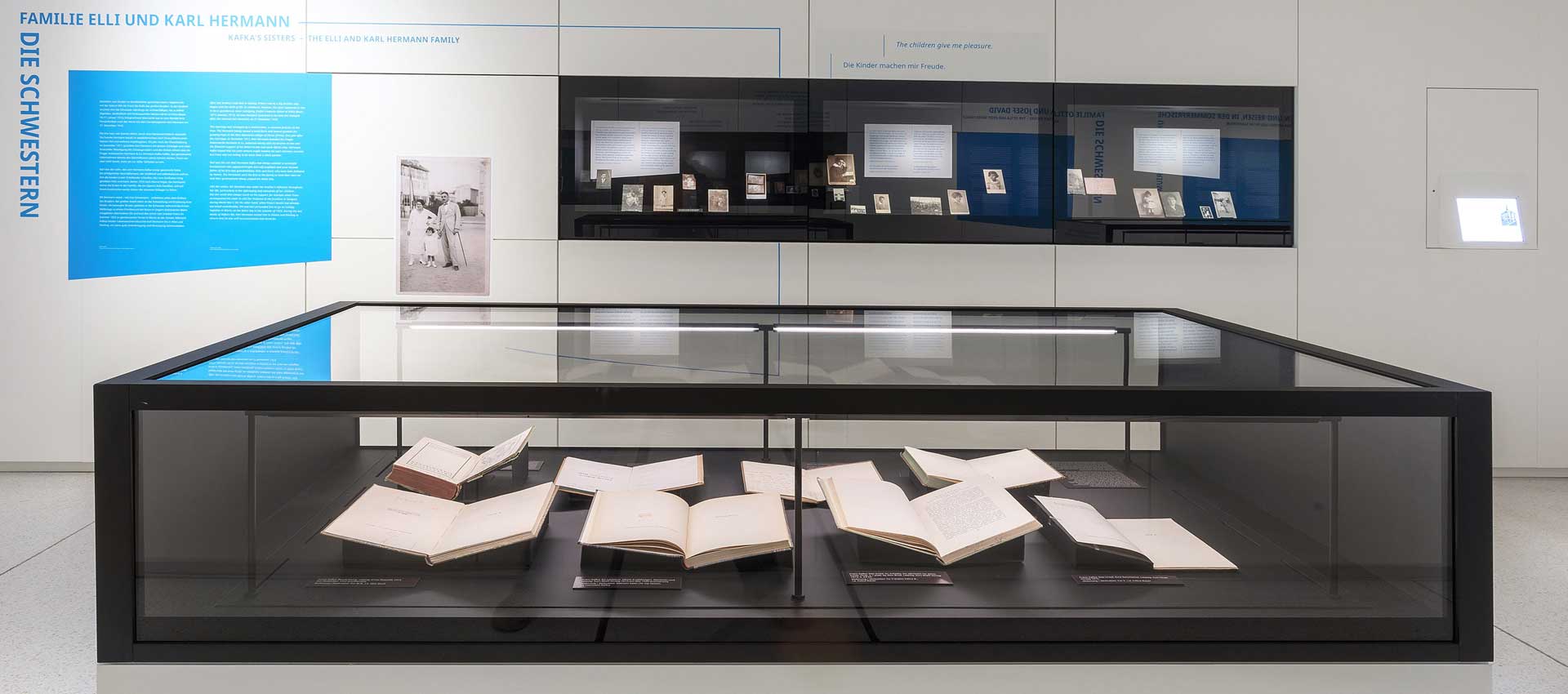
On 17 December, Ulla and Heiner Pietzsch are donating their unique art collection to the State of Berlin, comprising some 160 works by renowned Surrealist artists such as Salvador Dalí, Max Ernst, René Magritte and Joan Miró. It will be placed on permanent loan to the Neue Nationalgalerie. The Pietzsch Collection is to be given a permanent home in the National Gallery’s new building, ‘berlin modern’, at the Kulturforum. Photo: Urban Ruths
Photography
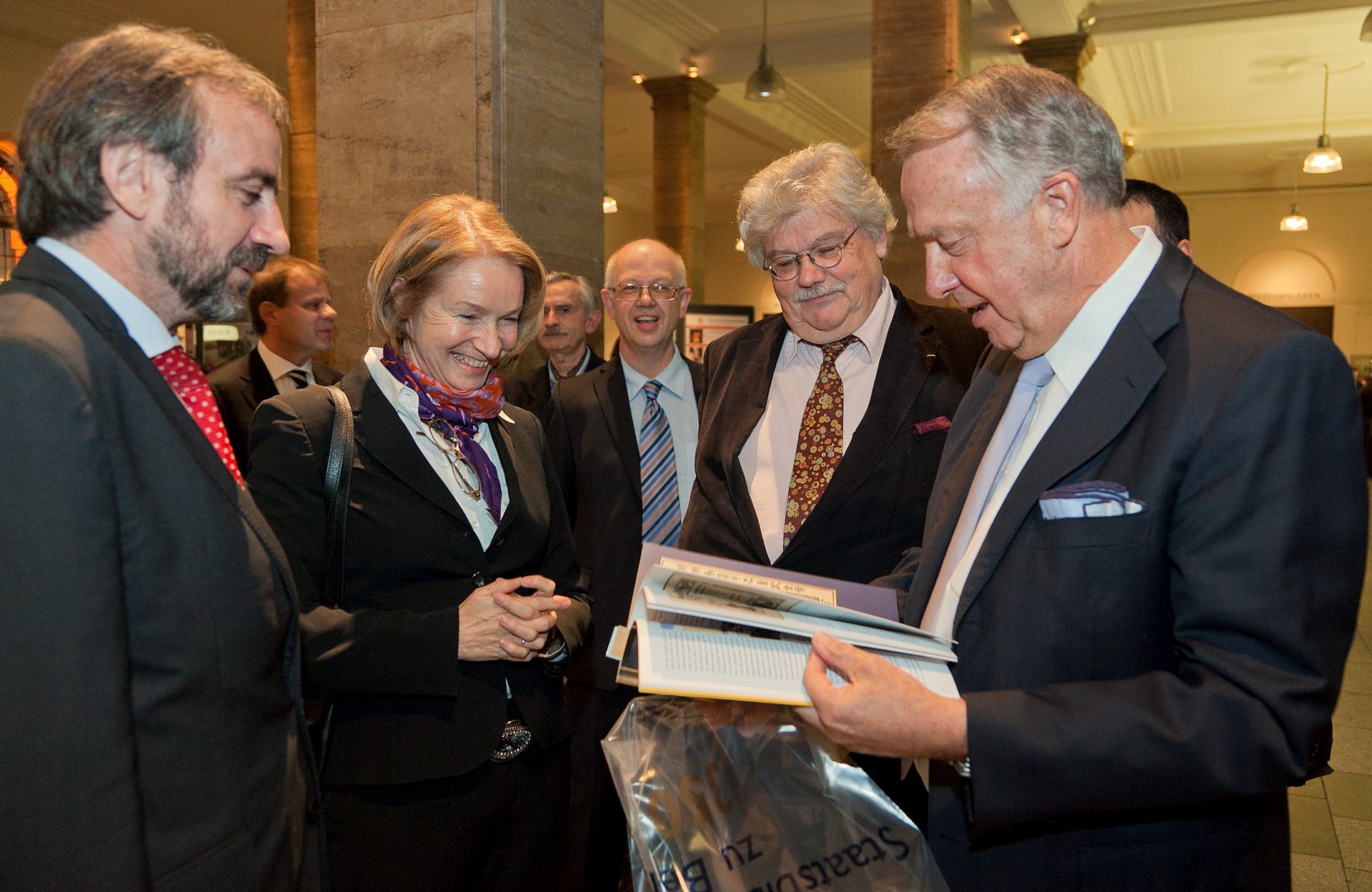
2011: 350th anniversary of the Berlin State Library
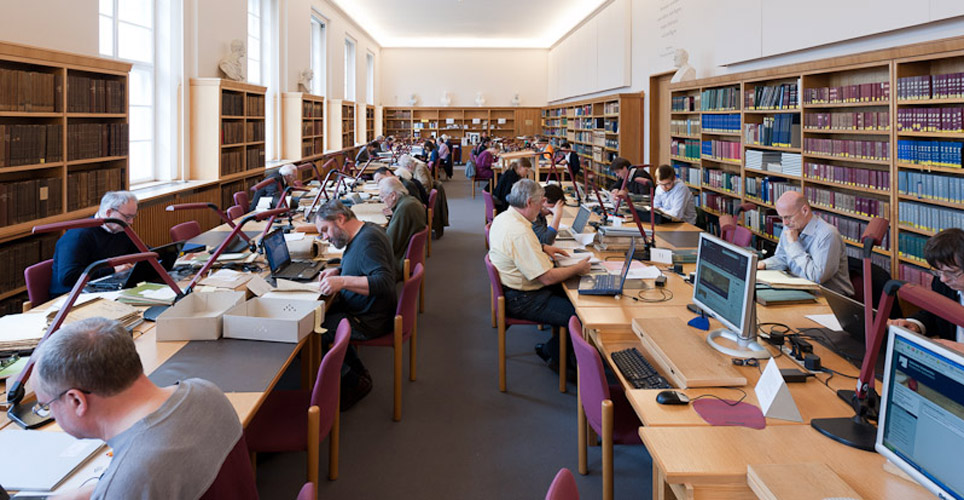
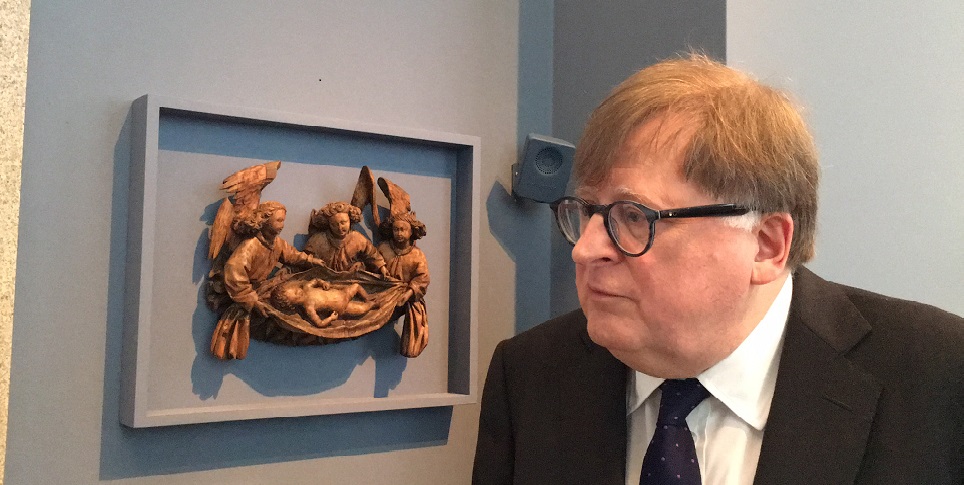
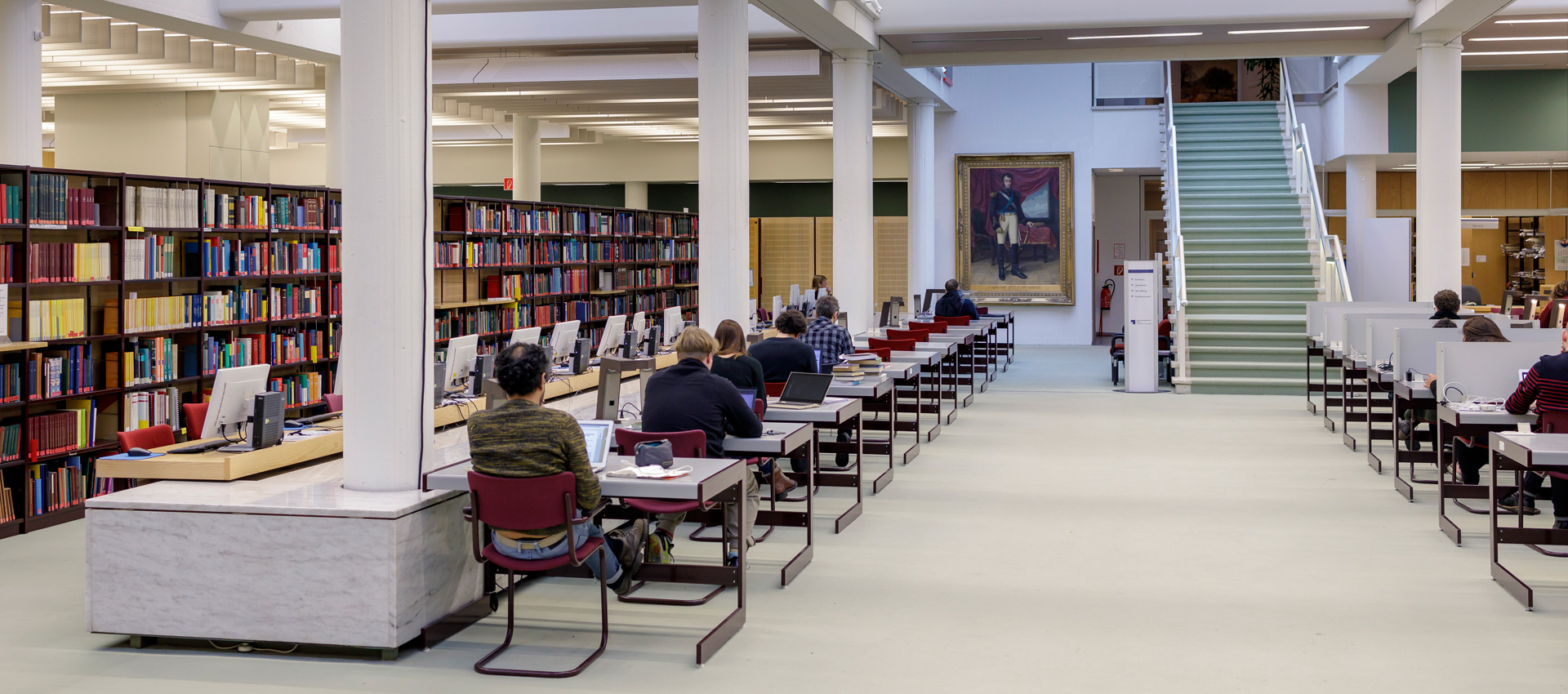
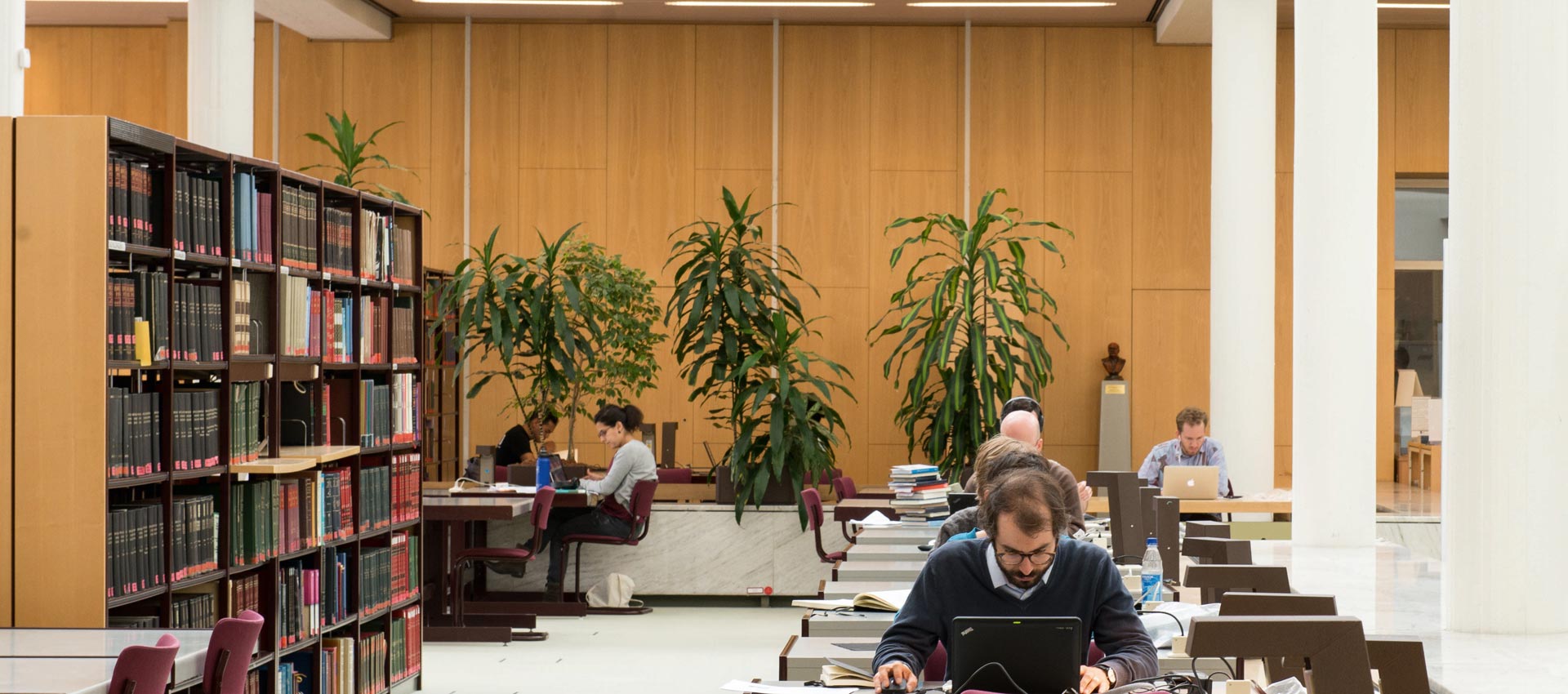
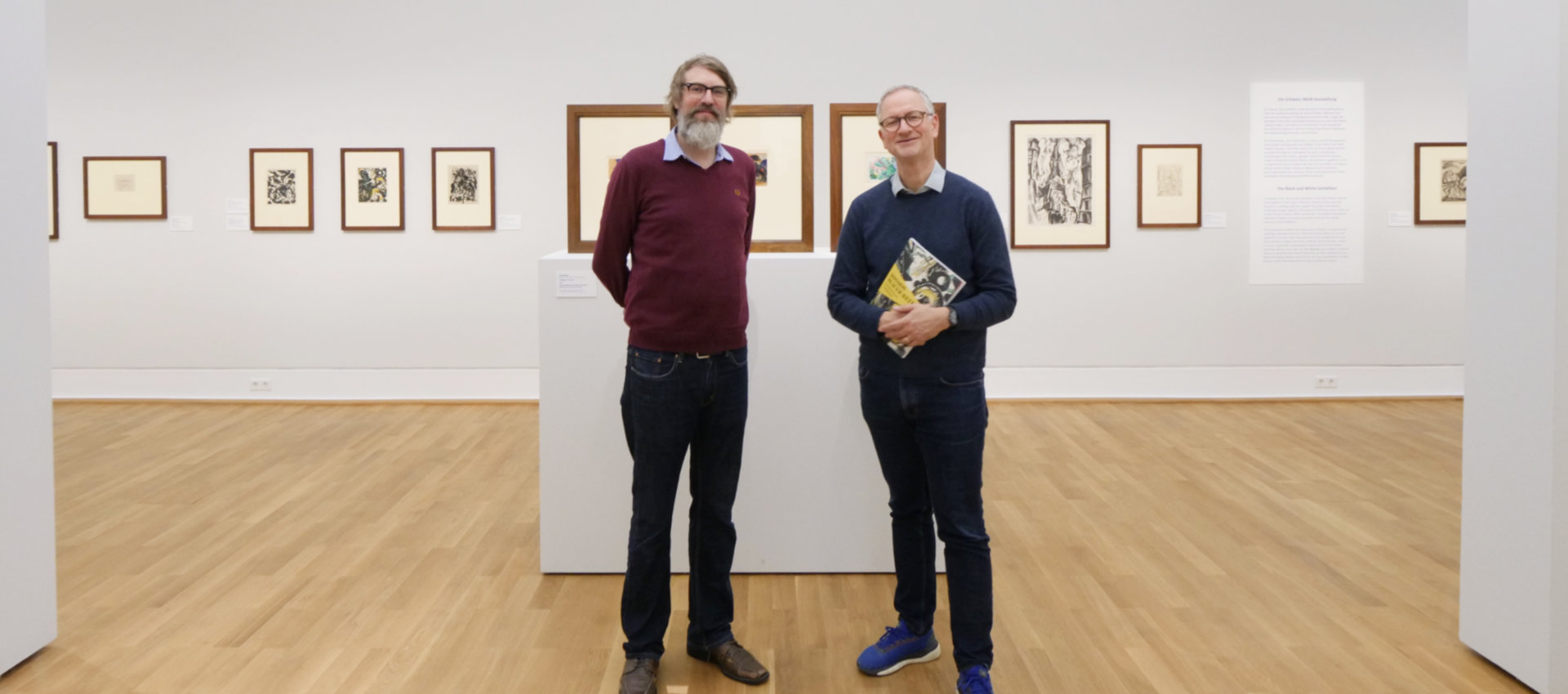
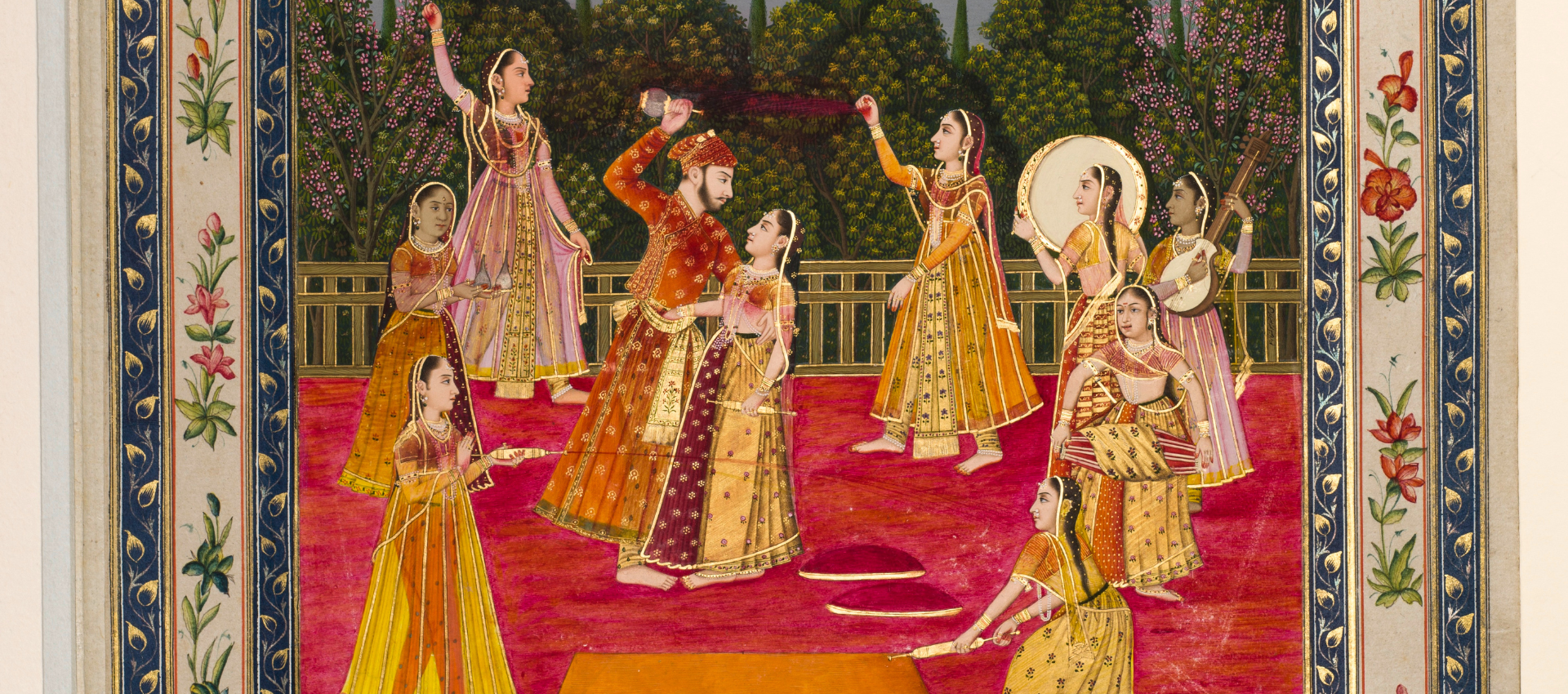
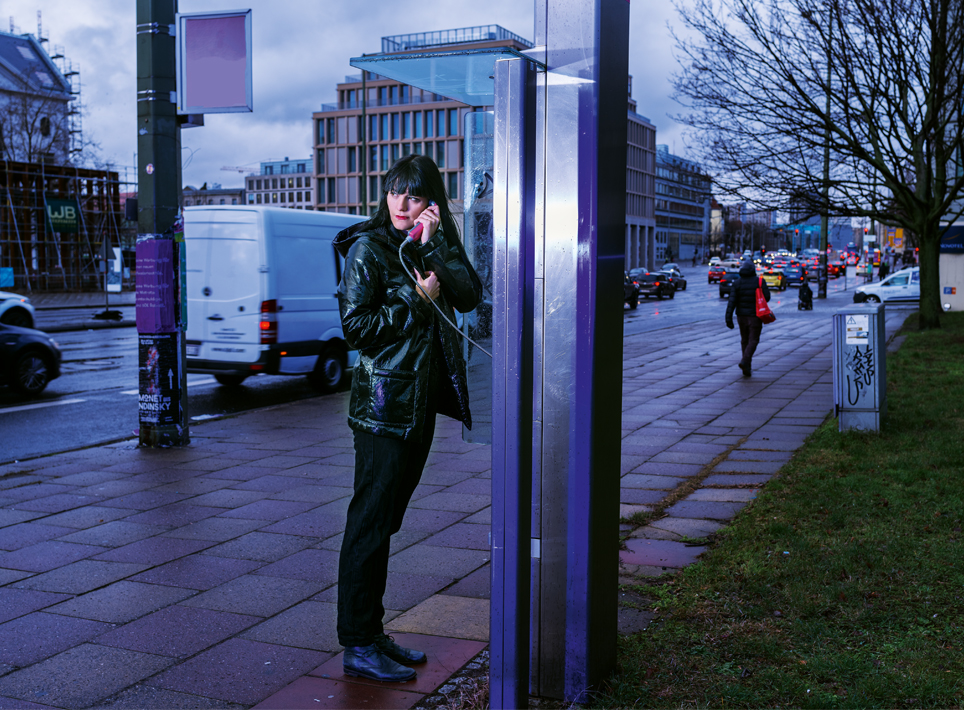
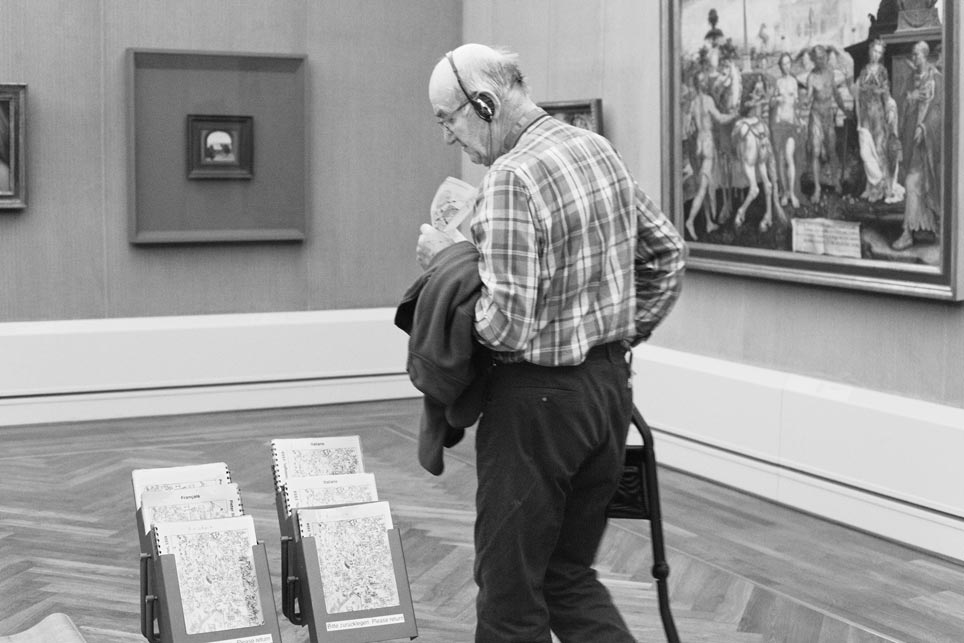
In 1661, the “Electoral Library in Cölln an der Spree” opened its doors for the first time. The “Stabi” is celebrating this anniversary in style: with an exhibition at the German Historical Museum tracing its development into Germany’s largest academic general library, and a display at the Potsdamer Straße building. There, prominent figures express their connection to the Stabi through artistic photographs. Photo: Jörg F. Müller
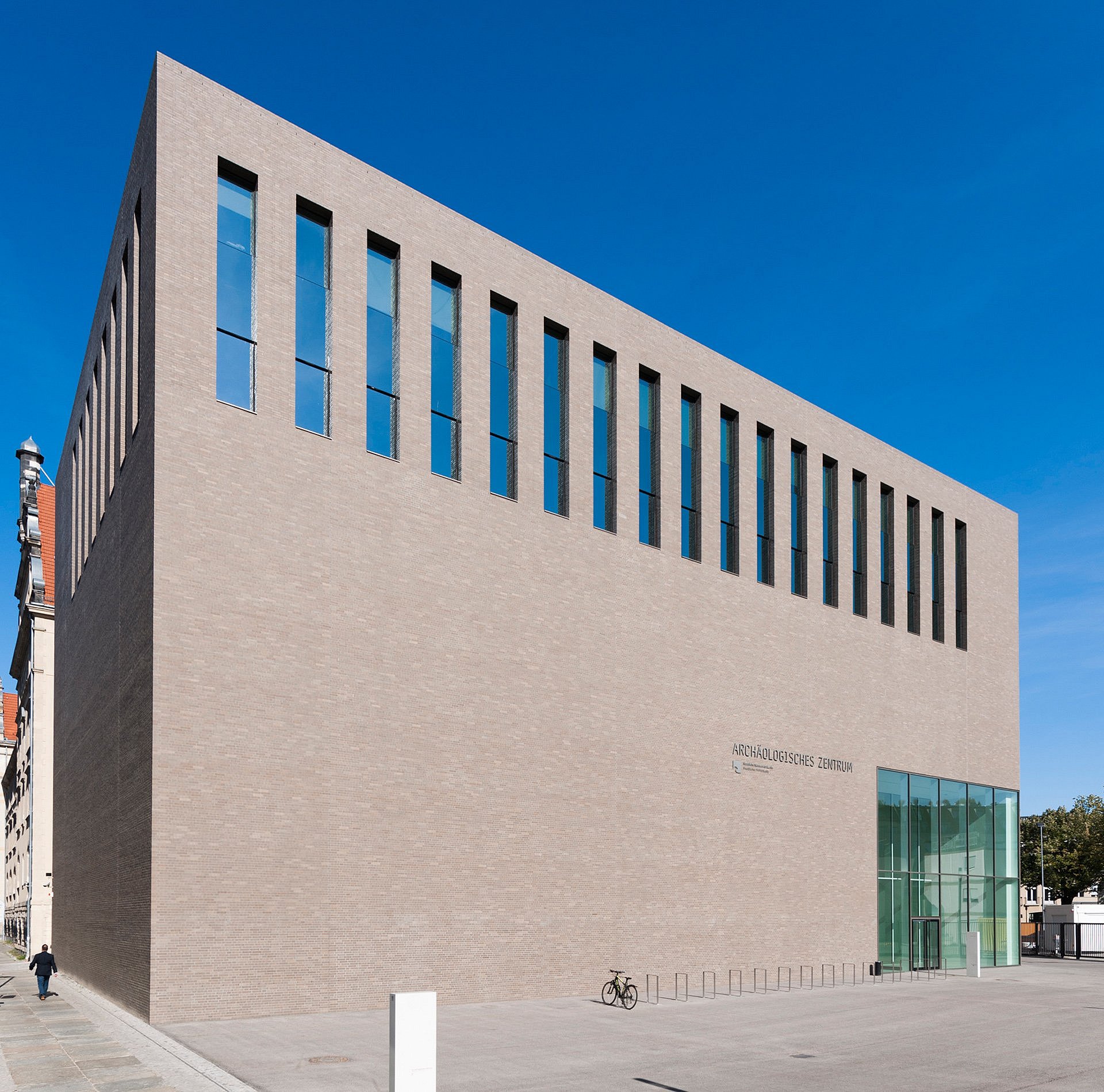
2012: The Archaeological Centre is added
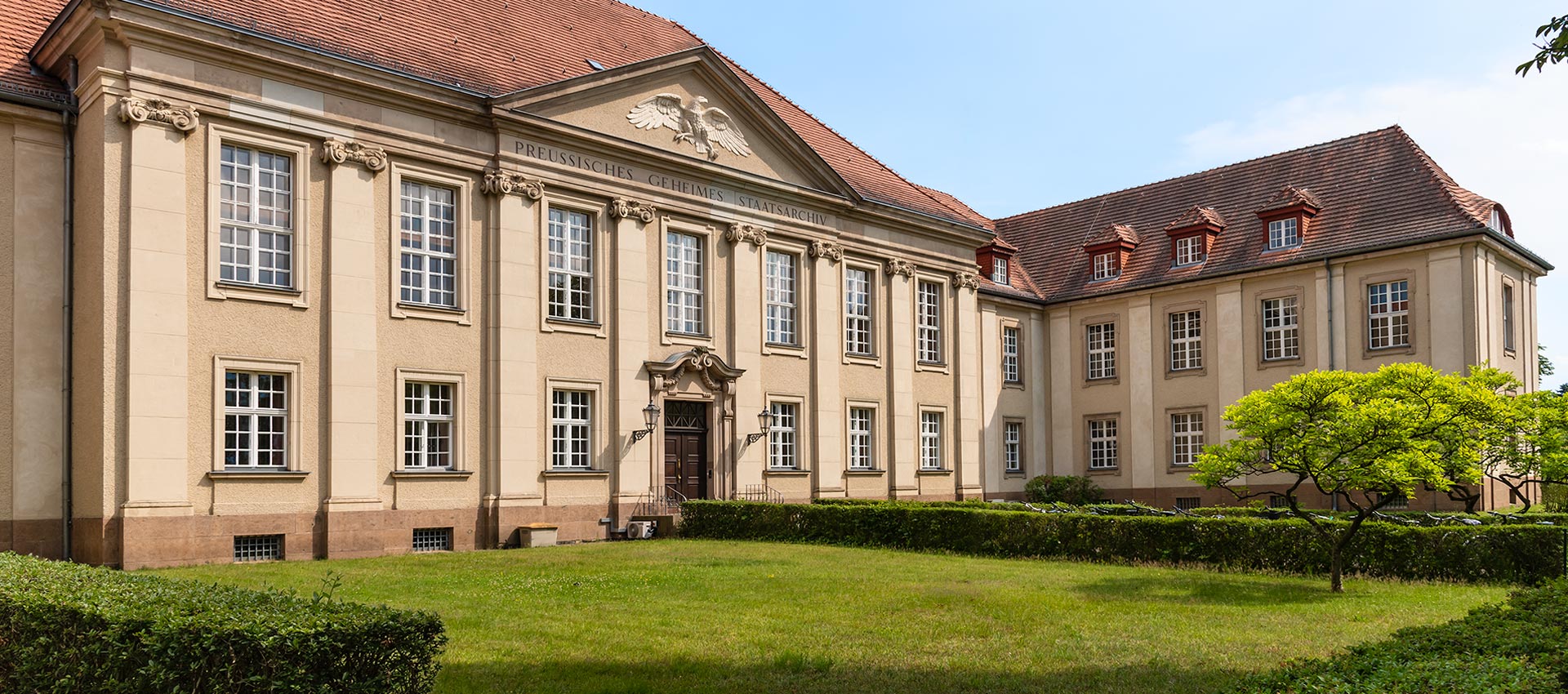
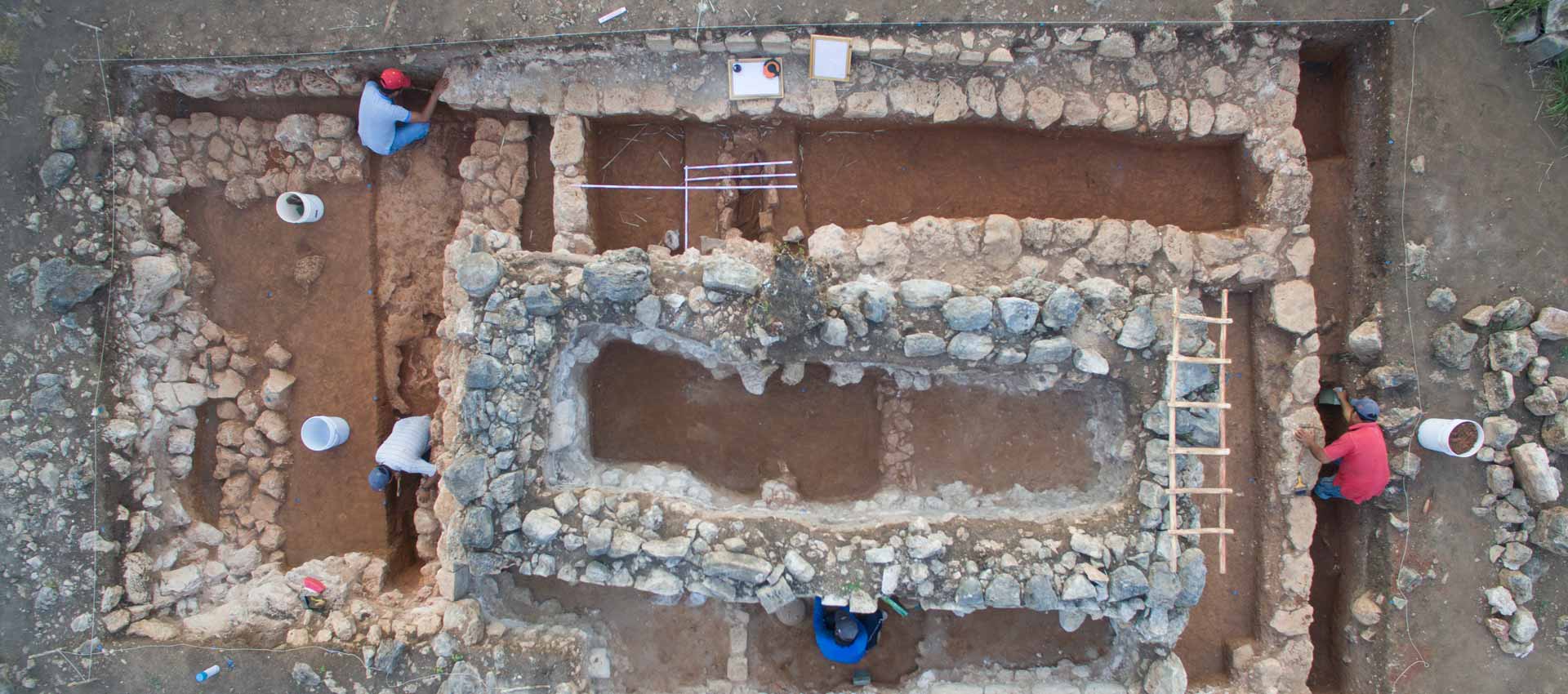
One of Hermann Parzinger’s key objectives is to further develop the SPK’s profile in the fields of science and research. Not only will the SPK become a full member of the DFG in 2012 and participate in
clusters of excellence such as TOPOI – with the opening of the Archaeological Centre on 31 October, an important new hub for classical studies and
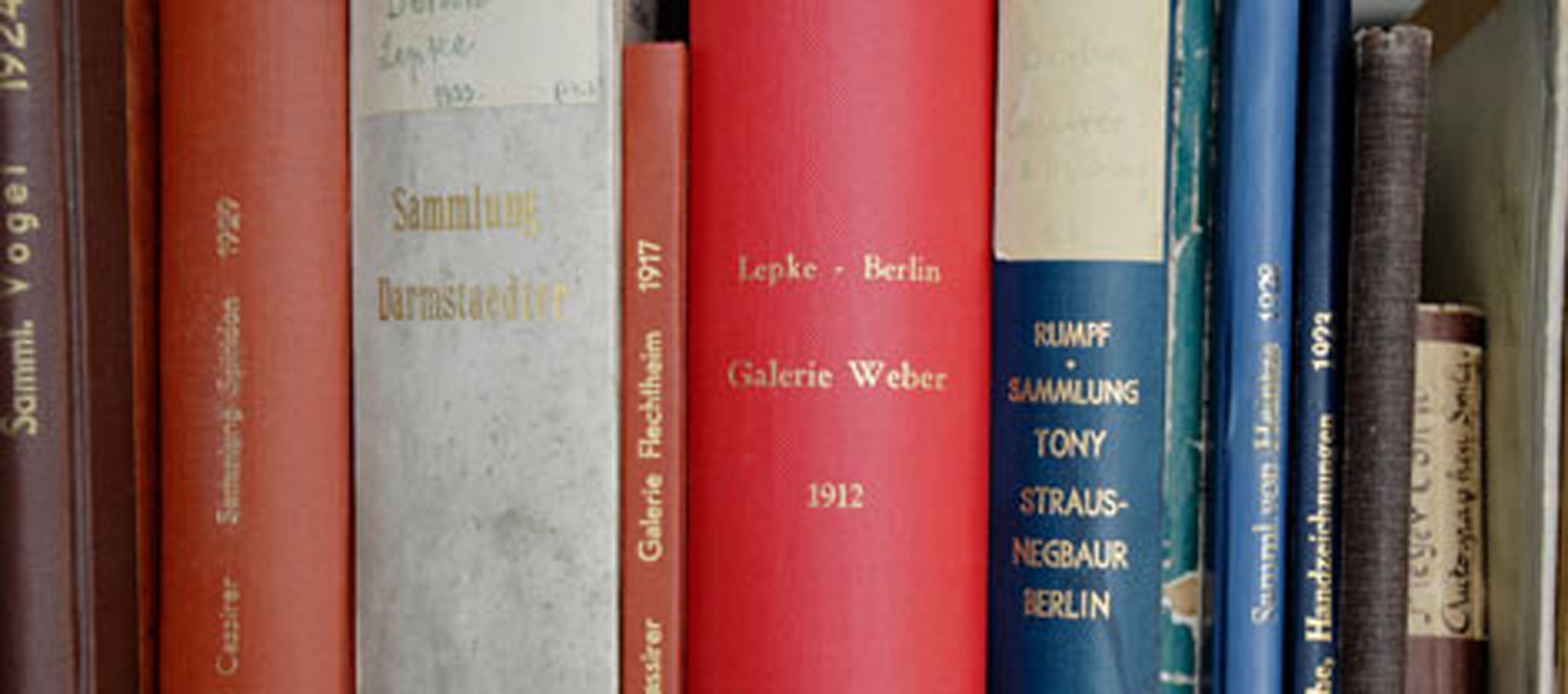
archaeological research will be established alongside Museum Island – but, thanks to the Central Archives of the Museums, it will also contribute to provenance research; Photo: Ostkreuz /Thomas Meyer
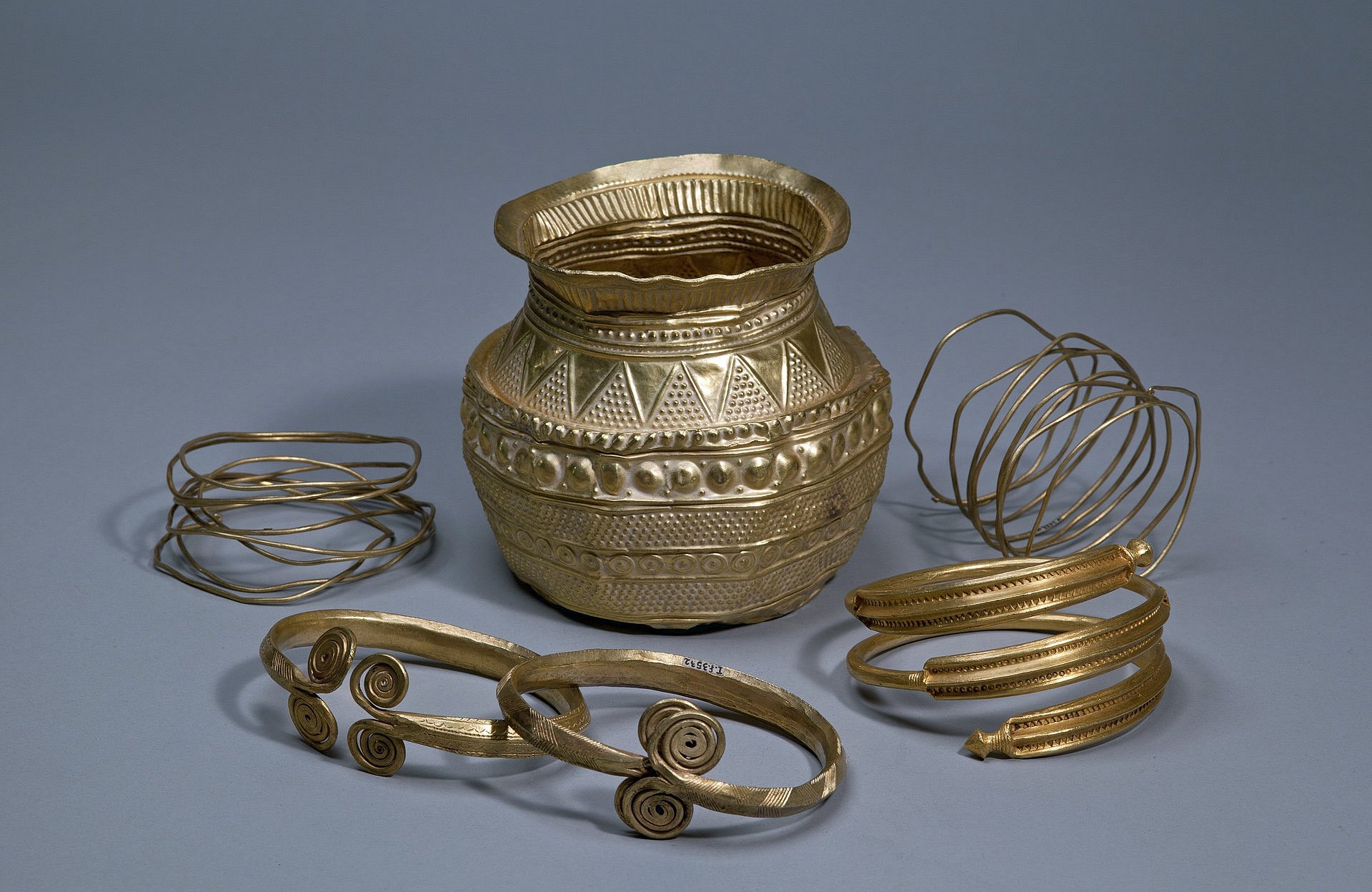
2013: Exhibition ‘The Bronze Age – Europe Without Borders’ in Russia
For several years prior to Russia’s war of aggression against Ukraine, German and Russian museums worked well together – despite, and indeed because of, the issue of looted art. Together, they conceived around three exhibitions tracing the cultural, social and religious developments in Europe during the Merovingian period, the Bronze Age and the Iron Age. For the first time, they displayed cultural artefacts from Berlin’s museums that had been relocated to Russia due to the war and were previously believed to be lost. In her opening speech for the Bronze Age exhibition, Chancellor Angela Merkel emphasised that
this could only take place because the focus was not on where an exhibit came from, but on what was important. Barely ten years later, German-Russian cooperation would lie in ruins. Photo: State Pushkin Museum of Fine Arts / Andrea Kudryavitskiy
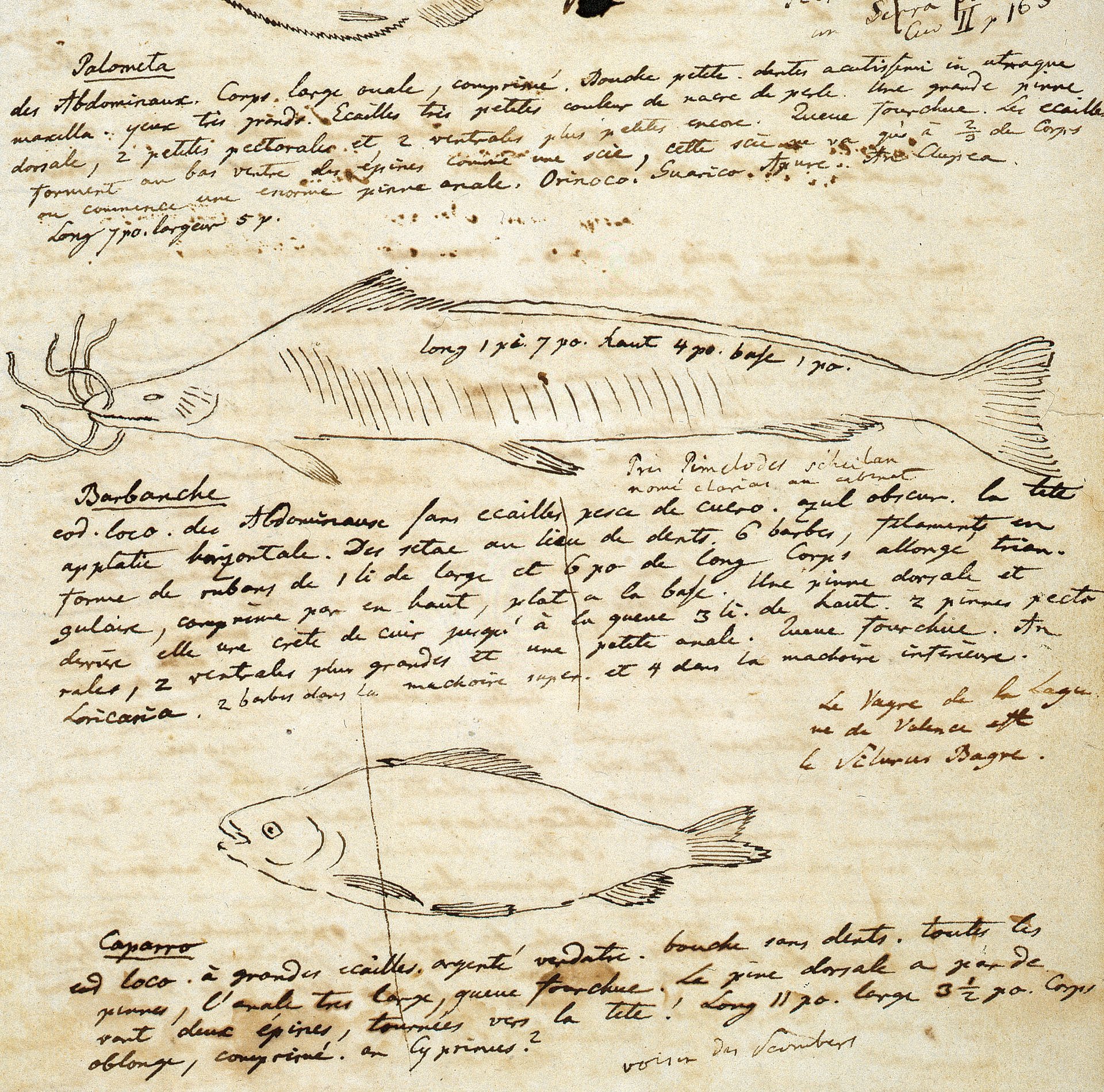
2014: The Humboldt Diaries are acquired
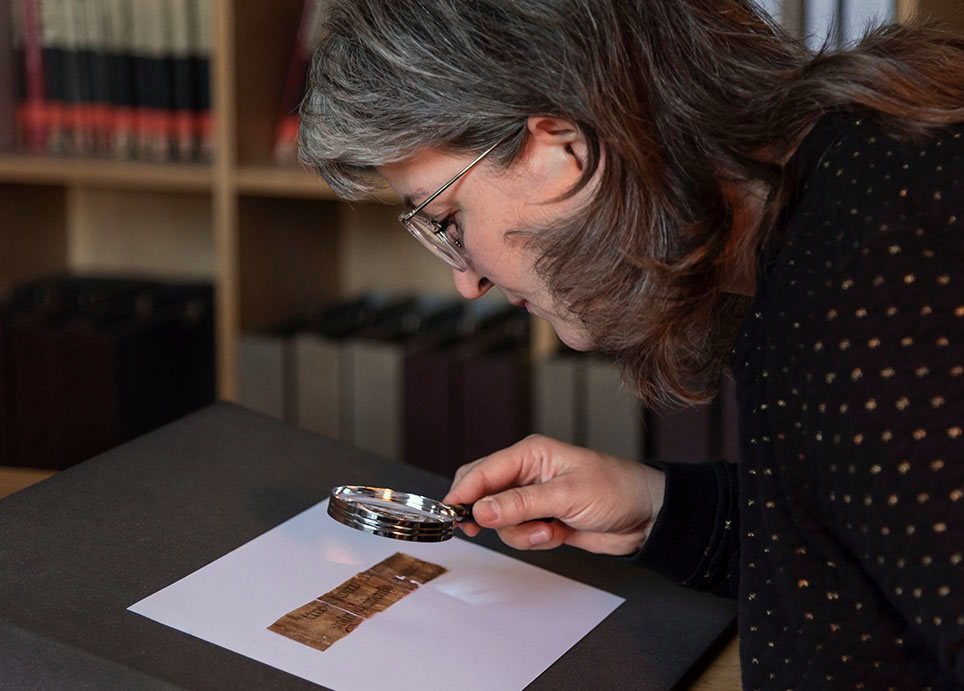
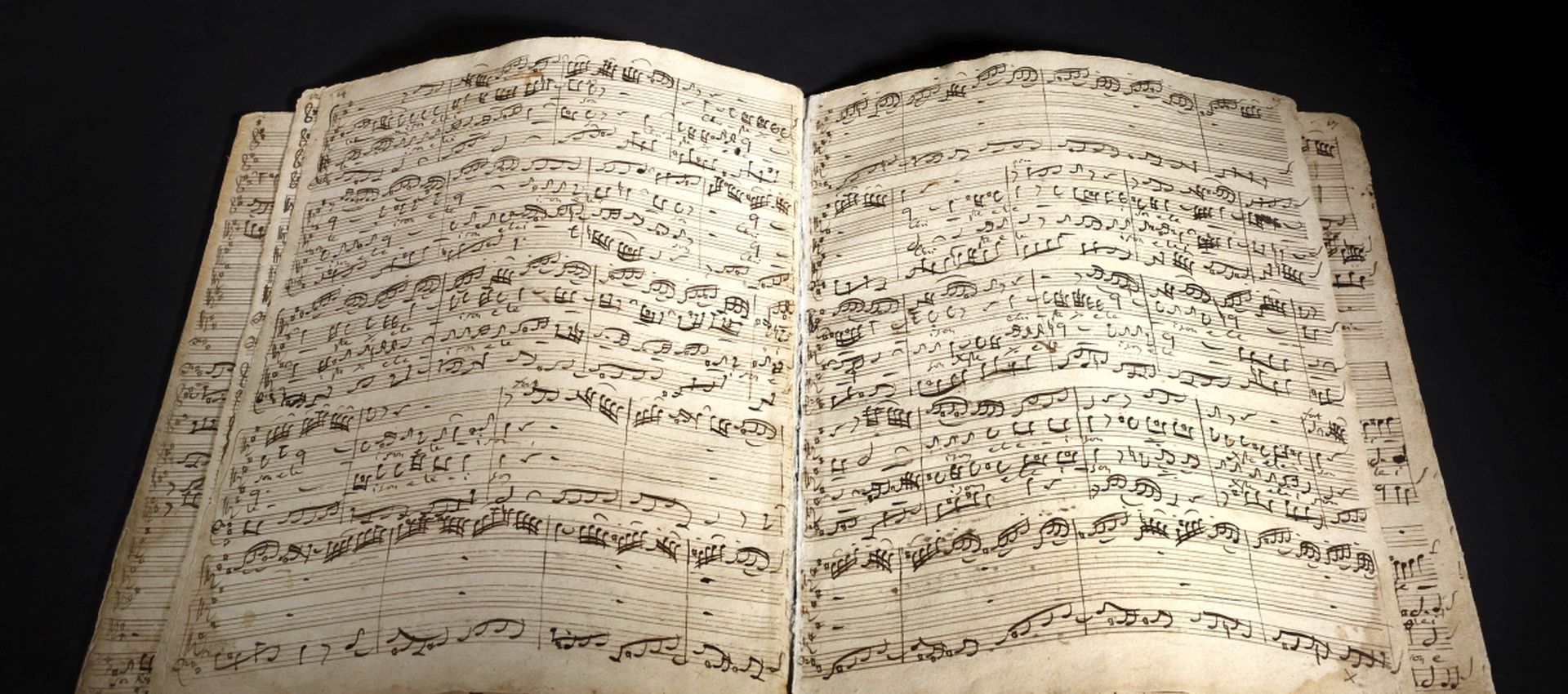
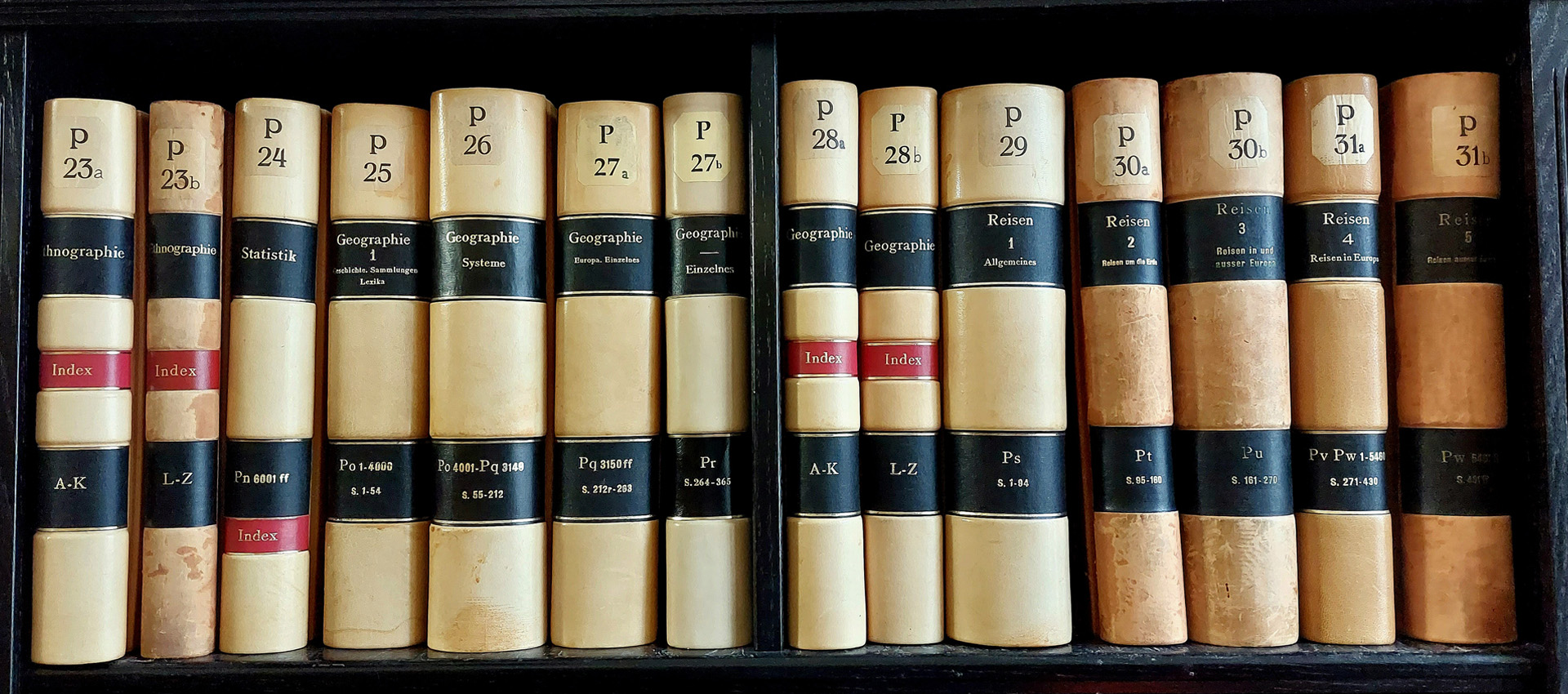
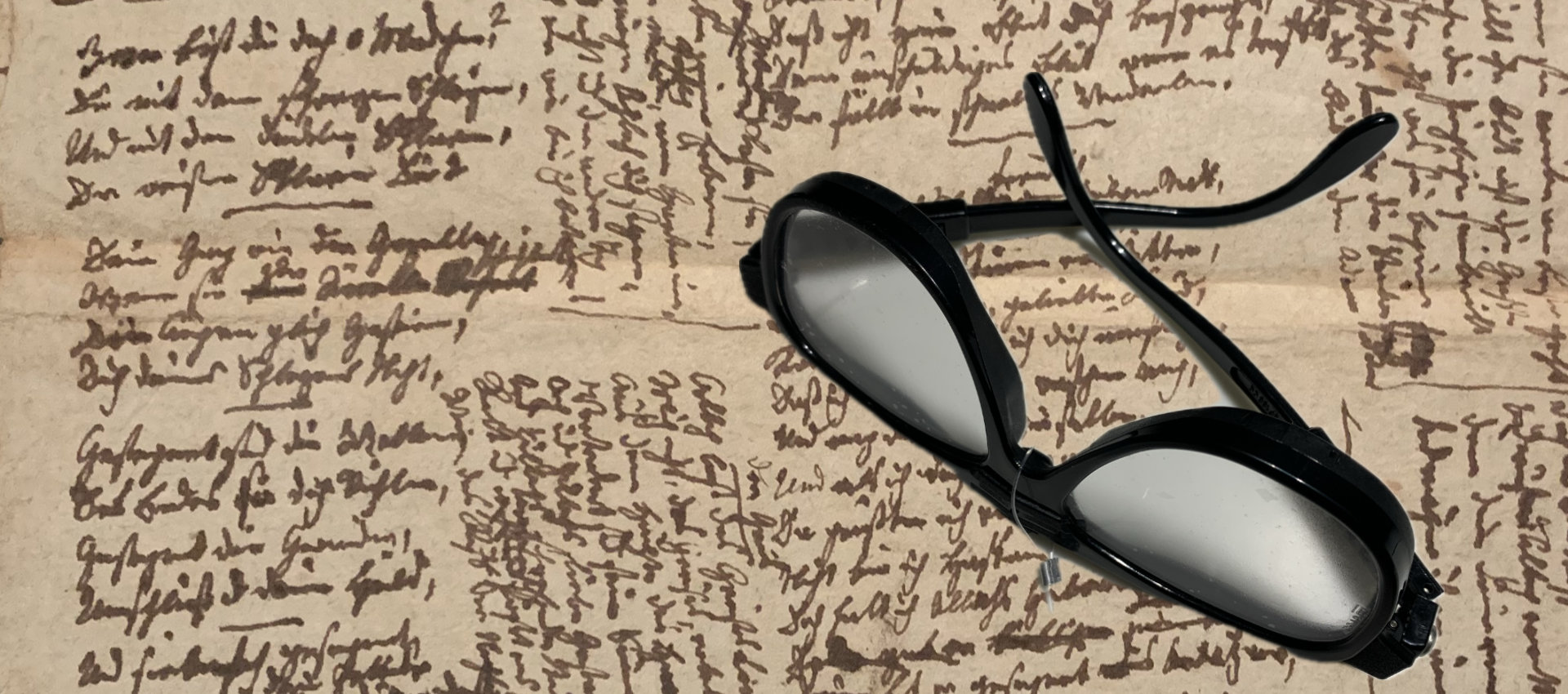
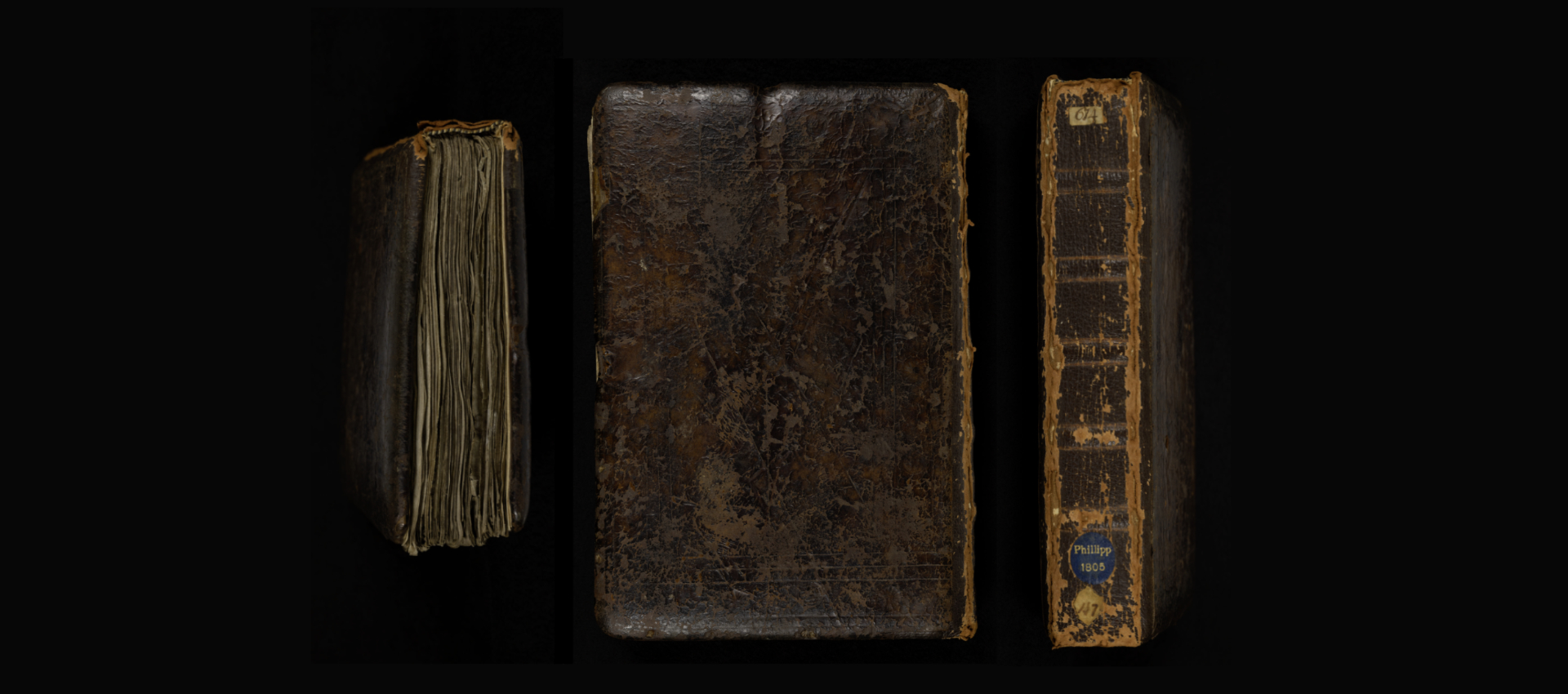
Alexander von Humboldt is something of a patron saint of the Foundation. The travelling explorer and Prussian power broker continues to link the SPK’s institutions to this day, for his traces can be found everywhere. With the purchase of his American travel diaries for the Berlin State Library, made possible by public and private sponsors, these traces are significantly expanded to include meticulously and artfully kept records of an insatiable thirst for knowledge and a spirit of discovery.
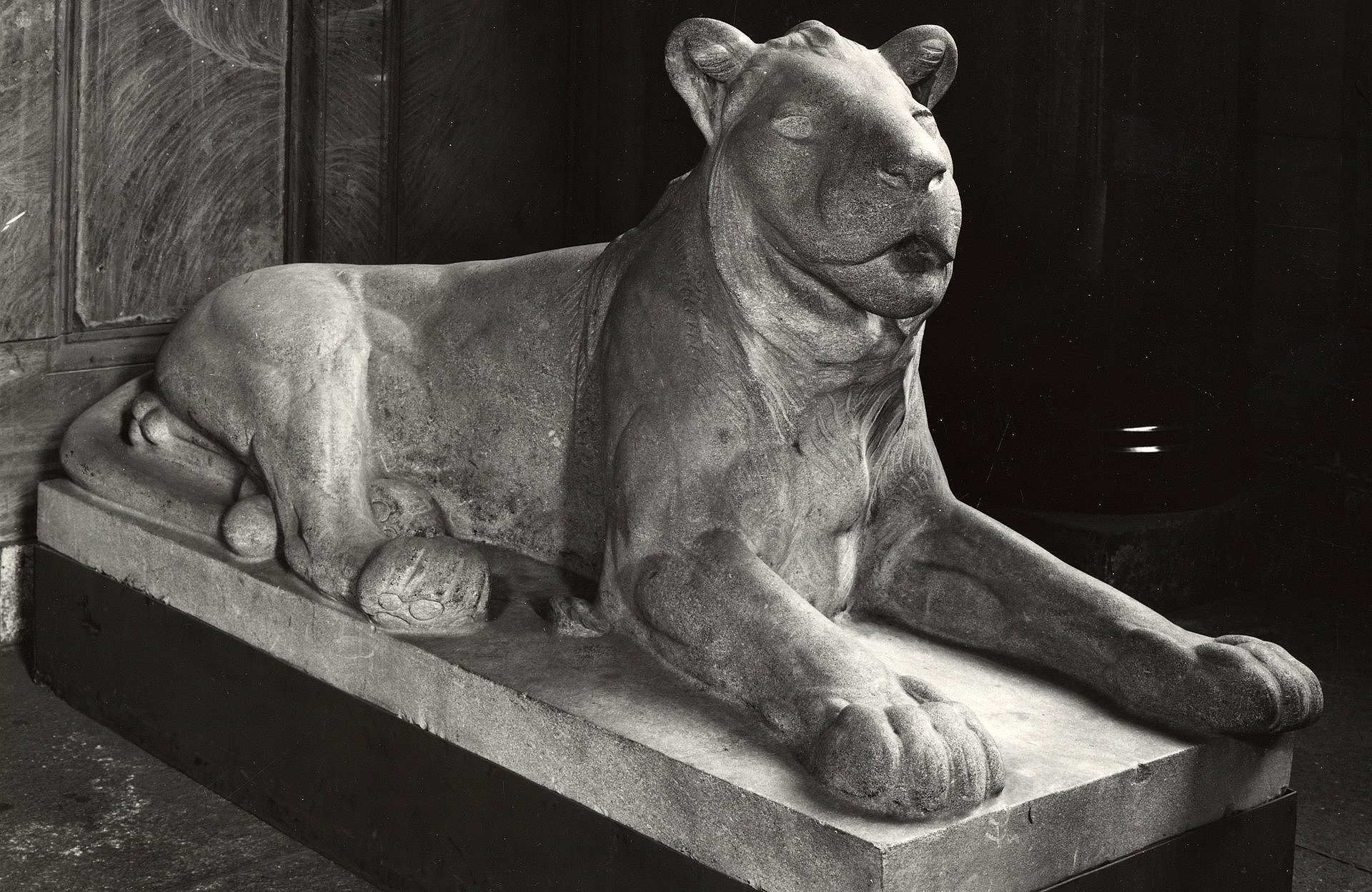
2015: Rudolf Mosses’ ‘Reclining Lion’ is returned
Another key milestone of the Parzinger era is the expansion of provenance research – the most important prerequisite for addressing cases of Nazi-looted art. In total, the SPK returned
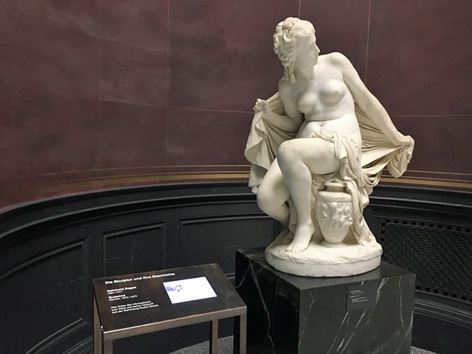
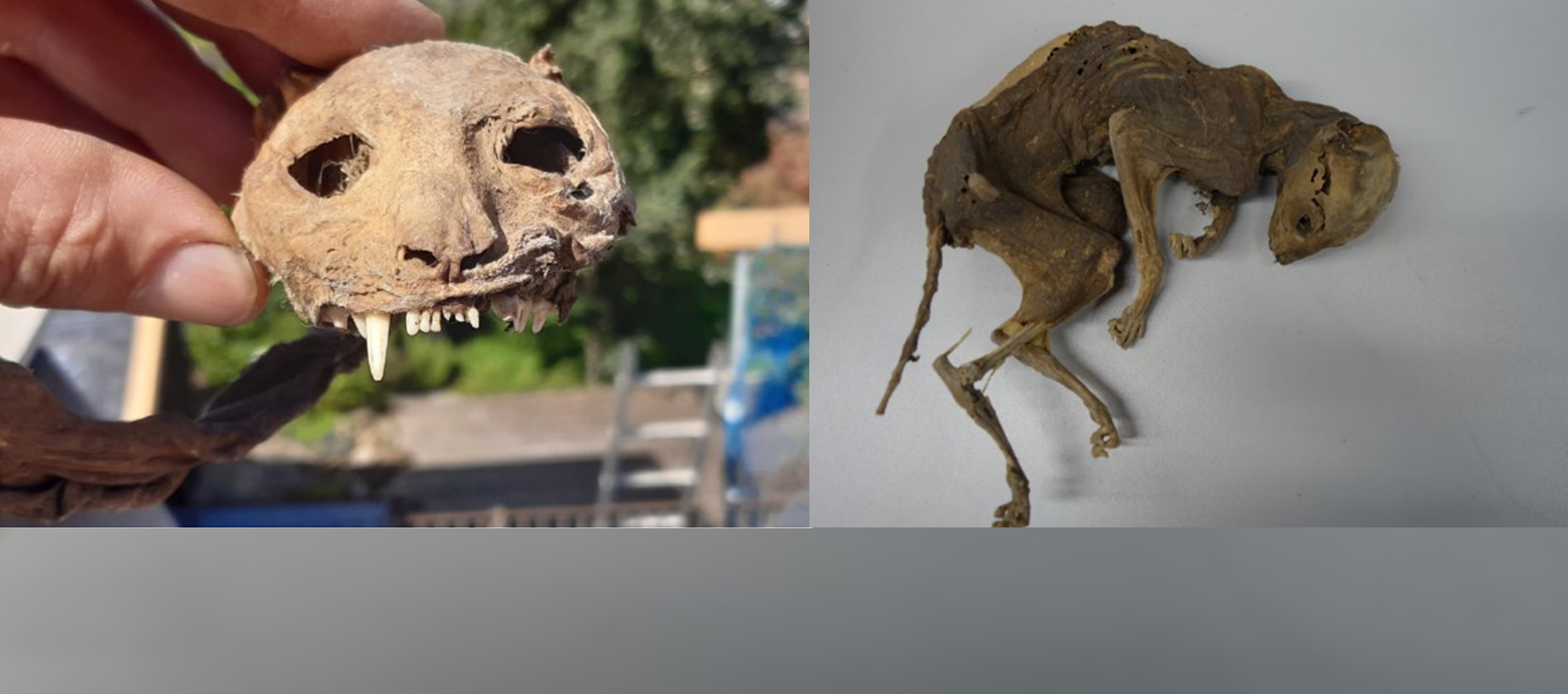
Parzinger’s tenure, the SPK has returned 1,572 books and 223 works of art – one of which was August Gaul’s “Reclining Lion”, confiscated in 2015 as a result of Nazi persecution from the collection of the Jewish publisher Rudolf Mosse. The sculpture has been repurchased and now greets visitors to the James Simon Gallery.
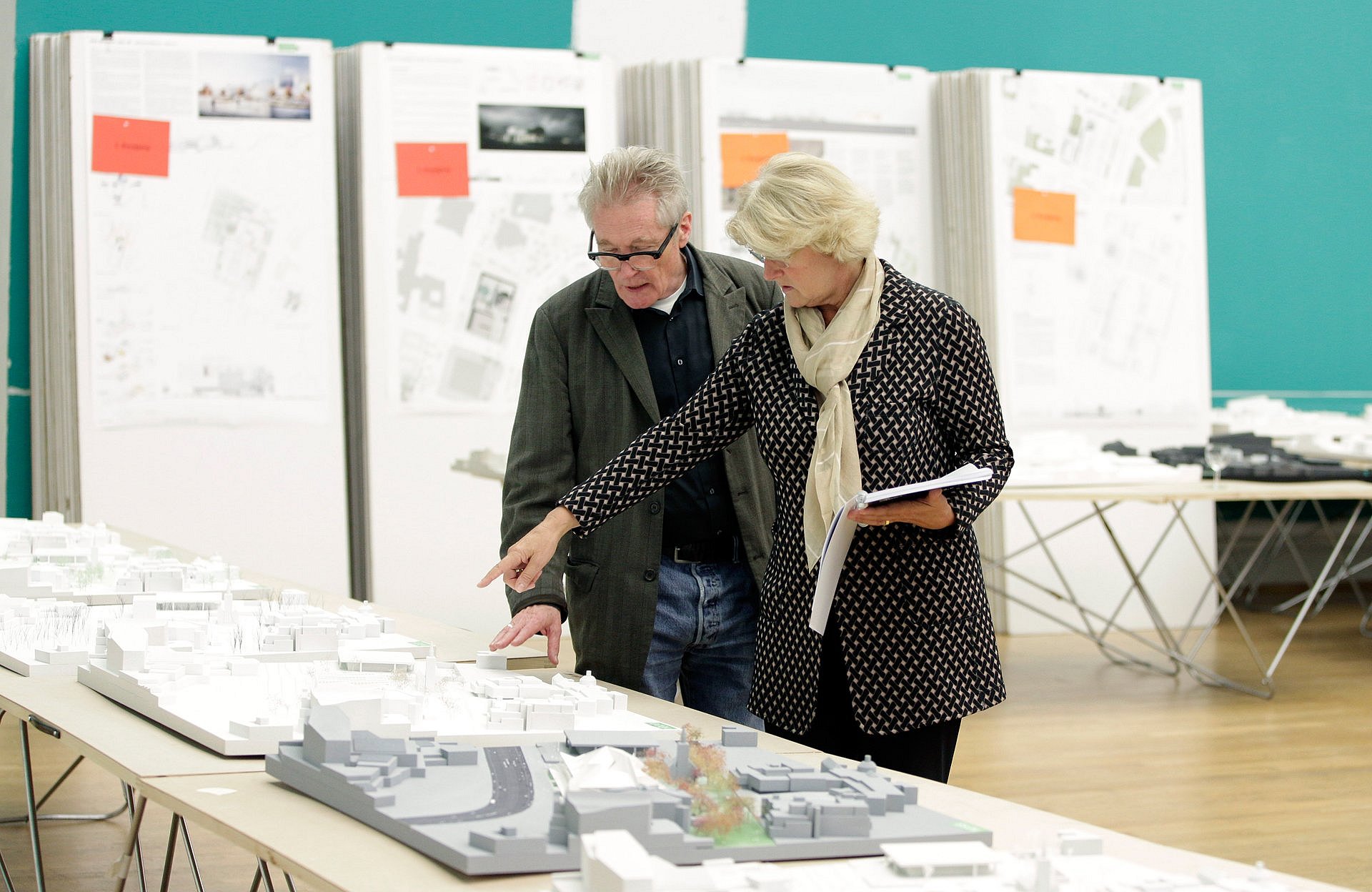
2016: Herzog & de Meuron win the competition to design the new building for the Neue Nationalgalerie
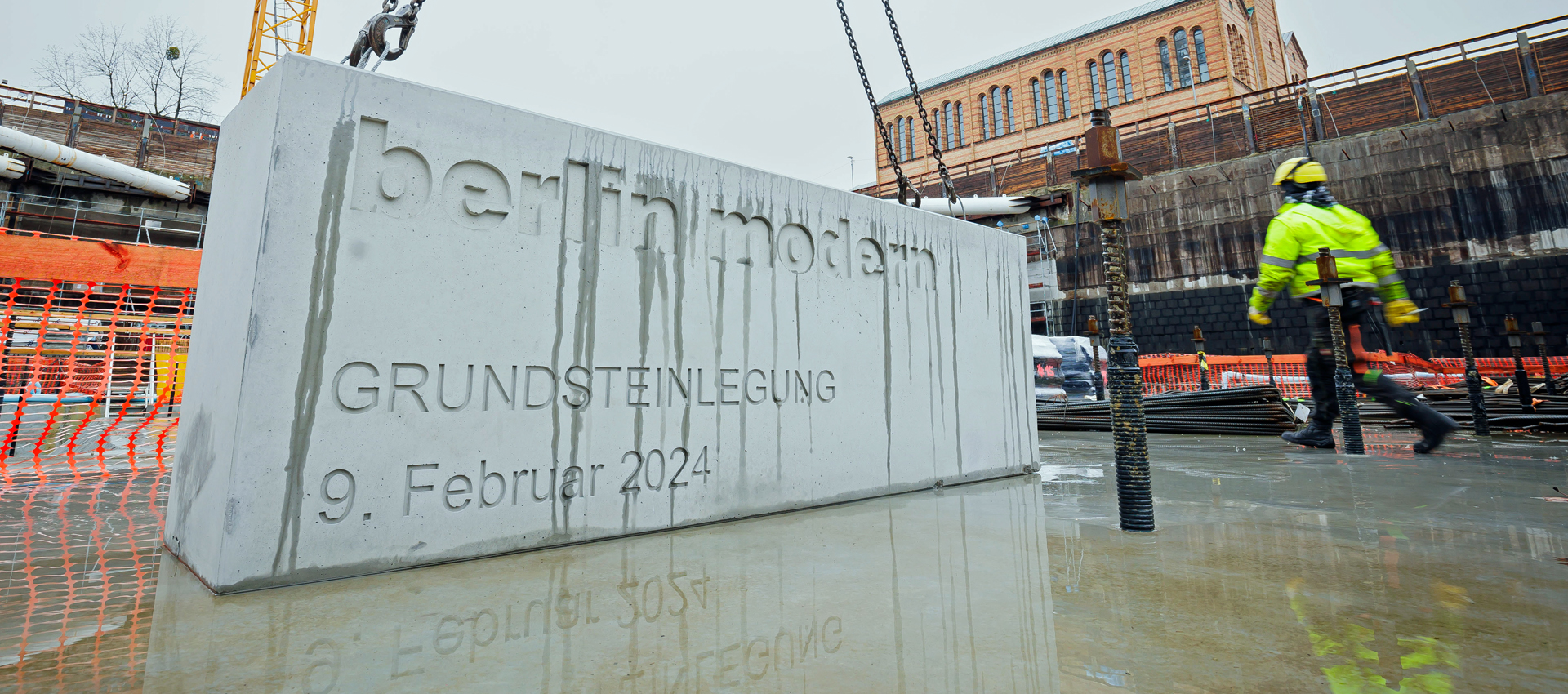
This major construction project, which will finally enable the Neue Nationalgalerie to present its collection of 20th-century art – including the Pietzsch and Marx bequests – in a fitting manner, whilst also completing the Kulturforum from an urban planning perspective, is now known by the shorter, catchier name ‘berlin modern’. On 27 October, the Swiss architectural firm Herzog & de Meuron won the design competition with their proposal for an archetypal and open building. The Art Library and the Cabinet of Prints are also delighted, as they will be moving in alongside it. Photo: Photothek/Thomas Trutschel
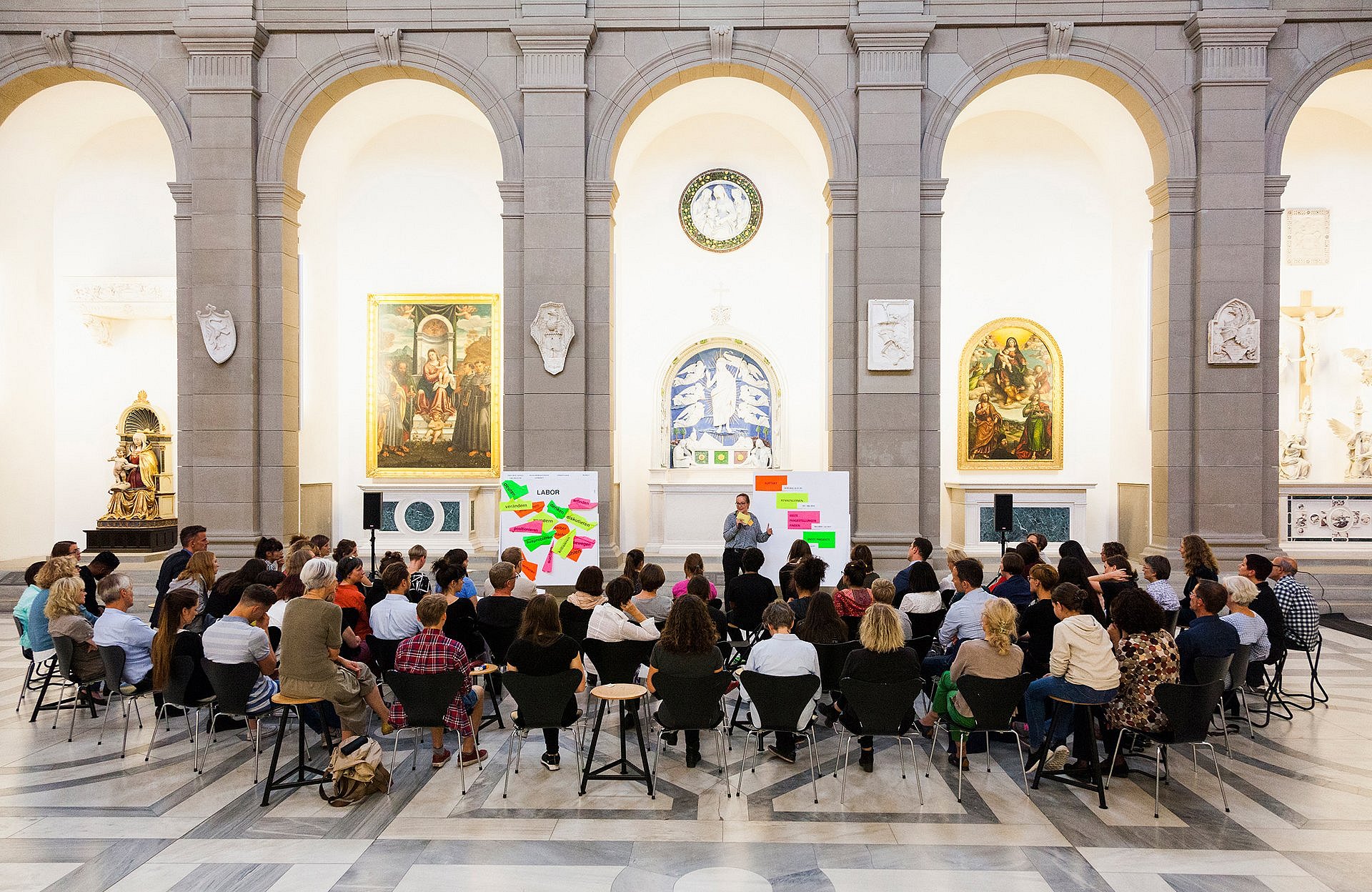
2017: Nationwide cultural outreach
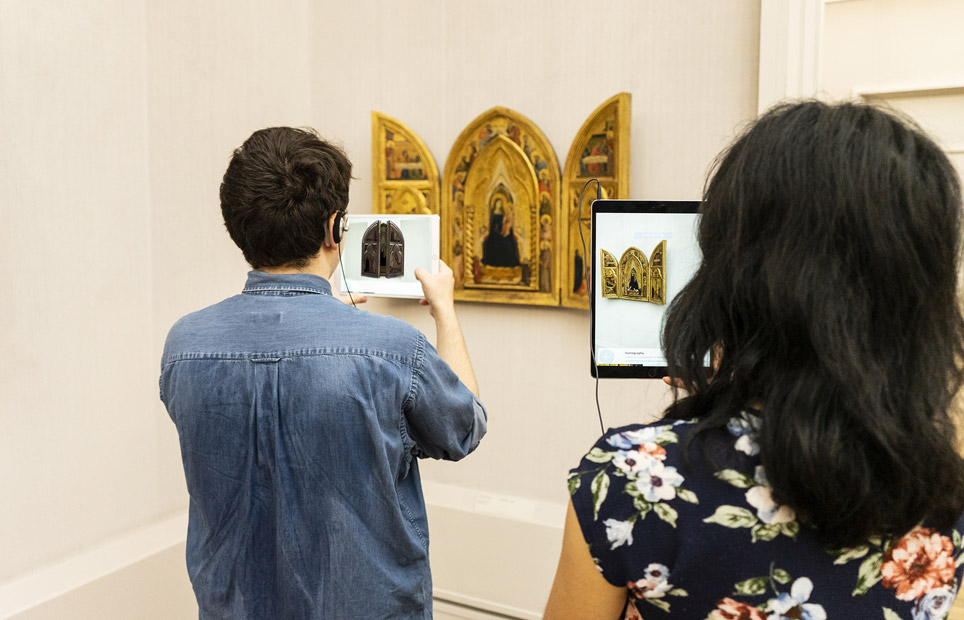
The nationwide museum4punkt0 project focuses on digital cultural education and is being coordinated by the SPK from May 2017 to June 2023. The network brings together cultural institutions from all over
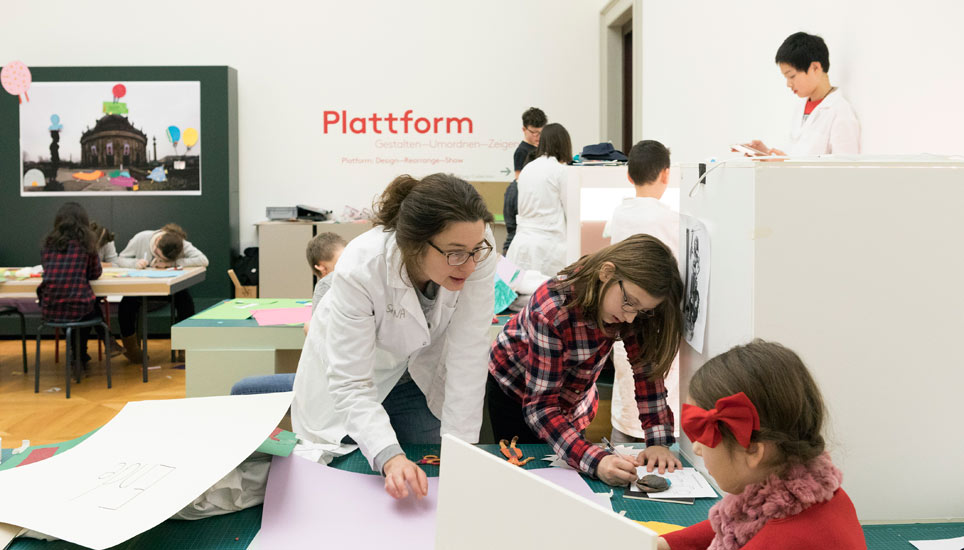
Germany. Across institutional boundaries and disciplines, individual sub-projects are developing digital offerings for new ways of learning, experiencing and participating in museums. And the best part: all insights, experiences and results are available for further use. Alongside m4p0, lab.Bode was also an innovative, Germany-wide education programme. Photo: Valerie Schmidt
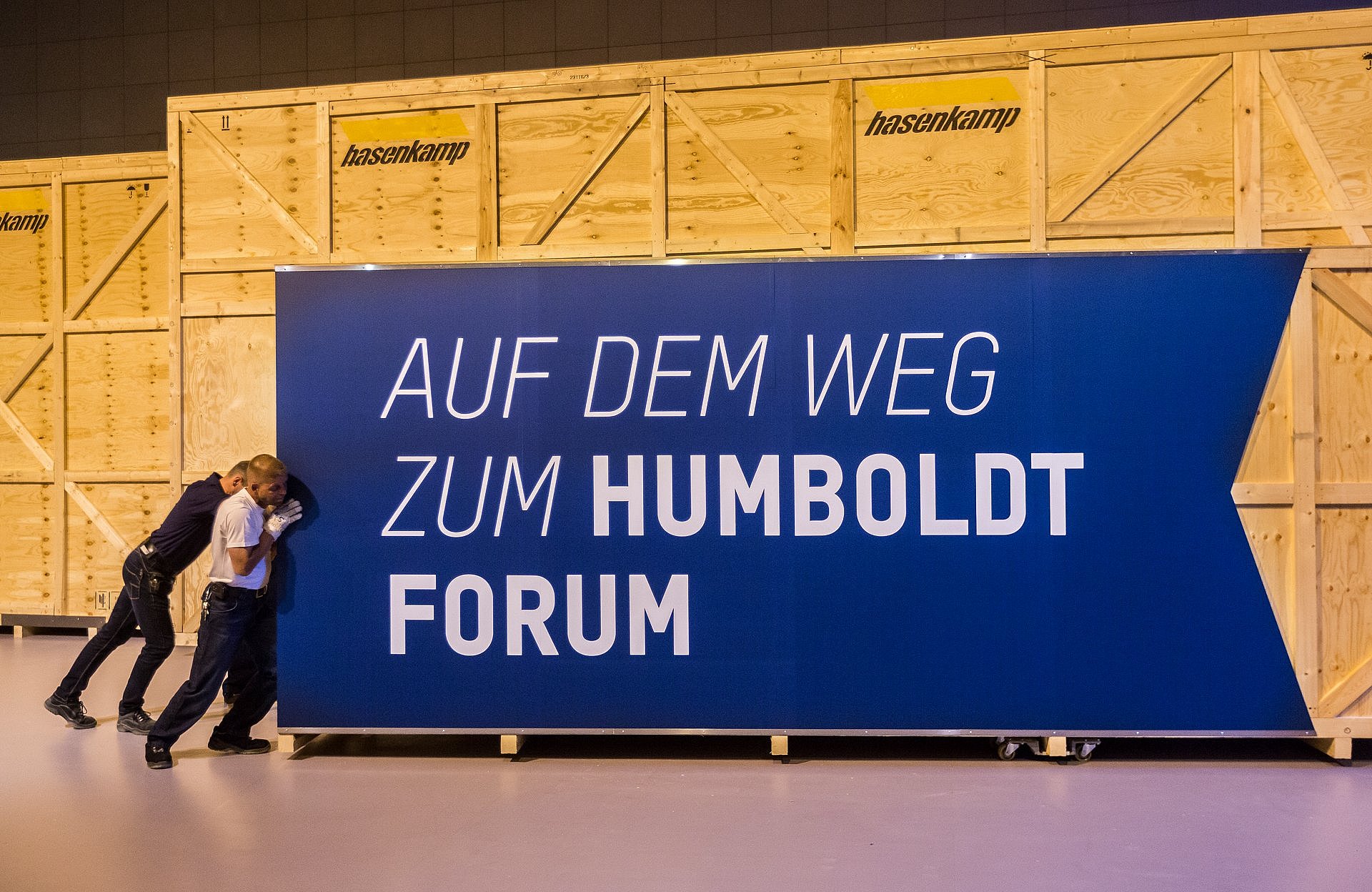
2018: The first move into the Humboldt Forum
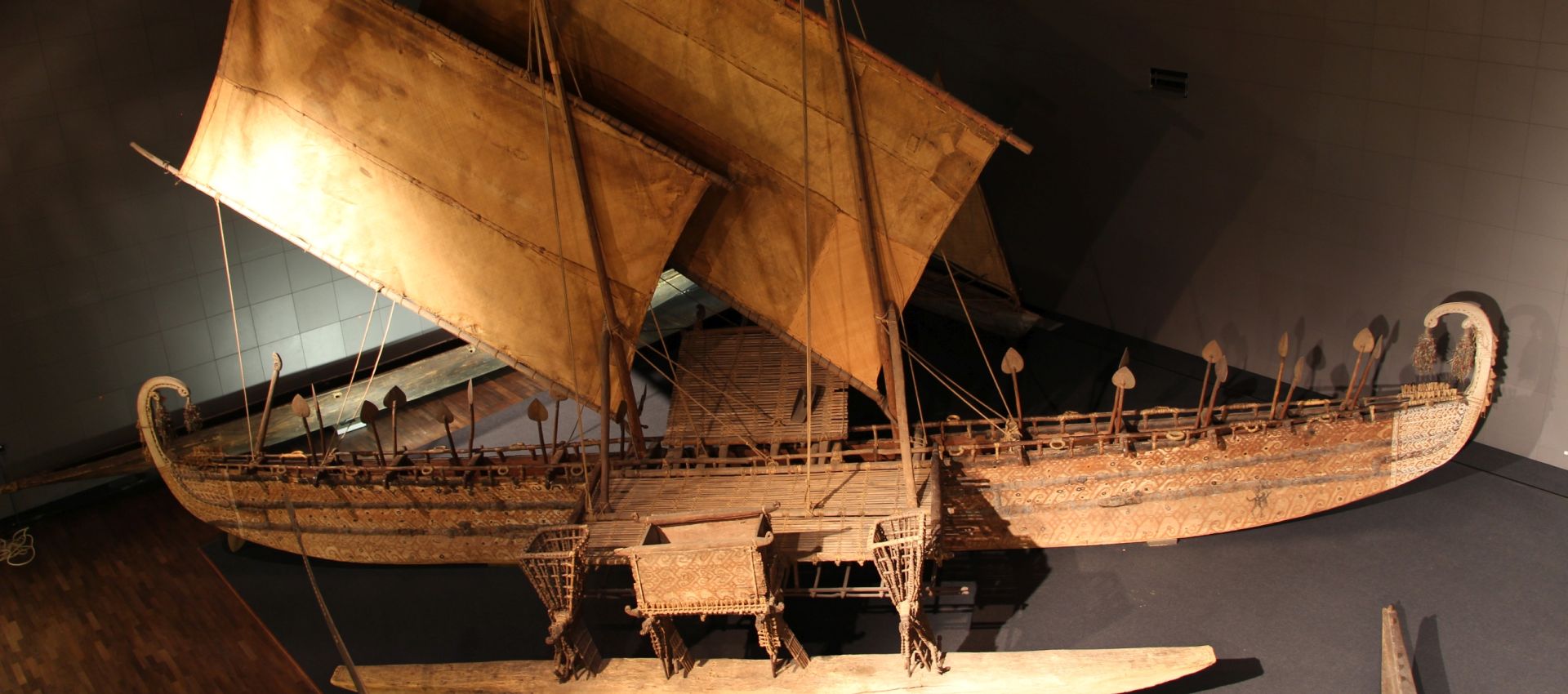
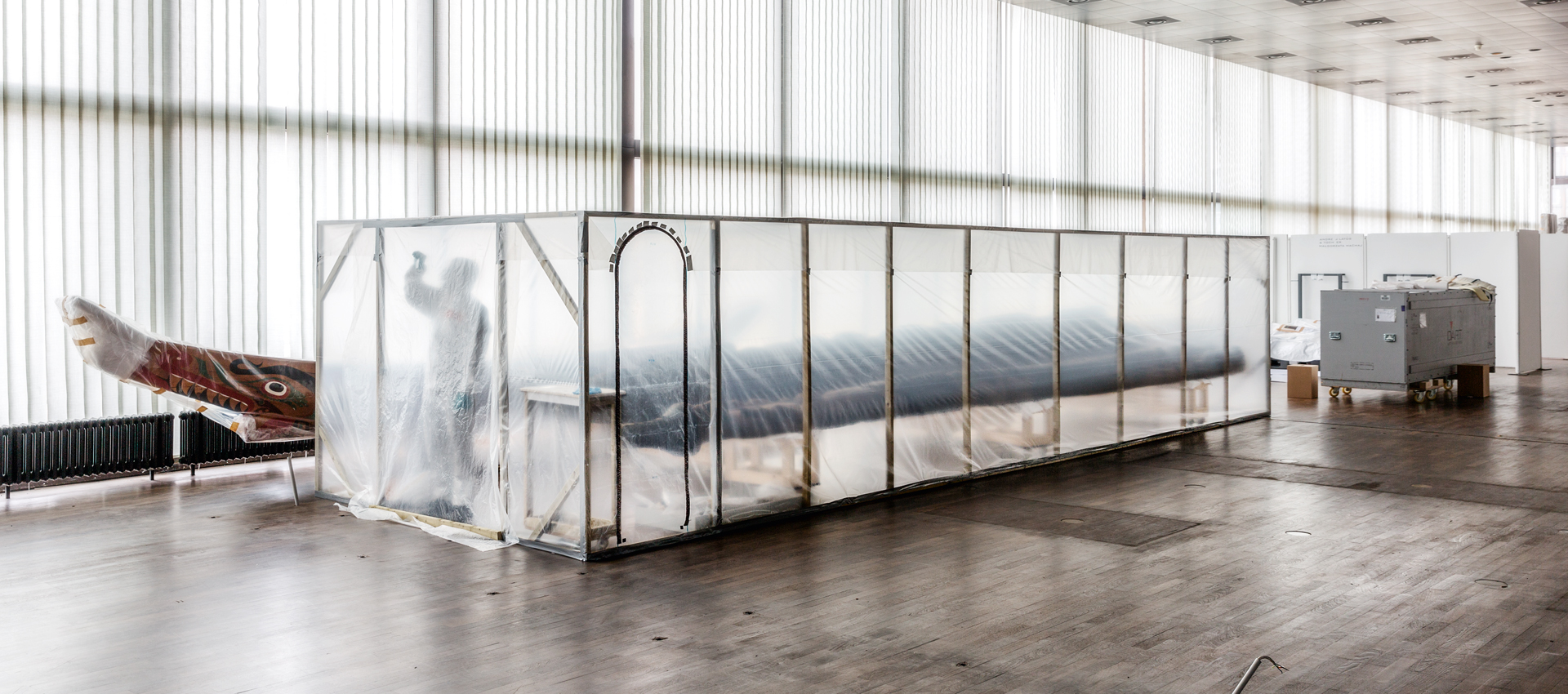
“Logistical feat” is named Word of the Year 2018: preparations for the relocation of the non-European collections to the Humboldt Forum have been underway in Dahlem since January 2016. The new...
old palace is still under construction, yet objects are already being restored and packed. A particularly challenging item is a large object such as the Luf-Boot, which is being transported to Mitte as a heavy load...
in a 16-metre-long crate. Photo: David von Becker
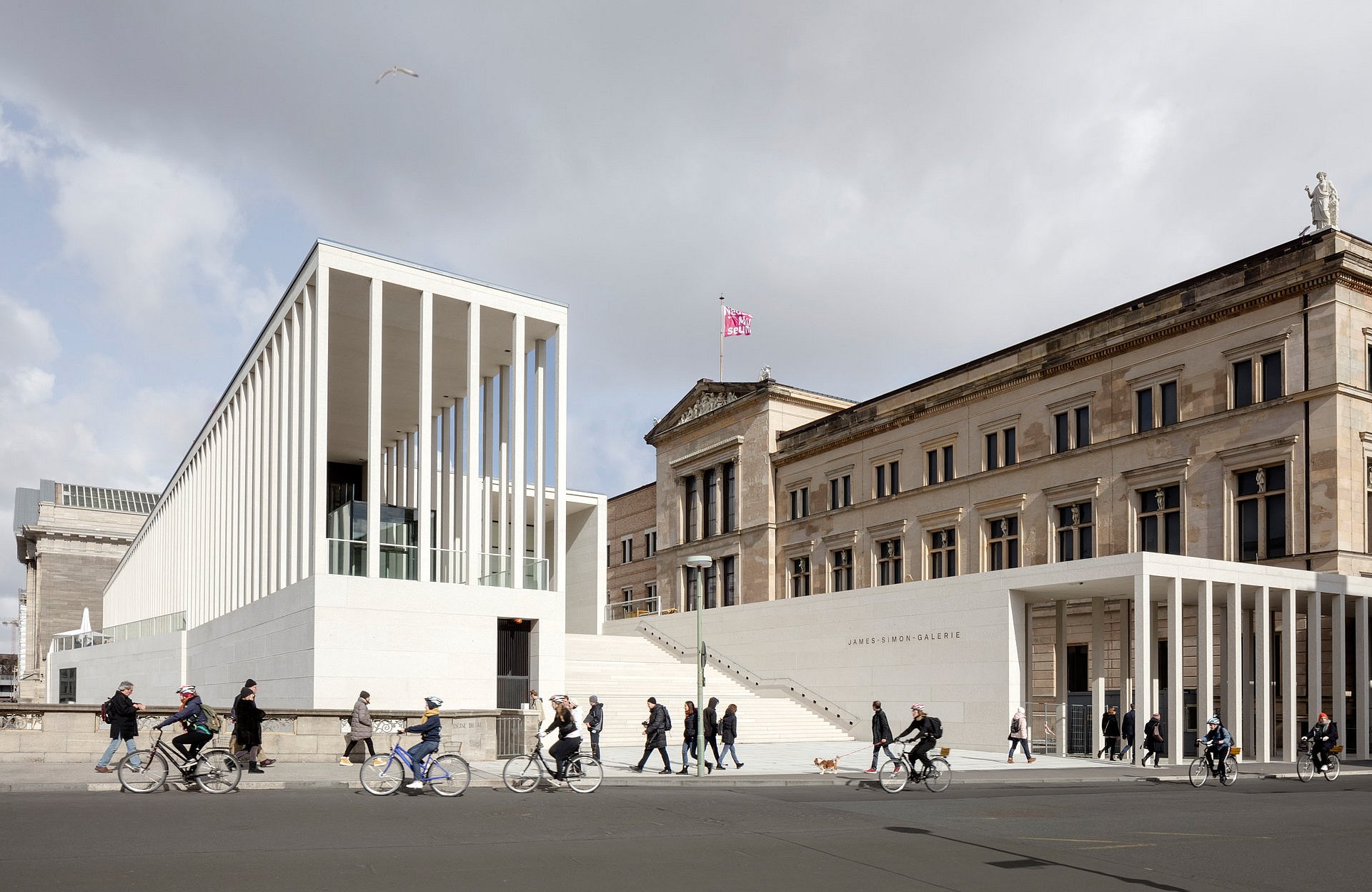
2019: The James Simon Gallery is complete
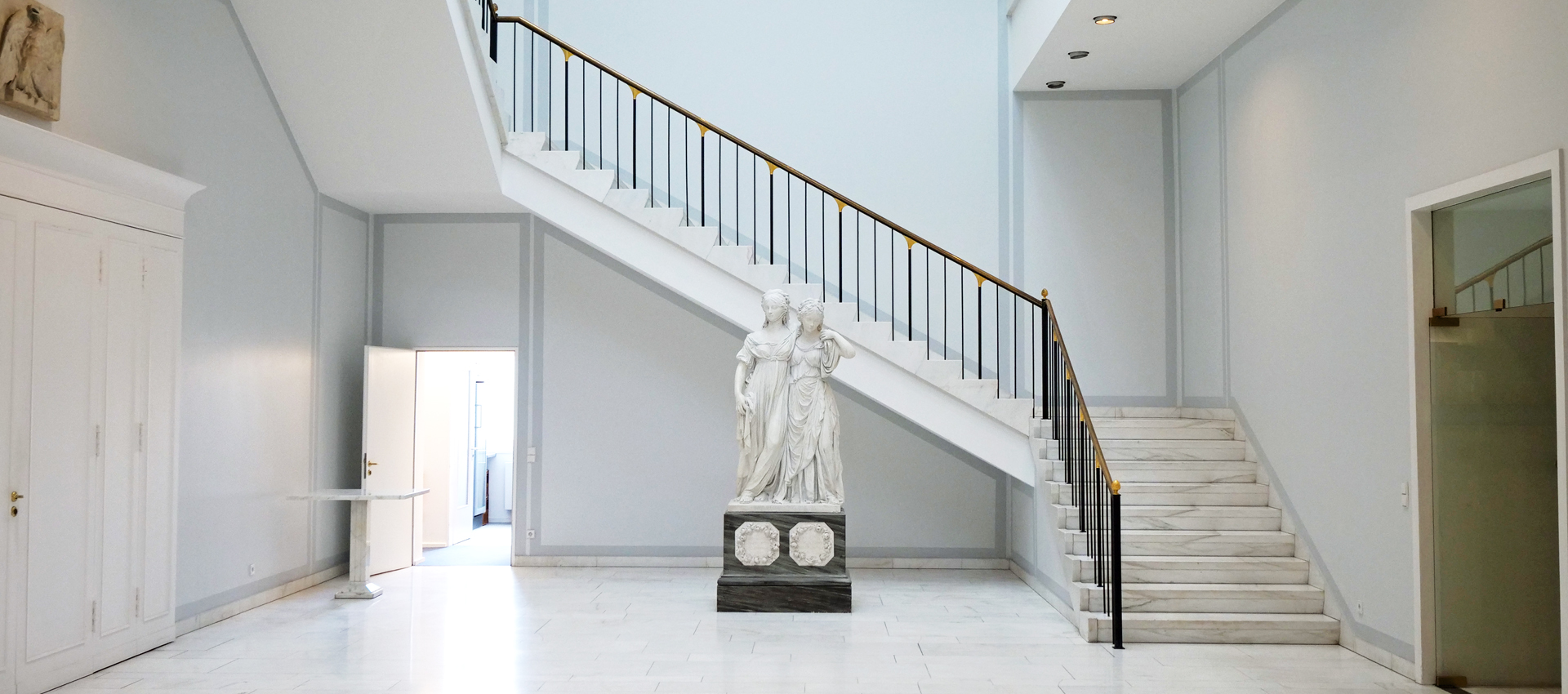
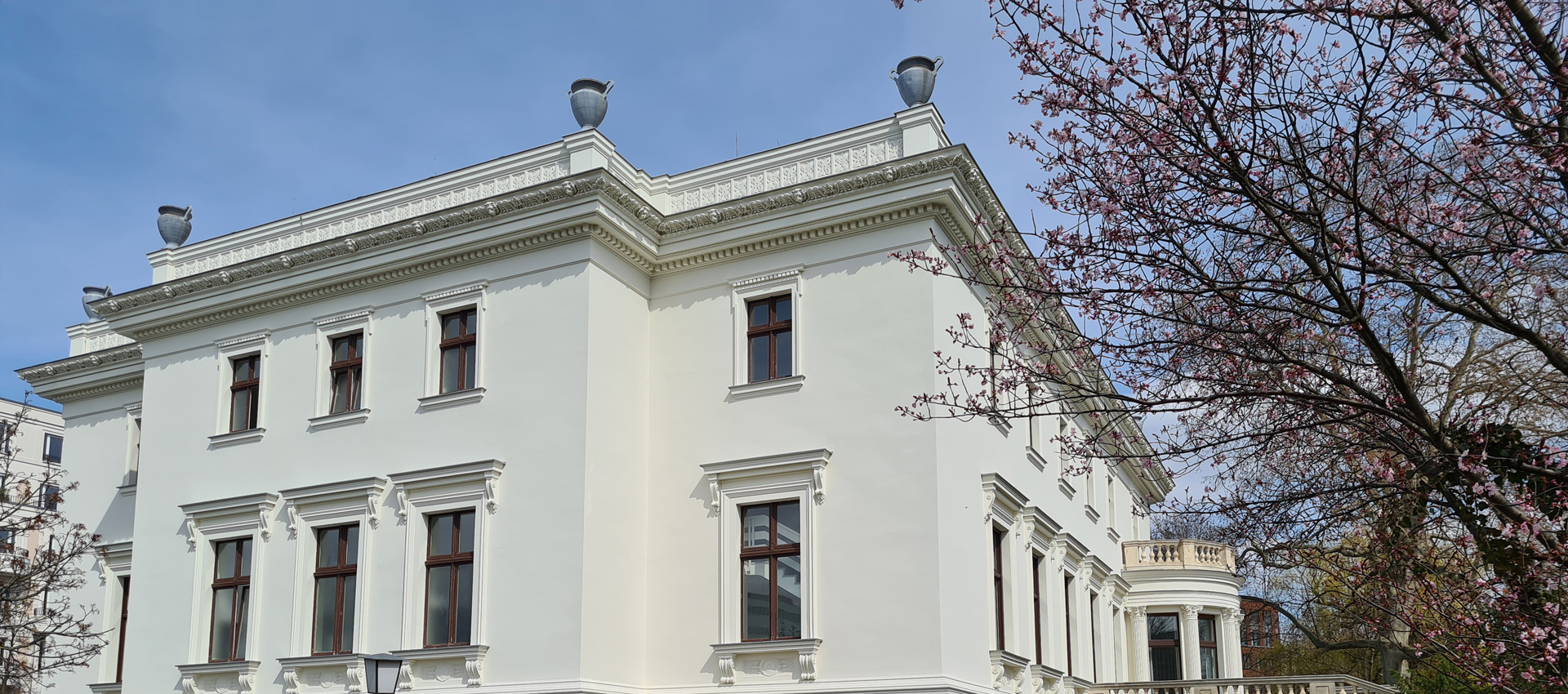
On 12 July, the James Simon Gallery opens as the main entrance building. It was designed by the ‘Insel’s’ in-house architect, David Chipperfield. This modern, elegant temple of hospitality and education is hailed by the press. And Berlin has the most beautiful grand staircase ever. Chancellor Angela Merkel is the first to walk up it, accompanied by descendants of James Simon. Photo: David Chipperfield Architects /Ute Zscharnt
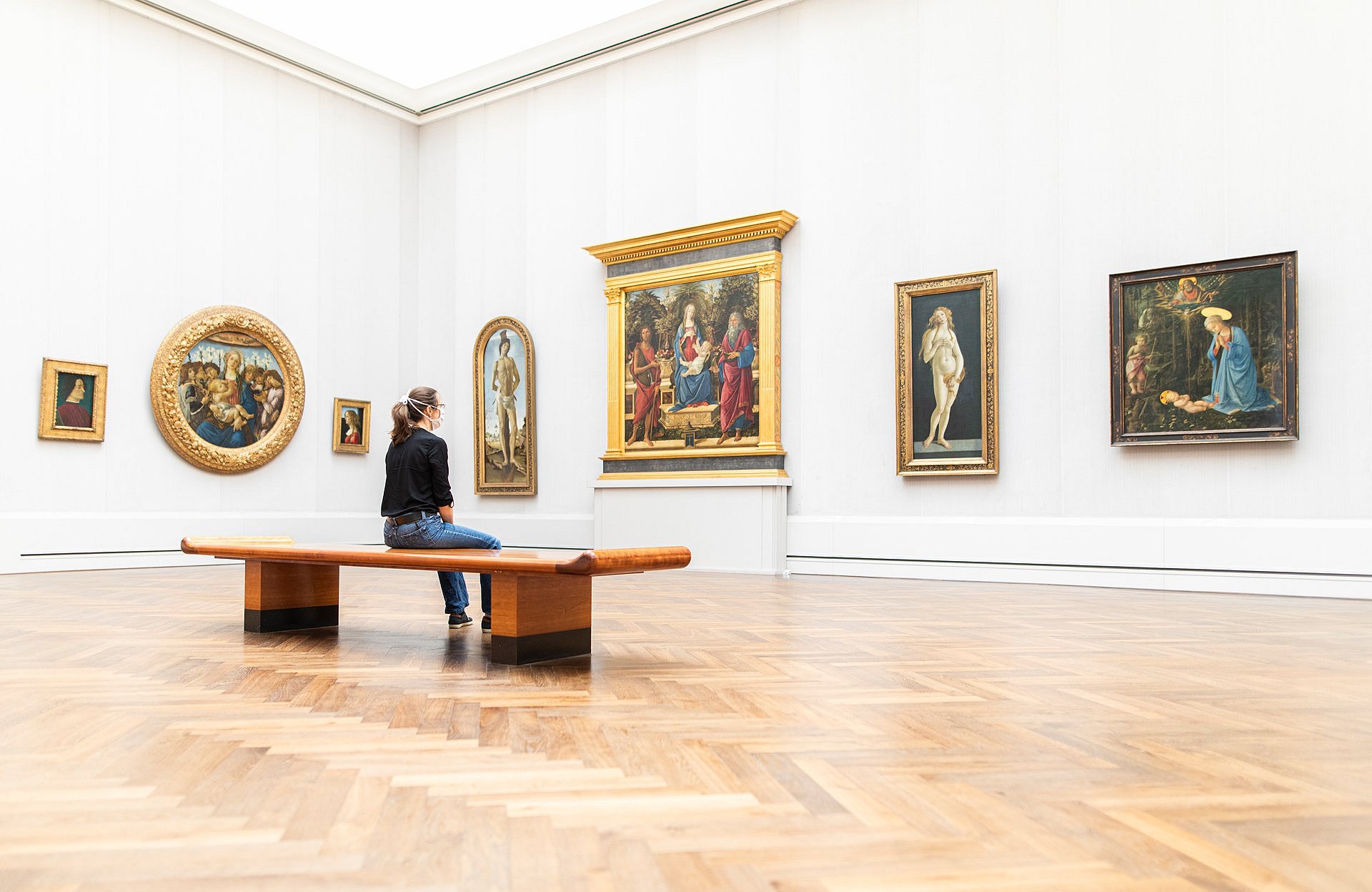
2020: Lockdown
The coronavirus pandemic has also hit the SPK hard, making this one of the most turbulent and nerve-wracking years: museums and libraries, archives and institutes have closed, in some cases for months on end. Suddenly, terms such as ‘systemic importance’ and ‘incidence rate’, ‘social distancing rules’ and ‘hygiene requirements’ have become relevant. In the first year of the pandemic, on 13 July, the Science Council’s report is published, which speaks of the SPK’s ‘dysfunctionality’ and recommends its dissolution. It quickly becomes clear that the institutions stand behind their president and defend the foundation network. The reform process begins. Photo: photothek /Florian Gärtner
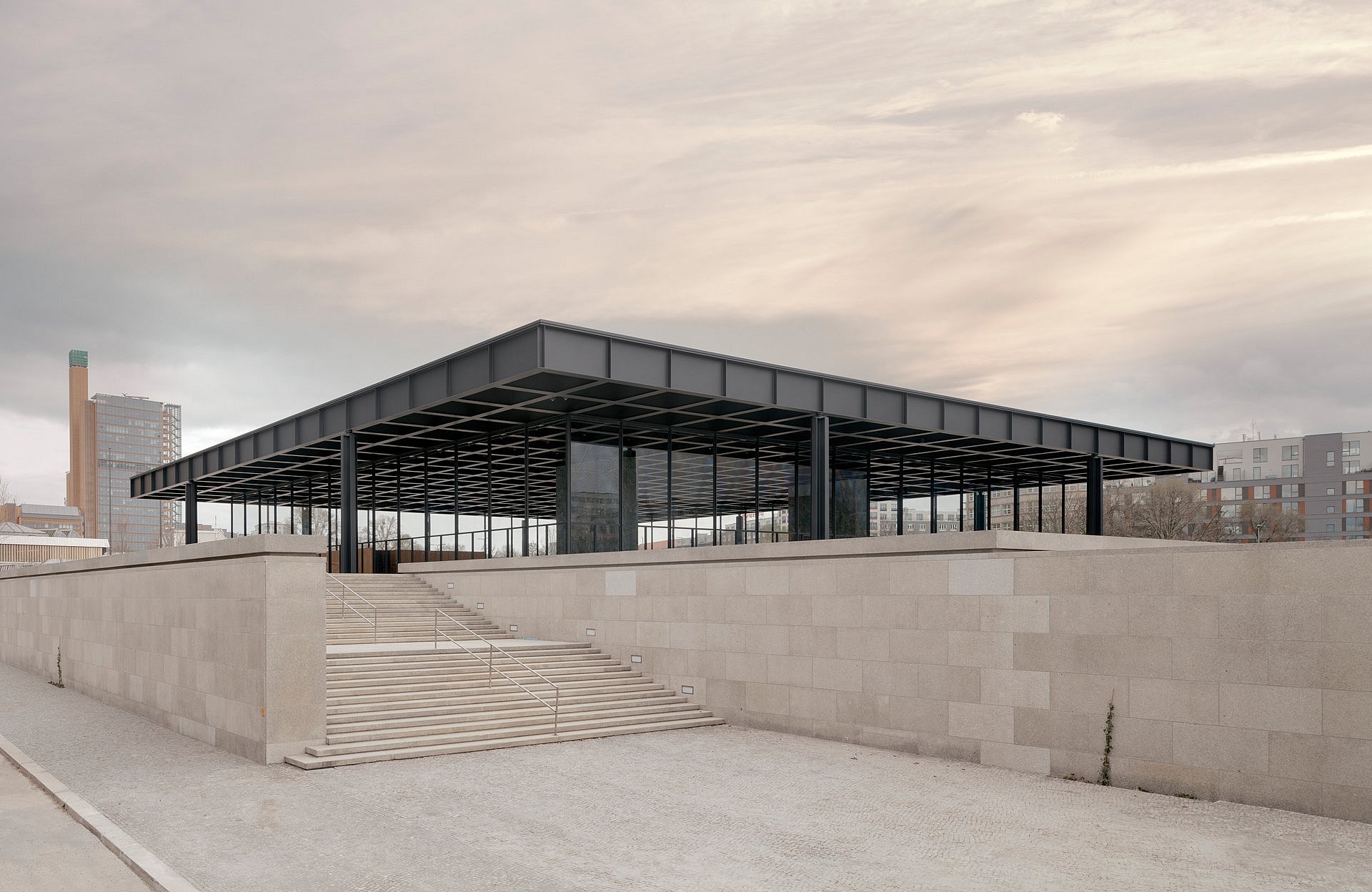
2021: As much Mies as possible: The Neue Nationalgalerie is back
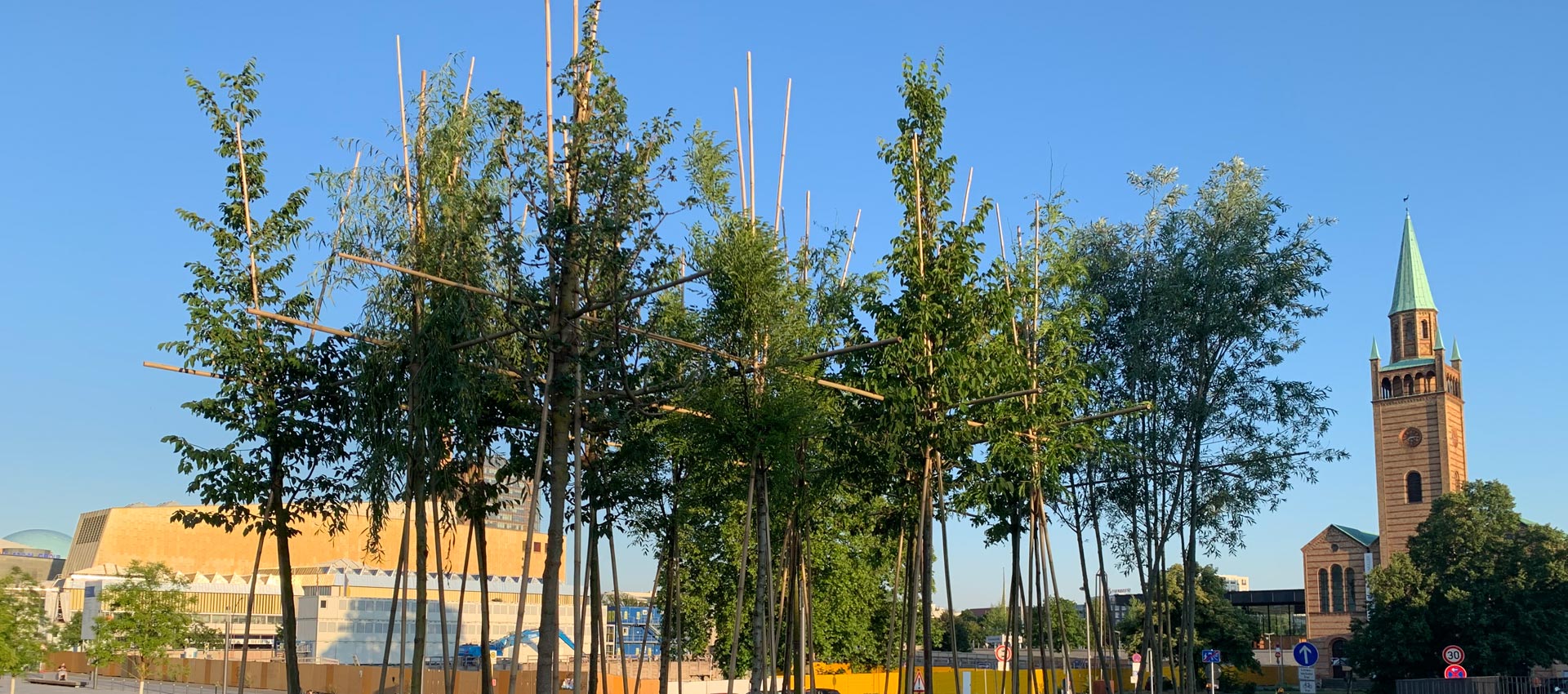
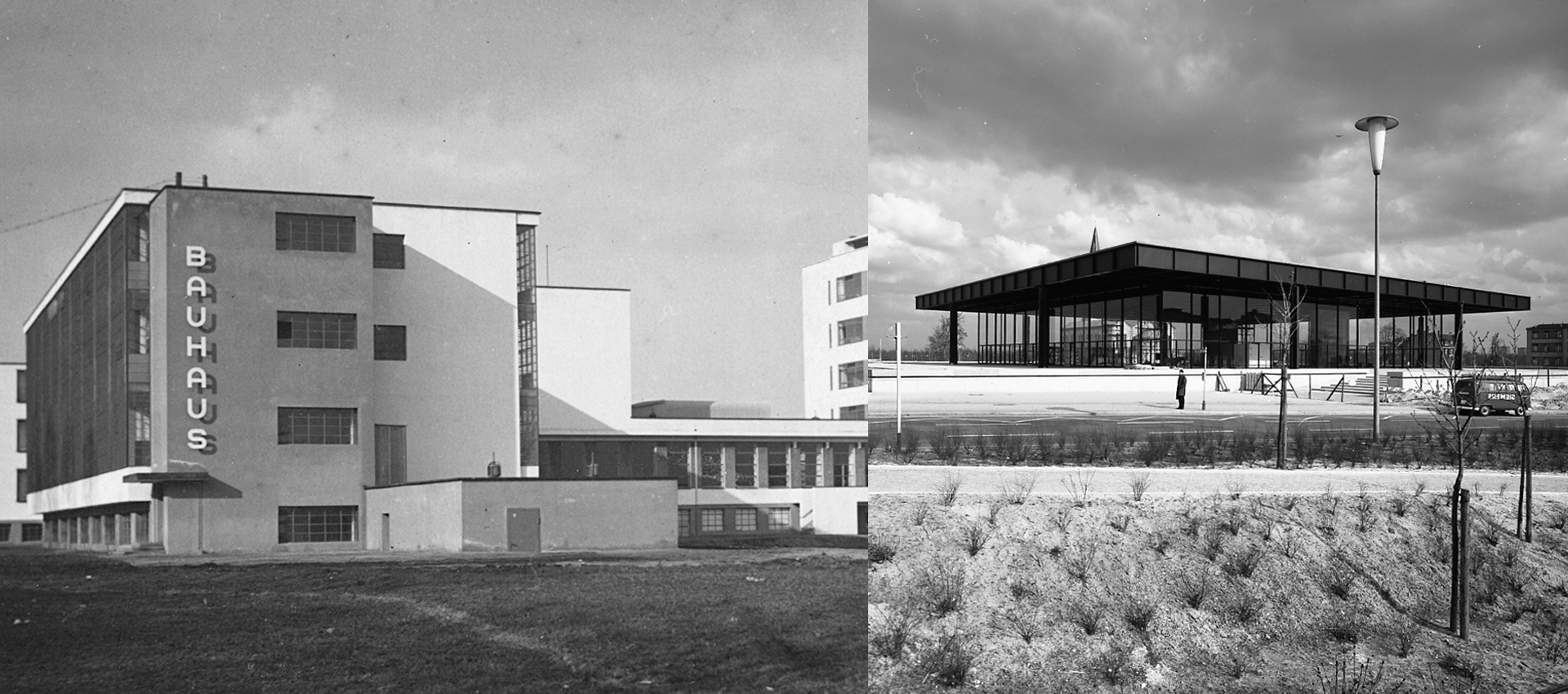
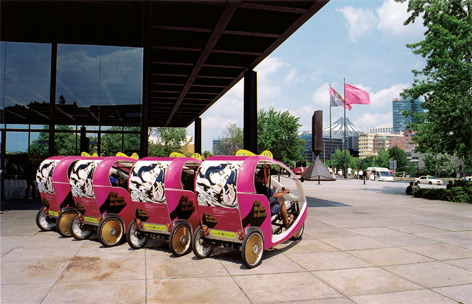
The rebirth of this temple of Western modernism will be celebrated in style in 2021: following more than six years of renovation work on the Neue Nationalgalerie, the opening will be marked in a series of events spanning several months: First, on 19 April, performance artist Ben Wagin will plant three silver maples on the north side of the building – as a replacement for the two black pines he planted in 1976, which had to make way for the renovation work. Ten days later, the keys will be handed over in the digital presence of architect David Chipperfield. On 25 June, SPK President Parzinger and Director Joachim Jäger will guide almost all the state premiers through the newly renovated building. The official reopening will then take place on 21 August with great fanfare. Photo: Simon Menges
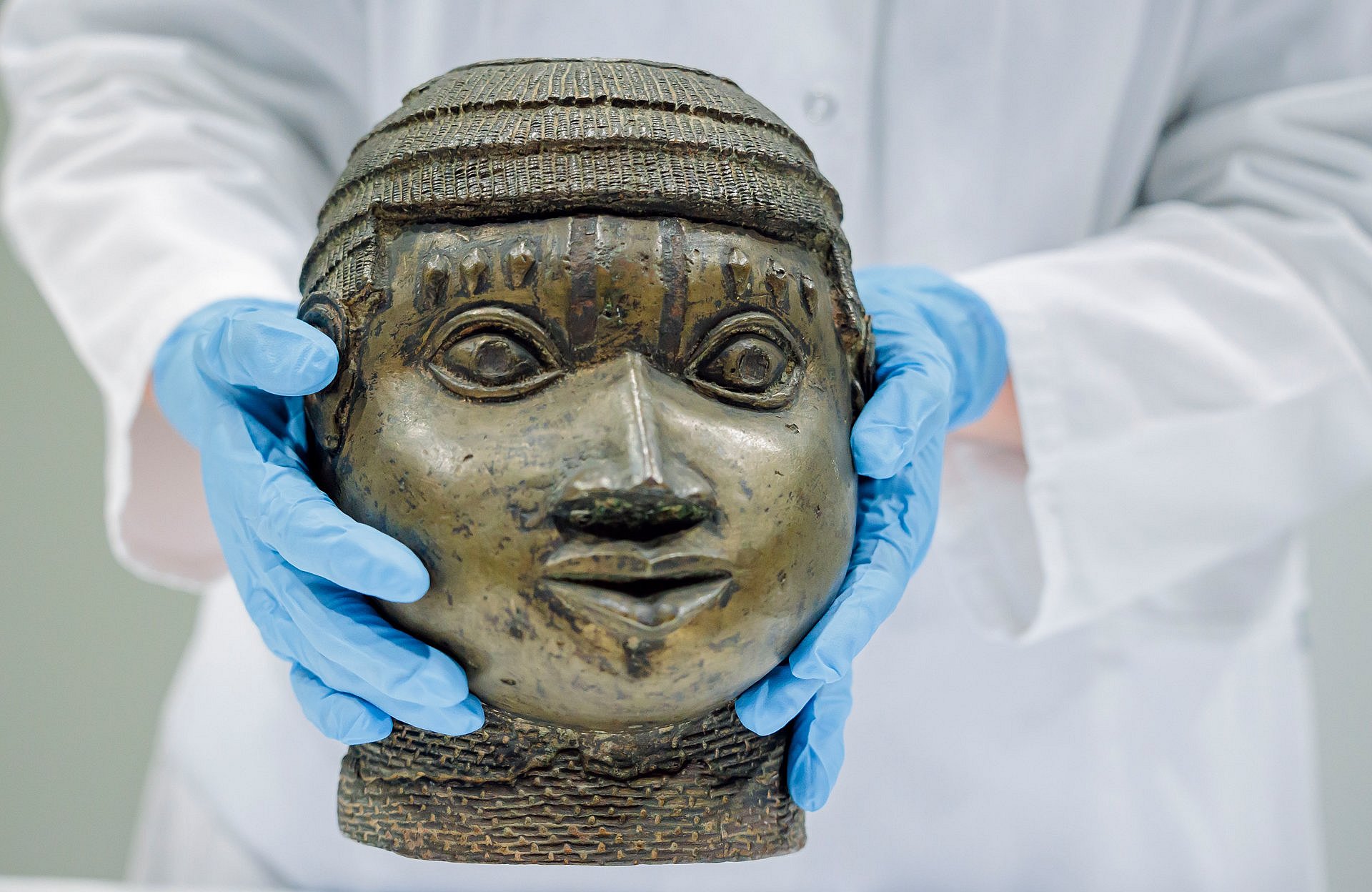
2022: The Benin Bronzes are returned
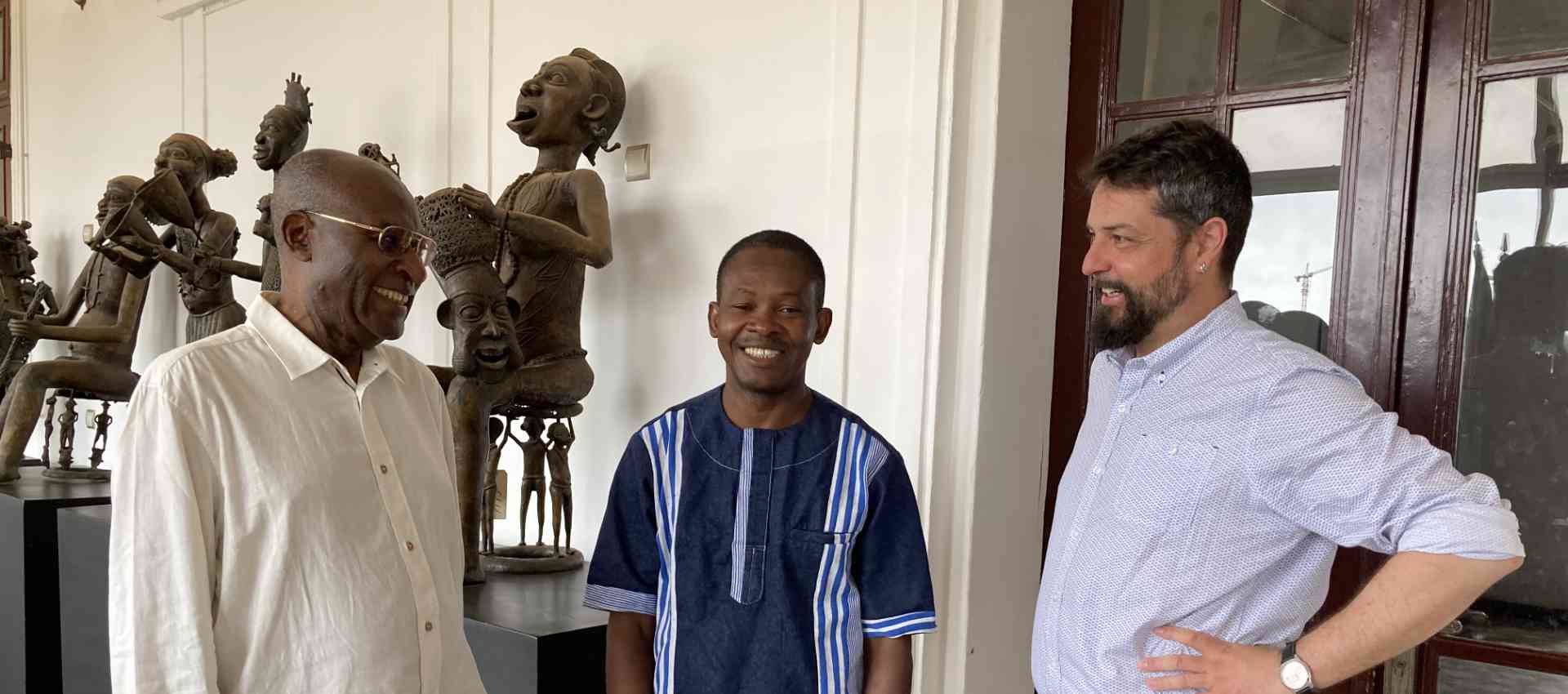
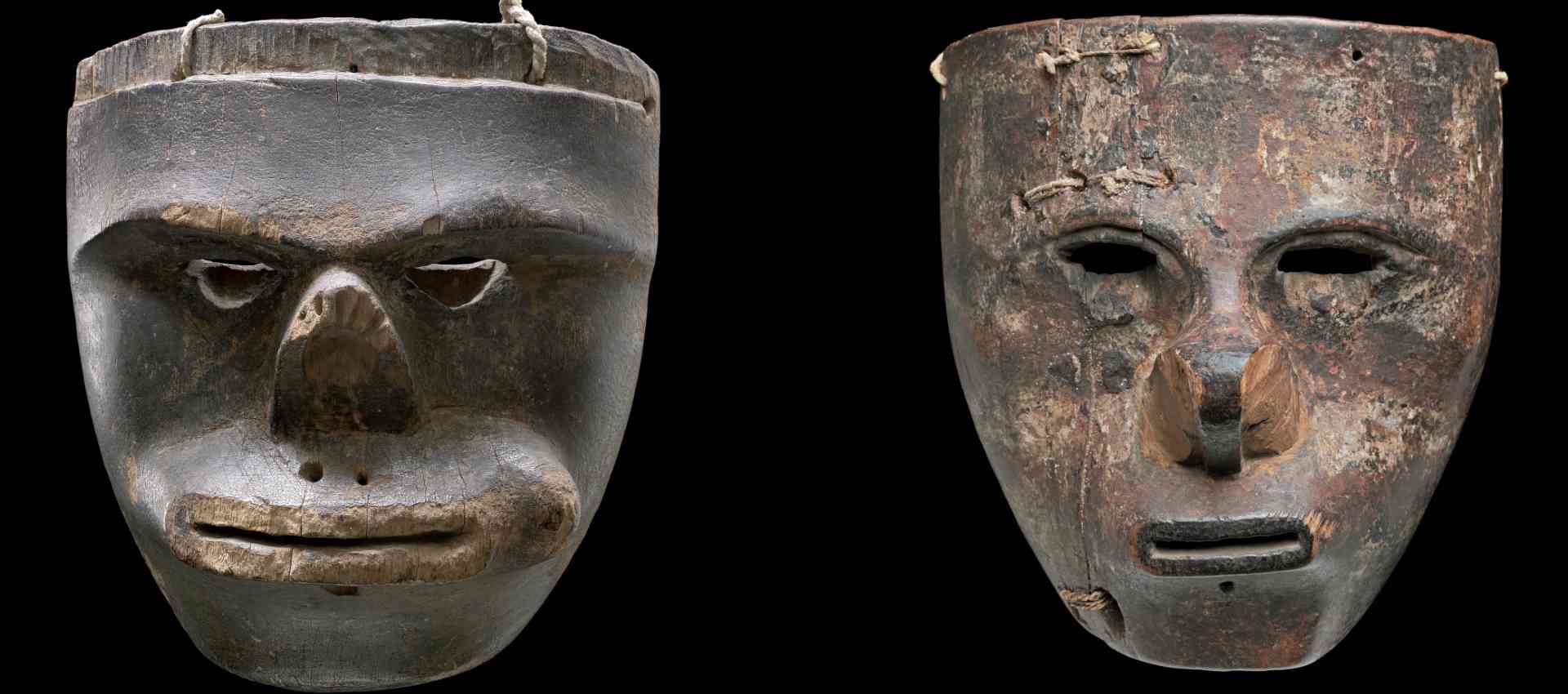
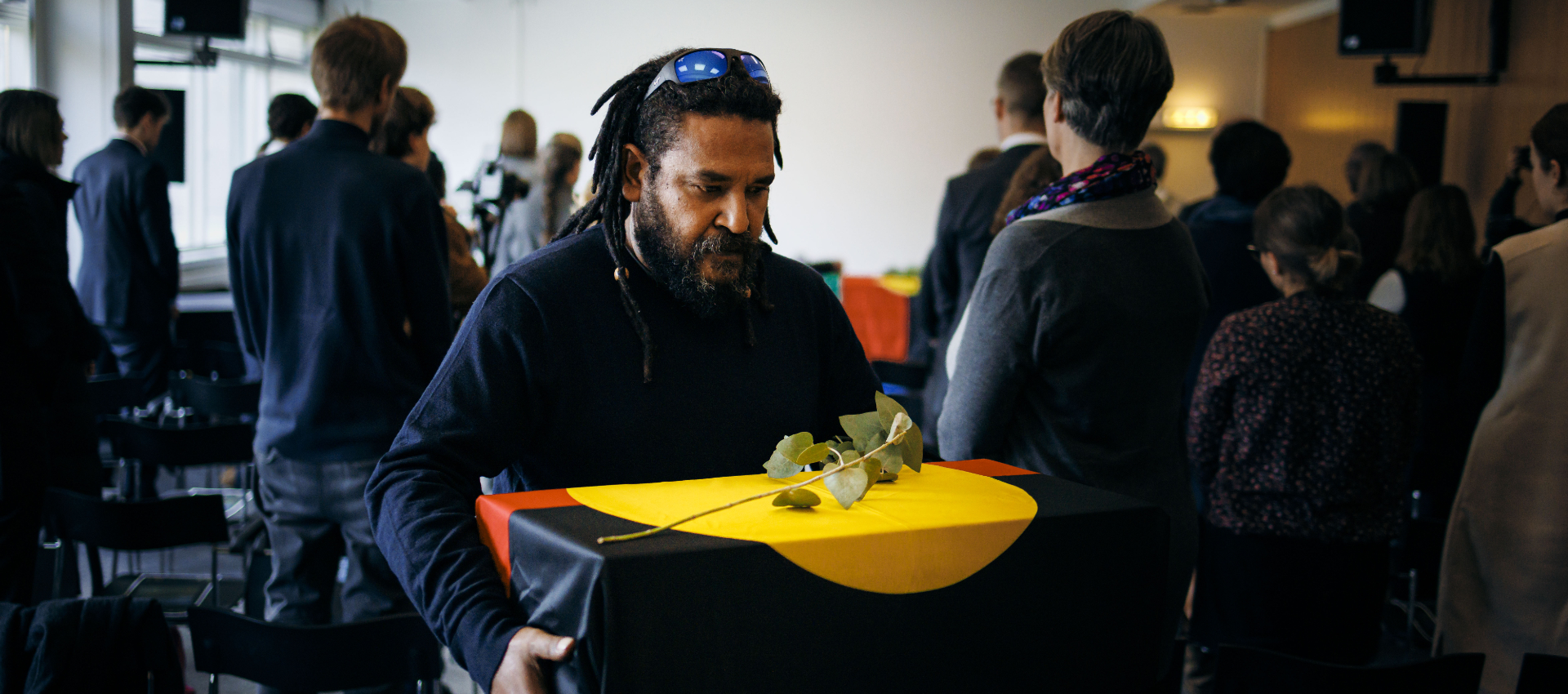
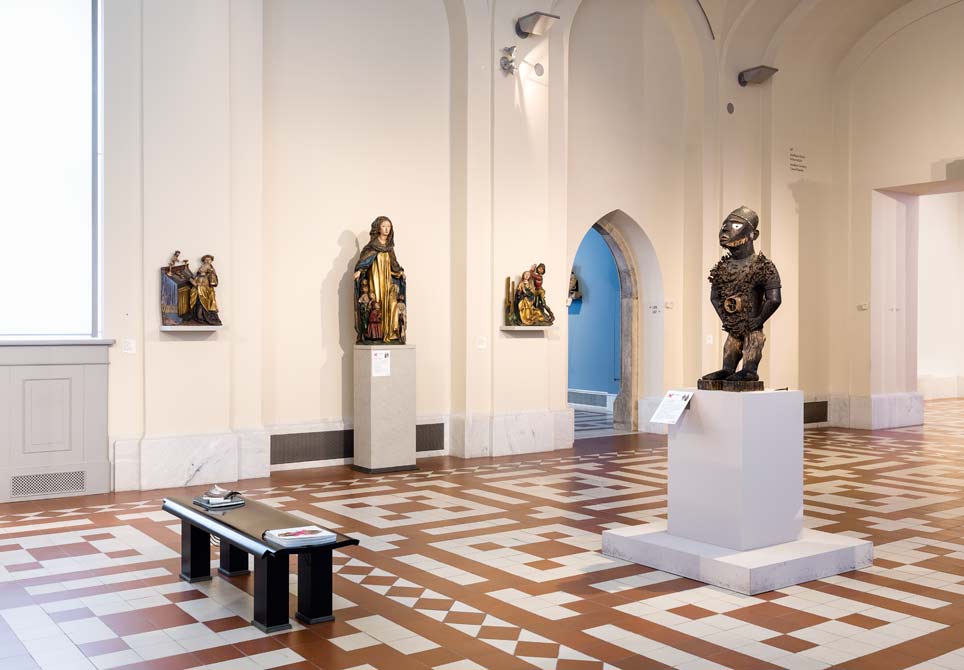
During Hermann Parzinger’s tenure, it became widely accepted that provenance research should also encompass objects from colonial contexts and that restitutions must take place in these cases as well. The restitution of 514 Benin Bronzes from the SPK’s collections became a symbolic milestone. In December 2022, the first ten objects were returned to Nigeria. Two pieces had already been handed over in July following the decision to return them. A third of the restituted collection remains in Berlin on permanent loan. The Benin Bronzes were looted by British troops in 1897 and thus found their way into European museums. Photo: Photothek / Thomas Trutschel
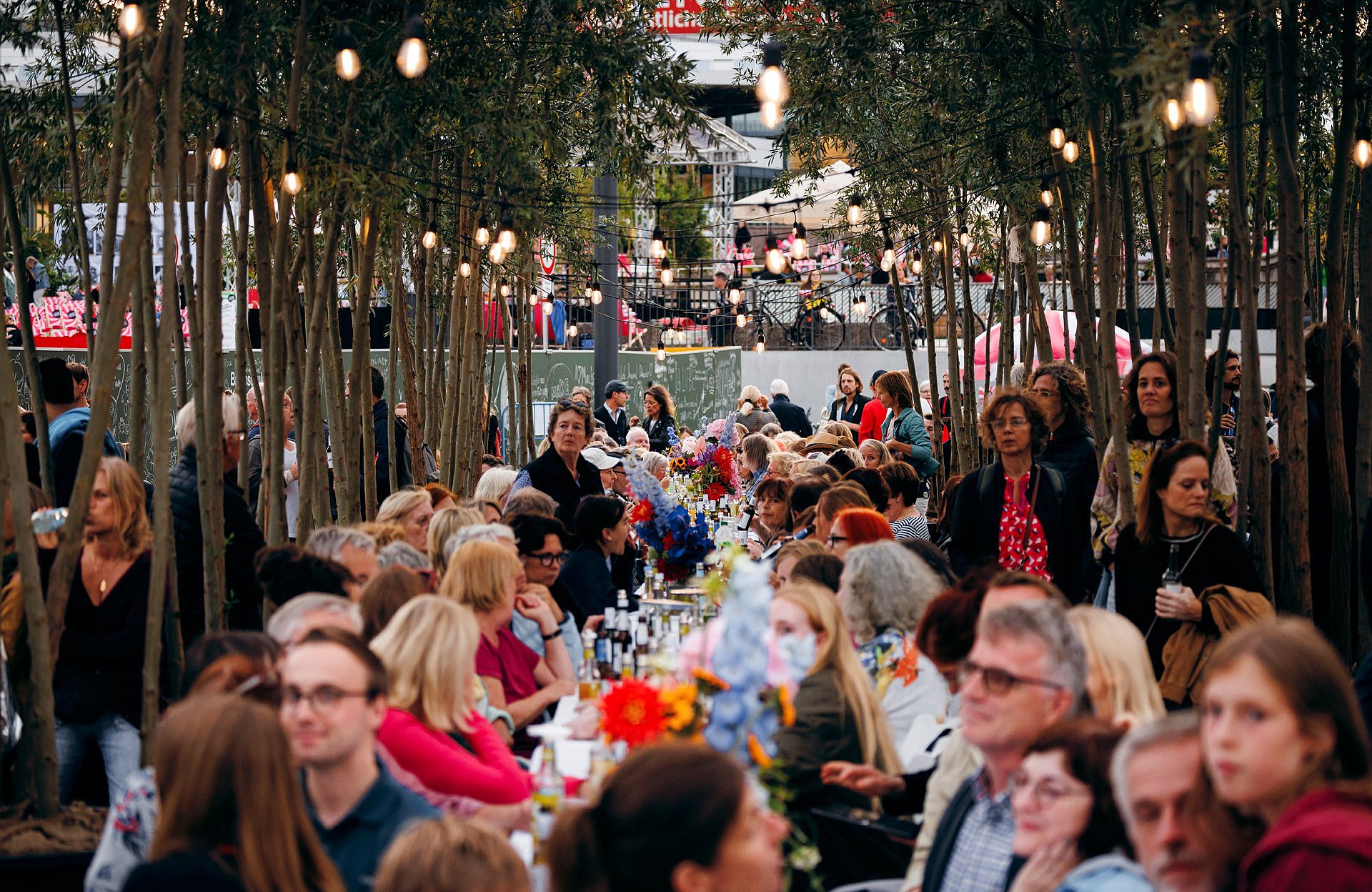
2023: The Kulturforum is finally going green
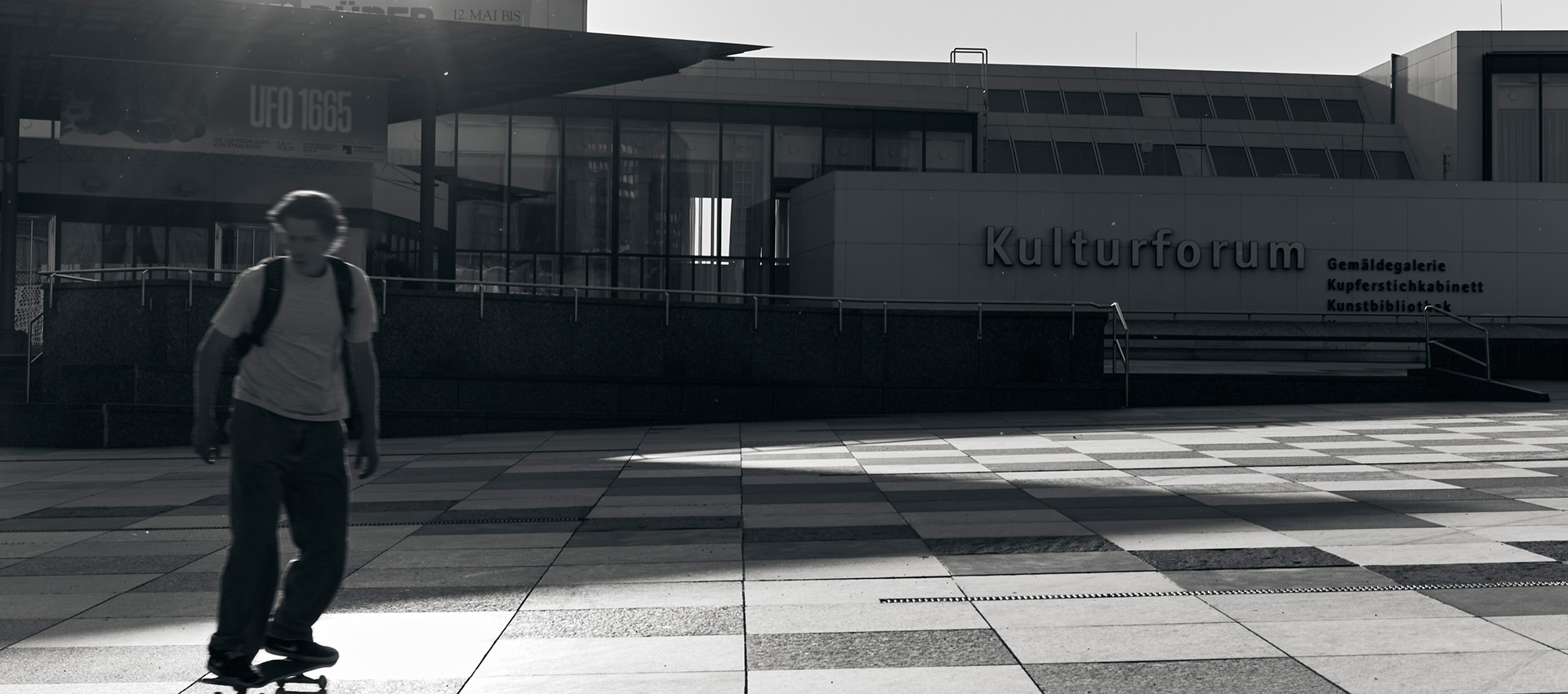
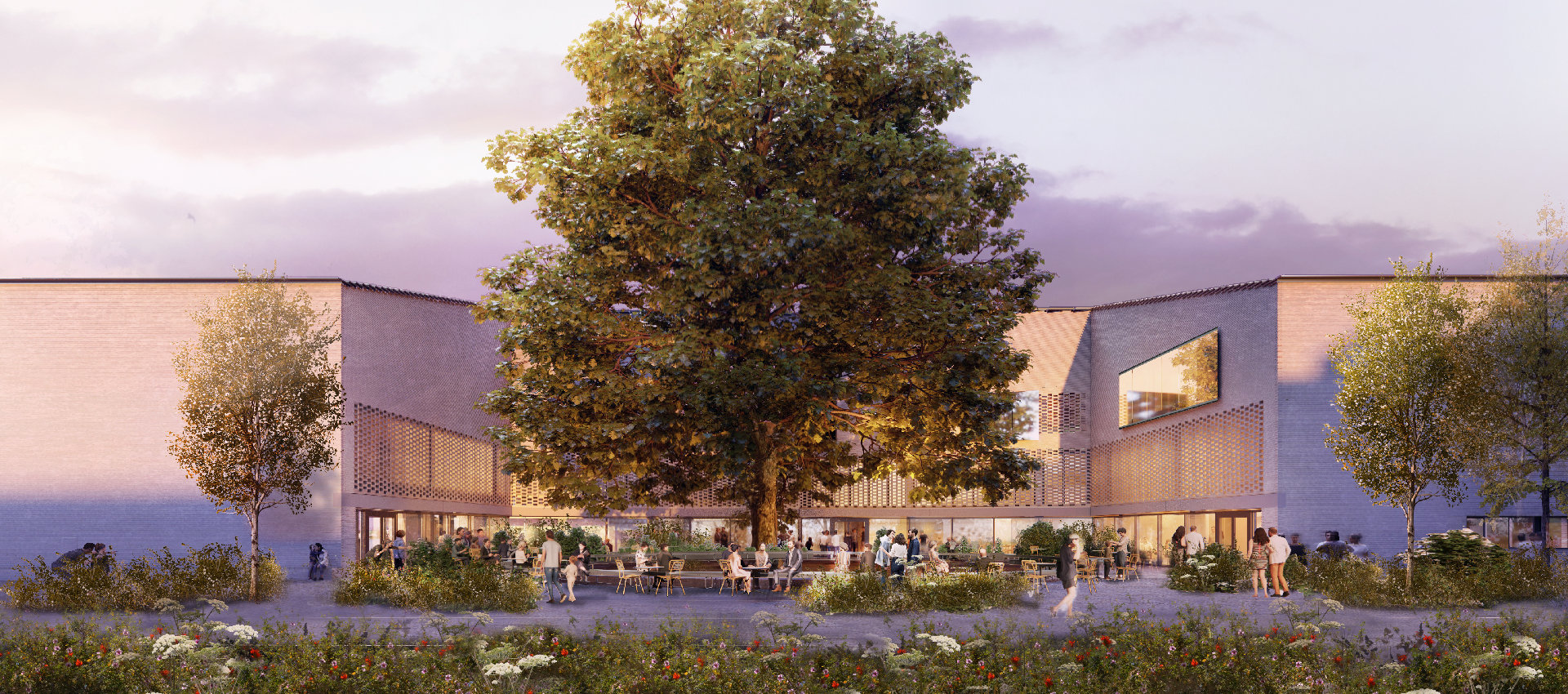
Ecological, economic and social: the SPK aims to become more sustainable at every level. Not only are posts for sustainability officers being created, but the ‘berlin modern’ project is also becoming greener. The SPK has set itself the goal of becoming climate-neutral by 2035. A related event in 2023 is the “Day in the Green” at the Kulturforum: residents living alongside this concrete cultural hub are inviting visitors to discover and celebrate their little-known gardens. The Kulturforum will showcase its undiscovered green side with musical, culinary and artistic performances. Photo: Photothek /Felix Zahn
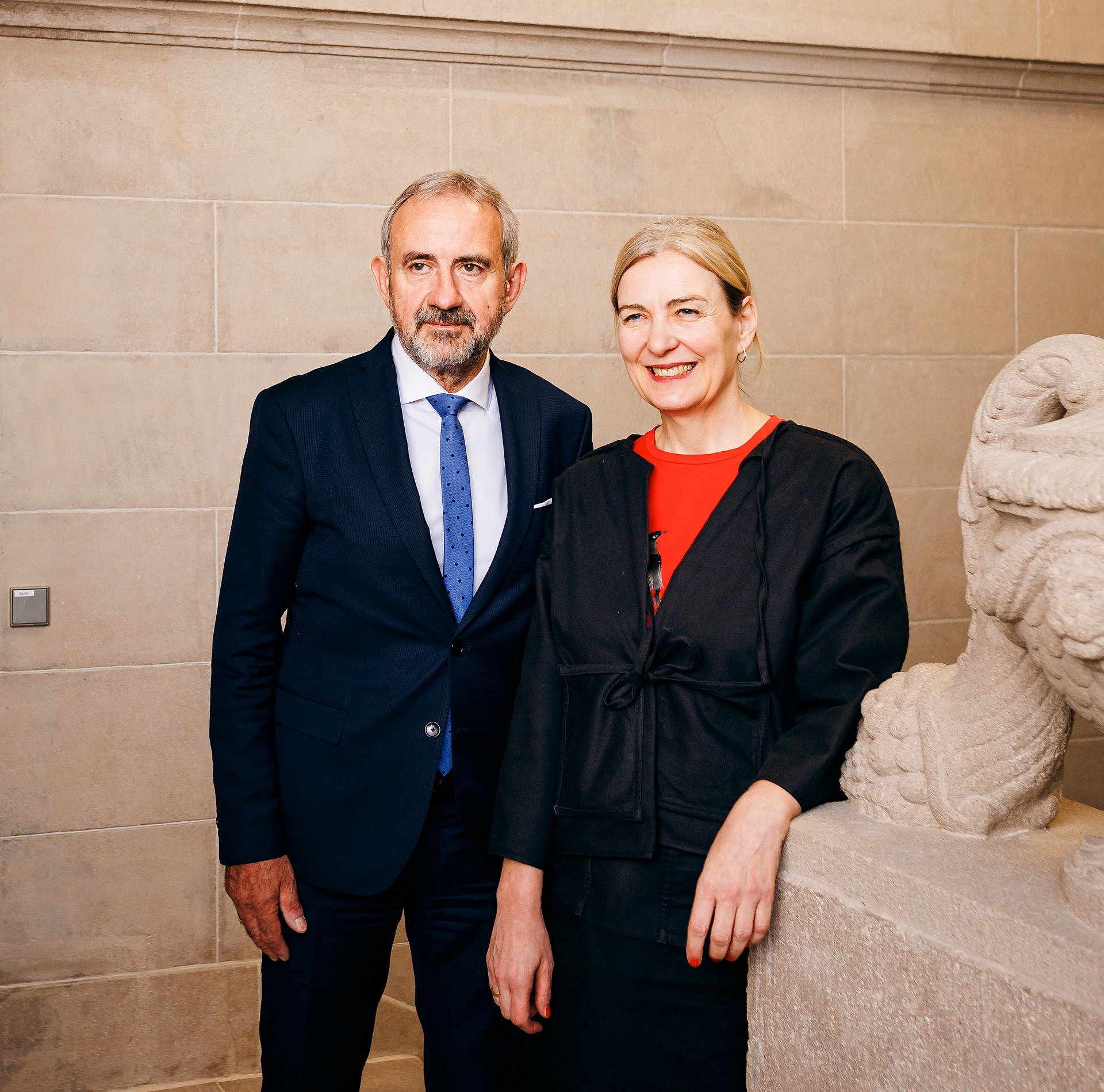
2024: Parzinger leaves, Ackermann takes over
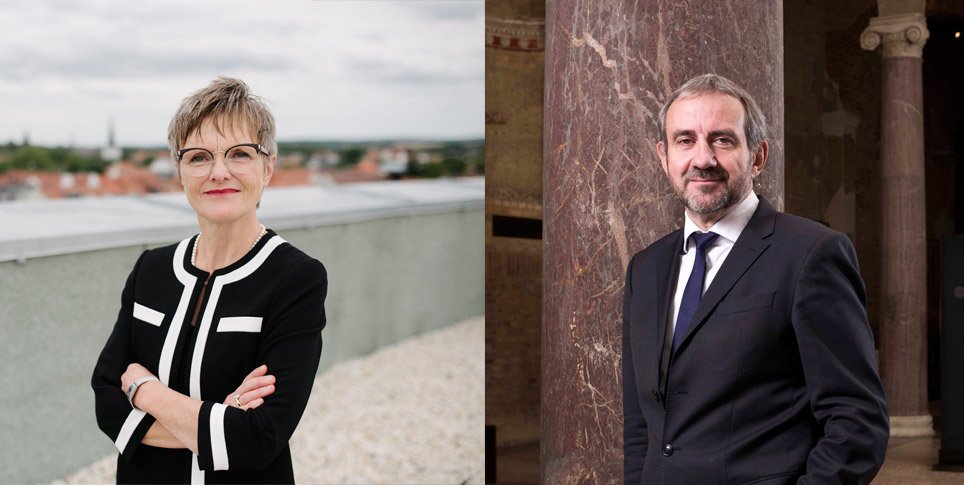
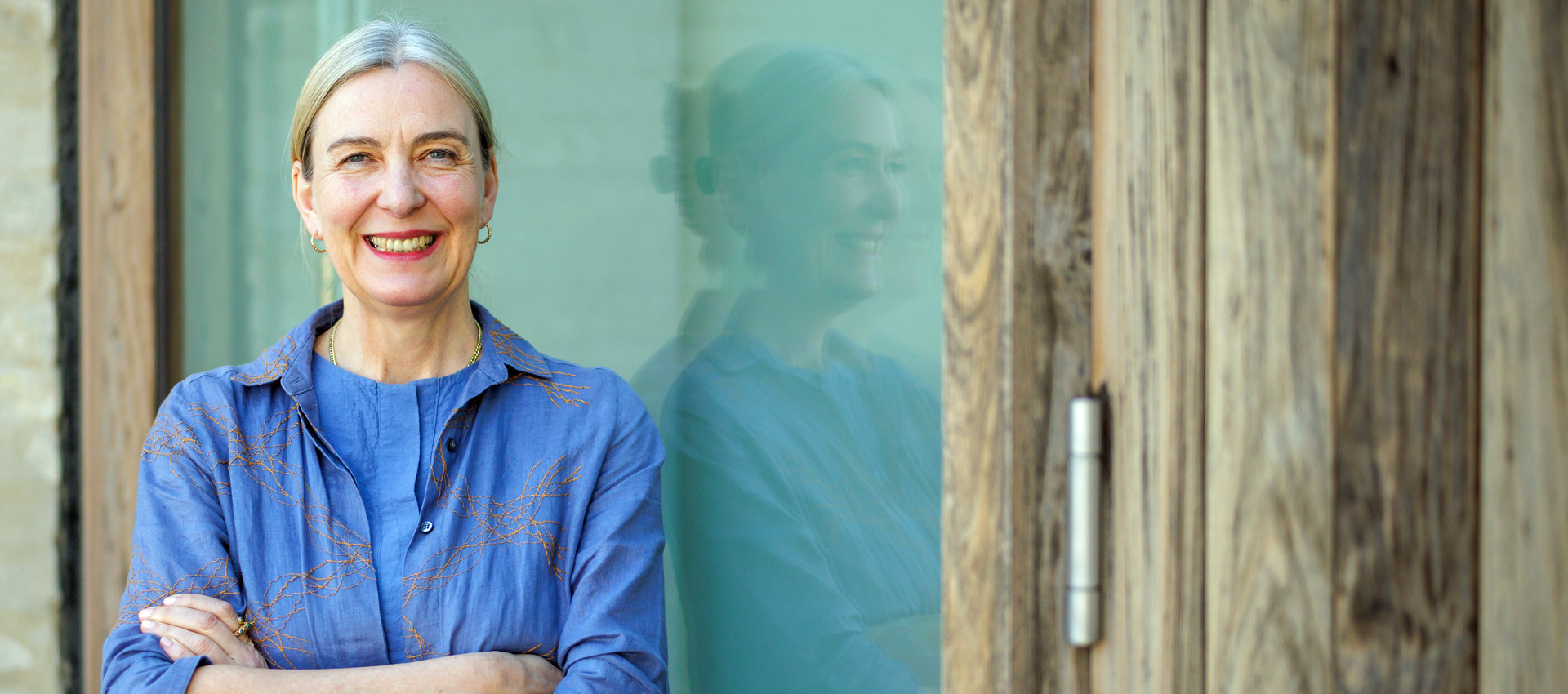
At the Foundation Board meeting on 8 July, it was decided that Marion Ackermann, Director General of the Dresden State Art Collections, will succeed Hermann
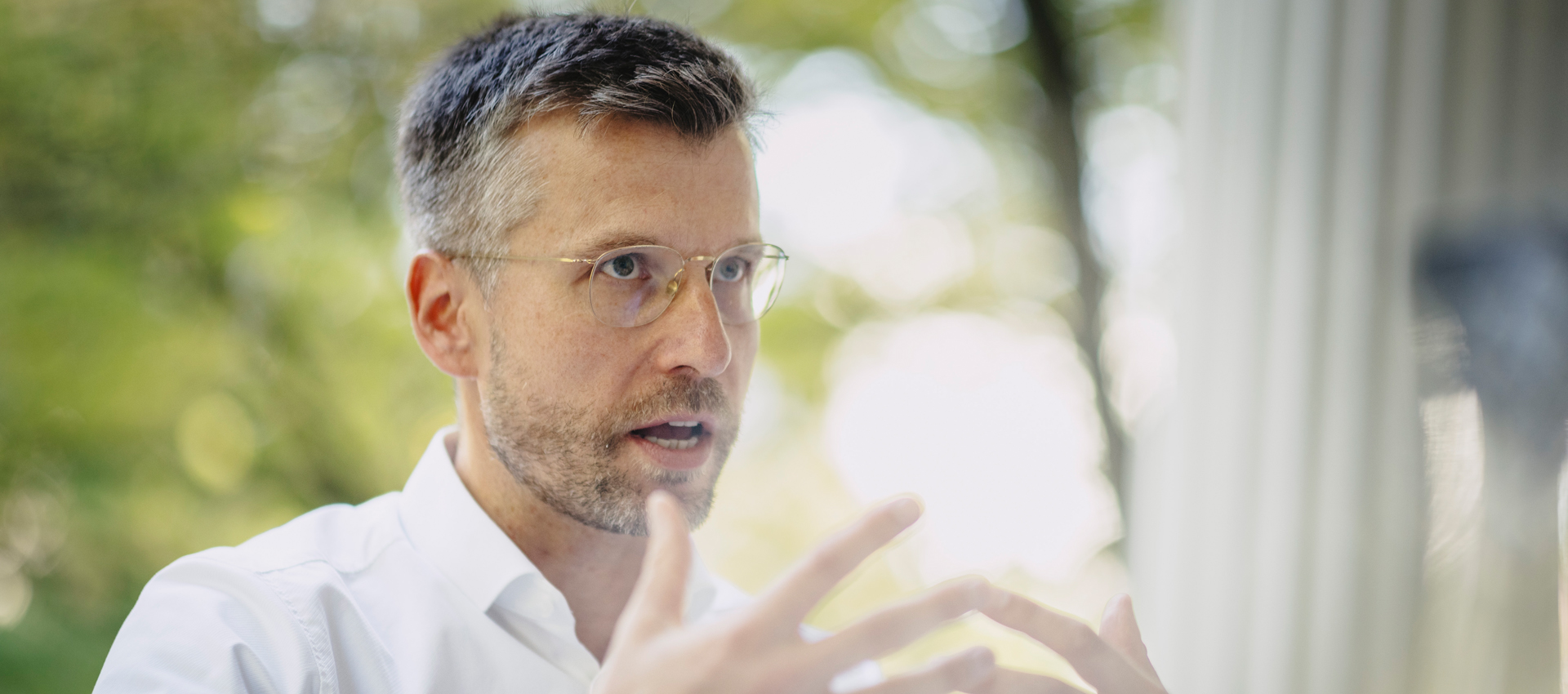
Parzinger on 1 June 2025. The first female President of the SPK is being handed “a ship that is in good shape”, as her predecessor puts it. What he offers her by way of parting words sounds almost too much like a summary: “It is a demanding but also wonderful role with enormous scope for creativity, particularly now, at a time when this unique foundation network—with its world-class museums, libraries, archives and research institutes—is set to undergo profound change, and we must ensure that we remain in a constant process of renewal and self-examination for the future, so as to continually unleash new energies. Marion Ackermann is exactly the right person for this.” Photo: Photothek/ Felix Zahn