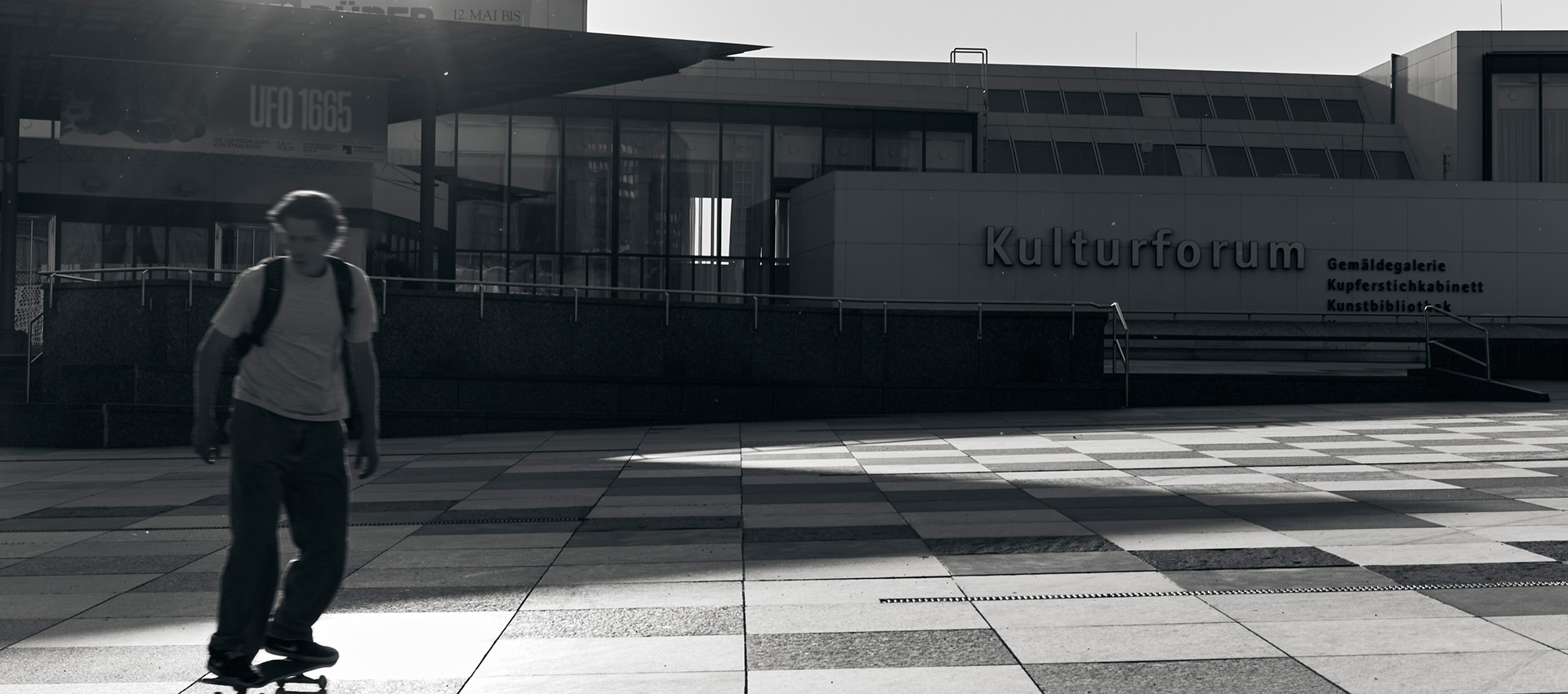
Autonomy, personal responsibility, flexibility, added value. And, of course, the big question: what can visitors expect in future between Museum Island and the Kulturforum? What themes are the SPK’s institutions focusing on? Since the Science Council issued its recommendations in the summer of 2020, the reform process at the Prussian Cultural Heritage Foundation has revolved around these questions and terms. It remains to be seen which path the Foundation Board, comprising representatives from the federal and state governments, will decide upon for the SPK.
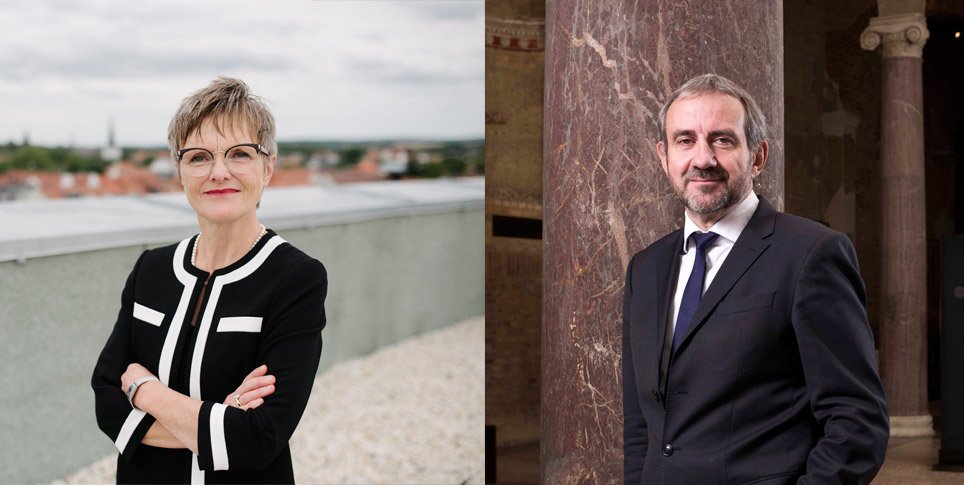
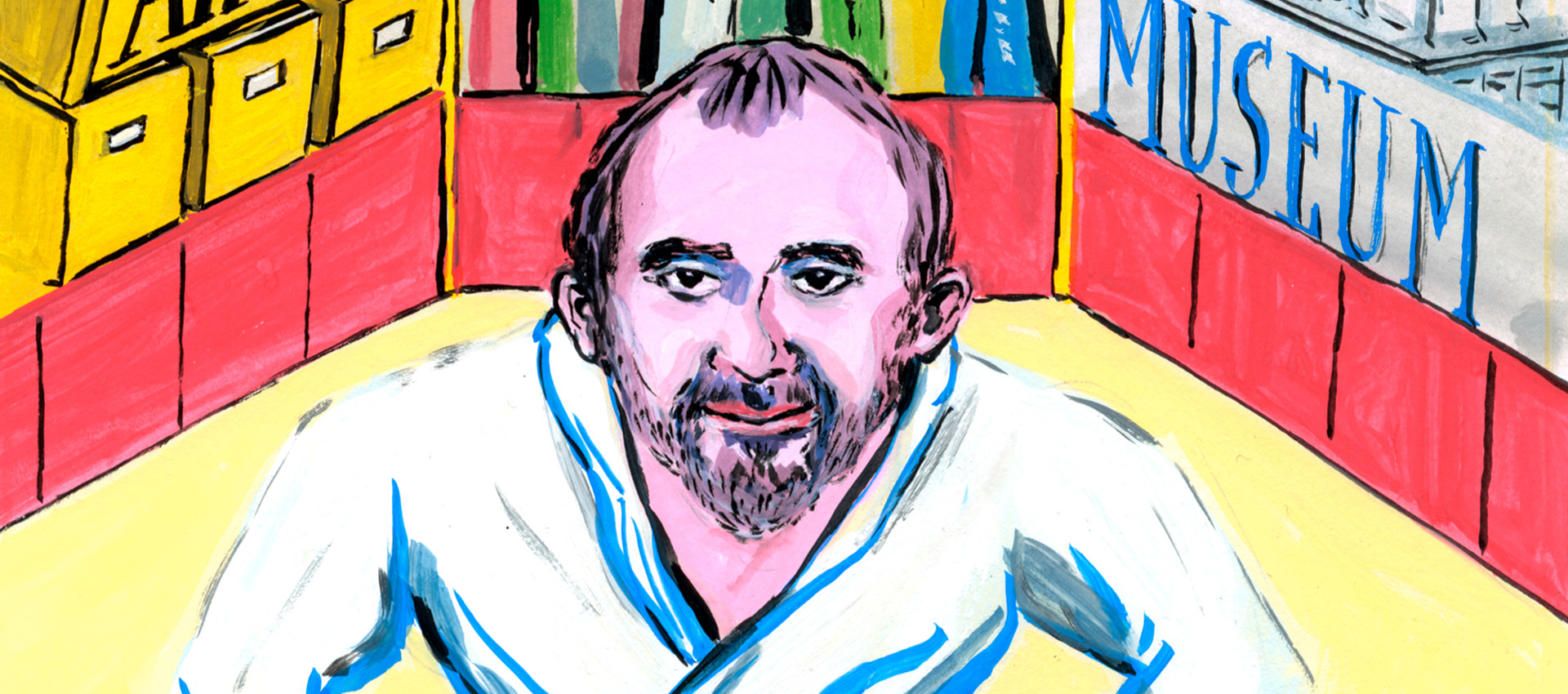
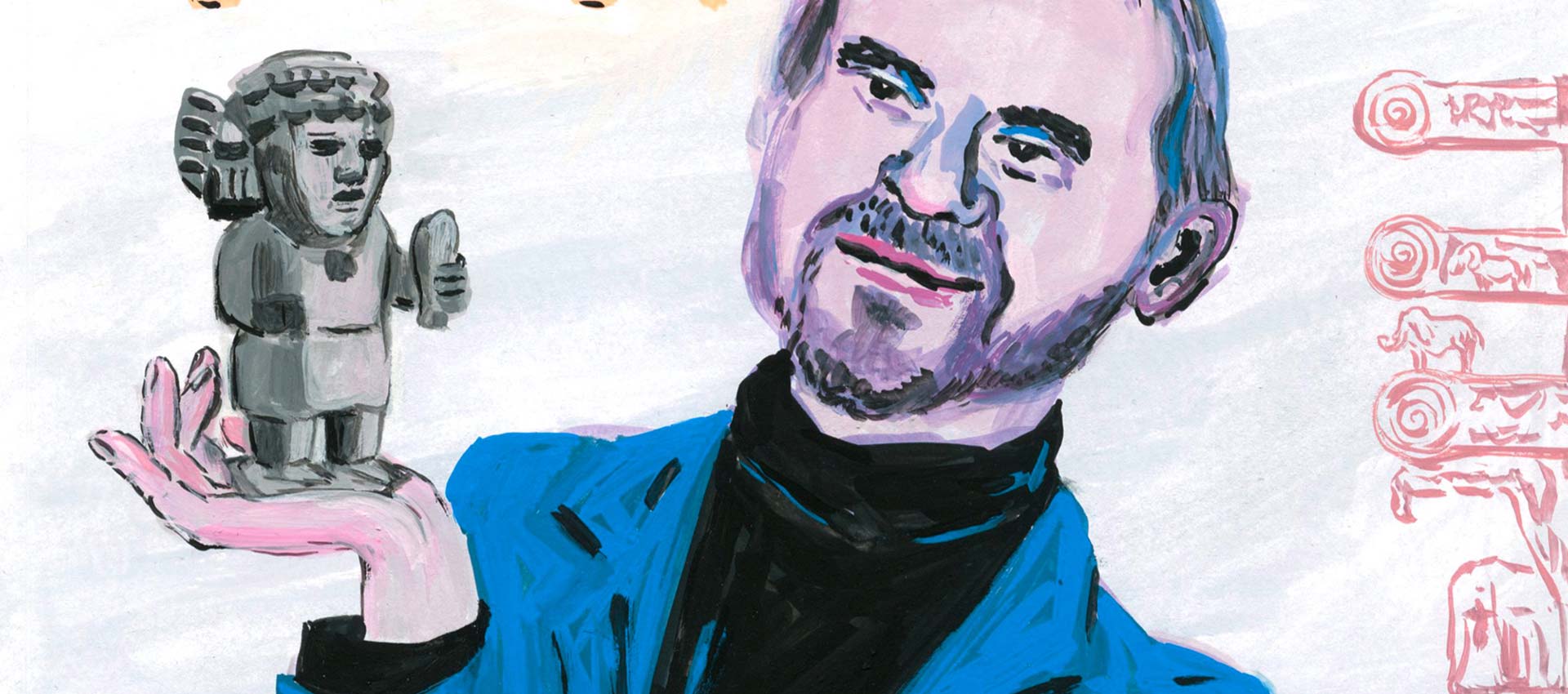
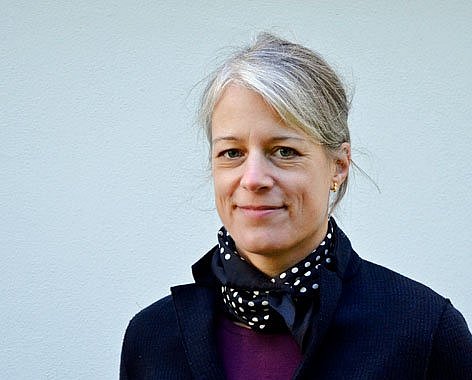
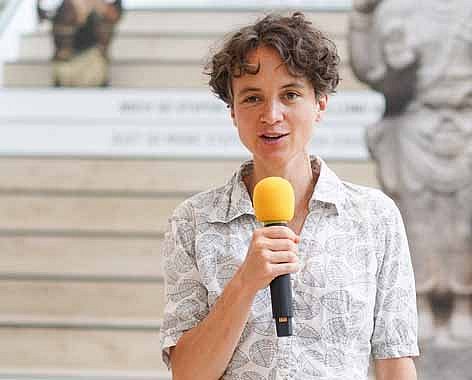
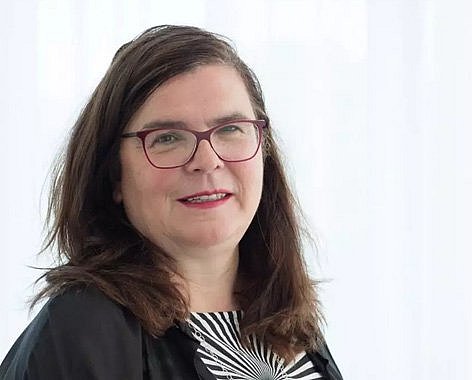
Nevertheless, the reform within the SPK has already gained considerable momentum, achieved a great deal and is following a trajectory shaped by pressing social issues: How sustainable is the SPK? How diverse is its approach? What will the museum of the future look like? The interview in the 2021 Annual Report asks three ‘pioneers’ who are courageously and enthusiastically embracing change: Nina Schallenberg, curator at the Hamburger Bahnhof – Museum für Gegenwart – Berlin and the SPK’s new sustainability officer; Claudia Banz, curator at the Museum of Decorative Arts; and Andrea Scholz, curator at the Ethnological Museum and the new officer for transcultural cooperation.
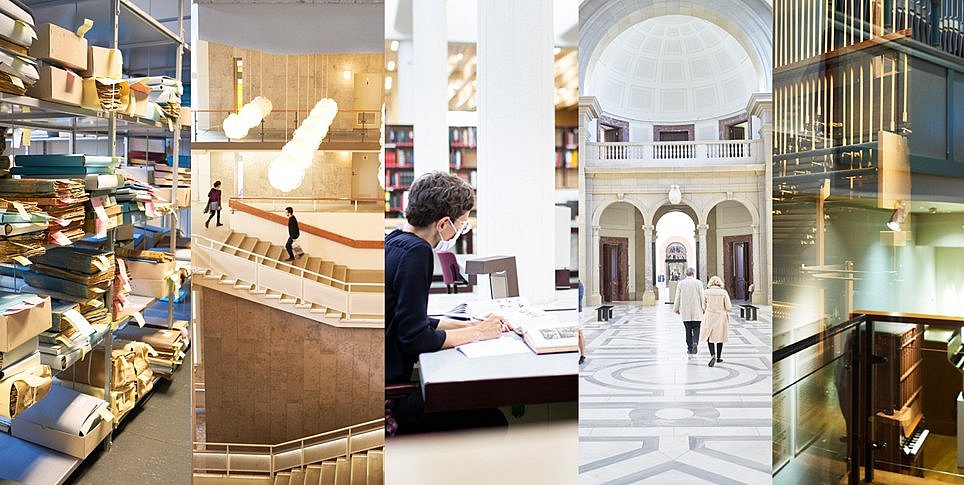
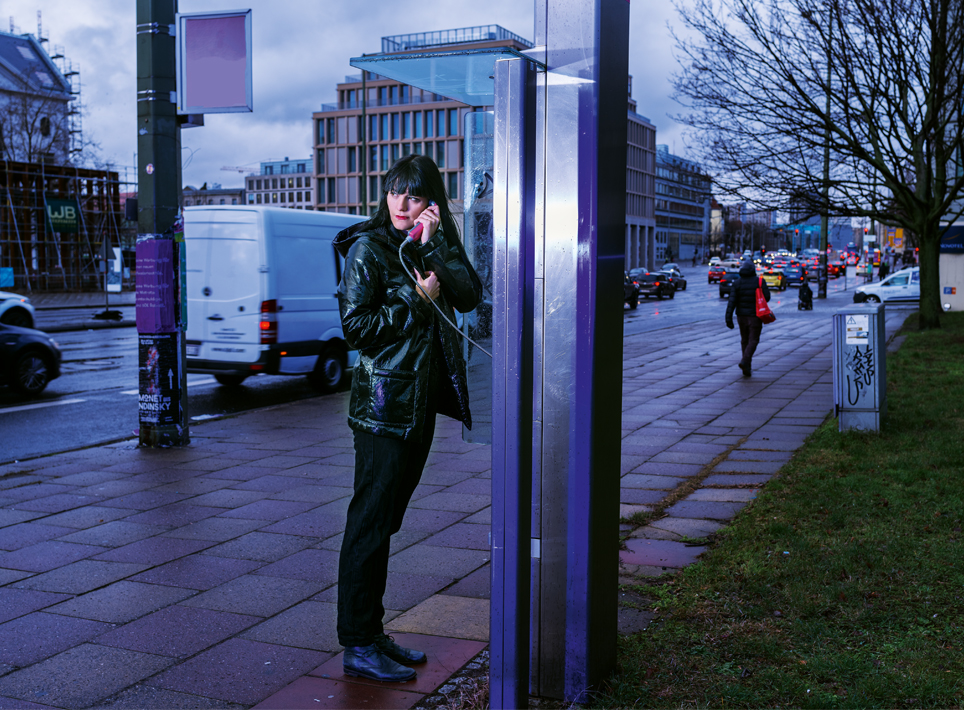
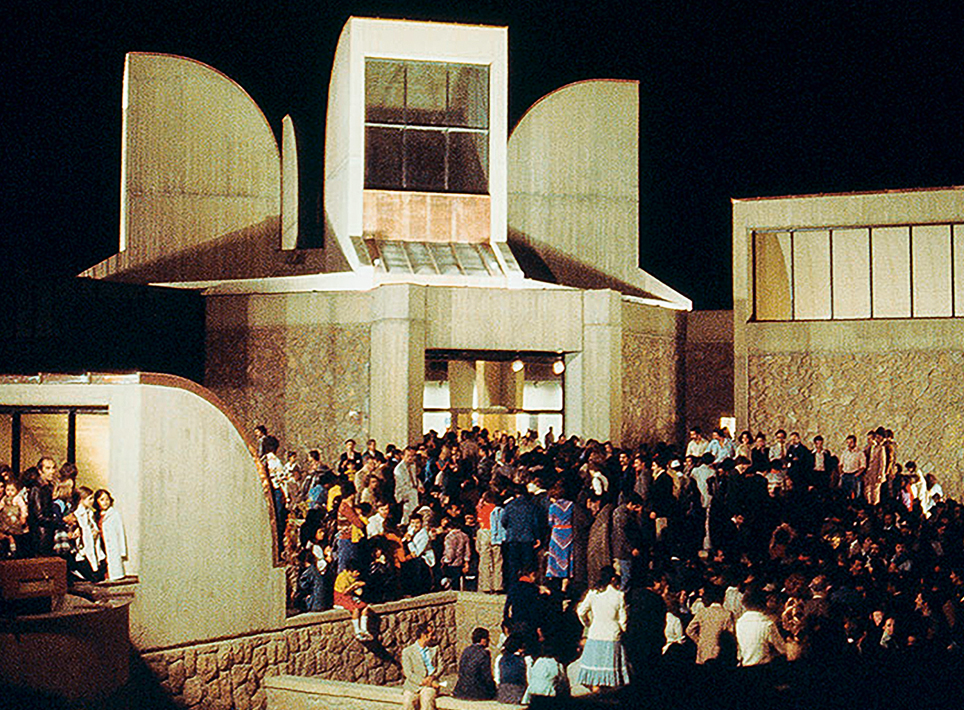
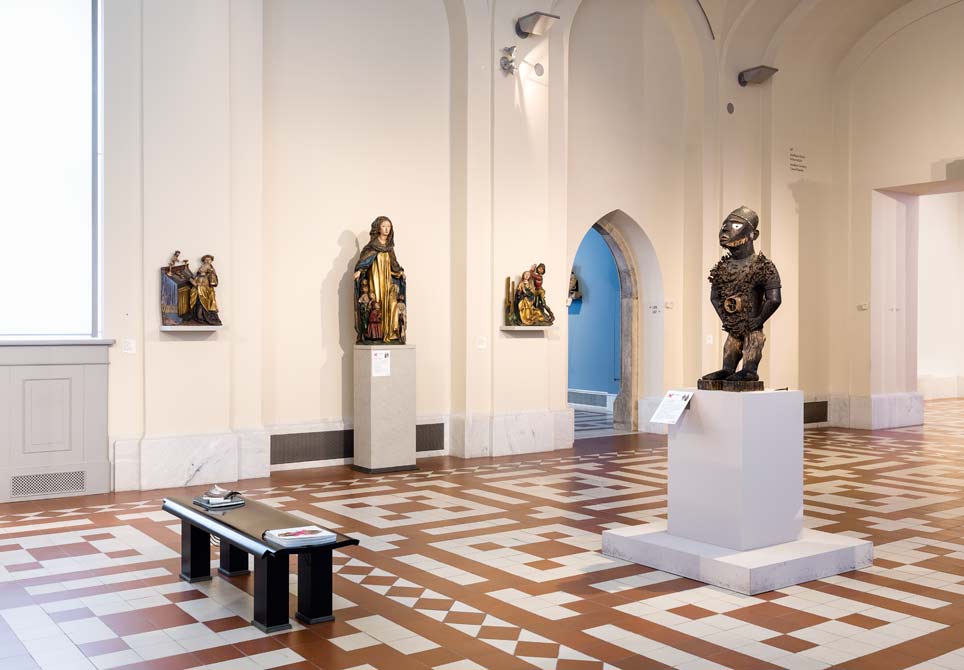
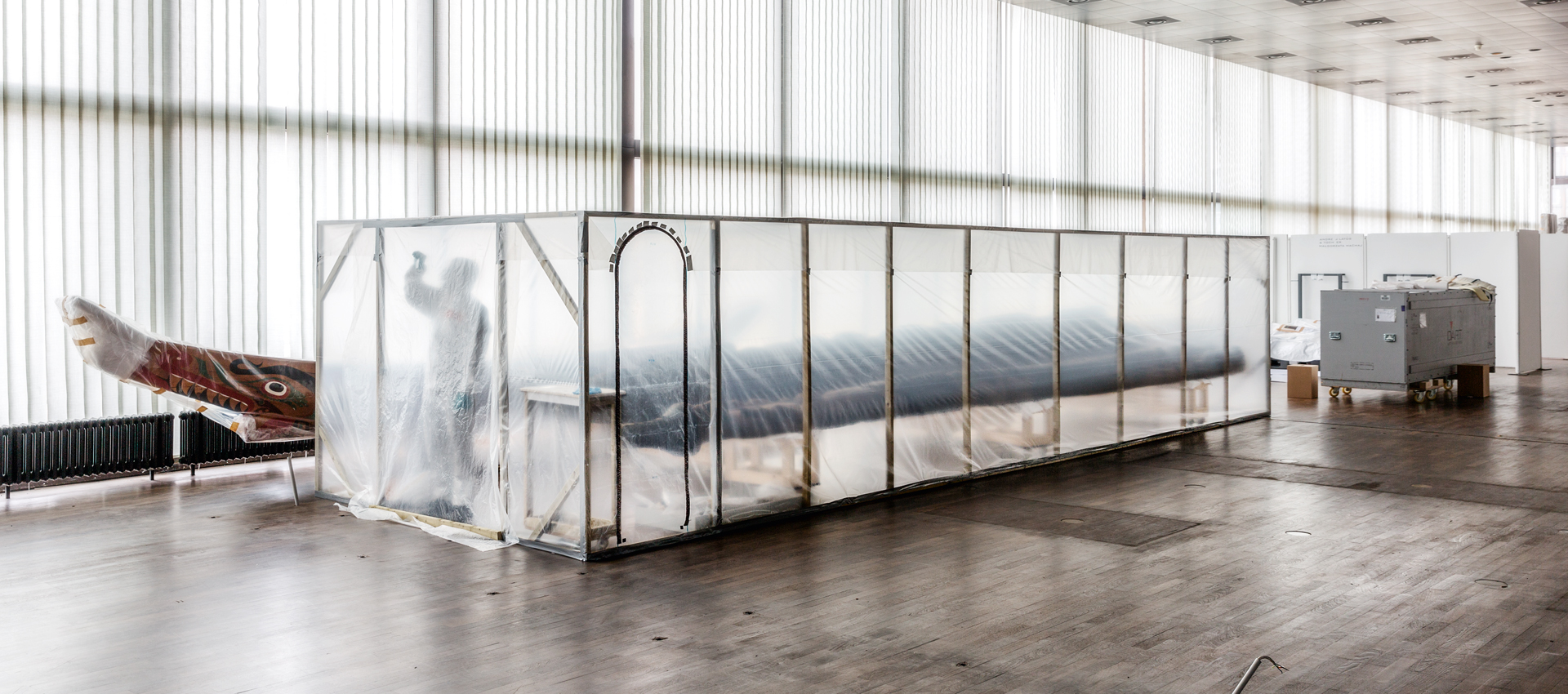
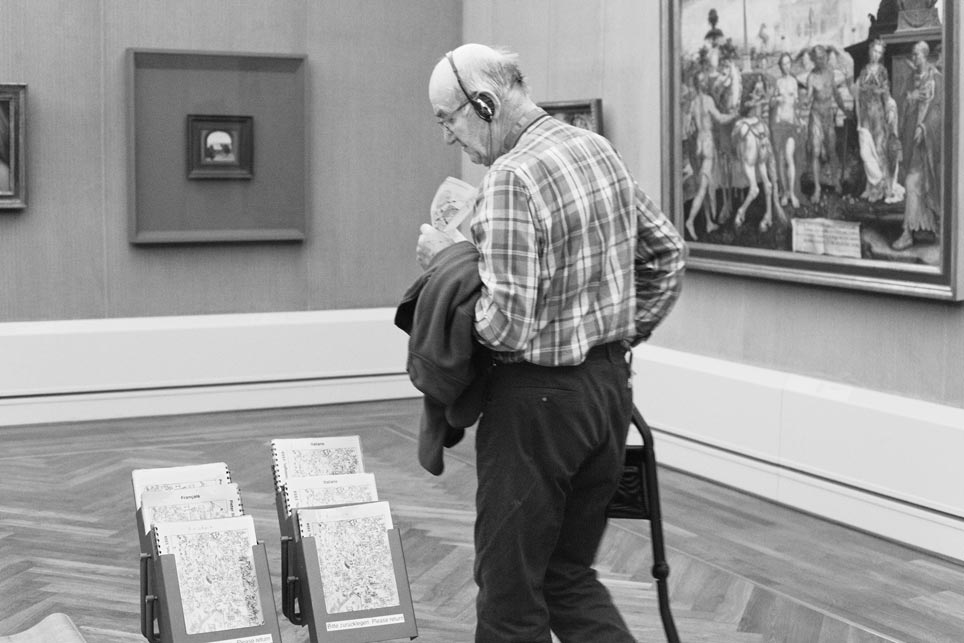
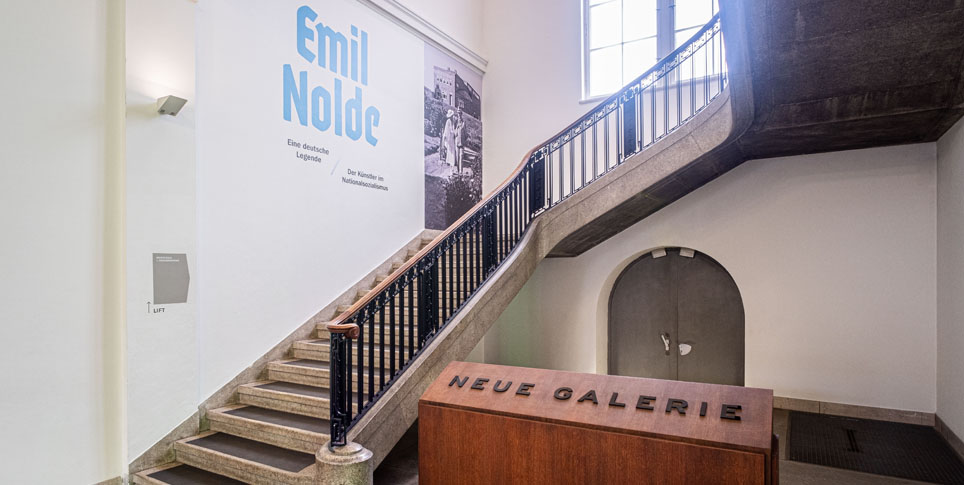
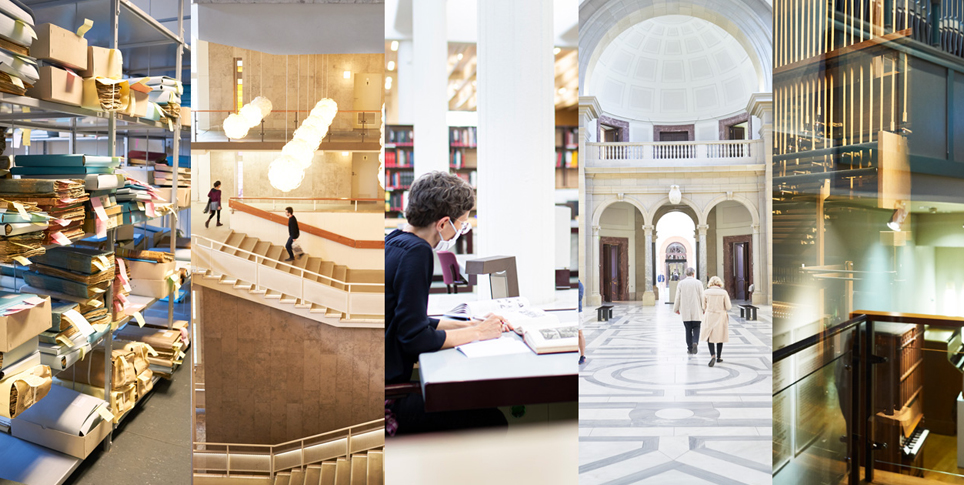
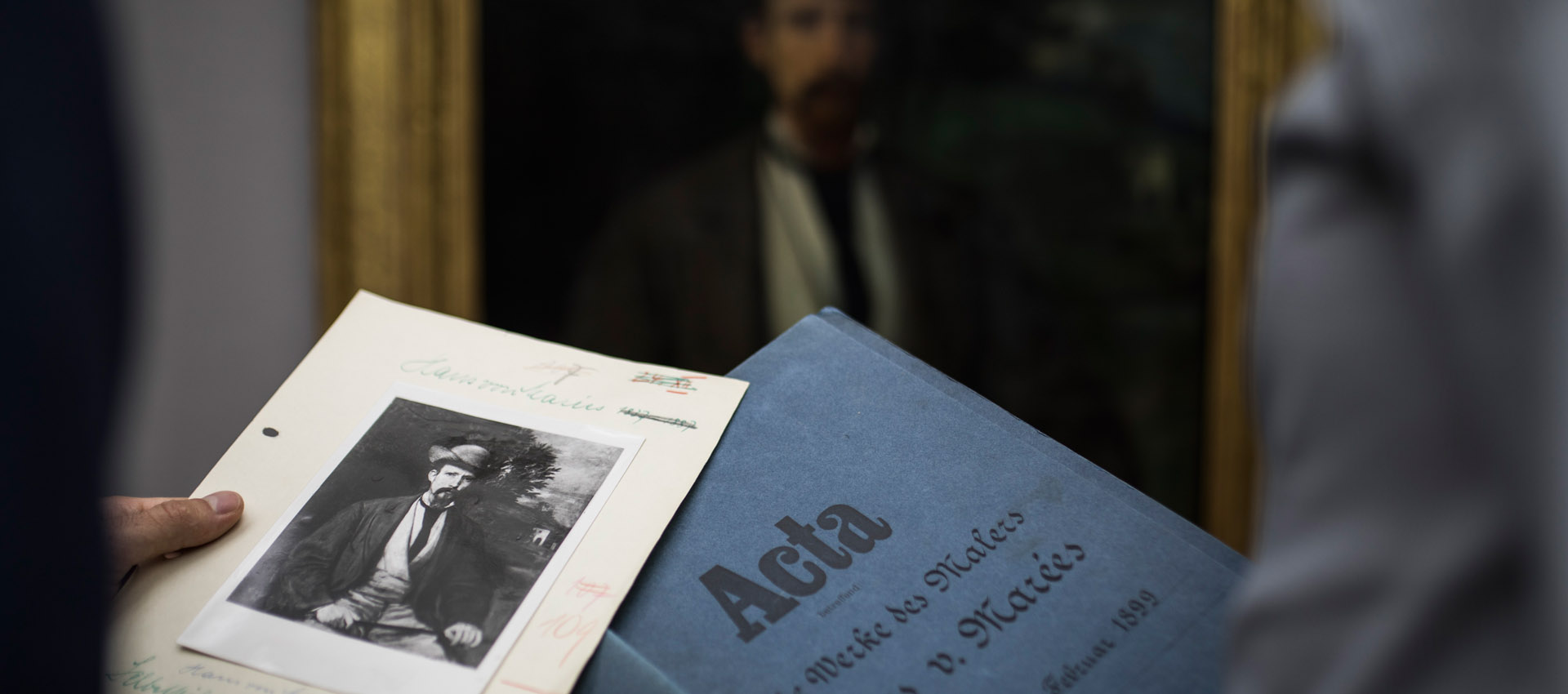
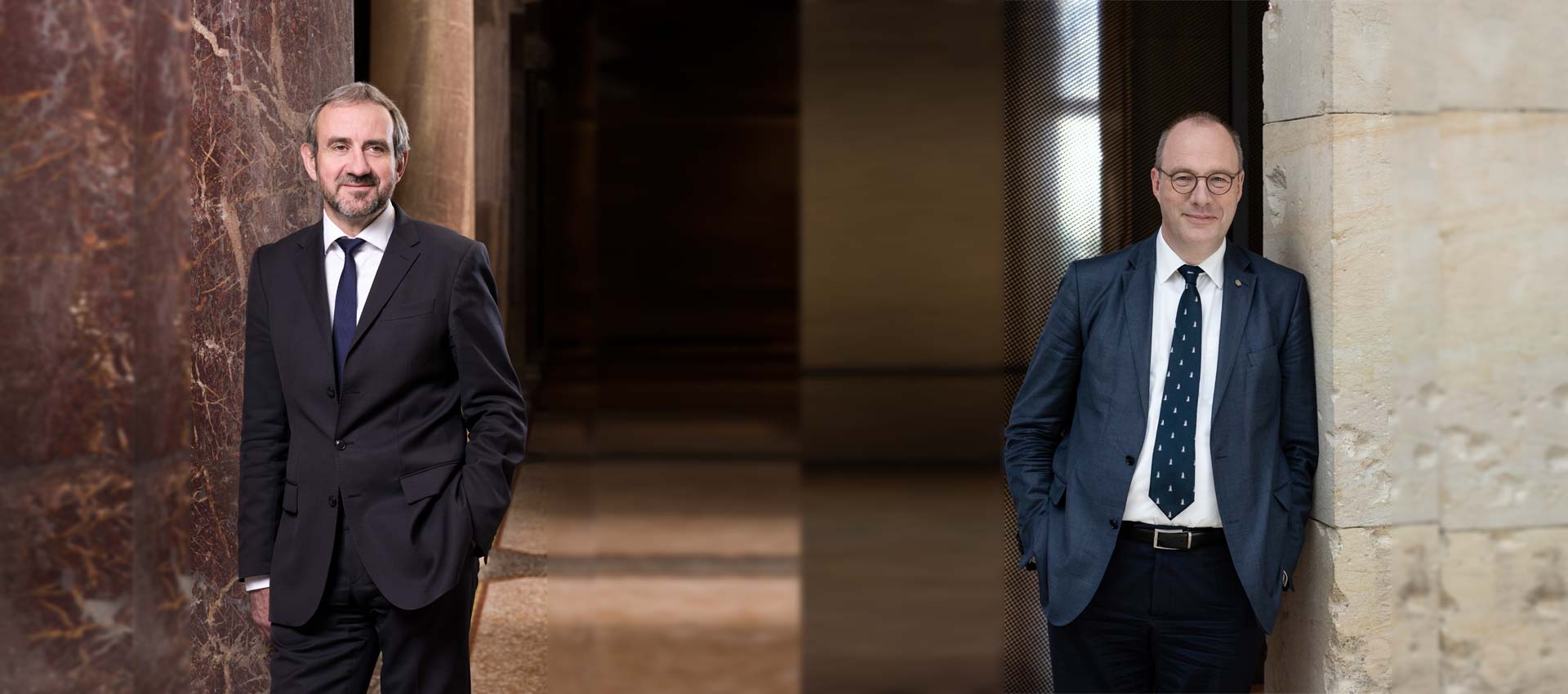
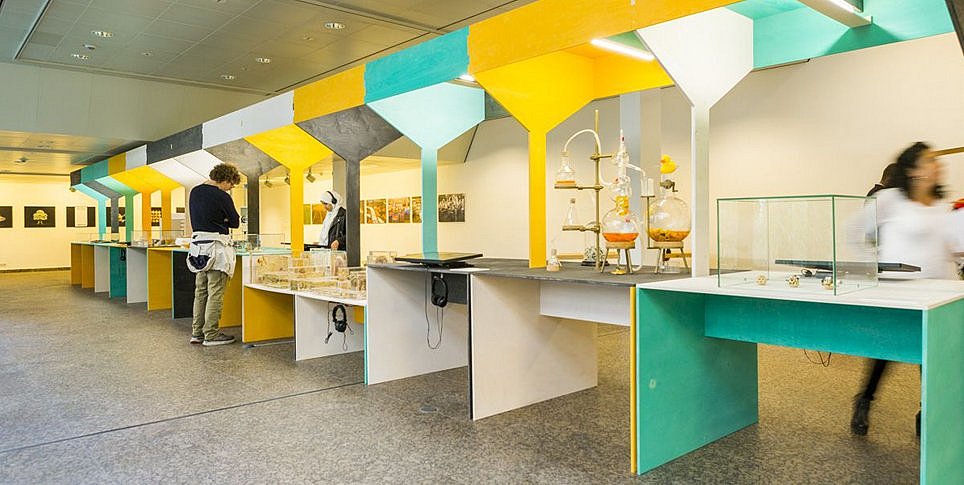
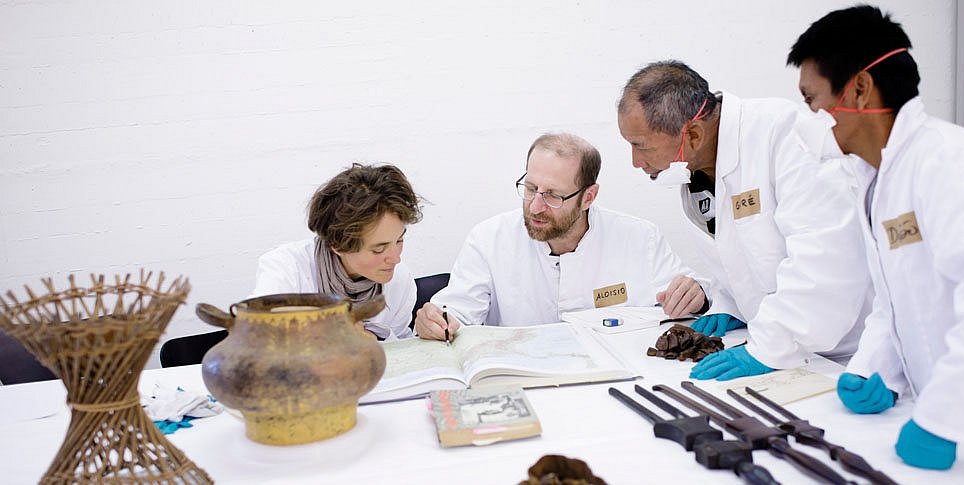
Inside the SPK’s diverse “engine rooms” © SPK / Benne Ochs / photothek.net / Florian Gaertner
The debate on reform has set quite a lot in motion within the SPK’s inner workings. How do you see the foundation at the moment?
Claudia Banz: Yes, a lot of positive things are happening. The best example is the ‘Mobile Working’ service agreement. This is a key issue and a fundamental, modern decision for the workflow.
As for the structural reform, we’re still in the process. I find it extremely positive that there’s much more discussion than before and that people are exchanging ideas more – even with colleagues we previously had little to do with. Nina Schallenberg and I are now meeting up more often. I do find it a shame that another key issue has not yet been addressed: the commissioning of artists, the core business of curating. There is still a great need for adjustment there. But otherwise, on this giant ship that is the SPK, I’m currently seeing lots of happy and motivated people who are getting involved and initiating things.
Ms Schallenberg, is this creative restlessness solely down to the reform?
Nina Schallenberg: The reform may well be spurring dialogue, but the issue of sustainability has brought many colleagues together regardless. I’ve only been at the foundation for four years. When I started, I raised the issue of sustainability but was shut down. Things are different now. We’re thinking about how to tackle sustainability systematically. Right at the start of my role, I tried to find out the figures for paper consumption at the Hamburger Bahnhof and had to ring everyone in the foundation to do so.
That was frustrating, but also wonderful, because it allowed me to make lots of contacts and understand the rather complex structure. When I told people where I worked, the first reaction was often: ‘Oh really? Poor you, having to work on that inflexible ship that can’t move for all the bureaucracy?’ But then I’d just say: ‘But there are nice people working on that ship. Together, we can get things done.’ Of course, some things are simply more bureaucratic than elsewhere. It’s still fun to work here, though. And there’s a great openness. Especially when it comes to sustainability.
Is the impression correct that it was a movement that arose from the bottom up?
Nina Schallenberg: Exactly. Through my research, I’ve got to know all sorts of people. And they were all united by the desire that something needs to be done in this area. That naturally also has to do with the wider debate on green culture. We can’t and mustn’t stand on the sidelines here. There’s now a real social pressure.
Andrea Scholz: I feel much the same as Nina Schallenberg: through international collaborations, I’ve found my own ‘new’ focus. Even as a trainee, I began organising collaborative projects with indigenous communities in the Amazon. I’m convinced that ethnological museums today really only serve a purpose if they open themselves up much more to the people from whose countries the collections originate. For the people in the Amazon, it’s not primarily about putting on a beautiful exhibition. They want exchange. In this respect, a great deal has really happened over the past five years. The debate surrounding the colonial context of collections is highly polarised. I’m not just interested in the question of what these objects are doing here. I want to preserve what is still there. And not in the sense of the objects, but in the sense of the practices, the people and the relationships. And as for the SPK, I can only say: it is often criticised for being an anonymous bureaucracy with a time clock, where you’re just a cog in the wheel. I also experience hierarchies that block one another, but I also see positive changes. With remote working, a fairly big step is now being taken in the right direction: namely towards greater trust, towards a more positive image of the people who make up the SPK. At the same time, a lot still needs to happen on the administrative front. I don’t just mean the complicated procurement law. The administration needs to respond better to innovative projects and understand what they’re actually about.
Are there roles like yours at other European museums?
Andrea Scholz: Unlike in the Anglo-American world, this is still relatively rare in Europe. Here, curatorial positions in ethnological museums are often more regionally oriented. The SPK is certainly a pioneer in this regard.
Back to the topic of sustainability. Your task force, Ms Schallenberg, has secured a commitment from the SPK to become climate-neutral by 2035. A rather rapid success that one wouldn’t necessarily have expected at this stage.
Nina Schallenberg: On the one hand, there is the social pressure I mentioned, which in turn leads to political pressure. The Federal Government Commissioner for Culture and the Media signalled as early as last year that the issue of sustainability is very important and that the Foundation must provide evidence. Both in the management of its properties and in its programmes. That made things easier for us. Furthermore, the task force worked very efficiently. We had set ourselves a few ground rules that made our work easier. Within the SPK, we are not yet very familiar with collaborative working methods. We had to teach ourselves this, with external support from a team of consultants who were a great help in guiding us through this process of ‘finding our feet’. We also learnt how to come together in such a diverse team and work focused on a single issue. The proposals and strategies developed in this collaborative process really impressed the President.
What hurdles do you see on the path to a sustainable SPK?
Nina Schallenberg: The investment costs involved in achieving climate-neutral buildings will be enormous. That much is clear. And it will also be a challenge to establish our sustainability team.
Ms Banz, you have repeatedly confronted the venerable Museum of Decorative Arts at the Kulturforum with current issues. The sustainability debate has played a role for you too. How do you see your institution in the future?
Claudia Banz: Our unique selling point is, after all, being so close to everyday life. That’s why I also consider it extremely important in today’s world to address the social discourses that concern us all: climate change, sustainable materials, resource conservation, transparent production and supply chains, the circular economy. These are all issues that designers grapple with as well. But of course there is a difference between trying to change a museum’s themes and content and establishing sustainability governance. I see us as a Museum of Design that is contemporary and open-minded, and which needs to move away from traditional presentation methods. I would like to get even more students or young people on board. We should also take the topic of ‘citizen knowledge’ more seriously in future. We must not isolate ourselves with our museum and our collection.
I see our collection as a kind of launchpad for answering current questions. Including the questions you’re working on, Andrea. We should think more transnationally and across museums. In this case, I’d even like us to look back to the future of the 19th century, when arts and crafts museums collected everything. And not because they were jumble shops, but because design was understood as a global phenomenon. Why must a chair from Tanzania or a textile from the South Seas be exhibited in the ‘Africa’ or ‘Oceania’ section? And a chair made in Germany or France is then, as a matter of course, displayed here? With the ‘Connecting Afro Futures’ exhibition, I thoroughly subverted this principle, and immediately people asked: ‘Why is this taking place at your museum? Surely this belongs in the Ethnological Museum.’ Tell me why! I would really like us to think globally and break down these divisions. And why, actually, are only ethnological collections allowed to be displayed at the Humboldt Forum? I find that a bit of a shame.
Andrea Scholz: I think that’s a shame too, because so much potential is being lost. We need a sea change. Together with the Ibero-American Institute, we’re currently working on a collaborative project within the ‘Fond Kultur Digital’ of the Federal Cultural Foundation, which aims to link collections from very different contexts. It’s a hurdle for interdisciplinarity, but a sensible one. I’d like to see more projects like this, as the SPK network would also benefit from them.
Nina Schallenberg: Claudia, how easy is it for institutions to exchange objects when it comes to loans?
Claudia Banz: You always have to draw up a loan agreement. But it really depends on the individual curators. Generally speaking, I’d like to see more openness and flexibility, and a willingness to step back from one’s own institution. We really are one SPK ship, after all. It can’t always be just about interpretative authority; we also need mutual understanding.
This brings us to the discussion on added value, which is, after all, a key factor shaping the SPK’s reform process. How can networking be organised structurally? How can openness and flexibility be achieved?
Andrea Scholz: I would encourage people more to work in teams, because there is simply no other way. Nevertheless, there are still hurdles to overcome. I’ve often experienced this during the planning for the Humboldt Forum. That’s why there are so few coherent narratives there. On the other hand, many people still doubt their own self-efficacy. In my new role, I am making a concerted effort to organise teams and believe that we must succeed in breaking down hierarchies. Otherwise, we will not be fit for the future.
Nina Schallenberg: One of the SPK’s added values is having different collections under one roof. From a sustainability perspective, too, cross-institutional collaboration would be highly desirable, as it would mean we wouldn’t have to borrow so much from outside. If we bring our holdings together, interconnect them and juxtapose them, we already have an enormous amount to do. It’s the mindset that needs to shift, not necessarily the physical material.
One could say, for example: we’ll give greater support to exhibitions curated largely from our own holdings. Or we could launch a prize for the best exhibition drawn from our collections. Then you get to know the collections even better, because suddenly you have more than one perspective on them. That also changes this exclusive interpretative authority that someone builds up over their collection area and doesn’t let anyone else in.
Would that be a possibility for the future, Ms Banz?
Claudia Banz: I do think that a very elitist status has been cultivated at the Staatliche Museen zu Berlin. But it is no longer enough simply to harbour specialist knowledge; we must take it out into the world and, conversely, let the world in. That also implies that we, as researchers, must reposition ourselves. We are in the 21st century, and the old structures no longer fit so well.
Andrea Scholz: Our staffing structure should also make it clear: what exactly is our goal? What do we actually want to achieve in ten years’ time? What do we need to do that? And how do we allocate our resources, and above all, how do we work well together?
What might the museum of the future look like?
Nina Schallenberg: Even if I’m repeating myself: we should make better use of this existing network, which other institutions would have to build up externally. There’s too much stagnation here, which needs to be broken down. There are opportunities and potential here that, in turn, generate a special kind of creativity. With some issues, the perspective of another institution within the network can open up a whole new dimension. That’s why I would pursue this network approach more systematically.
Claudia Banz: Furthermore, outreach needs to be conceived more from within the museums themselves. This also requires more staff. That is absolutely crucial. And if the administration were then optimised so that we curators don’t spend three-quarters of our time writing grant applications, that would be ideal and we could make much better use of our potential.
Andrea Scholz: We should constantly remind ourselves that, as museums, we are always a mirror of society. That is why we must ask ourselves what we actually want to be and what we can be. How do we, as a museum, view the future of society? The issue of ‘fear’ plays a huge role here: fear of change, fear of loss. This also relates to the issue of sustainability. We need to grapple with this. Is everything we do actually that extremely important? Or are we also blowing things out of proportion? How do we get out of this constant crisis mode?
Nina Schallenberg: Networking for the sake of networking is, of course, completely pointless. It must be driven by substance. And that’s only possible if we can work sensibly. And that is why I believe this structural reform is necessary. For example, it is unacceptable for the content of an educational programme to be decided by departments based outside the museums. We have now started including a colleague from administration, who handles our projects, in our regular meetings.
But structural change is not a problem for the SPK alone. Other cultural institutions are also grappling with self-definition, narratives, staffing, recruitment of young talent and the capacity for innovation. Do you discuss the culture of change?
Claudia Banz: Of course, these are general issues facing museums. But at the SPK, we are trying to square the circle. At the Staatliche Museen, we are all expected to sharpen our individual profiles, yet at the same time we also want to work as a network. We need to make a very clear decision for the future. Now that the federal and state governments have decided to maintain the SPK network – which I very much welcome – we should also focus on strengthening the network. It would be very problematic if we were to re-individualise the individual institutions now. It is important that the improved funding, which the Science Council has called for, is now actually provided. We must decide whether we want to be one large museum with 17 departments or 17 individual institutions. I am very much in favour of networking.
What makes you optimistic about the future? Will everything turn out all right in the end?
Claudia Banz: What gives me hope is that things are actually moving forward. I can definitely see that in my own work. That’s extremely positive for me. For the Museum of Decorative Arts, it would be really important for us to see ourselves more as a museum of design that engages with society. We need to keep our finger on the pulse to remain relevant. I think we’re already on the right track. Overall, there’s a real breath of fresh air within the SPK when it comes to networking – individually, bilaterally, trilaterally. There’s still room for more. Ultimately, it’s up to each and every one of us to decide how much energy we’re willing to put in.
Nina Schallenberg: I’m very optimistic because we’ve already launched a great many sustainability projects. These range from tiny things, such as a guide on copy paper, to major initiatives like a proposal for sustainability governance for the foundation. It makes me very optimistic to see the enthusiasm with which this is being done. You can see a great deal of satisfaction among those involved. Over the next year and a half, whilst Daniel Naumann and I are in office as sustainability officers, we will be following these matters closely and a lot will be achieved. You can feel this at every working group meeting or task force gathering, and I am absolutely certain that a great deal of this energy will be passed on across the entire foundation to all our colleagues.
Ms Scholz, where do you get your energy from?
Andrea Scholz: From this meeting, for example. I’ve just met two really great colleagues and I don’t even know who I’d like to network with first. There are lots of people in this foundation who have loads of ideas and who are very much on the same wavelength as me. That gives me a sense of optimism.