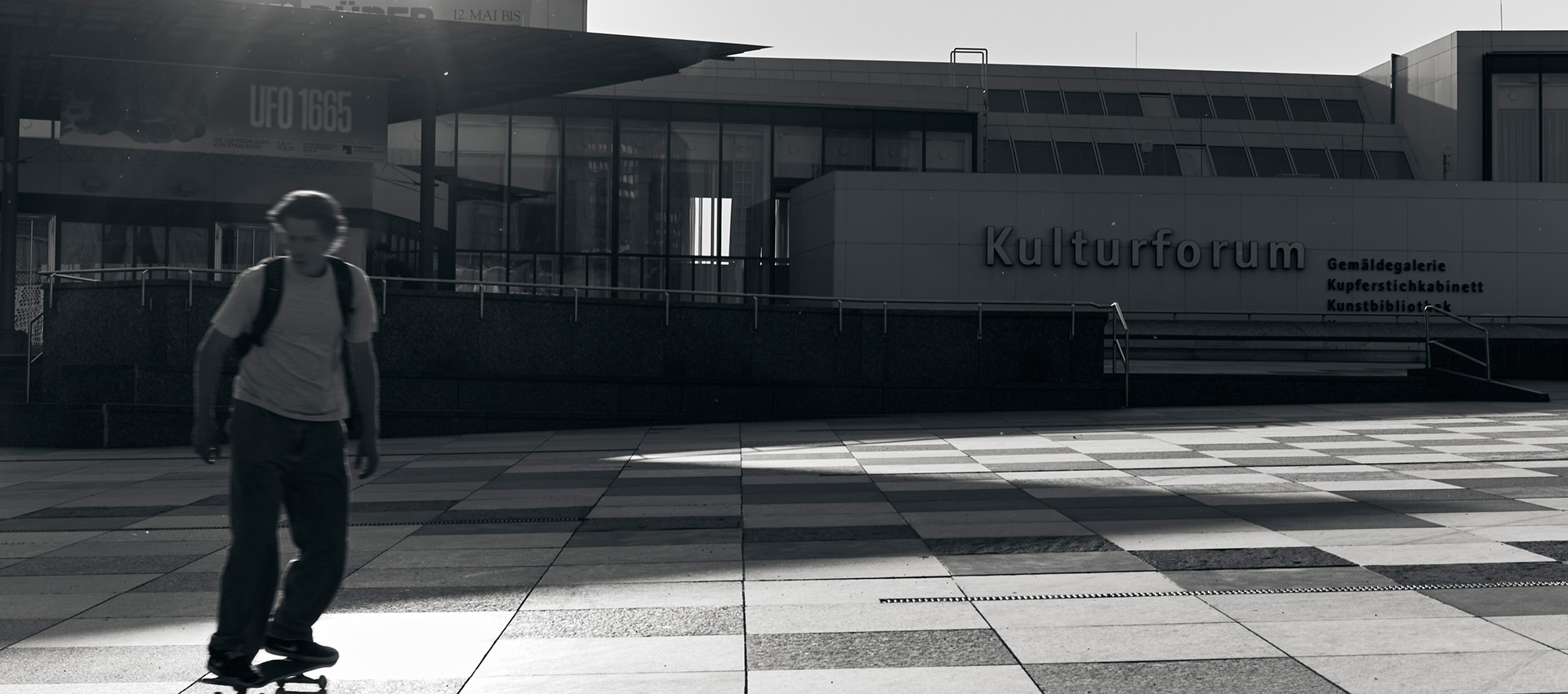
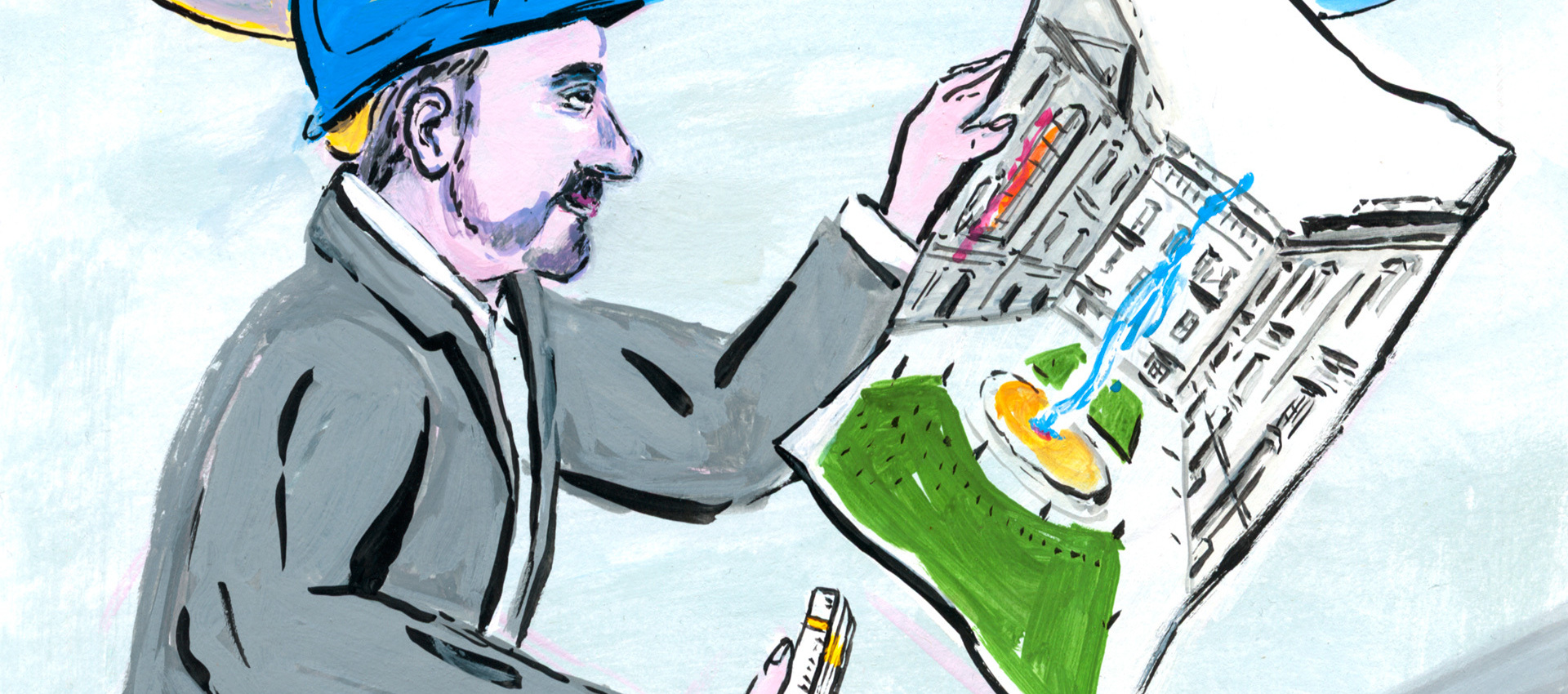
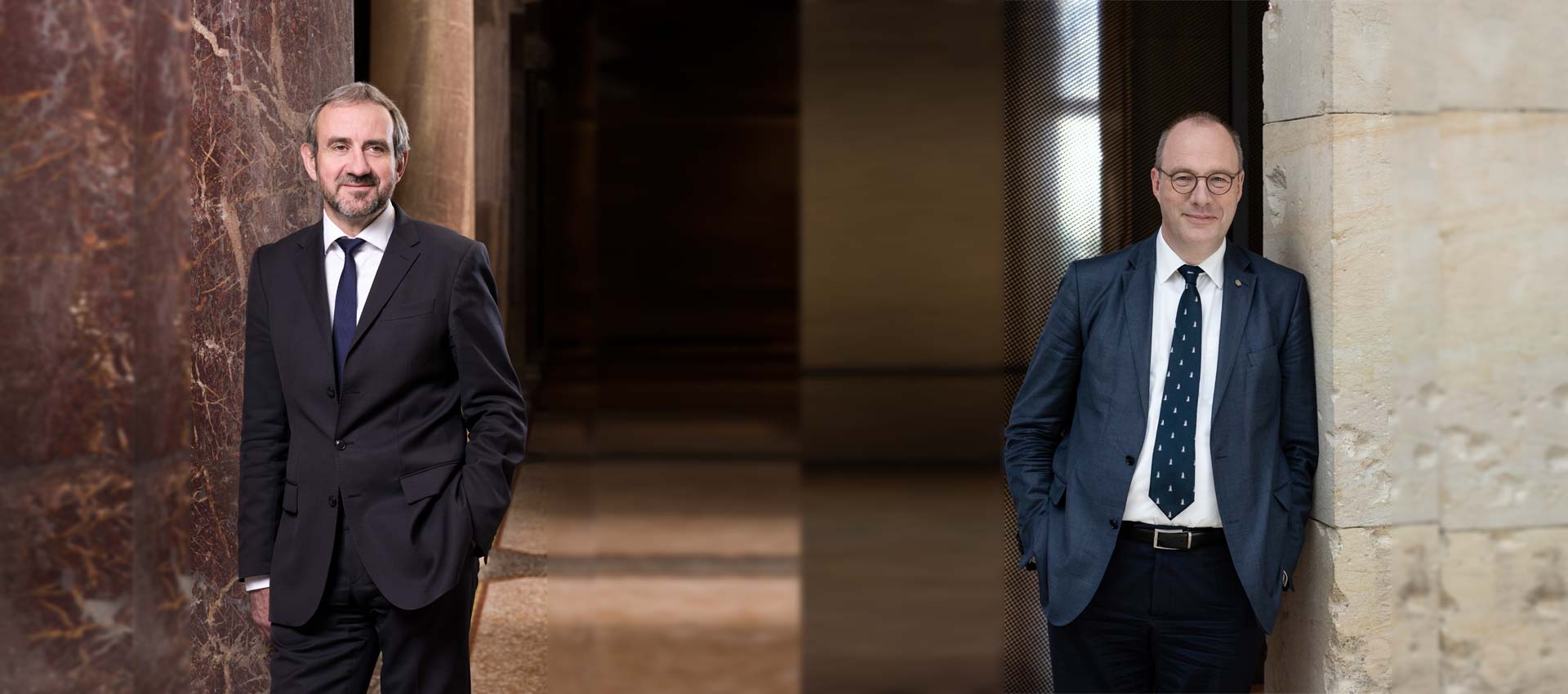
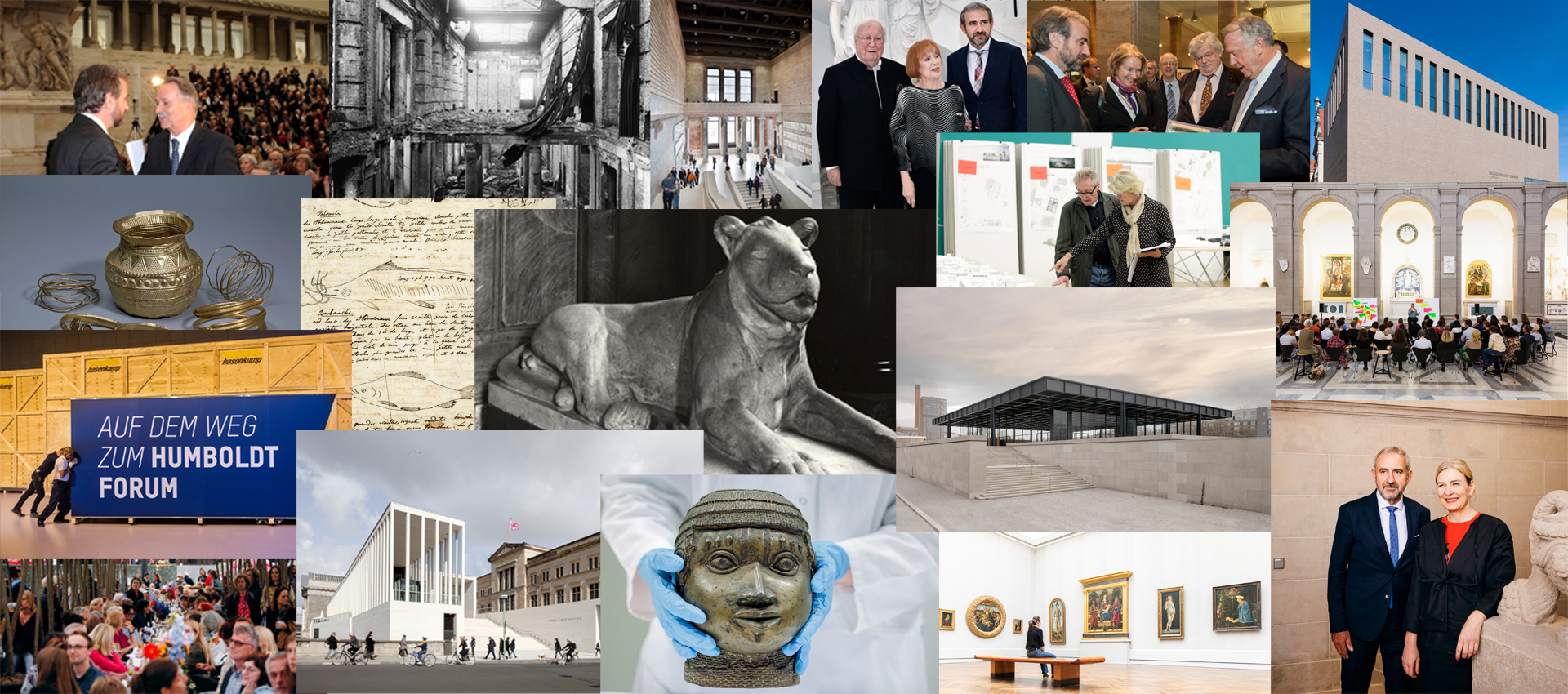
The Prussian Cultural Heritage Foundation is in the throes of reform. Autonomy for the institutions, a strong network, and local responsibility. These are the buzzwords that keep cropping up in documents, steering committees and areas of action. But isn’t there more to it than that? Minister of State for Culture Claudia Roth sees it this way: “This fundamental reform is intended to bring the SPK’s many treasures into even sharper relief and make the various institutions significantly more attractive to a broad and international audience.” But what is already shining at the Museum Island, Kulturforum and Dahlem sites, and how attractive are the offerings to an audience of millions? For the 2022
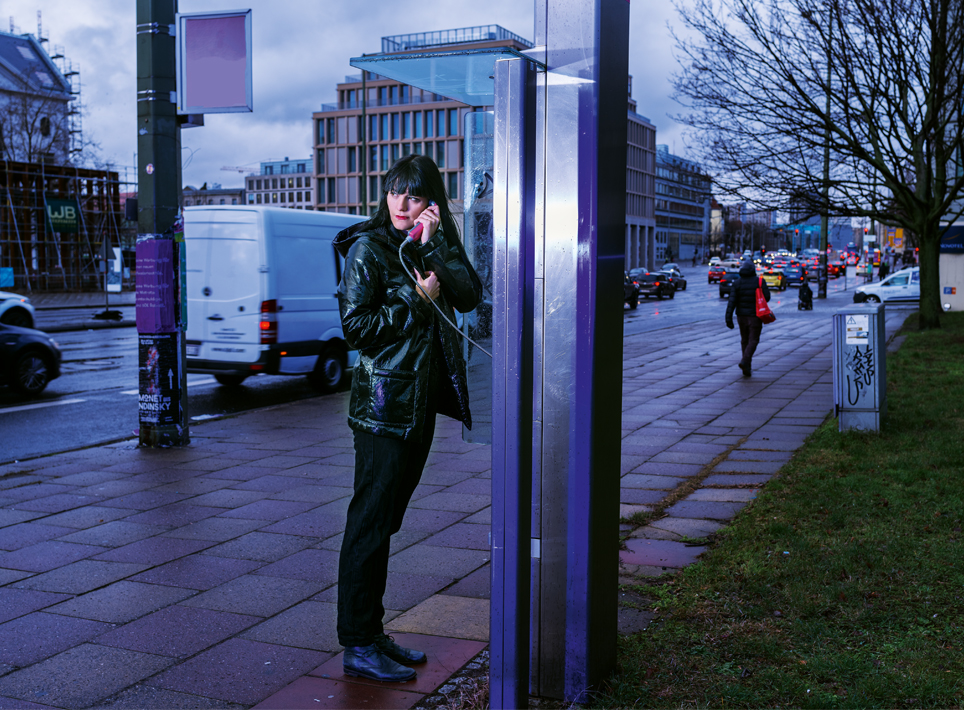
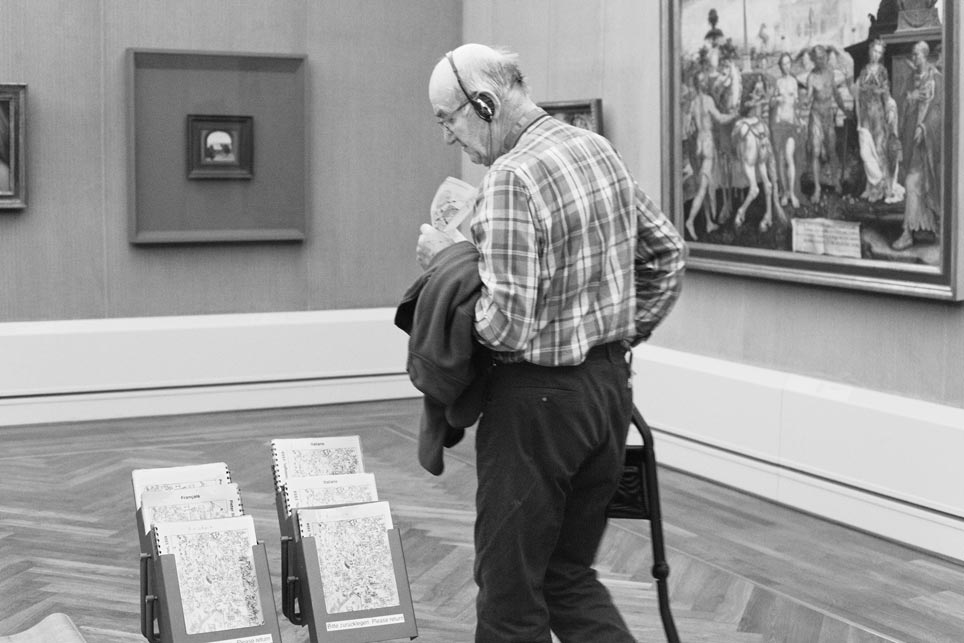
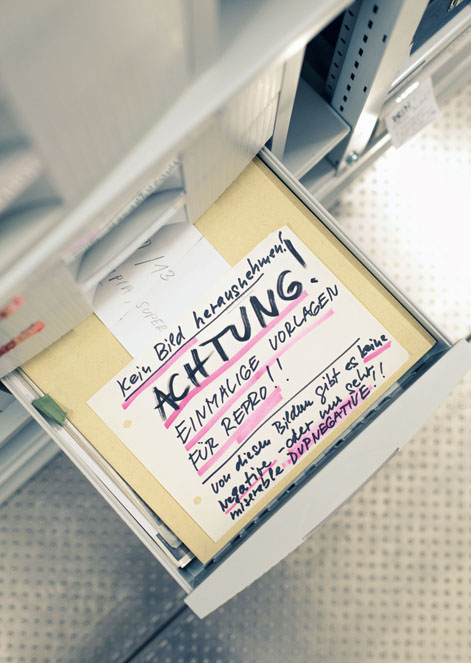
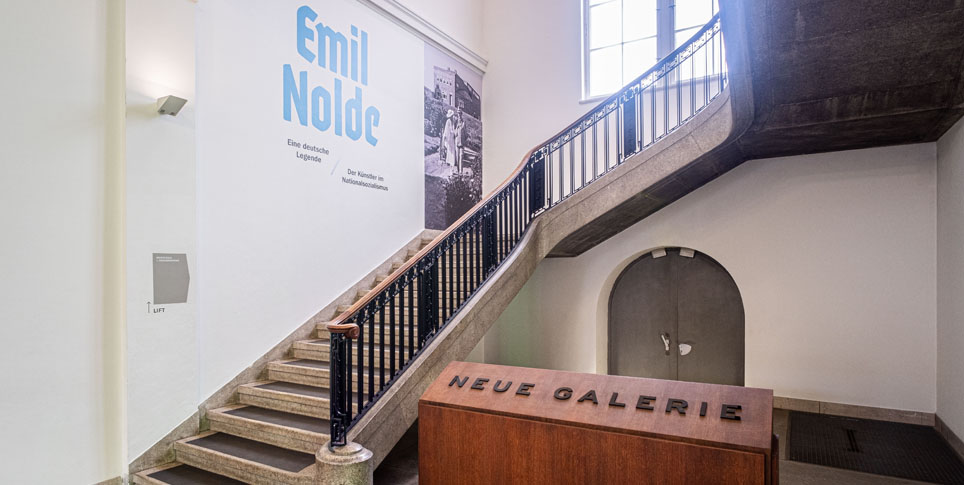
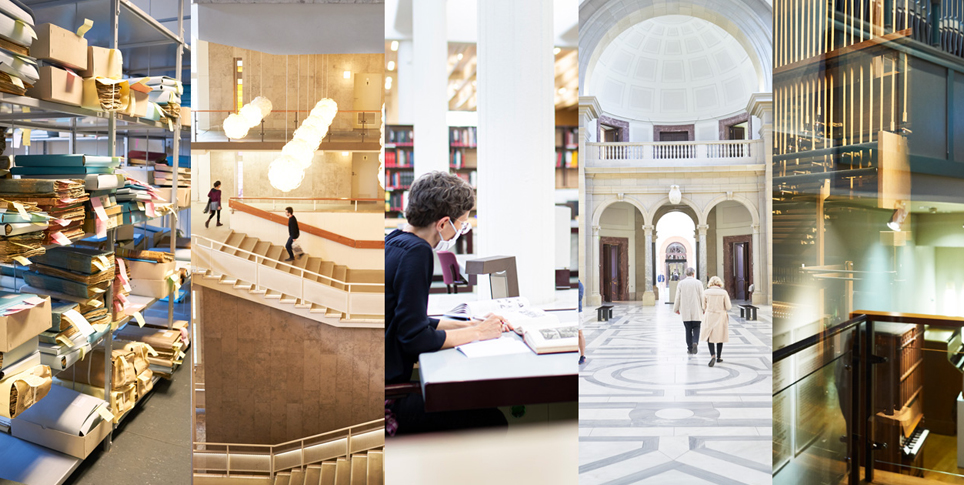
Annual Report, we invited cultural correspondents to spend a day exploring places of longing and favourite institutions, as well as the worlds of archives, libraries and collections. We gave them few guidelines; we did not want courtly reporting, but rather insights and inspiration. Everyone was to be free to form their own judgement. The accompanying images are by Stefanie Manns, who explored all three sites through her lens.
Depots and Museums in Dahlem
The Iceberg
by Thomas E. Schmidt
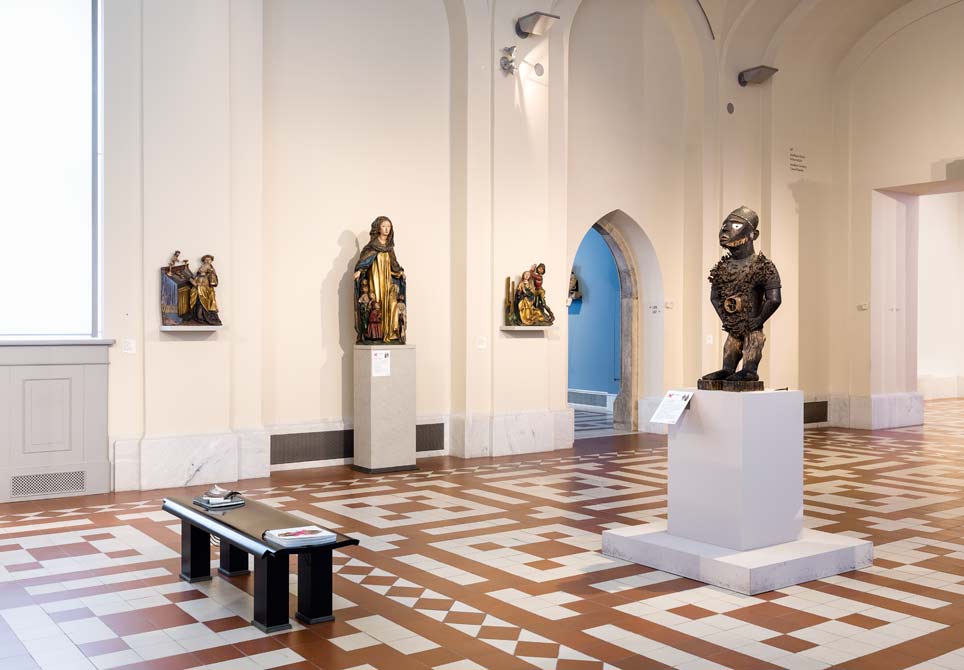
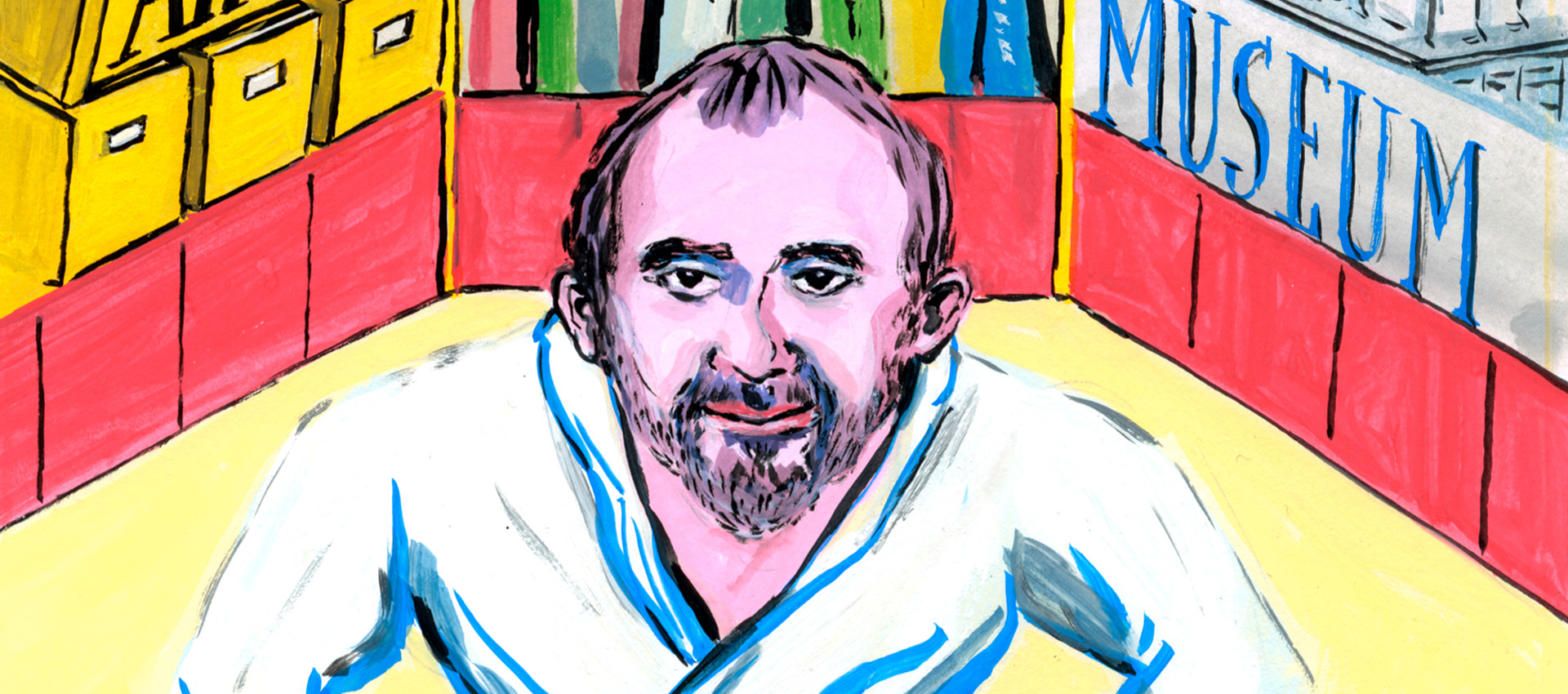
Walking through an emptied museum leaves one with a peculiar sense of melancholy – as if, in the end, time had reclaimed something that had previously been removed from its influence at great expense. The exhibition halls in Dahlem lie deserted. Only the hooks on which the Benin Bronzes were once mounted still protrude from the wall, whilst display cases, now housing mysterious foam crumbs, seem to have been transformed into minimalist art installations.
There now stands the negative of a museum, and at the same time it is filling up again with boxes and equipment, with plastic sheeting and furniture. The end of the Dahlem museum complex is simultaneously its new beginning. Time, previously encapsulated, has broken free and is now setting in motion an entirely new process. Cultural history unfolds in waves, and after more than fifty years of relative calm in the western part of the capital, the time has now come for further development – architecturally, technically and conceptually.
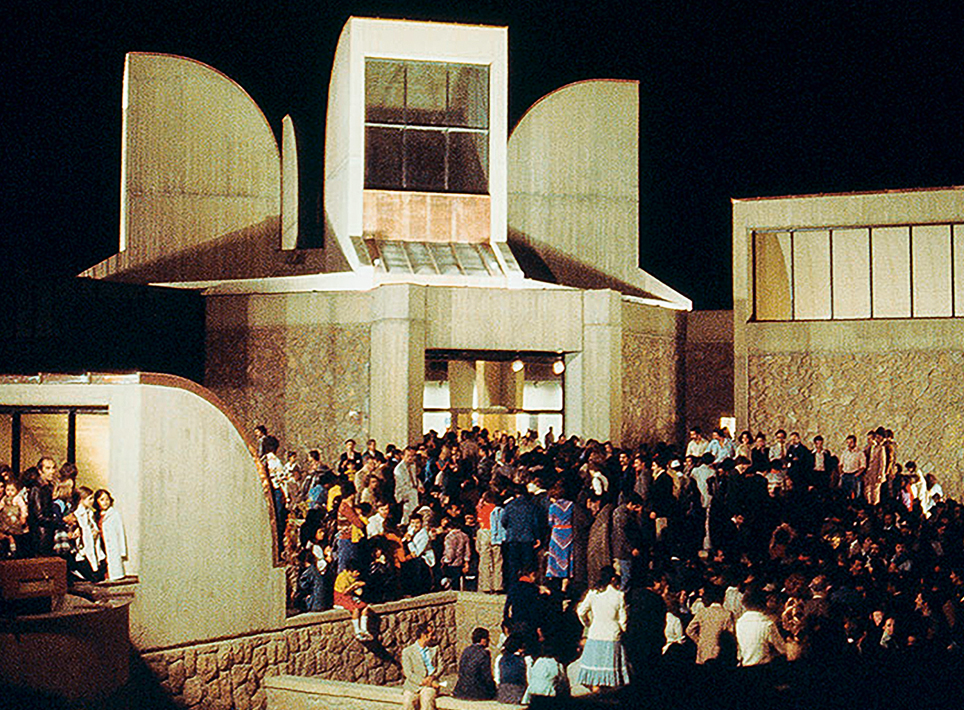
Around 1970 – revolutionary for Berlin at the time – the exhibitions and collections, as well as the technical and restoration departments, had been brought together in Dahlem: museum and research in one place. The idea was a consequence of Berlin’s division, but all in all it was not a bad idea. In the meantime, the public faces of the Ethnological Museum and the Museum of Asian Art have moved towards the Humboldt Forum, thus returning to the city centre, whilst the main part of their collections, not on display, remains in Dahlem. This essentially restores the spatial arrangement of the pre-war period, with all its problems, but now also with the opportunity to undertake fundamental innovations.
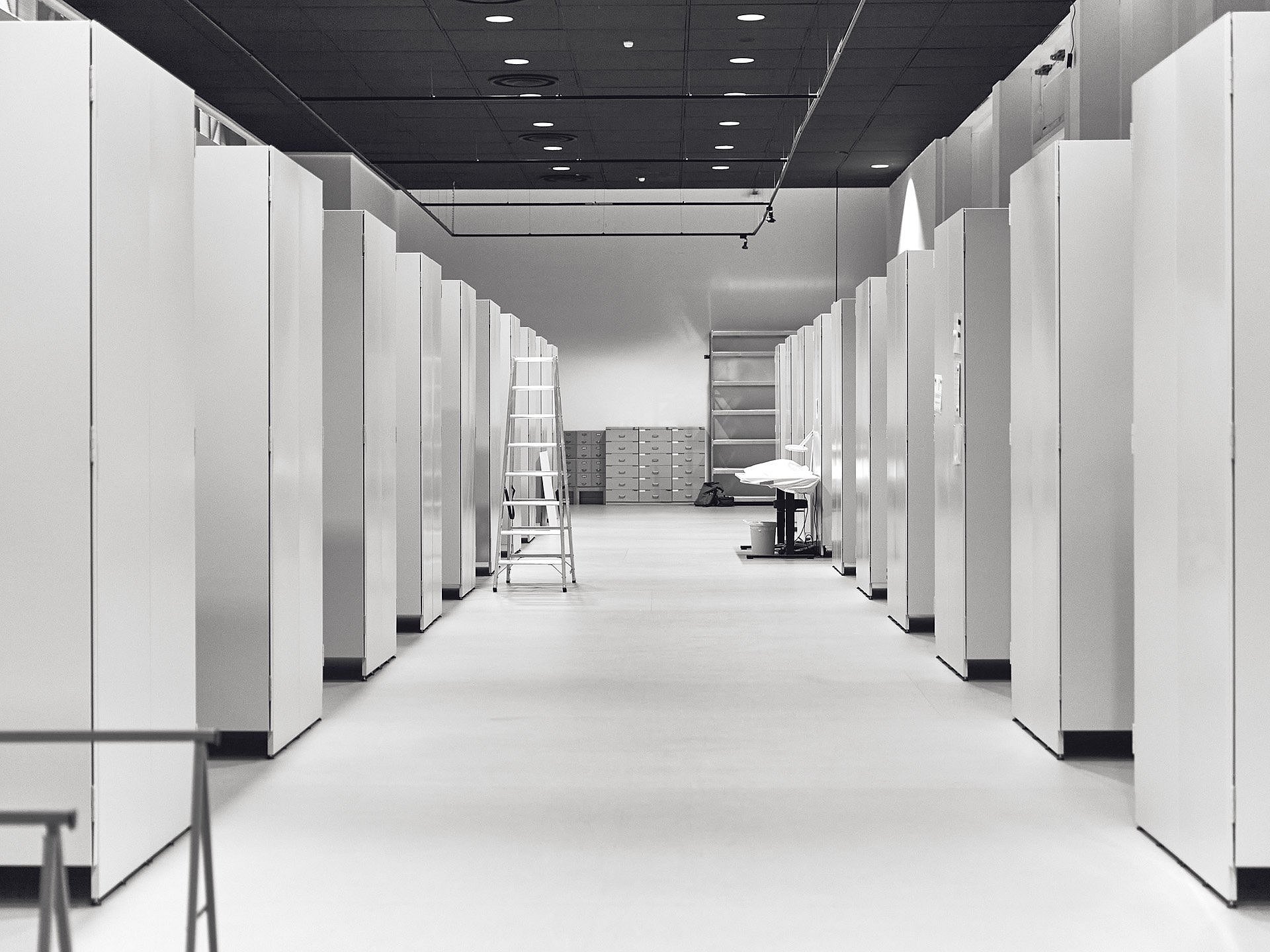
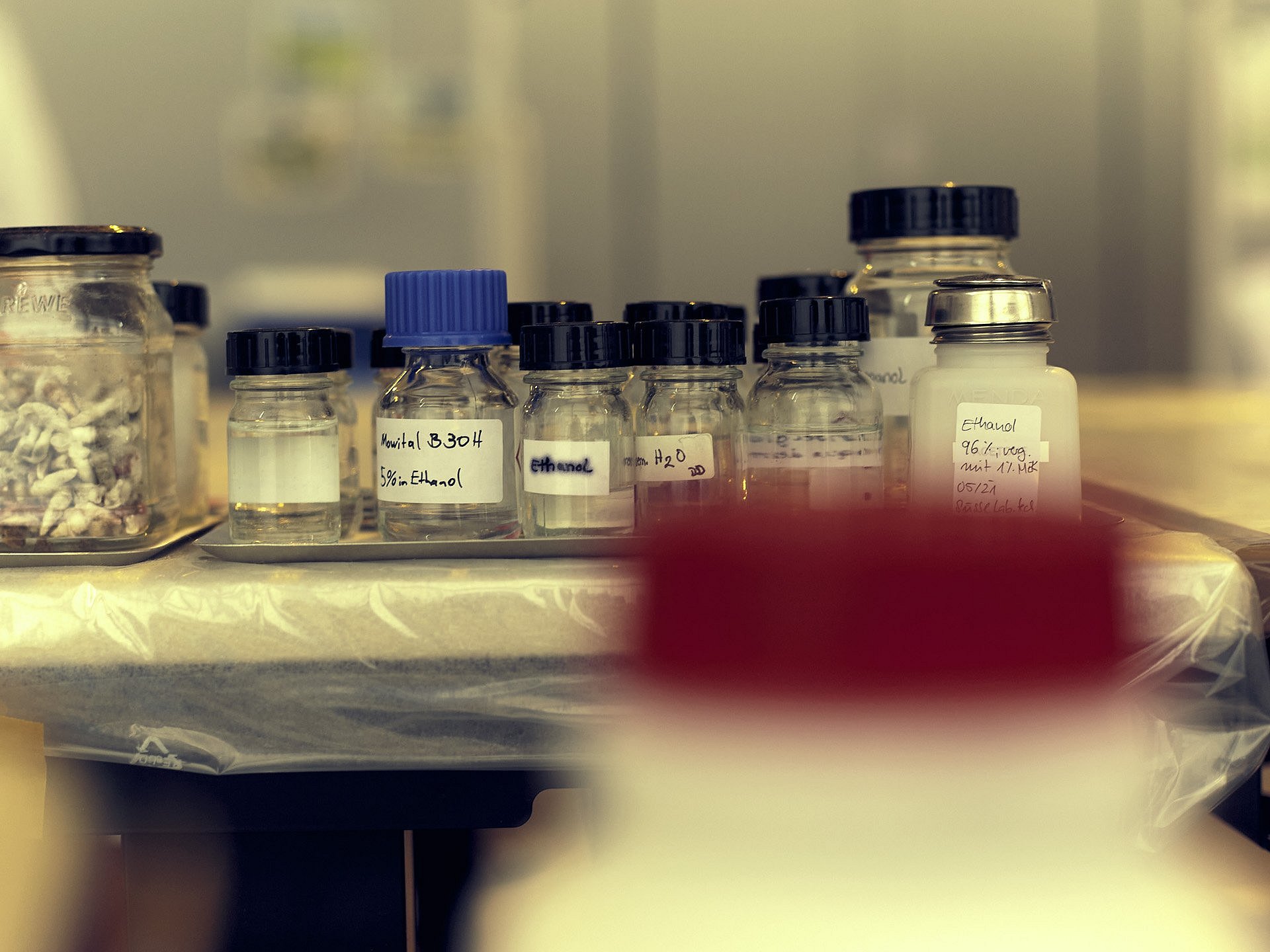
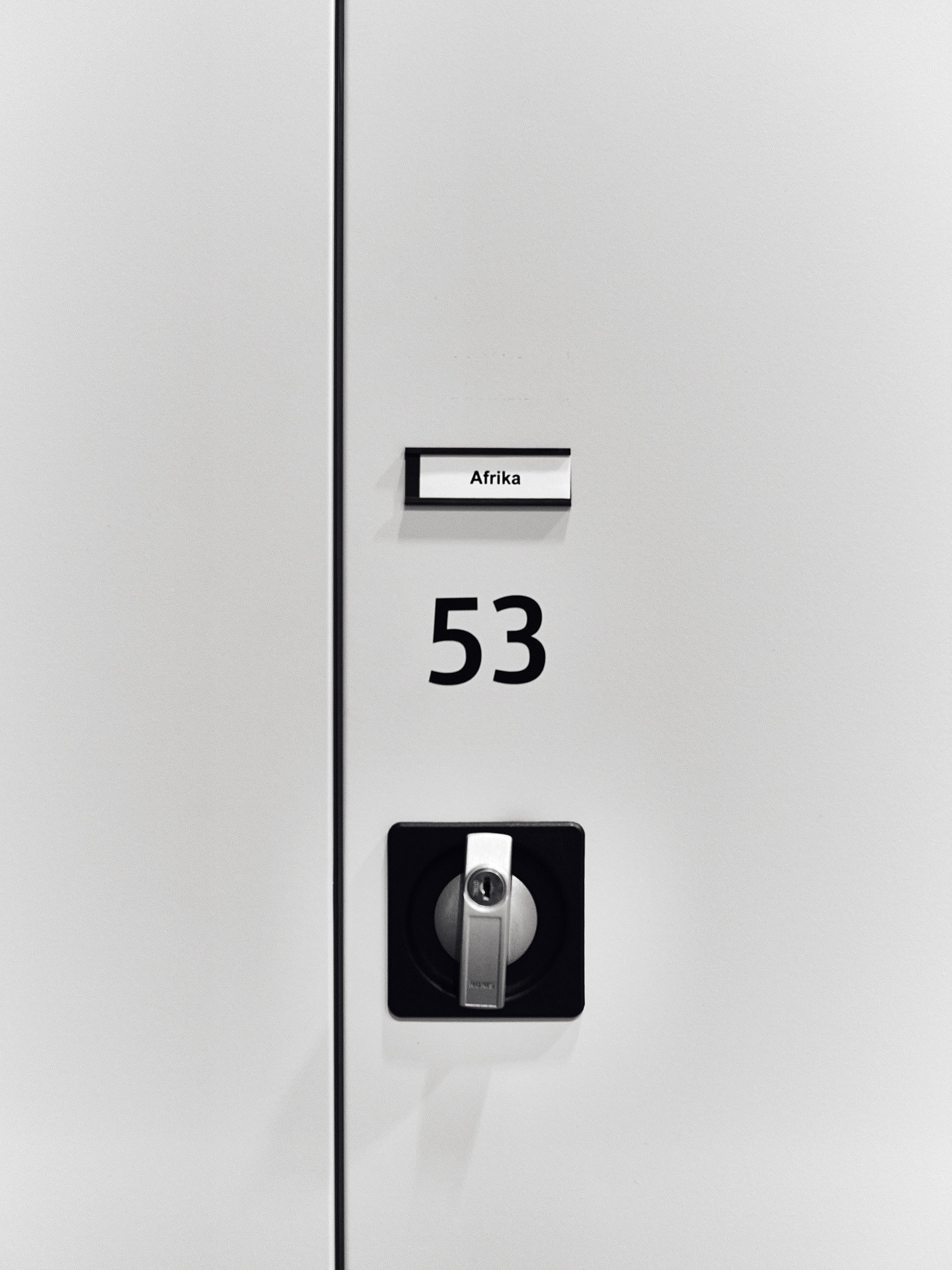
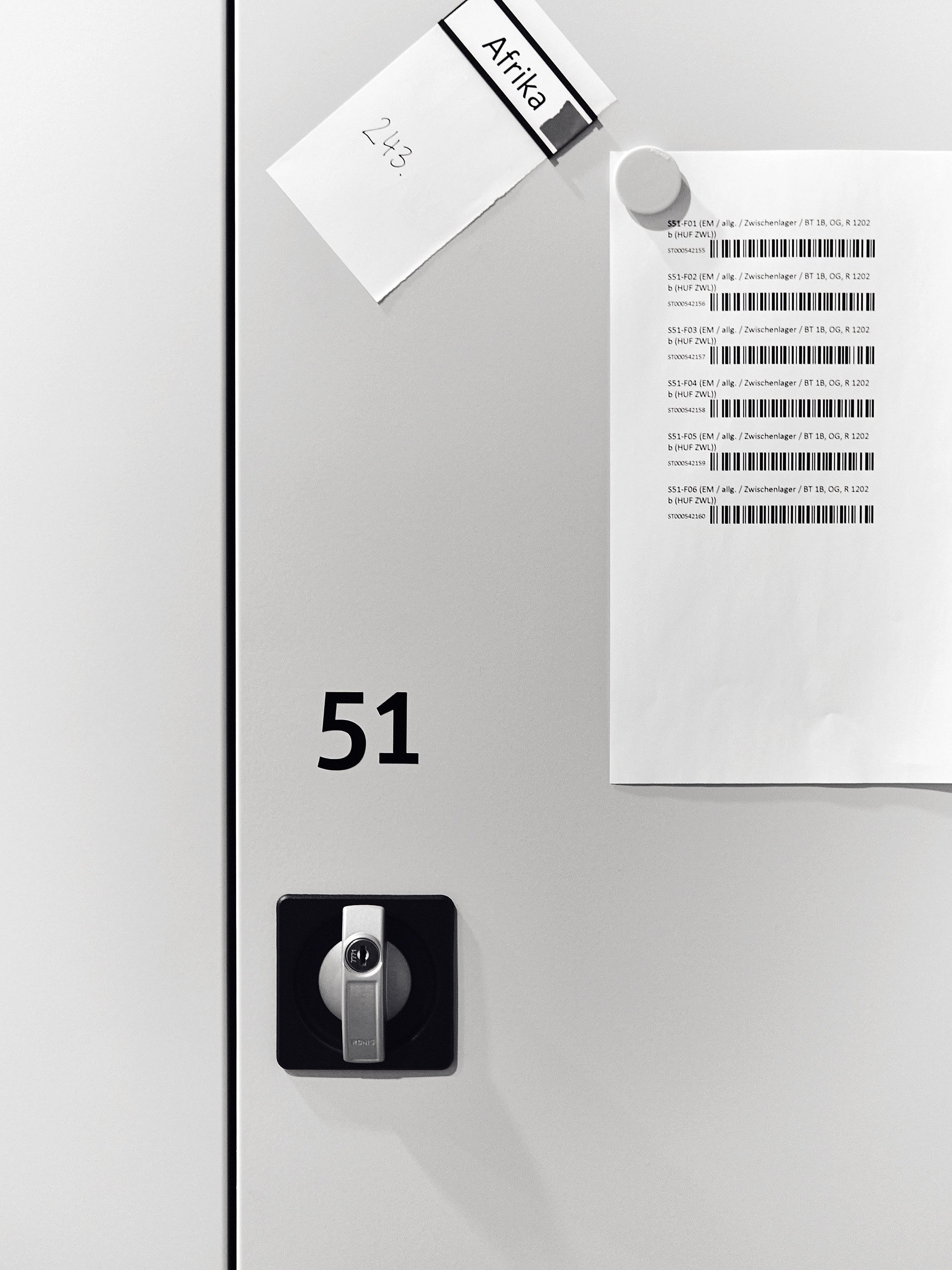
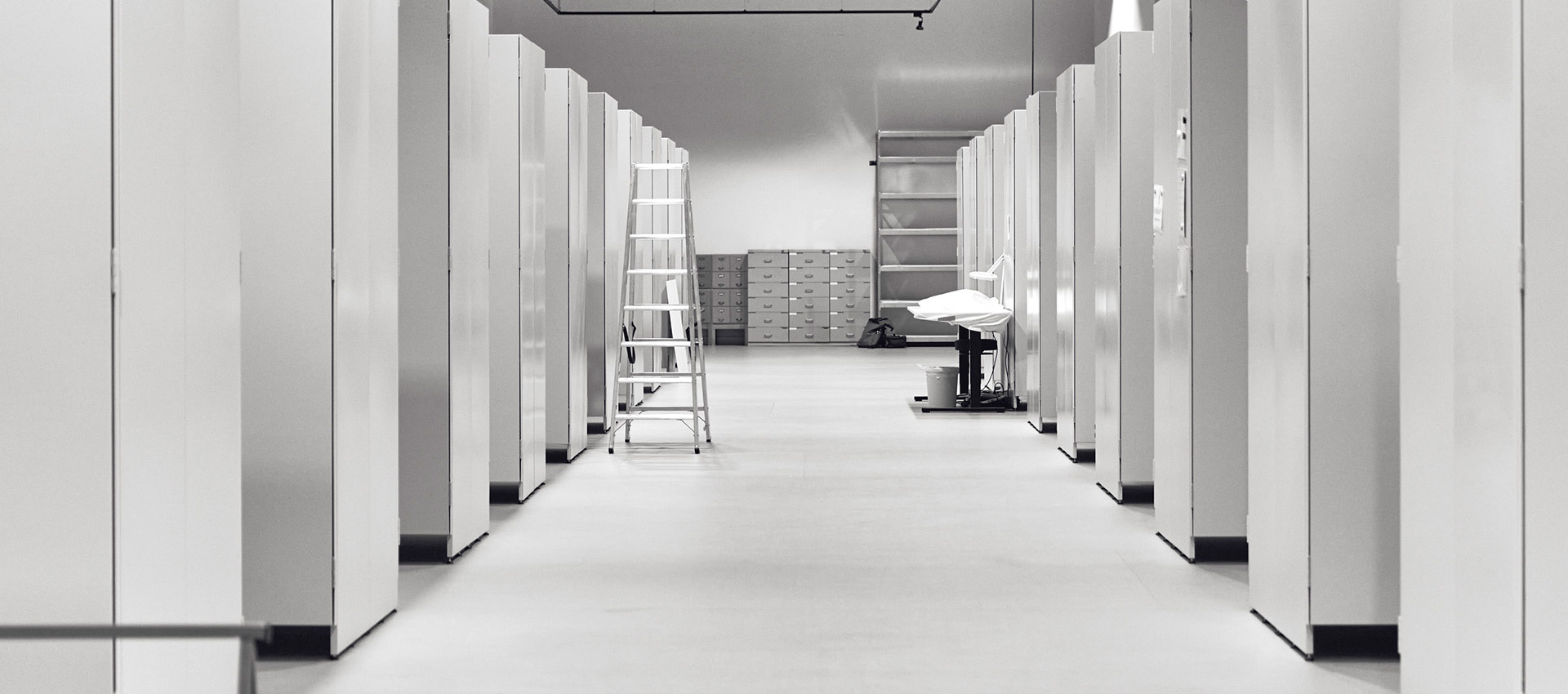
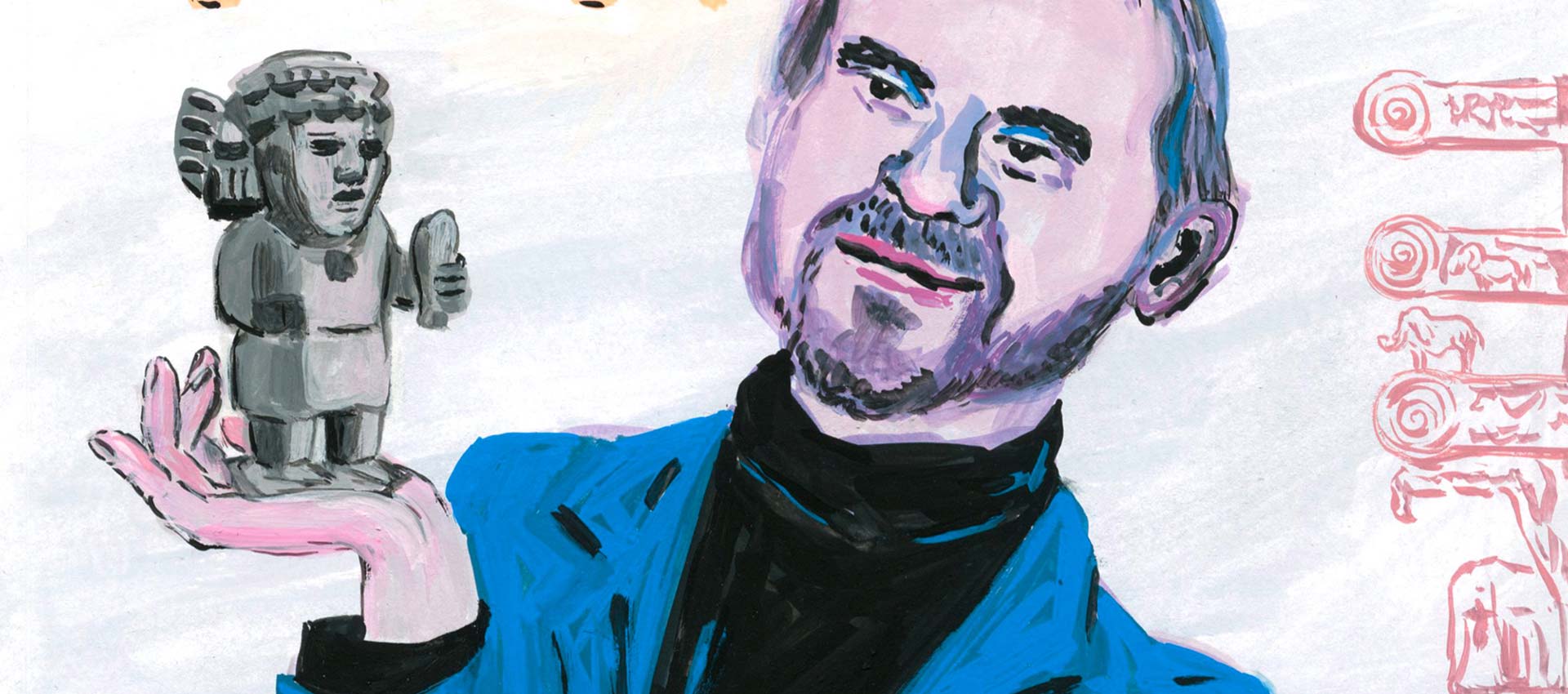
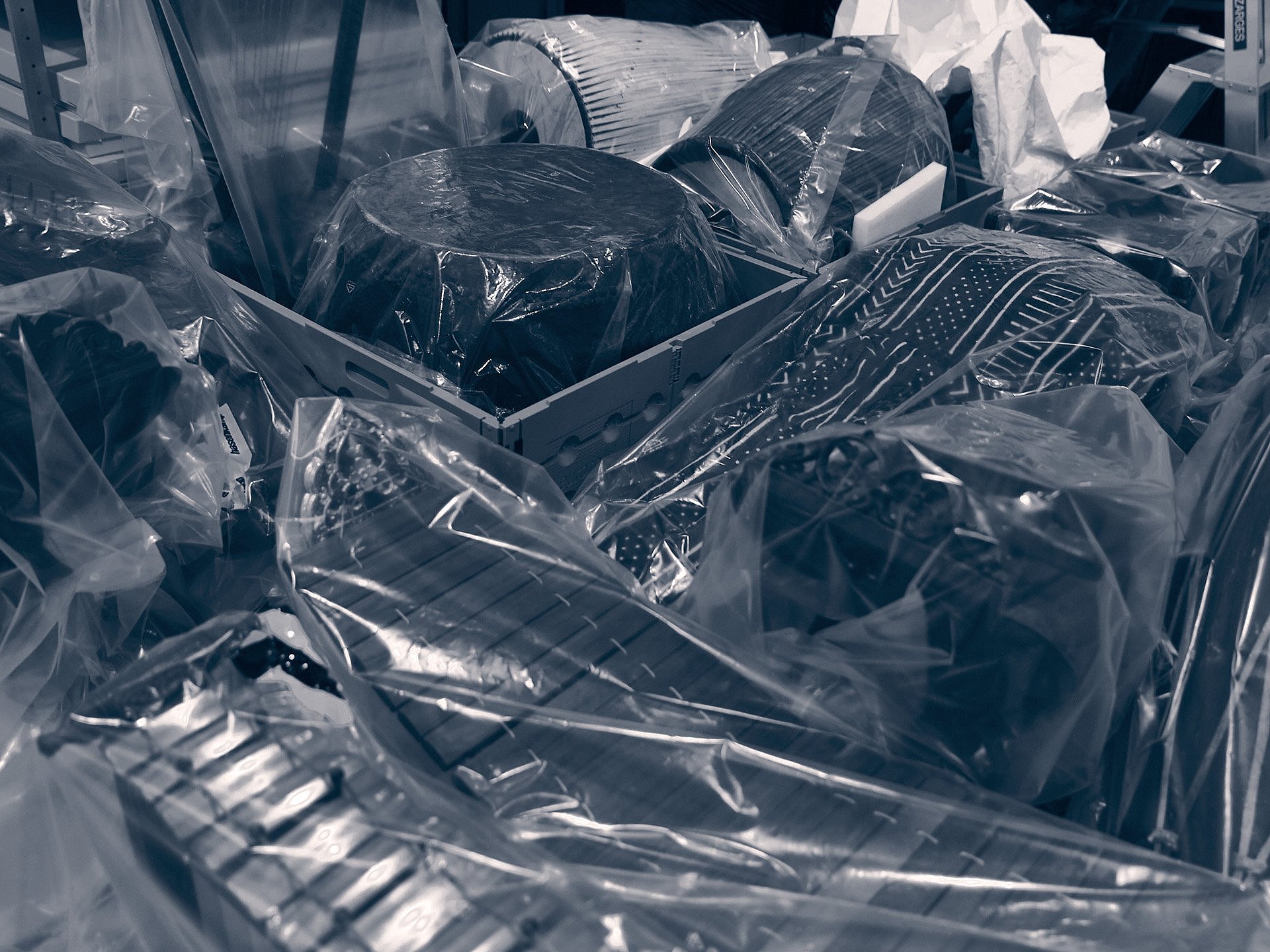
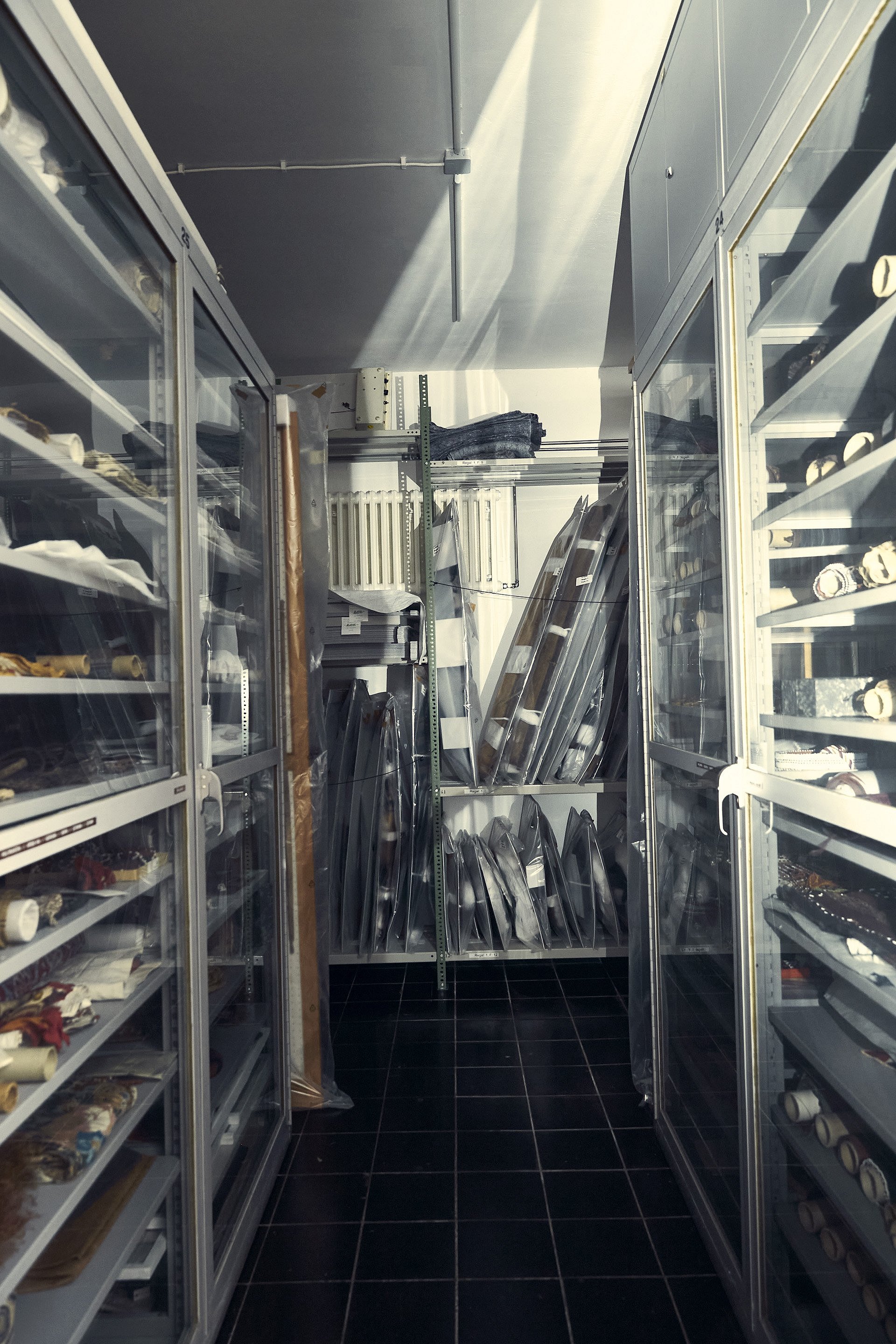
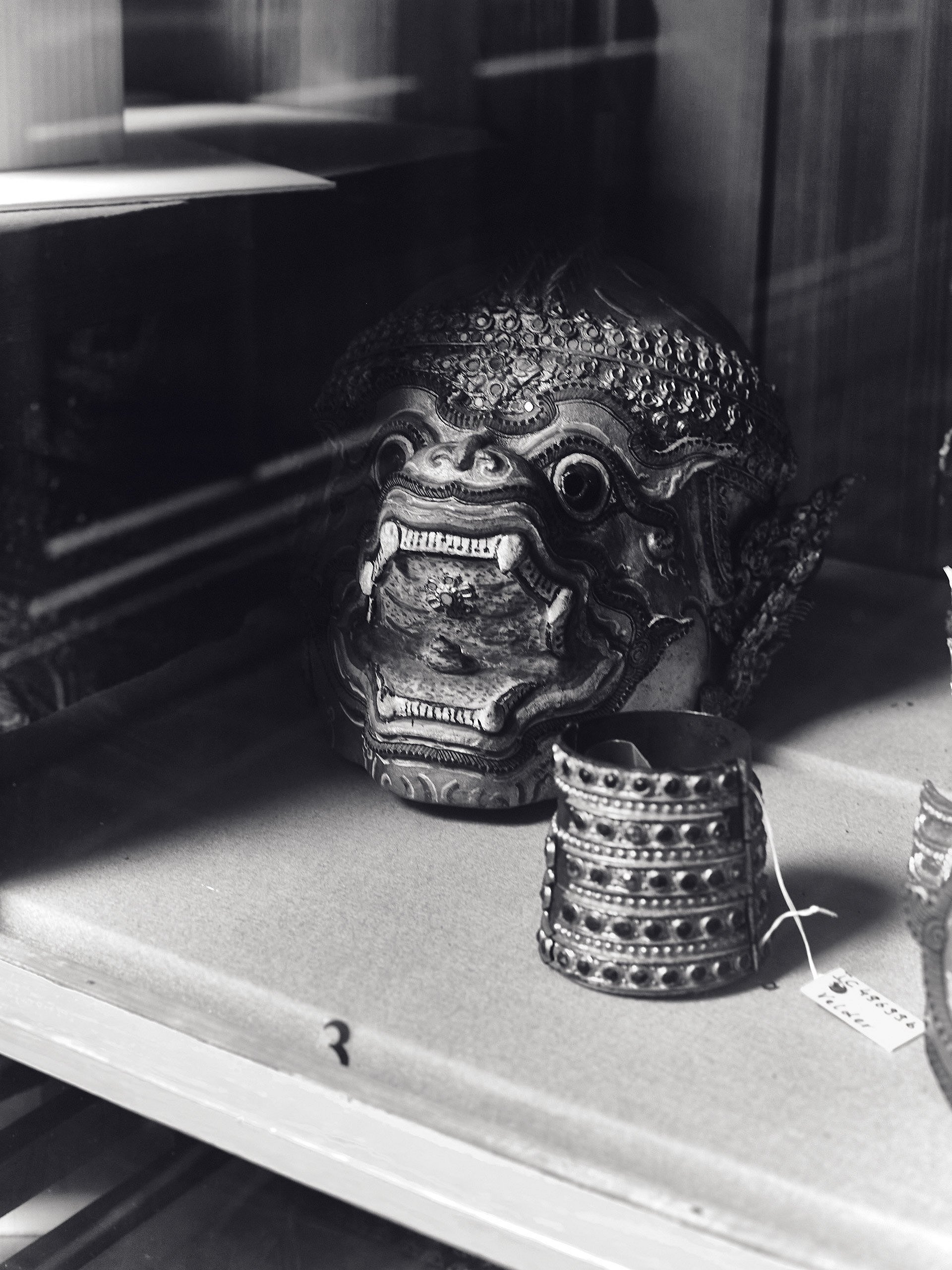
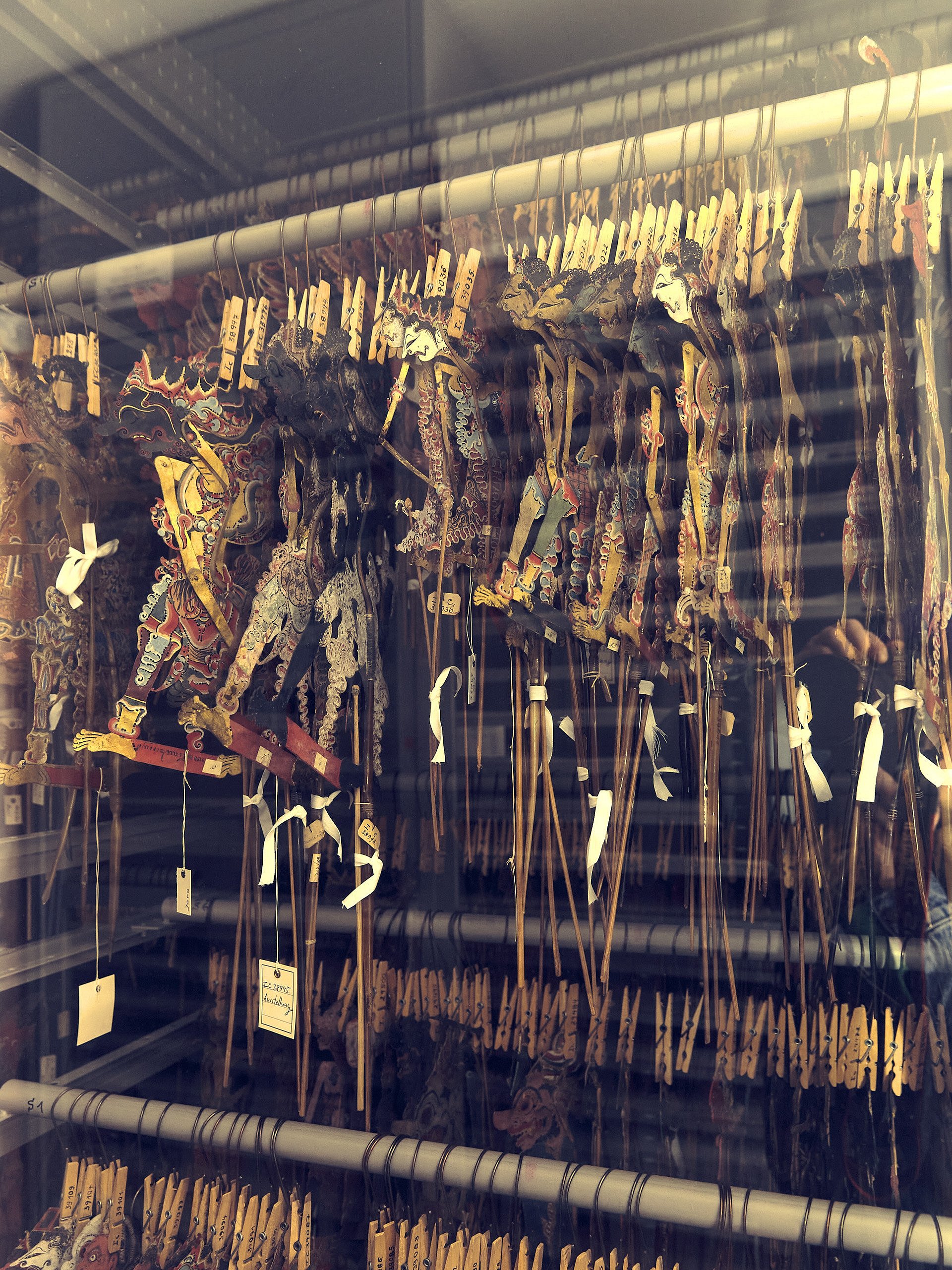
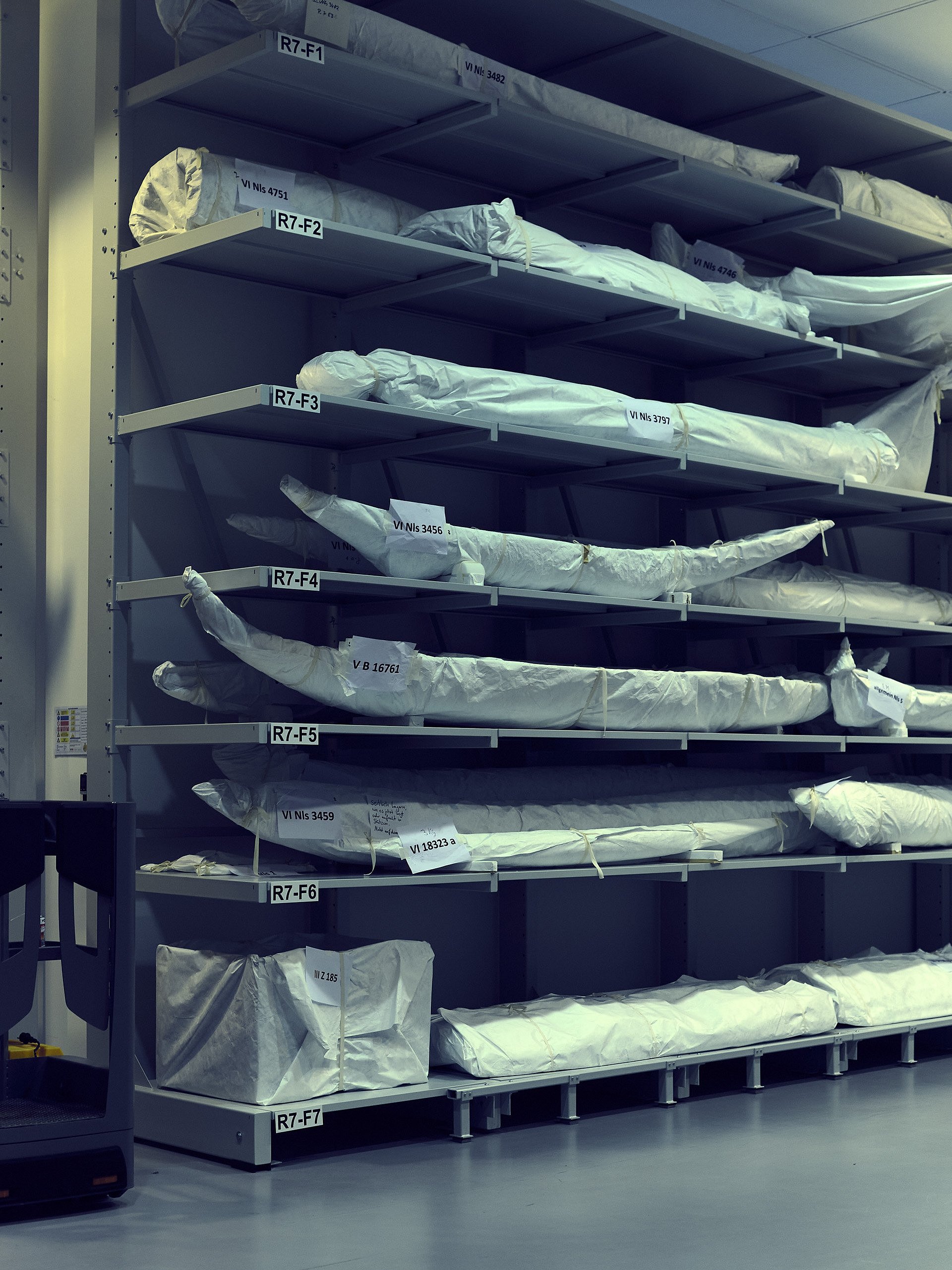
The tip of the museum iceberg sensibly rises where as many people as possible can see it, yet the iceberg itself remains in Dahlem – the endless rows of cupboards containing indigenous feather adornments, Balinese wayang puppets, Indian textiles, and the artefacts from Albert Grünwedel’s Turfan expeditions. The task for the future is to maintain a dynamic relationship between both sites, rather than making a strict distinction between a permanent exhibition and the storage facilities. Above all, it involves making the collections in Dahlem—where a ‘research campus’ is now to be established—accessible in line with today’s needs, through academic collaborations and current research projects, but also tailored to the needs of a public that wishes to take a closer look.
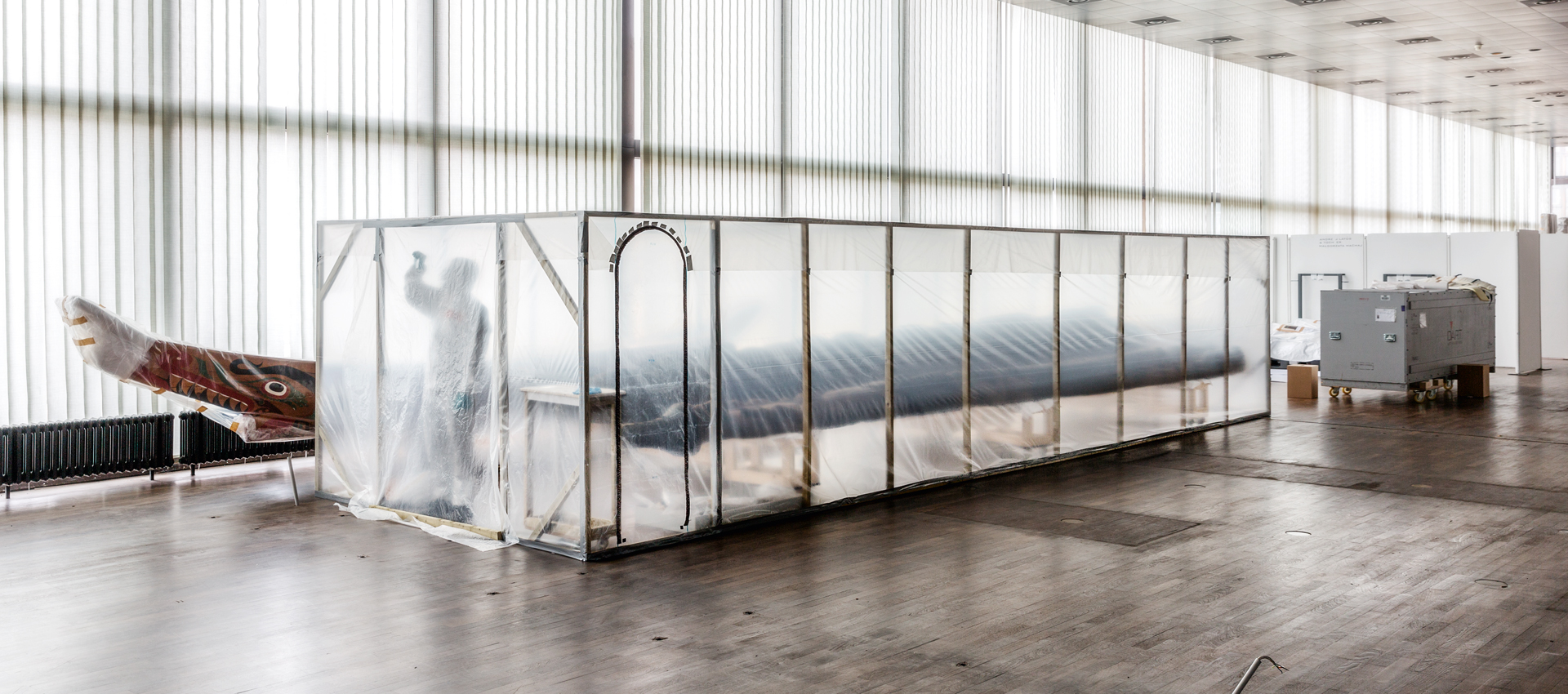
The path to a fully functional research campus is still a long one, even if the goal is in sight. The care of the collection – it must first be cleared of insecticides and treated for conservation, and above all it must be digitised and its provenance investigated – as well as the continuation of the scientific work, which is not to be interrupted, mean that a ‘kick-off’ start is not possible. The renovation and conversion of the buildings must now begin whilst operations continue. New offices, conference and seminar rooms are being created where the Luf-Boot used to stand. The planners of 1970 had equipped the storage areas with glass cabinets, thus already guided by the idea of a display storage facility. We can build on that. Transparency, accessibility and internationality are the guiding principles under which work on the campus is to be organised in future.
The Dahlem Research Campus is not being built from scratch, and that is why there is cause for optimism.
After more than fifty years, this drive for innovation has become necessary. The world, including the cultural world, has changed. Today, research in social anthropology and art history is situated within a global context and is closely scrutinised in terms of its premises and consequences, both by our own society and by the societies of Africa, Latin America and Asia, which see themselves represented in Berlin’s museums and wish to be so. Proving how the artefacts came to be in the collections is now just as important as presenting them to a public that makes explicit ethical, indeed decolonising, demands on museum work. All of this has now become an integral part of scholarly practice. Just as it is the task of the Dahlem Research Campus to safeguard the collections and make them available for research, so too will it be its task to formulate and implement the new principles of cultural studies work for itself, in dialogue with other scientific communities:
The first step is a three-year pilot project designed to test collaborative working (both internally and with partners abroad). It is also planned to establish natural science-oriented institutions, such as the Rathgen Research Laboratory, on the campus. By early 2026, the final requirements can be formulated regarding the conditions under which integrated academic operations can be launched in Dahlem. It will be costly: temporary project funding will not suffice for such an undertaking; ultimately, the campus will also need to expand its staff. The result would be a centre of contemporary science in which the separation between the humanities and the natural sciences no longer plays a fundamental role, a centre that opens up the possibility of networking research projects universally, that is, according to interest and need.
In the best-case scenario, the Dahlem Research Campus will develop into an exemplary hub for disciplinary integration and the global expansion of cultural studies. Even when the world was smaller, the museums in Dahlem were guided by this idea, within the limits of their capabilities at the time. It was in this spirit that their curators and research staff worked, when public interest in intercultural exchange was even less pronounced. Their work forms the foundation for today’s new beginning. The Dahlem Research Campus is not emerging from nothing, and that is why there is cause for optimism.

Secret State Archives
The Bindfaden
By Kevin Hanschke
A soft chime is the unassuming sound that marks the start of the search for Prussia. Naturally, every visitor to the Secret State Archives of the Prussian Cultural Heritage Foundation must pass through the gates of the impressive three-winged building. After a friendly greeting from the gatekeeper, the door opens and, following a brief introduction, the study of the files can begin.
The eagle perched on the stone gable watches over this routine procedure. Its gaze is awe-inspiring. Yet, contrary to initial assumptions, it does not represent Wilhelmine Prussia, but rather the democratic Free State of Prussia, which emerged after the First World War and shaped the Weimar Republic. The question of what the Prussian Cultural Heritage Foundation and the term ‘Prussia’ mean today runs through the entire archive, whose roots stretch back to the 13th century.
On this rainy day, one stands in awe before the main building in Dahlem and the adjoining staff villa, which once served as accommodation for the archive directors but now houses offices and event spaces. Behind the imposing main building lies the more modern-looking storage facility, which extends lengthwise beyond the main building but dates from the same period.
Architecturally, the archive building is an eclectic blend of different eras: it was planned as early as the final phase of the German Empire, when people dreamt of a ‘German Oxford’ in south-west Berlin. To this end, the entire Dahlem estate was to be developed with imposing buildings for science and administration. The archive was to form the centrepiece of the complex, with a dedicated bridge leading to its entrance over the underground line running below. Then the First World War broke out and thwarted the plans. Only a small fraction of the buildings were ever constructed – including a building for the State Archive.
The new building, a three-wing complex connected to the storage wing by bridges, was opened in 1924, and the archive materials were moved from their previous premises in Mitte to Dahlem. Eduard Fürstenau’s design actually envisaged one of the most modern archive buildings in the world – complete with goods lifts, electric lighting, heating and an entrance hall. However, the economic crisis following the World War necessitated cutbacks; nevertheless, the archive remains an impressive building both inside and out.
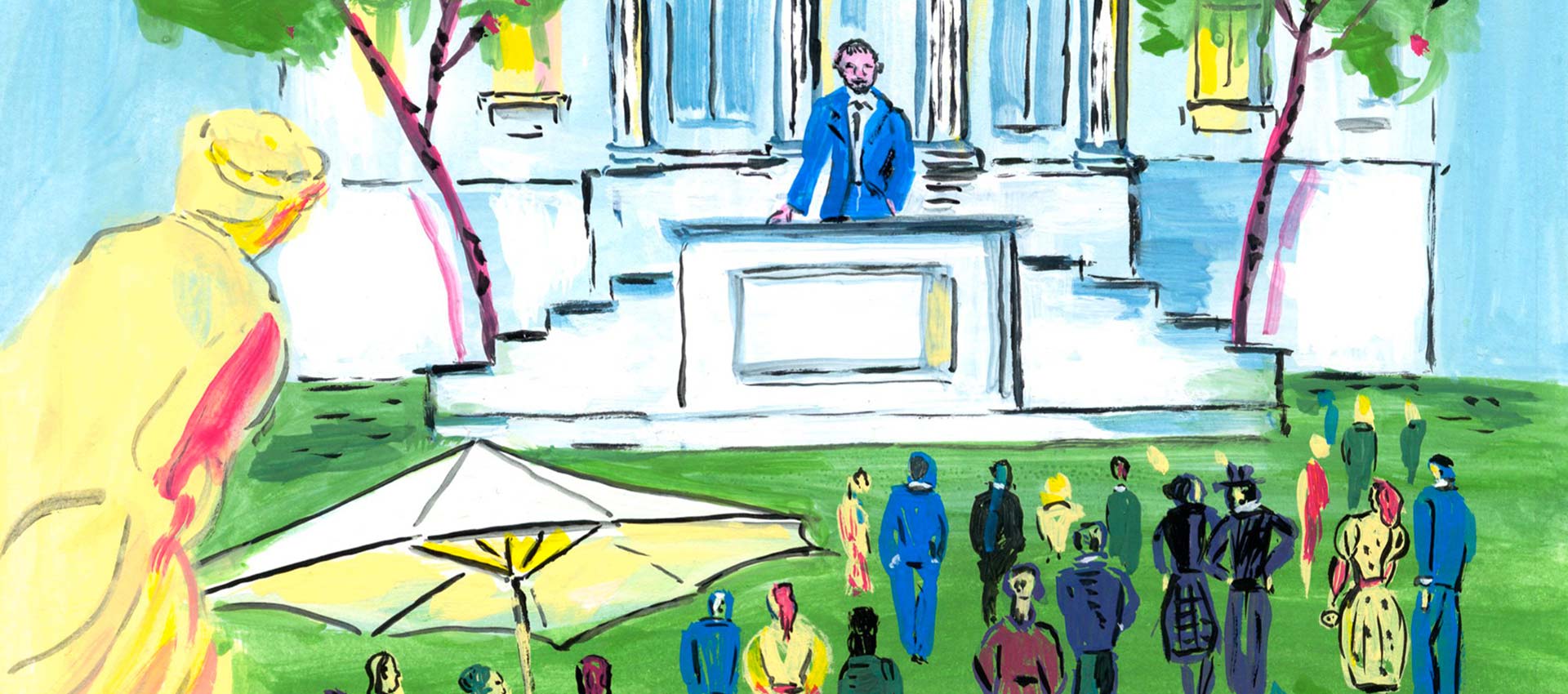
With their own research interests – be it for academic, local history or family history purposes – every visitor first enters the two-storey foyer, lined by four columns and guarded by the bust of the archivist Karl Georg von Raumer. The marble statue was created by the sculptor Carl Wichmann in 1825 to mark Raumer’s 50th anniversary of service, at a cost of 500 talers. However, he accepted the gift only on the condition that the bust be placed in the Secret State Archives after his death, so that it might ‘serve there as an example to future generations of strict duty, tireless zeal and unwavering loyalty to King and Fatherland’. It thus stands to this day in the centre of the stairwell, welcoming those eager for knowledge.
The archive’s responsibilities are formulated with equal clarity and pragmatism: the preservation, cataloguing, provision of access to, and evaluation of the historical records of the entire Prussian state. Historically, the former Prussian Secret State Archive was responsible for the central authorities and institutions of Brandenburg-Prussia – from the Margraviate of Brandenburg, through the Electorate of Brandenburg and the Kingdom of Prussia, to the Free State of Prussia.
Today, a veil of industrious tranquillity hangs over the building. As one ascends the curved terrazzo staircase to the first floor, one seems to be able to sense the inestimable value of the historical documents stored here – and the myriad stories and events recorded within them.
Today, a veil of quiet industriousness hangs over the building.
In the research room, visitors seem to be poring over their files just as they did a hundred years ago. The burgundy lamps and chairs are neatly arranged around the light brown solid-wood tables. Someone is carefully leafing through trade contracts from Königsberg, whilst another visitor is examining 18th-century church records. Only a very faint rustling and crackling can be heard as pages are gently turned, a book opened, a note jotted down or something typed on the computer. Above the wall shelves stand the busts of Prussian rulers, high-ranking officials or members of the government – von Hardenberg, von Moltke, von Stein. They too watch over the readers – just as they did almost a hundred years ago.
Yet in recent years, the procedures for making archival materials available, as well as their use, have changed significantly. Until the 1990s, it was machine- or even hand-written finding aids that helped researchers locate the files, which were then brought to the research room by archive staff from the endless aisles of the storage area. These were large-format volumes, which still stand on the shelves today and document the history of the individual archive collections. The oldest is the ‘red finding aid’ from the 17th century.
As in all other archives, digitisation has also made its way to Dahlem. Much has already been digitised in recent years; initially, this mainly involved the catalogue information, but increasingly it now includes the archival materials themselves, such as documents, microfilms and official registers. A new archive information system currently being procured is intended to make these processes even more efficient. And, of course, the Secret State Archive is leading the way in the introduction of the e-file, which is intended to simplify work processes and make them more transparent throughout the Foundation. Since 1957, the archive has been responsible for archiving the records of the Foundation’s institutions and the central administration of the Prussian Cultural Heritage Foundation.
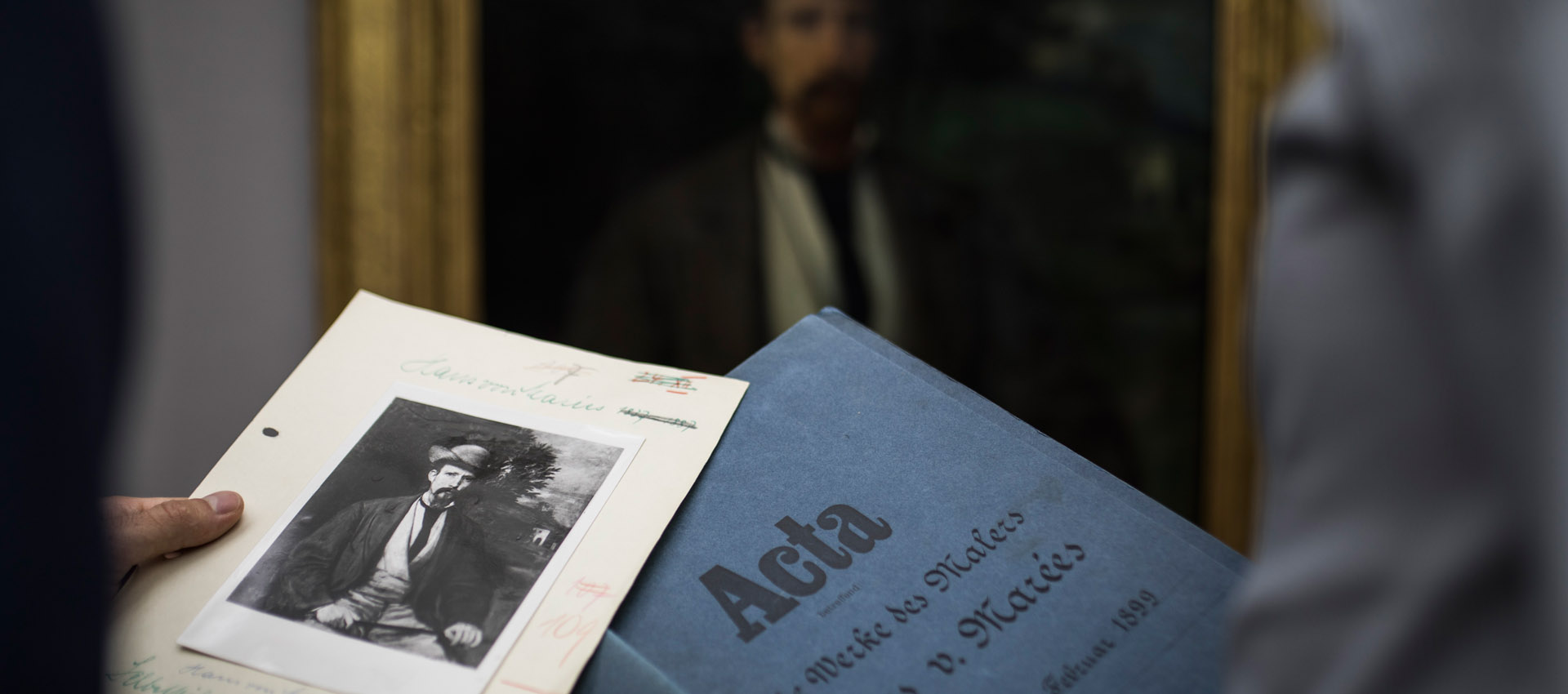
Since 2018, archivist Ulrike Höroldt has been at the helm of the institution. She admires the orderliness of the Prussian administrative bodies and the foresight with which the files were preserved. “The Prussian thread-bound binding with a cover ensures that files still hold together today, can be organised in a structured manner and, ultimately, can also be digitised.” For her, the institution is the memory of the Prussian state, even though it no longer exists. “A state archive without a state,” says Höroldt, as she leads us across one of the two bridges into the storage wing. Today, the Secret State Archives therefore belong to the Prussian Cultural Heritage Foundation.
Behind the metal door, in the historic storage building, the files lie on iron shelves, which are firmly anchored to the floor as a self-supporting structure. The shutters are lowered there, as the papers must not be damaged by exposure to light. That is why archive storage facilities are often built without windows today; in the 1920s, however, the aim was to minimise the use of electric lighting in the storage areas, which is why large windows were installed to allow light into the aisles.
During the Second World War, a large part of the repository was destroyed and demolished. During the food shortages of the late 1940s, vegetables were grown on the plinth as well as in the gardens. It was not until the 1970s that the destroyed section was rebuilt. However, it is still not used by the archive today, but by the Museum of European Cultures, as large parts of Prussia’s archival holdings were only returned to Berlin in 1993 from the territory of the former GDR, where they had ended up as a result of wartime evacuations. To the chagrin of the archivists and users of the archive, these holdings remain in Westhafen to this day.
One of the most spectacular documents is the Potsdam Edict of Tolerance of 1685.
Unsurprisingly, the long aisles of shelves smell of old paper. The medieval archival materials from the Mark of Brandenburg are particularly appealing. The brown book covers and the yellowed paper are clearly visible under the white neon light. The oldest document in the collection is a charter dating from 1188; the only item older than this is an early medieval fragment that has survived as a book cover.
A beige folder stands out. It contains a particularly unique archive item. Unique because it reveals the hair colour of Prussia’s legendary Queen Luise, who lived from 1776 to 1810. The delicate lock of hair is preserved in a folded piece of paper, tied with a light blue ribbon. The file containing the hair was found in 2014 in a collection attributed to Louise’s husband, Frederick William III. “Treasures like this keep turning up during the cataloguing process,” says Höroldt.
We continue through the corridors. Our path leads us ever deeper into the bowels of the repository. Alongside school records from Tilsit are land registers from Pomerania, then Prussian government documents again. Time flies in the interplay of light and shadow in the vast corridors with their high shelves. Visitors to the archive experience a whirlwind journey through Prussia’s history, which is both glorious and dark. The archive’s storage rooms contain 35,000 linear metres of archival material. However, not all of it is stored here.
Among the most spectacular items are the Potsdam Edict of Tolerance of 1685, the Brandenburgensis Marchae Descriptio, one of the first maps describing the Margraviate of Brandenburg from 1588, and the equestrian seal of Electors Frederick I and Frederick II of Brandenburg from 1449. The Hohenzollern collection from before 1918 also plays an important role in the archive.
And finally, there is also the question of renaming the foundation, which is naturally of particular importance to the archive, as it bears the name ‘Prussia’ itself. For the Secret State Archive to be understood as a historical archive responsible for preserving Prussian heritage, the reference to Prussia will remain an indispensable part of its name. Most within the institution therefore hope that the official title of the archive will remain unchanged. It is precisely the intensive engagement with the archives held here that demonstrates time and again how diverse the Prussian state was beyond the military and imperial spheres, what achievements this state made in the cultural and scientific fields, and how significant Prussian history is for understanding German and European history. The latter is evidenced by a glance at the list of international users and scholarship holders who visit the archive every year.
There is no doubt that Prussian history is reflected upon, examined and presented to the public here in a manner that is both open-minded and critical; this is evident from the sheer passion of her team alone. Höroldt slowly closes the doors to the storage room. Once again, we make our way through the foyer to the exit. A final glance falls once more upon the sculpture of the archivist Raumer. Every step is audible. Through the large door, we step into the garden. And this eventful day in this state archive without a state, in the memory of Prussia and the Prussian Cultural Heritage Foundation, draws to a close – with many impressions of the silent witnesses of the past, which are being guided here towards a digital and bright future. Today, a veil of industrious tranquillity lies over the building.