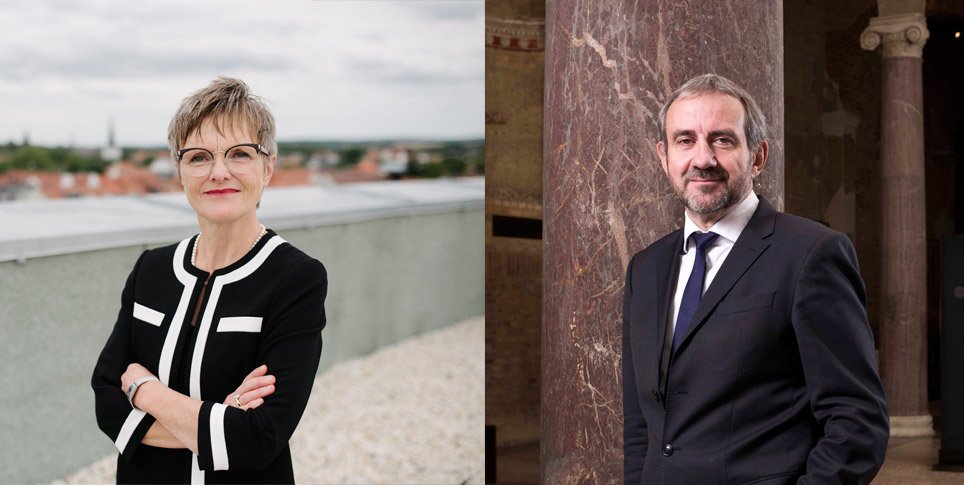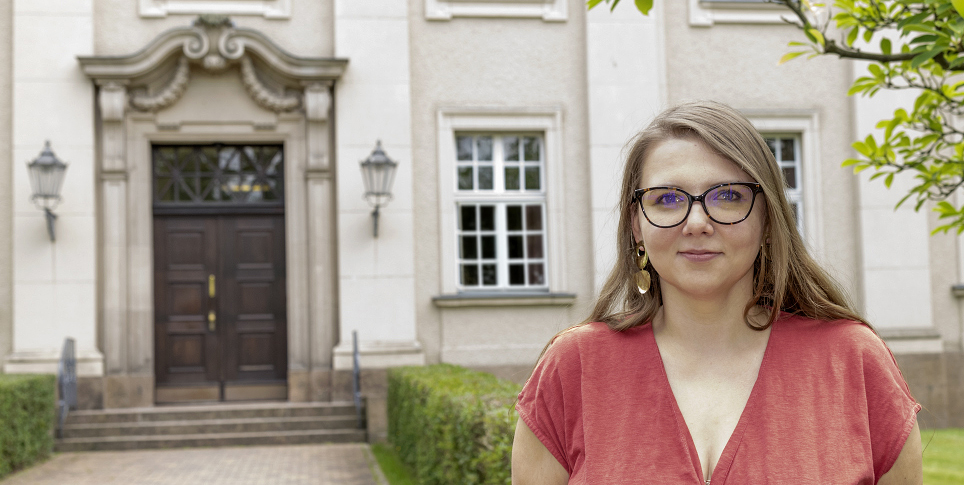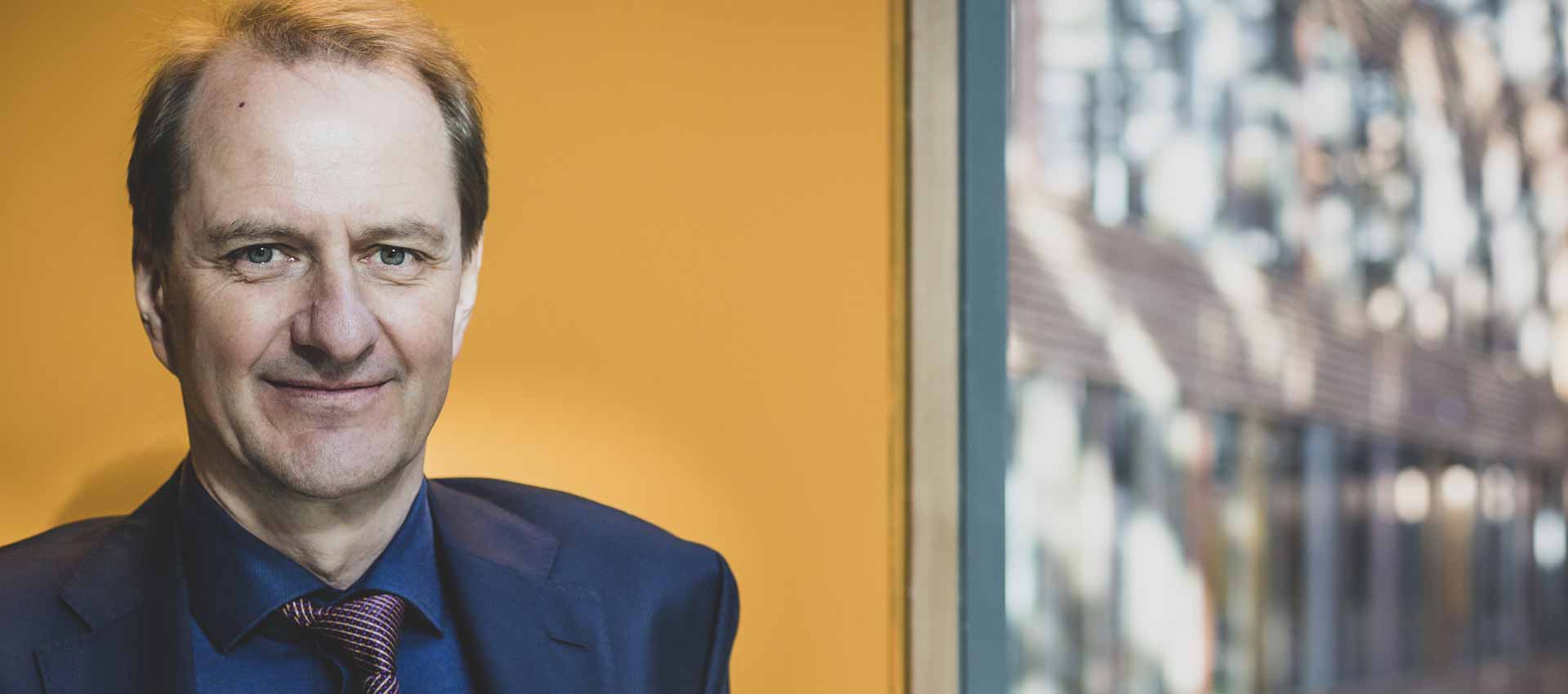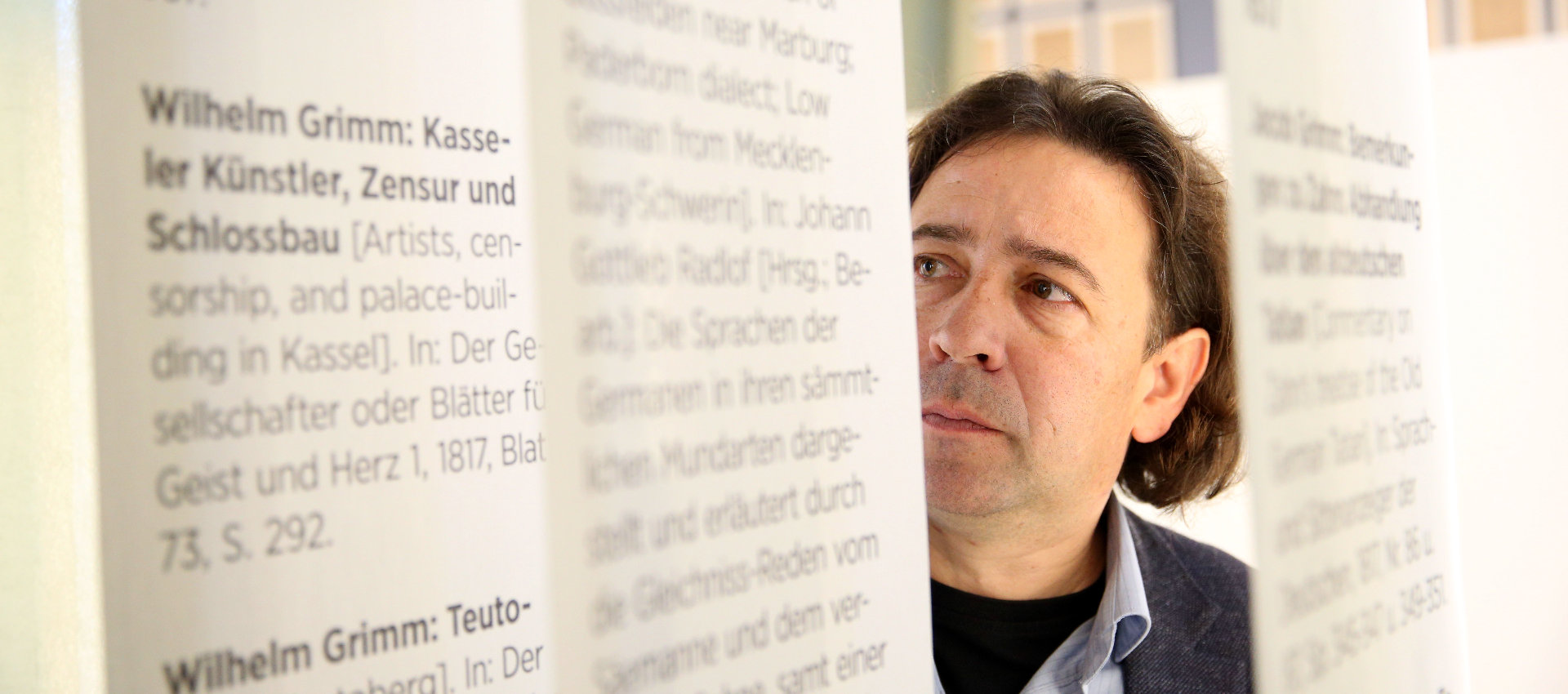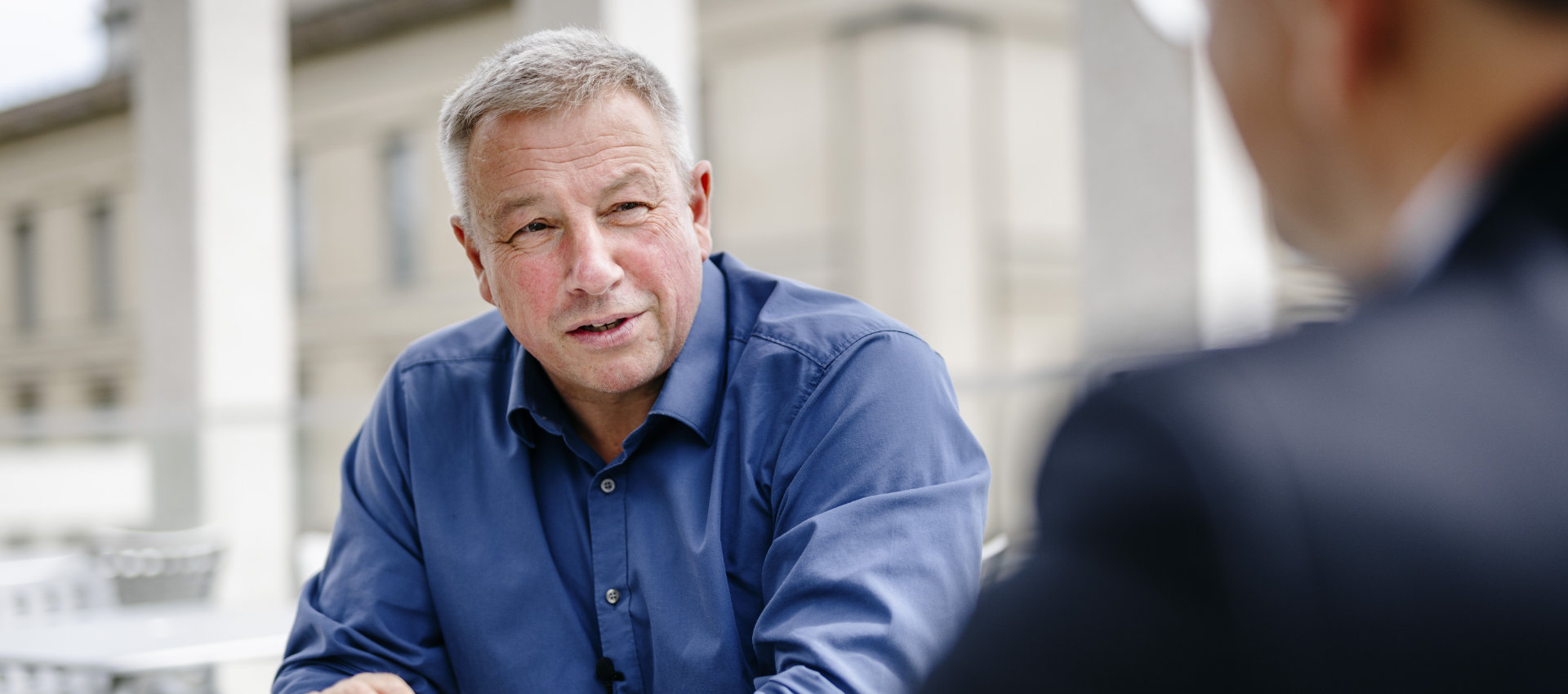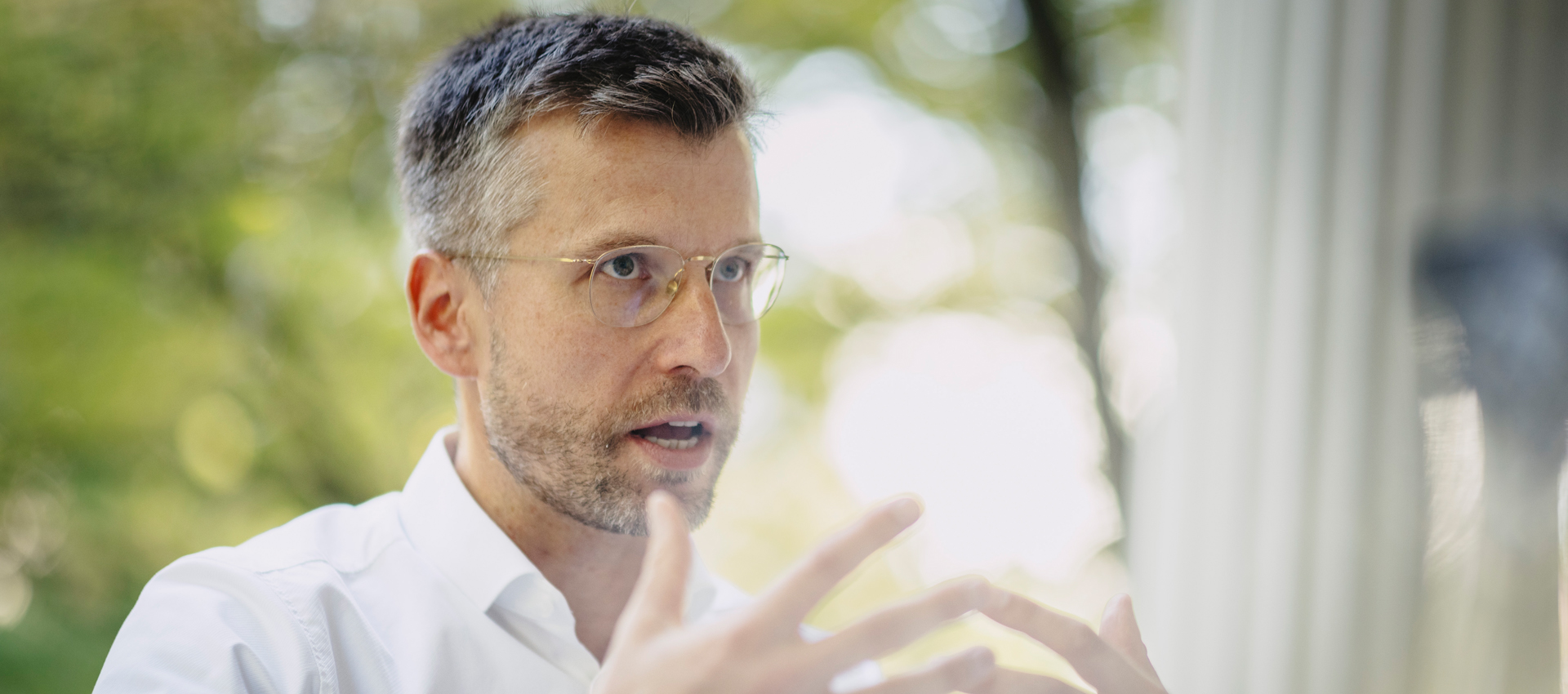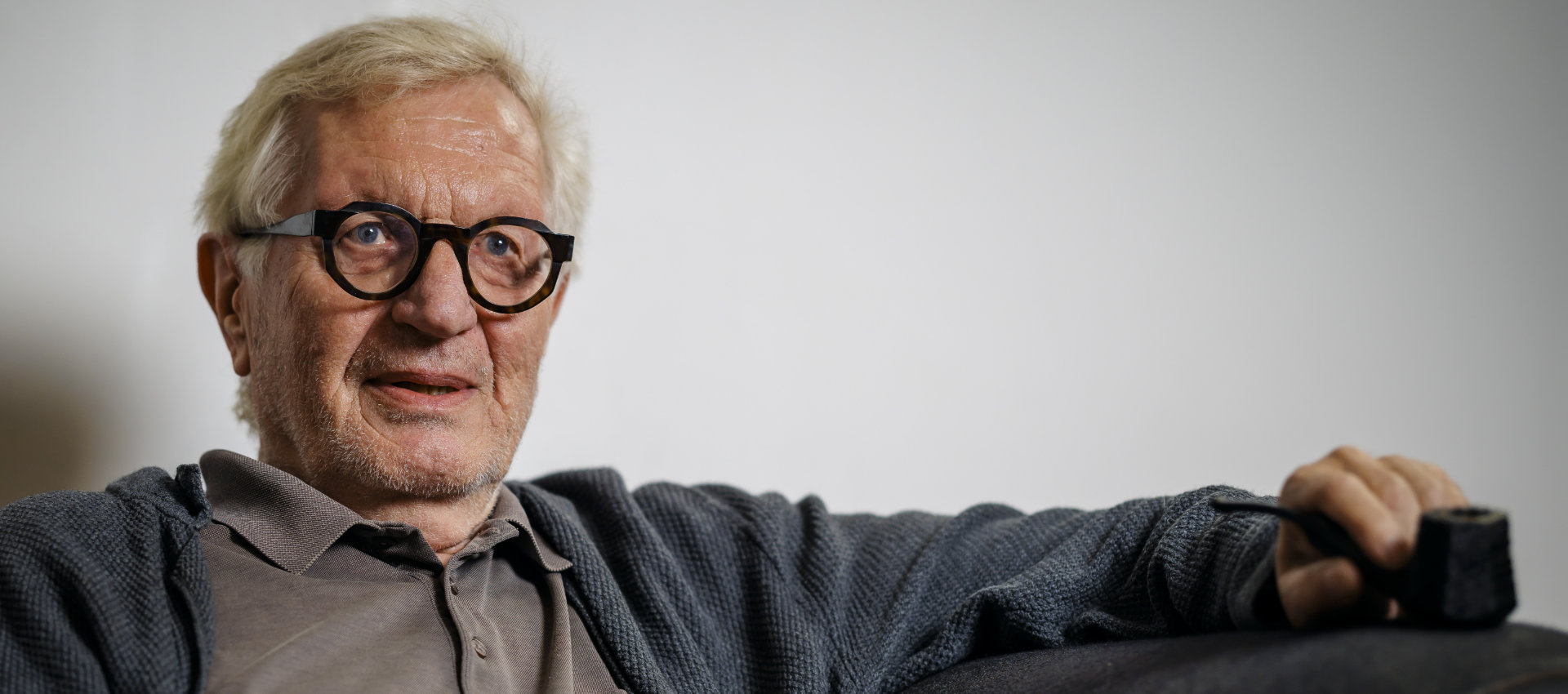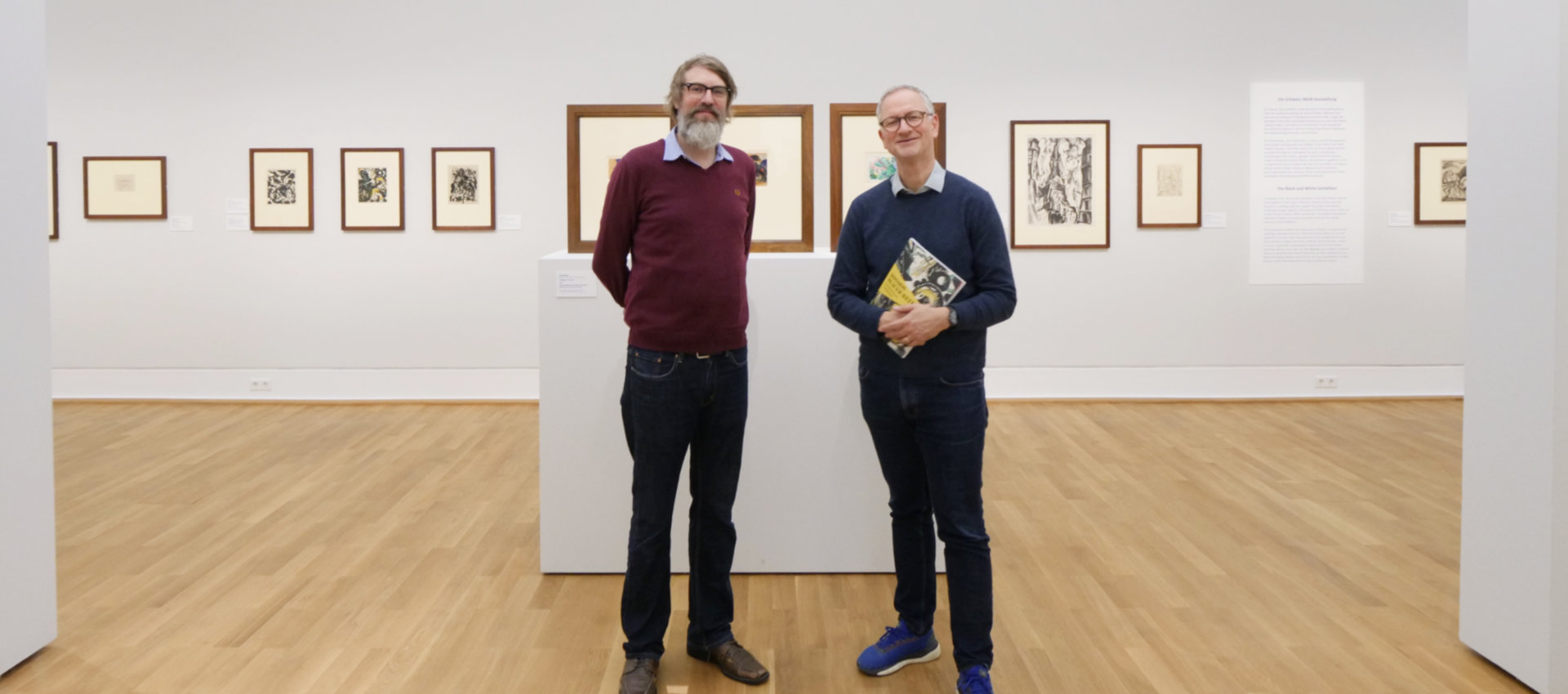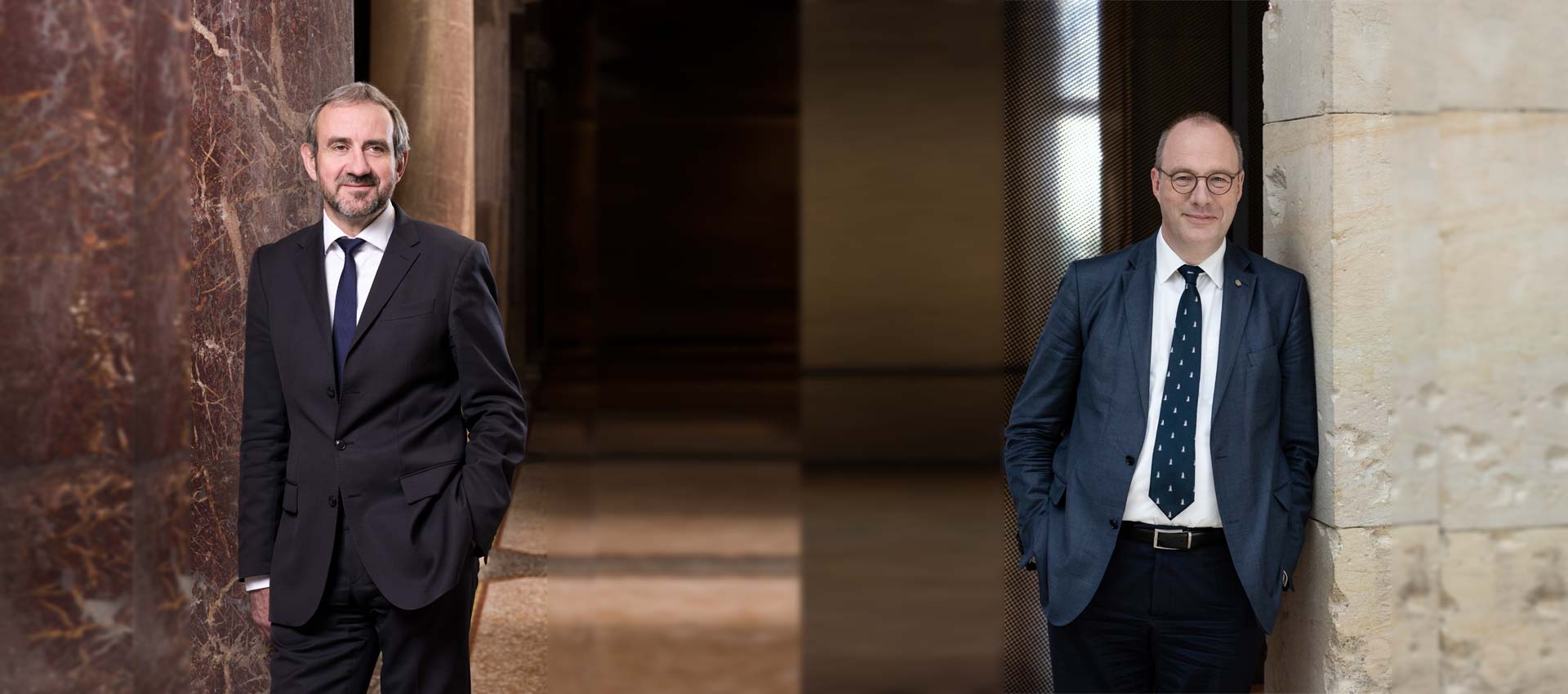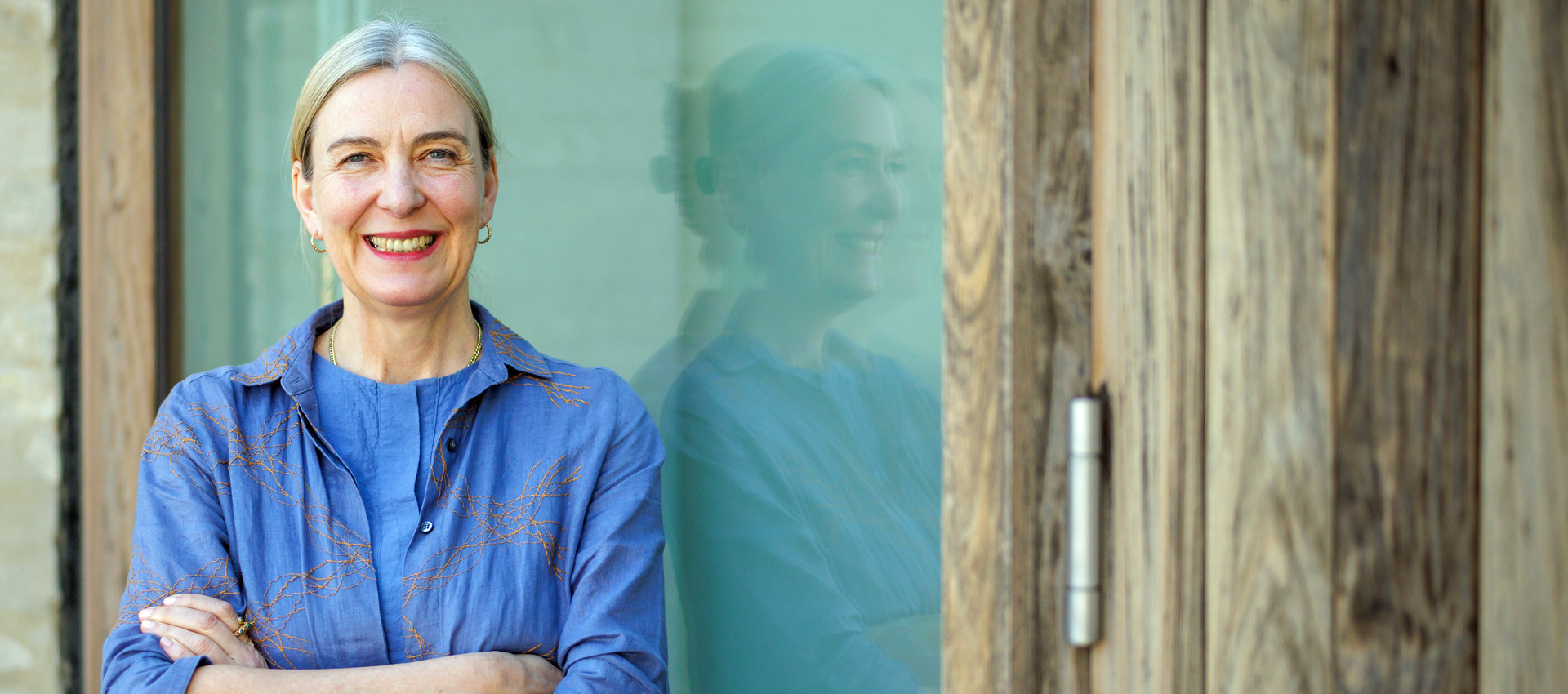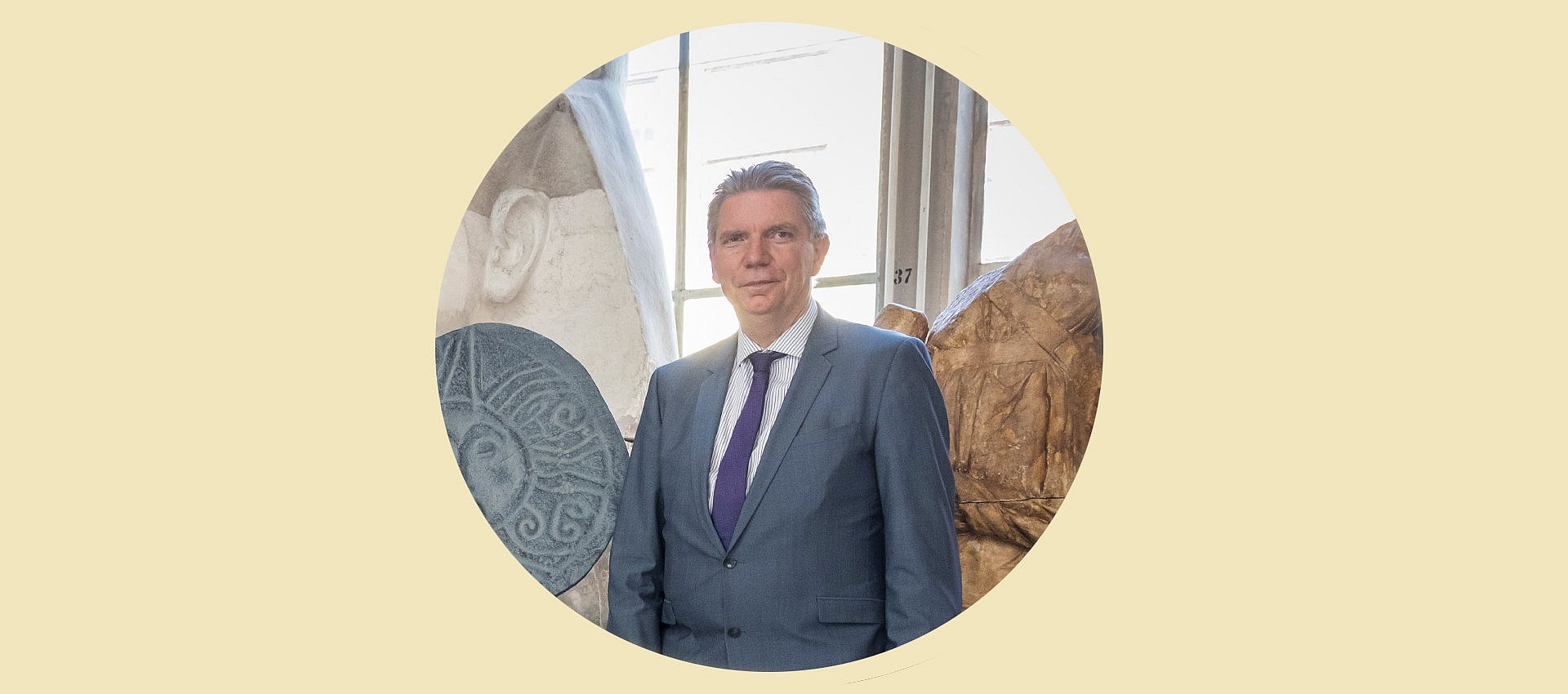
Lars-Christian Koch is a music ethnologist and has been Director of the Ethnological Museum and the Museum of Asian Art since 2019
© SPK / Photothek / Thomas Köhler
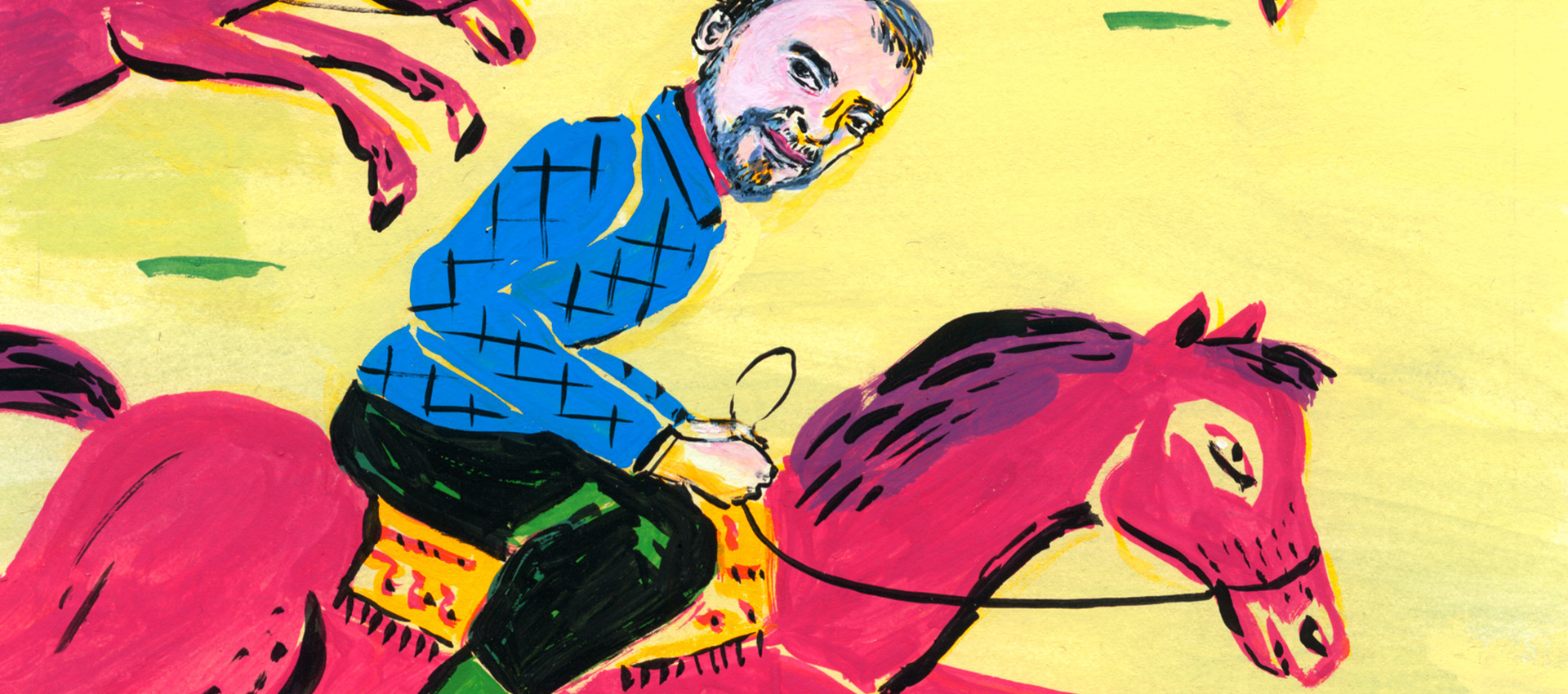
The Humboldt Forum was undoubtedly one of the key projects of Hermann Parzinger’s presidency. No sooner had he taken office than he undertook several trips, including to the north-west coast of the American continent. He met with representatives of indigenous groups with whom we at the Ethnological Museum were already working closely. He quickly realised what was expected of ethnological exhibitions in the modern age and what the Humboldt Forum had to achieve. This was no great challenge for an archaeologist like him, who had travelled the world and often had to live and negotiate with local people. This is not unlike the work of an ethnologist. Even if drinking mare’s milk was not a culinary highlight for him, the hospitality of Central Asian nomads remained a vivid memory.
These very practical experiences of the world made it easy for him to grasp our exhibition concepts for the Humboldt Forum. When he met our partners, he had a wonderful way of bringing people together. From mid-2015, he was appointed as founding director alongside Neil MacGregor and Horst Bredekamp by Minister of State for Culture Monika Grütters. Intensive planning discussions for exhibition concepts and event formats began immediately.
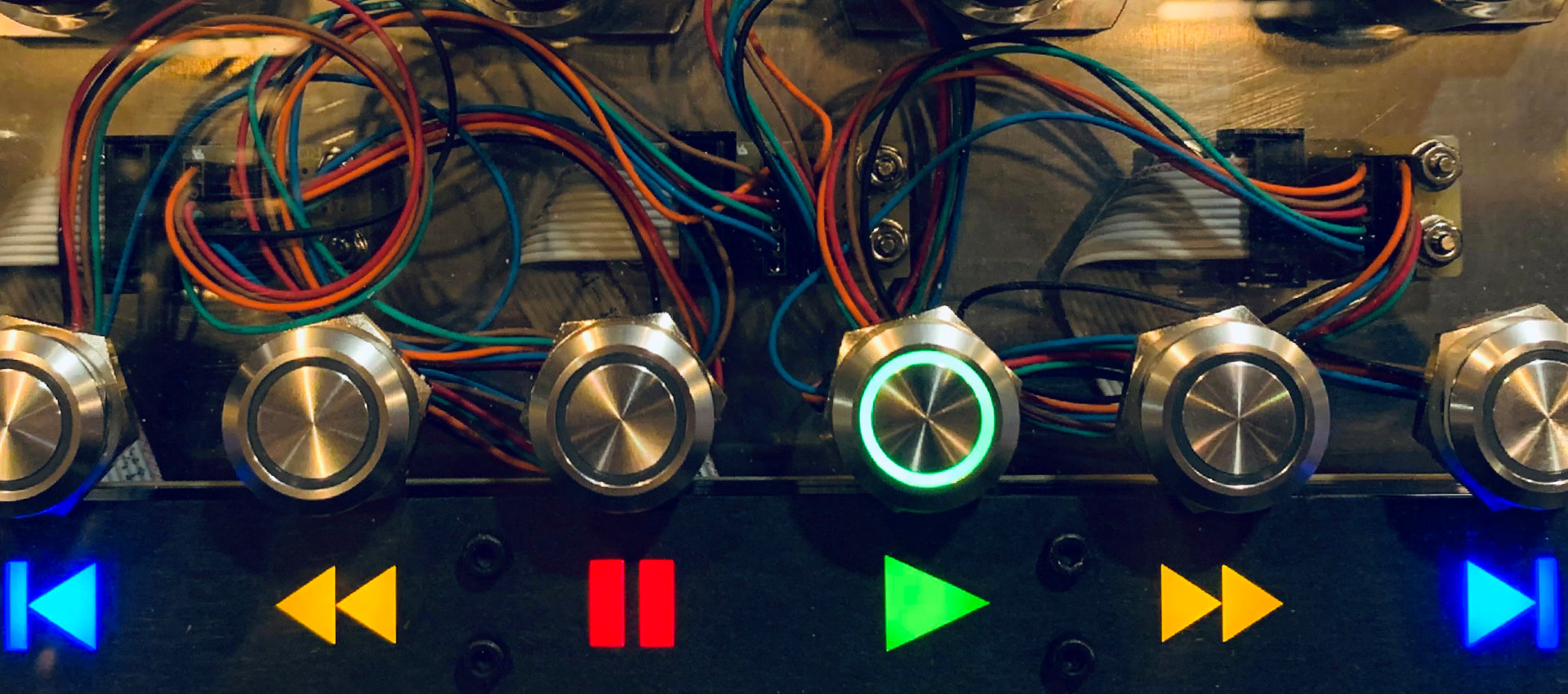
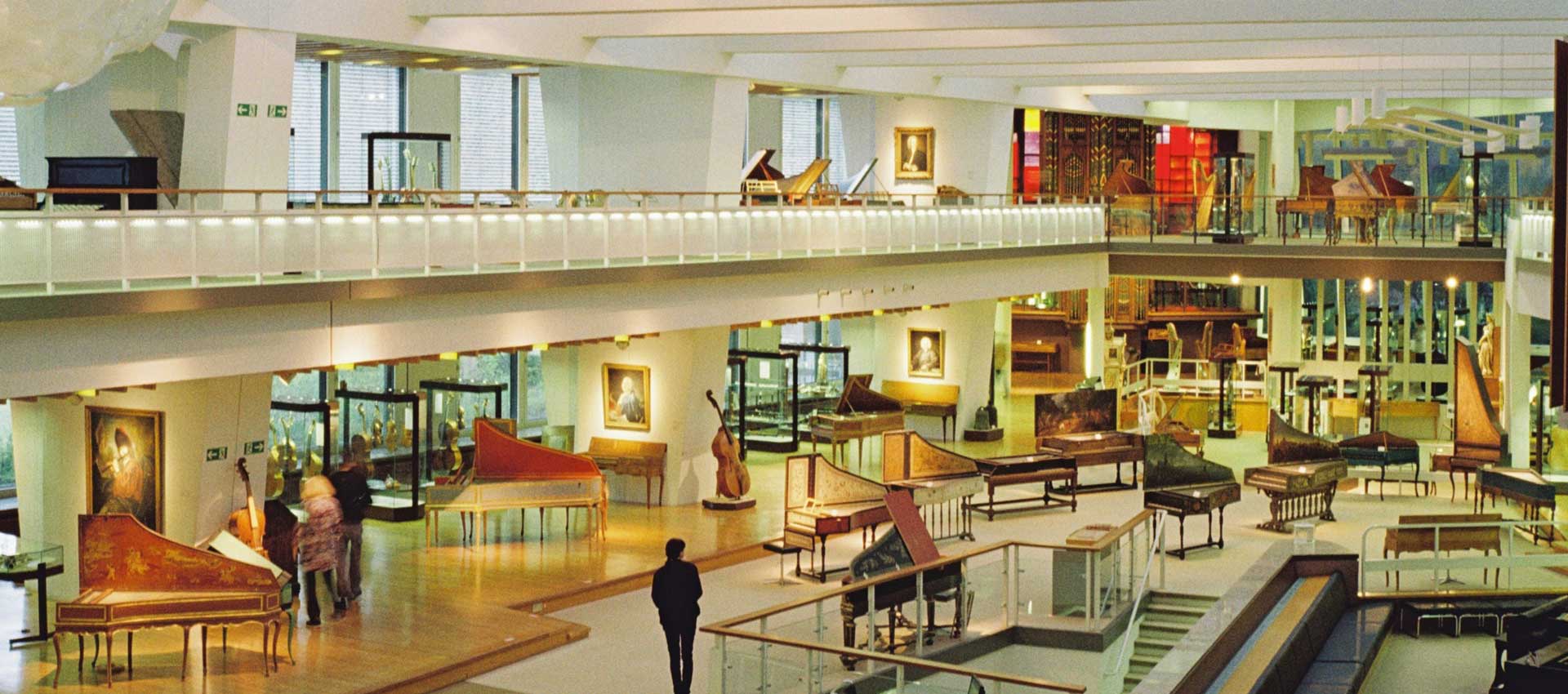
I can still clearly remember the first meetings with the exhibition designers, during which Hermann Parzinger asked me why the music ethnology sections focused solely on musical instruments. I couldn’t explain it to him because we were only marginally involved in the planning at that time. With his help, it was then decided to undertake a complete redesign, which resulted in the listening room at the Humboldt Forum. I came to greatly appreciate this ability to react quickly. When it came to designing these spaces, however, he gave us a free hand, which is a testament to his great trust in us.
When I held a visiting professorship at the University of Chicago in the winter of 2016/17, I received an email from the President towards the end of my stay. Hermann Parzinger asked me to attend a meeting regarding the Humboldt Forum immediately upon my return. The meeting concerned the initial set-up of the new building. The debate on issues of post-colonialism was becoming increasingly heated; we had to find answers to these questions within the emerging Humboldt Forum, specifically through exhibition modifications and new communication strategies.
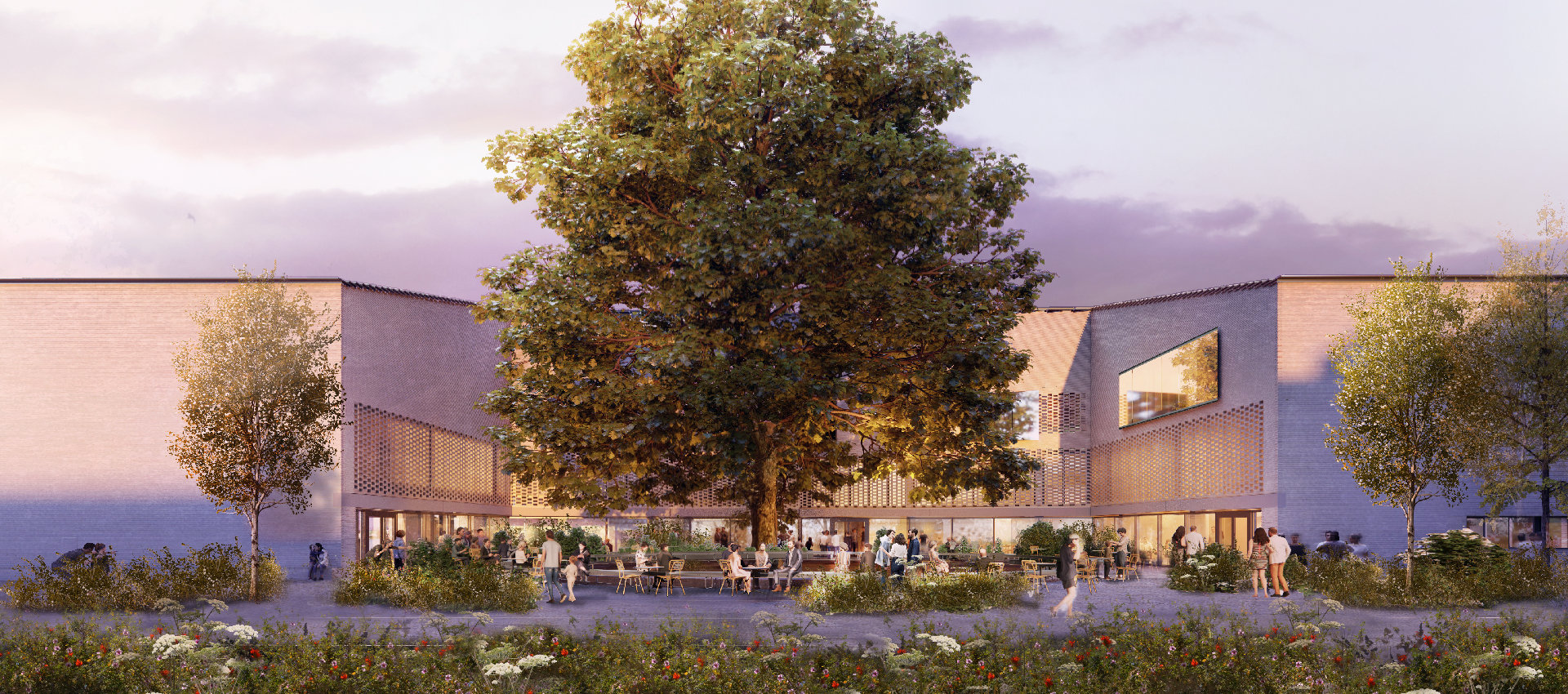
An important step was to link the Humboldt Forum with the Dahlem Research Campus (FCD) – an idea conceived by Hermann Parzinger
Lars-Christian Koch
Hermann Parzinger proved to be very open-minded and adaptable in this regard, yet he never lost his political acumen and remained steadfast in the face of public pressure. The lengthy, often controversial discussions regarding the significance of colonialism in the exhibitions behind the Humboldt Forum’s equally criticised palace façade also gave rise to differing opinions within the founding curatorial team.
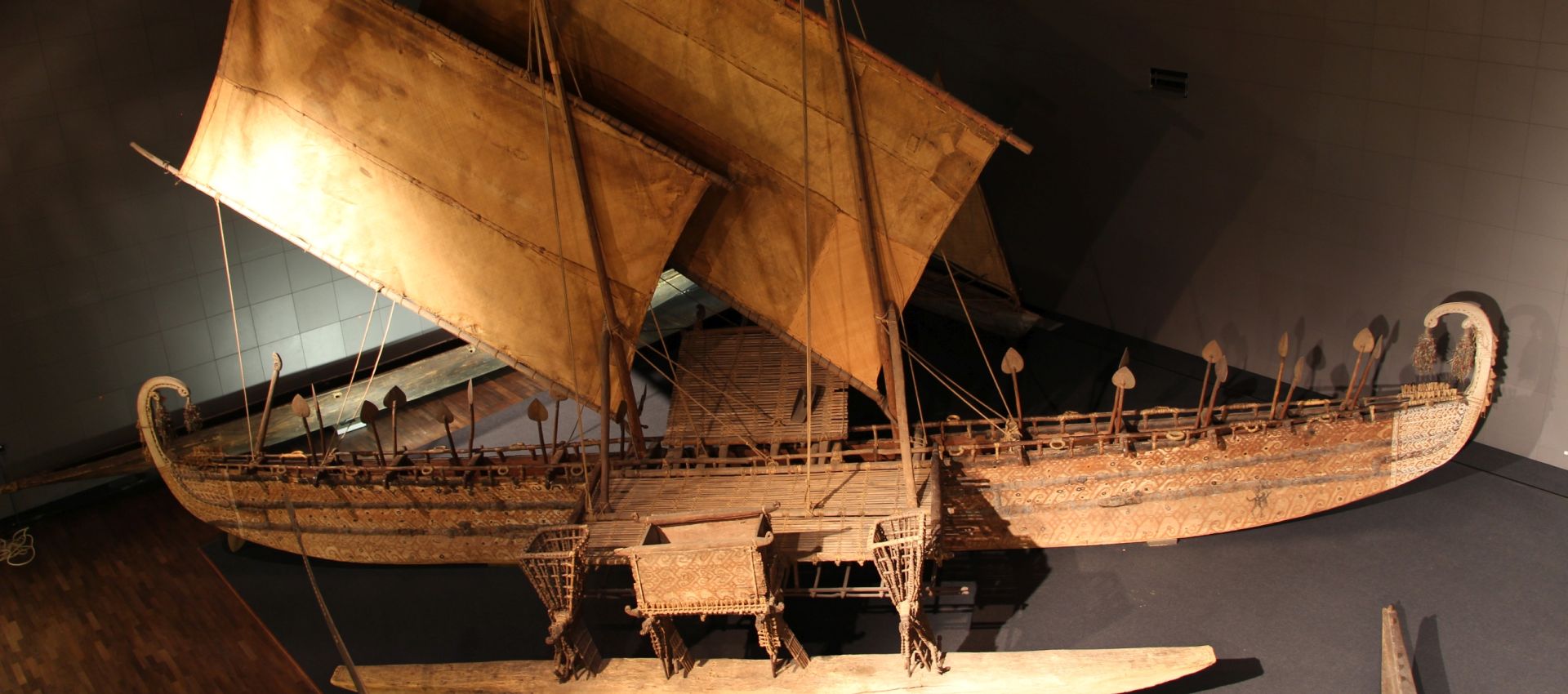
We agreed with Hermann Parzinger that the answer to the heated debates could only lie in ever closer cooperation with international partner institutions from the countries of origin. This led to the exhibitions on the collections from Namibia, India (Naga), the United States (Omaha, Haida) and others. The Museum of Asian Art succeeded in securing the services of star architect and Pritzker Prize winner Wang Shu to design a cube-shaped space on the third floor. Hermann Parzinger persuaded the Board of Trustees of the Prussian Cultural Heritage Foundation to fund this magnificent project. All of this already made it clear in which directions the museums would be moving in the future.
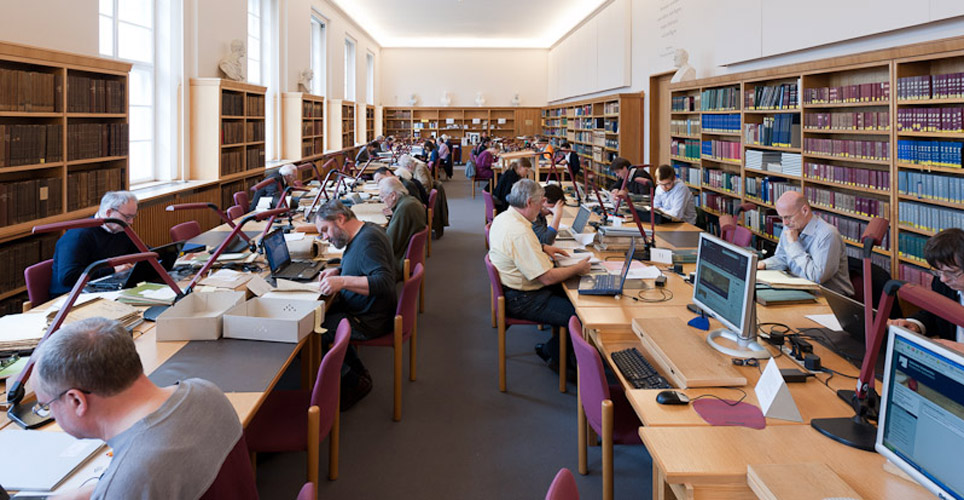
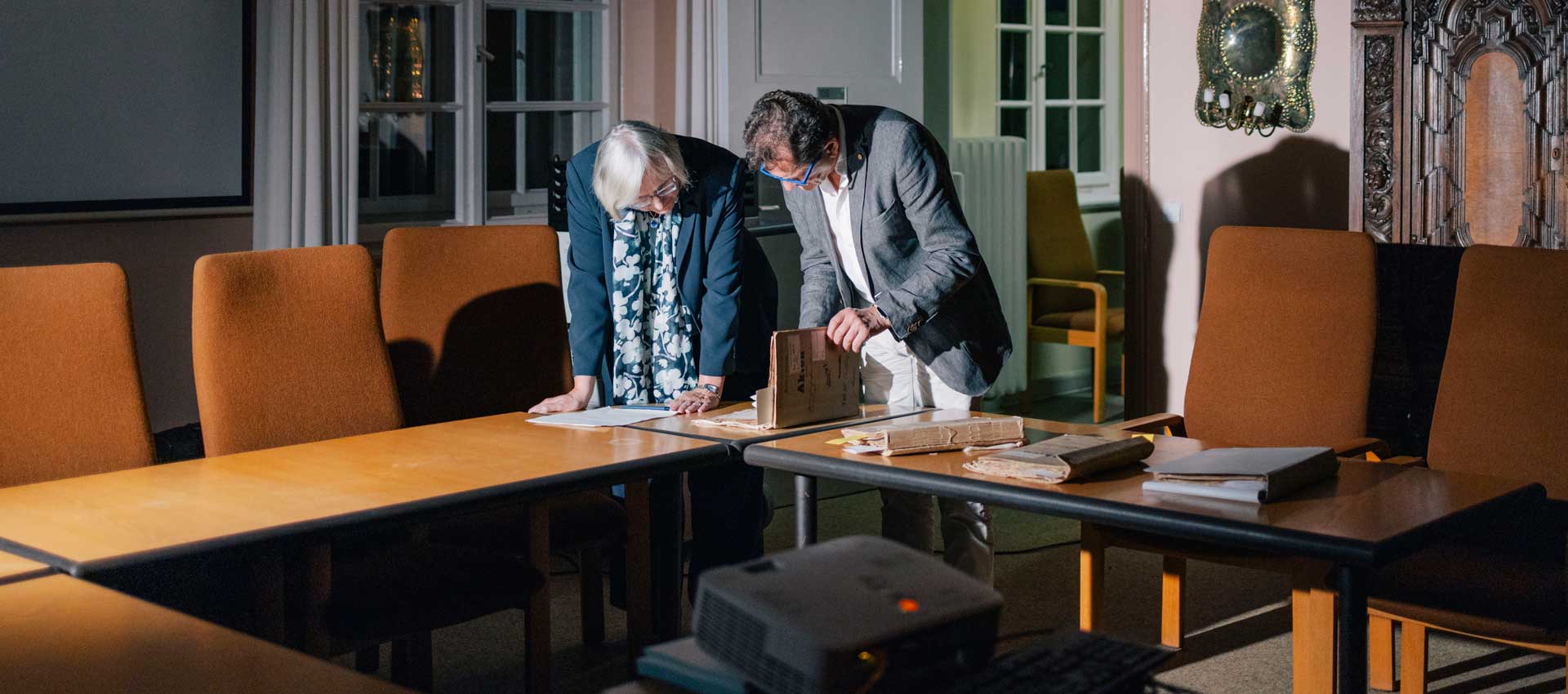
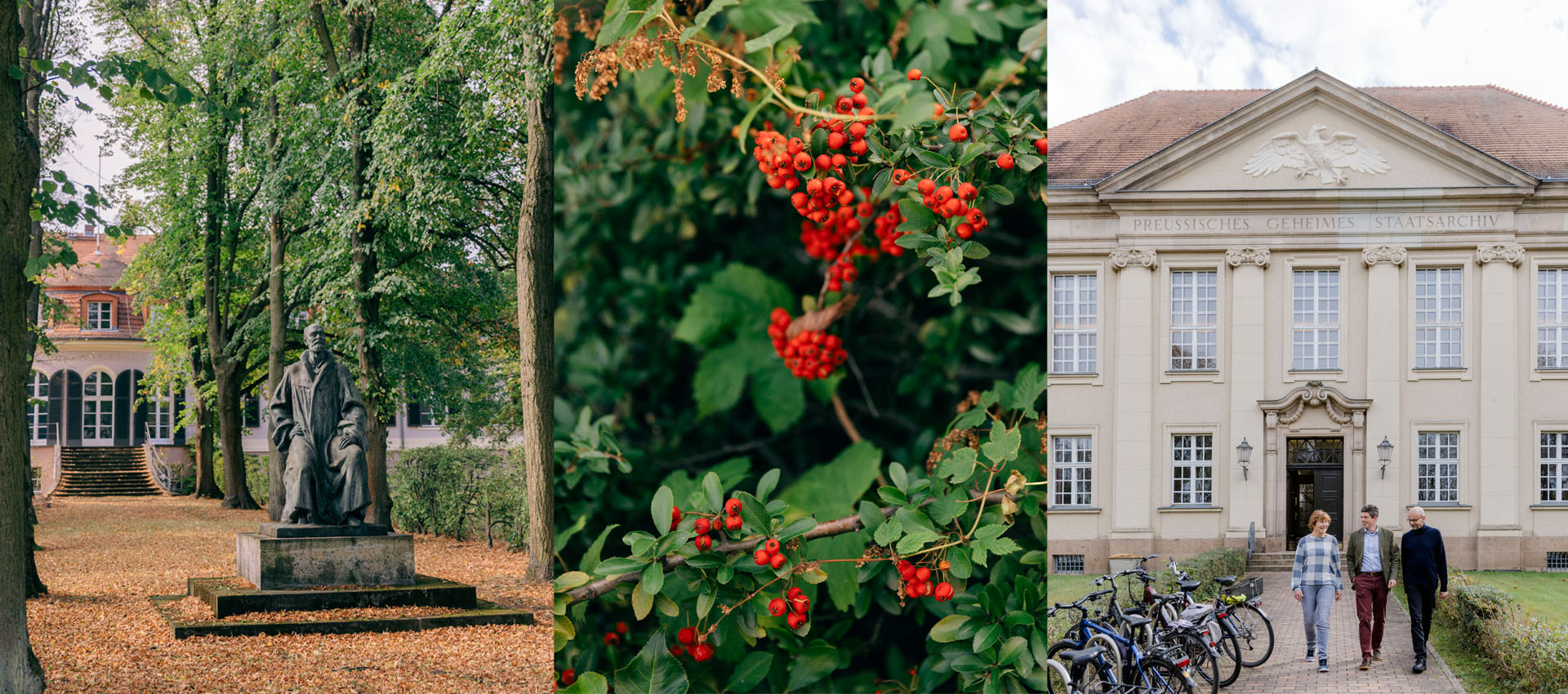
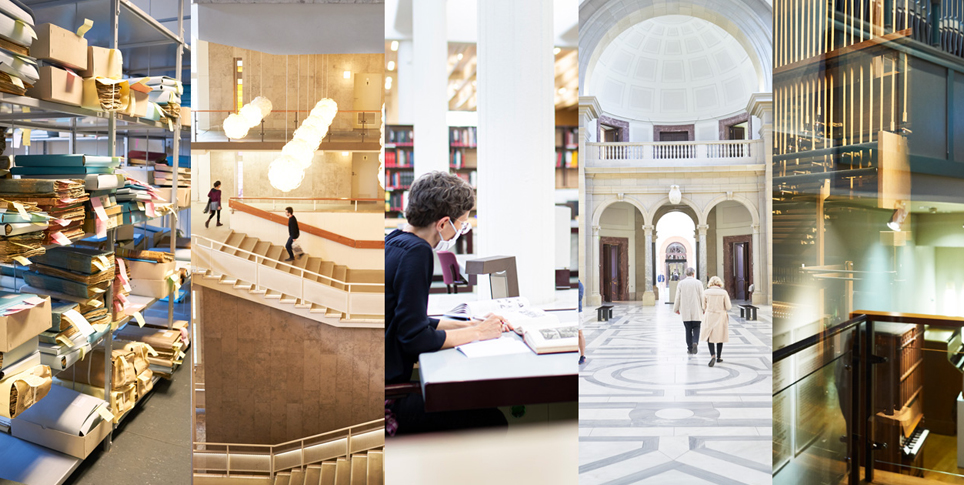
An important step was linking the Humboldt Forum with the Dahlem Research Campus (FCD) – an idea conceived by Hermann Parzinger. Today, the FCD has established itself within the academic community and urban society and forms an important basis for collaboration within the Foundation (Museum of European Cultures, Institute for Museum Research, Ibero-American Institute, Art Library, Rathgen Research Laboratory) and with university institutions such as the Free University of Berlin. The FCD’s compatibility with the international collaborative work of the Ethnological Museum and the Museum of Asian Art is more than evident. We are well equipped for the tasks ahead!
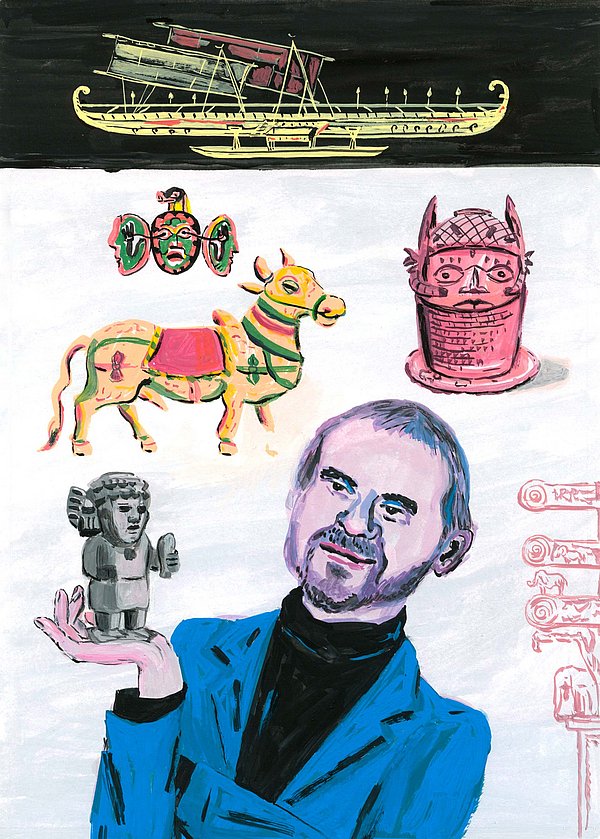
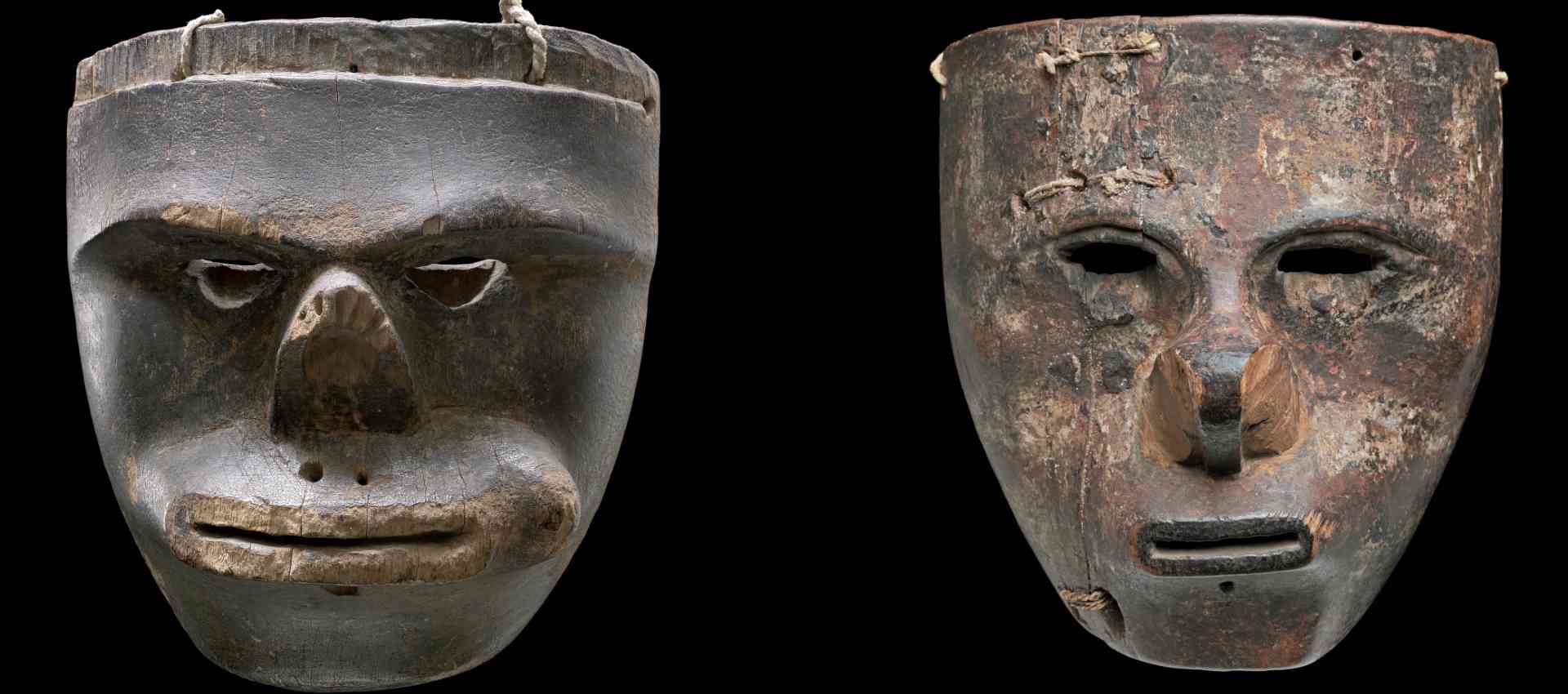
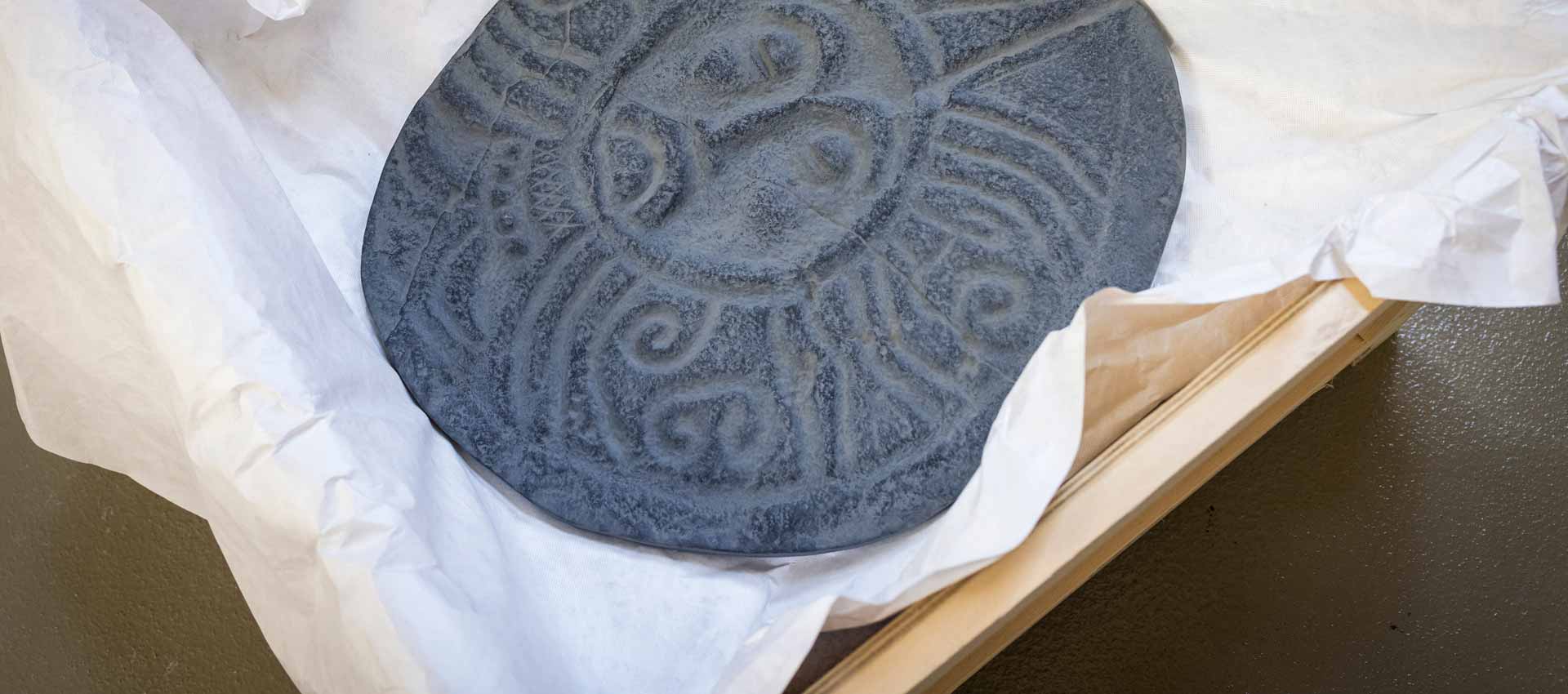
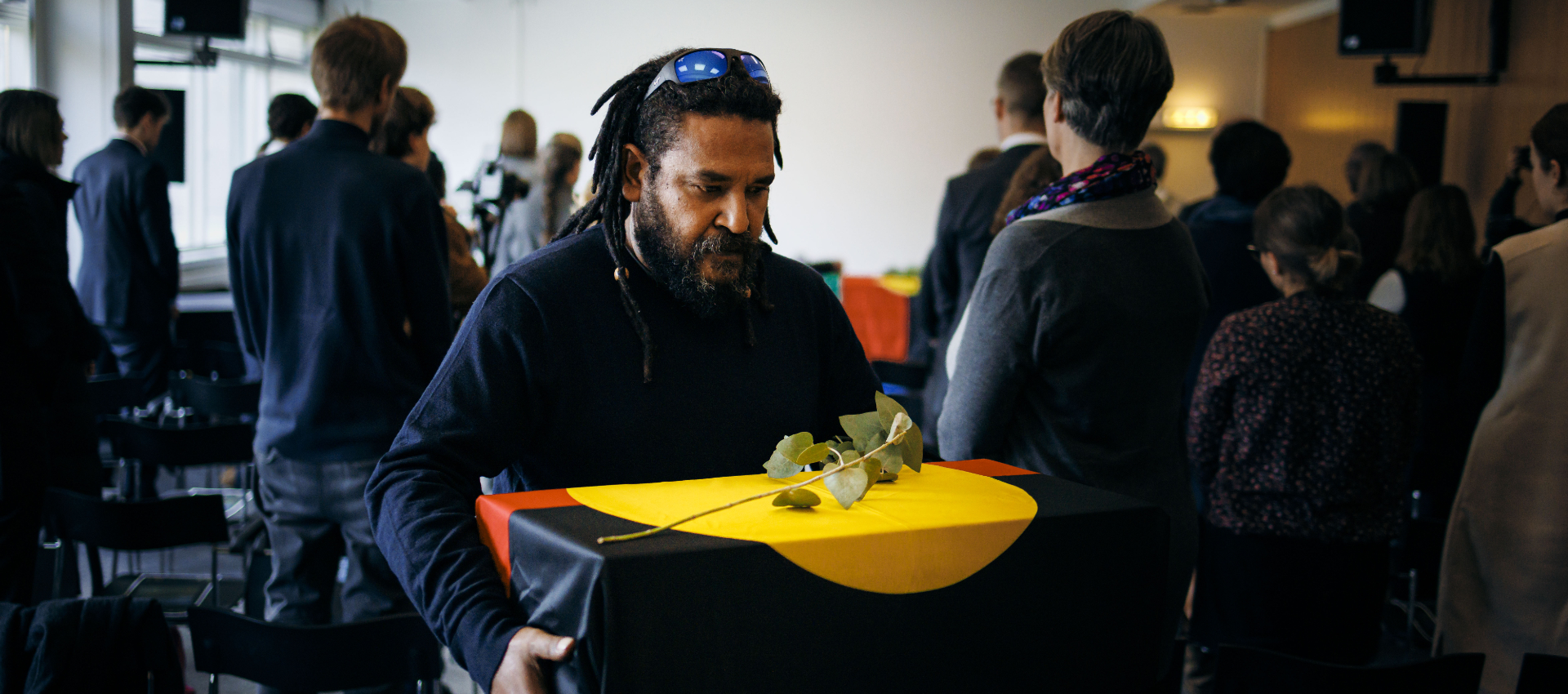
However successful the exhibitions at the Humboldt Forum were, the debate on restitution was becoming increasingly heated. It was clear to us that, for the opening of the Ostspange, a clear signal had to be sent in this direction. The Benin Bronzes became a symbol. Hermann Parzinger, together with the Federal Foreign Office and Nigerian partners, held intensive discussions on the possibility of restitution. Despite the pandemic, the negotiations were very successful and we were able to open a Benin exhibition that had been redesigned in just six months and featured objects that now belonged to Nigeria. Further significant restitutions were to follow.
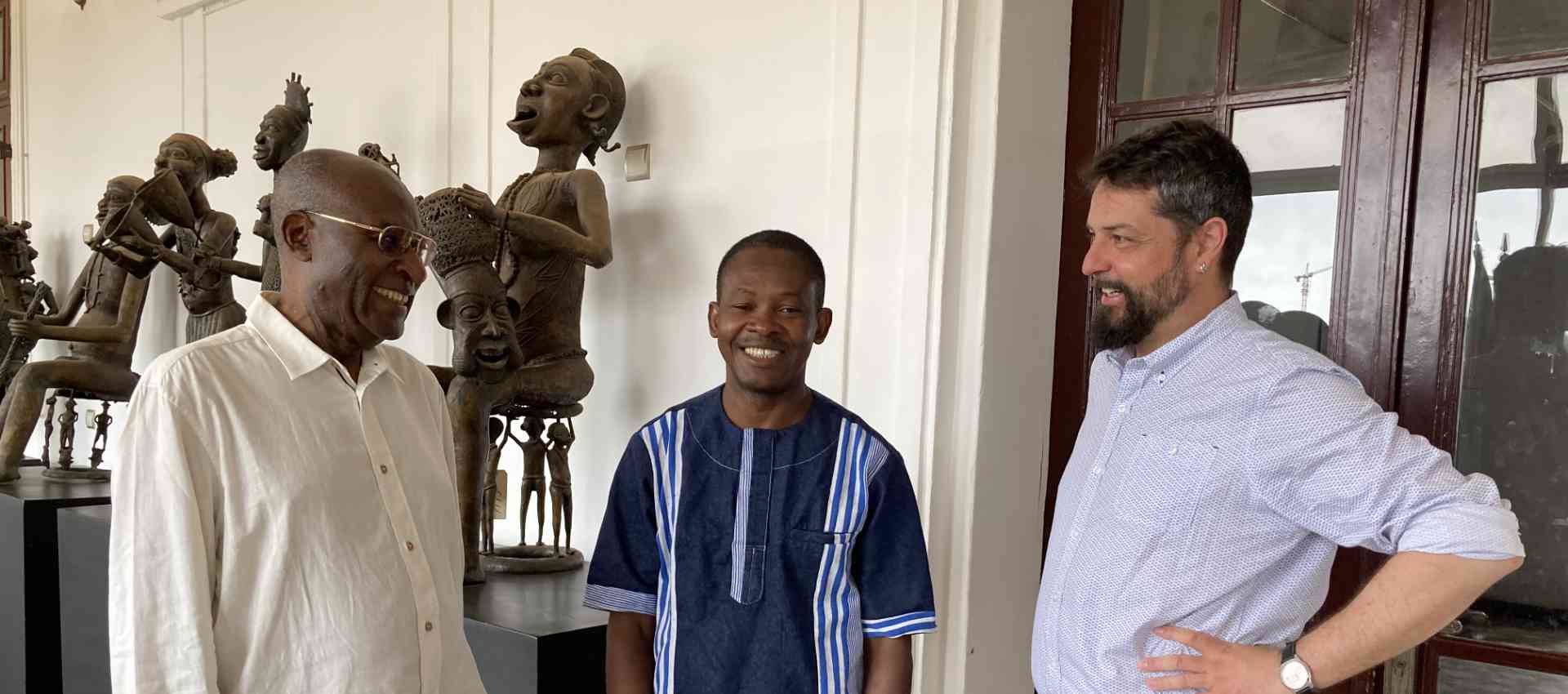
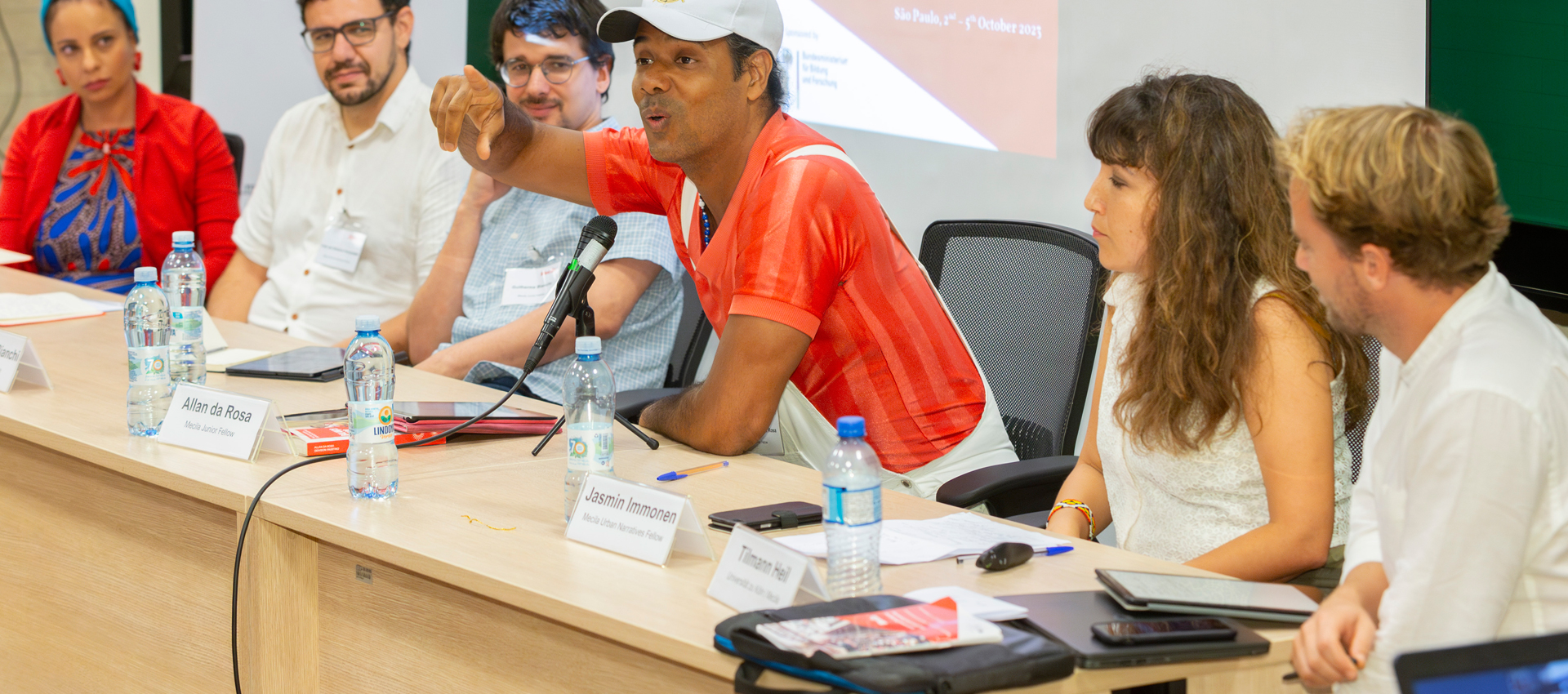
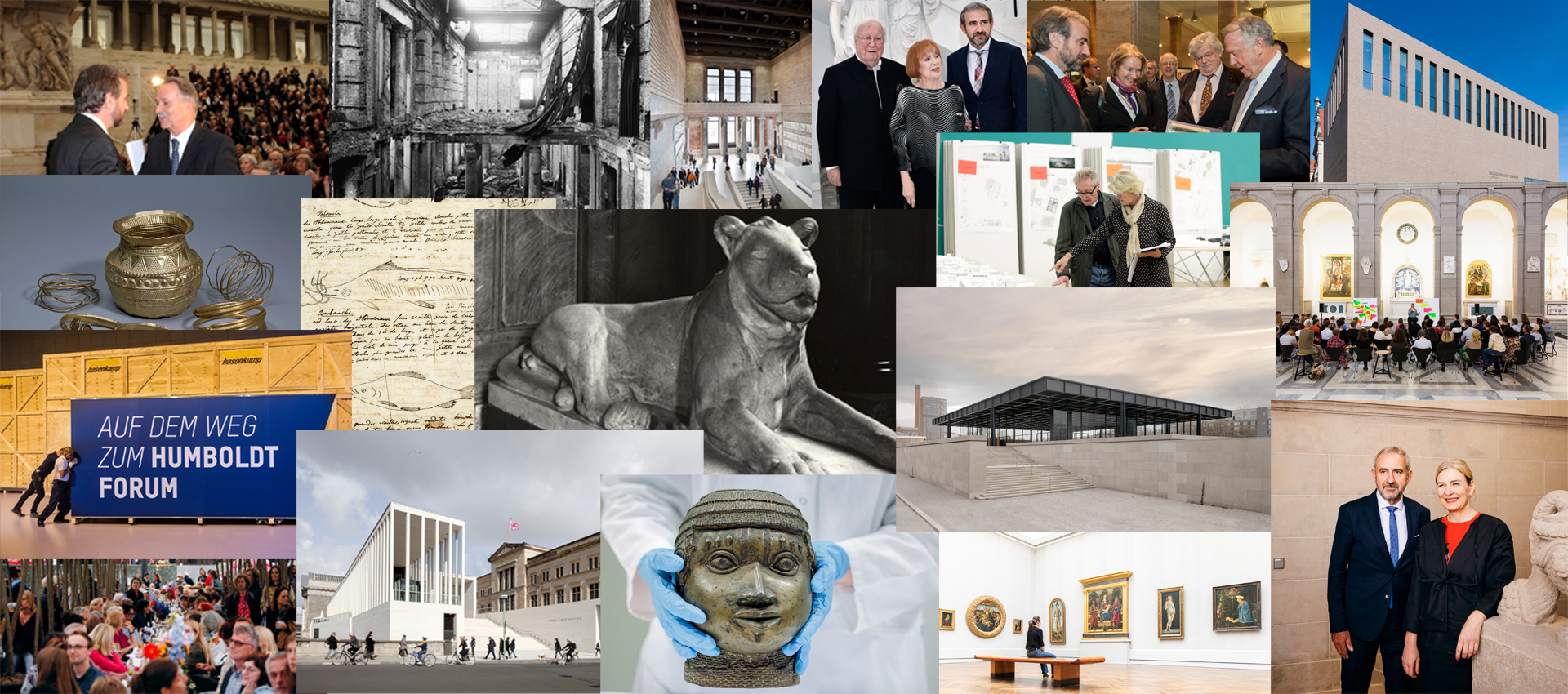
The SPK has thus become an international pioneer in restitution practice, a feat largely attributable to Hermann Parzinger. The opening of the East Wing of the Humboldt Forum in September 2022, involving more than 80 international partners, marked a new beginning in our work. We were able to discuss the future of ethnological and art-historical museums in depth with our partners. Hermann Parzinger participated in this with great enthusiasm. This ultimately led to the establishment of the Global Cultural Assembly (GCA), which today supports several projects at the Humboldt Forum and has taken up its own exhibition space. Shortly after the opening of the East Wing, we travelled together to Senegal for a conference of African and European museums.
An EU project has been agreed and is now also funded, which will offer our African colleagues new frameworks for museum work. And the ‘Collaborative Museum’ (CoMuse) initiative, launched in 2023 and currently bringing together 40 collaborative projects of varying nature and scale, also points in a new direction. The aims of the three-year project are to intensify the decolonisation and diversification of all aspects of collection-based museum work in order to lay the foundations for a more collaborative approach to museum work in the future.
The opening of the East Wing of the Humboldt Forum in September 2022, involving more than 80 international partners, marked a new beginning in our work.
Lars-Christian Koch
This format aims to ensure the greatest possible transparency regarding collections, documents and knowledge structures, and to make them accessible to interested stakeholders and communities, particularly to partners in the countries of origin. CoMuse represents a step towards a working method for our collections that is both contemporary and forward-looking. Collaborative work on this scale requires, among other things, a well-functioning residency programme aimed at different stakeholders and levels of expertise. We have been able to welcome many international guests here in recent years.
Hermann Parzinger has proven himself to be a bridge-builder for the Humboldt Forum and has encouraged and supported the museums in breaking new ground. All of this deserves the utmost respect and gratitude.