As every structural reform process is unique, it may be necessary to coin new terms to describe the changes – and the SPK is no exception. That is why we are using our tried-and-tested Q&A format to explain what is happening in the reform and why.
What distinguishes the ‘new’ SPK from the old one?
The most important thing: the SPK remains the SPK. In other words, it is still a network – though the 25 institutions now operate more autonomously and independently. The reform focuses on the organisation, aiming to make the SPK network more effective: the aim is to shorten decision-making processes, minimise interfaces, clarify responsibilities, reduce hierarchical levels and become more digital. At the same time, the SPK aims to position itself more strategically as a network in order to unlock the potential inherent in the diverse collections and holdings of the museums, libraries, archives and institutes – not only for its visitors but also for the wider public – in keeping with the new guiding principle: “We connect people, times and spaces”.
Never before have structures and processes, programmes and content profiles, academic expertise and social relevance, visitor behaviour and the acquisition of new target groups been analysed in such depth. And it is upon this analytical foundation that the ‘new SPK’ is being built – much like a complete refurbishment that makes a time-honoured building fit for the future.
What exactly does the interim board do? And when will it become a permanent board?
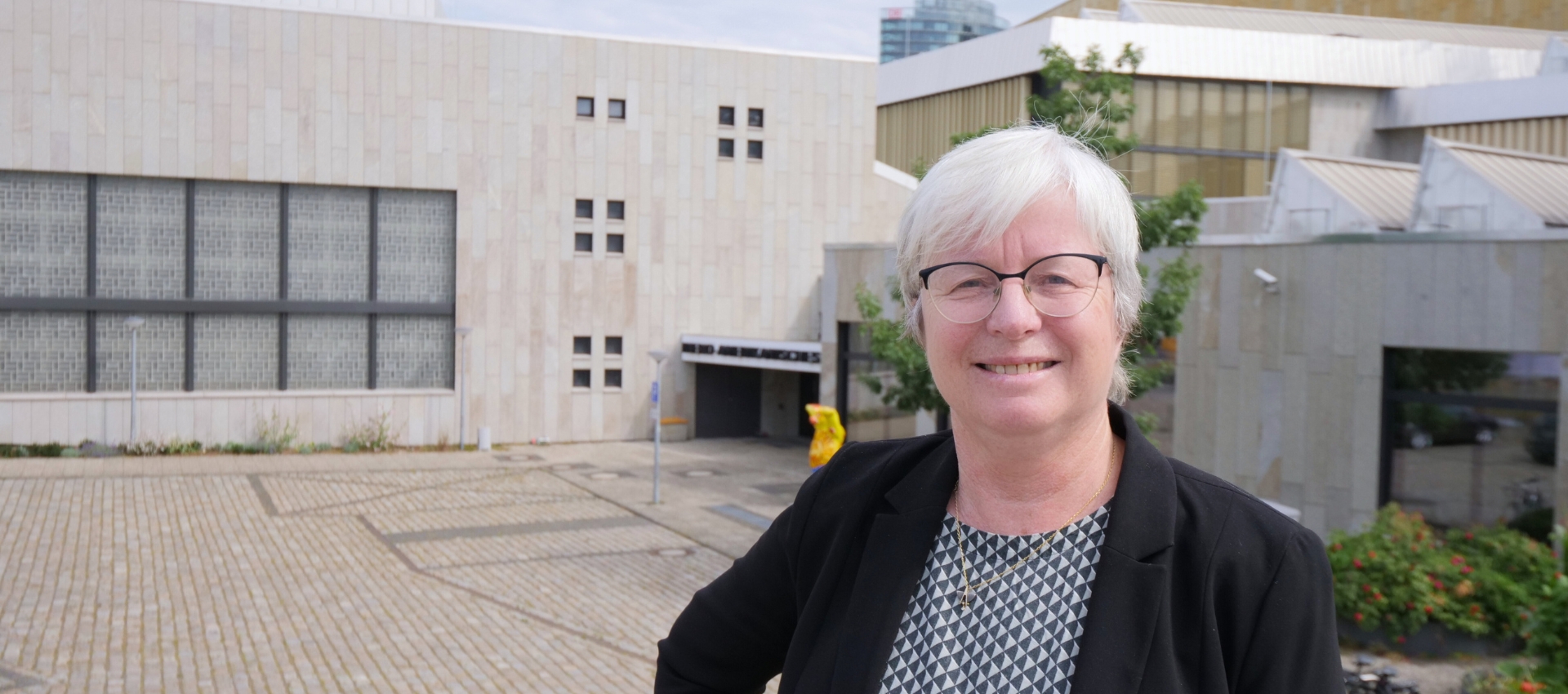
The interim board comprises Hermann Parzinger and Gero Dimter as foundation directors, Patricia Rahemipour, Matthias Wemhoff and Klaus Biesenbach representing the museums and institutes of the Staatliche Museen zu Berlin, Achim Bonte representing the Staatsbibliothek zu Berlin, and Barbara Göbel representing the Geheime Staatsarchiv, the Ibero-American Institute and the Staatliches Institut für Musikforschung. Together, they are steering the transformation process within the SPK and deciding on the most important issues: What will the new organisational model for the museums and institutes of the SMB look like? How must financial management be adapted for a reformed SPK?
The interim board has also launched a process to develop an overall strategy for the SPK network. Once the Bundestag is expected to pass the new foundation act and its associated statutes at the end of 2025, the work of the interim board will be concluded and a new, permanent board will be appointed.
Never before have structures and processes, programmes and content profiles, academic expertise and social relevance, visitor behaviour and the attraction of new target groups been analysed in such depth
How will visitors and users benefit from the reform?
A great deal! The interests of the various audiences are at the heart of the reform and the accompanying strategic debate. After all, the SPK’s main task has been, is, and will remain making the immense treasure of its collections accessible to the public – both in print and digitally. How do we reach visitors in the museums, which exhibitions are the most successful, what do users expect from a library or an archive, and what are we doing for the audiences of tomorrow? These are questions the SPK asks itself time and again.
However, we do not remain insular; instead, we listen to feedback at museum ticket offices or within the Stabi’s User Council. And also through exchanges with other cultural institutions worldwide. Structurally, the reform has made several adjustments to enhance visitor-friendliness: Experts in education and outreach are now based directly within the museums, and the new museum teams will also work directly at the sites, bringing them closer to the needs of the public. And with their own budgets, the museums can plan more specifically for their target groups. This makes it easier to tailor offerings more precisely or to offer merchandising that is better suited to visitors’ needs in future.
Are the museums truly independent, and what does that mean in practical terms?
One aim of the reform is to enable the individual museums and institutes of the Berlin State Museums, in particular, to act more autonomously. The hierarchical level of the General Directorate of the State Museums of Berlin has been abolished. The directors of the museums and institutes now report directly to the President. The tasks previously carried out by the General Directorate will in future either be performed by the museum teams or consolidated elsewhere. This will minimise interfaces and shorten coordination and decision-making processes.
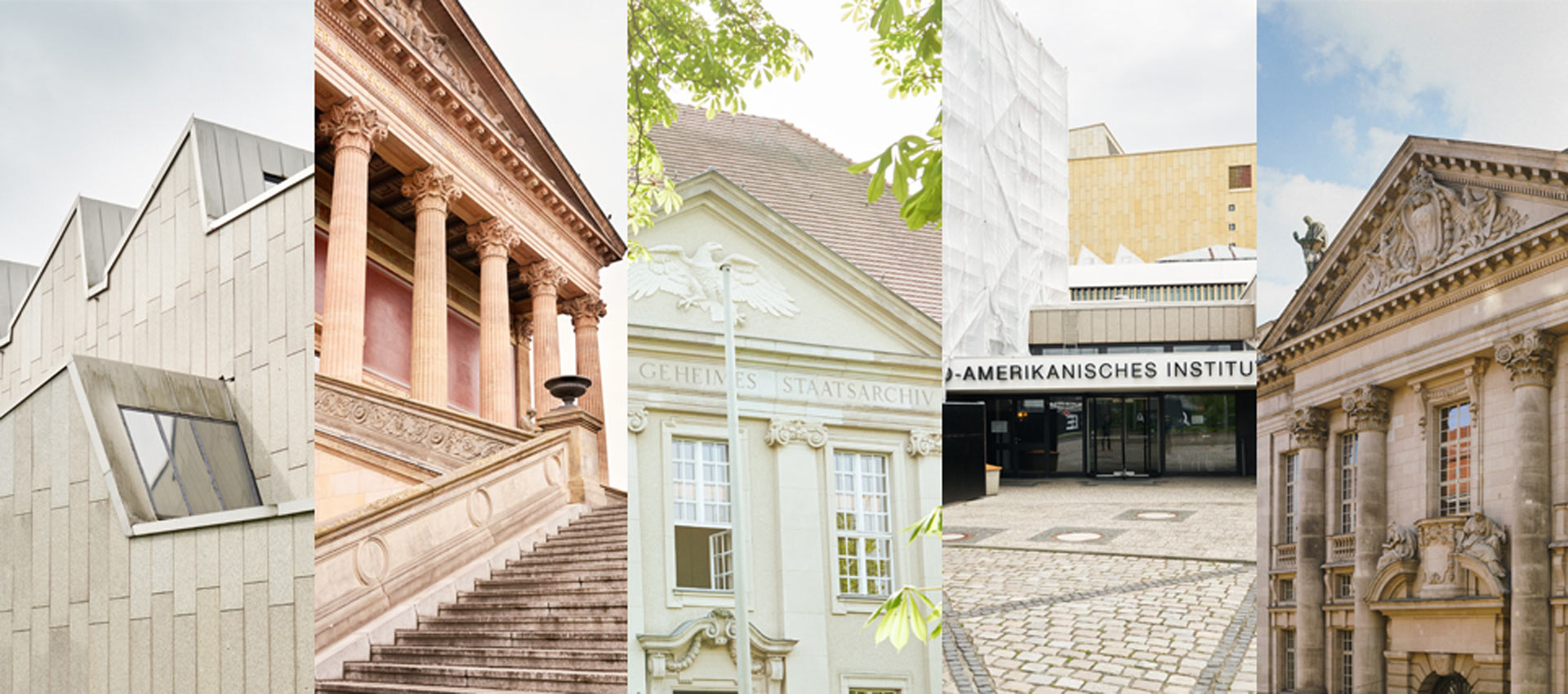
In addition, each museum and institute will receive its own budget, enabling them to implement the developed concepts independently. Like the State Library, the Secret State Archives, the Ibero-American Institute and the State Institute for Music Research, the museums and institutes of the State Museums will remain part of the SPK network.
The SPK’s primary mission has always been, and continues to be, to make the immense wealth of its collections accessible to the public – both in print and online.
Did the museums not have their own budgets before?
The reform is intended to strengthen the autonomy of these institutions. This includes the fact that, since 1 January 2024, the museums and institutes of the State Museums of Berlin have each been responsible for their own budget. Until now, the museums and institutes, as part of the SMB network, shared a single budget for all. Part of this budget allocation will now be distributed to the museums and institutes as self-managed budgets. Like the State Library, the Secret State Archives, the Ibero-American Institute and the State Institute for Music Research, each museum and institute can now set its own priorities.
What exactly are museum teams?
In order for the museums to fulfil their core tasks – namely managing and researching their collections, and curating and presenting exhibitions – a wide range of supporting functions are required. Until now, these have been centralised within the General Directorate of the State Museums, but in future they will be carried out by interdisciplinary museum teams. The museum teams will be based at the Museum Island, Kulturforum, Dahlem/Humboldt Forum and Hamburger Bahnhof sites. Each team is composed in such a way that it primarily carries out the tasks that are important at the respective site and is responsible, for example, for exhibition management and design, communication and marketing, event management, visitor services or technical production management.
The ZSE is intended to streamline the work of the institutions – how does that work?
The future Central Service Unit will handle cross-institutional administrative and service tasks for all 25 institutions, e.g. human resources management, training, finance and budgeting, building maintenance and property management. The Central Service Unit therefore aims to live up to its name and offer the institutions the best possible service in terms of administration and support. To achieve this, it is important to pool cross-institutional tasks and specialist expertise, develop a better understanding of service and processes within a modern cultural and academic organisation, minimise interfaces, introduce more standards and digitise administrative processes.
And what does the strategy have to do with the reform?
A new SPK needs a new framework: the ‘SPK 2030’ strategy sets out the guidelines for the work, but also for the purpose and mission of the reformed foundation. In two sentences, the SPK explains who it is and what it aims to achieve: ‘We connect people, times and places. We bring diversity to life, contribute our expertise to social debates and help shape the future in partnership with others’.
To realise this vision, specific objectives have been set out: the aim is to develop innovative strategies and formats – for example in research, education and outreach, or the preservation of cultural heritage – in collaboration with other cultural and research institutions.
The SPK aims to create inspiring venues for experience and discourse that foster open exchange. It also aims to build a strong network, spark curiosity, link knowledge and broaden perspectives. Furthermore, the SPK seeks to establish national and international partnerships, even in times of crisis. Furthermore, the SPK aims to collaborate across institutions on an equal footing as a network; and last but not least, the Foundation should be a creative, sustainable and self-effective working environment for its staff. This is also reflected in the fact that all interested parties are invited to contribute their ideas and knowledge to the strategy working groups, which are tasked with designing concrete initiatives to advance the strategic goals.
Through its strategy, the SPK aims to have an impact primarily in the following areas and on the following target groups: SPK staff, the SPK as an organisation, the public, specialist communities, society, the federal and state governments, and international partners.