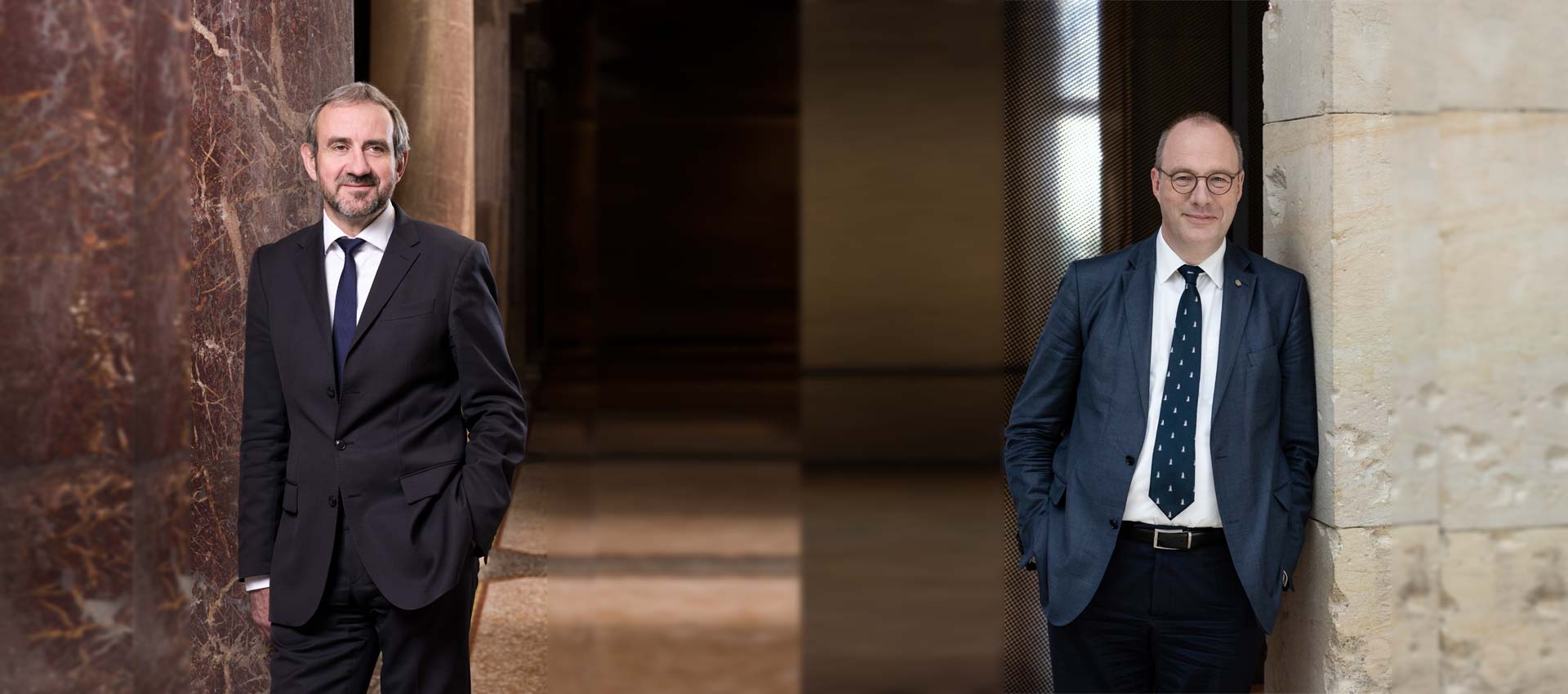
Openness, goodwill and freedom characterised our collaboration with SPK President Parzinger – particularly during difficult times – and those were indeed difficult times: a lack of resources, stalled structural reforms and the evaluation by the Science Council – these were the considerable challenges facing the SPK when I took up my new post as Vice-President in 2018.
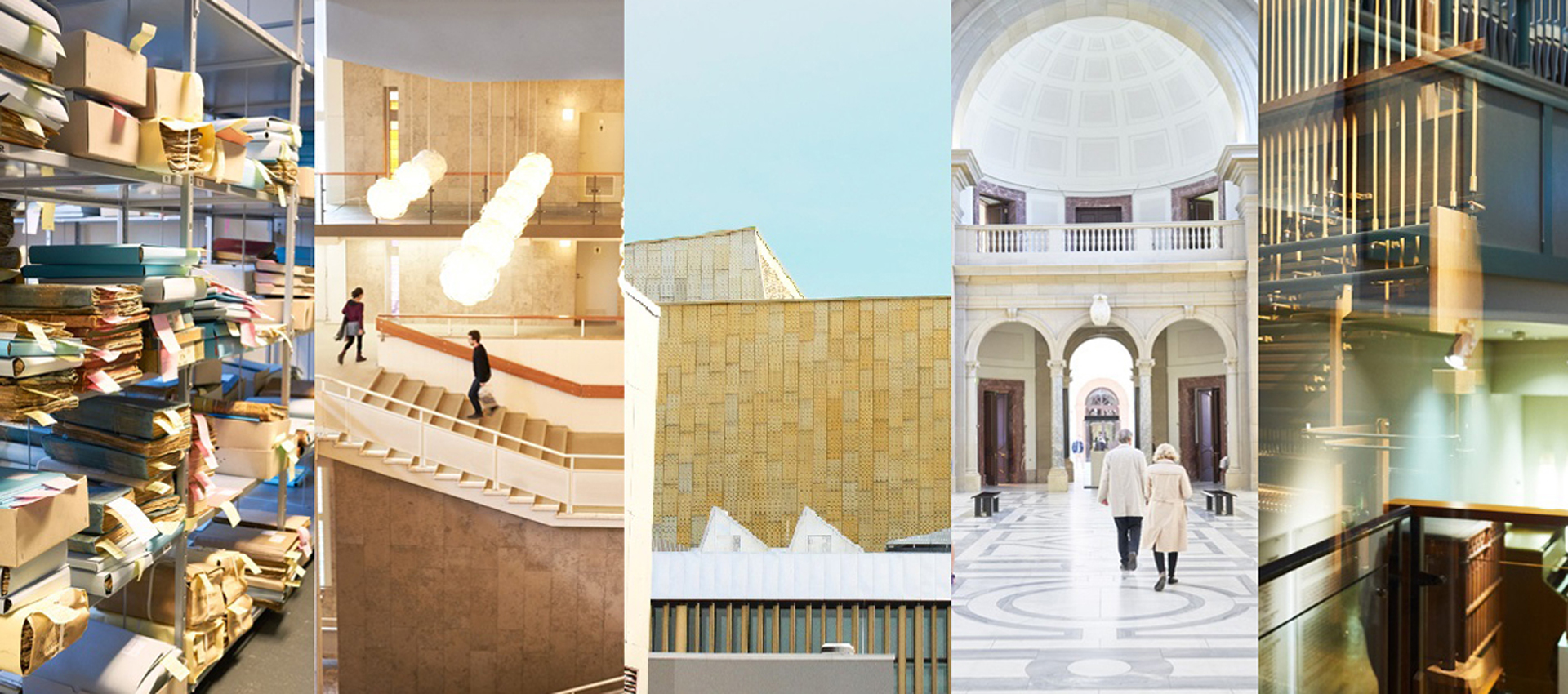
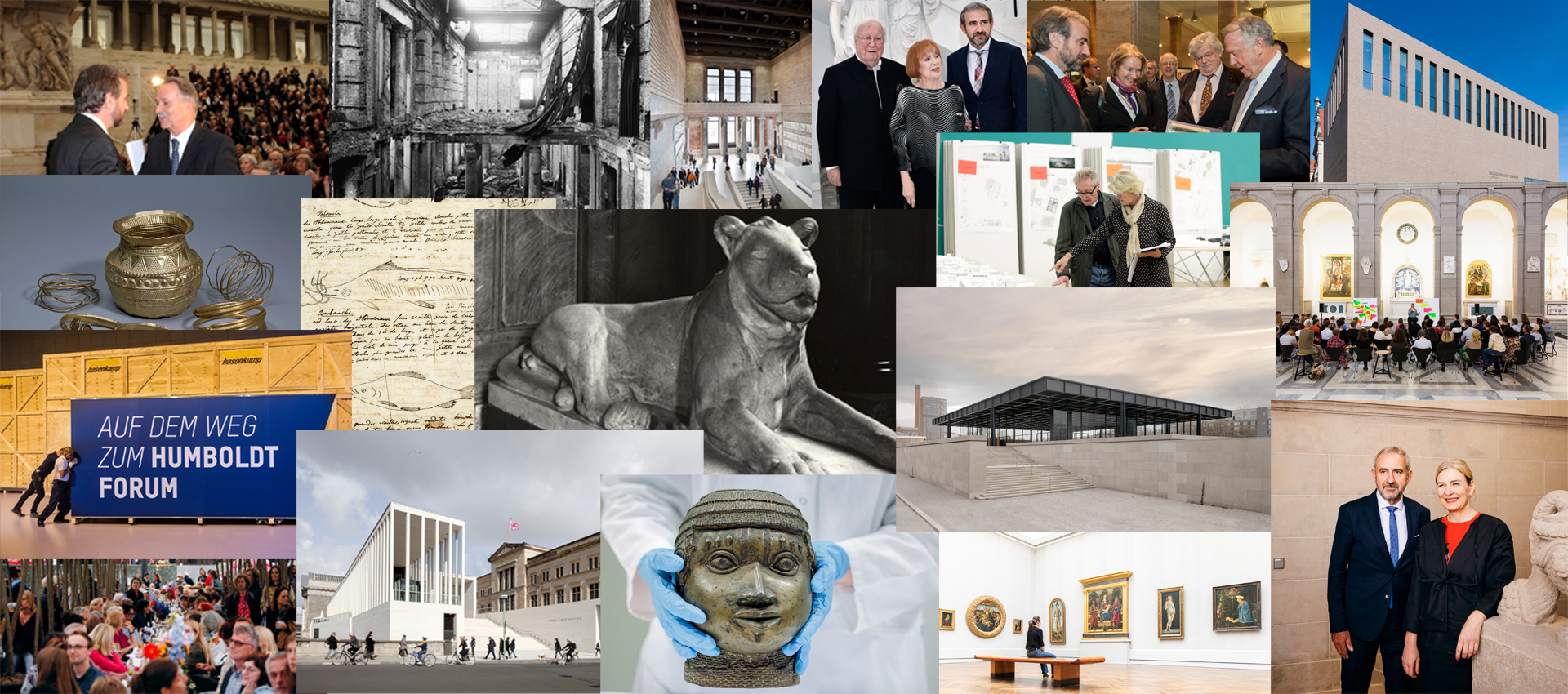
In and of itself, the SPK was, on the one hand, well-positioned in terms of its remit: it was a full member of the DFG, enjoyed a good international reputation, and had established major partnerships, not least with the Getty Research Institute and the Smithsonian Institution. Its museums, libraries, archives and institutes were, and remain, closely linked with partner organisations worldwide. The SPK had established a nationwide presence through the KEK (Coordination Office for the Preservation of Written Cultural Heritage), the German Digital Library and the largest digital outreach project in the German museum sector: museum4punkt0. At the same time, it was undertaking immense construction projects.
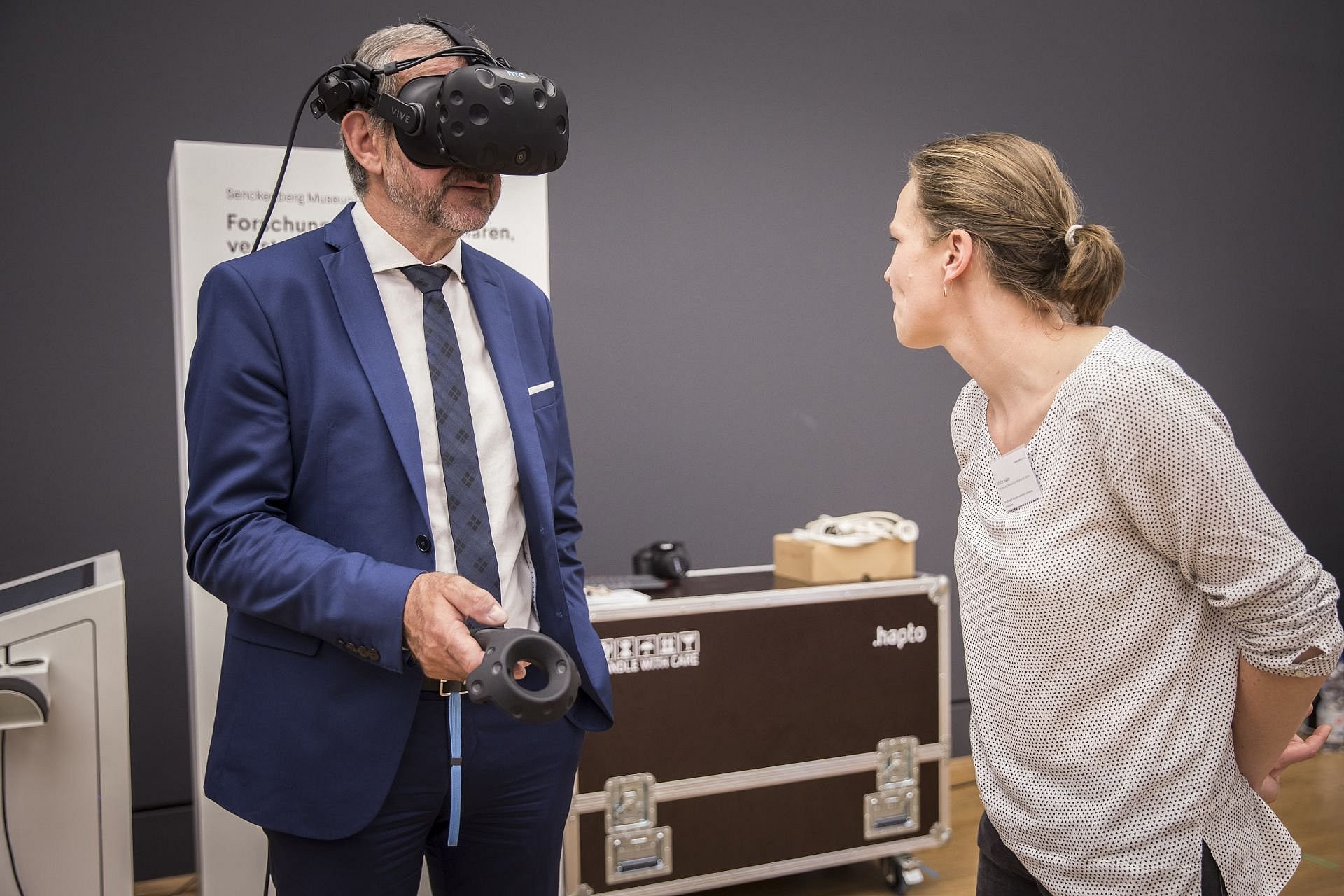
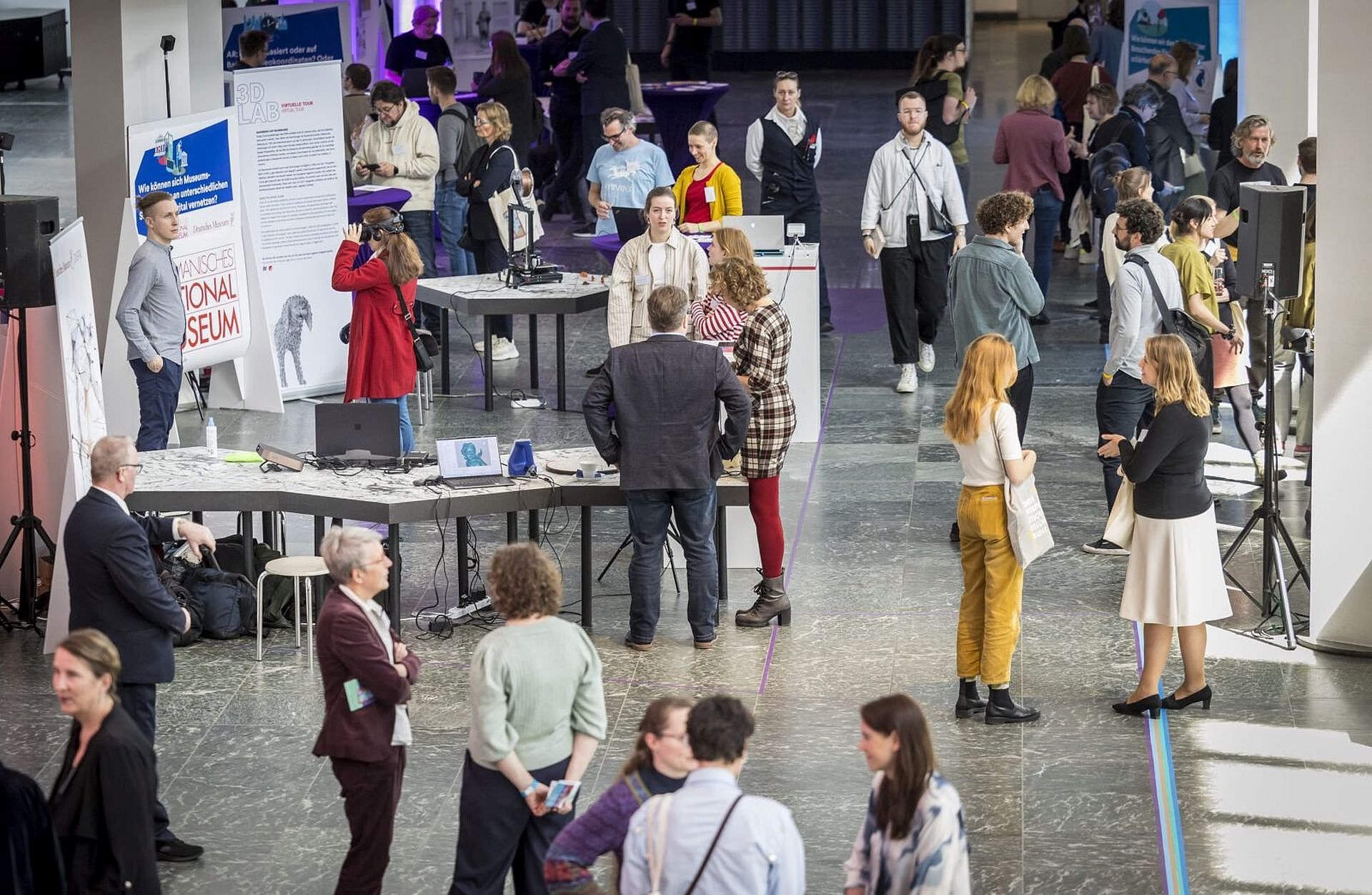
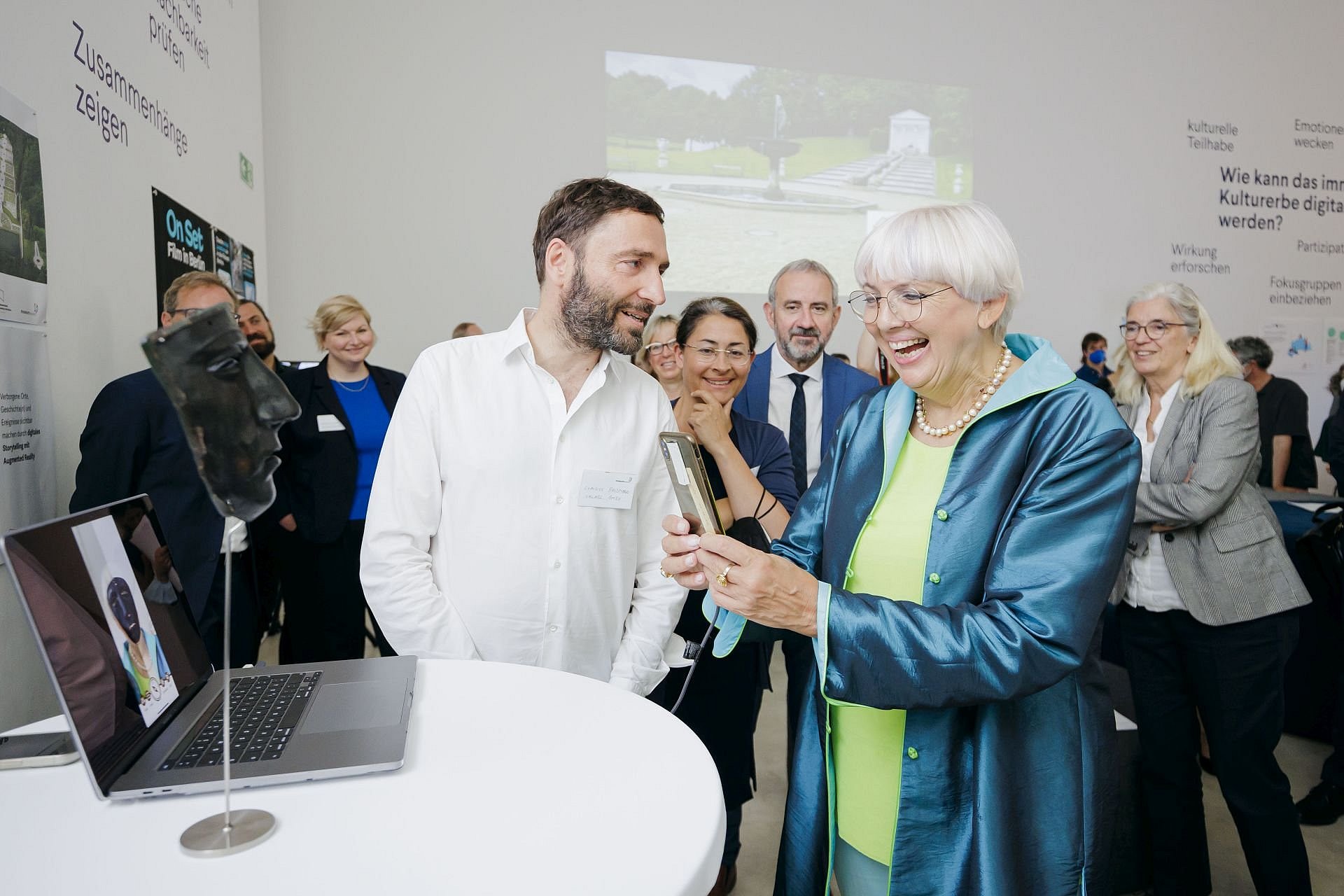
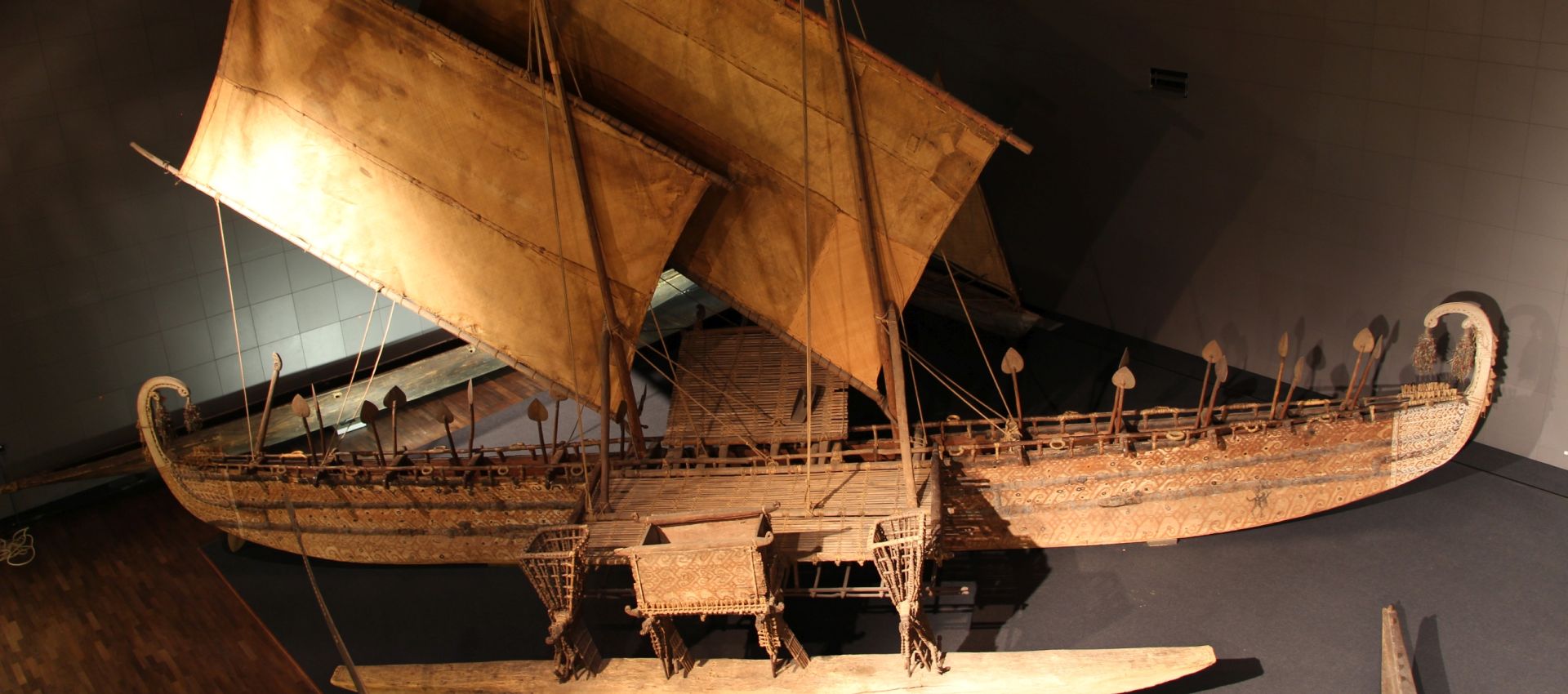
On the other hand, years of budget cuts had taken their toll: there were insufficient funds for future-oriented areas such as digitalisation, education and outreach, provenance research, as well as for marketing, communications, visitor services, major exhibition projects, or even for the running of the slowly but steadily growing number of buildings that had been opened or reopened – not to mention staffing requirements and new posts. Visitor numbers at exhibitions left room for improvement, although comparisons with London or Paris were not entirely fair given the tourist figures. The press was highly critical of the SPK, likening it to a giant tanker. At the same time, internally, the SPK felt anything but a centrally controlled tanker; rather, it resembled a fleet of ships, sometimes sailing in the same direction, sometimes heading for different ports.
The press lashed out at the giant tanker SPK
The internal processes and structures were not always clear. The foundation wavered between its desire to avoid establishing overly strong centralised structures and the expectations of politicians and the public, who sought centralisation and hoped to see impetus coming from Germany’s largest cultural institution as a whole. Despite all the resource constraints, parallel structures were maintained within the institutions, along with protracted negotiation processes that often came to nothing, rather than pooling expertise or clearly assigning decision-making powers. At the same time, there was a lack of transparent financial management and budgetary autonomy at the museums. And yet there were repeated major initiatives from the SPK; given the lack of resources, this felt like a miracle and was often down to the personal commitment of Hermann Parzinger and a handful of enthusiasts. Here, the President’s talent for writing proved particularly useful, as did his visionary belief in the power of documents whose time would eventually come – as was the case with the Dahlem Research Campus.
But there was no denying it: there was a pressing need for organisational action, which had to be addressed in the initial stages by clarifying and streamlining responsibilities and procedures, as well as by pooling resources. This was a genuine and sincere concern for Hermann Parzinger and many others in the SPK. For the pressure had become considerable by then. When it came to having the SPK evaluated by the Science Council, the general clarification of responsibilities, processes and the allocation or pooling of resources was initially put on the back burner – after all, we did not want to pre-empt the outcome. We only had to address a few urgent areas of action, such as IT, in advance, which the Science Council did not appreciate.
The discussions with the Science Council’s Evaluation Commission between 2018 and 2020 gave rise, on more than one occasion, to the feeling that we were unable to get certain ideas across. We saw the necessity and the opportunity to collaborate across sectors: to add value in terms of content, but also to conserve resources; we recognised the Foundation’s international reputation and its significance for cooperation between the federal and state governments. The Science Council did not seem to share this view. It asked about the SPK’s overarching strategies, whilst at the same time scrutinising all central aspects very critically. And particularly in the case of the museums, the question arose of too many hierarchical levels, with the General Directorate and the Foundation level.
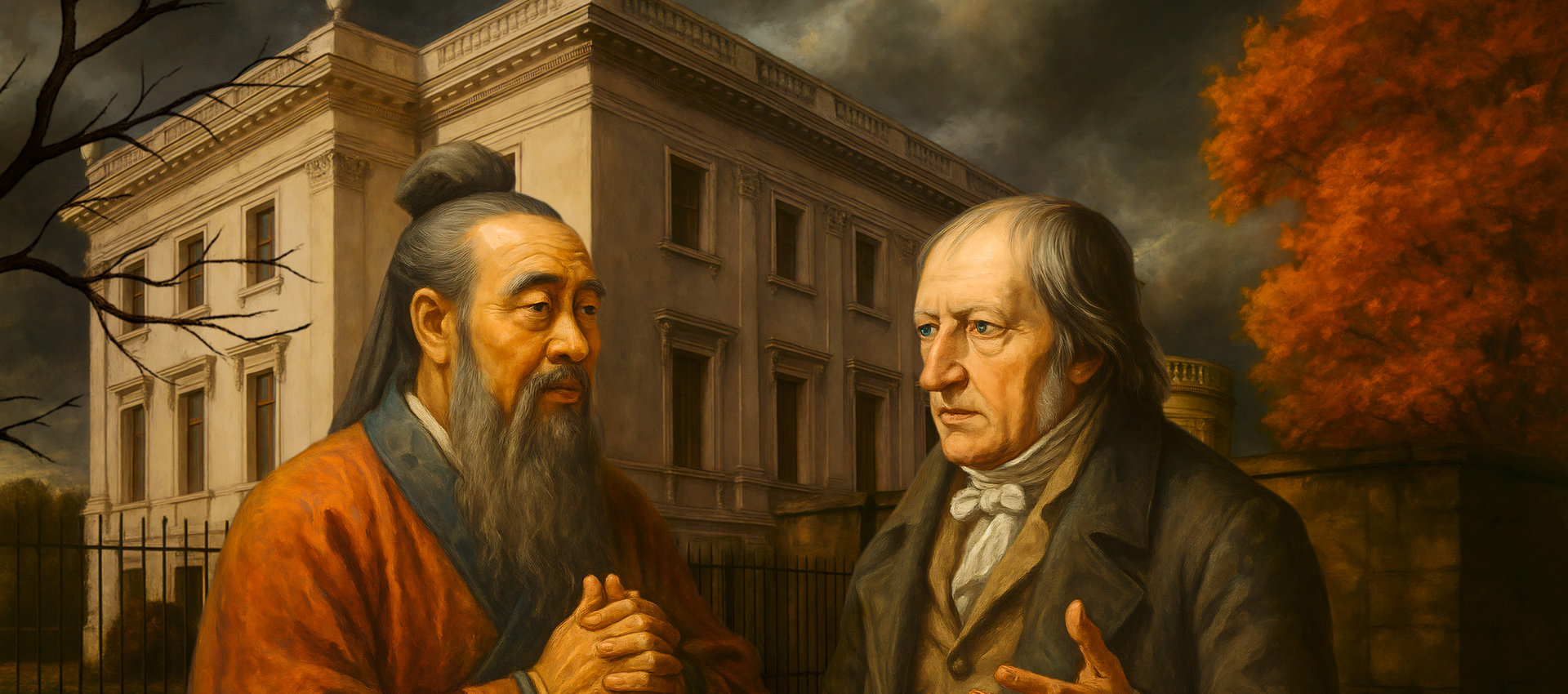
When the winds of change blow, some people build walls and others build windmills
Confucius (551–479 BC)
Confucius in the wind tunnel
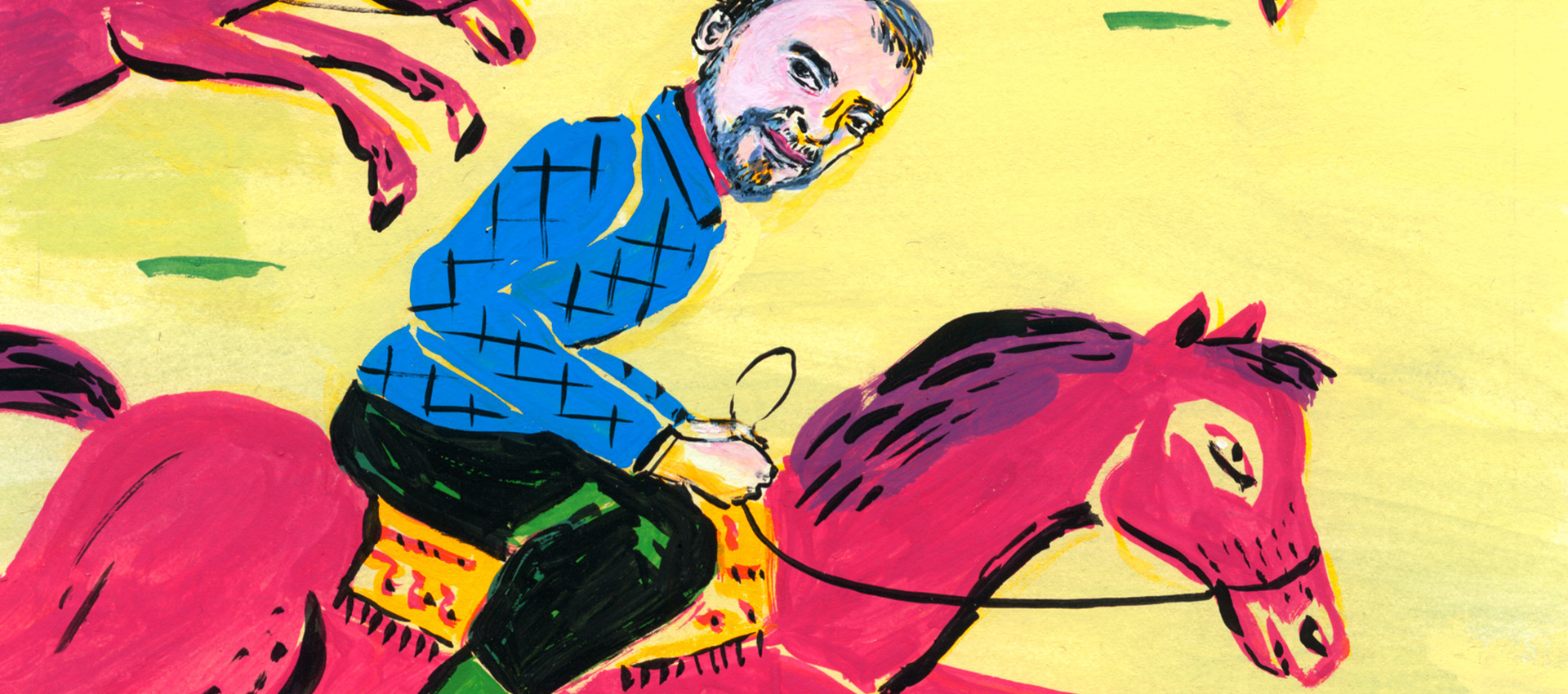
The results of the 2020 evaluation by the Science Council were sobering for us. The Science Council’s press conference in July 2020, with its recommendation to split the SPK, was perhaps the most difficult moment of Hermann Parzinger’s presidency, yet it also demonstrated one of his great talents: following Confucius’s example, he did not entrench himself against the wind, but instead built windmills to make constructive use of the storm now sweeping across the SPK. He did not defend the status quo, but pointed out isolated inconsistencies in the recommendations and, with renewed courage, threw himself into the wind tunnel of reform. Crucial to this was the awareness of having a large circle of supporters in politics and society who had already expressed reservations about dismantling the SPK. And even the press, which had increasingly covered the SPK critically in recent years, was now sceptical about a dissolution, as recommended by the Science Council. There was too much at stake with the closure of Germany’s largest and internationally recognised cultural and scientific institution.
Internally, there was a great deal of uncertainty, and we wanted to tackle the problems and bring about change. Above all, following the evaluation process, we needed to rediscover ourselves as a team within the management group. So, back in 2020, we had already set up a working group comprising managers from SPK institutions, at that time still known as the Strategy Commission and without a political mandate. The aim was to gather ideas for the future direction and structure of the SPK. Do we want to be purely an administrative alliance to save costs, or should we pursue a joint strategic approach? What should be decentralised, and what centralised? How can we improve our processes? It was also clear that we were not focusing on ourselves for our own sake, but to create added value for visitors, users and the public. And at the same time, day-to-day business continued at full speed, with projects, exhibitions, personnel matters, the usual minor and major challenges – and, above all, the Covid-19 pandemic.
Dialectics
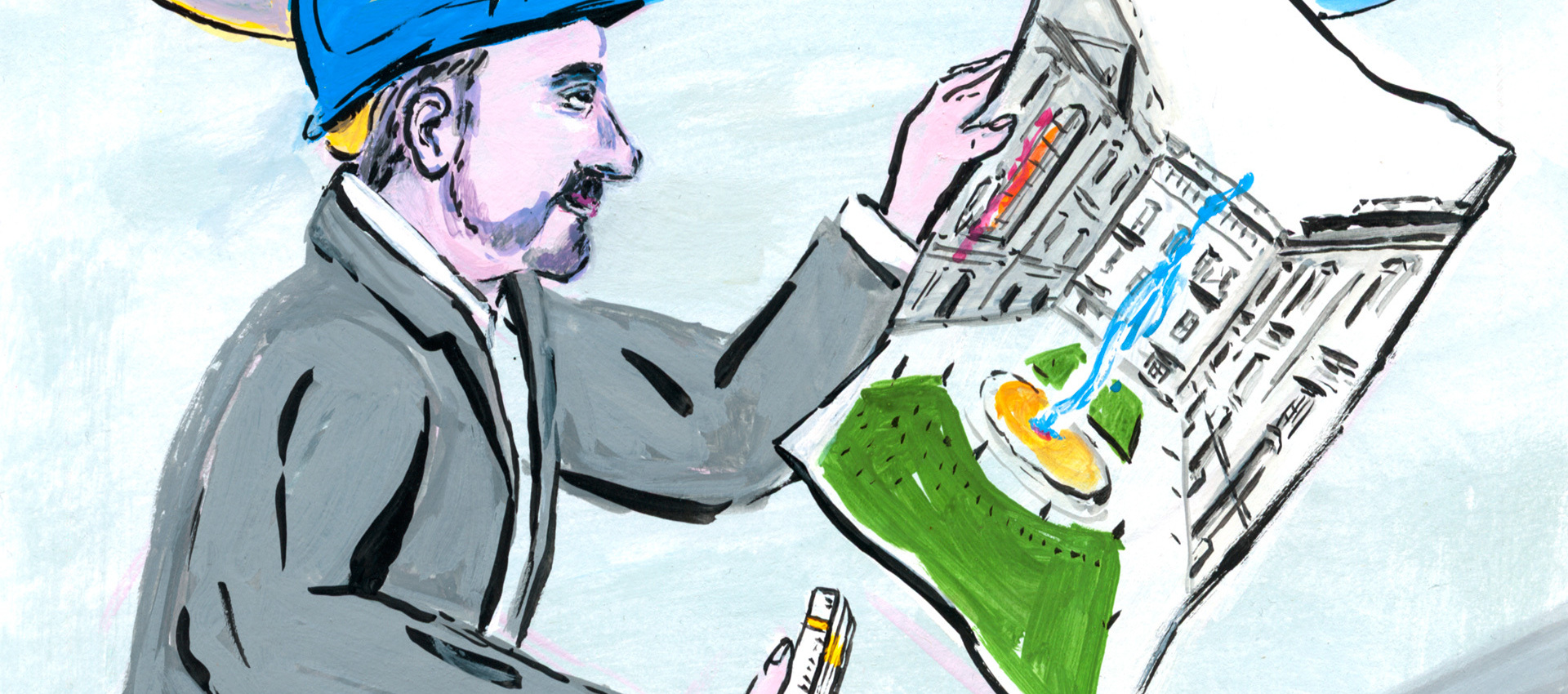
Externally, the announcement of the Science Council’s findings was followed by the proceedings of the Reform Commission, in which the Minister of State for Culture, four state ministers, Hermann Parzinger and I were represented. After a year, it was decided that the foundation should be retained with significant modifications: a collegial governing body, guidelines for a more decentralised administration, a reduction in hierarchies, and a review of the composition of the Foundation Board. The question of funding remained unresolved. Then came the 2021 federal elections and a period of transition and the question: Can we now take our fate in the SPK into our own hands, change structures, or does politics reserve that right for itself? We could not and did not want to stand still, given that the entire process, including the evaluation, had now been going on for four years. So we pressed ahead with the Strategy Commission and worked on ideas for internal reforms. Often, in the spirit of classical dialectics, new ideas emerged through thesis and antithesis, such as organisationally independent service teams for individual sites.
In December 2022, alongside the finalisation of the key points regarding the SPK’s constitution, we received the mandate we had long awaited and requested, enabling the SPK to implement the transformation in accordance with the law. An interim board was appointed for this purpose. We found a good advisory team and established a project structure with sub-projects covering the constitution of the museums, finances, the new central services, the HR department and – crucially, given the focus on organisational issues – strategy. Above all, it was about re-establishing the central theme: what does the SPK stand for in terms of its national responsibility, towards visitors and users? What are its key areas of focus? Where are we heading?
Change as a collective effort
The foundation’s transformation placed a considerable strain on many of its staff, who managed to contribute their ideas and help implement them alongside their normal day-to-day work. Yet, through hard work and extensive discussion, it led to substantive results which, despite all the scepticism, we were able to put into practice step by step. When in doubt, our approach was: let’s try out the change and opt against the status quo.
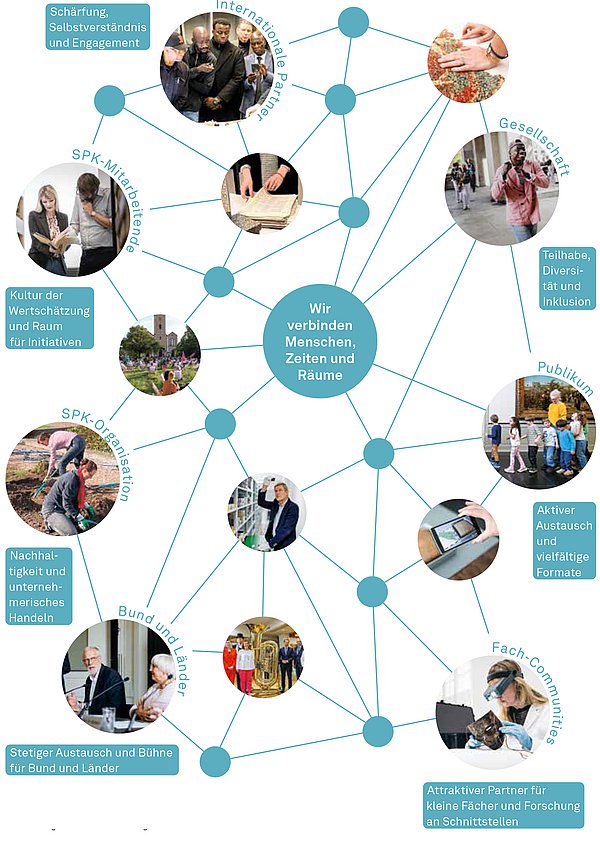
Sometimes dependencies that had not been taken into account during the implementation process came to light, and we then made adjustments. Some aspects could not be adjusted and were a necessary consequence of the allocation of resources or responsibilities to individual institutions or sites. In return, the museums, libraries, archives and institutes gained flexibility. Through this process of change and the discussions, we got to know one another anew at management level, but also within the SPK, through various forms of staff participation. And despite all the controversial discussions, a new sense of community emerged. Hermann Parzinger played a major, decisive role in this through his openness to arguments and counter-arguments, through his willingness to constantly question everything and also to let go of certain things.
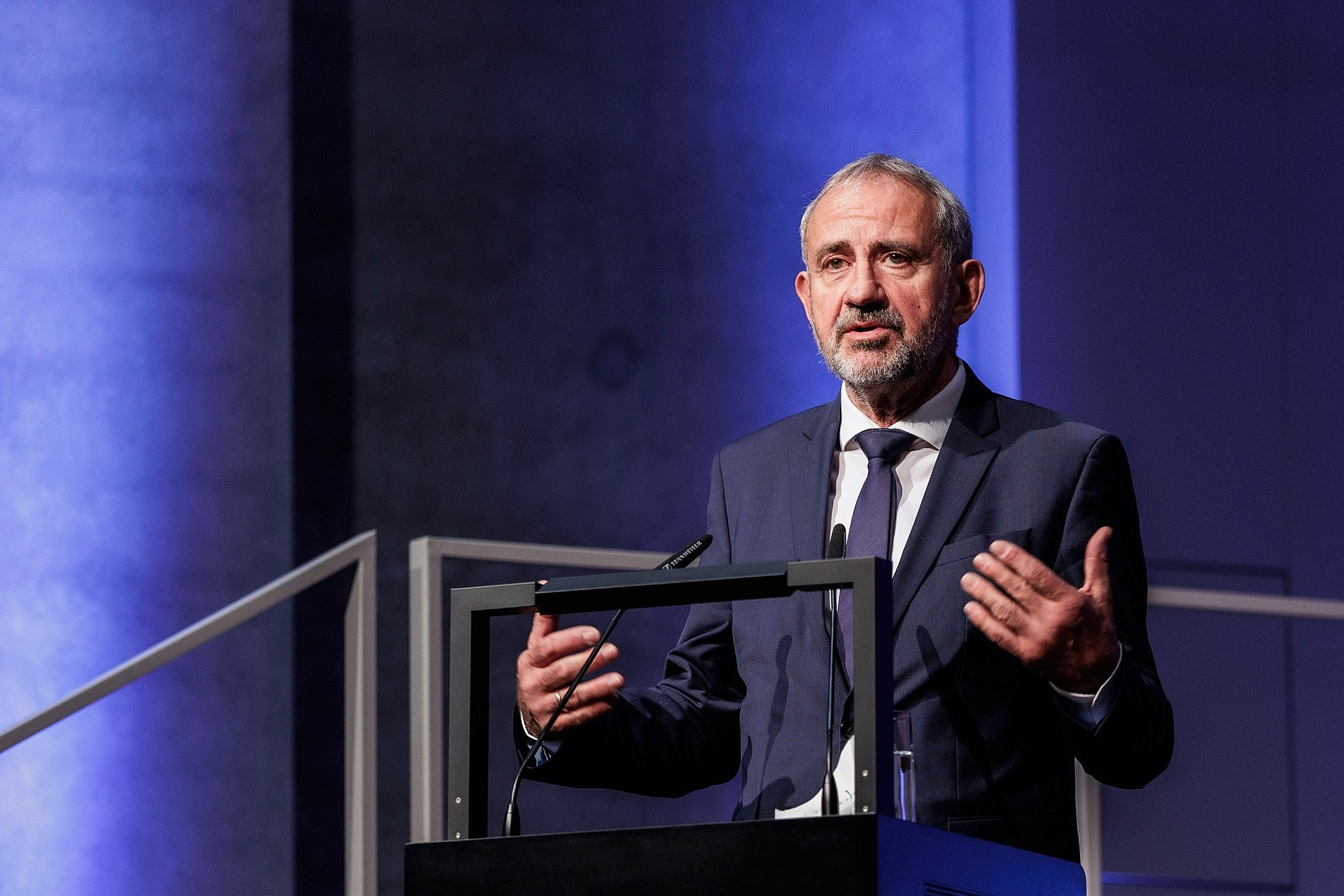
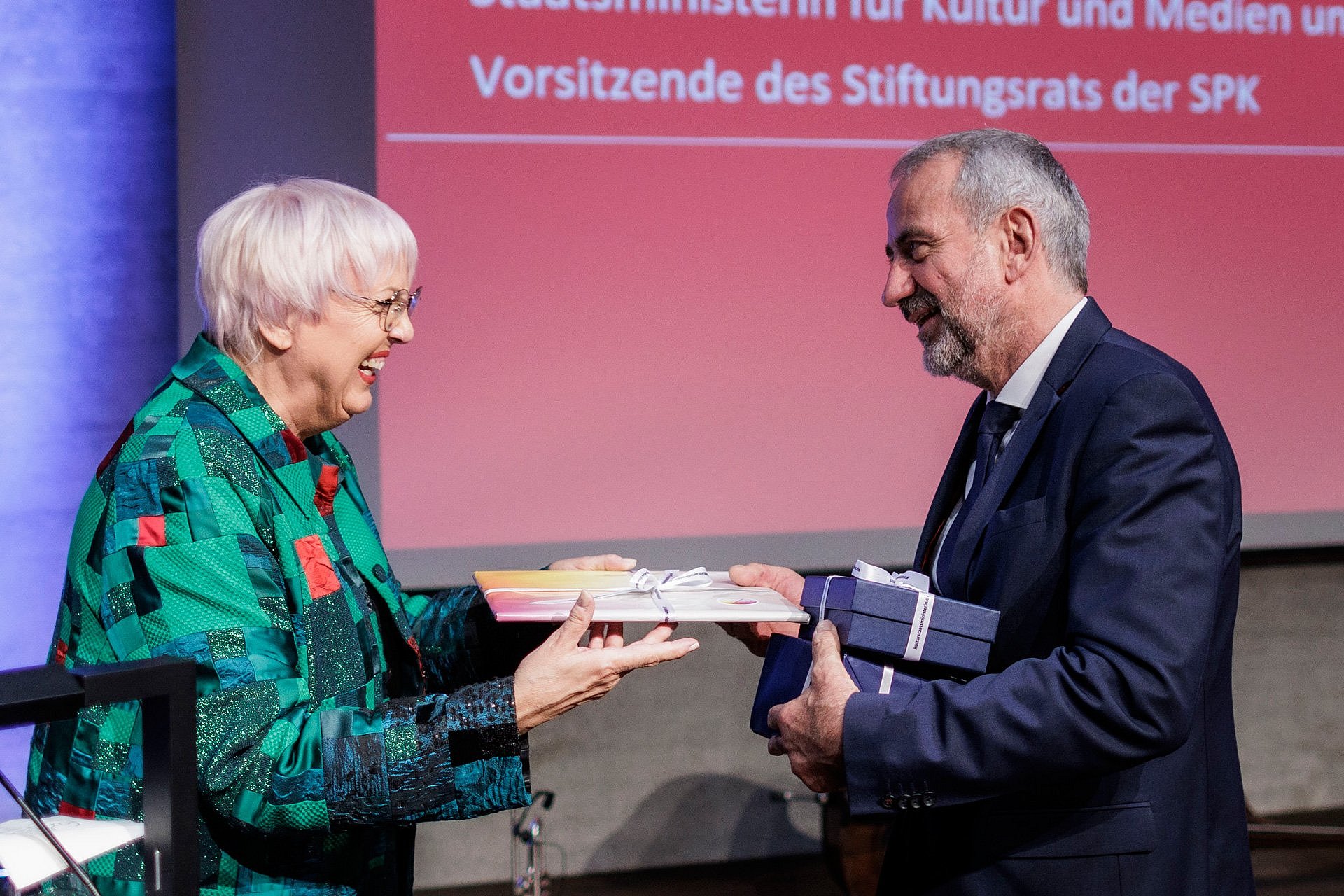
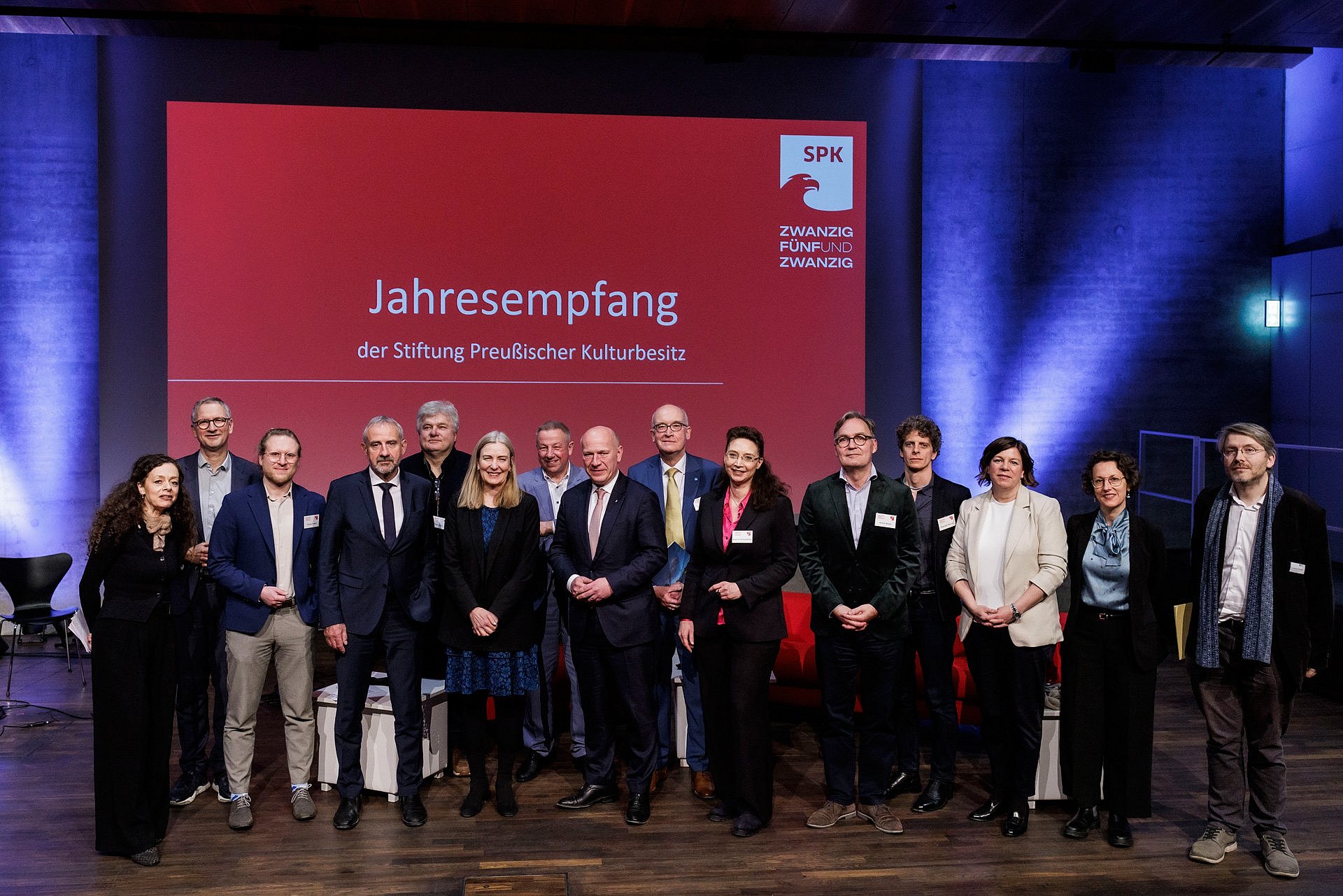
At the same time, efforts were made to secure additional funding from both the federal government and the Länder, which was achieved thanks to restructuring, political negotiations, and Hermann Parzinger’s commitment and credibility. And at the same time, we became more successful in attracting new private supporters and cooperation partners, not least due to new narratives and activities. Nevertheless, securing long-term funding for the foundation to ensure as broad a programme as possible remains a key challenge.
The story of the SPK reform is ultimately one of perseverance, compromise and the ability to harness the winds of change. Hermann Parzinger has shaped this process with openness and flexibility. His ability to bring opposing viewpoints together and devise new solutions from them has left a lasting mark on the SPK.