The Foundation of the 25 and its governance – this is the subject of the fourth instalment of Parzinger’s Reform Diary
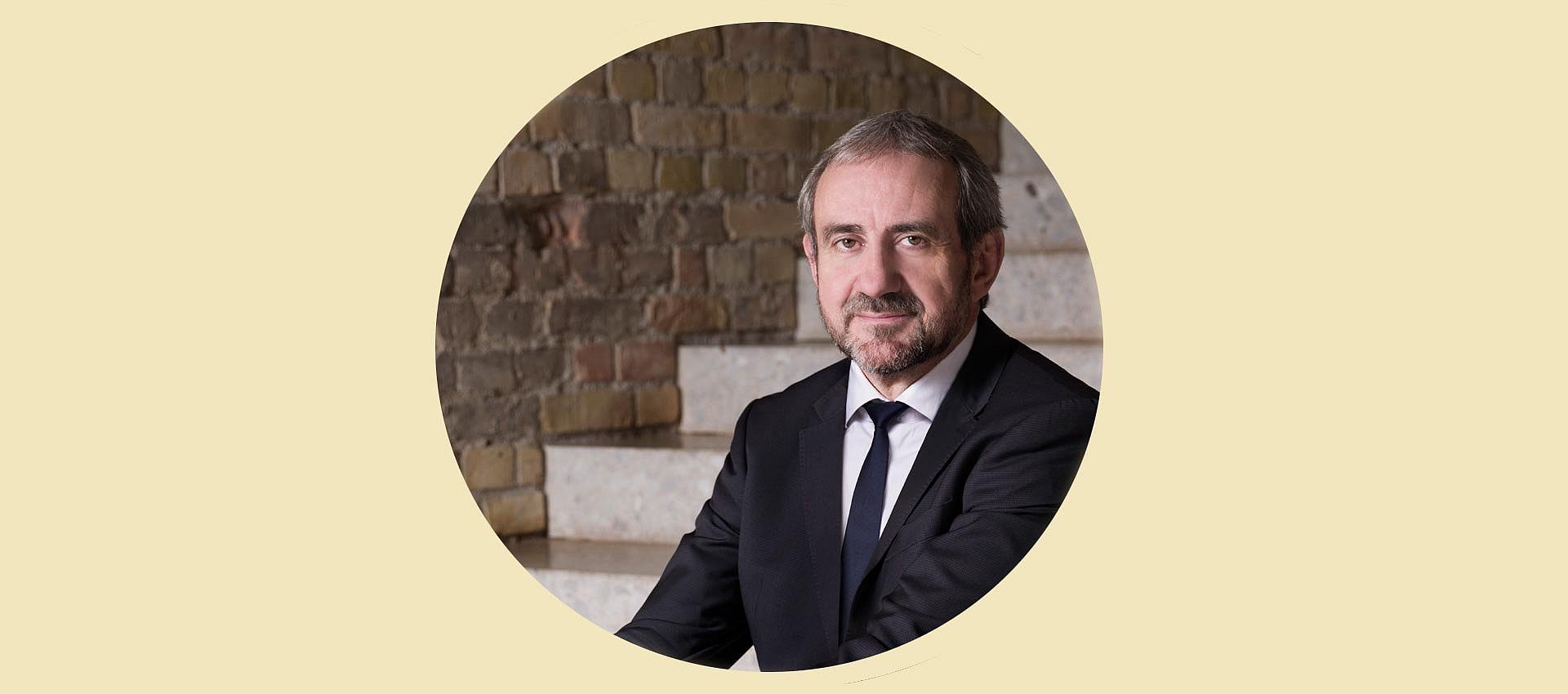
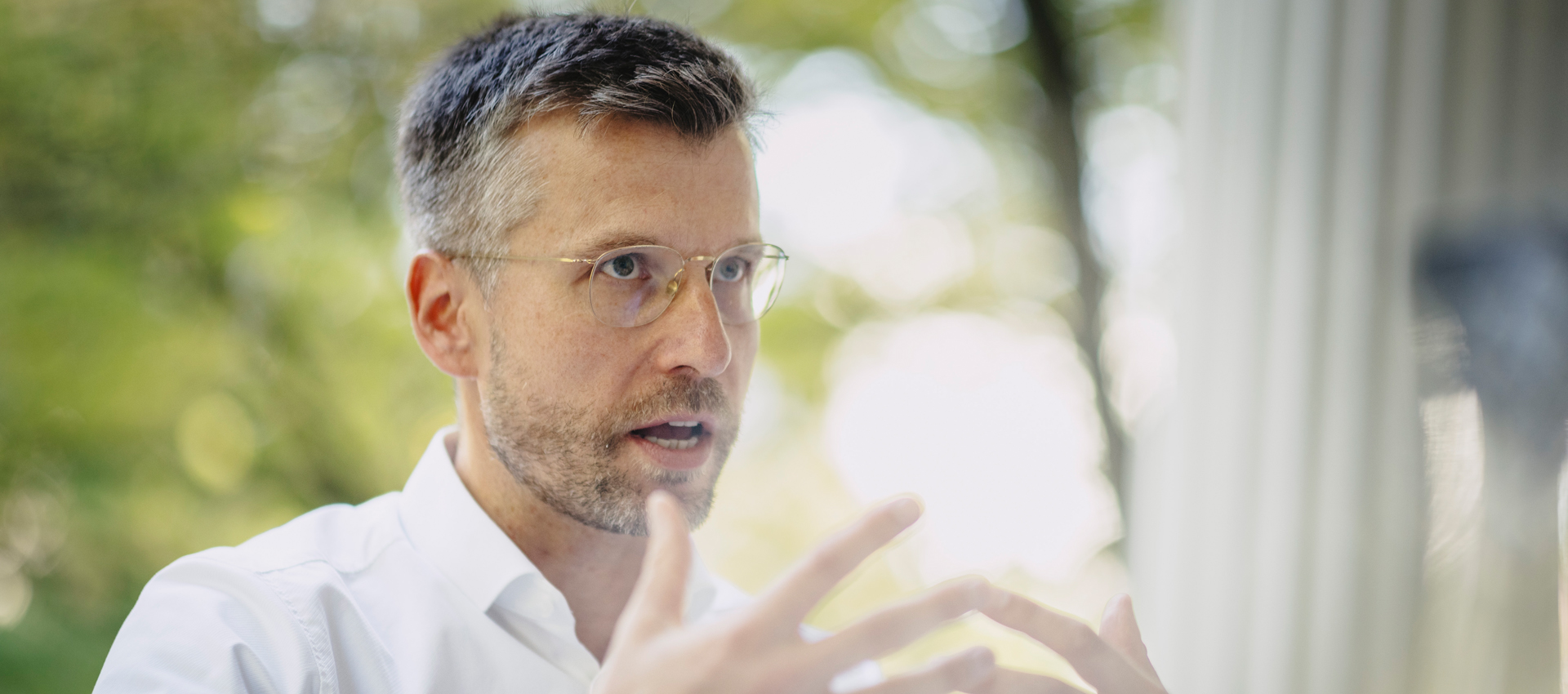
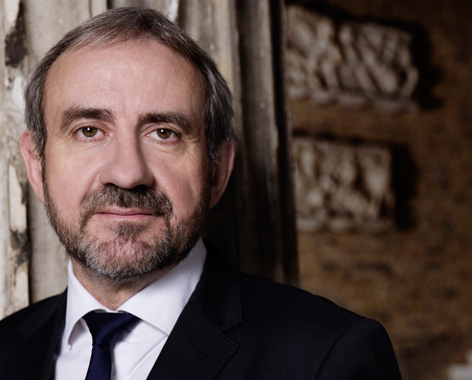
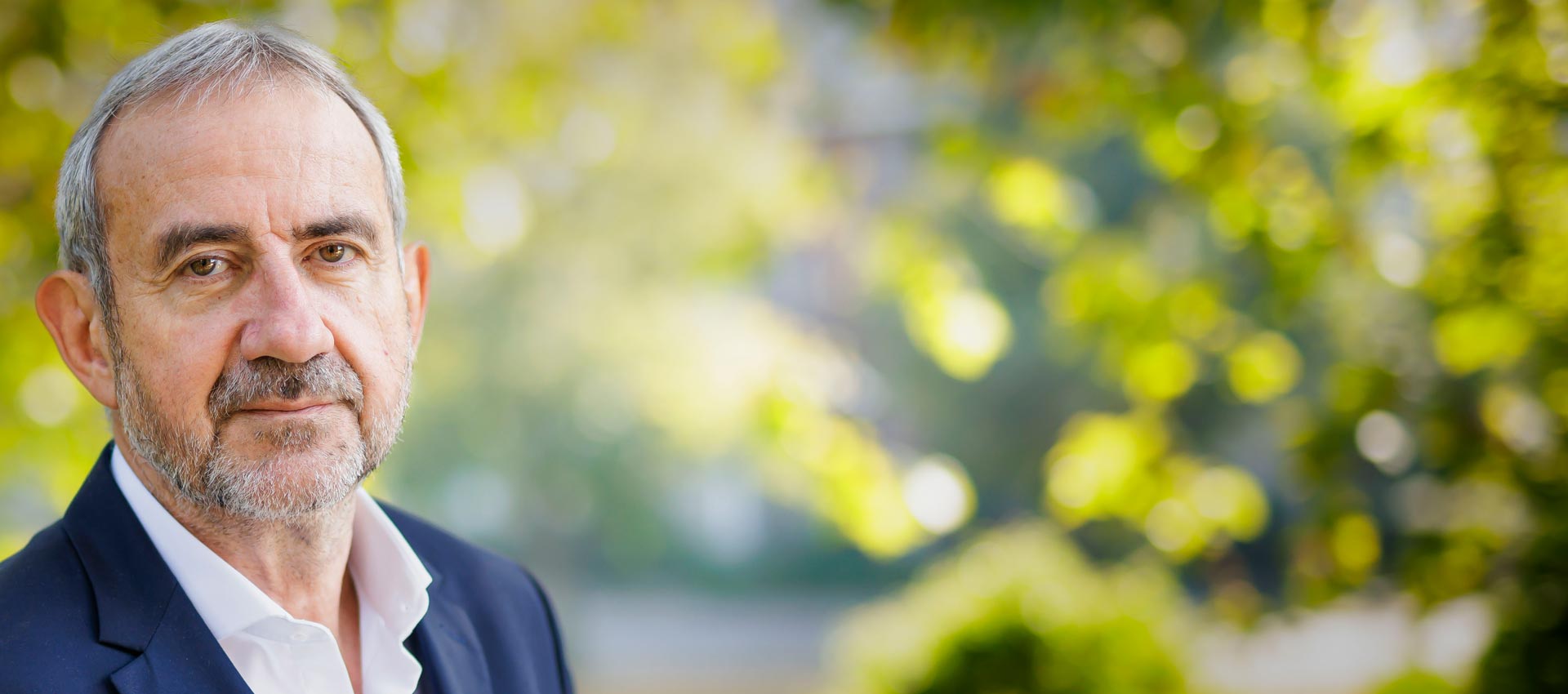
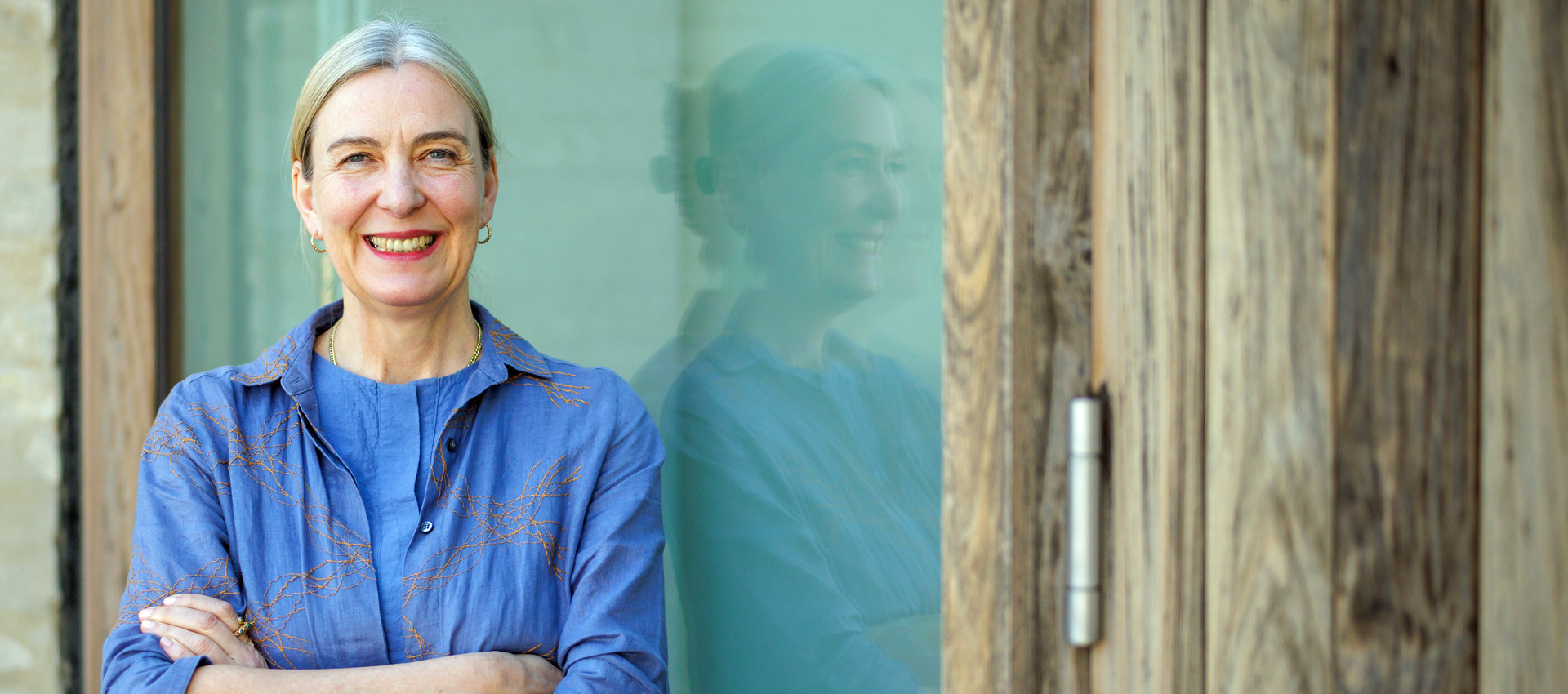
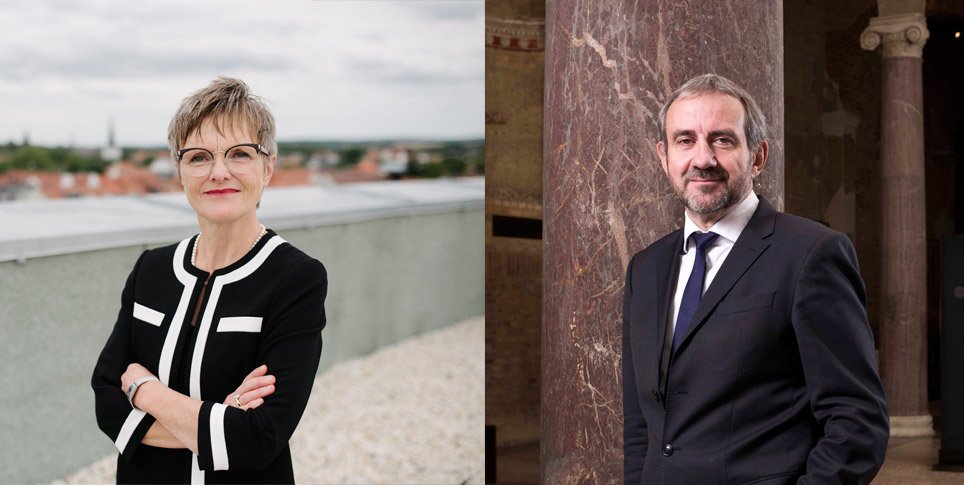
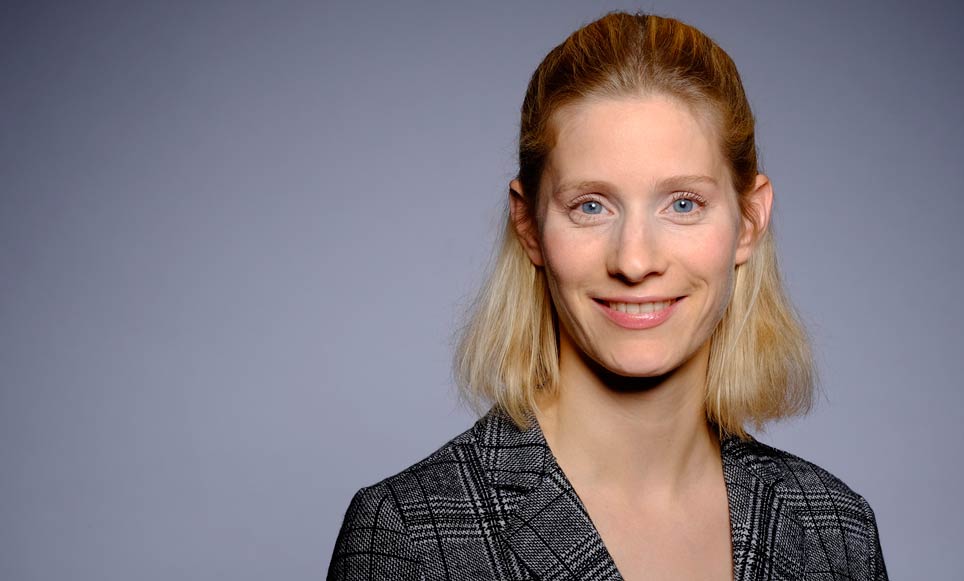
Hermann Parzinger has been President of the Prussian Cultural Heritage Foundation since 2008. Under the title “Reform Diary”, he offers insights into the foundation’s transformation in “Politik und Kultur”, the newspaper of the German Cultural Council.
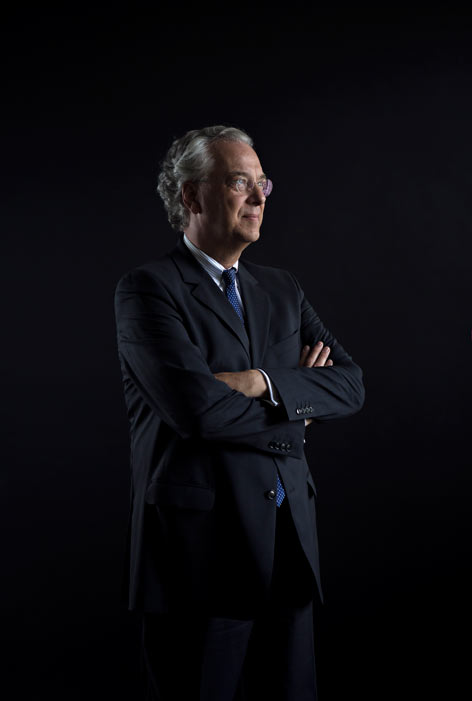
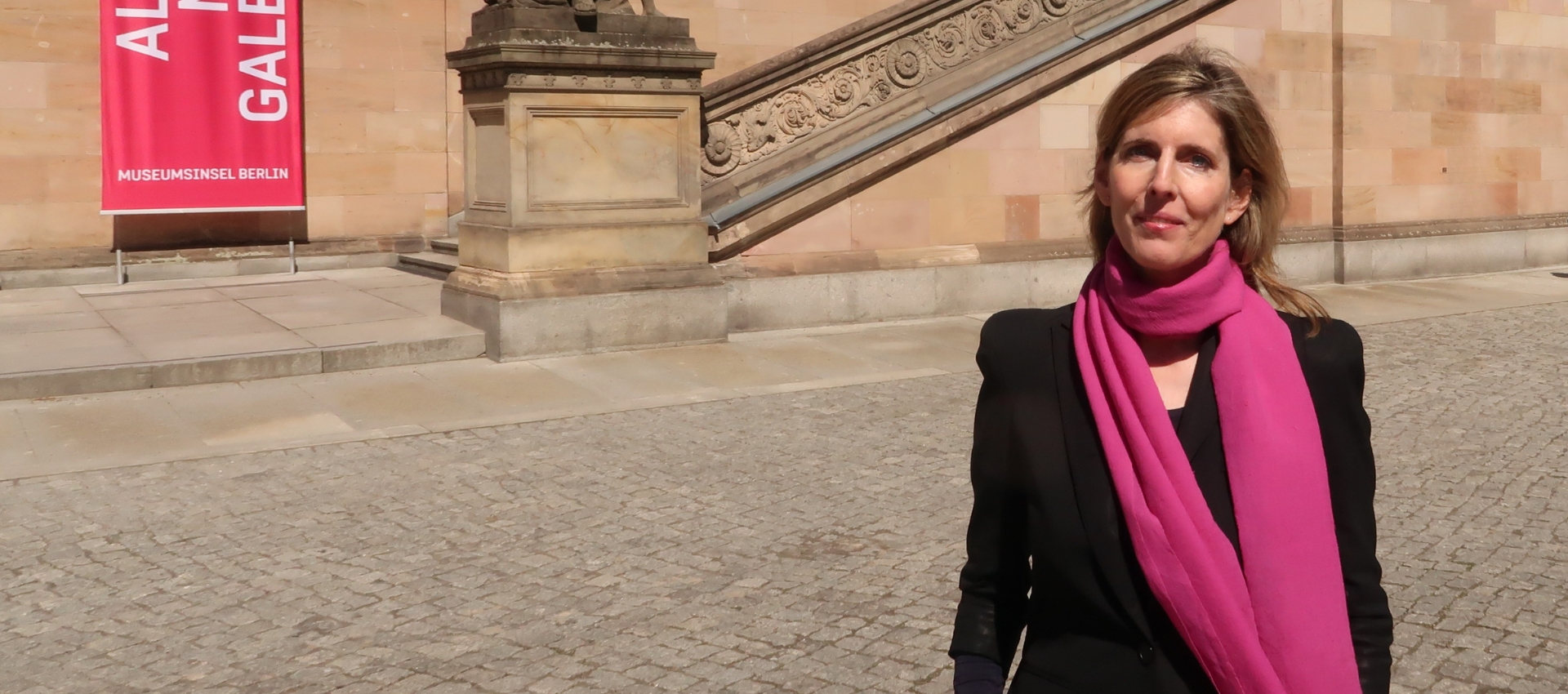
Photo: SPK / Herlinde Koelbl
Science, research, art and culture under one roof
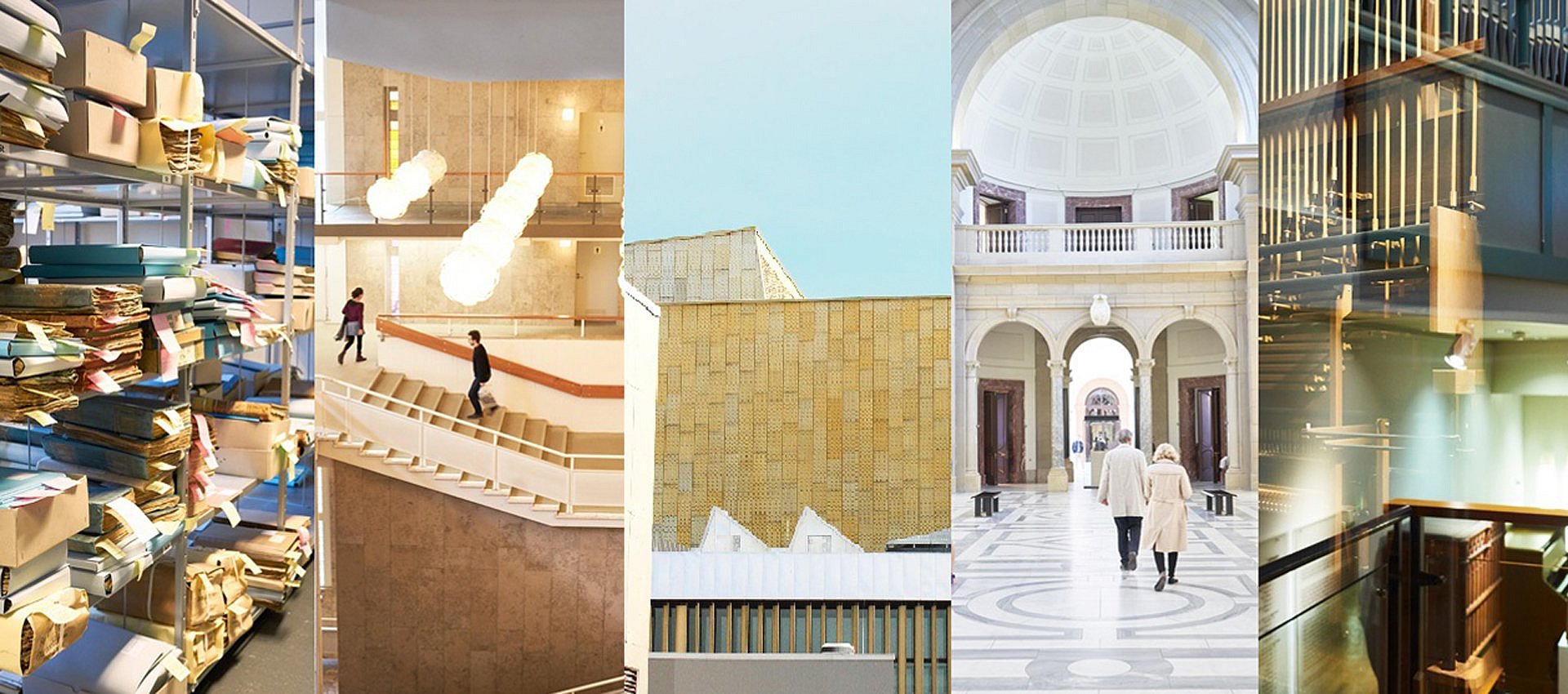
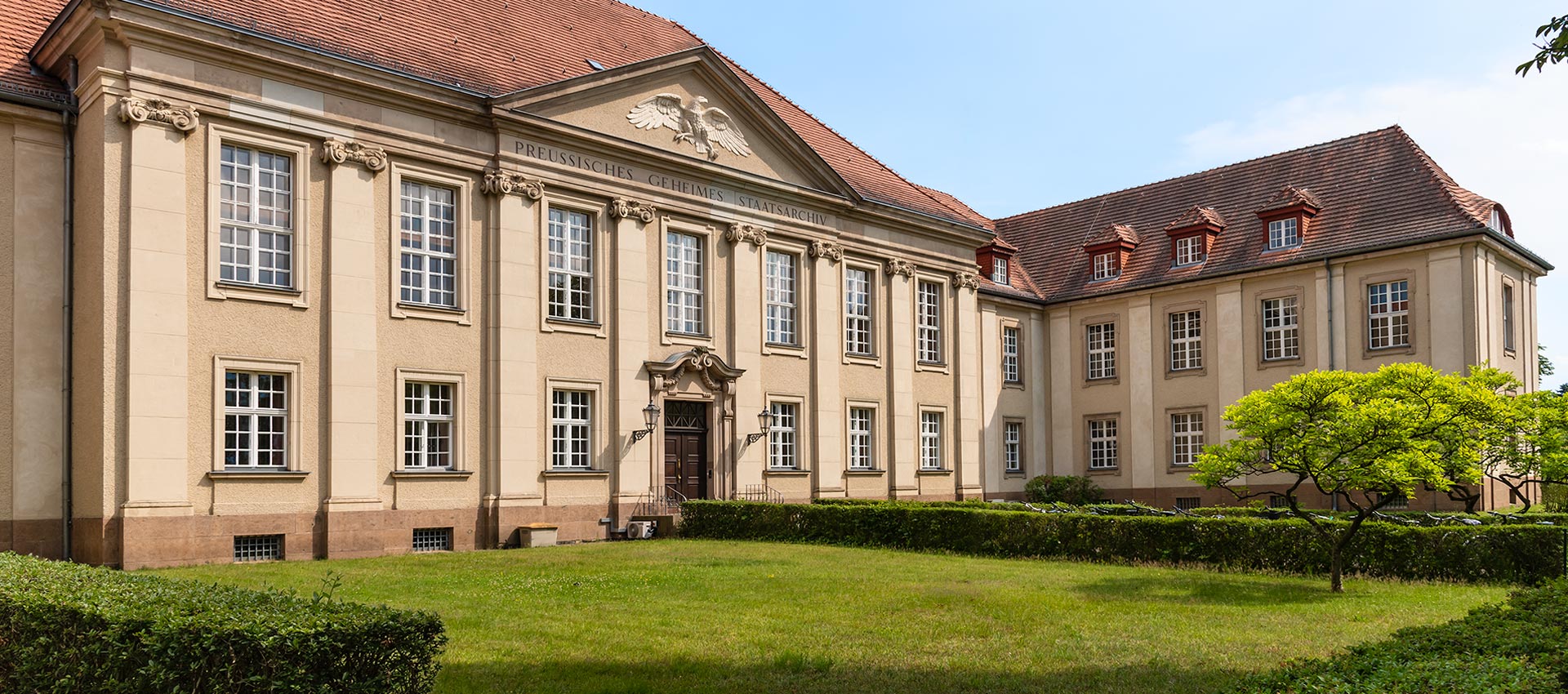
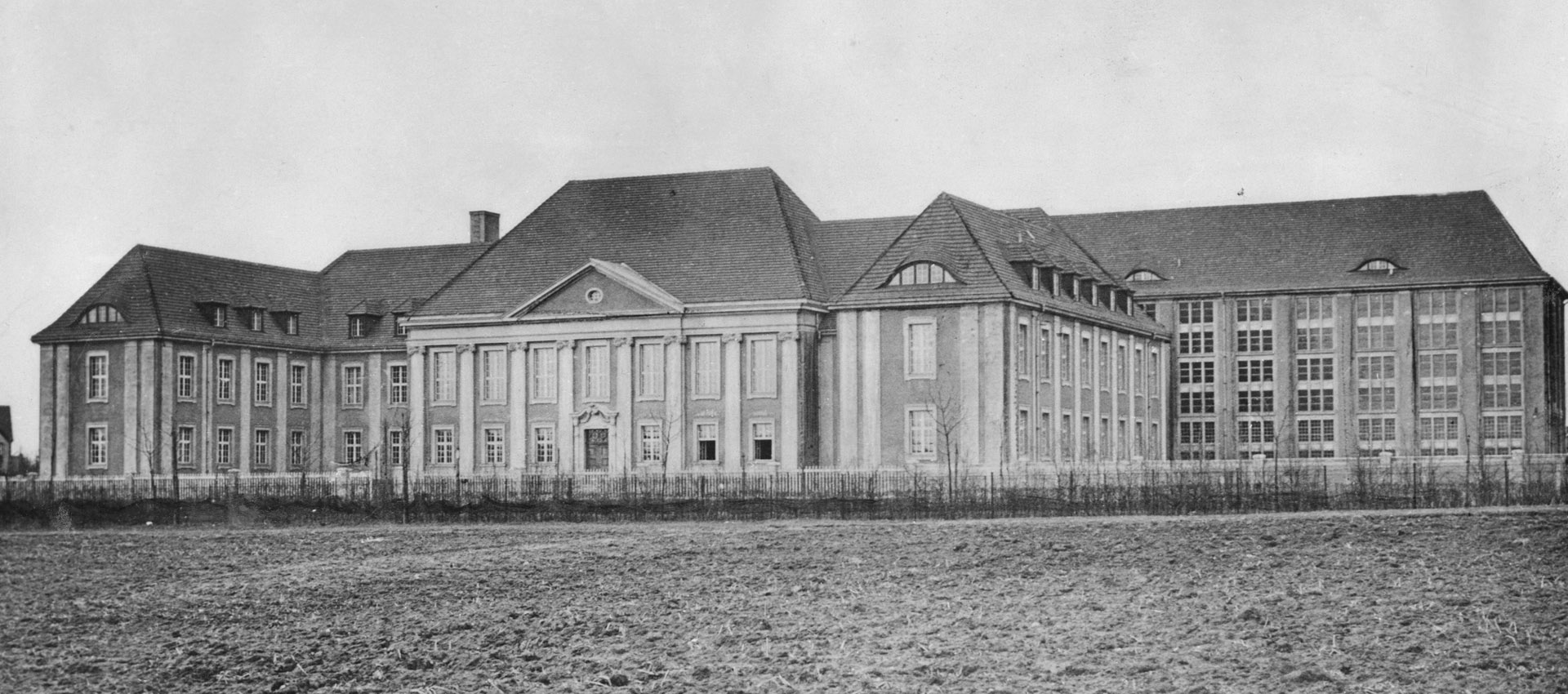
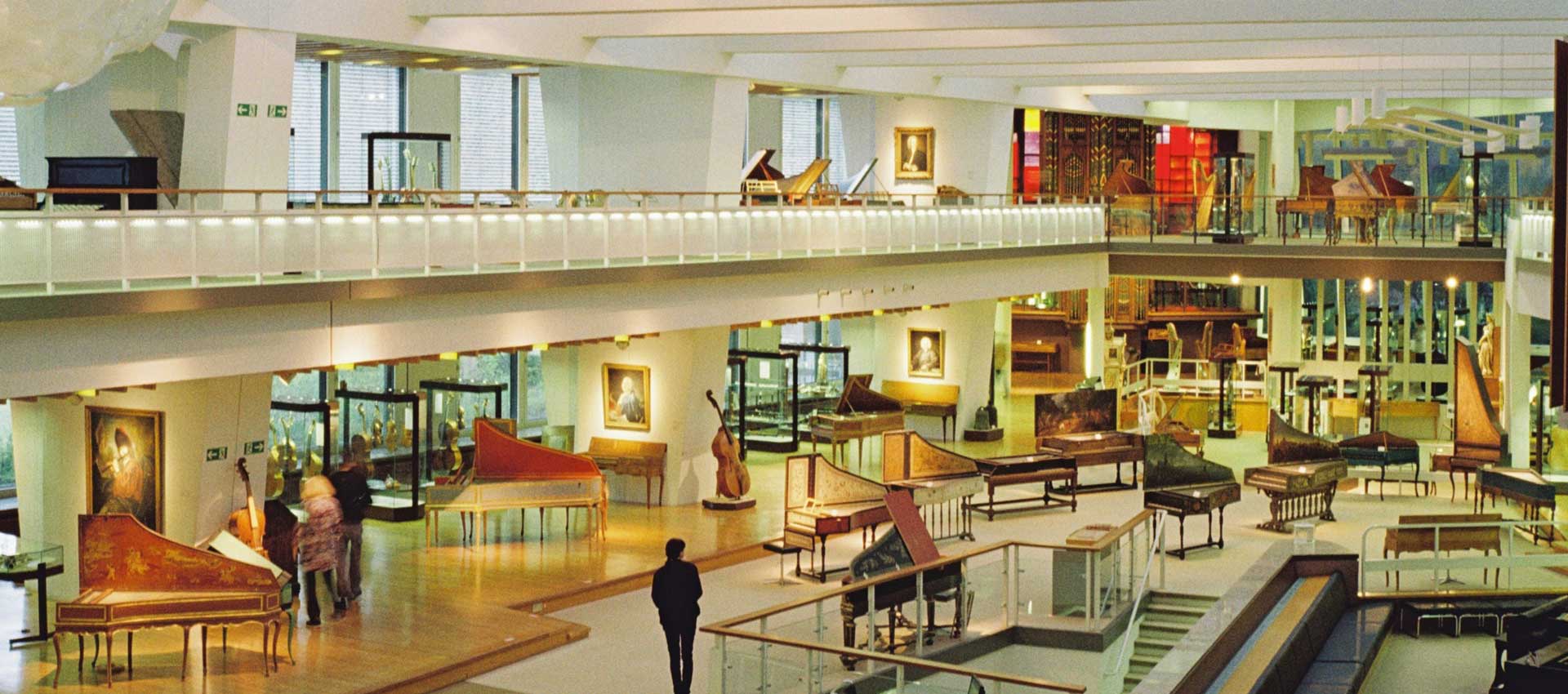
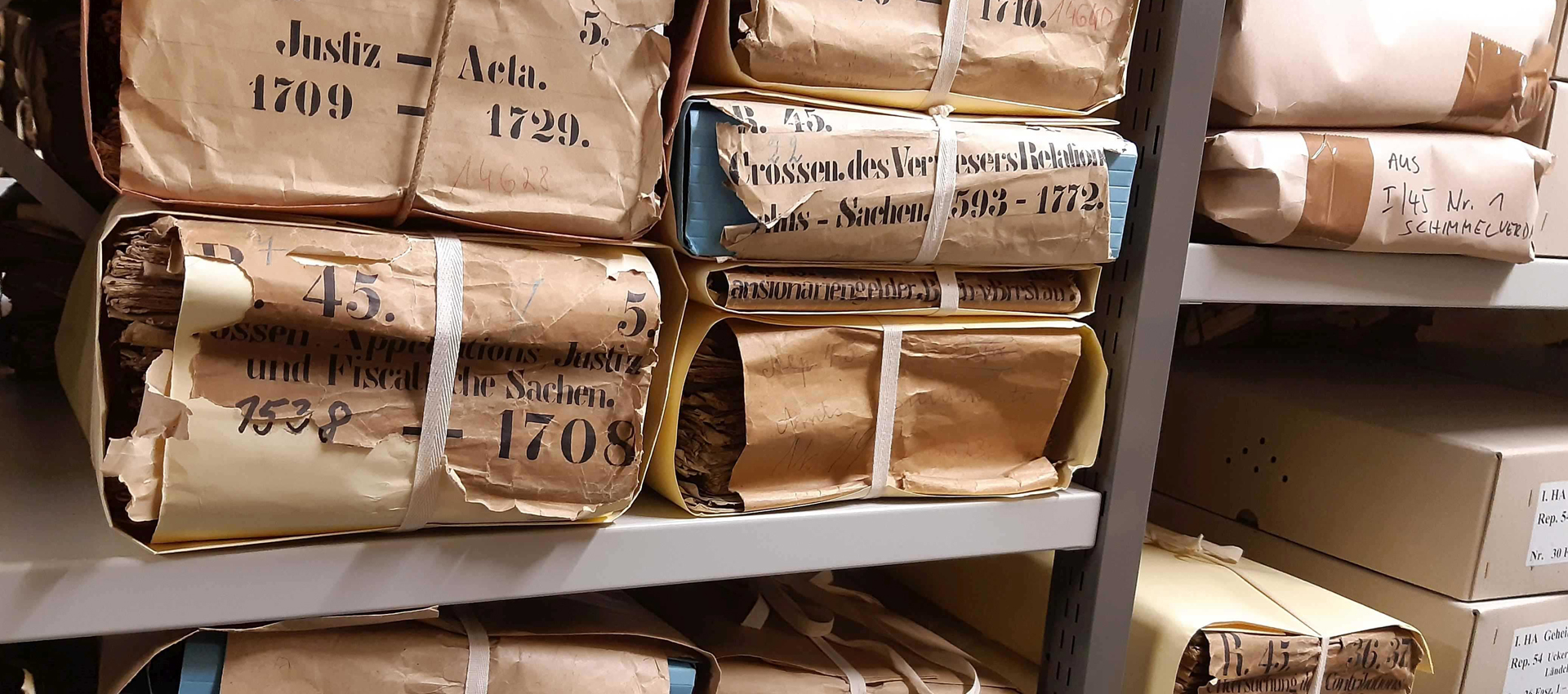
Since its early years, the Prussian Cultural Heritage Foundation (SPK) has comprised five institutions: the State Museums of Berlin (SMB) and the Berlin State Library (SBB), as well as, from 1962, the Secret State Archives of the Prussian Cultural Heritage Foundation (GStA), the Ibero-American Institute (IAI) and the State Institute for Music Research (SIM). From the outset, the Foundation was thus one of the world’s few cross-disciplinary memory institutions at the intersection of science and research on the one hand, and art and culture on the other. To this day, this remains a strong unique selling point. The network benefits enormously from this.
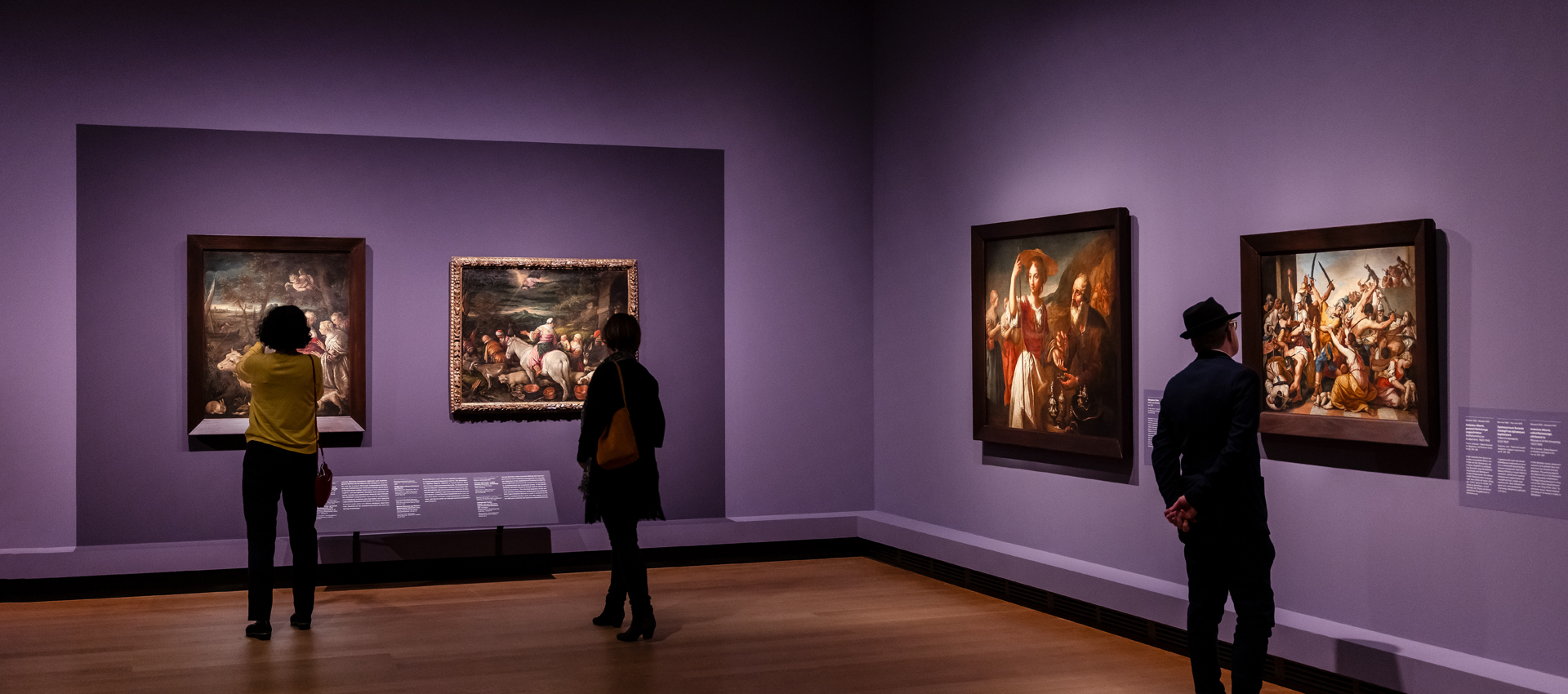
These five SPK institutions are very different: the State Museums and the State Library are roughly the same size in terms of staff numbers, yet they are not comparable. The State Museums comprise, in addition to a General Directorate, 21 museums and institutes spread across numerous locations in the city, forming a rather decentralised network. The State Library, on the other hand, with a General Directorate and 16 departments, appears at first glance to have a very similar structure, yet overall, despite its two buildings on Unter den Linden and Potsdamer Straße, it seems more homogeneous, even monolithic. The remaining three institutions are significantly smaller; the largest is the Secret State Archives, followed by the Ibero-American Institute and – as the smallest institution within the SPK – the State Institute for Music Research.
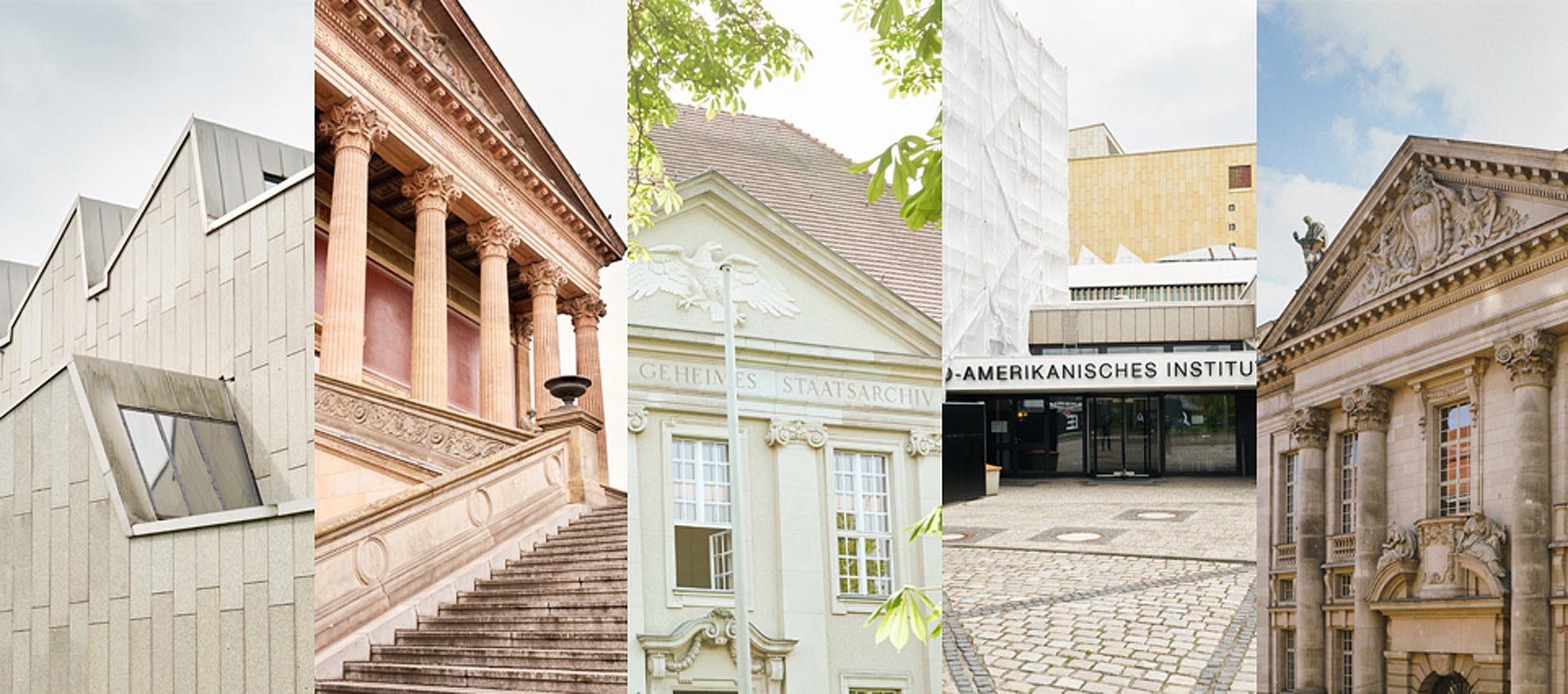
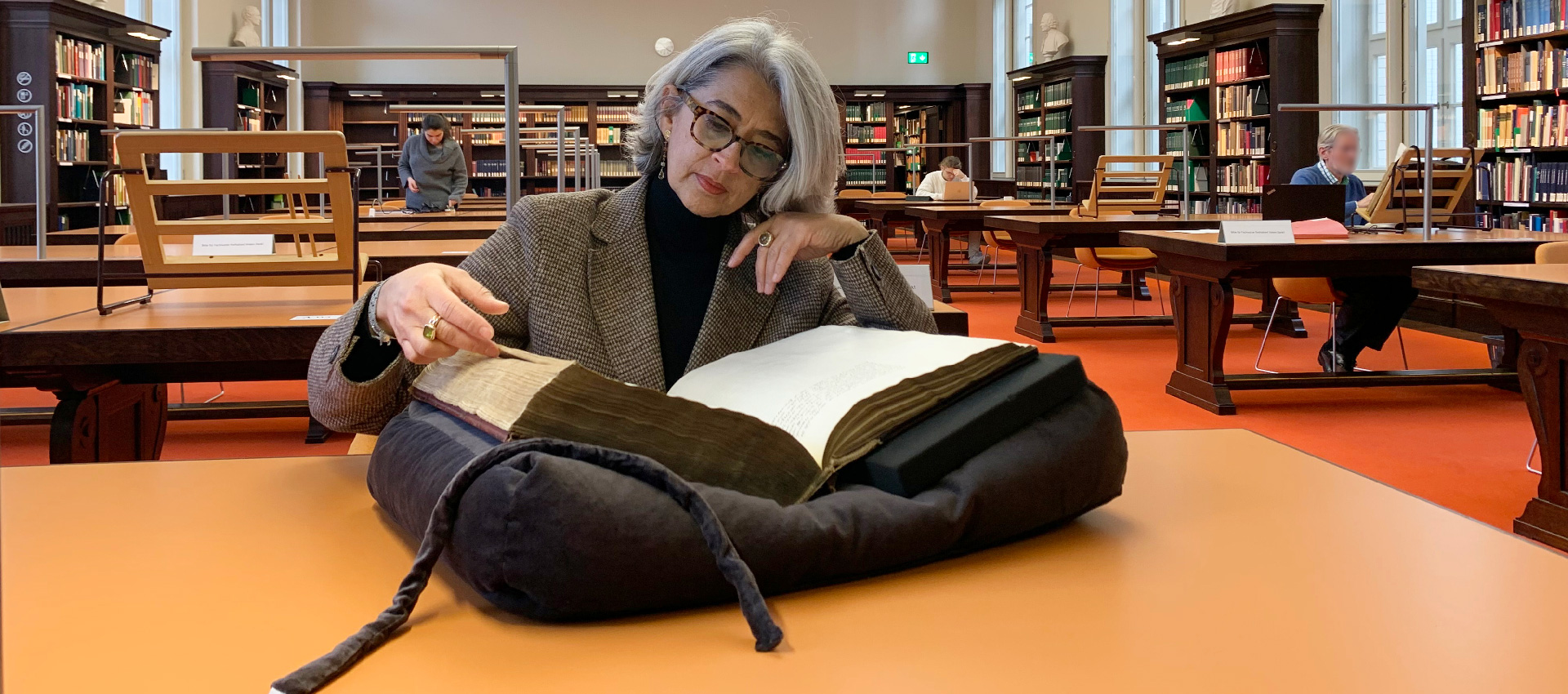
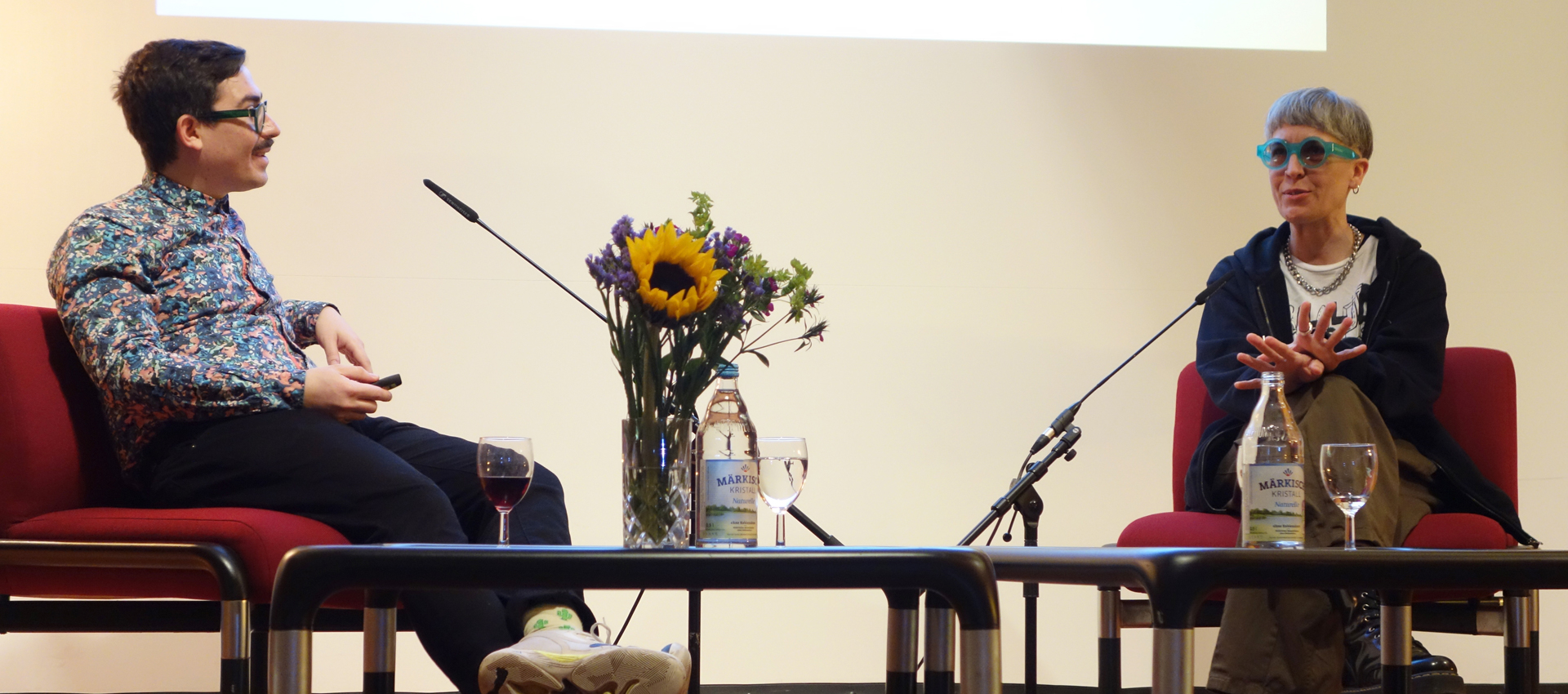
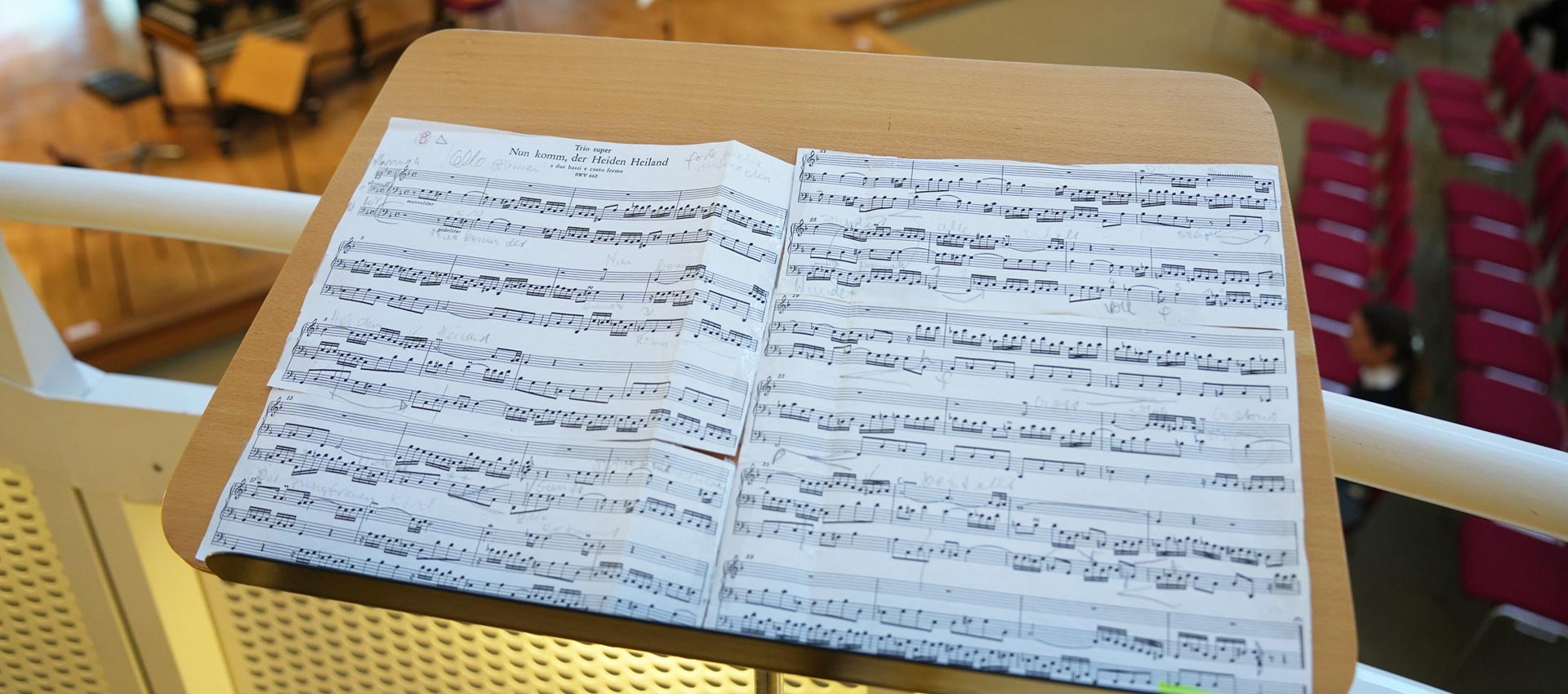
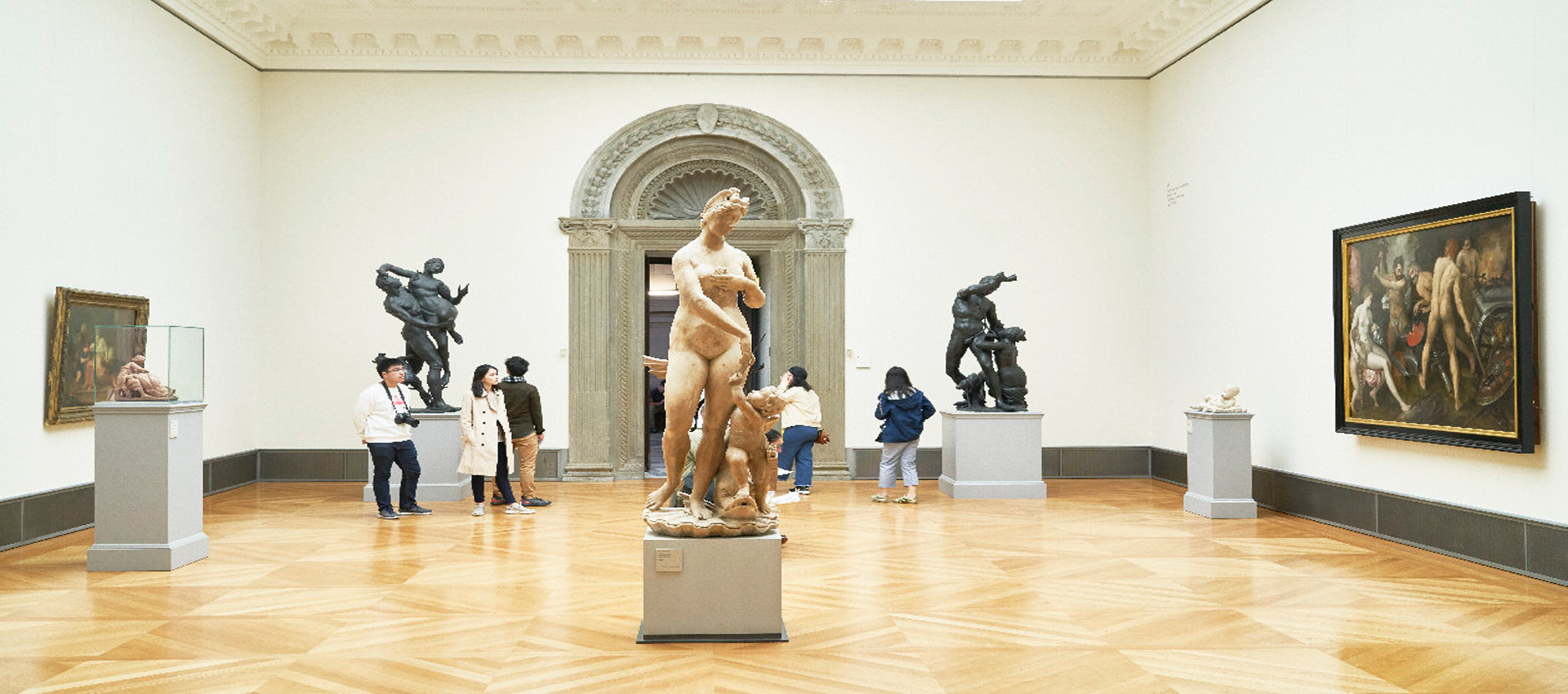
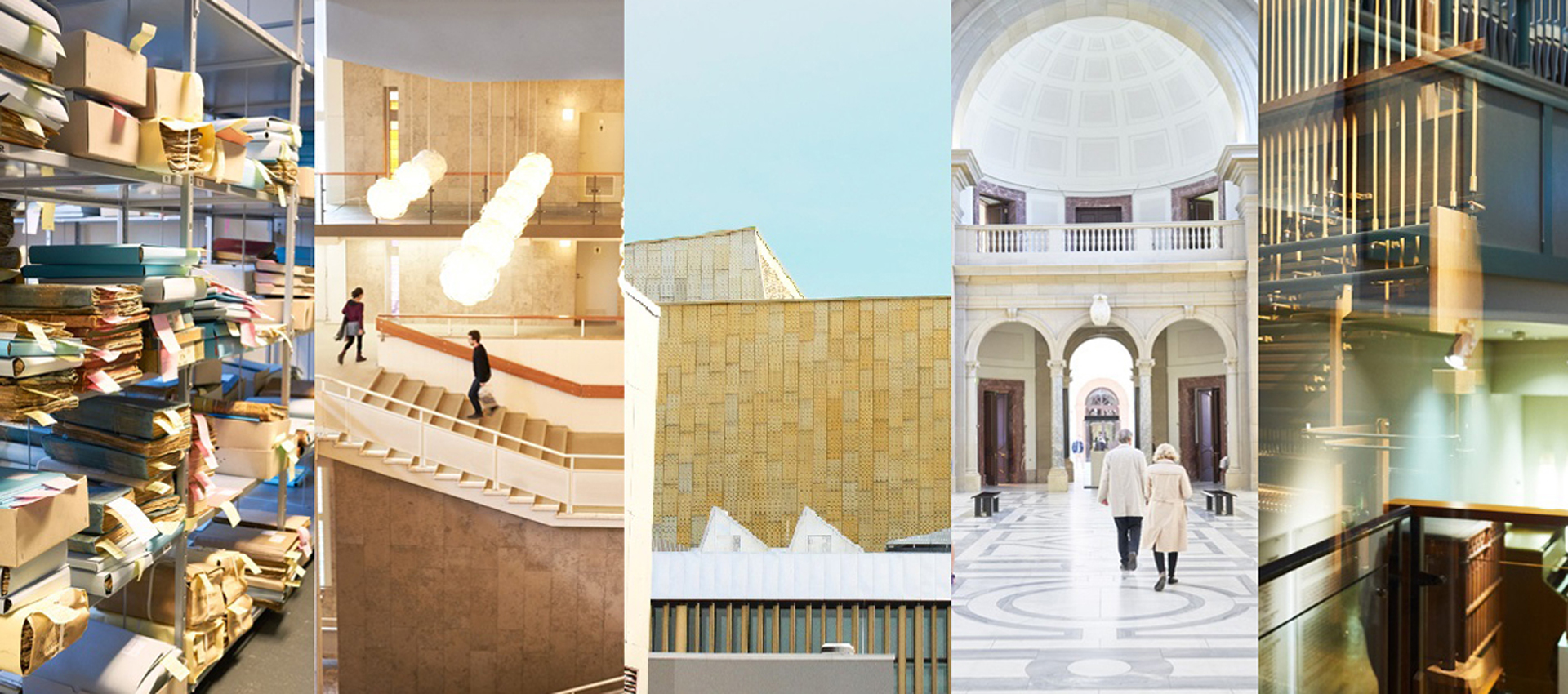
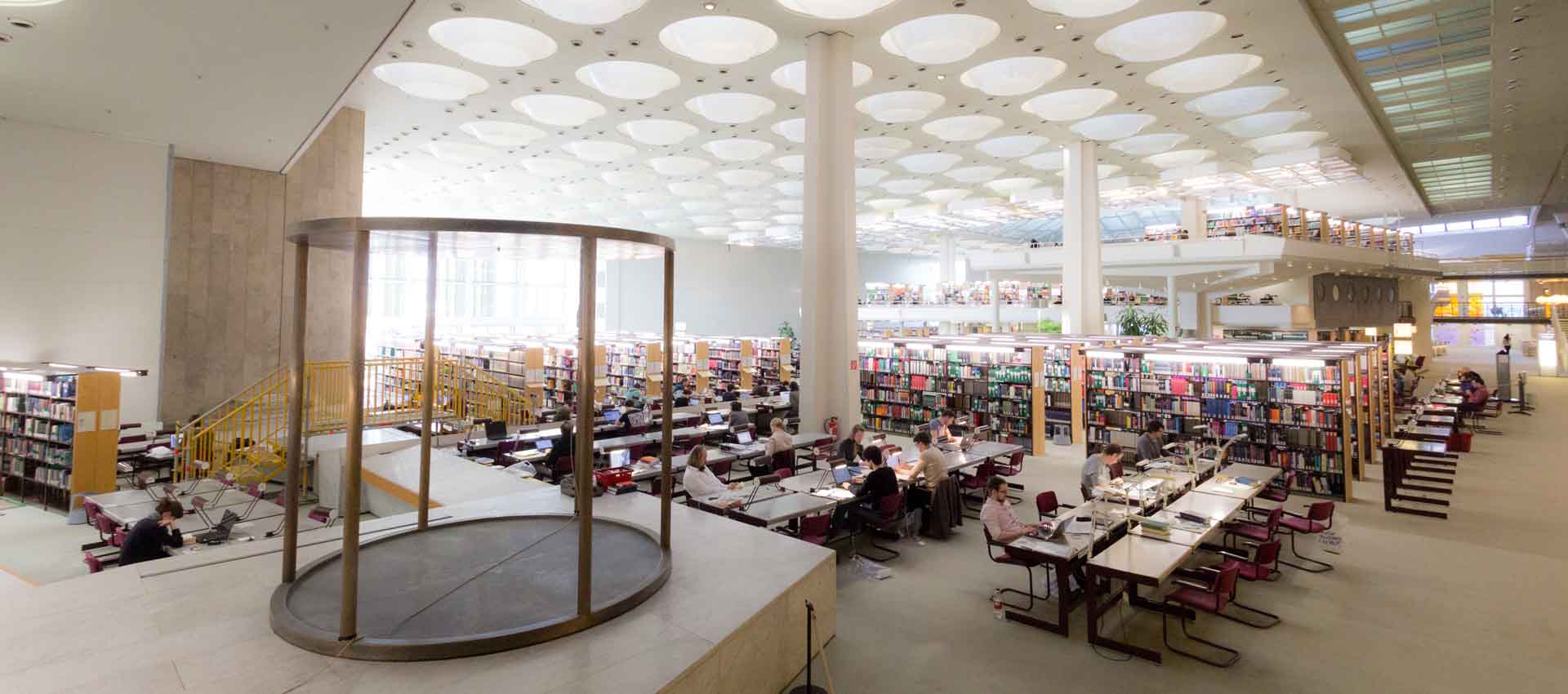
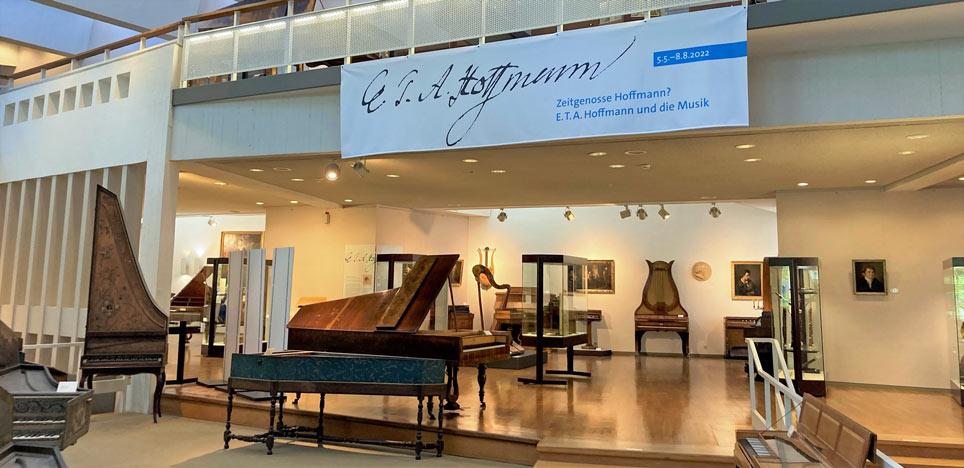
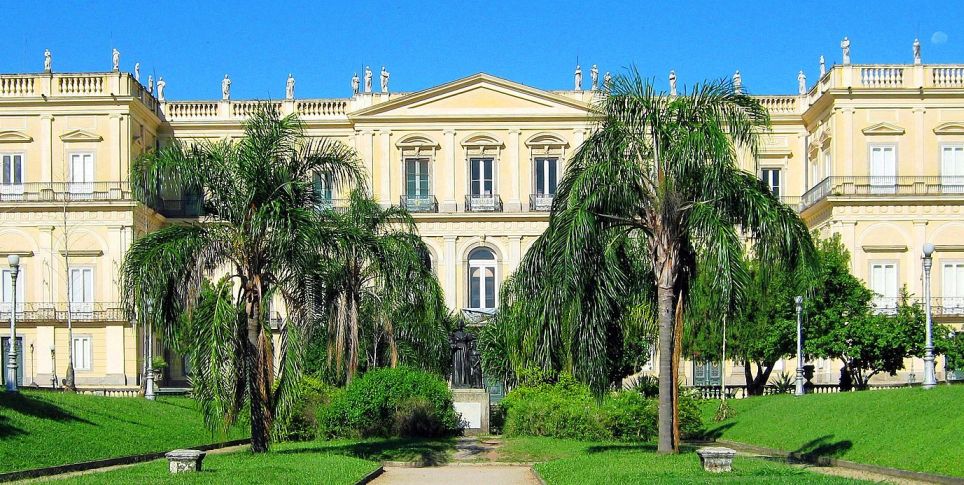
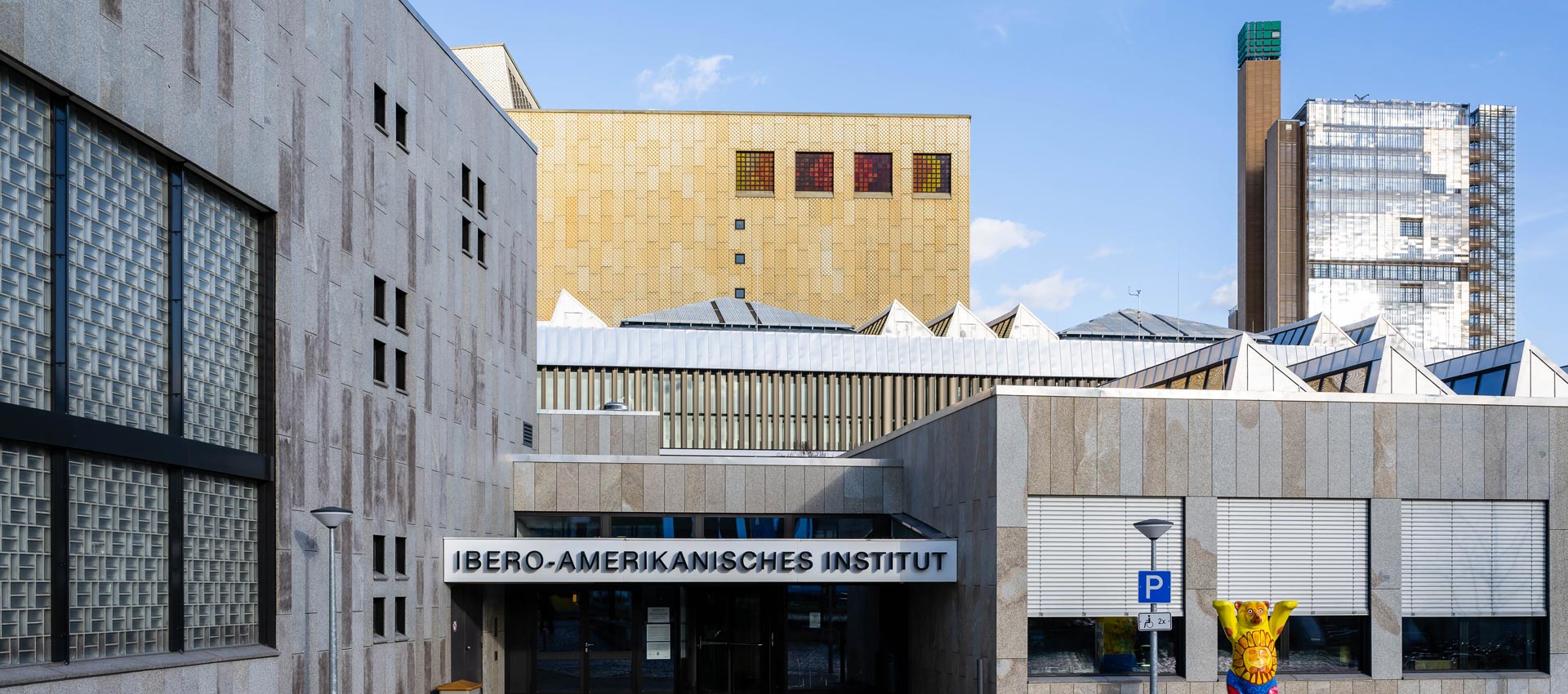
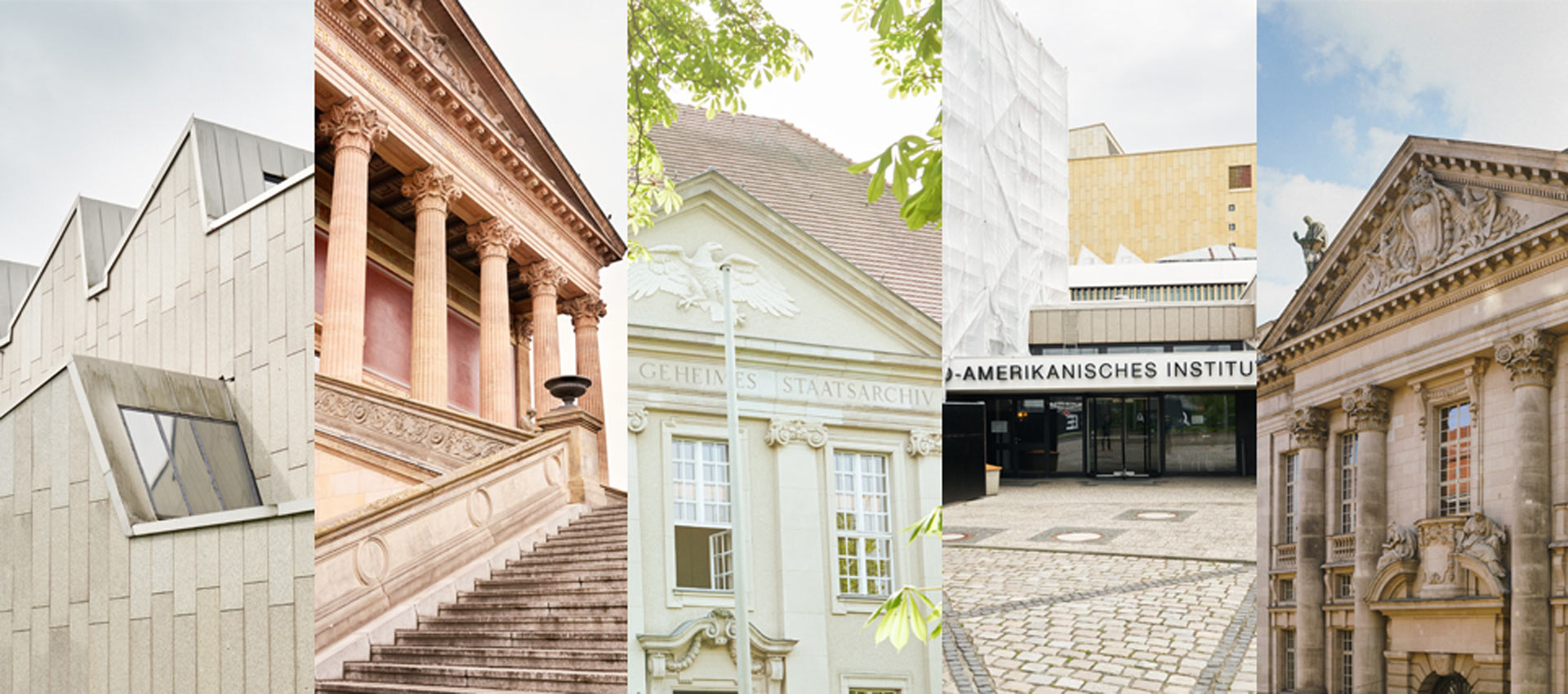
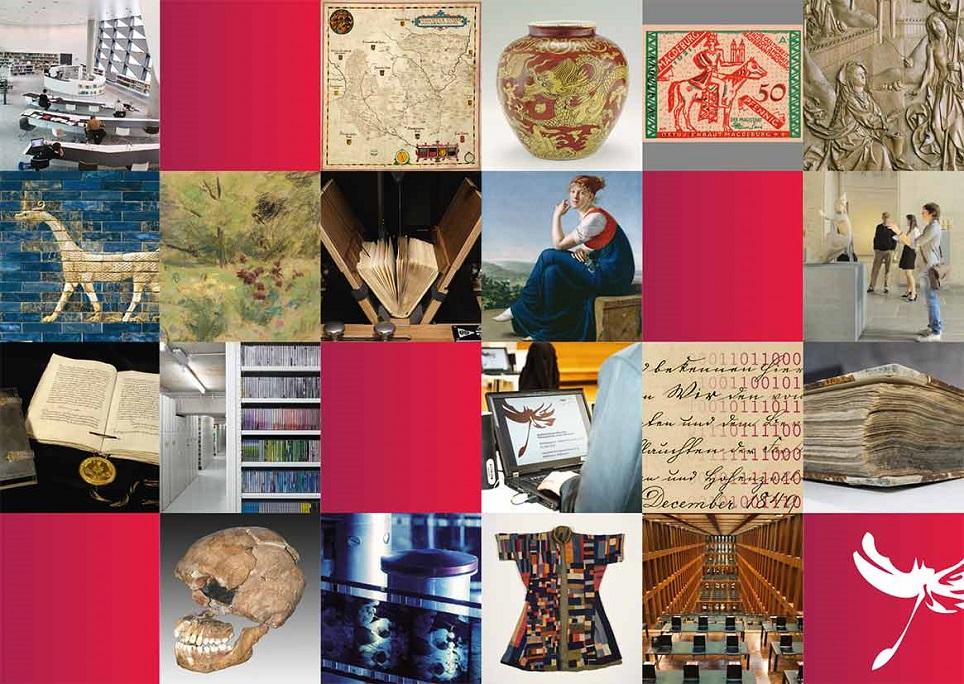
Until now, the SPK consisted of five institutions: SIM, SMB, GStA, IAI and Stabi © SIMPK / Anne-Katrin Breitenborn - SPK / Benne Ochs - SPK / photothek.net / Thomas Koehler
We are now a foundation of 25!
Ultimately, such an imbalance can only be resolved within a network. The desire for greater autonomy for the individual museums and institutes has also given rise to a new understanding of the SPK: We are now a foundation of 25! Following the dissolution of the SPK’s General Directorate, the 21 museums and institutes within the foundation network now operate independently: the Egyptian Museum and Papyrus Collection, the Old National Gallery, the Collection of Classical Antiquities, the Museum of Islamic Art, the Numismatic Collection, the Museum of Prehistory and Early History, the Sculpture Collection and the Museum of Byzantine Art, the Museum of the Ancient Near East, the Central Archives, New National Gallery, Picture Gallery, Art Library, Museum of Decorative Arts, Cabinet of Prints, Hamburger Bahnhof – National Gallery of Contemporary Art, Ethnological Museum, Museum of Asian Art, Museum of European Cultures, Institute for Museum Research, Plaster Casting Workshop and Rathgen Research Laboratory.
This new SPK association is headed by an Executive Board. Here, the overall strategy is defined, decisions of the Foundation Council are implemented, all matters of principle are decided upon and the overall budget is drawn up. It acts at a higher level, but does not intervene in the day-to-day operations of the 25 institutions. In addition to the President, who chairs the Executive Board and has the authority to set policy, the seven-member Executive Board comprises: the Head of the Central Service Unit (currently the Vice-President), the Director of the State Library, two representatives from the State Museums, and one representative from GStA/IAI/SIM – the latter on a rotating basis. In addition, the Foundation Council may appoint a further member. In addition to managing their respective institutions, the members of the Executive Board are also expected to take on responsibility for a cross-cutting task within the SPK. Greater autonomy is thus linked to greater responsibility for the SPK network.
The network benefits enormously from each other
Hermann Parzinger
The Executive Board: a platform for collaboration
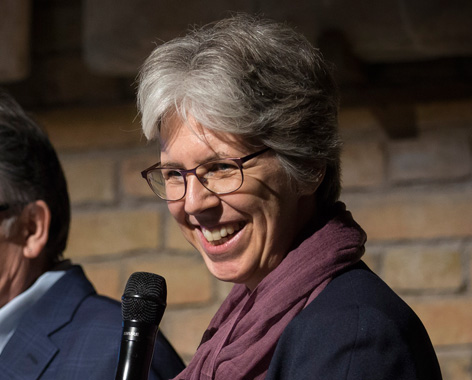
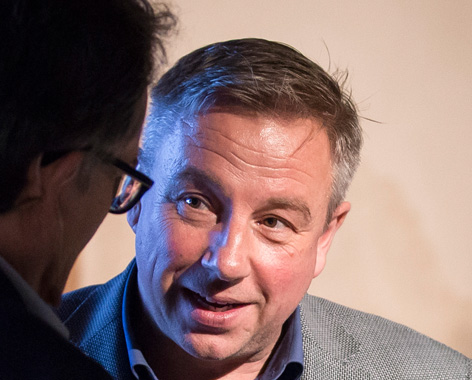
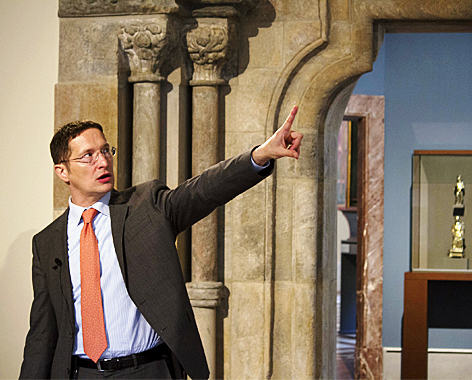
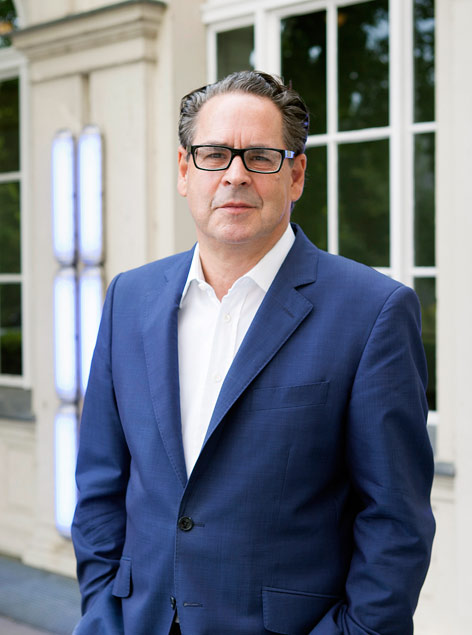
Although an Executive Board can only be officially appointed and installed once a new foundation act and new statutes for the SPK have been adopted, at my request the Foundation Board has asked a number of senior managers to serve on a provisional ‘Interim Executive Board’ and, together with the President, to steer the reform process and the SPK’s other overarching matters. In addition to the President, this board comprises Gero Dimter (Vice-President and Head of the SPK’s Central Administration), Achim Bonte (Director General of the SBB), Klaus Biesenbach (Director of the Neue Nationalgalerie), Matthias Wemhoff (Director of the Museum of Prehistory and Early History), Patricia Rahemipour (Director of the Institute for Museum Research) and Barbara Göbel (Director of the Ibero-American Institute). This Interim Executive Board has been in operation since 1 January 2023 and has launched the “Vision SPK 2030” strategy process. It oversees the sub-areas of SMB reorganisation, human resources, finance and the Central Service Unit.
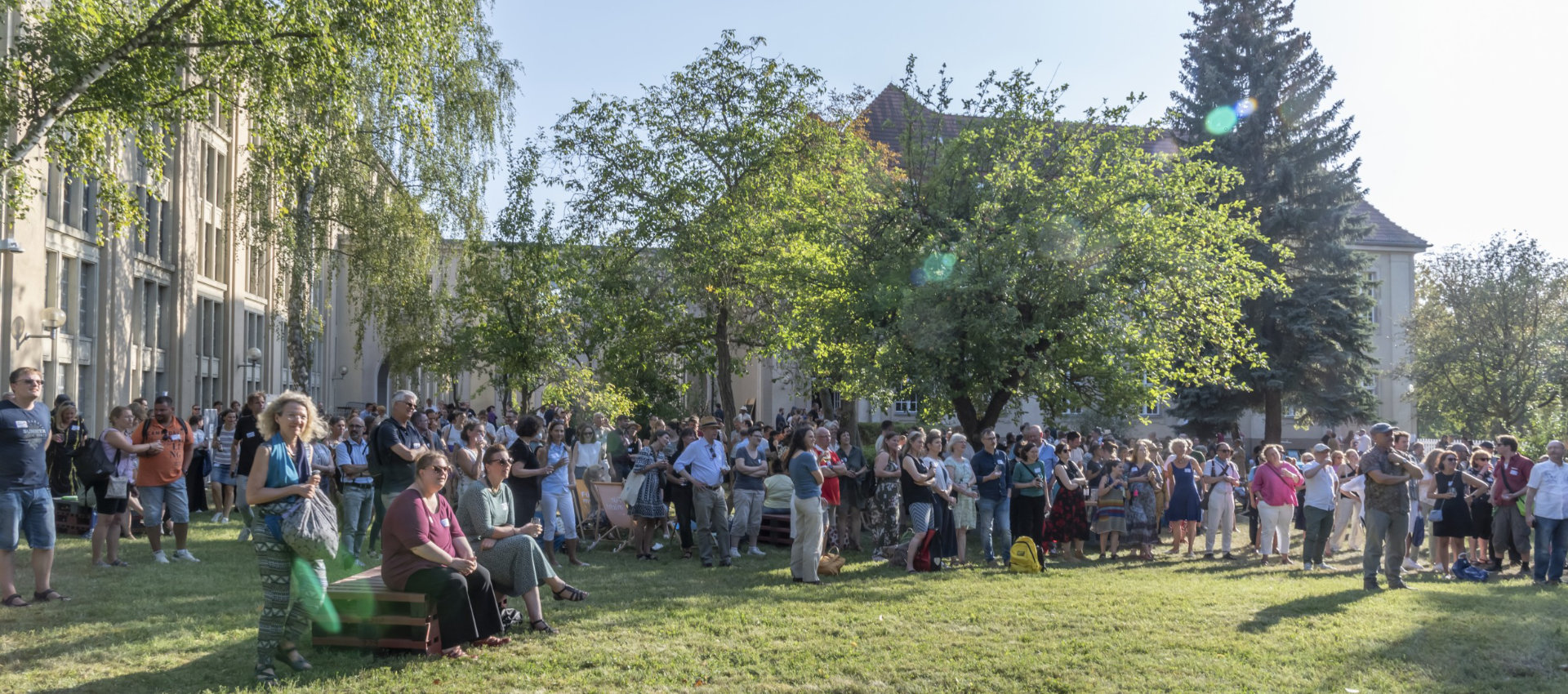
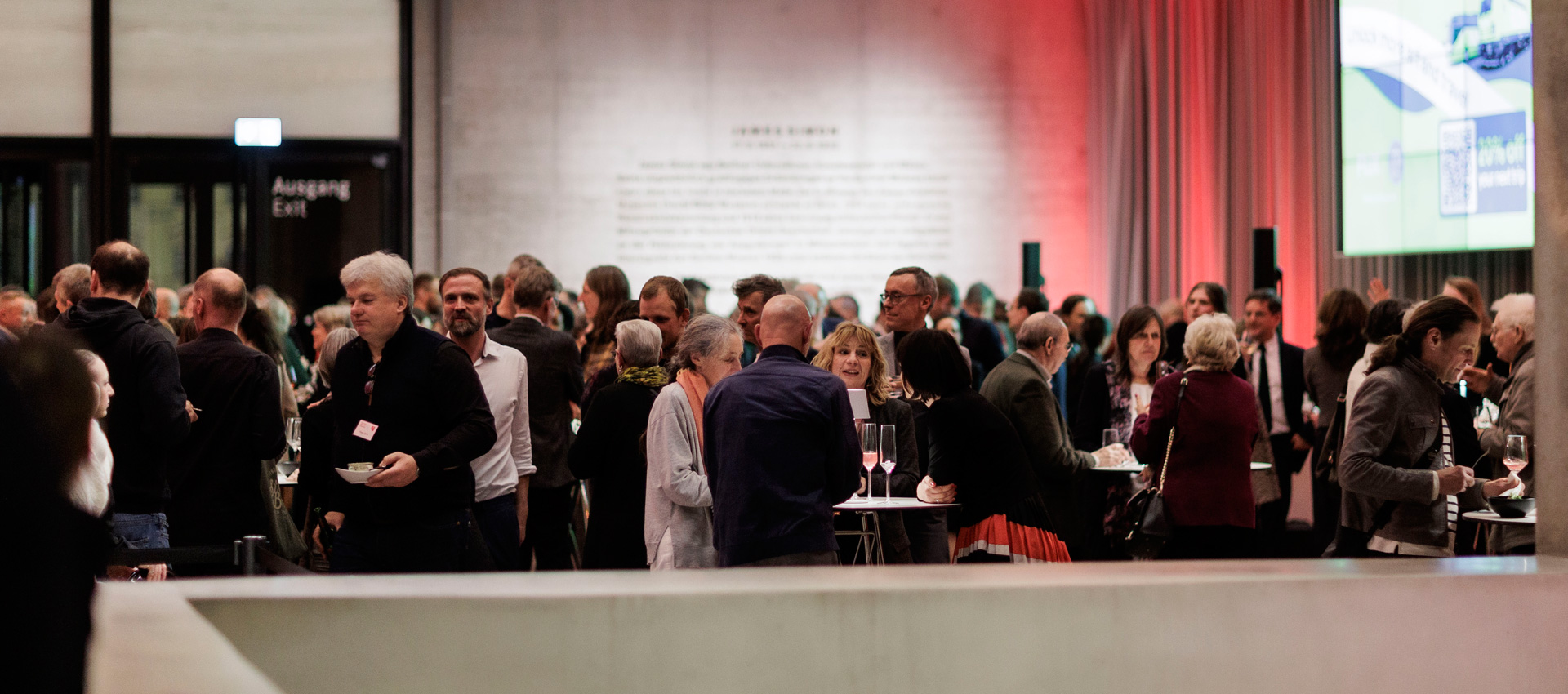
However, particularly for a large and widely ramified network such as the SPK, it is critical to success to closely integrate the work of the Executive Board with that of other senior managers within the SPK, in order to prevent disconnects and ensure that the Foundation’s work has a tangible impact. To this end, we have established a “Management Conference” which meets approximately every six weeks and comprises 42 managers from all SPK institutions, including the administration. The composition of this Management Conference reflects the new reality of the SPK of 25 and takes account of the Foundation’s changed structure. The Executive Board will communicate regularly and transparently about its work at these meetings. In this way, we aim to ensure that institutions operating autonomously are provided with a platform to integrate effectively within the SPK network.
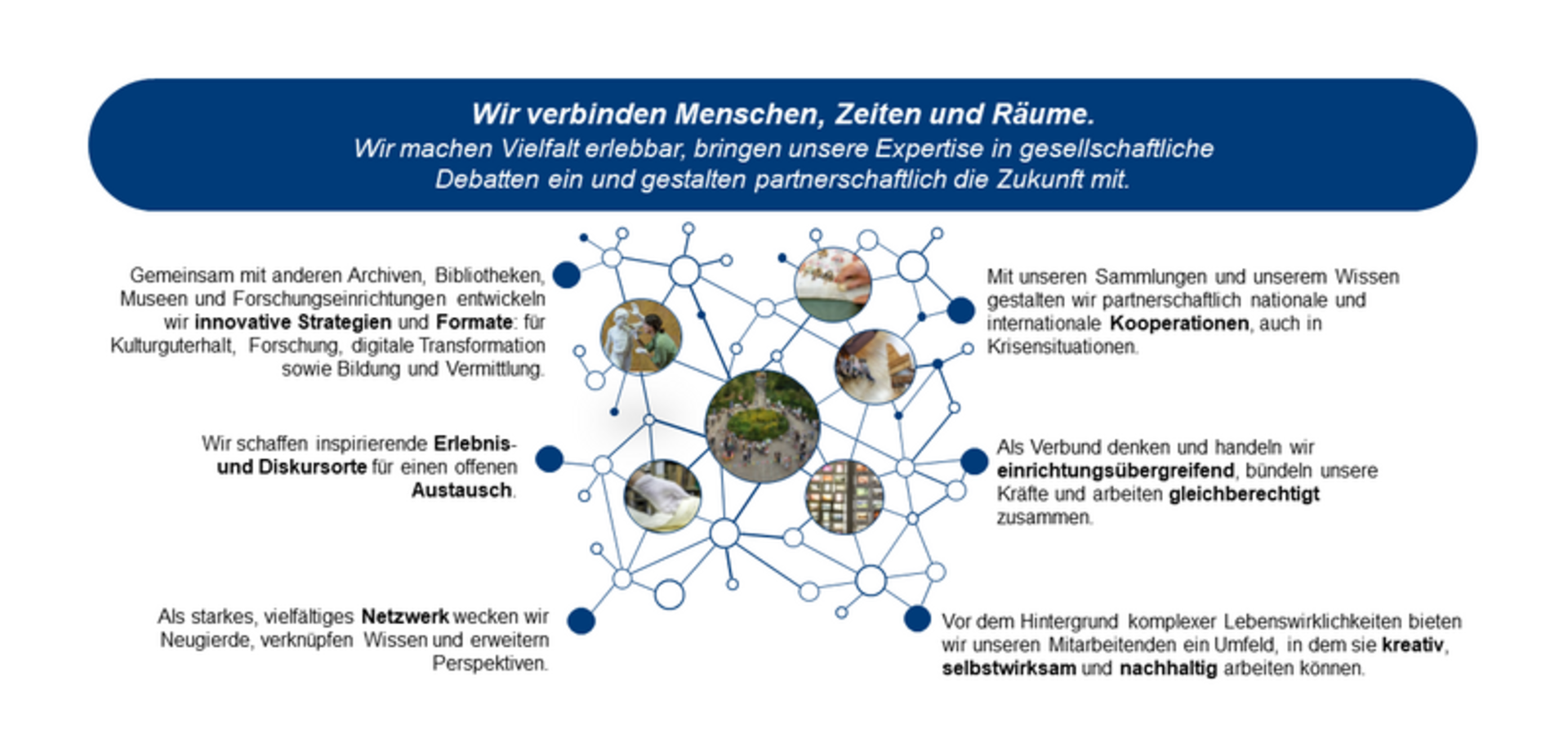
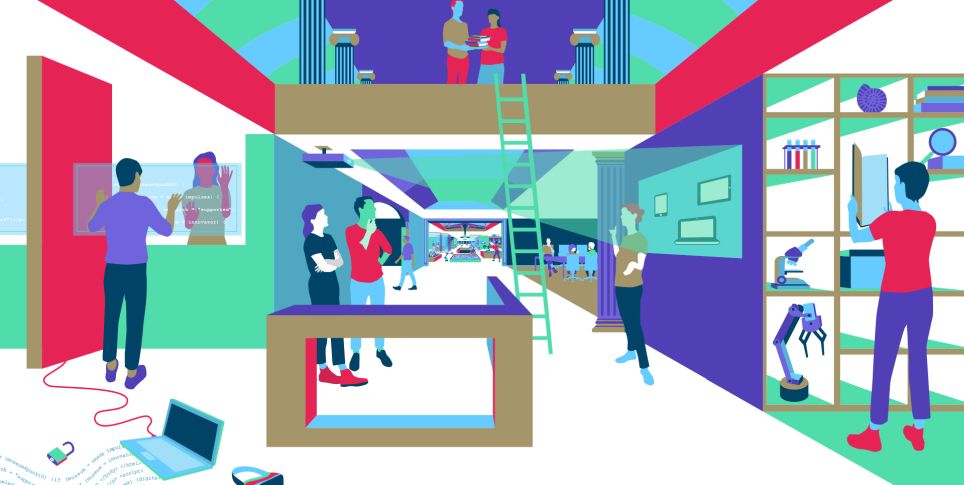
The “SPK 2030” vision sets out how the SPK network aims to develop over the coming years: an organisation that connects people, times and places. The aim is to bring the network’s diverse collections and holdings to life for the public, to contribute its expertise to social debates in ways that can be seen and heard, and to help shape the future through partnerships within networks and collaborations. SPK graphic
A kind of general assembly
In addition to this, we are currently developing a further format, namely a so-called ‘Extended Management Conference’, which meets at least once a year as a kind of general assembly in order to engage more closely with staff below management level on issues relating to the SPK network.
Finally, the SPK’s advisory body structure, with its various advisory boards and commissions, needs to be partially restructured. This involves a significantly greater internationalisation of our advisory boards and also the establishment of specialist commissions which, unlike previously, will be less oriented towards the sectors of museums, libraries and archives – as this would only deepen the boundaries between them – but will instead focus on cross-cutting tasks and challenges that are shared by all in equal measure. But that is another entry in the reform diary.