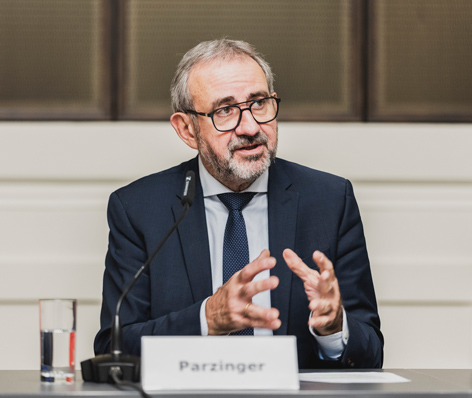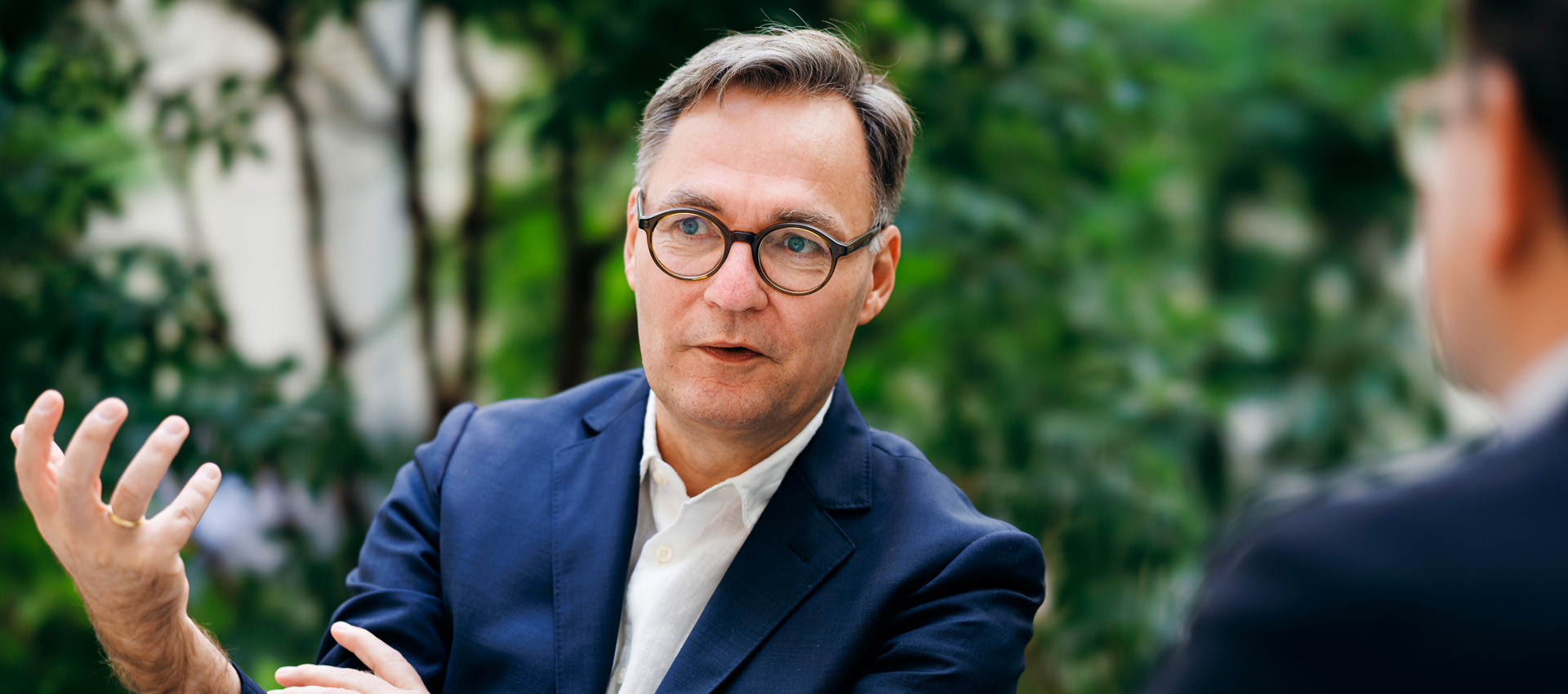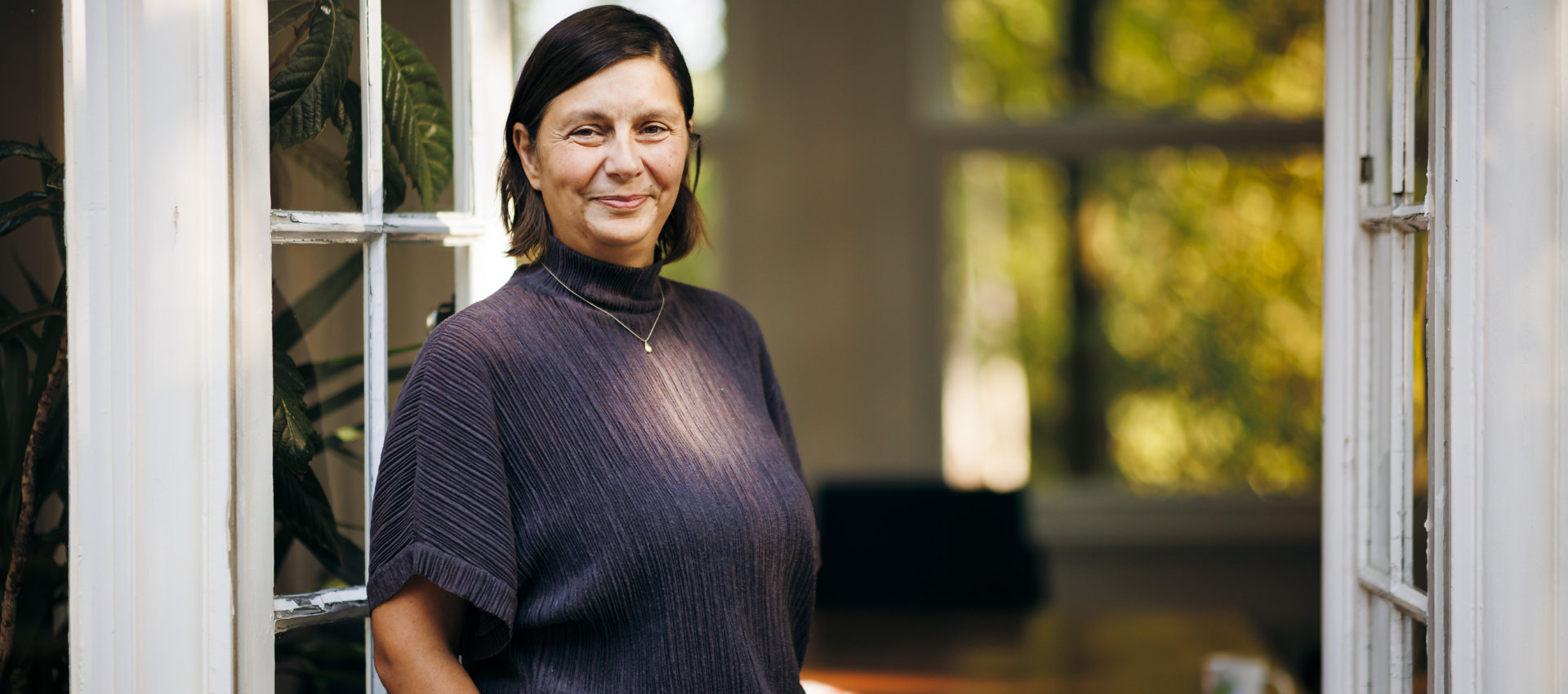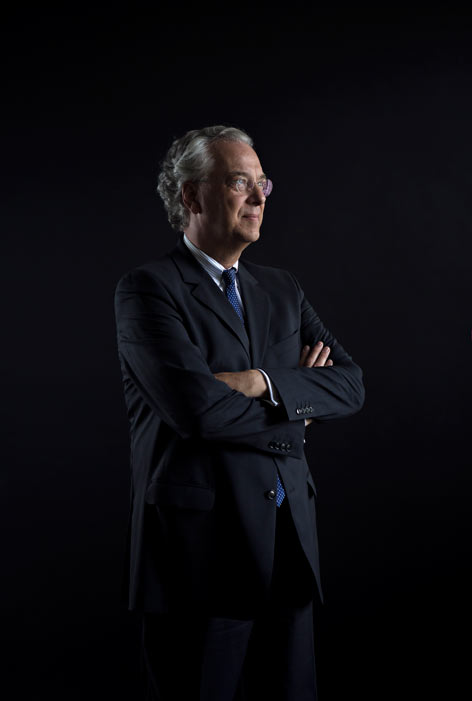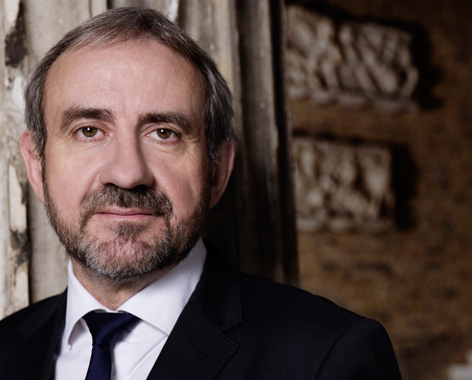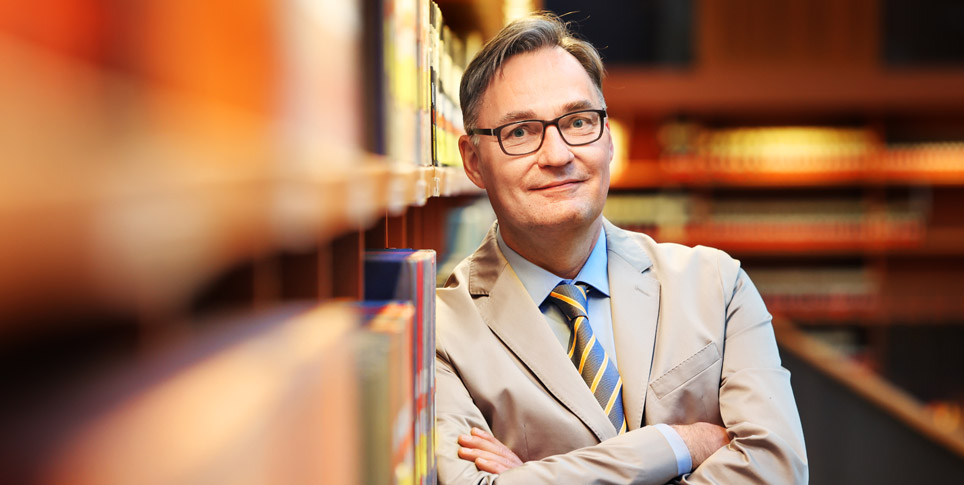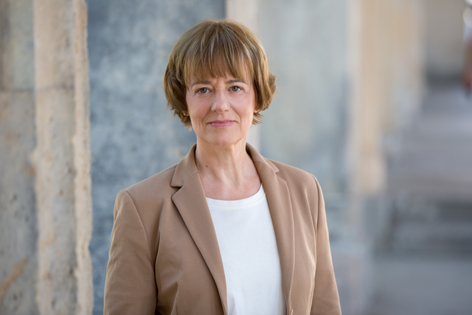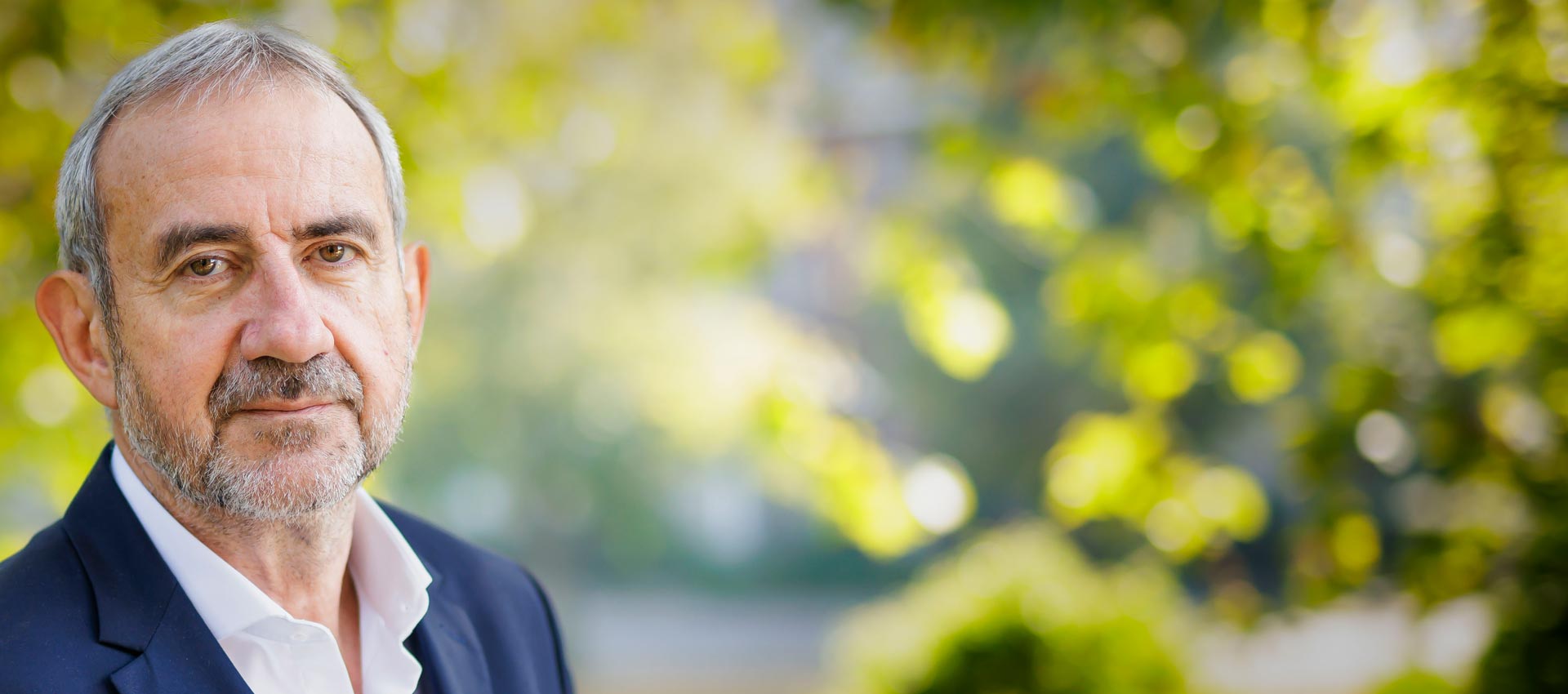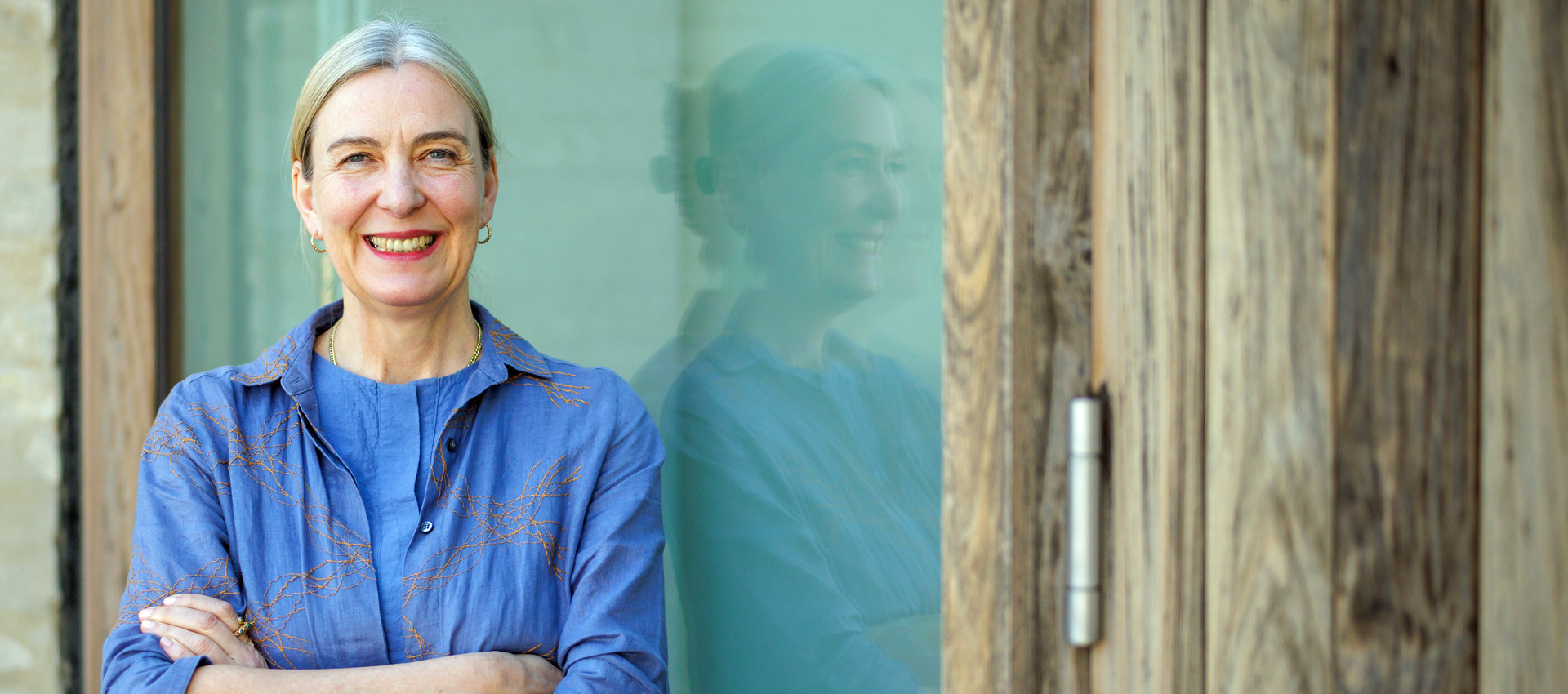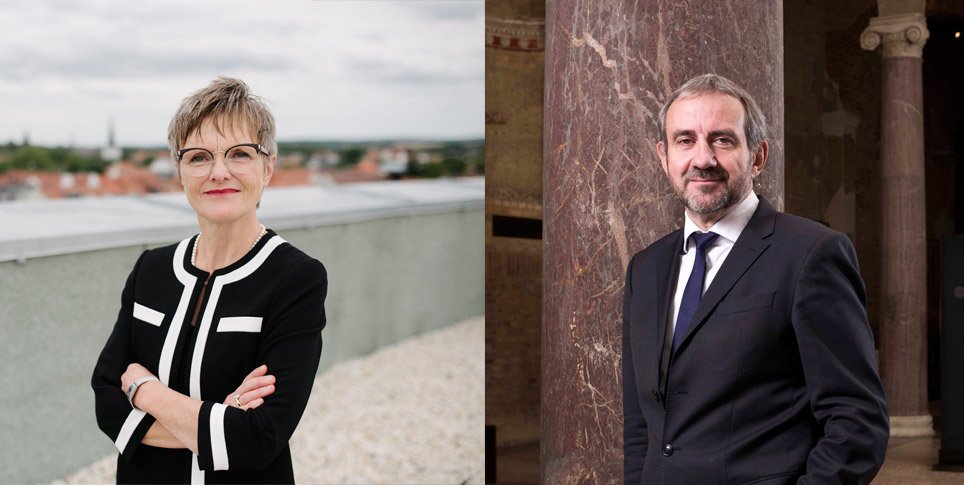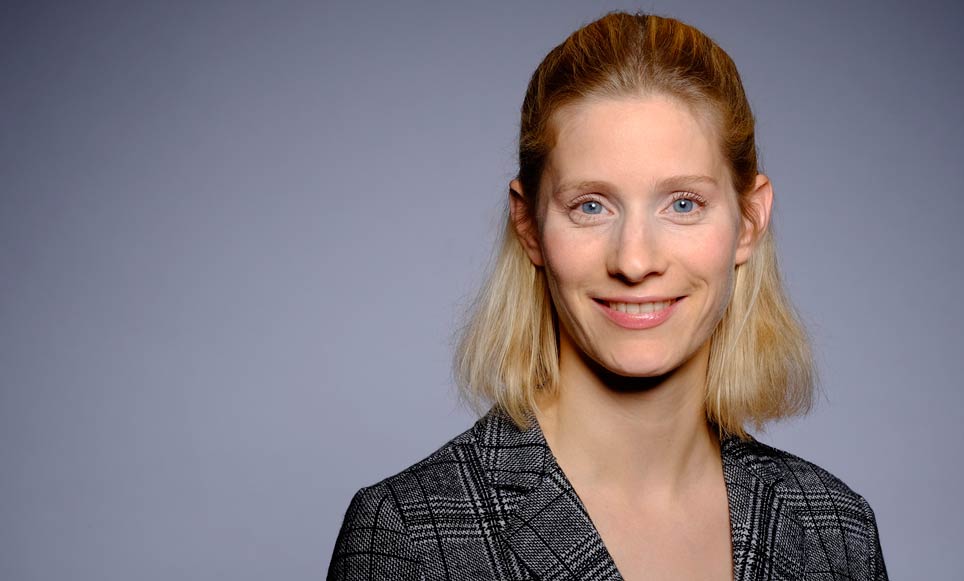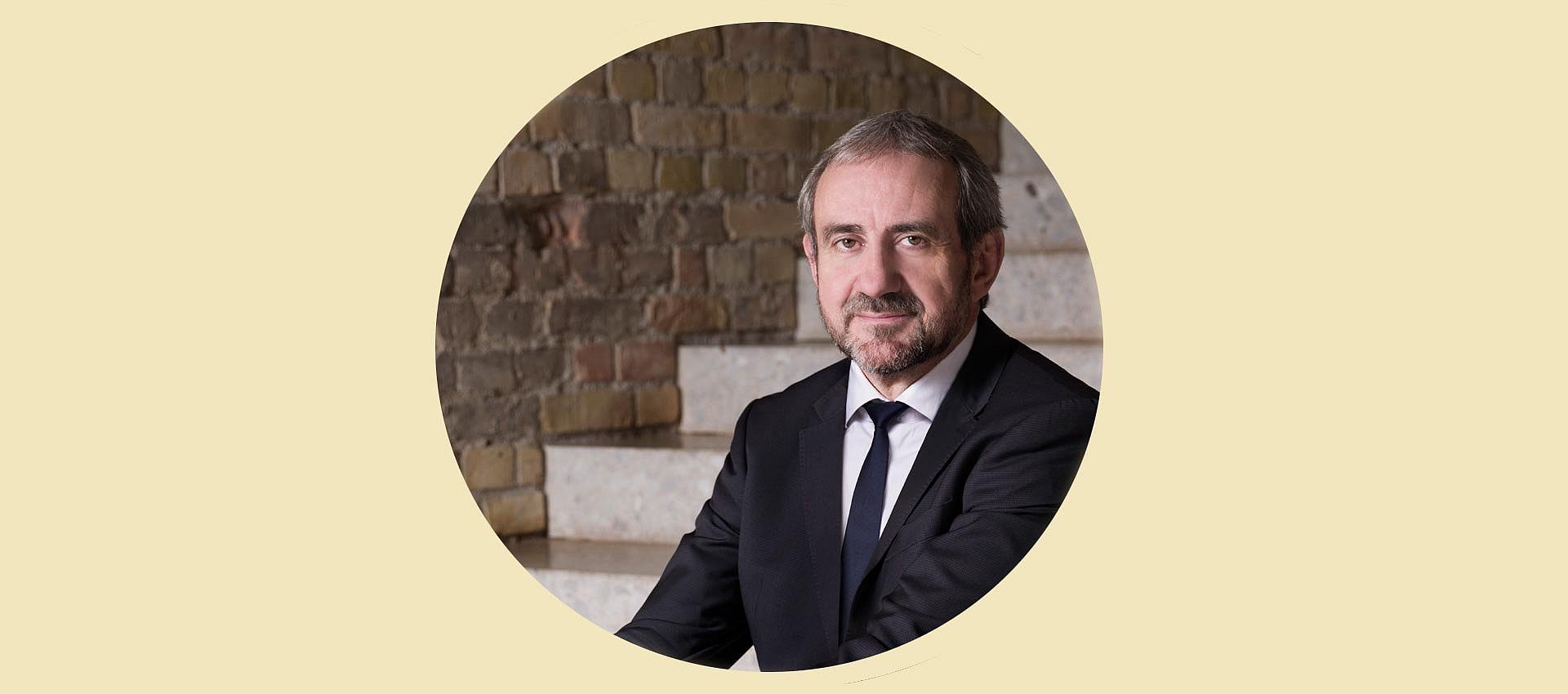
Hermann Parzinger has been President of the Prussian Cultural Heritage Foundation since 2008. Under the title “Reform Diary”, he offers insights into the foundation’s transformation in “Politik und Kultur”, the newspaper of the German Cultural Council.
Photo: SPK / Herlinde Koelbl
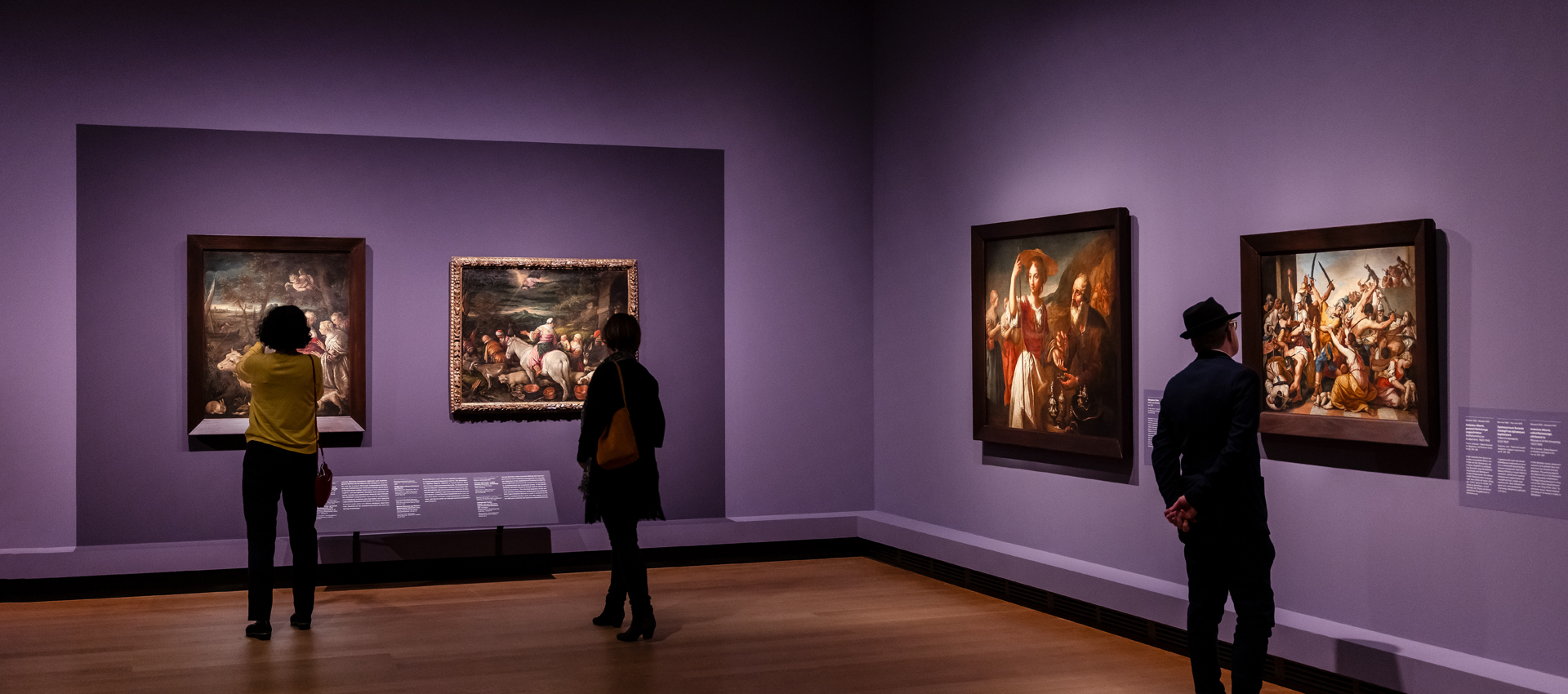
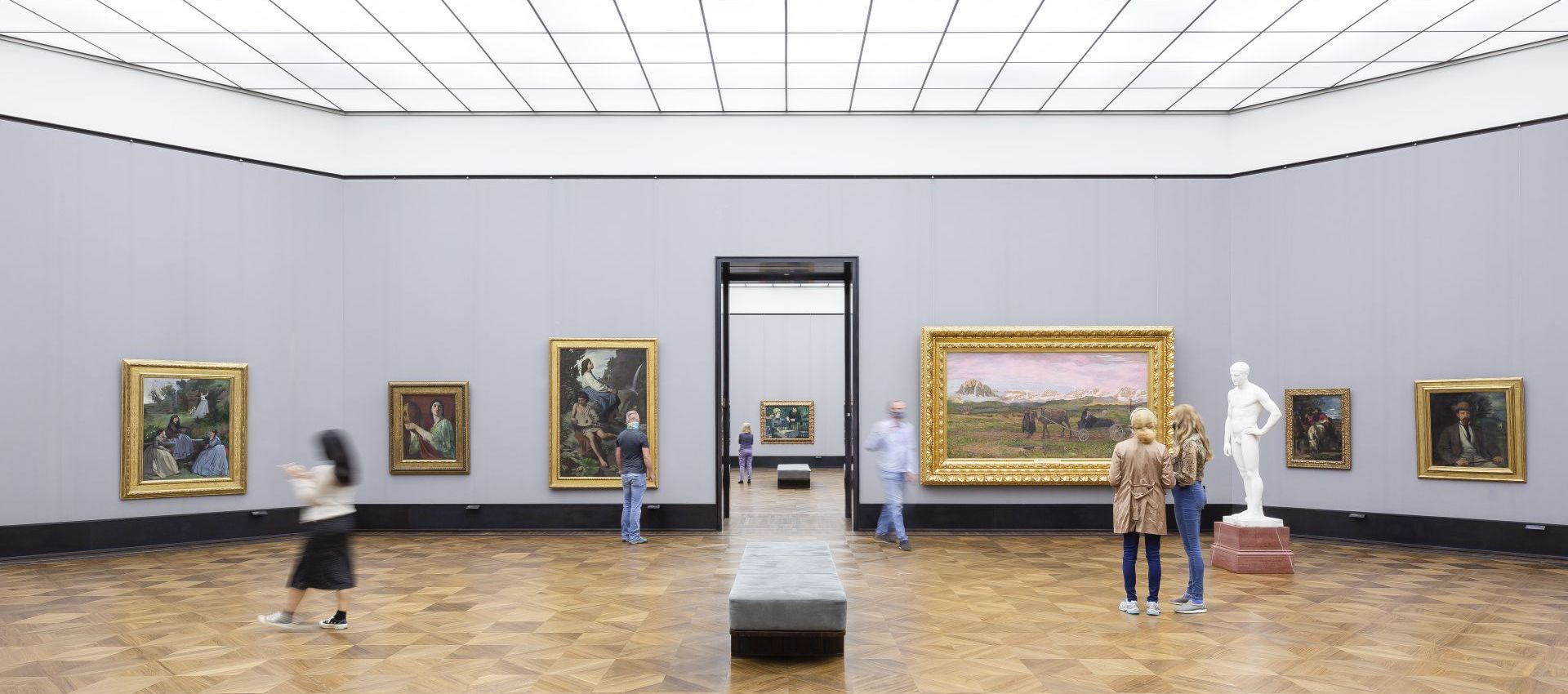
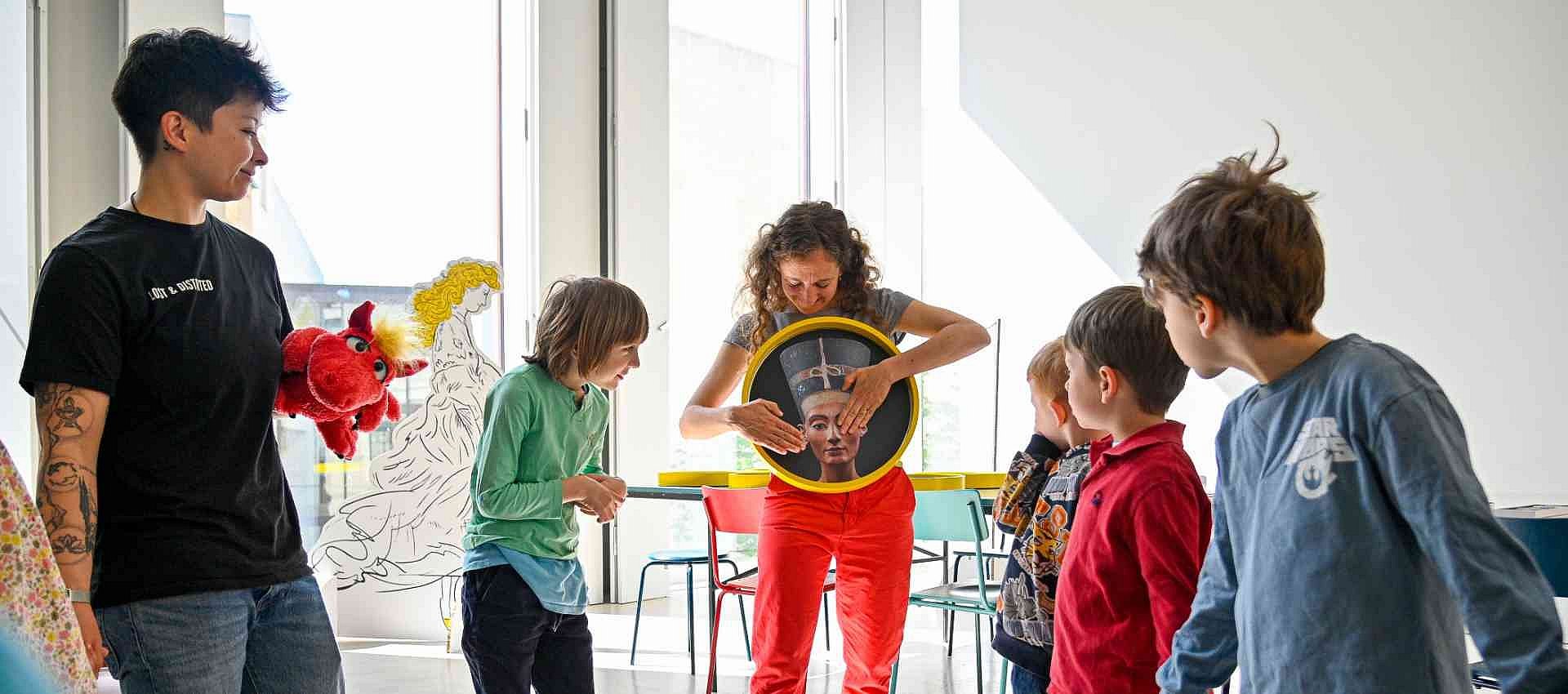
A summer morning at the Alte Nationalgalerie. The Caspar David Friedrich exhibition opens at 9 am. A few pensioners walk past a school class sitting on the ground in front of Schadow’s tomb for the Count von der Mark. The Year 1 pupils learn how Friedrich came to use his colours and discover that the ‘Watzmann’ is actually a collage. If they then tell their parents about their trip when they get home and encourage them to visit a museum again, then a great deal will have been achieved.
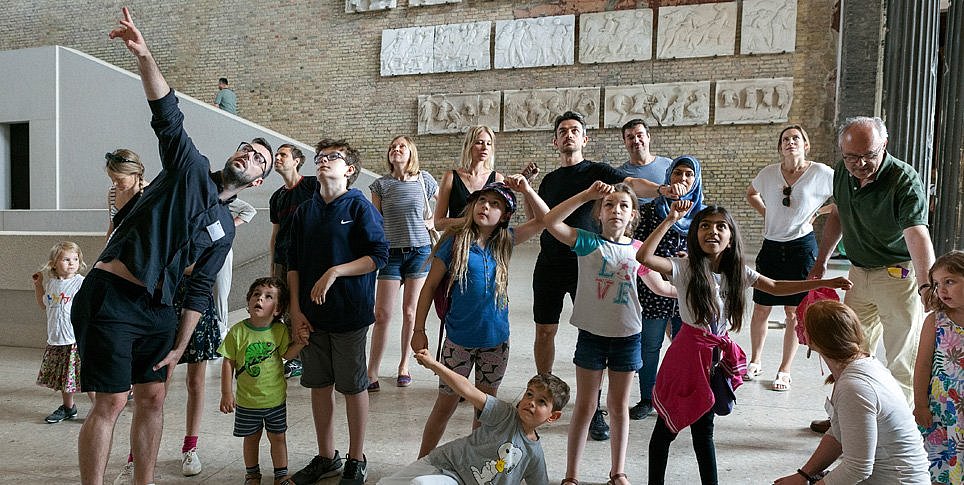
Education and Outreach at the Berlin State Museums: Tailored and Targeted
Education and outreach were among the first issues addressed by the reform of the Prussian Cultural Heritage Foundation (SPK), and the approach quickly took concrete shape. Our museums no longer wanted to see this important area organised centrally, far removed from the collections, but rather directly linked to the individual institutions.
Their compelling argument was that each museum should develop programmes tailored to its specific profile, reaching the various target groups from nursery groups and school classes to parents and grandparents. That is why, as one of the first steps in the reform, we integrated our colleagues from the Education and Outreach department into the individual museums as early as summer 2023, so that they could support and help shape the exhibitions and projects taking shape there from the very beginning. Since then, I believe, our outreach work has become even more intensive and successful.
For the Foundation’s museums, archives and libraries, the aim is to ensure fairer access to education, knowledge and culture. This is our top priority!
Hermann Parzinger
Cultural education is a top priority in all SPK institutions
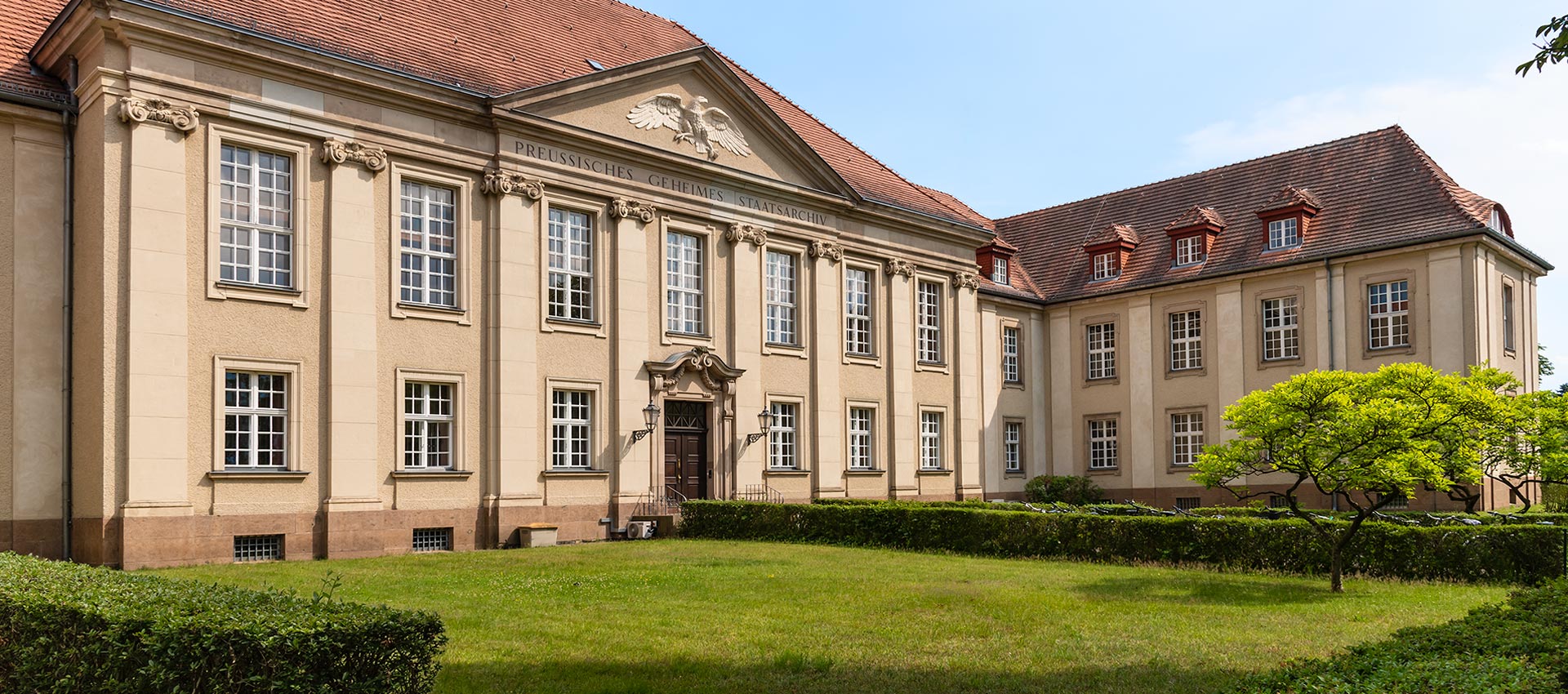
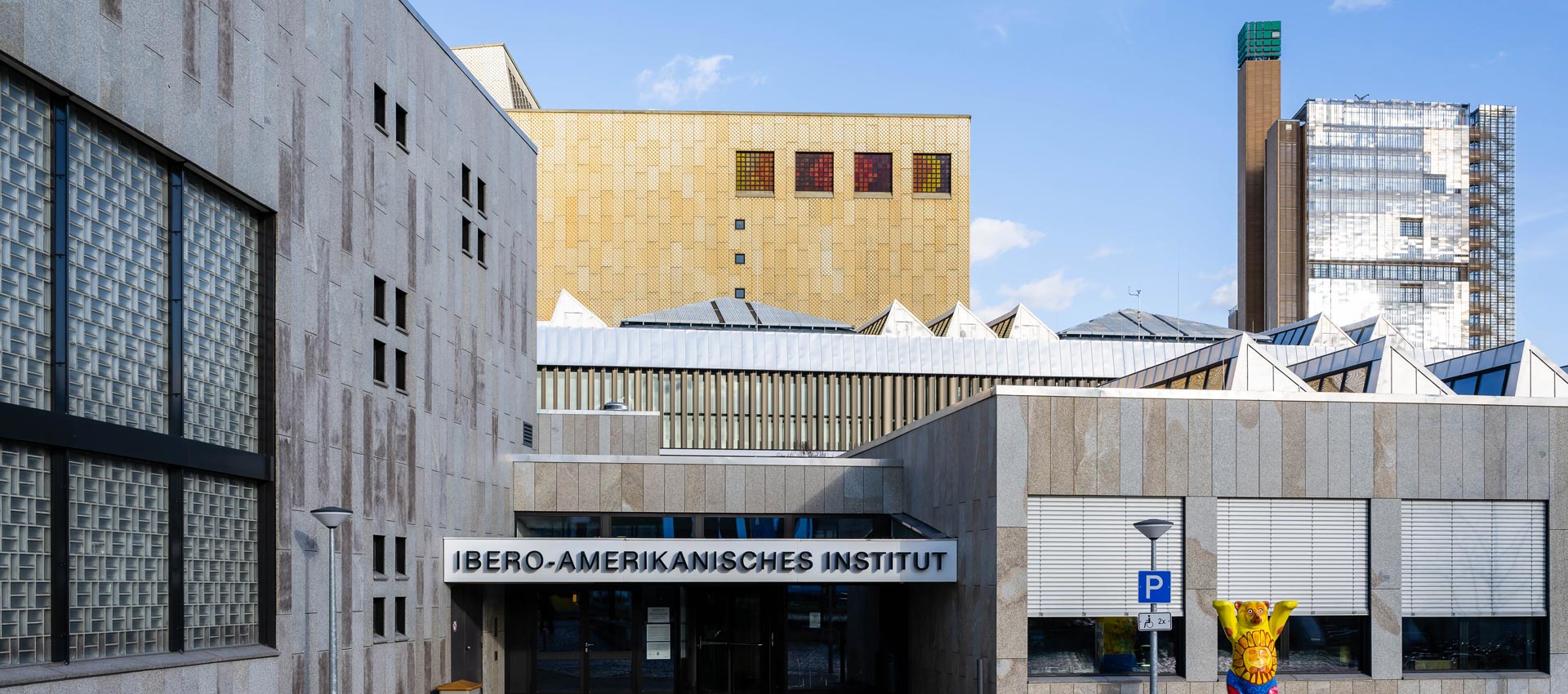
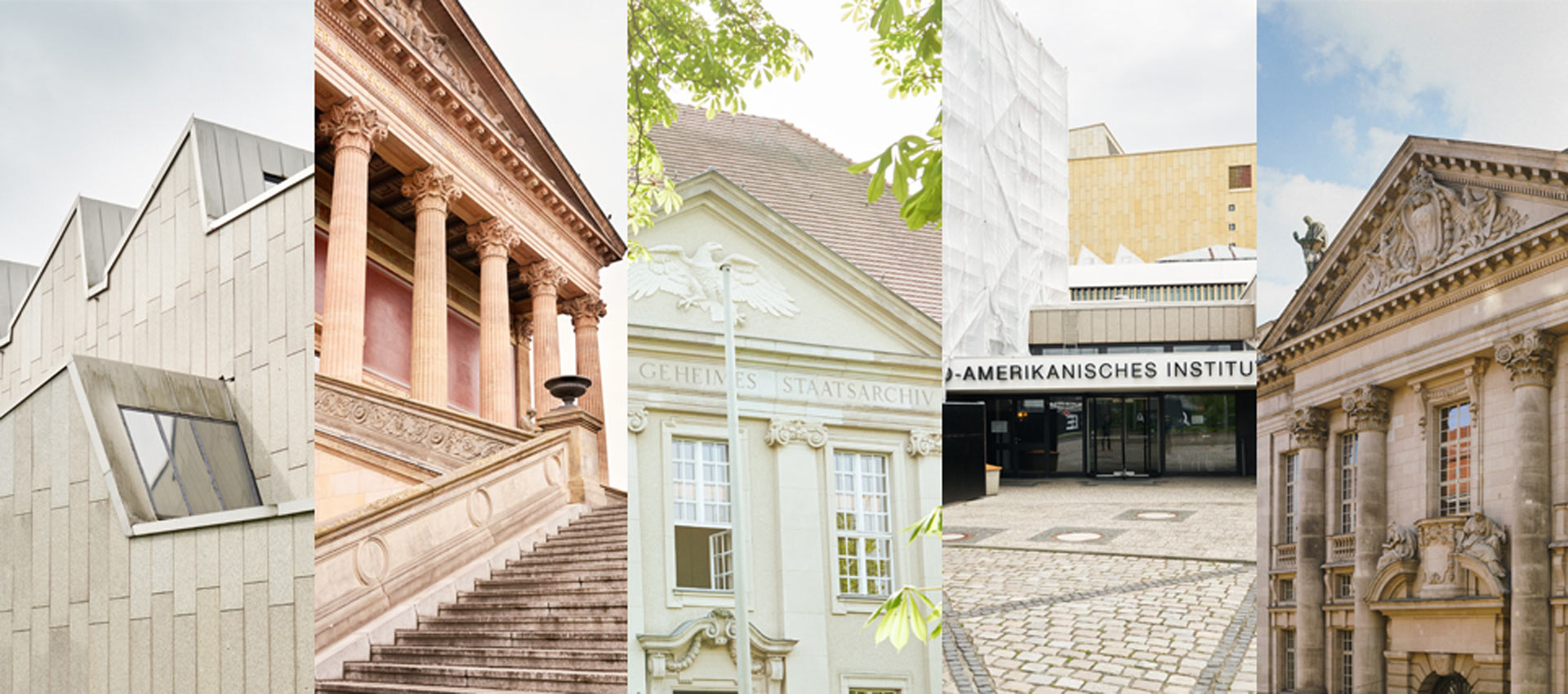
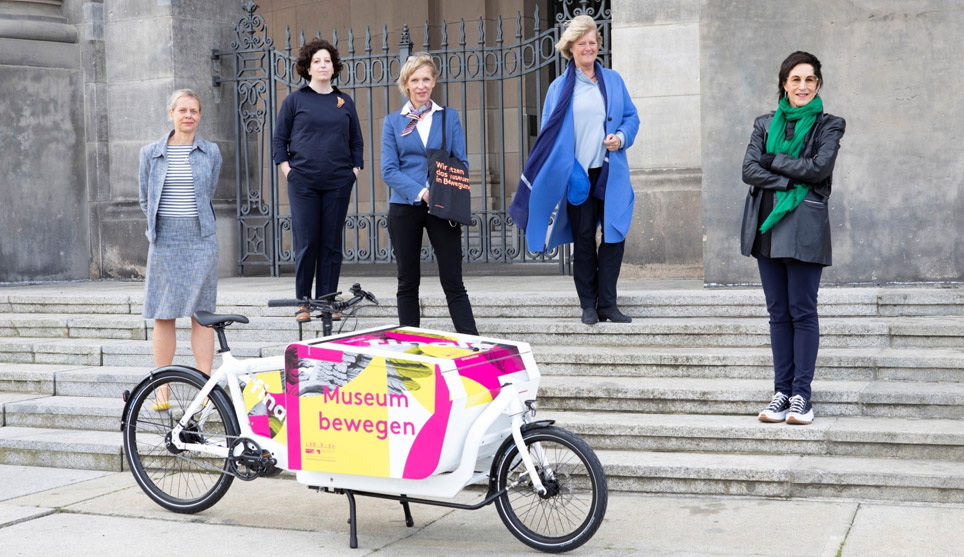
In general, the SPK is already well ahead in this area. Cultural education has also been continuously expanded in recent years at the State Library, the State Secret Archives and the Ibero-American Institute. Whether visiting the Otfried Preußler exhibition at the Stabi-Kulturwerk, taking the Dahlem Archive Suitcase on tour, or discovering Mexican prints, all these examples show that the institutions are opening up and constantly seeking out new ideas for their programmes.
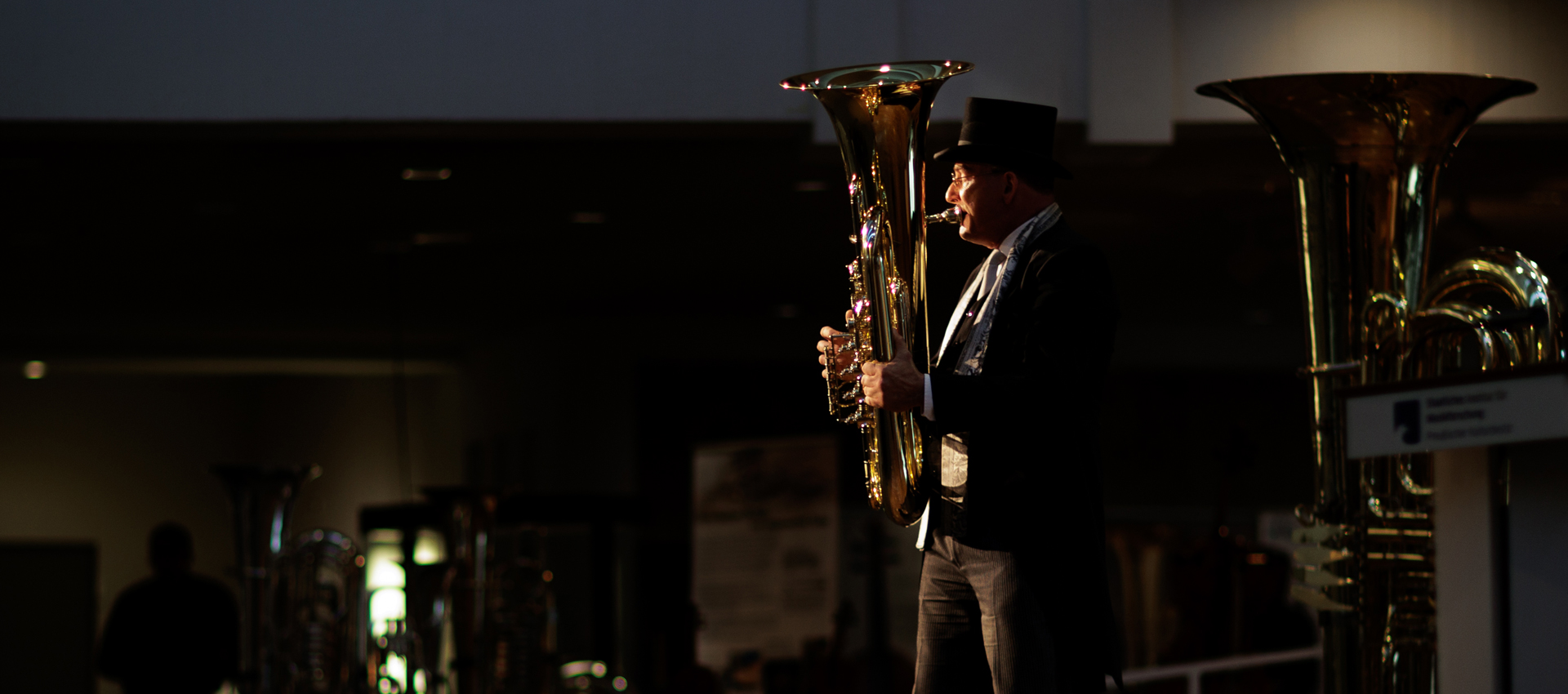
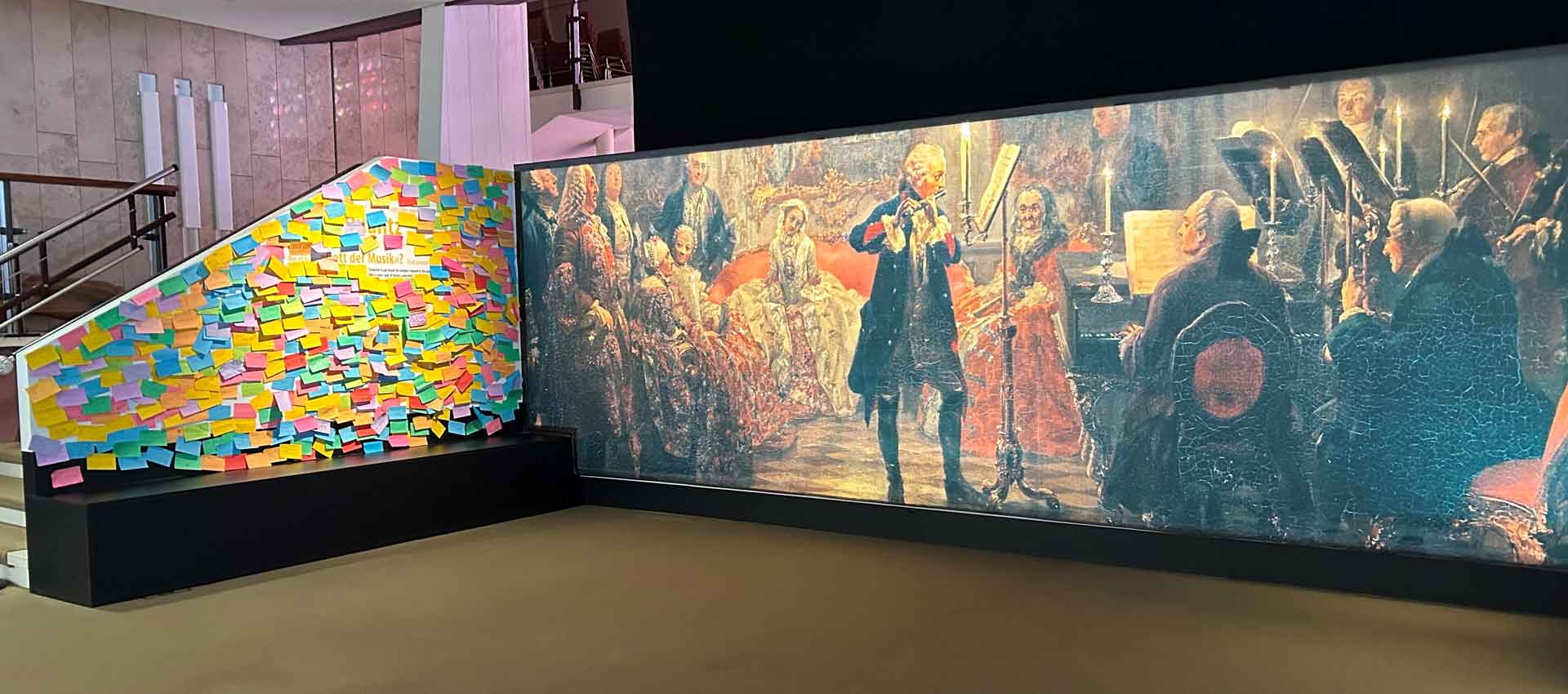
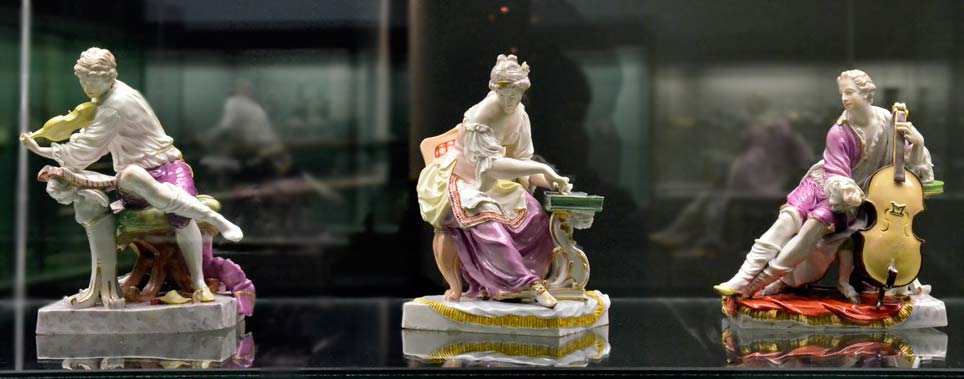
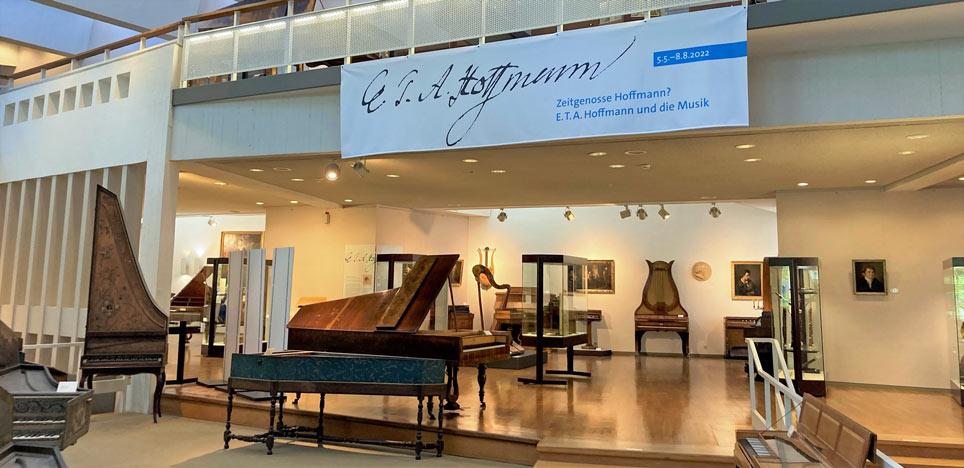
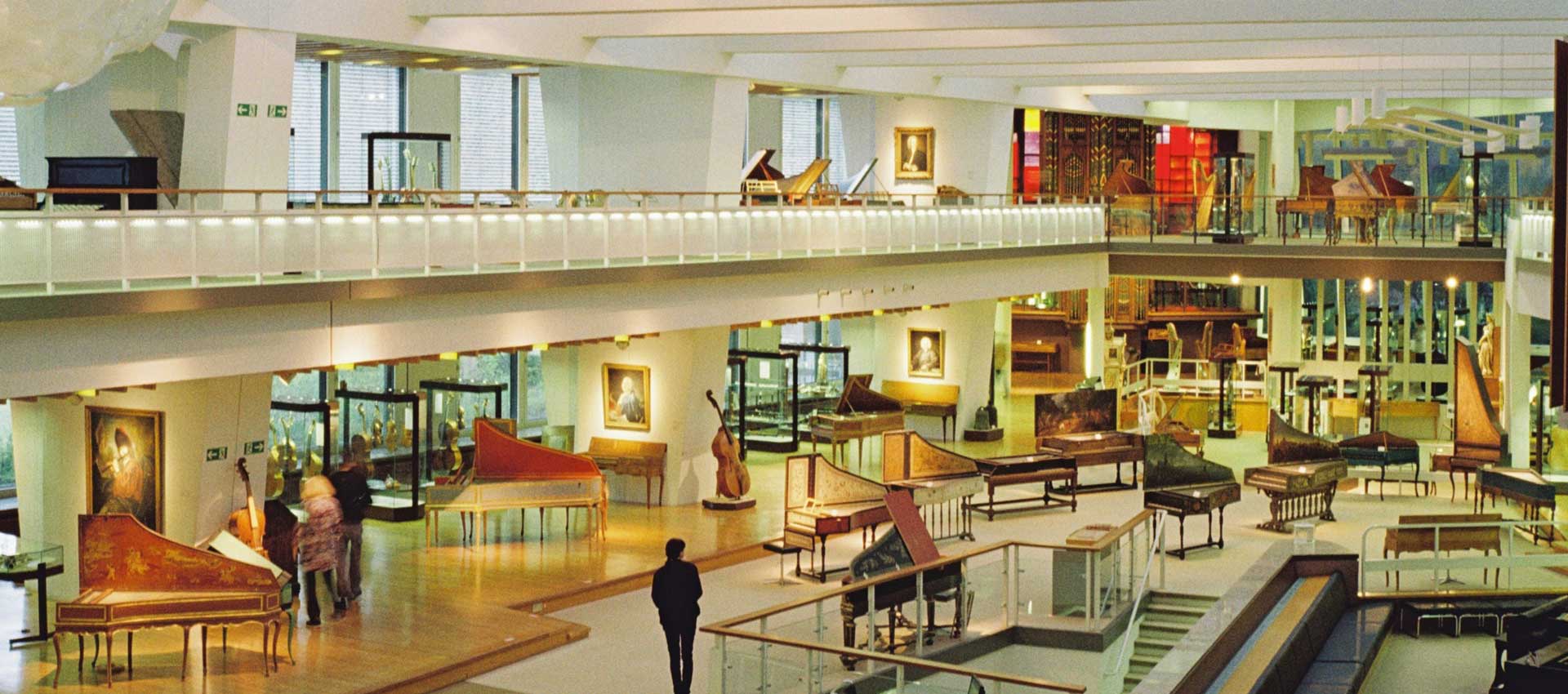
The State Institute for Music Research (SIM), together with the Museum of Musical Instruments, offered over 400 events, guided tours and workshops last year. It was not uncommon for these events aimed at children and families – including the classic family tours of the museum and the Philharmonie – to be fully booked well in advance.
Equal opportunities for all
All the successes we have achieved, including as a platform recognised nationwide, demonstrate that we take our social mission seriously. We are aware of the educational disparities in our country; we know how wide the gap is between children who are read to and who visit museums, and their peers who do not have these opportunities. For the Foundation’s museums, archives and libraries, the aim is to ensure fairer access to education, knowledge and culture. This is our absolute priority!
What does all this have to do with me?
Friedrich Schiller and Wilhelm von Humboldt were already convinced that aesthetic education contributes to the development of responsible citizens and can thus bring about social change. Today, however, it is also about the ability to navigate the world and exercise sound judgement, to distinguish facts from ‘fake news’.
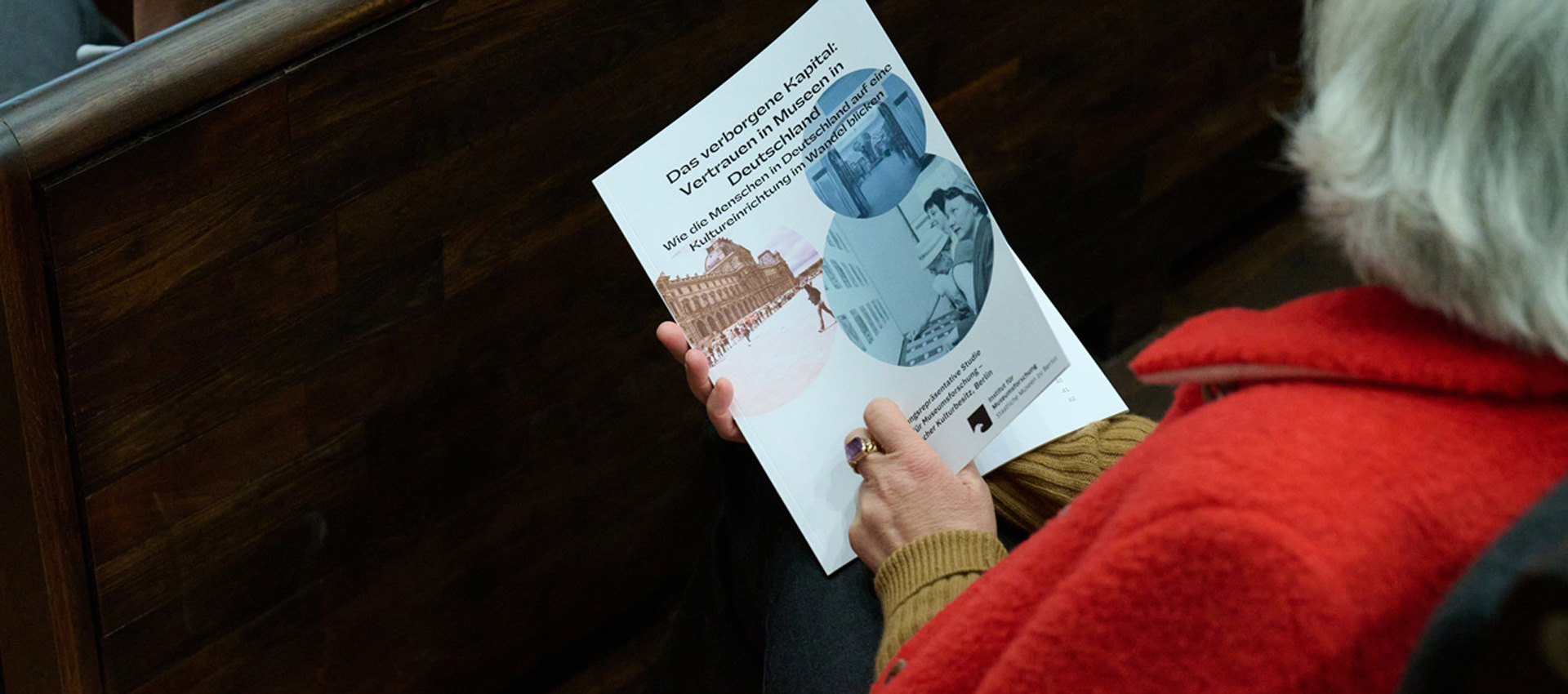
Cultural education is also the search for answers to today’s questions in history. The enormous trust that museums in particular have enjoyed in our Institute for Museum Research’s latest surveys is a tremendous incentive to continue resolutely along this path.
Issues such as climate, migration, urbanism, faith and democracy have long been overarching themes for our institutions. In this context, we note that contemporary and real-life connections are particularly important to our younger visitors.
The fundamental question is, after all: what does all this have to do with me? Only if we can answer this question will the significance and relevance of our collections become clear, and will Museum Island or the Kulturforum be perceived as truly vibrant and socially relevant venues.
Practical pilot projects
Of particular importance here are the major pilot projects, within the framework of which pressing overarching issues relating to cultural education in museums are addressed, evaluated and documented in a practical manner in collaboration with the public, and translated into transfer strategies. Examples include: “READY TO ENTER! Schoolchildren and young people shape the Neue Nationalgalerie”, “4plus – Kindergarten children in the museum”, “ACROSS GENERATIONS – Learning from art, culture and one another” and “From Moabit to Pergamon and back – Holidays on Museum Island”.
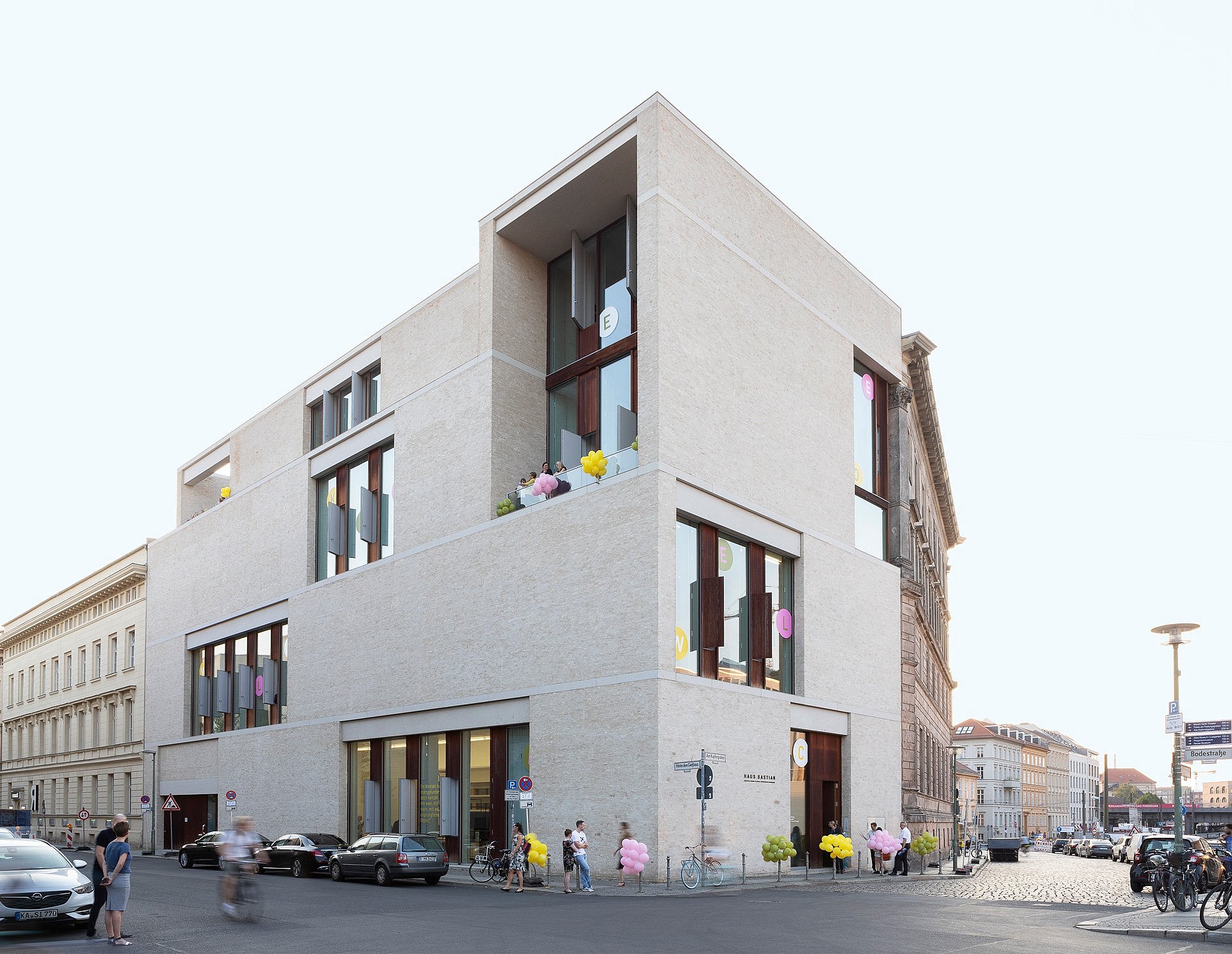
Haus Bastian – Centre for Cultural Education
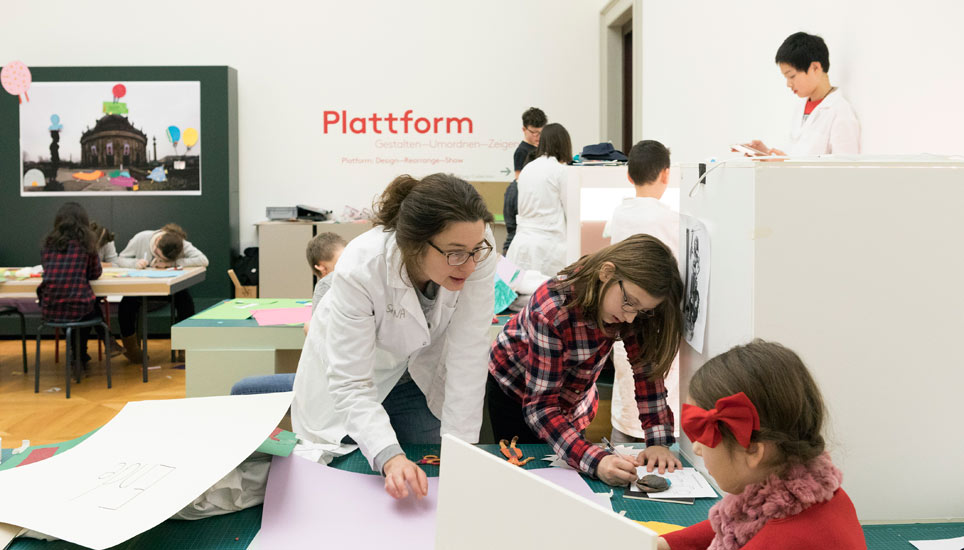
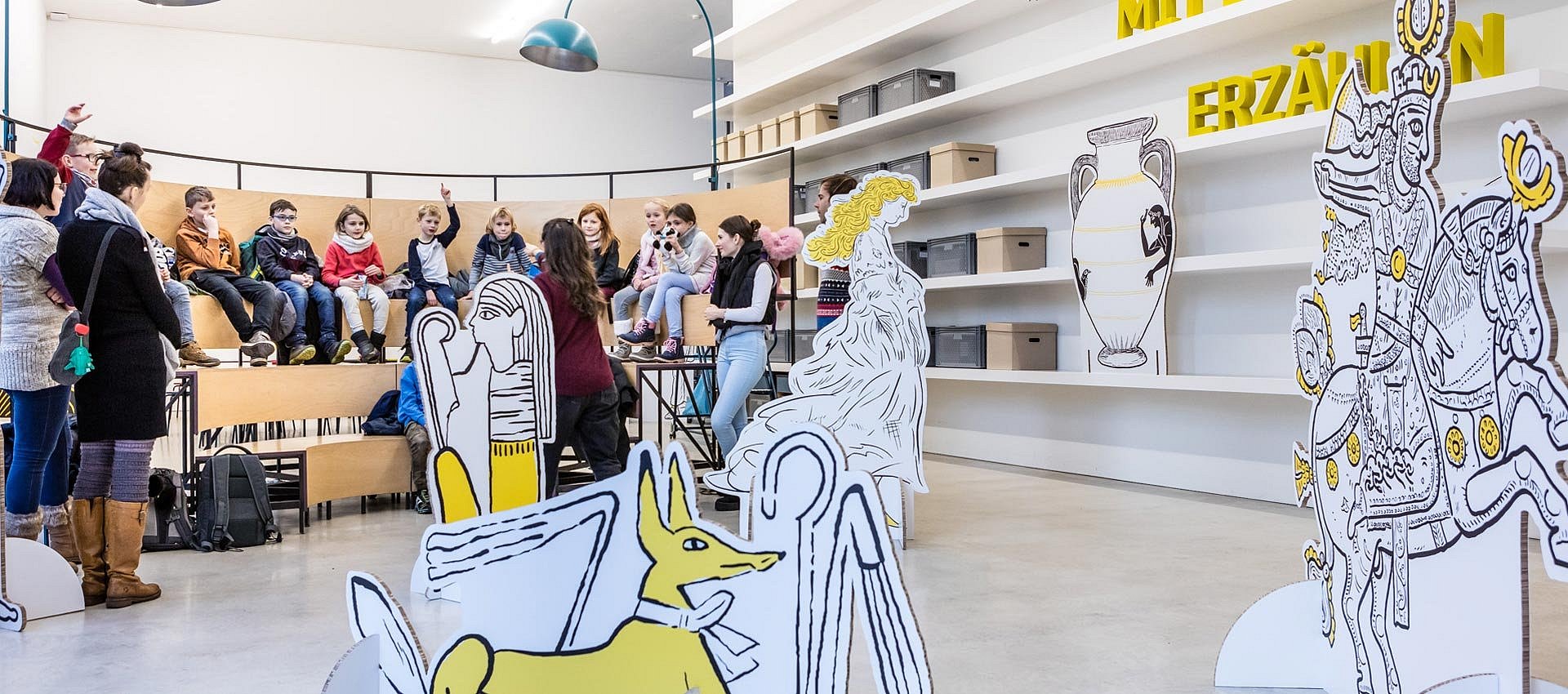
Haus Bastian is a venue for a wide audience: school pupils and students, children and families, young people and adults. Here, in a central location, you will find an ideal starting point from which to explore all 15 collections of the Staatliche Museen zu Berlin and to reflect on, expand upon and discuss your observations, experiences and questions in a creative way. In addition to major regional and national educational projects carried out here, Haus Bastian offers a forum for discussing current and forward-looking issues in educational work, such as social participation, inclusion and political education.
Photo: SMB / Juliane Eirich
A home for everyone: Haus Bastian
The SPK is also fortunate to have Haus Bastian, opposite the James-Simon-Galerie, as a centre for cultural education which, in recent years, has set national standards in educational outreach. This centre offers a collection-based programme for Museum Island, whilst also developing new event and educational formats for other institutions.
Furthermore, Haus Bastian sees itself as a national platform and multiplier for best-practice examples from the educational and outreach work of museums and institutes. This includes, for example, training programmes for practitioners of cultural, historical and aesthetic education at external institutions.
A question of resources
For the SPK, reform in the field of education and outreach clearly means strengthening the individual institutions on the one hand, and developing cross-institutional initiatives, programmes and projects on the other. Yet every reform also raises the question of resources: as things stand, not all of our museums have their own dedicated post for cultural education.
At the Neue Nationalgalerie, for example, we are currently making do with fixed-term contracts. To put it plainly: this is not commensurate with the world-class status of our collections. Improving the resources in this area is therefore an absolute priority for the SPK, because having an impact on society today and in the future is perhaps our most important task.