The third instalment of Parzinger’s Reform Diary focuses on thefuture organisational structure of the Berlin State Museums.
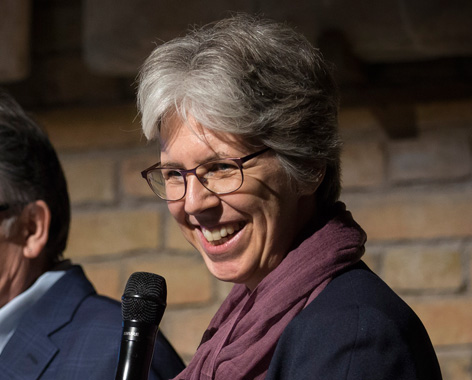
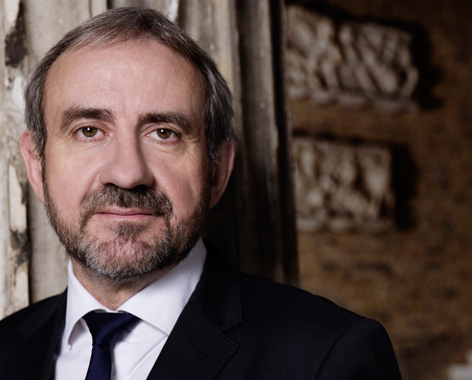
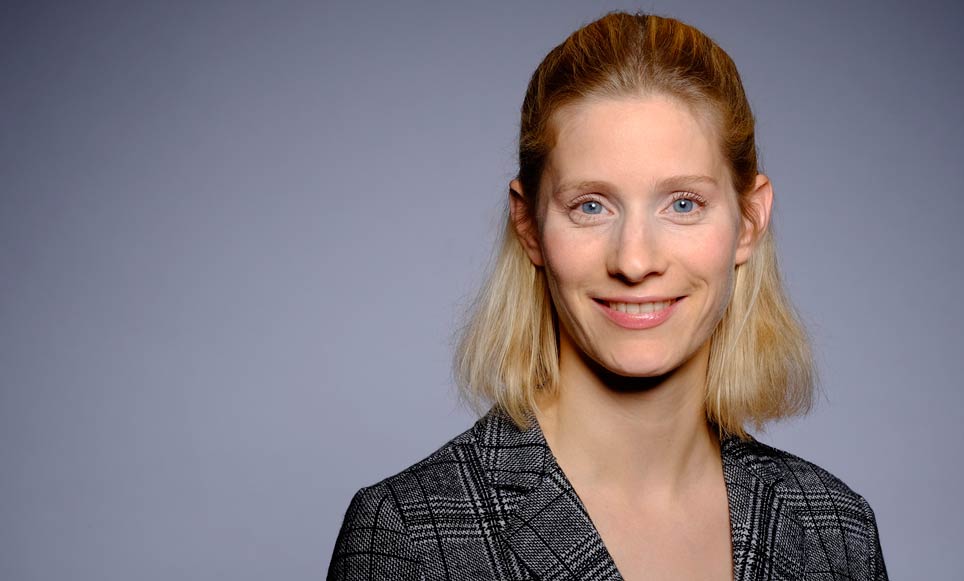
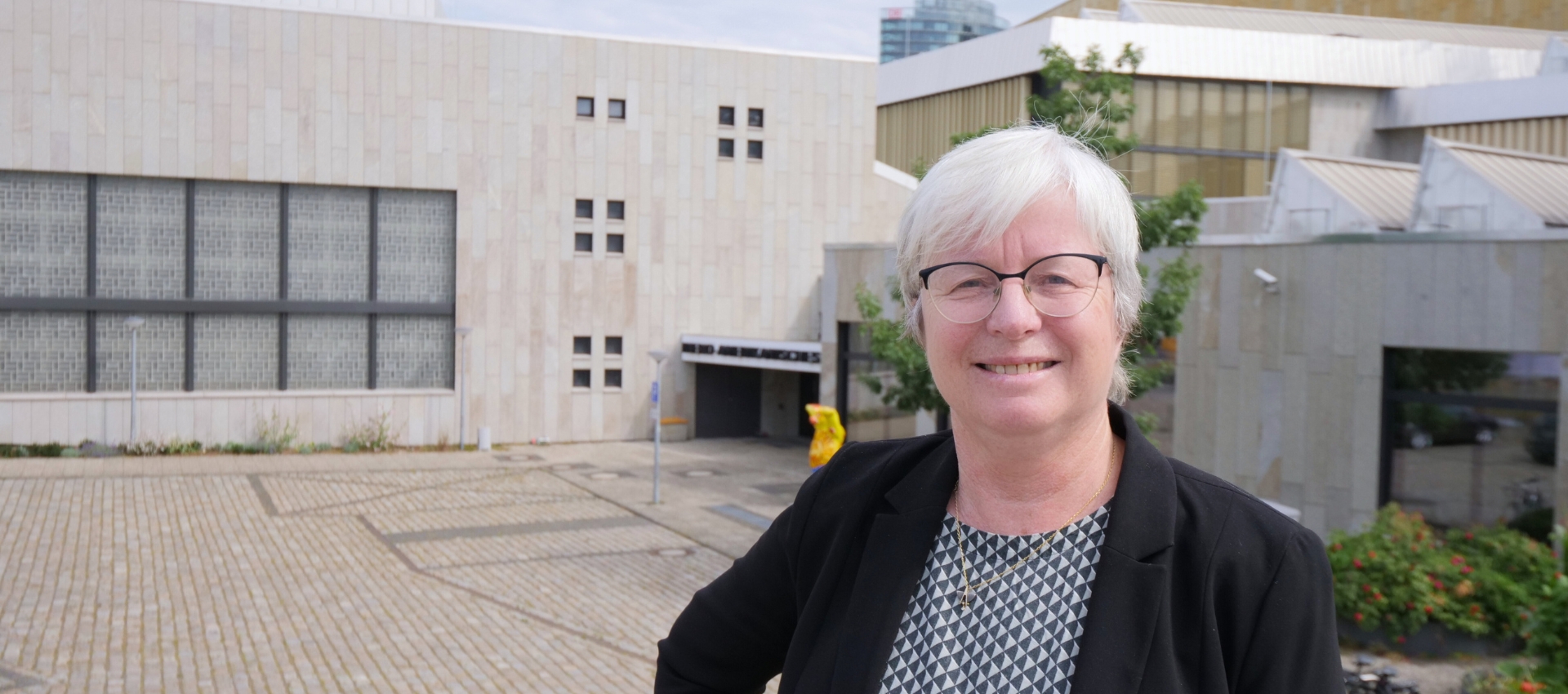
Hermann Parzinger has been President of the Prussian Cultural Heritage Foundation since 2008. Under the title “Reform Diary”, he offers insights into the foundation’s transformation in “Politik und Kultur”, the newspaper of the German Cultural Council.
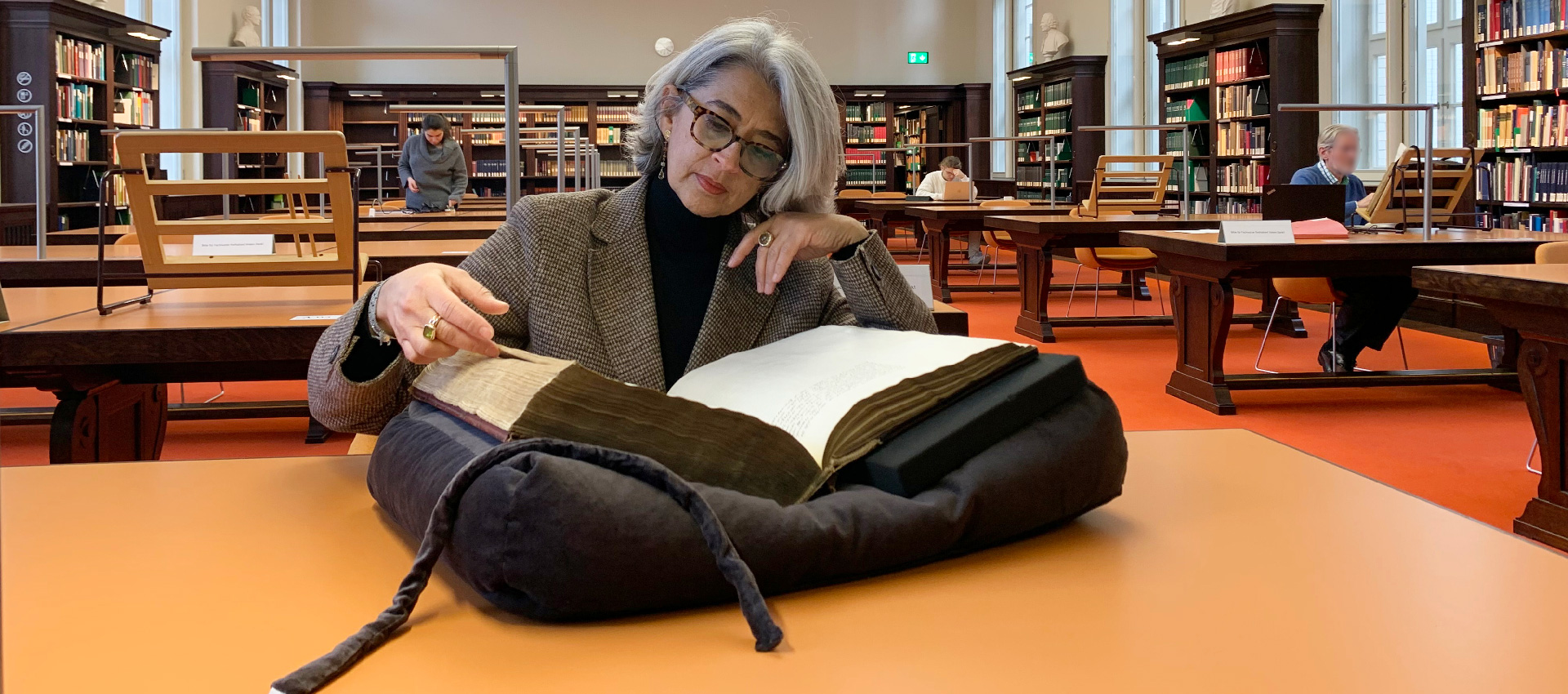
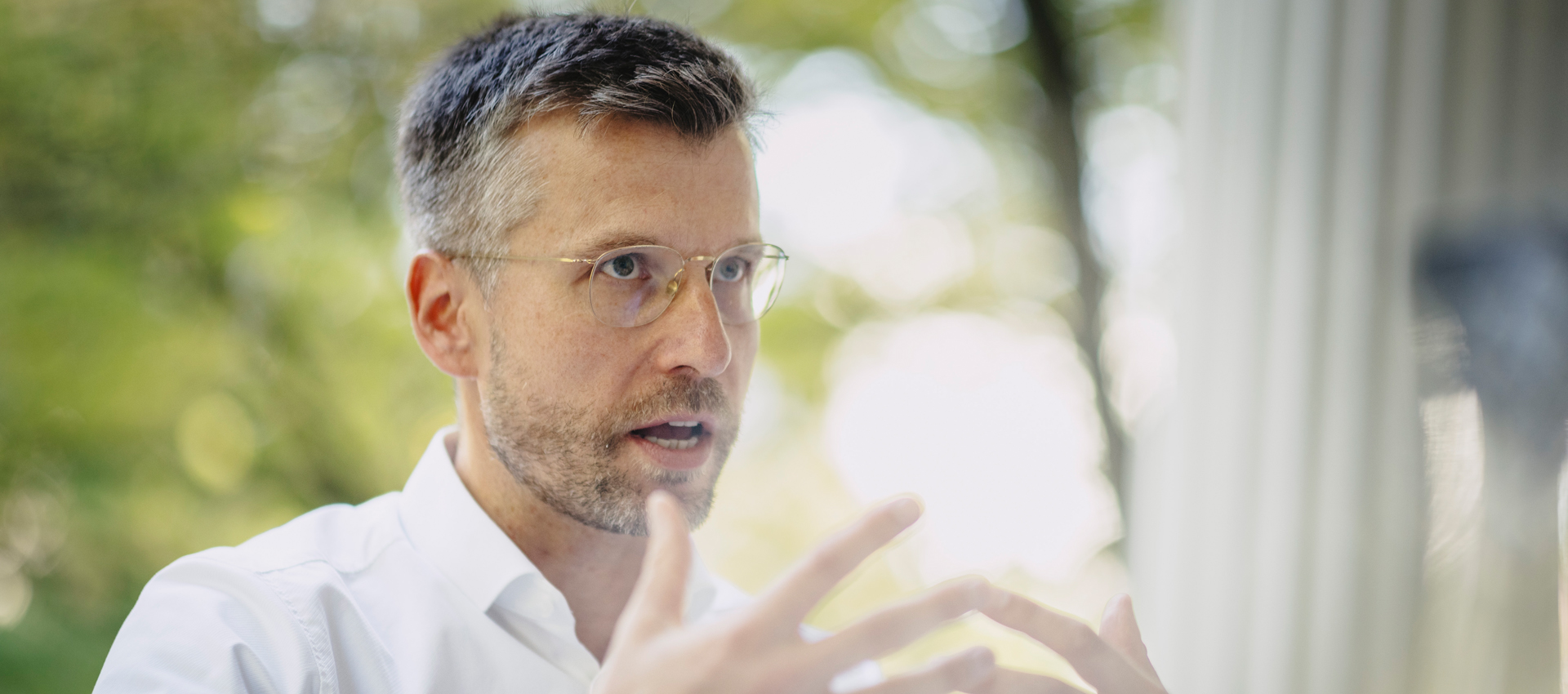
Photo: SPK / Herlinde Koelbl
For greater appeal, public interest, influence and visibility
It became clear at an early stage that, in the wake of the reform of the Prussian Cultural Heritage Foundation (SPK), the State Museums of Berlin (SMB) association would need to undergo a profound restructuring in order to develop greater appeal, public interest, influence and visibility. The fact that this has not yet been sufficiently achieved is partly due to a significant lack of staff and funding, but is also linked to the internal structures of the SMB. As a result, one of the world’s largest museum networks remains below its potential. Major institutions such as the Neue Nationalgalerie, the Hamburger Bahnhof, the Nationalgalerie für zeitgenössische Kunst, the Gemäldegalerie, the Ethnological Museum, the Collection of Classical Antiquities and others – each of which is of global significance in its own right – had virtually no autonomy. All important (and sometimes less important) decisions were taken by the General Directorate. It was here that decisions on the programme and funding were made. The directors of these major museums felt more like heads of departments than the actual heads of their institutions, which initially led to repeated incredulous astonishment, particularly in the case of new appointments, before the domesticating power of an outdated structure took effect and often resulted in resigned acquiescence.
Making museums and institutes more effective
There were only two ways to improve this situation: on the one hand, through significantly better funding – as also called for by the Science Council – although the Foundation is dependent here on the support of its funding bodies, namely the federal and state governments. And secondly – and this was the Foundation Board’s mandate to the SPK itself – the aim was to rethink the organisational structure and governance of the institutions in order to make the individual museums and institutes within the SMB network more effective and enable them to develop more successfully. As early as June 2021, the SPK’s Foundation Board therefore decided that – in order to give the individual museums and institutes of the SMB greater autonomy – there should no longer be any further decision-making or administrative level between them and the SPK’s new collegial body (Executive Board). In concrete terms, this meant the dissolution of the General Directorate and the abolition of the post of Director General.
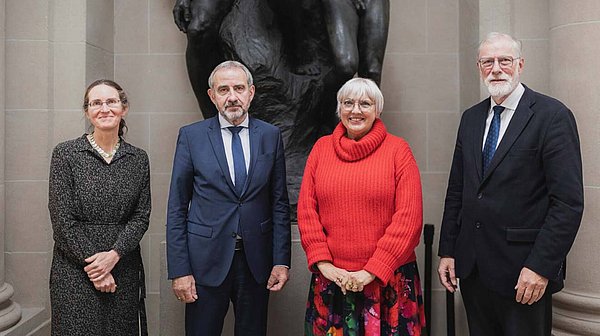
The Foundation Board’s resolution of 5 December 2022 specifically stipulated that three members of the Staatliche Museen zu Berlin should be represented on the seven-member Executive Board of the SPK, the Foundation’s highest governing body. It further states that the museums and institutes should be able to act more autonomously in future. They develop their own strategies within the framework of the overall strategy adopted by the Executive Board and manage the programme budgets allocated by the Executive Board independently. Furthermore, the guiding principle is that they should act as independently as possible and in an economically sensible manner. The individual institutions of the SMB shall cooperate administratively and professionally. Organisational and administrative tasks, as well as specialist museum services, are to be bundled in a sensible manner, particularly at the three major sites: Museum Island, the Kulturforum and Dahlem.
The real “brands” of Berlin’s museums are the individual institutions themselves, not the SMB network; they must therefore be strengthened.
Hermann Parzinger
Strengthening autonomy and enhancing effectiveness
One year later, on 8 December 2023, the SPK Foundation Board approved the new organisational model for the State Museums, which had been developed by a steering group comprising the Foundation’s management and museum directors, with external support from Partner Deutschland – Berater der öffentlichen Hand GmbH. This model provides for the tasks of the General Directorate to be reassigned in future. The primary objectives of the reorganisation are to strengthen the autonomy and enhance the effectiveness of the individual museums and institutes, to reduce and avoid complexity, to reinforce the focus on performance and incentives, to increase the service orientation of bundled services, and to realise synergies and cost-efficiency benefits.
The actual “brands” of Berlin’s museums are the individual institutions, not the SMB network; they must therefore be strengthened. As a first step, staff responsible for collection-based education and outreach, who were previously under the General Directorate, were transferred directly to the museums as of 1 July 2023. Furthermore, since January 2024, the museums and institutes have been allocated independent budgets for the first time, which creates important new scope for action, even if this may remain limited for the time being due to tight budgets and cost-cutting targets. As not every SMB institution can provide the necessary specialist museum services, five museum teams are being established across the sites.
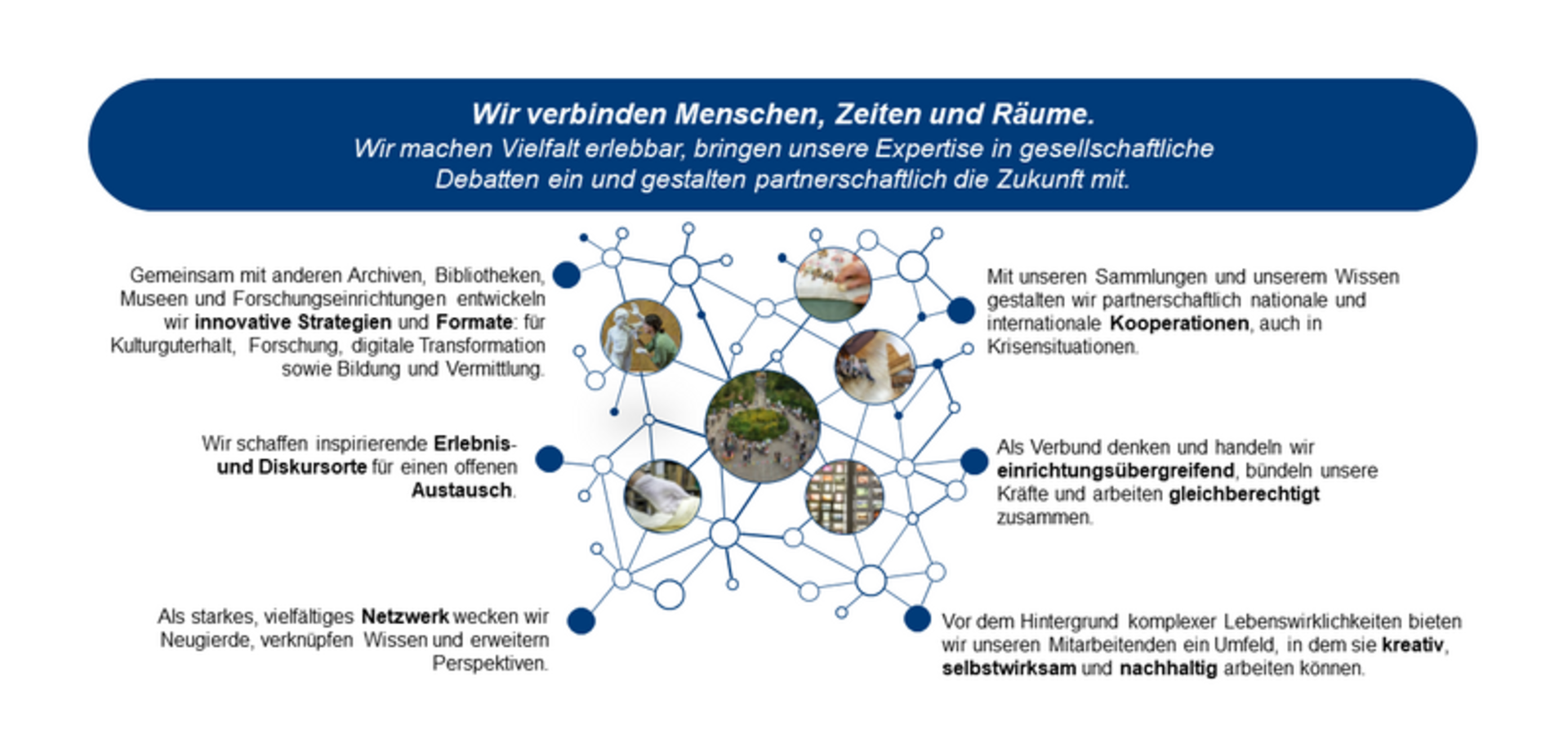
The “SPK 2030” vision sets out how the SPK network aims to develop over the coming years: an organisation that connects people, times and places. The aim is to bring the network’s diverse collections and holdings to life for the public, to contribute its expertise to social debates in ways that can be seen and heard, and to help shape the future through partnerships within networks and collaborations. SPK graphic
Consolidation of tasks within museum teams
These museum teams are responsible for exhibition management and design, event management, graphic production, loans, on-site visitor services, communications, social media, marketing, housekeeping, as well as subject-specific technical and security coordination in collaboration with centrally based departments. The consolidation of these tasks within museum teams serving several museums and institutes simultaneously takes account of the current staffing constraints, although an expansion of the teams will be necessary in the future as soon as additional staff resources become available.
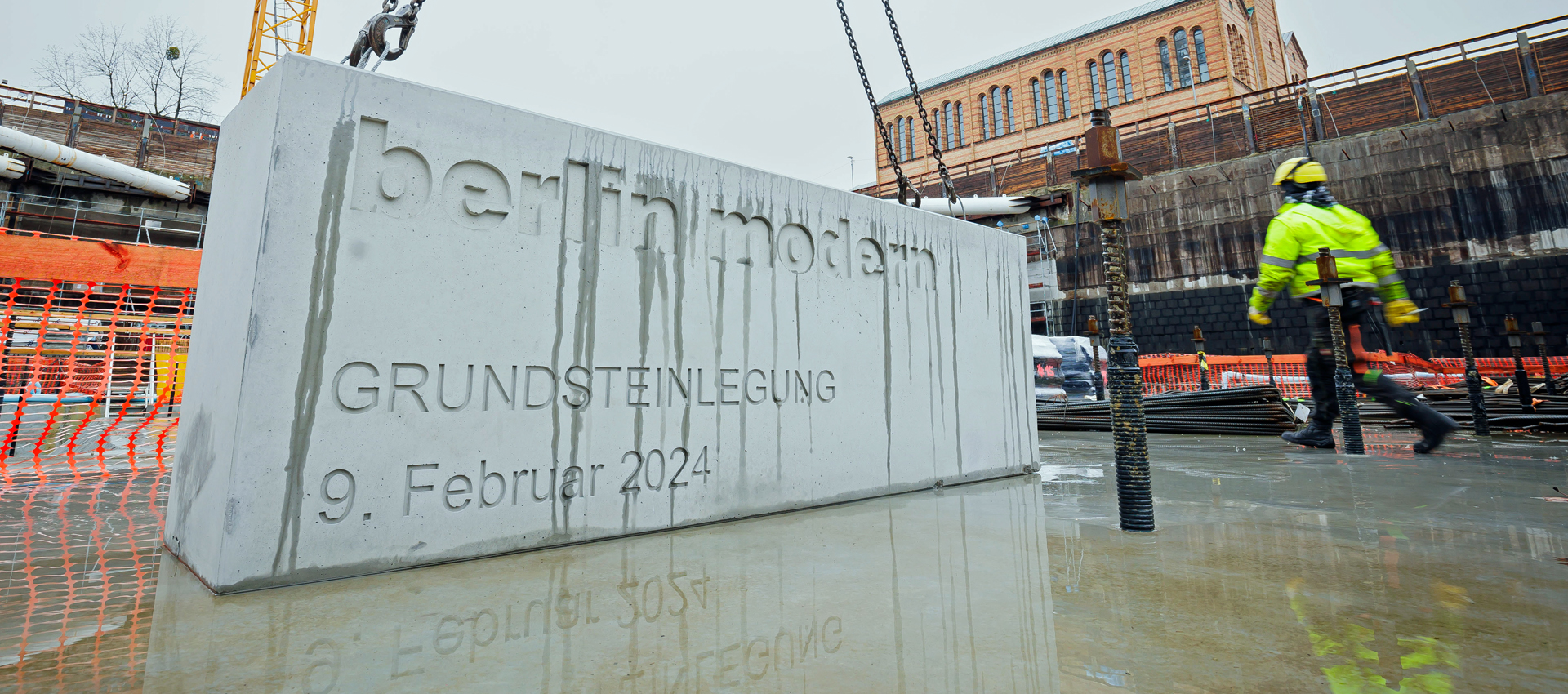
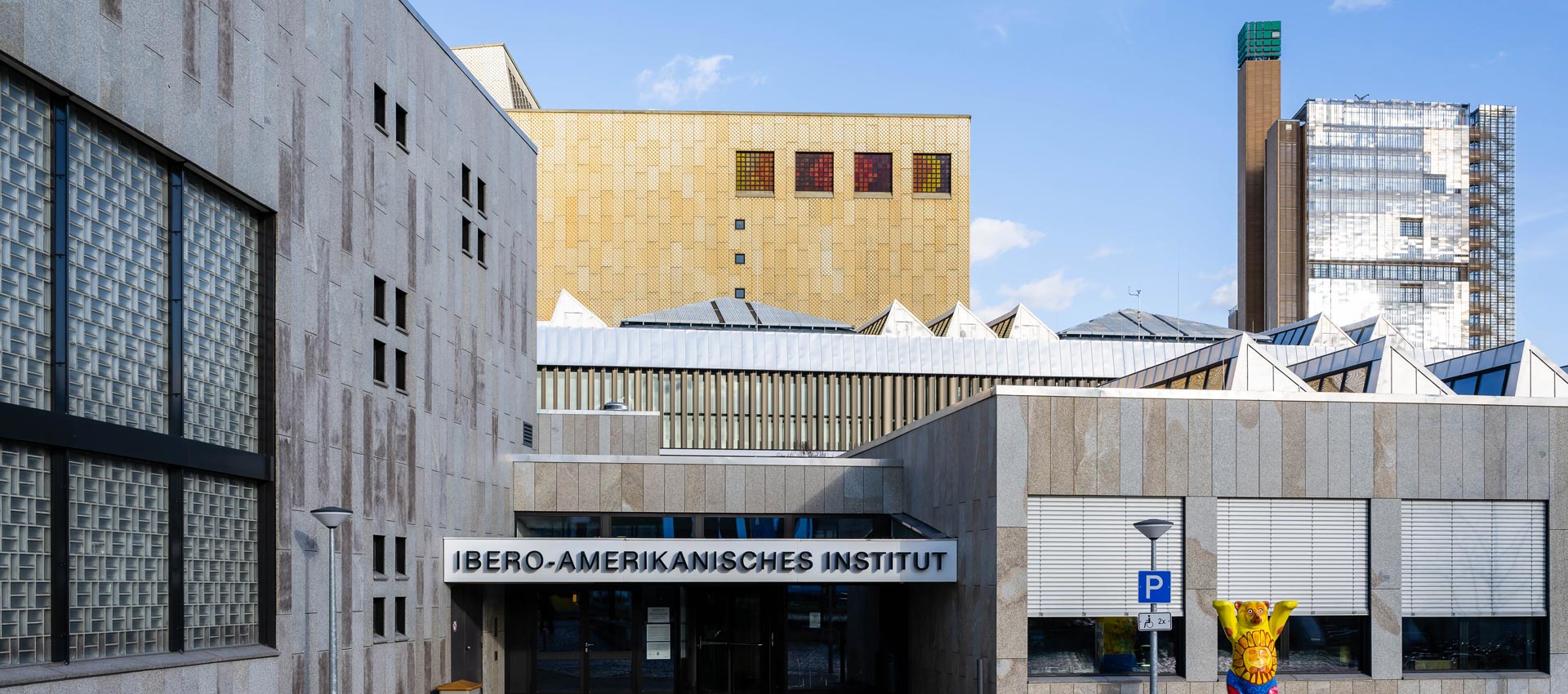
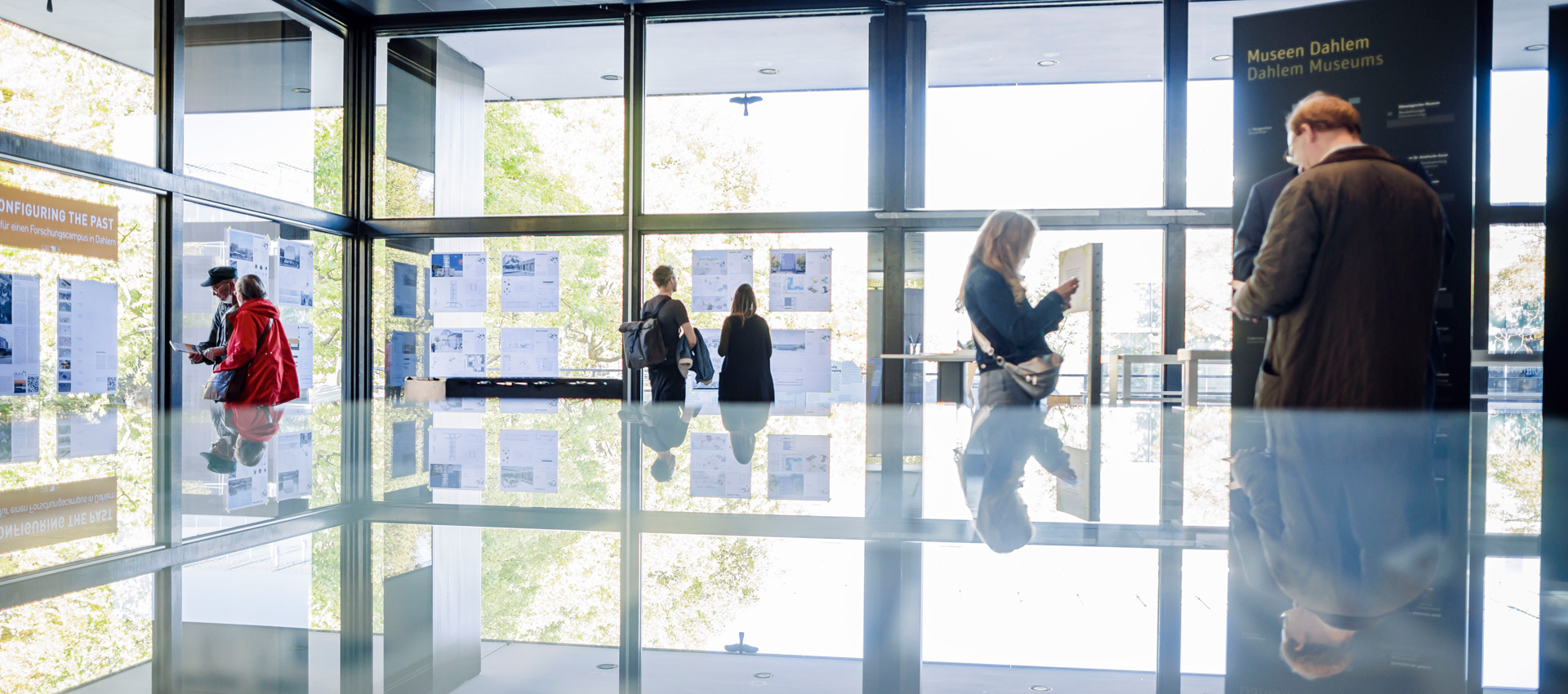
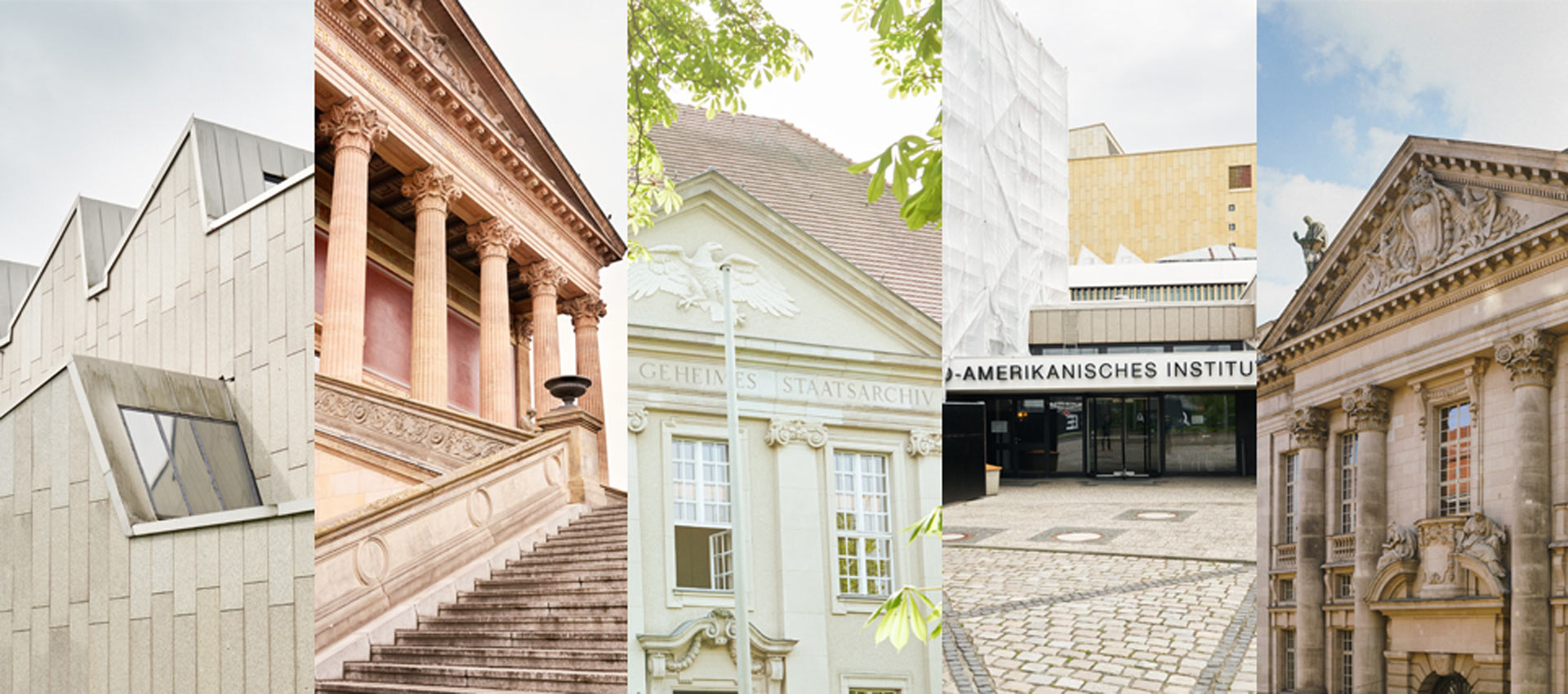
The ‘Museum Island Museum Team’ will be assigned to the institutions on and around Museum Island: the Egyptian Museum and Papyrus Collection, the Old National Gallery, the Collection of Classical Antiquities, the Museum of Islamic Art, the Numismatic Cabinet, the Museum of Prehistory and Early History, the Sculpture Collection and the Museum of Byzantine Art, the Museum of the Ancient Near East, and the Central Archives. A ‘Museum Team Kulturforum I’ will oversee the Neue Nationalgalerie, including its branches in Charlottenburg – the Museum Berggruen and the Museum Scharf-Gerstenberg – as well as the Museum berlin modern, which is currently under construction, the “Kulturforum II Museum Team” looks after the Gemäldegalerie, the Art Library with the Museum of Photography at Bahnhof Zoo, the Museum of Decorative Arts and the Kupferstichkabinett. The ‘Museum Team Dahlem/Humboldt Forum’ is responsible for the Ethnological Museum, the Museum of Asian Art, the Museum of European Cultures, the Institute for Museum Research, as well as the Plaster Casting Workshop and the Rathgen Research Laboratory in Charlottenburg. Due to its location separate from the other SMB institutions, the Hamburger Bahnhof – National Gallery of Contemporary Art has its own “Hamburger Bahnhof Museum Team”. Naturally, the museum teams vary in size, and the staffing levels allocated to each take into account the needs and circumstances of the associated museums and institutes, insofar as this is possible with the existing workforce.
In addition, there are decentralised shared services based at one of the SMB’s institutions, from where they provide services to all the SMB’s museums and institutes. The digital museum services have thus been transferred to the Institute for Museum Research, whilst the publications and merchandising departments have been moved to the Art Library. The staff of the Construction Unit, on the other hand, will be transferred to the Foundation’s Construction Department to create further synergies; in any case, the role of building contractor has always rested with the SPK and not with its institutions. All these changes have already taken effect as of 1 June 2024.
But the aim of making museums more modern, more flexible and, above all, more popular with the public leaves no other option.
Hermann Parzinger
Complete the establishment of the new organisational structure as soon as possible
The next step will be to form the museum teams mentioned above. The staff representative bodies must be involved in this process; there will be a procedure for expressing interest, and discussions with colleagues from the General Directorate will also focus on identifying opportunities for further development for those affected and, where possible, taking these into account. Any far-reaching organisational change involving restructuring and, in some cases, new responsibilities understandably causes considerable uncertainty among staff, but it also always offers great opportunities for something new. It is crucial that all jobs are safeguarded; the same applies to the pay grades of those affected. No one should be worse off as a result of the reform. Nevertheless, we are aware that such processes are always a strain on staff. However, the goal of making the museums more modern, flexible and, above all, more successful with the public leaves us no other option. It is therefore all the more important to complete the establishment of this new organisational structure swiftly. Naturally, these far-reaching internal changes go hand in hand with the hope of improved funding from the funding bodies. Signals from the federal and state governments confirm this hope. One of the world’s leading museum networks is well worth it.