The first episode focuses on the path towards the ‘SPK 2030’ vision and the establishment of new structures.
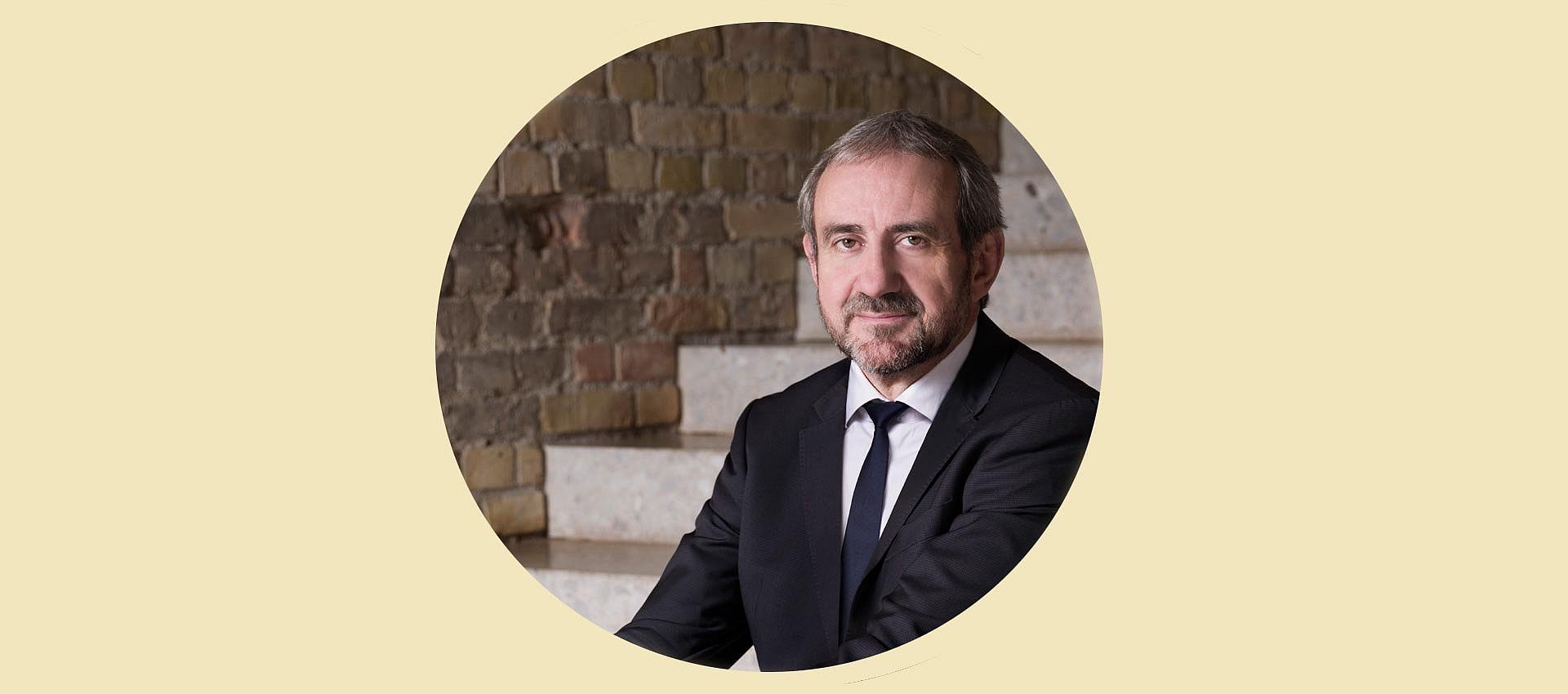
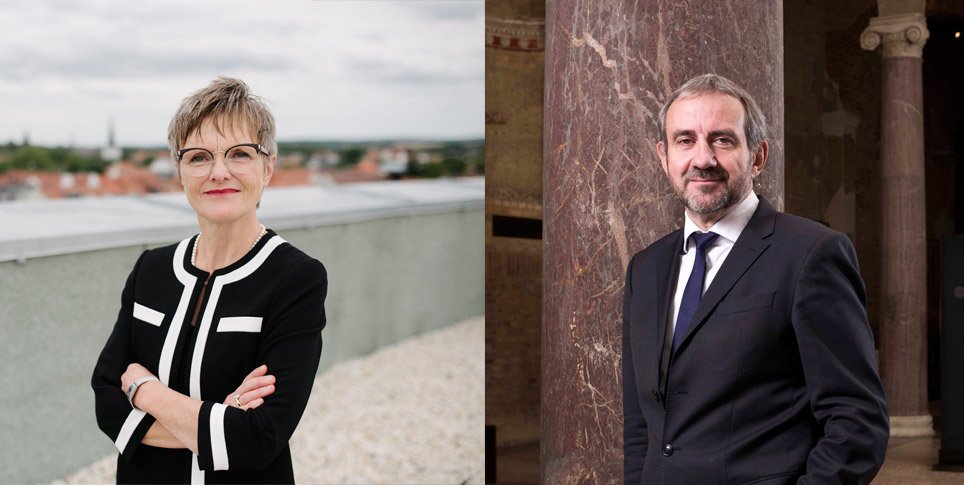
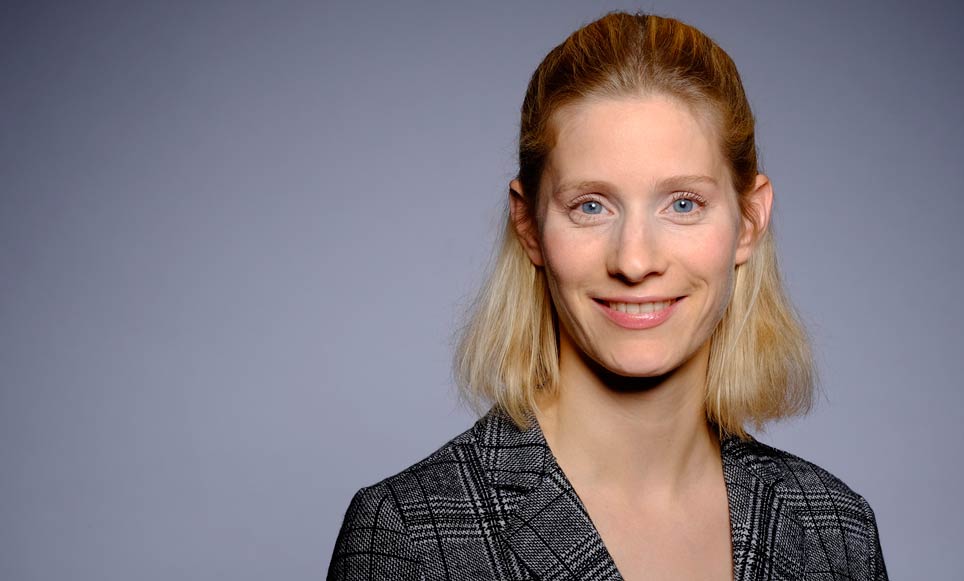
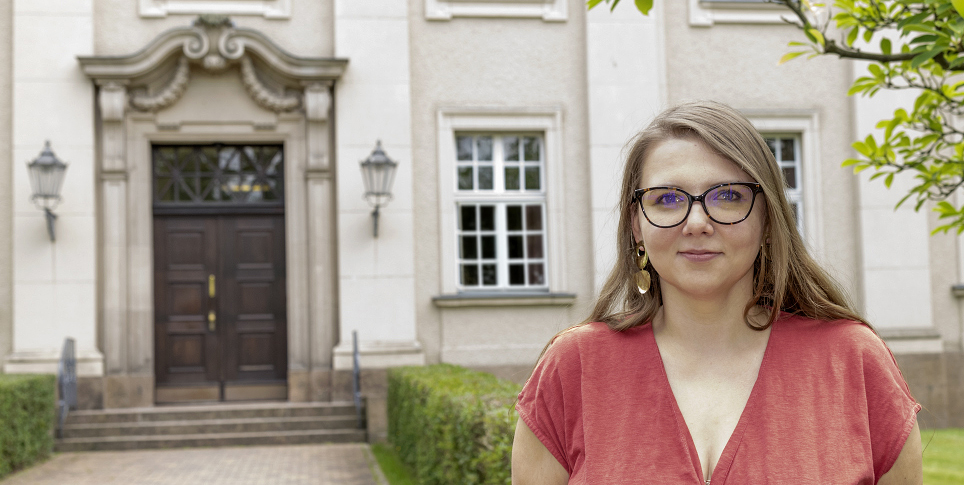
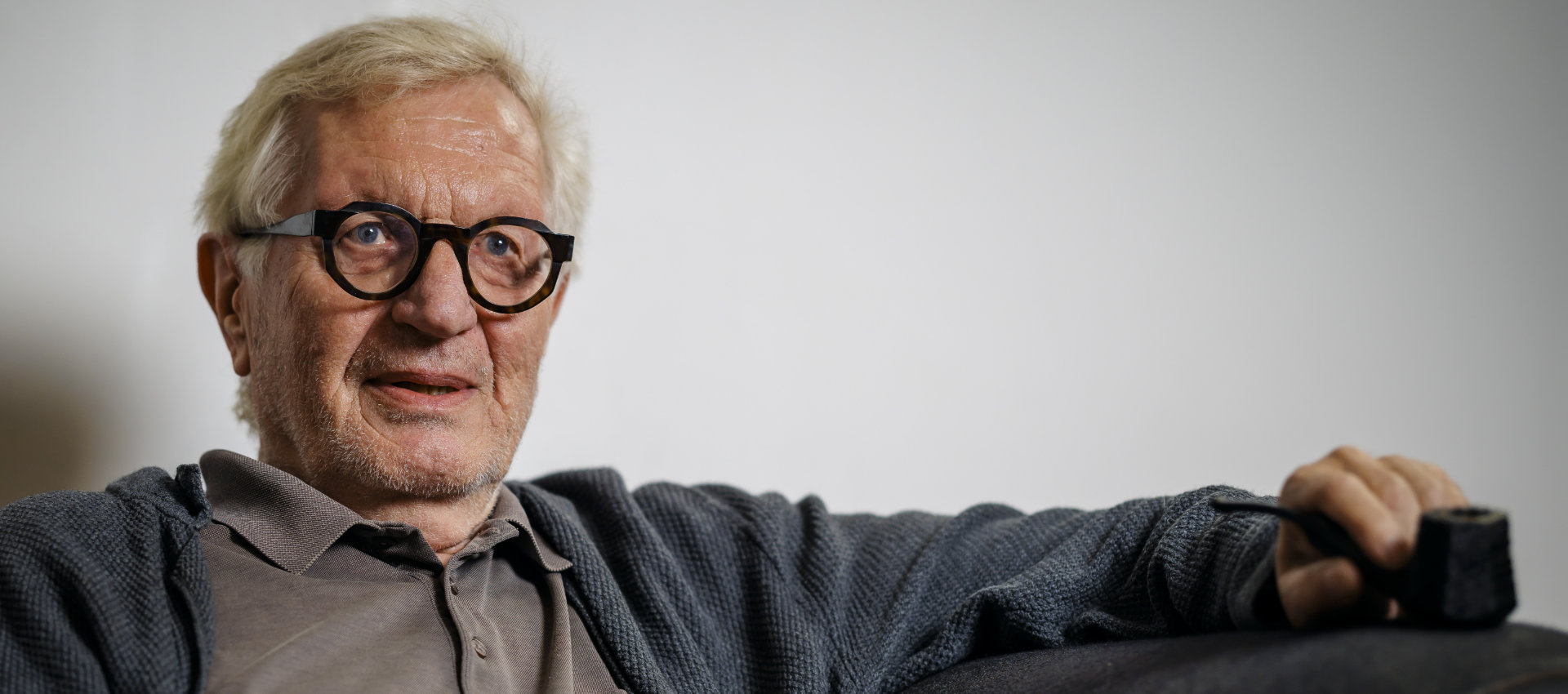
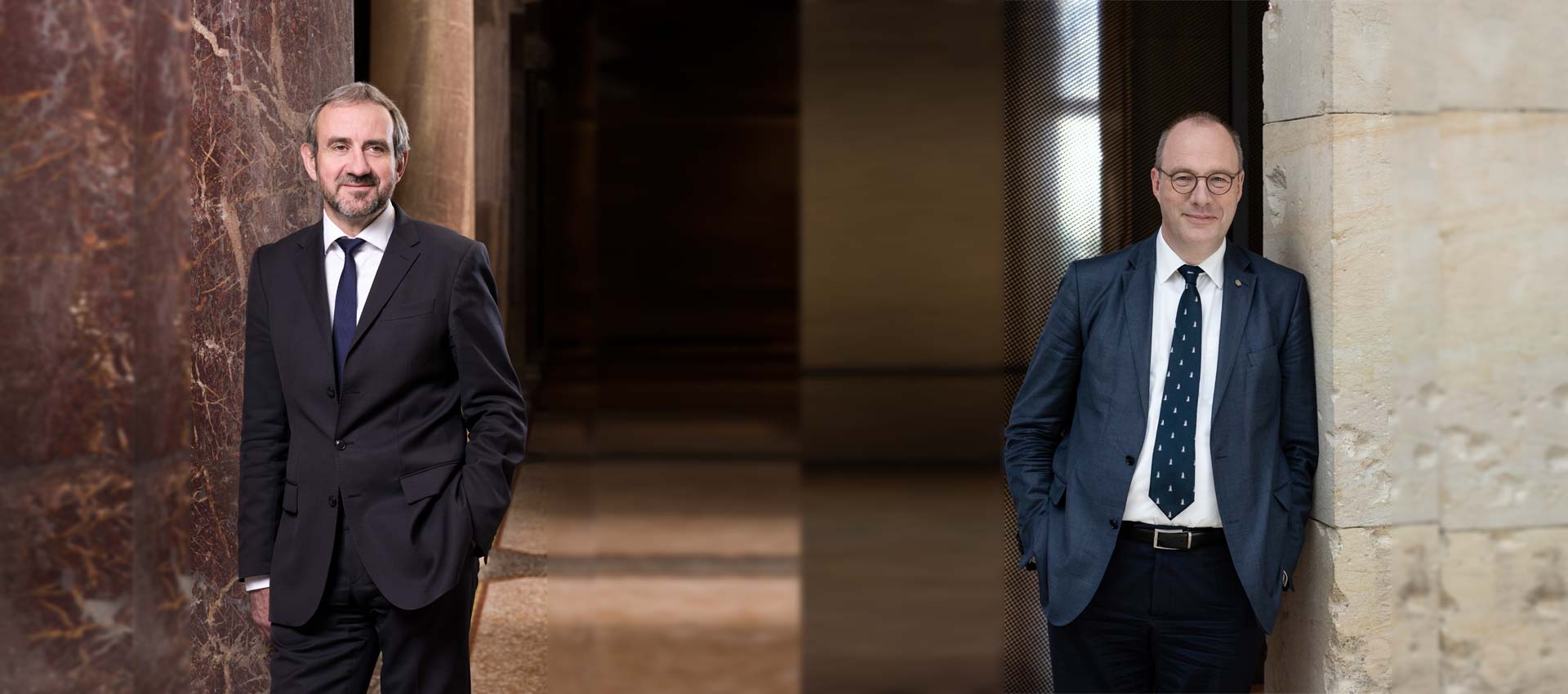
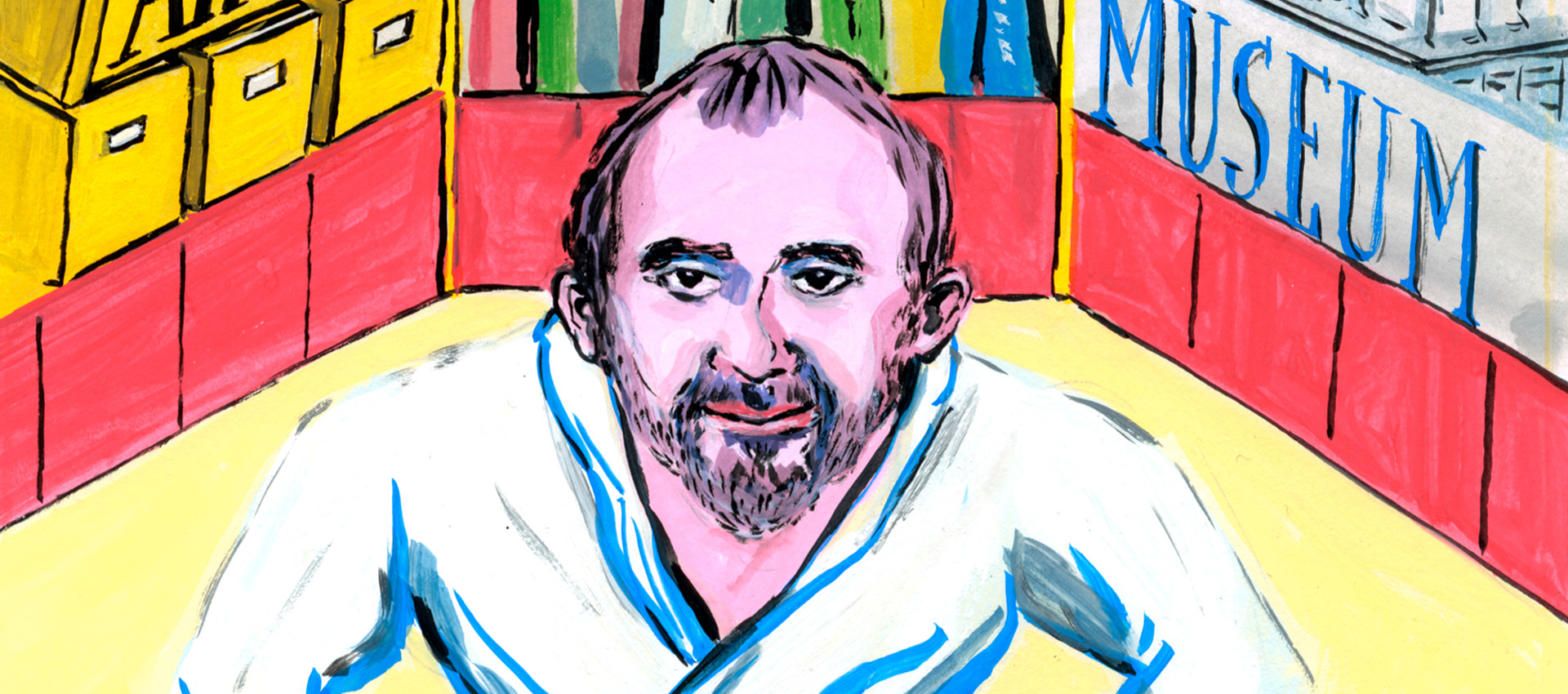
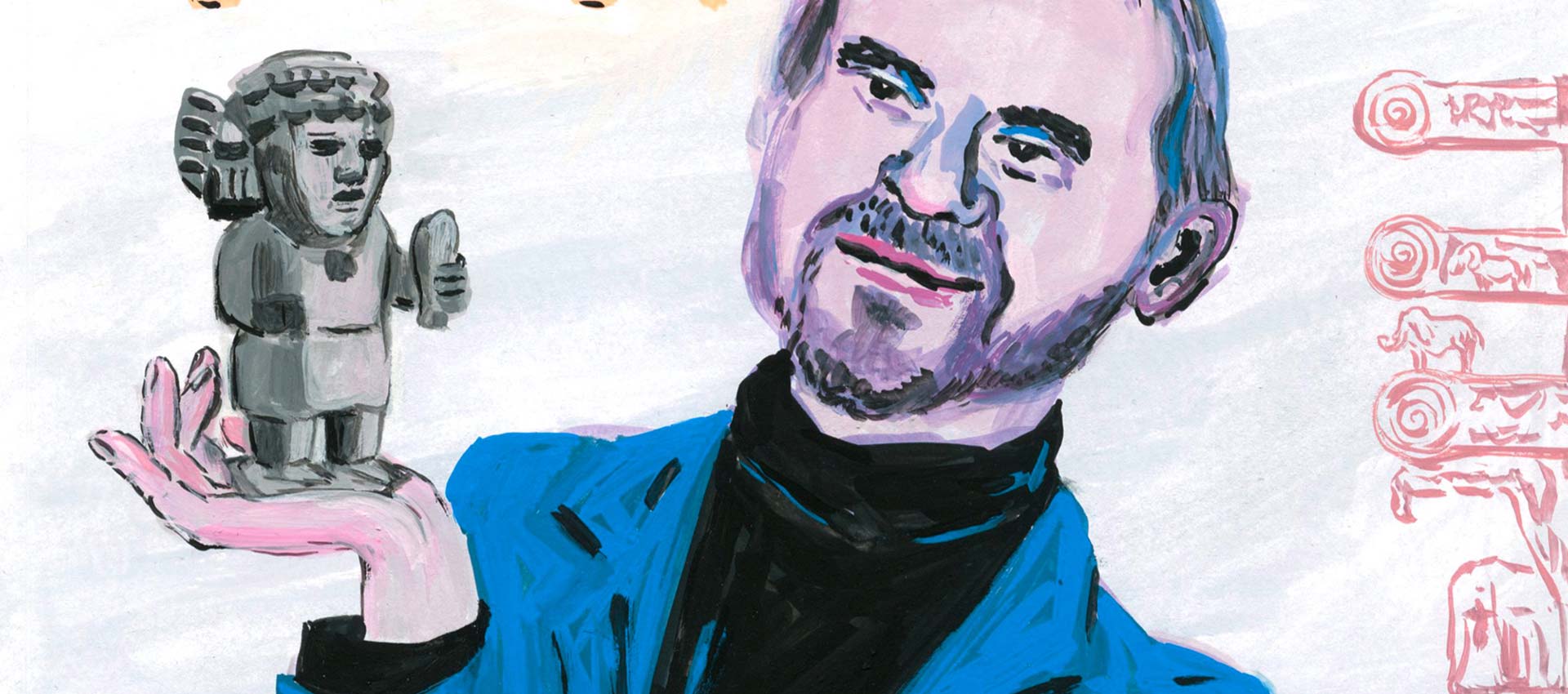
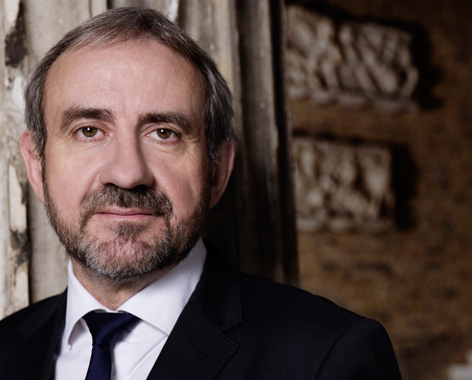
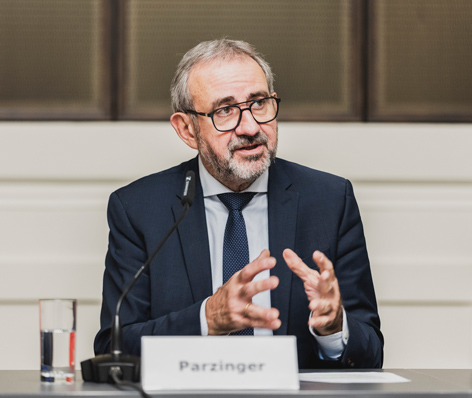
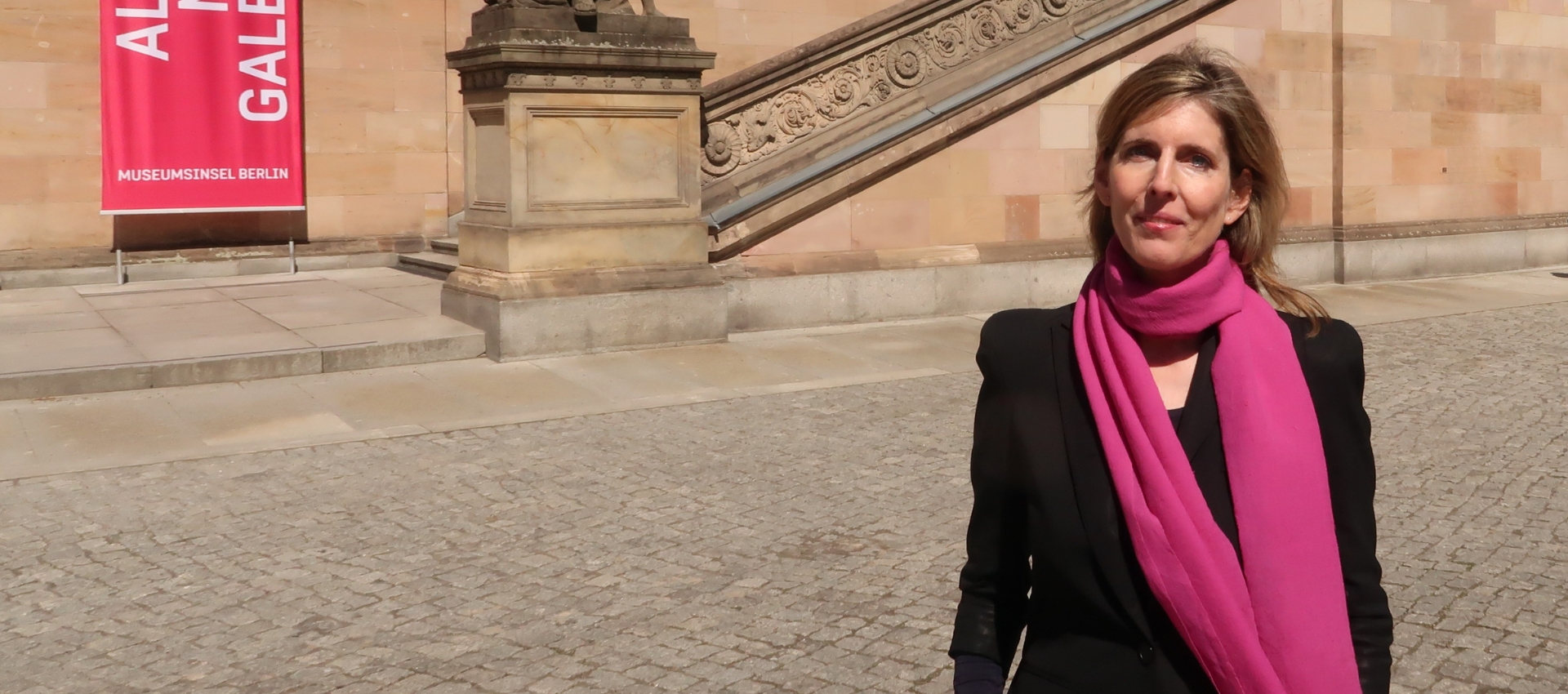
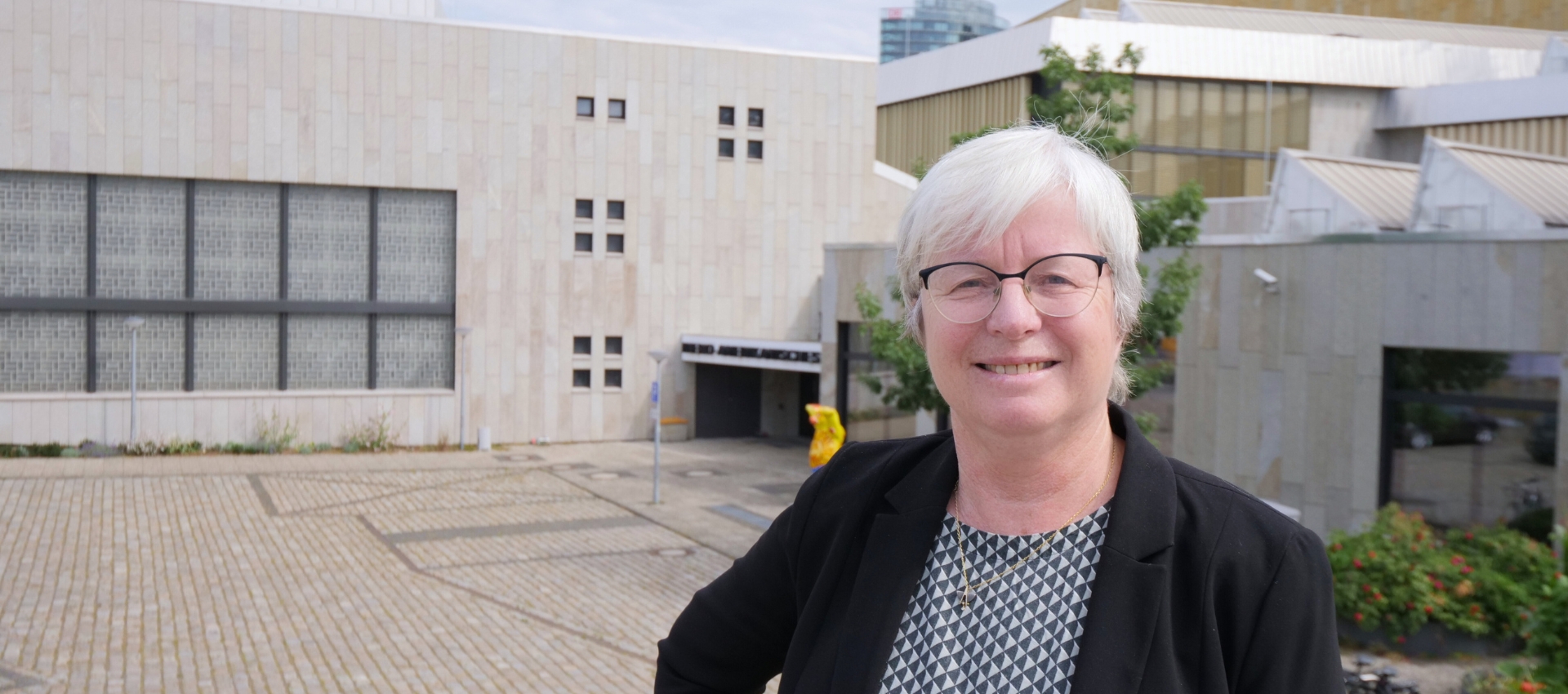
Hermann Parzinger has been President of the Prussian Cultural Heritage Foundation since 2008. Under the title “Reform Diary”, he offers insights into the foundation’s transformation in “Politik und Kultur”, the newspaper of the German Cultural Council.
Photo: SPK / Herlinde Koelbl
New management structure at the SPK: Interim Executive Board to steer the reform process
In December 2022, the Board of Trustees of the Prussian Cultural Heritage Foundation (SPK) passed a landmark resolution on the future structure of the SPK, supported jointly by the federal government and all 16 federal states.
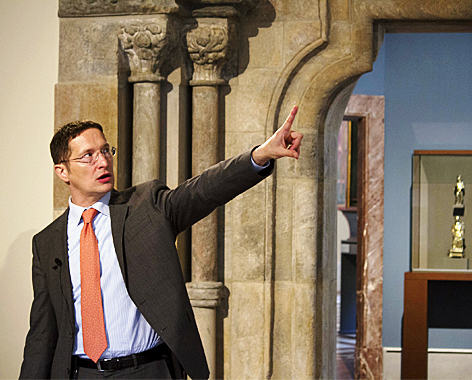
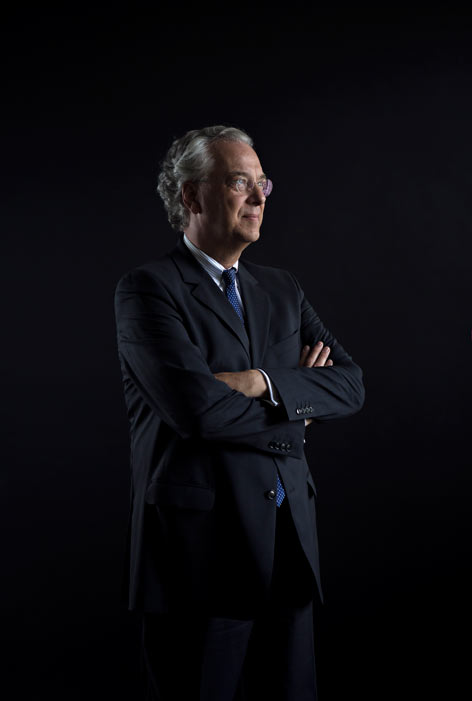
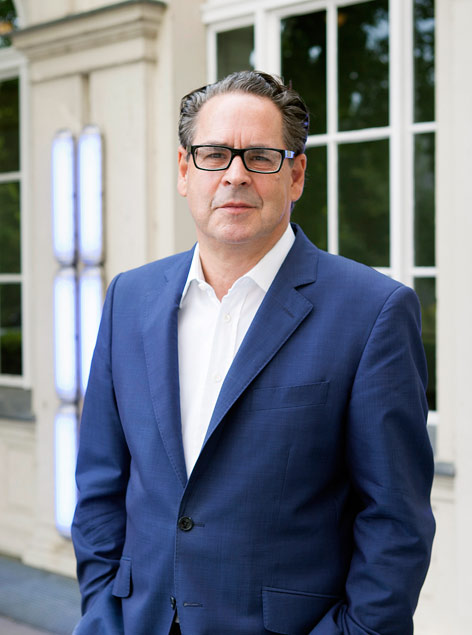
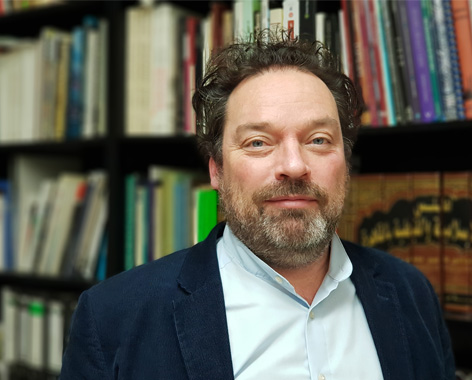
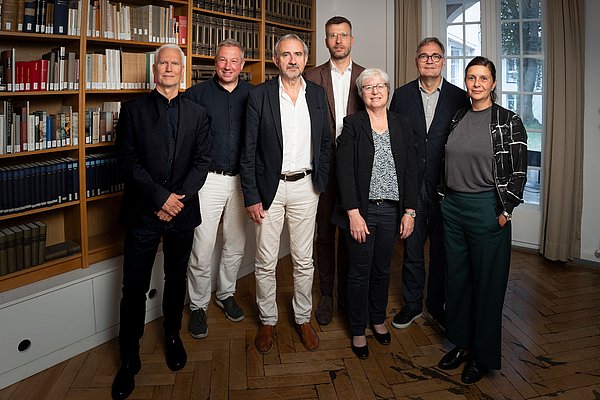
Within the SPK, a seven-member collegial body, provisionally named the ‘Interim Executive Board’, has been in charge of the reform process since the beginning of 2023. It consists of senior representatives from the institutions, who are steering this process together with the President. This already anticipates the future management structure with an Executive Board and a President as its Chair.
Strategic Reform: The SPK’s Path to 2030
We very quickly agreed that the reform must not be limited solely to organisational and structural issues, however necessary these may be for greater autonomy and scope for the institutions to shape their own development. We are also addressing these issues intensively, supported by ‘Partner Deutschland (PD)’ as external consultants. Regular and productive dialogue with the Federal Government Commissioner for Culture and the Media (BKM) is also of great importance in this regard.
However, the Foundation Board’s resolution of December 2022 also advocates strengthening the SPK as a large and diverse network of museums, libraries, archives and research institutes operating as autonomously as possible. This also raises the question of our self-image and vision for the future. No reform without a strategy. In spring 2023, the interim Executive Board therefore initiated a strategic process entitled ‘SPK 2030’.
The SPK network is thus establishing, for the first time, an overarching framework to guide its actions, which communicates a clear vision both internally and externally and is intended to set the priorities for the network’s work in the coming years. The vision we have developed describes where we aim to be by 2030, the impact we wish to make, and the indicators of success that will guide us in this endeavour.
A central element of our vision is to bring people, times and spaces together
Hermann Parzinger
SPK’s Vision: Seven Areas of Focus for a Strong Network and Social Value
A central element of our vision is to connect people, times and spaces, thereby creating added value for our target groups. As a strong network, and drawing on our collections and knowledge, we want to bring diversity to life, contribute our expertise to social debates and help shape the future in partnership with others.
To this end, we have defined seven areas of impact that follow a target group logic and precisely reflect the people for whom the SPK network aims to create added value through its activities. These areas of impact are directed both internally and externally. For each of these areas, the interim board has developed and prioritised key themes.
- Firstly, with regard to SPK staff, we aim to foster a culture of appreciation and create space for staff initiatives.
- Secondly, the SPK will act as an organisation in an entrepreneurial manner and design its offerings and services to be sustainable.
- Thirdly, we seek active engagement with our audience and, through our diverse programmes, reach out to many different and constantly evolving groups.
- Fourthly, we aim to be an attractive partner for academic specialist communities both nationally and internationally, possessing particular expertise in the so-called ‘minor subjects’ and promoting research at the intersections of disciplines based on our collections.
- Fifthly, we seek dialogue with society, facilitate participation and strengthen diversity and inclusion.
- Sixthly, we maintain regular dialogue with our funding bodies in the federal states and aim to serve as a platform and showcase for state institutions in the capital.
- Seventhly, through our diverse collaborations with international partners, we are actively involved in foreign cultural and educational policy, thereby refining our future self-image and our scope for action.
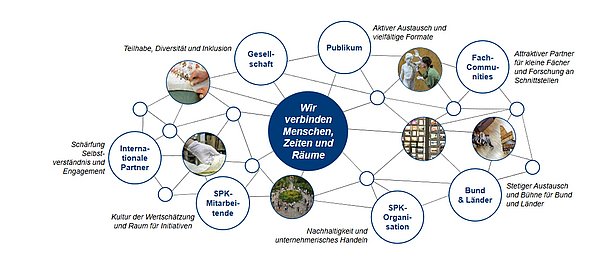
Each of these seven areas of focus is overseen by a member of the interim board; they will guide the Foundation’s activities in the coming years.
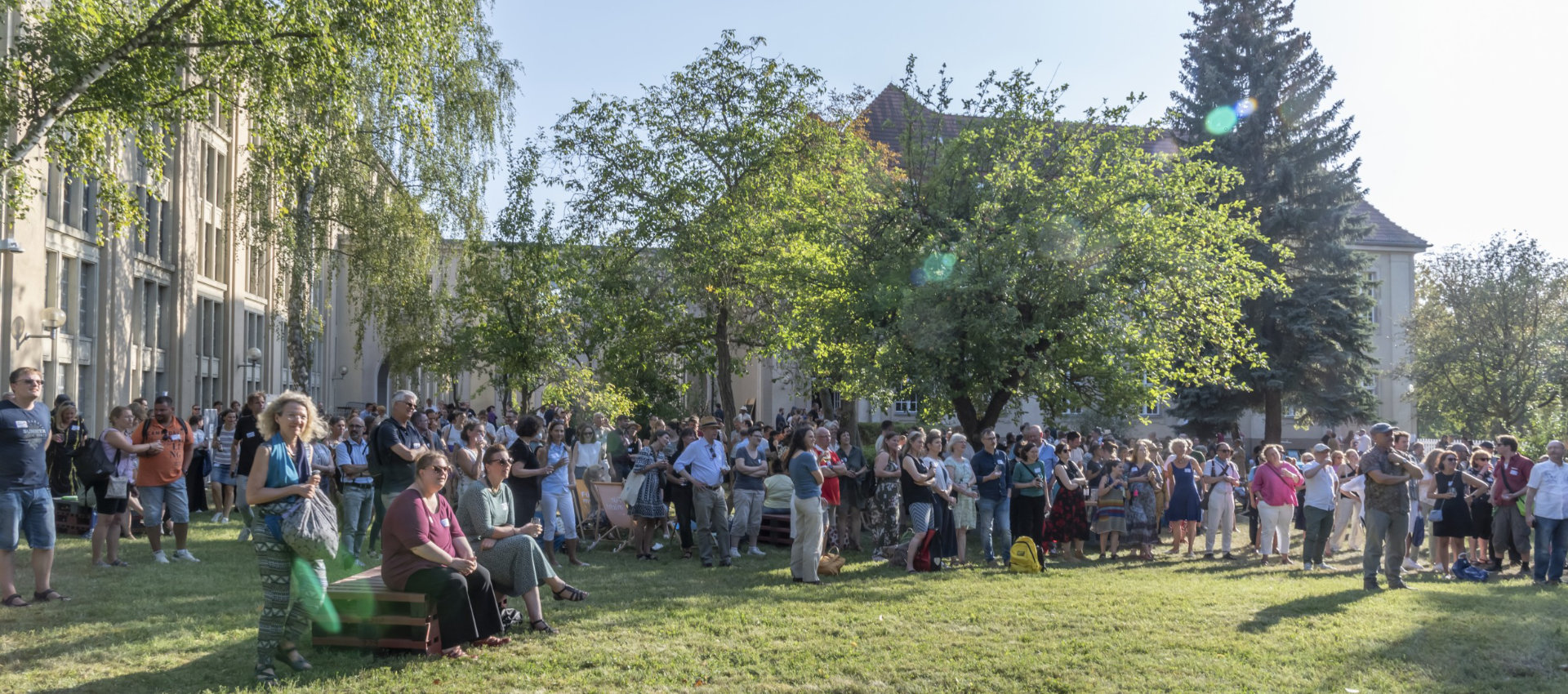
However, a strategic process cannot be successful – if it is to have a real impact – without the involvement of the staff. In a ‘roadshow’ organised in the form of several face-to-face events, the members of the interim Executive Board personally presented the key points of the ‘SPK 2030’ vision to staff and encouraged them to participate in working groups.
In doing so, the members of the interim Executive Board deliberately chose not to present the strategy at their own institutions or locations, but rather at those SPK institutions which they do not currently head. This was intended to make it clear that the seven-member interim Executive Board sees itself as a team and, beyond the particular interests of the respective institutions – however legitimate they may be – pursues common strategic goals for the SPK network.
The SPK of the future must be supported by everyone
Hermann Parzinger
Participatory strategy development
Participation is important to us, even though this presents a particular challenge in a very large and diverse institution such as the SPK, with its 2,000 staff members. Seven working groups have now been established for the seven areas of focus in our strategy, each of which will develop proposals for specific measures.
In parallel, staff members who wish to contribute their ideas but are unable to participate in one of the working groups themselves have had the opportunity to enter their thoughts on a whiteboard so that these can be taken into account in further deliberations.
Our aim is to be able to present the first measures to the SPK Foundation Board as early as July, with implementation scheduled to begin in the second half of 2024. To this end, the interim board will select and prioritise those initiatives from the wealth of proposals put forward by the working groups that are to be implemented in a first phase.
Measurable success: Key performance indicators should provide insight
To this end, appropriate structures must be put in place, and the measures must be continuously evaluated. It is therefore also part of this strategic process to develop key performance indicators that will enable us to measure the success of the individual measures.
This strategic process is of such great importance for the reform of the SPK not least because, through the formation of working groups, it enables staff to participate in a truly concrete way for the first time. The SPK of the future must be supported by everyone together.