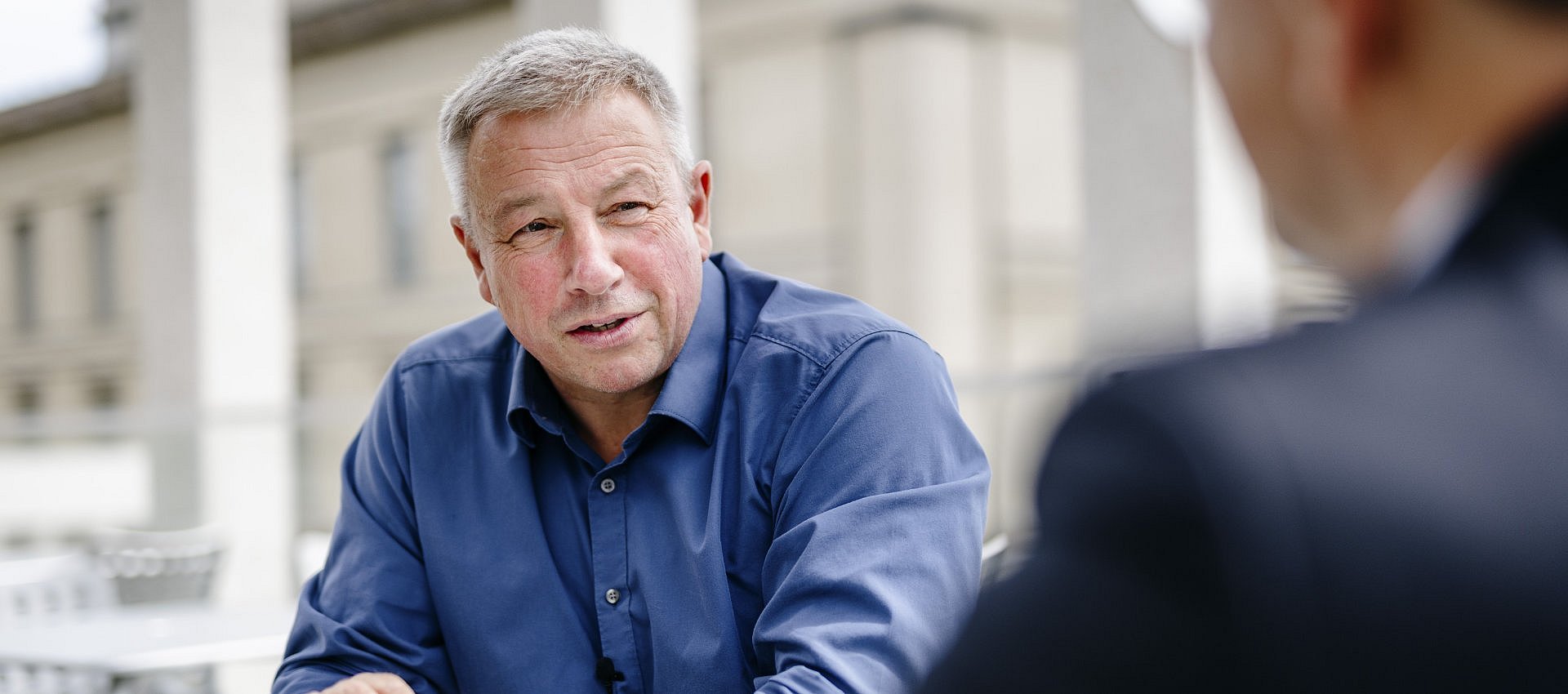
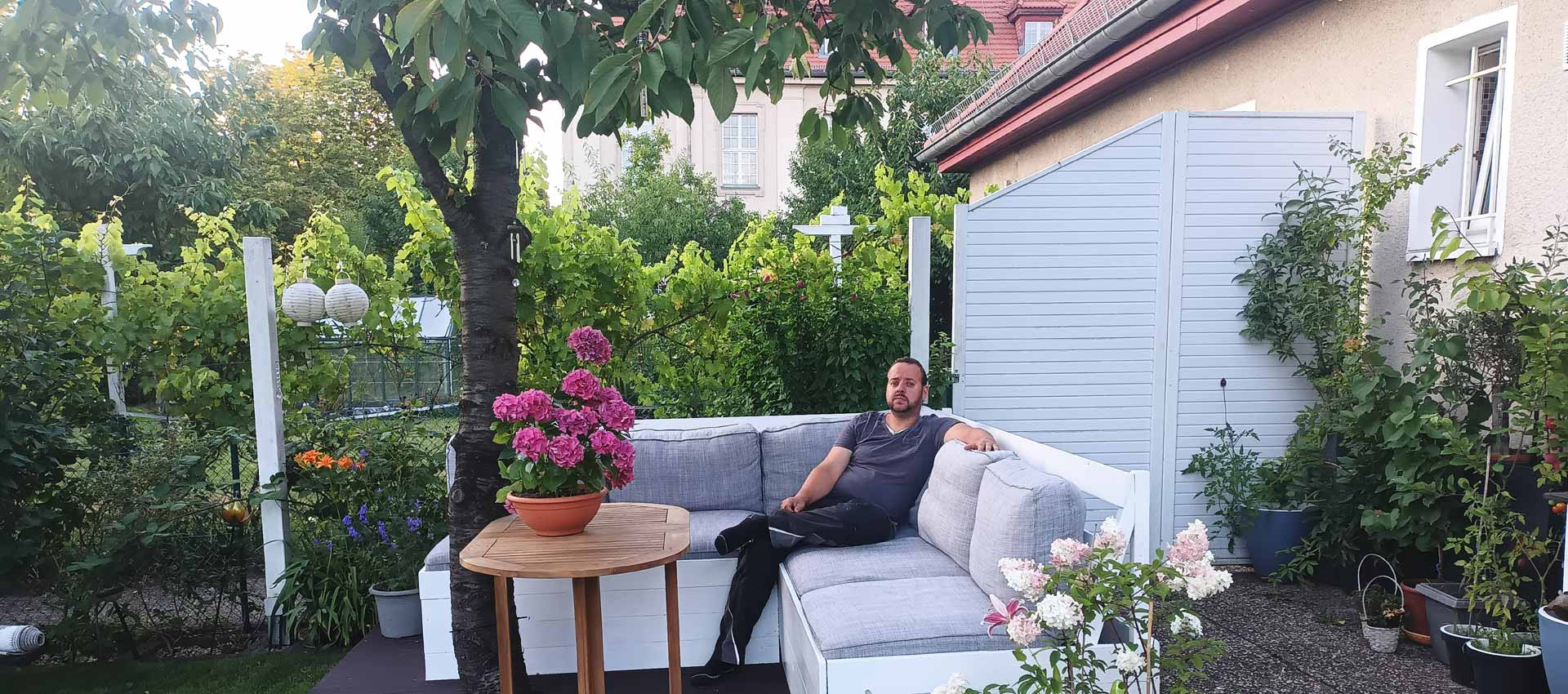
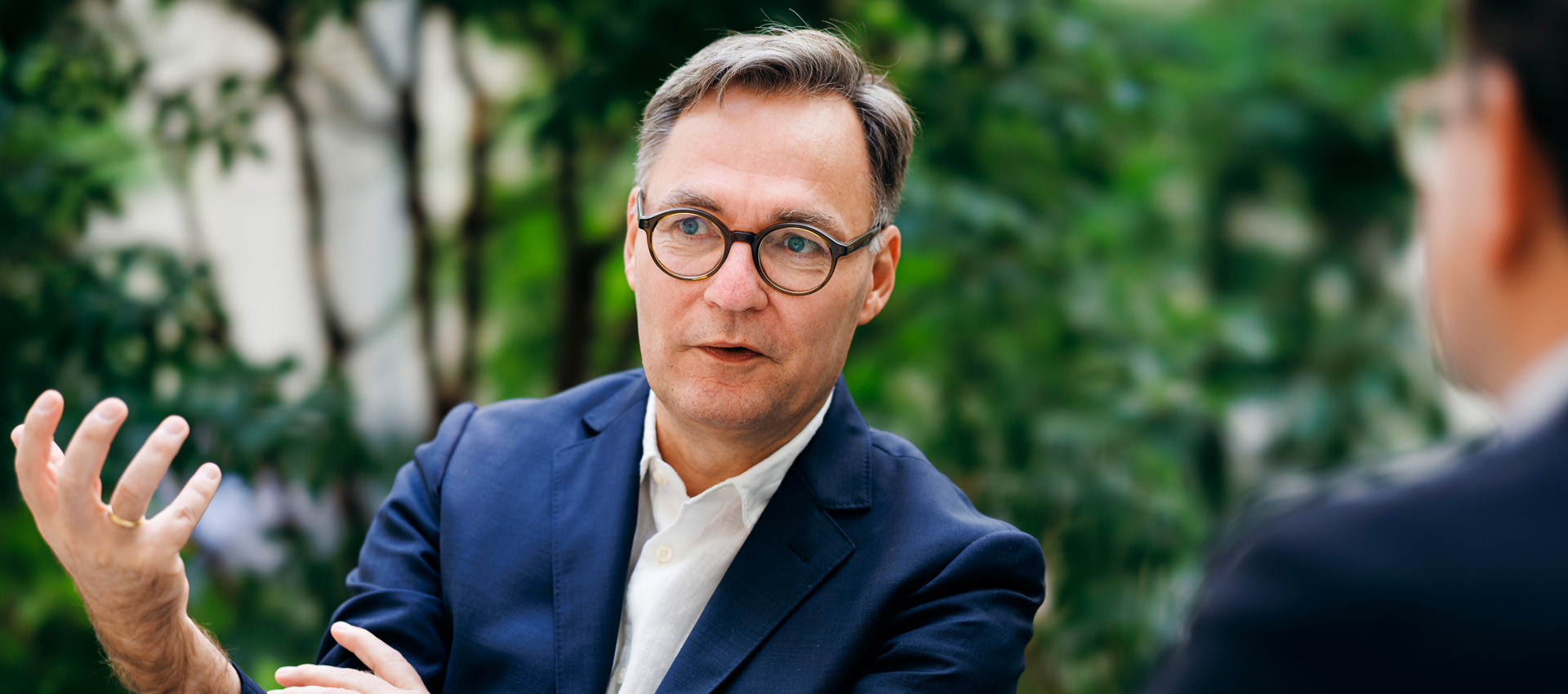
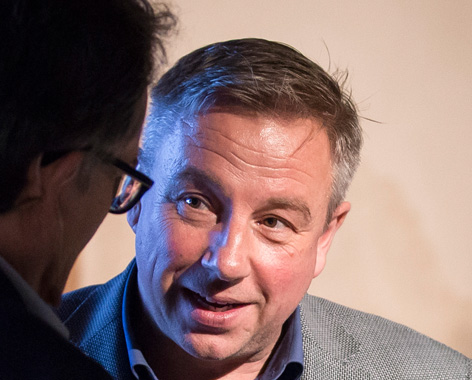
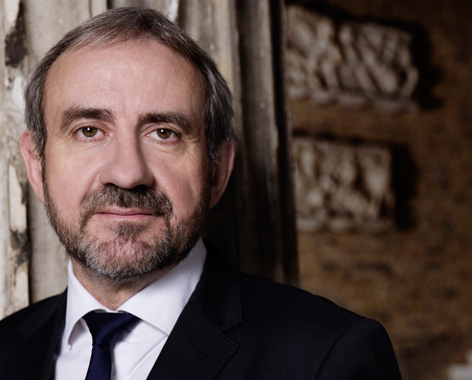
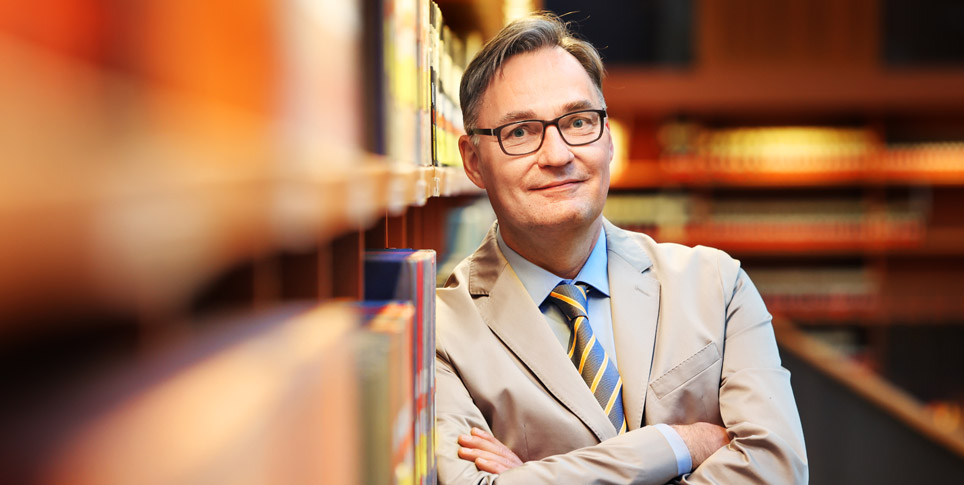
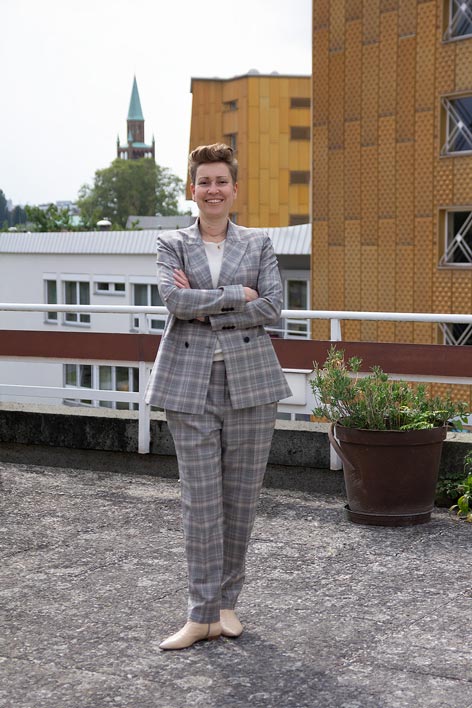
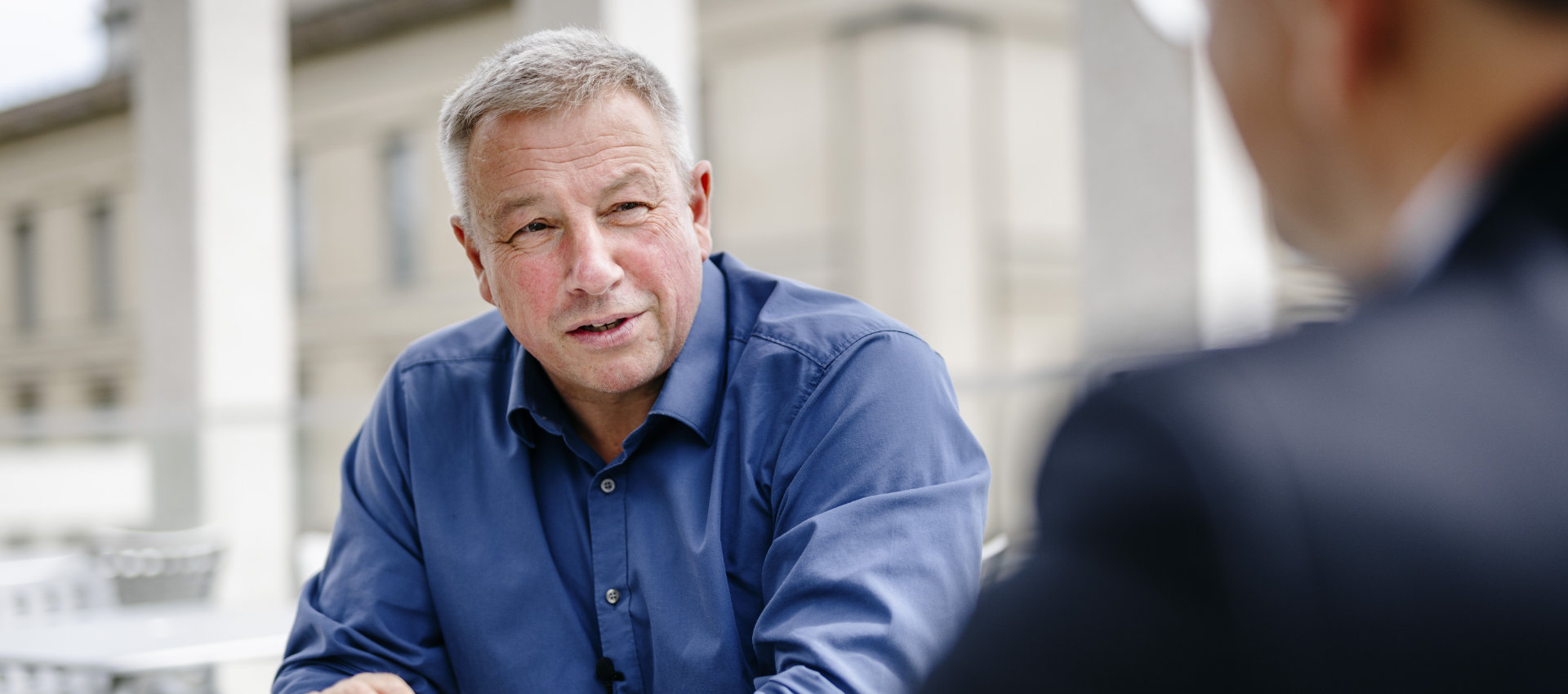
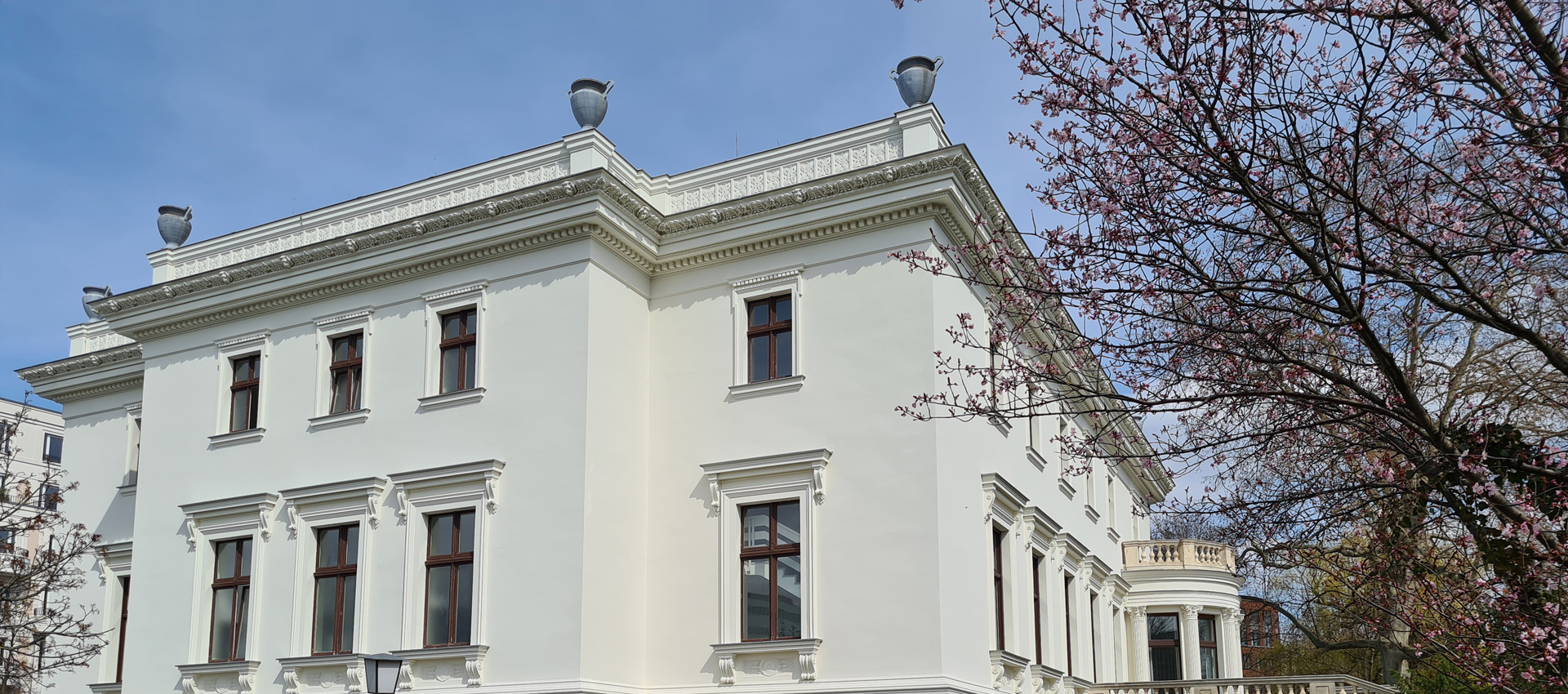
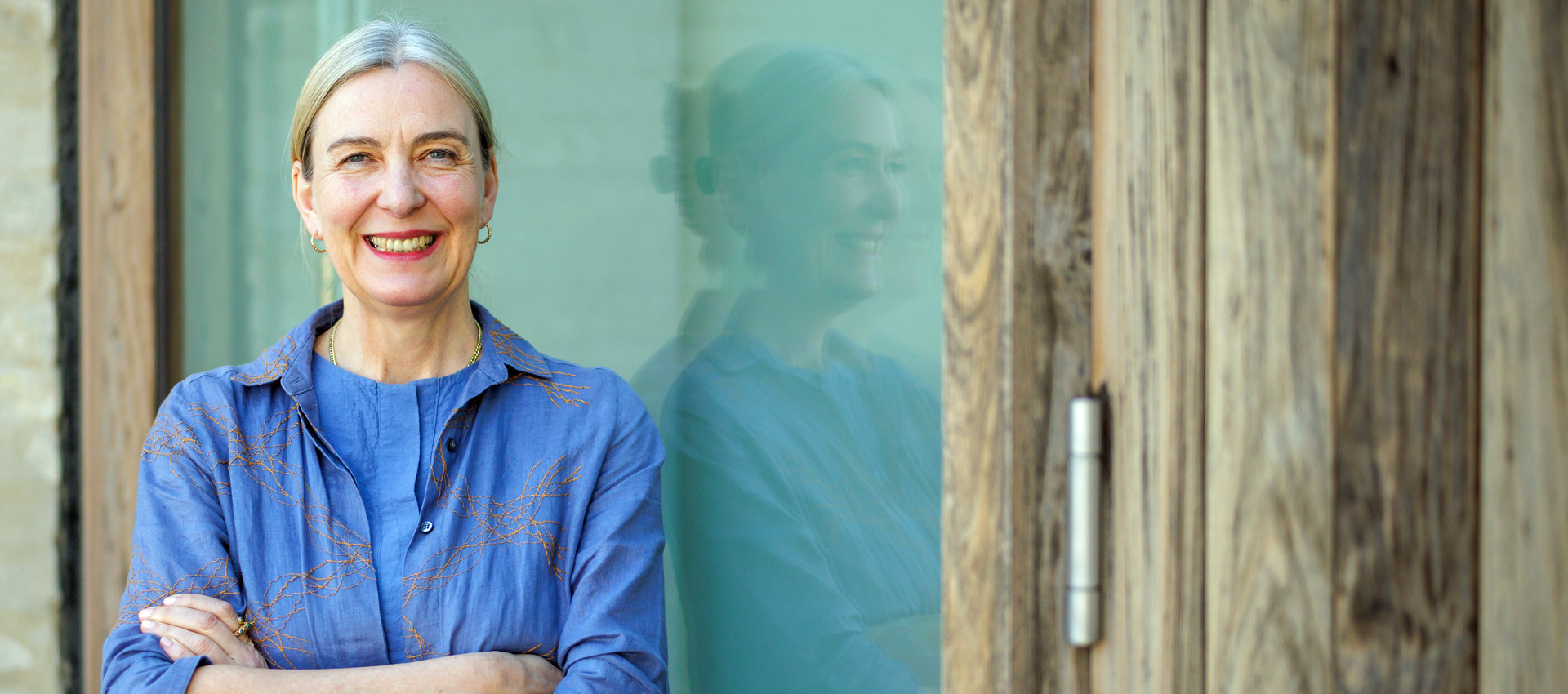
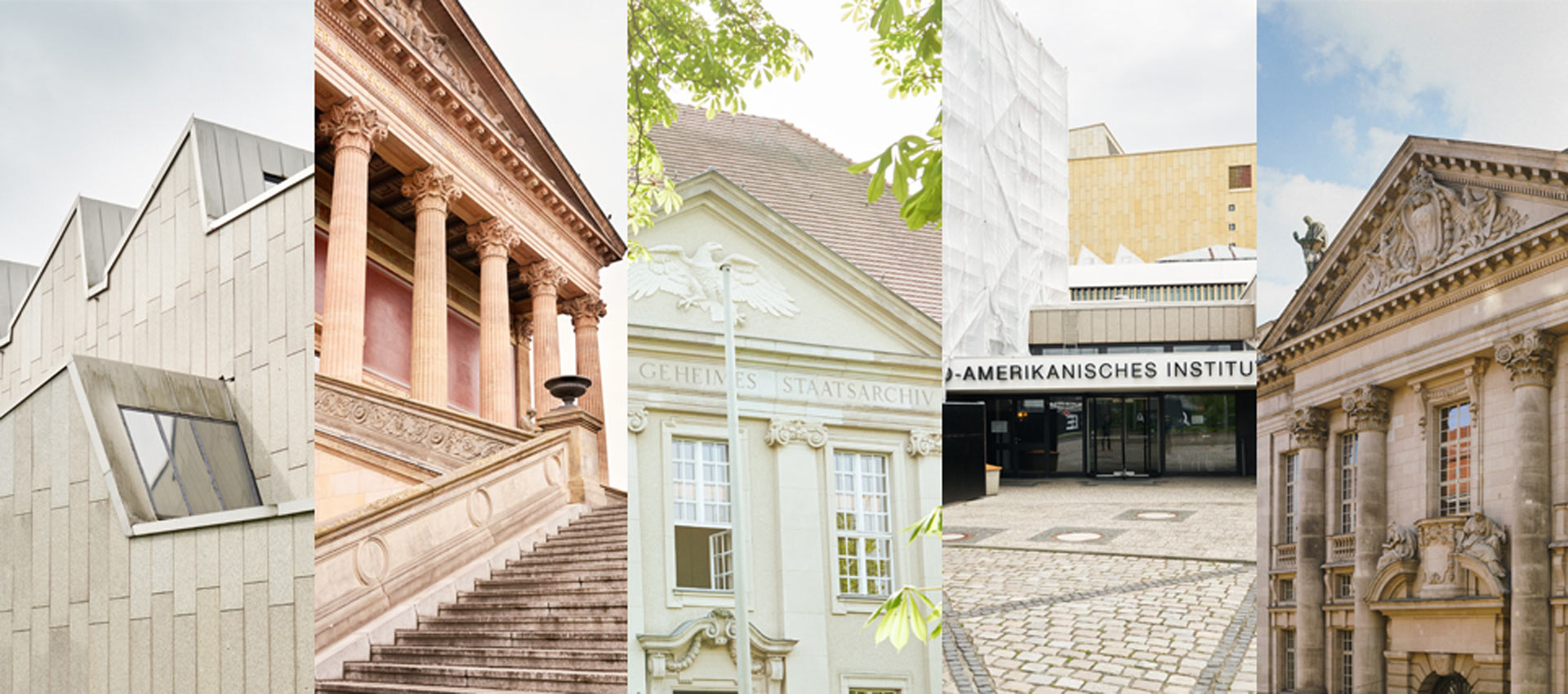
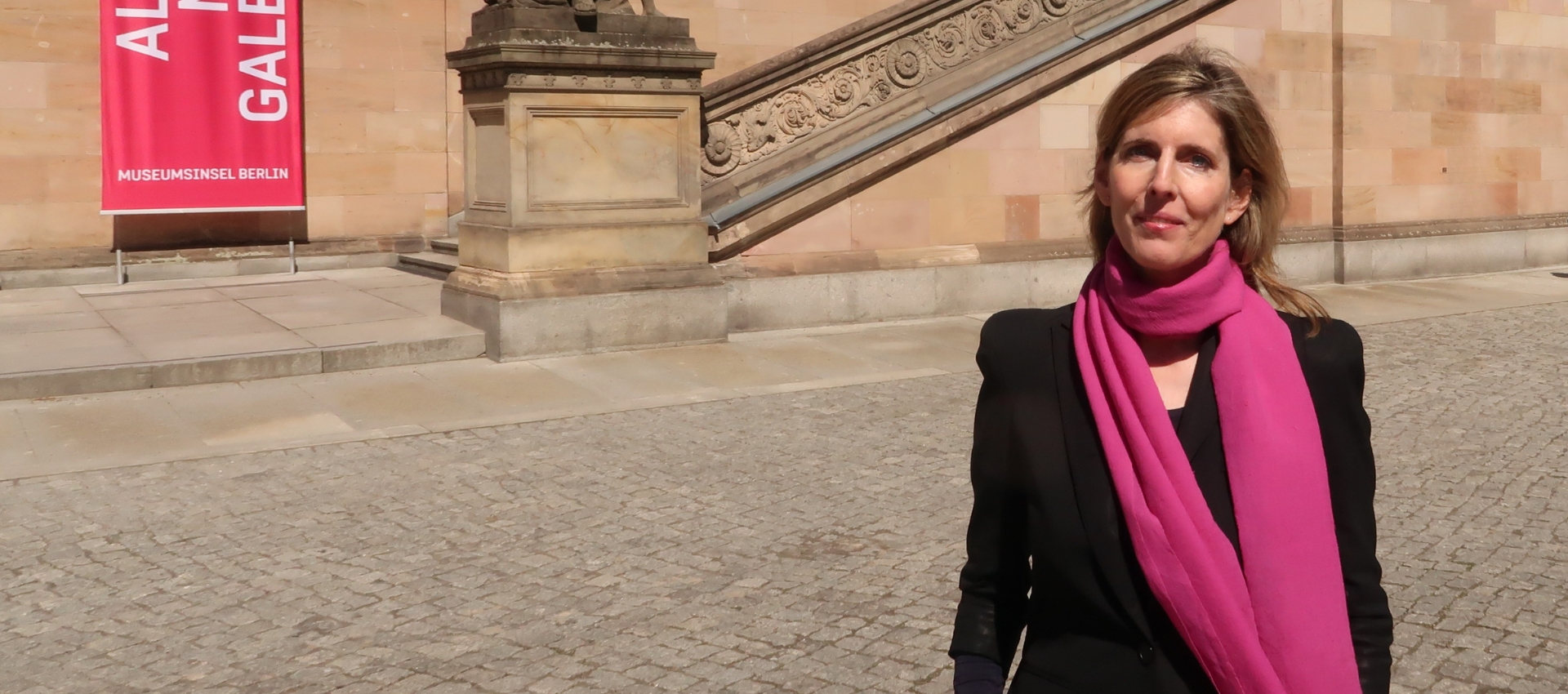
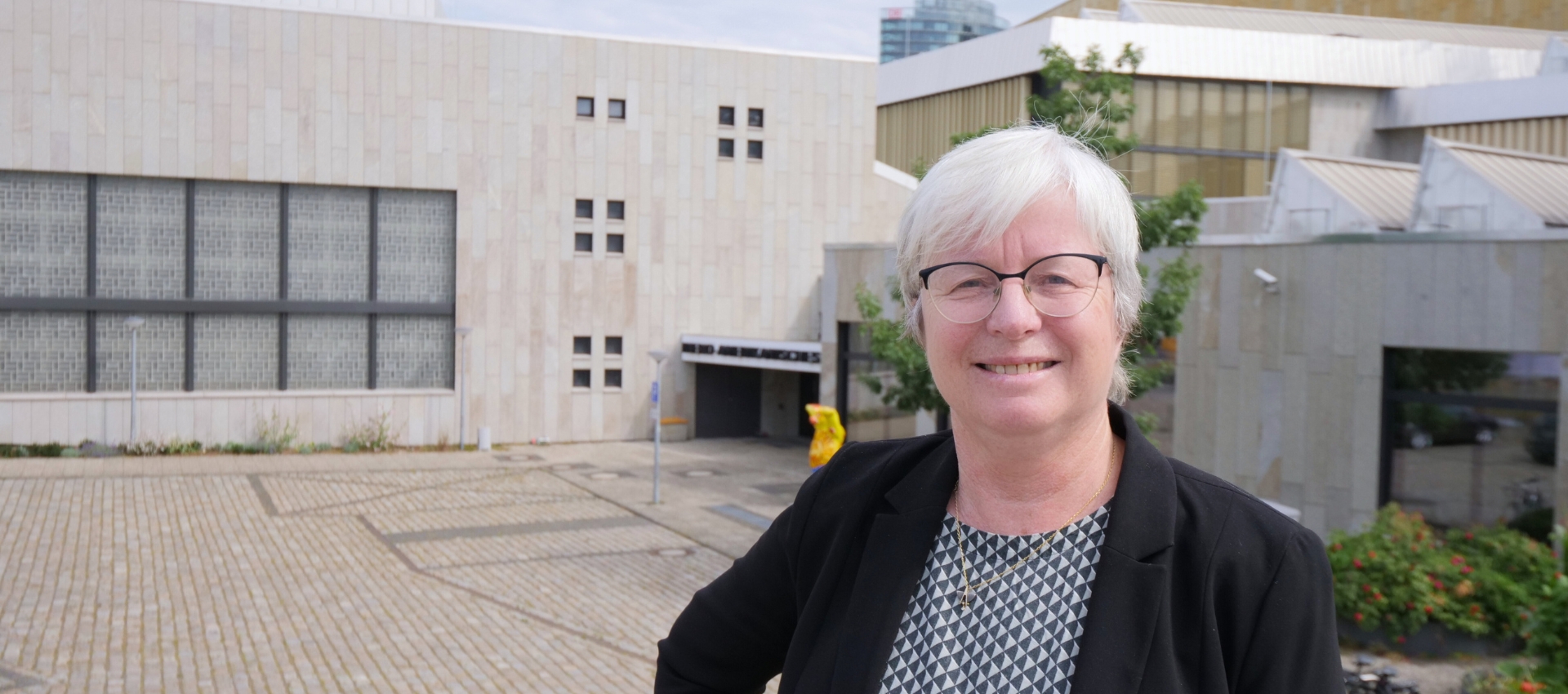
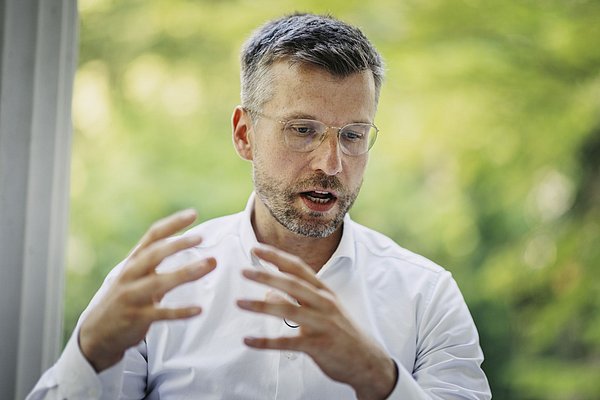
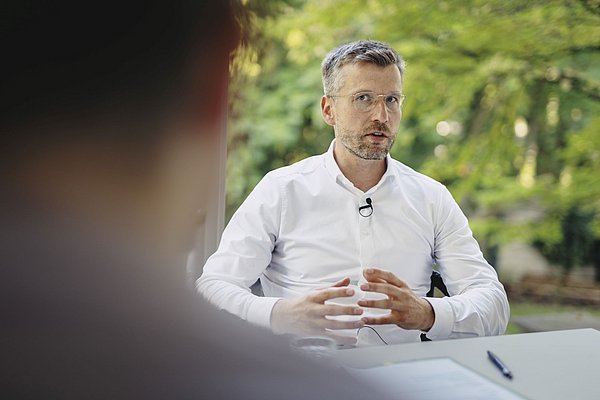
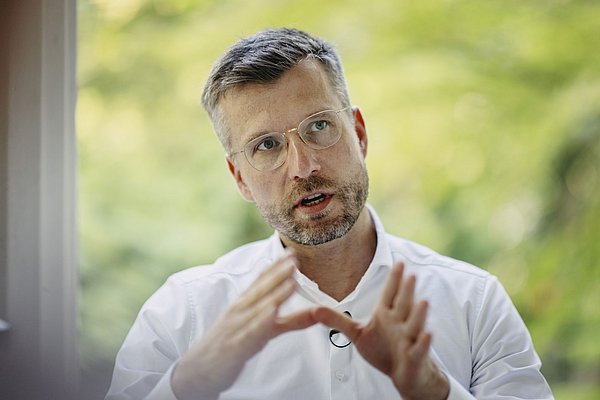
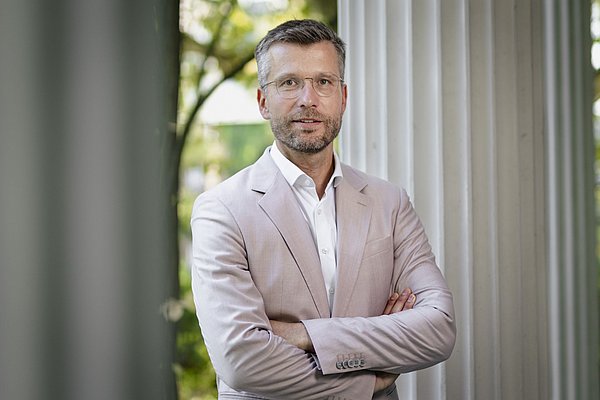
For the third SPK summer interview, we meet Vice-President Gero Dimter on the terrace of Villa von Heydt: a conversation about a drive for reform, corporate culture and children who are fascinated by museums
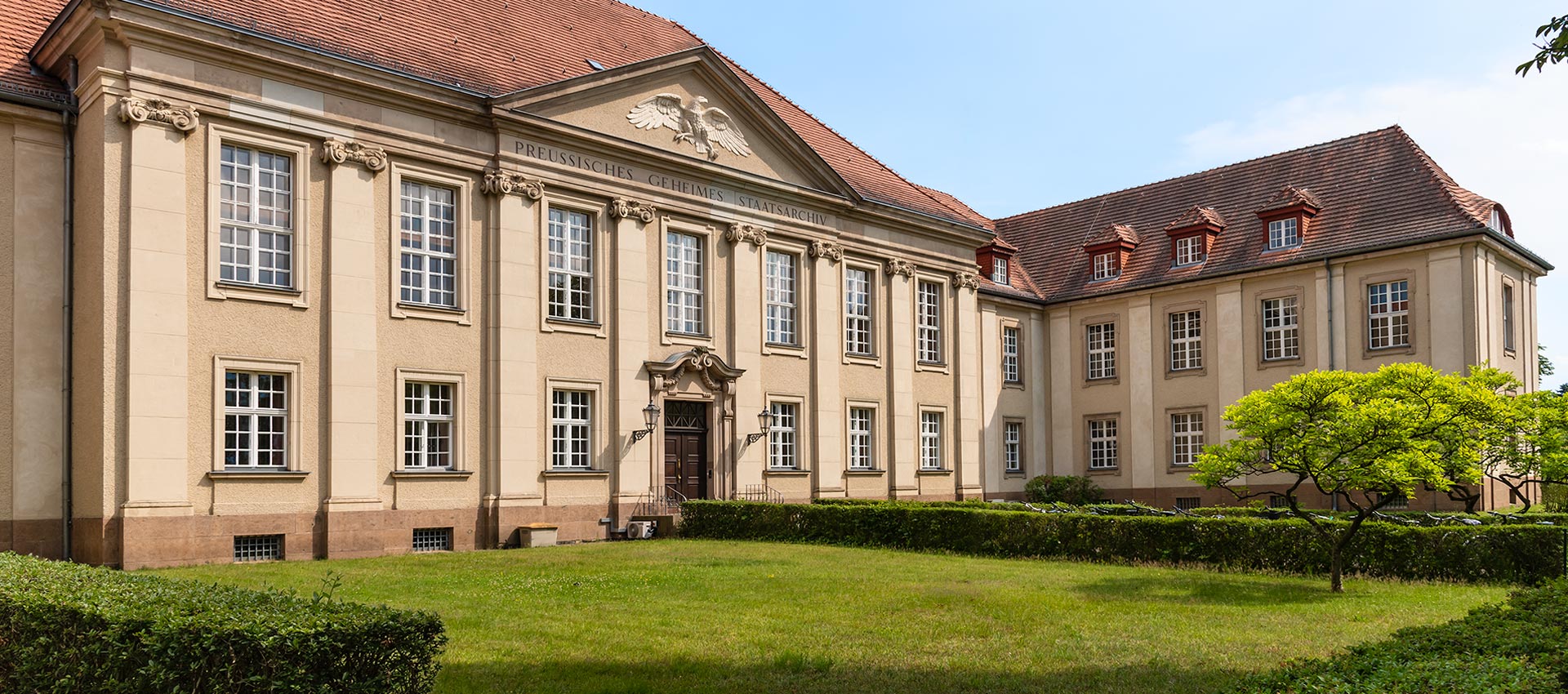
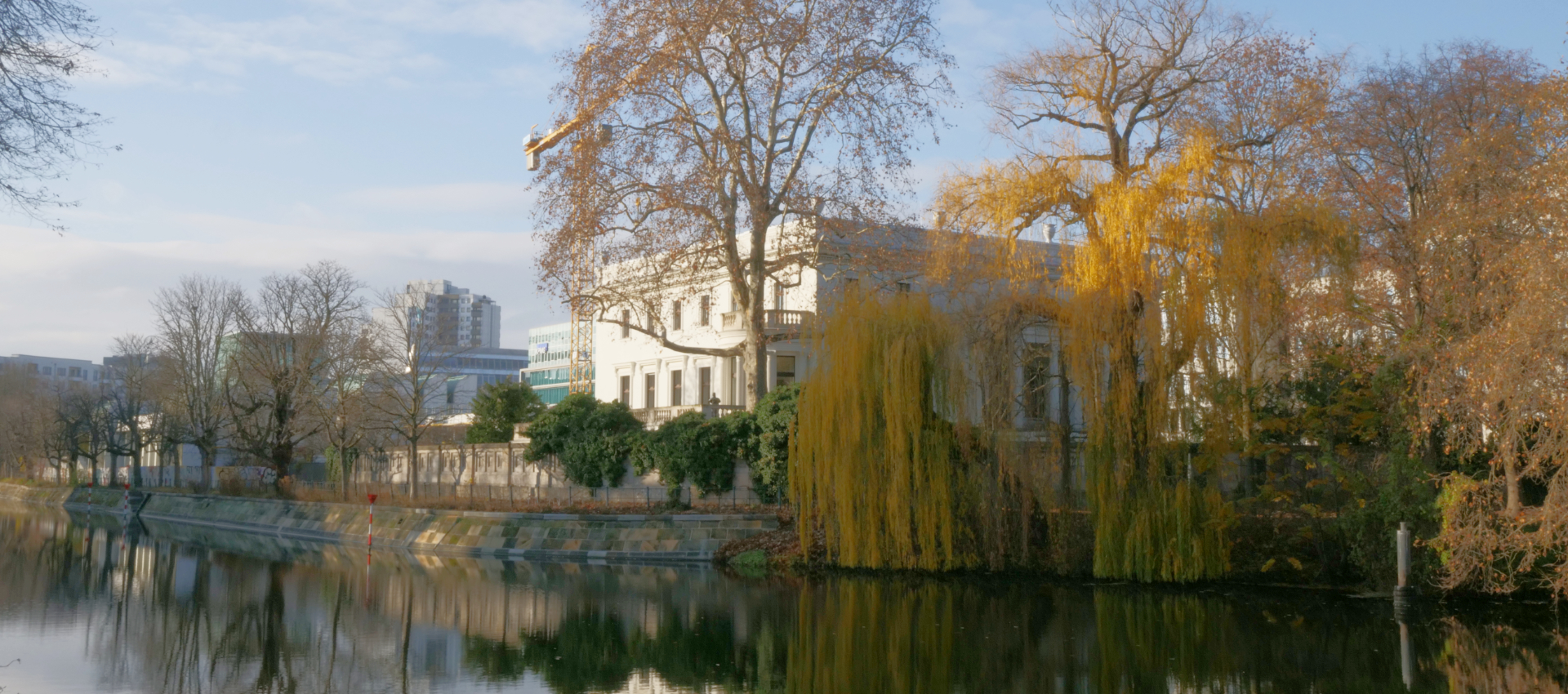
Mr Dimter, we’re meeting on the terrace of Villa von der Heydt, the headquarters of the SPK. Soon, a new sign reading ‘Central Service Unit’ (ZSE) will be hanging here. At first glance, that sounds dynamic and modern. Or, to stick with a somewhat overused metaphor: is the tanker really turning into a speedboat now?
Gero Dimter: I don’t think the tanker ever really fit; the SPK is much more like a fleet of vessels. It’s heading in a certain direction; sometimes one boat is further away and sometimes they all move closer together, depending on what suits the situation at the time. I envisage the ZSE within this fleet as a robust support vessel that adapts to the pace of the various institutions, whilst always remaining a reliable partner, even in stormy times. We intend to base this on three pillars: the organisational aspect, namely the composition of the ZSE and its interfaces with the institutions; effective management based on the ‘decentralised-centralised’ principle; and finally, a shared understanding of service with the institutions, encompassing a common culture, service promises and service level agreements. The latter is a crucial point for staff both within the institutions and in the service unit, ensuring reliable benchmarks against which performance can be measured.
What are the biggest problems here?
If something isn’t working in the service unit and if there is a staff shortage there, everyone notices it immediately. The staff at head office – in future, the ZSE – really do their best – I would like to emphasise that very clearly! But in the past, there were duplicate structures and confusion over responsibilities. When I joined the SPK five years ago, on the one hand, many things were over-regulated and very bureaucratic; on the other hand, many staff members, particularly in the museums, didn’t know who to turn to with day-to-day problems at work. Who do I need to call if I need a new light bulb in the office? Creating clarity and transparency is therefore a very important point. What happens if I want to advertise a vacancy; what steps are involved and in what order? Strengthening this understanding is essential for building trust and satisfaction.
Do they really all share the same goal? Do the curators and HR officers, librarians and budget officers all speak the same language? Was there perhaps a constant, mutual bickering in the past, and isn’t a completely new spirit needed within the organisation?
I am optimistic about this. We will also address this issue of a shared culture – which undoubtedly accounts for 50–60% of the success of the current restructuring process within the SPK – separately. Achieving this shared understanding and effective communication requires me to examine relationships and try to understand the other side’s perspective. It is absolutely crucial to view the shared task from the other person’s perspective and ask what is important to them for the project’s success. And this is also a key point at the ZSE: aligning service offerings more closely with the locations and organisational units. The HR department needs to know what the museum teams require, and conversely, curators need to better understand how the HR department or the ZVS operates and what they need. The ZVS is a good example: we have put a great deal of effort into improving our processes there, and now, as I hear from all sides, the collaboration between the ZVS and the institutions is working well.
In our summer interview, Achim Bonte speaks of a “corporate culture reform”, meaning: don’t just look at structures, but above all at values, transparency and good cooperation. Is that what you mean?
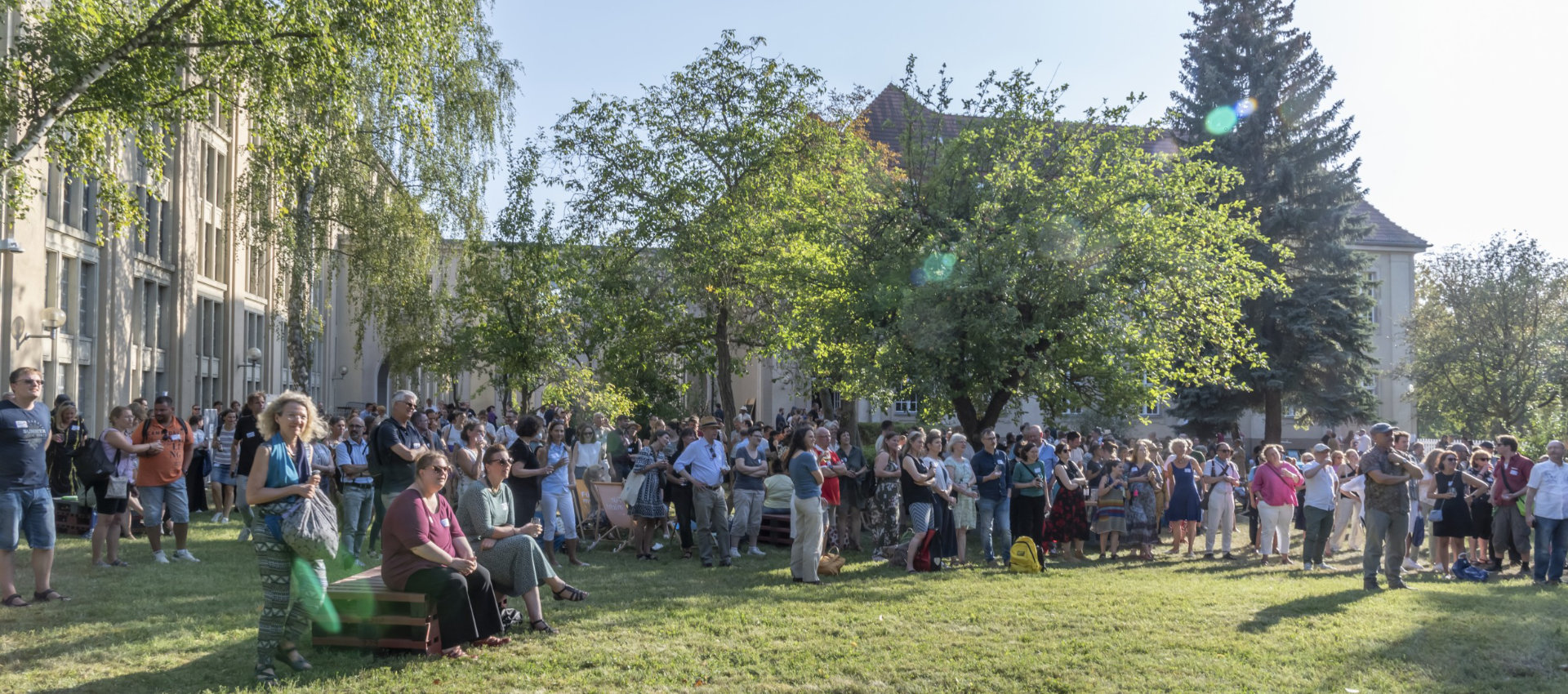
There’s a saying: “Culture eats strategy for breakfast.” Everything is nothing without a shared culture, a shared spirit that you live by. Of course, this cannot be imposed from above; it can only be fostered through shared initiatives such as our staff party, which has now been organised by staff for staff for three years. It’s all about creating positive experiences together and fostering people’s sense of self-efficacy. This also includes communication: is it confrontational or appreciative? There are many building blocks, and we must work on them together.
The SPK is not only reforming itself, but is also discussing a strategy for the next five years. What are the key issues here?
We have defined seven areas of focus within the interim board where we wish to take strategic action. This has led to the formation of various working groups, which in turn have proposed specific initiatives that we have selected and now wish to implement. Measurability is crucial here: by what criteria do we want to be assessed in each of these areas? If we want to be more successful with the public, we look at visitor satisfaction and, of course, visitor numbers. If we aim for greater social relevance, we must monitor media coverage. Defining such parameters for measurability and then systematising them is a crucial point from which further actions follow. And later on, it will become important to create incentive schemes so that those whose measures and projects contribute particularly to strategic goals are also provided with additional funding.
But isn’t it a contradiction when, on the one hand, you want to reach a wider audience and increase visitor numbers with attractive offers, whilst on the other hand there is a strong focus on research and scientists say that this isn’t important to them at all and they really just want to carry out their research without public involvement – what do you say to these staff members?
Firstly, I would say: there is plenty of scope for many different things within the Foundation. That is precisely what makes it so appealing – it is a vast universe encompassing a wide variety of topics and fields. And, of course, it is hugely important that we continue to strive for excellence in science and delve deeply into the subjects. Our overarching task is to ensure that research and outreach are in balance. It’s not just about who attracts the most visitors, but also about scientific achievements. That’s why we need to establish measurable criteria for this area too. This brings us back to the central point: we must talk to one another, foster understanding and define objective, measurable criteria for success, against which we can align our actions in all areas.
What does success mean to you personally?
For me, it’s primarily about social relevance and the public. Despite all our internal focus, the crucial question for me in the end is: does what we do add value for the public?
You yourself are very active in this area, seeking contact with opinion leaders and engaging with the wider community. What drives you?
As the SPK, we still have the image of being isolated and self-sufficient, and I believe that establishing openness to society and dialogue with stakeholders is a key challenge for every manager and indeed for every employee at the Foundation. Greater openness and a lively exchange with the outside world therefore have a positive impact on the SPK’s image. We are not isolated; we are approachable and respond quickly to external initiatives. For example, there is a user advisory board at the Stabi; I could imagine something similar for other institutions or the entire SPK.
And part of this further development and opening up also involves putting our funding model on a different footing. We are all struggling with tight budgets and we are observing what other cultural institutions in other countries are doing. Of course, in Germany we come from a long tradition of state funding, but we absolutely must increase the proportion of third-party funding. Expanding this is a great opportunity and would give us more room for manoeuvre.
Finding private funding isn’t easy in a city like Berlin …
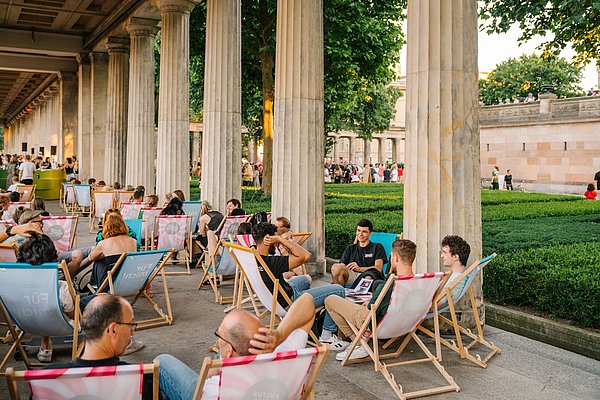
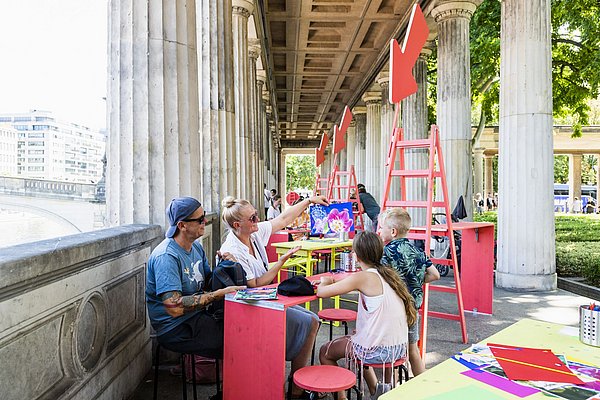
It isn’t easy, but it is nevertheless possible in two ways. Firstly, in terms of visitor numbers – we had a fantastic year in 2019 before the pandemic, then came the slump, and in 2023 we were able to build on that for the first time and had as many visitors to the museums as we did before the pandemic. The closure of the Pergamon Museum is, of course, also a major setback for us, but I believe we can make up for a lot of that, for example through partnerships such as the current one with Visit Berlin at the Kolonnaden Bar on Museum Island.
The other avenue for funding is sponsorship and private funding. We can do even more in this area, approach companies differently and offer new formats. I think tackling this area strategically is one of the major challenges now and for the near future.
On the subject of diversity: there are also those who express concern that the new autonomy and greater responsibility granted to museums could jeopardise the thematic coherence of the institutions. Is there a risk that the network will fall apart thematically?
I do not share these concerns, as I am confident that cooperation on content between the institutions and museums will develop naturally. There is no point in imposing such things from above. Rather, we must create incentives to engage with interdisciplinary and cross-institutional themes. Incidentally, if you look at the museums, you can see that the need for cooperation is certainly recognised. The best example is Museum Island, where very different collections are closely interwoven and work together to strengthen their location. The same is happening at the Kulturforum and in Dahlem, too. I believe in the approach of using incentive schemes to strengthen the institutions’ autonomy, so that they are then free to decide which collaborations make sense and where added value can be found. To return to Museum Island: the major anniversary programme marking 200 years of Museum Island, which we will launch next year and run until 2030, can only succeed if everyone works together.
To clarify: Are the ‘incentive schemes’ you mention really sufficient to keep the SPK together?
There certainly need to be driving forces, either within the institutions or as support units in the Foundation’s head office, to assist with major projects. At this point, of course, the collective effort must function effectively. The Foundation’s institutions should be agile and operate autonomously, but we must nevertheless be aware that, legally speaking, we share a common destiny; this is what distinguishes us from a genuine holding company in the legal sense. That is why, particularly in times of scarce resources, it is all the more important that we share resources and agree on the broad guidelines within a collegial body, such as the SPK strategy, which forms the framework for what we want to achieve across the board.
The year 2024 was both a golden and a bitter one for the SPK. On the one hand, very successful exhibitions; on the other, additional closing days and higher ticket prices? Now, following the budget deliberations in the Bundestag, things are looking up again. The Federal Ministry of Culture is significantly bolstering the SPK.
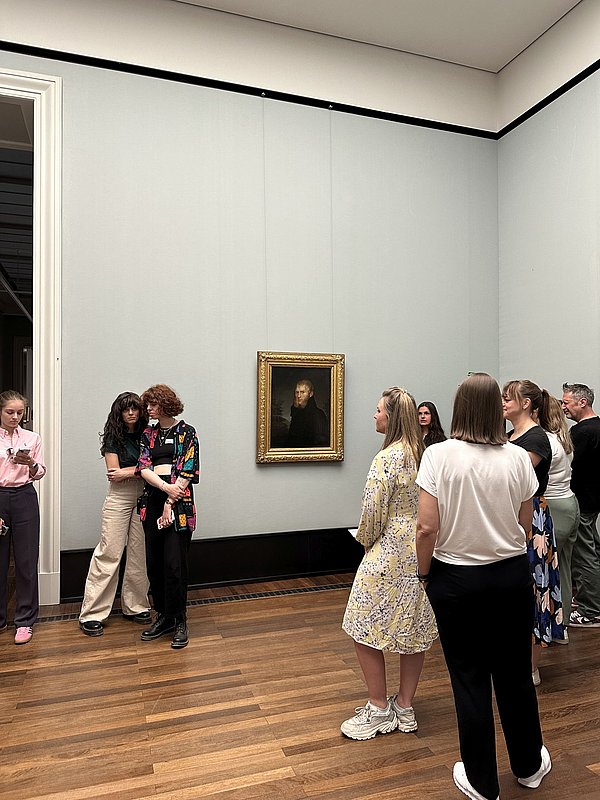
Yes, this is a very strong signal from the Minister of State for Culture and her department. We can only be grateful for that. The State of Berlin is also on board, for which I would also like to thank Senator for Culture Chialo. In addition, we have made enormous efforts to cut costs – some of which have placed a heavy burden on the specialist departments. We will be reversing the measures that have had a negative impact on our visitors, such as additional closing days and reduced opening hours in the museums, at the start of 2025. In 2024, we continued to provide the best possible offerings for our visitors, for example with the highly successful exhibition on Caspar David Friedrich at the Alte Nationalgalerie, which, with 300,000 visitors, was the museum’s most successful exhibition. By significantly extending opening hours, we took a risk that has fully paid off. Looking specifically in future at where we can extend opening hours and market our offerings in an even more visitor-oriented way will also be a very important focus going forward. I believe we are already well on the way in this regard.
You are constantly driving forward new formats to attract new target groups. Why do you do that?
You always feel you’re on the verge of micromanagement, but when I see the successes – such as the Kolonnaden Bar on Museum Island or the many projects at the Kulturforum that bring the place to life – I feel the sheer joy of this job every single time. The more you achieve, the more you want to take on board and implement what you hear in the city, thereby showing that we are indeed making progress and can put ideas into practice quickly and easily. I often get the impression that the image we at the SPK have of ourselves is more negative than how we are actually perceived from the outside. It is truly remarkable what we manage to achieve time and again, despite the sometimes extremely limited resources. In the field of education and outreach, we are a real beacon for the federal states and other cultural institutions, and the same goes for sustainability and diversity. People from other cultural institutions come and ask us how we managed the transformation process and tackled these issues – not to mention all the exhibitions and events. So we are certainly in a position to develop more self-confidence and to be a little proud.
Cultural education is also a subject close to your heart; we prefer to call it aesthetic education. Why is early childhood education so important to you?
There are two worlds: on the one hand, there is the nursery and education sector, which is in a state of crisis. All education reports are sounding the alarm about how wide the gap is between children receiving support and those who do not, even at pre-school age, and that those affected almost never manage to catch up in terms of skill levels. As one of the richest countries, Germany also has one of the widest educational gaps in the world.
On the other hand, there are the museums and libraries, and the question of how we can reach the next generation of users and what connection they have to traditional cultural institutions. I believe that the key to reaching new target groups lies in the pre-school age group of 4–6-year-olds, which is why I find early childhood education so important. In this way, we can do something for the children and address the deficits in concentration and expressive ability that they would otherwise carry with them into school and later life, and we can inspire them with topics that go beyond the everyday. This is simply a different challenge from the one we face with schoolchildren or adults, and I would like to advocate for the development of new formats and offerings in this area. Incidentally, this approach also allows us to reach adults who would otherwise never visit museums. The children tell their families at home about what they have experienced and then bring their parents along to the family days at the museums. I see this as a great opportunity and am delighted that we have secured the UNESCO Commission as our patron.
Finally, a personal question: times are tough, the reform process is tough too, and negotiations with the federal and state governments require a great deal of diplomatic skill. What drives you, what keeps you on your toes?
Of course, there are days when you feel that everything is going wrong. There are constantly difficult conflicts to resolve, and it’s not uncommon for what was actually a good day to end with some disastrous news – but at the end of the day, I still ask myself every time: what went well today, what was positive? There really is always something, and that’s where I draw my strength from. And beyond that, it is of course a huge privilege to work in such a rich, wonderful cultural institution as the SPK. I am grateful for that every day and am particularly pleased when I look back and realise what we have achieved together over the last few years. When I see how committed my colleagues are, I am certain: we can bring about any change.