The second instalment of Parzinger’s Reform Diary focuses on the Prussian Cultural Heritage Foundation and the benefits it brings to the federal states.
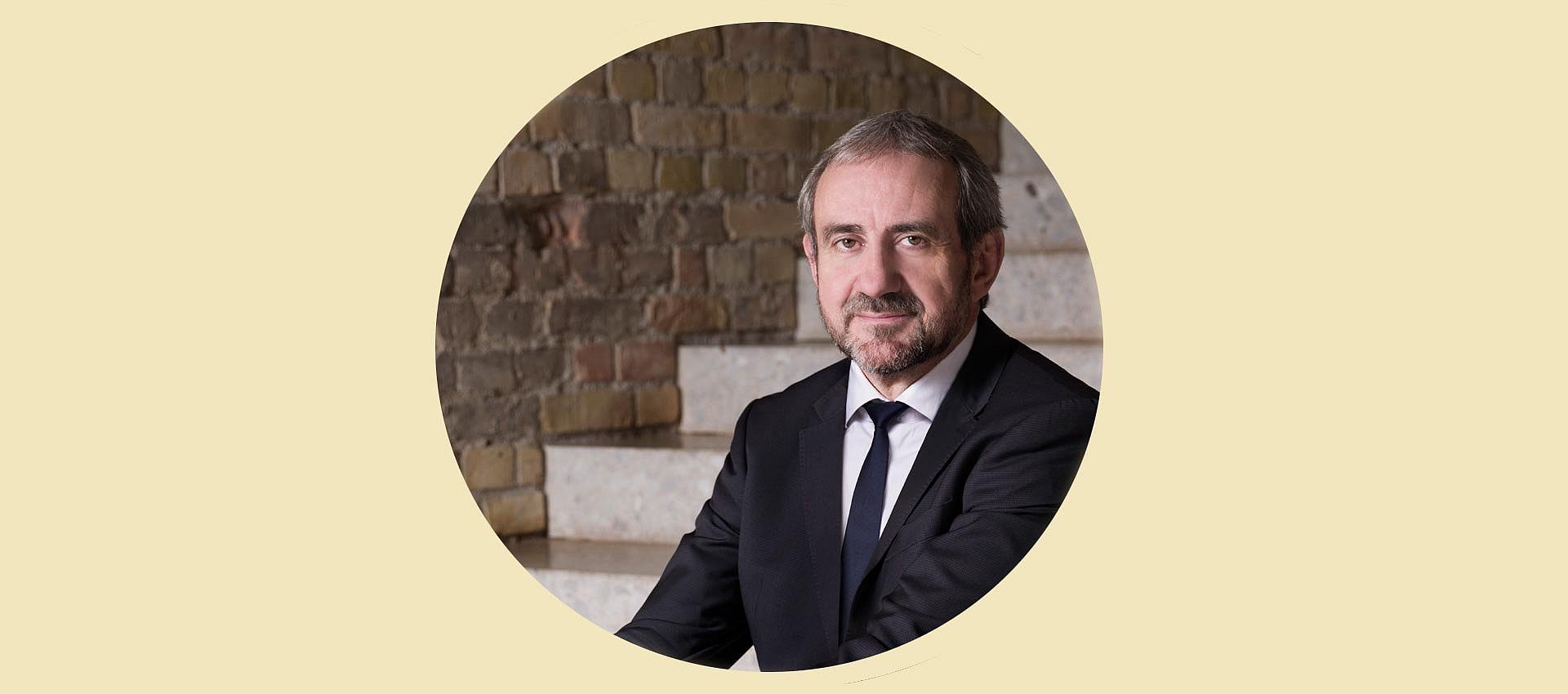
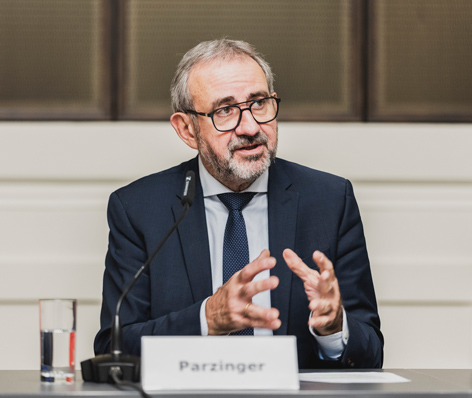
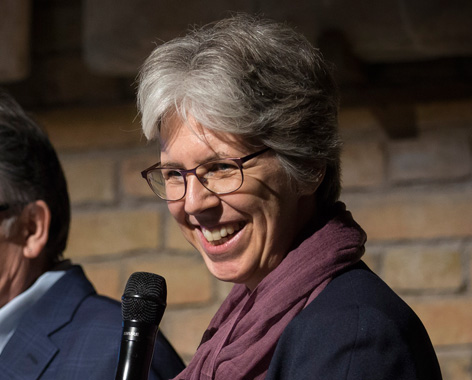
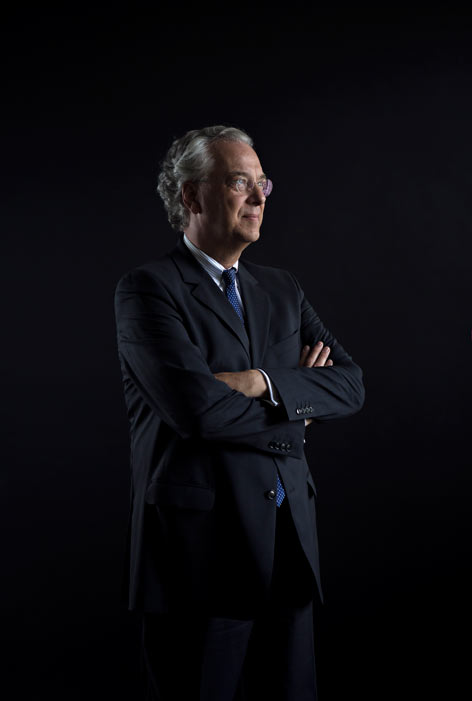
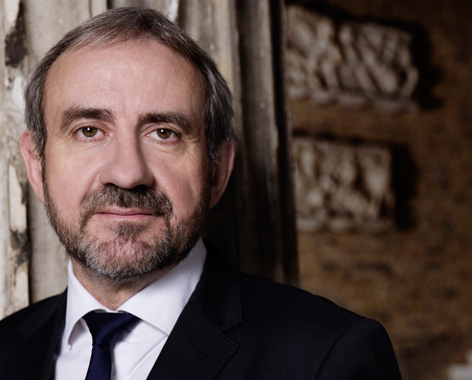
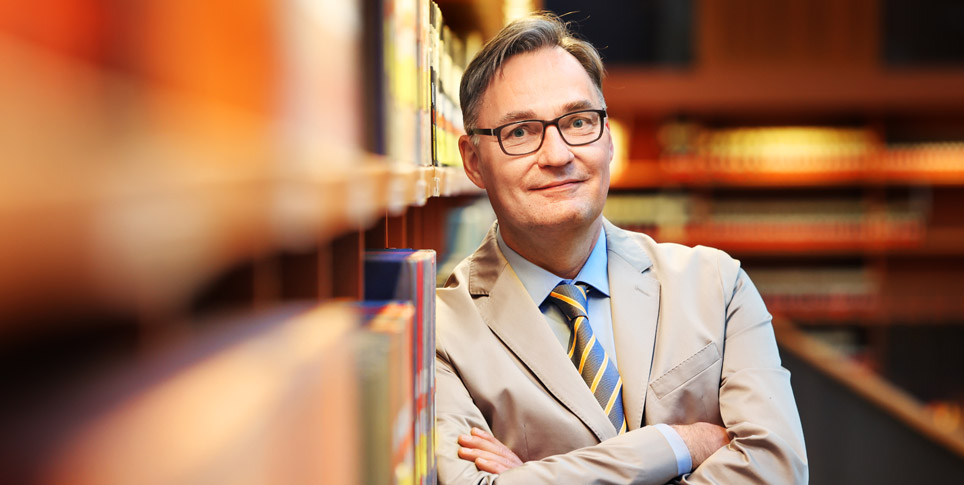
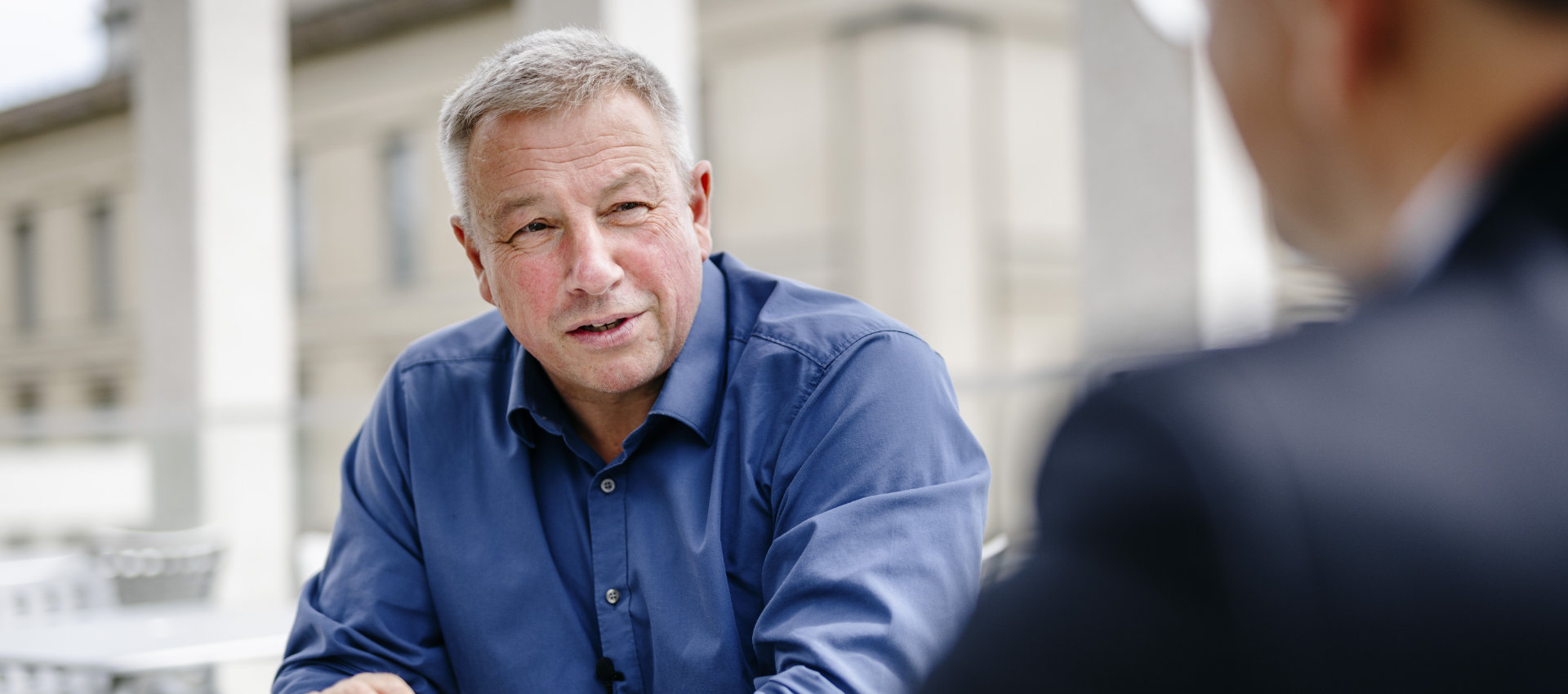
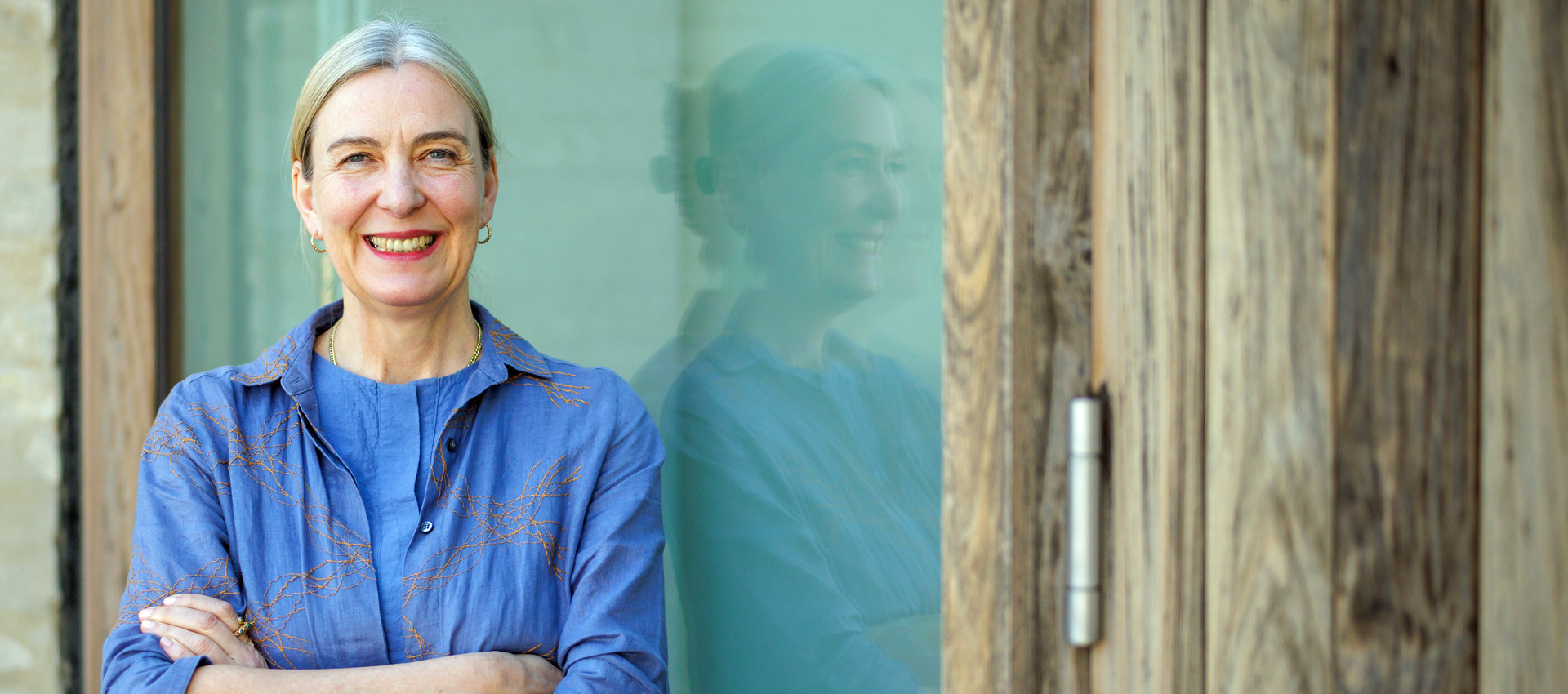
Hermann Parzinger has been President of the Prussian Cultural Heritage Foundation since 2008. Under the title “Reform Diary”, he offers insights into the foundation’s transformation in “Politik und Kultur”, the newspaper of the German Cultural Council.
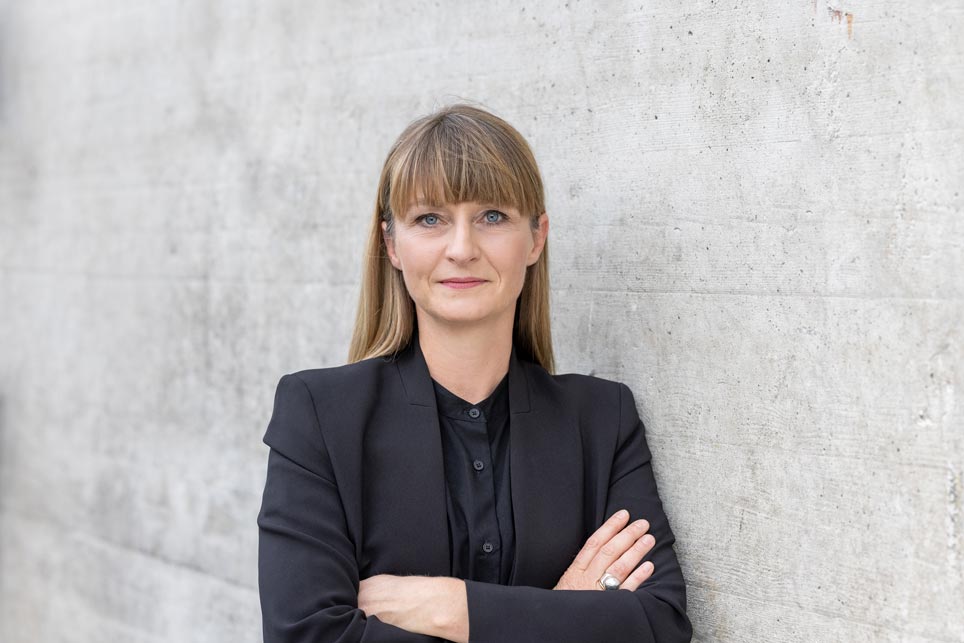
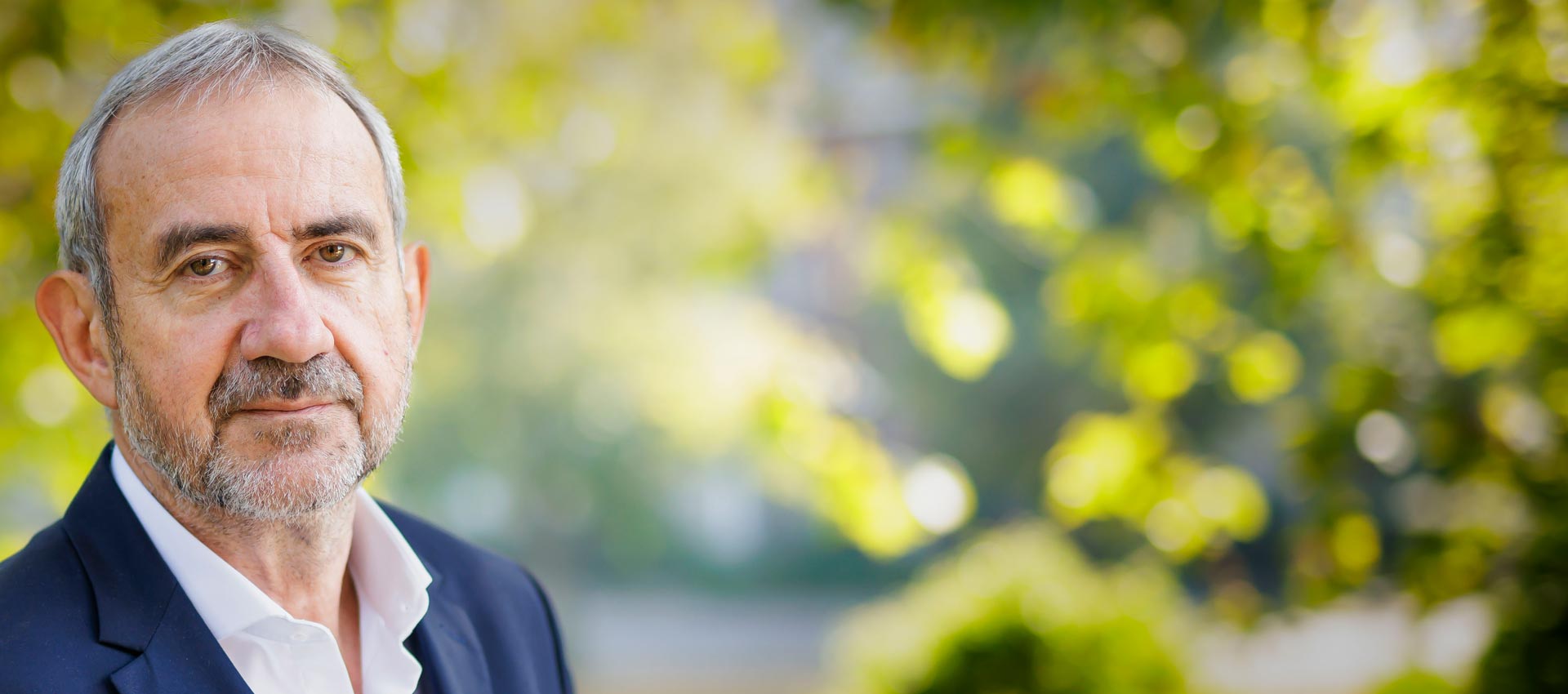
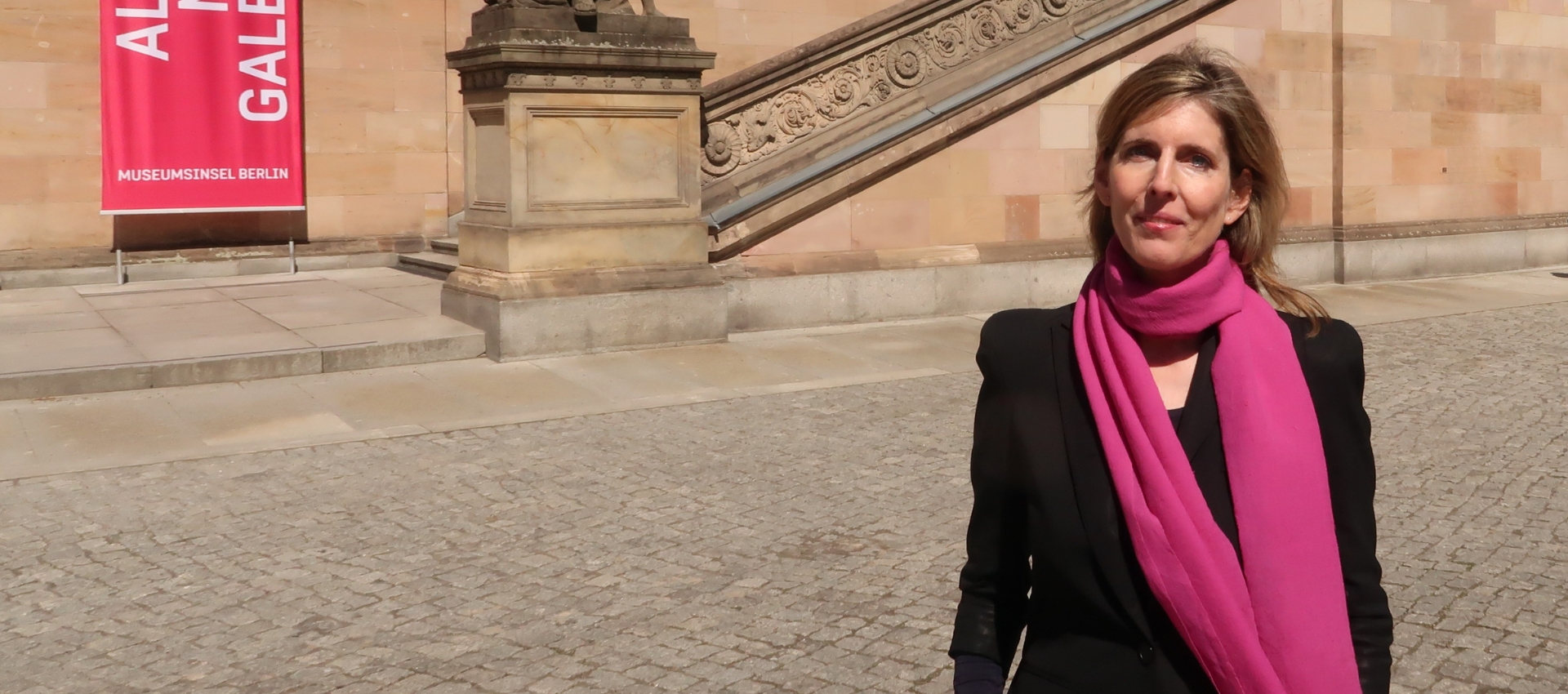
Photo: SPK / Herlinde Koelbl
A product of cultural federalism
The federal government and all the federal states are the sponsors of the Prussian Cultural Heritage Foundation (SPK) and provide its funding. The federal government covers 75 per cent of the operating costs, whilst the 16 federal states jointly cover the remaining 25 per cent in varying proportions. The federal government and the federal states work together in the SPK’s highest governing body, the Foundation Council. This is where all important decisions are made, ranging from the budget to staffing decisions, from museum directors to the President.
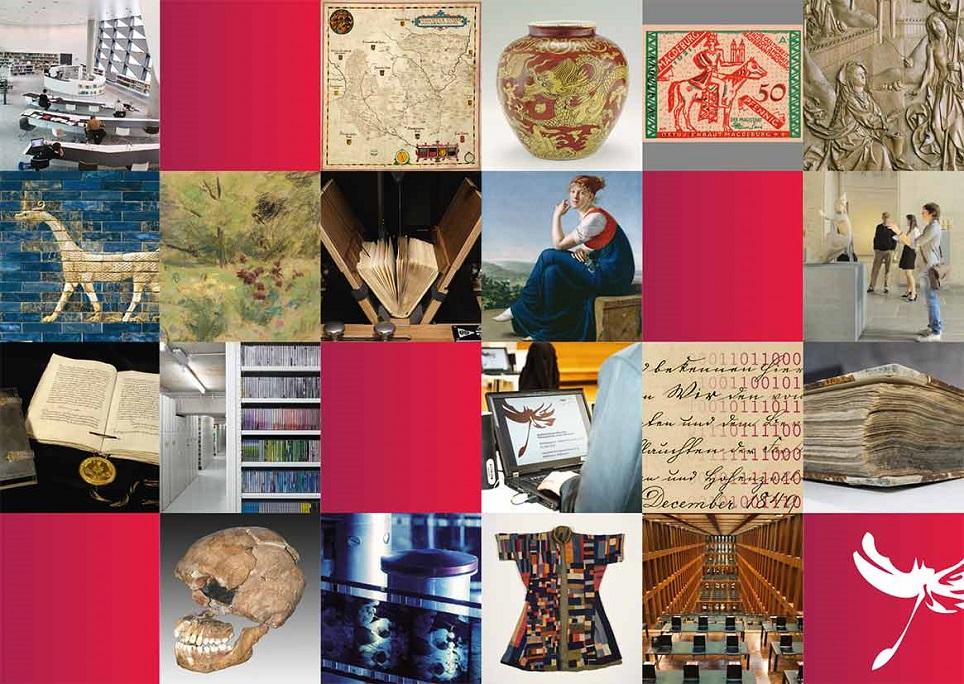
The SPK is a product of cultural federalism; its foundation dates back to 1957, when it was already conceived as a federal-state institution, a fact ultimately confirmed by the Federal Constitutional Court. By 1974, all West German states were involved in its sponsorship, and in 1992 the new East German states joined. The foundation’s federal structure is unique and, on the one hand, underlines the significance of the Prussian heritage for Germany as a cultural nation; on the other hand, it takes account of the fact that the foundation is by far the largest cross-disciplinary cultural institution in our country, with outstanding collections in museums, institutes, libraries and archives that are of national importance.
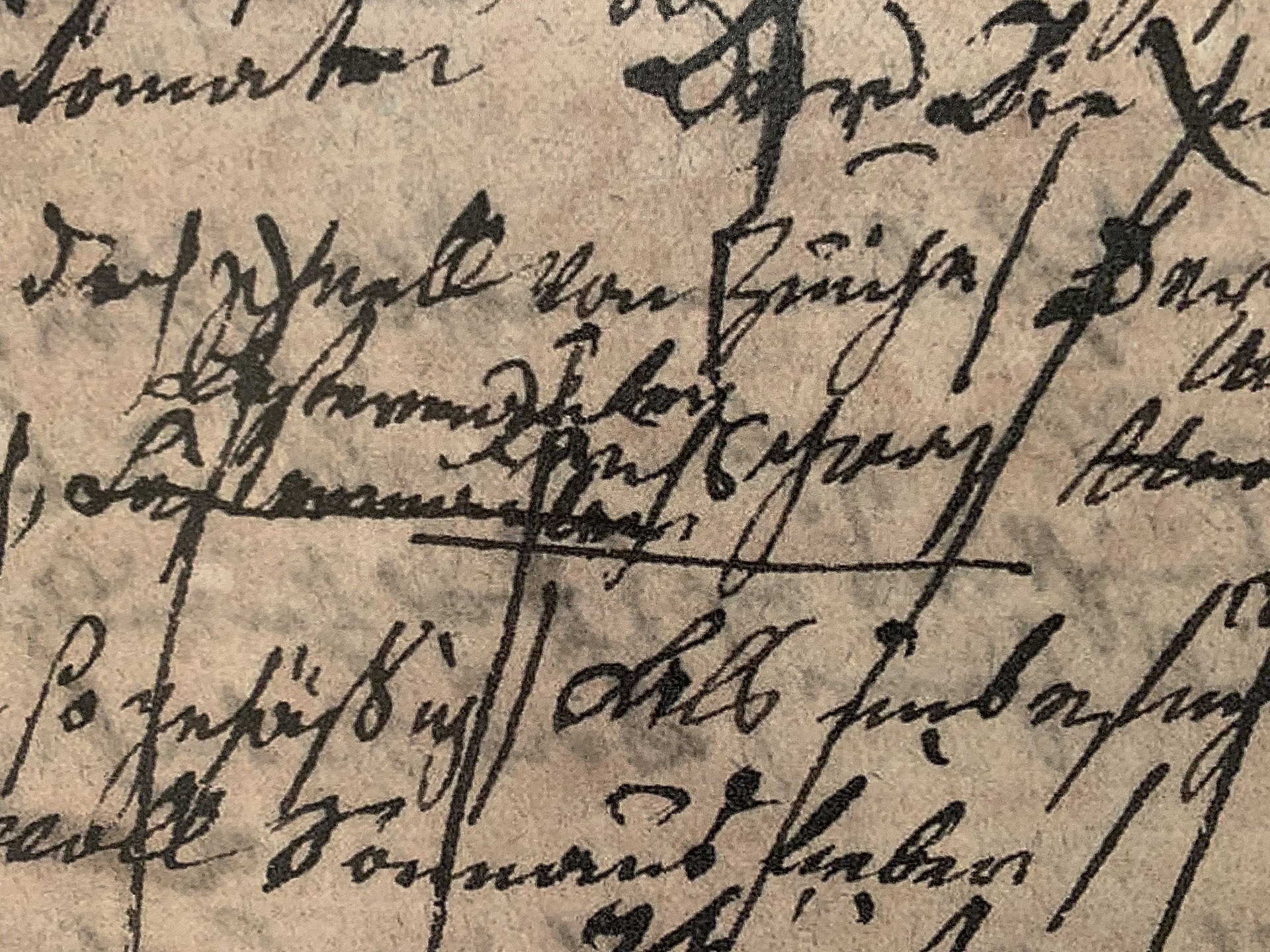
Another special link between the SPK and the federal states: donated to the Prussian Cultural Heritage Foundation in 1967 for the symbolic price of 1 DM, some 1,500 pages of manuscripts from the estate of the writer Annette von Droste-Hülshoff are held on permanent loan at the Westphalian Literary Archive.
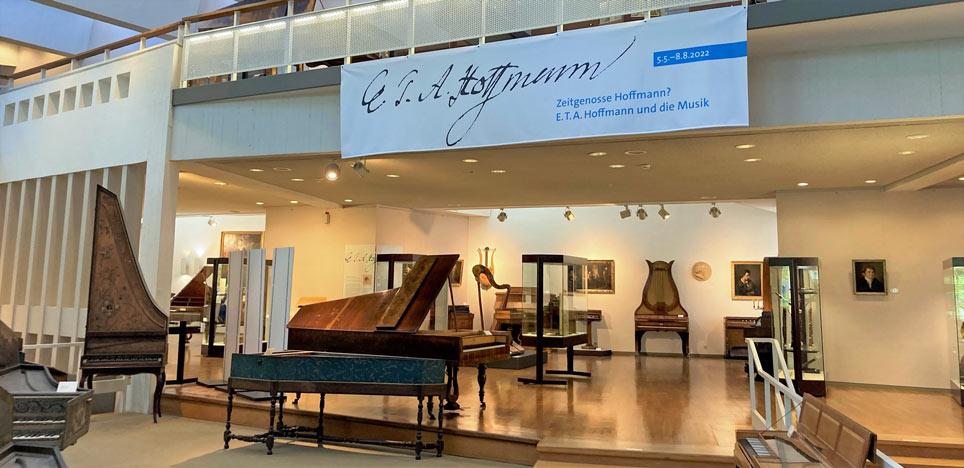
Photo: SPK / Killisch
A foundation with a unique history
Added to this were issues of ownership dating back to the 1950s: The collections of the future foundation institutions, in particular the Staatliche Museen zu Berlin and the Staatsbibliothek zu Berlin, which had been relocated from Berlin during the war, were later consolidated in places such as Wiesbaden and Marburg in Hesse or Celle in Lower Saxony, and naturally the question of ownership arose after the State of Prussia was dissolved in 1947. To whom did these cultural assets now belong: as a whole to the Federal Government, parts of them to Hesse and Lower Saxony, or perhaps everything to West Berlin? The wise and far-sighted decision to establish joint sponsorship by the federal government and the Länder resolved the problem and, following reunification, also provided a suitable basis for the transfer of the majority of the files from the Secret State Archive of Prussian Cultural Heritage in Merseburg, Saxony-Anhalt, back to Berlin.
So much for the history. It is important to always bear in mind this particular past of the Foundation. Yet, almost 70 years later in the 2020s, that alone is no longer enough; the foundation’s structure must be infused with new life, and the joint federal sponsorship should also demonstrate a clearly visible added value for the federal states. This is one of the seven key areas of focus in our ‘SPK 2030’ strategy process (see Reform Diary, Issue 1).
The strong support from the federal states in the reform process makes it clear that they, too, view the preservation and nurturing of this heritage as a shared responsibility and value it highly. As President of the SPK, I am very grateful for this. When the Science Council recommended in its 2020 report that the Foundation be dissolved and that the Länder, with the exception of Berlin, be removed from the sponsorship structure, there was immediate, well-founded protest and enormous resistance from the Länder. What the Science Council had failed to take into account was that the carefully balanced federal structure in the cultural sector in Germany would have been significantly thrown out of balance in favour of the federal government.
Who would have thought that, when dealing with tricky cases involving illegally traded Egyptian artefacts, the State Criminal Investigation Offices often turn to the Egyptian Museum for advice?
Hermann Parzinger
Respected points of contact throughout Germany
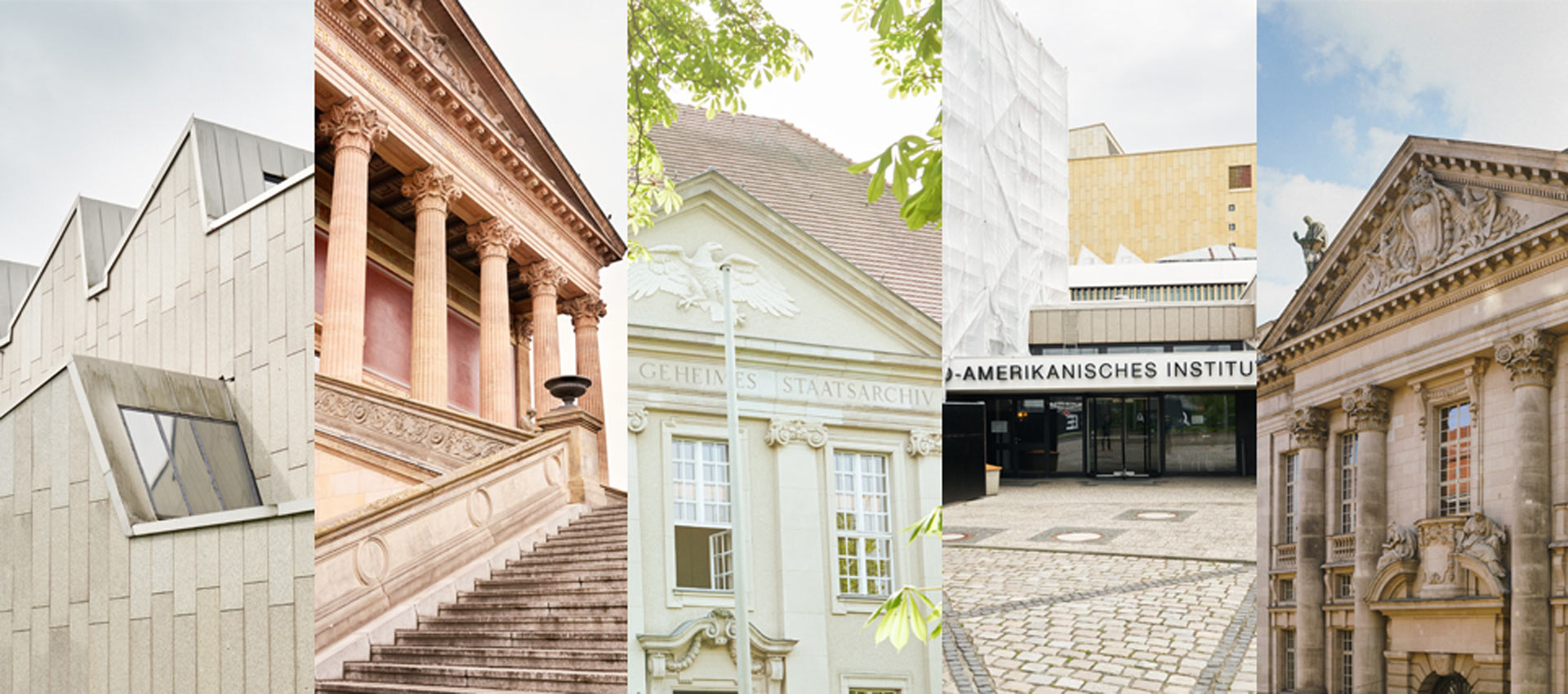
All SPK institutions are valued points of contact throughout Germany as part of their day-to-day work. It is immediately obvious to everyone that budding Egyptologists simply must study the bust of Nefertiti. But who knows that the State Criminal Police Offices also like to turn to the Egyptian Museum for advice on tricky cases involving illegally traded Aegyptiaca? The State Library, for example, supports other institutions in archiving official digital geodata. And the Numismatic Cabinet has developed a database for the whole of Germany. Many other similar examples could be added.
At the same time, the Foundation frequently plays a central role in special cultural tasks that are of national interest. For instance, the offices of the ‘German Digital Library (DDB)’, funded by the federal and state governments, and the ‘Coordination Office for the Preservation of Written Cultural Heritage (KEK)’ are based at the SPK and its institutions.
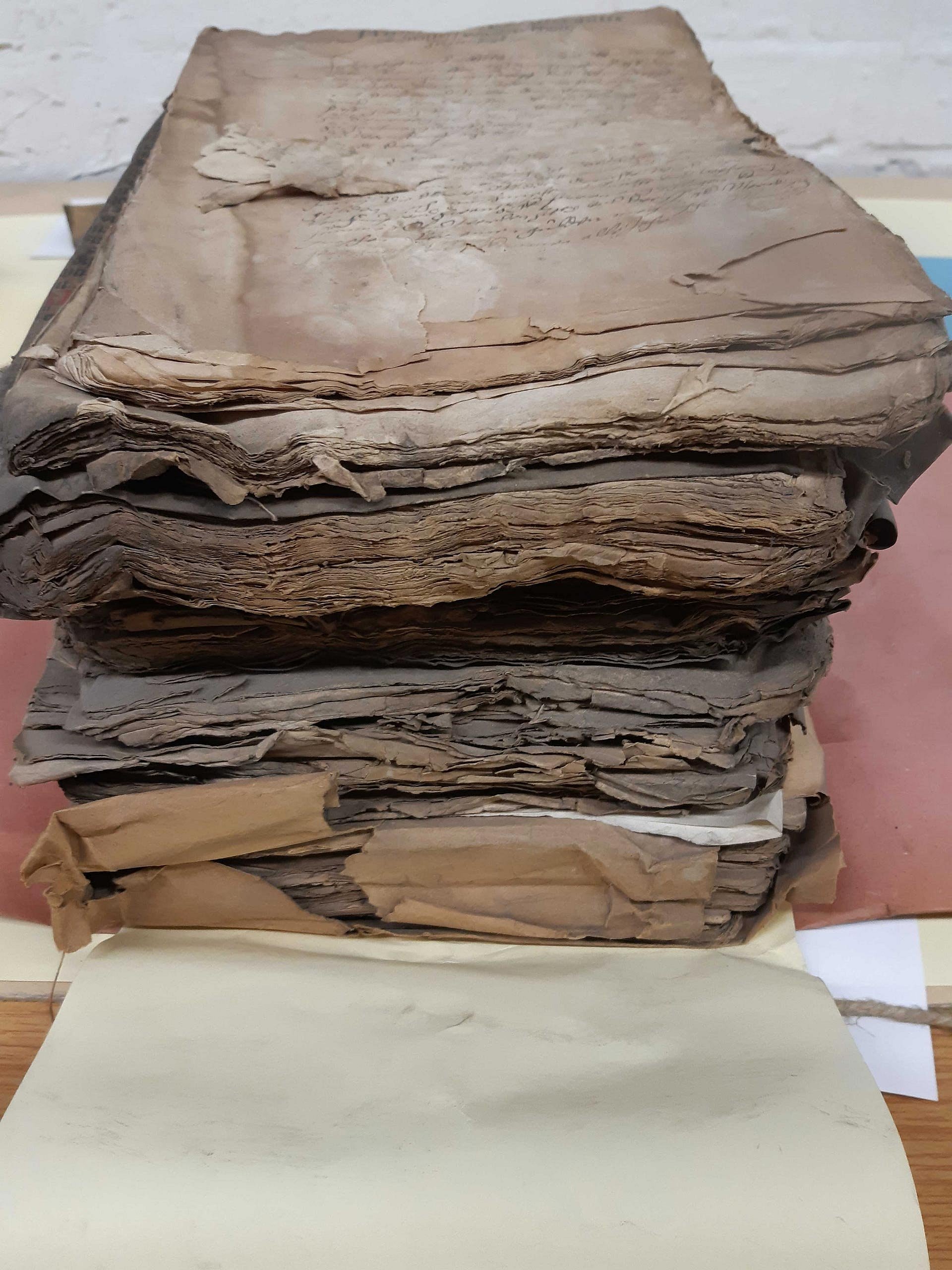
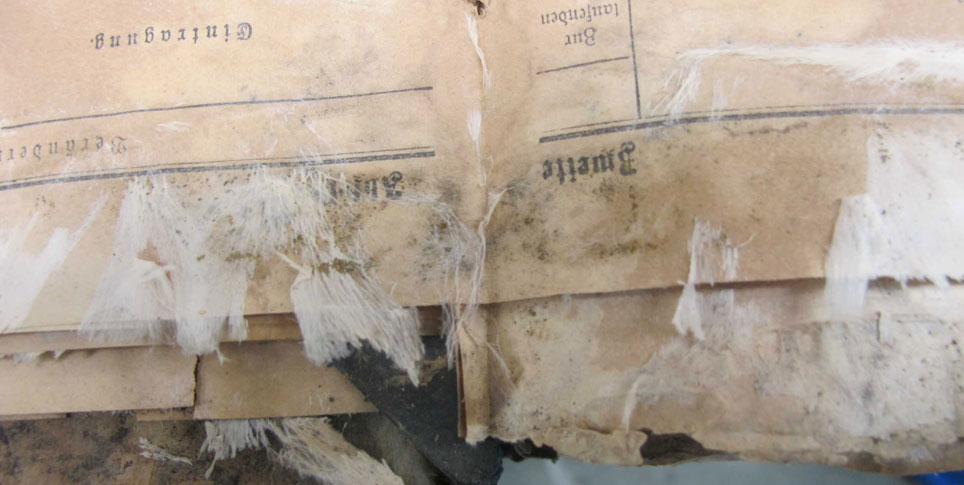
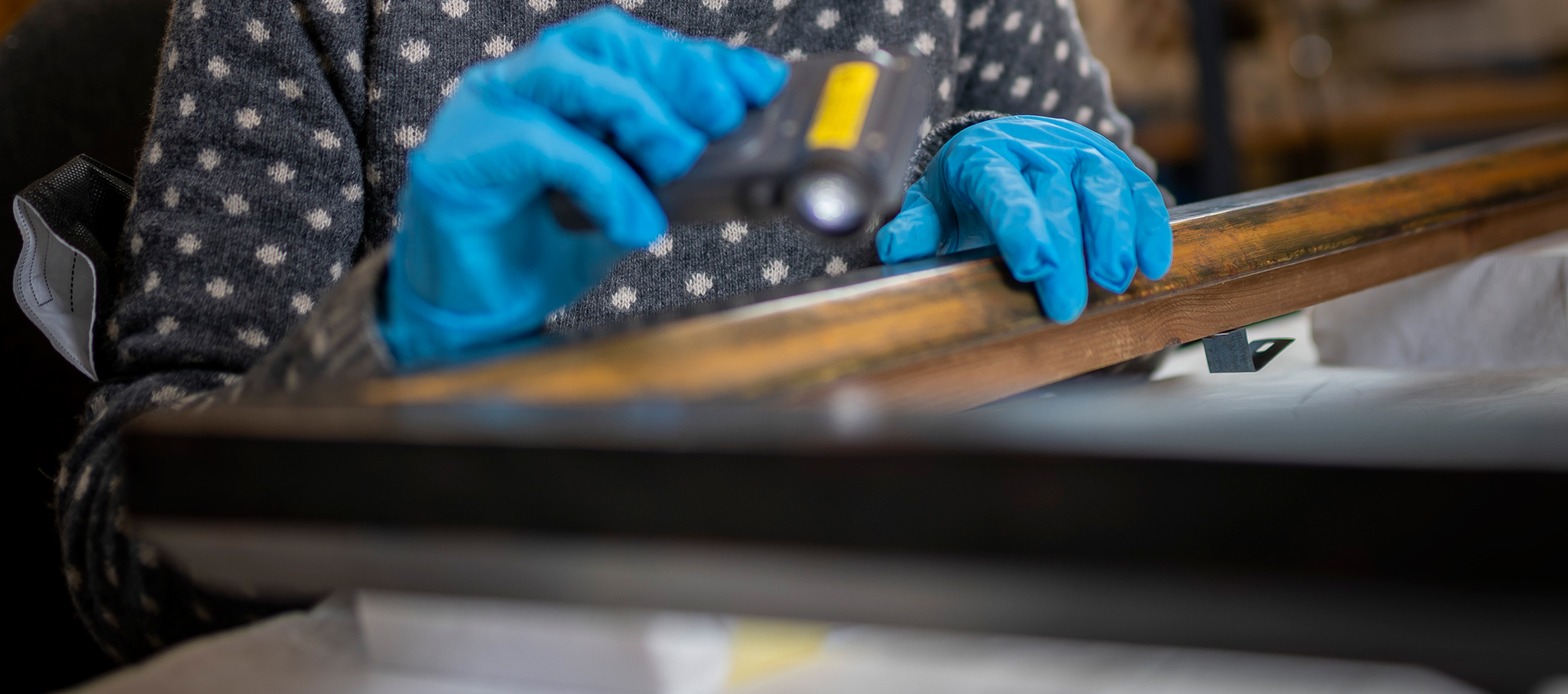
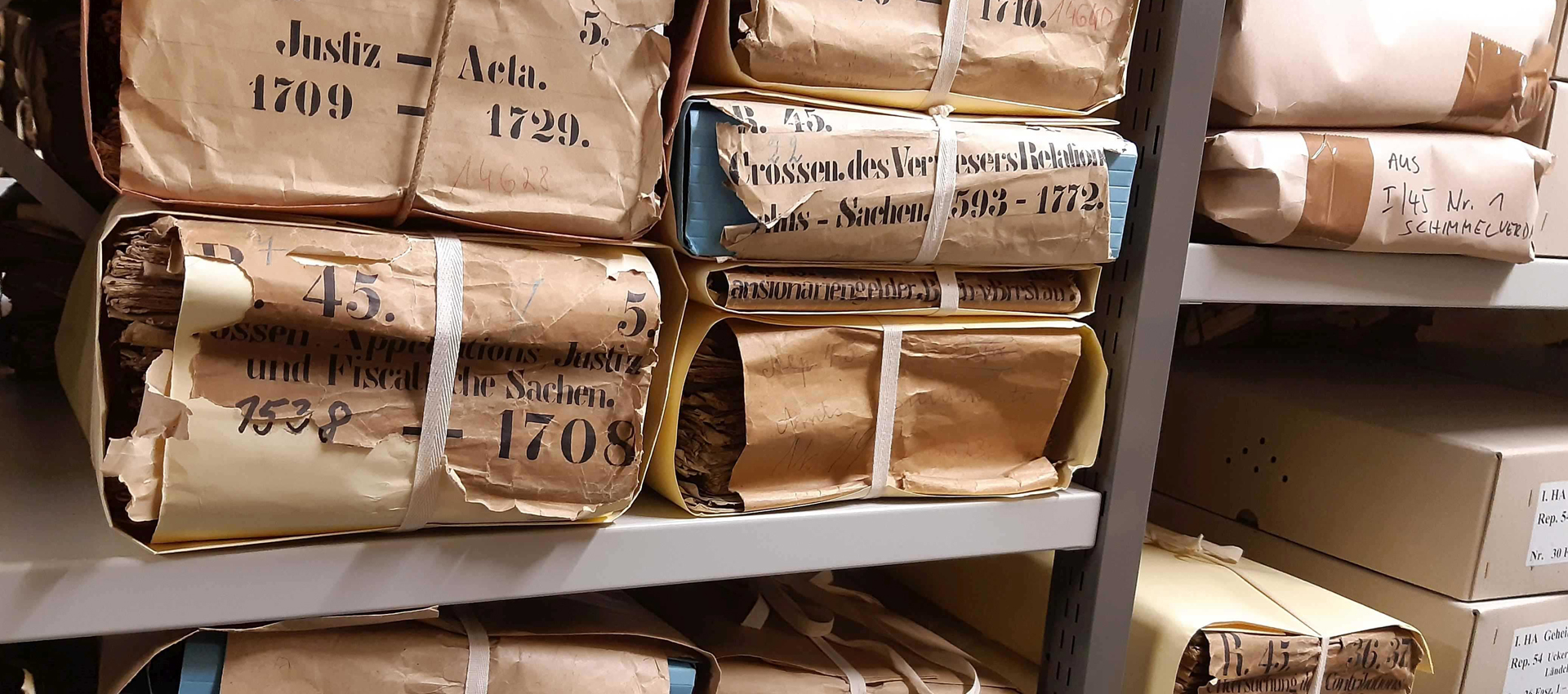
Thanks to special funding from the Federal Government Commissioner for Culture and the Media (BKM), channelled through the Coordination Office for the Preservation of Written Cultural Heritage (KEK), a total of 120 linear metres of files from the ‘Geheimer Rat’ collection were cleaned and professionally packaged for archiving between 2021 and 2023.
A heavily soiled bundle of files. Photo: GStA PK
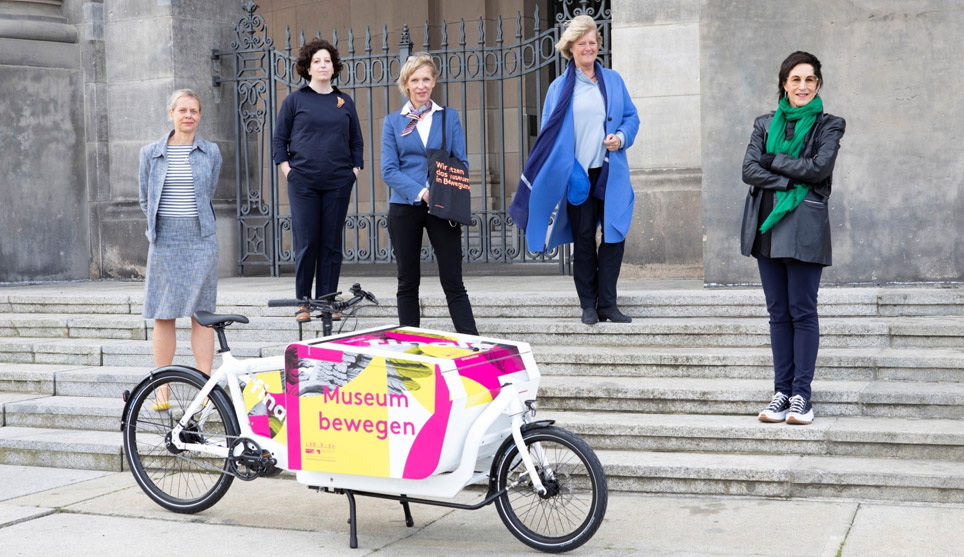
The SPK’s so-called ‘Federal Programme’ has been in existence for exactly 25 years and has played a key role in raising the profile of the Foundation and its institutions across the federal states by making curated exhibitions from all its collections available to cultural institutions in the federal states. We now wish to use the SPK’s current strategic process to further develop this programme in collaboration with the federal states. The aim is to create new formats that go beyond the provision of exhibitions. Institutions in the federal states wish to increase their visibility in the capital through so-called ‘showcases’. Furthermore, exchange must take centre stage.
Shaping the future collaboration between the SPK and the federal states therefore challenges not only all the Foundation’s institutions to rethink their approach, but also the federal states themselves. Together with members of our Foundation Board and our Advisory Committee, we have already held two full-day, open-ended workshops on this topic. It became clear that there is a strong need among the federal states to cooperate more closely in the areas of education and outreach, to make our shared history more accessible, and to embark on a joint, theme-focused annual planning process. We are still at the beginning and the initial ideas need to be developed further, but we would like to move towards concrete steps soon. To this end, the SPK has now, for the first time, established the role of a liaison officer for the federal states, who will also support the institutions in their contacts with the federal states. A cross-foundation working group with participants from the SPK’s staff is intended to facilitate participation and take up innovative ideas.
The ongoing dialogue with the federal states is a lasting success of the reform process
Hermann Parzinger
A new partnership between the Länder and the SPK
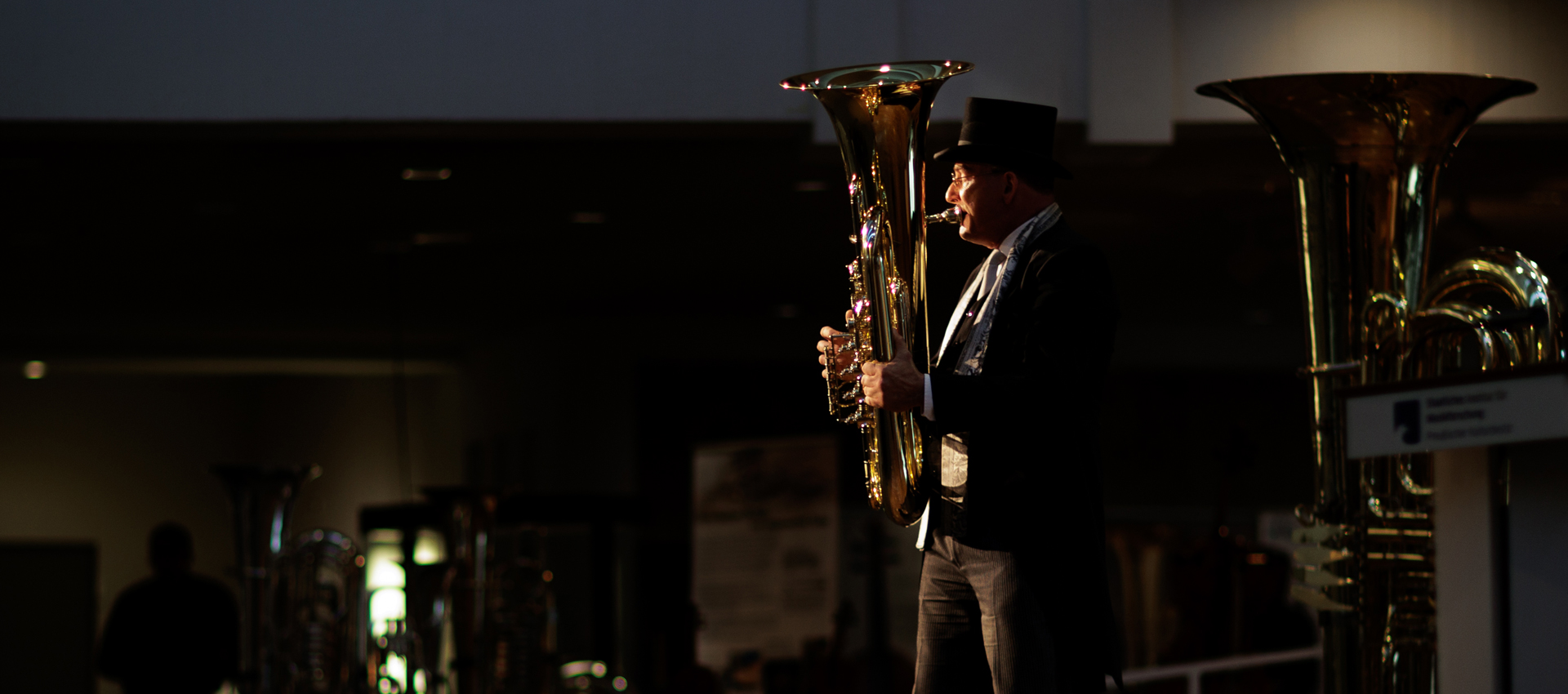
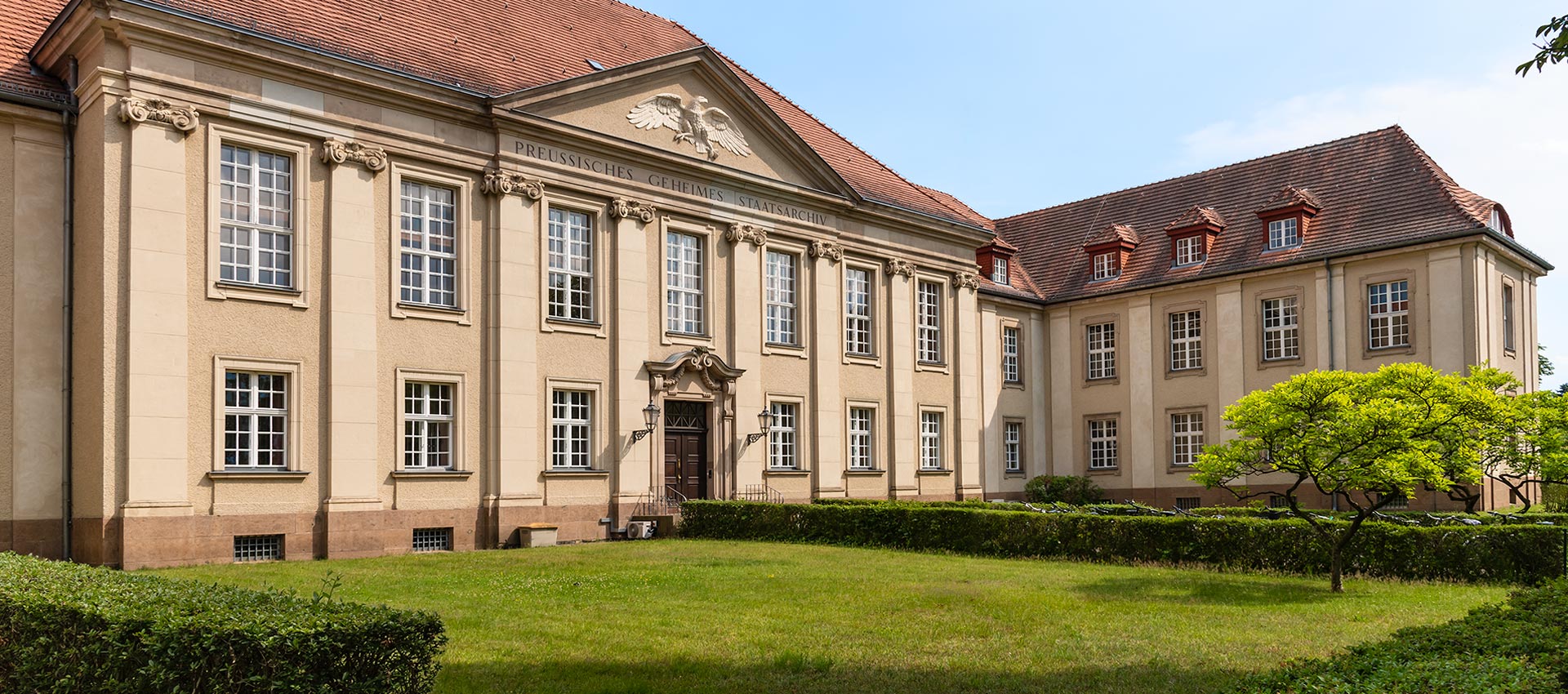
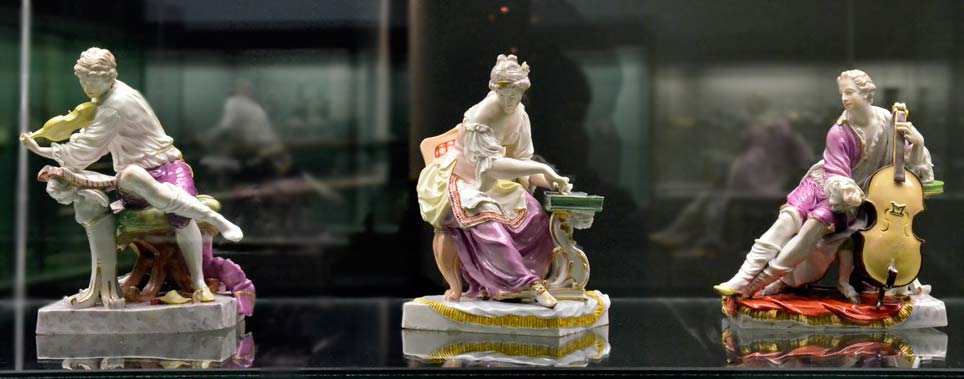
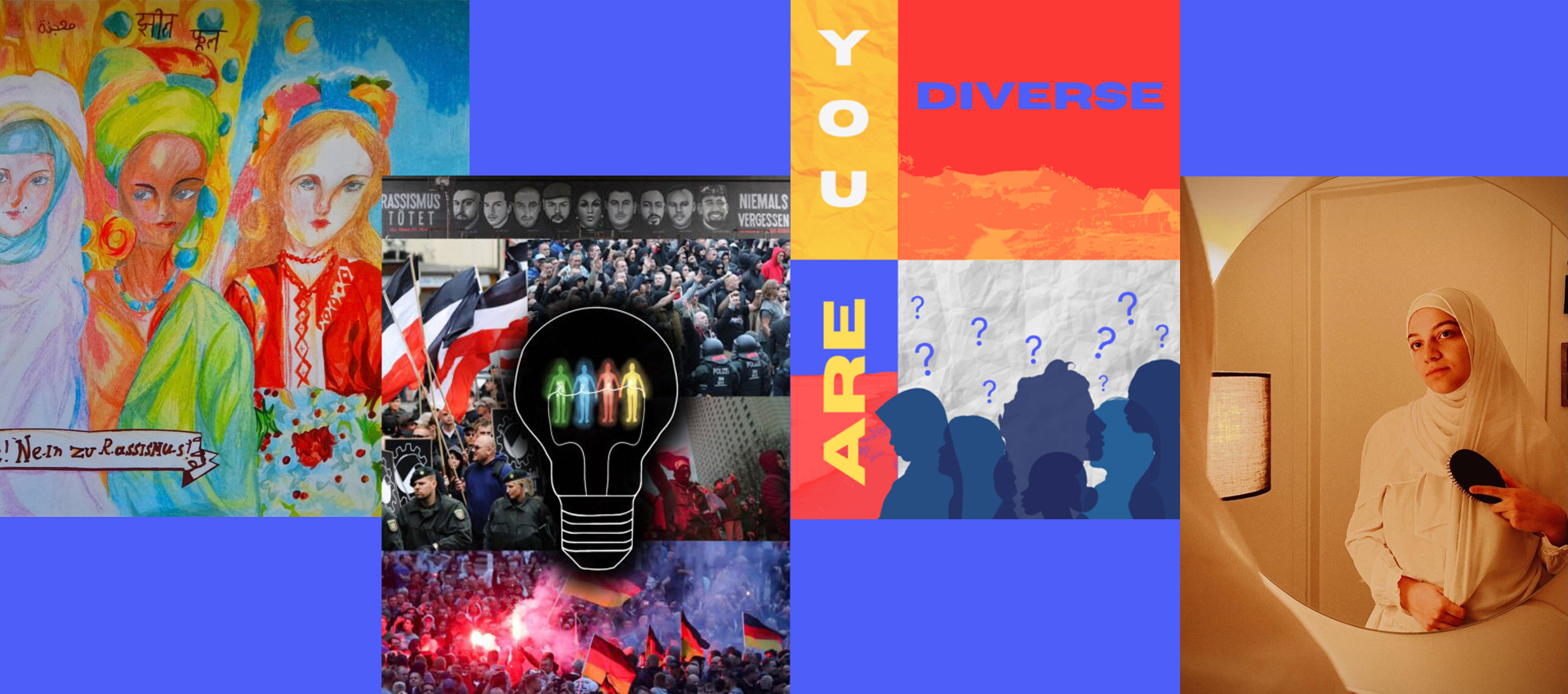
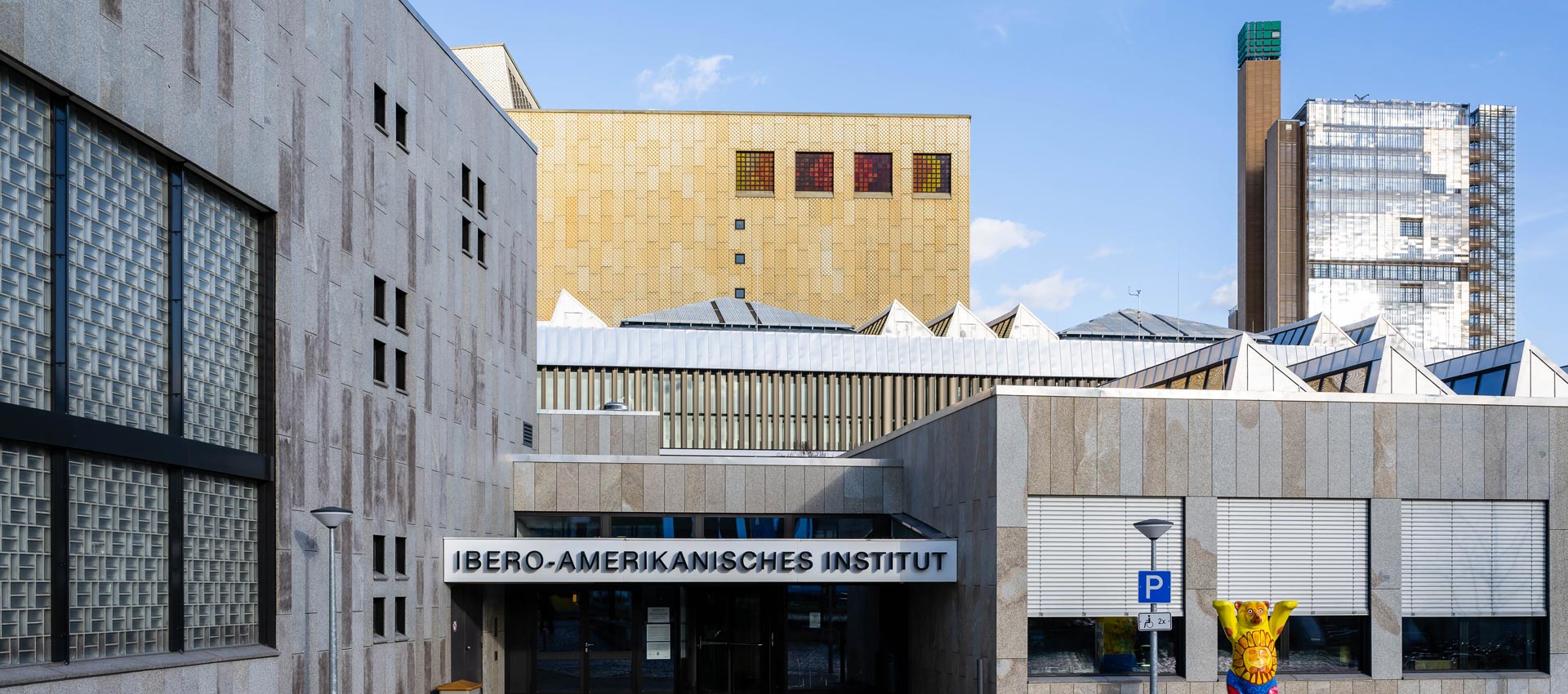
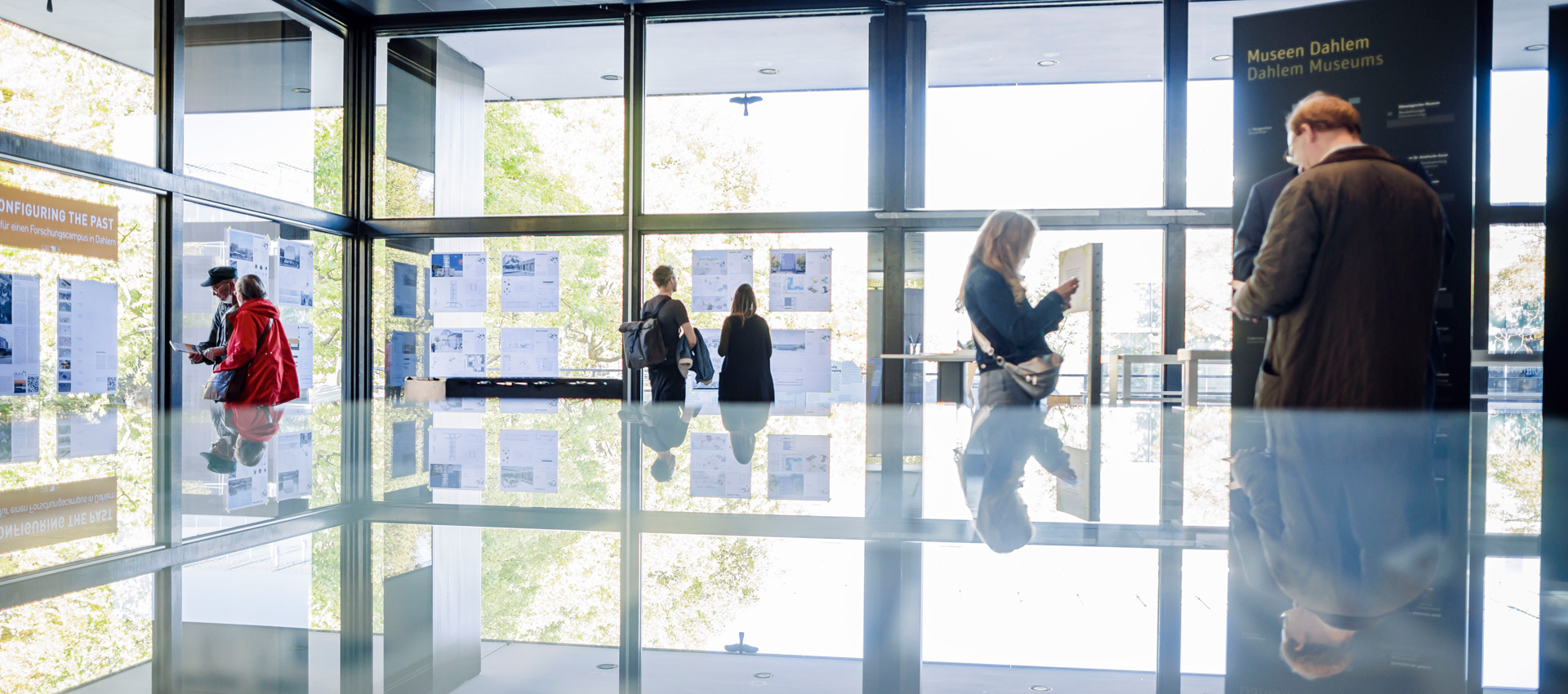
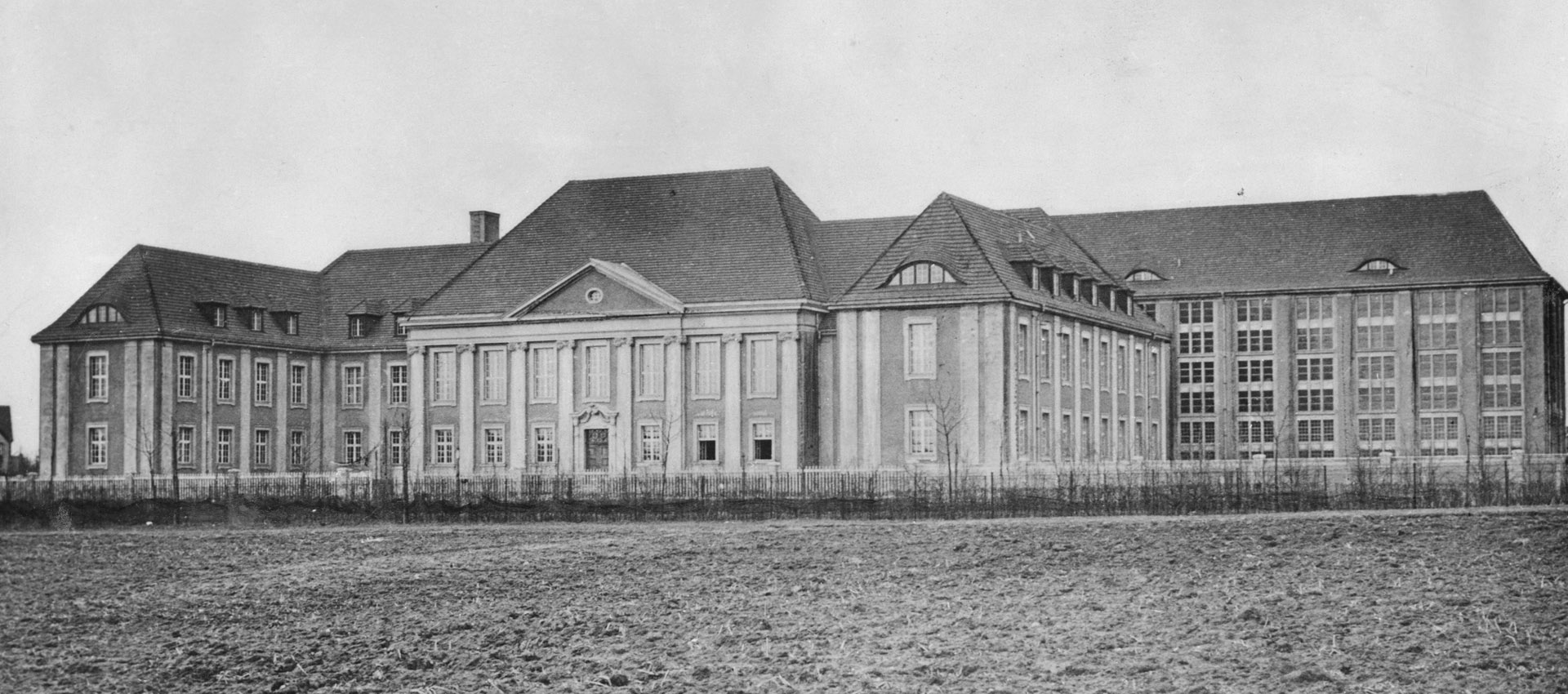
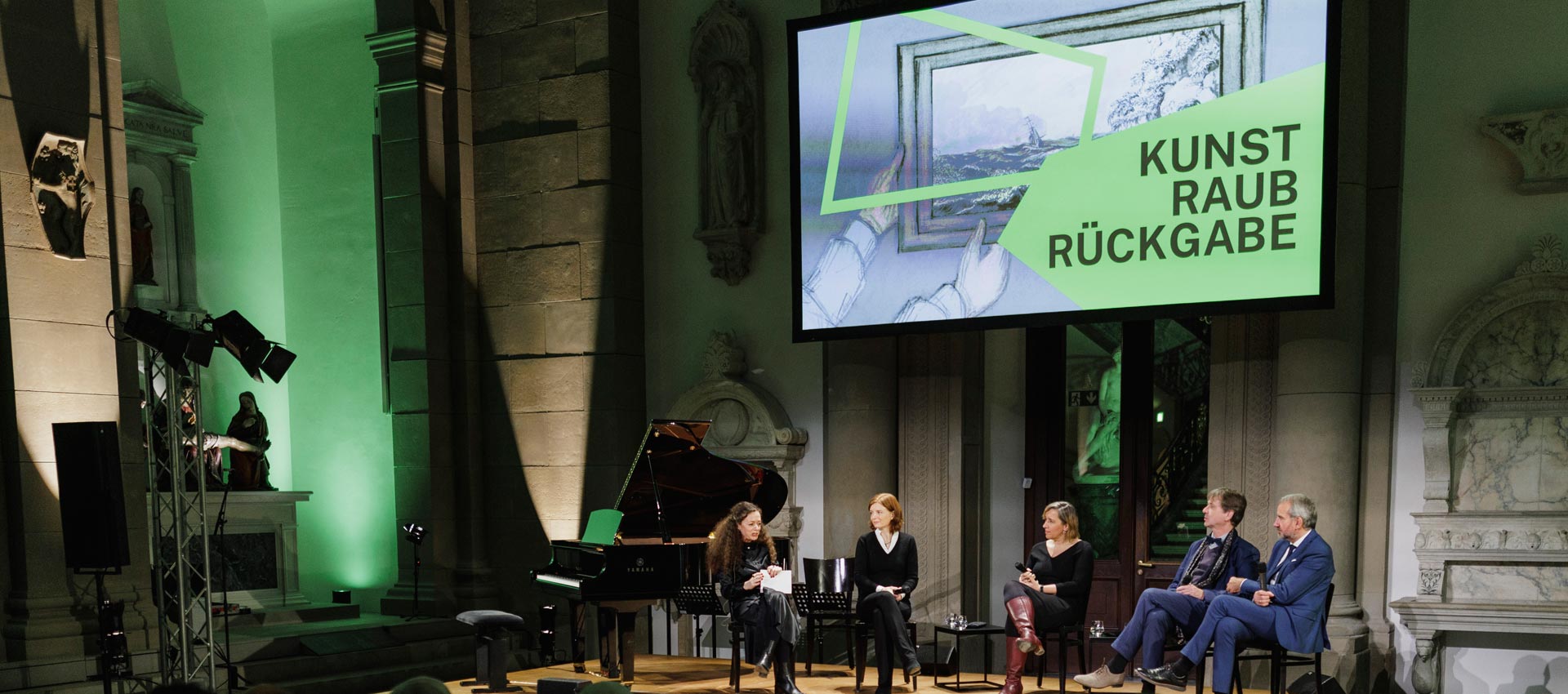
The ongoing exchange with the federal states is a lasting success of the reform process, highlighting many commonalities and driving both sides forward. Together with the federal states, we are already looking forward to a wide range of activities in this current year, 2024, alone: a conference in Kassel on the future of cultural heritage, a showcase for musical instrument making from Markneukirchen in the Vogtland region in Berlin, interventions by students from the Saarland at the Bode Museum, drawing lessons on the Troy collection in Heidelberg, a symposium on resilience against the far right in Münster, a ‘Weimar Room’ by the Klassik Stiftung Weimar at the State Library, a joint commemoration of 200 years of emigration to Brazil organised by the Ibero-American Institute in collaboration with Rhineland-Palatinate, a celebration of the 100th anniversary of the Secret State Archives in Dahlem with Saxony-Anhalt, a Bauhaus dinner with the Saxony-Anhalt Art Foundation in Selb, Bavaria, and Chemnitz, Saxony, as well as our project ‘Art, Looting, Restitution’, launched in collaboration with the Bavarian State Painting Collections, focusing on the forgotten life stories of Jewish fellow citizens in Germany during the Nazi era. This variety and breadth of joint initiatives is impressive, whets the appetite for more and impressively demonstrates the full potential of our new collaboration between the federal states and the SPK.