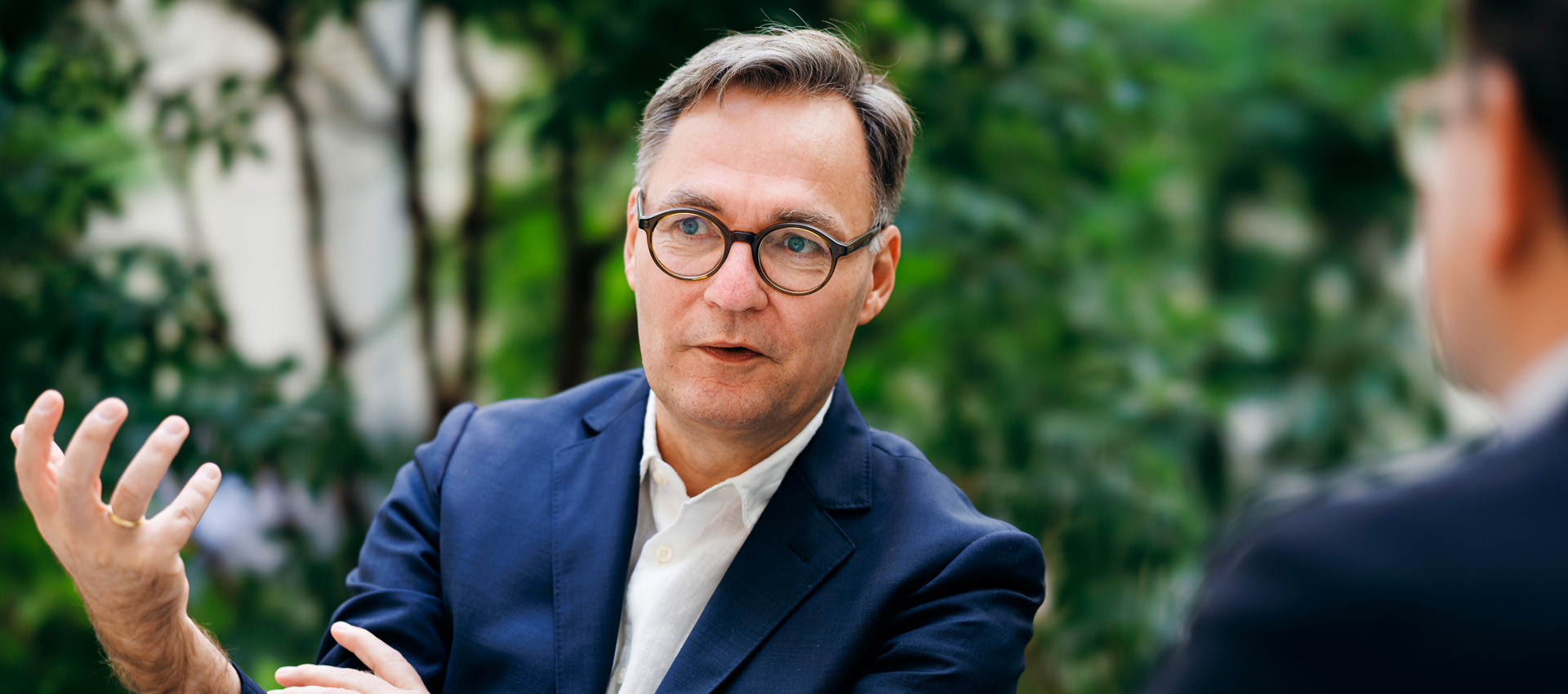
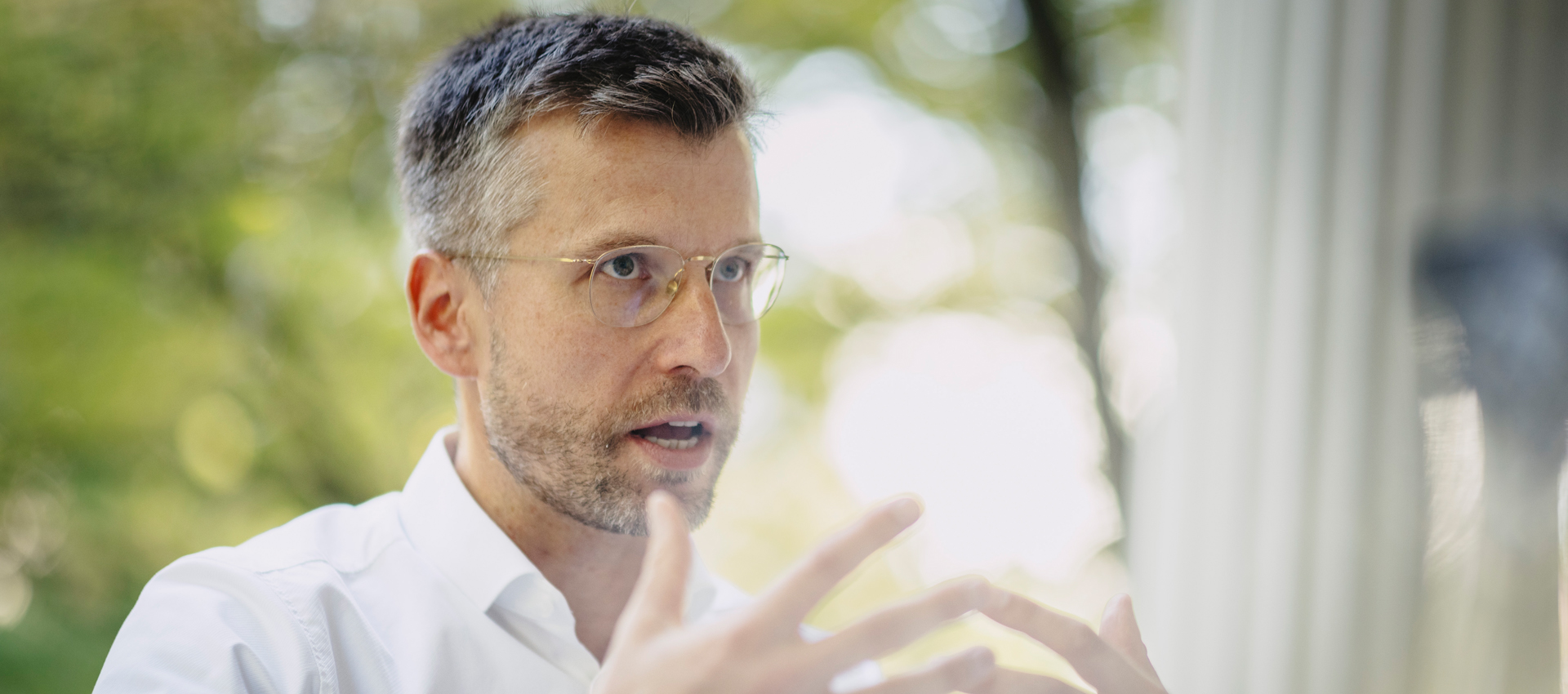
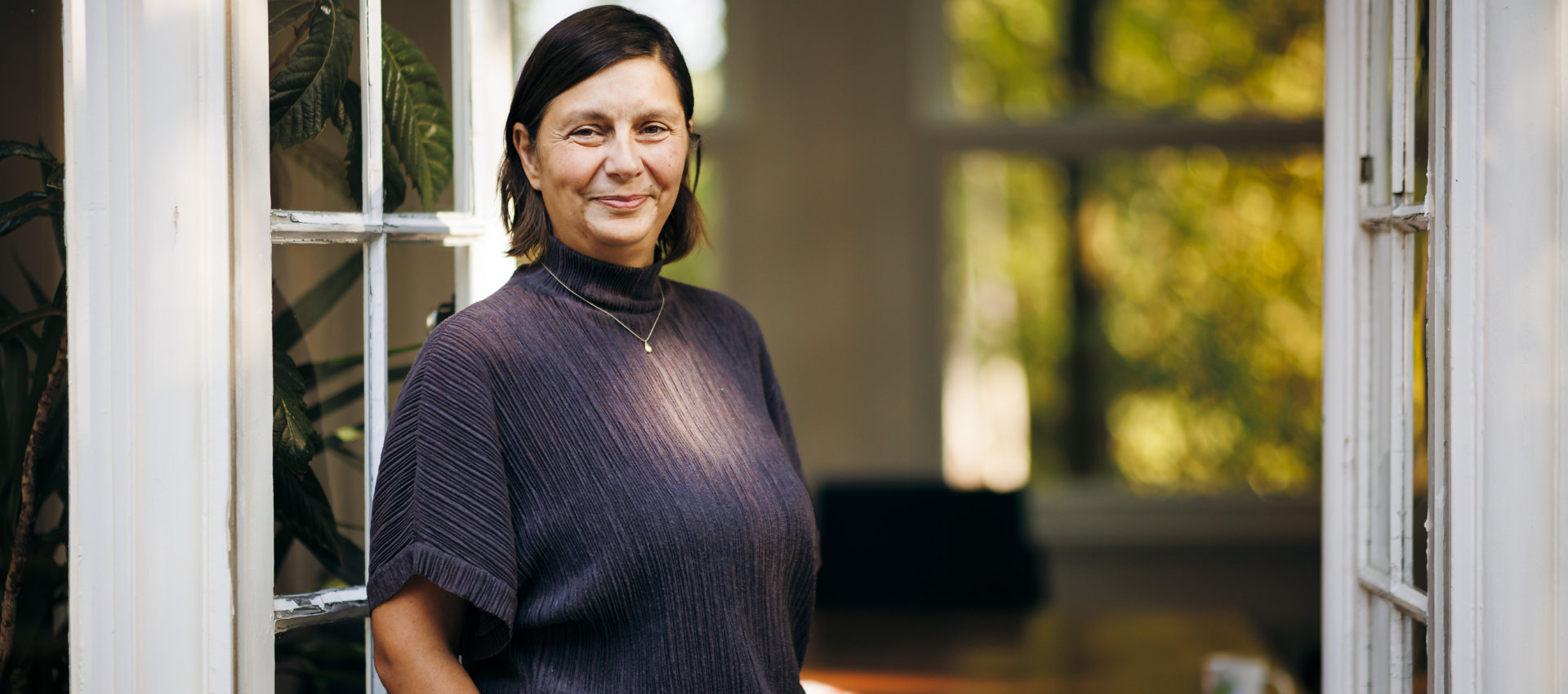
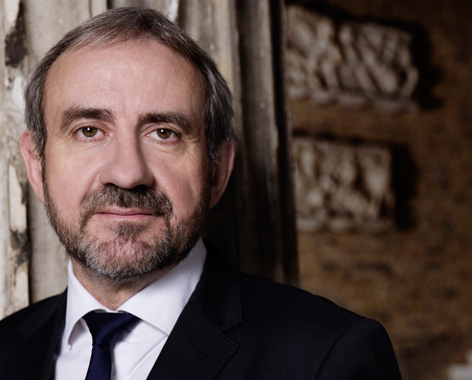
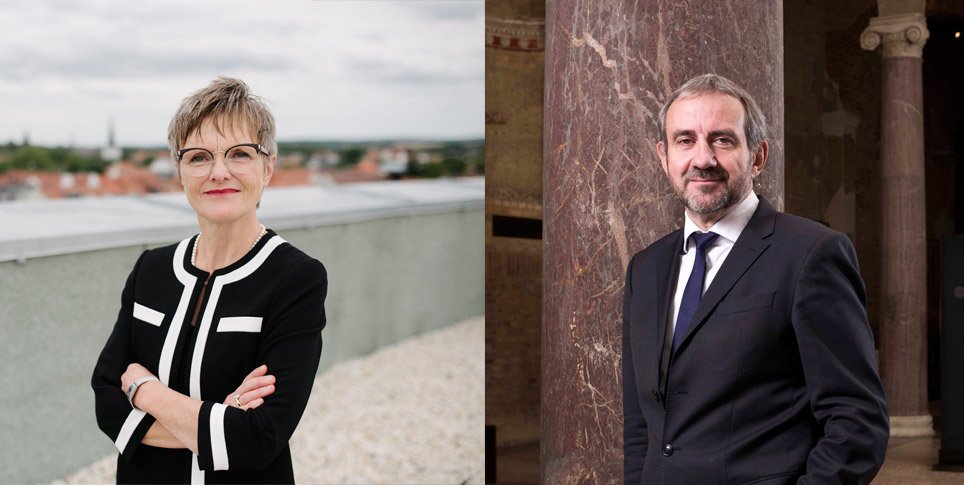
Hermann Parzinger is leaving the Prussian Cultural Heritage Foundation, with Marion Ackermann taking over: at the annual reception at the James Simon Gallery, both spoke about the institution’s tradition and its future
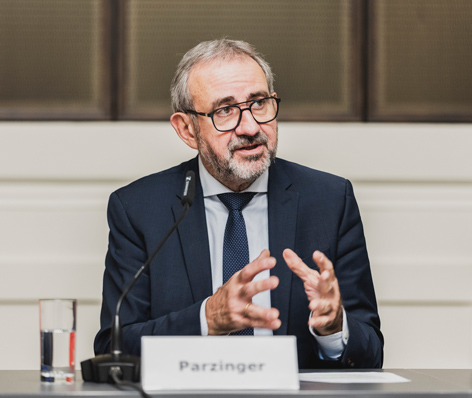
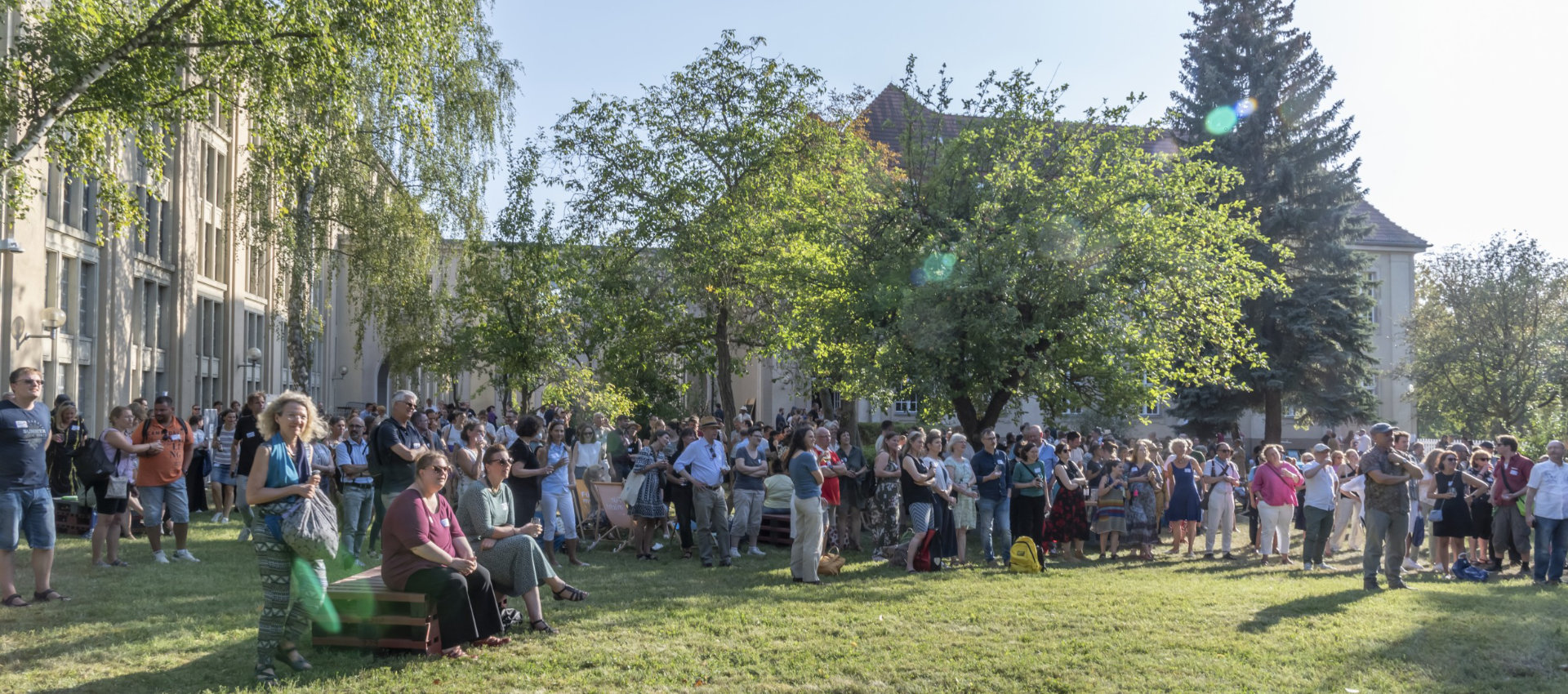
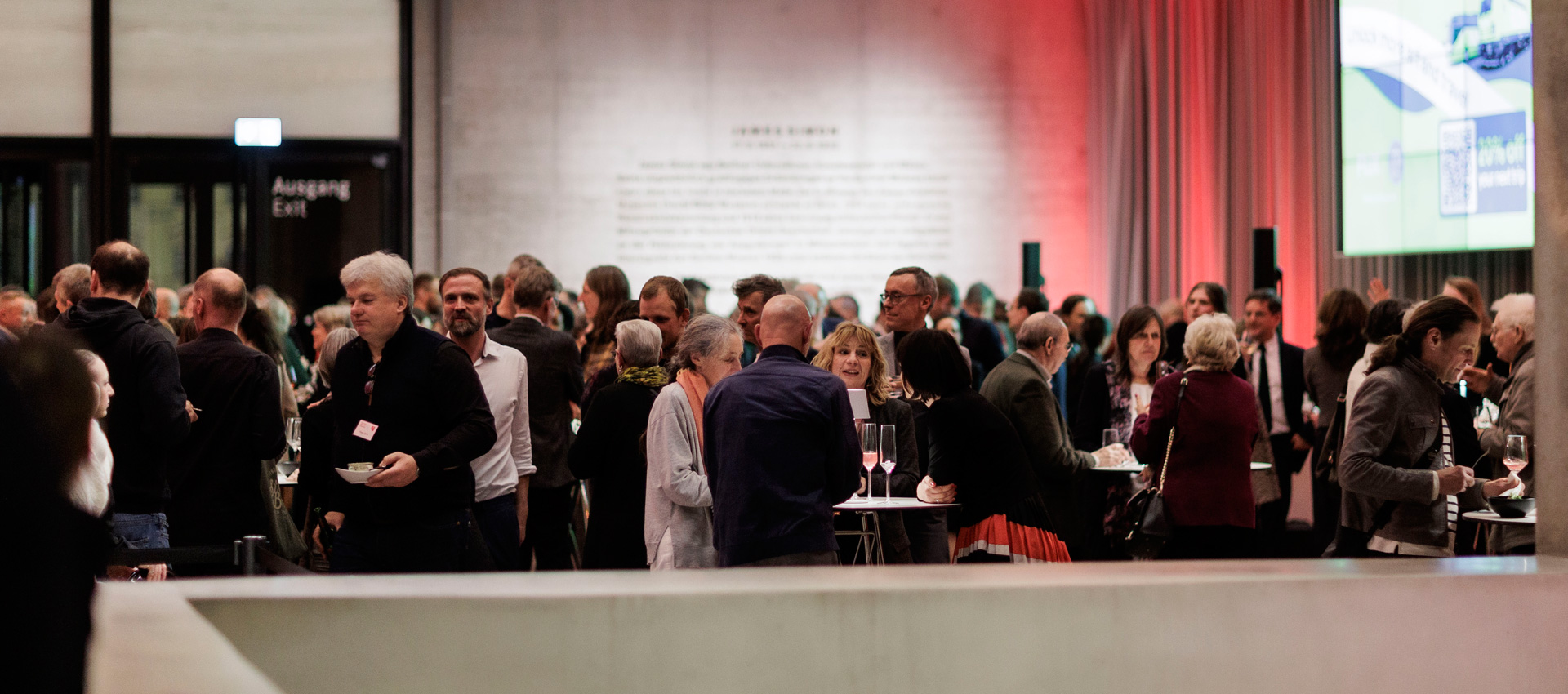
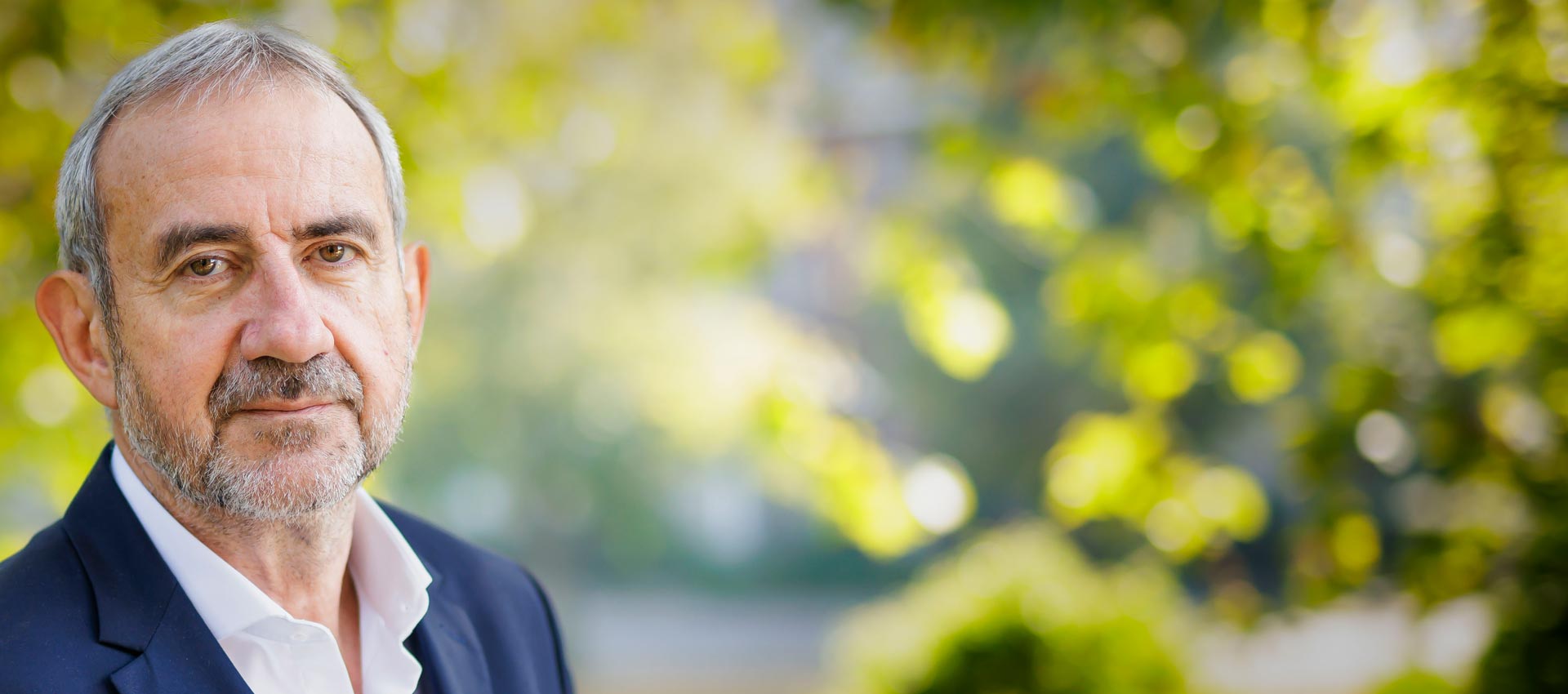
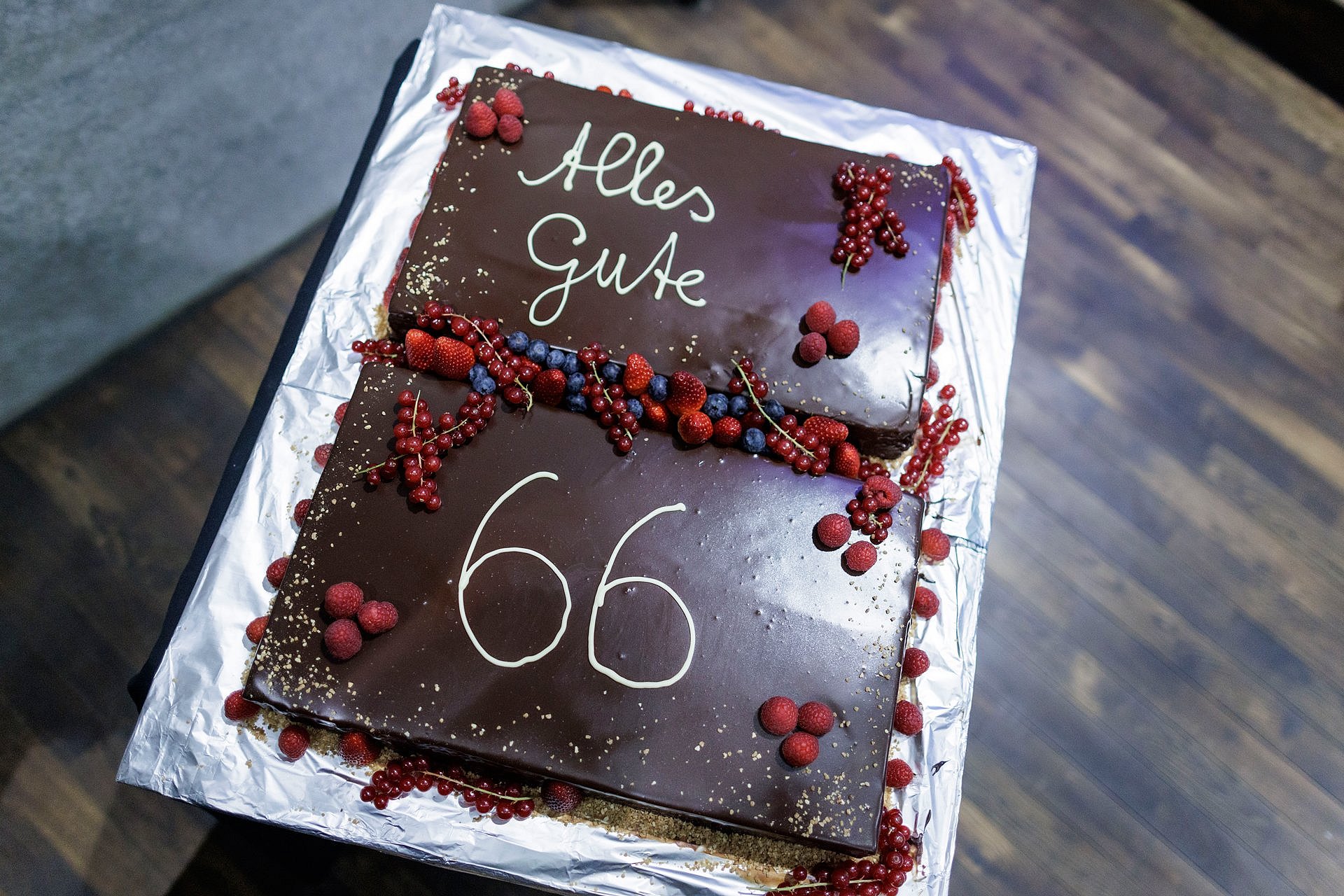
This year’s annual reception hosted by the Prussian Cultural Heritage Foundation was a cause for celebration for both institutional and personal reasons. Firstly, the new funding agreement for the SPK was signed at the Bode Museum by Federal Chancellor Olaf Scholz and the state premiers. On this basis, the SPK will receive an additional twelve million euros per year from 2026 onwards – nine million from the federal government and three million from the federal states. These funds are explicitly earmarked for improving the quality of the institutions: “We are very grateful for this, as we know how tight the cultural budgets at federal and state level are at present. We see this clear commitment as a sign of recognition for our reform process,” said Hermann Parzinger, President of the SPK. This was met with applause and soon a rendition of “Happy Birthday”, as Parzinger turned 66 on the very day of the annual reception. There was also a lovely, large cake. It came from the state of Saxony, whose Minister-President, Michael Kretschmer, is currently chair of the Conference of Minister-Presidents, and was cut at the birthday boy’s request and served to the festive gathering. What can one say – it tasted absolutely delicious …
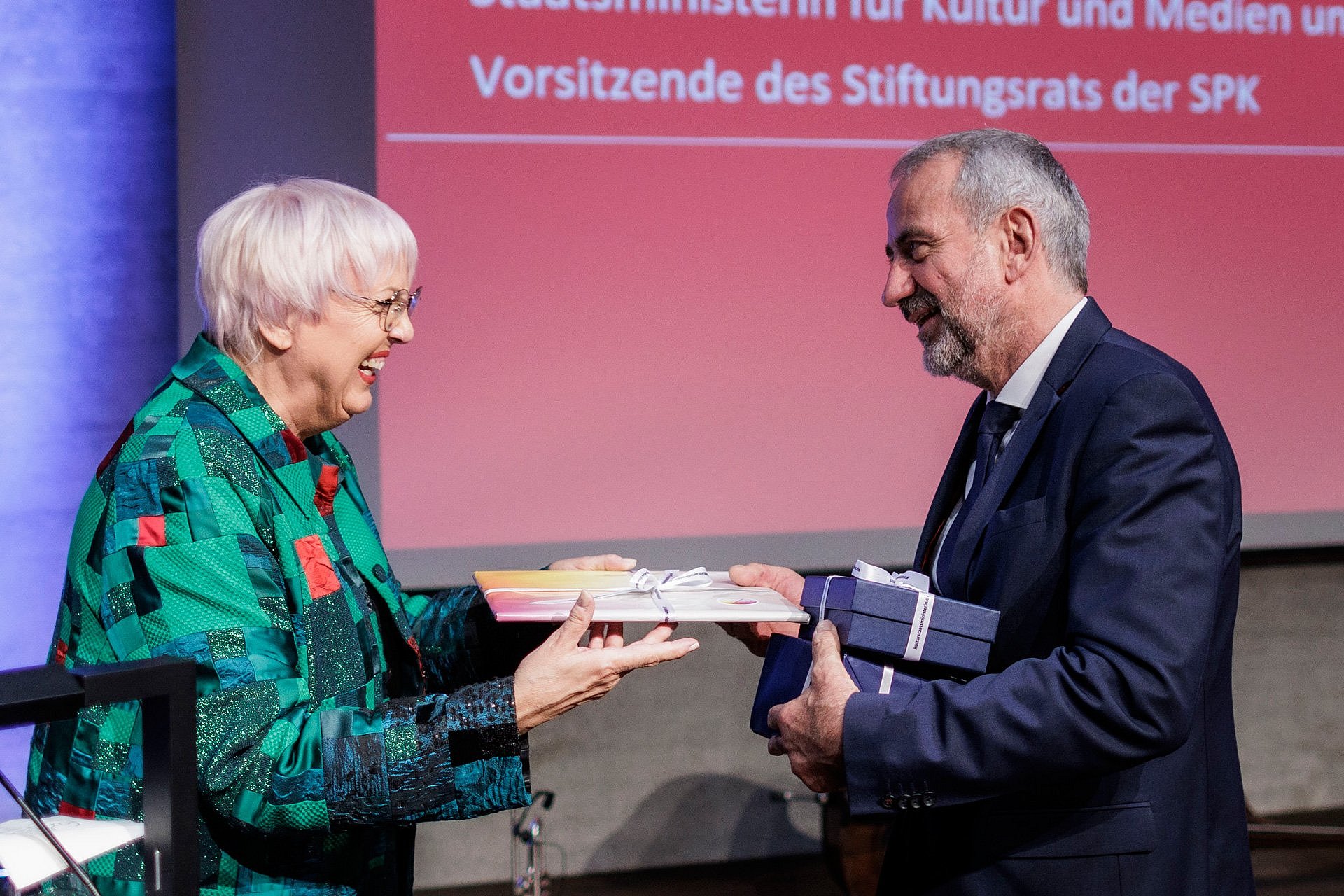
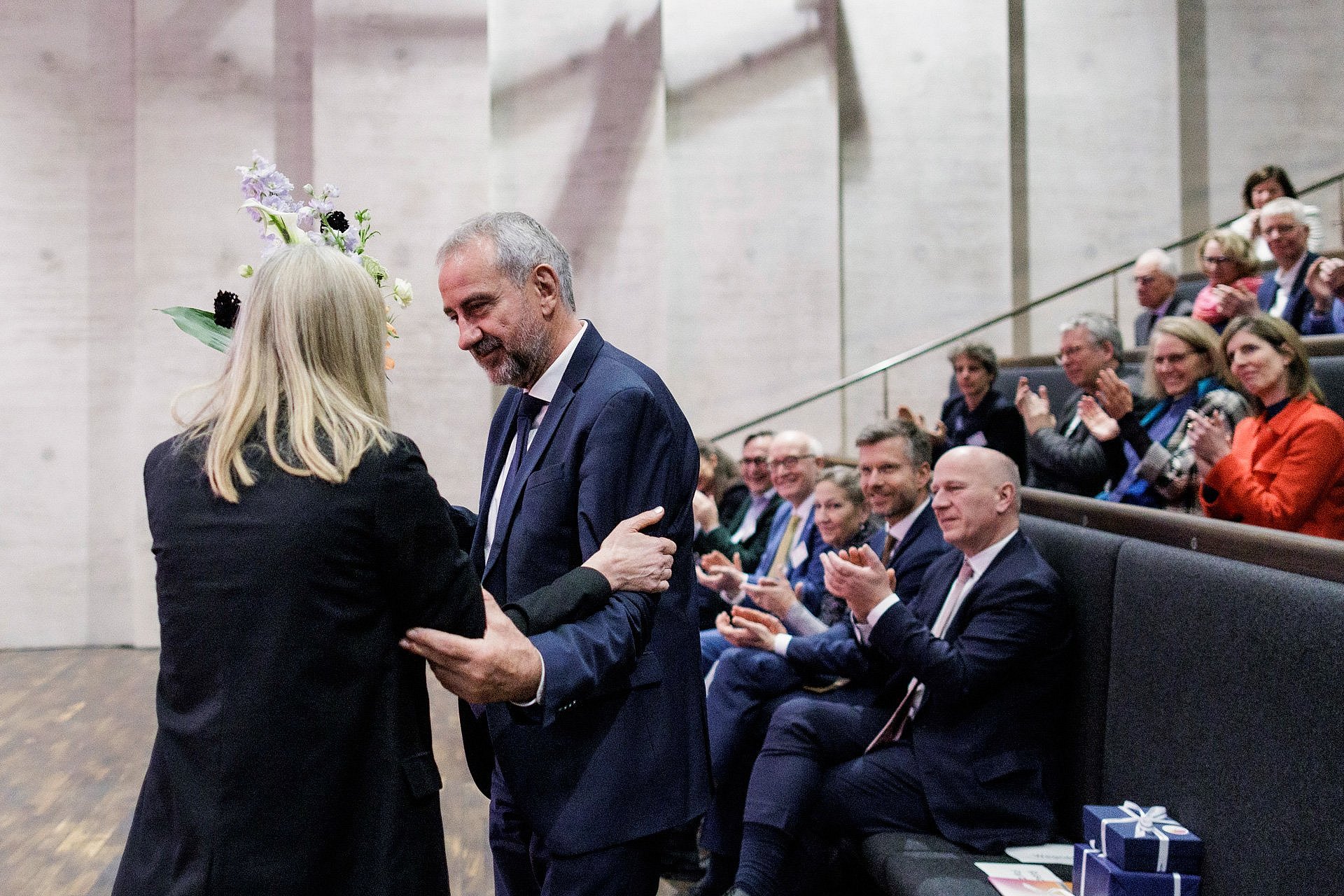
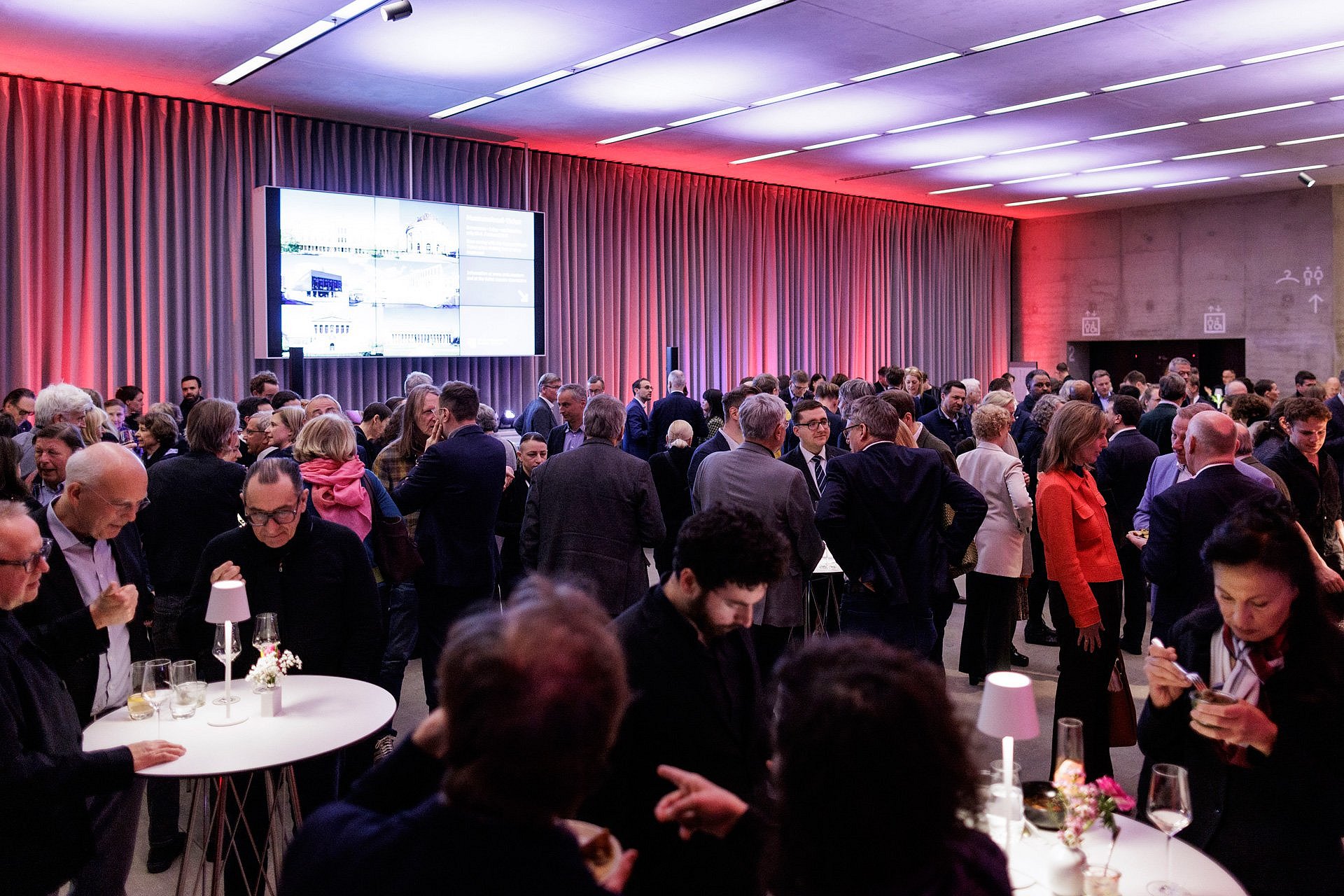
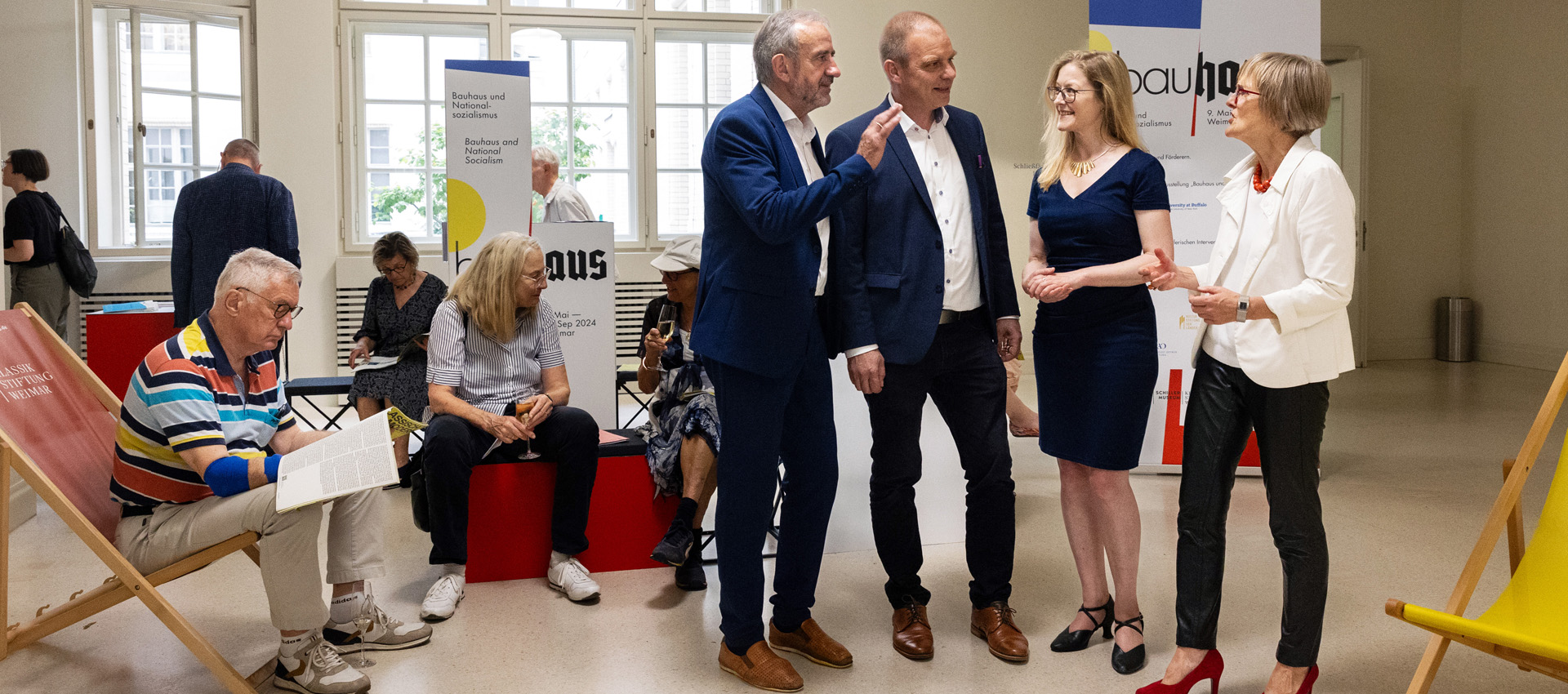
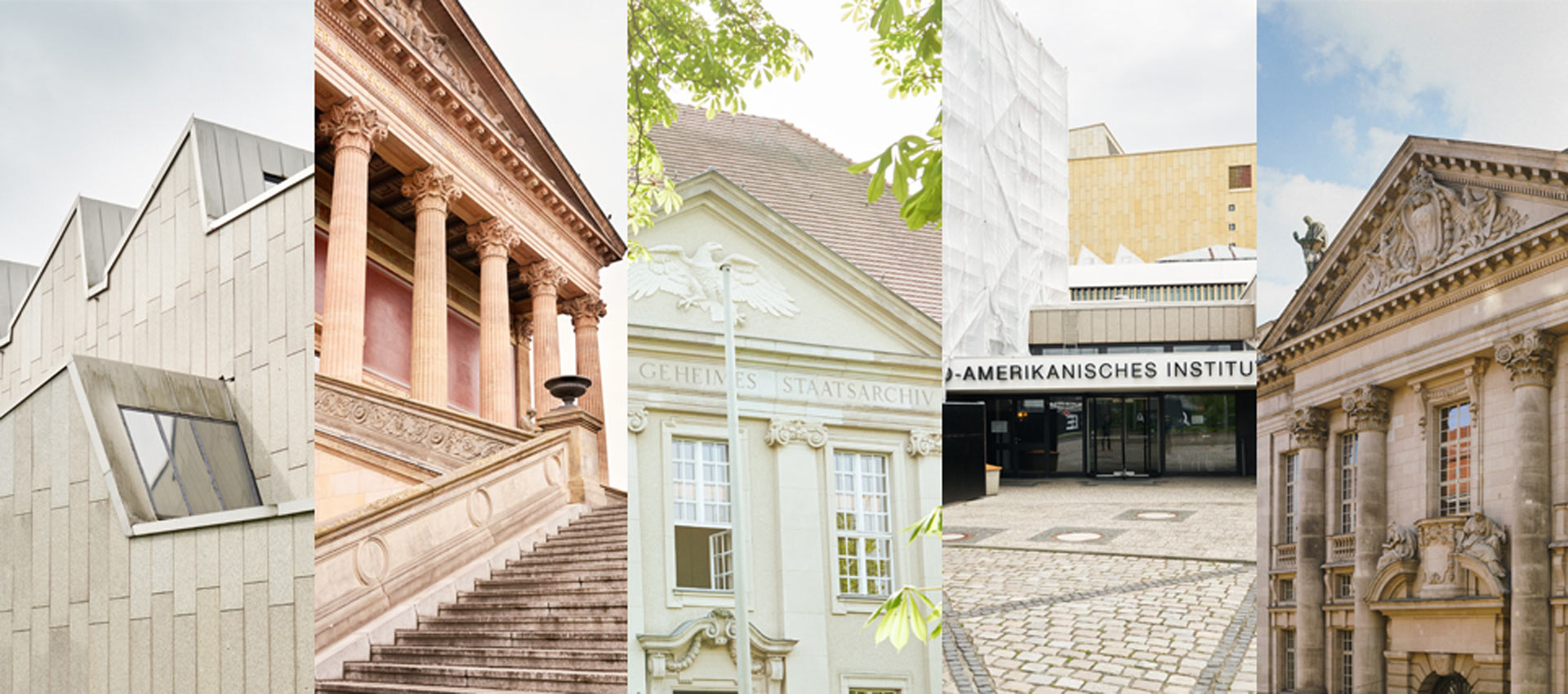
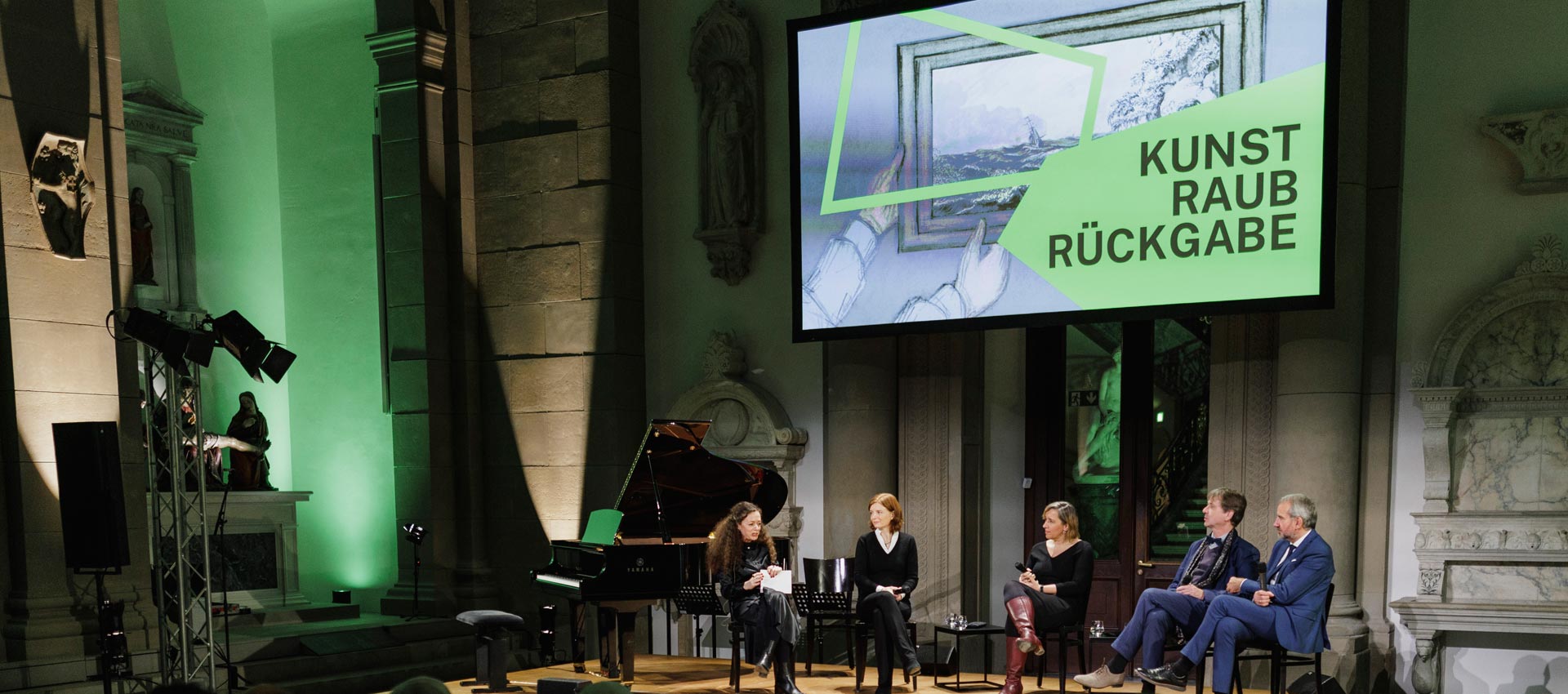
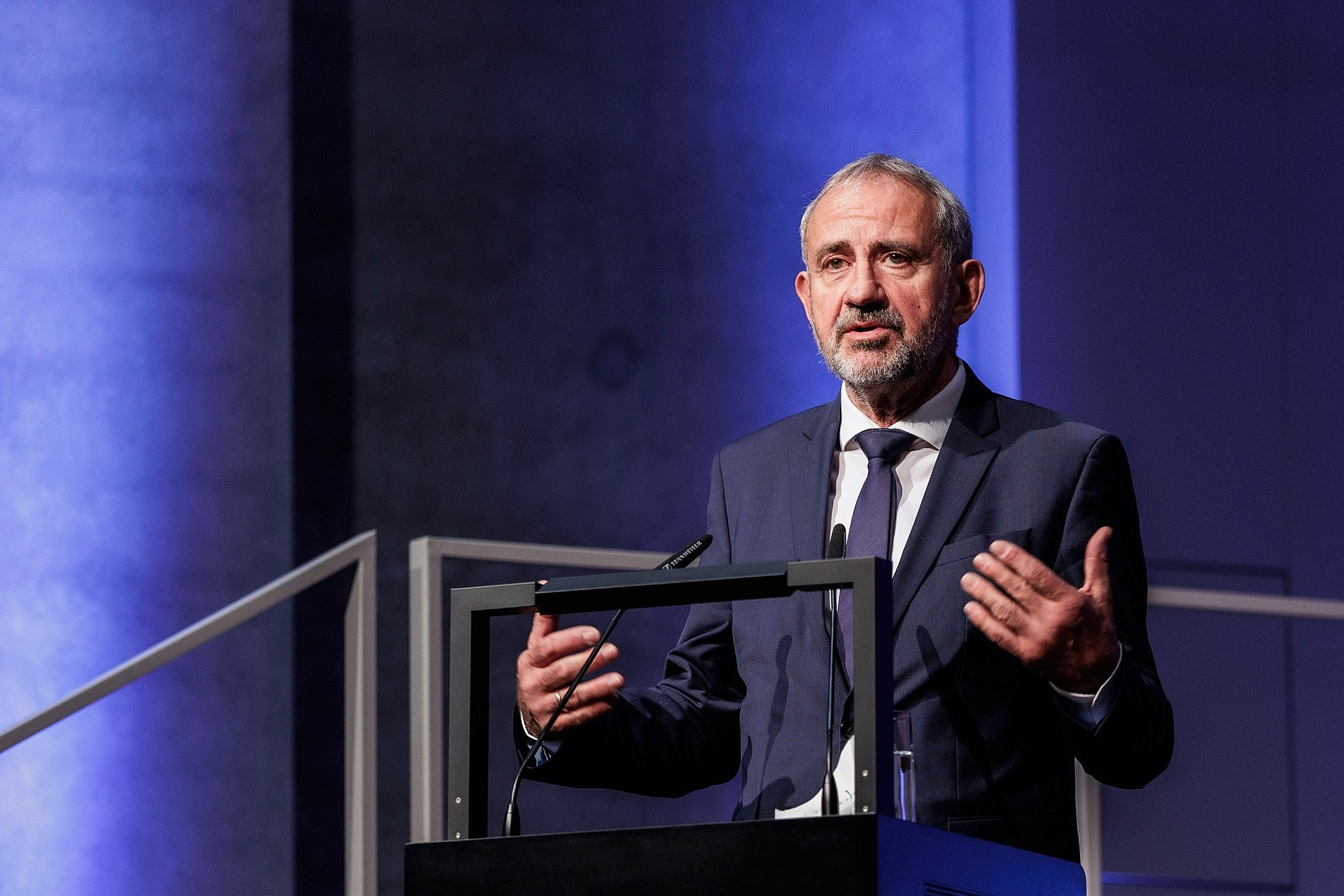
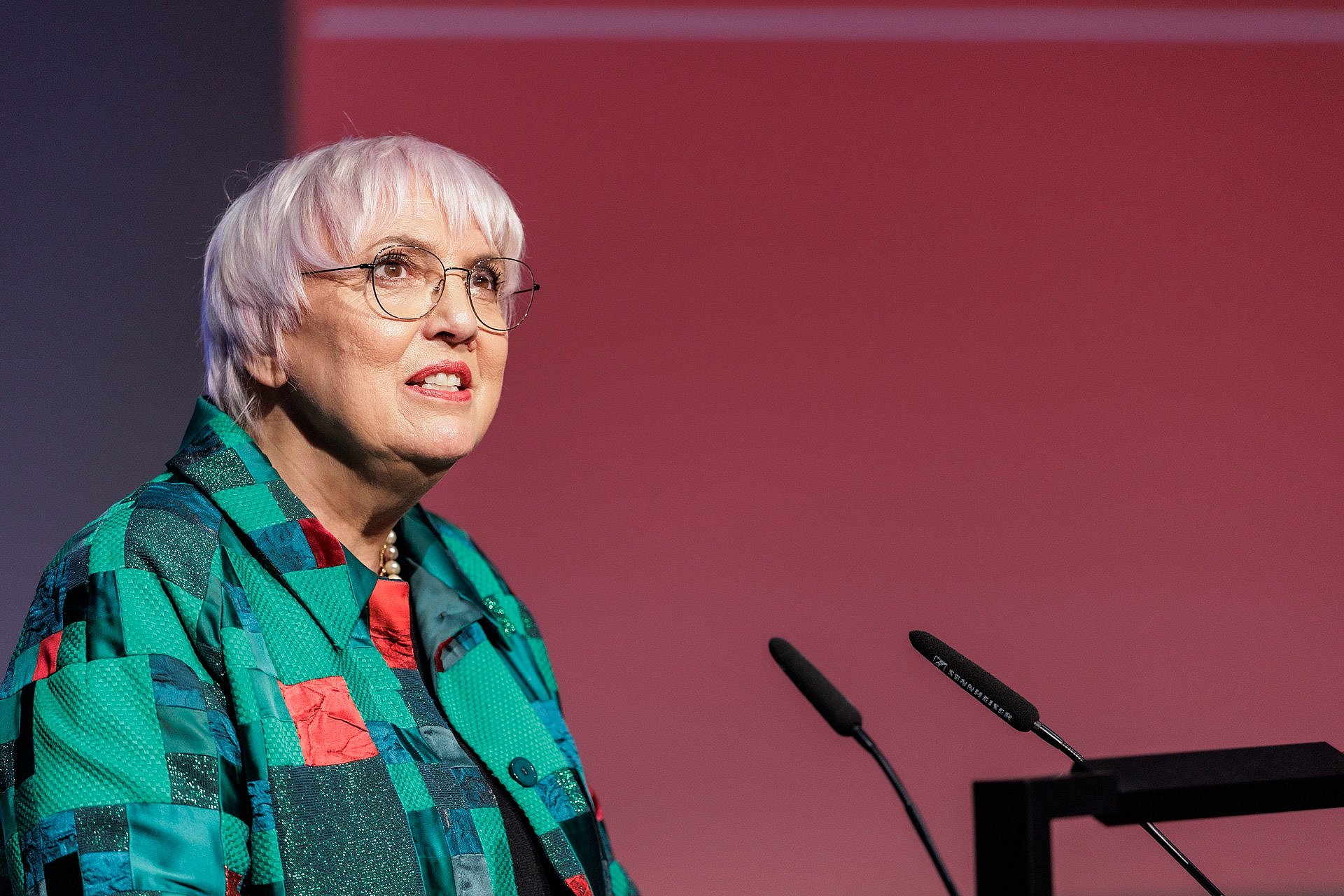
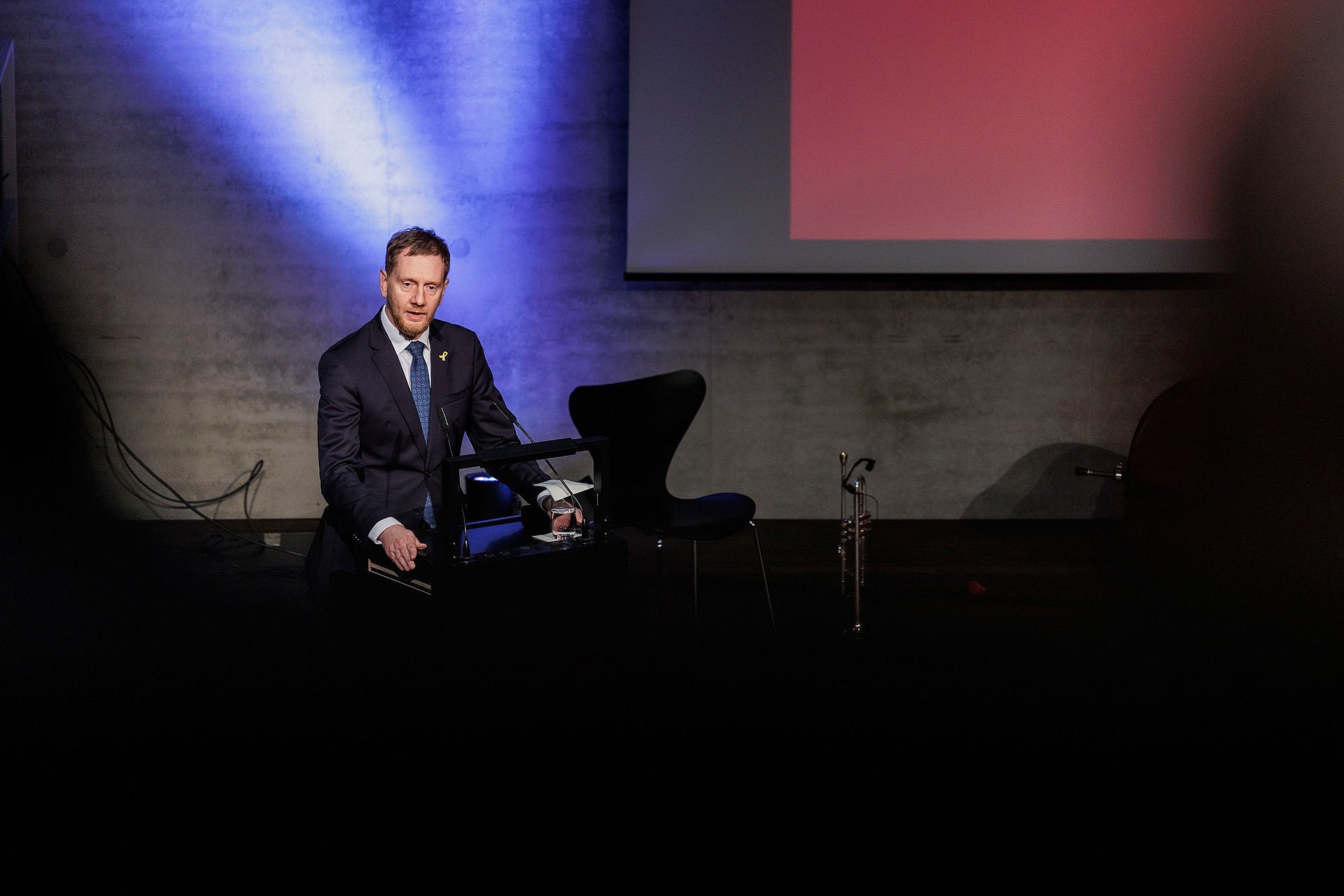
A relaxed and cheerful atmosphere prevailed throughout the evening, which was skilfully hosted by Shelly Kupferberg and opened with speeches by Parzinger, Kretschmer and the Chair of the Foundation Board, Minister of State Claudia Roth. Parzinger was thanked for 17 successful years in the service of the SPK; the value of culture for social cohesion was emphasised; and praise was given to the commitment of the SPK’s approximately 2,000 employees and their tireless dedication to world-class cultural heritage and to visitors, under the motto: “We connect people, times and spaces”.
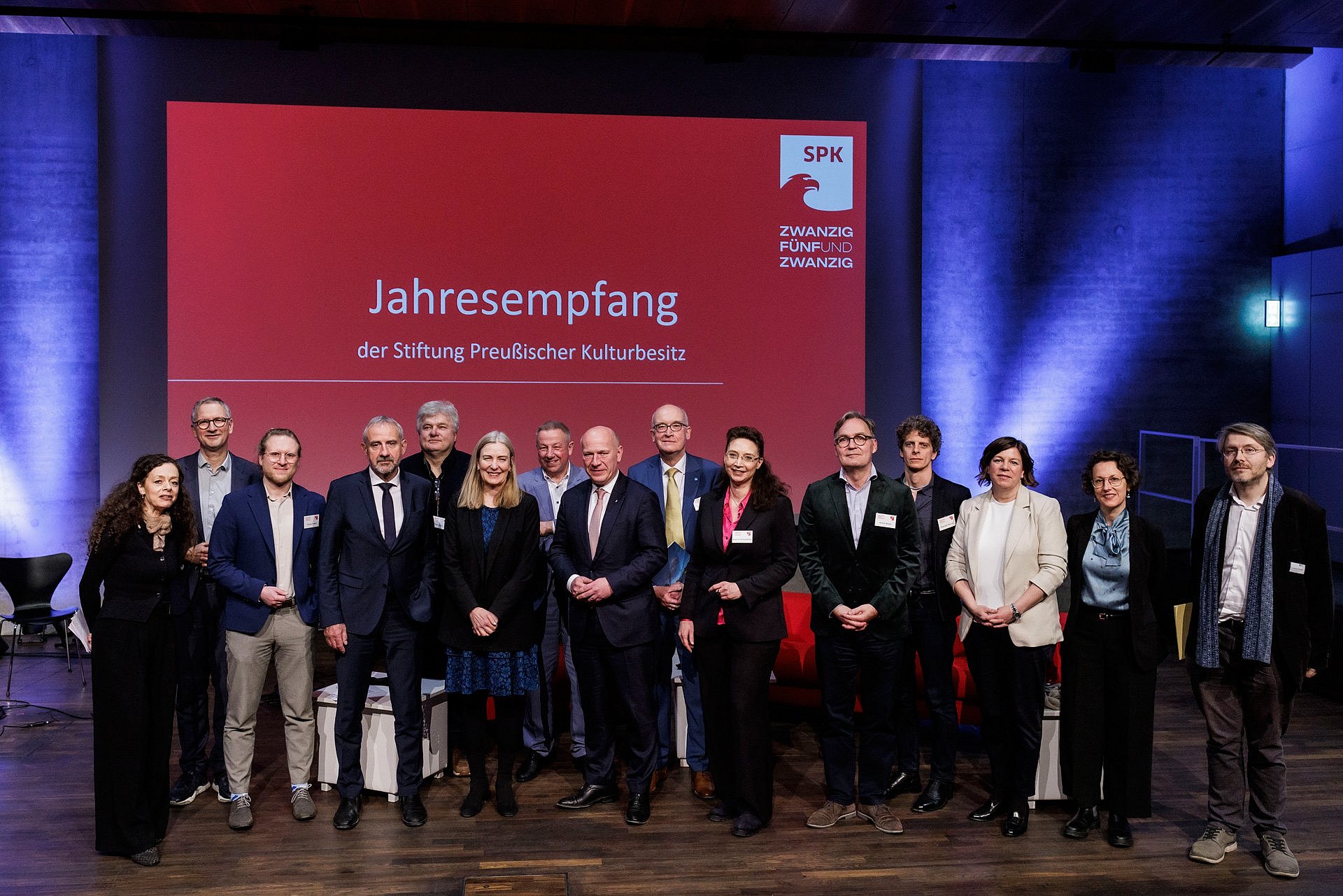
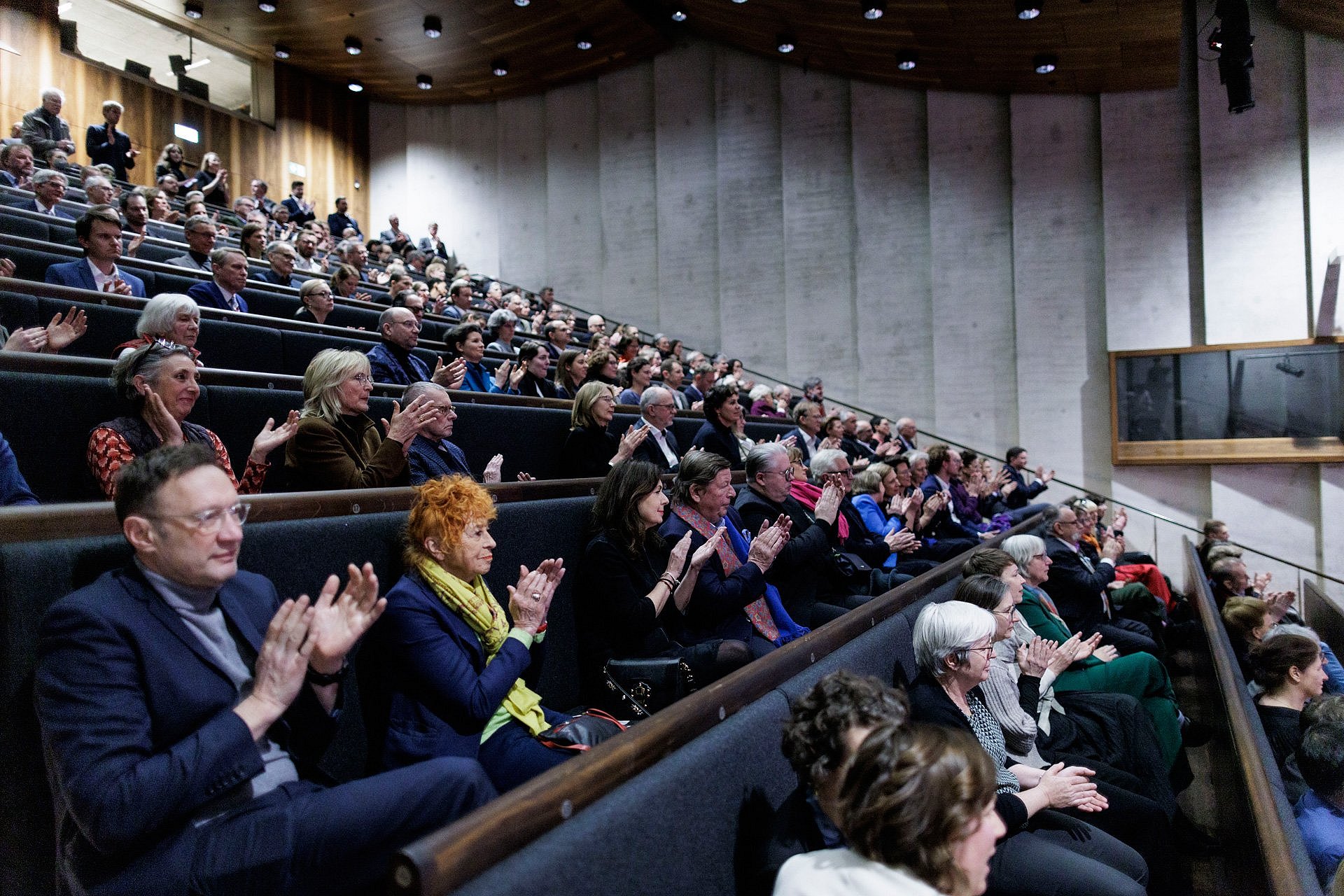
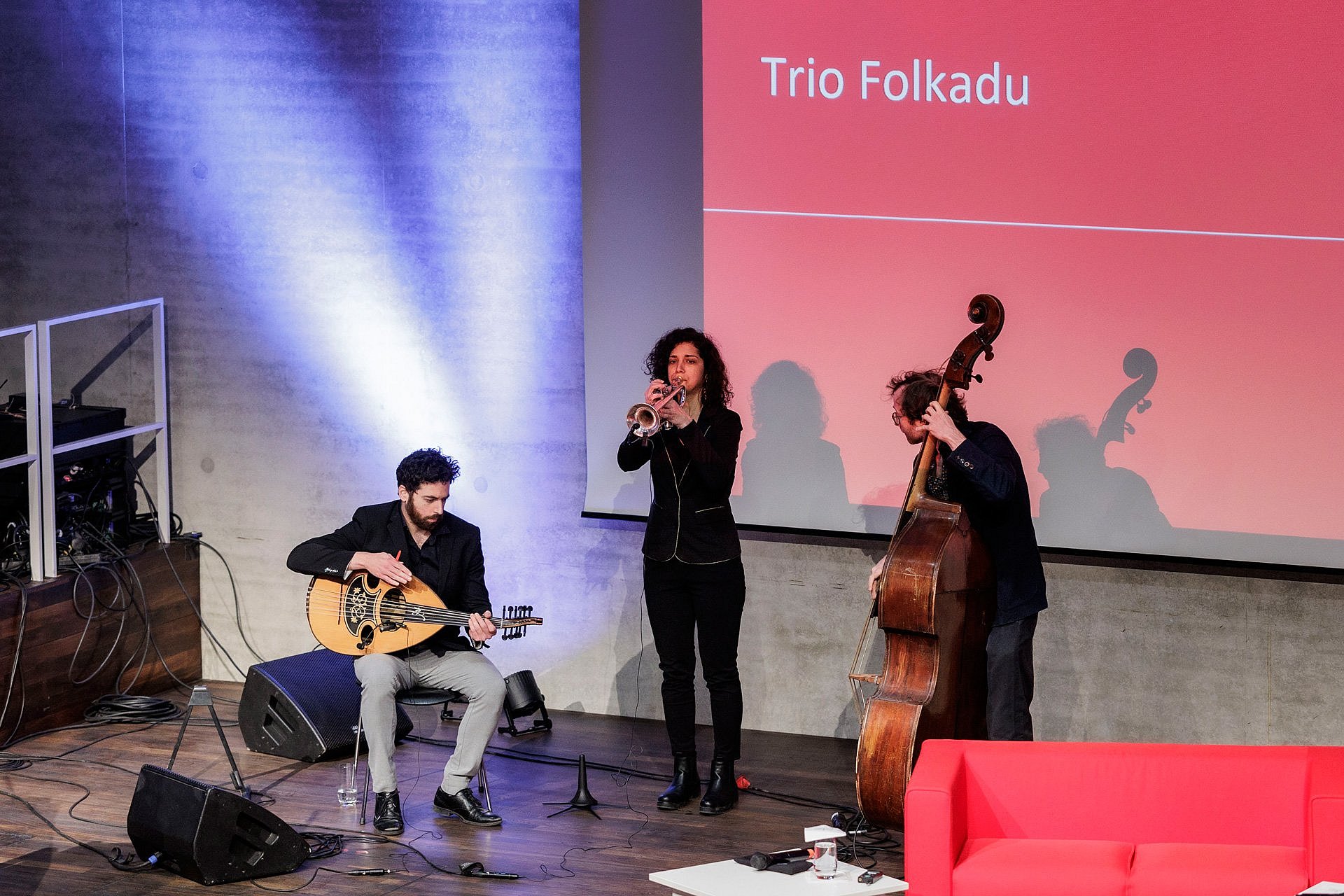
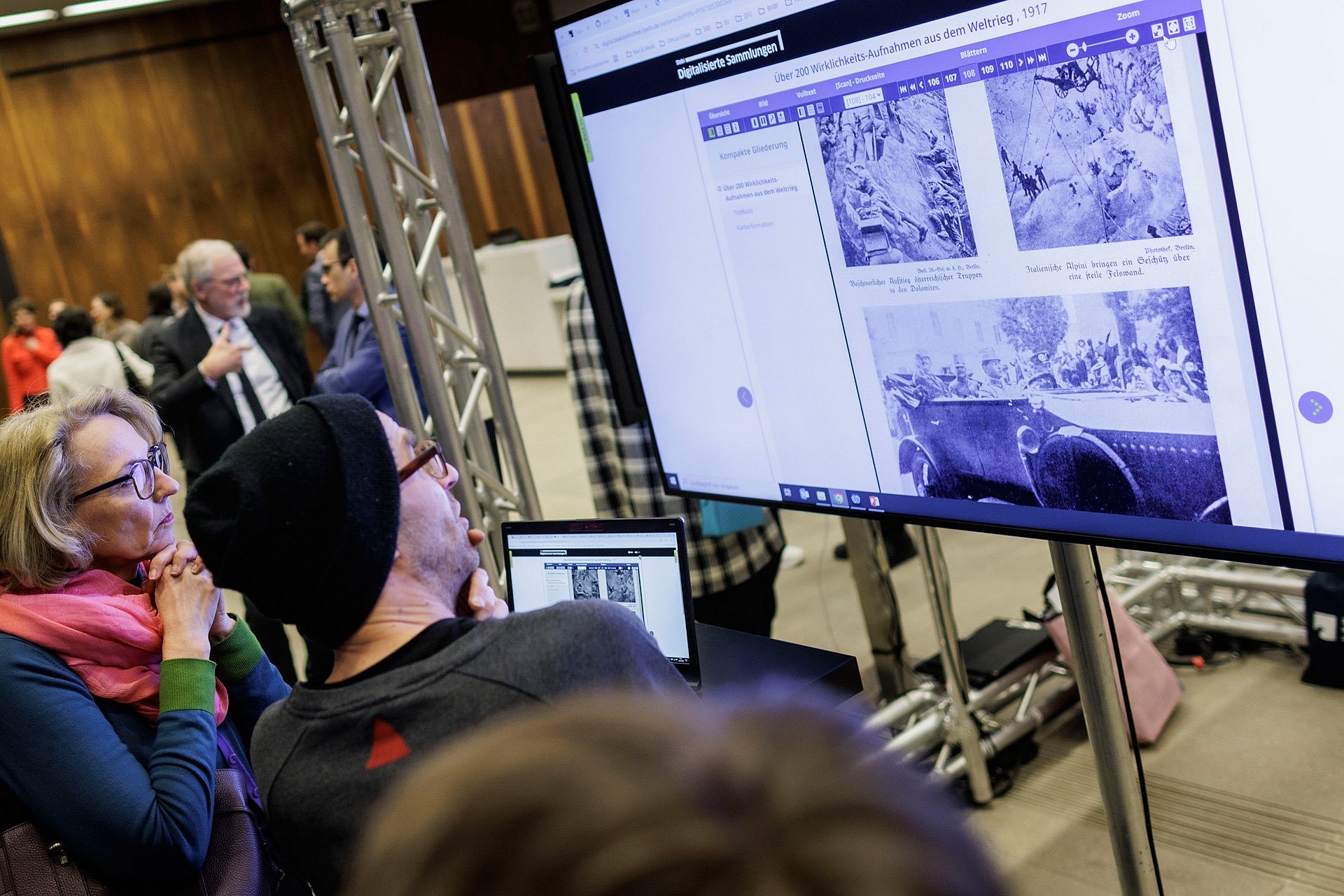
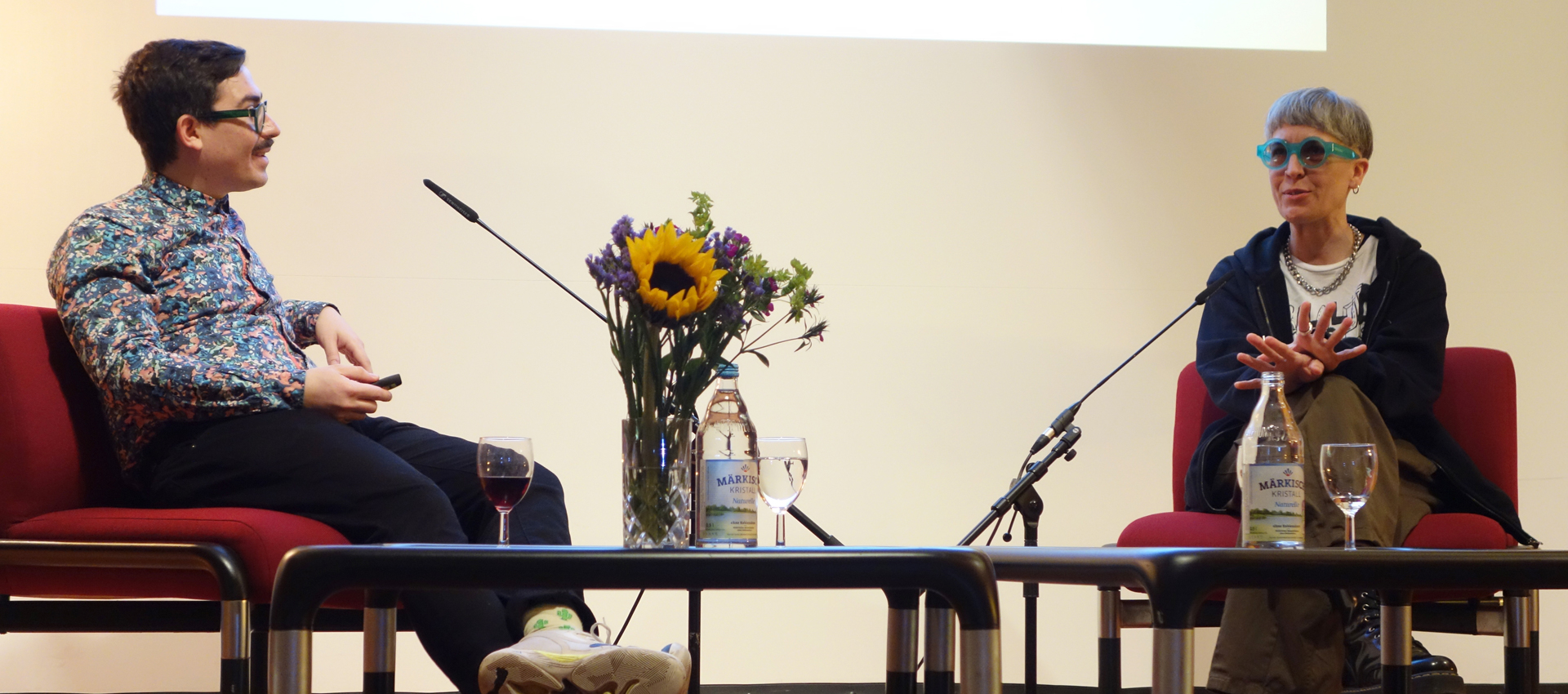
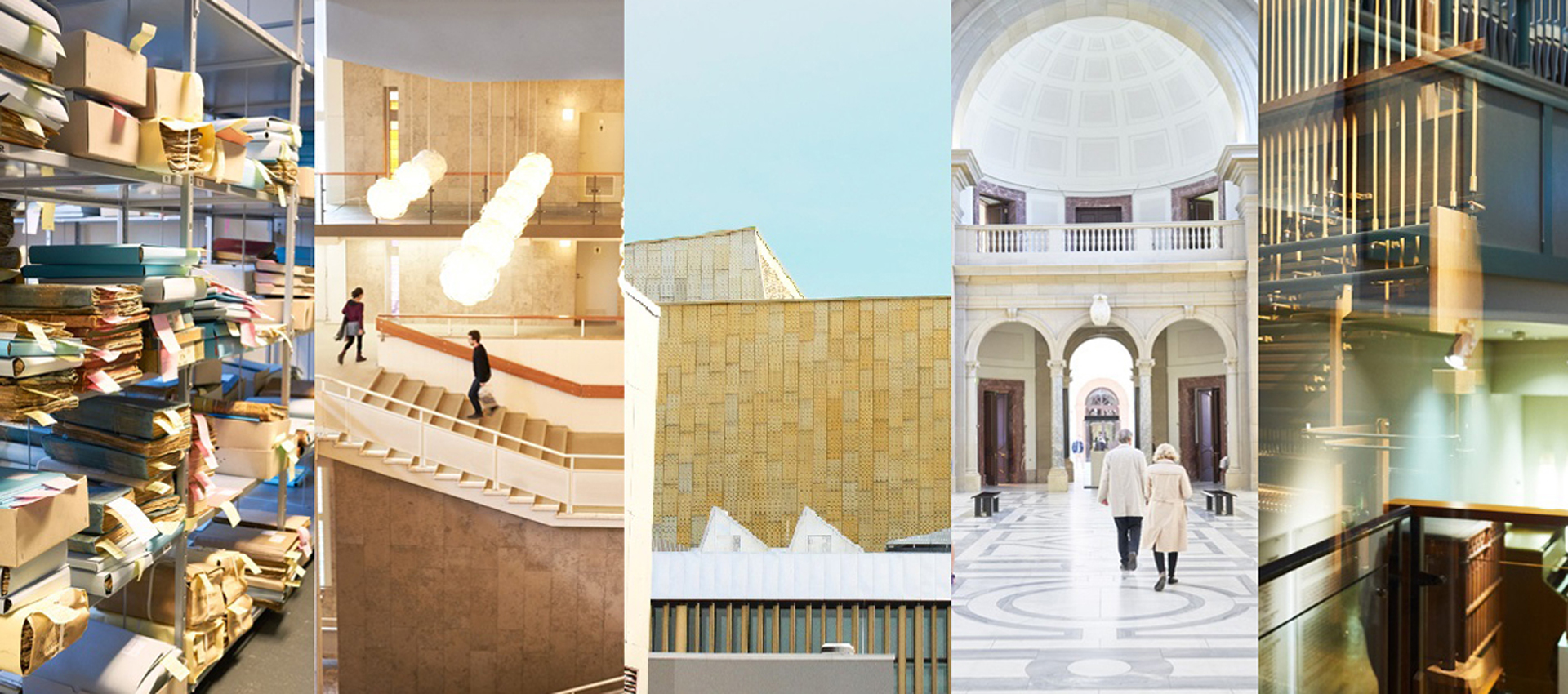
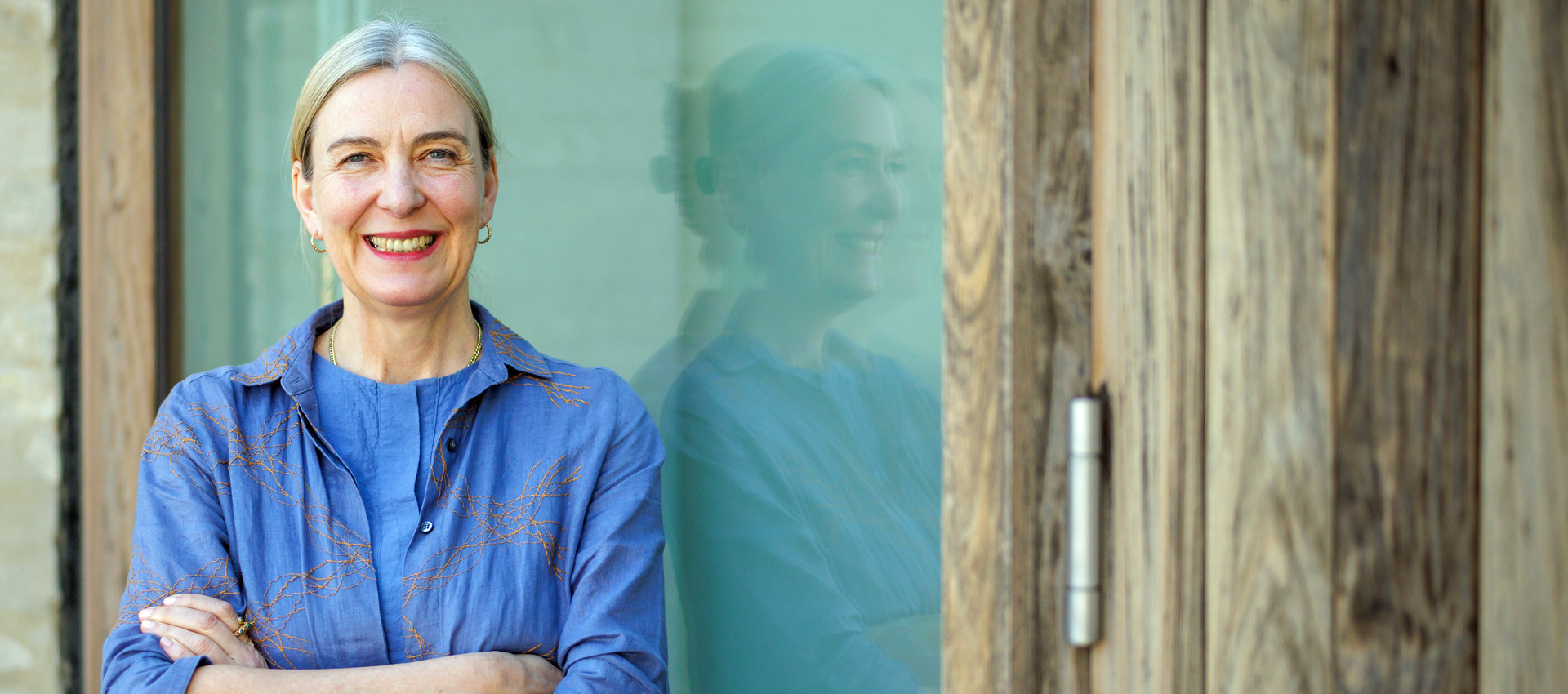
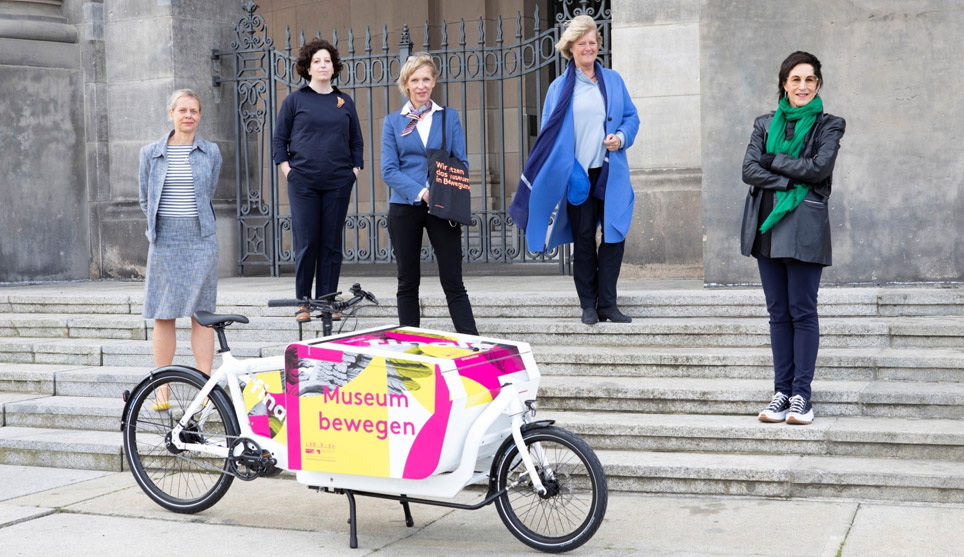
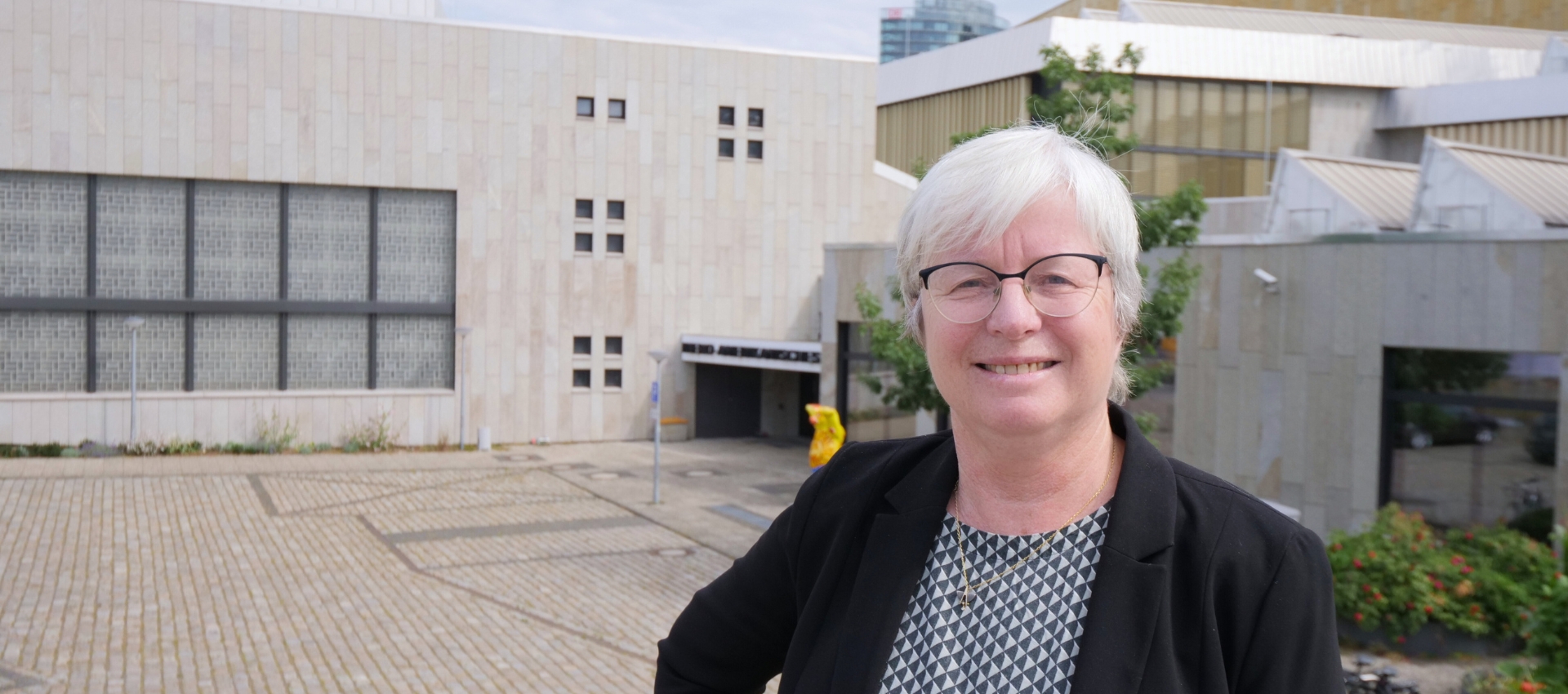
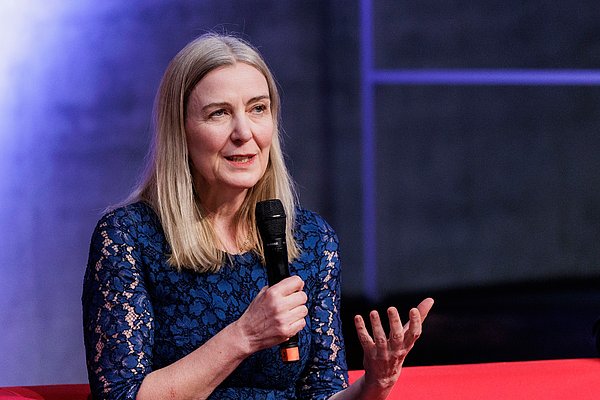
In the packed auditorium of the James Simon Gallery, the Berlin-based trio Folkadu set the tone with their lively music, before the key areas of the SPK’s programme and its 25 institutions were presented. Marion Ackermann, Parzinger’s designated successor, has set herself the task of getting to know all these institutions. To this end, she is being given a “travelling desk” that can be set up here and there, enabling her to gain a thorough understanding of Germany’s largest cultural institution and its staff. “I will be able to hand over a well-run organisation,” Parzinger promised during the discussion on stage. They would spend the last three months of his term together, thereby preparing for a collegial handover and takeover.
Enjoying World Heritage and a slam for diversity
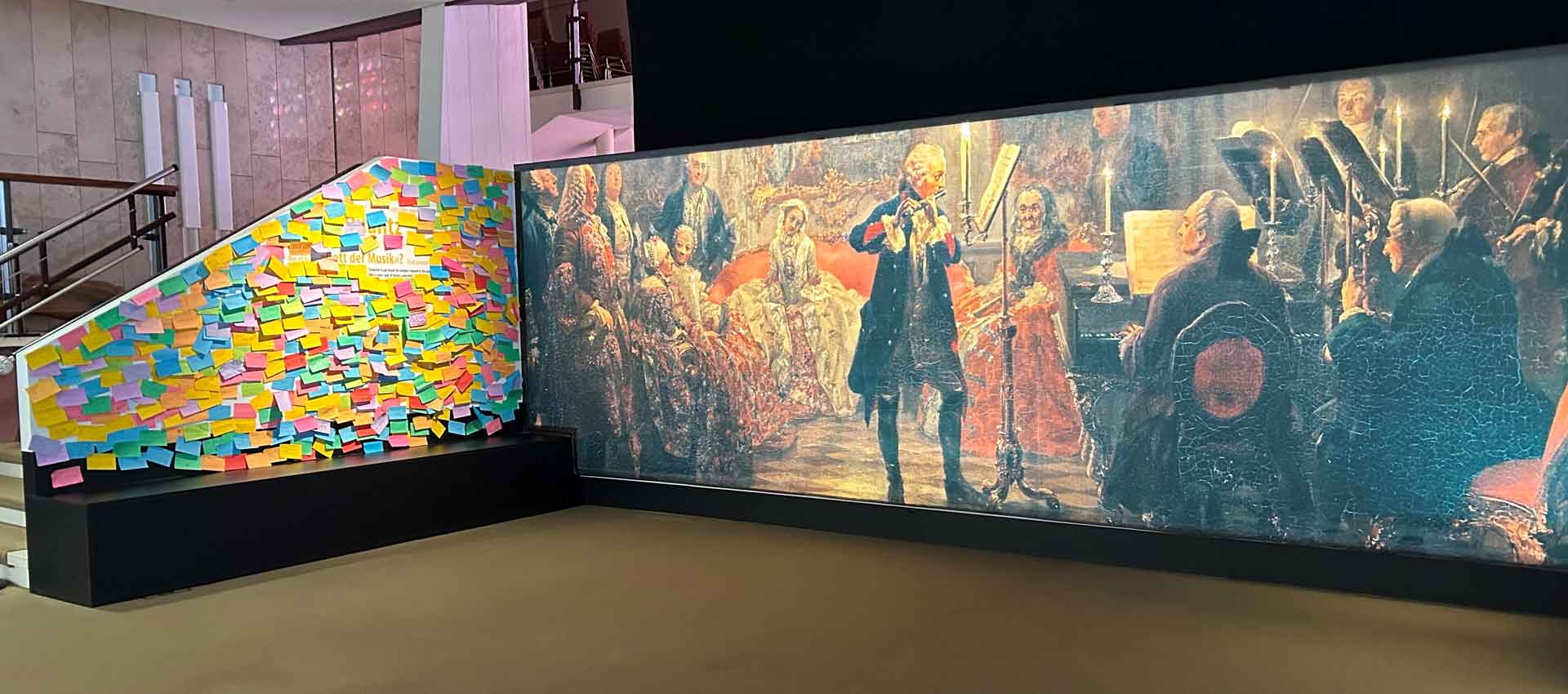
The events of the current season will centre on the ‘200 Years of Museum Island’ anniversary. On 9 July 1825, the foundation stone was laid for the Altes Museum, designed by Karl Friedrich Schinkel, which was the first public museum in Prussia at the time. “Educate – connect – inspire” is the motto for UNESCO World Heritage Day on 1 June, marking the start of five years of celebrations for Museum Island – a festival for Berliners and for everyone who visits. According to Matthias Wemhoff, head of the overall project, director of the Museum of Prehistory and Early History and spokesperson for Museum Island, every school class in Berlin should have visited Museum Island at least once during this five-year period and asked themselves the question: “What does World Heritage have to do with me?” Any initial reservations will be overcome by a comprehensive educational and outreach programme, which includes a family pass, a gaming app and the participatory project “Urban Gardening”. All of this is simply intended to spark “enjoyment of the World Heritage” and its participatory presentation, as Sarah Fortmann-Hijazi, project manager at Multaka (Treffpunkt Museum at the Museum of Islamic Art), hopes.
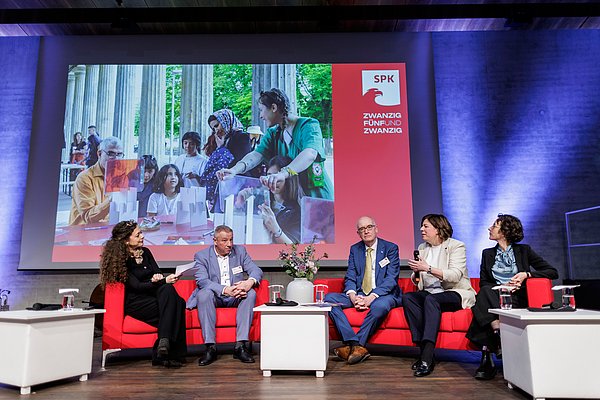
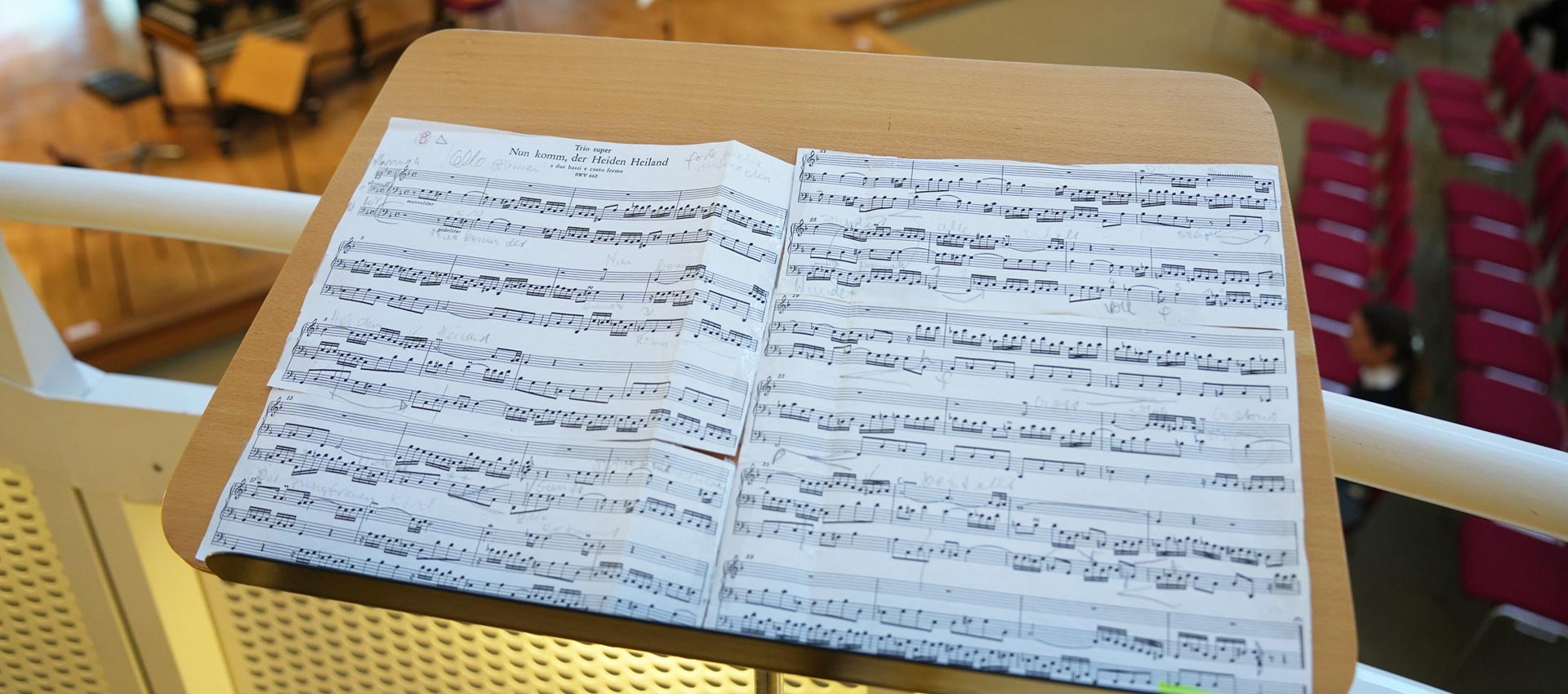
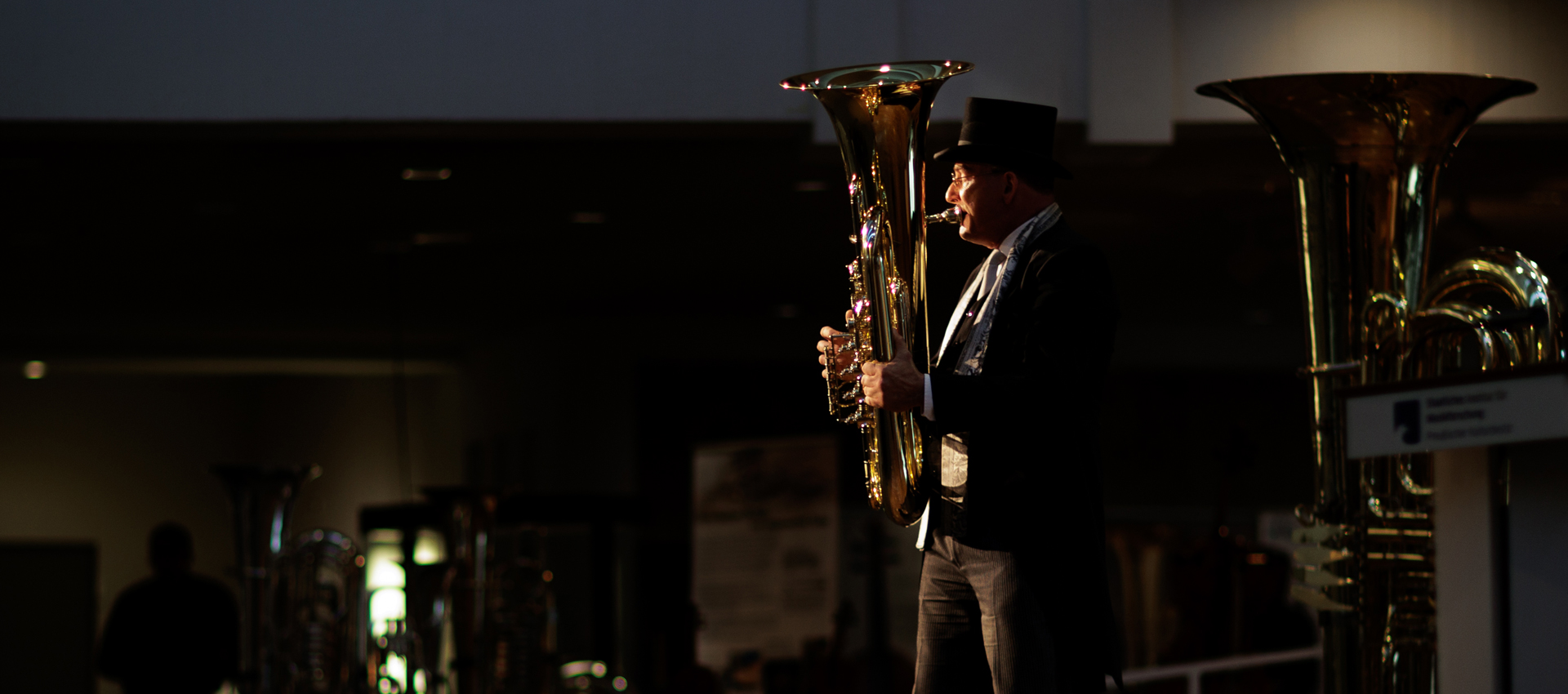
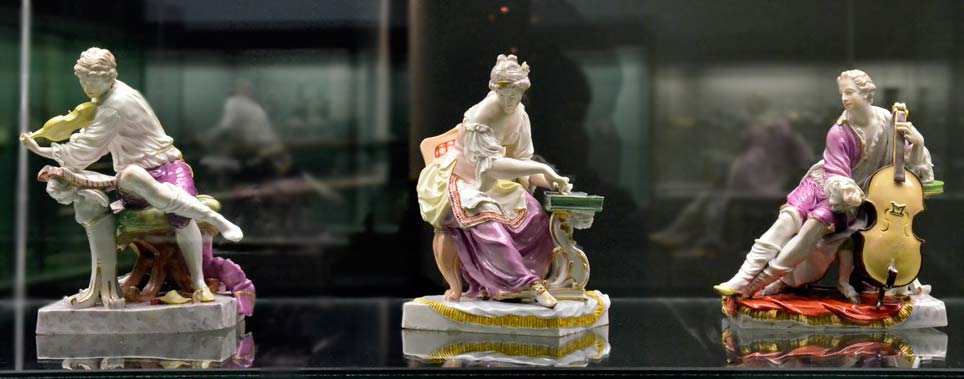
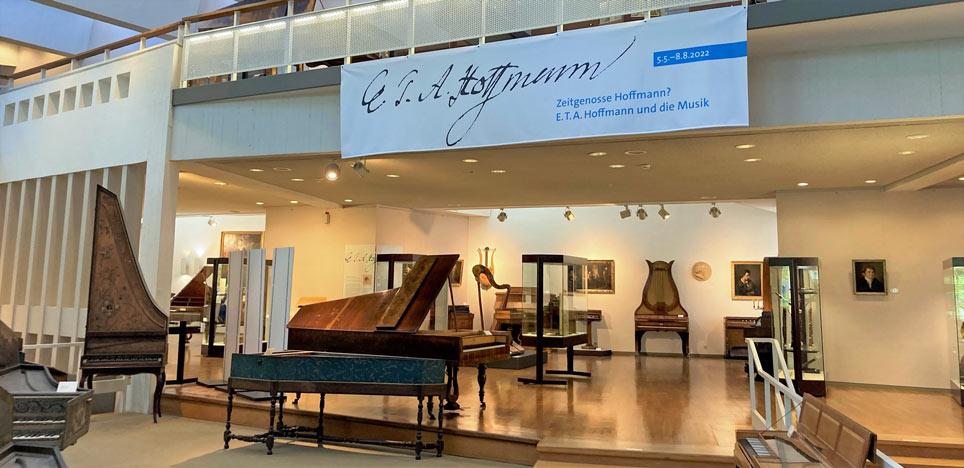
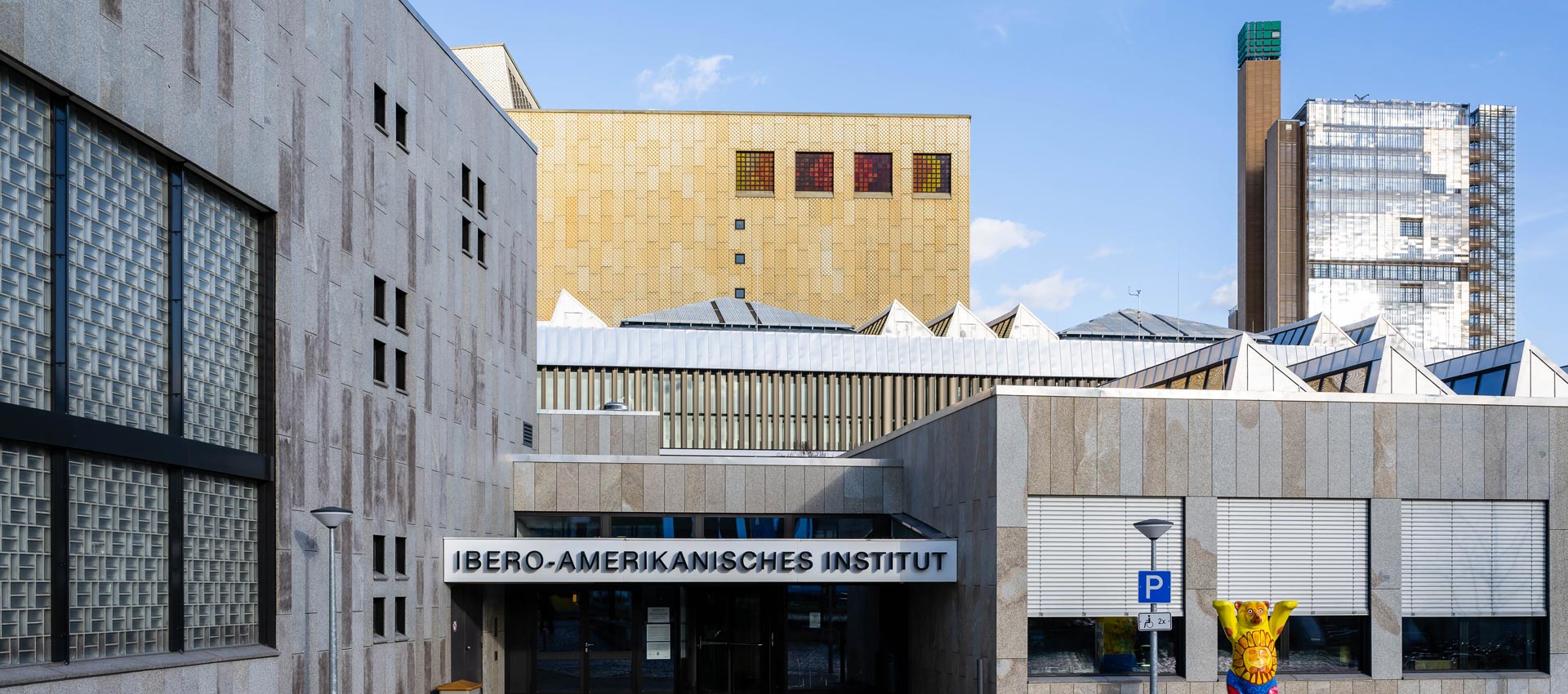
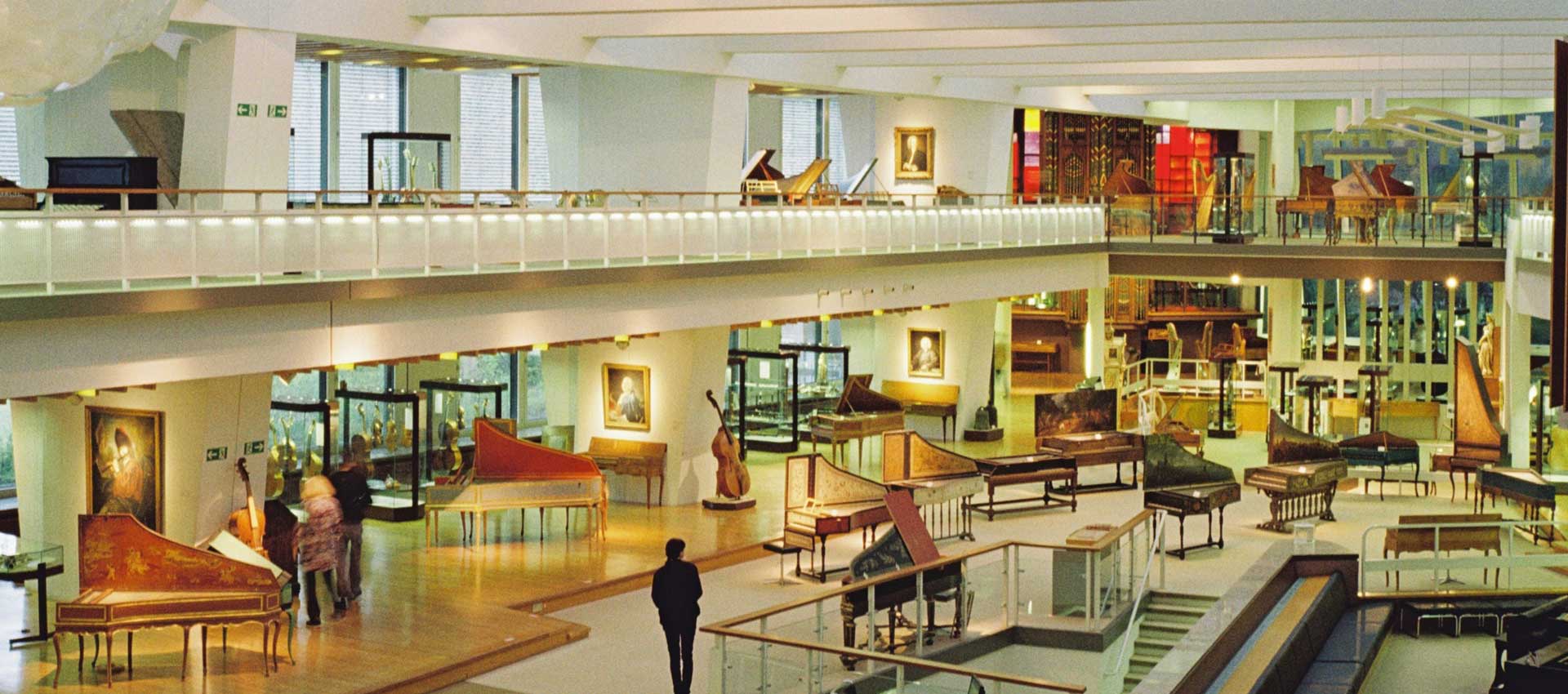
Five brave men demonstrated just how diverse and colourful the SPK’s programme is in a slam, expressing their regret that no women had taken part in this fun, sporting competition. In exactly three minutes, they presented their institutions and a particular highlight: Emanuele Marconi, director of the Museum of Musical Instruments, slamed about new formats at his museum (“Knowing the past, preparing the future”); Andreas Schalhorn, curator at the Kupferstichkabinett, offered enticing insights into the exhibition “Der blaue Reiter”; Peter Birle, the research director of the Ibero-American Institute, promoted open science in Europe and Latin America, whilst Sebastian Schmideler, head of the Children’s and Young People’s Books Department at the State Library, sparked curiosity about the presentation of the Neuhaus comic collection, comprising some 4,400 books and magazines from the period 1951 to 2022.
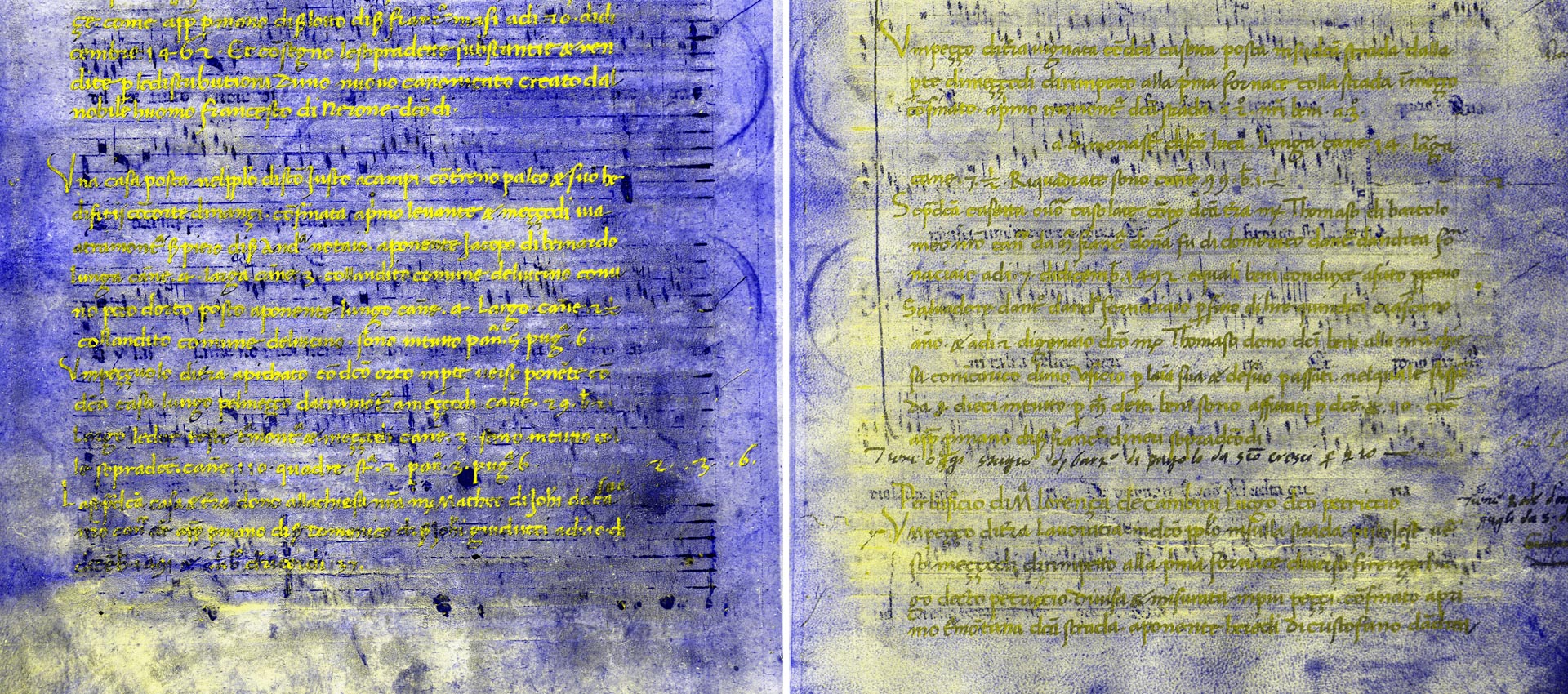
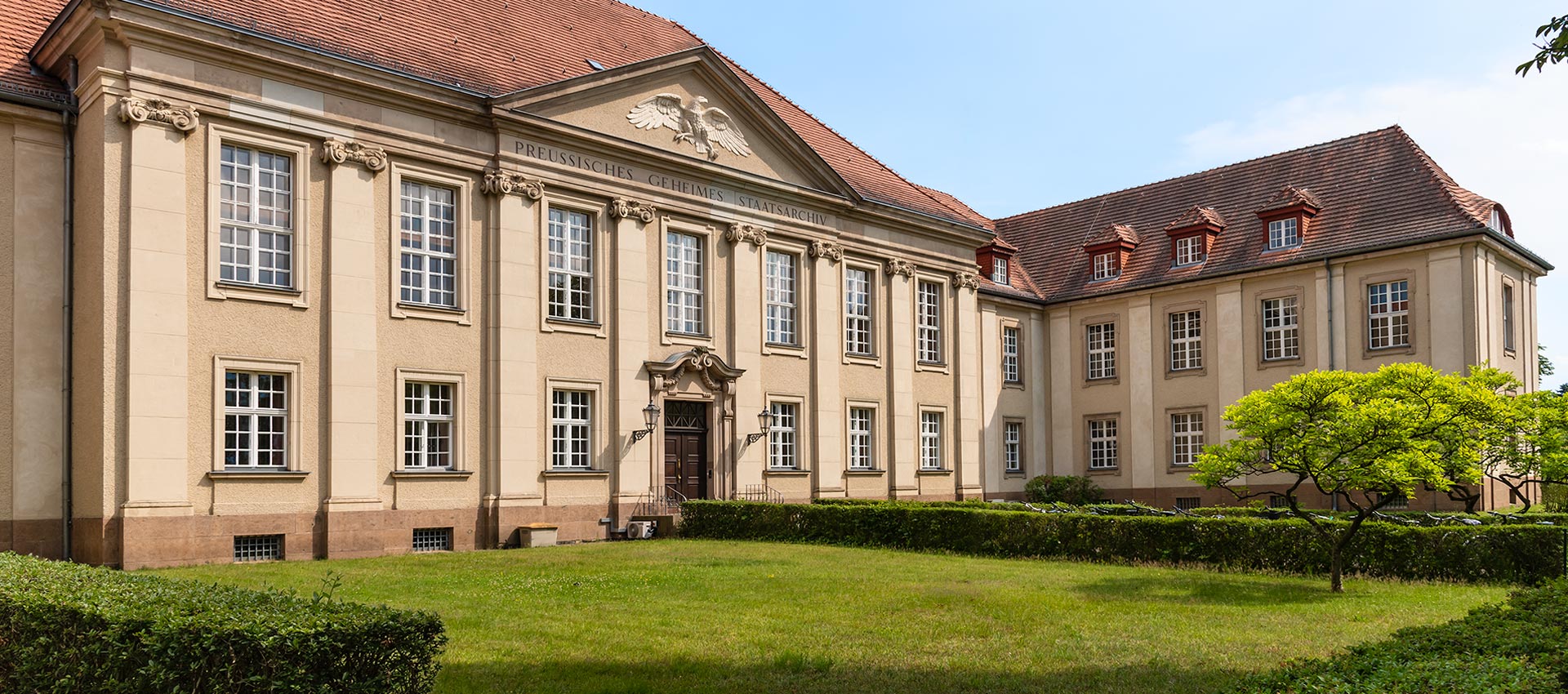
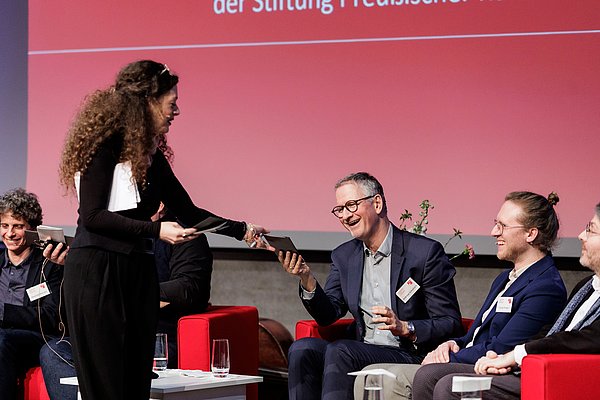
“What sort of times are these, when / A conversation about trees is almost a crime / Because it implies silence about so many misdeeds!” wrote Bertolt Brecht in his poem “To Future Generations”, published in 1939. Although Florian Probst did not quote this directly, its spirit resonated implicitly throughout his lecture. In 2024, Probst was a Prussian Fellow at the Secret State Archives of the Prussian Cultural Heritage Foundation. With his project “Weather and Climate in the 19th Century”, he is compiling a “new temperature series for Germany” and asks: “How cold or warm was it really before the Industrial Revolution – and what does that mean for our understanding of climate, famine crises and the historical reality of life?” This got the audience so fired up that Probst received the highest score on the ‘applause meter’ and emerged as the top winner among all the contestants with their remarkable presentations.
Reaching out to new audiences with open arms
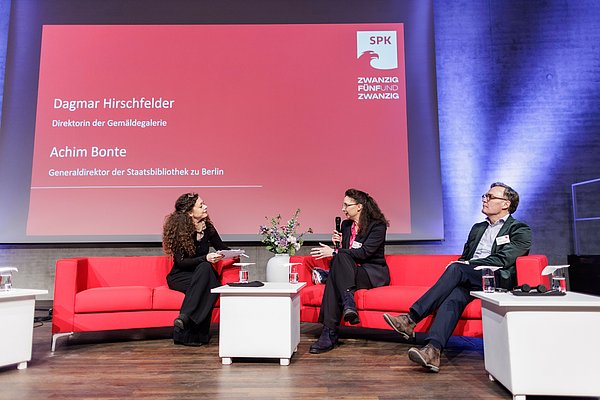
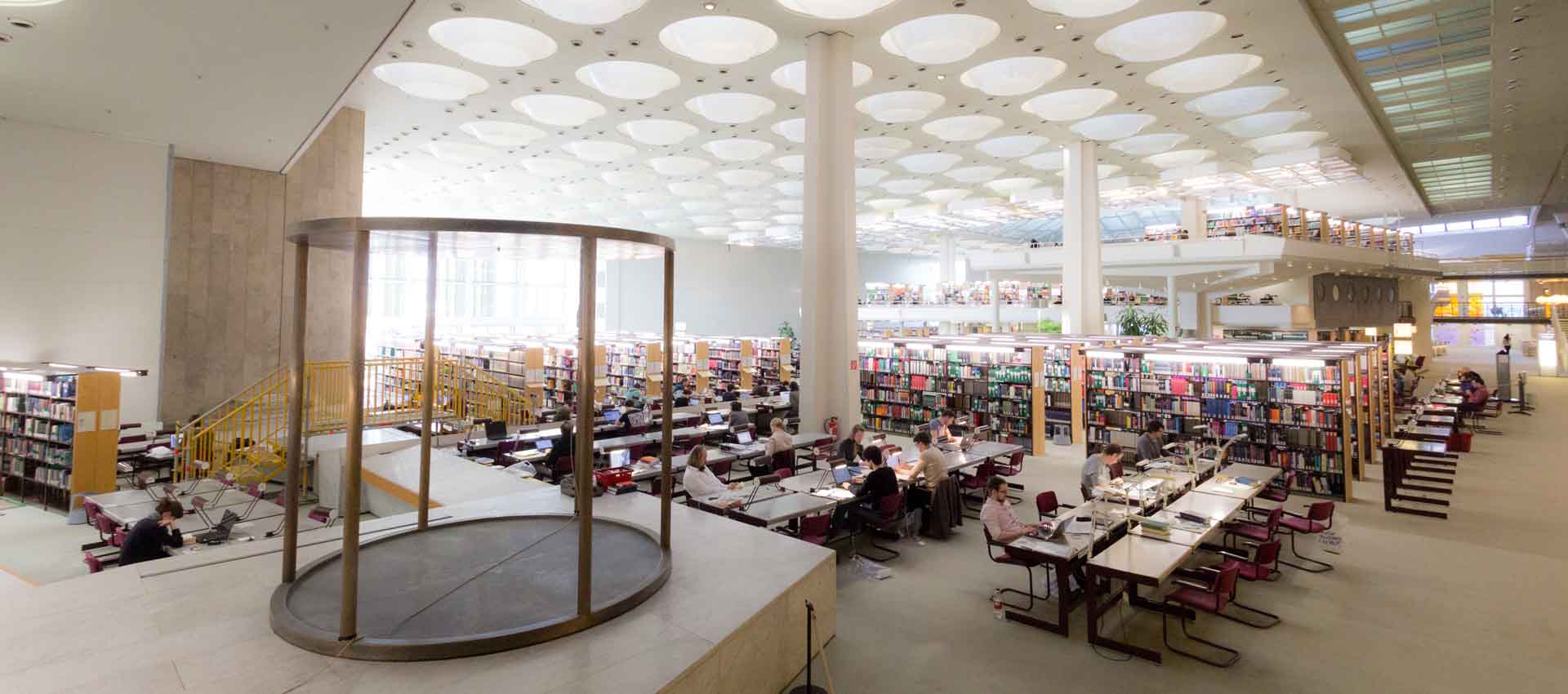
How can we attract as many people as possible to the SPK, how can we spark interest and enthusiasm, and how can we foster a lasting connection between people and the institution? The issue of audience development will remain relevant for all institutions, even though we were delighted to welcome over 3.7 million visitors last year and the SPK’s appeal remained high despite the Pergamon Museum being closed for renovation, additional closure days and hours, and increased admission prices. Through active engagement with the public and a variety of formats, we aim to attract new visitor groups. Achim Bonte, Director General of the State Library, sees one way of providing low-threshold access, for example, in the abolition of the annual fee and opening on Sundays. Through the targeted deployment of volunteers, the capacities of people – mostly retired – are utilised for the Stabi, thereby also effectively addressing the problem of loneliness and isolation in society. Around fifty volunteers, often with specialist knowledge – such as rare languages – are currently helping the State Library to implement its projects.
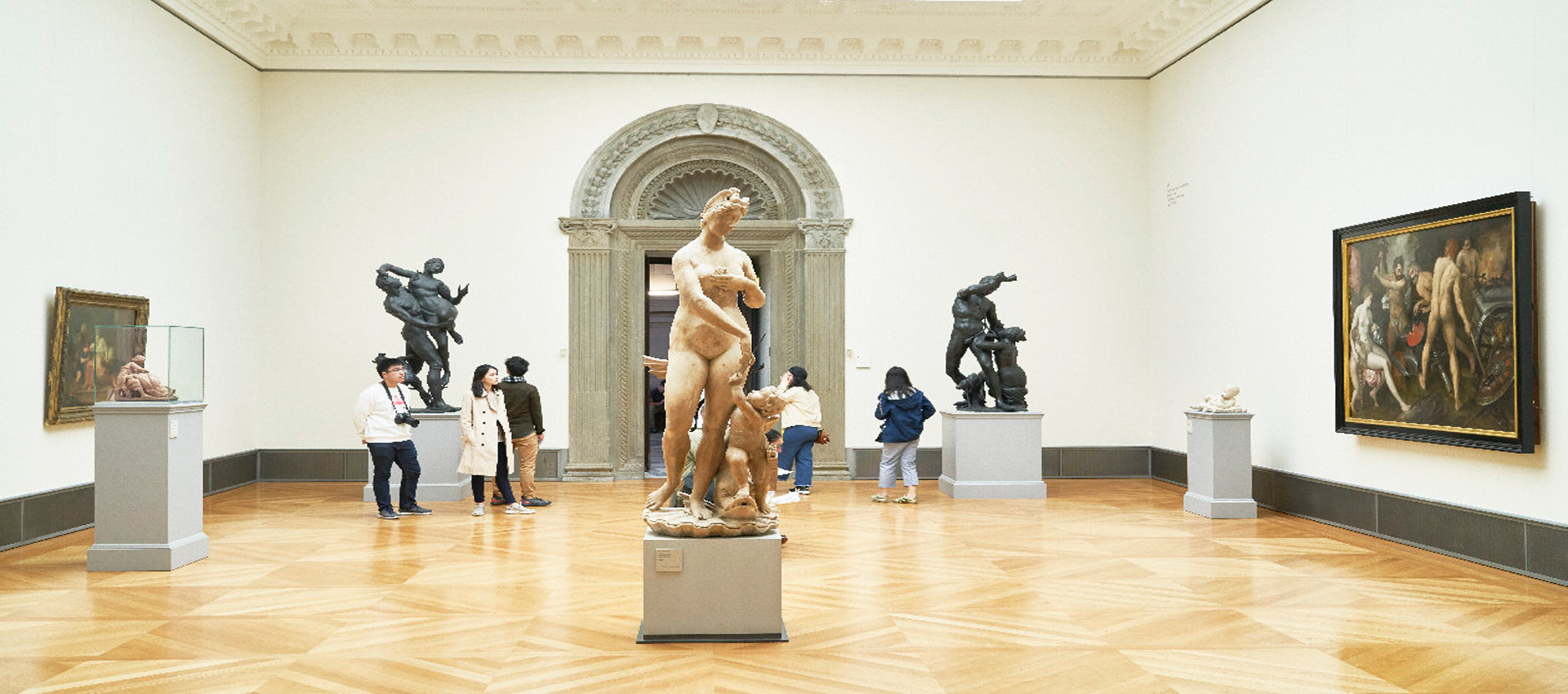
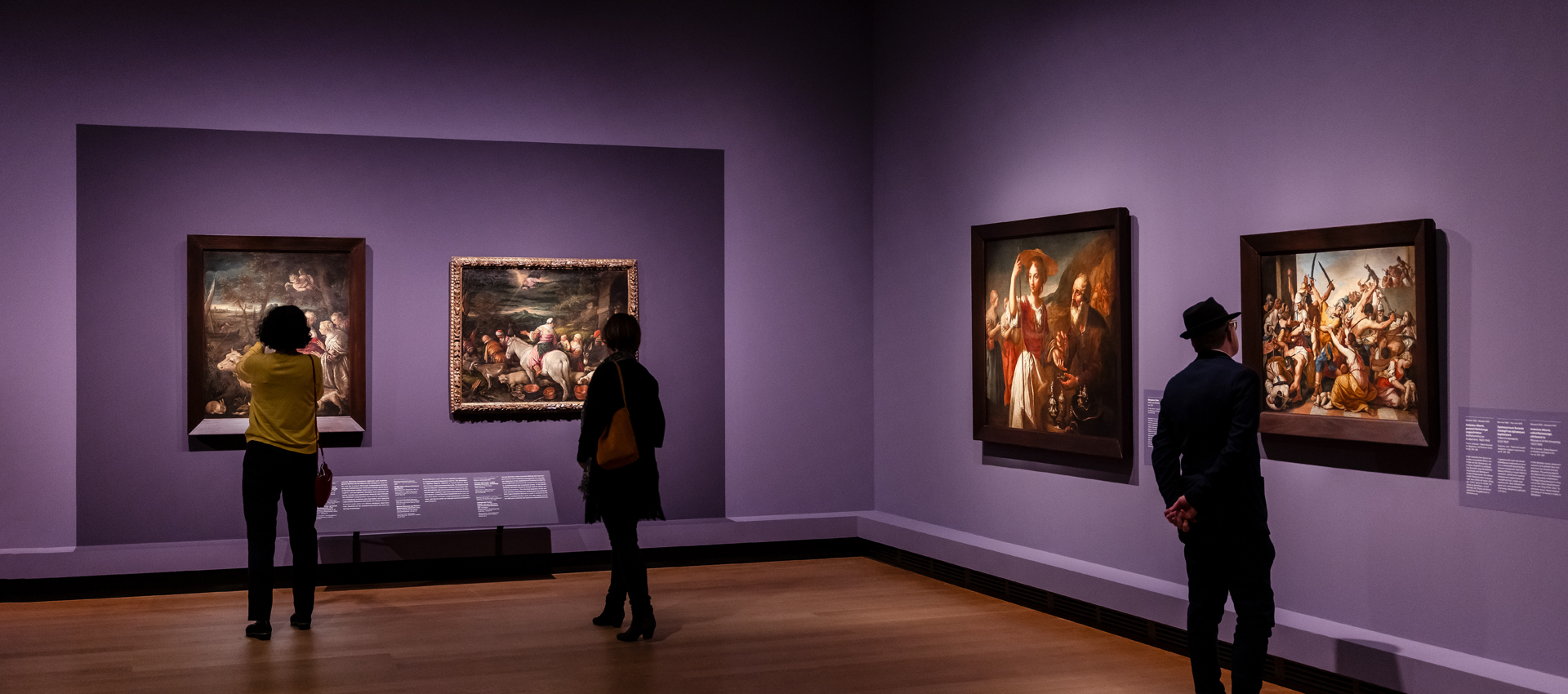
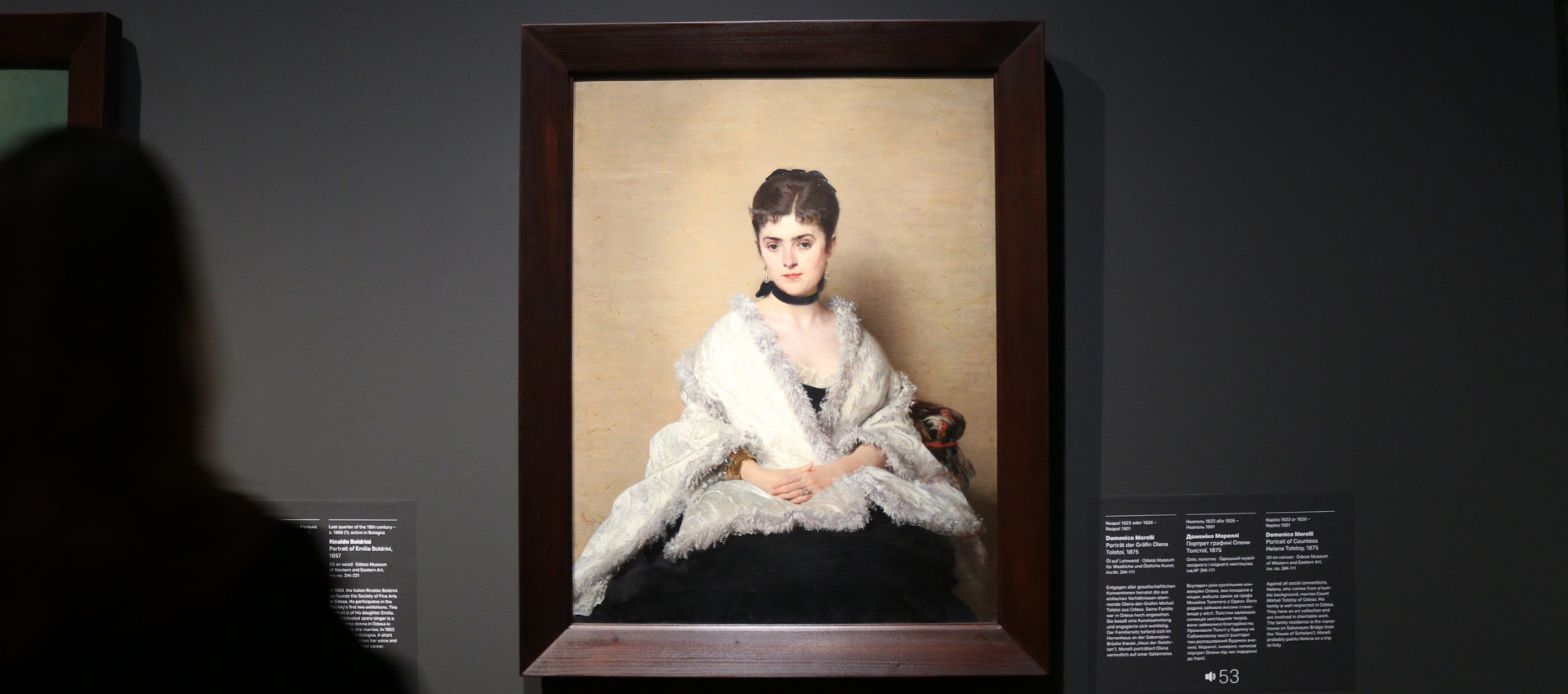
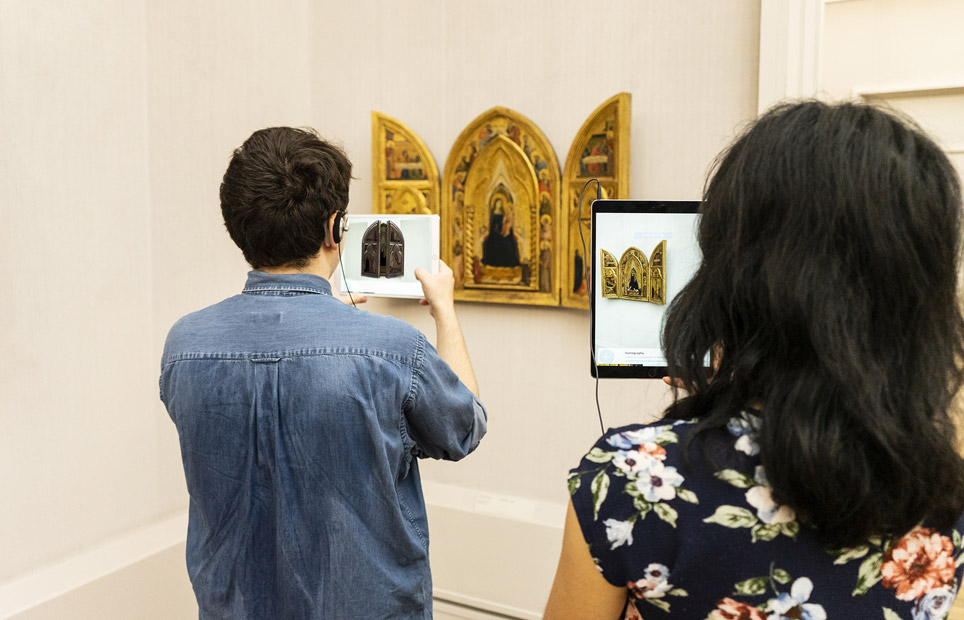
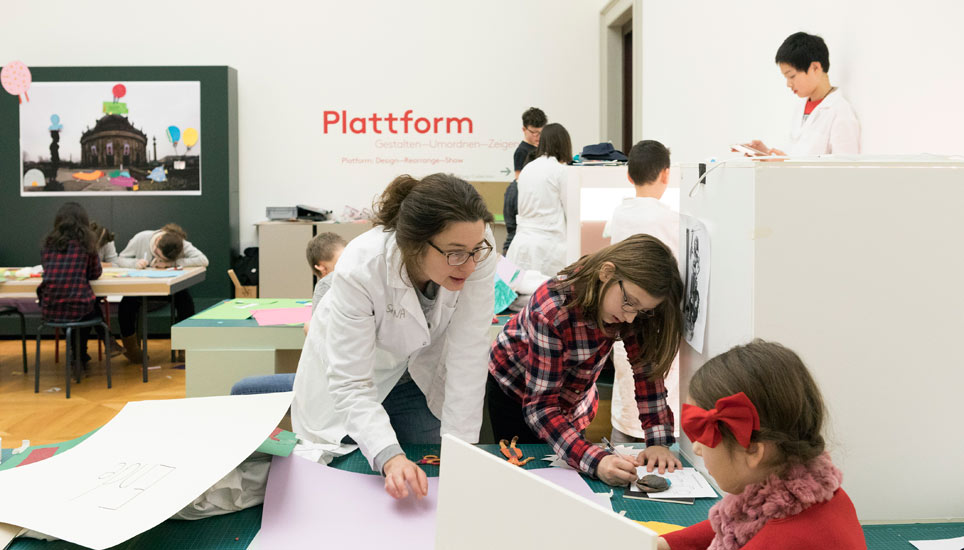
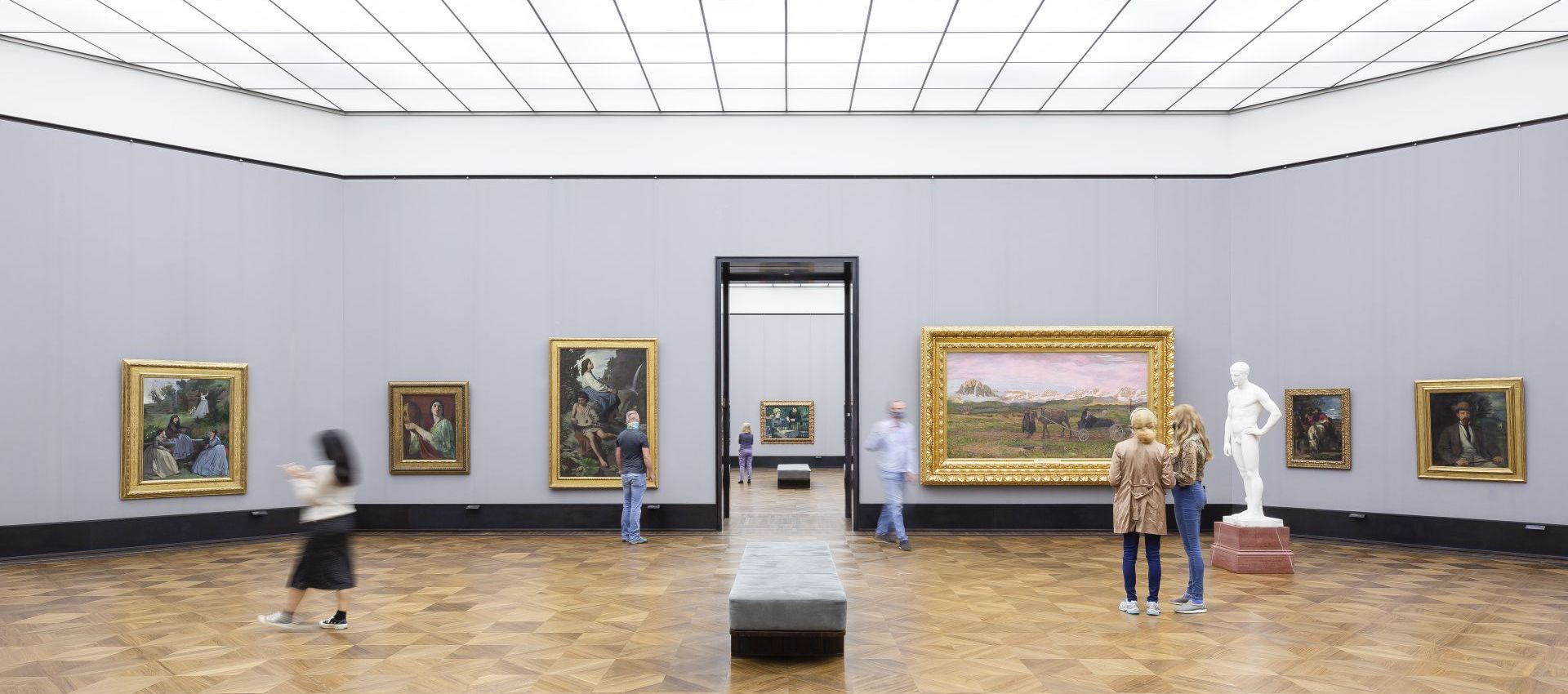
Overcoming boundaries and engaging with society is likewise the aim of Dagmar Hirschfelder, Director of the Gemäldegalerie. Thus, the current exhibition “From Odessa to Berlin. European Painting from the 16th to the 19th Century” is characterised by a decidedly cultural-political backdrop. Ukrainian cultural heritage is also highlighted as a marker of Ukrainian identity. The exhibition explicitly targets Ukrainian refugees in Germany, for whom admission is free. The catalogue, the explanatory texts in the exhibition and the audio guide are available in German, Ukrainian and English. Furthermore, the educational programmes, including workshops for families, are offered in Ukrainian. As is the case here and elsewhere, the Gemäldegalerie focuses on providing accessible explanations of its artworks, communicating research findings and offering art-historical context. A new, comprehensive ‘Highlights’ tour is available via audio guide in nine languages, alongside an audio guide for children.
“We want to welcome visitors with open arms,” says Achim Bonte, and this sums up the attitude of the entire SPK. Even if not everyone can be treated to cake, as was the case at Hermann Parzinger’s last annual reception, Marion Ackermann and her team will continue to ensure that the excellence and openness of the institutions continue to flourish and thrive in the future. For, as Claudia Roth put it: “Culture can provide support, guidance and strength.” That is good for everyone.