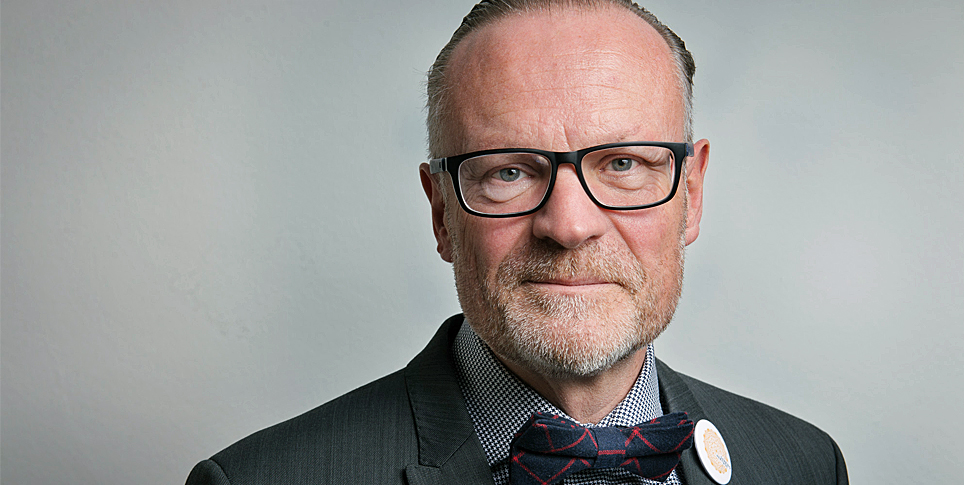
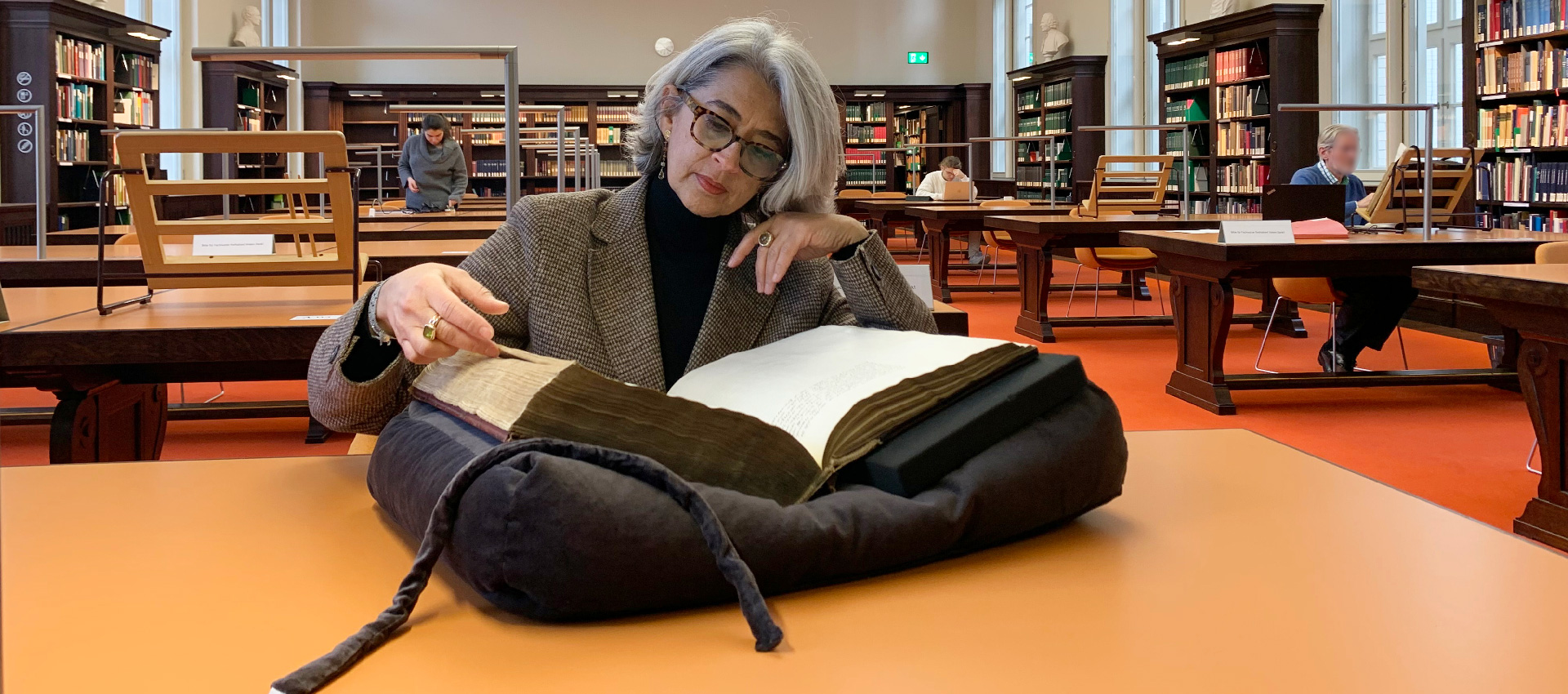
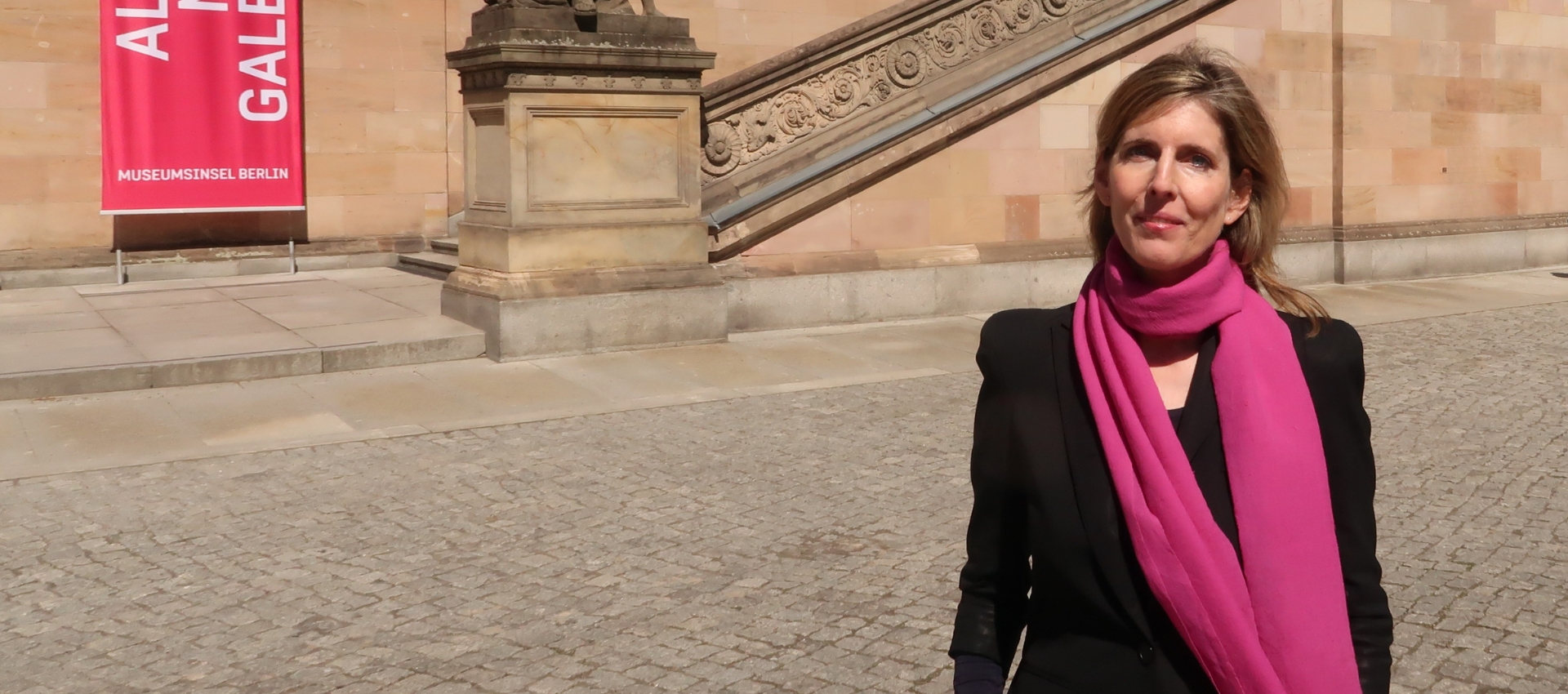
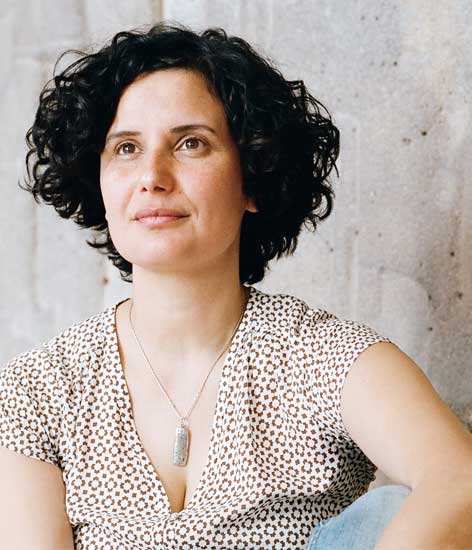
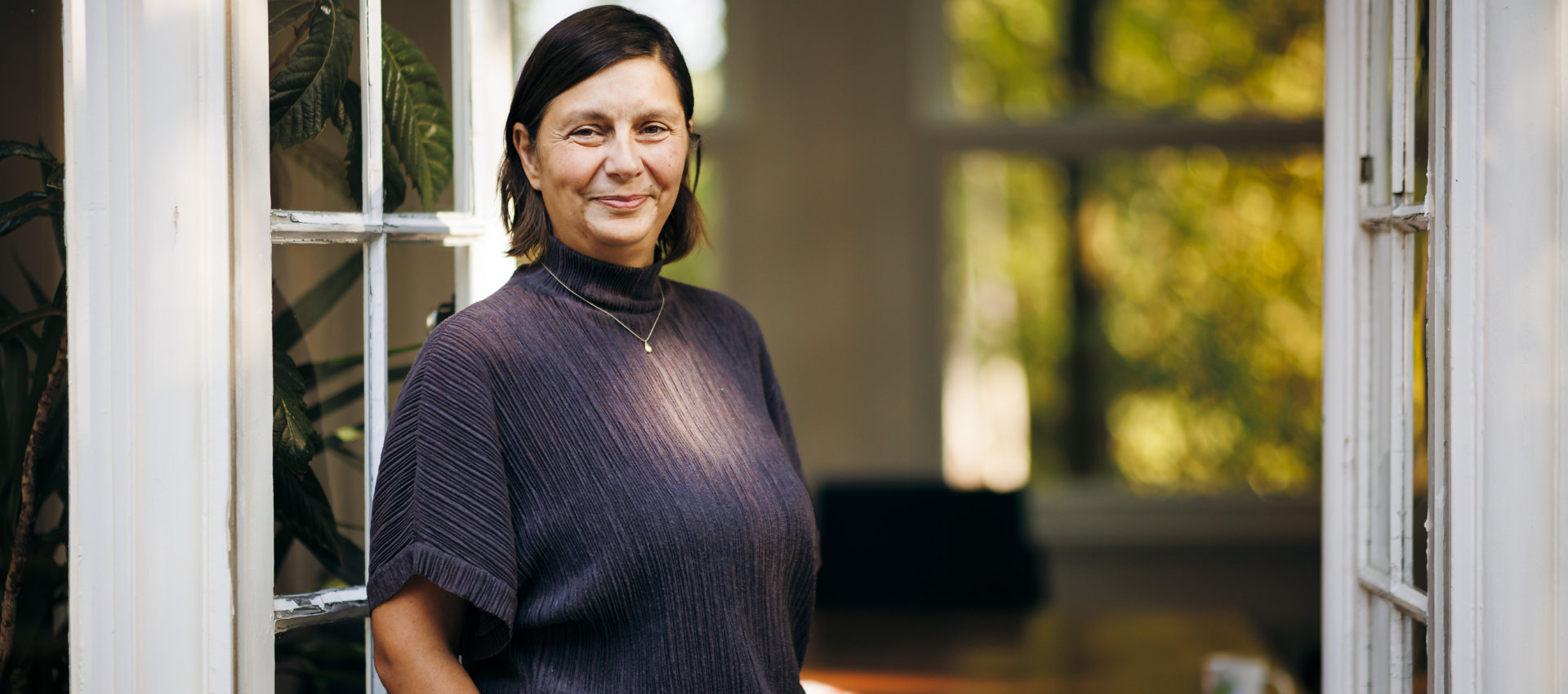
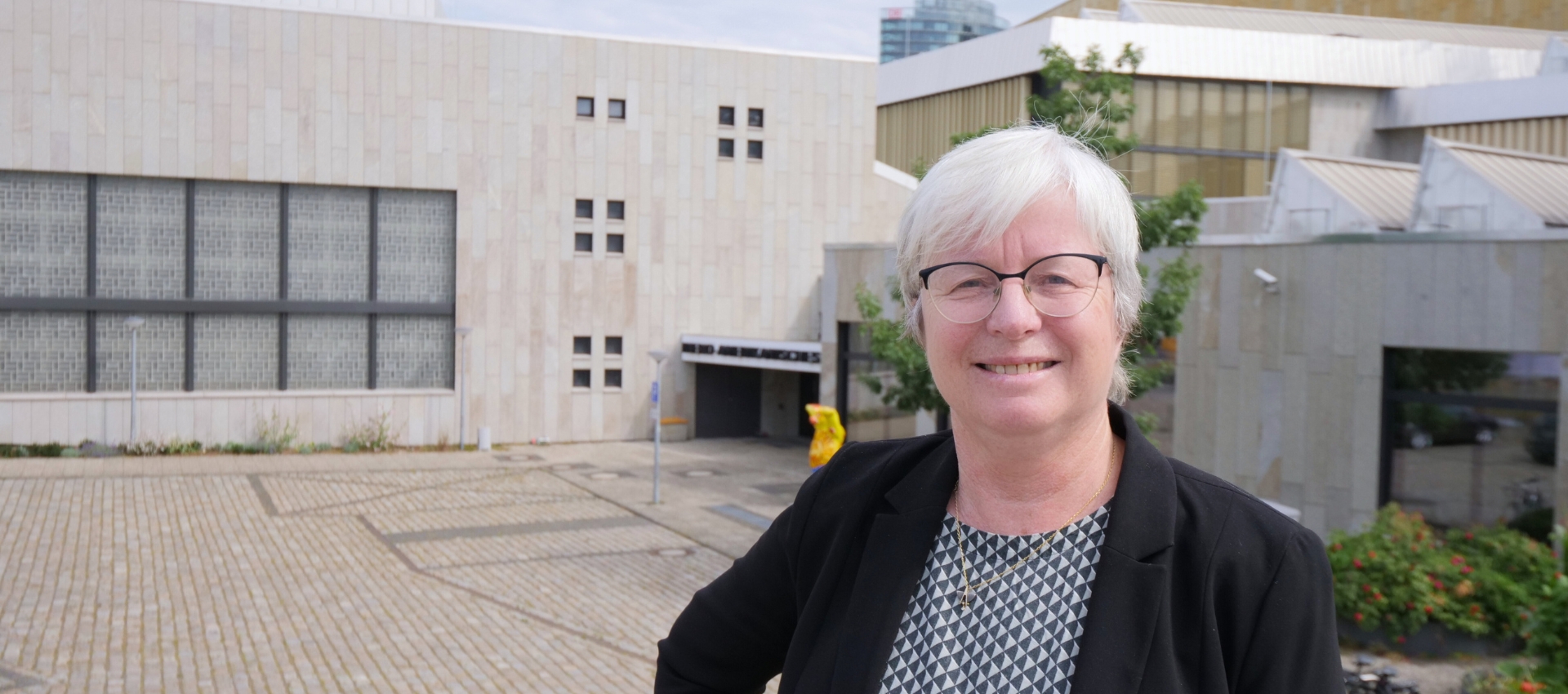
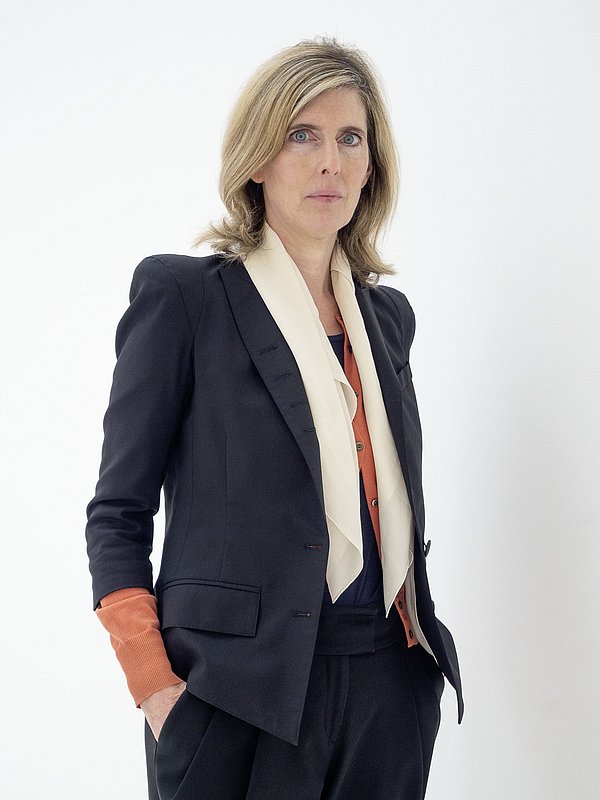
Since 1 March 2025, Anette Hüsch has been director of the Alte Nationalgalerie – with respect for history and a vision for the future. In this interview, she talks about the opportunities presented by the SPK reform, new exhibition ideas and the significance of Museum Island as a vibrant cultural hub.
Museum Island is one of Germany’s most significant cultural hubs, where you took up your post as Director of the Alte Nationalgalerie in March – does that inspire a sense of awe even in someone like you, with such an impressive career already behind you?
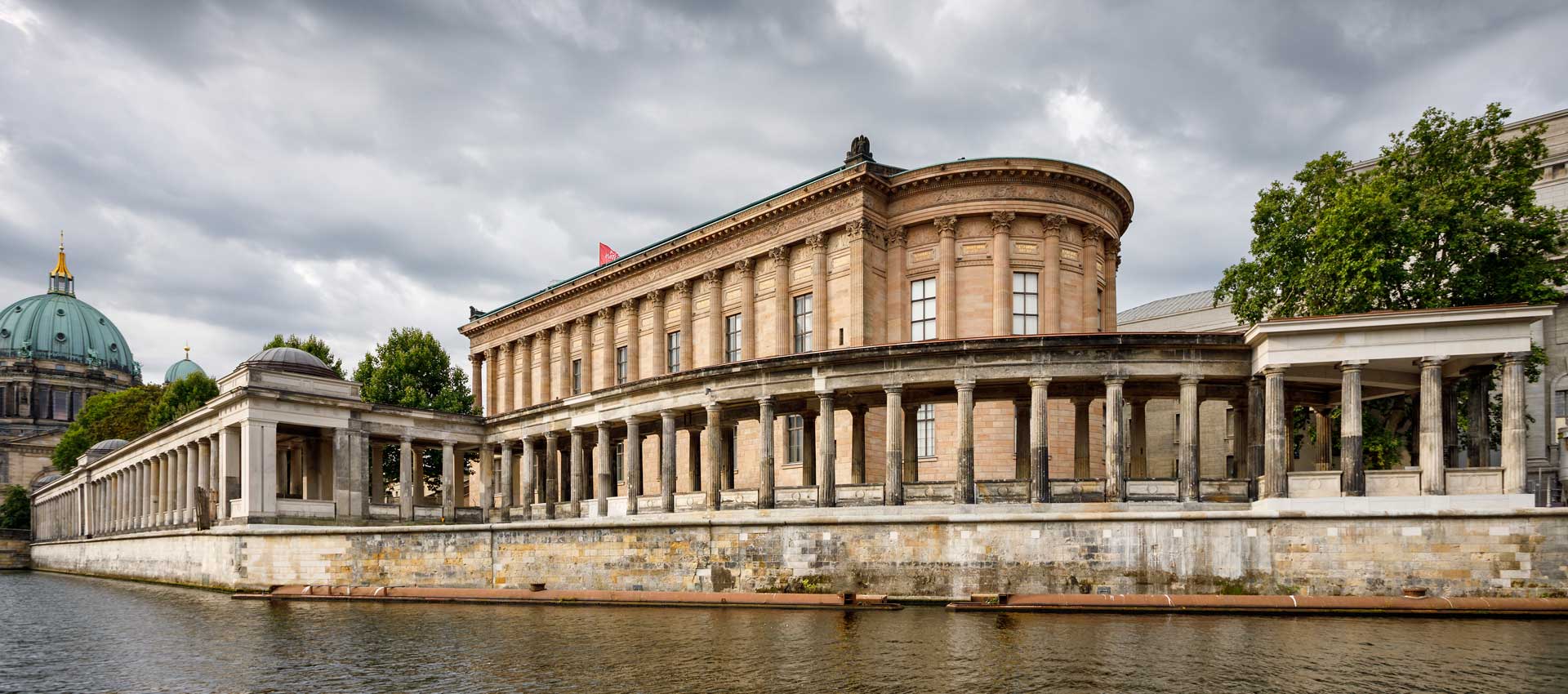
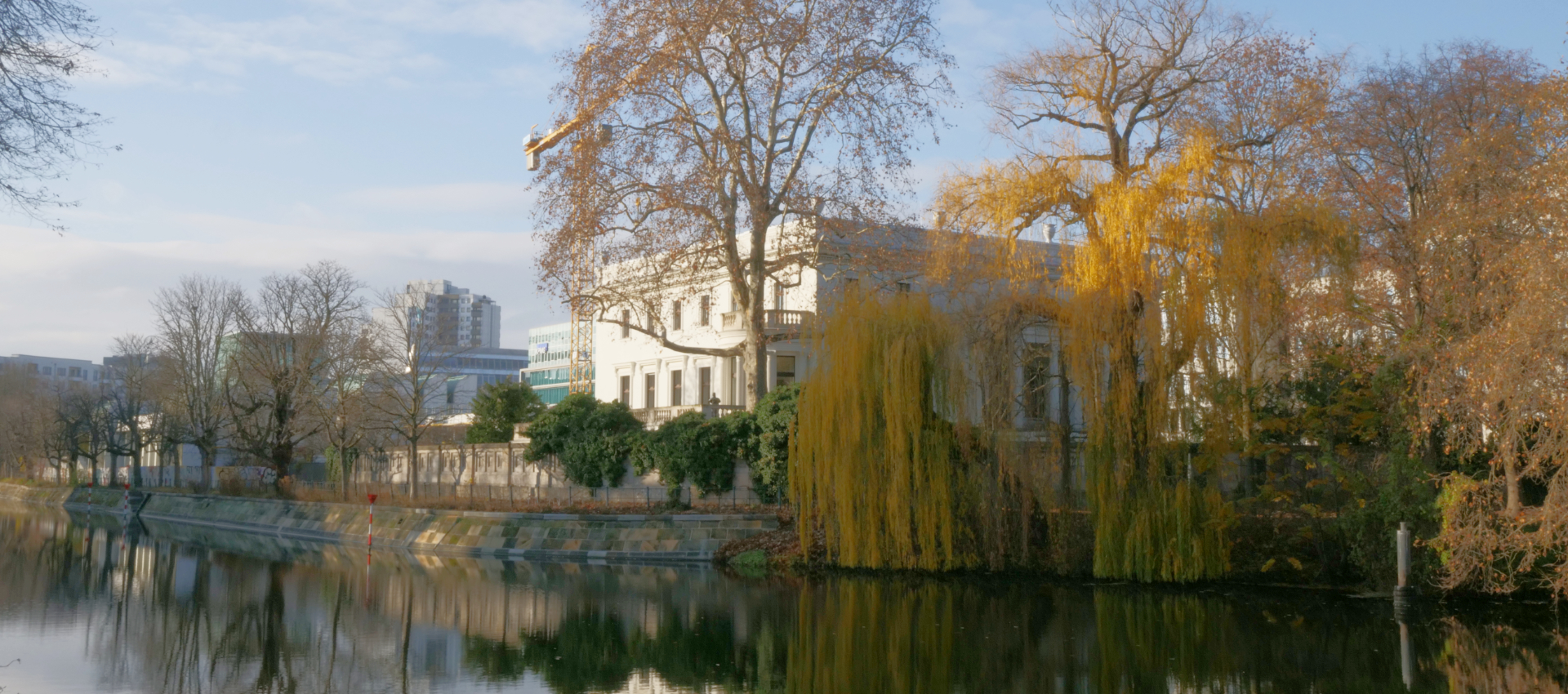
Awe is perhaps not quite the right word; rather, it is a great sense of joy at taking up the post, combined with respect for the history of the National Gallery’s main building, its outstanding collection – and for the achievements of my predecessors in the role, together with their teams.
You are joining the SPK in the midst of a fundamental reform process. The museum teams have only just begun their work, which is intended to grant the sites greater autonomy, including on Museum Island. Have you been following these processes over the last few months? What opportunities and challenges do you see in this transformation?
Yes, I have of course been following the reports. Greater autonomy for the museums presents opportunities, but it also brings organisational challenges. Within the new structure, the individual clusters – such as the Museum Island cluster here – offer the chance to strengthen neighbourhoods, collections and exhibitions, to become more agile and to communicate in a more focused manner. The aim, after all, is to invite people in and offer them the best possible guidance, both in person and online.
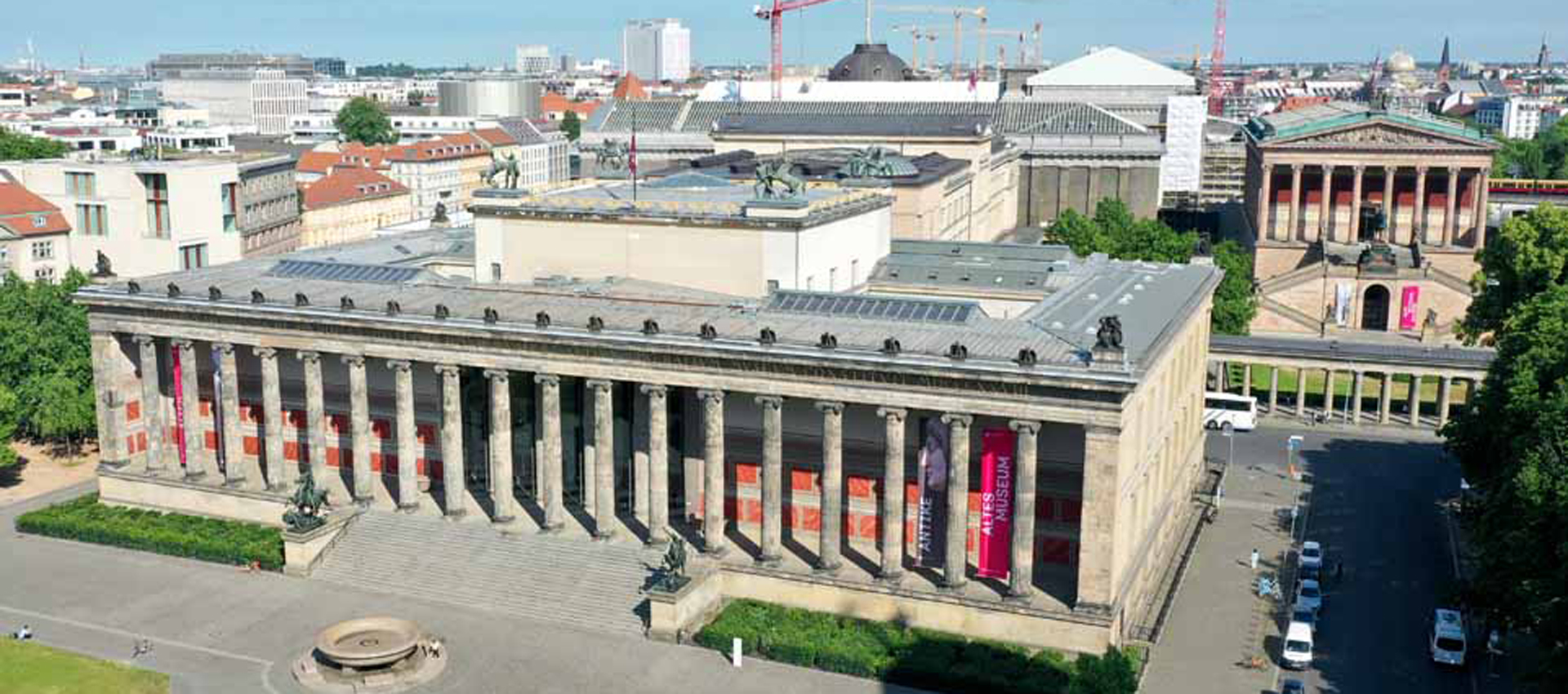
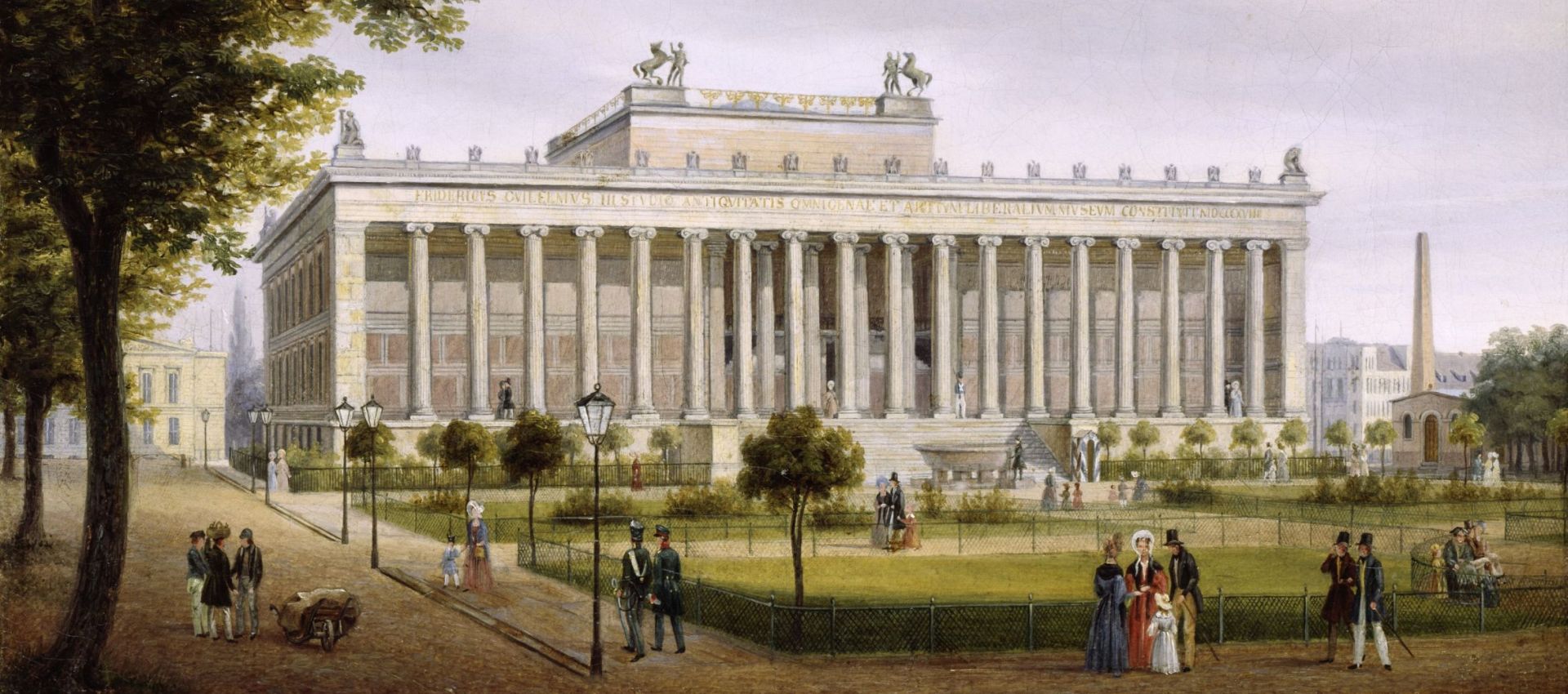
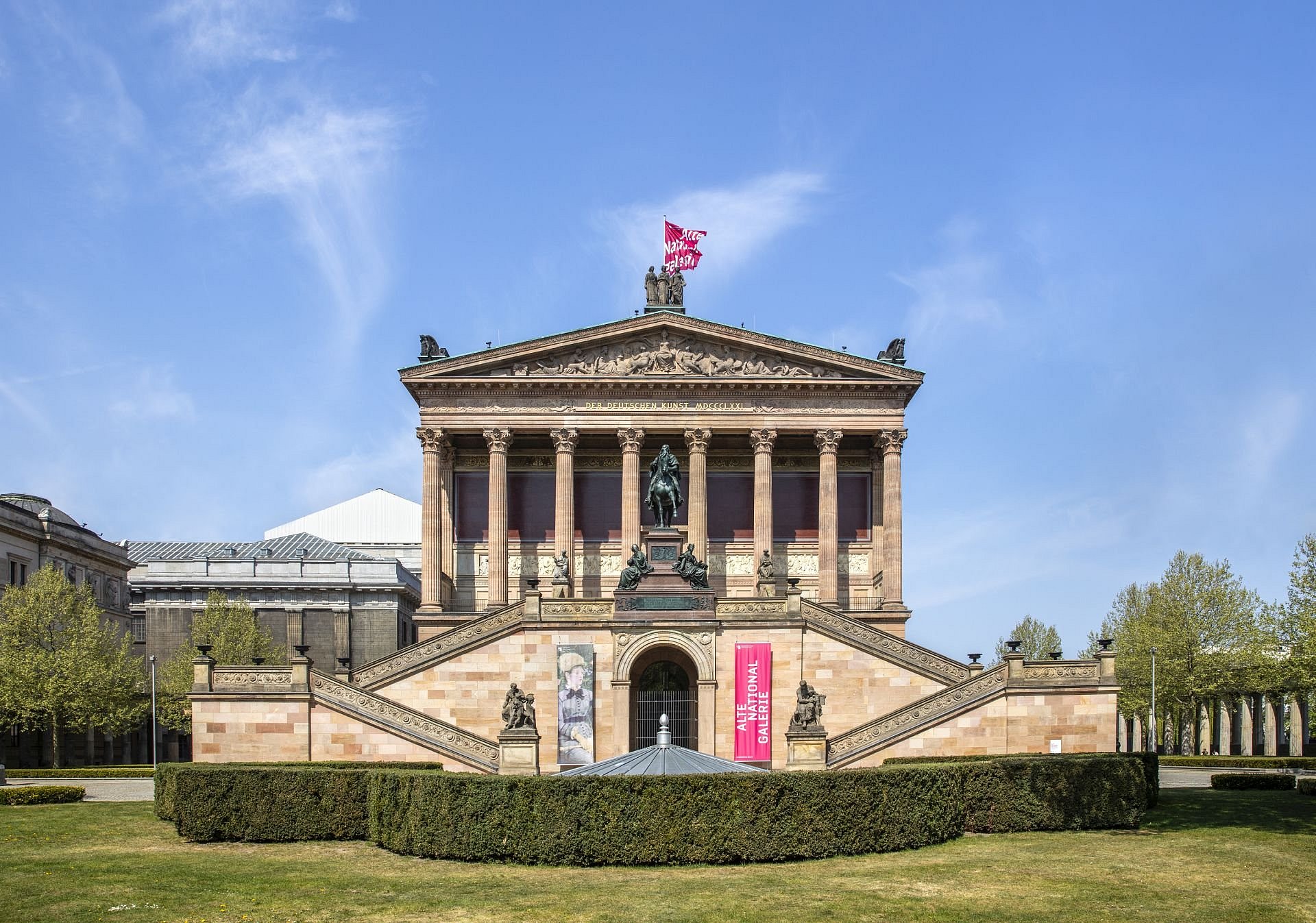
The Alte Nationalgalerie, with its outstanding collection of 19th-century art, is a vital component of the overall ensemble of collections on the island – what are your plans for the museum and how do you intend to integrate the collection into the Museum Island complex?
A spirit of cooperation on Museum Island is important and certainly fruitful. This requires strong individual institutions that, together, are greater than the sum of their parts. I can envisage many forms of collaboration and am delighted with the dialogue that has already begun with my colleagues!
The Alte Nationalgalerie is linked to the other institutions of the Nationalgalerie through the shared collection. For me, this collection unit is an essential part of the institution’s profile, which preserves the treasures of the ‘long 19th century’. Fortunately, with the ‘Friends of the Nationalgalerie’, the institutions of the Nationalgalerie have a very committed and loyal partner at their side, which facilitates, promotes and supports exhibitions and acquisitions.
The location on Museum Island, the National Gallery collection unit and the institution’s focus form the specific historical, conceptual and spatial ties and foundations of the Alte Nationalgalerie – on Museum Island and indeed beyond.
Your predecessor, Ralph Gleis, has left you with a thriving institution, which he also helped to develop through innovative exhibition concepts. Which aspects of the collection inspire you, and do you already have ideas for future exhibitions?
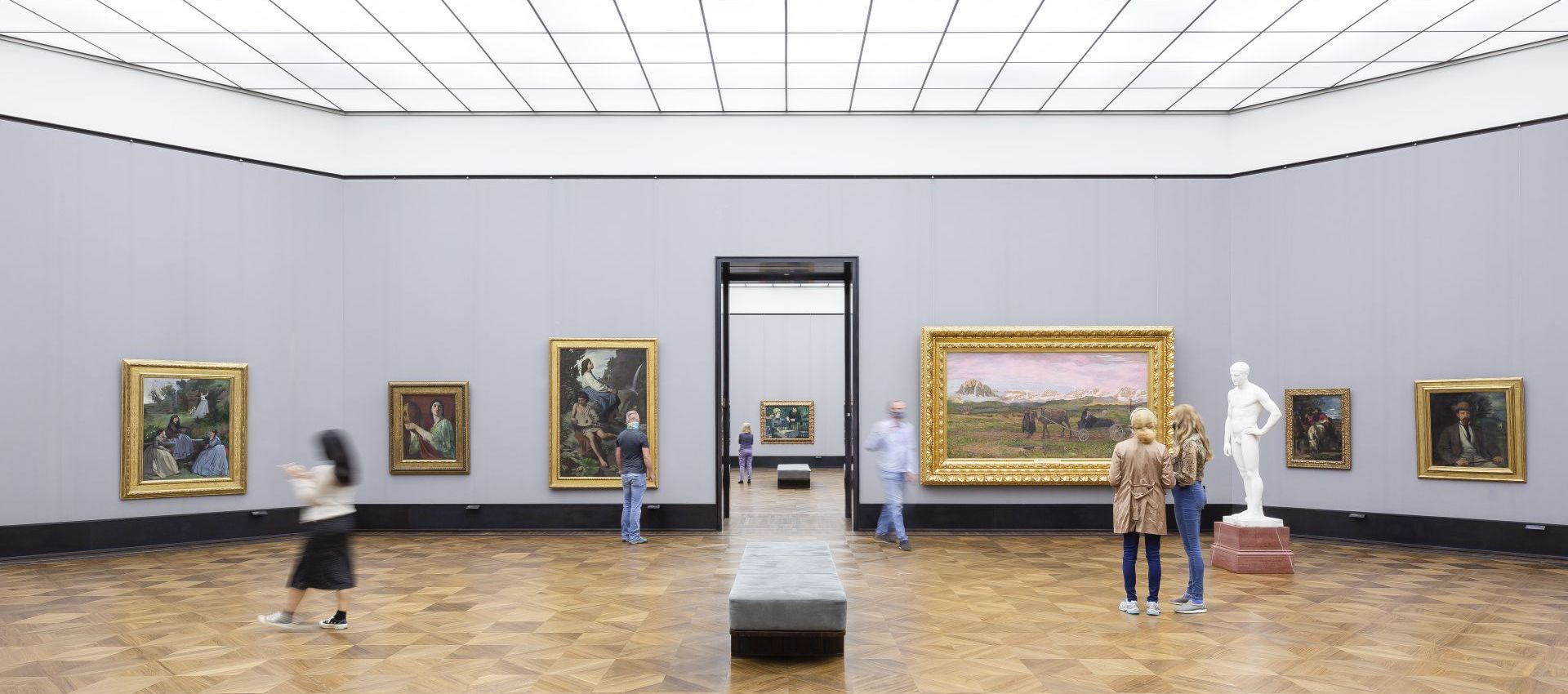
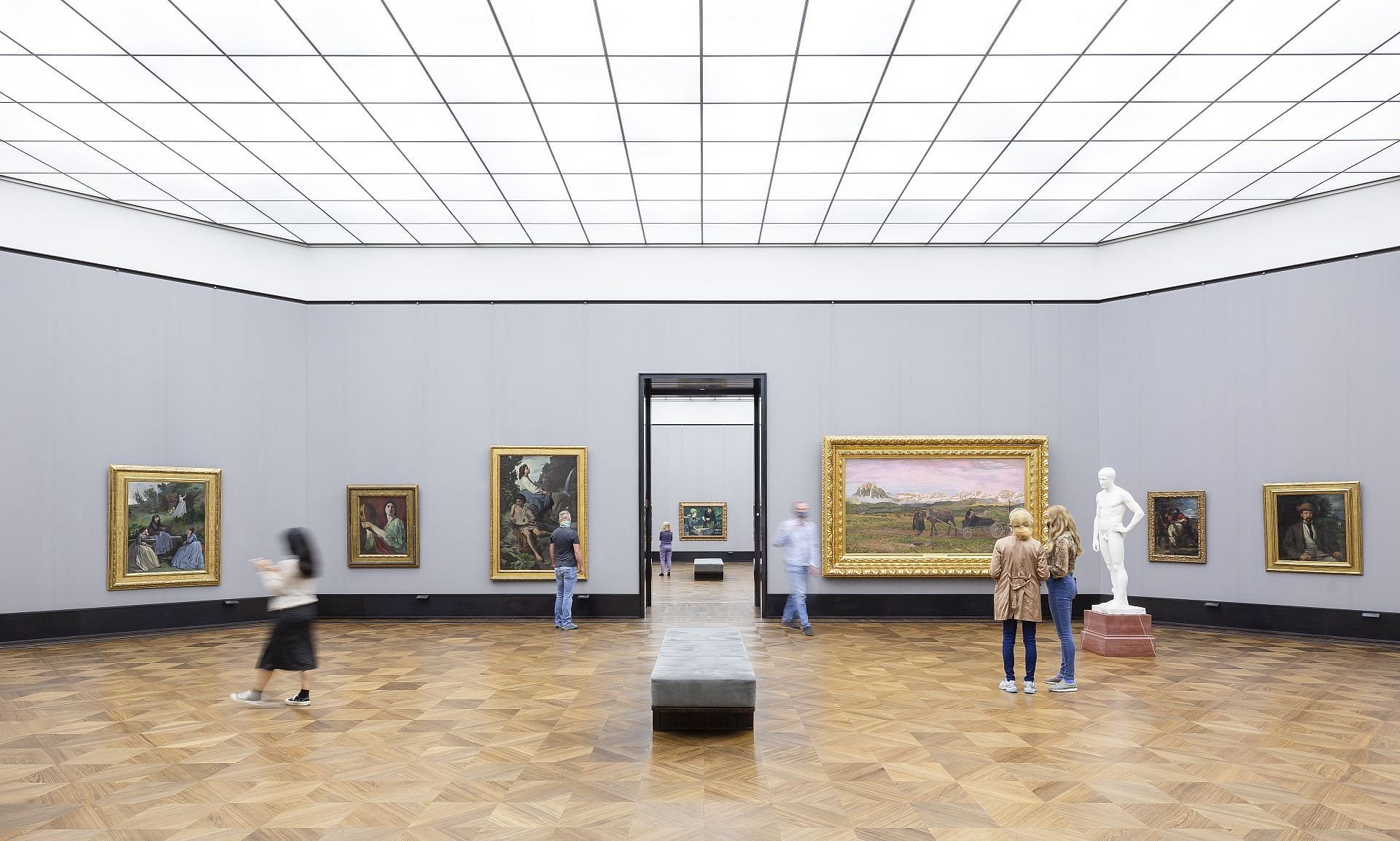
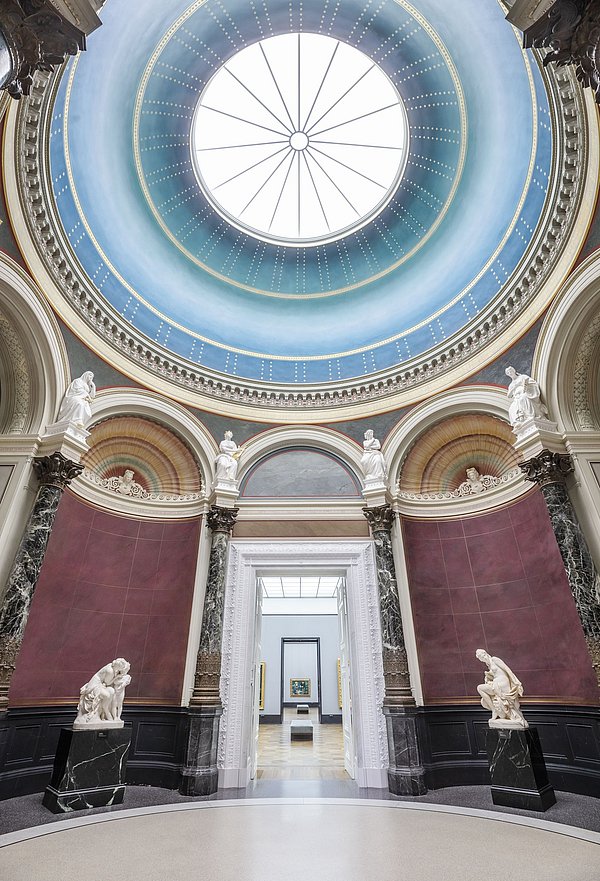
I am inspired by the diversity and quality of the collection, which I also consider to include the architecture. The collection is a repository of knowledge to be nurtured, explored and communicated – the core and an infinitely multifaceted source of inspiration for a wide range of themes and perspectives, both within the framework of the permanent collection and for special exhibitions. How were social utopias and dystopias, ruptures, contradictions, inventions and influences expressed artistically? To what extent did the arts anticipate developments – and which themes are of interest from a contemporary perspective, for example with regard to the history of the collection? These are among the questions that will continue to occupy us in the future.
Matthias Wemhoff, Director of the Museum of Prehistory and Early History and spokesperson for Museum Island, said in an interview last year that he wanted to put the island as a whole in the spotlight and appeal even more effectively to female visitors. So, essentially, something of a marketing campaign for the whole of Museum Island – what are your thoughts on that?
I consider it very important to promote Museum Island effectively, to develop visitor numbers sustainably, to get to know our visitors and their wishes ever better, and to invite people from diverse backgrounds and with varied interests. I am keen to hear the current state of the discussion.
One of my key tasks as Director of the Alte Nationalgalerie is to lead the institution towards greater autonomy – with all the various implications that such a process entails. A strong brand identity and a clear sense of purpose are important for the institution – and this undoubtedly includes its location at the heart of Museum Island.
Do you have a favourite piece in the Alte Nationalgalerie’s collection?
At the moment, I am particularly delighted by the successful acquisition of Camille Claudel’s “L’Implorante” (c. 1905) with the support of the Ernst von Siemens Art Foundation. The National Gallery’s collection thus gains the earliest known of the smaller bronze casts by the Parisian art dealer and foundryman Eugène Blot. The work enriches the collection’s sculptural holdings and expands the circle of rare works by female artists from the 19th century. In this context, a visit to the exhibition “Camille Claudel and Bernhard Hoetger – Emancipation from Rodin”, which opens on 6 June at the Alte Nationalgalerie, is highly recommended.