The fifth instalment of Hermann Parzinger’s Reform Diary focuses on administration as an enabling structure
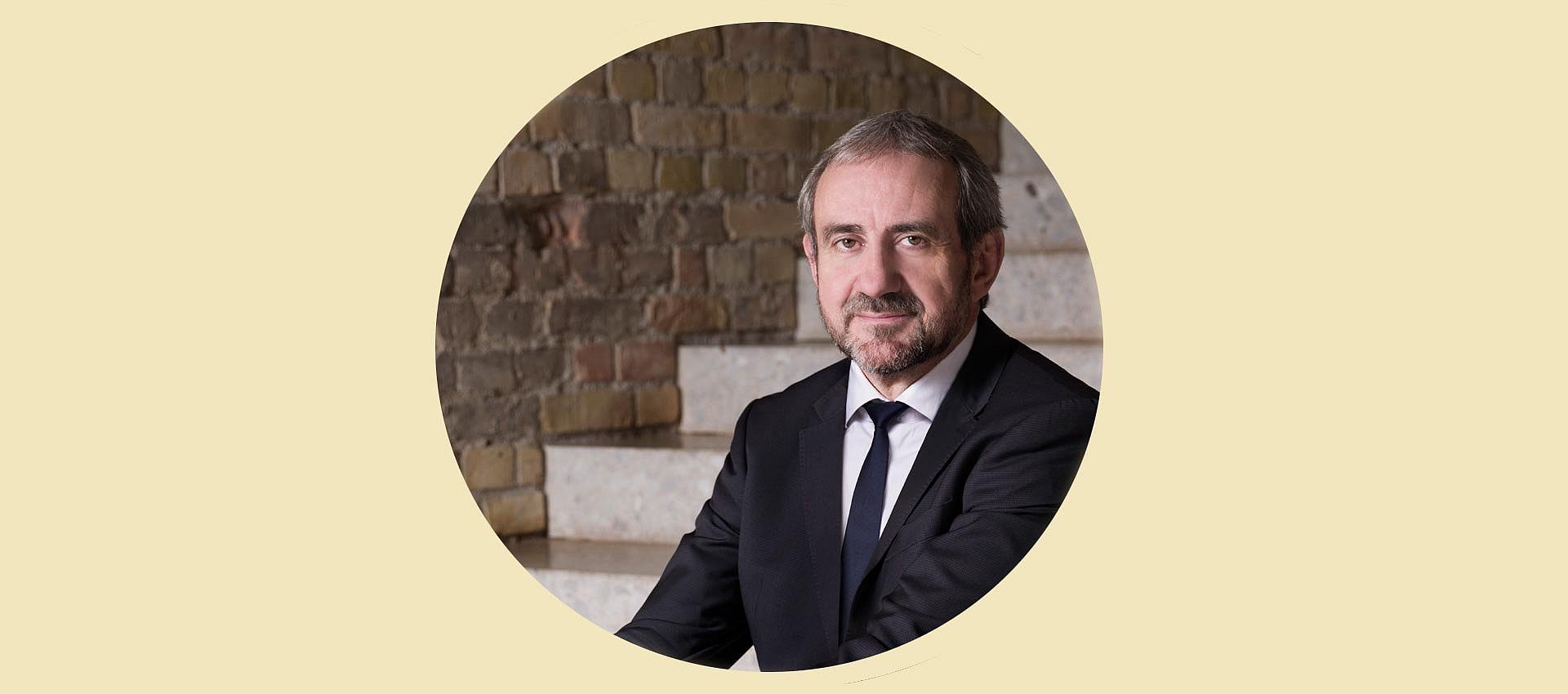
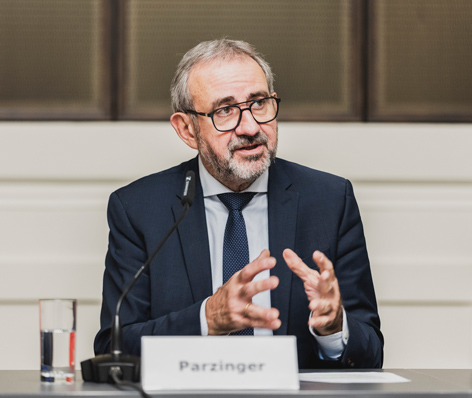
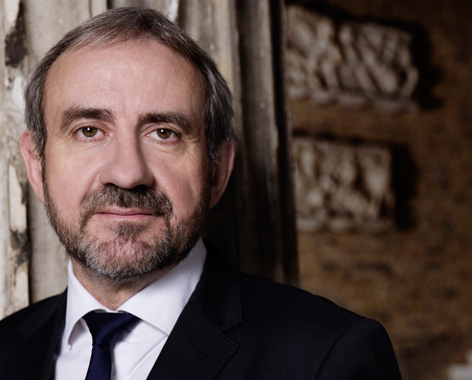
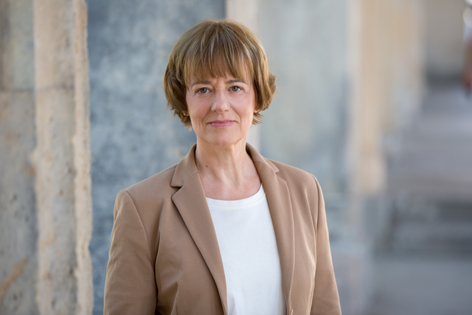
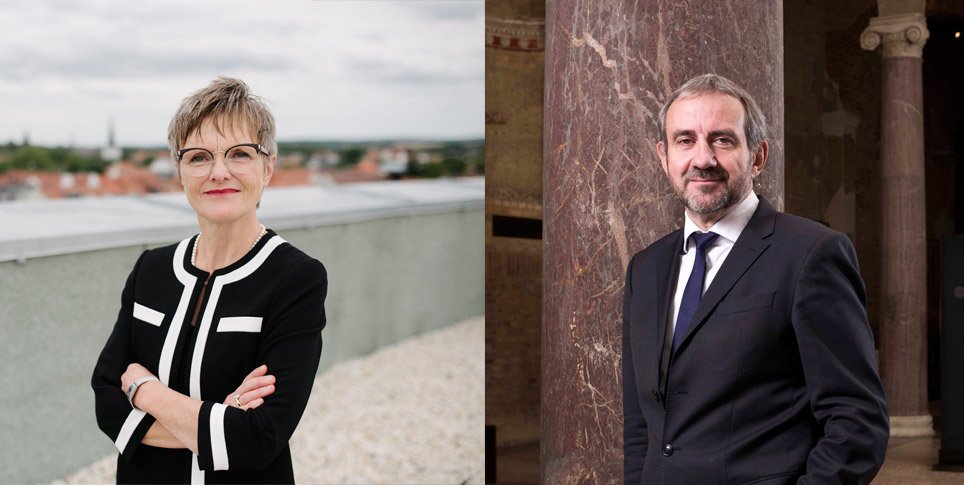
Hermann Parzinger has been President of the Prussian Cultural Heritage Foundation since 2008. Under the title “Reform Diary”, he offers insights into the foundation’s transformation in “Politik und Kultur”, the newspaper of the German Cultural Council.
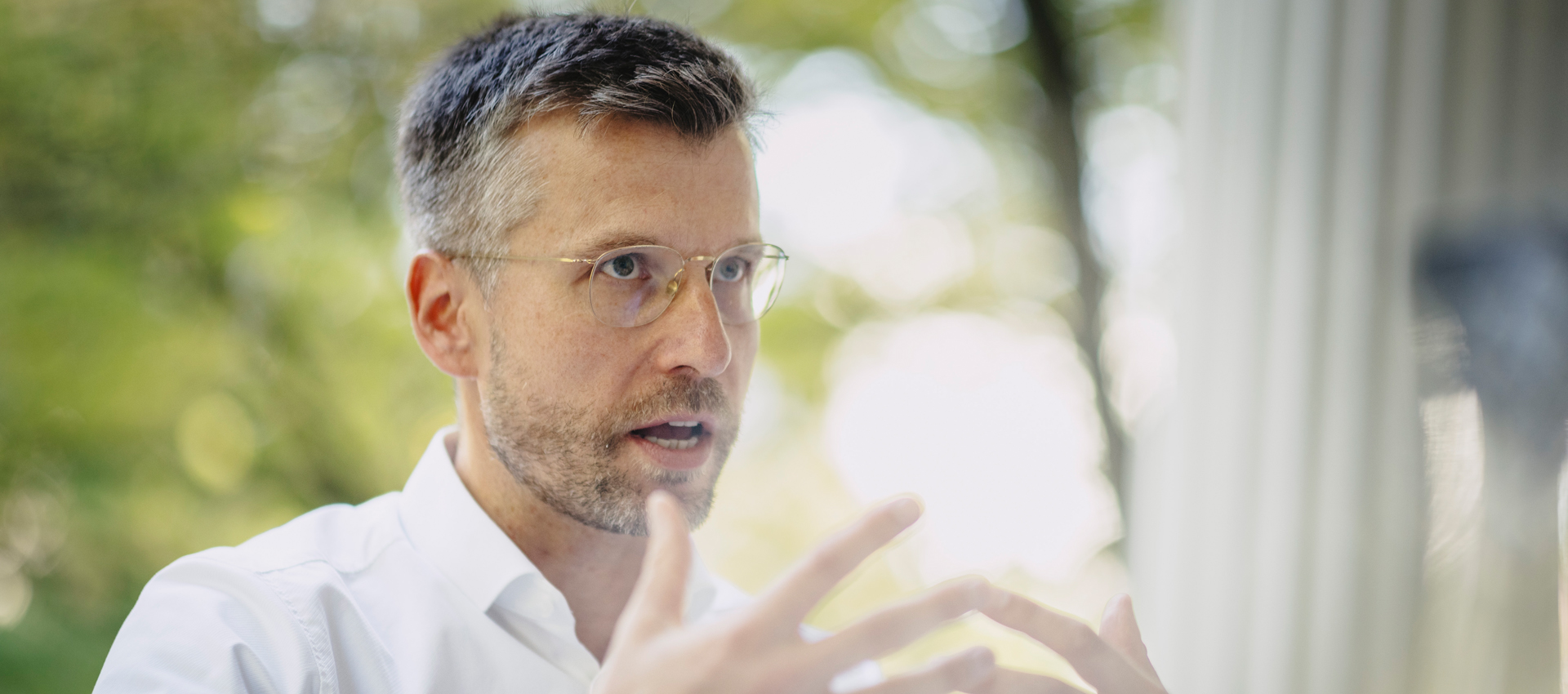
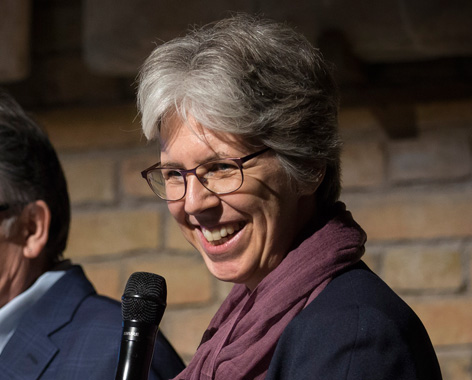
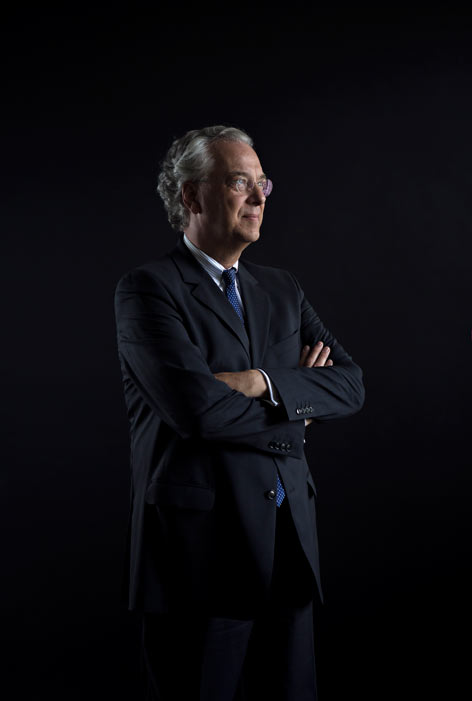
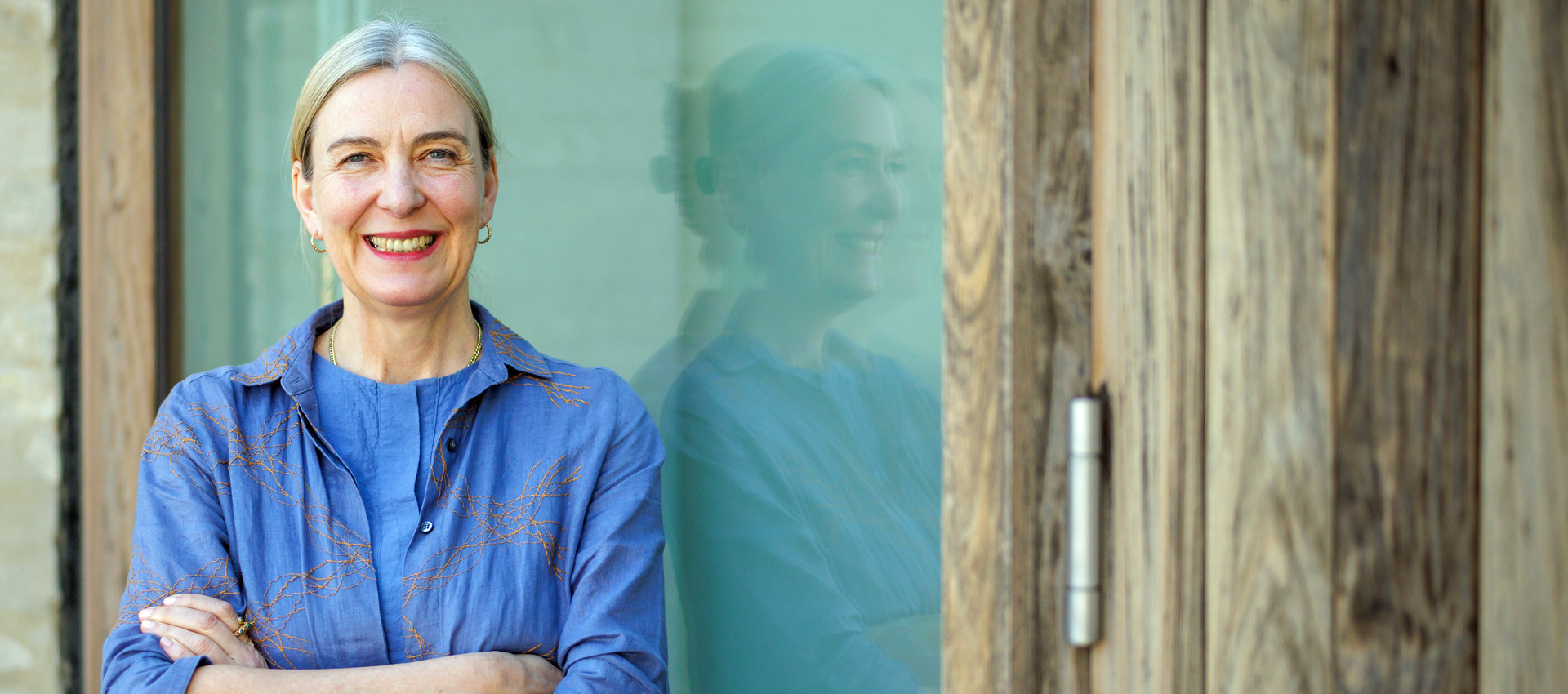
Photo: SPK / Herlinde Koelbl
Working together to create a new organisational culture
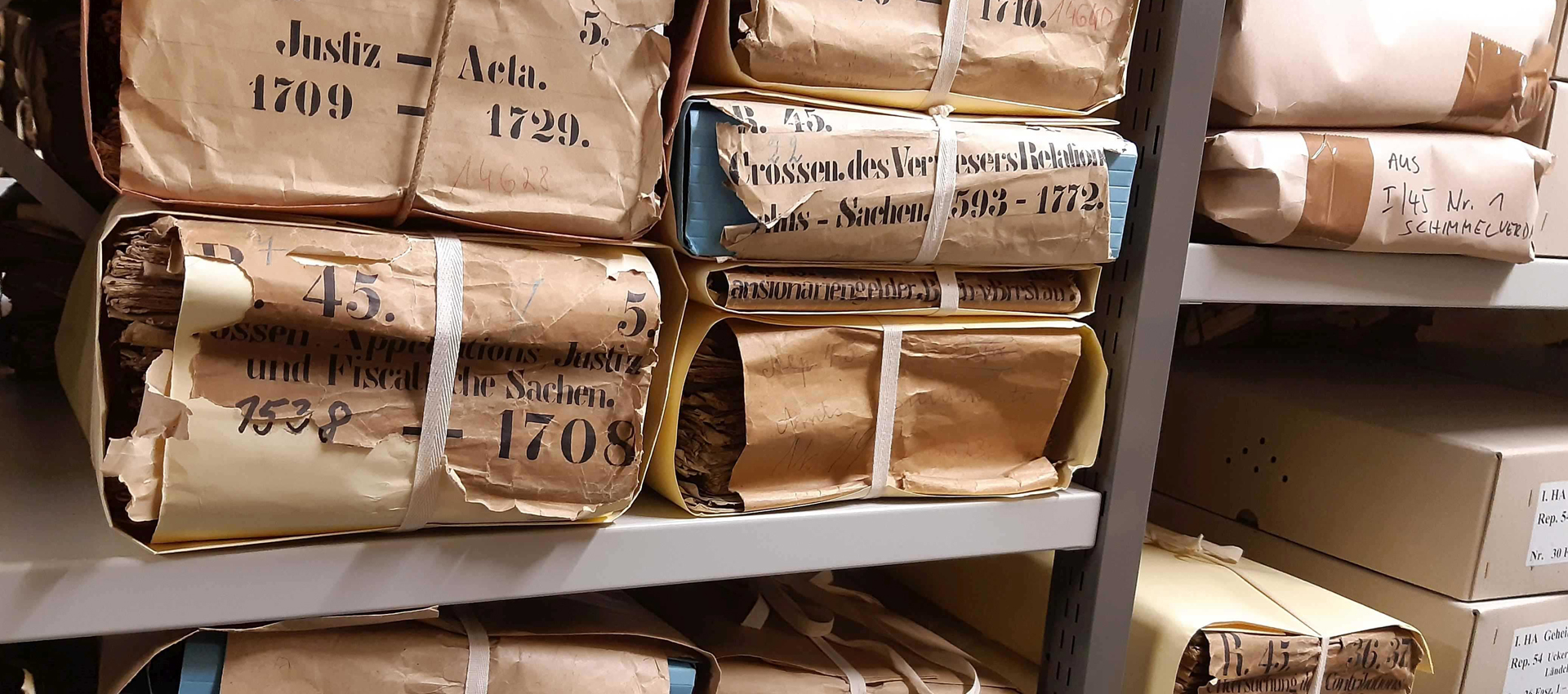
Working in large public institutions such as the Prussian Cultural Heritage Foundation (SPK) involves navigating the tension between the professionally justified needs of the institutions and the authorities’ commitment to acting in accordance with the law. We are required to prevent misuse and inefficiency when dealing with public funds. At the same time, we too are grappling with increasing bureaucratisation; regulations are becoming ever more complex, yet never simpler. The result is uncertainty and a fear of making decisions where initiative and creativity would be called for. The solution is then often sought in the digitalisation of administrative processes. As if speed, transparency and general satisfaction would automatically follow from this alone. The catch is this: not only the Foundation, but our entire country is not exactly a leader in reducing bureaucracy – even by international standards. And yet, a great deal has happened within the SPK regarding the implementation of digital administrative tools. However, the question of the relationship between centralisation and decentralisation, and of an administration’s self-image, remains one of the core issues. The reform of the SPK will only succeed if we work together to create a new organisational culture and everyone shares the same goal of success.
New ZSE: A focus on service
The Foundation Board resolution of 5 December 2022, which sets the direction for the reform of the SPK, stipulates with regard to administration that the SPK’s institutions are responsible for their own budgets. To create synergy effects, administrative tasks are carried out by a Central Service Unit (ZSE), whose role is to provide services (e.g. legal affairs, procurement, construction and other services) for the SPK institutions, provided these tasks cannot be performed more effectively within the institutions themselves. The ZSE also ensures consistency and cost-effectiveness in operations. Appropriate management models must be developed for this purpose.
Unlike the current Central Administration (CA), which reports directly to the President and oversees the institutions, the future ZSE will be situated alongside the institutions. Furthermore, alongside controlling tasks, the focus is on the service ethos, ensured through service level agreements. Administration should see itself as an ‘enabling structure’. Admittedly, it will still be a challenge to fulfil controlling and service tasks in equal measure. We are currently developing a vision for the future ZSE and devising a functional organisational and operational structure with clear management and decision-making pathways.
We are currently developing a vision for the future ZSE and establishing a functional organisational and operational structure with clear lines of management and decision-making.
Hermann Parzinger
Promoting autonomy and flexibility
In the HR department, our aim is to enable facilities to have greater decision-making autonomy without fragmenting HR administration where a unified approach is required. The objective is to establish HR teams for each facility that provide comprehensive advice to the facility’s management and act as a ‘single point of contact’. These HR teams will also bear end-to-end process responsibility. Depending on the institution’s focus and individual needs, HR teams may take on areas of responsibility on a modular basis or in collaboration with on-site HR resources. In addition to policy matters, HR planning, resource management, job evaluation and quality management will remain centrally managed.
In the area of finance, the autonomy and scope for initiative of archives, libraries, museums and institutes are promoted through independent budgets. The digitisation of budget management will significantly simplify budget planning and monitoring.
We still have a lot of work ahead of us
Looking ahead, it would be desirable for the SPK to move away from the highly restrictive cameralistic accounting system and introduce a global budget – or at least elements of one. Under this system, funds are allocated in the form of a lump sum over which the organisation has largely independent control. The advantages would include management through target agreements, transparent control of revenue and expenditure, greater autonomy in the use of the budget, greater flexibility in resource planning, and freedom from the constraints of a staffing plan, amongst other things. However, a global budget would also require the establishment of new management mechanisms and controlling instruments.
These brief remarks demonstrate the possibilities available even to public-law institutions such as the SPK for operating more flexibly in the future. However, there is still much work ahead of us before more fundamental changes take effect. The introduction of a global budget, for instance, is a political decision that can only be taken by the federal and state governments. A new understanding of the interaction between administration and institutions, right through to the optimisation and digitalisation of processes in day-to-day cooperation, must, however, be developed within the SPK. Administration must serve the institutions – not the other way round.